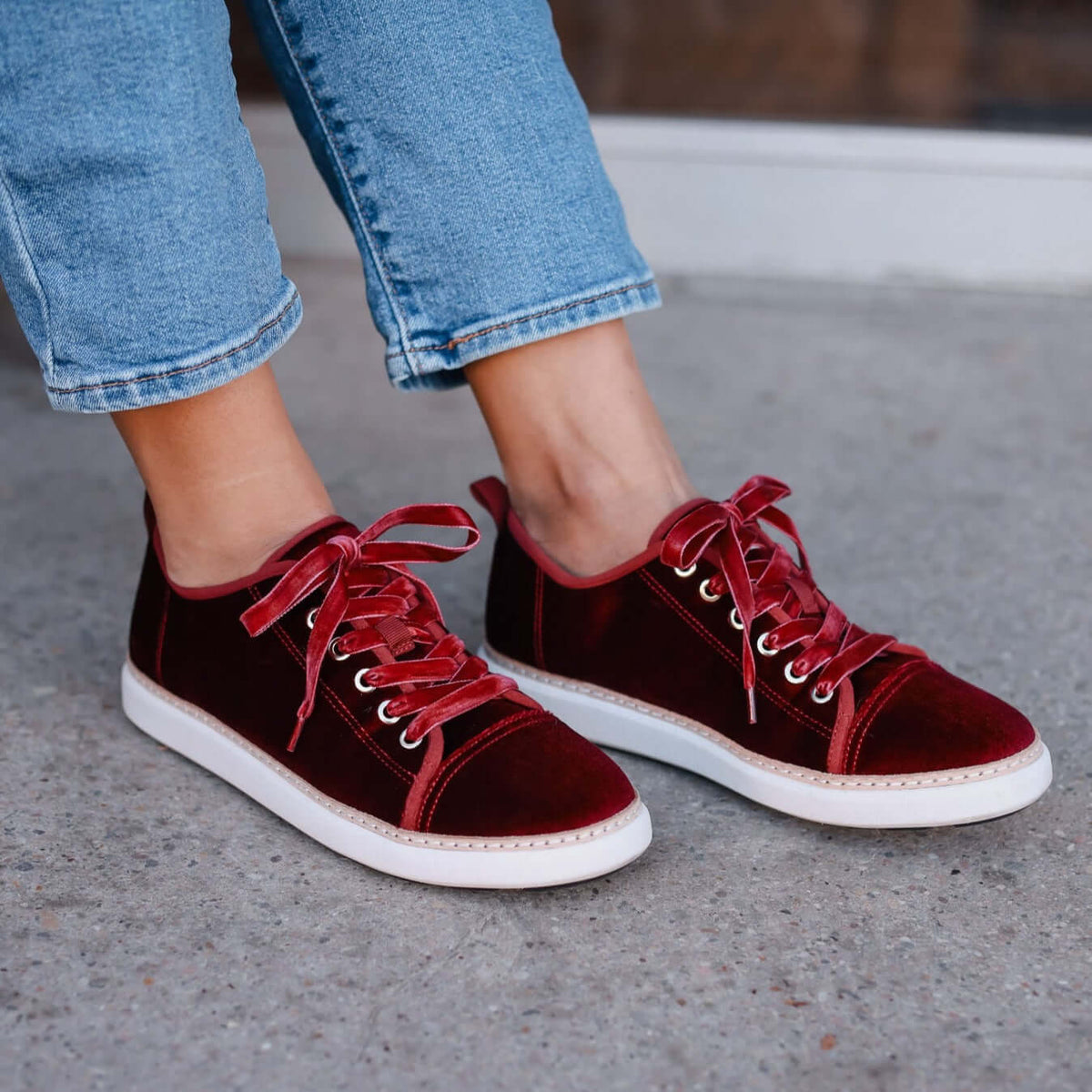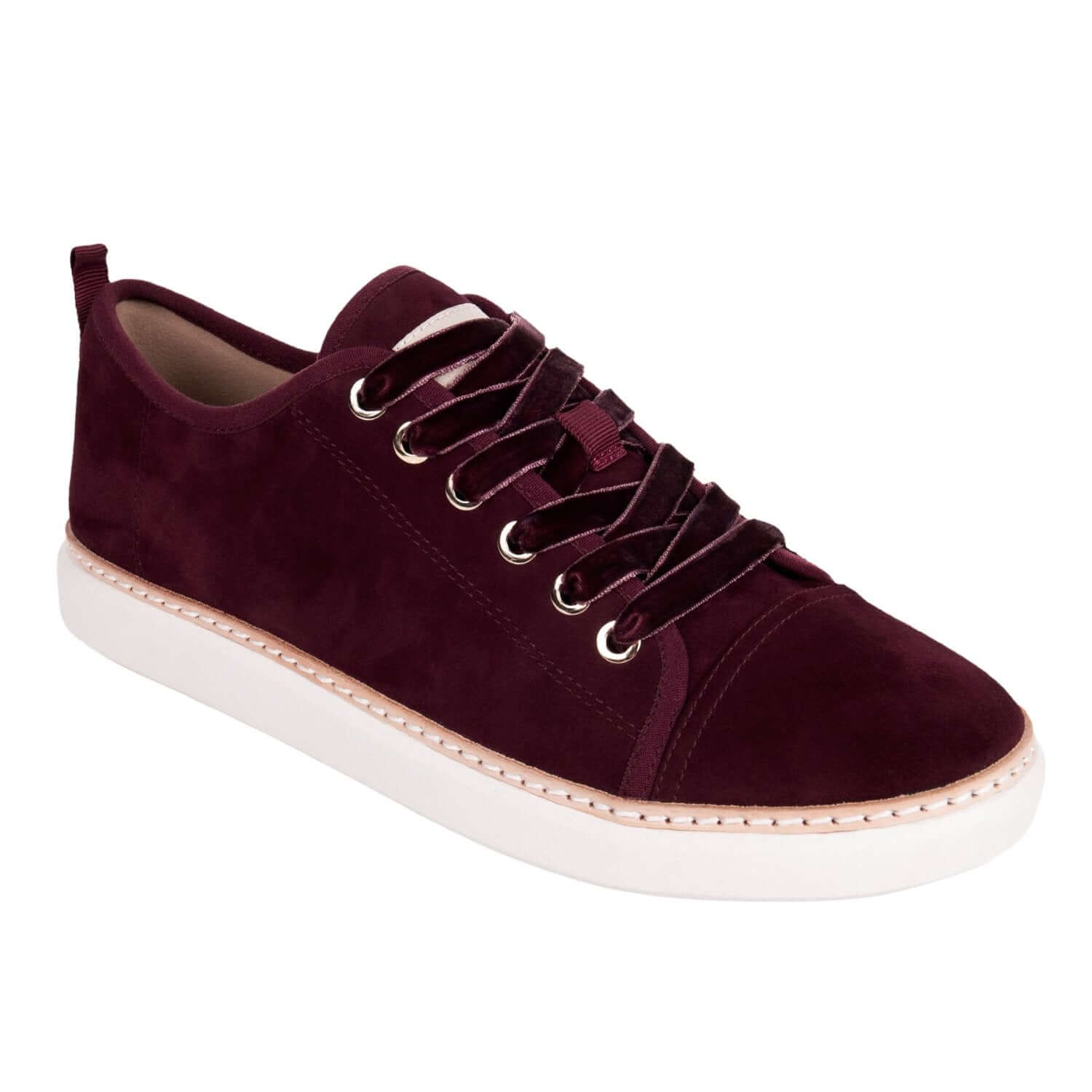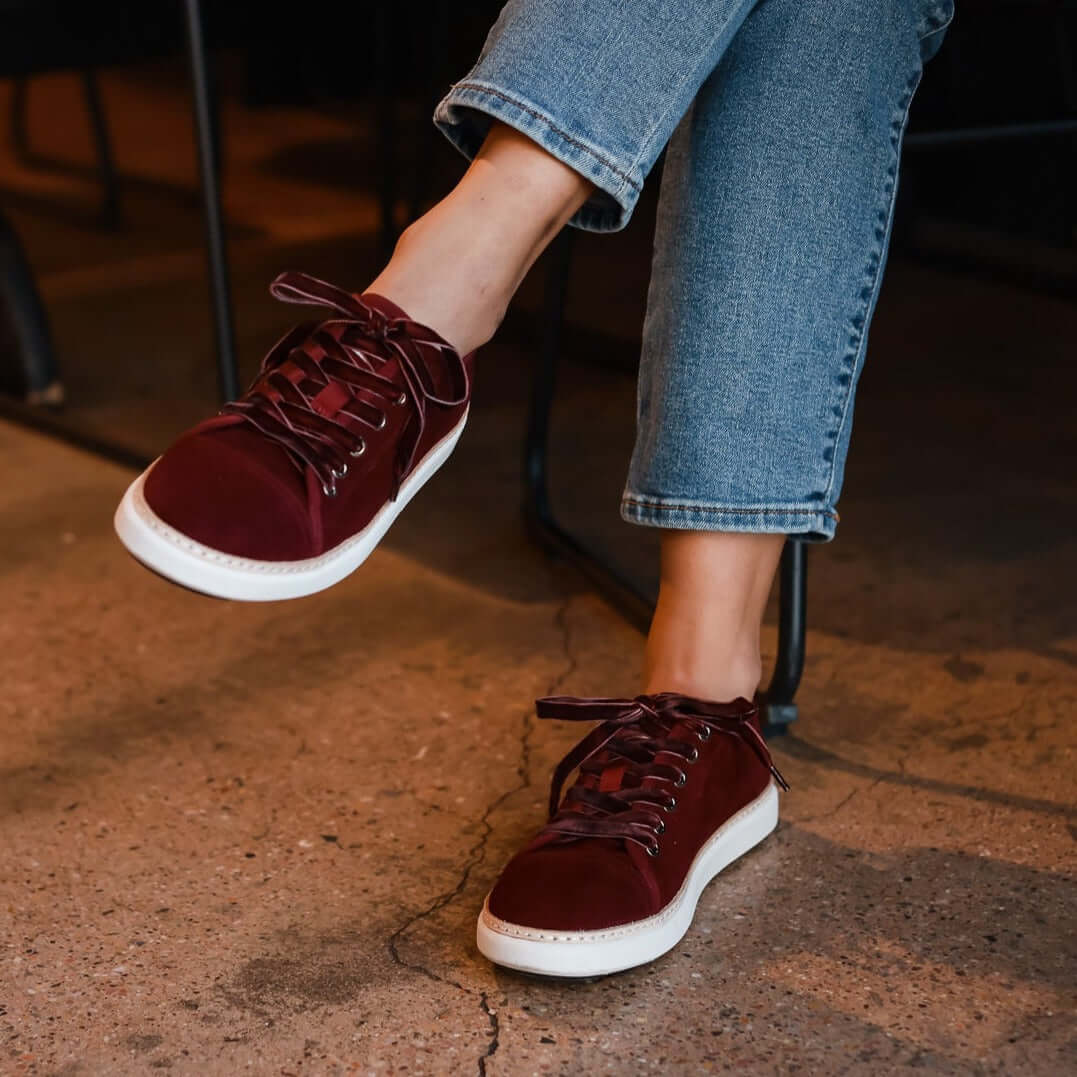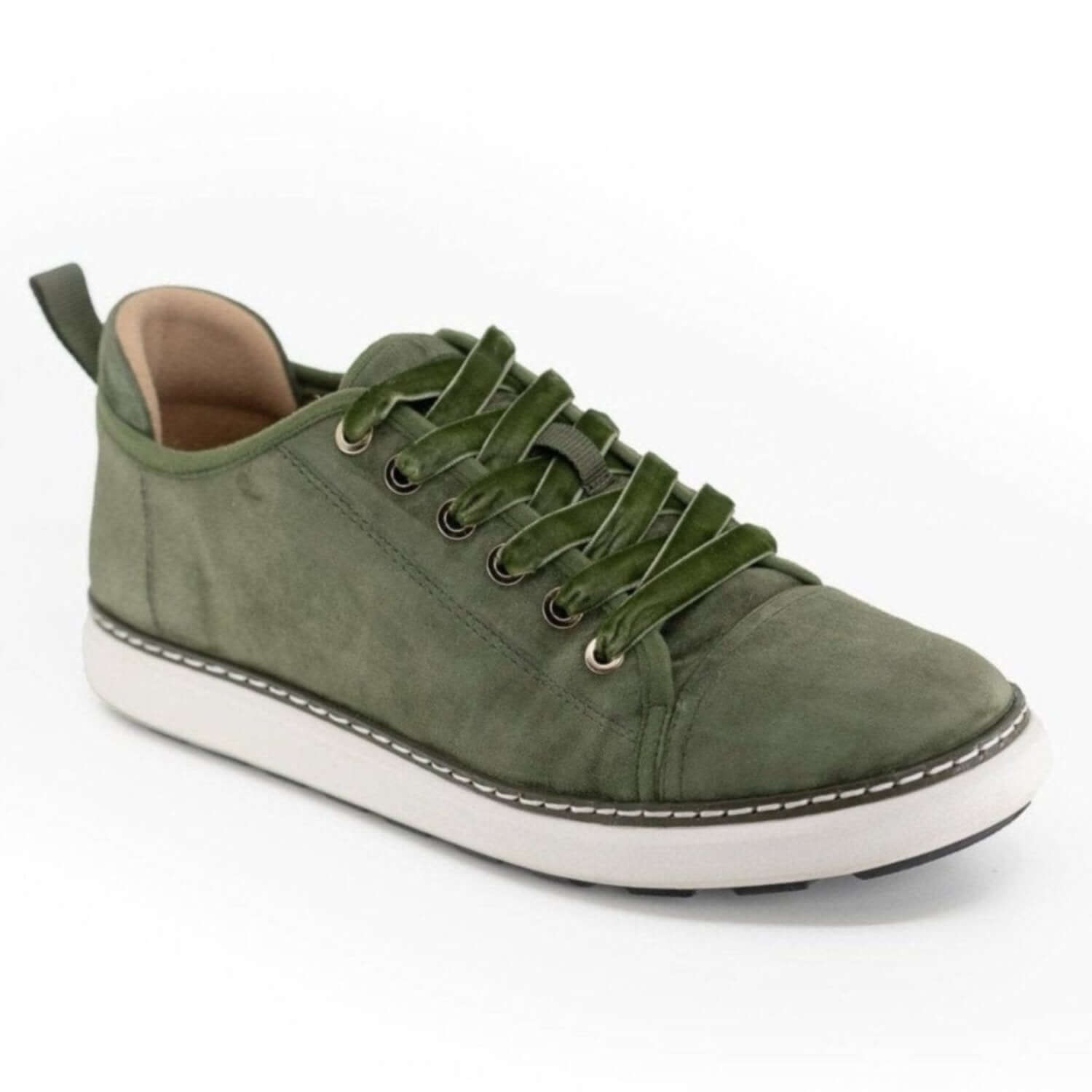



An active day asks a lot from one pair of shoes. You might train in the morning, stand through a long shift, and then run errands without a chance to change. Ordinary sneakers can feel fine and still block your connection to the ground. Grounding sneakers are built to keep a conductive path while you stay covered and cushioned. This guide helps you choose a pair that can keep up with that kind of day.
What should active shoppers check in grounding sneakers?
Comfort still comes first, because a conductive label does not help if the shoe starts to rub on mile two. Start with the live pair you would actually wear through a workout or a full shift.
Active shoppers often want one shoe to cover a morning workout, a work shift, and a walk to the store afterward without a second pair. A fashion sneaker and a heavy trail boot can both miss that mixed day. You need a knit that breathes, a sole that can ground on the right surface, and a color that still looks acceptable when it gets marked up.
Keep the medical hopes modest, because grounding is a wellness practice rather than a treatment. The useful question is whether you will actually wear this pair on the days you already move. If the answer is yes, the rest of this guide covers fit, color, care, and where the conductive path can work.
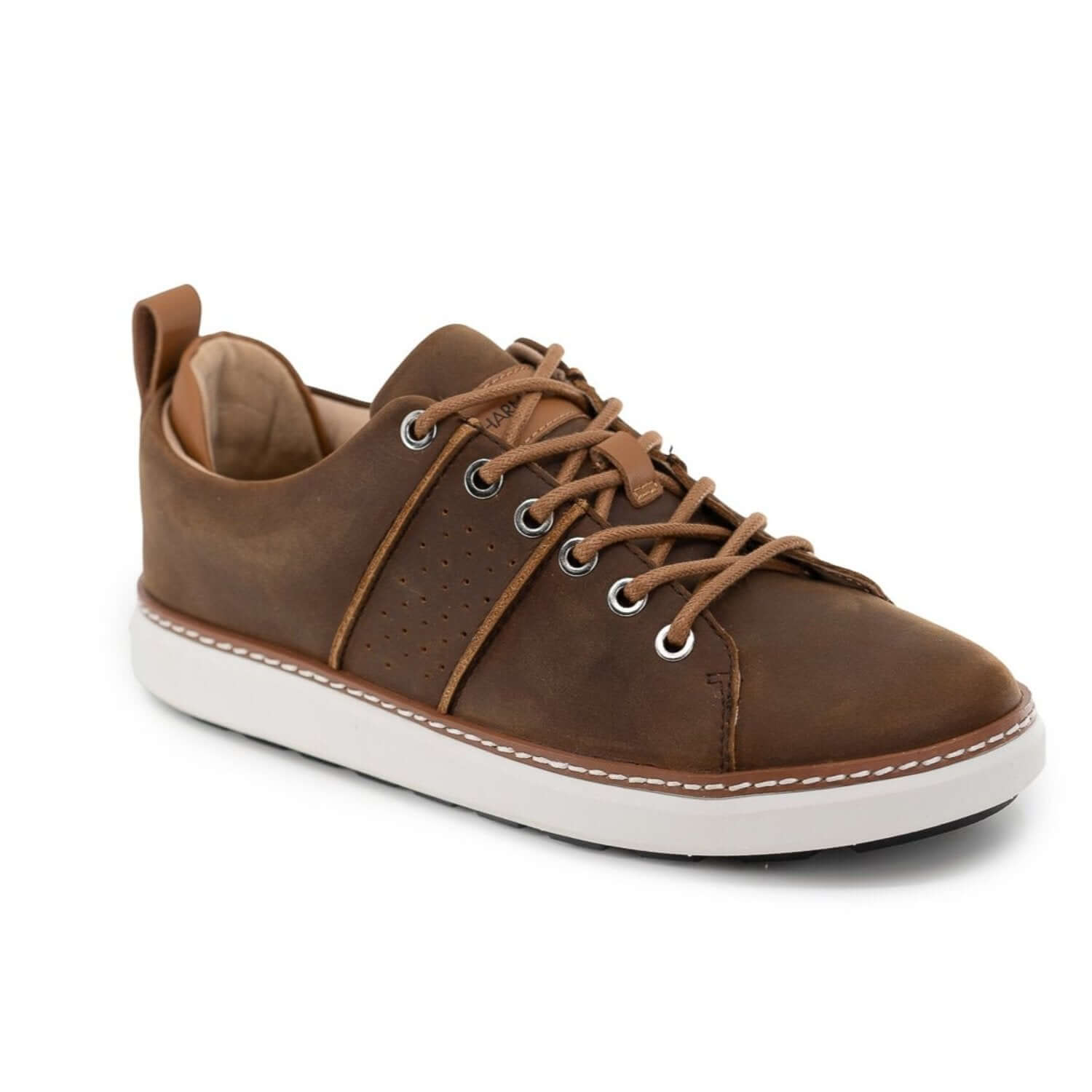
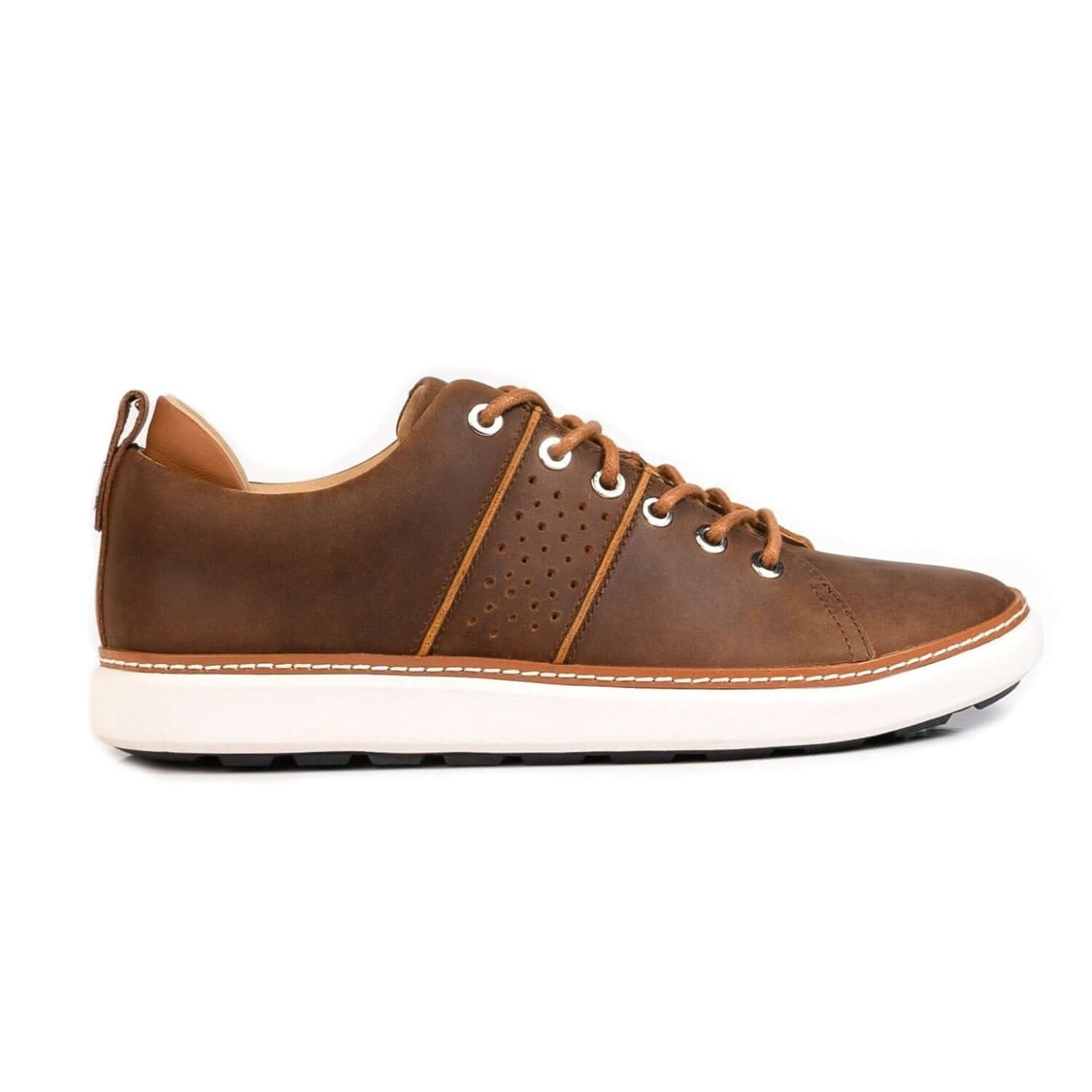
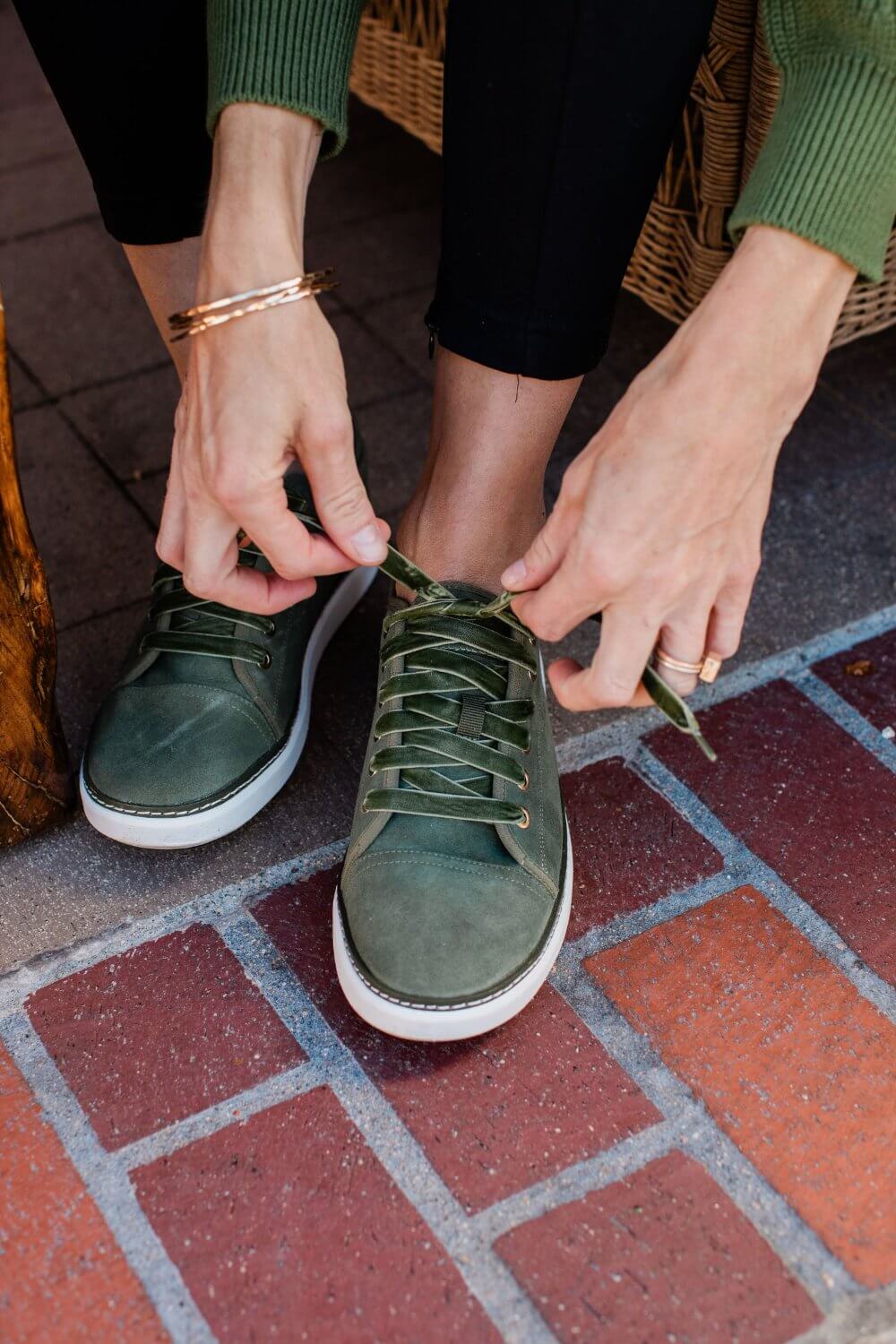
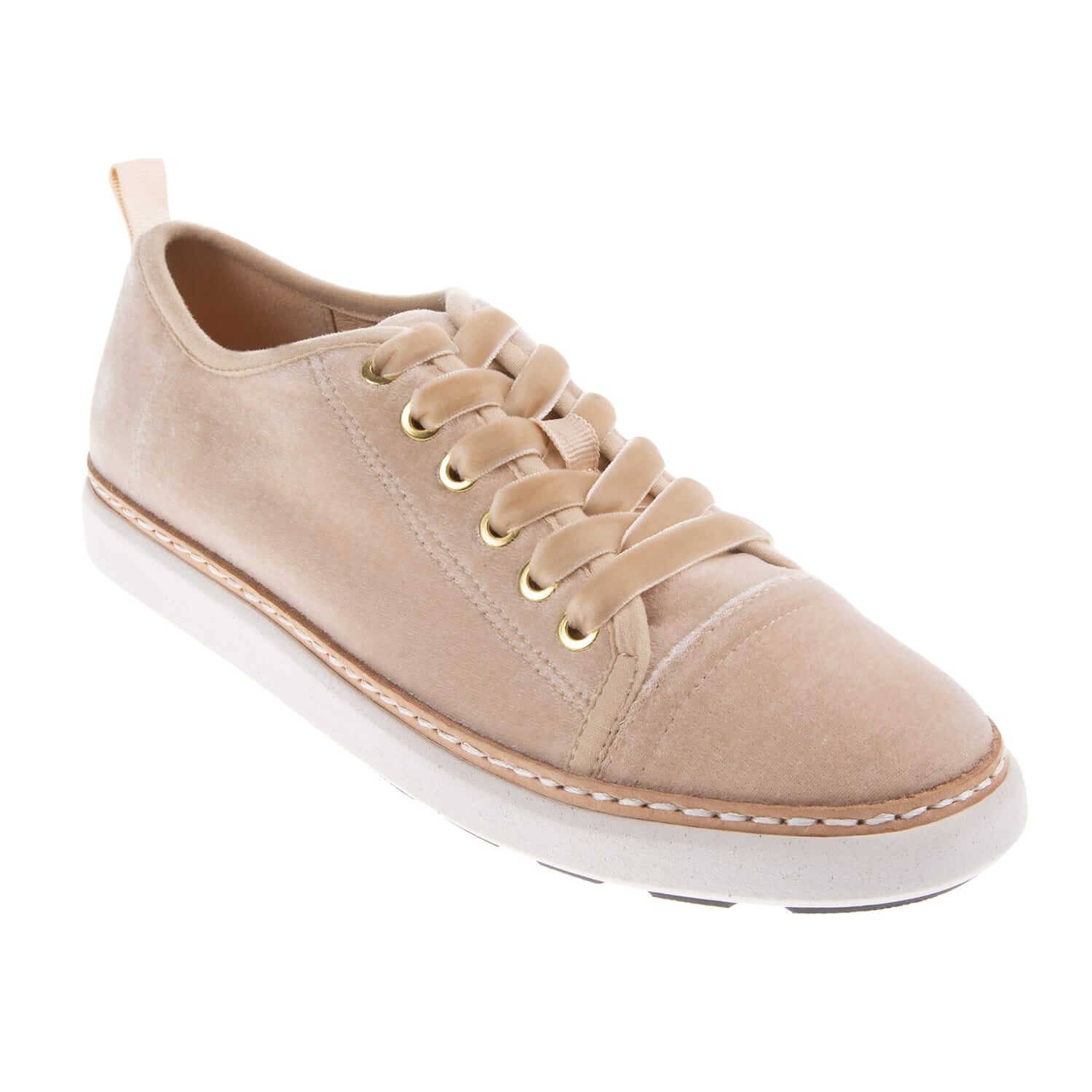
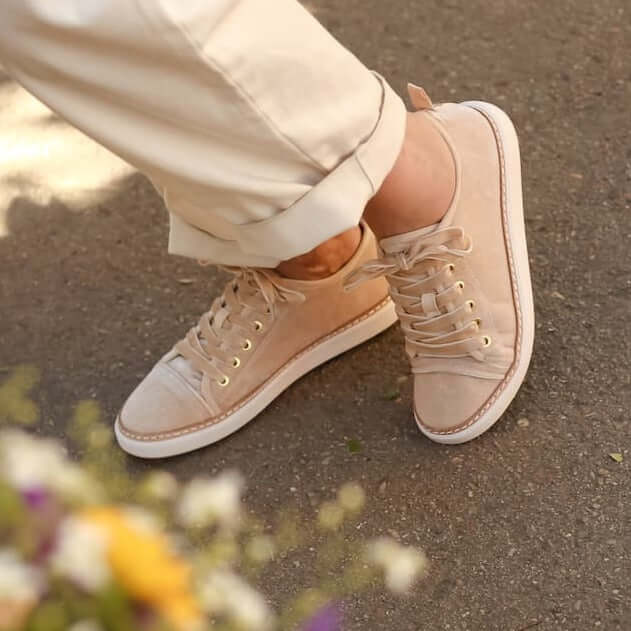
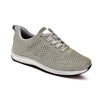
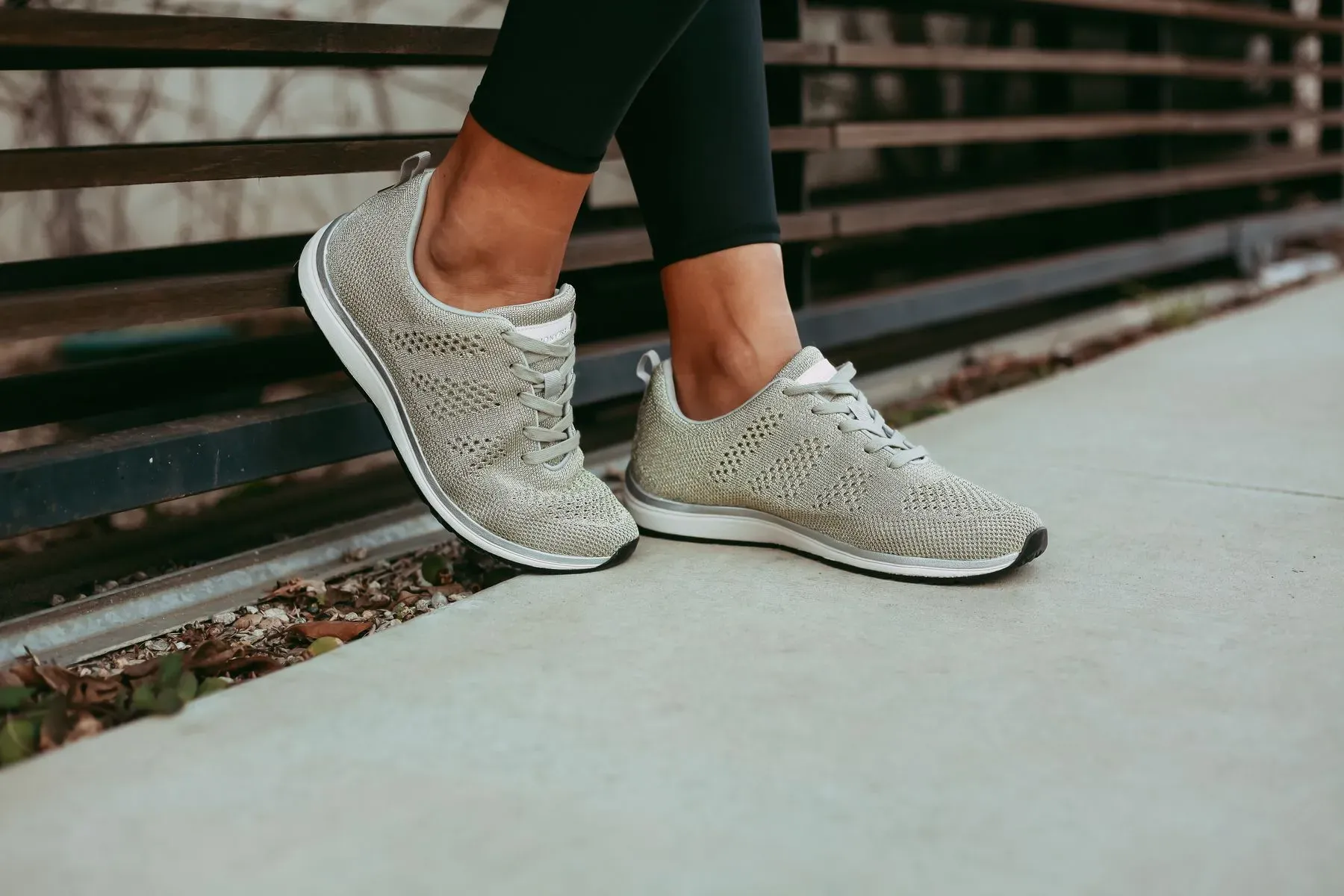
Harmony 783 builds these knit sneakers with its proprietary Groundworks technology. The brand describes the shoes as flexible, breathable, sustainable, and grounded for everyday wear. The product pages also name a cushioned, everyday feel, so you are not standing on a bare slab.
The conductive path only works when the surface under the sole can carry it. Grass, soil, sand, and unsealed concrete can complete that path. Asphalt, sealed indoor floors, and thick rubber gym mats usually cannot. If your whole day stays indoors on sealed flooring, read how grounding shoes fit everyday routines before you decide.
A barefoot-style shoe is not the same product, because a thin, wide sole does not mean the shoe is conductive. A barefoot shoe is not a grounded shoe unless it was built to let electrons flow. For that difference, see grounding shoes versus barefoot shoes.
Which grounding sneakers fit an active day?
Use the product page for the current price, because sale numbers move and a guide should not lock a shopper to a figure that may be old by checkout. The table below is a use guide, not a price sheet.
| Shoe | Best active use | What to confirm | Watch-out |
|---|---|---|---|
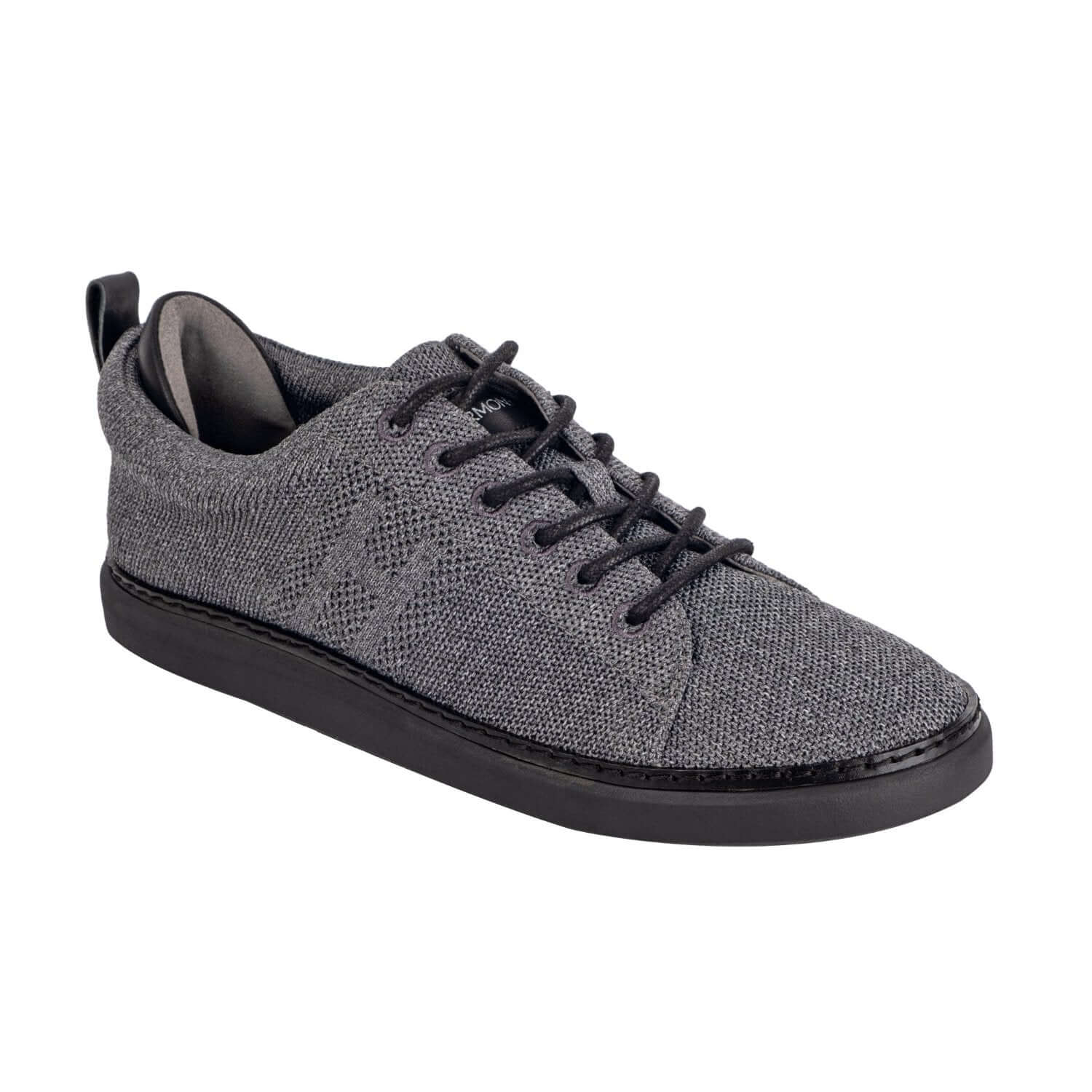
| Grounding Sneaker, Black Knit | Workouts, shifts, and errands where scuffs show | Current price and your size on the product page | Dry casual use only. Keep the knit out of rain and puddles. |
| Grounding Sneaker, Navy Knit | A light, classic look for active or casual days | Same page check for price, size, and extra laces | Same dry-use limit. Extra laces change the look, not the sole. |
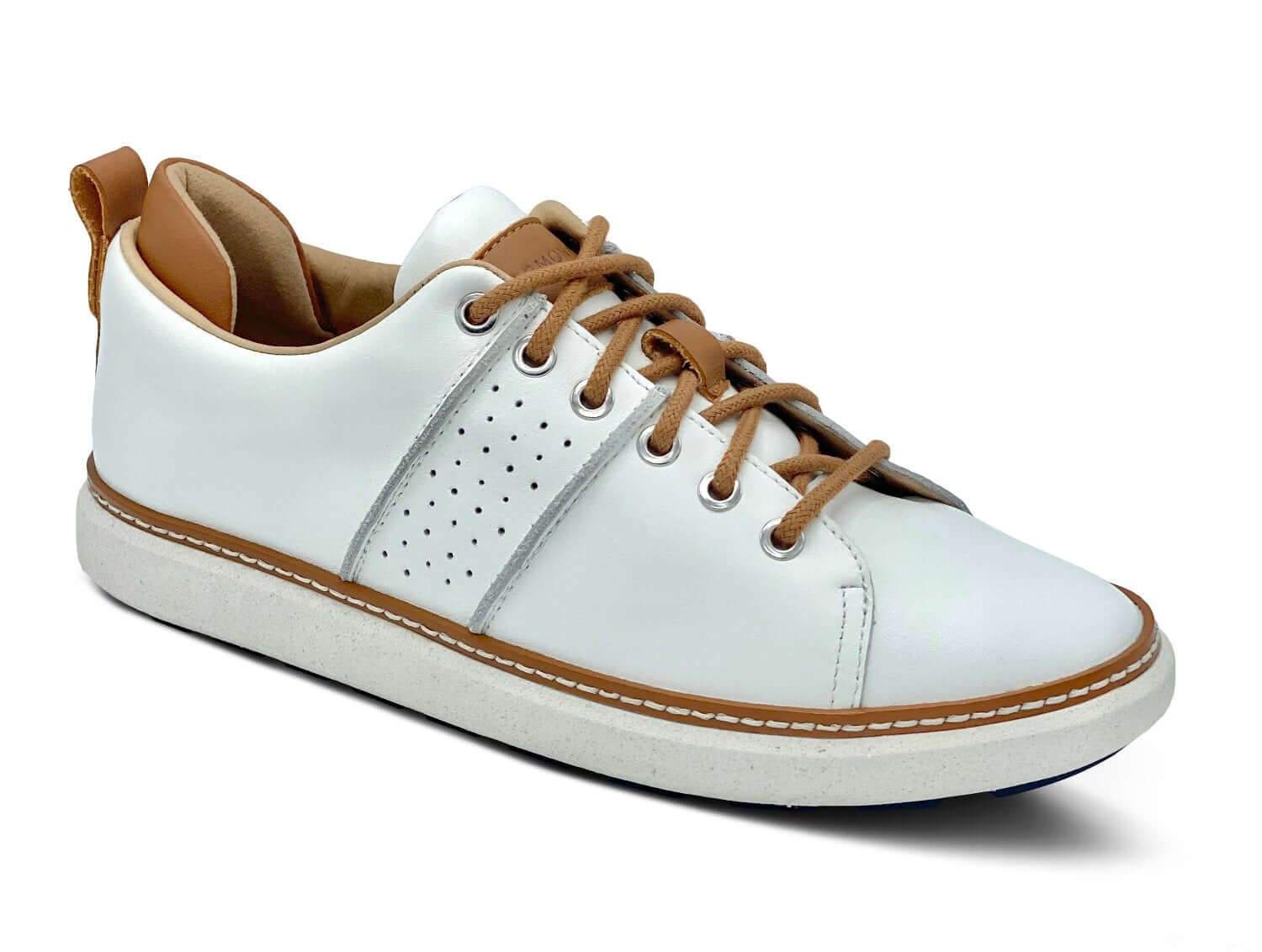
| White Knit, Perfectly Imperfect | A lower-price knit only if you already trust the fit | Final-sale rules and whether your size is still offered | Final sale. A white knit shows dirt faster than black or navy. |
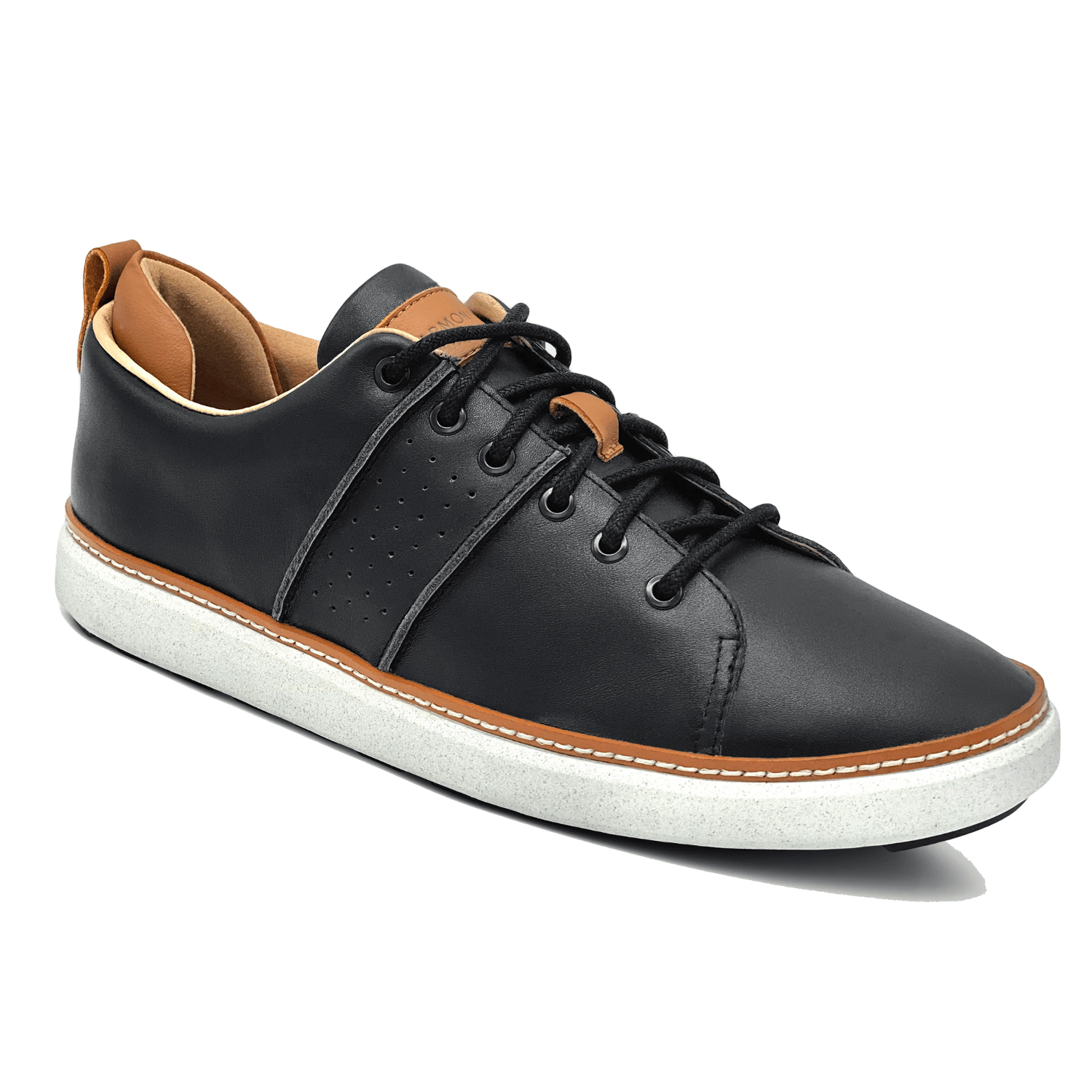
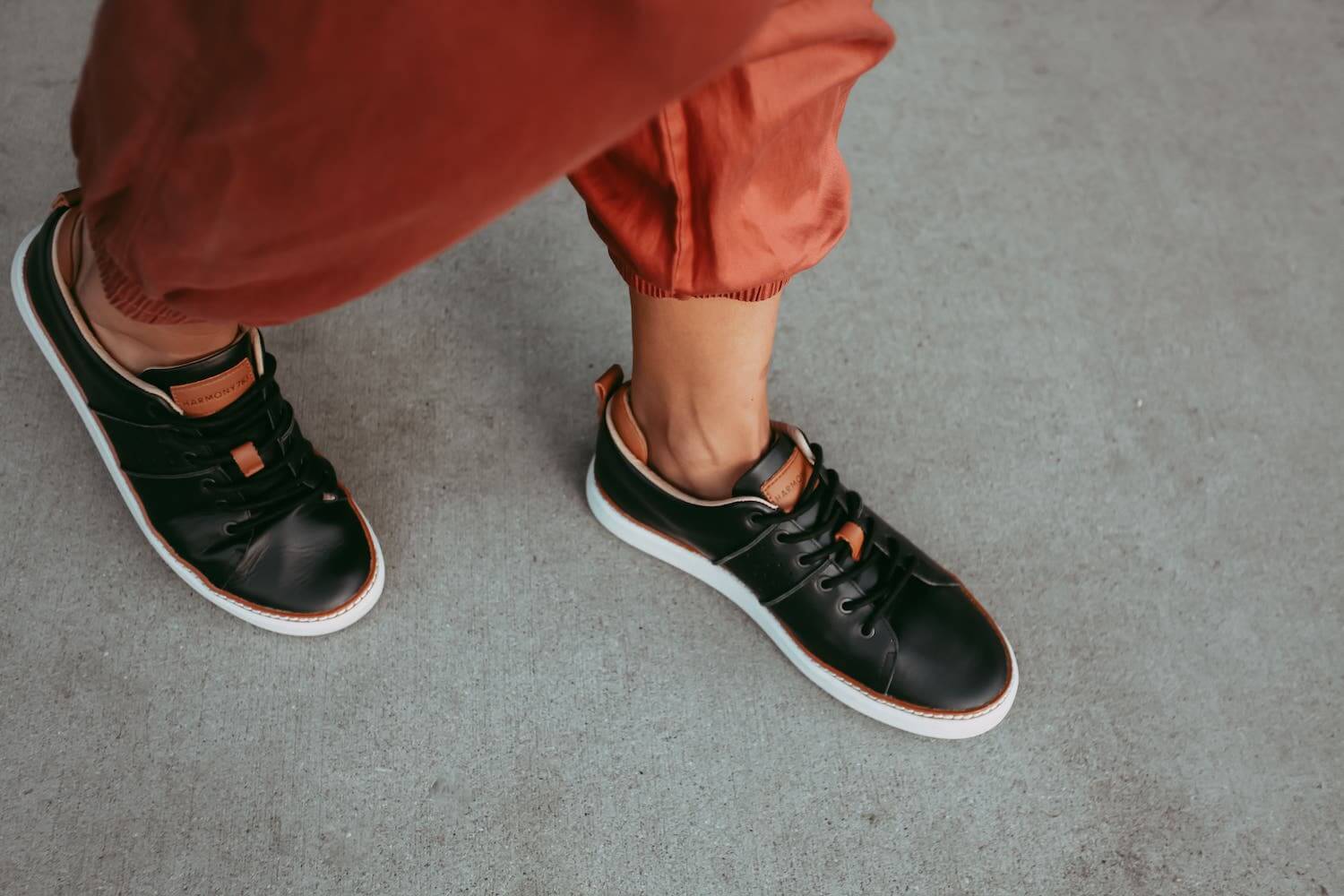
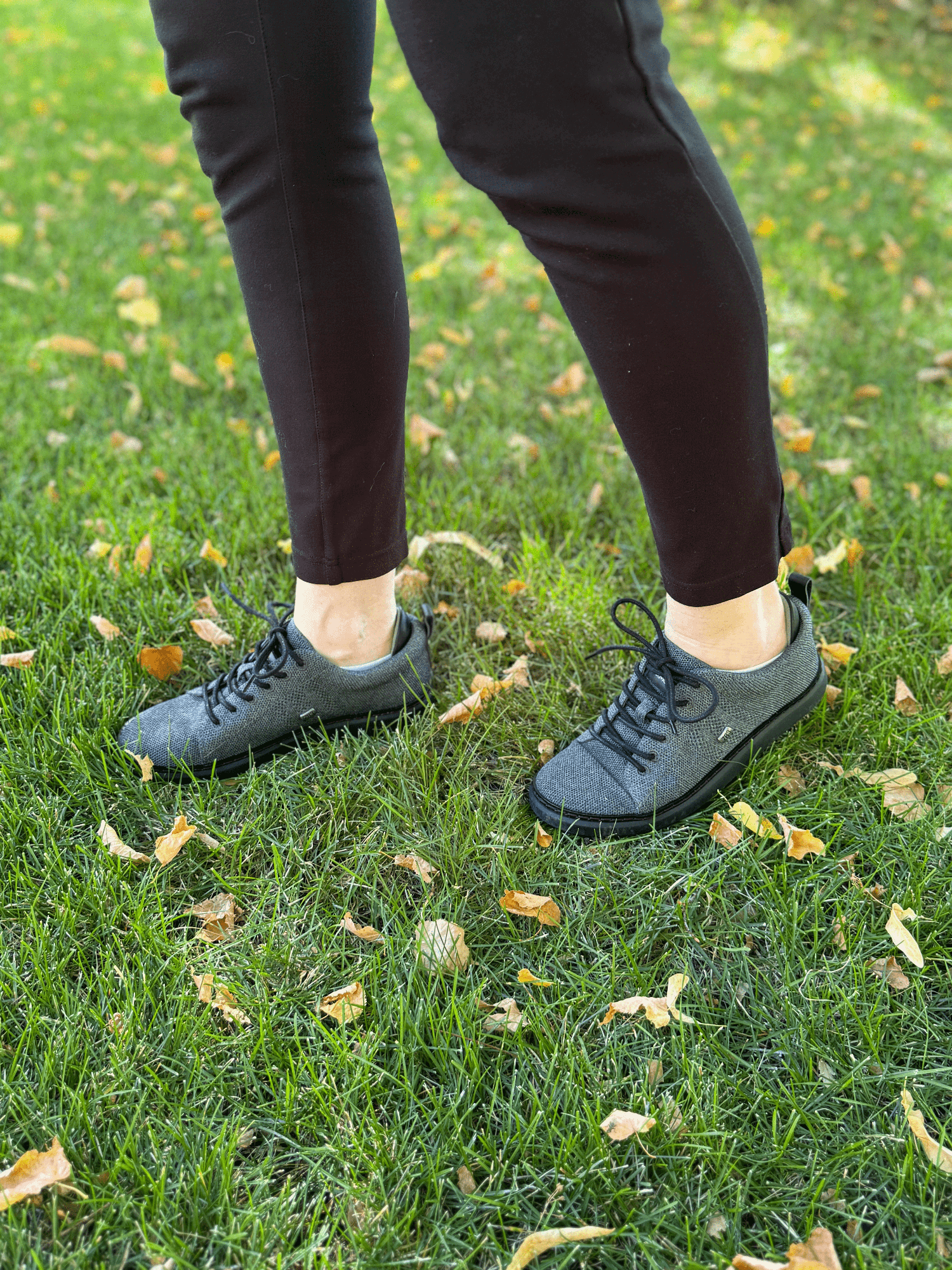
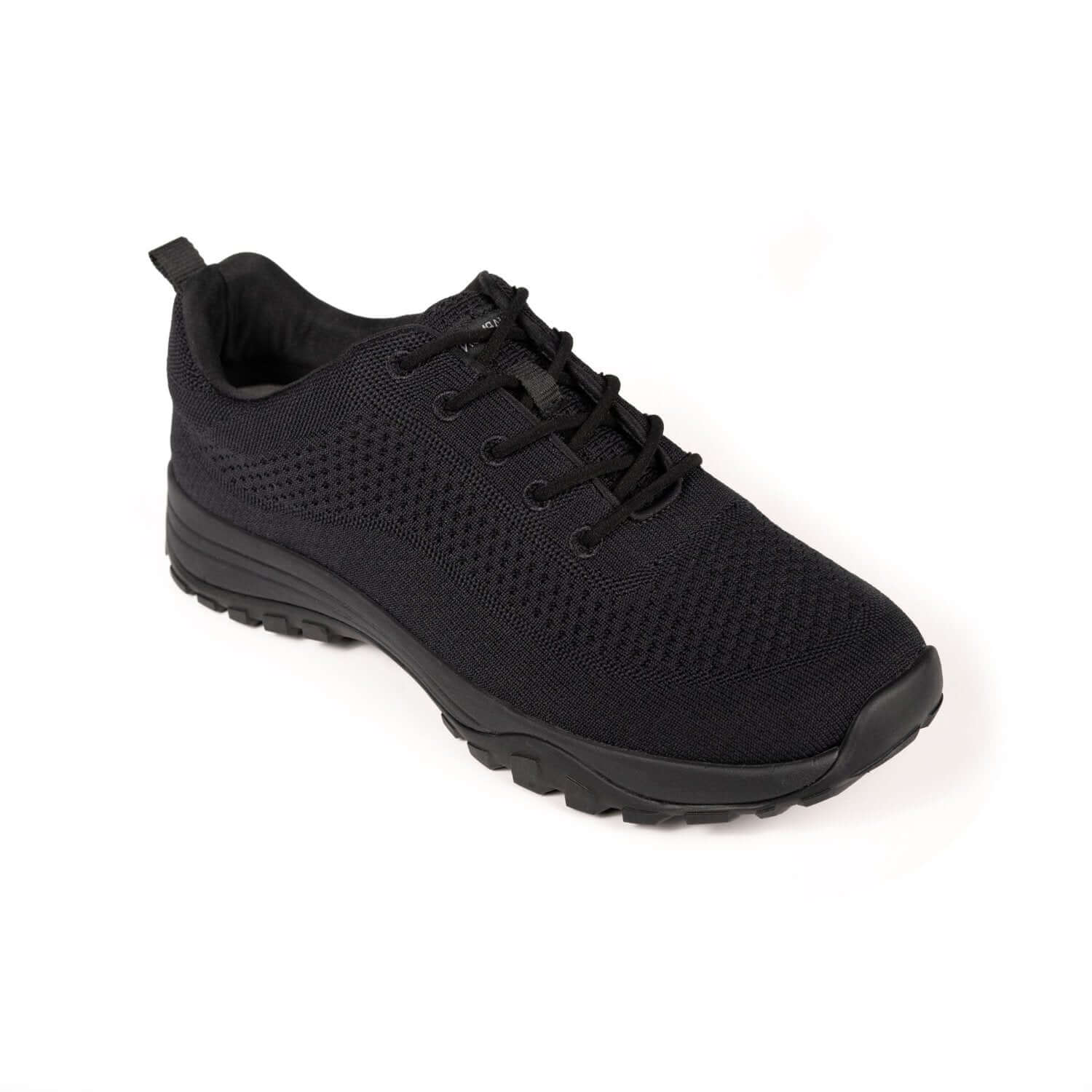
The Black Knit grounding sneaker is the practical pick for a mixed day. The product page calls it a let's-get-to-work shoe for restaurants, warehouses, and retail. It also names workouts and errands. Black hides gym dust and work scuffs better than a light knit.
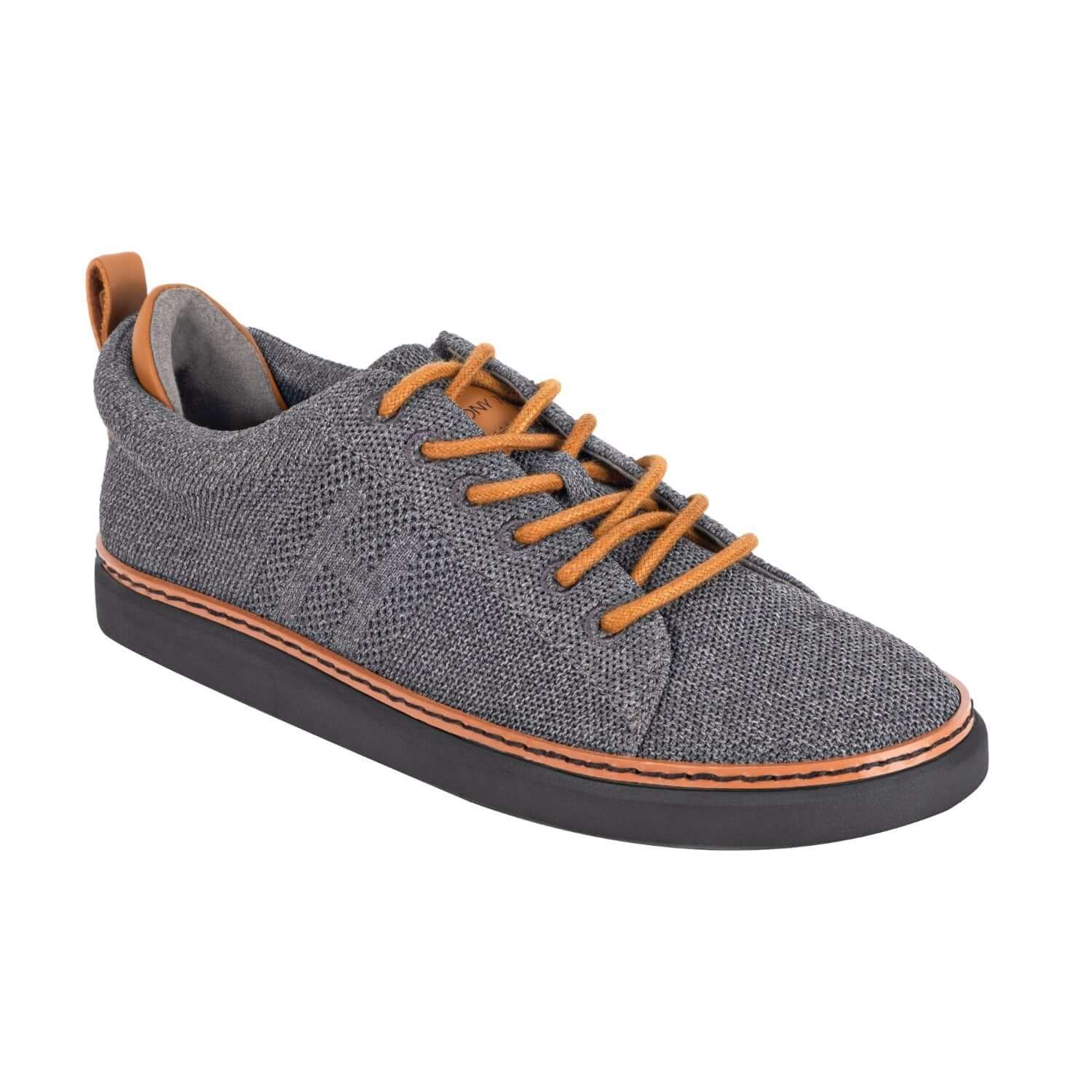
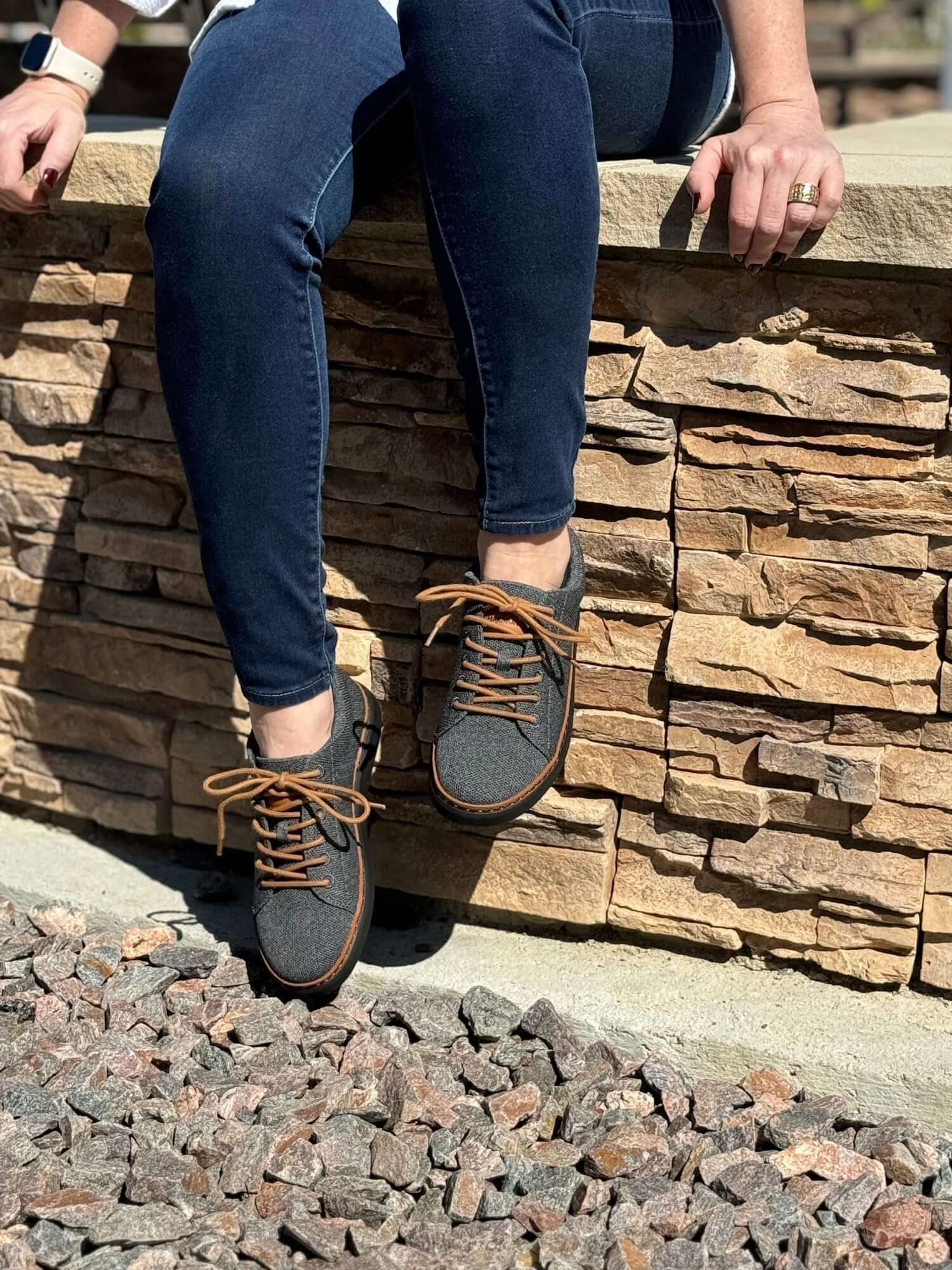
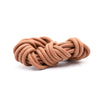
The Navy Knit grounding sneaker uses the same Groundworks build and EcoYarn upper. Harmony 783 describes it as a light bamboo knit for an active or casual wardrobe. Each pair includes an extra set of stretchy laces. Red laces read sporty, white laces read cleaner, and neither lace changes conductivity.
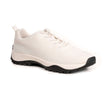
The regular white knit page is not the pair to plan around, because the live white option is a Perfectly Imperfect final-sale style. Buy it only if you have worn the fit before, or if you can try it without planning to return it. A white knit also shows dirt first during a real week of use.
- Choose black when the day includes a workout, a long stand, or a job that marks shoes.
- Choose navy when you want the same knit in a cleaner everyday color.
- Skip the final-sale white knit unless the size is one you already trust.
A black knit and socks bundle is also listed as its own product, which is different from the shoe alone. If you only need the sneaker, stay on the Black Knit or Navy Knit page so the cart matches the pair you meant to buy.
Related products


Stay fit, stay active, and stay grounded in these bright white sneakers.
View product
These all black shoes are your perfect let's-get-to-work shoes.
View productHow do you choose grounding sneakers for workouts and shifts?
Use this order when two colors both look right:
- Pick black if the day includes a workout, a long stand, or a job that marks shoes.
- Pick navy if you want the same knit sole in a cleaner everyday color.
- Consider the final-sale white knit only when the size is one you already trust.
- Read the size as women's and men's sizes on one page. A label such as W9/M7.5 means women's 9 and men's 7.5 on the same shoe.
- Order the next half size up if you are between sizes. The page says a snug pair can form to your foot after a day or two.
- After the color choice, plan the surface you will actually use. A park path can ground you. A sealed gym floor may not.
Both of these knit uppers are made from solution-dyed polyester called EcoYarn. Harmony 783 says that dyeing method uses up to 90 percent less water and produces less CO2 than traditional dyeing. That is a materials fact, not a medical claim.
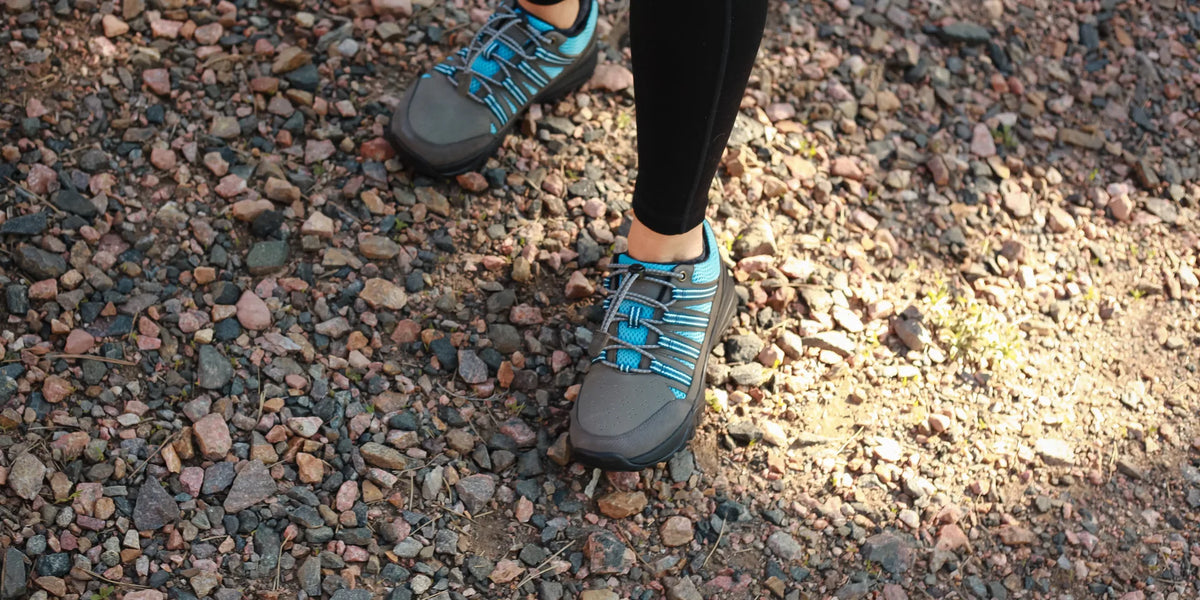
Think about the hour you will wear them most. A short lift in a sealed gym uses the shoe as a comfortable trainer rather than as a grounding tool. A warm-up on the grass outside, a walk across unsealed concrete, or a break on a soil path is where the sole can matter. Build the day around those outdoor minutes instead of expecting every indoor floor to work.
Breathability matters when you stay on your feet for a long shift. The knit upper is light and flexible, which helps when you are moving between a workout and a shift. It is not a leather work boot, and it is not a waterproof trail shoe. If your active day is mud, rain, or deep puddles, this is the wrong pair. If your day is dry pavement, a studio floor, and a park path, it fits the job the product page describes.
Each pair ships with an alternate set of stretchy laces so you can change the look. Use those extra laces when you want a different look. Do not expect a lace swap to change the sole. The conductive pieces sit in the shoe itself, not in the laces. Swapping the laces changes the style and nothing else about the shoe.
Do not treat these as rain shoes or trail shoes. The published care note says they should not be worn in water. They are for casual use in dry climates and are not treated for heavy moisture. Spot-clean the knit upper, and do not put the shoe in a washing machine. When you want the longer care steps for conductivity, use how to care for grounding shoes.
If your active day is mostly walking, the walking guide goes deeper on distance and routine. Start with earthing sneakers for walking, then come back here for the knit color choice.
Where can grounding sneakers work during an active day?
Picture a normal active day in which you warm up on a grass edge, then train inside, and later walk a concrete sidewalk to the store. The grass and the unsealed concrete are the useful minutes, while the sealed gym floor is not, and that split keeps the shoe honest.
Early grounding research is real, but the published evidence is still limited. A 2012 review in the Journal of Environmental and Public Health looked at studies on reconnecting the body to the Earth's surface electrons. It did not prove that a shoe treats pain, sleep, or recovery after a workout. Read the review if you want the source: Earthing: Health Implications of Reconnecting the Human Body to the Earth's Surface Electrons.
Harmony 783 tests each shoe design for a grounded connection before it sells the pair. That factory test checks the conductive path built into the shoe, not the floor you later stand on. It does not turn a workout or a long shift into medical care. If you want the recovery side of an active routine, read grounding recovery for active people.
Want the short version of how the sole is built? How grounding technology in shoes works covers the path without repeating a product chooser.
A simple way to test your own week is to mark two places you already use. Mark one surface you trust, such as a grass park edge or bare concrete. Mark one surface you do not trust, such as a rubber gym floor. Wear the same shoes in both places during a normal active week. Judge comfort on every surface, and judge the grounding path only where the surface can carry it.
Repeating that check through the week also keeps your expectations fair. You can like the shoe for comfort and still understand that a sealed floor stops the electrical path underneath it. Those are separate scores, and active shoppers get more use from the pair when they score them that way.
What fit and use limits should you know first?
The product page shows one size list for women and men, and it is not one shared unisex number. A label like W8/M6.5 is two size numbers printed on one shoe. Pick the column that matches how you already buy other shoes. Do not call the sizing gender neutral, because it is a toggle between men's and women's sizes.
If the pair feels snug on day one, give it a day or two, because the brand says the knit can form to your foot. If it pinches or slips, regular pairs can use the return window shown on the product page at checkout. That return window does not apply to the final-sale white knit.
Free shipping rules can change, and they often need the cart to pass a set amount, so one pair may not reach that line by itself. Check the cart before you assume the shipping offer applies.
Try the pair on a real active hour before you decide they are done. Wear them for a dry workout or a long stand, then check the fit. Then look for hot spots at the toe, the heel, and the lace line after that hour. A snug first hour can ease as the knit forms, but a sharp pinch will not. Regular pairs can use the published return window if the fit is still wrong. The final-sale white pair cannot use that same window.
When you fall between two sizes, order the larger half size. The size chart on the product page runs through adult sizes, with a separate women's column and a men's column. Read both columns, and do not convert the women's number into a men's number before adding another change. One toggle choice is enough for most shoppers.
The sock you choose can change the fit more than most shoppers expect on the first try. A thick athletic sock can turn a correct size into a tight one during a workout. If you plan to work out in these shoes, try the size with the sock you will actually wear that day. You do not need to stand barefoot inside the shoe for the conductive path to make sense.
Women comparing more than the knit sneaker can use the women's earthing sneakers explainer. Men comparing more styles can use the grounding shoes guide for men. This page stays focused on the knit sneaker you would choose for an active day rather than every other style.
Days spent only in an office are a different problem from a park workout or a long shift. Standing on sealed office floors needs a different plan. See grounding shoes for office workers if that is your main day.
Frequently asked questions
Do grounding sneakers work on a gym floor?
Usually not, because a sealed gym floor or a thick rubber mat blocks the path. Grass, soil, sand, and unsealed concrete are the surfaces that can complete the path. You can still wear the shoe indoors for comfort, even when that floor cannot ground you.
Can I wear these grounding sneakers in the rain?
They should stay dry, because the knit sneaker care note says not to wear them in water. They are meant for casual use in dry climates and are not treated for heavy moisture or rain. Spot-clean the upper, and do not machine wash the shoe after a wet day.
How should I compare Harmony 783 grounding sneaker prices?
Open the live product page and read the current price there before you add the pair to your cart. Black Knit and Navy Knit are the two regular knit colors most active shoppers should compare. The white knit is a final-sale style with its own stricter return rule. Do not rely on a price printed in an older article, because sale prices change.
Are these barefoot shoes?
They are not barefoot shoes, because a barefoot shoe is not a grounding shoe unless it was built with a conductive path. These knit sneakers use a cushioned everyday sole plus Groundworks materials in the shoe itself. A thin barefoot feel and a grounding path are separate features.
If you want the broader value question, read whether grounding shoes are worth it. To check a pair you already own, use how to test grounding shoe conductivity.
Bring the decision back to the day you actually live. An active shopper does not need another theory of grounding sneakers. You need a knit pair that stays comfortable from a workout through a shift, a current price on the product page, and a clear view of which surfaces can finish the conductive path.
Ready to pick a pair for your next active day?
Choose black for hard, messy days, and choose navy when you want the same knit in a classic color. Use the final-sale white knit only when you already know the fit, and then check the surface you will actually stand on.