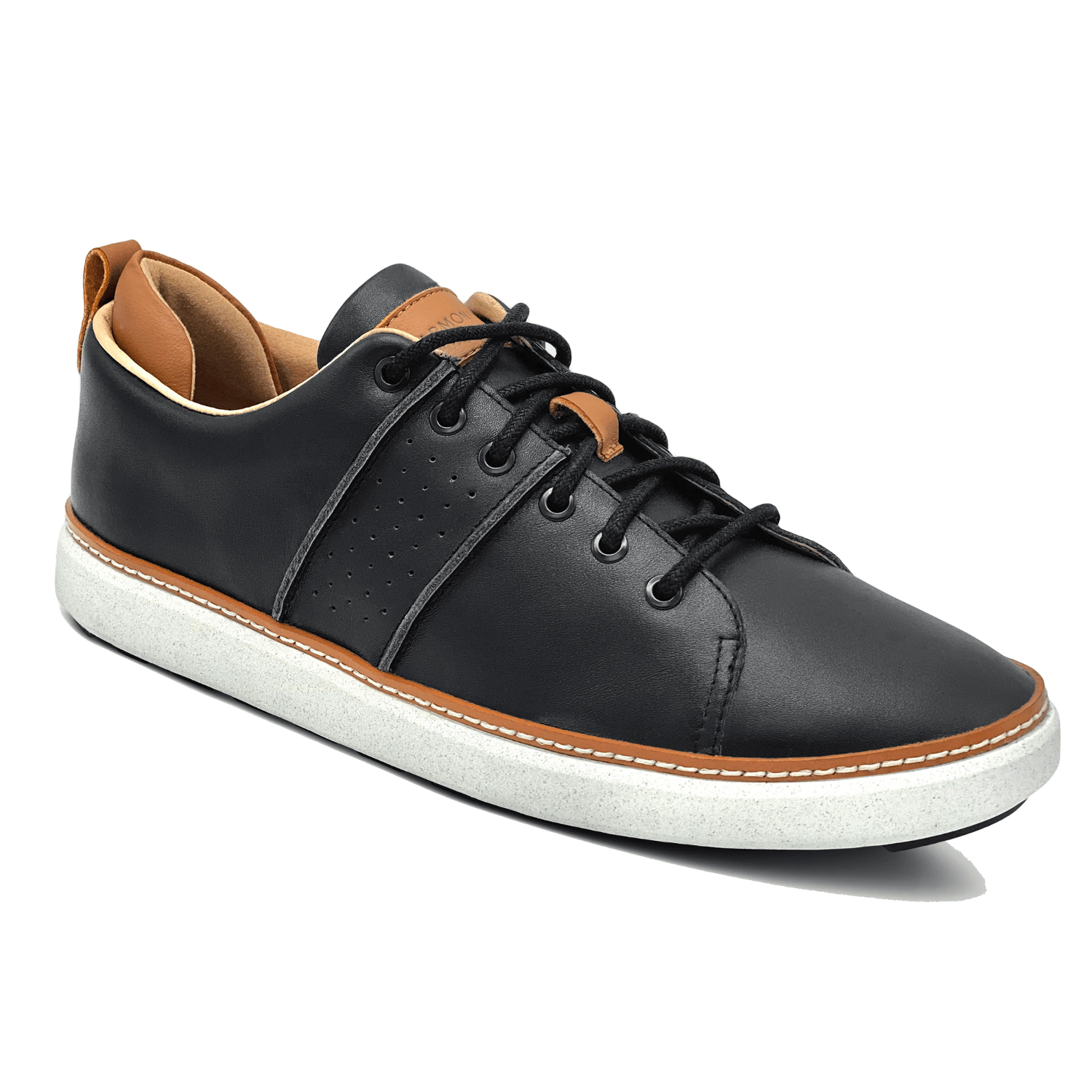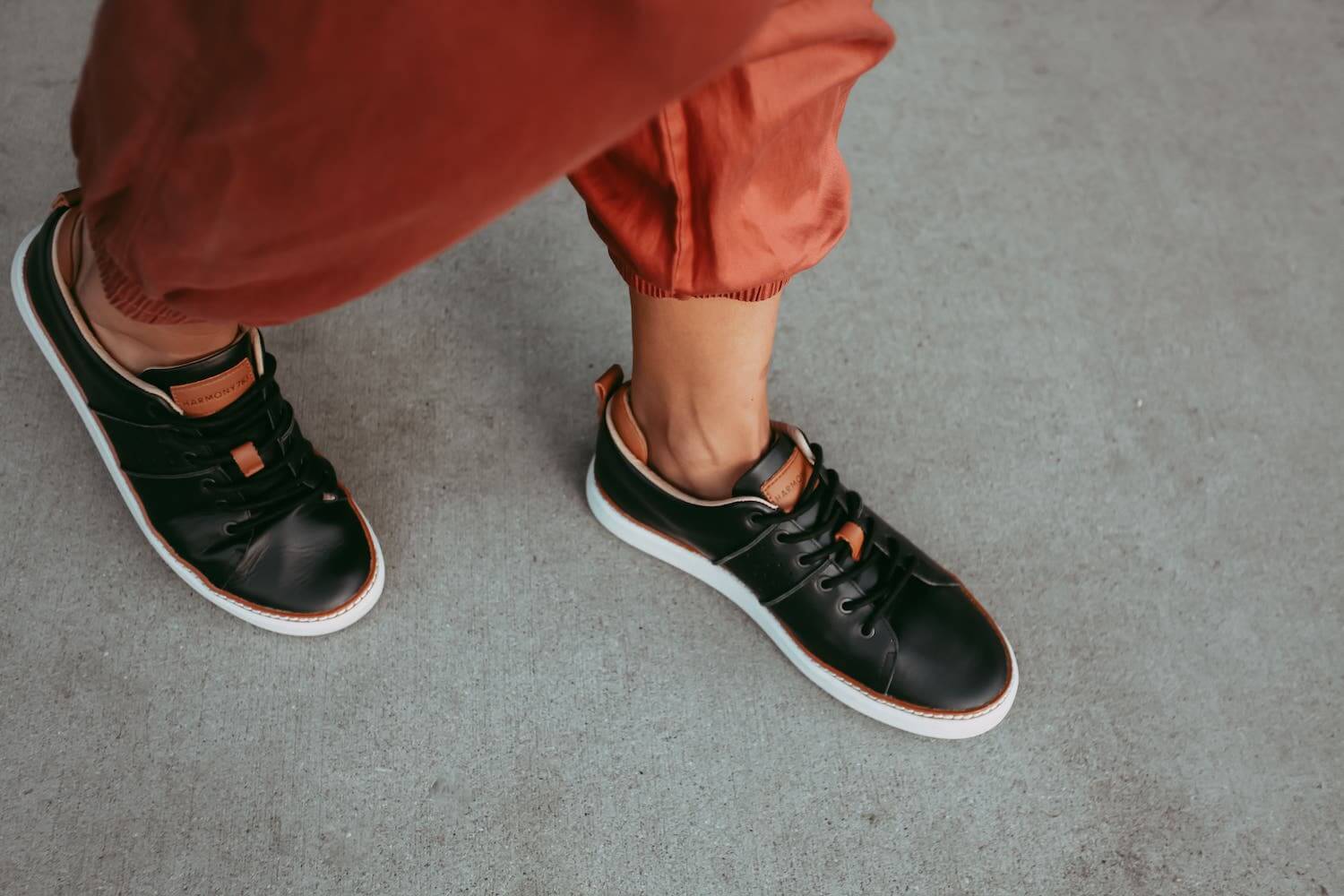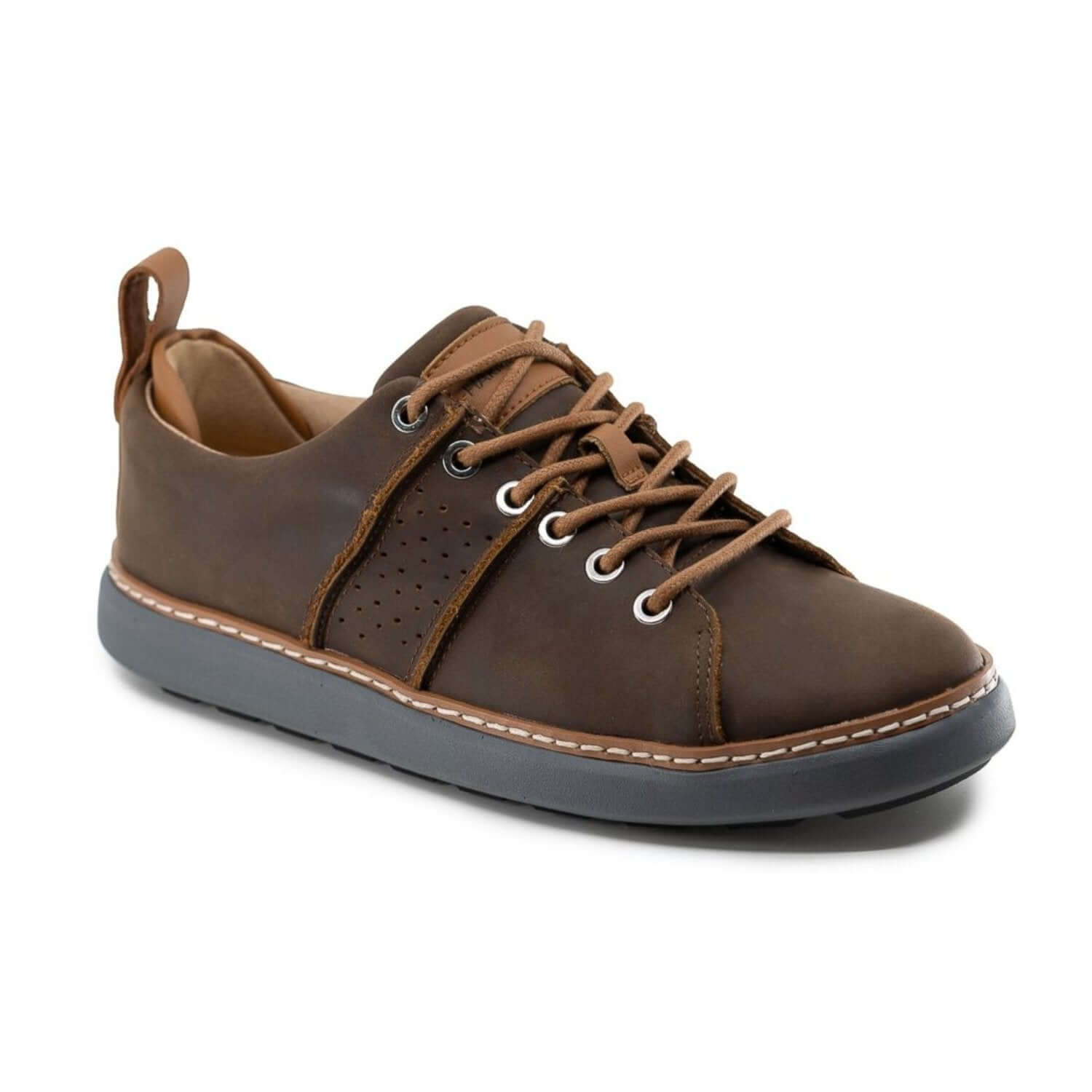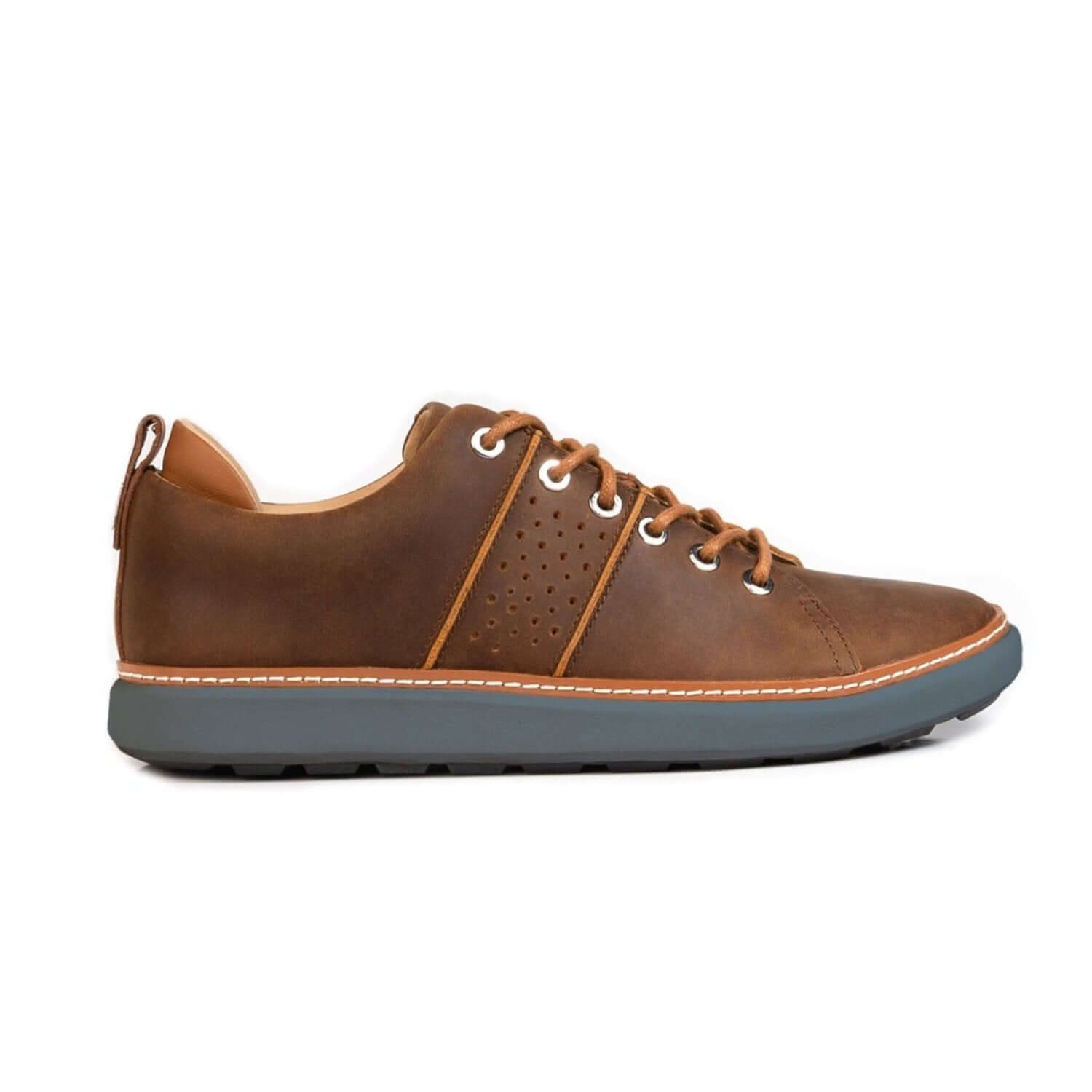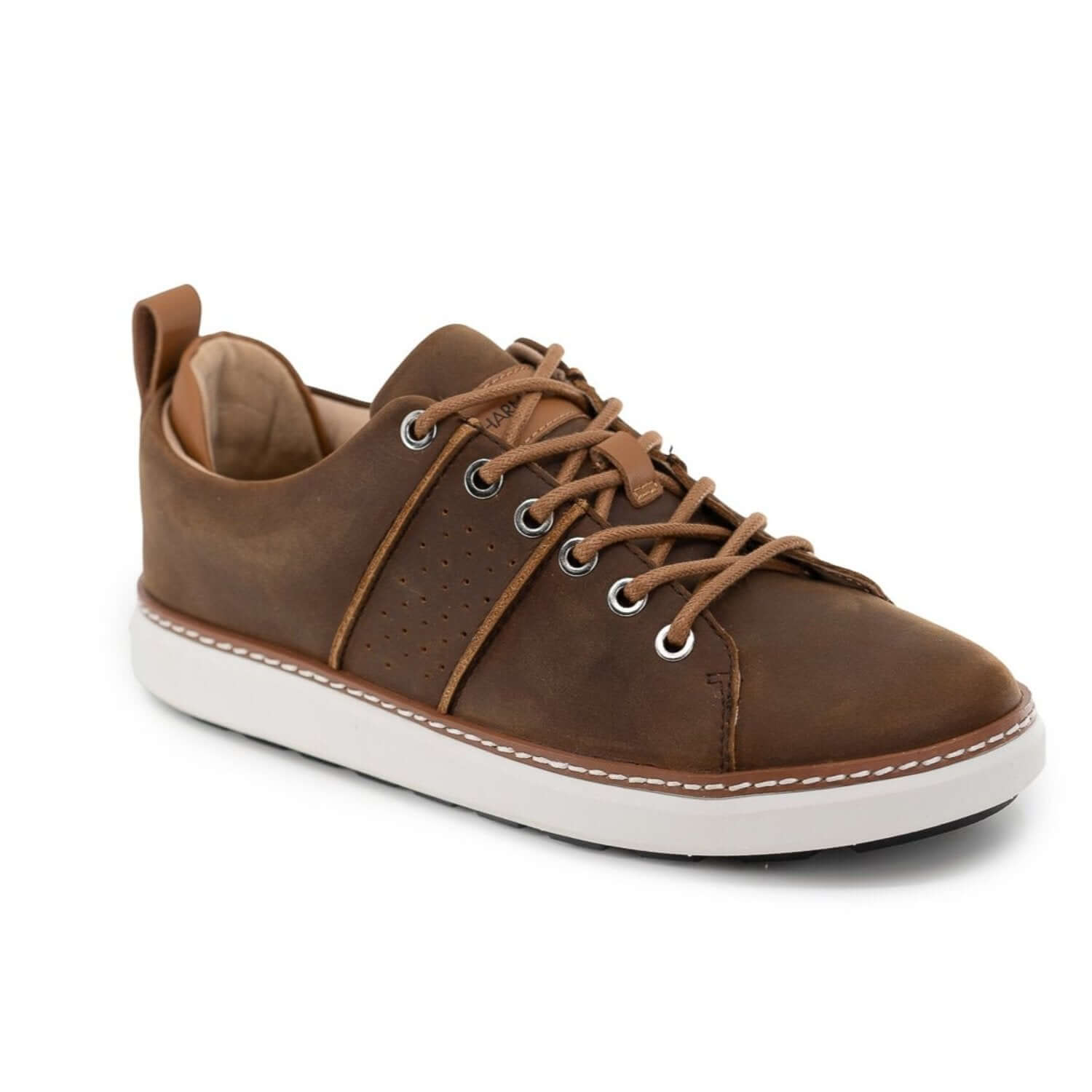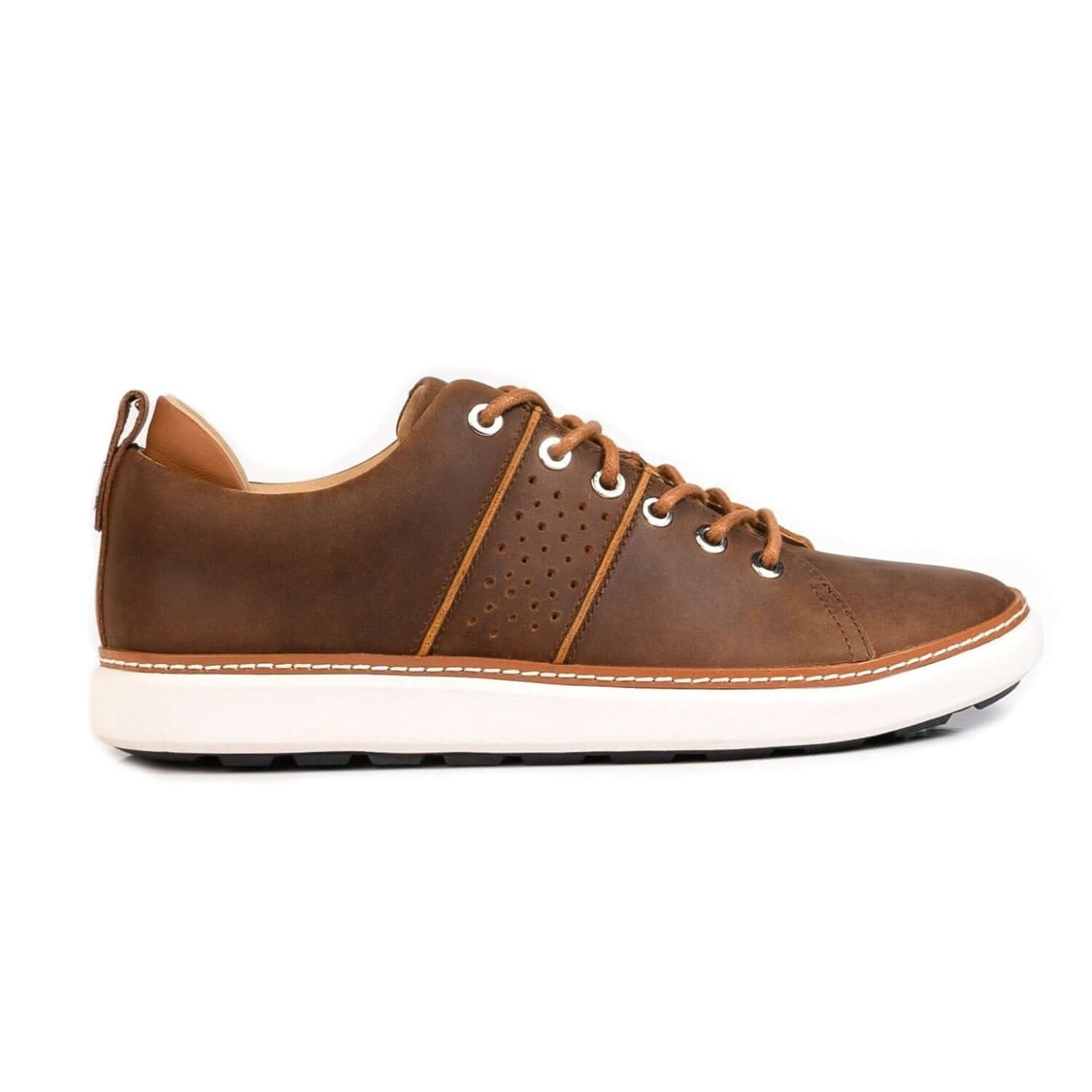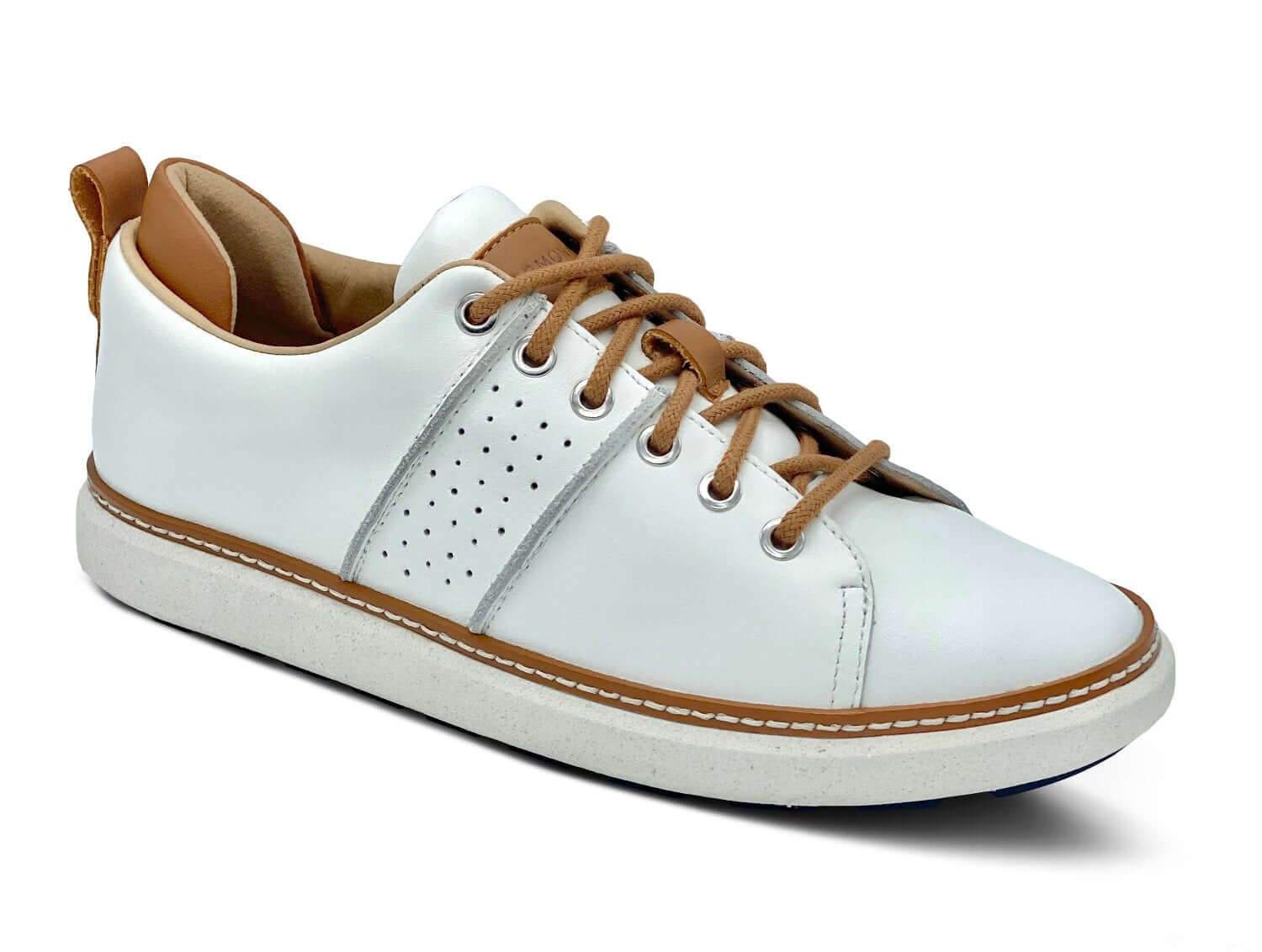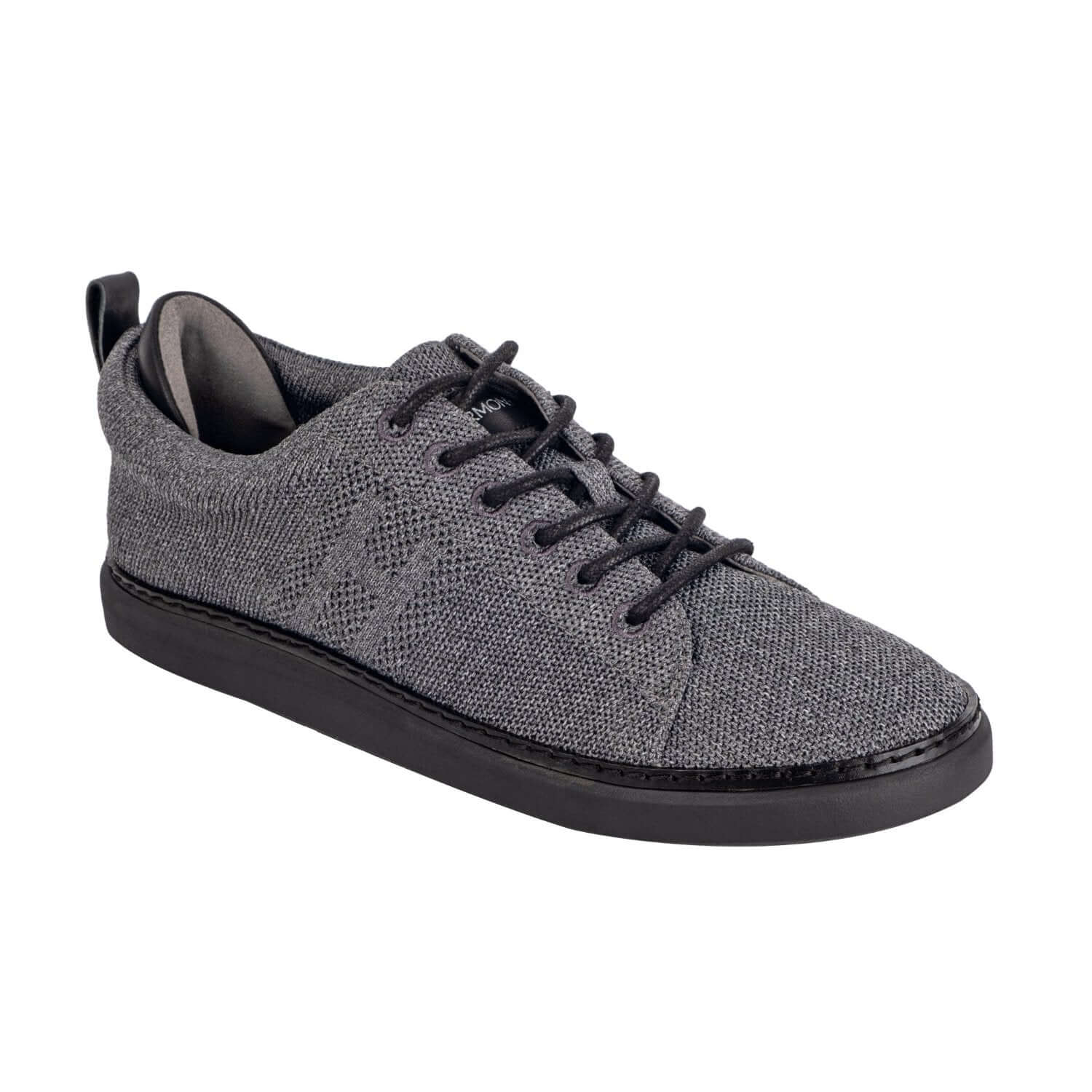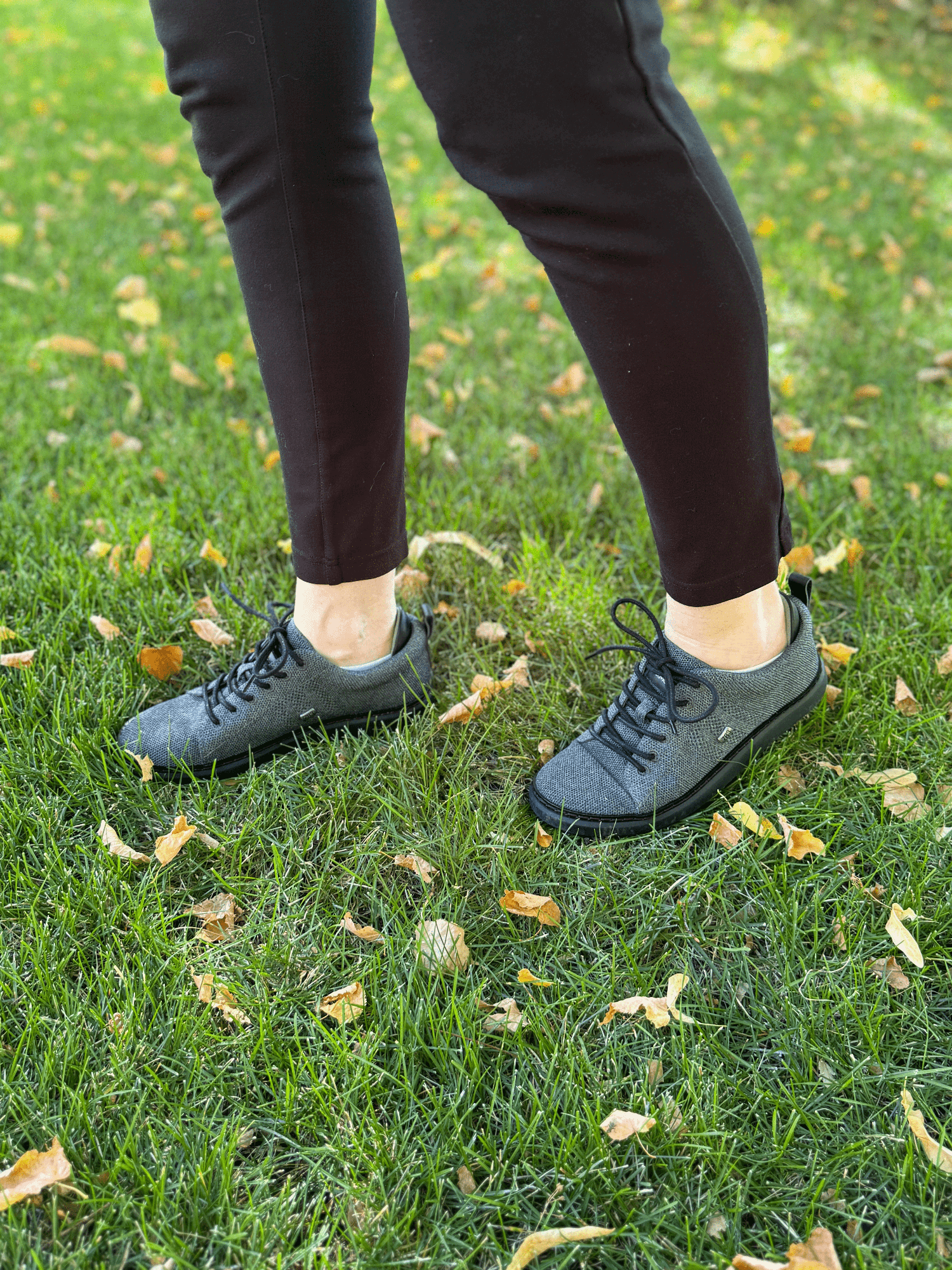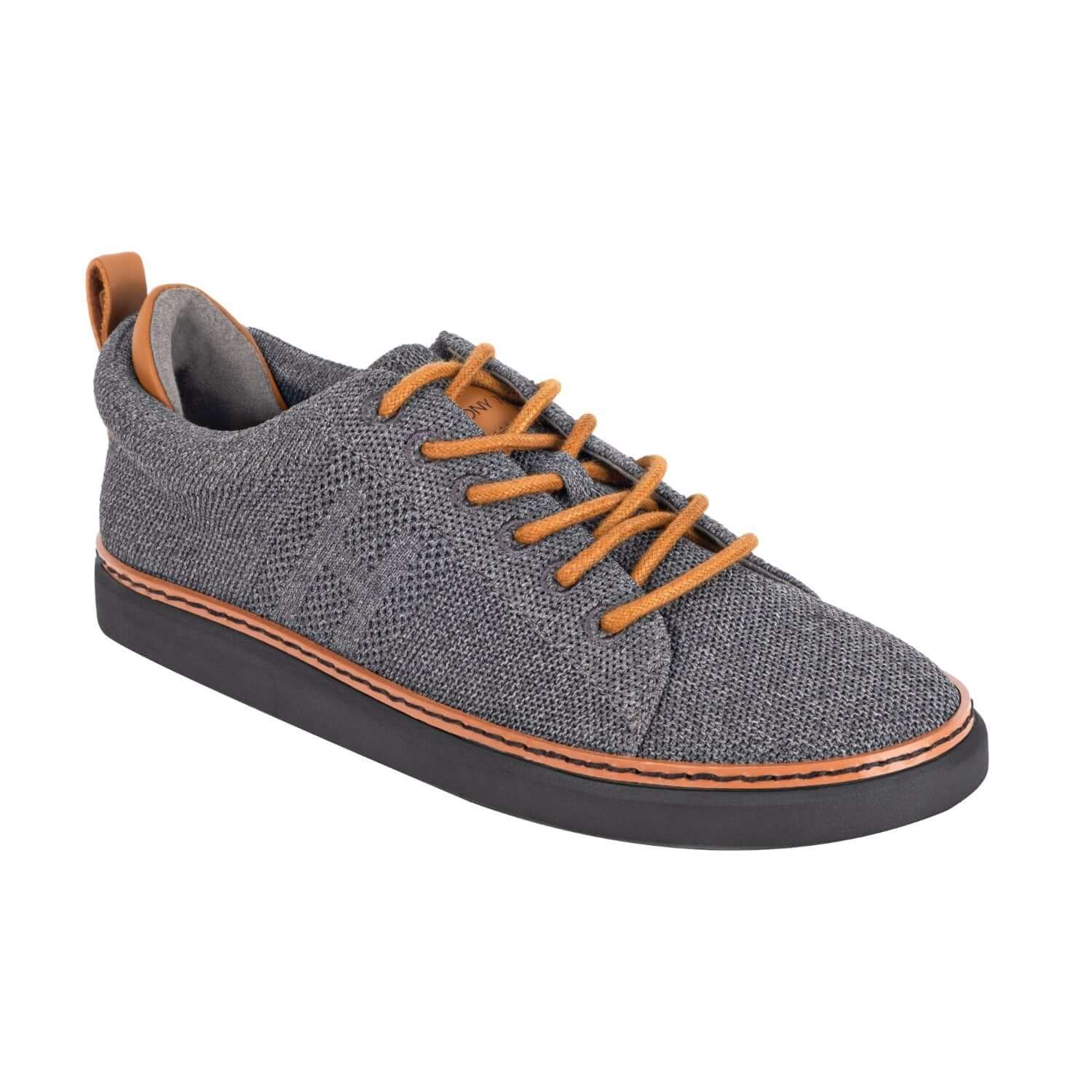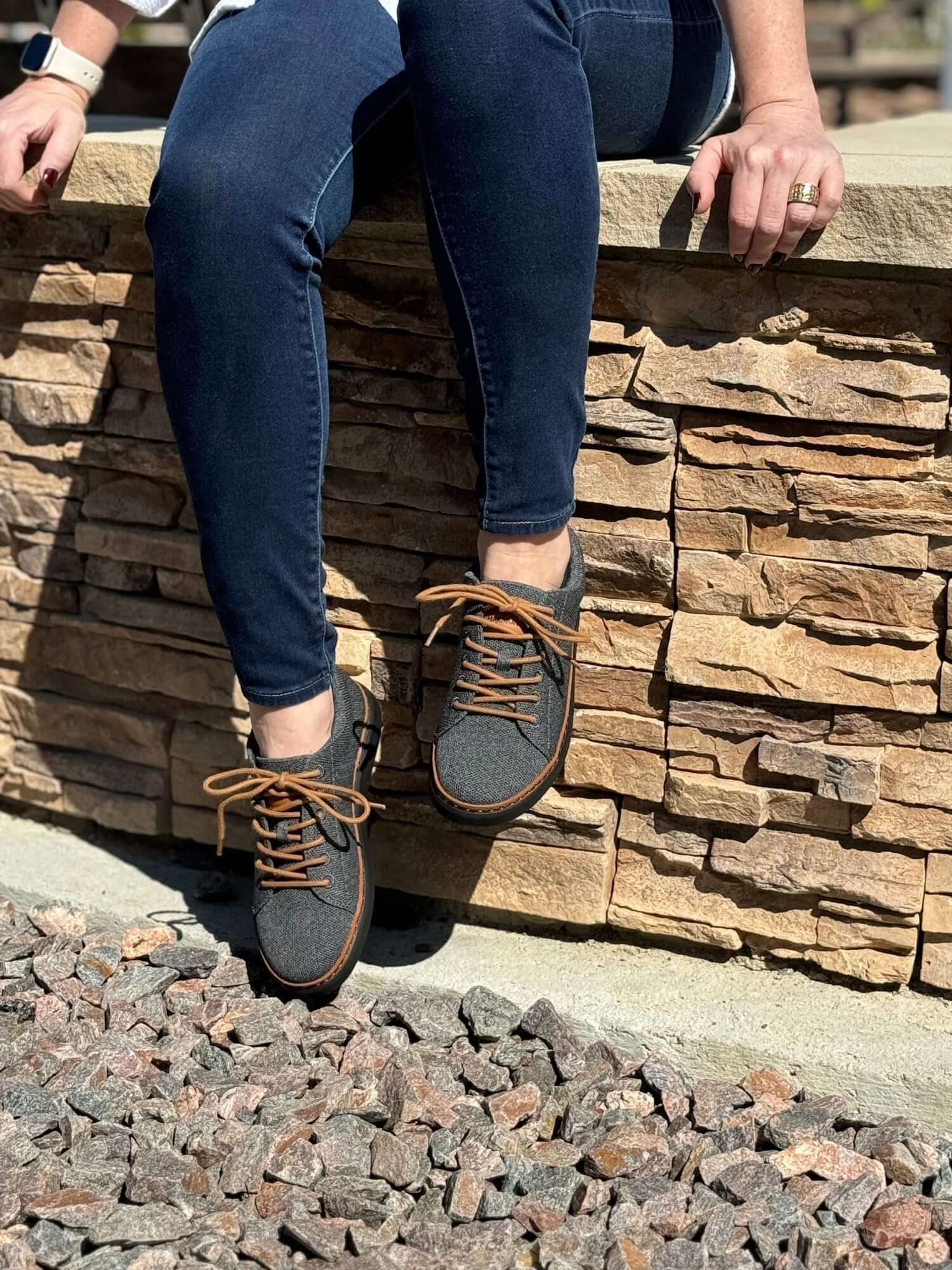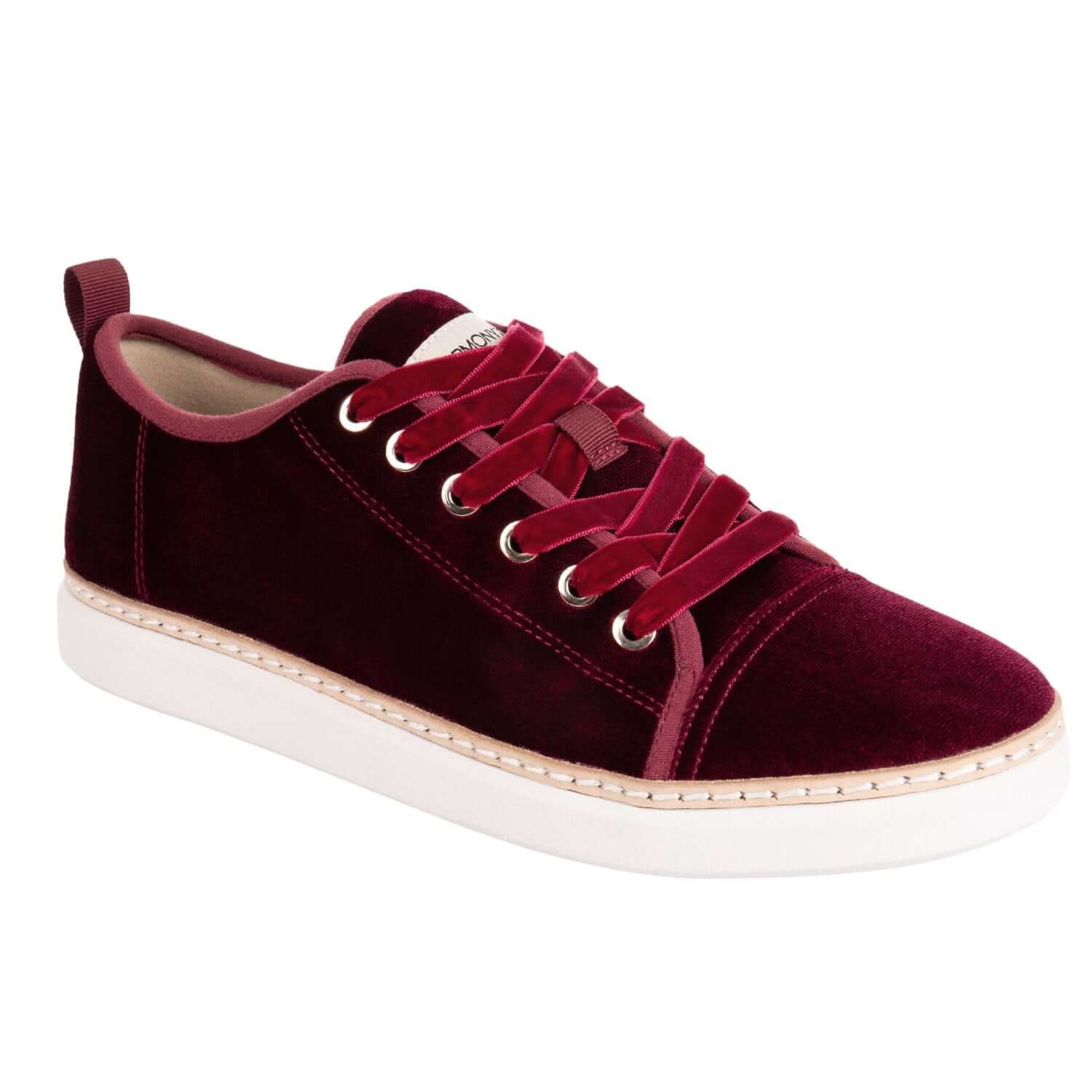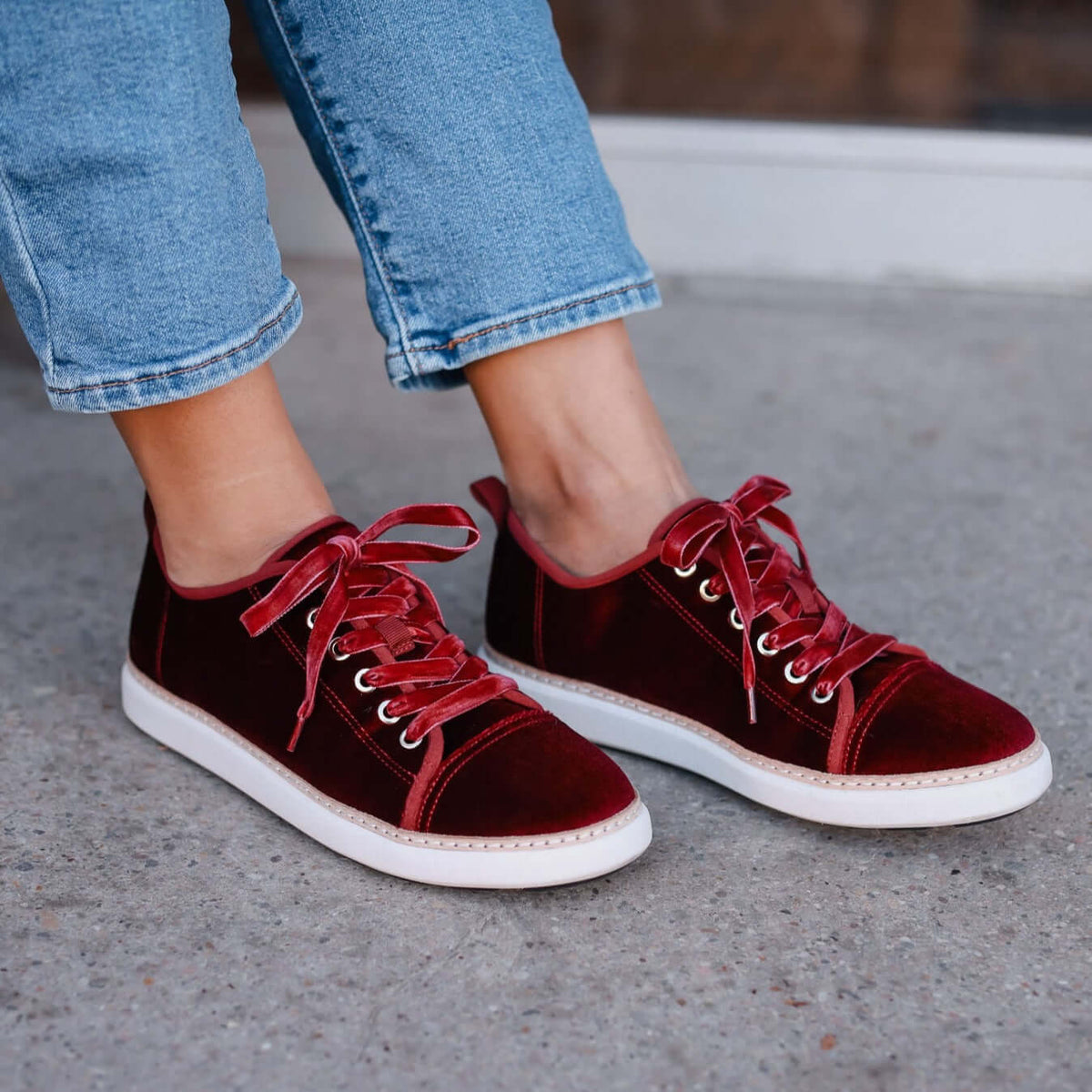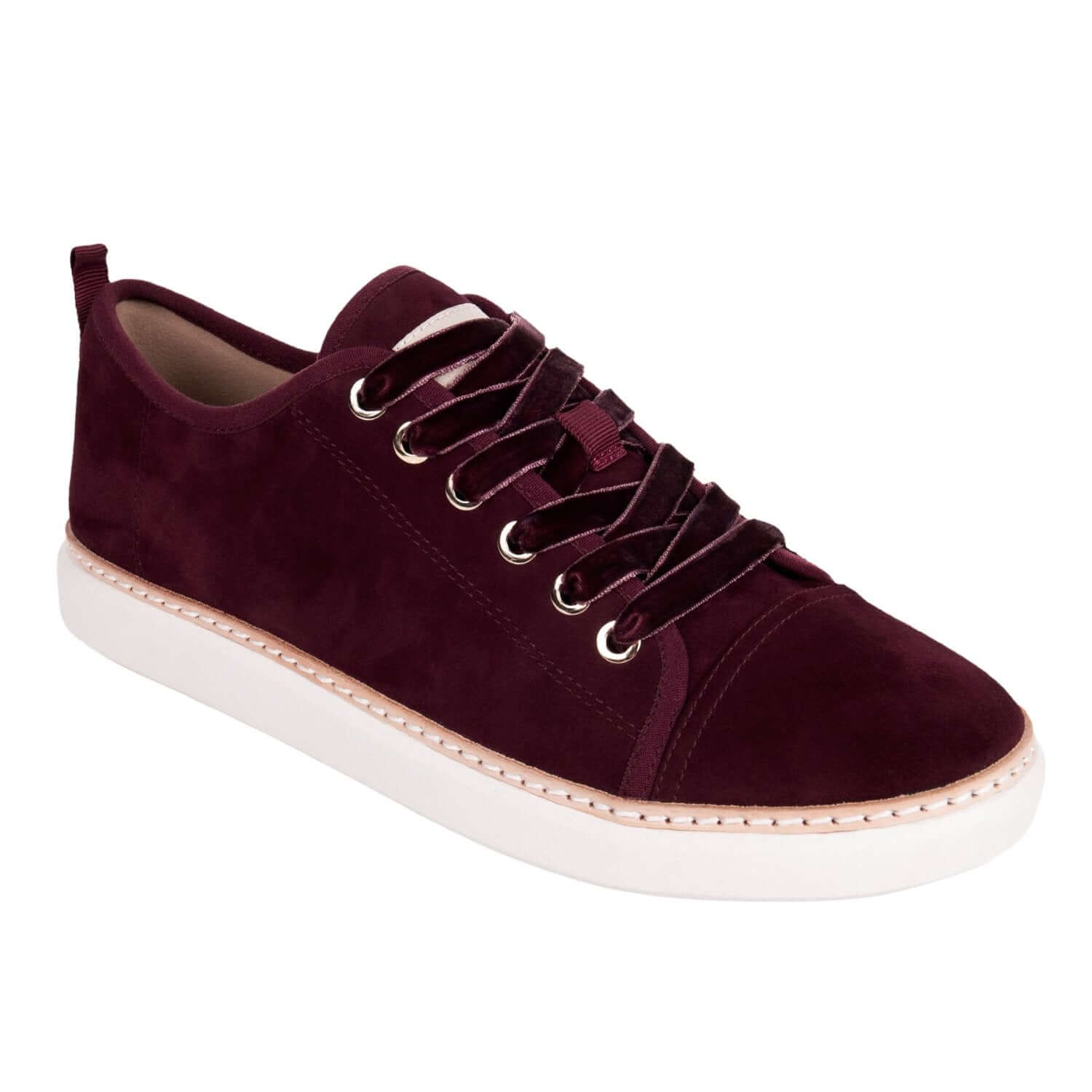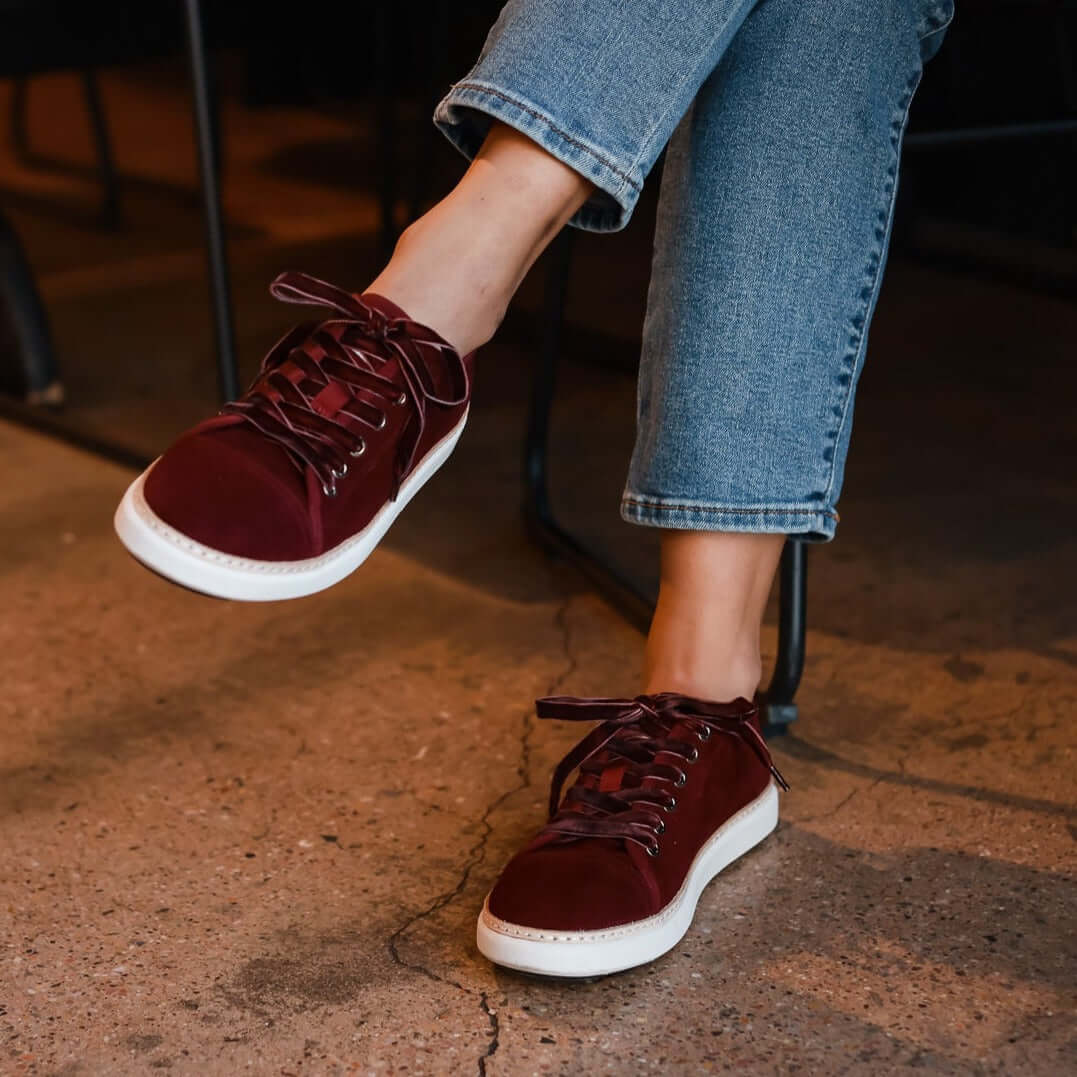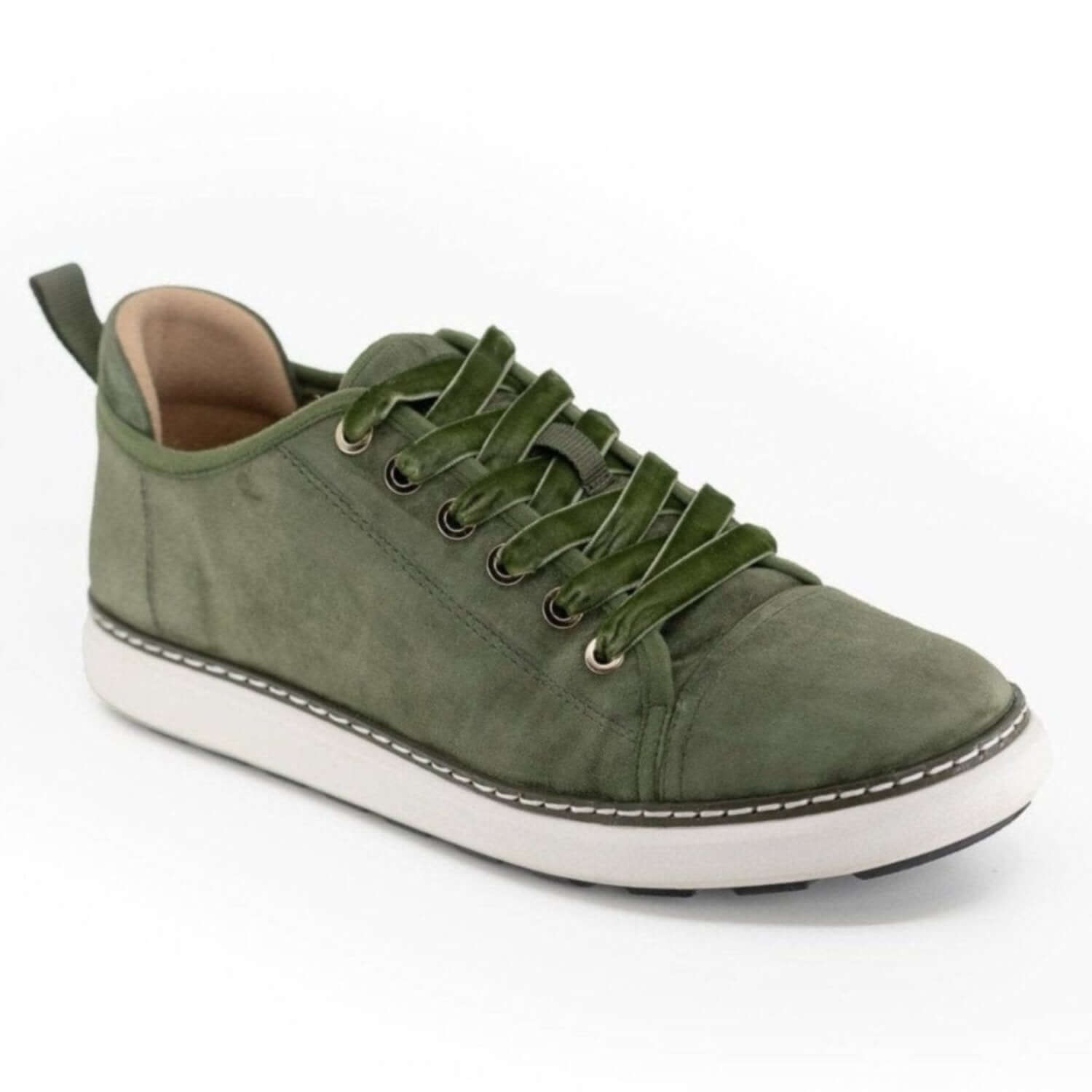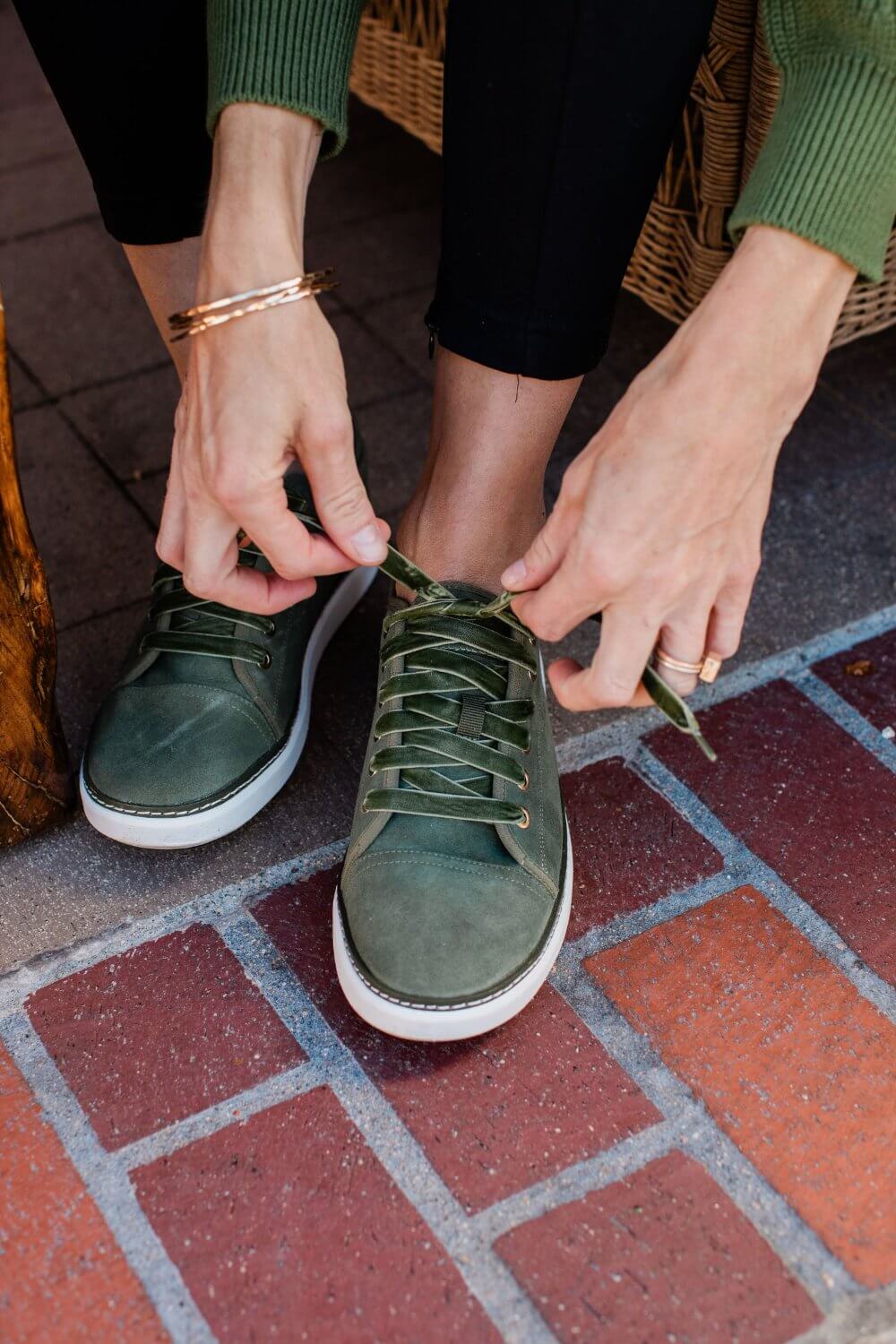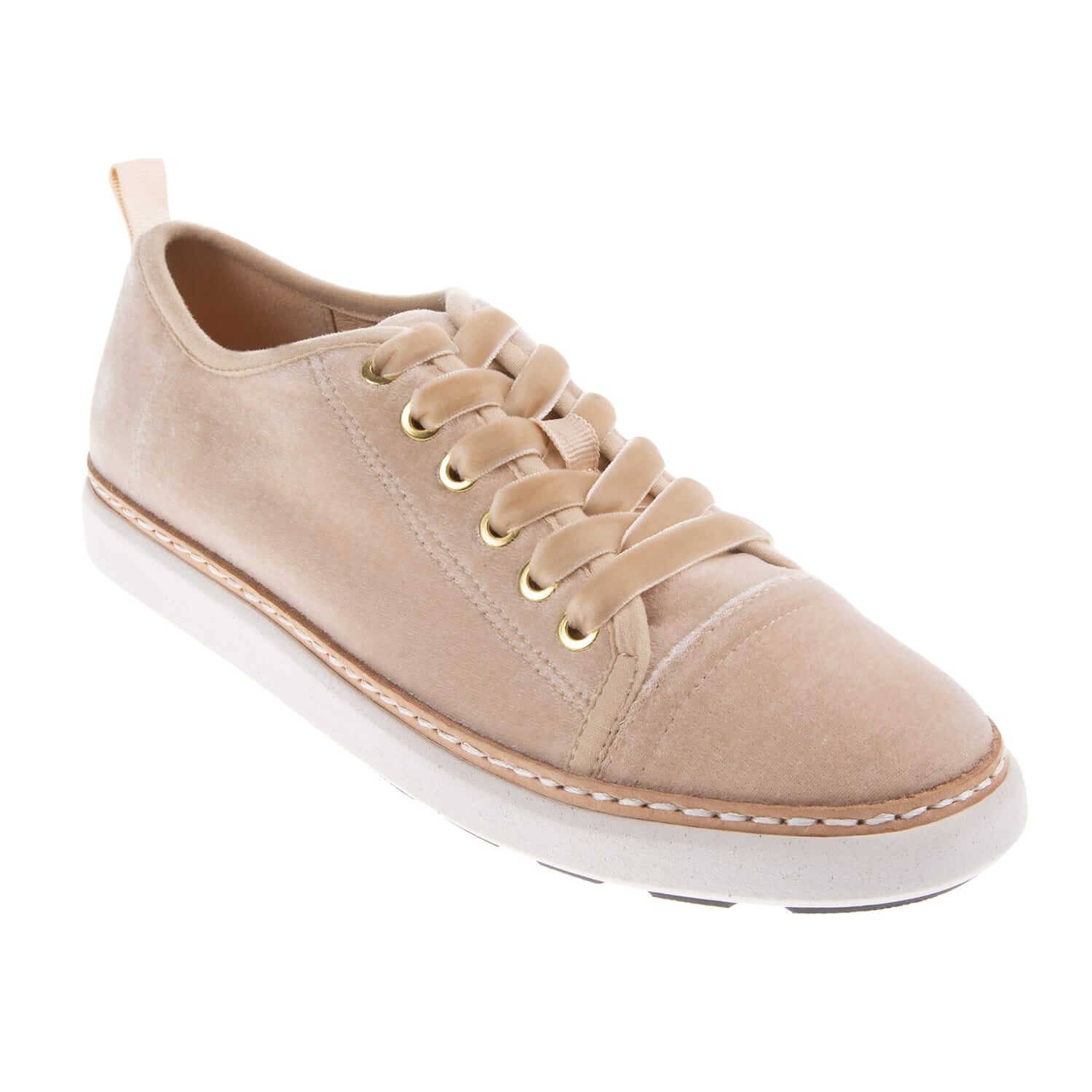

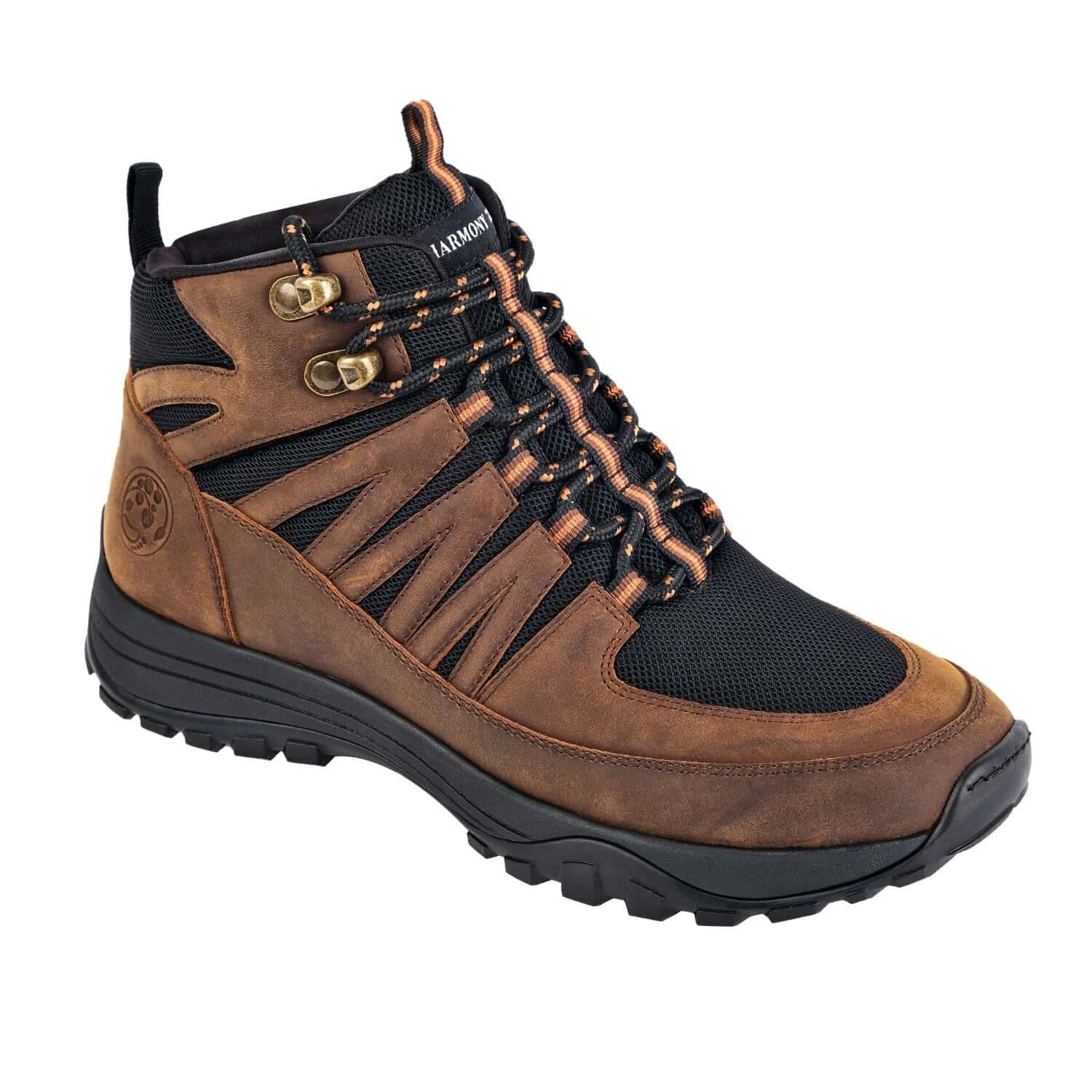
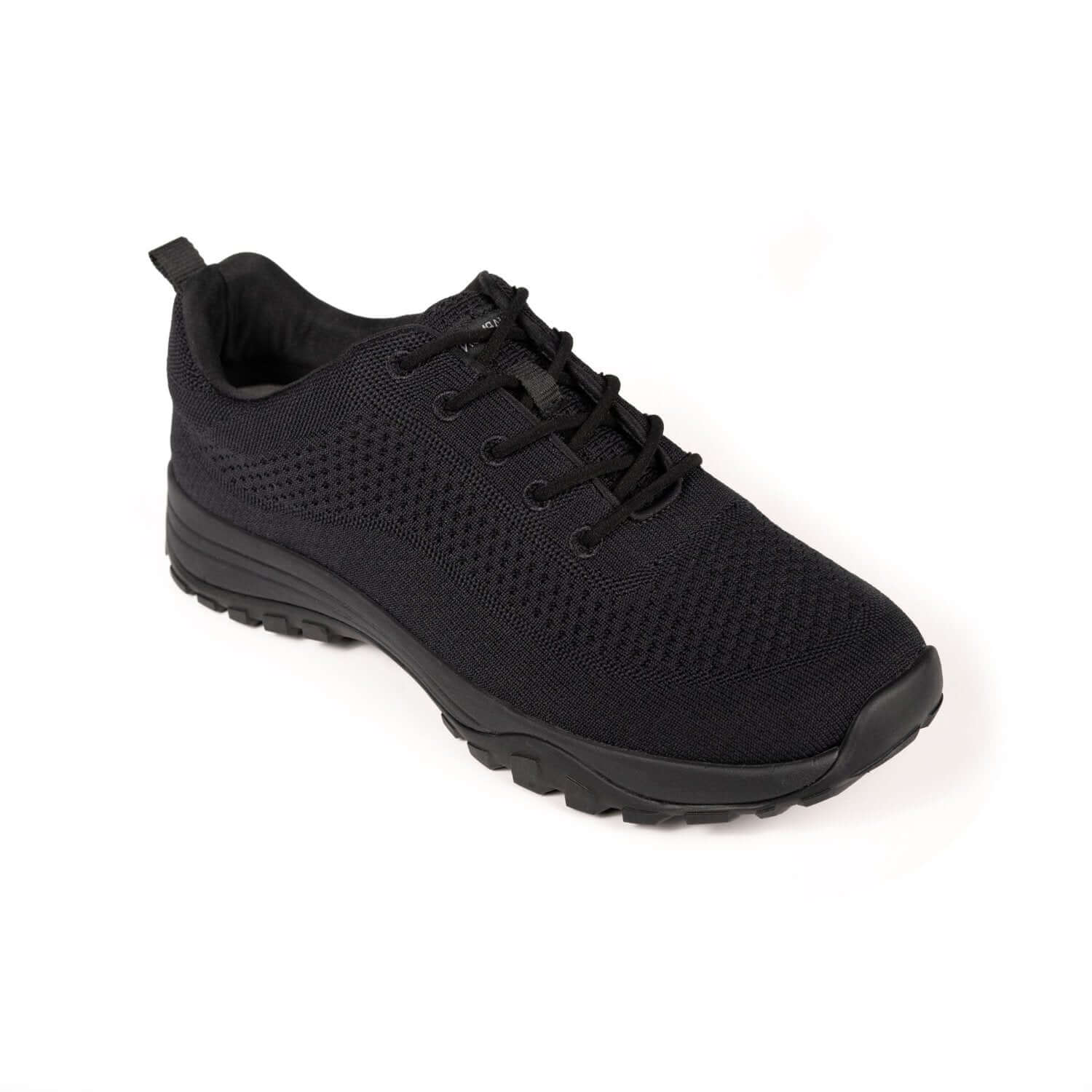
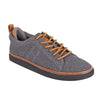
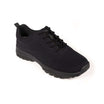
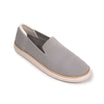

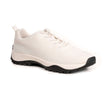

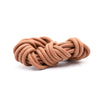
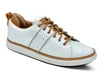

Shopping for women's earthing sneakers can be confusing. Many shoes look comfortable and have flexible soles, but appearance alone does not tell you whether a shoe was made to create a grounding connection. Start by checking the shoe's construction, then compare fit and daily-use features.
Browse grounding sneaker options
What makes an earthing sneaker different from an ordinary sneaker?
The key difference is the intended electrical pathway. In a grounding shoe, conductive materials are built into the shoe so the wearer's foot can connect through the shoe to a suitable ground surface. A standard sneaker may have foam, rubber, or other materials that do not provide that designed path. The outside shape, color, and athletic styling do not answer the question.
Harmony 783 describes its Groundworks™ system as a five-layer conductive system. It includes silver-stitched layers, a conductive fabric loop, a cushioned midsole, and a carbon-and-rubber conductive outsole. Those materials are part of the shoe's design; they are not a promise of a particular medical result. See how Harmony 783 shoes are made for the company's construction details.
Grounding, also called earthing, is commonly described as contact between the body and the earth. A University of Vermont culinary medicine handout describes earthing in terms of bare skin touching the ground and the proposed transfer of electrons. This helps explain the idea, but does not establish that any specific shoe produces a health benefit. Read the University of Vermont handout and keep product design separate from claims about outcomes.
A barefoot-style shoe may be flexible or have a low profile, but those traits do not make it an earthing shoe. Ask whether the shoe was specifically constructed to allow a conductive connection. If the product information does not explain that design, do not infer grounding from the look or feel of the sole. This distinction is useful when comparing products that may appear similar.
For example, imagine two sneakers with similarly thin soles. One maker describes a conductive system with components that connect the footbed and outsole. The other only describes a lightweight, flexible design. They may look and feel alike in a photo, yet the descriptions do not establish the same purpose. In short, ask: was this shoe actually constructed for grounding and for allowing a conductive path? If the answer is not clear, ask before purchasing.
How can you tell whether a sneaker was built for grounding?
Use a simple check before you buy. Product descriptions should identify grounding or earthing construction and give enough detail to distinguish it from an ordinary sole. Harmony 783 lists a conductive outsole and silver-containing components in its Groundworks™ construction. Its grounding explainer offers the brand's overview.
- Check the purpose: Does the maker say the shoe is specifically designed as grounding or earthing footwear?
- Look for construction details: Is there an explanation of conductive materials or how the path is made?
- Separate design from evidence: A conductive design is a product feature, not proof that a shoe treats or prevents a health condition.
- Ask about intended use: If the product page is vague, contact the seller before relying on assumptions.
- Consider the surface: A shoe's construction is one part of the connection; the surface underfoot and conditions around it may matter too.
There is no visual shortcut that works for every brand. A metal-colored insert or carbon-colored sole does not prove conductivity by itself. Nor does the word grounded in a product name tell you what materials are used. Read the details and, when needed, ask the brand directly whether the shoe was constructed to provide a conductive path from the foot through the sole.
You can make the check more practical by reading a product page in a set order. First, find the description of the grounding system. Next, see whether it names the materials and explains their placement. Then look for care or use instructions that may affect how you wear the shoe. Finally, note any questions that remain and contact the brand with those specific questions. For instance, instead of asking only “Is this shoe grounding?”, ask what components create its path and whether the maker has instructions for the surfaces you use most.
For a broader account of how Harmony 783 presents the research, visit its grounding science and studies page. Consider the scope of any cited research carefully. Evidence about grounding as a broad idea does not automatically verify every shoe, every surface, or every health claim.
Which features should you compare in women's earthing sneakers?
Once you have confirmed the grounding design, choose a sneaker that suits your feet and routine. Comfort is personal. Think about where you will wear the shoe, how much time you spend walking, and what kind of fit feels good to you. A grounding feature should not require you to accept a poor fit.
| What to compare | What to look for | Why it matters |
|---|---|---|
| Grounding construction | Clear description of conductive materials and design | Helps distinguish a grounding shoe from a regular sneaker |
| Fit and sizing | Length, width, toe room, and brand guidance | A well-fitting shoe is easier to wear through a normal day |
| Cushion and feel | Whether the cushioning suits your comfort preference | Footwear feel varies; people do not all want the same support |
| Style and routine | Errands, casual outfits, or longer walks | The right use case depends on where you plan to wear it |
| Care and return details | Care instructions, guarantee terms, and current policy | Helps you know what to expect after delivery |
Harmony 783 offers several footwear styles, including sneakers and walking shoes. Compare the sneaker collection with the walking shoe collection to see which fits your routine. For a wider view, browse the full grounding footwear collection.
Do not choose by a product photo alone. Check the description for materials, fastening, and care notes. Consider whether you want a low-key everyday look or a shoe intended for longer walks. If you plan to use sneakers in changing weather or on uneven paths, review the specific product details rather than assuming every style has the same tread, water resistance, or support.
It can help to picture a real day rather than an ideal one. If you commute, run errands, and spend time indoors, list the places you will move between and the features you value most. If you often take longer walks, look more closely at comfort and the shoe's stated use. If you want one pair to work with several outfits, consider the style and color options. This small exercise keeps a single feature from deciding the purchase for you.
When comparing two product pages, use the same questions for both: Are the grounding components described? Does the product page explain fit and sizing? What does it say about care? Does the design suit the activities you actually do? A simple side-by-side note can reveal where one listing has clear details and where you need to ask the seller. Avoid assuming that two shoes in the same collection have identical materials, cushioning, or care instructions.
Related products


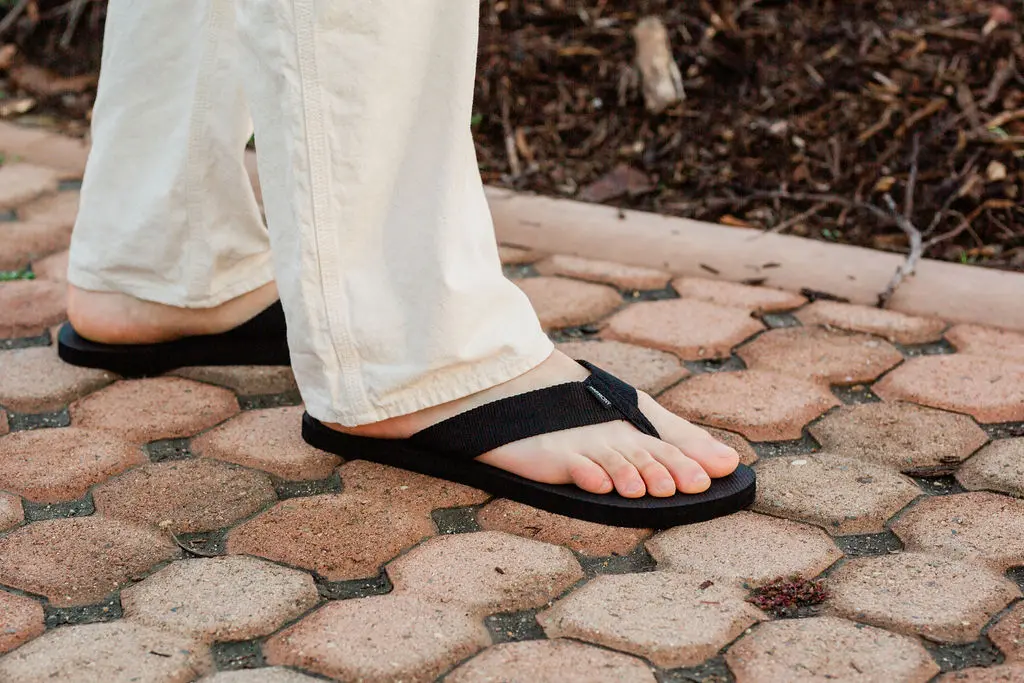
Ladies, turn heads with these classic gold conductive flip flops.
View product
Stay fit, stay active, and stay grounded in these bright white sneakers.
View productHow should you check fit before wearing them all day?
Start with the Harmony 783 shoe size guide. Check the sizing options shown for the product and follow its instructions. The company displays men's and women's sizing options on the same product page, selected with a toggle, so choose the intended sizing view before adding a pair to your cart.
When trying a sneaker, consider these practical points:
- Try it on with the socks you expect to wear most often.
- Check that your toes have comfortable room and are not pressed against the front.
- Notice whether the heel feels secure without rubbing or slipping.
- Walk indoors briefly and pay attention to pressure points or pinching.
- Review current return and guarantee terms before wearing the shoes outdoors.
Fit is not a test of willpower. A shoe that causes pain or persistent rubbing is not the right choice for you, whatever its other features. Feet can differ in length and width, and one foot may not match the other exactly. If you are between sizes or unsure which fit to choose, review the brand's frequently asked questions or ask customer support for product-specific guidance.
Also think about how you will wear them. A sneaker for short errands may feel different from one you want for hours of walking. If a style has laces, test how easily you can adjust them across the top of your foot. Never assume cushioning, arch feel, or fit based only on another person's experience; these are individual preferences.
Try the pair at a time when your feet feel typical for you, and use both shoes rather than judging one. Stand, take a few steps, turn, and pause. Notice whether your toes can move comfortably and whether the shoe stays in place without needing to be pulled tight. If the upper presses on one spot, loosening or adjusting the laces may help you assess the fit, but do not ignore ongoing discomfort. Keep the packaging and follow the current return instructions while you decide.
A short indoor fit check is not a guarantee of all-day comfort, but it can catch obvious issues before your first long outing. If you plan to wear a new pair for a full day, consider starting with a shorter period and noticing how your feet respond. This is ordinary footwear judgment, not a test of grounding performance. Keep those questions separate: one is whether the shoe feels suitable to wear, and the other is what its conductive construction is designed to do.
What can and can't you expect from grounding sneakers?
Grounding sneakers are footwear with a particular construction. They are not a substitute for medical care, and product language should not be treated as a promise to diagnose, prevent, or cure an illness. Harmony 783 positions its products as wellness footwear, not clinical treatment.
There is an important difference between a product feature and a proven outcome. A conductive design describes the materials and pathway the shoe is intended to provide. It does not by itself tell you what effect wearing the shoe will have on sleep, stress, pain, inflammation, or another health concern. Those are separate claims that need appropriate evidence. For background, review the brand's research and science information while keeping expectations measured.
Grounding also depends on more than the shoe. The kind of surface and the conditions of use can affect whether an electrical connection is present. Do not assume every indoor floor, outdoor surface, or situation will work the same way. If the connection matters to you, follow product directions and ask the company how it recommends checking the shoe.
The practical goal is straightforward: understand the design, choose a comfortable pair, and decide whether this type of footwear fits your routine. You do not have to accept sweeping promises to make a practical purchase decision.
Be careful with wording you see online. Statements about materials or a construction method can be checked against product information. Statements that promise a health change are different and deserve a much higher level of evidence. If a particular health concern is driving your interest, talk with a qualified health professional rather than relying on a shoe description or a general article. You can still learn about grounding as a wellness practice while keeping medical decisions grounded in appropriate care.
How do you choose a style for your daily routine?
Think through a typical week. If you want one casual pair for errands and everyday wear, look for a versatile style that works with clothes you already wear. For more time on your feet, compare walking-oriented options. Browse Harmony 783's women's grounding footwear and new styles collections.
Use this short decision sequence:
- First, confirm the category: Is it clearly identified as grounding footwear?
- Next, narrow the style: Which sneaker fits your everyday clothes and activities?
- Then, check fit: Does the size guidance make sense for your measurements and preferred socks?
- Finally, review terms: Read current guarantee, shipping, and care information before ordering.
Harmony 783 states that it offers a 45-day satisfaction guarantee. Review the current Promise and warranty details for the terms that apply to your purchase. Read the current page rather than relying on a summary or an old offer.
For another starting point, browse grounding shoe bestsellers. A bestseller label can help you find product pages, but it does not decide whether a sneaker suits your feet. Compare details and choose based on your needs.
Before checking out, take a final pass through your own list: construction, fit, routine, and terms. If you are buying for someone else, include their usual shoe size, preferred socks, and how they plan to wear the pair in the conversation. If you are unsure which style is right, review product details rather than guessing from a collection photo. The goal is a shoe that makes sense for its intended use and for the person who will wear it.
Browse women's grounding sneakers
What are common questions about women's earthing sneakers?
Are all women's sneakers grounding shoes?
No. A sneaker is a grounding shoe only if it was specifically constructed with a conductive path. A flexible sole, barefoot style, or wellness label alone does not establish that design.
Can I wear grounding sneakers on any surface?
Do not assume every surface provides the same connection. The shoe's construction and the surface underfoot both matter. Check product directions and ask the maker if you need guidance for a particular setting.
Do grounding sneakers promise a health benefit?
No shoe should be treated as a promise to prevent or cure a medical condition. A conductive construction is a product feature; health outcomes are a separate question. Speak with a qualified health professional about medical concerns.
How do I find the right size?
Use the product's size chart and the brand's instructions, then assess the fit indoors. Check toe room and heel hold, and review current return terms before wearing shoes outside.
What is the practical next step?
If you want to compare available styles, browse the women's walking shoes alongside the sneaker options, and use product descriptions to confirm construction and fit details.
Browse the women's sneaker collection
Choose a pair only after checking that it is designed for grounding and feels comfortable for the way you plan to wear it.