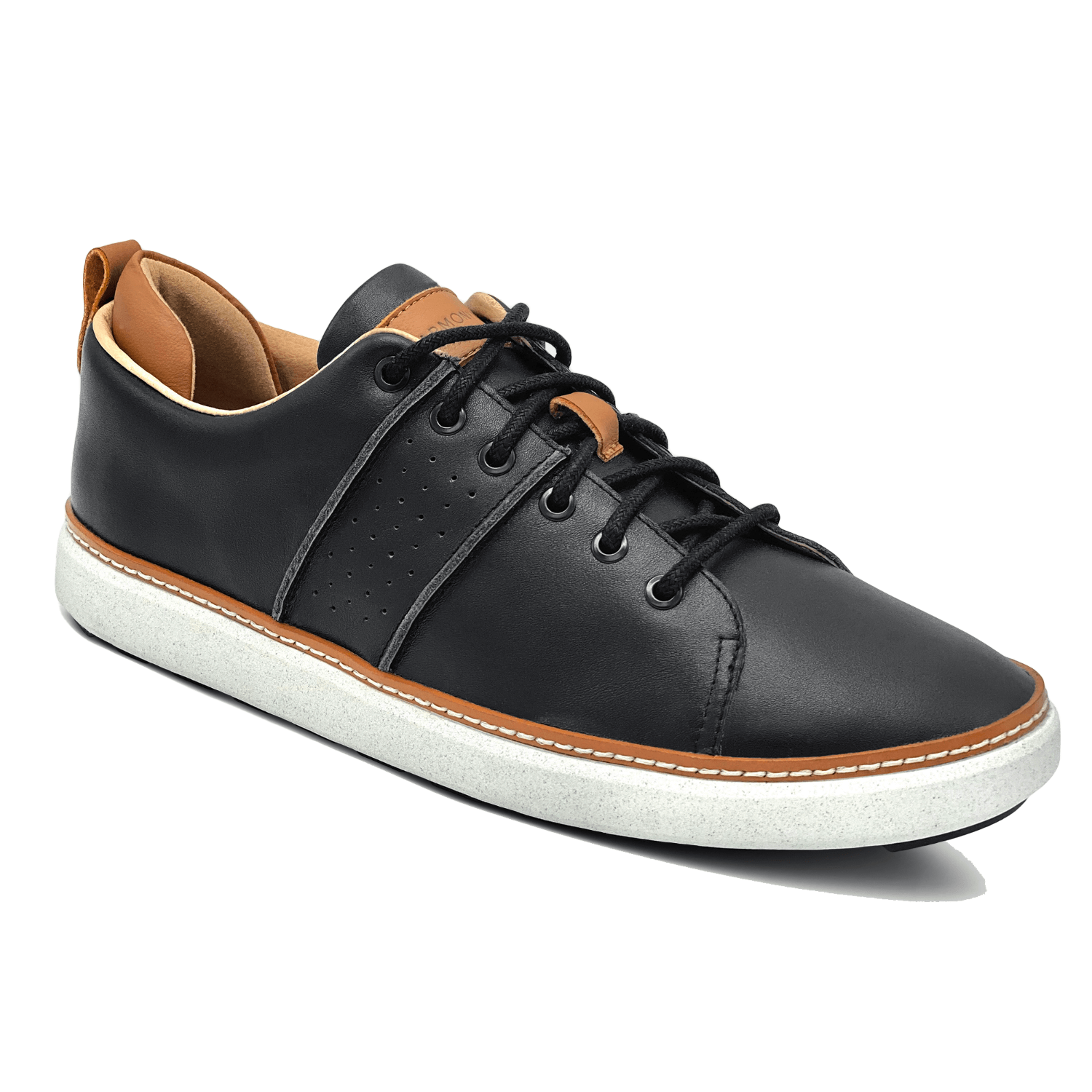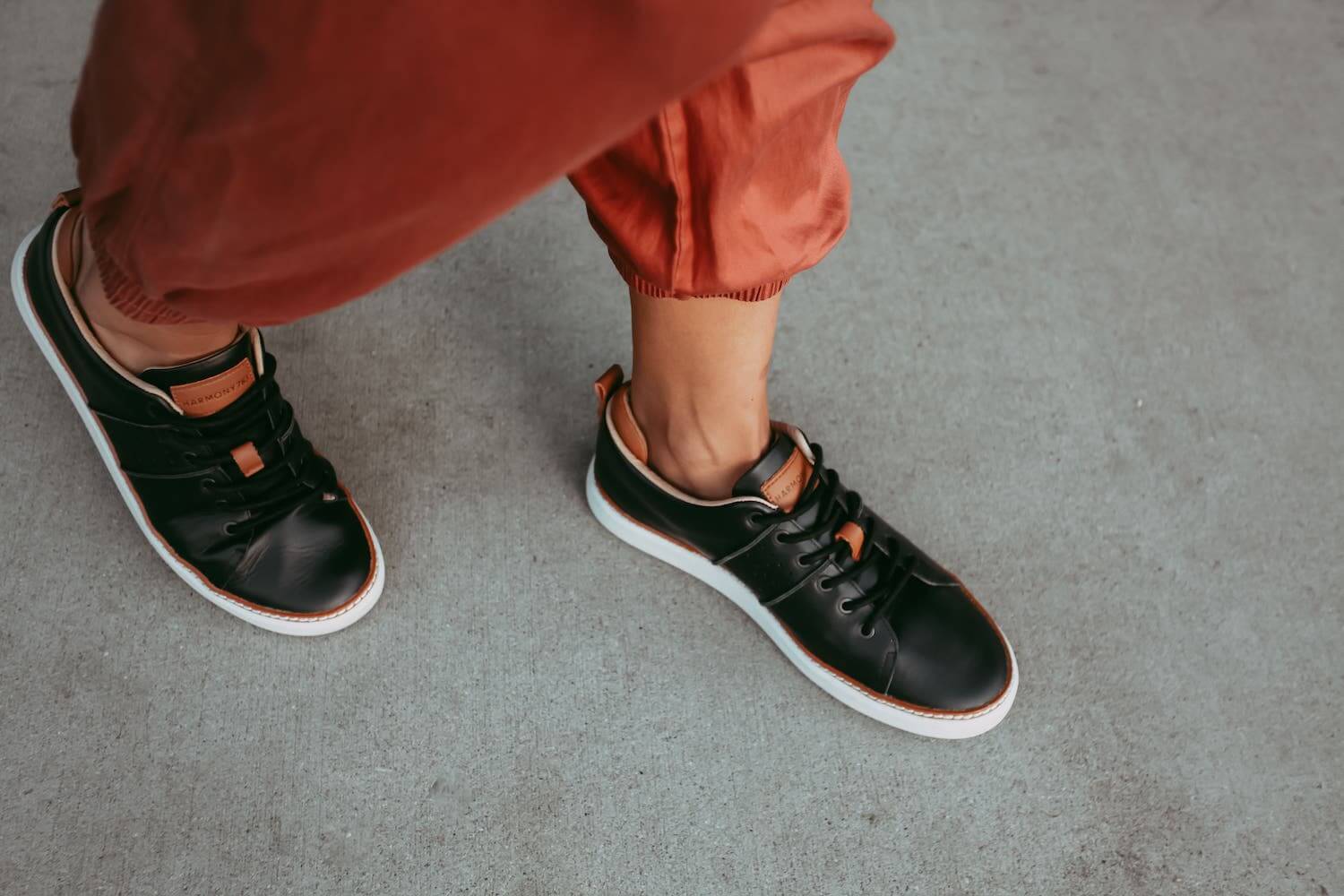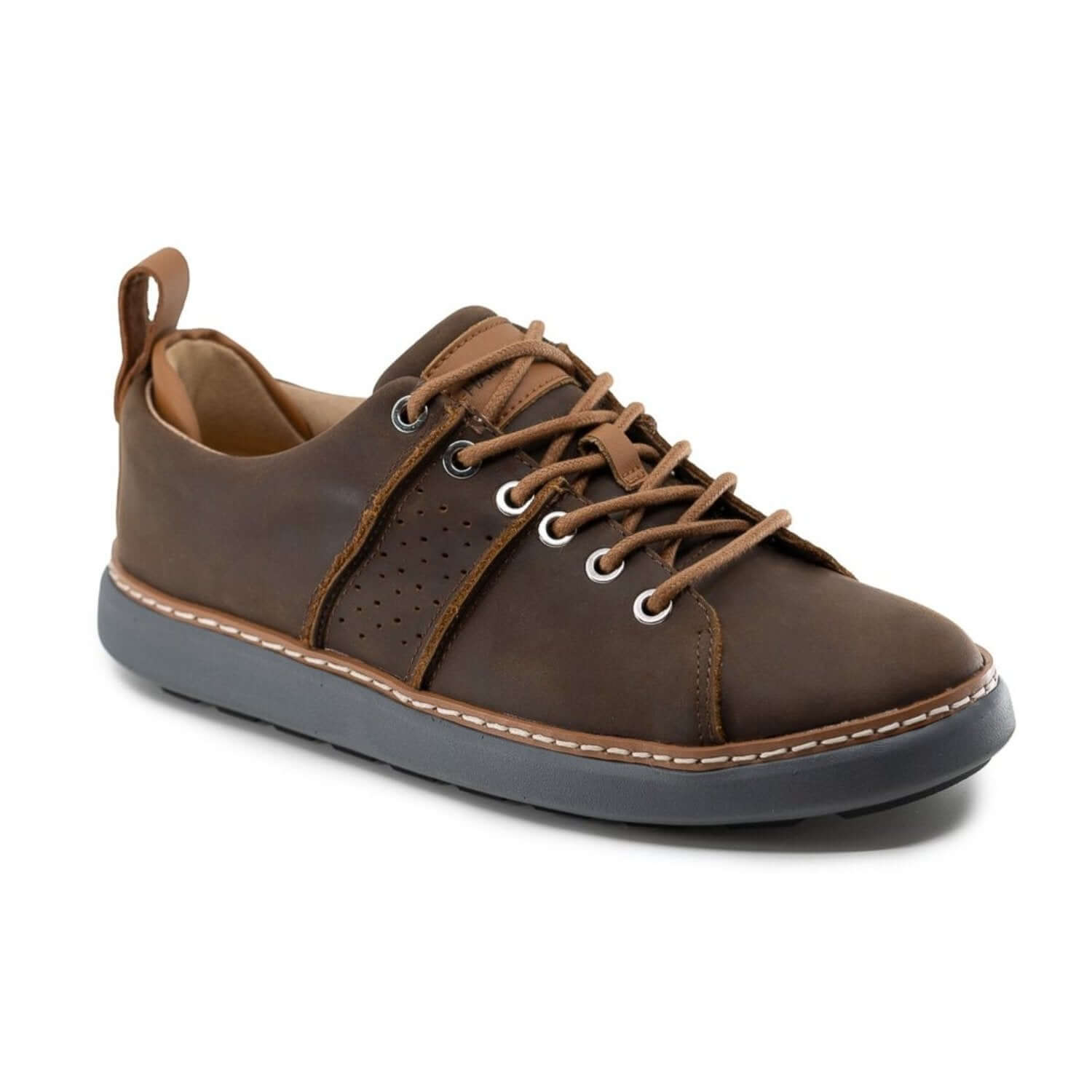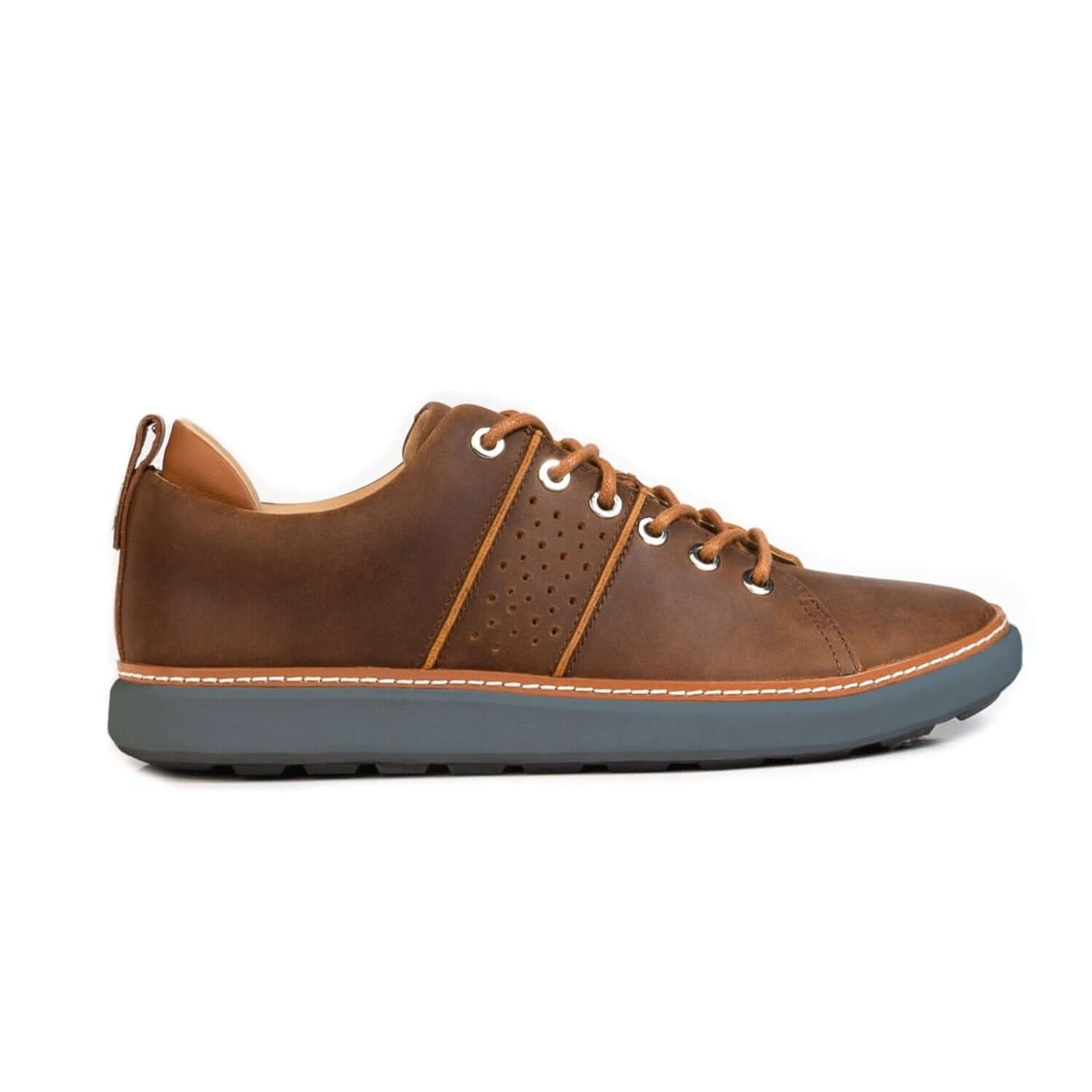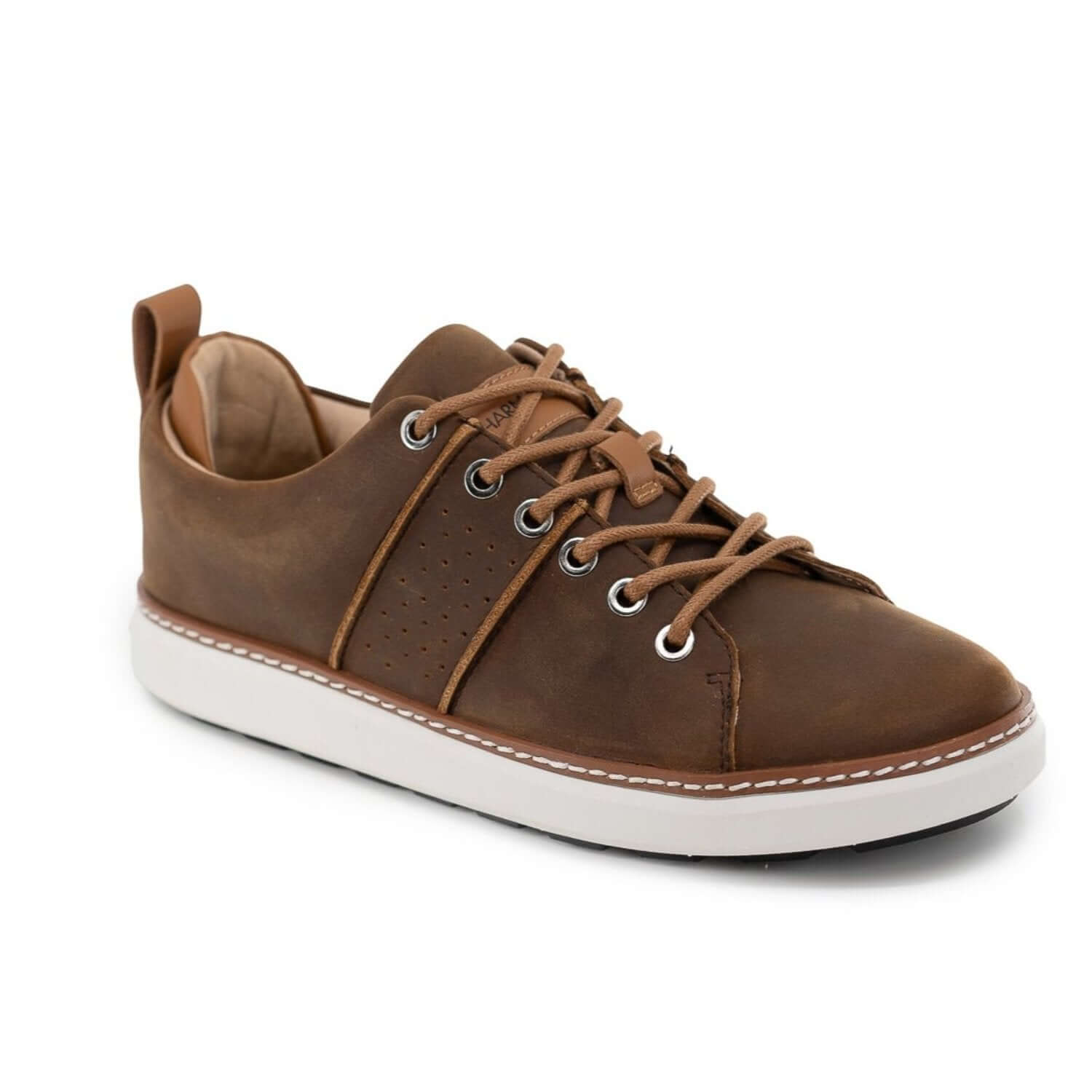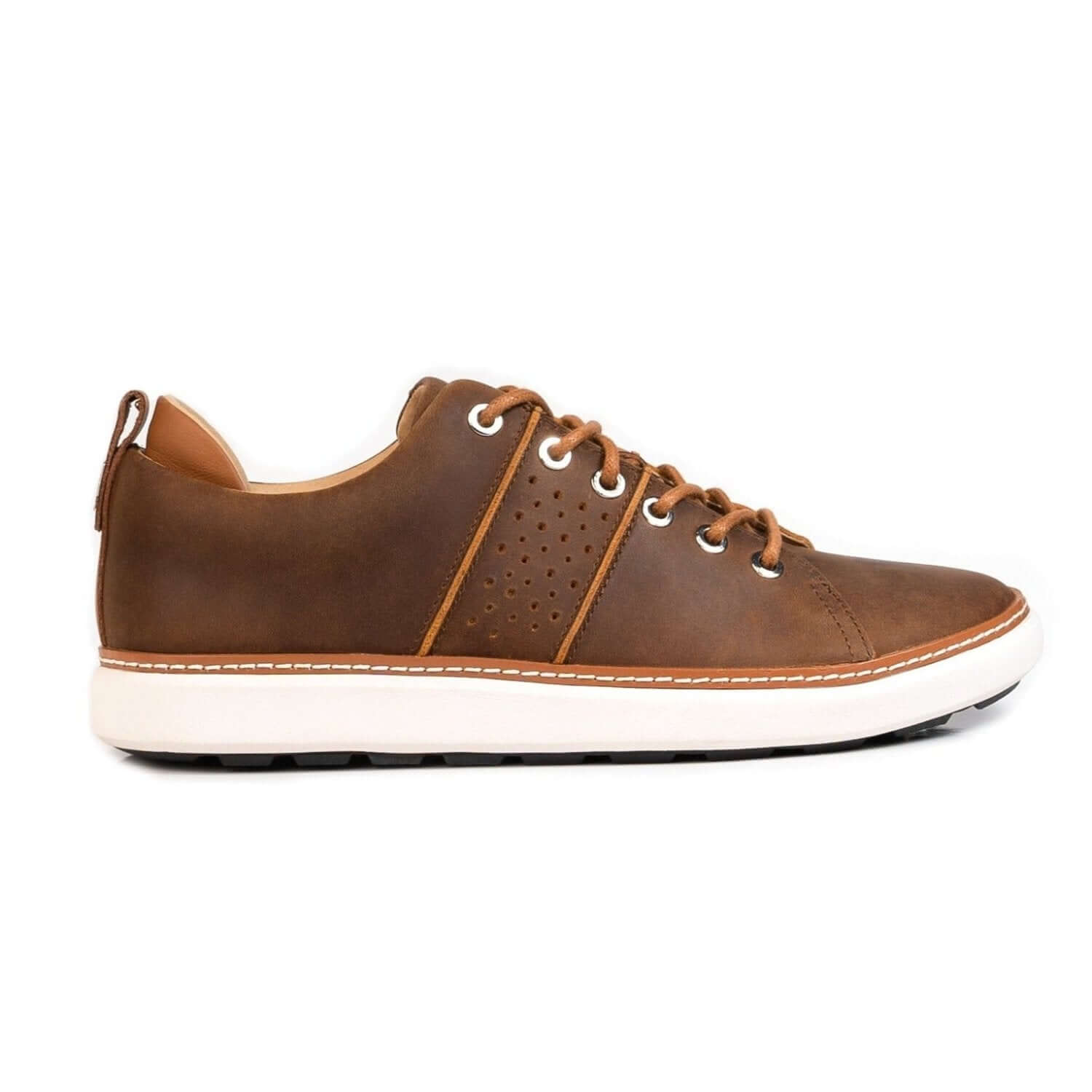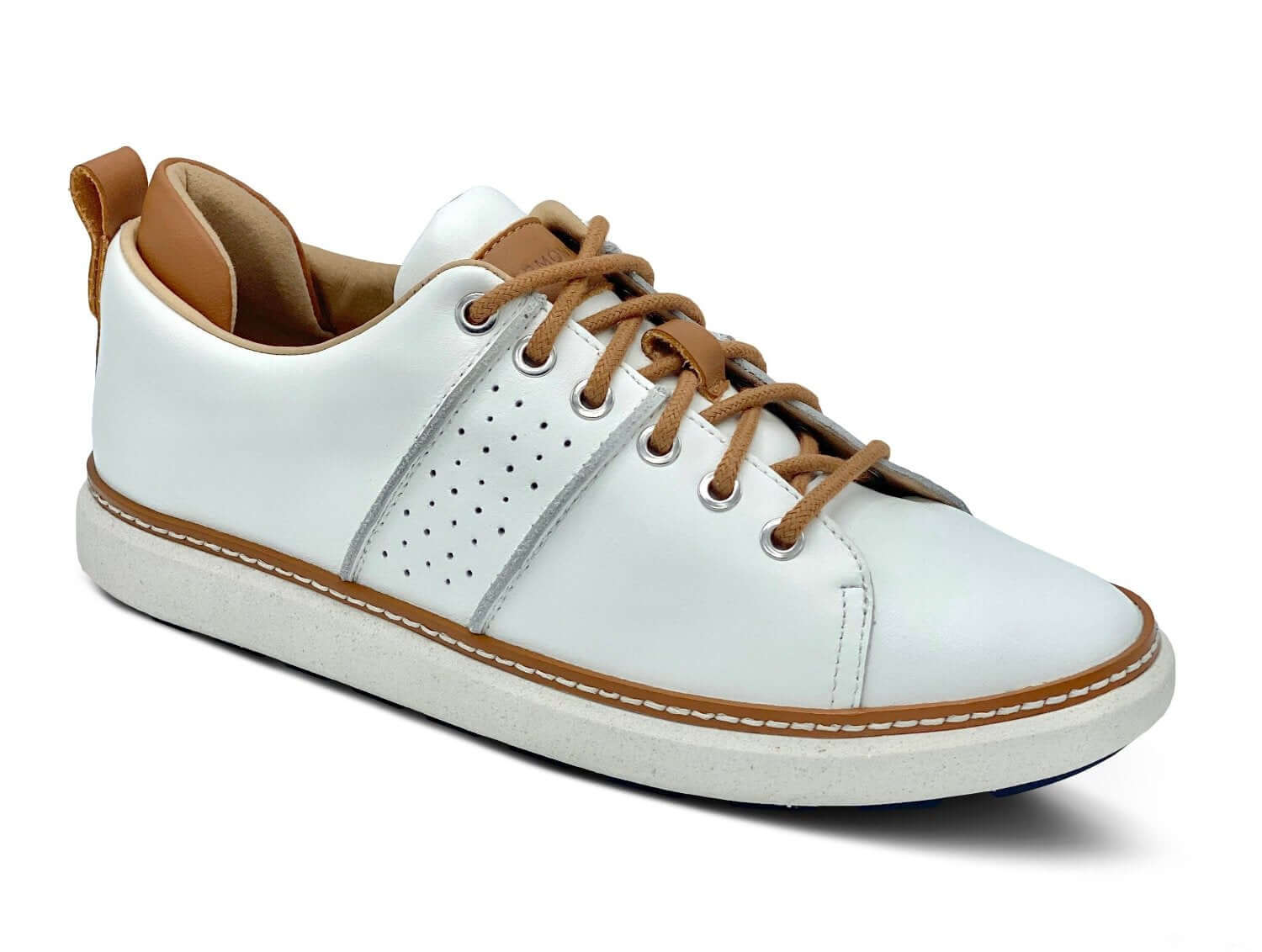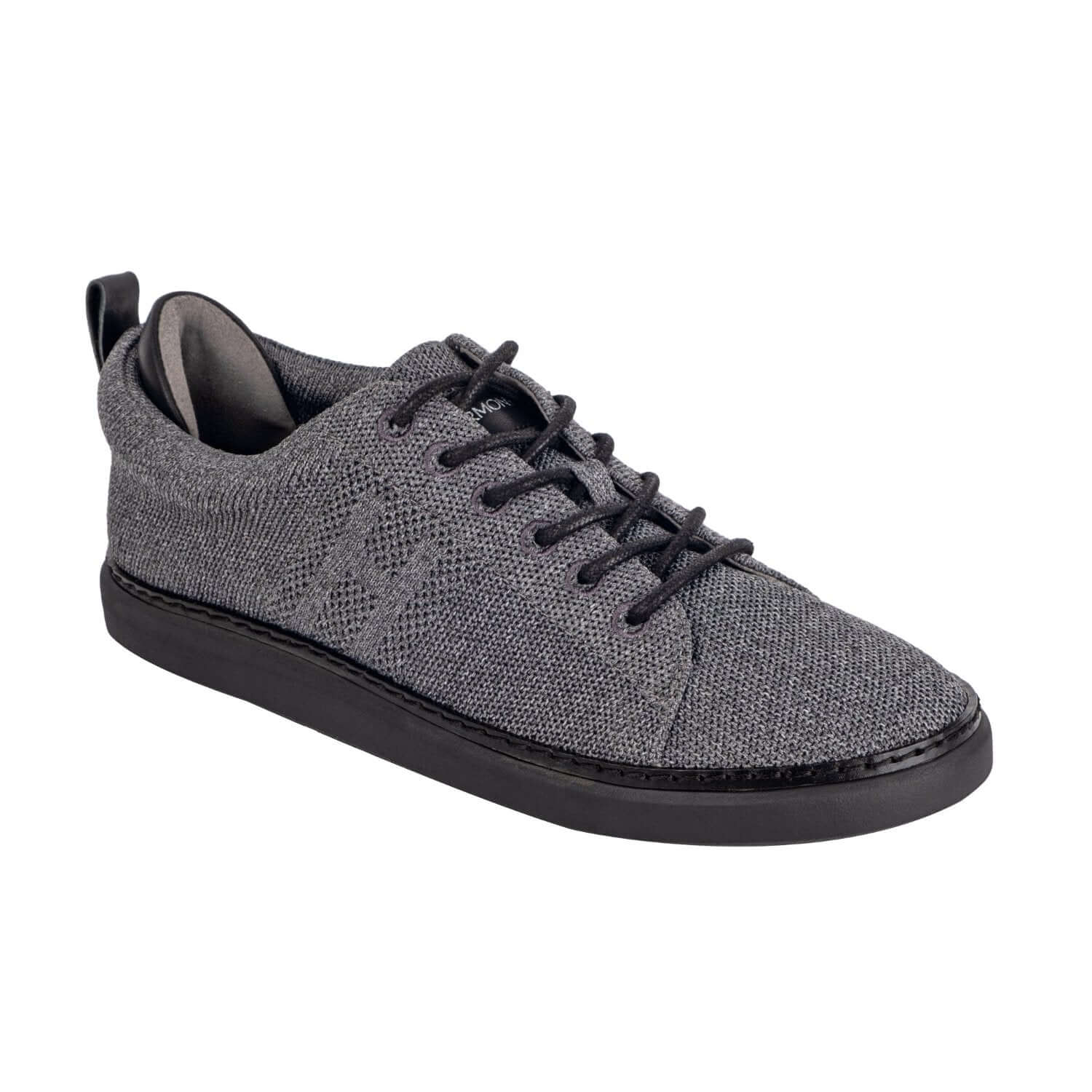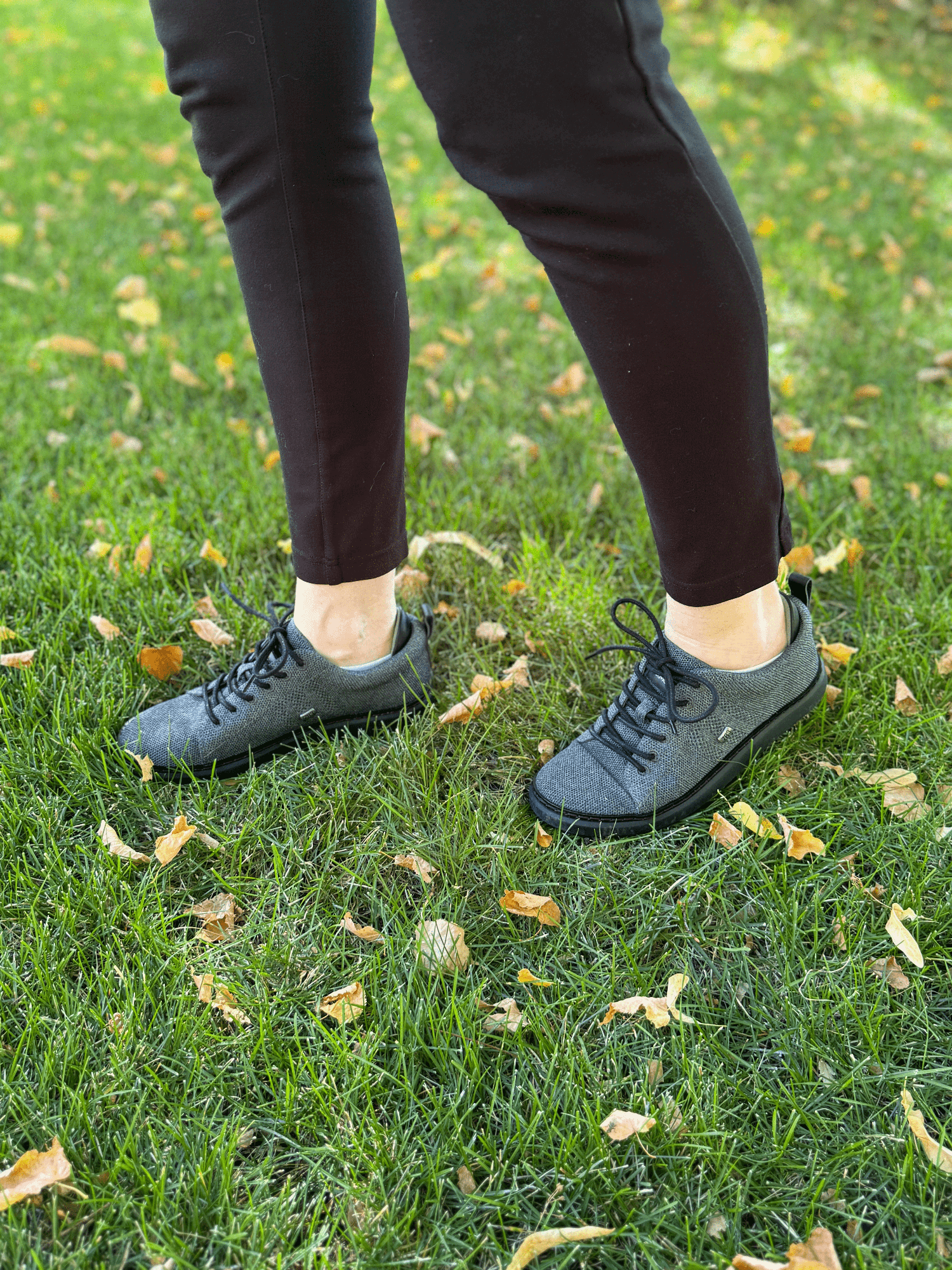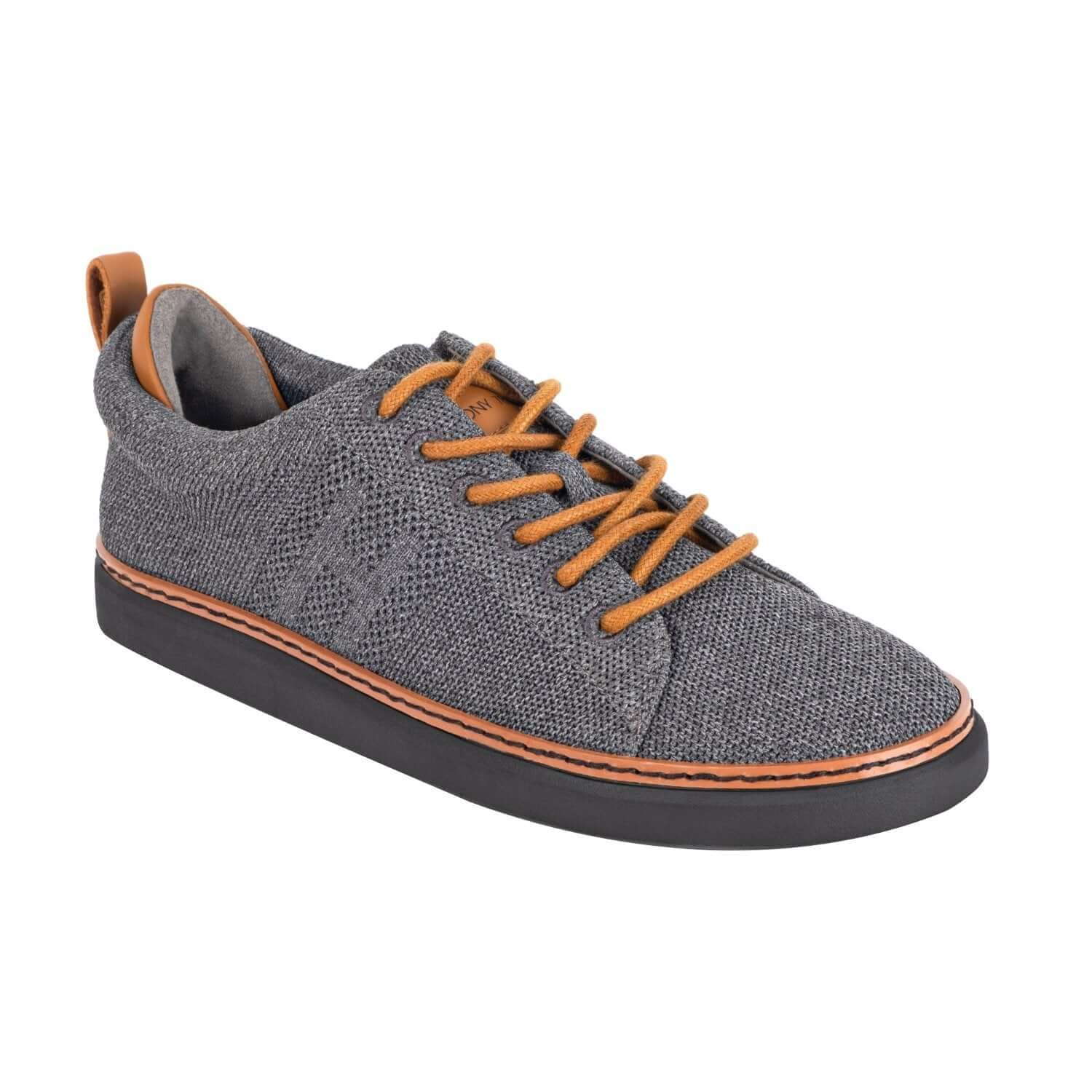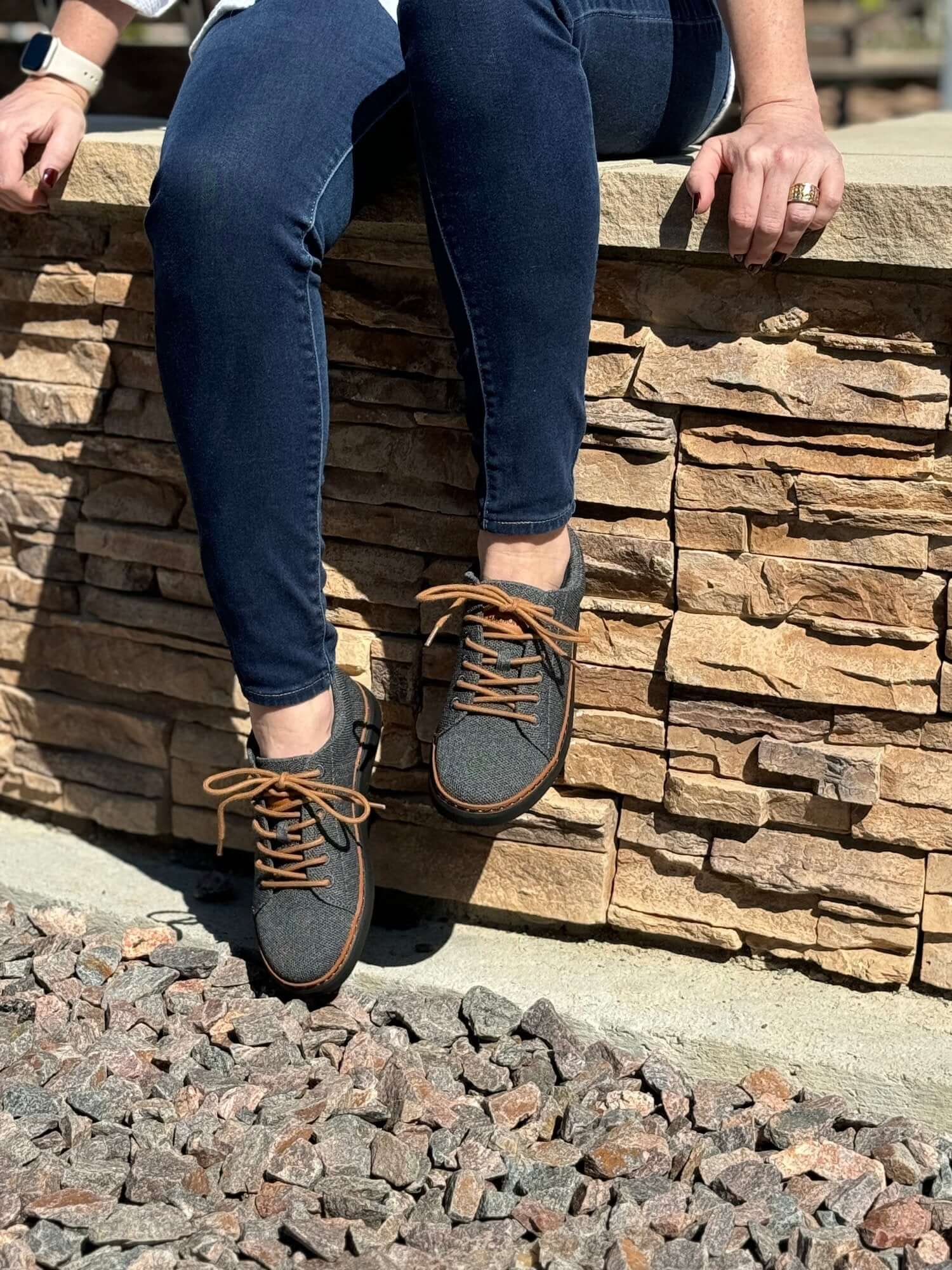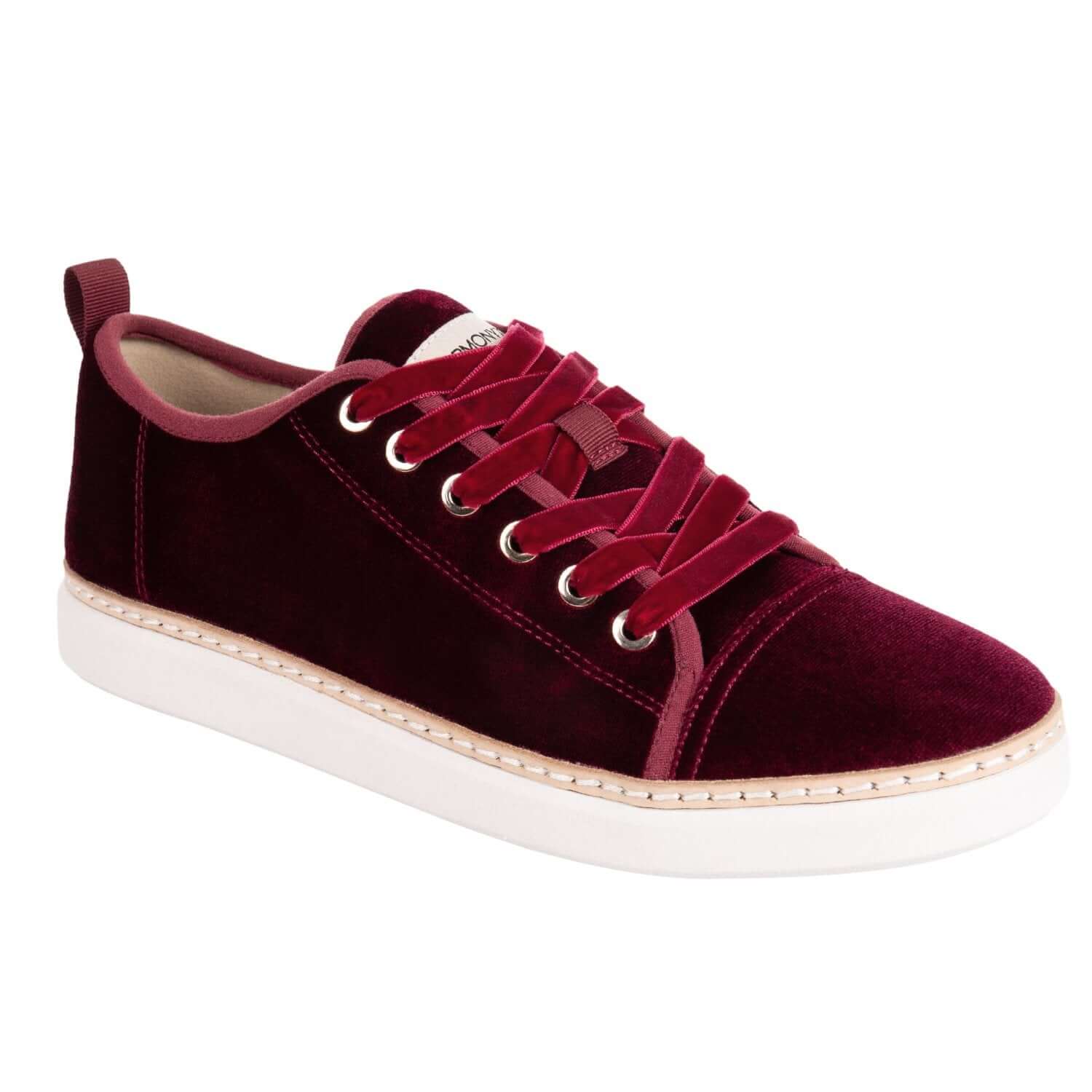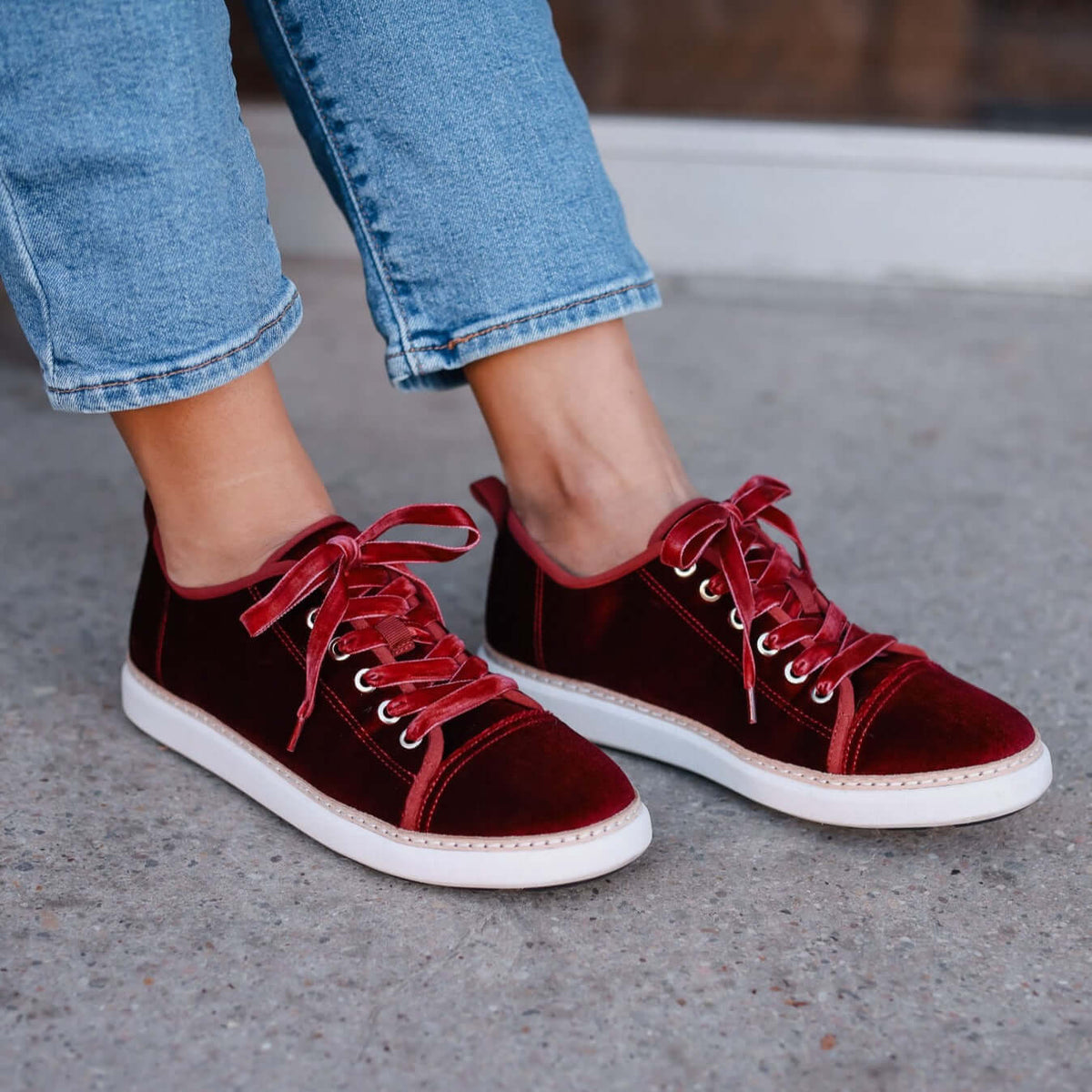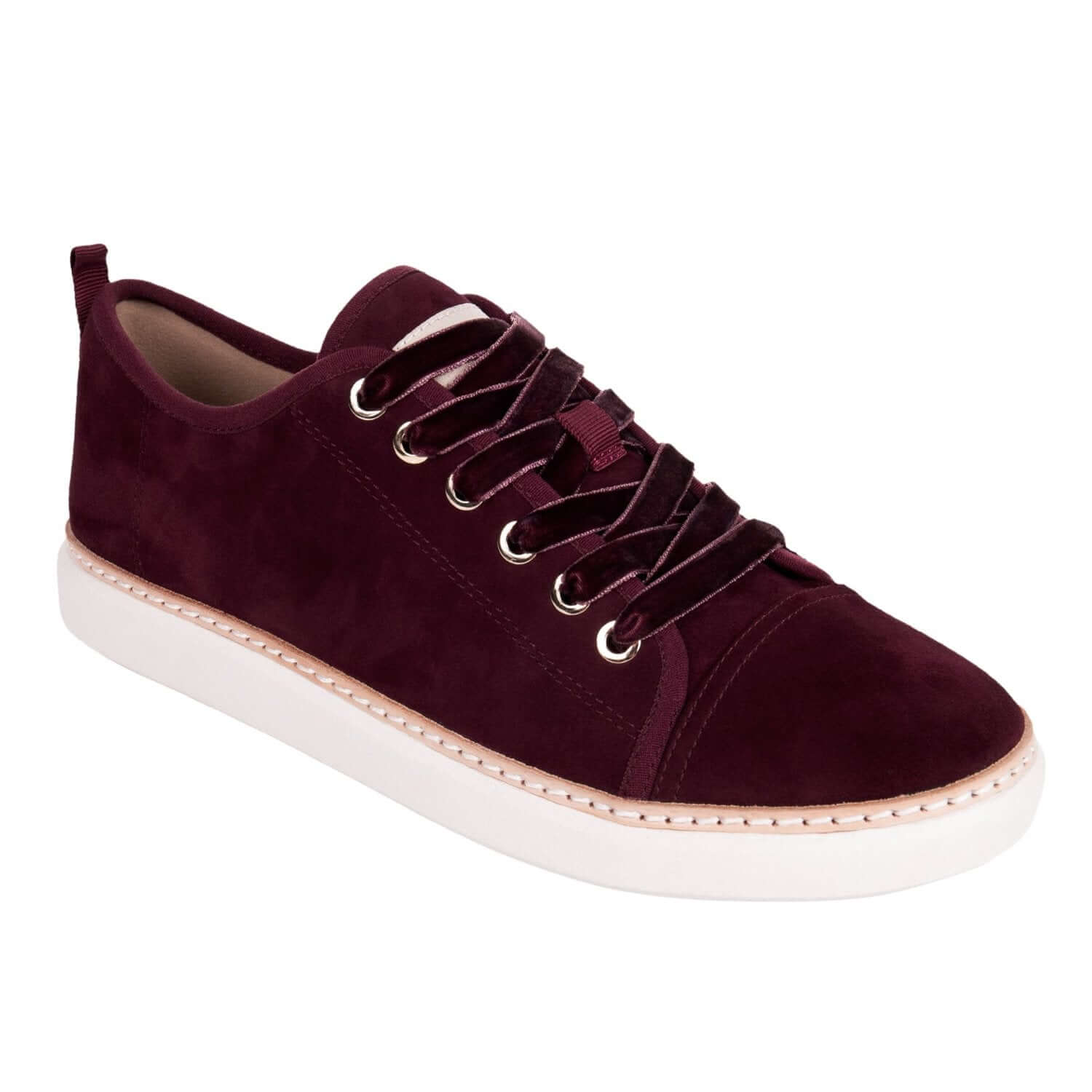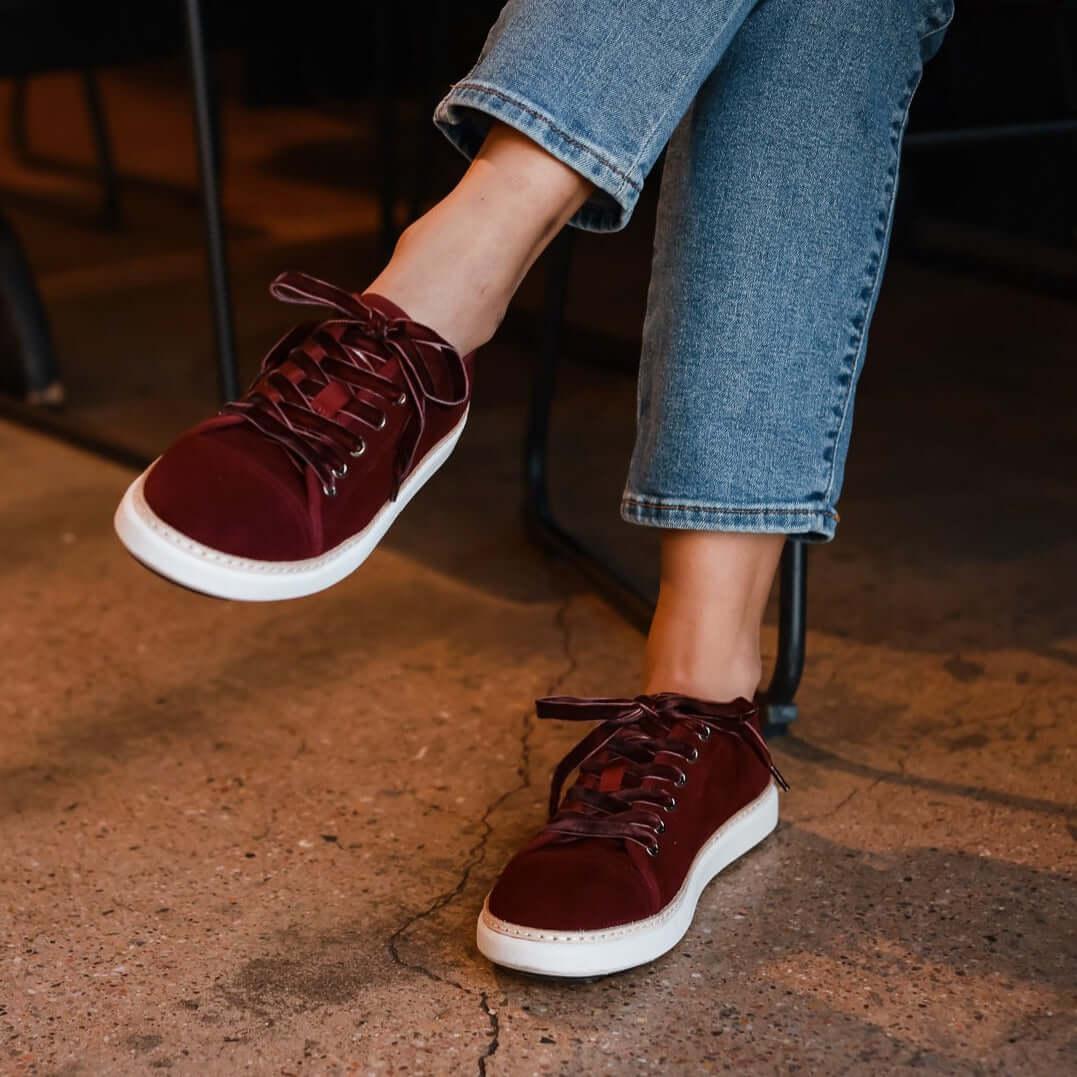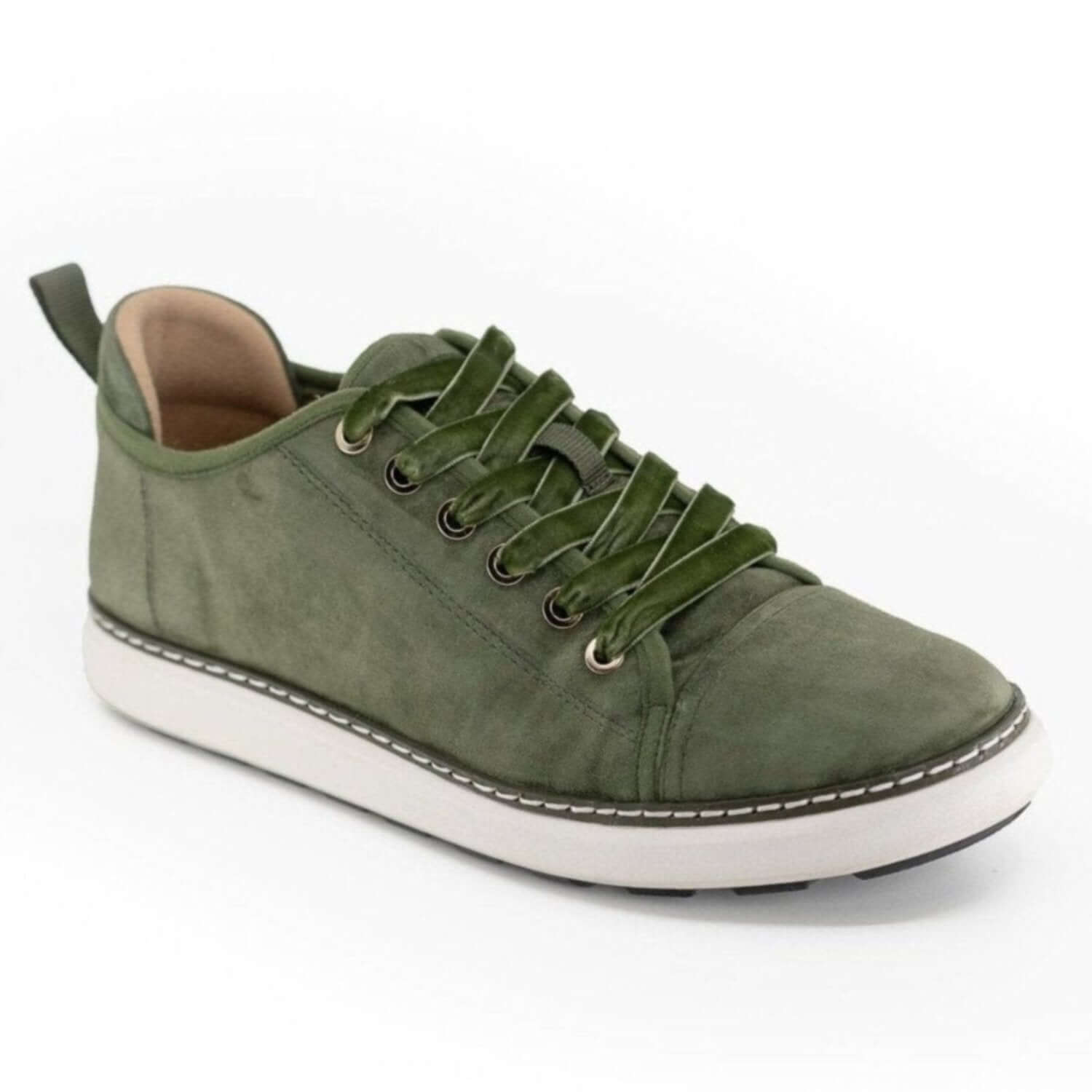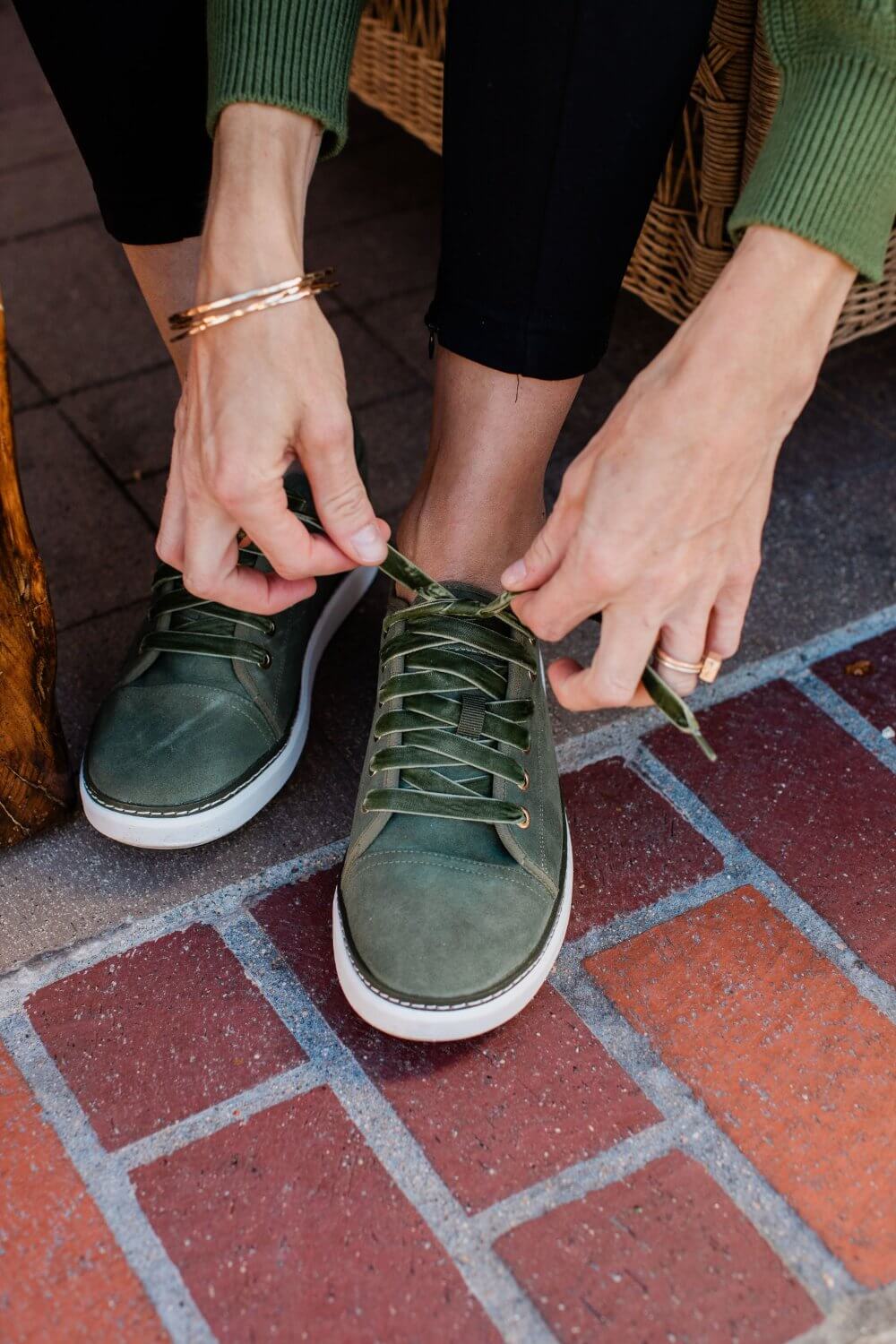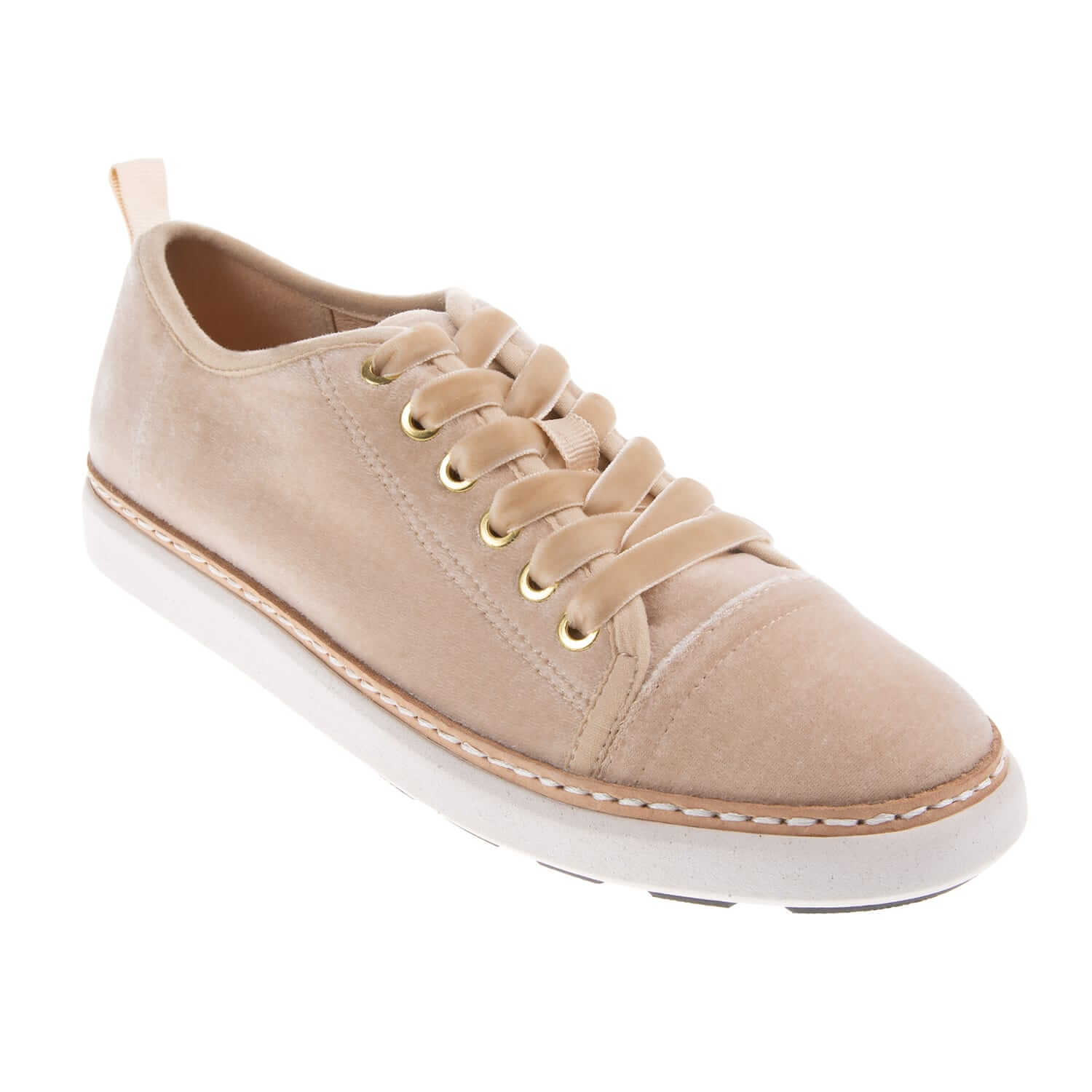

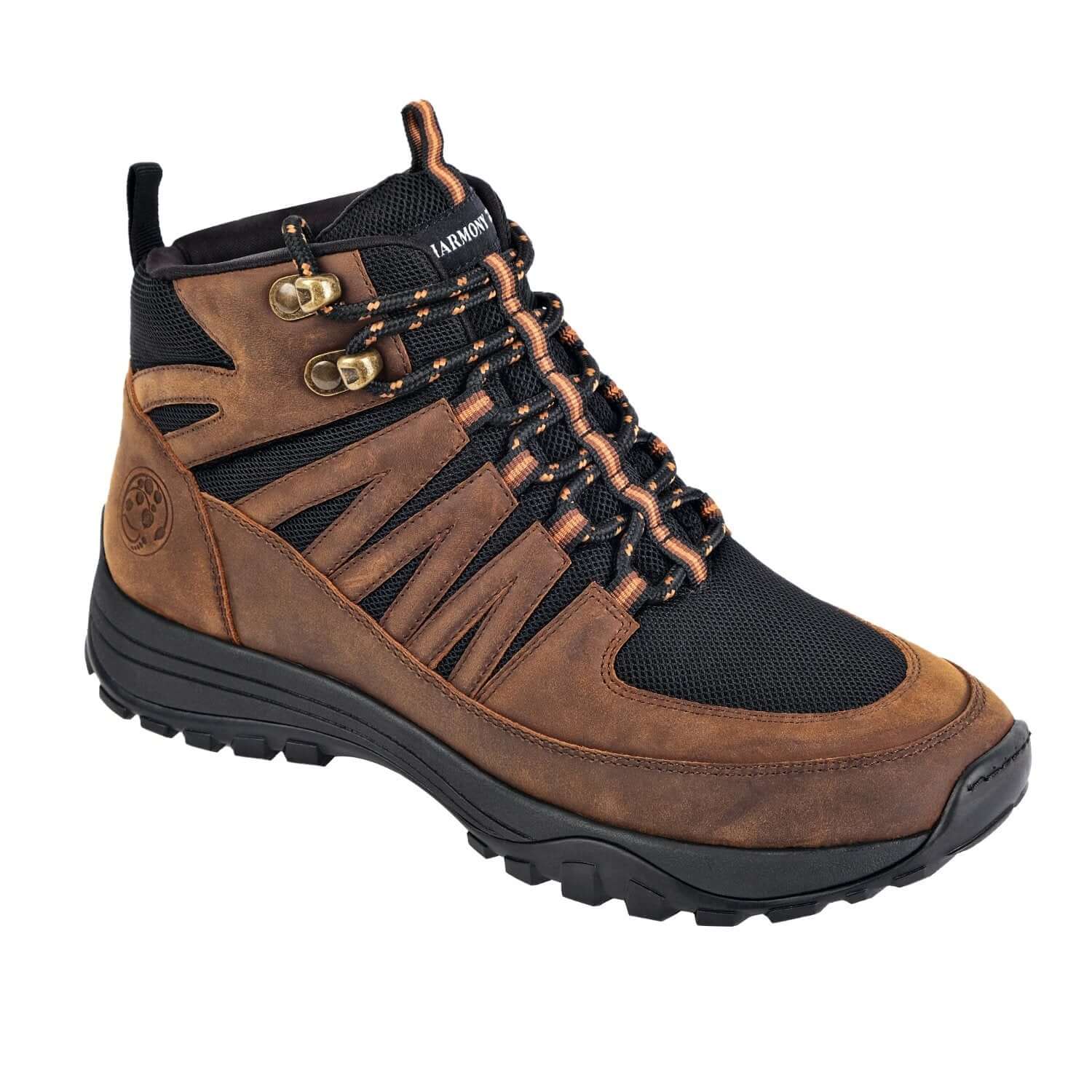
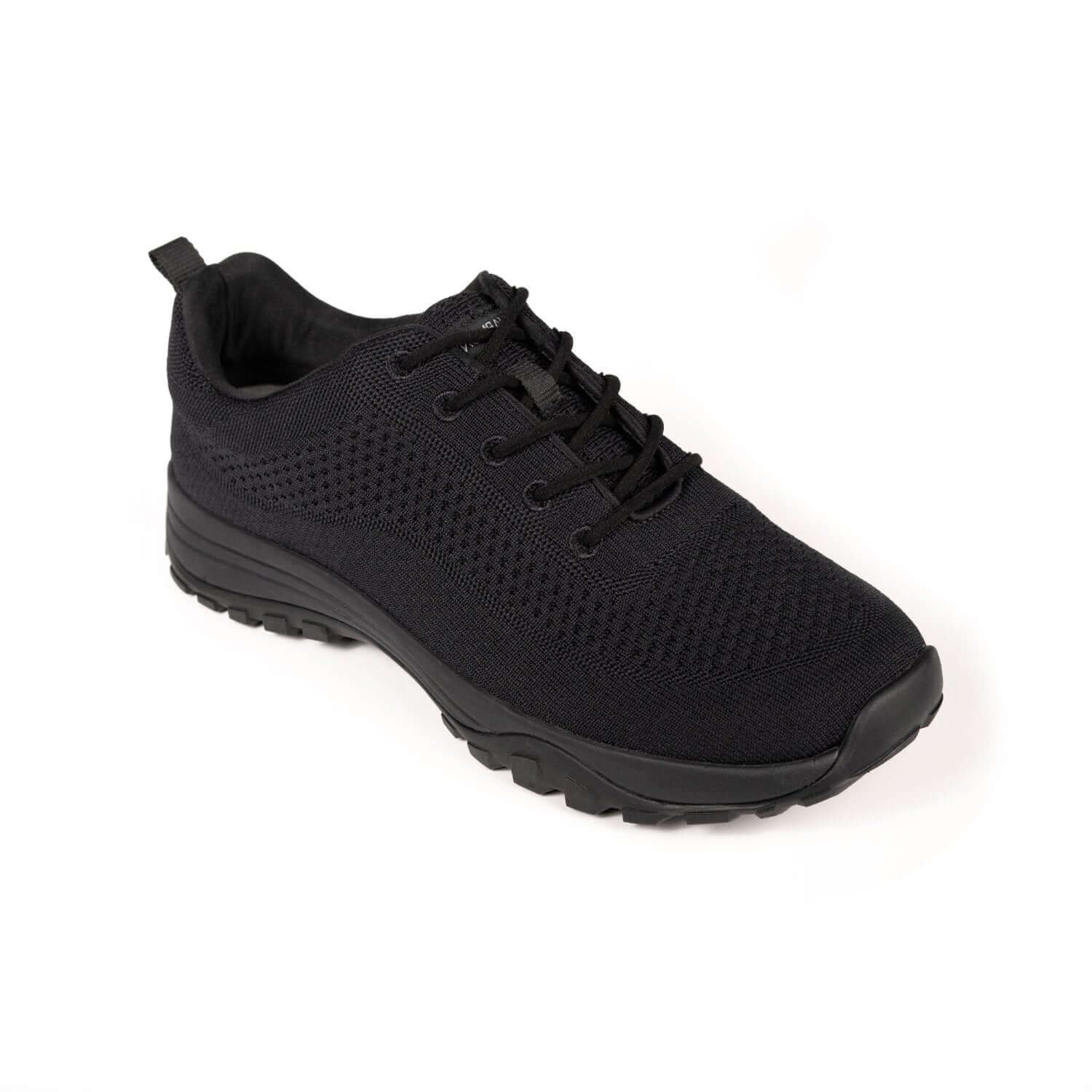
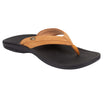
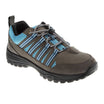
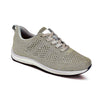
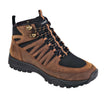
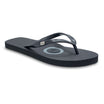
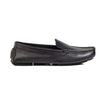
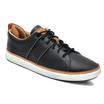

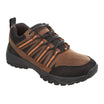
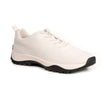

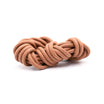

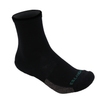

Grounding shoes for office workers standing desk use conductive technology to help connect the wearer with the Earth's natural energy without going barefoot. For standing desk users, the right pair should also feel stable, comfortable, and appropriate for the way you move through a normal workday.
Browse Harmony 783 grounding walkers for a business-casual style built for standing desk hours.
The key distinction is simple: not every barefoot or minimalist shoe is a grounding shoe. Grounding footwear is built with conductive technology intended to support electron flow, while office-ready design helps you move between meetings, walking breaks, and focused standing sessions. You can also explore our guide to grounding shoes for everyday life for a broader look at using this footwear beyond the office. Before choosing a style, it helps to understand why more office workers are pairing professional footwear with a more active work setup. And what comfort means when standing becomes part of the daily routine.
Why Do Office Workers Wear Grounding Shoes at a Standing Desk?
A standing desk can help you change position during the day, but standing in one place for hours is not automatically comfortable. Prolonged standing at work has been associated with lower back and leg pain, fatigue, discomfort, and other health concerns, according to a review indexed by PubMed. The same review lists appropriate footwear among the interventions worth considering.
Grounding shoes for office workers combine ordinary workplace footwear with conductive technology designed to support an earthing connection without requiring bare feet.
That distinction matters in a professional setting. Standard shoes may provide cushioning and support, but they are not necessarily made to conduct electrons. Barefoot or minimalist shoes may feel different underfoot, but a barefoot-style design is not automatically a grounding shoe. The shoe must be specifically constructed for conductivity.
Why footwear matters at a standing desk
Standing desk users often move between sitting, standing, walking to meetings, and working at a counter. Footwear needs to suit all of those transitions. It should feel stable during long periods on hard flooring, fit the office dress code, and allow you to move naturally. The goal is not to treat discomfort with a product. It is to build a more practical work setup that includes movement, position changes, and shoes that fit the day.
Research on prolonged standing also points to tools such as sit-stand workstations, floor mats, and suitable shoes or inserts. A grounding option can fit into that broader approach when the wearer wants to add earthing to a normal work routine.
- Wearable design works with business-casual clothing.
- Conductive components are built into the shoe rather than added as a separate office ritual.
- You can stay grounded while walking, standing, or moving through the workday.
- Support and fit still matter more than the grounding feature alone.
A workplace-friendly way to stay connected
Harmony 783 uses conductive technology in its grounding shoes to help allow electron flow from the Earth to the body. That means you do not have to go barefoot at your desk or change into a special shoe for outdoor use. You can choose a style that feels appropriate for your workplace and make it part of your regular wardrobe.
For a broader look at how grounding footwear fits into commuting, errands, travel, and daily routines, read our guide to grounding shoes for everyday life. Your standing setup still benefits from regular movement and sensible ergonomics, but the right footwear can make the routine easier to maintain.
Do Grounding Shoes Work on Office Floors and Carpet?
Yes, grounding shoes can work indoors, but the surface beneath you matters. Their conductive footbed and sole create a pathway between your body and a grounded surface. When that pathway is continuous, electrons can move from the Earth through the building and the shoe to your body. You do not need to stand barefoot to use the footwear's grounding design.
What happens on tile and concrete?
Many office floors are made from tile, vinyl, or concrete installed over a concrete subfloor. These materials may provide a connection to ground when the building's electrical and structural systems are properly grounded. A grounded outlet can also indicate that a building has an earth connection, but an outlet is not a substitute for testing the exact floor and shoe combination.
The key detail is conductivity. Standard office shoes with an insulating rubber sole interrupt the connection. Grounding shoes use conductive technology in the footbed and sole instead. Harmony 783 describes this system as a way to reconnect with Earth's natural energy without going barefoot. That is the technical difference between grounding footwear and ordinary dress shoes or minimalist shoes.
What about carpeted offices?
Carpet is less predictable. Synthetic fibers, padding, dry air, and an insulating subfloor can reduce or interrupt the connection. A carpeted office may still have a grounded floor beneath it, but the carpet itself can make the path weaker. Do not assume that every carpeted room provides the same result.
- Check whether the flooring is carpet, tile, concrete, or a layered system.
- Ask the building manager whether the floor or grounding points have been tested.
- Keep the conductive footbed and sole clean and dry according to the care instructions.
- Compare the setup with an earthing mat if you need a more controlled desk connection.
For people searching for grounding shoes for office workers standing desk use, the practical goal is consistent contact during normal work. Walk between meetings, stand at your desk, and use a floor surface that supports conductivity. If your office is heavily carpeted, learn more about grounding mats versus grounding shoes before choosing your setup.
What Are the Best Harmony 783 Grounding Shoe Styles for the Office?
The best office shoe should look polished at your desk and feel dependable when the workday keeps you moving. Harmony 783 styles make it easier to choose grounding footwear that fits a professional wardrobe. Whether you spend the day walking between meetings or working at a standing desk.
The key distinction is the conductive design. A standard barefoot or minimalist shoe is not automatically a grounding shoe. Harmony 783 uses conductive technology so you can stay connected without giving up an office-ready look. As the brand puts it, there is no need to go barefoot to get grounded.
| Style | Best for | Office fit |
|---|---|---|
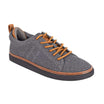
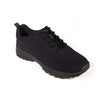
| Walkers | All-day wear and regular movement | The most versatile choice with a clean, structured look that pairs well with trousers, chinos, or casual dresses. |
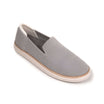
| Slip-ons | Quick changes and relaxed business-casual outfits | Easy to put on and remove. A strong option for casual offices, travel days, and commutes. |
| Lace-ups | A secure, adjustable fit | Works well when you want a more traditional shoe profile and a tailored finish. |
| Sneakers | Standing desks and active workdays | Best for modern offices with a relaxed dress code. Choose a simple color for a sharper appearance. |
Walkers for a polished everyday uniform
Browse the grounding walkers collection if you want one dependable pair for most office days. Walkers can bridge the gap between comfort-focused footwear and a more finished business-casual outfit. They suit professionals who move between sitting, standing, and walking instead of staying in one position for hours.
Slip-ons for easy business-casual wear
Slip-ons are useful when convenience matters. They can work with knit trousers, dark denim, or other relaxed office staples without looking overly athletic. For more guidance on choosing this style, read the grounding slip on shoes guide. It can help you compare the fit and use case before you shop.
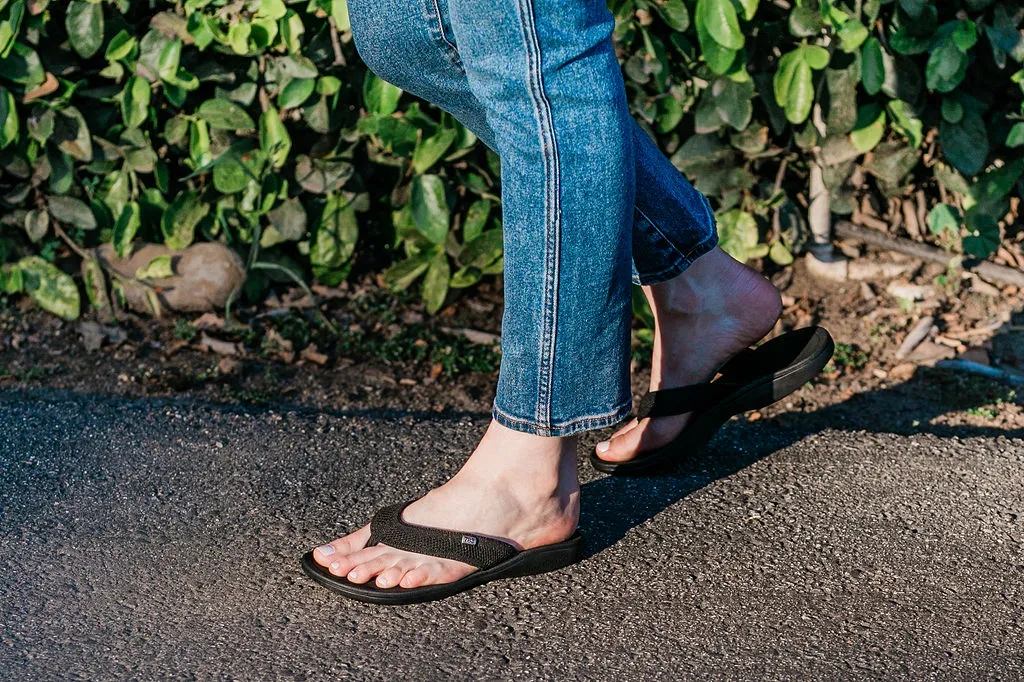
Lace-ups and sneakers for standing desk routines
Lace-ups offer a familiar, adjustable fit, while sneakers make sense for a contemporary workplace and an active schedule. Browse the grounding sneakers collection when you want a lighter, more casual profile. In either case, focus on a neutral color, a secure fit, and enough room for natural movement. Those details help the shoe complement your work clothes while supporting the hours you spend on your feet.
Standing Desk + Grounding Shoes: Does the Combination Work?
Yes, a standing desk and grounding shoes can complement each other, but they solve different parts of the workday. A sit-stand setup helps you change position. Comfortable footwear helps support your feet while you stand. Grounding shoes add conductive technology designed to maintain an earthing connection without requiring bare feet.
Why standing comfort still matters
A standing desk is not automatically better if you remain in one position for hours. Standing at work has been associated with lower back and leg pain, fatigue, discomfort, and other adverse outcomes. The research review in PubMed lists sit-stand workstations, floor mats, and appropriate shoes among possible interventions for prolonged standing.
Mayo Clinic also notes that standing all day can contribute to foot, back, and leg fatigue when footwear and posture are not maintained. That makes comfort the first filter. Look for a stable fit, enough room for your toes, and cushioning or support that suits your feet. Grounding features should add to that foundation, not replace it.
What grounding shoes add
Grounding shoes are made with conductive components that are intended to allow the flow of electrons between the Earth and the body. That function differs from a standard barefoot or minimalist shoe. A thin sole or flexible construction alone does not make footwear conductive.
At a standing desk, the practical appeal is convenience. You can keep your shoes on while working instead of waiting for outdoor barefoot time. The connection still depends on the shoe design and the surface beneath you. So treat grounding as one part of your routine rather than a guarantee in every office.
- Set your desk so your monitor, keyboard, and elbows stay in a relaxed position.
- Switch between sitting and standing, and take short movement breaks instead of standing rigidly.
- Wear grounding footwear that fits comfortably and is built with conductive technology.
- Check the workspace setup and compare approaches in this grounding mat versus grounding shoes guide.
Think of the goal as more comfortable, more varied workdays with grounding integrated into normal routines. For a broader look at how footwear can fit different settings, explore grounding shoes for everyday use at work and beyond.
How Can You Get More Earthing Hours During a Standard Workday?
Answer: You can build more grounding time into an office day by wearing conductive shoes during your commute, desk hours, and short walking breaks. You do not need to wait for a barefoot walk outdoors to reconnect with the Earth.
Start with the parts of your schedule that already involve movement. Wear grounding shoes on the walk from your car or train stop, while moving between meetings, and during errands before or after work. This makes earthing part of your routine instead of another appointment on your calendar.
Use your commute and desk time
Grounding shoes let office workers stay connected without going barefoot. That matters when your workday includes a dress code, shared spaces, or cold weather. Choose a comfortable pair that fits your normal work wardrobe, then wear it consistently enough to make the habit easy.
If you use a standing desk, switch positions throughout the day rather than standing still for hours. A review of prolonged standing at work identifies appropriate footwear, floor mats, and sit-stand workstations as possible workplace interventions. Prolonged standing can also be linked with fatigue and discomfort, so comfort and movement remain important alongside grounding.
- Wear grounding shoes during your commute and the first part of your workday.
- Take a brief standing or walking break between long blocks of sitting.
- Use a walking meeting when the topic does not require a screen.
- Alternate sitting, standing, and walking instead of holding one position.
- Keep a grounding mat at your desk for times when changing shoes is not practical.
Pair shoes with short grounding breaks
Short breaks can add up. Walk outside during lunch if your route reaches a natural, conductive surface. If that is not realistic, stand in your grounding shoes while you make a call or review notes. The goal is a repeatable pattern that works on ordinary workdays, not a perfect schedule that is difficult to maintain.
A mat can be useful as a workspace option, while shoes travel with you through the office and commute. For a closer look at how these approaches differ, read our guide to grounding mats vs grounding shoes.
Harmony 783's guiding idea is simple: NOW YOU DON'T HAVE TO GO BAREFOOT TO GET GROUNDED. Grounding shoes make that idea practical for a workday filled with desks, hallways, meetings, and commutes.
Browse the grounding walkers collection to start building more earthing time into your workday.
Frequently Asked Questions
Are grounding shoes the same as barefoot shoes?
No. Barefoot or minimalist shoes focus on a thin, flexible sole and a more natural foot feel. Grounding shoes must also include conductive components designed to support an electrical connection with the Earth. A shoe can feel minimal without providing grounding, so check how it was constructed before assuming it is an earthing shoe.
Should you wear shoes at a standing desk?
Usually, yes, if shoes help you stay comfortable and stable. Choose footwear that fits well, supports your preferred standing posture, and does not create pressure points. A standing desk is not a substitute for movement. Alternate between sitting and standing, shift your position, and take walking breaks during the workday.
Do grounding shoes work on office floors and carpet?
Grounding shoes are designed to connect you with the Earth through conductive technology, but the surrounding surface matters. Indoor carpet, flooring, and building construction can affect whether that connection is available. Follow the product guidance, and consider testing your setup rather than assuming every office floor works the same way.
Can standing at a desk cause foot and back fatigue?
Yes. Standing for long periods without enough movement can contribute to foot, leg, and back fatigue. A review indexed by PubMed identifies lower back and leg pain, fatigue, and discomfort among concerns associated with prolonged standing at work: PubMed review. Comfortable footwear, an anti-fatigue mat, posture changes, and regular movement can make a standing routine more manageable.
How should I start wearing grounding shoes at work?
Start with shorter work periods and pay attention to comfort, fit, and foot fatigue. Increase wear time gradually as your feet adjust. Wear them with the socks and clothing you normally use at work, and confirm that the style suits your office dress code. If discomfort persists, change the fit or stop wearing them and seek professional advice.
Build More Grounding Into Your Workday With Harmony 783
If you spend long hours at a standing desk or moving through a busy office, the right footwear can make a real difference in your daily comfort. Harmony 783 grounding shoes pair a conductive design with clean, business-friendly styling, so you can stay connected without changing your whole wardrobe.
Browse the Harmony 783 walkers collection to find an all-day style that fits your professional routine. Whether you prefer walkers, slip-ons, lace-ups, or sneakers, every pair is built to keep you moving through your workday with confidence.
Discover the full collection of grounding shoes and choose the pair that matches how you work. Combine grounding footwear with regular movement and sensible ergonomics, and you have a practical setup for long days on your feet.