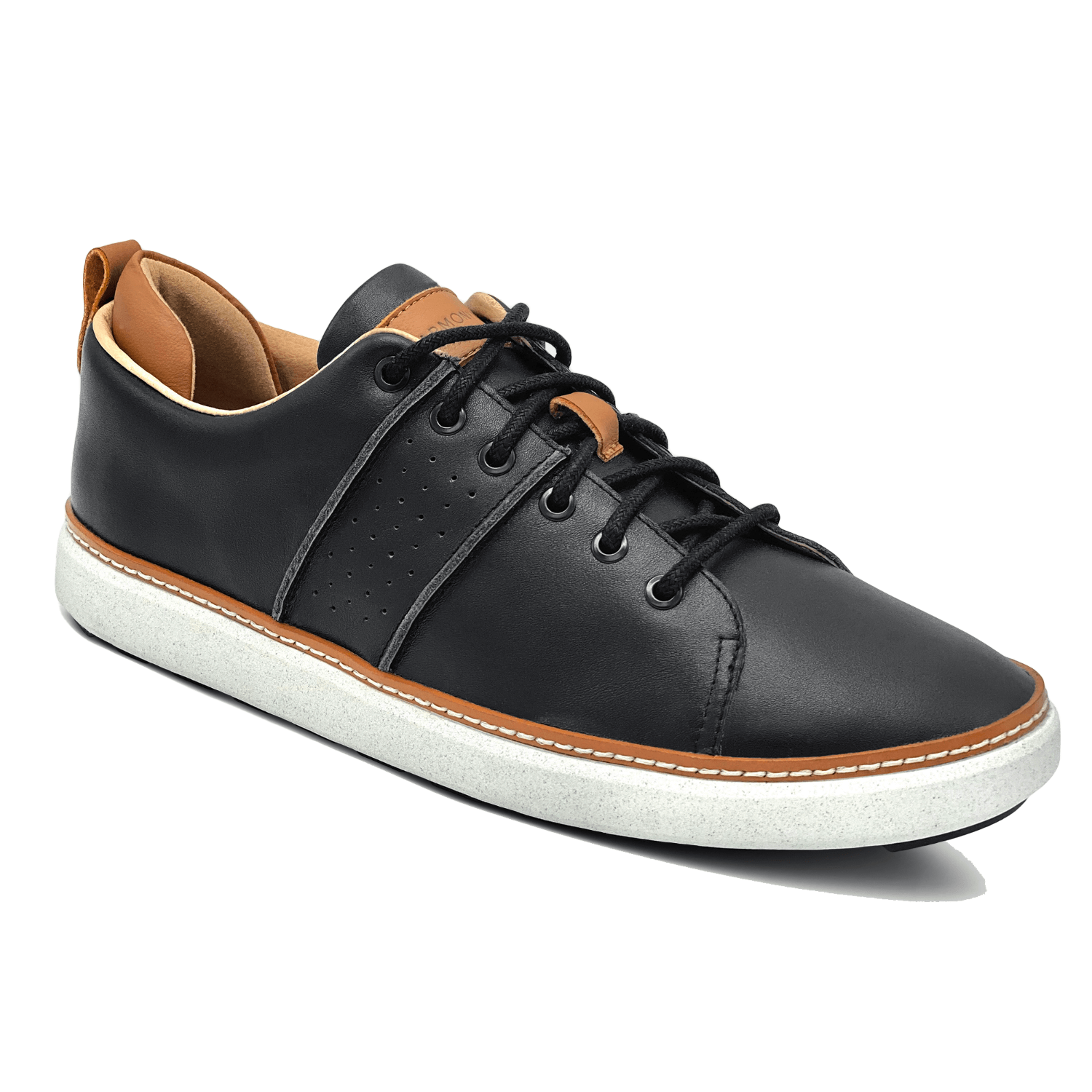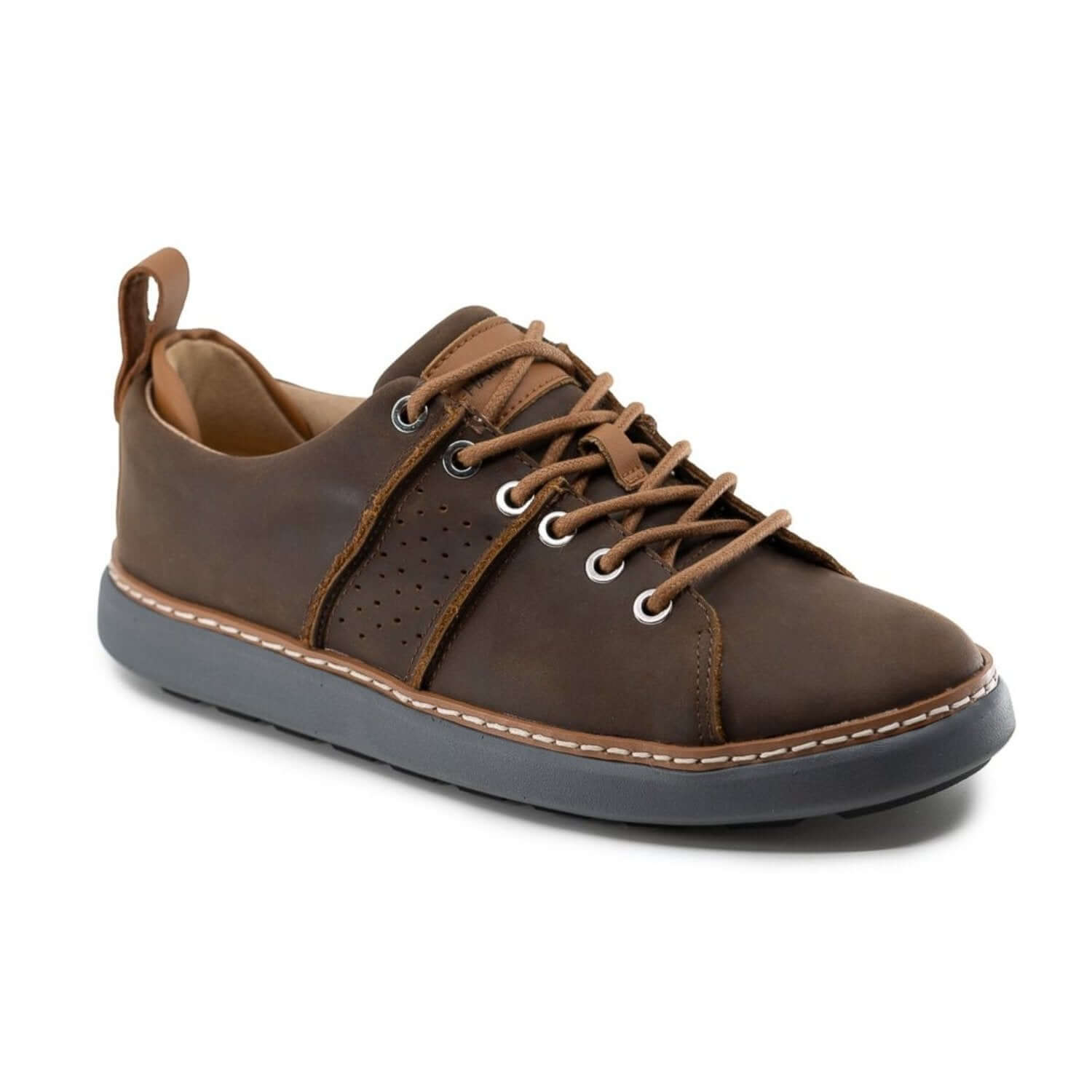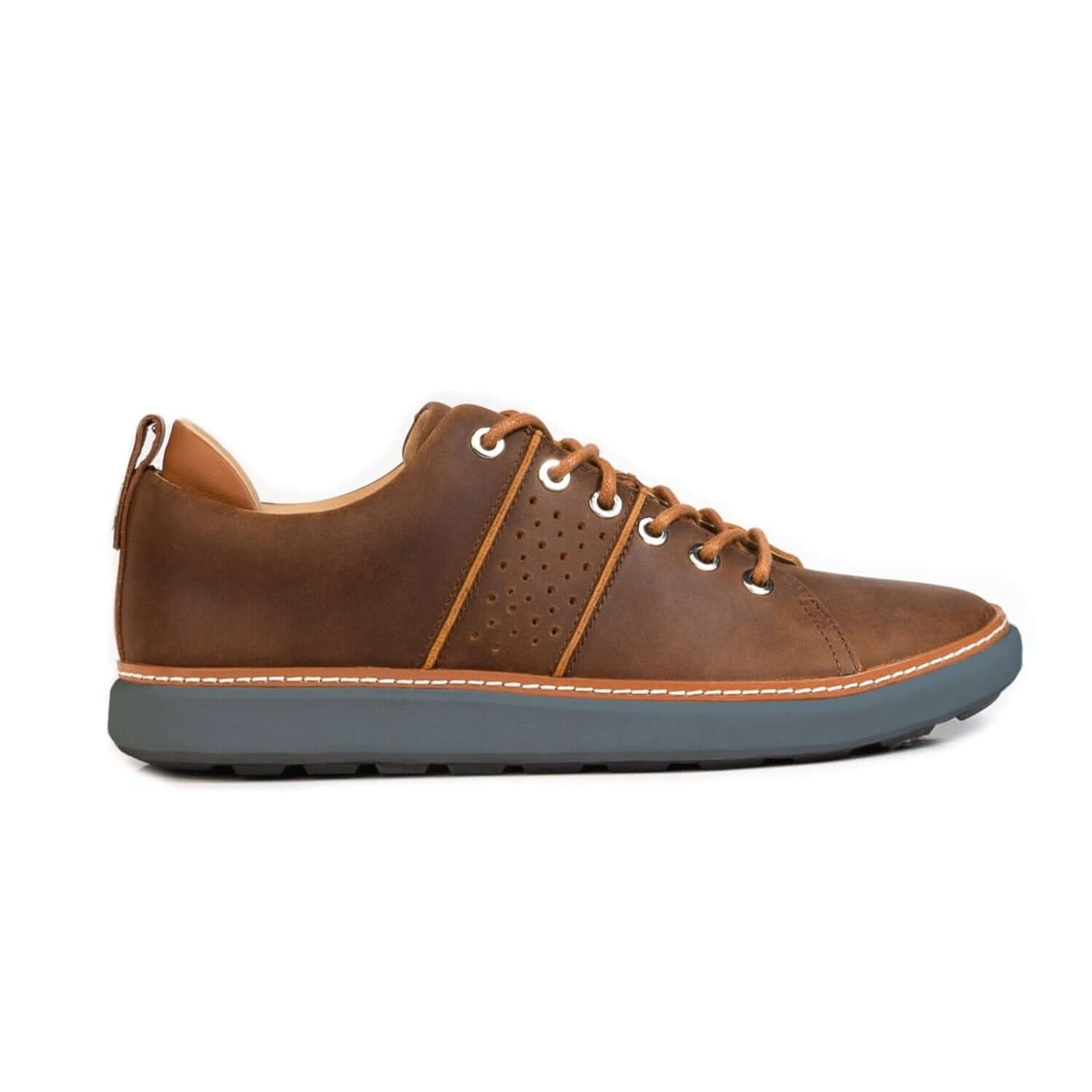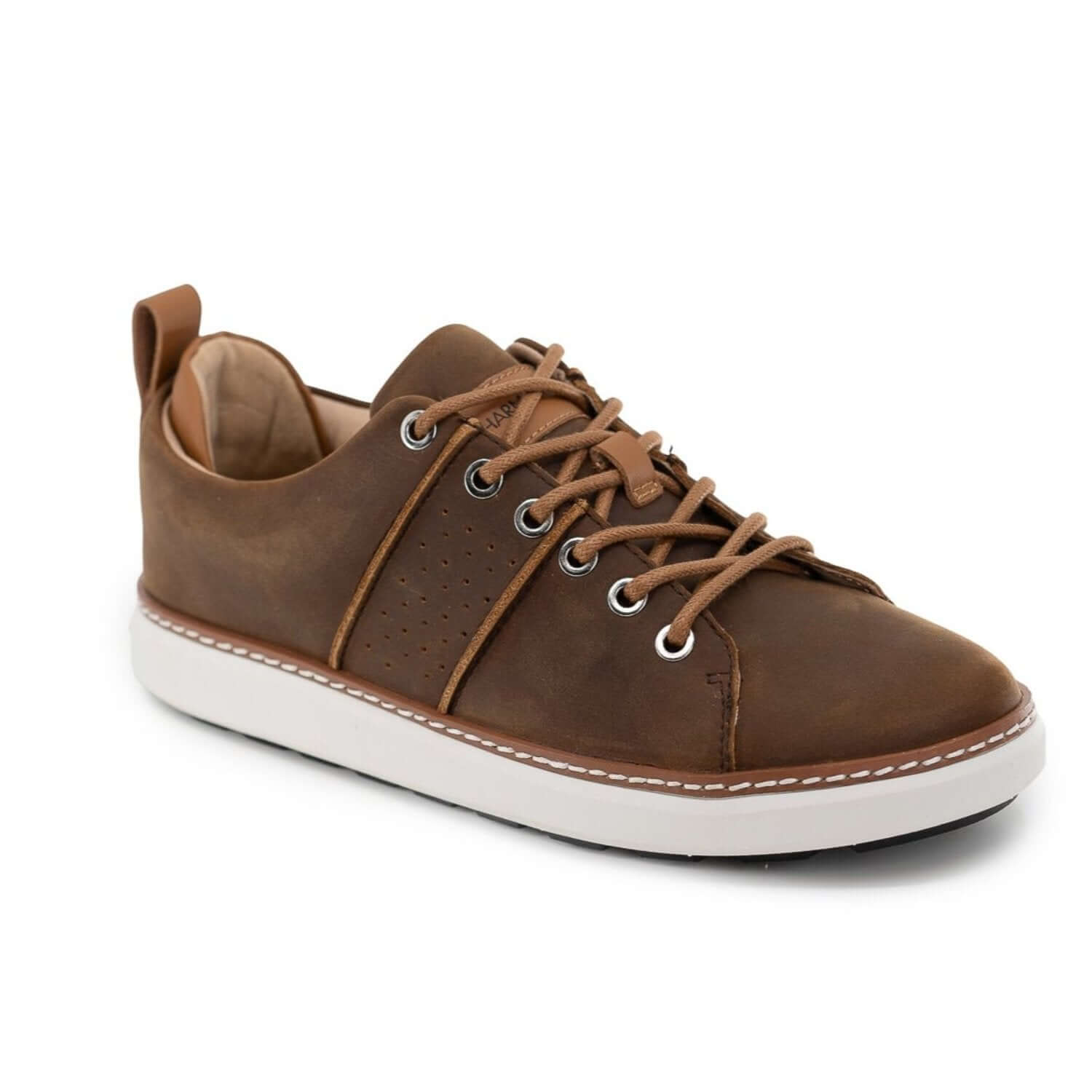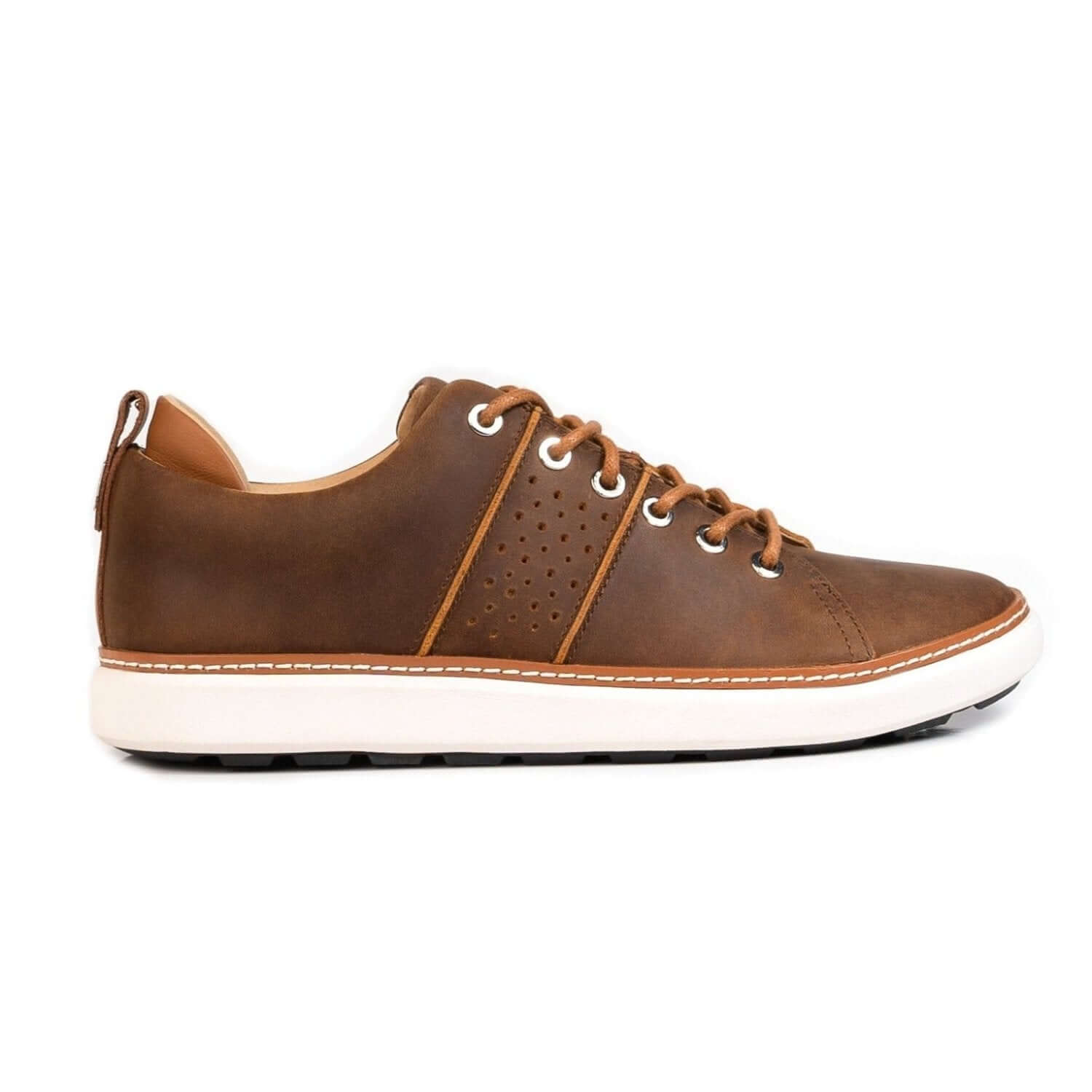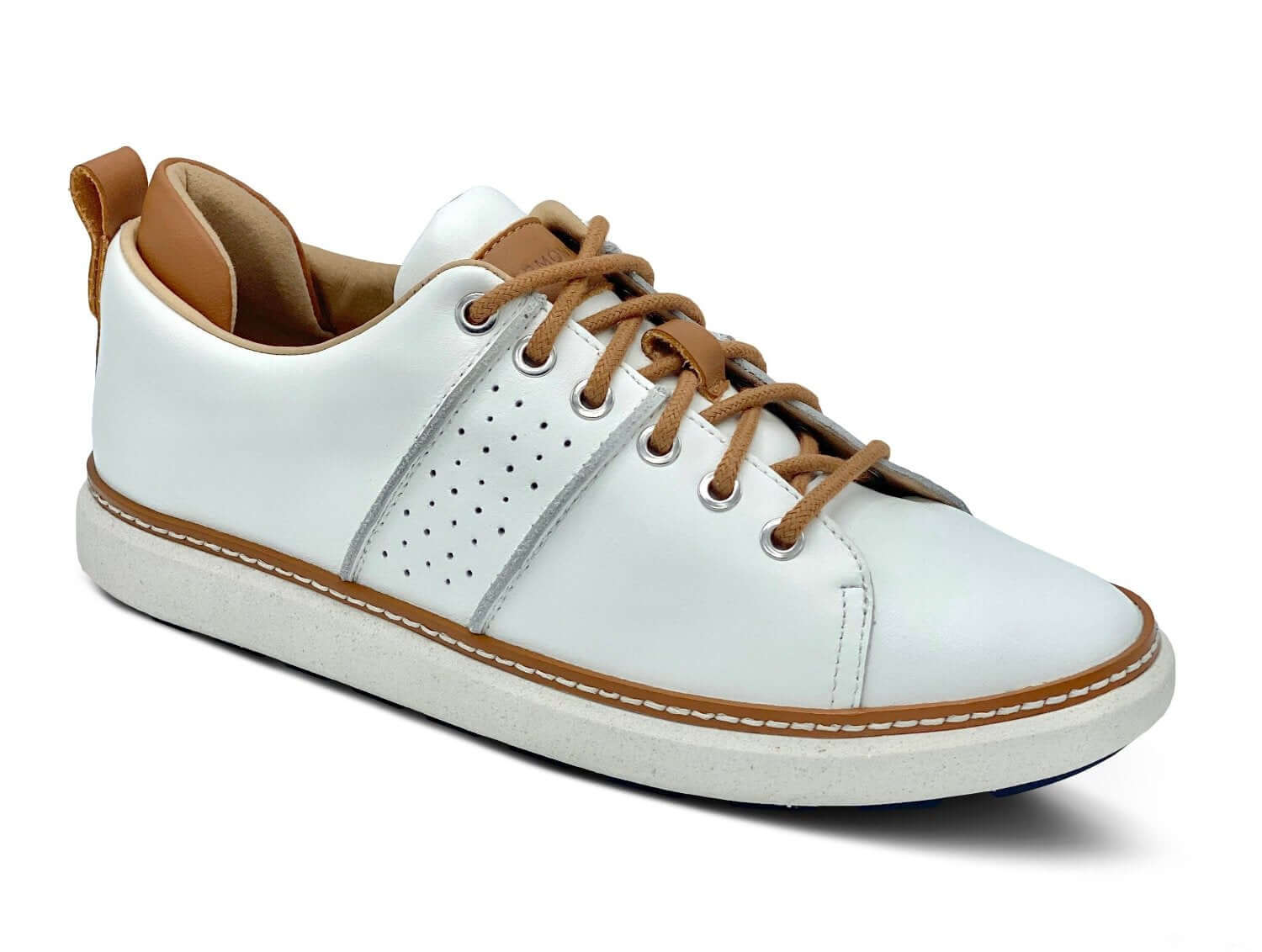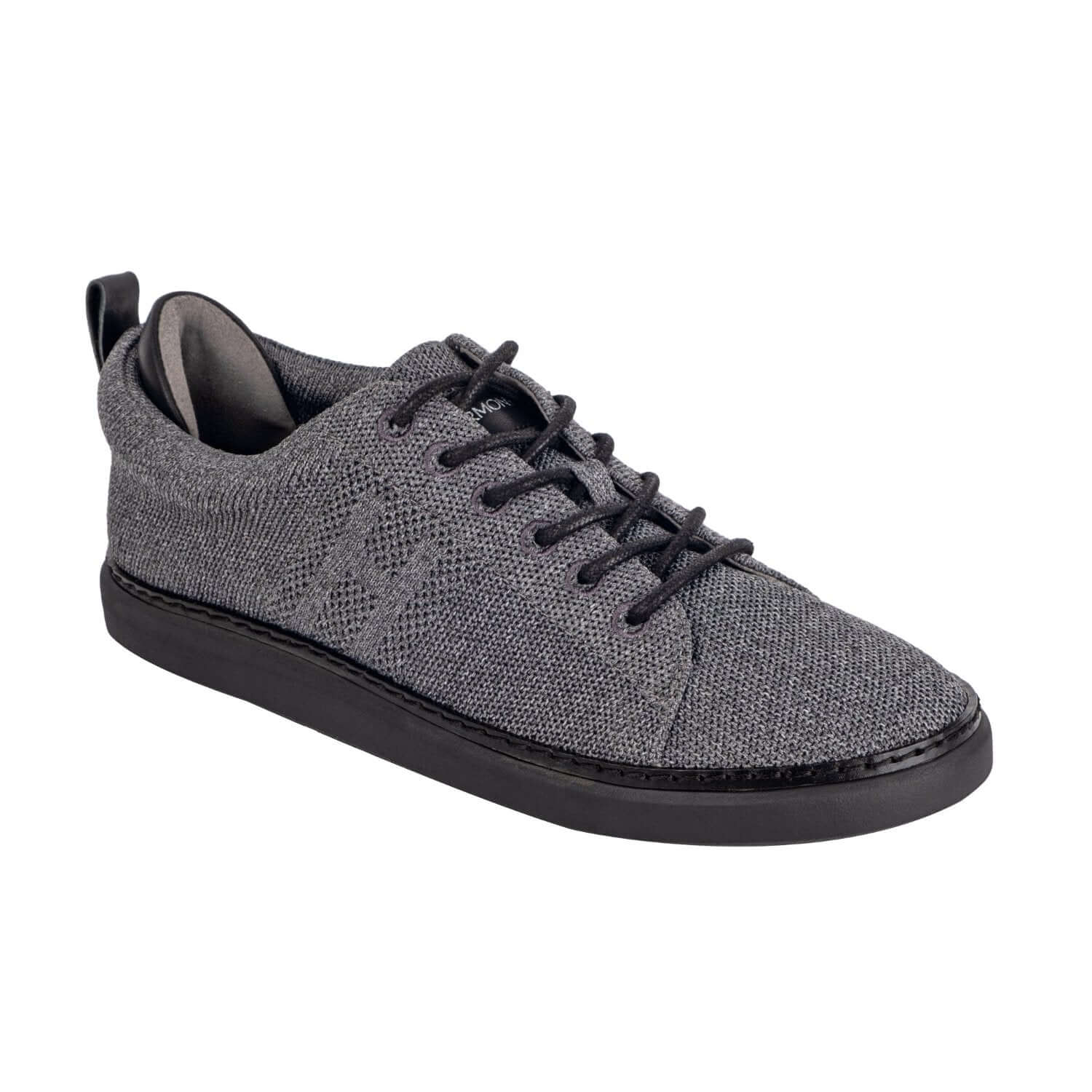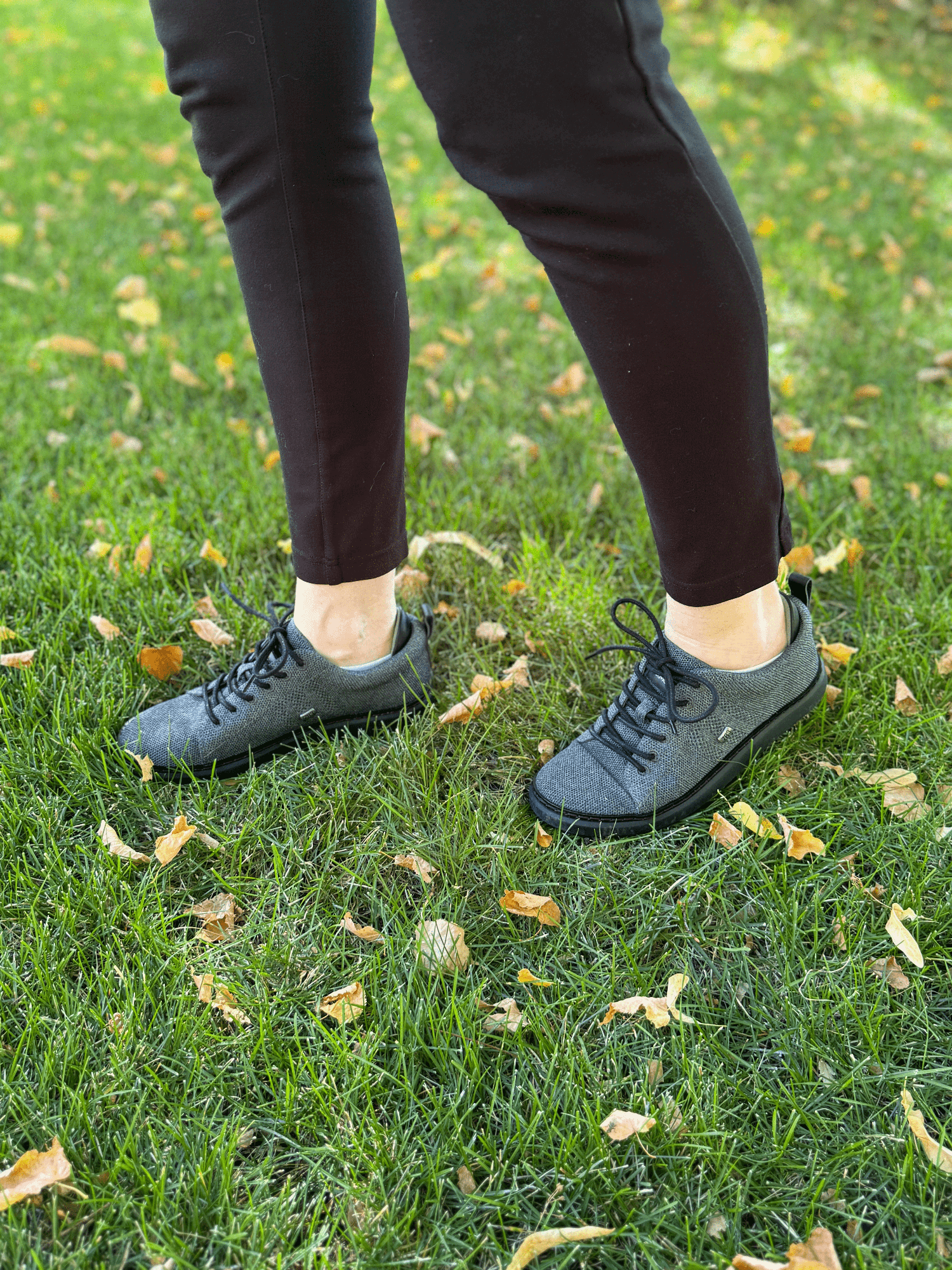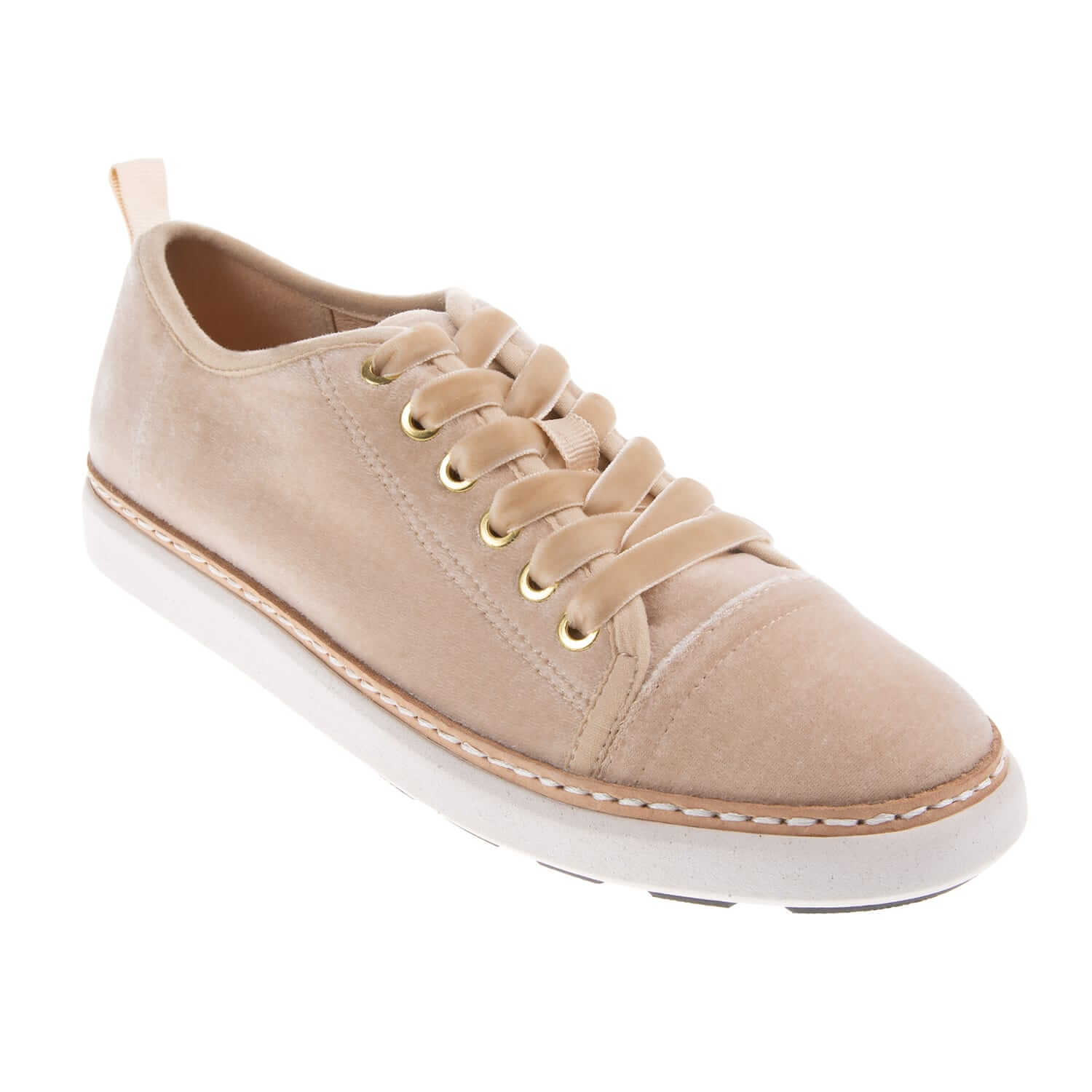

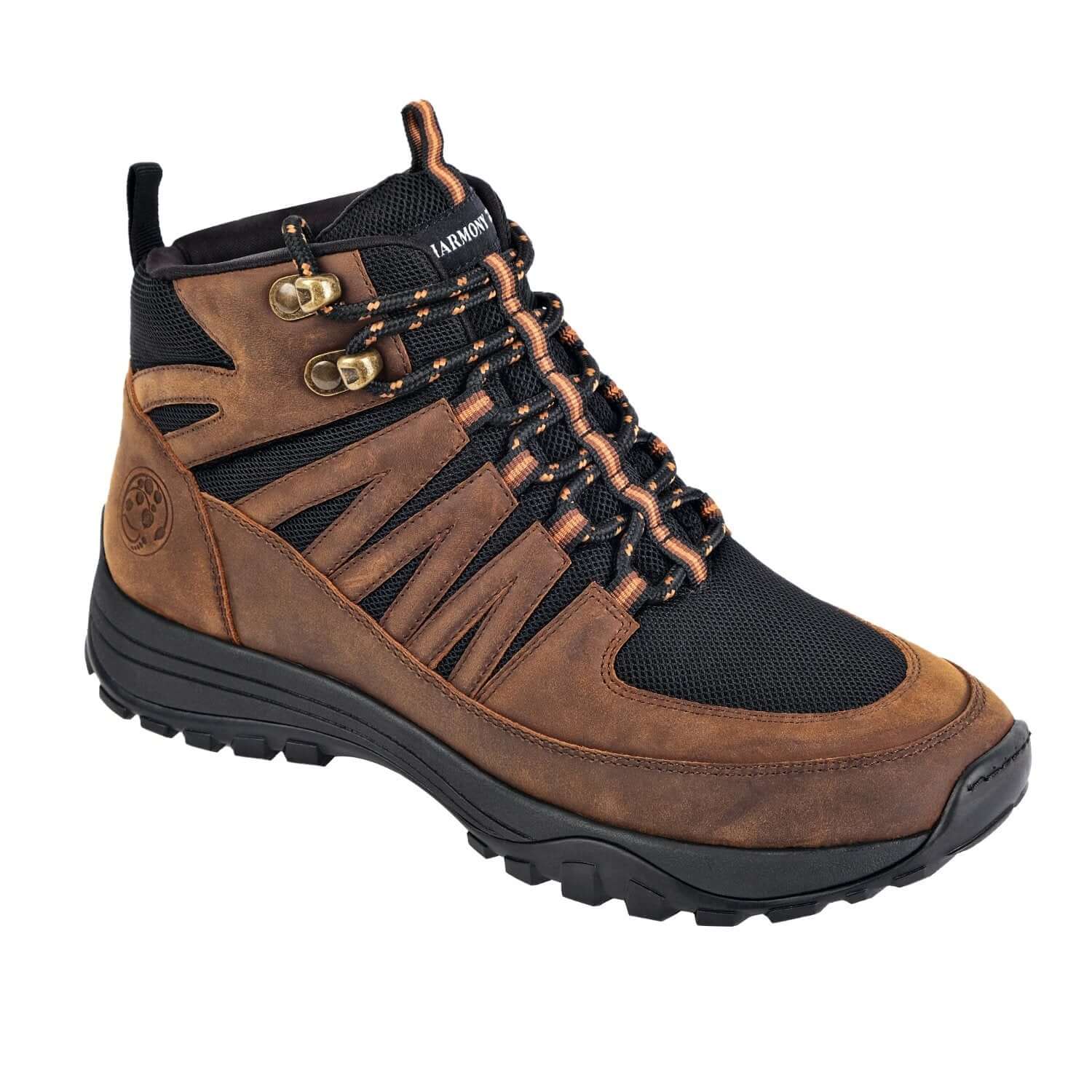
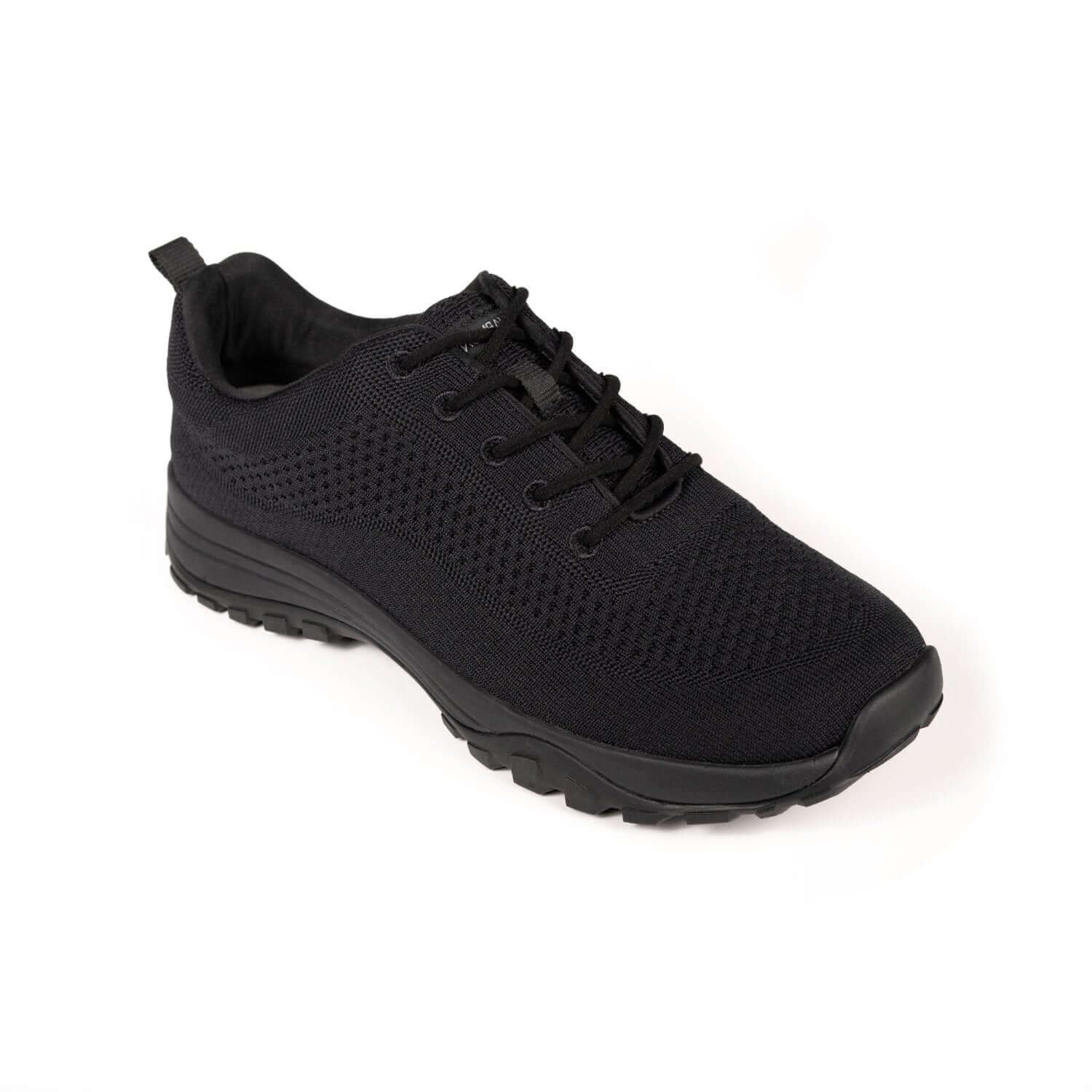
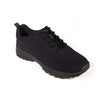
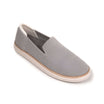
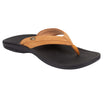
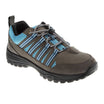
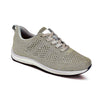

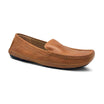
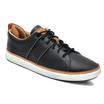

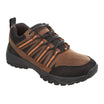
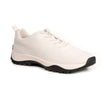


Daily earthing sounds simple until you compare a stationary mat with footwear you can wear beyond your desk. A mat can support a steady indoor routine, while conductive shoes fit walks, errands, and other active parts of the day. If you want the broader daily-wear picture, read our guide to grounding shoes for everyday life.
For most active daily routines, grounding mat vs grounding shoes comes down to movement: shoes offer more chances to stay connected while you walk. While a mat works best when you remain in one place at home. Choose the option that fits how you actually spend your day.
Neither choice needs to replace the other. A mat may suit quiet time at a desk or beside the bed, and shoes may make earthing easier to build into a busy schedule. First, it helps to understand what a grounding mat does and how its conductive connection works indoors.
Browse the collection of grounding shoes
What is a grounding mat and how does it work?
A grounding mat is a conductive pad designed to bring an indoor space closer to the earth connection you would have outdoors. It usually sits in one fixed spot and connects through a cord to a properly grounded outlet or, in some setups, a grounding rod. The mat is not wearable. It works while you sit, stand, or rest in contact with its surface.
The basic idea is simple. Your skin touches the conductive surface, while the cord creates a path to ground. That makes a mat different from ordinary fabric or rubber placed under your feet. It is an indoor tool for a consistent location, rather than something you carry through the day.
Grounding research also suggests that contact is not an all-or-nothing detail. Duration and resistance can affect the connection, so the quality of the setup and the amount of time spent using it matter. A review available through PubMed discusses these factors while noting that more research is needed. Keep the practice in the natural-wellness category. A grounding mat is not a cure or a replacement for medical care.
Where do people use grounding mats?
- At a desk: Place the mat under your feet while you work or read.
- On a couch: Use a lap-sized mat or foot mat during quiet time.
- Beside the bed: Keep a mat nearby for a consistent evening routine.
- On the floor: Stand on it during stretching, meditation, or other stationary activities.
This fixed-location design can be useful if your routine already includes regular desk time or rest at home. If you want an earth connection while walking, traveling, or moving between activities, a mat may feel limiting. That is where the choice in what grounding is connects with the practical question of a grounding mat versus grounding shoes.
What are grounding shoes and how do they deliver earthing?
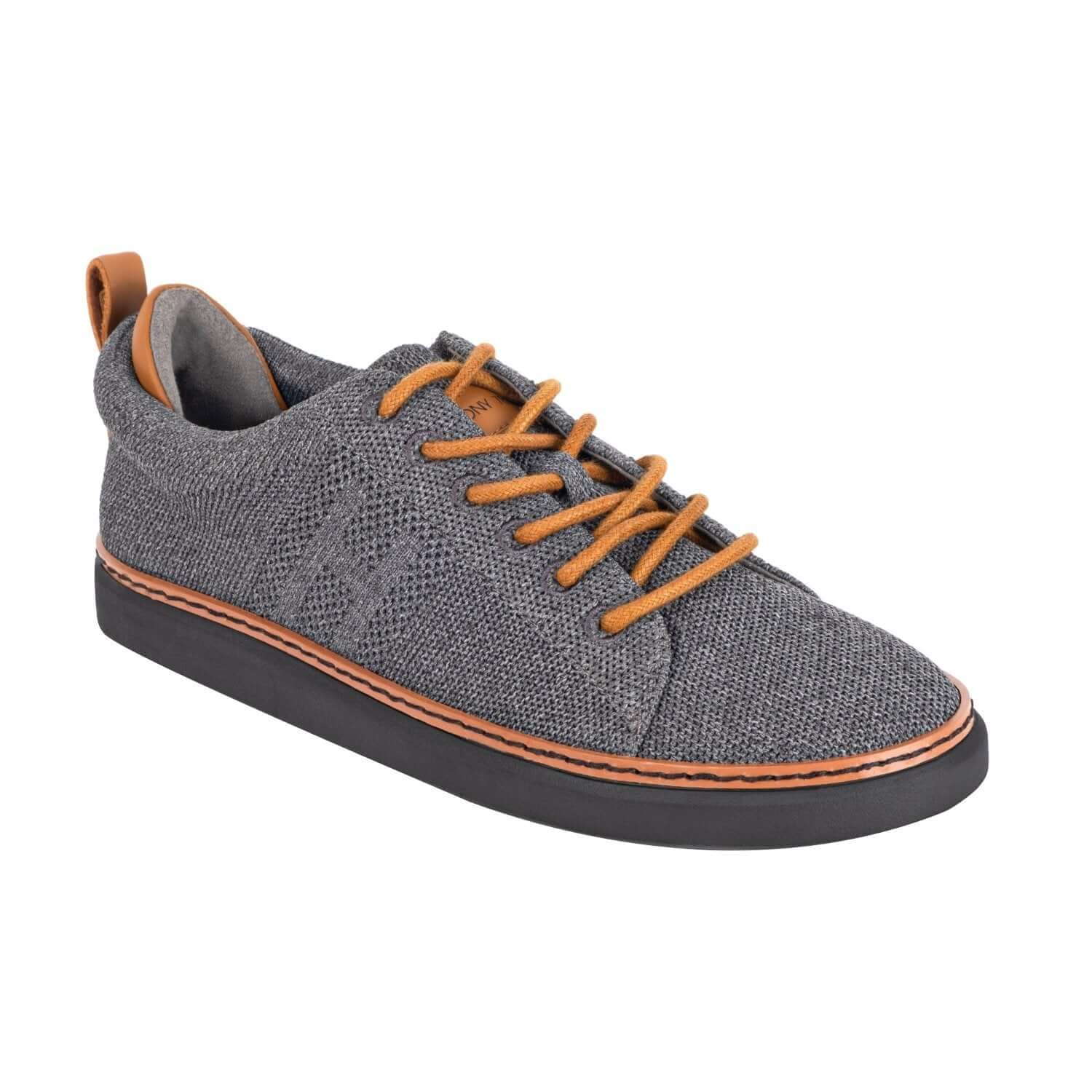
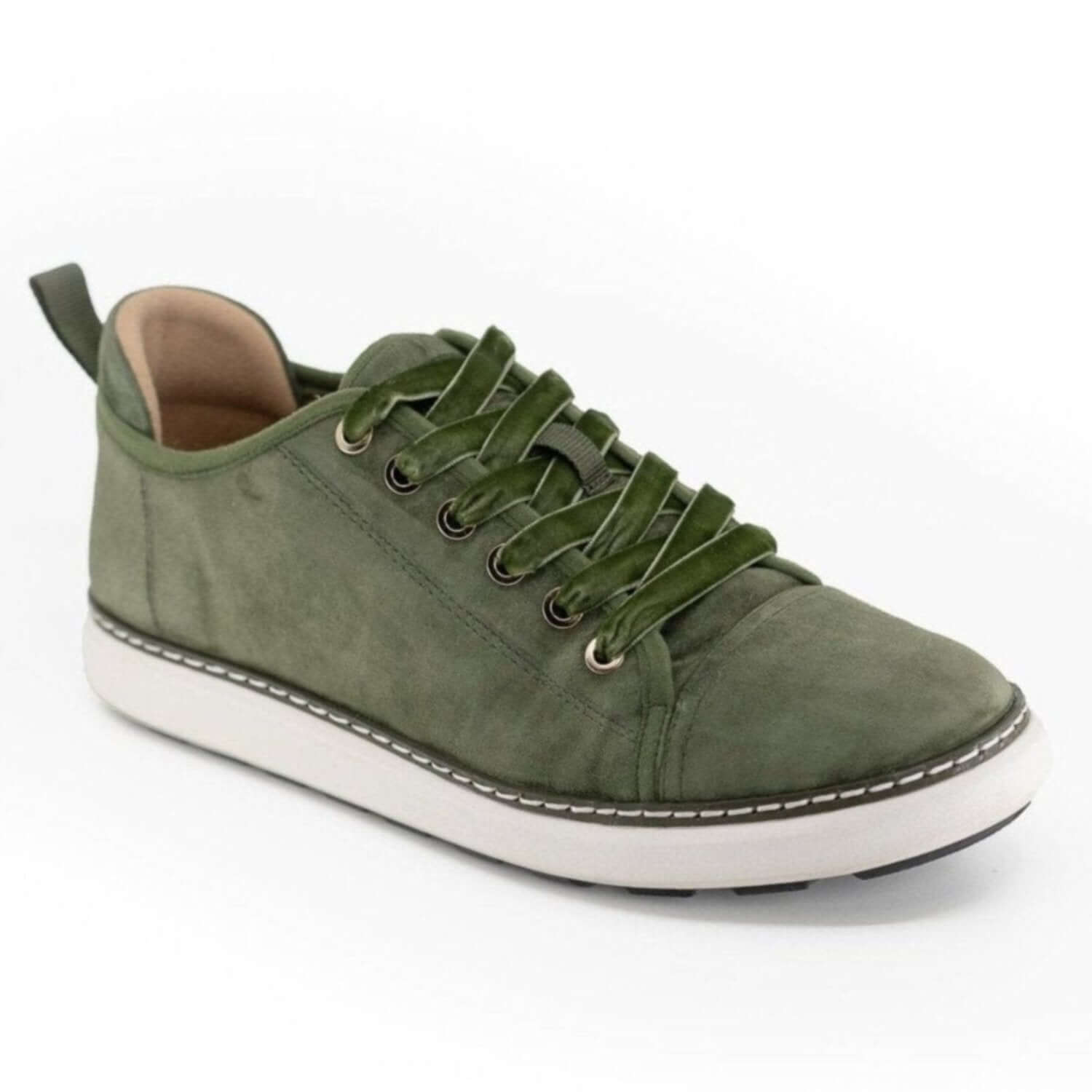
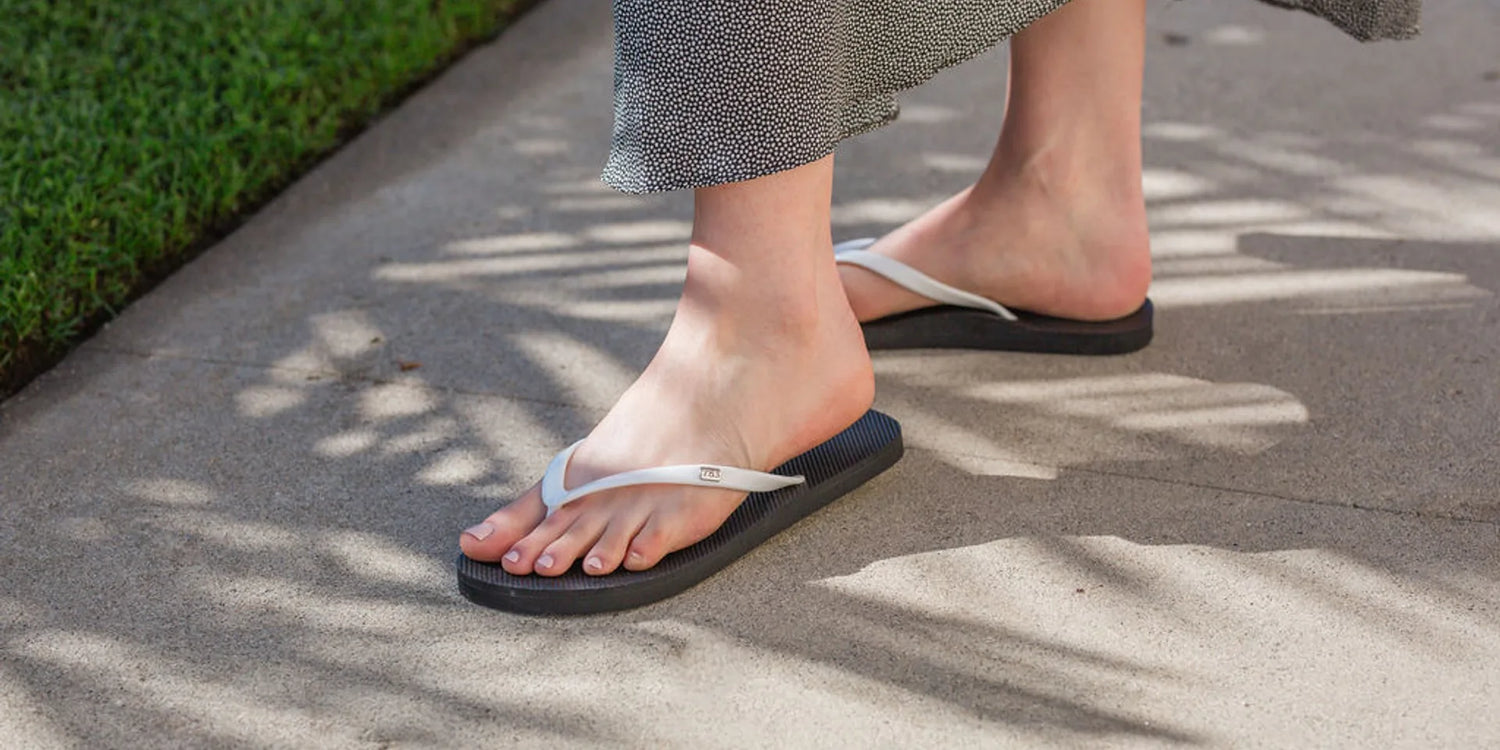
Grounding shoes are footwear designed to help you stay connected to the earth as you move through your day. Unlike ordinary shoes, they include conductive elements in the sole or outsole. These elements are intended to maintain an earthing connection while you walk on surfaces such as concrete, wood, or indoor flooring.
That portability is the main difference between grounding shoes and a grounding mat. A mat can support a stationary practice at a desk or in bed. Shoes let you bring that practice with you. You can remain grounded while walking, working, traveling, or taking care of everyday tasks, without needing to go barefoot.
Where can you wear grounding shoes?
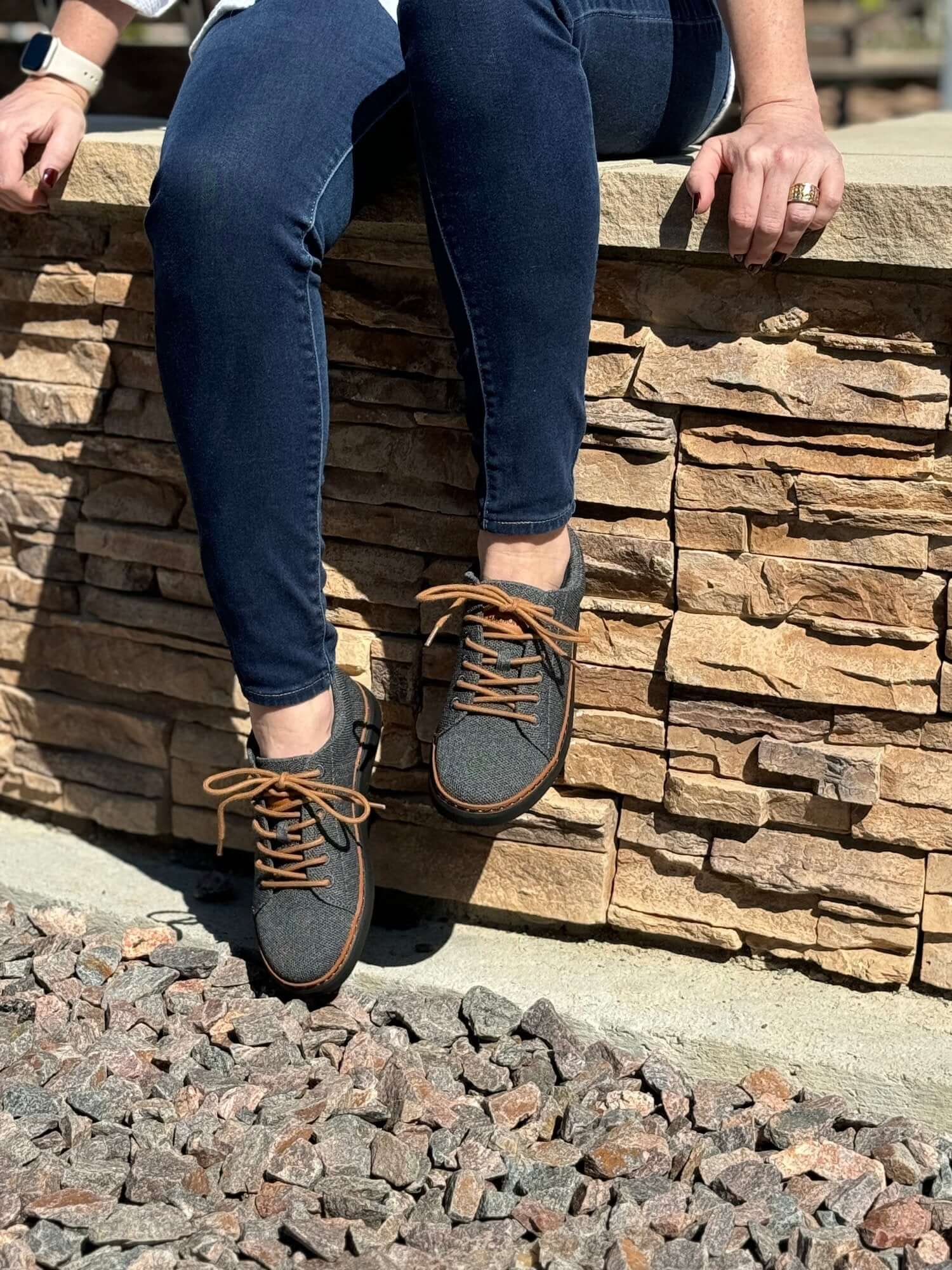
Grounding shoes can fit naturally into routines that already involve time on your feet. You might wear them for a neighborhood walk, a day of errands and shopping, a shift at a standing desk, or a long travel day. They also work well for light gym sessions and active wellness routines.
The goal is not to turn every activity into a health claim. It is to make an earth-connected wellness practice easier to maintain. Grounding shoes are especially useful for people who want to stay active rather than sit in one place.
Learn more in our guide to grounding shoes for everyday life, including ways to make them part of a simple daily routine.
Grounding mat vs grounding shoes, how do they compare?
A grounding mat is the better fit for steady indoor use at a desk or while resting. Grounding shoes are the better fit for portable, active earthing throughout the day. The right choice depends on where you want to practice grounding and how often you move.
Both options are designed to support an earth connection without requiring you to remain barefoot. The main difference is how they fit into your routine. A mat creates a dedicated grounding spot indoors. Shoes travel with you, so they can support an active earthing routine during errands, walks, and other daily activities.
| Consideration | Grounding mat | Grounding shoes |
|---|---|---|
| Portability | Usually stays in one place, such as a desk, chair, or bedroom. | Portable and wearable, so you can take your grounding routine with you. |
| Where you can use it | Stationary indoor settings, including work, relaxation, or sleep routines. | While moving through daily life, including outdoor activities and errands. |
| Typical grounding time | Dedicated sessions while you sit, work, rest, or sleep. | Wearable hours during active daytime routines, depending on your plans and comfort. |
| Best for | People who want a consistent grounding place at home. | People who want all-day active earthing without adding a separate session. |
| Value for daily use | Strong value when your routine centers on a desk, chair, or bed. | Strong value when you want grounding to fit around work, walking, travel, and errands. |
Which option fits an active routine?
If you spend much of your day moving, shoes remove the need to return to one grounding station. That makes them a practical choice for people who want to build grounding into normal activities rather than schedule a separate session. Harmony 783 Groundworks technology uses a multi-layer conductive system with 99% pure silver. According to the company's product information, to support a conductive connection between the foot and the earth.
A mat may be more useful if your main goal is a reliable home setup. Keep it where you already spend time, then use it during work or rest. Neither option is a replacement for medical care, and research on grounding remains limited. Think of the choice as a routine decision: choose the mat for stationary consistency, or learn more about grounding shoes for everyday life when portability matters.
Discover the range of grounding shoes today
When should you choose a grounding mat over grounding shoes?
Choose a grounding mat when most of your earthing time happens in one place, such as at a desk, on the couch, or in bed. Mats shine for still, home-based earthing.
A mat is often the better fit when your routine is built around quiet, stationary time. Place it under your feet while you work, read, or watch a film. You can also use a larger mat while resting, if that setup fits your space and follows the product instructions. Unlike outdoor earthing, an indoor mat gives you a consistent place to practice regardless of cold weather, rain, or the season. This convenience can make it easier to build a regular habit.
Are grounding mats useful during desk work?
Yes, especially if you spend several hours at a fixed workstation. A mat lets you keep your feet in contact with the conductive surface without changing shoes or leaving your desk. It may suit remote workers, readers, gamers, and anyone whose day includes a long seated block. For earthing for beginners, this simple setup can be an approachable way to learn how an indoor grounding device fits into daily life.
Can a mat be a better choice for sleep?
Sleep is another reason some people prefer a stationary setup. A 2004 pilot study of 12 people reported changes in night-time cortisol patterns and self-reported sleep, pain, and stress measures after eight weeks of grounding during sleep. Read the study on cortisol and sleep. A separate placebo-controlled pilot involving 22 participants reported better sleep quality with grounding than with the sham setup. Its findings are available in the sleep-quality study.
These are small, early studies, not proof that a mat treats insomnia or any health condition. Still, they explain why overnight use is a common point of interest. If you want earthing mainly while resting at home, a mat may offer a more practical routine than shoes. If you spend most of your day moving between rooms, errands, and outdoor activities, grounding shoes may be the more flexible option.
Which option gives you more grounding hours per day?
The answer depends on how you spend your day. A grounding mat works when your bare feet, hands, or body stay in contact with the mat. That can be easy at a desk, on the sofa, or in bed. Once you stand up and leave that spot, the connection ends.
Think in waking hours, not just sessions
Imagine waking at 7 a.m. and spending eight hours away from home. You might use a mat for 30 minutes before work and another hour at your desk. That gives you about 90 minutes of mat-based grounding. The mat is useful, but its benefit is tied to the time you spend in one place.
Grounding shoes travel with you. If you wear them during a morning walk, school drop-off, errands, a commute, and an afternoon outside, the possible connection follows your movement. They fit an active routine rather than asking you to create another stationary block in your schedule. See our guide to grounding shoes for everyday life for practical ways to make them part of your day.
Where mats still have the advantage
Mats win when your goal is a fixed, repeatable practice. You can place one under your feet while working or relaxing, then use a compatible setup for sleep. Overnight use can add several uninterrupted hours, which may be difficult to match with footwear. The best choice may be a mat for sleep and quiet time, plus grounding shoes for daytime movement.
Research on grounding has discussed the importance of duration and consistency, so the most useful option is the one you can use regularly. The evidence is still developing, and grounding should be viewed as a wellness practice rather than a medical treatment. Read the research on grounding duration and consistency for the scientific discussion.
Shop the grounding shoe collection
The Harmony 783 Groundworks system explained
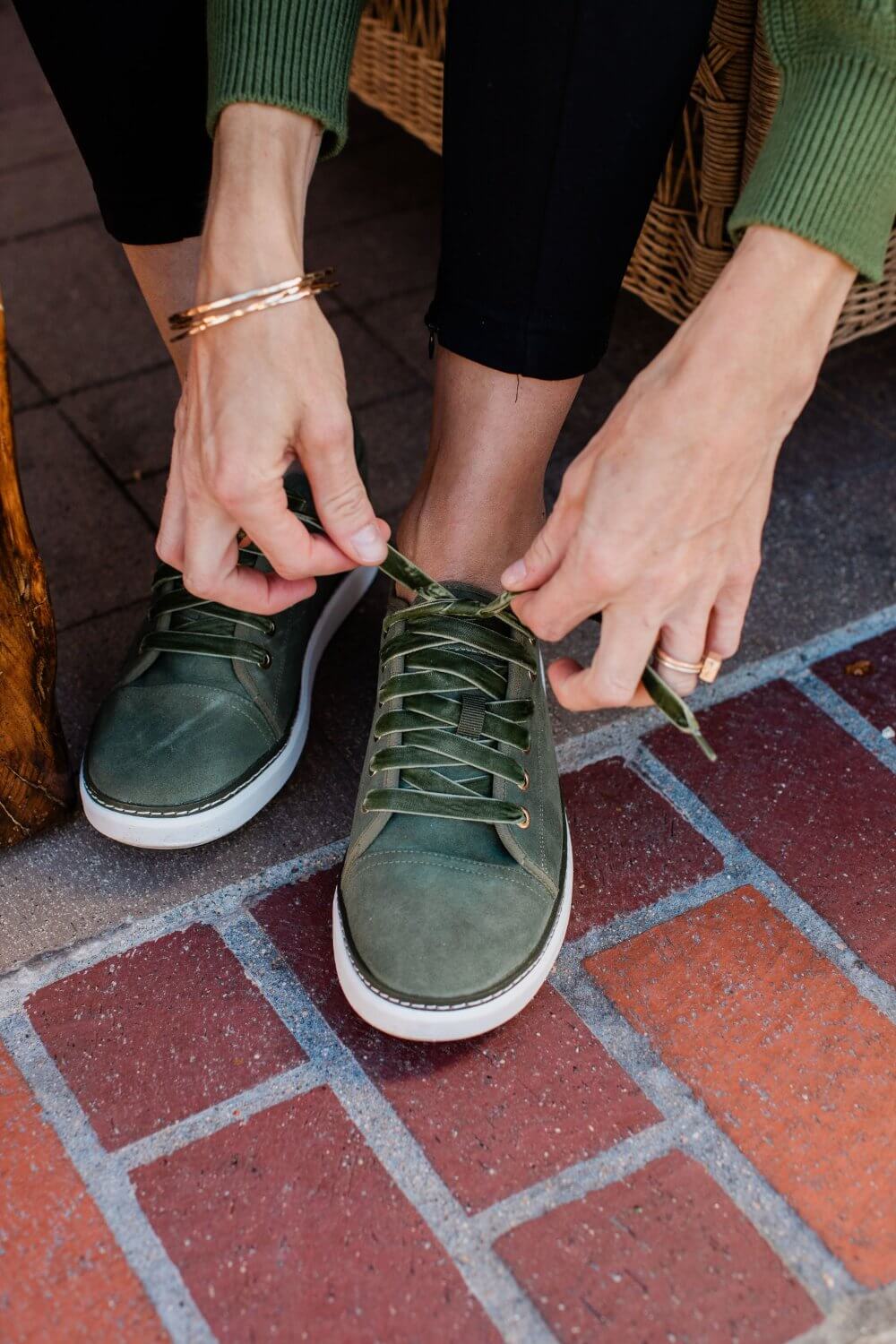
Groundworks technology is designed for people who want a daily connection with the earth without giving up their usual footwear. Harmony 783 builds that connection into stylish shoes, so grounding can fit naturally into walks, errands, travel, and other active parts of the day.
The system works through conductive materials integrated into the shoe. Instead of relying on direct skin contact with soil or grass, the footwear creates a pathway from the foot through the shoe and toward the earth. Its multi-layer design is intended to support a consistent connection across varied surfaces, making it a practical alternative to standing barefoot or staying beside a grounding mat.
What makes Groundworks different?
- No barefoot needed: Put on your shoes and keep your normal routine.
- Consistent connection across surfaces: The conductive layers help support grounding as you move through different everyday environments.
- Cushioned comfort for daily wear: The shoes are made for walking and active use, not only brief grounding sessions.
That combination matters when comparing a stationary mat with wearable footwear. A mat can work well at a desk or in another fixed spot at home. Groundworks shoes are made to move with you, which can make active, all-day grounding easier to maintain. They also bring together earth-based wellness and modern design, rather than asking you to choose between function and personal style.
Harmony 783 is a direct-to-consumer wellness footwear brand founded in 2017. Its approach is simple: make an earth connection more accessible for an active lifestyle. If you want to explore how wearable grounding fits into everyday routines, read the guide to grounding shoes for everyday life, then browse our collection of grounding shoes.
Frequently Asked Questions
Do grounding shoes make a difference?
They can make daily earthing easier because you can wear them while walking, working outdoors, or doing errands. Their value is consistency. A grounding mat works well when you are seated or resting, while shoes can support an active routine. Results and experiences vary, so treat grounding as a personal wellness practice, not a medical treatment.
What are the downsides to grounding mats?
A mat keeps you in one place. You need to sit, stand, or rest on it, and its setup may be less convenient when you move between rooms or spend much of the day outside. It can still be a practical choice for desk work, reading, relaxation, or sleep. Choose a mat when predictable indoor use matters more than portability.
What do doctors think of grounding mats?
Medical opinions vary because the evidence base is still developing. Early studies suggest possible wellness benefits, but many studies are small and need further research. One review notes that factors such as grounding duration and resistance may affect results (https://pubmed.ncbi.nlm.nih.gov/25848315/). Grounding should complement, not replace, advice or treatment from a qualified healthcare professional.
How many hours a day should you ground?
There is no universally established daily duration. Start with a routine you can maintain, such as time on a mat while working or relaxing, or wearing grounding shoes during part of your normal day. Research has used different schedules, including an eight-week sleep-focused study, so those findings do not set a required daily target (https://pubmed.ncbi.nlm.nih.gov/15650465/). Pay attention to comfort and consistency rather than chasing a specific number.
Ready to Make Earthing Part of Your Day?
The right option depends on how you spend your time. Grounding shoes can help you stay connected while moving through your daily routine, while a mat offers a simple choice for focused time at home. If all-day grounding footwear fits your routine, browse the collection and find the pair that feels right for your everyday life.