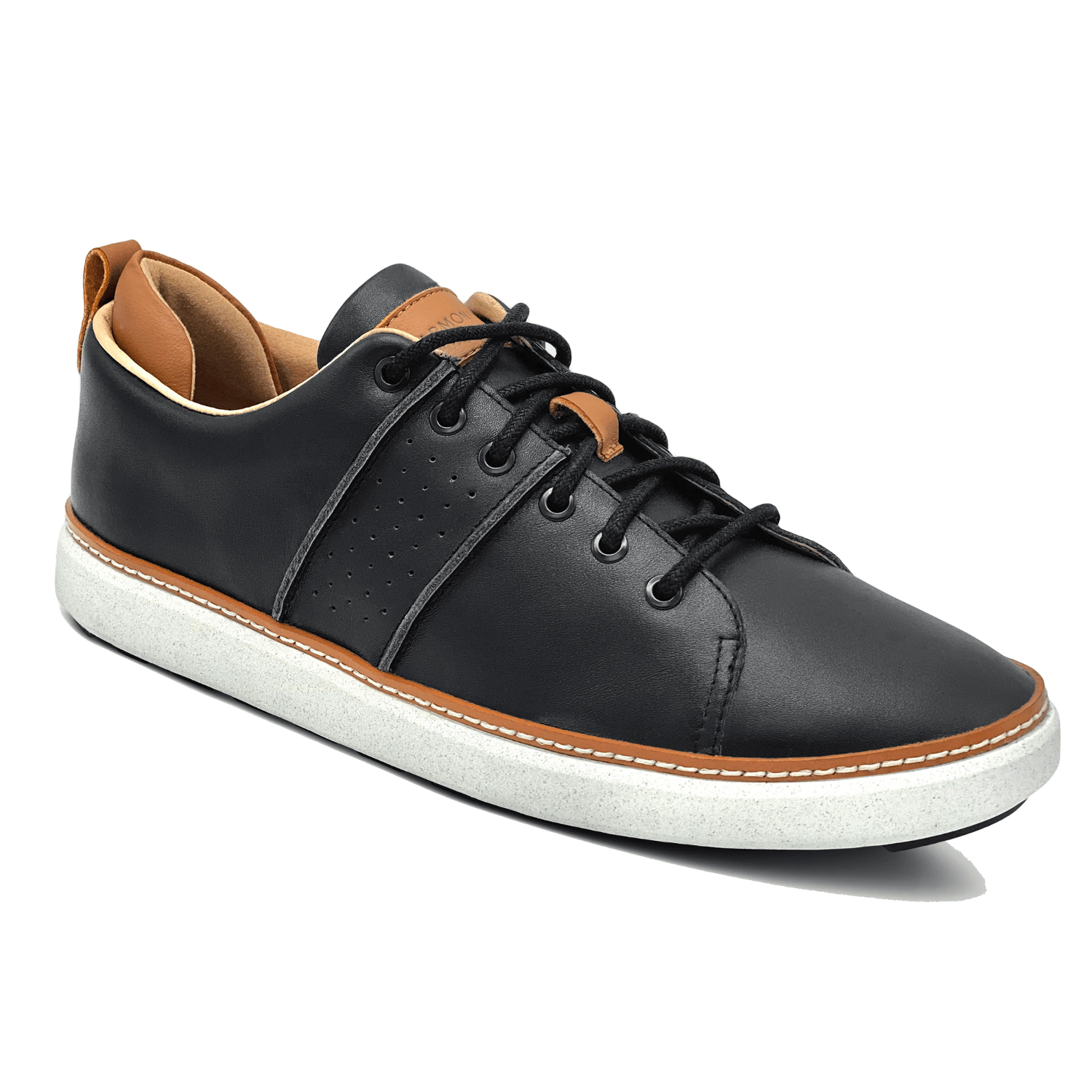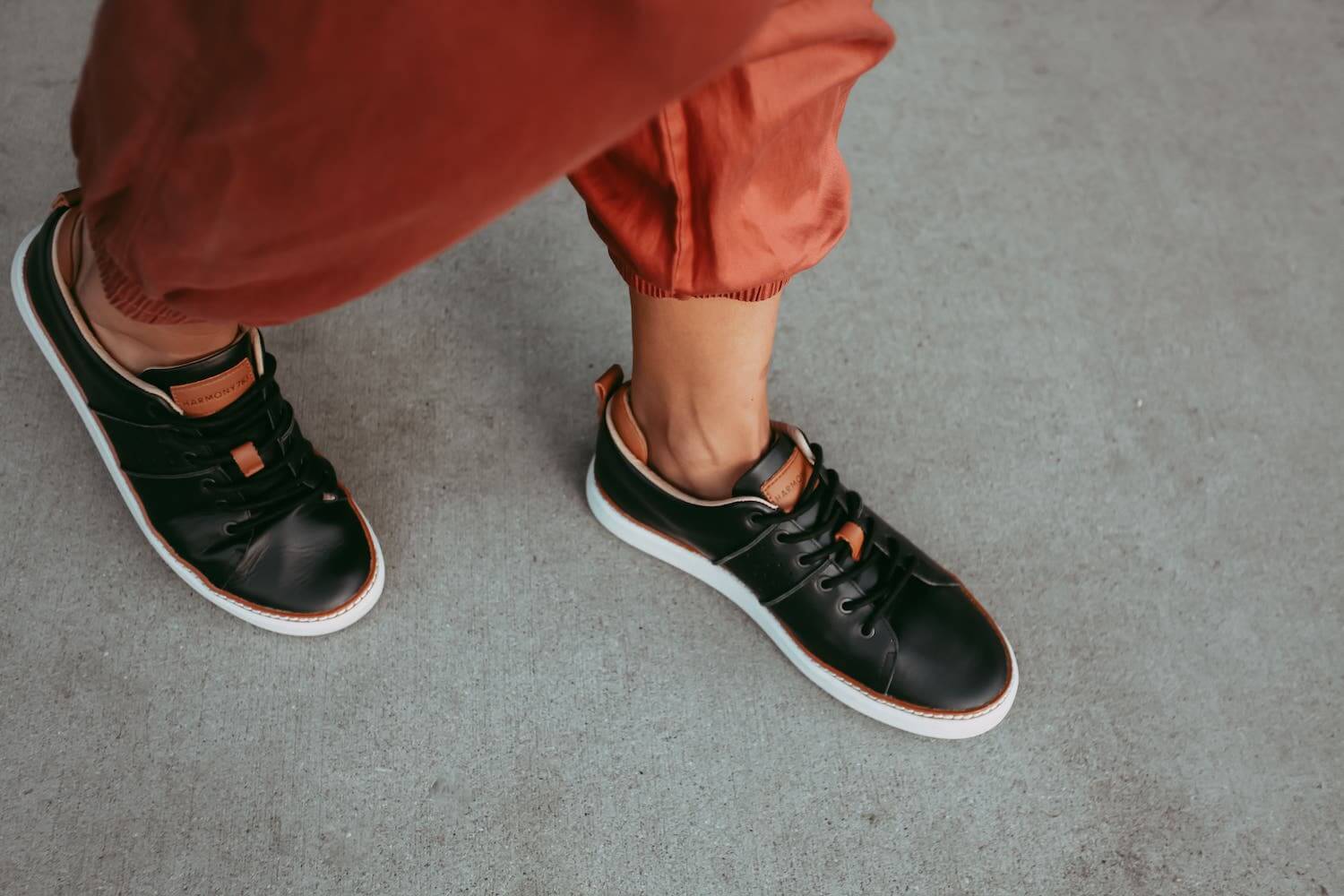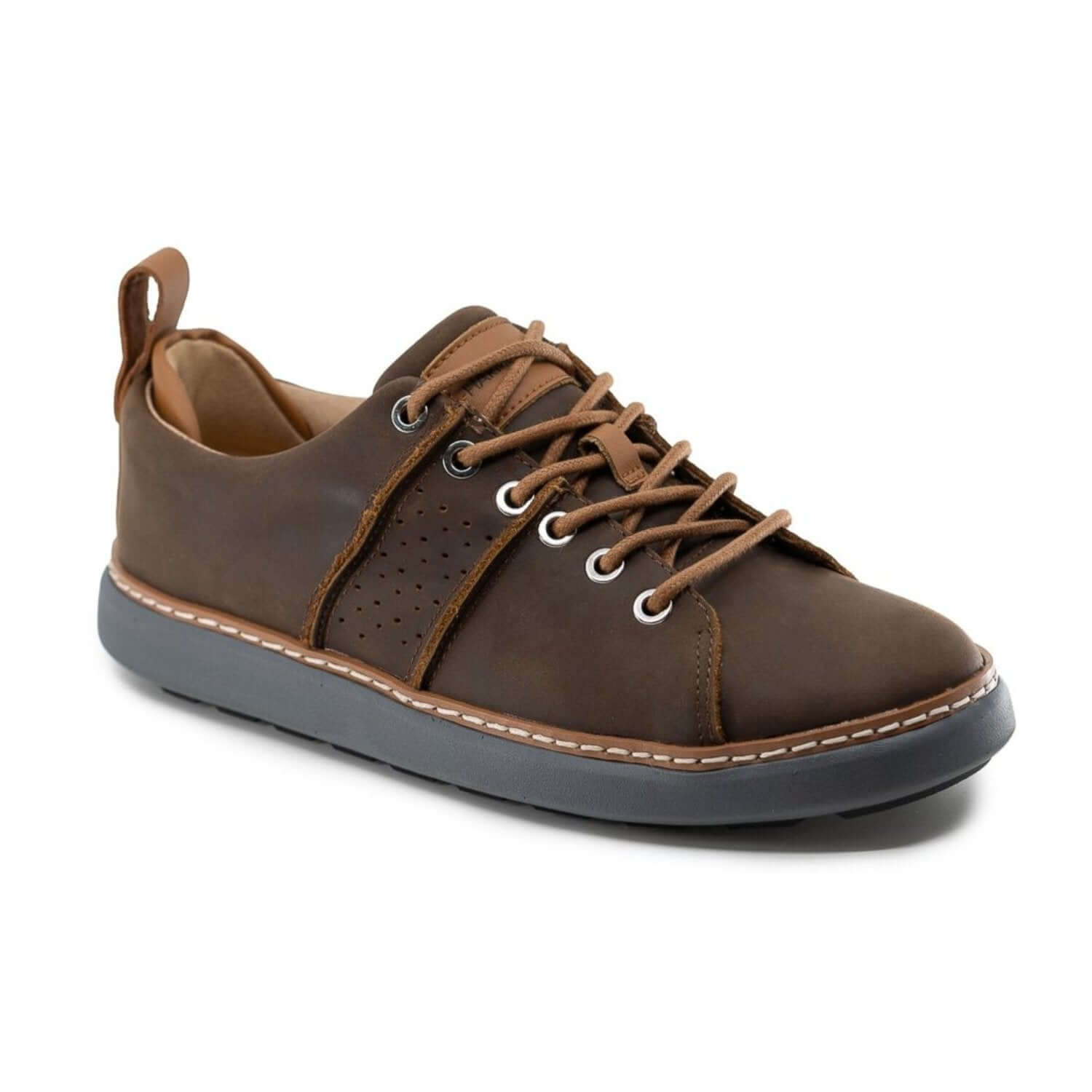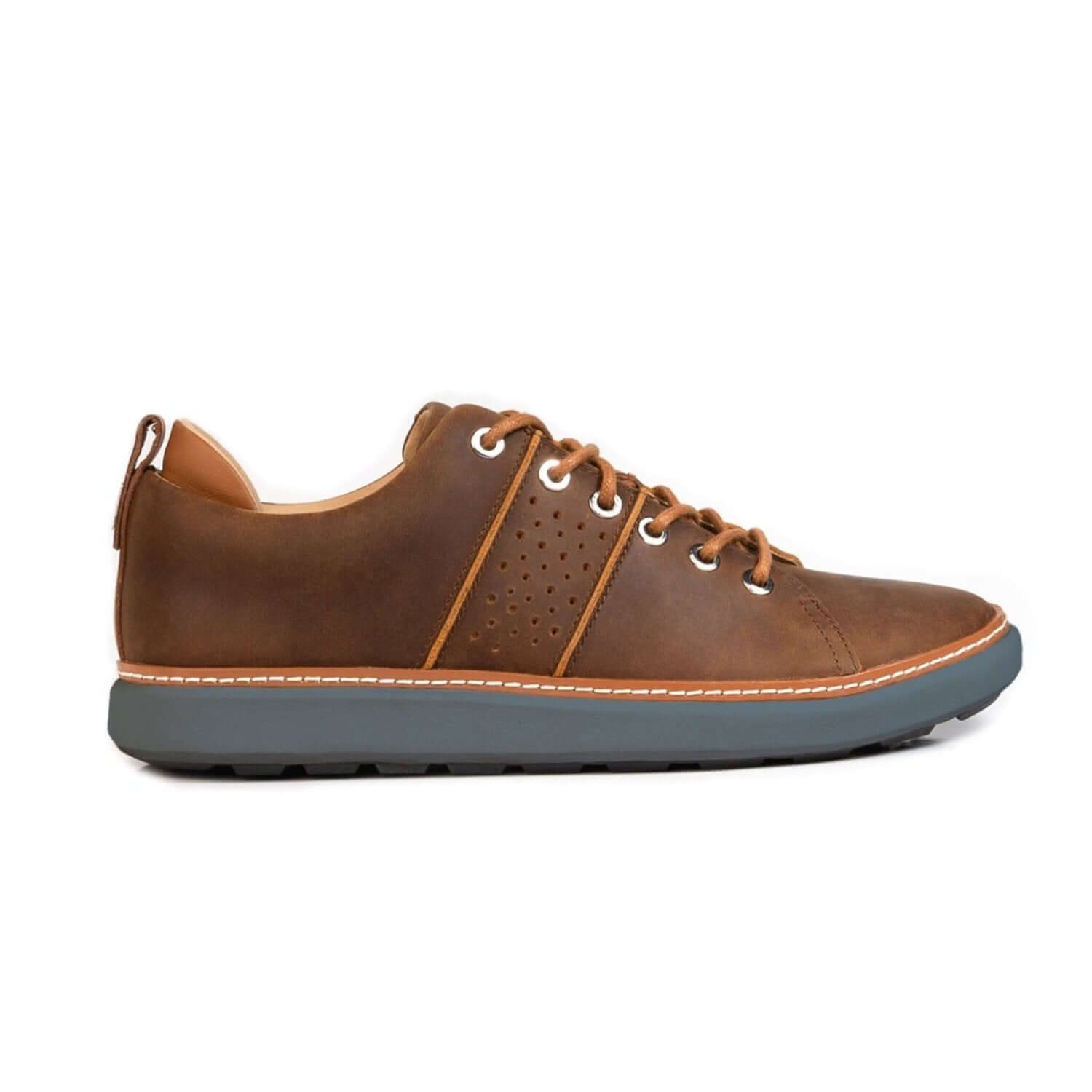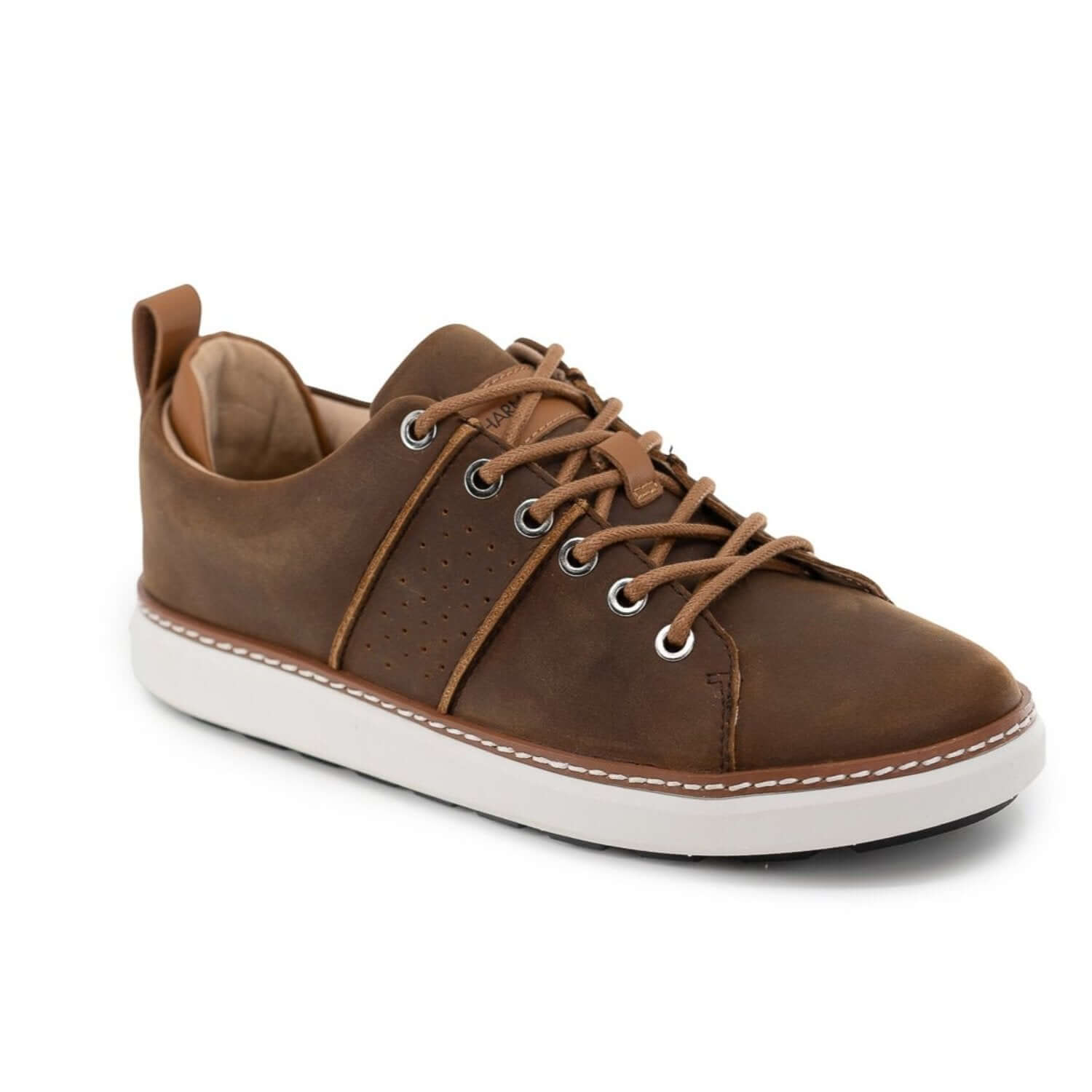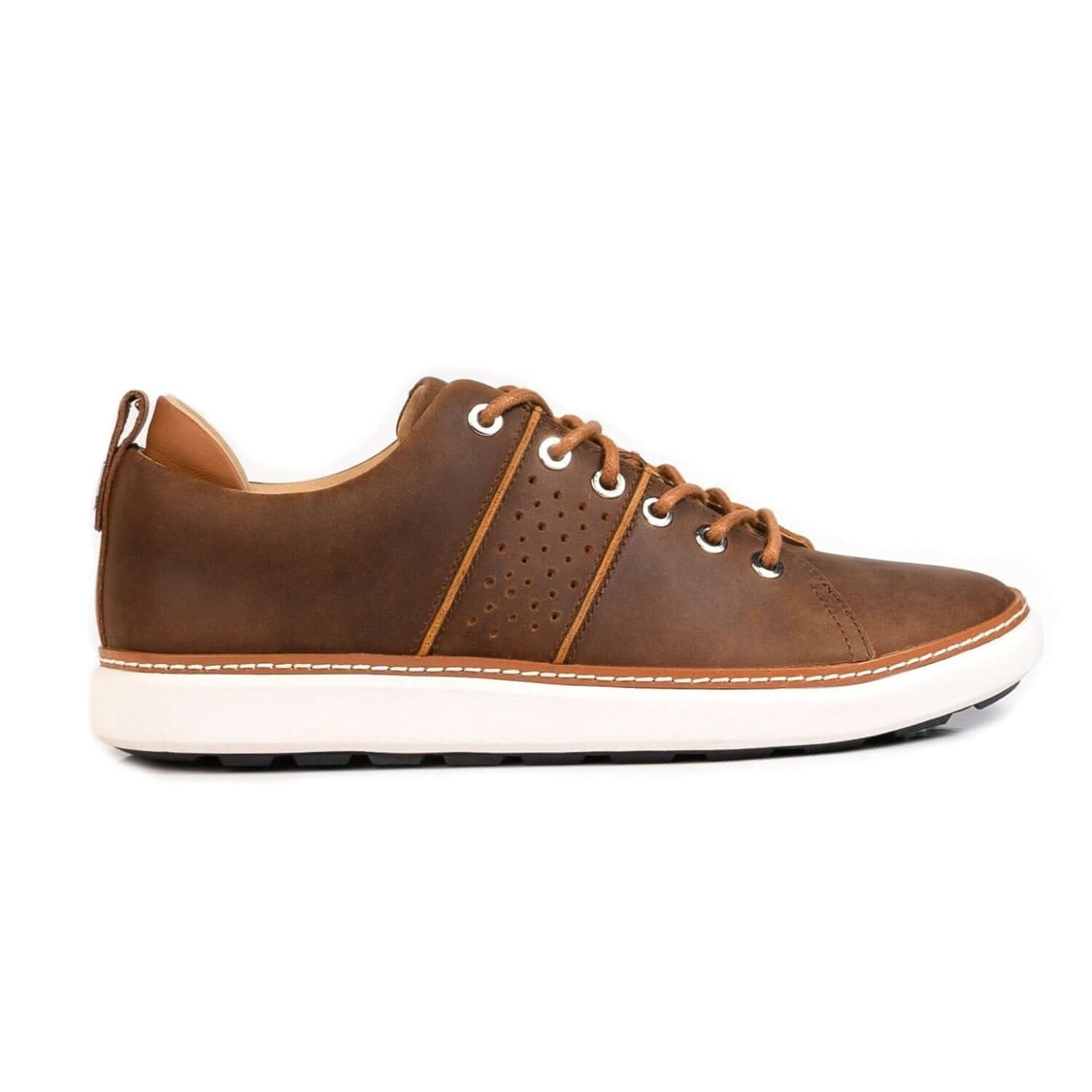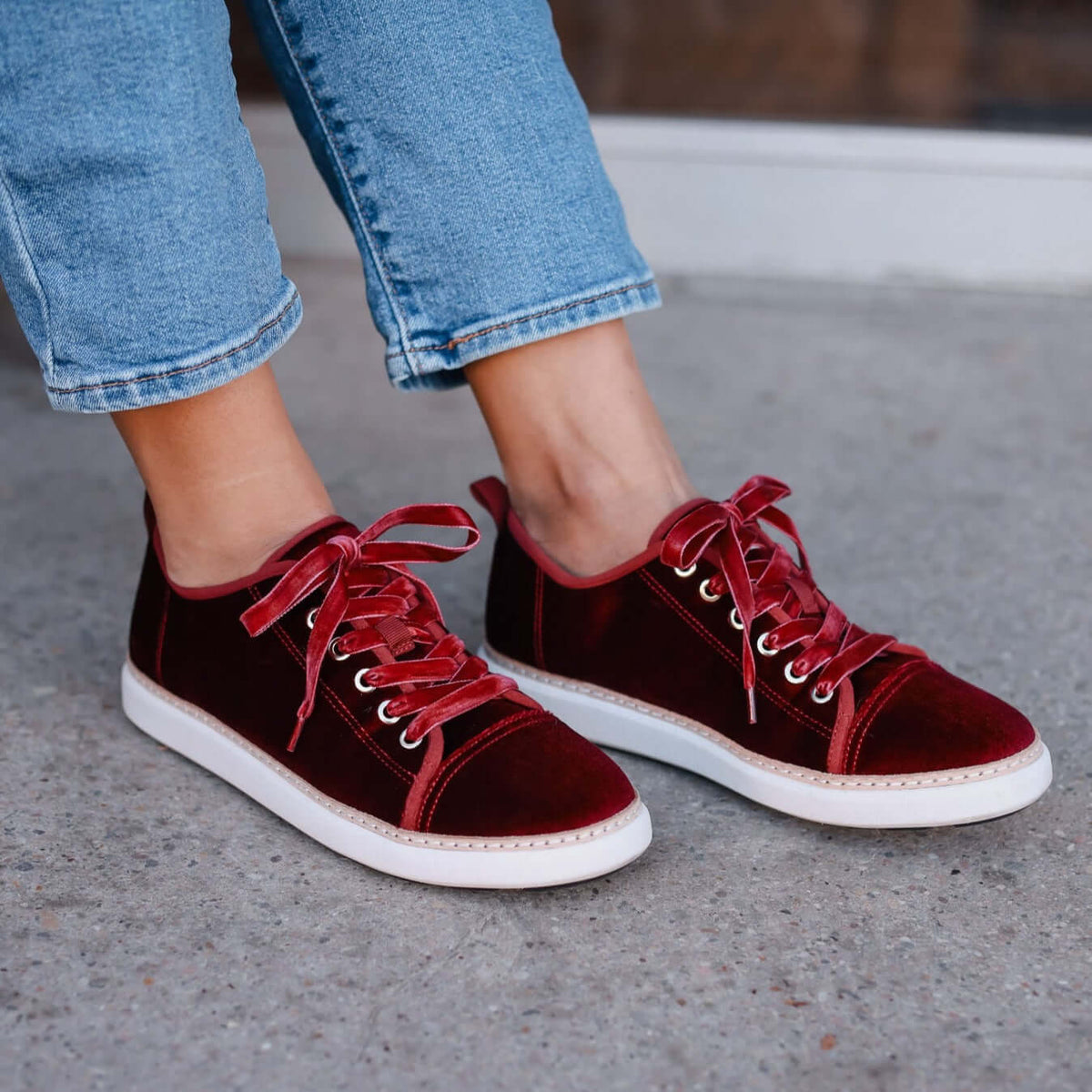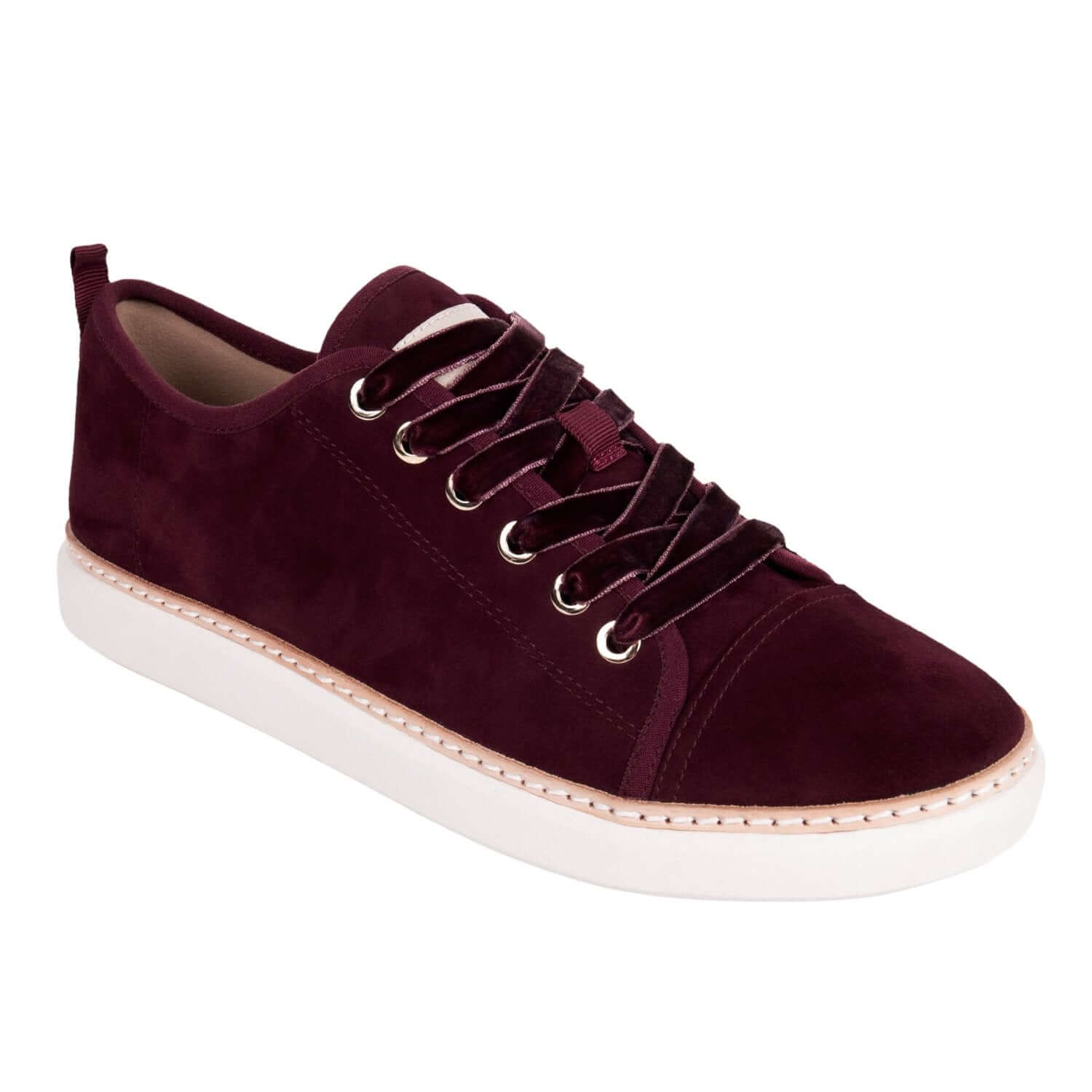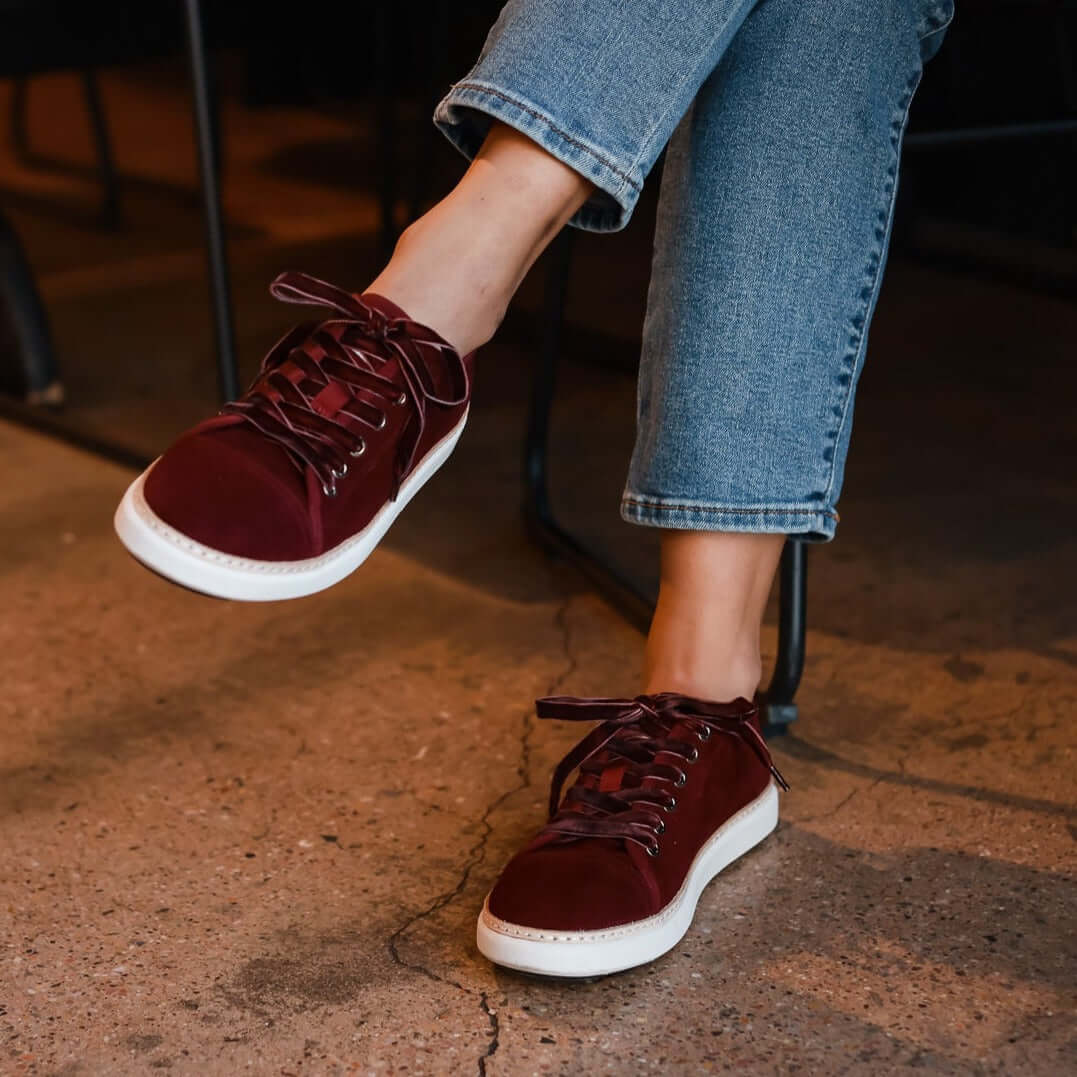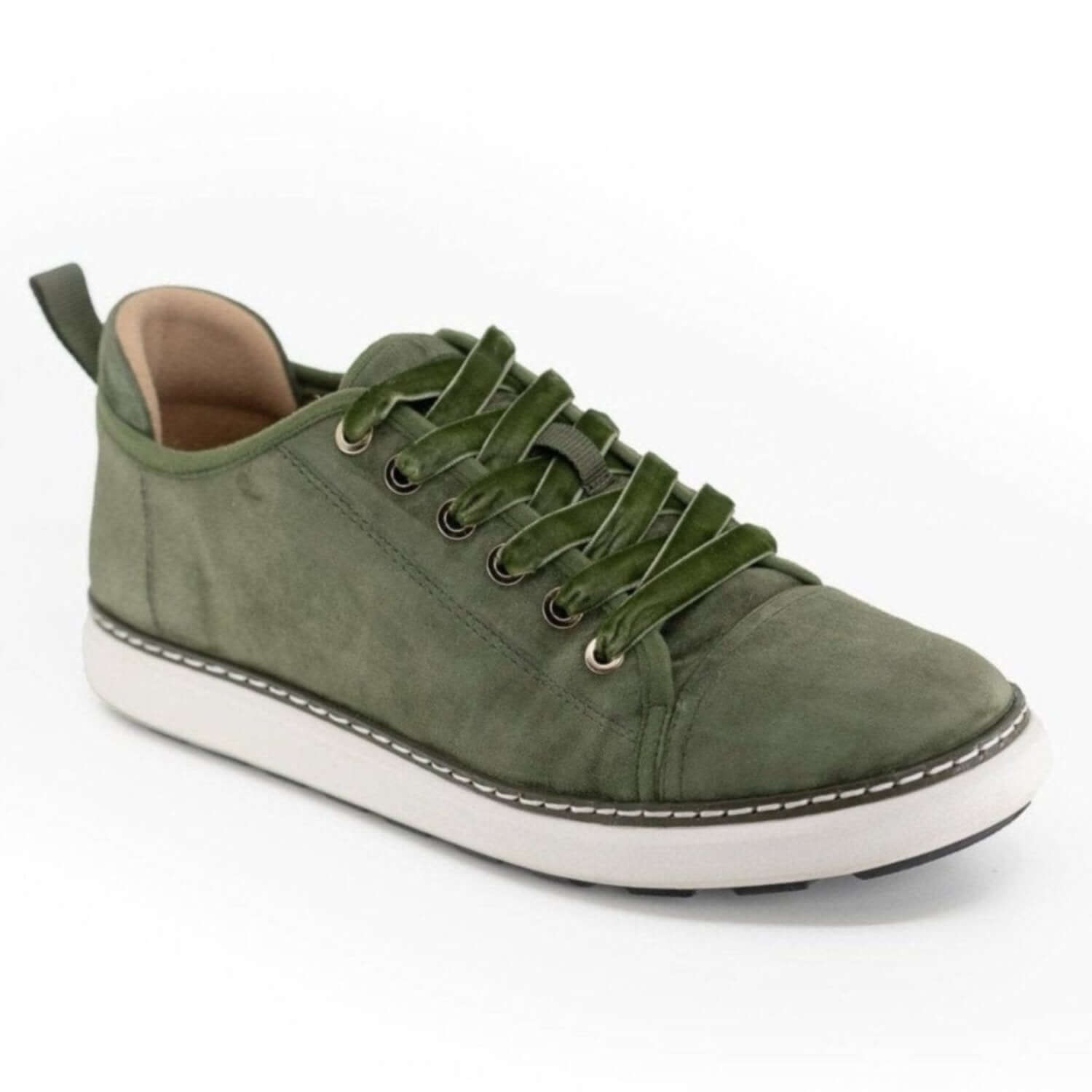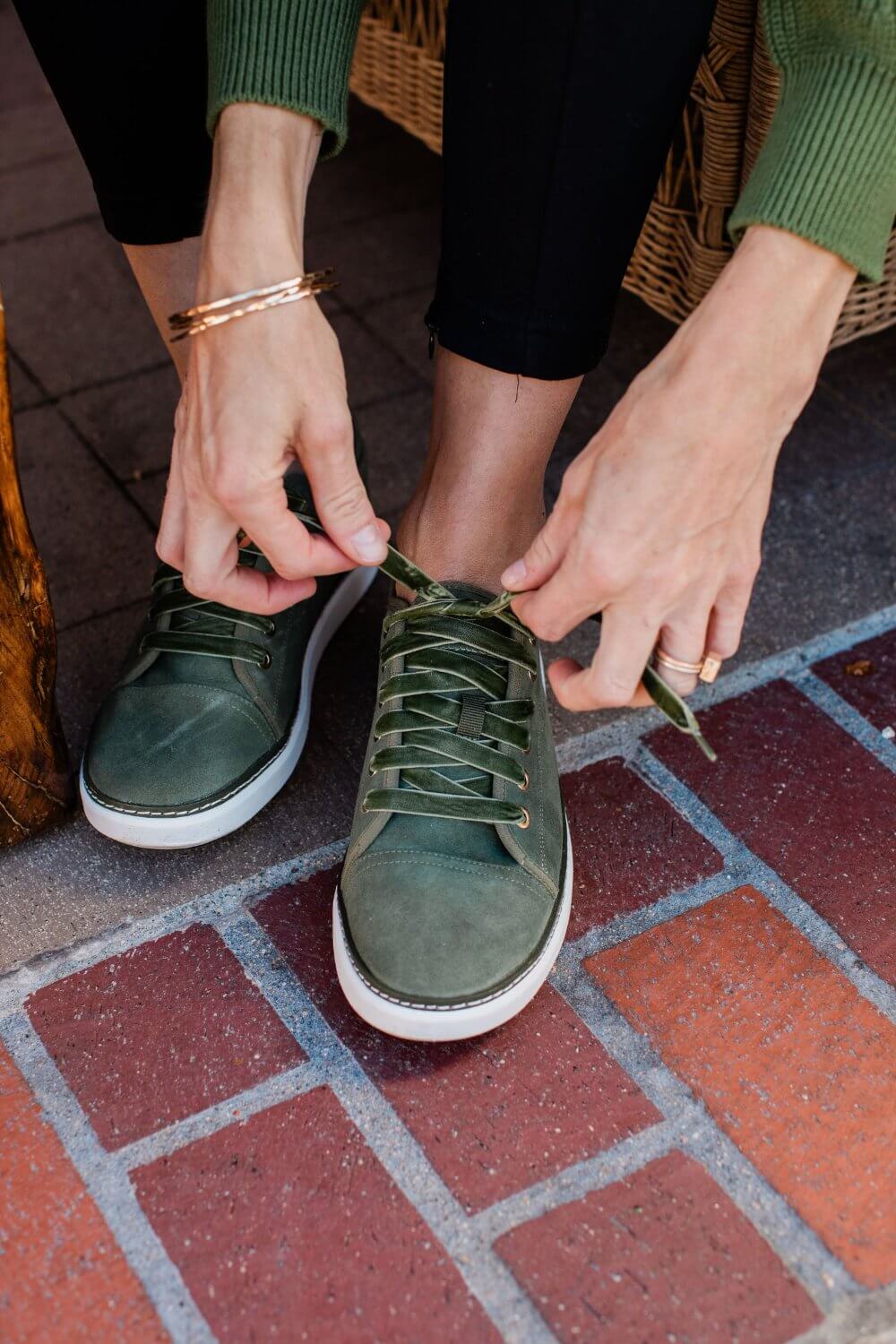

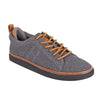
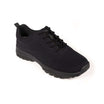
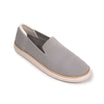




A daily walking shoe has to do more than look good. It should feel comfortable over the miles, suit your routine, and perform as intended on the surfaces where you actually walk. That is why shoppers often look beyond a standard sneaker when exploring grounding footwear.
Browse grounding sneakers to compare styles for your everyday walking routine.
Earthing sneakers for walking are designed with conductive materials and construction that can support contact with the earth when the outsole meets a suitable surface. An ordinary sneaker should not be assumed to provide that connection. Look for clear construction details, a secure fit, breathable materials, and comfort that makes regular use realistic.
Start by separating the grounding function from the everyday features that make a shoe wearable. Once you understand how the layers, outsole, fit, and walking environment work together, it becomes easier to compare options and choose a pair that matches your habits. You can also review what grounding means before looking at the available styles.
What Makes Earthing Sneakers for Walking Different?
An ordinary sneaker is built to cushion your steps and protect your feet. It is not automatically an earthing shoe. For a sneaker to support a grounded connection, it needs conductive construction and a way for that connection to meet the earth through the outsole. The design matters as much as the look.
Harmony 783 describes its Groundworks system as a conductive design with silver-stitched layers, a cushioned midsole, and a carbon-rubber conductive outsole. That combination is intended to pair everyday comfort and style with a conductive connection to the earth. You can learn more about how grounding shoes work before comparing specific styles.
Why does the upper matter for walking?
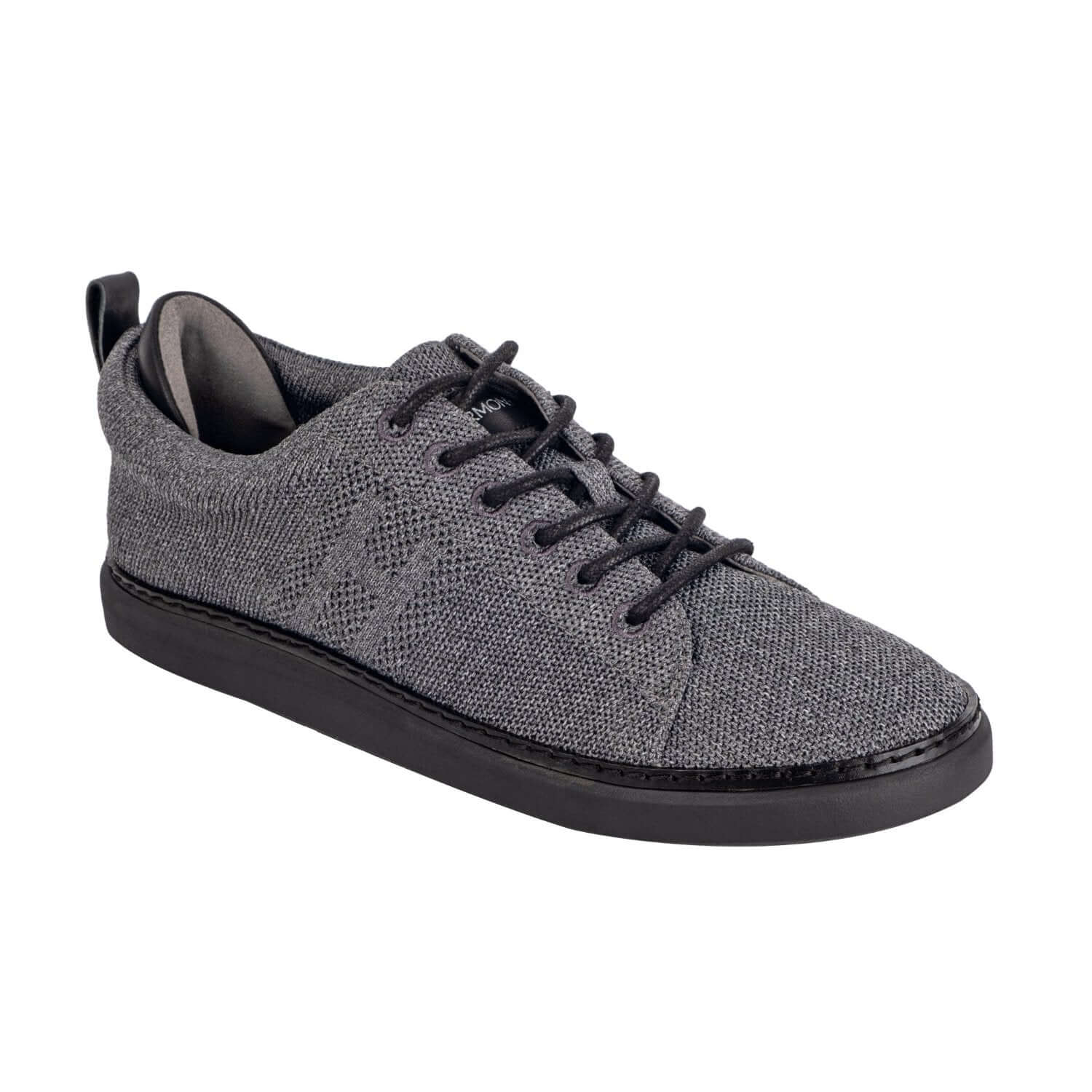
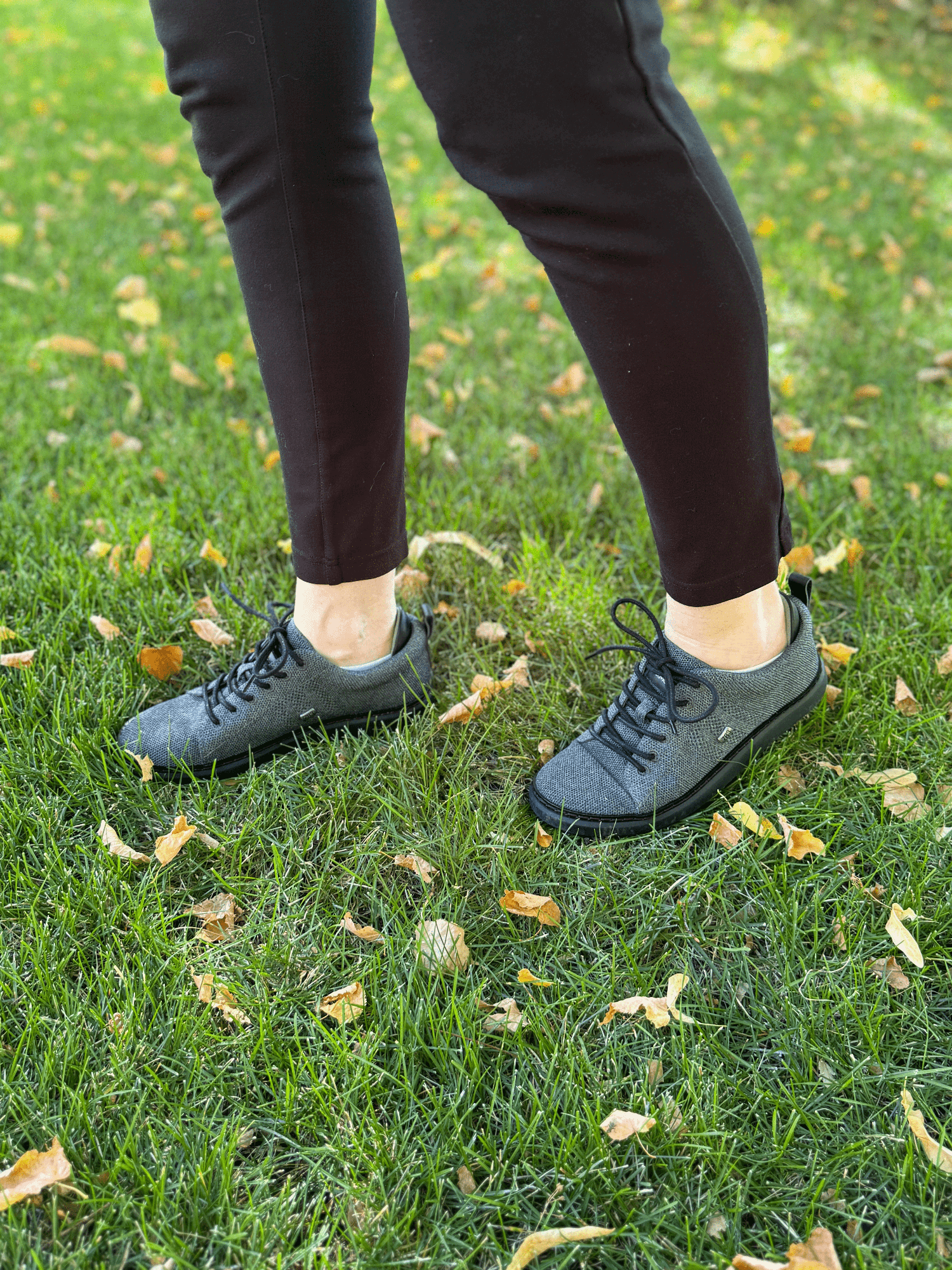
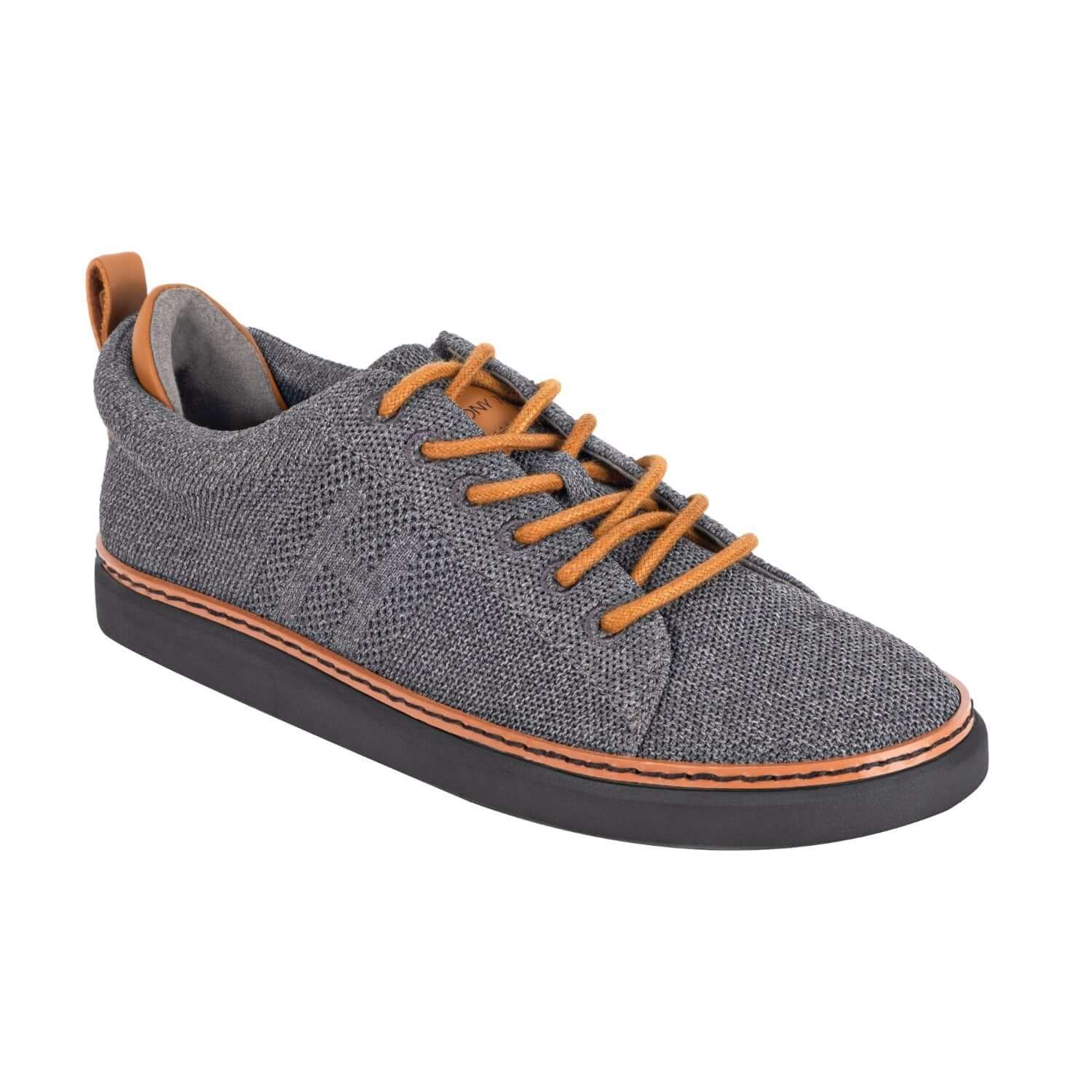
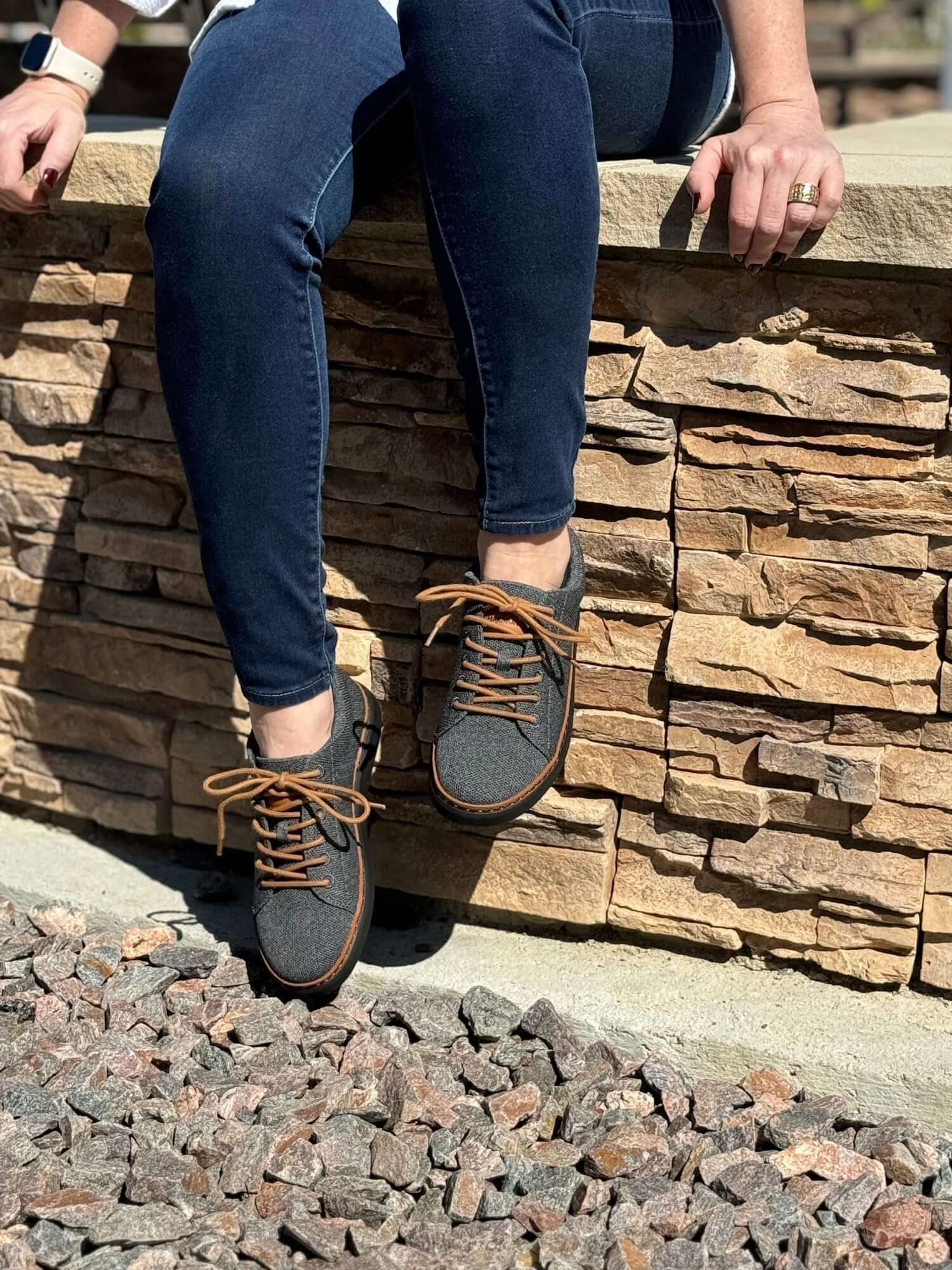
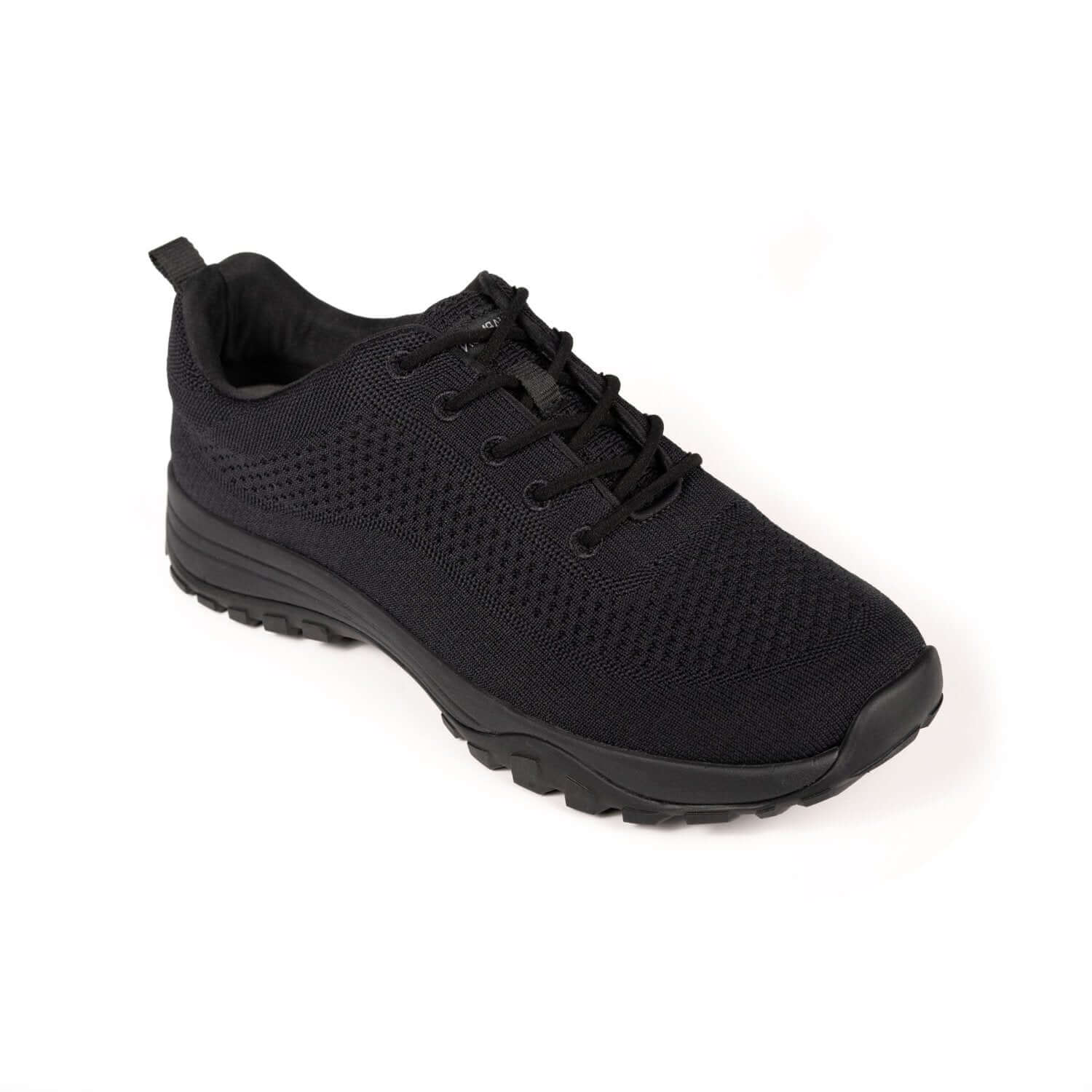
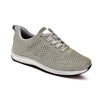
The upper affects how the shoe feels during a real walk. Harmony 783 grounding sneakers use a breathable bamboo-knit construction. A knit upper can feel lighter and more flexible than a rigid shoe, which may suit errands, neighborhood walks, or other everyday movement. The goal is not to make every walk feel the same. It is to choose a sneaker that fits your routine without asking you to trade comfort for the grounding feature.
What should you check beyond the label?
Look for clear information about the conductive system, the materials used, and how the shoe is meant to connect with the earth. Also consider fit, cushioning, and the surfaces where you walk. An earthing sneaker still needs to feel stable and comfortable enough for your actual use. The product name or a casual canvas upper does not prove that a shoe is conductive.
How Can You Tell if a Sneaker Is Actually Grounding?
A grounded sneaker needs more than a natural-looking upper or a thin sole. Its construction must create a conductive path, and the shoe must make suitable contact with the earth while you wear it. An ordinary sneaker should not be treated as grounding footwear simply because it feels comfortable or resembles a barefoot shoe.
Use this construction and contact checklist
- Look for a conductive system. Product details should explain which materials carry conductivity through the shoe. A vague claim such as "natural" or "barefoot-inspired" does not establish grounding.
- Check the outsole and interior path. The conductive parts need to connect in a useful route from your foot toward the outsole. Harmony 783 describes its Groundworks system with silver-stitched layers and a carbon-rubber conductive outsole. Review the current product information before buying because designs can change.
- Confirm the contact conditions. Conductivity alone is not enough. The shoe also needs contact with the earth through a suitable surface. Read the maker's guidance and consider whether your normal walking routes actually provide that contact.
- Look for testing information. A statement that the footwear has been tested for a grounded connection is more useful than a generic wellness promise. It still does not guarantee the same result on every surface or in every condition.
In electrical terms, grounding means a conducting connection to the earth or another large conducting body. A review in this academic overview of grounding describes that connection as a low-resistance path for electrical flow. In wellness writing, "biological grounding" refers to deliberately grounding the body, but that definition should not be turned into a promise of treatment or guaranteed health effects.
For a deeper look at common connection problems, read why some grounding shoes may not ground you. The practical test is simple: verify the construction, understand the required contact, and match the shoe to how and where you walk.
Related products


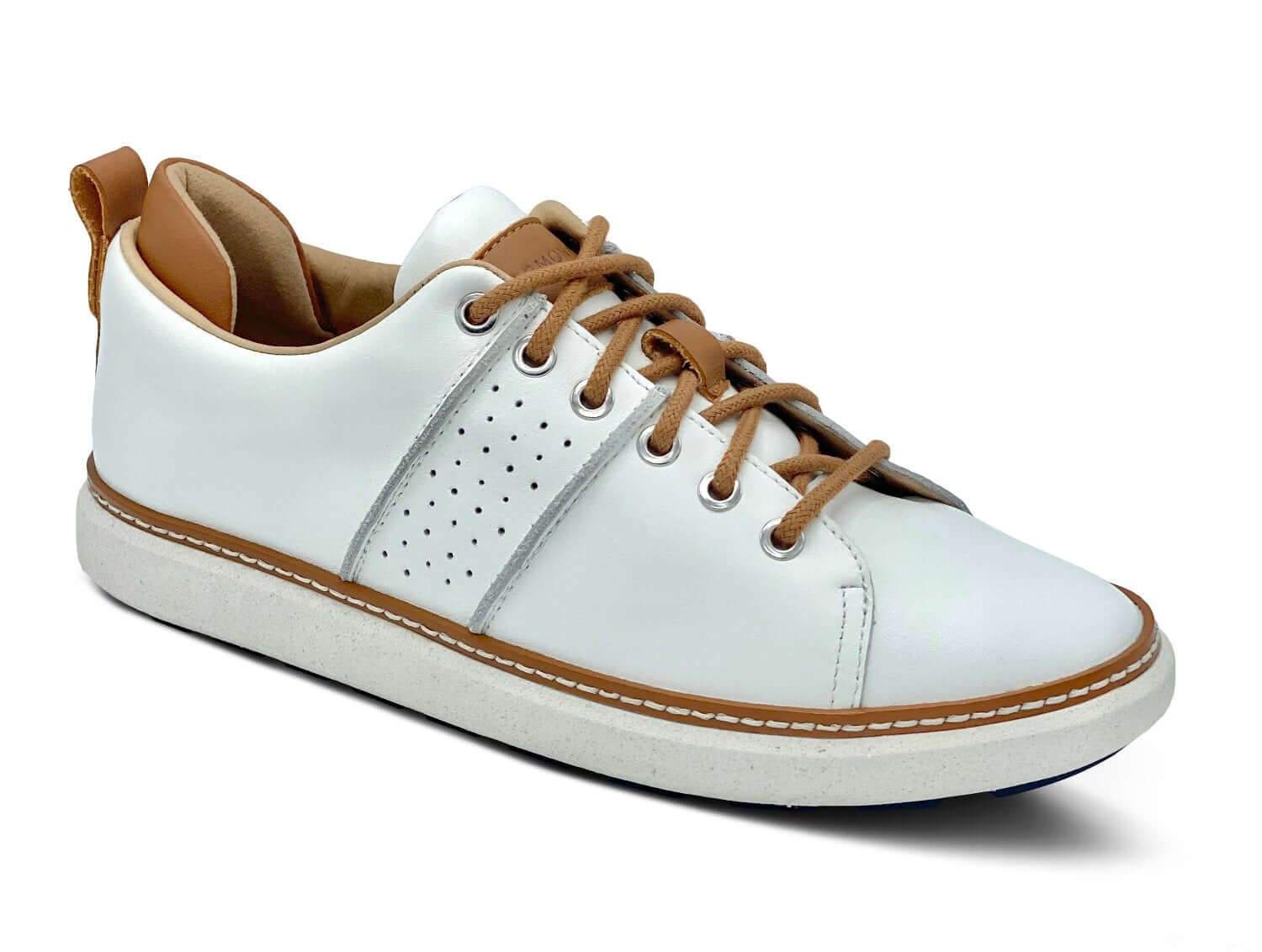
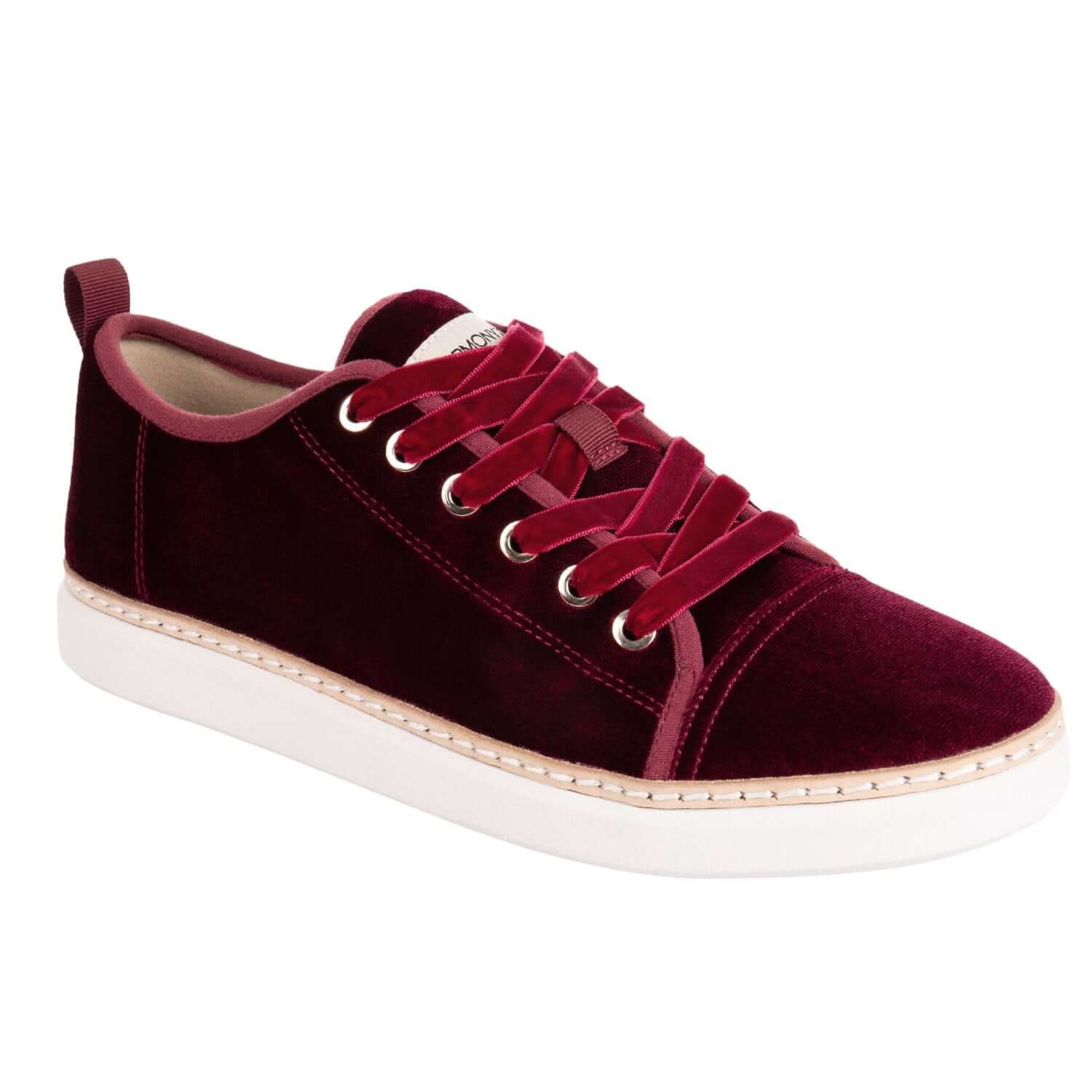
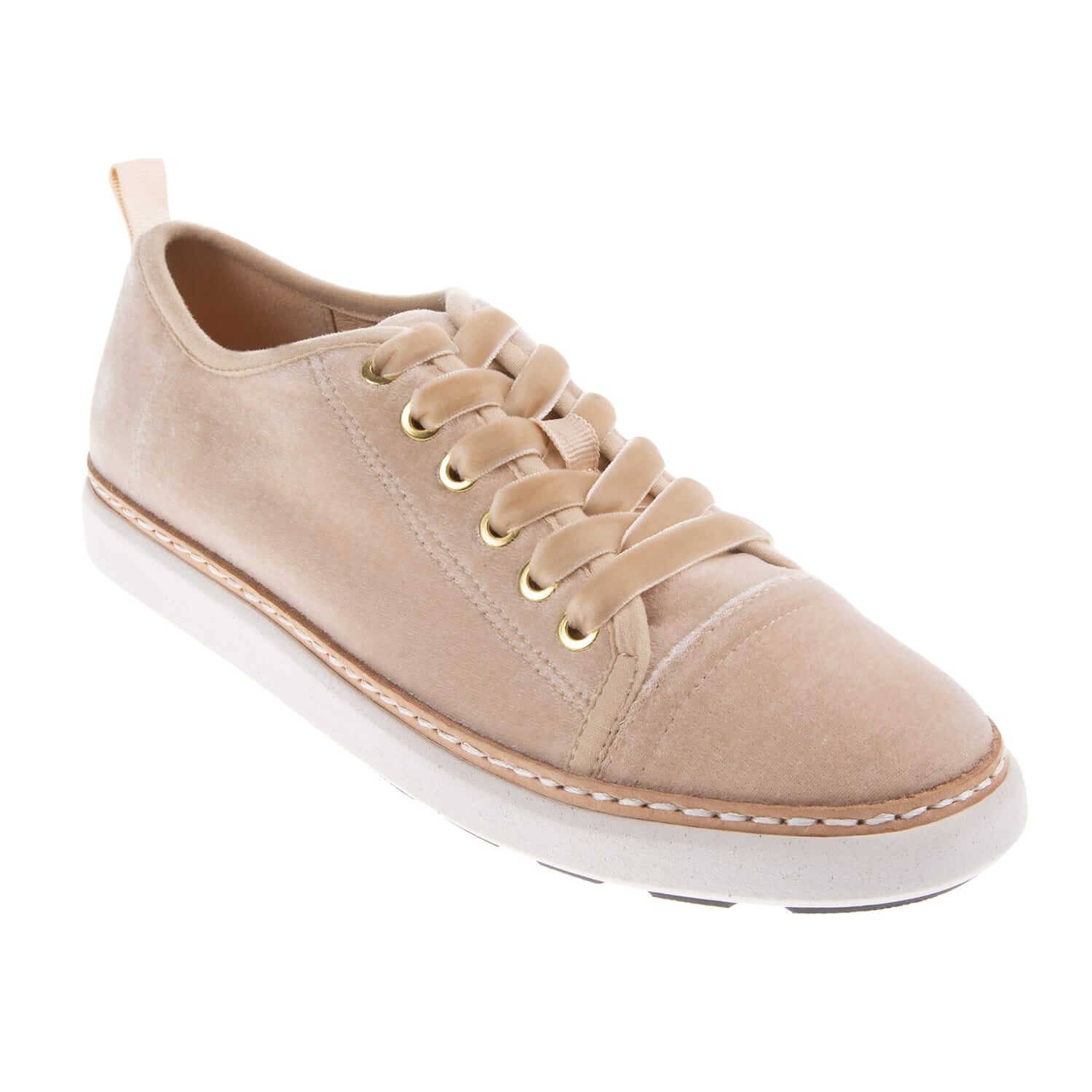
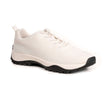
Stay fit, stay active, and stay grounded in these bright white sneakers.
View productWhich Fit Features Matter Most for Daily Walking?
The best fit depends on how you walk, not on a single ideal shoe shape. Compare cushioning, toe room, flexibility, and airflow before you choose. Grounding function still depends on conductive construction and contact with the earth, so comfort features should support the shoe's purpose rather than replace it.
| Fit approach | What it may offer | Best question to ask |
|---|---|---|
| Traditional cushioned fit | Cushioning and medium arch support can feel familiar for routine walking. A narrower toe box may suit feet that prefer a closer fit. | Do I feel supported without pressure across my toes or arch? |
| Flexible, wide-toe fit | A wider toe box gives the forefoot more room, while a flexible, level sole can allow a more natural-feeling stride. | Can my toes spread comfortably, and does the sole flex where my foot bends? |
| Breathable knit | A lightweight knit upper can help airflow during everyday wear. Harmony 783 grounding sneakers use breathable bamboo knit construction. | Will the upper feel comfortable during my usual walking time and climate? |
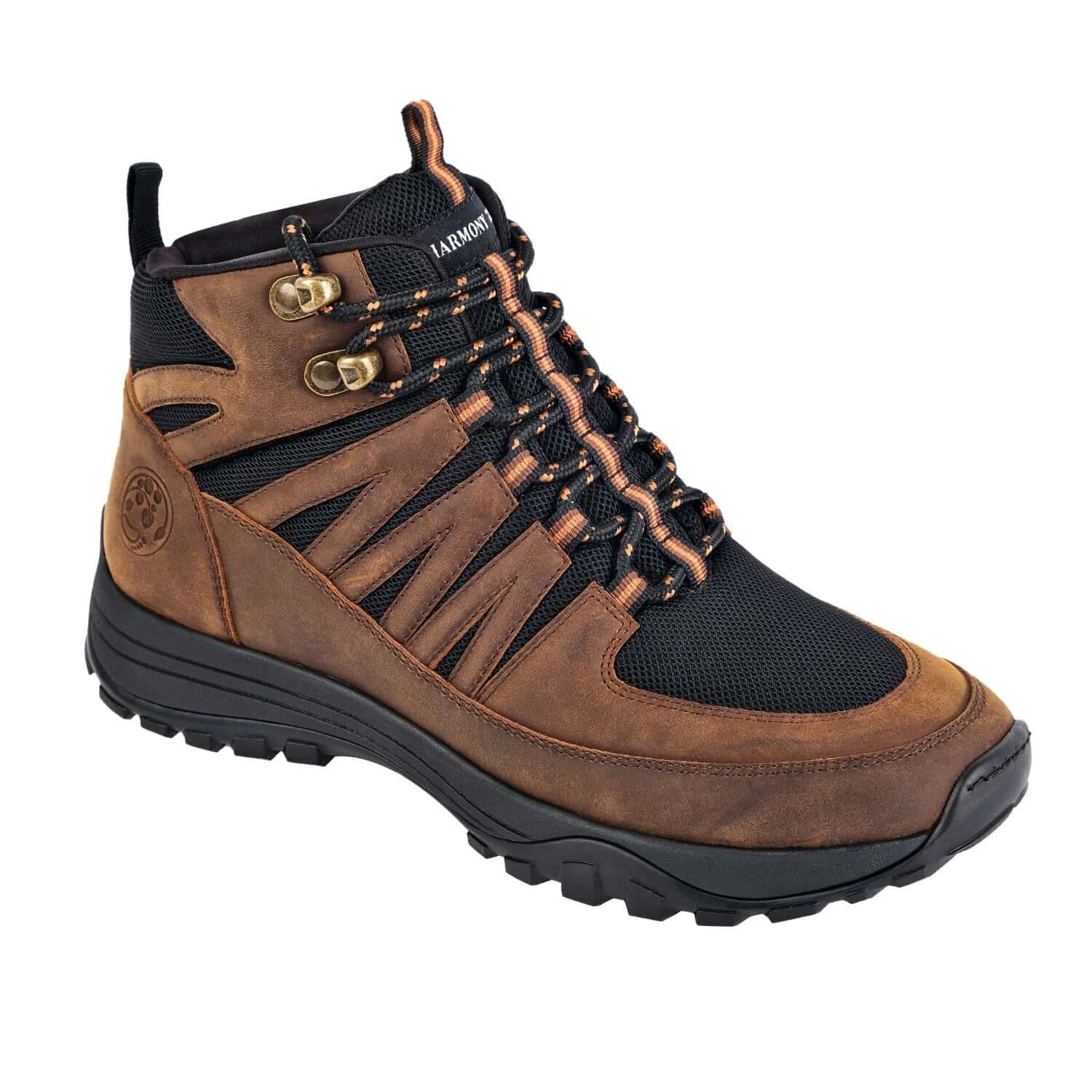
| Everyday walker priorities | Heel cushioning, practical materials, easy styling, and a secure fit matter when one pair needs to move from errands to a longer walk. Harmony 783 walkers include leather and knit options with cushioned heel pads. | Does this pair match my routes, clothing, weather, and expected time on my feet? |

Use the same practical test when reviewing what to look for in grounding shoes: your heel should stay secure, your toes should have usable space, and the upper should not create hot spots. Then confirm that the shoe is specifically designed for grounding instead of assuming any comfortable sneaker provides that connection.
How Should You Choose Earthing Sneakers for Your Routine?
The best pair should fit the way you actually move. Start with your usual distance, walking surface, and comfort preferences. Earthing sneakers for walking need more than a familiar shape. Grounding depends on conductive construction and contact with the earth, so an ordinary sneaker should not be assumed to provide the same function.

- Match the shoe to your distance. For short errands, prioritize an easy everyday fit. If you walk farther, look for cushioning and support that remain comfortable throughout the route. Different sole thicknesses can also help you choose how much cushioning feels right.
- Choose the right construction. Breathable bamboo-knit sneakers can suit daily wear and active use. Harmony 783 offers knit styles in black, navy, and white. If you prefer a more traditional everyday shoe, compare the leather and knit options in the grounding walker collection.
- Check fit before function. Make sure your heel stays secure, your toes have room to move, and the upper does not press across your foot. A removable footbed may also let you adjust cushioning and ground feel, but keep the setup that feels stable and comfortable.
- Consider your main surface. Think about sidewalks, trails, grass, or indoor transitions. Choose traction and support for the places you use most, then confirm that the shoe's conductive parts can make the intended contact with the earth.
- Plan simple care. Follow the product care guidance, keep the shoes in good condition, and reassess fit as your routine changes. When you are ready, browse the grounding sneaker collection or see Harmony 783 bestsellers to compare everyday options without relying on price or promises.
Where Can You Walk in Earthing Sneakers?
Earthing sneakers can fit into ordinary walking plans, whether you are heading around the neighborhood, walking a park path, or adding steps to a daily errand. The key is to choose a route you can repeat comfortably and pay attention to the surface underfoot.
Check the surface and contact
Grounding depends on both conductive shoe construction and contact with the earth. An ordinary sneaker should not be assumed to provide that connection. Harmony 783 says its shoes are tested for a grounded connection, but your walking environment still matters. Before you leave, consider whether your route offers the type of earth contact the footwear is designed for. Rather than assuming every indoor floor, paved path, or synthetic surface will function the same way.
Start with a short walk on a route you know. Notice how the shoes feel through turns, changes in elevation, and different surfaces. If you are walking on pavement, gravel, damp ground, or a maintained trail, check that the outsole provides the traction and stability you need. Grounding function does not replace basic walking safety.
Plan around weather
Weather can change the comfort and safety of a route. Look at rain, wet leaves, mud, heat, and slippery sections before setting out. Keep your pace easy while you learn how the shoes handle your regular terrain. If conditions become slick or uncomfortable, choose a safer route or wait for better weather.
For more ideas on building movement into a grounded routine, read these grounded walking exercise tips.
What Are the Limits of Grounding Footwear Evidence?
Grounding footwear research can describe a possible connection and explore potential effects, but it cannot guarantee a health outcome for every shopper. That distinction matters when you are choosing earthing sneakers for walking. A conductive design and contact with the earth may support the grounding experience. Yet the experience is not the same as proof that a shoe will treat a condition or improve performance.
An integrative review defines electrical grounding as a conducting connection between a circuit or body and the earth or another conducting body. It also describes biological grounding as an intentional practice meant to support biological functioning. These definitions clarify the mechanism being discussed, but they do not establish that grounding footwear produces a specific result for every person. The review also notes potential confounders, including placebo effects and differences in study settings, timing, and controls.
The footwear evidence is still limited. One study published in January 2022 examined grounding in running shoes and performance indices among elite competitive athletes. That is a focused research setting, not a broad test of everyday walking shoes or a guarantee for recreational walkers. You should treat its findings as one piece of research rather than a universal conclusion. Read the running-shoe study for its specific design and population.
Use grounding shoes as a wellness option, not medical advice. Choose a comfortable, properly fitting pair, check how the conductive construction is intended to work, and pay attention to your own experience. For a broader overview of grounding and your health, review the related guide. If you have a health concern, ask a qualified clinician rather than relying on footwear claims.
How Can You Build a Comfortable Grounded Walking Routine?
A comfortable grounded walking routine starts with short walks, a secure fit, and a surface where the footwear can make the intended contact with the earth. You do not need to change your whole day at once. Begin with a familiar route and a pace that lets you notice how the shoes feel.
Start with a simple fit check
Put on the socks you normally wear for walking. Check that your heel stays in place without rubbing, your toes can move freely, and the upper does not pinch as you bend your foot. Walk indoors for a few minutes before heading outside. If the shoes feel uncomfortable at the start, a longer walk will not solve the problem.
Grounding function depends on conductive construction and contact with the earth. An ordinary sneaker should not be assumed to provide that connection. Before your first walk, review the product details and confirm that the footwear is designed and tested for a grounded connection. Harmony 783 describes its shoes as combining everyday comfort with conductive construction, and its sneakers use a breathable bamboo-knit design.
Build the route gradually
- Take a short walk on a familiar surface.
- Notice fit, heat, pressure points, and traction.
- Extend the route only when the shoes remain comfortable.
- Repeat the contact check if you change surfaces or conditions.
Plan a second option for wet weather or slippery ground. Surface, moisture, and outsole contact can affect how a grounding shoe connects, while traction still matters for safe walking. For ideas that go beyond this start-small plan, see these grounding shoes for walking. The goal is a routine you can repeat comfortably, not a forced distance or promised wellness result.
Shop grounding walking shoes when you want a comfortable everyday option to compare for your routes, fit preferences, and walking routine.
Frequently Asked Questions
Are all sneakers suitable for earthing while walking?
No. A regular sneaker is not automatically an earthing shoe. Look for a purpose-built conductive system and a design that supports contact with the earth during use. Harmony 783 describes its Groundworks system as including silver-stitched layers, a cushioned midsole, and a carbon-rubber conductive outsole.
What should I check before walking in earthing sneakers?
Check the fit first. Your toes should have room to move, your heel should feel secure, and the shoe should feel comfortable at your usual walking pace. Then check the outsole and the walking surface. Grounding depends on conductive construction and contact with the earth, so the shoe's design and your conditions both matter.
Can I wear earthing sneakers for everyday errands?
Yes, if the sneakers fit your routine and the conditions are appropriate. Start with familiar walks, then consider your distance, weather, traction needs, and comfort. Breathable knit sneakers may suit warm, active days, while an everyday walker may better match a different upper or cushioning feel.
Does grounding footwear guarantee health benefits?
No. Grounding footwear can be approached as a wellness choice, not a treatment. Research has explored possible biological effects, but reviews also identify potential confounders such as placebo effects and differences in location and timing. Keep expectations measured and choose shoes first for safe, comfortable walking. Read the integrative review for evidence context.
Browse grounding sneakers to compare Harmony 783 styles designed for comfortable, everyday movement.