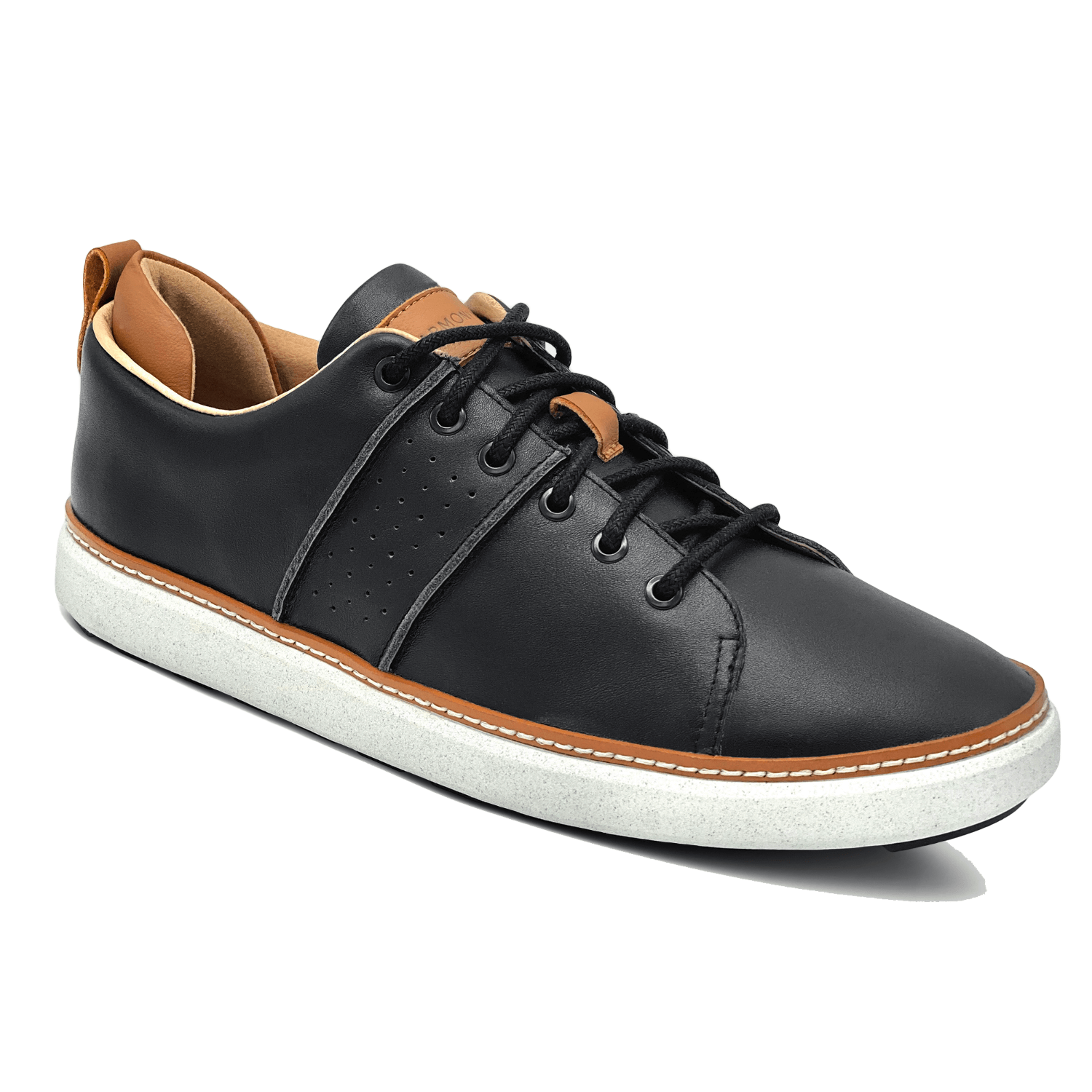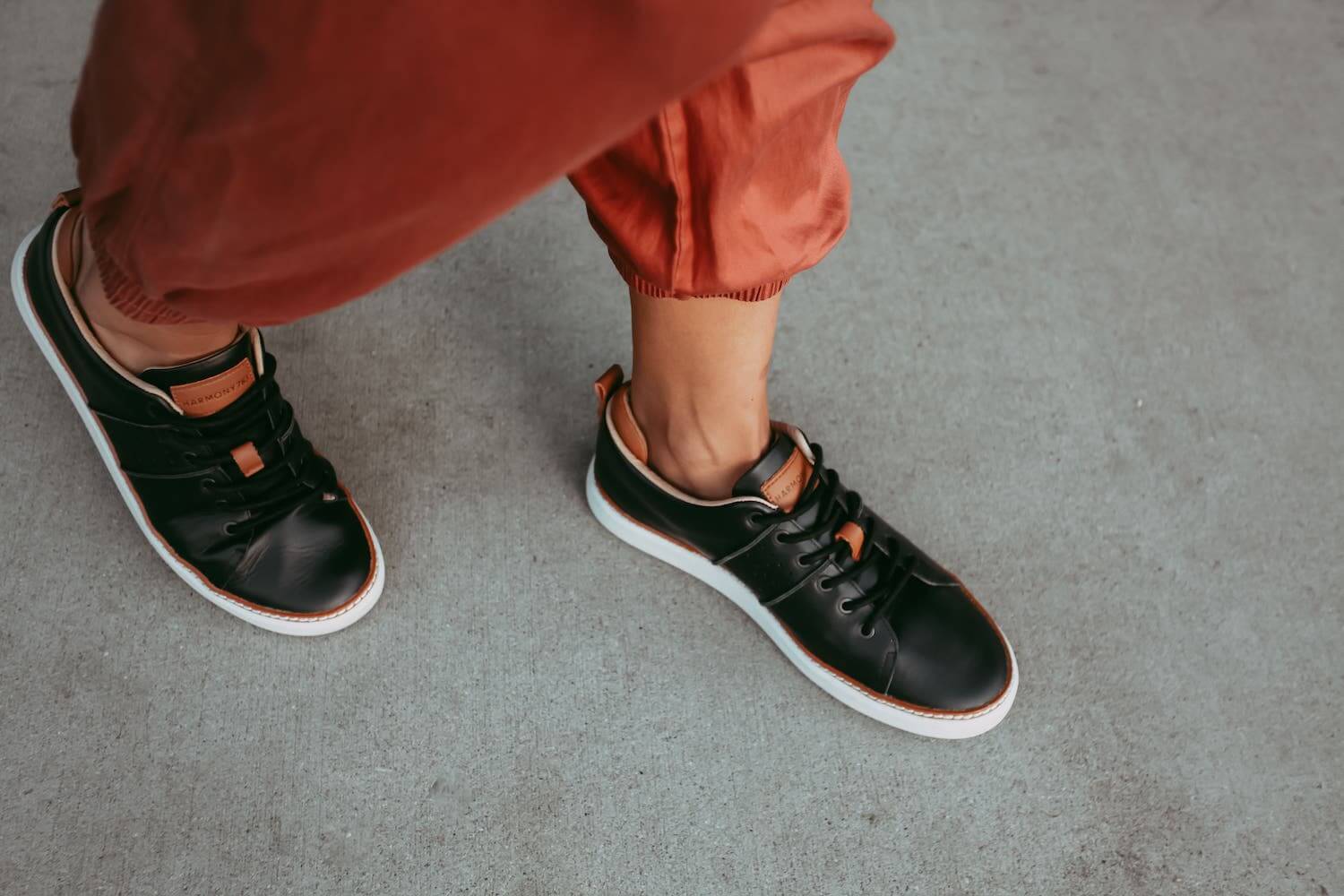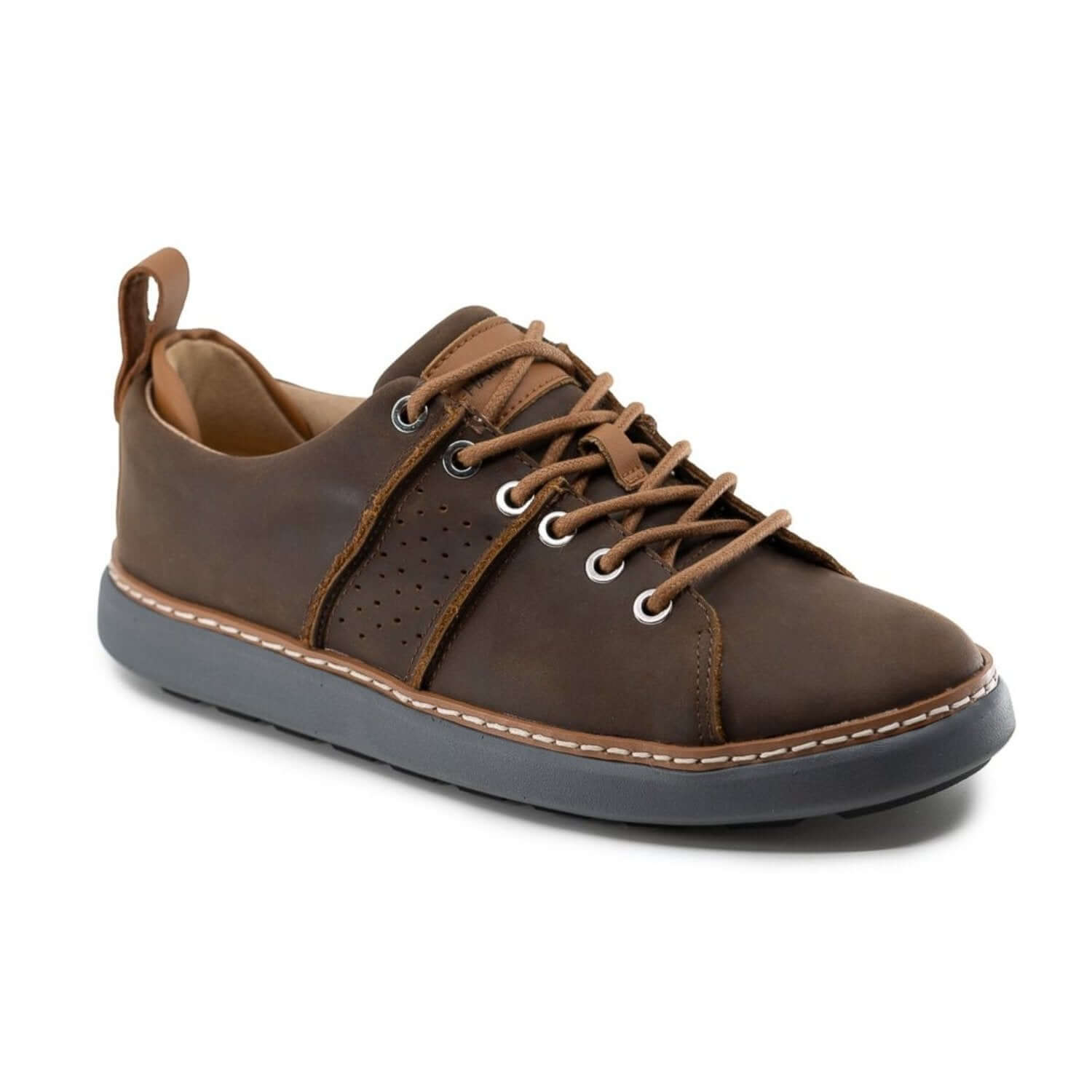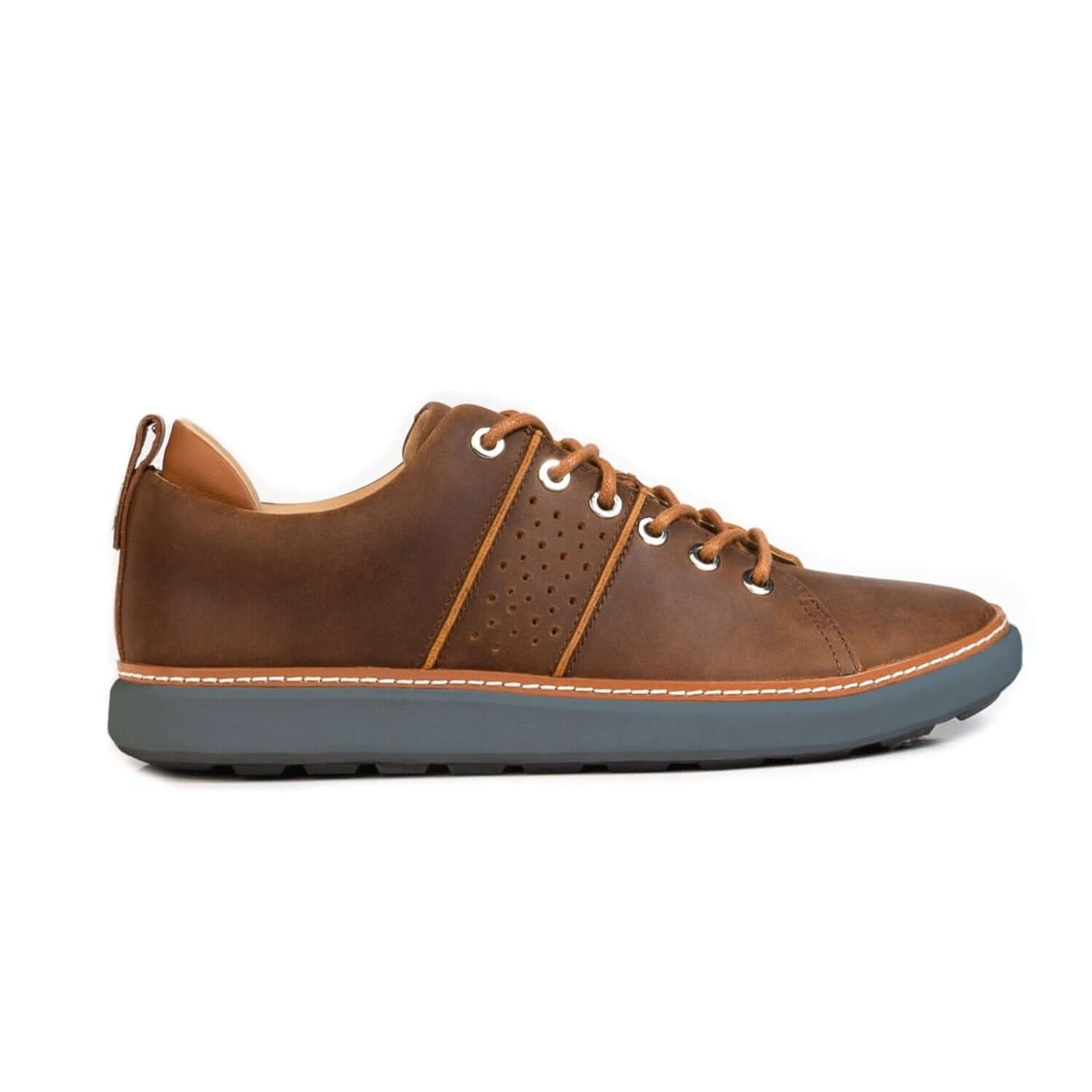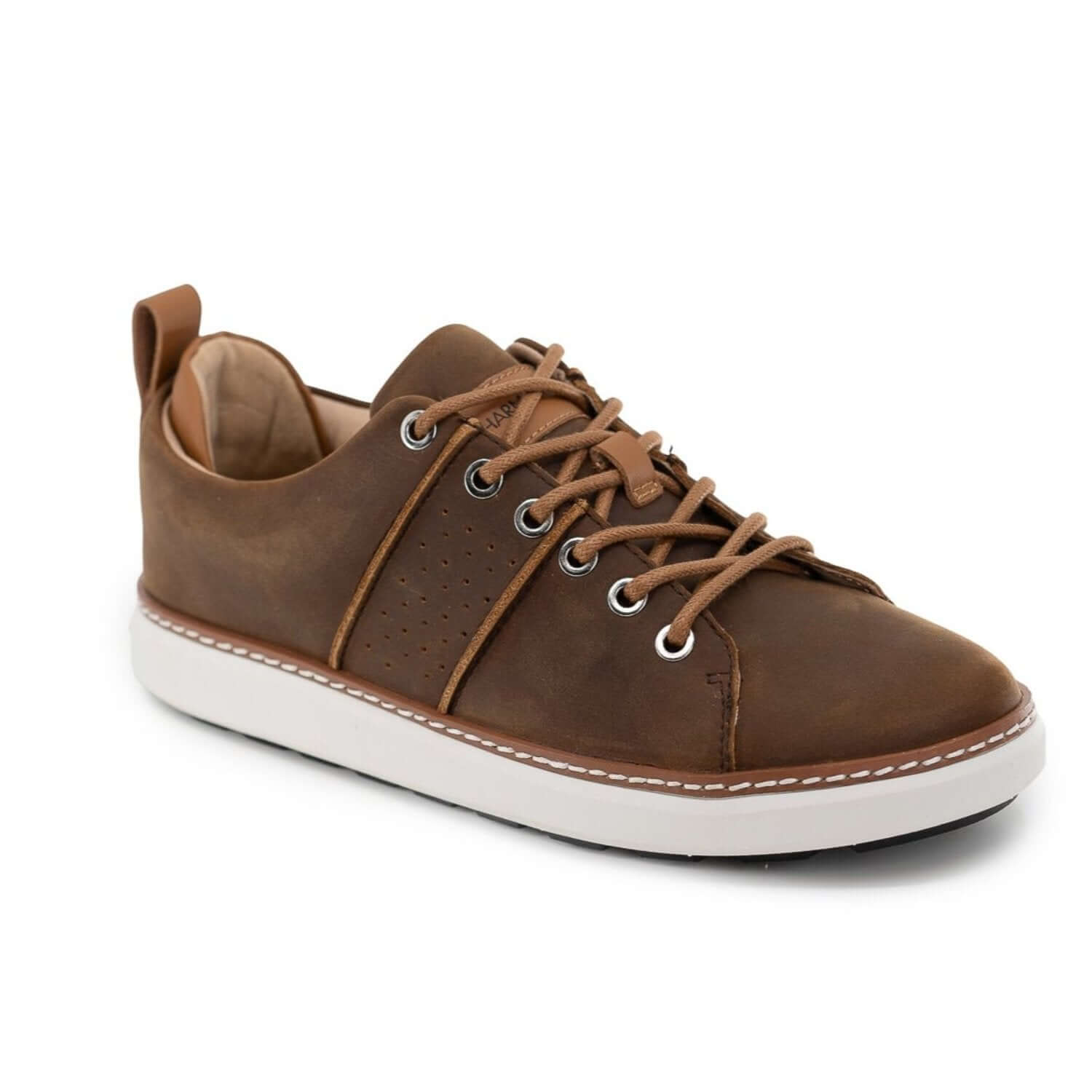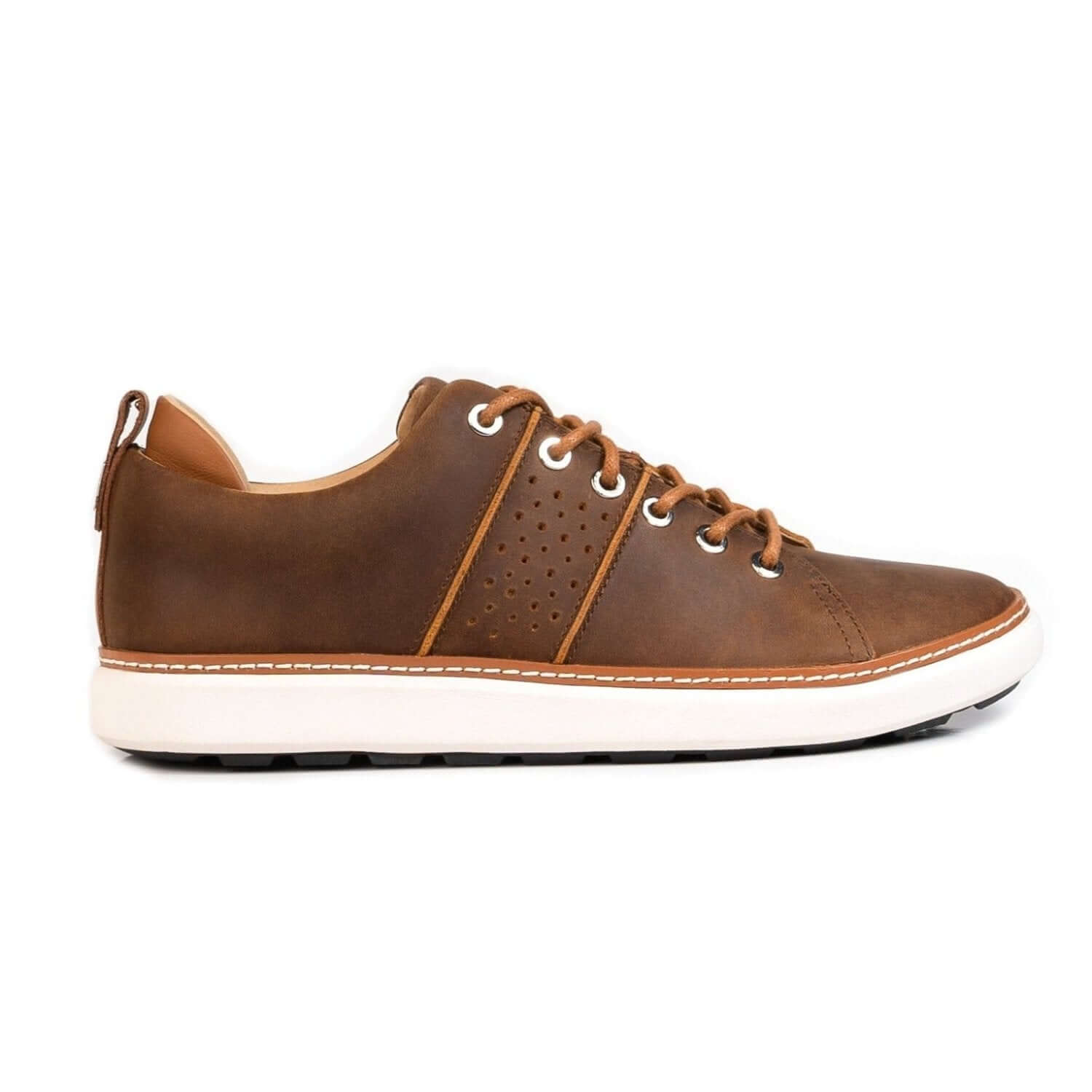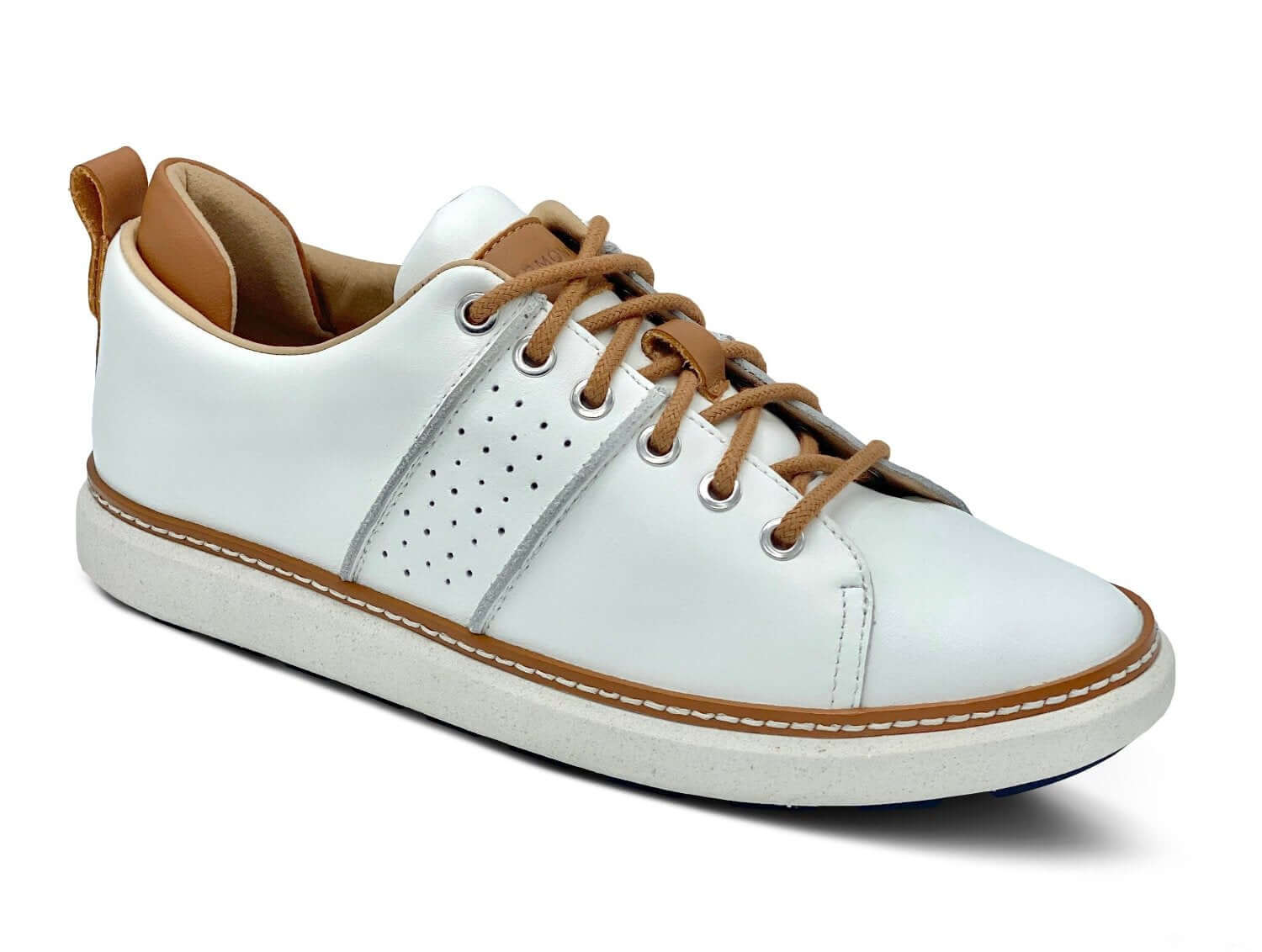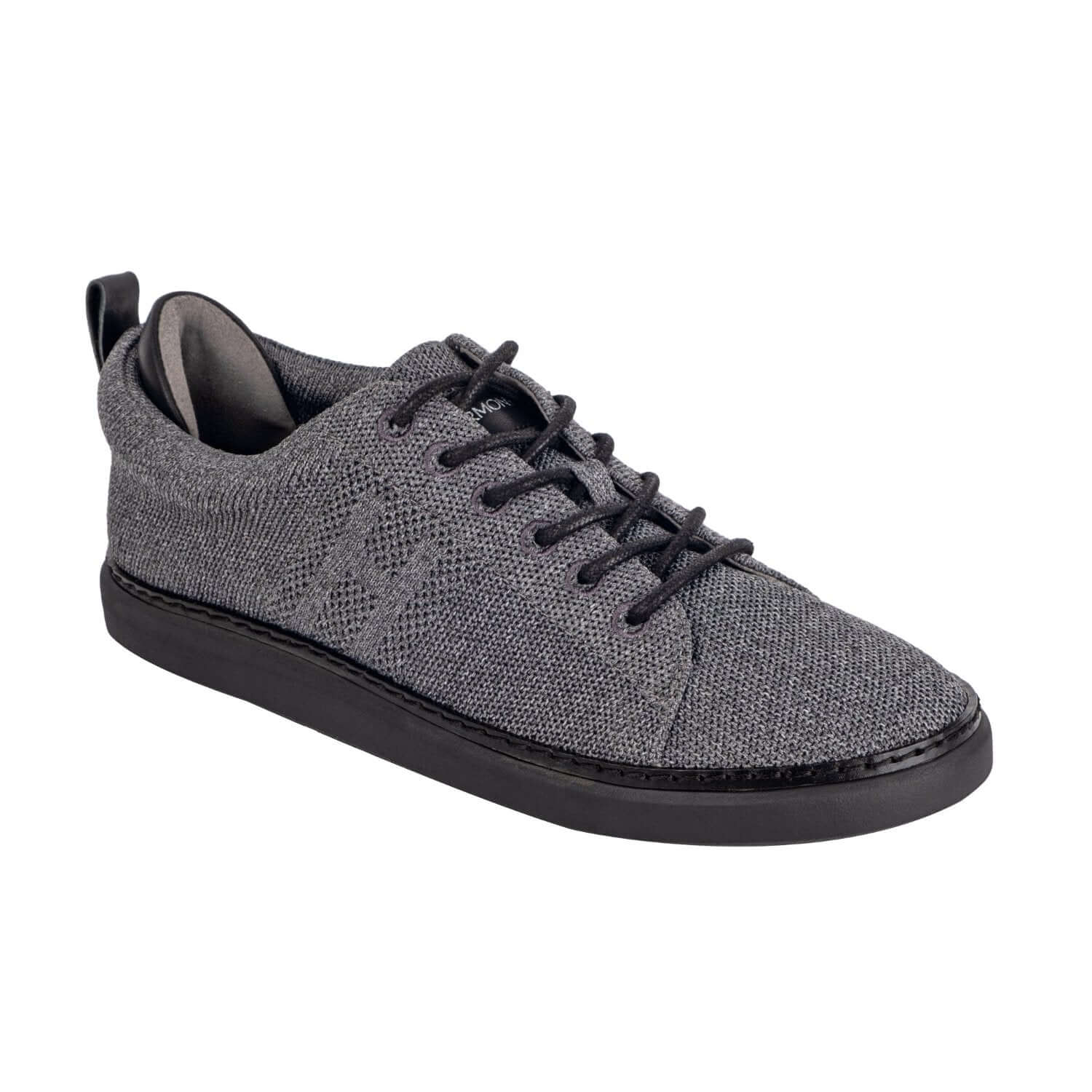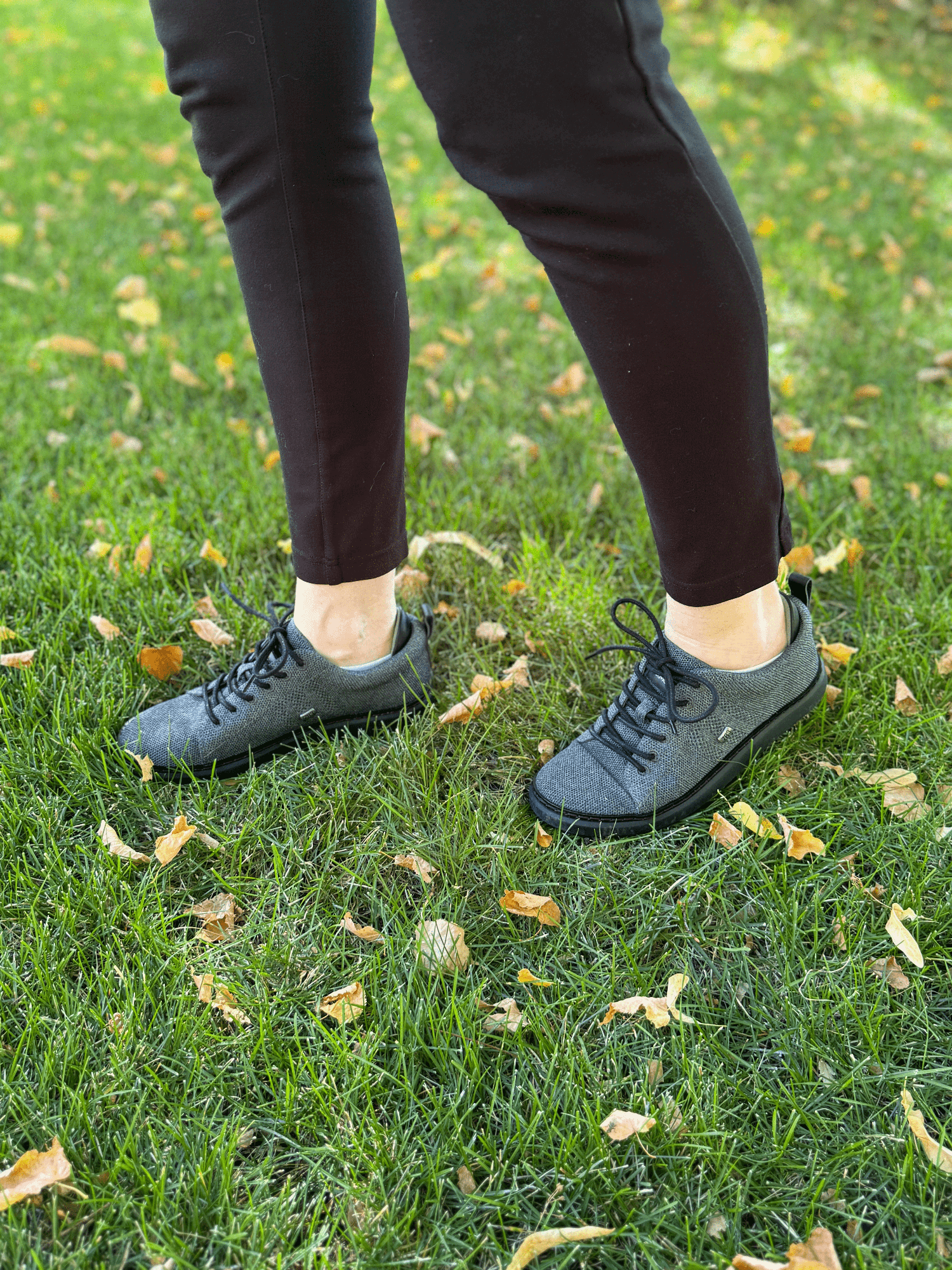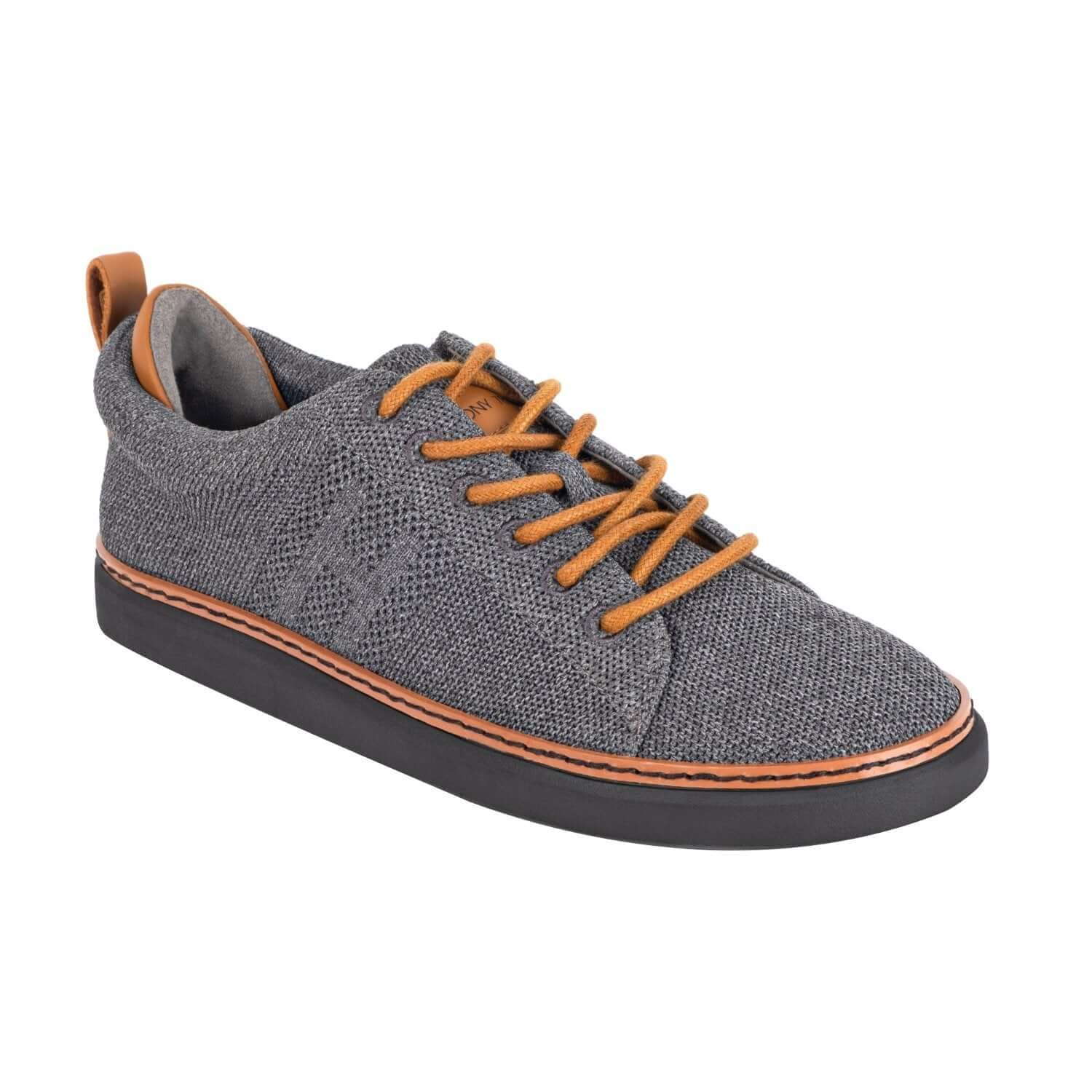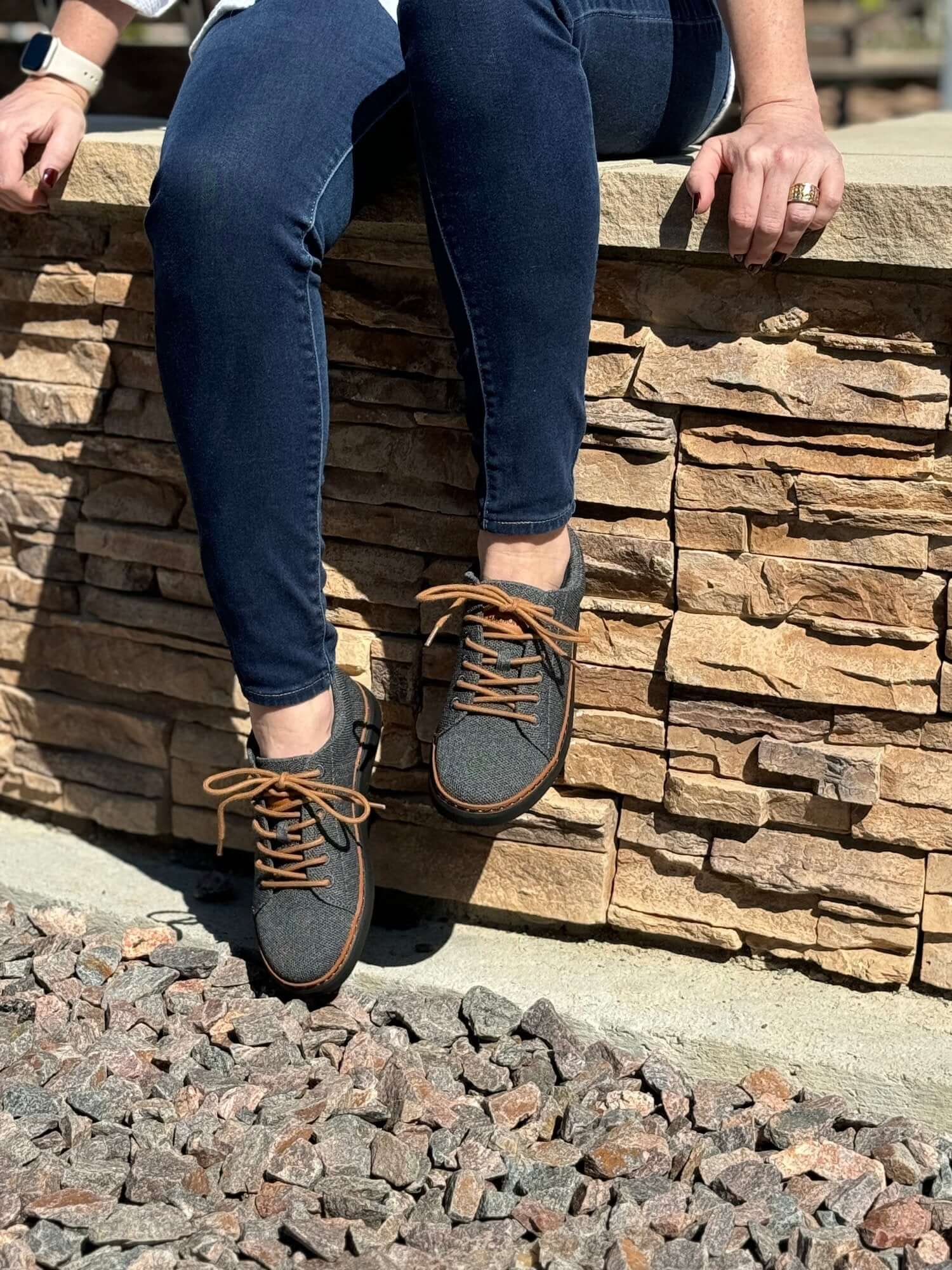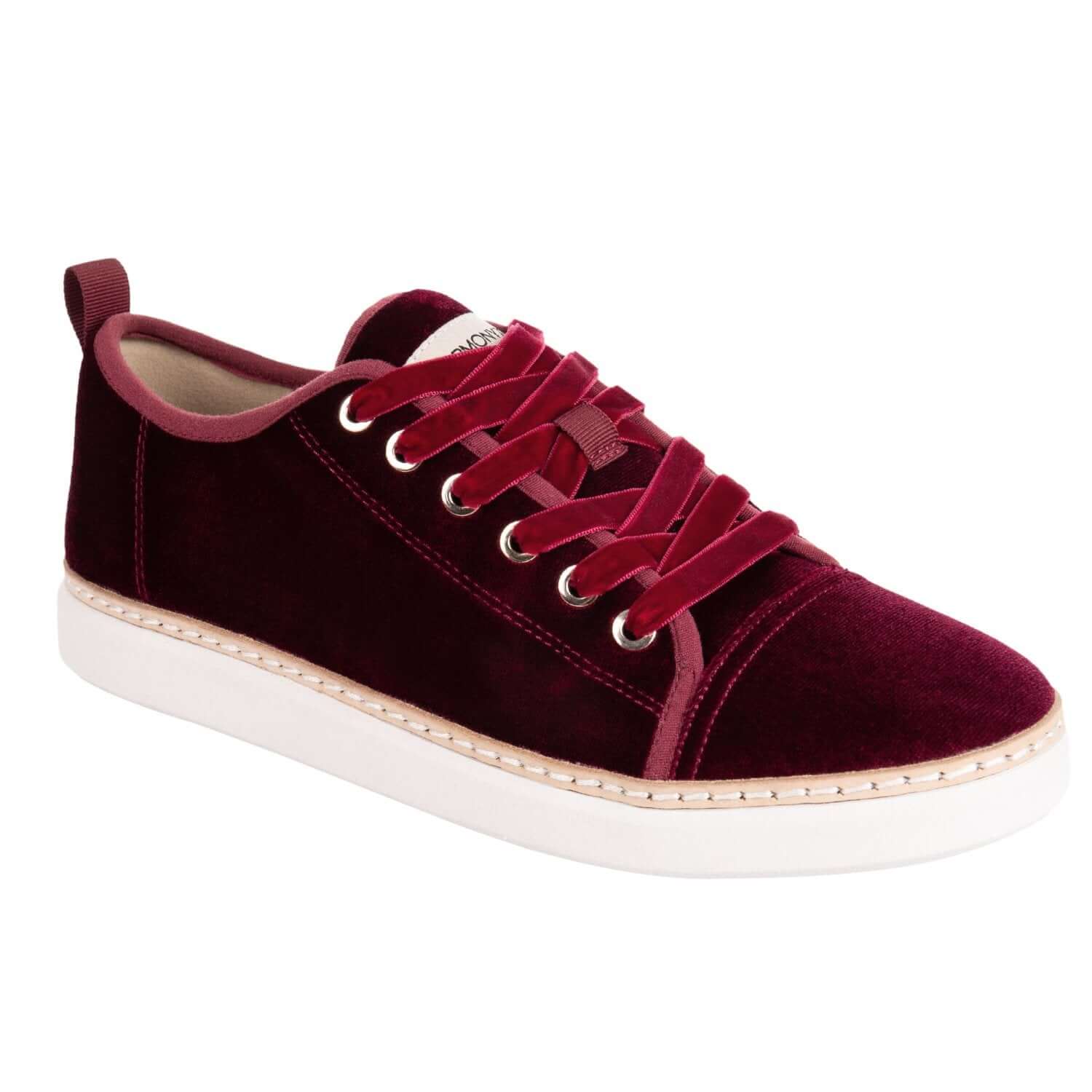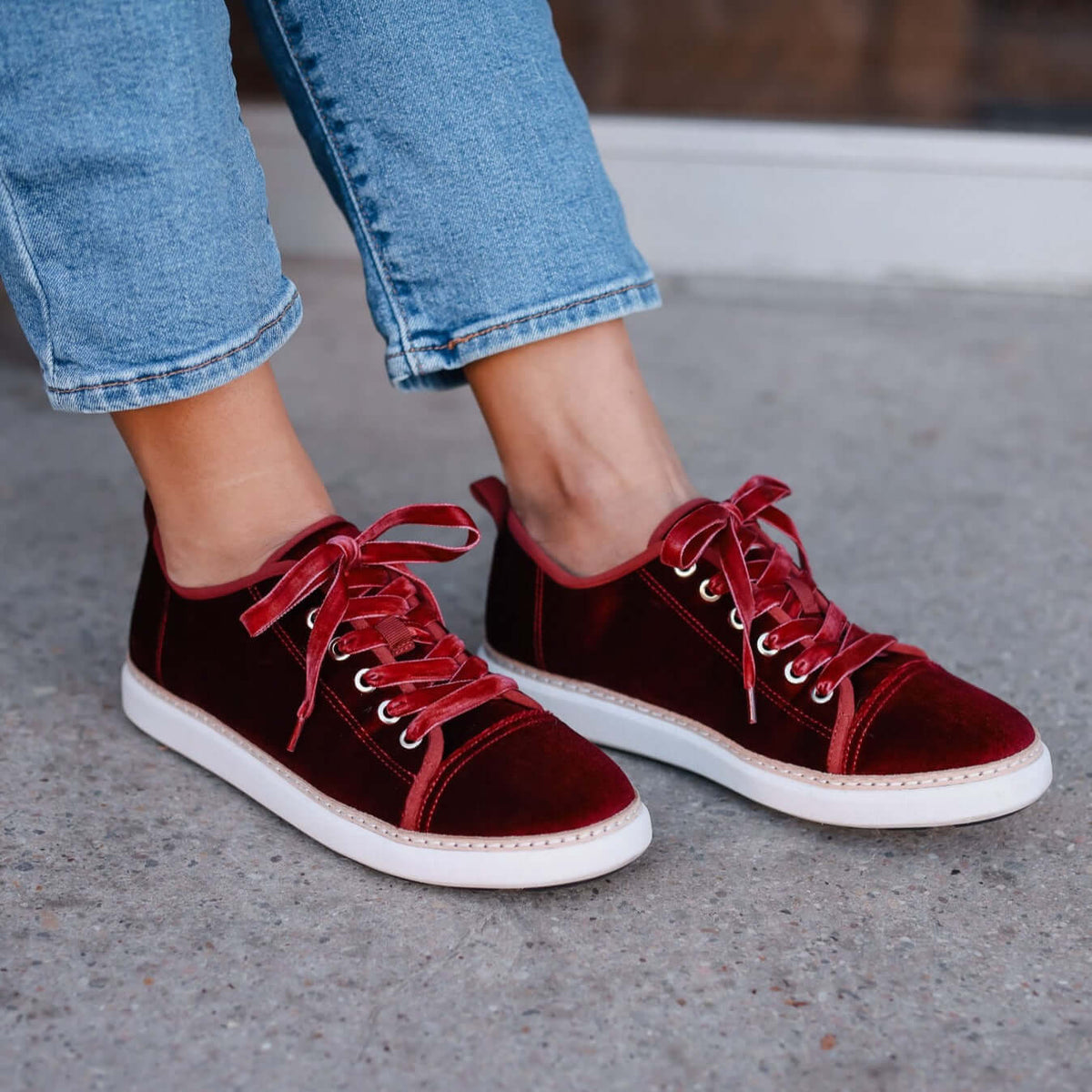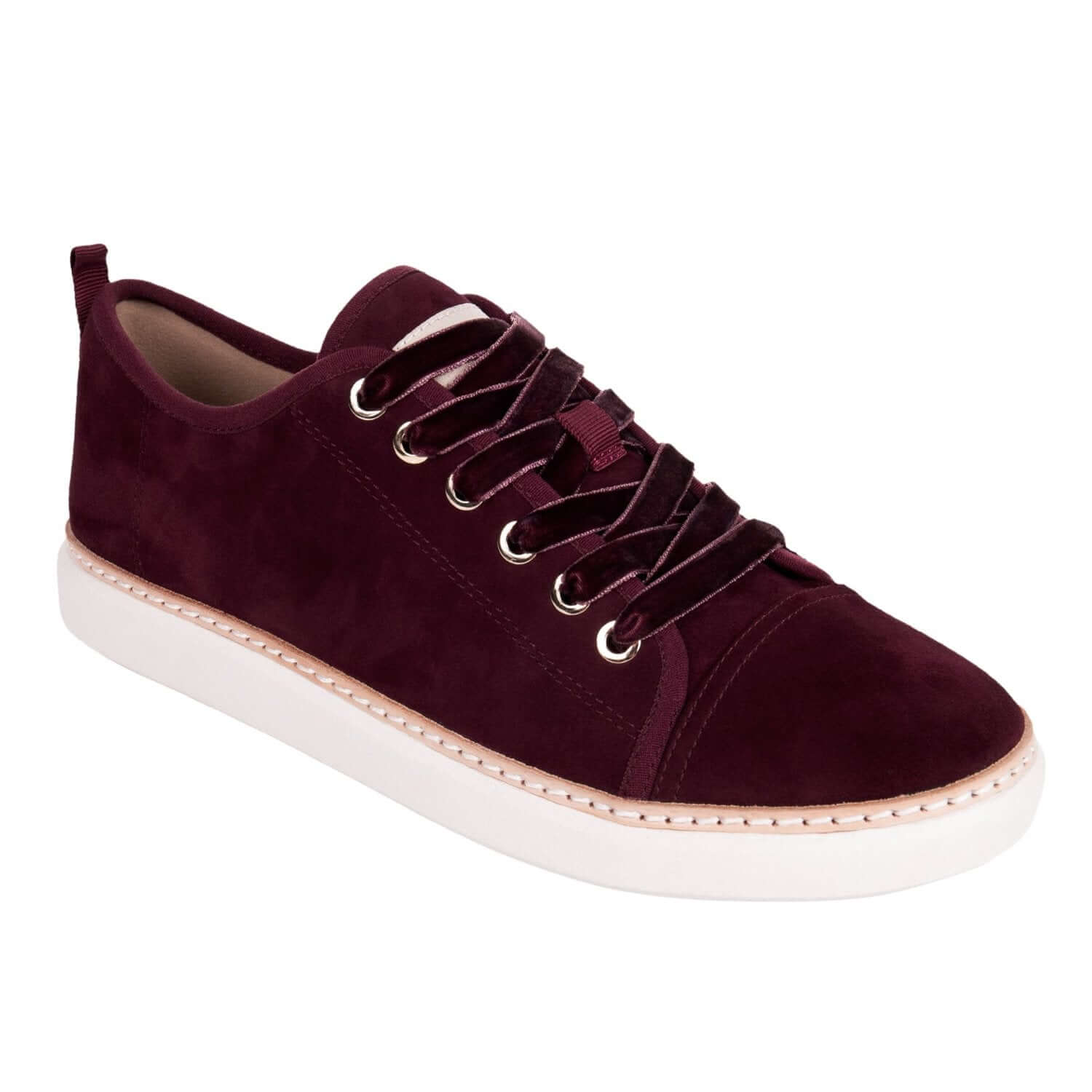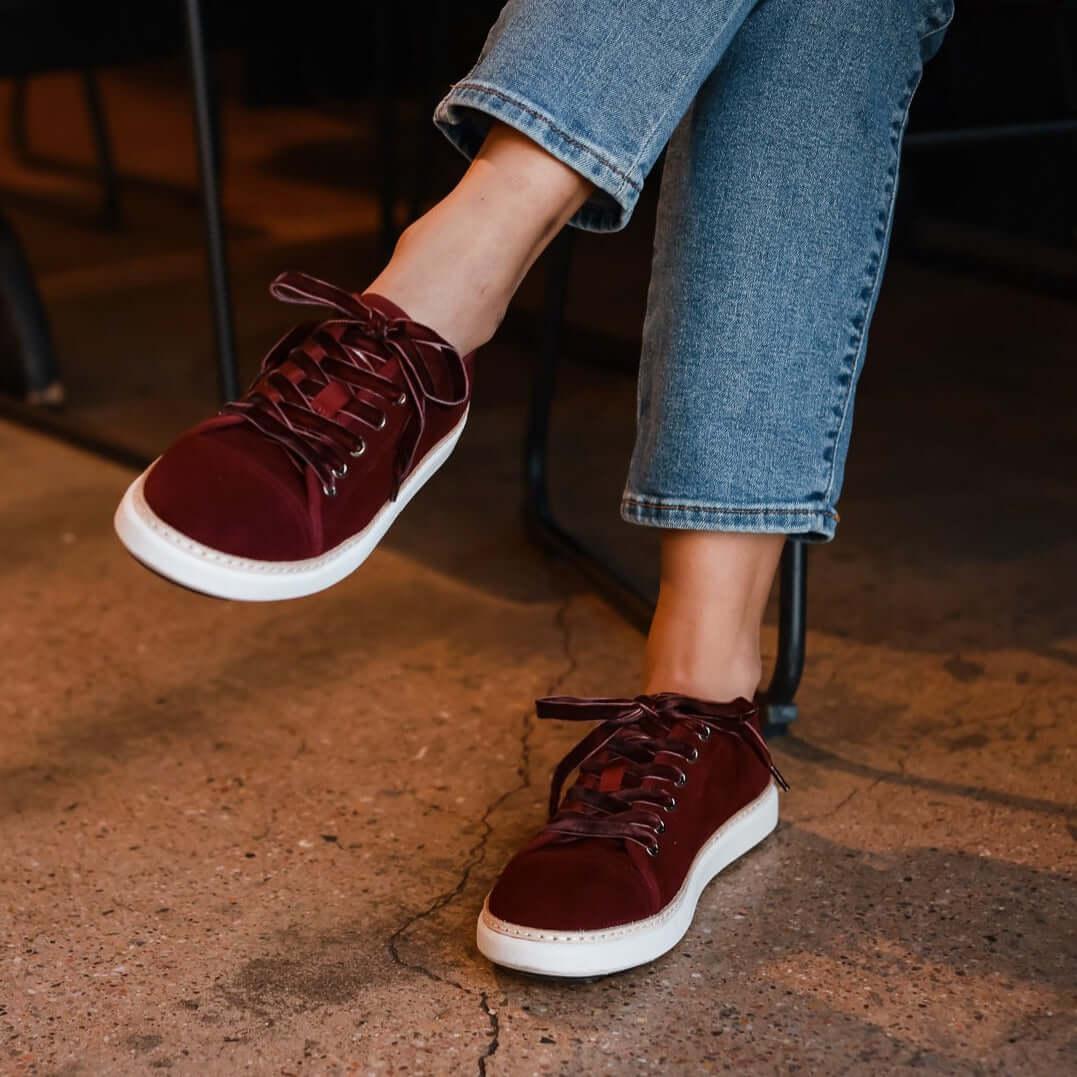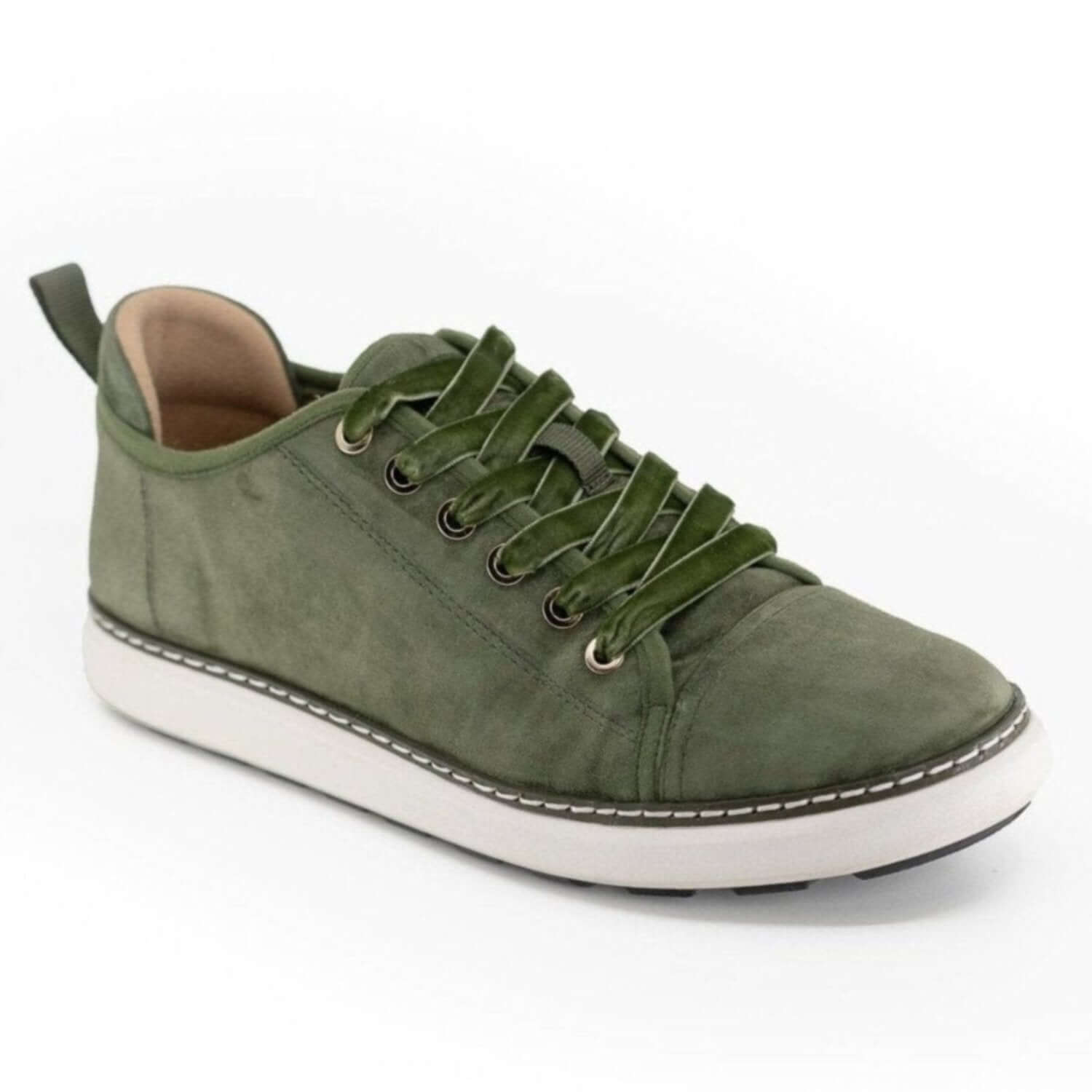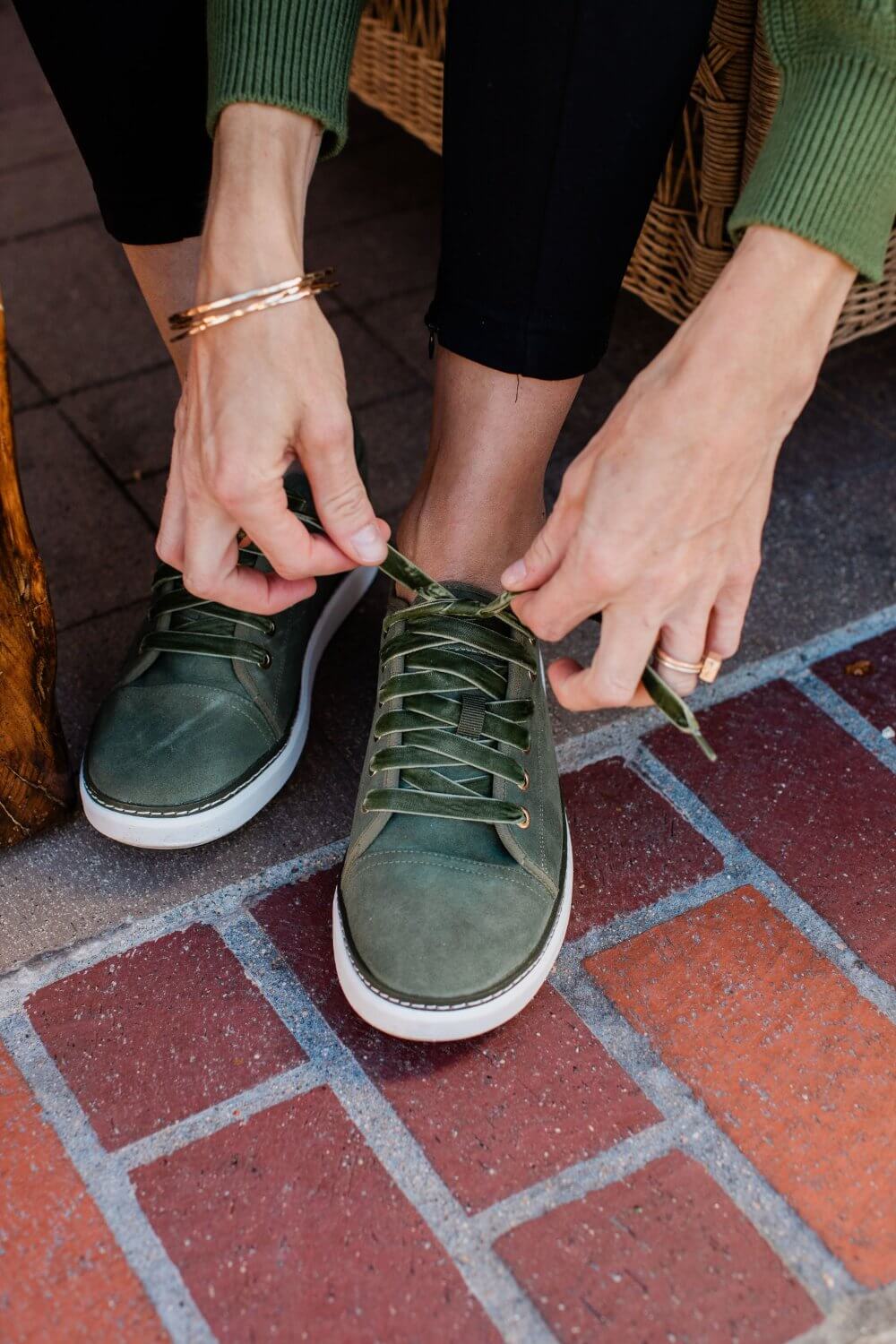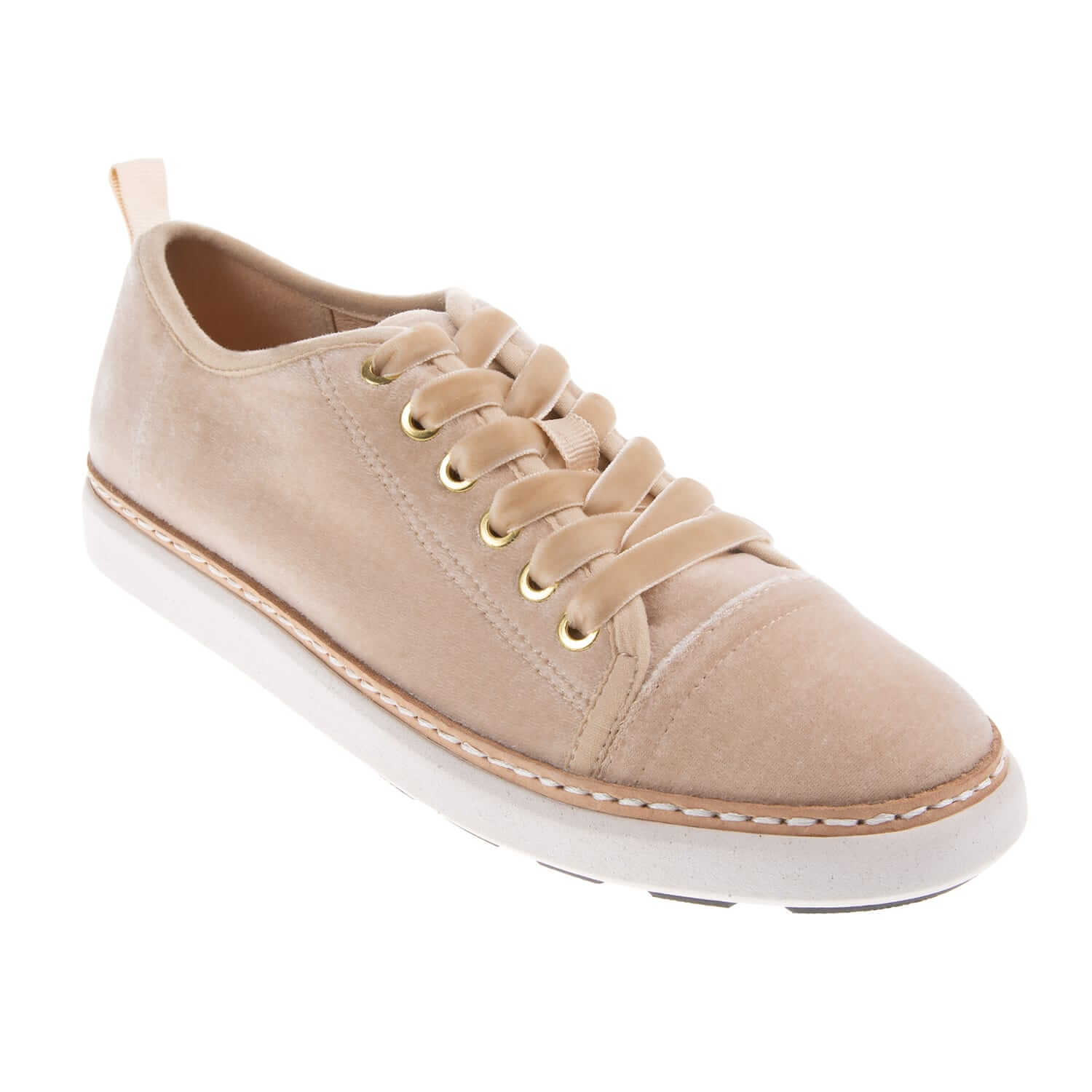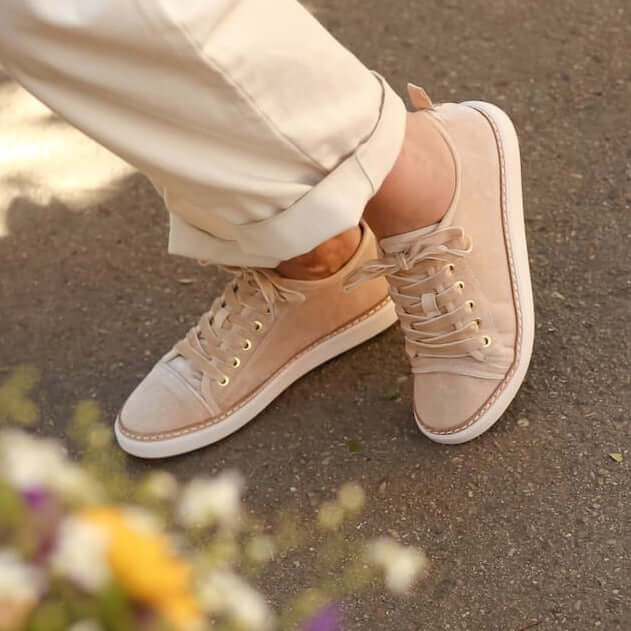

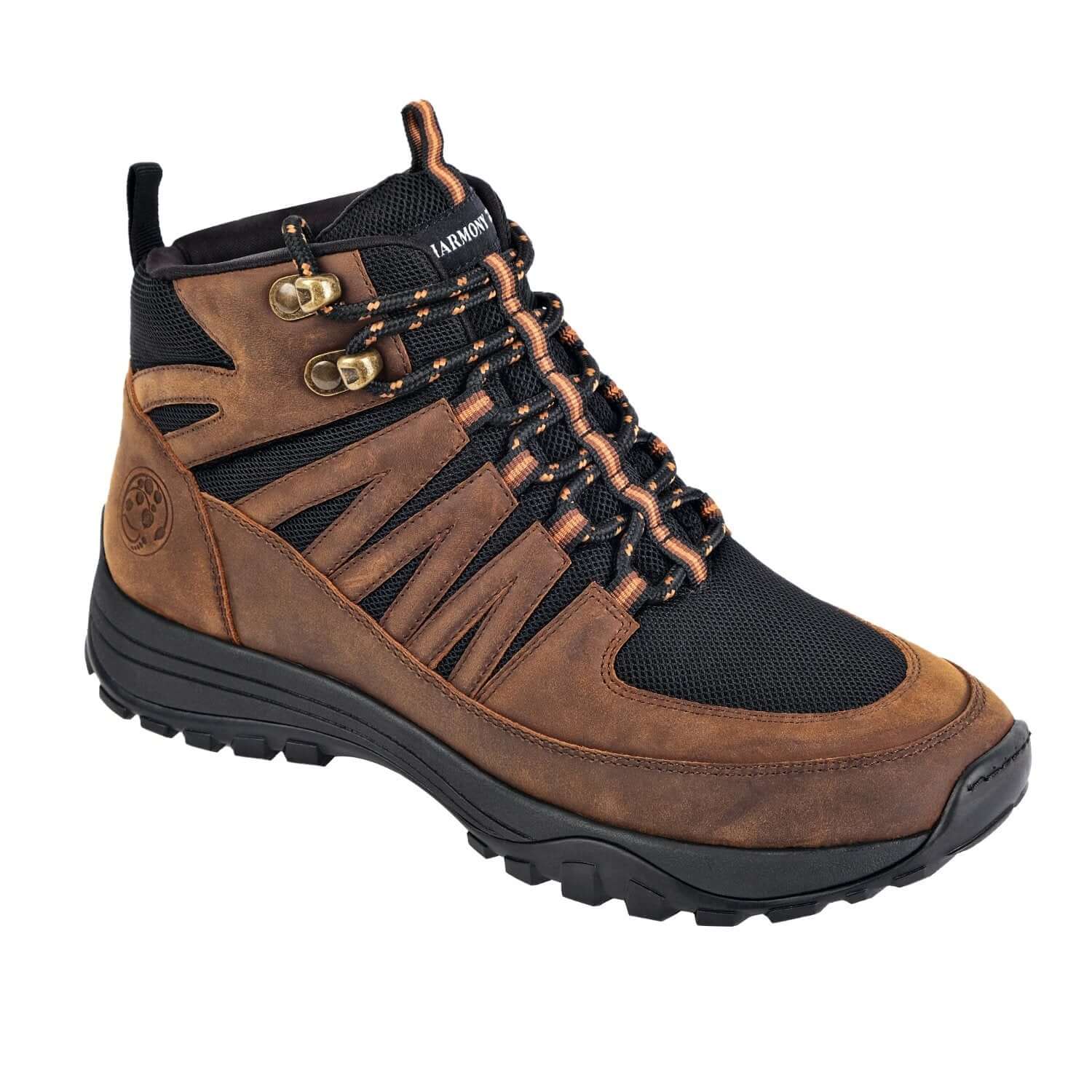
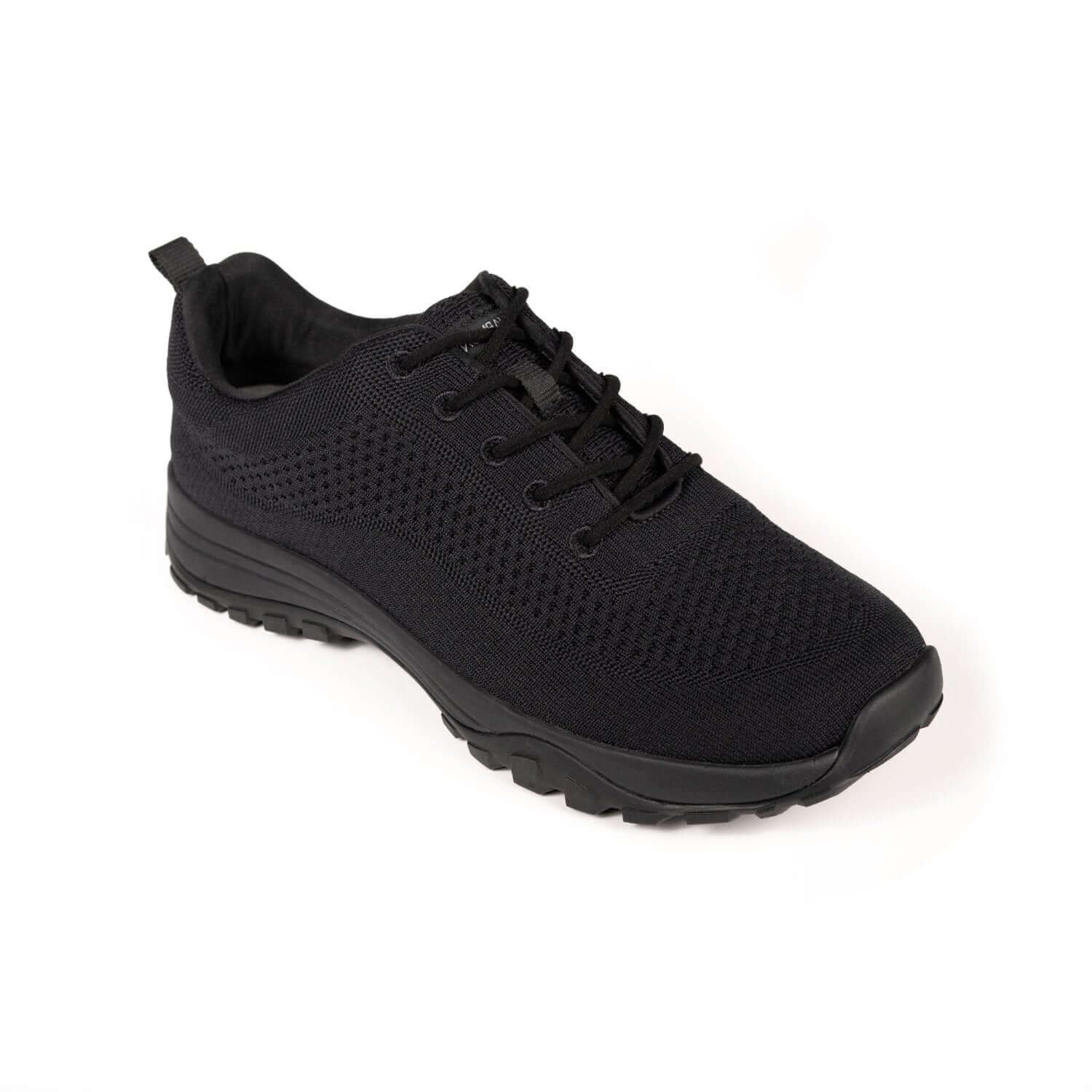
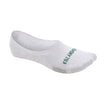
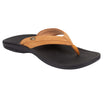
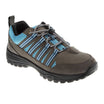
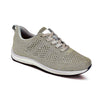
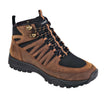
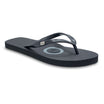
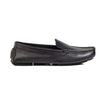
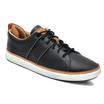

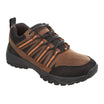
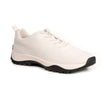

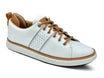
Grounding shoes for walking combine everyday walking comfort with a conductive path between your foot and the earth. Look for a verified conductive design, a secure fit, suitable cushioning, reliable grip, and an outsole matched to your usual route. Grounding research is still developing, so choose footwear for comfort and function rather than as a treatment.
Browse Harmony 783 grounding walking shoes to compare styles.
Unlike standard sneakers with insulating soles, grounding footwear uses conductive materials such as silver or carbon. These materials are intended to maintain contact with conductive natural surfaces. Learn more about what grounding is and how it works before comparing features and fit.
What makes grounding shoes suitable for walking?
Grounding shoes for walking should pair a tested conductive pathway with the comfort, fit, flexibility, and traction needed for your route. Harmony 783 designs grounding footwear for everyday movement, but the right model still depends on your feet, walking distance, and usual surfaces.
Reliable conductive technology
Grounding shoes for walking must have a clear path for electrons to move from the earth to your body. Most standard shoes use thick rubber or vinyl soles which act as blocks to shield you. To fix this, conductive components in grounding footwear are built into the sole to keep you linked to the earth while you move.
Good walking shoes use a multi-layer system to keep this link strong. This often includes silver-stitched footbeds and special carbon-filled outsoles that work together to create a bridge. This process is known as earthing, which involves direct contact with the ground to help electrons move into the body. This link is the most vital part of any grounding shoe.
Walking comfort and support
Many people think they must wear thin, flat shoes to get grounded. While barefoot walking works, it does not always provide the support needed for long trips. High-quality grounding walking shoes offer the same cushioning as regular sneakers to protect your joints on hard paths. This padding makes it easier to stay active for longer periods.
Comfort is key when you walk for miles. A well-made shoe will have a soft midsole that absorbs shock and fits your foot well to prevent blisters. Grounding shoes can also help with how your body feels after a long day of exercise. Research shows that grounding may help markers related to muscle healing so you feel less sore after a walk.
Natural movement and grip
A good walking shoe needs to be flexible so your foot can roll naturally from heel to toe. Stiff soles can change how you walk and lead to pain. Grounding footwear uses thin yet strong layers that move with your foot. This allows for natural movement while you stay grounded and keep your balance on uneven trails.
Good grip is also important for safety. You need a sole that holds the ground, even when it is wet or sandy. The best walking shoes use carbon-filled rubber outsoles to keep the electrical link open. You can find more tips on picking the right pair in our Essential Guide to grounding shoes.
Surfaces and grounding results
Not all surfaces allow for a grounded link. To get the best results, you should walk on natural ground like grass, dirt, sand, or gravel. These surfaces are full of free electrons from the earth. But walking on asphalt or wood will not ground you because these parts block the flow of energy.
Moisture can also play a role in how well your shoes work. Damp ground is often more conductive than dry soil. Some parts, like leather, get more conductive when they absorb a little bit of moisture. This helps the earth's energy reach your feet as you spend time grounded each day to support your wellness.
A practical feature checklist for grounding shoes
Finding the right grounding shoes for walking takes more than just looking at style. You need to know how the shoe connects you to the earth. Most common shoes use thick rubber or plastic soles. These parts block the flow of electrons between your body and the ground. To stay grounded, you need shoes with conductive components in grounding footwear. This build helps your body tap into the natural electrical charge of the earth.
Key build features
The most vital part of any grounding shoe is how it handles power. True earthing involves a direct contact with the earth surface to let electrons move freely. You should look for a 5-layer system that uses silver or carbon. These parts must go from the footbed all the way to the bottom of the sole. Without this path, you are just wearing a plain shoe. Good shoes will have silver stitches or carbon plugs to keep the link strong while you move.
Also, think about the parts in the sole. While some use leather, others use special rubber blends. Leather can work well but often needs a bit of moisture to start working. Most walkers prefer a mix of carbon and rubber for better grip and long life. This blend keeps you safe on wet paths while still letting you stay grounded. Check that the brand tests each pair to make sure the link is solid before you buy them.
| Feature | What it does | Questions to ask |
|---|---|---|
| Conductivity | Links your foot to the earth. | Does it use silver or carbon layers? |
| Toe room | Lets your toes spread out. | Is the toe box wide enough for my foot? |
| Heel hold | Keeps your foot from sliding. | Does the back of the shoe feel snug? |
| Cushioning | Absorbs shock on hard paths. | Will this stay soft for a long walk? |
| Outsole grip | Prevents slips on wet grass. | Is the tread deep enough for trails? |
| Breathability | Allows heat and air to move. | Will my feet stay cool in the sun? |
| Care | Maintains the conductive path. | Can I clean these without harm? |
Comfort and support needs
Walking for miles needs a shoe that fits your foot shape. A wide toe box is a must for any healthy walking shoe. It lets your toes spread out and move as you step. This helps with balance and keeps your feet from feeling cramped. If a shoe is too tight, it can cause pain or sores over time. To get the best from your walks, learn practical ways to ground yourself as you move.
Heel support is just as key for your gait. The back of the shoe should hold your heel in place without rubbing. This prevents blisters and keeps your foot stable on rough ground. Look for shoes that offer a snug fit at the heel but still have a soft rim. Good padding around the ankle can have a big impact on long walks through the park or on a trail.
Care for lasting wear
To keep your shoes working well, you must take care of them. Dirt and mud can block the conductive parts on the bottom. You should wipe the soles with a damp cloth after a walk in the woods. Do not use harsh soaps or oils. These can coat the surface and break the link. Most grounding shoes need gentle care to stay in top shape for years. Always check the brand's guide on how to wash and dry your exact pair.
How do grounding shoes work while you walk?
Grounding shoes work by creating a conductive path from the footbed through the outsole to a conductive surface. Harmony 783 grounding shoes use conductive components so this connection can continue while you walk on suitable surfaces, unlike standard insulating soles.
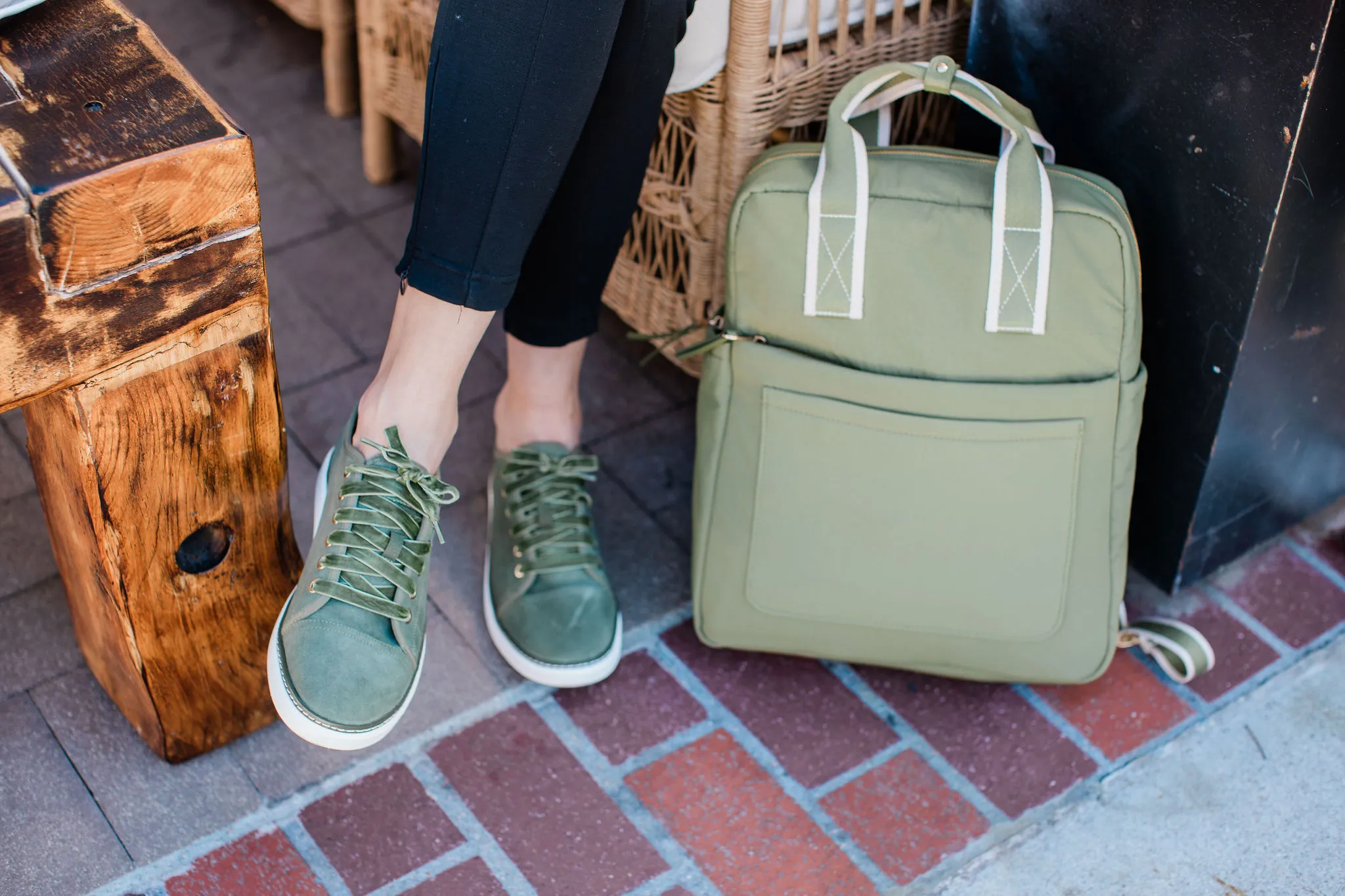
Most walking shoes use rubber or foam soles to guard your feet. While these parts give you a soft step, they also stop the flow of power. Grounding shoes for walking are built with a new goal. They use plain tools to make a clear path between your body and the soil. This link lets you stay in touch even when you are not barefoot.
The main task of these shoes is to keep you in sync with the earth. When you walk, your body needs a way to reach the ground's own charge. Standard shoes act like a shield, but grounding shoes act like a bridge. This bridge allows for a smooth move of power from the soil up to your feet.
The path of conductive parts
For a shoe to work, it must let power flow through it. Harmony 783 uses a five-layer setup called Groundworks to make this happen. This tech uses silver thread and a special sole. These conductive components in grounding footwear make sure your feet stay in touch with the earth's power. When your foot hits the dirt, the silver and carbon parts act like a thin wire.
The goal is to keep a steady link. Tests show that grounding involves direct contact with the earth to help small parts move to the body. Normal shoes fail here because they act as a wall. Grounding shoes for walking remove that wall without losing the soft feel you need. They give you the aid of a sneaker while keeping you linked to the world below.
Using silver is a smart choice for these shoes. Silver is one of the best tools for moving power. By sewing it into the footbed, the shoe stays linked to your skin. This means the path stays open with every step you take. You do not have to think about it; the shoe does the work for you as you move.
Why standard soles block the link
Think about a common pair of sneakers. They often have thick soles made of plastic or heavy rubber. These materials are blockers, which means they stop power from passing through. While they keep your feet dry and safe, they also part you from the earth. This split can lead to a loss of the natural link we get when we go without shoes.
Grounding shoes for walking solve this by mixing carbon into the rubber sole. This makes the bottom of the shoe able to move power. It lets the earth's power pass through the shoe and reach your foot. You get the same guard from rocks and glass, but you do not lose the bond. It is a small change that makes a big shift in how your shoes work with the ground.
Most people do not know that their shoes act as a wall. By changing the sole, we can fix this gap. Grounding shoes let us have the best of both worlds. We get the safety of a shoe and the link of a bare foot.
Surface types and link strength
The ground you walk on also matters for your link. Natural spots like grass, dirt, and sand are great for grounding. They have enough dampness and salt to carry a charge. Even wet cement can work well for those who walk in the city. These spots help the grounding shoes for walking do their best work as you move.
If you like to walk on rougher paths, you may want grounded shoes for hiking. These are built to handle rocks and mud while keeping the link open. They give you the grip you need for a trail without losing the link to the earth below. This makes them a great pick for those who love the woods.
But some indoor floors will stop the link. Floors like wood, tile, and dry rug do not move power. Even if your shoes are built for grounding, they cannot connect if the floor is a block. To get the best results, try to spend time on paths made by the earth. This ensures your shoes can do their job and keep you in touch with the earth's own beat.
Compare Harmony 783 walkers built for daily routes, longer walks, and trails.
Match your shoes to your walking routine
Not all walks are the same. A quick trip to the shop is not like a long hike in the woods. To get the most from your day, you should pick the right grounding shoes for walking. The best pair will support your feet while keeping you linked to the earth. Matching your shoes to your plans helps you feel your best and stay linked.
Daily use and work shifts
Many people spend hours on their feet during a normal work shift. If you are standing on hard floors or running errands, you need a shoe that blends style with deep comfort. Harmony shoes use a five-layer system to give you a soft feel all day long. This system includes silver-stitched layers that let electrons flow from the ground to your body.
You do not have to give up your style to stay grounded. Old grounding shoes often look like a simple slipper or a thin barefoot shoe. But these pairs can lack the arch support you need for a long day of city walking. A soft shoe helps you stay active without the foot pain that comes from thin soles.
Travel is another time when the right shoes matter. Viewing a new city can mean walking ten miles or more in a single day. You need a shoe that looks good in photos but feels good on your feet. Choosing a pair with the Groundworks tech means you can stay grounded even when you are far from home. This helps you keep your force up during long days of sight-seeing.
Park paths and rough terrain
When you leave the pavement for a park path, your needs change. Real ground like grass and dirt is great for direct contact with the earth. But these paths can also be uneven or slick. You will need a shoe with a strong grip. A stable base helps you stay safe while you explore the outdoors.
For these walks, look for shoes with tough soles made of conductive rubber. A good pair of grounded shoes for hiking will protect your toes from rocks and roots. This lets you focus on the view while you soak up the earth's force beneath you. Good traction is the key to a safe and fun walk in nature.
The type of ground you walk on also matters for grounding. Grounding works best on earth surfaces like damp sand, soil, or concrete. It does not work on wood or carpet. When you are out for a walk, try to find a path that lets you connect with the earth. Aim for at least thirty minutes to get the full effect.
Longer walks and active healing
If you use your walks for a workout, you may want to walk for miles at a time. These long walks put more stress on your muscles and joints. Grounding may help with your healing after a tough workout. Some studies show that earthing the body can change markers of muscle damage and pain.
Picking a shoe with extra padding is vital for these long-distance trips. While elite athletes have used grounding in running shoes to look at output, daily walkers can also gain. The right amount of flex in the sole helps your foot move as it should while you walk. This can lead to less strain on your legs over time.
For more tips on starting your journey, check out our basic guide to grounding shoes. Whether you are walking for health or just for fun, the right shoes make a big difference. Stay grounded and keep moving toward your wellness goals every day.
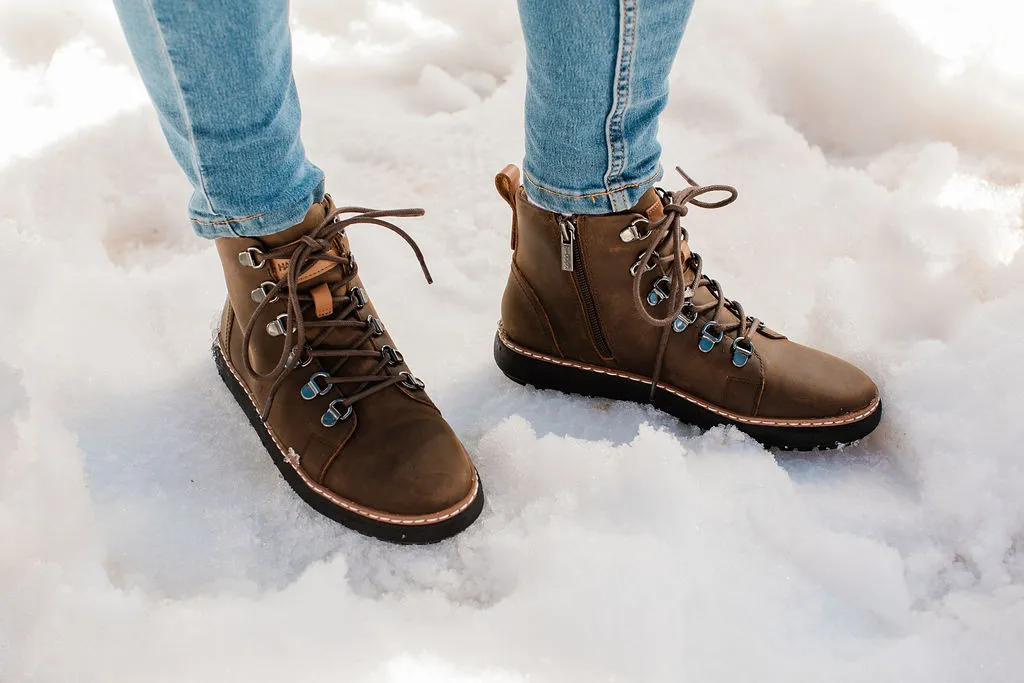
How to fit and transition into grounding walking shoes
The best fit holds your heel securely, leaves comfortable toe room, and feels stable without pressure points. Measure both feet, use the model-specific size guide, and ease into longer walks so you can assess comfort.
Getting the right fit is the first step toward a successful grounding journey. Because these shoes use special conductive materials to connect you to the earth, they may feel slightly different than standard athletic sneakers at first. Taking the time to select the correct size and break them in ensures you get both the comfort you need and the wellness benefits you want.
Finding your perfect size
Start by measuring your feet at the end of the day when they are at their largest. Use the brand size guide as your primary reference, as fit can vary between models. You should have about a half-inch of space between your longest toe and the front of the shoe. A secure heel hold is also vital to prevent rubbing as you walk on different surfaces.
The transition process
- Measure your feet and check the size guide to find your best fit.
- Try the shoes on with grounding socks to ensure you maintain a strong electrical connection.
- Walk around your house on a clean surface to check for any tight spots or heel slippage.
- Start with short, dry walks of 15 to 20 minutes to let the conductive components in grounding footwear adjust to your foot shape.
- Monitor your feet for any signs of rubbing or hot spots during these initial outings.
- Gradually increase your walking time each day as the materials soften and mold to your stride.
Why a slow start matters
Transitioning slowly allows your muscles and skin to adapt to the new footwear. While standard shoes use synthetic soles that block the earth's energy, grounding walking shoes allow for the transfer of electrons from the ground to your body. Research shows that this direct contact with the earth can help reduce inflammation and support the immune response. By following a steady break-in plan, you can enjoy these effects without the discomfort of a rushed transition.
What should you realistically expect from grounding shoes?
Expect grounding shoes to provide a conductive connection only when their pathway is intact and the ground surface is conductive. Harmony 783 grounding footwear should be evaluated first for fit, comfort, traction, and practical use. Research is developing, so avoid treating footwear as a cure.
When you look for grounding shoes for walking, it is vital to have clear goals. Research into grounding is still growing. While many people share good results, you should not treat these shoes as a way to cure health issues. Instead, think of them as a tool to help you stay in touch with the earth's natural surface while you go about your day.
Understand the science
The core idea of grounding is to get electrons from the ground into your body. Some small trials show that this link may help with muscle soreness after exercise. But large clinical tests are still needed. You can learn more about how these shoes work in this guide to grounding shoes. It is best to view these shoes as a support for your general wellness rather than a medical tool.
Check for proper fit
A grounding shoe must first be a good walking shoe. You should look for a pair that feels right from the start. Your toes need room to move, and your heel should not slip. If a shoe is not comfortable, you will not wear it enough to get any benefits. High-quality pairs use soft materials and offer the right amount of arch support for long walks on hard paths.
Look for true design
To stay grounded, a shoe must have a path for electrons to flow. Most normal shoes use thick rubber soles that block this flow. True grounding footwear uses special parts like silver stitching or carbon rubber to bridge the gap. You should check that the maker tests each pair for a solid link. This tech only works when you walk on grass, dirt, sand, or plain concrete. It will not work on wood, carpet, or asphalt.
How to care for grounding shoes after your walks
Proper care for your grounding walking shoes keeps them comfy and working well. Because these shoes use a special path to move electrons from the earth to your body, they need a bit more focus than standard sneakers. Keeping the outsoles and inner parts clean ensures you get the full benefits of grounding on every walk.
Keep the outsoles clean
The bottom of your shoe is where the connection starts. Dirt, mud, or thick grime can act as a shield between the conductive outsole and the ground. After a walk, use a soft brush or a damp cloth to wipe away any debris. This simple habit keeps the conductive carbon or rubber layers in direct contact with the earth. Do not use harsh soaps or chemicals that might harm the special parts in the sole.
Care for conductive parts
Harmony 783 shoes use conductive components in grounding footwear like silver-stitched footbeds. To protect these, do not soak the shoes in water unless the care guide for your specific model says it is okay. If the shoes get wet from rain, let them air dry slowly at room temperature. High heat from a dryer can damage the silver threads and the glue that holds the layers together. Keeping the inside dry also keeps the silver fabric loop in good shape over time.
Inspect for wear and tear
Check your shoes every few months to see how they are holding up. Look for smooth spots on the tread or loose stitching in the footbed. While normal wear is fine, very thin soles may not give the same comfort or support for long walks. Regular checks help you know when it is time for a new pair to keep your feet happy and grounded. Good care makes your shoes last longer and helps you maintain your electromagnetic hygiene while outdoors.
Frequently Asked Questions
Do grounding shoes actually work for walking?
Research shows that these shoes help the body reach the earth's real charge. When you walk, they make a bridge for small parts called electrons to move into your skin. Based on a pilot study, this link may help your muscles heal faster after a long walk. This can lead to less pain and better sleep for many people. While they are not a cure, they do offer a real way to stay grounded.
Are grounding shoes good for long-distance walking?
Yes, grounding shoes work well for long walks. Modern pairs use soft layers to protect your joints from hard roads. They offer the same aid as top sneakers but with a special sole. This design keeps you linked to the earth without making your feet sore. Since studies suggest they help with muscle healing, you might feel less tired the next day. This makes them a great choice for active people.
How do grounding shoes differ from barefoot walking shoes?
Barefoot shoes have very thin soles so you can feel the ground. Grounding shoes can have thin or thick soles. The main change is the path for power. A barefoot shoe with a rubber sole will block you from the earth. A grounding shoe uses tools like silver or carbon to let power flow. Research shows that direct contact is needed to get grounded. These shoes give you that link even with thick soles.
Can I wear grounding shoes on all terrains?
You can wear these shoes on many grounds, but you only get grounded on real earth. Grass, dirt, sand, and gravel are all good choices for a walk. These spots allow for the best flow of power from the earth. If you walk on wood or asphalt, the link will stop. You can still use them on a city path, but the grounding gains will not be there. For the best results, stick to the park or beach.
Ready to find your perfect pair of grounding shoes?
Walking on hard paths each day can keep you from the real ground you need for health. Each walk in normal shoes is a missed chance to link with the earth and feel its support. Pick the right pair now and get these gains with your next step instead of waiting.
Browse Harmony 783 grounding walking shoes and find a pair matched to your routine.
Harmony 783 tests its grounding shoes for a conductive connection to the earth. You can also browse women's styles or contact Harmony 783 for help choosing a pair.