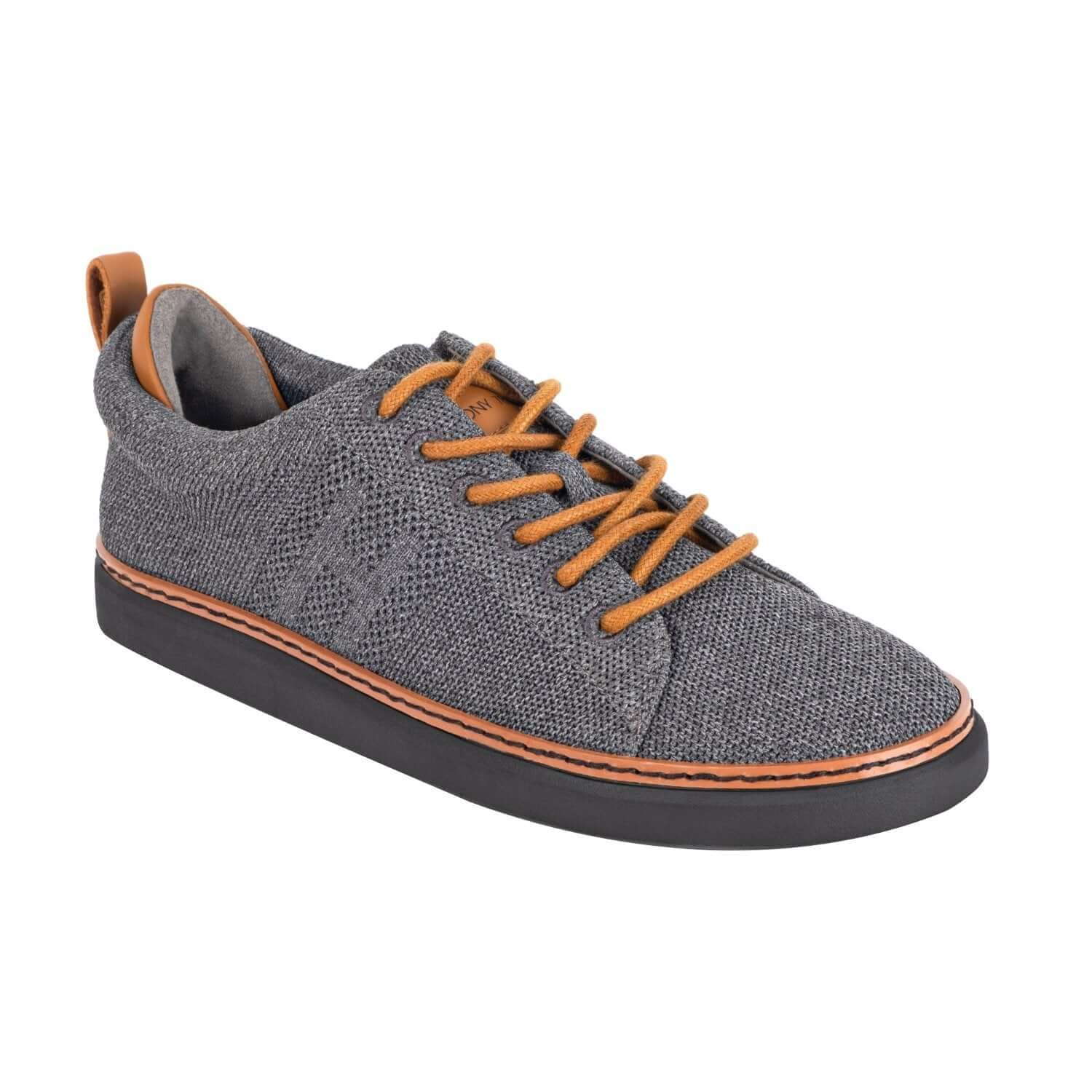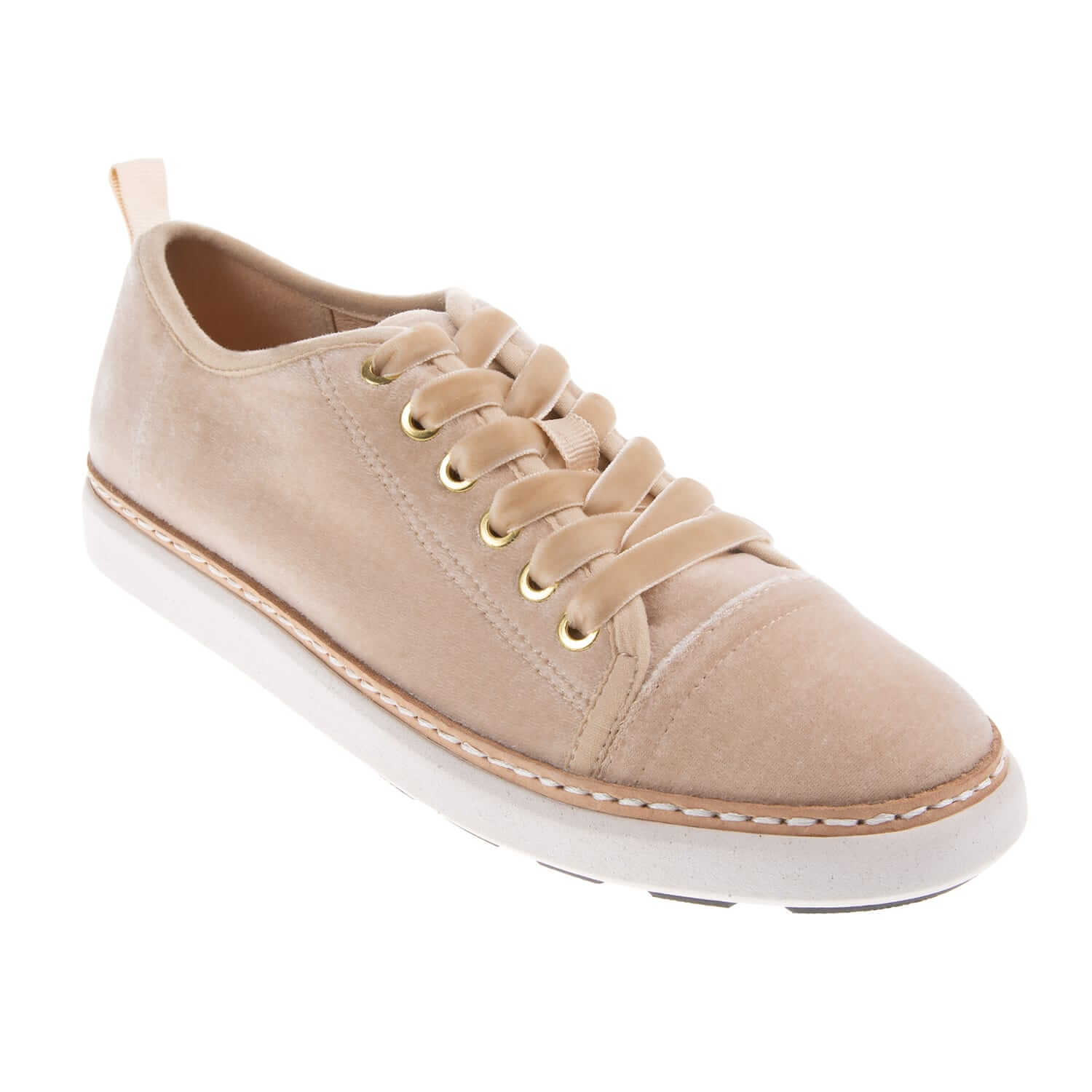

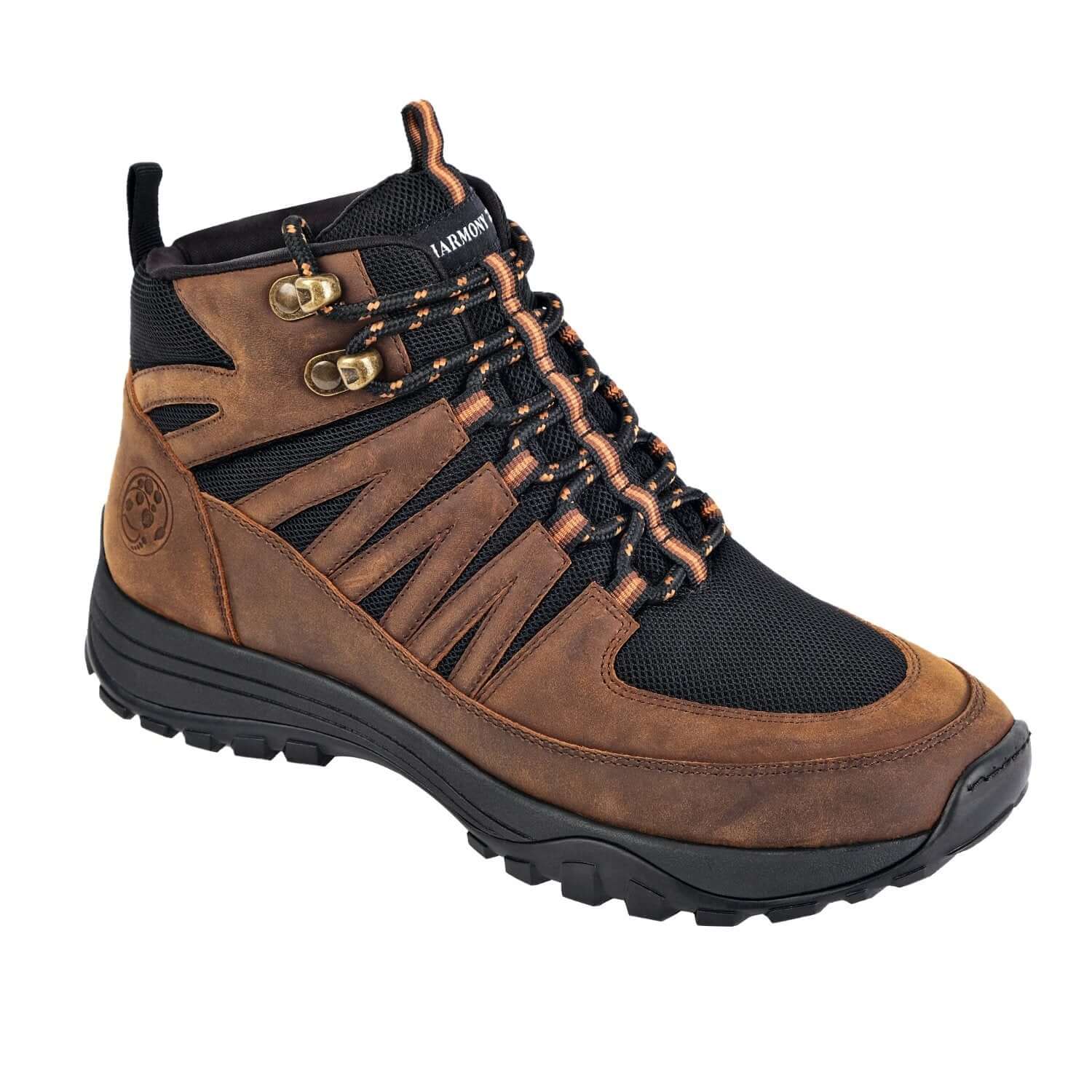
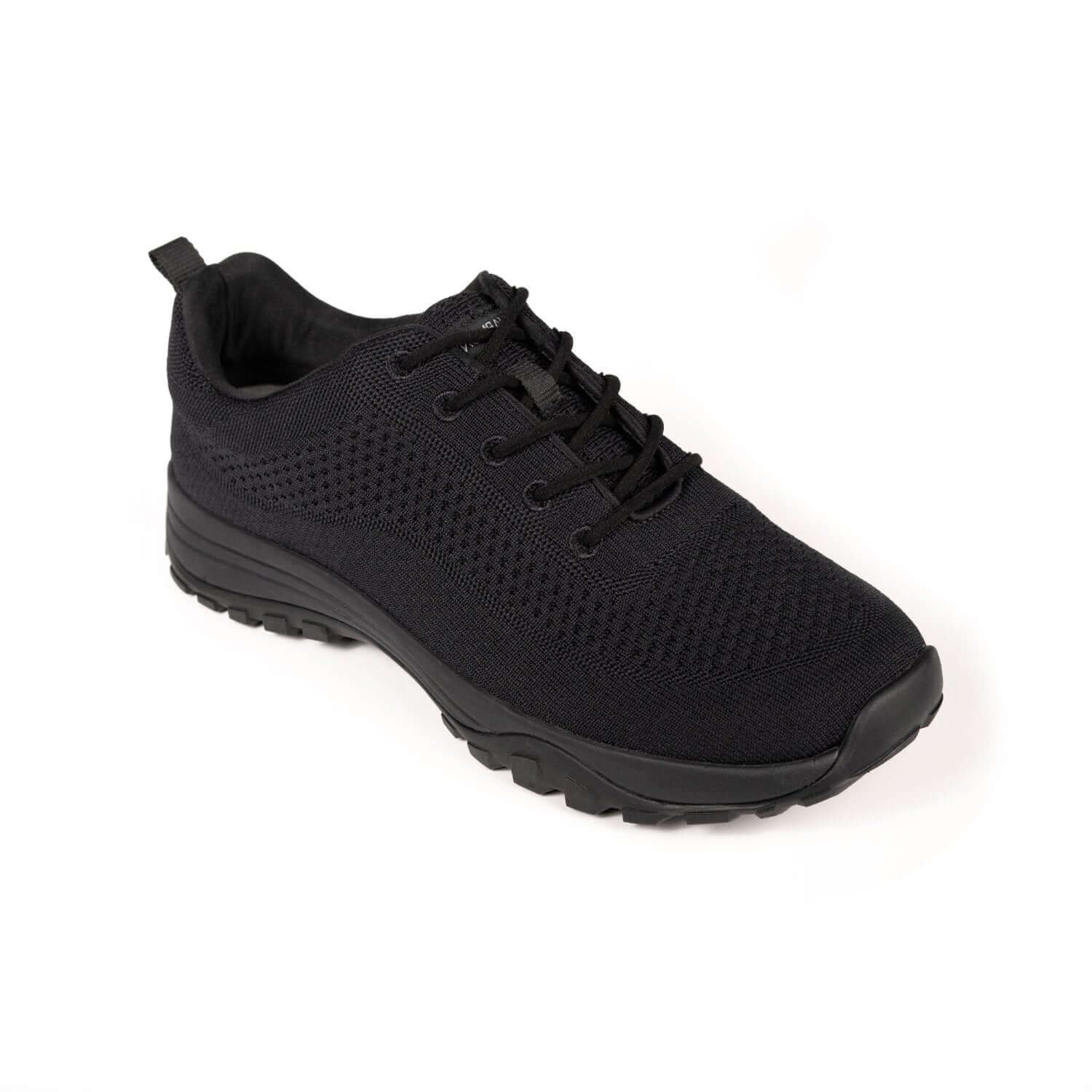





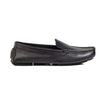


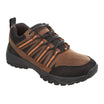





Grounding, also called earthing, is the practice of reconnecting the human body to the Earth’s natural electrical charge. For most of human history, this connection happened naturally when people walked barefoot on soil, grass, sand, or stone.
Modern life, however, has introduced insulating barriers between our bodies and the Earth, primarily through synthetic shoes, rubber soles, and artificial flooring.
Grounding shoes are designed to restore that connection while still protecting the feet. But one persistent misconception continues to circulate: that copper is the only or best material for grounding footwear.
In reality, grounding works through electrical conductivity, and several materials can create this connection including carbon-infused rubber, silver fibers, copper components, and even traditional leather soles.
Understanding how grounding works, and the materials that make it possible, helps explain why modern grounding shoes can use different conductive technologies to achieve the same goal.
What Is Grounding?
Grounding refers to direct or indirect electrical contact between the human body and the Earth’s surface.
The Earth carries a subtle negative electrical charge, and when the body connects to it, electrons can move between the Earth and the body. Some research suggests this connection may influence physiological processes such as inflammation, stress response, and sleep patterns.
For example, studies examining grounding have observed changes in inflammatory markers and immune response in grounded individuals.
Another review explains that the Earth acts as a large reservoir of electrons, which may neutralize positively charged free radicals when the body is grounded.
While research is still ongoing, the underlying physics is well understood: grounding occurs whenever a conductive pathway connects the body to the Earth.
Traditional Ways Humans Stayed Grounded
Before modern footwear materials existed, humans naturally stayed grounded through daily contact with the Earth.
Walking Barefoot
The most direct grounding method is walking barefoot on conductive surfaces such as:
-
Soil
-
Grass
-
Sand
-
Natural stone
-
Unsealed concrete
Direct skin contact allows electrons to move freely between the body and the Earth.
However, modern environments often make barefoot walking impractical or unsafe, which is why grounding technologies, including grounding footwear, have been developed.
Leather Soles: A Traditional Grounding Method Used for Centuries
Long before modern grounding shoes were developed, many traditional footwear styles naturally allowed electrical contact with the Earth.
One example is leather-soled footwear, which has been used for centuries in moccasins, early boots, and traditional dress shoes.
Unlike synthetic rubber or plastic soles, natural leather can conduct small electrical charges when it absorbs moisture from the environment, allowing a partial electrical connection between the body and the ground.
Research on the electrical properties of leather shows that its conductivity increases when moisture is present, because water and naturally occurring salts allow electrons to move through the material.
Traditional moccasins worn by many Indigenous cultures often used thin leather soles that allowed wearers to feel the ground beneath them while maintaining a connection to the Earth.
However, leather grounding can vary depending on humidity and environmental conditions. When leather becomes very dry, conductivity decreases.
Because of this variability, many modern grounding shoes incorporate engineered conductive materials designed to maintain consistent conductivity in a wider range of conditions.
Why Most Modern Shoes Block Grounding
Most modern shoes are designed with thick rubber or synthetic plastic soles, which act as electrical insulators.
Insulators prevent the flow of electrical charge. In fact, rubber is commonly used in electrical safety equipment specifically because it blocks electrical conduction.
This insulating effect means conventional shoes often break the natural electrical connection between the body and the Earth.
Grounding footwear addresses this problem by incorporating conductive elements into the sole and footbed, allowing electrons to pass through the shoe.
How Grounding Shoes Work
Grounding shoes create a continuous conductive pathway that connects:
-
The Earth
-
The outsole of the shoe
-
Conductive components inside the shoe
-
The wearer’s skin
Once that pathway exists, the body can become electrically connected to the Earth even while wearing shoes.
To accomplish this, grounding footwear uses conductive materials integrated into the design of the shoe.
Common conductive materials include:
-
Copper
-
Carbon-infused rubber
-
Silver fibers or stitching
- Leather
The key factor is not the specific material itself, but whether a reliable conductive bridge exists between the foot and the ground.
The Myth: Copper Is the Only Effective Grounding Material
Copper is widely known for its use in electrical wiring because of its high conductivity. For that reason, some grounding products use copper plugs or rivets embedded in the sole.
However, copper also has physical properties that can make it less practical in certain footwear applications, especially in colder climates. Copper is highly thermally conductive, meaning it transfers heat very efficiently. While this property is useful in electronics and cookware, it can cause metal components to quickly draw heat away from the foot when exposed to cold temperatures.
Because metals like copper conduct heat so effectively, they can feel noticeably cold against the skin in winter environments. For footwear designed to be worn year-round, many grounding technologies instead rely on conductive materials such as carbon-infused rubber and silver fibers, which maintain electrical conductivity while providing more comfortable thermal properties for everyday wear.
Essentially, copper is not the only conductive material capable of grounding the body.
Other grounding technologies rely on carbon-based conductors, leather, and silver fibers, all of which are commonly used in electrical engineering and conductive textiles.
In fact, silver is the most electrically conductive metal known, with conductivity even higher than copper.
The effectiveness of grounding footwear depends less on the specific material used and more on how the conductive pathway is designed and integrated into the shoe.
Carbon-Infused Rubber: Durable Conductivity
Carbon is widely used in electrical engineering as a conductive material.
Conductive rubber compounds often contain carbon particles that allow electrical charge to move through the material, making them useful for anti-static flooring and grounding surfaces.
In grounding footwear, carbon-infused rubber soles offer several advantages:
-
Consistent conductivity across the sole
-
Flexibility for natural movement
-
Durability for everyday wear
-
Resistance to corrosion
Because the conductive particles are distributed throughout the rubber, the grounding pathway remains effective even with normal wear.
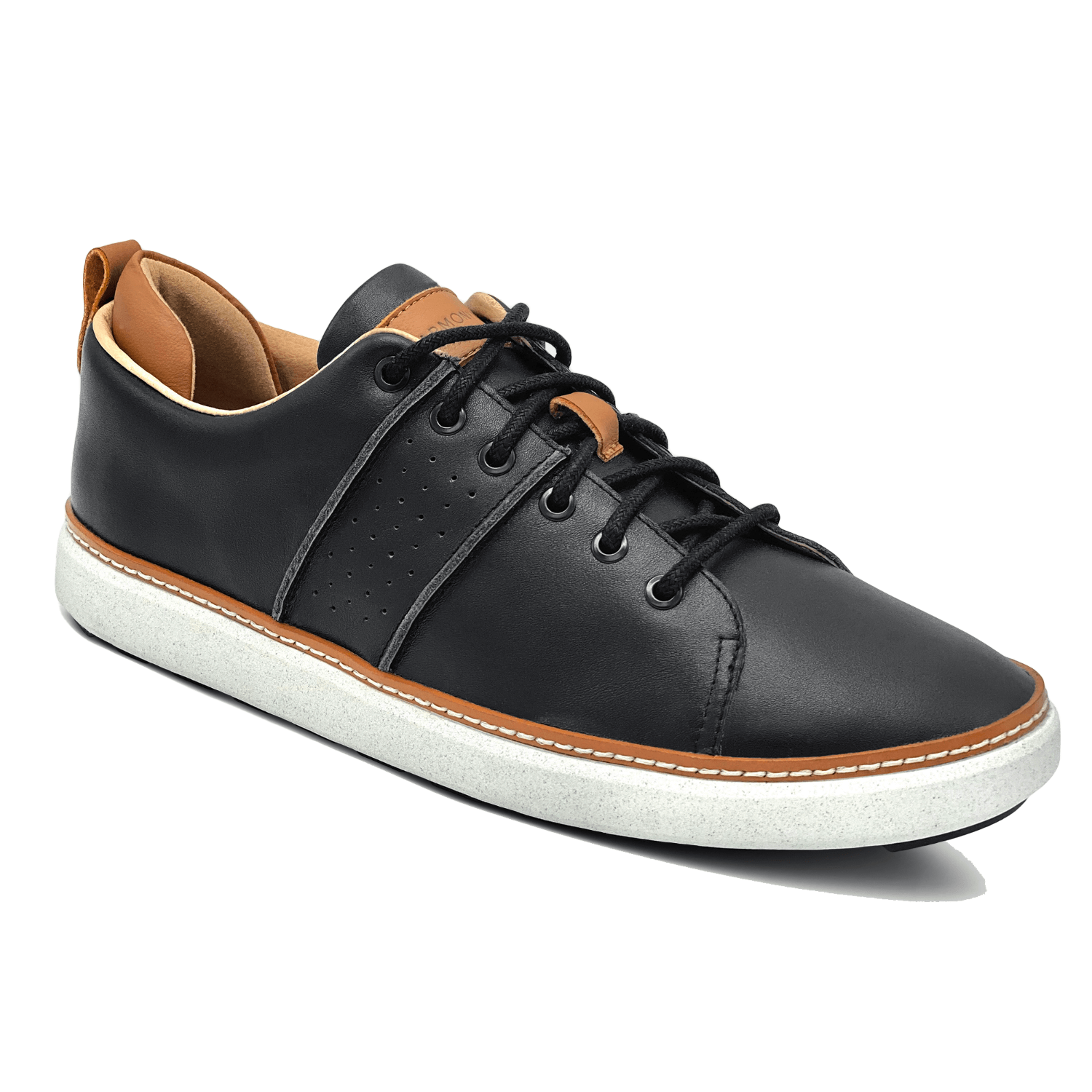
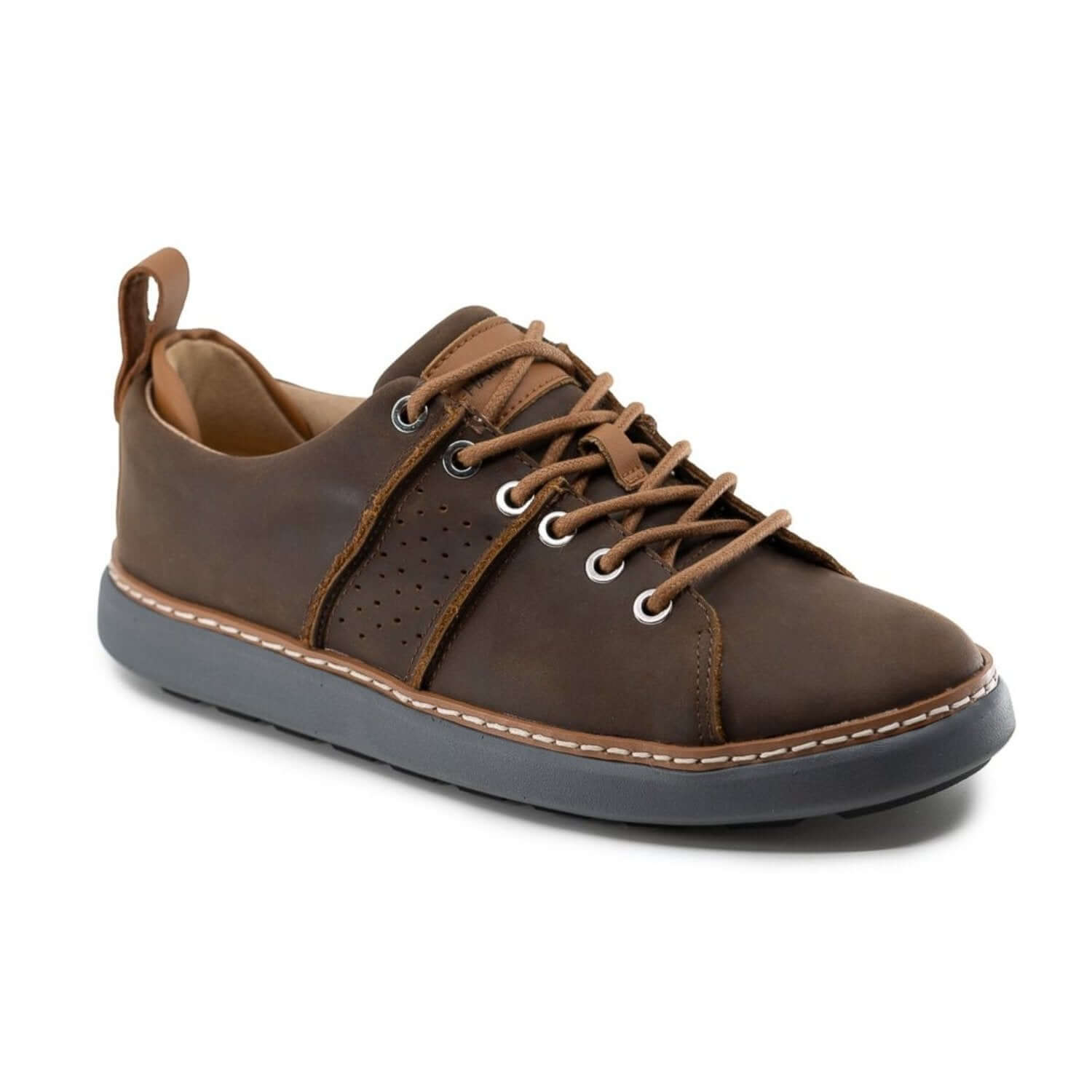
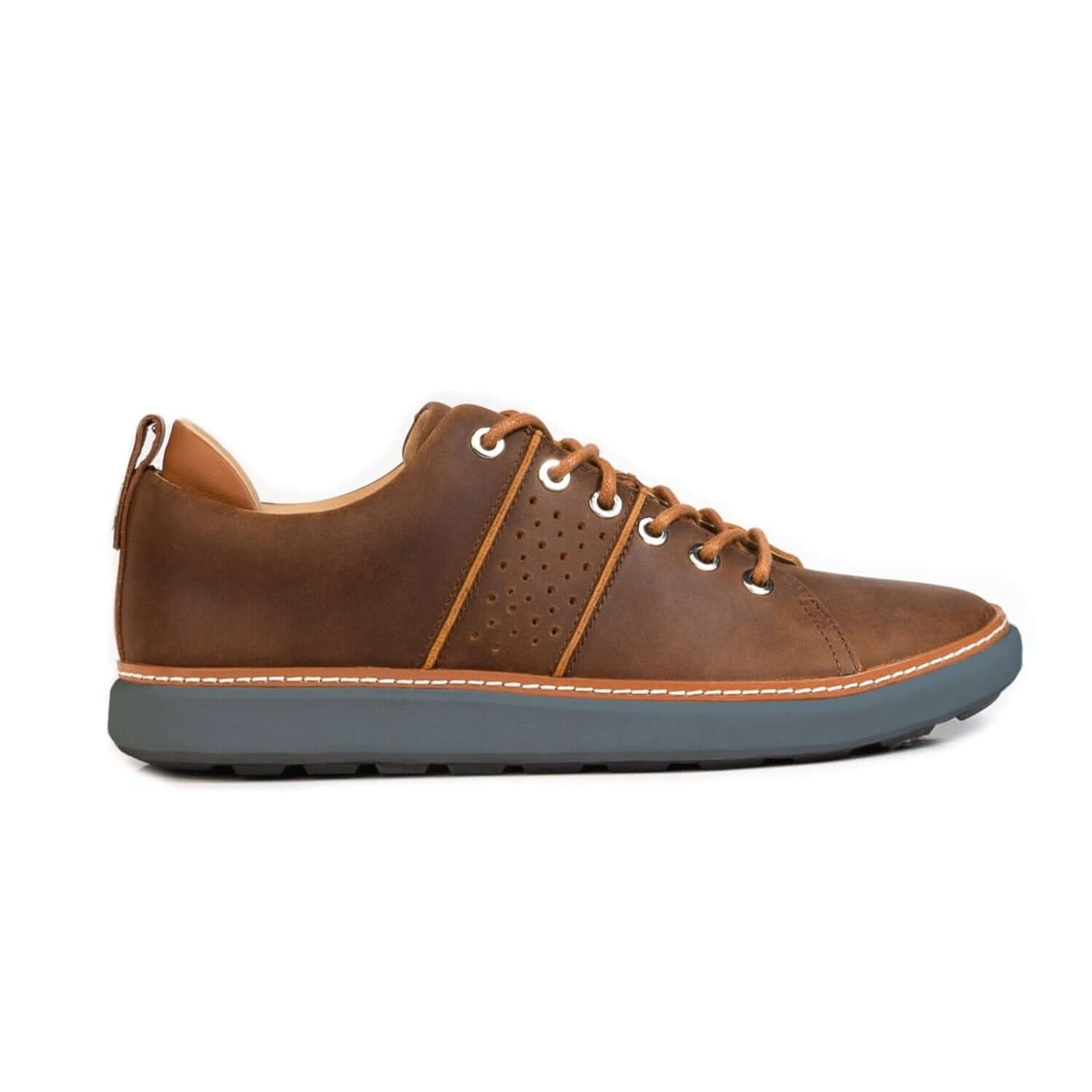
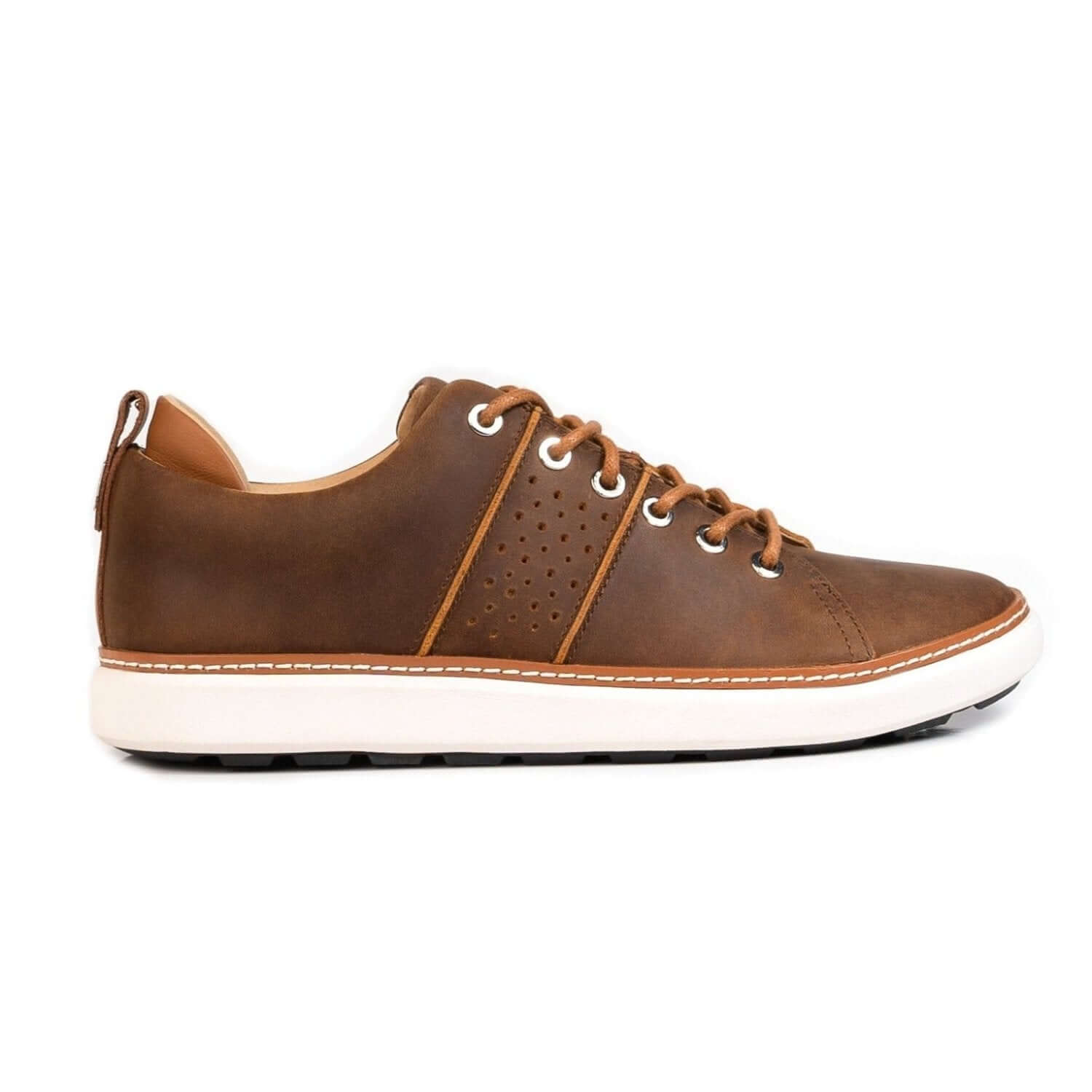
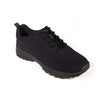
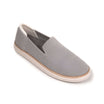
Harmony 783 grounding footwear uses GroundWorks™ technology, which incorporates carbon-infused rubber to create a durable conductive pathway that helps reconnect the wearer with the Earth.
You can explore examples of this technology in our grounding footwear collection here.
Silver Stitching and Conductive Textiles
Another material frequently used in grounding technology is silver fiber.
Silver is widely used in conductive textiles and wearable technology because of its excellent electrical conductivity and flexibility.
Silver threads woven into fabrics create conductive pathways that can transmit electrical charge while remaining comfortable against the skin.
In grounding footwear, silver stitching helps connect the footbed to the conductive sole, completing the grounding circuit.
Harmony 783 grounding shoes incorporate conductive silver stitching alongside carbon-infused soles, helping create a reliable pathway between the Earth and the wearer.
Do Grounding Shoes Actually Work?
One of the most common questions people ask is whether grounding shoes truly work, or whether grounding only happens when walking barefoot.
From a physics perspective, grounding shoes can work as long as they create a conductive pathway between the body and the Earth.
Scientific grounding studies demonstrate that the body can become electrically grounded through conductive materials, not just direct skin contact with soil.
For example, grounding research has shown that conductive materials connected to the Earth can influence electrical measurements in the human body.
In these studies, grounding occurred through conductive interfaces such as mats, wires, and fabrics, demonstrating that grounding can occur through engineered conductive pathways.
The same principle applies to grounding shoes. When a shoe contains:
-
conductive materials in the sole
-
a conductive connection between the sole and the foot
-
contact between the outsole and the Earth
the electrical pathway required for grounding exists.
Grounding shoes tend to work best when walking on natural surfaces such as soil, grass, sand, or unsealed concrete, which conduct electricity well.
Reconnecting With the Earth in the Modern World
Grounding is ultimately about restoring a connection that humans experienced naturally for thousands of years.
Modern grounding footwear allows people to reconnect with the Earth while moving through everyday life - walking outdoors, running errands, or spending time in nature.
While copper is often associated with grounding, it is only one of several materials capable of conducting electrical charge.
Advances in materials science now allow grounding shoes to use carbon-infused rubber, silver fibers, leather, and other conductive materials to create reliable grounding pathways.
What matters most is not the specific metal used, but the thoughtful design that reconnects the body with the Earth beneath our feet.
Frequently Asked Questions About Grounding Shoes
Do grounding shoes work on concrete?
Yes. Unsealed concrete is conductive because it contains minerals and moisture that allow electrical charge to move through it.
Are rubber soles grounding?
Most standard rubber soles are insulating. Grounding shoes use specially engineered conductive rubber compounds that allow electrons to pass through.
Do grounding shoes need copper?
No. Copper is conductive, but other materials, including silver fibers and carbon-infused rubber, can conduct electricity effectively as well.
Can leather soles ground you?
Leather can conduct small electrical charges when slightly moist, which is why traditional moccasins and leather-soled shoes can allow partial grounding.
How to Test If Your Grounding Shoes Are Actually Grounding You
If you’re wearing grounding shoes, you may wonder how to confirm that they are truly creating a connection with the Earth.
Because grounding works through electrical conductivity, there are a few simple ways to test whether a conductive pathway exists between your body and the ground.
1. Use a Multimeter
A multimeter is the most accurate way to test grounding conductivity.
A multimeter measures electrical continuity and resistance, allowing you to check whether electricity can pass through the shoe from the ground to the inside of the shoe.
Basic testing steps include:
-
Set the multimeter to continuity or resistance mode.
-
Place one probe on the conductive part of the shoe sole.
-
Place the other probe on the conductive insole or interior stitching.
-
If the meter shows continuity or low resistance, the conductive pathway is present.
Many grounding companies use this same method to test grounding footwear during product development.
2. Use a Grounding Body Voltage Test
Another common test measures the body’s electrical voltage relative to ground.
When the body is electrically connected to the Earth, body voltage typically drops.
This test usually requires:
-
A body voltage meter or multimeter
-
A ground reference point
-
Measuring voltage with and without grounding contact
Research examining grounding has used similar measurement techniques to observe electrical changes when a person becomes grounded.
While this method requires a little more setup, it demonstrates how grounding can change the body’s electrical relationship to the Earth.
3. Walk on Conductive Natural Surfaces
Even without instruments, the environment you walk on affects grounding performance.
Grounding shoes tend to work best on surfaces that naturally conduct electricity, such as:
-
Soil
-
Grass
-
Sand
-
Unsealed concrete
-
Natural stone
Surfaces that reduce conductivity include:
-
Thick asphalt
-
Dry wood
-
Plastic flooring
-
Synthetic turf
This is because moisture and minerals in natural surfaces help conduct electrical charge.
4. Ensure Direct Foot Contact With the Conductive Elements
For grounding footwear to work properly, the foot must make contact with the conductive elements inside the shoe.
That’s why many grounding shoes incorporate features such as:
-
conductive stitching
-
conductive insoles
-
carbon-infused outsoles
These components help ensure the grounding pathway connects from the Earth → through the shoe → to the wearer’s foot.
Harmony 783 grounding footwear incorporates GroundWorks™ technology, combining carbon-infused rubber and conductive silver stitching to help create this continuous pathway.
The Key Principle of Grounding Shoes
The most important factor in grounding footwear is conductivity.
If a shoe contains conductive materials that connect:
Earth → sole → interior conductive elements → foot
then the electrical pathway needed for grounding exists.
Copper is one conductive option, but carbon-infused rubber, silver fibers, and other conductive materials can achieve the same goal when engineered properly.
Grounding footwear simply provides a modern way to reconnect with the Earth while protecting the feet and supporting everyday movement.