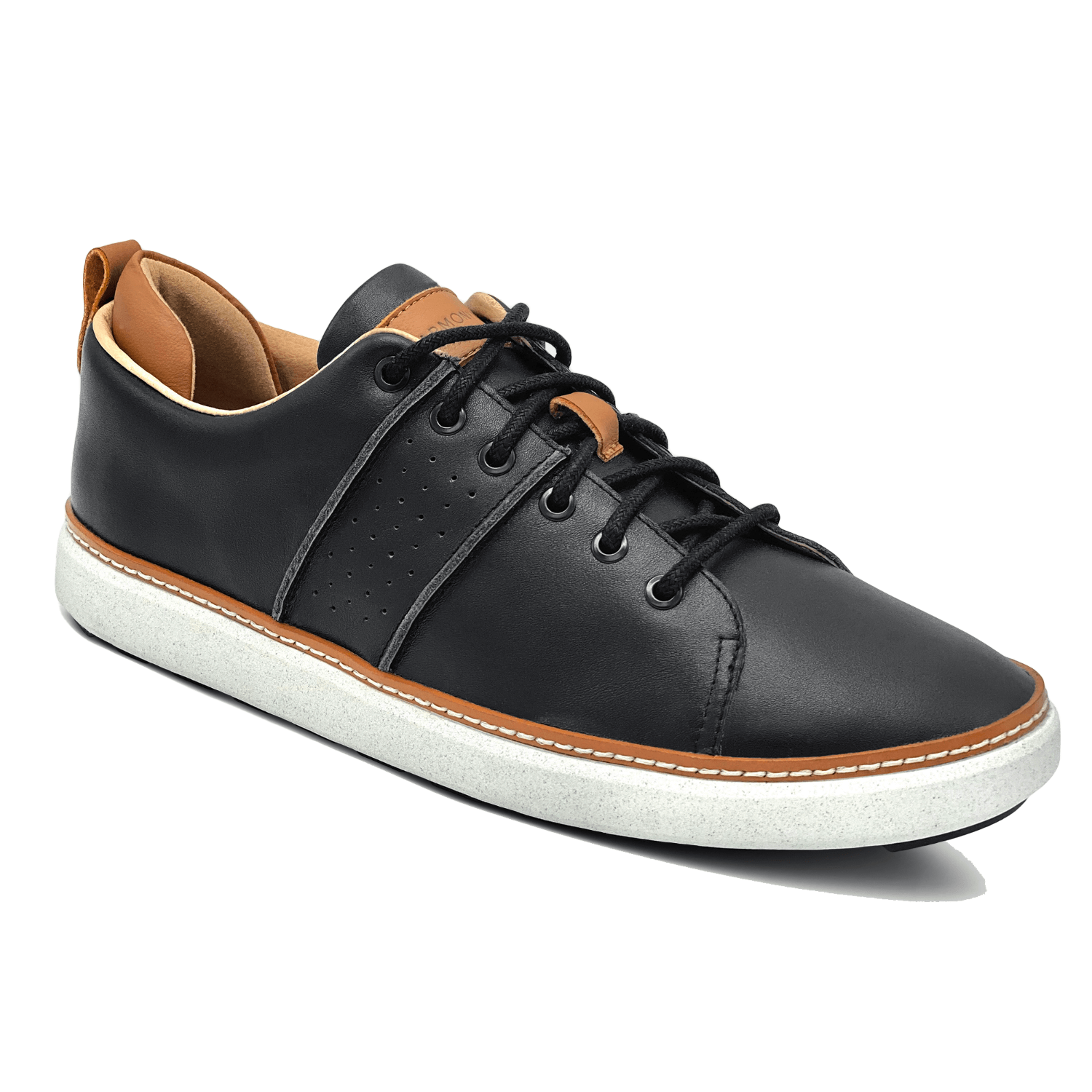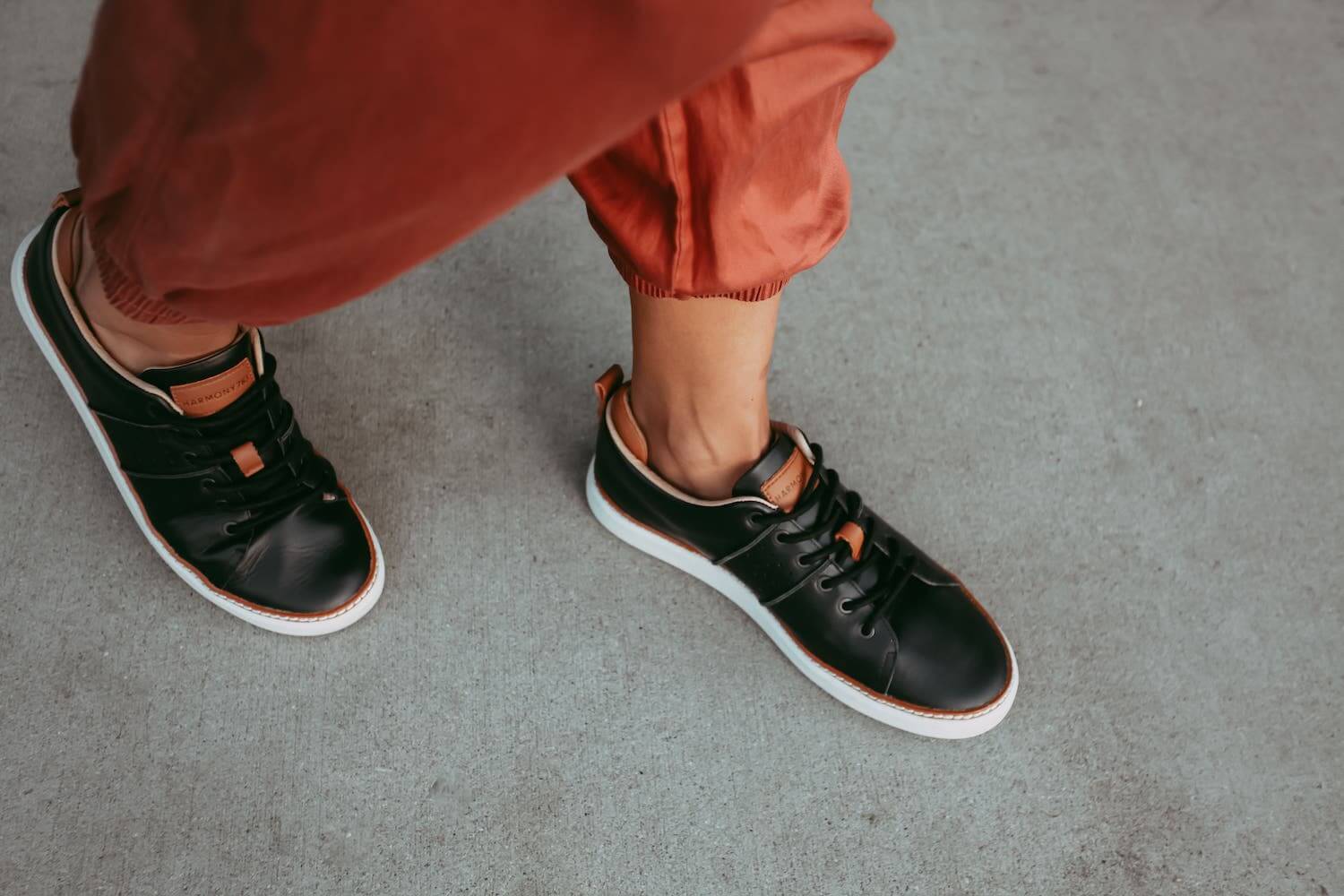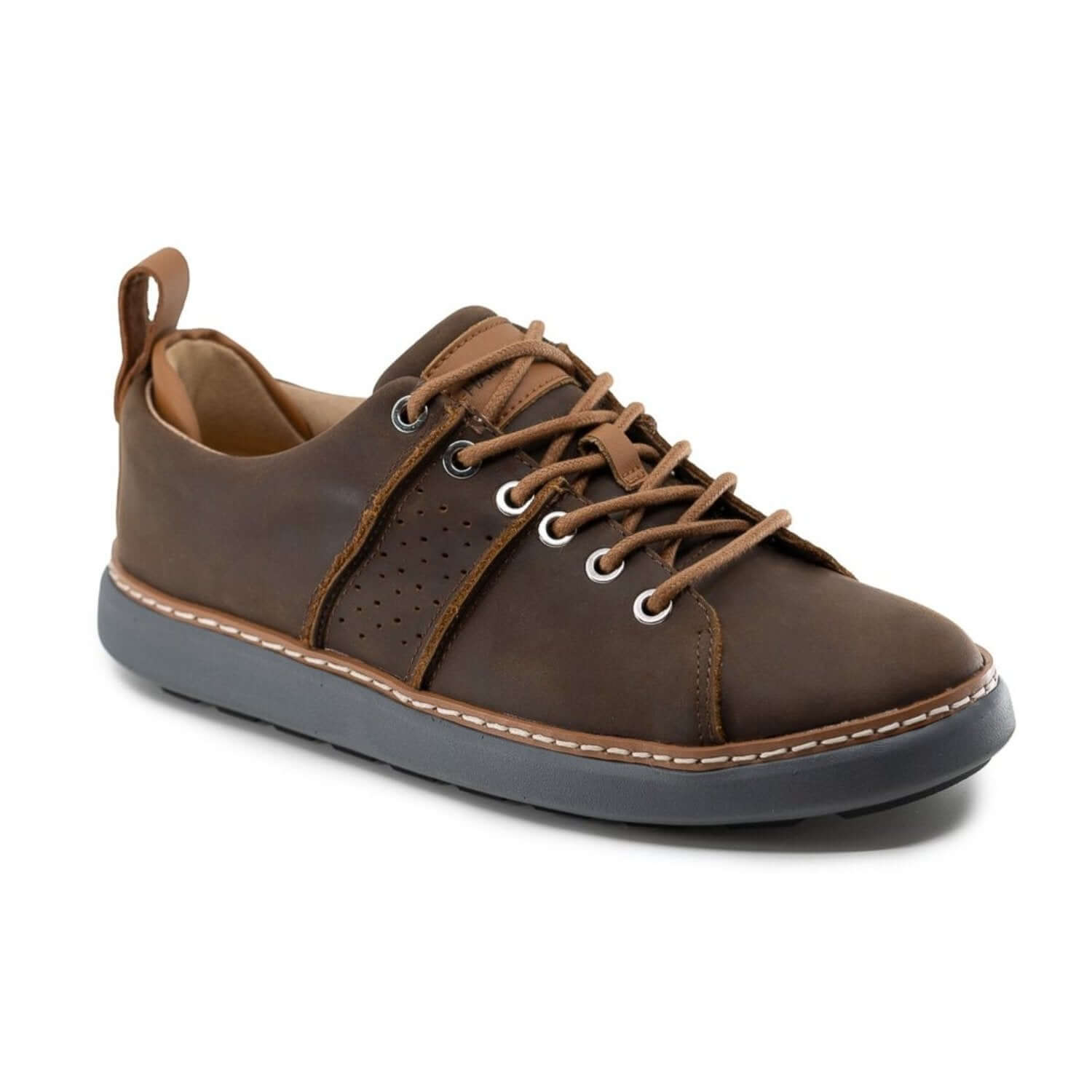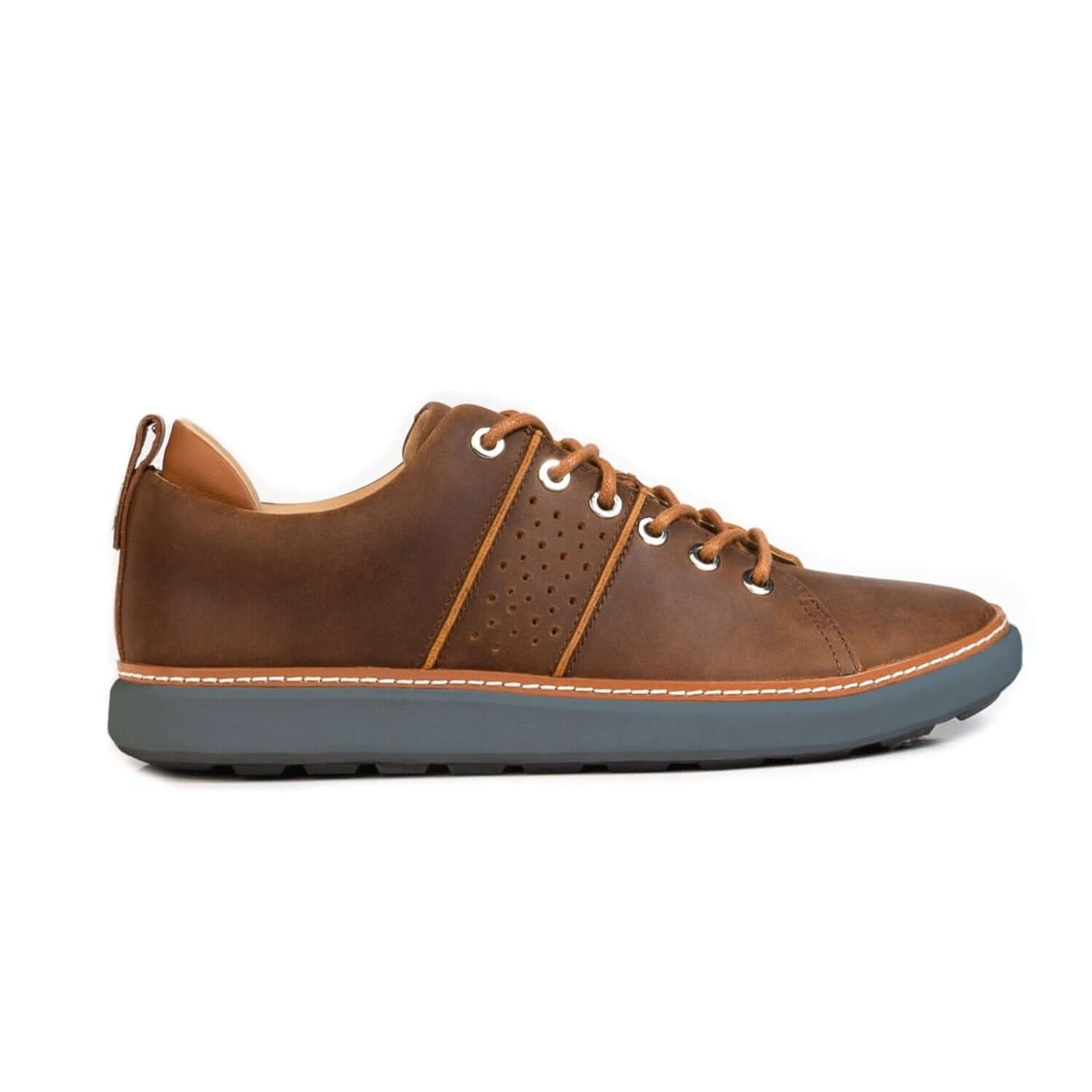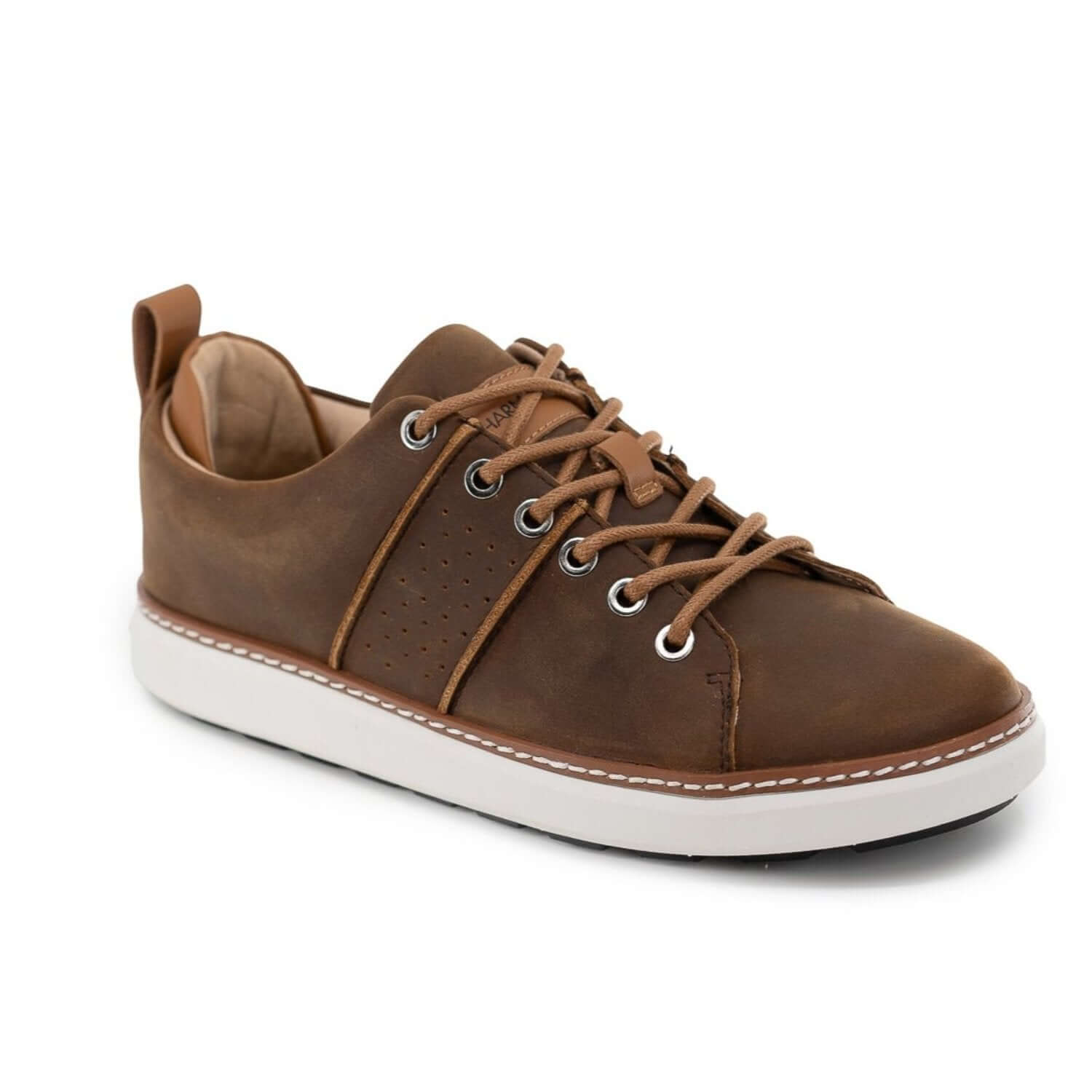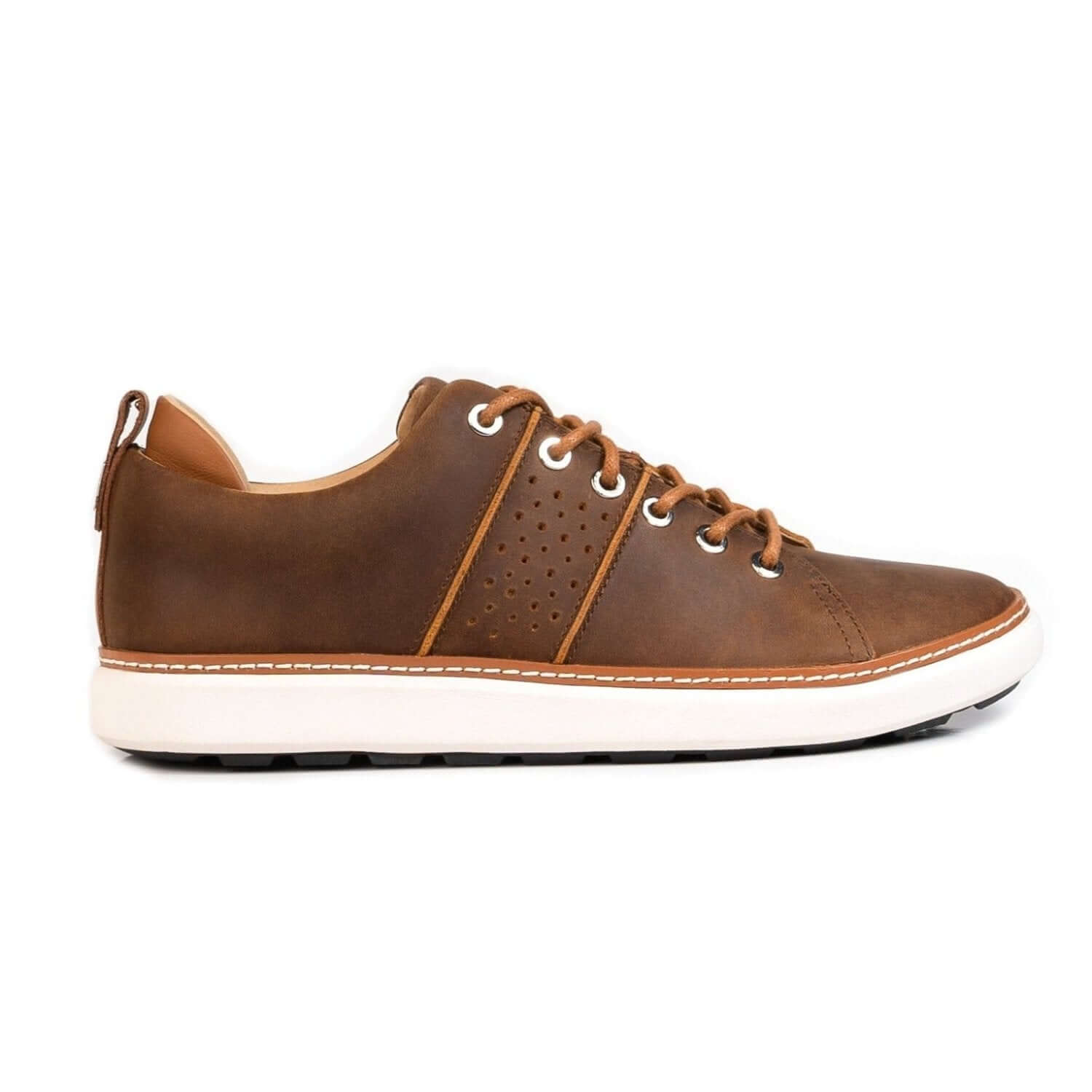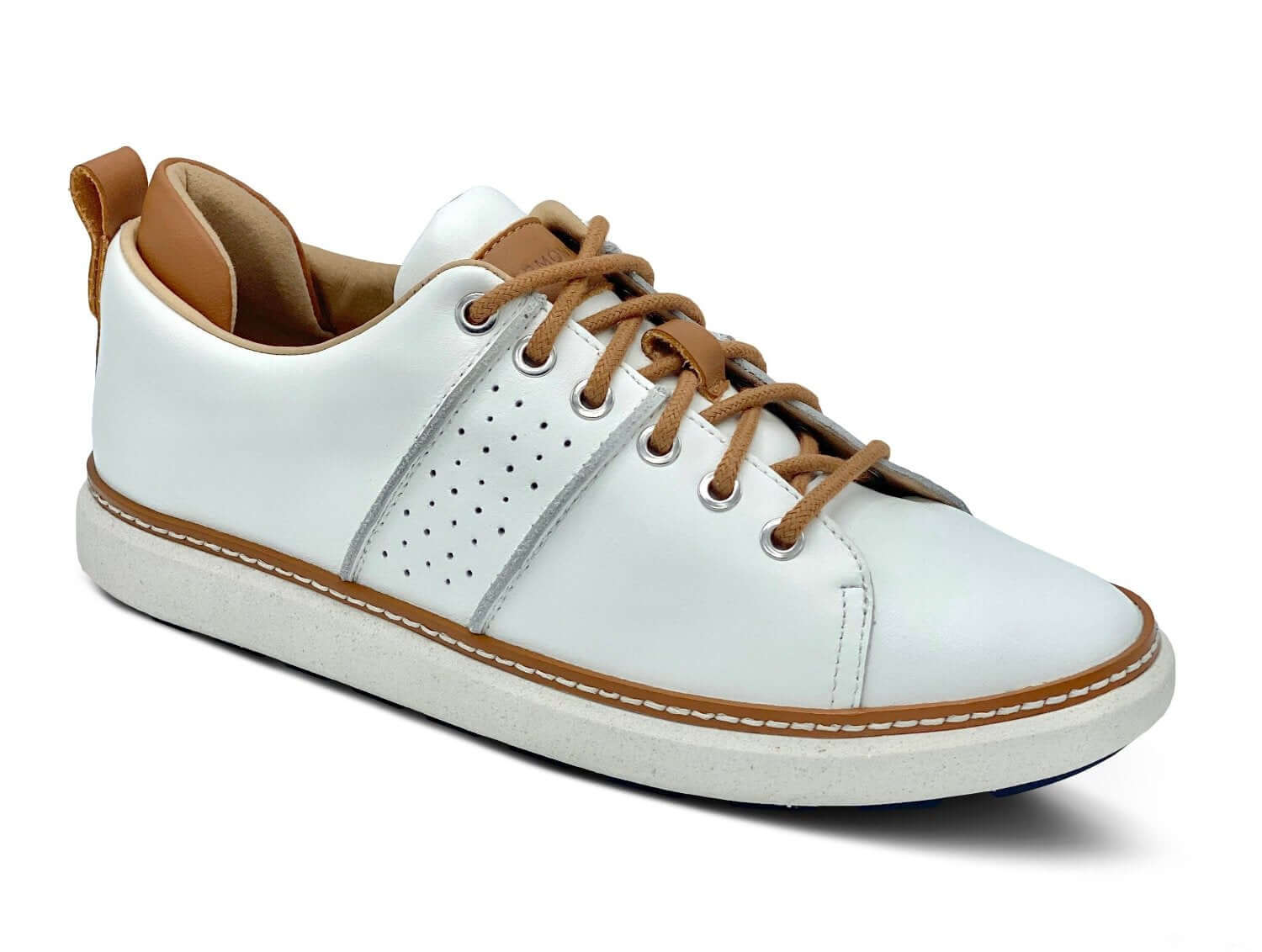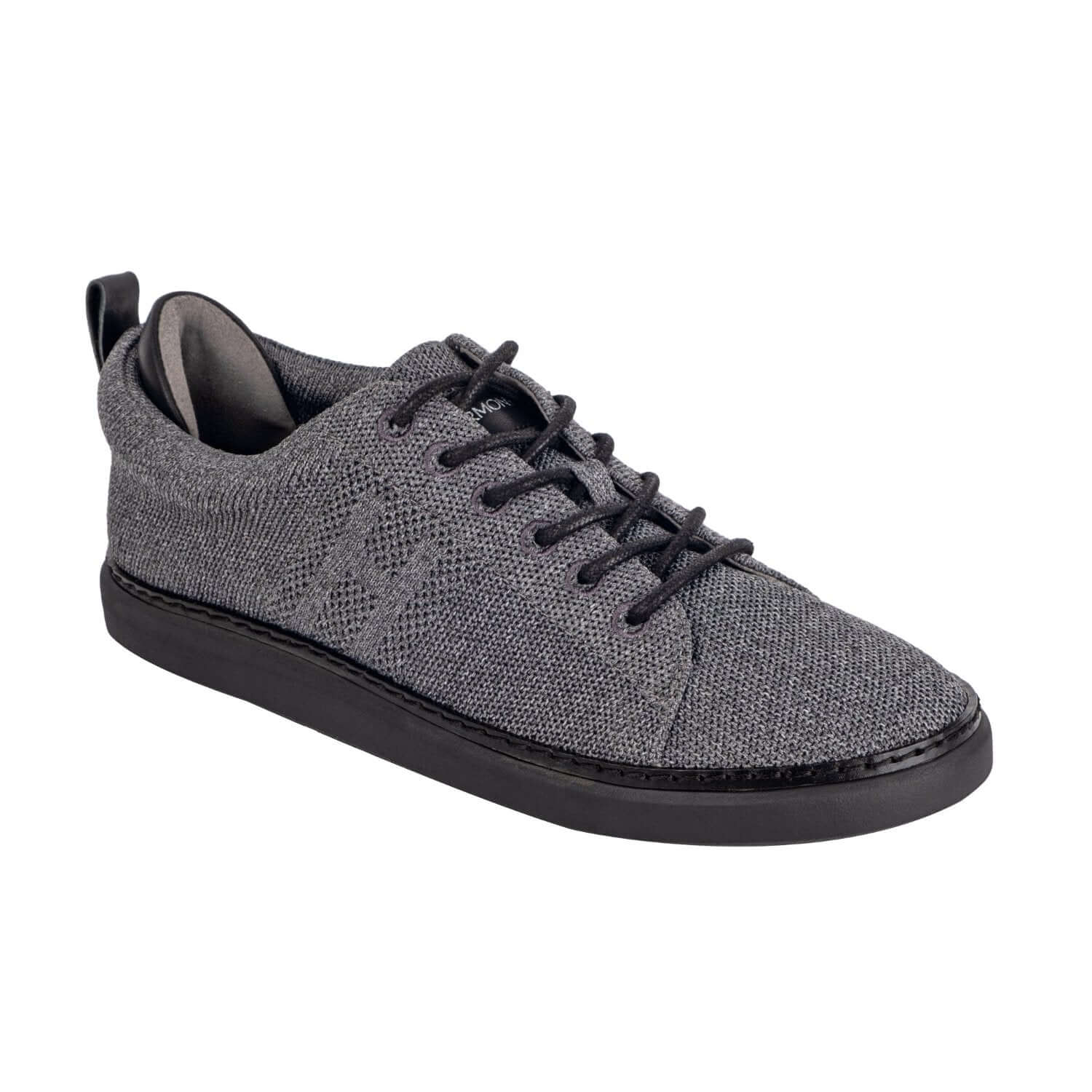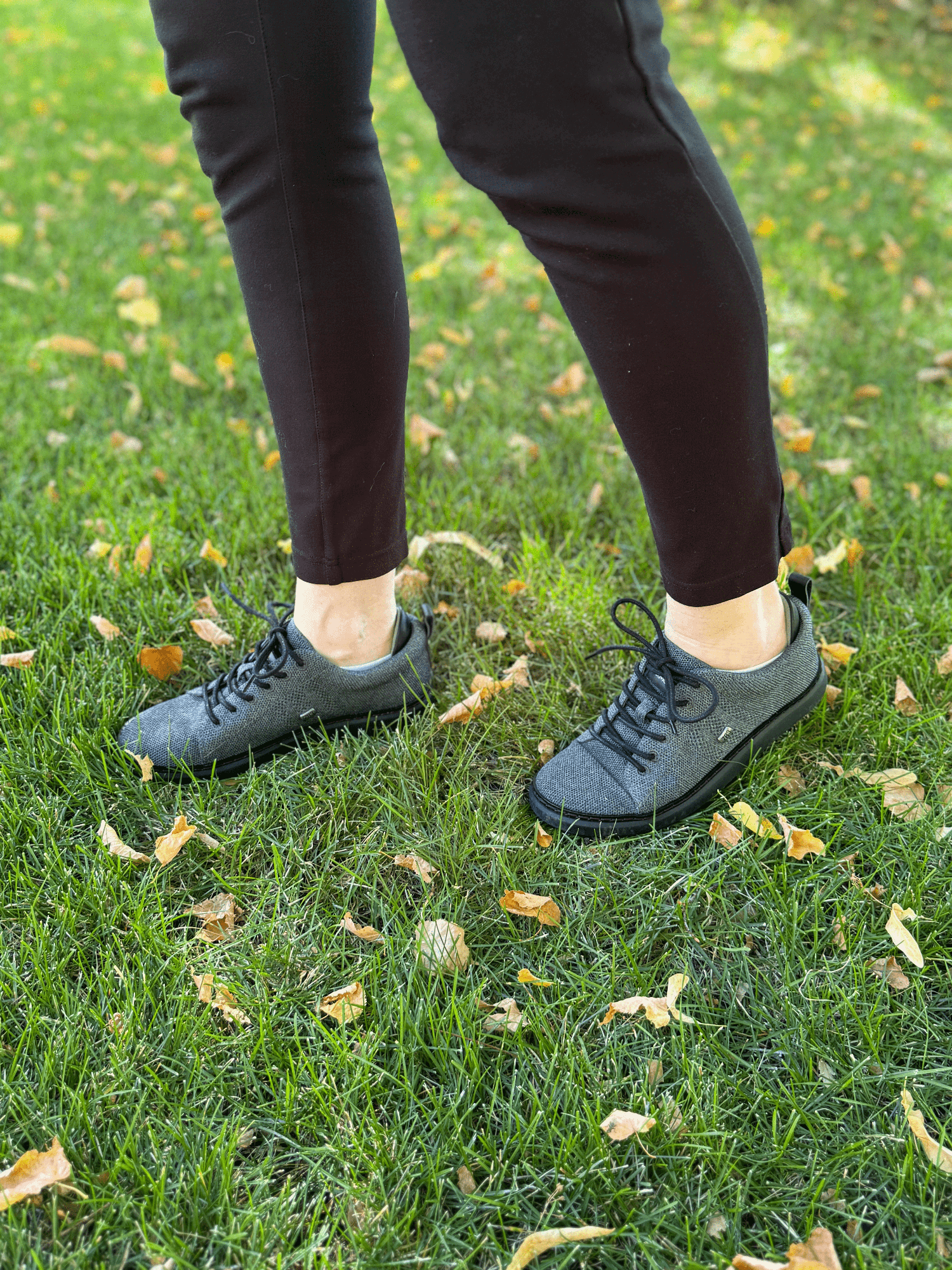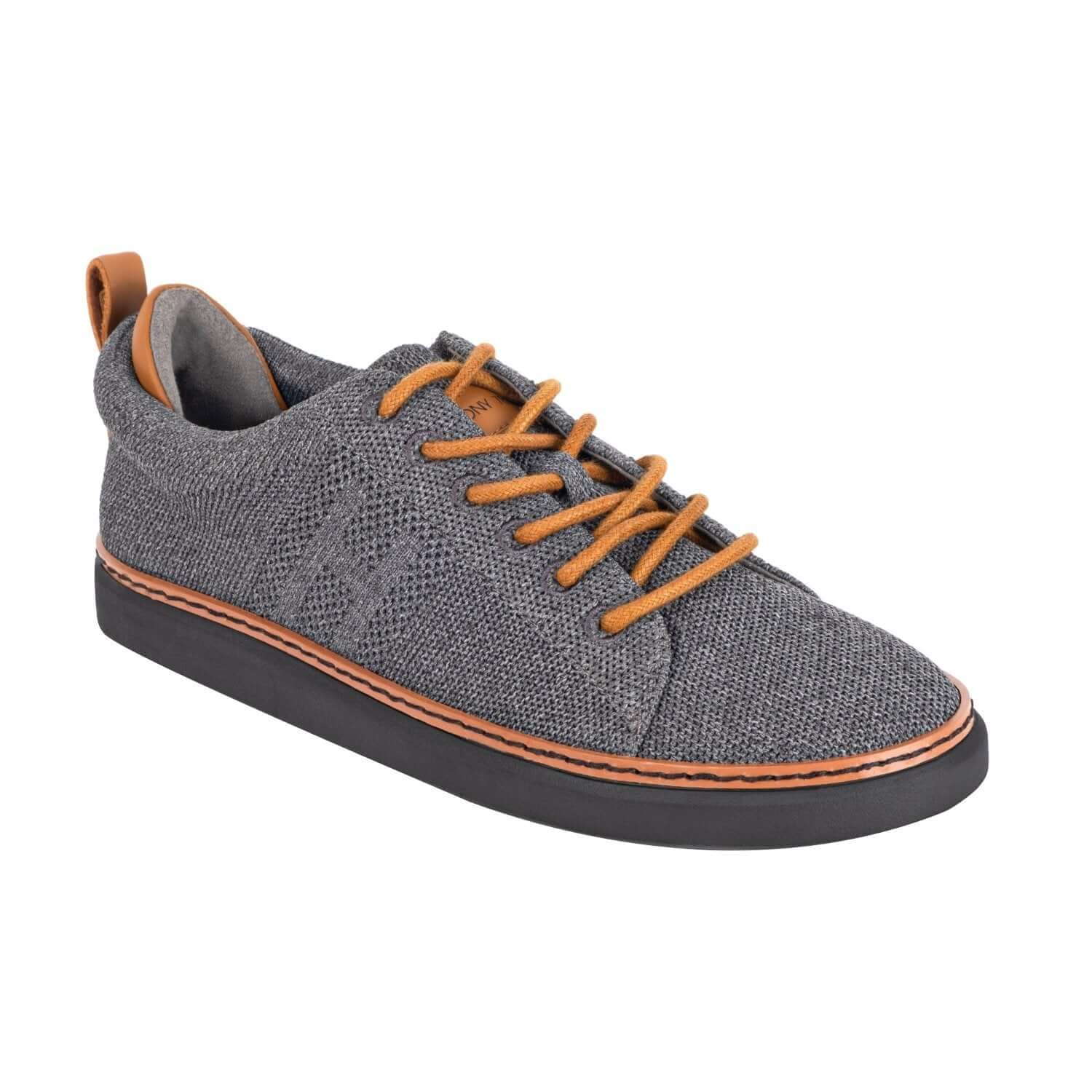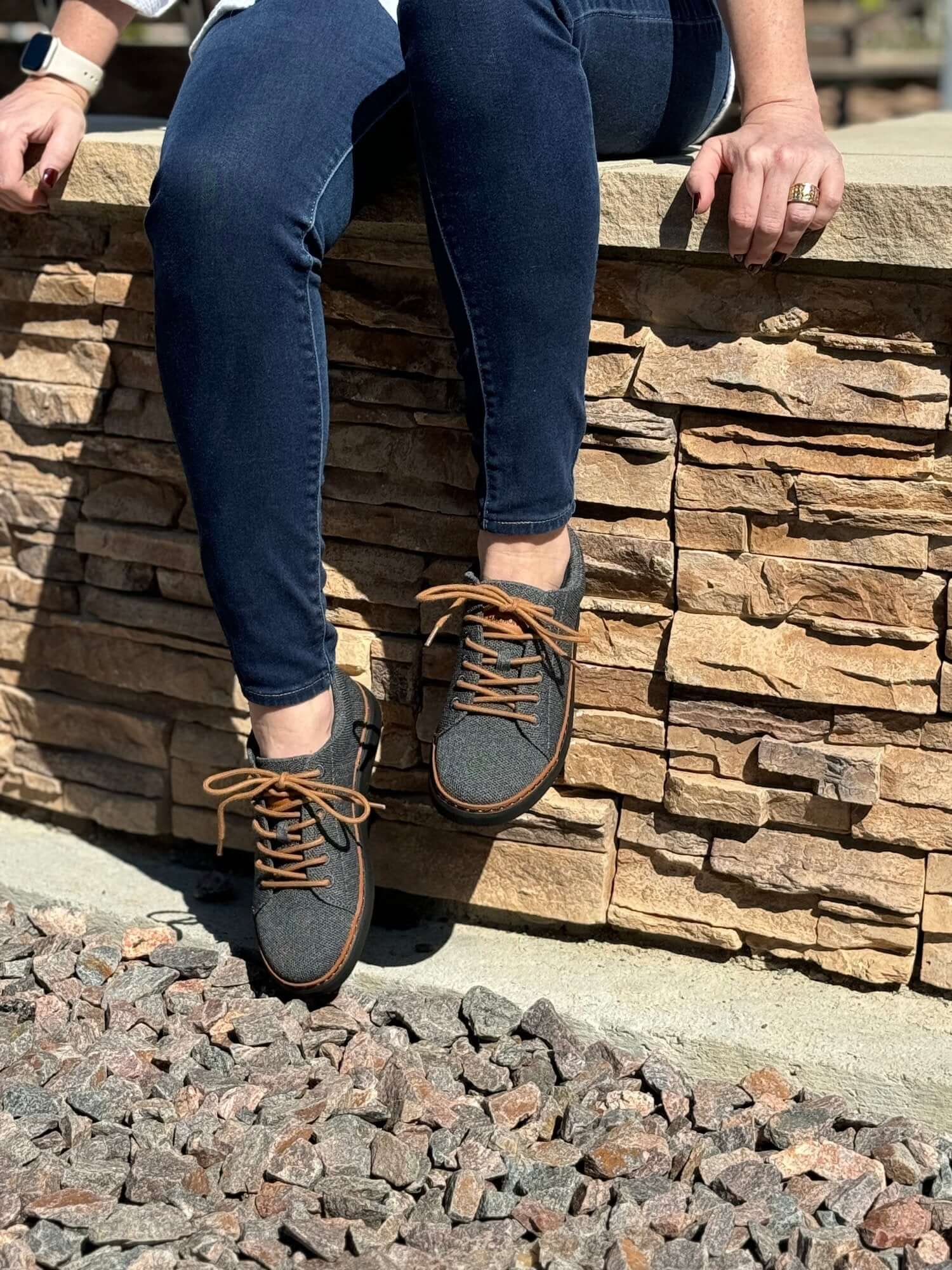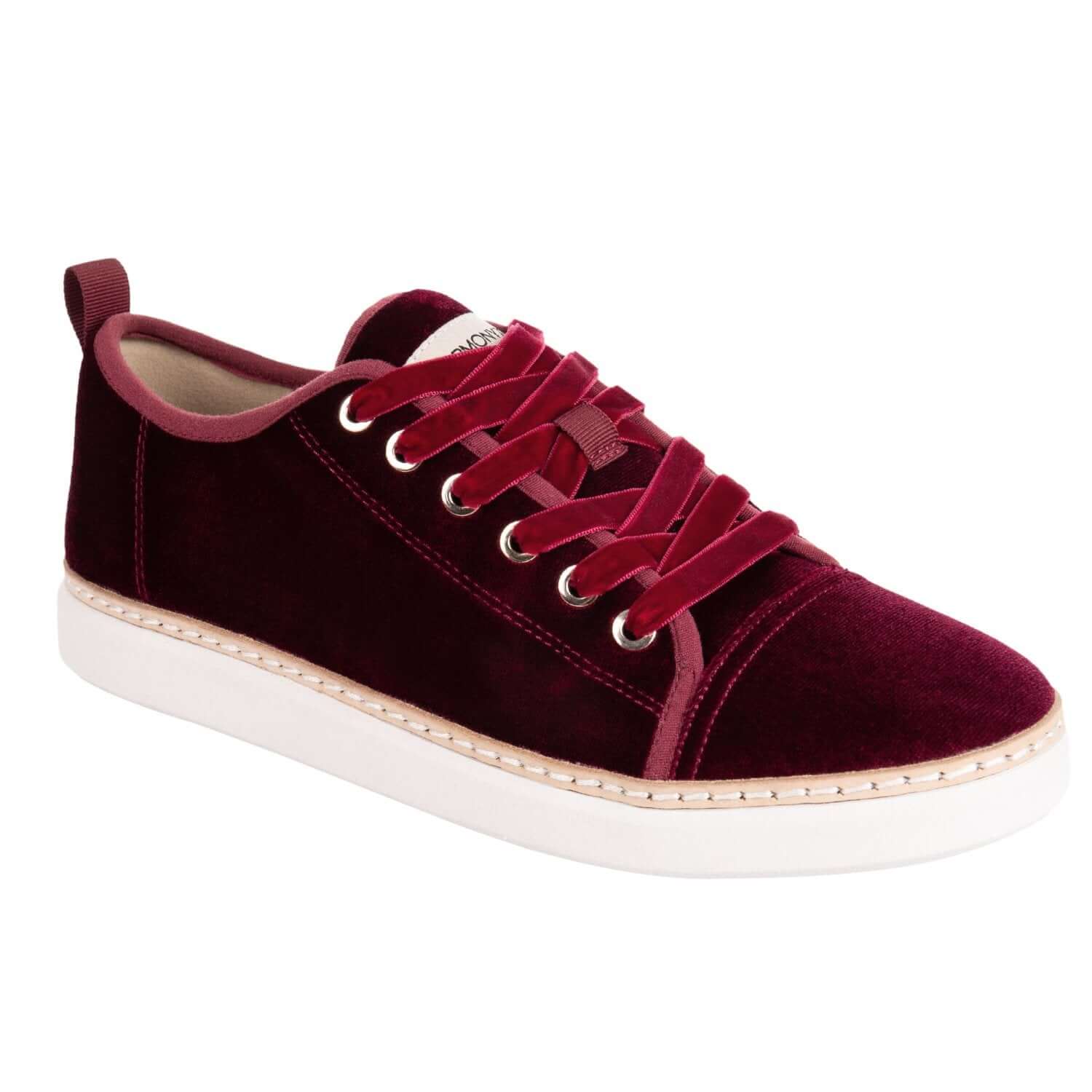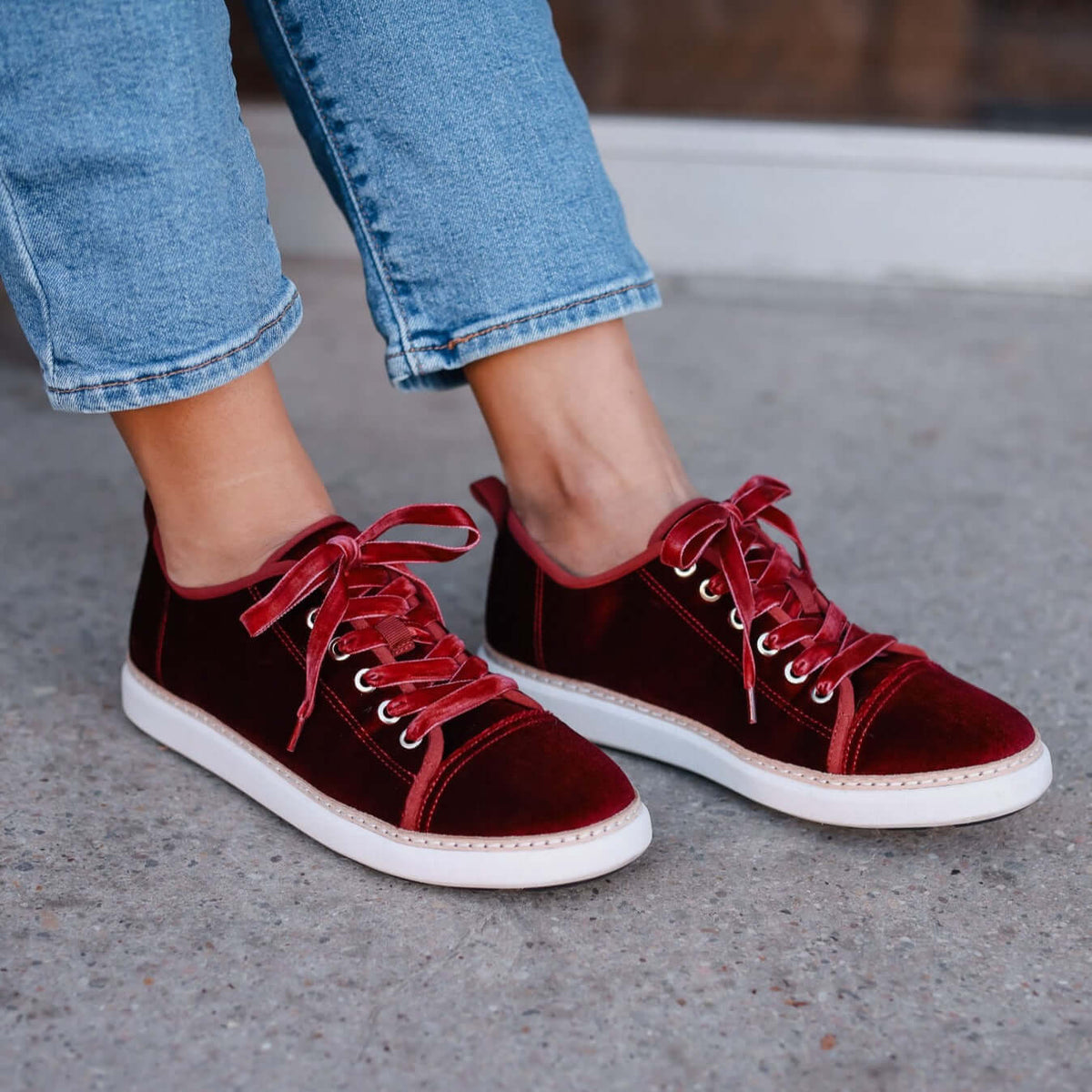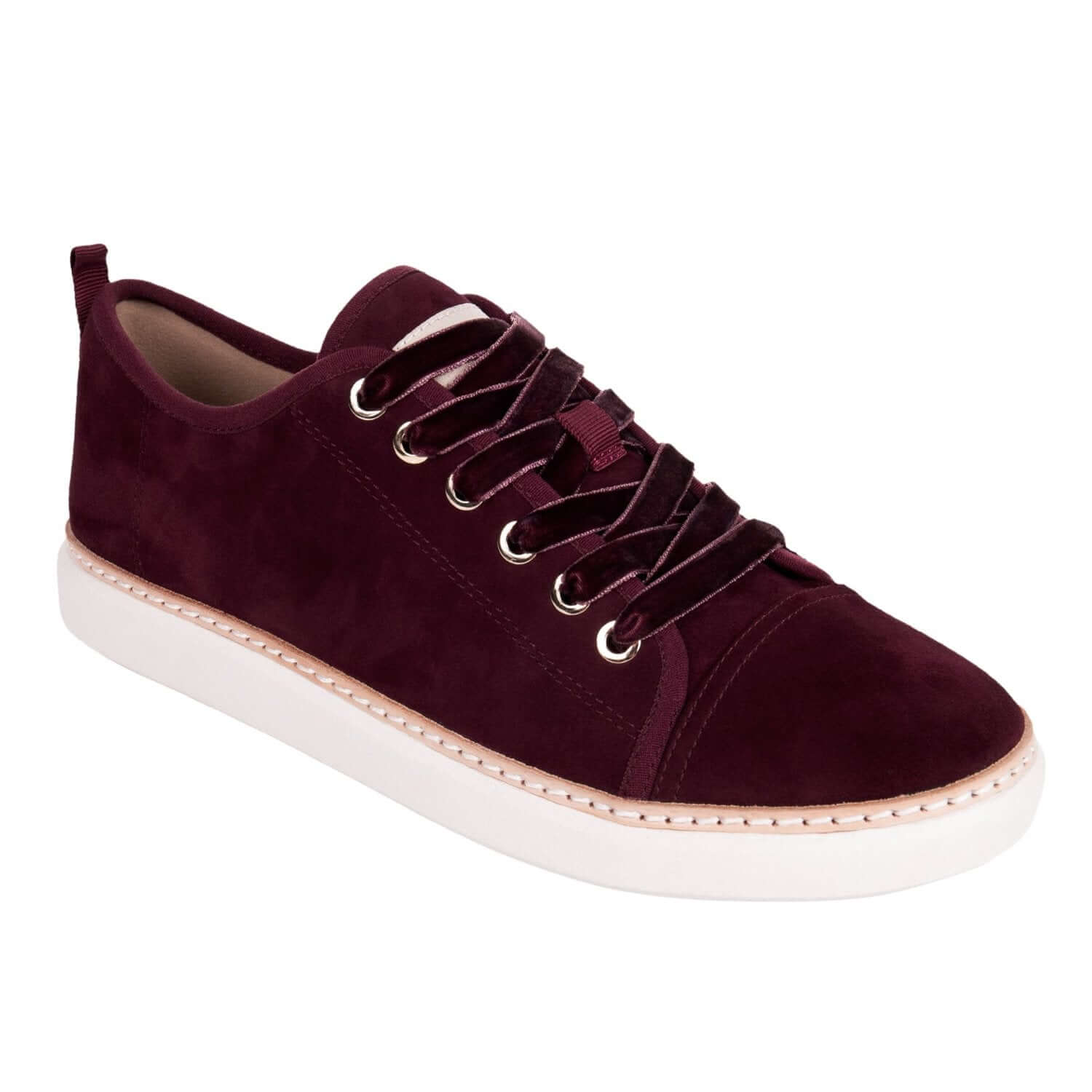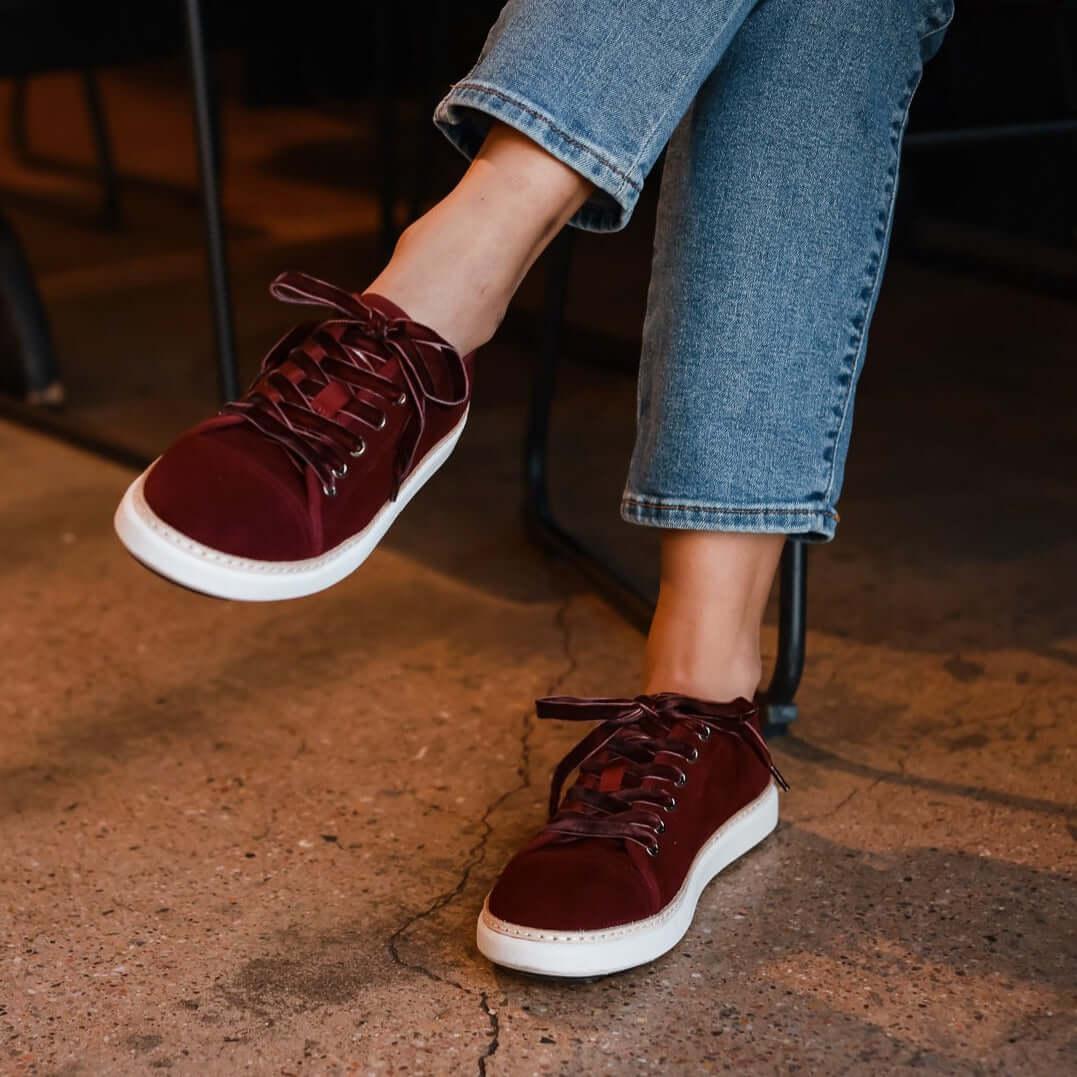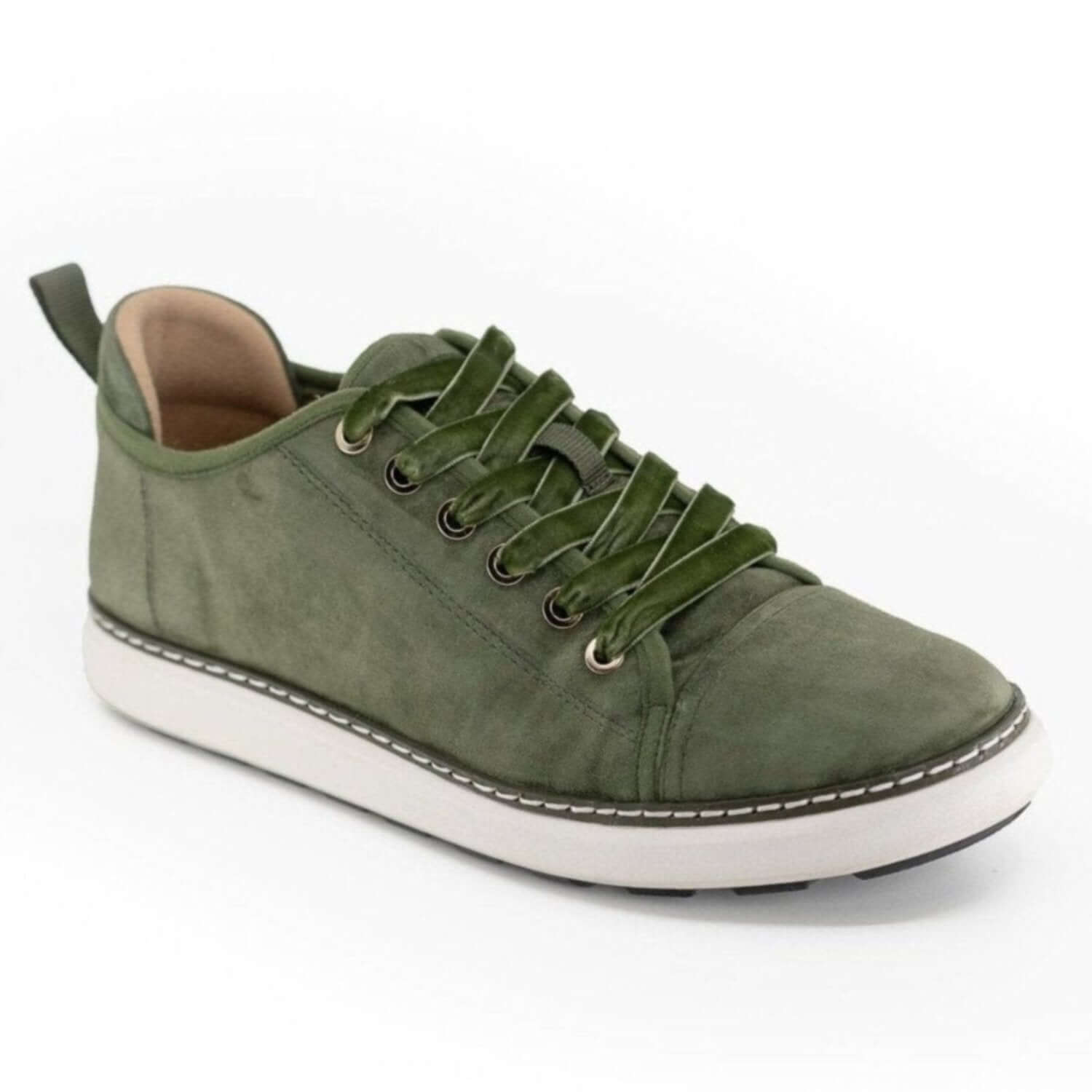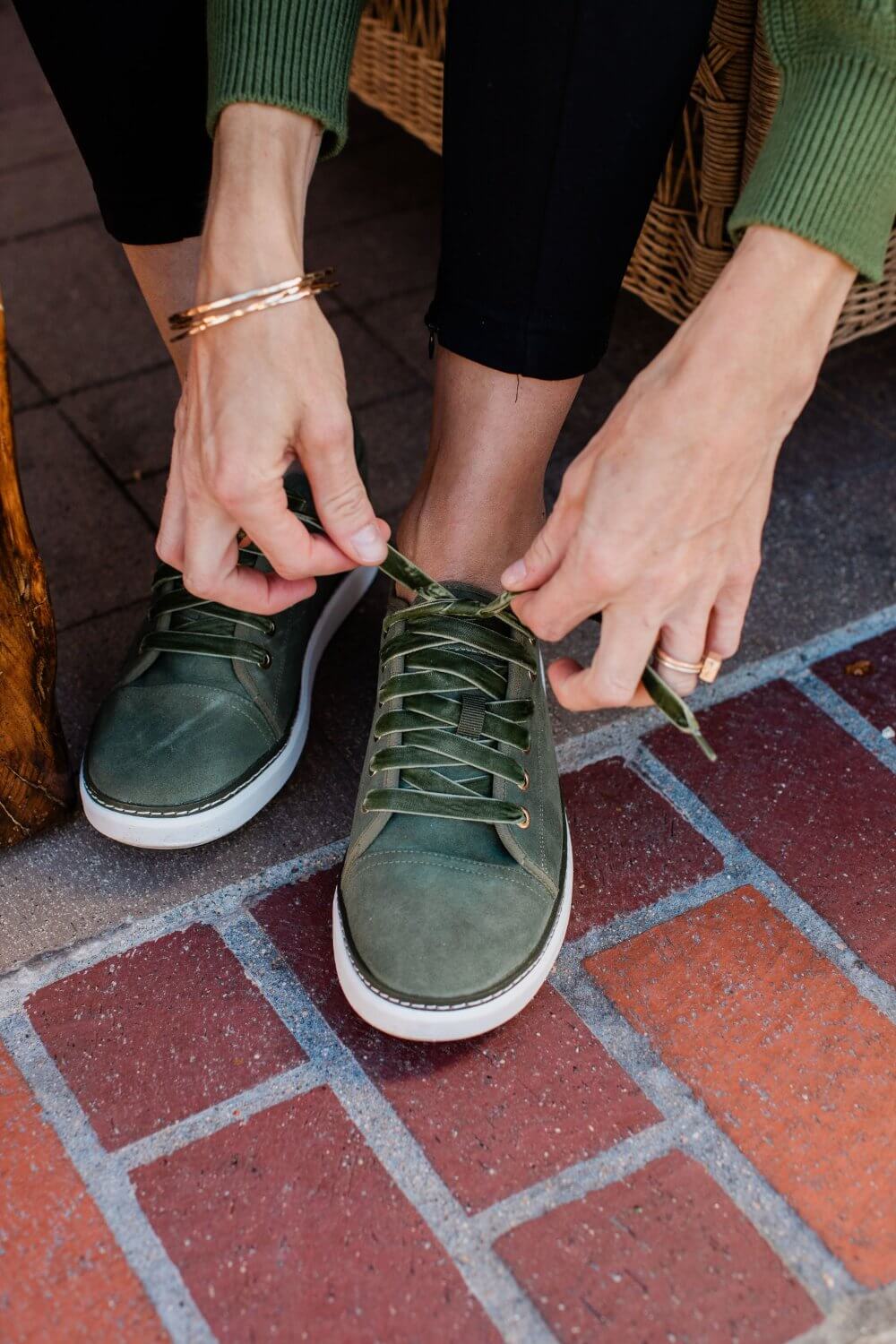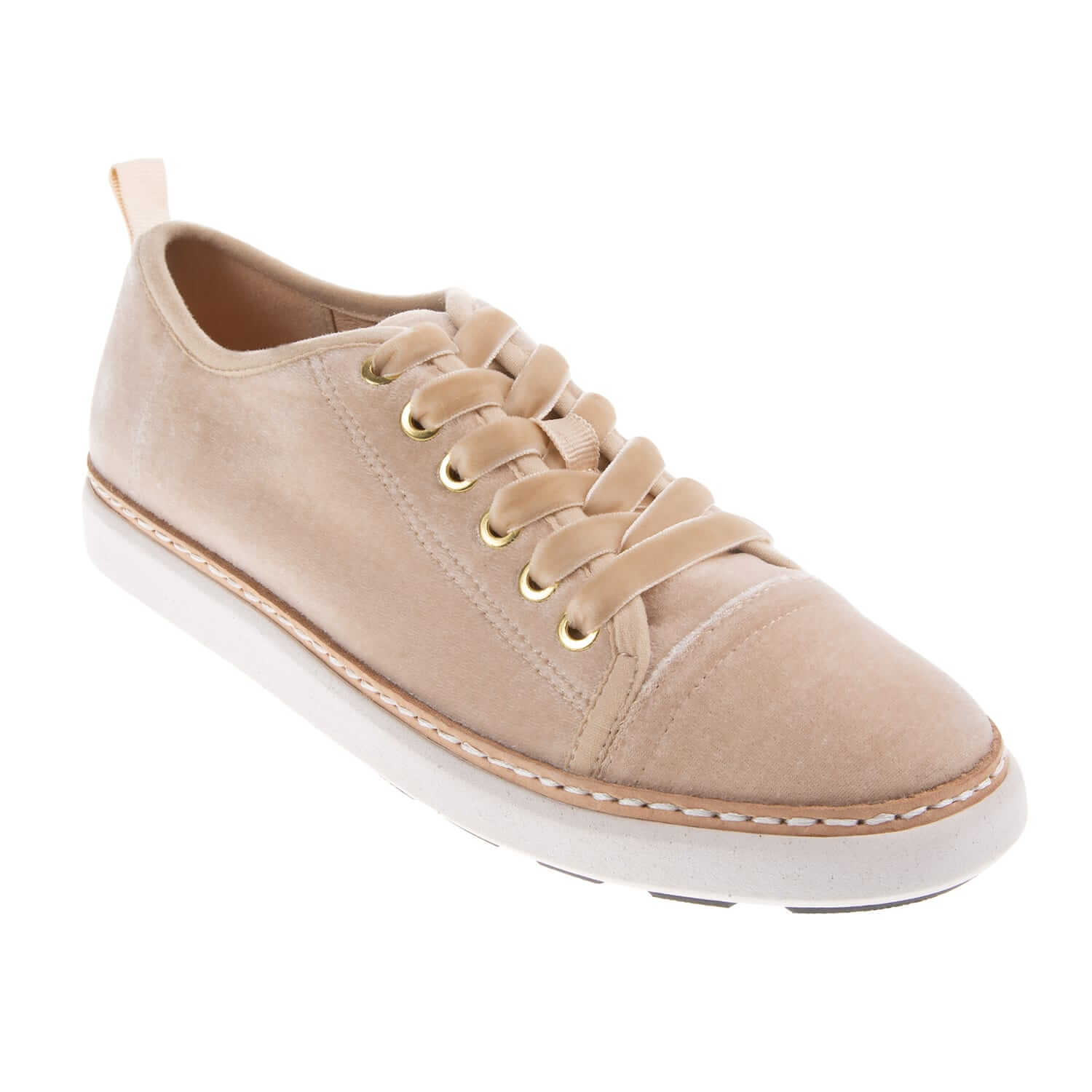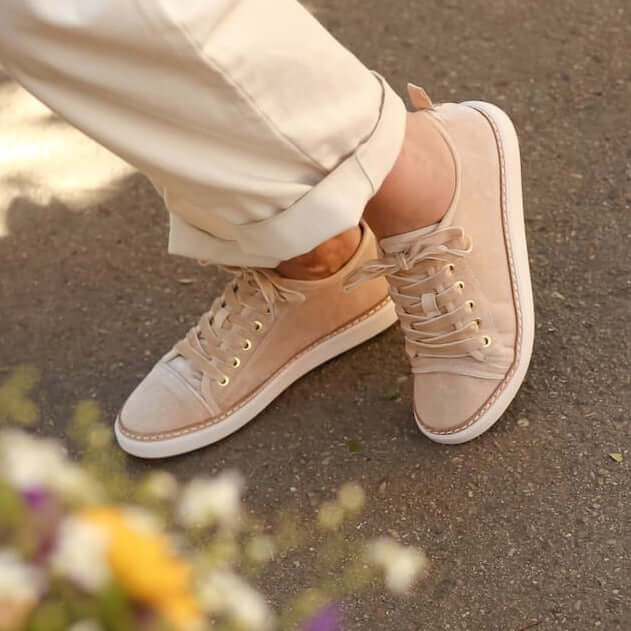

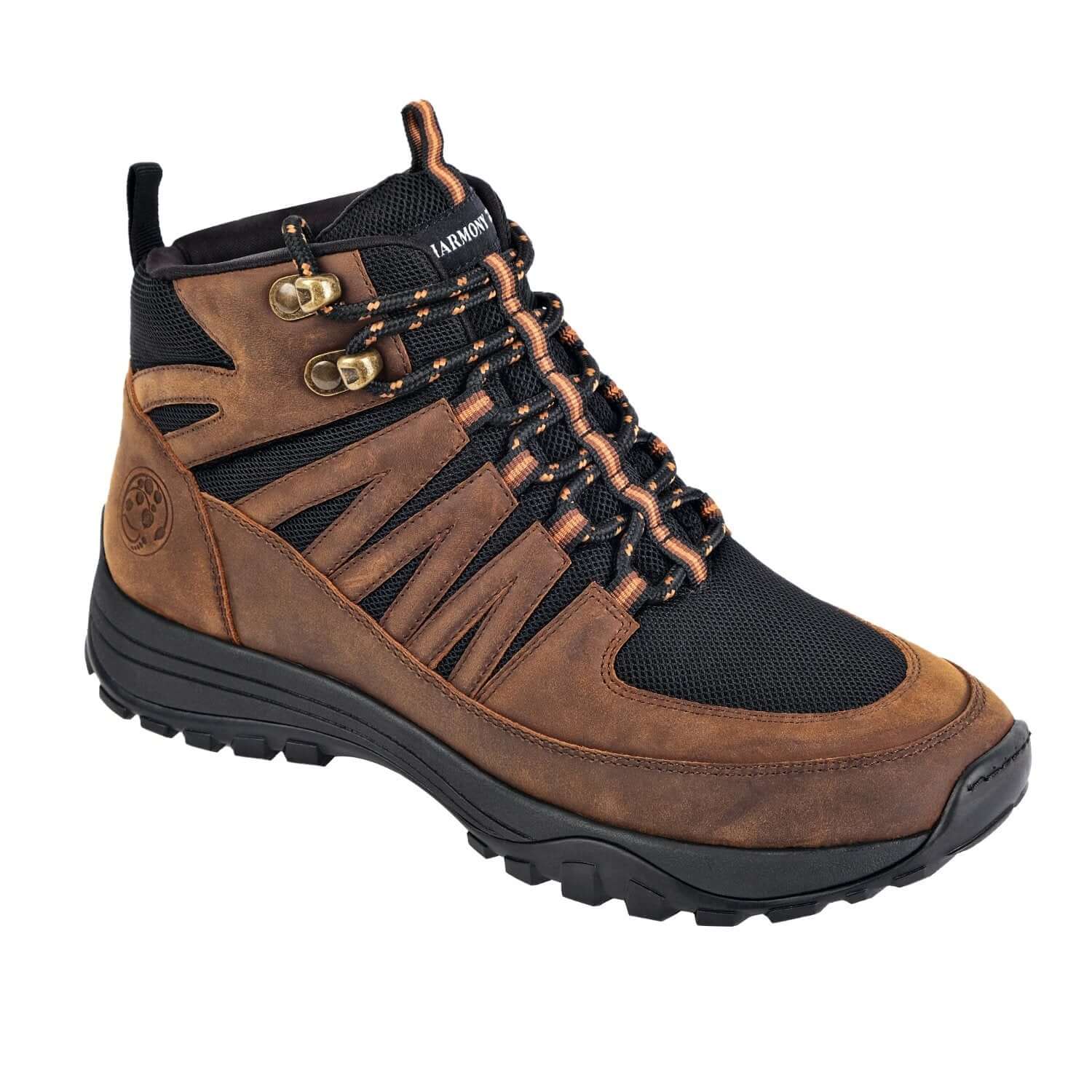
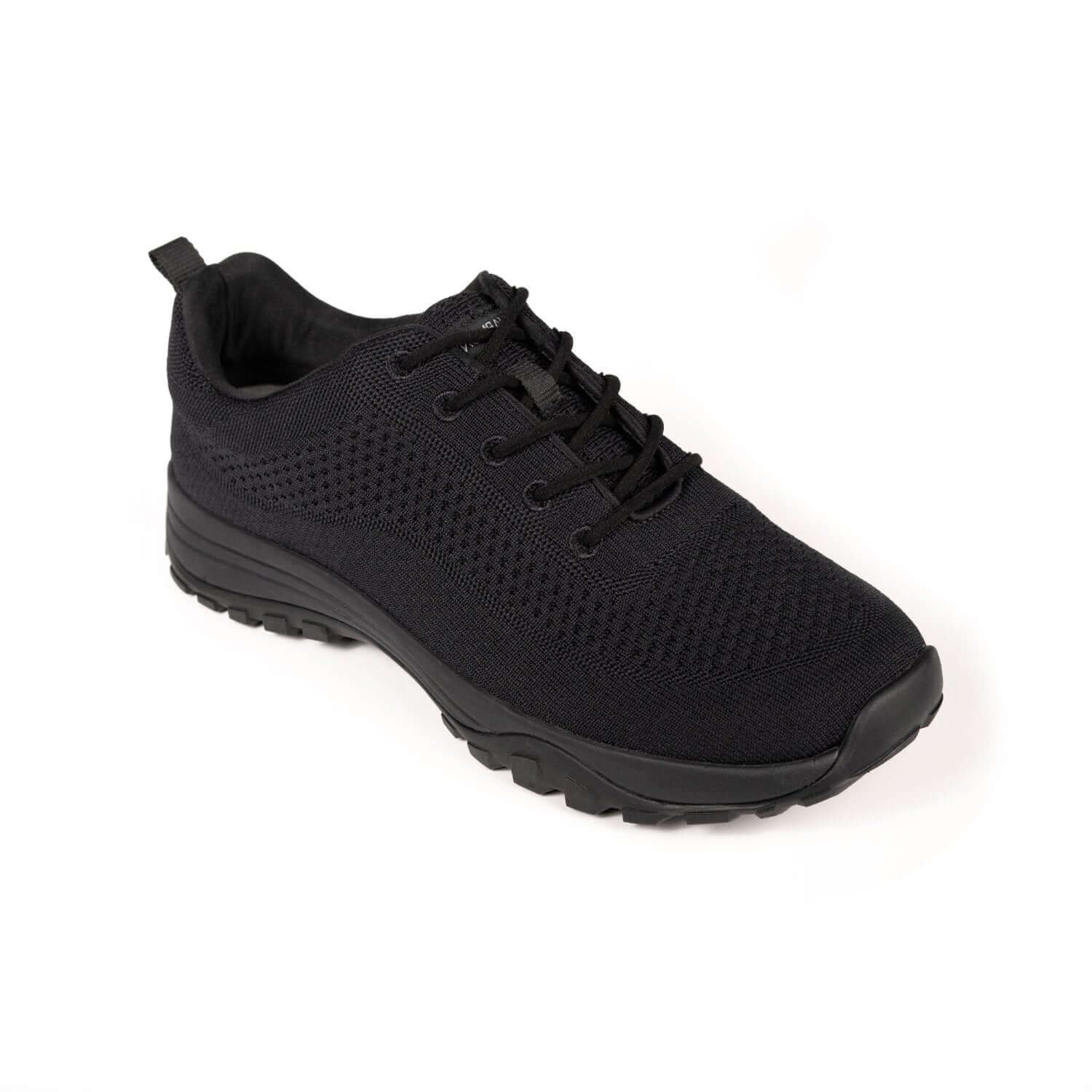
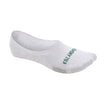
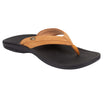
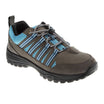
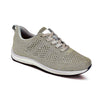

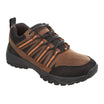
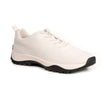


Paying more for a shoe does not automatically make it a grounding shoe. A skeptical buyer is right to ask what the extra technology does, where it works, and whether the shoe will fit real daily habits. The honest answer depends less on the label and more on the connection between your foot, the shoe, and the ground.
Are grounding shoes worth it? They can be, but only when they use a real conductive path and you wear them on a genuinely grounded surface, where that connection can function as intended.
A barefoot shoe is not automatically a grounding shoe. It needs conductive materials designed to create that pathway. If you want broader buying context, our full grounding shoes review and cost guide can help. First, it helps to examine why this category creates so much doubt, from price and marketing claims to confusion between barefoot comfort and earthing technology.
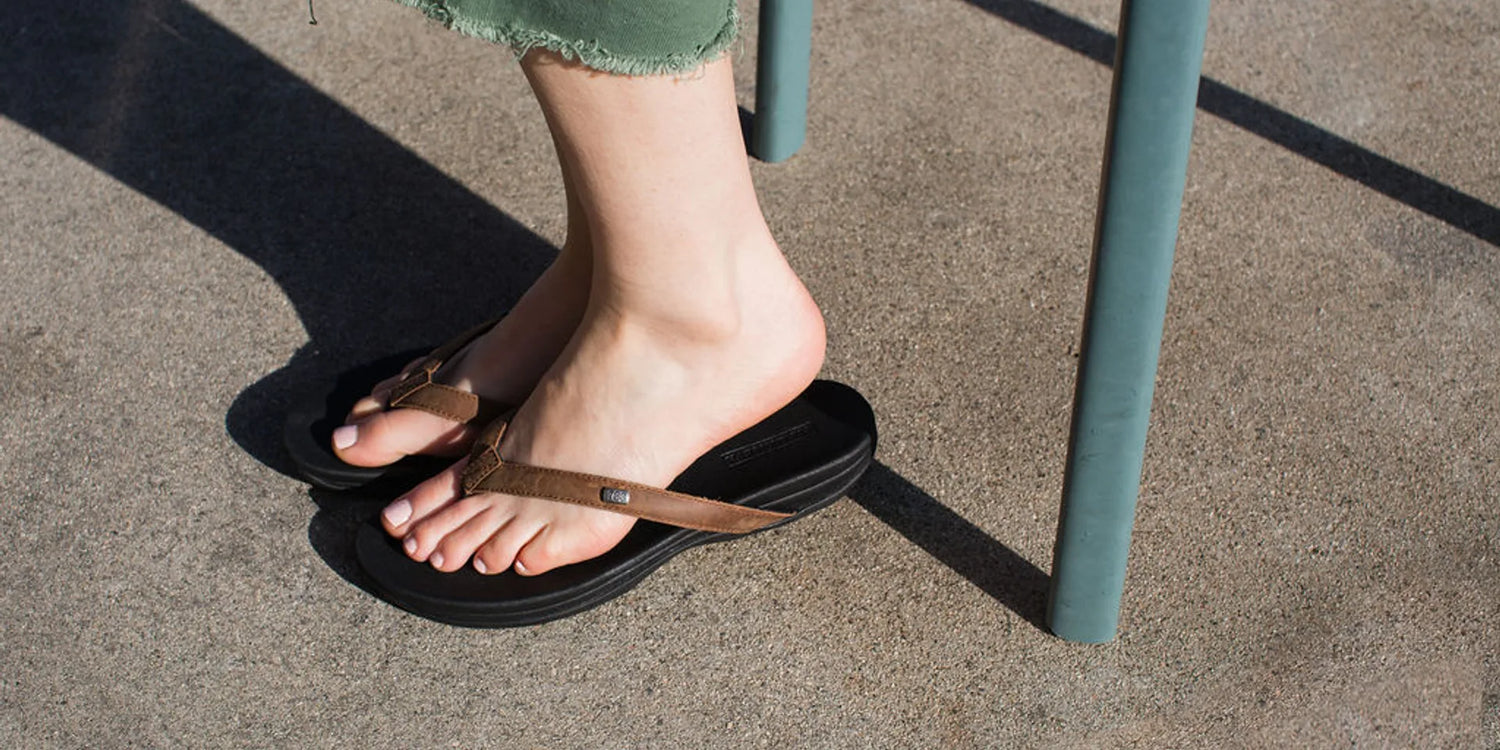
Browse the grounding sandal collection and see what fits your routine
Why Do People Question Whether Grounding Shoes Are Worth It?
It is reasonable to question the price. Grounding shoes can look like ordinary footwear with a wellness claim added to the product page. If the shoe does not create a real conductive connection, the extra cost is hard to justify. The same is true if you wear it only on surfaces that block contact with the earth.
There is also genuine confusion between barefoot shoes and grounding shoes. A barefoot shoe is designed to provide a flexible, minimal-footwear feel. That does not make it conductive. A barefoot shoe is a grounding shoe only when it has been specifically built with conductive materials and a pathway that can connect your foot to the ground. For a closer look at the distinction, read this guide to comparing barefoot vs grounding shoes.
That difference matters because the market is growing quickly. Industry projections put grounding footwear at about $6 billion by 2030, with an estimated 35% to 38% compound annual growth rate. Strong demand does not prove that every product works. It does show why shoppers are encountering more claims, more designs, and more price points. The real question is whether a particular pair delivers what it promises.
What makes the price worth considering?
Before buying, check the construction and your normal walking routine. A sensible value check includes:
- Conductive design: Does the shoe include a material and pathway intended to carry the connection?
- Foot contact: Will your foot actually touch the conductive part during normal wear?
- Usable surfaces: Do you regularly walk on natural ground or another surface that can support grounding?
- Everyday fit: Is the shoe comfortable enough that you will wear it consistently?
Skepticism about hype is healthy. Grounding shoes are worth it only when their construction, your foot contact, and your walking surfaces line up. They are not a shortcut, and they should not be presented as medical treatment. But for someone who wants grounding footwear and will use it in the right conditions, a well-made pair may offer practical value beyond the label alone.
What the Earthing Research Actually Proves (and What It Does Not)
The basic idea is straightforward. Grounding shoes are designed to create a conductive pathway between your foot and the earth. When the shoe is built correctly and worn on a genuinely grounded surface, that pathway may allow electrons from the earth to reach the skin. Learn more about earthing science and electron transfer before judging a pair by its style or label.
That does not mean every shoe marketed as natural, barefoot, or wellness footwear is grounding. A barefoot shoe is not automatically a grounding shoe. It needs conductive materials and a design that keeps your foot connected to those materials. Harmony 783 uses its Groundworks 5-layer conductive system as one example. The system includes a silver-stitched footbed, a conductive loop, and a carbon-infused sole.
What needs to be true for the connection to work?
Miss one of those conditions and the intended connection may not occur. Natural ground is the clearest example. Unsealed concrete may also work in some settings. Asphalt, rubber mats, and most indoor floors usually act as insulators. Walking around a carpeted home or across a rubber gym floor is not the same as standing on the earth.
- Check that the shoe has a real conductive component, not just a thin or flexible sole.
- Wear it in a way that allows your foot to contact the conductive part of the shoe.
- Pay attention to the surface under you. The ground matters as much as the footwear.
What does broader health research show?
Research on time spent in nature provides useful context, but it is not proof that grounding shoes cure a health condition. The Mayo Clinic reports that studies of natural environments have found positive effects on measures such as blood pressure, heart rate, and mental health. It also describes biophilia, the idea that humans are wired to connect with nature. You can read the discussion in the Mayo Clinic overview of nature and physical and mental health.
Those findings support the value of making time for nature. They do not establish that a particular pair of shoes will deliver the same result, or that electron transfer replaces medical care. The honest answer is narrower: grounding shoes can provide a conductive route when the construction, foot contact, and surface all line up. Whether that makes them worth buying depends on how often you can use them in those conditions.
Q: Do grounding shoes work on every surface?
A: No. Their intended connection can be blocked by asphalt, rubber, and many indoor floors. Check the surface before assuming the footwear is doing its job.
Q: Are grounding shoes worth it for medical treatment?
A: They should not be purchased as a cure or replacement for professional care. Consider them a natural wellness product with specific use conditions, not a medical device or promise of a health outcome.
Grounding Shoes Cost per Wear: A Real Value Check
For readers asking, "are grounding shoes worth it," the clearest answer is to measure use, not just the checkout price. A durable pair can become more affordable with every wear, but only if it fits your routine and you use it where grounding is possible. Harmony 783 offers 60+ footwear and sock SKUs, with listed prices ranging from $7.99 to $220. That range reflects different product types and construction, so compare the specific item you plan to wear rather than assuming every pair costs the same.

Cost per wear is simple:
- Cost per wear = purchase price divided by the number of meaningful wears.
- A $120 pair worn 300 times would be $0.40 per wear. This is an illustration, not a product price or performance promise.
- The same pair worn 50 times would be $2.40 per wear. A lower upfront price is not automatically better value if the item stays in the closet.
| Wellness investment | Payment pattern | How to think about cost per use |
|---|---|---|
| Grounding shoes | Usually one-time purchase | Divide the purchase price by each wear. More regular use can spread the cost across hundreds of wears. |
| Gym membership | Recurring monthly payment | Divide the monthly fee by visits that month. Missed visits raise the effective cost per visit. |
| Massage | Usually paid per session | Divide the session price by one appointment. Value depends on how often you choose to return. |
| Supplement subscription | Recurring monthly or scheduled payment | Divide each shipment cost by the servings used. Unused servings increase the effective cost. |
This comparison does not prove that one wellness choice is better. The investments serve different purposes. It shows why a one-time footwear purchase deserves a different value test from a subscription or appointment. Ask yourself:
- Will I wear this pair often enough to spread the cost?
- Does the design suit my normal walking, travel, or outdoor routine?
- Can I spend time on a genuinely grounded surface while wearing it?
Market growth may signal rising interest in grounding footwear, but it does not guarantee personal value. The better test is practical: choose a pair that fits your habits, understand its construction, and track how often you actually wear it. For broader buying criteria, see our grounding shoes cost guide.
Do Grounding Shoes Actually Pay Off Within 90 Days?
A 90-day trial can help you judge value, but only if you test the shoes under the conditions they need to work. Wearing them indoors on insulated floors is not a fair test of grounding footwear. Neither is wearing them once or twice and expecting a clear answer.
What does a fair 90-day trial look like?
Start by choosing a simple routine you can repeat. Wear the shoes during regular outdoor walks or while standing on natural ground. Unsealed concrete may also work, while asphalt, rubber mats, and most indoor flooring can block the connection. Surface conditions matter as much as the shoe itself. The shoe, your foot, and the ground beneath you must all work together for the connection to function.
- Wear the shoes regularly rather than saving them for occasional outings.
- Check that your foot touches the conductive material inside the shoe.
- Choose grass, soil, or another surface that can support a ground connection.
- Notice practical factors such as comfort, fit, durability, and how easily the shoes fit your routine.
Keep a short, honest note of when you wear them and where you walk. This separates the product experience from assumptions. It also helps you decide whether the shoes provide enough everyday value for your habits.
Who tends to see value fastest?
People who already spend time outdoors may find it easiest to evaluate grounding footwear. The shoes can add a grounding feature to an activity they already enjoy, without requiring a major lifestyle change. Regular walkers may also have more opportunities to compare comfort and convenience across different surfaces.
Results may be harder to judge for someone who spends most of the day inside, walks mainly on asphalt, or cannot confirm whether a surface is grounded. In that situation, the limiting factor may be the environment, not the footwear. A standard barefoot shoe also does not automatically provide grounding. It must be built with conductive materials for that purpose.
Q: What if I do not notice a difference after 90 days?
A: First, review how and where you wore the shoes. If the routine rarely included genuinely grounded surfaces, the trial did not test the core feature. If you used them correctly and still do not find enough comfort, convenience, or personal value, they may not be the right purchase for you. For a broader look at design, use cases, and buying considerations, read our full grounding shoes review.
Why Harmony 783's 45-Day Guarantee Lowers the Risk of Trying
Skepticism is reasonable when you are considering a new kind of footwear. You may wonder whether grounding shoes will fit your routine, feel comfortable enough for regular wear, or deliver the experience you expect. You should not have to treat one purchase as a permanent bet.
Harmony 783 offers a 45-day satisfaction guarantee. That gives you time to wear the shoes, use them in your normal routine, and decide whether they meet your expectations. If they do not, you can return them within that 45-day window. The guarantee does not promise a specific wellness outcome. It simply lowers the cost of finding out whether this style of footwear belongs in your life.
A thoughtful trial can help you answer practical questions that product descriptions cannot:
- Do the shoes feel comfortable during the activities you already do?
- Can you wear them often enough to make them part of your routine?
- Do you have regular access to outdoor surfaces that support a grounded connection?
- Do the shoes meet your expectations for style, fit, and everyday use?
This approach also keeps the decision focused on your needs rather than hype. Grounding shoes are not the same as ordinary barefoot shoes, and they are not a substitute for medical care. They are purpose-built wellness footwear for people who want to explore grounding without going barefoot.
Before choosing a pair, see our full grounding shoes review for a broader look at the design, intended use, and buying considerations. Then browse the available styles and choose a pair that fits how you actually spend your time.
Who Should Not Buy Grounding Shoes?
Honest buying advice includes knowing when to skip a product. Grounding footwear can only do its intended job when the shoe, your foot, and the surface beneath you form a continuous path. That means conductive material inside the shoe must touch your foot, while the sole contacts a surface that can carry the connection to the earth. If one part is missing, the grounding function may not be active.
Who may get little value from grounding shoes?
- People who spend most of their time indoors: Most indoor flooring acts as an insulator. Carpet, vinyl, tile with insulating layers, and similar surfaces may block the connection. Rubber mats have the same limitation.
- People who mainly walk on asphalt: Asphalt is generally treated as an insulating surface for grounding purposes. A shoe designed with conductive materials cannot overcome every surface.
- People who will not check the surface: If you do not want to learn whether a path, patio, lawn, or other walking area is genuinely grounded, you may not use the footwear as intended. Natural ground and some unsealed concrete can work, but the surface condition matters.
- People shopping for ordinary barefoot shoes: A barefoot shoe is not automatically a grounding shoe. It needs specific conductive construction. Flexible soles or a wide toe box alone do not create an earthing connection.
- People expecting treatment or guaranteed results: Grounding shoes belong in a natural wellness routine. They are not a cure, replacement for medical care, or promise of a specific health outcome.
Q: Are grounding shoes worth it if I mostly wear them inside?
A: Probably not for the grounding feature. Indoor wear can still provide comfort or fit benefits, but insulated floors may prevent the conductive connection. If your main goal is earthing, first identify where you can walk on a genuinely grounded surface.
That simple check can prevent a disappointing purchase. If your routine includes outdoor walks on suitable ground and you want footwear that supports that habit, grounding shoes may be worth considering. If not, save your money or choose shoes based on comfort and everyday use instead.
Shop grounding shoes and sandals with a 45-day guarantee
Frequently Asked Questions
Are grounding shoes worth it?
They can be worth it if you will wear them on genuinely grounded surfaces and want a convenient alternative to going barefoot. The value depends on use, not hype. A barefoot shoe is not automatically a grounding shoe. Look for a purpose-built conductive path, then test whether the shoes fit your routine before judging the investment.
Does grounding your feet actually work?
Grounding footwear is designed to connect your foot to the ground through conductive material. That connection requires direct foot contact with the conductive component and a genuinely grounded surface. Natural ground and unsealed concrete may work, while asphalt, rubber mats, and most indoor flooring can block the connection. Check the surface before assuming the shoes are active.
What are the downsides to grounded footwear?
The main limitation is that the shoes do not create a connection everywhere you walk. Indoor floors, asphalt, and rubber surfaces can insulate you from the ground. You may also pay more than you would for ordinary footwear, especially when comparing products with different conductive designs. If you rarely walk on grounded surfaces, regular shoes may offer better value.
Is it okay to wear grounding shoes all day?
Wear them for as long as they remain comfortable and appropriate for the activity. Start with normal daily use, check that your foot maintains contact with the conductive material, and inspect the fit as you would with any shoe. More hours do not compensate for an insulated walking surface, so focus on where you wear them as well as how long.
Ready to Test Whether Grounding Shoes Are Worth It for Yourself?
The only way to know if grounding shoes are worth it for your routine is to wear them consistently on grounded surfaces. The risk is low: Harmony 783 stands behind every pair with a 45-day satisfaction guarantee, so you can try grounding footwear with confidence.
Browse the collection and find a grounded sandal, sneaker, or boot that fits your lifestyle.
Shop grounding shoes and sandals
If you track recovery with a wearable, our guide to earthing and heart rate variability research explains what HRV can and cannot show. Use it as general wellness reading, not medical advice.