


Earthing Heart Rate Variability HRV Grounding Research Guide
If you are looking for earthing heart rate variability hrv grounding research, you want a clear answer without hype. Heart rate variability, or HRV, changes with sleep, training, stress, hydration, illness, and measurement conditions. Early grounding studies are interesting. They do not prove that a grounding routine will raise your HRV or improve athletic performance.
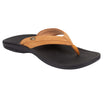
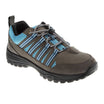
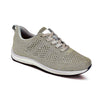
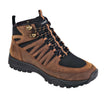
Browse our collection of walkers
This guide explains what HRV measures and what the early research can and cannot tell us. It also shows athletes and biohackers how to test a comfortable grounding routine with better consistency. For a broader introduction, read the science of grounding and earthing.
Grounding is a wellness practice, not a treatment for a heart condition. Do not use a wearable score to ignore pain, persistent symptoms, dizziness, or professional medical advice.
What Is Heart Rate Variability, and Why Do Athletes Track It?
Heart rate variability is the natural change in timing between heartbeats. It is different from average heart rate. HRV gives one view of how the autonomic nervous system responds to training, rest, stress, and everyday demands. A clinical overview is available through PubMed.
The autonomic nervous system manages functions you do not need to control consciously, including heart rate and breathing. The sympathetic branch supports alertness and effort. The parasympathetic branch supports rest and recovery. HRV can reflect shifts in this balance, but it is not a direct score for fitness, health, or athletic readiness.
A higher number is not always better. Your useful range depends on your age, training history, normal baseline, device, and measurement method. A lower result after a demanding session may reflect the load your body is processing. A pattern that continues for several days can be more useful than one unusual morning.
Why are HRV trends more useful than single readings?
Athletes use HRV as one part of a larger recovery picture. A trend may help you decide whether to follow a hard plan, reduce intensity, or give more attention to sleep and easy movement. It should support judgment, not replace it.
- Compare your readings with your own baseline, not another person's score.
- Use the same device and measurement method when possible.
- Record sleep, training load, stress, hydration, and illness.
- Look for patterns across several days or weeks.
Wearables make tracking convenient, but their results are not a diagnosis. Treat HRV as a prompt to check in with your body. If your readings change along with concerning symptoms, speak with a qualified health professional.
What Does Current Earthing Heart Rate Variability HRV Grounding Research Show?
Current earthing and heart rate variability research is preliminary. A 2011 study reported improved HRV after grounding in 28 participants. Another small study examined blood viscosity after a two-hour grounding period in 10 participants. These findings are useful starting points for further study. They do not prove that grounding treats a heart condition, guarantees better recovery, or produces the same result for every athlete.
What did the 2011 HRV study report?
The study examined HRV after grounding and reported a favorable change in participants' HRV measures. That result is relevant because HRV is often used as one indicator of autonomic response. However, a study with 28 participants cannot establish that grounding caused the change. It also cannot show that the result will occur for every person or that it will improve performance.
Small studies can identify questions worth testing. They cannot establish a universal exposure time or athlete protocol. Larger groups, stronger controls, consistent measurement, and longer follow-up would help researchers determine whether a reported change is repeatable and meaningful outside a study setting.
Why does blood-viscosity research not prove an HRV effect?
Blood viscosity is a different research measure from HRV. The small study in the National Library of Medicine's PMC collection explored whether grounding might affect blood viscosity after a short exposure. It did not directly test whether grounding improves HRV, sleep, exercise performance, or long-term cardiovascular health.
This distinction matters. A finding in one physiological measure cannot be transferred automatically to another. The sample was small, the exposure was short, and the design leaves questions about controls and real-world repeatability. Our article on whether earthing is scientifically proven provides more context. The most accurate summary is that the topic deserves research, but the evidence is not strong enough to predict a personal HRV outcome.
How Can You Measure HRV While Testing Grounding?
Answer capsule: Compare repeated HRV readings taken under similar conditions before and after adding one grounding routine. This can help you notice personal patterns, but it cannot prove that grounding caused a change.
Wearables do not all use the same sensors, sampling methods, or recovery calculations. Choose one device and keep the measurement method steady. A morning reading may suit one person, while overnight data may be more practical for another. Consistency matters more than chasing a universal number.
- Establish a baseline. Record your usual HRV for several days, or longer if practical, before changing your routine. Note whether your device reports a morning or overnight metric. Look for a normal range instead of selecting one ideal score.
- Standardize the reading. Measure at roughly the same time and use the same posture and breathing pattern. If you measure after waking, do it before caffeine, exercise, or a busy morning when possible.
- Add one grounding variable. Choose one repeatable activity, such as an easy walk or quiet outdoor period. Keep its timing and approximate duration similar. Do not change supplements, training load, sleep schedule, and footwear all at once.
- Log common confounders. Record sleep length, hard sessions, rest days, alcohol, stress, illness symptoms, hydration, travel, and unusual heat. A low reading after poor sleep may say more about sleep than your grounding routine.
- Review a trend. Compare several sessions with your baseline. Ask whether the routine is comfortable, repeatable, and compatible with how you feel and perform. If a reading and your experience disagree, keep both observations.
Mayo Clinic Press also recommends viewing HRV over time and in personal context rather than relying on one score. Read its guidance on tracking HRV. Persistent or concerning changes deserve professional attention.
How Can Grounding Fit an Athlete's HRV Tracking Routine?
A personal experiment should be gentle, comfortable, and easy to repeat. Choose one low-intensity recovery window, such as a relaxed walk or cool-down. The goal is not to force an HRV change. It is to observe how a grounding routine fits your habits while keeping other major variables as steady as possible.
Start with an easy recovery window
Pick a low-intensity activity that already fits your schedule. A 20-minute walk can be a practical starting point if it feels safe and comfortable. Use the same general time of day and a similar route when possible. If the walk is familiar, changing only the footwear makes your observations easier to interpret.
Research has examined longer exposure periods, including two hours in a small study. That does not establish a required duration or a proven athlete protocol. You do not need to copy a study. Start with a realistic window and record what you did.
- Keep the route, pace, and approximate duration similar.
- Avoid changing sleep, caffeine, supplements, or training load at the same time.
- Note poor sleep, unusual stress, illness, heat, or dehydration.
- Compare trends over several sessions rather than one morning score.
What should you look for in grounding footwear?
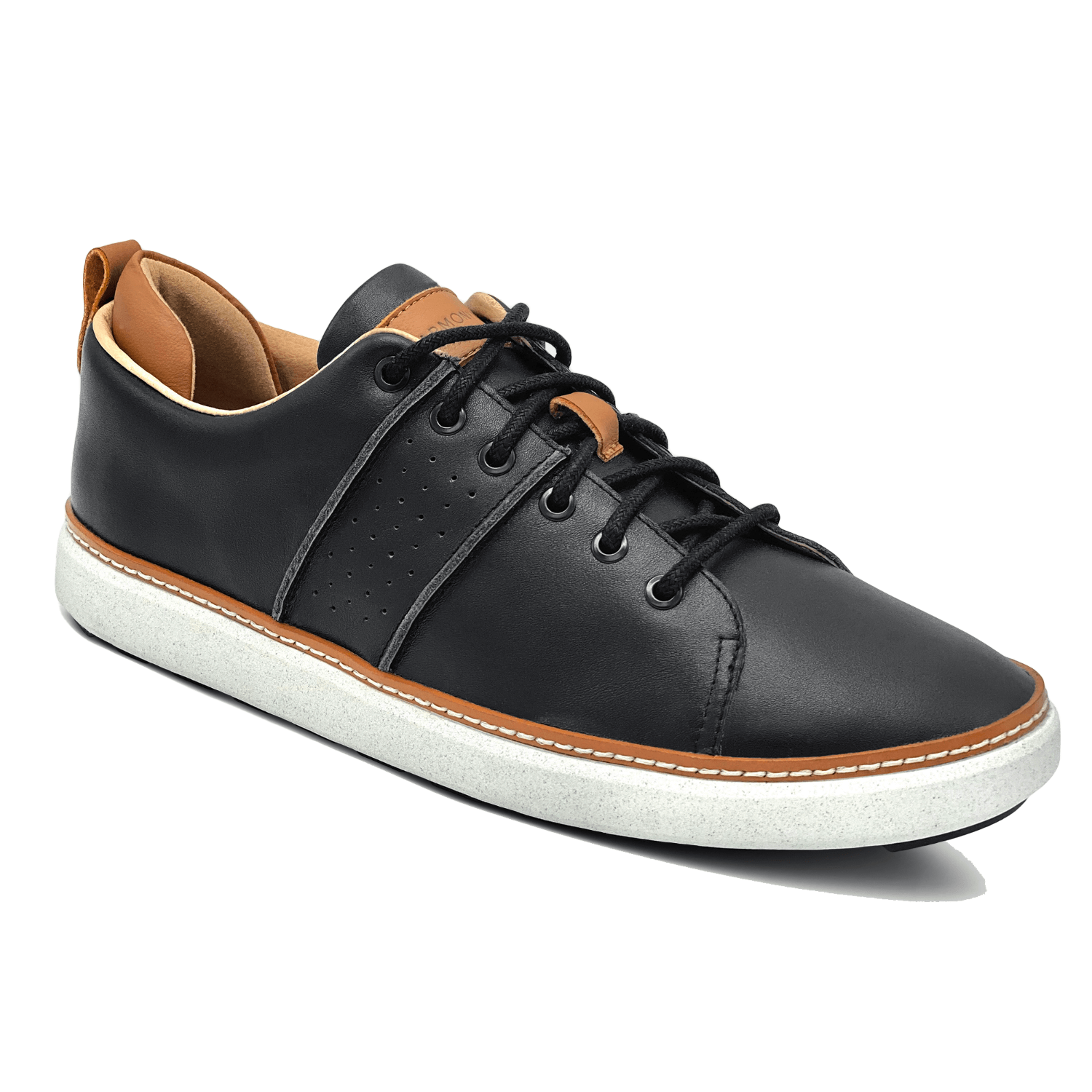
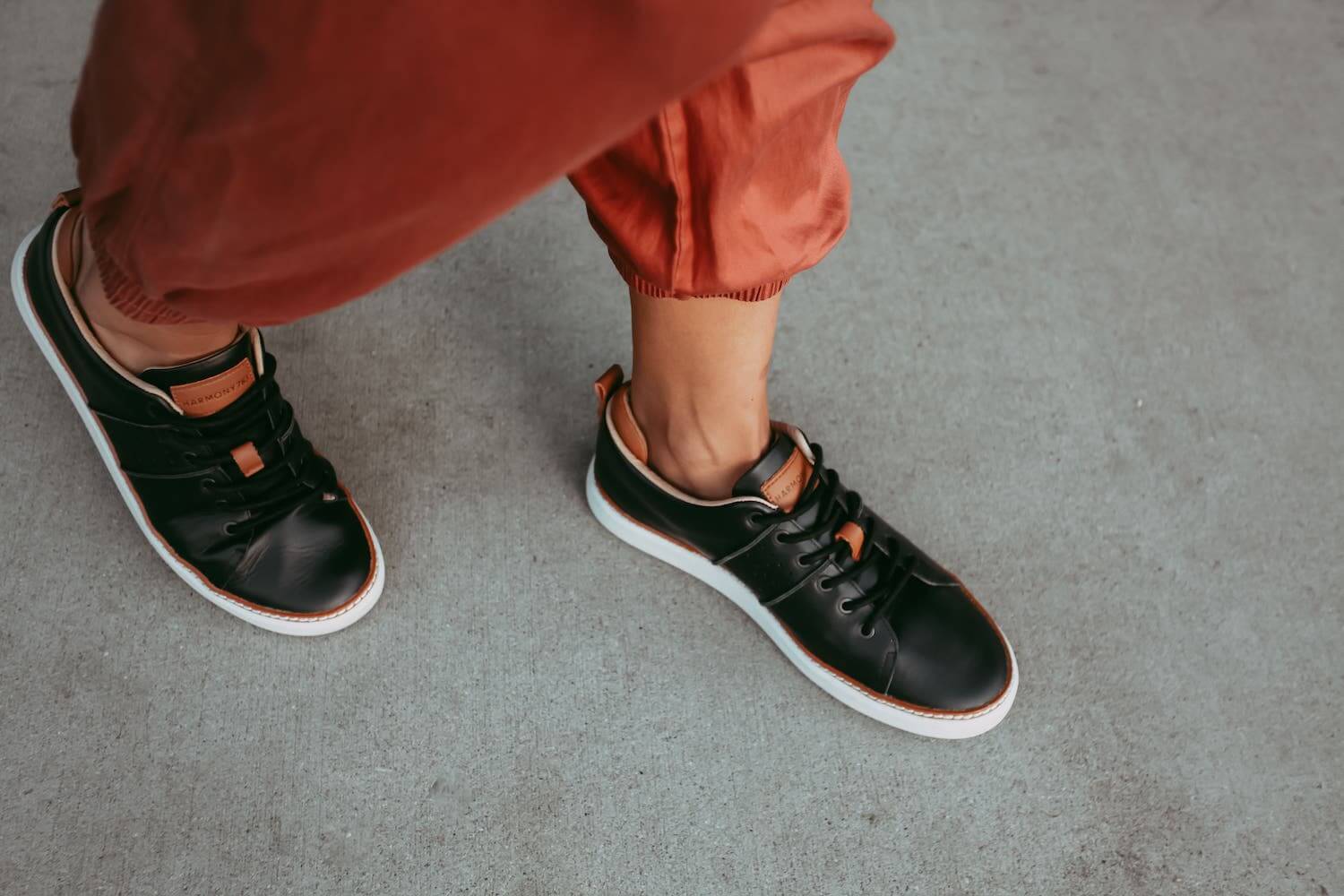
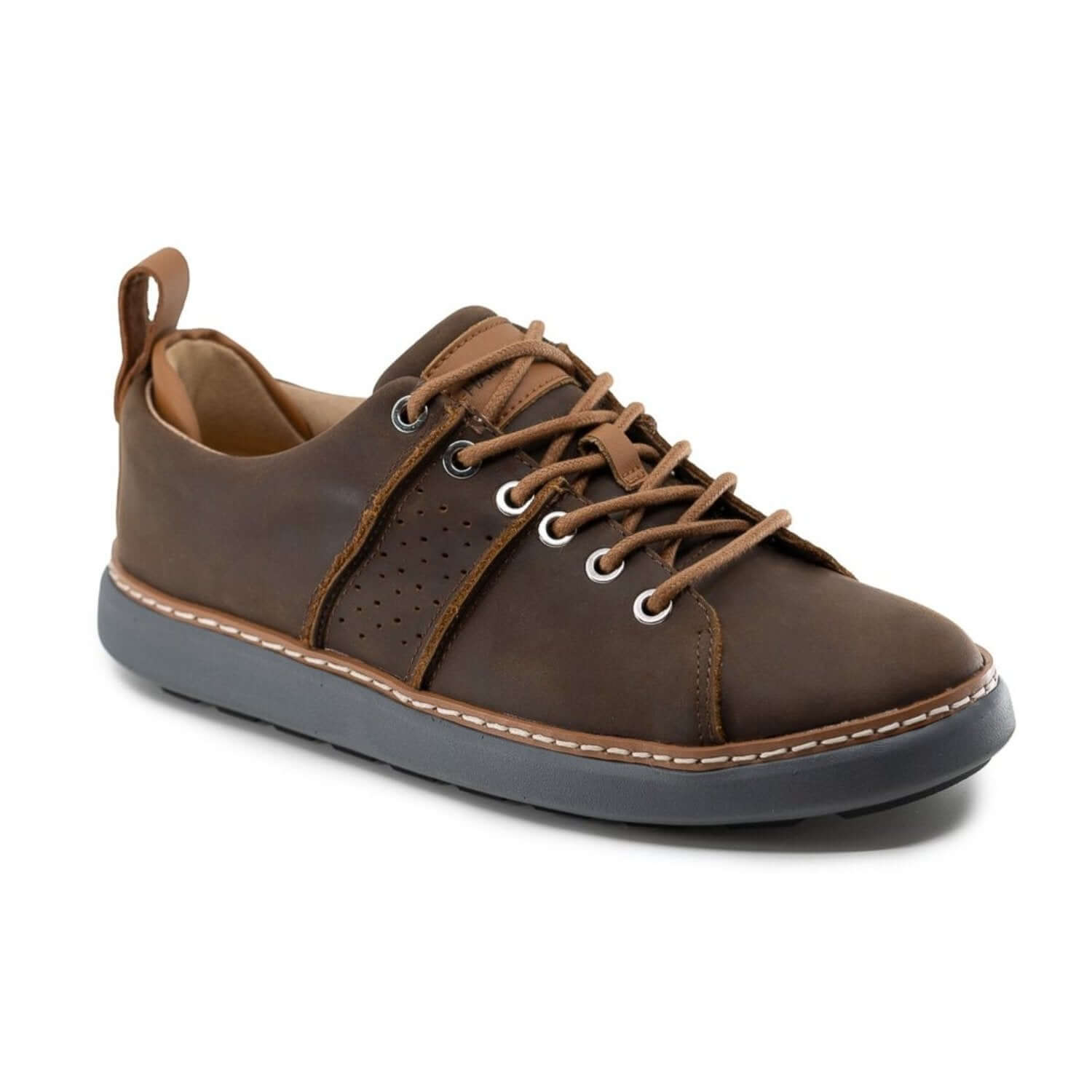
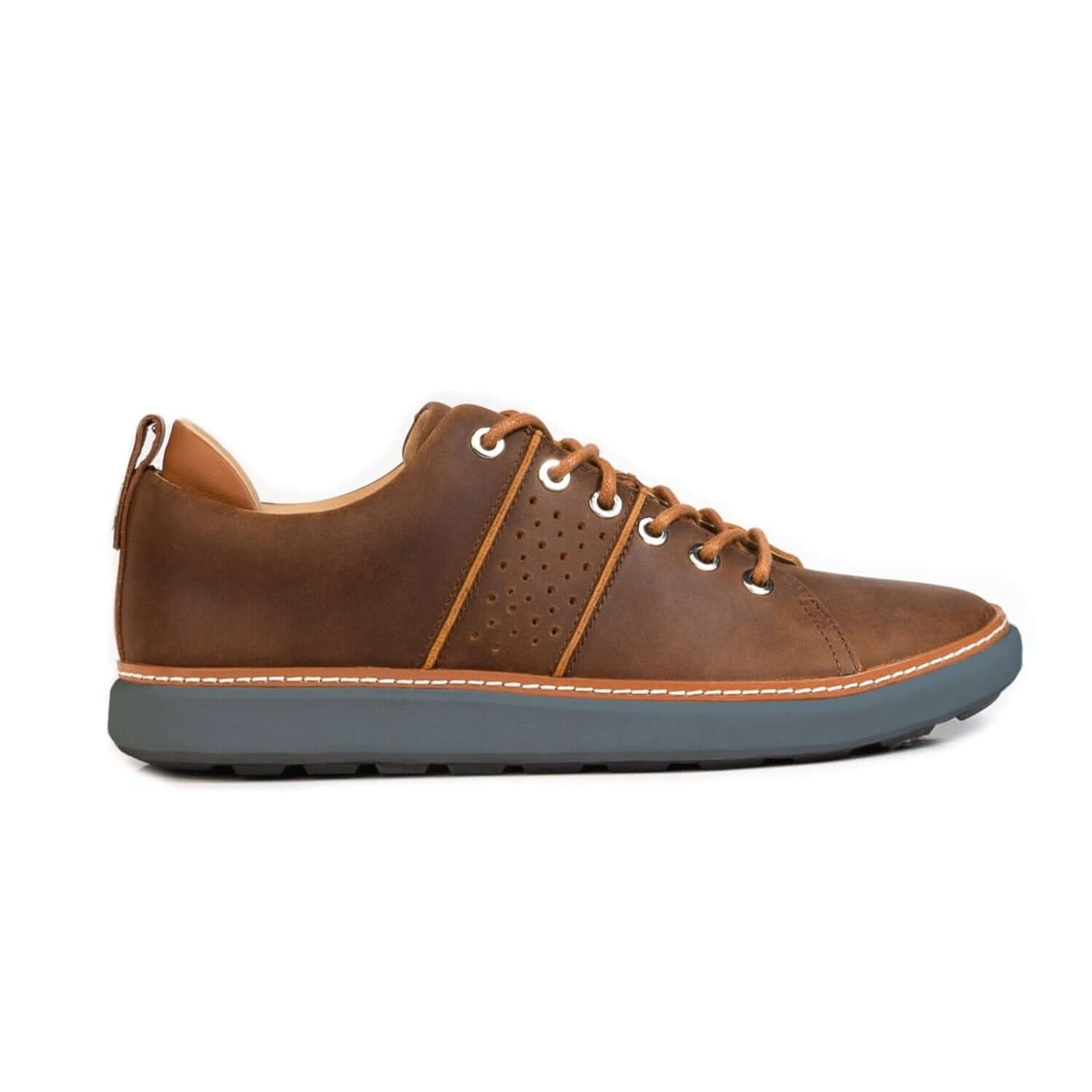
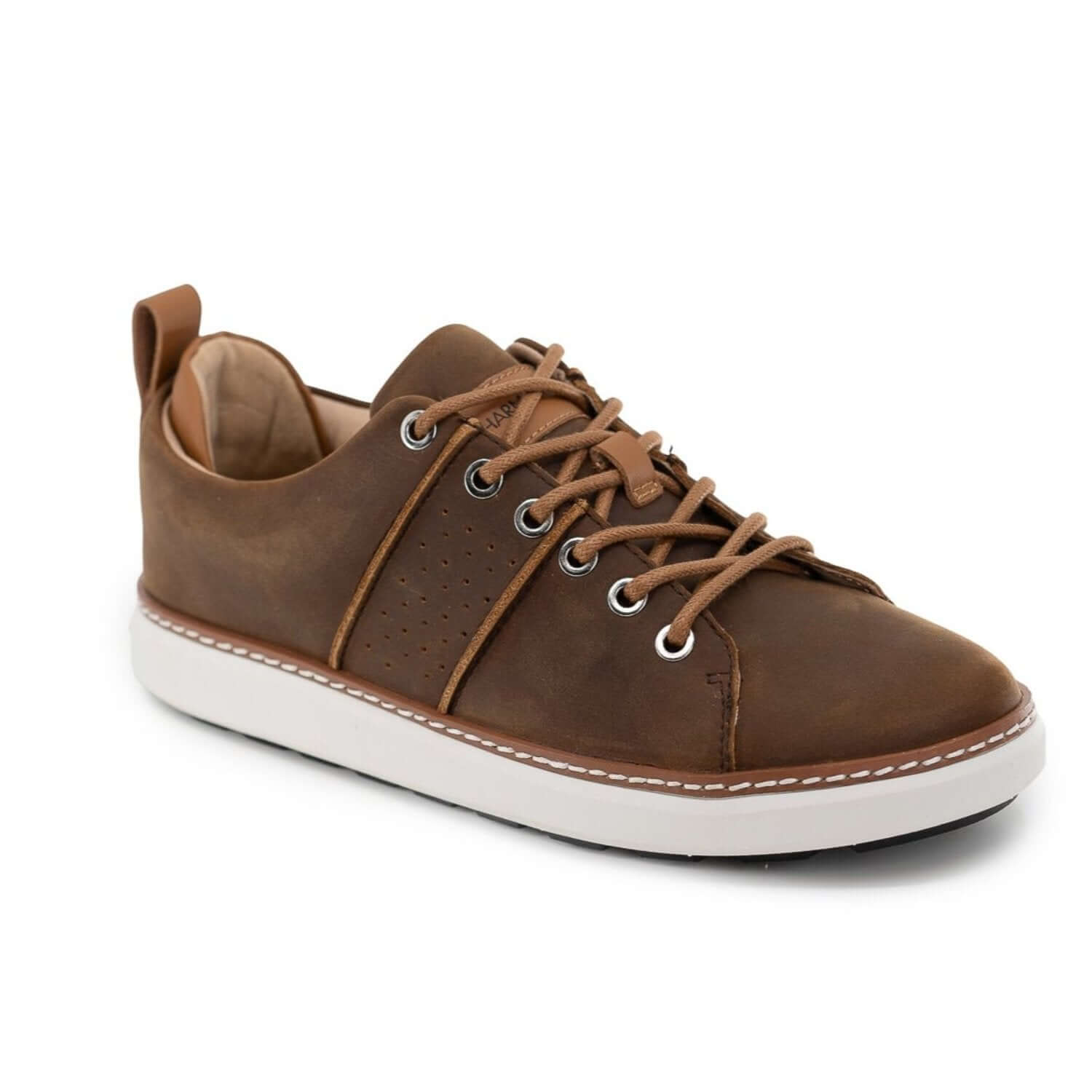
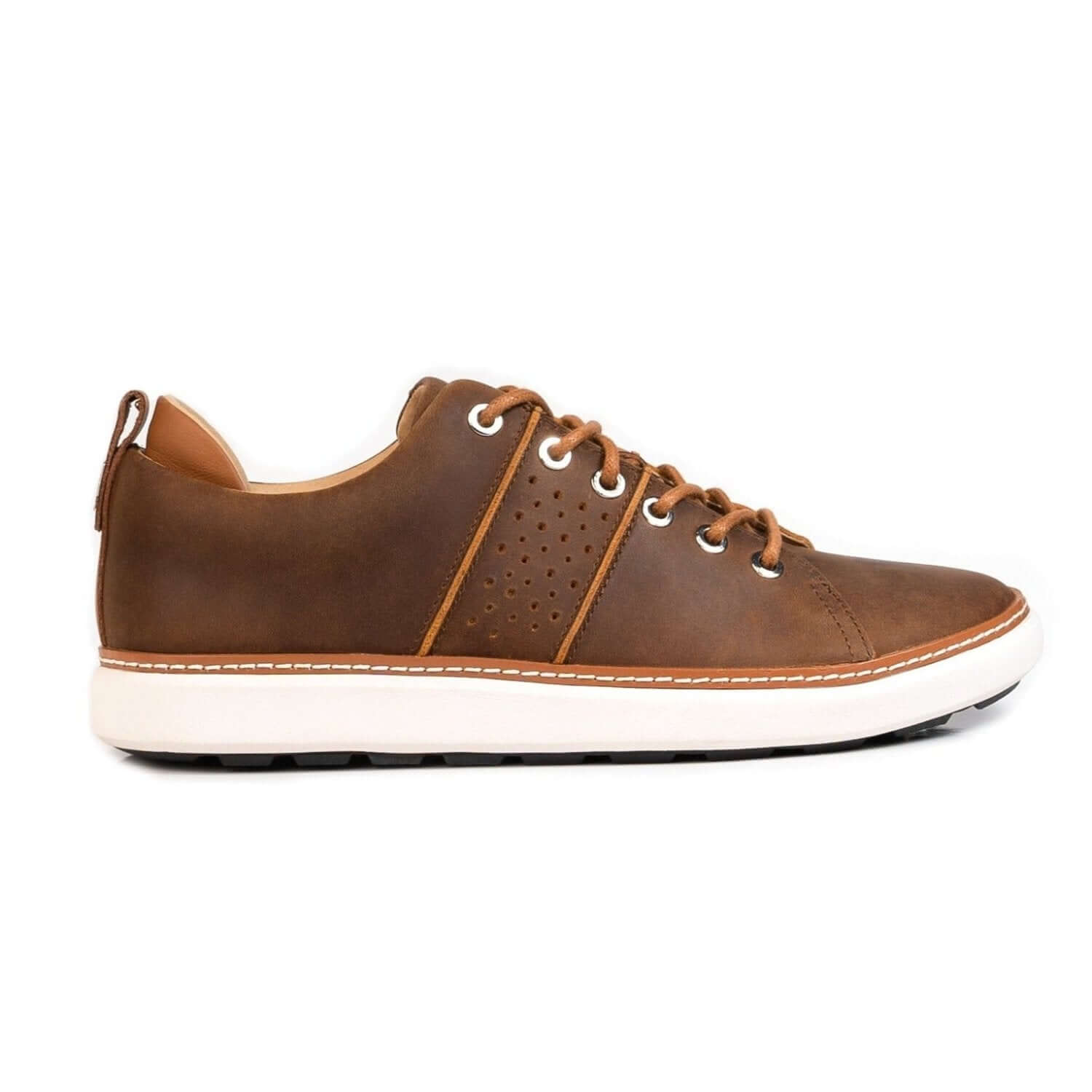
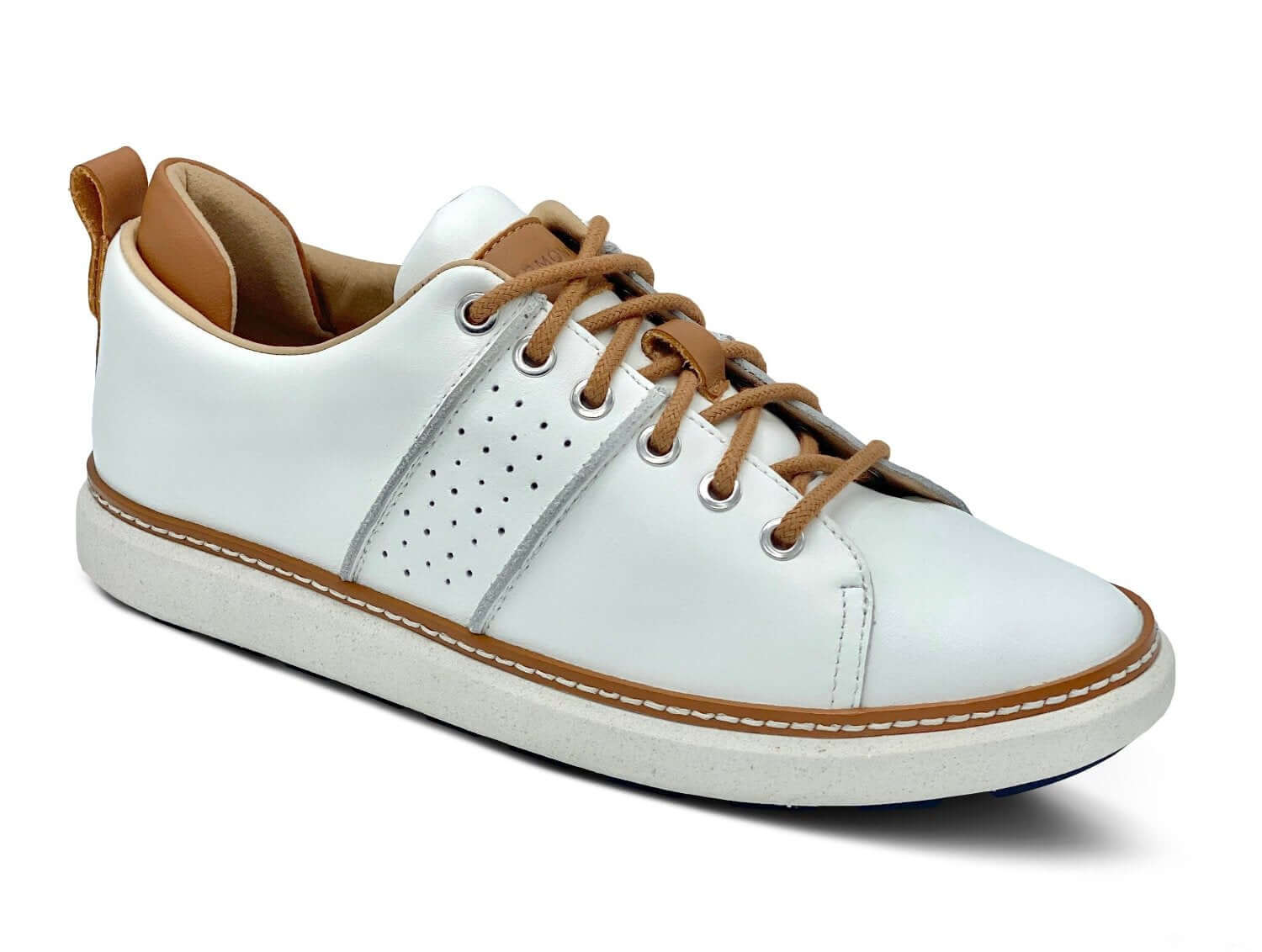
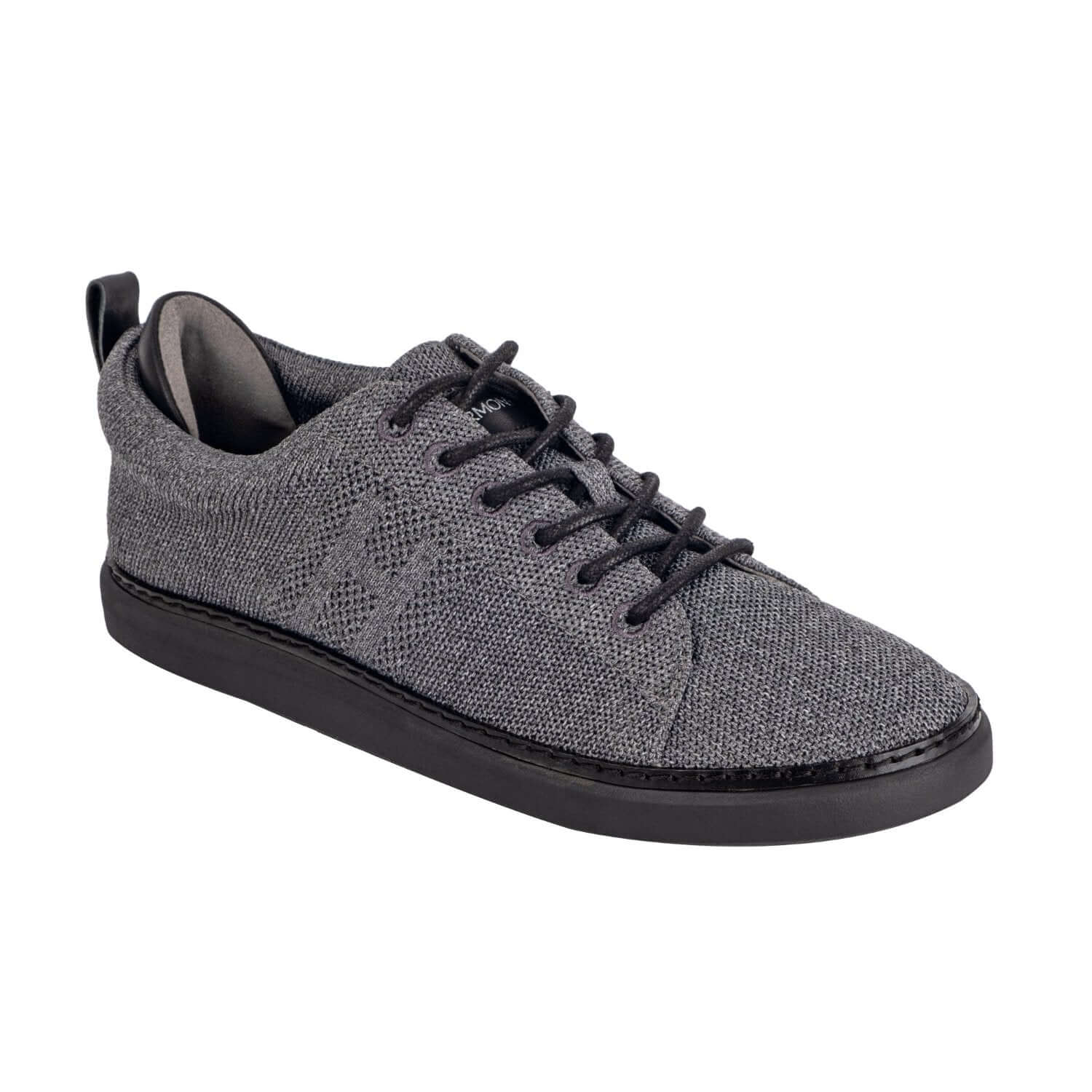
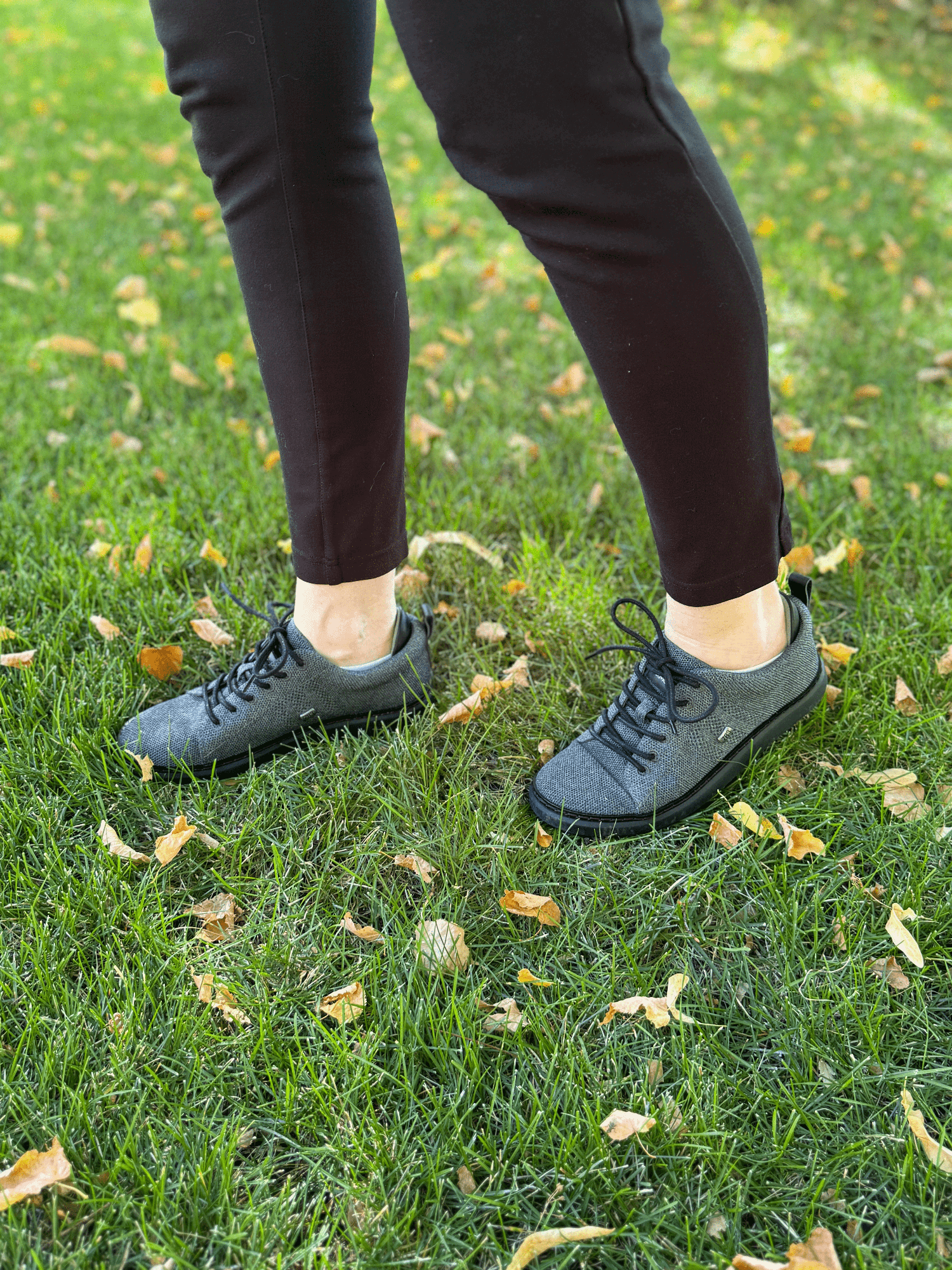
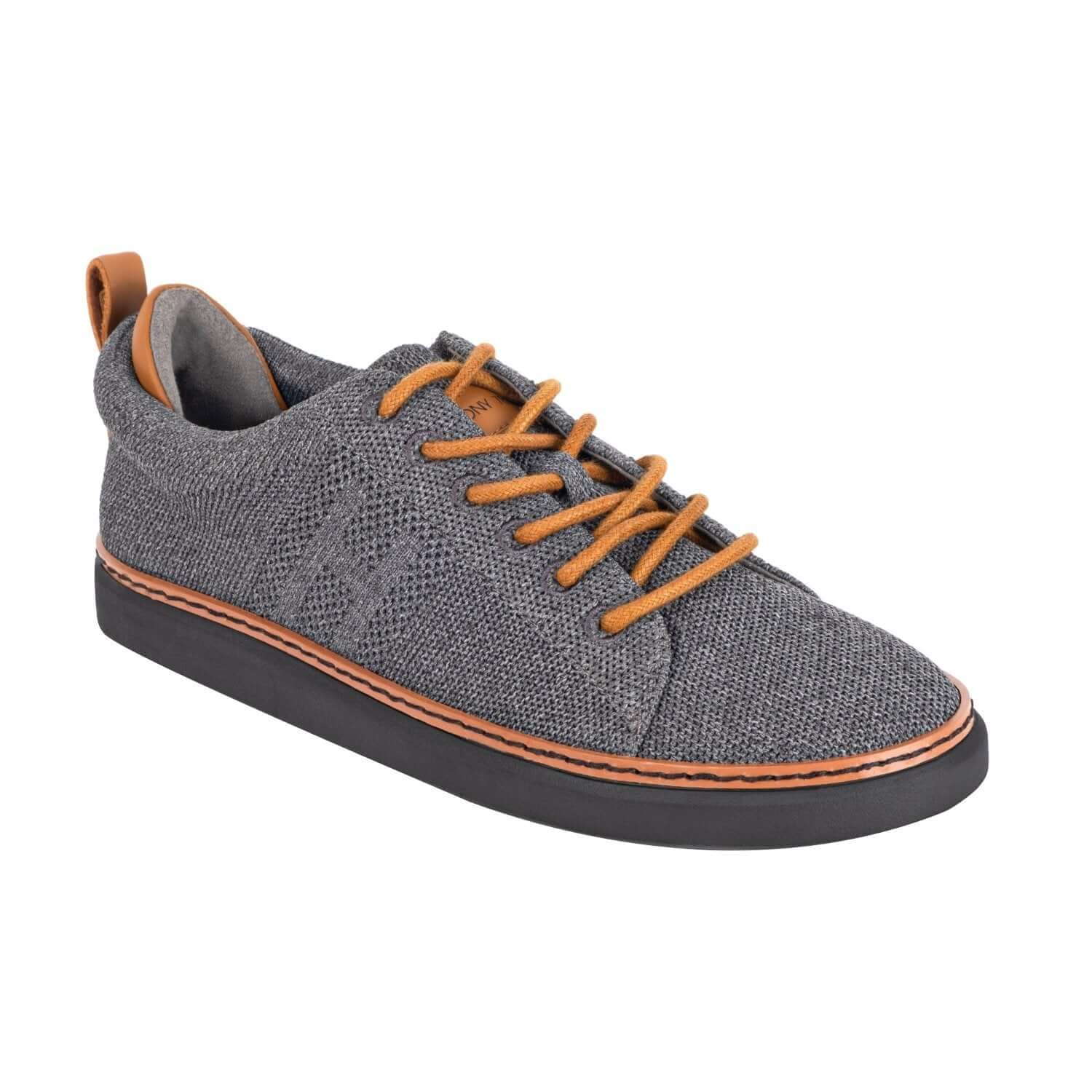
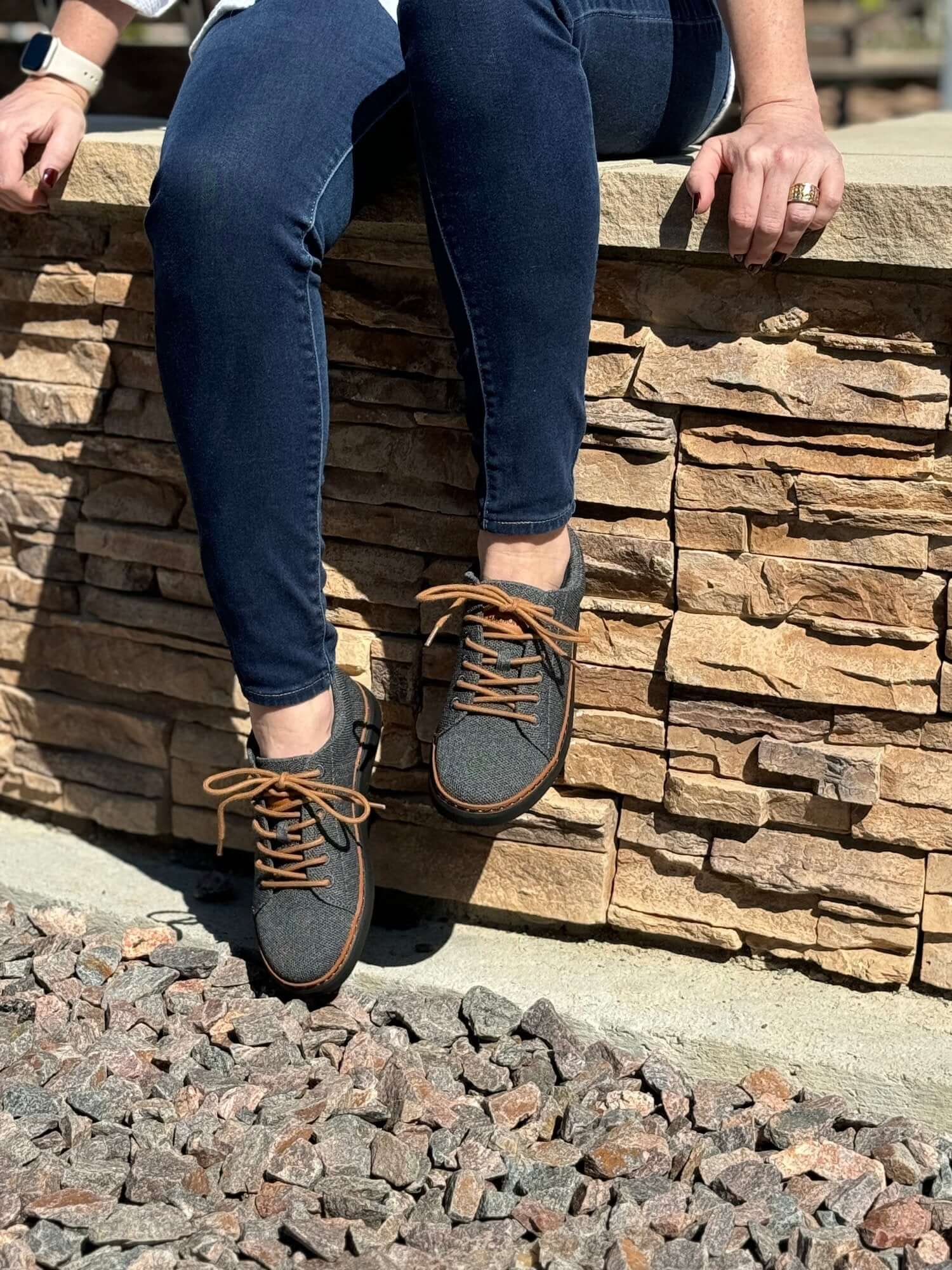
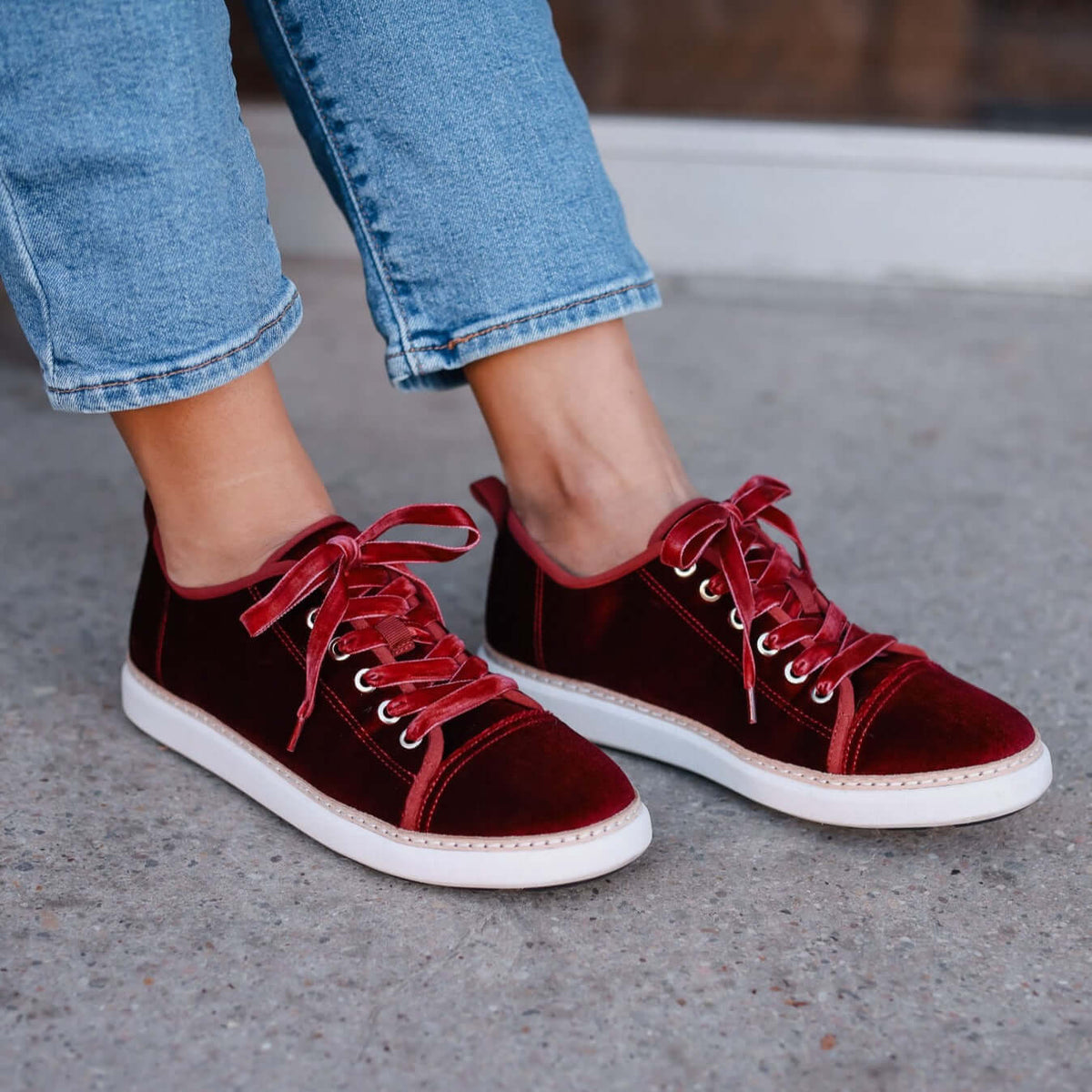
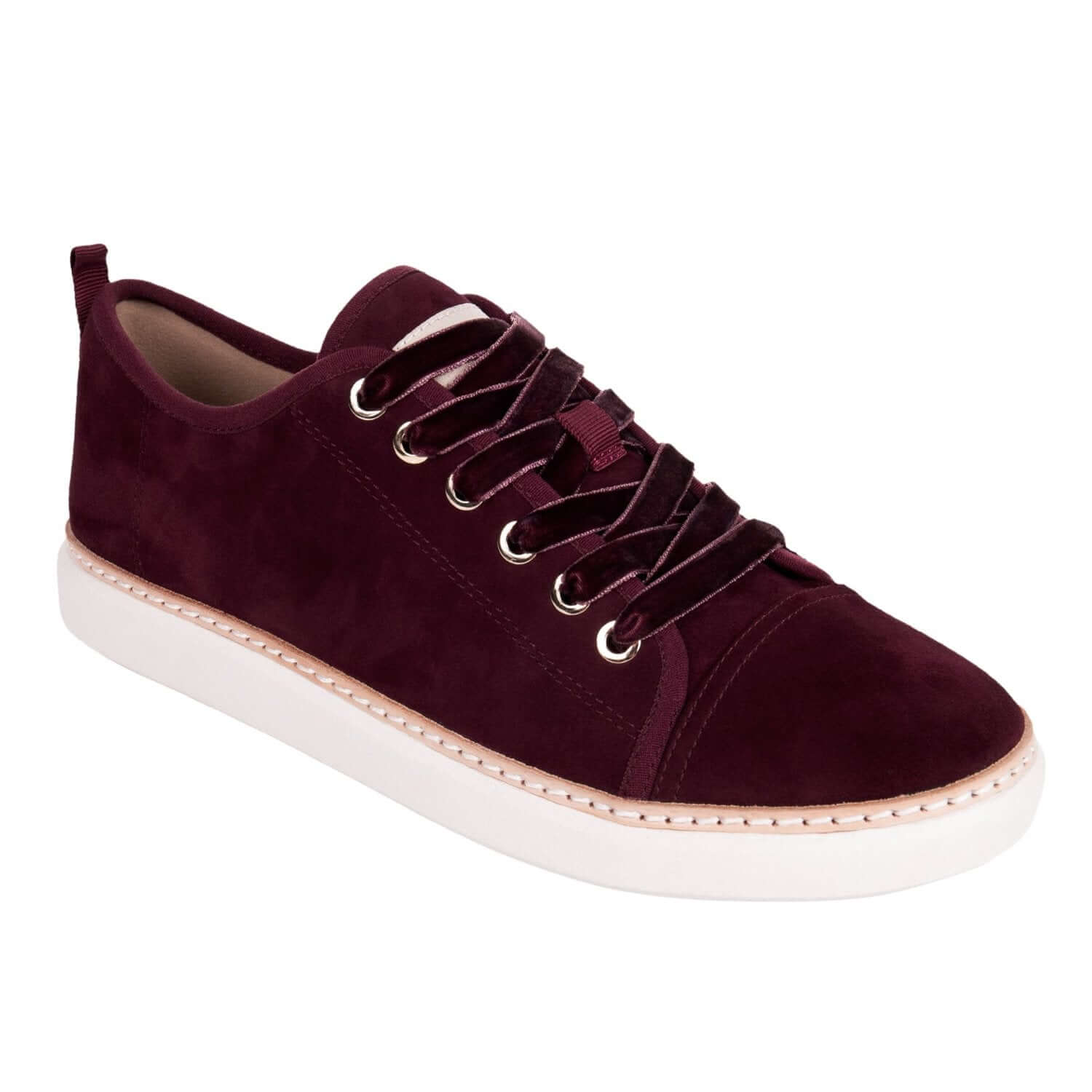
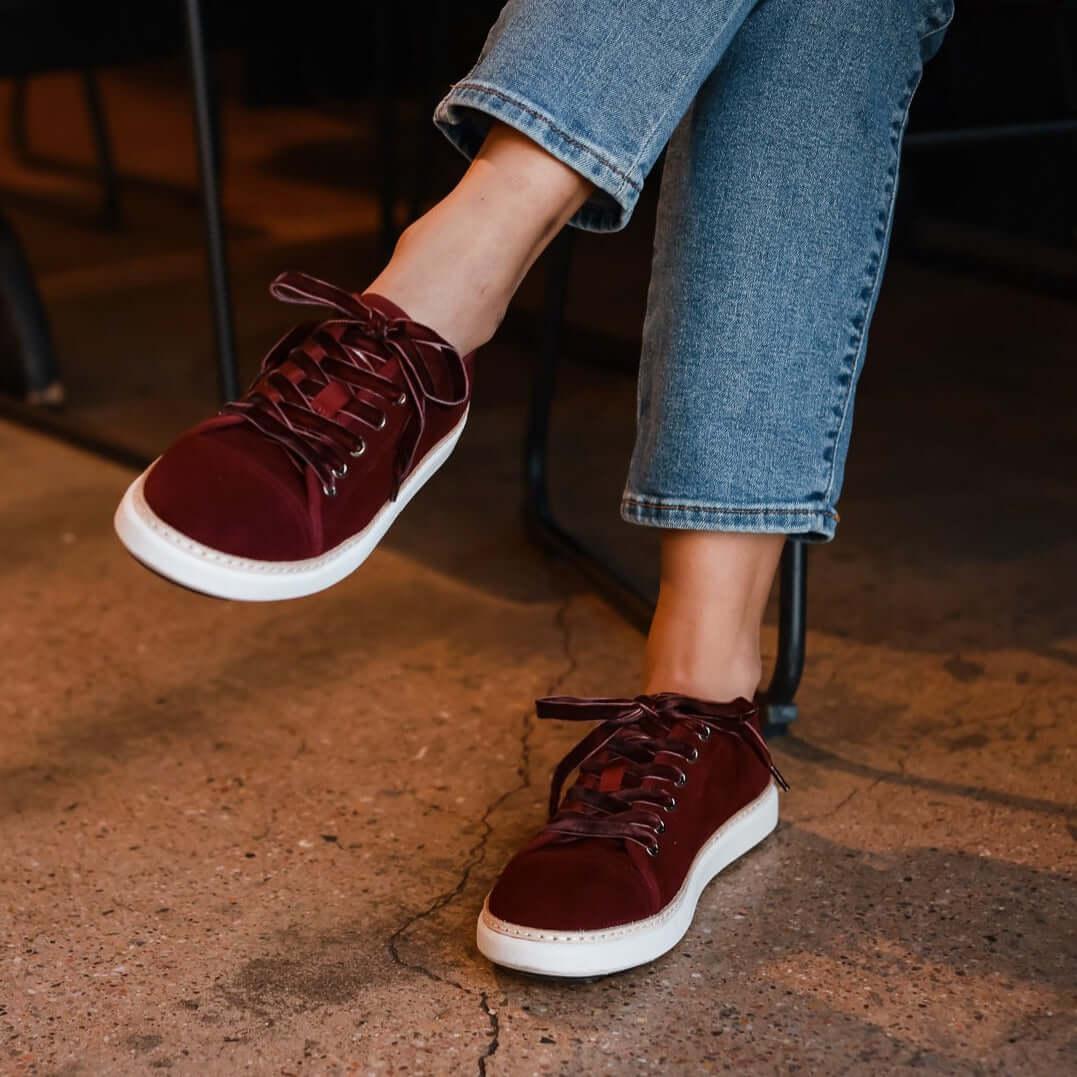
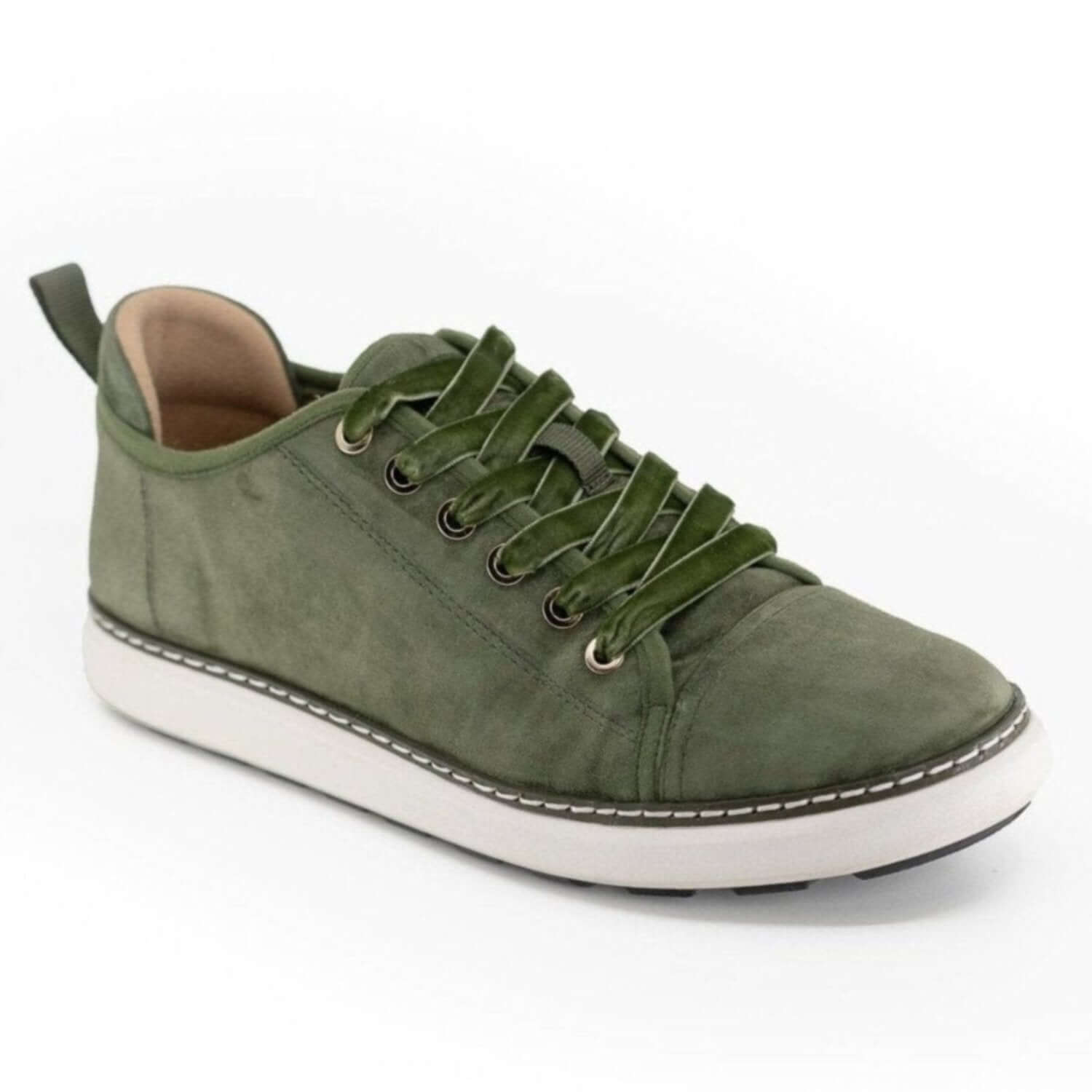
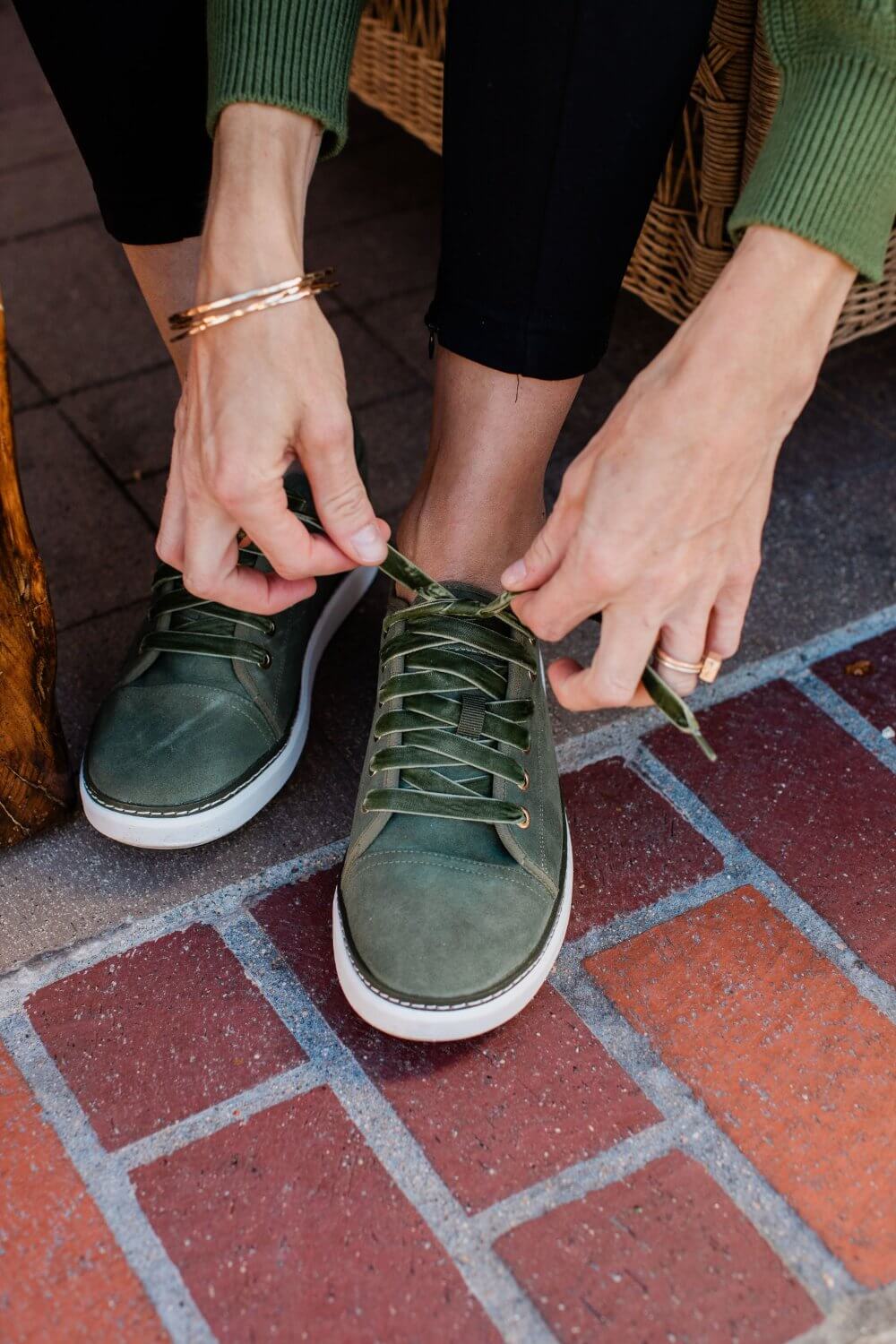
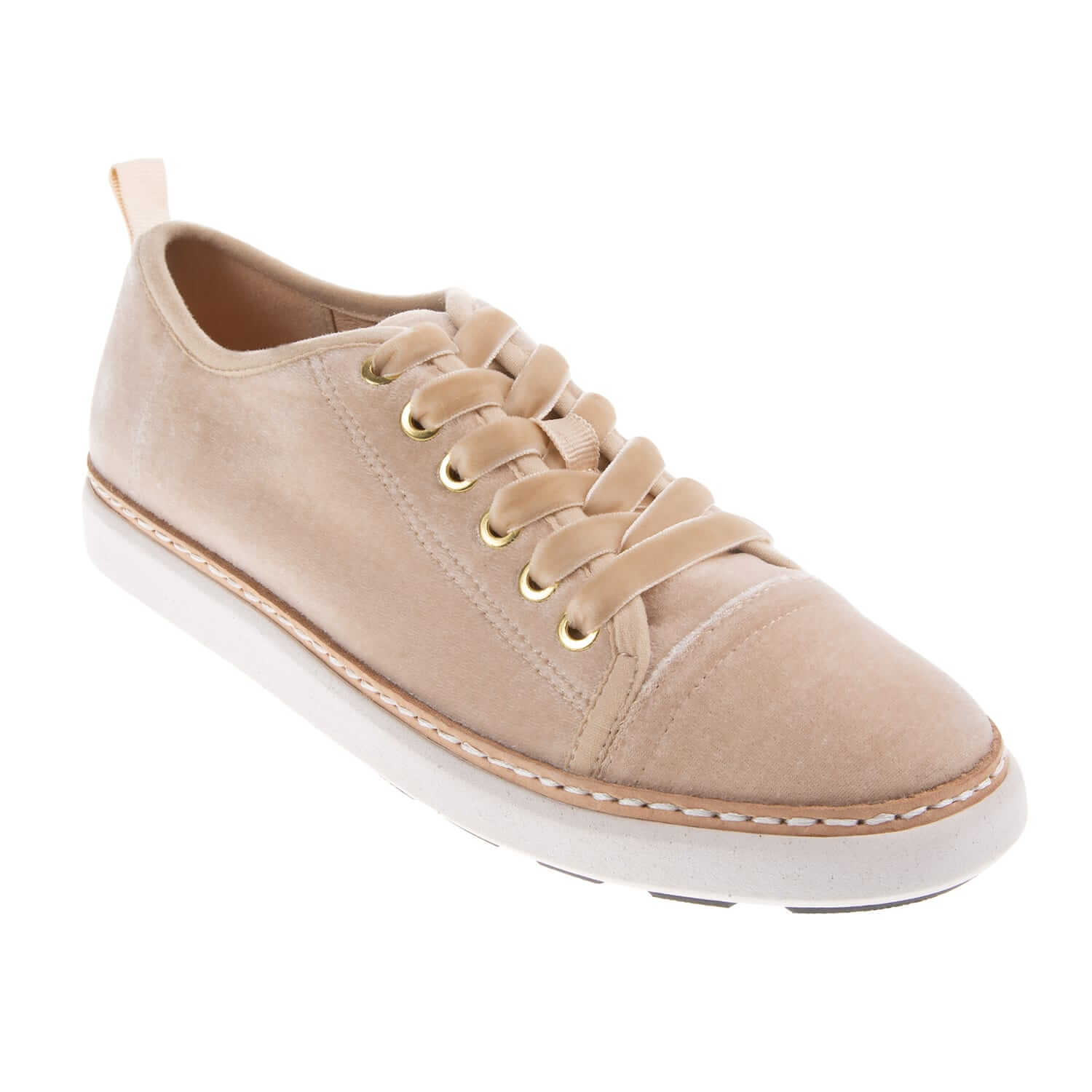
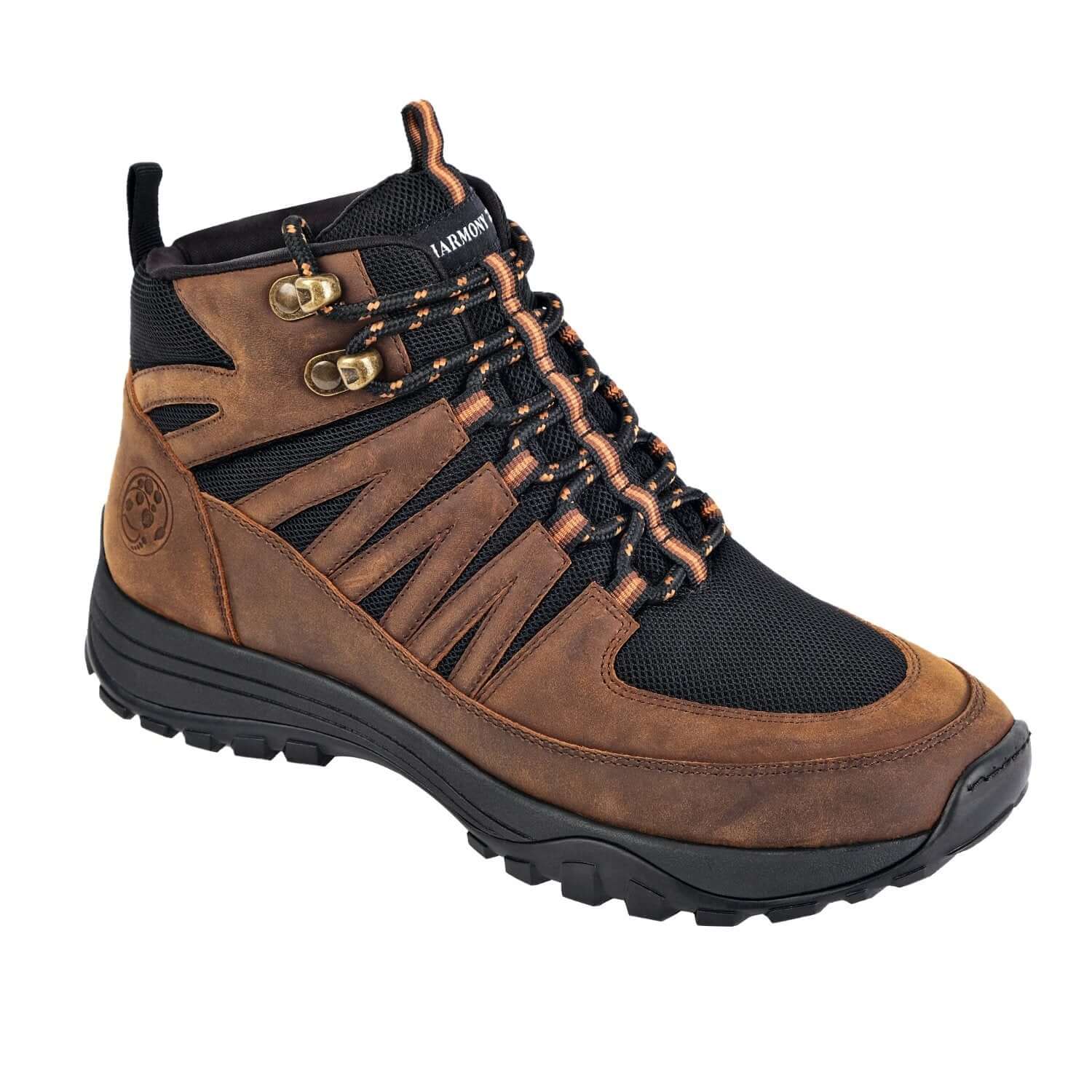
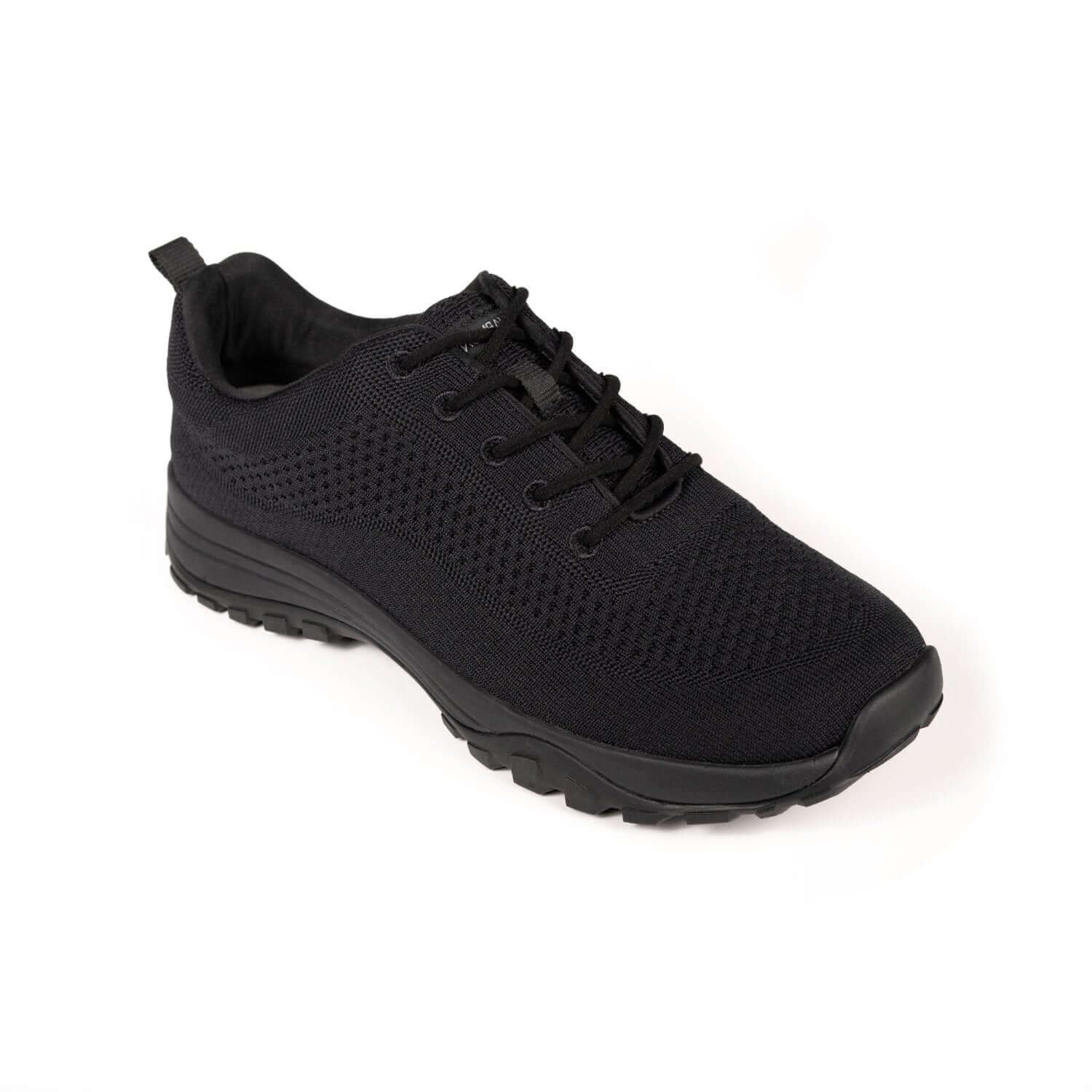
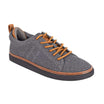
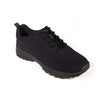
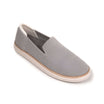
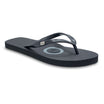
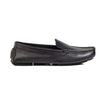
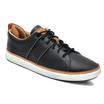
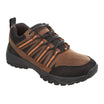
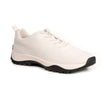
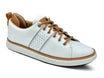
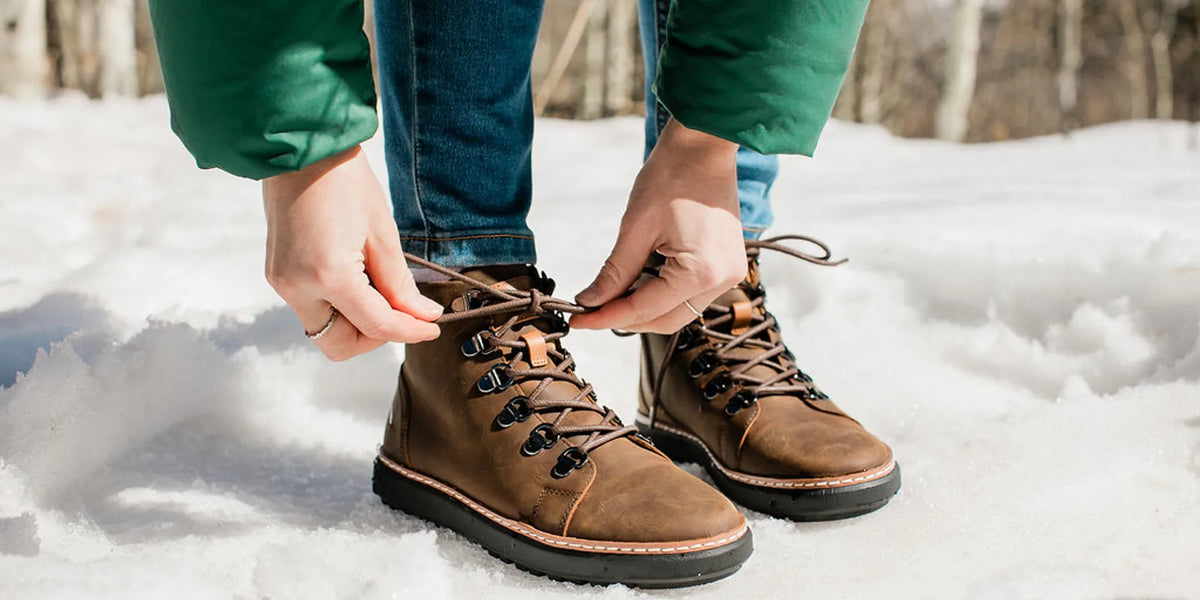
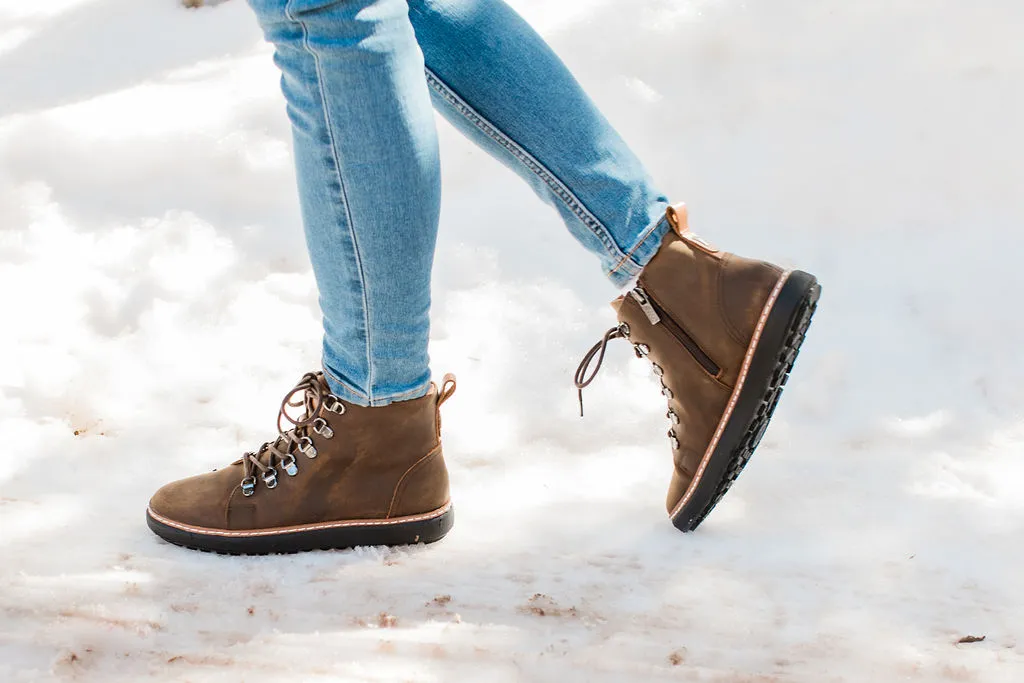
Harmony 783 describes its Groundworks system as a conductive construction that includes silver-stitched components and a carbon and rubber conductive outsole. The design is intended to support grounding footwear use. It does not promise a specific HRV effect, and the shoes should not be treated as medical equipment.
Follow product guidance for suitable surfaces and wear shoes during activities they were made for. Prioritize fit, balance, and comfort over a longer exposure time. A shoe that rubs, pinches, feels unstable, or distracts you from your walk is not a useful recovery tool. Stop if you develop discomfort, skin irritation, pain, dizziness, or another concerning symptom.
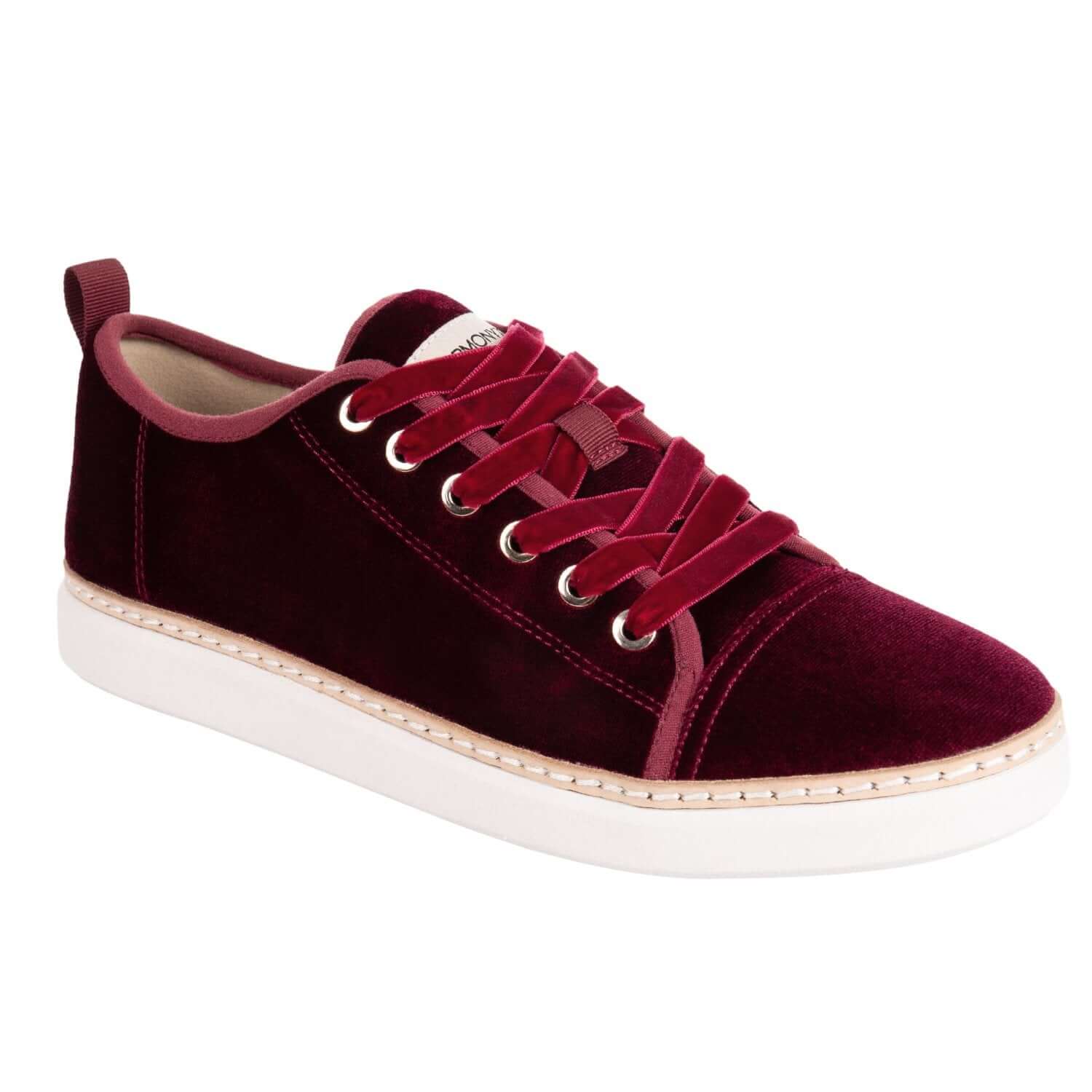
For footwear designed for everyday movement, explore the Harmony 783 walker collection. Choose a style that feels secure and comfortable enough to use consistently.
How Are HRV, Stress, and Sleep Connected?
HRV, stress, and sleep offer different views of the same recovery picture. HRV measures variation between heartbeats. Stress describes demands placed on your body and mind. Sleep gives your system time to restore balance. A change in one can influence the others, but none tells the whole story alone.
| Signal | What it can show | What it cannot prove alone |
|---|---|---|
| HRV | Changes in beat-to-beat timing and personal autonomic trends. | Whether you are healthy or ready for a hard workout. |
| Sleep | Rest duration and interruptions that may affect recovery. | Why HRV changed without other context. |
| Stress | Demands that may influence sleep and autonomic balance. | That grounding caused a specific result. |
A short night, frequent waking, late training, alcohol, illness, or an unsettled mind may affect the next reading. Stress can also make it harder to sleep, creating another lower reading the following morning. HRV guidance from Mayo Clinic Press emphasizes that sleep, physical activity, and stress can affect readings, so context matters.
- Sleep duration and interruptions
- Training load and soreness
- Emotional stress and travel
- Hydration, illness, and alcohol
- Breathing pattern and posture
Look for a trend across seven days or more. A calming routine might include slow breathing, a quiet walk, mindfulness, or time outdoors. Grounding can be one personal-wellness variable to test alongside these basics, without promising an outcome.
Keep a short daily note about energy, soreness, mood, and training quality. This adds useful context to the device data. If the practice feels like a burden, simplify it. A routine you can repeat is more useful than an ambitious plan you abandon.
Frequently Asked Questions About Earthing, HRV, and Grounding
Does grounding improve heart rate variability?
Early research suggests a possible connection, but it does not prove that grounding will raise HRV for every person. One 2011 study reported improved HRV in 28 participants. Treat that finding as preliminary and watch your own trend rather than expecting a guaranteed result.
How should athletes track HRV during a grounding experiment?
Measure HRV under similar conditions each time, such as after waking and before training. Keep notes on sleep, training load, stress, hydration, illness, and measurement position. Compare a personal baseline over time instead of reacting to one unusual reading.
Can grounding replace recovery basics?
No. Grounding should complement, not replace, sleep, sufficient food and fluids, sensible training, and rest days. HRV can shift with sleep, physical activity, and stress, so a lower reading may reflect many factors. Use the full picture to guide your choices.
How long should I try grounding before reviewing HRV data?
There is no established best duration for improving HRV. Research has examined different exposure periods, including two hours in one small study, but that does not establish a personal protocol. Choose a comfortable routine you can repeat and review several sessions or weeks of data.