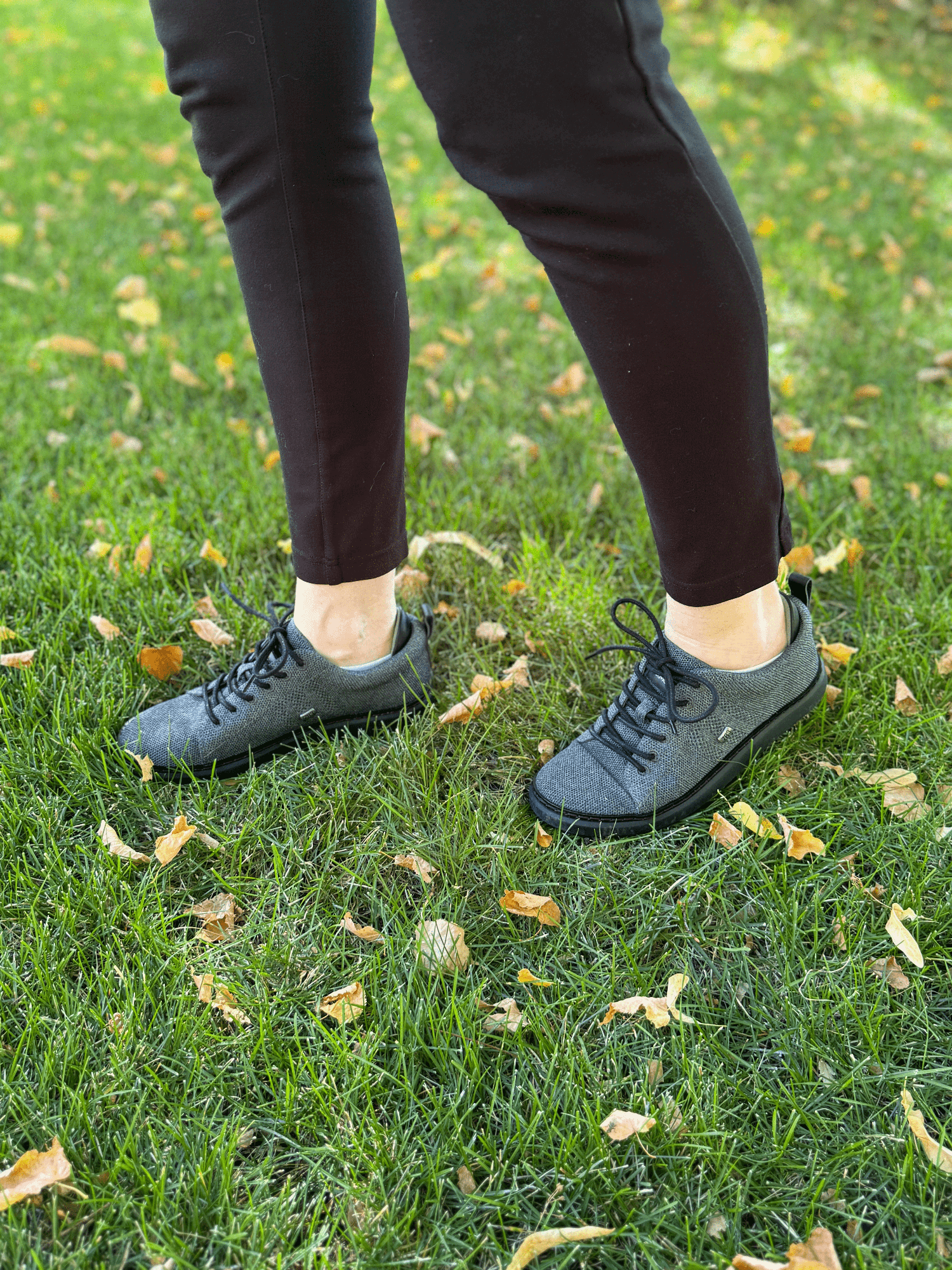


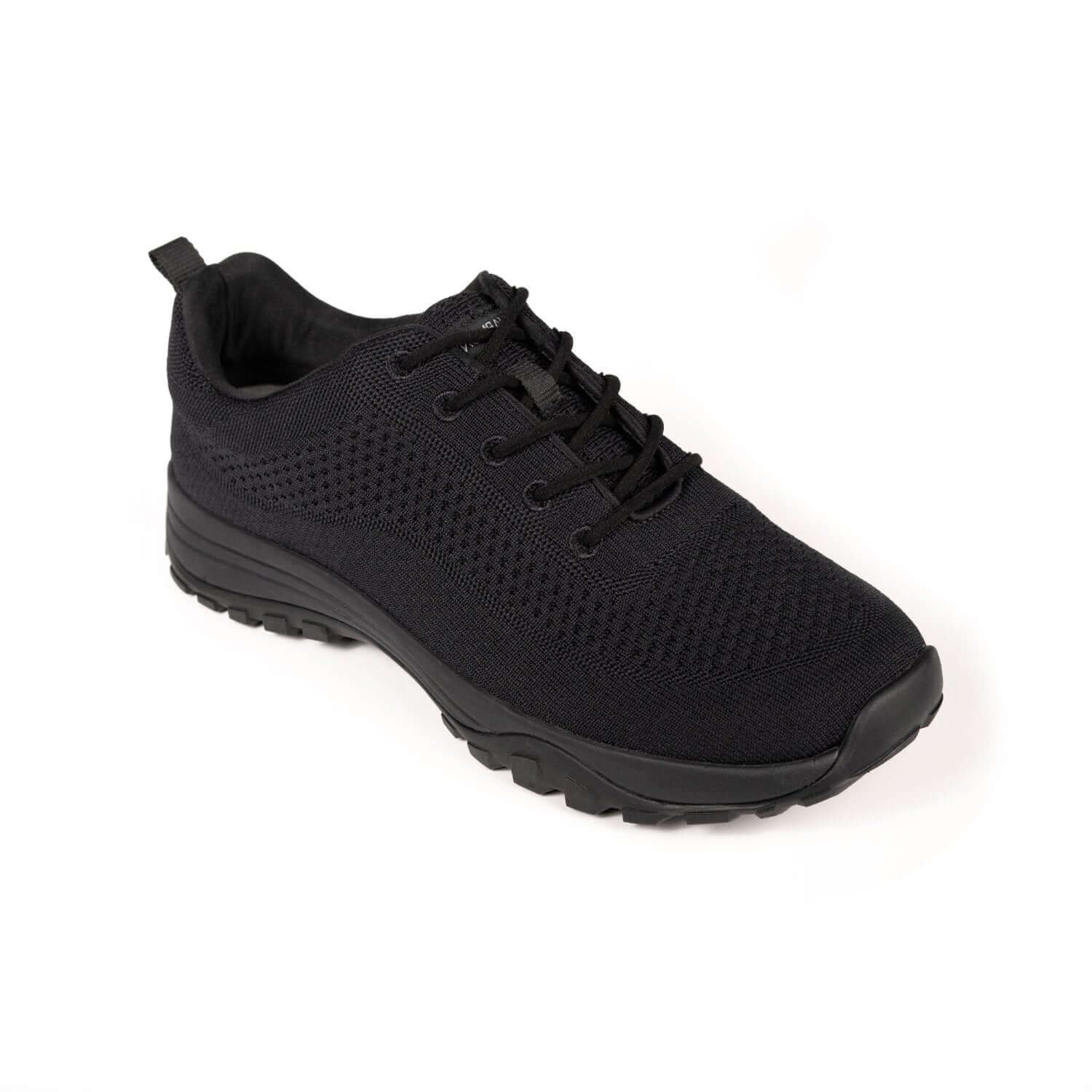





















What Is Earthing? Science and Grounding Research
Modern life keeps us insulated from the ground on rubber soles and high-rise floors. This physical disconnect from the planet's surface may be driving silent health issues across the globe.
Explore Harmony 783's grounding guide and learn practical ways to reconnect with the Earth.
What is earthing? It is the simple practice of making direct physical contact with the surface of the Earth to absorb its natural electrical charge. This process allows for the transfer of mobile electrons from the ground into the body, which helps stabilize internal electrical systems. Research published in an academic study shows that the Earth's surface has a limitless supply of these free electrons. When we maintain this connection, it can help reduce chronic inflammation, improve sleep, and boost overall energy. Most people spend nearly all their time insulated by rubber shoes or indoor flooring, which cuts them off from this essential resource. By standing barefoot on grass or using conductive footwear, you can restore this natural state and support your long-term health.
What is earthing and how does it work?
Earthing is a simple practice that links the human body to the surface of the Earth. It involves direct physical contact with the ground, such as walking barefoot on grass or sand. This contact allows the body to pull in free electrons from the Earth's surface. Scientists also call this practice grounding. It is an old idea that is gaining new interest in the world of grounding science and evidence and wellness.
The core idea of earthing is that the body needs a link to the Earth to stay in balance. Research shows that earthing provides a limitless supply of mobile electrons. In our modern world, we often lose this link. We live in houses and wear shoes that block the flow of natural energy. Earthing aims to fix this gap by bringing the body back to its natural state of connection.
The role of mobile electrons
The surface of the Earth has a negative electric charge. This charge stays steady because of global events like lightning and solar radiation. These events create a huge reservoir of free or mobile electrons. When you touch the Earth, these electrons flow into your body. Electrons move through the body easily because we are good conductors of energy.
Once inside, these electrons may act as natural antioxidants. They help neutralize free radicals, which are atoms that can cause oxidative stress in the body. This process is a key part of how earthing may support health. By acting as a main control factor, this link may help the nervous and endocrine systems stay on track.
Earthing versus electrical grounding
It is common to confuse wellness earthing with electrical grounding in homes. In a house, grounding is a safety feature. It uses a wire to send extra electric current into the ground. This prevents shocks and fires if a wire breaks. While the goal is safety, the basic physics is the same. Both systems use the Earth as a place to move and store electric charge.
In wellness, the focus is on the human body rather than a machine. Wellness earthing is about absorbing the Earth's natural energy to improve sleep and reduce pain. It is not about protecting you from a short circuit. Instead, it is about maintaining a healthy electrical state. You can learn more about earthing and everyday wellness to see how this works in daily life.
The modern disconnect
For most of human history, people lived in close contact with the Earth. We walked barefoot and slept on the ground. Today, our lifestyle is different. Most people spend little time in direct contact with the natural world. This change has created what some experts call a disconnect from the Earth's surface.
Several factors add to this loss of contact:
- Indoor living: The EPA reports that Americans spend about 90 percent of their time indoors.
- Blocking footwear: Most modern shoes use rubber or plastic soles. These materials act as a barrier to the Earth's electrons.
- Elevated living: Sleeping in beds high off the ground further separates us from the Earth's field.
Research suggests that this lack of contact may play a role in chronic health issues. By finding ways to reconnect, we can restore the natural flow of electrons that our bodies evolved to use. This can be as simple as standing in your yard or using conductive systems designed for indoor use.
The proposed science behind grounding
To learn the science of grounding, you first need to look at the ground itself. The Earth's surface carries a natural charge. This charge comes from a steady supply of free electrons. These are tiny parts with a negative charge. They move easily and are always being made new by lightning and solar energy.
When people ask what is earthing, they are usually talking about making a direct path for these electrons to enter the body. This happens when your skin touches the soil, sand, or grass. This contact allows your body to reach the same charge as the Earth. It is a simple concept, but it may have deep effects on how our cells work.
How the Earth's surface works
The Earth acts like a massive battery. It is a store of mobile electrons that never runs out. For most of human history, we lived in close contact with this source of energy. We walked barefoot and slept on the ground. This kept our bodies in sync with the Earth's natural field.
But modern life has changed things. Most people now spend 90 percent of their time indoors. We wear shoes with rubber soles that block the flow of electrons. This means our bodies are often cut off from the Earth. Some researchers think this split may lead to health issues over time. You can learn more about the health context for grounding to see how this gap affects us.
The role of free electrons
One of the main ideas in grounding science is that free electrons can act as antioxidants. In the body, we have things called free radicals. These are molecules that can cause damage to our cells and lead to inflammation. They often lack an electron, which makes them not steady.
The idea is that the Earth's electrons can move into the body and fix these free radicals. By giving them the electron they need, the Earth may help lower oxidative stress. This is one of the key parts of research into earthing. While this is still just an idea, it helps explain why many people report feeling better after spending time outside.
Measuring the body's response
Scientists have found clear ways to measure how the body reacts to being grounded. Studies show that earthing can change the count of white blood cells and cytokines. These are markers that show how the body handles inflammation. When grounded, these markers often move toward a healthier level.
Research also shows changes in the blood and hormones. For example, earthing during sleep can impact thyroid hormones and mineral levels like calcium. It may also help keep blood sugar levels steady in some people. These are not just guesses; they are findings from academic studies on human physiology.
It is important to tell the difference between what we know and what we are still testing. We know that the body's chemistry changes when it touches the Earth. We are still learning exactly how those electrons travel through our tissues. This mix of hard data and new ideas makes the field of earthing research so exciting.
What does earthing research actually show?
Current earthing research suggests that grounding may influence inflammation, sleep, blood flow, stress, and recovery, but most studies are small and larger independent trials are still needed.
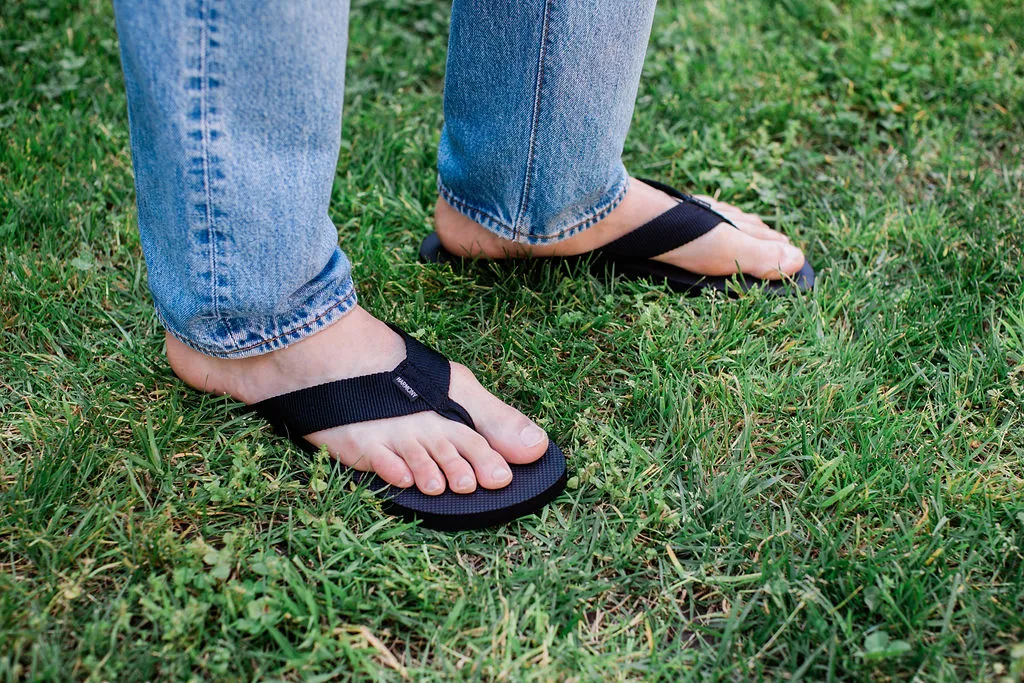
Science now shows that direct contact with the ground changes how the body works. This link gives the body a steady supply of free electrons. Researchers think these electrons help the body stay in a healthy state. Most people today live in homes or wear shoes that stop this flow. This break from the earth may lead to health issues or poor sleep over time.
Reducing swelling and pain
One major area of study is how grounding affects inflammation. Studies find that earthing changes the count of white blood cells and other markers in the body. These changes may help the body heal from small hurts or muscle soreness after a workout. People who ground often report less pain and faster recovery times. This is because the earth's surface may help balance the immune response.
By lowering the stress on the body's systems, grounding might also help with chronic issues. Research suggests it plays a role in wound healing and long-term health. This simple act of connecting to the ground could be a way to keep the body in balance. It helps the body manage the daily stress that leads to swelling and pain.
Better sleep and blood flow
Many people ask about grounding wellness guidance when they struggle with sleep. Research shows that earthing while you rest can help. It can lower the levels of certain minerals in the blood and change how the body uses energy. These shifts lead to better sleep and less stress at night. The body can then focus on repair instead of staying in a high-alert state.
Grounding also helps with blood flow and heart health. It can change how thin or thick your blood is, which makes it easier for the heart to pump. This process helps the body move food and air to your cells more easily. By staying in touch with the earth, you help your body work at its best. Learning more about the evidence for grounding shows why this link is so vital.
Clinical research outcomes
The table below shows what researchers have found in key areas of health. While many studies show good results, some have small sample sizes. We need more large trials to fully prove every claim. But the current data points to a clear benefit for many systems in the body.
| Health Area | Key Findings | Data Quality |
|---|---|---|
| Inflammation | Changes white blood cell counts and reduces markers of swelling. | Strong pilot data |
| Sleep Quality | Lowers stress hormones and balances electrolytes for better rest. | Good clinical evidence |
| Muscle Recovery | Reduces pain and blood markers of damage after hard exercise. | Consistent results |
| Blood Glucose | Shows potential to lower blood sugar in patients with diabetes. | Small group study |
| Thyroid Function | Impacts thyroid-stimulating hormone and other key levels at night. | Early research |
These findings show that earthing is more than just a trend. It is a way to use the earth's natural energy to support your well-being. From better sleep to less pain, the data shows that staying grounded matters. It is a simple tool that anyone can use to help their body stay healthy and strong.
How can you practice earthing safely?
Practicing earthing is a simple way to reconnect with the world around you. Most people find that how grounding relates to health go hand in hand when done with care. While the earth offers a rich supply of electrons, you should follow a few basic steps to stay safe. You can practice this wellness habit by walking barefoot outside or by using special products for indoor use.
Pick the right surface
To get the most from what is earthing, you must touch a conductive surface. Damp grass, sand, and soil are great choices for direct contact. These surfaces allow electrons to flow from the ground into your body. Avoid asphalt, wood, or vinyl, as these materials act as barriers. If you stay on natural ground, you ensure a steady link to the earth's natural energy.
Check your surroundings
Safety starts with a quick look at where you plan to stand. Always check the ground for sharp objects like glass or rocks before you go barefoot. It is also wise to avoid areas where people use harsh lawn sprays or chemicals. If you live in a city, look for clean parks or beaches. These spots give you a clear path to the earth without the risk of skin irritants or injury.
Use a step-by-step guide
Follow these steps to start your grounding practice safely at home or in nature:
- Find a safe, natural spot like a grassy lawn or a sandy beach area.
- Remove your shoes and socks to allow your skin to touch the ground directly.
- Stand or sit still for at least 20 to 30 minutes to let the connection build.
- Watch the weather and stay inside if you see lightning or hear thunder nearby.
- Check your feet for any cuts or dirt once you finish your outdoor session.
- Use a damp cloth to clean your skin before you put your shoes back on.
Try indoor grounding tools
You can also use grounding technology to stay connected when you are indoors. The Environmental Protection Agency notes that many people spend about 90 percent of their time inside. Products like mats or conductive shoes help bridge this gap. These tools use silver or carbon to link you to the ground while you work or rest. Always read the guide for any indoor tool to make sure it is set up right.
Which surfaces allow earthing?
Moist grass, wet sand, bare soil, unsealed concrete, and natural bodies of water are generally conductive. Asphalt, vinyl, wood, carpet, and conventional rubber soles usually block the connection.
To understand the practical relationship between earthing and wellness, you first need to see where it works. Not every ground surface lets you connect. Earthing needs a path for electrons to move from the soil into your body. This happens best on natural, damp spots that hold a charge. When you walk on the right ground, you tap into a large supply of mobile electrons that help balance your body.
Natural conductive paths
The best surfaces for earthing stay in direct touch with the deep soil. Wet grass, moist sand, and bare dirt are top choices. Water helps move the charge, so a damp lawn or a beach at low tide gives great results. These natural spots have low resistance. This means they let electrons flow freely through your skin. Most proven research on earthing uses these natural settings or tools that act like them.
You can also find a link in large pools of water. Swimming in the ocean, a lake, or a river ties you to the earth. Salt water is very good at moving a charge because of its salt content. If you can't get to the coast, even a damp garden bed in your yard works well for a quick session.
Hard surfaces that ground
Many people ask if they can ground on man-made paths. The answer depends on what the path is made of. Bare concrete is often conductive because it is porous and holds moisture. It sits right on the earth, so it can carry a charge to you. But this only works if the concrete has no seal or paint. A clean, raw concrete floor in a basement or on a patio is often a good spot to stand.
Brick is another hard surface that may allow earthing. Like concrete, it has tiny holes that hold water. If the bricks sit on sand or dirt, they can keep you grounded. But you should avoid asphalt or wood. Asphalt is made from oil, which acts as a blocker. Wood also stops the flow of electrons. Standing on a wooden deck or an asphalt driveway will not help the science behind grounding work for you.
Barriers to earthing
Most modern life happens on surfaces that block our natural link. The EPA reports that most people spend about 90 percent of their time indoors. Inside our homes, we stand on wood, tile, or carpet. These materials are blockers. They stop the earth's natural field from reaching us. Even when we go outside, our shoes often act as a wall between us and the ground.
Standard shoes use rubber or plastic soles. These man-made parts keep us dry, but they also cut off earthing. To fix this, you can choose grounding shoes with conductive layers. This lets you stay grounded on conductive surfaces without going barefoot. These wellness tools help you keep a link to the earth while you walk through your daily life.
Is earthing safe, and who should be cautious?
Most people find that grounding is a safe and natural way to help the body. It is just a return to how we are meant to be. But when you ask about earthing wellness insights, you must think about your own needs. Small changes in your body can happen fast when you connect to the earth. It is best to know what to expect before you start.
Electric and weather risks
A common worry is the risk of a shock. Earthing footwear is not like the wires that power your home. These shoes use a slow and safe flow of small charges from the ground. They are tested to make sure they do not lead to a shock. You can feel safe wearing them on grass, dirt, or sand. The flow is very low and matches the natural charge of the earth.
You should still use good sense when the weather turns bad. Do not practice earthing outside during a storm. Lightning is a real risk when you are in an open space or near tall trees. Rain can also make the ground slick and unsafe to walk on. It is best to wait for the sky to clear before you go back out. Safe indoor ways are better when it is wet outside.
Static power can also be a factor for some. In very dry air, you might feel a small spark when you touch a metal door. This is just a sign that your body is moving charge. Grounding shoes help to keep your body at a steady level. This can reduce the build up of static that leads to these small sparks.
Medical cautions and meds
Earthing can shift how your body works in deep ways. Research shows that it can affect your blood sugar levels. For example, a study found that earthing the human body may lower glucose in people with diabetes. If you take meds for blood sugar, this shift is a big deal. You might find that you need less insulin over time as your body adjusts.
It can also change your thyroid hormone levels. Grounding may shift how much hormone your body makes or uses. This could mean your current dose of meds needs to be changed by a doctor. You should never stop or change your meds on your own. Always talk with your medical team before you use grounding to help with a long term issue.
The practice may also shift the levels of salts in your blood. These are called electrolytes. Sodium, potassium, and magnesium can all change when you ground for a long time. These shifts are usually helpful but they can be strong. If you are on a strict diet or have kidney issues, check with your doctor first. They can watch your blood work to keep you safe.
Physical reactions and heart health
People with heart devices like pacemakers should be extra careful. While earthing is natural, it is best to talk to a doctor first. There is no proof that grounding hurts these devices, but safety is the top goal. Your doctor can help you decide if earthing footwear is right for your heart health. They know your health history best.
Pregnant women can ground, but they should listen to their bodies. Pregnancy changes how you feel and react to new things. If you feel any odd shifts or feel lightheaded, take a break. Start with short walks and see how you feel. It is a good way to stay calm and grounded during a busy time in your life.
If you are new to the path of what is earthing, start slow. Some people feel a slight tingle in their feet at first. This is normal and usually goes away as your body gets used to the earth. Most people feel a sense of peace and less stress. If you have any pain that does not go away, stop and talk to a pro.
How grounding footwear fits into daily life
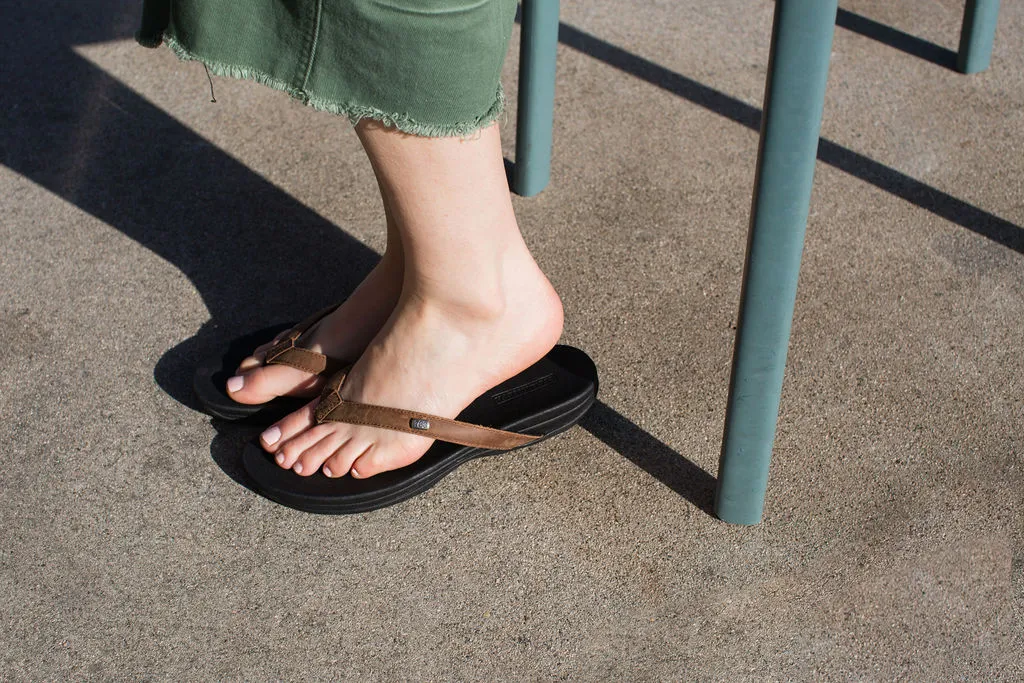
Grounding footwear creates a conductive path from the foot to a suitable outdoor surface, making earthing easier to incorporate into ordinary walks and daily routines.
Keeping a conductive path
Modern life keeps us away from the earth. Most people in the US spend about 90 percent of their time indoors. We lose touch with the earth's supply of electrons, and this gap may cause health issues. Standard shoes use thick rubber soles. They act as a shield and block the flow of energy between your body and the soil. Grounding shoes fix this. They use parts that let energy pass so you stay connected on grass or dirt. This bond is vital because the earth provides a vast supply of mobile electrons. Modern habits keep us from this contact. Research suggests this gap may be a major cause of sickness. By wearing the right shoes, you can bridge this gap. You can get the perks of the earth's natural field without going barefoot.
Checking shoe design
When you ask what is earthing, look at how the shoes are made. A true grounding shoe needs a clear path for electrons. You can read about Groundworks technology to see how this works. These shoes use pure silver or conductive carbon. The parts help you get past the thick rubber found in old shoes. Check for tests. This ensures the resistance to ground is low enough to help your body. Not all wellness shoes are the same. Some only offer soft soles but no path for energy. You want shoes that use five layers of conductive tech. This includes a silver stitch from the footbed to the outer sole. It also uses a conductive plug to keep the flow strong. Each pair of Harmony 783 shoes goes through checks before it reaches you. This gives you peace of mind that the tech is active.
Using earthing in your day
Learning more about grounding and your health can help you make good choices. You do not have to be barefoot all day. Grounding shoes let you stay in touch with the earth during your normal work. Tests show that earthing helps the body even during daily work. Wear them while you shop or walk the dog. By picking shoes that keep you grounded, you bring a natural balance back to your life. It is a simple way to stay well. You can use them on your walk to work or in the park. The shoes work best on open ground like sand, wet grass, or bare concrete. They do not work on wood or carpet. Using them on the right ground ensures you get the full effect. This easy shift in your shoes can make a big change in how you feel each day.
The bottom line on earthing science
When you ask what is earthing, the answer blends physics with biology. Early research suggests that the practice of connecting to the ground may help the body manage stress. While some small studies show clear changes in white blood cells and salts, scientists still need more data from larger groups to prove these effects fully.
Current state of research
Most experts view earthing as a promising field that needs more work. Research from the Journal of Environmental and Public Health shows that the Earth has a limitless supply of free electrons. These electrons may act as natural aids when we touch the ground. But because many studies use small groups, we must look at the results with a balanced eye.
You should view earthing as a helpful tool rather than a quick fix for health issues. It works best when you use it with other good habits like eating well and moving your body. Understanding earthing research findings helps you set real goals for what the practice can do for you.
Safe ways to start
One of the best parts about earthing is that it is low risk and easy to try. You do not need complex tools to get started. Simply walking barefoot on grass, sand, or soil for 20 to 30 minutes a day allows for a direct link. This simple act can help bridge the gap that modern indoor living has made between us and the Earth.
If going barefoot is not possible, you can still get these benefits through shoes. New shoes with conductive tech allow you to keep your link while you walk through your daily life. Taking a step toward grounding health overview is a wise way to test the benefits for yourself without any risk.
Setting real goals
It is best to start your earthing journey with an open but calm mind. Many people report better sleep and less pain after regular use, but each person is different. Do not expect big shifts overnight. Instead, look for small, steady gains in how you feel over several weeks of daily contact.
Staying with it is the key to seeing if this practice works for you. By making earthing a regular part of your day, you give your body a chance to adapt to the Earth's natural rhythm. Whether you go barefoot or use special shoes, the goal is to spend more time in contact with the natural world.
Frequently Asked Questions
How long do you need to earth each day to see results?
Research shows that even short times of earthing can cause shifts in your body. But you may need more time to get the best results. A research study shows that the time you spend on the ground is a key factor for your health. Many people feel more calm after just twenty minutes of contact. For the most help with sleep and pain, you should aim for more hours of grounding each day or night.
Can you practice earthing while wearing socks?
Most shoes have rubber soles that stop the flow of electrons from the earth. But you can still earth while you wear thin socks made of cotton or other natural fibers. The moisture from your skin helps the charge move through the cloth to your feet. If you want more help while you walk, you can use grounding shoes. These tools use special parts to keep a link between your body and the ground at all times.
Can earthing help manage blood sugar levels?
Some studies show that staying in touch with the ground may help your inner health. A research study found that earthing for long times can lower blood sugar levels in people with diabetes. While this practice is not a fix for medical issues, the Earth's natural charge may help keep your body in balance. This simple link to the ground offers a way to support the way your body works and boost your daily wellness.
Does earthing work if you live in a high-rise building?
Most people in modern cities spend their time high above the ground. This way of life cuts us off from the Earth's supply of mobile electrons. In a high-rise building, you are cut off from the ground by wood, tile, and carpet. Reports show that Americans spend 90 percent of their time indoors. To fix this, you can use conductive tools or shoes to bring the Earth's charge into your space and help your body stay balanced.
See how Groundworks technology creates a conductive path for grounded daily movement.
Ready to explore grounding footwear?
Modern living often cuts us off from the earth's natural field. Staying insulated for too long may keep you from the simple wellness benefits that research now shows. If you wait to start, you miss out on the quiet ease that comes with being grounded during your daily walk. You can get that natural connection back right now without having to change your busy life or walk barefoot in the grass. This is the best way to keep your body in tune with the ground while you go about your day. It is an easy step that helps you feel your best with every move you make. Why wait to add this simple tool to your wellness routine?
Ready to get started? Explore grounding footwear to see how our technology helps you stay connected to the earth throughout the day.