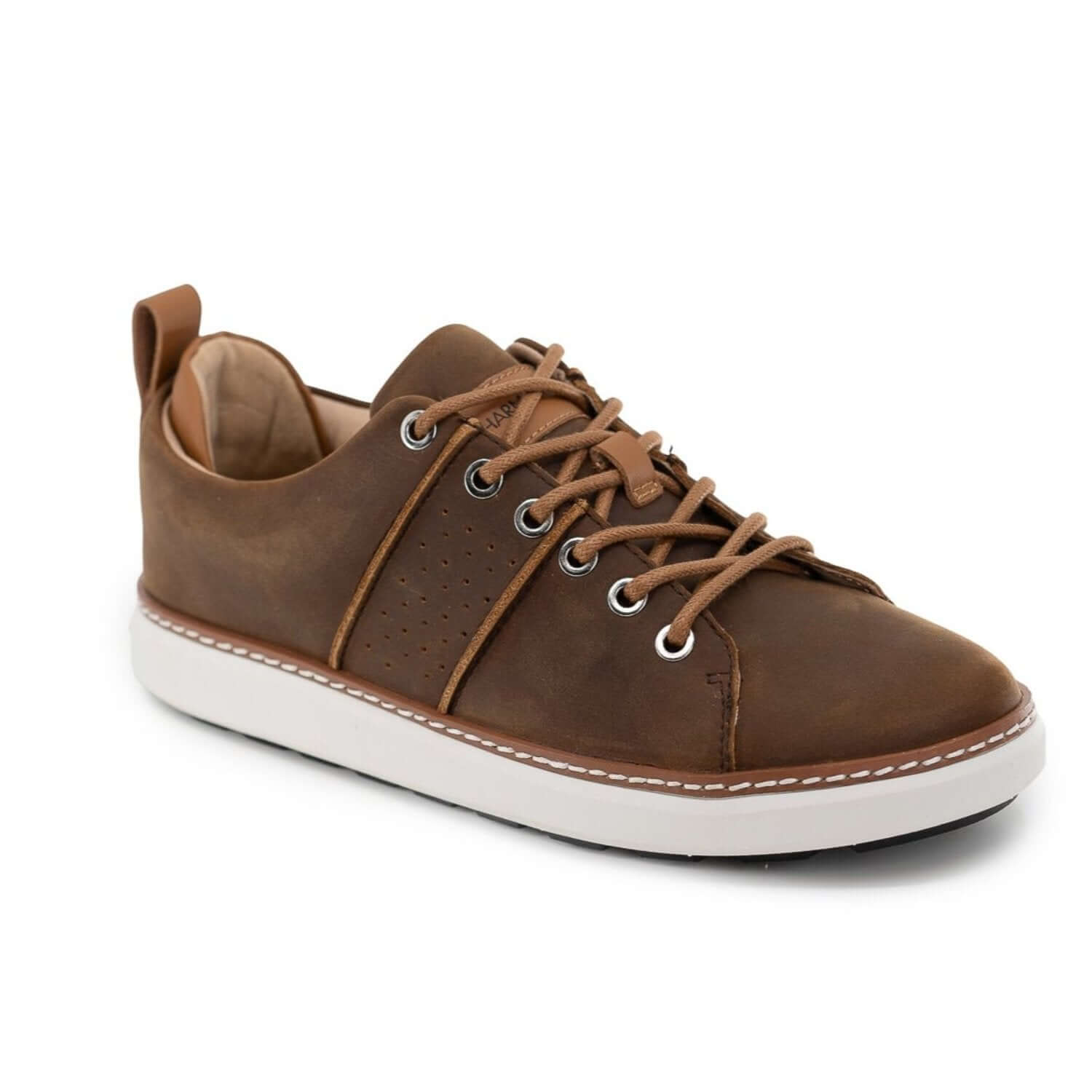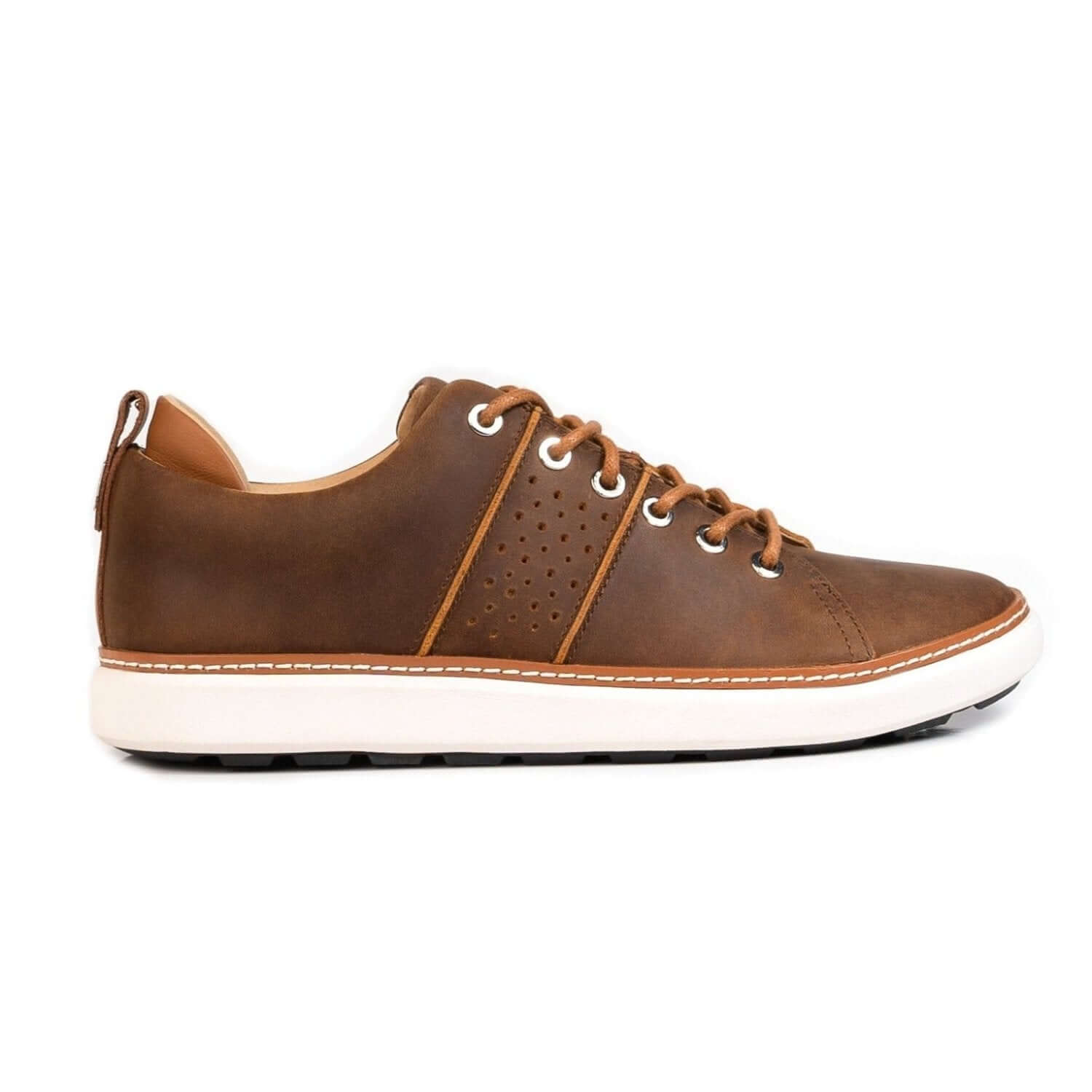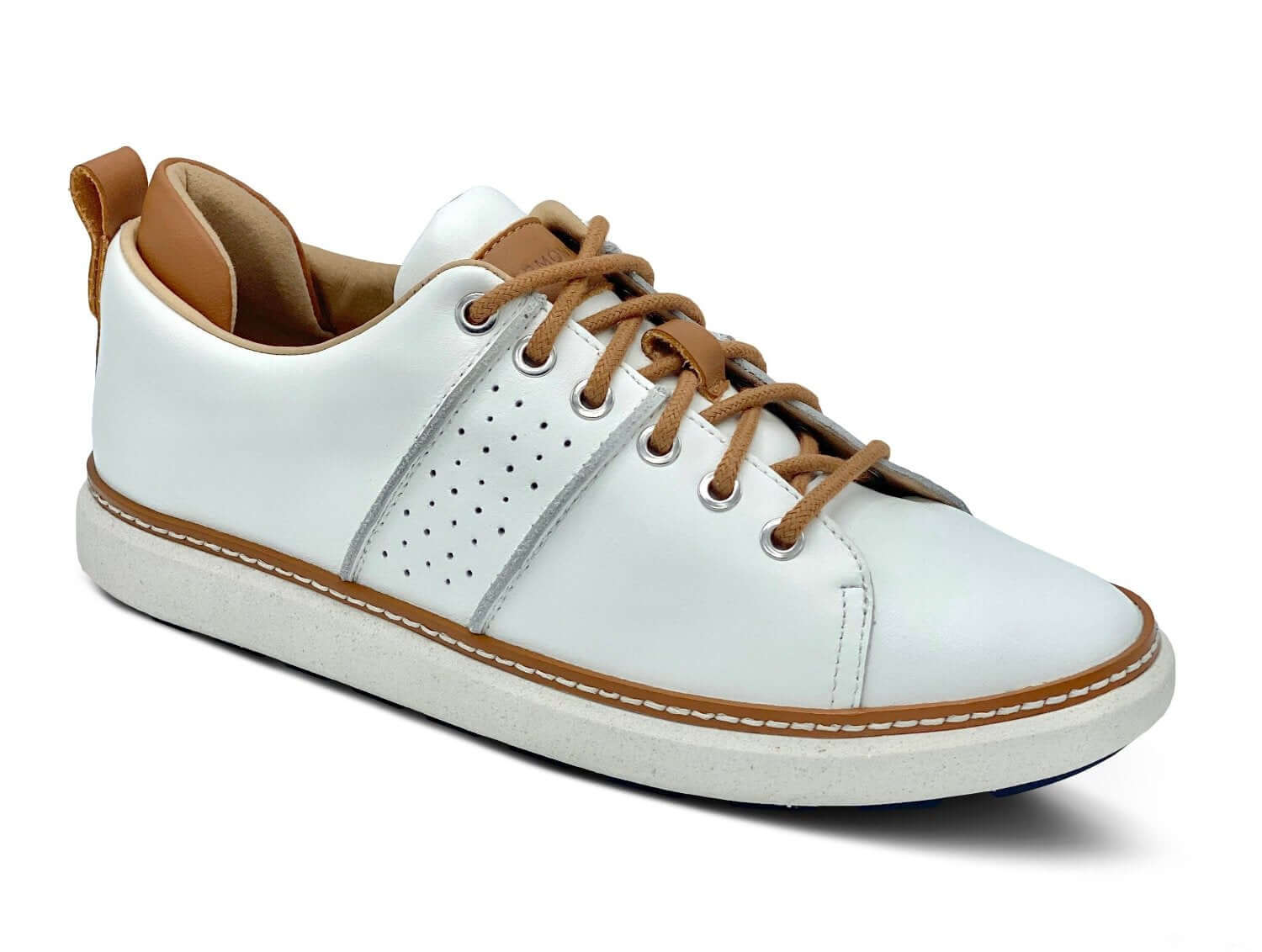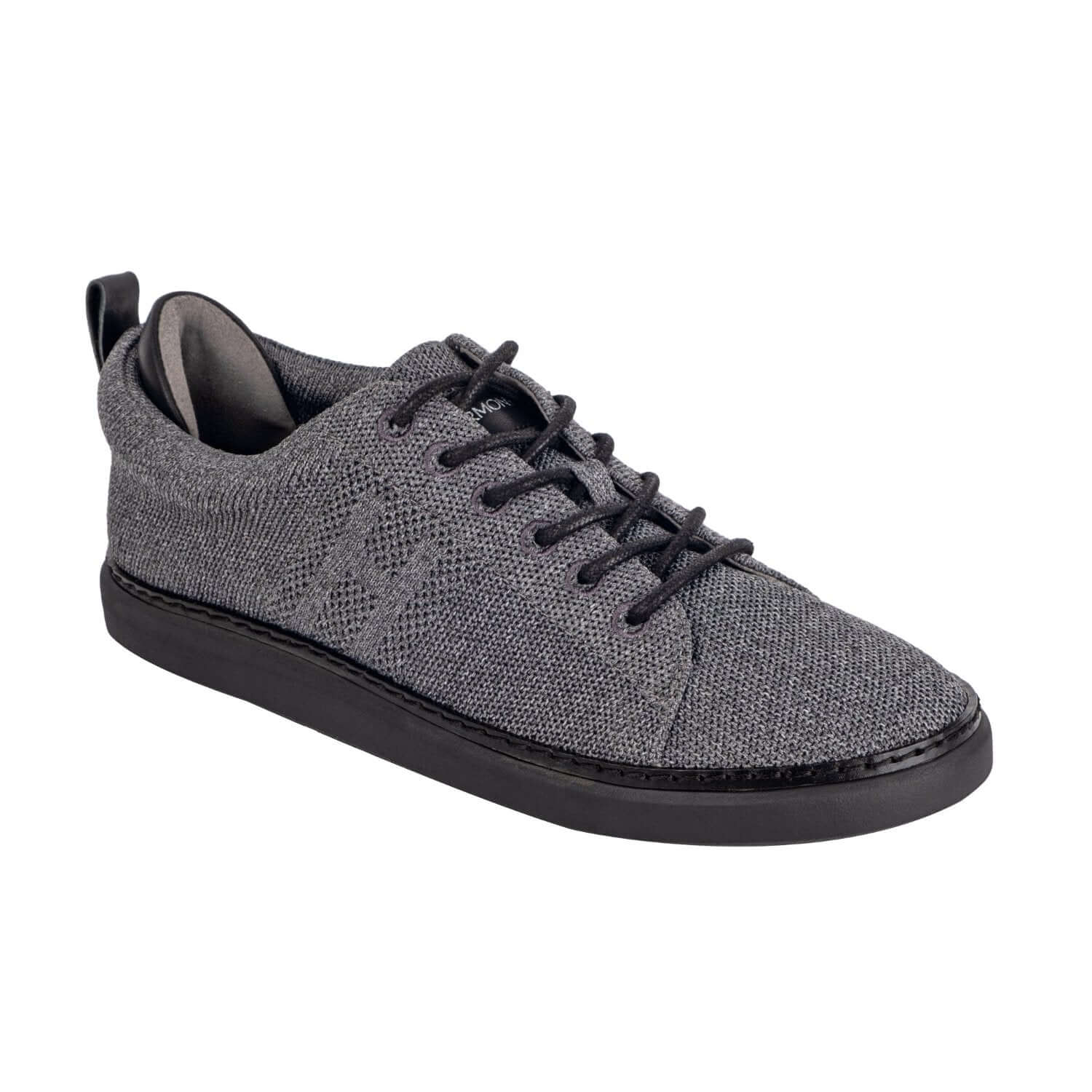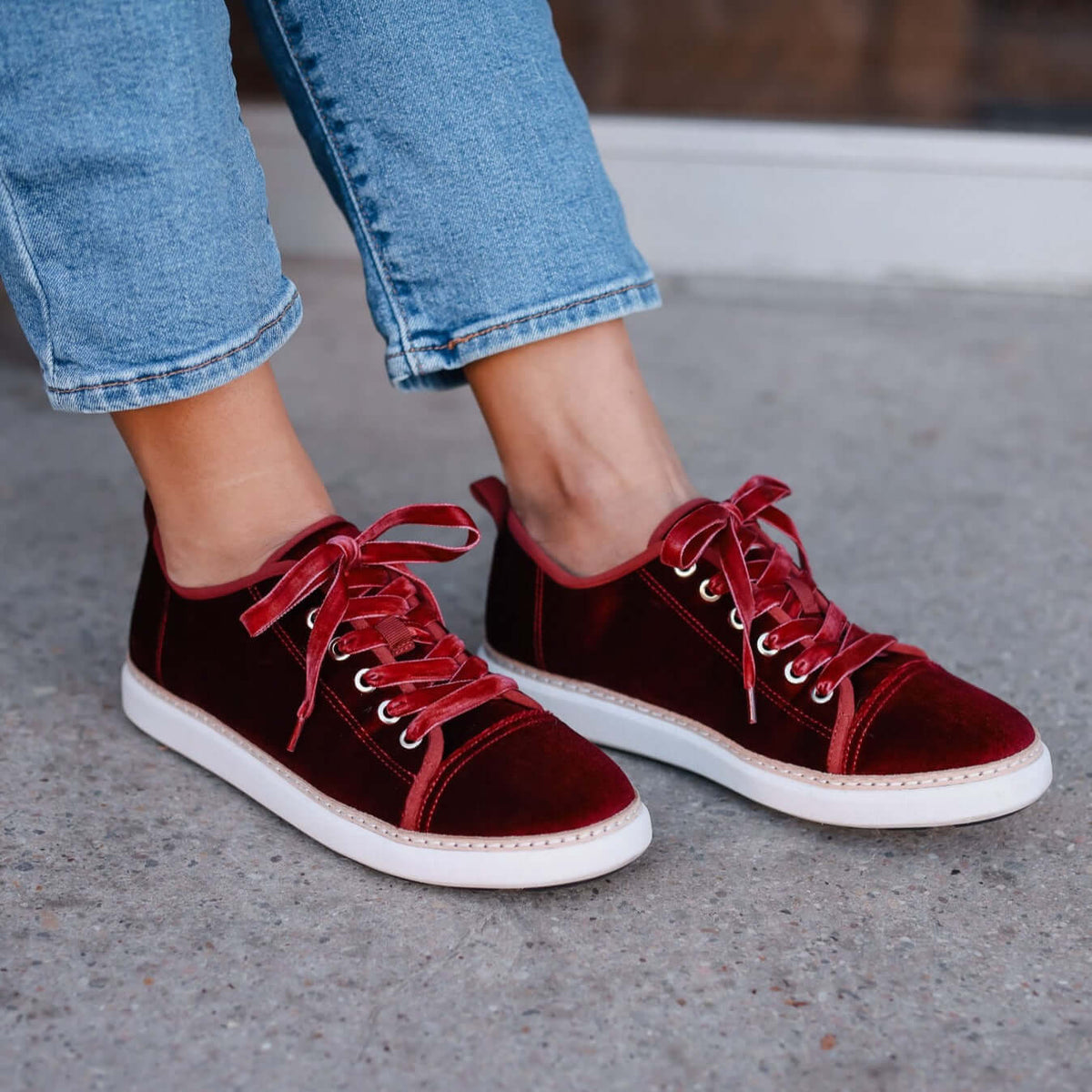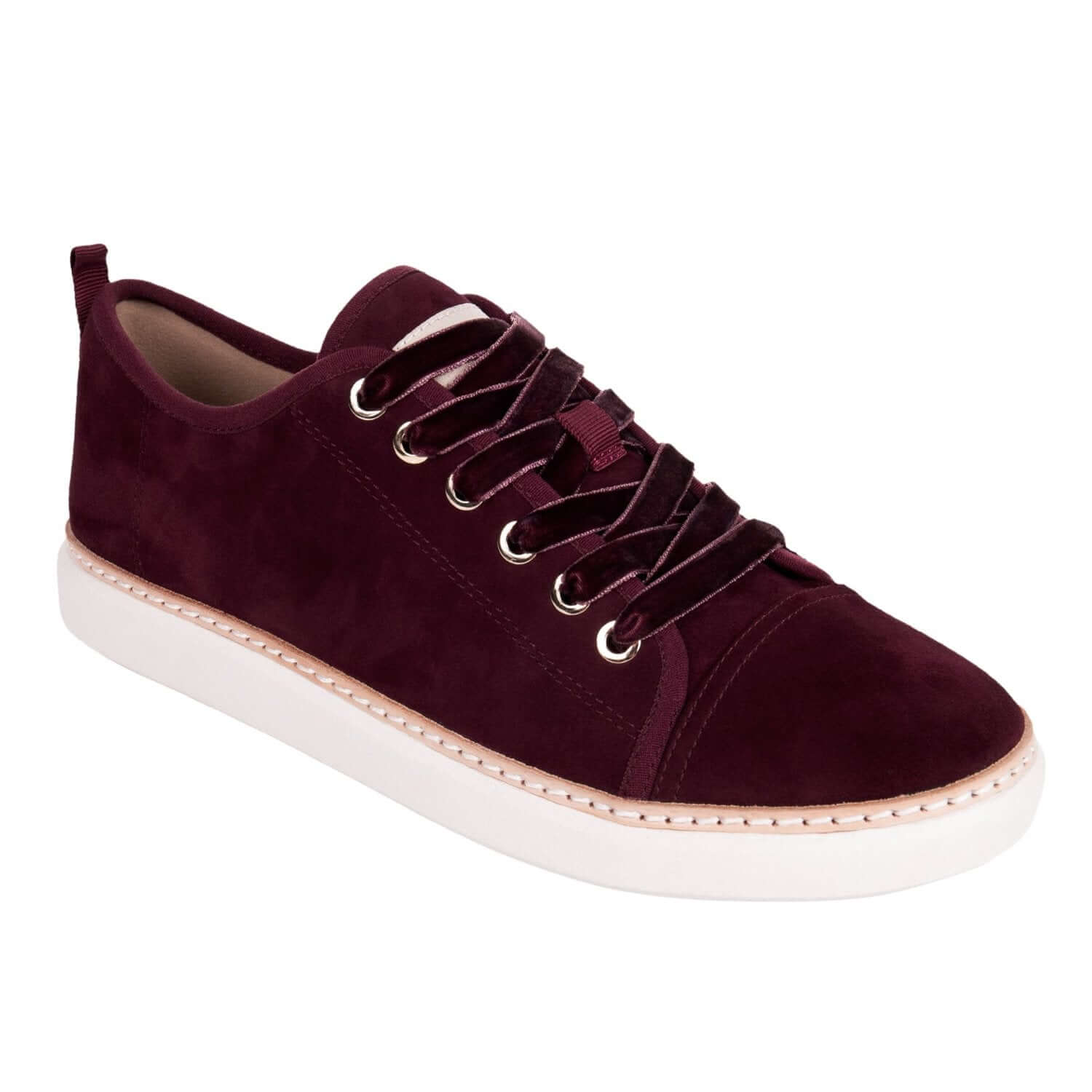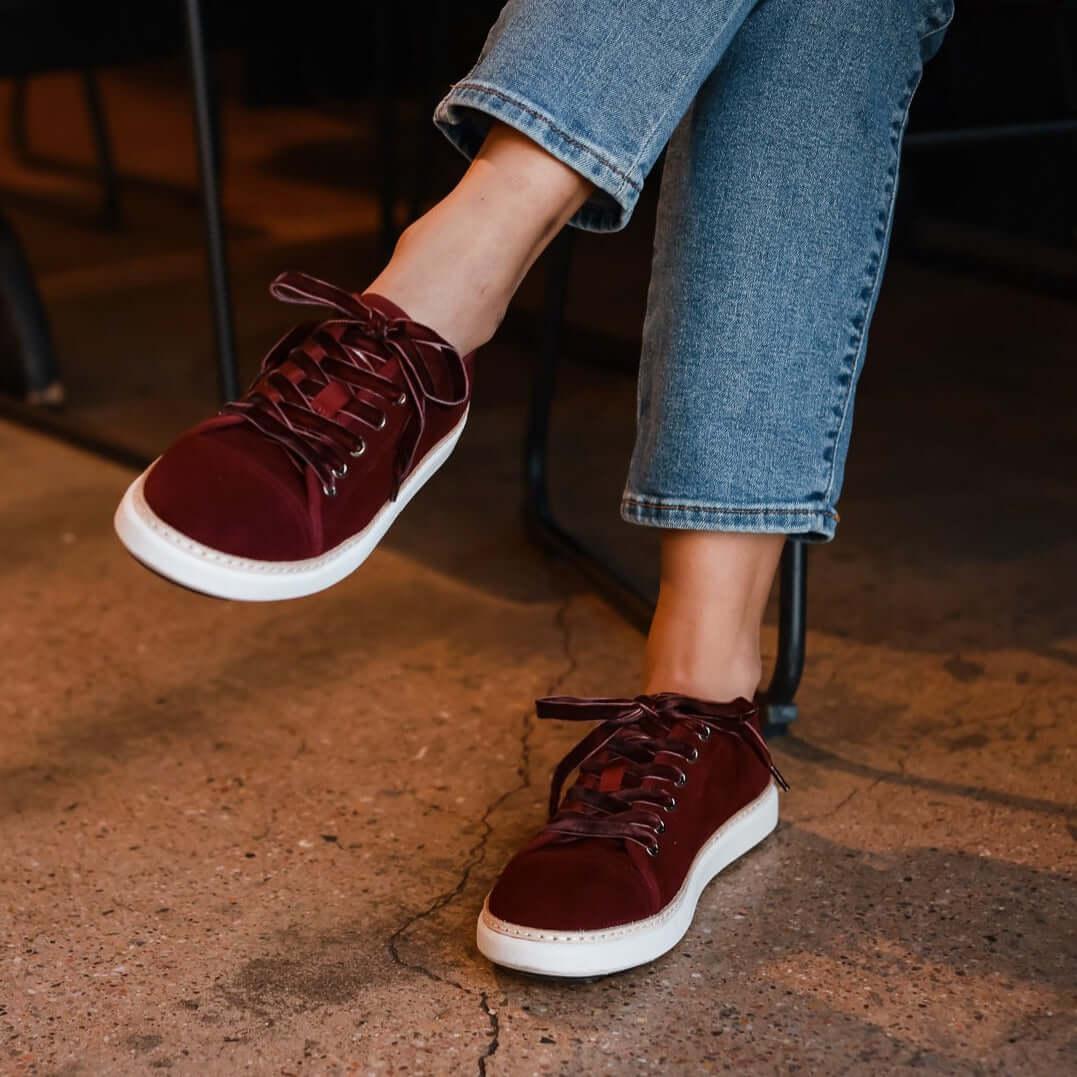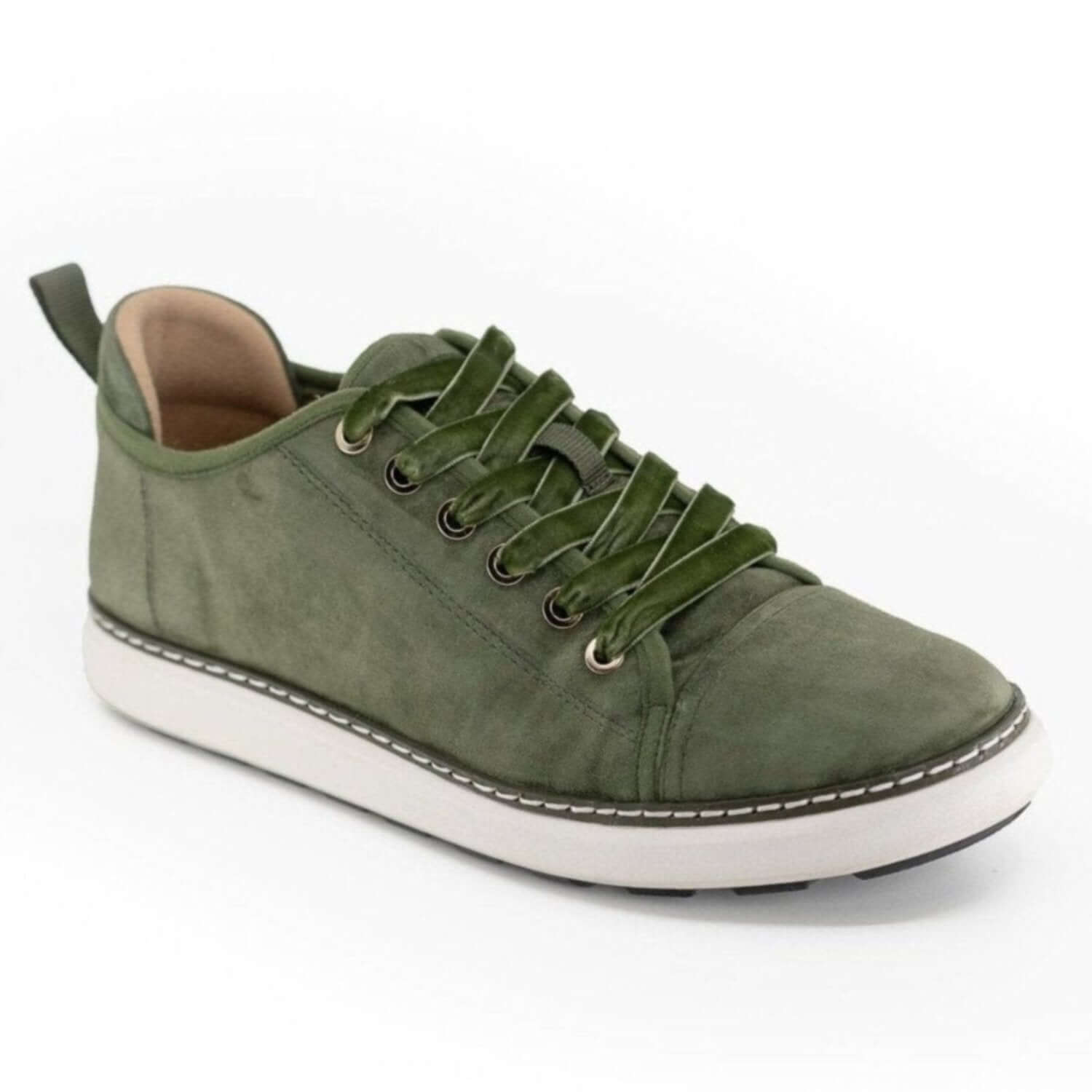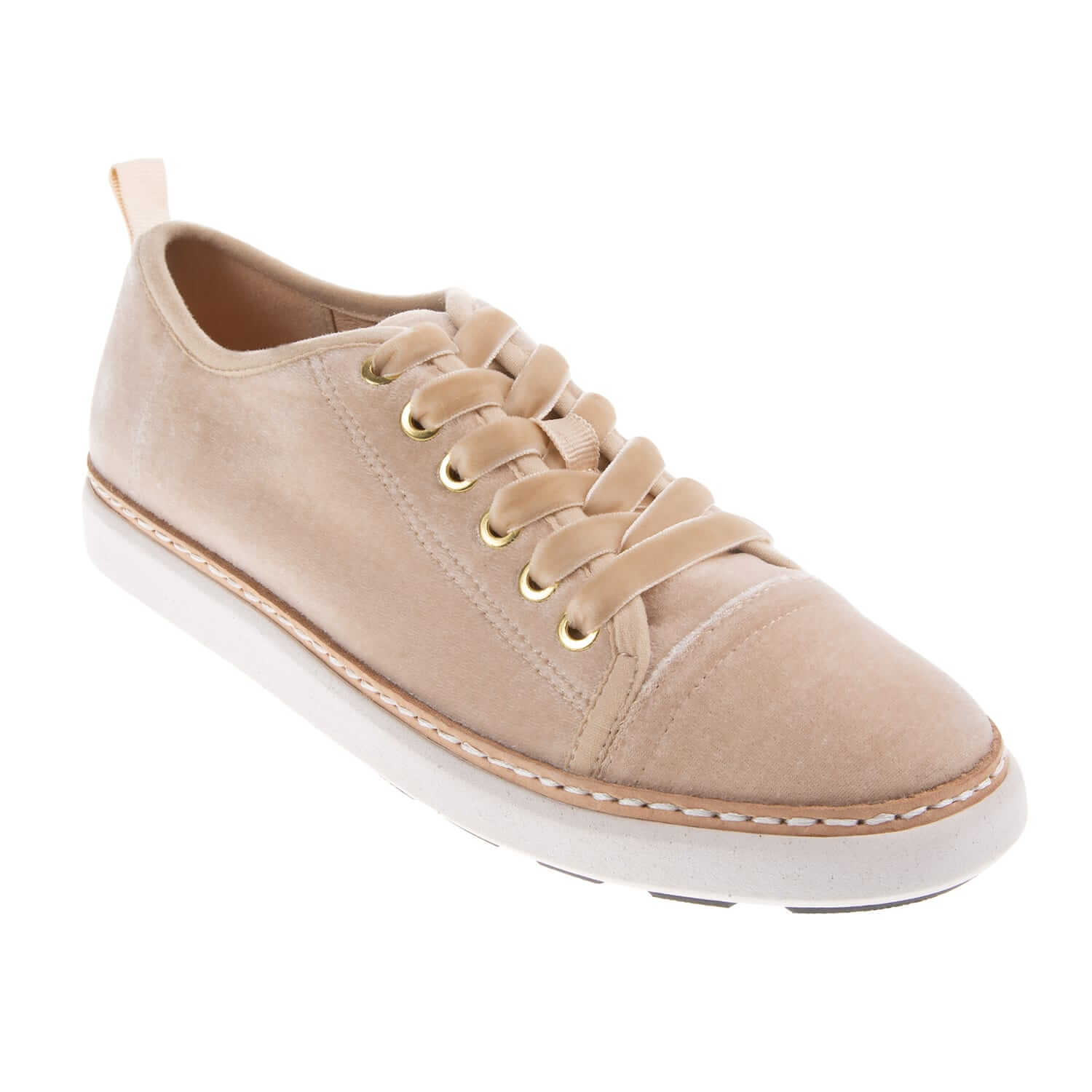

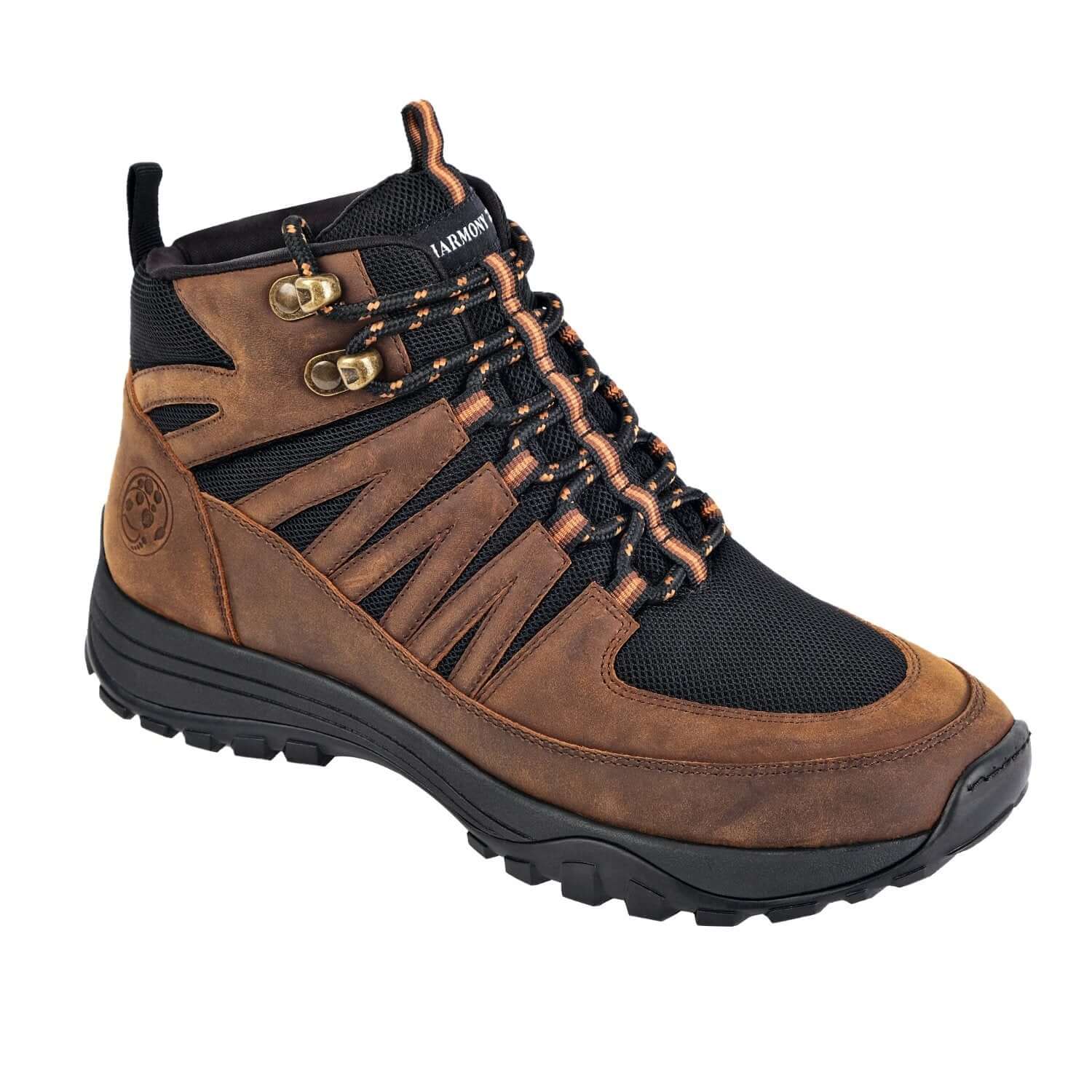
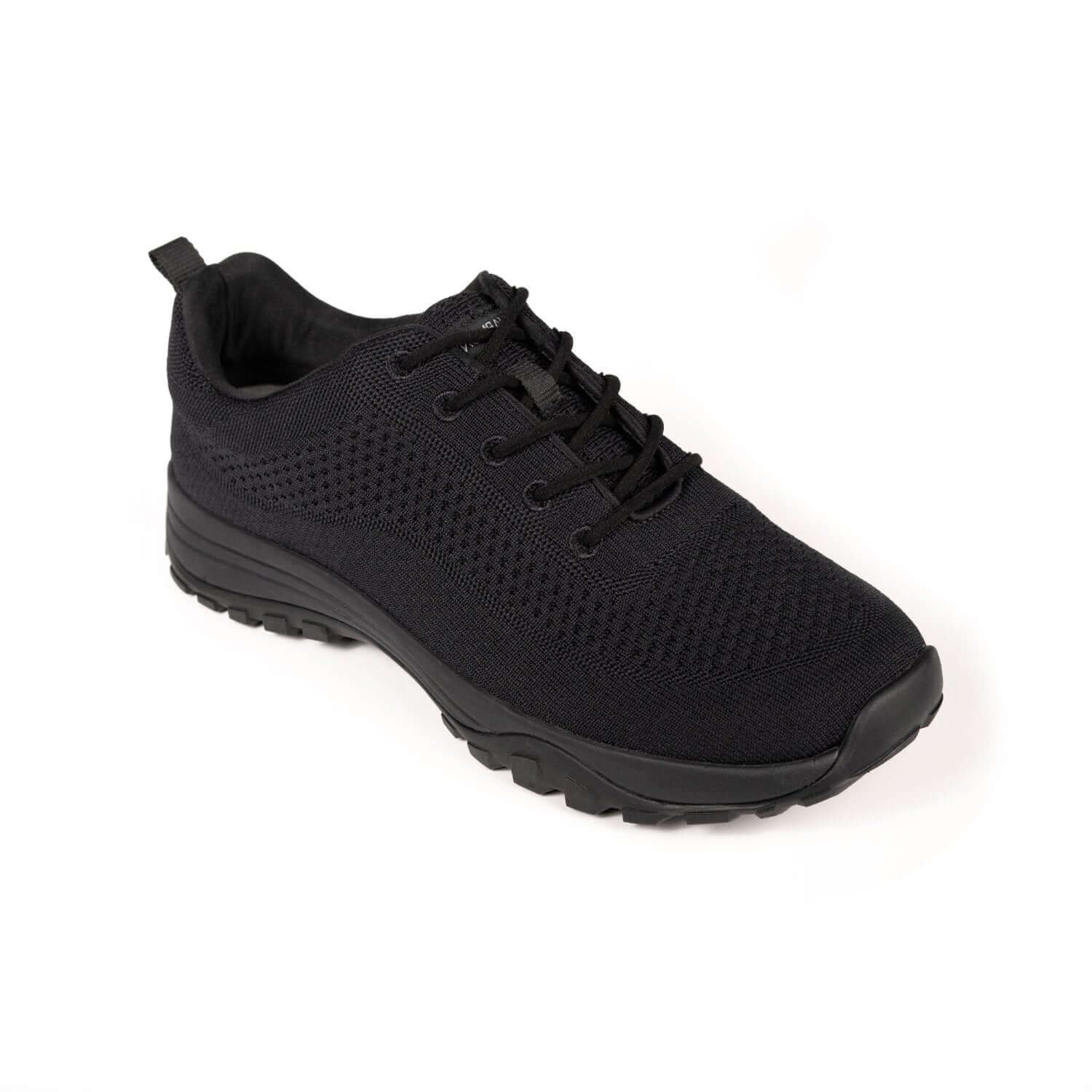
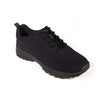
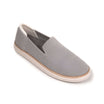
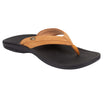
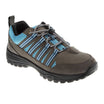
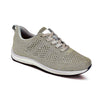
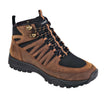
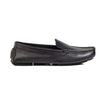
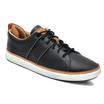

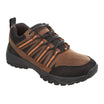
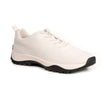



Buying minimalist footwear will not connect your feet to the electrical charge of the earth. However, now you do not have to go barefoot to get grounded.
Our grounding shoes vs barefoot shoes difference comparison shows that only grounding shoes contain conductive parts to connect you to the earth. Minimalist barefoot shoes focus purely on natural foot biomechanics with thin soles and wide toe boxes. They lack the conductive parts needed to transfer electrons from the ground to your body. In contrast, grounding shoes add conductive parts like copper plugs or silver fibers to enable this link. According to research on earthing-capable footwear, this natural connection reduces bodily pain and supports immune health. Finally, barefoot shoes always have paper-thin soles with no arch support. Grounding shoes can offer structured arch support and modern style alongside natural earthing technology.
This guide helps you choose the right fit by showing how each style affects your posture and daily health. If you want to explore further, check out our best grounding shoes buying guide. To compare these options, we must first ask: What Are Barefoot Shoes and What Problems Do They Solve? The path begins with...
Grounding Shoes Vs Barefoot Shoes Difference Comparison: What Are Barefoot Shoes and What Problems Do They Solve?
For decades, standard shoes have used thick padding and stiff support. But this design can cramp the natural shape and movement of your feet. When making a grounding shoes vs barefoot shoes difference comparison, it helps to first look at how barefoot shoes work. These shoes let your feet move as if you were walking barefoot, but they still protect your feet from the ground.
Design features of barefoot shoes
Barefoot shoes are defined by three main design choices. First, they have a wide toe box that lets your toes spread out. Second, they have zero-drop soles, meaning the heel and the toe are at the same height. Last, barefoot shoes use thin soles that bend with ease.
According to studies, barefoot shoes allow natural foot movement by letting your feet function as nature planned. Unlike typical shoes, there are no stiff arch supports or thick heels to alter your stride.
Problems solved by minimalist footwear
Wearing narrow, stiff shoes can lead to weak foot muscles and poor posture, but barefoot shoes solve this by forcing your feet to do the work. Walking in minimalist shoes acts like a workout for your feet. Over time, this natural movement strengthens the arches and the small muscles in the feet. These changes can help prevent common issues like plantar fasciitis and bunions.
Standard shoes also block your connection to the ground. While barefoot shoes improve how you move, they do not provide earthing. To help reduce pain or swelling, many people turn to earthing. Studies in the National Institutes of Health show that direct contact with the ground can lower pain and help you heal.
Sensory feedback and balance
Your feet are highly sensitive sensory organs. They contain thousands of nerve endings that send vital messages to your brain. Thick soles block this feedback, but thin soles restore it.
Barefoot shoes provide sensory feedback that helps with balance, coordination, and stability. When you feel the ground, your body can adjust to changes in the terrain more quickly. This ground feel helps you walk with more safety on different surfaces. By letting you feel the earth, barefoot shoes help you move with confidence.
What Are Grounding Shoes and How Are They Different?
Most modern shoes have thick soles made of rubber or plastic. These materials act as insulators, which blocks your body from the earth. When you do a grounding shoes vs barefoot shoes difference comparison, you will see how specialized footwear can restore this natural connection.
The science of electron transfer
Grounding, also known as earthing, refers to direct electrical contact between your body and the surface of the Earth. According to research published in PubMed Central, this conductive contact produces helpful effects on human physiology and health. This contact allows free electrons to flow from the ground into your body. This natural process helps to balance your electrical charge, but standard rubber soles block it entirely.
The surface of the earth holds a subtle, natural negative charge. When you make direct contact with it, your body absorbs these free electrons. Since standard shoes use man-made materials like rubber and foam, they act as electrical barriers. This means most people spend their entire day completely cut off from the ground, missing out on the earth's natural electrical energy.
How conductive elements work
Barefoot shoes let your feet move naturally. However, they do not connect you to the earth. Most barefoot shoes lack conductive elements to link to the earth's electrical charge, unlike specialized grounding shoes. To fix this, grounding shoes use special materials like copper and silver to create a clear path for electrons.
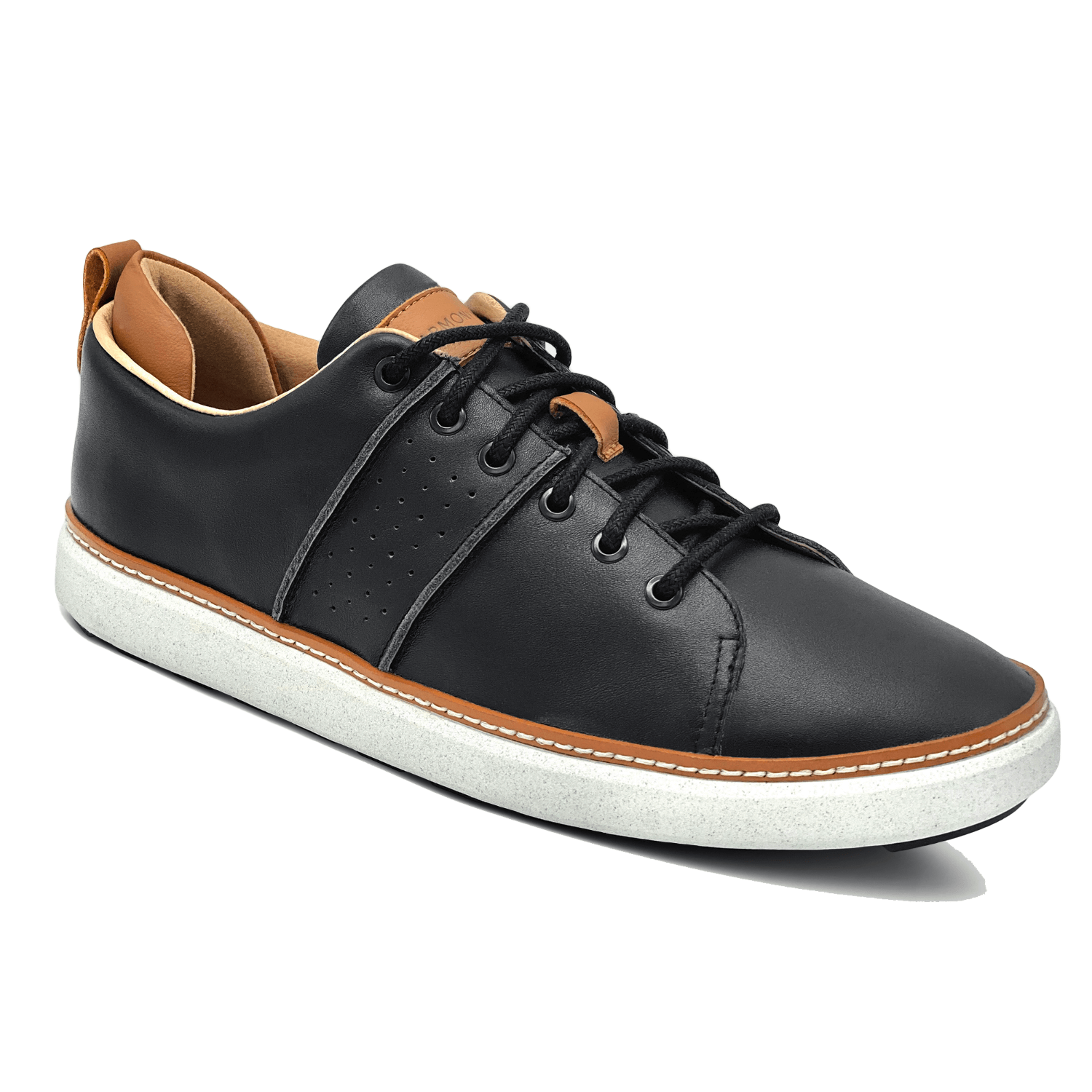
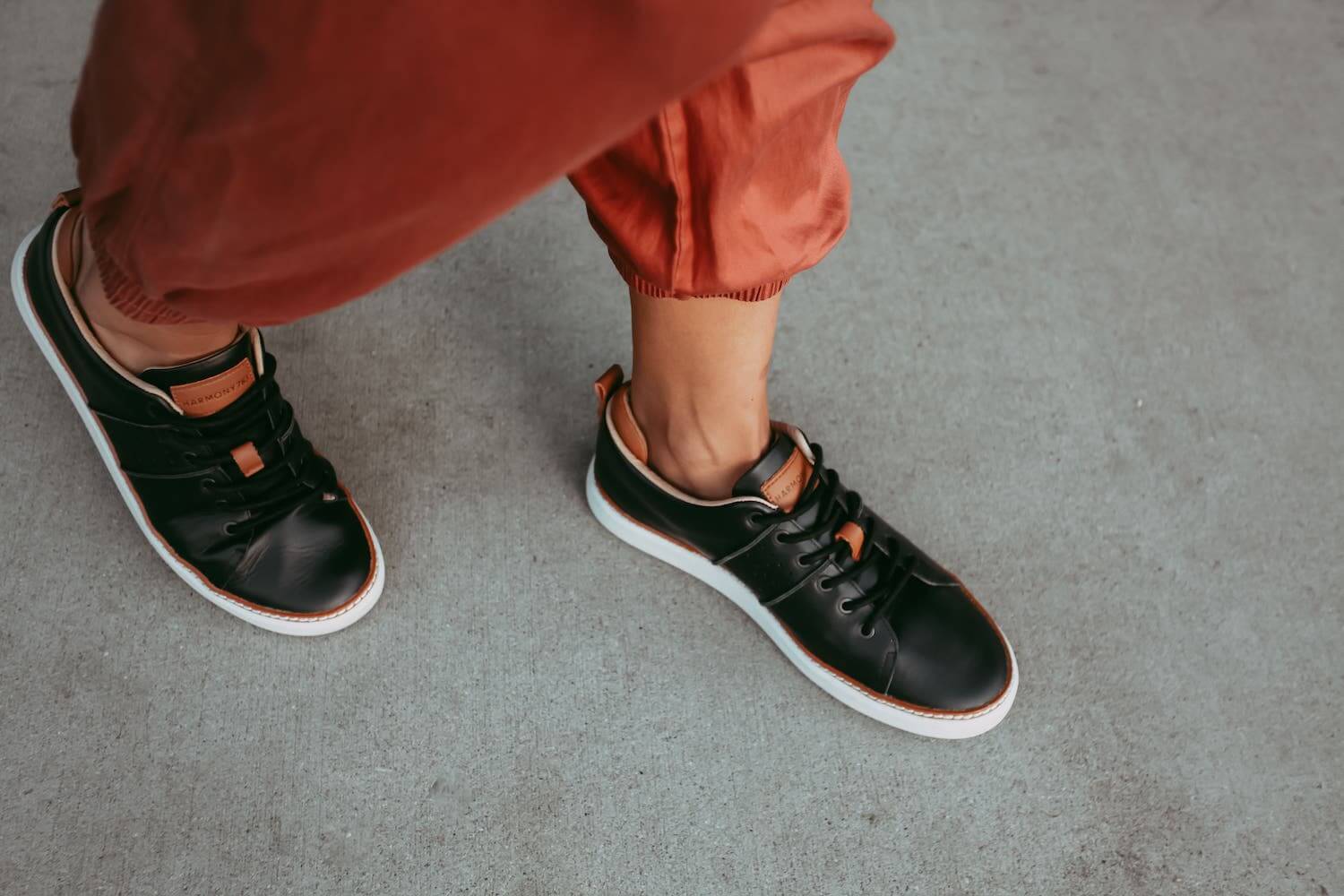
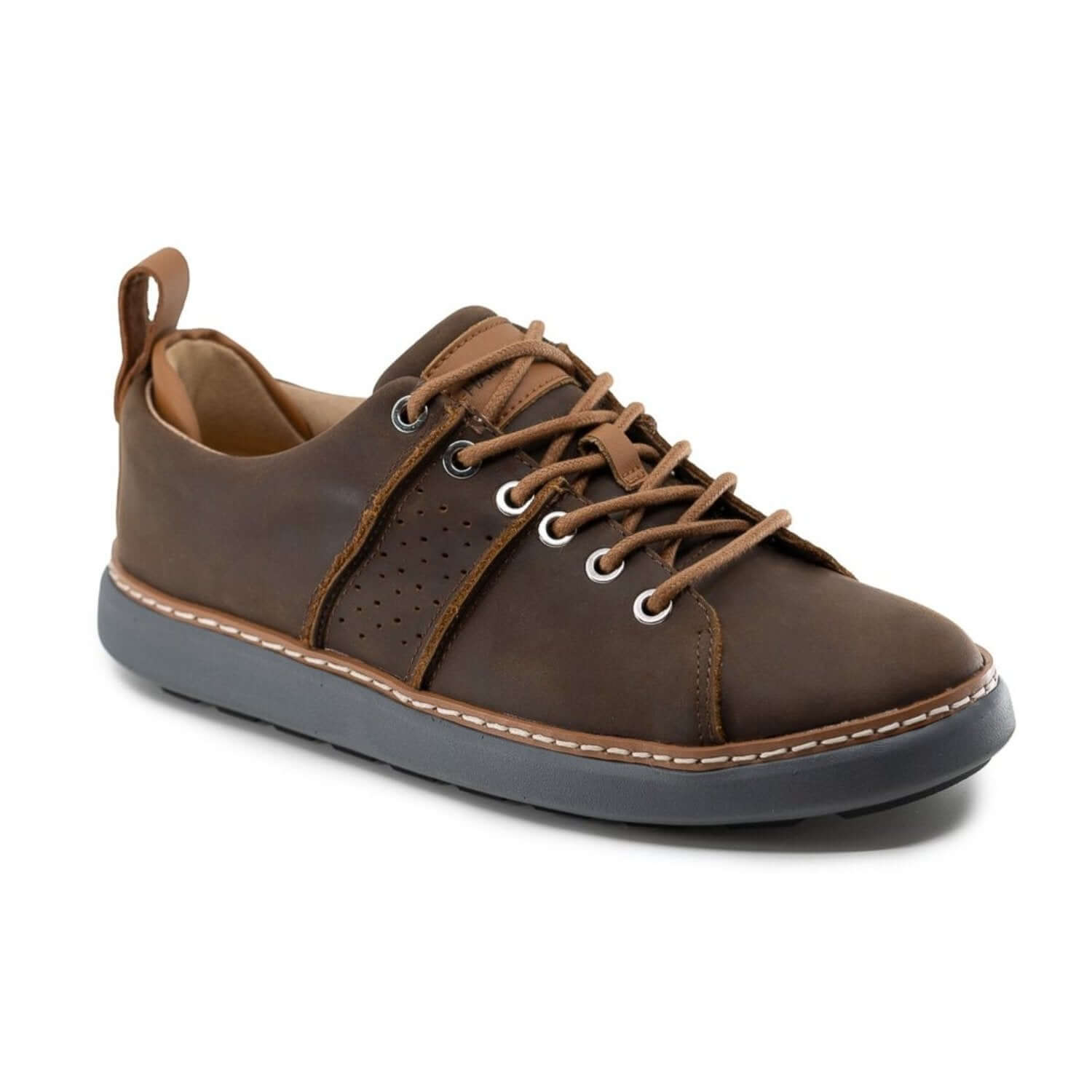
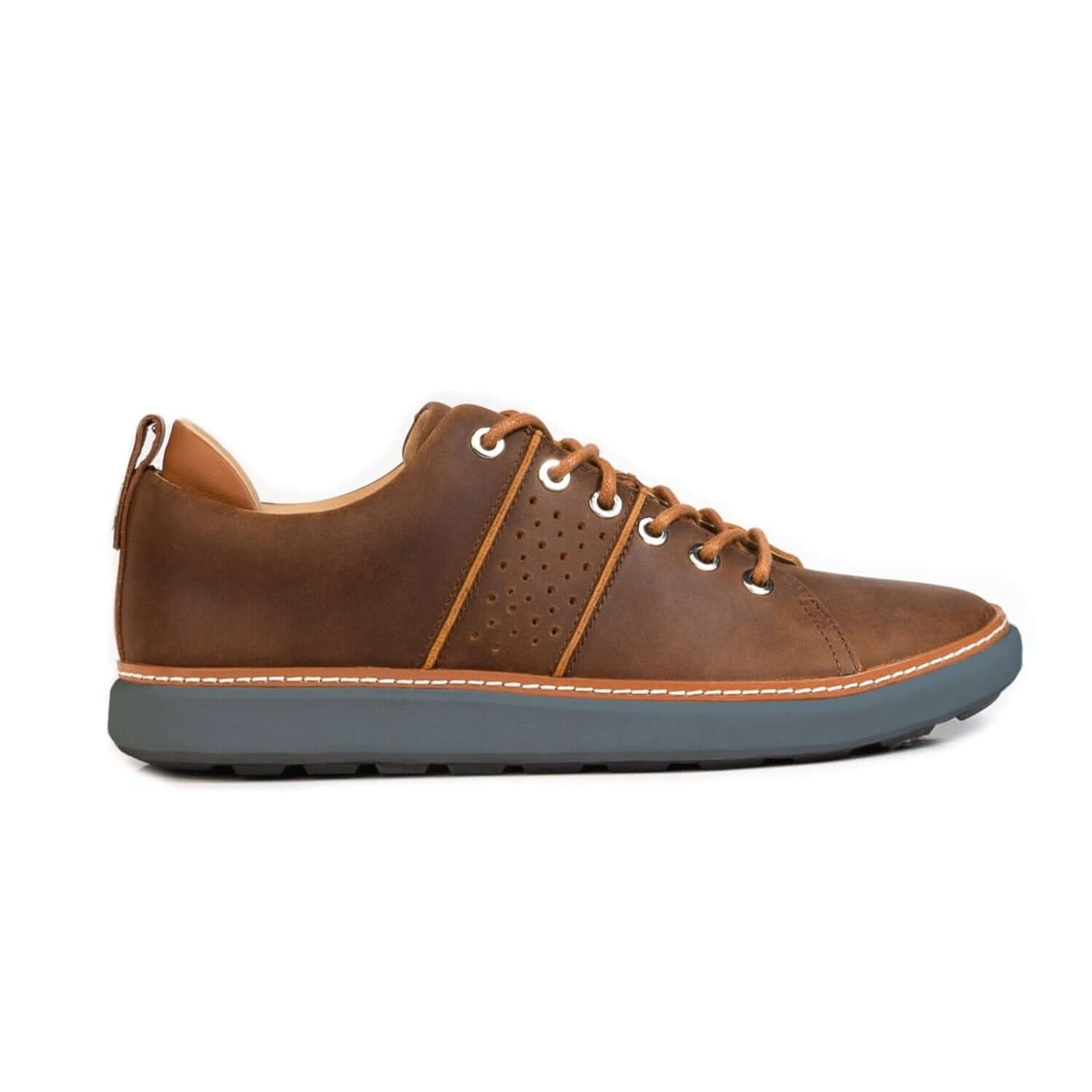
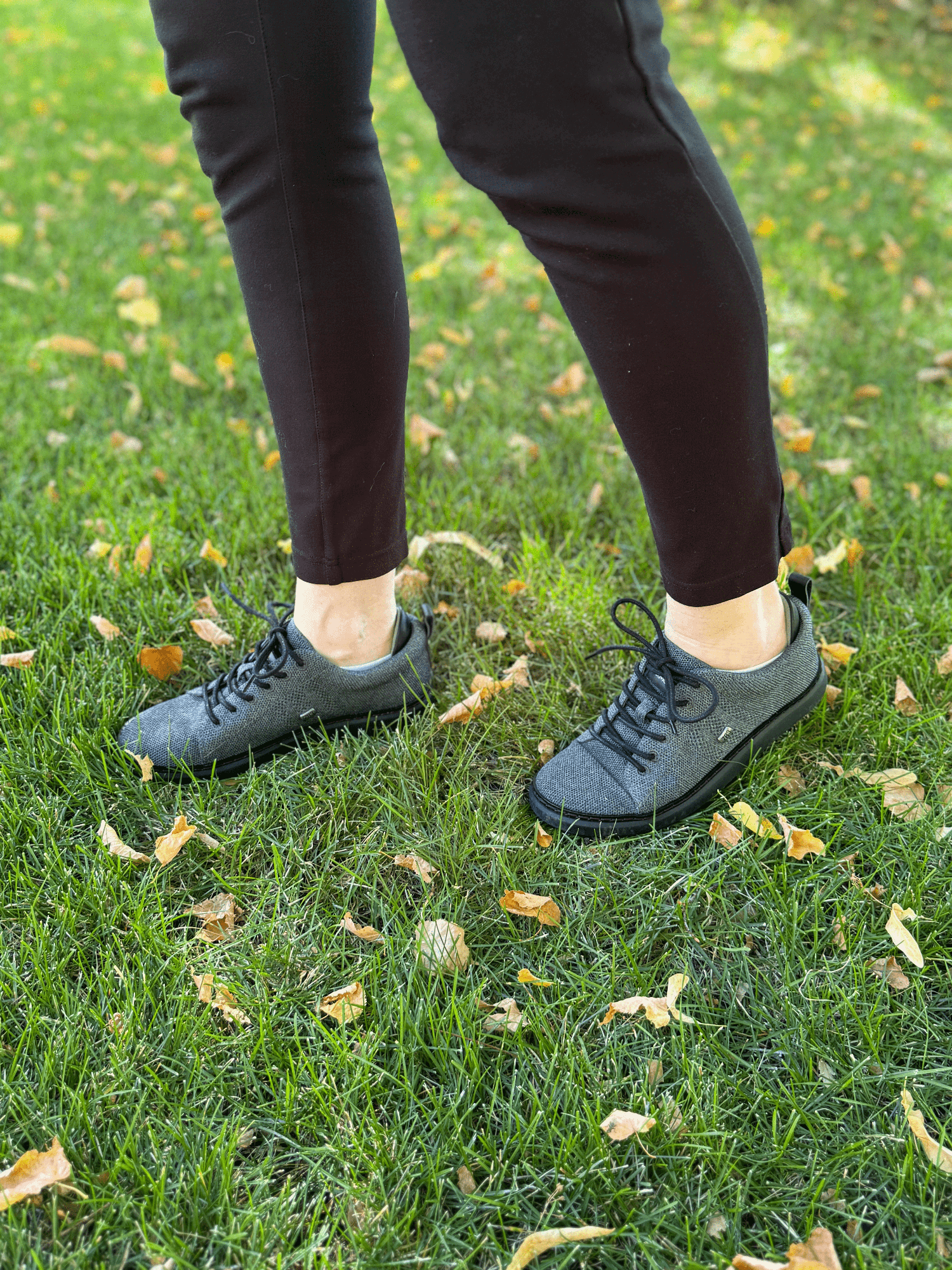
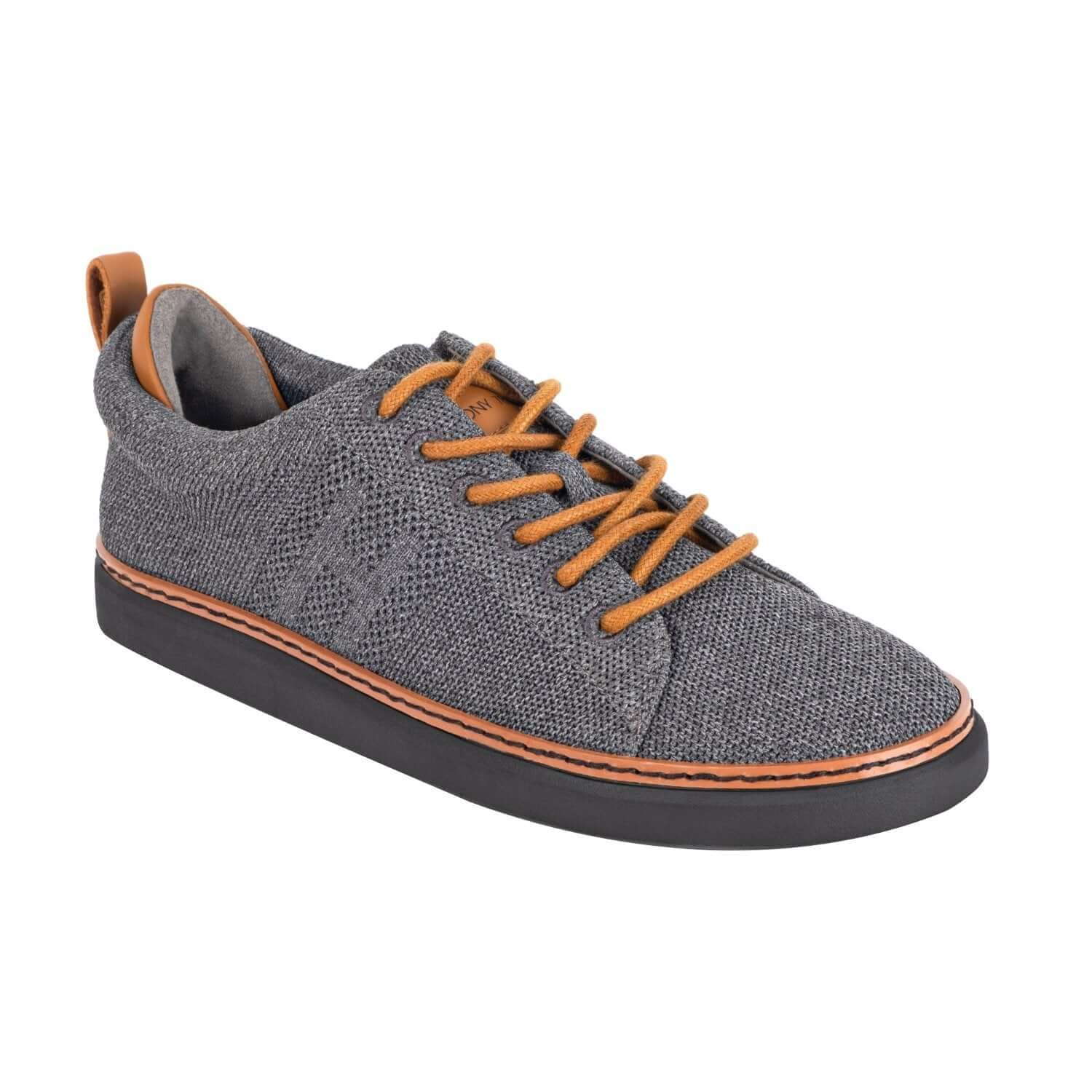
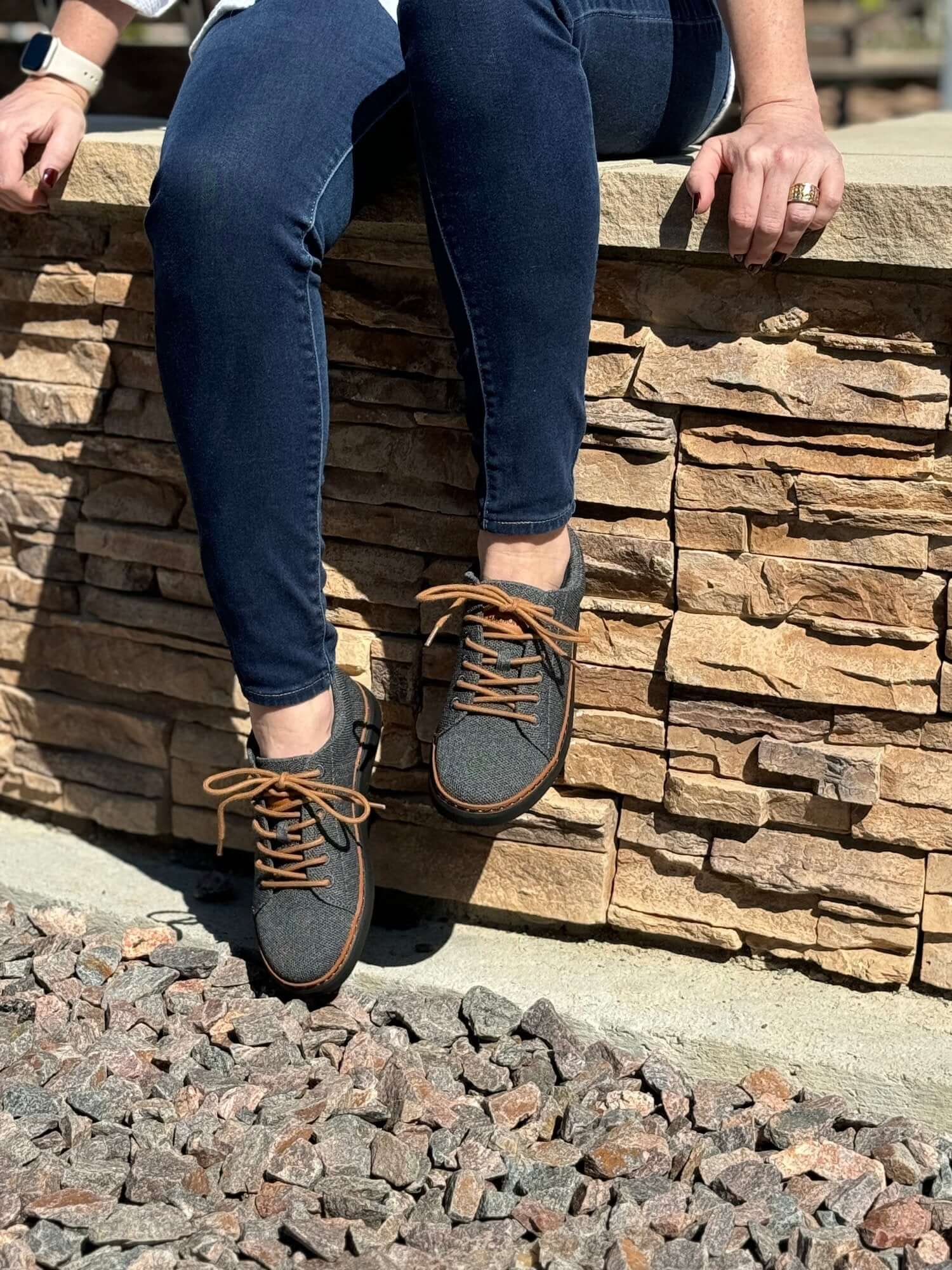
These shoes use different methods to stay conductive. Some brands use copper plugs or silver stitching in the soles. Harmony 783 shoes feature special Groundworks Technology, a five-layer system that uses silver-stitched footbeds. This design ensures that you stay connected to the earth with every step you take, without having to go barefoot.
Health benefits of grounding shoes
When you wear grounding shoes, you can get real health benefits. According to clinical research, grounding can reduce pain and affect the activity of white blood cells involved in your body's inflammatory response. By lowering inflammation, this practice helps you recover faster from daily stress. Choosing earthing-capable footwear makes it easy to bring these health benefits into your daily life.
Scientific studies also suggest that grounding can improve your blood flow. When you connect to the earth, the electrical charge on your red blood cells increases. According to published cardiovascular research, this charge reduces blood viscosity and clumping, helping it flow more easily. Better circulation means your body can deliver oxygen and vital nutrients more efficiently, supporting your overall heart health.
Many people want the benefits of grounding but still need foot support. While barefoot shoes have paper-thin soles, some grounding brands offer much more protection. For example, Harmony 783 shoes provide structured, comfortable midsoles. This means you get arch support and great cushioning while staying connected to the earth's natural energy.
Key Differences: Sole Thickness, Conductivity, Arch Support, and Style
When making a grounding shoes vs barefoot shoes difference comparison, you must look at how each shoe is built. Barefoot shoes focus on natural foot movement and raw ground feel. Grounding shoes can also have a thin sole, but they always add conductive parts to link your body to the earth's charge. This allows you to walk with a natural stride while still getting the perks of earthing.
Conductivity and electron flow
Barefoot shoes have normal rubber or foam soles that block electricity. Grounding shoes use special metals, like copper plugs or silver thread, to let electrons pass from the soil to your skin. This flow of power is the base of grounding benefits, which can help lower pain and swelling in the body. If you wear plain barefoot shoes, you do not get this electric link.
Sole support and thickness
Barefoot shoes always use very thin, flat soles with no arch support. This design forces your feet to do all the work and build up natural strength. In contrast, grounding shoes come in a wider range of sole shapes that can offer soft padding and support for long walks. This choice helps protect your joints if you are on your feet all day.
| Barefoot Shoes | Grounding Shoes |
|---|---|
| Sole Thickness: Very thin, usually 3 to 6 mm. | Sole Thickness: Varies from ultra-thin to padded. |
| Conductivity: Insulating; blocks earth's charge. | Conductivity: Conductive; lets electrons flow. |
| Arch Support: Flat footbed with no support. | Arch Support: Can offer supportive midsoles. |
| Toe Box Width: Extra wide to let toes splay. | Toe Box Width: Wide or standard depending on style. |
| Ground Feel: Maximum sensory feedback. | Ground Feel: High to moderate sensory feedback. |
| Health Focus: Natural foot strength and posture. | Health Focus: Pain relief and body earthing. |
Footwear style and design
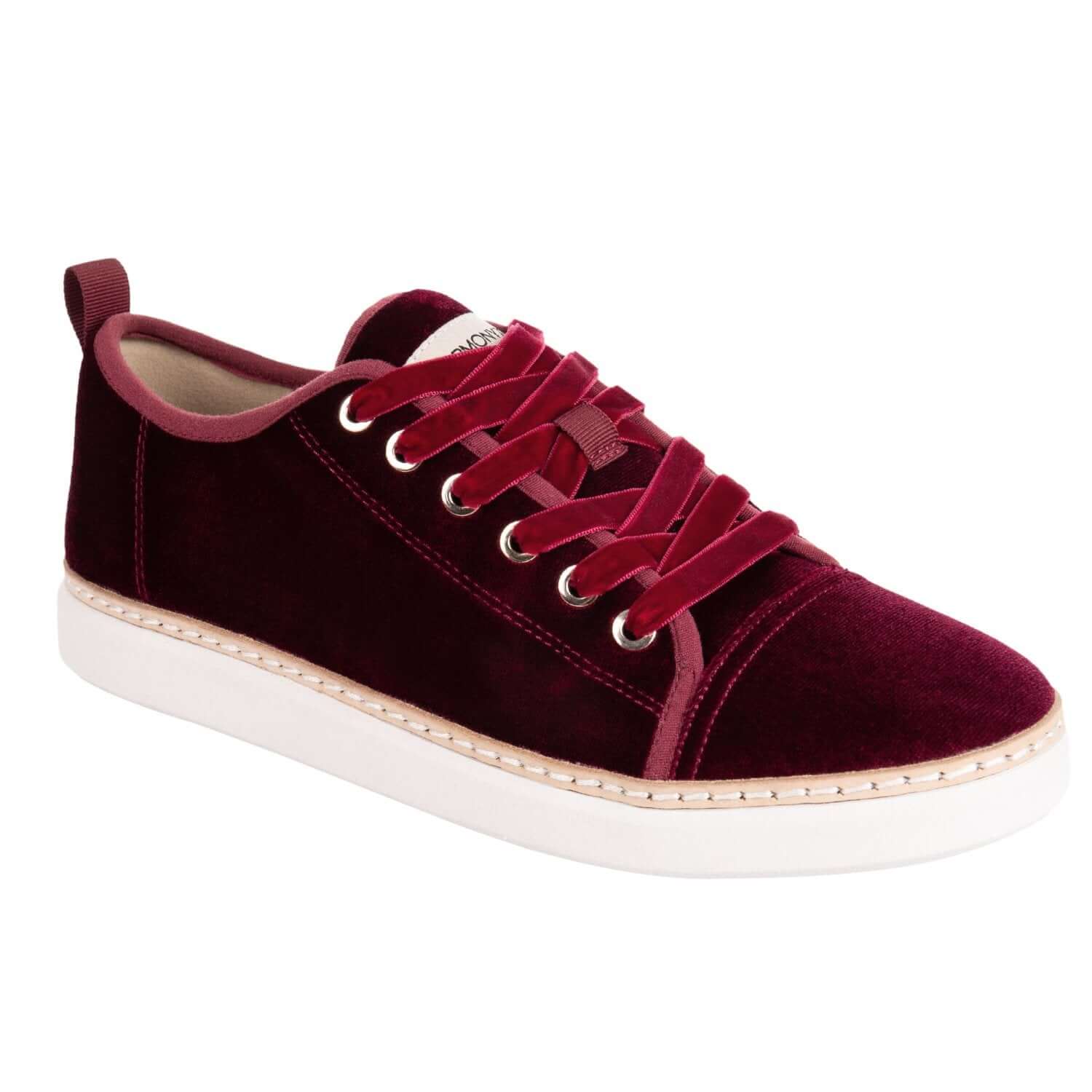
Barefoot shoes tend to have a very distinct, wide look that does not fit formal wear. Grounding shoes blend conductive tech into many classic and chic designs. You can find grounding options in sleek ballet flats, smart dress shoes, and active sneakers. This makes them easy to wear to work, to the store, or out on the town without losing your link to the earth.
In short, both types of shoes help you move away from thick, stiff footwear. But if you want to absorb the earth's natural power to aid your health, you need grounding shoes. To find the best pair for your daily walks, check our guide to grounding sneakers today.
Can a Shoe Be Both Barefoot and Grounding?
When making a grounding shoes vs barefoot shoes difference comparison, you might wonder if one pair can do both. The short answer is yes. A shoe can have the natural shape of a barefoot design while also keeping you in contact with the ground. Here are the three key things to look for:
- Wide toe box. Look for shoes that let your toes spread out naturally, just like barefoot shoes do.
- Conductive sole. The shoe must have copper, silver, or other conductive materials that connect your foot to the earth.
- Flexible but supportive design. The sole should bend with your foot while still offering enough cushioning for all-day wear.
Some makers build footwear that blends these two concepts, but most designs on the market focus on only one or the other.
Conductive elements in a flexible design
Standard barefoot shoes focus on foot shape and natural movement. They have thin, flexible soles and wide toe boxes so your toes can spread. But barefoot shoes do not have conductive elements to connect to the Earth's charge, unlike specialized grounding shoes. Some people even say that grounding shoes are simply regular barefoot shoes with added conductive parts. To bridge this gap, many designs do use a barefoot style as their base. They keep the wide toe box and flexible sole but add copper plugs or silver threads. These conductive elements are designed to keep you in direct contact with the Earth's surface. This contact can help reduce pain and inflammation, as shown in studies like research on the health effects of grounding.
Support and comfort without sacrifice
While combining these features is possible, not everyone wants the paper-thin soles of a barefoot shoe. Many people need more support for their joints and arches when walking on hard pavement. This is where Harmony 783 takes a different path. Instead of making you choose between barefoot design and grounding, our shoes offer the best of both.
Our footwear includes a wide toe box to let your toes spread naturally, but we also include structured midsoles for cushioning and arch support. This design protects your feet from the stress of hard surfaces while keeping you grounded. You can learn more about how conductive parts are built into footwear in our guide to grounding sneakers. If you are looking to step outside without shoes, grounding footwear serves as a safer alternative to earthing barefoot. By choosing a shoe that is both supportive and conductive, you get the benefits of grounding without sacrificing comfort.
Frequently Asked Questions
Do barefoot shoes provide grounding benefits on their own?
No. Most barefoot shoes have rubber or plastic soles that block the ground's electrical charge. This means they act as insulators. To get earthing benefits, you need shoes with conductive parts. A study in the Journal of Environmental and Public Health shows that true grounding needs a direct, conductive link between your skin and the ground.
What are the downsides of grounding shoes?
The main limit of grounding shoes is that they only work on natural or conductive surfaces. You must walk on grass, dirt, sand, gravel, or bare concrete to connect with the earth. They will not ground you on carpet, wood, vinyl, or asphalt. Also, they tend to cost more than standard shoes because they use conductive metals.
Are grounding shoes worth it?
Yes, for people who want the wellness benefits of earthing without going barefoot. Grounding has real science behind it. Research published on PubMed shows that grounding can improve blood flow and reduce blood clumping. It also helps lower pain and swelling. If you spend time outdoors on grass or dirt, these shoes are an easy way to support your body.
Why do some podiatrists dislike barefoot shoes?
Some podiatrists worry about barefoot shoes because they lack arch support and cushioning. If you switch too fast, you can strain your muscles or get hurt. People with flat feet or foot pain may need more heel support. This is why some choose grounding shoes that offer support while still keeping them linked to the earth.
Ready to experience the grounding difference?
Every single day you walk in standard synthetic shoes is another day you remain completely cut off from the natural energy of the earth. Insulating rubber and plastic soles block the flow of healing electrons, keeping your body feeling tense, fatigued, and out of balance over time. By switching to conductive footwear today, you can start restoring your natural state and bring the benefits of earthing back into your daily routine.
Ready to get started? Browse the collection of grounding footwear to contact our team and get your perfect pair today. Do not let another day pass without restoring your natural connection. Your feet will thank you for making the switch to earthing shoes now.