
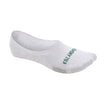
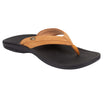
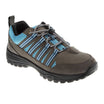
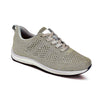
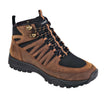
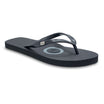
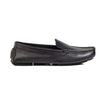
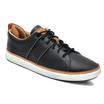

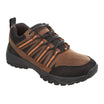
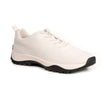

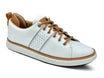
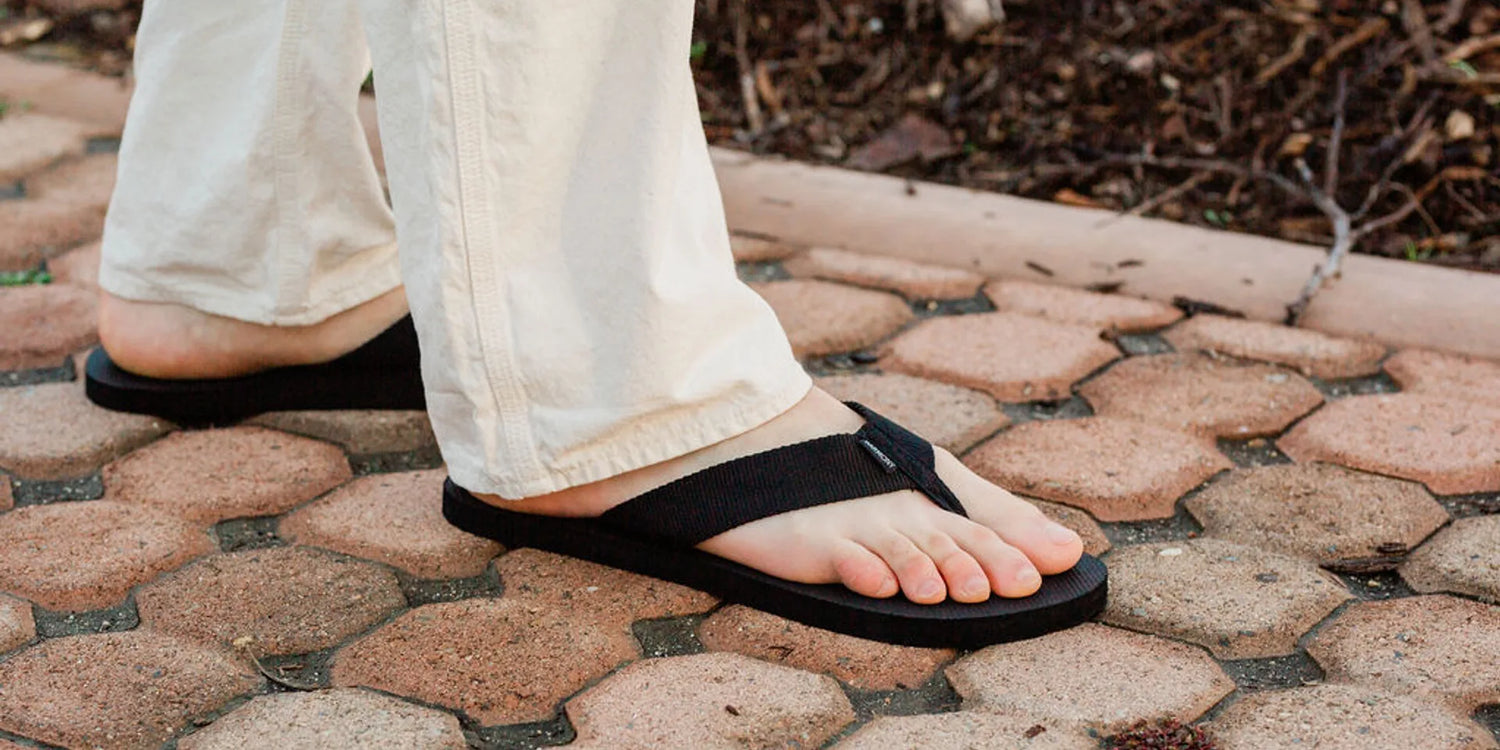
Grounding shoes promise a simple way to stay connected to the earth without giving up everyday comfort or style. Specialized materials and wellness claims can make any pair feel like a serious purchase. The real question is whether the design, construction, and price fit the way you live.
This harmony 783 grounding shoes review worth buying guide looks at the brand's Groundworks technology, shoe design. Price range, customer feedback, and best use cases so you can decide whether Harmony 783 belongs in your rotation.
Harmony 783 was founded in 2017 as a direct-to-consumer wellness footwear company. Its shoes are built around a proprietary conductive system and are positioned as natural wellness tools, not medical treatments. Before weighing comfort or value, it helps to understand who makes them and what the brand is trying to solve.
What is Harmony 783 and who makes their grounding shoes?
Answer: Harmony 783 is a direct-to-consumer wellness footwear company founded by Pam Bard and Sharon Whiteley. The brand makes fashion-forward grounding shoes for people who want to bring earthing into ordinary days, without having to walk barefoot.
Who founded Harmony 783?
Pam Bard and Sharon Whiteley created Harmony 783 around a simple idea: grounding footwear should fit modern life. Instead of treating grounding shoes as strictly athletic or technical gear. They built a brand around wearable styles that can move from a morning walk to errands, travel, or a full day on your feet.
That practical focus has helped Harmony 783 reach more than 22,000 customers worldwide. Its audience includes natural wellness consumers and people interested in biohacking, earthing practices, and more intentional daily routines. The company presents its products as wellness tools, not medical treatments.
What does Harmony 783 stand for?
The brand's positioning is captured in its tagline: "NOW YOU DON'T HAVE TO GO BAREFOOT TO GET GROUNDED." In other words. Harmony 783 aims to make an earth-connected lifestyle easier to maintain while wearing shoes.
That convenience matters because consistency is difficult when a wellness practice requires a specific setting. Grounding shoes are designed to let people explore earthing as part of everyday life, while still choosing footwear that looks polished and feels practical. If you are new to the category, the grounding shoes 101 guide explains the basics before you compare individual pairs.
What is Groundworks technology?
Harmony 783 uses its proprietary Groundworks technology to create an electrical connection with the earth's surface while walking. The system depends on conductive materials built into the shoe, rather than a conventional sole alone. That technology is the central point of difference between Harmony 783 grounding shoes and ordinary fashion footwear.
So, who makes the shoes? Pam Bard and Sharon Whiteley lead a DTC brand that combines grounding functionality with everyday design. The rest of this review looks more closely at comfort, construction, technology, and value.
First impressions: build quality, comfort, and design
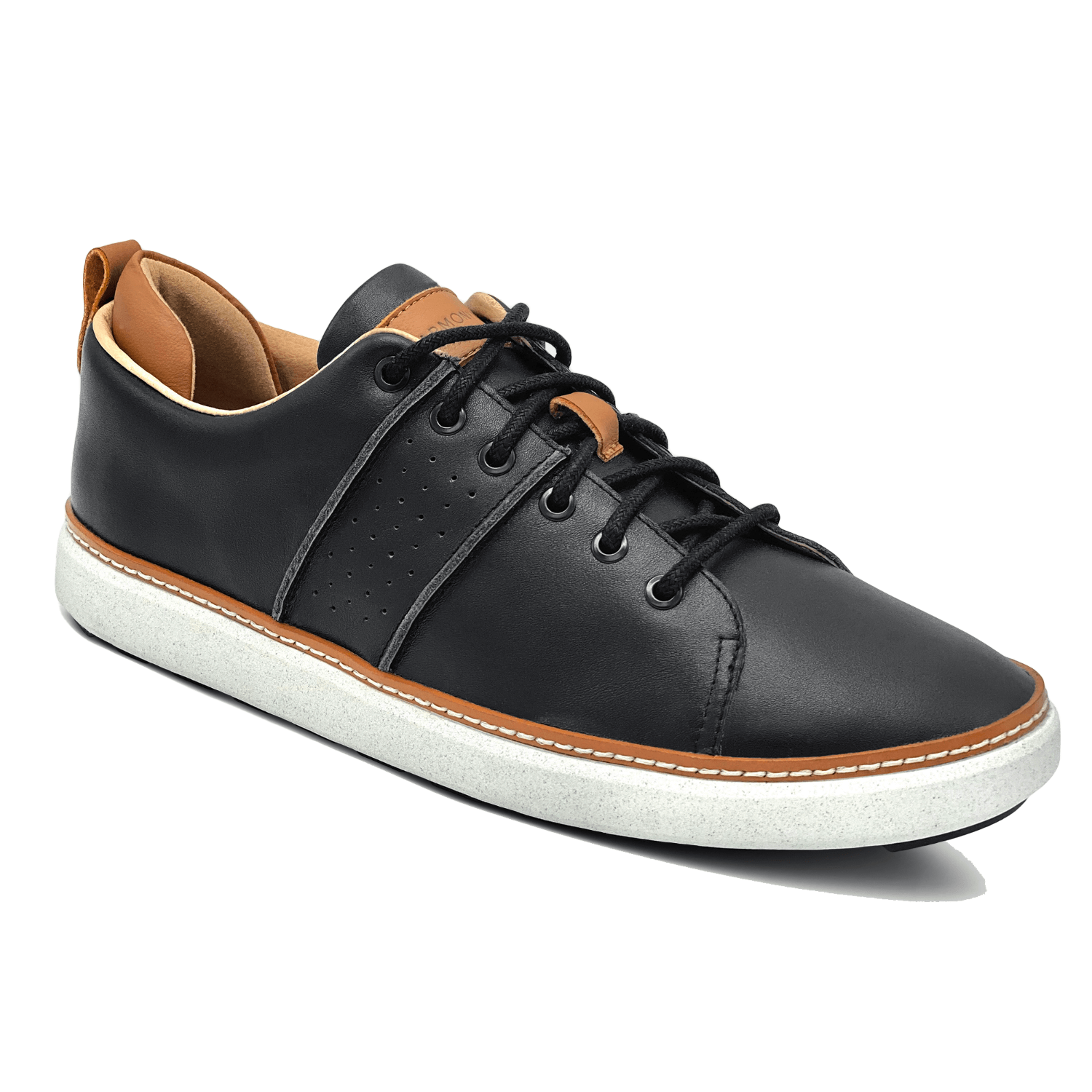
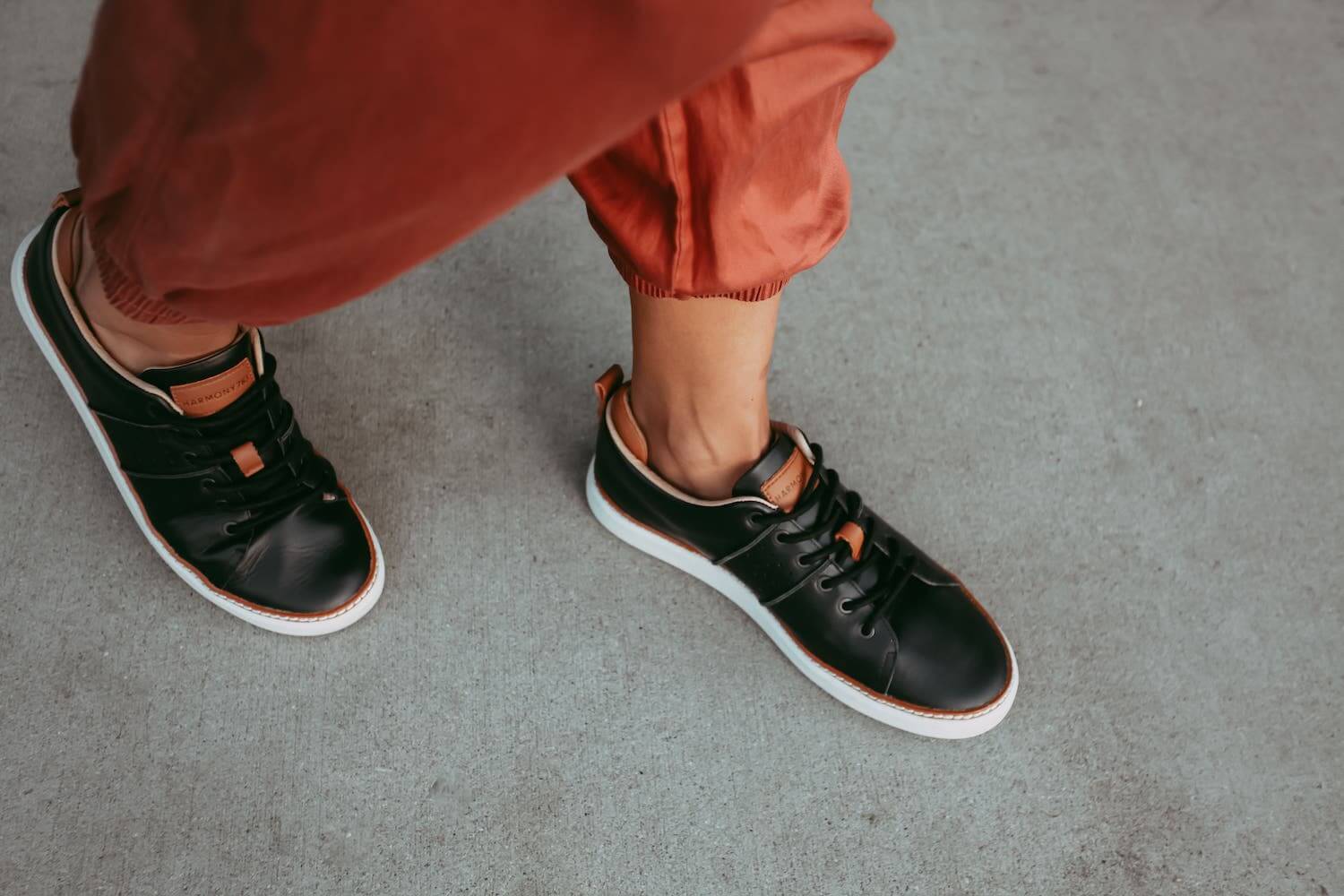
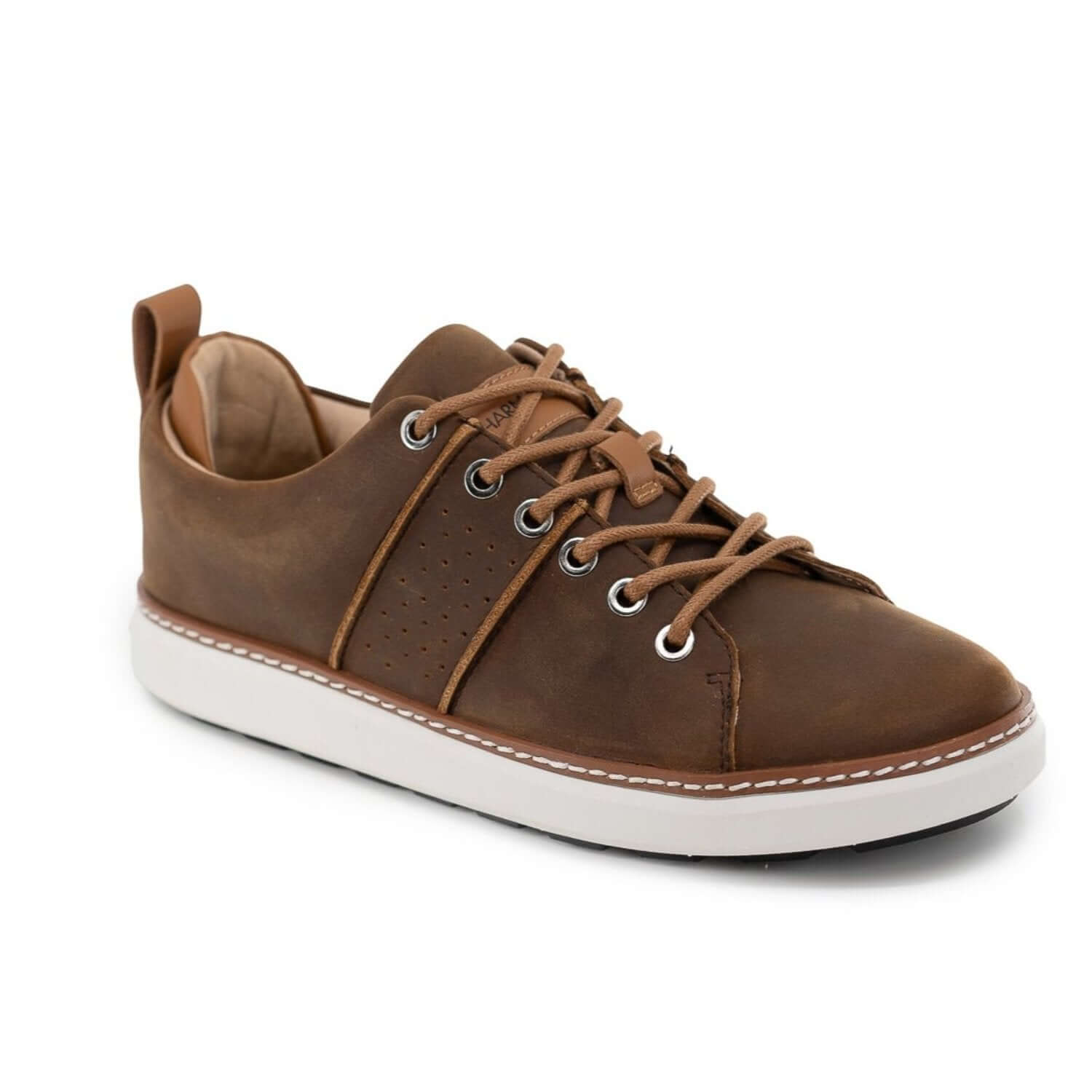
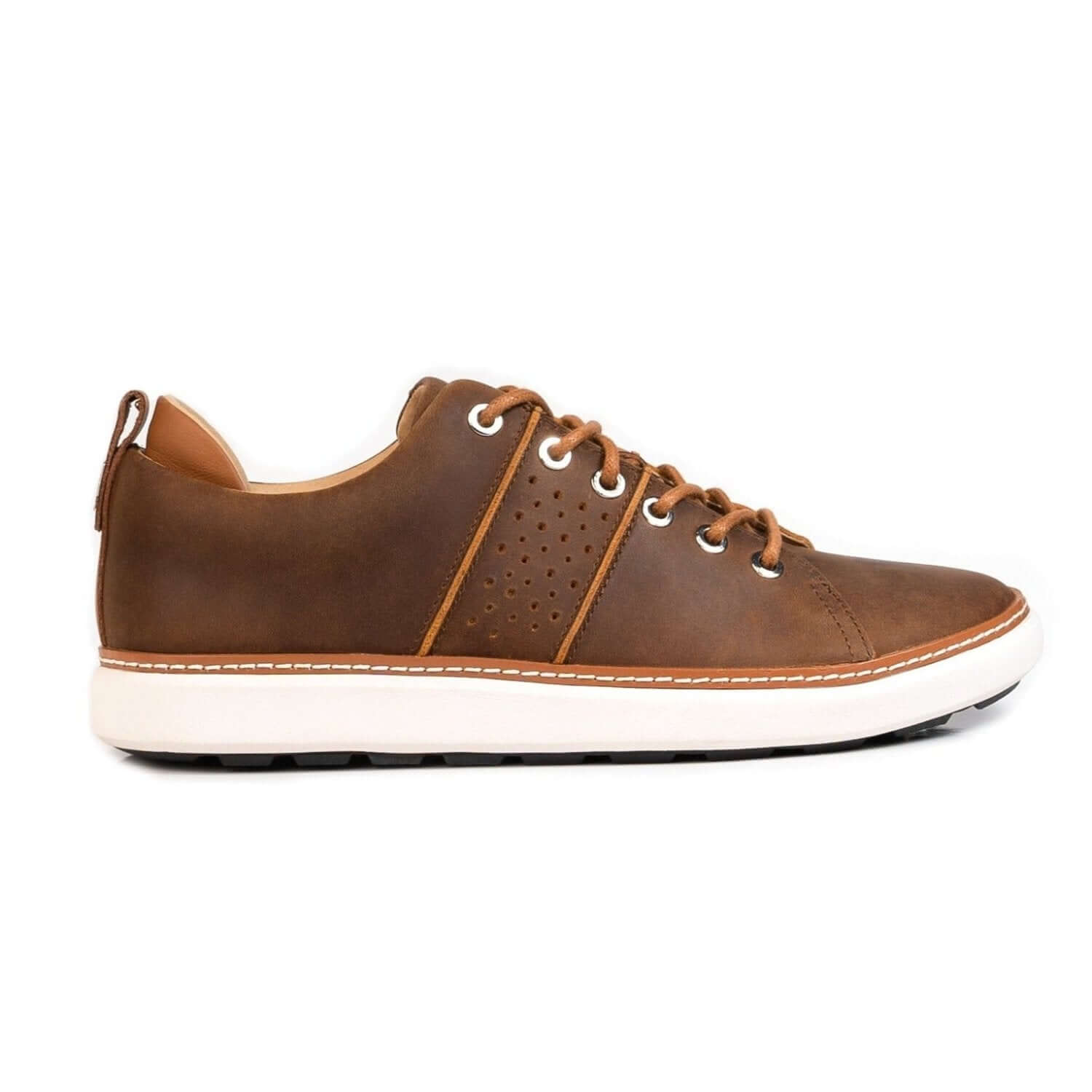
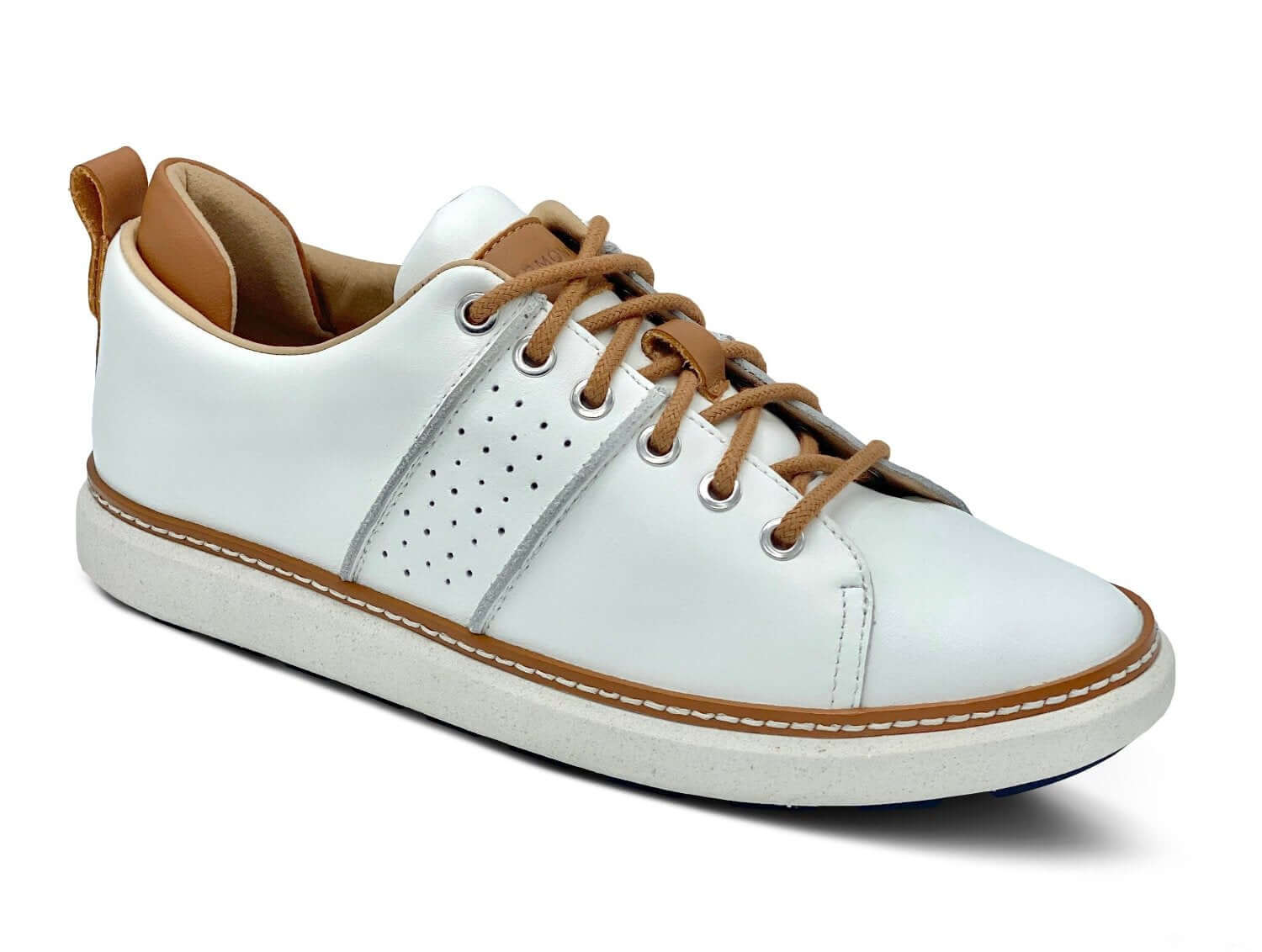
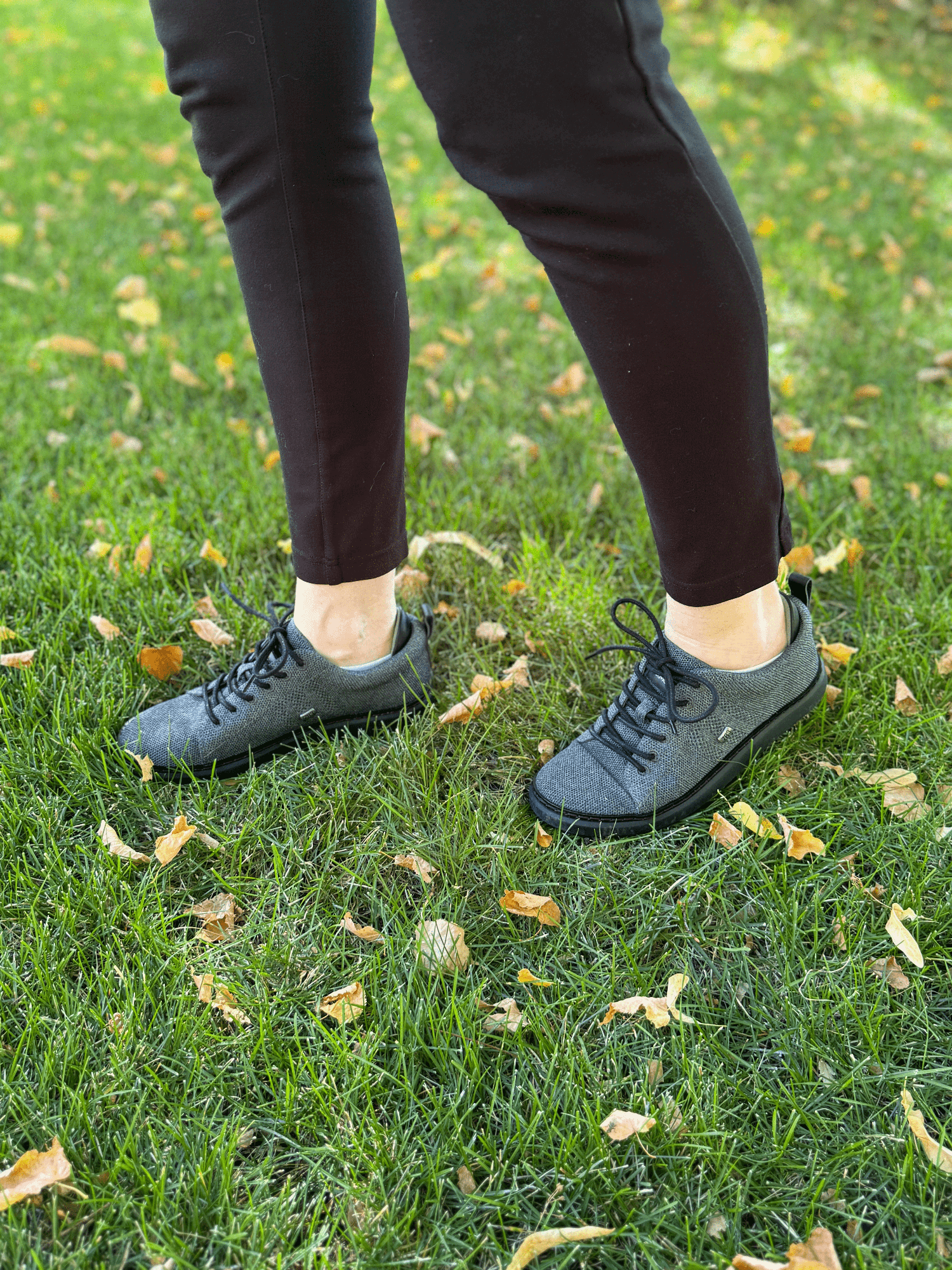
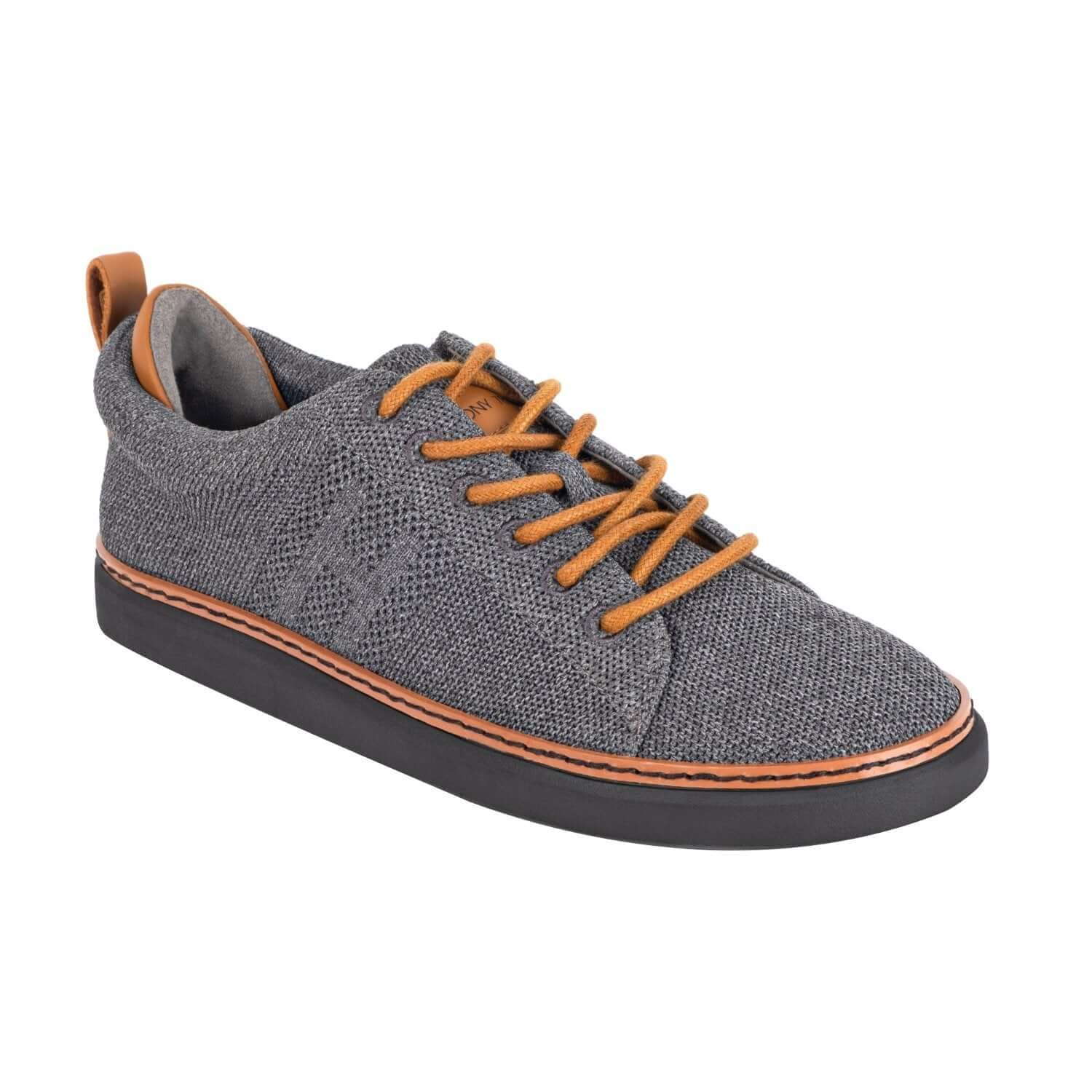
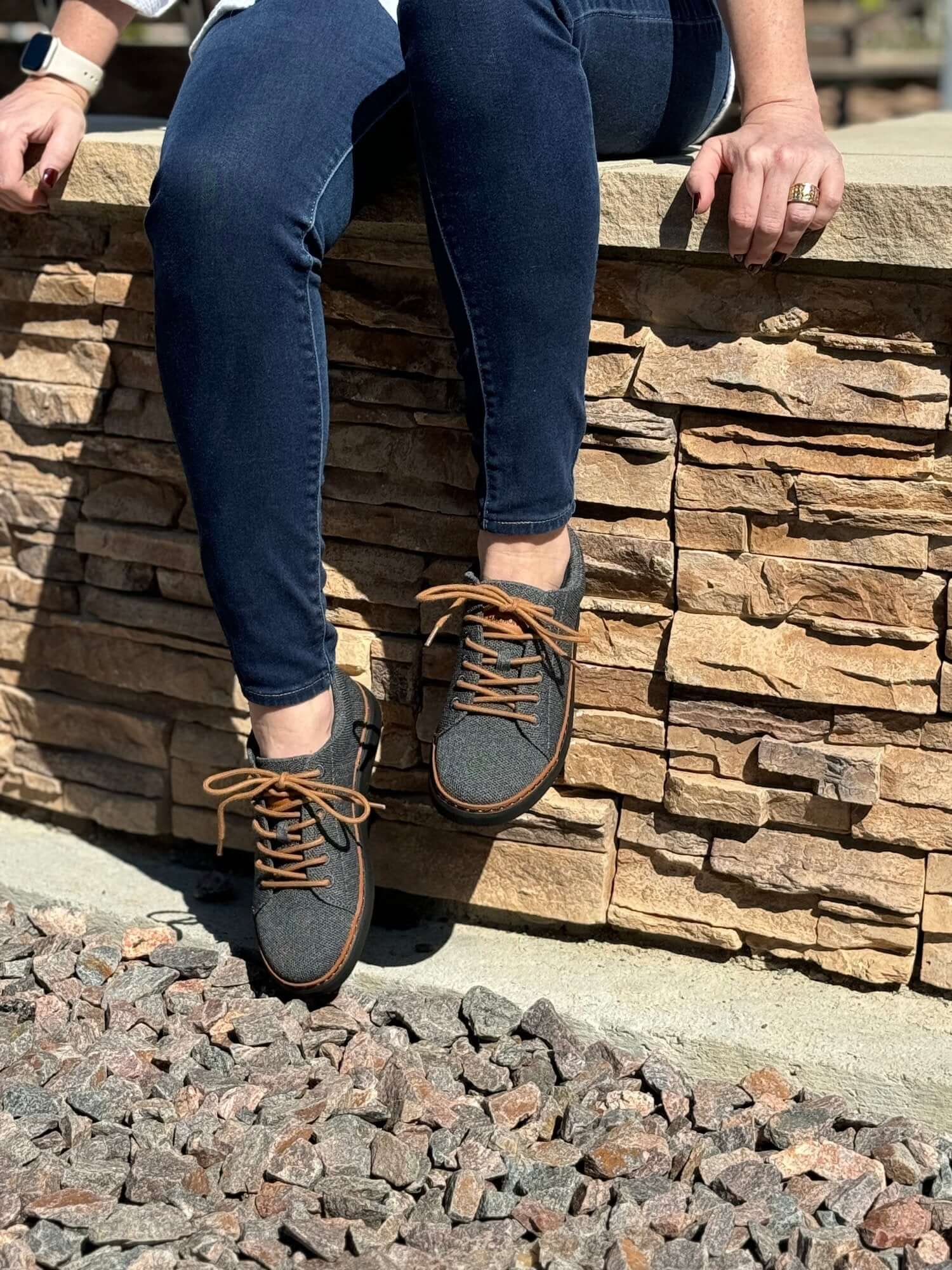
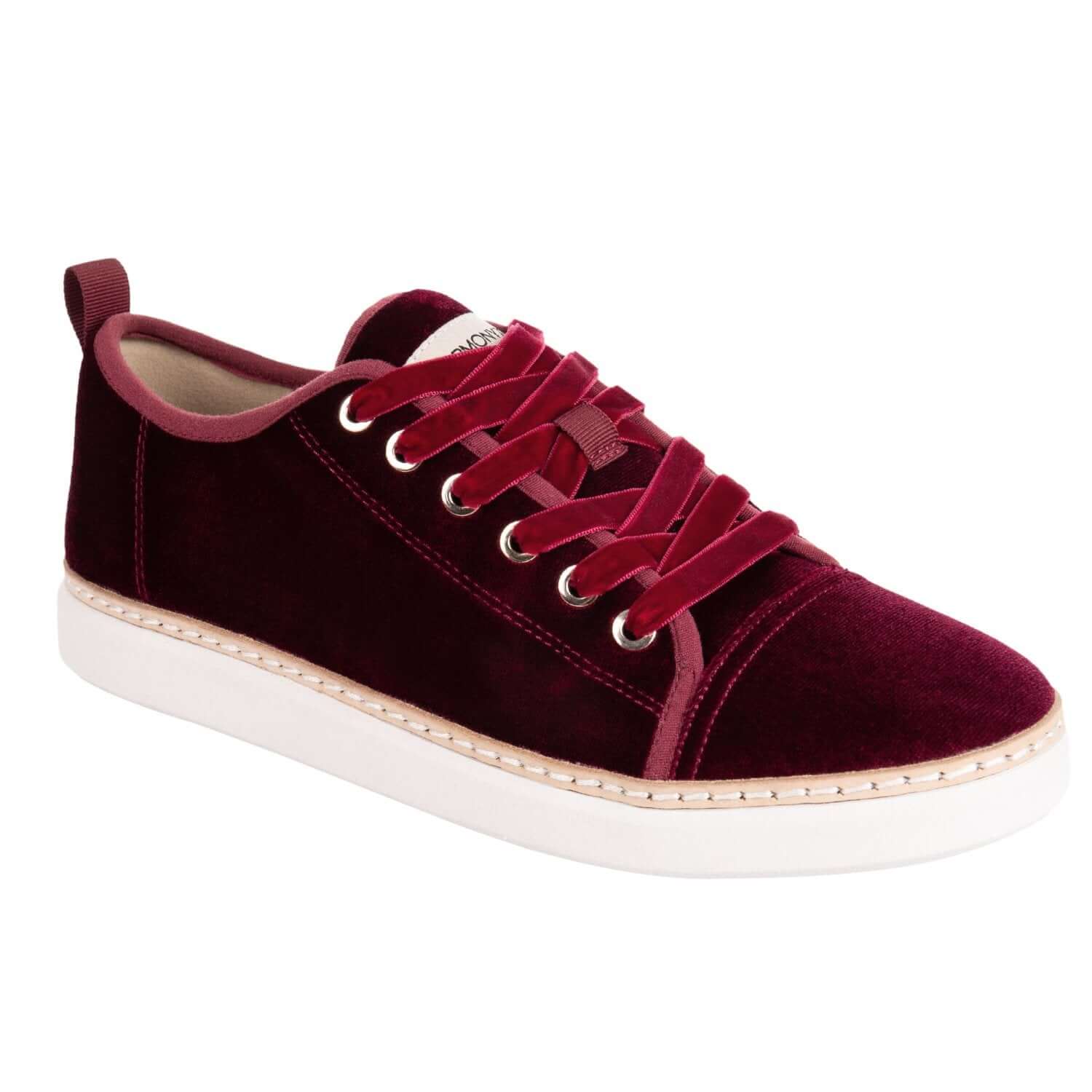
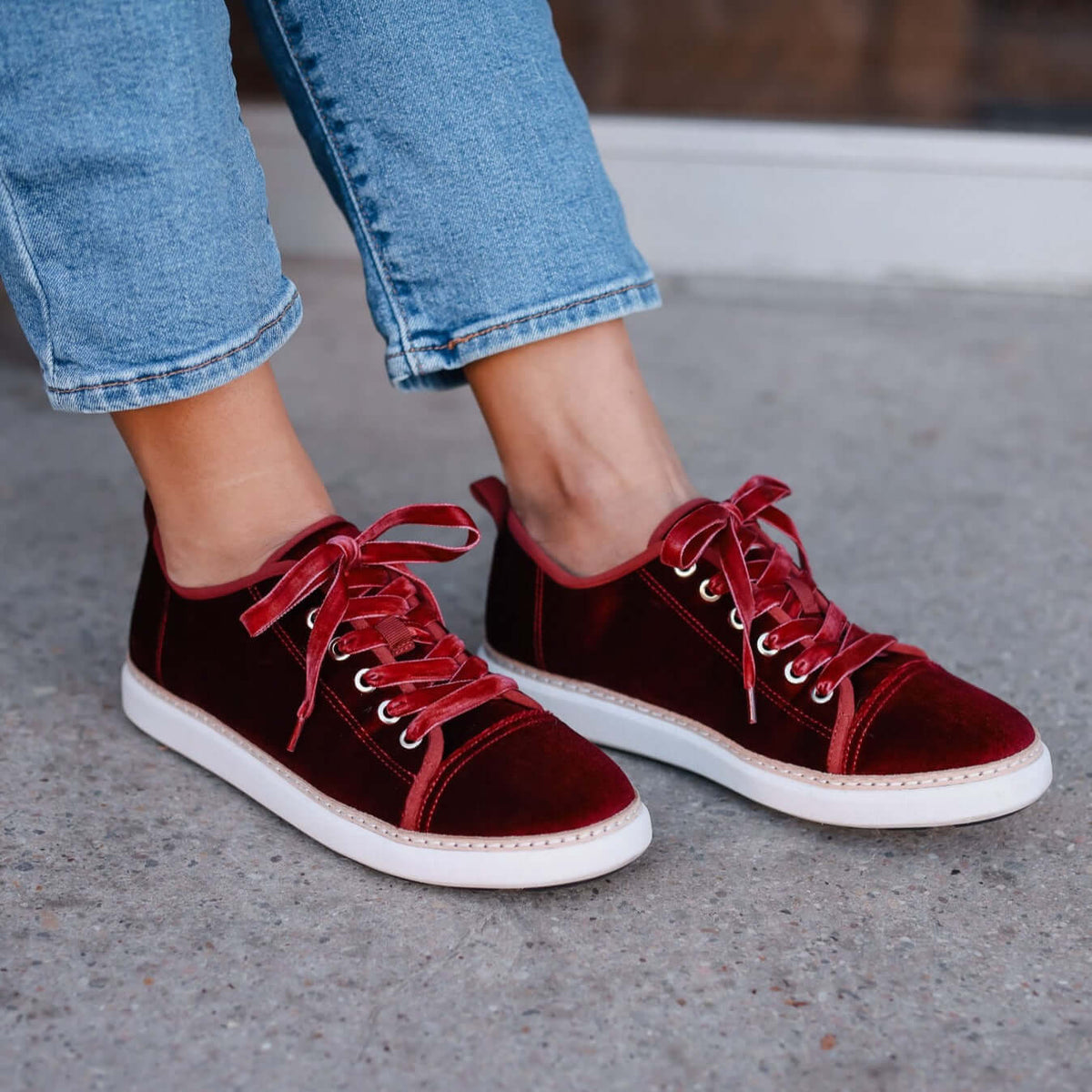
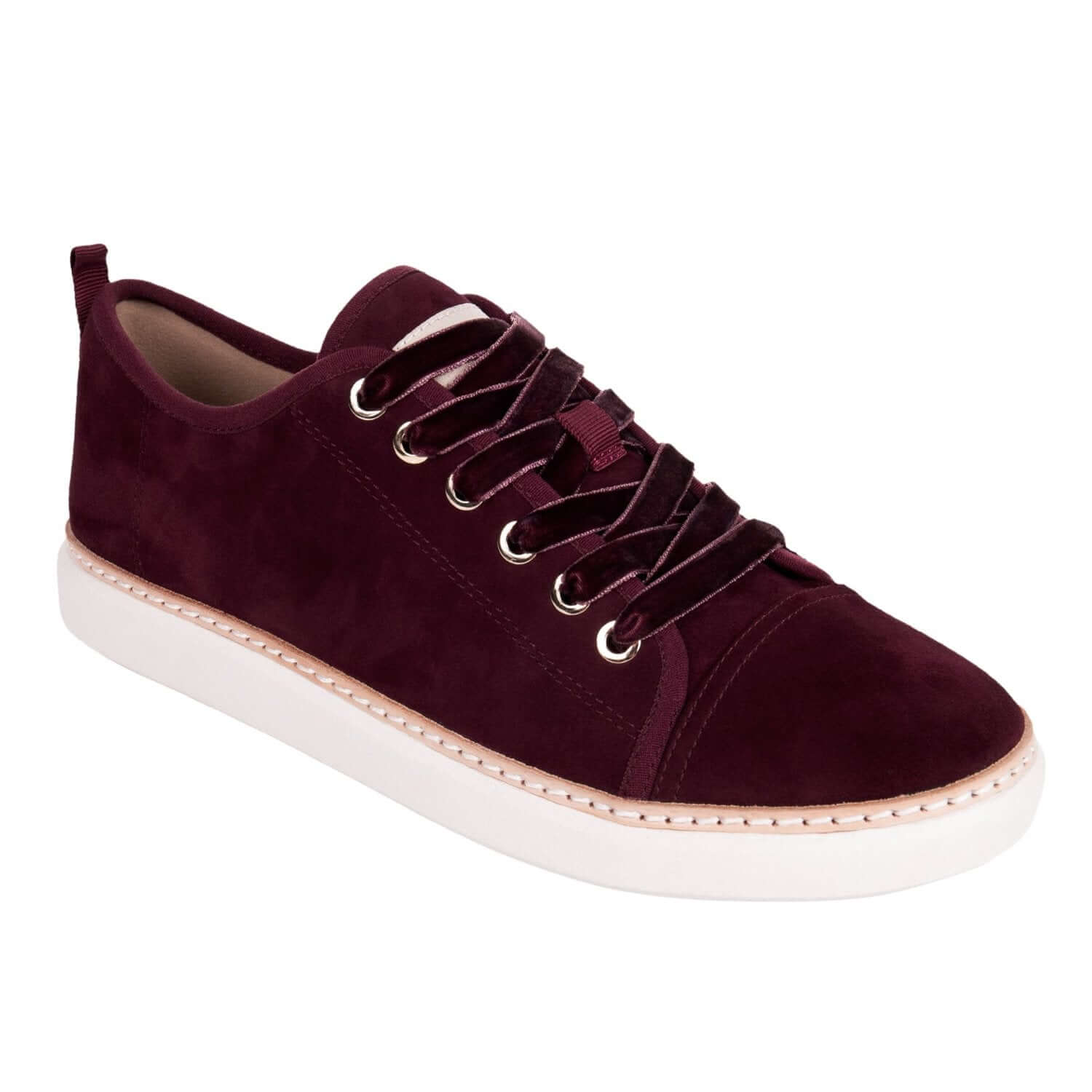
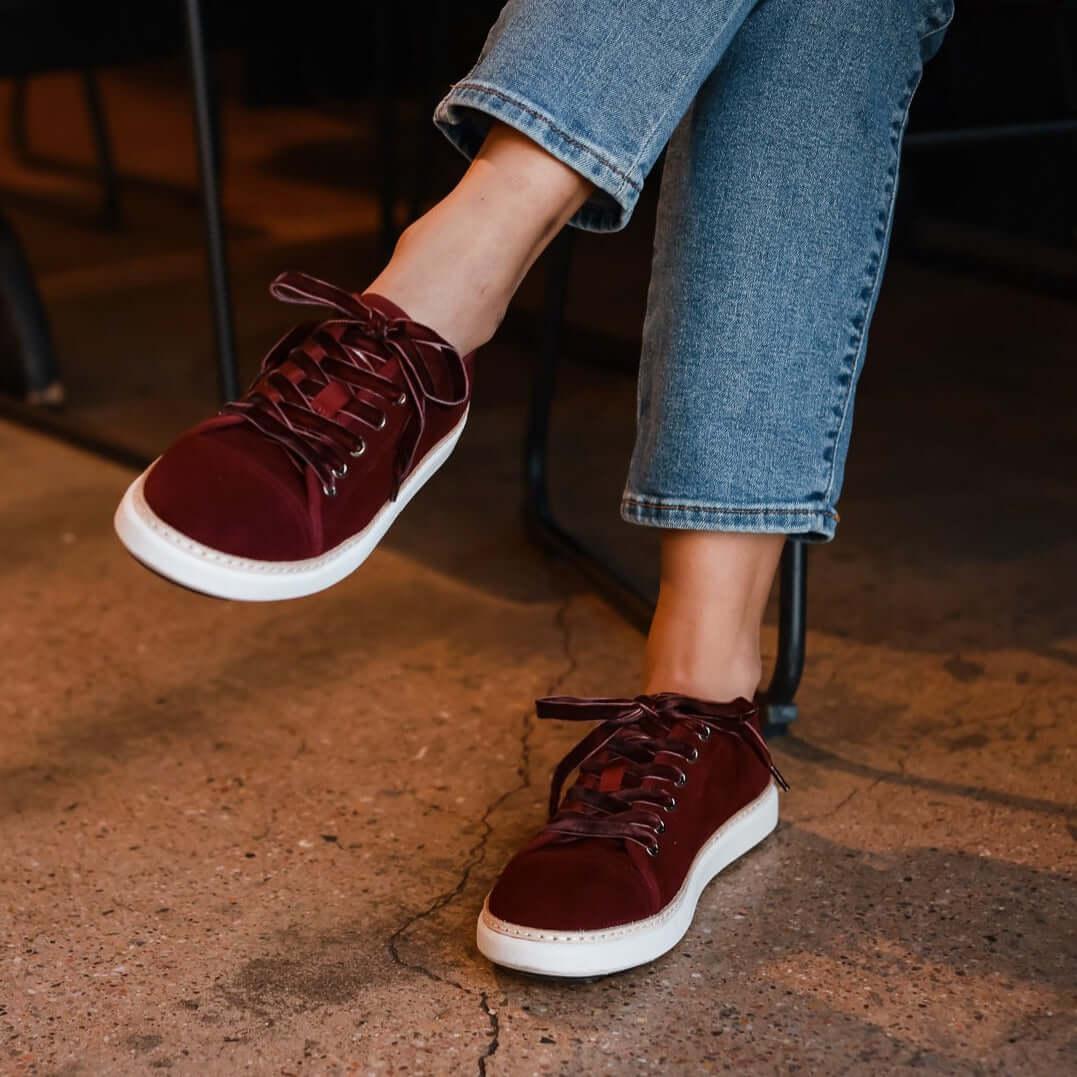
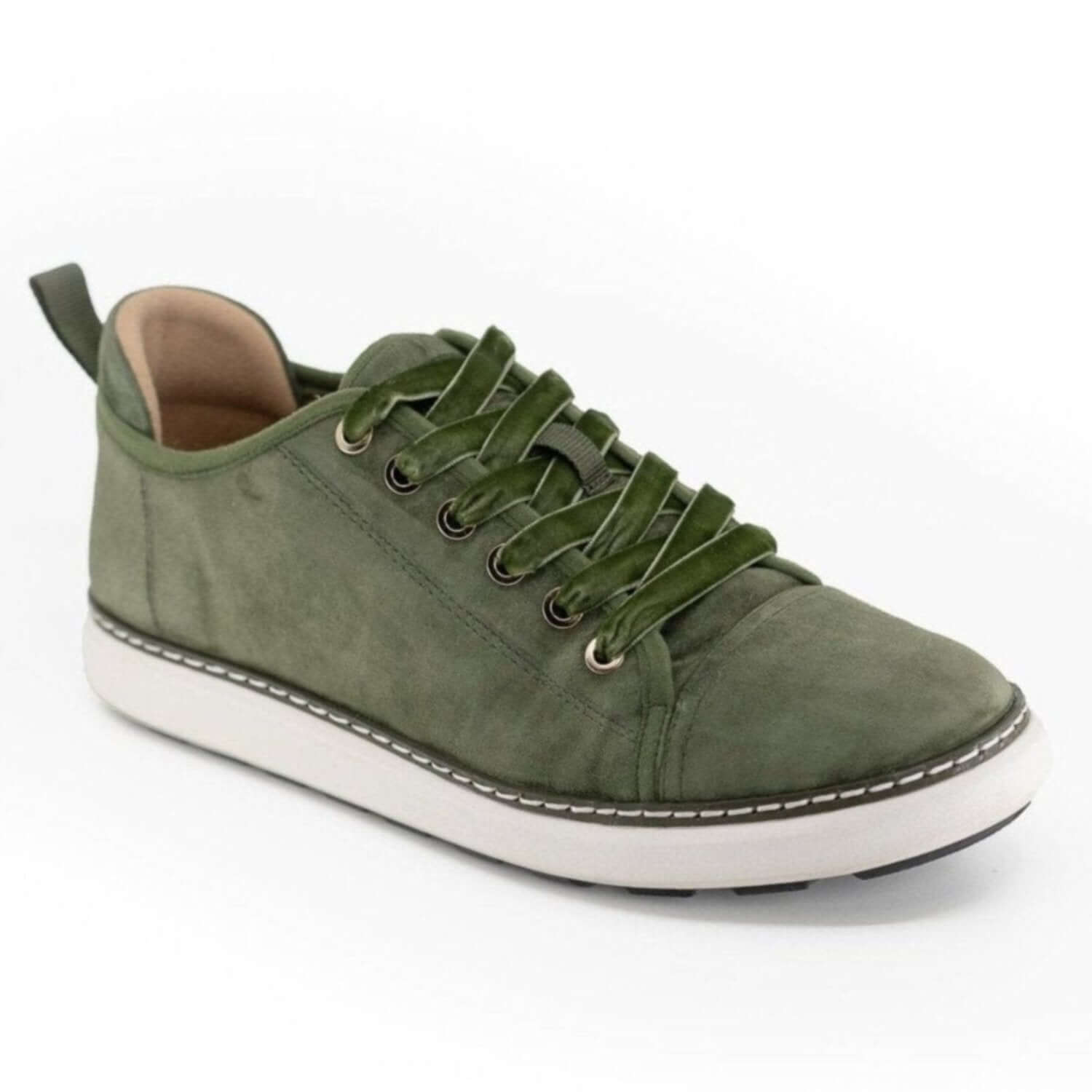
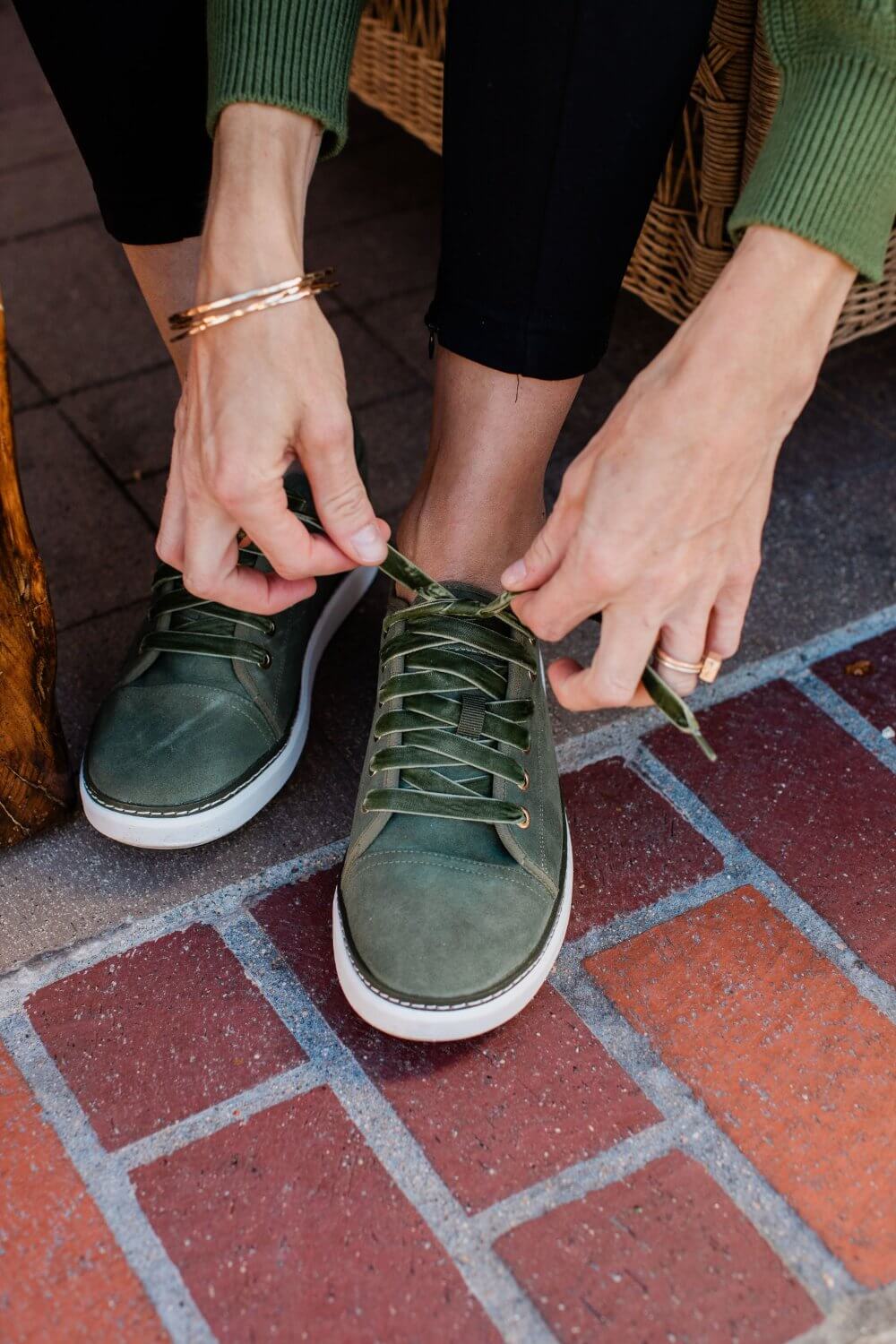
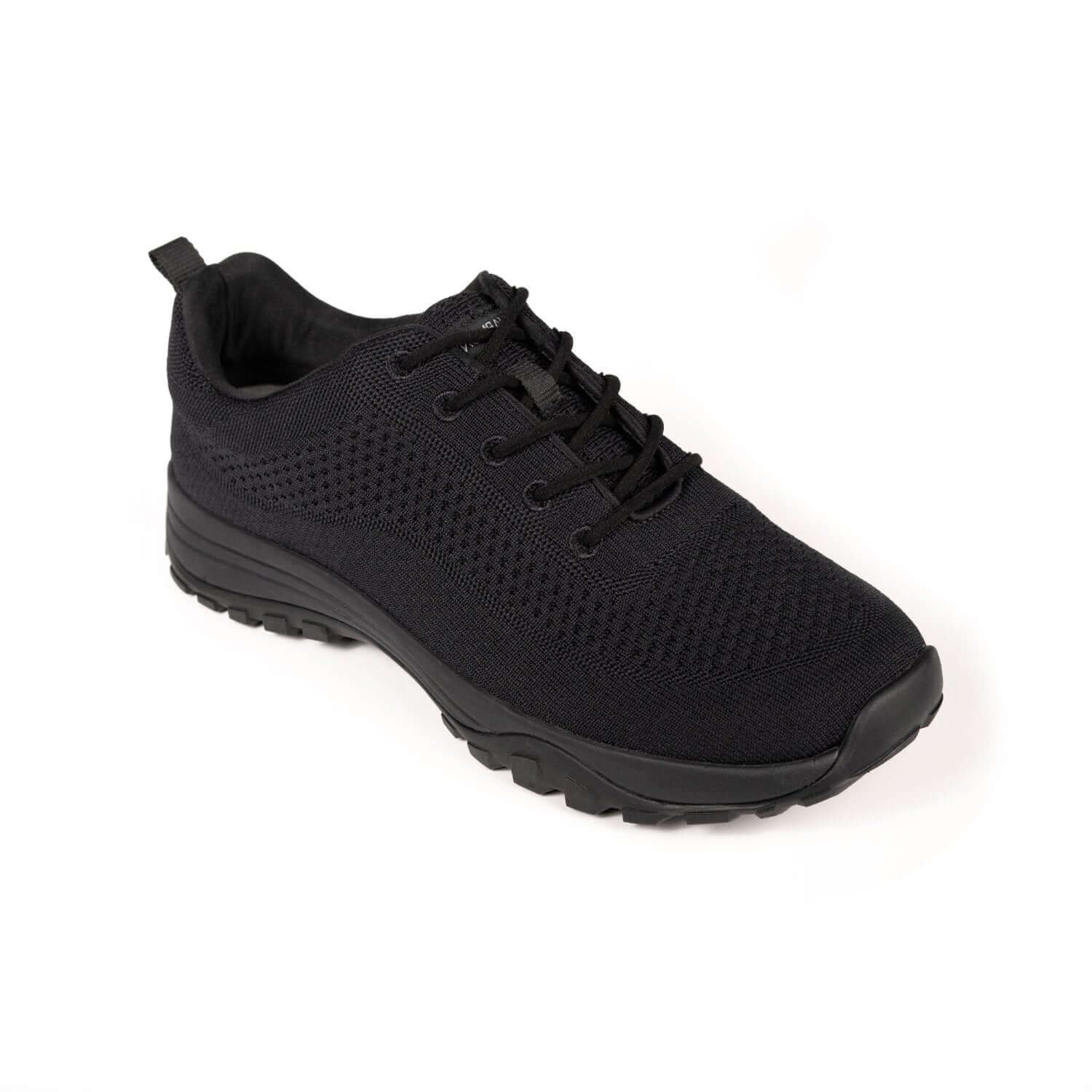
Harmony 783 shoes make a strong first impression because they look like regular, well-designed footwear. Nothing about the styling suggests a medical shoe or a barefoot-only product. The silhouettes are polished enough for errands, travel, work, and everyday walks, which makes the grounding feature feel easy to add to a normal routine.

Materials that feel considered
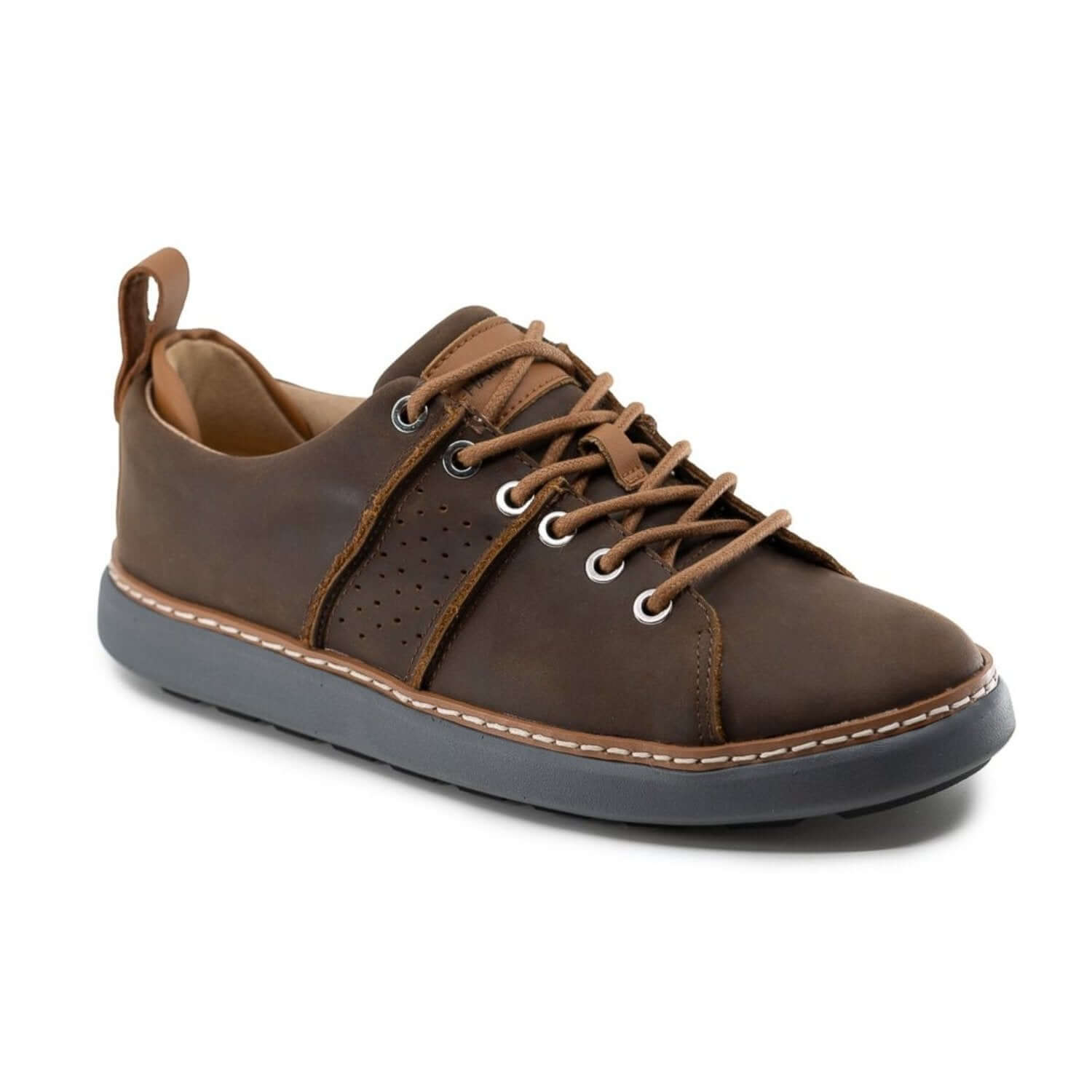
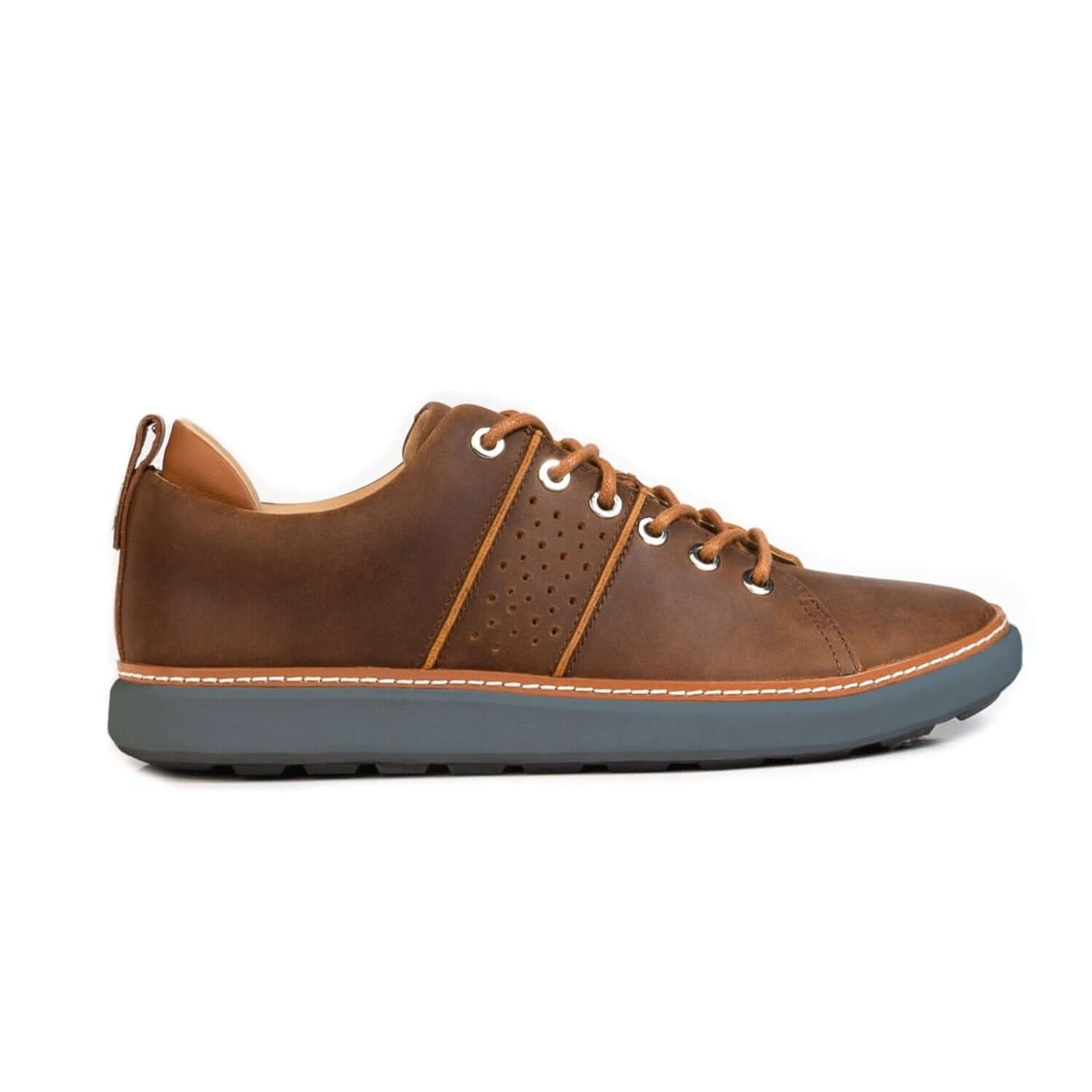
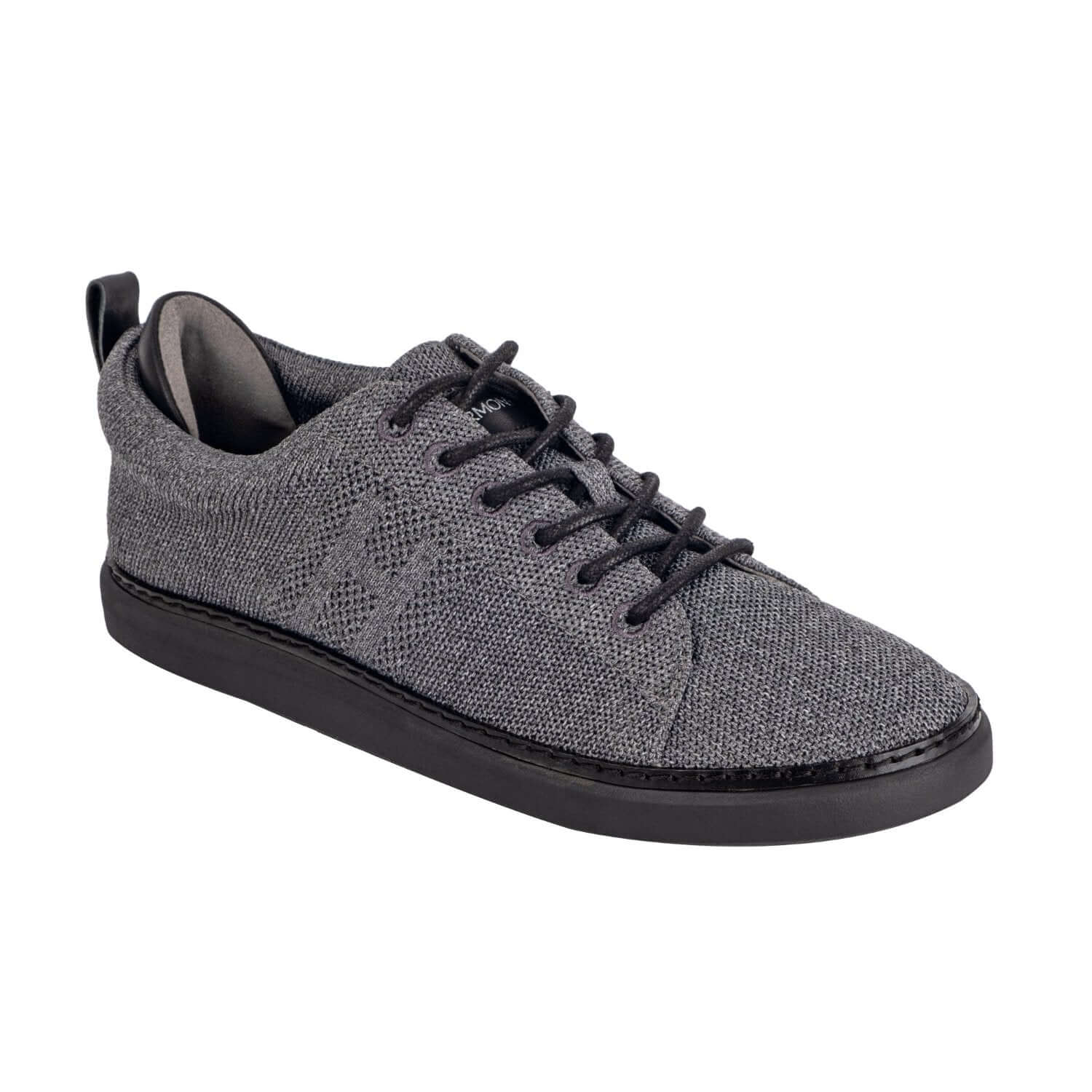
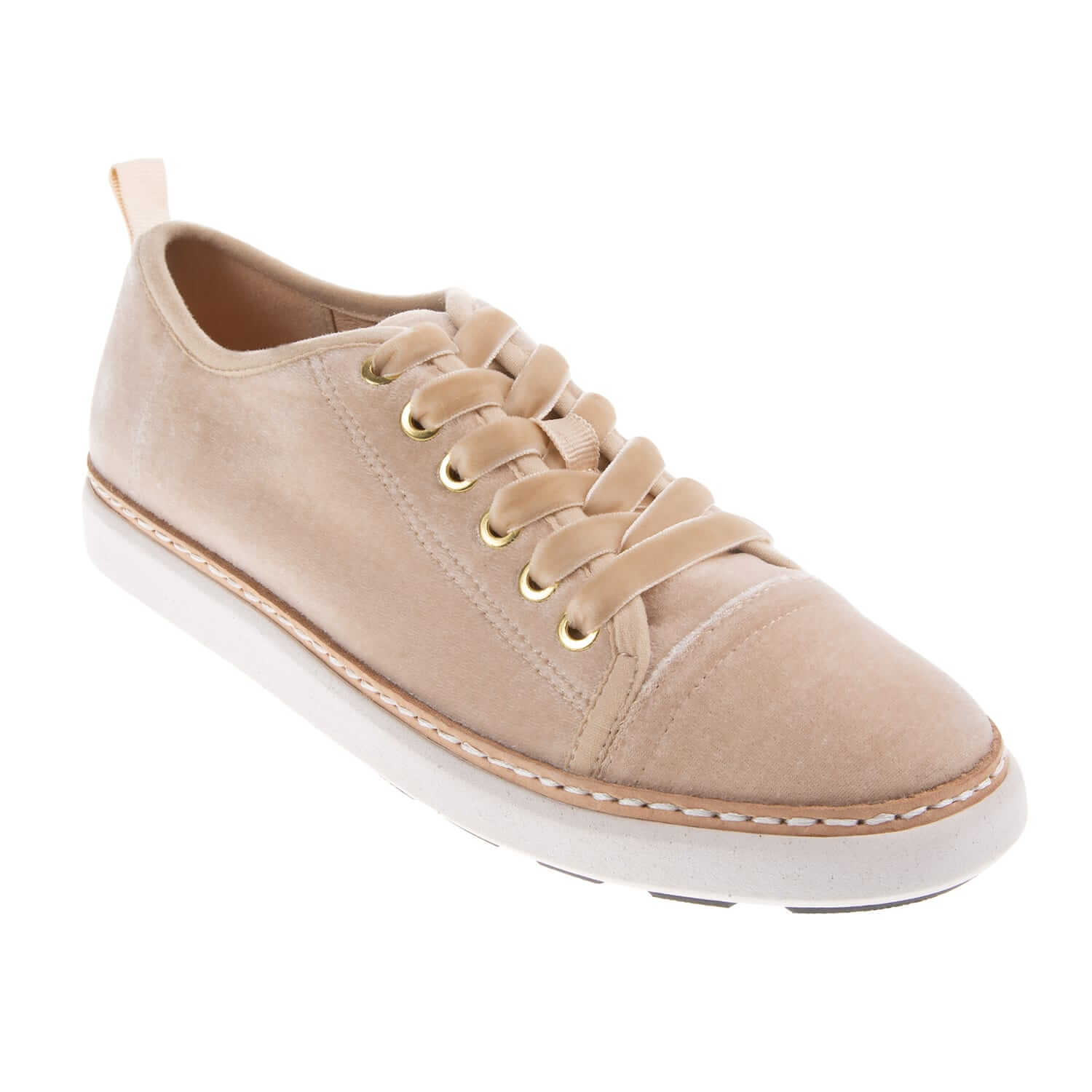
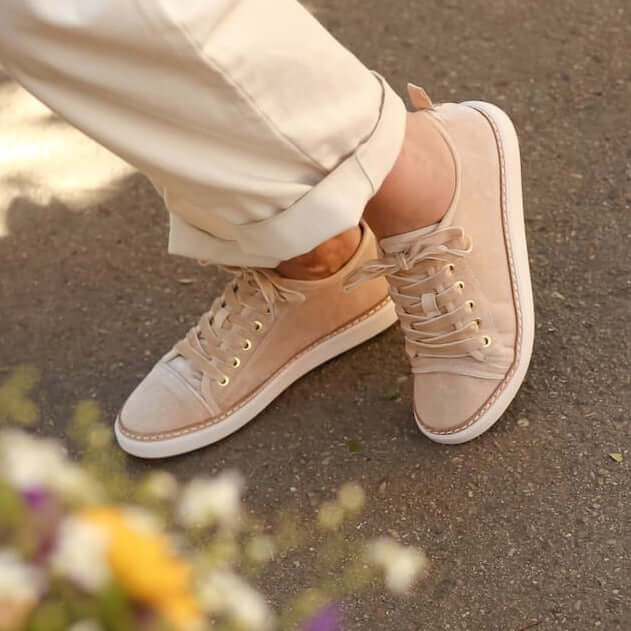
The range gives you several material and style directions rather than one technical-looking design. Leather walkers have a classic, structured feel. Bamboo knit sneakers look lighter and more casual. Suede options add a softer texture and a more elevated finish. That variety matters if you want grounding footwear to work with the clothes you already wear.
Build quality also has a functional detail that is easy to miss at first glance. The conductive materials are built into the sole, helping maintain the electrical continuity needed for grounding footwear. This is a meaningful feature to check when comparing products, not a decorative add-on. See what to look for in grounding shoes before judging a pair by appearance alone.
Comfort for real daily wear
Comfort is where the first impression becomes more useful. The roomier fit gives your toes and forefoot more space than a narrow fashion shoe. While the cushion comfort heel pad adds softness where many people notice pressure first. The result is a supportive, familiar feel rather than the sensation of learning to walk in minimalist footwear.
That everyday comfort can be especially useful for people who spend long shifts standing or walking. Harmony 783 positions its shoes for natural wellness and daily use, and the design helps support that purpose. A comfortable pair is more likely to become part of your routine instead of staying in the closet for occasional outdoor use.
Overall, the design balances function with a modern, understated aesthetic. You get the visual flexibility of stylish shoes, with the conductive construction working quietly underneath. For shoppers deciding whether Harmony 783 grounding shoes are worth buying. That combination is an important part of the value: the shoes fit into life first, while the grounding technology stays built into the experience.
How does the Groundworks technology work?
Groundworks is Harmony 783's five-layer conductive system. Each layer has a specific job: help create a continuous path between your foot and the ground while keeping the shoe comfortable enough for everyday wear. Conductive materials built into the sole are essential because a standard rubber sole can interrupt that connection.
- Pure silver-stitched footbed. The first layer sits beneath your foot. Pure silver stitching provides a conductive contact surface inside the shoe. It is designed to connect with the rest of the Groundworks system as you walk.
- Conductive lasting board. Beneath the footbed, the lasting board continues the conductive route through the shoe. This layer helps keep the path aligned instead of treating the upper and outsole as separate parts.
- 99% pure silver fabric loop. A silver fabric loop links the upper layers to the sole. Using 99% pure silver in this connection point supports the electrical continuity the design is built to provide.
- Cushioned midsole. The midsole adds comfort between the conductive components and your foot. This matters for people who wear their shoes while walking, running errands, or spending long periods on their feet. Grounding footwear still needs to feel like footwear.
- Carbon and rubber conductive outsole. The outsole is the layer that meets the surface beneath you. Its carbon and rubber construction is designed to remain conductive while providing traction and everyday durability.
That design reflects the basic idea behind earthing: reconnecting the body with the earth's natural surface charge. Research has examined grounding footwear during running, but one study found no significant differences in VO2. Heart rate, lactate, or other physiological and perceptual measures compared with traditional shoes. That result does not establish a medical benefit, and it is a useful reminder to view grounding as a wellness practice rather than a treatment.
Want the technical background? Read more about the Groundworks technology and the science behind it.
What do Harmony 783 shoes cost and are they worth the price?
Harmony 783 shoes generally fall between $99 and $220, with many styles in the $120 to $180 mid-range. That puts them above basic casual footwear, but below the highest premium grounding-shoe prices. The value depends on whether you want everyday shoes that combine a wearable design with purpose-built conductive materials.
Grounding footwear costs more to make than a standard pair because the sole must do more than provide traction. Harmony 783 uses specialized materials, including silver and conductive carbon rubber, as part of its Groundworks system. Small-batch production can also raise the cost per pair. For shoppers comparing options, the price guide on grounding shoes cost and price guide offers more context on what different tiers typically include.
| Tier. | Price. | Typical features. | Durability. | Examples. |
|---|---|---|---|---|
| Entry | $60-$100. | Basic construction and simpler conductive components. | Best for lighter, occasional use. | Simple casual shoes or sandals. |
| Mid-range | $120-$180. | Purpose-built conductive materials, comfort features, and more style options. | Designed for regular everyday wear. | Many Harmony 783 styles. |
| Premium | $200-$339. | Higher-end materials, construction, and specialized design details. | Often built for frequent or demanding use. | Luxury or highly specialized grounding footwear. |
What are you paying for?
The main difference is not simply the label on the shoe. Conductive materials need to be built into the sole and maintained as part of the shoe's construction. Harmony 783's five-layer system includes a silver-stitched footbed, conductive lasting board, silver-stitched loop, cushioned midsole, and carbon/rubber conductive outsole. That layered design helps explain why a grounding shoe may cost more than a conventional sneaker.
Are Harmony 783 shoes worth the investment?
They can be worth it for shoppers who plan to wear grounding shoes often and want comfort, style, and grounding functionality in one pair. The 45-day satisfaction guarantee lowers the risk of trying them. Teachers and heroes can also receive a 30% discount, which may move a mid-range pair closer to entry-level pricing. If you only want inexpensive occasional footwear, an entry-level option may make more sense. If you value consistent daily use and specialized construction, Harmony 783 sits in a reasonable middle ground.
Harmony 783 Grounding Shoes Review: Is Buying Them Worth It? An honest assessment
Harmony 783 grounding shoes are a strong fit for shoppers who want everyday comfort, recognizable style, and grounding technology in one pair. They are less appealing if you want minimalist footwear, the lowest possible price, or broad international availability.
The pros
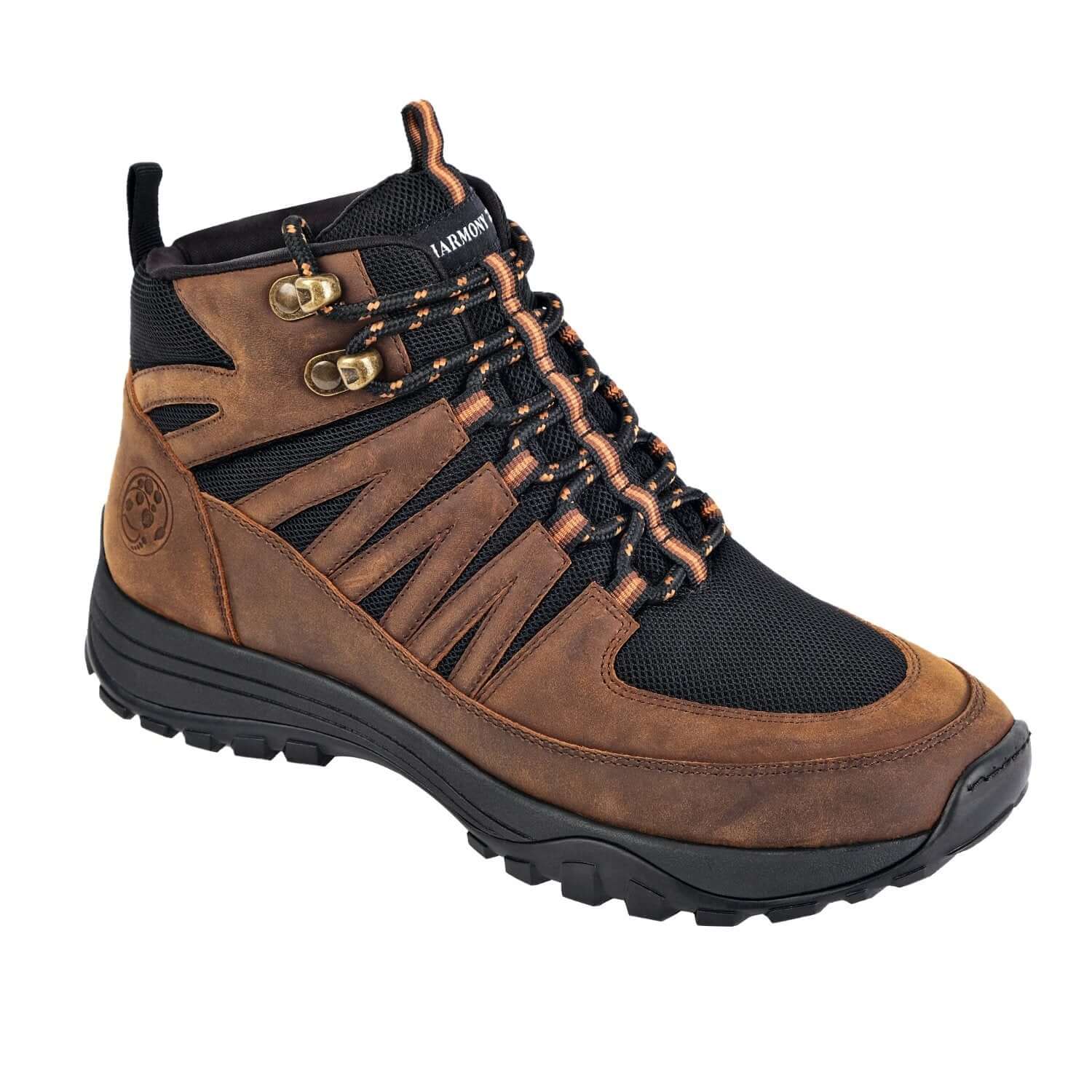
- More style choice than most grounding footwear. Harmony 783 offers more than 60 styles across Walkers, Trail Shoes, Sneakers, Slip-Ons, Sandals, and High-Tops. That range makes it easier to choose shoes for work, travel, walking, or casual wear without defaulting to a single outdoorsy look.
- Fashion-forward designs. Many pairs look like normal modern shoes rather than specialty wellness products. That matters if you want to wear grounding footwear throughout the day without changing your personal style.
- Cushion rather than barefoot-style construction. The shoes prioritize a familiar, cushioned feel. If you spend long periods standing, comfort may be more practical than a thin, flexible sole. Grounding shoes are also often evaluated for reducing foot fatigue during long shifts, although individual experiences vary. Grounding shoes for long shifts offers more detail on that use case.
- Wellness-focused credibility. The brand presents grounding as a natural wellness practice, not a medical treatment. Dr. Laura Koniver is also associated with the brand's educational and medical perspective. That can give wellness-minded shoppers useful context, as long as they keep expectations realistic.
- A 45-day guarantee. The trial period lowers the risk of testing fit and comfort in your normal routine. Teacher and hero discounts may also improve the value for eligible shoppers.
The cons
- Premium pricing. Prices generally fall around $99 to $220. That is a meaningful investment for casual footwear, especially when a buyer is still deciding whether grounding shoes fit their lifestyle.
- Primarily US-focused. Availability and delivery are centered on the United States, so shoppers elsewhere may face fewer options or added shipping considerations.
- Not minimalist or barefoot-style. The cushioned design is a benefit for some buyers, but a drawback for anyone seeking maximum ground feel, a very thin sole, or a wide minimalist-footwear approach.
For a broader sense of fit, comfort, and customer experience, read the customer reviews alongside the product details. The fairest conclusion is not that Harmony 783 is right for everyone. But that its style range and comfort-first design make it unusually accessible for people who want grounding shoes to become part of daily life.
Who should buy Harmony 783 and who should look elsewhere
Harmony 783 makes the most sense for shoppers who want grounding footwear to fit into ordinary life. These shoes are designed to look like regular walkers, sneakers, sandals, or boots, while adding a wellness-focused feature to the sole. You do not need to dress like a minimalist or go barefoot to explore earthing as part of your routine.
Harmony 783 may be a good fit if you want comfort and style
Consider Harmony 783 if you are a health-conscious adult who wants cushioned footwear for errands, walks, travel, or daily wear. The brand is especially well suited to women ages 35 to 65 who want wellness footwear that still works with a normal wardrobe. It also suits natural biohackers who enjoy trying practical, earth-based wellness tools without making medical claims about the experience.
The range is a meaningful advantage. You can choose from walking shoes, sneakers, sandals, boots, slip-ons, and high-tops instead of forcing every activity into one minimalist design. Men can also find comfort-focused options. For a closer look at those choices, read the men's grounding shoes guide. Shoppers comparing everyday styles can also review the guide to grounding shoes for women.
Who may be happier with another option?
Harmony 783 may not be right for everyone. If you strongly prefer thin soles, a wide ground feel, and barefoot-style movement, a minimalist brand such as Groundies or Earth Runners may suit you better. Harmony 783 prioritizes cushioned comfort and familiar shoe shapes, not the closest possible imitation of walking barefoot.
Budget shoppers should also set expectations. If your limit is below $100, the available selection may feel restrictive, since specialized conductive materials and construction can raise the price of grounding footwear. Prices change, so check the live product page before deciding.
Finally, Harmony 783 is primarily focused on shipping within the continental United States. If you live elsewhere, confirm current delivery options before ordering. And if you are seeking medical-grade footwear or a guaranteed health outcome, look elsewhere. Harmony 783 positions its products as natural wellness footwear, not medical treatment.
Still unsure? The 45-day satisfaction guarantee gives eligible shoppers time to try a pair and decide whether the comfort, style, and grounding design earn a place in their routine. That makes the purchase less of a leap, provided you review the current guarantee terms before ordering.
Frequently Asked Questions
Are Harmony 783 grounding shoes worth buying?
They may be worth buying if you want grounding footwear that fits into a normal daily routine. Harmony 783 shoes are designed for walking, work, errands, and other everyday activities, so you do not need to go barefoot to practice earthing. The value depends on your priorities: choose them for the grounding design, wearable styles, and comfort features, not as a replacement for medical care.
How does the Groundworks technology work?
Harmony 783 says its shoes use a five-layer conductive system. It combines a silver footbed, conductive lasting board, silver loop, cushioned midsole, and carbon-rubber conductive outsole to create an electrical path through the shoe. Conductive materials built into the sole are an important feature to check when comparing grounding footwear. See the brand's Groundworks technology page for more detail.
Do grounded footwear shoes really work?
Grounding footwear is intended to connect the wearer with the earth while walking on a suitable natural surface. Research has examined grounding shoes during running, but one study found no significant differences in measures such as heart rate. Oxygen use, or lactate compared with traditional shoes (academic study). That means shoppers should view grounding as a personal wellness practice rather than expect a guaranteed performance or health outcome.
Are grounding shoes good for daily wear?
They can be a practical option for daily wear when the fit, cushioning, and style suit your routine. Harmony 783 offers several footwear categories, including walkers, trail shoes, sneakers, slip-ons, sandals, and high-tops. If you spend long periods standing, prioritize support and comfort first, then confirm that the pair includes the conductive construction you want.
Ready to browse grounding shoes?
If you want a practical way to explore grounding footwear for everyday wellness, start with the styles that fit your routine. Compare designs, choose the pair that feels right for you, and take the next step at your own pace. Browse the collection of grounding shoes to see the available options.