










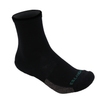
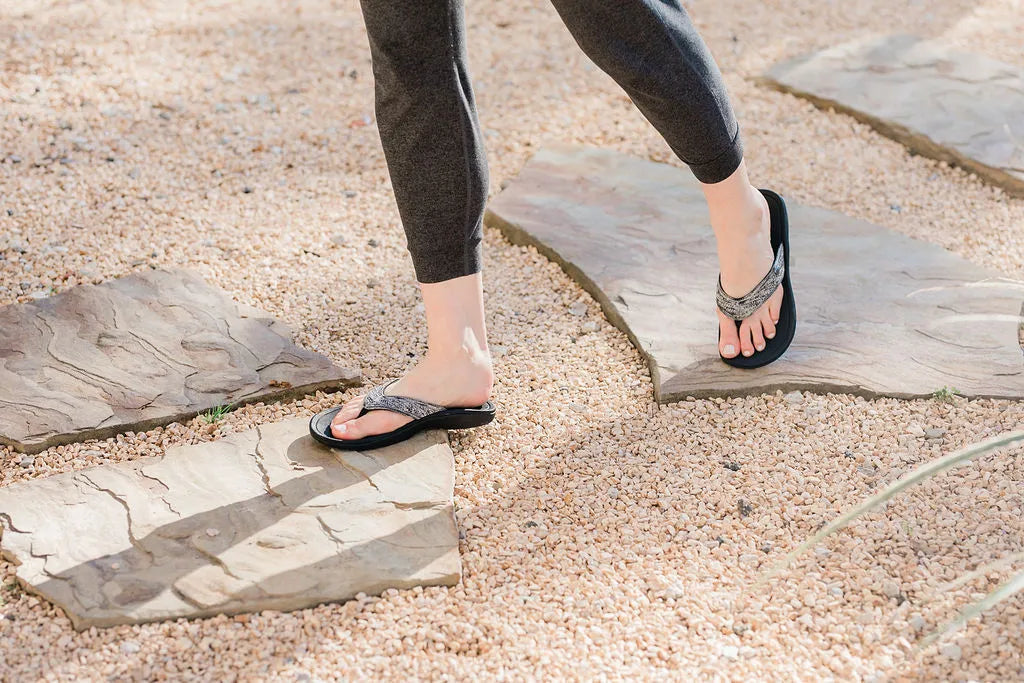
Waking up with stiff muscles after a long run can disrupt your training plan. Alongside sleep, hydration, nutrition, and active rest, some athletes try stepping outside barefoot as a simple complementary practice. Grounding recovery may support a calmer post-workout routine, but the evidence is early and it should not replace proven recovery fundamentals.
Learn the grounding basics before adding the practice to your recovery routine.
Grounding recovery is a wellness practice where athletes and active folks link back with the earth's natural surface to help balance the body after exercise. People who use this technique suggest that direct skin contact allows free electrons to move from the earth into the body. This may help steady the internal electrical state. Research published by the National Institutes of Health indicates that this practice can change body processes related to inflammation and immune actions. For those in a post-workout state, grounding recovery aims to ease the shift from high stress to a healing state. It does this without the need for complex tools. By spending time barefoot or using conductive footwear, active people can add this method into their daily habits. This supports overall physical balance and long-term health.
What grounding recovery means for active people
Grounding recovery is a simple way to help your body bounce back after a tough workout. For active people, this habit means making direct skin contact with the surface of the Earth. It is also known as earthing. When you touch the ground, you create a link that lets your body pick up the natural power of the planet. This link may help you feel better and heal faster from physical stress. You can learn more about how grounding works for recovery on our site.
Grounding versus mindfulness
It is easy to mix up this body practice with mental grounding ways. Many people use mindfulness to stay calm and present when they feel stress. But in the world of fitness, grounding is a body event. It is not about your thoughts or focus. Instead, it is about the flow of electrons between the Earth and your body. To get these benefits, you must have a physical link to the ground. This often means going barefoot outside or using special shoes that allow for a conductive link.
When you work out, your body goes through many changes. Your muscles may get sore and you might have some inflammation. Grounding recovery is a tool to help manage these issues. Many athletes are keen on this because it is a natural and easy way to support their goals. By staying grounded, you may help your body return to a balanced state after you push yourself hard. This makes it a common choice for those who want to keep moving without long breaks.
A look at the science
The interest in grounding comes from early research on how it affects the human body. Some studies suggest that being grounded can help reduce muscle damage and speed up healing. For example, research found that grounding may have an impact on inflammation and the immune response after exercise. You can find more details in a study from the National Institutes of Health. While these results are exciting, it is important to know that the evidence is still early. More large-scale tests are needed to prove exactly how much grounding helps.
If you want to try this for yourself, you can start by spending a few minutes outside each day. Walking on grass, sand, or dirt is a great way to begin. You can also use tools like grounding for exercise recovery to make it part of your routine. The goal is to keep the link steady so your body can make use of the Earth's natural surface charge. This simple habit may be a helpful addition to your current recovery plan.
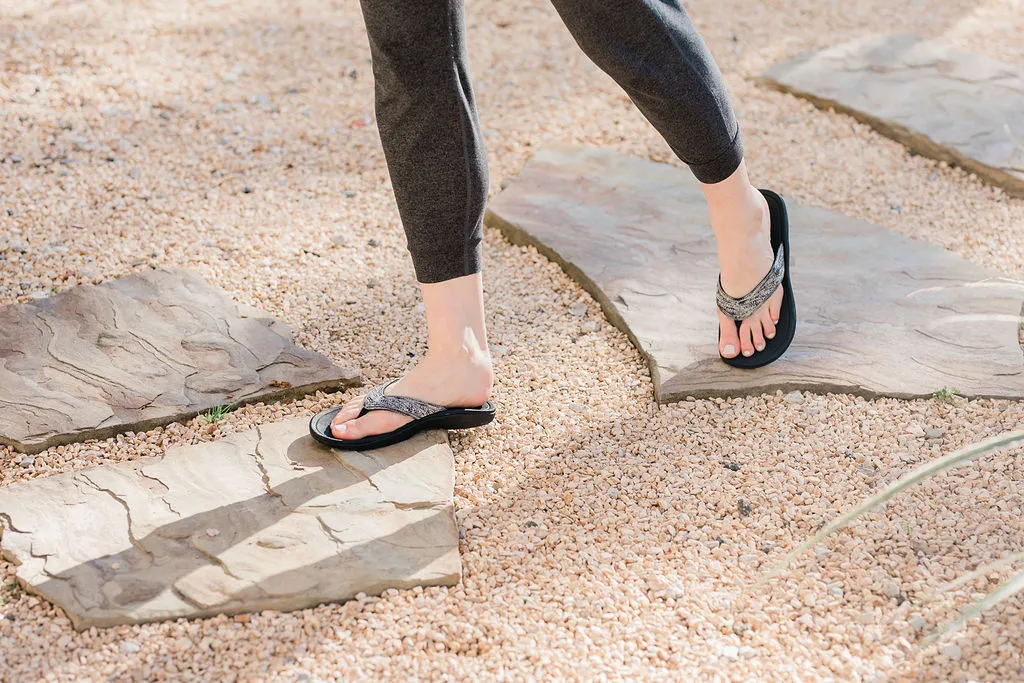
What does research say about grounding after exercise?
Science is now looking at how grounding can help the body heal after a hard workout. This practice, also called earthing, involves touching the ground to help your body reset. While more data is needed, early results show that it may support the way your muscles and joints feel after you move. Many athletes now use this as a way to stay in top form during busy training cycles.
Less muscle pain and damage
One key area of study is delayed onset muscle soreness, or DOMS. This is the pain and stiffness you feel a day or two after a big gym session. Research shows that grounding for exercise recovery may lower these pain levels. In some tests, people who stayed grounded after muscle work had less damage to their muscle fibers. They said they felt less stiff and could move better than those who did not ground themselves.
Experts also look at creatine kinase, or CK, in the blood. High levels of CK often mean your muscles are strained or hurt from heavy lifting or long runs. Studies have found that people who use grounding tools have lower CK levels than those who do not. This suggests that the body may stay in a better state for repair when it has a direct link to the earth. Lower CK levels are often a sign that the body is handling the stress of exercise with more ease.
Better immune and sleep patterns
Research also looks at how grounding affects the immune system and swelling. When you exercise hard, your body goes through a state of stress. This can lead to a high count of white blood cells as the body tries to heal. A study found that research on grounding showed a faster return to a normal immune state for those who were linked to the earth. This means your body might not have to work as hard to clear out the markers of a tough workout.
Sleep is another big part of the healing puzzle. Your body does most of its repair work while you rest and dream. Some early papers note that people who ground themselves may sleep deeper and feel more alert the next day. They also report less stress, which is vital for any fitness plan. Good rest allows your heart and muscles to bounce back so you can train again with less risk of harm.
Limits of the current science
It is worth noting that many of these studies are small. Some only test a few dozen people at a time. This means we still have a lot to learn about how grounding works for every body type. While the early data is bright, you should view it as a wellness tool rather than a quick cure for big health issues. Experts call for more large tests to see the full link between the earth and our cells. For now, it remains a simple and low-cost way to add to your daily self-care steps.
Grounding versus proven recovery fundamentals
You can use grounding to help your body feel better after a hard workout. But it works best when you also follow the core rules of health. These basics are the foundation of every good training plan. They include sleep, water, and eating the right foods to help your muscles heal. Grounding is a tool you can add to this list to reduce inflammation and support recovery.
The role of core health habits
Most experts agree that sleep is the most important part of getting better after exercise. Your body does its best work while you rest. It fixes small tears in your muscles and helps you gain strength. You also need to drink plenty of water to keep your cells working well. If you skip these steps, your progress will slow down. You can check the National Institutes of Health for data on how rest helps the body heal.
Food is another key piece of the puzzle. You need protein to build muscle and carbs to give you energy. While grounding might help with soreness, it cannot replace a good meal. Think of grounding as a way to boost what your body is already doing. It helps keep your systems in balance so your core habits can do their job better. This is how grounding works for recovery in a full wellness plan.
Comparing recovery methods
It helps to see how grounding fits next to other tools. Some habits are needed for life, while others are extra boosts. Grounding falls into the boost group. It is easy to do and does not cost much time. You can use it while you rest or read a book. The table below shows how these choices work together to help you stay active and fit.
| Recovery Method | Main Purpose | Frequency | Priority |
|---|---|---|---|
| Deep Sleep | Muscle repair and growth | Every night | Essential |
| Hydration | Cell health and flow | Daily | Essential |
| Balanced Food | Energy and building blocks | Every meal | Essential |
| Active Rest | Keep blood moving | Often | Recommended |
| Grounding | Lower stress and swelling | Daily | Complementary |
Building a full plan
A good plan uses many tools at once. You do not have to choose between a good night of sleep and a grounding session. You can do both. Some people like to use grounding shoes while they walk for a light cool down. This helps you get fresh air and a connection to the earth at the same time. Using grounding for exercise recovery is a simple way to round out your daily routine.
How can you try grounding after a workout?
You may want to try a new way to help your body feel better after a workout. Grounding recovery is a simple practice that links you to the earth. It is easy to start and does not need much gear. Many people find it helps them cool down and feel calm after a hard day of training.
Find the right spot
To start, you need to find a patch of earth. Not all floors work for this. You want to look for grass, dirt, or sand. These spots on the earth can carry a small charge to your body. Concrete can also work if it is not painted or sealed. Avoid wood or vinyl as these will block the link.
Weather can also change how you ground. Damp grass or wet sand often works best because water helps the link. In the winter, you might only stay out for a few minutes. If it is too cold, you can look for other ways or wait for a sunny day.
Safety is key when you go barefoot. Make sure the area is clear of sharp rocks, glass, or bees. A soft lawn or a sandy beach is often the best choice for new folks. If you cannot go barefoot, you can use special shoes made for grounding for exercise recovery to stay linked while you walk.
A simple recovery plan
Setting up a plan helps you get the most from your time. You do not need to spend hours outside. Even a short session can be a great part of your cool-down. The goal is to let your body rest while it touches the earth. This practice may help reduce inflammation and support recovery by letting your body's charge level out.
- Find a safe spot on the earth like a grassy park or a dirt trail near your gym.
- Take off your shoes and socks to let your skin touch the ground.
- Stand, sit, or lie down for 10 to 20 minutes.
- Focus on slow, deep breaths to help your heart rate slow down.
- Check your feet for any cuts or dirt when you finish your time outside.
- Drink plenty of water to stay hydrated after your workout and grounding time.
Track your results
It is smart to keep a log of your sessions. Note how your muscles feel the next day. Some people notice they feel less sore or have more energy. You might also find that you sleep better after a late-day grounding session. Use a simple notebook or a phone app to track your gains over a few weeks.
Every person's body is not the same. You might need more or less time to notice a change. Try to be patient as you add this to your life. Grounding is a low-risk tool that can make your fitness path more fun. It gives you a moment to slow down and bond with the world around you.

Can grounding footwear support an active routine?
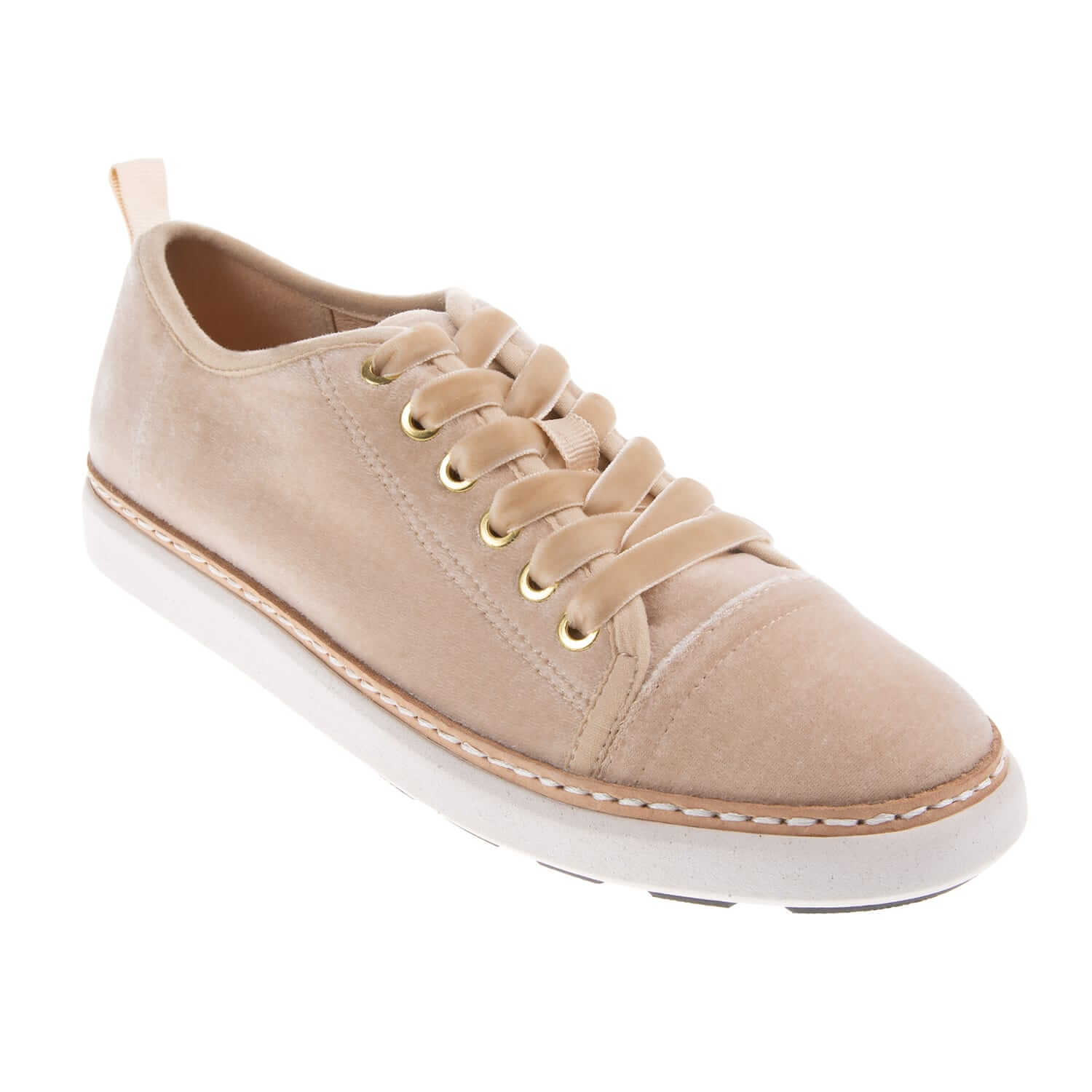
Most people spend their day in shoes with thick rubber or plastic soles. These common materials act as insulators. They block the natural flow of energy from the earth to your body. If you want to use the earth to help your body feel better, you need a different kind of shoe. Grounding footwear helps you stay linked to the ground even when you are not barefoot. This makes it a helpful tool for a busy, active life.
An active life means you are on the move from morning until night. You might go for a run, head to the gym, and then stop at the store. While being barefoot is the best way to ground, it is not always safe. Grounding shoes bridge this gap. They allow you to keep a link to the earth during your daily tasks. This steady link is a key part of a strong grounding routine.
Using grounding recovery after training
Hard training can leave your body feeling tired and sore. Many people use grounding recovery to help them get back on their feet fast. Science shows that linking to the earth can change how the body handles stress. A study found that earthing may help the body manage inflammation and immune response after physical work. This link helps the body stay in a neutral state as it heals.
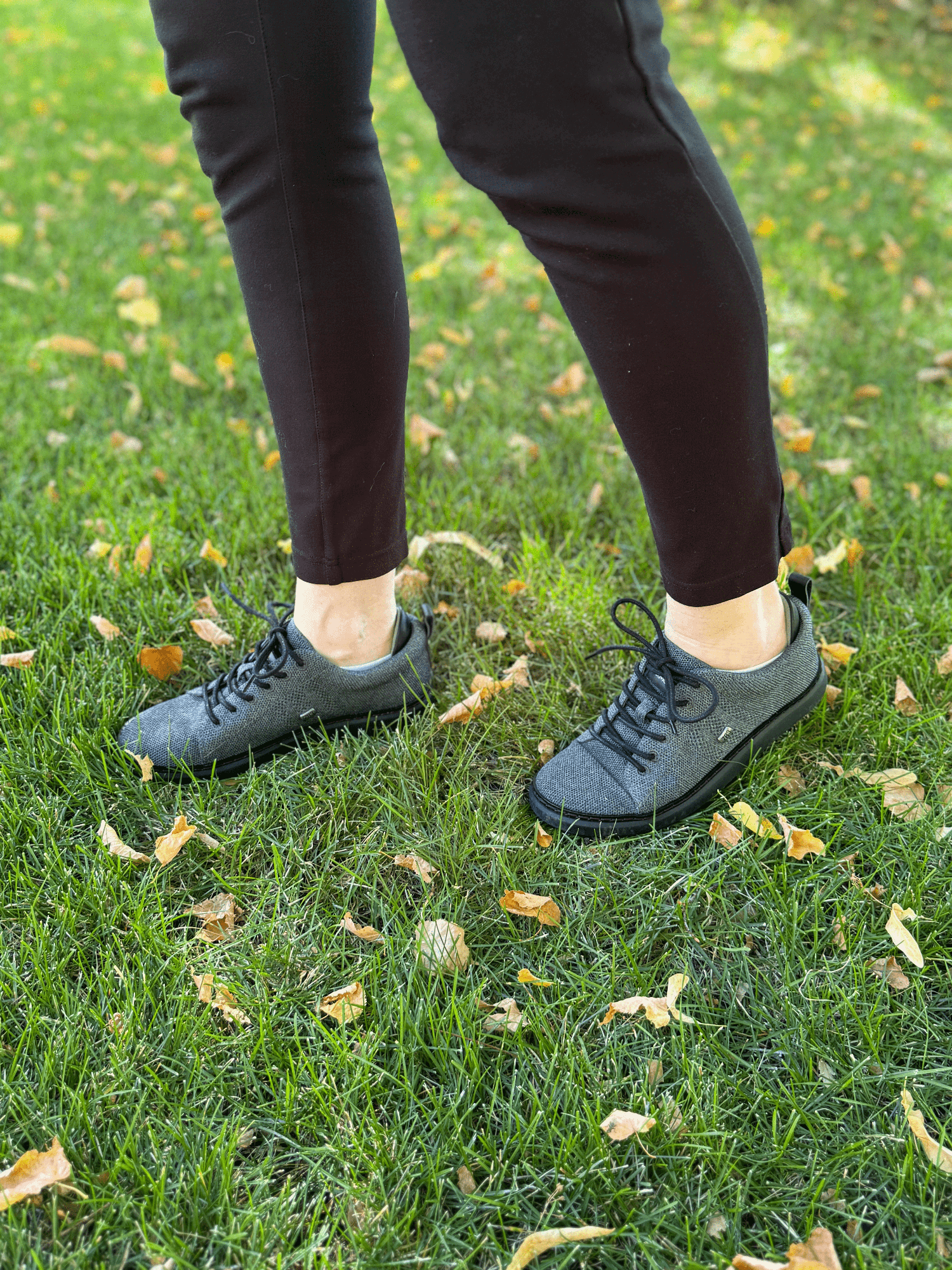
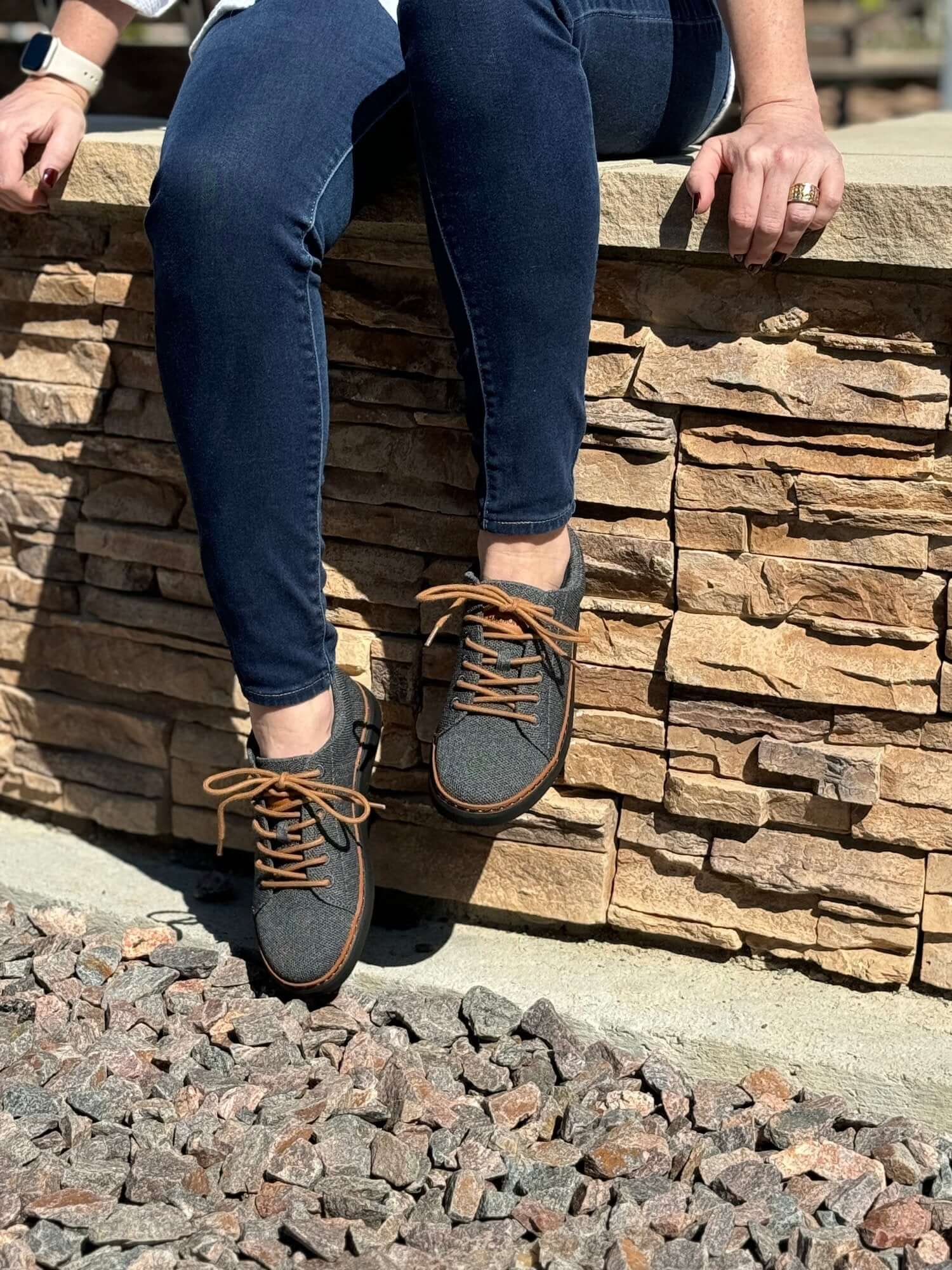
When you wear conductive shoes after a workout, you are not just walking. You are letting the earth give you a steady stream of electrons. These tiny parts help balance the body. This is why many people choose to wear grounding shoes during their cool-down walks. It is an easy way to support your body without adding more steps to your day. You can go about your life while the earth does the work.
The role of conductive trail shoes
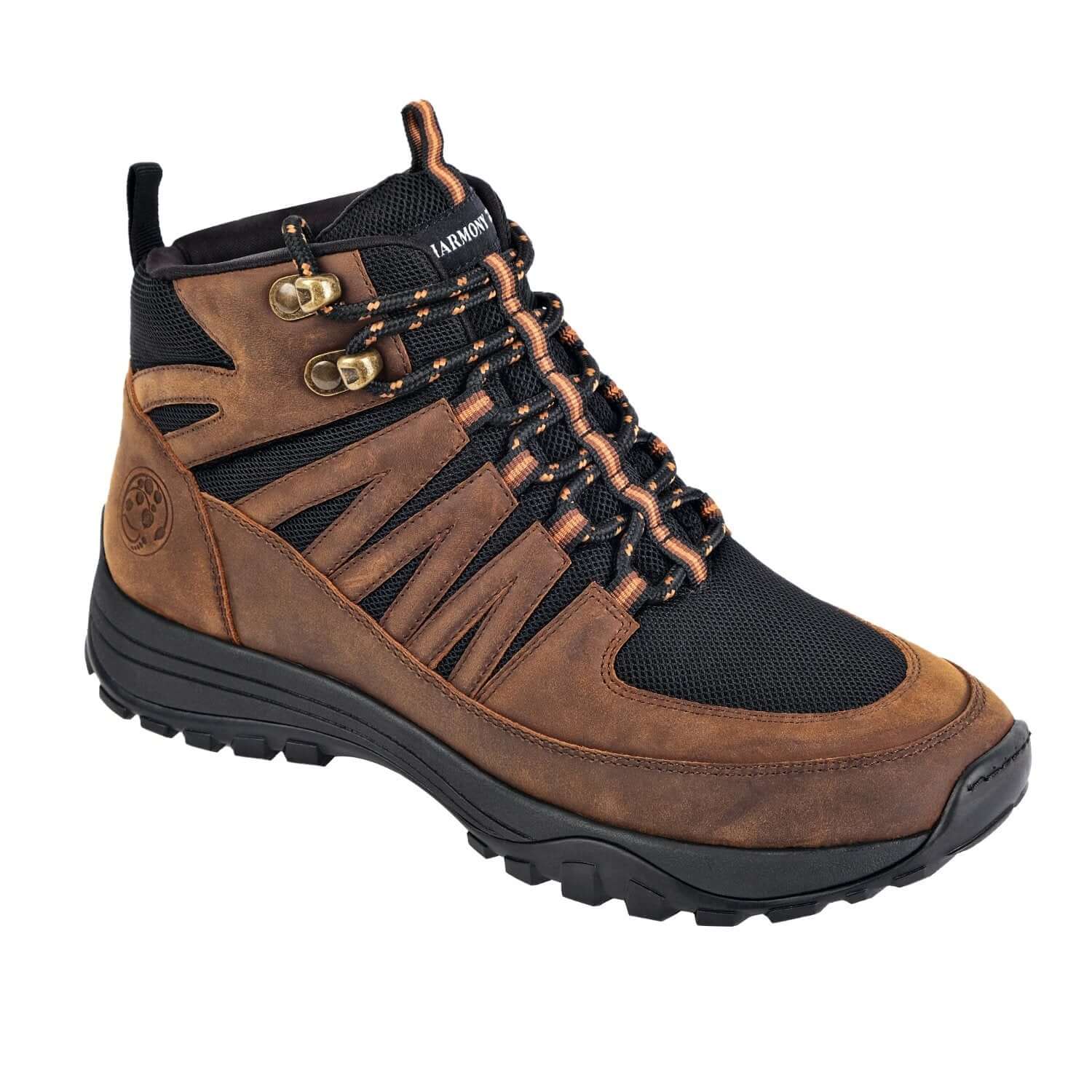
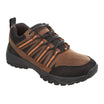
If your routine takes you off the paved path, you need shoes that can keep up. Standard hiking boots often have very thick soles that stop any link to the earth. Specialist trail shoes use silver or other conductive parts to bridge this gap. These shoes allow energy to pass from the soil through the sole and into your feet. They are built to handle rough ground while keeping you linked to the earth's surface.
Walking on grass, sand, or dirt is best for grounding. Conductive footwear makes these surfaces easy to use even when the weather is cold. These shoes protect your feet from sharp rocks while they let the earth's energy through. This means you can hike for miles and stay grounded the whole time. It is a smart way to mix outdoor fun with your wellness goals. You get the protection of a boot and the connection of a bare foot.
Testing your footwear for conductivity
Not all shoes that look "natural" or "thin" are conductive. You can test your footwear at home to see if it works. Some people use a simple tool called a volt meter to check for a link. You can place one probe on the inside of the shoe and one on the outside. If there is no clear path for energy, the shoe is just an insulator. It will not help you stay grounded.
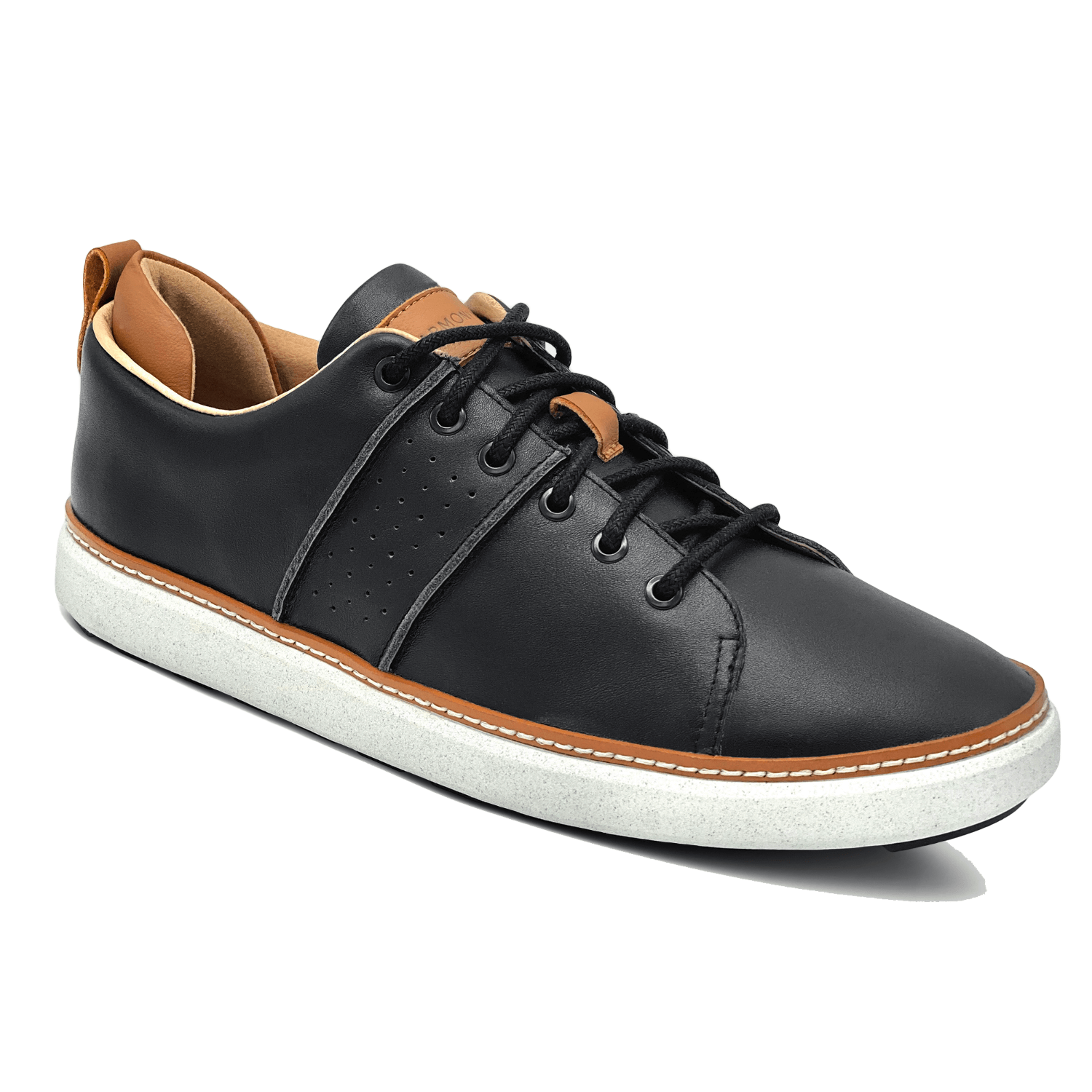
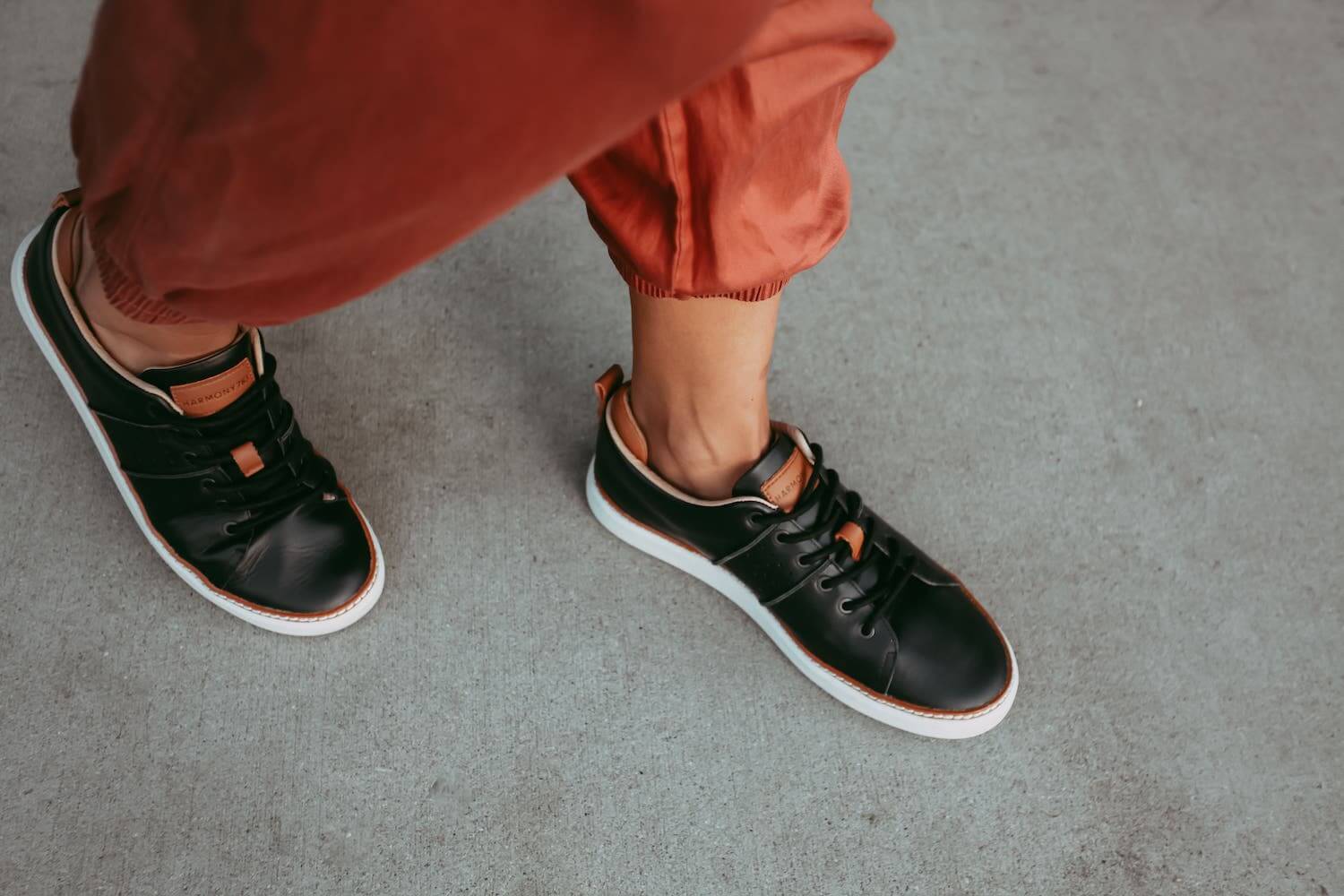
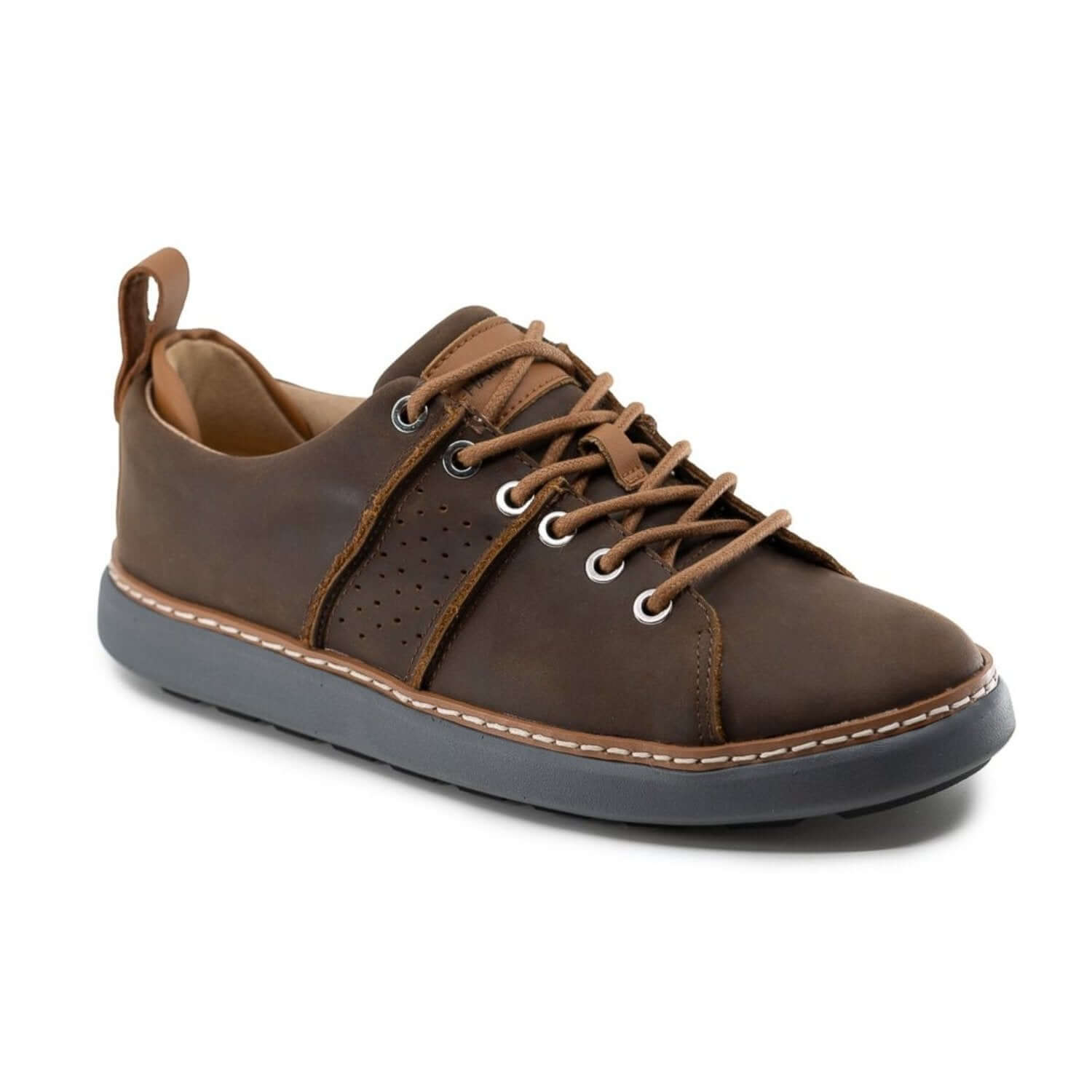
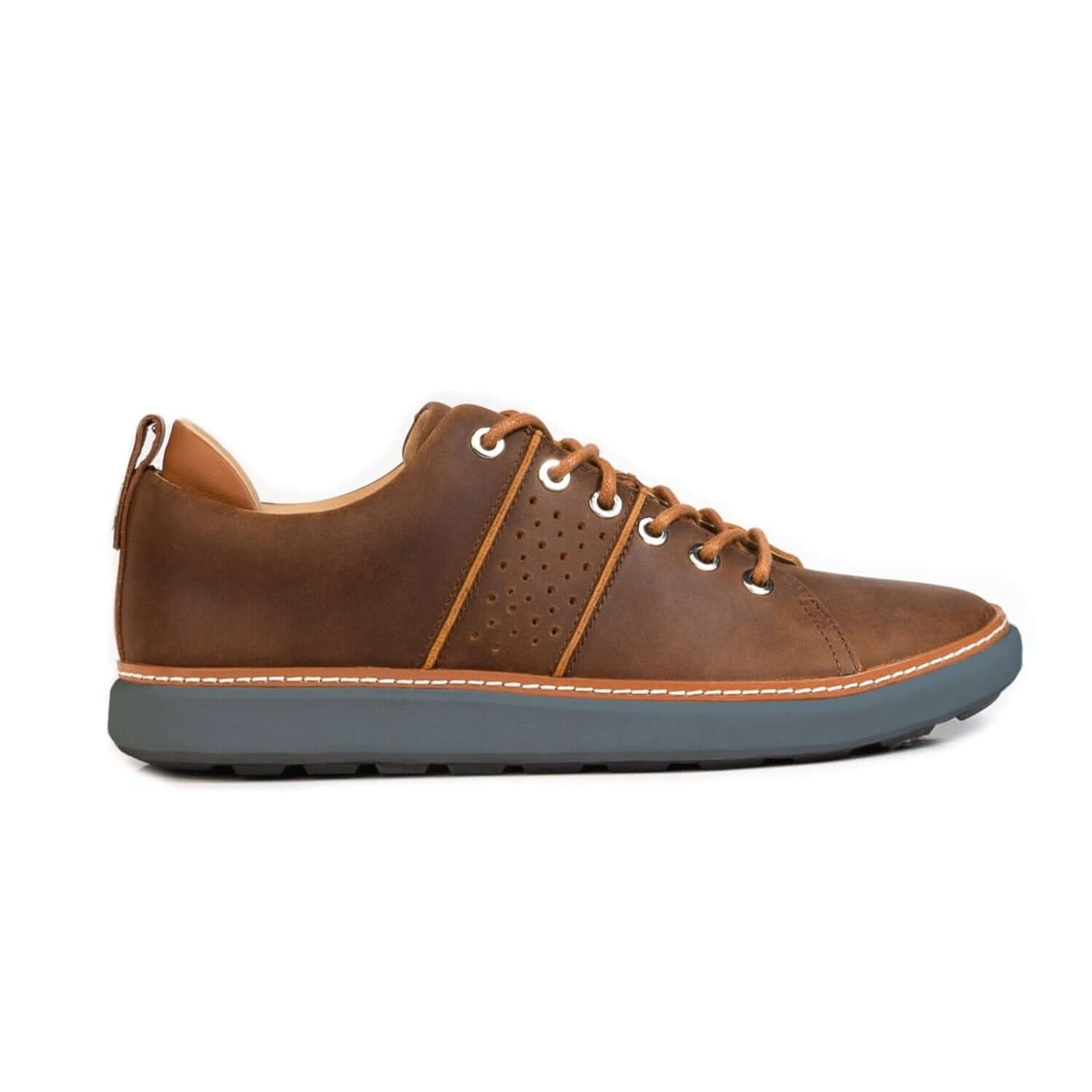
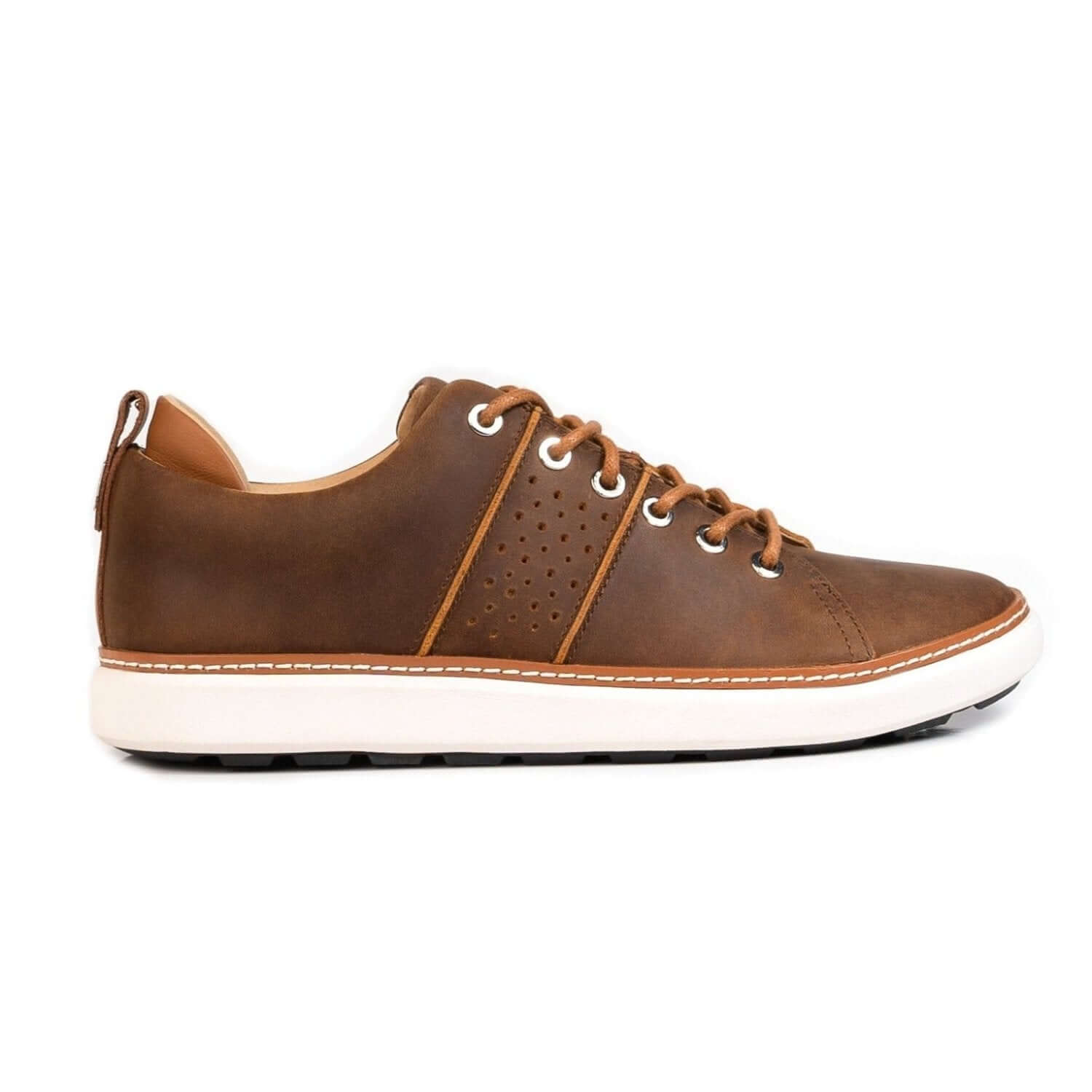
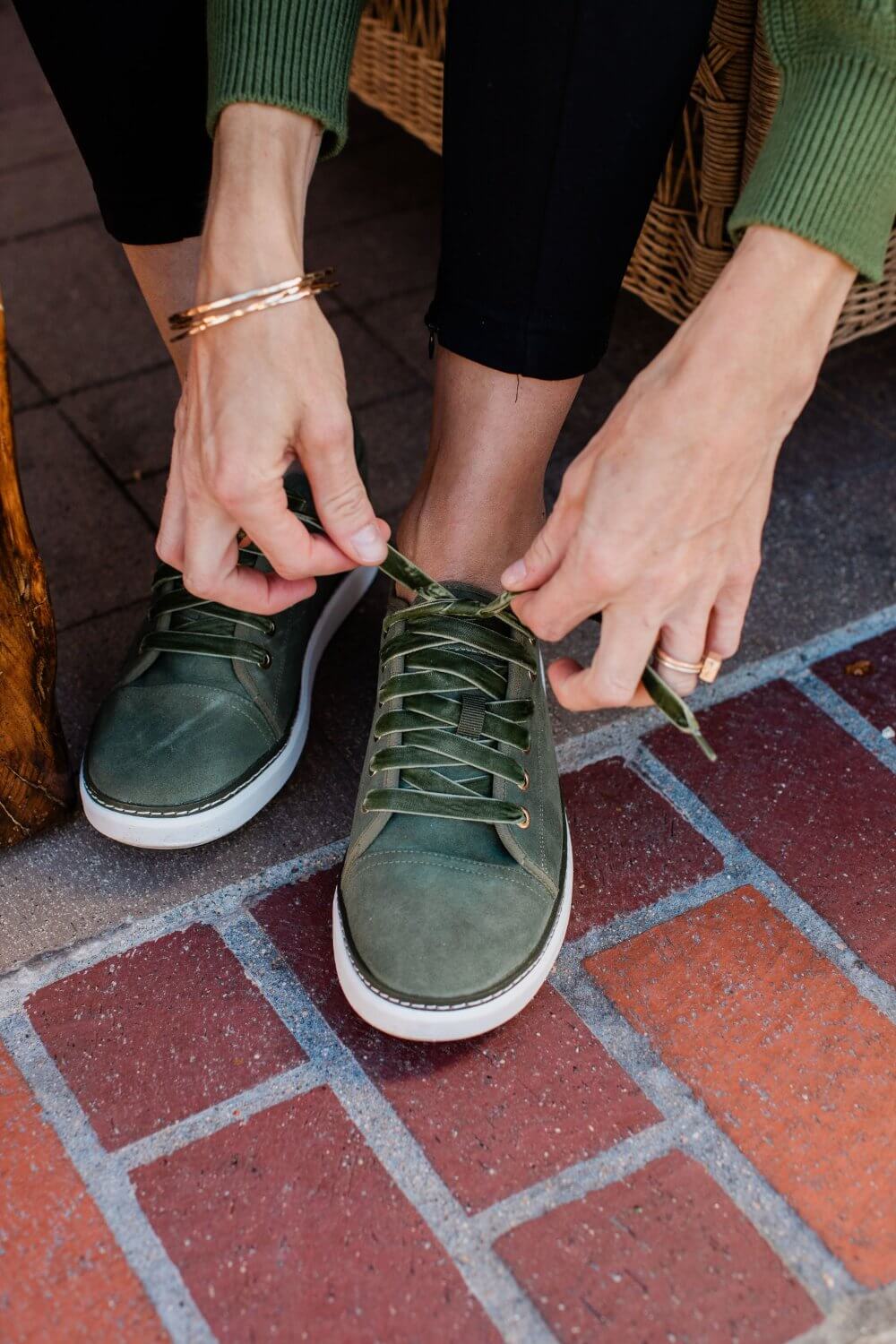
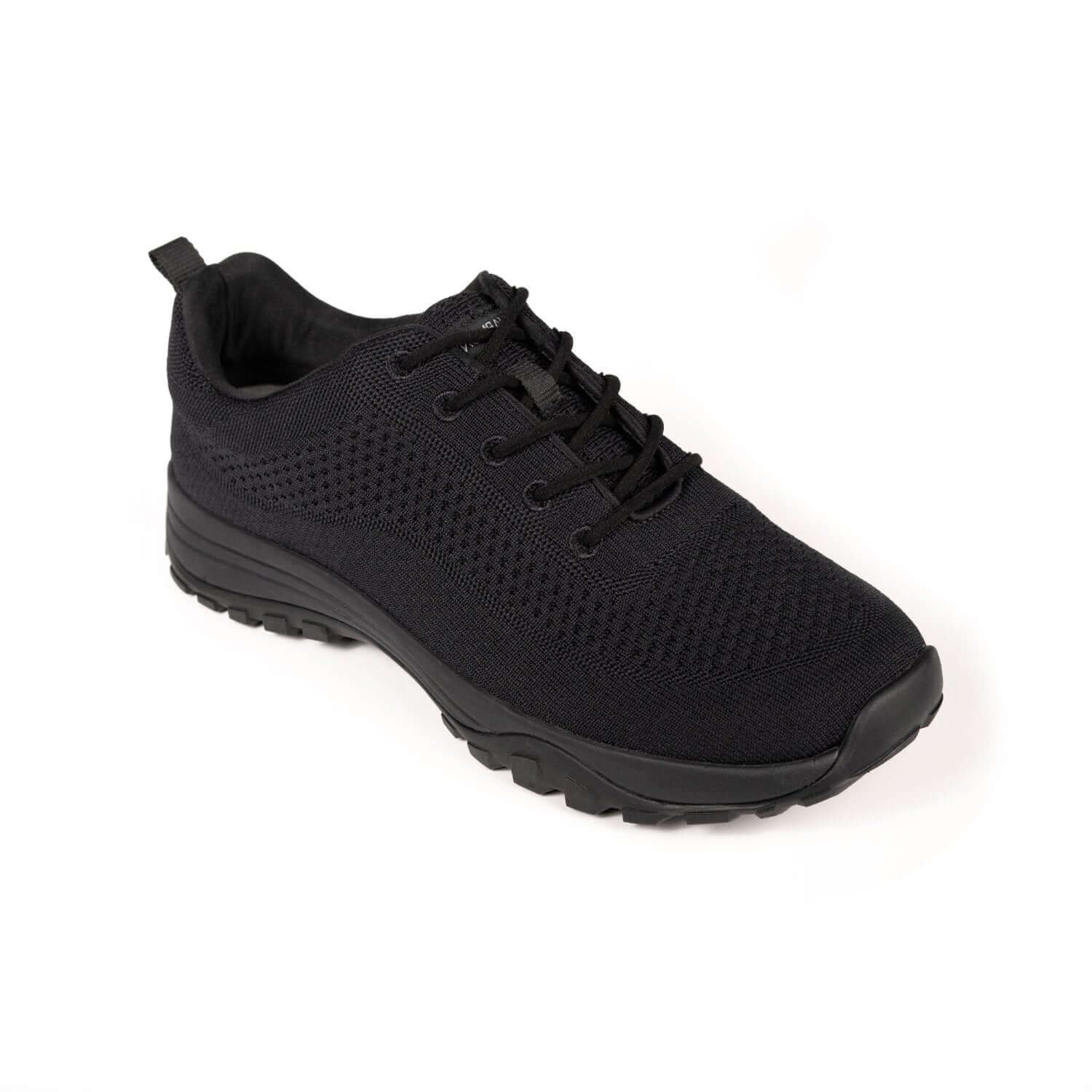
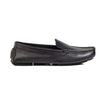
Harmony 783 shoes use a five-layer system to make sure you stay linked to the earth. This tech includes a silver-stitched footbed that touches your foot. The silver thread is a great conductor that lets electrons flow freely. This system is tested to ensure it works as promised. Choosing a tested brand helps you trust that your shoes are doing their job. It gives you peace of mind while you focus on your active day.
When should you take extra care?
Grounding is a natural way to support your body's wellness. Most people can enjoy the benefits of how grounding works for recovery without any issues. But there are times when you should slow down or talk to a pro first. Safety is key when you change any part of your health plan.
Check your skin and feet
If you have open wounds or cuts on your feet, wait before you go barefoot on the earth. Small breaks in the skin can let in germs or dirt from the soil. This is where grounded shoes can help. They keep your feet safe while you still get that vital link to the earth's surface.
People with less feeling in their feet should also take care. This often happens with health issues like diabetes. If you cannot feel a sharp rock or hot ground, you might get hurt. Always check your feet for red spots or cuts after you spend time outside. Using shoes with conductive tech is a smart way to stay safe and grounded at the same time.
Safety in your environment
Think about where you are before you start your grounding recovery. Avoid areas with wet grass during a storm or near power lines. While the earth is a source of good energy, you do not want to be at risk during a strike. Use common sense and stay inside when the weather turns bad.
Listen to your body
If you have a new injury or severe pain, see a doctor before you try new recovery steps. Grounding is a helpful tool, but it should not replace expert medical care for a break or a bad sprain. You can read more about how grounding helps inflammation and healing to see the science for yourself. But always let your body be your guide and stop if you feel any new pain.
How to tell whether grounding fits your recovery routine
Starting a new habit like grounding is a test for your body. You want to know if it helps you heal after a hard workout. To find the truth, you must track how you feel each day with care. This helps you see if the change is real or just a fluke.
Most people need a few weeks to see clear results from their grounding test. Keep a simple log of your sleep and your morning mood. When you wake up, think about how you feel before you get out of bed. Note if you feel more alert and ready to start the day.
Track your daily metrics
Many people use grounding for exercise recovery to help their muscles feel fresh. Look for small shifts that stay the same for many days. If you find a pattern, you can trust that the habit is making a difference.
You should also track how sore your muscles feel after a gym visit. When you push your body, you get small tears in your muscle fibers. This leads to the pain you feel the next day. Note if this pain goes away faster when you spend time grounding.
Look for proof in the body
Science can help you judge the results of your test. Studies in the Journal of Inflammation Research show how grounding helps the body heal and manage stress. It may help the body handle the immune response better after a hard task.
If you see less swelling or faster healing of small cuts, your routine is likely working well. Training readiness is another big sign to watch. You can learn more about how grounding works for recovery to see why it helps you stay ready for your next workout. This is how well your body can take on new work each day.
High stress can make you feel slow or very tired. You can check your heart rate in the morning to find a clue. A lower resting heart rate often means your body is resting well. This shows that your system is at peace and ready to move.
Watch for the placebo effect
Your mind is very strong and can play tricks on you. If you think a new habit will work, you might feel better for a short time. This is called a placebo. To find real results, look at your data for a full month.
It is also key to tell the difference between a link and a cause. If you feel good, was it the grounding or just a cool room? Track your food, your water, and your work stress. This helps you find the true cause of your wellness.
If you only feel better when you ground, you have found a real link that works for you. True recovery takes time to prove. Stay with the test until you have the facts in hand.
Frequently Asked Questions
How does grounding help exercise recovery?
Grounding helps the body return to a restful state after a hard workout. When you connect with the earth, you may notice less muscle soreness and pain. Studies show that this practice helps balance the immune system and reduces stress on the body. This allows your muscles to repair faster and lets you get back to your routine with more ease. It is a simple tool to add to your post-workout plan for better daily wellness.
Is grounding proven to help inflammation?
Science shows that grounding may help manage swelling in the body. A study in the Journal of Inflammation Research found that grounding affects white blood cells and pain levels. This research suggests that being grounded helps the body heal after an injury or stress. While more research is needed, many people find it useful for lowering pain. It works by letting bits of energy from the earth flow into your body to help keep you balanced.
How quickly does grounding work for healing?
You may feel the effects of grounding very soon after you start. Some people feel a sense of calm or less pain in just a few minutes. For deeper benefits like muscle healing or better sleep, you might need to stay grounded for thirty to sixty minutes each day. The more often you practice, the more you may notice lasting changes in your energy and comfort. It is best to make it a part of your daily life for the best results.
What are the side effects of grounding?
Grounding is safe for most people, but there are some things to watch for. If you ground yourself outside, you might face risks from bugs or sharp objects on the ground. When using grounding tools inside, you should ensure they are used the right way to avoid power issues. Some people report feeling a slight tingling or a detox effect when they first start. Always check with a health expert if you have health concerns or use medical tools before starting a new wellness habit.
Ready to find the best grounding recovery routine for you today?
When you skip a natural way to help your body heal, you risk feeling sore and tired for much longer than you would ever want. Waiting to take action now only slows your progress and keeps you from seeing the results that you truly want and need for your health. The sooner you add grounding to your daily routine, the sooner your body can start to reset after each of your very tough sessions.
Ready to explore grounding footwear for an active routine? Shop Harmony 783 walkers and choose a comfortable option for your next outdoor cool-down.