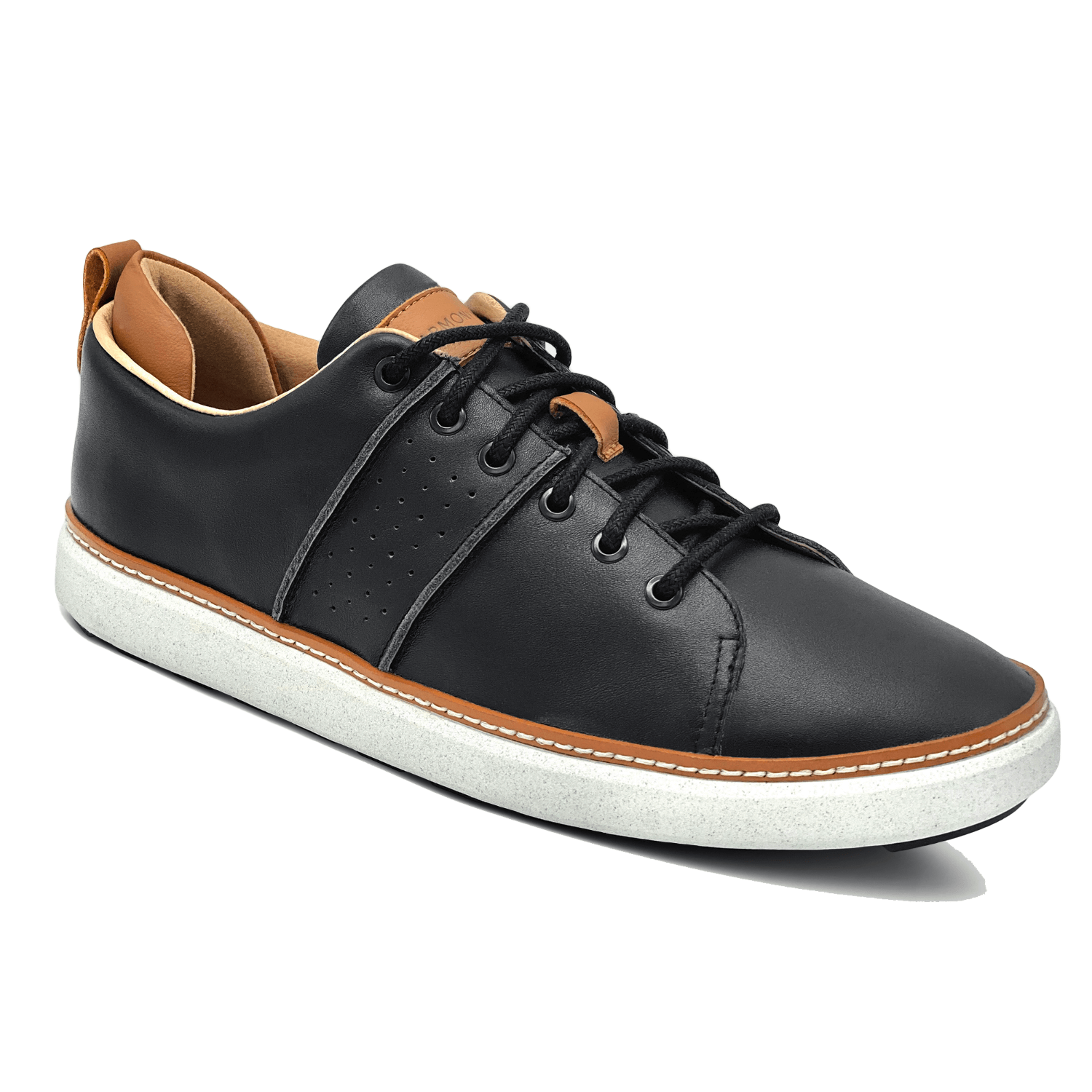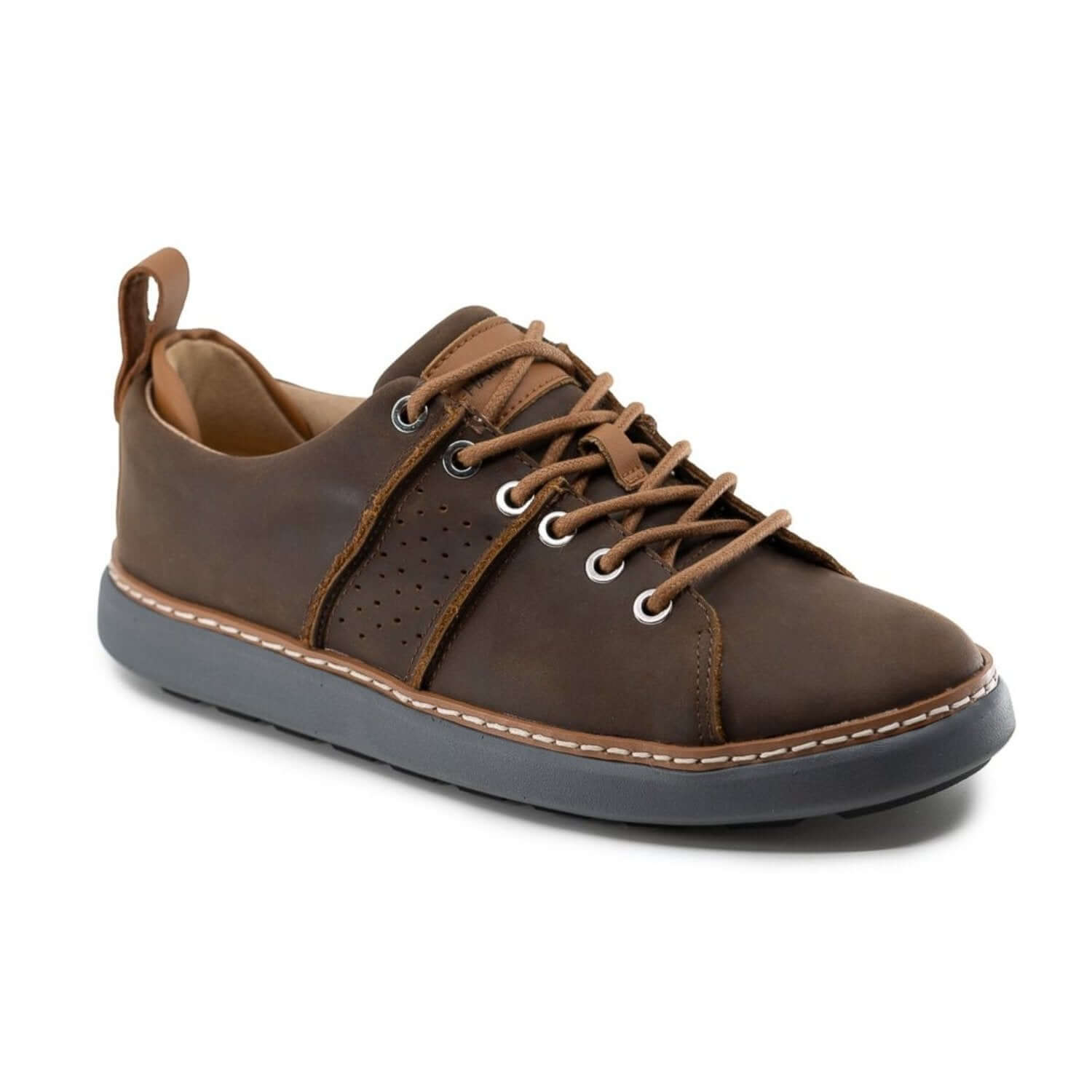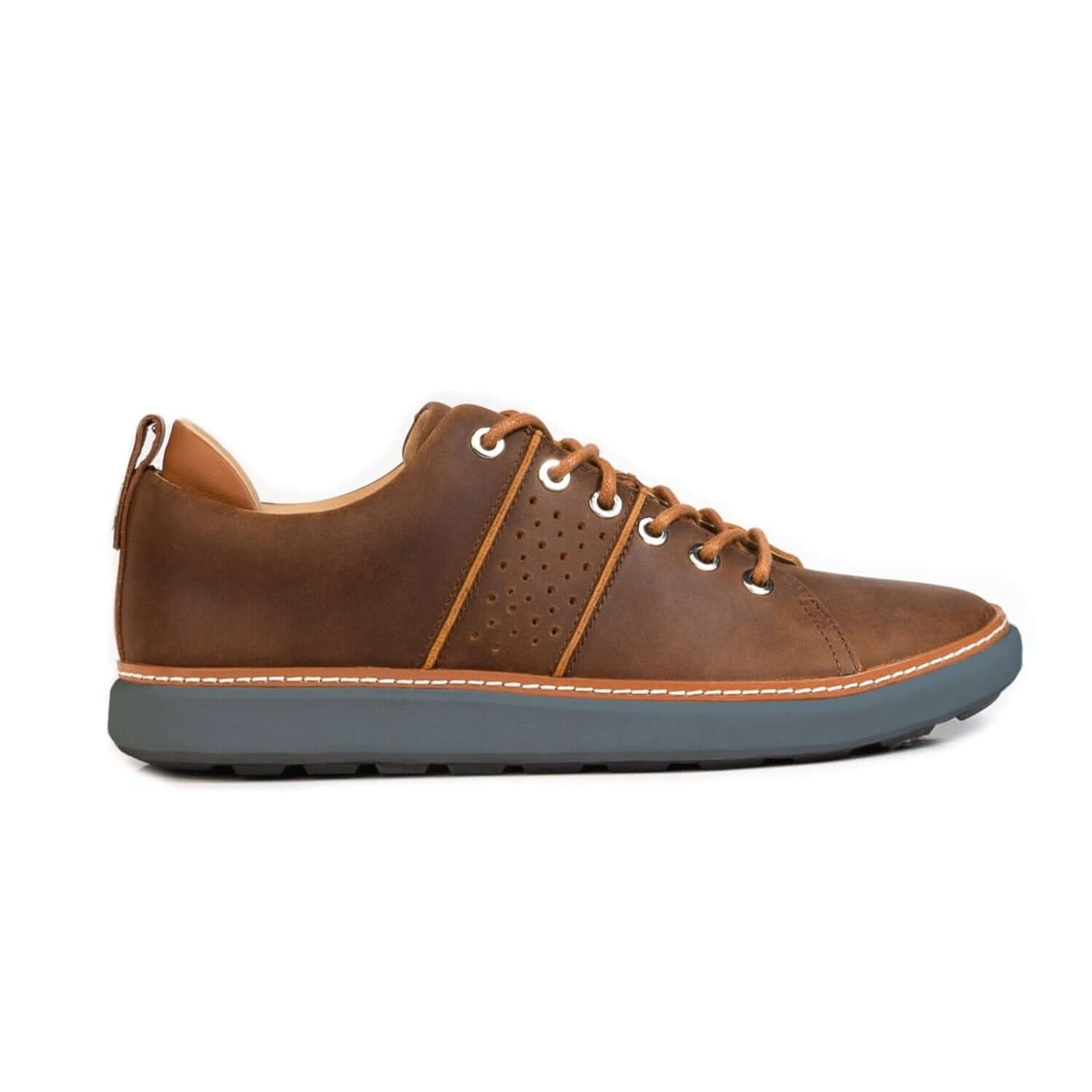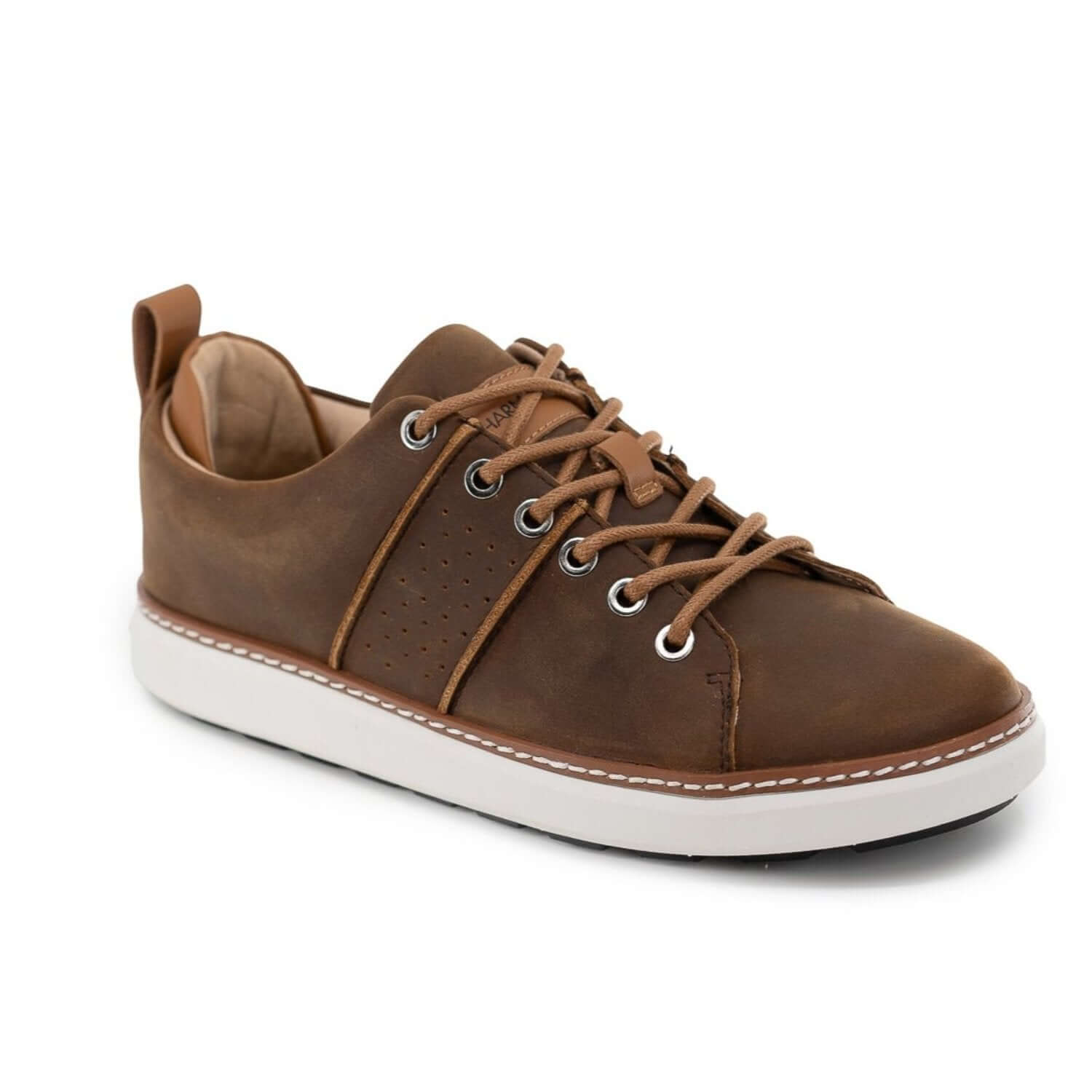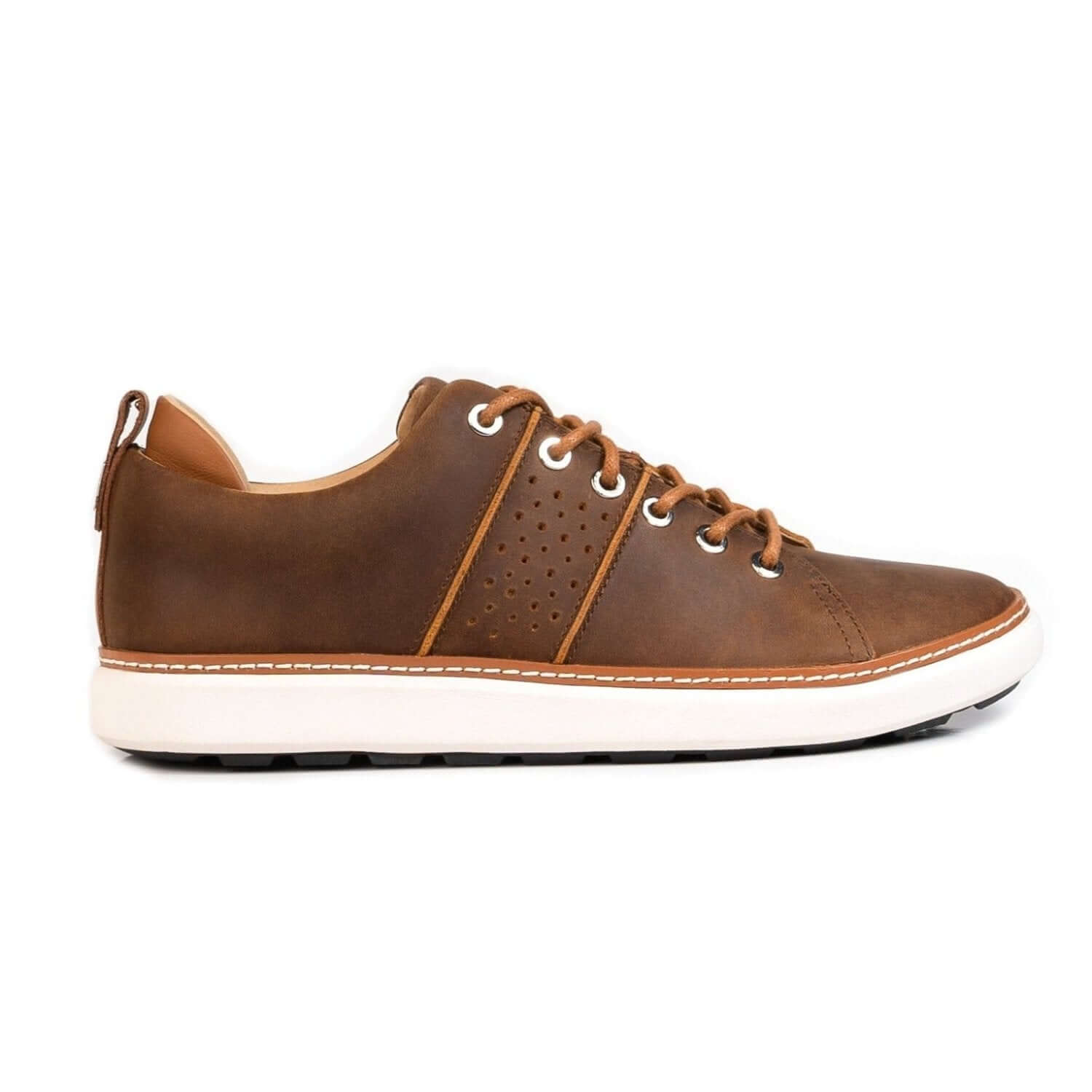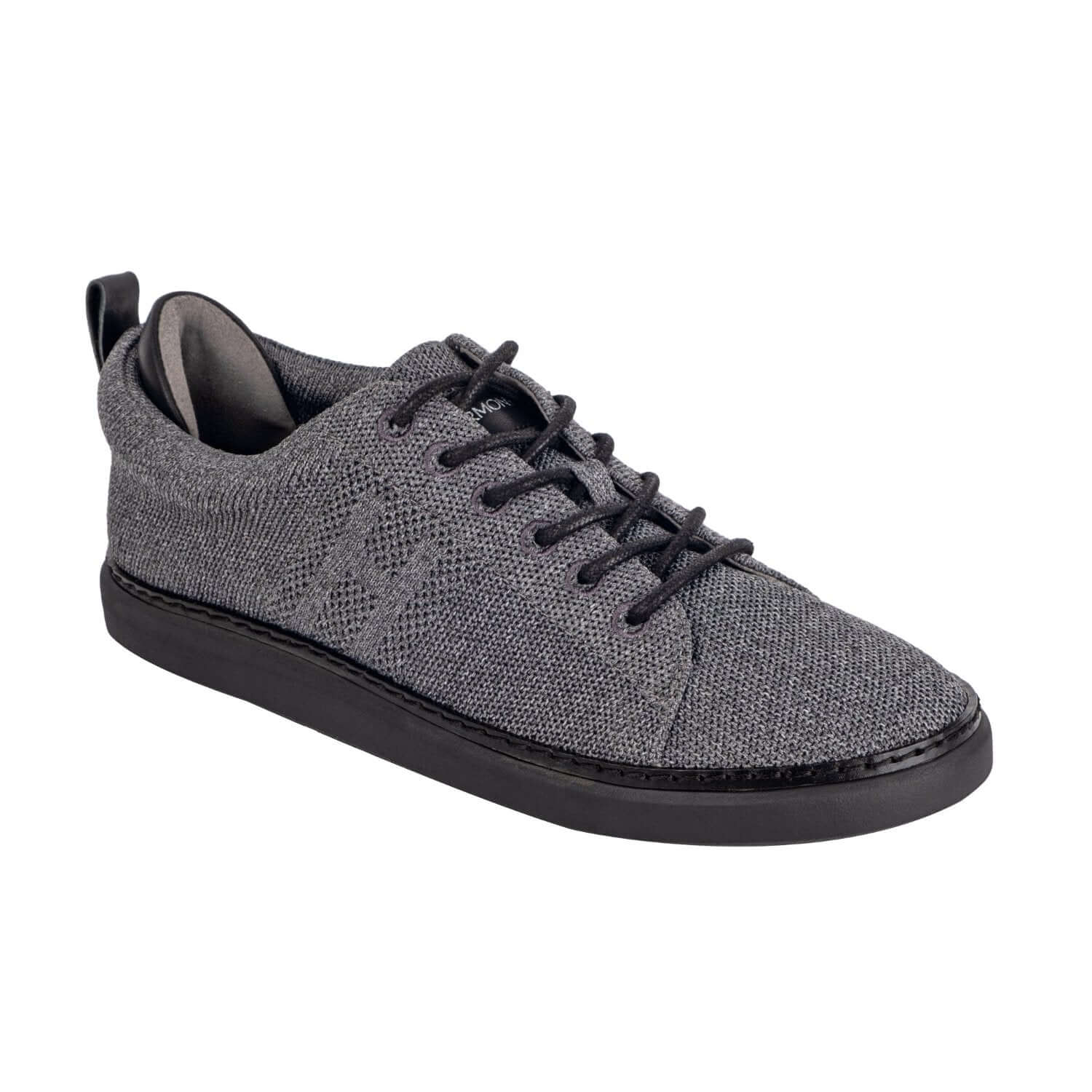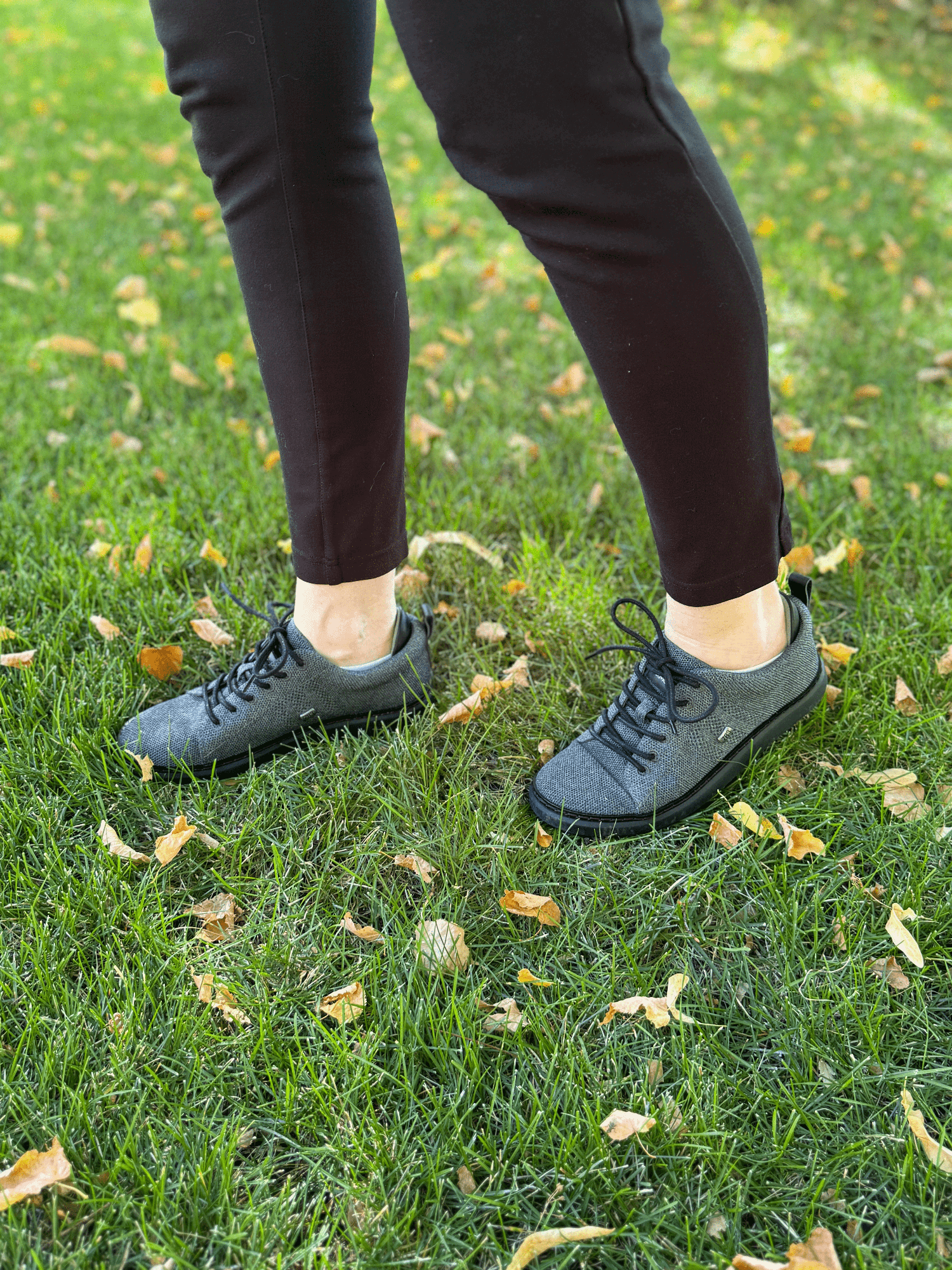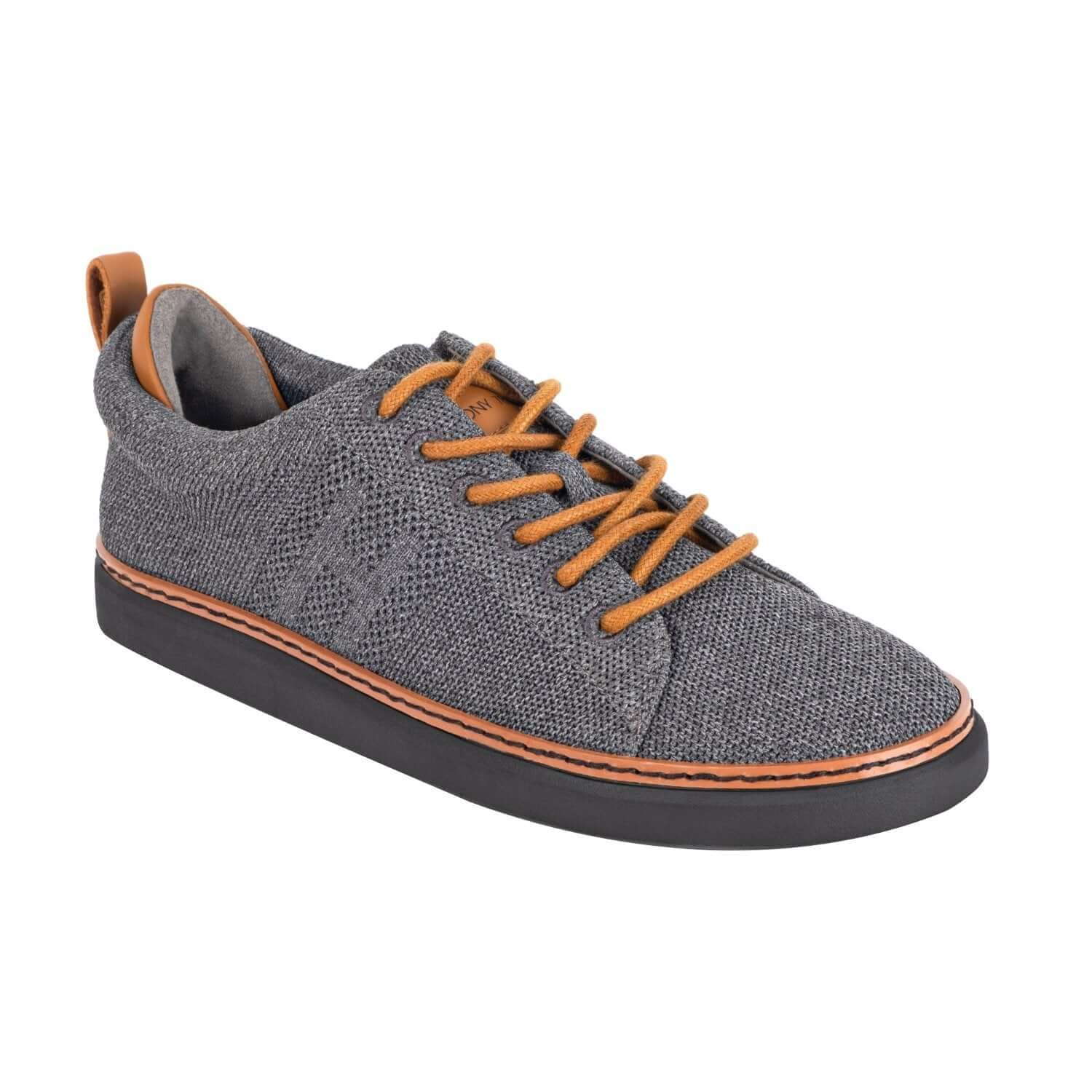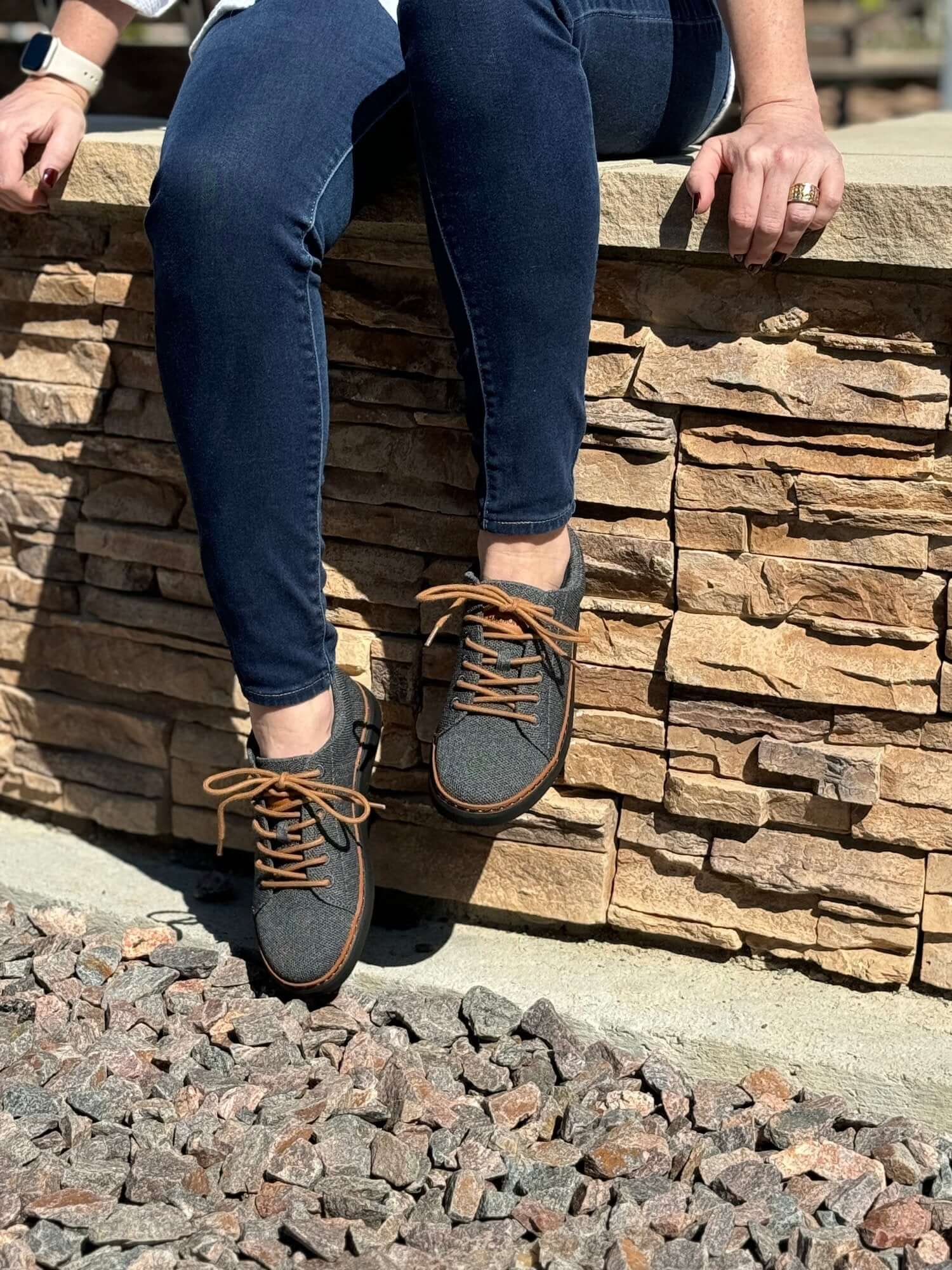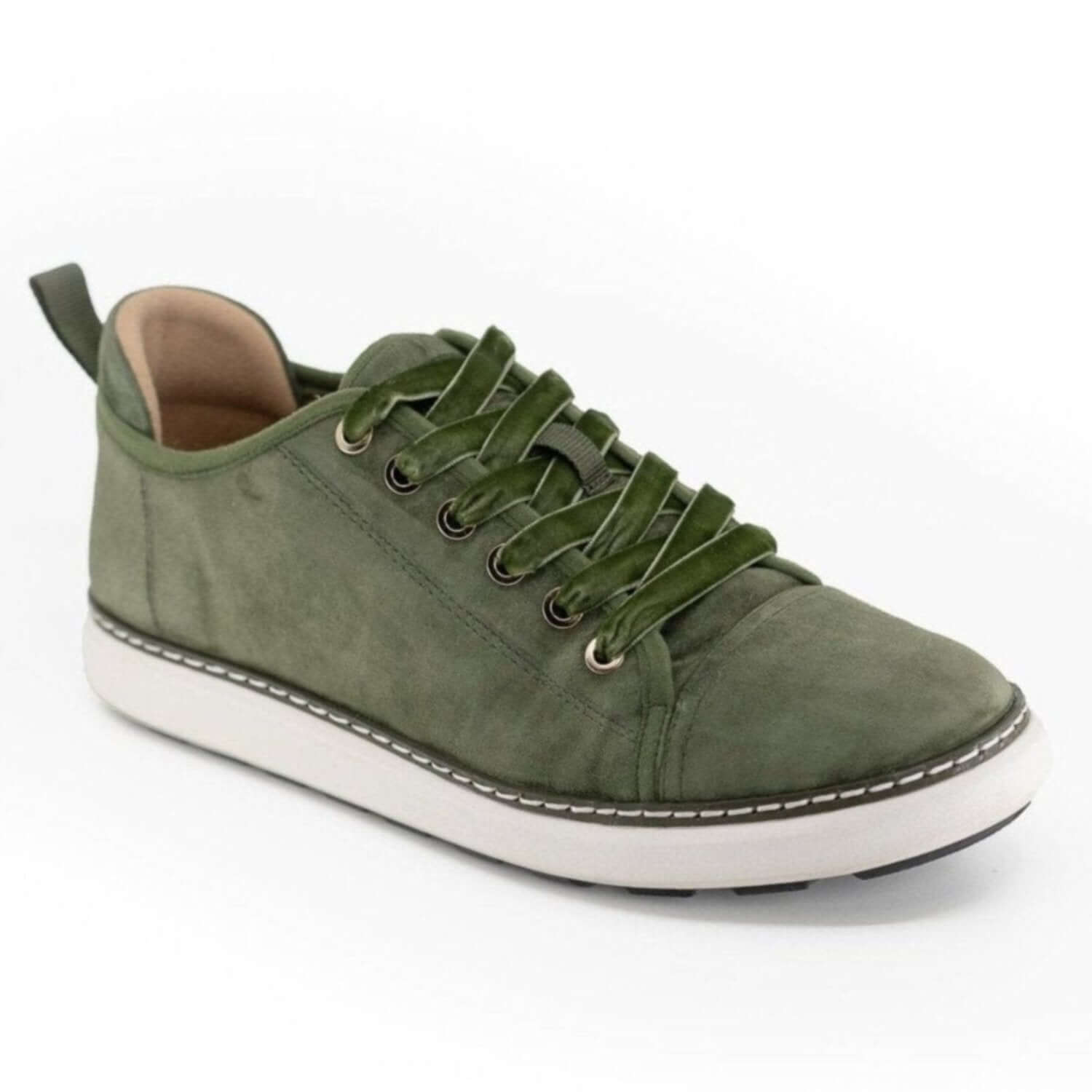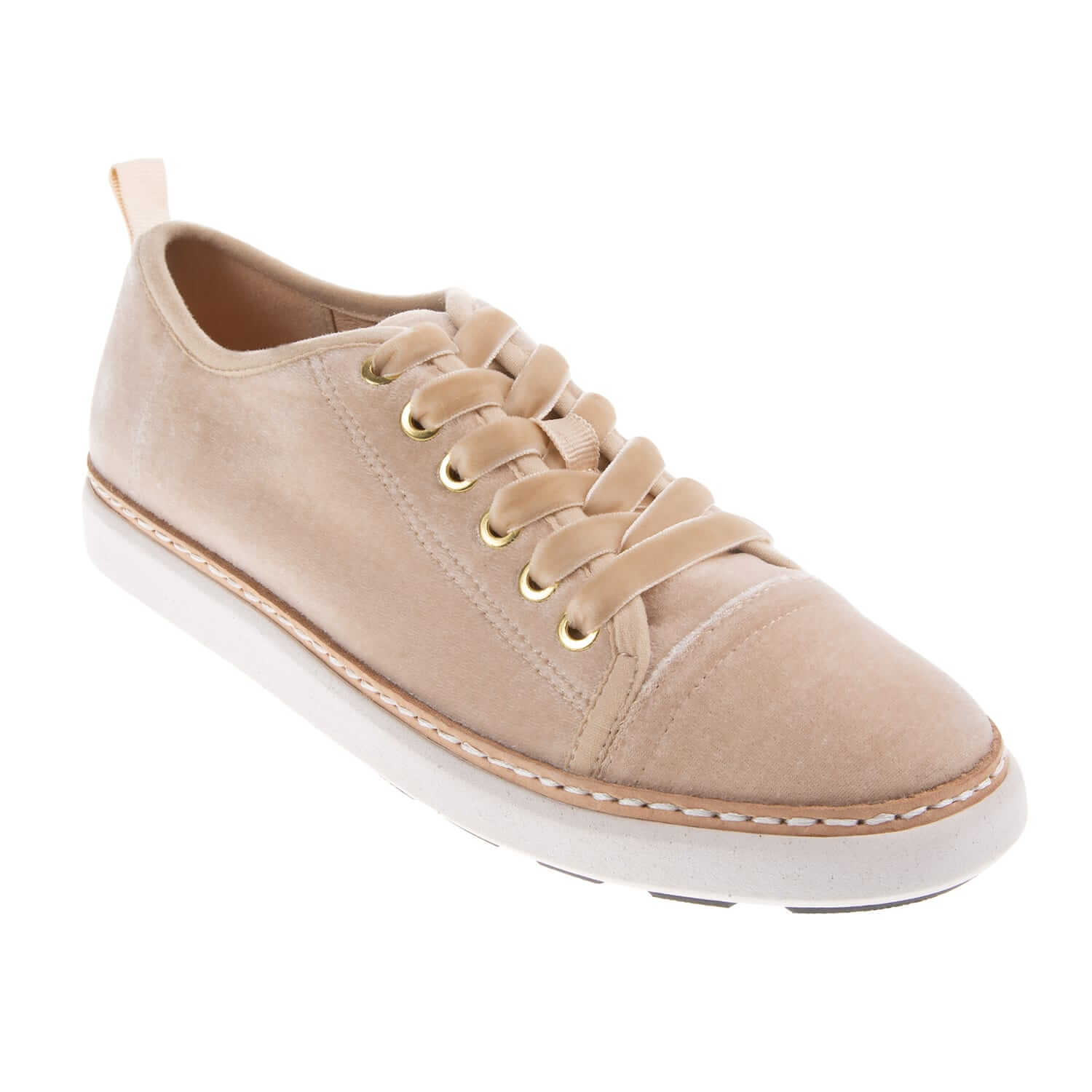

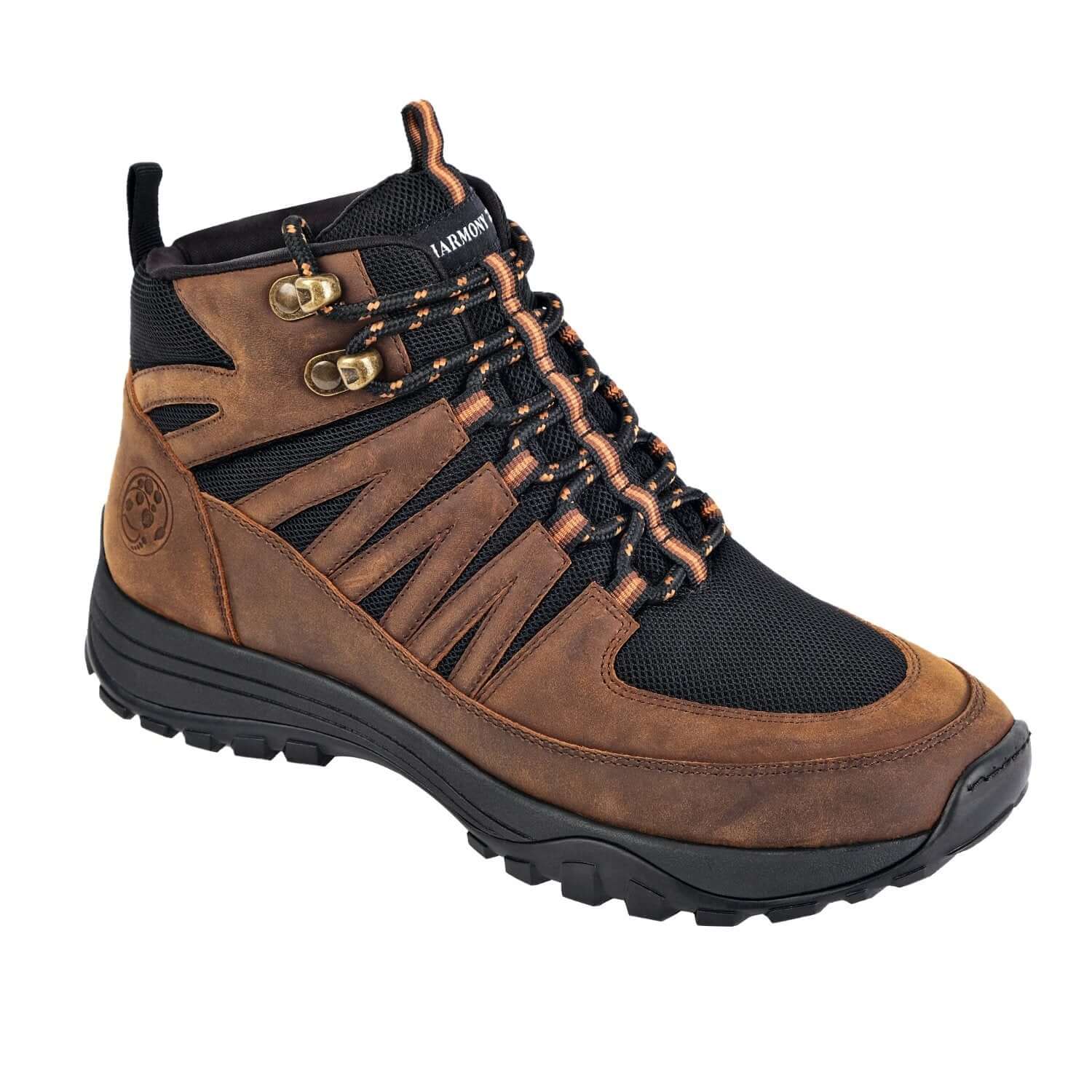
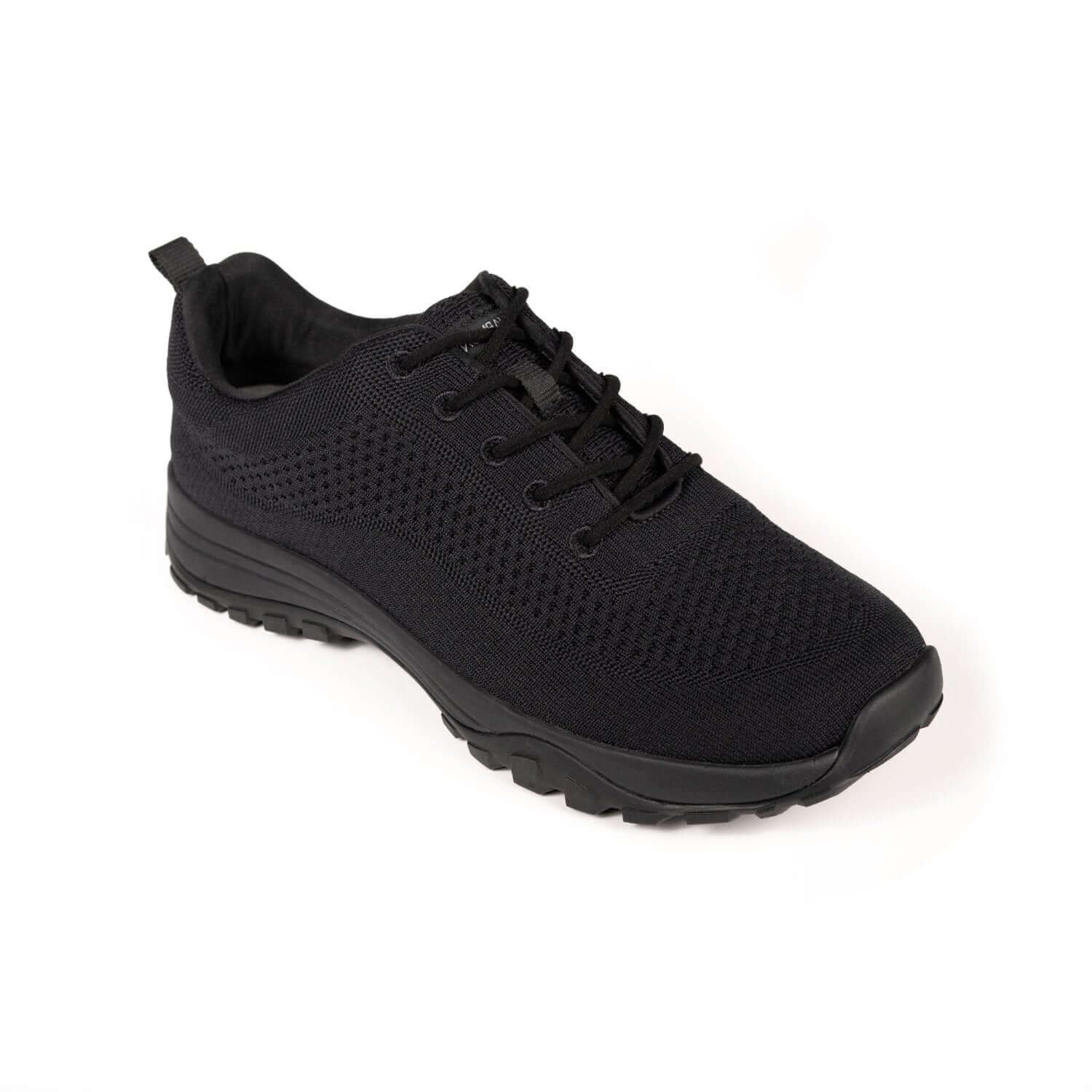

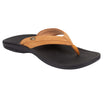
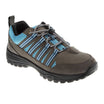
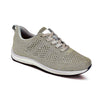
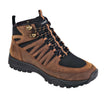
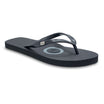
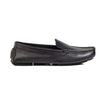
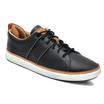

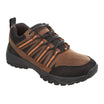
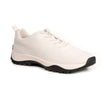




A grounding shoe is not conductive simply because its sole is thin or flexible. It needs a purpose-built path that connects your foot to the Earth while the shoe still protects and supports you. If you are asking how grounding technology in shoes conductivity work, the answer starts with that complete path, not with a thin sole or a marketing label. That detail matters if you want to understand grounding walkers before choosing a pair.
Browse the collection of grounding footwear
Grounding technology in shoes conductivity work depends on a continuous pathway from your foot through the shoe's internal materials and outsole to a grounded surface. Harmony 783 Groundworks combines silver-stitched components with a carbon and rubber conductive outsole, and each pair is tested during production. Research is still developing, so this describes an electrical connection system, not a medical treatment.
To see why this pathway works, it helps to start with the materials. The difference is not a label such as "barefoot" or "minimal." It is the complete route that allows contact to continue from skin to ground. For more background, read the science behind grounding.
What Makes a Shoe Conductive in the First Place?
A thin sole can make a shoe feel flexible and close to the ground. It does not automatically make the shoe conductive. The same is true of a barefoot label. That label usually describes shape, flexibility, or the amount of cushioning. It does not prove that the shoe creates an electrical connection with the Earth.
Most standard soles use rubber, plastic, or similar materials that act as electrical insulators. These materials can protect the foot and improve durability, but they may also interrupt contact between the body and the Earth's surface. Many barefoot-style shoes use these same types of materials. They may help you feel more of the terrain, yet still block an electrical connection.
Why does a complete pathway matter?
Conductivity depends on continuity. A grounding design must carry the connection from the part of the shoe that touches the foot, through the internal construction, and out through the outsole. If one part of that route is missing or made from an insulating material, the pathway may be interrupted.
Think of it like a bridge. A bridge with a strong entrance but a gap in the middle cannot carry people across. In the same way, a conductive insert or metal detail does not make an entire shoe grounding unless it connects to the ground-contacting part of the sole. Grounding footwear is designed to maintain this path from the foot to the Earth, rather than simply use a thin sole.
What role does foot contact play?
The shoe also needs reliable contact with the wearer's foot. Fit, socks, moisture, and the way the shoe is constructed can affect how the internal conductive materials meet the foot. The outside of the shoe must then meet a surface that can support the connection. A conductive shoe is not a guarantee of contact on every indoor floor or dry insulating surface.
For a broader overview, read this guide to how grounding shoes work. The key point is simple: grounding is an engineered material pathway. A barefoot shape may change how a shoe feels, but only a complete conductive construction is designed to connect foot and Earth.
How Does Grounding Technology in Shoes Conductivity Work in Groundworks?
Groundworks is a proprietary five-layer conductivity system. It is designed to connect the foot to the ground through silver, fabric, cushioning, and a conductive carbon-and-rubber outsole. The layers work as one pathway, while production testing checks the intended connection. Surface conditions and foot contact still affect real-world use.
A grounding shoe needs more than a thin sole or a natural-looking material. The conductive route must move through the shoe from the wearer's foot to the surface below. Groundworks builds that route into several parts of the shoe, while still allowing the footwear to feel like everyday footwear.
1. 99.9% pure silver-stitched footbed
The footbed is the first layer that meets the bottom of the foot. It uses stitching made with 99.9% pure silver. This gives the foot a purpose-built conductive contact point inside the shoe. It is not simply a decorative thread or a surface treatment. It forms part of the path that carries the connection downward.
2. Silver-stitched lasting board
Below the footbed is the lasting board. This layer is also silver-stitched. In simple terms, it helps continue the conductive route as it moves through the shoe's construction. Keeping the layers connected matters because a gap in the route can interrupt the intended connection.
3. 99% pure silver fabric loop
The third layer is a fabric loop made with 99% pure silver. This component helps link the upper part of the shoe to the layers below it. The use of silver fabric keeps the conductive design integrated with the shoe, rather than relying on a separate object placed inside it.

4. Cushioned midsole
The fourth layer is a cushioned midsole. Cushioning supports comfort and helps the shoe work for regular movement. In the Groundworks system, it sits within a larger construction that includes conductive layers above and below. Comfort and conductivity are treated as parts of the same footwear design, not as competing features.
5. Carbon and rubber conductive outsole
The outsole is made with conductive carbon and rubber. It is the layer that meets the ground and completes the route from the shoe to a grounded surface. Ordinary rubber can act as an insulator, so a conductive outsole is an important difference between a purpose-built grounding shoe and a standard everyday shoe.
Every pair is tested for a grounded connection during production. That testing supports the construction goal, but real-world contact still depends on the surface and conditions beneath the shoe. Groundworks is therefore best understood as a complete pathway built into the shoe, not as one special material doing all the work.
How Do Carbon and Silver Help Connect Foot to Earth?
Carbon and silver can support grounding by carrying an electrical connection through different parts of a shoe. Silver helps create a conductive route near the foot, while carbon can help carry that route through the outsole. Neither material works alone. The shoe needs a continuous path from the wearer's foot to a grounded surface.
What role does silver play?
Silver is known for its electrical conductivity, so footwear designers can stitch or integrate it into areas that contact the foot. In a purpose-built grounding shoe, those conductive elements are intended to connect with the footbed and pass the route into the shoe's lower layers. This is different from adding a decorative silver detail that never touches the conductive system.
Harmony 783 uses silver in its Groundworks conductivity system. The construction includes a silver-stitched footbed and additional silver components within the shoe. These parts are designed to help maintain continuity as the connection moves from the foot toward the outsole. Modern conductive materials can provide alternatives to traditional copper, which is one reason grounding footwear does not need to rely on one familiar metal. Read the science and research behind grounding for the broader context, then learn more about how grounding shoes work in the footwear guide.
What role does carbon play?
Carbon can be blended into an outsole to help make the bottom of the shoe conductive. It also allows the outsole to remain part of a flexible, wearable shoe rather than functioning like a rigid wire. Groundworks pairs carbon with rubber in its conductive outsole. The goal is to give the conductive route a practical point of contact with the surface beneath the shoe.
That contact still depends on conditions. A conductive outsole must meet a surface that can support an electrical connection. Dry, insulating materials between the outsole and the ground can interrupt the route. A silver thread or carbon component may be conductive on its own, but it cannot create a connection if another layer breaks the chain.
Research continues to examine charge exchange between the human body and Earth. One published review discusses grounding and the body's connection with Earth's surface electrons, while another paper examines charge exchange between the body and Earth. This supports careful discussion of the electrical pathway, not claims about guaranteed health outcomes. Read the published grounding review and research on charge exchange for more context.
How Can You Tell if Grounding Shoes Are Conductive?
A grounding shoe should do more than look minimal or feel flexible. It should provide a conductive path from the foot, through the shoe, to the Earth. That path is part of the product design, so a thin sole or a "barefoot" label alone does not confirm grounding.
Harmony 783 tests every pair for a grounded connection during production. This quality check helps confirm that the conductive materials and connection points work together before the shoes reach you. It is an important distinction between a shoe designed for grounding and an ordinary shoe that simply has a low-profile sole.
Look for purpose-built conductive materials, a continuous foot-to-Earth pathway, and production testing. You can also verify the connection on a properly grounded surface, but the result depends on the surface and the shoe's contact points. That check measures electrical continuity under specific conditions, not a guaranteed health outcome.
- Check the construction. Look for a stated conductive system rather than relying on appearance. A complete pathway may use conductive materials in the footbed, internal layers, and outsole. The materials must connect, not sit as isolated features.
- Consider the contact conditions. Conductivity is tested against a grounded surface. Dry, sealed, or heavily insulated surfaces may not provide the same connection as natural outdoor ground. The shoe also needs reasonable contact with your foot, and the outsole must touch the surface as you walk.
- Use a simple verification concept. A continuity or resistance test can indicate whether an electrical connection exists between the inside of the shoe and a grounded surface. This is a check of the pathway, not proof of a health outcome. If you want the detailed setup and troubleshooting steps, read this guide on how conductivity works in grounding shoes.
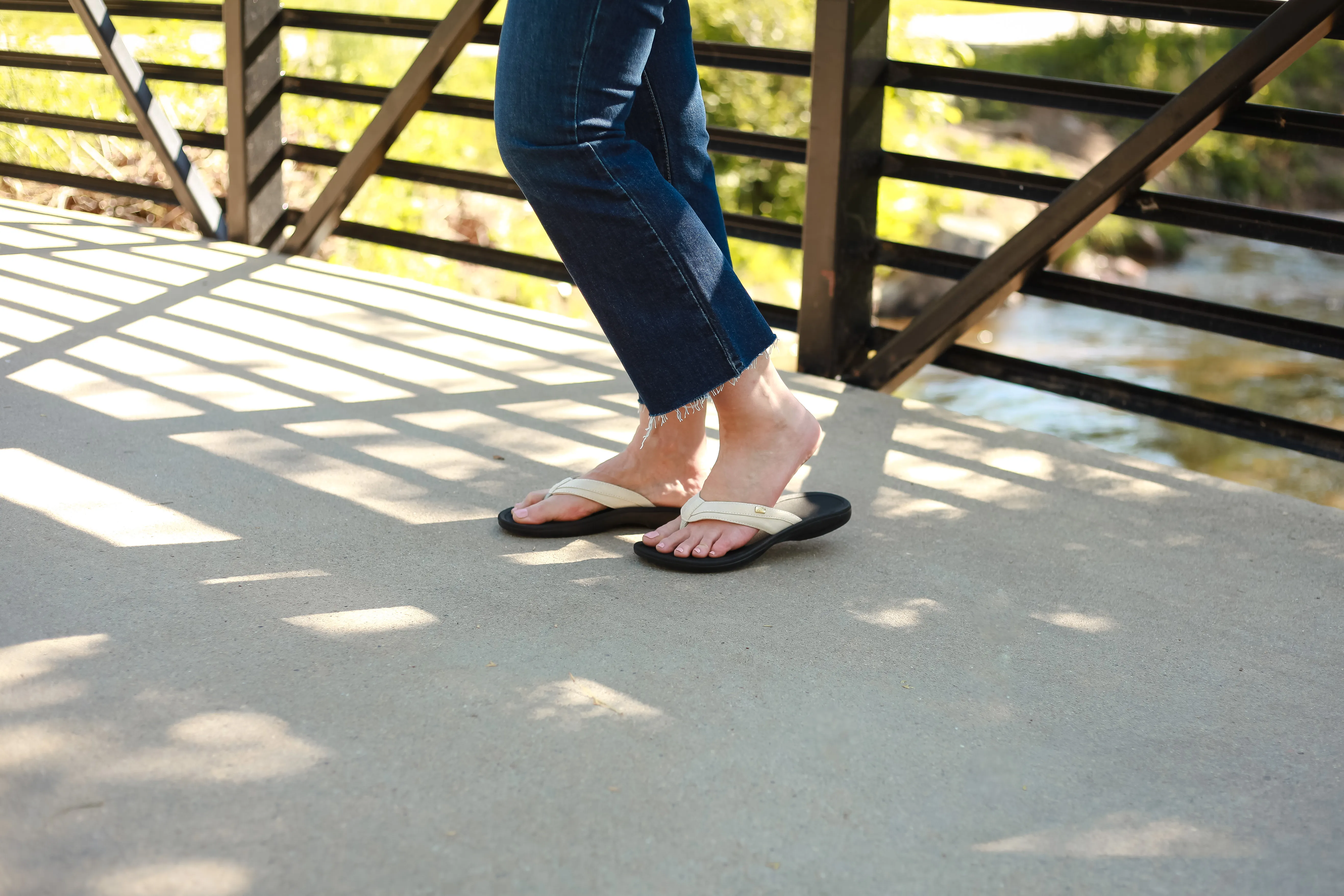
Daily outdoor use is the practical setting most often discussed for conductive footwear. Walking on a grounded surface gives the outsole a chance to complete the connection. Conditions can vary, so one test should be interpreted carefully rather than treated as a universal measurement for every location.
Conductive footwear is still a developing area of research. Current testing can help answer a narrow question: does the shoe appear to maintain an electrical connection under the test conditions? It cannot settle every question about how grounding works or what a person may experience. For that reason, choose footwear with clearly described construction, documented production checks, and realistic claims.
Why Do Most Everyday Shoes Block Ground Contact?
Most everyday shoes are built to keep your feet dry, cushioned, and protected from the surface below. That design works well for walking comfort, but it can also interrupt the electrical connection between your feet and the Earth. Rubber and plastic are commonly used in outsoles because they are durable and naturally resist electrical flow. When the outsole sits between your foot and the ground, it may act as an insulating barrier.
| Footwear feature | What it tells you | What it does not prove |
|---|---|---|
| Thin or flexible sole | The shoe may feel close to the walking surface. | It does not prove an electrical connection. |
| Silver or carbon component | The design includes a conductive material. | It does not prove the full path is continuous. |
| Purpose-built conductive system | The footbed, interior, and outsole are designed as one pathway. | It does not guarantee contact on every surface. |
Why is a thin sole not enough?
Barefoot-style shoes are often designed with a thin, flexible sole. This can help you feel more of the walking surface and move your feet naturally. It does not automatically create a connection to Earth's surface electrons. The key question is not only how thick the sole is. It is whether the shoe includes a conductive material pathway that runs from the foot to the ground.
Many traditional shoes, including some barefoot shoes, use insulating materials that block electrical contact. You can feel close to the surface while still lacking an electrical connection. This is why the construction matters more than labels such as barefoot, minimalist, natural, or flexible.
What does a complete conductive path require?
A grounding shoe is purpose-built to bridge the gap between the foot and the Earth. Conductive materials must connect the footbed, interior construction, and outsole without a break. The shoe also needs contact with a surface that can support that connection. If any part of the pathway is missing or isolated by an insulating layer, the shoe may not function as intended.
The science and design of conductive footwear are still developing, so measured wording matters. The goal is to explain the electrical pathway clearly, without turning conductivity into a medical promise.
How Do You Protect Conductivity Over Time?
Protect a conductive path with a secure fit, reasonable cleaning and drying, regular inspection, and appropriate ground contact. Conductivity is part of the shoe's construction, but the connection also depends on contact between your foot, the shoe, and the surface. Follow the care directions for your specific pair.
Start with fit and everyday care
A good fit helps your foot stay in steady contact with the conductive footbed as you walk. Shoes that are too loose may allow your foot to slide. Shoes that are too tight can change how your foot sits inside the shoe. Follow the care directions supplied with your specific pair. Do not assume that every conductive shoe can be cleaned, dried, or treated in the same way.
Keep the footwear reasonably clean and dry between uses. Dirt, moisture, and buildup can change how surfaces meet. This does not mean you need to avoid normal outdoor wear. Daily outdoor activity is a common use context for grounding footwear, but the ground surface still matters. A conductive shoe must meet a surface that can support connection to Earth. Conductivity can be tested on a grounded surface, as explained in this troubleshooting guide for a grounding connection.
Inspect the parts you can see
Look over the outsole and footbed from time to time. Check for deep wear, separation, cracking, or damage that could affect the shoe's designed pathway. Pay attention to changes in comfort or fit as well. A visible issue does not prove that conductivity has stopped. But it is a reason to pause and review the product's care guidance or seek a suitable conductivity check.
- Choose a stable, comfortable fit.
- Clean and dry the shoes according to their product-specific instructions.
- Inspect the visible outsole, footbed, and seams for unusual wear or damage.
- Use the shoes on appropriate grounded surfaces rather than assuming every surface connects to Earth.
- Remember that conductive-footwear research is still developing, so avoid treating a design claim as a guarantee of lifespan or outcome.
Harmony 783 tests each pair for a grounded connection during production. Even so, normal wear, care, fit, and surface conditions remain part of real-world use. If you are unsure whether a pair is making contact, verify the connection rather than guessing.
Browse the collection of grounding footwear
Frequently Asked Questions
Is there any science behind grounding shoes?
Yes, there is published research on earthing and the exchange of charge between the human body and the Earth. The science is still developing, so grounding shoes should be viewed as a natural wellness tool, not a medical treatment. The key engineering question is whether the footwear creates a continuous conductive path from the foot to a grounded surface. Research on charge exchange explores how the body can act as a conductor when it contacts the ground.
Do grounded shoes really work?
They are designed to work when the shoe's conductive layers connect your foot to a grounded outdoor surface. A thin sole alone does not prove conductivity. Groundworks uses a five-layer system with silver components and a carbon and rubber conductive outsole, and every pair is tested for a grounded connection during production. Results can still depend on contact with the surface, footwear condition, and how the shoe fits.
Is it okay to wear grounding shoes all day?
Wear them for as long as they feel comfortable and appropriate for your activity. Start with normal daily use and pay attention to fit, support, and surface conditions. Grounding depends on contact with a grounded surface, so indoor floors may not provide the same connection as suitable outdoor ground. Conductive-footwear research is ongoing, and no specific wear duration should be treated as a guaranteed health recommendation.
How can I tell if my grounding shoes are conductive?
Look for a clearly described conductive pathway, not just a barefoot-style sole or wellness label. The connection can be tested on a grounded surface with appropriate conductivity-testing equipment. You can also inspect the outsole and footbed for unusual wear, damage, or debris that could interrupt contact. If the result is unclear, follow the manufacturer's testing guidance rather than assuming that every surface will ground the shoe.
Ready to Explore Grounding Footwear?
Groundworks is built for people who want a purpose-designed conductive path in footwear they can wear throughout daily life. Explore styles made for different routines, from walking to casual wear.
Discover grounding walkers or shop grounding sneakers from Harmony 783.