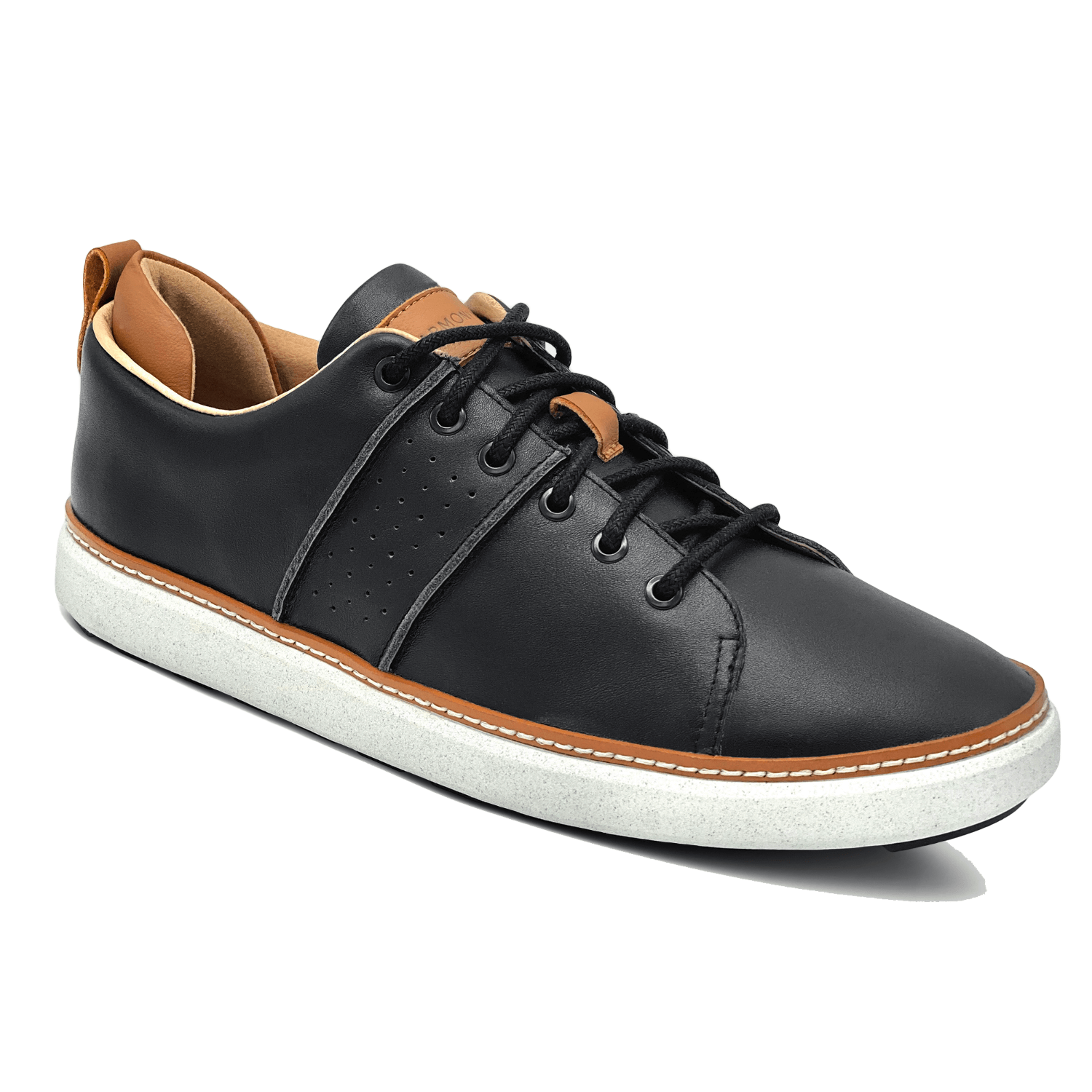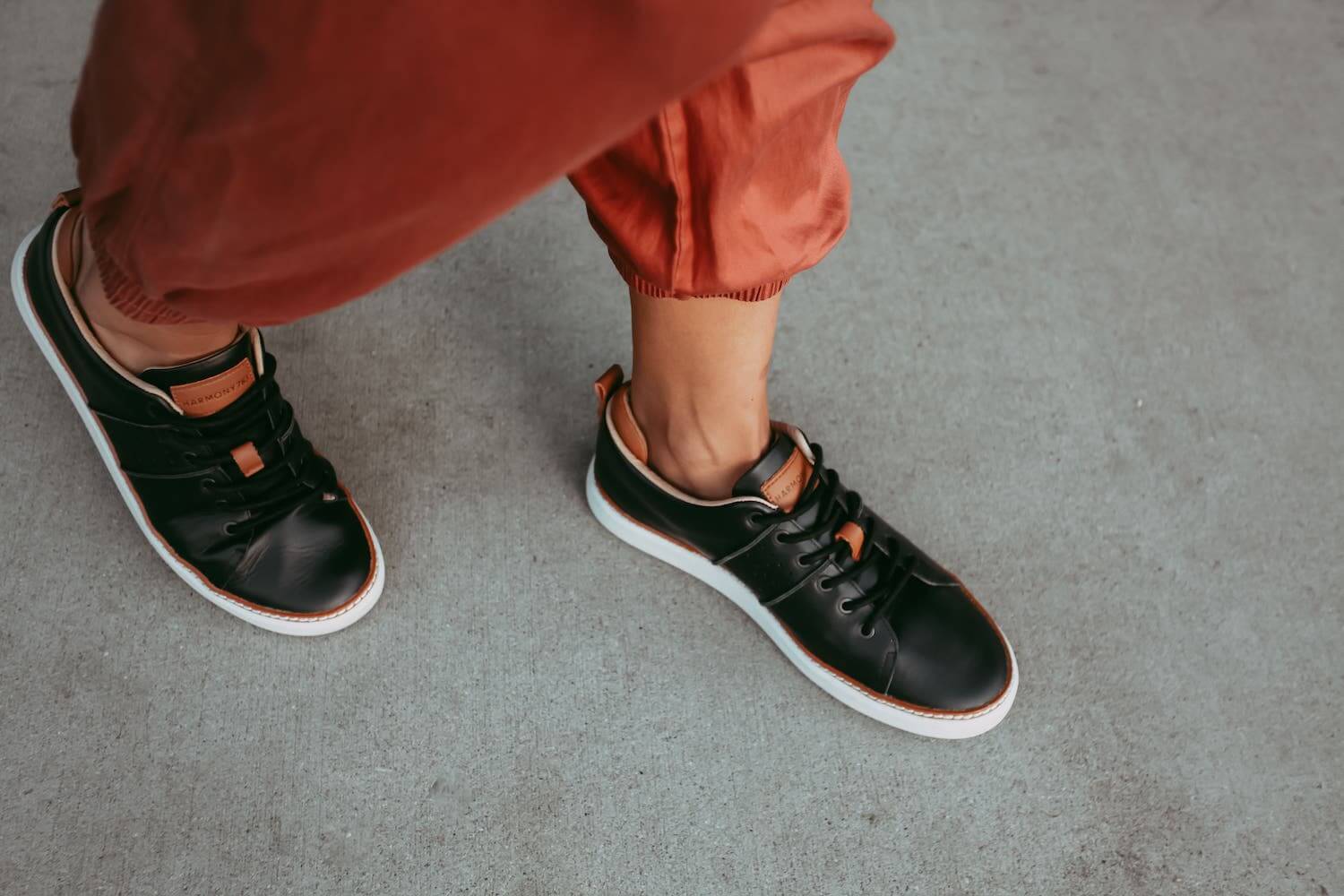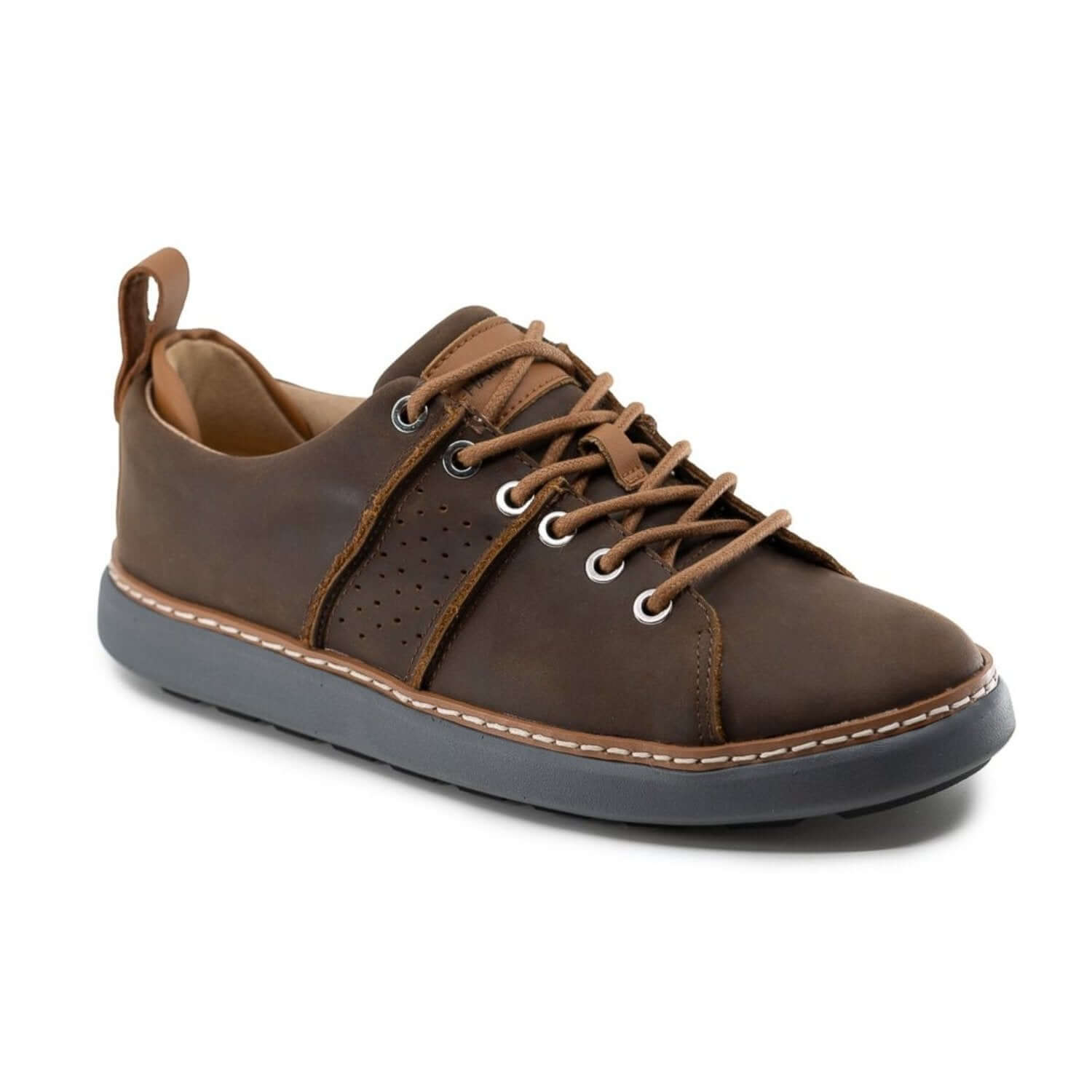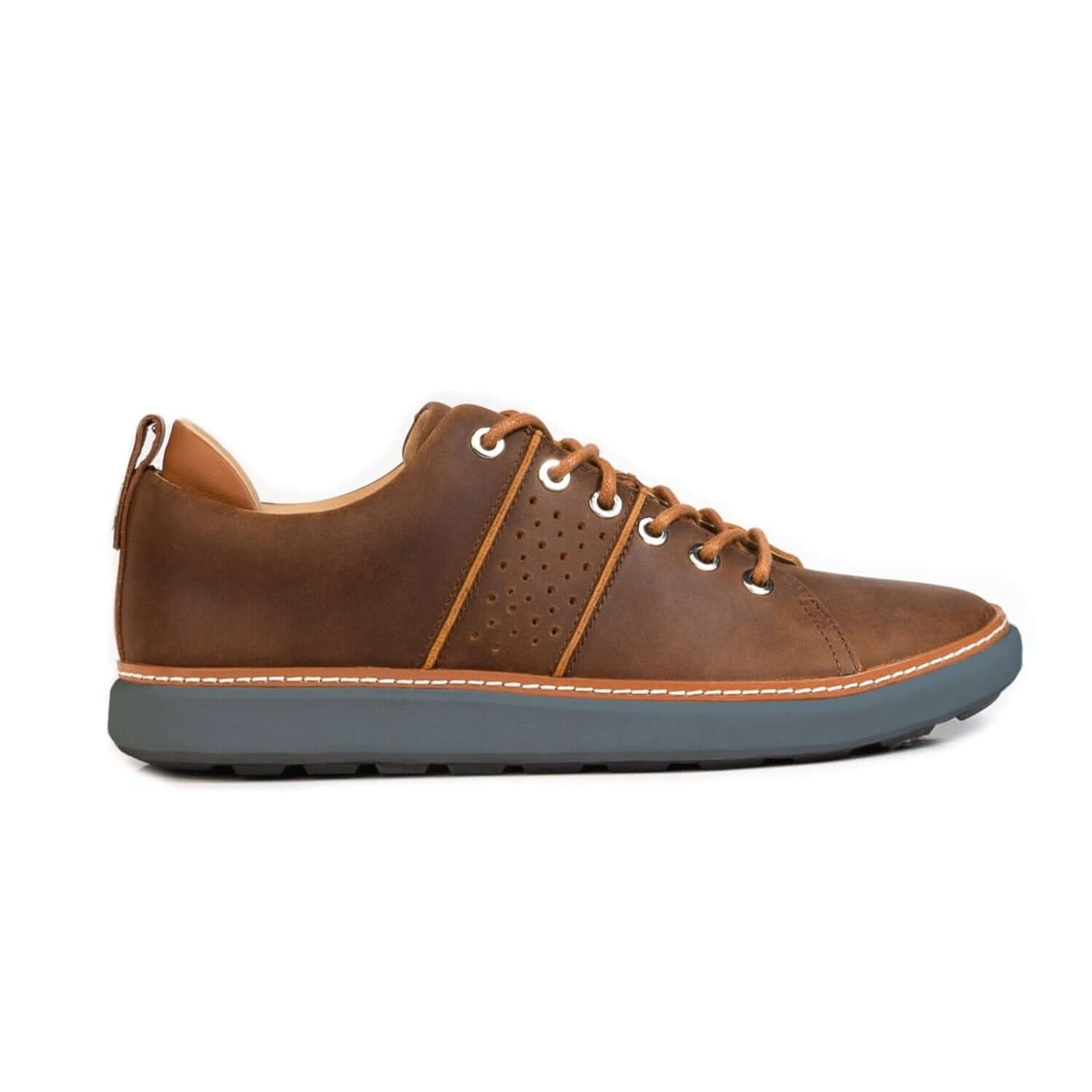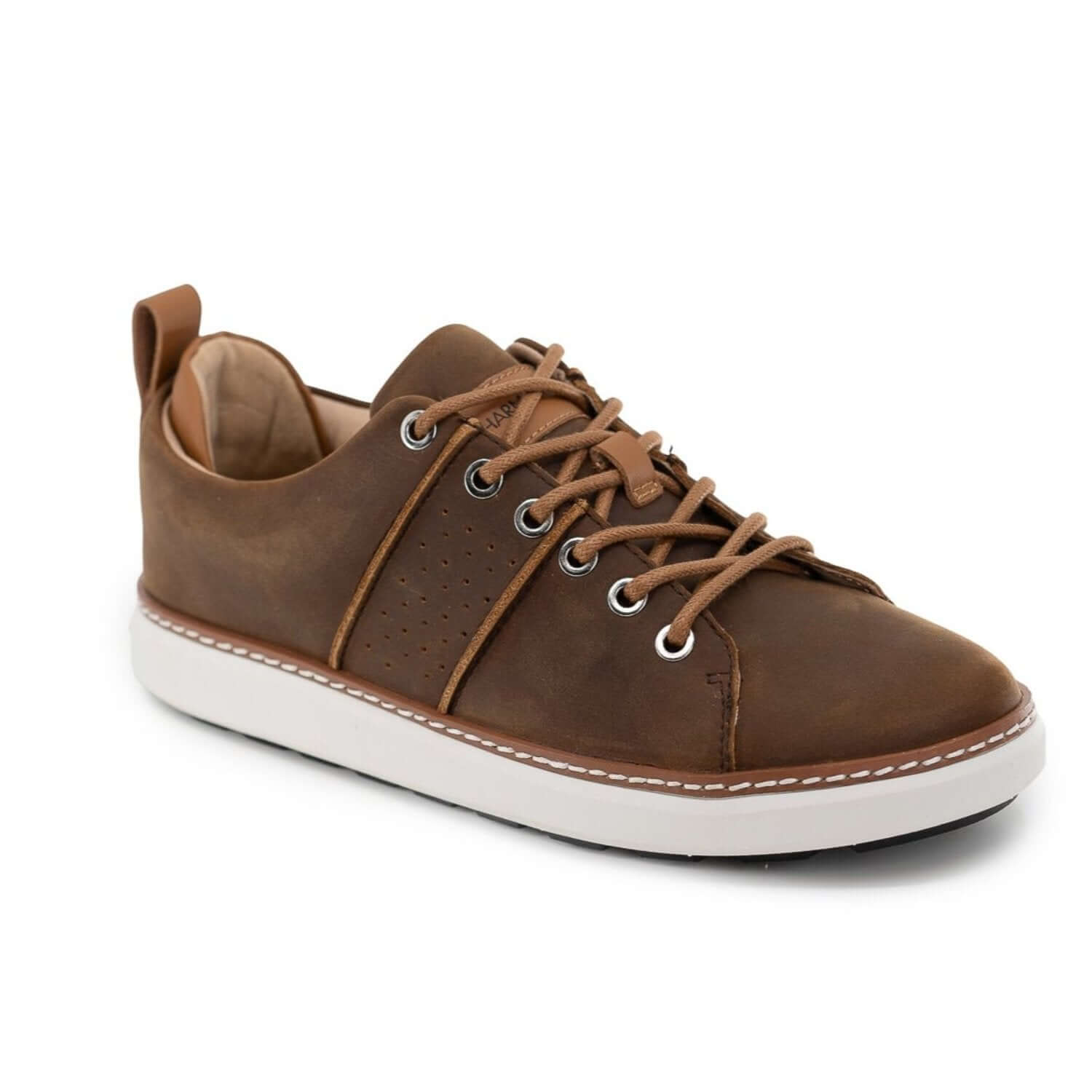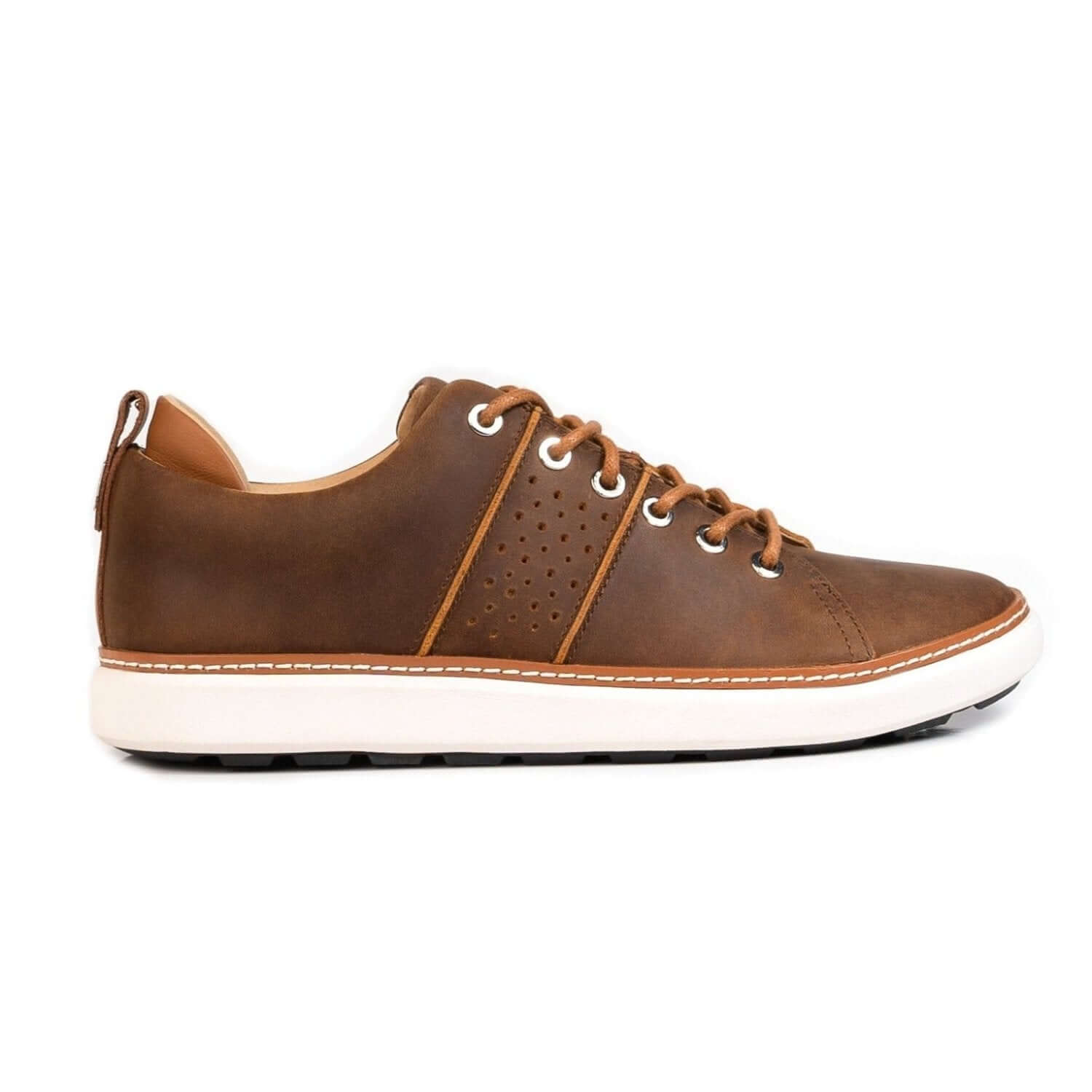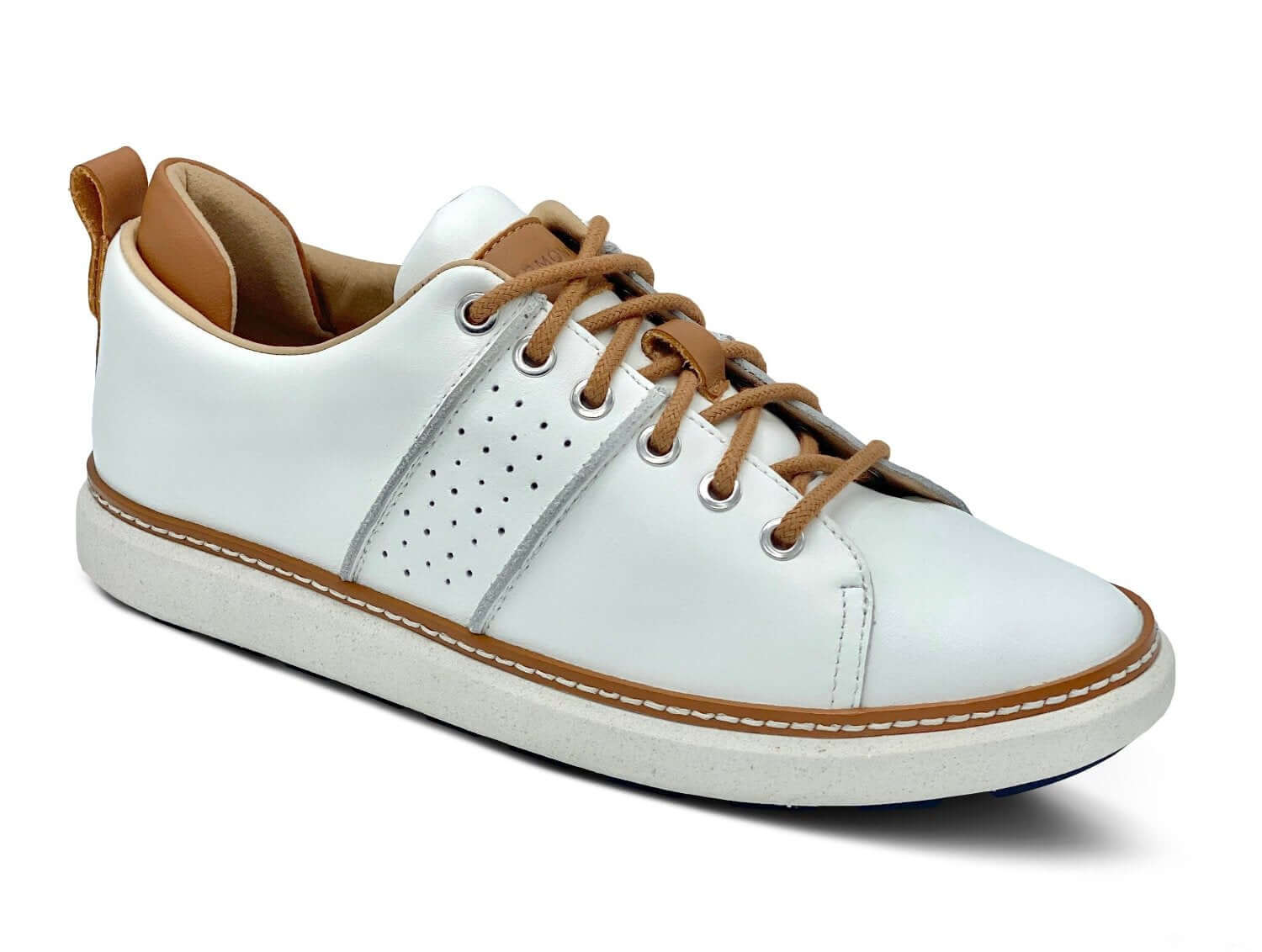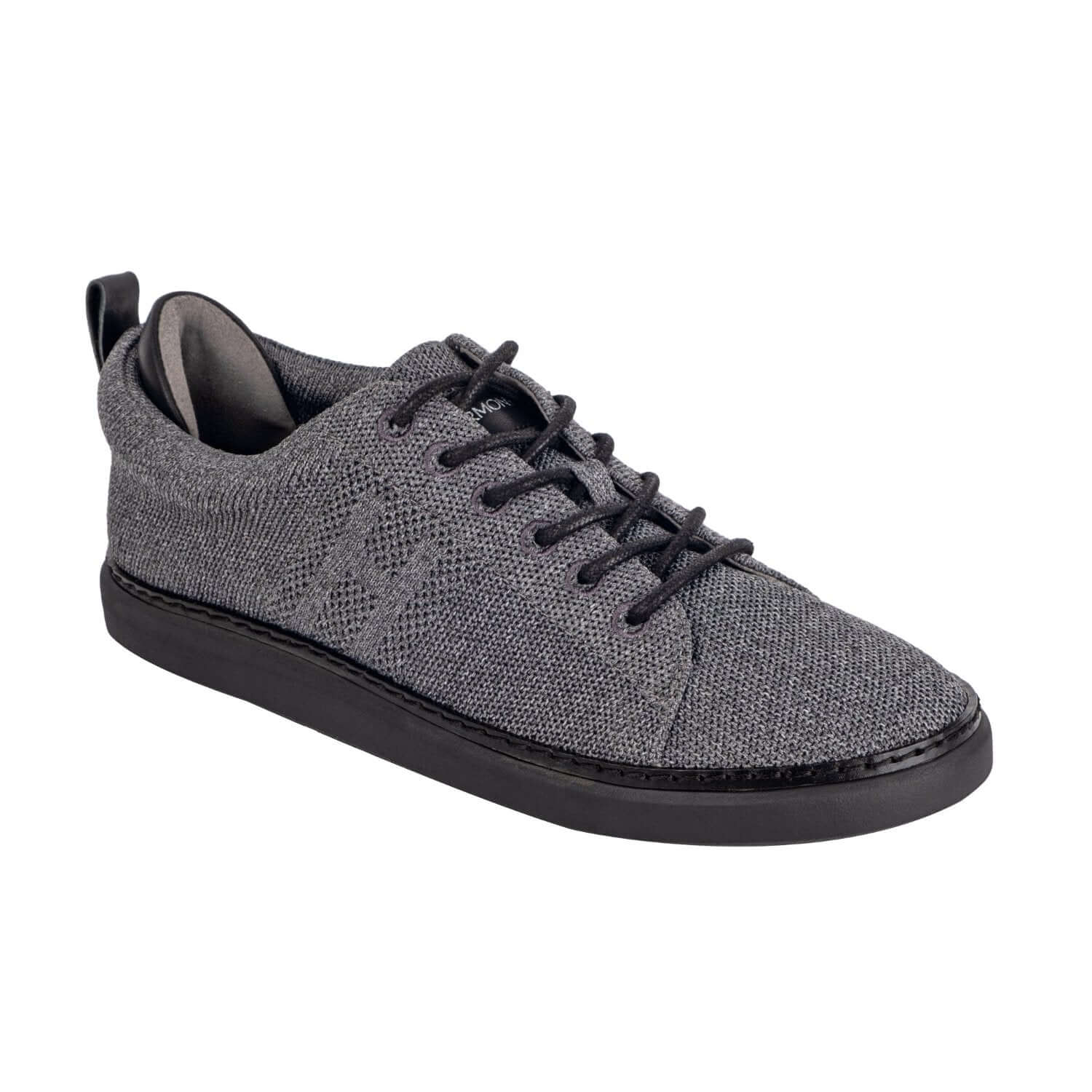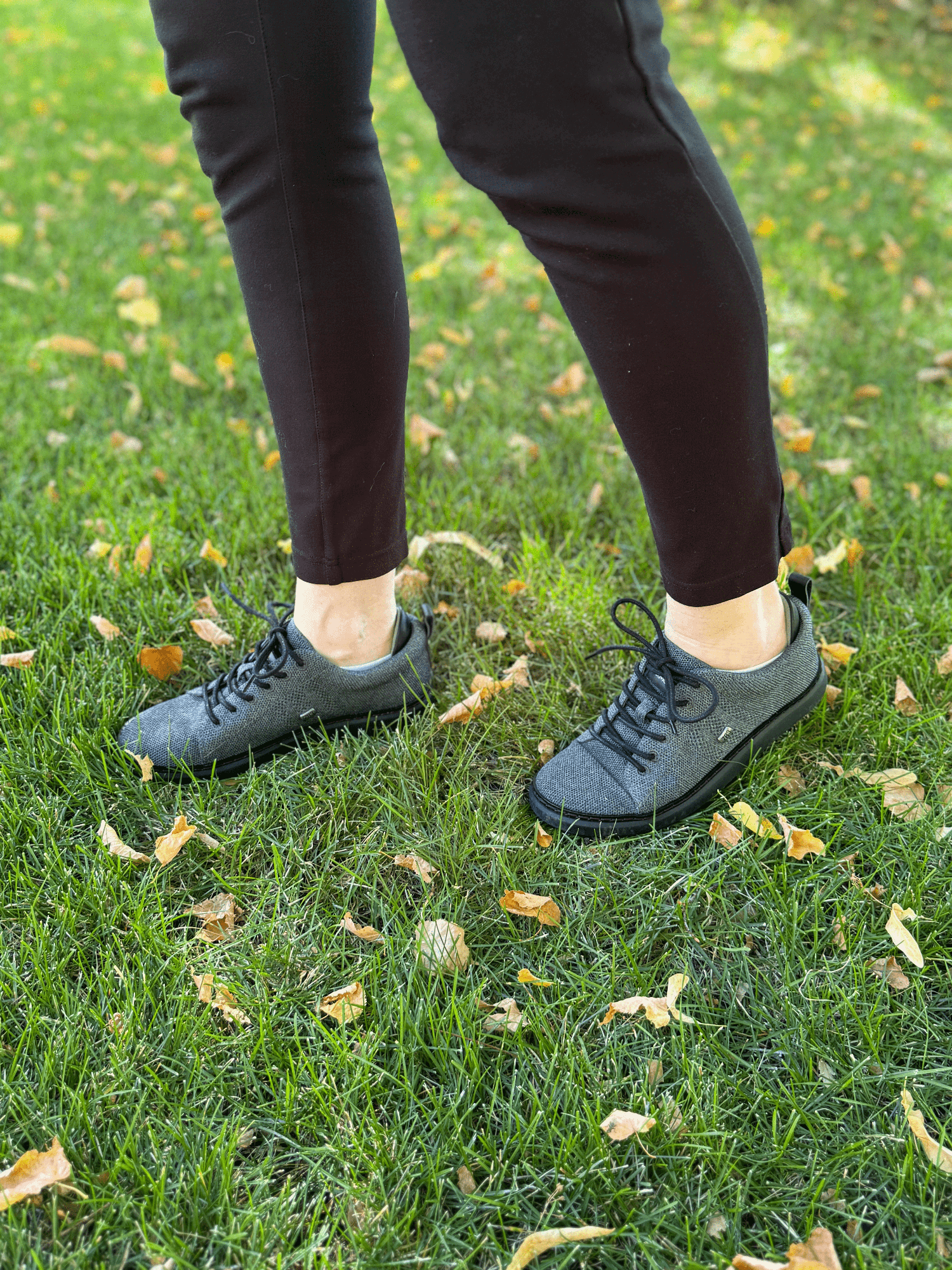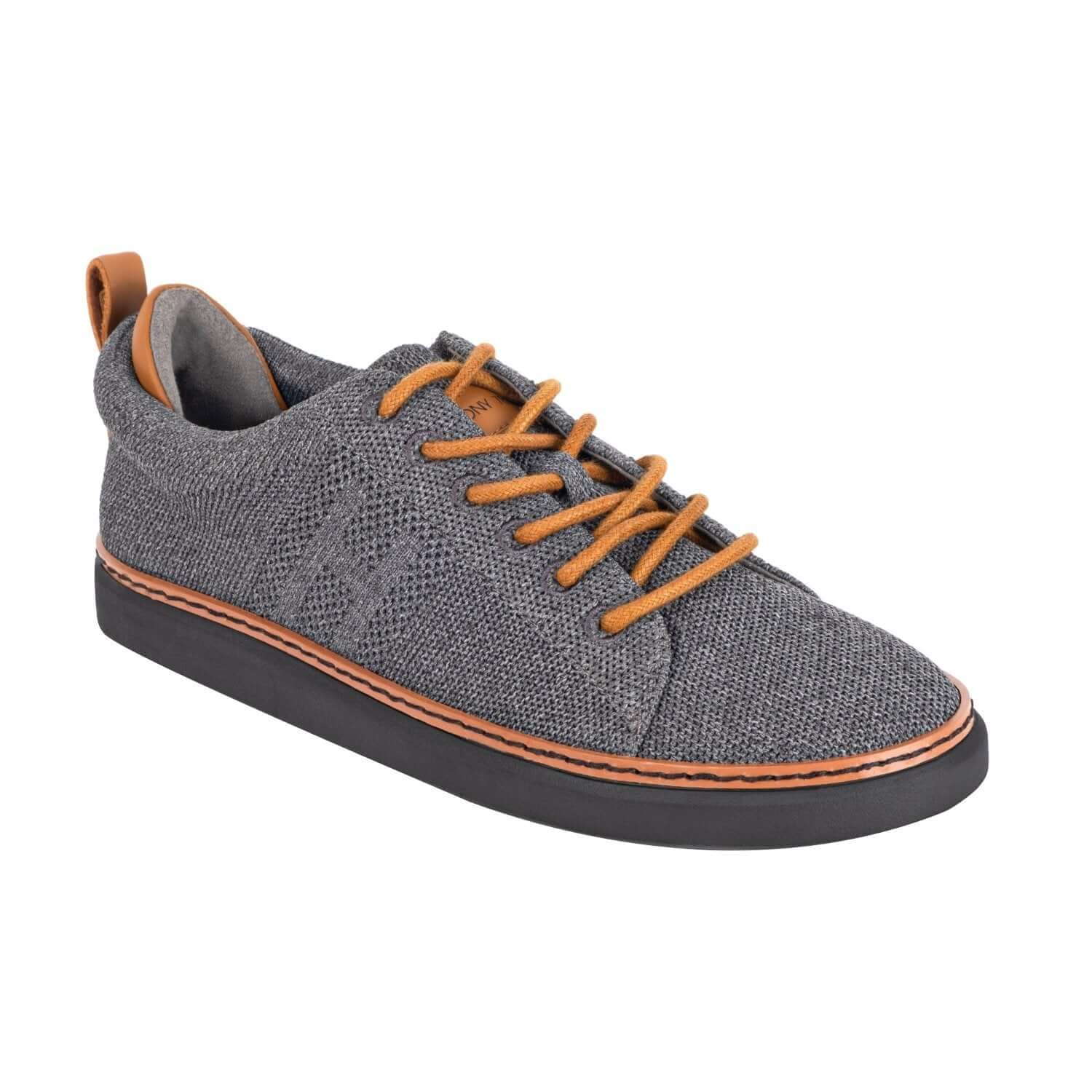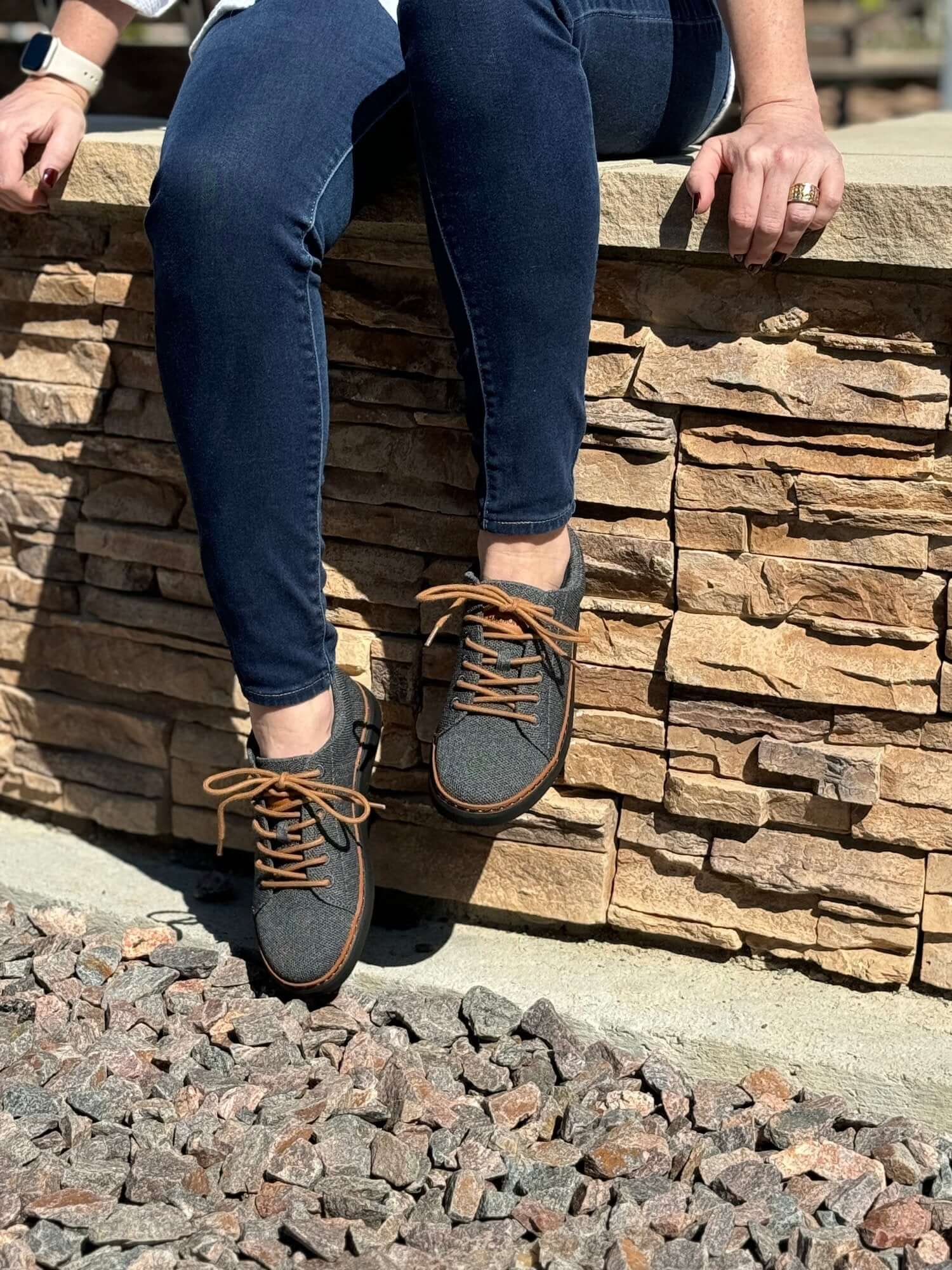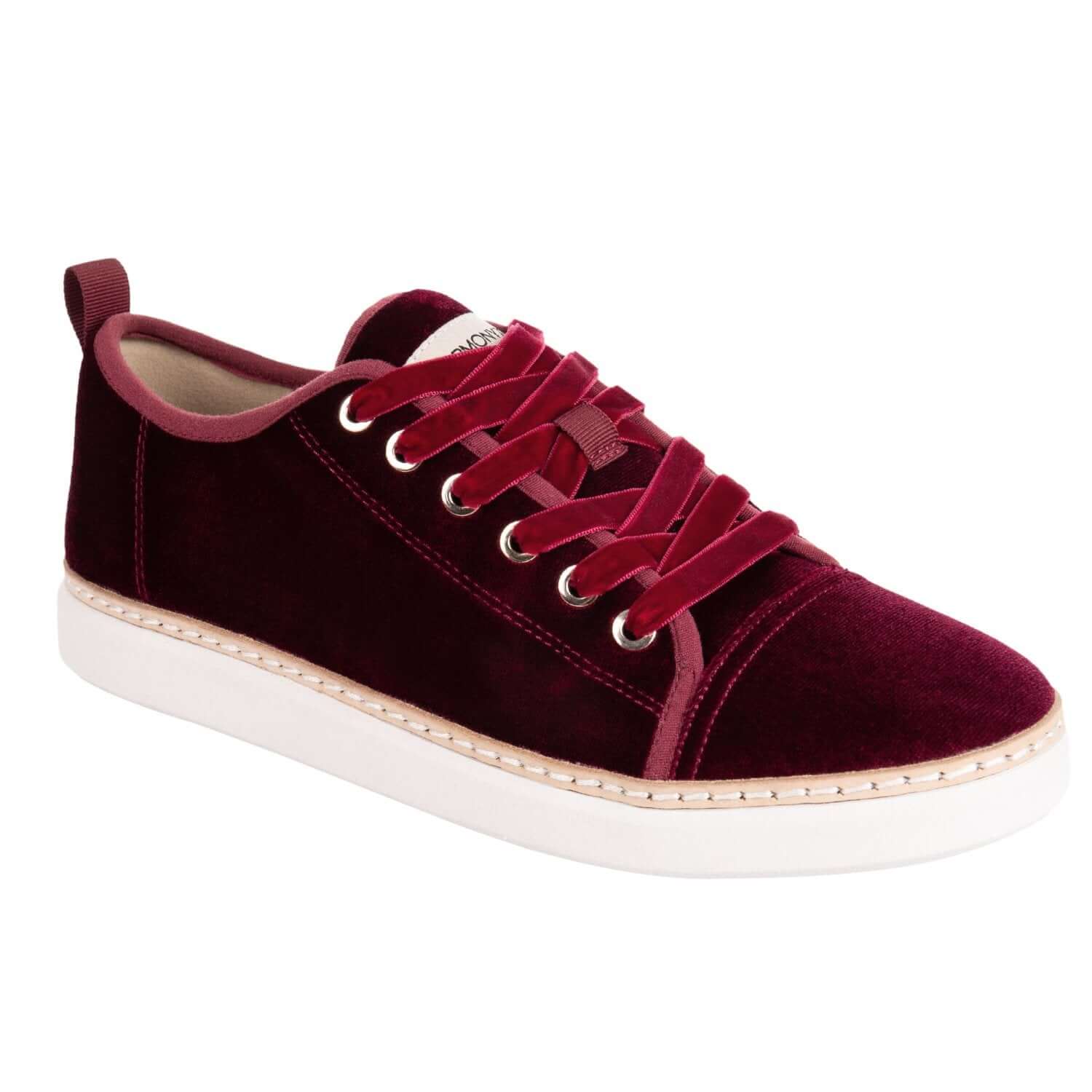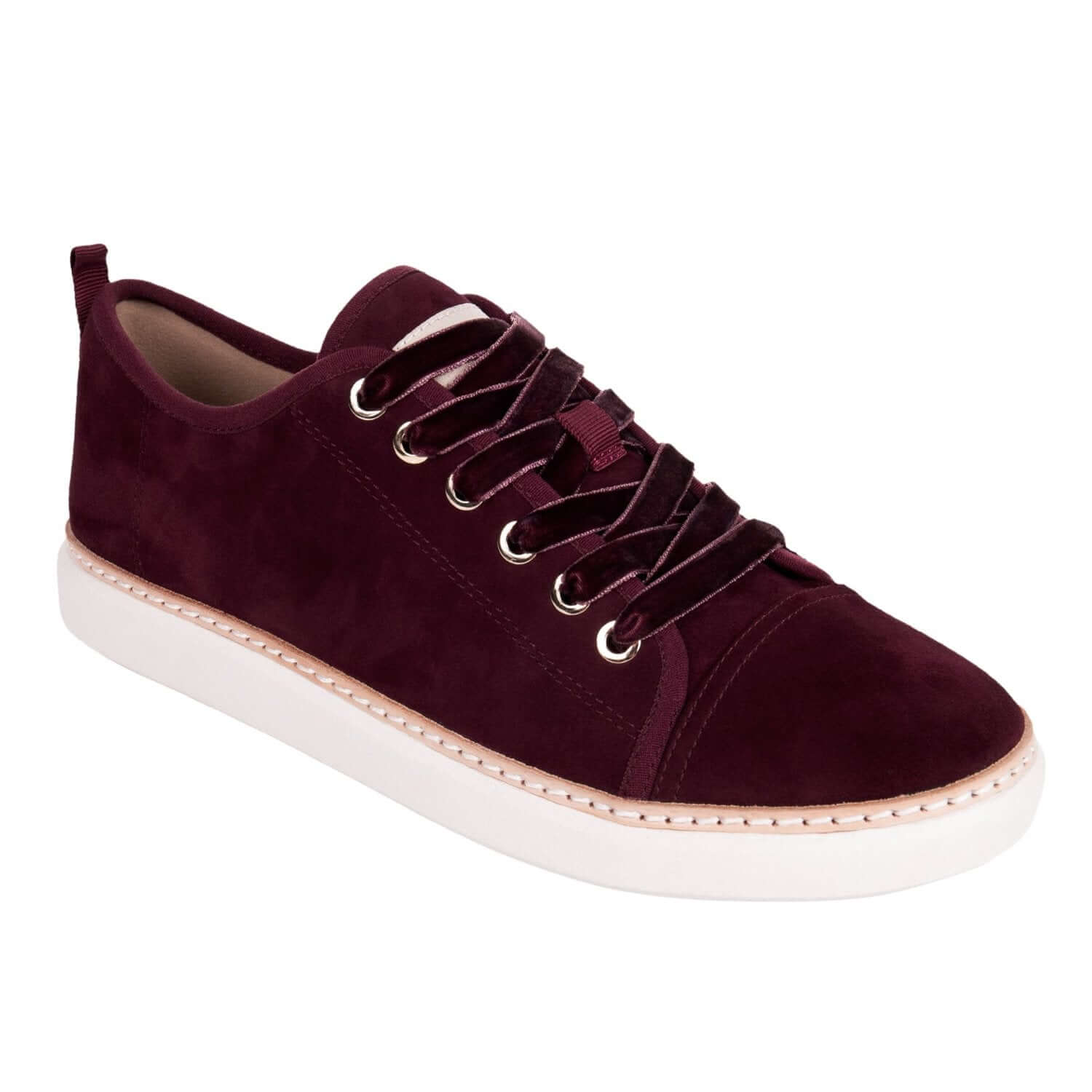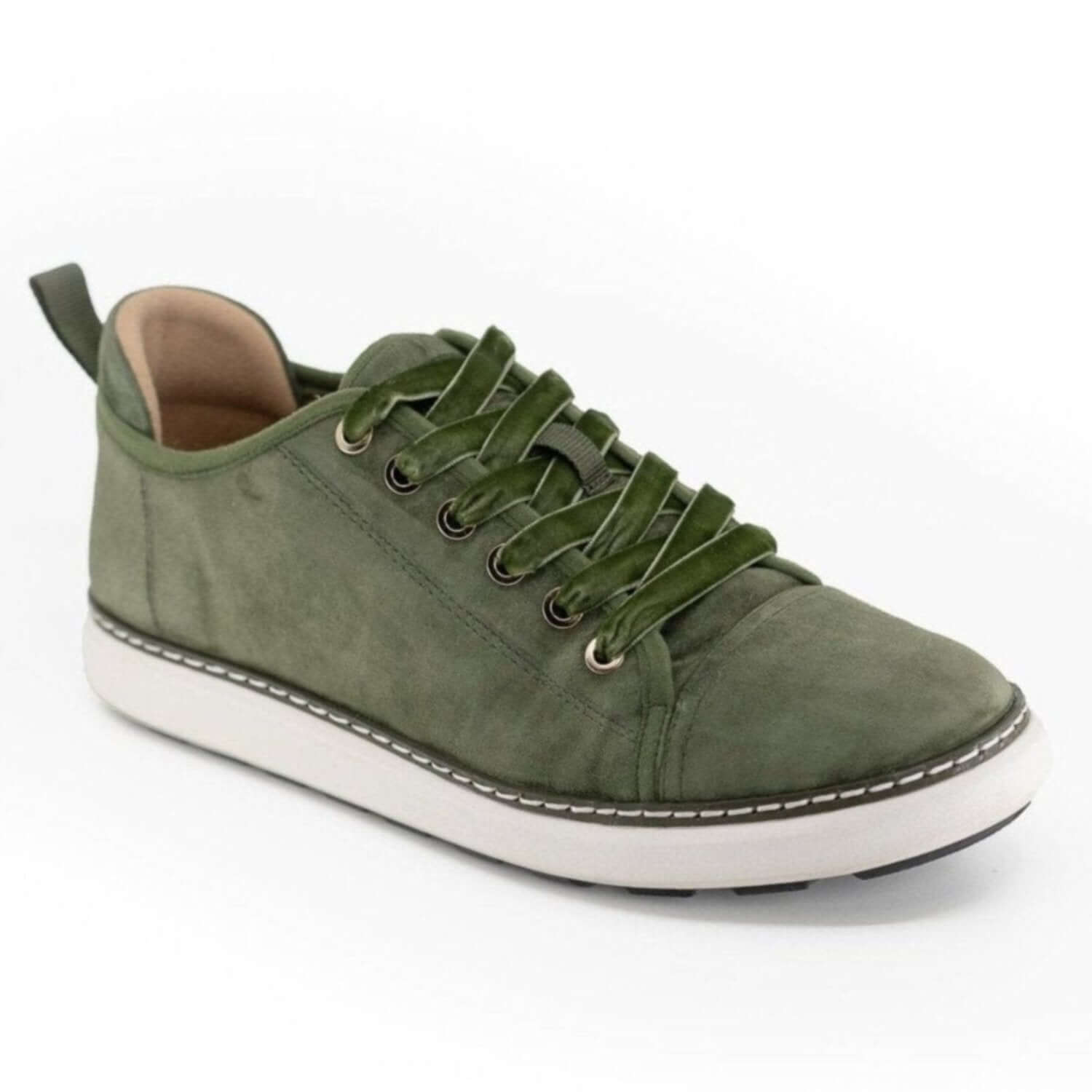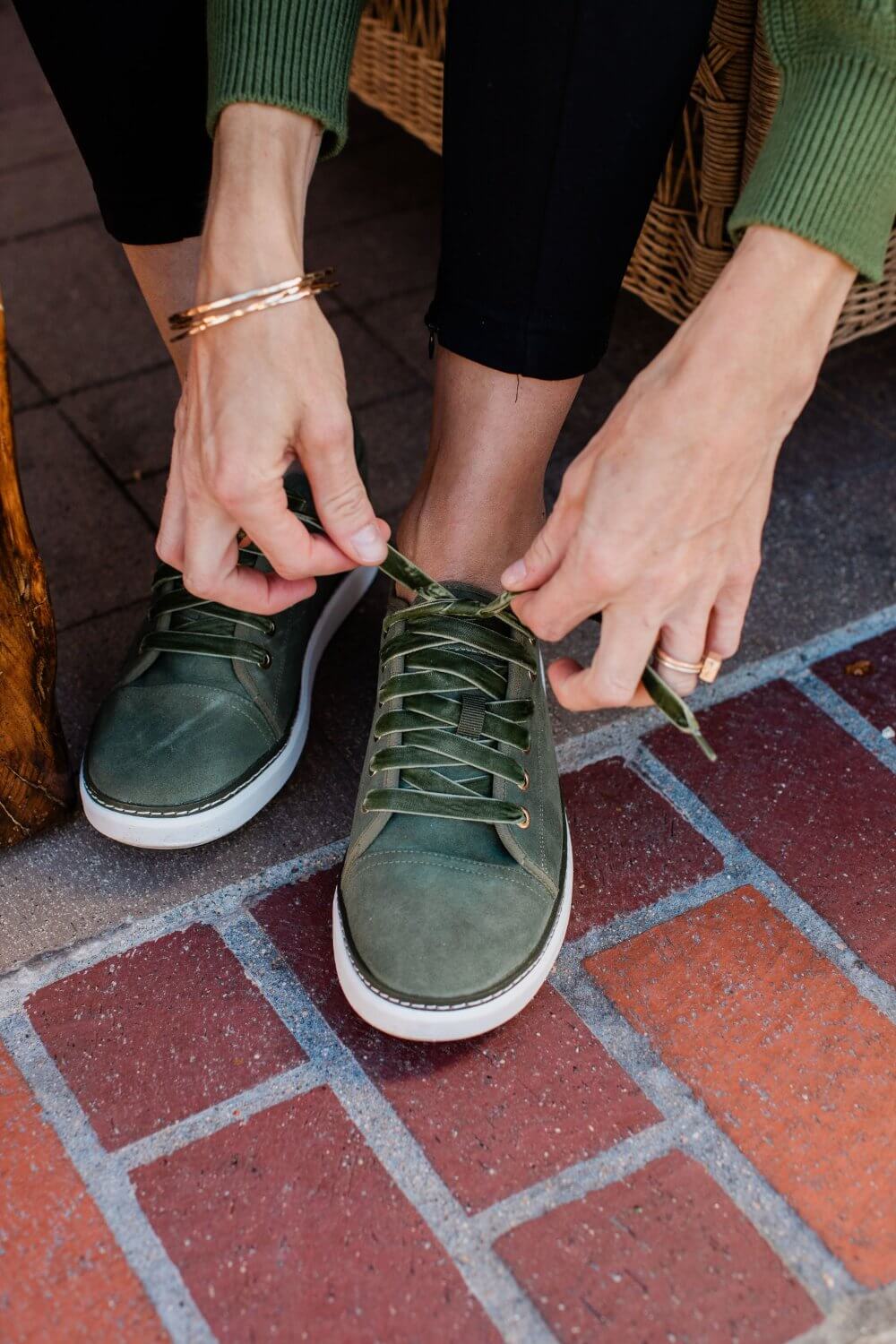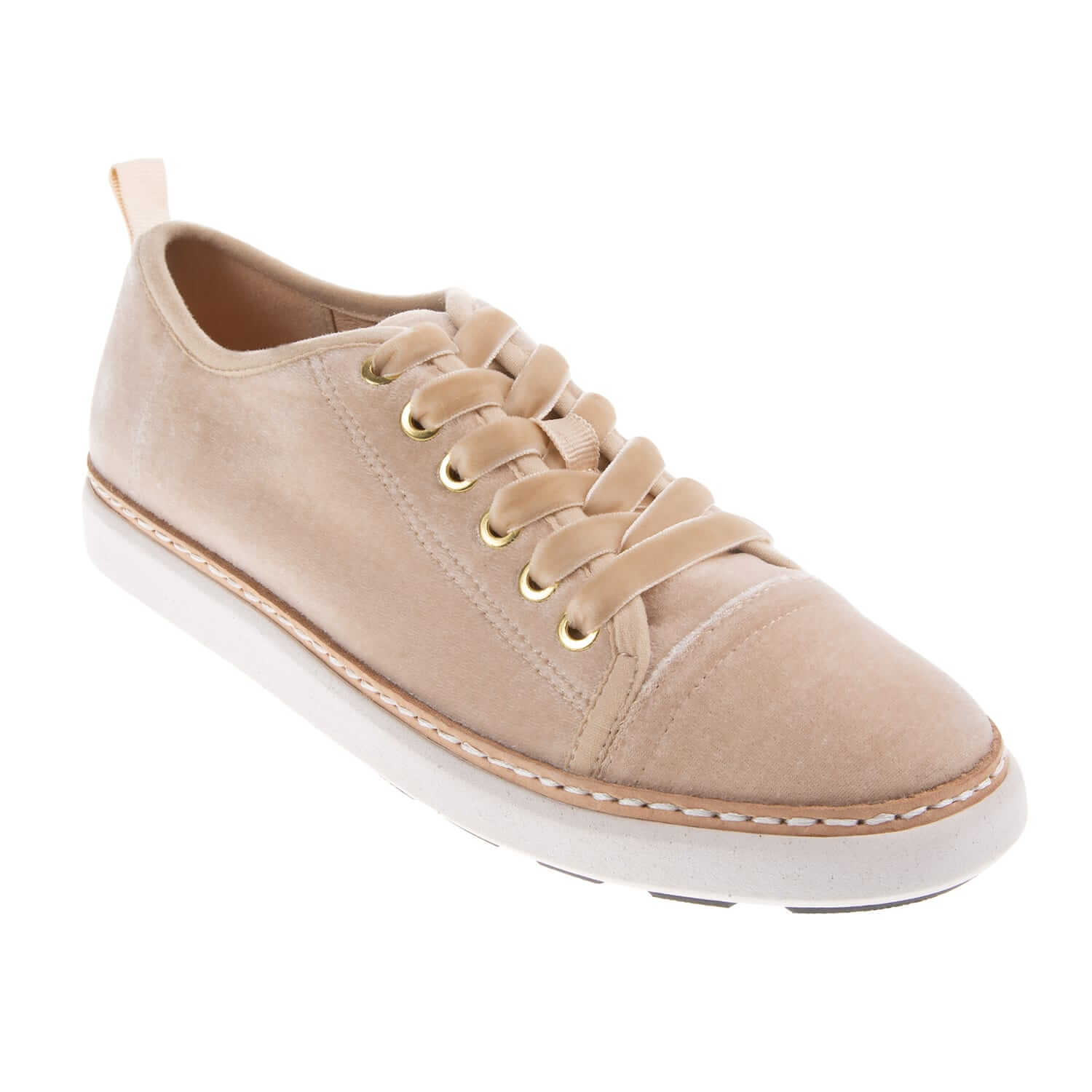

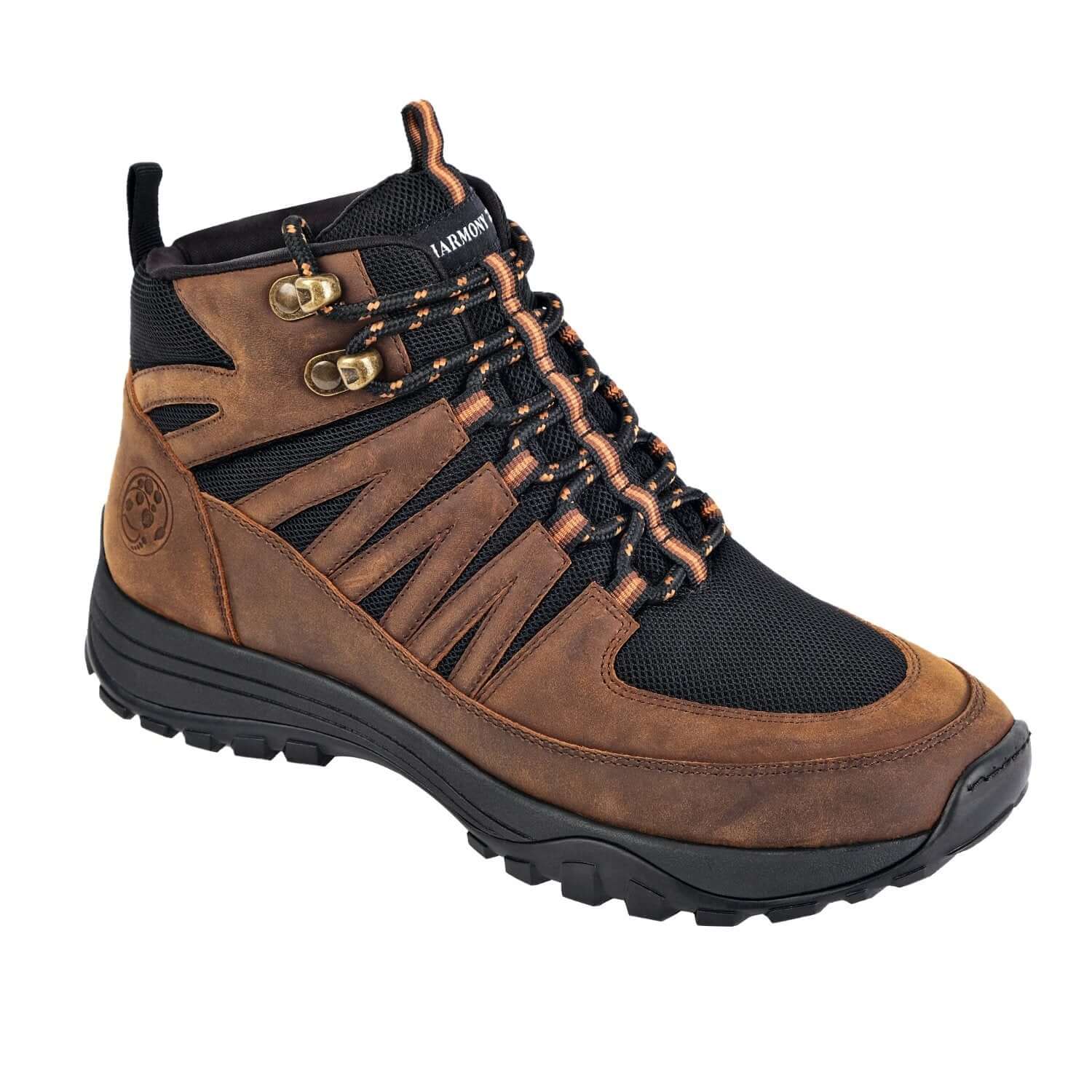
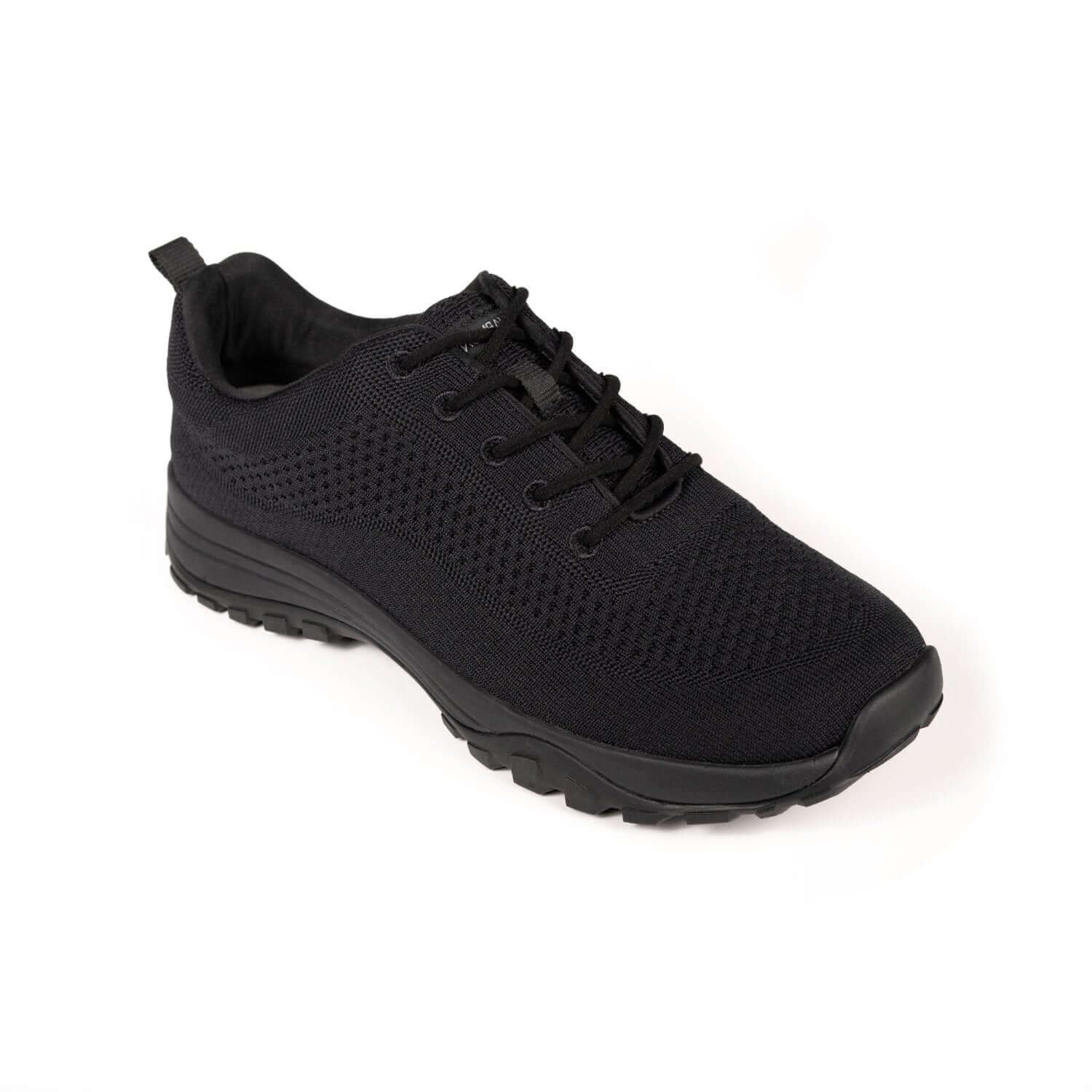
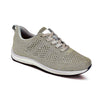
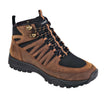
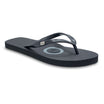
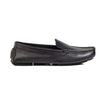


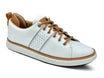
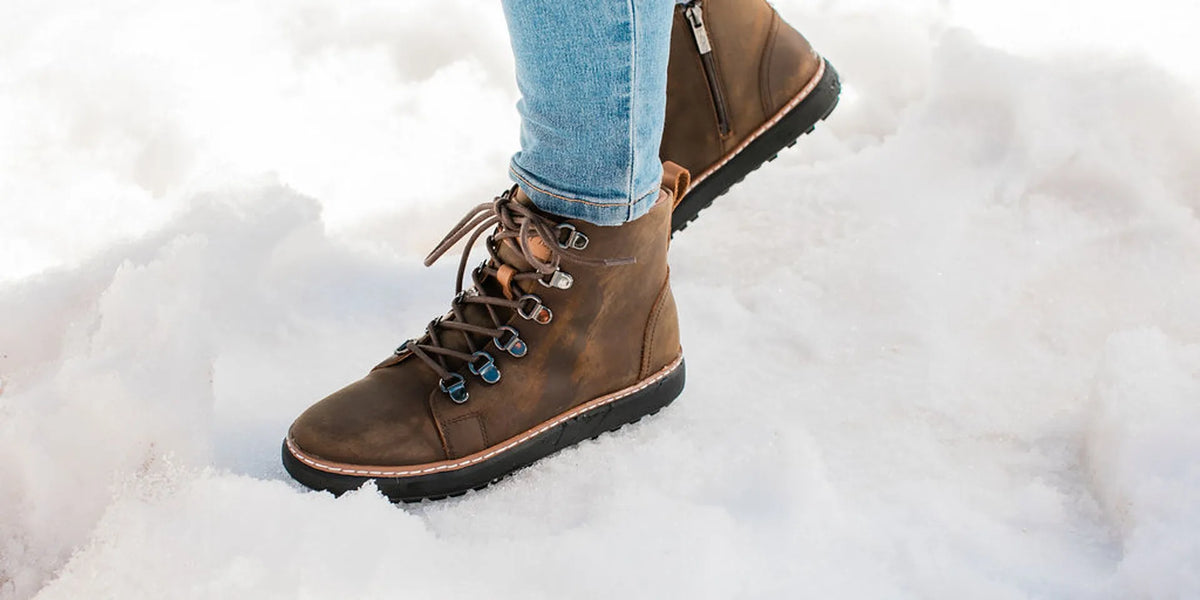
Learning how to care for grounding shoes maintain conductivity starts with a simple habit: keep the footbed and outsole clean, dry them gently, and check for wear before small problems become permanent damage. Good care will not make a non-conductive shoe conductive, but it can help protect the materials that create the path from your foot to the ground.
Browse Harmony 783 grounding shoes and choose your next pair
This guide focuses on protecting footwear construction. It does not promise a medical result, and a clean-looking shoe is not proof of an electrical connection. For the broader buying picture, see the Best Grounding Shoes buying and review guide. Then use the maintenance routine below to keep your pair ready for regular wear.
Why does shoe care affect grounding conductivity over time?
Grounding footwear is more than a standard upper attached to a regular rubber sole. Harmony 783 footwear uses the Groundworks system, which includes a silver-stitched footbed, a silver-stitched lasting board, a silver fabric loop, a cushioned midsole, and a carbon-and-rubber conductive outsole. Those layers are designed to work as a system.
Everyday wear exposes that system to dust, grit, sweat, skin oils, rain, road salt, grass, and storage pressure. A layer of residue can interfere with contact. Repeated flexing can stress stitching or the bond between layers. Aggressive scraping can remove material that you did not mean to remove.
Conductivity also depends on the complete setup. The way your foot contacts the footbed, the condition of the shoe, and the surface beneath you all matter. Research on personal grounding through footwear and flooring also treats the shoe and the walking surface as a combined measurement context, not as isolated parts. You can read the published footwear and flooring resistance study and this study on measuring footwear electrical resistance for technical background. These papers address electrical measurement, not medical outcomes or a certification for Harmony 783 footwear. If you want the basic grounding concept, read what grounding means and how it works. For product-selection context, return to the broader grounding shoe buying guide. This article stays focused on care, inspection, and product life.
How should you clean grounding shoes without damaging the conductors?
For a full cleaning walkthrough, use Harmony 783's guide to how to clean grounding shoes. The short version is:
- Remove dry dirt first. Let mud dry when possible, then lift it with a soft shoe brush or dry microfiber cloth. Do not grind grit into the upper.
- Use a small amount of mild soap. Mix it with cool or lukewarm water. Avoid bleach, strong detergent, solvent-based products, and alcohol-heavy sprays.
- Spot-test the upper. Test a hidden area before cleaning leather, suede, nubuck, knit, or mesh. A cleaner that suits one material may stain or roughen another.
- Wipe, do not saturate. Dampen and wring out the cloth. Work in small sections with light pressure, especially near seams and conductive contact areas.
- Clear the outsole gently. Use a soft brush or damp cloth to remove packed debris from the tread. Do not gouge the sole or add oil, wax, silicone, or a coating to a conductive surface.
- Dry completely. Blot excess moisture and leave the shoes in a ventilated area away from a radiator, dryer, or strong direct sun.
Do not put grounding shoes in a washing machine or submerge them unless the manufacturer specifically approves that method for the exact pair. Agitation, detergent, extended soaking, and heat can affect the upper, adhesives, shape, and conductive components. Remove an insole only when the product instructions allow it, and never pull on a conductive connector or stitched section.
Related products


How can you protect the sole and conductive contact surface?
The outsole is the part of the shoe that meets the world. Small stones can lodge in the tread. Salt and grime can dry on the surface. Repeated contact with rough pavement can wear the tread down. Each issue deserves a calm inspection rather than a harsh fix.
- Clear stones and packed soil with a soft brush or wooden pick used gently around, not through, the sole.
- Check for deep cracks, unusual peeling, loose edges, or a section that has separated from the rest of the sole.
- Look for a smooth wear patch where the tread or contact area has changed shape.
- Keep leather conditioner, wax, oil, silicone, and waterproofing sprays off conductive contact points unless Harmony 783 confirms the product is suitable.
- Let the sole dry before storing or testing the shoes.
Do not try to improve conductivity by adding copper tape, wire, metal objects, or an unapproved coating. A modification can change the shoe's fit, safety, durability, and intended conductive path. If you are unsure whether a sole change is normal wear, contact Harmony 783 before altering the shoe.
For a more specific explanation of the materials and conductive path, read how grounding technology in shoes works. The technology article explains the design. This care guide explains how to avoid adding unnecessary stress to it.
Browse the grounding shoe collection for comfortable styles built for everyday wear
When should you replace grounding shoes because conductivity may be gone?
Grounding shoes do not have one universal replacement date. Lifespan depends on how often you wear them, the surfaces you walk on, moisture exposure, body weight, gait, storage, and the materials in the specific style. Instead of relying on a calendar, use a repeatable inspection.
| What you notice | What to do next |
|---|---|
| Light surface dirt | Clean gently, dry fully, and inspect again. |
| Persistent residue or odor | Use the approved material-care method and avoid saturating the footbed. |
| Cracks, heavy smoothing, or deep outsole wear | Pause use and ask Harmony 783 whether the pair should be replaced. |
| Loose stitching or separated layers | Do not pull, glue, or modify the area. Request product-specific guidance. |
| Changed conductivity check after care | Repeat the approved check on a clean, dry shoe, then contact support if the change remains. |
If you need to check the electrical path, follow the instructions in Harmony 783's grounding shoe conductivity testing guide. A home check can provide useful information when performed as directed, but it does not certify a shoe for a separate electrical standard or prove a health outcome. Do not connect a shoe or meter to mains electricity.
What storage habits help grounding footwear last longer?
Storage is part of care, not an afterthought. Putting wet shoes into a closed bin traps moisture against the footbed and upper. Leaving them under heavy items can bend the shoe and stress seams. Keeping them beside solvents, oils, or cleaning chemicals can expose the materials to residue.
- Remove loose dirt before putting the shoes away.
- Air-dry them completely after rain, cleaning, or a sweaty day.
- Store them in a cool, dry, ventilated location away from radiators and hot car interiors.
- Keep the shoes upright or supported so the upper does not collapse.
- Do not seal damp footwear in plastic for long-term storage.
- Rotate pairs if your routine allows it, giving each pair time to dry between wears.
Plain paper can help hold the shape while a shoe dries. Do not use a hot dryer or place the shoes on a heater. Heat may dry a surface quickly while stressing adhesives, finishes, and the shape of the footwear underneath.
Which common mistakes reduce grounding shoe performance?
Keep this short list near the place where you store your shoes:
- Do not machine-wash by default. Check the instructions for the exact pair first.
- Do not soak the footbed or outsole. Controlled moisture is easier to manage and dry.
- Do not use bleach, solvents, strong detergents, or abrasive pads.
- Do not apply wax, oil, silicone, or waterproofing products to conductive surfaces without approval.
- Do not dry shoes with direct high heat. Air-drying is the safer default.
- Do not assume appearance proves conductivity. Inspect the construction and use the approved test method when needed.
- Do not repair a conductive path with improvised hardware. Ask Harmony 783 for product-specific guidance.
A simple maintenance rhythm works well: brush off dirt after outdoor wear, wipe visible residue before it builds up, dry the pair fully, and inspect the sole every few weeks. Increase the inspection frequency after wet weather, long walks, or heavy use. Save the detailed cleaning and testing guides for the moments when a routine check shows a problem.
Browse our collection of grounding shoes and care for your next pair with confidence
Frequently Asked Questions
How often should you clean grounding shoes?
Clean grounding shoes whenever dirt, salt, sweat, or residue appears, rather than waiting for a fixed date. Brush them after muddy or gritty wear, spot-clean the upper as needed, and inspect the sole regularly. Frequent light care is usually gentler than a rare, aggressive deep clean.
Can you put grounding shoes in a washing machine?
Do not put grounding shoes in a washing machine unless the manufacturer approves that method for the exact style. Machine agitation, detergent, soaking, and heat can affect the upper, adhesives, shape, and conductive components. Hand cleaning with controlled moisture is the safer default for most pairs.
How do you know if grounding shoes still work?
A visual inspection can show dirt or damage, but it cannot confirm conductivity by itself. Clean and dry the shoes first, then follow the product-specific conductivity testing instructions. If a result changes or the shoe has visible damage, stop modifying it and ask Harmony 783 for guidance.
Does getting grounding shoes wet ruin their conductivity?
Getting a pair damp does not automatically prove that its conductive path is ruined, but prolonged soaking and poor drying can stress footwear materials. Remove surface moisture, let the shoes air-dry away from heat, and inspect them when fully dry. Follow the care instructions for the exact style.
How long do grounding shoes last?
There is no single lifespan for every pair. Wear frequency, walking surfaces, moisture, fit, gait, and storage all affect service life. Replace or pause use when the sole is badly worn, layers separate, stitching is damaged, or an approved conductivity check shows a persistent change after cleaning and drying.