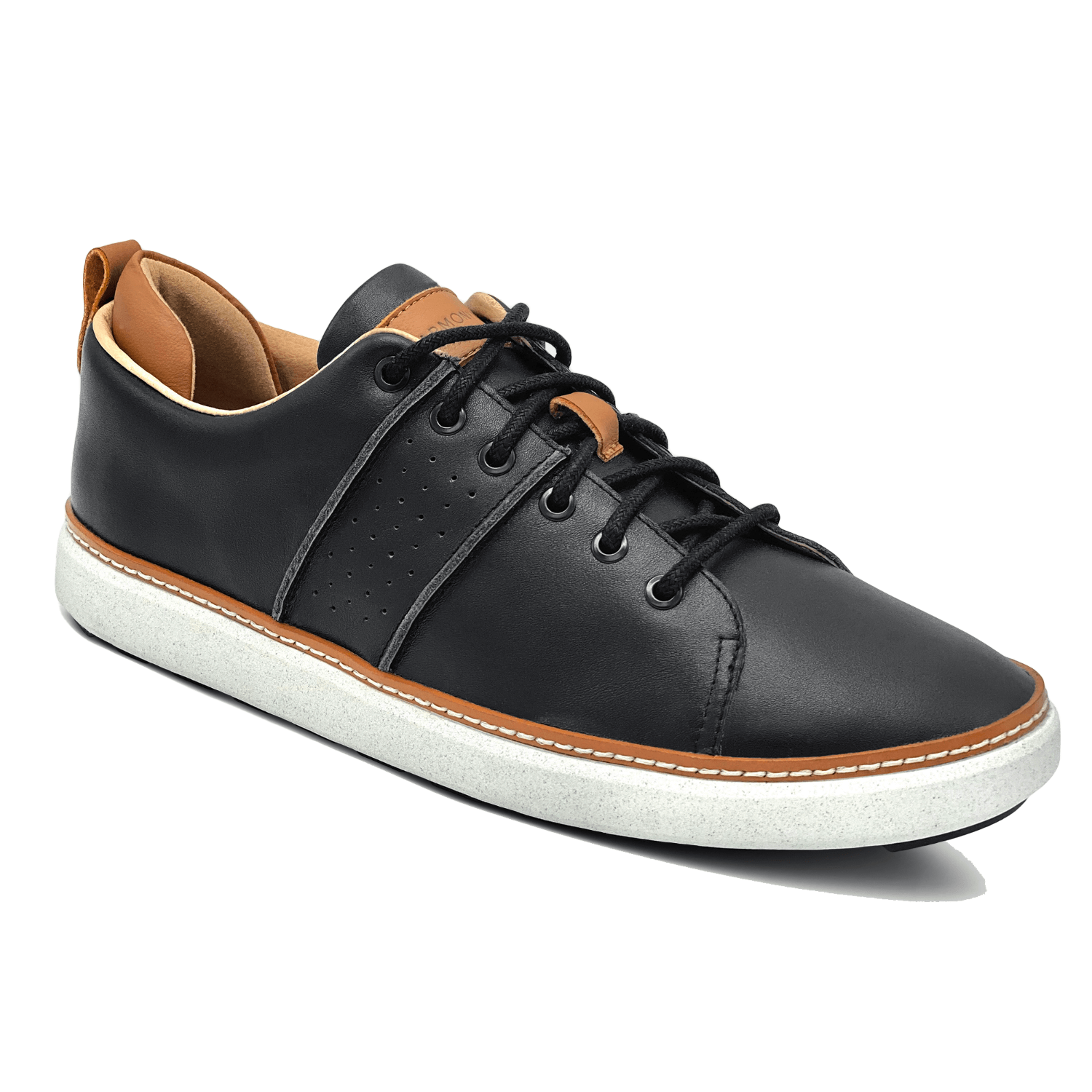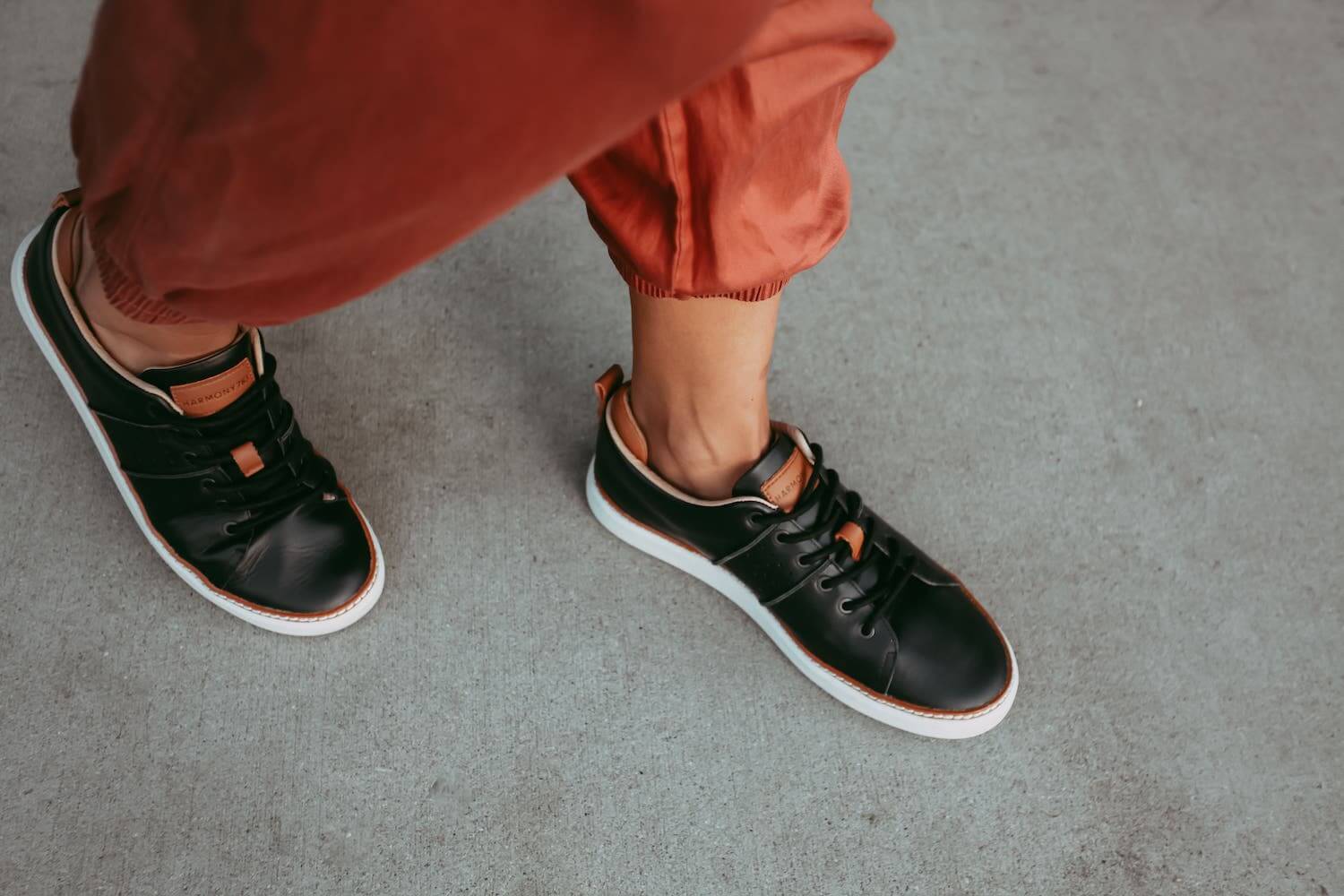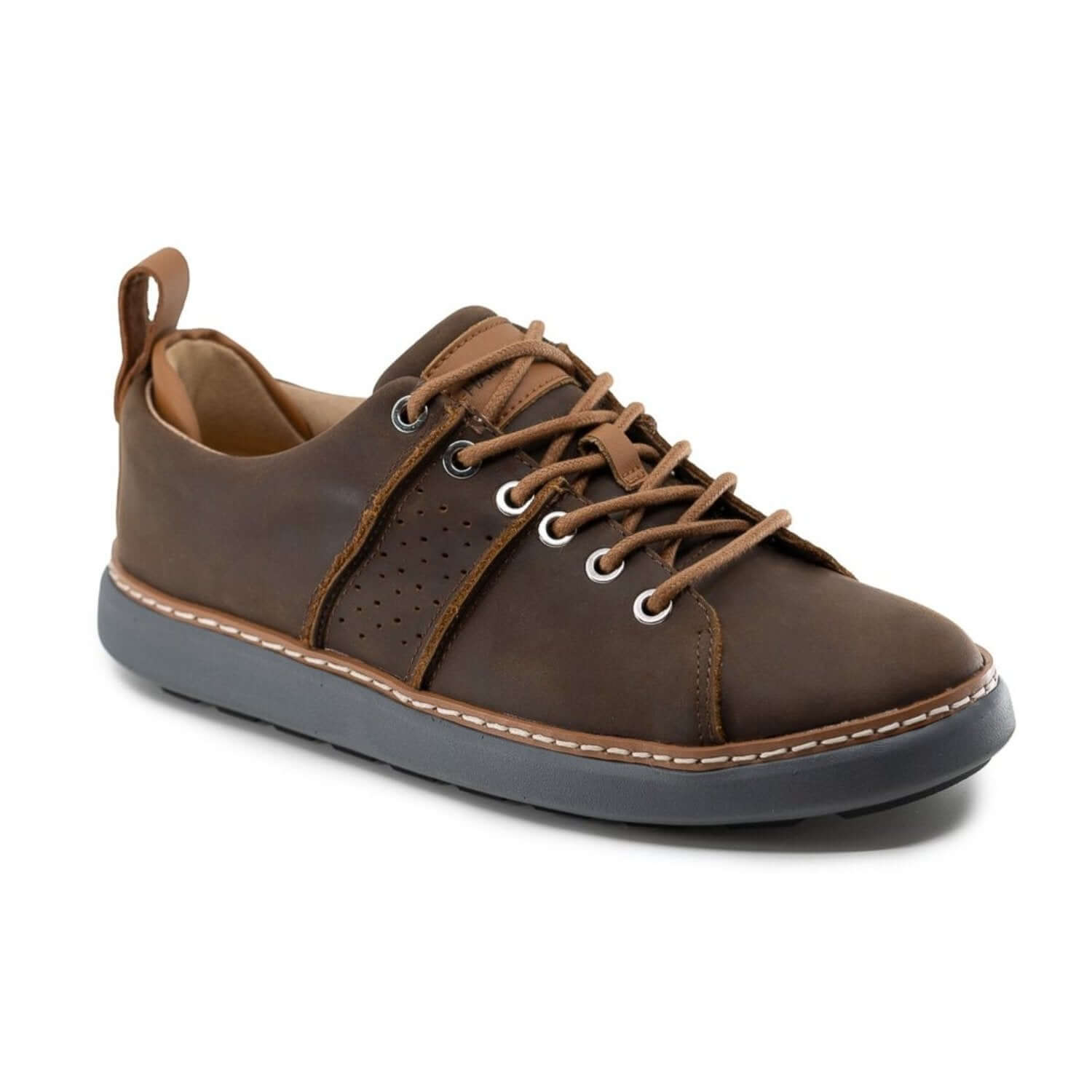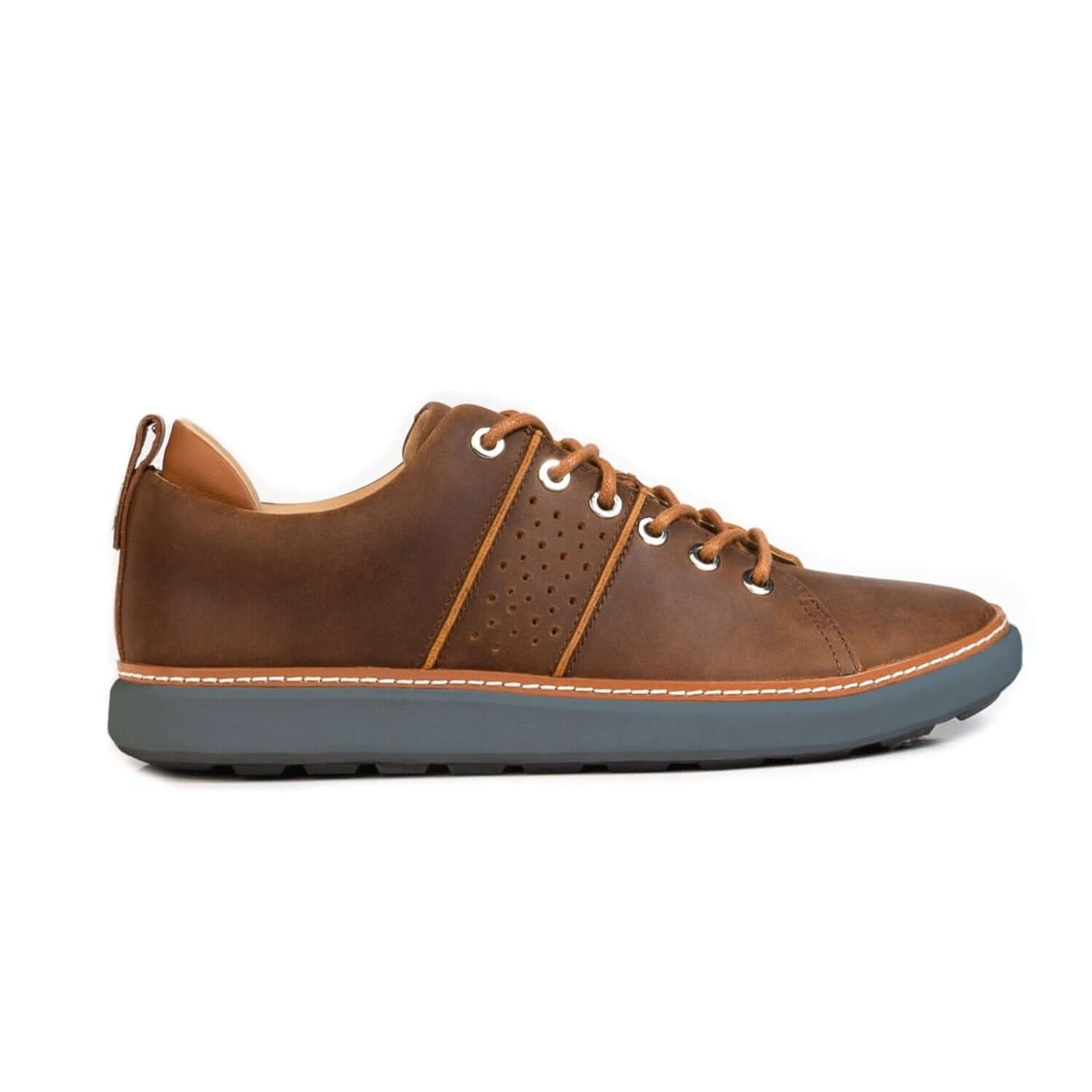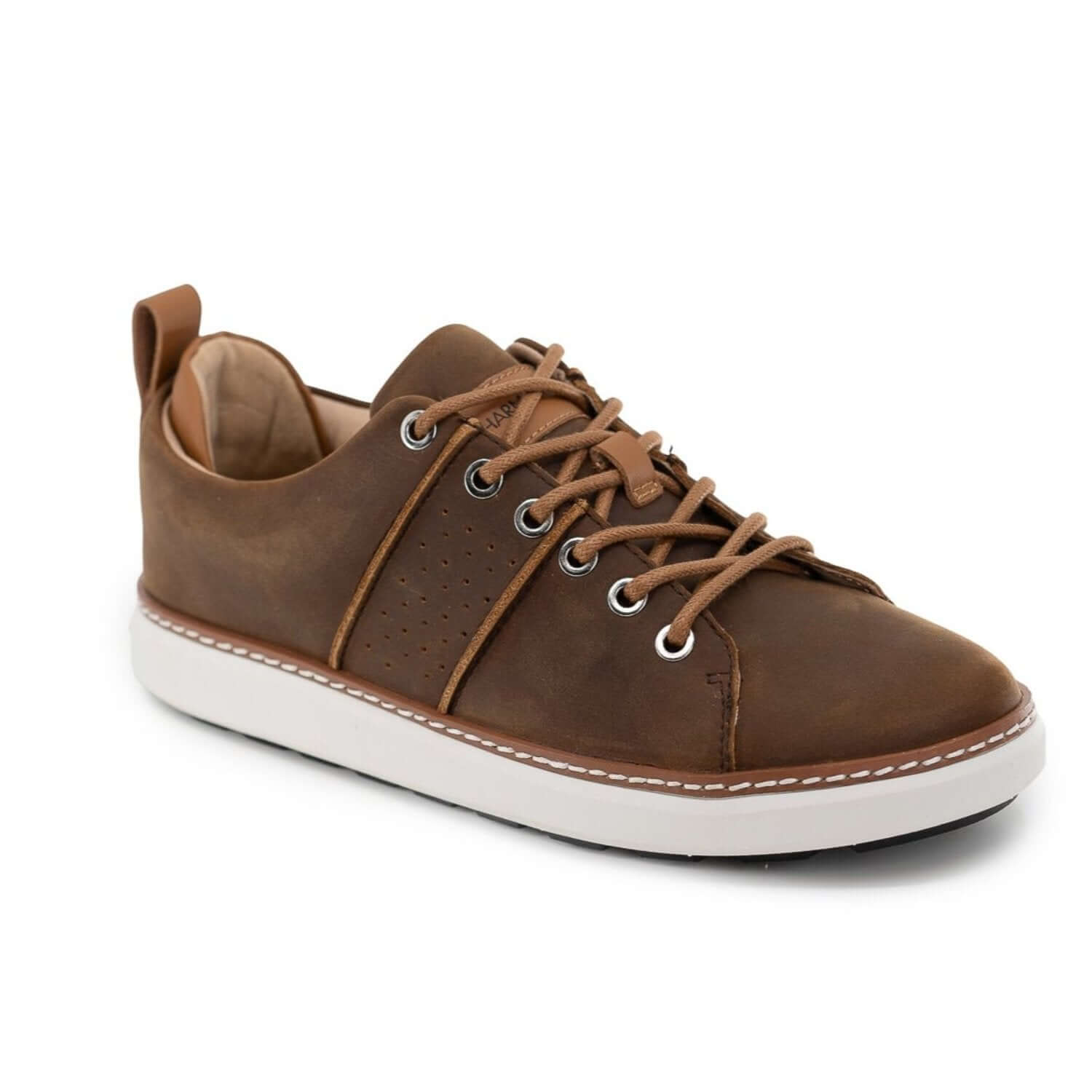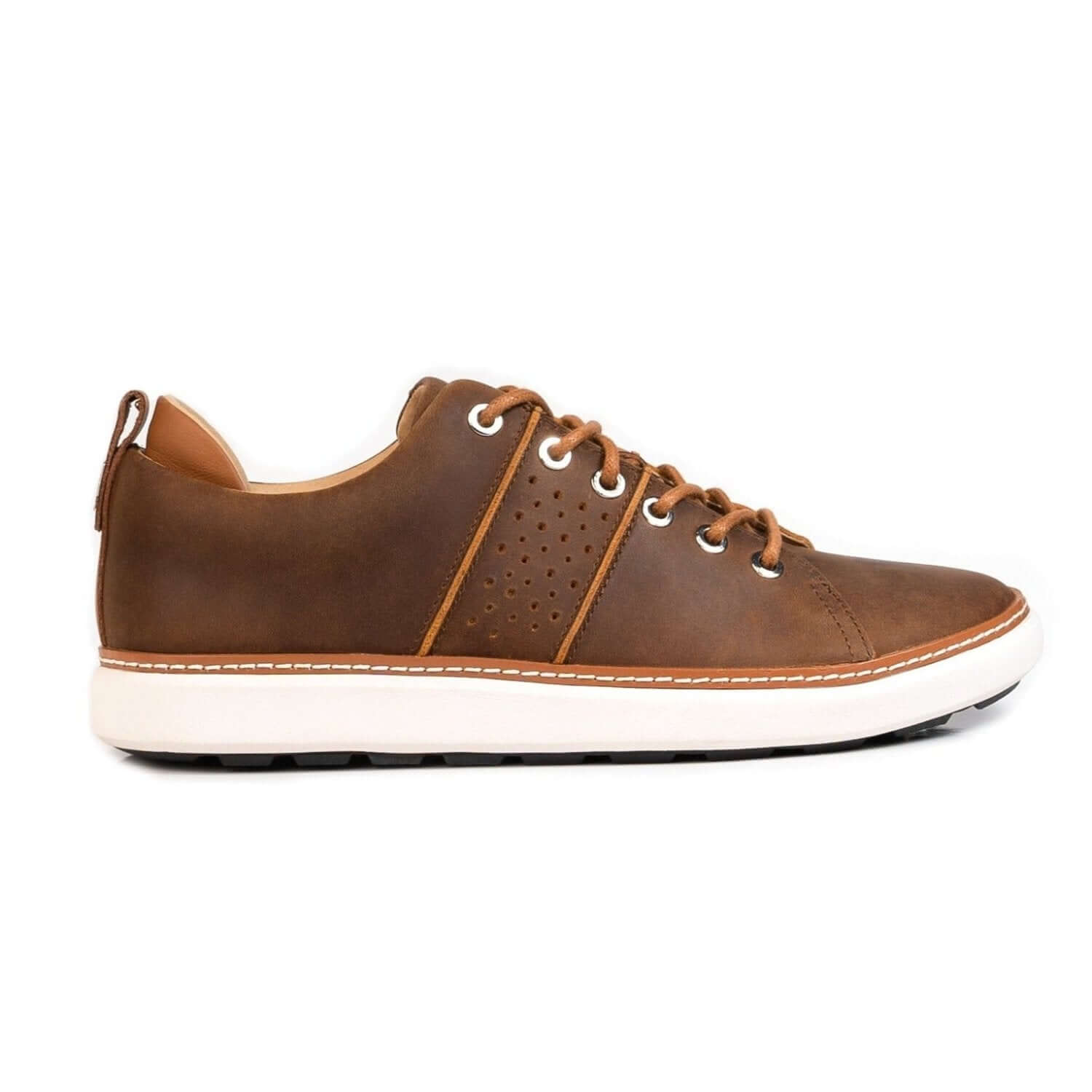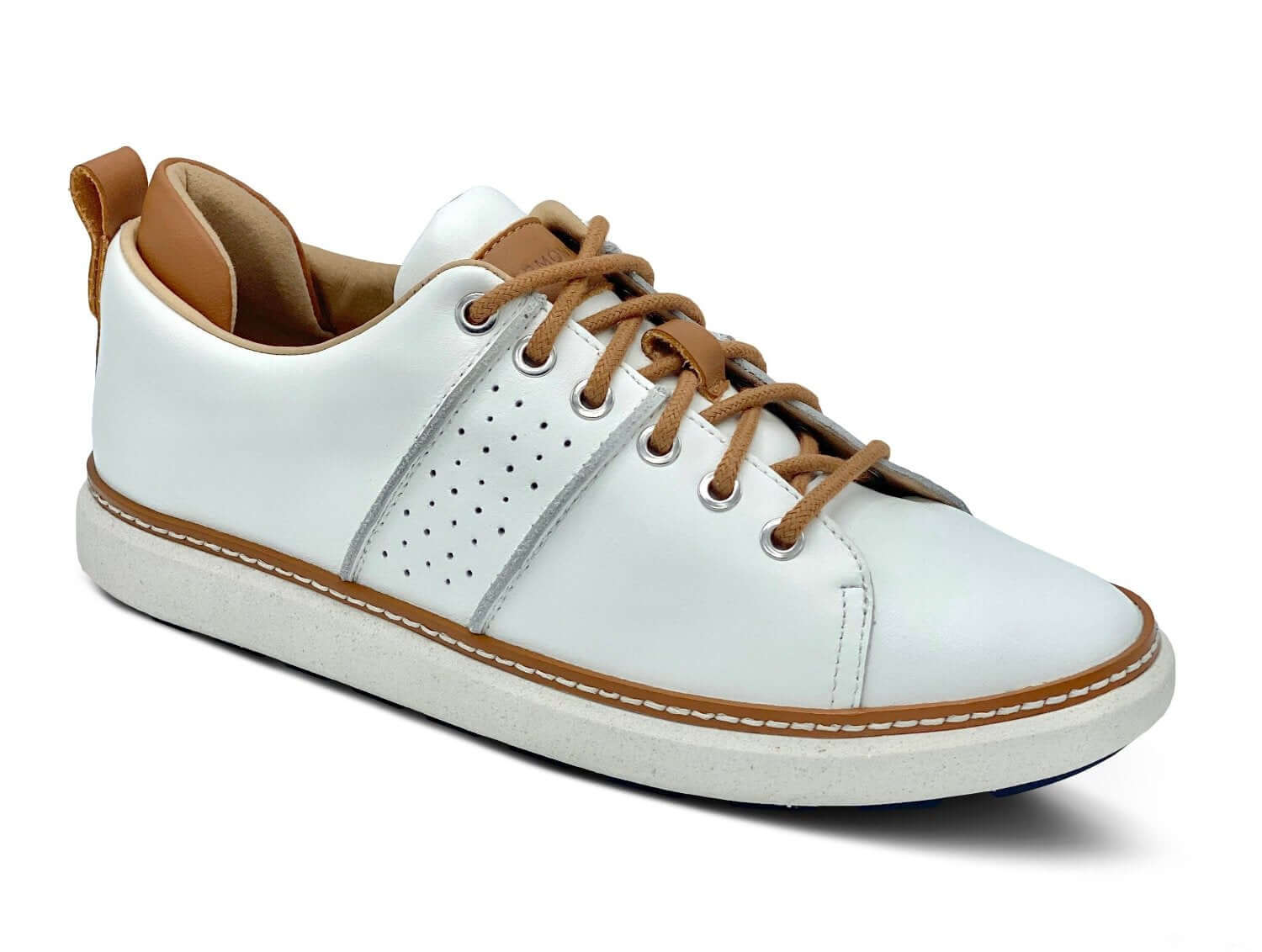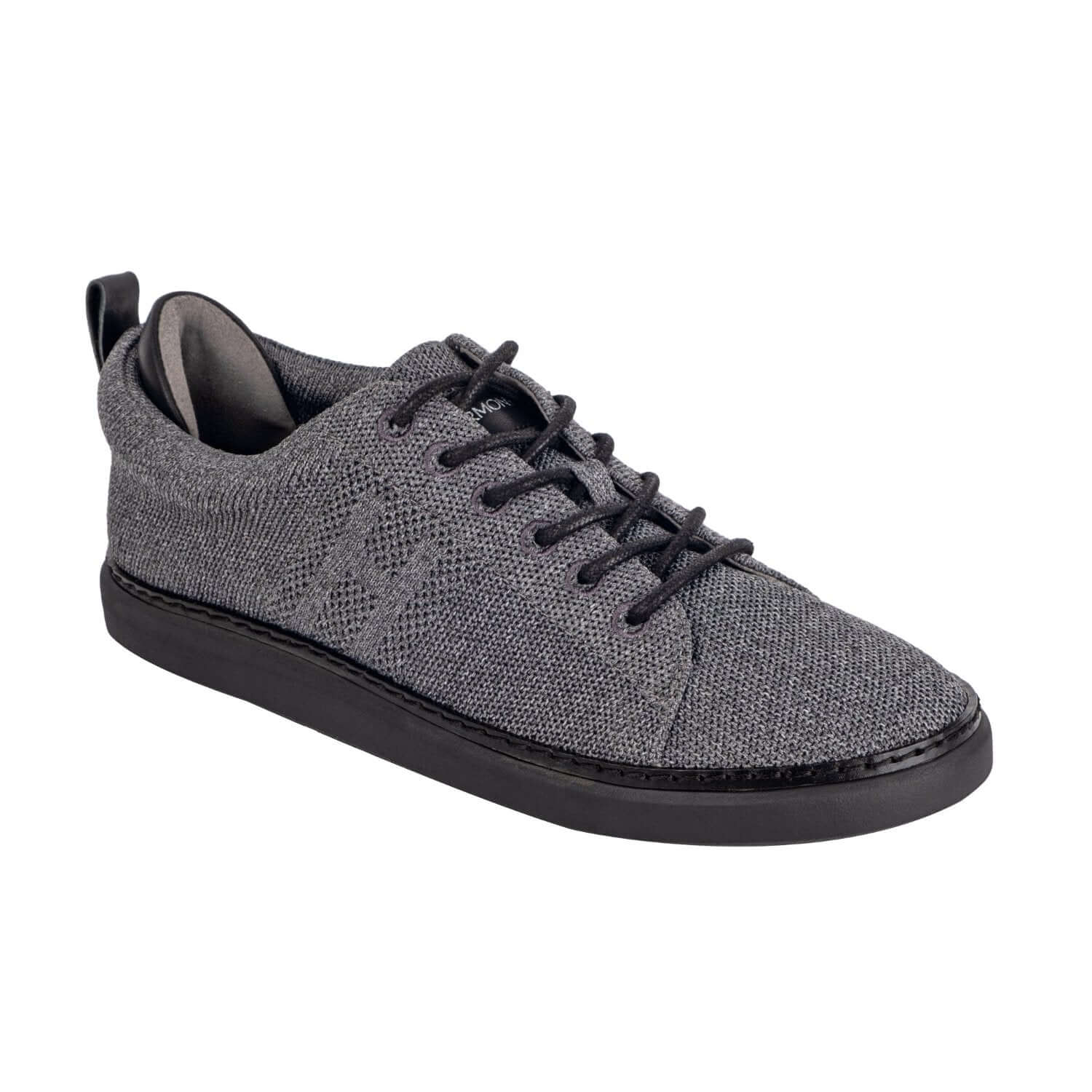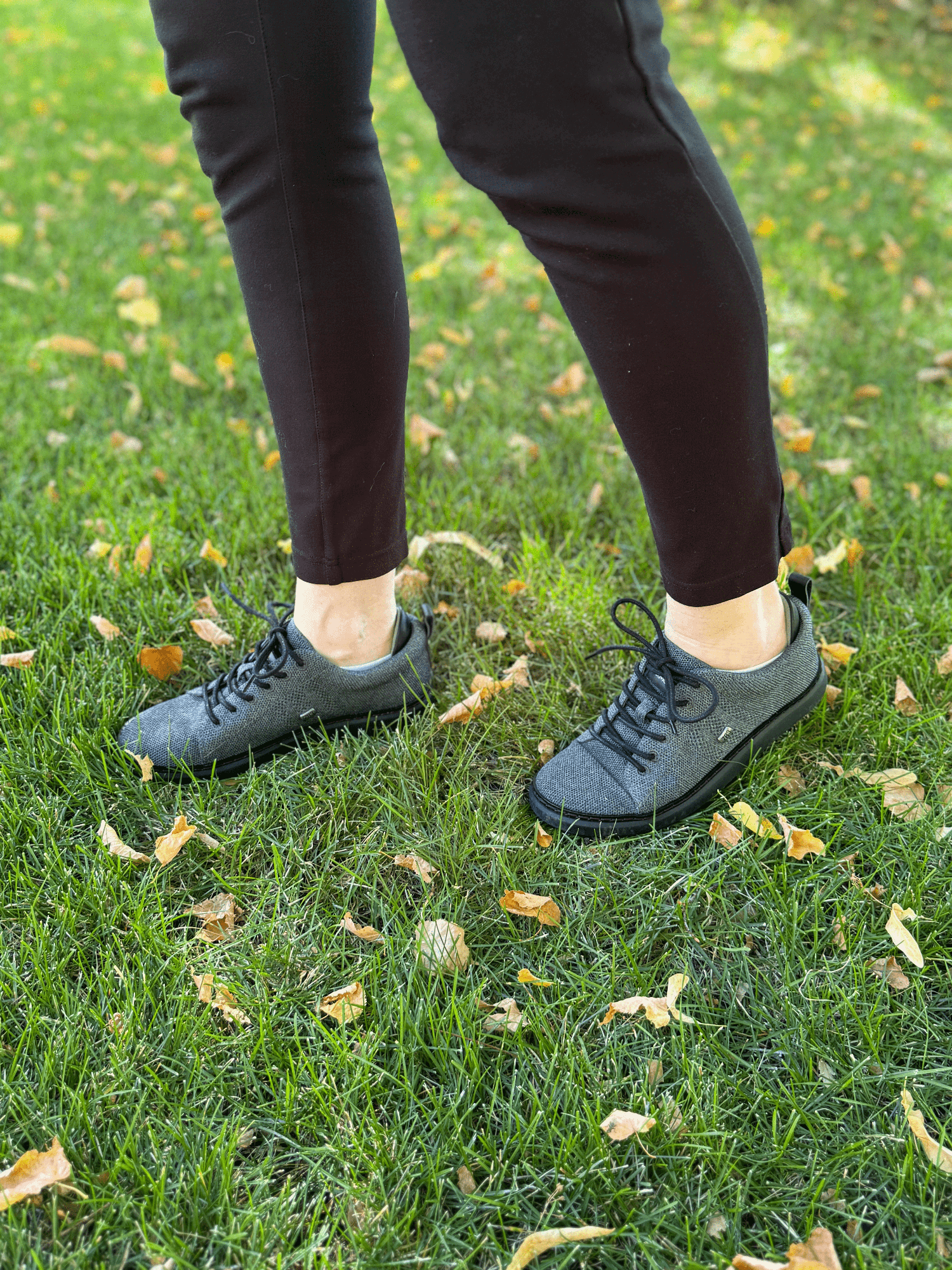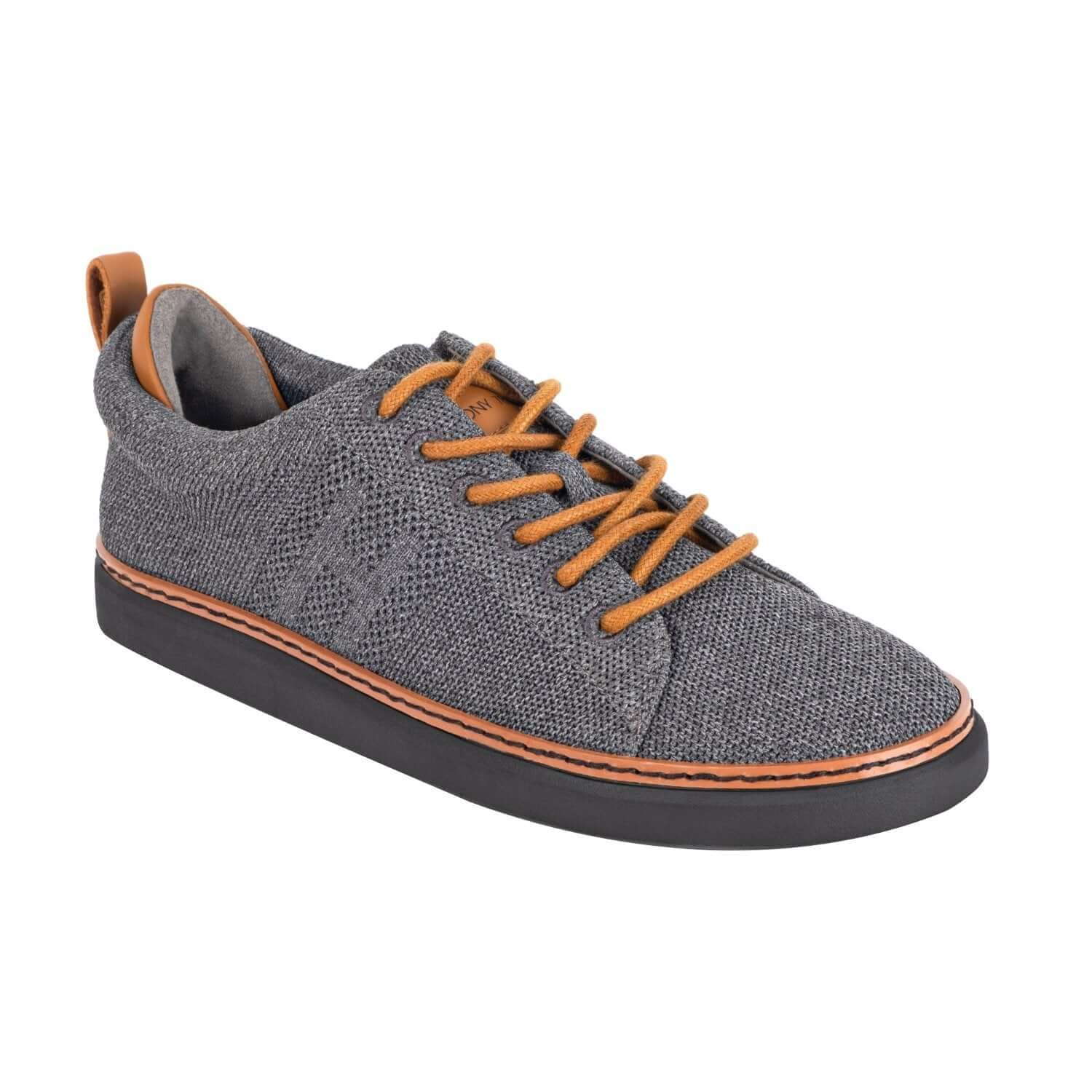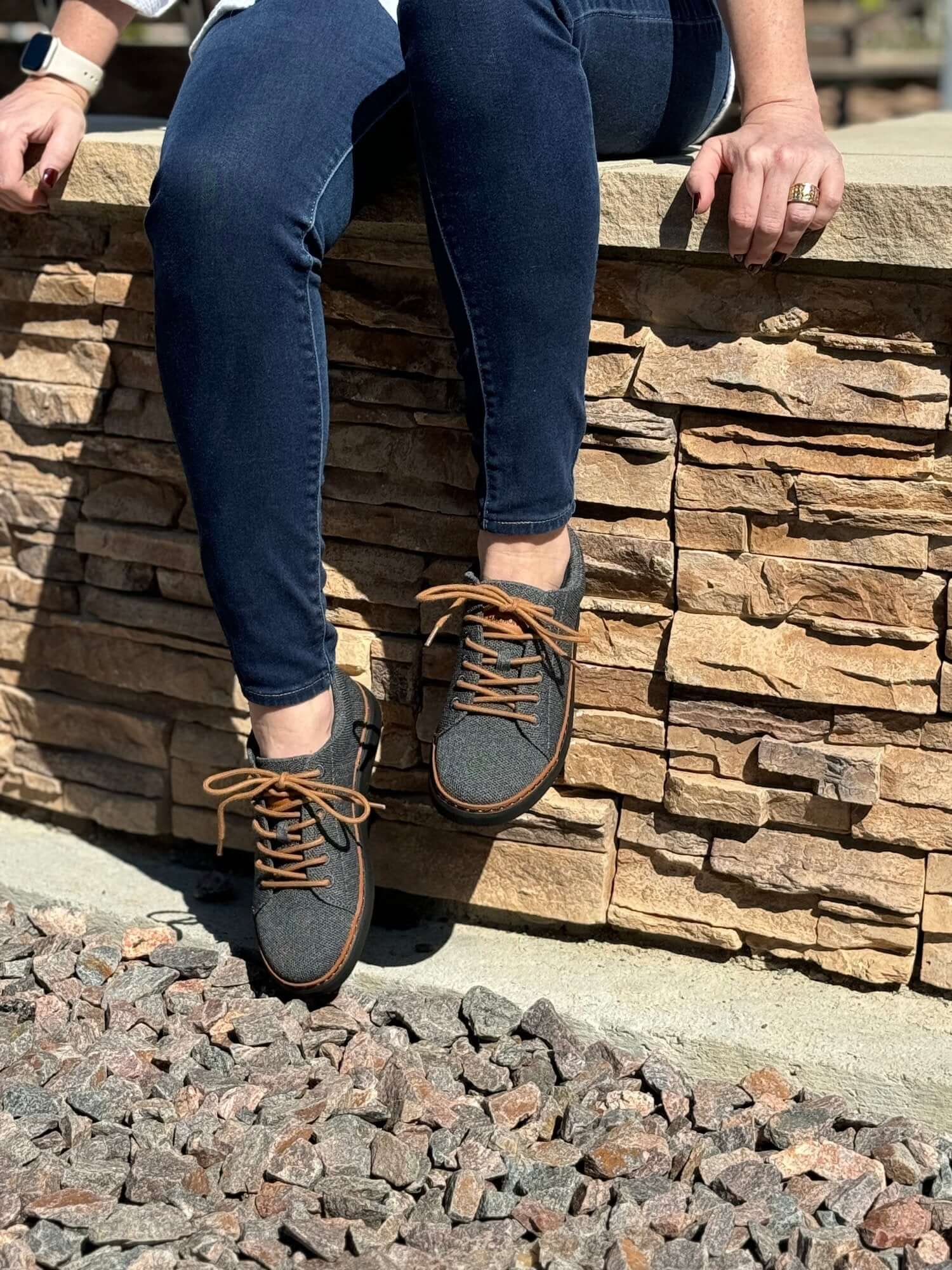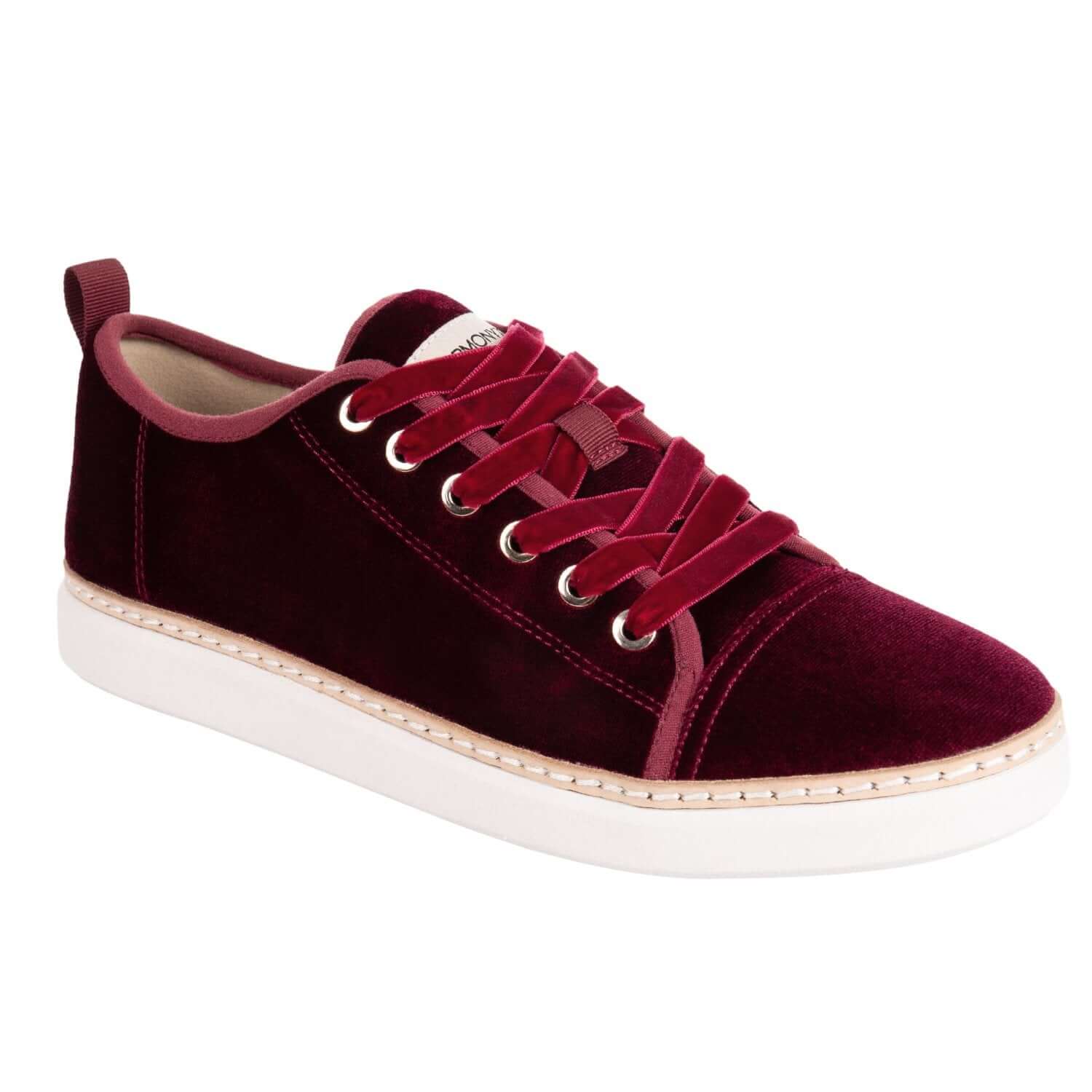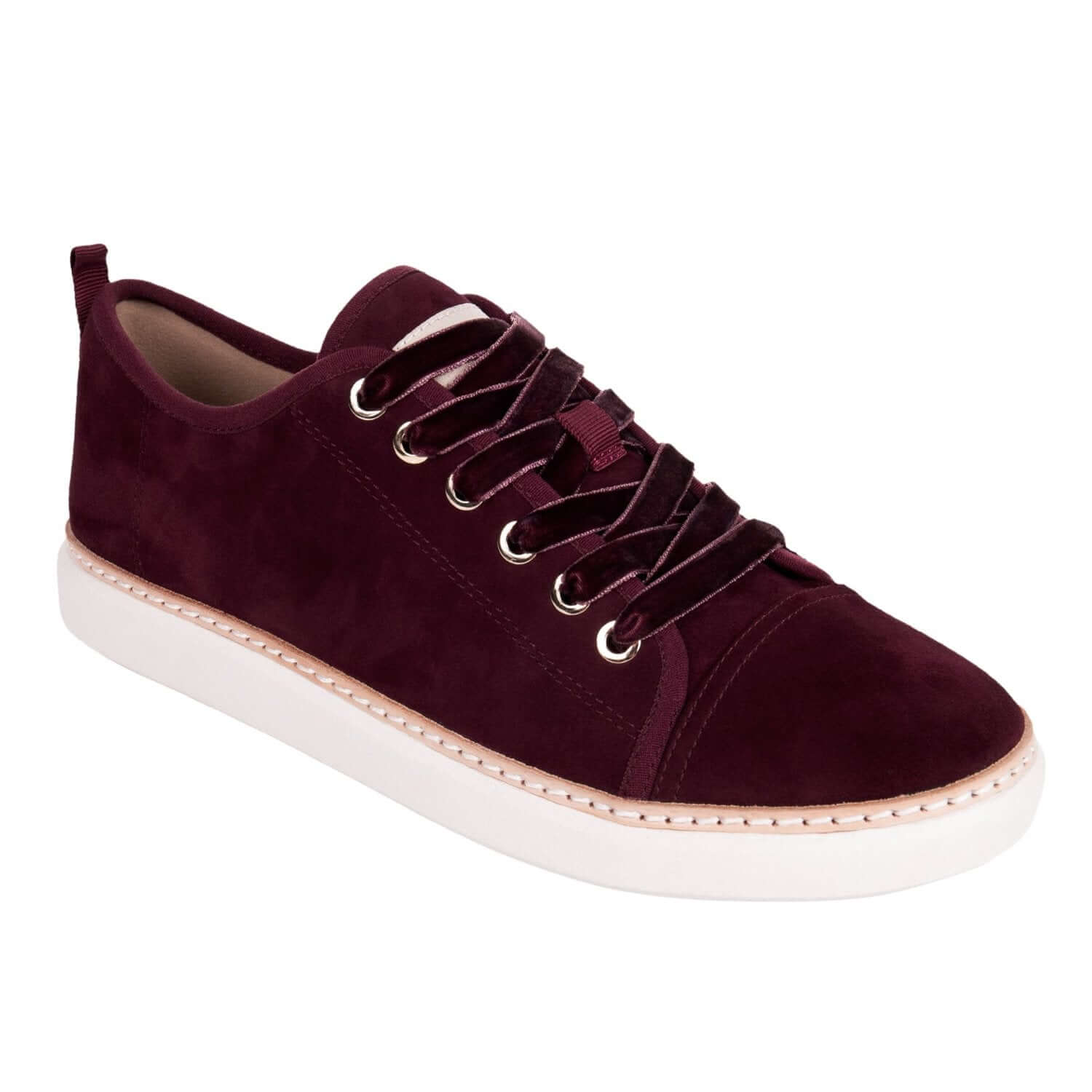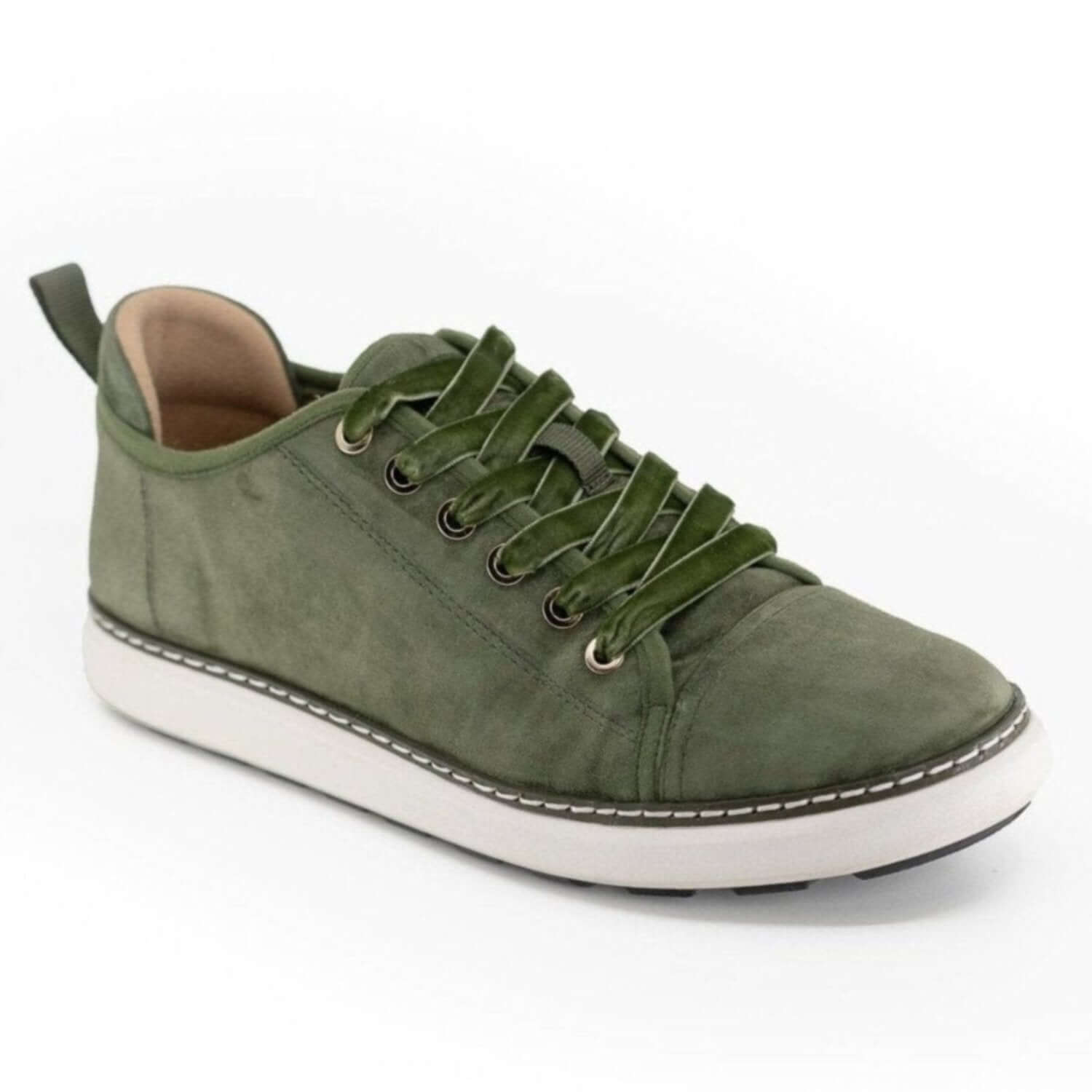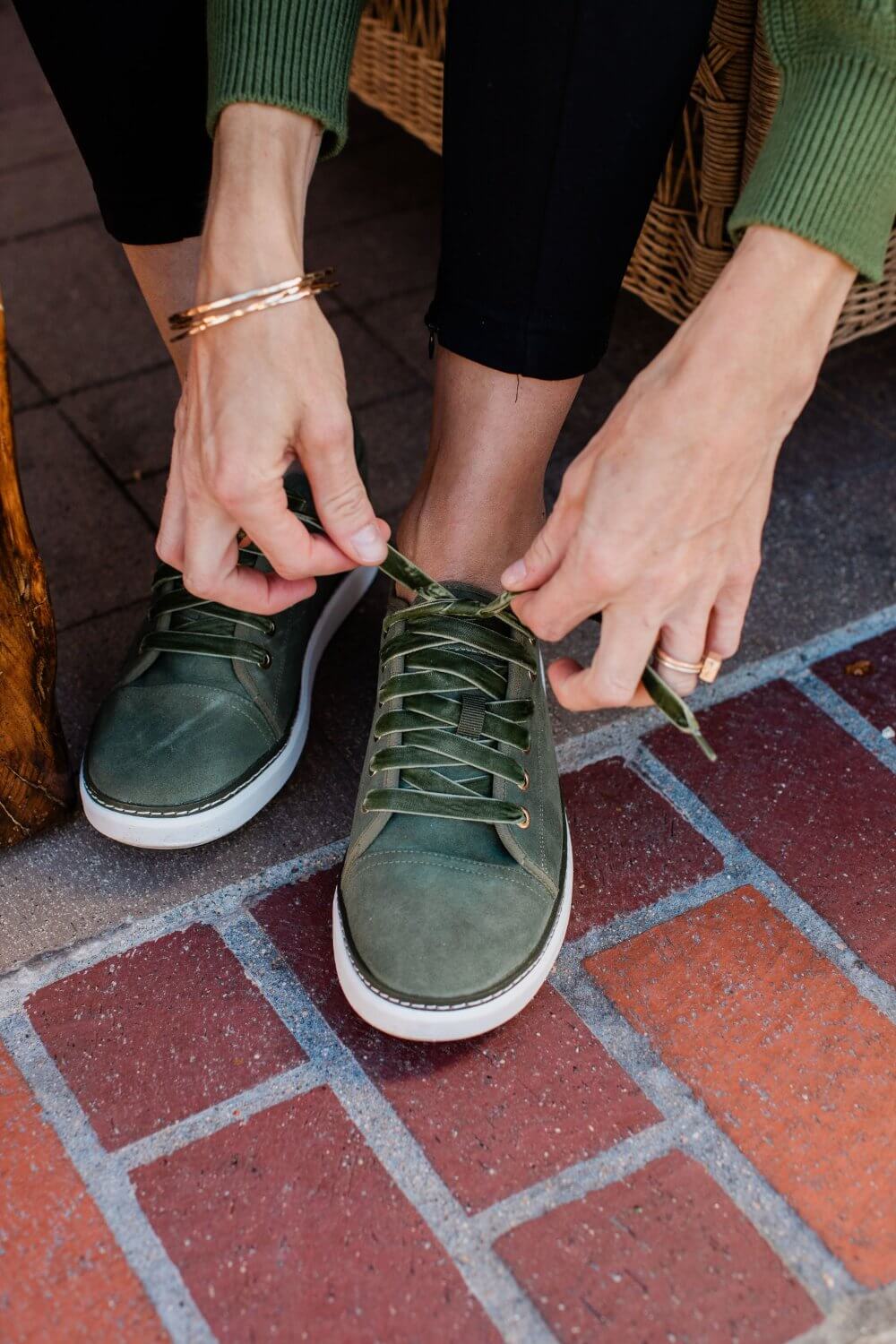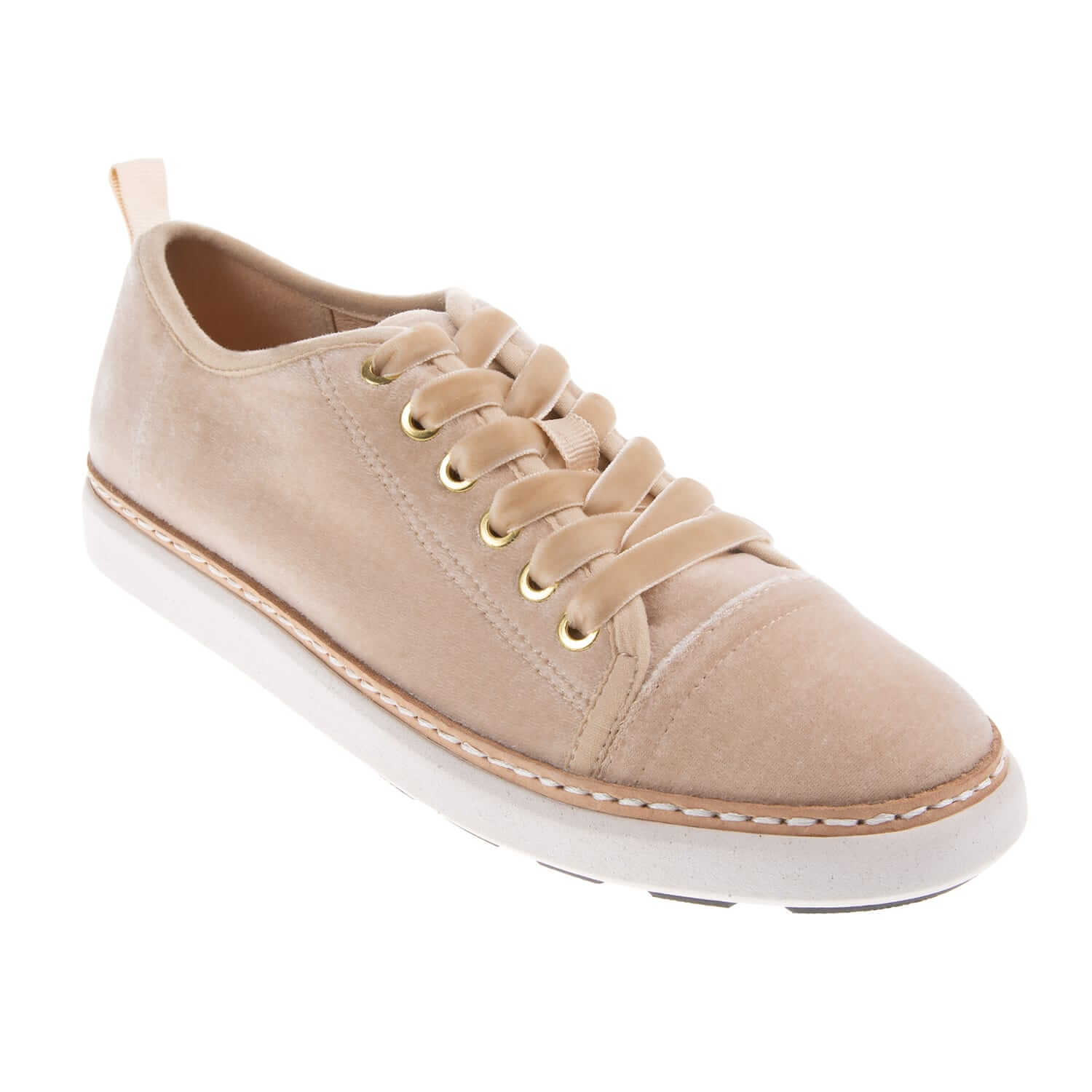

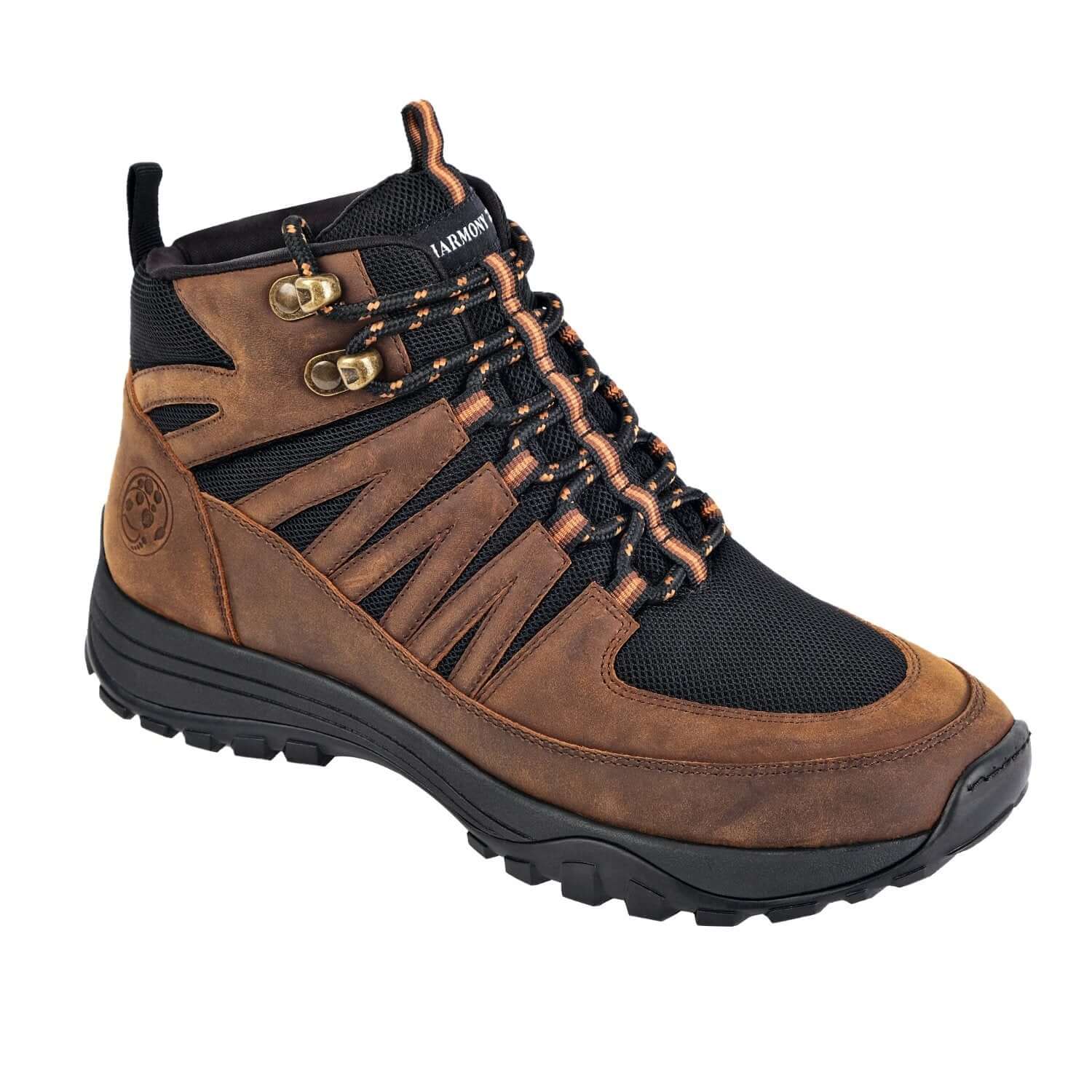
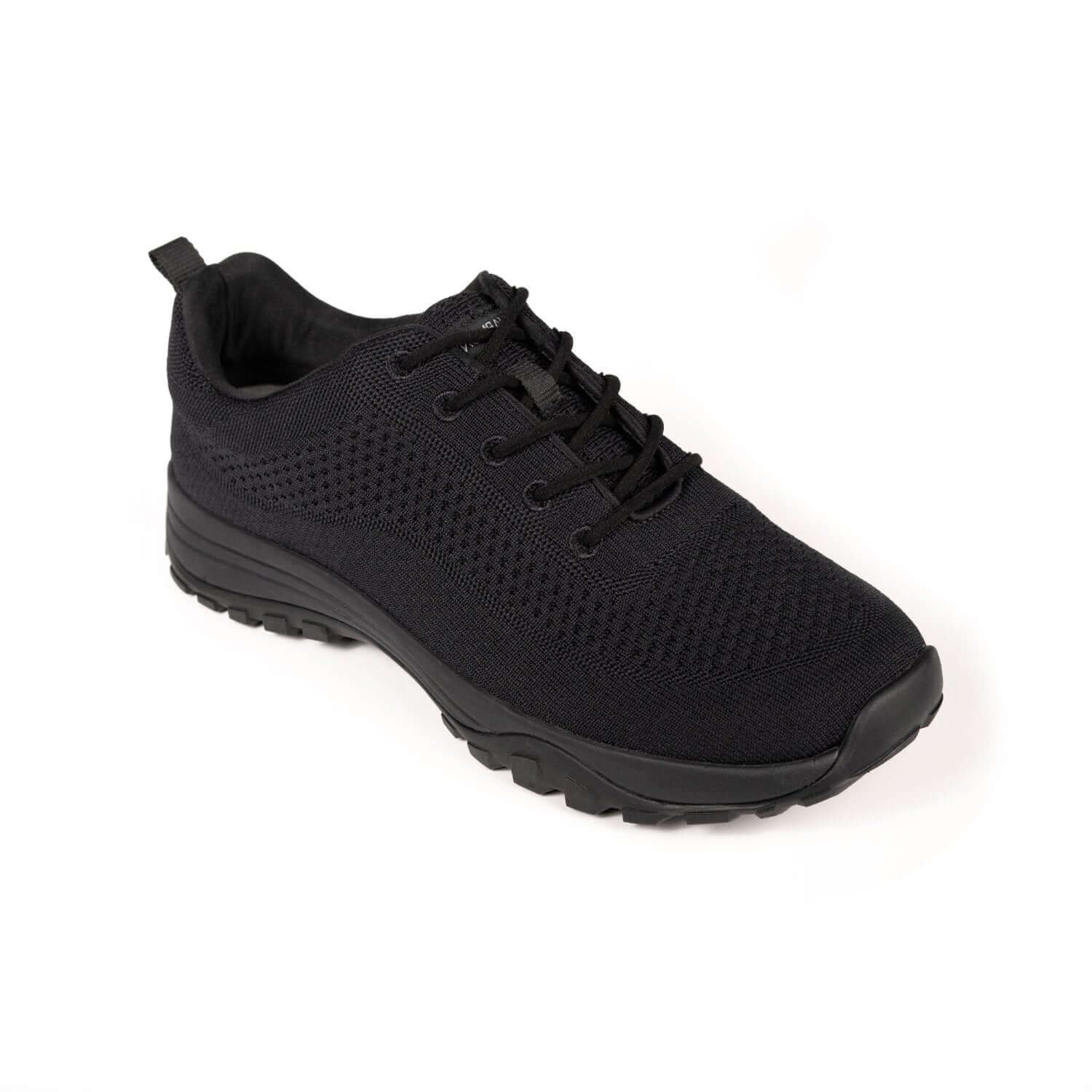
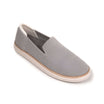
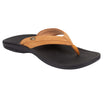
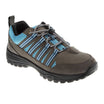
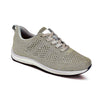
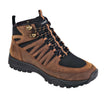
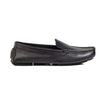
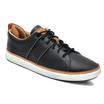

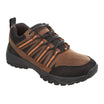
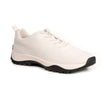


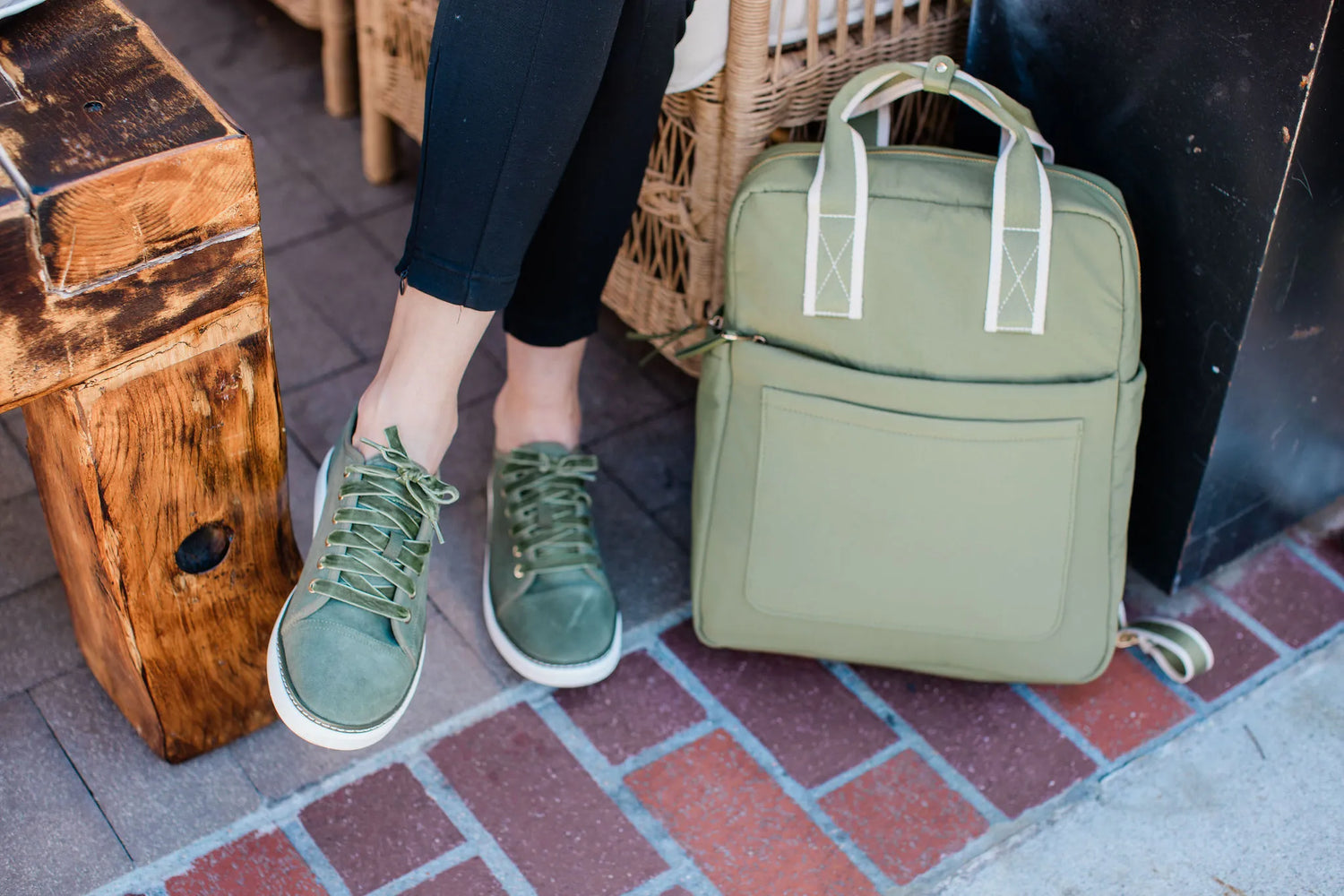
Grounding shoes combine everyday footwear materials with conductive components, so their cleaning routine deserves more care than a standard pair of sneakers. Learning how to clean grounding shoes safely means removing dirt by hand, using as little moisture as possible, and protecting the conductive footbed and outsole from harsh chemicals, soaking, and high heat.
Shop Harmony 783 grounding shoes
Quick answer: Brush away loose dirt, spot-test a mild cleaning solution, wipe the upper with a damp cloth. Clean the outsole gently, remove soap residue, and air-dry the shoes away from heat. Always check the care instructions for your exact pair before cleaning.
This guide focuses on practical shoe care, not medical outcomes. Grounding research continues to develop, and cleaning cannot guarantee a particular wellness result. The goal is simpler: care for the footwear and avoid damaging the conductive materials built into it.
How to clean grounding shoes in six steps
A careful hand-cleaning routine works for most everyday dirt and gives you control over how much water reaches the shoe. Before starting, read the label or product instructions for your specific style. Leather, suede, knit, and mixed-material shoes do not all respond to cleaners in the same way.
- Remove loose dirt. Let mud dry, then use a soft shoe brush or dry microfiber cloth to lift it away. This prevents grit from being rubbed deeper into the upper.
- Prepare a mild solution. Mix a small amount of gentle soap with cool or lukewarm water. Avoid bleach, stain removers, strong detergents, and solvent-based products.
- Spot-test first. Dab the solution on a hidden part of the upper. Wait and check for discoloration, texture changes, or dye transfer before continuing.
- Wipe instead of soaking. Dampen a clean cloth, wring it out well, and work in small sections. Use light pressure and keep moisture controlled.
- Clean the outsole gently. Use a damp cloth or soft brush to remove packed dirt from the tread. Do not scrape aggressively or apply coatings to conductive surfaces.
- Air-dry completely. Blot excess moisture, shape the shoes with plain paper if needed, and leave them in a ventilated area away from radiators, dryers, and direct sun.
Harmony 783 footwear uses a multilayer conductive design that includes silver-stitched components and a carbon-and-rubber outsole. Gentle hand care helps avoid unnecessary wear to those components. For an overview of how this category works, read what grounding means and how it works.
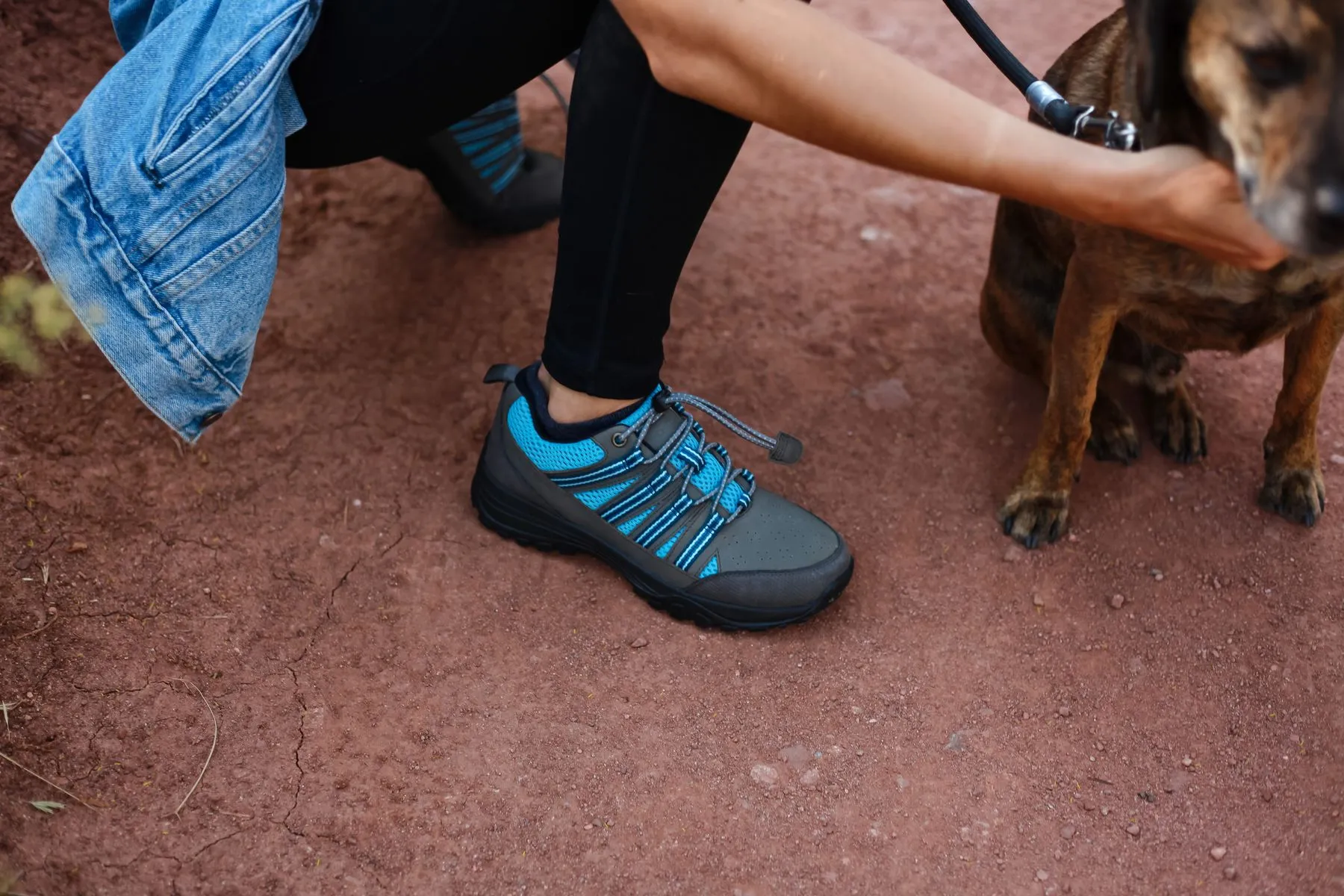
What should you use to clean grounding shoes?
Use a soft brush, microfiber cloth, cool or lukewarm water, and a small amount of mild soap. These basic tools remove routine dirt while giving you control over pressure and moisture. Always spot-test cleaners and follow the instructions for your shoe's material before treating the full upper.
A simple cleaning kit
You do not need an elaborate shoe-care cabinet. A few gentle tools are enough for routine maintenance:
- A soft-bristled shoe brush for dried dirt
- Two clean microfiber cloths, one damp and one dry
- A small bowl of cool or lukewarm water
- A mild, material-compatible soap used sparingly
- Plain paper to help damp shoes keep their shape
Use separate cloths for the upper and outsole so grit from the tread does not scratch leather or suede. If a style has removable laces, take them out and clean them separately according to their material. Removable insoles should only be taken out if the product instructions allow it.
Products and methods to avoid
Avoid bleach, strong detergent, stain remover, alcohol-heavy sprays, and abrasive scouring tools. Do not submerge the shoes. Heavy conditioners, waxes, or waterproofing treatments may also leave residue. So only apply them when the footwear maker confirms they are suitable for the exact material and will not interfere with conductive surfaces.
If you are unsure about a cleaner, stop after brushing and wiping with plain water. Contact the maker before experimenting. A cautious routine is easier to repeat and less likely to cause discoloration or material damage.
Adjust the method for each shoe material
The six-step routine is a useful baseline, but the upper determines the details. Check the product label first, then match your method to leather, suede, knit, mesh, or mixed construction.
| Material | Best routine | Main risk to avoid |
|---|---|---|
| Smooth leather | Wipe lightly with a damp cloth and dry promptly | Soaking, harsh soap, and direct heat |
| Suede or nubuck | Brush dry dirt in one direction; use a suede-safe method only when approved | Over-wetting and aggressive rubbing |
| Knit or mesh | Blot and spot-clean with minimal solution | Stretching, twisting, and machine agitation |
| Conductive outsole | Remove packed dirt with a damp cloth or soft brush | Abrasives, scraping, oils, and coatings |
| Footbed and interior | Wipe gently and air-dry fully | Saturation and wearing while damp |
Leather and suede
For smooth leather, wipe rather than scrub. Work in small sections and blot moisture quickly. Leather can stiffen, crack, or change color when it is saturated or dried beside strong heat. Only use leather-care products approved for the exact shoe, and keep them away from conductive surfaces unless the maker specifically permits application there.
Suede and nubuck are more sensitive to water marks and texture changes. Start with a dry suede brush. If a stain remains, consult the shoe's care directions before using any solution. Brush gently and consistently instead of rubbing one spot until the nap becomes flattened.
Knit and mesh
Knit and mesh often release surface dirt with a damp cloth and light blotting. Support the fabric from inside if needed, and avoid pulling or twisting it. Even when an ordinary knit sneaker appears machine washable, a grounding shoe may contain conductive layers or bonded components that make machine washing unsuitable.
Readers comparing breathable options can browse Harmony 783's grounding sneakers. The product page for an exact style remains the best place to confirm material and care details.
Conductive outsoles and footbeds
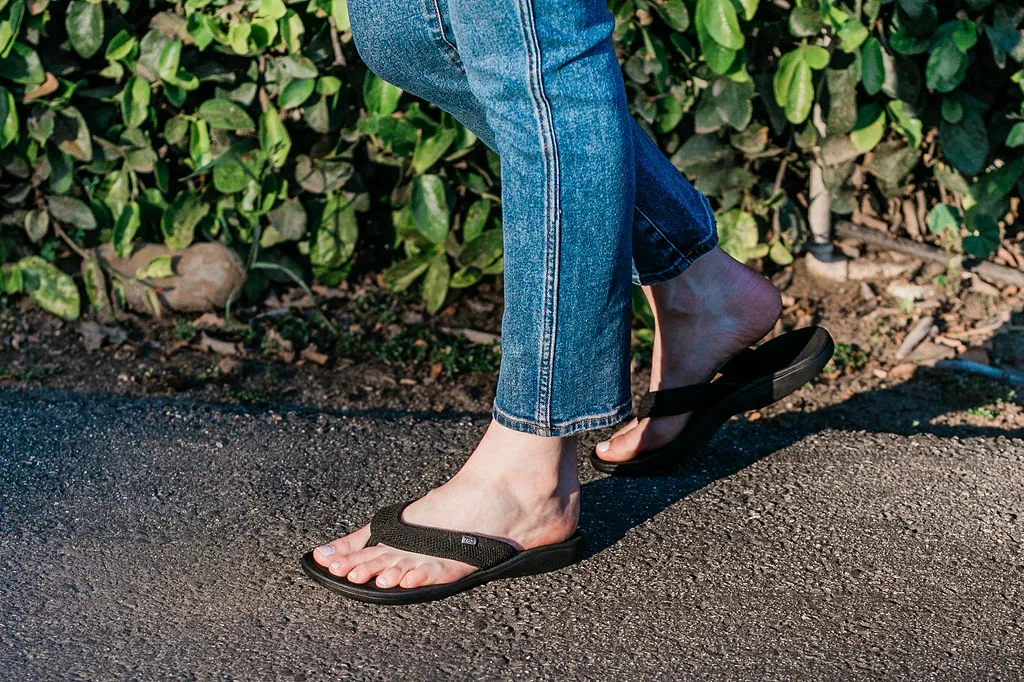
The outsole contacts the ground, so its tread naturally collects dust, mud, and small debris. Use a soft brush or damp cloth to clear the tread without gouging or coating it. Wipe the footbed gently, avoid saturation, and allow the interior to dry fully.
Cleaning helps remove surface buildup, but appearance alone cannot confirm electrical conductivity. Follow the testing guidance supplied with your shoes or ask Harmony 783 for product-specific support if performance is in question.
Explore everyday grounding walkers
Can you put grounding shoes in the washing machine?
Do not put grounding shoes in a washing machine unless the manufacturer explicitly says the exact pair is machine washable. Agitation, soaking, detergent, spinning, and heat can affect uppers, adhesives, shoe shape, and conductive components. Hand cleaning is the safer default for most styles.
Why machine cleaning is risky
A washing cycle combines several stressors at once. The shoe is saturated, moved repeatedly, exposed to detergent, and spun at speed. Those forces can weaken adhesives, distort cushioning, roughen suede, fade leather, and strain stitched or bonded components. A dryer adds another risk because concentrated heat can shrink, harden, or separate materials.
Hand cleaning is slower, but it lets you isolate the dirty area and stop before the shoe becomes soaked. It also lets you select a method for each material on mixed-construction footwear.
How to dry wet grounding shoes
If your shoes become wet in rain or during cleaning, first blot them with a dry cloth. Remove laces if appropriate and loosen the opening to improve airflow. Place plain paper inside to help hold the shape, replacing the paper when it becomes damp. Leave the shoes at room temperature until the upper, footbed, and interior feel fully dry.
Do not use a hair dryer, clothes dryer, radiator, or heater. Avoid direct sun for prolonged periods, especially with leather or dyed materials. Patience protects the shoe better than forced drying.
Daily habits that help grounding shoes last
A full clean should not be the first response to every mark. Small habits after each wear can reduce the need for deeper cleaning and keep dirt from settling into seams and tread.
- Brush off loose soil after outdoor use.
- Wipe mud before it becomes packed into outsole grooves.
- Let damp shoes air out before storing them.
- Store footwear in a cool, dry place with room for airflow.
- Rotate pairs when possible so each pair can dry fully between wears.
- Check seams, tread, and the upper regularly for wear.
Grounding footwear is designed around conductive contact, but claims about personal wellness outcomes should be treated carefully. Research suggests grounding may have effects worth continued study, while results and interpretations vary. Cleaning is a footwear-care practice, not a treatment or a guarantee of benefit.
How often should you clean grounding shoes?
Spot-clean grounding shoes whenever dirt or mud is visible, then use a deeper hand-clean only when needed. Frequency depends on weather, terrain, material, and how often the shoes are worn. Regular light care is usually better than waiting for heavy buildup or repeatedly soaking the footwear.
Use condition, not a rigid calendar
Shoes worn on dry pavement may only need brushing and an occasional wipe. Trail shoes used in mud may need outsole attention after every outing. Sandals may collect dust on the footbed, while leather walkers may benefit most from prompt spot cleaning and careful storage.
Clean when you see packed tread, surface dirt, visible stains, or interior buildup. Stop and allow the shoes to dry if they become damp. If odor persists after gentle cleaning and ventilation, contact the maker rather than masking it with a heavy fragrance or unapproved chemical spray.
Know when cleaning is not enough
Cleaning cannot repair worn tread, separated layers, damaged stitching, cracks, or a misshapen upper. Inspect shoes before and after care. If a conductive contact point appears damaged or you have questions about testing, ask for product-specific guidance. The related article about grounding and health research can help separate general education from shoe maintenance.
Build a simple shoe-care routine
Keeping supplies together makes gentle care easier. Store a soft brush, two clean cloths, and a small bowl near the place where you remove your shoes. After a dry walk, brush the tread and upper before putting the pair away. After a wet walk, blot the shoes, open them for airflow, and check them again before storage. These short steps often prevent the need for a long cleaning session.
Use one cloth for the upper and another for the outsole. This keeps grit from moving onto more delicate material. Wash the cloths between uses, since old cleaner and embedded dirt can be transferred back to the shoe. If you own several materials, label your brushes so a brush used on muddy tread is never used on suede.
Before seasonal storage, inspect the outsole, seams, footbed, laces, and upper. Clean visible dirt, allow the pair to dry fully, and store it where air can circulate. Do not seal damp footwear in a plastic container. When taking the shoes out again, check their condition before wearing them. This routine supports good footwear care without making claims about medical results or guaranteed conductivity.
Frequently asked questions
How can I tell if my shoes are still grounding after cleaning?
Let the shoes dry completely, then follow the conductivity testing instructions supplied with your footwear or contact Harmony 783 for product-specific help. A visual inspection alone cannot confirm conductivity.
Can I use leather polish or wax on grounding shoes?
Check the maker's care directions first. Heavy waxes and coatings may leave residue on surfaces involved in conductivity. Keep products away from conductive footbeds, contact points, and outsoles unless the manufacturer says otherwise.
Is it safe to wear grounding shoes in the rain?
Follow the directions for your exact shoe. If shoes get wet, remove loose dirt, take out removable insoles when appropriate, and air-dry them away from direct heat before wearing them again.
Do I need to clean the inside of grounding shoes?
Yes, but use minimal moisture. Wipe the interior gently, avoid soaking conductive components, and allow the shoes to air-dry completely before use.
Care for every step
The safest approach to cleaning grounding shoes is simple: use gentle tools, match the routine to the material, control moisture, and air-dry completely. A few minutes of light maintenance after wear can prevent tougher buildup and help preserve the fit, finish, and construction of the footwear.