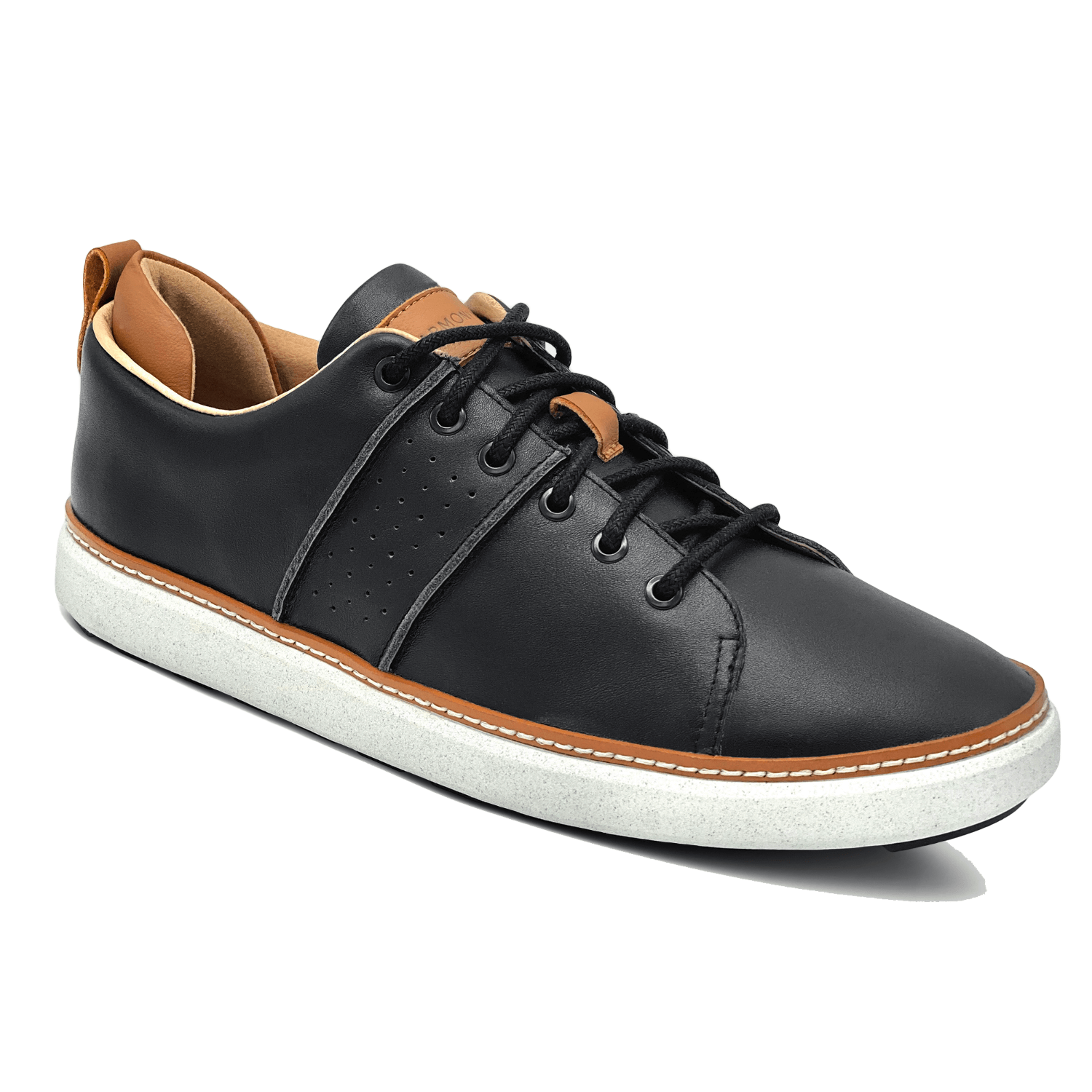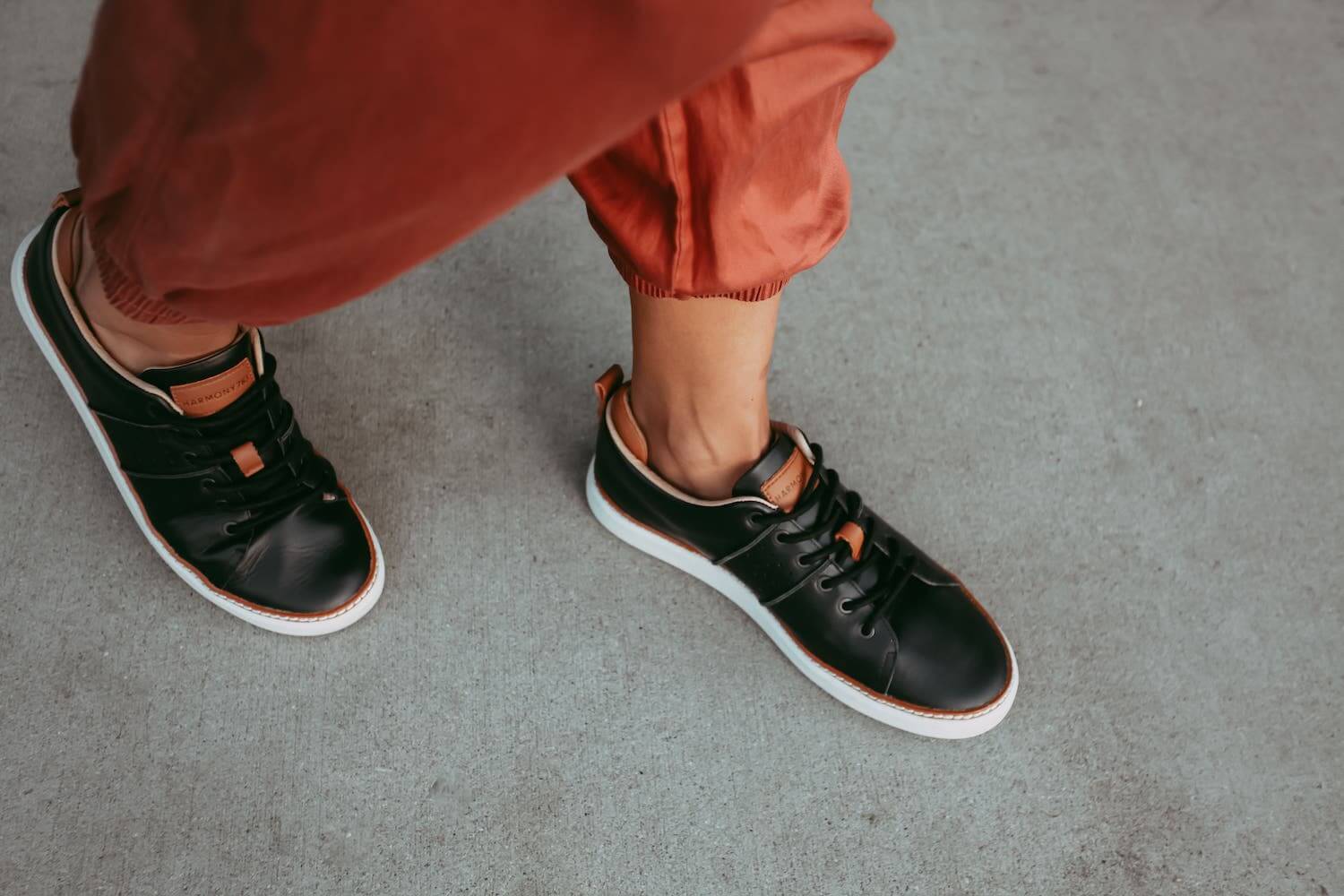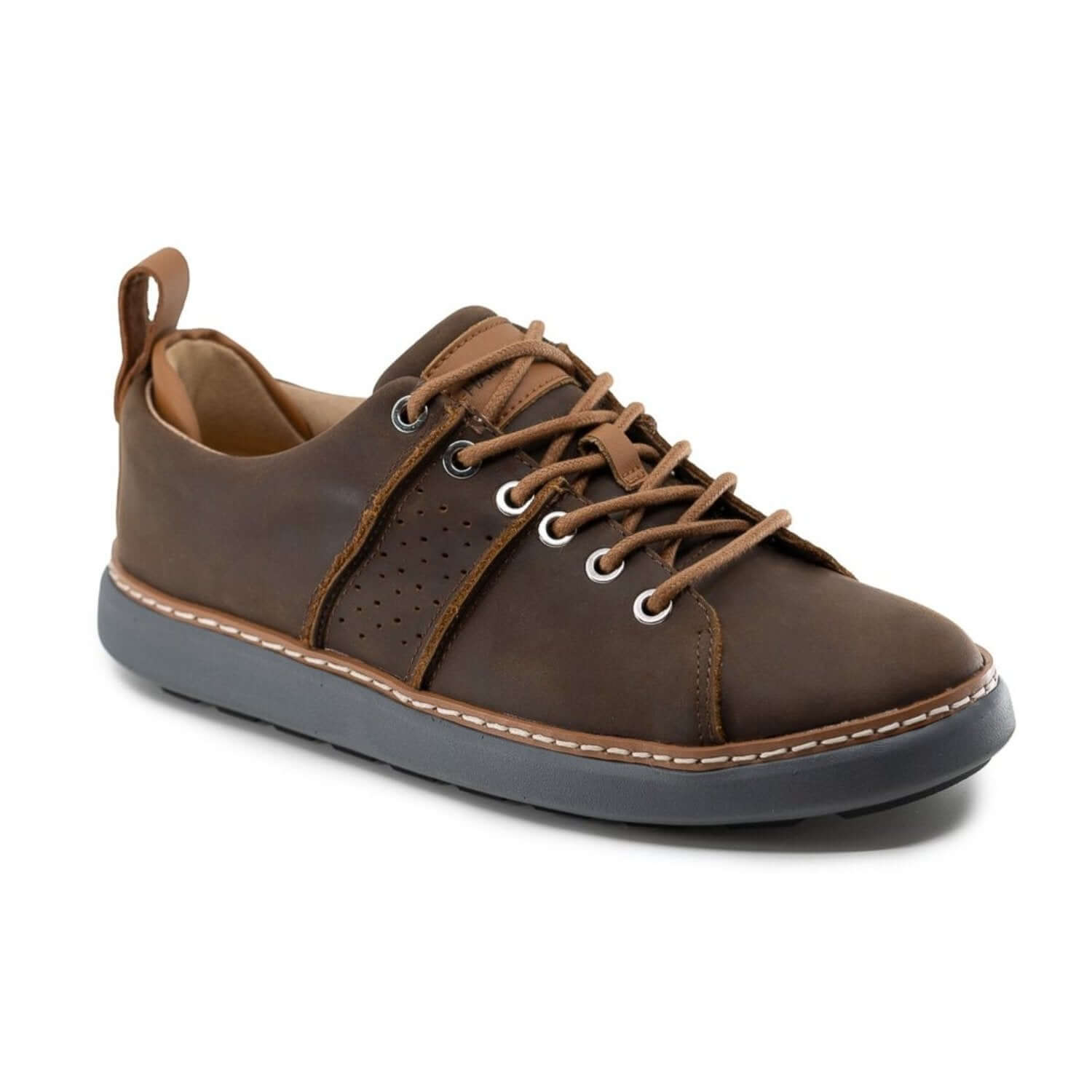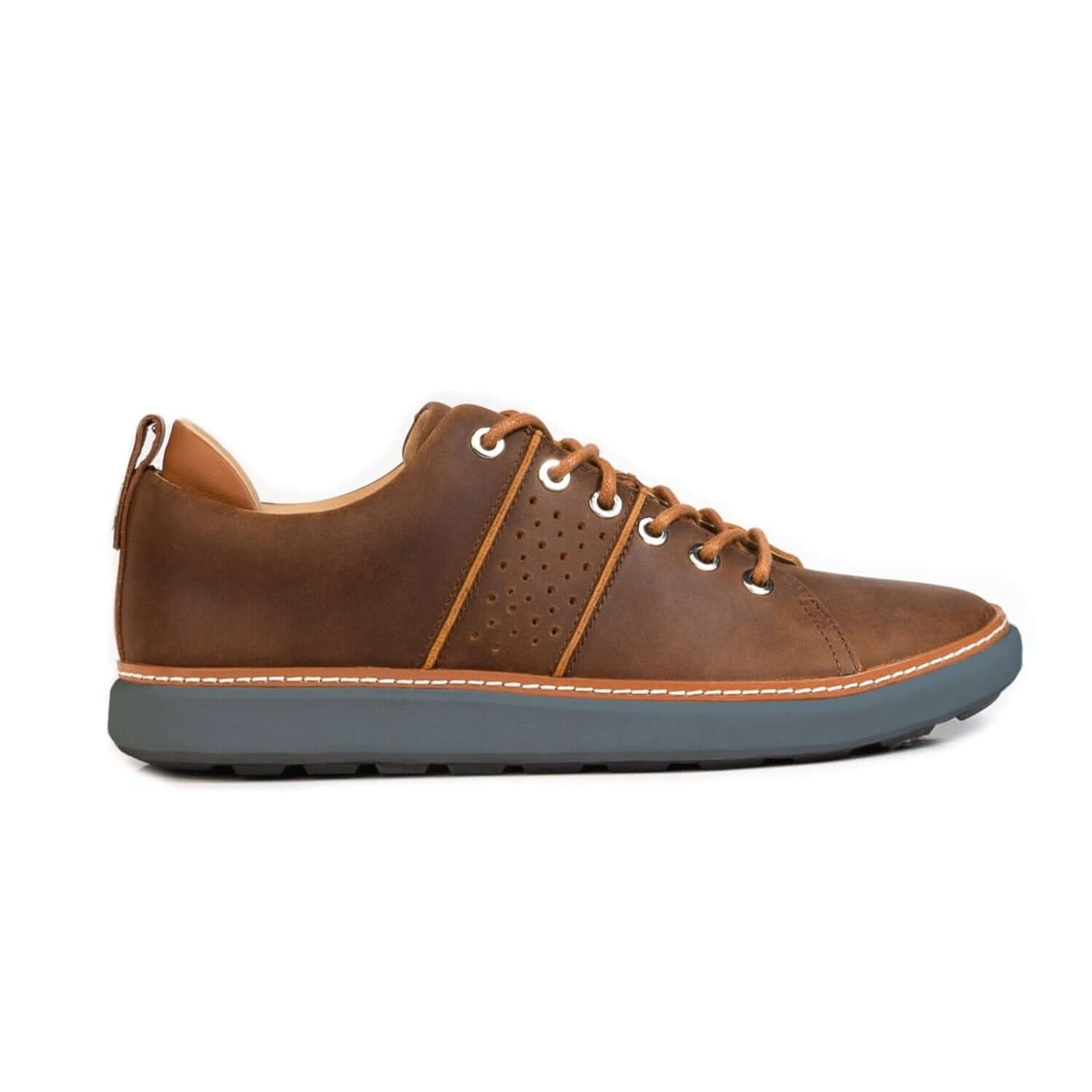

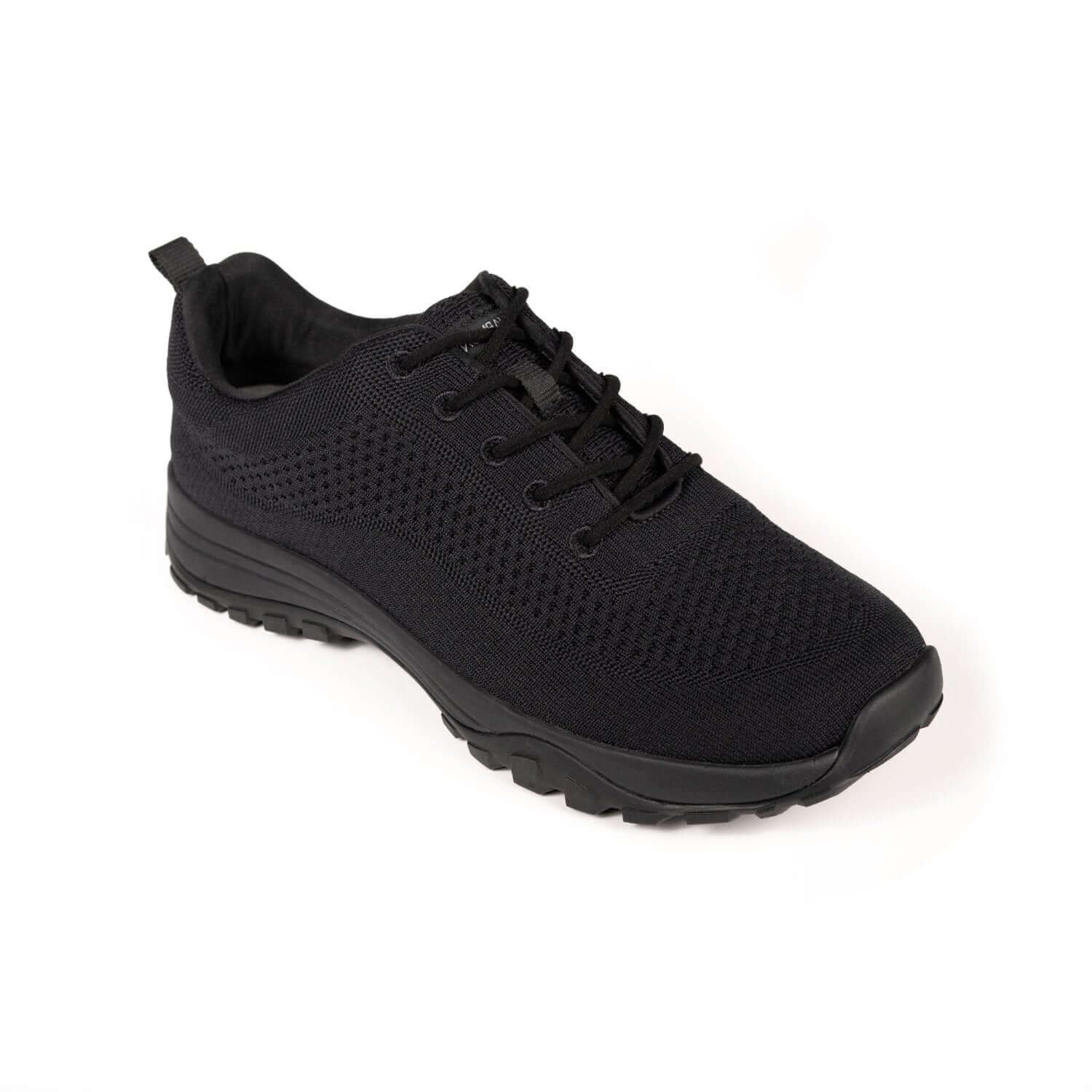
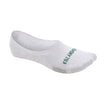
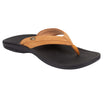
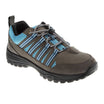
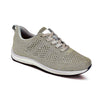
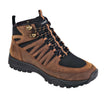
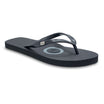
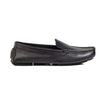
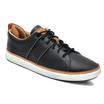



A thin sole can free your feet without electrically connecting them to the ground. That overlooked distinction decides whether a shoe supports natural movement, grounding, or both.
Grounding shoes vs barefoot shoes is a choice between electrical conductivity and foot mechanics, although some designs combine both purposes in one pair. Grounding shoes use conductive sole materials to maintain Earth contact on suitable surfaces, while barefoot shoes favor thin, flexible, zero-drop soles and wide toe boxes. Most barefoot models still insulate the wearer, and grounding models may offer cushioning, so neither label alone tells you how a shoe will feel. Research on barefoot walking shows changes in foot spreading and gait, while grounding studies report intriguing physiological effects that need more independent testing. Choose based on your main goal, preferred cushioning, walking surfaces, fit, and comfort, rather than assuming either label guarantees a specific health result.
The right choice depends on what you want your shoes to do and how much ground feel your feet can comfortably handle. Grounding shoes vs barefoot shoes at a glance lays out the core differences before we examine use cases, tradeoffs, and smart buying checks. Here's how.
Grounding shoes vs barefoot shoes at a glance
The main difference between grounding shoes and barefoot shoes is their purpose. Grounding shoes create a conductive path between the foot and the earth. Barefoot shoes aim to let the foot move more as it would without shoes.
Different goals and construction
A grounding shoe uses conductive parts that connect its footbed to its outsole. Depending on the design, those parts may include silver thread, copper, or conductive sole materials. The aim is electrical contact with a conductive outdoor surface. This idea differs from simply making a sole thin.
Research describes grounding as electrically conductive contact between the body and the earth. Studies have explored possible effects on human physiology, though the evidence is still developing. A peer-reviewed grounding review discusses this research and its limits.
A barefoot shoe is built around natural foot motion instead. Common traits include a level sole, a wide toe box, high flexibility, and little cushioning. Research on barefoot walking notes greater forefoot spreading under load. Habitual barefoot walkers also tend to have wider feet.
| Feature | Grounding shoes | Barefoot shoes |
|---|---|---|
| Main purpose | Create electrical contact with the earth | Support natural foot motion |
| Key construction | Conductive path from footbed to outsole | Thin, flexible, level sole |
| Toe space | Varies by style | Usually wide and foot-shaped |
| Cushioning | Can range from minimal to supportive | Usually minimal |
| Can overlap? | Yes, if it also has barefoot features | Yes, if it includes a conductive path |
Where the categories overlap
A shoe can be both grounding and barefoot. It must pair a conductive system with a wide, flexible, level design. Yet neither label guarantees the other. Most standard barefoot shoes lack a conductive path, while many grounding shoes use cushioning and support.
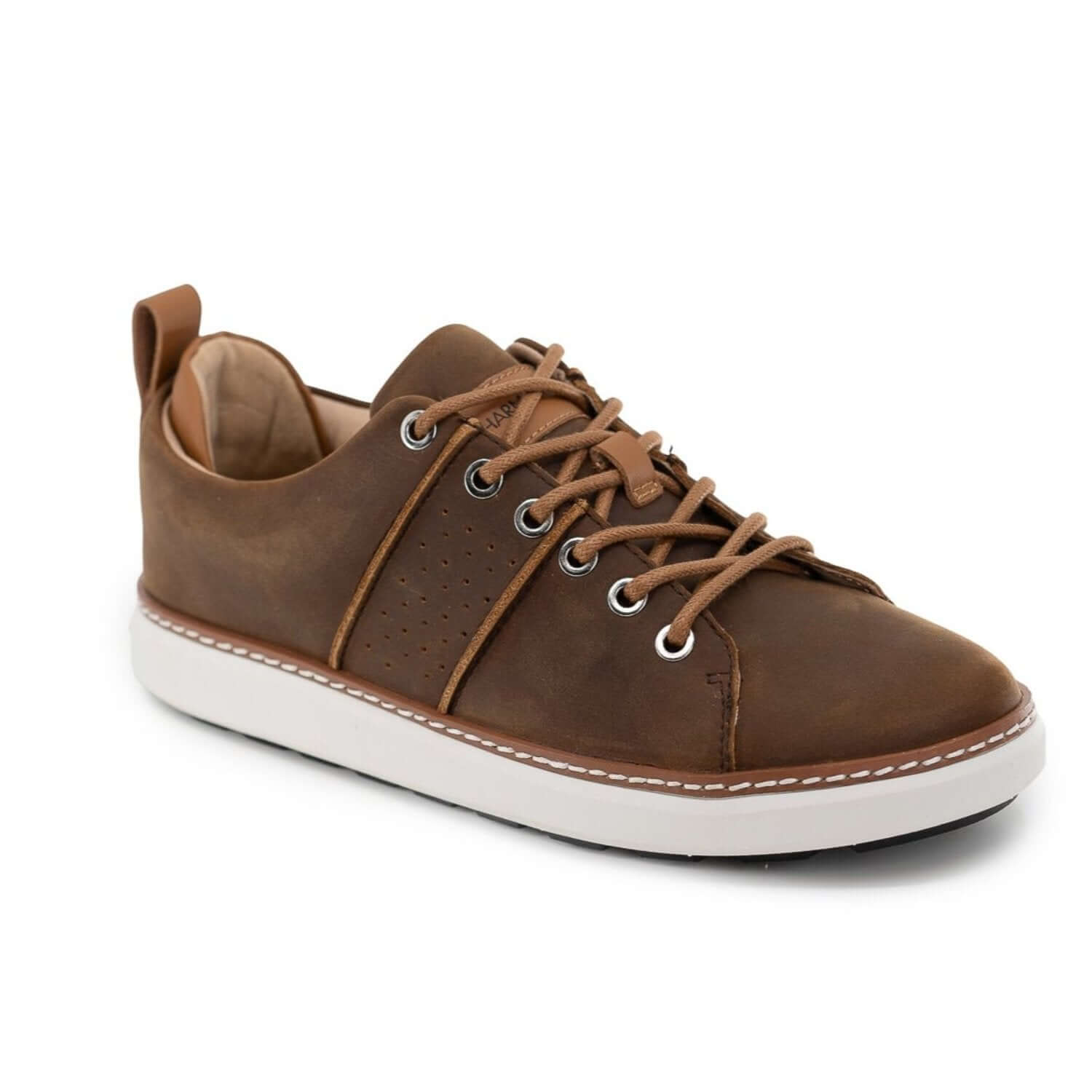
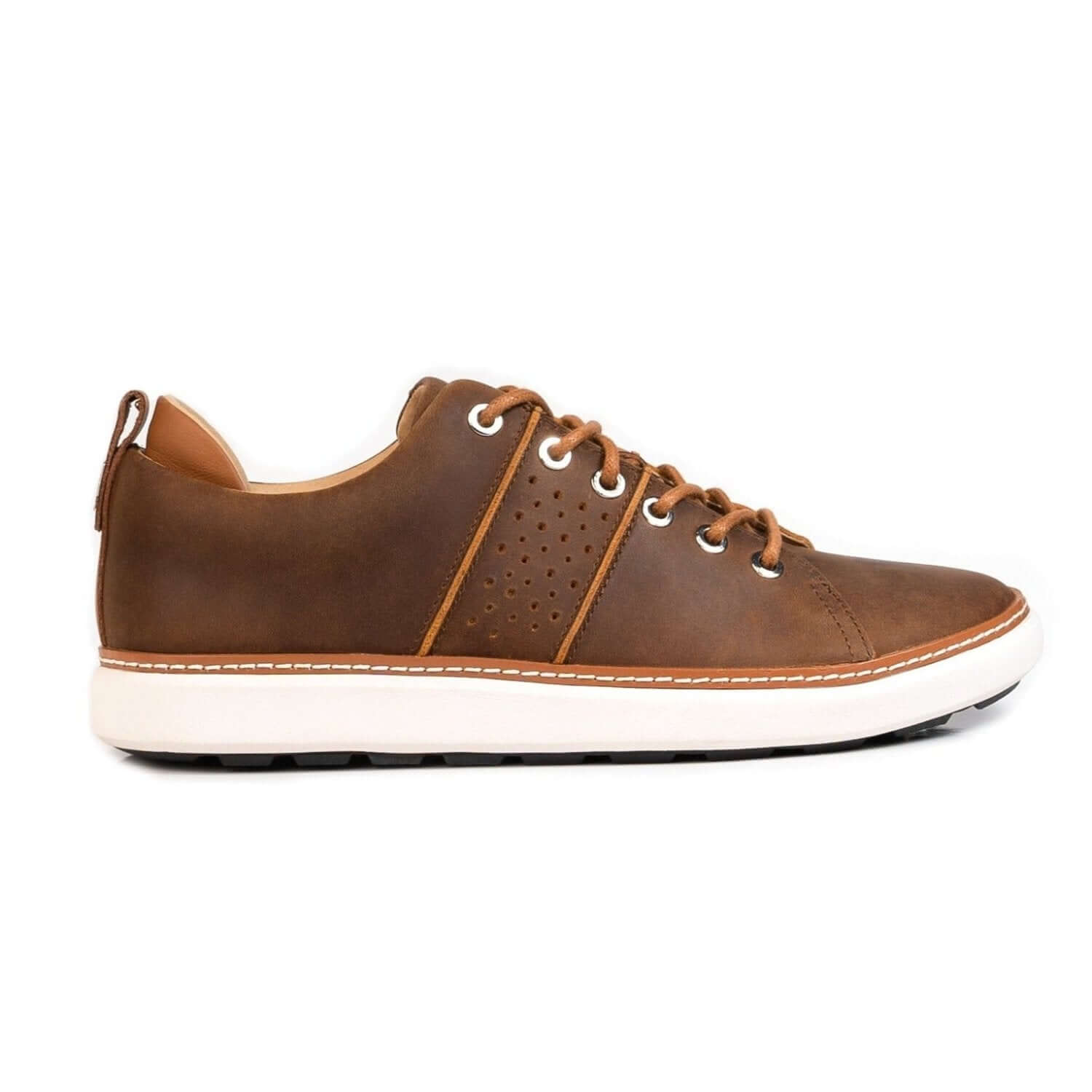
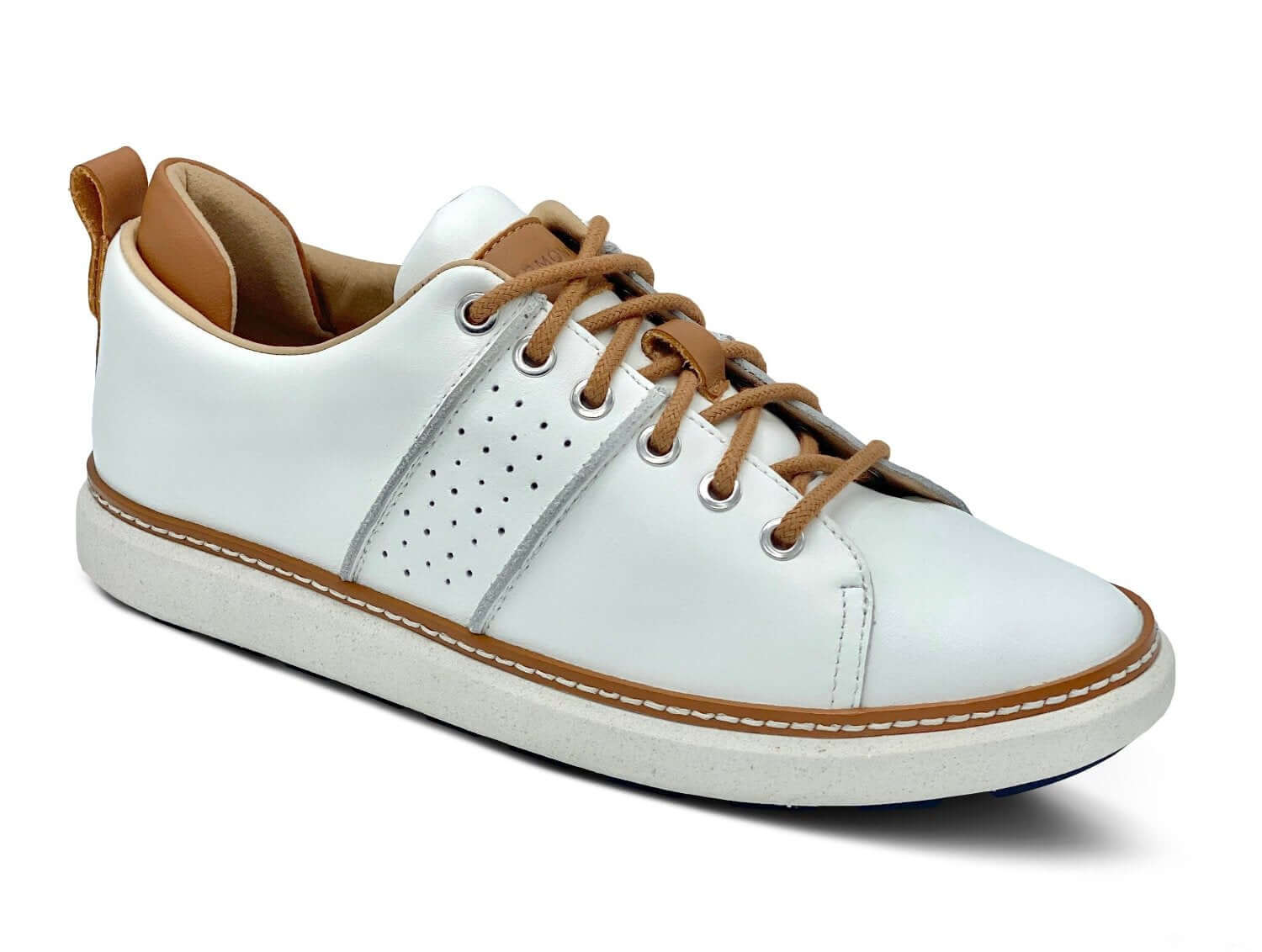
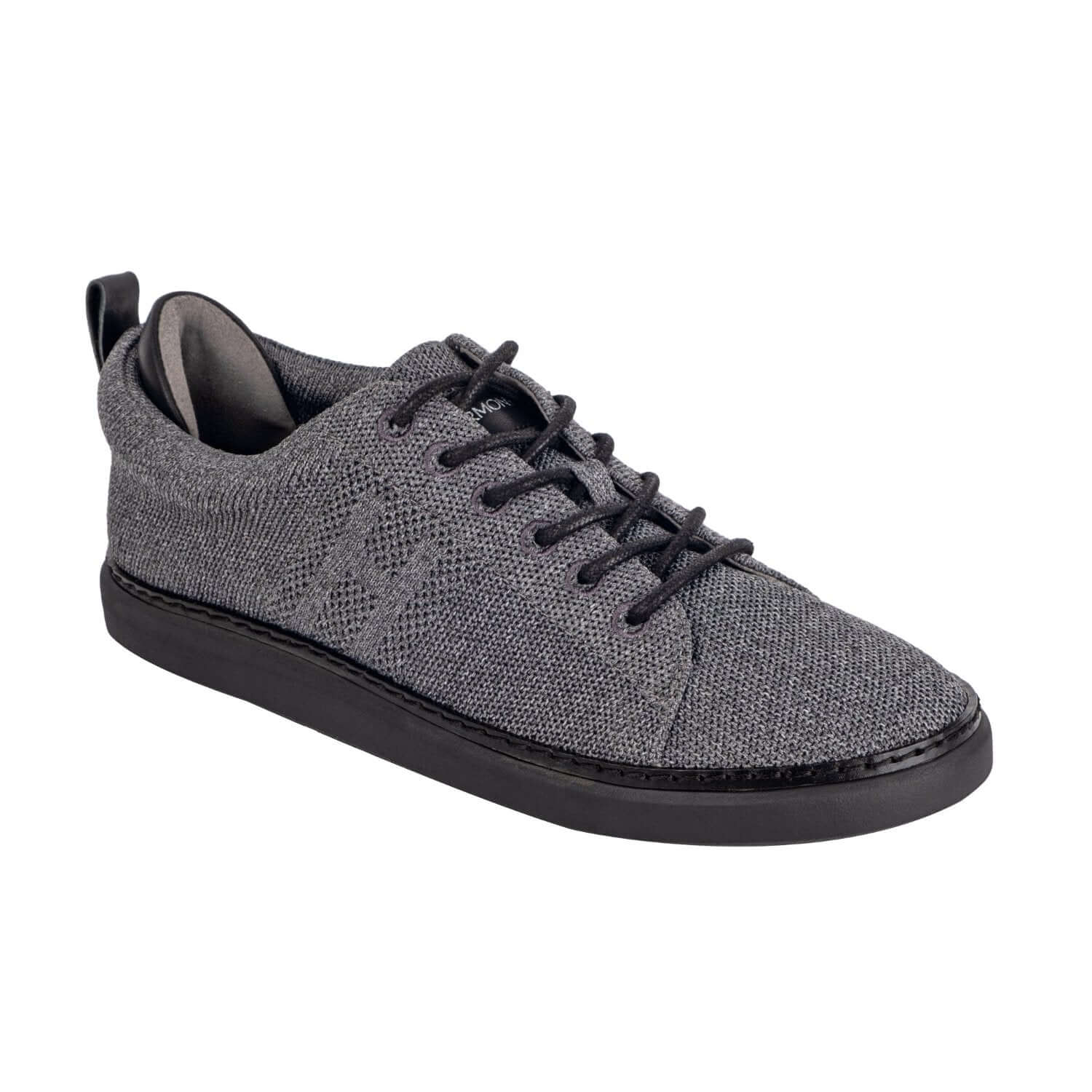
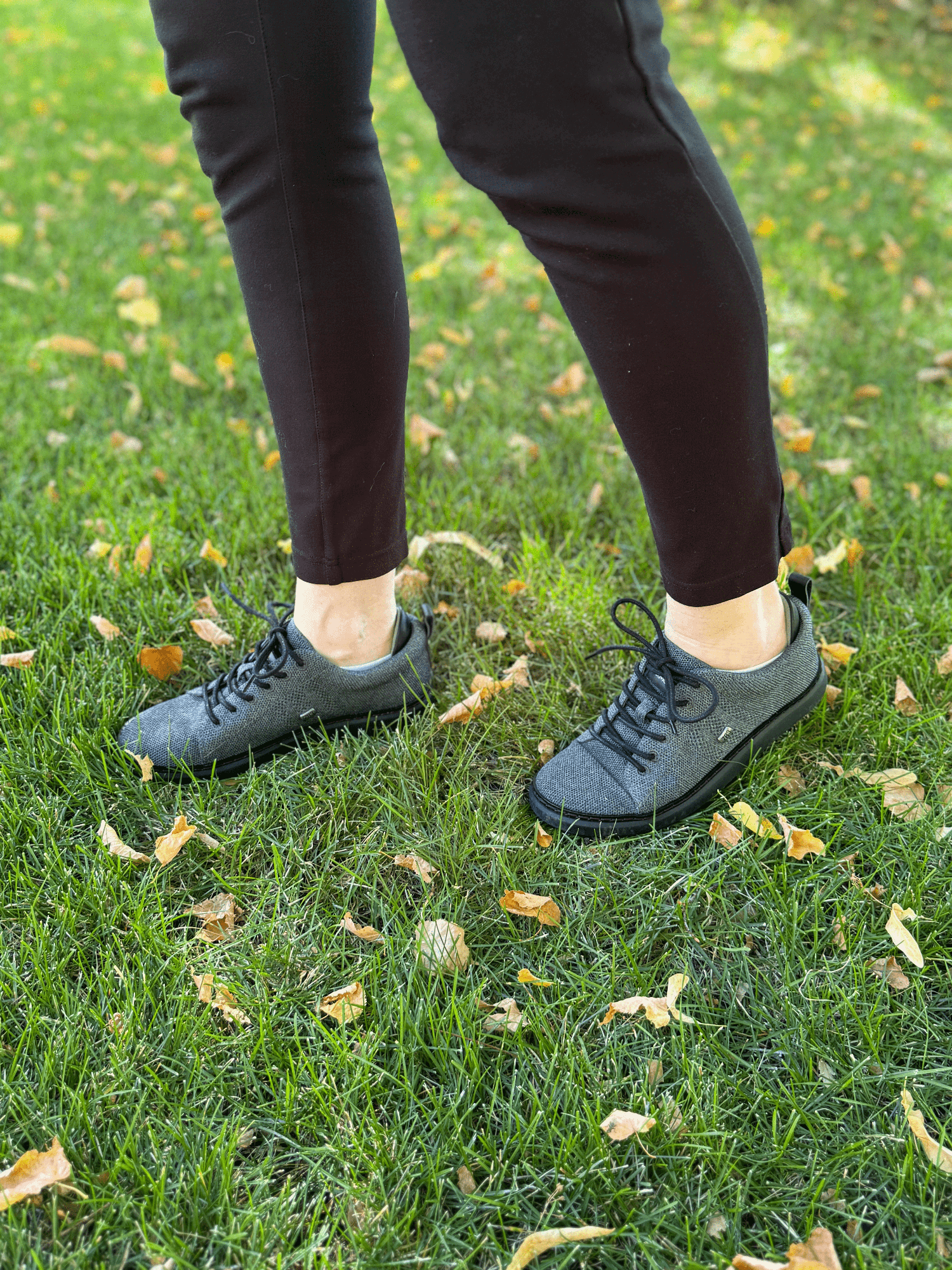
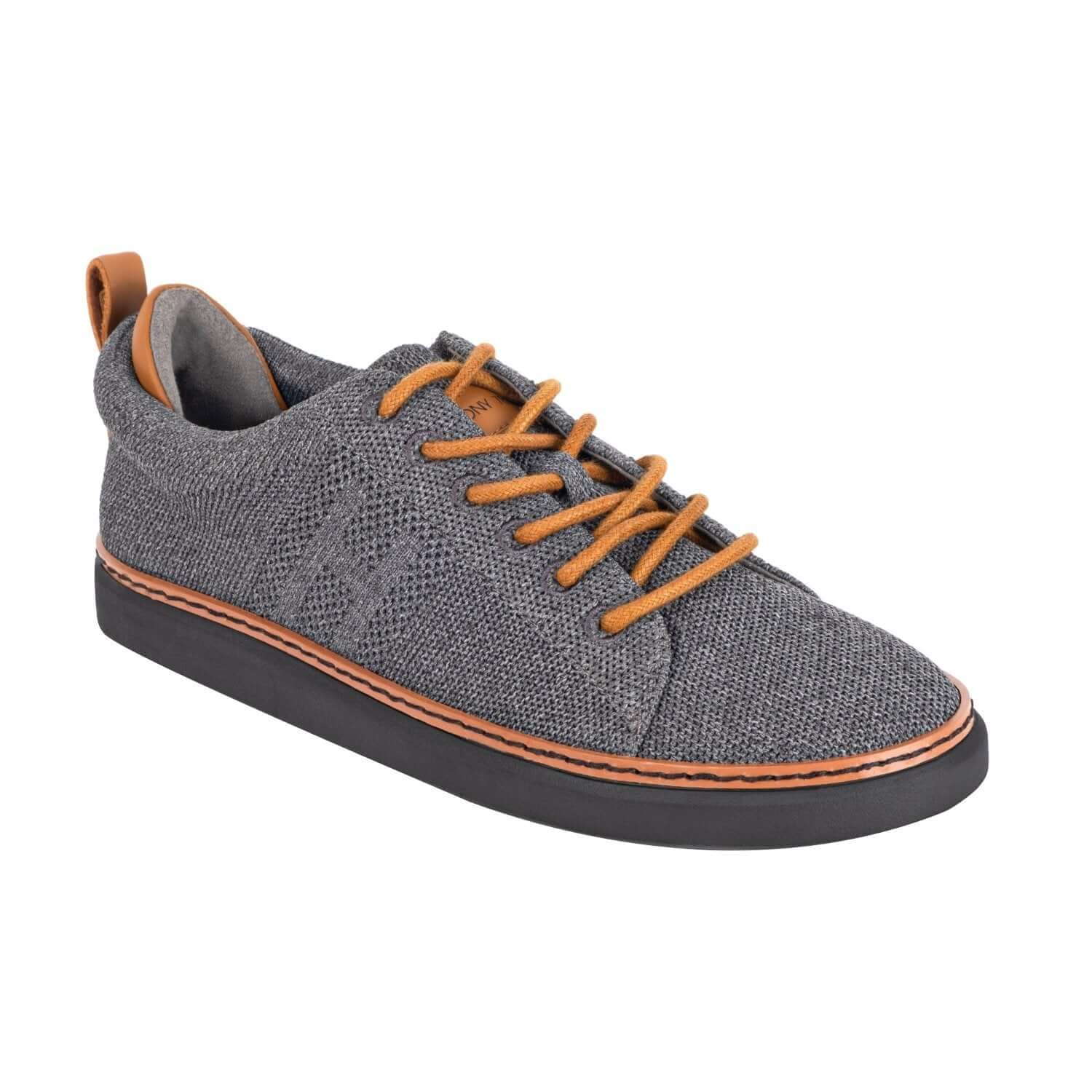
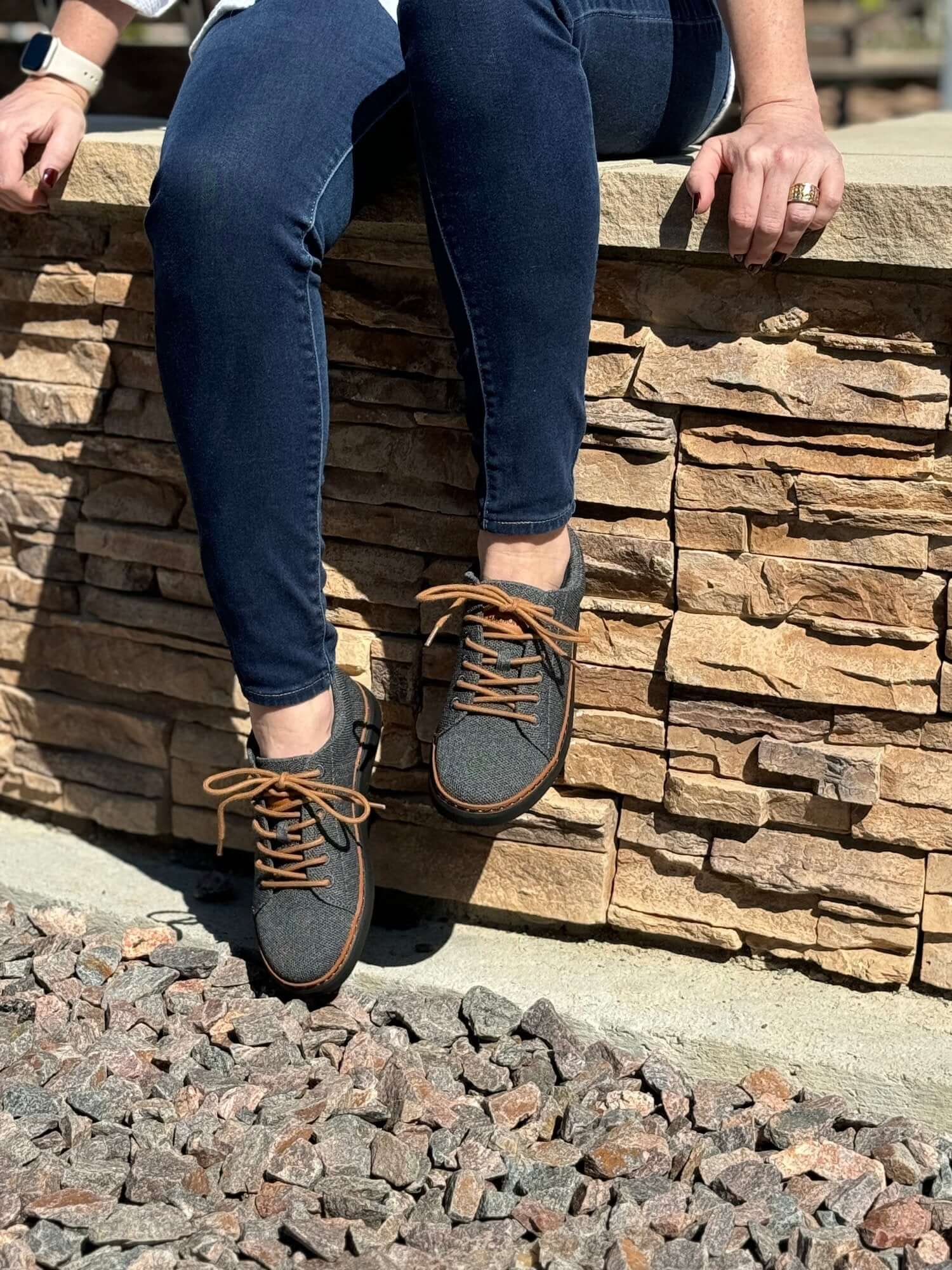
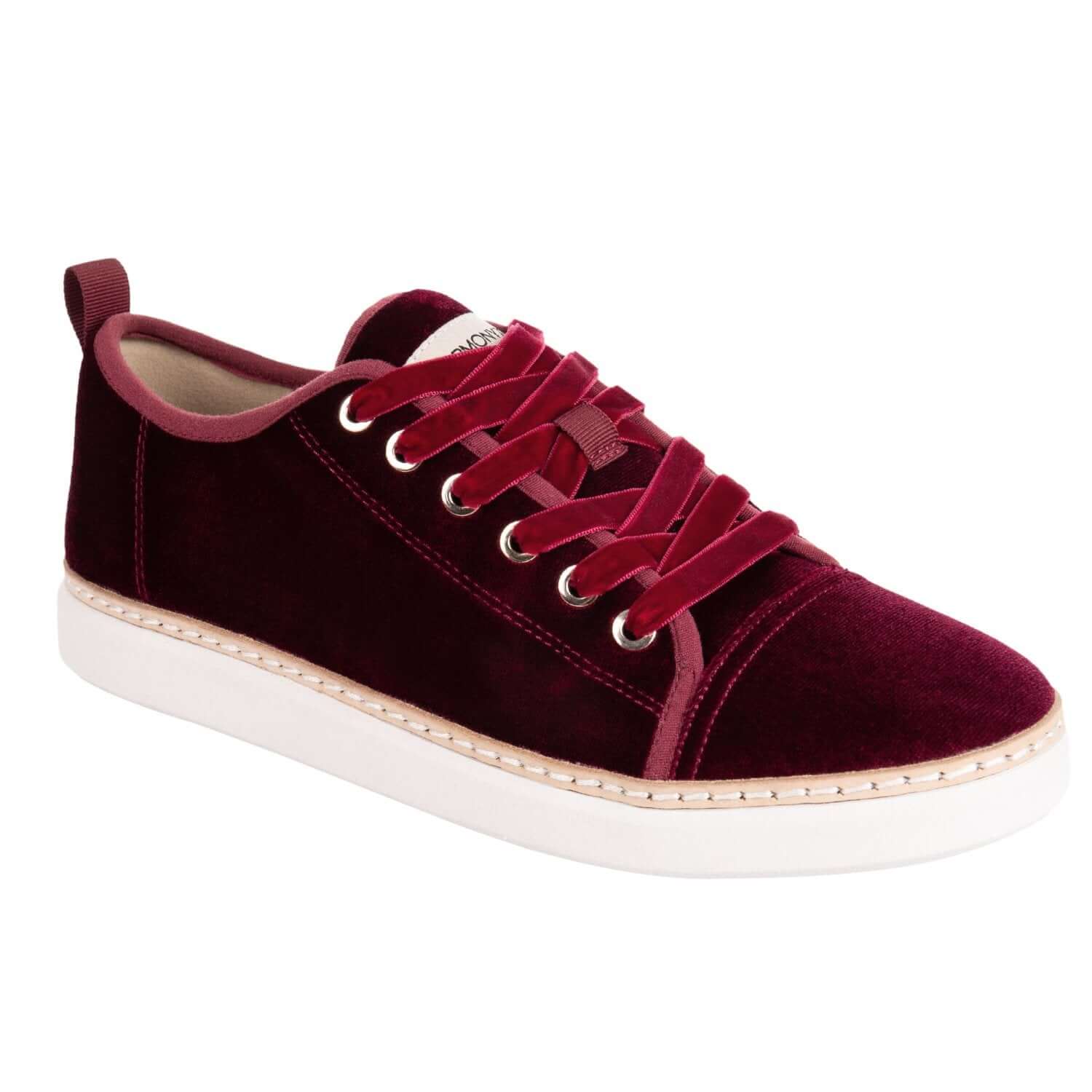
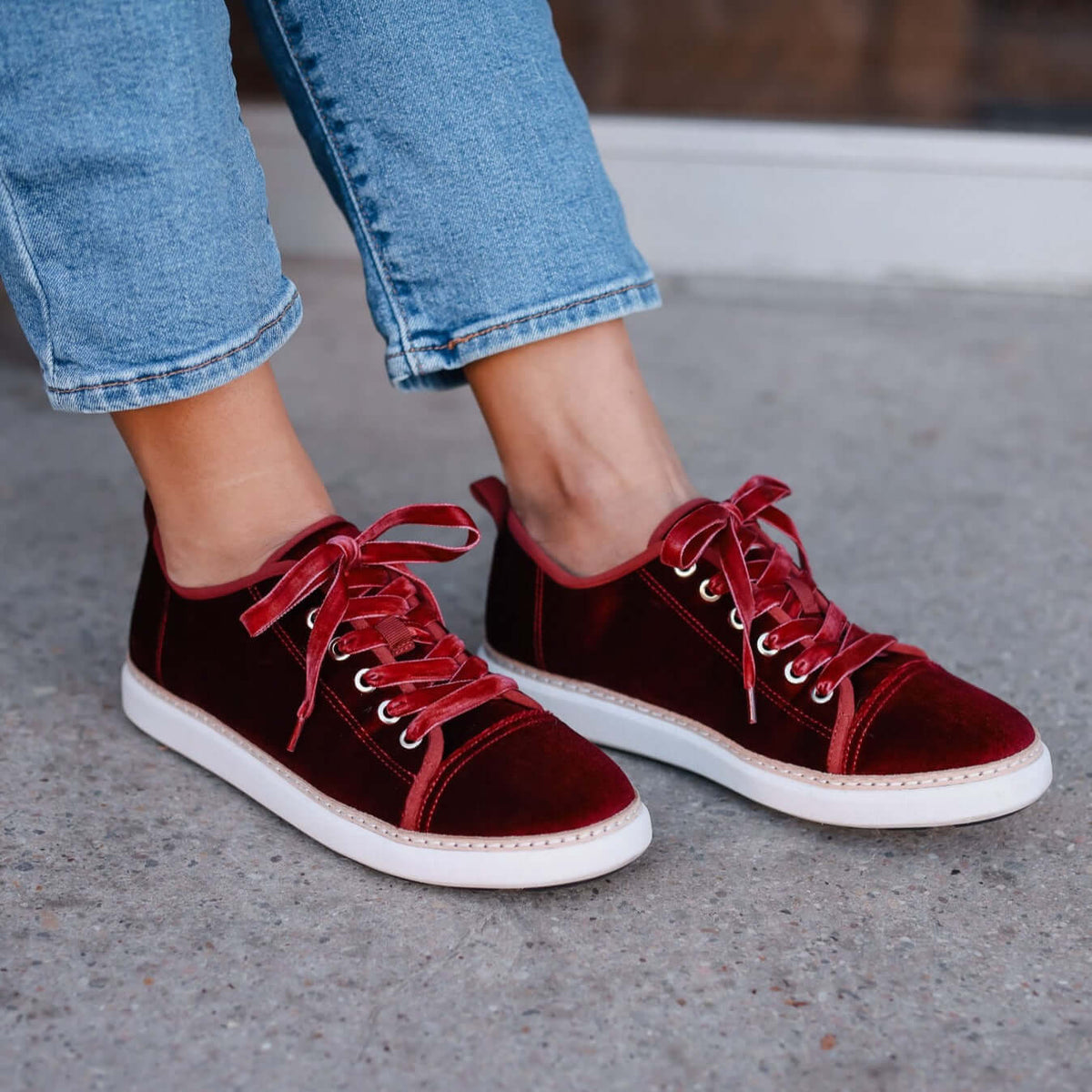
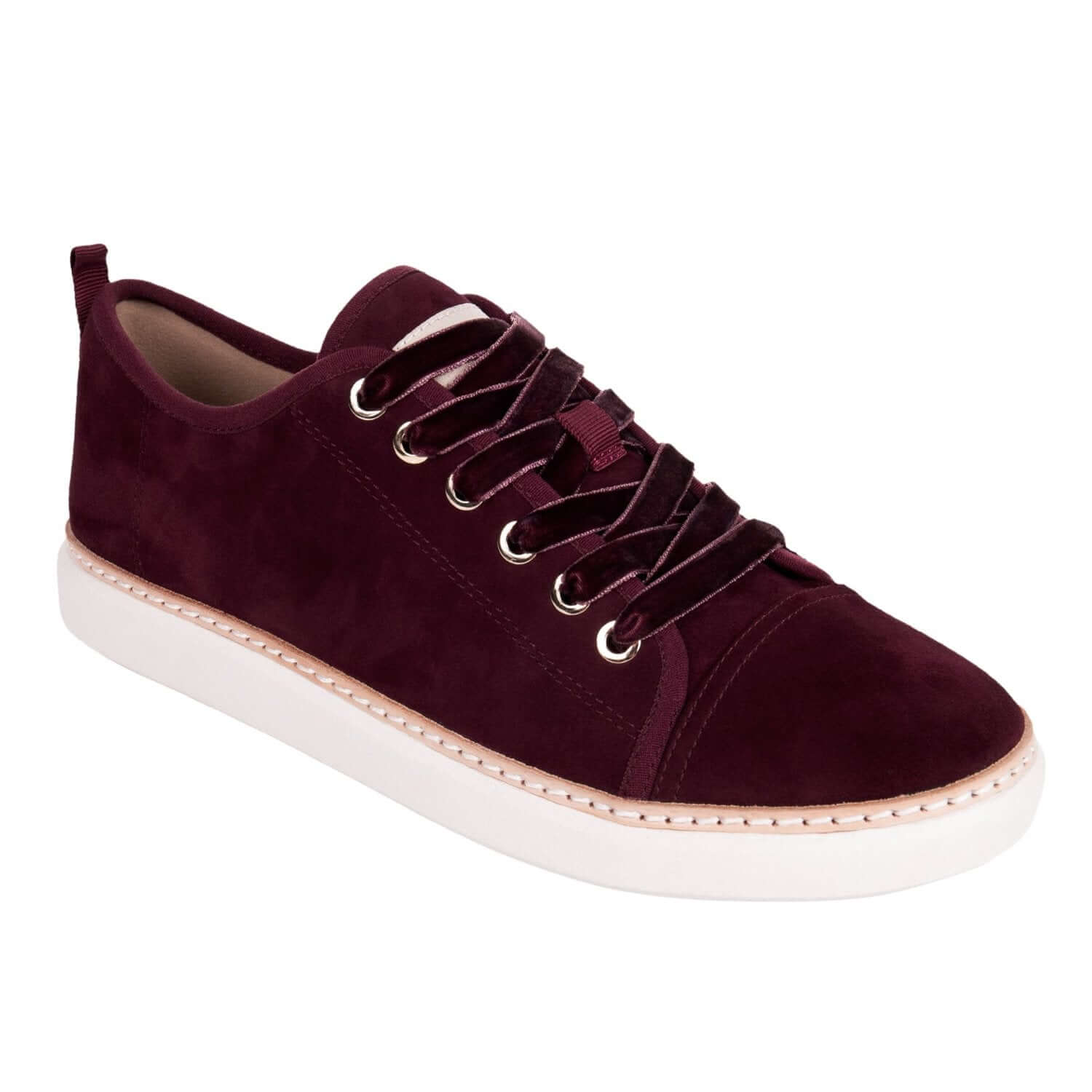
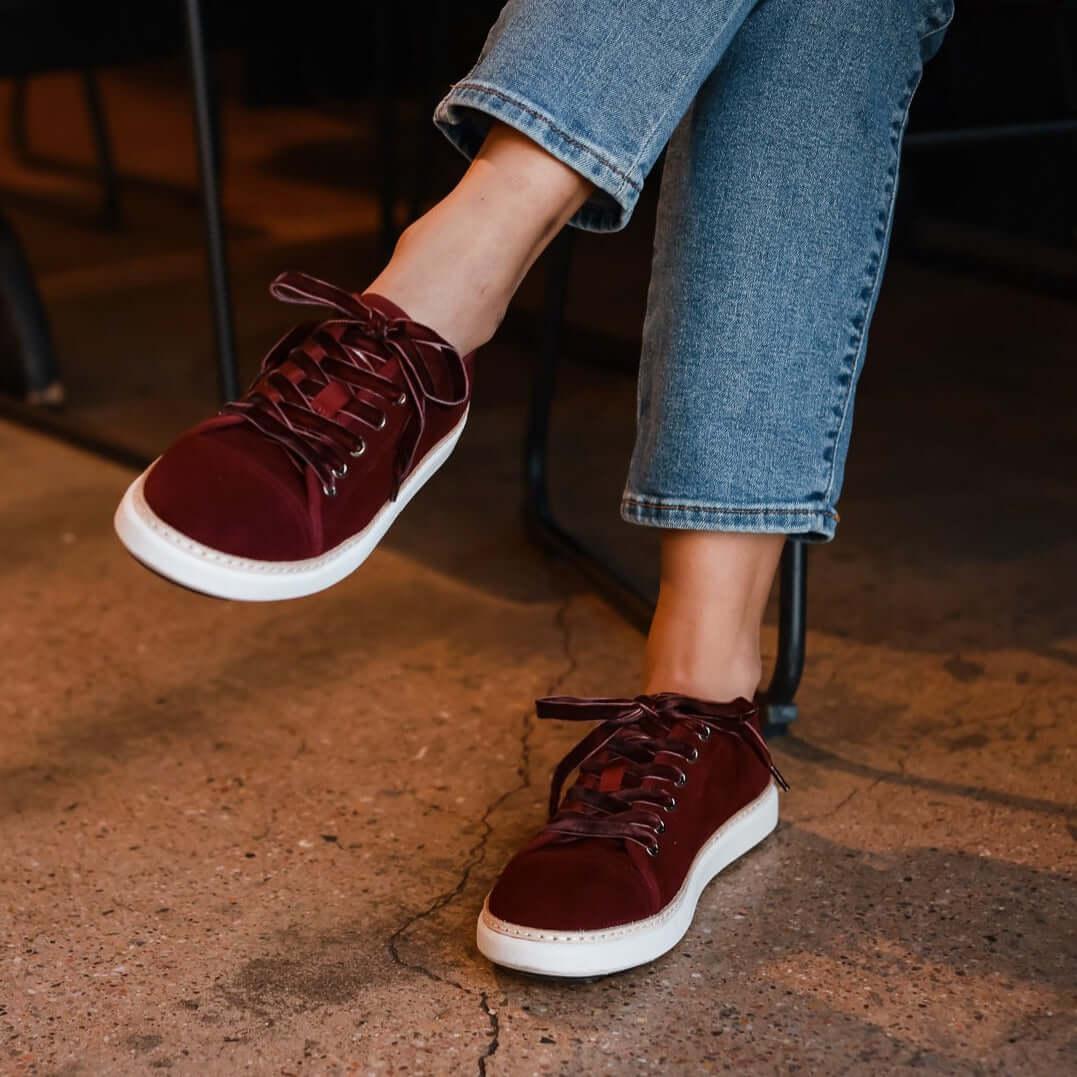
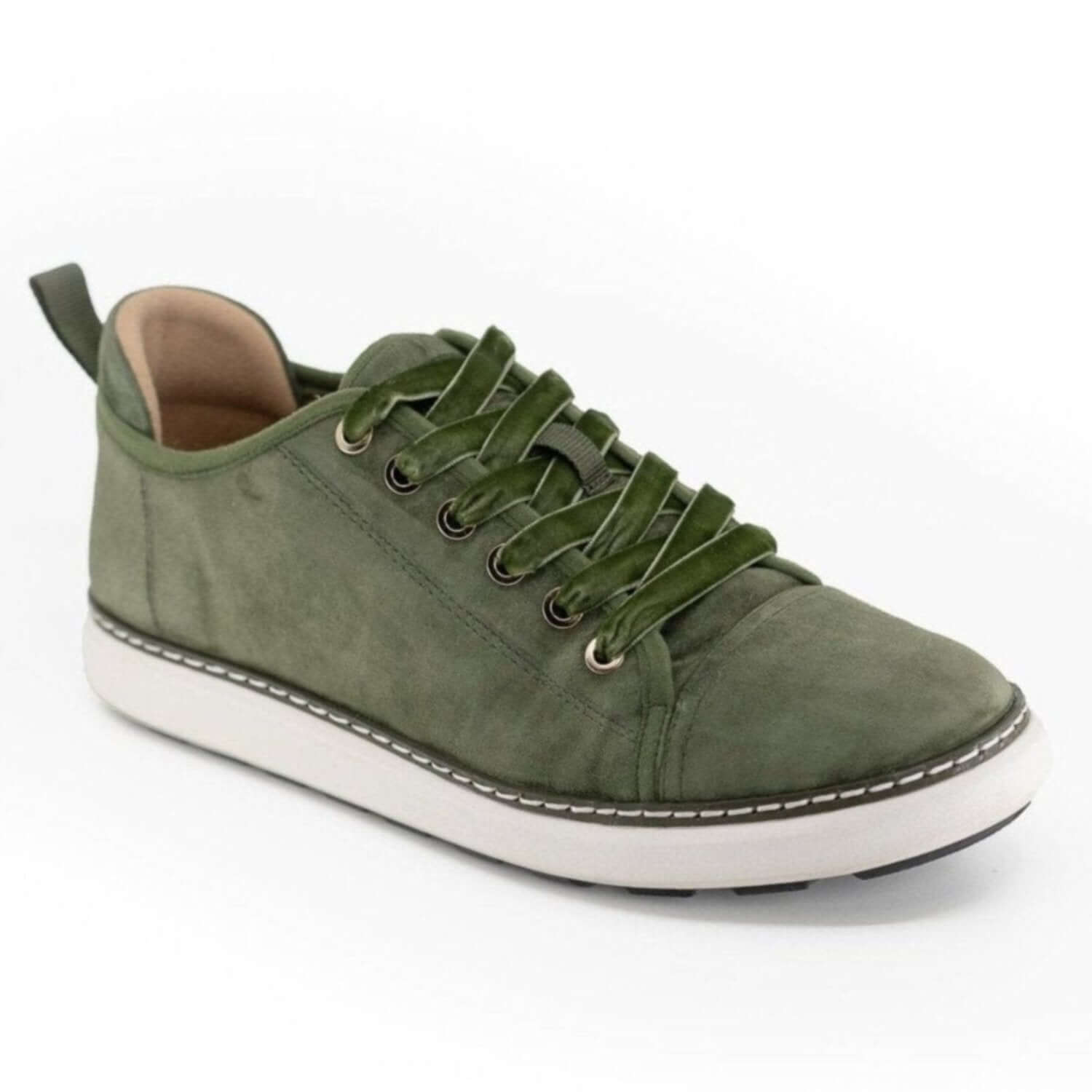
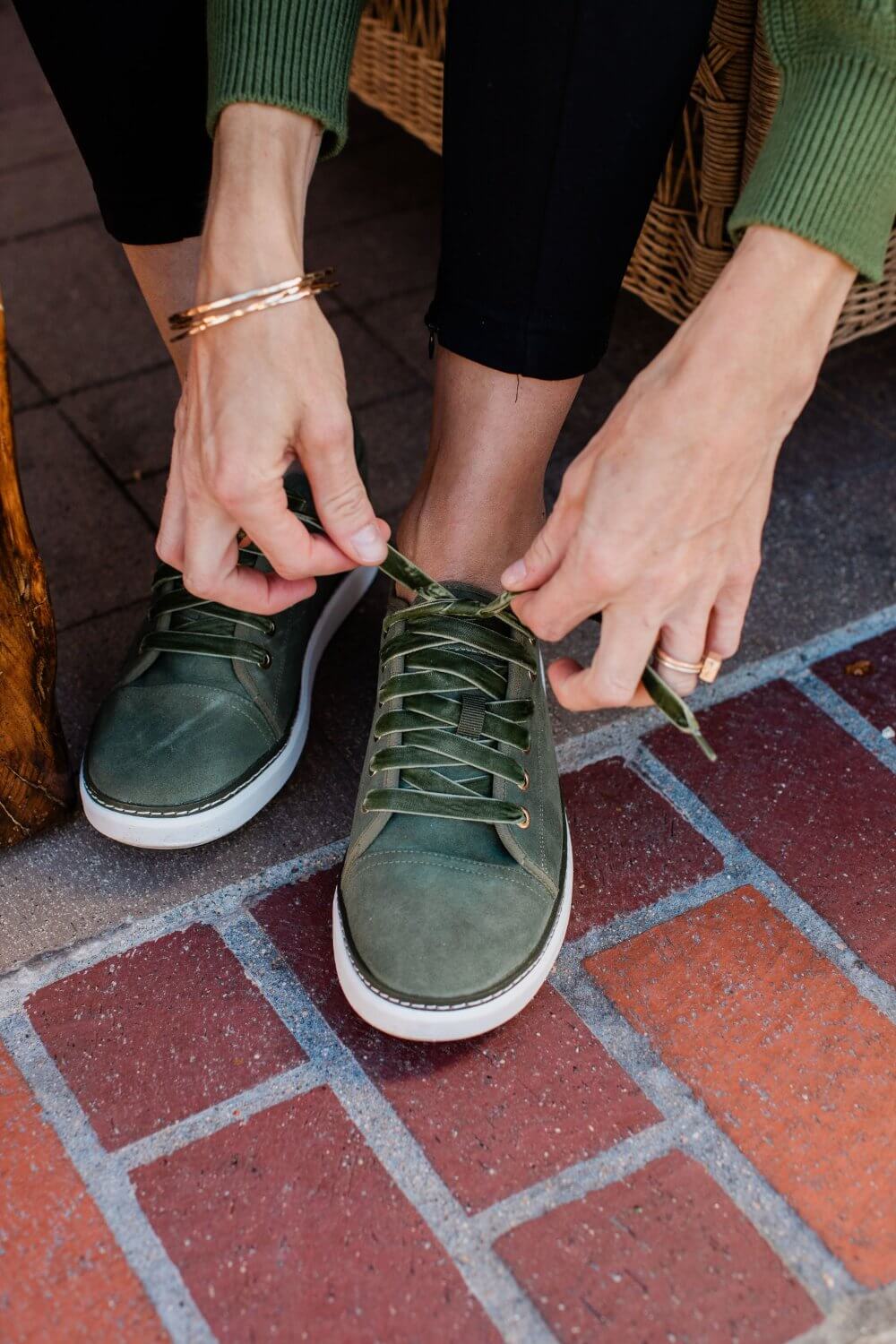
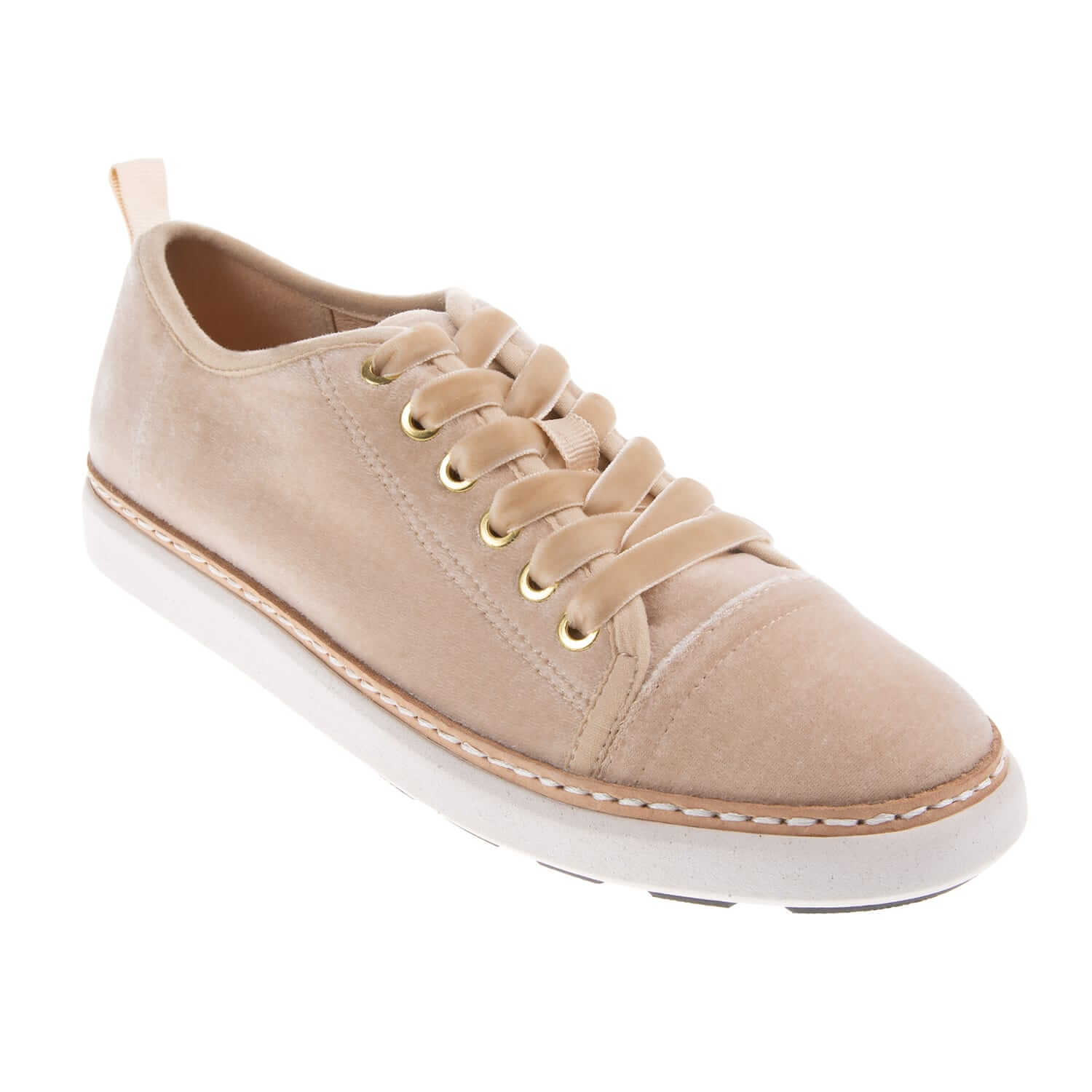
The overlap gives shoppers more choice, but it also makes product details important. Look beyond the label and check the sole shape, flexibility, cushioning, and conductive system. A bamboo-knit grounding sneaker, for example, shows how grounding can fit a familiar daily-wear style.
What the comparison means in practice
Choose based on the feature you want most. If electrical contact is the goal, confirm that the shoe has a full conductive path. If natural foot motion matters most, focus on toe room, sole shape, flexibility, and cushioning level.
For people who want both, check each feature instead of relying on category names. Grounding describes electrical function. Barefoot describes how the shoe fits and moves. That distinction makes the grounding shoes vs barefoot shoes comparison much easier to use.
How do grounding shoes work?
A continuous conductive path
Grounding shoes are built to create an electrical path between the foot and the ground. Conductive material inside the shoe connects the footbed to a conductive part of the outer sole. This design differs from footwear that has no planned path through its sole.
The idea depends on conductivity, not on how thin or flexible the shoe feels. Research literature defines grounding as electrically conductive contact between the body and the Earth's surface. A grounding shoe aims to maintain that contact while placing footwear between the foot and the ground.
Conductive parts versus standard soles
Conductive elements can include silver or copper filaments that link the inside and outside of a shoe. Harmony 783 uses silver stitching within its Groundworks construction. The same basic approach can appear in a sandal, sneaker, walker, or grounding trail shoe.
By contrast, a conventional rubber sole is not designed to carry an electrical connection from the foot to the ground. Its solid insulating layer can interrupt that path. A grounding sole adds a conductive route through or around the material instead of relying on sole thickness alone.
This point helps clarify grounding shoes vs barefoot shoes. Barefoot shoes focus on natural movement through features such as a flexible sole, wide toe area, and level heel. Those design traits do not make a shoe conductive. A grounding shoe may be cushioned or structured, as long as its conductive path remains intact.
The conductive route must run without a break from the footbed to the contact point under the shoe. If that route is damaged or blocked, the shoe may no longer make the intended connection.
Why the walking surface matters
A conductive shoe still needs contact with a surface that can complete the path. Grass, soil, and sand are common grounding surfaces. Dry pavement, sealed floors, and synthetic coverings may not provide the same connection, so wearing grounding shoes does not guarantee grounding everywhere.
Moisture, surface coatings, wear, and dirt can also affect contact at the outer sole. Check the maker's care guidance and keep the conductive contact area clean. Grounding describes an electrical connection; it is not a promise that the shoe will treat or prevent a health condition.
What makes a shoe barefoot-style?
A barefoot-style shoe aims to let the foot move more like it does without shoes. Its design favors natural shape and motion over added structure, thick cushioning, or a raised heel. This goal separates barefoot footwear from many standard shoes, but it does not make the shoe a grounding shoe.
Natural shape and a wide toe box
Barefoot-style shoes usually follow the outline of the foot instead of narrowing sharply at the toes. A wide toe box gives the toes room to spread while standing and walking. This feature reflects research showing that barefoot walking allows more forefoot spreading under load. Habitual barefoot walkers also tend to have wider feet.
Fit still matters because a wide-looking shoe can be too short or loose at the heel. Check that your toes can move without pressing against the upper. The shoe should stay secure without squeezing the forefoot. People who prefer more support may find a walking shoes collection better suited to their daily needs.
Zero drop, flexibility, and thin soles
Zero drop means the heel and forefoot sit at the same height. This level platform differs from shoes with a raised heel. Flexibility lets the sole bend and twist with the foot, while a thin sole keeps the wearer closer to the ground.
These traits work together, but they are not all-or-nothing rules. Some barefoot-style shoes use slightly thicker soles for rough paths or daily comfort. When comparing grounding shoes vs barefoot shoes, focus on purpose. Barefoot design supports natural motion, while grounding design adds a conductive path between the foot and ground.
- Foot-shaped fit: follows the natural outline of the toes.
- Wide toe box: leaves room for the toes to spread.
- Zero-drop platform: keeps heel and forefoot level.
- Flexible build: bends with the foot during movement.
- Thin sole: limits material between the foot and surface.
A gradual change in feel
Moving from structured footwear to a barefoot-style shoe can feel unfamiliar. The lower, thinner, and more flexible build changes how the ground feels underfoot. Start with short periods on familiar surfaces, then note how your feet and legs respond.
Increase wear time only when the current amount feels comfortable. Terrain, activity, and past footwear habits can shape the adjustment. A barefoot-style design may suit casual walks yet feel less suitable for long days or rugged trails. Choose the level of flexibility and sole thickness that fits the task.
How to choose the right footwear for you
Start by deciding what you want your shoes to do. Grounding shoes support electrical contact with the earth, while barefoot shoes focus on natural foot movement. The research on grounding is still developing, though studies have reported effects on physiology and inflammation. Your daily routine, comfort needs, and preferred surfaces should guide the final choice.
Your buyer checklist
Use this checklist to compare grounding shoes vs barefoot shoes without getting distracted by labels. A shoe may include traits from both groups, so check its actual design.
- Name your main goal. Choose grounding footwear if electrical contact is your priority. Choose barefoot footwear if you mainly want a thin, flexible sole and natural movement.
- Pick your cushioning level. Barefoot designs often use little padding, which gives more ground feel. Grounding shoes can offer more cushioning while still using a conductive path.
- Check the toe box. Your toes should have room to spread without sliding inside the shoe. A broad toe box matters most when natural foot movement is a key goal.
- Verify conductivity. Look for a clear explanation of how the footbed connects to the outsole. Follow the maker's test instructions instead of assuming any metal detail makes a shoe conductive.
- Match the surface. Grounding depends on contact with a surface that can conduct. Barefoot-style movement can still work on indoor floors, even when those floors do not support grounding.
- Match the activity. Daily errands may call for a flexible sneaker or slip-on. Uneven paths need grip and coverage, making purpose-built grounding trail shoes a more practical option.
- Confirm the fit. Check the brand's size guide and measure both feet. The heel should feel secure, and the upper should not press or rub during a short indoor walk.
Comfort and fit checks
Do not treat thin soles as a requirement for every buyer. Cushioning can help people who spend long days on hard surfaces. A wider toe box and a cushioned sole can also appear in the same shoe. Focus on fit, support, and how the design serves your main goal.
Try shoes late in the day, when feet may be slightly fuller. Wear the socks you plan to use most often. Walk, turn, and climb a few steps indoors before deciding. Check for heel slip, toe pressure, or rubbing near seams.
A gradual transition
Move slowly if your new pair changes how your feet meet the ground. Research has found that barefoot walking can change step length, cadence, and foot placement. These gait differences linked with barefoot walking support a careful transition rather than an abrupt switch.
Begin with short, easy walks and increase wear time as comfort allows. Stop if pain develops, then review fit and activity level. People with foot conditions or balance concerns should ask a qualified health professional before making a major footwear change.
What does the evidence say about grounding and barefoot footwear?
Grounding research remains early
Grounding and barefoot footwear involve different ideas, so their evidence should not be treated as one body of research. Grounding concerns conductive contact with the Earth. Barefoot footwear concerns shoe shape, sole thickness, and how the foot moves.
Some grounding studies report changes linked with inflammation, immune response, wound healing, pain, and muscle soreness. A published review of grounding research describes these findings as intriguing effects on health and physiology. That wording matters because intriguing findings are not the same as proven treatment benefits.
The research does not yet show that grounding footwear can prevent, treat, or cure a health condition. Studies may also test direct skin contact or grounding systems rather than daily shoe use. These differences make it hard to apply every grounding result to a specific pair of shoes.
What barefoot studies show
Barefoot research has clearer evidence about movement and foot shape, but it still requires careful reading. A systematic review of barefoot walking and running found changes in gait, foot placement, knee flexion, and ground forces. It also found greater forefoot spreading under load among barefoot walkers.
These findings show that removing standard footwear can change how people move. They do not prove that every barefoot shoe creates the same change. They also do not mean that a movement change will ease pain or improve health for every wearer.
Barefoot shoes vary in width, flexibility, sole thickness, and fit. Grounding shoes also vary, and their main shared feature is a conductive path. When comparing grounding shoes vs barefoot shoes, judge each design by the feature it is meant to provide.
A careful way to choose
Start with your goal, then look for evidence that matches it. A person seeking natural foot movement may focus on fit, toe space, flexibility, and a gradual transition. Someone interested in conductive contact should check how the shoe creates and maintains that connection.
- Treat grounding benefits as proposed benefits, not medical promises.
- Assess comfort, fit, support, and intended use alongside conductivity.
- Introduce thinner or less supportive footwear slowly.
- Stop if a new shoe causes pain, numbness, or a change in walking.
People with diabetes, reduced foot sensation, active injuries, or ongoing foot pain should consult a qualified clinician before changing footwear. The right option may include more support than a minimalist shoe provides. Harmony 783's walking shoes collection offers examples of grounding footwear designed with walking comfort in mind.
Can grounding shoes also be barefoot shoes?
Yes. A shoe can combine a conductive path to the ground with selected barefoot features. The two ideas solve different needs, so neither one requires the other. A hybrid design may offer a roomy toe area and flexible movement while still using conductive materials in its sole.
How the two designs can overlap
Barefoot shoes usually focus on how the foot moves. Common traits include a thin, flexible sole, a level heel-to-toe shape, and space for the toes. Grounding shoes focus on maintaining an electrical path between the wearer and a conductive outdoor surface.
A maker can put both goals into one shoe. For example, a flexible sole can include a conductive layer without becoming stiff. A wide forefoot can also support natural toe spread. A review indexed by PubMed notes that barefoot walking allows more forefoot spreading under load.
What a hybrid does not guarantee
The word "hybrid" does not mean every barefoot feature is present. One design may have a roomy shape but use more cushioning. Another may have a thin sole but a more structured upper. Shoppers should check the toe box, heel drop, flexibility, cushioning, and conductive path as separate features.
The surface underfoot matters as well. Conductive shoe parts need contact with a surface that can complete the grounding path. A hybrid shoe may still act like a barefoot shoe on an indoor floor, but its grounding feature may not be active there.
Harmony 783's approach to the balance
Harmony 783 places grounding first, then balances it with cushioning, comfort, and a polished look. Its Groundworks technology uses conductive silver stitching within a layered sole system. This approach differs from a strict minimalist shoe, which may remove most padding to increase ground feel.
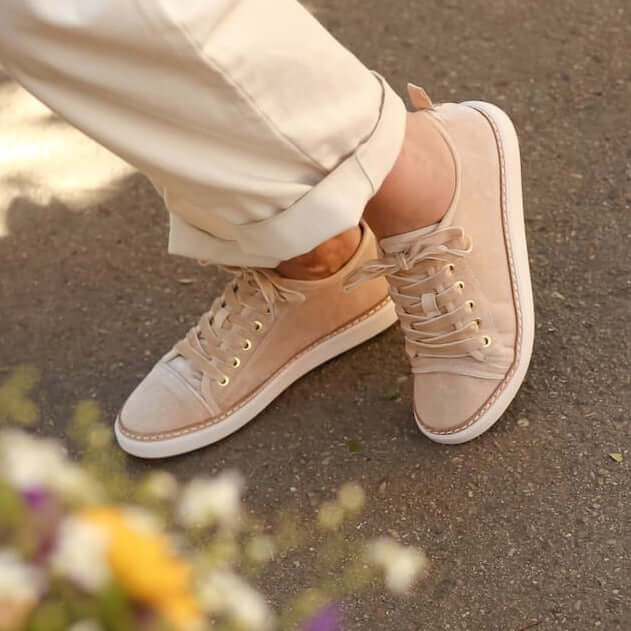
That balance can suit people who want grounding footwear for daily routines but prefer support underfoot. The walking shoes collection shows how grounding can pair with cushioned walking styles. The sneakers collection offers another option for casual wear.
When comparing grounding shoes vs barefoot shoes, start with your main goal. Choose a strict barefoot build when natural movement and ground feel matter most. Consider a hybrid when you want selected barefoot traits alongside grounding, cushioning, and everyday style.
How to use and care for grounding footwear
Grounding footwear needs both a conductive shoe path and contact with a suitable outdoor surface. That makes daily use different from wearing a standard shoe for comfort alone. Care also matters because dirt, moisture, and harsh cleaning methods may affect the materials built into the shoe.
Choose the right place to walk
Wear grounding shoes on natural surfaces such as bare soil, grass, or sand when conditions are safe. Grounding is based on electrically conductive contact with the Earth, as described in published grounding research. Dry pavement, coated floors, and indoor surfaces may not provide the same contact.
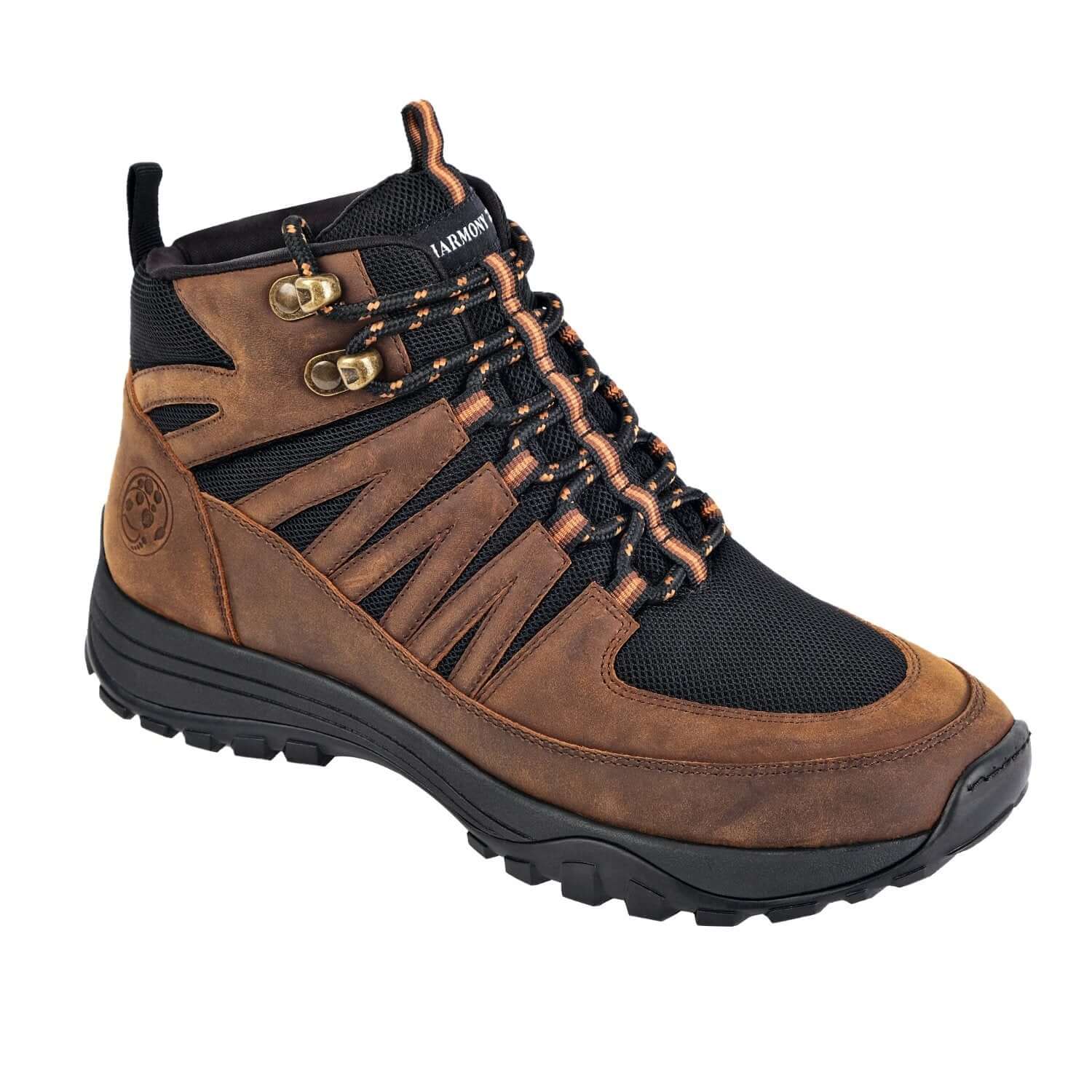
Check the area before walking. Avoid sharp rocks, broken glass, deep mud, and ground treated with chemicals. If the surface is wet or slick, use the same care you would with any outdoor shoe. Choose a style suited to the setting, such as grounding trail shoes for outdoor paths.
Clean without harming conductive parts
Follow the care label for your exact pair before washing it. Different uppers, linings, and conductive components may need different methods. When no other directions are given, start by brushing away loose dirt with a soft, dry brush.
For a small mark, use a damp cloth and mild soap, then let the shoe air-dry. Do not soak the shoe or place it in a dryer unless the maker says that method is safe. Avoid bleach, strong solvents, and abrasive scrubbers near conductive stitching or contact points.
Check wear before each use
Look over the outsole, footbed, seams, and visible conductive parts on a regular basis. Stop using the pair if a contact point is loose, damaged, or covered by material you cannot remove safely. Ask the maker for care or repair guidance instead of taking the shoe apart.
Rotate pairs when they are damp, and store them in a cool, dry place with room to air out. Keep the footwear away from direct heat and long periods of bright sun. These simple habits help protect the shoe while keeping its intended use clear.
Frequently Asked Questions
Are all barefoot shoes also grounding shoes?
No. Barefoot shoes are designed around natural foot movement, often using a wide toe box, flexible sole, and zero-drop platform. Most do not include a conductive pathway between the foot and the ground. In fact, rubber soles usually insulate the wearer. A barefoot shoe must include conductive materials and a suitable outsole to function as a grounding shoe.
Are grounding shoes just barefoot shoes with added copper?
No. A grounding shoe needs a continuous conductive path from the footbed to the outsole, but copper is only one possible material. Silver, carbon, steel, and leather can also conduct electricity. The rest of the shoe may be minimalist, cushioned, supportive, or fashion-focused. Conductive construction and barefoot-style construction describe separate features, as Libertas Barefoot explains.
Do grounding shoes offer the same foot protection as barefoot shoes?
Protection depends on the individual shoe, not its grounding label. Barefoot shoes commonly use thin soles that shield feet from rough surfaces while preserving ground feel. Grounding shoes may use thin or cushioned soles, depending on their intended use. Compare outsole thickness, traction, toe coverage, and materials before buying. Neither category guarantees protection from sharp objects or hazardous terrain.
Can I combine the benefits of barefoot and grounding footwear?
Yes. Some footwear combines a wide toe box, flexible zero-drop sole, and conductive pathway. This design supports natural foot movement while allowing electrical contact with conductive ground surfaces. Evidence for barefoot biomechanics and grounding should be considered separately. A systematic review of barefoot walking found changes in gait and foot spreading, while grounding health research remains limited and emerging.
Ready to Explore Grounding Footwear Options?
Waiting to choose footwear that matches your priorities can mean more time in shoes that do not support how you want to move. Starting now gives you time to compare fit, cushioning, ground connection, and daily use before your next long walk or active trip. A careful choice today can help you find a practical balance among natural movement, everyday comfort, and the grounding features you value.
Ready to explore grounding footwear? Explore the walkers collection to compare styles and choose an option suited to your routine. Review each design, consider where you plan to wear it, and request help from Harmony 783 if you need guidance. Contact the team with questions about choosing the right walker for daily use.