









The holiday season is beautiful, full of connection, tradition, and shared joy, but it can leave many of us feeling tired, overstimulated, or simply out of rhythm. Even positive experiences can take a toll on the nervous system, sleep patterns, digestion, and energy.
This guide offers warm, simple, science-informed ways to help your body and mind recalibrate after a busy holiday season. Think of it as a gentle re-entry rooted in grounding, self-compassion, and intentional care.
Why Post-Holiday Recovery Matters for Your Body and Mind
It’s completely normal to feel physically or emotionally “off” after the holidays. Research shows that while vacations and holiday periods can boost wellbeing in the moment, emotional and physiological fatigue often follow without intentional recovery.¹
This is your reminder that slowing down is not indulgent, it’s restorative.
How Holiday Stress Affects the Nervous System
From travel to social gatherings to disrupted routines, the holidays naturally activate the sympathetic nervous system (your “go” mode). When the season ends, your body needs time — and gentle cues — to shift back into the parasympathetic system (your “rest and restore” mode).
Breathwork is one of the fastest ways to help this shift. Slow, deep breathing has been shown to calm the stress response and support emotional regulation.²
Try this anytime you feel overwhelmed:
Inhale for 4 counts → Exhale for 6 counts.
One minute can make a difference.
👉 Learn more about how grounding supports the nervous system
Simple Ways to Support Your Body After a Busy Season
Gentle structure goes a long way. Focus on routines that help your body recalibrate:
-
Re-establish consistent sleep and wake times
-
Choose nourishing meals with fiber-rich vegetables
-
Stay hydrated to support circulation and energy
-
Incorporate even small moments of stillness
These simple rhythms send a message of safety to your nervous system.
Why Gentle Movement Helps You Reset After the Holidays
You don’t need intense workouts. Small, intentional movement is incredibly effective.
One study found that just 15 minutes of movement can improve mood and overall wellbeing.⁴ A short walk, light stretching, or even a few minutes of mobility work can help your body feel more at home in itself again.
Movement helps:
-
Release tension
-
Support circulation
-
Improve sleep
-
Stabilize mood

How Nature Time Supports Post-Holiday Calm
Nature regulates the nervous system in ways indoor environments can’t. Spending time outside has been shown to reduce stress markers and anxiety.⁵ Even a brief walk through a park can bring the body back into balance.
If possible, aim for 120 minutes of nature time per week, but even 5–10 minutes a day helps.
The Role of Grounding in Winter Wellness
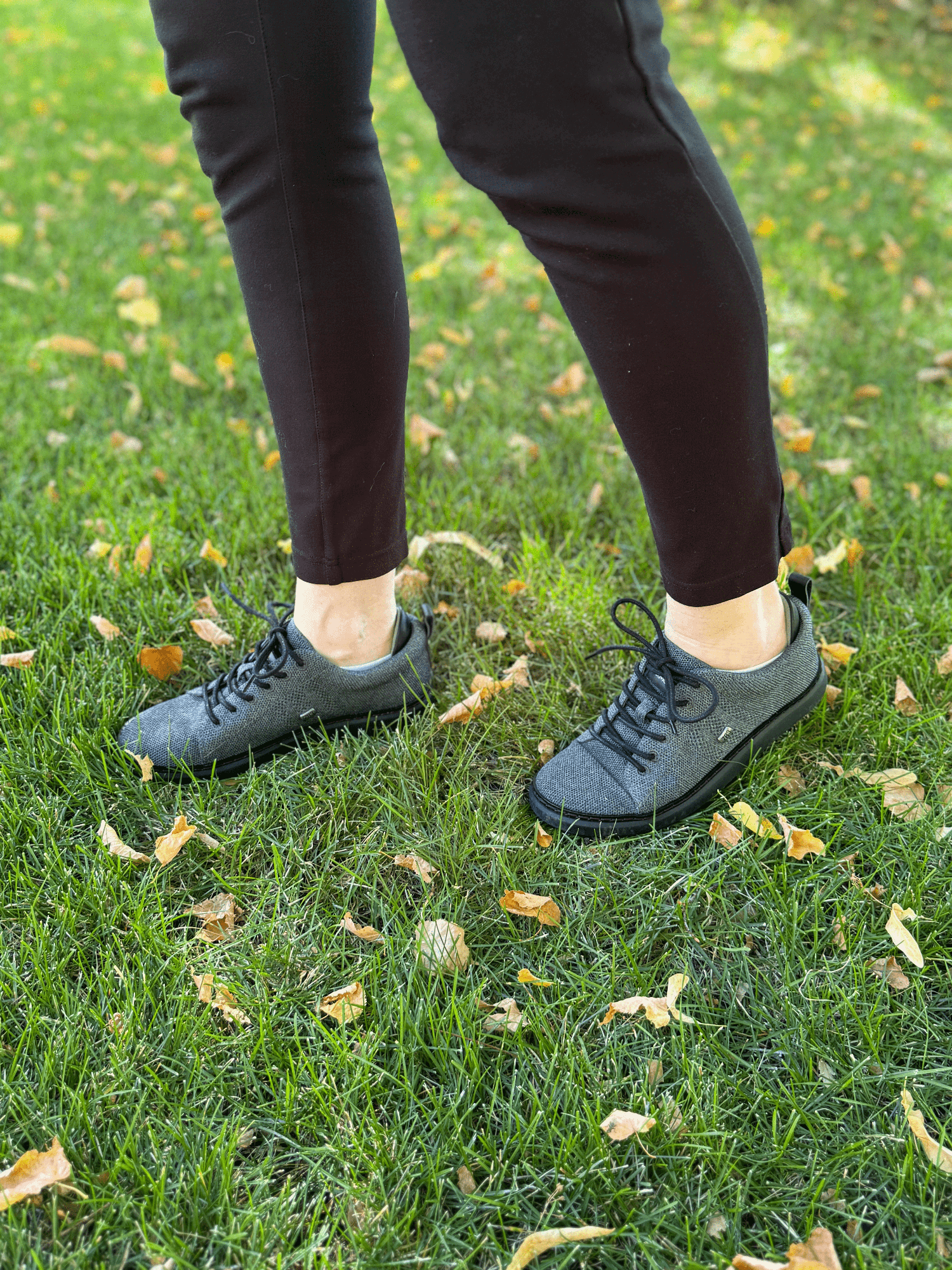
Grounding, connecting directly with the earth, may support cortisol rhythms, inflammation, sleep quality, and overall nervous system balance. Preliminary research suggests grounding helps modulate stress responses and supports recovery processes.⁶
After the holidays, when stress levels are often elevated, grounding can be a soothing and supportive practice.
👉 Learn more about the science of grounding
Creating Small Rituals to Ease Back Into Routine
Recovery doesn’t happen in one big shift. It happens through small, nurturing rituals:
-
A morning grounding moment
-
A cup of tea in silence
-
A walk at the same time each day
-
A breath practice before bed
-
A gratitude reflection
Tiny rituals signal to the body: you’re safe to slow down now.
Let This Be a Gentle Season of Reset
The end of the holidays isn’t a crash. It can be a soft return home to yourself. As you rest, hydrate, move, breathe, ground, and reconnect with nature, your body gradually remembers its natural rhythm.
Because how you end the holiday season matters just as much as how you celebrate it.

Sources:
- Examining the Change in Wellbeing Following a Holiday, ResearchGate
- Harvard Health Publishing — “Relaxation Techniques: Breath Control Helps Quell Errant Stress Response”
- Baylor Scott & White Health — “Mental Health After the Holidays: Six Tips to Bounce Back”
- Tom’s Guide — referencing research showing 15 minutes of movement improves wellbeing
- American Heart Association — “Spend Time in Nature to Reduce Stress and Anxiety”
- National Library of Medicine (PMC) — “The Effects of Grounding on Inflammation, the Immune Response, Wound Healing…”