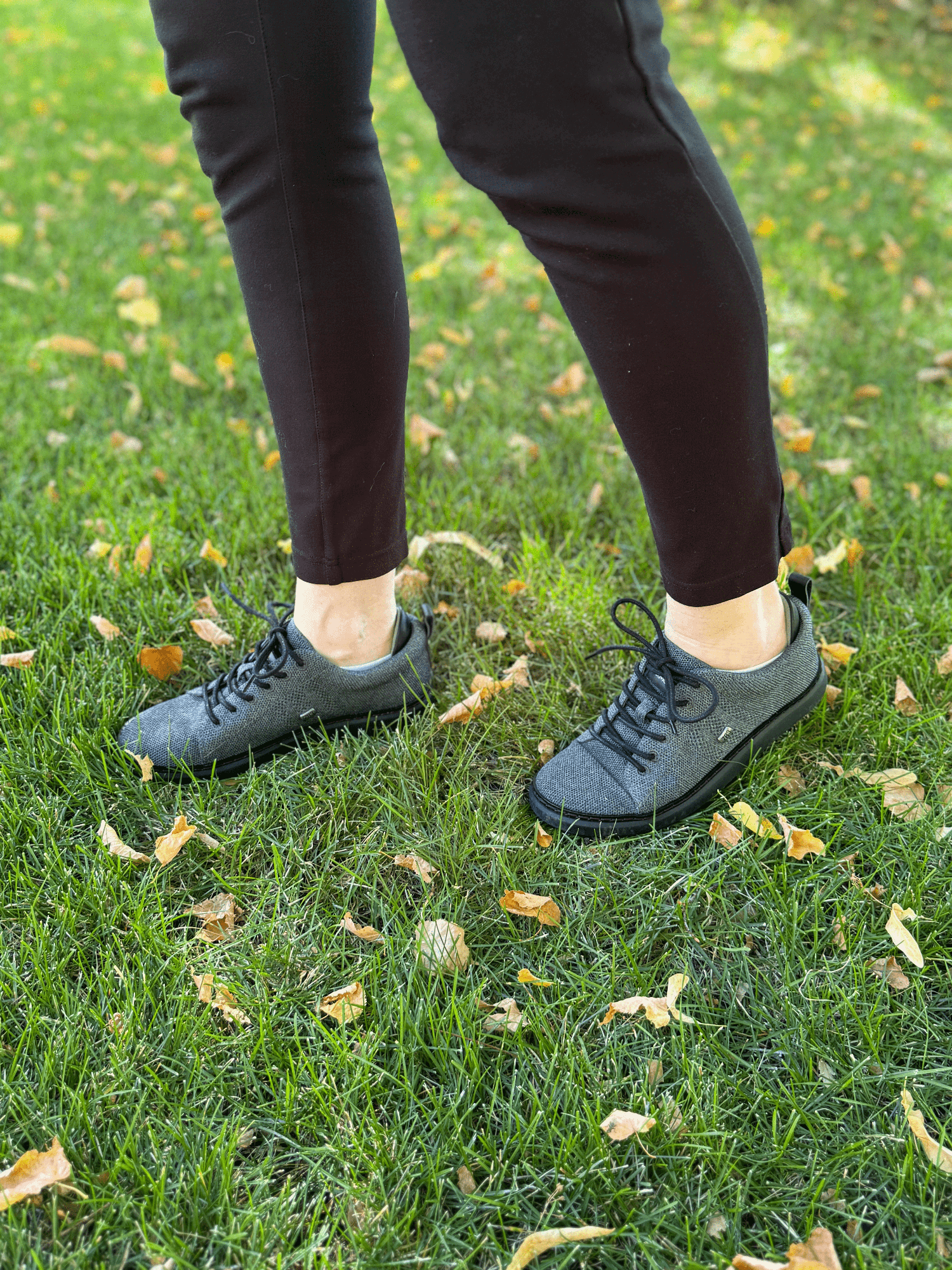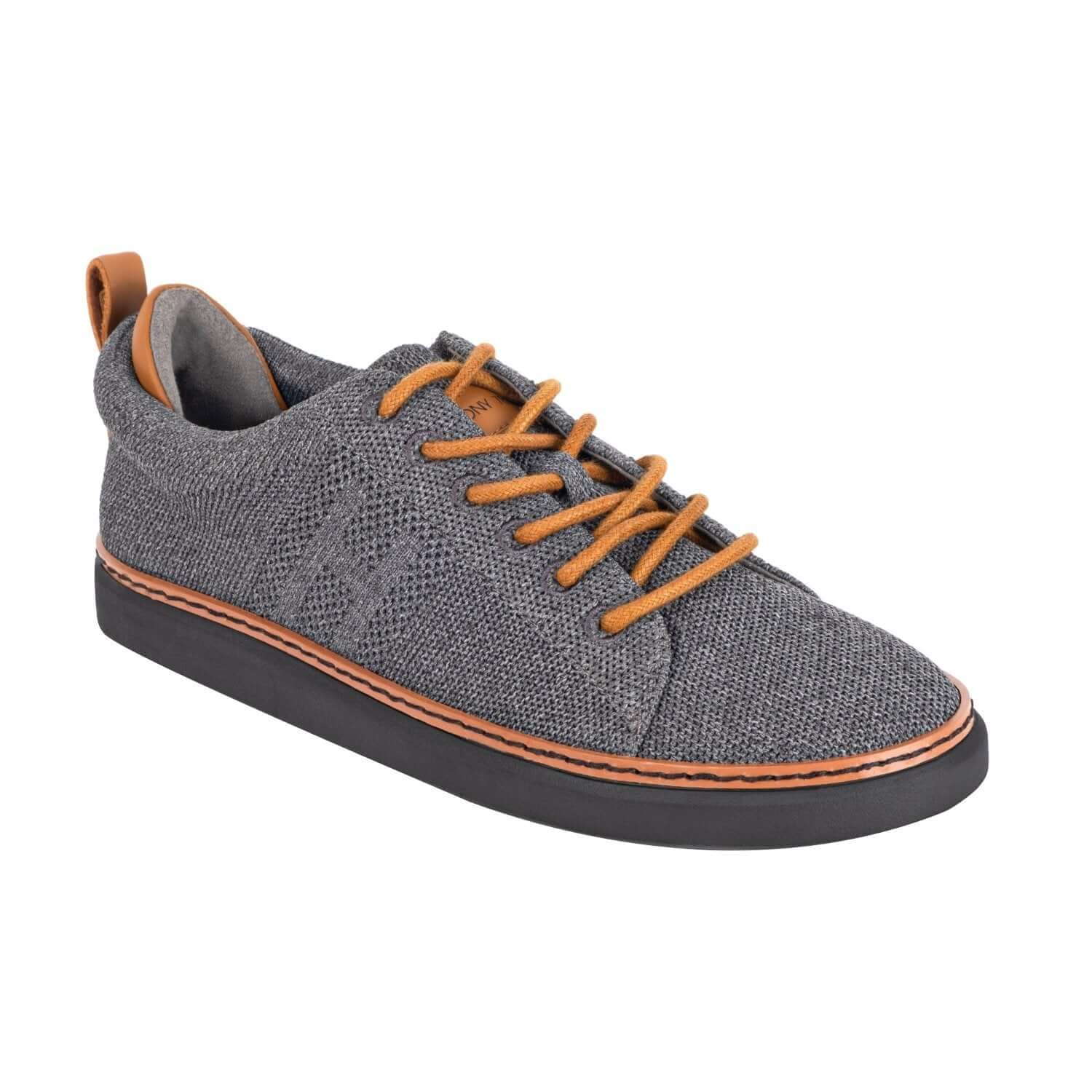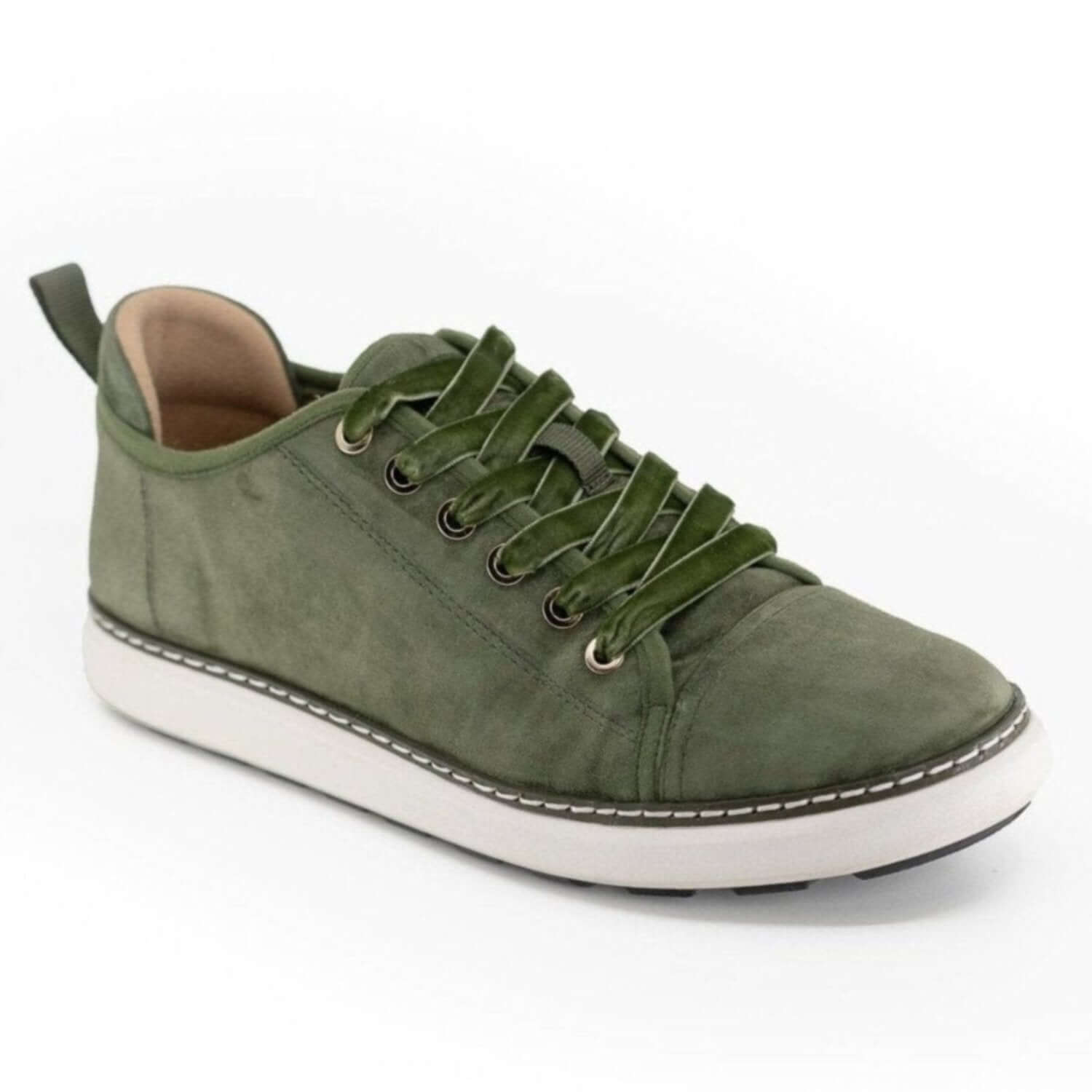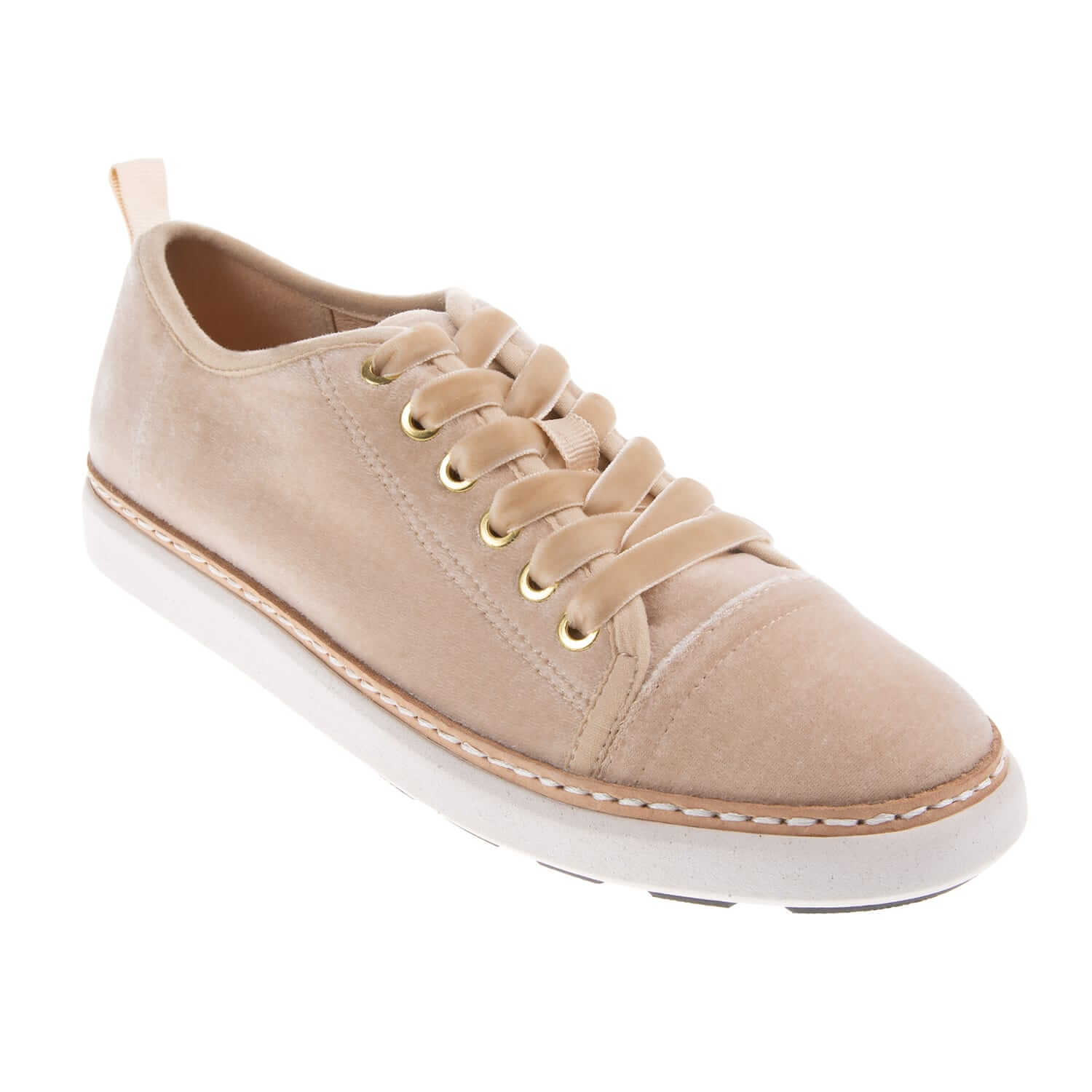

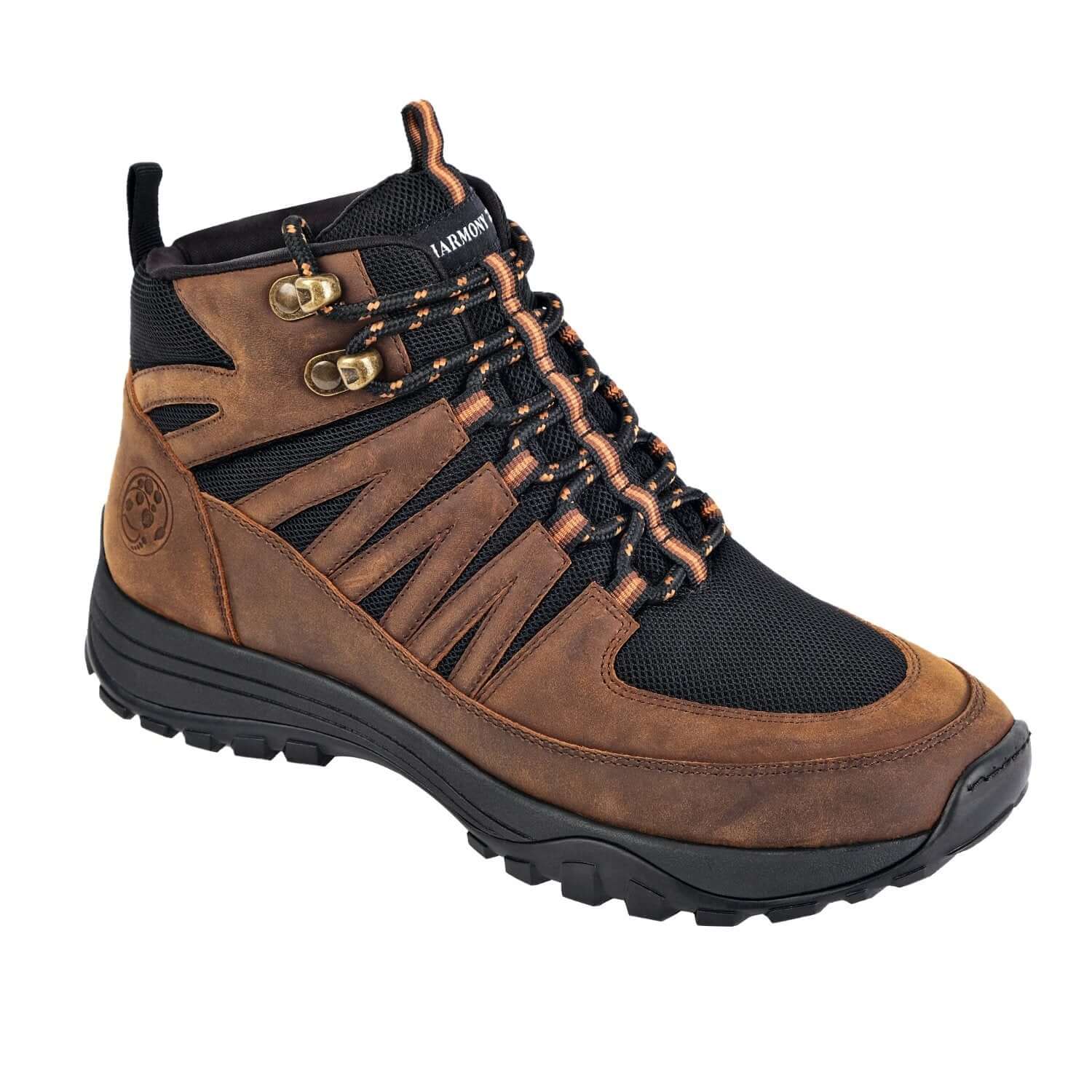
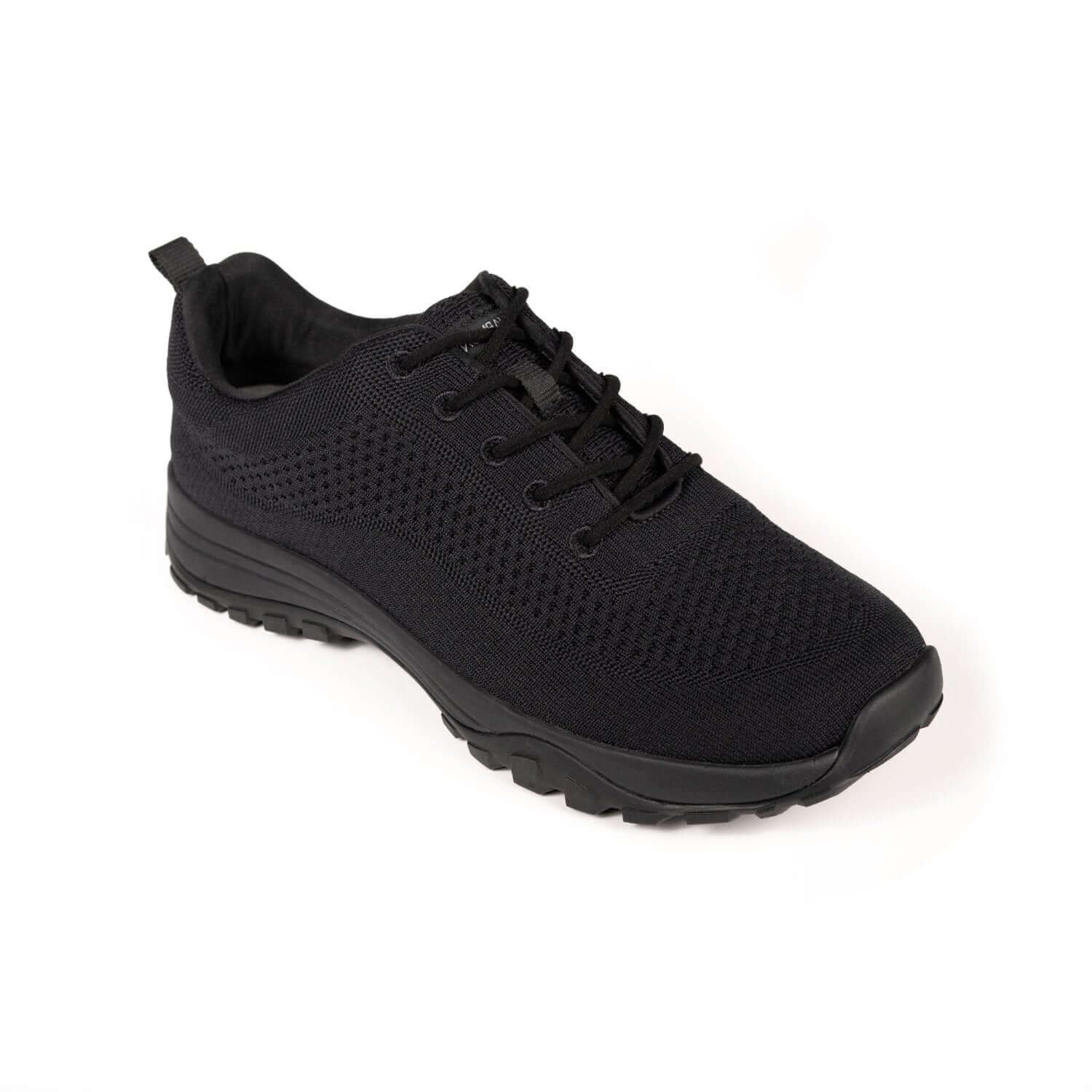





Heavy legs and rising inflammation after track workouts can halt an athlete's progress. Traditional recovery methods focus on rest, but performance also depends on your natural connection to the earth. To learn more, you can read about the foundational science of grounding.
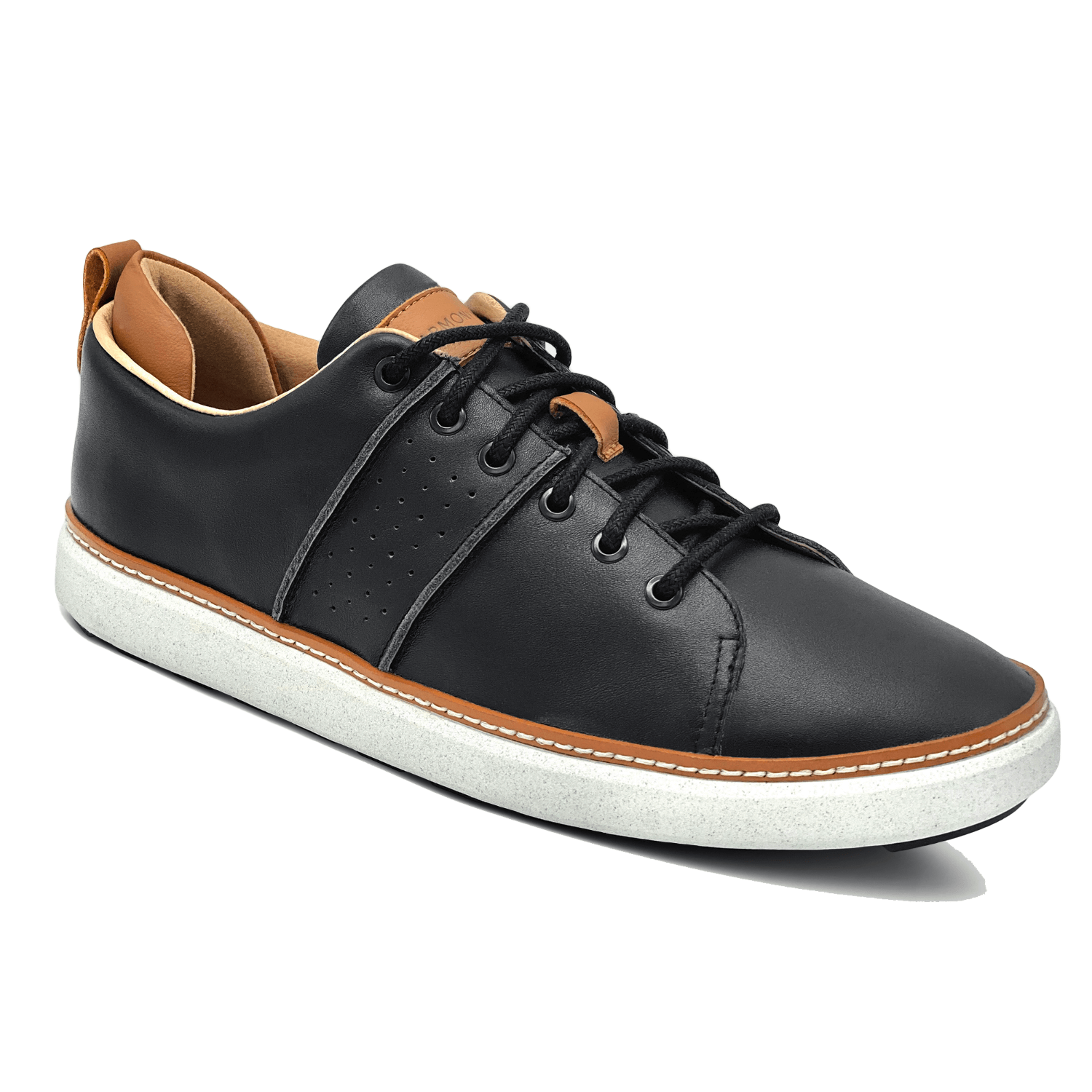
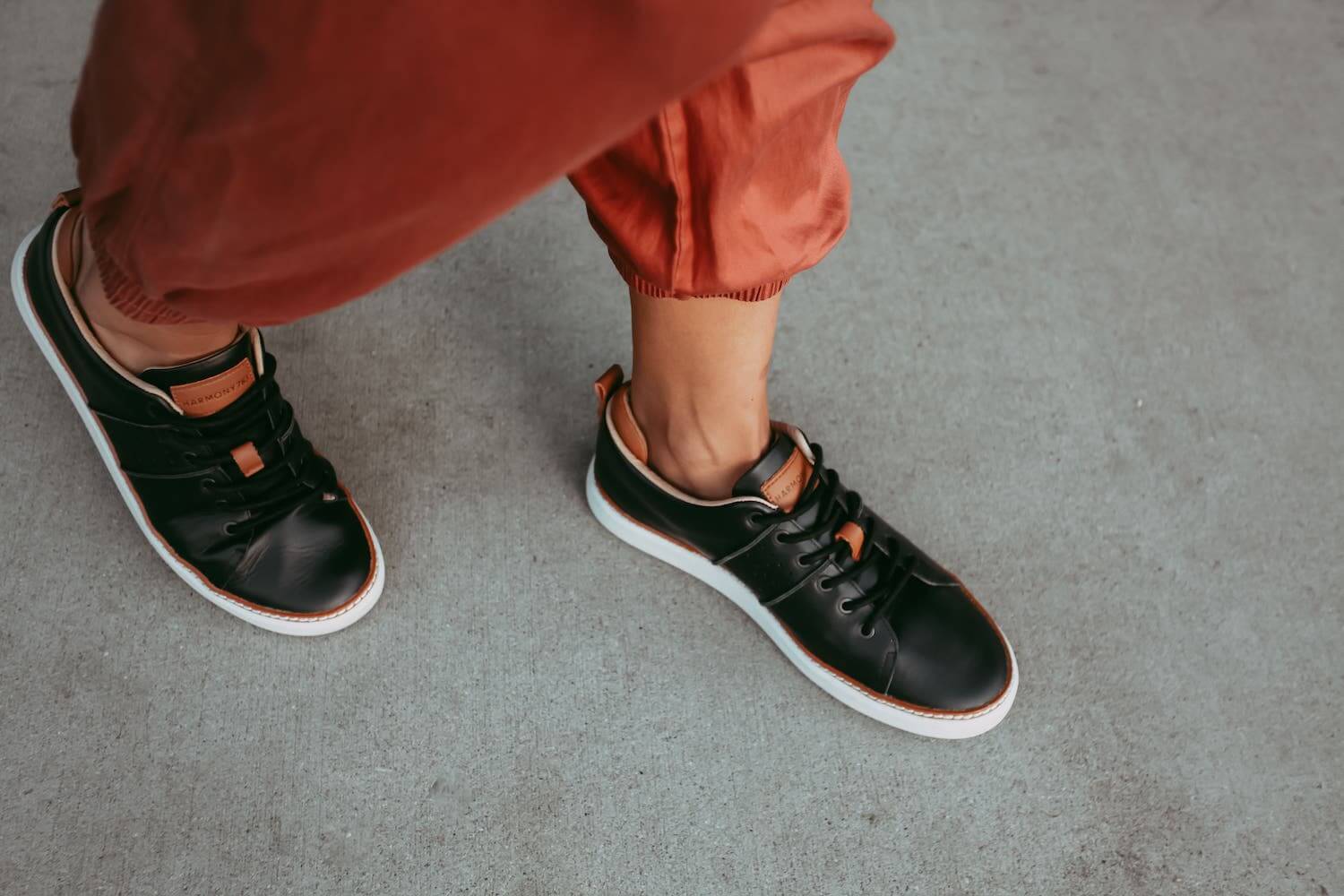
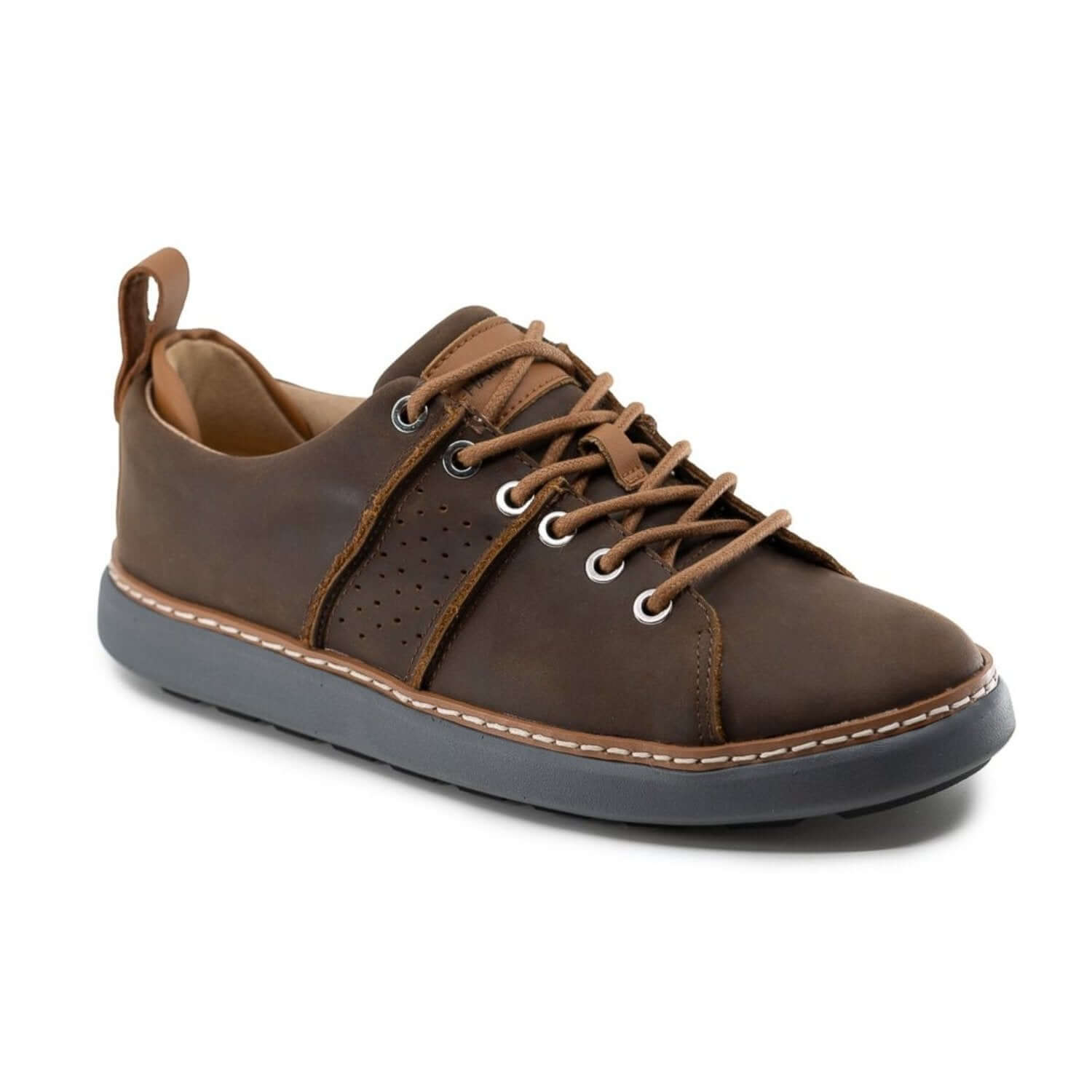
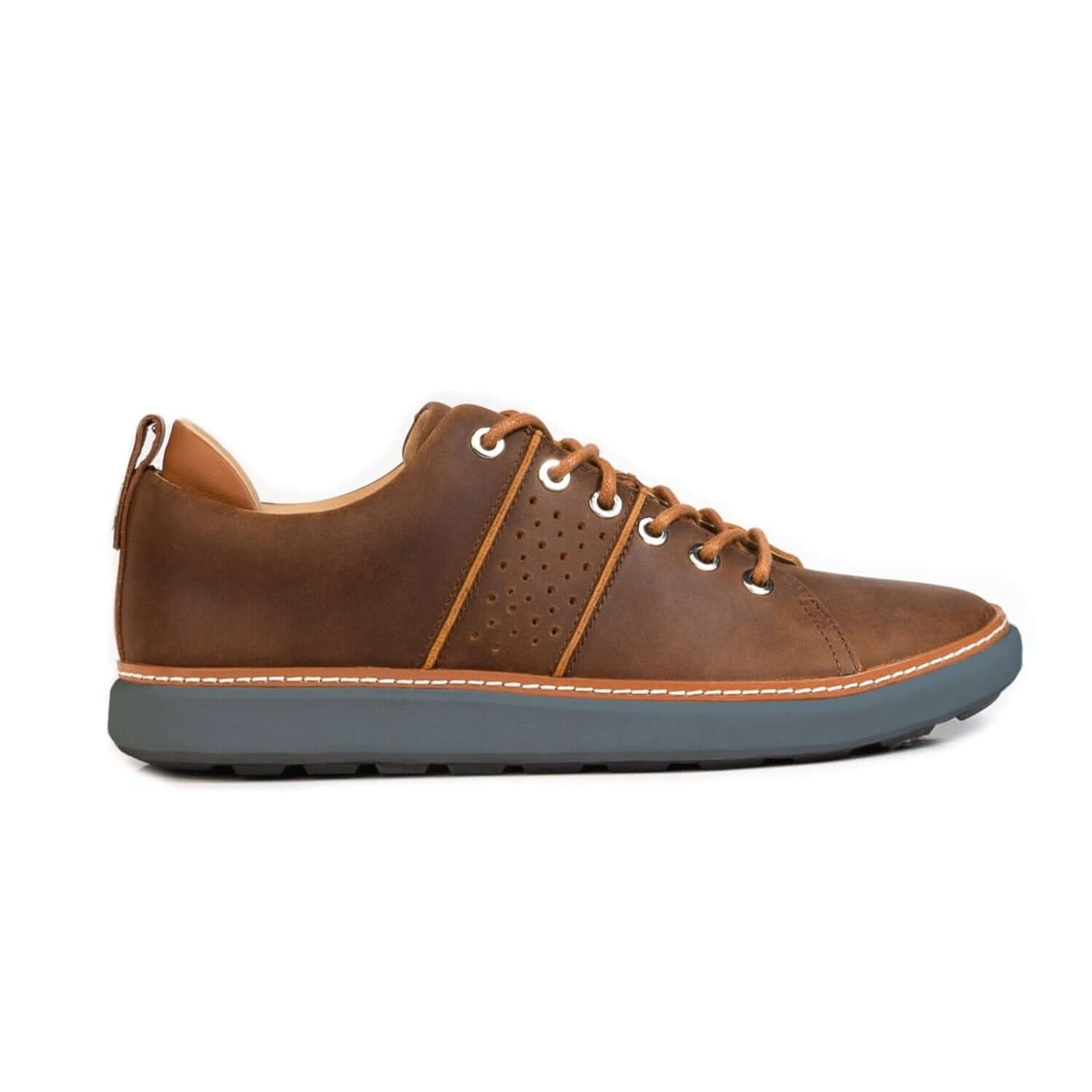
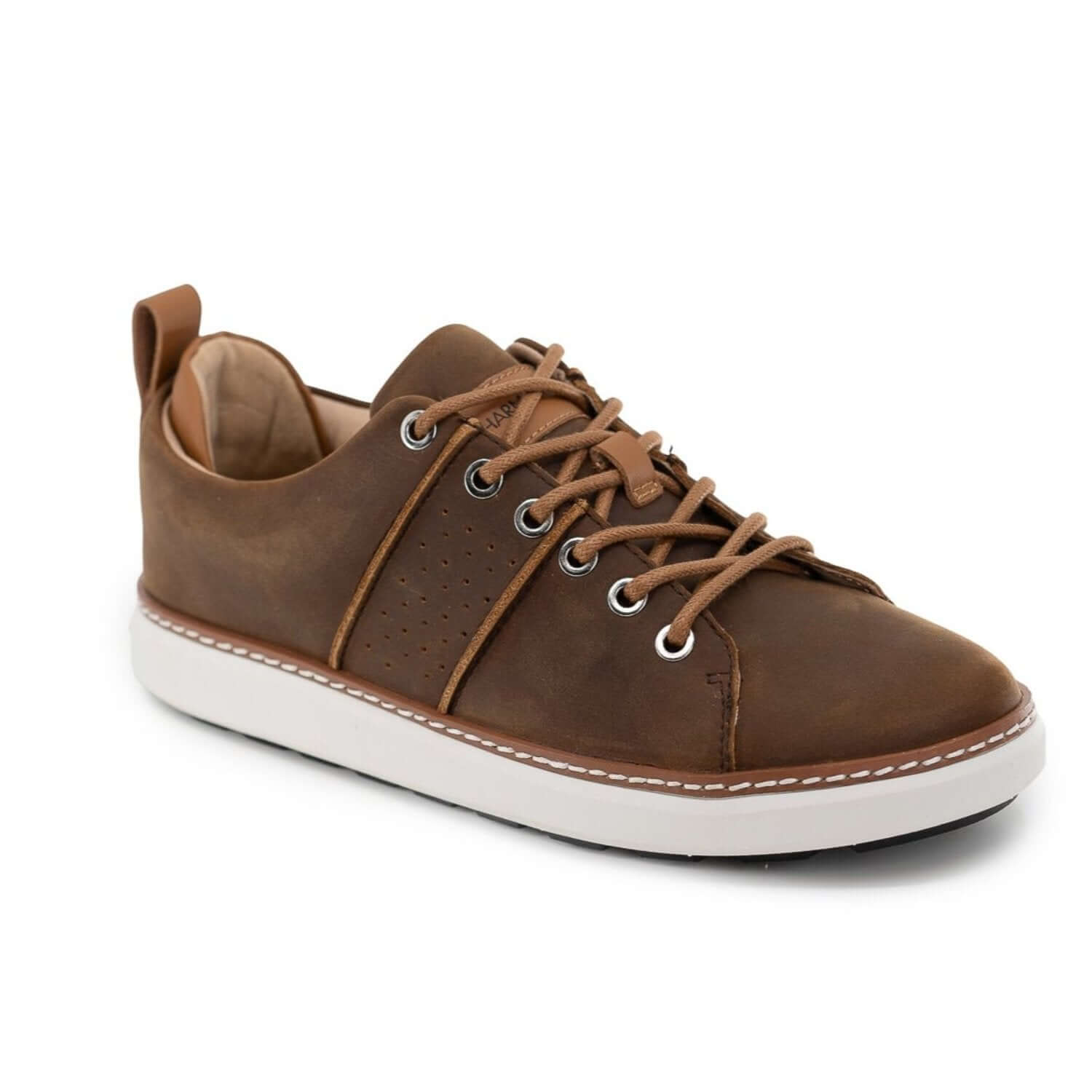
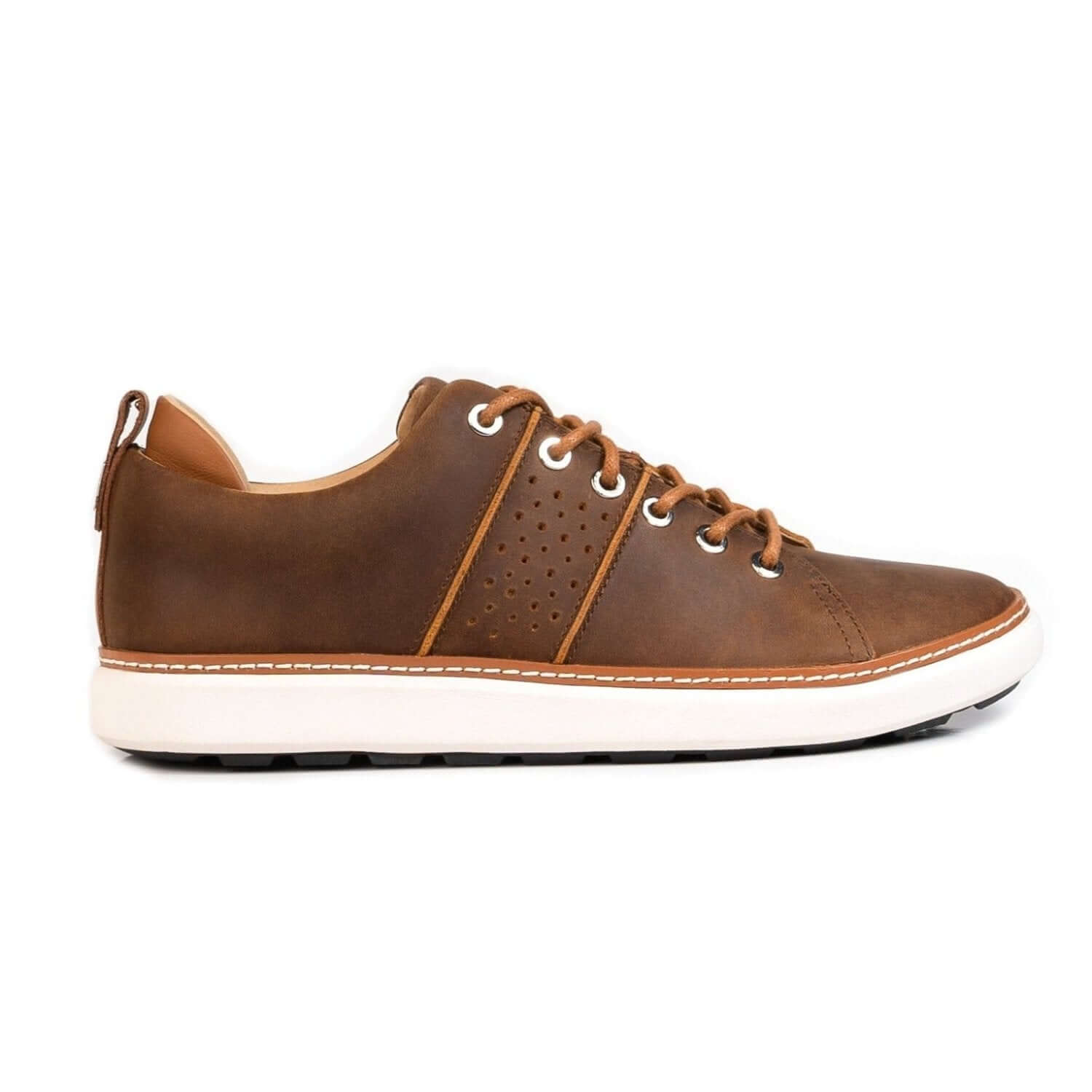
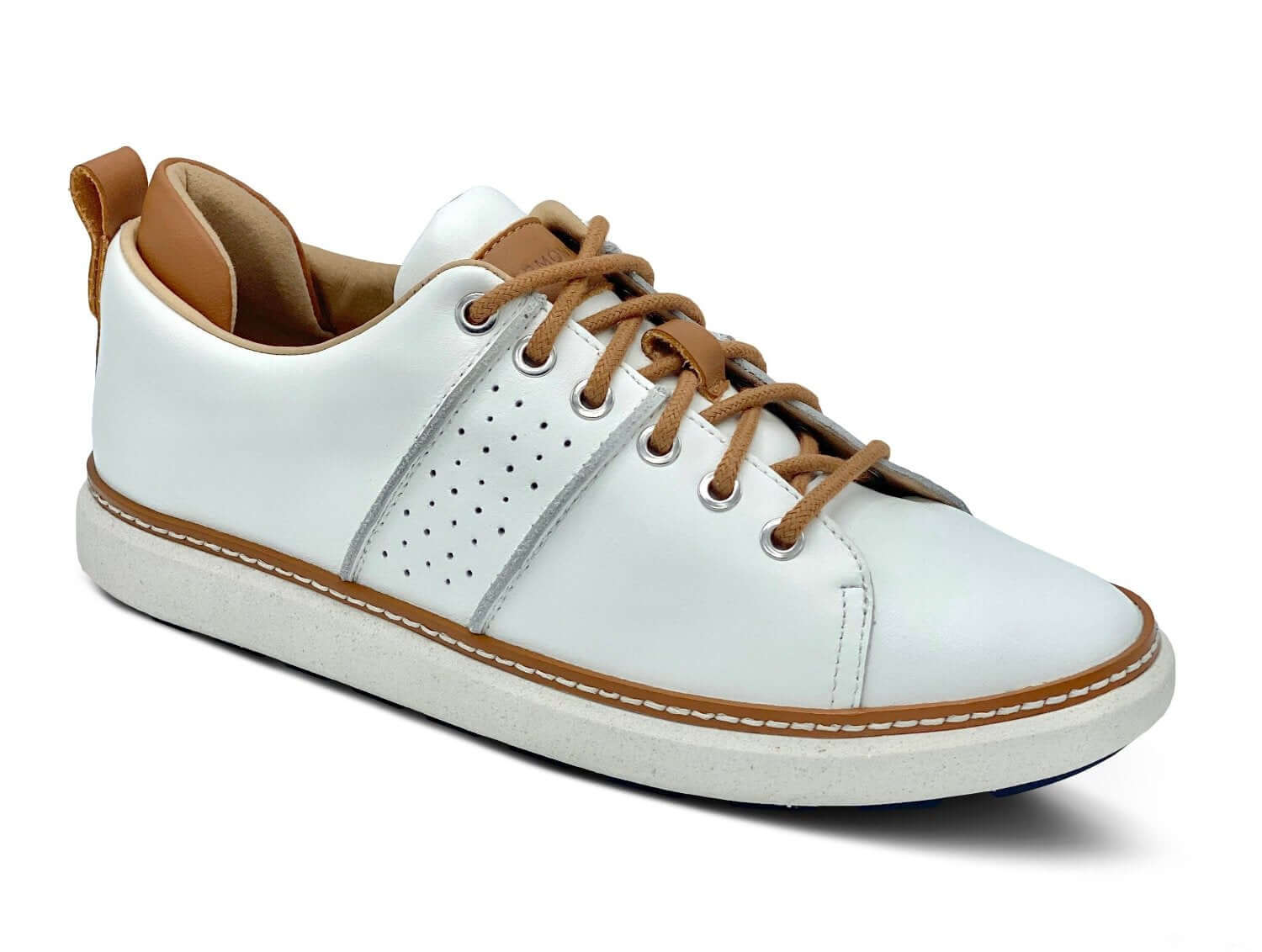
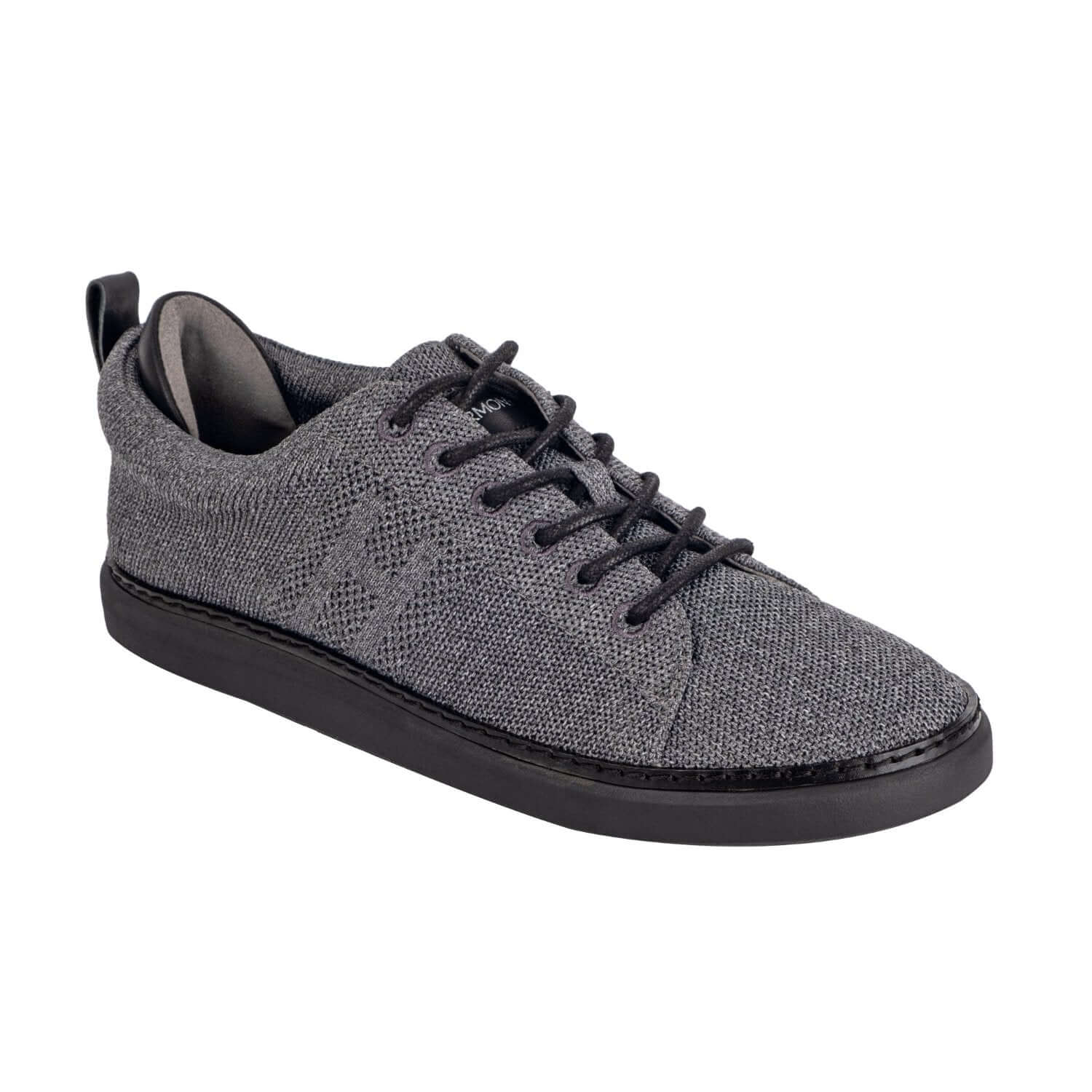
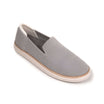
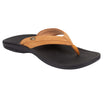
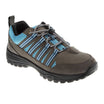
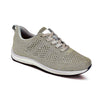
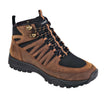
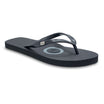
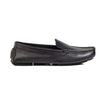
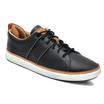
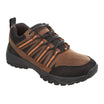
Browse the collection of grounding sandals and shoes — shop now for conductive footwear built for training and recovery.
Earthing and grounding for athletic performance is a natural biohacking practice that speeds up recovery and improves heart rate variability by connecting you to the earth. When athletes touch the ground, they absorb free electrons that fight free radicals. Free radicals are a major cause of muscle pain and fatigue after workouts. A study on PubMed shows that grounding the body alters immune activity and speeds recovery from sore muscles. This grounding connection also balances cortisol levels, improves sleep, and helps elite athletes bounce back faster from hard training. This simple daily habit offers a clear advantage for any athlete who wants to boost performance, reduce stress, and protect muscle health naturally.
This article is part of a series on grounding for active use. Read the guide to grounding shoes in everyday life for the complete picture on how grounding fits into travel, work, and training.

Earthing and Grounding for Athletic Performance: What Research Says
Many athletes look for new ways to get a recovery edge. One growing method is using earthing and grounding for athletic performance to help the body heal. While some claims sound bold, real science shows that touching the earth can cause real body changes. Peer-reviewed studies show how grounding helps training and muscle recovery.
Key research findings on grounding and performance include:
- A pilot study in the Journal of Inflammation Research found that grounding to the earth alters measures of immune system activity and speeds recovery from delayed-onset muscle soreness (DOMS). This was the first intervention shown to speed DOMS recovery, making it a significant finding for athletes who push their bodies daily.
- A 2022 study in the European Journal of Applied Physiology looked at elite runners wearing grounding shoes. It found no significant difference in running economy or lactate levels compared to traditional shoes. The authors suggested other recovery-related benefits still warrant further study, meaning grounding may help with recovery even if it does not change running mechanics.
- Research dating back to 2010 in the Journal of Alternative and Complementary Medicine showed grounding produces quantifiable changes in skin conductance, pulse rate, and other physiologic parameters. These measurable shifts confirm that grounding is not just a placebo effect.
- Professional athletes including Tour de France champions and Olympic swimmers have adopted earthing as part of their training and recovery routines. This real-world adoption by elite competitors adds weight to the research findings.
The science around grounding and athletic performance is still developing, but the existing evidence points to real benefits for recovery and nervous system regulation. To see how one professional athlete uses grounding in his training, read about Adam Ottavino and his grounding practice.
Cortisol Reduction and Recovery: The Key Athletic Mechanism
Exercise is a form of stress that drives physical growth. But without enough rest, chronic stress can hurt your progress. The main driver of this stress response is cortisol, a hormone that can slow muscle repair and delay healing when levels stay too high.
Cortisol and athletic stress
When you train hard, your body releases cortisol to mobilize energy. This is normal and helpful in short bursts. The problem starts when cortisol stays elevated after your workout ends. High cortisol interferes with protein synthesis, reduces sleep quality, and keeps your nervous system in a state of alert when it should be recovering. Over weeks and months, chronically elevated cortisol can lead to overtraining, stalled progress, and increased injury risk.
Grounding appears to help with this. Research associates earthing with changes in cortisol regulation and inflammation management. By connecting to the earth, the body may shift out of a stress-dominant state and into a recovery state more quickly. This is especially important for athletes who train multiple times per day or who have short recovery windows between competitions.
How does grounding affect cortisol?
Small studies suggest that grounding helps normalize the daily cortisol rhythm. Instead of staying flat or elevated, cortisol levels follow a more natural pattern when the body is grounded during rest periods. A normal cortisol rhythm means the hormone is high enough to help you wake up and train, but low enough at night to allow deep, restorative sleep.
How quickly can athletes see recovery benefits?
Some study participants reported reduced muscle soreness and better sleep within the first few nights of grounding. Consistent use over several days appears to produce the most noticeable results. The key is making grounding a regular part of your recovery routine, not a one-time experiment.
What Happens When Athletes Ground Before and After Training?
Many people want to know how touching the earth helps athletic results. The practice is simple. You put your bare feet on grass or soil to absorb the earth's energy. This is called earthing. Today, you can use earthing and grounding for athletic performance both before and after workouts to support your training cycle from start to finish.
Priming the body before a workout
Grounding before exercise may help prepare the nervous system for activity. Some athletes report feeling more stable and focused after spending a few minutes grounded before their warm-up. The mechanism may involve calming the sympathetic nervous system and improving HRV before exertion begins. A calm but alert nervous system allows better mind-muscle connection and more controlled movement during training.
Recovery after training
The most studied benefit of grounding is post-exercise recovery. Grounding after a workout helps reduce inflammation and muscle soreness. The theory is that the earth supplies electrons that neutralize free radicals produced during intense exercise. Free radicals contribute to oxidative stress and tissue damage, which is why athletes feel sore after hard efforts. By neutralizing these free radicals sooner, grounding may shorten the recovery window and allow more frequent high-quality training sessions.
Benefits athletes report from grounding after training include:
- Reduced muscle soreness and stiffness in the 24-48 hours after hard sessions
- Faster return to baseline after high-intensity interval training
- Lower perceived fatigue the next day, allowing better quality in subsequent sessions
- Better mood and less training-related irritability during heavy training blocks
For more on how grounding works at the body level, see the science of grounding page. Compare how grounding shoes differ from barefoot shoes for athletic training.
HRV, Sleep Quality, and Next-Day Readiness
An athlete's body needs deep rest to heal from hard work. Heart rate variability, or HRV, shows how well the nervous system recovers from stress. A high HRV means the body is ready to perform at its best, while a low HRV signals fatigue. Grounding is a simple, natural biohacking tool that supports this recovery cycle in ways that are easy to measure and feel.
Heart rate variability and physical recovery
HRV measures the time variation between heartbeats. Contrary to what the name suggests, more variation is better. A high HRV indicates the autonomic nervous system is balanced and able to shift between activity and rest states. When HRV drops, it often means the body is still working hard to recover from the previous training session. Studies suggest that grounding may positively influence HRV by supporting parasympathetic nervous system activity, which governs rest and digestion. This is why many biohackers and elite coaches track HRV as a key readiness metric and use grounding to help keep those numbers in a healthy range.
Sleep: the foundation of athletic recovery
Growth hormone is released during deep sleep. This is when muscles repair, tissues rebuild, and the brain processes the day's training. Grounding has been linked to better sleep quality in several studies. Participants who used grounding mats or sheets reported falling asleep faster, waking less during the night, and feeling more refreshed in the morning. For athletes, better sleep translates directly to better reaction time, faster recovery, and higher training tolerance.
Improving sleep is one of the most reliable ways to boost next-day readiness. For athletes who travel or train at different times, grounding can help support a consistent sleep schedule. Read more about improving sleep and recovery through grounding. For runners and walkers, learn how grounding shoes support nerve health and foot comfort during training.
How Grounding Shoes Deliver the Same Effect as Barefoot Training
Athletes often look for new ways to boost their training and speed up recovery. Using earthing and grounding for athletic performance has become a popular method. Training barefoot on the grass is the most natural way to do this. But most athletes cannot train or compete on grass all day. That is where grounding shoes come in as a practical solution for daily use.
Mechanical benefits of barefoot movement
Barefoot training offers real mechanical advantages. It strengthens the small muscles in the feet, improves proprioception (your sense of where your body is in space), and encourages a more natural gait. Many athletes add barefoot work to their training for these reasons. The direct contact with the earth also provides the grounding effect that supports recovery.
How grounding shoes work
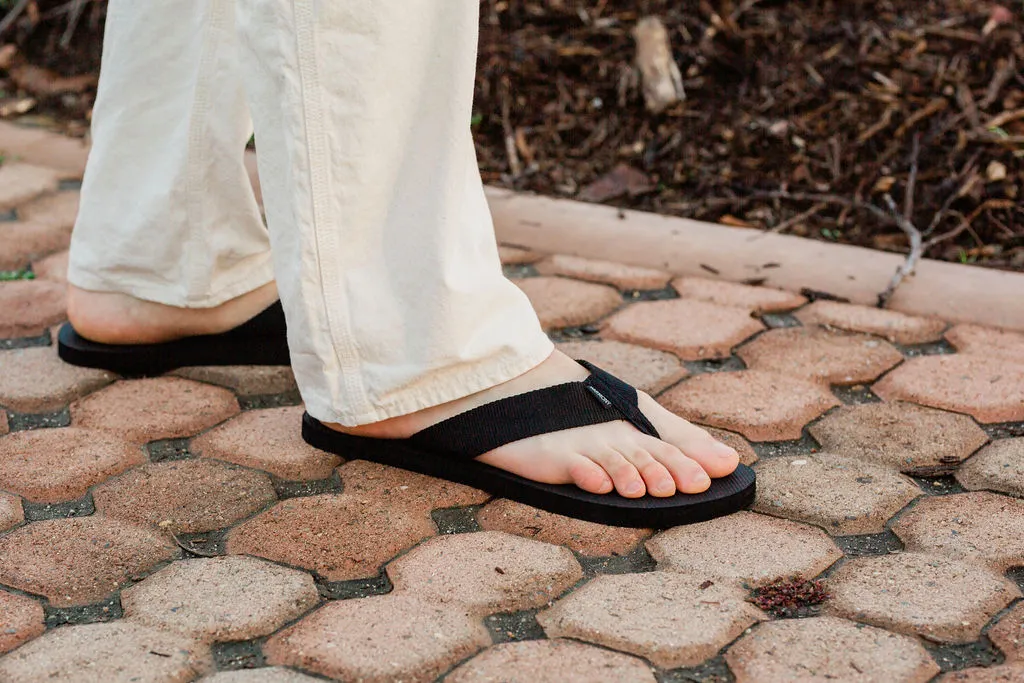
Earthing footwear such as grounding shoes and sandals act as a conduit for electron transfer. They use conductive materials in the sole that connect your foot to the ground. This means you stay electrically connected to the earth even when walking on surfaces that would normally block that connection, such as rubber gym floors, asphalt, or indoor tracks. This continuous connectivity is the unique benefit that separates grounding shoes from regular barefoot-style shoes.
When to use each method
Barefoot grounding is ideal when the surface permits it and your training allows it. A post-run cool-down on grass, a morning walk on the beach, or yoga on bare earth are all excellent ways to ground directly. Grounding shoes are better for everyday use, travel, and training environments where barefoot grounding is not possible. Many athletes use both: barefoot time at home or on grass, and grounding shoes throughout the rest of their day.
| Method | Best for | Limitations |
|---|---|---|
| Barefoot on earth | Post-training recovery, morning walks, yoga on grass or sand | Limited to outdoor natural surfaces; not practical for daily wear |
| Grounding shoes | Everyday wear, gym training, travel, indoor environments | Requires conductive footwear; initial cost for quality grounding shoes |
Explore the full guide to grounding shoes in everyday life for active use, travel, and lifestyle tips.
Key Studies Athletes and Coaches Cite on Earthing
Several peer-reviewed studies have looked at how earthing affects the body. Here are the key studies athletes and coaches cite most often when discussing grounding and recovery.
DOMS Recovery Pilot Study
A pilot study published in the Journal of Inflammation Research found that grounding the body to the earth altered measures of immune system activity and pain. The study concluded this was the first intervention that appeared to speed recovery from delayed-onset muscle soreness (DOMS). This matters for athletes because faster recovery means more consistent training, less time off, and lower injury risk from training while still sore.
Elite Runners Study (2022)
A study in the European Journal of Applied Physiology examined elite runners wearing grounding shoes. The results showed no significant differences in running economy or lactate levels compared to traditional running shoes. While grounding shoes did not improve the energy cost of running during the test, the study noted that other recovery-related benefits such as reduced inflammation and faster muscle repair warrant further research. This is an important distinction: grounding may not make you faster during a run, but it may help you recover faster afterward.
Grounding and Physiologic Changes (2010)
Earlier research published in the Journal of Alternative and Complementary Medicine showed that grounding produces quantifiable changes in the body. Skin conductance, pulse rate, and other physiologic parameters shifted when subjects were grounded. These measurable changes confirm that grounding has a real effect on the nervous system and form the basis for claims that earthing supports athletic recovery.
For a deeper look at how these studies fit into the broader research landscape, check out the science behind grounding and its health benefits.
Frequently Asked Questions About Earthing for Athletic Performance
Is grounding good for athletes?
Yes. Grounding helps accelerate recovery by improving blood flow, reducing inflammation, and balancing cortisol levels. Many professional athletes including Tour de France cyclists and Olympic swimmers use earthing as part of their recovery routine.
How does earthing affect cortisol levels in athletes?
Research suggests that grounding helps regulate cortisol, the primary stress hormone. For athletes, lower cortisol levels during rest periods mean faster muscle repair, better sleep, and improved readiness for the next training session.
Can grounding improve heart rate variability?
Some studies associate grounding with improved heart rate variability (HRV). Higher HRV indicates a more resilient nervous system and better recovery capacity, which is a key metric athletes track to gauge readiness for intense training.
Do grounding shoes work for athletic performance?
Grounding shoes act as a conduit for electron transfer, maintaining the grounding connection while moving. They are designed for everyday wear and athletic activities, allowing you to stay grounded on surfaces like tracks, gym floors, and treadmills where barefoot grounding is not possible.
How long should athletes ground each day for recovery benefits?
Most research studies used grounding periods of 30 minutes to several hours. Wearing grounding shoes during daily activities or using a grounding mat while sleeping can provide continuous benefits without requiring dedicated time.
Ready to bring grounding into your training?
You have read the research. You know that grounding can help with recovery, sleep, and readiness. The next step is simple: choose grounding footwear that fits your active lifestyle. Harmony 783 makes sandals and shoes designed to keep you connected throughout the day, whether you are at the gym, on a run, or recovering at home. Each pair uses conductive materials that maintain your connection to the earth while you move.
Browse the collection of grounding shoes and sandals to find your perfect fit for training and everyday wear.