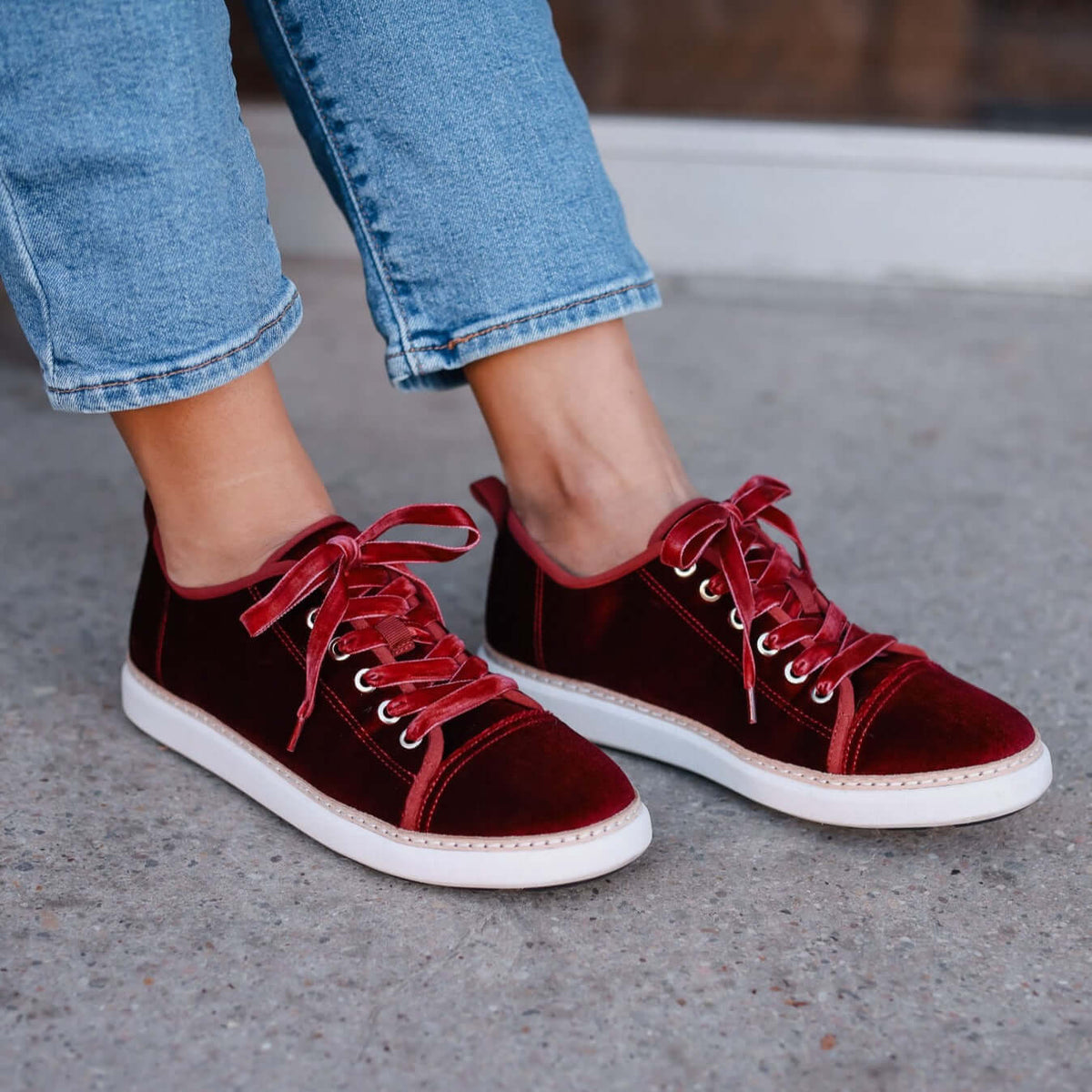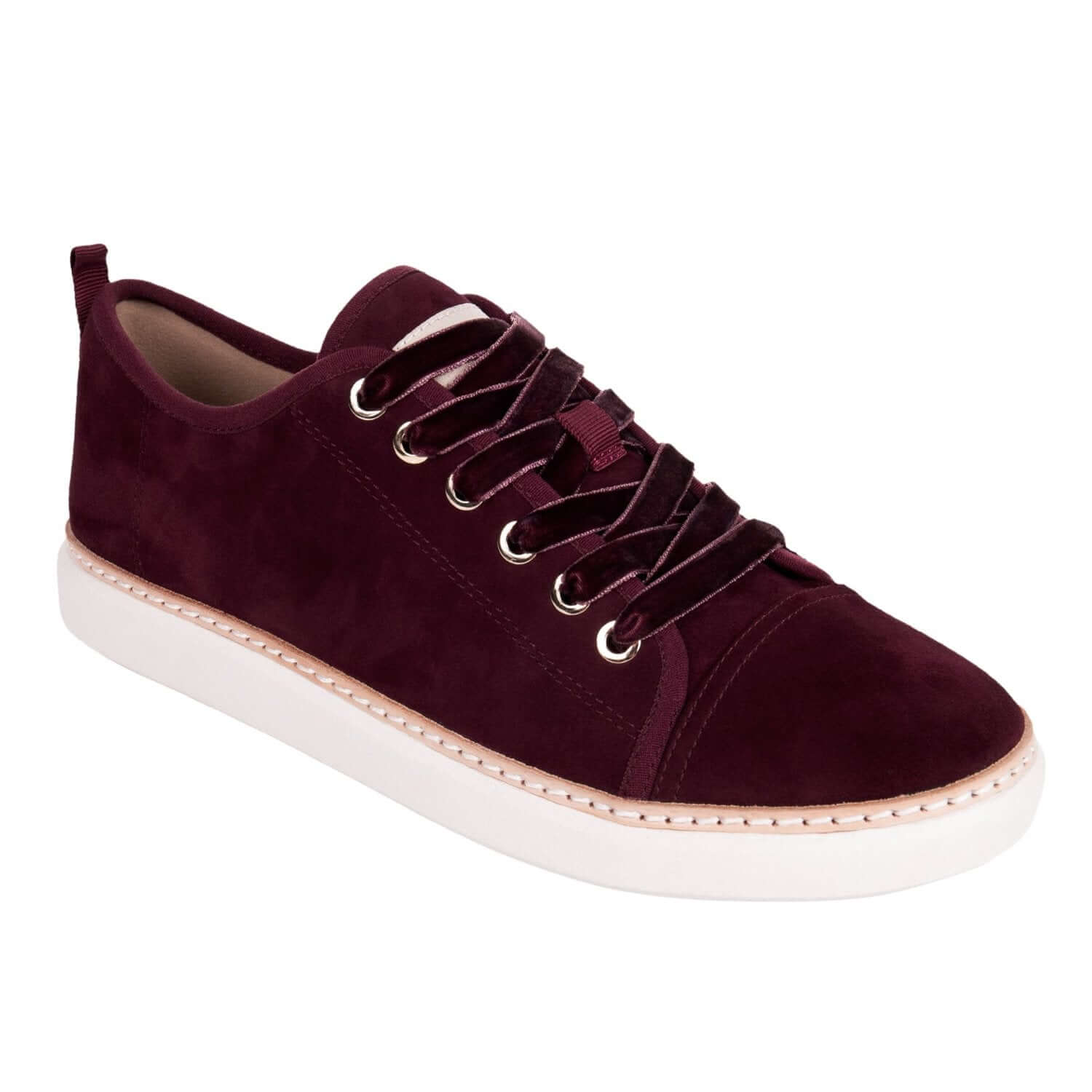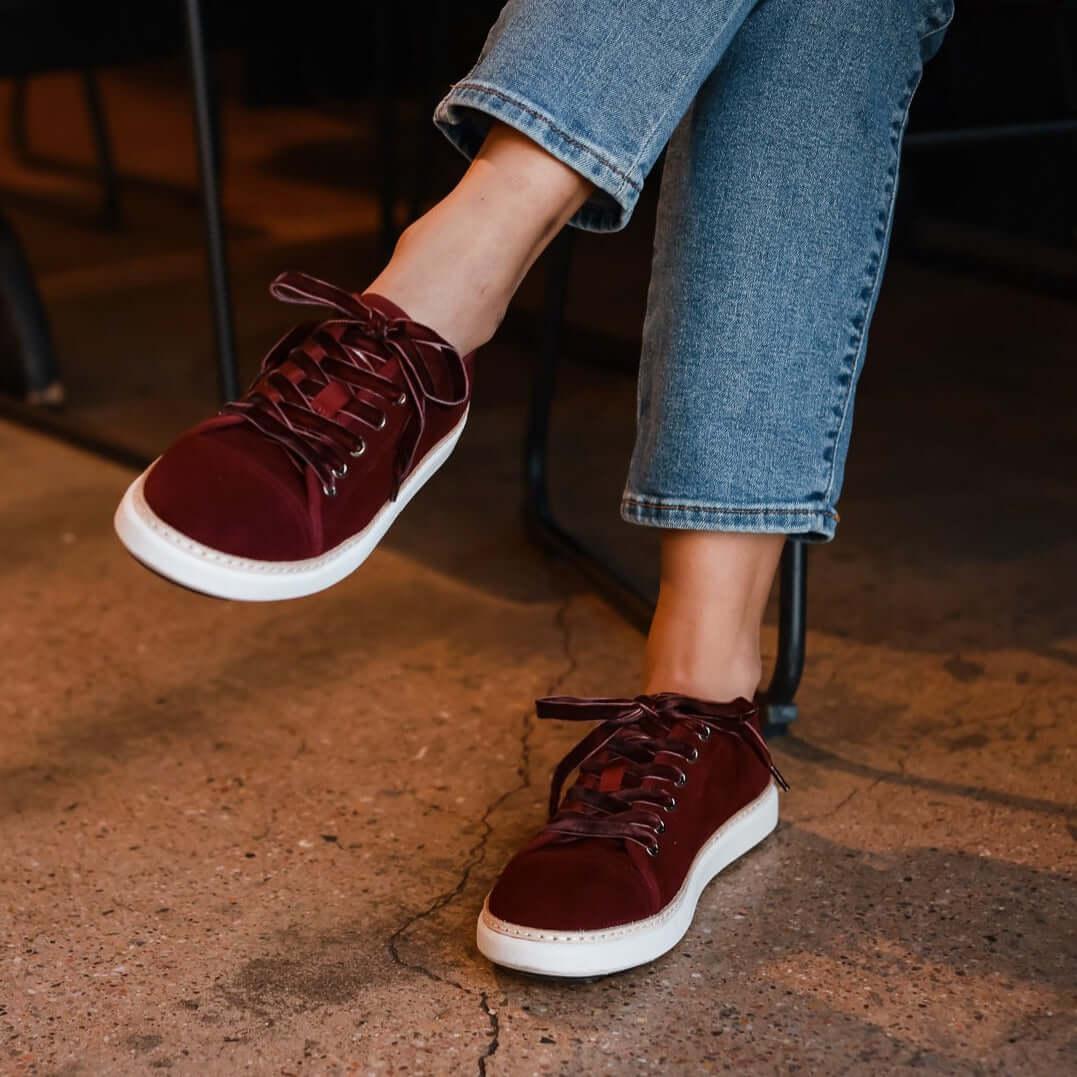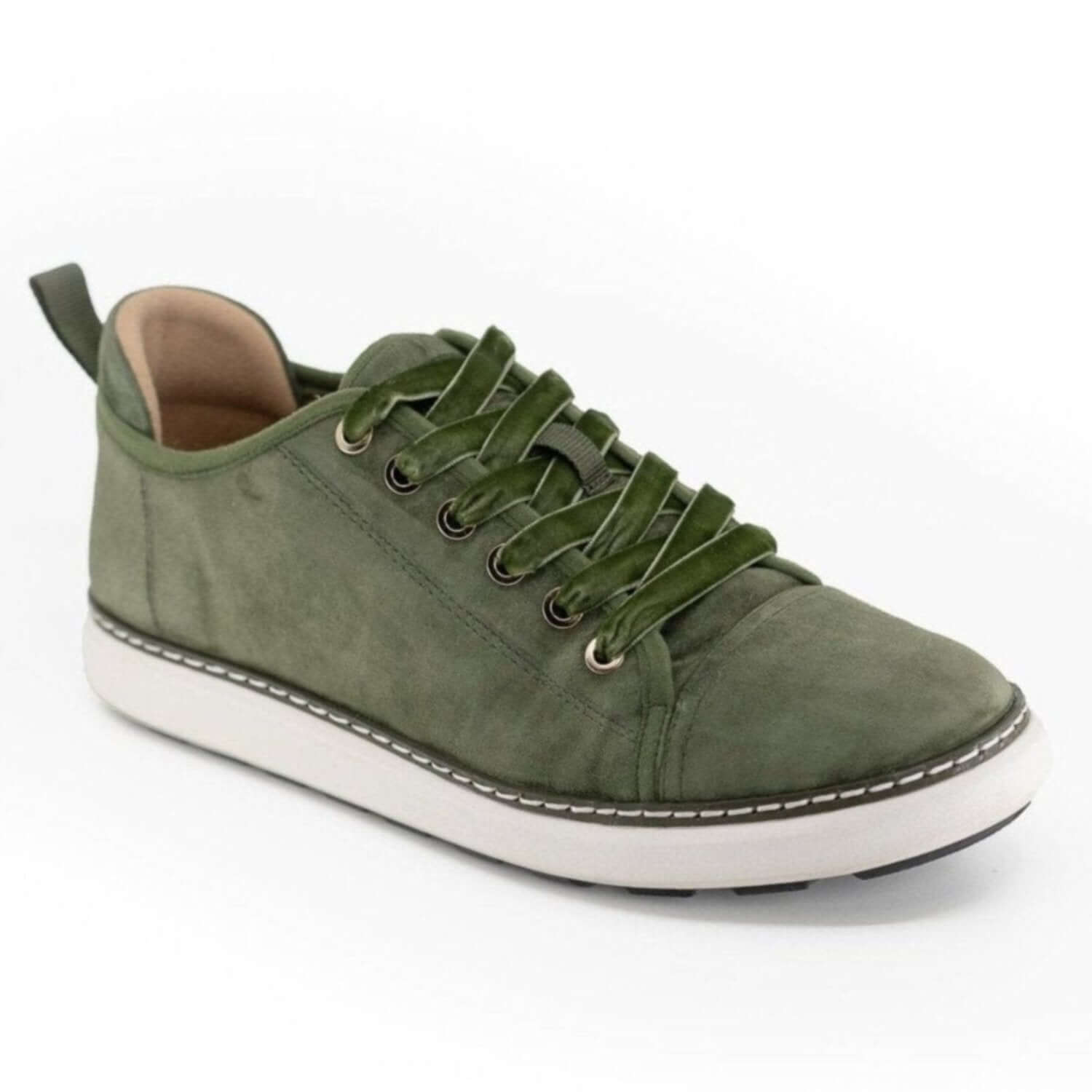

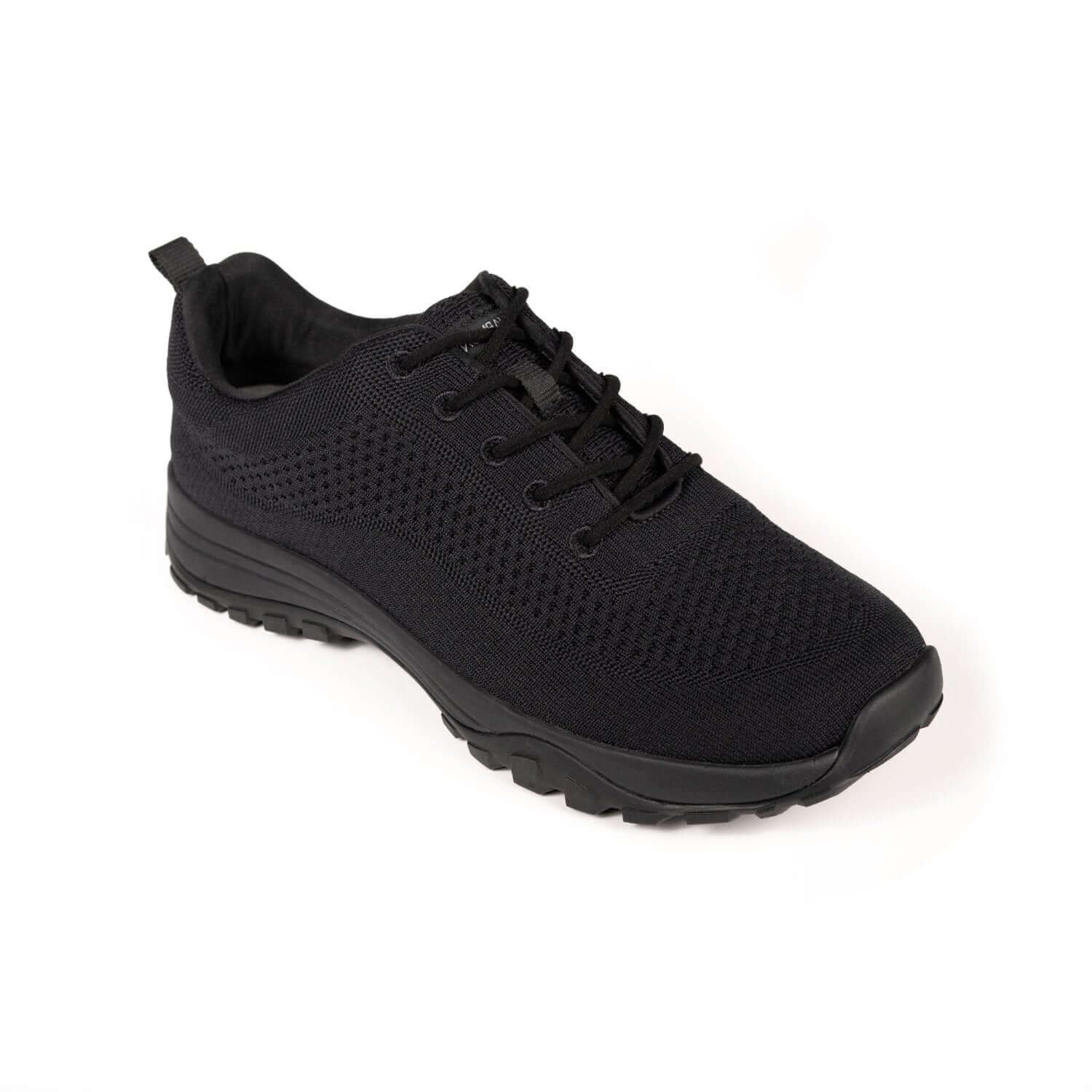

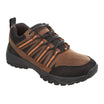
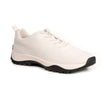

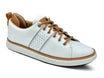
Persistent foot pain that feels like burning or tingling can make every single step a challenge. For those living with constant nerve discomfort, grounding shoes peripheral neuropathy foot pain nerve health support starts with finding shoes that combine protection with natural wellness.
Browse the collection of grounding shoes for neuropathy today
Wearing grounding shoes for peripheral neuropathy foot pain and nerve health offers a natural way to find daily foot comfort without sacrificing style or mobility. According to the National Institute of Diabetes and Digestive and Kidney Diseases, peripheral neuropathy involves nerve damage that often causes pain, numbness, and tingling, particularly in the feet and legs. This is one of several health conditions that grounding shoes can support, from chronic pain to circulation concerns.
Specially designed grounding footwear helps by combining critical mechanical support with conductive materials that connect your feet to the earth. This combination can help manage foot discomfort by reducing mechanical stress on sensitive nerve endings while encouraging natural movement. While not a medical cure, supportive grounding shoes serve as an excellent daily wellness tool to help you stay mobile. Comfortable, and connected to nature throughout your busy day.
Grounding Shoes Peripheral Neuropathy Foot Pain Nerve Health: What is Peripheral Neuropathy and How Does It Affect Daily Life?
Peripheral neuropathy is a condition caused by damage to the nerves outside the brain and spinal cord. Leading to pain, numbness, and tingling in the feet and legs that can make walking and daily activities difficult. Understanding this condition is the first step toward finding better comfort.
Peripheral neuropathy involves damage to the nerves outside the brain and spinal cord. This nerve damage can cause a mix of unpleasant feelings in your lower limbs. People often experience tingling in the feet and legs, numbness, and burning pain. These feelings can change how you go about your day.
How Nerve Damage Changes Foot Sensation
Your nerves send signals from your feet to your brain. When these nerves get hurt, those signals get mixed up or stop. Peripheral neuropathy involves nerve damage that often causes pain, numbness, and tingling, particularly in the feet and legs. You might feel like you are walking on pins and needles. Some people feel a hot, burning pain, while others feel nothing at all. This lack of feeling is a major safety risk. When you cannot feel your feet, you may not notice a small cut or blister from your shoes.
Common Causes of Neuropathy and Risk Factors
Many health issues can lead to nerve damage. Diabetes is the most common cause. High blood sugar can harm the tiny blood vessels that feed your nerves over time. Aging is another factor. As we get older, our nerves do not heal as fast. Other causes include auto-immune issues, infections, or a lack of vitamins. Early management of peripheral neuropathy is essential to prevent long-term functional loss and protect your quality of life.
Daily Challenges and the Impact on Mobility
Living with nerve pain in your feet makes simple tasks much harder. When you lose feeling in your soles, your brain does not know where your feet are in space. This can lead to balance issues and make walking feel unsafe. Unmanaged peripheral nerve damage can progress, potentially resulting in reduced mobility, balance issues, and serious functional complications. Standard shoes can worsen these problems if they pinch your toes or rub your skin.
The Connection Between Inflammation, Circulation, and Nerve Pain
Inflammation and poor circulation can make nerve pain worse by putting extra pressure on sensitive nerve endings and limiting the oxygen and nutrients your nerves need to function properly. Local swelling can make nerves extra sensitive to pressure, creating a cycle of constant discomfort.
Living with chronic nerve issues can make every step feel like a challenge. Inflammation is often a component of neuropathy-related foot discomfort, which can make nerves extra sensitive to pressure. When tissues swell, they can press on delicate pathways in the feet, often leading to a cycle of constant burning or sharp aches.
How Poor Blood Flow Worsens Discomfort
Good blood flow is key to keeping your feet healthy and helping your nerves function. When blood flow slows down, your feet do not get enough oxygen or the vital nutrients they need to heal. This lack of resources can cause nerves to send faulty signals, making your pain feel much more intense. Supporting your feet with the right shoes can help reduce pressure peaks and make walking feel much more comfortable.
The Role of Footwear in Reducing Stress
The shoes you wear play a big role in how your feet feel throughout the day. Ill-fitting shoes can cause friction and place too much weight on sensitive spots, leading to skin damage or pain. Choosing supportive shoes that distribute your weight evenly can help shield your feet from physical stress. This is why selecting the right earthing shoes for foot health matters so much for daily comfort.
Grounding as a Complementary Wellness Practice
Many people look for simple, natural habits to support their wellness goals alongside their regular care. Grounding involves direct physical contact with the Earth's surface to help support overall body wellness. Some people report comfort from grounding techniques, though the scientific proof of direct medical benefits for neuropathy is still limited. While grounding products use conductive materials to connect you to the ground, they are not clinically proven to treat or cure medical conditions.
What Earthing Research Suggests for Nerve-Related Conditions
Current earthing research shows promising effects on inflammation and stress markers, but definitive clinical evidence for treating peripheral neuropathy specifically is still limited and requires larger studies. Scientific interest in grounding has grown as researchers look for natural ways to support foot comfort.
Earthing refers to the practice of having direct physical contact with the Earth's surface to possibly influence physiological processes. This concept has led to the design of various wellness products, but it is important to understand what the current research actually shows.
A Look at Grounding Studies
Some people who use grounding products report that they experience relief from foot discomfort. However, scientific consensus on direct medical benefits remains limited, and definitive clinical evidence for direct neuropathy treatment is still lacking. While grounding shoes use conductive materials to help connect your feet to the earth, these products are not clinically proven treatments for specific medical conditions like peripheral neuropathy.
Honest and Realistic Expectations
When exploring solutions for nerve wellness, keeping a realistic view is key to your health journey. Studies show that grounding shoes do not show an improvement in the energy cost of running or physical responses for elite athletes. These findings remind us that while grounding shoes can support a natural lifestyle. They are not designed to enhance athletic output or serve as medical cures for complex nerve issues.
Shop grounding shoes for natural foot wellness
Shoe Selection Matters: What Neuropathy Patients Need in Footwear
Neuropathy patients need shoes with wide toe boxes, plush cushioning, seamless linings, and stable soles to protect sensitive feet from injury and reduce pressure on tender nerve endings. When you live with peripheral neuropathy, every step can present a challenge.
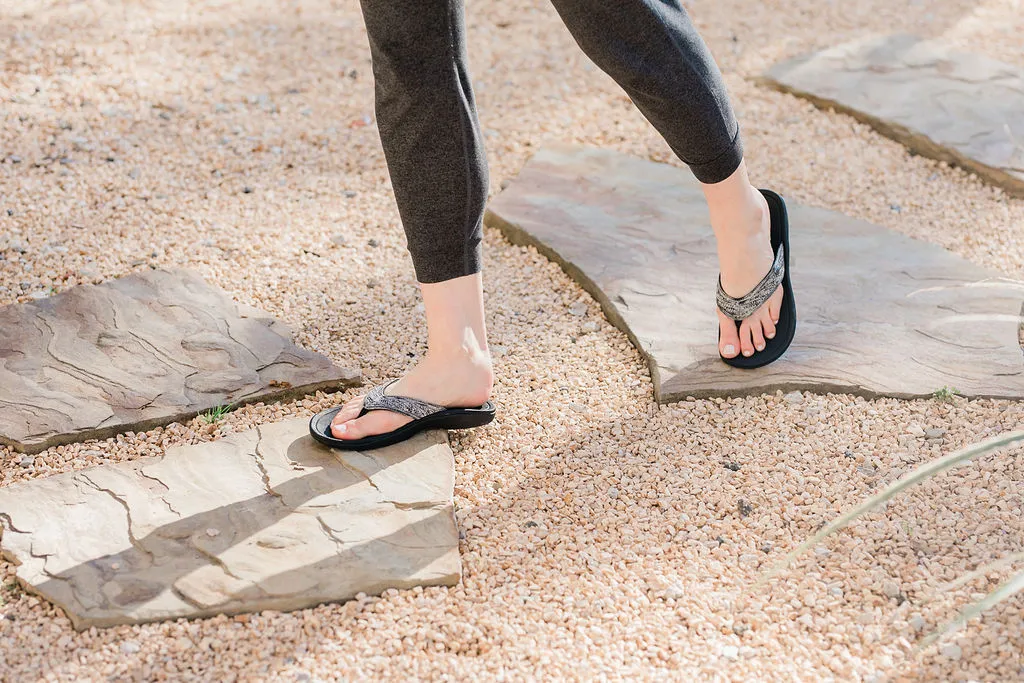
Reduced sensation can make it hard to feel where your foot lands, which increases your risk of injury. Choosing the right shoes is not just about style. It is a vital part of protecting your feet and managing daily discomfort.
Protecting Sensitive Skin and Nerves
Nerve damage makes it easy to miss minor cuts or blisters until they turn into major problems. To prevent this, proper footwear is essential to prevent skin breakdown and avoid deep sores. The best shoes for nerve issues use soft, seamless linings to reduce friction. They also use strong, enclosed outer structures to protect your toes from stubbing or environmental hazards.
Reducing Pressure Points on the Sole
Too much pressure on small areas of your feet can lead to serious injury. Studies show that therapeutic footwear reduces pressure at high-risk forefoot sites where sores often start. By choosing shoes designed for offloading high-risk foot regions, you can distribute your weight evenly. This simple shift in pressure peaks helps keep your skin healthy and intact.
Cushioning, Fit, and Better Balance
Sufficient cushioning absorbs the shock of walking on hard floors, which helps soothe tender nerve endings. Research shows that cushioned, well-fitted footwear relieves mechanical sensitivity to make walking much easier. When looking for new shoes, a proper fit is paramount to avoid tight spots that pinch your toes. A wide toe box allows your toes to spread naturally, while stable soles help you maintain your balance. Secure soles are key because nerve issues can affect how you walk, making stability-focused footwear for balance issues a smart choice to prevent slips and falls.
Where Grounding Technology Fits In
Modern design now allows you to combine standard foot support with innovative wellness features. Grounding shoes are designed to help you connect with the earth's natural energy while wearing protective footwear. These shoes use specialized conductive materials in the soles, so you can enjoy the natural benefits of earthing without having to walk barefoot. For more on how this approach fits into broader grounding shoes for chronic pain and health conditions, the pillar resource covers the full picture.
| Feature | Why It Matters for Neuropathy |
|---|---|
| Wide toe box | Lets toes spread naturally to reduce pressure points and improve balance |
| Plush cushioning | Absorbs shock and soothes tender nerve endings with each step |
| Arch support | Distributes weight evenly across the foot to prevent high-pressure spots |
| Seamless lining | Reduces friction that can cause blisters or skin damage on numb feet |
| Conductive sole | Connects your feet to the earth for grounding benefits while staying protected |
| Secure fit | Stabilizes your stride and reduces fall risk from balance issues |
Best Harmony 783 Styles for Neuropathy Comfort and Support
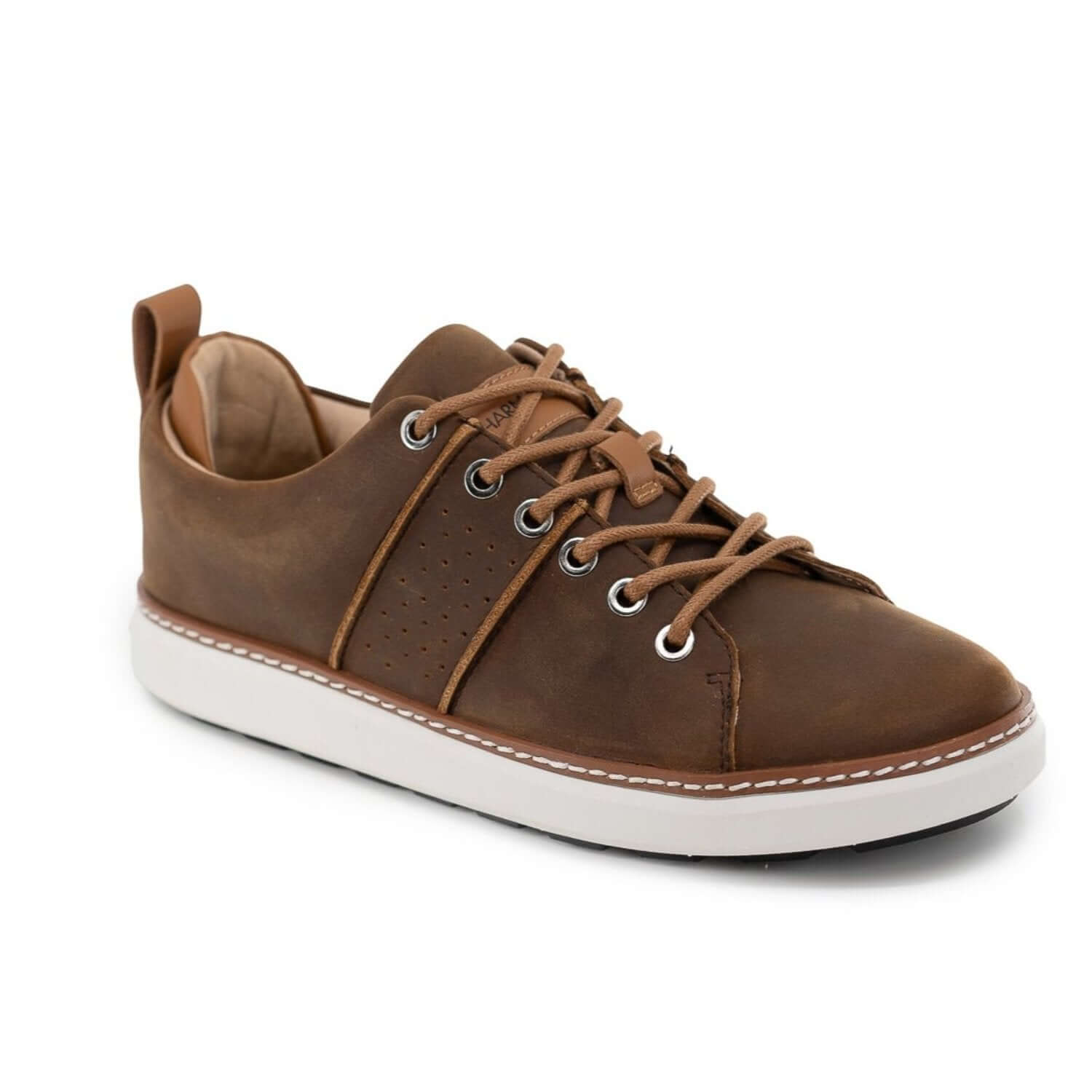
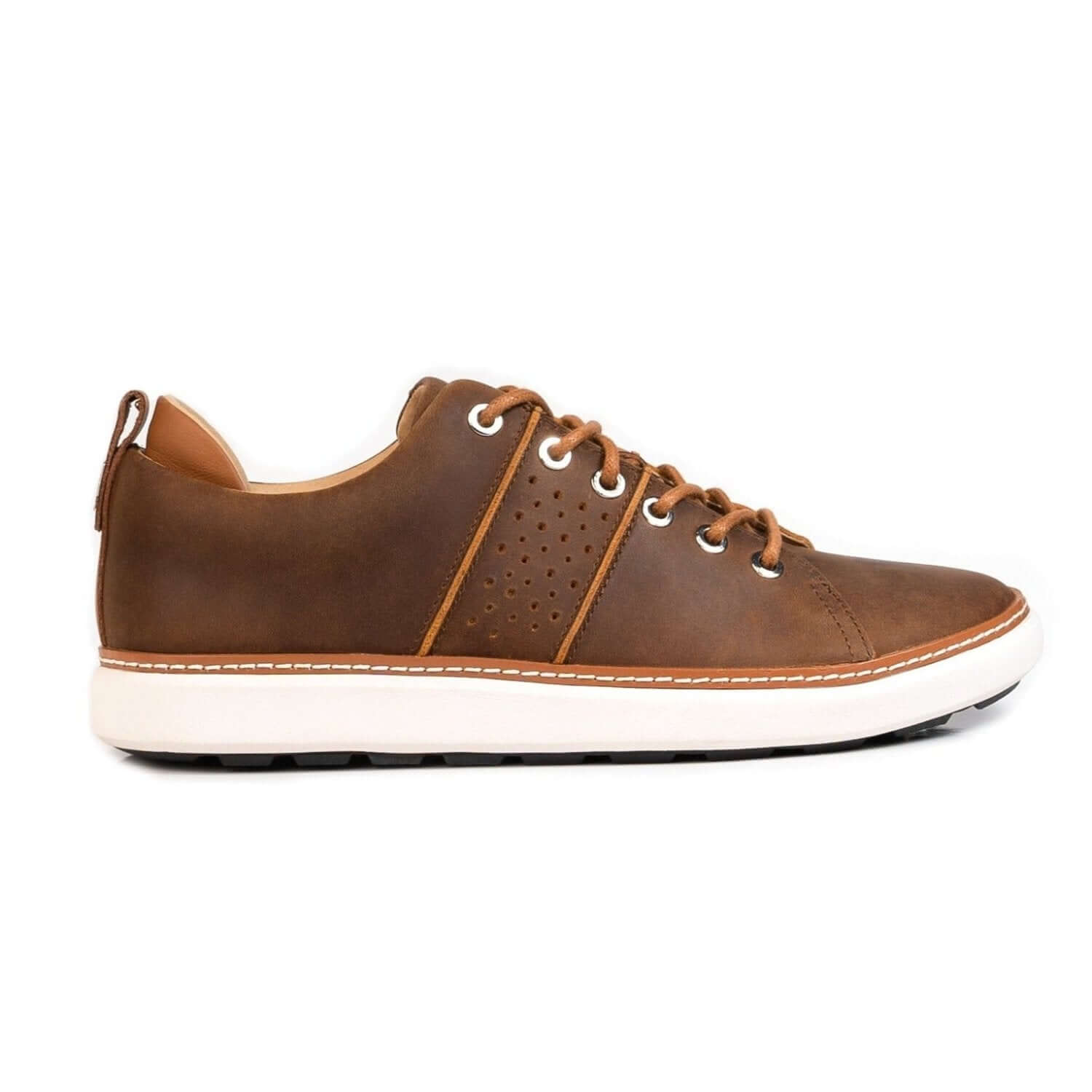
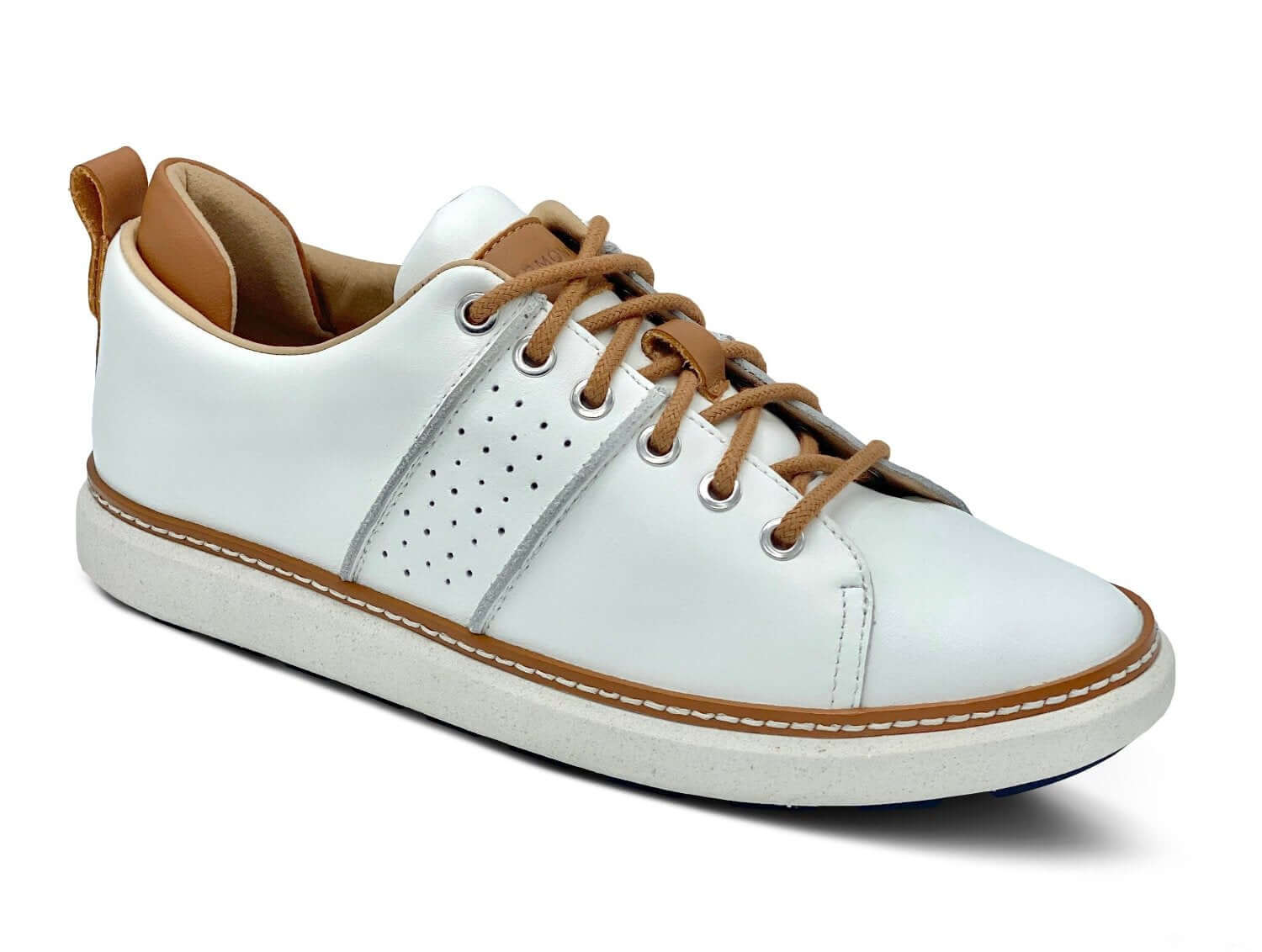
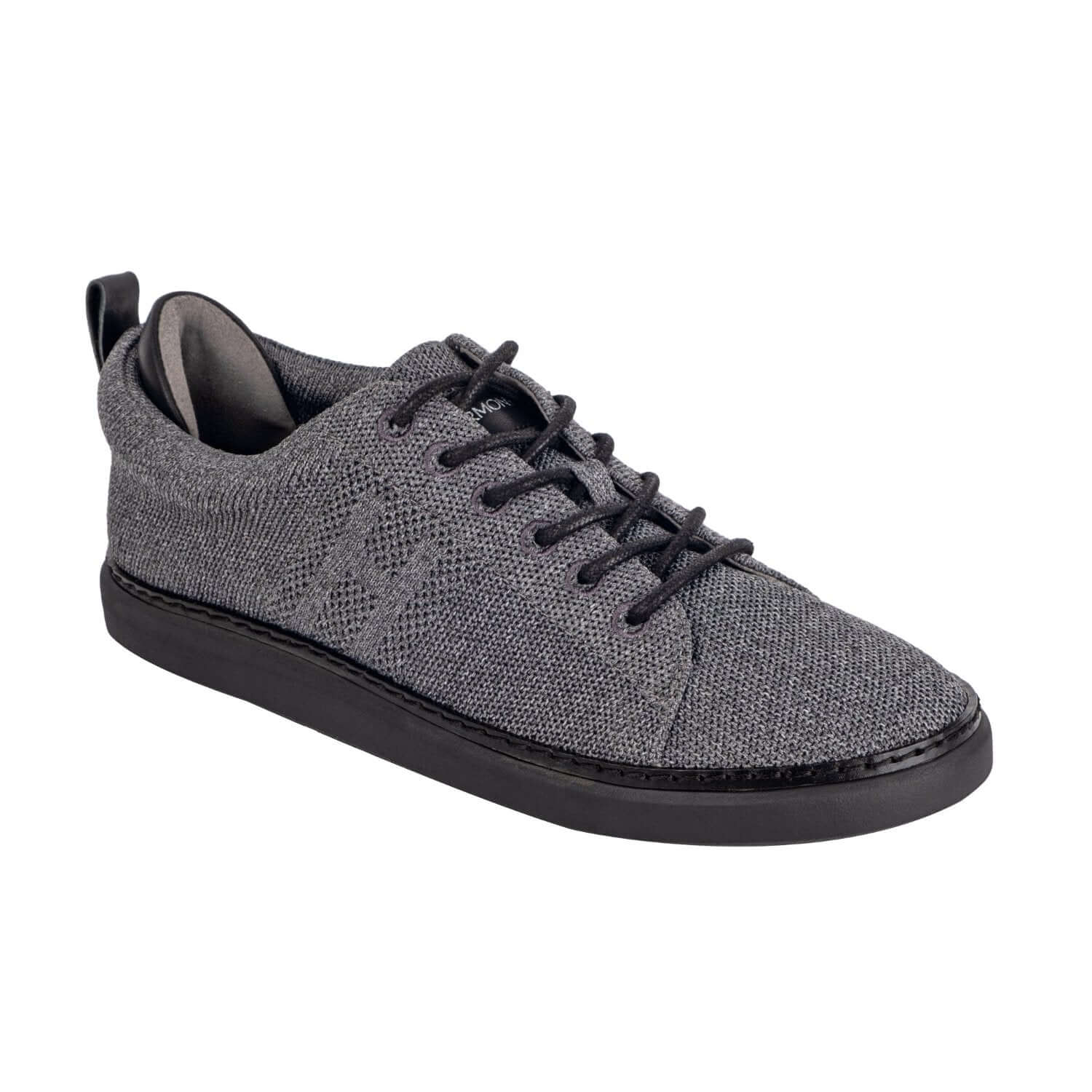
Harmony 783 offers grounding shoes with wide toe boxes, plush cushioning, and conductive technology that combine foot protection with natural earthing benefits for neuropathy comfort. When dealing with nerve discomfort, the right footwear is vital.
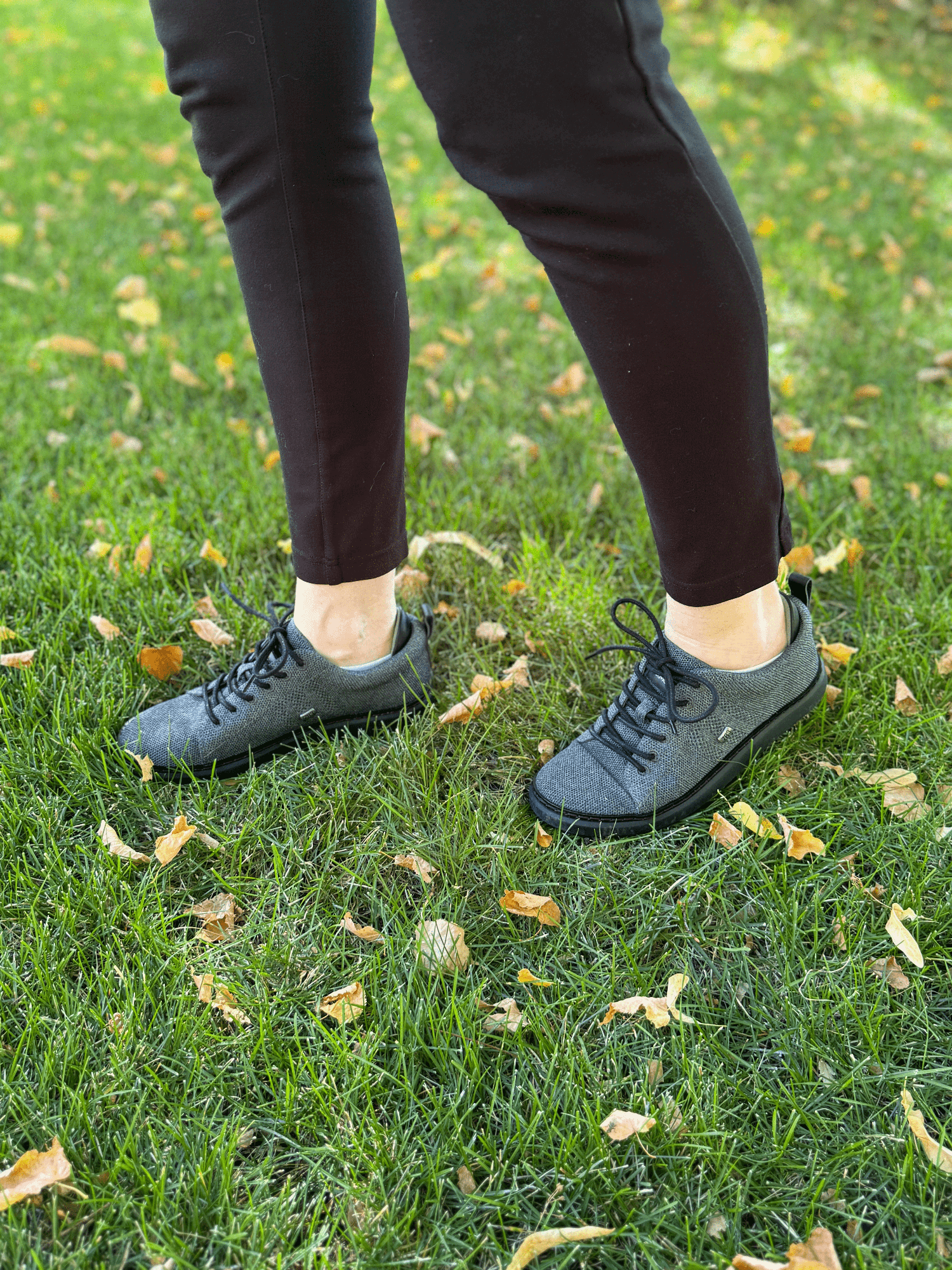
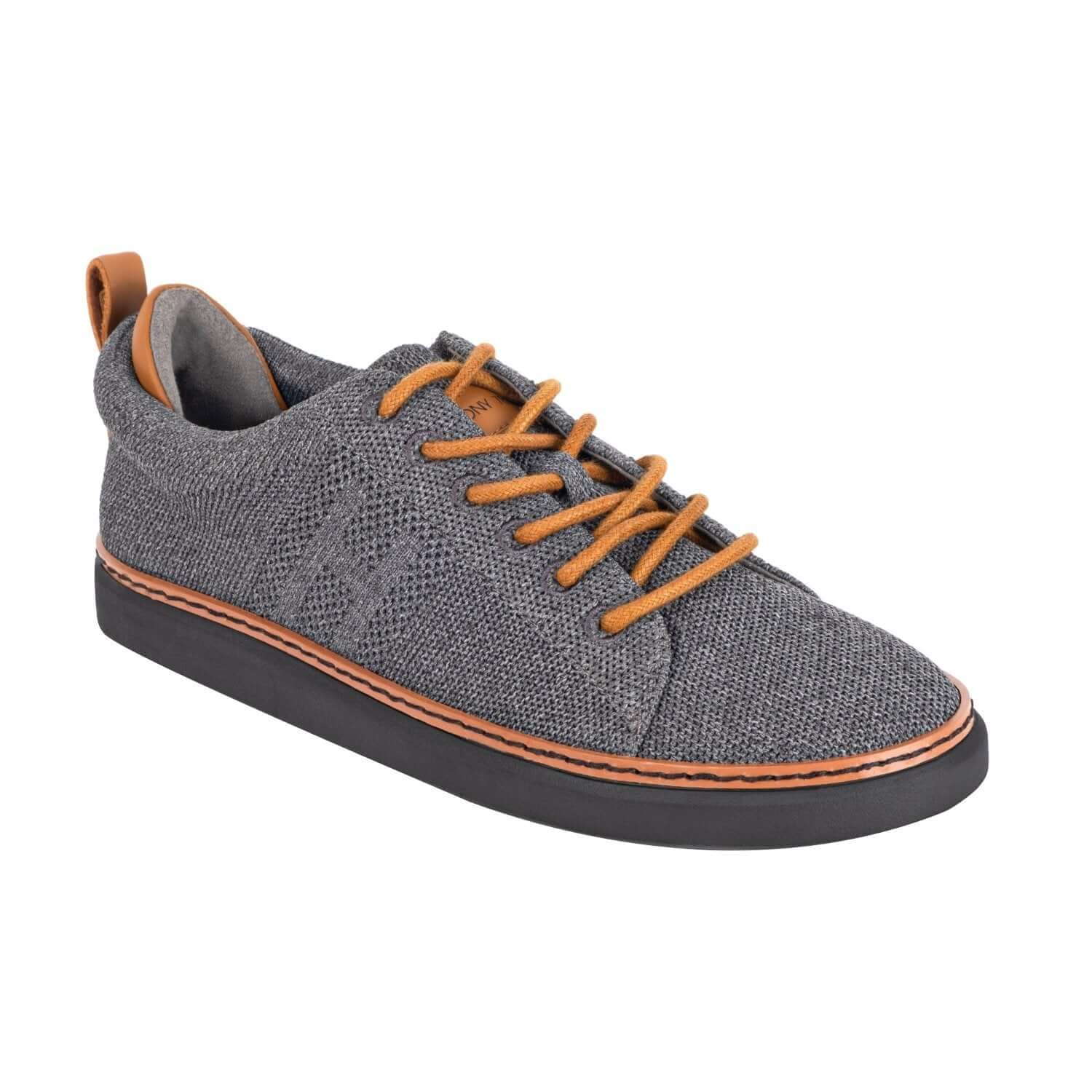
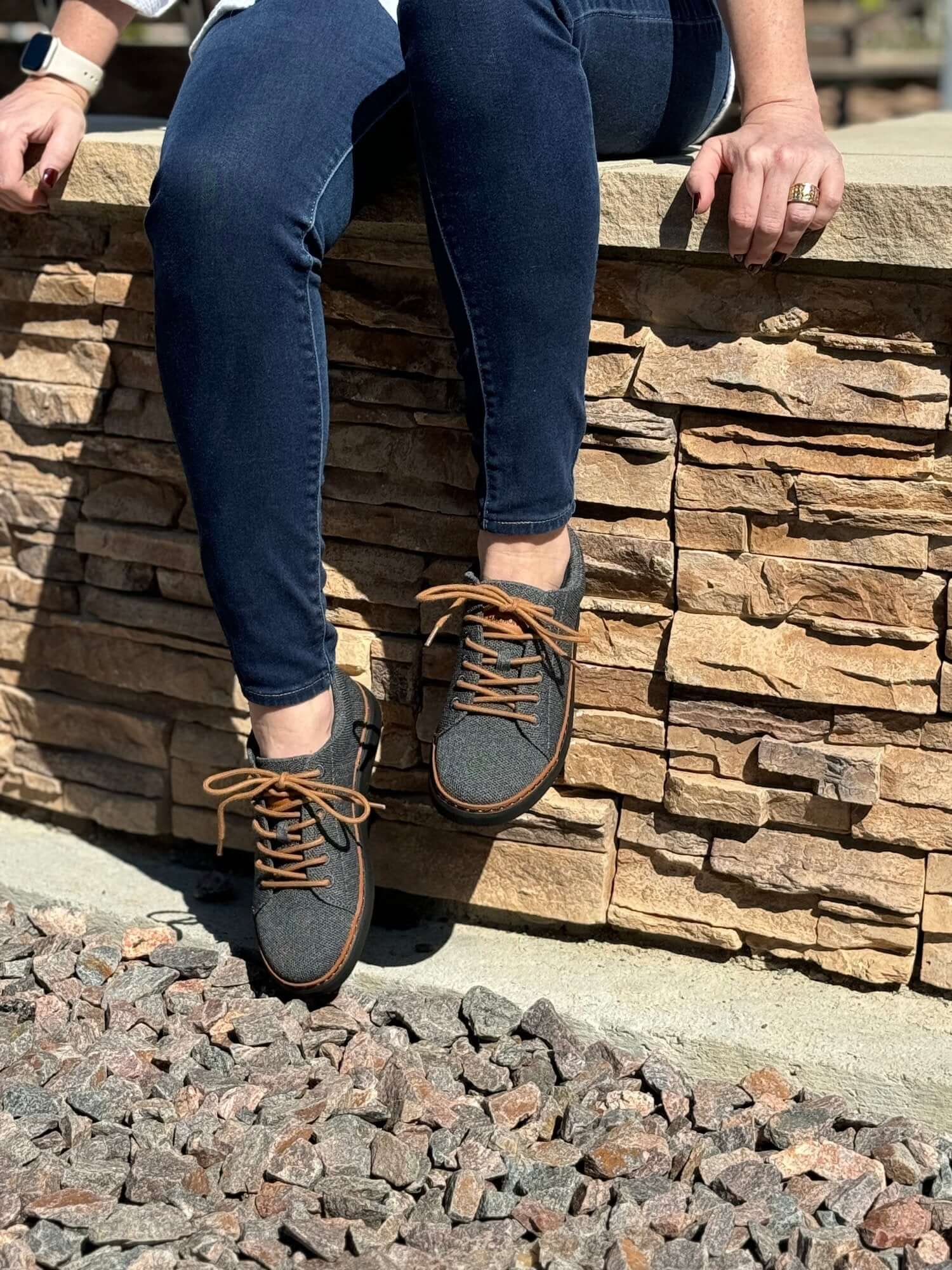
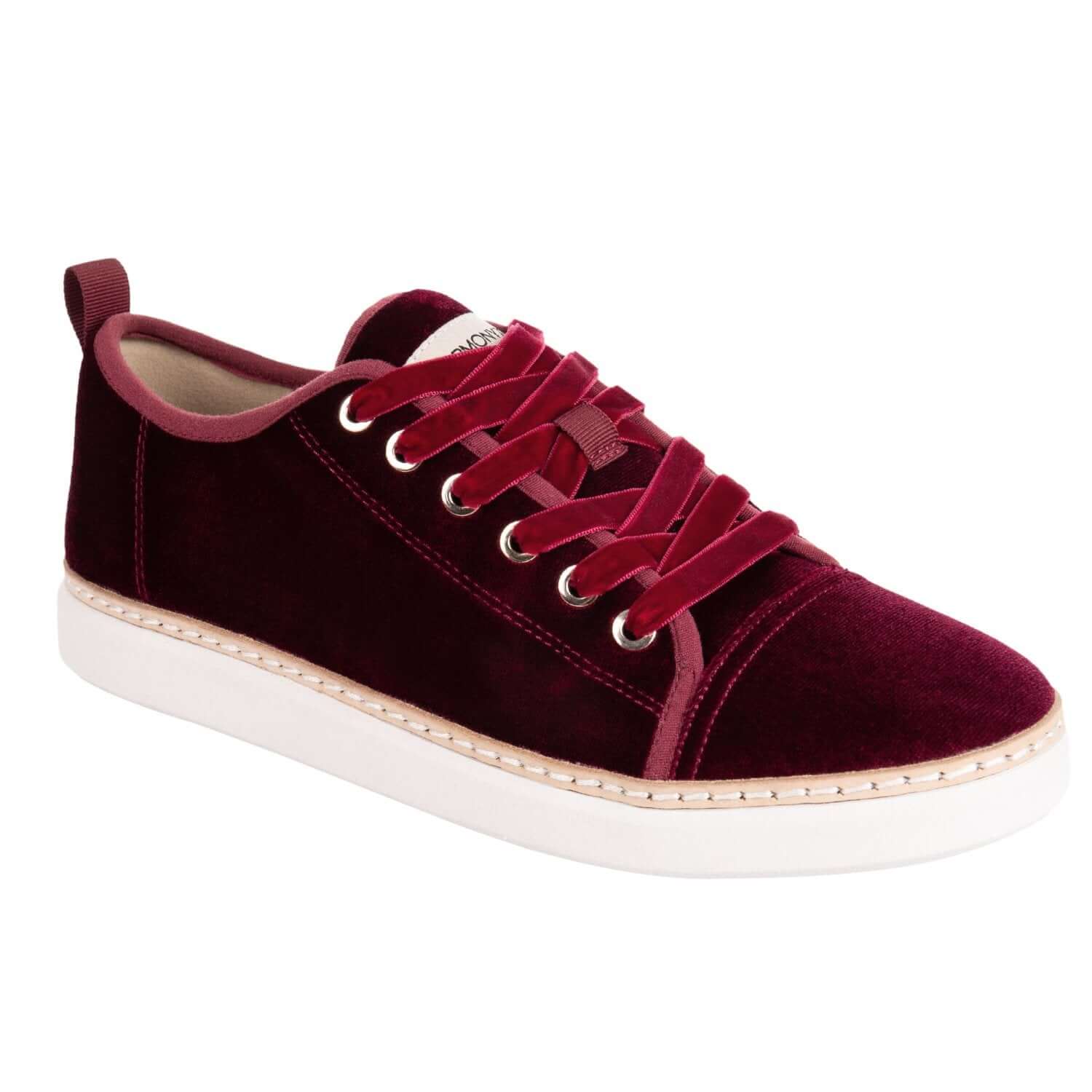
Choosing shoes that offer both comfort and modern design elements is key to helping you stay active and compliant with daily foot care, as noted in therapeutic footwear research. Harmony 783 blends style with functional support to keep you moving with ease. Our shoes feature Groundworks conductive technology, so you can enjoy the natural benefits of earthing without going barefoot.
Supportive Casual Styles for Everyday Wear
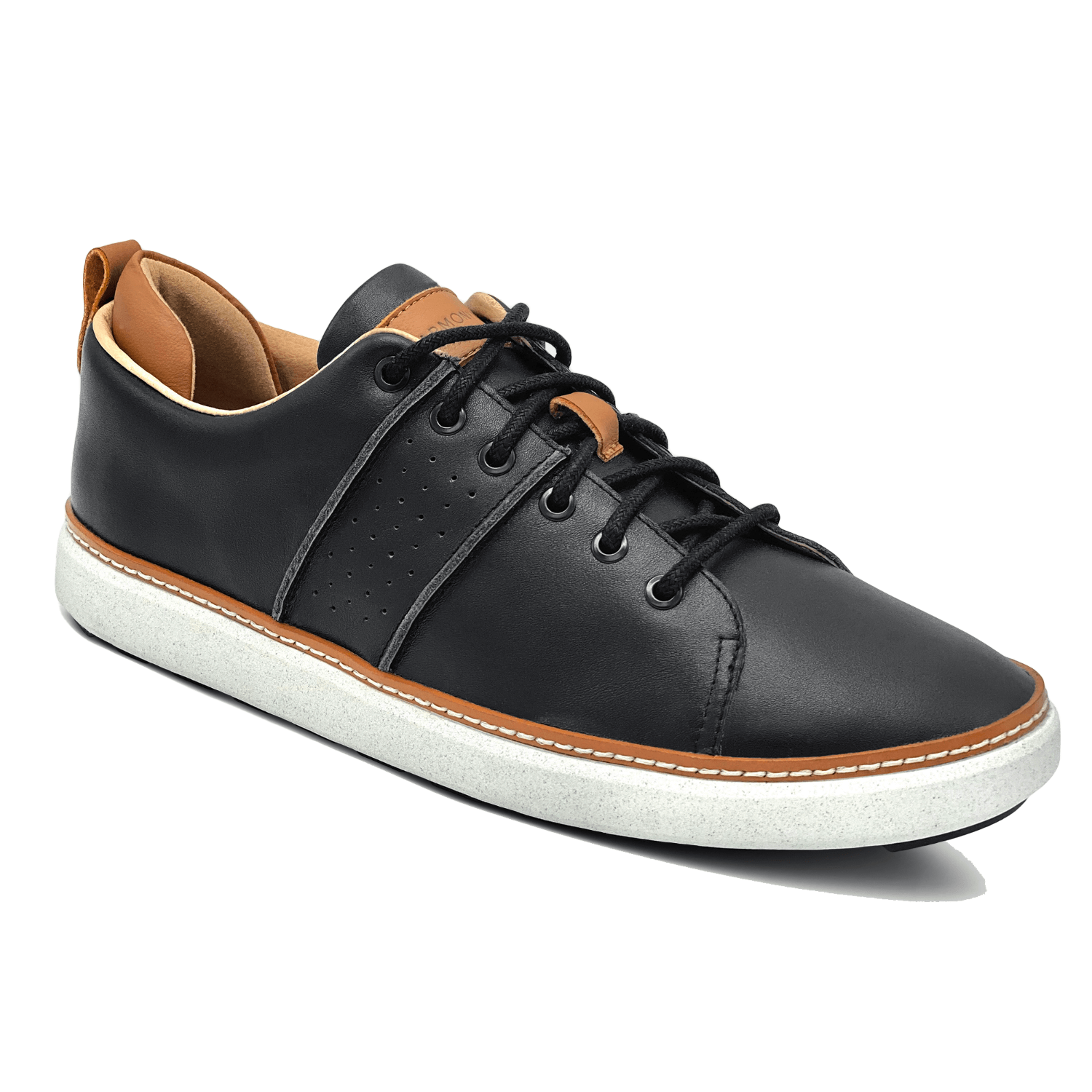
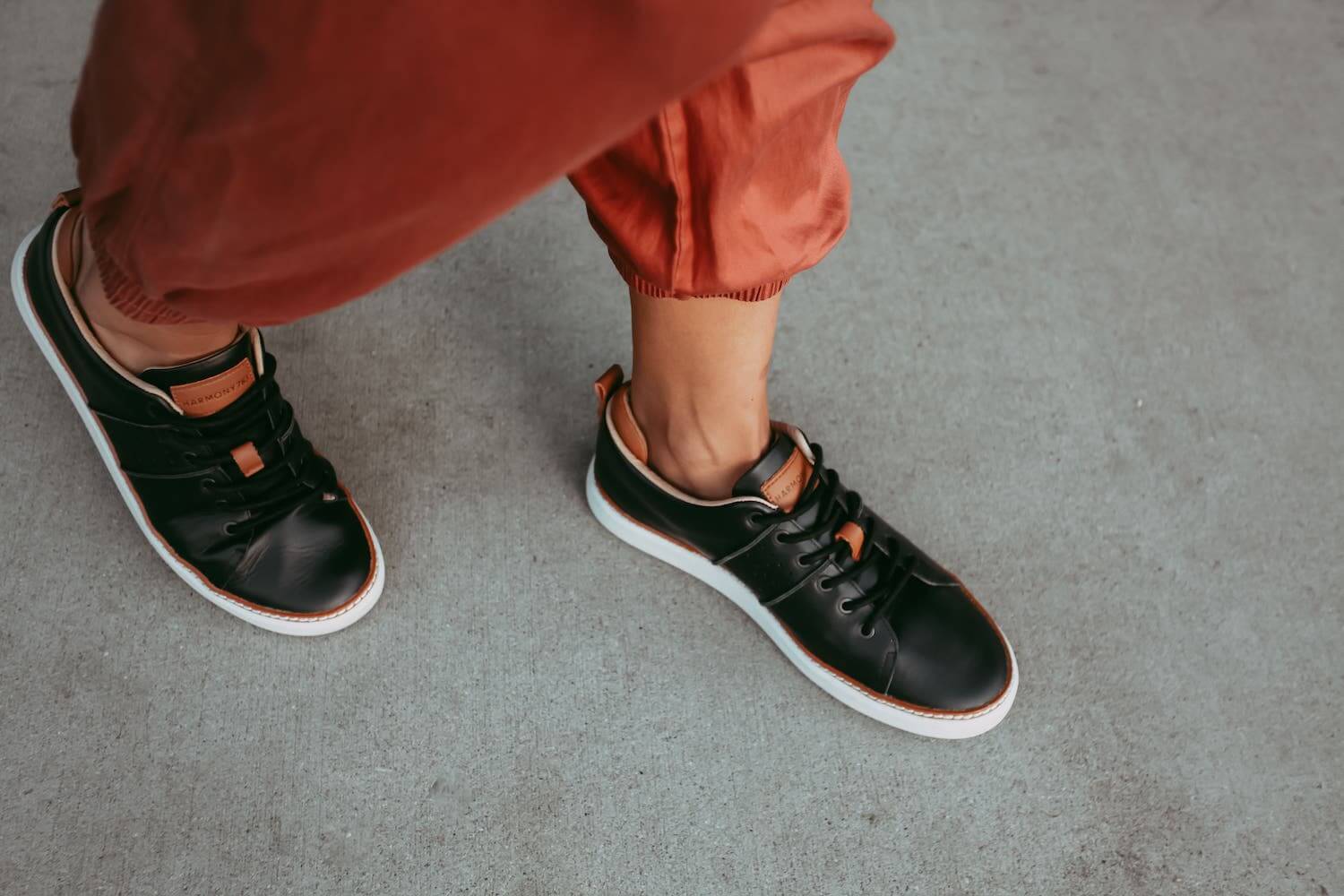
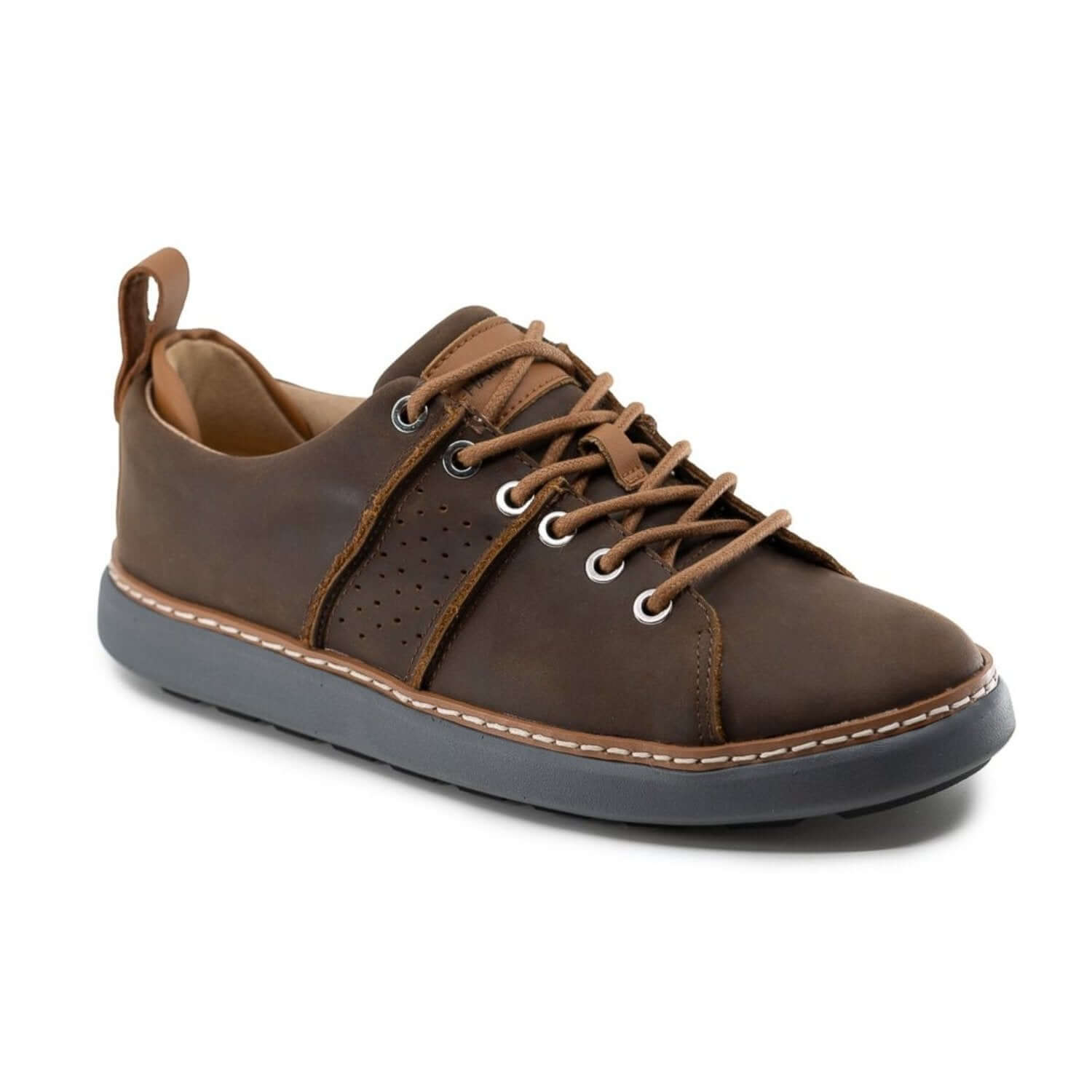
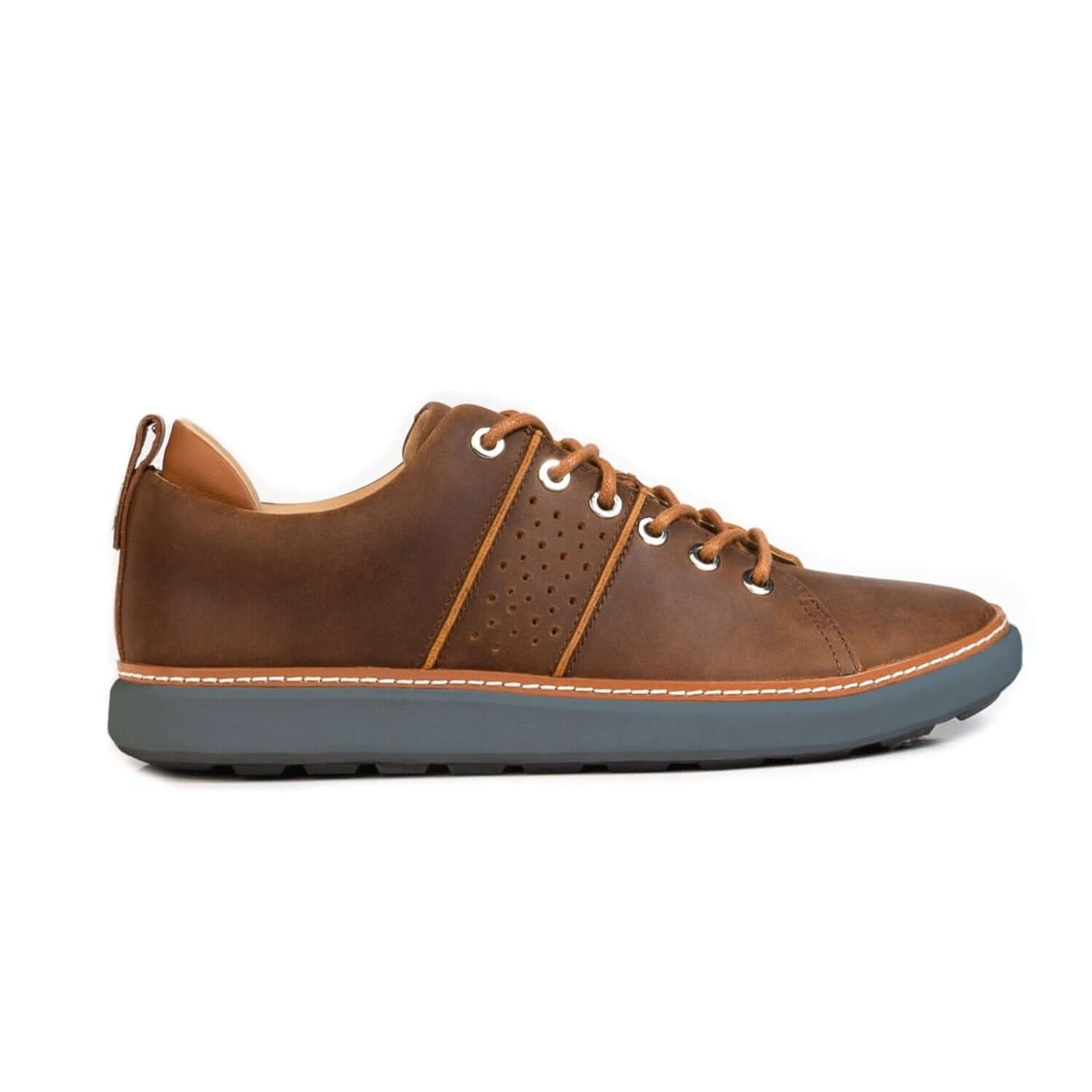
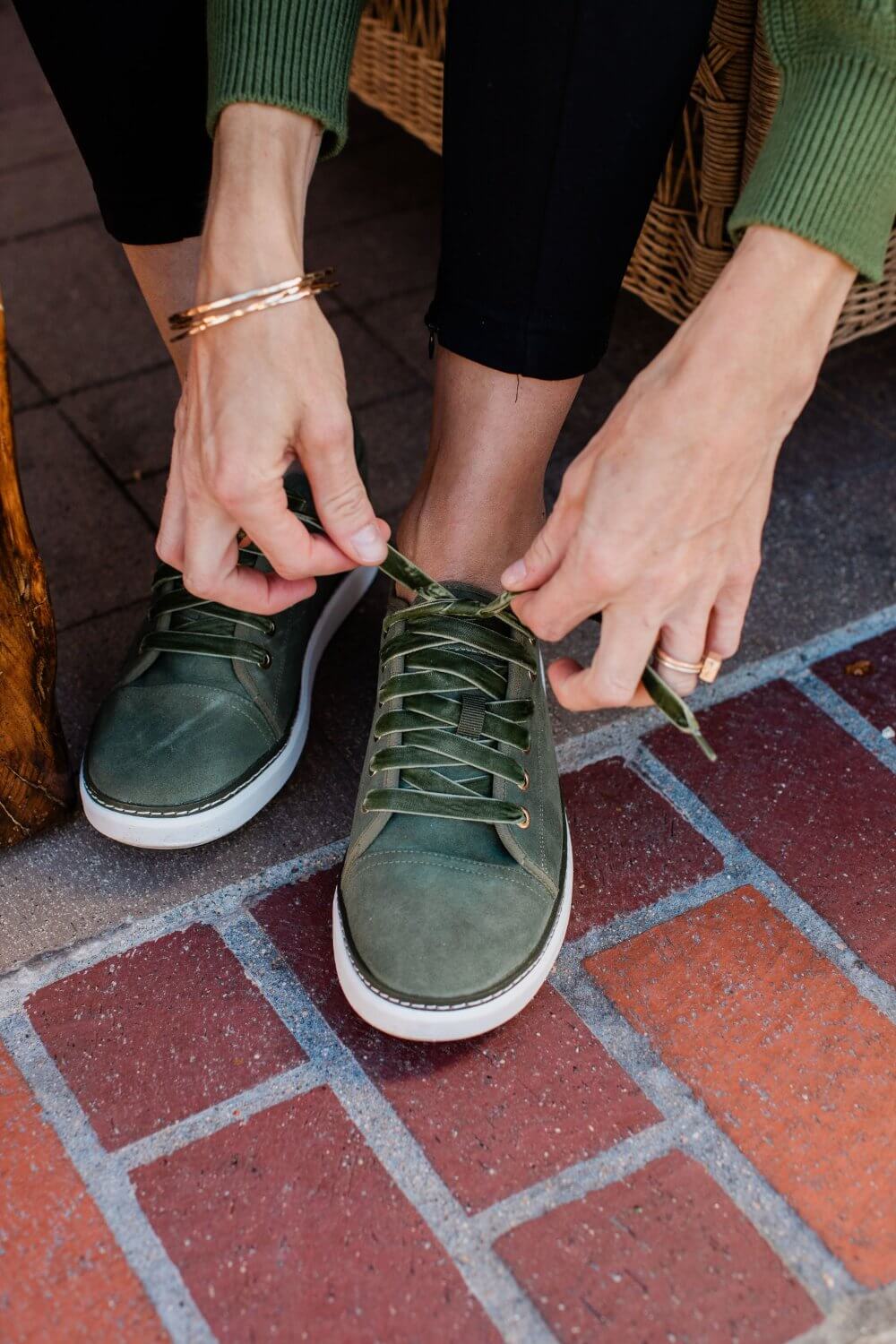
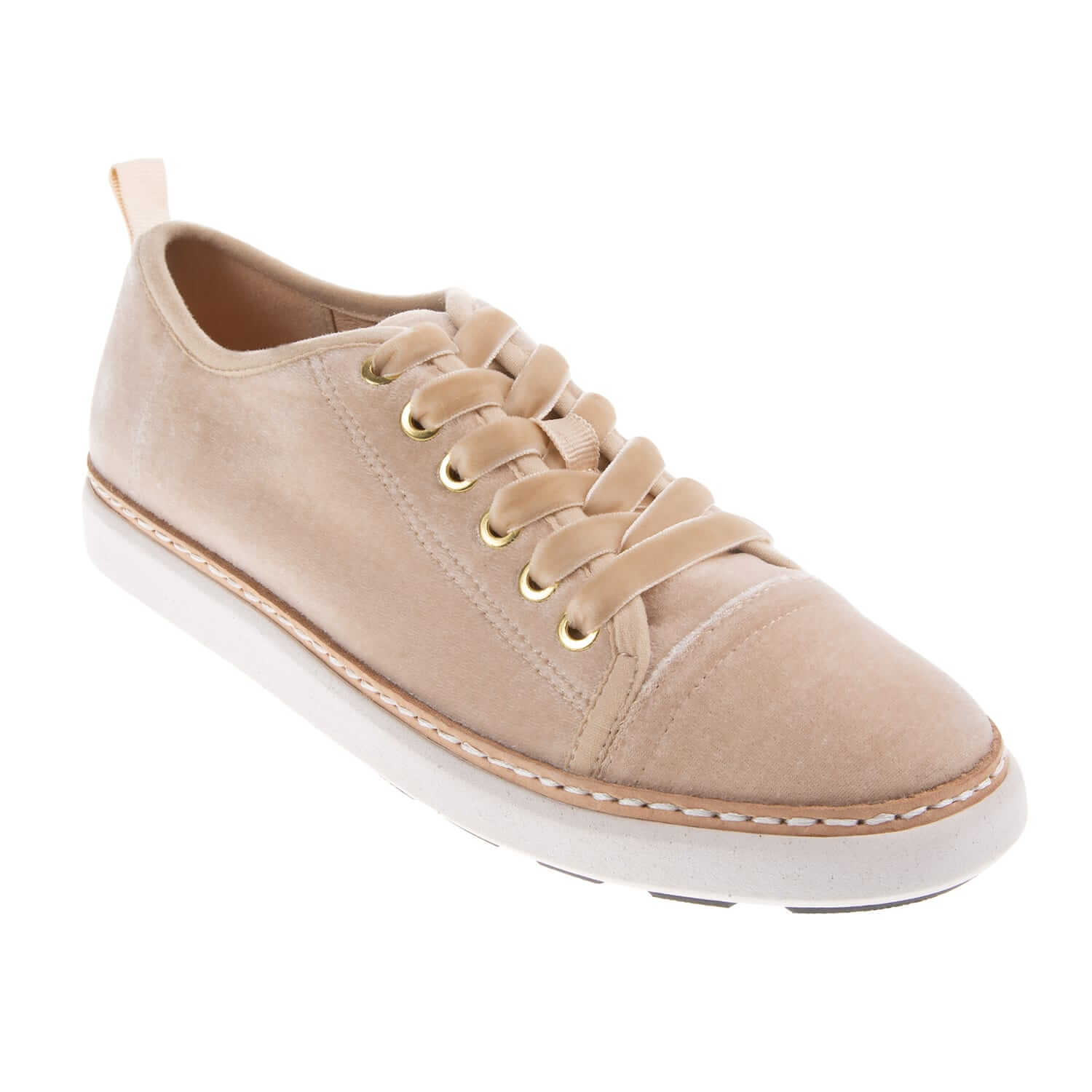
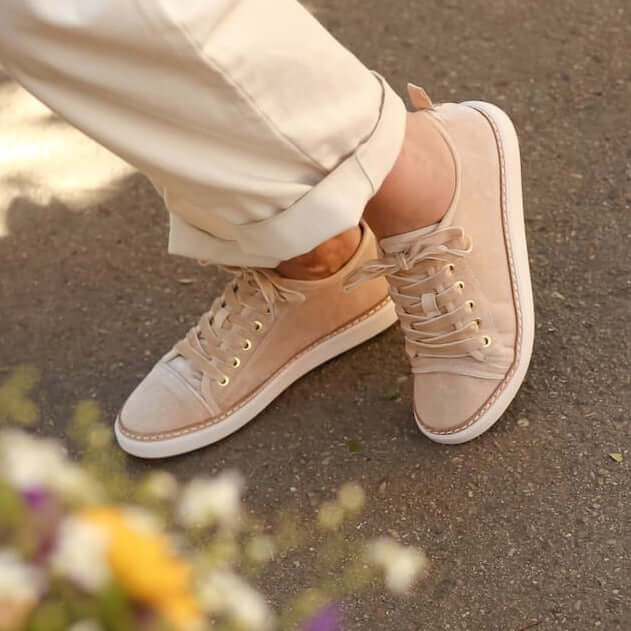
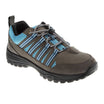
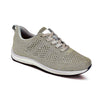
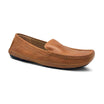
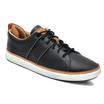
For daily activities, consistent and supportive footwear habits can greatly improve your overall comfort and quality of life. The National Institute of Diabetes and Digestive and Kidney Diseases highlights the role of protective shoes in shielding sensitive feet from friction. Our casual shoes and sneakers provide excellent arch support, ample toe room, and a steady base. These features help you feel balanced and secure on your feet.
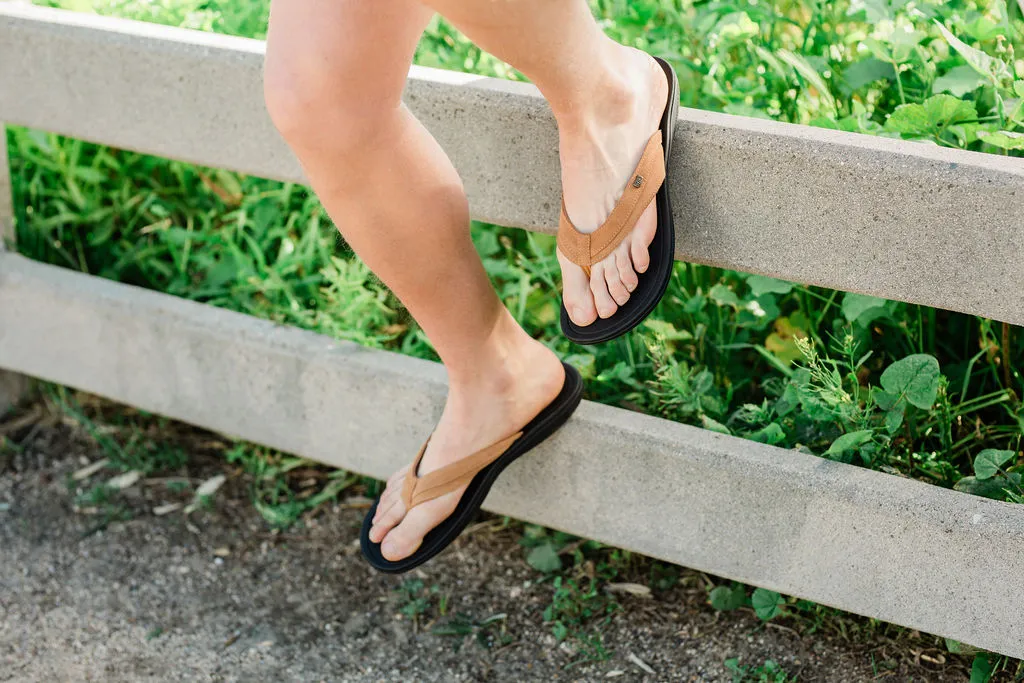
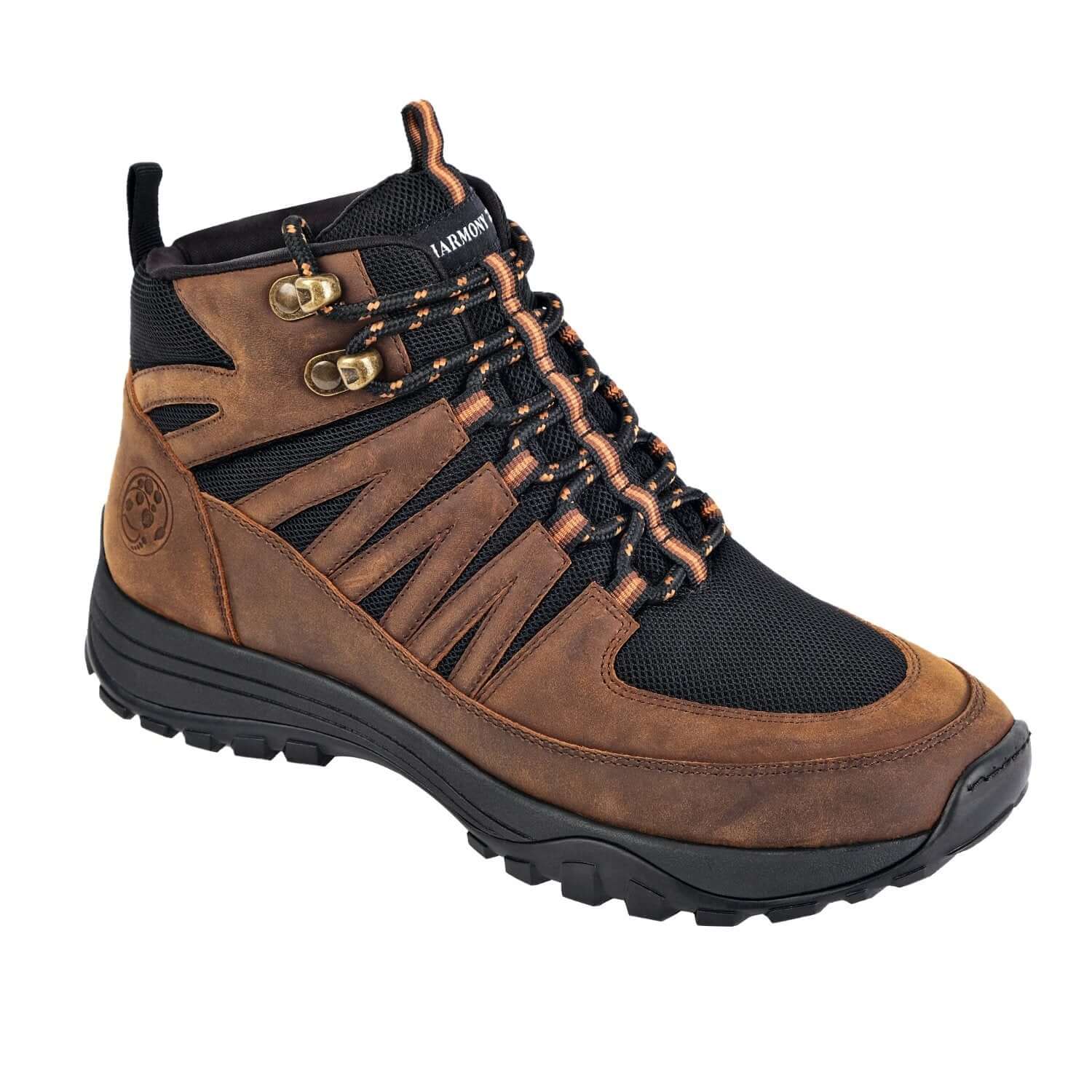
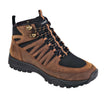
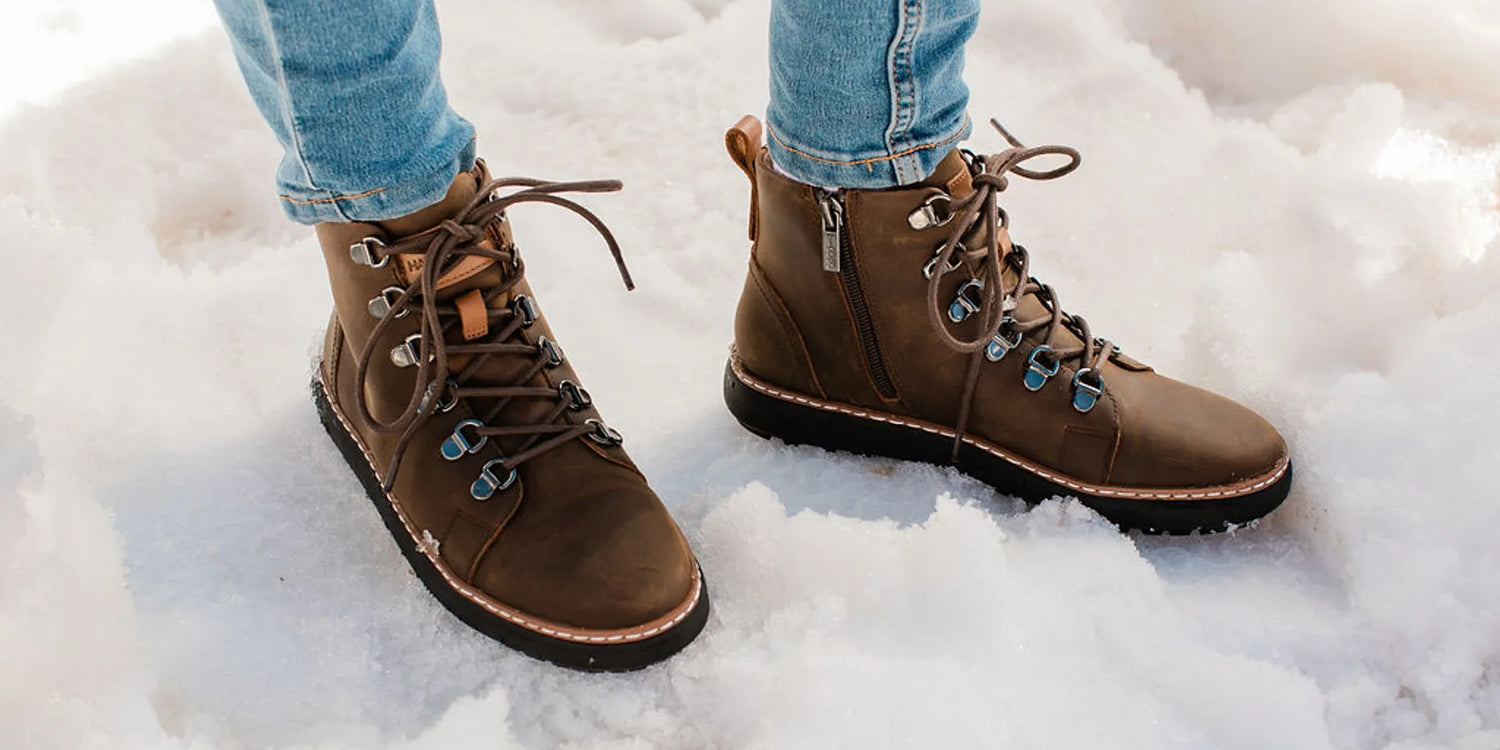
For cooler days, our Charlie bootie offers a cozy, enclosed fit that protects your feet from environmental elements. It keeps your feet snug while our five-layer conductive system connects you to the ground. This style is perfect for those who want a structured, stable shoe that does not compromise on looks or ease of movement.
Breathable Sandals for Warm Weather
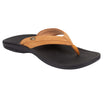
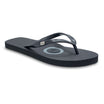
When the temperature rises, finding sandals that provide adequate support can be a challenge. Many standard slip-ons lack the depth and grip needed for sensitive soles. Our Stella and Lily sandals are built to solve this problem. They feature contoured footbeds that distribute your weight evenly and reduce high-pressure spots on the bottom of your feet. These sandals offer adjustable straps to ensure a precise, slip-free fit. You can learn more about how to ground yourself effectively with different styles throughout the year.
Conductive Technology for Natural Wellness
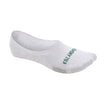
Each Harmony 783 shoe contains our proprietary grounding system. This includes pure silver stitching and conductive carbon-filled outsoles that let you connect with the earth's natural energy. This technology provides a simple way to support your daily wellness routine. When paired with structured comfort, it makes our footwear a great choice for those seeking to maintain a healthy foot environment.
What to Expect: Timeline for Noticing a Difference with Grounding Shoes
Most people notice changes in foot comfort within the first few days to several weeks of consistent grounding shoe use. Though individual results vary based on nerve health and daily habits. When you start using grounding shoes, you should keep realistic expectations in mind.
Natural foot care methods do not work overnight. Many people with peripheral neuropathy seek natural options to help manage their symptoms alongside standard medical care. But because chronic nerve pain is complex, it requires a comprehensive approach. Grounding shoes can be a key part of this strategy, but they are a wellness tool, not a quick cure.
Your Timeline and What to Expect
Most people notice a difference in comfort and sensation over several weeks. Grounding shoes are designed to help you connect with the earth while keeping your feet supported. But how soon you feel results depends on your body, your daily habits, and your nerve health. Research continues on footwear interventions for nerve discomfort, showing that consistency is what matters most.
For some, a gentle shift in foot comfort occurs within the first few days of daily wear. For others, it may take three to four weeks of steady use to notice a real change in how their feet feel. Because nerves heal and adapt slowly, you must give your body time to adjust to this new routine.
Steps for Adding Grounding to Your Day
To get the most out of your grounding shoes, follow a steady, daily plan. Setting up a regular routine helps your body adapt to the footwear while protecting your sensitive feet.
- Start with short wear times. Wear your new shoes for just 30 to 60 minutes on your first day. This short window lets your muscles and nerves adapt to the shoe structure without stress.
- Build up your daily use. Add 30 minutes of wear time each day. Aim to wear your shoes for at least two to three hours daily within your first week.
- Walk on natural surfaces. Walk on grass, soil, sand, or unsealed concrete. These surfaces allow the grounding technology in your shoes to connect with the earth's natural charge.
- Practice daily foot care. Check your feet every day for redness, cuts, or sore spots. Since neuropathy can lower your sensation, regular checks are vital to prevent skin issues.
- Keep up with your medical team. Use grounding shoes as a helpful extra tool, not a replacement for medical care. Always talk to your doctor about your nerve health plans.
Consistency and Safe Habits
Success with grounding shoes depends on daily, steady use. You cannot wear them once a week and expect to see lasting results. Try incorporating grounding into your daily routine by wearing your shoes during a morning walk or while sitting outside. As you build this habit, pair it with excellent foot hygiene and safety. Never walk barefoot outdoors, as reduced sensation increases your risk of cuts. By combining steady shoe wear with safe habits, you support your feet and your overall wellness journey.
Frequently Asked Questions
Can grounding shoes help with peripheral neuropathy foot pain?
Some people report comfort from grounding shoes. However, definitive scientific proof for treating nerve pain is limited. According to a study on the earthing research foundation, grounding may help with general wellness, but it is not a proven medical treatment for neuropathy. The best approach combines proper footwear with guidance from your healthcare provider.
What features should I look for in neuropathy-friendly footwear?
Look for shoes with wide toe boxes, plush cushioning, arch support, seamless inner linings, and stable outsoles. These features reduce pressure on sensitive nerve endings, prevent skin damage from friction, and improve balance. Grounding shoes add conductive technology that connects your feet to the earth while providing all of these protective features.
How long does it take for grounding shoes to show results?
Some people notice changes within days, while for others it takes three to four weeks of consistent daily wear. Results depend on your nerve health, how regularly you wear the shoes, and the surfaces you walk on. Consistency is the most important factor for seeing any benefit.
Are grounding shoes safe for people with diabetic neuropathy?
Grounding shoes are generally safe as supportive footwear, but you should always consult your doctor before trying any new wellness product. People with diabetic neuropathy need to be especially careful about fit and friction. Harmony 783 shoes feature seamless linings and wide toe boxes designed to reduce the risk of skin damage.
Can I wear grounding shoes without socks for the best effect?
For the strongest grounding connection, wearing the shoes without socks or with conductive grounding socks allows direct skin contact with the conductive lining. However, if you need socks for hygiene or comfort, choose thin natural fiber socks that allow some conductivity.
How do grounding shoes compare to regular supportive shoes for nerve pain?
Regular supportive shoes provide the cushioning and fit needed for neuropathy foot care. Grounding shoes offer the same mechanical benefits plus conductive technology that connects you to the earth. This extra feature makes them a good choice for people interested in natural wellness alongside standard foot protection.
Discover the Grounding Shoe Range for Everyday Foot Comfort
Finding the right footwear can transform how your feet feel every day. Whether you need enclosed boots for cooler weather or breathable sandals for warmer months, Harmony 783 has a style built to support your nerve health journey. Our grounding shoes combine everything you need: wide toe boxes for natural toe splay. Plush cushioning for tender nerve endings, arch support for even weight distribution, and conductive technology for earthing benefits.
Browse the collection of grounding shoes for neuropathy today