























Can contact with the earth help you sleep better? Early grounding for sleep studies offer an intriguing signal, but not a verdict. Small trials report changes in subjective sleep, stress, and related measures. Their size and design do not establish grounding as a treatment for insomnia or any health condition.
See how grounding works before you add it to your evening routine.
Grounding for sleep means maintaining conductive contact with the earth before bed or while resting. A peer-reviewed research review describes early experiments that reported subjective improvements in sleep and pain, plus later work relating sleep changes to the day-night cortisol rhythm. These findings are preliminary. Larger, independent, well-controlled trials are needed before researchers can determine whether grounding reliably improves sleep.
The most useful way to approach grounding is as a personal wellness experiment alongside proven sleep habits, not as a cure. Start by understanding what the practice involves and what the evidence can, and cannot, tell us.
What does grounding for sleep mean?
Grounding for sleep is a way to link your body to the natural energy of the Earth while you rest. The practice is also called earthing. It involves making direct contact with the ground to pick up its natural charge. Many people use this to support their wellness and help their body feel more balanced at night. It is a simple concept based on the idea that our bodies are meant to be in touch with nature.
Basics of earthing
The human body is naturally bioelectric. This means we have tiny electric charges that help our cells work. When you stand barefoot on the grass or sand, you connect to the Earth's surface. Research suggests that the Earth has a supply of electrons that can flow into the body during this contact. Linking back to these electrons may help support healthy ways the body works. Grounding for sleep brings this same natural link into your room.
For most of history, humans slept on the ground or walked in ways that kept them linked to the Earth. Today, we often live in tall buildings and wear thick shoes. These things can block the flow of electrons from the ground. People use grounding for sleep to close this gap. It aims to restore the link between our physical bodies and the natural world around us.
Tools for your bed
You do not have to sleep outside on the grass to practice grounding. Most people use special tools like grounding sheets or mats. These items use metals like silver or carbon to carry the Earth's charge to you. You plug the tool into the ground port of a wall outlet or use a rod in the soil outside. This creates a path for the Earth's energy to reach your skin while you are in bed.
These tools are popular because they make it easy to stay grounded for a long time. Using a grounding sheet lets you get the gains of direct contact without changing your day. You can learn more about how grounding for improved sleep works by looking at how these tools link to your body. It is a way to bring the outdoors inside for a more natural sleep space.
Wellness and sleep
It is vital to know that grounding is a wellness practice. It is not a medical way to fix sleep problems. You should see it as a helpful part of a healthy life. Research in this field is still growing, and we learn more every day. Experts often suggest using it with other good sleep habits. This might include keeping your room dark and cool or turning off screens before bed.
Grounding is a natural way to support your body's own systems. Many users find that it helps them feel more calm and at peace. But it should not replace advice from a doctor. By seeing grounding as a simple life choice, you can enjoy it as part of your health plan. It is one more tool to help you stay linked to the natural world while you live a modern life.
What does the research say about grounding and sleep?
Modern science is now taking a closer look at the old practice of linking with the Earth. This practice, often called earthing, is based on the idea that the human body is bioelectric. Research suggests that when you make direct contact with the ground, you receive a supply of electrons from the Earth's surface. While many people use grounding for improved sleep, scientists are still working to understand the exact link. It is a new field that brings together biophysics, biology, and health.
At its core, grounding is about the link between your body and the natural electric charge of the planet. For most of history, humans walked barefoot or slept on the ground. Today, we often wear rubber shoes and live in high buildings. This separates us from the Earth's surface. Experts who study health believe this gap may impact how we feel. By fixing this connection, we may help our internal systems work as they should.
Physiology and sleep quality
Some studies show that grounding may change how the body handles inflammation. This is key because high levels of inflammation can often disrupt your rest. Academic research has found that grounding produces clear changes in white blood cells and cytokines. These are small molecules that help control your immune response. By affecting these factors, grounding may help the body stay in a more balanced state during the night.
Other tests have looked at how grounding impacts pain and healing. One model used an experimental injury called delayed onset muscle soreness to see how the body reacts. Researchers found that grounding altered the count of certain cells, like neutrophils and lymphocytes. These cells are key to how the body heals and manages stress. While these tests did not focus only on sleep, they show how grounding affects the body's internal systems. A more balanced body often finds it easier to reach a deep, restful state. Learning about the science behind grounding can help you see it as a helpful part of your daily routine.
There is also a link between grounding and the rhythm of your body. Some proof suggests that earthing can change the steps that guide your sleep-wake cycle. When your body is in contact with the ground, it may help keep your internal clock on track. This idea is one reason why many people find they wake up feeling better after a night of grounded sleep.
What the evidence shows, and what it does not
The early findings are specific, but the evidence base remains limited. A research review reports that initial experiments found subjective improvements in sleep and reduced pain. It also describes a sleep-grounding study in which overnight contact was associated with changes in the day-night cortisol profile. Those results are worth studying, but they do not prove that grounding treats insomnia.
- What has been observed: subjective reports of better sleep and less pain, plus changes in physiological measures related to stress and inflammation.
- Why caution is needed: many studies are small, use subjective outcomes, or do not independently replicate earlier findings.
- What researchers still need: larger randomized trials with credible controls, objective sleep measurements, and clearly reported grounding exposure.
Duration, electrical resistance, participant expectations, and the type of grounding setup can all affect a study's outcome. For now, treat grounding as an optional complement to established sleep hygiene. If poor sleep is persistent or affects daytime functioning, seek advice from a qualified health professional.

Ways to try grounding before bedtime
Grounding the human body, or earthing, means making direct contact with the surface of the Earth. The human body is bioelectric by nature. When you touch the ground, you can receive a flow of electrons from the Earth. This process may help your body find a better balance before you rest. Using grounding for improved sleep is a simple way to add nature to your night routine. It helps you stay in touch with the world around you.
Walking barefoot outdoors
The most direct way to ground is to walk barefoot on the grass, soil, or sand. Spending time outside before bed can be very calming. Research shows that electrically conductive contact with the Earth can have good effects on health. You only need a few minutes of skin contact with the ground to start the flow. But, this method can be hard to do in the winter or if you live in a city. You also have to watch for sharp things on the ground.
Walking on wet grass or sand is even better for the flow of electrons. Water helps the charge move from the Earth to your skin. If you have a yard, a short walk at dusk can be a great way to wind down. It lets your mind rest while your body links to the ground. This simple act is free and easy to do when the weather is nice. It is a simple part of a healthy way of life.
Using grounding mats and sheets
Many people use grounding mats or sheets to stay linked while they are inside. These items plug into the ground port of a wall outlet. They use conductive wires to bring the Earth's charge to your bed or desk. A grounding mat can help you get the gains of the Earth while you sleep. But, you must make sure your home's wiring is safe and grounded. If your home is old, you may need a tester to check your outlets first.
Some people find the wires or cords to be a bit bulky or in the way. You have to stay on the mat or sheet to keep the link. This can be hard if you move a lot in your sleep. Still, it is a good choice for those who want to ground at night without going outside. It is a popular way to use science behind grounding in your own home. It makes the practice very easy to fit into a busy day.
Wearing grounded shoes
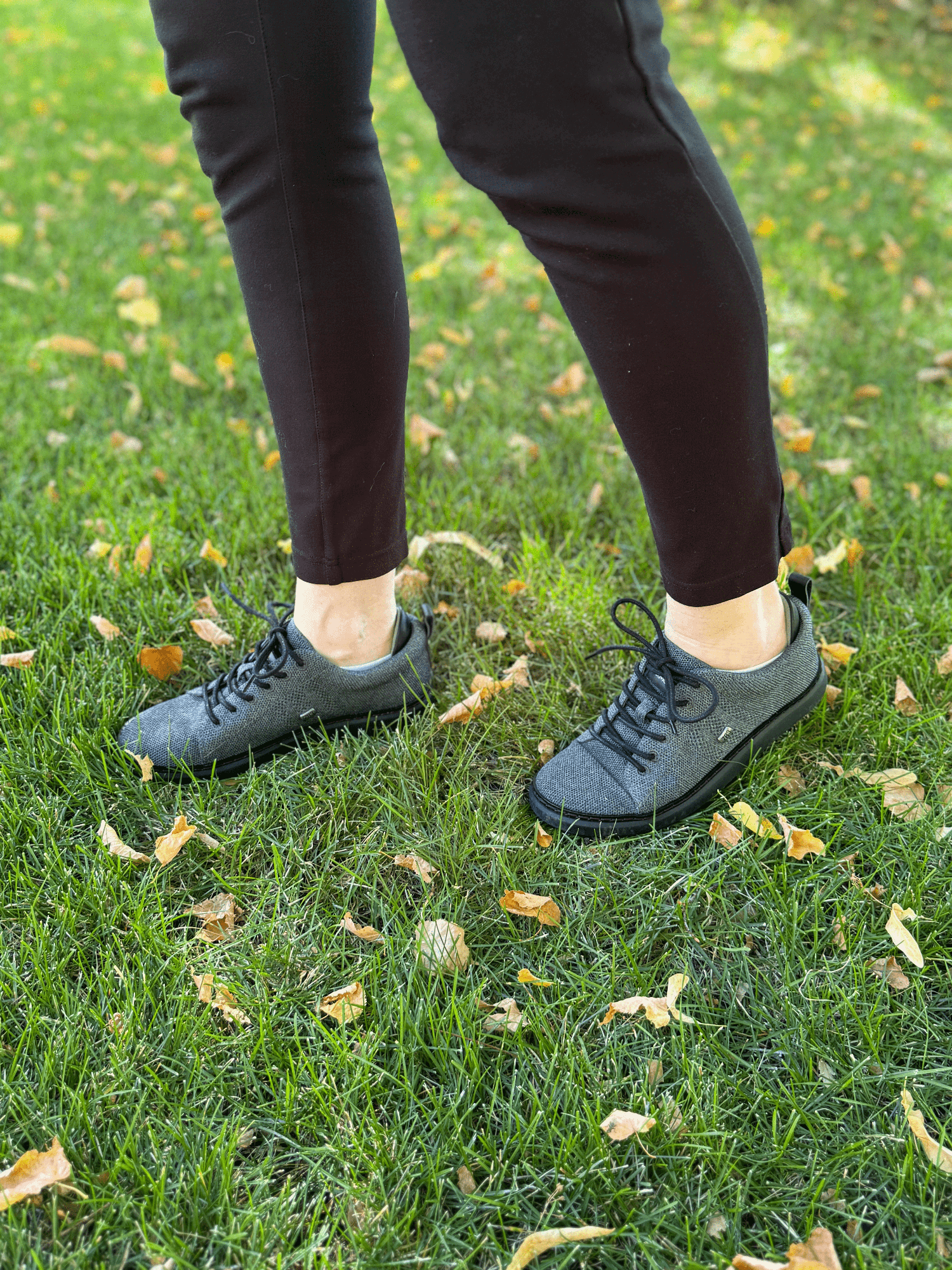
Grounding shoes are a great way to stay linked while you move around. Harmony 783 shoes use special carbon-infused soles to keep you grounded. This lets you get the Earth's electrons while you walk on grass or dirt without taking off your shoes. You can find these in the Walkers collection to wear during a sunset stroll. They look like normal shoes but work to keep you in touch with the ground as you walk.
These shoes are very helpful because you can wear them almost anywhere outside. You do not have to worry about cold ground or sharp rocks. They provide a safe layer for your feet while letting the Earth's charge flow. Many people find this to be the most easy way to stay grounded. You can use them for daily walks, yard work, or even a trip to the park. It is a simple tool to help you stay linked to nature every day.
Choosing the right method for you
The best way to ground is the one that fits your life. You may like the feel of grass on your feet. Or, you may want the ease of a mat in your bed. Many people find that a mix of ways works best. You can walk barefoot when the sun is out. Then, you can use grounded shoes for your errands. At night, a mat can keep the flow going while you rest. Each way has its own pros and cons for your routine.
Think about where you spend most of your time. If you work at a desk, a mat under your feet could be a good start. If you love to be active, grounded shoes are a smart pick. The goal is to make grounding a simple part of your day. You do not need to change your whole life to see the gains. Small steps can lead to big changes in how you feel. Stay open to trying new ways to link with the Earth.
| Grounding Method | Ease of Use | Cost | Best Use Case |
|---|---|---|---|
| Outdoor Barefoot | Medium | Free | Quick daytime reset |
| Grounding Mats | High | Medium | While you sleep |
| Grounded Footwear | High | Medium to High | Daily walks or errands |
Compare them. Choose the approach that fits your routine.
Shop Harmony 783 Walkers for a protected way to stay grounded during an evening stroll.

How to build a grounded evening routine
Many people search for ways to improve their rest. A steady routine can help set the stage for a good night. Adding a brief time for grounding to your night can be a simple way to connect with the earth. Grounding is a grounding for improved sleep lifestyle choice that fits well with other healthy habits. It involves making direct contact with the surface of our planet to pick up electrons.
Why routine matters for wellness
A calm evening helps your body move from a busy day to a quiet night. Using simple methods like grounding can support this shift. Research suggests that earthing the human body may affect body processes that help us feel more balanced. However, it is key to keep in mind that this practice is not a medical fix. It should be a part of your broad wellness plan, not a stand-in for advice from a doctor.
You can try a five-step experiment to see how grounding feels for you. This approach is not a promise of a cure. Instead, it is a way to learn about your own body and how it reacts to the earth. Most people find that a slow, steady habit works best when they start something new. It helps you stay grounded in your daily life while you explore new wellness tools.
The five step evening plan
This experiment pairs brief outdoor time with your usual sleep habits. It focuses on your personal feeling and simple steps. You do not need much time to see if this fits your life. Many people enjoy the fresh air and the chance to slow down before the day ends.
- Go outside for ten to fifteen minutes before you start your usual bedtime habits. Find a patch of grass or soil where you can stand safely with bare feet or conductive shoes.
- Stay still and breathe slowly while you make contact with the earth. This time allows your body to pick up electrons from the ground while you clear your mind of daily stress.
- Go back inside and follow your normal sleep hygiene steps like dimming the lights. Avoid using bright screens or blue light during this time to keep your brain in a rest state.
- Write down how you feel in a small notebook or on your phone each morning. Note any changes in your mood or how well you rested during the night.
- Keep up this routine for at least one week to see a clear pattern. Staying steady helps you understand if the practice is a good fit for your life and health goals.
Tracking your personal experience
It is best to talk to a health expert before you make big changes to your sleep habits. While research shows that grounding can affect inflammation and other body factors, your results may vary. Some people feel a change right away, while others need more time. Every person has a unique bioelectric system that reacts in its own way to the earth.
Keeping a log helps you stay aware of your progress and any small shifts you notice. You might find that your mood is better or that you feel less tense. Using data from your own life is a great way to make smart choices about your wellness. Always treat grounding as a helpful part of the care you already receive from experts. It is a way to build a deeper link with nature while you care for your body.
Is grounding for sleep safe?
Most people find that grounding for sleep is a safe practice. It is a natural way to connect with the earth's surface. But like any wellness routine, you should follow some basic rules to stay safe. This is true whether you use shoes, mats, or sheets. You want to make sure your setup is right and fits your lifestyle. Taking a few simple steps ensures you get the most from your practice without any worry.
Safety starts with knowing how grounding tools work. These items create a path for electrons to move from the earth to your body. This path must be clear and safe for it to be helpful. Whether you are inside or out, the goal is a steady and calm connection. By paying attention to your space, you can enjoy the benefits with peace of mind.
Staying safe indoors and outside
Many people use indoor tools for grounding for sleep. These tools often plug into the ground port of a wall outlet. It is vital to check that your home wiring is safe before you start. You can use a simple outlet tester to find if your port is truly grounded. If the outlet is not wired right, the tool will not work. In some rare cases, bad wiring could pose a risk to your home or tools.
You should also think about power surges. Most grounding products have built-in safety parts to block high currents. Still, you should not use these tools during a lightning storm. To learn more, you can look into the science behind grounding. This helps you understand how the electric path works from the ground to your body. Knowing the facts helps you feel sure about your setup at home.
Grounding outside is the most direct way to connect. But you must watch for hazards in your area. Avoid areas with sharp rocks, broken glass, or waste. You should also stay away from wet grass if there are electric tools nearby. Insects and pests like ants or ticks can also be a concern. Always choose a clean and flat spot for your session to avoid trips and falls.
If you prefer a simpler way to stay safe, grounding shoes are a great choice. They protect your feet while still letting you connect to the earth. This allows you to walk on natural paths without the risk of cuts or bites. Connecting with the earth's natural electronic environment is a simple way to support your well-being. It helps you stay grounded while you go about your day in a safe way.
When to seek expert help
Grounding for sleep is a helpful habit, but it is not a cure. You should not use it to replace care from a doctor. If you have chronic sleep issues, you must seek expert help. Grounding works best as a grounding for improved sleep habit that fits into a full wellness plan. It should work with good sleep habits like keeping a room dark and cool.
Some people with health issues need to be more careful. If you have a pacemaker or other medical tool, talk to your doctor first. They can tell you if a grounding routine is right for you. Always listen to your body and how it feels. If you feel any pain or discomfort, you should stop and check your setup. Natural health practices should help you feel better, not worse. Expert advice is always the best path for long-term health.
Explore Harmony 783 grounding footwear designed to keep you connected outdoors.
Frequently Asked Questions
Does grounding actually improve sleep quality?
Research suggests that grounding may help you sleep by fixing how your body handles stress. When you touch the Earth, you get a supply of electrons. According to science research, this link creates effects that can help your health. While more tests are needed to prove a direct link to sleep, many people feel more calm. It is best to use this as one part of a healthy night routine.
How long do I need to ground for better sleep?
There is no set time that works for every person. Some studies show that even a short time spent barefoot can help your body pick up electrons. Research in Journal of Inflammation Research notes that the length of time you ground is a key factor. Many people find that spending 20 to 30 minutes earthing each day helps them feel more calm. You can also try grounding footwear to stay connected while you walk.
Are grounding sheets effective for sleep?
Grounding sheets are made to help you link with the Earth while you rest in bed. They use special threads to carry electrons from the ground to your body. While many users find them helpful for sleep, this is a new area of study. According to a report on earthing and health, this practice can change how your body handles swelling. These sheets are a simple way to add earthing to your night.
Are there any risks to grounding for sleep?
For most people, grounding is a safe practice that fits into a healthy life. It is a natural way to connect with the planet. However, it is not a cure for medical issues. You should talk to a doctor before you start any new wellness habit. It is best to frame grounding as one part of a good routine. As noted in recent studies, grounding can have effects on health, but you must still follow standard medical advice.
These answers summarize the evidence.
Ready to find grounded footwear for better sleep?
If you do not address poor sleep now, you may face health risks that a simple change can stop. Starting a grounding routine today supports your natural sleep cycle without waiting for your fatigue to get worse. Choosing to wait only prolongs your fatigue and prevents you from finding a natural way to help your body rest so you can fully recover. Every day you delay is another night of lost sleep and more fatigue for your body.
Ready to talk to an expert? Visit our shop to explore grounded footwear and find the right pair for your sleep needs. Start your journey today and get the rest you need for your healthy life.