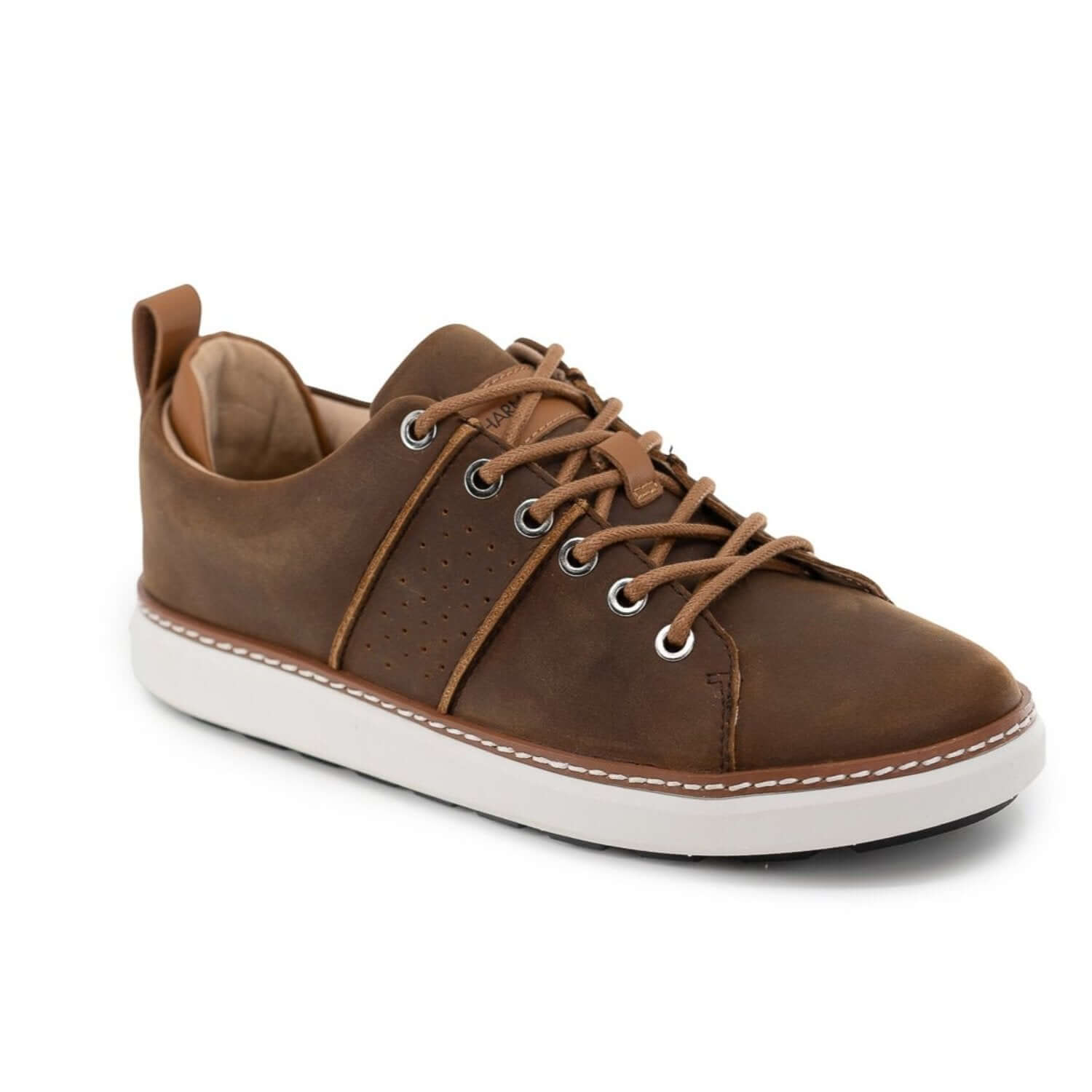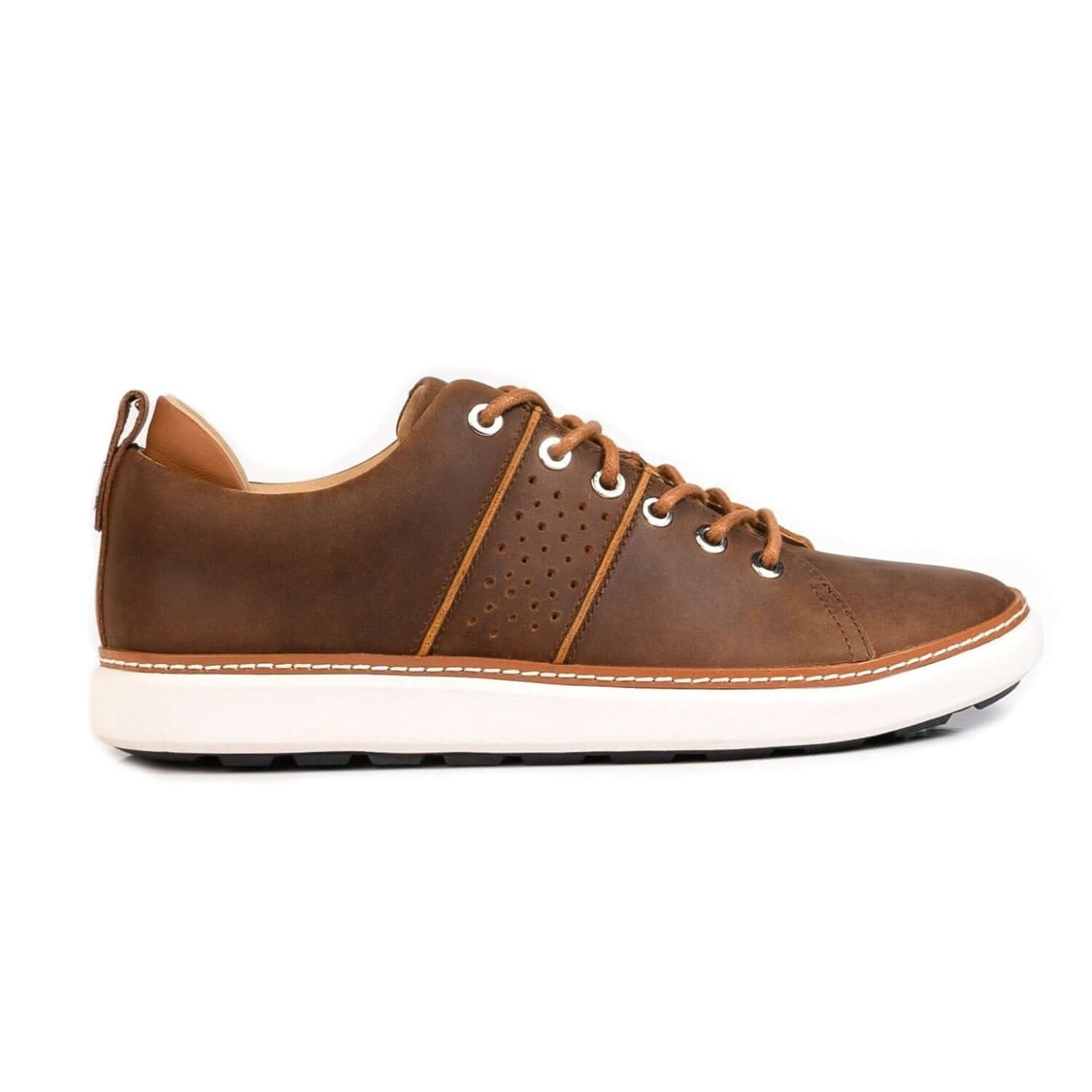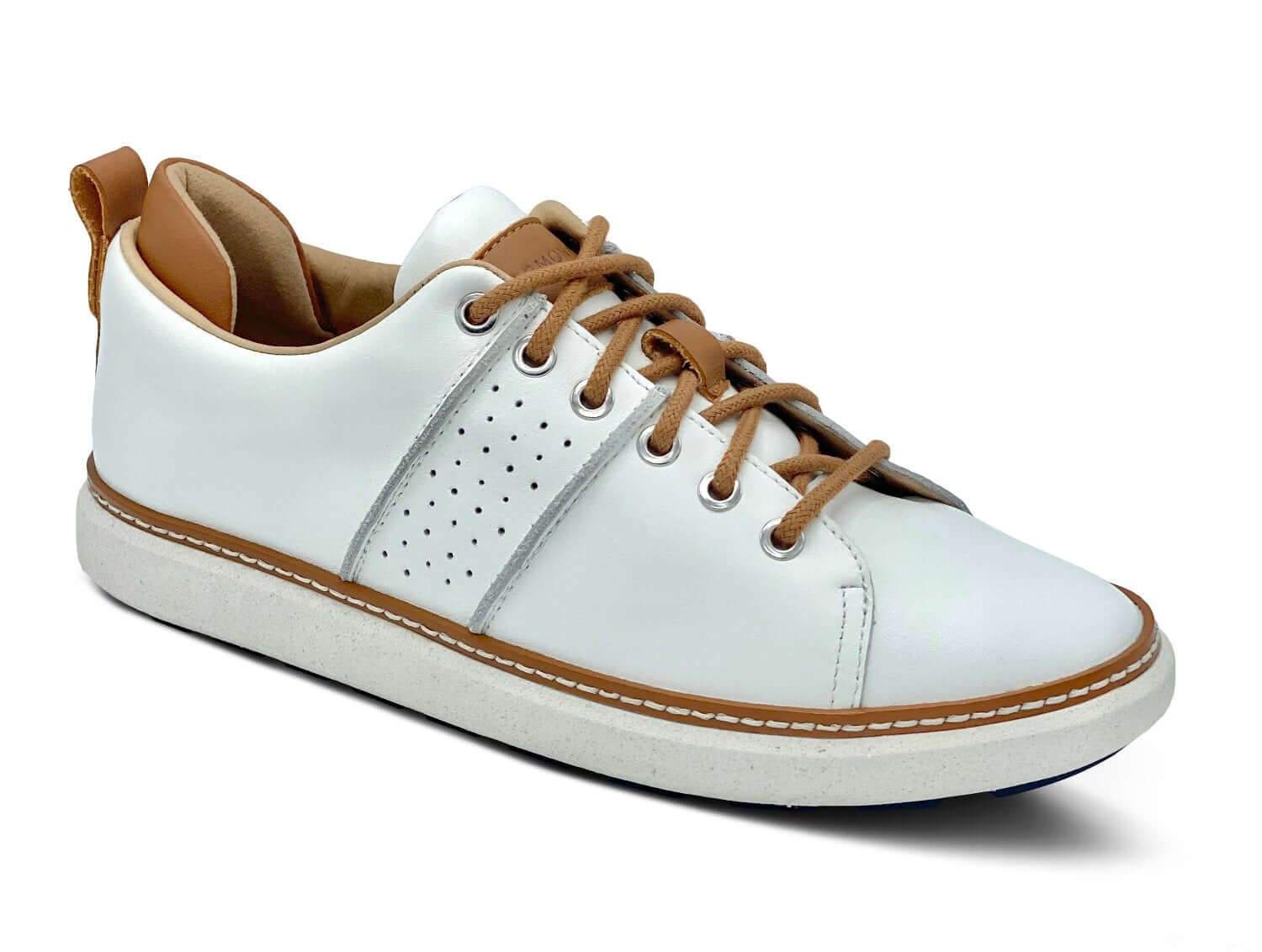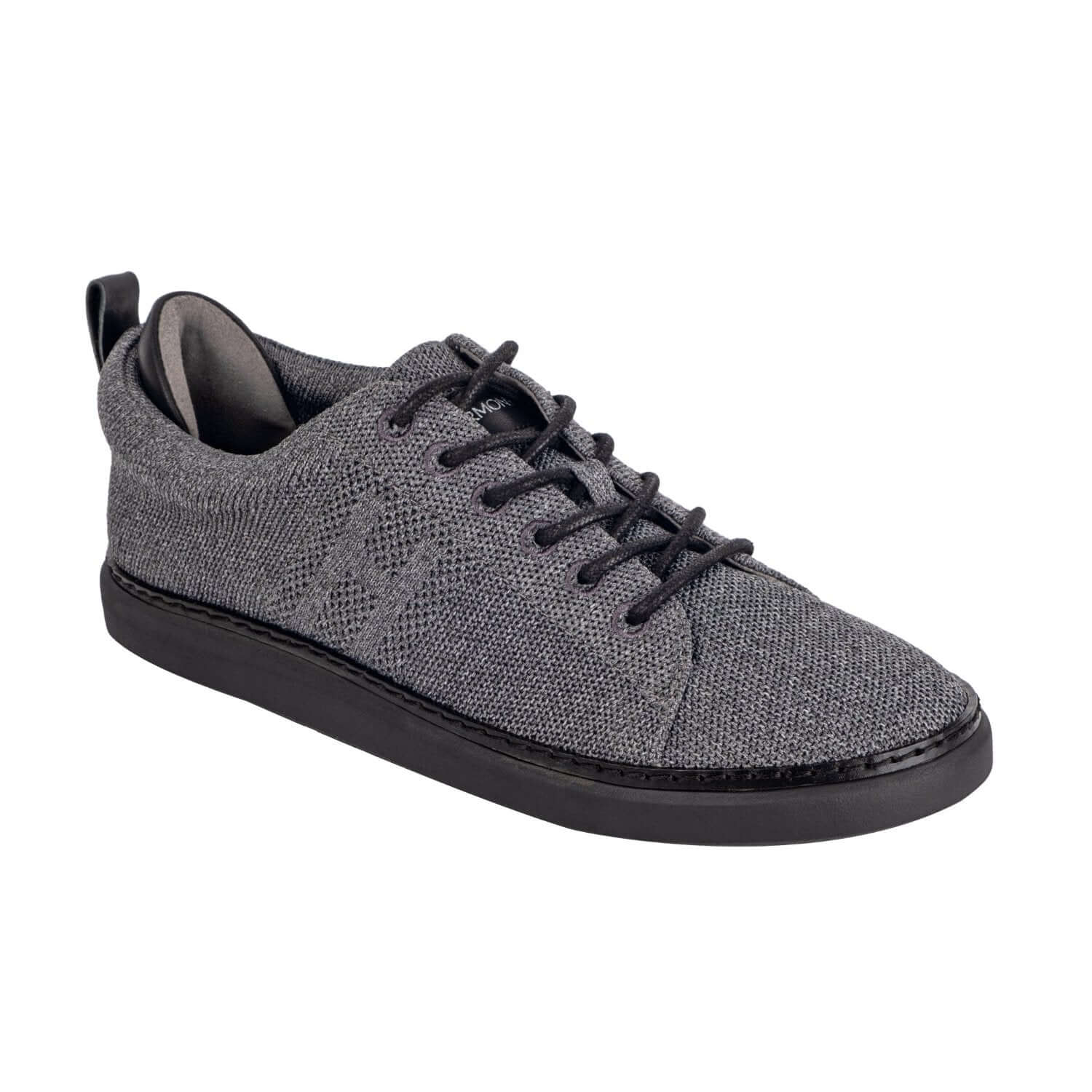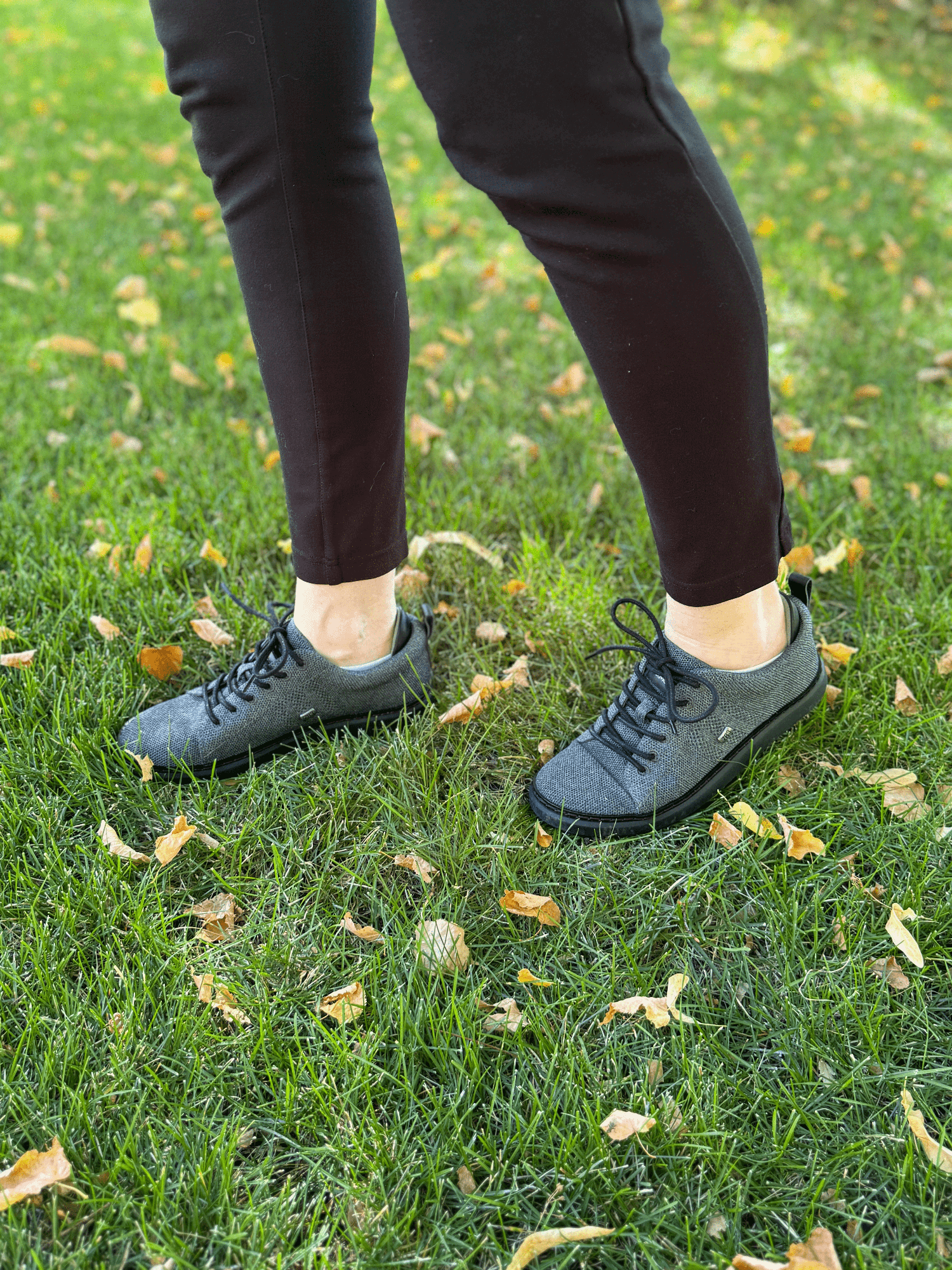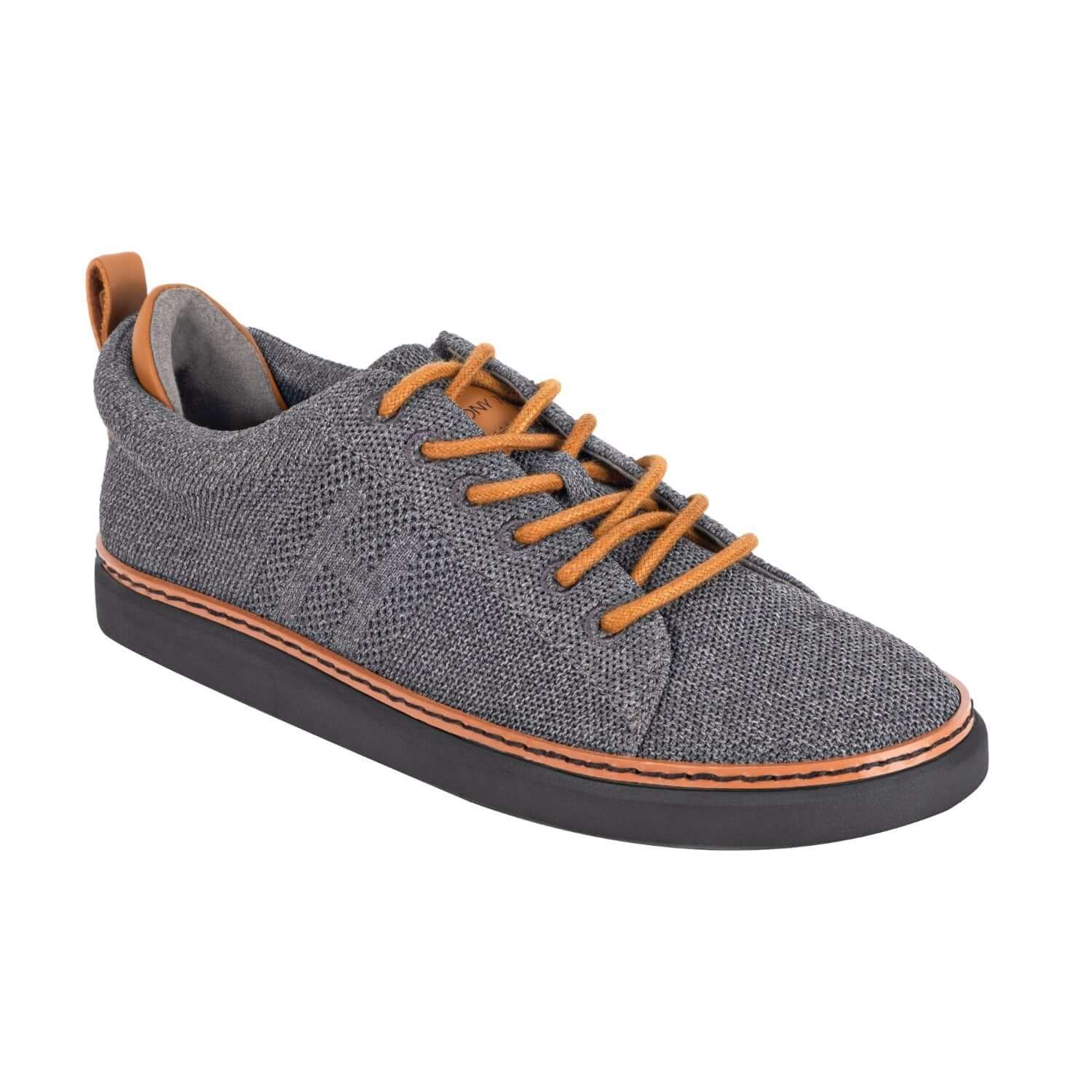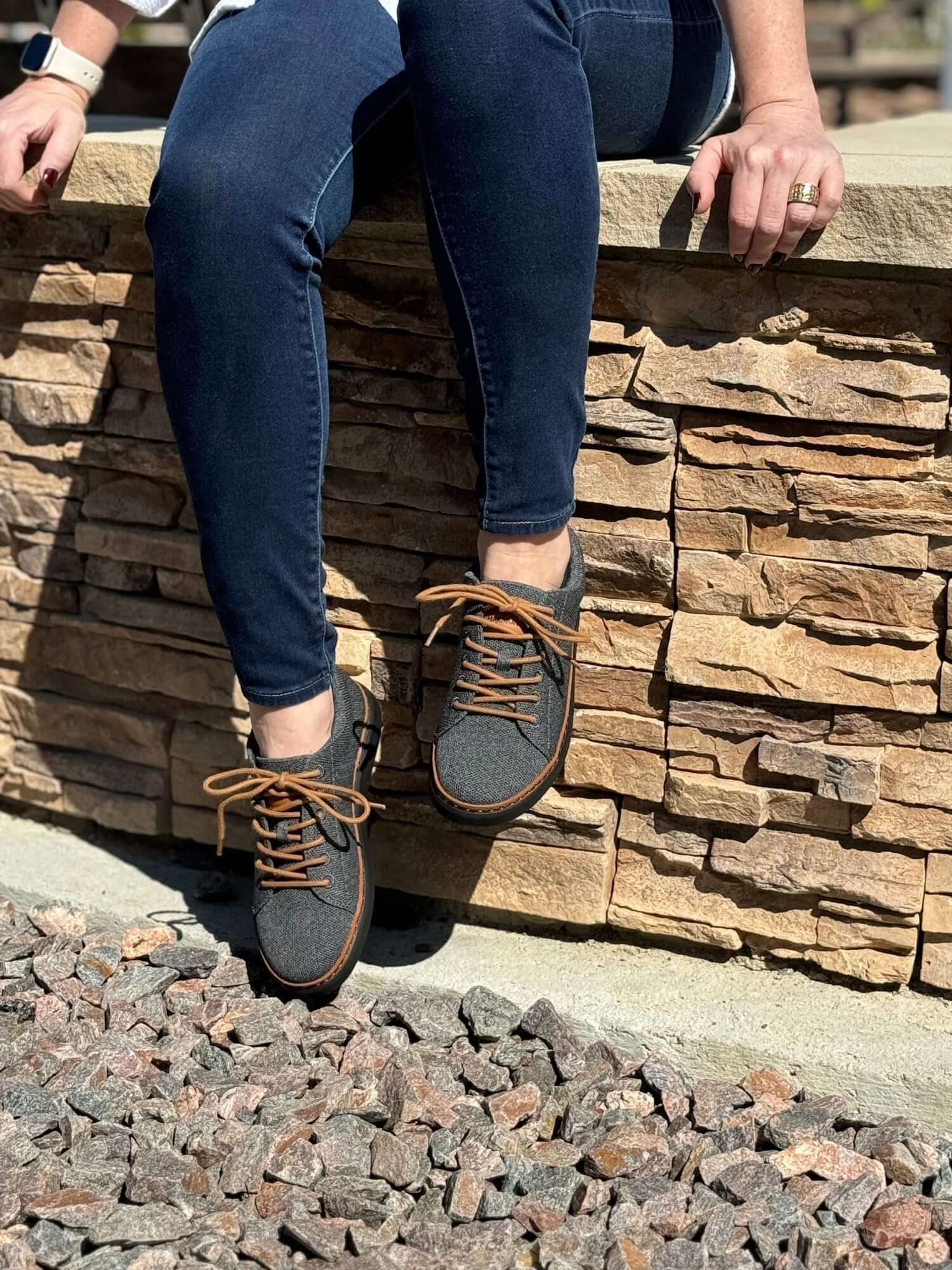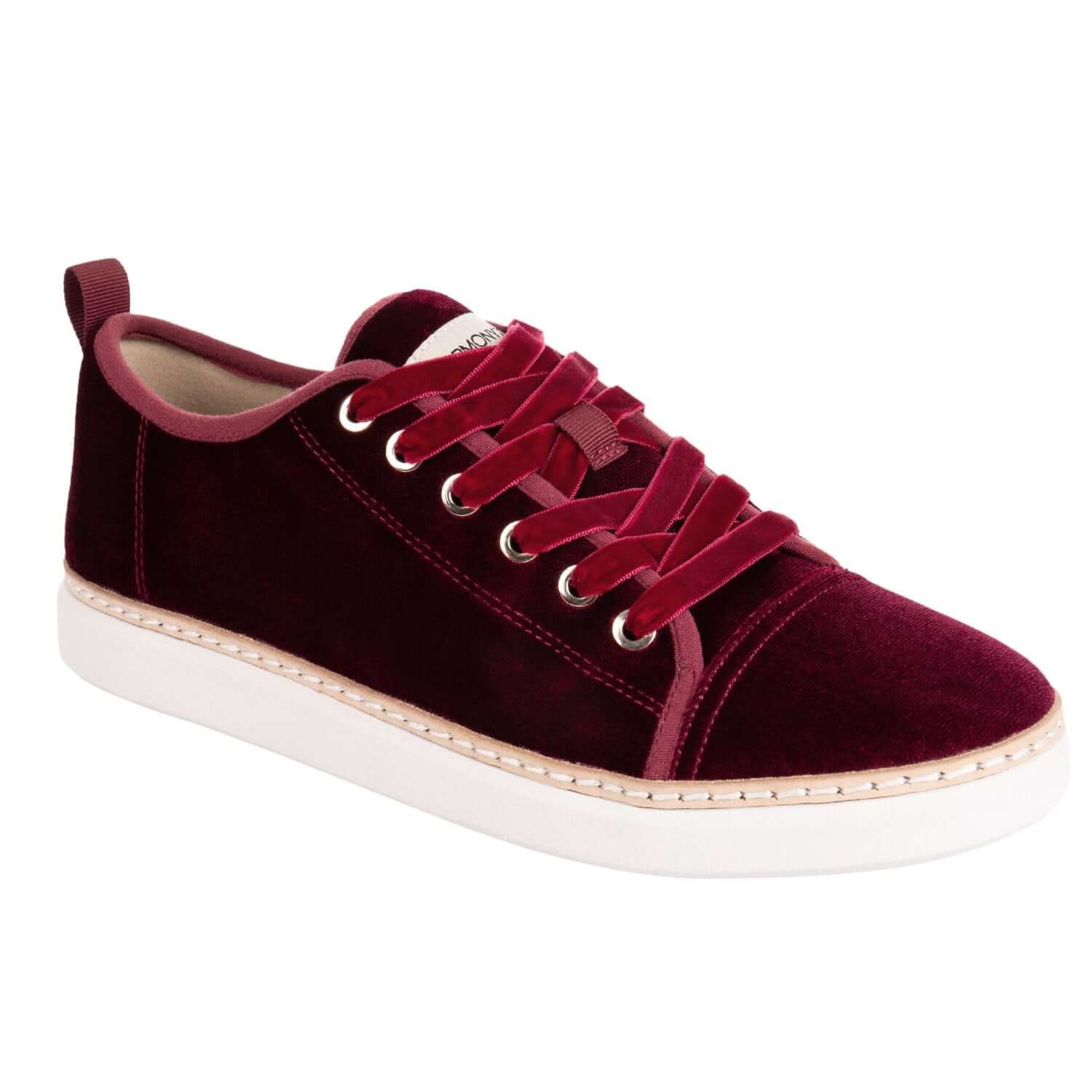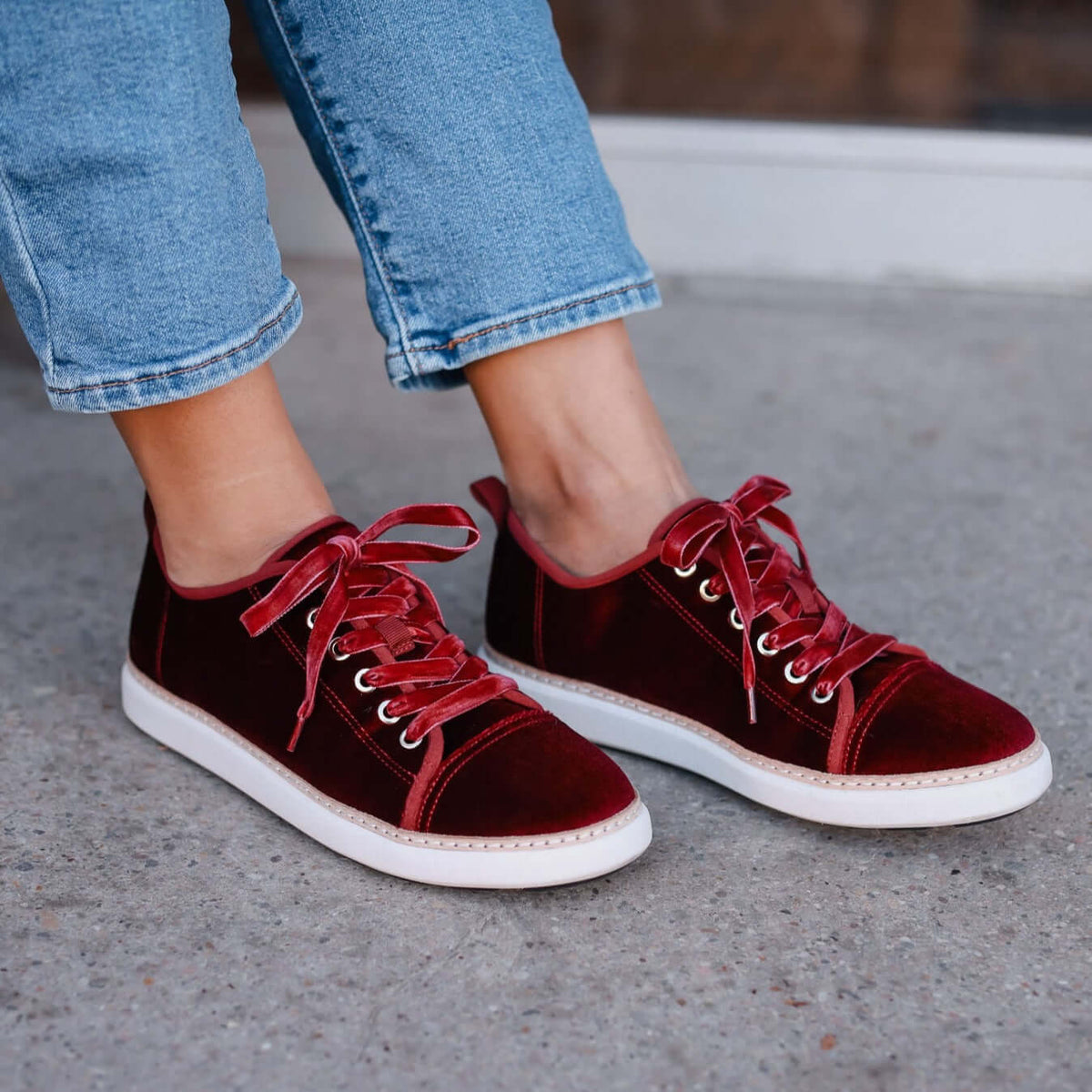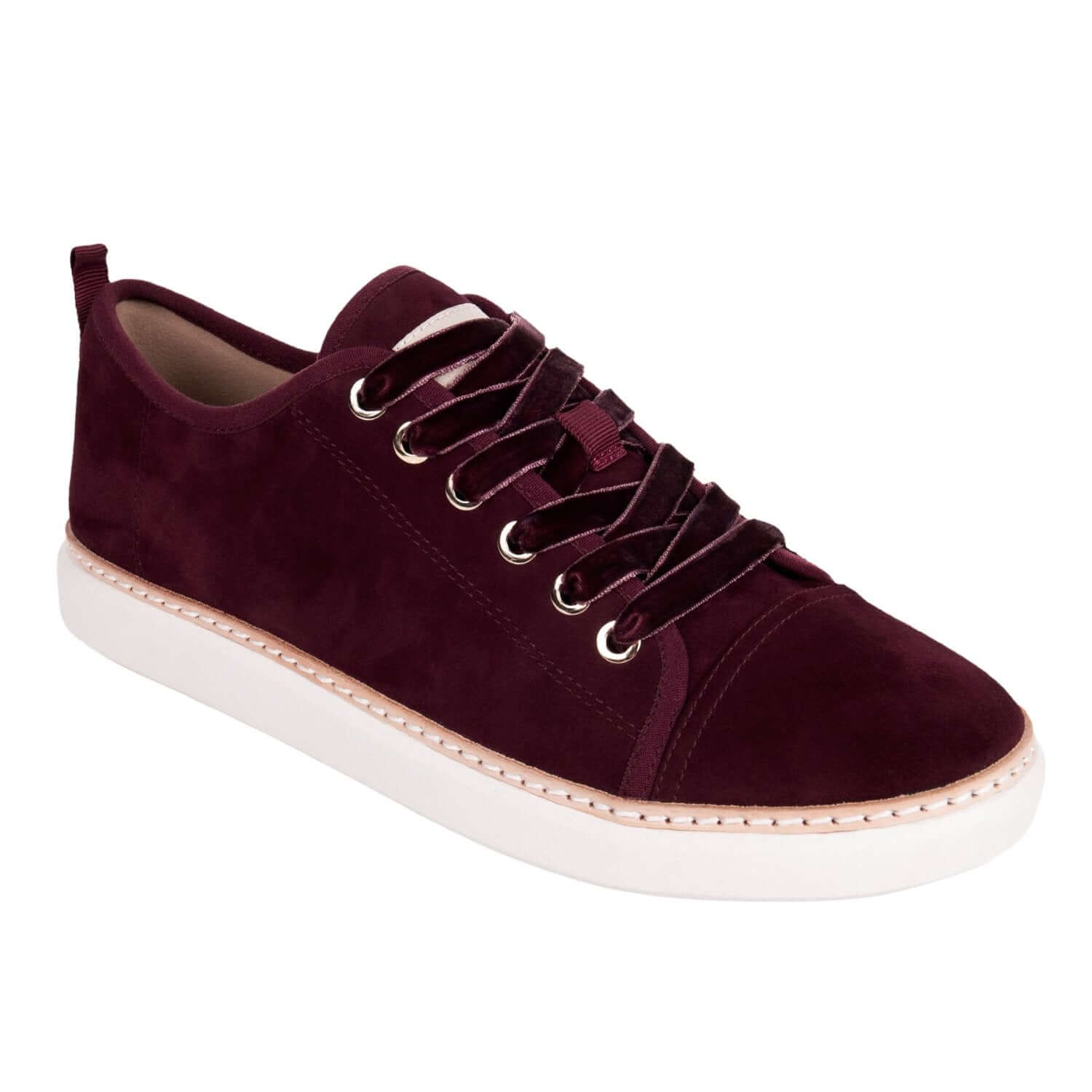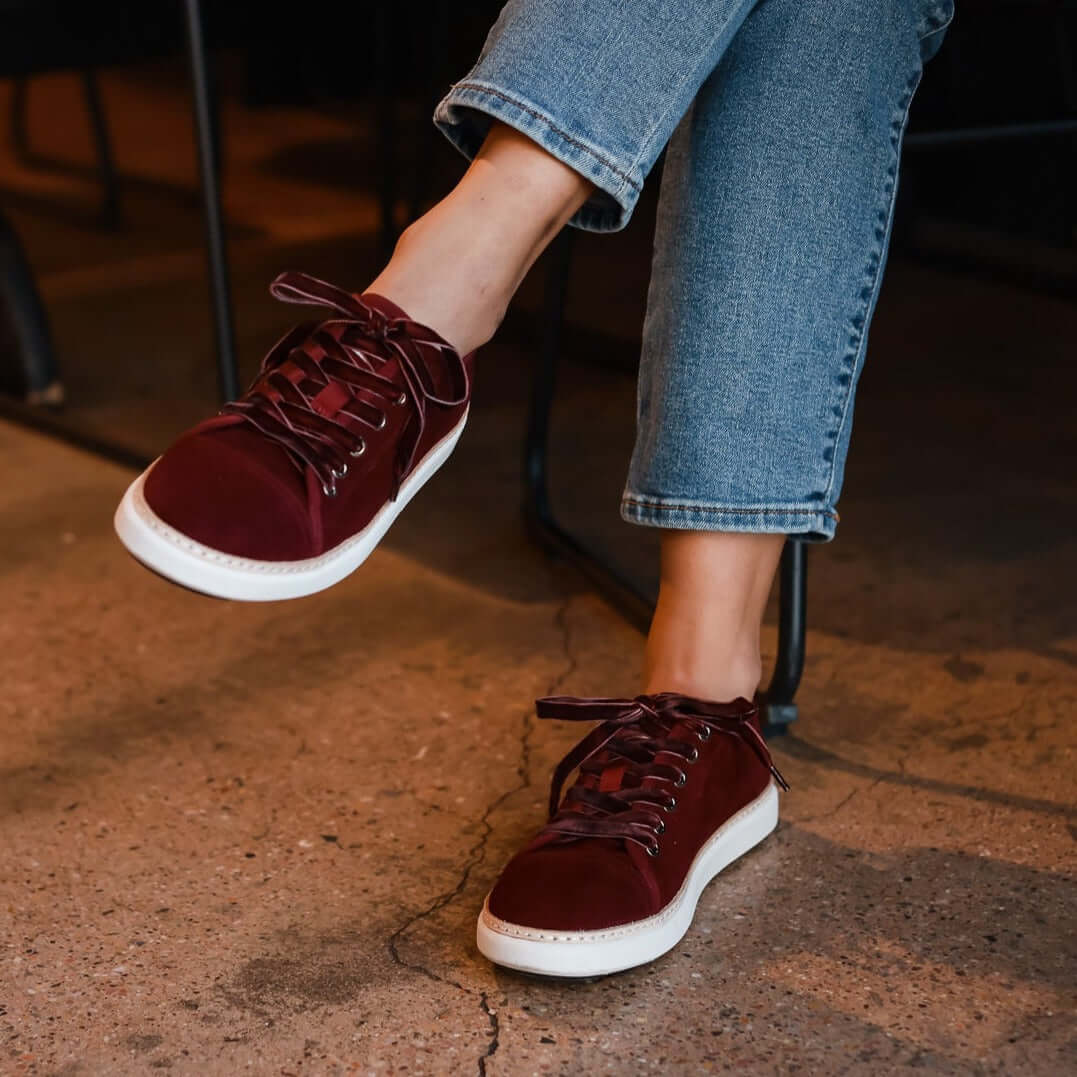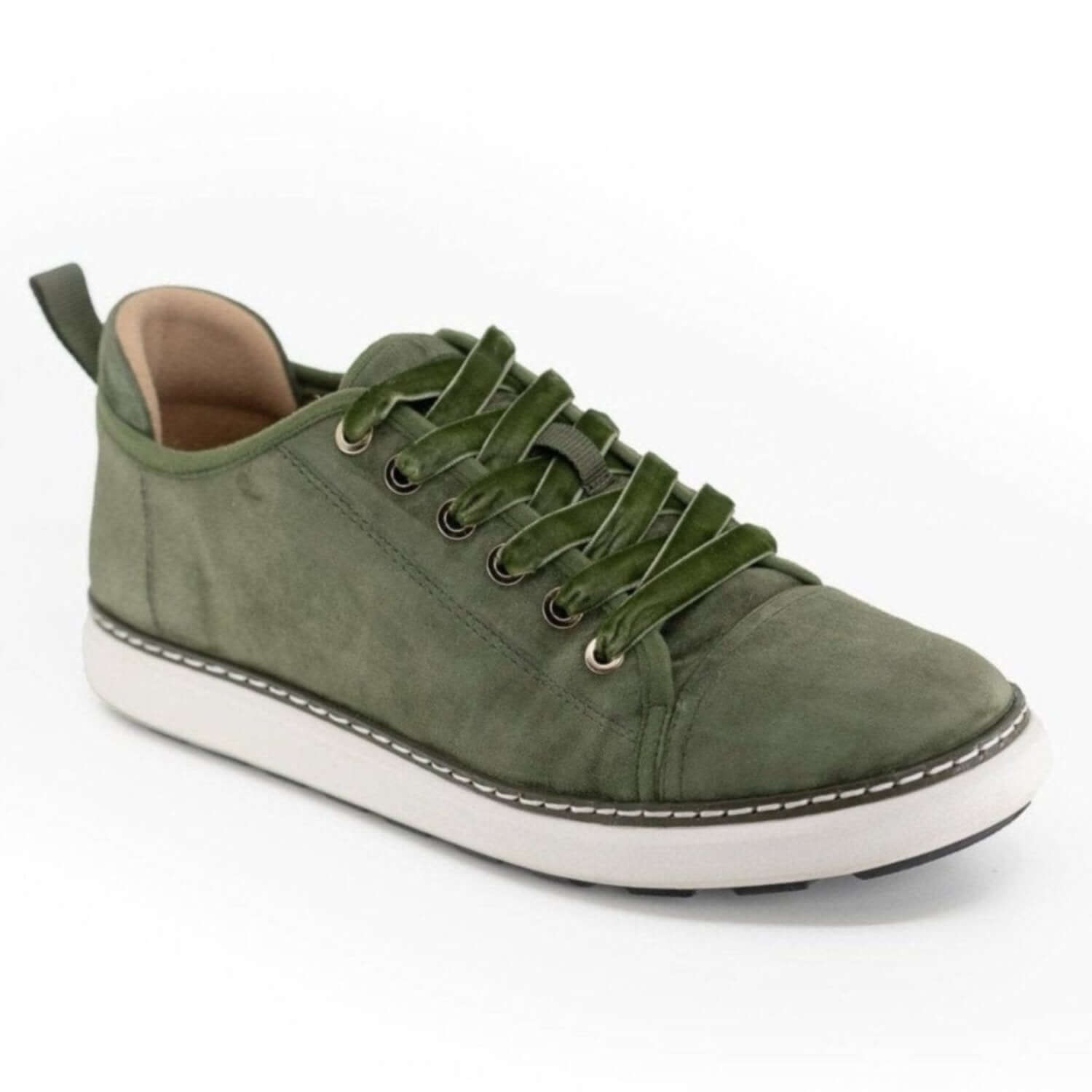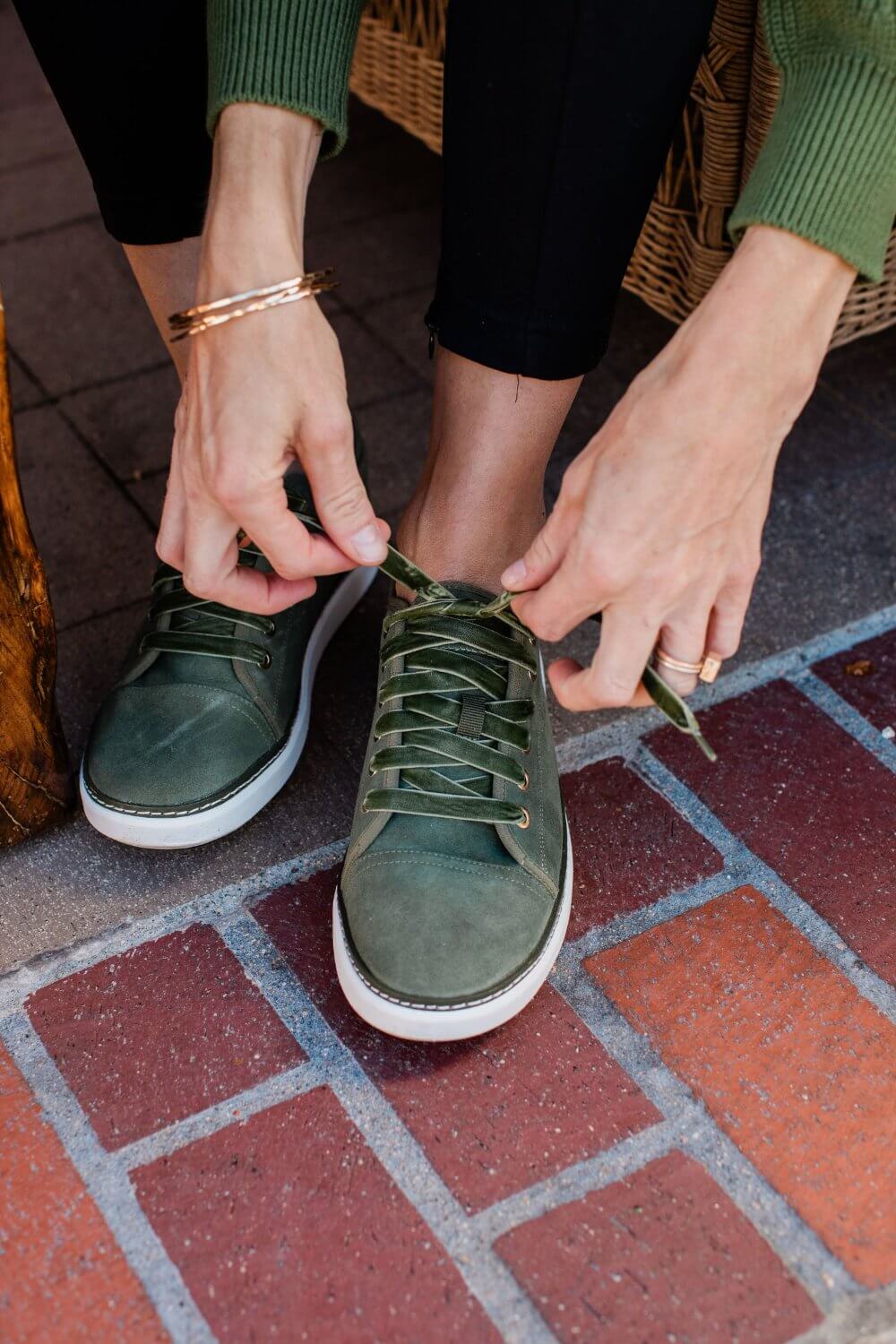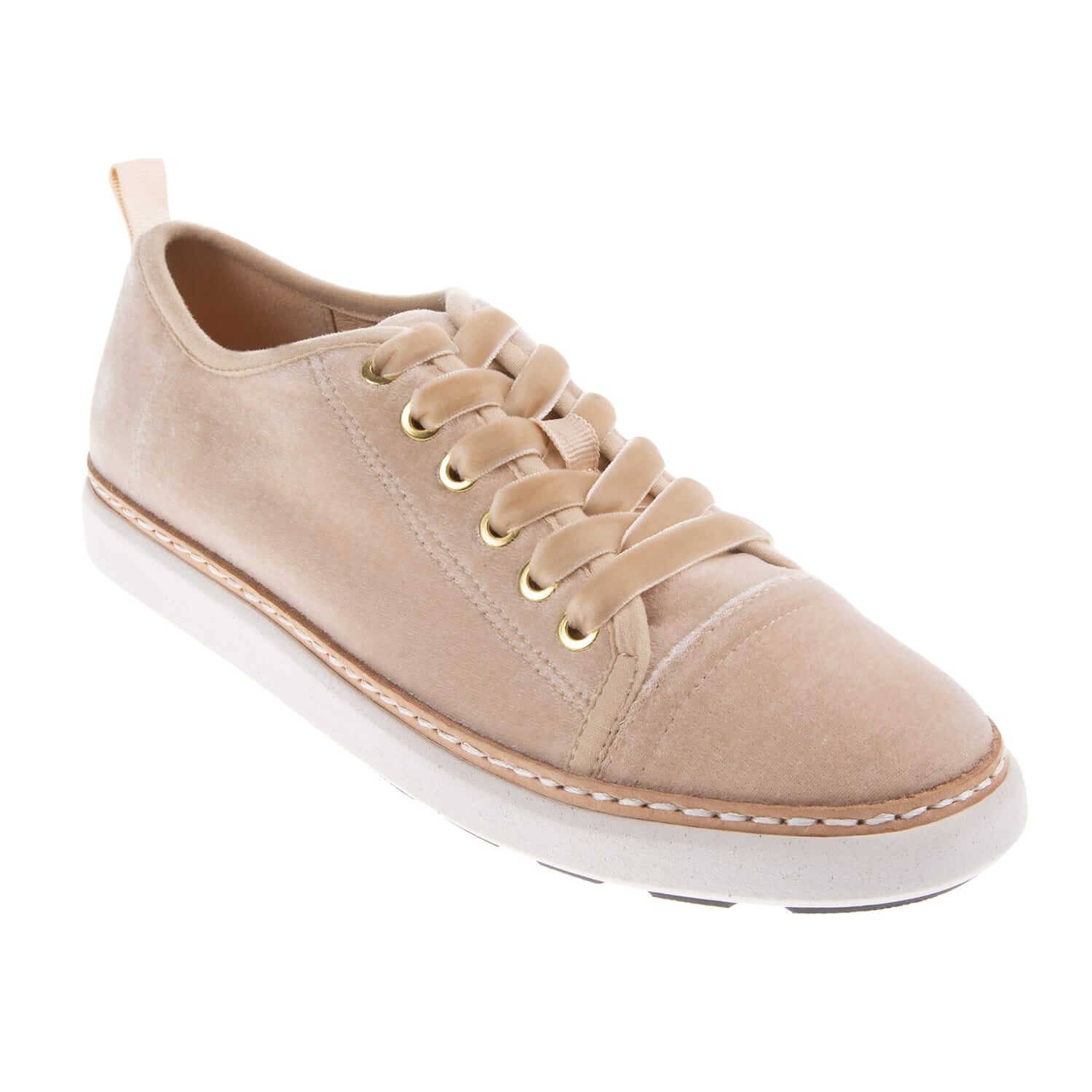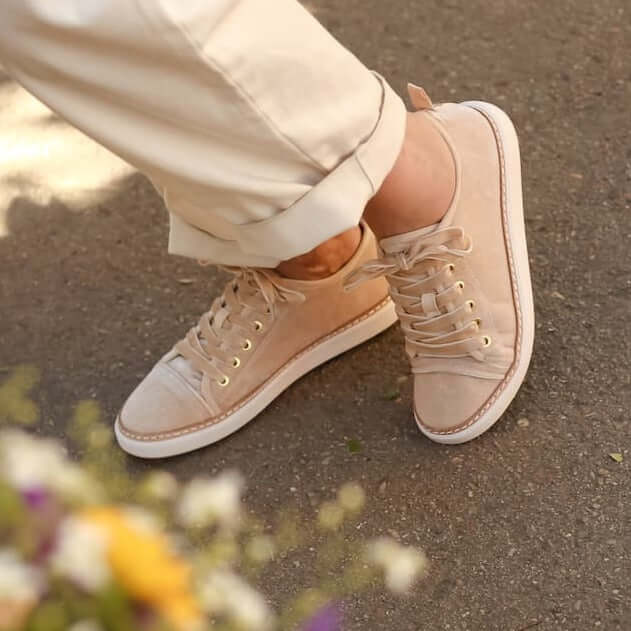



Shopping for grounding footwear can feel confusing. A low-profile or barefoot-style shoe may look like the right choice, but appearance alone does not show whether the shoe creates a conductive path. The key buying decision is practical: can you verify how the shoe is built, whether it suits your routine, and whether the fit feels right for regular wear?
Browse Harmony 783's best-selling grounding footwear
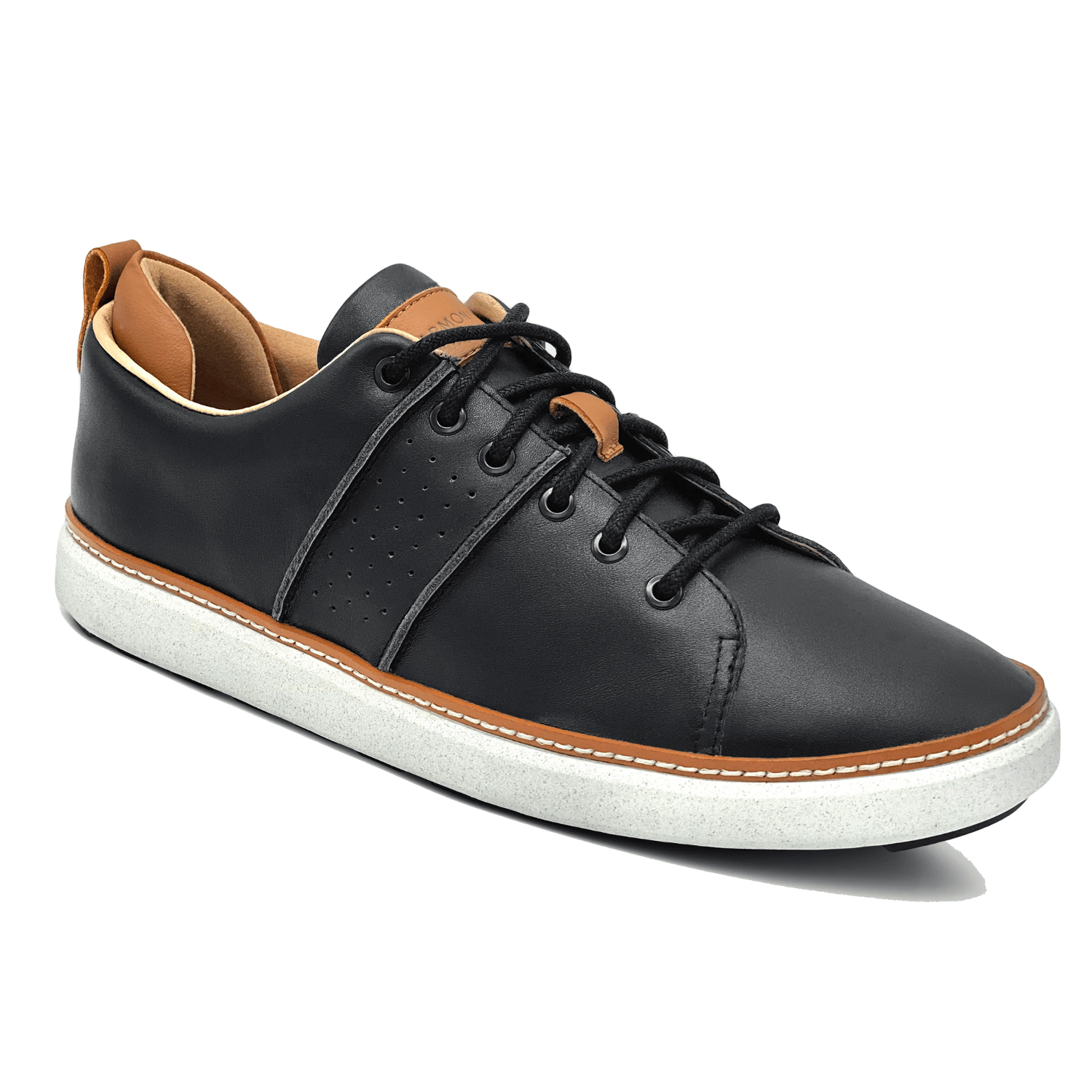
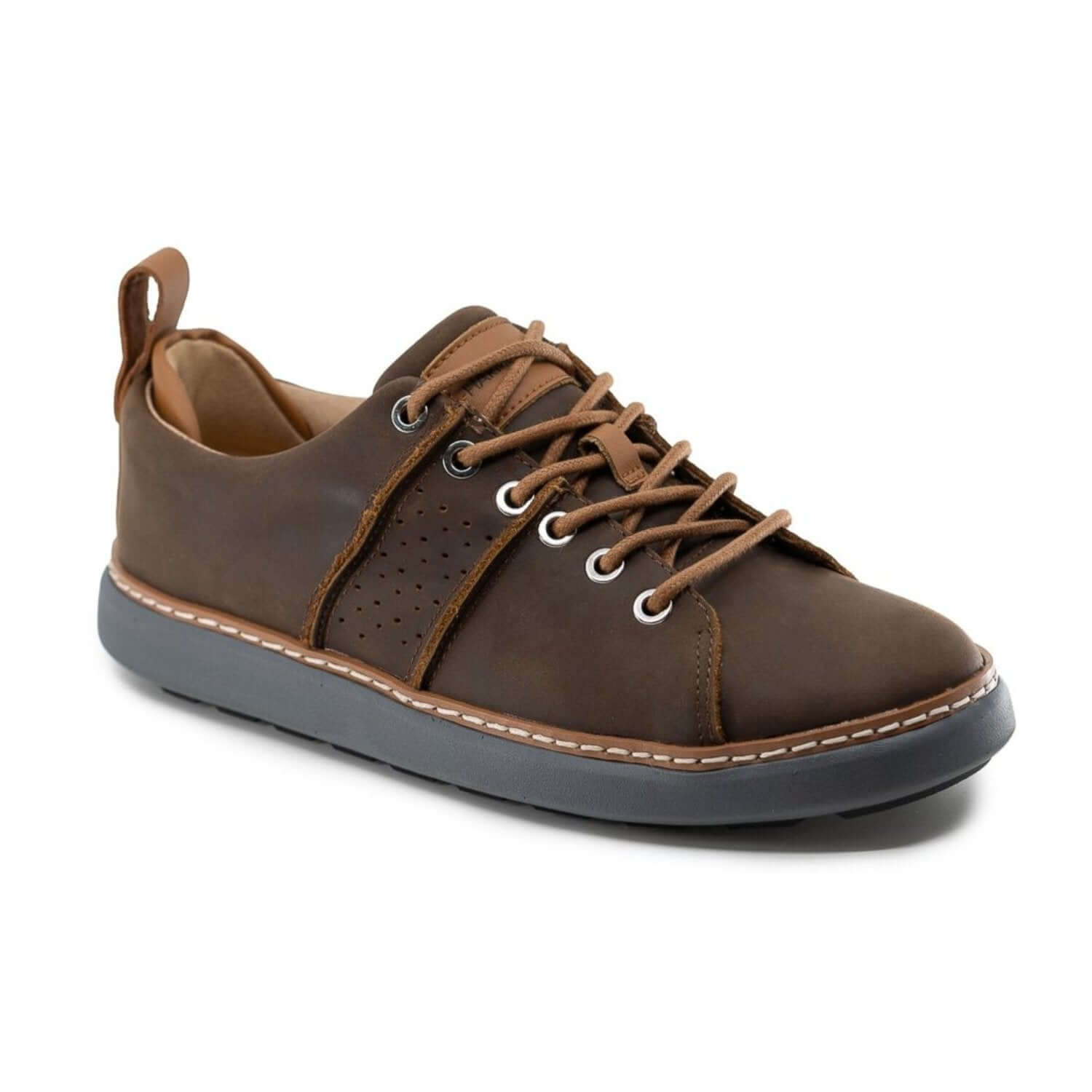
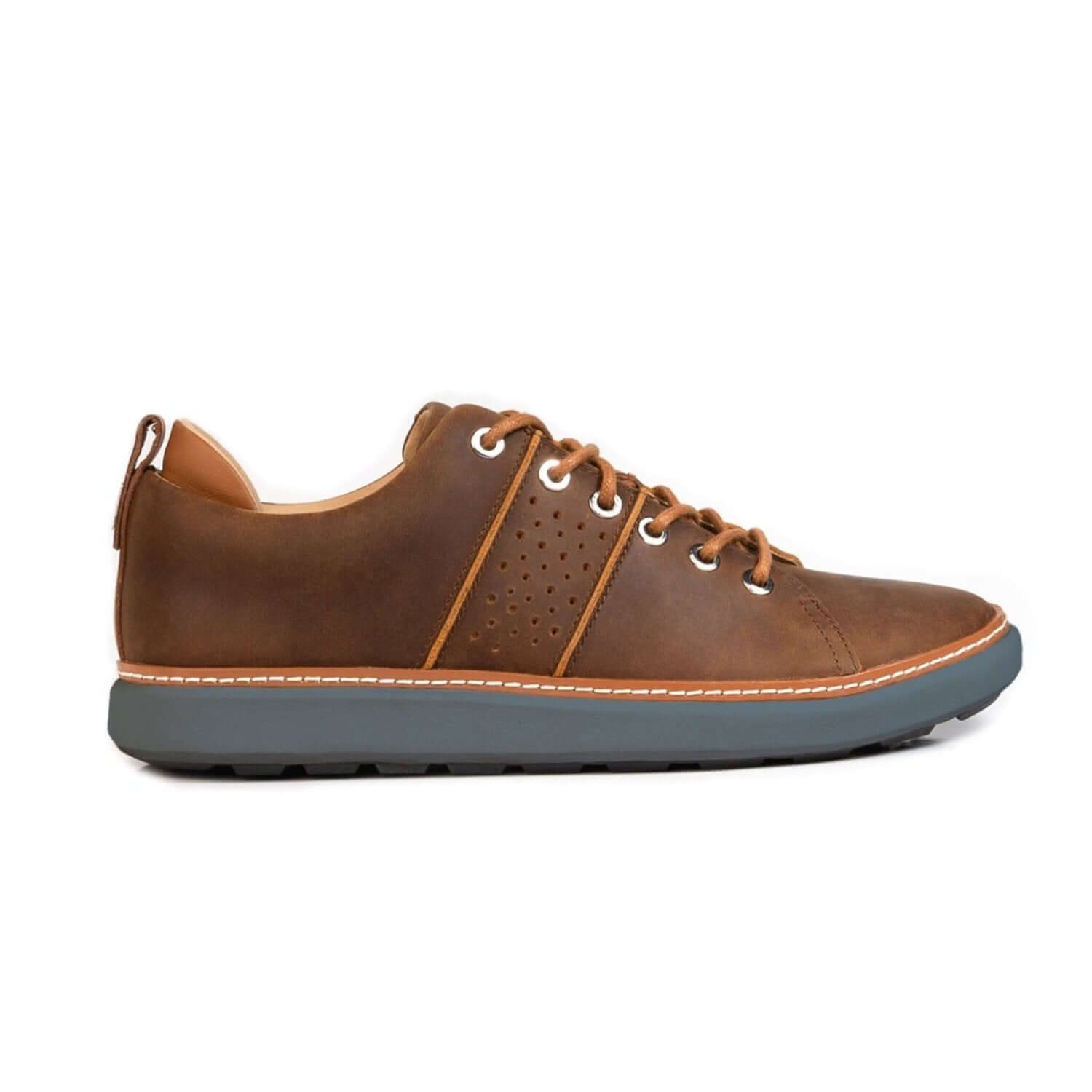
The best conductive shoes for sale clearly explain their conductive construction and intended use, rather than relying on a barefoot shape alone. Harmony 783 describes its Groundworks system as silver-stitched layers paired with a carbon/rubber conductive outsole, with shoes tested for a grounded connection.
That gives you a useful starting point, but construction is only one part of the purchase. Before choosing a style, it helps to understand what separates a purpose-built conductive shoe from a regular shoe and what details are worth checking on the product page.
What Makes Conductive Shoes Different From Regular Shoes?
Regular shoes are built mainly around cushioning, protection, traction, and style. Conductive shoes add another design requirement: a deliberate path that can connect the wearer to the ground under suitable conditions. That path has to be part of the shoe itself. A thin sole or barefoot-inspired shape does not prove that a shoe is conductive.
Look for a complete conductive path
When reviewing conductive shoes for sale, look beyond the silhouette. Ask what material carries the conductive connection through the shoe, where that material sits, and whether the brand explains how the finished shoe is tested. The outsole matters, but it is only one part of the design. The upper, inner layers, stitching, and the point where your foot contacts the shoe all need to work together.
Harmony 783 describes its Groundworks system as using silver-stitched layers with a carbon and rubber conductive outsole. The company also states that its shoes are tested for a grounded connection. These details describe a construction system, not just a visual style. You can read more about how grounding shoe conductivity works before comparing individual pairs.
Why barefoot style can be misleading
A barefoot-style shoe may have a flexible sole, a wide toe box, or a low-profile shape. Those features can affect how a shoe feels when you walk, but they do not automatically create a conductive path. If grounding is part of your buying decision, look for clear construction details and testing information instead of assuming the style tells the whole story.
A useful checklist is simple: identify the conductive materials, confirm that the brand explains the intended connection, and review the product page for care and use guidance. That approach helps you compare function with comfort and style without relying on appearance alone.
How Can You Tell Which Conductive Shoes for Sale Are Truly Conductive?
Before choosing conductive shoes for sale, look past labels such as barefoot, minimalist, or natural. Those descriptions can tell you about shape and feel, but they do not prove that a shoe has a conductive path. A grounded shoe should explain how the path is built, how it is tested, and what conditions help it remain effective.
Ask how the conductive path is built
Start with the materials. Does the product page identify conductive layers, stitching, an insert, or a conductive outsole? Are those parts designed to connect rather than simply placed somewhere in the shoe? A barefoot-style shoe without a purpose-built conductive route should not be treated as a grounding shoe.
For context, electrical grounding is intended to provide a low-resistance path for electricity to flow to ground and can reduce excess charge buildup. The research discussion is about electrical grounding, not a promise of a medical result from footwear. Read the distinction in this review of electrical and biological grounding.
Ask how the connection was tested
A credible product description should state whether the completed shoe was checked for a grounded connection. Harmony 783 states that its shoes are tested for this connection. That is more useful than a vague claim that a material is conductive, because the full shoe must create a continuous route.
You can also learn more about how to test grounding shoe conductivity with a multimeter. A reading is only meaningful when the test setup, contact points, and conditions are understood.
Ask what can interrupt the path
Finally, check the care and use guidance. Outsole wear, dirt, surface type, and limited contact can affect a practical grounding connection. Do not assume that every indoor floor, wet surface, or replacement insole will work the same way. A clear seller should explain these limits instead of promising that the shoe works everywhere.
Related products

Get grounded in every step — in two classic colors.
View product

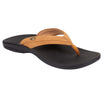
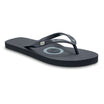
Men, add some neutral color with these classic conductive flip flops.
View productWhich Shoe Style Fits Your Daily Routine?
The best choice depends on where you walk, how much support you want, and how often you need to change shoes. Harmony 783 offers several styles, including walkers, trail shoes, sneakers, slip-ons, sandals, high-tops, and flip-flops.
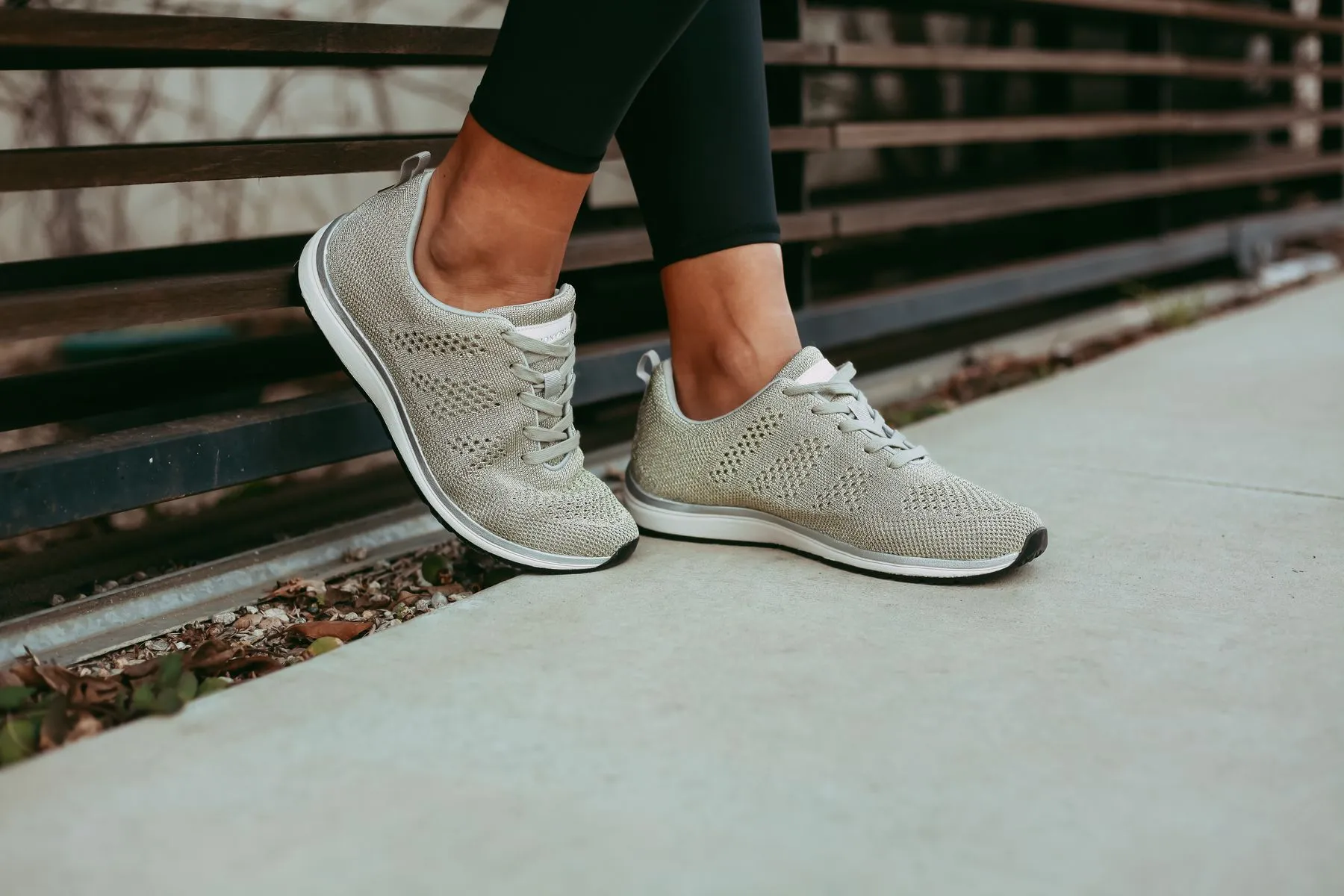
Choose conductive shoes by routine first: walkers suit steady everyday use, sneakers suit flexible casual wear. Sandals suit warm and open settings, trail shoes suit uneven paths, and slip-ons suit quick changes.
| Style | Good fit for | What to inspect |
|---|---|---|
| Walkers. | Daily errands, neighborhood walks, and longer time on your feet. | Stable feel, flexible upper, and room for natural movement. |
| Sneakers. | Casual wear, travel, and routines that move between indoors and outdoors. | Breathability, width guidance, arch support, and easy cleaning. |
| Sandals. | Warm weather, relaxed walking, and outfits that need an open design. | Secure straps, foot placement, and the intended surface. |
| Trail shoes. | Uneven paths, outdoor exploration, and changing ground conditions. | Grip, protection, fit security, and care instructions. |
| Slip-ons. | Short trips, home routines, and situations where convenience matters. | Heel security, adjustability, and whether the fit stays stable while walking. |
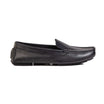
Start by browsing the walker collection if you want an everyday profile. For a lighter casual option, compare the sneaker collection. The sandal collection may better suit warm-weather use, while the full collection lets you compare trail and slip-on styles as well.
Before choosing, inspect the product page for the current materials, fit notes, sizing toggle, and care guidance. A barefoot shape alone does not prove a conductive path, so confirm that the specific style is designed and tested for grounding.
How Should Conductive Shoes Fit for Comfort?
Answer: Choose a secure fit with enough room for your toes to spread. A width that does not pinch, and support that matches how you plan to wear the shoes. Conductive footwear still needs to feel like a comfortable everyday shoe, so do not trade fit for function.
Start with toe room. Your longest toe should not press against the front when you walk, and your heel should stay in place without slipping. Try shoes with the socks you expect to wear most often. Thick socks can change the fit, while thin socks may leave extra space. If you use an insole, include it during your fitting check.
Check width and arch support
Width matters as much as length. A shoe that feels tight across the forefoot may cause discomfort even when the size is correct. Harmony 783's current documentation describes its sneakers as suited to narrow or medium widths with medium arch support. Review the product details before choosing a sneaker, especially if you usually need a wide fit. You can browse grounding sneakers and compare the fit notes on each product page.
For leather walkers, customer documentation says the leather can stretch with wear. That does not mean you should begin with a painful or cramped fit. Allow a short break-in period and wear the shoes for brief sessions first. Check the current notes for grounding walkers if you prefer a walking-focused style.
Use the product page sizing guidance
Harmony 783 product pages offer men's and women's sizing options on the same page, selected with a toggle. If you are between sizes, the customer knowledge base suggests checking the current product-page guidance and seeing whether a half-size larger is recommended. Treat that as a page-specific check, not a universal sizing rule.
Before ordering, stand, walk, and flex your foot in the shoe if possible. The right pair should feel comfortably secure from the first try, with room to move but no distracting sliding.
Which Surfaces Support Grounding, and What Should You Check?
A conductive shoe is only useful for grounding when the full path remains compatible with the surface beneath you. Before assuming a floor or trail will work, check the outsole, the type of ground, and the condition of the contact area.
Start with the outsole and the contact point
Look at how the shoe is built and where the conductive part of the outsole meets the ground. A thick layer between the outsole and the surface may change contact. So can dirt, heavy wear, or a sole that no longer sits evenly. A barefoot-style shoe is not automatically a grounding shoe, and a familiar floor is not automatically compatible.
Outdoor surfaces also vary. Natural ground, pavement, finished flooring, and other walking surfaces should not be treated as interchangeable. If you are unsure, follow the product's current surface guidance rather than making a blanket assumption about indoor or outdoor use. The grounding shoes for walking guide offers additional practical context for everyday use.
Pay attention to moisture and care
Moisture may change how a surface and outsole interact, but that does not mean every wet surface is appropriate. Avoid treating rain, puddles, or damp indoor floors as proof of a grounding connection. Use the care instructions for the specific pair, and keep the outsole clean without using products that could damage its materials or alter its contact with the ground.
Inspect the outsole regularly for deep wear, separation, or embedded debris. Care cannot turn an incompatible surface into a compatible one, but it can help you notice conditions that may affect use. For a broader overview of construction, fit, and everyday selection, read the grounding shoes essential guide.
What Should You Check Before Buying Online?
Online product pages can look similar at a glance. Use this checklist to compare the details that affect fit, daily use, and grounding function before you place an order.
- Read how the shoe is constructed. Look for a clearly described conductive path, not just words such as barefoot, natural, or minimalist. A barefoot-style shoe is not automatically a grounded shoe. If the product page does not explain its conductive materials or connection, ask for clarification before buying.
- Review the available sizing options. Check the men's and women's sizing options on the same product page, then use the size toggle to select the correct format. Read the width and arch-support notes. If you are between sizes, check the current product guidance before choosing a half-size larger.
- Match the style to your routine. Decide whether you need footwear for everyday errands, walking, trails, warm weather, or casual wear. This keeps the purchase practical instead of making appearance the only deciding factor.
- Check materials and care instructions. Look for notes about leather, fabric, cleaning, drying, and wear. Care can affect how the shoe fits and how its outsole performs over time. Review the grounding shoes essential guide for broader selection and use context.
- Review surface guidance. Grounding depends on contact between the footwear and a compatible surface. Check the product or care guidance before assuming that every indoor floor, wet surface, or outdoor path will provide the same experience.
- Read the current return terms. Open the store's live return policy and confirm the current time limit, condition requirements, exclusions, and process. Do not rely on an older article, saved screenshot, or search snippet.
- Confirm current availability on the product page. Check the live page for selectable sizes, colors, and purchase options. Product pages and collections can change, so treat the page you are viewing as the current source.
How Do Harmony 783 Styles Compare for Different Needs?
The best style depends on where you wear it, how you move, and what you want your footwear to look like. Harmony 783 brings grounding function, comfort, and everyday style together across several footwear paths.
Choose walkers for daily walks, sneakers for casual versatility, sandals for warm weather, trail shoes for outdoor use, and slip-ons for quick everyday wear. Always confirm the current product details on the live page before ordering.

For a familiar walking profile, start with the grounding walkers. They suit shoppers who want a dedicated everyday walking option. If you prefer a lighter, casual look, explore grounding sneakers. The current product page can help you review its fit notes, materials, and construction before choosing.
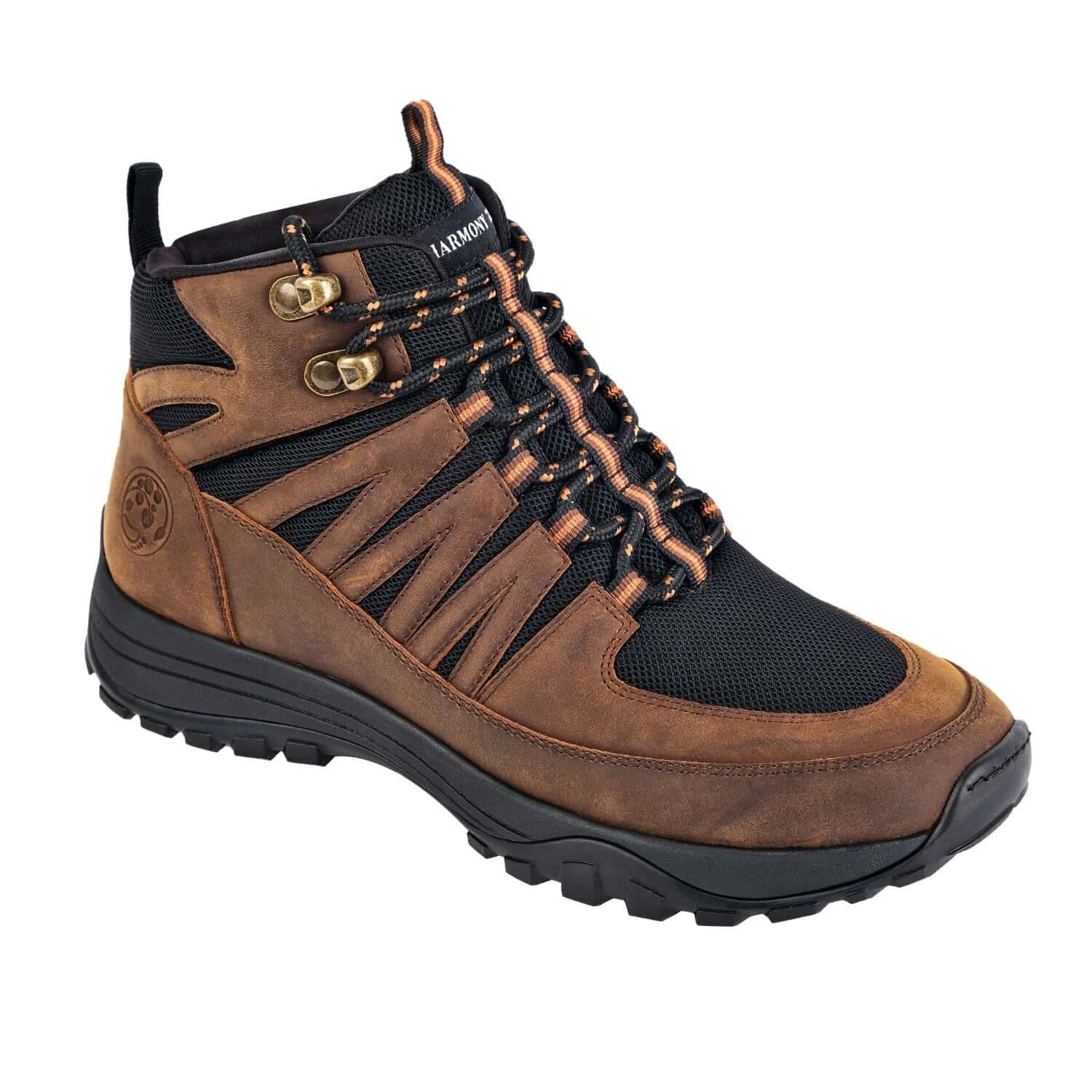
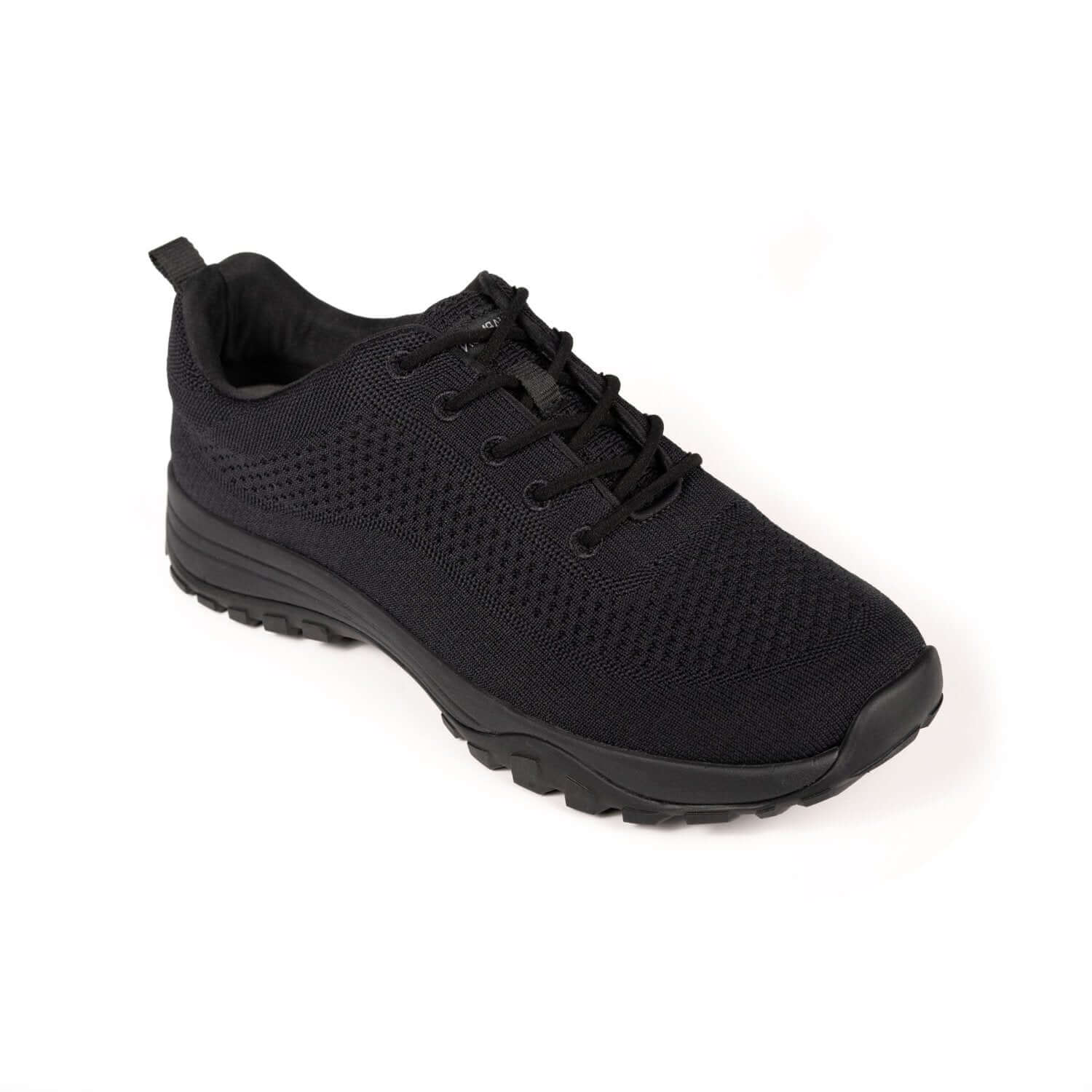
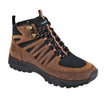
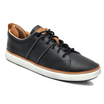
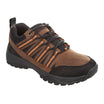
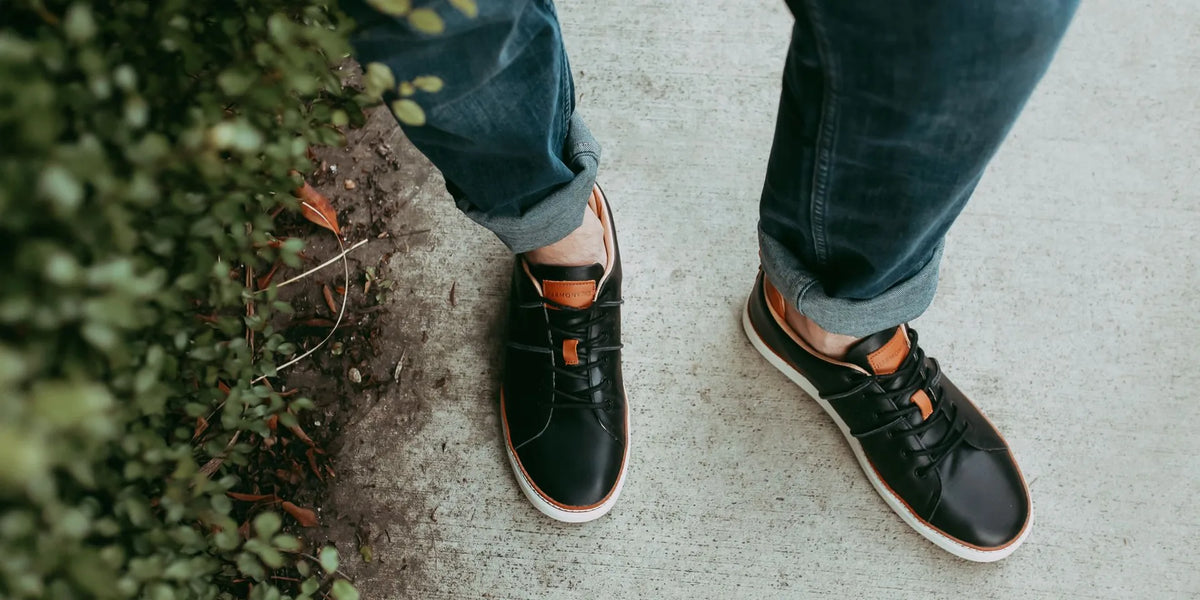
Warm-weather shoppers can browse grounding sandals. For more varied outdoor routines, the brown and black trail shoe offers a direct product path to inspect. If you want a low-effort option for errands or indoor use, review the available slip-on styles. A direct look at the black knit grounding sneaker can also help you compare a casual design with other options.
Before you decide, use the live product page as the source of truth for current men's and women's sizing options, materials, return terms, and availability. Product guidance can change, so do not rely on an old description or assume that every style fits the same way.
Browse best-selling grounding footwear
Frequently Asked Questions
Are grounding shoes the same as electrical safety shoes?
No. Grounding shoes are designed to create a conductive connection for earthing or grounding use. Electrical safety shoes are protective work footwear intended for specific workplace electrical hazards. Do not use a grounding shoe as a substitute for employer-required protective equipment, safety ratings, or jobsite footwear.
How can I tell if conductive shoes are truly conductive?
Look for a clearly described conductive path, not just a barefoot shape or thin sole. Check how the materials are constructed, whether the connection is tested, and which surfaces support contact. Harmony 783 describes its Groundworks system as using silver-stitched layers and a carbon/rubber conductive outsole, with shoes tested for a grounded connection.
How should conductive shoes fit?
Start with the product page's current sizing chart, width notes, arch guidance, and men's or women's sizing toggle. Leave comfortable room for your toes without letting your heel slip. If you are between sizes, check the current product guidance before choosing a half-size larger, since fit can vary by style. Leather may also stretch with wear.
Can I wear grounding shoes on any surface, and what are the return terms?
No surface works the same way. Grounding depends on outsole contact, the surface, moisture, and shoe condition, so review the product's current surface and care guidance before use. Also read the live store's return policy before ordering. Return terms can change, and the current product page and store policy should control your decision.
If you are ready to compare purpose-built grounding footwear, start with the styles that fit your routine and review the current product details before ordering.
Browse Harmony 783's best-selling grounding footwear or browse the full grounding shoe collection.