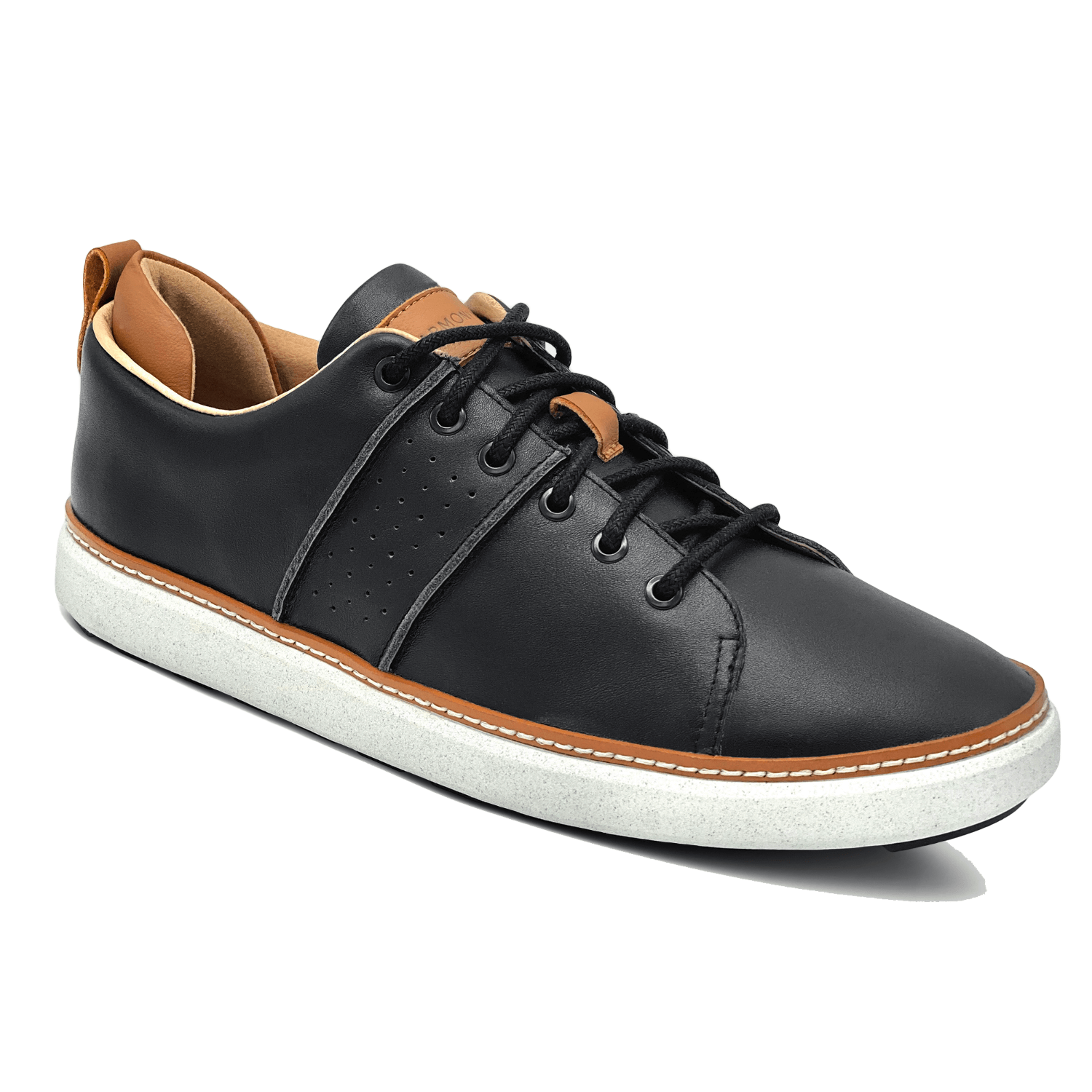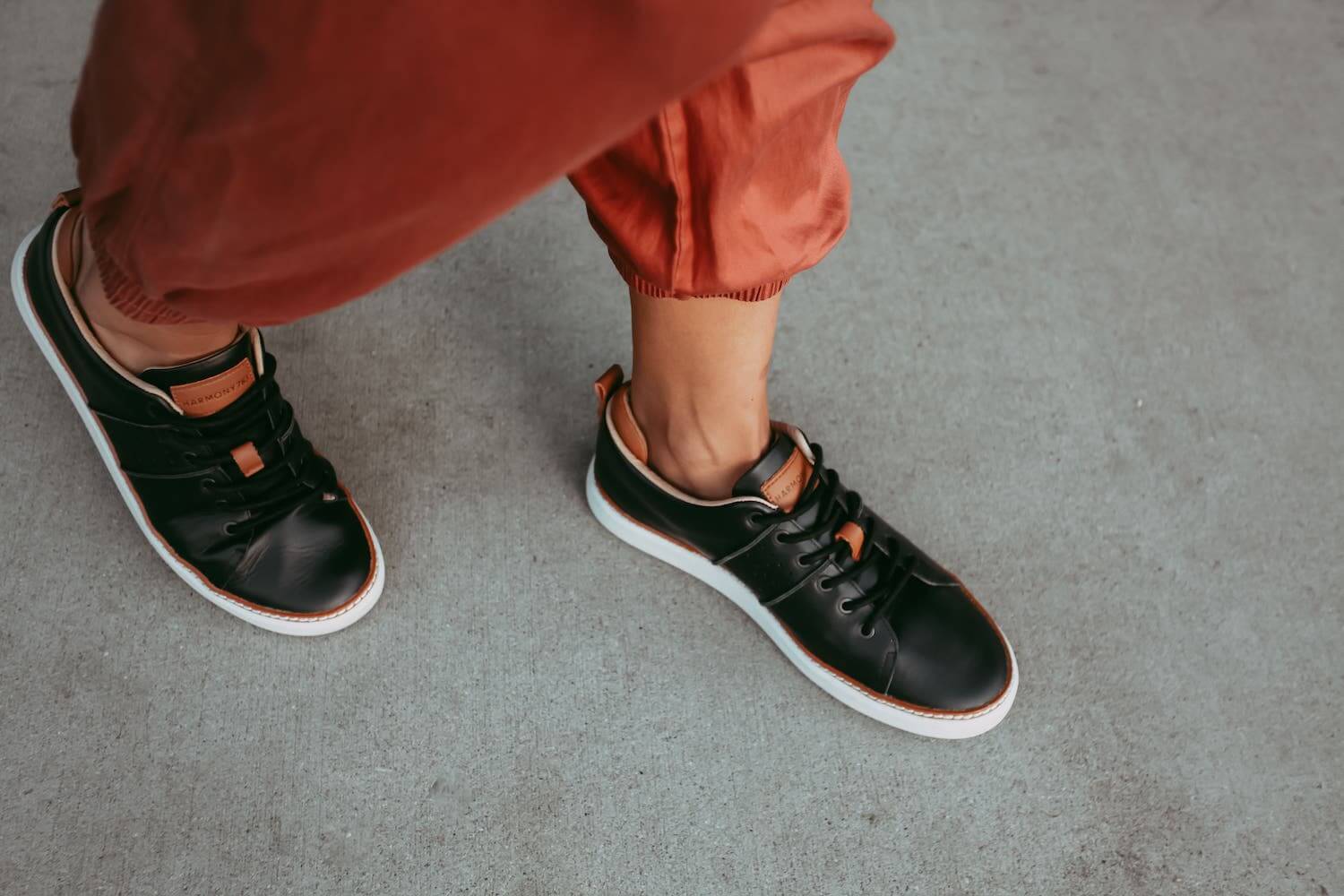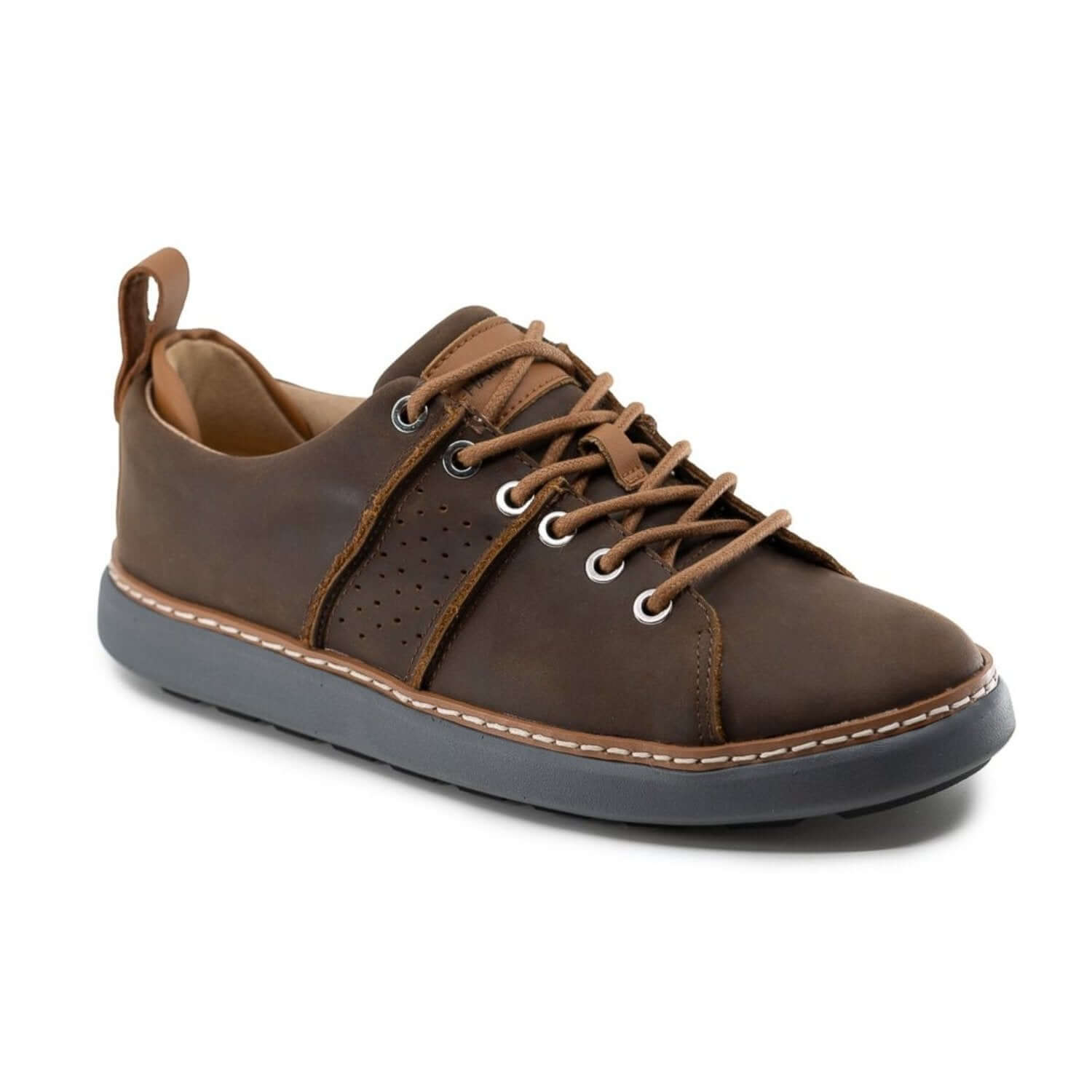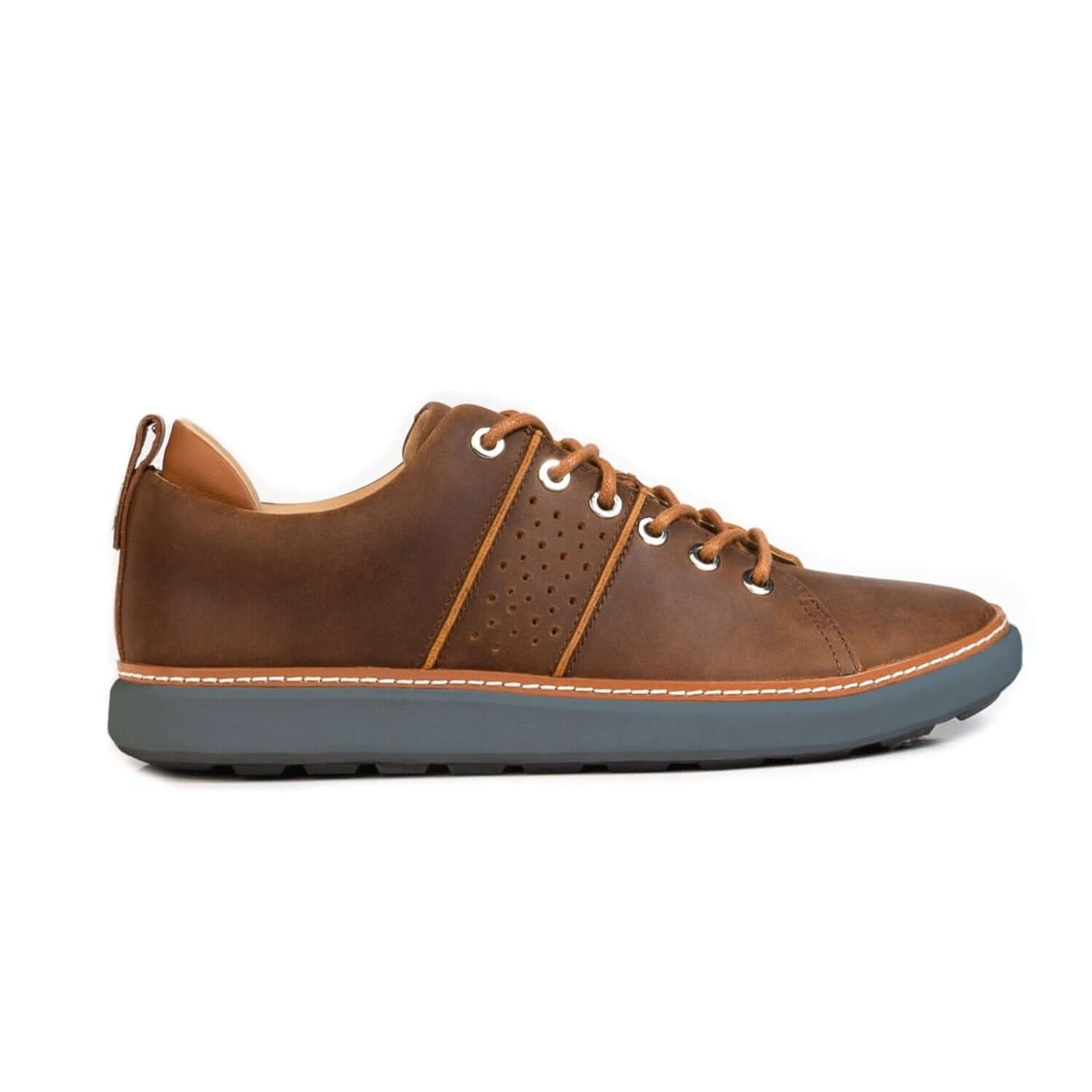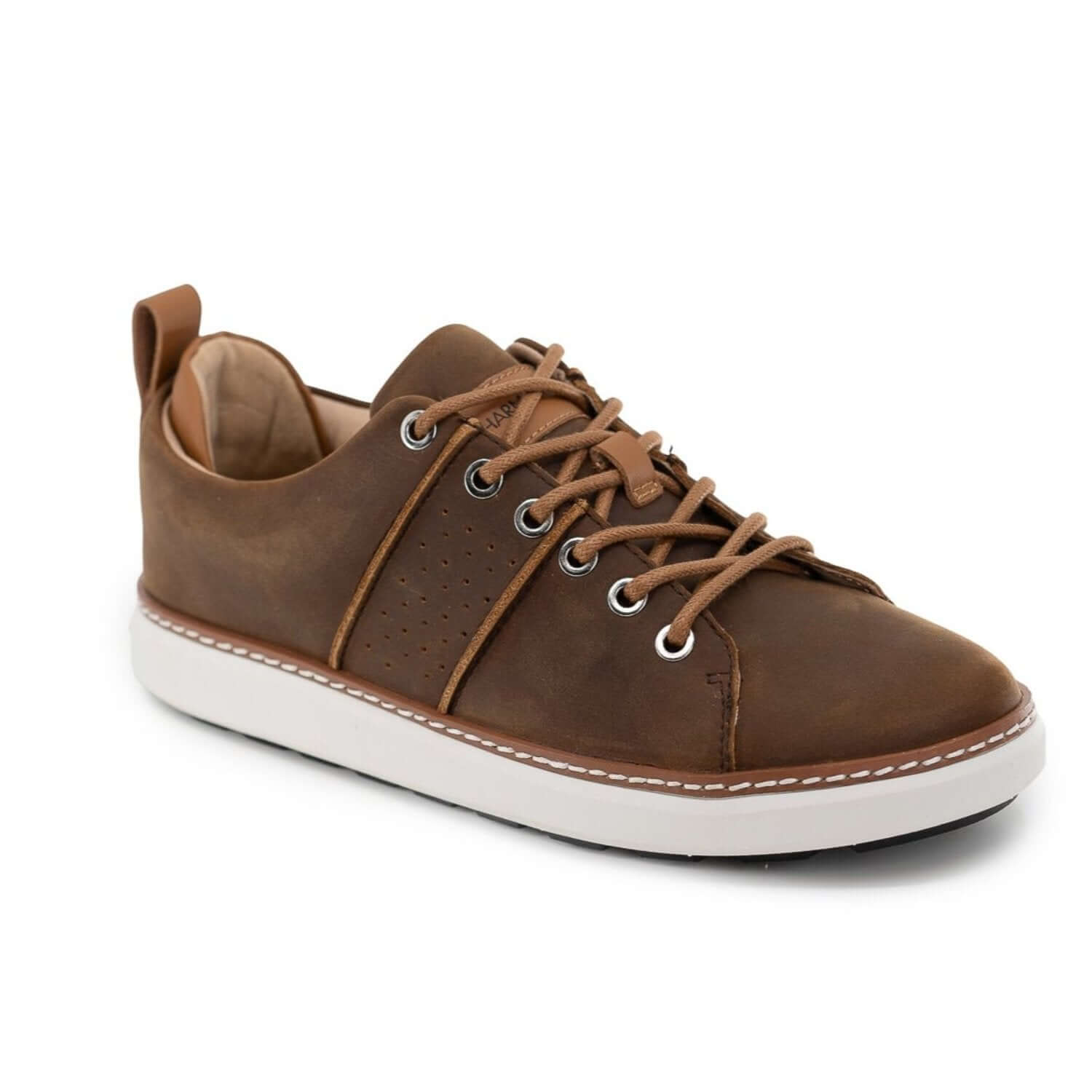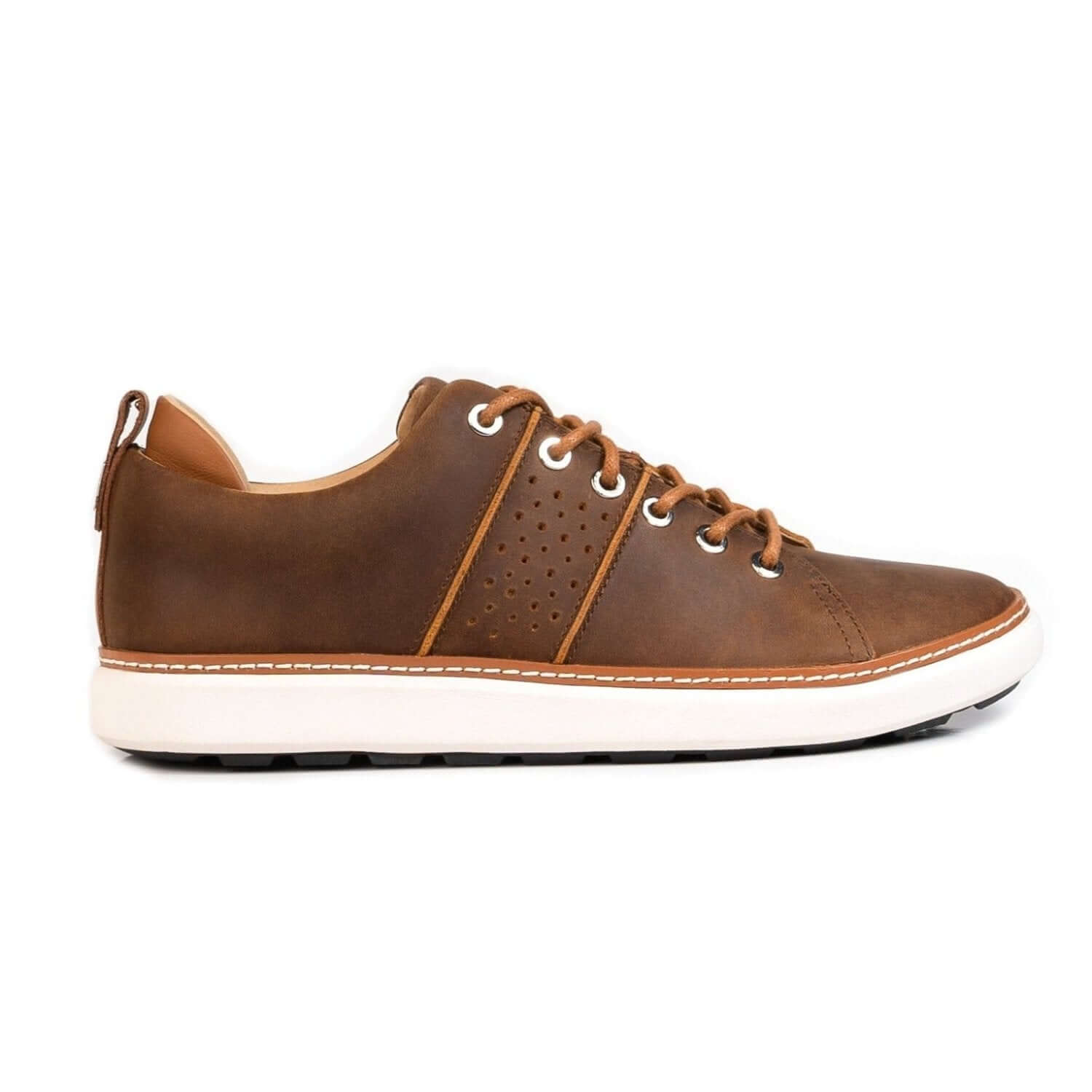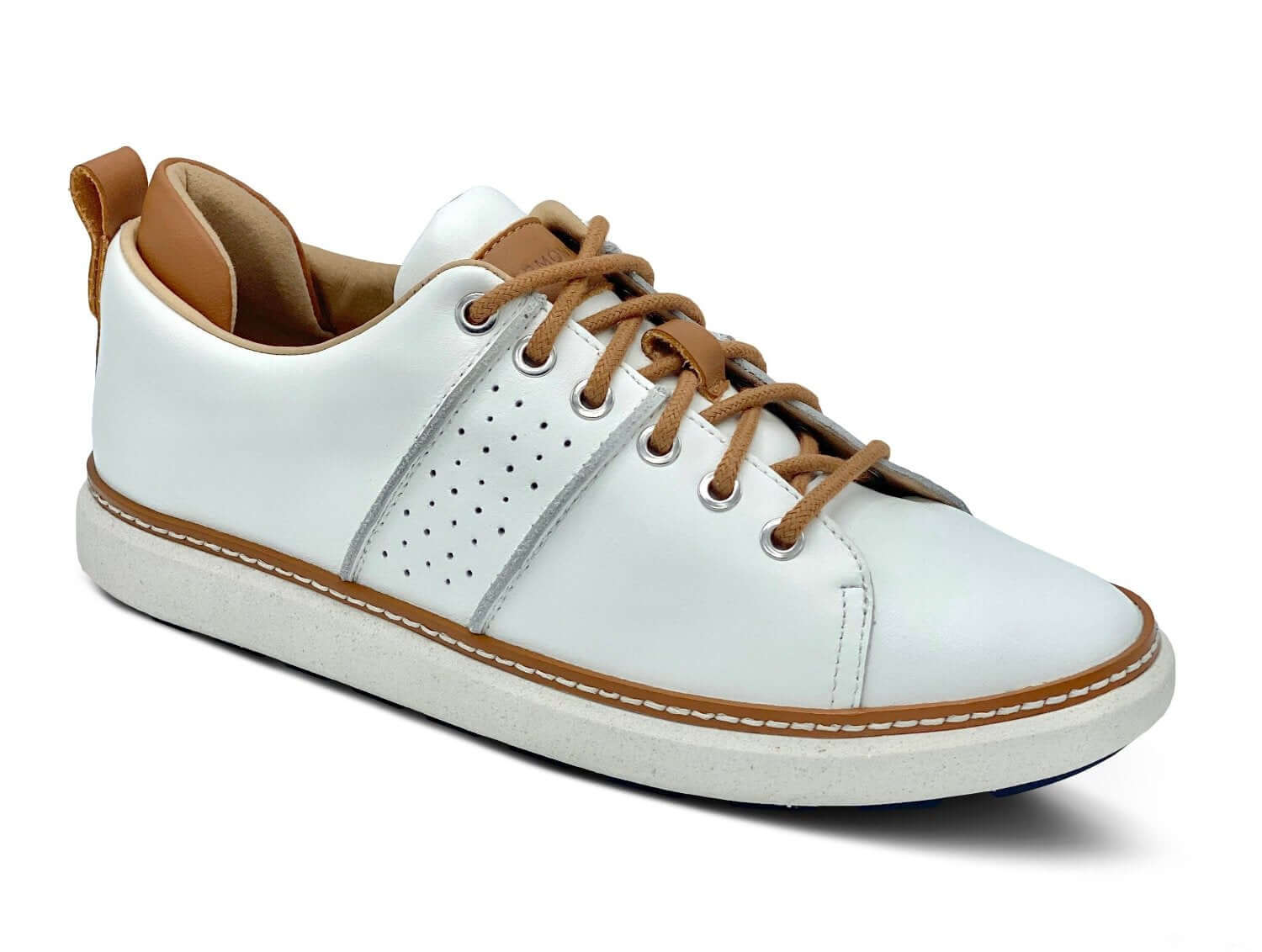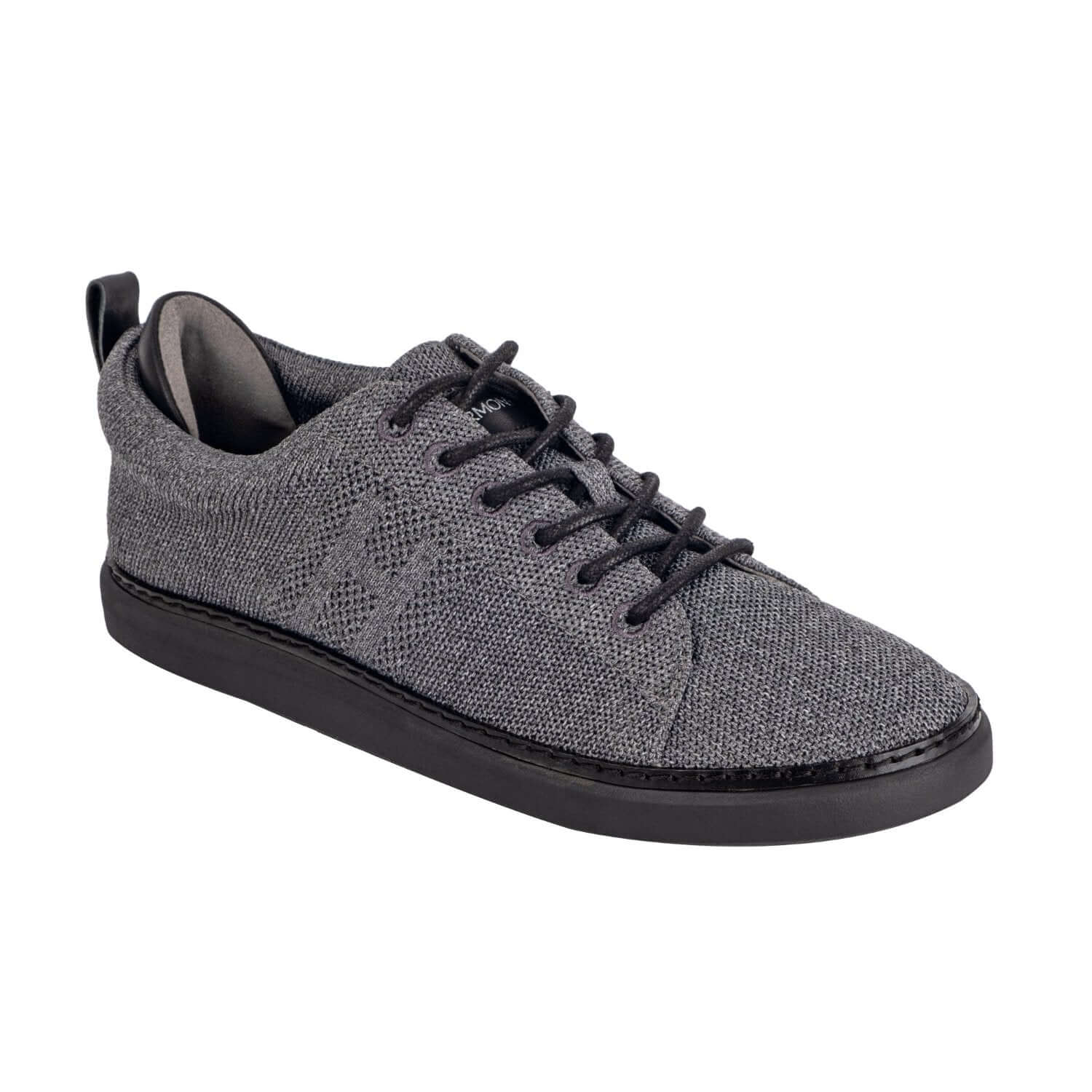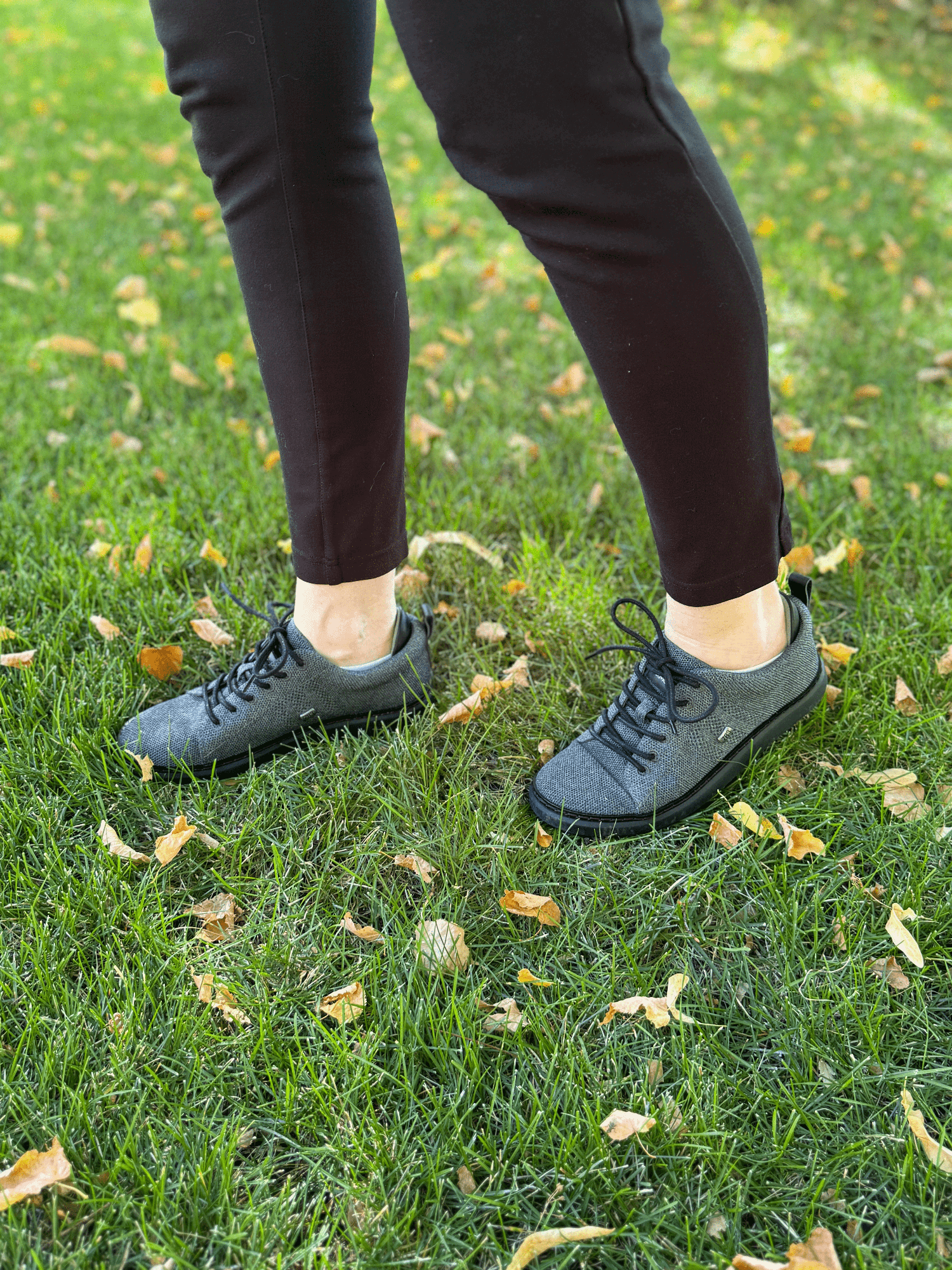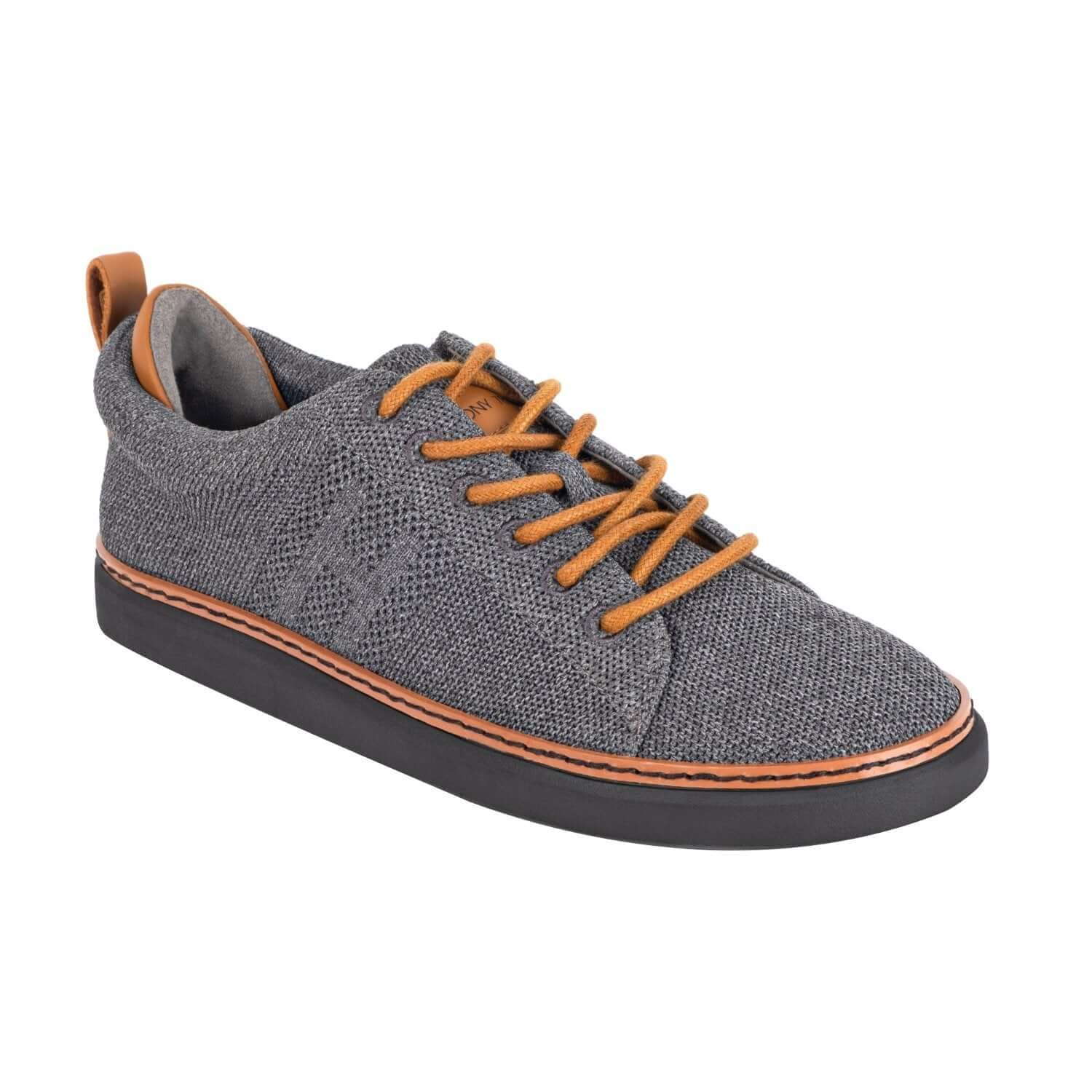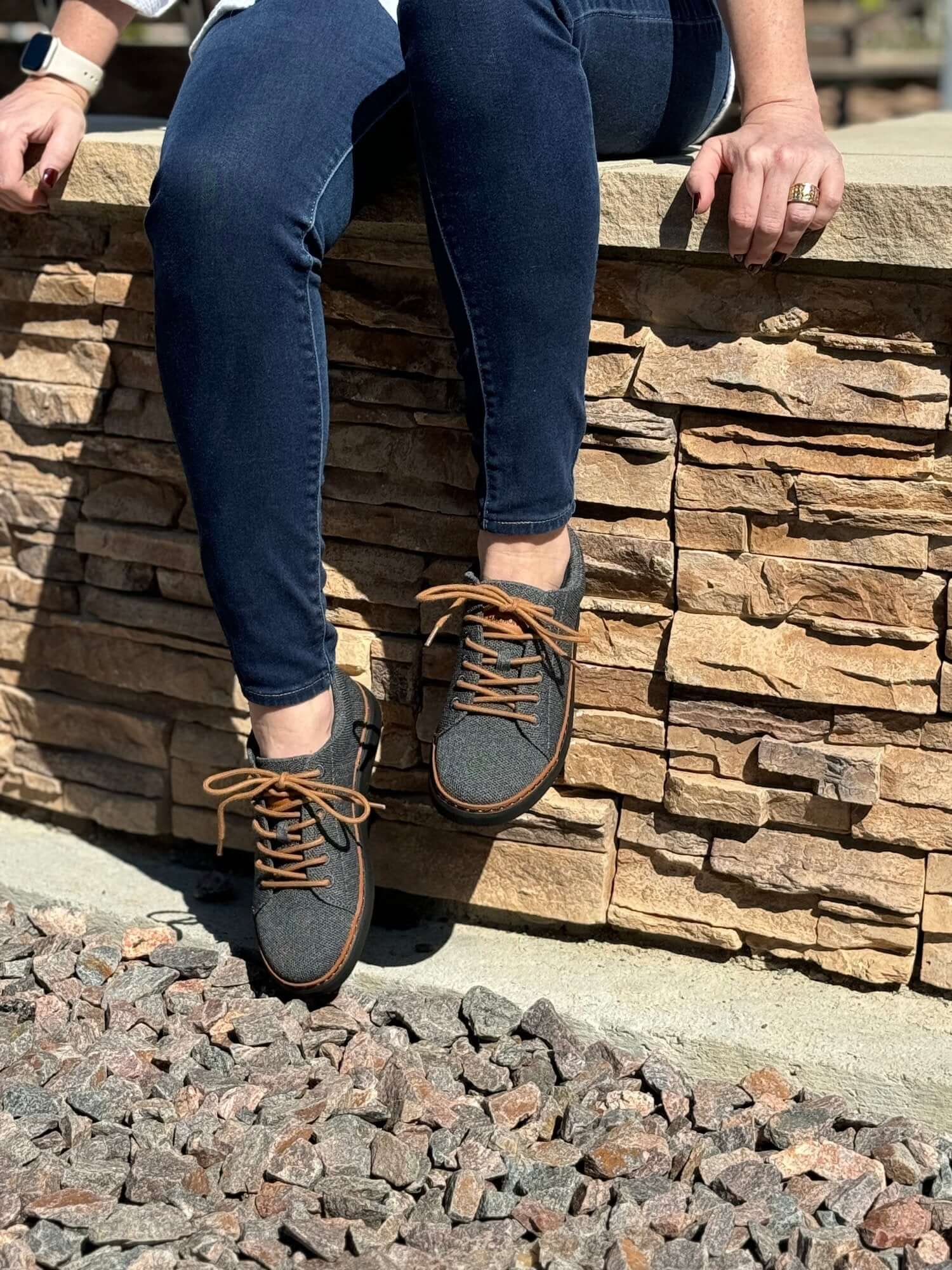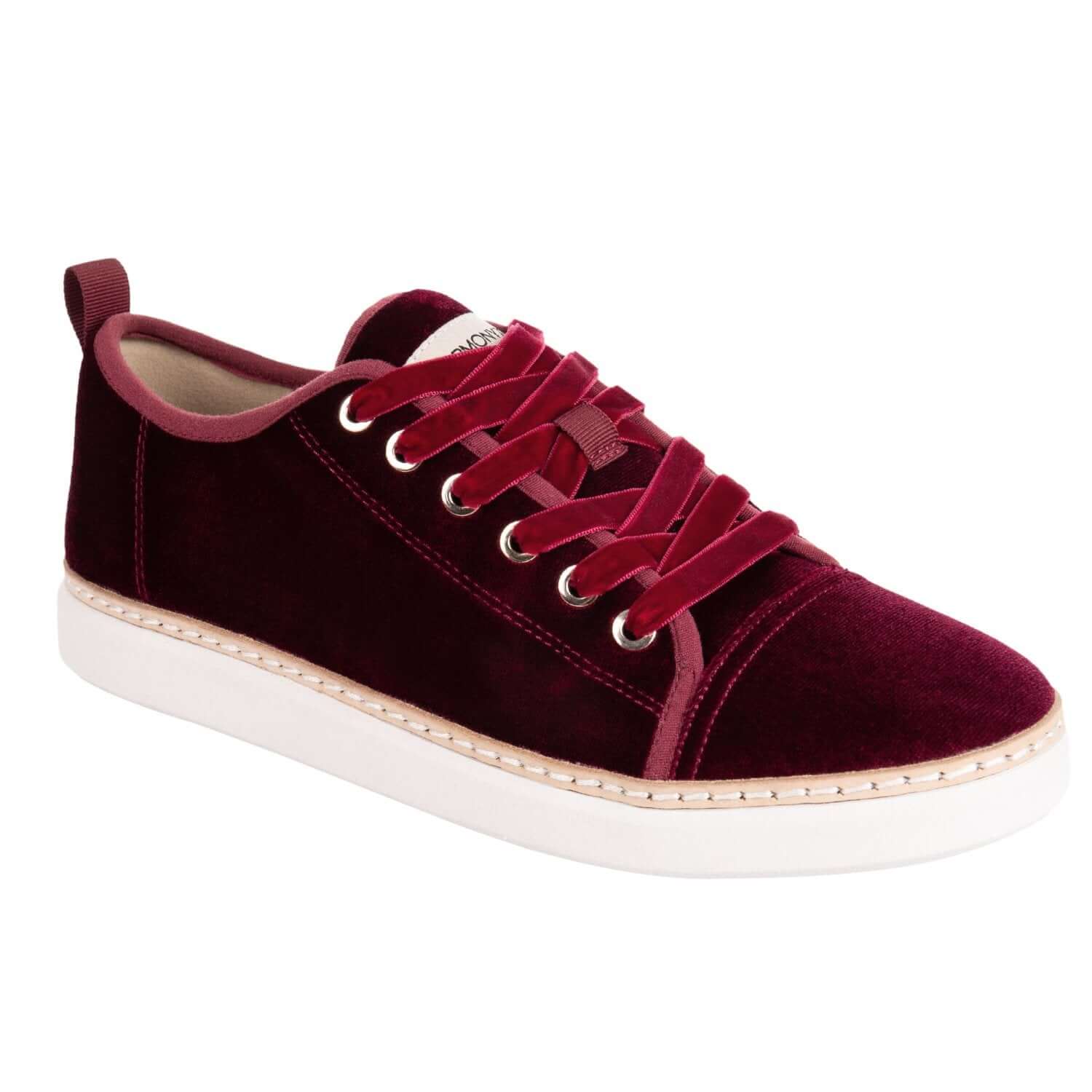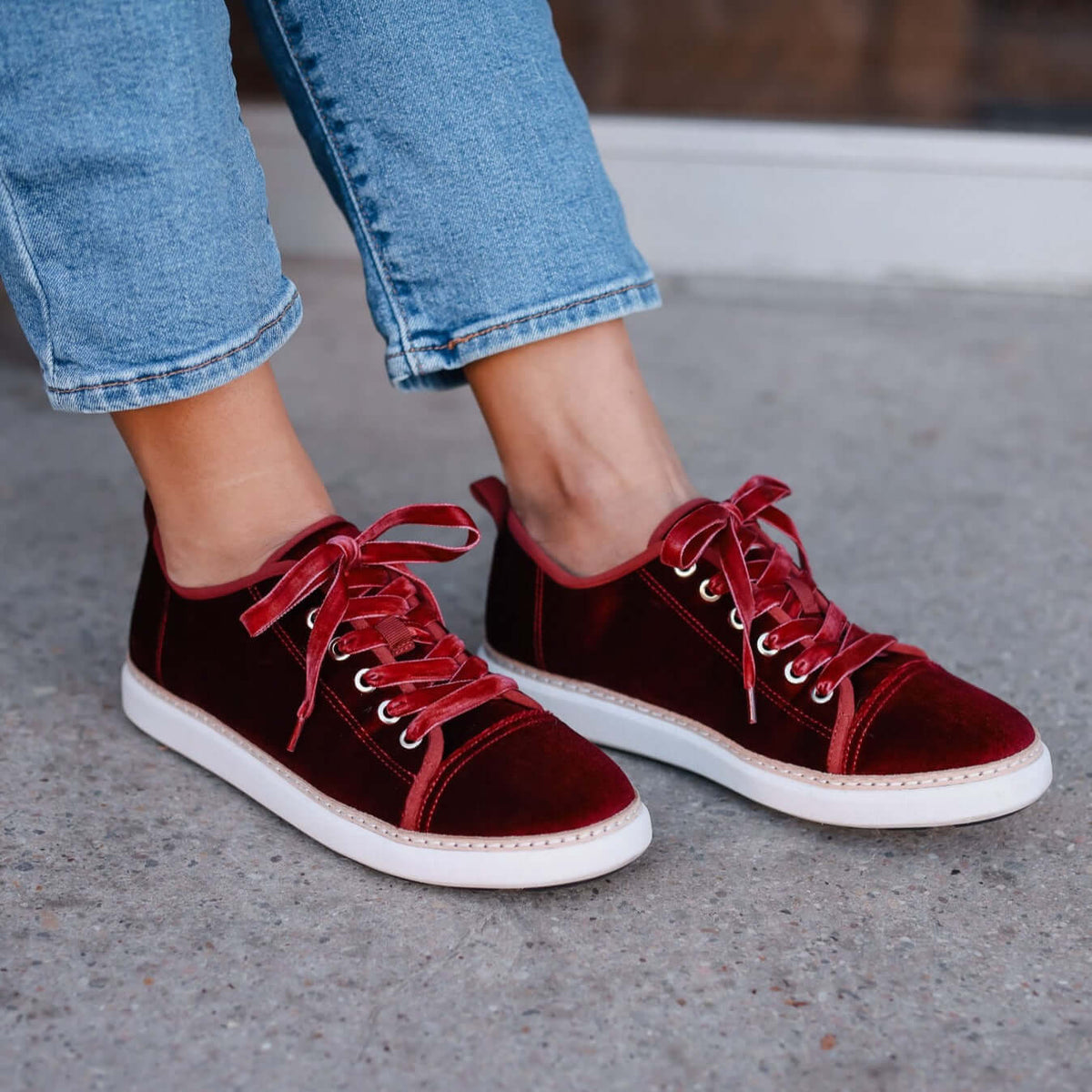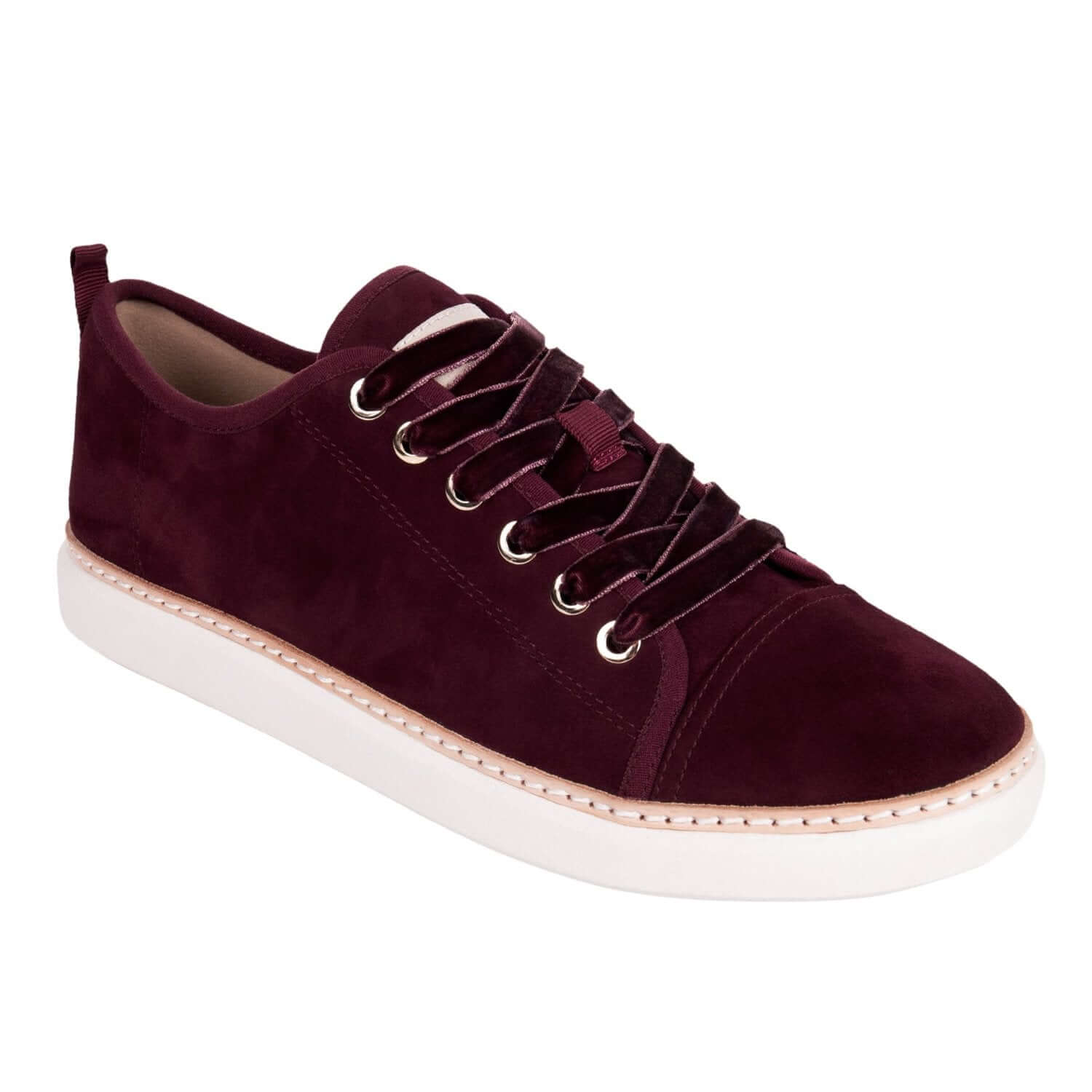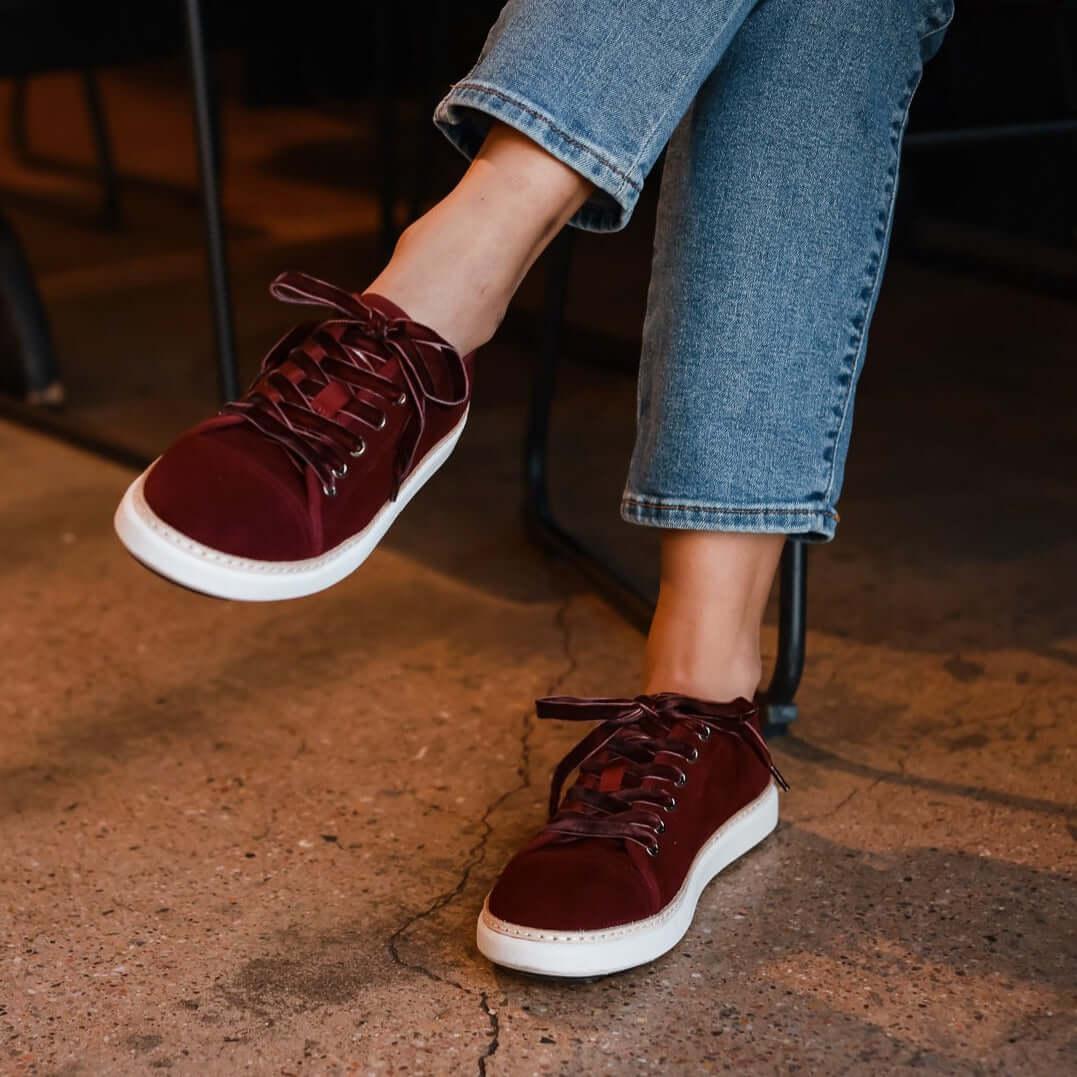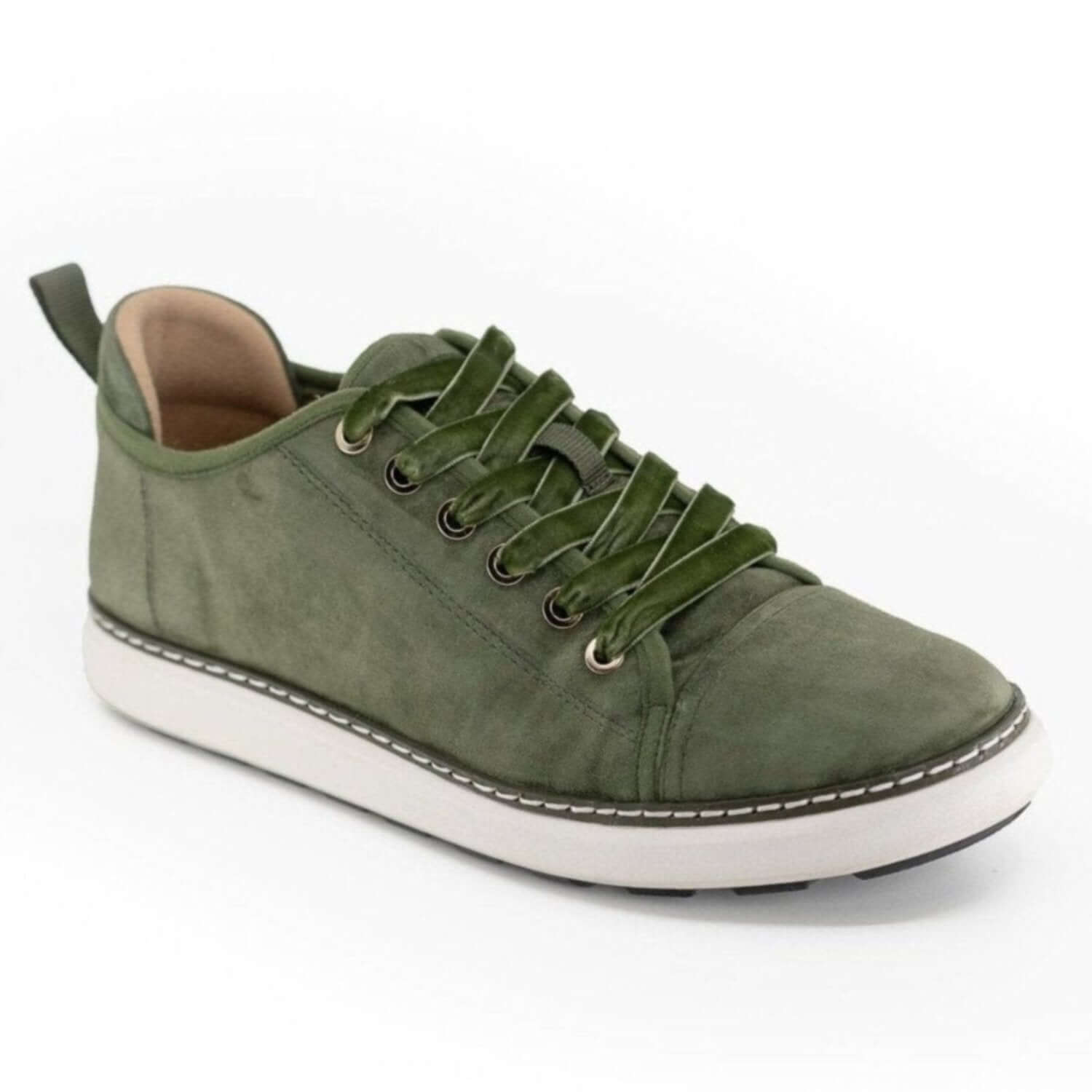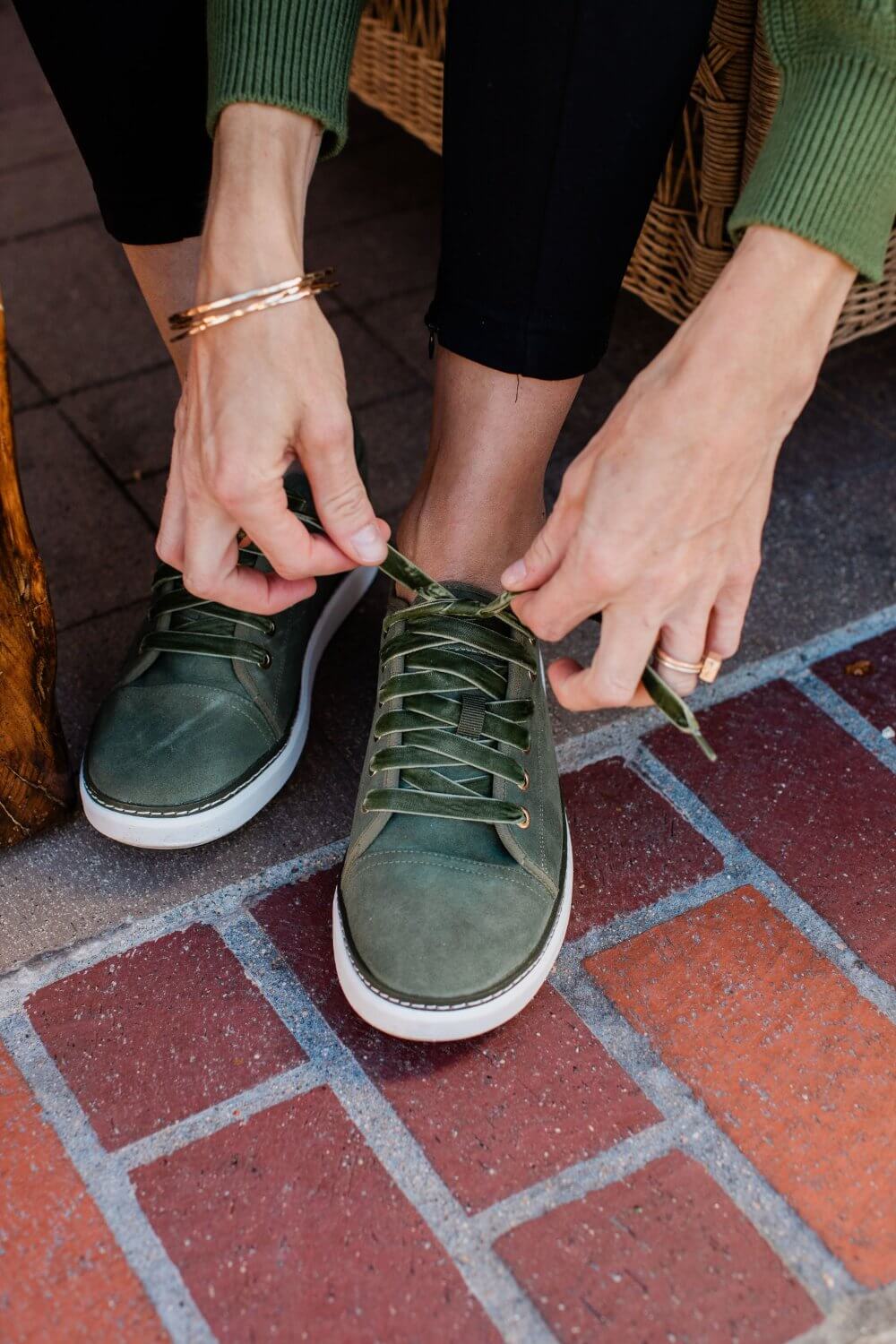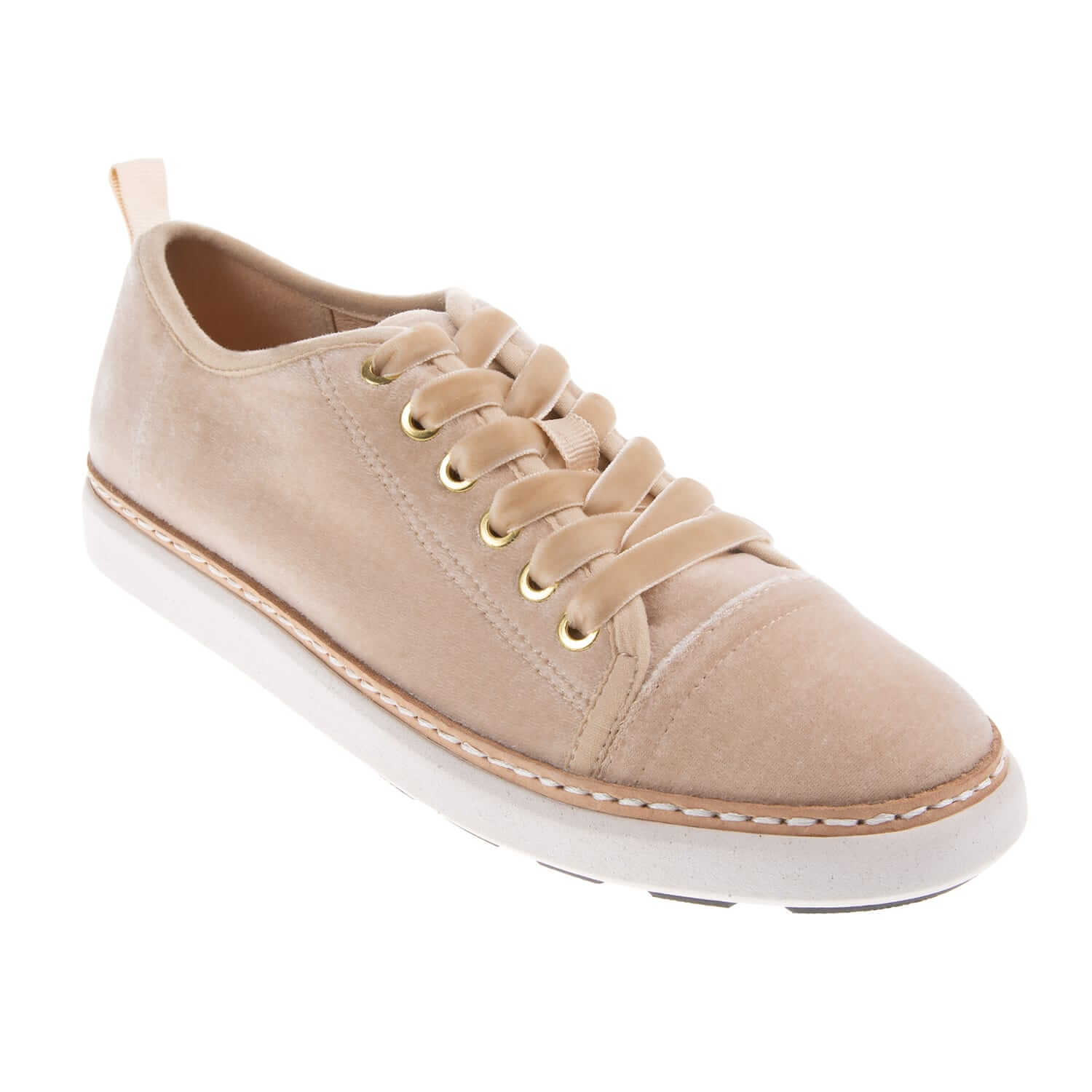

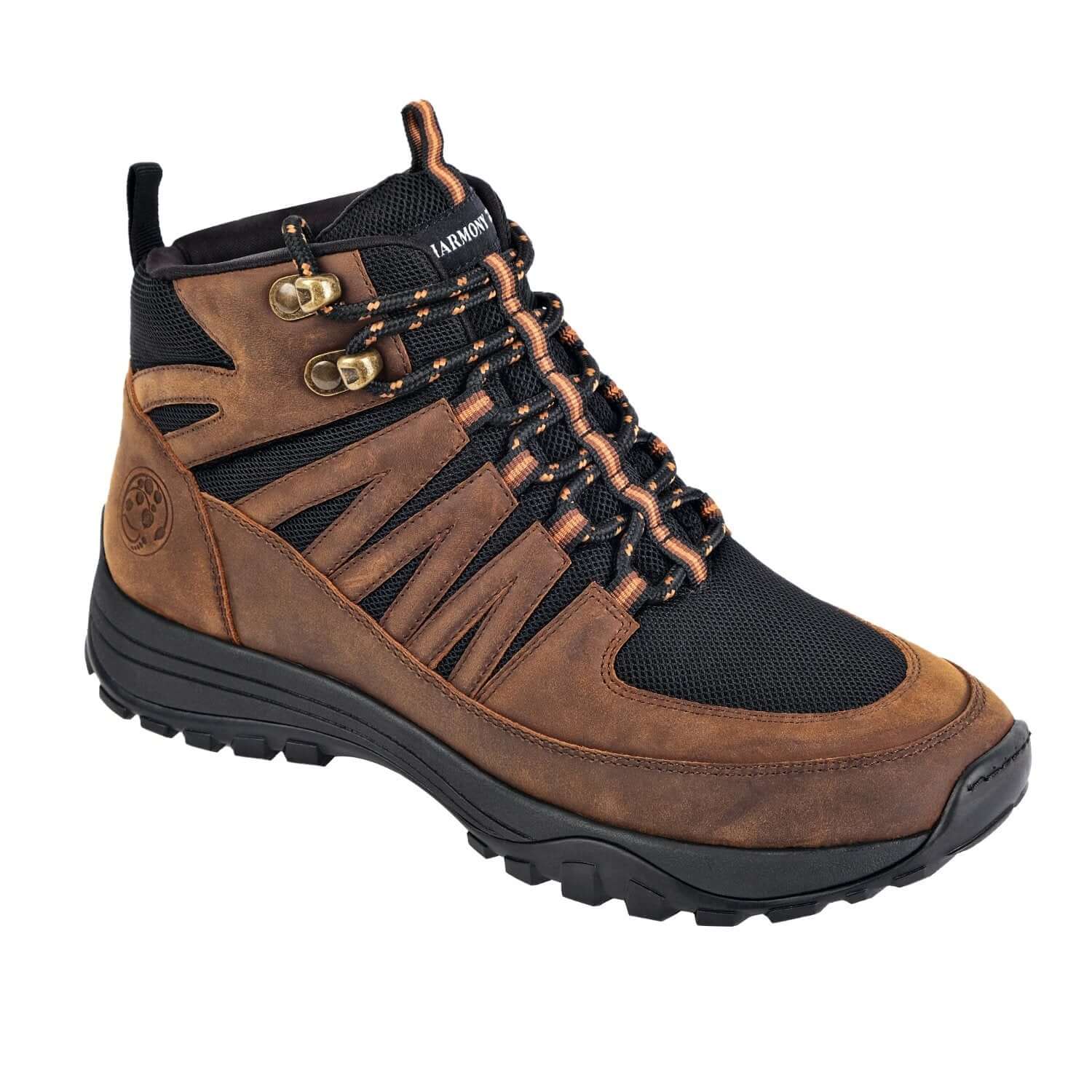
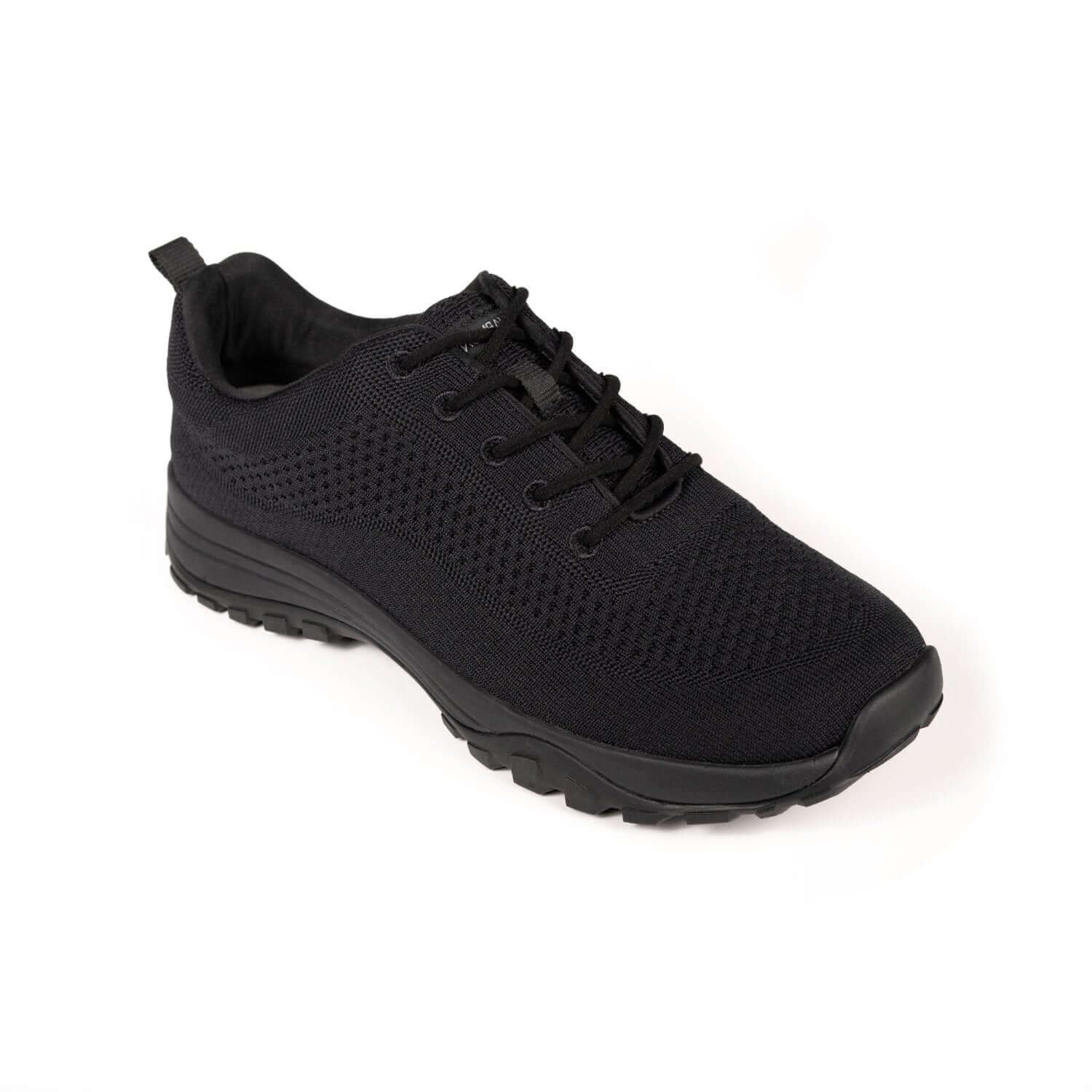


.
A loafer can look polished, comfortable, and even barefoot-inspired without creating any electrical connection to the ground. That distinction matters when you are shopping for grounding footwear. The useful question is not whether the shoe has a certain shape. It is whether the shoe's materials and construction create a continuous conductive route, and whether the surface beneath you is grounded.
Browse grounding footwear and compare styles
Are grounding loafers effective? They can be electrically effective when the shoe provides a continuous conductive path from your foot to a grounded surface. That does not automatically prove a health benefit, and it does not mean every loafer is conductive.
Think of conductivity, surface, comfort, and construction as separate checks. A well-made loafer should explain how those pieces work together, rather than relying on style language alone. Start with what grounding means, then look more closely at what "effective" should mean in practical terms.
What Does Effective Mean for Grounding Loafers?
When shoppers ask, "are grounding loafers effective," the practical answer depends on what you mean by effective. Electrically, a loafer can work as grounding footwear when it creates a continuous conductive route from your body to a grounded surface. That is a specific construction question, not a judgment based on the loafer's shape, leather, or everyday appearance.
Three conditions matter:
- Conductive route: The shoe must be built with materials and connections that can carry electrical charge through its footbed, internal structure, and outsole.
- Contact continuity: Your foot must maintain practical contact with the conductive part of the shoe. A conductive component that does not connect through the full shoe cannot establish the intended route.
- Grounded surface: The outsole must meet a surface that is actually connected to the Earth. Grounded surfaces are commonly found outdoors, but not every indoor floor provides that connection.
This is why an ordinary loafer is not automatically a grounding loafer. A barefoot-style silhouette may look similar, but appearance alone does not prove electrical conductivity. The materials, pathway, and outsole contact do the important work. You can learn the basic concept in what grounding means.
Electrical effectiveness also does not tell you whether a shoe feels good during a full day of walking. A loafer can be conductive yet uncomfortable, unstable, or poorly suited to your routine. Comfort, fit, and style are separate buying decisions. Health outcomes are another separate question, and grounding should be approached as a wellness practice rather than a guaranteed treatment or cure.
Use the electrical definition as a starting point: look for a clearly explained conductive design, a realistic path to the ground, and claims that distinguish measurable connection from personal comfort or broader wellness expectations.
How Can Grounding Loafers Create a Conductive Path?
A grounding loafer works through construction, not appearance. Leather, canvas, a low profile, or a familiar slip-on shape does not prove that electrons can travel from your foot to the surface below. The design needs a continuous route through the shoe, plus contact with a grounded surface. A published footwear example describes this route across the insole, board, midsole, and outsole. A footwear study also used conductive material that linked the upper through the midsole to the outsole.

| Part of the shoe | What it needs to do | Why it matters |
|---|---|---|
| Foot contact | Connect the foot or insole area to the conductive system. | A visible upper cannot replace a defined contact point. |
| Internal pathway | Carry continuity through the insole, lasting board, midsole, or a conductive loop. | A break in the route can stop the electrical connection. |
| Outsole and surface contact | Use a conductive outsole material that reaches the surface below. | The path must end at a grounded surface, not an insulating barrier. |
Harmony 783 describes its Groundworks system as five layers: a silver-stitched footbed, silver-stitched lasting board, a 99% pure silver fabric loop, cushioned midsole, and carbon-and-rubber conductive outsole. The company also states that its shoes are tested for a grounded connection. Those are product-specific construction and testing claims, not proof that every loafer on the market works the same way.
The practical question is whether the complete path is documented and testable. Read the details, then learn how to test grounding shoe conductivity rather than judging by style alone. A conductive design can support an electrical connection, but it does not by itself establish a medical outcome.
Are Grounding Loafers Effective on Everyday Surfaces?
They can be, but the surface under your feet matters. A grounding loafer needs a continuous conductive path from your foot through the shoe to a grounded surface. The shoe cannot create that connection by itself. A loafer that works outdoors may not provide the same electrical connection on every indoor floor.
Outdoor settings are the clearest place to understand the difference. Grounding references commonly describe grounded surfaces as outdoors, such as natural ground. A PubMed review also describes barefoot outdoor walking as one way people seek contact with Earth's electric charge: read the review. That context does not prove a health result, but it helps explain why surface contact is part of the mechanism.
- Outdoor grounded surfaces: Natural outdoor ground is the typical setting discussed in grounding explanations. Your loafer still needs a conductive design and consistent contact with your foot.
- Indoor floors: Do not assume wood, tile, carpet, rugs, or other indoor materials provide a grounded connection. The floor covering, building setup, and any barrier between the outsole and the surface can affect the pathway.
- Uncertain surfaces: Treat a surface as unconfirmed when you cannot establish how it connects to ground. Moisture or surface contact may change conditions, but there is no universal moisture threshold to apply to every floor or shoe.
This is also why electrical effectiveness should stay separate from comfort and wellness claims. Research on grounding includes different settings and study designs, and it does not establish that a particular loafer treats a medical condition. For related context, you can read about grounding footwear and health context without treating the discussion as a medical promise.
When in doubt, look for the shoe's tested construction and verify the connection under the surfaces where you actually plan to wear it.
How Should Comfort and Conductivity Work Together?
Answer: A grounding loafer needs a conductive design and a grounded surface to support electrical continuity. Comfort is a separate test. The shoe should also fit securely, leave room for natural toe movement, and feel good enough for ordinary walking. A conductive shoe that pinches, slips, or causes fatigue is not a useful everyday choice.
Start by separating what the shoe does electrically from how it feels physically. Conductivity depends on the materials and construction, not on a loafer silhouette alone. A polished upper, a flexible shape, or a barefoot-style look does not prove that the shoe creates a grounded connection. Ask whether the maker explains the conductive pathway and how it is tested. Harmony 783 describes its Groundworks system as including a silver-stitched footbed, silver-stitched lasting board, silver fabric loop, cushioned midsole, and carbon-and-rubber conductive outsole. The company also says its shoes are tested for a grounded connection.
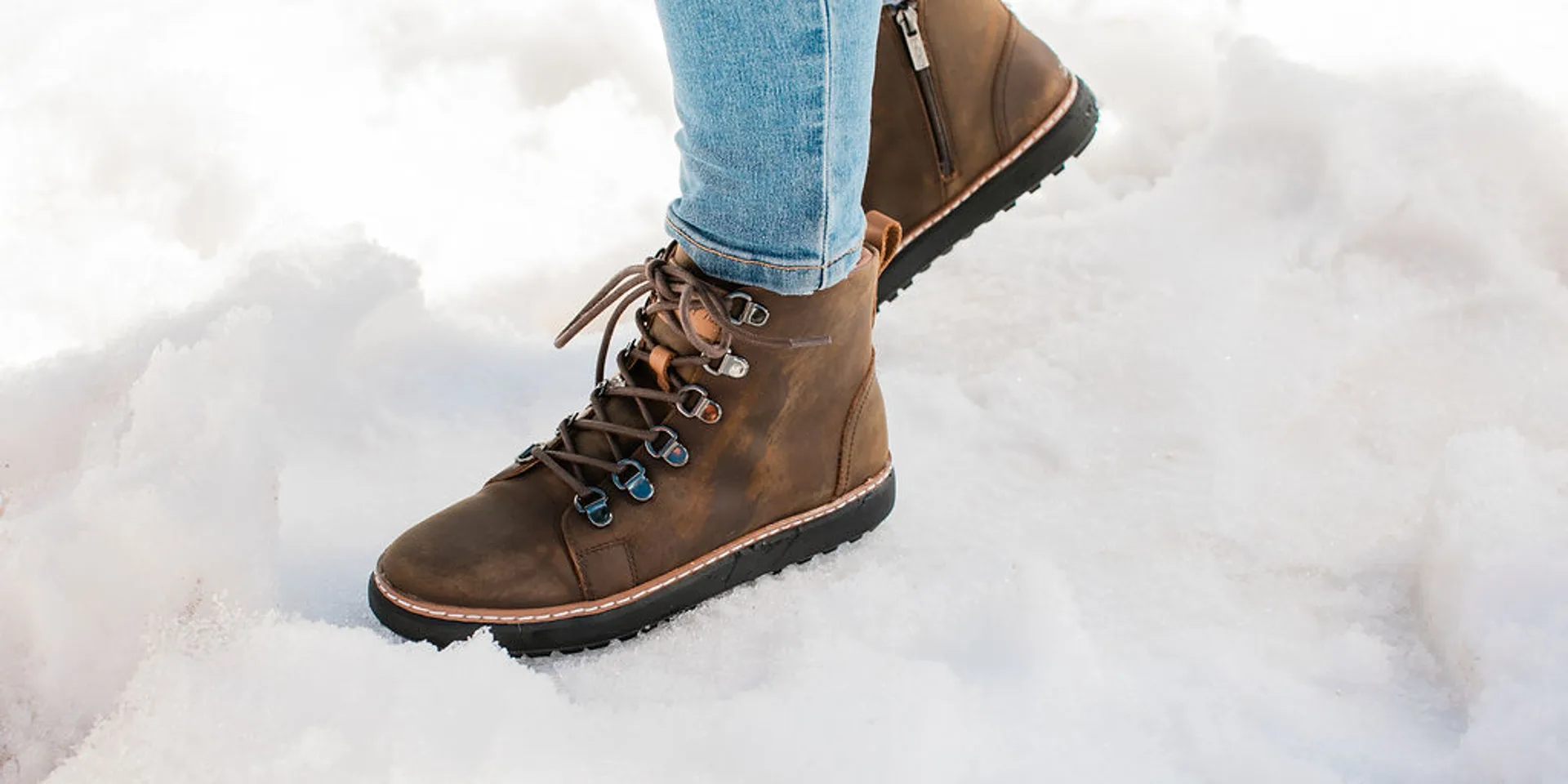
What should a comfortable loafer provide?
- Secure heel hold: Your heel should stay in place without painful rubbing or constant gripping.
- Useful toe room: Toes need space to spread and move without pressing into the front of the shoe.
- Balanced cushioning: A cushioned midsole can support walking comfort while remaining part of a conductive system.
- Everyday styling: Slip-on and loafer-inspired designs can make grounding footwear easier to pair with normal clothing.
These fit details do not replace conductivity testing. They make it more likely that you will actually choose the shoes for a full day, errands, travel, or work. Harmony 783 positions its footwear as a cushioned alternative for people who do not want to go barefoot, with multiple styles that include slip-ons. For more perspective on combining practical wear with grounding design, read about comfortable grounding footwear.
Think of the decision as two checks: first, can the construction support continuity under the right conditions? Second, does the fit let you walk naturally and comfortably? You need both for a loafer to make sense in daily life.
What Should You Check Before Buying Grounding Loafers?
A polished loafer shape does not prove electrical conductivity. The useful question is whether the shoe connects your foot to a grounded surface through its actual construction. Use this checklist to compare products without assuming that every grounding loafer works the same way.
- Has the shoe been tested for continuity? Look for a clear statement that the finished shoe was tested for a grounded connection. Harmony 783 says its shoes are tested for this connection, but loafers-specific testing data is not included in the available customer guidance. Ask for product-specific details when they matter to your decision.
- What materials create the conductive route? Check whether the maker explains the footbed, insole, lasting board, midsole, and outsole. A conductive stitch, loop, or material may be part of the route, but the full path must connect each layer. Learn more about how to test grounding shoe conductivity.
- Does the outsole make contact with the intended surface? The construction needs a conductive outsole or contact point, and the surface must be grounded. Ask where the shoe is designed to work. Do not assume that an indoor floor, coating, mat, or synthetic surface provides the same connection as an outdoor grounded surface.
- Will the fit keep your foot in contact with the conductive parts? Check toe room, heel security, cushioning, and whether your foot shifts while walking. A comfortable design may make grounding footwear easier to wear, but comfort does not replace a conductive path.
- How should you care for the shoe? Follow the product's care instructions. Ask whether cleaning methods, moisture, or replacement insoles could affect contact or construction. Avoid guessing when the maker has not provided guidance.
- What are the return expectations? Read the current store policy before ordering. Confirm the allowed return window, condition requirements, and any exclusions. Do not assume a warranty, certification, or special guarantee unless the seller states it.
Once you have checked the construction, testing, fit, and care requirements, you can browse grounding footwear that matches your preferences. Treat the purchase as a practical wellness choice, not a promise of a medical result.
What Does Research Actually Show About Grounding Footwear?
Research supports a difference between an electrical connection you can test and a health outcome you can prove. A grounding loafer may create a conductive path between the wearer and a grounded surface. That does not, by itself, show that wearing the shoe treats pain, inflammation, fatigue, or any other medical condition.
A PubMed-indexed review describes earthing as bodily contact with Earth's natural electric charge and discusses practices such as walking barefoot outdoors or using grounding systems indoors. It reports that about 20 studies had examined grounding at the time of publication. But that overview is not the same as proof that every grounding shoe, or every loafer, produces a clinical benefit. Read the review on PubMed.
The quality and limits of the evidence matter. Another review notes that grounding research may involve confounding factors, including placebo effects and differences between study settings. Those factors can make it difficult to separate the effect of grounding from expectations, environment, or other changes made by participants. Our guide to research on earthing evidence explores that distinction in plain language.
Footwear research also needs careful interpretation. One randomized study compared grounding running shoes with traditional training shoes in 10 elite runners. The grounding shoes used a conductor under the insole, a conductive textile pathway through the midsole, and an outsole designed to encourage electrical charge flow. The researchers found no measured improvement in running performance or in the physiological and perceptual variables they assessed. See the running-shoe study on PubMed. That limited result applies to that study, its construction, its conditions, and its 10 runners. It does not establish what would happen to people wearing grounding loafers during daily life.
For Harmony 783 shoppers, the practical question is therefore narrower: does the specific shoe provide a tested conductive connection, and can you use it on a grounded surface? Harmony 783 describes its footwear as tested for a grounded connection, but the available guidance does not provide loafers-specific clinical testing. Read more about grounding shoes and health claims, and treat grounding as a wellness practice rather than a guaranteed treatment.
How Can You Use and Care for Grounding Loafers?
Grounding loafers are most practical when the fit is secure, the conductive contact is intact, and the surface you use matches the product instructions. Those conditions support a consistent routine, but they do not guarantee a health result. Harmony 783 says its shoes are tested for a grounded connection, while also noting that loafers-specific testing data is not available in its current guidance.
Start with fit and contact
A loafer should stay comfortably in place as you walk. Check that your heel does not slip excessively, your toes have room, and your foot rests as intended on the insole. If you add an insert, thick sock, or other layer, confirm that it does not interrupt the product's designed contact path. A shoe can be comfortable and stylish without being electrically effective, so treat fit and conductivity as separate checks.
Use the loafers on surfaces appropriate for the product. Do not assume that every indoor floor provides a grounded connection. When in doubt, follow the maker's instructions rather than guessing from the appearance of the floor, sole, or shoe.
Keep the conductive parts in good condition
Care instructions matter because cleaning methods, moisture, abrasion, or replacement parts may affect materials used in the conductive system. Follow the product's specific care guidance. Avoid applying unapproved treatments or modifying the sole. For a practical maintenance reference, see how to care for grounding shoes and maintain conductivity.
- Check fit, heel security, and toe comfort before regular use.
- Confirm that socks, inserts, and foot placement do not block intended contact.
- Use surfaces and cleaning methods listed in the product instructions.
- Inspect the sole and upper for visible wear before relying on the footwear.
Think of the loafers as wellness footwear, not a treatment. Practical care can preserve the shoe's condition, but it cannot establish medical benefits that have not been proven for loafer wearers.
Browse the grounding footwear collection
Frequently Asked Questions
Do grounding loafers actually work?
They can provide an electrical connection when their construction creates a continuous conductive path and the outsole contacts a grounded surface. That measurable connection does not prove that the loafers prevent, treat, or cure a health condition. Research on grounding remains limited, and findings should not be applied to every loafer or wearer.
How long should you wear grounding loafers?
There is no universal wear-time rule that guarantees a result. Start with normal, comfortable use and pay attention to fit, foot contact, and the surfaces where you walk. If the loafers cause pressure, rubbing, instability, or discomfort, stop and reassess the fit rather than wearing them longer.
What are the downsides to grounded footwear?
The main practical drawbacks can include an uncertain connection on indoor floors, reduced comfort from a poor fit, and confusion between grounding footwear and ordinary barefoot-style shoes. Conductive materials alone do not guarantee performance. Check how the product is built, what surfaces it is intended for, and how continuity is tested.
Are grounding shoes dangerous or a hoax?
Calling them either universally dangerous or a hoax oversimplifies the question. A shoe can be tested for conductivity, but that test is different from proving a health benefit. Use grounded footwear as a wellness product, follow the maker's care guidance, and seek qualified medical advice for symptoms or health concerns. A review in PubMed also notes potential confounding factors in grounding research: see the review.