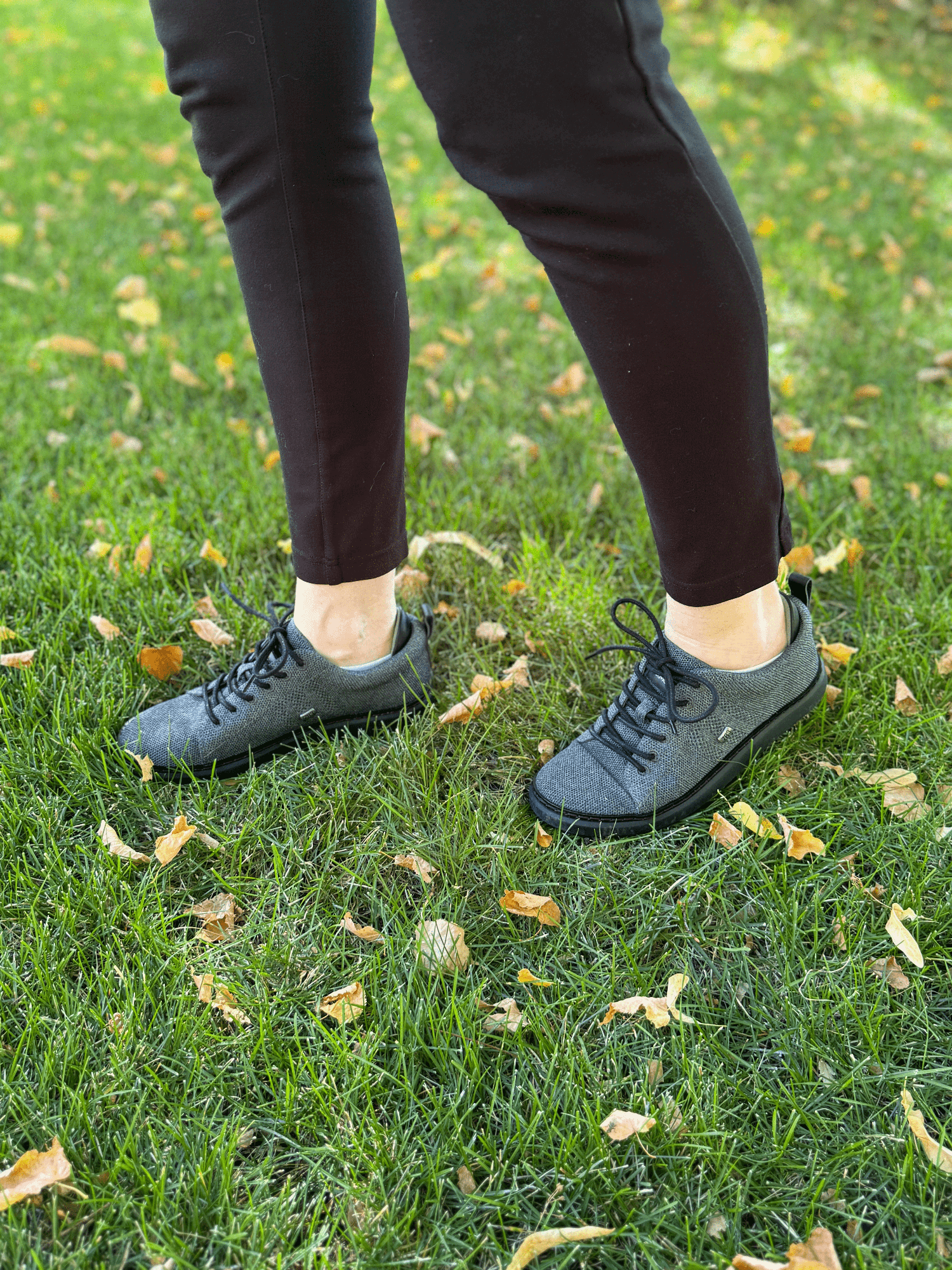










For people researching grounding shoes chronic fatigue syndrome energy recovery, current evidence suggests grounding may support sleep. Stress regulation, and inflammation balance, but it is not a proven treatment or cure for ME/CFS. Think of it as one gentle wellness tool to explore alongside guidance from a qualified healthcare professional.
What Is Chronic Fatigue Syndrome and Why Is It Misunderstood?
Chronic fatigue syndrome, also called myalgic encephalomyelitis or ME/CFS, is a complex condition that can affect energy, sleep, thinking, and daily activity. It is more than feeling tired after a busy week. A person may rest and still wake up feeling unrefreshed. Even small amounts of physical or mental effort can make symptoms worse later.
Why does activity sometimes make symptoms worse?
One of the defining features is post-exertional malaise, often shortened to PEM. This means symptoms can intensify after activity that once seemed manageable. The change may happen hours later or the next day. The activity might be a walk, a work task, a long conversation, or time spent concentrating. The response is not a simple choice to stop trying. It is a body signal that the person's available energy does not match the demand.
Symptoms can also shift from day to day. Someone may have enough energy to cook one day, then need much more rest after the effort. A better day does not always mean the condition has ended. This uneven pattern can make ME/CFS hard for others to see and easy to misunderstand.
Which symptoms are common?
People with ME/CFS may report several symptoms at once, including:
- Fatigue that limits normal activities.
- Post-exertional malaise after physical or mental effort.
- Sleep that does not feel restorative.
- Brain fog, such as slower thinking or trouble finding words.
- Dizziness, sensitivity to light or sound, or other symptoms that vary by person.
There is no single experience of ME/CFS. Symptoms and severity differ, and prevalence estimates vary because the condition can be missed, mistaken for another problem, or diagnosed after a long period of symptoms. That uncertainty should not make a person's experience seem less real.
Natural wellness practices may support comfort and daily routines, but they do not replace medical guidance. Anyone with persistent or worsening fatigue should discuss it with a qualified health professional. A careful evaluation can help rule out other causes and guide safe choices around activity, rest, sleep, and supportive habits.
How Can Grounding Shoes Help with Chronic Fatigue Syndrome Energy Recovery?
Grounding shoes are designed to create a conductive path between your feet and the earth when you walk on a suitable natural surface. The proposed benefit is not a quick energy boost. It is a gentle electrical connection that may support the body's normal balance and recovery processes.
What happens when electrons meet oxidative stress?
Cells use mitochondria to turn nutrients into usable energy. This process naturally creates reactive molecules, often called free radicals. The body has systems that help keep these molecules in balance. When oxidative stress becomes too high, it can place extra strain on cells.
Earthing research proposes that electrons from the earth may help neutralize some free radicals. In theory, this could reduce oxidative stress and create a more supportive environment for mitochondrial function. That mechanism is plausible, but it should not be presented as proven treatment for chronic fatigue syndrome. ME/CFS is complex, and fatigue can have many overlapping causes.
What does the footwear research show?
A 2022 study in the International Journal of Environmental Research and Public Health examined running shoes with conductive elements. The study involved 10 elite runners and explored whether grounding footwear could affect the energy cost of running. It does not prove that grounding shoes restore energy in people with ME/CFS. However, it shows that conductive footwear can be studied as a distinct design feature rather than treated as a marketing idea alone. Read the grounding-shoe research.
A broader review also discusses how earthing may support biological performance and other body processes. These findings remain an area of research, so use them as context, not a promise. You can review the evidence in this earthing and biological performance paper.
How can you use grounding shoes carefully?
- Start with a short, easy walk on a safe conductive surface.
- Notice your energy, sleep, and symptoms without changing several habits at once.
- Stop if activity worsens your symptoms, and discuss persistent or severe fatigue with a qualified healthcare professional.
For the larger discussion of possible uses and limits, see our guide to Grounding Shoes for Chronic Pain and Health Conditions. Grounding can complement thoughtful self-care, but it should never replace medical evaluation, pacing, rest, or a care plan.
The Inflammation-Fatigue Link: What Researchers Are Finding
Fatigue is not always a simple result of a busy day. Researchers are studying how immune signals may affect energy, sleep, and the way the body responds to stress. In people with myalgic encephalomyelitis or chronic fatigue syndrome (ME/CFS), this question has become an important part of the research conversation.
Why inflammation matters to energy
Cytokines are messenger proteins used by the immune system. They help coordinate the body's response to challenges. When inflammatory signals stay elevated, some people may experience changes in sleep, mood, concentration, and perceived energy. That does not prove that inflammation causes every case of chronic fatigue. It does show why researchers continue to look at the immune system when studying fatigue.
A 2017 Stanford study published in PNAS reported elevated pro-inflammatory cytokines in people with ME/CFS. This finding offers context for the inflammation-fatigue connection. It does not mean that every person with fatigue has the same immune pattern. Diagnosis and care belong with a qualified health professional.
What earthing research suggests
In a 2015 review in the Journal of Inflammation Research, Oschman, Chevalier, and Brown summarized evidence that grounding may reduce certain markers of inflammation. The review also suggested the practice may support aspects of the immune response. You can read the paper in PubMed Central.
The proposed idea is simple. Direct contact with the earth may allow the body to interact with its natural electrical environment. That is a research hypothesis, not a proven explanation for fatigue. Much of the available grounding research is early or limited, so larger and better-controlled studies are still needed.
For a closer look at the topic, read our guide to earthing and inflammation research. If you try grounding shoes or another grounding routine, track practical signals such as sleep quality, comfort, and daily energy. Stop if a routine causes discomfort, and keep your healthcare provider informed about any wellness practice you add.
Practical Grounding Protocols for Managing Daily Energy Levels
Consistency matters more than intensity. The goal is not to push through fatigue. It is to create a calm, repeatable habit that fits your day.
- Start with a short session. Aim for 15 minutes in the morning, or choose a low-energy window when you usually need a reset. If that feels manageable, build toward about 30 minutes of contact per day. You can complete the time in one session or split it into two shorter walks.
- Choose a safe grounding surface. Walk on grass, soil, sand, or concrete when conditions are comfortable and the area is safe. Grounding shoes can help you stay connected without going barefoot. Before heading outside, check that your footwear fits well and that the path is clear.
- Add light movement. Keep the pace easy. Try slow walking, gentle pacing, or simple mobility movements. The point is to support your routine, not to turn it into strenuous exercise. With chronic fatigue syndrome, energy can be limited and unpredictable, so stop before you feel depleted.
- Track your response. Note the time of day, session length, surface, activity, and how you felt before and after. A short journal can reveal whether morning sessions or brief walk breaks work better for you. Look for patterns over several days instead of judging one session.
- Adjust without abandoning the habit. On a lower-energy day, shorten the walk or stand outside for a few minutes. On a better day, keep the same easy pace rather than adding too much at once. A flexible routine is easier to maintain than an all-or-nothing plan.
For a plain-language overview of the ideas behind the practice, read the science behind grounding. Grounding is a wellness practice, not a replacement for medical care. If fatigue is severe, new, or worsening, speak with a qualified health professional before changing your activity routine.
Best Harmony 783 Styles for All-Day Energy Support
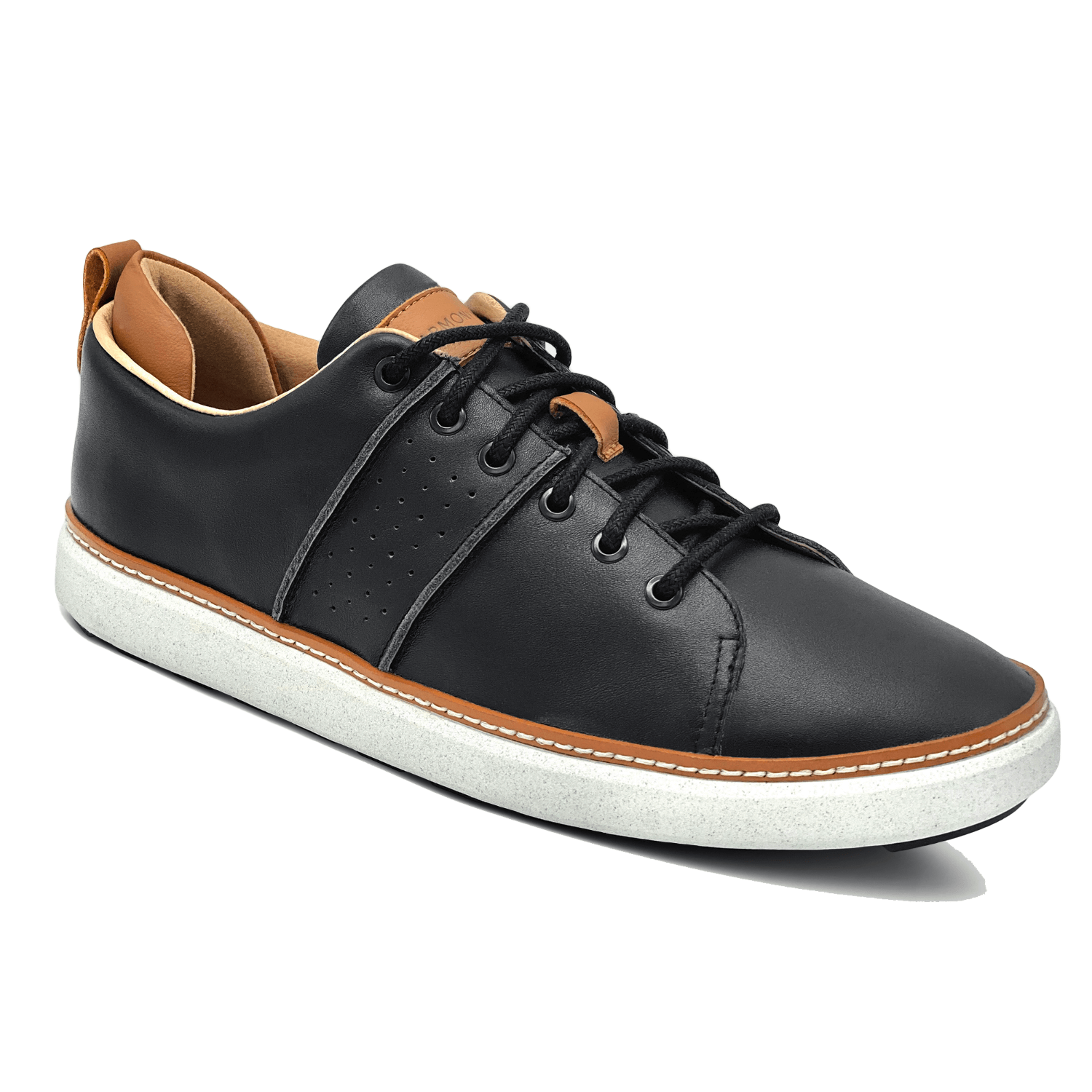
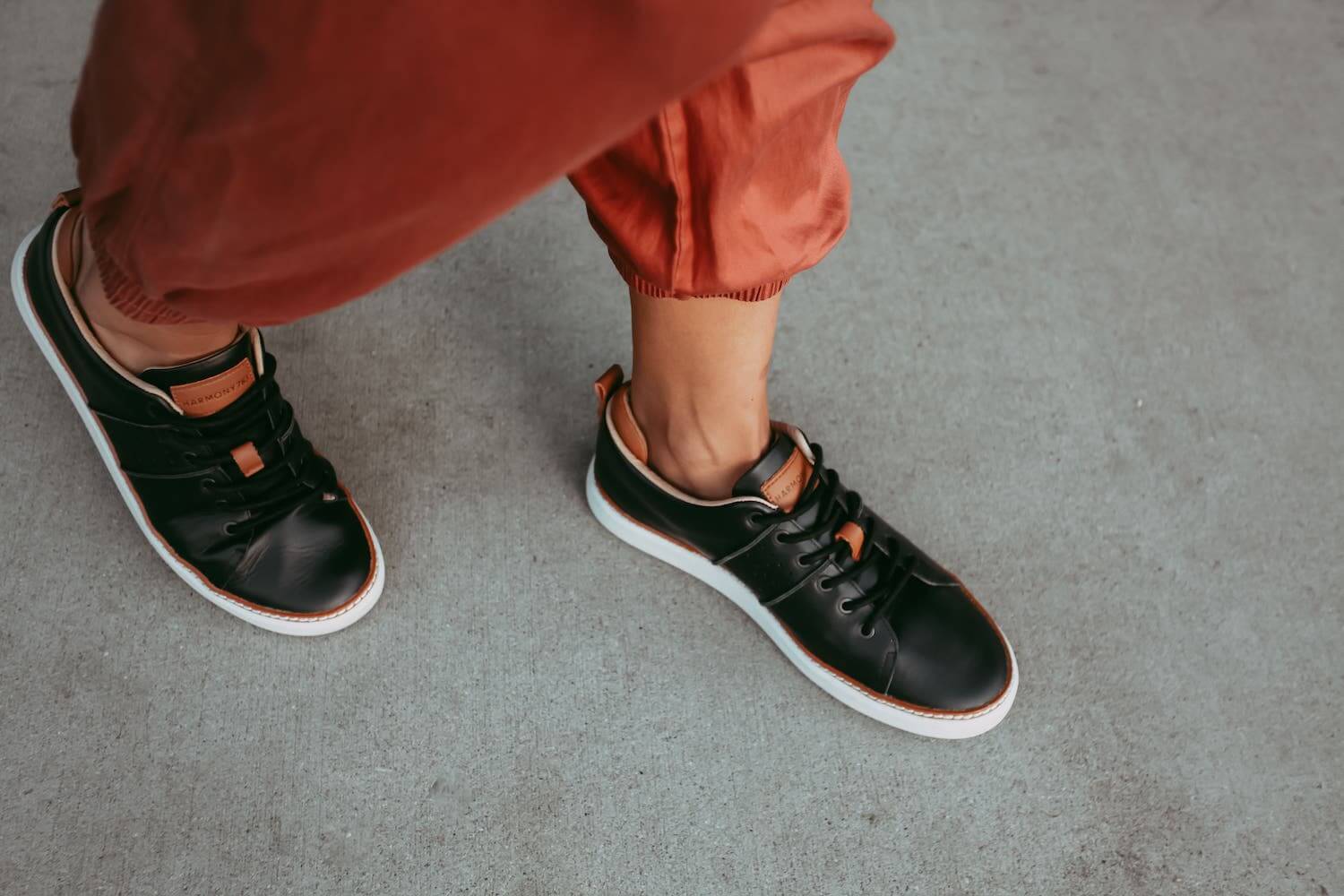
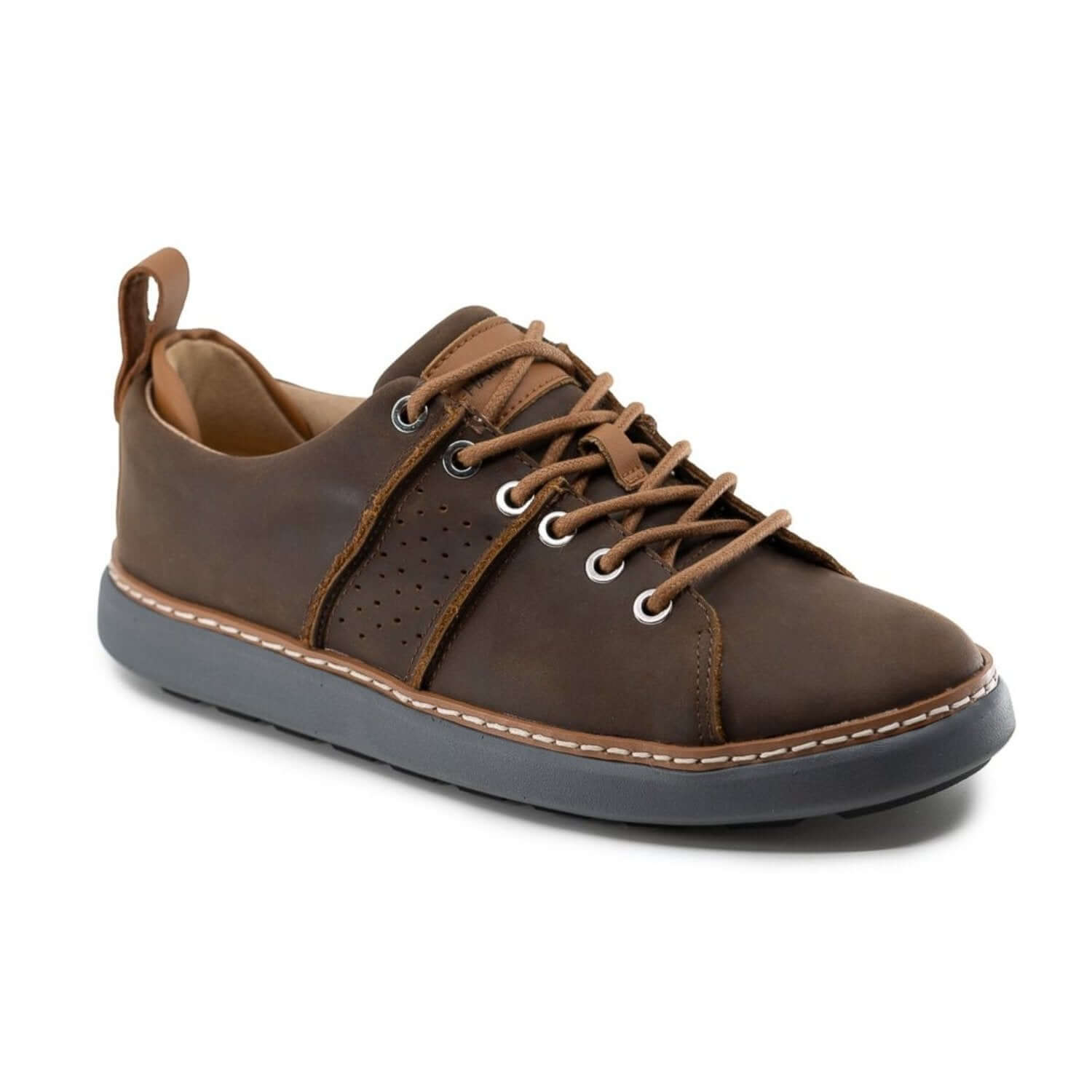
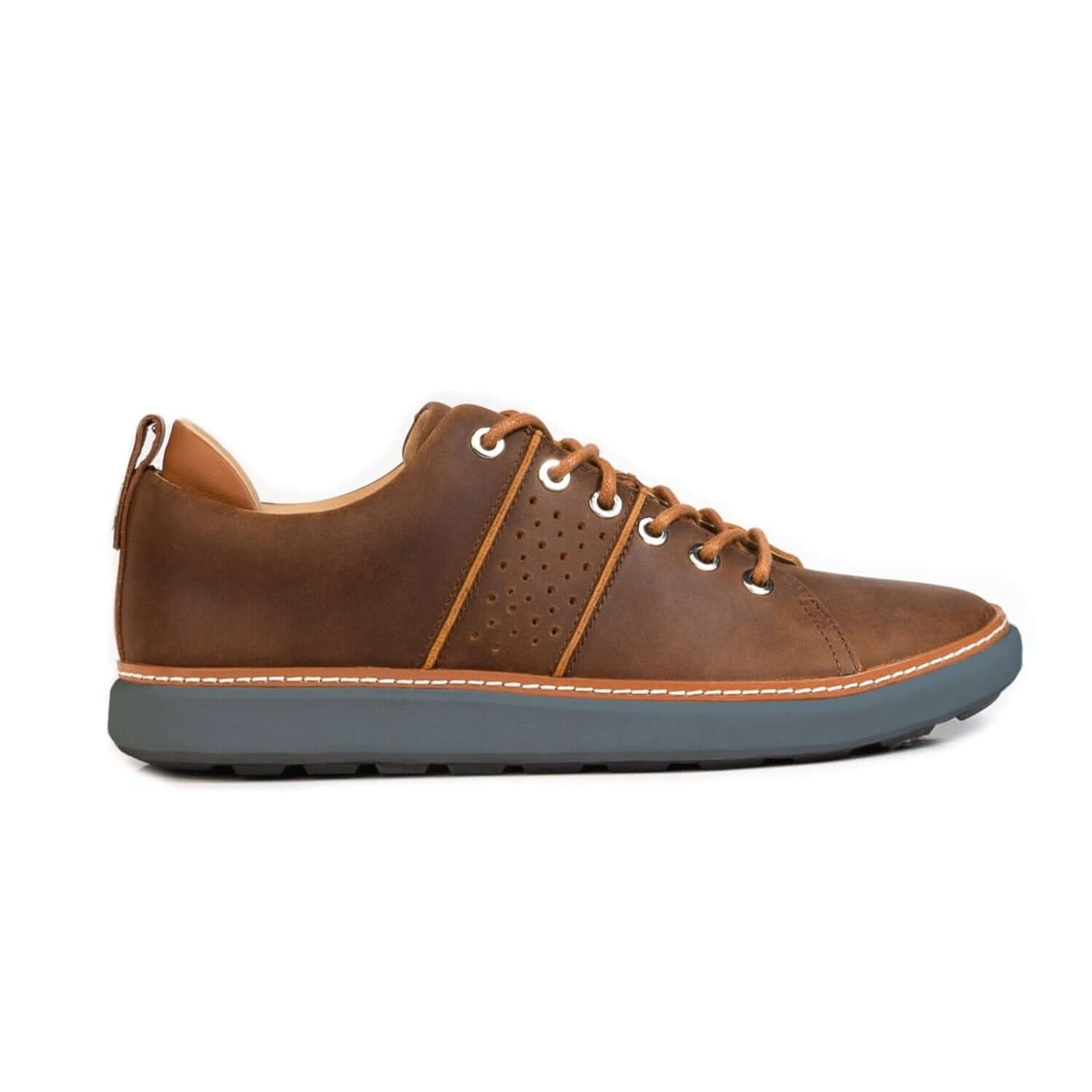
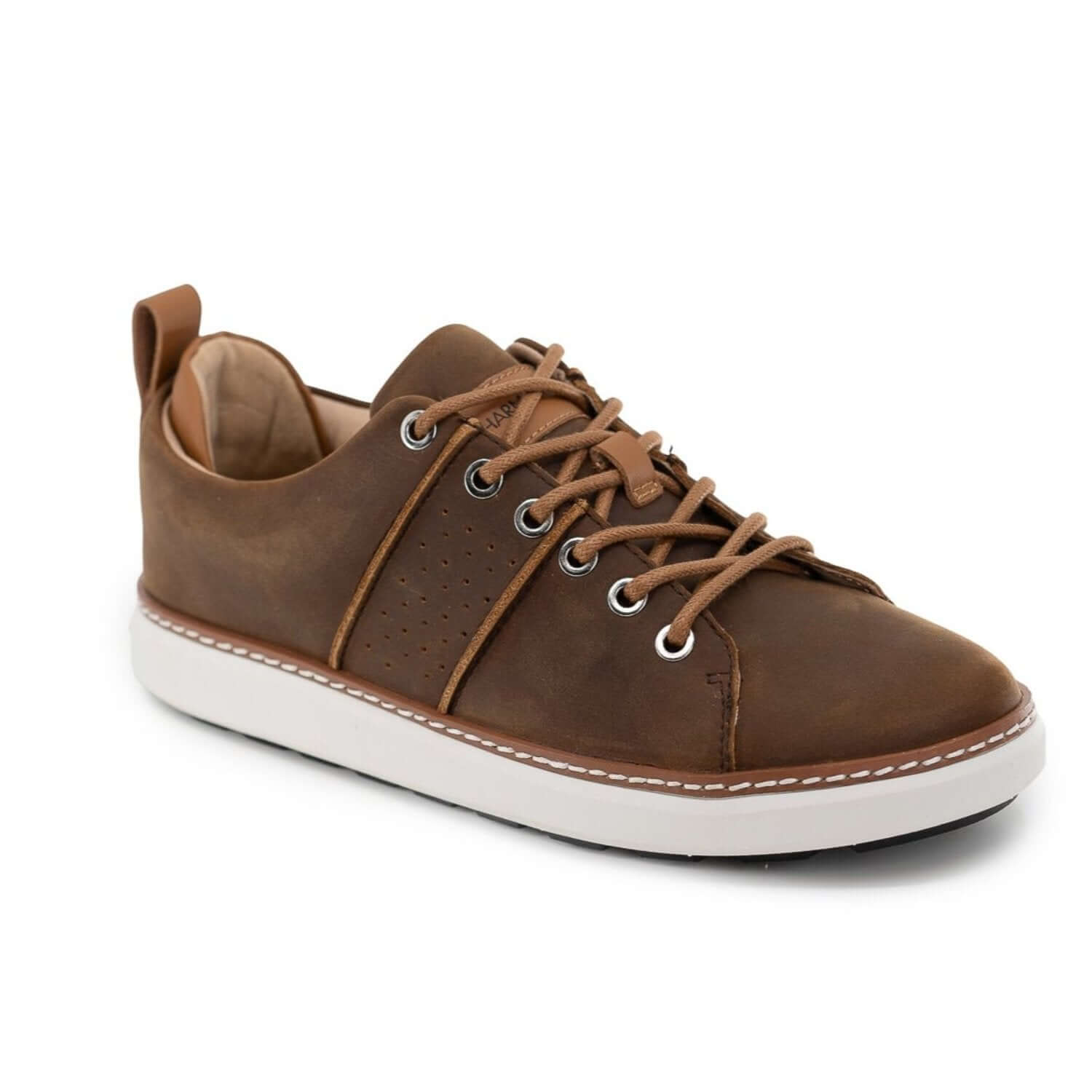
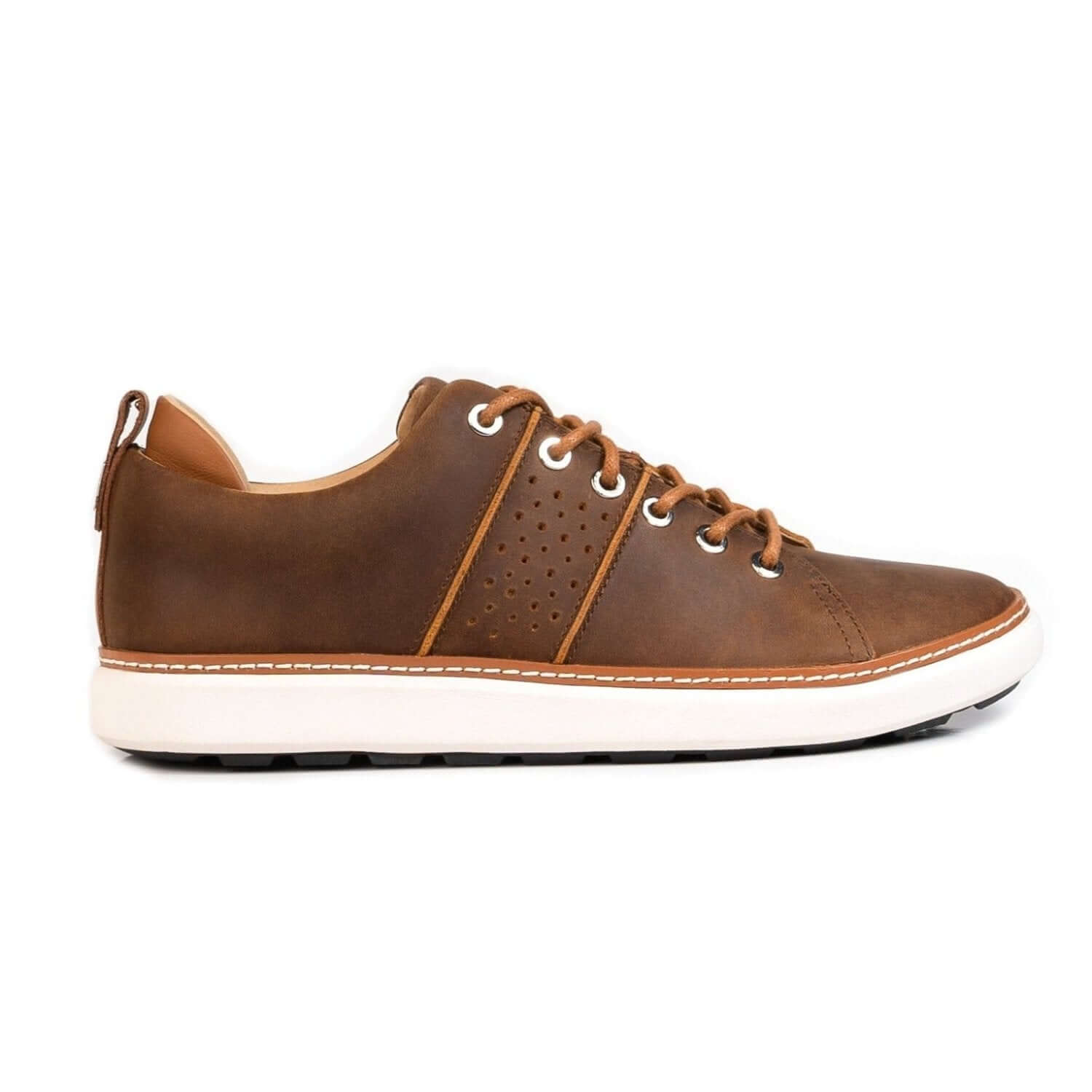
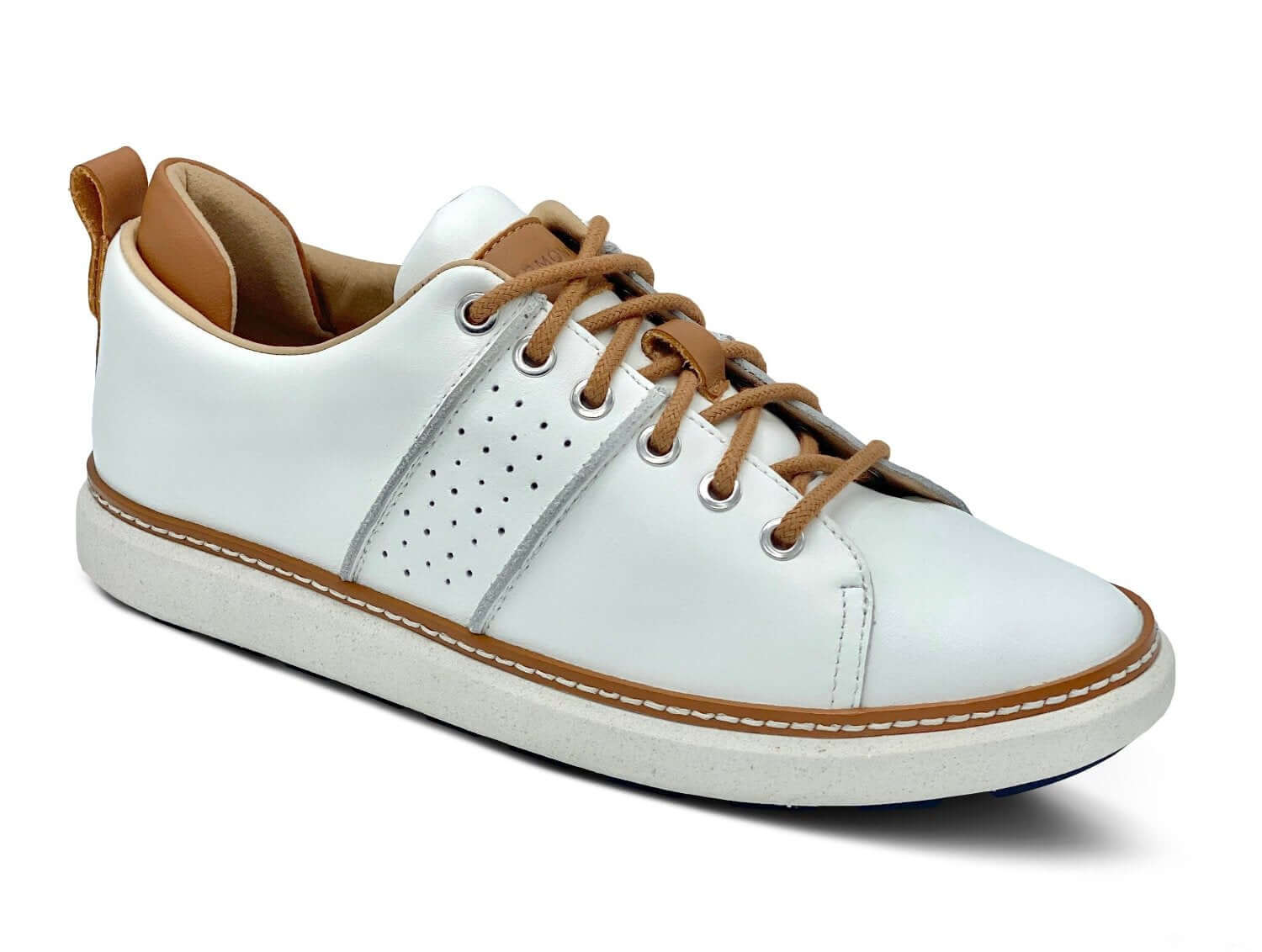
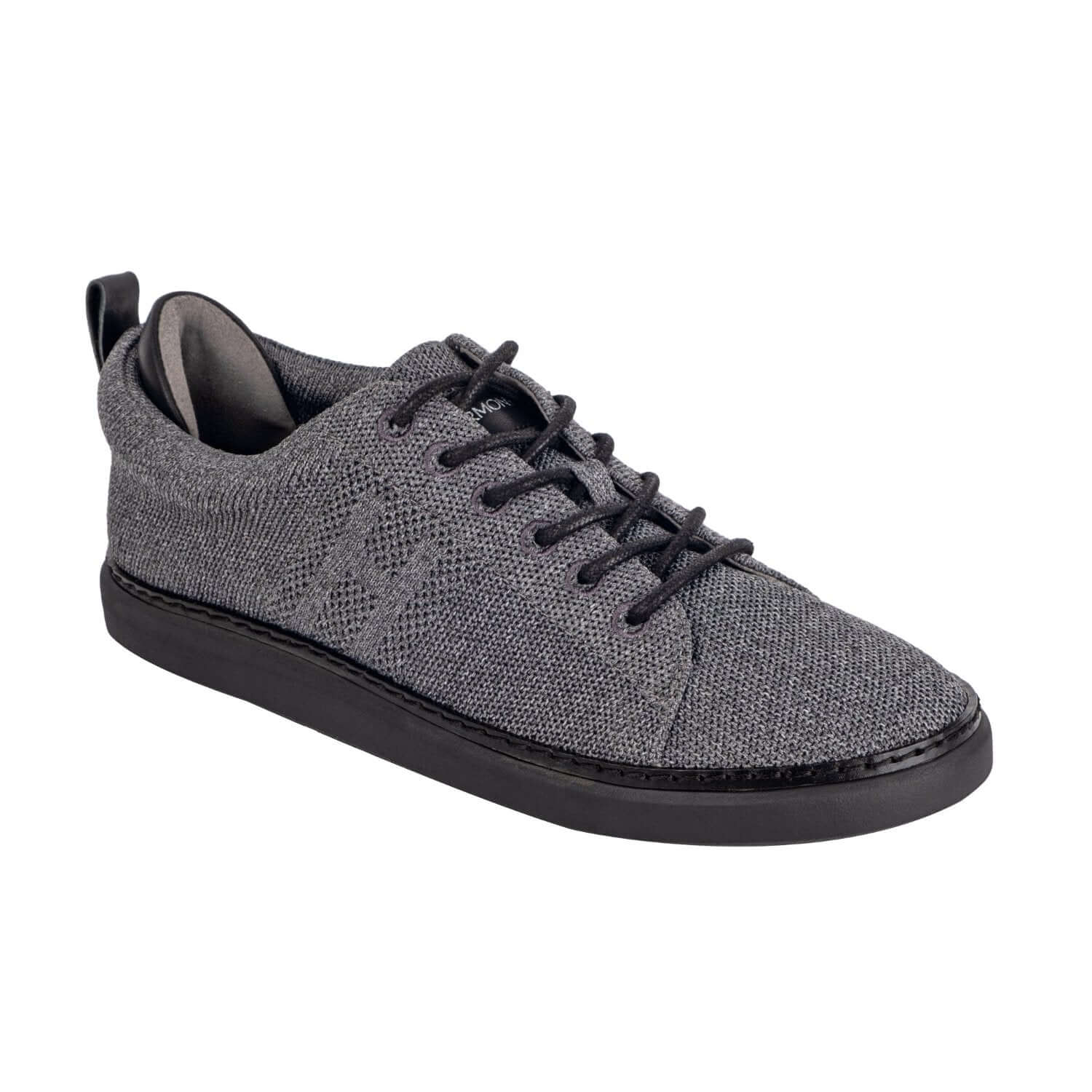
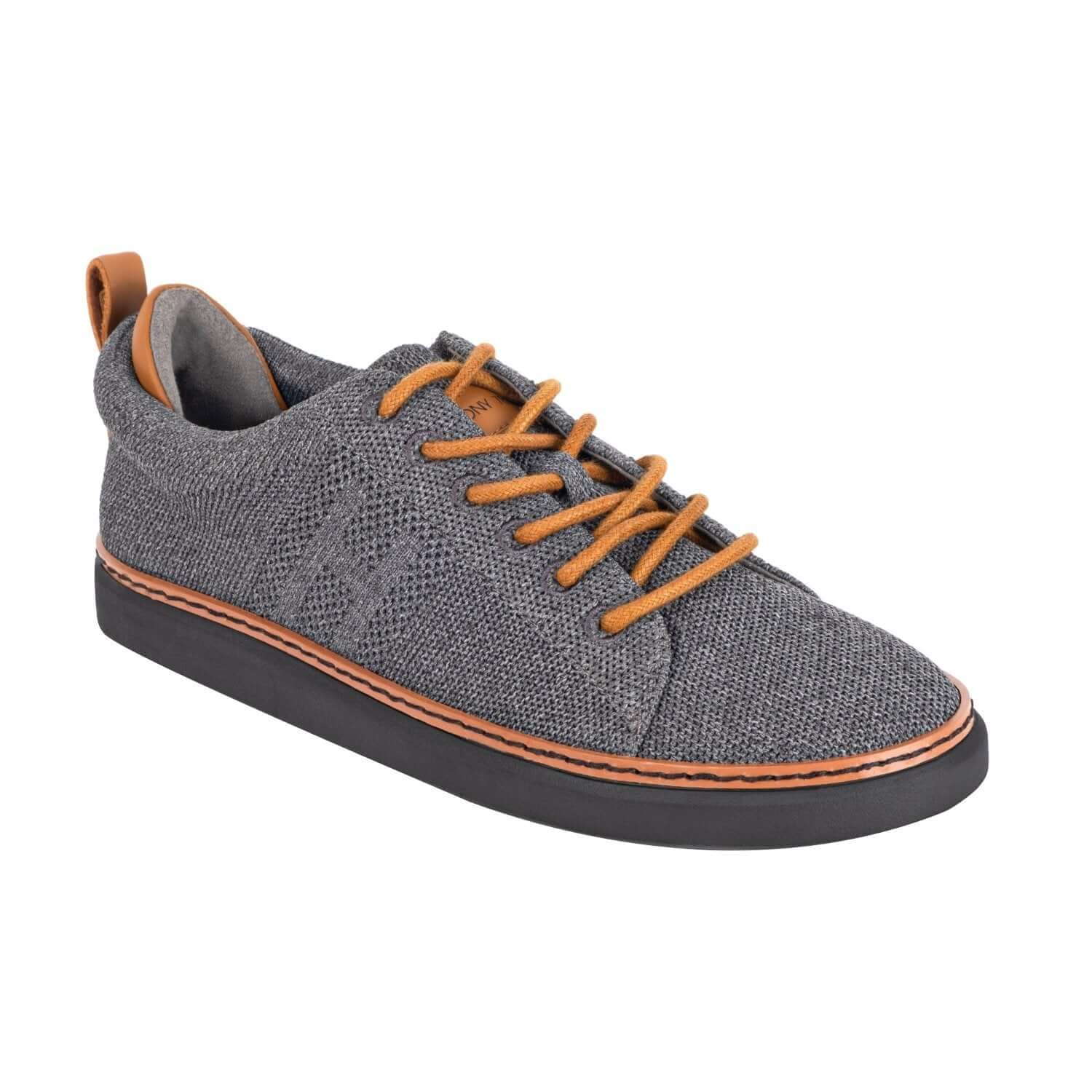
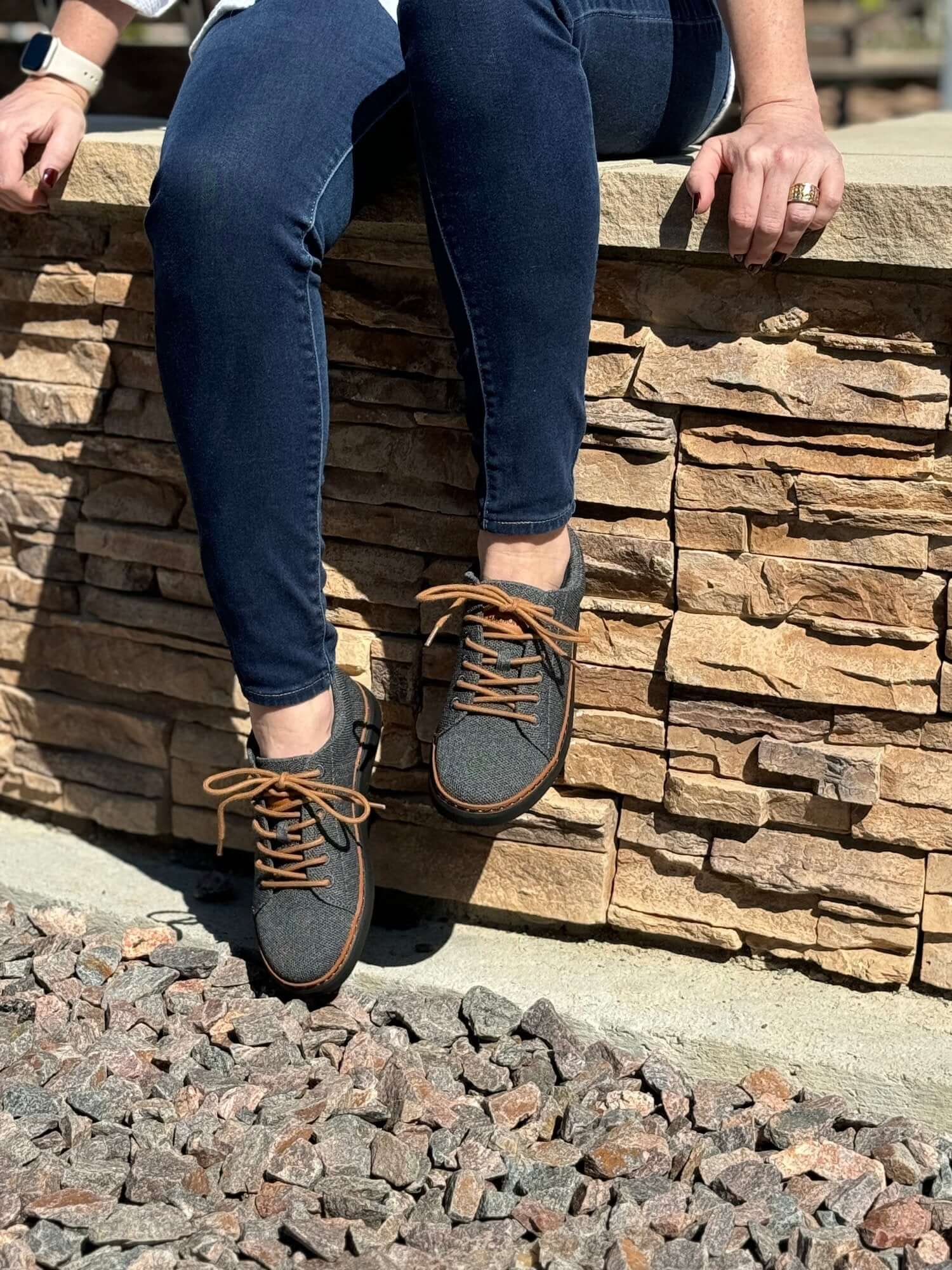
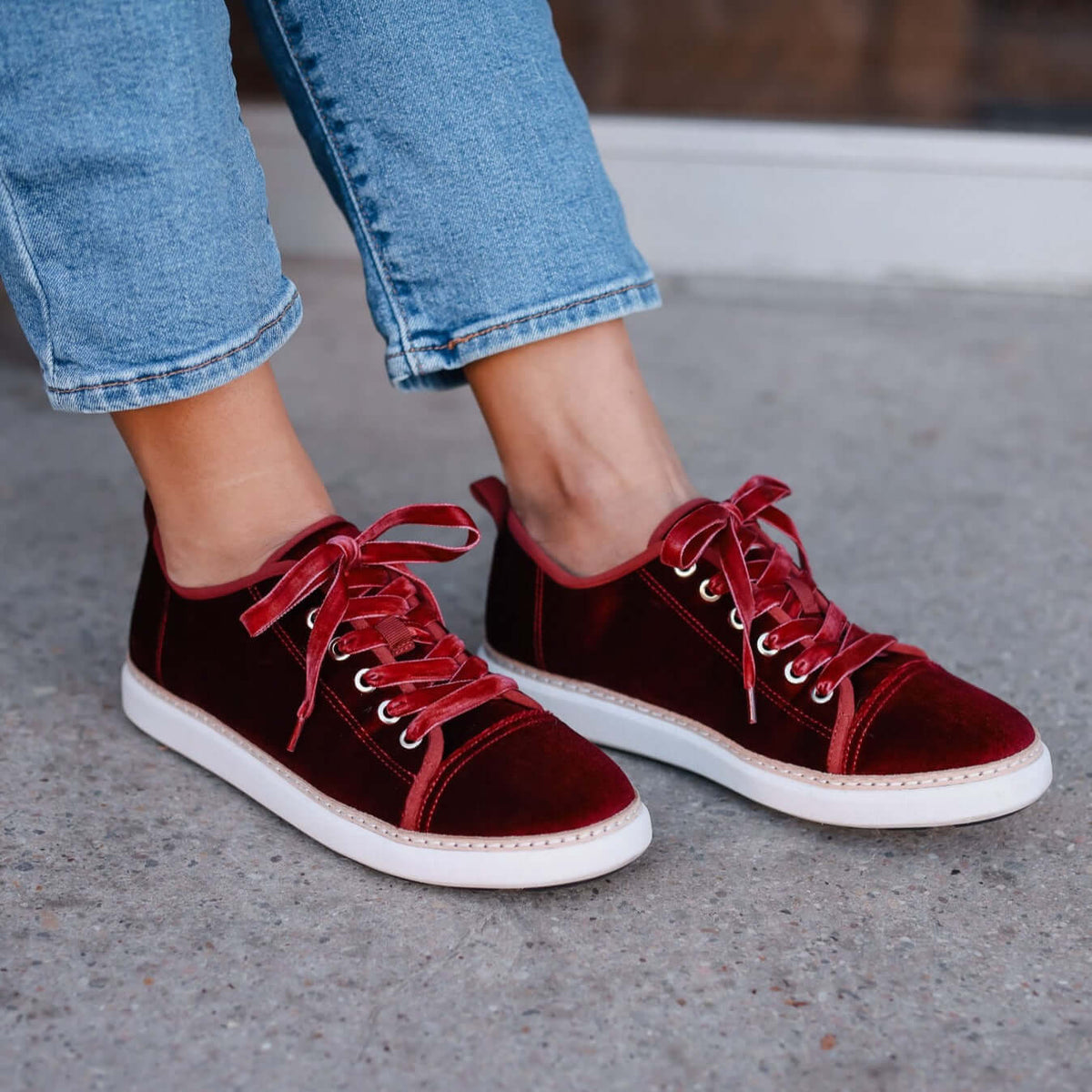
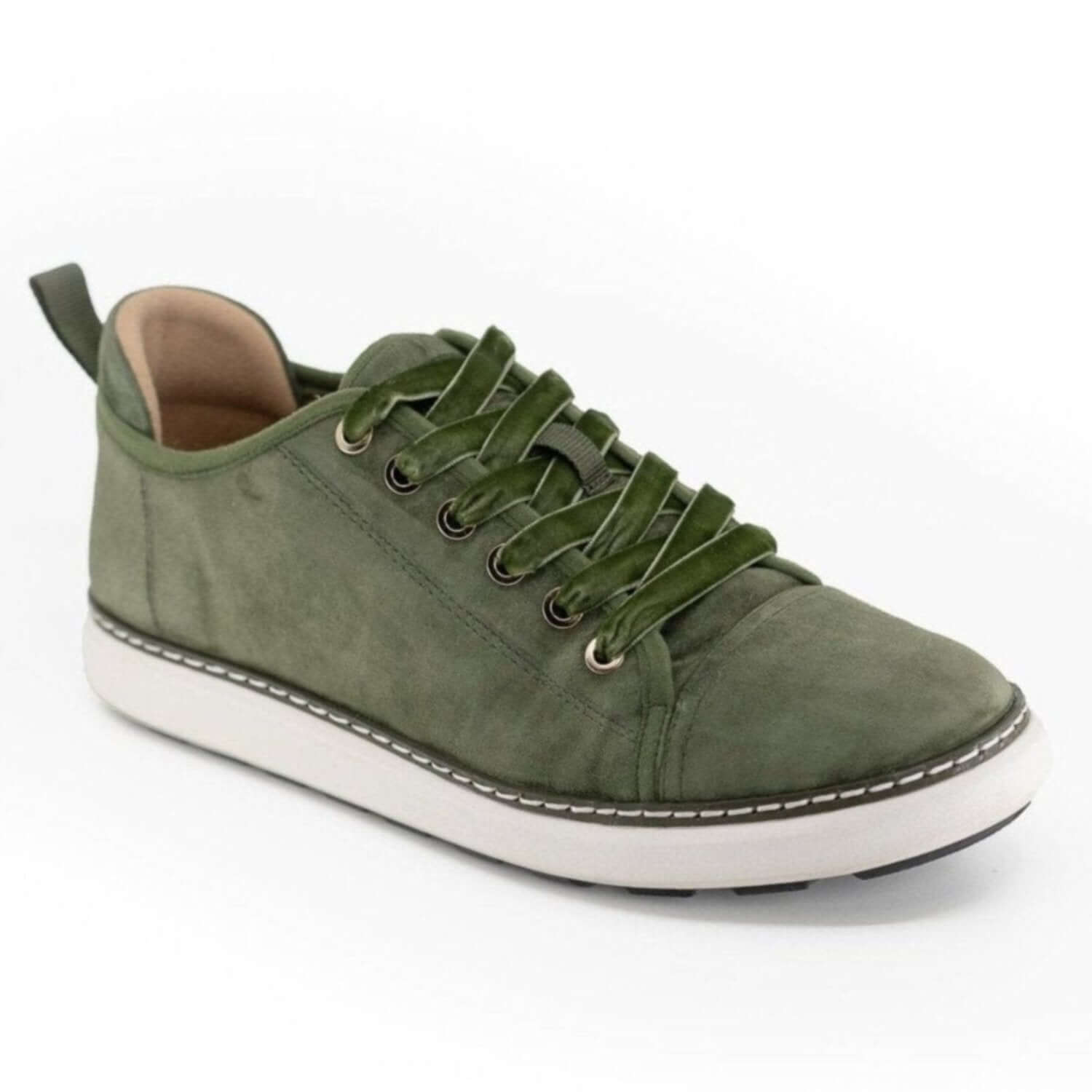
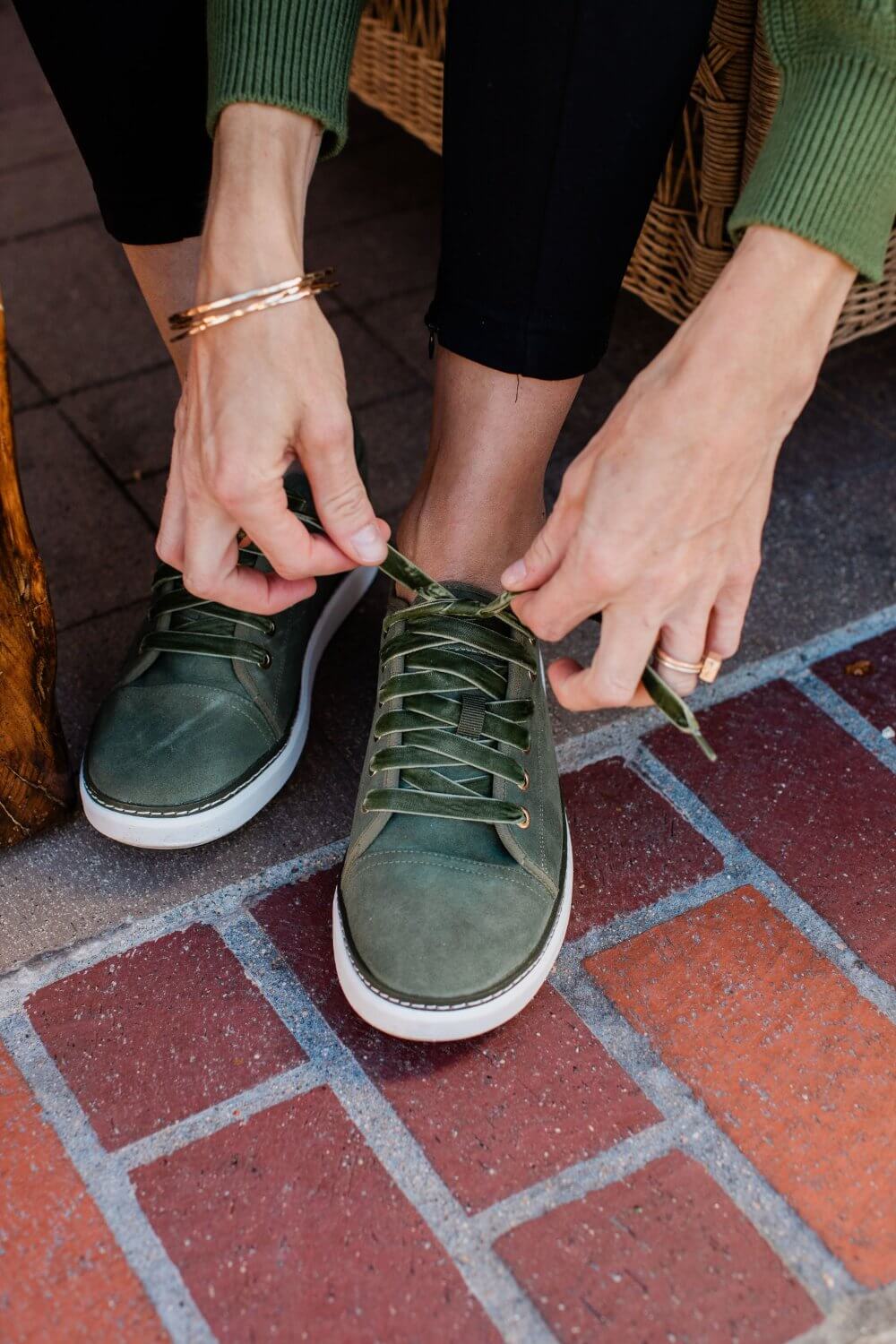
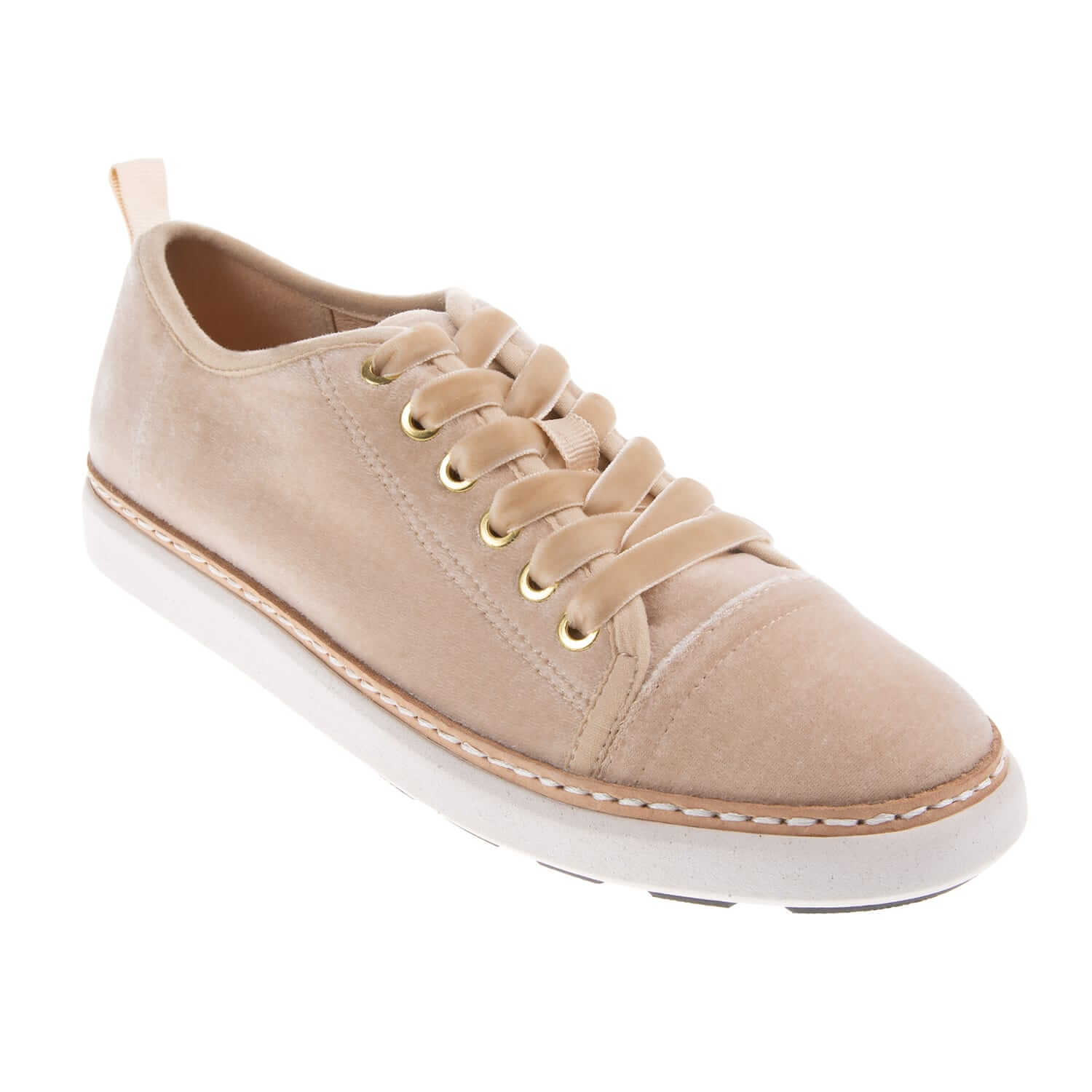
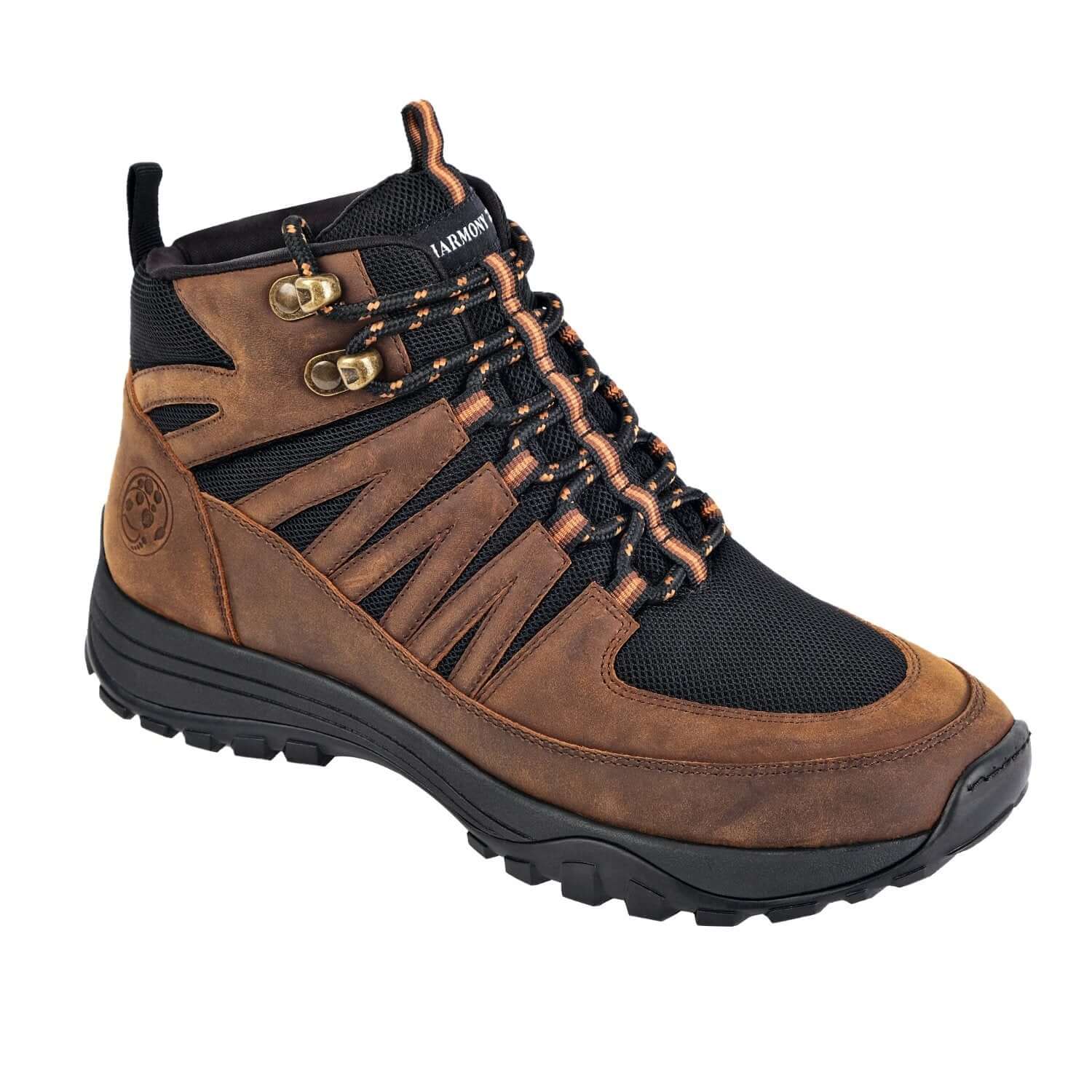
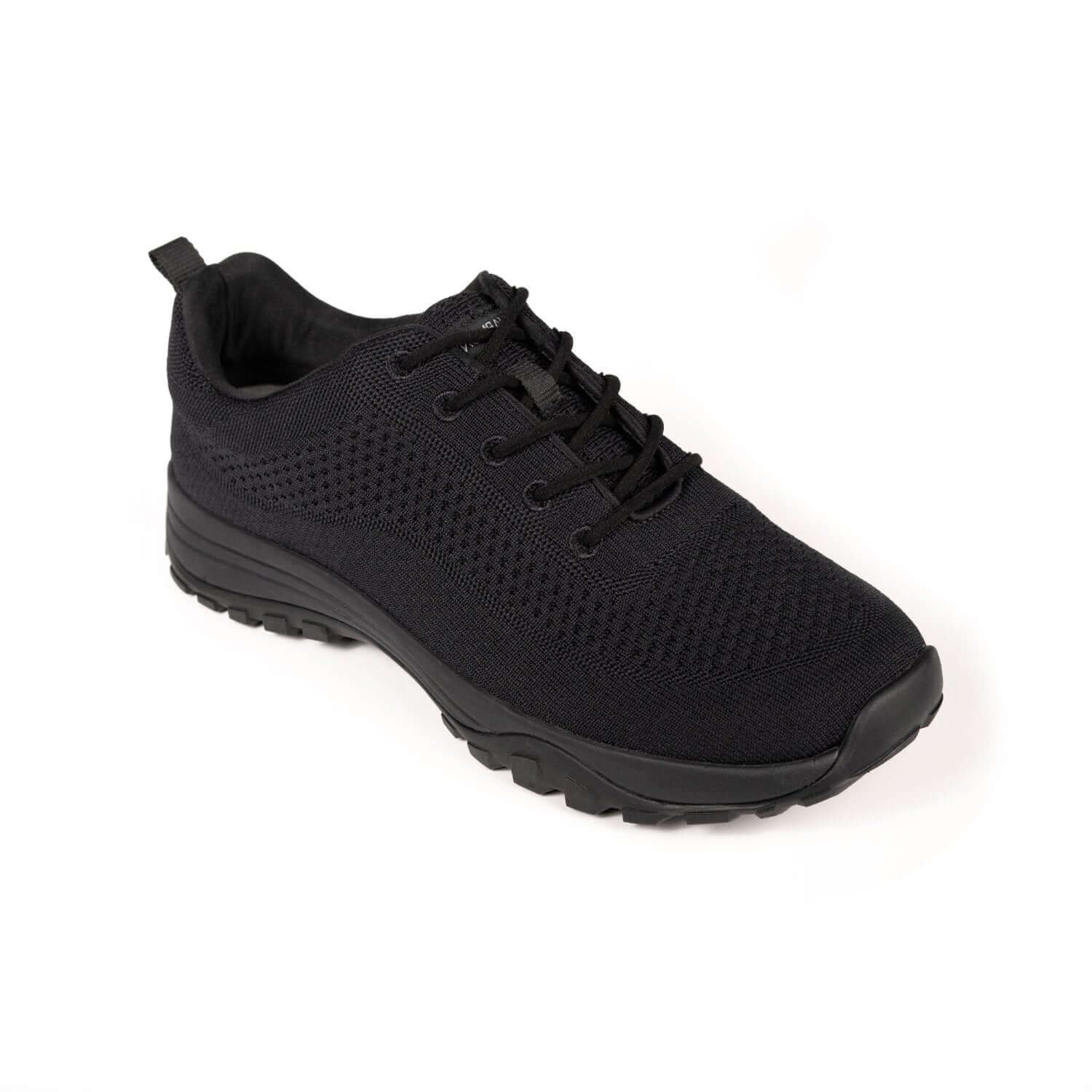
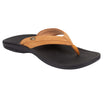
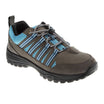
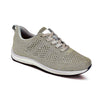
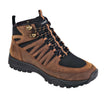
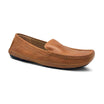
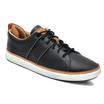
When fatigue makes every extra step feel costly, footwear needs to do more than look good. It should feel comfortable from the first walk of the day through errands, work, and time outdoors. Harmony 783 grounding shoes are designed to support an earth connection without requiring bare feet. Using Groundworks technology with a silver-stitched footbed, a silver-stitched lasting board, and a carbon/rubber conductive outsole.
| Style | Best for | Why it fits energy support |
|---|---|---|
| Women's walking sneaker. | Daily walks, errands, travel, and extended standing. | A familiar, versatile shape with a comfortable barefoot feel and a conductive outsole for grounding while you move. |
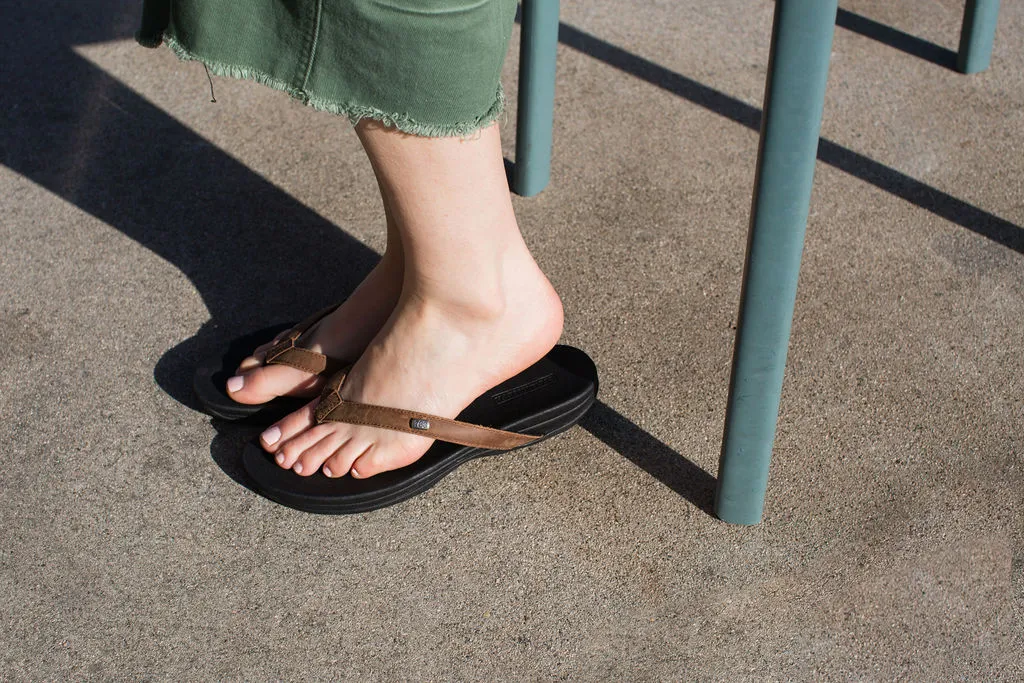
| Summer sandal. | Warm-weather walks, casual outings, and easy transitions. | Light, open construction can help keep your routine simple when you want less coverage and more airflow. |
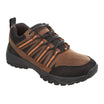
| Low boot. | Cooler days, travel, and outfits that need more coverage. | A practical option when you want a secure fit and supportive coverage without giving up a conductive connection. |
How should you choose?
Start with the style you will actually wear. A walking sneaker may be the easiest first choice if your day includes frequent movement or standing. A sandal can make grounding part of a warm-weather routine. A low boot may suit cooler seasons or days when you want more protection around the foot and ankle.
Look for a comfortable fit, a stable feel, and materials that work with your normal schedule. The conductive outsole is important because it is part of the pathway between your body and the ground. However, the surface still matters. Grounding footwear needs contact with a conductive outdoor surface to support that connection, so plan walks or breaks where the shoes can be used as intended.
For more context on choosing grounding footwear for wellness needs, read our guide to Grounding Shoes for Chronic Pain and Health Conditions. When you are ready to compare available women's styles, browse the collection.

Combining Grounding with Sleep Optimization and Diet for Fatigue Recovery
Energy recovery is easier when your daily habits work together. Grounding can be one part of an evening routine that also protects sleep and supports steady nutrition. It is not a cure for fatigue, but it may help create conditions that feel more restorative.
Why nighttime grounding may support better rest
Sleep is the foundation of daytime energy. Some people choose to stay grounded during quiet evening activities, such as reading, stretching, or preparing for bed. Others use grounding sheets while they sleep. Harmony 783's grounding for sleep guide explains how this practice fits into a bedtime routine.
The goal is not to force sleep. Instead, make the routine simple and repeatable. Keep the bedroom cool and dark. Limit bright screens before bed. Go to sleep and wake up at similar times when possible. You can then observe whether adding grounding changes how rested you feel in the morning.
Build meals around whole foods
A balanced eating pattern can complement a grounding routine. Choose foods that provide steady nourishment, including vegetables, fruit, beans, whole grains, nuts, seeds, and quality sources of protein. Include healthy fats such as olive oil, avocado, and fatty fish if they fit your preferences.
This approach is often described as an anti-inflammatory whole-food pattern. It does not mean labeling foods as good or bad. It means emphasizing a wide range of minimally processed foods while limiting highly processed choices when practical. Drink enough water, and notice whether large meals, alcohol, or late-night snacks affect your sleep.
- Pair an evening grounding habit with a consistent bedtime.
- Choose colorful plants and protein at regular meals.
- Track sleep quality and daytime energy without expecting overnight results.
Research on earthing and inflammation is still developing. The earthing and inflammation research overview provides helpful context without treating grounding as medical care. If fatigue is severe, persistent, or changing, speak with a qualified health professional. Lifestyle practices should support appropriate care, not replace it.
Frequently Asked Questions
Do grounding mats help with chronic fatigue?
Some people use grounding mats as part of a calming wellness routine, especially when outdoor grounding is not practical. A mat may support relaxation or sleep for some users, but it has not been established as a treatment for ME/CFS. Start with short sessions, track how you feel, and stop if it worsens symptoms.
Can grounding shoes aid energy recovery for people with CFS?
Grounding shoes may make it easier to stay connected to the earth during gentle outdoor activity. Research on conductive footwear has examined energy use during running, but that does not prove it restores energy in people with chronic fatigue syndrome. Think of the shoes as a wellness tool, not a replacement for medical care, pacing, or an individualized recovery plan.
Is it possible to recover from chronic fatigue syndrome?
Recovery varies widely. Some people improve, while others manage symptoms over the long term. A qualified clinician can help assess your symptoms, rule out other causes of fatigue, and build a plan around pacing, sleep, nutrition, and any appropriate treatment. Avoid programs that promise a guaranteed cure.
How can I naturally support sleep and daily energy?
Keep a consistent sleep and wake schedule, balance activity with rest, eat regular nourishing meals, and increase activity slowly. Gentle grounding, such as a short walk outdoors, may fit into that routine if it feels comfortable. Keep a simple symptom log so you can spot helpful patterns and avoid pushing past your limits.
Ready to Take Your First Grounded Step?
You do not have to overhaul your whole routine to feel the difference. A daily grounding practice starts with one small step: slipping on a pair of grounding shoes that connects you to the earth while you go about your day.
Harmony 783 designs grounding shoes for real life, with a silver-stitched footbed and a conductive outsole that keep you connected from the trail to the grocery store. Whether you prefer a walking sneaker, a breathable sandal, or a cozy boot, there is a style built for all-day comfort.
Browse the collection of grounding shoes and find the pair that fits your energy, your routine, and your recovery.