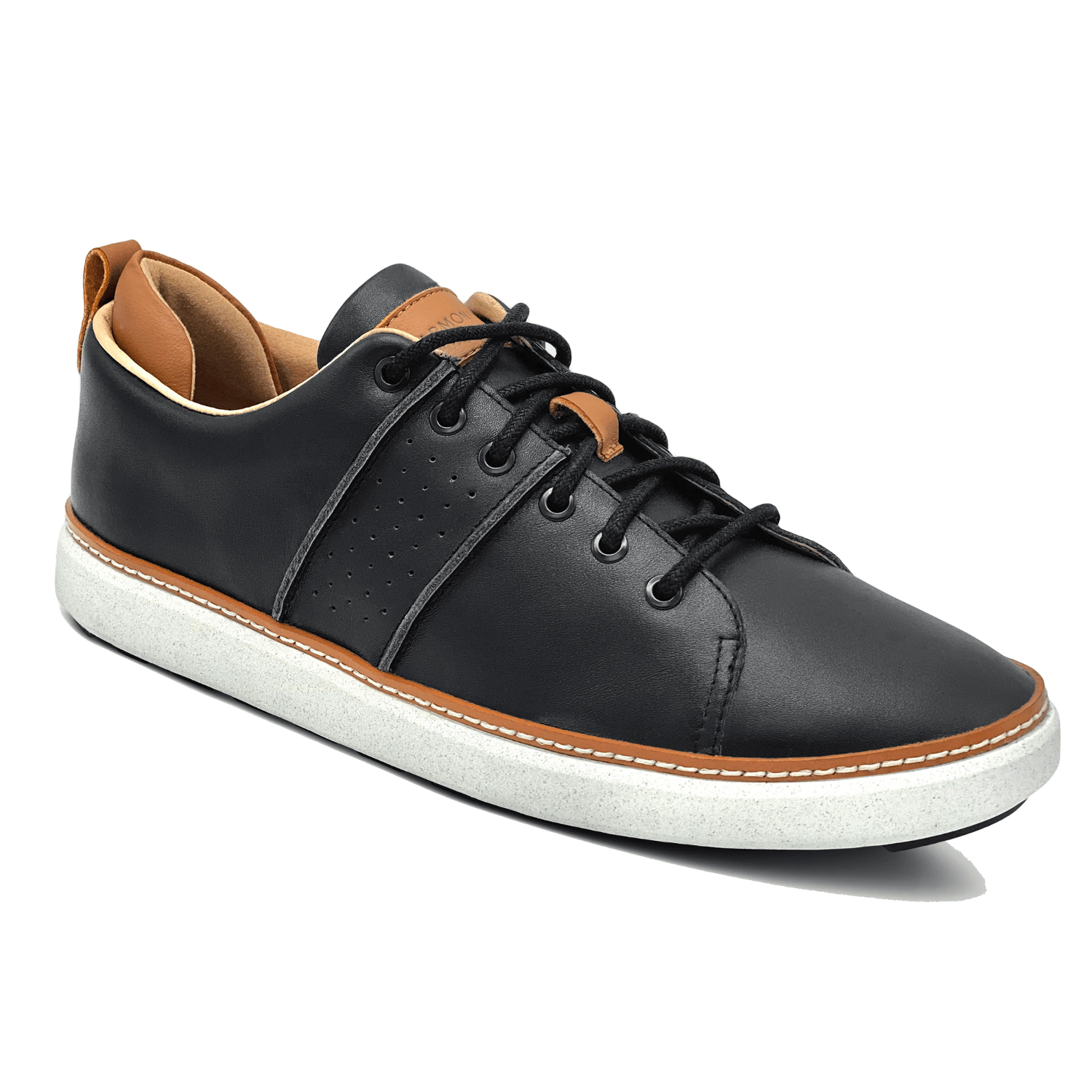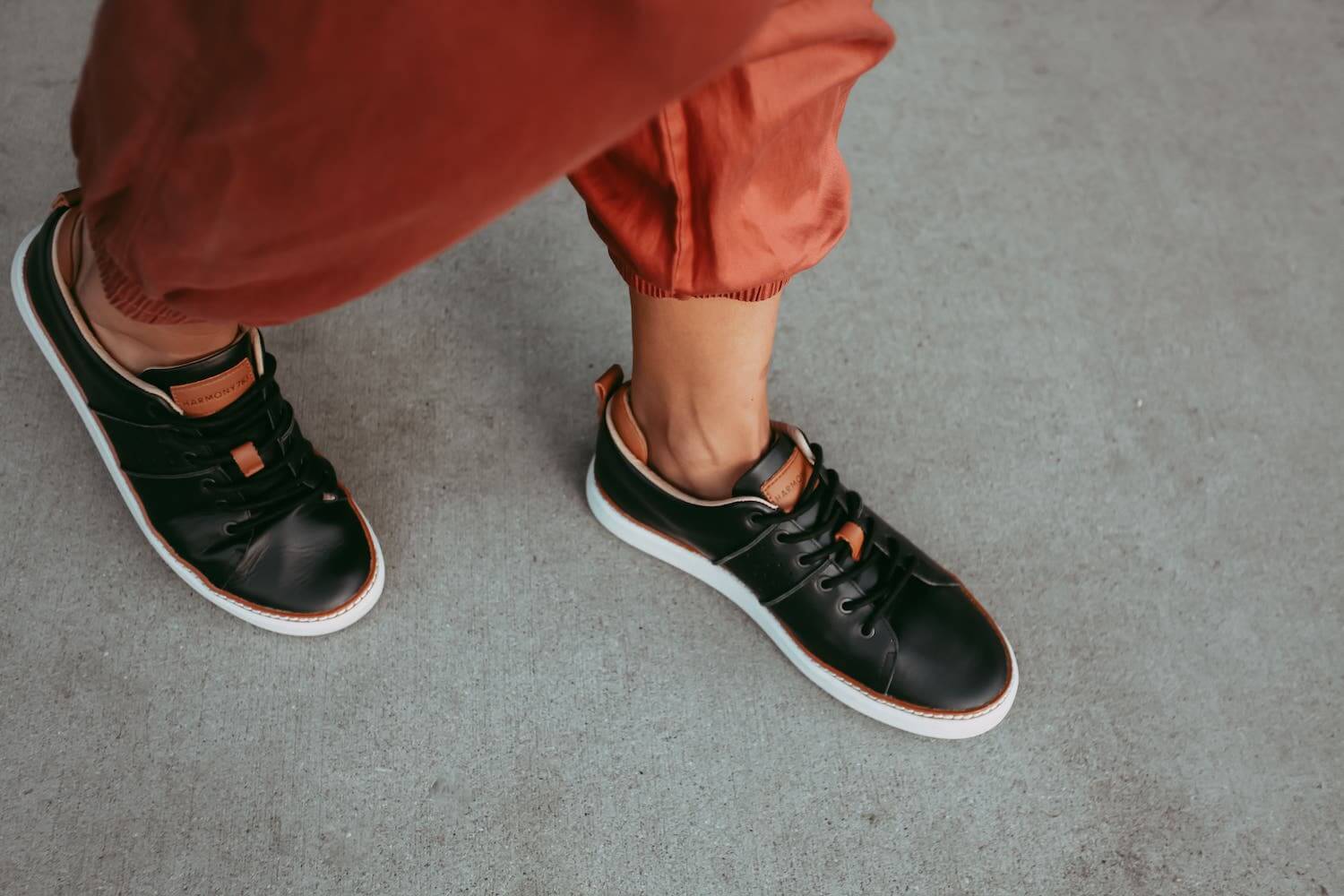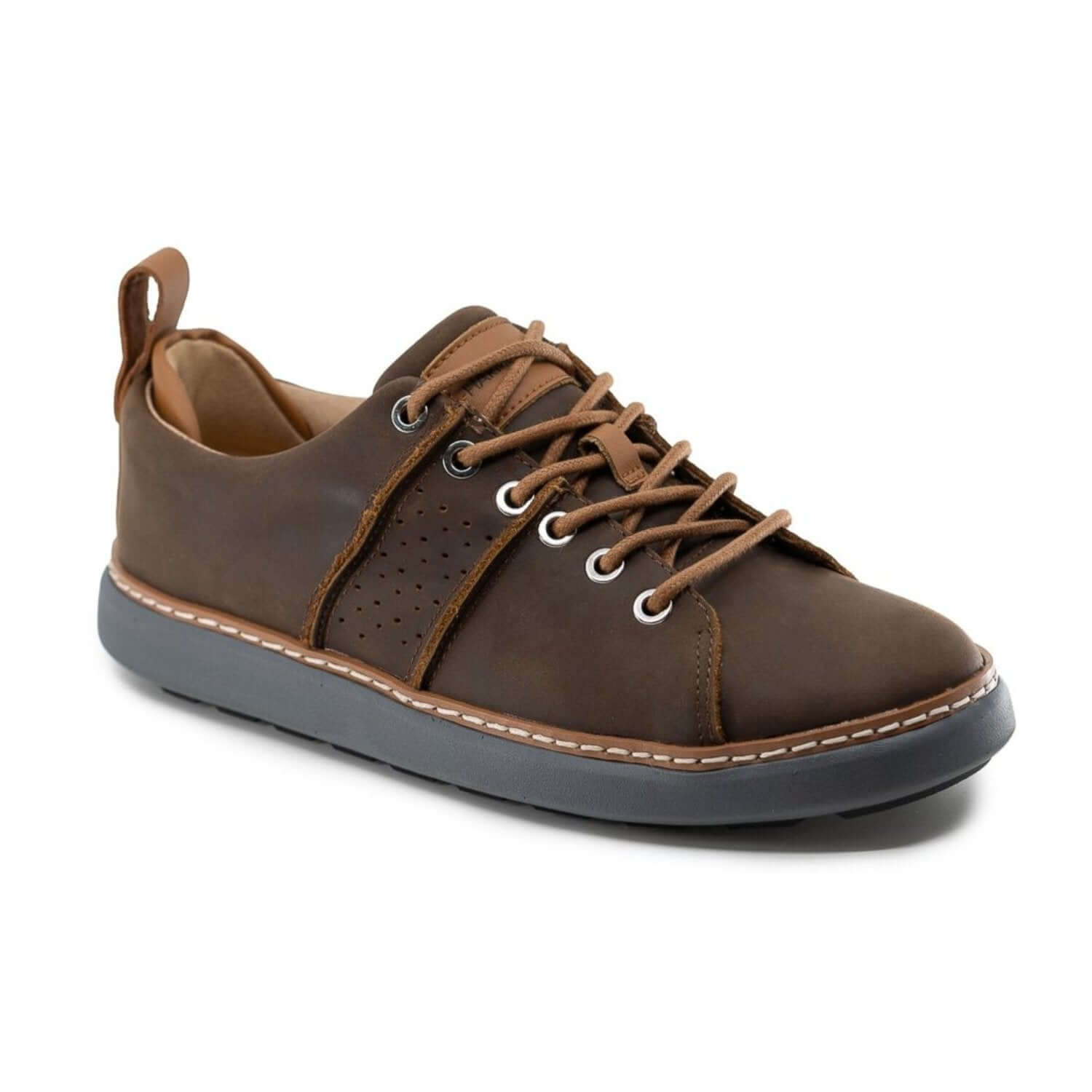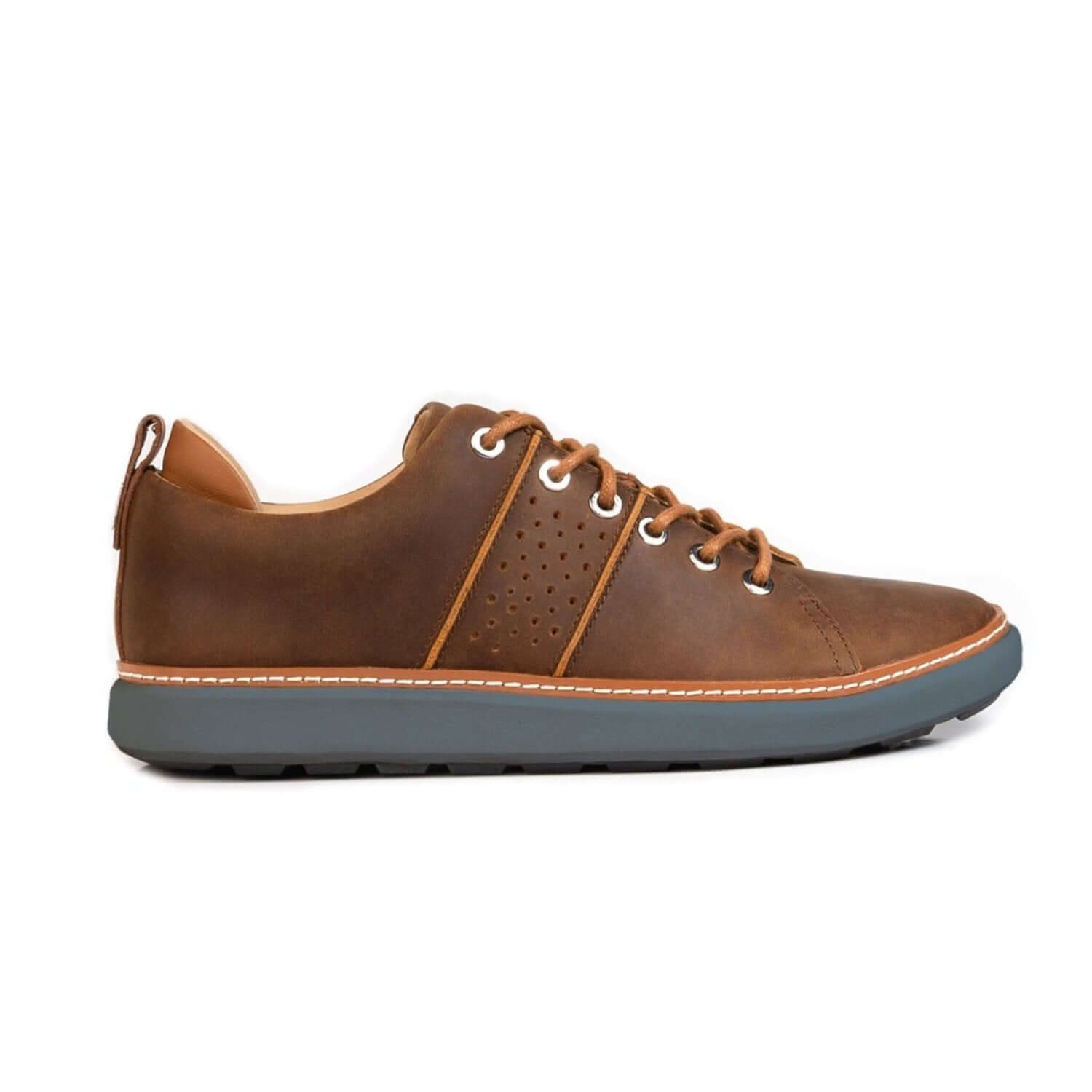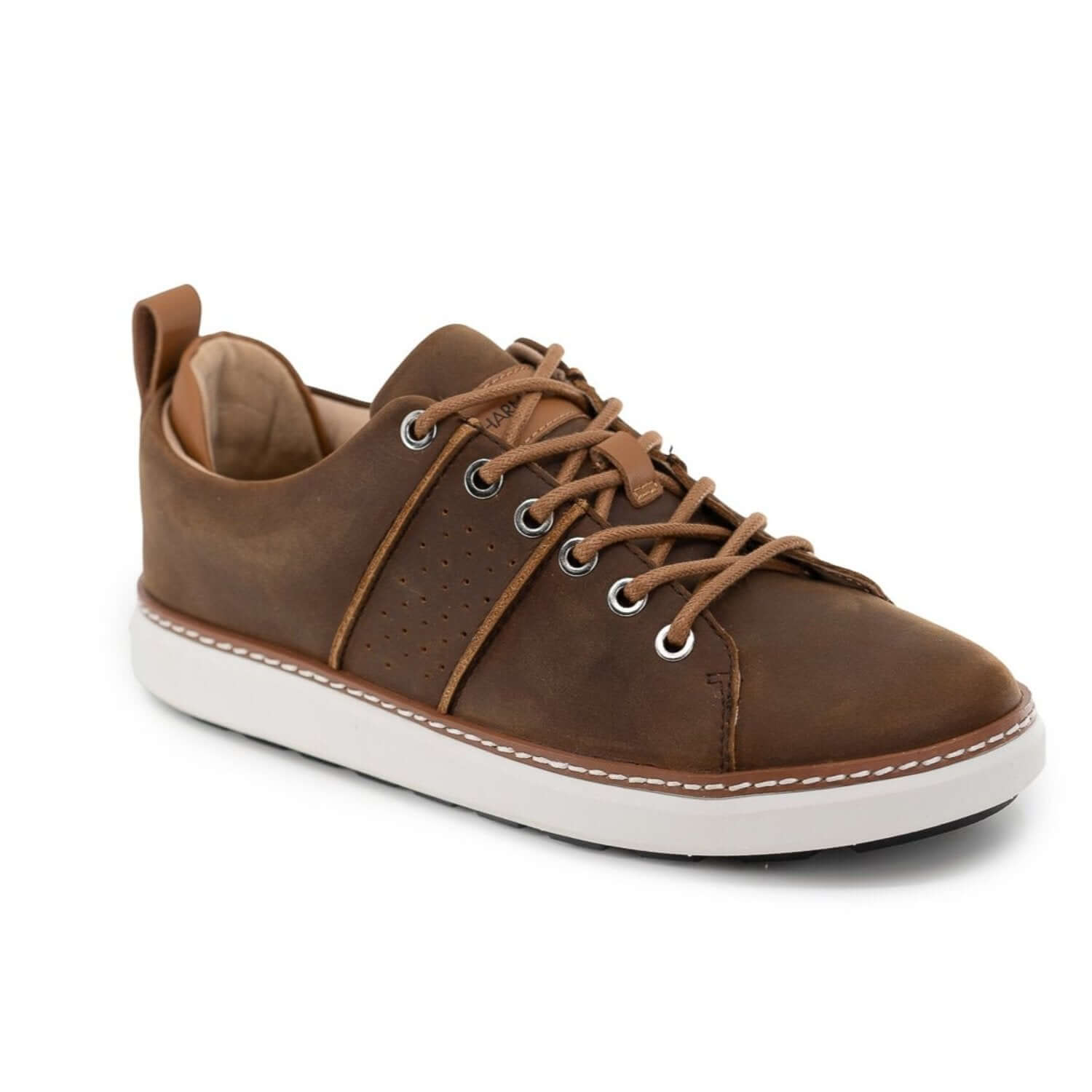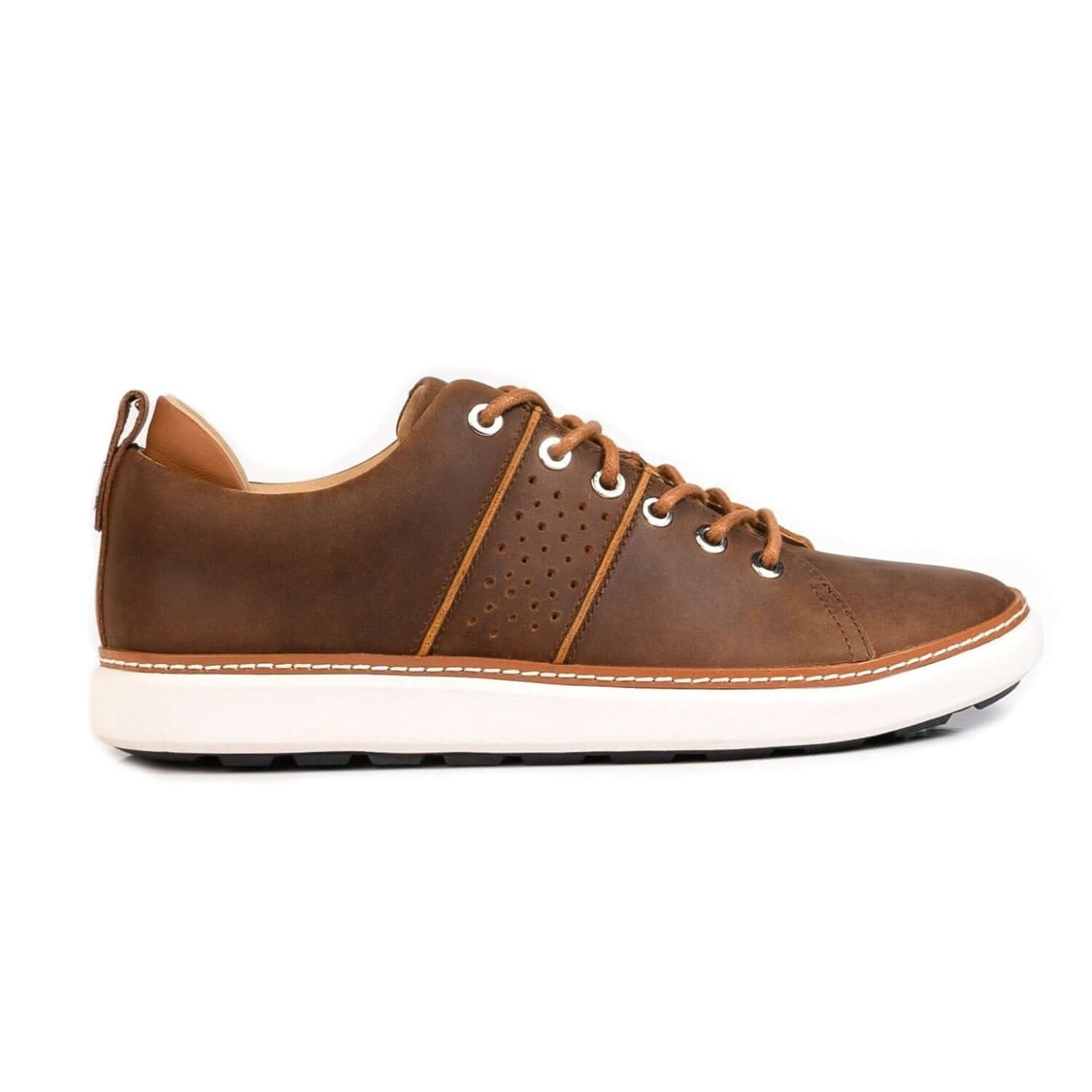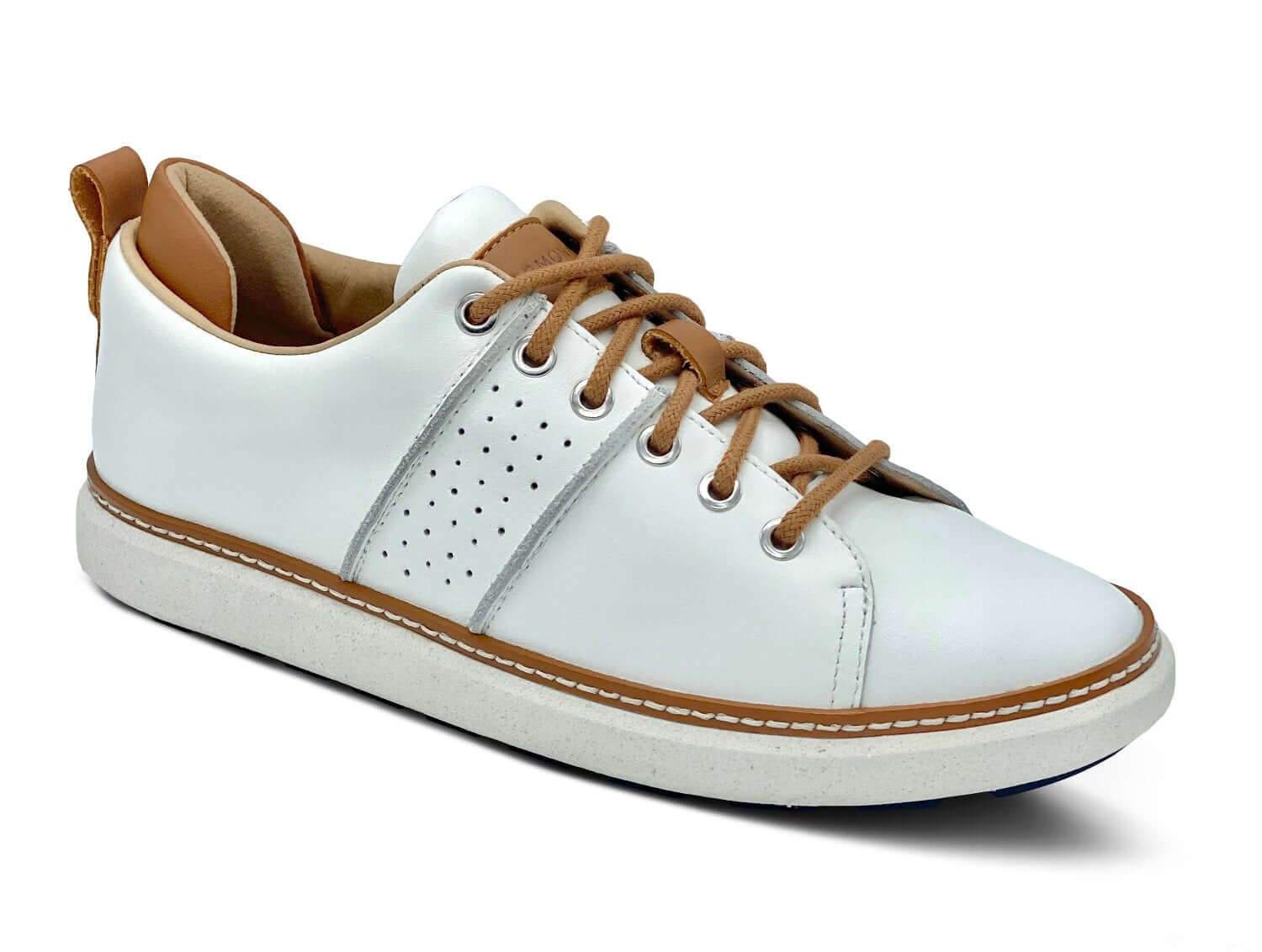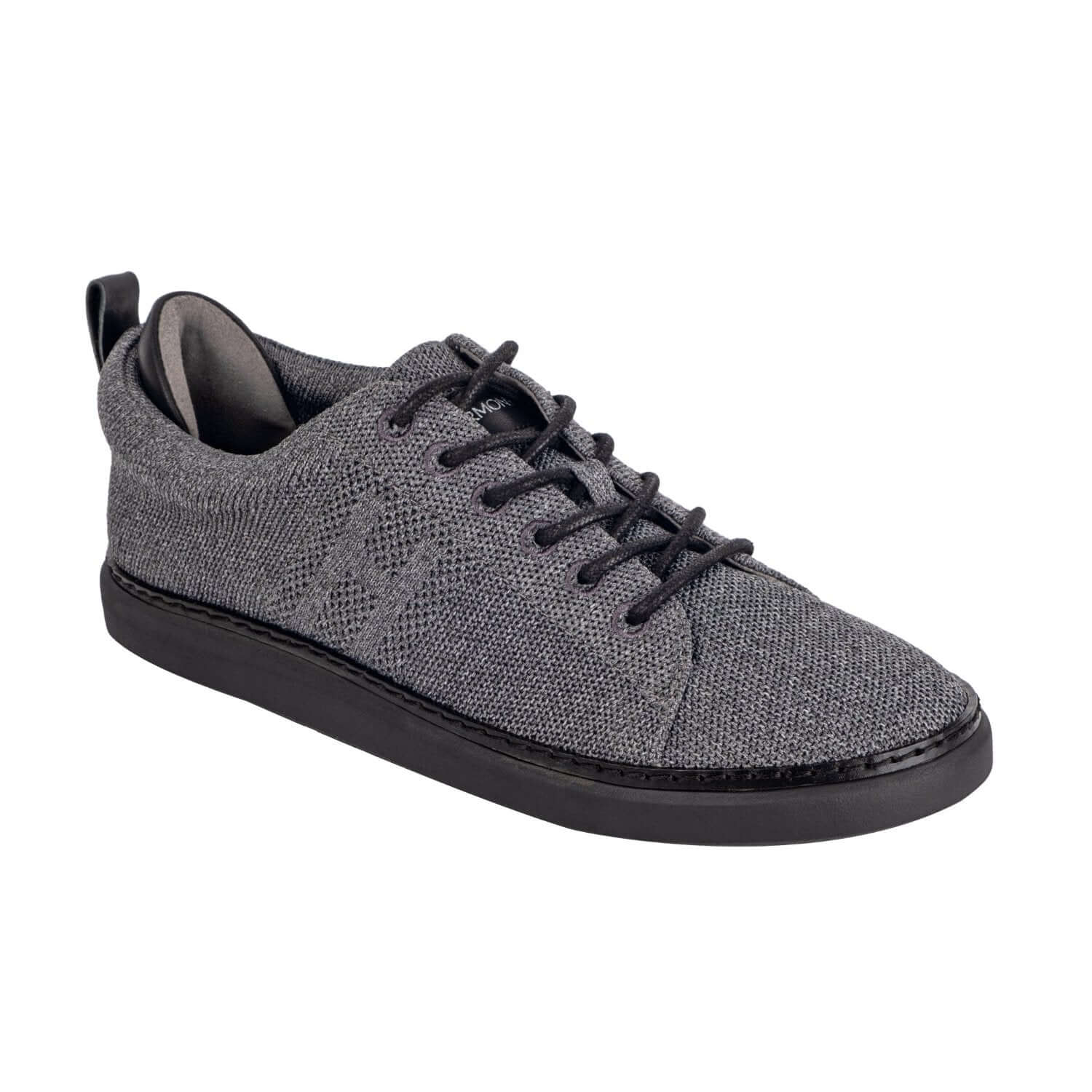

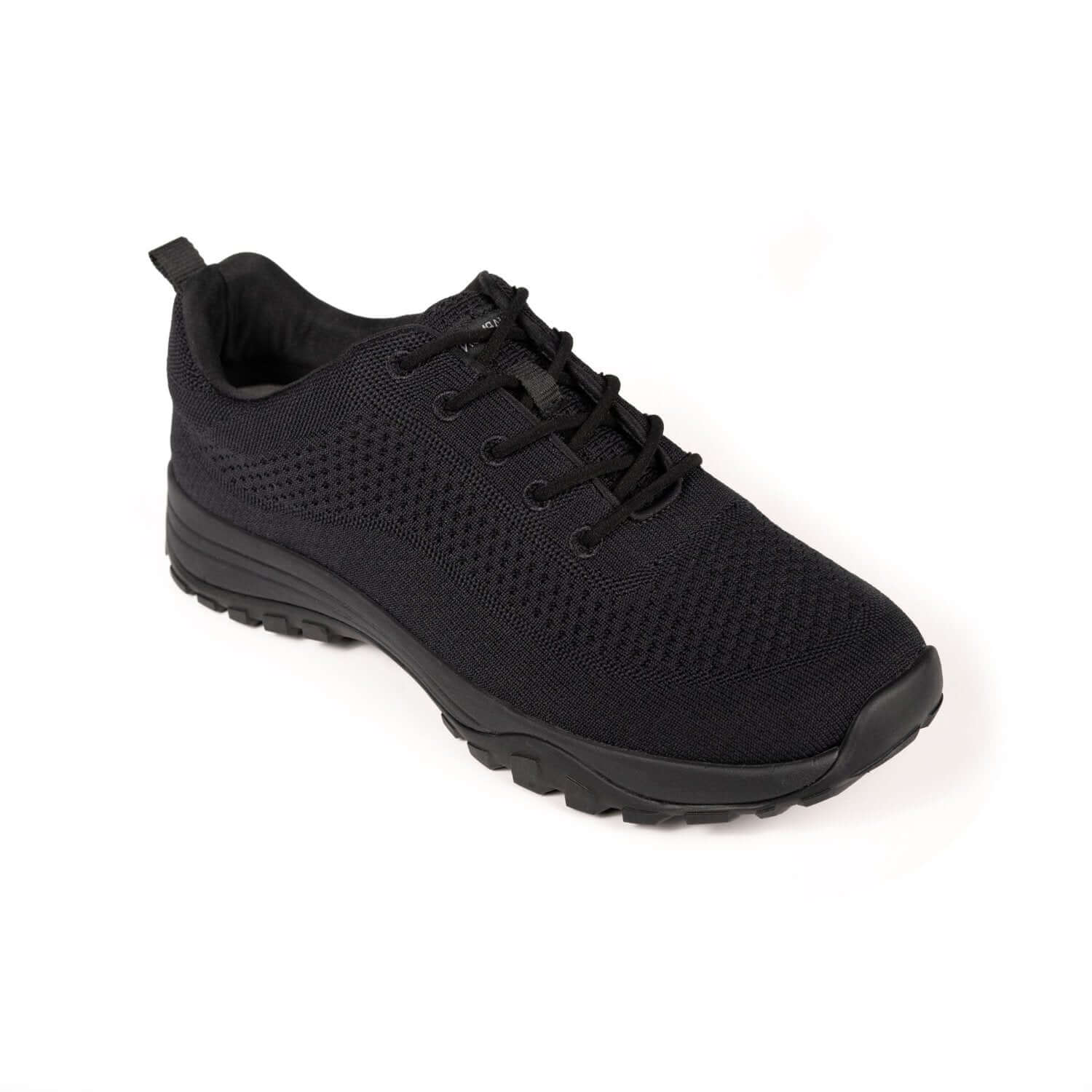

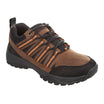
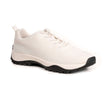

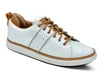

Wondering when to replace grounding shoes? There is no single expiration date that fits every pair. A pair can last longer when you rotate it and match it to the surfaces it was made for. It may need replacing sooner when the tread is worn smooth, the fit changes, or the upper and sole show real damage. This guide explains what to inspect before you buy another pair.
Browse the Harmony 783 grounding shoe collection when you are ready to compare a fresh pair.
When to replace grounding shoes instead of waiting on age
How long a pair lasts depends on how often you wear it, where you wear it, your walking pattern, and how you care for it. A pair worn twice a week on clean paths may age differently from a pair worn every day on rough pavement. Heat, grit, and repeated soaking can stress materials more than occasional dry-weather walks.
Body weight and gait matter too. A heavier step, a strong heel strike, or a foot that rolls inward can smooth one part of the outsole first. That wear pattern is a useful clue about how you walk. It does not mean the other shoe is fine just because its tread still looks new. Check both shoes every time you inspect the pair.
It helps to separate two questions. Can you still wear these shoes, and are they still doing the job you bought them for? A shoe can look presentable while its cushion, traction, or fit has changed. A clean upper can also hide a worn outsole or a damaged sole. The calendar is only a reminder to inspect the pair, not a replacement date by itself.
Some people keep a pair for errands long after they stop using it for longer walks. That can be reasonable if the shoe is still stable and comfortable for short use. It is not reasonable if the sole is separating, the heel collapses, or the shoe slips. Short trips still need a shoe that stays on your foot and grips the ground.
Harmony 783 describes its footwear as using Groundworks technology, including conductive materials in the footbed and outsole. That construction is part of the shoe, but it is not a reason to assume every pair works on every surface. Read the grounding overview and the grounding FAQ for the basics of grounding surfaces and footwear use.
What signs show when to replace grounding shoes?
Inspect both shoes in good light. Compare the left and right soles, look at the heel from behind, and run your fingers over the outsole for deep cuts or peeling. A little scuffing is not the same as structural damage. The question is whether the pair still supports a stable, comfortable walk.
- Tread is smooth or uneven. If the pattern has disappeared in high-wear areas, traction may be reduced. Uneven wear can also point to a change in gait or fit.
- The sole is separating, cracking, or peeling. A gap between layers can let in moisture and dirt and can change how the shoe flexes.
- The upper no longer holds your foot securely. Stretched panels, broken eyelets, torn mesh, or a damaged heel counter can make the shoe feel loose.
- The cushioning feels flat. If your feet, knees, or hips feel more impact than they did when the shoes were new, the midsole may no longer give the comfort you want.
- The fit has changed. Feet can change over time, and materials can compress. A shoe that rubs, pinches, slips, or causes repeated hot spots deserves a closer look.
- The sole shows deep cuts or missing pieces. Do not cut into the sole or try to rebuild the shoe at home. Compare a new pair instead of altering this one.
Footwear wear is personal, but general athletic-shoe guidance can help set expectations. The American Academy of Podiatric Sports Medicine's shoe-replacement guidance discusses mileage, visible wear, and changes in comfort for athletic shoes. Those mileage ranges are not a promise about grounding shoes. Use the same idea as a check. Observe how the shoe performs instead of treating mileage as a guarantee.
Which use factors make replacement come sooner?
Grounding footwear is still footwear. A conductive design does not make a shoe immune to normal wear. Think about the life your pair sees each week before you decide it should last another season.
| Use factor | What it can do | Helpful response |
|---|---|---|
| Daily, all-day wear. | Uses the tread, cushion, lining, and upper faster. | Rotate with another suitable pair when possible. |
| Rough pavement or trails. | Creates more abrasion and may wear tread unevenly. | Match the shoe to the route and inspect the outsole often. |
| Rain, puddles, or soaking. | Can leave materials damp and stress adhesives or linings. | Dry the pair fully, then inspect before the next long walk. |
| Heat or direct sun. | Can dry, fade, or stiffen some materials. | Keep pairs out of hot cars and away from heaters. |
| One pair for every activity. | Reduces recovery time and concentrates wear. | Use a lifestyle-appropriate rotation. |
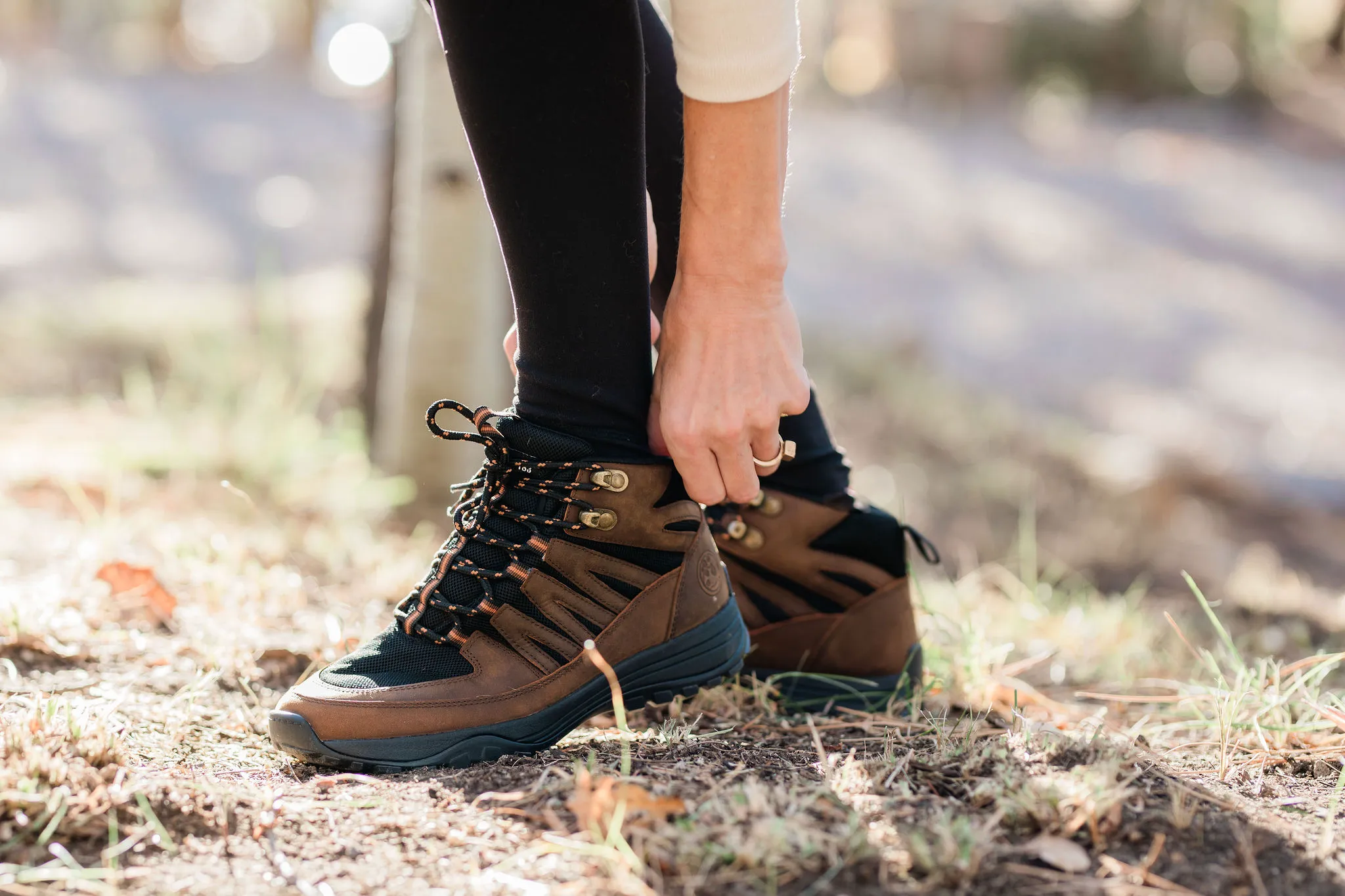
Surface choice matters. A shoe designed for everyday walking may not be the best choice for a rocky trail, while a trail shoe may be more than you need for errands. Explore the walking shoe collection, grounding trail shoes, and grounding sneaker collection to compare footwear for different routines.
Miles are a rough log, not a fixed rule for retirement. A person who walks three miles a day on smooth sidewalks may see different wear from a person who stands on concrete for a full shift. Write down the month you started wearing the pair and the kind of routes you use most. When the tread changes, you will know whether the pair saw light use or hard use.
Rotation helps only when the second pair is also a good match. Two worn pairs do not solve a fit problem. If both shoes rub in the same spot, look at size, sock thickness, and the last before you blame the road.
Related products

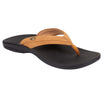
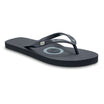
Men, add some neutral color with these classic conductive flip flops.
View product
Men, look your best in these classic black conductive flip flops.
View product
Ladies, turn heads with these classic gold conductive flip flops.
View productDoes a wet walk mean it is time to replace the pair?
A light sprinkle and a fully soaked shoe are different situations. If a pair gets damp, let it dry completely and inspect it before the next long walk. Look for bubbling, peeling, stiff areas, warped insoles, or a sole that no longer sits flat. If the shoe still feels stable after drying, continued normal wear may be fine.
Do not treat water as a way to activate a grounding shoe, and do not use a puddle as a product test. Grounding depends on the shoe's construction, your contact with the shoe, and the surface under you. The grounding shoes for walking guide offers more context on choosing a walking route and routine.
When the weather is regularly wet, walk around standing water and give the pair time to air out. If you need a waterproof shoe for a specific job, do not assume a waterproof boot and a grounding shoe have the same design goals. Compare the product description before you buy.
How can rotation delay when to replace grounding shoes?
Good habits do not stop normal wear, but they can prevent damage you do not have to accept. Use these habits while you watch for real replacement signs:
- Rotate when you can. Let one pair air out while you wear another. This helps if your feet sweat or you walk every day.
- Untie before taking shoes off. Pulling on the heel can crush the heel counter and stretch the opening.
- Use a shoehorn if needed. It can help protect the heel structure and make a snug shoe easier to put on.
- Keep the outsole clear. Pick out small stones before they work into tread grooves or seams.
- Give damp pairs air. Do not seal a wet shoe in a plastic bin. Choose a cool, ventilated spot.
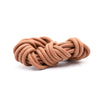
- Replace laces before the shoe. Frayed laces do not mean the shoe is finished. Harmony 783 offers a replacement shoelace collection.
- Track how the pair feels. A short note about the date, route, and comfort can help you notice gradual changes.
For a full cleaning and conductivity routine, use the separate guide to caring for grounding shoes. That page covers cleaning and storage. This page stays on the replacement decision.
The next purchase can also last longer if it matches the routine. For an open warm-weather option, compare the grounding sandal collection. For a closed everyday pair, explore the men's collection or women's collection. Use the size guide so a poor fit does not create early wear. Men's and women's sizing options appear on the same product page, selected with a toggle.
What should you compare before buying the next pair?
Before you replace grounding shoes, write down what failed and what worked. Did the tread wear out first? Did the upper stay comfortable while the sole separated? Did you need more room, more cushioning, or a different surface? Your answers can point you toward a better next pair instead of repeating the same purchase.
Bring the old pair into the decision. Set them next to the product photos and compare the toe shape, heel height, and closure. If the old pair felt tight across the toes by month three, a wider or roomier style may last longer for you. If the heel slipped, look for a more secure heel counter rather than only a softer footbed.
Also match the next pair to the season you actually walk in. A closed shoe used all summer may wear faster from heat and sweat. A sandal used on rough pavement may lose tread sooner than a sandal used for short errands. The right category can matter as much as the brand.
Read the current product page for materials, fit, use, and care details. Product options and availability can change, so do not rely on an old review or a remembered price. Check the shipping, returns, and exchanges information before ordering, especially if you are trying a new style or size. The How Harmony 783 Shoes Are Made page explains the construction before you experiment with a worn pair.
If the pair has a serious defect while it is still within the applicable return or exchange window, contact the brand through the site before altering it. Do not glue, cut, puncture, or add materials to the shoe yourself. A home repair may affect comfort, safety, or the construction that makes the footwear different from an ordinary pair.
Shop Harmony 783 grounding shoes and compare styles for your everyday routine.
A five-minute check for when to replace grounding shoes
Use this check before your next long walk:
- Look for cracks, peeling, loose layers, or a sole that sits unevenly.
- Check whether the tread still gives you the traction you expect.
- Try both shoes with the socks you normally wear and note slipping, pinching, or rubbing.
- Walk a familiar route and compare comfort with how the pair felt earlier in its life.
- If the sole is deeply damaged or a defect is unclear, retire the pair and compare a new one.
If several answers are concerning, it is time to retire the pair. If the only issue is a dirty upper or a worn lace, a small accessory change may be enough. The safer choice is the one that keeps your feet comfortable and your expectations realistic.
Grounding footwear is part of a broader wellness routine, not a substitute for medical care or treatment. If foot pain, numbness, swelling, or an injury continues, speak with a qualified health professional.
Frequently asked questions
Is there a set month when to replace grounding shoes?
No. Replacement depends on wear, fit, and damage, not a calendar date. Check the tread, sole, upper, and comfort on a regular walk instead of waiting for a birthday on the pair.
Can worn laces mean the shoes are done?
No. Frayed laces are a small parts issue. Replace the laces and keep the shoes if the sole, upper, and fit are still sound.
Should you repair a peeling sole at home?
No. Do not glue, cut, or rebuild the sole. A home repair can change flex, comfort, and the shoe's construction. Retire a separating pair and compare a current style.
Does one wet day end a pair's life?
Not by itself. Dry the shoes fully, then look for peeling, stiffness, odor that stays, or a sole that no longer sits flat. Replace them only if that damage remains.
Discover the Harmony 783 collection and choose a pair that matches how you actually walk.