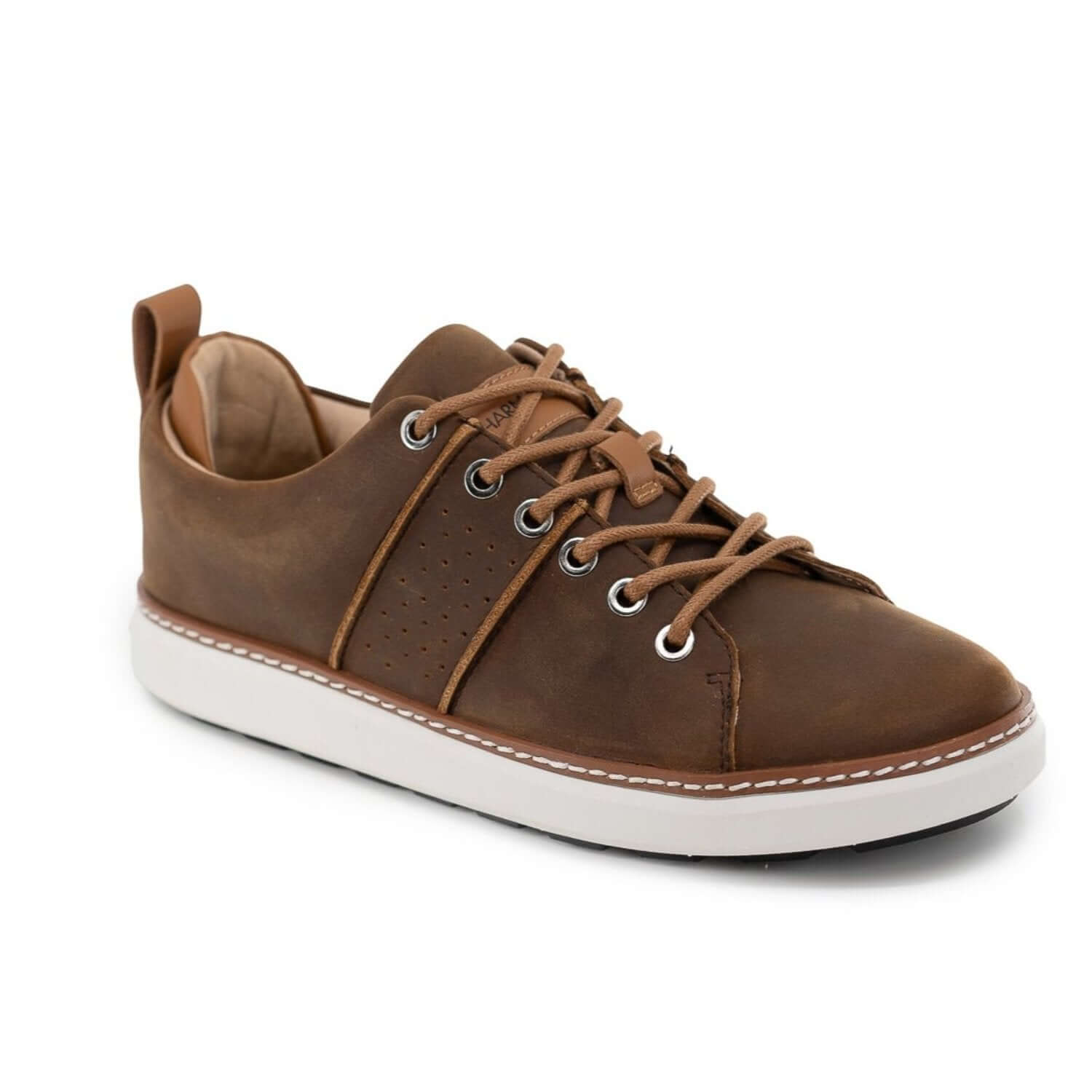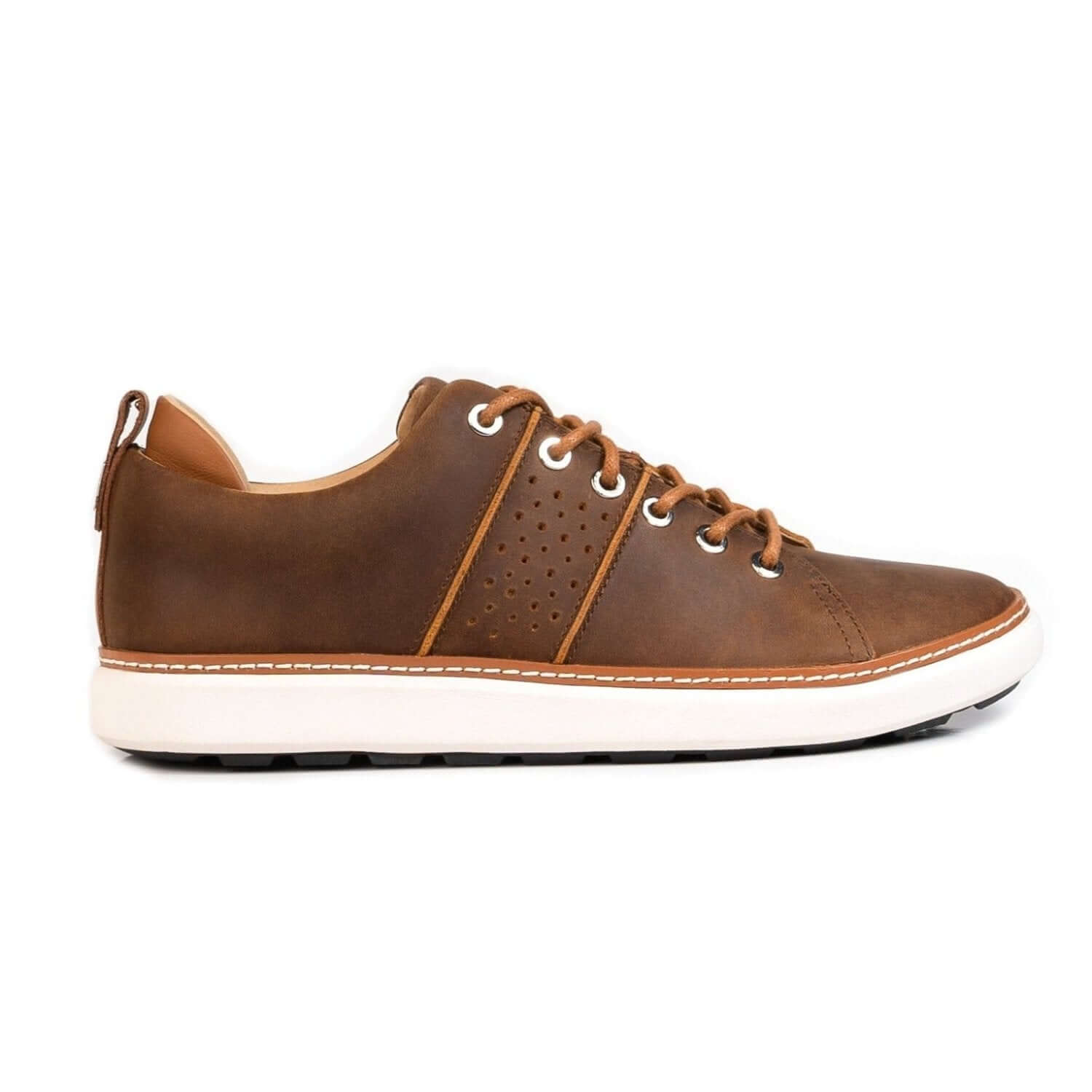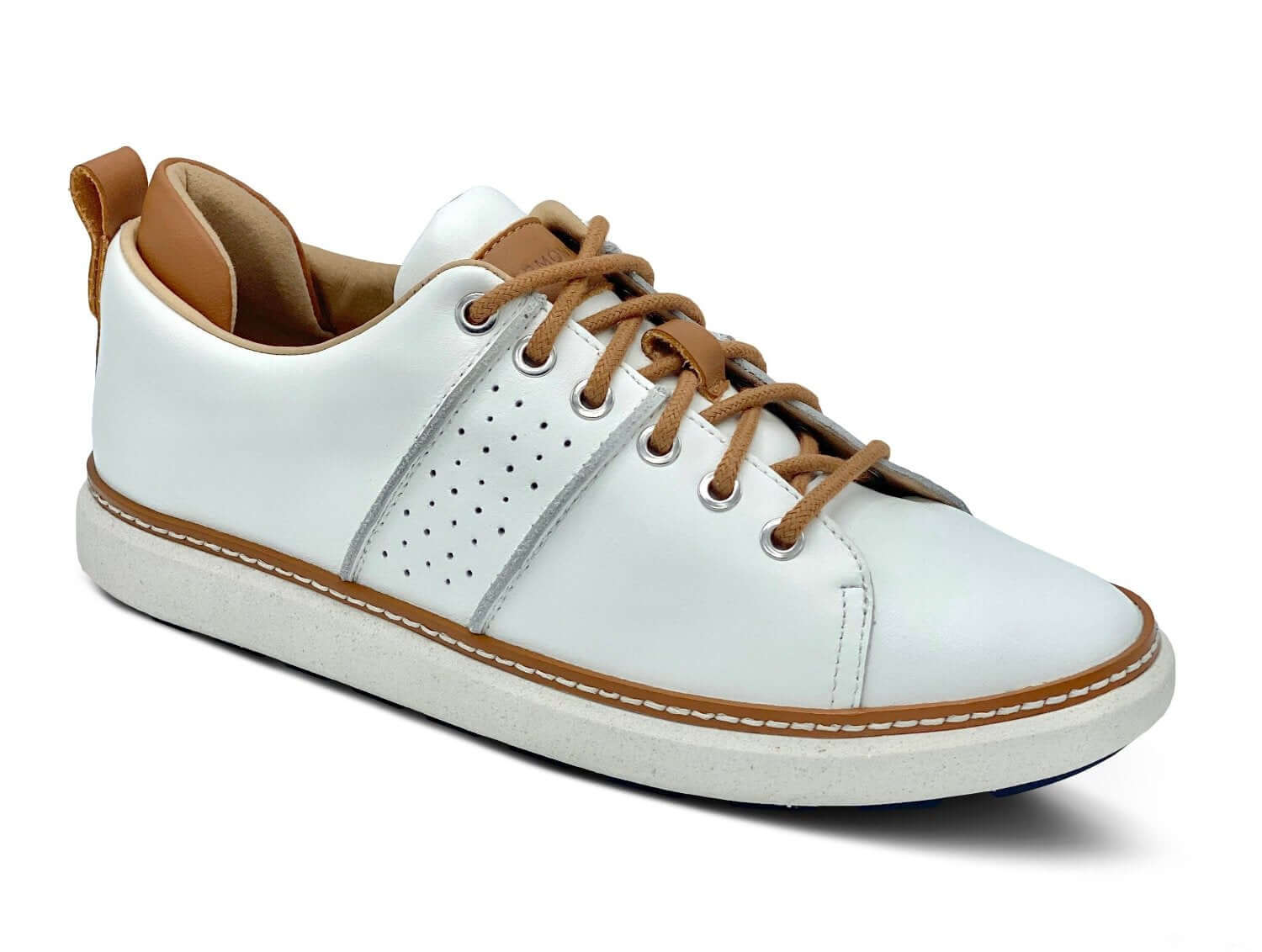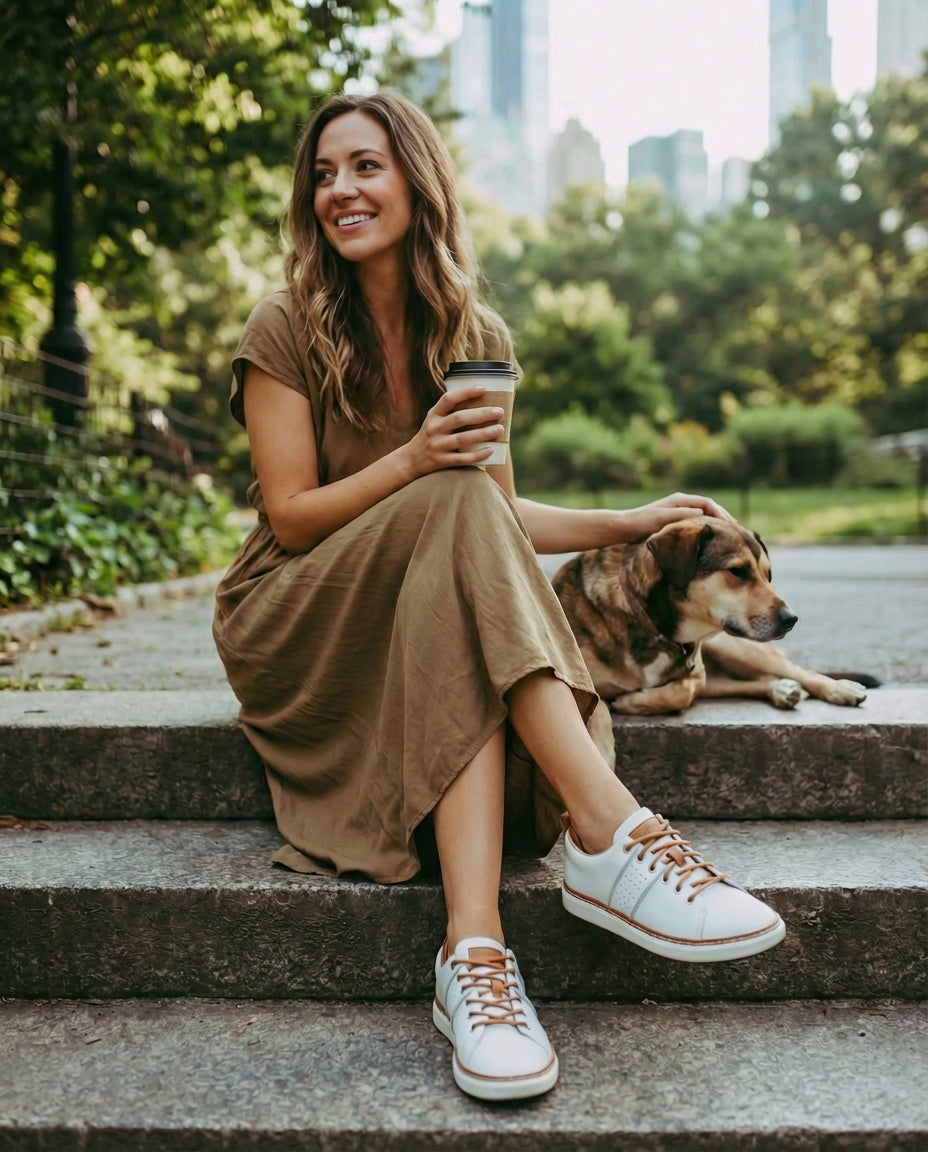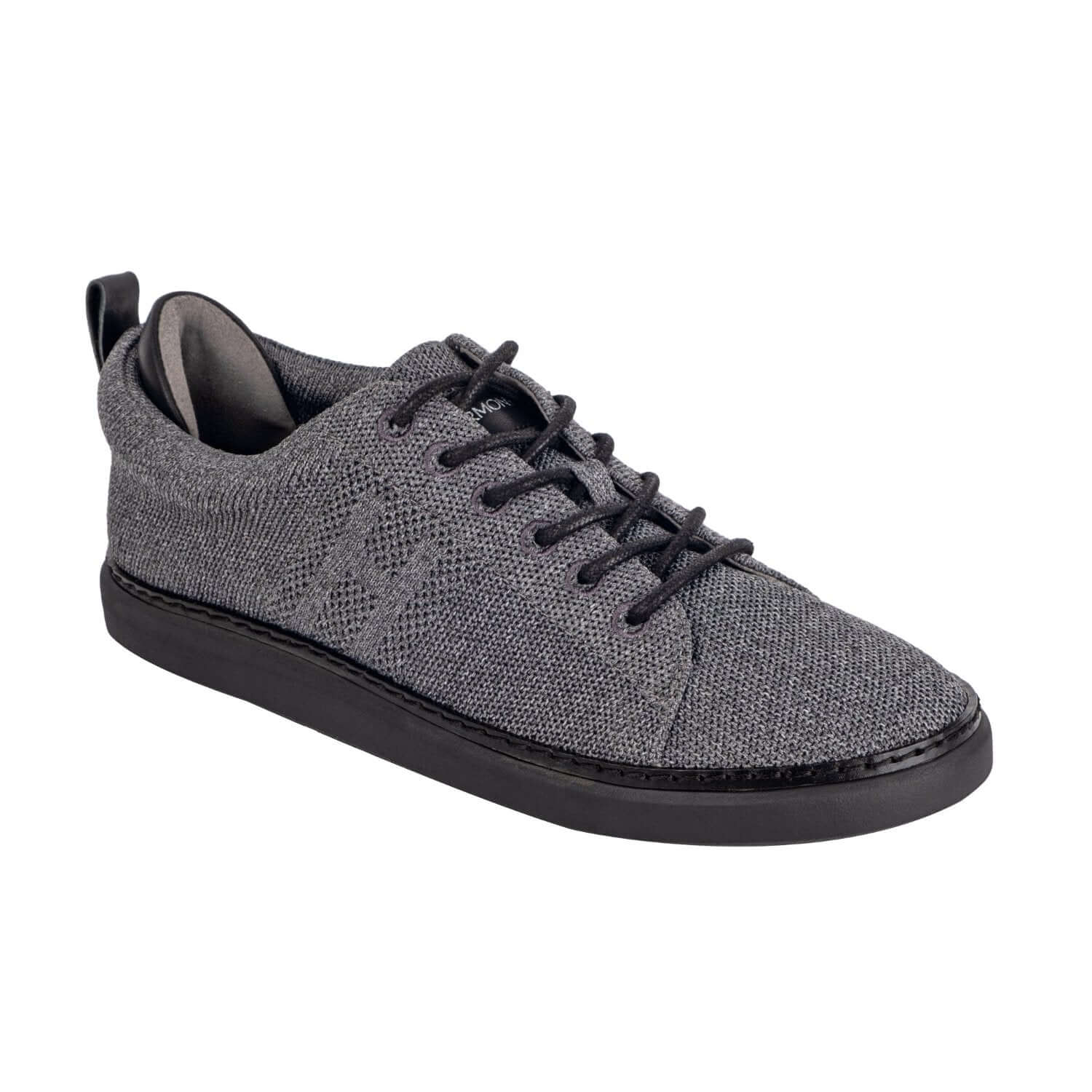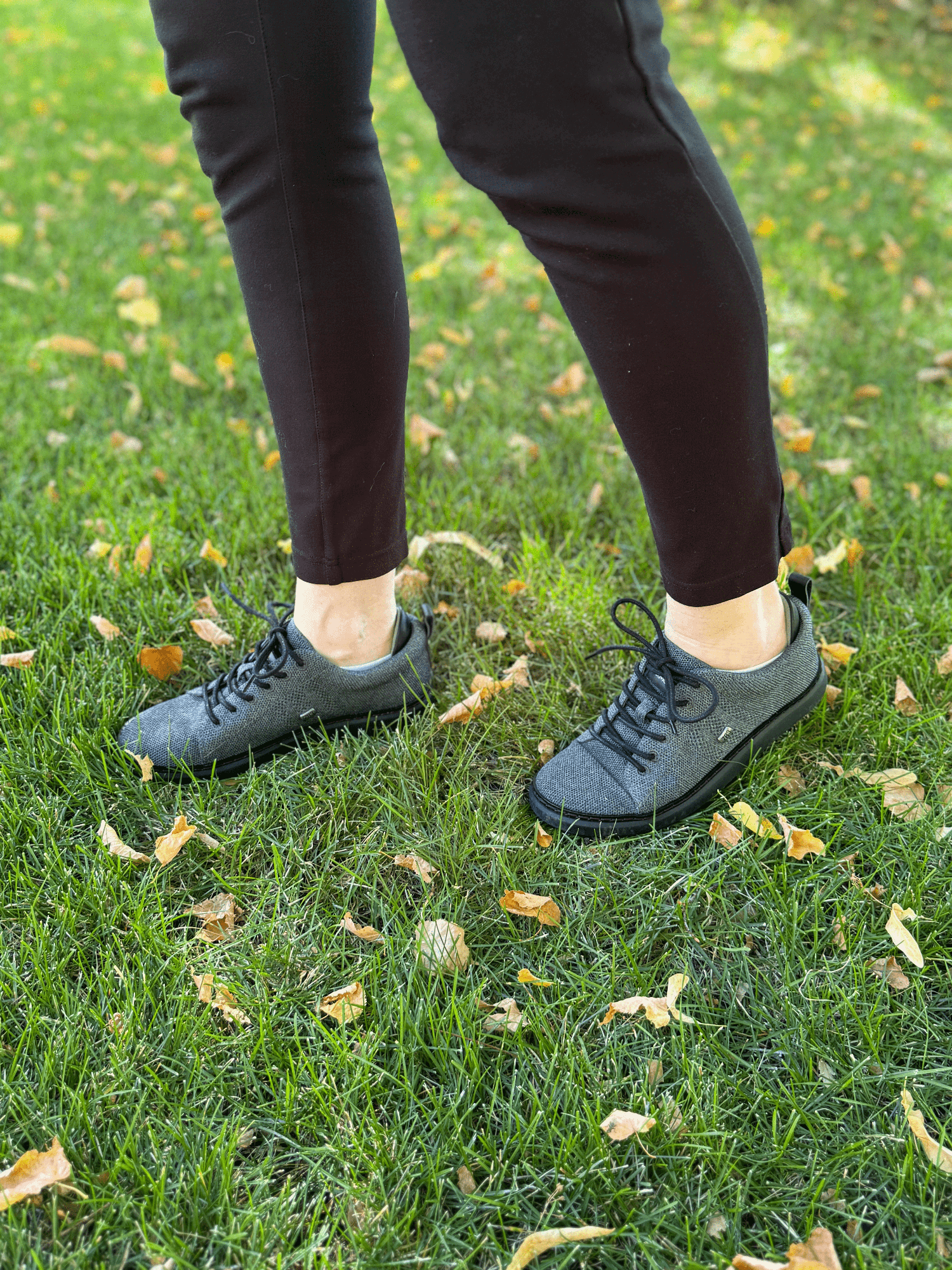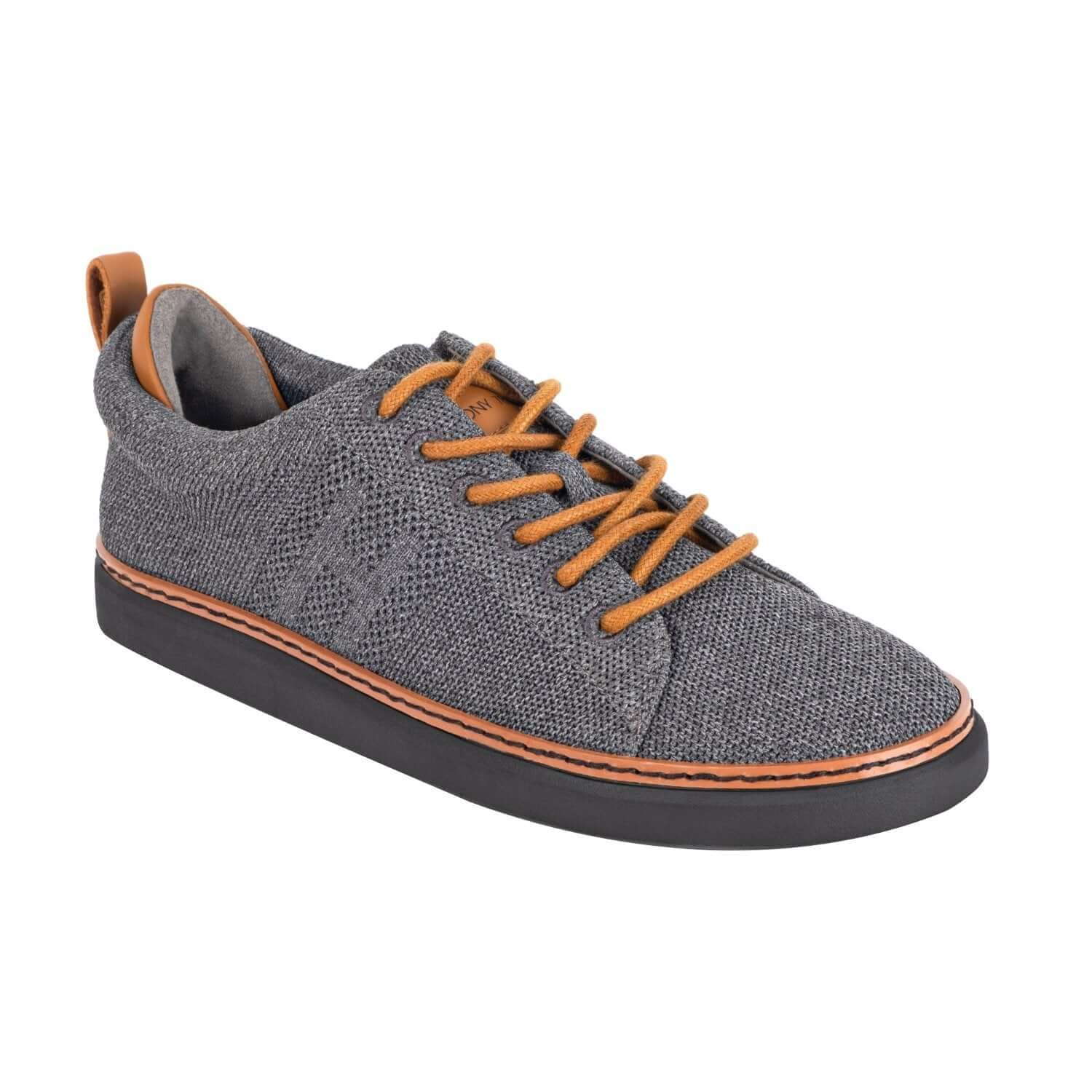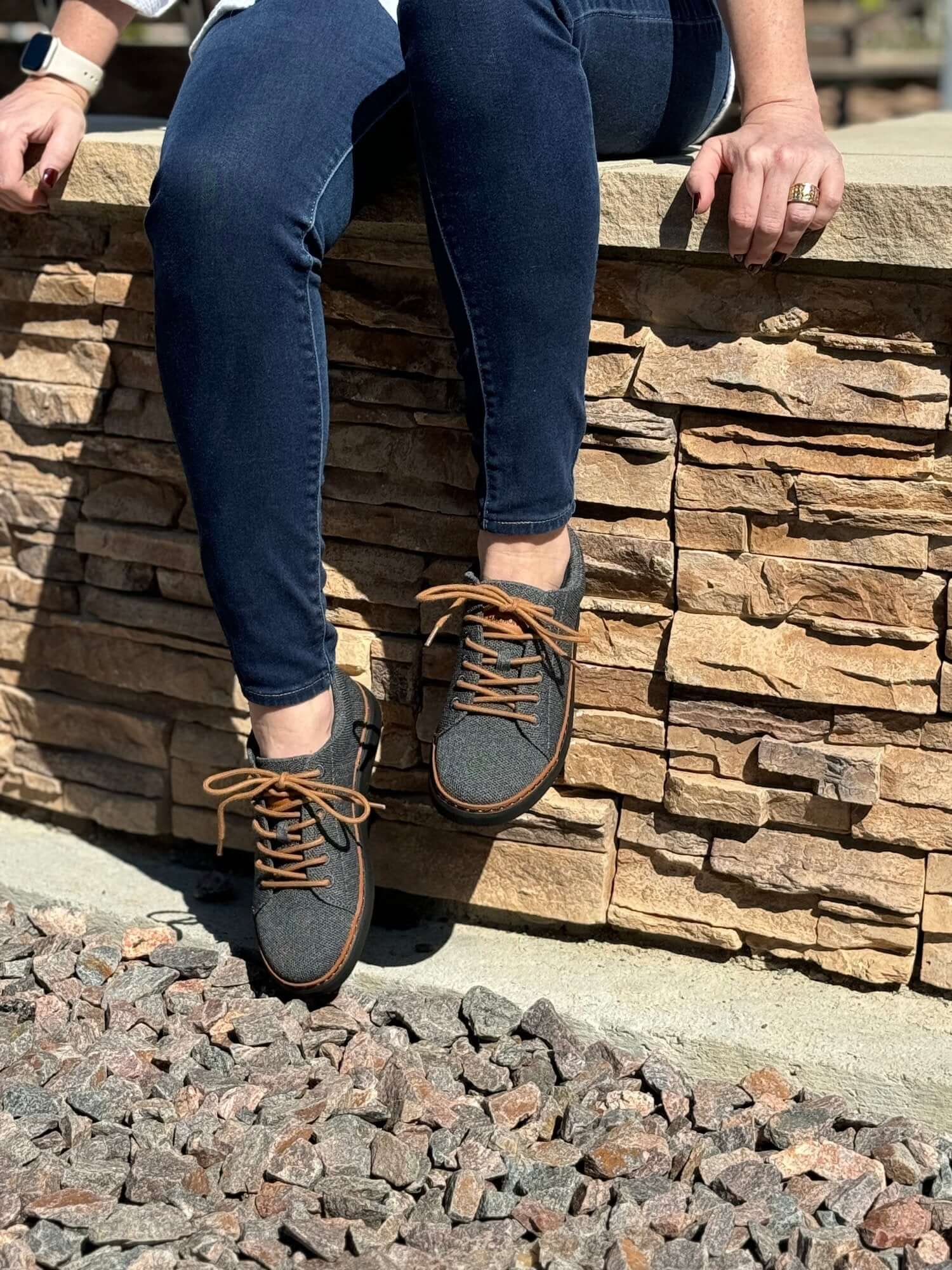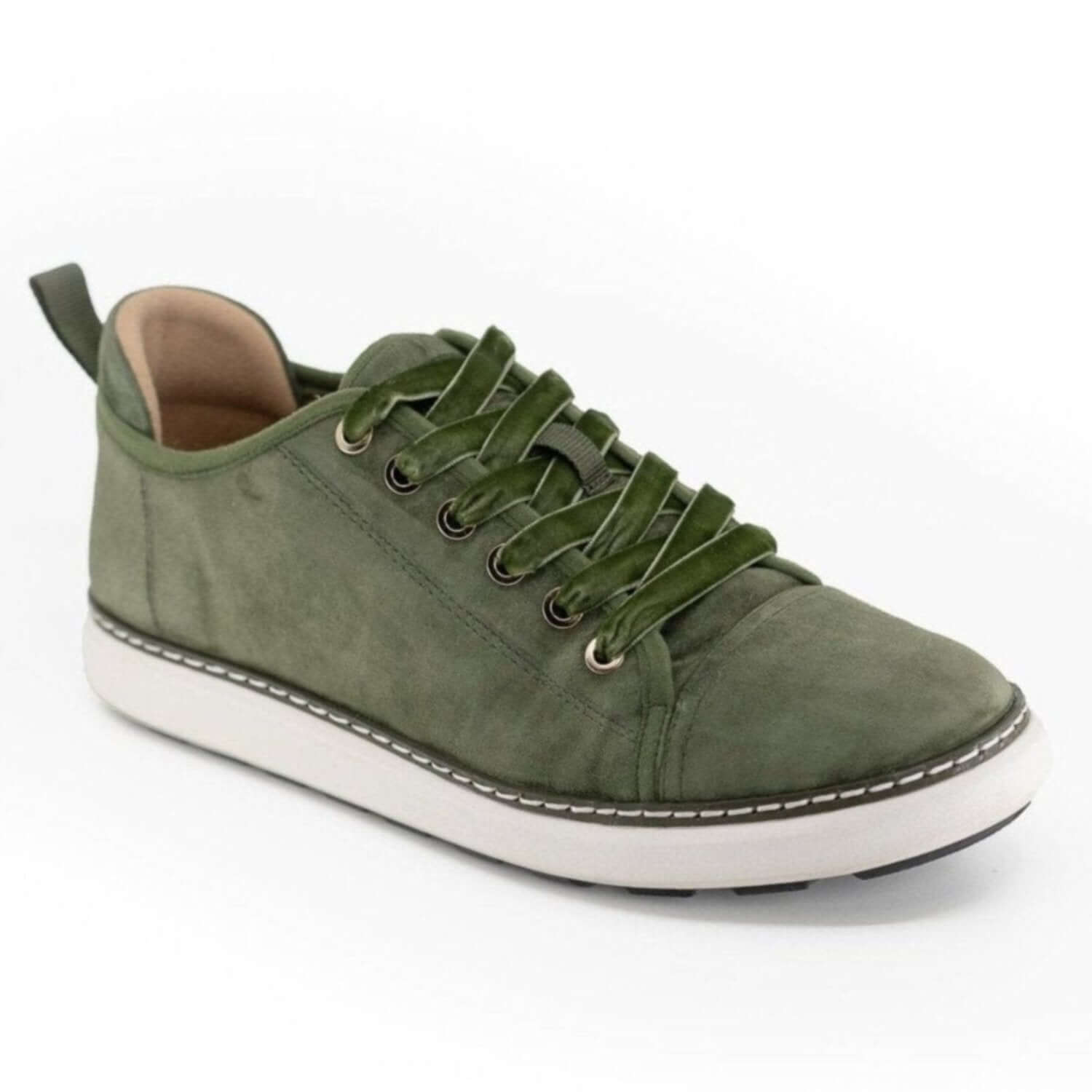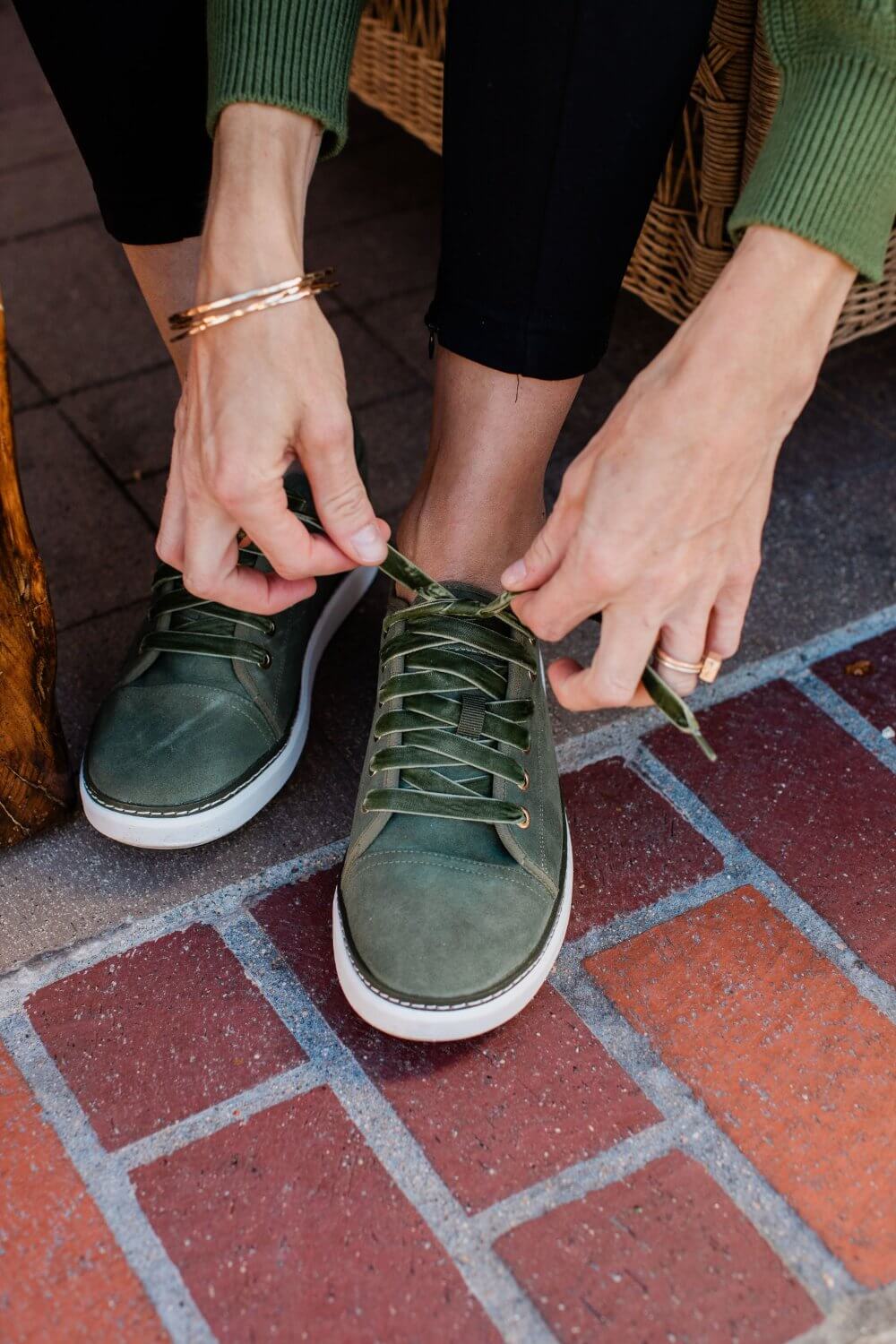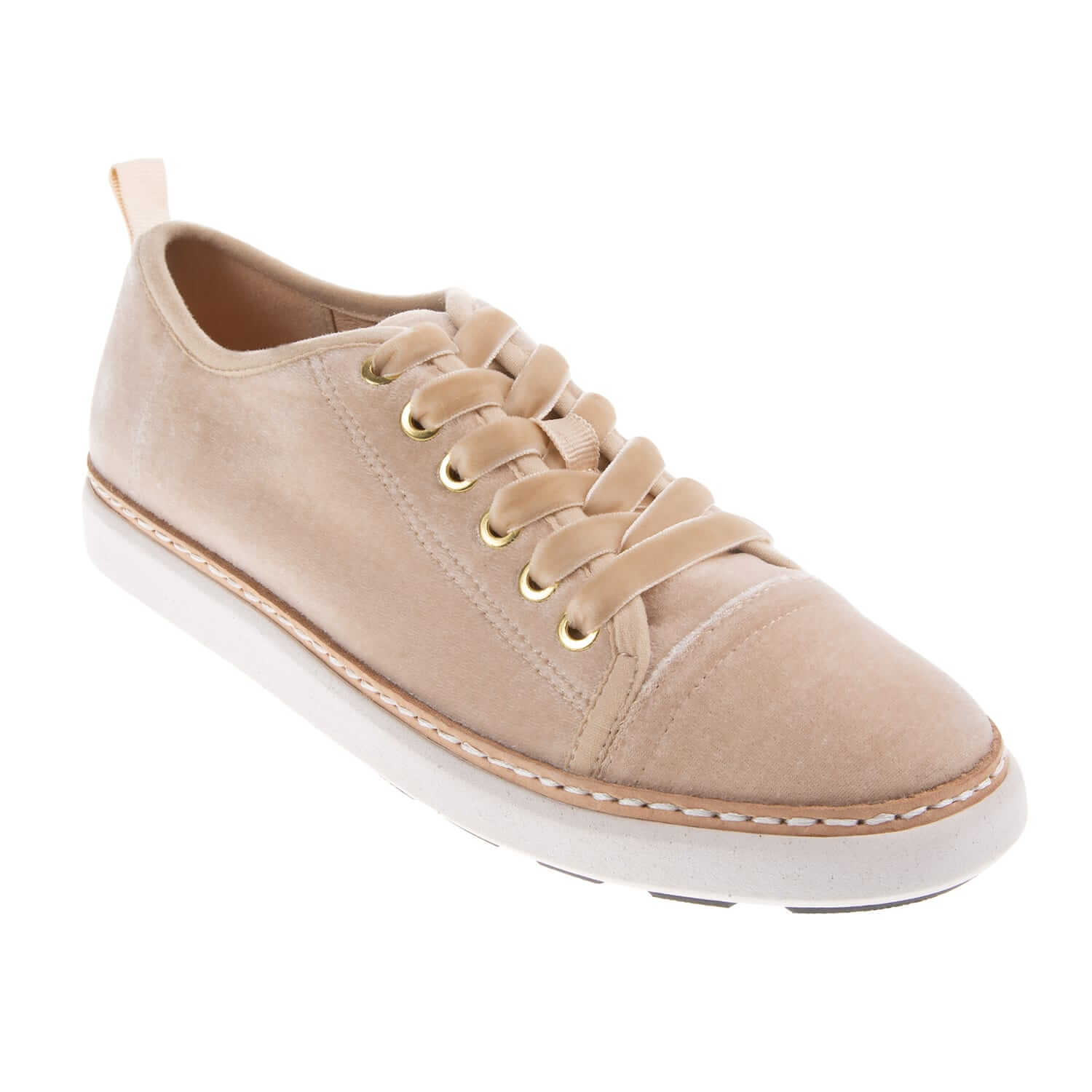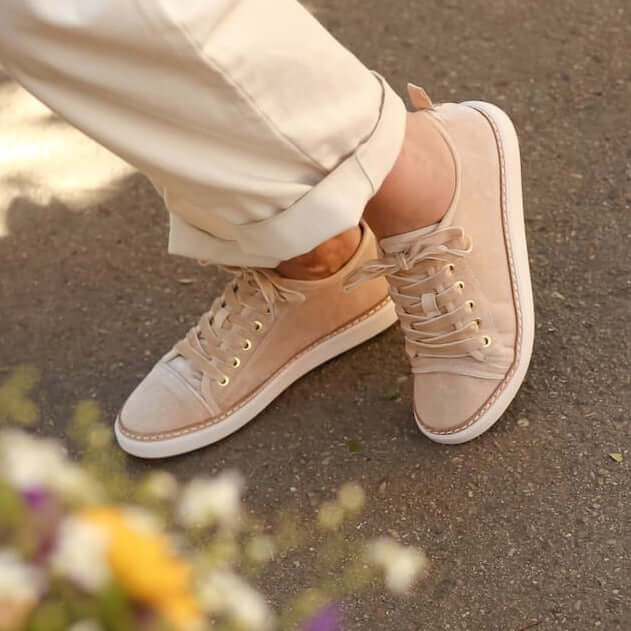

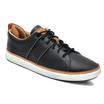

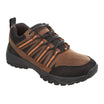
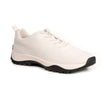

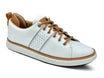
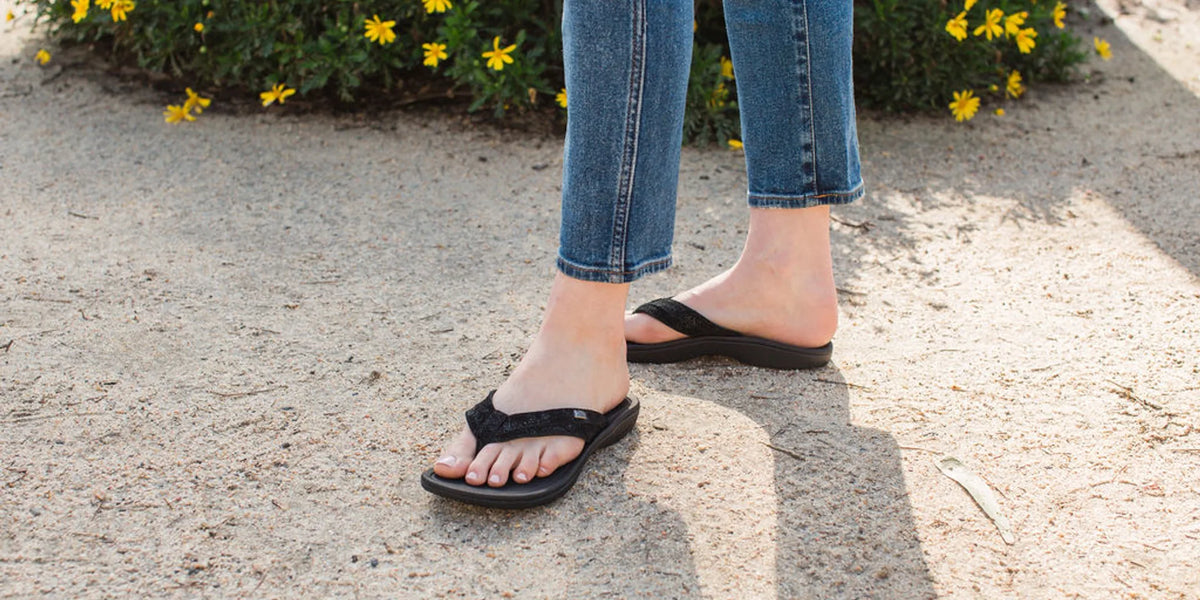
Grounding shoes varicose veins leg circulation support may offer a comfortable way to add earthing to daily movement, but current grounding research is still emerging. Look for a good fit, easy movement, and footwear that does not create pressure. Ask a qualified clinician about new, one-sided, painful, warm, red, or rapidly swollen legs.
What Causes Varicose Veins and What Worsens Them?
Varicose veins can develop when the small valves inside leg veins do not close as well as they should. These valves normally help blood move upward toward the heart. If they become weak or leaky, some blood can move backward and collect in the lower legs. Over time, that extra pressure may make a vein look twisted, raised, or darker beneath the skin.
How do pressure and pooling affect the legs?
Your leg veins work against gravity. Walking helps because the muscles in the feet and calves gently squeeze nearby veins. That action supports the upward movement of blood. When the legs stay still for a long time, this natural assistance is reduced. Blood may remain in the lower limbs longer, which can contribute to a feeling of fullness, aching, or fatigue.
Standing still can also feel difficult because the leg muscles are not moving through a regular walking pattern. The pressure of being upright may be more noticeable for people already concerned about venous comfort. Sitting for extended periods creates a different challenge: bent knees and limited movement can leave the legs feeling stiff or heavy when it is time to stand.
What can make symptoms feel worse?
- Staying in one position for a long time without movement.
- Footwear that pinches, rubs, or makes walking feel unnatural.
- Insufficient room for the toes or a poor overall fit.
- Activities that increase discomfort without allowing rest or movement breaks.
Comfortable footwear may make daily walking easier. Research has examined how shoe design can affect lower-limb venous status during gait or exercise. However, comfortable shoes are one part of everyday support, not a medical solution. Grounding shoes should be viewed as a wellness and footwear option, not as a cure for varicose veins.
Seek medical guidance for new or rapidly worsening leg changes, especially one-sided swelling, warmth, redness, or significant pain. This section provides general education and cannot determine the cause of your symptoms.
How Do Standing and Walking Affect Vein Pressure and Blood Pooling?
Your lower legs work against gravity each time you stand. When you walk, muscles in the feet and calves contract and relax. This movement helps squeeze veins and encourage blood to travel back toward the heart. It is often called the calf-muscle pump.
Why movement breaks matter
Walking gives the calf-muscle pump repeated chances to work. Standing in one place does not provide the same rhythm. If your day involves a counter, workbench, classroom, or long event, small movement breaks can be useful. Walk for a few minutes, shift your weight, flex your ankles, or rise onto your toes several times. These simple actions add movement without requiring a formal workout.
Long periods of sitting can also reduce leg movement. Try not to stay in one position for hours at a time. A brief walk to refill your water or a few ankle circles at your desk can help. Alternating between sitting and standing can also keep you more active throughout the day. These habits support comfort, but they are not a treatment for varicose veins.
How can footwear support comfortable movement?
Shoes influence how your foot meets the ground and how you move through each step. A shoe that pinches, slips, feels unstable, or causes pressure may make you shorten your stride or avoid walking. The result can be less natural movement during the day. A systematic review examined how shoe type affects lower-limb venous status during gait or exercise, underscoring the relationship between footwear, movement, and the veins in the legs. Read the systematic review.
Look for a comfortable fit, enough room for your toes, and a design that feels stable during ordinary walking. If you are comparing conductive styles, this guide explains what to look for in grounding shoes. Grounding features may fit into your wellness routine, but comfort and consistent movement should remain central when choosing everyday footwear.
What Does Earthing Research Suggest About Vascular Function and Inflammation?
Earthing research explores what may happen when the body reconnects with the Earth's surface through direct contact or a conductive system. A review in the Journal of Environmental and Public Health describes earthing as contact with Earth's electrons, including through conductive systems used indoors. It presents this area as emerging research, not settled medical evidence. Read the research review on earthing and conductive systems.
The proposed idea is simple. The Earth's surface contains mobile electrons, and a conductive pathway may allow contact between the ground and the wearer. Researchers have explored whether this connection could influence processes linked with inflammation and general well-being. Some reported findings are interesting, but the field remains small and developing. Results from early studies should be treated as questions for further research, not as proof of a specific health outcome.
That distinction matters when discussing grounding shoes varicose veins leg circulation support. Varicose veins involve changes in the veins and the way blood returns from the legs. A theory about earthing does not establish that a shoe can correct those changes. It also does not show that conductive footwear can replace evaluation, compression guidance, movement, or other care recommended by a qualified clinician.
Footwear can still matter in a practical way. A comfortable shoe may make it easier to walk, change position, and stay active during the day. A systematic review has examined how shoe type can affect lower-limb venous status during gait or exercise, which supports paying attention to fit, stability, and comfort. That finding is about footwear and movement, not proof of an earthing effect.
If you want to understand the proposed connection more fully, our guide to earthing shoes benefits explains how conductive footwear is designed. Keep the claim modest: grounding may be one part of a wellness routine, while new, painful, warm, red, one-sided, or rapidly swollen leg symptoms need prompt clinical attention.
Can Grounding Shoes Help With Varicose Veins and Leg Circulation Support?
Grounding shoes may fit a daily comfort and wellness routine, but they are not proven to remove varicose veins, repair vein valves, or replace a medical evaluation. Their most practical value may be helping you stay comfortable while standing and walking, activities that support regular movement.
The phrase grounding shoes varicose veins leg circulation support brings together several different questions. Footwear can affect how you move and how your legs feel. Grounding research explores the possible effects of conductive contact with the Earth's surface. Neither point proves that a shoe can treat visible veins or correct an underlying venous problem.
What might grounding footwear contribute?
Grounding, or earthing, involves conductive contact intended to connect the body with Earth's surface electrons. A review in the National Library of Medicine describes this area as emerging research. It should be read as a starting point for further study, not as proof of a varicose-vein treatment.
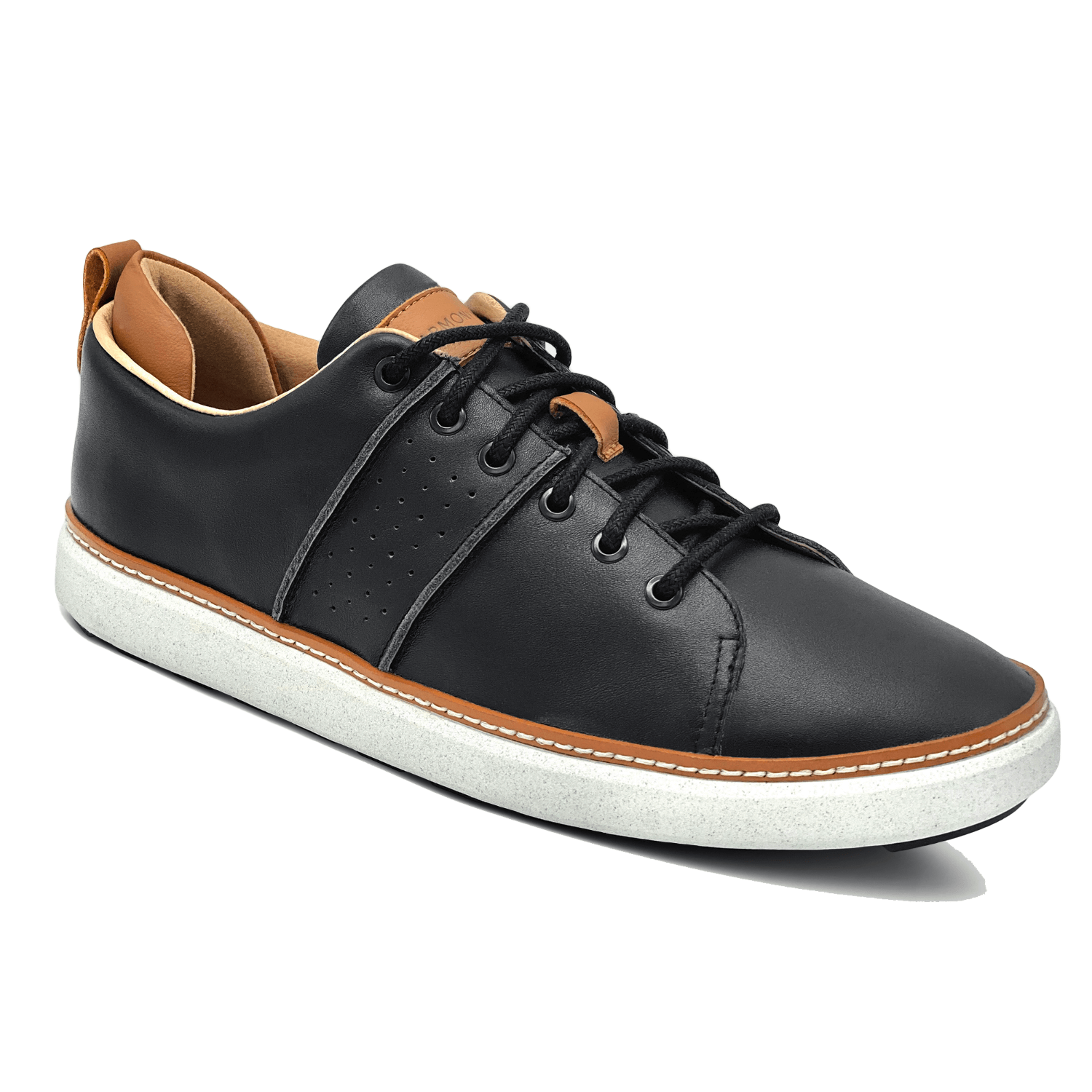
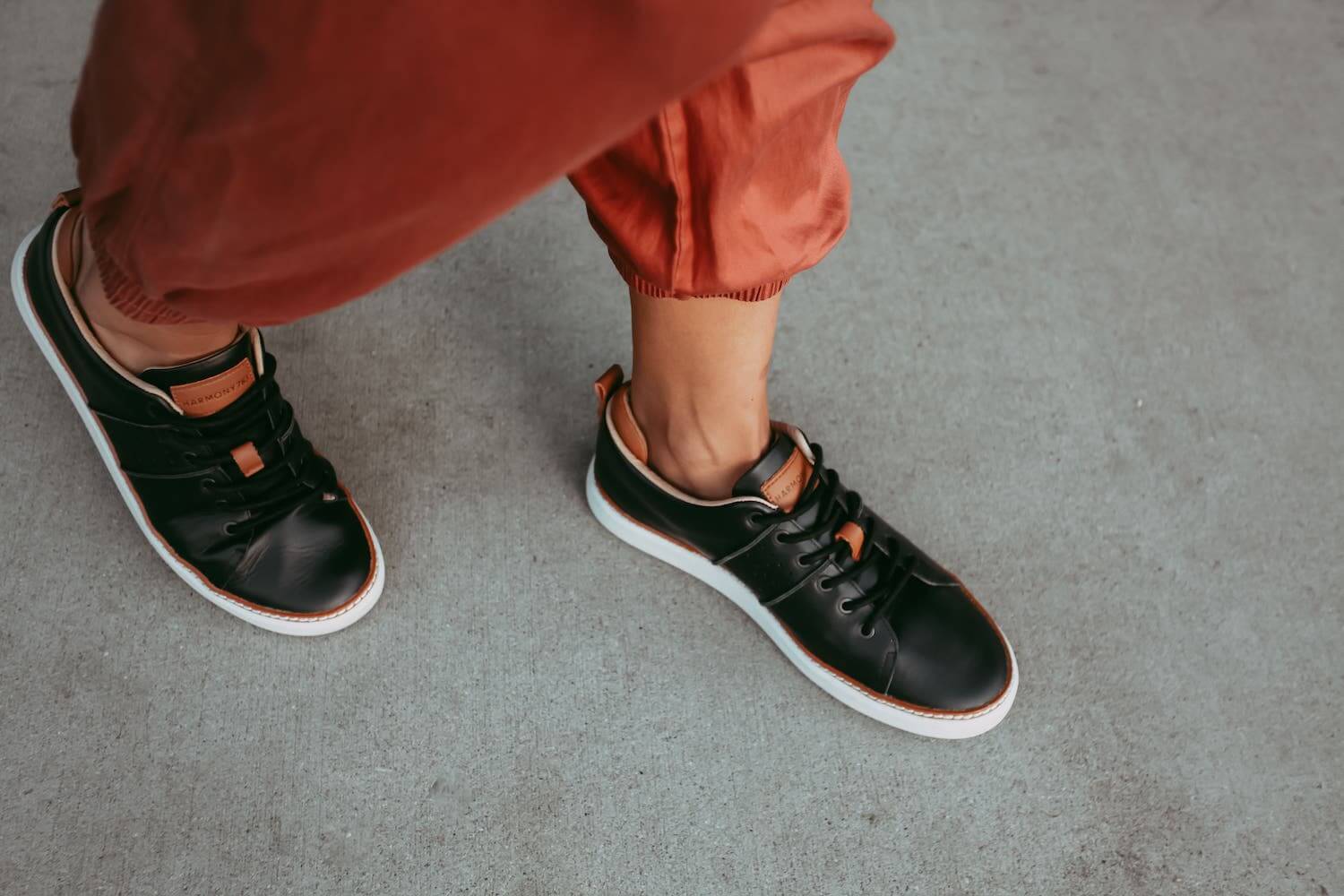
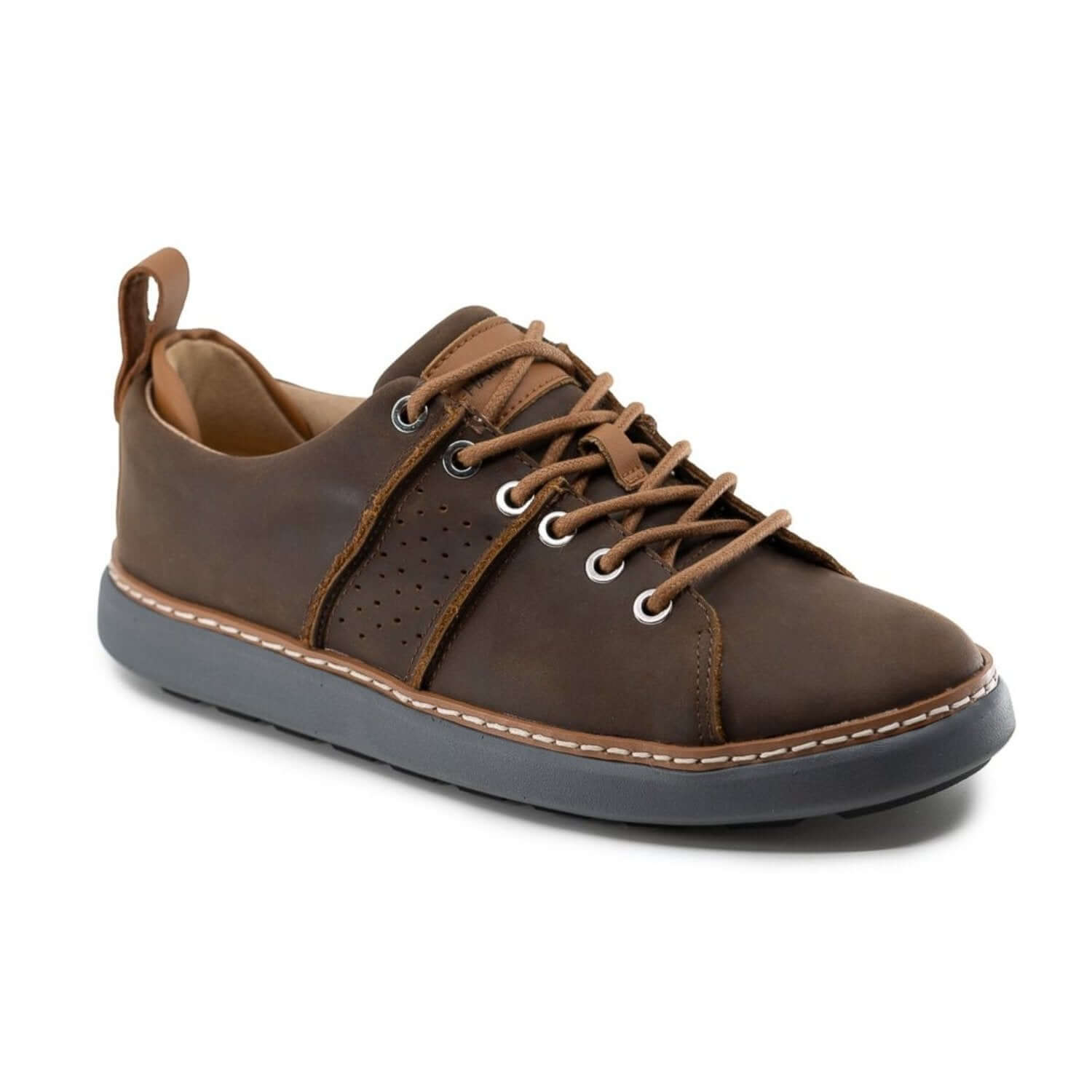
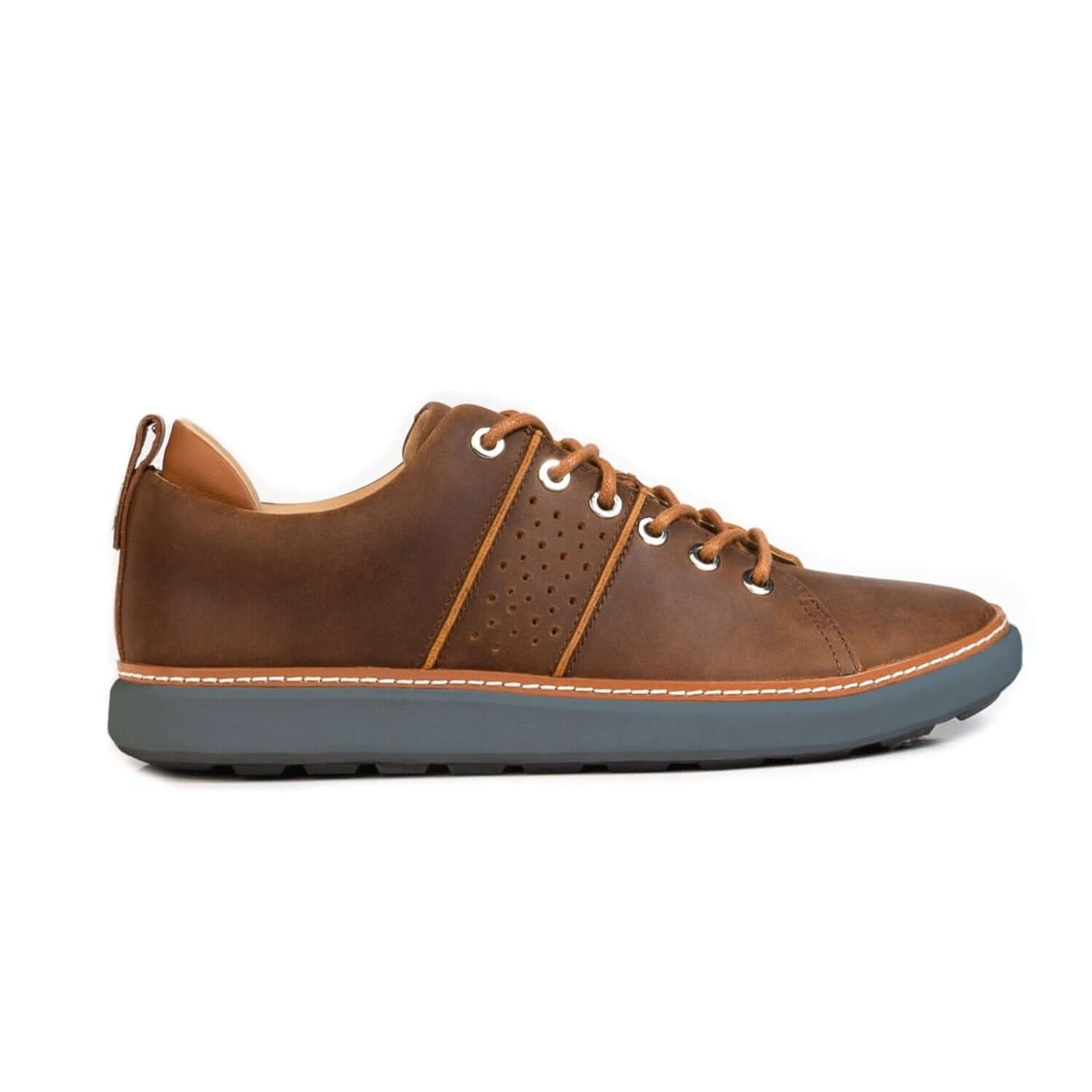
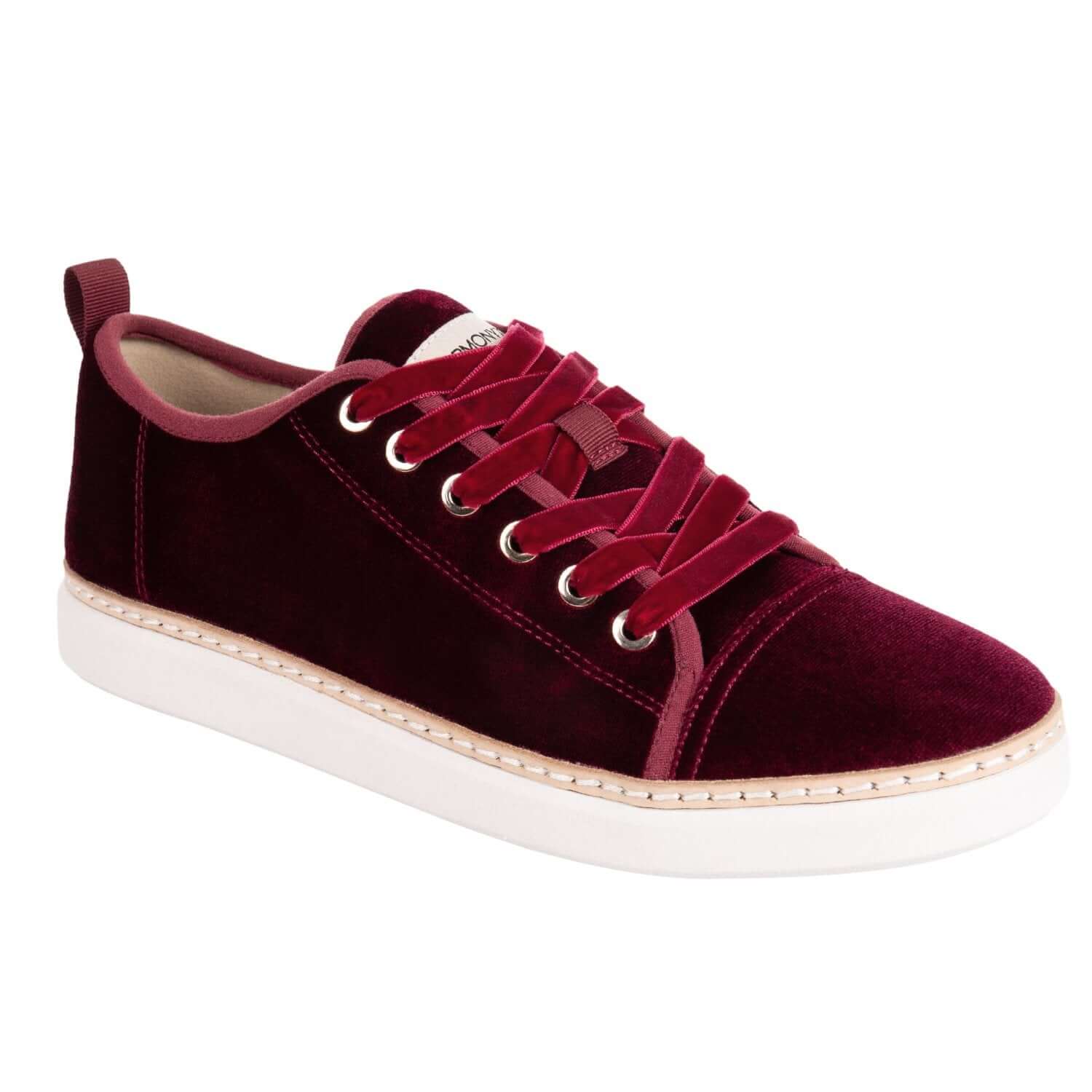
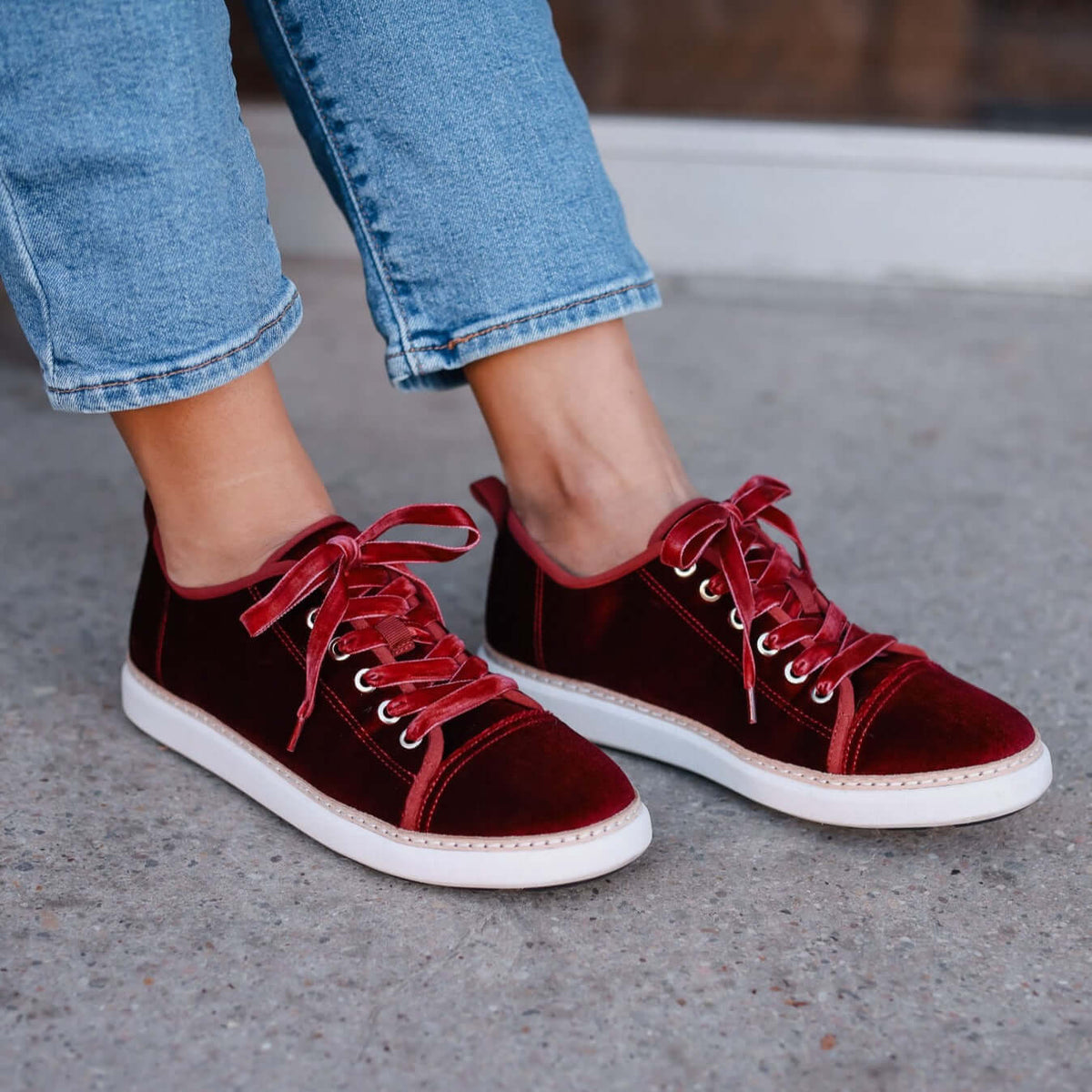
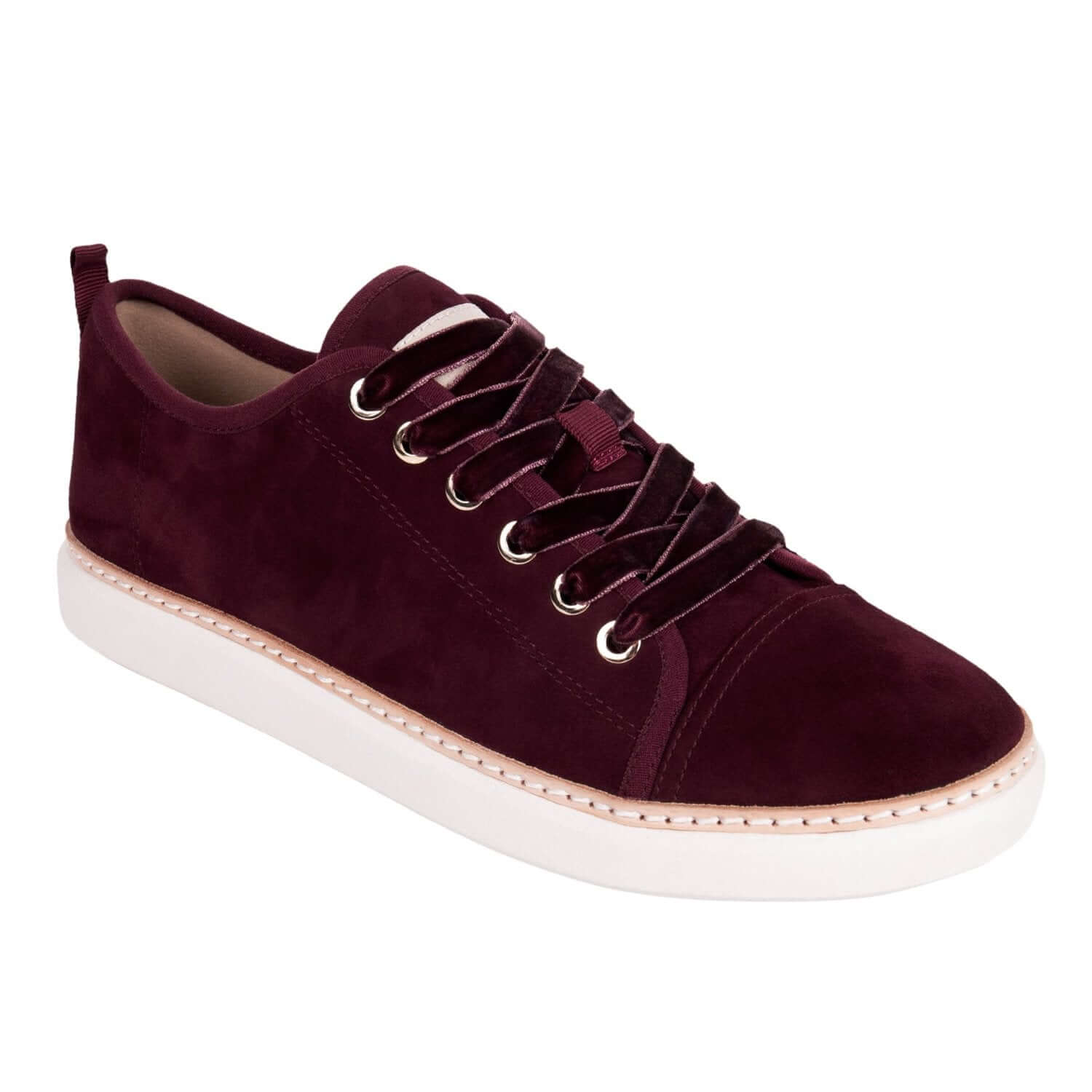
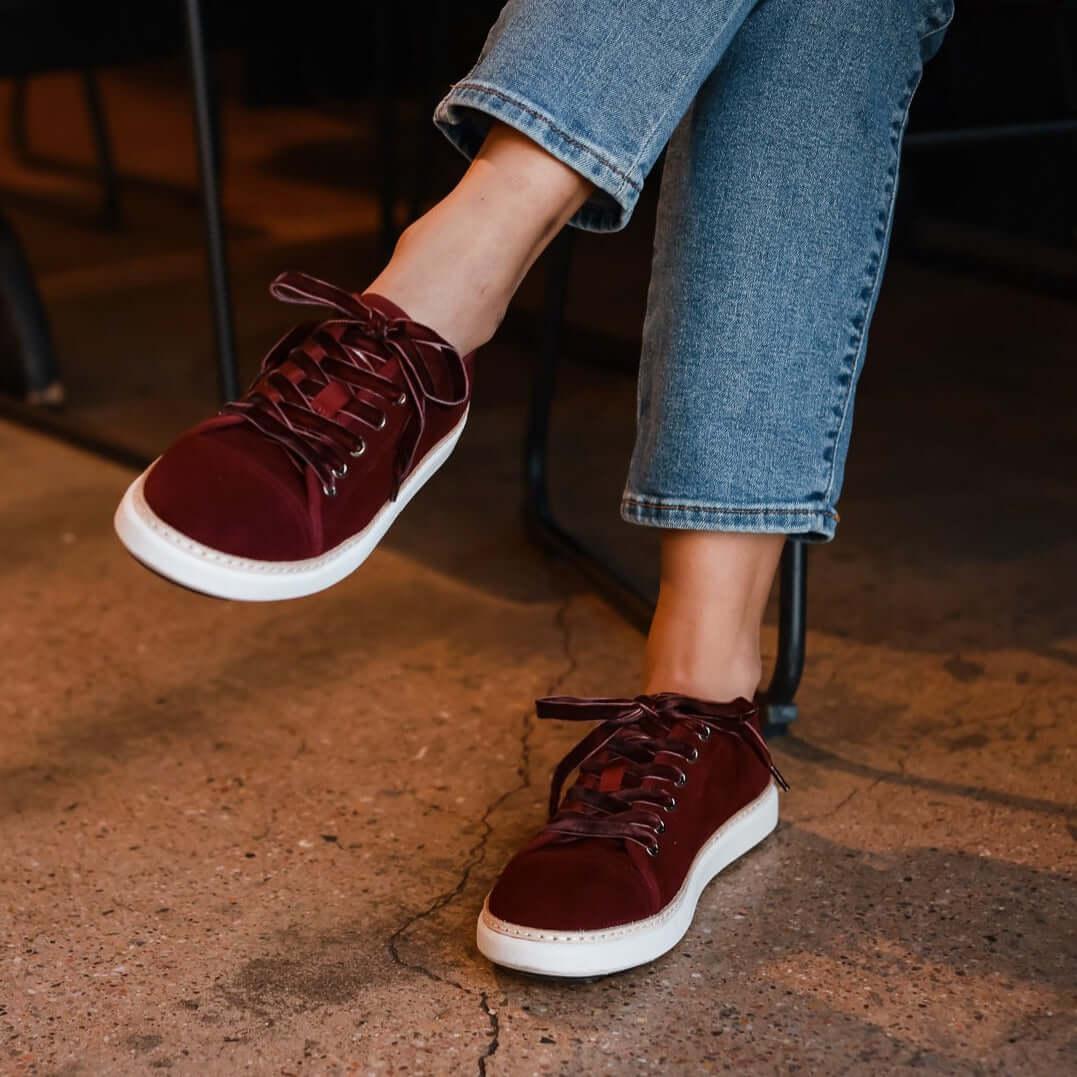
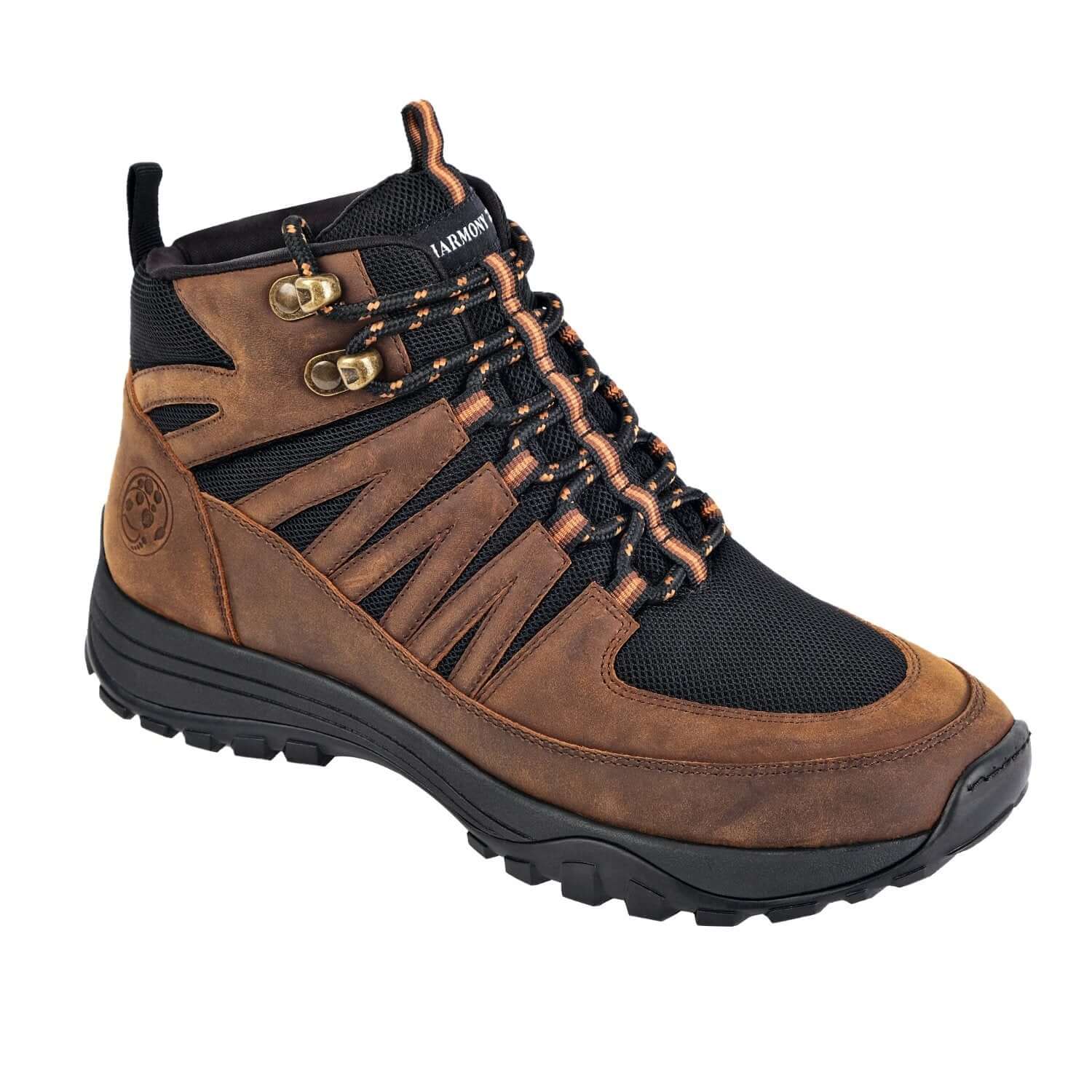
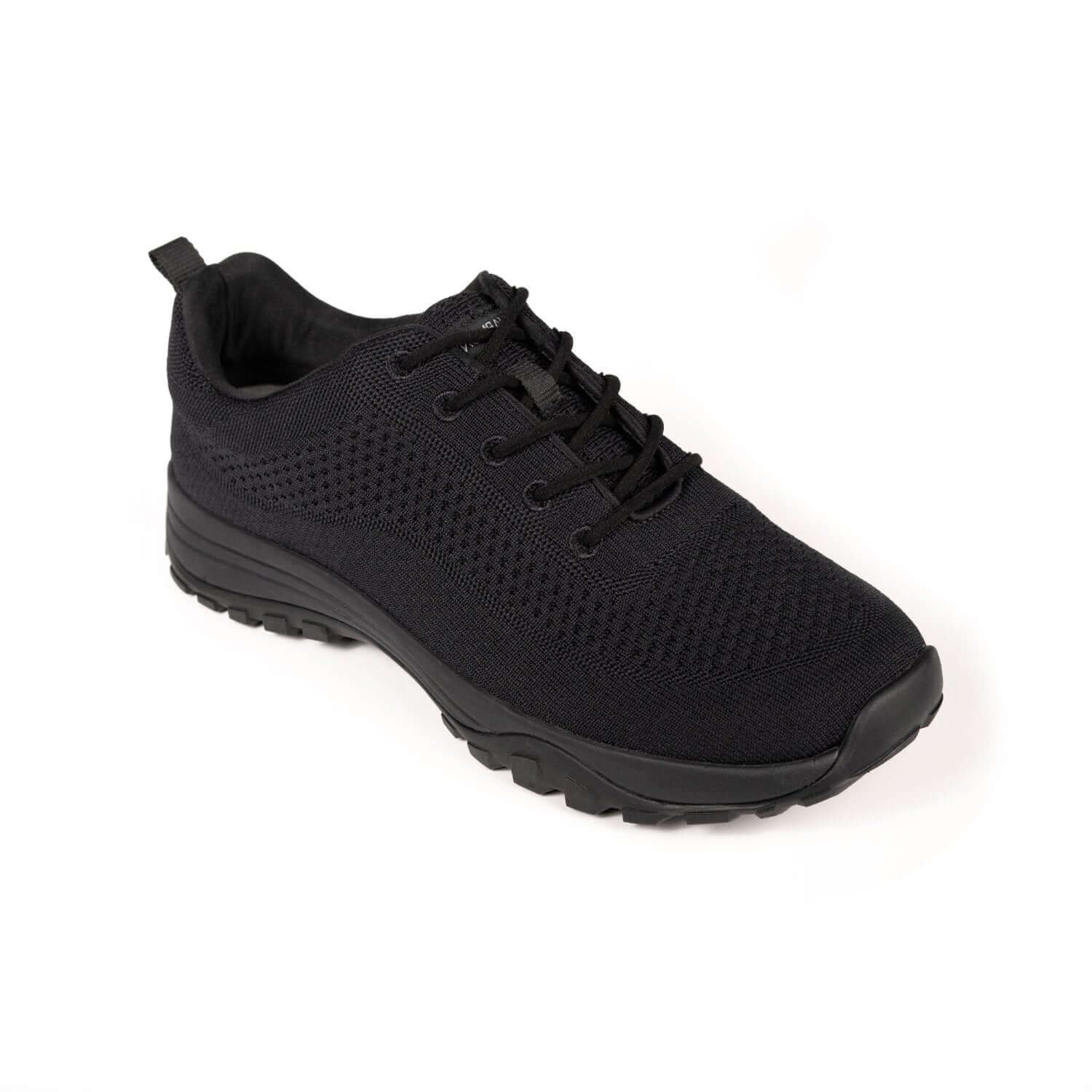
For everyday use, focus first on comfort. Choose footwear with enough room for your toes, a secure fit, and support that feels stable during your usual walking routine. Avoid shoes that pinch across the forefoot, rub the ankles, or make you change your natural stride. If a grounding shoe helps you walk more comfortably, that may make it easier to build movement into a busy day. Harmony 783 offers grounding walkers, sneakers, and sandals for different daily settings.
When should you seek medical guidance?
Do not use grounding footwear to delay care for a new or worsening leg concern. Contact a qualified clinician promptly if one leg develops new pain, warmth, redness, or rapid swelling. Those changes deserve evaluation, especially when they appear suddenly or feel different from your usual symptoms.
Likewise, ask a clinician about persistent heaviness, aching, skin changes, or swelling before changing your routine. A professional can help identify the right next step and discuss options such as movement strategies or other supportive care. Grounding shoes can be one comfortable lifestyle choice alongside that guidance, not a substitute for it.
For a broader introduction to the topic, read about earthing shoes benefits, then judge any footwear by fit, comfort, and how well it supports your real daily activities.
Which Harmony 783 Styles Fit Standing and Walking?
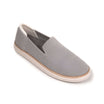
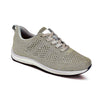
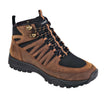
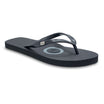
Answer capsule: The best style depends on how you move through your day. Walkers offer fuller coverage for long periods on your feet. Sneakers suit active, casual routines. Sandals provide an open option for warm weather and easy everyday wear. Each style uses Harmony 783 grounding footwear design, so comfort, fit, and personal routine should guide your choice.
Standing and walking comfort is personal. Consider where you spend most of the day, how much coverage you prefer, and whether you need a shoe that transitions between errands and more active routines. A secure fit matters in every style. Look for enough room to move your toes, a stable feel through the midfoot, and no rubbing at the heel or straps.

| Style. | Best for daily use. | Coverage. | Fit and comfort considerations. | Lifestyle fit. |
|---|---|---|---|---|
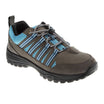
| Walkers | Long days on your feet, neighborhood walks, travel, and everyday errands. | More coverage around the foot than an open sandal. | Choose a secure, comfortable fit with room for natural movement. Check the heel and upper for pressure points. | Practical routines, regular walking, and people who prefer a supportive-feeling closed shoe. |
| Sneakers | Casual walking, active days, and changing plans. | Closed-shoe coverage with a familiar everyday profile. | Pair the shoe with the socks you normally wear. Make sure the fit stays comfortable when walking, not only when standing still. | Sport-casual wardrobes, errands, light activity, and flexible day-to-day wear. |
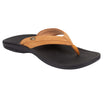
| Sandals | Warm-weather walks, casual outings, and easy at-home or outdoor wear. | Open coverage with adjustable areas depending on the design. | Check strap placement and adjust for a secure hold without pinching. Keep your stride natural and avoid a loose, sliding fit. | Summer clothing, relaxed routines, travel, and people who prefer an open shoe. |
Explore the grounding walkers, grounding sneakers, and grounding sandals collections to compare the available designs. If you want a broader look at construction and everyday wear, read this Harmony 783 grounding shoes review.
Whichever style you choose, treat grounding footwear as part of a comfortable daily routine, not as a substitute for evaluation of new or concerning leg symptoms.
What Can You Combine With Grounding Shoes for Vein Comfort?
Grounding shoes work best as one part of a comfortable daily routine. They do not manage varicose veins or replace medical care. Instead, pair them with habits that make standing and walking feel easier and help you notice changes in your legs.
- Take regular movement breaks. If your day involves long periods of sitting or standing, change position often. Walk for a few minutes, gently flex and point your feet, or move through a few comfortable calf raises. These small breaks add variety to your day and can reduce the feeling of stiffness that comes from staying in one position. Footwear, gait, and lower-limb venous status have a complex relationship, so choose shoes that let you walk naturally rather than forcing an awkward stride. Read the systematic review on shoe type and lower-limb venous status for more context.
- Choose a comfortable, nonrestrictive fit. Your grounding shoes should feel secure without squeezing your toes, rubbing your heel, or creating pressure across swollen areas. Try them later in the day if your feet tend to feel fuller after activity. Look for enough room to move your toes and a sole that feels stable for your normal walking route. Our guide to what to look for in grounding shoes can help you compare everyday features.
- Build in rest and elevation. After a busy period on your feet, sit or lie down and place your legs on a comfortable support. Elevation can be a simple way to make rest more comfortable. Do not force a position that causes pain, numbness, or pressure. Let comfort guide the duration, and return to normal activity gradually.
- Support general wellness with hydration. Drink fluids regularly according to your personal needs and routine. Hydration is a broad wellness habit, not a treatment for varicose veins. If a clinician has given you fluid limits or other instructions, follow that guidance.
- Know when to ask a clinician. Seek medical guidance for persistent or worsening symptoms. Get prompt evaluation for a new one-sided swelling, significant pain, warmth, redness, or rapidly increasing swelling. Grounding is a natural wellness practice, not a diagnosis or treatment. For background on the topic, see our guide to earthing shoes benefits, then discuss personal concerns with a qualified clinician.
Browse the collection of Harmony 783 grounding shoes
Frequently Asked Questions
Does grounding help with varicose veins?
Grounding may support a wellness routine, but it has not been established as a treatment for varicose veins. Grounded footwear is designed to connect with the Earth's surface when conditions allow. Research on earthing is still emerging, so use grounding shoes for comfort and lifestyle support, not to replace an evaluation or care plan from a qualified clinician.
Can proper footwear improve leg circulation for those with varicose veins?
Comfortable, well-fitting footwear can make standing and walking easier, which may support regular movement. Walking uses the calf muscles and can help move blood back up the legs. Shoes cannot correct damaged vein valves or guarantee better circulation. Choose a stable fit with enough room for your toes, and stop wearing any style that causes pressure, rubbing, numbness, or pain.
How does barefoot footwear affect lower limb circulation?
Barefoot-style design may change how your foot moves, but it does not automatically make a shoe grounded or improve venous circulation. A barefoot shoe is not an earthing shoe unless it was specifically constructed with a conductive pathway. The best choice depends on your comfort, balance, walking surface, and ability to wear the shoe without strain.
What are the downsides to grounded footwear?
Grounded footwear may be unsuitable if it fits poorly, causes skin irritation, or feels unstable on the surfaces where you walk. Conductive contact can also vary with the shoe design and ground conditions. Do not use it to delay medical care. Seek prompt clinical advice for a new one-sided, painful, warm, red, or rapidly swollen leg.
Ready to Build a More Comfortable Grounding Routine?
Grounding shoes can be one practical part of a daily wellness routine. Choose a pair that feels comfortable for the way you stand, walk, and move. If you are ready to explore conductive footwear for everyday wear, start with styles designed to keep grounding within reach.