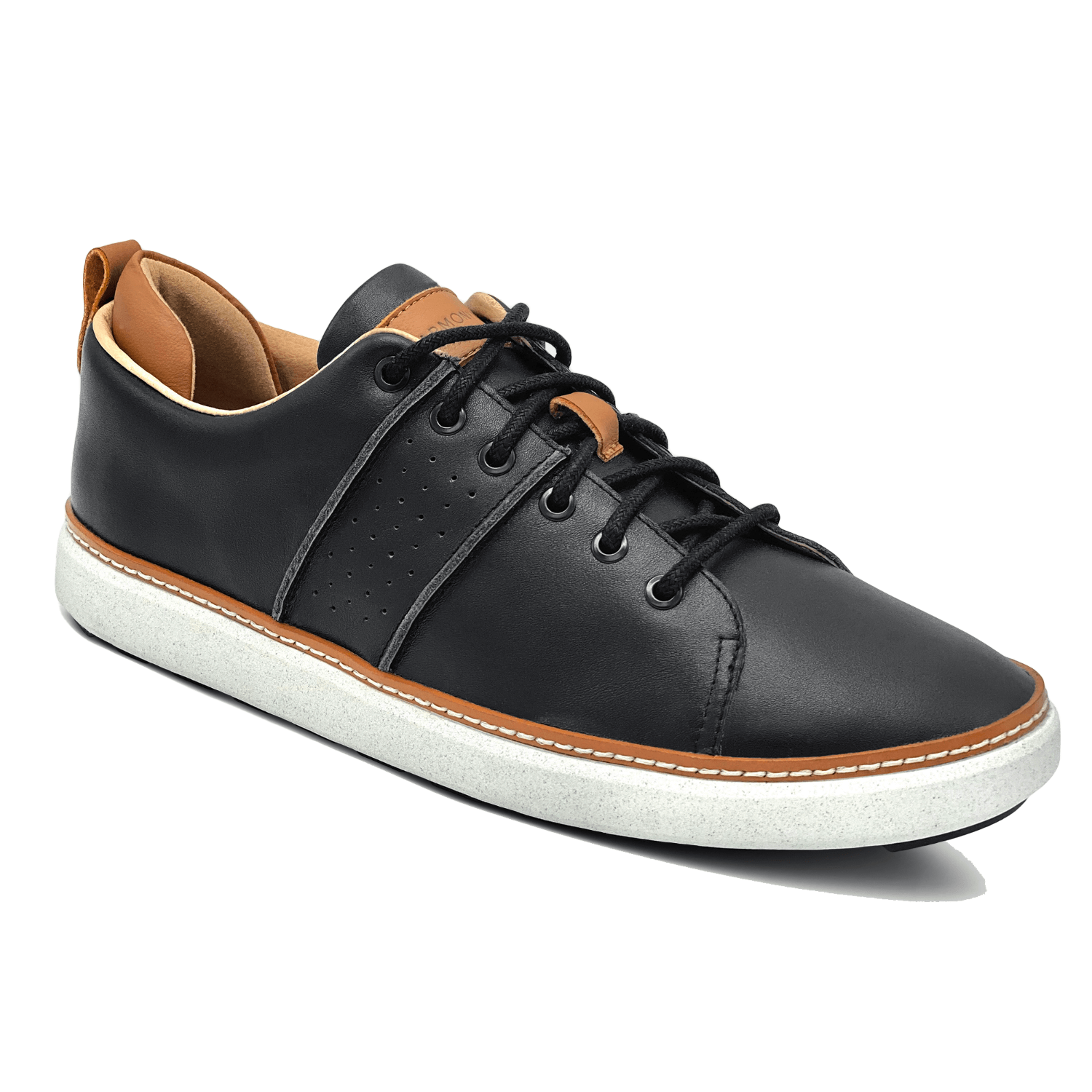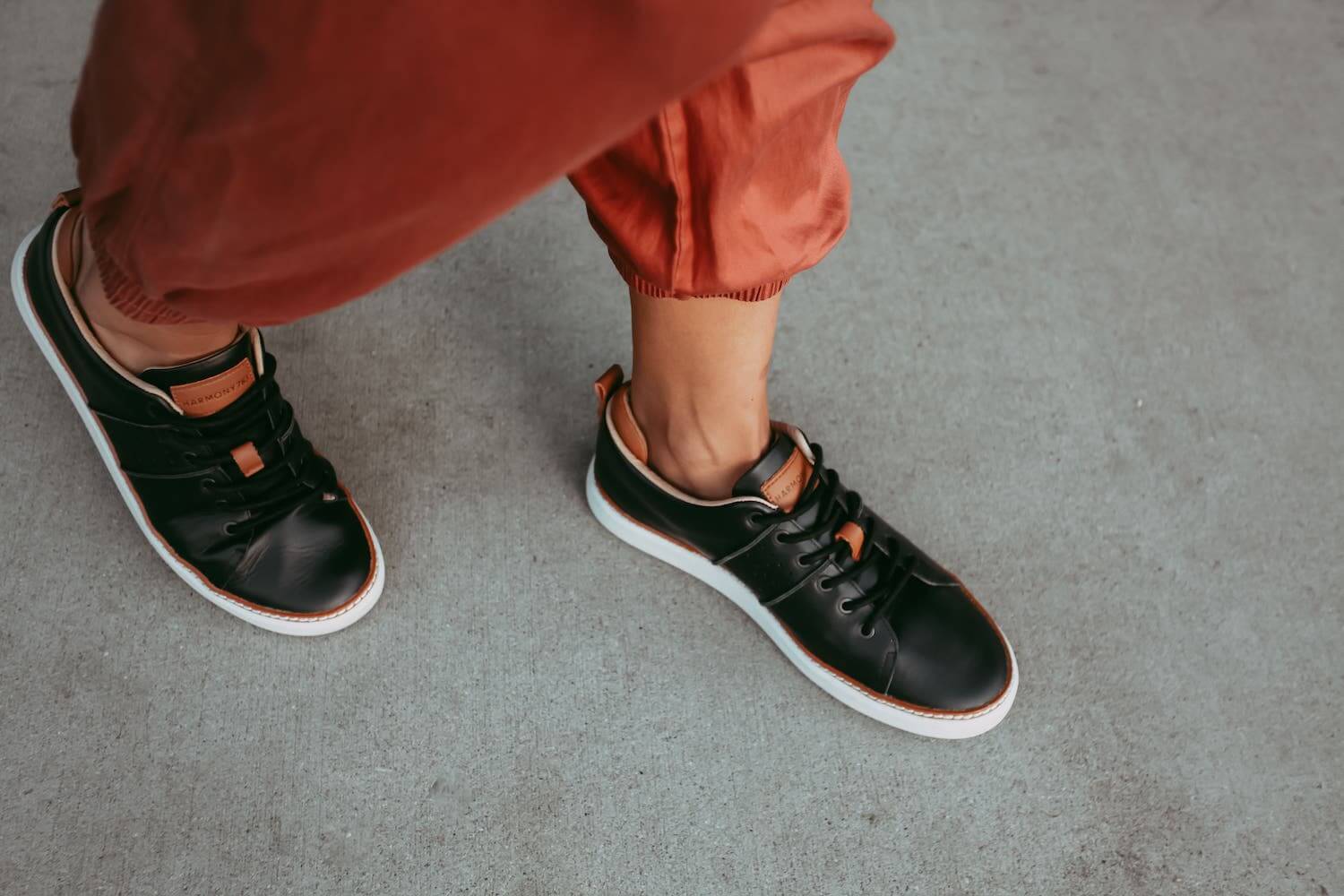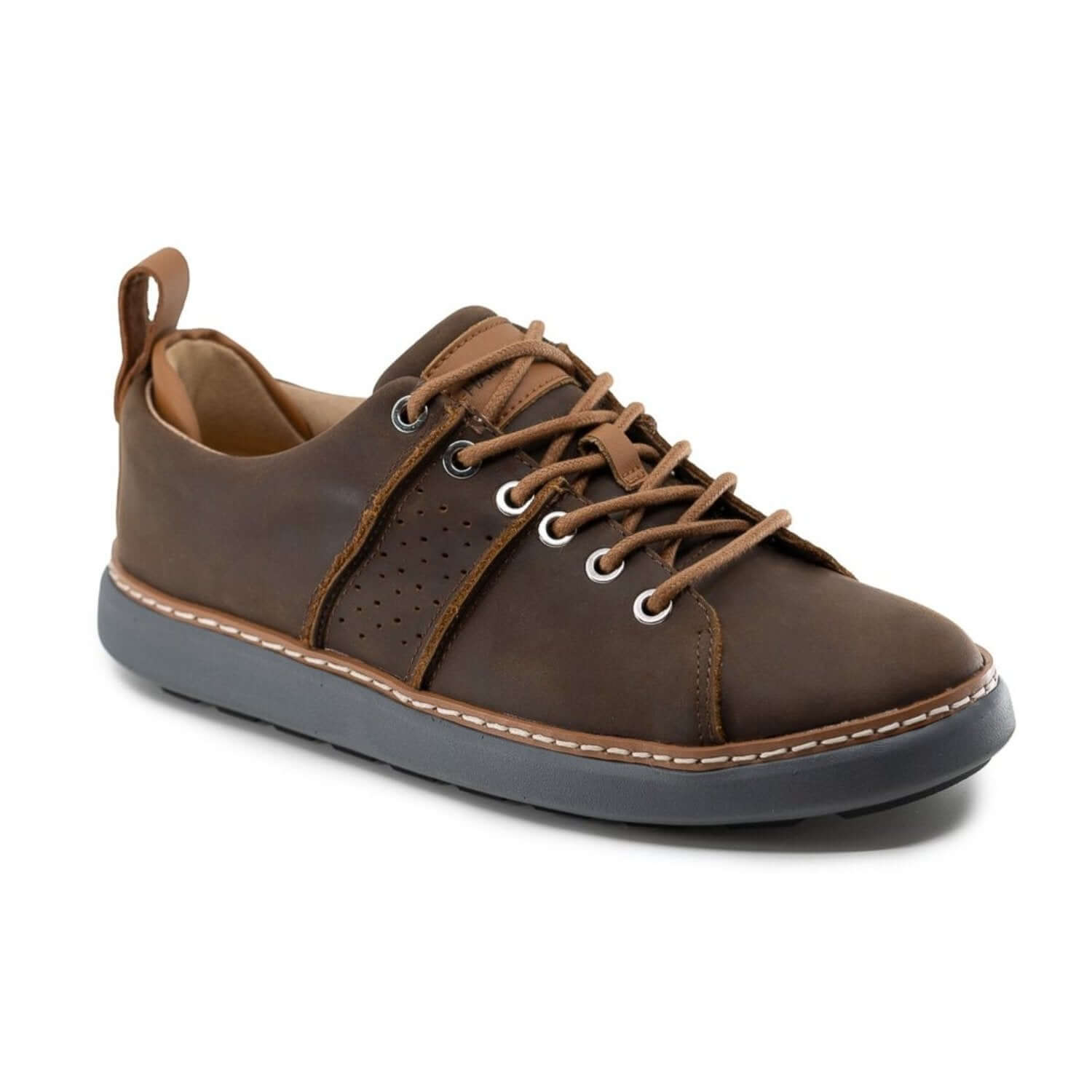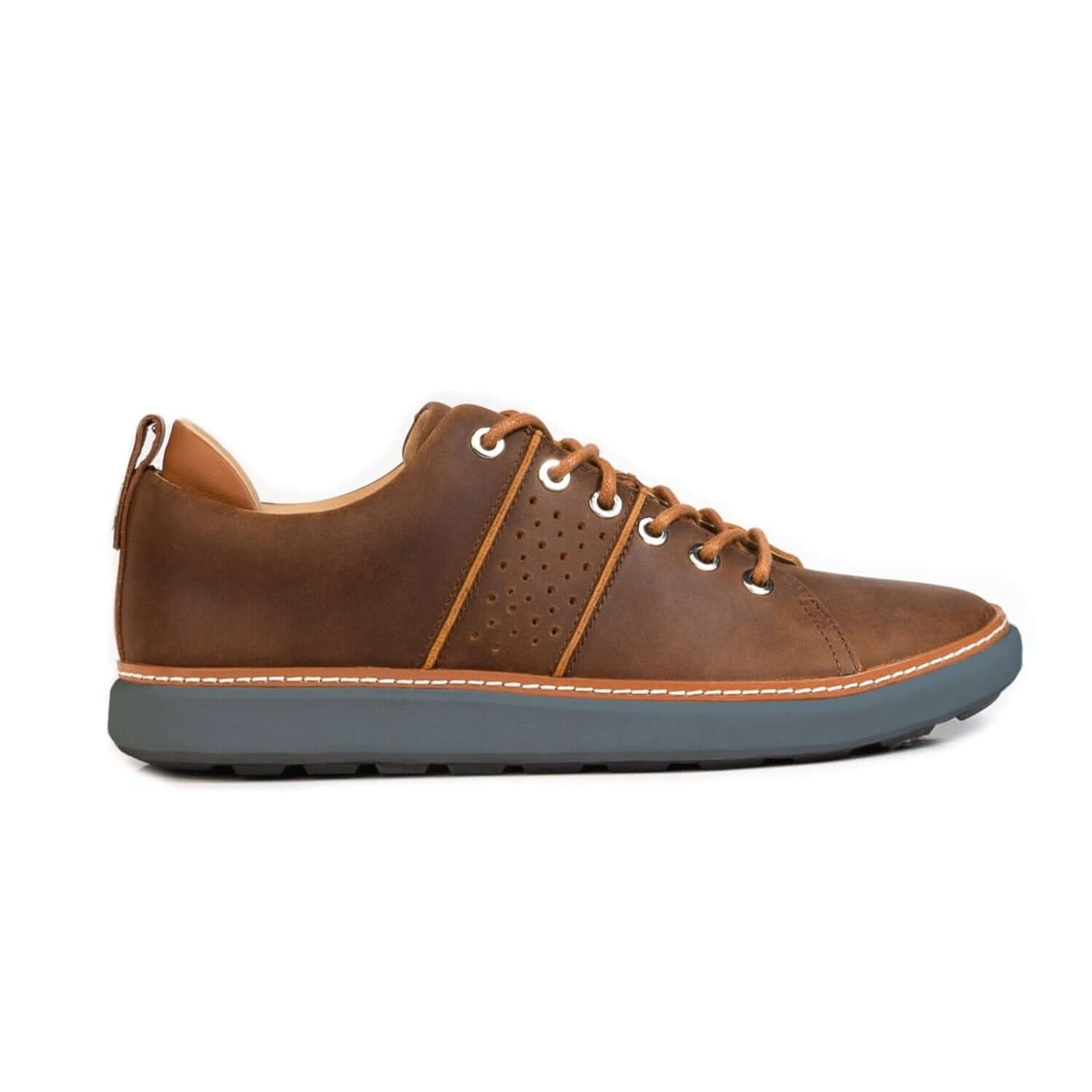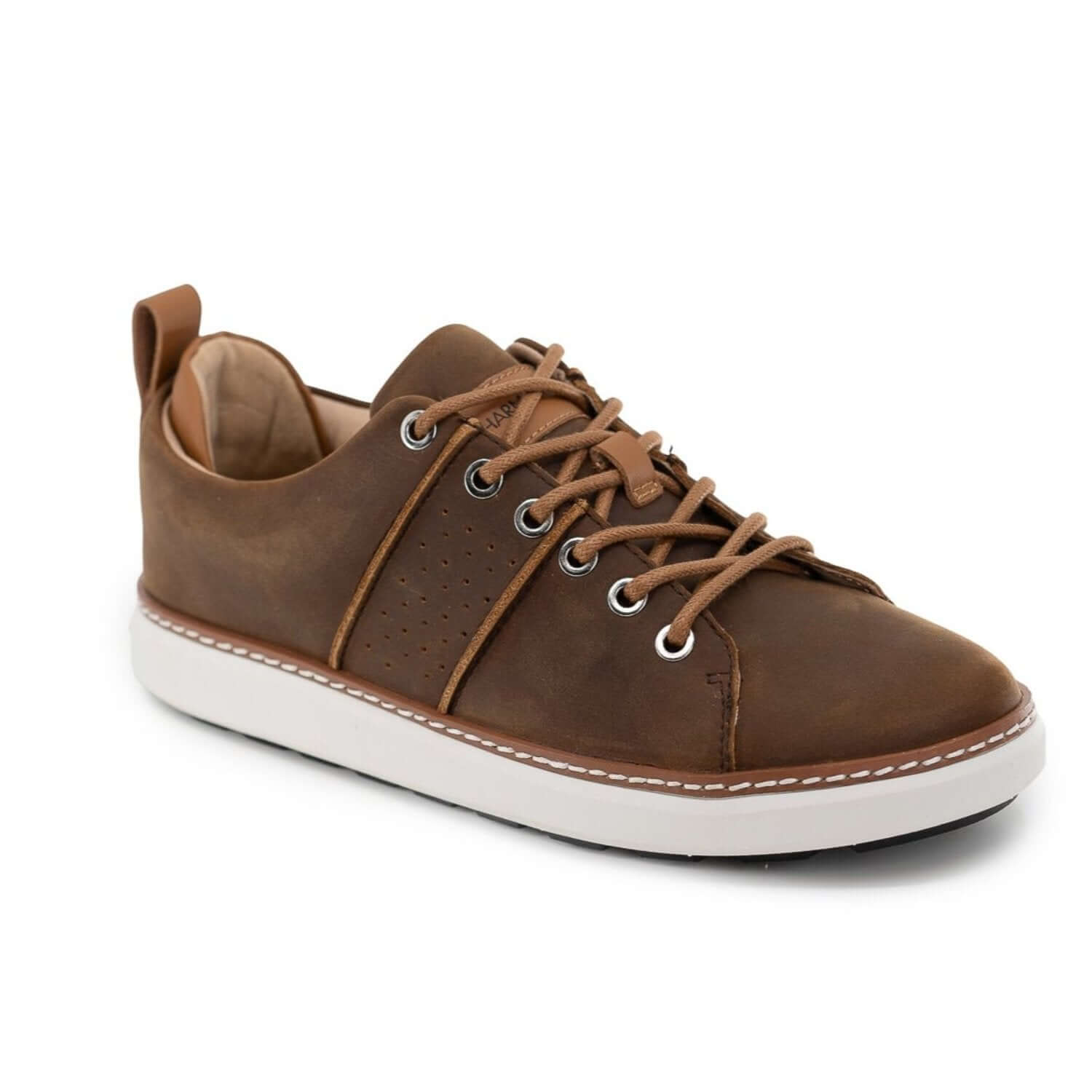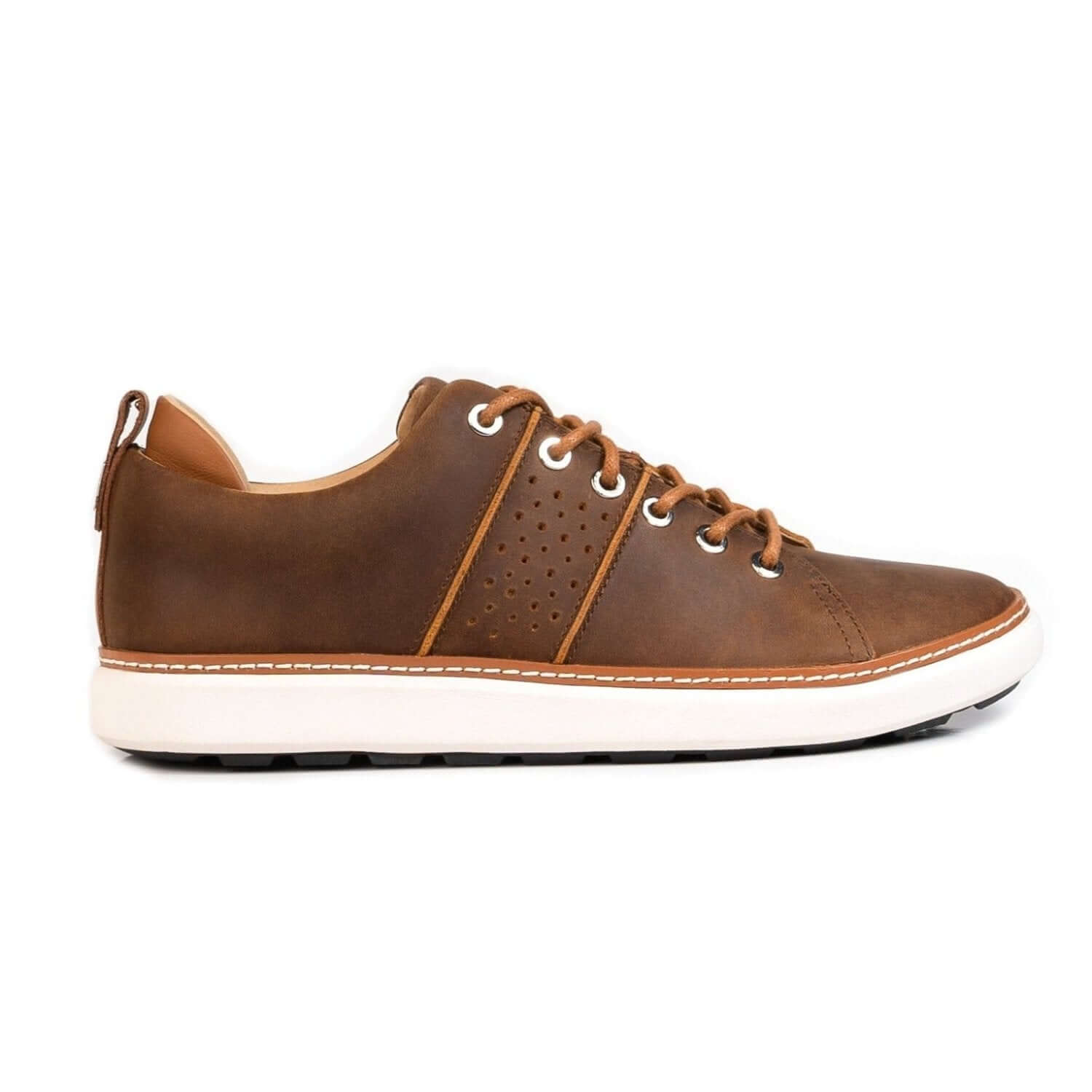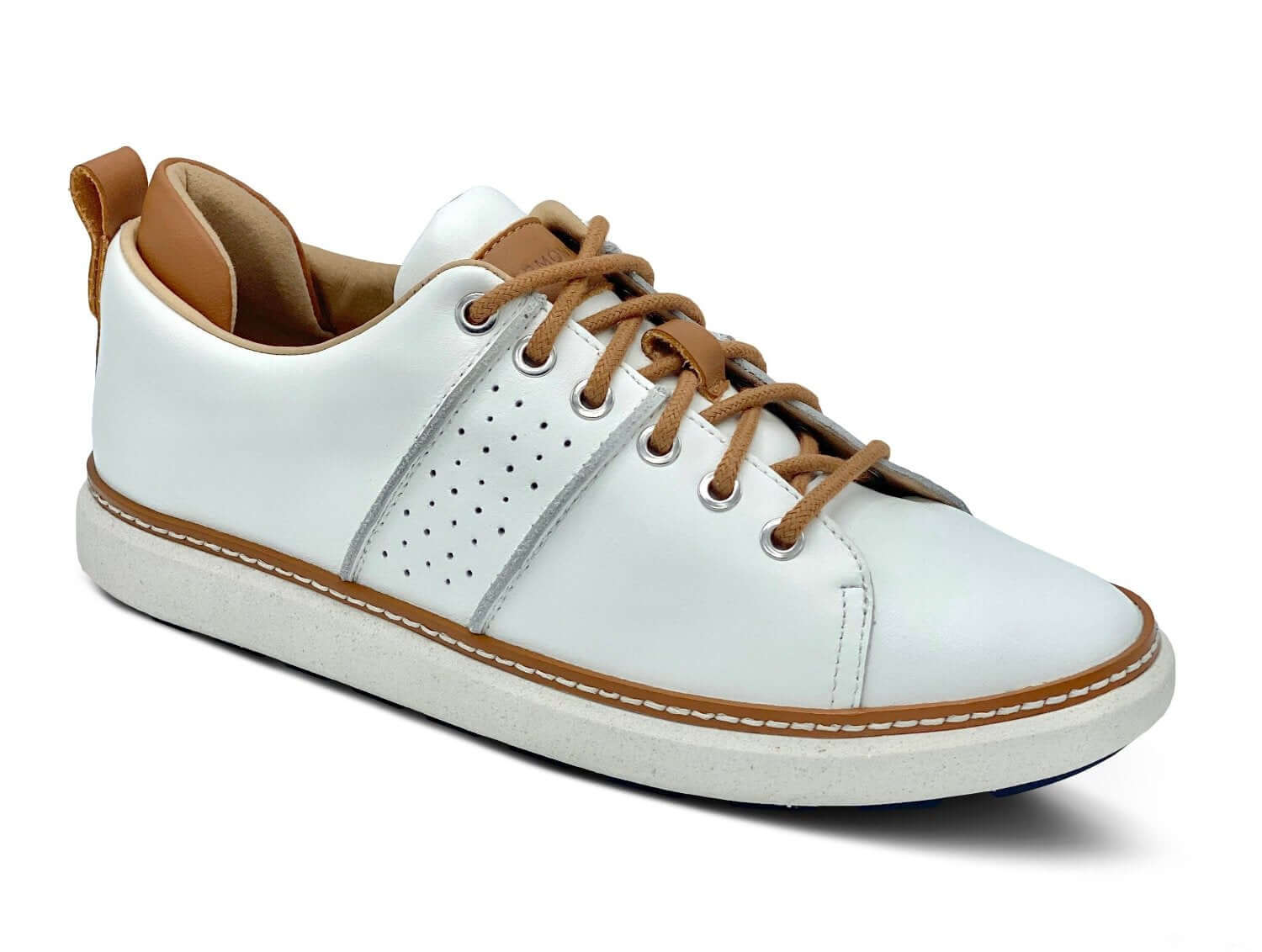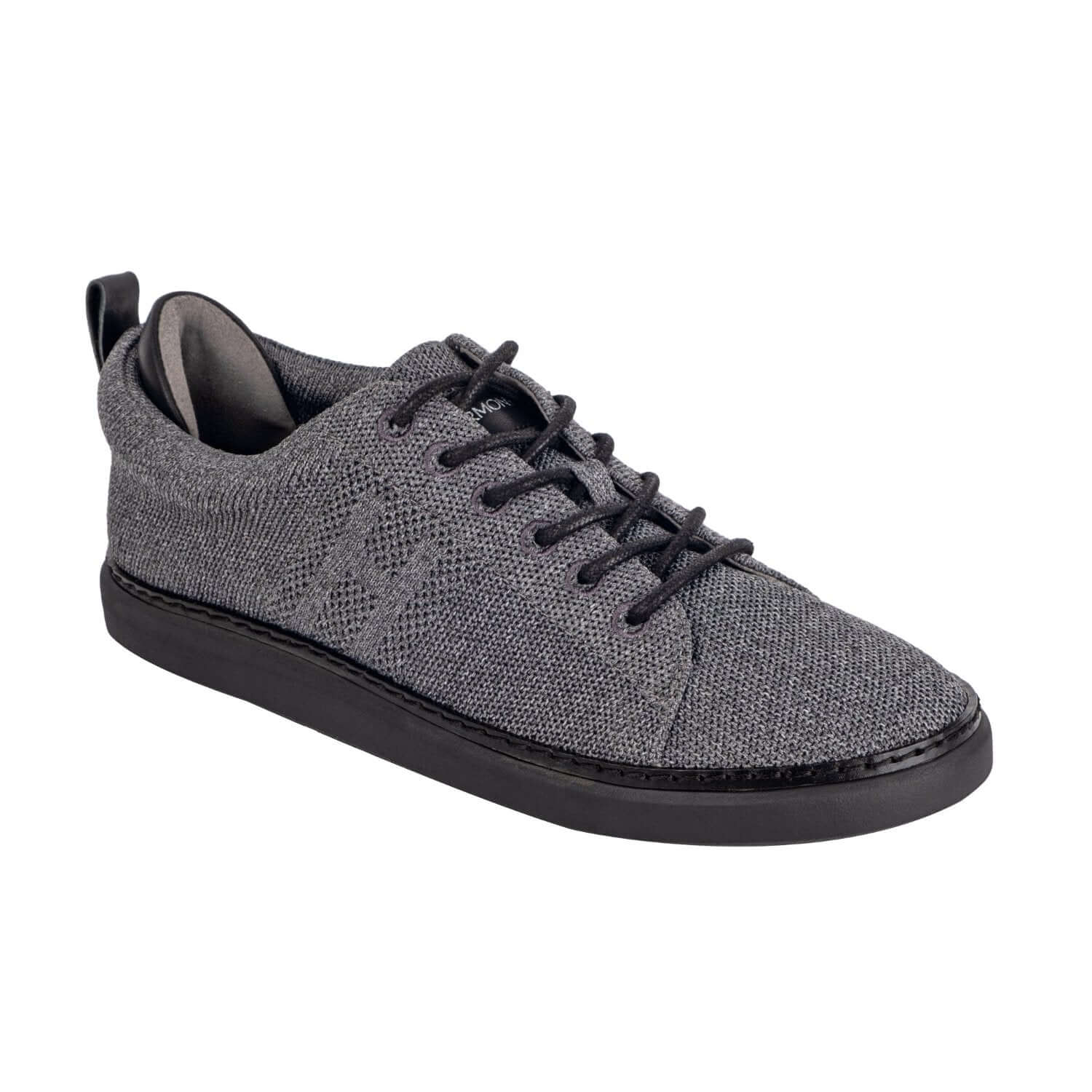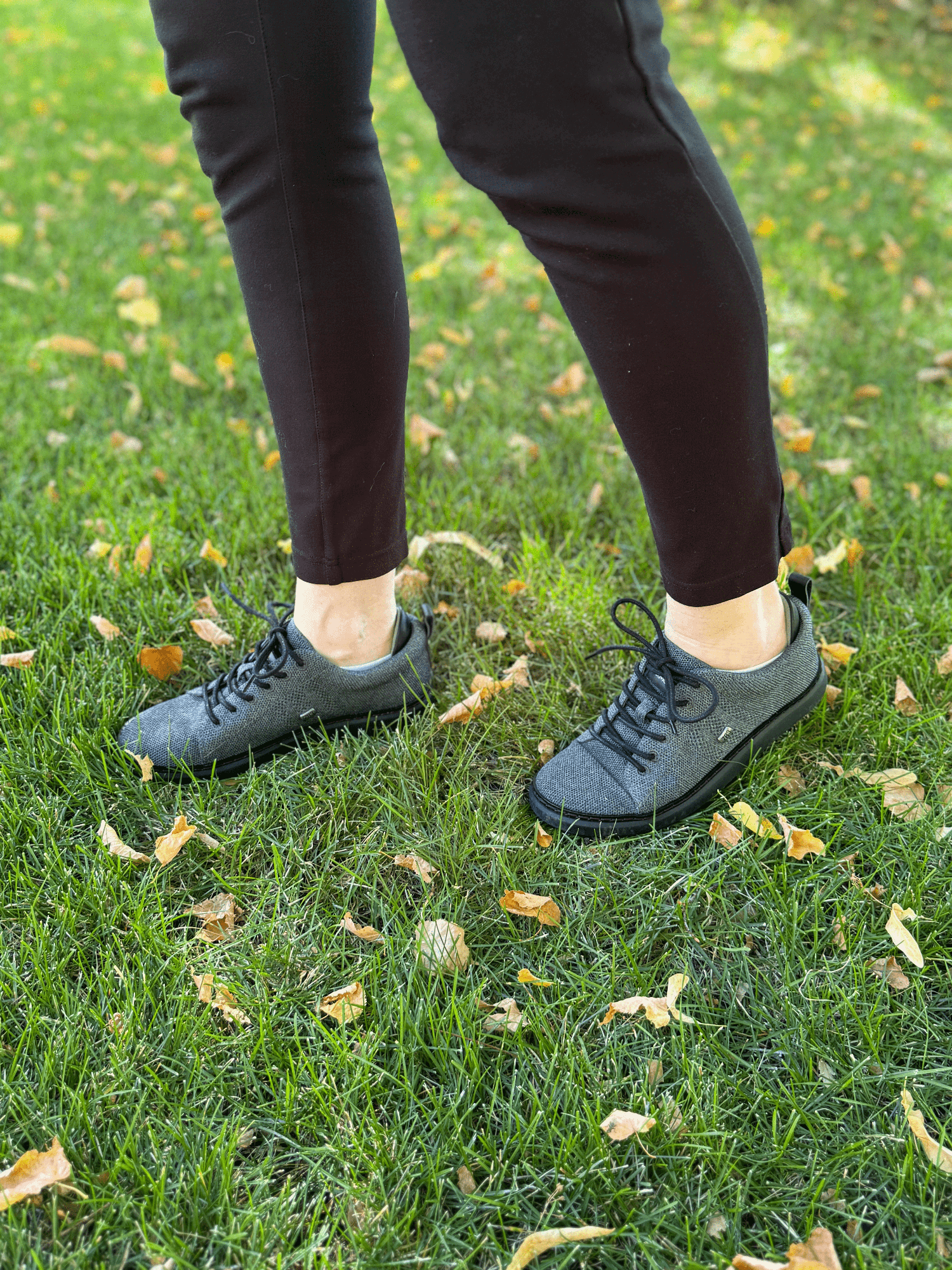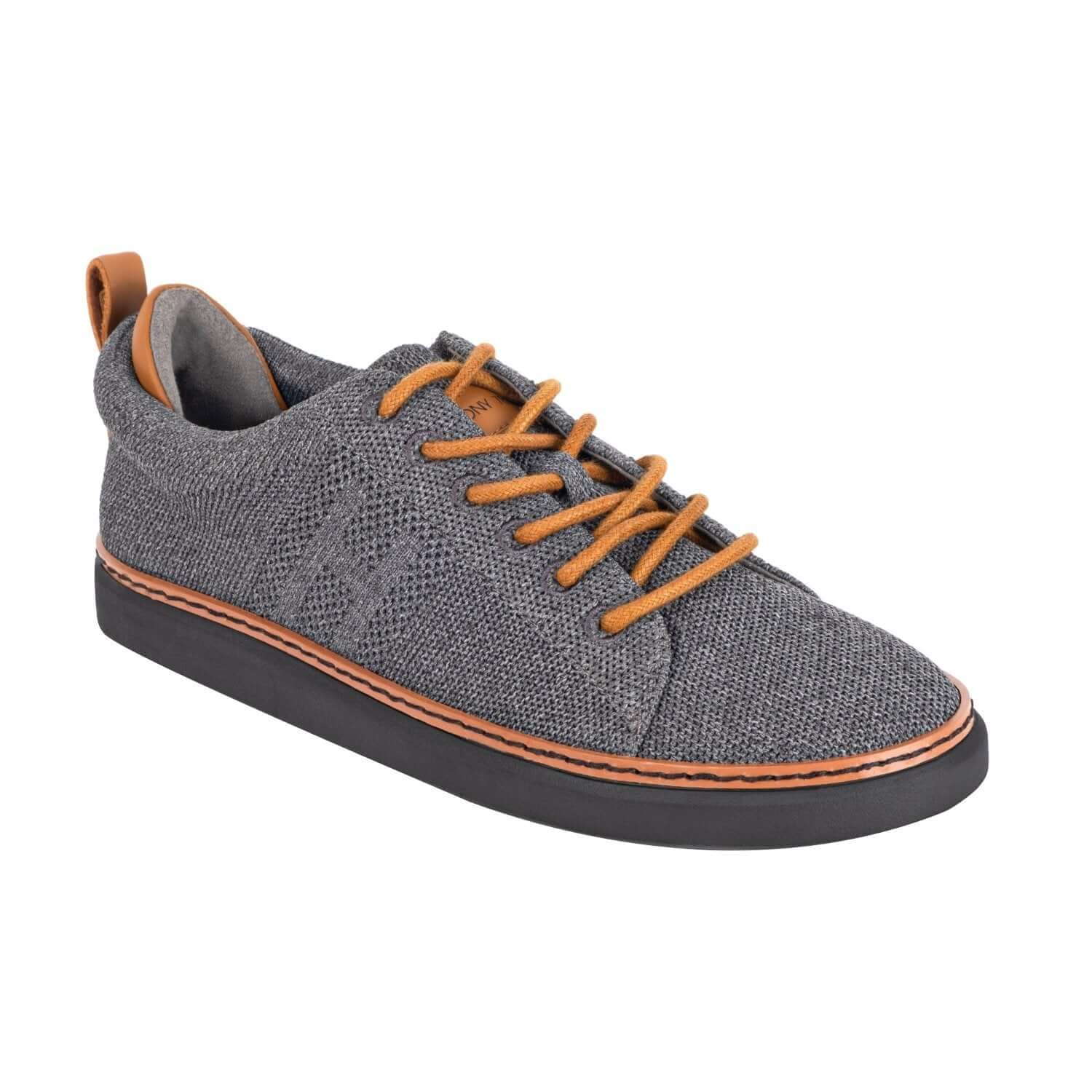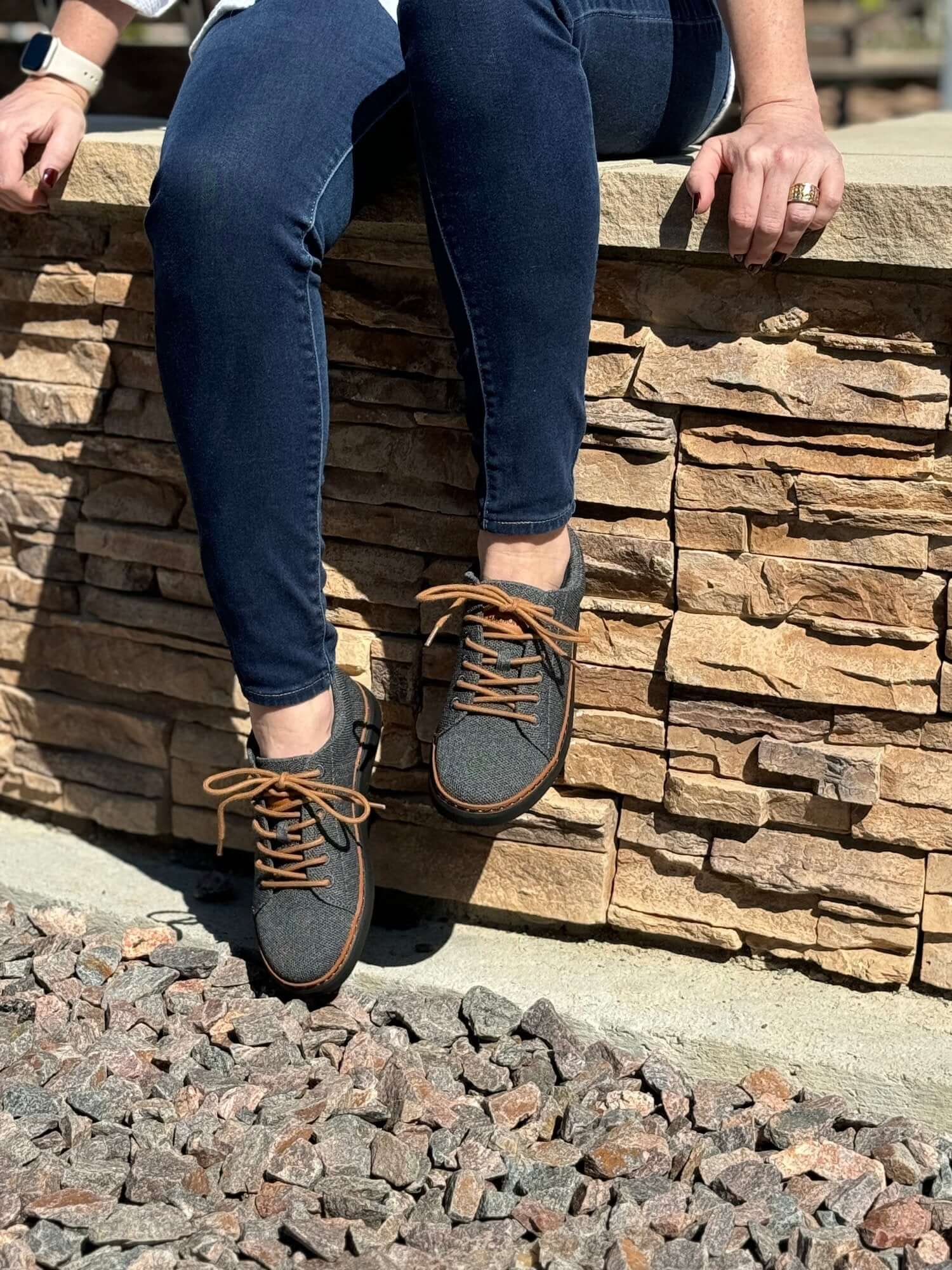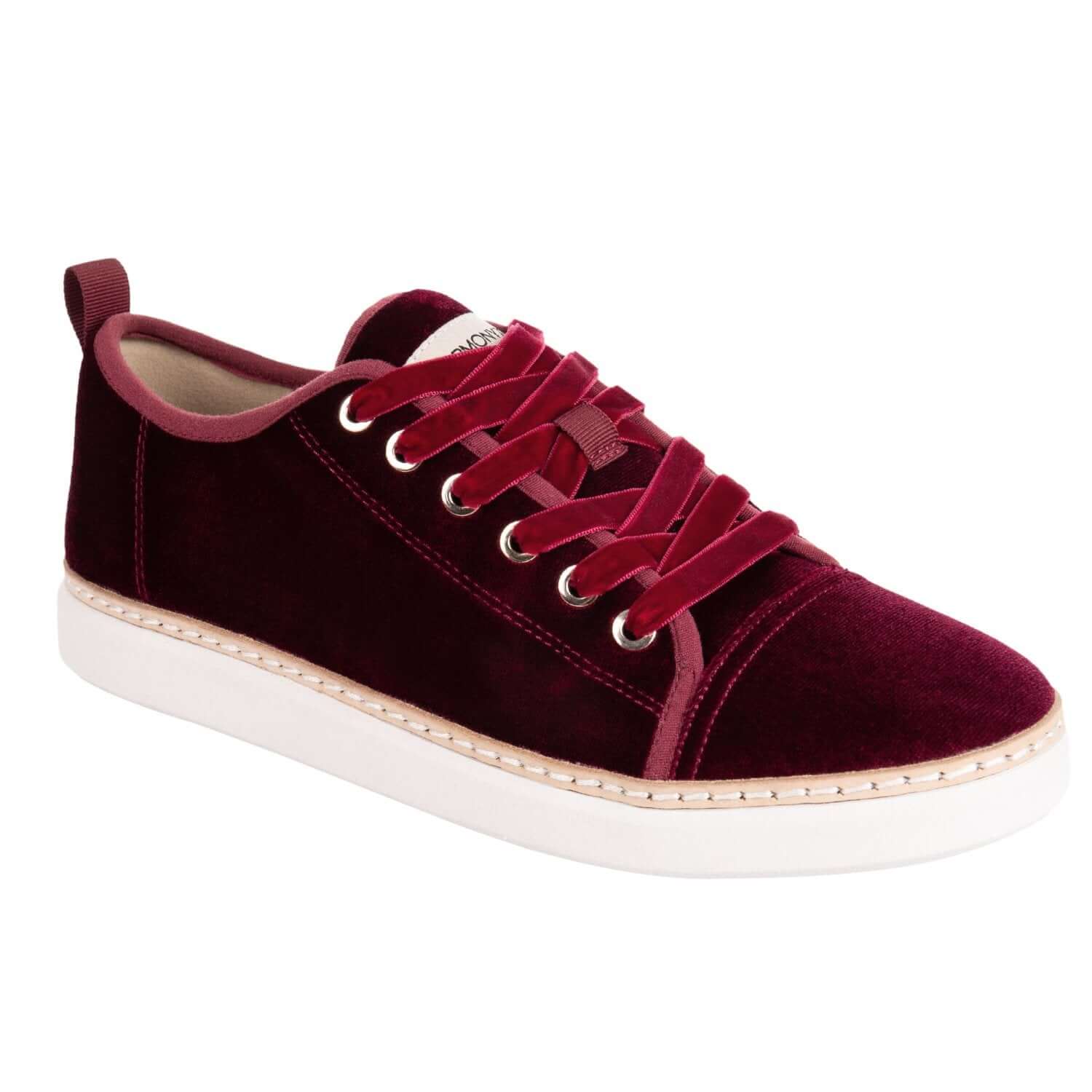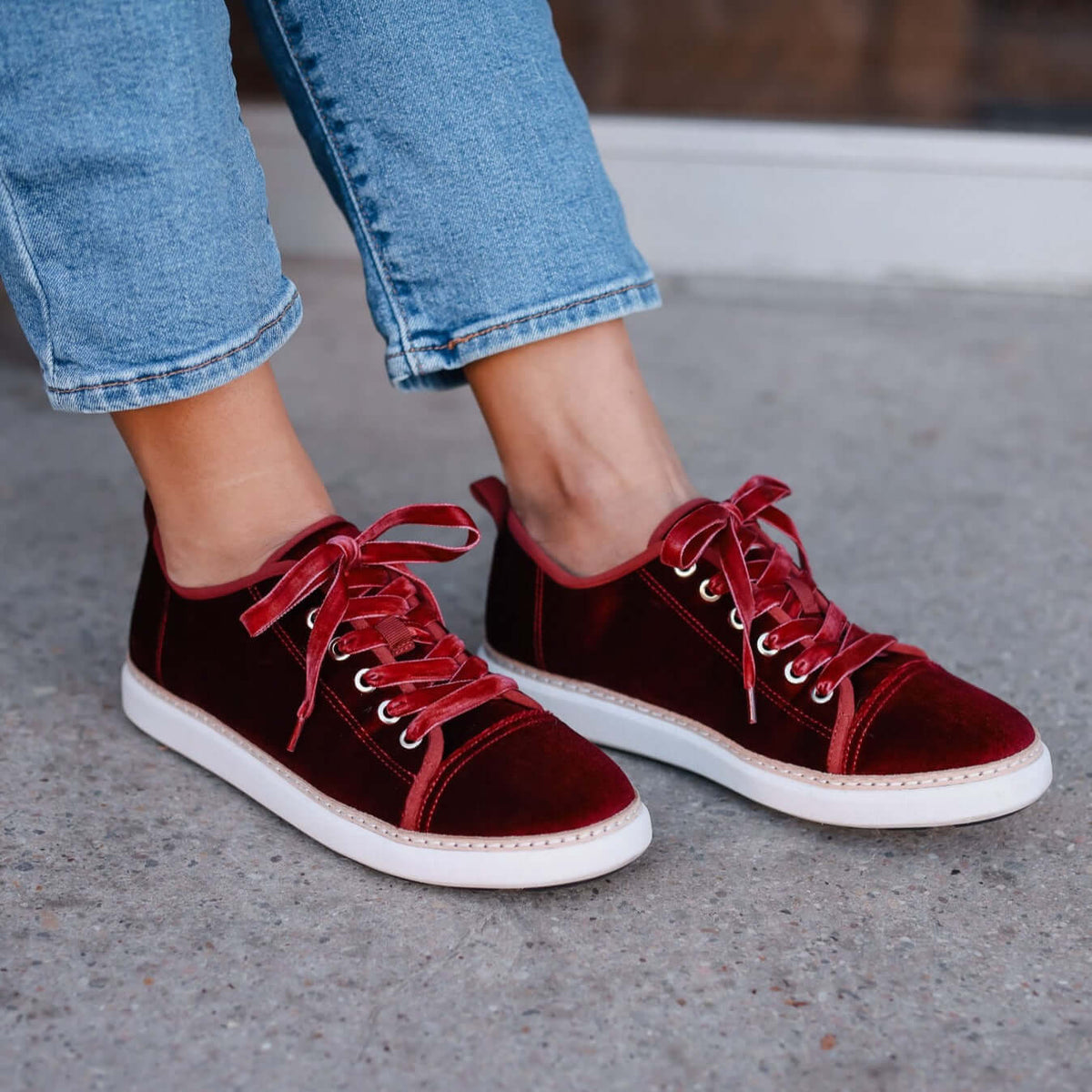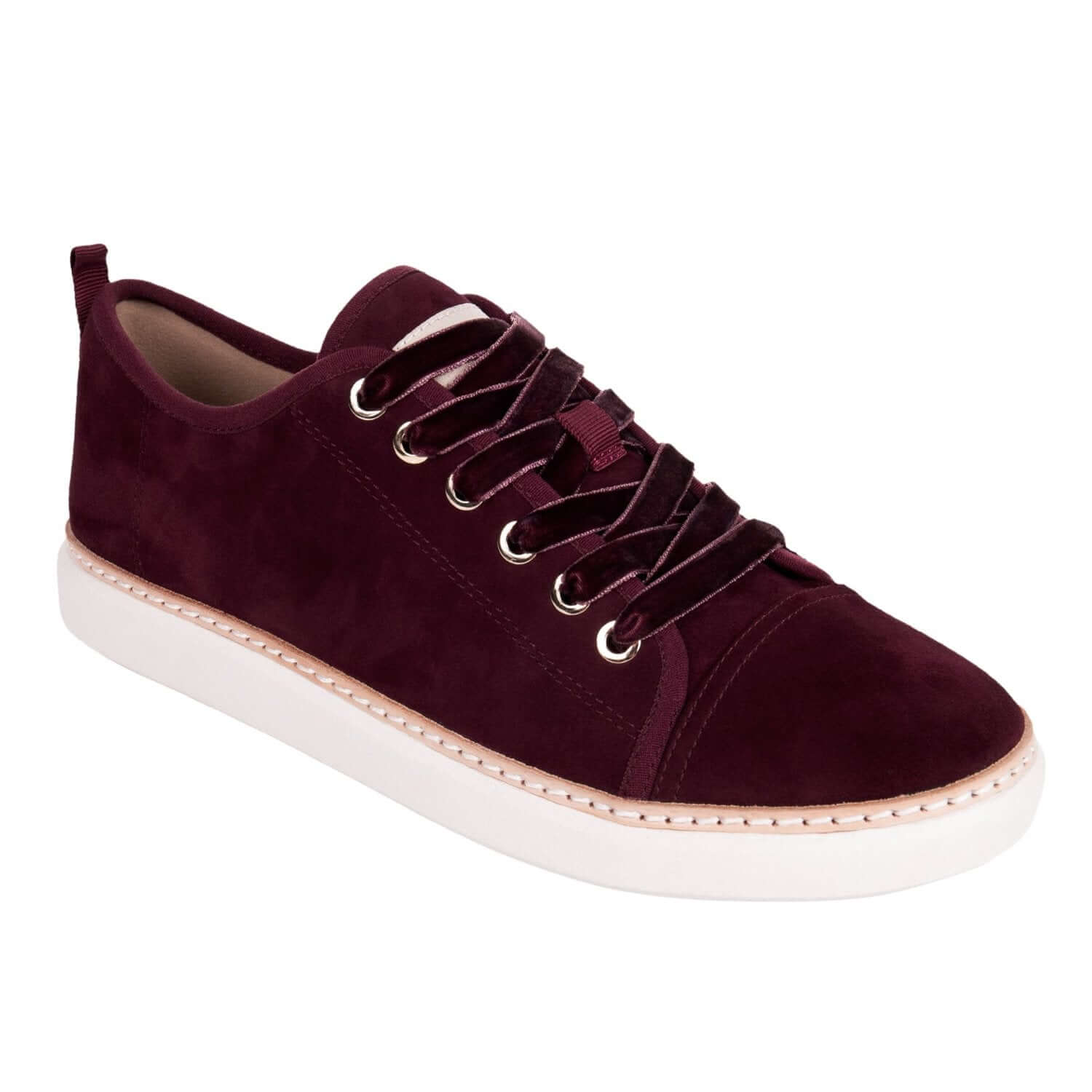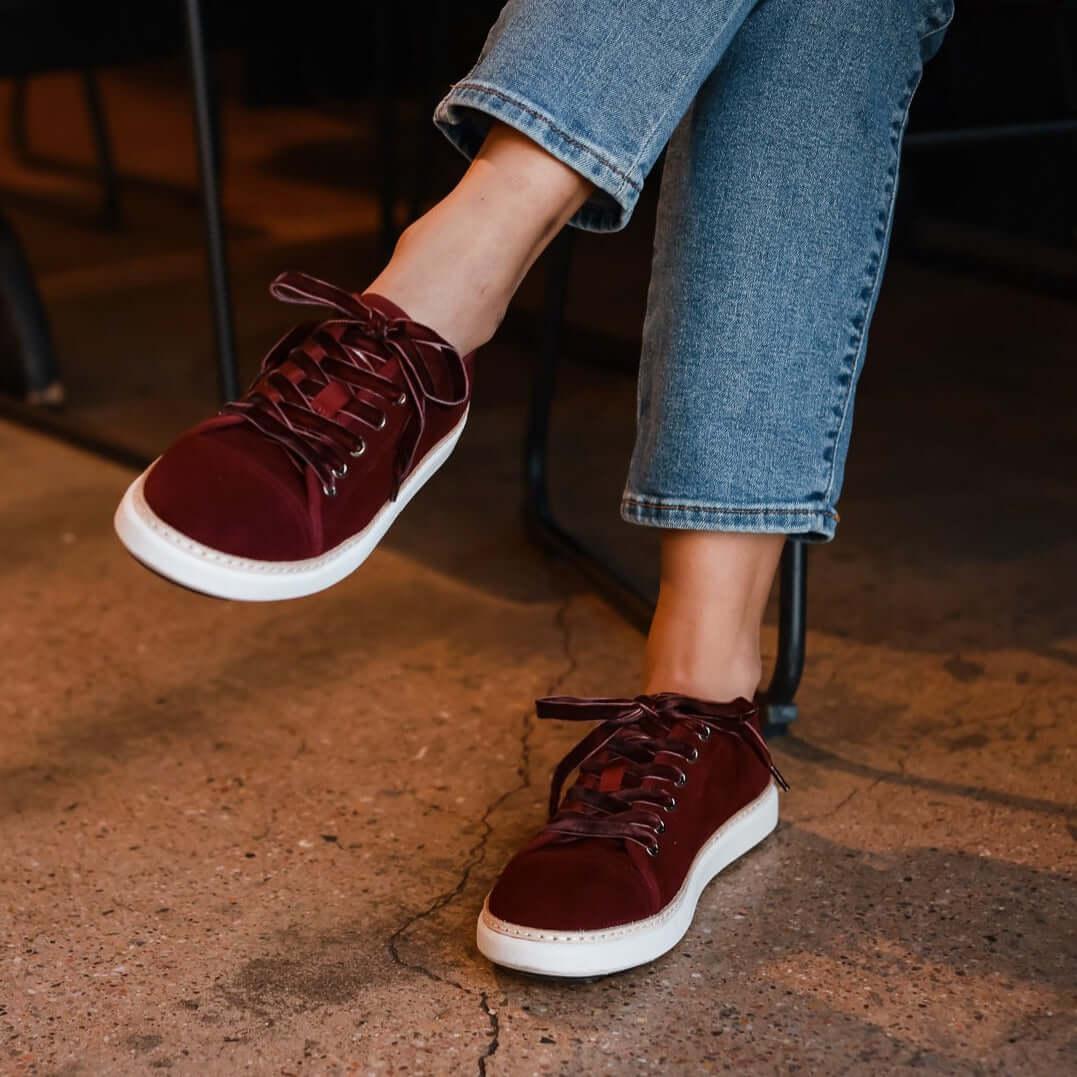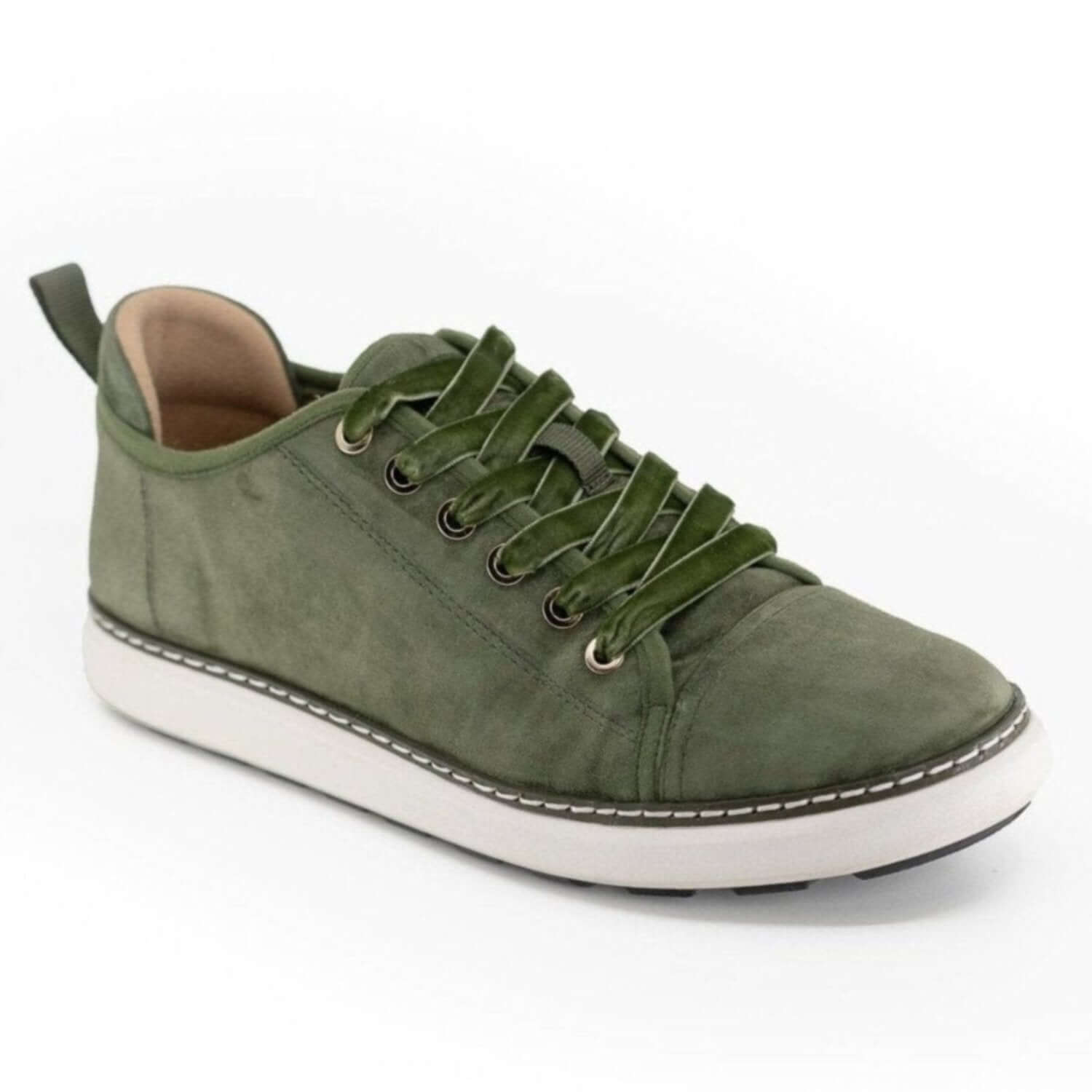

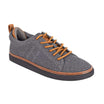
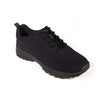
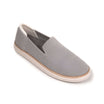

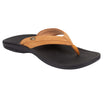
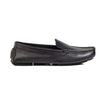
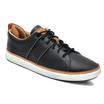

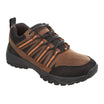
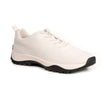


Grounding shoes biohacking means wearing shoes that link your body to the earth's energy. Most modern shoes use rubber or plastic soles that block the flow of electrons from the ground. By using parts that carry power, like silver or carbon, these special shoes let you stay grounded while walking or standing outside. This practice, also known as earthing, helps calm the nervous system and lower body stress. Leading experts like Dr. Laura Koniver, MD, say this simple shift can help you sleep better and heal faster after hard workouts. For those who want to improve their health, these shoes offer an easy way to help the body work better all day without going barefoot.
What is grounding: the science and physiological benefits
Grounding is a simple practice that links your body to the Earth's natural energy. This bond happens when your skin touches the soil, grass, or sand. The Earth's surface holds a subtle but huge supply of free electrons. When you make direct contact, these electrons flow into your body. This step is also called earthing, and it is a key part of the grounding shoes biohacking trend. Most people now spend their days in shoes with rubber soles that block this flow.
The science of electron transfer
The science behind grounding centers on how our bodies use energy. Every part of your body has a slight charge. The Earth is a giant battery that stays full of negative energy from lightning strikes and solar wind. When you walk barefoot, you soak up this negative charge. These electrons act like natural antioxidants inside you. They help to balance the free radicals that can cause stress in your cells. This shift helps your body find its natural state of rest.
Research suggests that this flow of energy can change how your blood moves. It may also help to lower cortisol, which is your body's main stress hormone. Staying grounded helps you reset your body's clock. Many people find that this simple move makes them feel more alert during the day. It is a fact-based way to help your systems work at their best. By closing the gap with the ground, you help your body heal itself.
Health perks for the body
One of the biggest perks of grounding is how it helps with pain. Studies in the National Library of Medicine show that grounding can lower inflammation. This is great for athletes who want a fast recovery after a workout. It also helps with joint pain and long-term swelling. When you reduce inflammation, you help your heart and your brain. These health gains are why more people now use grounding as a daily tool. It is an easy way to boost your wellness with no cost.
Sleep is another area where earthing shines. Being in touch with the Earth helps to steady your body's clock. This leads to deeper rest and fewer wakeups during the night. Many people also report feeling less tired when they wake up. Grounding helps your body drop its stress levels before bed. This makes it easier for you to fall into a calm sleep. Whether you walk in the park or use conductive tools, the goal is the same. You want to stay in sync with the planet's rhythm.
Common benefits of a grounding practice include:
- Better sleep and deeper rest
- Lower levels of daily stress
- Reduced muscle pain after exercise
- Faster healing of small wounds
- Better blood flow and heart health
To get these gains, you do not always need to be barefoot. You can use grounding tools like special shoes to stay in touch with the Earth. These items use conductive parts like silver and copper to let electrons pass through. This lets you stay grounded while you walk to work or run errands. It is a smart way to bring the power of nature into your busy life. Staying linked is the first step to a healthier you.
How grounding shoes work: from silver stitching to carbon soles
Most modern shoes use rubber or plastic soles that act as blocks to stop energy flow. These parts keep your body from touching the charge found in the earth. To fix this, Harmony 783 created the Groundworks system for their shoes. This tech uses special parts to build a clear path for energy to move through the shoe. It lets you get the perks of earthing while you stay safe and at ease. Every pair goes through a strict test to make sure the connection works as it should.
The Groundworks system
The Groundworks system is a five-layer design built for a steady connection. It starts at the ground and ends at your foot to keep the circuit open. Each part of the shoe must be conductive to let the energy move without stopping. Research shows that contact with the earth can help reduce inflammation and pain across the body. Using this tech is a simple way to stay connected even when you are busy. Without this special path, your body stays away from the earth's supply of electrons.
Silver stitching for flow
The first part of the system is the pure silver-stitched footbed. Silver is one of the best ways for moving energy from one place to another. The stitching goes through the footbed so it can touch the bottom of your foot. This layer picks up electrons from the ground and brings them right to your skin. Many people find that grounding walking shoes help them feel more steady during long daily walks. The silver thread is strong and is built to last for many miles of use.
Below the footbed is the conductive lasting board which is also stitched with silver. This layer acts as a bridge between the top and the bottom parts of the shoe. A 99 percent pure silver fabric loop helps the flow of energy stay steady and strong. This loop joins the lasting board to the outer sole of the shoe. This smart design ensures the path stays open from the earth all the way to your foot. It is a key reason why these shoes help you stay grounded on grass or soil.
Conductive carbon outsoles
The bottom of the shoe is the carbon rubber outsole. Plain rubber does not move energy well, but adding carbon to the mix changes that. The carbon makes the rubber conductive so electrons can move from the earth into the shoe. Using carbon also keeps the sole strong while it still bends with your foot. You get the same grip and wear as a normal shoe but with the added perk of earthing. This tech is a top choice for people who want to add grounding to their daily life.
Harmony 783 also uses a special midsole to keep your feet feeling great all day. Some styles use a foam made from algae that is light and soft. This part sits between the conductive layers to give you a smooth and easy ride. The goal is to make a shoe that feels good and keeps you connected at the same time. By mixing new tech and comfort, these shoes offer a great way to think about your foot health. You can use them on any natural surface to help your body find its balance.
Why biohackers are obsessed with earthing footwear
Biohackers look for every small edge to help their health. They want to sleep better, move faster, and feel less stress. For many in this crowd, grounding shoes biohacking has become a top trend. These shoes link the body to the earth's natural charge. This simple bond helps the body stay in a balanced state. It is a low-work tool that fits right into a busy day.
Improving the sleep cycle
Many people who biohack use tech to track their rest. They wear rings or bands to see how much deep sleep they get. They often find that grounding helps these scores go up. One study in the Journal of Alternative and Complementary Medicine showed that grounding at night can lower cortisol. Cortisol is the body's main stress hormone. When it stays low at night, you can fall asleep fast and stay asleep long.
High cortisol at night is a common problem in our modern world. Fake lights and screens keep us on high alert. This breaks our natural clock. By wearing conductive shoes during the day, biohackers aim to reset this flow. They use earthing to signal to their body that it is time to wind down. Better sleep leads to better focus and more energy the next day. This makes grounding a key part of any recovery plan.
Reducing body-wide inflammation
Systemic inflammation is a major target for health fans. It is often the root cause of joint pain and slow healing. Earthing gives a way to fight this without pills or complex diets. The earth has a slight negative charge. When you make contact, you receive free electrons. These electrons act like natural antioxidants in your system. They help stop free radicals that cause cell damage.
Research on NCBI shows that this can lower white blood cell counts. It also helps reduce markers of pain after hard exercise. For athletes and biohackers, this means less downtime. They can train harder and bounce back fast. Instead of waiting days for muscle soreness to fade, they use grounding shoes to speed up the process. It is a natural way to keep the body in a peak state.
An easy health habit
The best health hacks are the ones that are easy to keep up. Most routines take a lot of time or gear. You might have to fast for hours or sit in a tub of ice. But you already put on shoes every day before you leave the house. Switching to a pair with conductive soles makes the habit simple. You don't have to think about it. You get the benefits while you walk to the office or take the dog out.
Harmony 783 makes this easy with their Groundworks(tm) tech. This five-layer system makes sure you stay linked even on city streets or concrete paths. You don't have to find a patch of grass to get the benefits. This "on-the-go" earthing is why the group is so obsessed. It fills the gap between old wisdom and modern life. It lets you stay linked to nature without changing your daily life. To learn more about the science, you can read about what is grounding and how it affects the body.
Comparing grounding shoes: parts, soles, and tech
Grounding shoes are a top tool for biohacking fans because they help you connect with the earth's natural energy. This process can reduce inflammation by moving electrons from the ground to your skin. Many people use these shoes to improve sleep and boost rest after a long day. You should look at the parts and tech in each pair to find the best fit.
Parts for comfort and active use
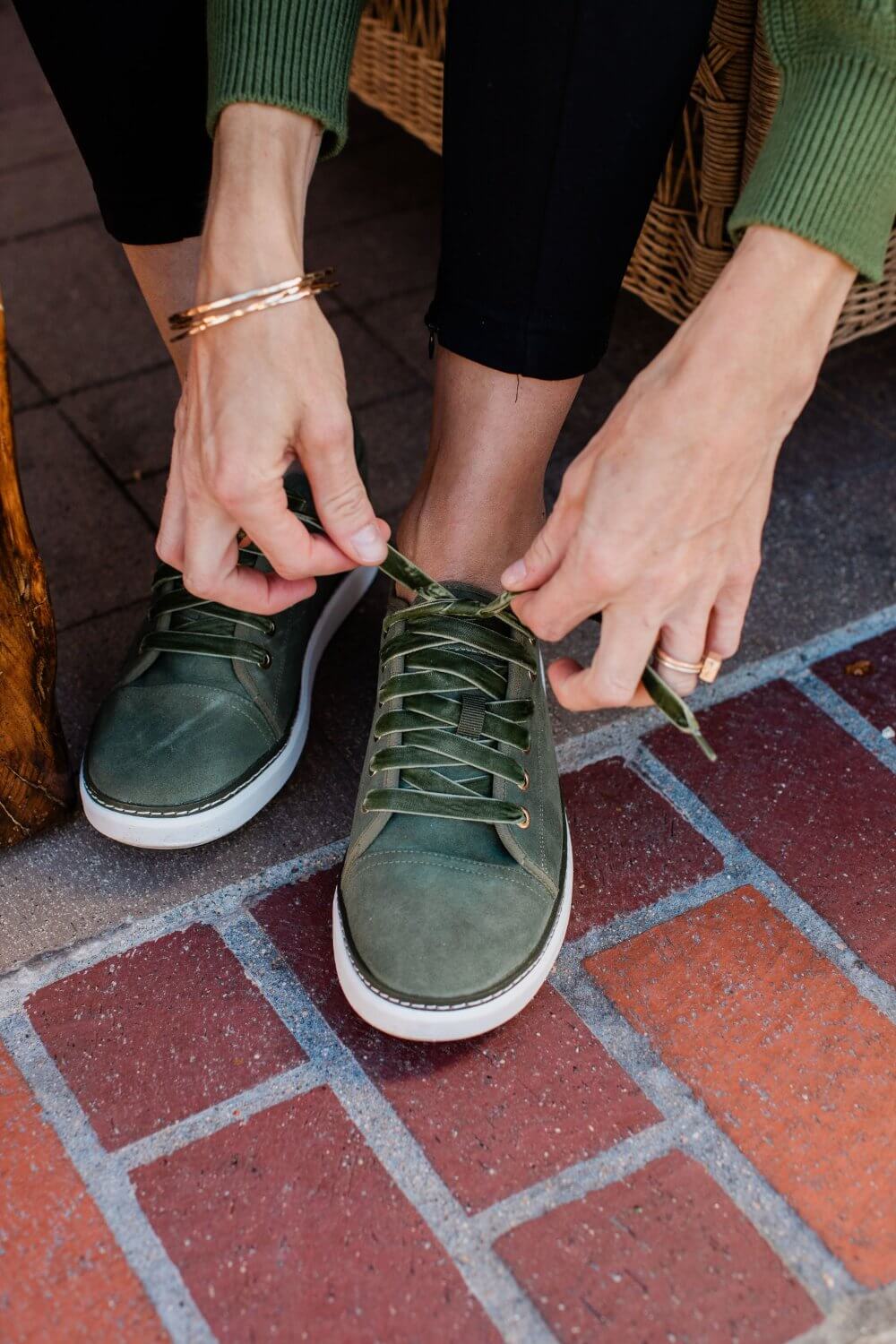
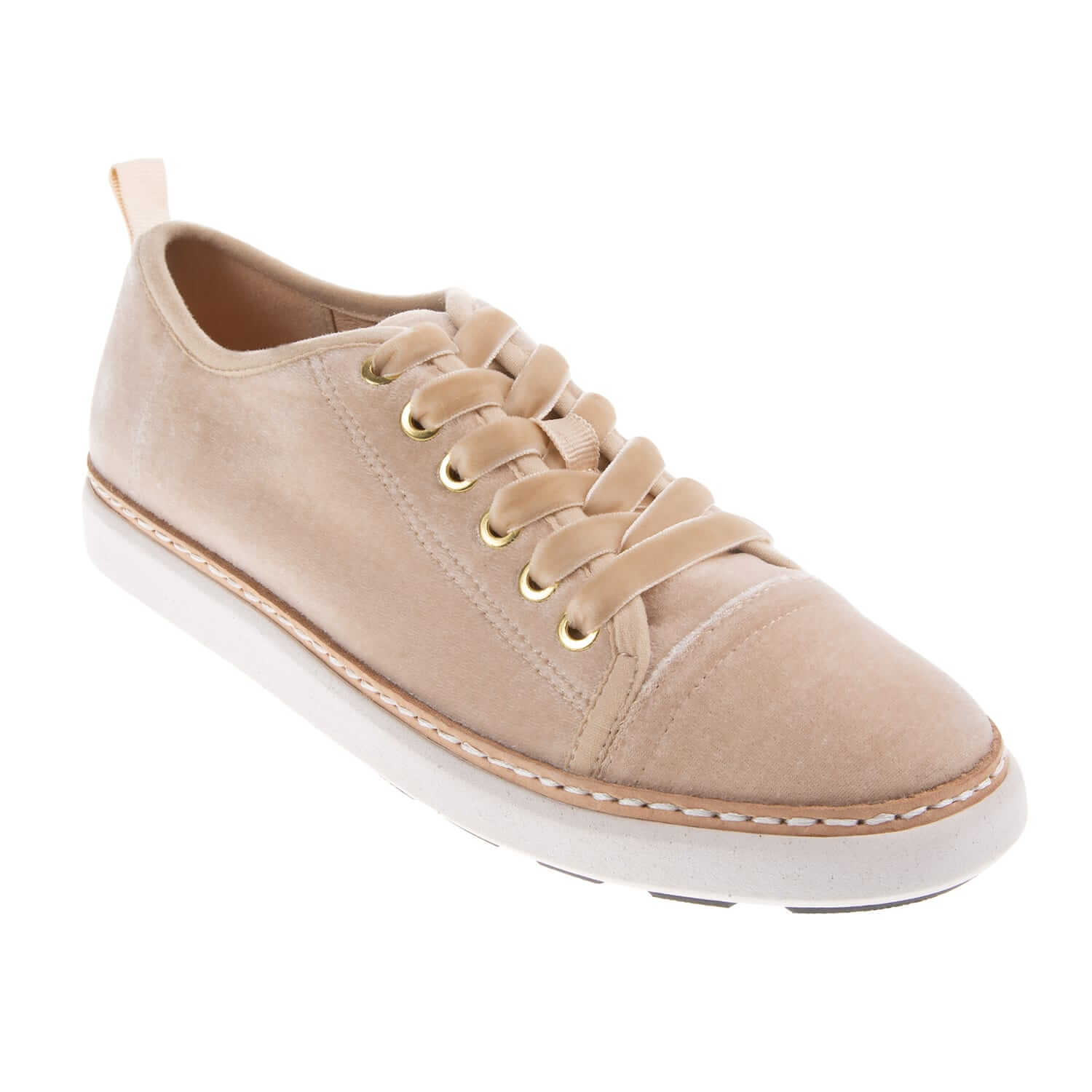
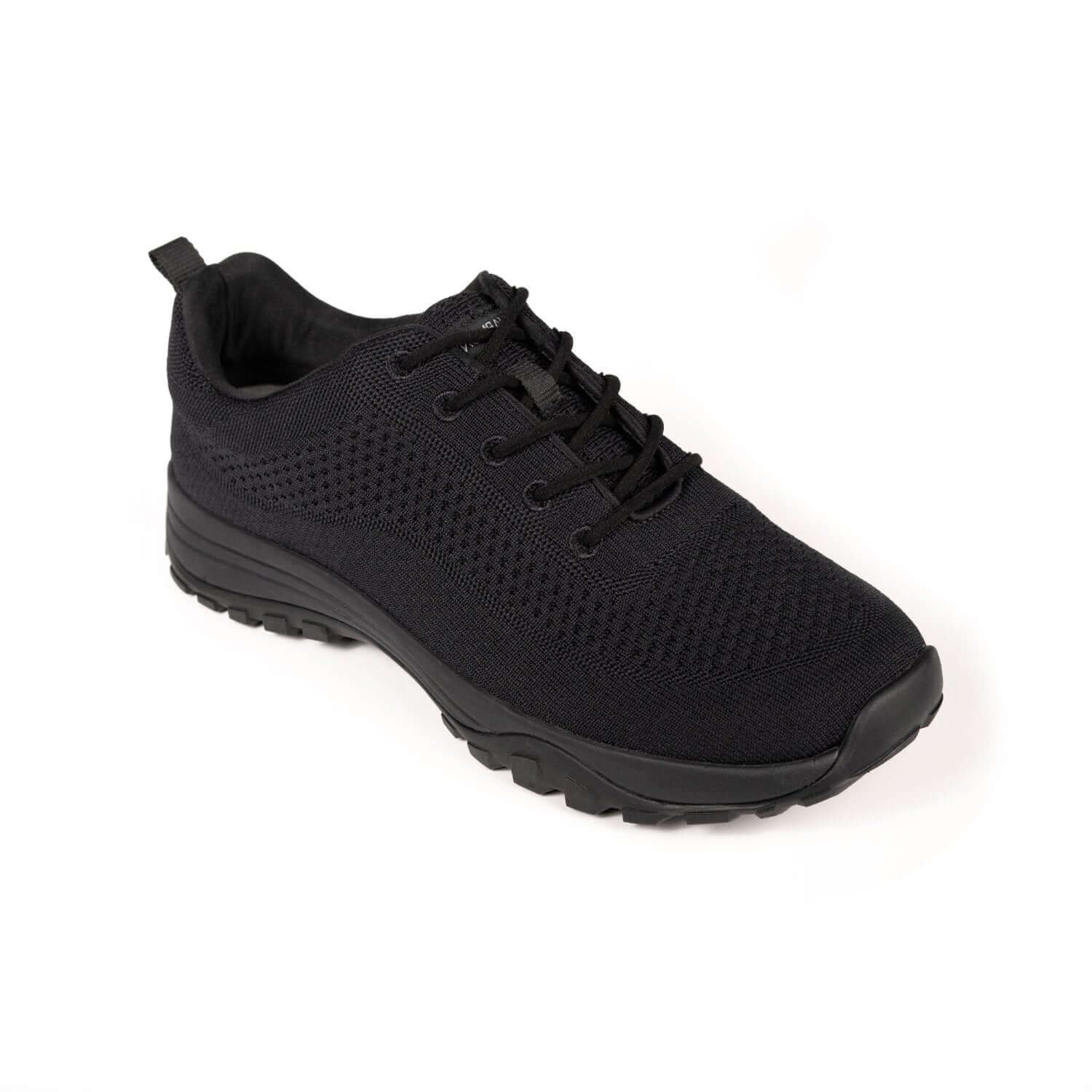
Most grounding footwear uses top grade parts to keep your feet happy. Some styles use bamboo knit sneakers because the fabric is light and lets air in. This helps your feet stay cool during a workout or a long walk in the sun. Other pairs use leather or suede for a classic look and a tough feel.
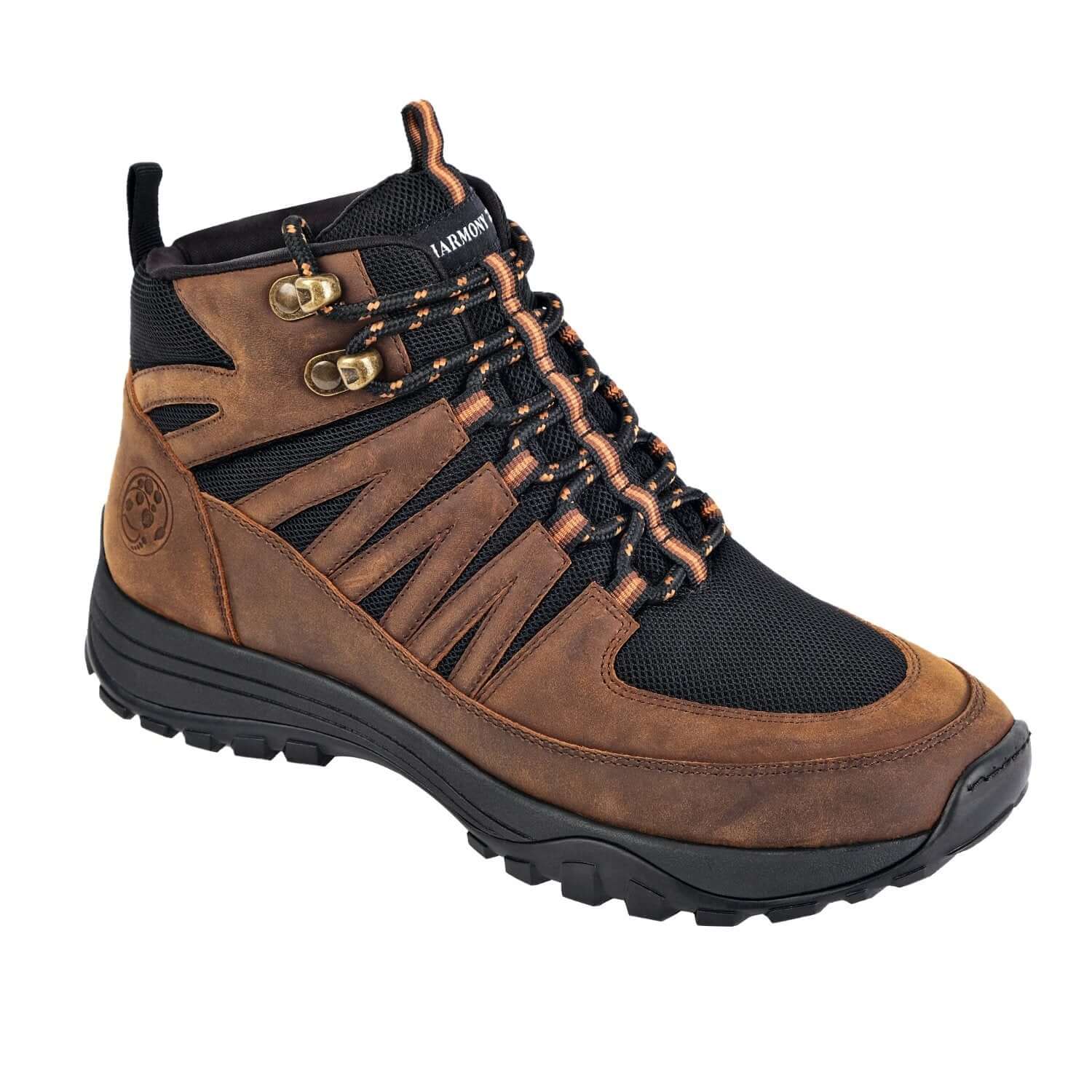
Good parts also make sure the shoe stays comfy even when you wear it all day. For wet paths, some trail shoes even have water-safe coatings to keep you dry. These coatings block wetness while the soles keep you grounded. Both types give you the same health perks while matching your own style.
Sole tech and the Groundworks system
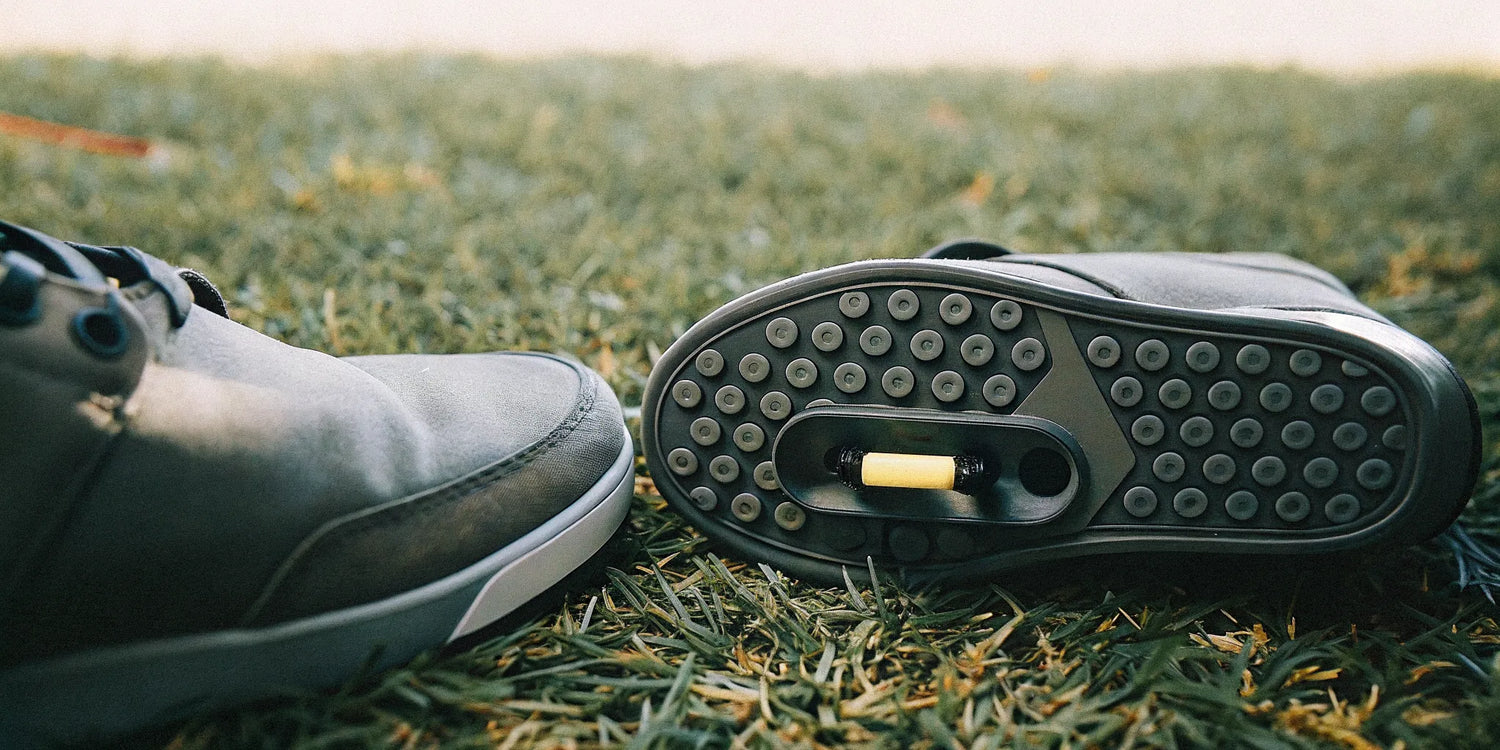
The secret to these shoes is in the sole. Harmony 783 uses a special system called Groundworks to make the connection work. This system uses a five-part design with carbon-infused rubber and silver topstitching. These parts work to pull energy from the earth up into your feet.
Each pair has a conductive plug that touches the ground directly. This lets you stay grounded while you walk on grass, dirt, or sand. You can find this tech in many styles, like grounding sandals for warm days. The tech also includes a silver-coated footbed to help electrons move freely.
This design sets these shoes apart from normal footwear. Most shoes use thick rubber that blocks the flow of energy from the earth. By using conductive parts, these shoes act like a bridge. They allow you to get the benefits of being barefoot while keeping your feet safe.
Choosing the right style for your life
Picking the right pair depends on how you move each day. If you spend time on rough trails, you need shoes with extra grip and toe safety. For the gym, a light knit pair helps you stay fast on your feet. Biohacking fans often keep a few pairs for some tasks.
Using the right shoe for the right task helps the soles last longer. This makes sure you stay grounded from the office to the hiking path. The goal is to keep you connected to the earth without slowing you down. Use the table below to make a smart choice for your health.
| Shoe Type | Primary Parts | Sole Tech | Best Use-Case |
|---|---|---|---|
| Walkers | Leather or Knit | Carbon-infused rubber | Everyday walking |
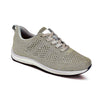
| Sneakers | Bamboo Knit | Performance rubber | Active workouts |
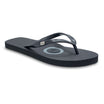
| Sandals | Leather or Suede | Arch-supportive soles | Warm weather |
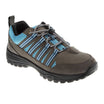
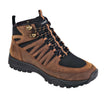
| Trail Shoes | Nubuck and Mesh | Rugged outdoor sole | Hiking and trails |
| Slip-Ons | Bamboo Knit | Flexible conductive sole | Travel and quick wear |
A practical step-by-step transition to grounded footwear
Switching to a zero-drop shoe is a big shift for your body. Most people use shoes with thick heels and stiff soles. This makes foot muscles weak over time. When you start grounding shoes biohacking, you must give your feet time to change. A slow path helps you build strength without pain. It also lets your body get used to the steady flow of charge from the Earth.
Building foot strength and balance
The first step is to wake up the muscles in your feet. In a standard shoe, your toes are often cramped. Your arch does not have to work. Grounding shoes have a wide toe box and a thin sole. This lets your feet move in a natural way. Research from the NIH shows that contact with the Earth can help lower stress. But your joints need to learn how to absorb impact again. This takes a steady plan.
You can start this process right in your home. Wear your new grounding walking shoes while you do chores. This helps your arches get strong. It also helps you find your balance as your feet sit flat. If you feel any soreness, take a break. The goal is to feel steady before you head outside for a long walk.
- Weeks 1 to 2: Indoor use. Wear your shoes for 15 to 30 minutes each day. Stick to flat floors.
- Weeks 3 to 4: Short outdoor walks. Move to soft grass or sand for 20 minutes a day. This lets you feel the Earth while you stay grounded.
- Weeks 5 to 6: Increase your time. Aim for 45 minutes of daily use. Try firm paths like unsealed concrete to test your balance.
- Weeks 7 to 8: Longer walks. Try a mile-long walk. Watch your calves and ankles closely to ensure they stay relaxed.
- Weeks 9 to 12: Full daily use. By now, your feet should feel strong. You can wear your shoes for most daily tasks and hikes.
Safe surfaces for your first steps
Choosing the right ground is key for a safe move. When you are new to thin soles, hard rocks can be tough. Look for soft, damp grass or smooth beach sand. These surfaces are kind to your joints and provide a great link to the Earth. Avoid asphalt or wood because they block the flow of electrons. Stick to natural ground to get the full perks of your practice.
Listening to your body's feedback
Your body will tell you if you move too fast. It is normal to feel light muscle work in your arches. This means you are waking up feet that have been idle for years. But sharp pain is a signal to rest. You may also want to use conductive grounding socks during your move. These help keep the link strong while giving your skin a soft layer of cover.
Drink water and get extra rest as your body adjusts. Grounding can change how you feel, so stay patient. Most people report better sleep after a few weeks of use. By following a steady plan, you ensure your move to grounded footwear is a win for your health.
Grounded living: integrating grounding shoes into your daily routine
Bringing grounding into your life does not require big changes to your day. The easiest way to start is by wearing grounding shoes during your normal outdoor walks. Whether you are walking the dog, commuting to work, or taking a quick break, these moments are perfect for earthing. To maximize electron transfer, focus on walking on conductive, natural surfaces like wet grass, moist soil, gravel, or sand.
Choosing the right path
Not all outdoor surfaces allow you to ground. Standard asphalt, sealed concrete, and wood block the flow of electrons. However, unsealed concrete, dirt paths, and grassy fields are highly conductive. By planning your walks around these natural pathways, you can easily squeeze 20 to 30 minutes of grounding into your morning or afternoon routine without losing any time in your day.
You can also use these simple habits to stay grounded throughout the day:
- Take phone calls or answer emails while standing on grass or dirt.
- Walk barefoot or wear grounding shoes during outdoor stretching or warm-up routines.
- Plan weekend hikes on natural dirt and gravel trails.
A seamless biohack
For busy professionals and biohackers, the best hacks are the ones that require zero extra effort. Grounding shoes turn a routine walk into an active recovery session. You do not need to sit still with a device or set aside dedicated time for treatment. Just slip on your conductive sneakers or sandals and go about your day. It is a natural, effortless way to support your body's systems while staying active and stylish.
Frequently asked questions about grounding shoes
Are grounding shoes really good for you?
Yes, grounding shoes are highly beneficial. By establishing a direct electrical connection with the Earth, they allow your body to absorb free electrons. Peer-reviewed research indicates that this practice helps reduce inflammation, lower stress hormones like cortisol, improve sleep quality, and accelerate recovery after intense workouts, making them an excellent daily wellness tool.
What are the downsides to grounded footwear?
The primary downside is that grounding shoes are often designed as minimalist or barefoot shoes. If you are used to highly padded running shoes, transitioning to flat, zero-drop soles can feel unusual at first and may require some time to build foot strength. Additionally, sizing can sometimes require adjustments for half-sizes, and they must be worn outdoors on conductive surfaces to work.
What is the science behind grounding shoes?
The science is based on the Earth's natural negative electrical charge. When your feet make contact with natural surfaces, free electrons flow from the ground into your body. These electrons act as natural antioxidants that neutralize positively charged free radicals, which are associated with cellular stress and chronic inflammation. This helps restore your body's natural electrical baseline.
Why are podiatrists against barefoot shoes?
Podiatrists are not against barefoot shoes themselves, but rather against transitioning to them too quickly. Standard shoes with heavy cushioning weaken foot muscles over time. Switching to flat, zero-drop barefoot shoes overnight without a gradual transition can strain arches, calves, and Achilles tendons, potentially leading to injuries. A slow, progressive adaptation plan is highly recommended.
Take Your Wellness to the Ground
Ready to integrate earthing into your biohacking routine? Explore our collection of premium grounding shoes to find the perfect fit for your active lifestyle. Designed with proprietary conductive technology and premium materials, Harmony 783 footwear keeps you connected and looking great wherever you go.
Explore Our Grounding Shoe Collections
Have questions or need help choosing the right style? Feel free to contact us. Our customer care team is available Monday through Friday, 8:30 AM to 5:30 PM MST, to guide you on your grounded living journey.