




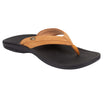
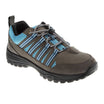






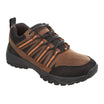




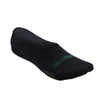


Earthing (also called grounding) for anxiety means reconnecting your body to the Earth's natural electrical energy to help calm your nervous system. The idea is simple: when your skin touches a conductive surface like the ground. Your body can absorb the Earth's electrons, and many people find this calms their stress response. A practical way to do this all day is to wear grounding shoes, which use conductive technology so you stay connected to the earth even while walking indoors or outdoors. If you already explore natural approaches to stress, this article explains how grounding shoes for specific health conditions may help you feel calmer, and how to build a simple daily routine.
Browse our collection of grounding shoes to find a style that fits your daily stress-relief routine.
What does anxiety do to the nervous system?
Anxiety is your body's alarm system. When your brain senses a threat, it switches on the sympathetic nervous system, often called the fight-or-flight response. This flood of stress hormones, like cortisol and adrenaline, prepares you to act fast. That response is helpful in a real emergency, but constant low-grade anxiety keeps the alarm running when there is no danger.
Over time, an overactive stress response can leave you feeling tense, restless, on edge, and worn out. You may notice:
- A racing or pounding heart
- Shallow, quick breathing
- Tight muscles, especially in the neck and shoulders
- Trouble switching off at night or falling asleep
- That "on guard" feeling that never fully relaxes
The Connection Between Earthing for Anxiety and the Parasympathetic Nervous System
Your body has a second branch of the nervous system called the parasympathetic nervous system. This is the "rest and digest" mode that helps you unwind, digest food, recover, and feel safe. When this branch is active, your heart rate can slow and your body can relax.
The idea behind earthing is that the Earth carries a gentle electrical charge, and direct contact with it may help your body shift out of an alert state. Early research on the topic points in a promising direction. One animal study found that a period of stress followed by time on an earthing mat increased calm, exploratory behavior and reduced stress-related markers in the brain compared to a stressed control group.
For many people, grounding feels like pressing a "reset" button on a busy mind. The key is that the effects seem to build with regular use, not a single session.
How grounding may shift the body out of fight-or-flight mode
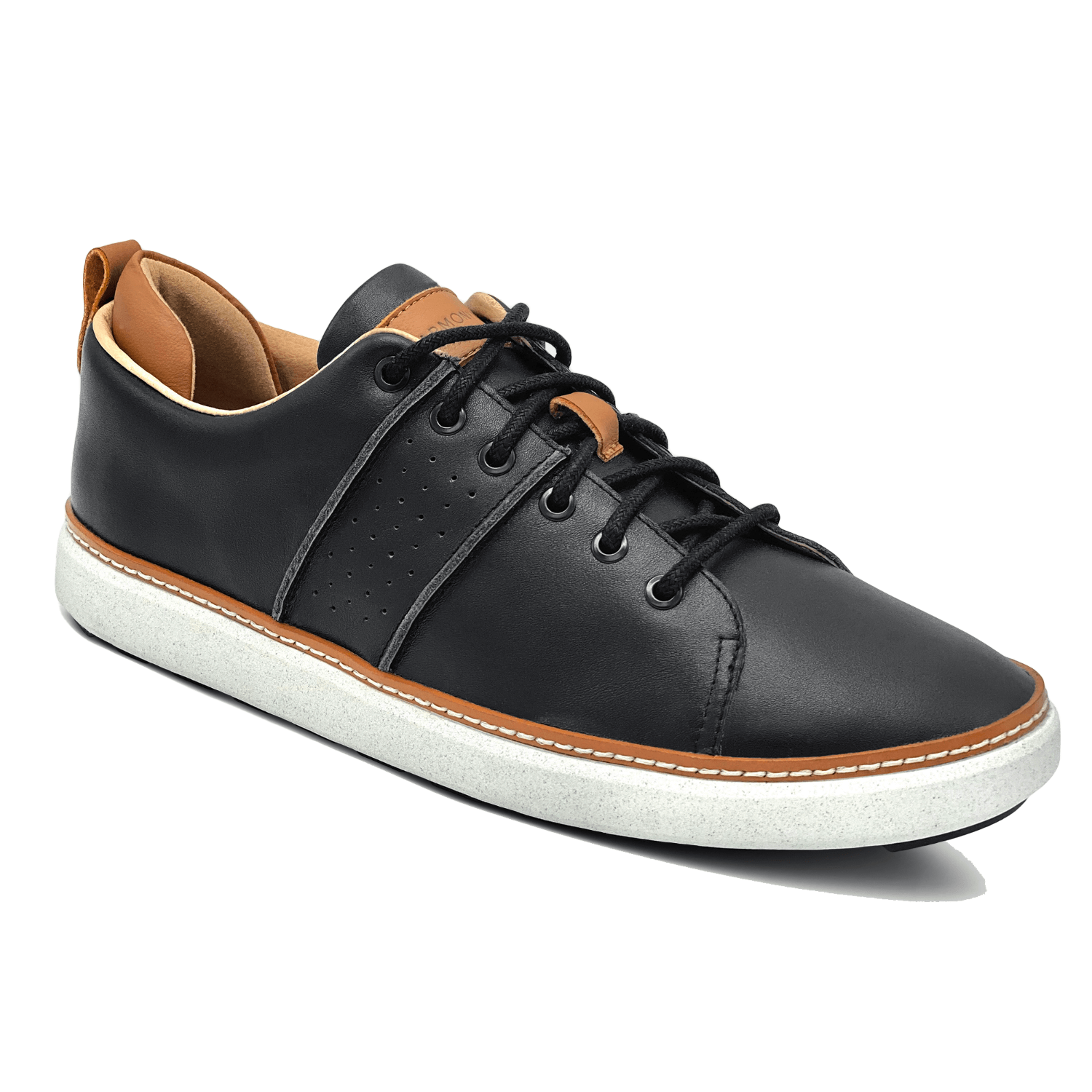
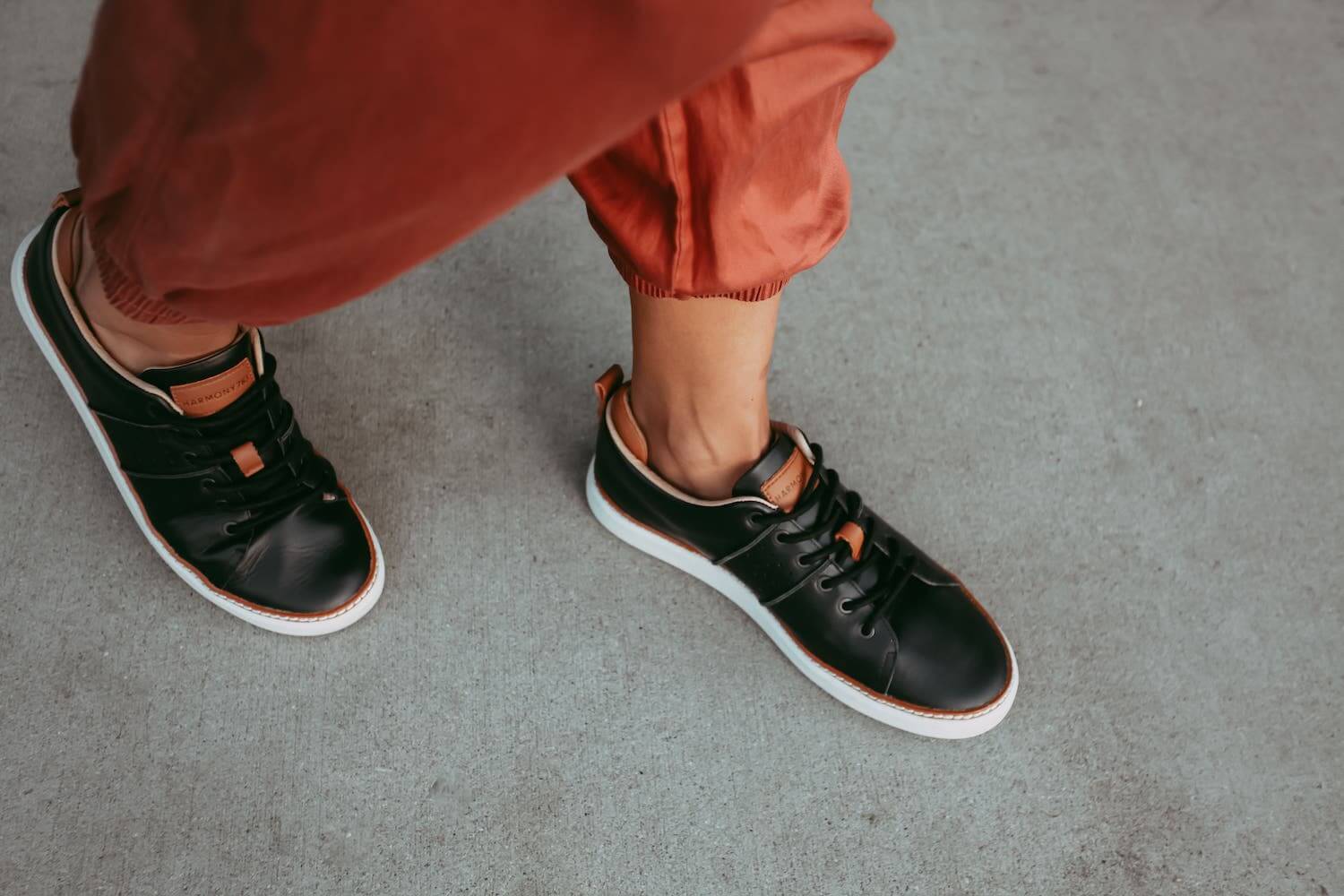
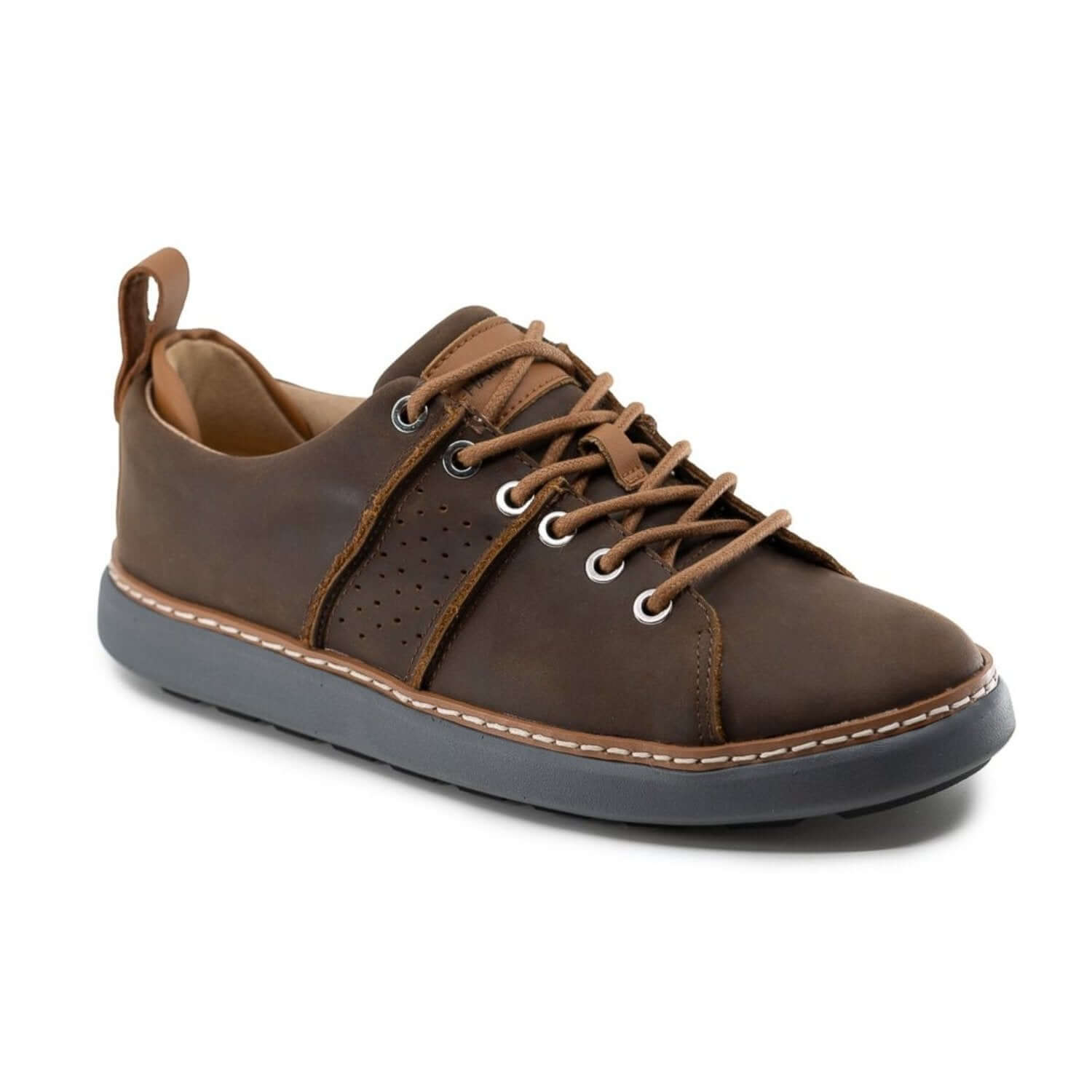
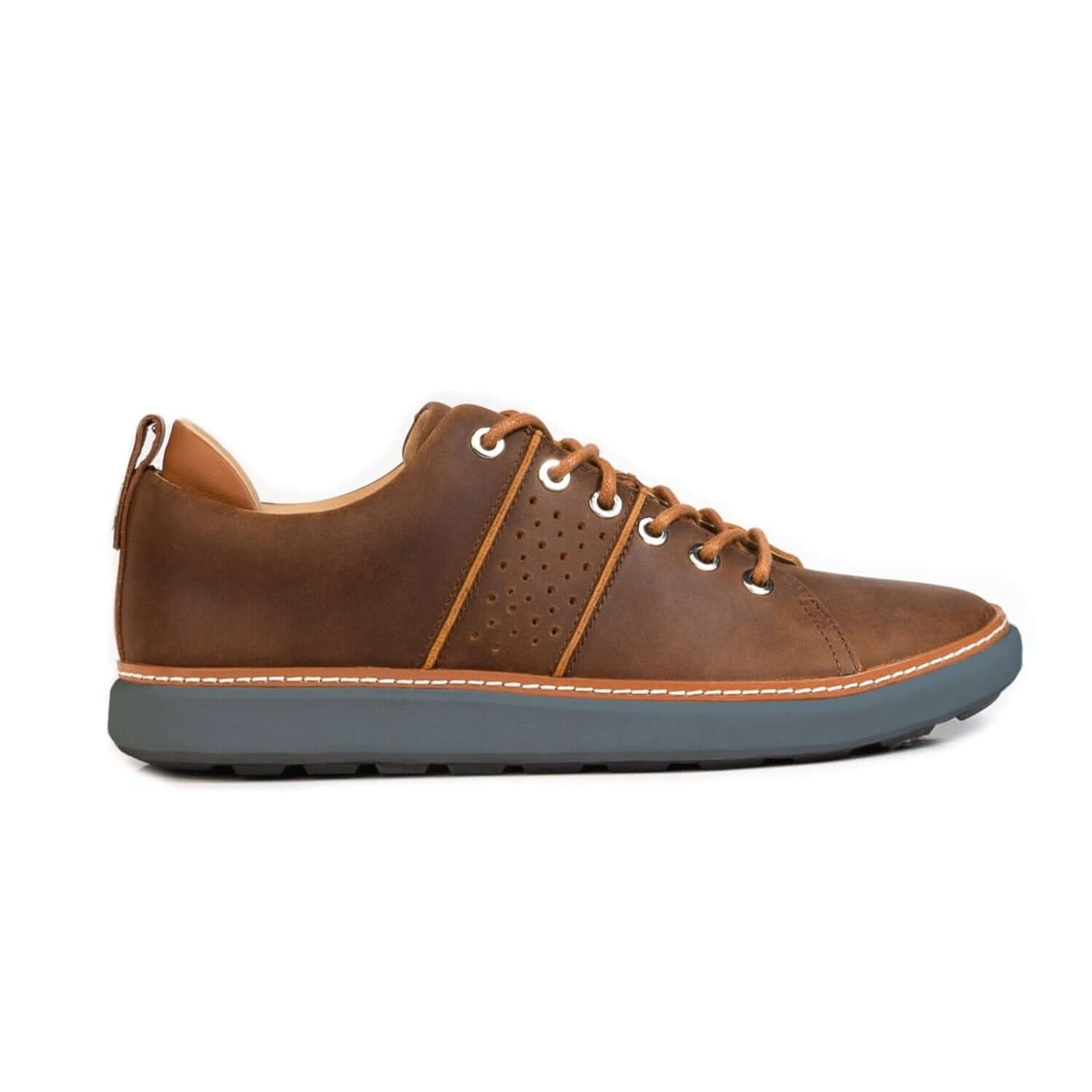
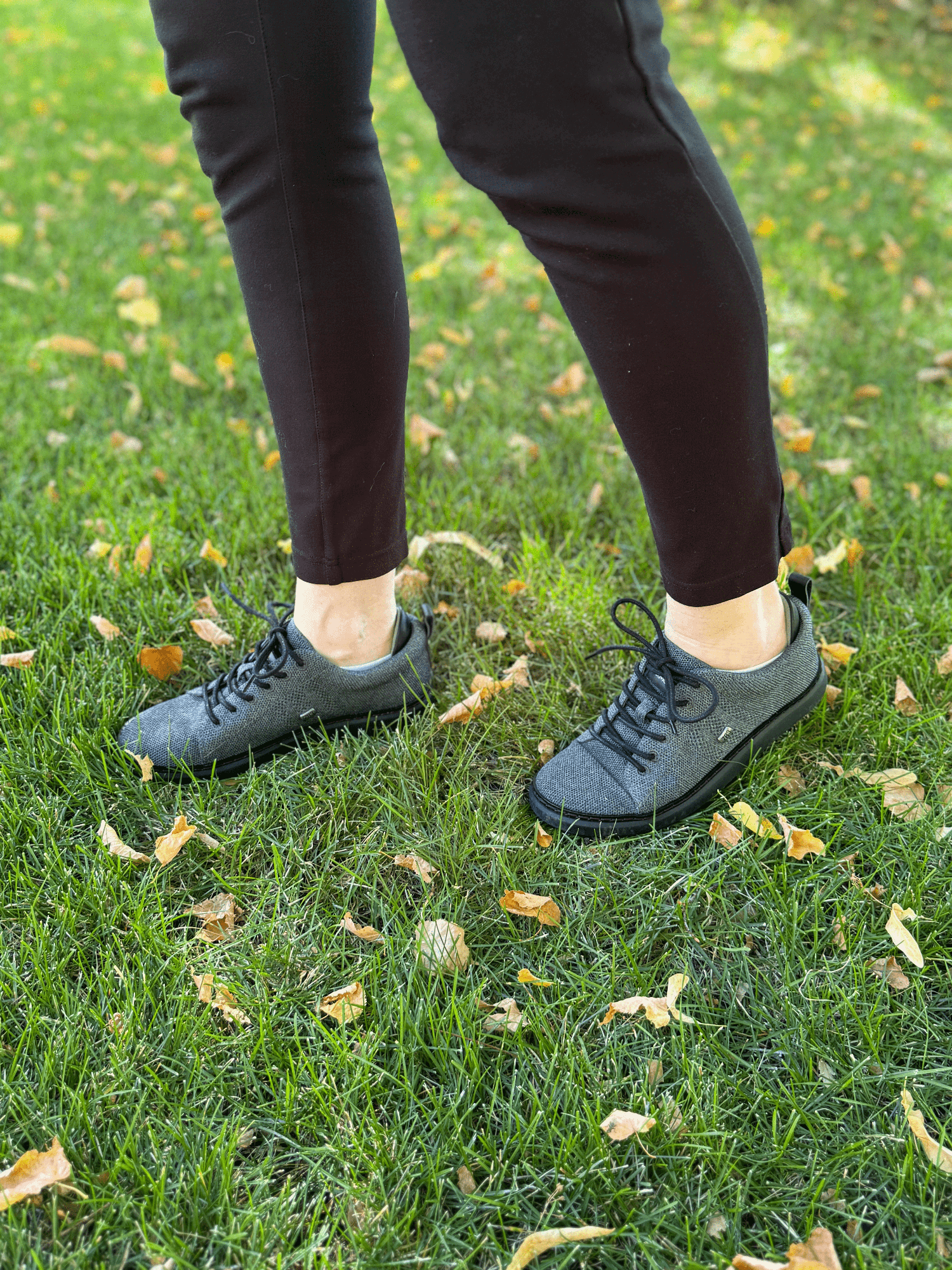
Grounding shoes are designed to maintain a connection between your body and the earth as you move through your day. Instead of needing to be barefoot outside, you can stay grounded while walking to work, running errands, or relaxing at home. This matters because it turns grounding from a special activity into a background habit. As part of a broader wellness routine, many people use grounding shoes the same way they approach other tools for specific health conditions, pairing them with whatever supports they already trust.
Here is what a grounding shoe does:
- Uses a conductive element in the footbed that touches your skin
- Carries that connection down through the shoe to the outsole
- Allows your body to absorb the Earth's surface electrons as you move
- Keeps you connected whether you are on concrete, grass, or indoors
For some people, the shift feels subtle at first, like a slow release of tension rather than a sudden change. Because the connection runs through your feet, you can stack grounding with the movement you already do. Walking, standing, and commuting across the day lets the practice accumulate instead of forcing one long session.
Regular exposure to this calm input may support the parasympathetic branch of your nervous system over time, which is why consistency tends to matter more than intensity. Think of it less as a one-time fix and more as a daily signal that helps your body remember how to switch off.
The goal is not to eliminate every stressor. It is to give your body more moments of safe, calm input, which may help lower the overall "volume" of your stress response over time. When you learn the science behind the practice, it is easier to trust the routine. For a deeper look, read more about earthing science.

What anxiety sufferers report after wearing grounding shoes daily
Most grounding research is still early, but many people who wear grounding shoes report a calmer baseline, lighter sleep, and a stronger overall sense of ease. Common patterns people describe include:
- Feeling noticeably calmer during high-stress parts of the day
- Less muscle tension by evening
- A quieter, less "buzzy" feeling in the body
- Falling asleep more easily after a grounded day
These are personal reports, not medical guarantees. Stress is complex, and grounding is one tool among many. But because grounding shoes are simply a way to stay connected to the earth, they are easy to add to a routine that already supports your well-being.
If you decide to try it, give yourself a few weeks before judging the results. Wellness habits rarely produce instant change, and grounding is no different. Keep your other stress supports in place, track how you feel across the day, and let a consistent walking routine be the measure of whether this tool fits your lifestyle.
Grounding shoes as a discreet daily anxiety management tool
One of the biggest advantages of grounding shoes is that they fit into normal life. You do not need to set aside time, lie on a mat, or schedule a session. You simply put on a shoe and go about your day. That makes grounding easy to repeat, and consistency is what matters most for a wellness practice.
For people with busy schedules, the convenience is the real draw. There is no special setup, no electric timer, and no routine you have to remember to carve out of an already full day. The connection happens silently through your feet, whether you are commuting, at a desk, or out for an evening walk, so the wellness practice runs in the background of your normal life.
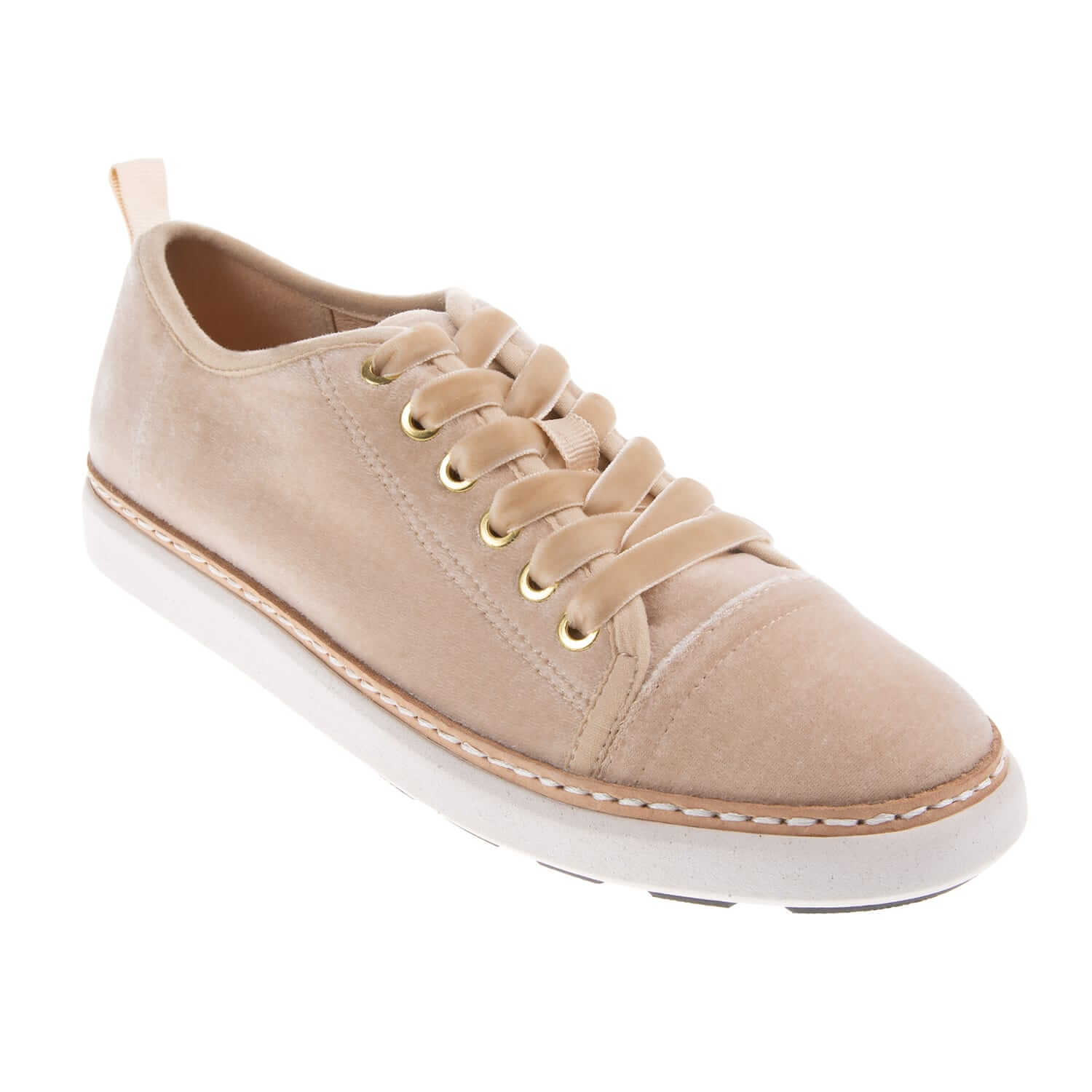
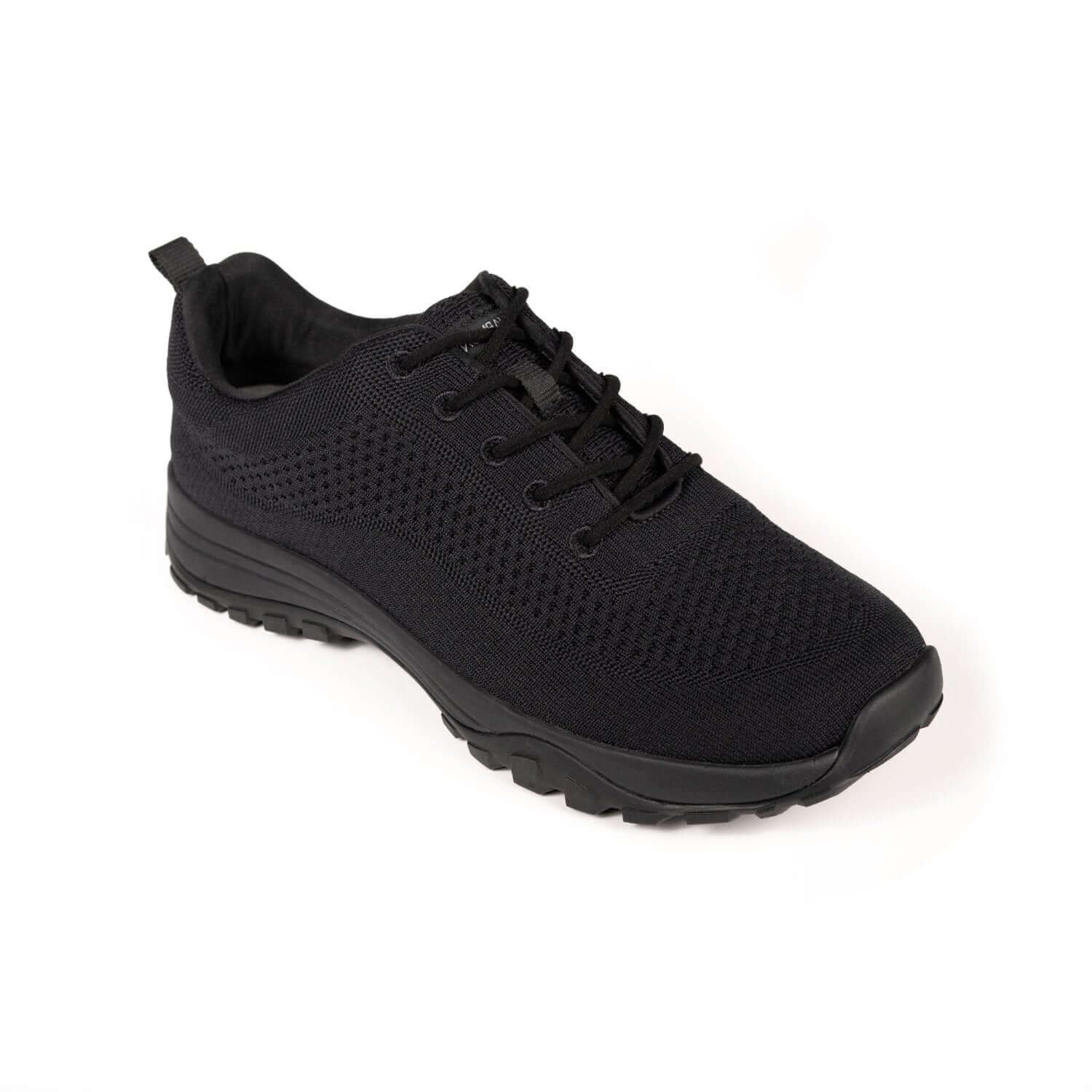
Grounding shoes come in many styles, from everyday sneakers to sandals and slip-ons, so they can work with your wardrobe rather than against it. Because the connection happens through the foot, you stay grounded at work, on errands, and at home without anyone needing to know.
When you pair grounding shoes with other daily habits, like walking, deep breathing, and getting outside, you build a calm baseline that supports your nervous system all day. Explore the relationship between grounding psychology and mental well-being to understand why this practice resonates with so many people.

When to combine grounding with therapy and other anxiety supports
Grounding is a wellness tool, not a treatment for anxiety disorders. If anxiety is disrupting your daily life, work with a qualified therapist or mental health professional who can offer the right support for your situation. Grounding can sit alongside therapy, counseling, and other healthy habits as one more way to feel more settled.
There is no single solution for anxiety, so the most effective plans usually combine a few approaches tailored to you. Professional care gives you a dedicated space to understand patterns and build coping skills, while daily movement, sleep, and grounding add consistent, low-effort support that you control yourself. Together, they cover both the immediate moments of stress and the slower work of building a calmer baseline.
A balanced approach to anxiety might include:
- Talking with a therapist or counselor
- Regular movement and time outdoors
- Good sleep and consistent meals
- Deep breathing or mindfulness when stress spikes
- Daily grounding through walking or grounding shoes
Find your grounding shoe for calmer days:
Browse our collection of grounding shoes
Frequently asked questions about earthing for anxiety
Does earthing reduce anxiety?
Early research and many personal reports suggest earthing may help calm the nervous system and reduce feelings of stress, but it is still an emerging area of study. Many people use grounding as one supportive tool alongside other stress-management habits.
How does earthing calm the nervous system?
Earthing is thought to support the parasympathetic nervous system, the branch that helps your body relax and recover. Direct contact with the earth may help shift your body out of a prolonged alert state and toward a calmer baseline.
How many minutes a day should you do earthing?
There is no one-size-fits-all answer, but many people aim for about 20 to 40 minutes a day. With grounding shoes, you can reach that comfortably over the course of a normal day simply by walking and moving as you usually would.
What is the grounding trick for anxiety?
The simplest grounding practice is to make direct contact with the earth, ideally outdoors and barefoot or through conductive grounding shoes. The key is to do it regularly and bring your attention to the present moment while you are grounded.
If you are curious about trying grounding for a calmer day, start with a walk or a daily habit that keeps you connected to the earth.
Browse our collection of grounding shoes to find a comfortable style that fits your routine.