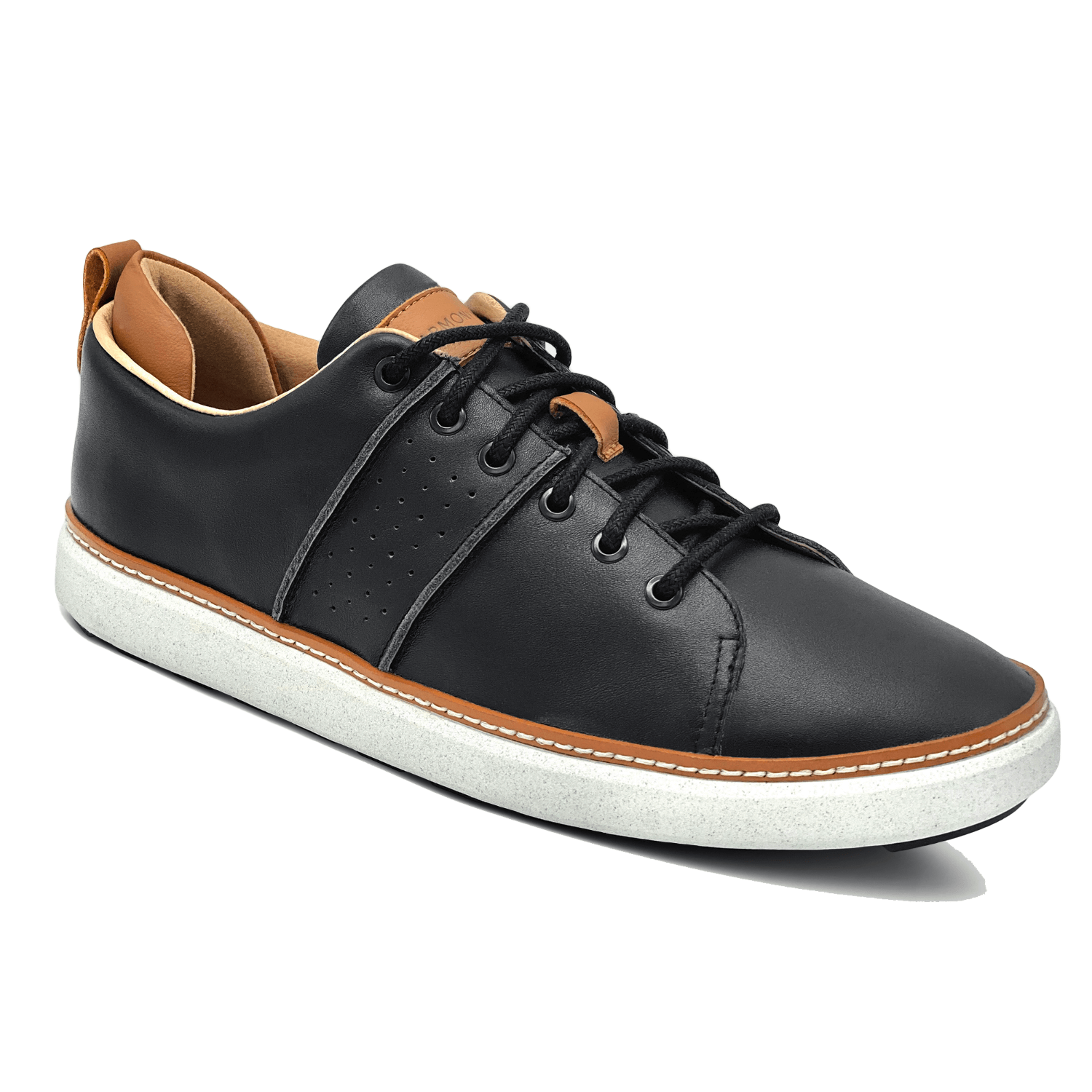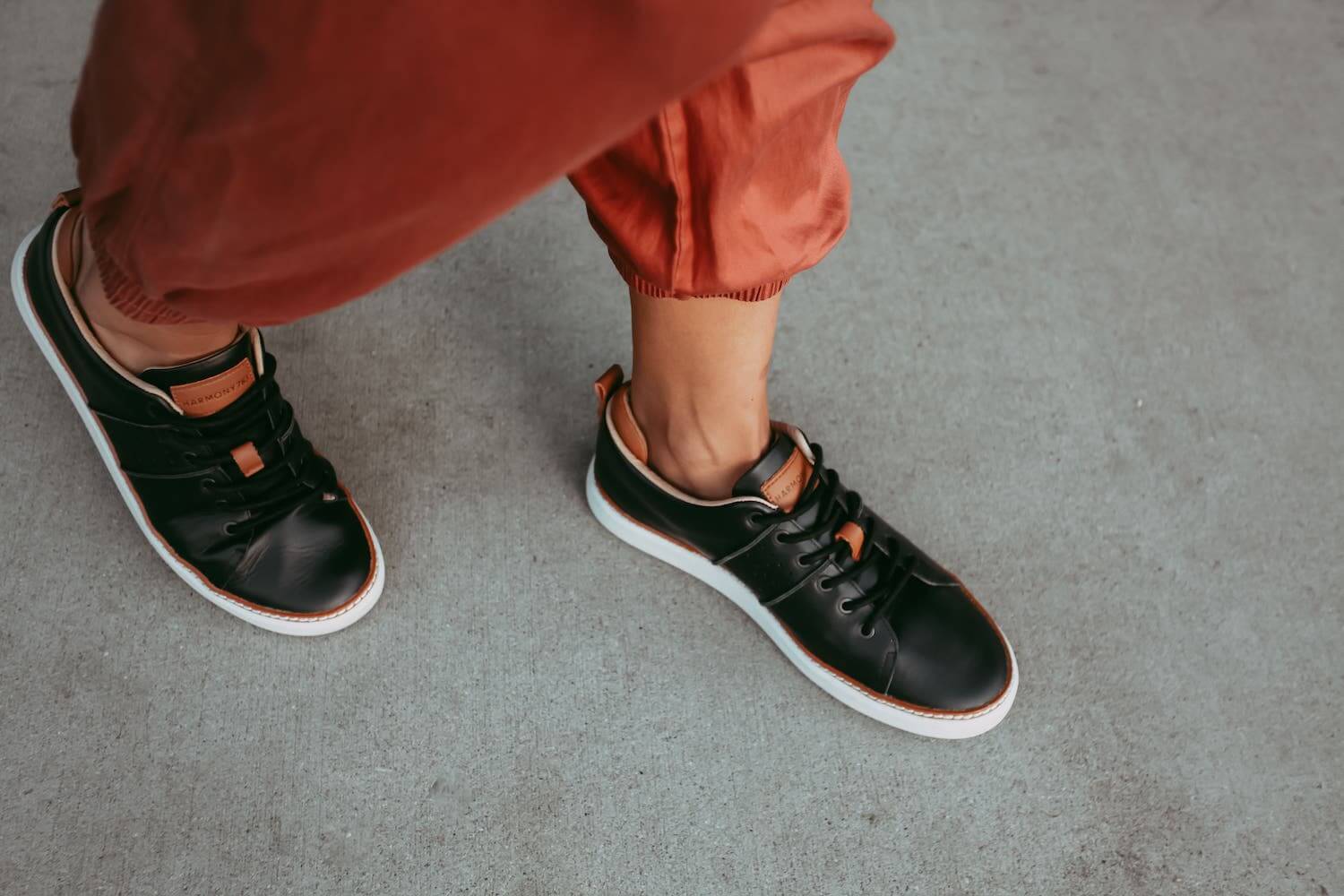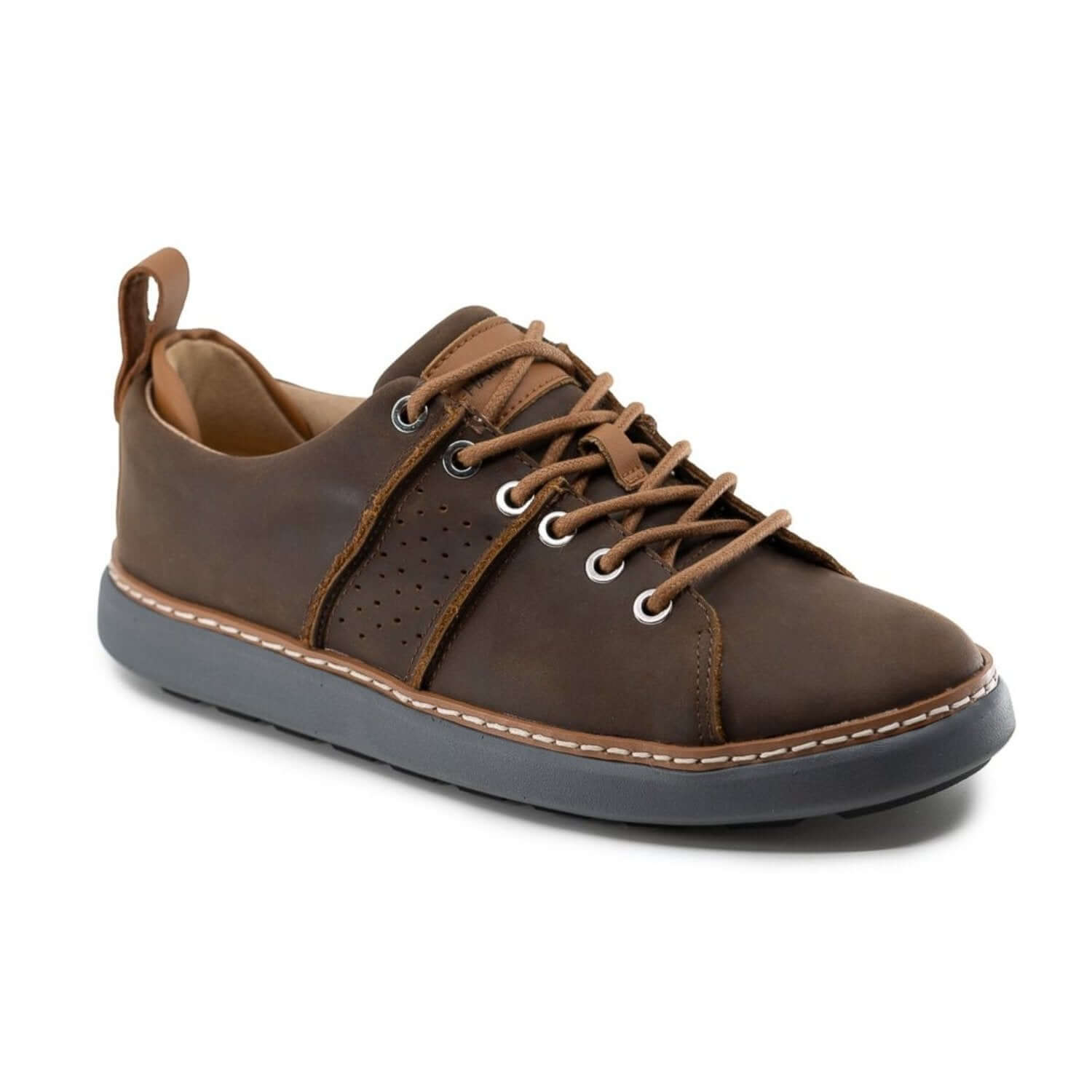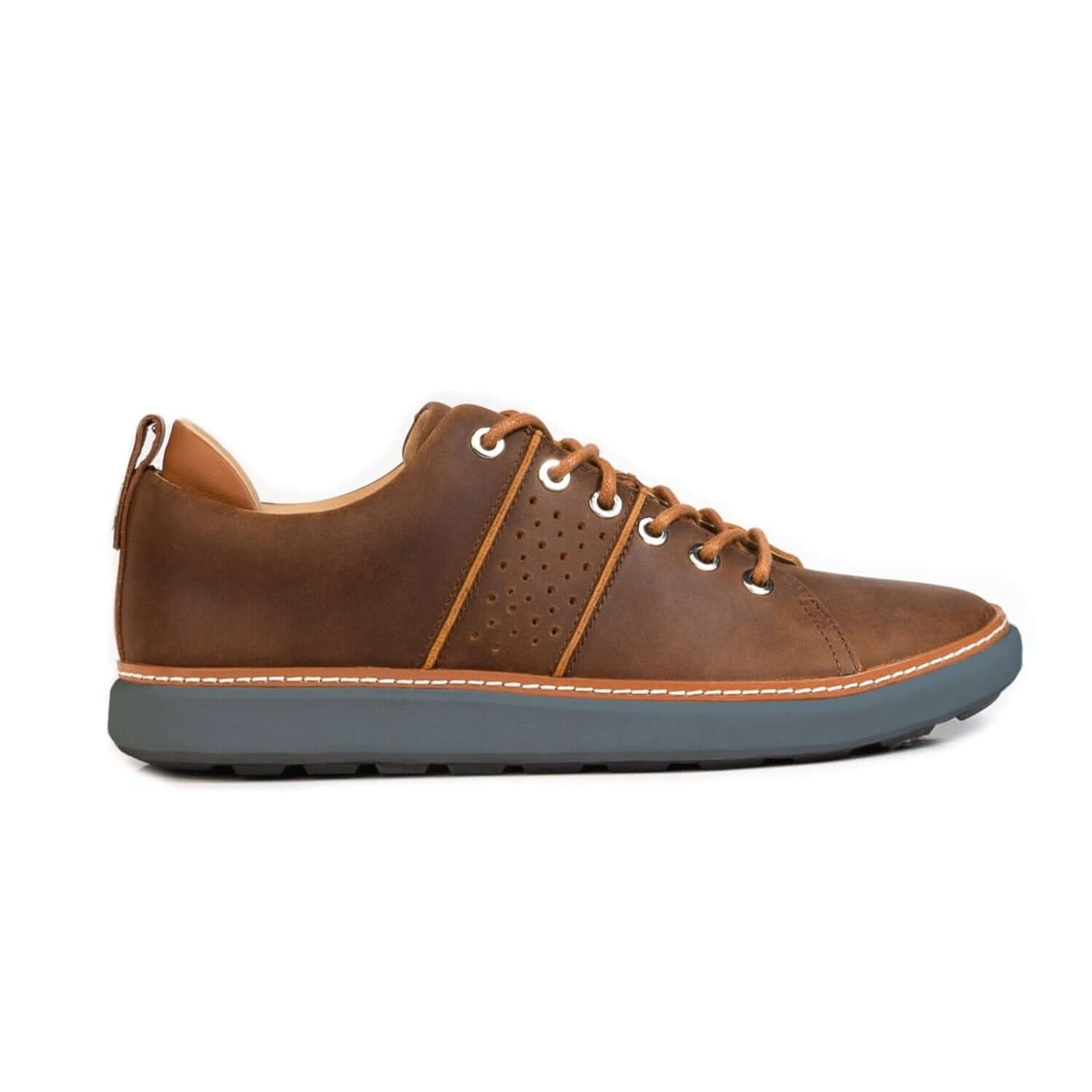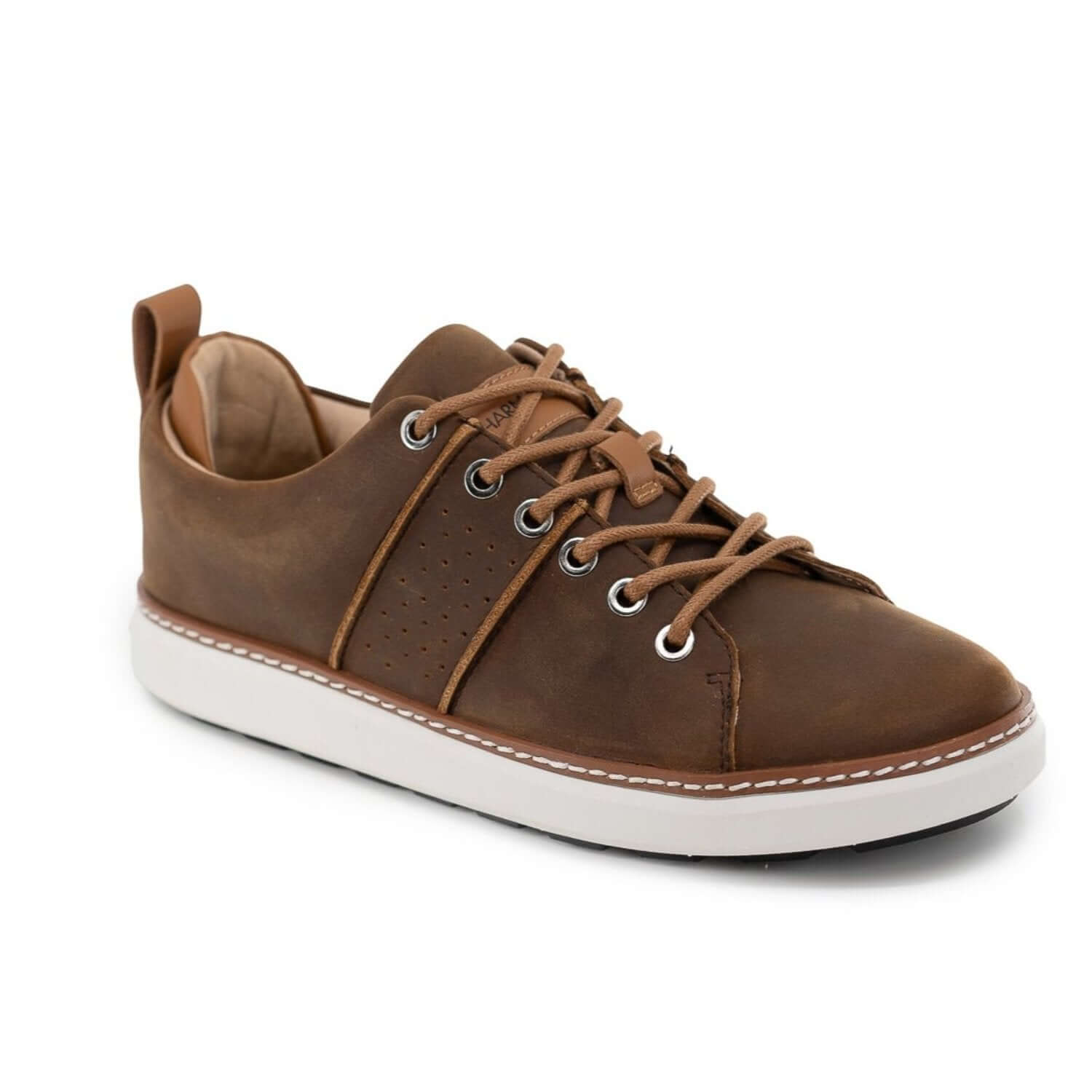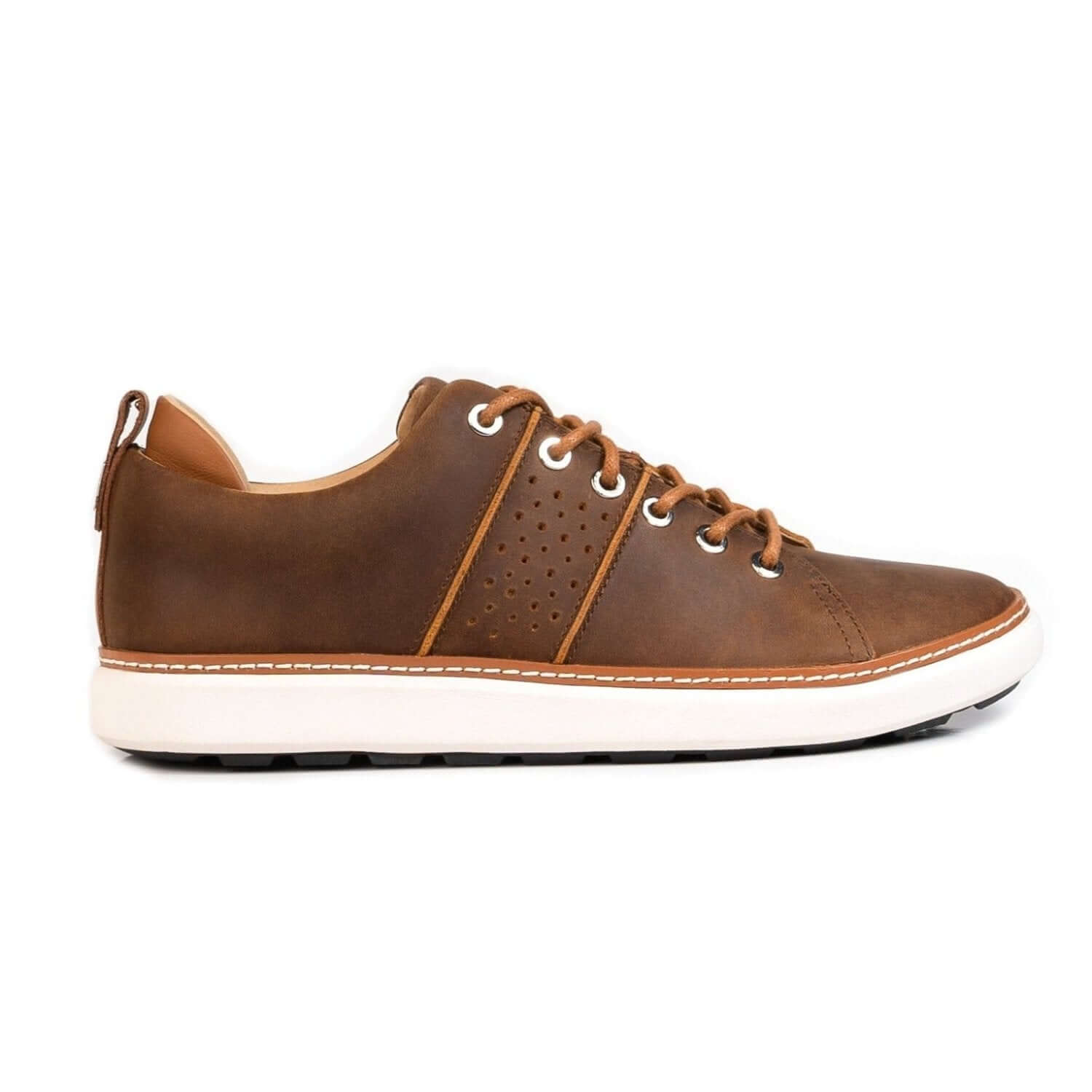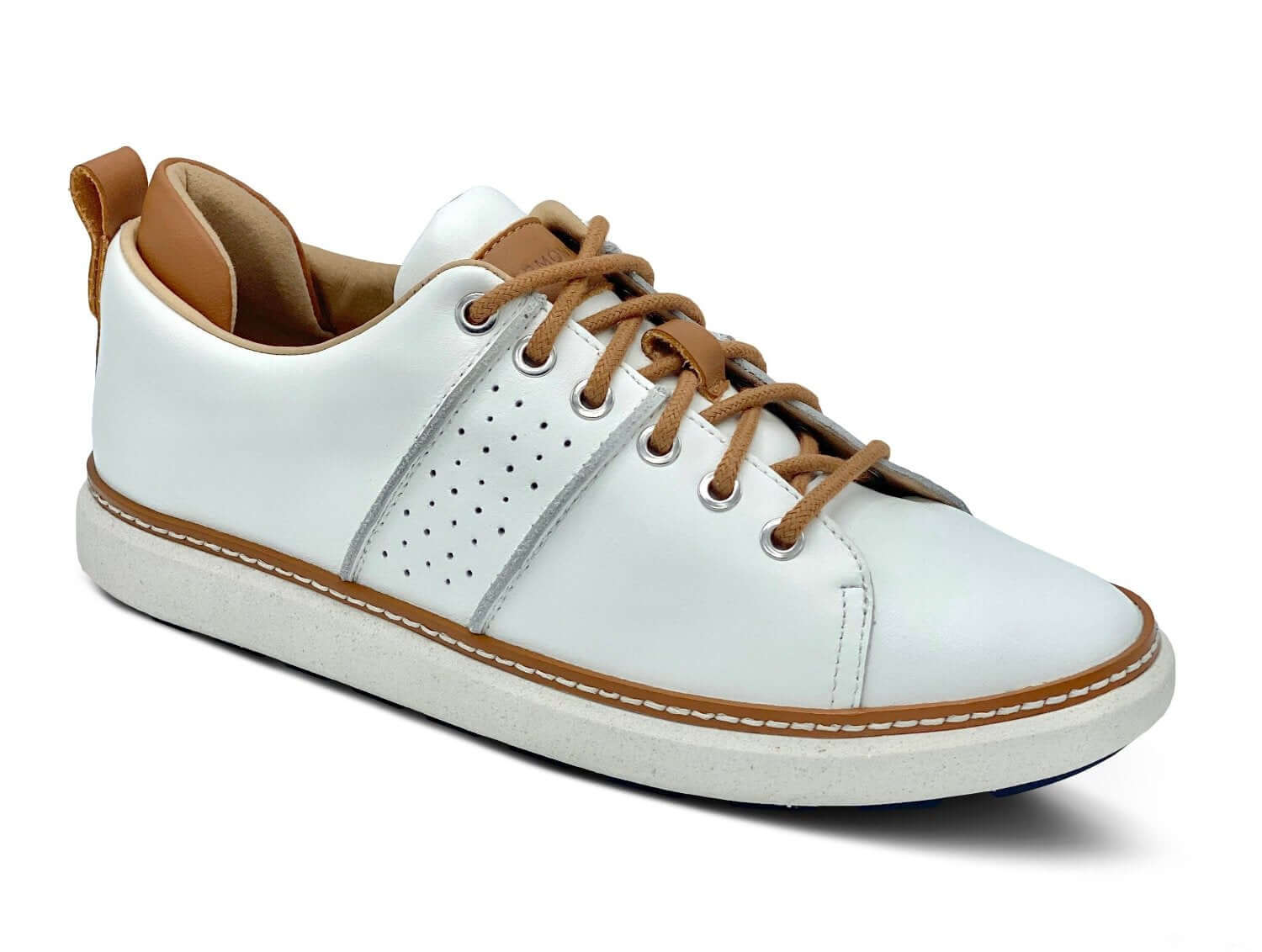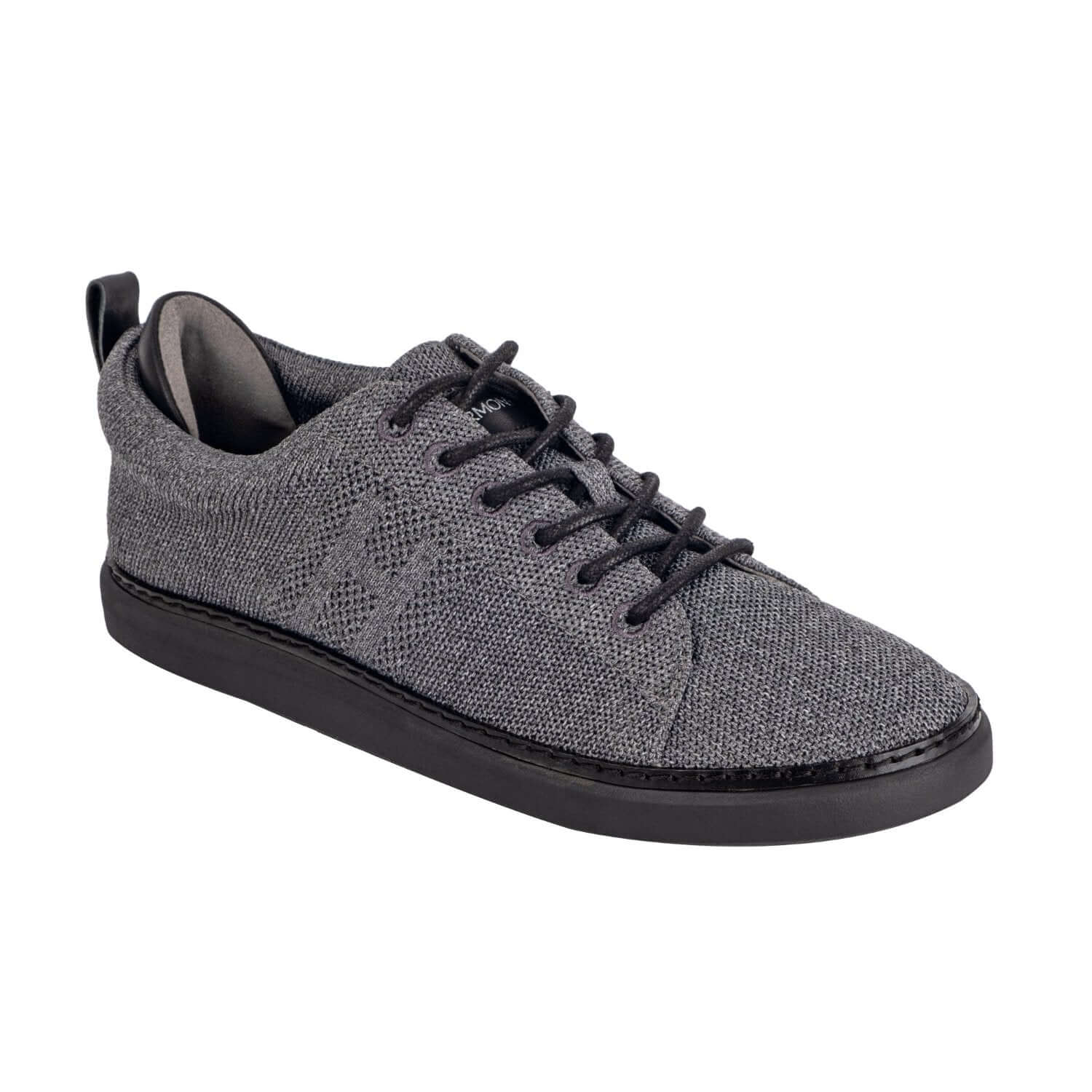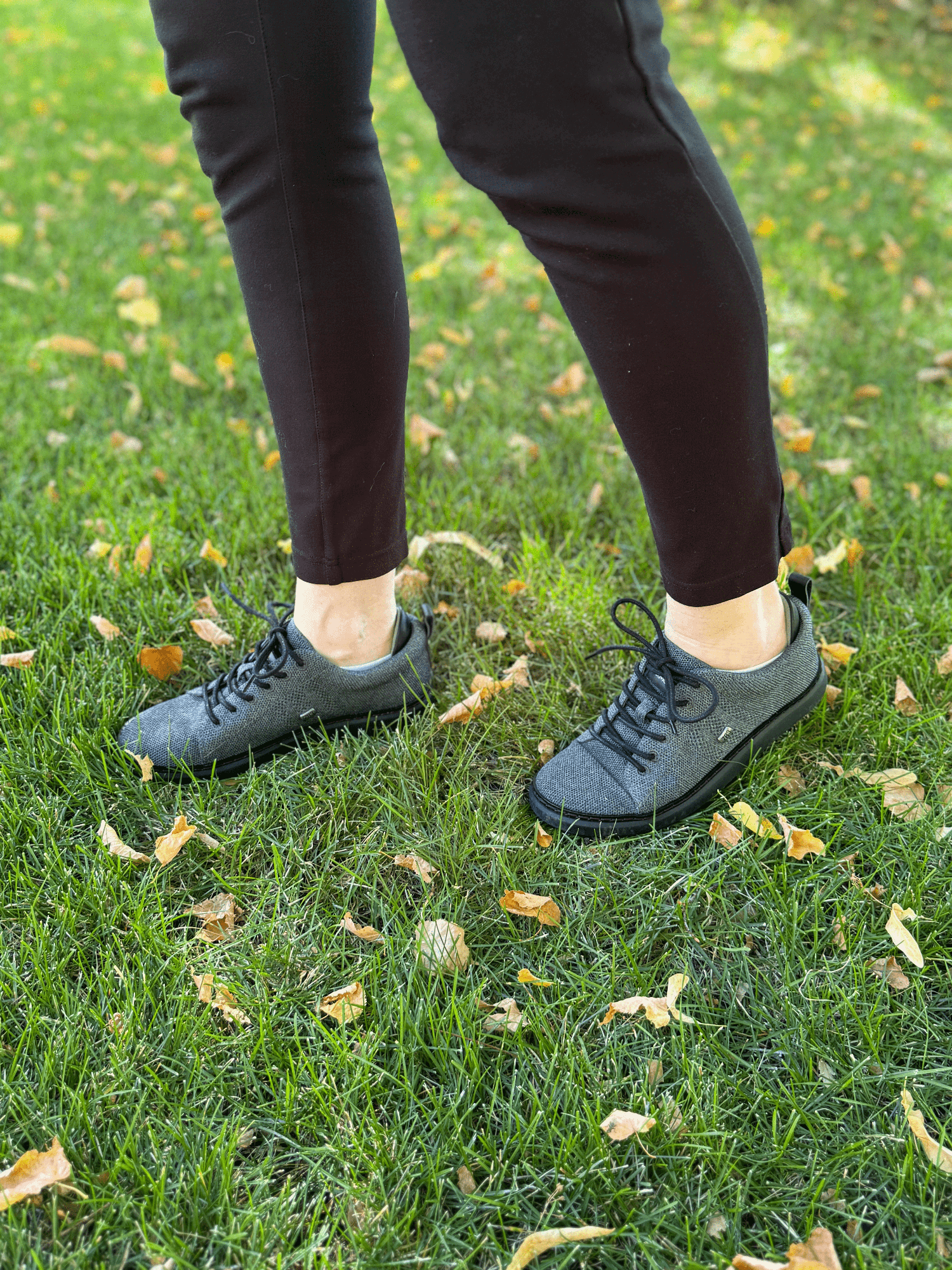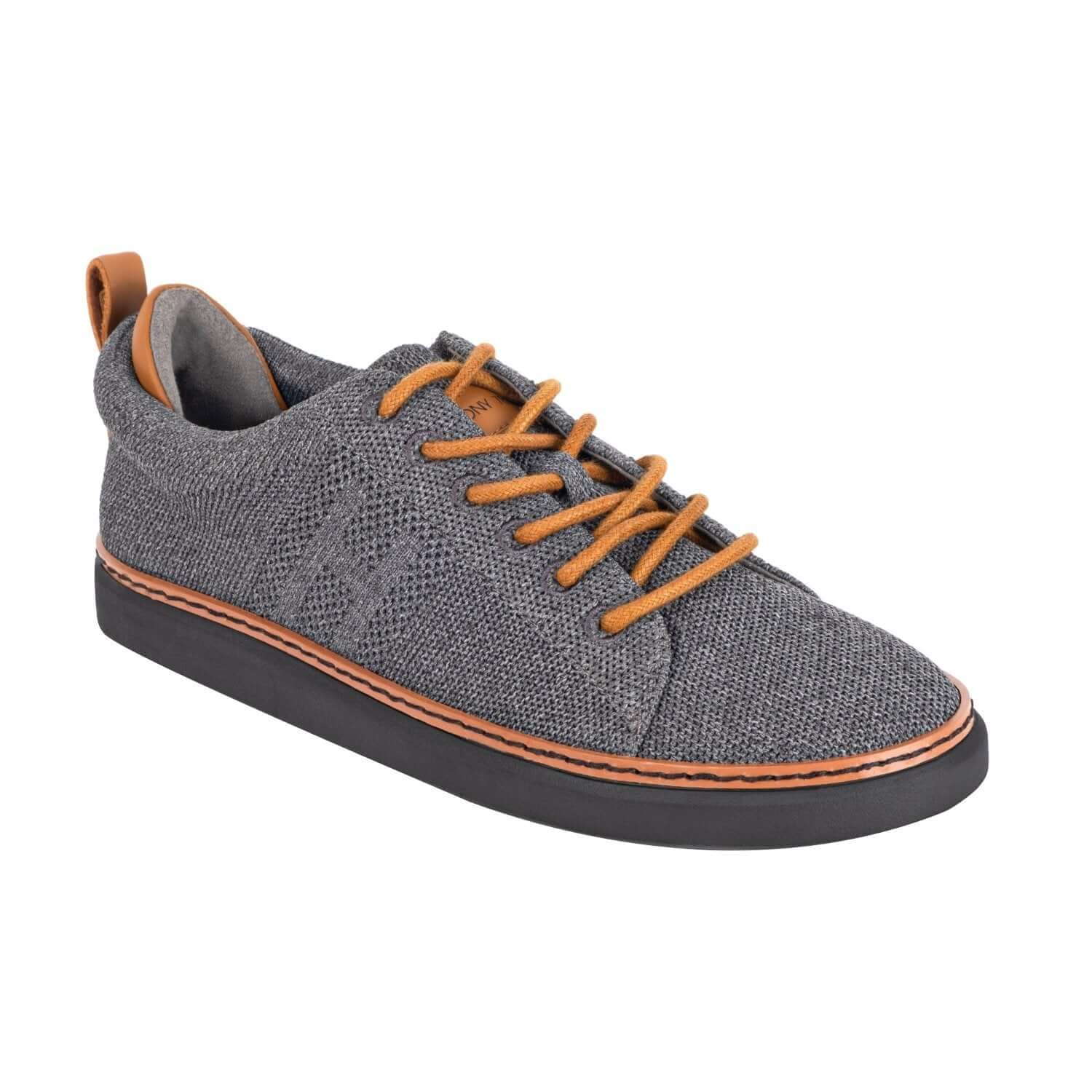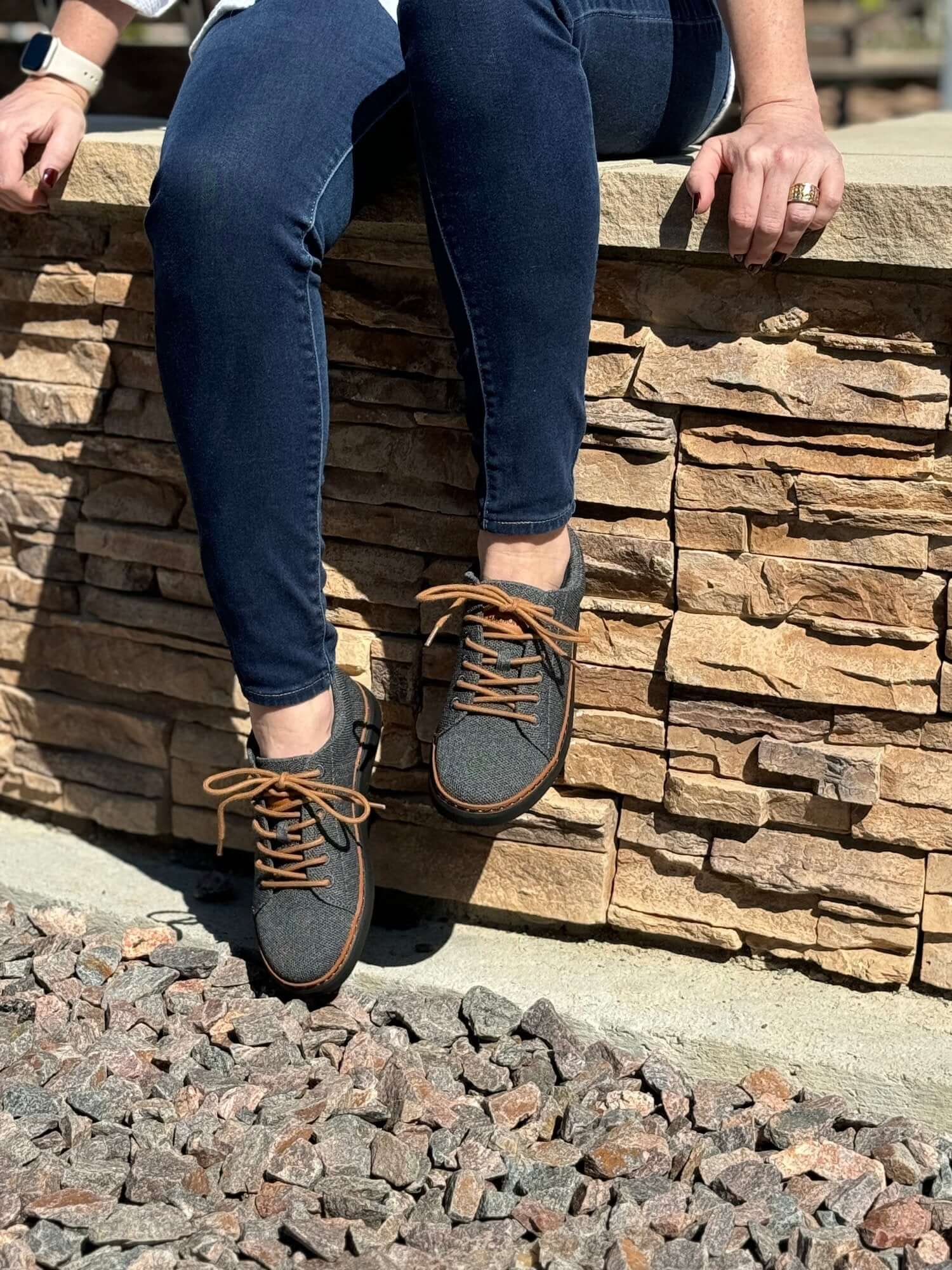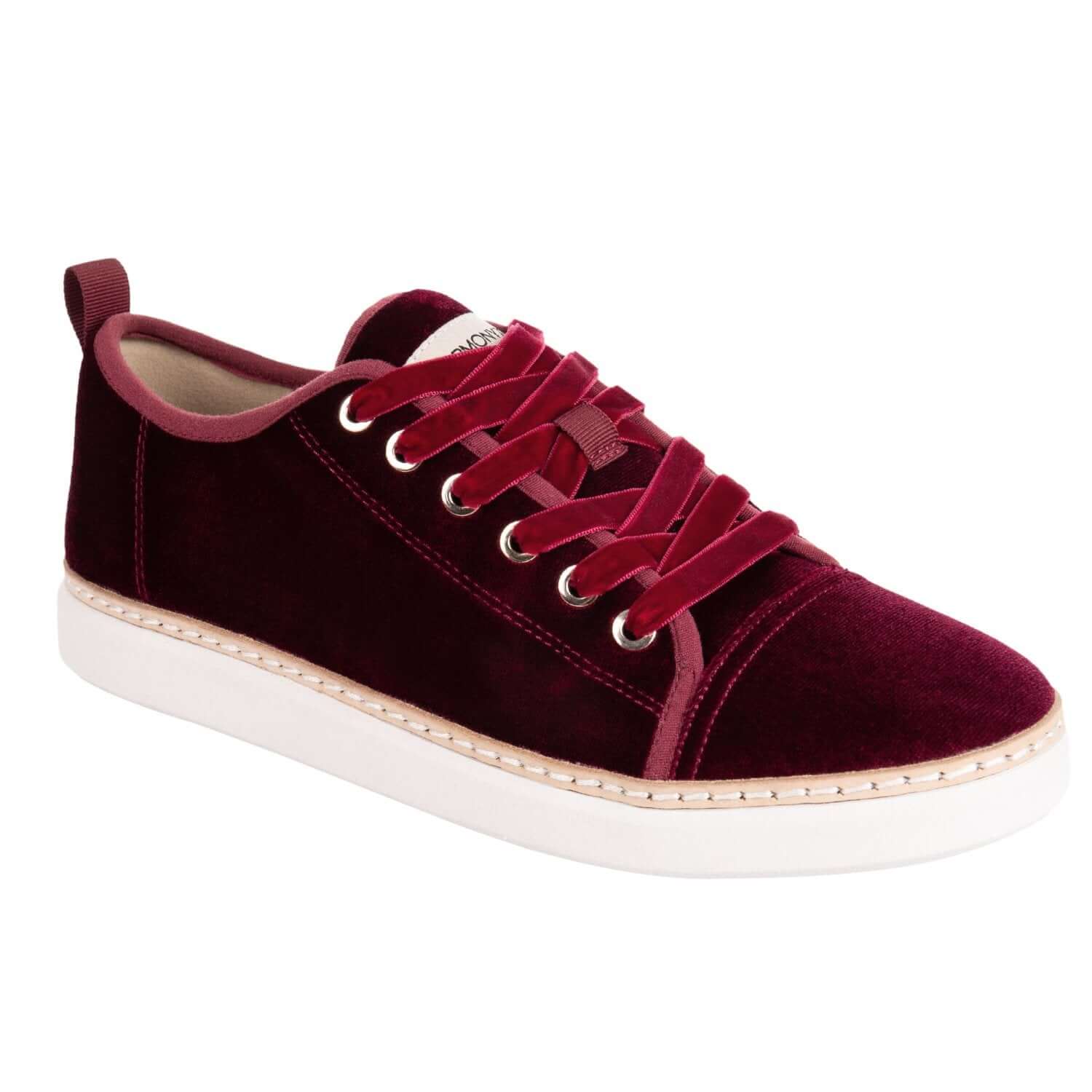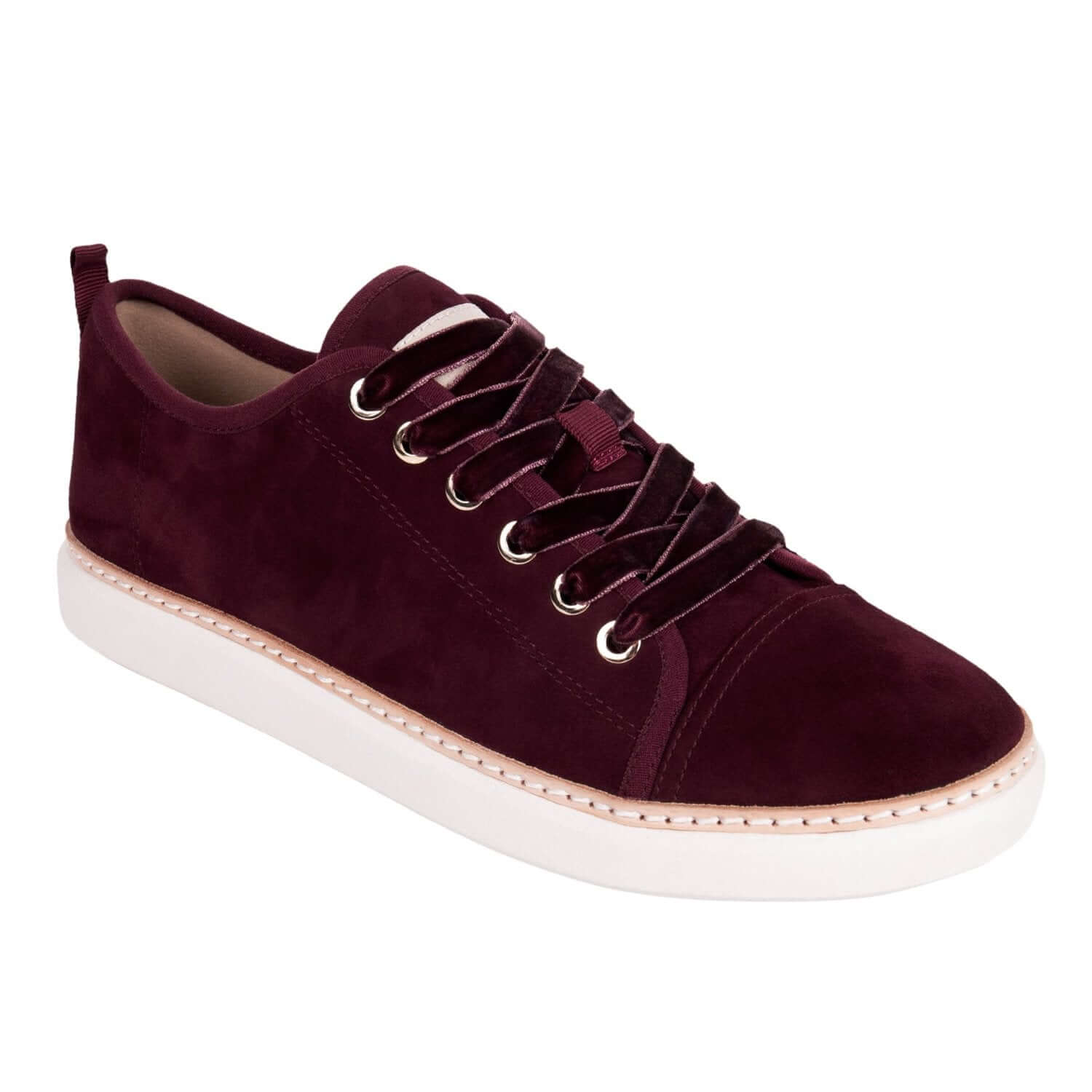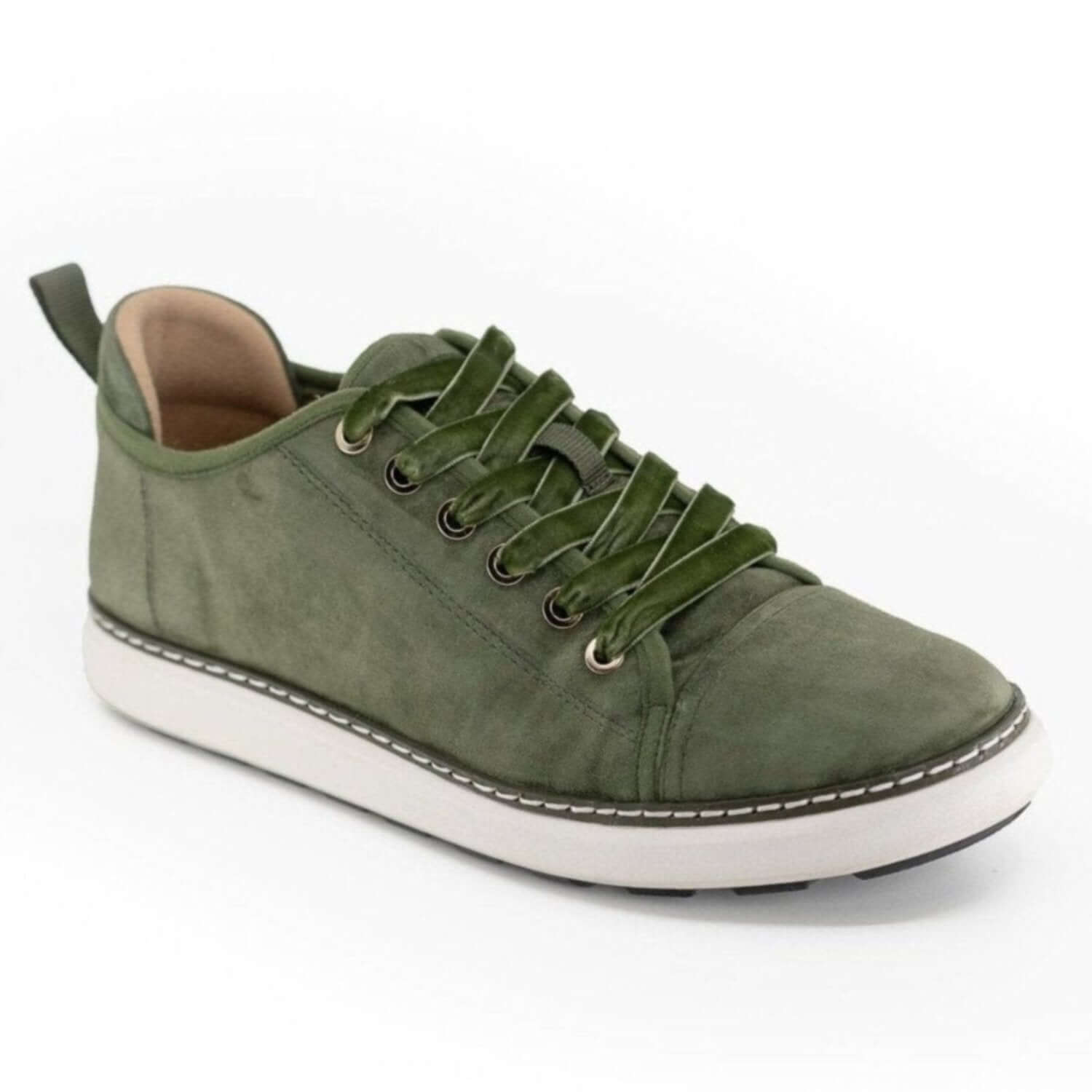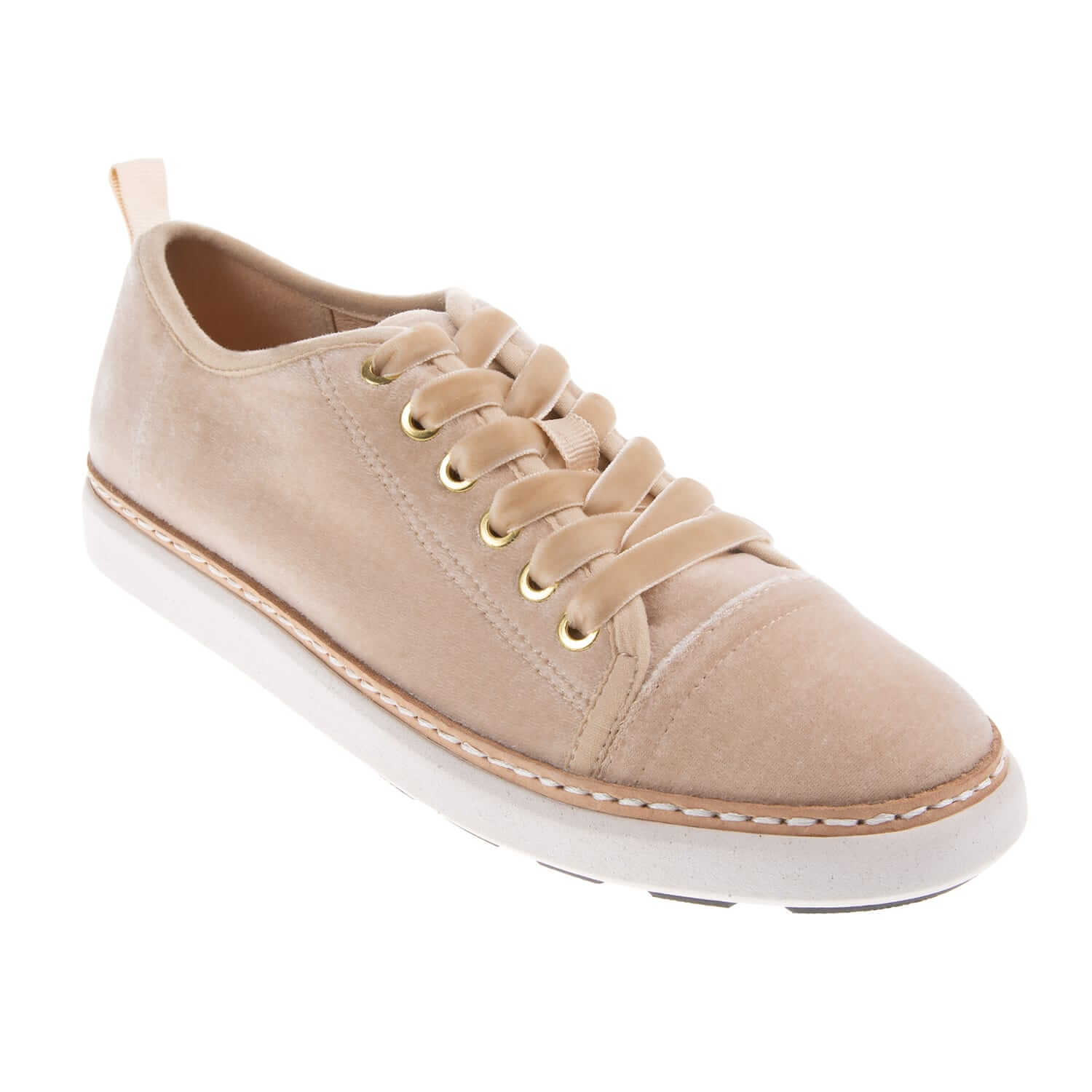

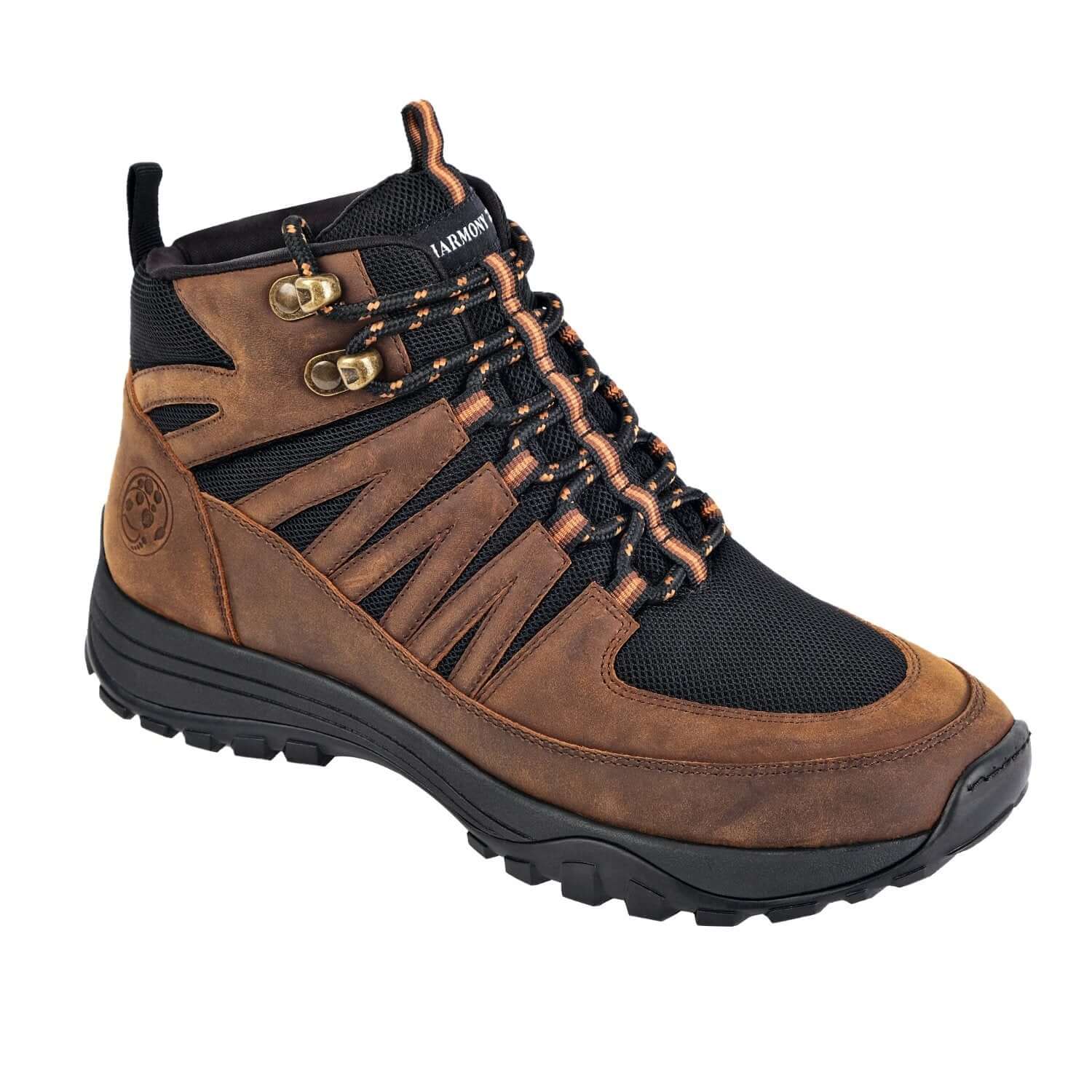

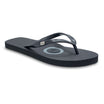
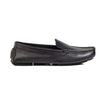
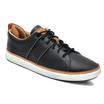

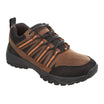


Modern life often leaves us feeling disconnected. We spend our days in buildings and walk on paved surfaces, separated from the ground by insulating rubber-soled shoes. This constant separation can leave us feeling off-balance. The solution is surprisingly simple: reconnecting with the Earth. This practice, known as grounding, is now more accessible than ever. Thoughtfully designed earth grounding shoes use conductive technology to restore your body’s natural link to the planet, even in the middle of a city. Here’s what you need to know about how they work and the difference they can make.
Feel the Earth. Every Step.
Grounding Shoes That Actually Look Good
Browse Harmony783's bestselling collection — stylish, comfortable grounding footwear designed to reconnect you with the earth, on your terms.
Get Your PairKey Takeaways
- Connect Directly to the Earth: Grounding shoes are built with conductive soles that create a pathway for the Earth's natural energy to reach your body. This technology is what separates them from regular shoes, which use insulating rubber that blocks this connection.
- Support Your Well-being from the Ground Up: The practice of grounding aims to reduce inflammation, improve sleep, and lower stress by restoring your body's natural electrical balance. Grounding shoes offer a simple, practical way to integrate this wellness habit into your daily life.
- Not All "Natural" Shoes Are Grounding: To be effective, a shoe must be specifically designed for conductivity. Many minimalist or barefoot-style shoes still have insulating soles, so always check for features like carbon-infused outsoles to ensure you get a true connection.
What Are Grounding Shoes?
If you’ve ever felt a sense of calm after a long walk on the beach, you’ve experienced a taste of grounding. Grounding, or earthing, is the simple practice of connecting your body directly to the Earth’s surface energy. It’s a feeling many of us crave, but walking around barefoot isn’t always an option. That’s where grounding shoes come in. Think of grounding shoes as your personal, portable connection to the earth, giving you that barefoot-on-the-grass feeling even when you’re walking on city pavement.
These aren’t just any shoes. They are thoughtfully designed to bridge the gap between your body and the ground, allowing you to tap into the Earth’s natural energy while still protecting your feet from sharp objects and rough surfaces. It’s a simple concept that combines the ancient practice of what is grounding with modern, stylish footwear. While most shoes are made with insulating materials that sever your connection to the ground, grounding shoes are built to do the exact opposite. They create a direct, conductive pathway that helps you feel centered and connected throughout your day, no matter where your feet take you.
How Do They Work?
So, how does a shoe actually connect you to the Earth? It all comes down to the materials. Grounding shoes are built with conductive elements that allow the Earth’s energy to flow from the ground, through the shoe, and into your body. For example, Harmony 783 shoes feature our proprietary Groundworks™ technology, which uses a carbon-infused sole to create this conductive pathway. Other types of grounding shoes might use materials like natural leather soles or small, conductive plugs to achieve a similar effect. The goal is always the same: to bypass the insulating layers that prevent you from connecting with the ground.
Grounding Shoes vs. Barefoot
Walking barefoot is fantastic for strengthening the muscles in your feet and improving your body’s mechanics. Grounding, on the other hand, is focused on the electrical connection between your body and the Earth for overall wellbeing. While they come from a similar place of wanting a more natural connection, their primary purposes are different. The great thing is, you don’t have to choose between them. Think of grounding shoes as a way to practice grounding when going completely barefoot isn’t practical or safe. They work together to help you feel more in tune with your body and your environment.
Grounding Shoes vs. Regular Shoes
The main difference between grounding shoes and your average pair of sneakers lies in the sole. Most regular shoes have rubber or plastic soles, which are excellent insulators. While that’s great for protecting you from some electrical hazards, it also completely blocks the flow of the Earth’s natural energy. Grounding shoes are specifically engineered to be conductive. It’s also why most minimalist or “barefoot style” shoes aren’t actually grounding shoes. If they have a standard rubber sole, they still create that barrier between you and the earth, preventing any grounding from taking place.
The Science of Grounding
It might sound a little mystical at first, but the concept of grounding is based on some pretty straightforward science. Think of it this way: our bodies are electrical. Our cells, nervous system, and heart all operate using subtle electrical currents. At the same time, the Earth itself has a natural, gentle electrical charge. The practice of grounding, or earthing, is simply about reconnecting your body to this surface energy.
For most of human history, this connection was constant. We walked barefoot or with shoes made from natural, conductive materials like leather. But modern life has put a barrier between us and the Earth. Rubber and plastic-soled shoes, insulated buildings, and paved streets mean we rarely make direct contact with the ground anymore. Grounding is about intentionally restoring that lost connection. It’s not about a magical cure, but about tapping into a natural resource that may help our bodies find a better balance.
The Earth's Natural Energy
So, how does this energy exchange actually work? The surface of the Earth holds a vast supply of free electrons, which gives it a natural negative electrical charge. Your body, on the other hand, can build up a positive charge, especially from inflammation and daily stressors. The idea is that when you make direct contact with the ground, your body can absorb these tiny electrical particles. This flow of electrons helps neutralize the excess positive charge, bringing your body back to a more balanced state. The problem is that most modern footwear uses rubber or plastic soles that act as insulators, effectively blocking this connection.
What the Research Says
While grounding is still an emerging field of study, the initial research is compelling. Studies have explored how this connection impacts everything from inflammation to heart health. For instance, some findings suggest that wearing grounding shoes can improve your heart health by helping your blood flow more easily and keeping your heart rate steady. Other research points to a reduction in pain and swelling, suggesting the Earth's energy helps fight off the particles that cause inflammation. The goal of grounding shoes is to make this connection accessible, giving you a way to feel like you're walking barefoot while still keeping your feet safe and supported.
Potential Health Benefits of Grounding
Connecting your body to the earth is more than just a nice idea; many people who practice grounding report feeling a real difference in their overall well-being. While it’s not a substitute for medical advice, the practice is gaining attention for its potential to support your body’s natural functions. Think of it as plugging into a gentle, restorative energy source that’s been here all along.
From helping you unwind after a stressful day to supporting your body’s recovery processes, grounding offers a simple way to enhance your daily wellness routine. The idea is that by re-establishing a direct connection to the earth’s surface, you allow your body to find a better balance. Let’s look at some of the specific benefits people experience.
Reduce Inflammation and Pain
One of the most talked-about benefits of grounding is its potential to reduce inflammation. The theory is that the earth’s surface has a natural negative charge that can help neutralize positively charged free radicals in the body, which are major contributors to inflammation. This process may help ease swelling and discomfort associated with common issues like sore muscles or stiff joints. For those dealing with chronic conditions like arthritis, incorporating grounding into their routine could offer a gentle, supportive way to manage daily pain and feel more comfortable.
Improve Sleep and Lower Stress
If you struggle to get a good night’s rest, grounding might be worth a try. The practice is thought to help stabilize your body’s circadian rhythm, which is your internal 24-hour clock that regulates sleep and wakefulness. By syncing up with the earth’s natural rhythm, you may find it easier to fall asleep and wake up feeling more refreshed. Grounding may also help lower levels of cortisol, the body’s main stress hormone. This can lead to a greater sense of calm and relaxation, making it easier to handle daily pressures. You can learn more about what grounding is and how it works on a deeper level.
Increase Circulation and Energy
Feeling sluggish? Grounding could help put a little more pep in your step. Some research suggests that connecting with the earth can have a positive effect on your cardiovascular system by improving blood flow. It may help make your blood less thick, allowing it to move more freely through your body. Better circulation means more oxygen and nutrients are delivered to your cells, which can translate into higher energy levels throughout the day. This improved blood flow also supports overall heart health, contributing to a more resilient and vital system.
Speed Up Workout Recovery
For anyone with an active lifestyle, recovery is just as important as the workout itself. Grounding can be a fantastic tool for helping your body bounce back faster. By reducing inflammation and muscle soreness, it supports your body’s natural healing process after a long run, a gym session, or even just a busy day on your feet. This means you can get back to doing what you love with less downtime. Wearing a pair of comfortable grounding shoes is an easy way to make grounding part of your post-exercise routine without skipping a beat.
How to Choose the Best Grounding Shoes
Finding the right pair of grounding shoes comes down to balancing technology, comfort, and your personal style. Since the goal is to reconnect with the earth, the shoe's construction is just as important as how it looks and feels. To choose a pair you'll love wearing every day, focus on four key areas: the soles, the fit, the quality, and the style. This approach ensures you get all the benefits of grounding while staying comfortable and confident.
Look for Conductive Soles
This is the single most important feature. A true grounding shoe creates a connection to the earth, and that happens through the sole. Unlike regular shoes with insulating rubber bottoms, grounding shoes have conductive soles. These are often made with materials like carbon-infused rubber that let the ground's natural energy flow to your body. This technology is what makes what is grounding possible without going barefoot. When you're shopping, always check the product description to confirm the sole is specifically designed for conductivity.
Prioritize Comfort and Fit
If a shoe isn’t comfortable, you won’t wear it. The best grounding shoes are the ones you'll reach for daily. Look for a pair that feels good right out of the box, with a supportive structure and enough room for your toes. A proper fit prevents discomfort and encourages you to stay grounded longer. Many brands design their grounding shoes with comfort as a top priority, using breathable materials to keep your feet cool. Remember, you’re building a wellness habit, and comfort is key to making it stick.
Check for Quality and Durability
You want your grounding shoes to be a lasting part of your wellness routine, so quality matters. Inspect the materials and construction. Are the seams well-stitched? Is the upper made from durable materials that can handle your daily activities? High-quality shoes use materials that not only feel good but also stand the test of time. This is especially important for the conductive sole, as you want it to maintain its grounding properties through miles of walking. A well-made pair gives you the confidence to wear them anywhere.
Find Your Style
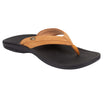
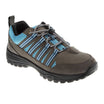
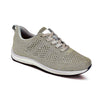
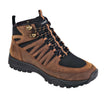
Once you’ve covered the technical aspects, it’s time for the fun part: finding a style that fits your life. Grounding isn’t just for walking barefoot in a field; it’s something you can incorporate into your daily routine. That’s why modern grounding shoes come in a wide range of designs. Whether you need a sleek walker for your morning stroll, a durable trail shoe for weekend hikes, or a casual flip-flop for running errands, there’s a pair for you. Choosing a style you genuinely love makes it easy to integrate grounding into your life seamlessly. Harmony 783 offers everything from fashionable sneakers to slip-ons, so you never have to choose between feeling good and looking great.
Related products

Get grounded in every step — in two classic colors.
View product

The Melissa High-Top • Black Quilted is the perfect balance of fashion and function.
View productDo All Grounding Shoes Work the Same?
When you start looking for grounding shoes, you’ll quickly notice there are a lot of options out there. But it's important to know that not all grounding shoes are created equal. The effectiveness of a shoe comes down to one crucial factor: the materials used to make it. A true grounding shoe is specifically engineered to conduct the Earth’s energy, and that requires a very specific type of construction that you won’t find in a standard sneaker or even in most minimalist shoes.
The goal is to mimic the connection you get when walking barefoot, but with the comfort and protection of a shoe. This is only possible if the shoe’s sole contains conductive elements that allow the free flow of electrons from the ground to your body. Without these materials, a shoe simply acts as an insulator, blocking the very connection you’re trying to make. So, while two pairs of shoes might both be marketed as "grounding," their performance can vary widely based on their design and composition.
Why Materials Matter
The secret to an effective grounding shoe lies in its sole. To create a conduit for the Earth’s energy, the sole must be made with conductive materials. Think of it like a wire for electricity; you need the right material for the current to flow. In grounding footwear, this is often achieved by embedding elements like carbon, silver, or copper into the sole. Some traditional shoes made with leather soles can also be conductive, especially when the leather is damp.
These materials are what separate true grounding shoes from regular footwear. They create a pathway that allows your body to absorb the natural energy from the ground beneath you. This process is what allows you to experience the benefits of earthing even when you can't go barefoot.
The Harmony 783 Difference
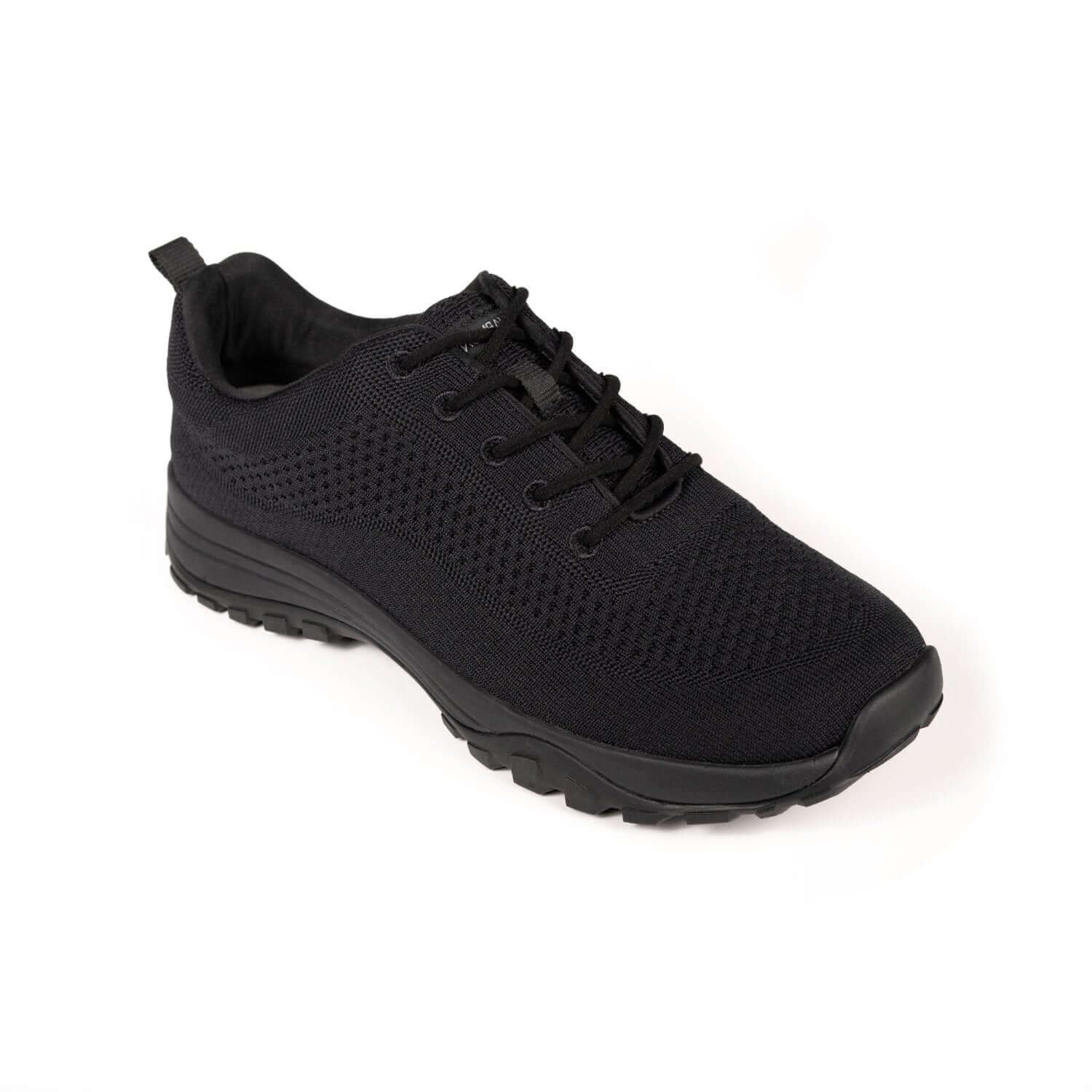
At Harmony 783, we’ve focused on creating a shoe that is not only stylish and comfortable but also highly effective. We developed our proprietary Groundworks™ technology to ensure a reliable connection to the earth. Each pair of our shoes features fully conductive, carbon-infused rubber outsoles. This carbon "plug" sits under the ball of your foot, the most conductive point of your body, creating a direct and powerful link to the ground.
Inside the shoe, a stitched conductive thread runs through the strobel board (the layer your foot rests on) and connects to the carbon plug in the sole. This creates an uninterrupted channel for the Earth's energy to flow into your body. It’s a thoughtful design that ensures you’re grounded with every step you take.
Common Grounding Shoe Myths
One of the biggest misconceptions is that all "barefoot" or minimalist shoes are grounding shoes. While these shoes have thin, flexible soles that let you feel the ground, most are made from rubber or synthetic materials that are insulators. They block the electrical connection to the Earth, meaning you won’t get the benefits of grounding. A shoe must be intentionally designed with conductive properties to be considered a true grounding shoe.
Another common myth is that any shoe can become a grounding shoe. Unfortunately, the thick rubber and plastic soles of most modern sneakers, sandals, and boots act as a barrier. They completely sever your electrical connection to the planet. That’s why understanding what grounding is and how it works is the first step to finding a shoe that truly supports your wellness goals.
Caring for Your Grounding Shoes
Just like any favorite pair of shoes, your grounding footwear needs a little TLC to keep them looking and performing their best. The good news is that caring for them is straightforward. By following a few simple steps for cleaning and storage, you can ensure the conductive technology stays effective, so you can continue to enjoy the benefits of earthing on all your adventures. Think of it as simple upkeep to protect your investment in your well-being.
Simple Cleaning and Maintenance
To keep your shoes in top shape, the key is to be gentle. The goal is to clean the shoe without damaging the special conductive materials that make grounding possible. For everyday dirt and dust, simply wipe your shoes down with a soft, damp cloth. It’s best to avoid harsh chemical cleaners or tossing them in the washing machine, as these can degrade the conductive elements in the soles. A little spot cleaning is usually all it takes. Every so often, give the soles a quick look to check for excessive wear and tear, as this can impact how well they connect you to the earth.
How to Store and Inspect Them
Where you keep your shoes matters. When you’re not wearing them, store your grounding shoes in a cool, dry place away from direct sunlight. A spot in your closet is perfect. Extreme heat and sun can cause the materials to break down over time. If you plan on storing them for a longer period, a breathable shoe bag can protect them from dust. It’s also a good habit to inspect your shoes regularly. Check for any deep cracks in the soles or damage to the conductive plug. Making sure your shoes are in good condition ensures you’re getting a solid connection to the ground every time you wear them.
Where Can You Find Grounding Shoes?
Once you decide to try grounding, the next step is finding the right shoes. The good news is that you don’t have to sacrifice your personal style for function. The best grounding shoes blend right into your wardrobe, offering a seamless way to connect with the earth wherever you go. Instead of searching high and low, you can start with brands that specialize in creating footwear that is both effective and fashionable. Harmony 783 is dedicated to this mission, making it simple to find high-quality grounding shoes that you’ll actually love to wear.
Explore the Harmony 783 Collection
At Harmony 783, our goal is to make grounding an easy and enjoyable part of your daily routine. Our grounding shoes are designed to connect you with the earth's natural energy while providing the comfort and style you expect from your favorite footwear. We believe you shouldn't have to choose between wellness and fashion. That’s why we focus on creating versatile designs that are perfect for everyday wear, from running errands to meeting friends for coffee. Each pair is crafted to help you experience the benefits of grounding without a second thought.
Styles for Men and Women
Finding a shoe that fits your lifestyle is key, and our collection offers plenty of options for both men and women. Whether you need a sturdy pair of walkers for your morning stroll, comfortable joggers for a light workout, or casual flip-flops for a sunny day, there’s a style for every occasion. We offer everything from classic lace-up sneakers and slip-ons to durable trail shoes for your outdoor adventures. With so many choices, you can easily find the perfect pair to match your activities and personal taste, making it effortless to stay grounded all day long.
Are Grounding Shoes Right for You?
So, you’ve learned about grounding and are wondering if these shoes are the right next step for your wellness routine. It’s a great question. While the idea of connecting with the Earth’s energy is powerful, it’s important to know if this practice fits your personal health goals and lifestyle. The simple answer is that grounding shoes are for anyone who wants to feel more connected and balanced, but they can be especially helpful for certain people.
If you’re dealing with persistent aches or inflammation, looking for better sleep, or are an athlete who wants to speed up recovery, you might find grounding particularly beneficial. The practice of what is grounding is all about tapping into the Earth’s natural energy to support your body’s well-being. Grounding shoes simply make that connection possible during your everyday activities, whether you’re running errands, walking the dog, or heading to the office. They offer a way to get the benefits without having to go barefoot.
Think of it this way: if you’re someone who values feeling good but needs practical solutions that fit a busy schedule, grounding shoes could be an ideal match. You don’t have to set aside extra time to meditate or find a grassy park; you just have to put on your shoes and go about your day. They bridge the gap between wanting to connect with nature and the realities of a modern lifestyle.
Ultimately, the decision comes down to your personal needs. If you’re looking for a simple, stylish way to support your body’s health from the ground up, exploring a pair of grounding shoes is a fantastic place to start. It’s about making a conscious choice for your health that feels effortless and integrates seamlessly into who you already are.
Related Articles
- Grounding Shoes Explained: Why Copper Isn’t the Only Way to Stay Connected to the Earth
- Earthing & Grounding Basics: FAQs Explained | Harmony 783
- Grounding Techniques for Anxiety Relief | Harmony 783
Feel the Earth. Every Step.
Grounding Shoes That Actually Look Good
Browse Harmony783's bestselling collection — stylish, comfortable grounding footwear designed to reconnect you with the earth, on your terms.
Get Your PairFrequently Asked Questions
Do I need to wear special socks with grounding shoes? For the best connection, going sockless is a great option. However, if you prefer to wear socks, you still can. Most standard socks, especially those made from synthetic materials, can create a bit of a barrier. For a more reliable connection, you can opt for socks made from thin, natural fibers like cotton or wool, as moisture from your foot can help create a conductive path. For a guaranteed connection, specially designed conductive socks work perfectly with grounding shoes.
Will grounding shoes work on any surface, like concrete or asphalt? Grounding shoes work by connecting you to conductive surfaces. This includes natural ground like grass, sand, dirt, and gravel. They also work on many man-made surfaces, such as unsealed concrete sidewalks or stone. However, they will not ground you on insulating surfaces like asphalt, wood, vinyl, or most indoor flooring. Think of it this way: if the surface can absorb moisture, you can likely ground on it.
How quickly will I feel the effects of grounding? This is a very personal experience, and it varies from person to person. Some people report feeling a subtle sense of calm or a change in their energy levels almost immediately. For others, the benefits, such as improved sleep or reduced inflammation, become more apparent after several days or weeks of consistent use. The key is to wear them regularly and pay attention to the small, positive shifts in your well-being.
Are "barefoot style" or minimalist shoes the same as grounding shoes? This is a common point of confusion, but they are not the same. While minimalist shoes have thin, flexible soles that let you feel the terrain under your feet, most are made with standard rubber that acts as an insulator. This means they block the electrical connection to the earth. A true grounding shoe is specifically engineered with conductive materials in the sole to allow the earth's energy to flow through to your body.
How do I know if my grounding shoes are still working over time? The conductive technology in grounding shoes is built to last. As long as the conductive part of the sole is intact and makes regular contact with the ground, your shoes are working. The best way to ensure they keep performing is to give the soles a quick visual check every so often for any significant damage or wear. If the conductive plug and sole are in good shape, you can be confident you are staying connected.