






















Stress can affect sleep, mood, and recovery, especially when the body's natural daily rhythm stays out of balance. Earthing, also called grounding, is the practice of making direct contact with the Earth's surface or using conductive footwear and products designed to recreate that connection indoors.
Early research suggests earthing may support cortisol and stress regulation. The question of whether "does earthing lower cortisol stress levels" remains open. One small sleep study found lower nighttime cortisol and a more balanced daily cortisol pattern after regular grounding.
That finding is encouraging, but it does not make earthing a treatment or replace medical advice. It gives us a useful starting point for understanding how grounding may relate to stress and restorative sleep. For a broader look at earthing's impact on cortisol and stress, explore the science behind the practice. First, it helps to understand what cortisol does, why its timing matters, and how ongoing stress can disrupt that pattern.
What is cortisol and why do high levels harm your health?
Cortisol is the body's primary stress hormone. It helps you wake up, focus, and respond to a challenge, but stress can become a problem when cortisol stays high for too long.
Your body normally follows a daily cortisol pattern. Levels tend to rise in the morning, when they help you feel alert and ready to act. They should then fall through the day and reach their lowest point at night, when your body prepares for rest. This rise-and-fall pattern is part of your natural circadian rhythm.
Short-term stress can be useful. Cortisol helps direct energy toward the systems you need in the moment. The trouble often begins when your body receives repeated signals that it must stay on alert. Work pressure, poor sleep, constant notifications, travel, and too little time outdoors can all make it harder to return to a calm baseline.
What can happen when cortisol stays elevated?
Ongoing stress does not affect everyone in the same way. Still, chronically elevated cortisol is linked with several common wellness concerns, including:
- Poor sleep: Cortisol that remains high at night can make it harder to settle down and stay asleep.
- Low mood: A prolonged stress response can leave you feeling worn down, tense, or less resilient.
- Inflammation: Long-term stress is associated with inflammatory activity in the body.
- Lower recovery: When rest is disrupted, your body has less time to restore energy after daily demands.
These links do not mean cortisol alone explains how you feel. Sleep, nutrition, activity, environment, and personal circumstances all matter. A wellness routine should support those foundations rather than promise a single fix.
That is why researchers are interested in simple ways to help the body return to its normal rhythm. Earthing, also called grounding, involves direct contact with the Earth's surface. Early research has explored whether this practice may support a healthier day-to-night cortisol pattern, especially when combined with restful sleep and other stress-supporting habits. You can read more about earthing's impact on cortisol and stress as you consider the research.
What did the 2004 earthing sleep and cortisol study find?
In a small 2004 pilot study, grounding during sleep was linked with lower nighttime cortisol and reported improvements in sleep, pain, and stress. The study was conducted by Ghaly and Teplitz and published in the Journal of Alternative and Complementary Medicine. It offers an early look at earthing's possible effect on cortisol patterns, but its small size means the results should be viewed as preliminary.
The researchers studied 12 people who reported sleep problems, pain, and stress. Each person slept on a conductive mattress pad in their own bed. The pad was connected to the ground outside, allowing the participants to remain grounded while they slept. The study lasted eight weeks.
- Nighttime cortisol fell. Cortisol levels were significantly reduced during nighttime sleep. This matters because healthy cortisol patterns are usually higher during the day and lower at night.
- Daily cortisol patterns moved toward a more natural rhythm. The participants' 24-hour cortisol profiles trended toward normalization. The researchers noted that these changes were most apparent in female subjects.
- Sleep complaints improved. Nearly all subjects reported that their sleep improved during the study.
- Pain and stress complaints improved. Nearly all subjects also reported that their pain and stress were reduced or eliminated.
- The intervention was simple. Participants used a conductive mattress pad while sleeping, rather than changing several parts of their daily routine at once.
These findings help explain why people ask, "Does earthing lower cortisol stress levels?" The evidence is still early, but nighttime grounding may influence how much cortisol the body releases during sleep. It may also affect the timing of the daily cortisol cycle. A more balanced rhythm may support better rest and a calmer response to daily demands.
Still, this was a pilot study with only 12 participants. It did not prove that grounding caused every reported improvement, and the results should not be treated as medical advice. Larger, well-controlled studies are needed to confirm the findings and show how they apply to different people. For a broader overview, read about earthing's impact on cortisol and stress and the research behind grounding as a wellness practice.
How Does Earthing Lower Cortisol Stress Levels in the Body?
If you ask, does earthing lower cortisol stress levels, the most careful answer is that it may help the body move toward a calmer stress pattern. Earthing means making direct physical contact with the Earth's surface, such as standing barefoot on grass or using a conductive grounding product. This contact gives the body a way to accept electrons from the ground.
How might electron transfer affect stress?
The body does not switch from stressed to calm because of one single event. Stress involves several systems working together, including the autonomic nervous system. This system helps control heart rate, breathing, digestion, and the body's response to pressure. When the body stays in a stress state, it can be harder to relax at night.
Grounding researchers suggest that contact with the Earth may help shift the autonomic nervous system toward the rest-and-recovery side. They also propose that electrons from the ground may help manage oxidative stress and inflammation. These ideas are still being studied, so earthing should be viewed as a wellness practice, not a proven treatment. WebMD describes the proposed grounding mechanism and its possible stress effects.
Why does the cortisol rhythm matter?
Cortisol is useful. It helps the body wake up, focus, and respond to a challenge. A healthy pattern is usually higher during the day and lower at night. Ongoing stress, poor sleep, and an overloaded schedule can disturb that pattern. Cortisol may remain too high when the body should be winding down.
By supporting a calmer nervous-system state, earthing may make it easier for cortisol to follow its natural day-night cycle. Lower nighttime cortisol can help the body prepare for sleep. Better sleep then gives the nervous system more time to recover, creating a helpful cycle of rest and resilience.
- Daytime: A balanced cortisol rhythm supports alertness and normal activity.
- Evening: A gradual decline helps the body shift toward rest.
- Overnight: Deeper, more restorative sleep supports recovery from daily stress.
A small 2004 pilot study reported changes in diurnal cortisol patterns after participants were grounded during sleep. Including lower nighttime cortisol and a trend toward a more normal 24-hour rhythm. That result is promising, but it needs support from larger studies. For a broader explanation, read about earthing's impact on cortisol and stress.
How much earthing is needed to see stress and cortisol benefits?
There is no established number of minutes that guarantees a change in stress or cortisol. Earthing research is still early, and people respond differently. A steady routine is more useful than chasing the longest possible session.
| Grounding approach | How it works | Best for |
|---|---|---|
| Barefoot outdoor session. | Direct skin contact with grass, soil, or sand while you rest or sit. | Quiet, repeatable routines like reading or relaxing outside. |
| Sleep grounding. | A conductive pad keeps you connected through the night. | The approach studied in the 2004 pilot, tied to nighttime cortisol. |
| Grounding footwear. | Conductive soles keep you connected while you walk or move. | Busy days when you cannot sit still for a session. |
-
Start with a daily grounding session
Choose a simple time you can repeat, such as sitting barefoot on grass, soil, or sand while you relax. A short daily session gives you a practical starting point. Notice changes in sleep, tension, and how settled you feel, but do not treat those observations as proof of a cortisol change. Cortisol testing requires appropriate measurement and interpretation.
-
Consider grounding during sleep
Sleep grounding has been studied for longer periods than a single outdoor session. In a 2004 pilot study, 12 people with sleep dysfunction, pain, and stress complaints used a conductive mattress pad while sleeping in their own beds for eight weeks. The researchers reported changes in daily cortisol patterns, including lower nighttime cortisol, along with subjective improvements in sleep, pain, and stress. The study was small, so it does not establish a universal sleep-grounding dose. Read the 2004 earthing and cortisol study for the original details.
-
Stay connected while you move through the day
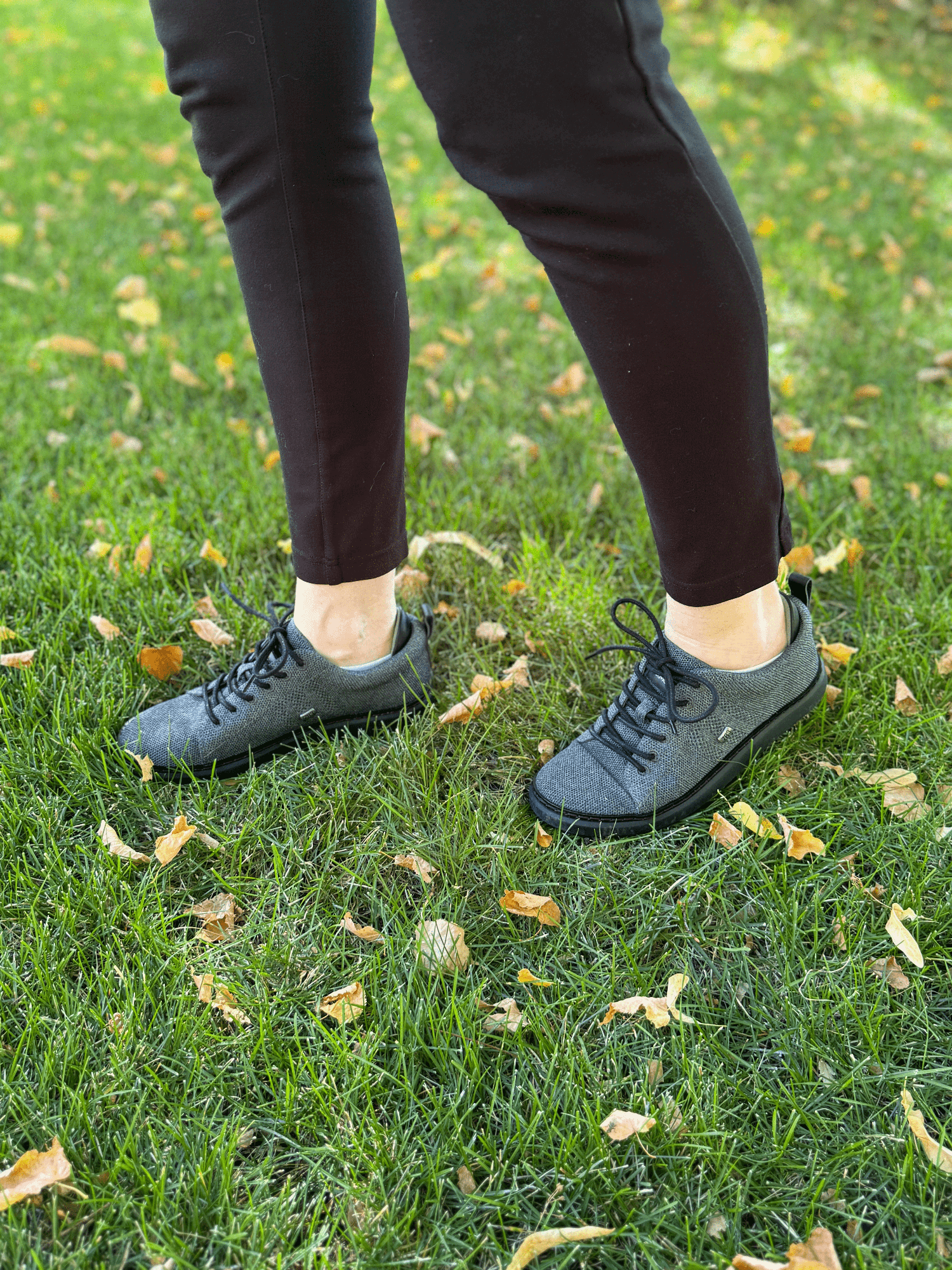
Grounding footwear can fit into routines that do not allow a long sit-down session. Wear grounding footwear for daily stress reduction during an outdoor walk or other activity where the shoes make direct contact with a conductive surface. This approach is about creating more regular opportunities for connection, not claiming that every hour worn produces a specific cortisol result.
-
Keep the routine realistic and review it over time
Give a routine enough time to observe patterns, while keeping expectations modest. Sleep quality, workload, exercise, daylight, and other habits also affect stress. If you have a diagnosed condition, take medication, or have ongoing symptoms, discuss concerns with a qualified health professional. Earthing can be a personal wellness practice, but it should not replace medical care.
In short, the most evidence-honest answer to "does earthing lower cortisol stress levels" is that consistent grounding may support stress and sleep for some people. But research has not defined a fixed daily dose.
What does the research actually say about earthing and stress?
The evidence on earthing and stress is encouraging, but it is not yet strong enough to support broad medical claims. The most often cited study is a 2004 pilot involving 12 people who had sleep problems, pain, or stress complaints. Participants used a conductive mattress pad while sleeping in their own beds for eight weeks. Researchers reported changes in daily cortisol patterns, including lower nighttime cortisol levels, along with improvements that participants reported in sleep, pain, and stress.
Those findings are relevant to questions such as whether does earthing lower cortisol stress levels, but they do not provide a final answer. A small pilot can show a useful signal. It cannot prove that the same result will occur for everyone, or that earthing caused every reported improvement. You can read the original study in PubMed.
The pattern is worth noting. Results appear most promising around sleep and nighttime cortisol, rather than as proof that earthing directly treats stress disorders. Cortisol normally changes across the day. It tends to be higher during the day and lower at night. The 2004 study suggested that grounding during sleep may help move this rhythm toward a more typical pattern. But larger and more rigorous studies are needed to test that idea.
- What the study suggests: Nighttime grounding may support healthier cortisol timing and better-reported sleep.
- What it does not prove: Earthing is not a guaranteed way to lower cortisol, eliminate stress, or treat a medical condition.
- Why more research matters: The sample was very small, and a single pilot cannot establish how the practice works across different people and circumstances.
For a broader explanation of earthing's impact on cortisol and stress, review the research alongside the proposed mechanisms. Treat earthing as a wellness practice that may complement healthy sleep, movement, and time outdoors. It should not replace medical care, prescribed treatment, or advice from a qualified healthcare professional, especially if stress or sleep problems persist.
Grounding shoes as a daily cortisol-management tool
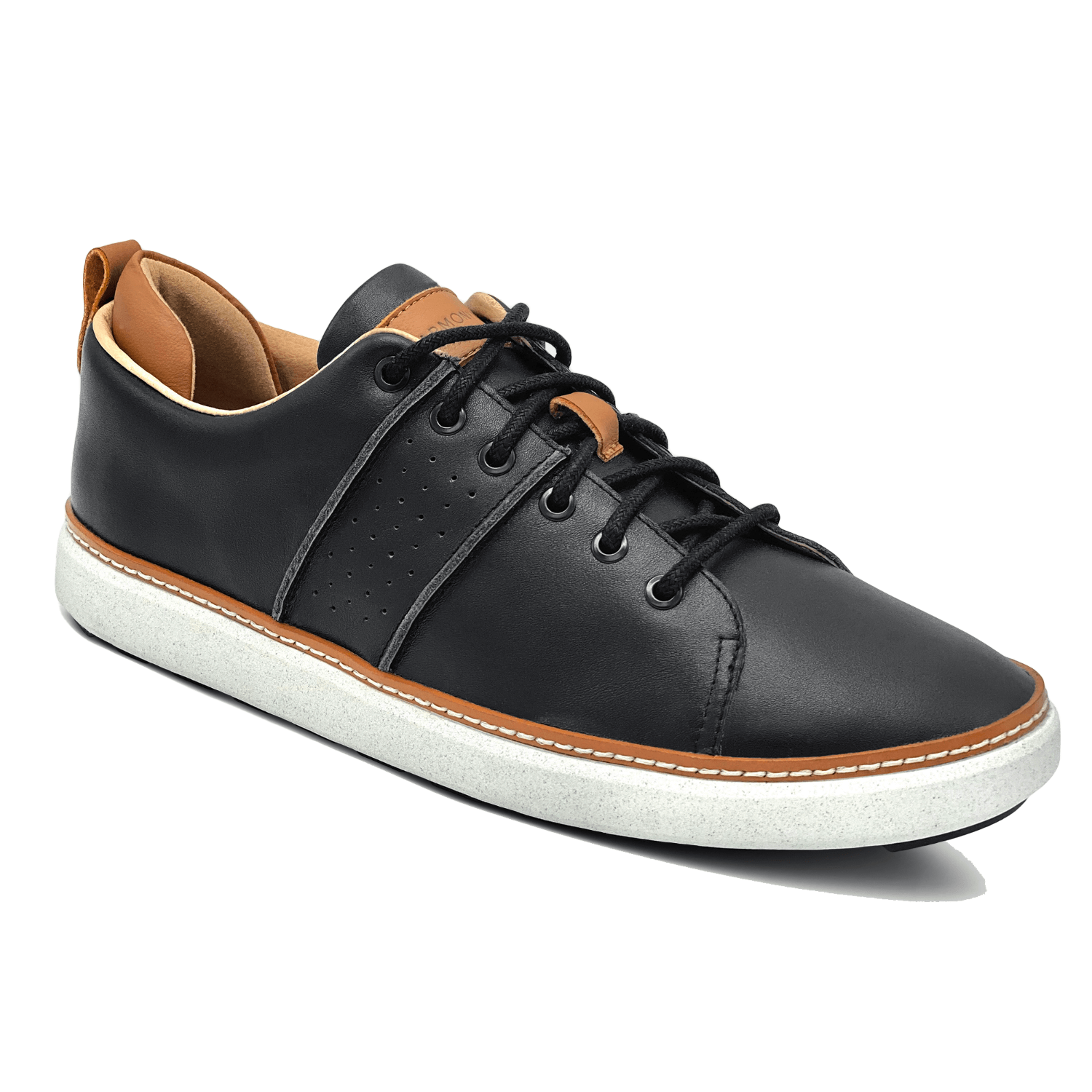
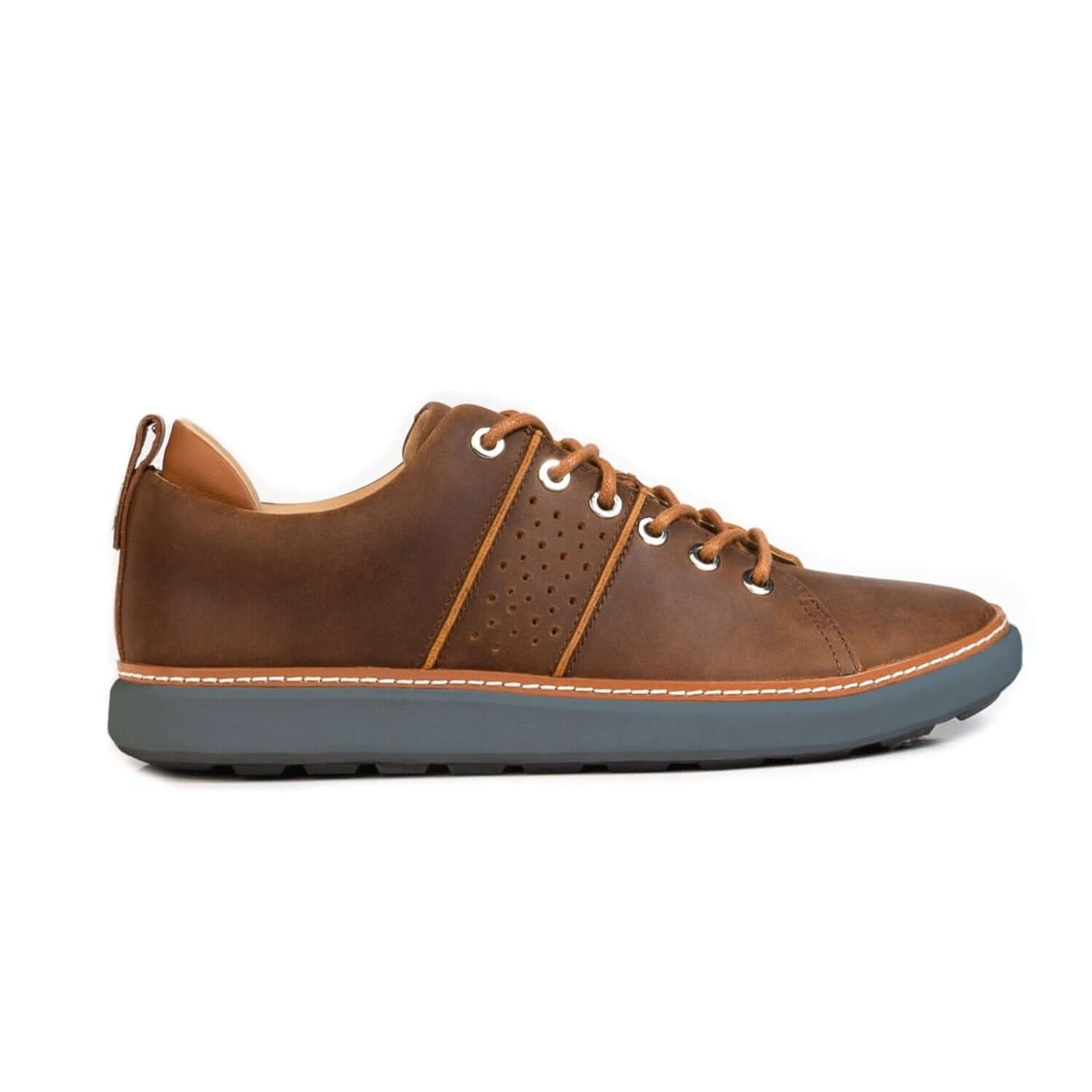
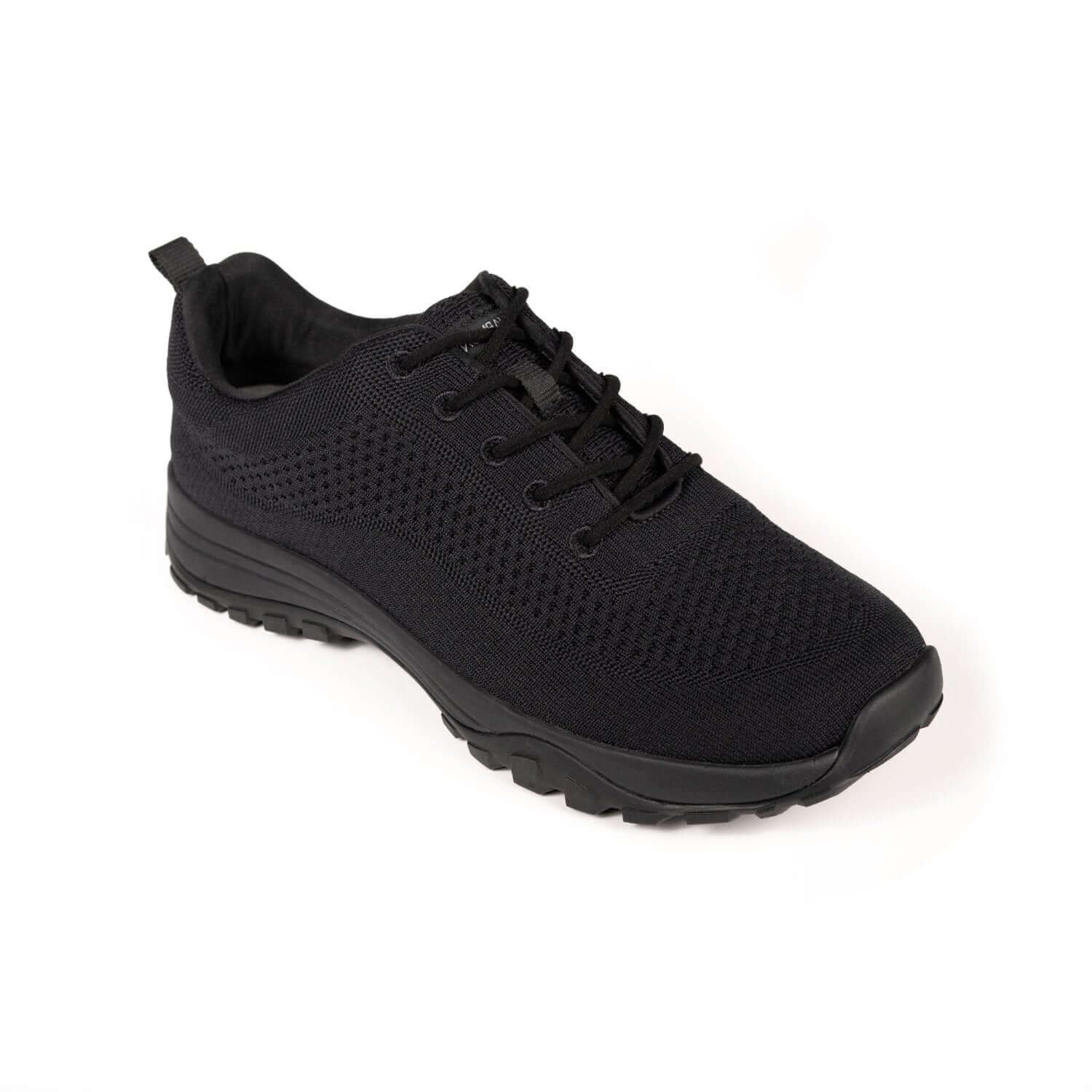
Stress can build during ordinary moments: commuting, walking between meetings, running errands, or spending time outside. A grounding shoe can make earthing part of those moments instead of another task to schedule. When the footwear is designed to maintain a conductive connection with the ground, you can stay connected to the Earth while you move through your day.
Grounding footwear offers a practical way to make earthing more consistent. But it should be viewed as a wellness practice, not a treatment for high cortisol or a medical condition.
How can grounding shoes fit into a normal routine?
The main benefit of footwear is convenience. You do not need to set aside a separate session or remain in one place. Wear Harmony 783 grounding footwear during a walk, while gardening, or during other outdoor activities where the sole can make the intended connection with the ground. This can help turn occasional grounding into a repeatable habit.
- Start with familiar activities. Try a short walk, time in the yard, or another part of your day that already happens outdoors.
- Build consistency gradually. A simple daily routine is easier to maintain than an ambitious plan that quickly becomes inconvenient.
- Notice your own response. Pay attention to relaxation, sleep quality, and how you feel after using the footwear. Personal observations do not replace research, but they can help you decide whether the practice fits your routine.
This approach also supports the broader idea behind grounding footwear for daily stress reduction. The goal is not to promise an instant change in cortisol. It is to create more regular opportunities for grounding while you continue with everyday life.
Can daily grounding footwear lower cortisol?
Research on grounding and cortisol is still limited, and the small study often discussed in this area used a conductive mattress pad during sleep rather than shoes. That study reported changes in nighttime cortisol and a trend toward a more natural daily cortisol pattern. It does not prove that grounding shoes produce the same result.
Still, footwear may be useful for people who want to explore earthing beyond a single session. Grounding shoes can complement sleep-focused grounding, outdoor time, movement, and other habits that support a calmer routine. If you have a diagnosed condition, take medication, or have concerns about stress or sleep. Speak with a qualified health professional rather than using grounding footwear as a substitute for care.
For shoppers interested in the category, Harmony 783 offers grounding footwear designed for people who want a simple way to include earthing in daily life. Choose a routine you can follow, use the footwear as directed, and keep your expectations grounded in the current evidence.
Other natural ways to keep cortisol in check alongside earthing
Earthing can be one part of a broader routine that supports a healthy cortisol rhythm. The goal is not to force cortisol as low as possible. Your body needs cortisol to wake up, focus, and respond to daily demands. The aim is to support a steady daytime pattern and a gradual evening wind-down.
Start with the basics that influence energy, sleep, and stress each day:
- Prioritize quality sleep. Keep a regular sleep schedule, make your bedroom quiet and dark, and give yourself enough time to rest. A calmer evening routine may help your body move toward its natural nighttime recovery state.
- Move your body daily. Walking, gentle strength work, stretching, or another activity you enjoy can help release tension. A short walk after a long period of sitting is still useful. Consistency matters more than intensity.
- Spend time outdoors. Natural light and fresh air can provide a helpful break from indoor routines. If it is safe and practical, combine outdoor time with direct contact with the ground. You can also learn how to reduce stress levels through grounding in everyday settings.
- Build simple pauses into the day. Take a few slow, deep breaths before a stressful task. Step away from screens between blocks of work. Even a brief quiet pause can give your attention and nervous system room to reset.
These habits work best when they fit your real life. Choose one small change, repeat it often, and notice how your sleep, energy, and sense of stress respond. Earthing may complement these habits, but it does not replace medical care for ongoing sleep or stress concerns.
Browse the collection to make grounding part of your daily routine.
Frequently Asked Questions
Does grounding help with high cortisol?
Early research suggests grounding may reduce nighttime cortisol and support a healthier day-to-night rhythm. A small 2004 study followed 12 people who slept on a conductive mattress pad for eight weeks and reported improved cortisol patterns. The finding is promising, but larger studies are needed before firm conclusions can be made. Read the study on PubMed.
How does earthing reduce stress and cortisol?
Earthing connects the body with the Earth's surface through direct contact. Researchers and practitioners propose that this connection may support a calmer autonomic nervous system and a more balanced cortisol rhythm. The exact biological pathway is not fully established, so earthing is best viewed as a natural wellness practice rather than a proven treatment.
Can earthing improve sleep by lowering cortisol?
It may help some people, especially when stress and a disrupted nighttime routine make it hard to rest. Cortisol normally falls at night, and a more regular rhythm may support deeper sleep. In the small 2004 pilot study, participants also reported improvements in sleep, pain, and stress, but those results need confirmation in larger, well-controlled research.
What is the science behind earthing and cortisol regulation?
The current science includes a small human study and proposed explanations involving electrical contact with the ground, nervous-system balance, and circadian timing. That evidence is not strong enough to promise a specific cortisol response for every person. If you have ongoing sleep problems, severe stress, or a health concern, speak with a qualified healthcare professional.
How can I try grounding for everyday stress?
Start with a simple, consistent habit, such as spending time barefoot on a safe natural surface or using grounding footwear outdoors. Notice changes in sleep, mood, and perceived stress over several weeks instead of expecting an instant result. Pair grounding with established habits such as regular movement, daylight exposure, and a steady bedtime.
Bring daily grounding into your routine
Earthing is a simple, natural addition to your day. The research on cortisol and stress is still young, but many people find that regular grounding supports better sleep. A calmer mood, and a sense of being more connected to the natural world. The easiest way to keep grounding consistent is to make it part of how you move through the day.
Grounding footwear lets you stay connected to the Earth whether you are walking to work, strolling in the park, or relaxing at home. With a few hours of wear a day, earthing becomes a habit instead of a chore.
Browse the collection of grounding shoes to find a style that fits your everyday life. Start with a pair you will actually wear, and let daily grounding do its quiet work for your stress and sleep.
Stress, sleep, and HRV often move together. Read our guide to earthing and heart rate variability research for a careful look at tracking recovery trends. Use it as general wellness reading, not medical advice.