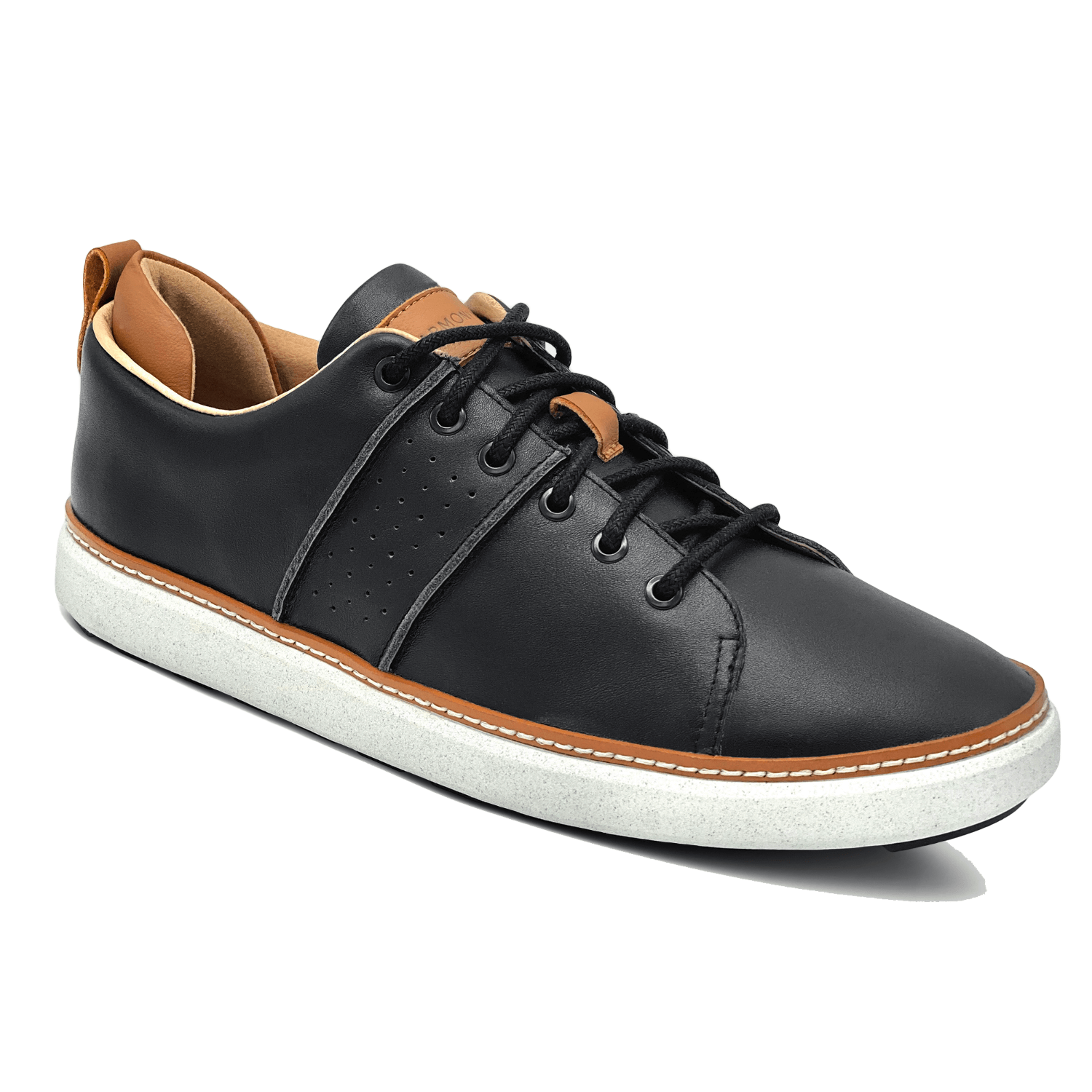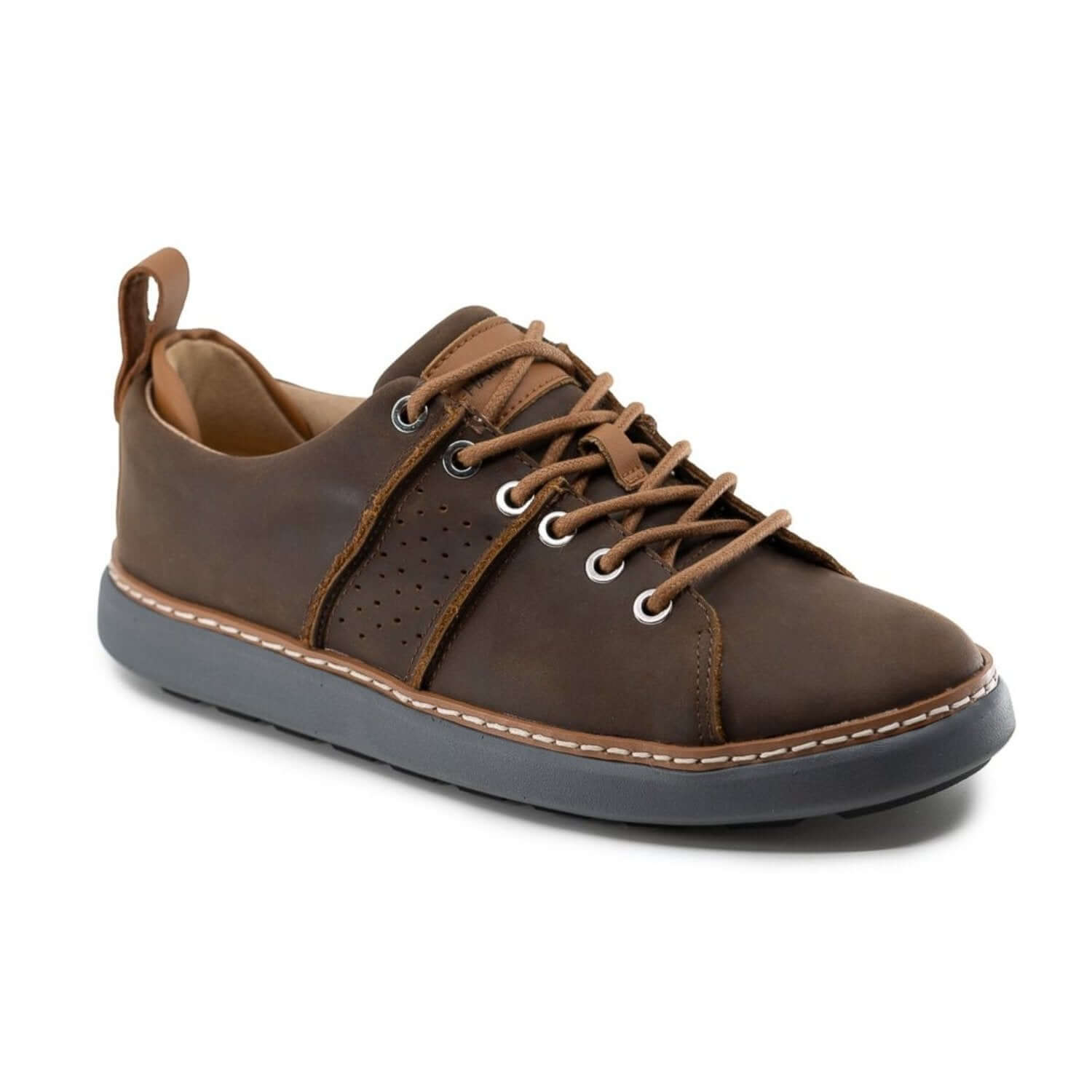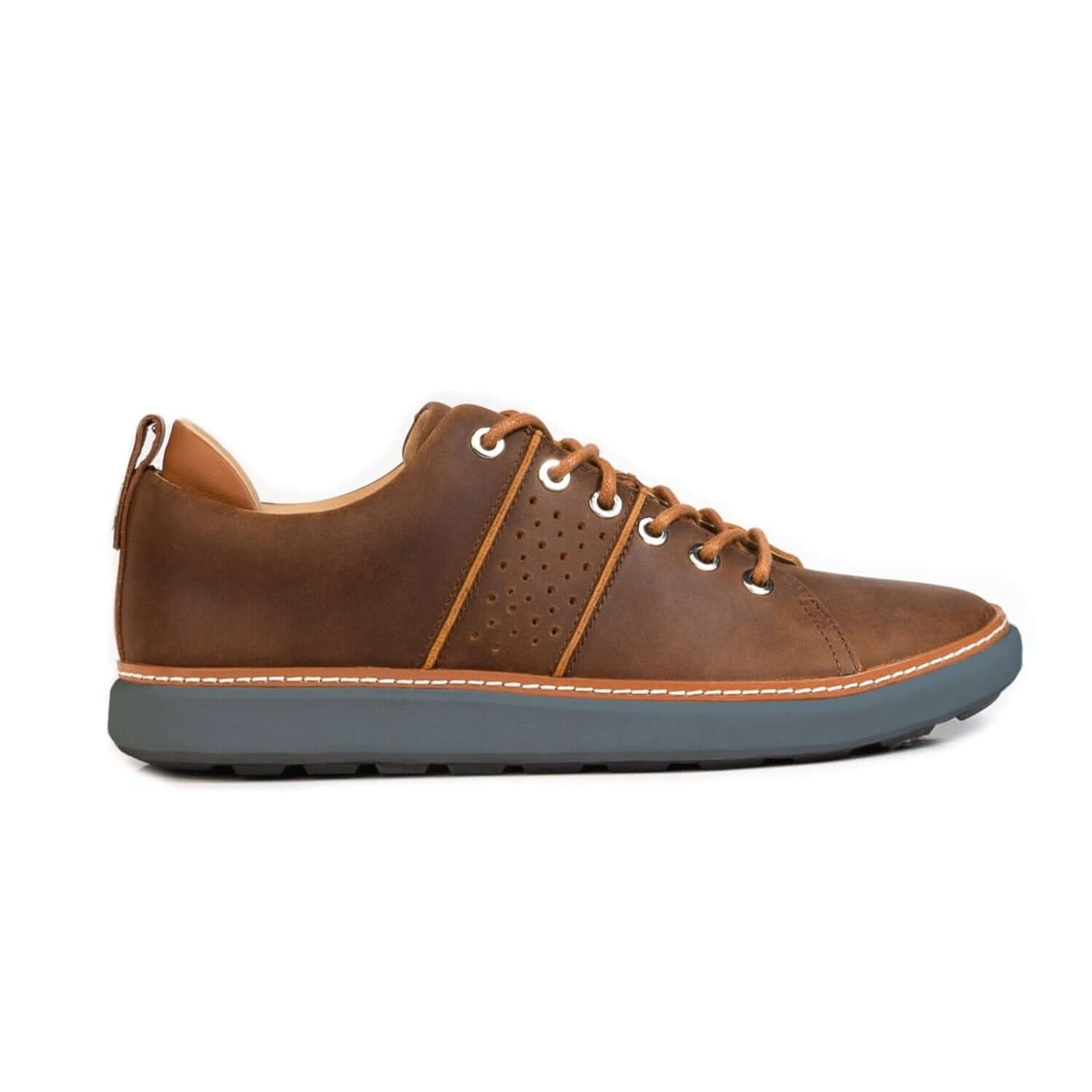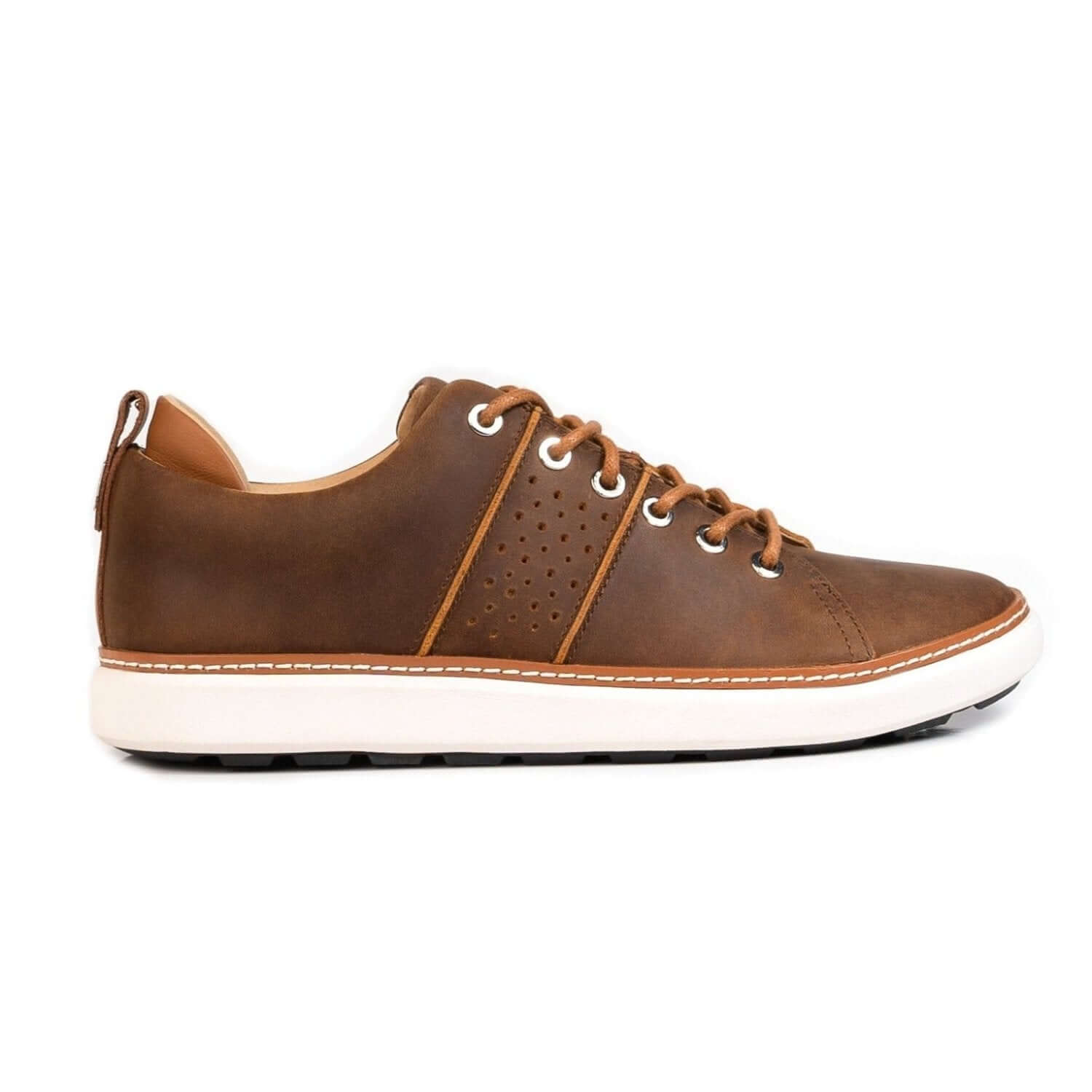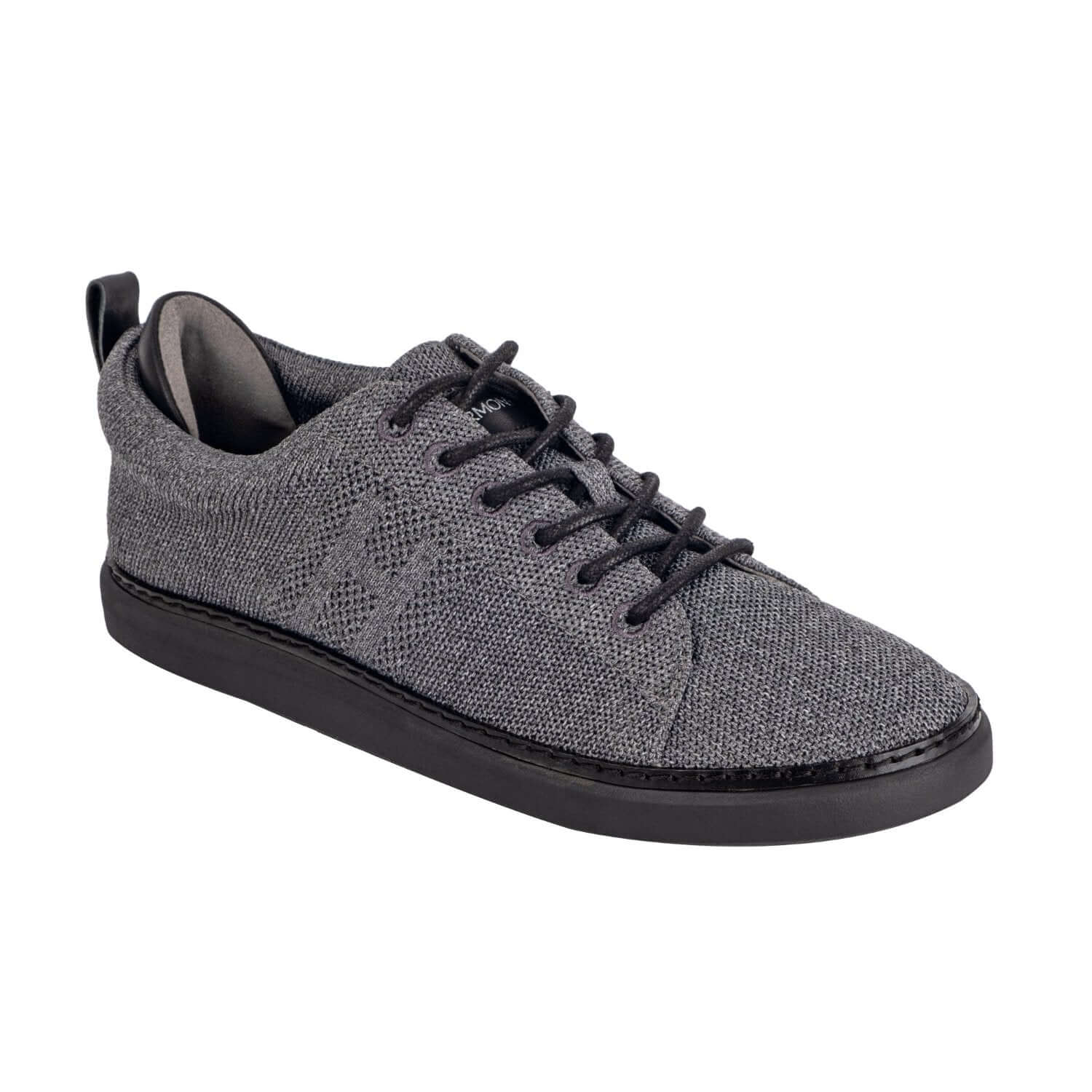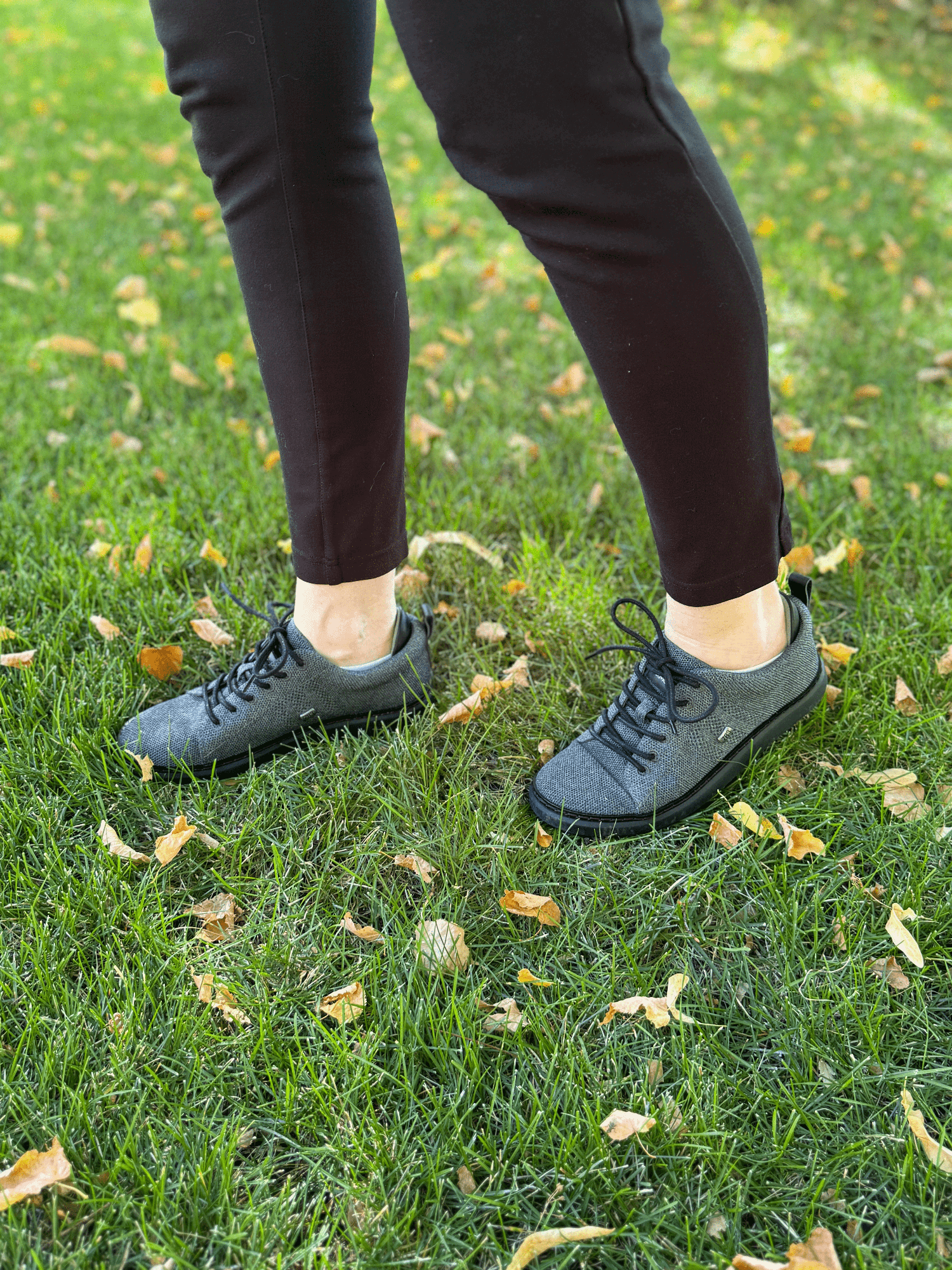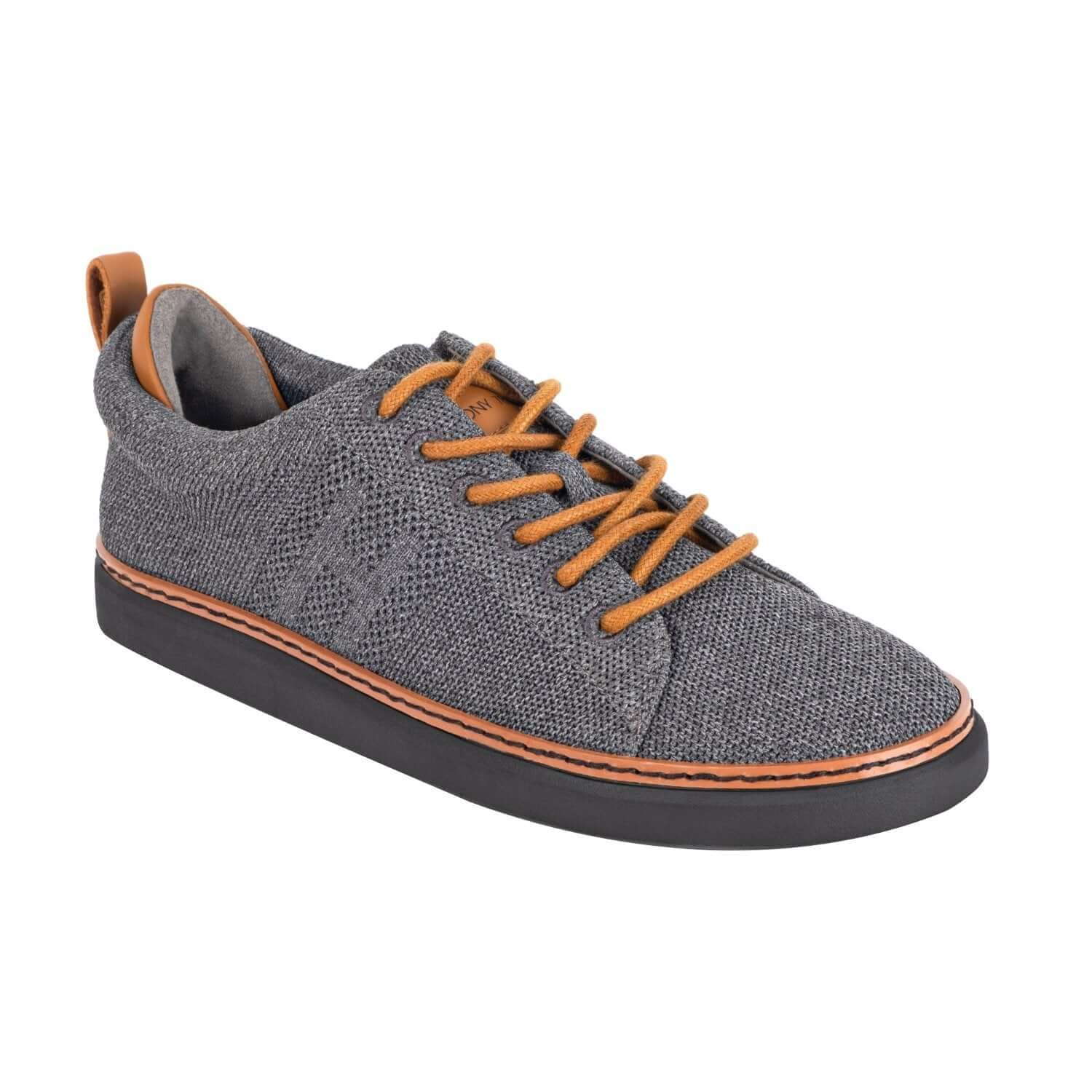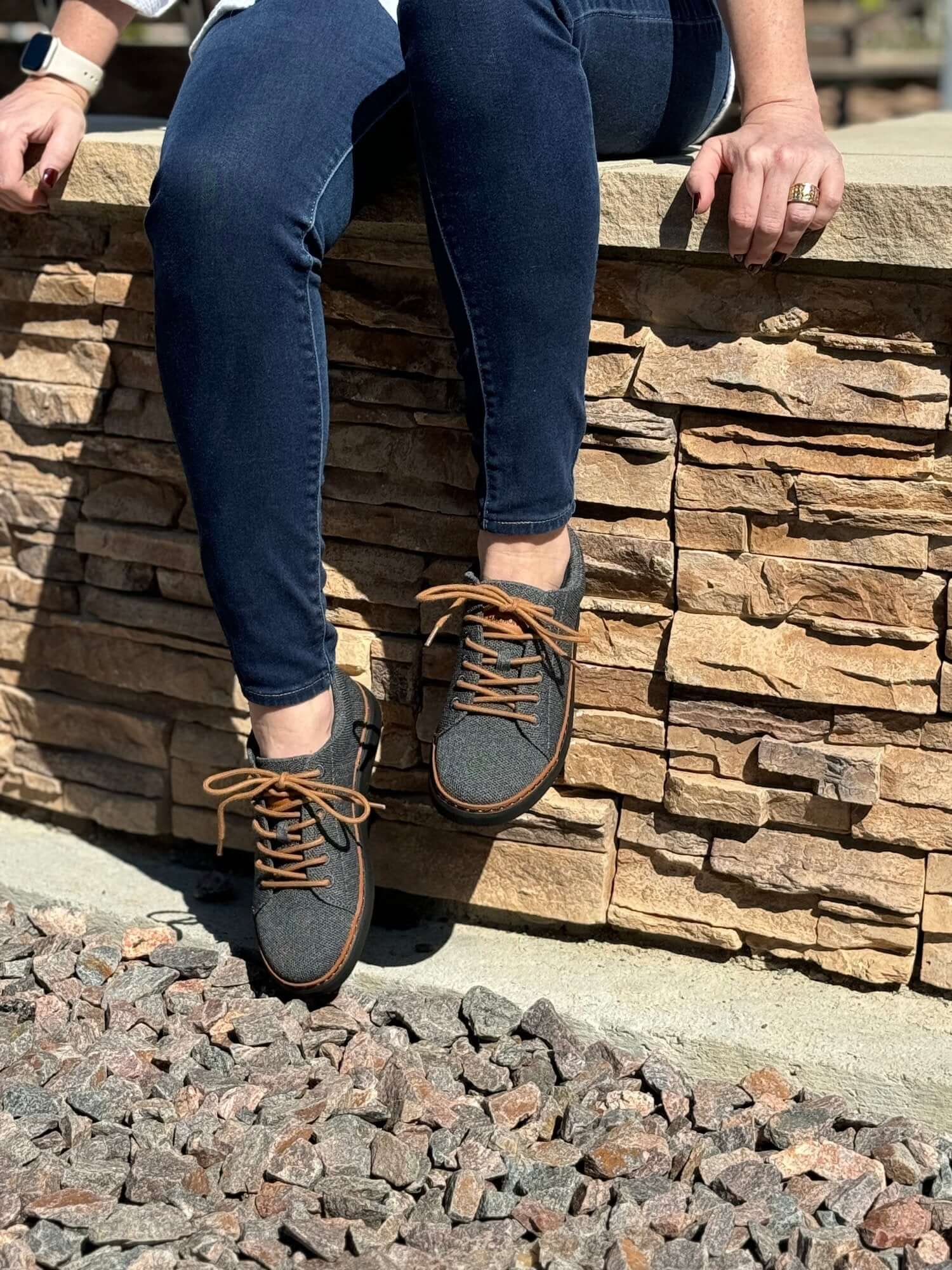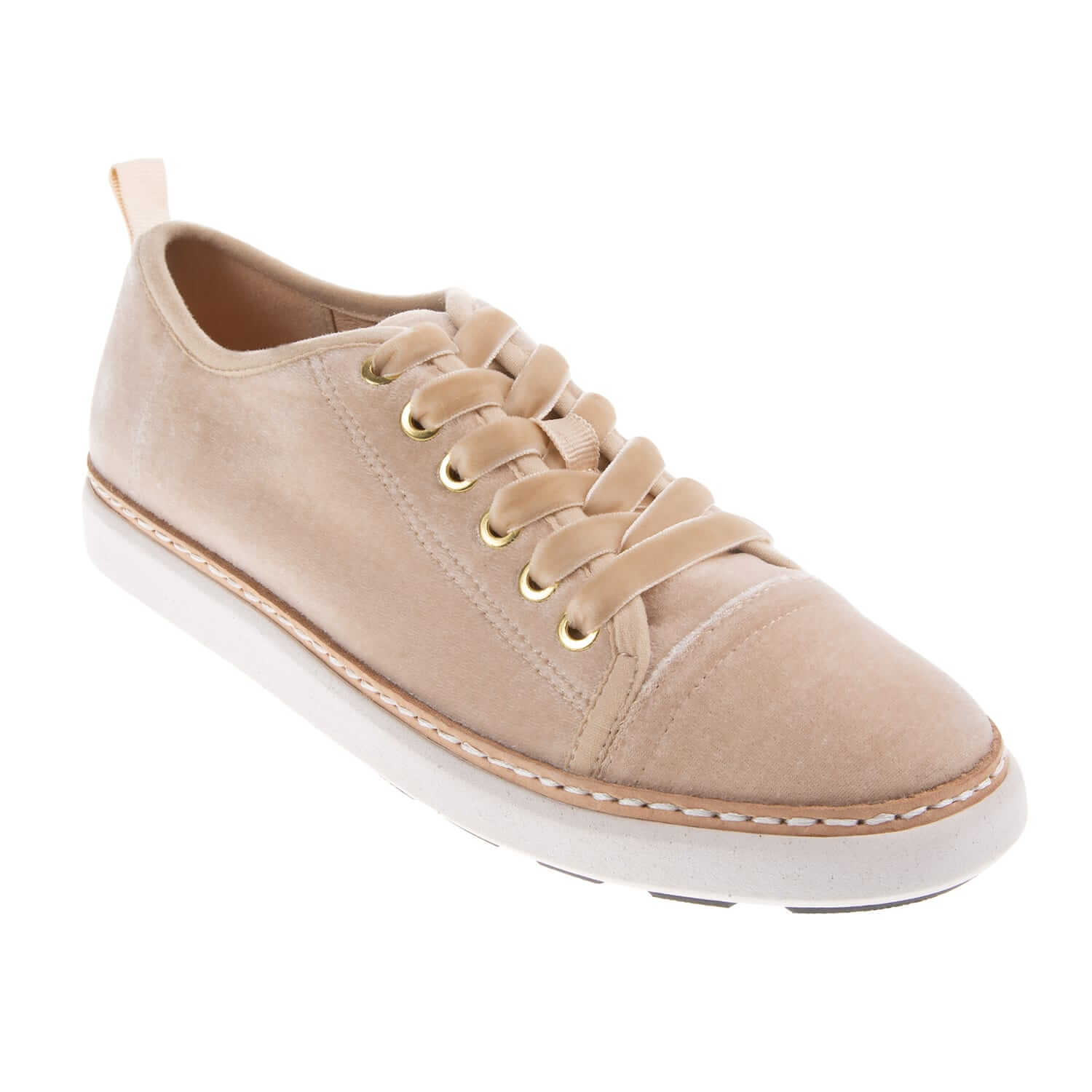

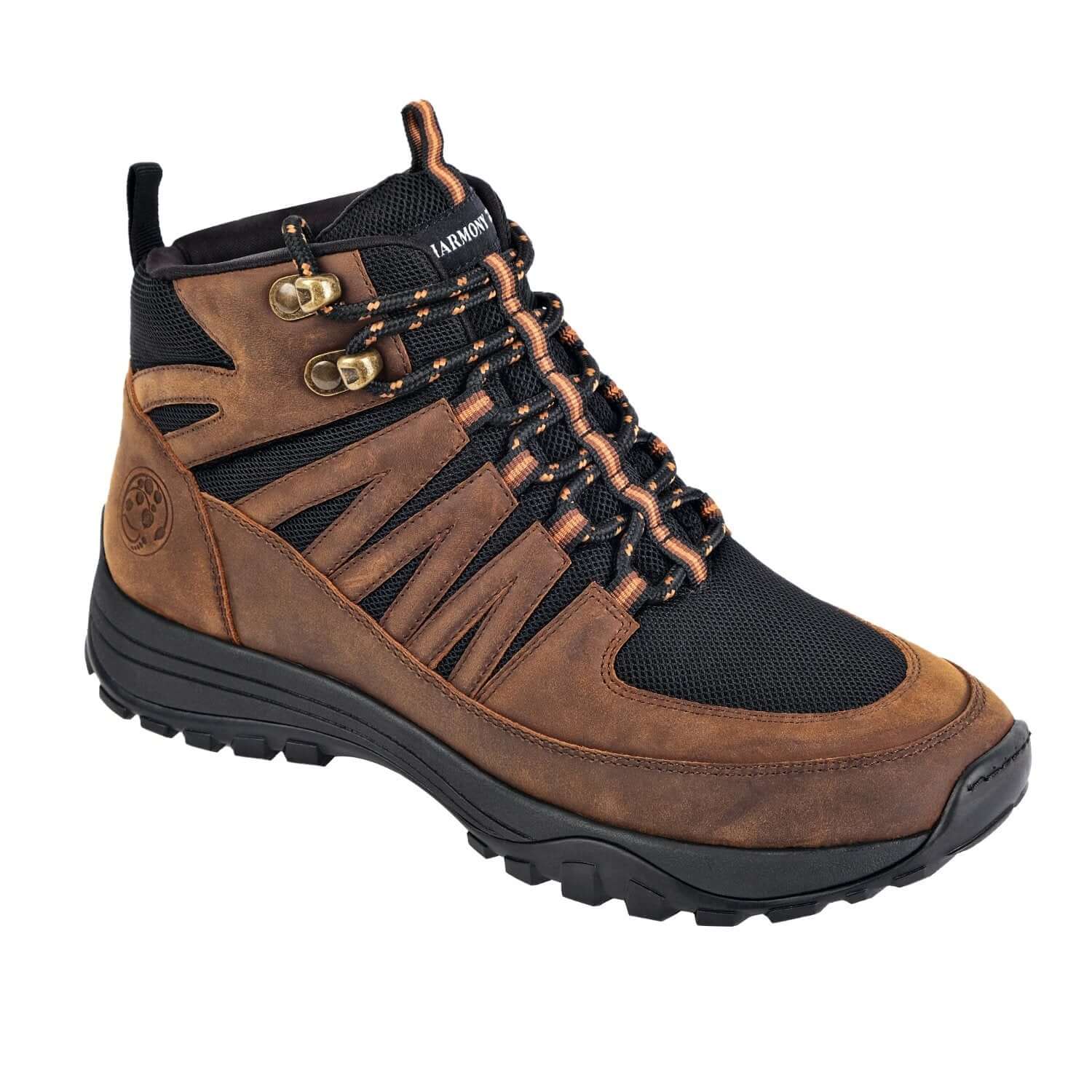
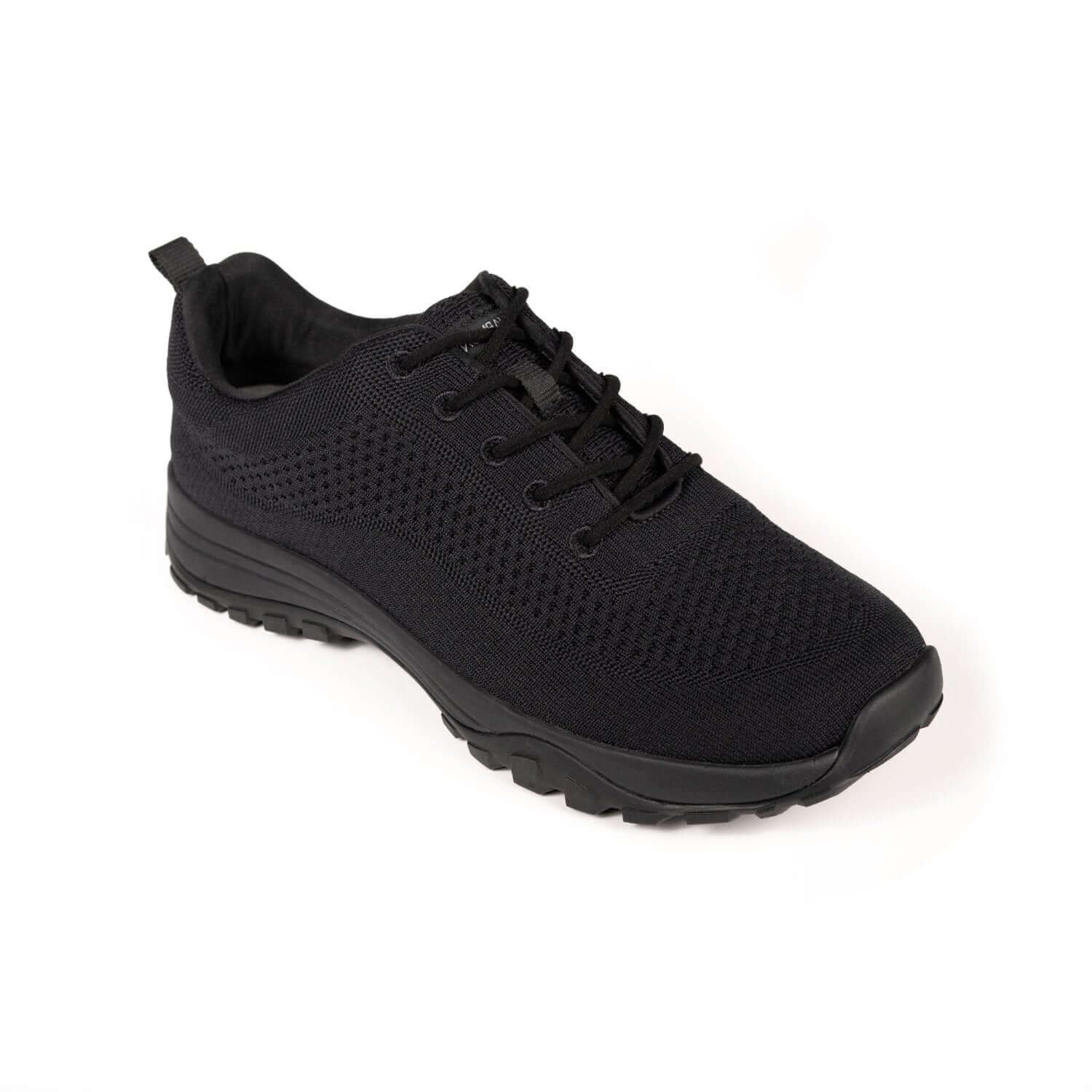







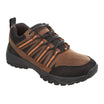







There’s a special feeling that comes from walking barefoot on cool grass or soft sand. It’s a simple, direct connection to the earth that feels calming and centering. Yet, most of us spend our days disconnected, walking on pavement in shoes with rubber soles that insulate us from the ground. Grounding shoes offer a solution by bridging that gap. They are designed to look and feel like your favorite stylish footwear but with built-in technology to channel the earth’s energy. It’s an intriguing idea, but it leads to a critical question: do grounding shoes work? This guide will explore the science, the potential benefits, and what you should know before trying them yourself.
Feel the Earth. Every Step.
Grounding Shoes That Actually Look Good
Browse Harmony783's bestselling collection — stylish, comfortable grounding footwear designed to reconnect you with the earth, on your terms.
Get Your PairKey Takeaways
- Grounding shoes bridge the gap to the Earth: They use conductive materials in the soles to channel the Earth's natural energy into your body, giving you the benefits of being barefoot with the protection and style of a modern shoe.
- Stick to natural surfaces for the best connection: Your grounding shoes work on conductive ground like grass, soil, sand, and even unsealed concrete sidewalks. Remember that asphalt, wood, and most indoor floors will block the flow, so choose your path to stay connected.
- Make grounding an effortless habit: Choose a comfortable style you love and integrate it into your existing routine, like your daily walk. Start with short sessions, listen to your body, and aim for consistency over duration to build a lasting practice.
What Are Grounding Shoes and How Do They Work?
If you love the idea of walking barefoot but your daily life calls for a bit more foot protection, grounding shoes are for you. Think of them as the perfect middle ground. They give you the comfort and support of a regular shoe while helping you connect to the Earth’s natural energy, a practice known as grounding or earthing. Most of us spend our days in shoes with rubber or plastic soles, which act as insulators and completely block our connection to the ground beneath us.
Grounding shoes are designed to do the opposite. They create a direct line between you and the ground, so you can soak up the benefits of earthing while you’re on the go. They look and feel like your favorite stylish sneakers or sandals, but they have a special feature built right in that allows the Earth's gentle energy to flow into your body. It’s a simple concept that can make a big difference in how you feel. Let’s break down how they make this connection happen.
The Role of Conductive Materials
So, what’s the secret? It all comes down to the materials. The soles of grounding shoes are crafted with special conductive elements. Instead of insulating you from the ground, these materials create a pathway for the Earth’s energy to flow into your body. At Harmony 783, our shoes feature carbon and rubber-injected soles with a conductive plug that sits directly under the ball of your foot. This technology is key to what is grounding and allows you to stay connected, whether you’re standing still or walking around. It’s a simple but powerful design that makes your shoes work for your well-being.
Mimicking the Barefoot Connection
The whole point of grounding shoes is to replicate that barefoot feeling of connection without having to actually go barefoot. Most modern footwear isolates us, creating a barrier between our bodies and the earth. Grounding shoes bridge that gap. They are specifically designed to channel the Earth’s energy into your system, just as if your feet were planted directly on the grass or sand. This allows you to enjoy the protective, comfortable, and stylish aspects of wearing shoes while still maintaining that essential, natural connection. You get the best of both worlds: modern footwear that lets you live a grounded lifestyle.
Where Your Grounding Shoes Work Best
To get the most out of your grounding shoes, it helps to know which surfaces are your best friends. The connection works best on natural, conductive grounds. Think grass, soil, sand, gravel, and even unsealed concrete sidewalks. A walk in the park, a stroll on the beach, or just standing in your yard are all perfect opportunities to ground yourself. Surfaces like asphalt, wood, and most indoor flooring will block the connection. You can find a full list of conductive surfaces on our FAQ page. Knowing where your shoes work best helps you turn any outdoor excursion into a chance to recharge.
The Science of Earthing: How It Works
So, what’s really happening when you practice earthing? At its core, the science is surprisingly simple and elegant. It’s all about reconnecting your body to the Earth’s subtle, natural energy. For most of human history, we were in constant contact with the ground. We walked barefoot, worked the land with our hands, and slept on the earth. This constant connection was an unspoken part of human wellness. Modern life, however, has placed barriers between us and the planet. We live in insulated homes, walk on paved sidewalks, and wear rubber-soled shoes that block the Earth’s natural electrical currents. We’ve essentially become disconnected.
Earthing, or grounding, is the practice of intentionally re-establishing this direct electrical connection. Think of it as plugging yourself back into the planet’s power source. The Earth’s surface holds a vast, natural supply of free electrons, and by making direct contact, you allow your body to absorb them. This simple act is what researchers believe sets off a cascade of positive physiological changes. It’s not magic or a new-age fad; it’s a rediscovery of our natural electrical state. By understanding what grounding is, you can see how it works to restore your body's natural balance. This reconnection helps counter the static electricity and environmental electrical charges we accumulate daily, bringing our bodies back to a neutral, grounded state.
Understanding the Earth's Natural Energy
Let's break down what grounding is. It simply means making direct contact between your body and the Earth's surface. The most straightforward way to do this is by walking barefoot on grass, sand, or dirt. The Earth carries a slight negative electrical charge, maintained by a global atmospheric electrical circuit. When you connect to it, your body equalizes with this energy. You can also use specially designed products that create this link for you while you’re indoors. And, of course, this is where grounding shoes come in. They are crafted with conductive materials in the soles that allow the Earth’s energy to flow into your body, even when you can’t go barefoot.
How Your Body Responds to Grounding
When you connect to the Earth, its free electrons can enter your body. Think of these electrons as natural antioxidants. Inside our bodies, we often have an excess of free radicals, which are unstable molecules that can cause damage and inflammation. The theory is that the electrons from the Earth help neutralize these free radicals. This process can have a powerful stabilizing effect on your internal environment. According to a growing body of research, this electron transfer can help reduce inflammation, support your immune response, and even assist with healing. It’s a gentle yet profound way to support your body’s natural functions by simply reconnecting to the ground beneath your feet.
What the Research Shows
While more studies are always welcome, the existing research is compelling. Studies show that grounding can significantly lessen the classic signs of inflammation after an injury, including redness, swelling, and pain. This suggests it plays a role in calming the body’s inflammatory response. Beyond inflammation, grounding also appears to improve sleep quality. It may help normalize the daily rhythm of cortisol, the body’s main stress hormone. When your cortisol cycle is balanced, you tend to feel more relaxed during the day and sleep more soundly at night. Many people also report a noticeable reduction in overall pain and stress levels, making grounding a foundational practice for well-being.
Potential Health Benefits of Grounding
When we talk about grounding, we’re talking about the simple act of connecting your body to the earth. It sounds incredibly simple, and it is. But a growing body of research suggests this direct connection might offer some real, tangible benefits for our health and well-being. Think of it as plugging into a natural source of balance. The idea is that the earth’s surface has a subtle, negative electrical charge, and by connecting to it, we can help stabilize our own body's internal environment.
From a wellness perspective, this is fascinating. The potential effects aren't just about feeling good in the moment; they touch on some of the most fundamental aspects of our health. Studies have explored how grounding may influence everything from inflammation and chronic pain to the quality of our sleep and our daily stress levels. Some research even points to improved circulation and energy. While the science is still developing, many people find that making grounding a regular practice helps them feel more centered and revitalized. It’s an invitation to slow down and reconnect, not just with nature, but with your own body’s sense of balance.
Easing Inflammation and Pain
Inflammation is your body’s natural response to injury, but when it becomes chronic, it can lead to persistent pain and other health issues. One of the most compelling areas of grounding research focuses on its effect on inflammation. Some studies show that by connecting with the earth, you can help reduce the classic signs of inflammation, including pain, swelling, and redness.
Researchers have even used medical infrared imaging to observe these changes, noting that grounding can quickly begin to cool down inflammatory "hot spots." For anyone dealing with nagging aches, recovering from an injury, or managing a chronic condition, the idea that simply connecting to the ground could offer some relief is a hopeful one. It’s a gentle, non-invasive way to support your body’s healing process.
Supporting Deeper, More Restful Sleep
A good night's sleep can feel like a superpower, yet it’s something so many of us struggle with. Grounding may offer a simple way to support more restorative rest. The key seems to be its influence on cortisol, the body’s primary stress hormone. Ideally, your cortisol levels should be highest in the morning to help you wake up and lowest at night to help you wind down.
For many people, stress disrupts this natural rhythm, making it hard to fall asleep. Research suggests that grounding helps normalize this daily cortisol cycle. By helping your body get back to its intended rhythm, earthing can pave the way for deeper, more restful sleep, allowing you to wake up feeling refreshed and ready for the day. It’s a foundational part of what grounding is all about.
Calming Stress and Improving Mood
In our busy lives, it’s easy for the nervous system to get stuck in "fight or flight" mode. This constant state of high alert can leave you feeling anxious, overwhelmed, and emotionally drained. Grounding offers a simple way to interrupt that cycle. Connecting with the earth’s energy is thought to have a calming effect on the autonomic nervous system, helping to shift you out of a stressed state and into a more relaxed "rest and digest" mode.
This shift can lead to a noticeable reduction in stress and anxiety, creating more space for a balanced and positive mood. Think of it as a natural reset button. When you feel the world spinning a little too fast, taking a moment to connect with the ground can help you find your center again.
Enhancing Circulation and Energy
Feeling sluggish and low on energy is a common complaint, and poor circulation can sometimes be a factor. Interestingly, some research indicates that grounding may have a positive effect on your cardiovascular system. Studies suggest that connecting with the earth can help improve blood flow and viscosity, which is the thickness of your blood.
When your blood flows more easily, your heart doesn't have to work as hard, and oxygen and nutrients can be delivered more efficiently throughout your body. This improved circulation can translate into feeling more vibrant and energetic. By wearing grounding shoes, you can support this process throughout the day, turning every step into an opportunity to revitalize your body from the inside out.
Do Grounding Shoes Really Work? An Honest Look
When you hear about grounding, it’s natural to wonder if it’s all hype or if there’s real substance behind the claims. The idea of connecting to the earth to feel better is appealing, but does the science back it up? Let's take a balanced look at the research, including what it supports and where the questions still are. This way, you can decide for yourself if grounding is a practice you want to explore.
The Supporting Evidence
So, what does the research say? Several studies point to some interesting potential benefits. The main idea is that when you connect with the earth, your body takes in free electrons which are thought to act like antioxidants. Some research suggests this process can help reduce inflammation, support your immune system, and even help wounds heal faster. Other studies have focused on sleep and stress, finding that grounding may help regulate your body's daily stress hormone rhythm. This can lead to better sleep, less pain, and a calmer state of mind. It’s this connection to the earth's energy that may help your body find a better balance.
Gaps in the Research
It's also fair to acknowledge the skepticism around grounding. Some critics argue that many of the studies are not as rigorous as they could be. They point to small sample sizes or studies funded by companies that sell grounding products, which could introduce bias. There's also the question of the placebo effect: if you believe something will make you feel better, it often does, regardless of the mechanism. Because of this, some people have labeled grounding as "pseudoscience." While many people share powerful personal stories, the scientific community is still looking for larger, more definitive studies to confirm the benefits.
How to Read the Science
To understand the debate, it helps to know what the science is actually studying. Grounding, or earthing, is simply the act of making direct electrical contact between your body and the Earth's surface. You can do this by walking barefoot outside or by using products designed to create that connection indoors. Grounding shoes are one way to do this on the go. They are made with special conductive materials in the soles that allow the earth's natural energy to pass through to your body, mimicking the effect of being barefoot. Understanding this basic principle is the first step to interpreting the research for yourself.
Related products

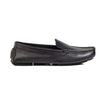
These all black shoes are your perfect let's-get-to-work shoes.
View product
3% Circuitex ® Silver Metallic
View product
Everything you need for grounding, from the ground up.
View productGrounding: Fad or Foundation for Wellness?
If you’ve spent any time in wellness circles, you know that new ideas are always emerging. Some become lasting practices, while others fade as quickly as they appeared. So when you hear about grounding, it’s natural to ask: is this a passing trend, or is it a foundational practice for well-being? It’s a great question. Anytime you consider a new approach to your health, it’s smart to look at it from all angles, weigh the evidence, and most importantly, consider how it might fit into your own life. The idea of improving your health by connecting to the Earth is compelling, but it also brings up a healthy dose of curiosity and even skepticism. Let’s walk through the common questions and find some clarity on the topic. This isn’t about blindly accepting a new trend; it’s about gathering the information you need to make a choice that feels right for you.
Addressing the Skepticism
Let’s be honest: some people are wary of grounding. You might see it labeled as “pseudoscience,” and it’s easy to understand the hesitation. The concept of connecting to the Earth’s energy for health benefits can sound a bit unconventional at first. Critics often point out that many studies on grounding have been small or that some research is funded by companies selling grounding products, which could create bias. These are fair points. When you’re exploring something new for your health, approaching it with a discerning and open mind is always the best path forward.
What About the Placebo Effect?
Another common question revolves around the placebo effect. This is the well-documented phenomenon where a person can feel a real benefit simply because they believe a treatment will work. When it comes to grounding, some argue that the positive feelings people report, like reduced stress or better sleep, might be due to their expectation of feeling better. The power of the mind is incredible, and the placebo effect is a real factor in many studies. However, many people who practice grounding feel the effects are too consistent and tangible to be chalked up to a placebo alone.
Finding the Middle Ground
So, where does that leave us? While the debate continues, a growing body of research suggests grounding can improve sleep quality, help regulate the body’s stress hormone (cortisol), and reduce pain. Many people find that grounding becomes a key part of their wellness routine because they simply feel better when they do it. This is where grounding shoes offer a practical solution. They provide a middle ground, allowing you to connect with the Earth’s energy on surfaces like grass, dirt, and even concrete, all while keeping your feet protected. It’s a simple way to see how grounding feels for you, without having to make any drastic lifestyle changes.
What to Know Before You Buy
So, you’re intrigued by the idea of grounding and ready to give it a try. That’s fantastic! Before you pick out your perfect pair, it helps to understand a few practical details to get the most out of your experience. Think of this as your quick-start guide. We’ll cover where your shoes work best, how they fit into your overall health plan, and how they compare to going barefoot. Getting clear on these points will help you step into your grounding practice with confidence. It’s all about finding what works for you and your lifestyle.
Understanding Surface Conductivity
For grounding to happen, your shoes need to make contact with a surface that can conduct the earth’s energy. Think of it like a phone charger; the plug has to be in the outlet for it to work. The best conductive surfaces are natural ones like grass, soil, sand, and rock. Unsealed concrete and brick, like most sidewalks, also work well. On the other hand, many modern surfaces act as a barrier. Asphalt, vinyl, wood floors, carpets, and painted or sealed concrete will block the connection, so you won’t be grounded while walking on them.
When to Consult a Professional
It’s important to remember that grounding shoes are a wellness tool, not a medical device. While the practice of what is grounding can support your overall health by helping reduce inflammation and improve circulation, these shoes are not designed to cure serious medical conditions. If you have persistent pain, bunions, or other health concerns, your first step should always be to consult a doctor. Think of grounding shoes as a complementary practice, like eating well or getting enough sleep. They are a simple way to support your body’s natural balance.
Grounding Shoes vs. Going Barefoot
Many people wonder, "Why not just go barefoot?" It’s a great question. Walking barefoot on grass or sand is a wonderful way to ground. However, it’s not always practical or safe in our modern world of hot pavement and sharp objects. This is where grounding shoes come in. They provide the protection your feet need for everyday life while still allowing you to connect to the earth’s energy on conductive surfaces. They make grounding an accessible practice you can do on your daily walk, while running errands, or exploring a new trail.
How to Choose the Right Grounding Shoe
Choosing the right grounding shoe is about more than just picking a style you like; it’s about finding a shoe that fits seamlessly into your life. The best grounding shoe is the one you’ll actually wear, whether you're walking the dog, running errands, or heading out for a coffee. Think of it as an investment in your wellness routine. The right pair will make it easy and enjoyable to connect with the earth every single day. Let's walk through a few key things to look for so you can feel confident in your choice and start your grounding practice on the right foot.
Check for Conductive Materials
This is the most important feature of any grounding shoe. For a shoe to connect you to the earth, it needs to be conductive. Regular shoes with rubber soles act as insulators, blocking the flow of energy. True grounding shoes have special soles with conductive elements that allow the earth’s natural energy to pass through into your body. At Harmony 783, our Groundworks™ Technology uses a blend of materials, including silver and carbon, embedded into the soles to create this direct connection. When you're shopping, always check that the shoes are specifically designed with conductive technology. It's the science that makes earthing on the go possible.
Prioritize All-Day Comfort and Style
Let's be honest: if a shoe isn't comfortable, it's going to stay in the box. Since the goal is to make grounding a regular habit, comfort is non-negotiable. Look for shoes with flexible soles that let your feet move naturally and feel the ground beneath you. Breathable materials are also a must for keeping your feet happy all day long. But comfort doesn't mean you have to sacrifice style. Gone are the days of clunky wellness shoes. Today, you can find beautiful, modern grounding shoes that look just as good as they feel. Choosing a style you love will make you excited to put them on every morning.
Match the Shoe to Your Lifestyle
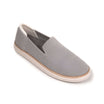
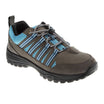
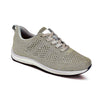
Think about your daily life. Where do you go? What do you do? Your grounding shoes should fit right in. If you love morning walks, a pair of grounding walkers or sneakers is perfect. If you spend your weekends by the water or in the garden, sandals or slip-ons might be your best bet. There are even trail shoes for light hiking and exploring nature. The idea is to integrate grounding into activities you already do. By matching the shoe to your lifestyle, you make it effortless to connect with the earth, whether you’re on a city sidewalk, a park path, or your own backyard. It’s about making wellness a seamless part of your world.
How to Start Your Grounding Practice
Starting a new wellness habit can feel like one more thing to add to your list, but grounding is different. It’s less about doing more and more about connecting more. The best part is that it fits into the life you’re already living. You don’t need to set aside hours of your day. With a few simple strategies and a great pair of grounding shoes, you can build a practice that feels natural and restorative. Here’s how to get started.
Ease Into It and Listen to Your Body
If you're trying grounding shoes for the first time, think of it like breaking in any new pair of quality shoes. It’s a good idea to wear them gradually. Start with 30 minutes to an hour on your first day and see how you feel. This gives your body a chance to get used to the new sensation of being connected to the earth. The most important thing is to listen to your body and adjust as you go. There's no right or wrong pace, only what feels good for you.
Find Your Grounding Rhythm
Consistency is more important than duration, especially when you're just starting. Aim for at least 20 to 30 minutes of grounding each day. You could do this by taking a walk on the grass during your lunch break or enjoying your morning coffee on a stone patio. As you get more comfortable, you might find you want to spend more time grounded. The great news is that you can’t overdo it. The goal is to find a daily rhythm that feels effortless. For more answers to common questions, you can explore some earthing basics.
Create a Routine That Lasts
The easiest way to stick with grounding is to build it into your existing habits. The benefits begin the moment your grounding shoes touch a conductive surface like grass, dirt, or concrete. So, why not make that connection happen during activities you already do? Swap your regular sneakers for a pair of stylish grounding shoes when you walk the dog or head to the farmer's market. By simply changing your shoes, you turn everyday moments into opportunities to ground. This simple switch makes your practice feel less like a task and more like a natural part of your day.
Find Your Perfect Pair with Harmony783
Once you decide to try grounding, the next step is finding a shoe you’ll actually love to wear. It’s one thing to have the right technology, but if the shoe isn’t comfortable or doesn’t fit your style, it will probably end up in the back of your closet. We get it, and that’s why we focus on creating footwear that blends effective grounding technology with all-day comfort and modern design.
Our shoes are built with proprietary Groundworks™ technology. Each sole features a custom-formulated carbon and rubber plug, which is then connected to a silver-stitched footbed inside the shoe. This creates a conductive pathway for the earth’s natural energy to flow into your body. Understanding what is grounding is the first step, and our shoes are designed to make the practice feel completely effortless.
Beyond the technology, we prioritize designs that feel good and move with you. Our shoes feature thin, flexible soles that enhance your connection to the earth, allowing you to feel more in tune with the surfaces beneath your feet. Whether you prefer a casual walker for running errands, a sturdy trail shoe for your outdoor adventures, or a simple flip-flop for sunny days, there’s a style that fits your life. You shouldn’t have to choose between your wellness goals and your personal style.
By integrating this technology into comfortable, everyday footwear, we make it easy to ground yourself wherever you go. You can tap into the earth’s energy while walking the dog, meeting a friend for coffee, or heading to the office. Explore our collection of grounding shoes to find the perfect pair that supports both your well-being and your lifestyle.
Related Articles
- Grounding Shoes Explained: Why Copper Isn’t the Only Way to Stay Connected to the Earth
- Earthing & Grounding Basics: FAQs Explained | Harmony 783
- Grounding Techniques for Anxiety Relief | Harmony 783
Feel the Earth. Every Step.
Grounding Shoes That Actually Look Good
Browse Harmony783's bestselling collection — stylish, comfortable grounding footwear designed to reconnect you with the earth, on your terms.
Get Your PairFrequently Asked Questions
What makes grounding shoes different from minimalist or 'barefoot' style shoes? That’s a great question, as the two are often confused. While minimalist shoes are designed with thin soles to help you feel the ground and strengthen your feet, they typically still have rubber or plastic soles that insulate you. Grounding shoes are different because they have a specific conductive technology built right into the sole. This technology creates a direct electrical connection between your body and the earth, allowing you to absorb its natural energy, which is something a standard minimalist shoe cannot do.
Do I need to wear special socks, or can I go sockless? For the most direct connection, going sockless is a fantastic option. However, we know that’s not always comfortable or practical for everyone. If you prefer to wear socks, you absolutely can. Thin socks made of natural fibers like cotton, hemp, or wool work best, as the natural moisture from your foot will help create a conductive pathway through the fabric. For an even more effective connection, you can also try specially designed conductive socks.
How long does it take to feel the effects of grounding? This is very personal, as every body responds differently. Some people notice a subtle sense of calm or a shift in their energy levels during their very first walk. For others, the benefits, such as deeper sleep or less day-to-day achiness, become more apparent after several days or weeks of consistent practice. The key is to focus on consistency rather than intensity. Try to make it a regular part of your routine and pay attention to how you feel over time.
Will my grounding shoes work on any surface, like asphalt or inside my house? For your shoes to work, they need to be on a surface that can conduct the earth's energy. They work beautifully on natural grounds like grass, soil, sand, and gravel. They also work on unsealed concrete or brick, which includes most city sidewalks. However, they will not work on insulating surfaces like asphalt, wood, vinyl, or most indoor flooring like carpet and tile. The best rule of thumb is to use them outdoors to ensure you’re connected.
I've heard grounding might just be a placebo effect. What are your thoughts? It's smart to approach any wellness practice with a curious and discerning mind. The placebo effect is a real and powerful phenomenon, and the power of belief can certainly influence how we feel. However, the research on grounding points to measurable physiological changes, like reduced inflammation markers and normalized cortisol rhythms, that go beyond a simple placebo response. Ultimately, the best way to know if it works for you is to try it. Your own experience is the most valuable measure of success.