














Two words often describe the same wellness practice, yet they can mean different things in an electrical setting. That overlap makes product pages, research, and everyday conversations about connecting with the Earth surprisingly easy to misread.
In wellness, the difference between earthing and grounding is usually none: both describe maintaining a direct electrical connection between your body and the Earth. The terms are often used interchangeably, while electrical professionals may use them for distinct safety connections in a circuit.
That distinction matters because a barefoot walk on grass and the grounding system in a building are not the same application. Even though both involve the Earth as a reference point. Wellness research commonly uses both terms for the body-to-Earth connection, including the terminology described in peer-reviewed literature (PMC review). Once the context is clear, the language becomes much simpler and the practical question is easier to answer. Whether you call it earthing or grounding, the wellness practice stays the same: making direct contact with the natural surface of the planet.
Difference Between Earthing And Grounding: Are Earthing and Grounding the Same Thing?
In wellness conversations, earthing and grounding usually mean the same practice: maintaining a direct electrical connection between the body and the Earth. The terms are often used interchangeably when people discuss barefoot contact, conductive products, or the natural electrical energy of the ground. The academic literature also describes this body-to-Earth connection as "grounding or earthing." Read the research on earthing vs grounding for more background.
That shared meaning is why you may see both words used across wellness brands. Someone looking for what is grounding is generally exploring the same basic idea as someone asking what earthing means. Both are about connecting with the Earth through bare skin or a conductive material. The two words point to the same natural practice. Whether you learned it from reading about earthing or from a friend who talks about grounding every morning on the grass.
Why do the terms differ in electrical engineering?
Outside wellness, the words can have more specific technical meanings. In general electrical terminology, grounding commonly describes connecting a current-carrying part of an electrical circuit to the Earth. This connection can provide a return path for current. Earthing generally describes connecting non-current-carrying parts of equipment to the Earth to help protect people from electric shock. Understanding these differences is useful when reading wiring diagrams or working with equipment, but it is a separate topic from the wellness practice most people are searching for.
Those definitions relate to electrical design and safety, not to choosing a wellness practice. They can vary by region, standard, and professional usage. Electrical work should always follow applicable codes and be handled by a qualified electrician.
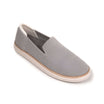
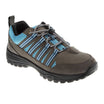
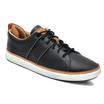
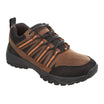
For everyday wellness use, the practical distinction is simple: earthing and grounding describe the same Earth connection. Earthing shoes extend that idea into daily life by helping bridge the wellness practice with the need for practical footwear. So you do not have to go barefoot to get grounded.
Where the Terms Came From: Clint Ober and the Earthing Movement
The modern wellness conversation around earthing took shape in the 1990s, when Clint Ober began sharing the idea that people could reconnect with the Earth's electrical energy. Ober came to the subject after a career in cable television, where he had worked with grounding and signal systems. His experience helped him frame the practice as a direct connection between the body and the ground, similar to what people experience when walking barefoot outdoors. He went on to write books and give talks that brought the concept to a wider audience.
The idea itself is older than the modern movement. The Earthing Institute traces part of its history to Adolf Just. A figure in the 1800s naturopathic movement who wrote about the restorative value of contact with the Earth. Ober's work brought those earlier nature-based ideas into a contemporary setting and helped popularize the term earthing. In wellness writing, earthing and grounding generally describe the same basic practice. You can explore the terminology in our guide to earthing vs grounding research or learn more in our overview of what is grounding.
Research has continued to examine what happens when the body is grounded through a conductor. One study reported statistically significant changes in certain physiologic processes, including calcium-phosphate homeostasis and serum iron concentrations. Those findings are part of an evolving research conversation, not a promise of medical treatment. For a broader look at the evidence, read about grounding health benefits and explore how these ideas connect to your personal wellness routine.
Grounding in Electrical Engineering vs. Grounding in Wellness
The word grounding changes meaning depending on the field. In electrical engineering, it describes a safety connection in a power system. In wellness, it describes a direct electrical connection between the human body and the earth. Keeping these definitions separate helps prevent confusion when reading about earthing, grounding, or electrical safety.
| Term and field | What connects to earth? | Primary purpose |
|---|---|---|
| Grounding, electrical engineering | A current-carrying part of an electrical circuit | Provide a return path for current and support electrical safety |
| Earthing, electrical engineering | A non-current-carrying part of electrical equipment | Help protect against electric shock |
| Grounding or earthing, wellness | The human body, through direct skin contact or a conductive material | Maintain an electrical connection with the earth |
Electrical references may distinguish grounding from earthing based on which part of equipment is connected. For example, general electrical terminology defines grounding as connecting current-carrying parts to earth. Earthing connects non-current-carrying parts for shock protection. These are technical safety terms, not descriptions of a wellness routine. Read the electrical definitions.
Wellness writing often uses earthing and grounding as near-synonyms. Research literature describes the practice as maintaining a direct electrical connection between the body and earth. Measurements in one study found that currents between the body and ground were small, at nanoampere levels, and correlated with movement. That finding describes the electrical connection being measured; it does not turn a wellness product into an electrical safety system. Review the grounding research.
- Electrical grounding: a designed safety pathway in an electrical system.
- Electrical earthing: a protective connection for non-current-carrying equipment parts.
- Wellness grounding: body-to-earth contact discussed in earthing and grounding literature.
In short, the shared word points to a connection with earth, but the context determines the subject and purpose. Electrical grounding belongs to power-system safety. Wellness grounding refers to a personal practice and should not be confused with installing or repairing electrical equipment.
How Earthing Shoes Deliver Both Outcomes in One Product
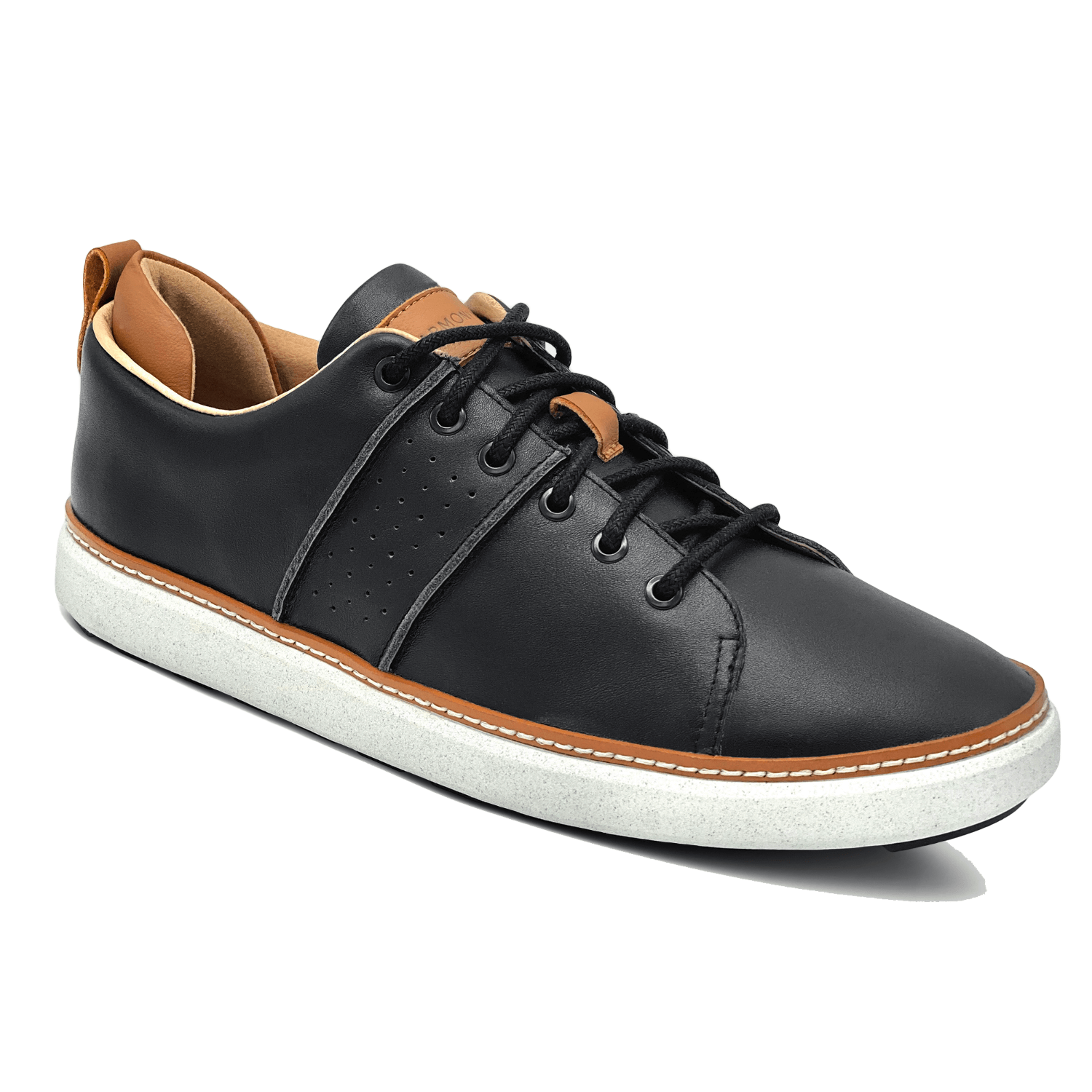
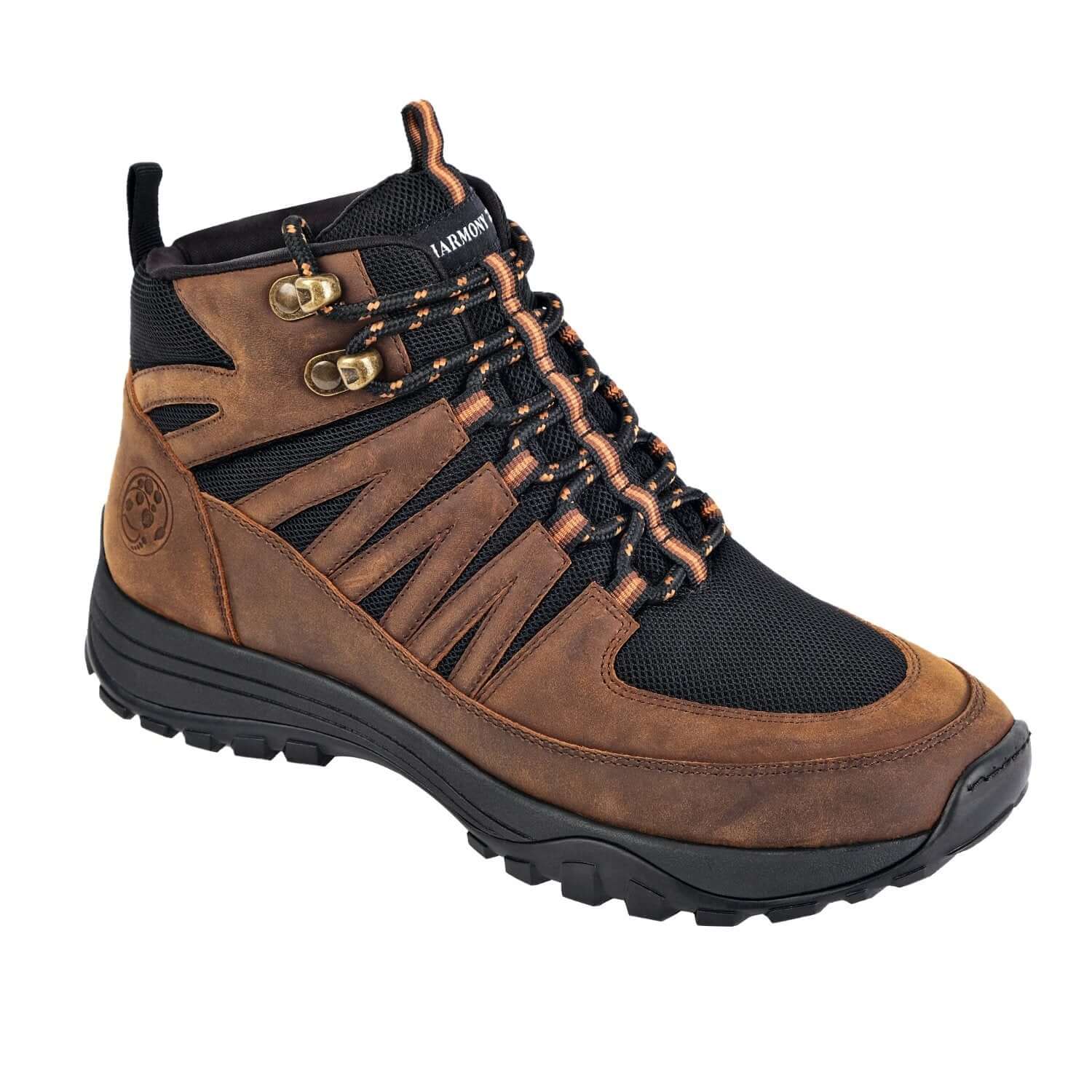
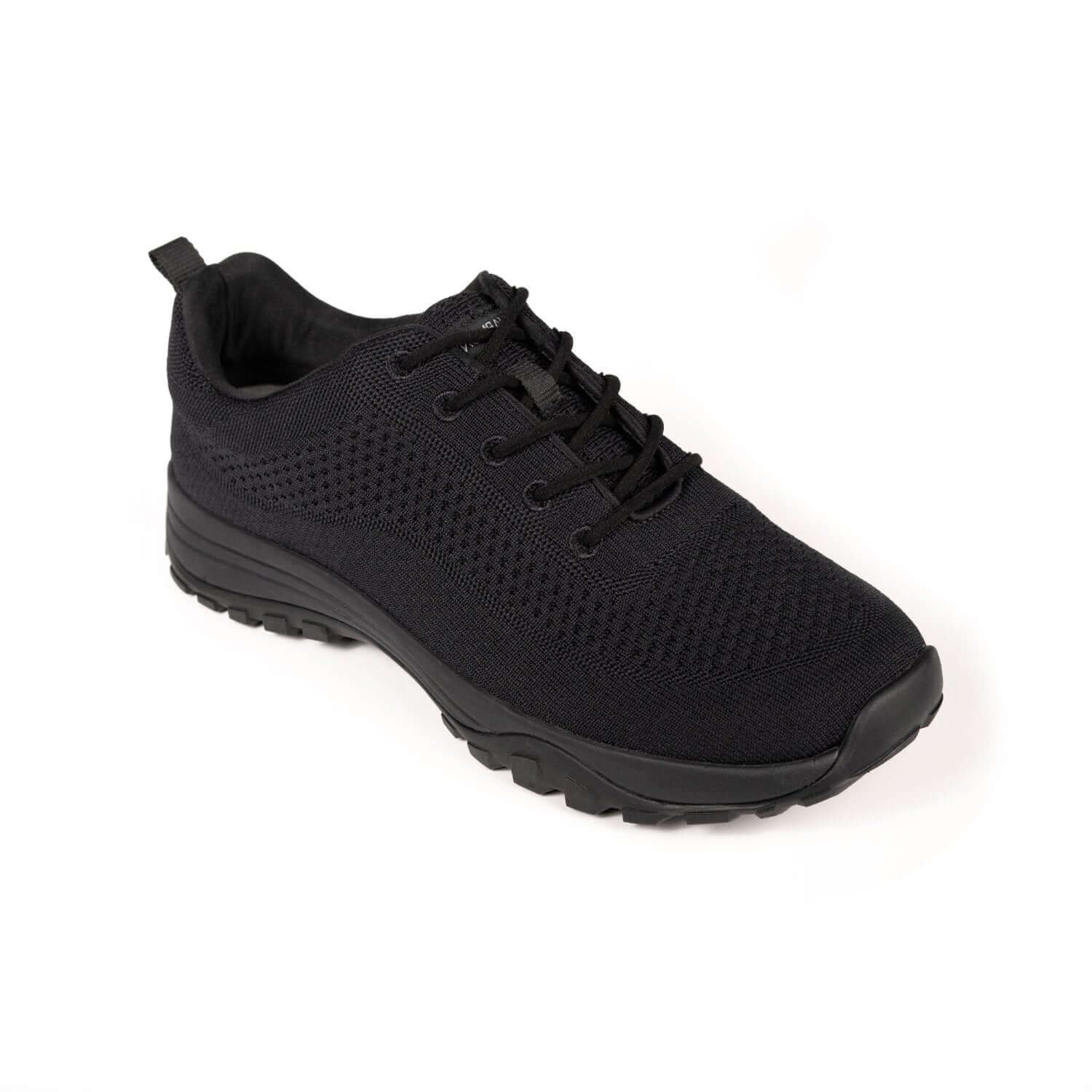
Earthing shoes bridge the gap between a direct connection with the earth and the practical need for everyday footwear. In other words, the difference between earthing and grounding matters less when you are talking about the wellness practice. Both describe maintaining a conductive connection between your body and the earth.
A conductive path inside the shoe
Harmony 783 Groundworks technology is designed to create that connection through a five-layer conductive system. A silver-stitched footbed helps carry conductivity from the foot into the shoe. The carbon and rubber outsole then helps complete the path between the wearer and the ground beneath them.
This design makes the shoe function like a grounding wire for the body, while still providing the structure, protection, and comfort expected from modern footwear. The result is a practical way to stay connected without relying on direct barefoot contact.
Grounded without giving up your routine
Barefoot contact with natural ground is not always realistic. Pavement, weather, work environments, and daily schedules can all get in the way. Conductive footwear offers another option for people who want to include earthing in a walk, an outdoor errand, or a day spent on the move.
It is important to keep the claim in perspective. Grounding shoes are a wellness tool, not a medical treatment. Their purpose is to support a simple earth connection in a form that fits real life. For a deeper look at the research and proposed mechanisms, read about grounding health benefits. Many people find that incorporating grounding into their daily walk, gardening time, or outdoor breaks adds a simple wellness layer that fits naturally into their existing routine. When you wear conductive shoes, you do not need to change where you go or what you do to stay connected.
Why Some Brands Say 'Earthing' and Others Say 'Grounding'
You may see both terms when shopping for products or reading about the practice. In the UK and Europe, earthing appears more often in wellness writing. In the United States, grounding is usually the more familiar term. Some brands also choose one word because it fits their identity, audience, or search strategy.
In the wellness context, the difference between earthing and grounding is usually none at all: both describe direct electrical contact between the body and the earth. Academic literature notes that the practice is called either grounding or earthing in lay writing. Research on the practice may therefore use either word, even when describing the same basic connection.
That shared meaning is also why wellness educators and professionals, including Dr. Laura Koniver, may use the terms interchangeably. The word choice does not change what the person is doing. Walking barefoot outdoors, resting on a conductive grounding product, or wearing compatible grounding footwear all relate to the same goal: maintaining a connection with the earth.
Harmony 783 uses both earthing and grounding so you can find the information and products you need, whatever term you prefer. When comparing products, focus less on the label and more on how the product is designed to support contact with the ground.
Frequently Asked Questions
Are earthing and grounding the same in wellness conversations?
Yes. In wellness writing, earthing and grounding generally describe maintaining a direct electrical connection between the human body and the earth. The choice usually reflects regional or brand preference, not a different practice. Electrical engineers may use the terms more narrowly, so context matters. Research literature commonly notes both terms for this body-to-earth connection.
Does grounding mean the same thing in electrical engineering?
Not always. In electrical terminology, grounding commonly connects a current-carrying part of a circuit to earth to provide a return path for current. Earthing can refer to connecting non-current-carrying equipment parts to earth for protection from electric shock. These are electrical safety concepts, not instructions for trying to work on wiring yourself.
Can I practice earthing without going barefoot?
Yes, conductive footwear is one practical option. Earthing shoes are designed to help bridge the gap between everyday footwear and the wellness practice of connecting with the earth. The result depends on the shoe's conductive construction and contact with a suitable natural surface, so product details and use instructions matter.
Why do some brands use earthing while others use grounding?
Both words are widely used for the same wellness practice. Earthing appears more often in UK and European usage, while grounding is common in the United States. Brands may also choose the term that fits their existing product names or educational content. When comparing products, focus on how they create earth contact rather than on the label alone.
Ready to browse grounding footwear?
If you want to explore a practical way to stay connected with the grounding lifestyle, footwear can make that idea part of your everyday routine. Browse the grounding footwear collection to compare styles and find an option that fits your needs. Browse the grounding footwear collection.