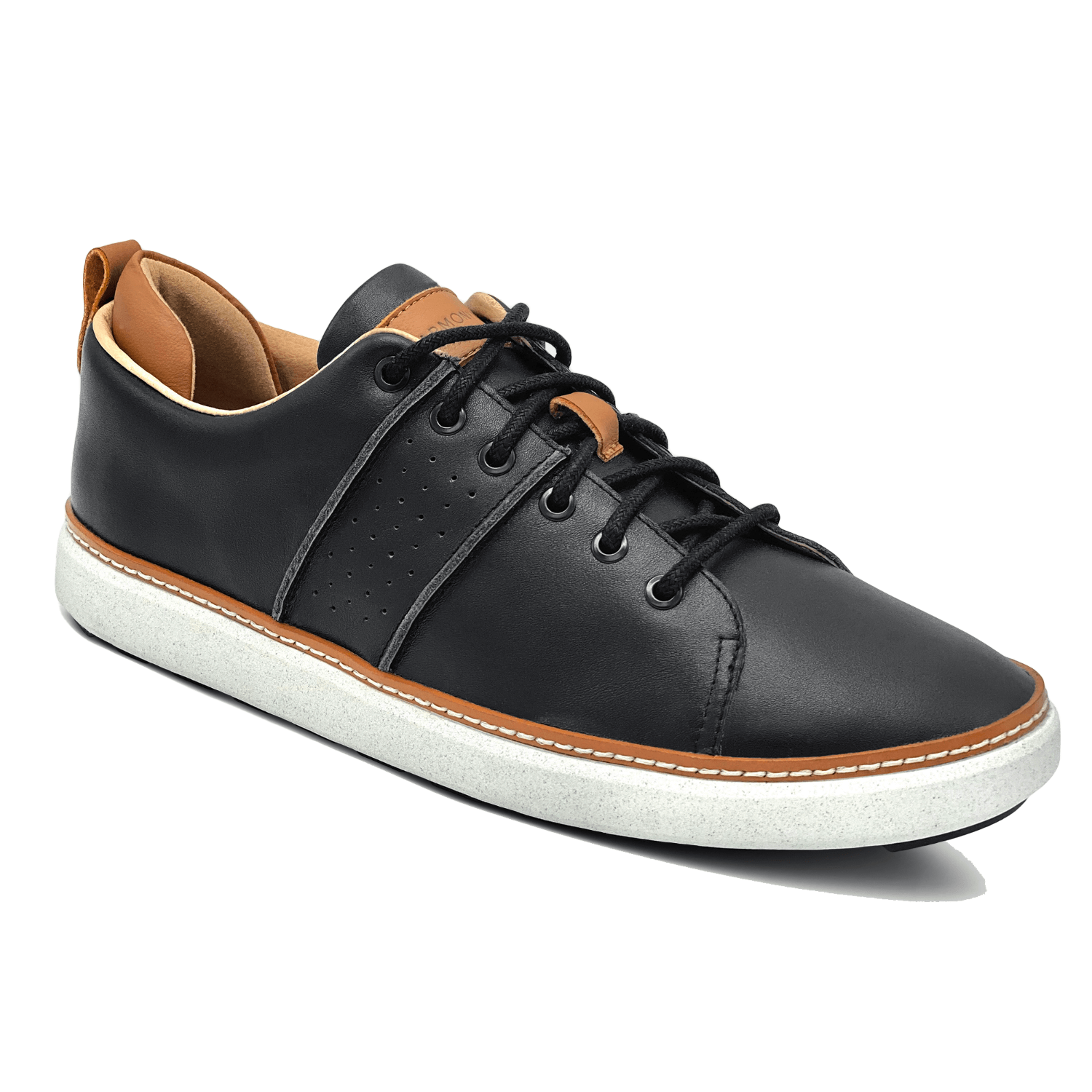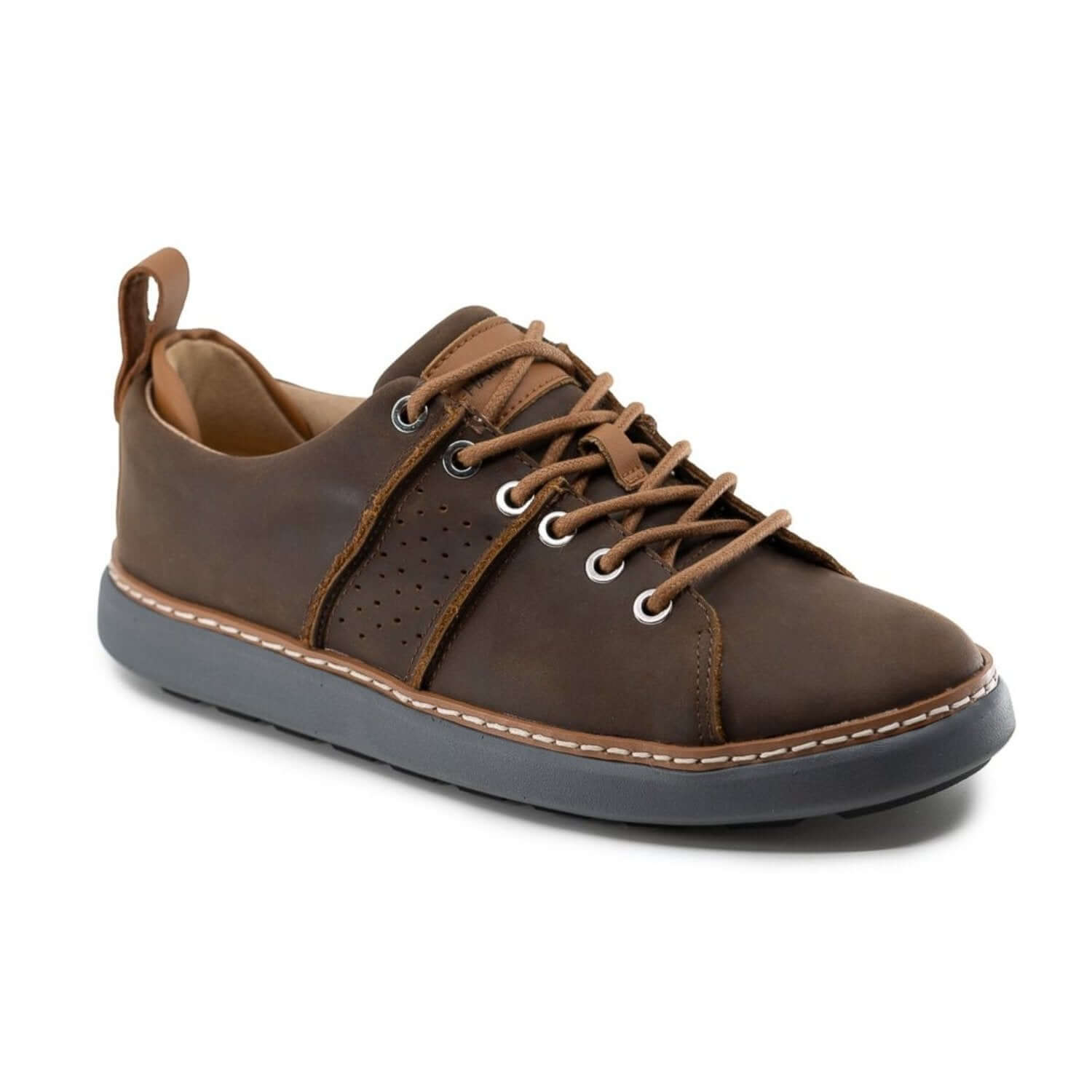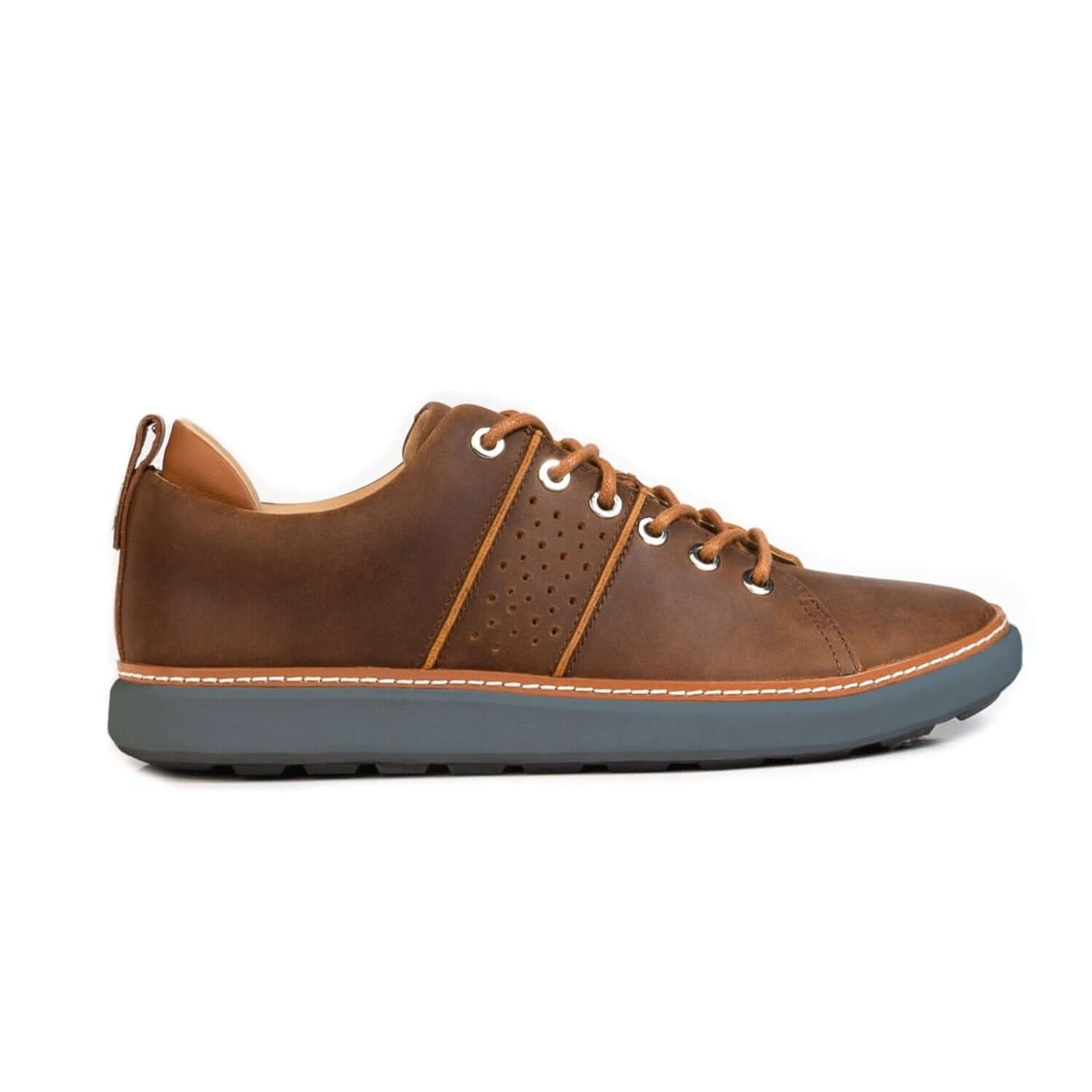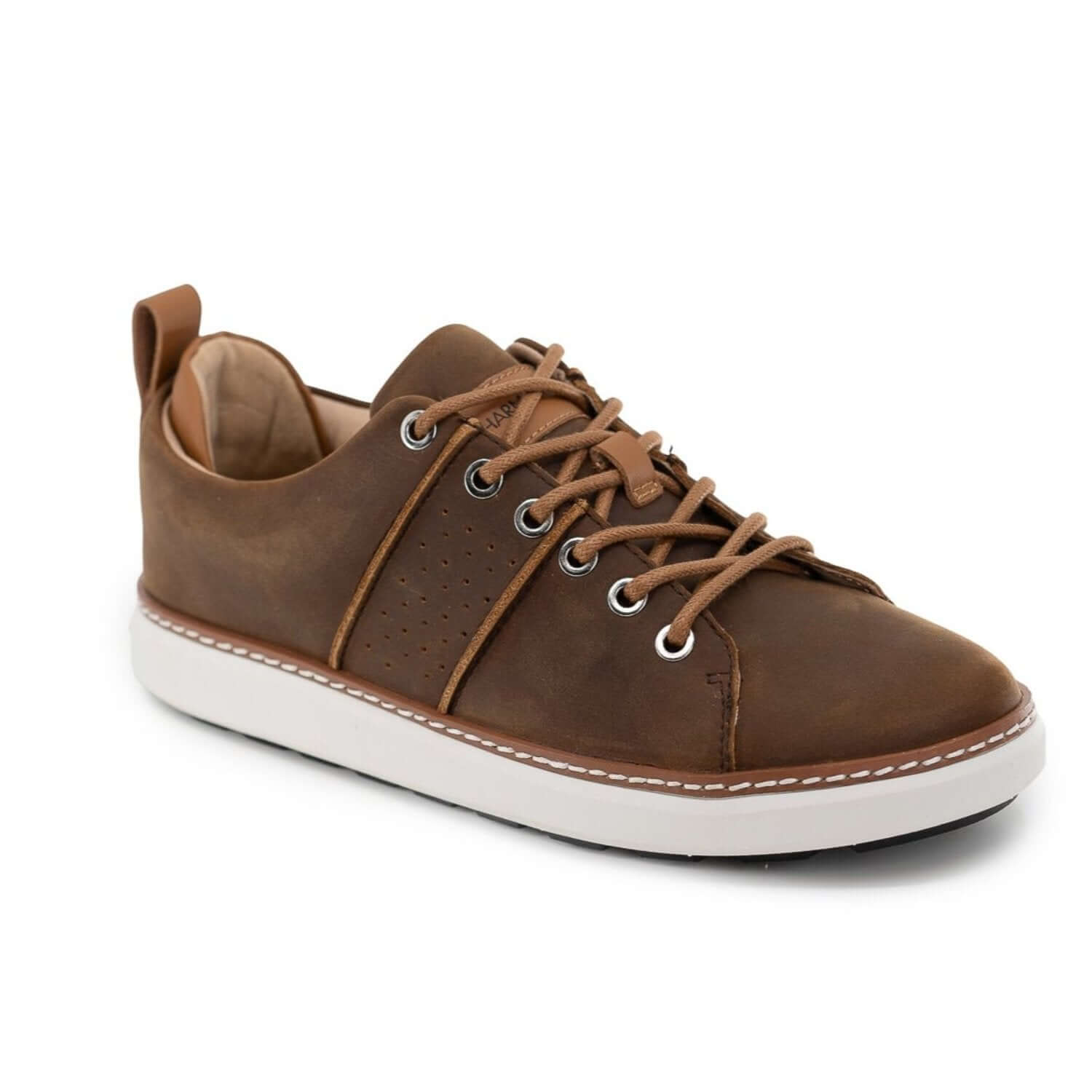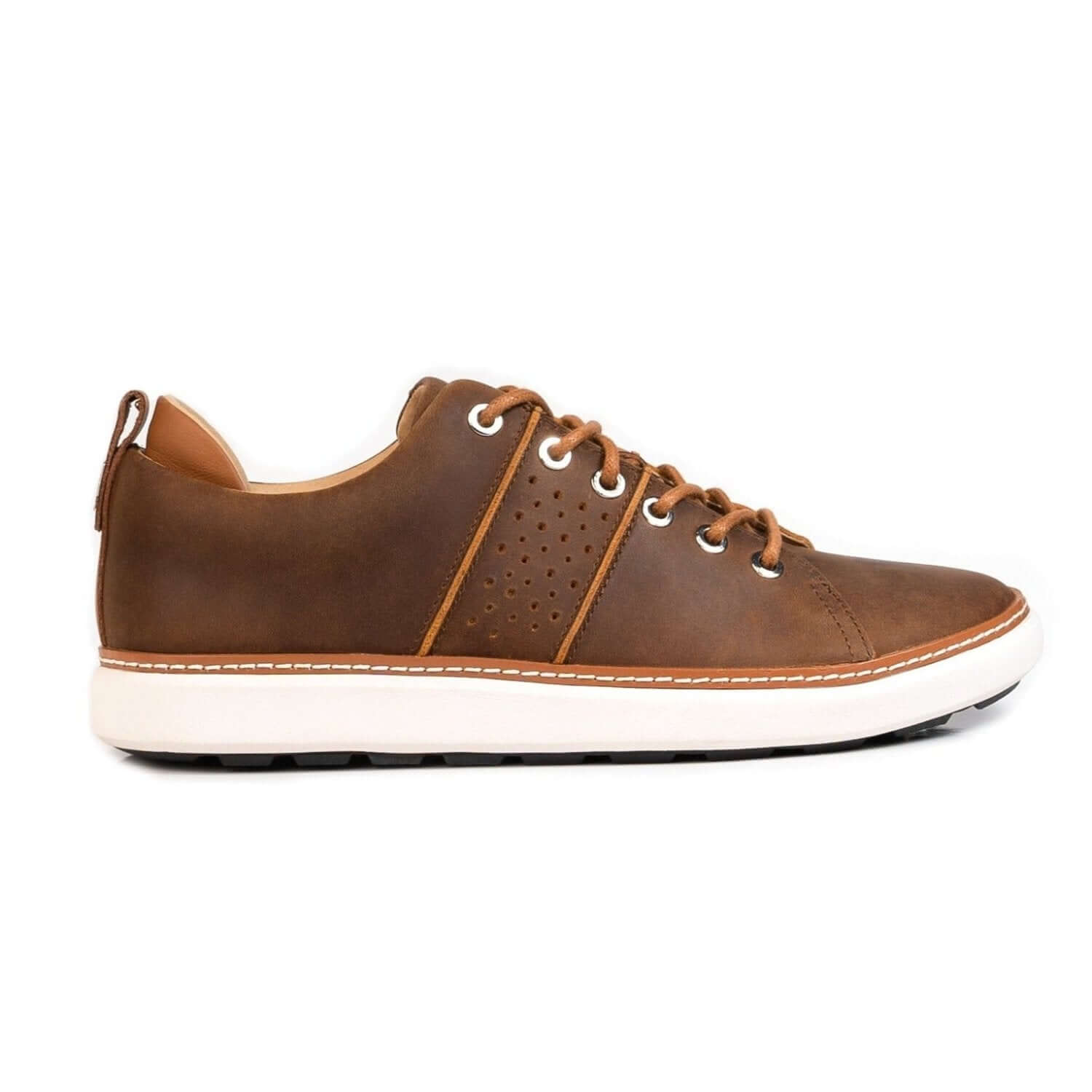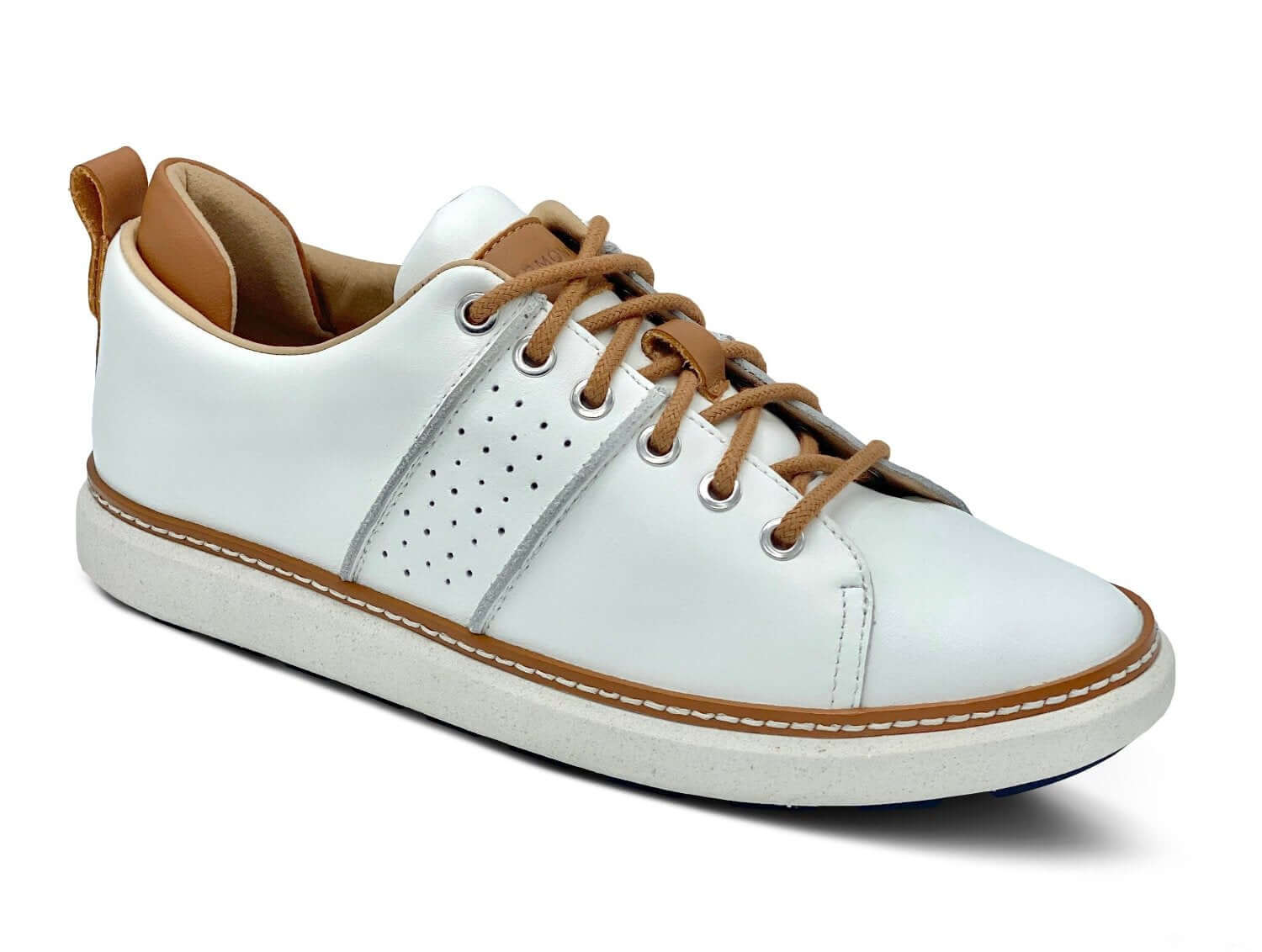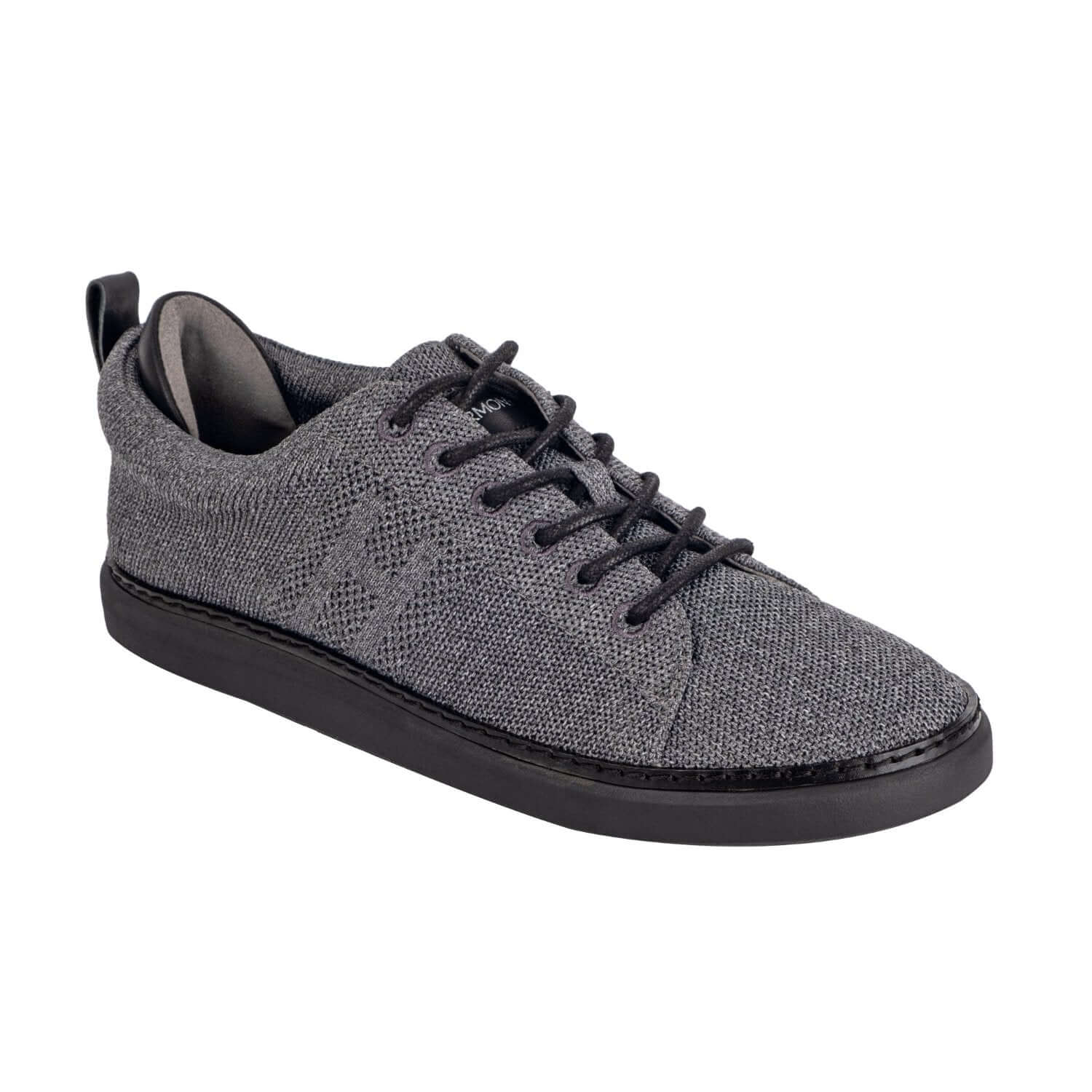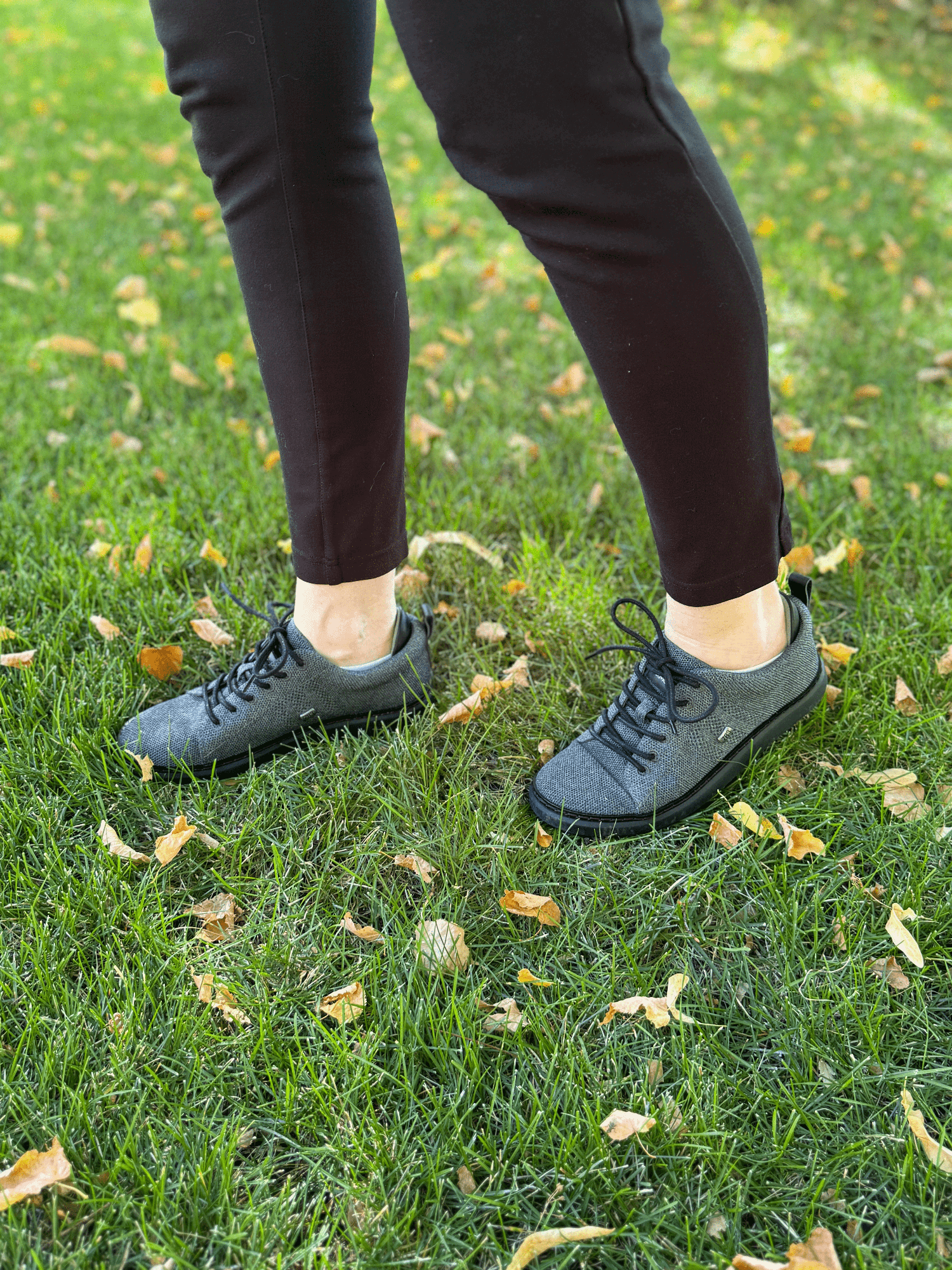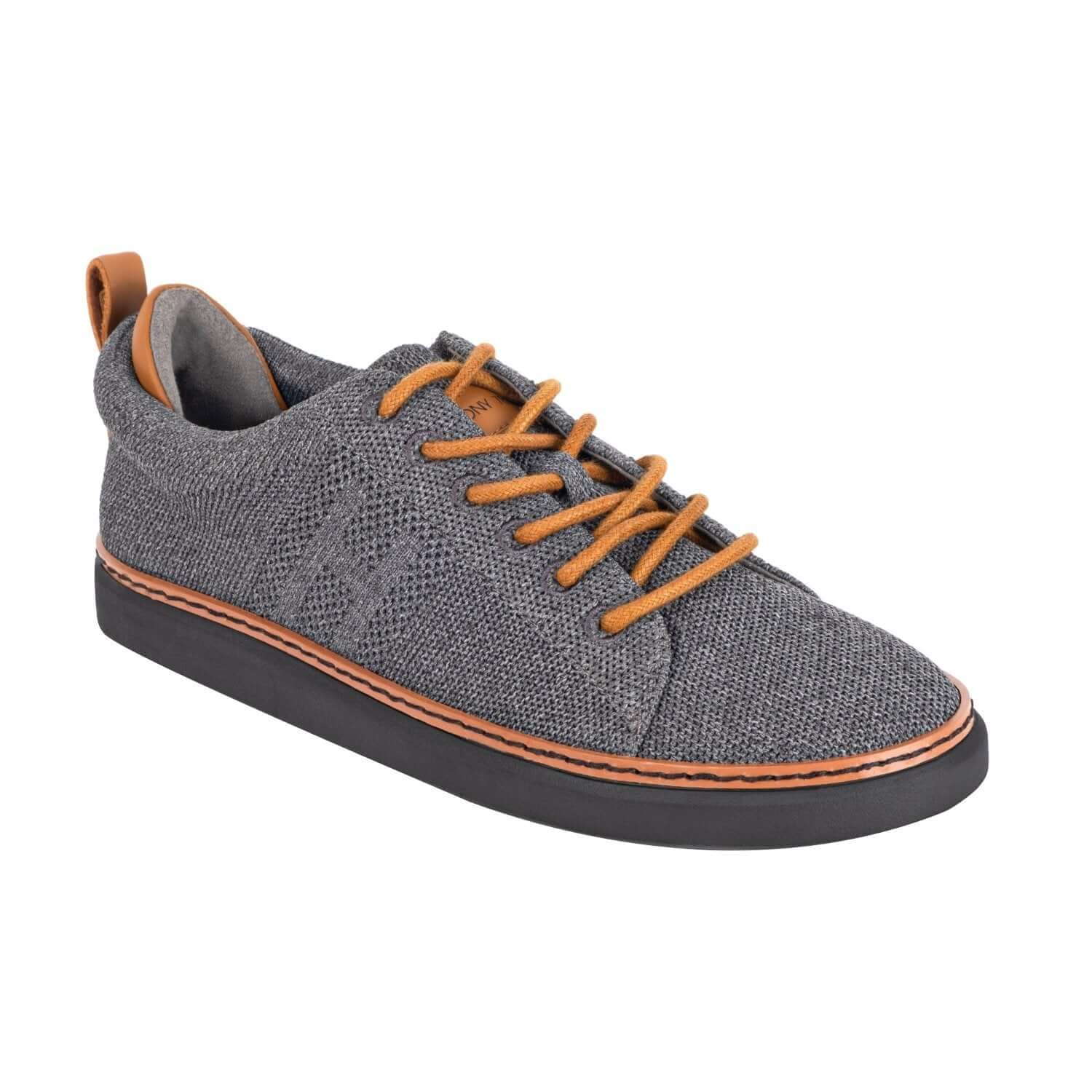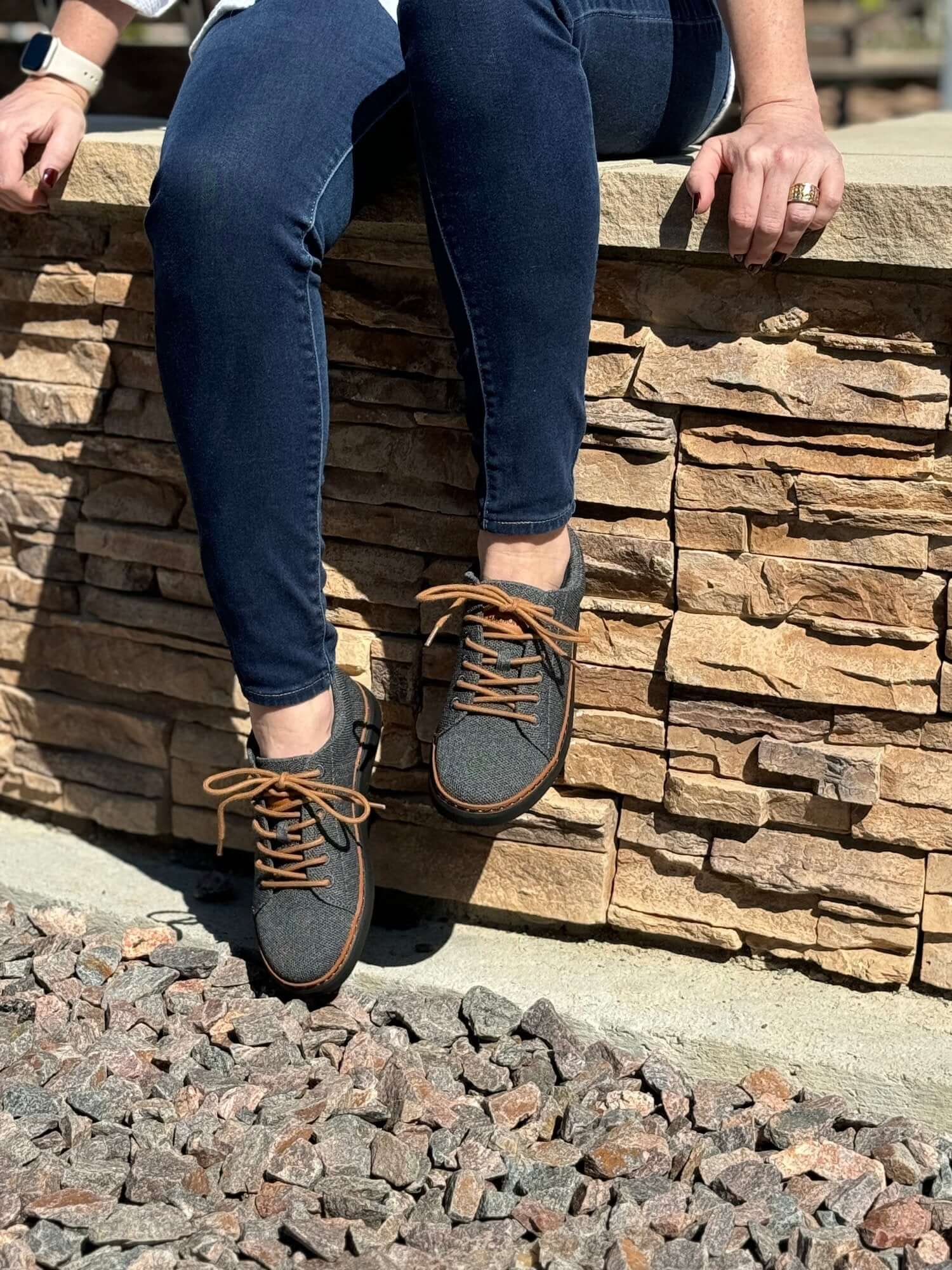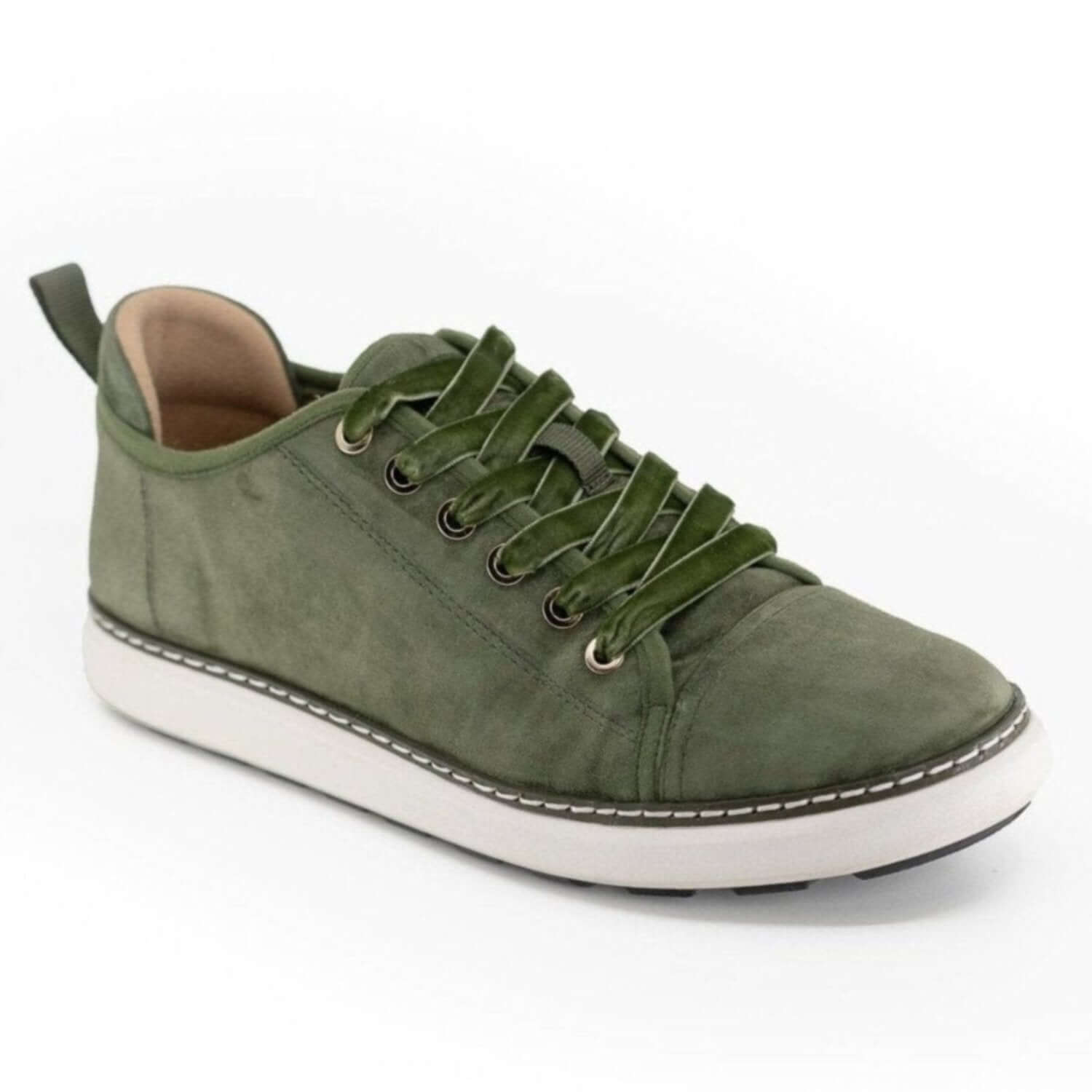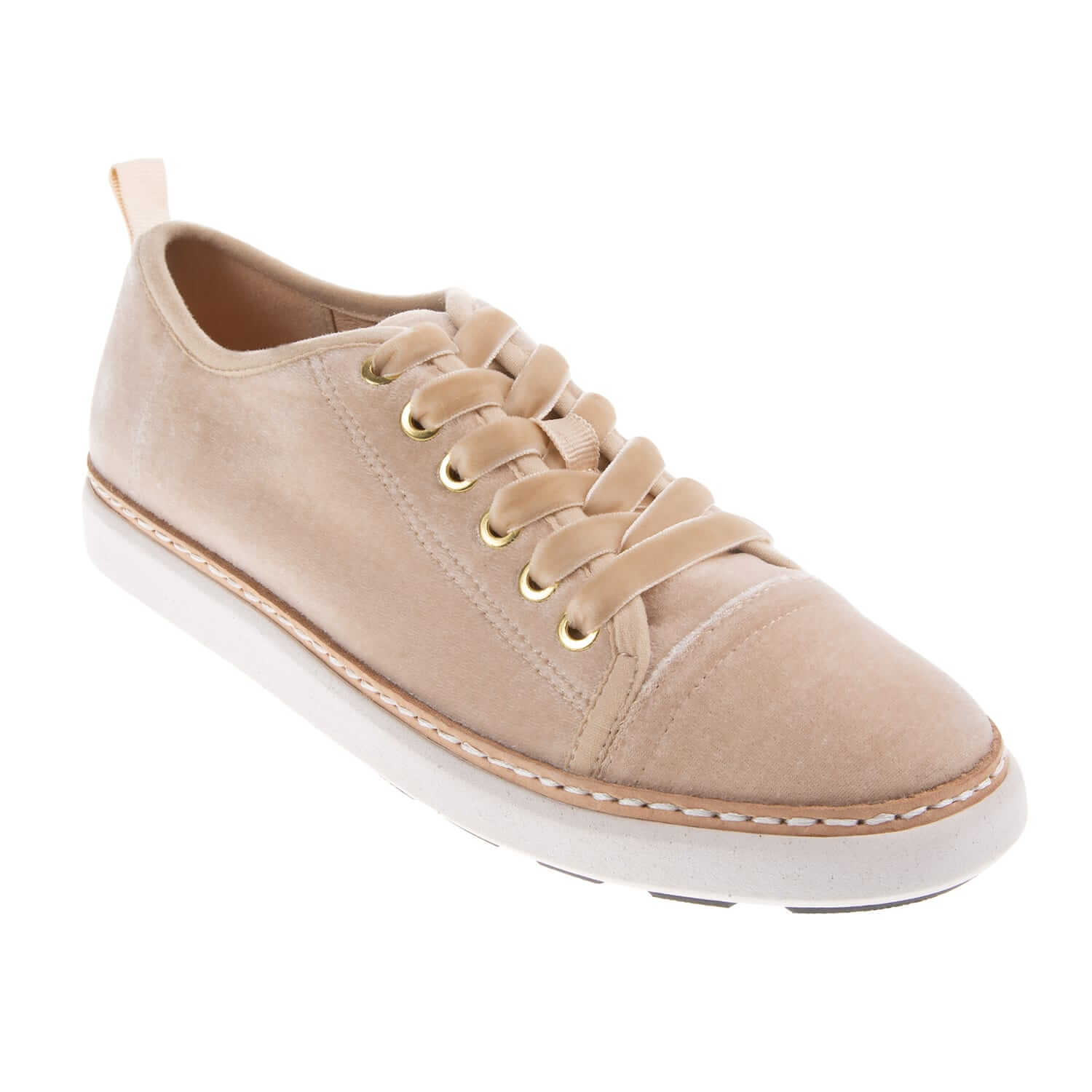

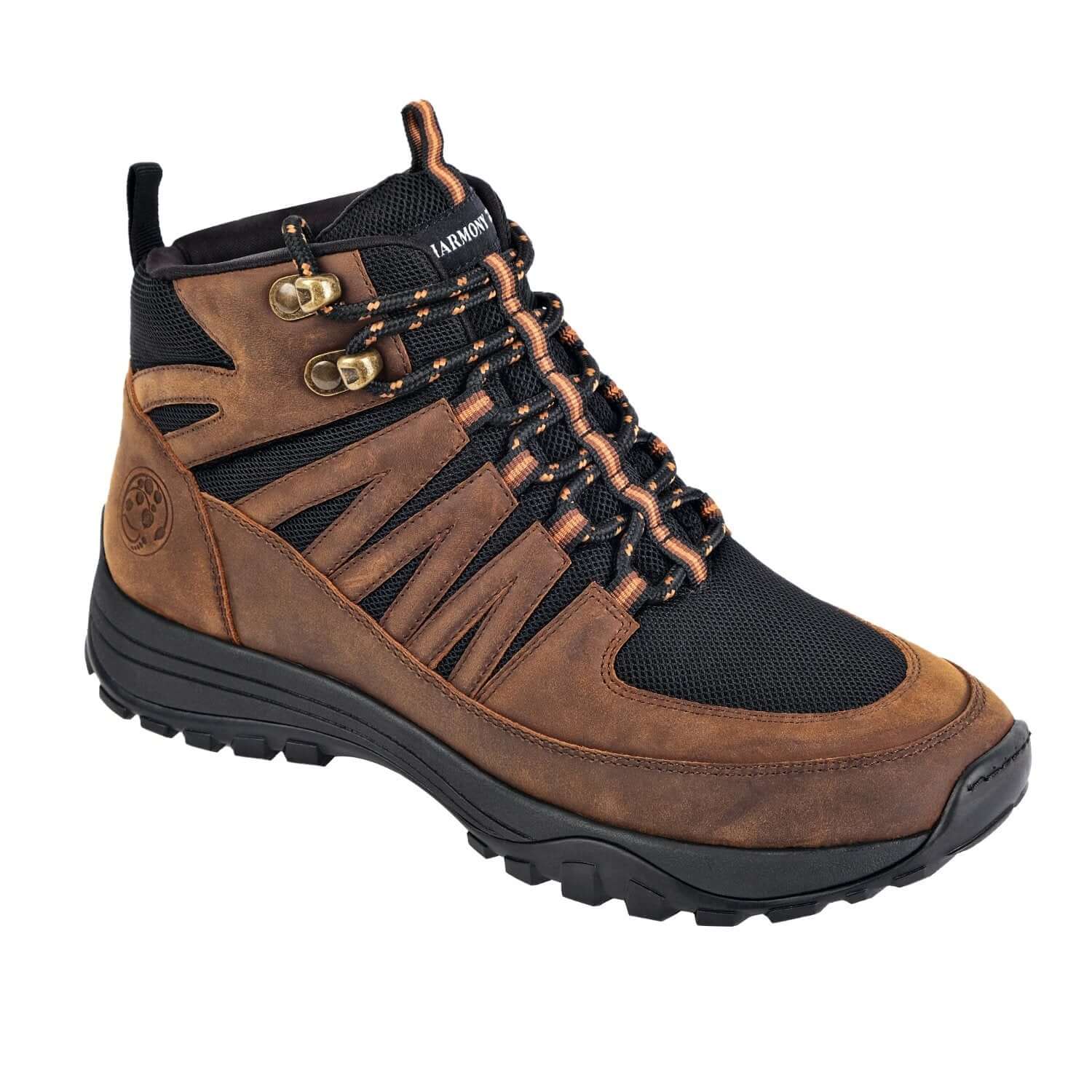
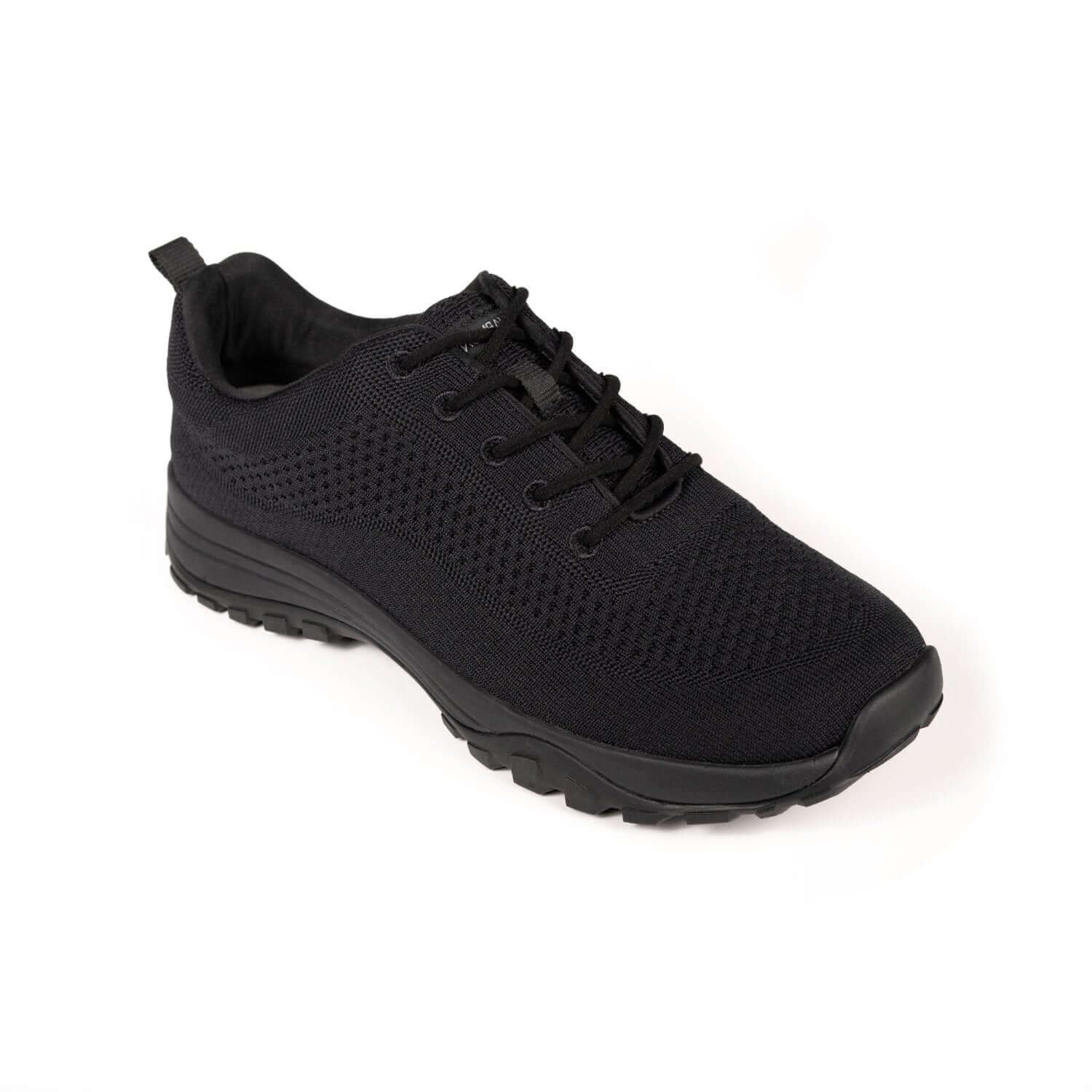
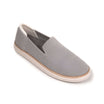
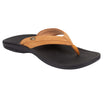
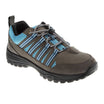
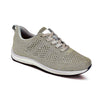
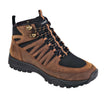
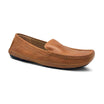
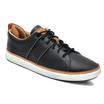

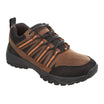
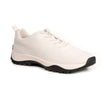



Ready to stay grounded on any surface? Explore Harmony 783 Sneakers and keep your connection strong.
The best surfaces for grounding include natural terrains like damp grass, moist sand, and unsealed concrete that allow for high electrical conductivity. These materials help the body absorb the earth's natural charge to manage stress and lower inflammation levels during your daily routine. Research shows that the earth's surface has a limitless supply of free electrons that stabilize human health when we make physical contact. While dirt and soil are great choices, you can also ground on stone or brick if they sit right on the earth and have no sealers. Avoid insulators like wood or asphalt since they block the flow of electrons, as using the right surfaces ensures you get the full benefits.
Best Surfaces For Grounding: The Science of Conductivity: How Grounding Surfaces Work
The Earth carries a subtle but powerful charge. This charge comes from a huge supply of free electrons that renew at the surface. When you touch the ground, these electrons move into your body. This flow is what experts call grounding. Studies show this bond helps stabilize your body at a deep level. It does this by giving you a steady source of electrons.
How electrons move to you
Conductivity is the key to a good grounding session. For it to work, you must stand on a surface that lets electricity pass through it. Natural spots like soil and grass are great because they hold moisture and minerals. These parts act as a bridge for the Earth's charge. When you use the best surfaces for grounding, you create a clear path to your skin.
Most modern homes use items that block this bond. Asphalt, wood, and vinyl are insulators. This means they stop the flow of electrons. This gap between people and the Earth is now a common part of life. But research suggests this disconnect may play a role in how our bodies function. Choosing the right ground is the first step to closing that gap.
The role of moisture in grounding
Water is a strong tool for better flow. Dry sand can be a poor choice, but wet sand is one of the most effective ways to ground. This is why a walk on the shore is so popular for health. The salt and water in the sea help the Earth's charge move fast into your feet. If you ground in your yard, a damp lawn will offer a better bond than a dry one.
Grounding does not have to be hard or take much time. Even a short walk on natural grounding surfaces like dirt or stone can help. The goal is to find easy ways to touch the Earth. Special shoes with conductive layers can also help you stay connected as you move. This tech lets you get the same electron transfer without needing to be barefoot.
Grass and Soil: The Classic Outdoor Grounding Experience
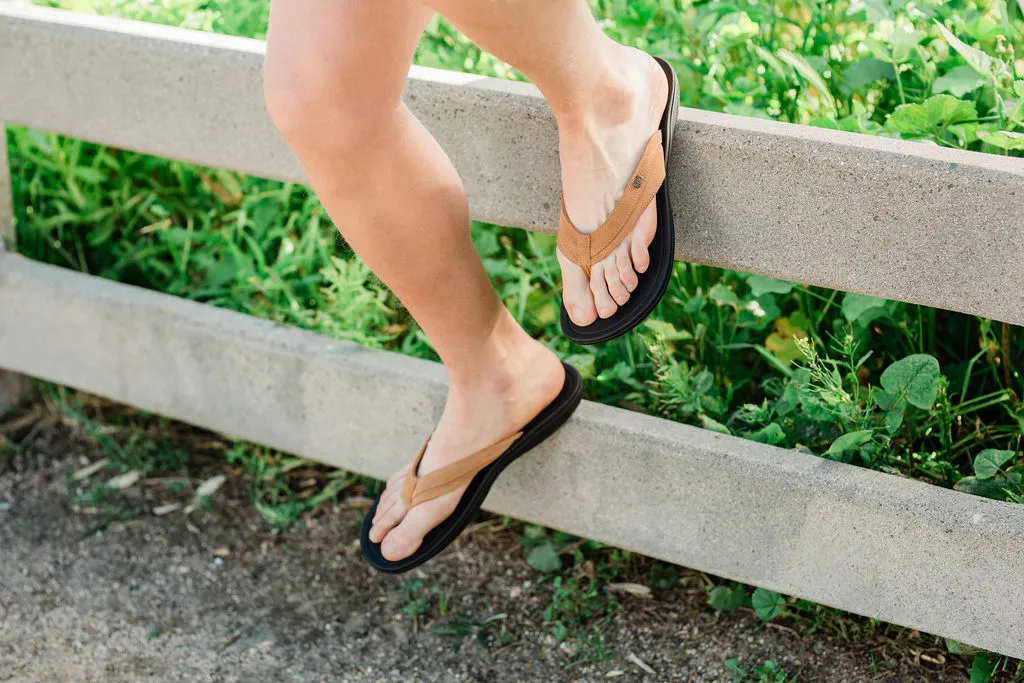
Grass and soil are often seen as the best surfaces for grounding for many people. These natural spots offer a steady path for the Earth's charge. They are easy to find and provide a rich source of free electrons. Whether you are in a backyard or a public park, these areas keep you in touch with the planet.
Using these natural spaces is a simple way to boost your health. Most people find that grass is the most pleasant way to start a daily routine. It is soft on the feet and offers a wide area for contact with the Earth.
The Power of Morning Dew
Moisture plays a big role in how well grounding works. Water helps move the Earth's natural charge into your body. This makes morning dew a great tool for wellness. When the grass is wet, it helps the charge flow better.
This thin layer of water creates a fast track for electrons. Even a short walk on damp grass can help you feel more balanced. Research shows that contact with the Earth can help steady the body's inside systems. Choosing to walk when the ground is moist is a top way to boost your practice.
The moisture fills the small gaps between the blades of grass and your feet. This creates a solid link that helps the energy move without any blocks. It is why many experts suggest a morning walk as a key health habit. You do not need a lot of time to see a change.
Rich Soil and Free Electrons
Soil is more than just dirt under your feet. It is a living ground that holds a vast supply of mobile electrons. These electrons are what help manage the stress of modern life. In many ways, raw soil is the most natural grounding surface you can find.
It is full of minerals that help the charge flow into your body. Unlike asphalt or wood, soil does not block the Earth's power. This makes it an ideal spot for anyone looking to link back with nature. Walking on a trail or in a garden allows your body to soak up these free electrons.
This process can help reduce pain throughout the body. It is a simple, fact-based way to improve your health. Regular contact with the soil may help keep your body's systems in sync. It is a natural gift that is always right under your feet.
Connecting with Groundworks Tech
You do not always have to be barefoot to get the perks of the Earth. Harmony 783 uses Groundworks tech to help you stay connected while wearing shoes. Our shoes feature a special five-layer system. This includes a silver-stitched footbed and a conductive outsole.
This system allows the Earth's electrons to pass through the shoe and into your skin. It works perfectly on grass and soil, letting you walk in comfort and style. By using these high-quality parts, we make it easy to bridge the gap between wellness and fashion.
You can enjoy a stylish look while still getting the health gains of being grounded. This tech is built for people who want to stay active without losing their link to the planet. It is a smart way to bring the power of the Earth into your modern life.
Sand and Water: High-Conductivity Shoreline Grounding
The Power of Saltwater Conductivity
Saltwater is one of the best tools for natural health. It holds a high level of minerals and salt. These parts make it good at moving an electric charge. When you stand in the ocean, your body links to the Earth with ease. This link lets free electrons flow into your system. Research shows that this supply of electrons can help balance your body. The salt in the water acts like a bridge for this charge. It creates a path that is faster than dry land or grass.
Saltwater is far more conductive than fresh water from a lake. The high salt content helps ions move freely. This means you get a stronger connection to the ground in less time. Most people find that the beach is the best place to start their grounding journey. It offers a wide space where the Earth's natural charge is always there. You do not need much time to feel the change. Even a short walk in the surf can help you reset your body.
Why Wet Sand Leads the Pack
Wet sand is often called the gold standard for best surfaces for grounding. It combines the solid ground of the Earth with the liquid power of the sea. Dry sand is a poor choice because it acts like an insulator. It blocks the flow of electrons between you and the ground. But once sand gets wet, it becomes a top tier surface. The water fills the gaps between the grains of sand. This creates a solid web that moves energy to your feet.
When you compare wet sand to a lawn, the sand wins on speed. Grass is a good choice for daily use, but it can be dry or patchy. Wet sand stays thick and moist near the tide line. This constant moisture means the connection never breaks. It is one of the best grounding surfaces for people who want the best results. You can feel the pull of the Earth more clearly on the shore than on a forest floor. The mix of minerals and moisture makes it a unique place for health.
Connecting with the Shoreline
To get the most from the beach, you should walk where the waves meet the shore. This area stays wet and keeps the best charge. You can also stand still in the shallow water. This lets the tide wash over your feet and keep the link strong. The Earth has a limitless supply of electrons that are always ready for you. By using the shoreline, you tap into this pool of charge with no effort. It is a simple way to boost your wellness routine while you enjoy the sun.
Many people choose to spend their mornings or evenings on the coast. The air is fresh and the ground is ready to give you its charge. You do not need to overthink the process. Find a spot where the sand is damp and take your time. This natural move helps you fight the stress of modern life. It brings you back to a state of balance that is hard to find in the city. The shoreline is a gift for anyone looking to stay grounded and healthy.
Can You Ground on Concrete? Unsealed vs. Sealed Surfaces
How Concrete Carries a Charge
Concrete is a unique thing because it can move energy. It is made of sand, water, and rock. This mix creates tiny holes that can hold water. When workers pour concrete on the raw earth, it stays in touch with the soil. It pulls up moisture from the ground through these small holes. This water allows the surface to hold a charge.
Because it holds moisture, walking on raw concrete links your body to the Earth. Learn more about what is grounding to understand how physical contact with the Earth can benefit your health. This link gives you a steady supply of free electrons. These tiny bits of energy help to keep your body in a healthy state. Most city areas have concrete paths. This makes grounding easy for people who live in towns. You do not always need a forest or a beach to find a good spot.
Many people ask if they can ground in their own homes. If you have a basement with a raw concrete floor, the answer is often yes. As long as the slab sits on the dirt and has no plastic liner, it can work. This allows you to stay grounded even when you are inside. It is a great way to get your electrons while you work or rest.
The Problem with Sealed Surfaces
Not every concrete path will help you stay grounded. You must learn how to spot the difference between sealed and raw floors. A seal is a thin layer put on top to protect the stone. Many garages and newer patios use a seal to keep out stains. This layer is often made of plastic, glue, or paint.
These items are insulators. This means they block the flow of the Earth's natural energy. If the surface looks shiny or has gray paint, it likely will not work. You will not get the benefits of grounding if a seal is in the way. Always look for plain concrete that feels a bit rough to the touch. This raw state is what keeps the link to the Earth open.

Comparing Grounding Spots
Finding the best surfaces for grounding means knowing what blocks the charge. Most modern paths are not made for earthing. Asphalt is a common sight in cities, but it is a poor choice. It is made with a type of oil. Oil does not let energy pass through it. This acts as a wall between you and the ground.
Wood decks and plastic tiles are also poor choices. Dry wood is a natural insulator. It stops the ground's charge from reaching your feet. When you plan your walk, aim for grass, soil, or raw concrete. These are the most common spots in any town that work well. Knowing which paths to take helps you stay linked to the Earth each day.
Moisture is a big help for grounding. A wet surface usually works better than a dry one. Rain can make a sidewalk even more conductive. If you walk on damp grass or wet sand, the connection is very strong. This is why many people like to walk after a light rain. It makes your time outside even more helpful for your body.
| Surface Type | Flow of Energy | Grounding Level | Why? |
|---|---|---|---|
| Unsealed Concrete | High | Excellent | It pulls moisture from the soil to carry a charge. |
| Sealed Concrete | Low | None | Layers of paint or glue block the flow of energy. |
| Asphalt | Zero | None | It is made with oil which stops the Earth's charge. |
| Wood Decks | Zero | None | Dry wood acts as a wall and stops the energy flow. |
What Surfaces Block Grounding? The Insulators to Avoid
To get the most from your practice, you must know which materials stop the flow of electrons. Many common surfaces in our modern world act as insulators. These materials have a high resistance to electrical flow. They prevent you from connecting with the Earth's natural charge, even if you are standing right on top of it.
Synthetic materials and asphalt
Most urban paths use asphalt or bitumen. These are made from oil and do not conduct electricity. Walking on a blacktop road or a paved driveway will not ground you. These surfaces create a total break between your body and the ground below. Even if the ground is damp, the oil-based seal keeps the electrons away from you.
Vinyl and plastic floors are also common insulators in modern homes. These synthetic materials are made to be durable but offer no path for electrical flow. If you use a grounding mat on a vinyl floor, you must make sure the mat has its own wire to a ground port. Without it, the floor itself will block any natural connection to the Earth.
The role of rubber and foam
Rubber is one of the most effective insulators known to science. Most modern shoes use thick rubber or plastic soles to give comfort and grip. While these materials protect your feet, they also isolate you from the Earth's natural electrical surface. This isolation is a major part of the modern lifestyle disconnect that can affect health.
Foam and carpet also act as blocks. Carpet is often made of synthetic fibers like nylon or polyester. These fibers do not allow electrons to pass through. Even natural wood floors can be insulators if they are sealed with thick varnish or sit on top of a plastic moisture barrier. To find the best surfaces for grounding, you must look for natural, unsealed materials like soil or grass.
Sealed concrete and wood
Concrete is an interesting case. Bare, unsealed concrete is often conductive because it holds moisture and minerals. But many garage floors and sidewalks are treated with paint or sealants. These coatings turn a conductive surface into an insulator. If the concrete looks shiny or water beads on top of it, it likely will not work for grounding.
Wood is a natural material, but it is not a good conductor unless it is very wet. Dry wood planks on a deck or porch will usually block your connection. To stay grounded while wearing shoes, you need specialized footwear. Harmony 783 shoes use a conductive system to bridge this gap. This helps you to connect even when you are not barefoot on the grass.
How to Create a Daily Grounding Routine: Step-by-Step Guide
Making a daily habit of grounding can help you feel more in tune with the world. A simple plan makes it easy to get the health gains each day. Modern life often cuts us off from the earth's charge. Taking a few minutes to link back can help your body stay in a good state.
Finding the right spot
The first step is to look for a place with a good link. The best surfaces for grounding include wet grass, soil, and sand. These spots let free electrons move from the ground into your body. This flow can help stabilize human physiology and lower stress.
Try to avoid man-made spots like asphalt or wood. These items act as blocks and stop the charge from reaching you. If you live in a city, look for unsealed concrete or a local park. Even a small patch of dirt can be enough to start your routine.
Step-by-step grounding plan
You can follow these simple steps to build your daily habit. This guide helps you get the most out of every session. Most people find that a set plan makes it easier to stay steady.
- Pick your spot. Find a natural area like a lawn or a beach with dirt. These spots are the ideal grounding surfaces to find a strong link.
- Check your timing. Set a goal to stay linked for 20 to 30 minutes each day. This window of time is long enough for your body to take in the electrons.
- Choose your shoes. Use conductive shoes if you do not want to go barefoot outside. Shoes with silver tech can keep the link strong while you walk.
- Start your session. Step onto the grass or unsealed concrete and focus on your breath. Let the earth's charge flow through your feet as you stand or move.
- Stay steady. Try to do this every day to see the changes over time. Many people report better sleep and less pain after just a few days.
Making the link seamless
You can use special footwear like Harmony 783 to connect without going barefoot. These shoes use a silver system to link you to the ground. They work well on grass, sand, and unsealed concrete. This means you can stay grounded while you walk the dog or play in the park.
Being steady is the most vital part of any health habit. Try to ground yourself at the same time each day, like in the morning or after work. This helps your body adapt and stay in a state of wellness.
Frequently Asked Questions
What surfaces are best for grounding?
Plain surfaces like grass, damp soil, and wet sand are often the best paths for grounding. These real spots let free electrons flow from the Earth straight into your body. Peer reviewed studies show this link helps balance your body and improves your health. You can also use unsealed concrete to keep a good link while you are outside. Always avoid asphalt, wood, or plastic because those things block the flow of charge. Stick to real Earth for the best results every day.
Can you ground on concrete?
Yes, you can ground on unsealed concrete because it uses water and minerals that stay live. This allows the Earth's real charge to pass through the stone and into your skin. But you cannot ground on sealed, painted, or polished concrete found in many homes. Those smooth coatings act as a wall that stops the flow of electrons to your feet. As shown by Harmony 783, unsealed concrete is one of the few man-made paths that truly work.
Does grounding work through socks?
Most plain socks will block the flow of electrons from the Earth into your body. Cotton and wool do not carry energy well when they are dry or thick. But thin socks might allow a small link if they get damp with your sweat. For the best link, you should go barefoot or use special grounding shoes. These shoes use a silver system to keep you linked to the ground through the sole. This tech lets you stay grounded even when you have socks on.
Does grounding help with high cortisol?
Yes, grounding on real Earth surfaces can help lower high cortisol levels linked to stress. When you make a direct link with the ground, your body takes in free electrons from the Earth. Peer reviewed research shows that this helps balance your inside clocks and improves your sleep. For the best results, spend time each day on real paths like grass or wet sand. This simple habit helps your body stay calm and reduces pain over time.
Ready to start your grounding journey today?
Living a life cut off from the earth can leave you feeling tired and out of sync with your body every single day. Every day you wait to start is another day you miss out on the natural energy the ground gives for your health and wellness. When you choose the right footwear, you can begin to restore that strong connection as soon as you step outside your front door today. Choosing a pair of shoes that works with nature will help you stay balanced in your busy life while you move through the world. You can learn more about best grounding surfaces to make the most of your time outdoors and keep your body in balance. Start now to give your body the relief it needs from the stress of busy living and hard floors that block your energy.
Ready to contact us for your grounding needs? Shop Harmony 783 Grounding Footwear to find your perfect pair of conductive shoes today.