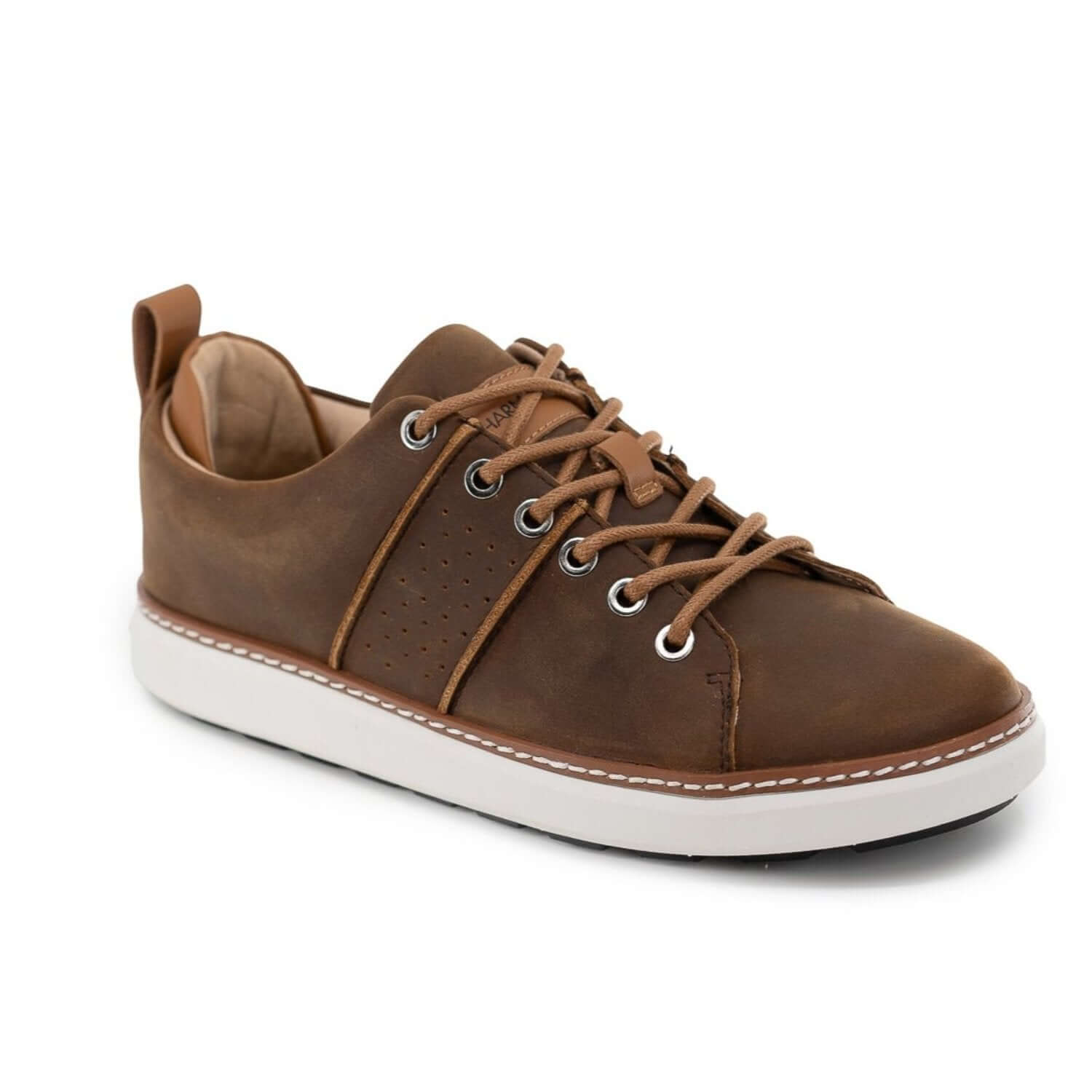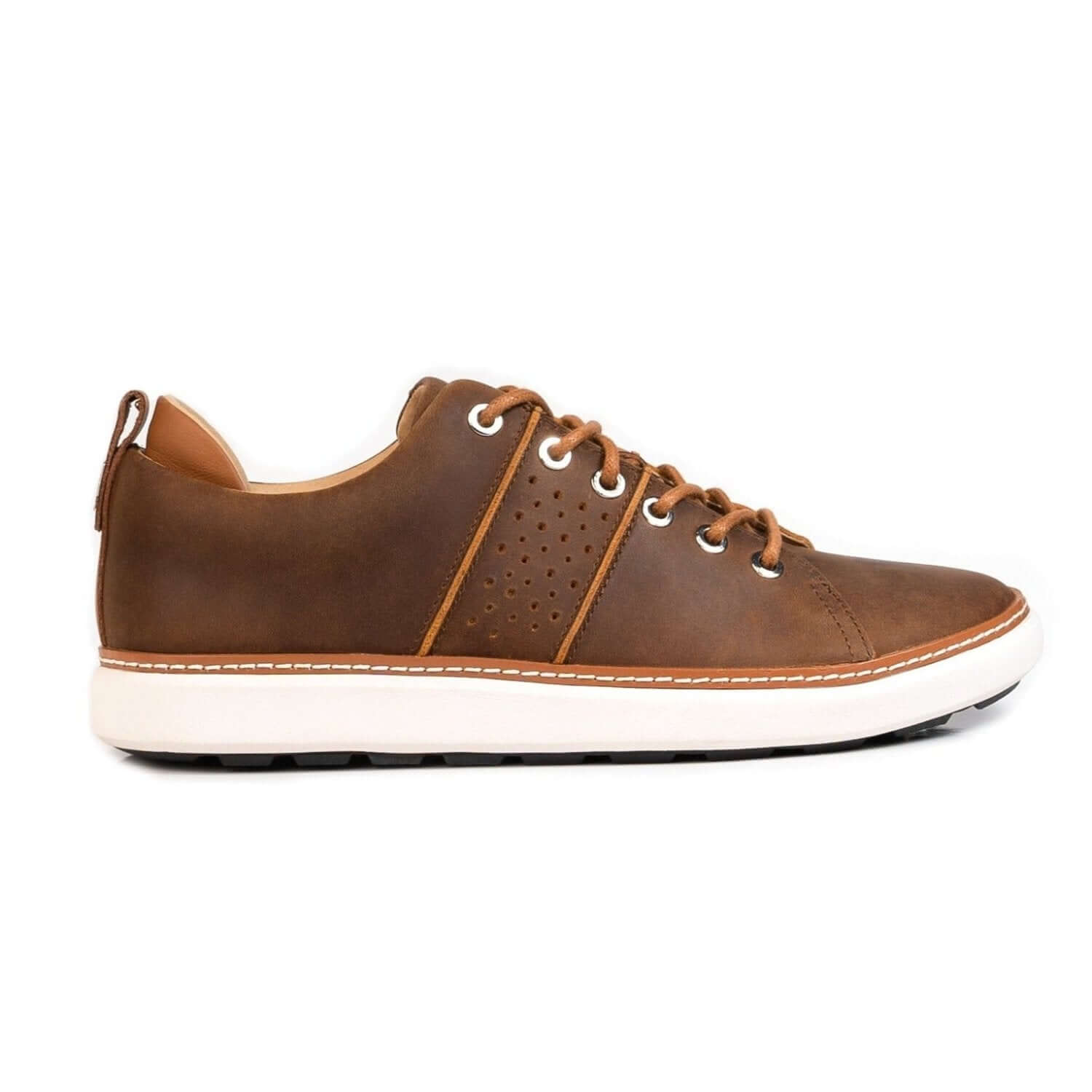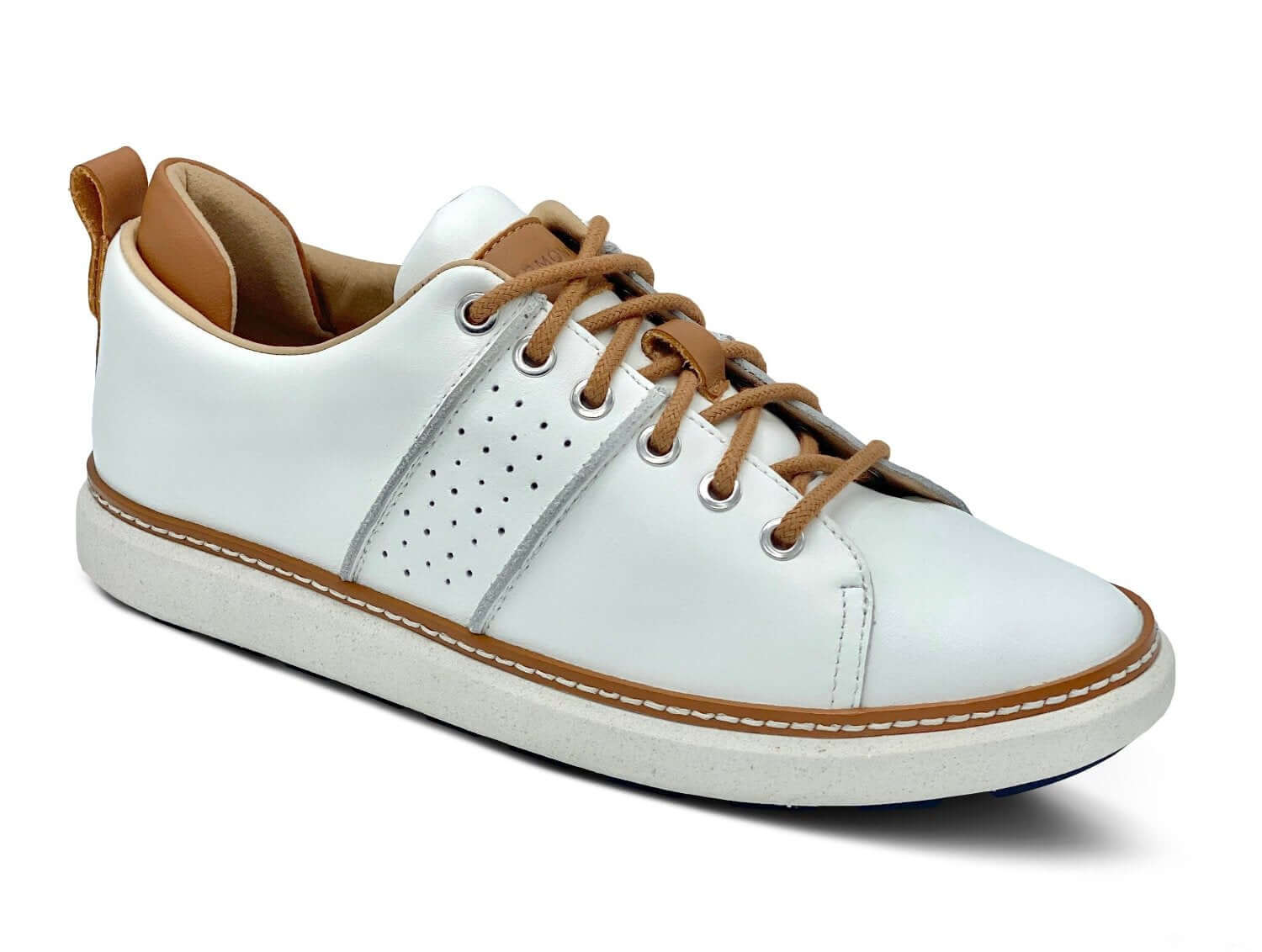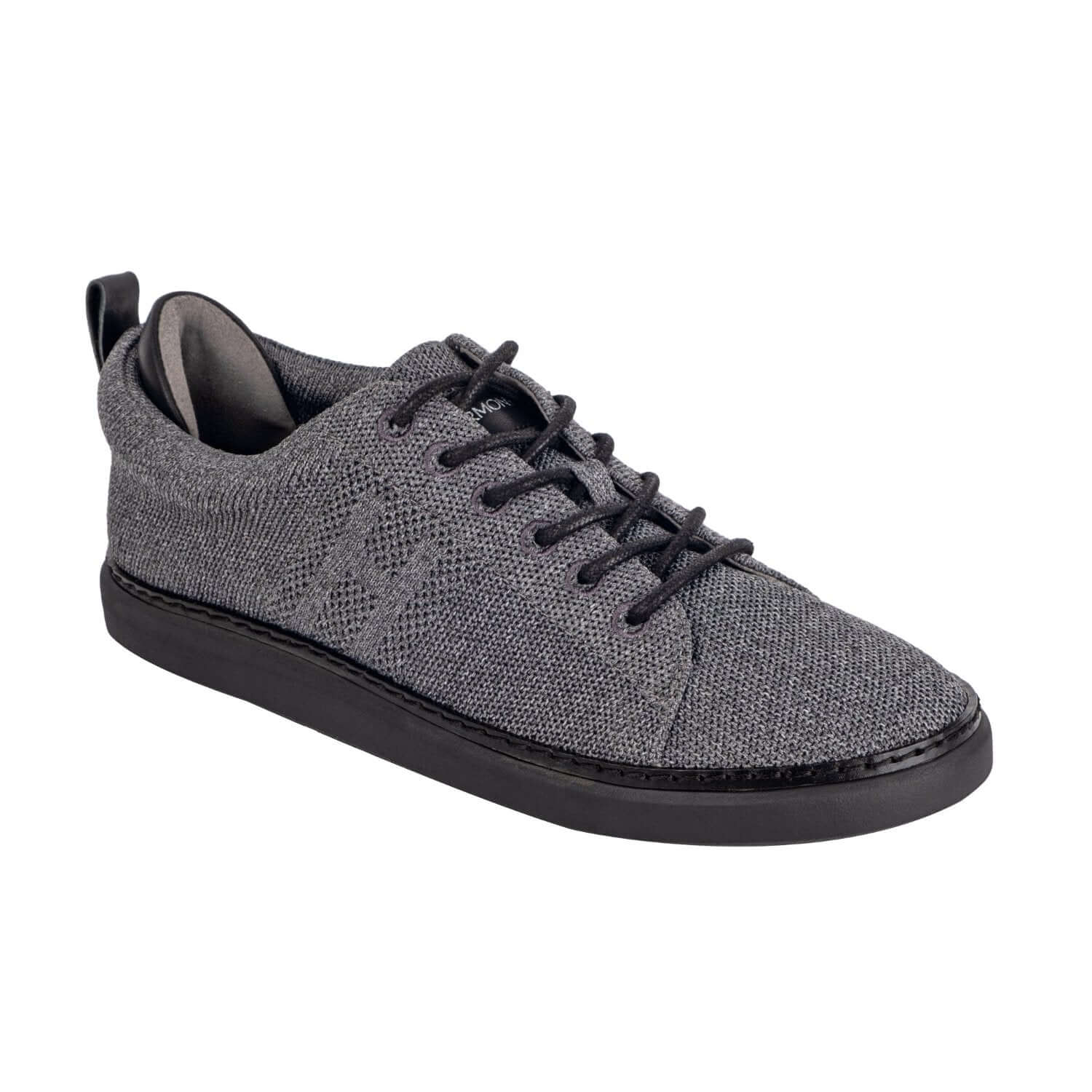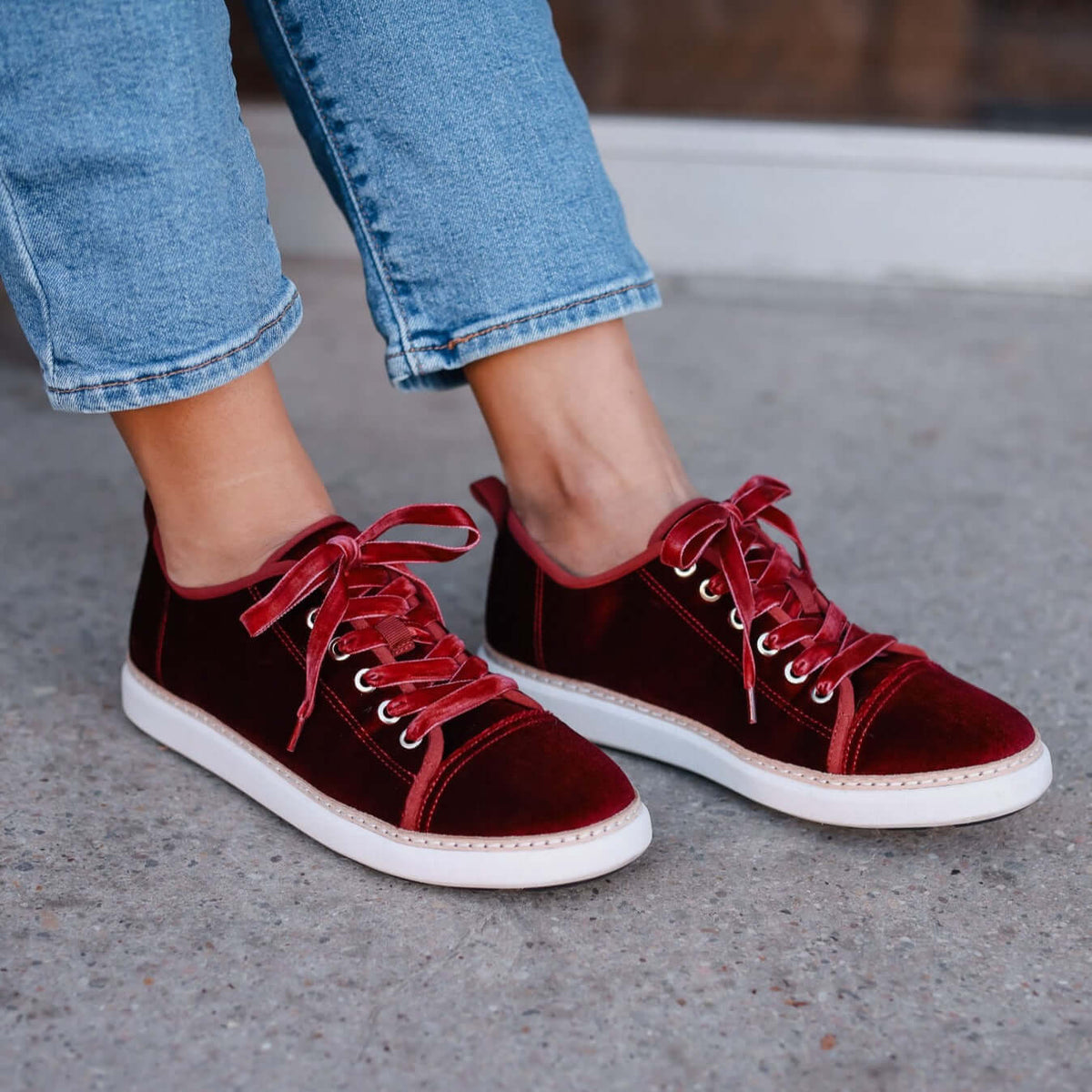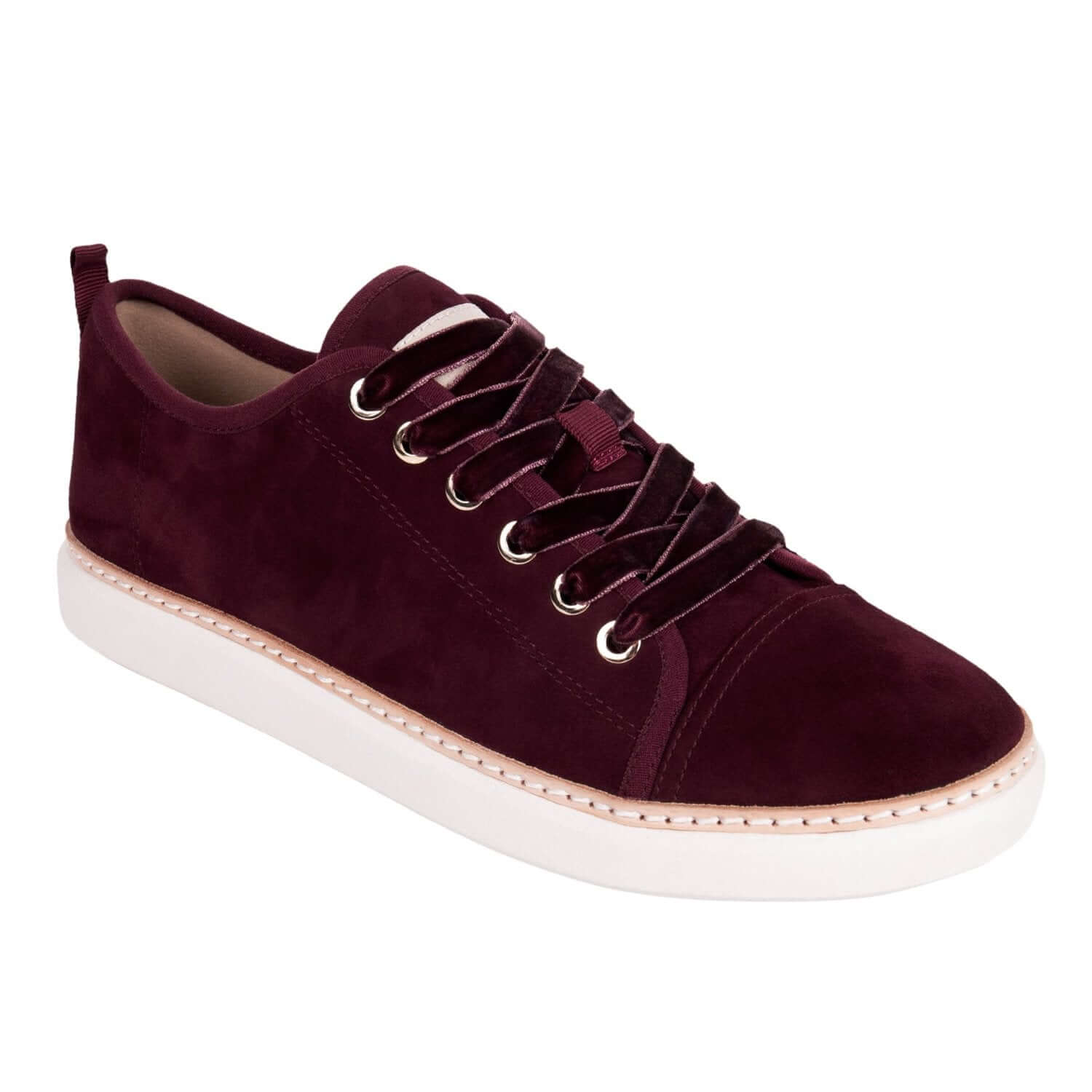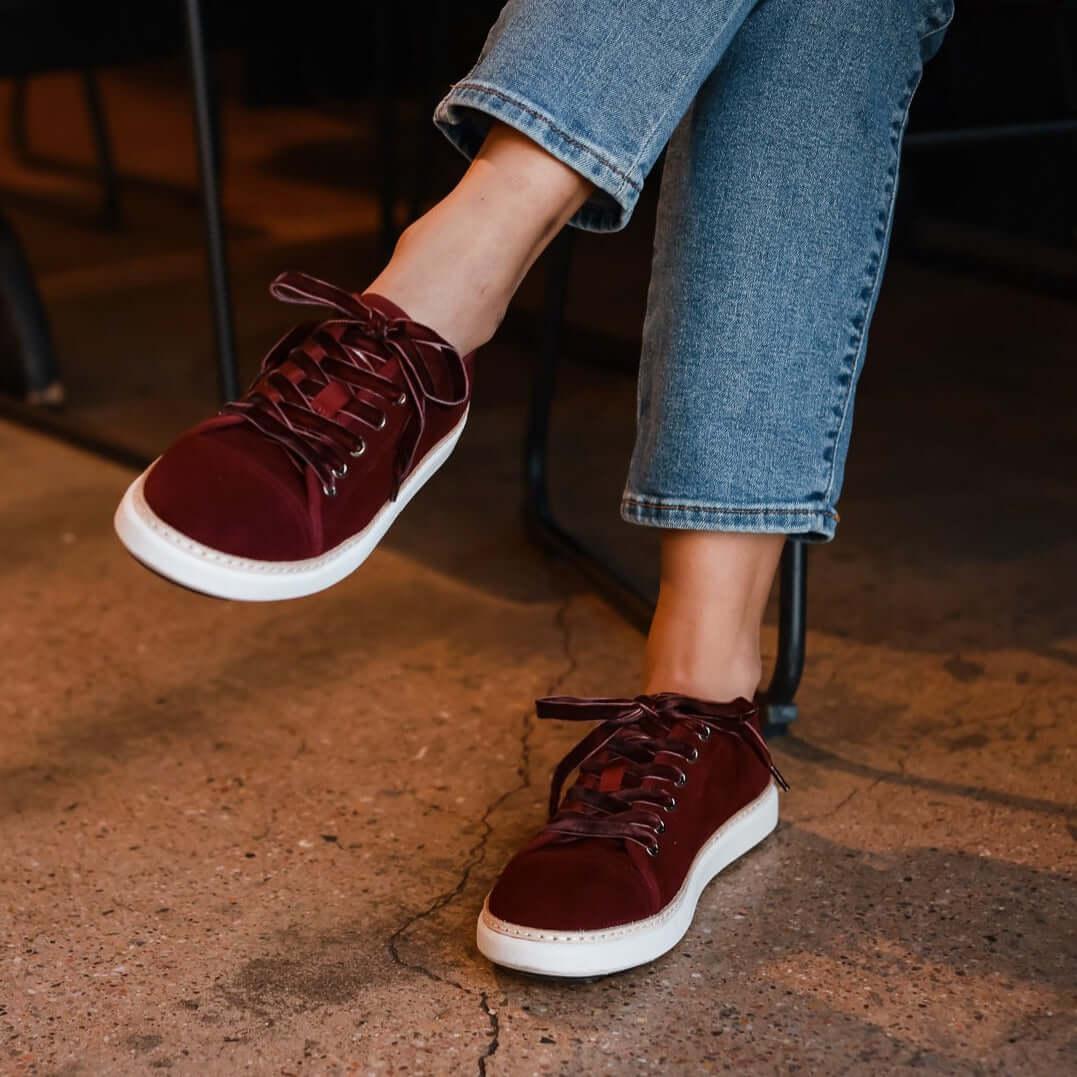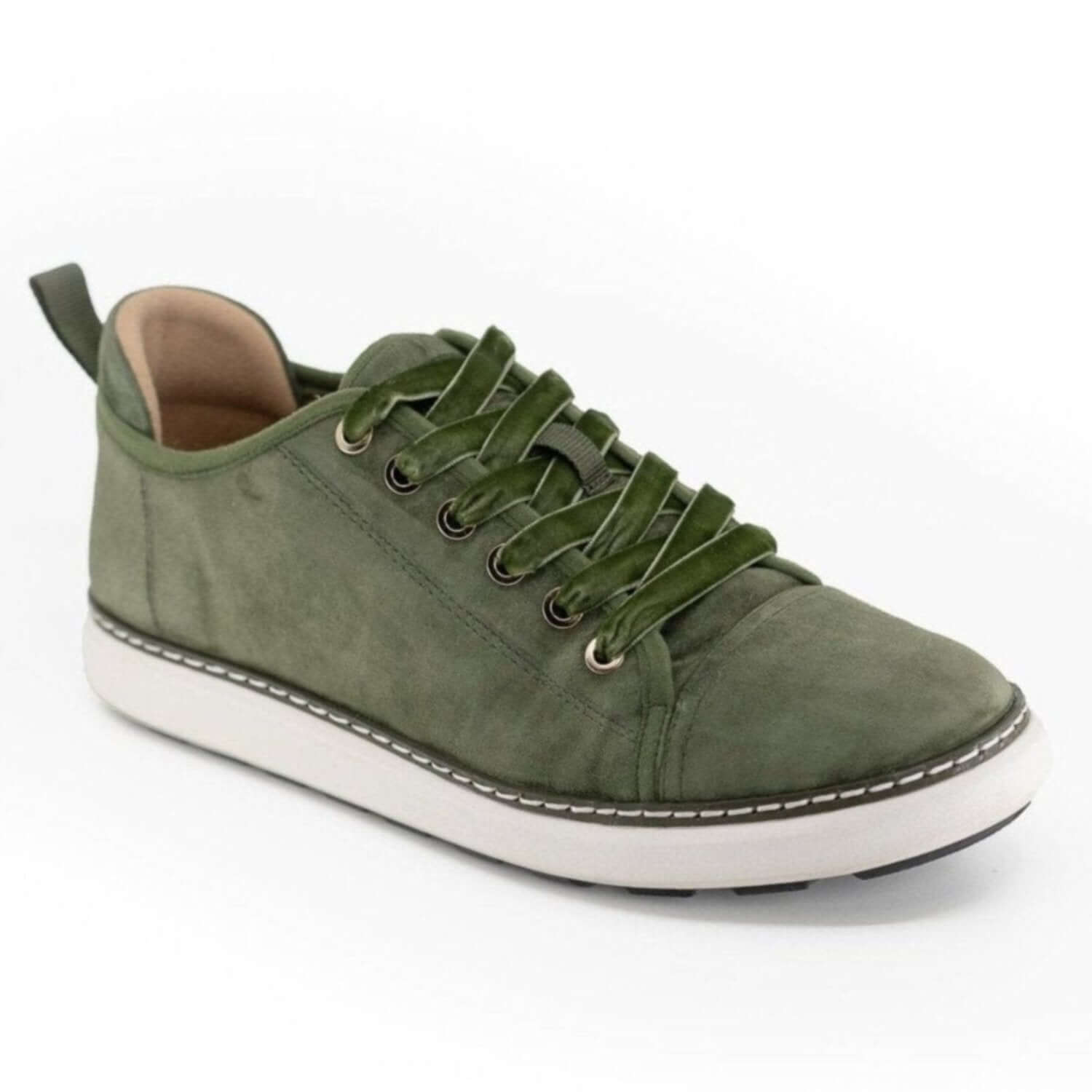

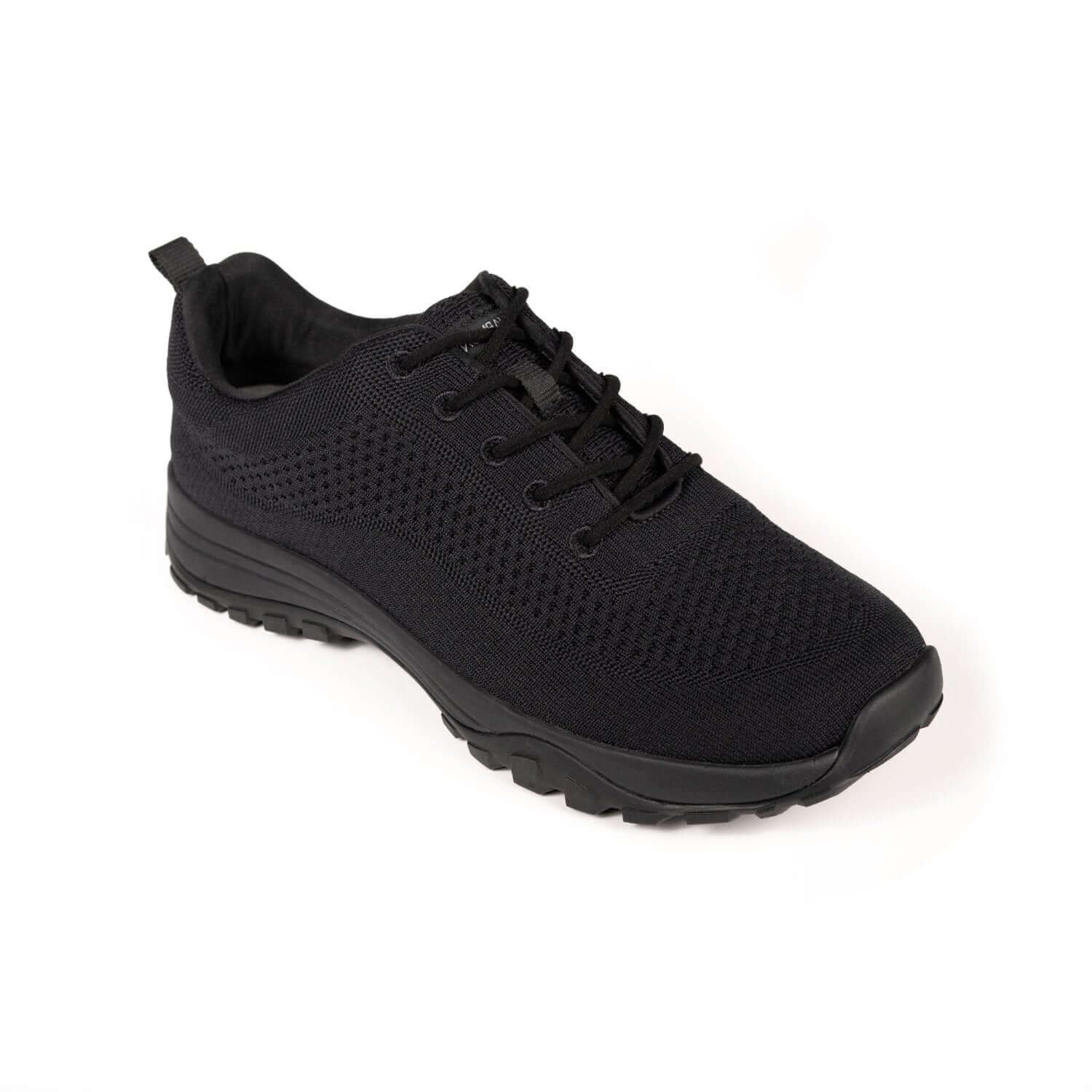

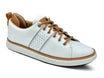
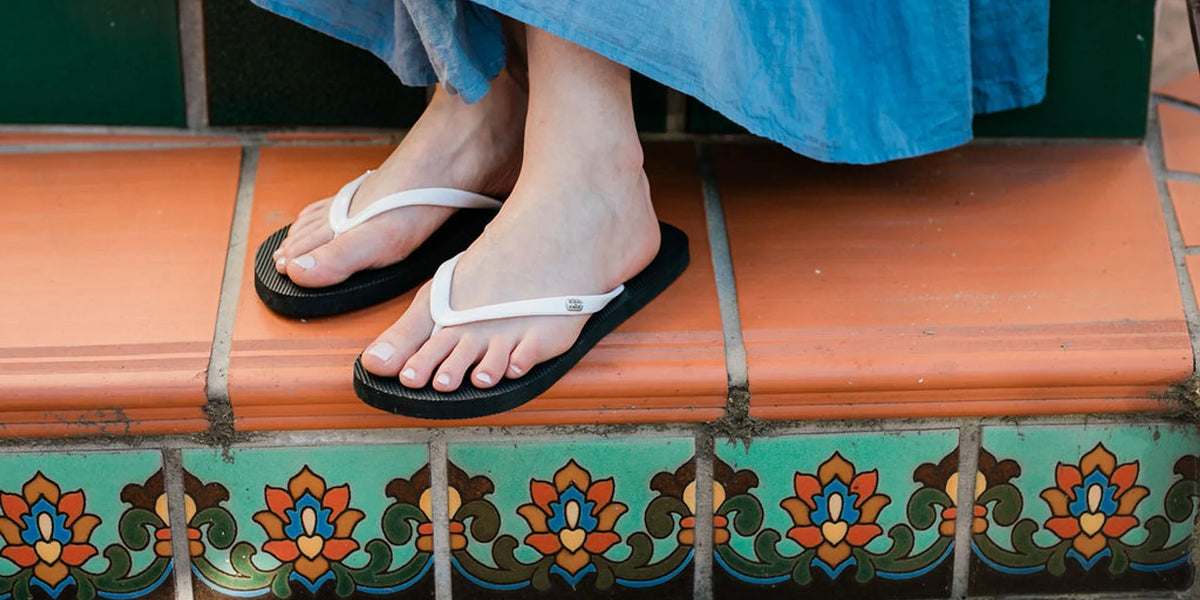
If your toes feel crowded while the heel still slips, the problem may not be your shoe size. Wide feet need room where the foot is widest, especially across the ball and around the toes. A longer shoe can leave extra space in front without solving side pressure.
The best grounding shoes for wide feet fit guide starts with toe room, a non-binding upper, enough width at the ball of the foot, and a secure heel. Then confirm the shoe has conductive construction designed for grounding. A barefoot shoe is not automatically a grounding shoe.
Harmony 783 does not document one universal wide-width system, so use each product's current details and size chart rather than assuming every style fits every foot. For broader selection criteria, read the broader grounding shoe buying guide. Next, we will look at the fit features that matter most before you compare styles. Browse the collection.
What Makes the Best Grounding Shoes for Wide Feet Fit Guide Different?
Wide feet need more than a larger number on the size label. The shoe should follow the natural shape of your foot, give your toes room to spread, and hold your heel without squeezing the front of your foot. A good fit guide also separates comfort from grounding function. Those are related shopping decisions, but they are not the same thing.
Does the shoe match the shape of your foot?
Start by looking at the outline, not just the size. A wide-foot shoe should provide enough width where your foot is actually widest, usually around the ball of the foot. The toe box should leave room for your toes to sit naturally instead of pushing them together or forcing them to point inward. If the sides press into your foot while standing, more length may not solve the problem.
Pay attention to pressure points during a short indoor try-on. The front and sides should feel comfortably supported, not compressed. Your toes should not touch the end of the shoe when you stand or walk. At the same time, excess space can let your foot slide and create friction. The goal is usable room, not a loose fit.
Can the upper move without binding?
A non-binding upper can make a meaningful difference for a wider foot. Materials that flex with your foot may feel more comfortable than a stiff upper that cuts across the ball of the foot. Look for construction details on the current product page, and do not assume that a knit or soft-looking material guarantees a wide fit. Harmony 783 does not document a dedicated wide-width sizing system, so each product's measurements and fit guidance should decide whether it suits you.
Heel security matters just as much. Your heel should stay in place as you take normal steps, without forcing you to tighten the front of the shoe until it feels restrictive. Consider the activity, too. As Cleveland Clinic explains, shoe needs can change with lifestyle and the type of walking you do. A flexible everyday shoe may suit short casual walks, while longer or more demanding use may call for different support and cushioning.
Is the shoe actually designed for grounding?
A barefoot shoe is not automatically a grounding shoe. Barefoot describes a style or feel. Grounding depends on conductive construction and contact with a suitable grounded surface. Before ordering, review how the footwear is built and how the brand explains its grounded connection. For a clearer distinction, read this guide to grounding versus barefoot shoes.
Use the current size chart after checking these fit points. Comfort can help you wear a shoe consistently, but comfort alone does not establish conductivity or guarantee that a particular style will fit every wide foot.
How Should You Measure Wide Feet Before Ordering Online?
Online sizing works best when you measure the foot you actually need to fit, not only the size printed inside your current shoes. Width is separate from length. Adding extra length does not reliably create room at the ball of the foot, and it can leave the heel slipping.
- Choose the right time. Measure in the afternoon or evening, when feet may be slightly larger after normal activity. This gives you a more useful everyday fit than measuring first thing in the morning.
- Wear your intended socks. Put on the socks you expect to wear with the shoes. Thick walking socks and thin casual socks can take up different amounts of space. If you plan to wear more than one type, measure with the thicker option.
- Measure while standing. Place a sheet of paper on a hard floor. Stand naturally with your full weight on one foot. Have someone trace around it, keeping the pencil upright. Repeat for the other foot. Standing matters because the foot can spread under body weight.
- Record both lengths. Measure from the back of the heel to the tip of the longest toe on each outline. Write down both results rather than assuming your feet match. The longer foot should guide the length choice.
- Record the widest point. Measure across the broadest part of each foot, usually around the ball of the foot. This number helps you compare the shape of your foot with the product details. Do not replace a width measurement with a longer size. A shoe can be long enough while still pressing across the forefoot.
- Compare with the current chart. Check the size chart on the exact product page before ordering. Use its instructions and labels, since charts can differ by style. The available guidance does not establish a universal Harmony 783 wide-width system, so do not assume that every style fits every wide foot.
- Fit the larger foot. Use the larger length and width measurements when deciding between options. Then check that the shoe still holds your heel securely and that the upper does not bind across the widest area.
This process gives you a better starting point, but it does not replace the product page's fit guidance. Cleveland Clinic notes that there is no single prescription for the best walking shoe, and that requirements can change with lifestyle and walking type: its walking shoe guidance supports choosing for your foot and intended activity.
For more context on choosing footwear for daily movement, see our guide to grounding shoes for walking. Keep the focus on actual fit: enough room for your toes and forefoot, a non-binding upper, and a heel that stays in place.
Which Harmony 783 Styles May Work Best for Different Wide-Foot Needs?
Wide feet do not all need the same shoe. One person may want a relaxed everyday style, while another needs a breathable upper for active days or added protection for outdoor paths. Treat these Harmony 783 categories as starting points, not promises of a dedicated wide fit. The current product page, your measurements, and an honest fit check should decide the final choice.
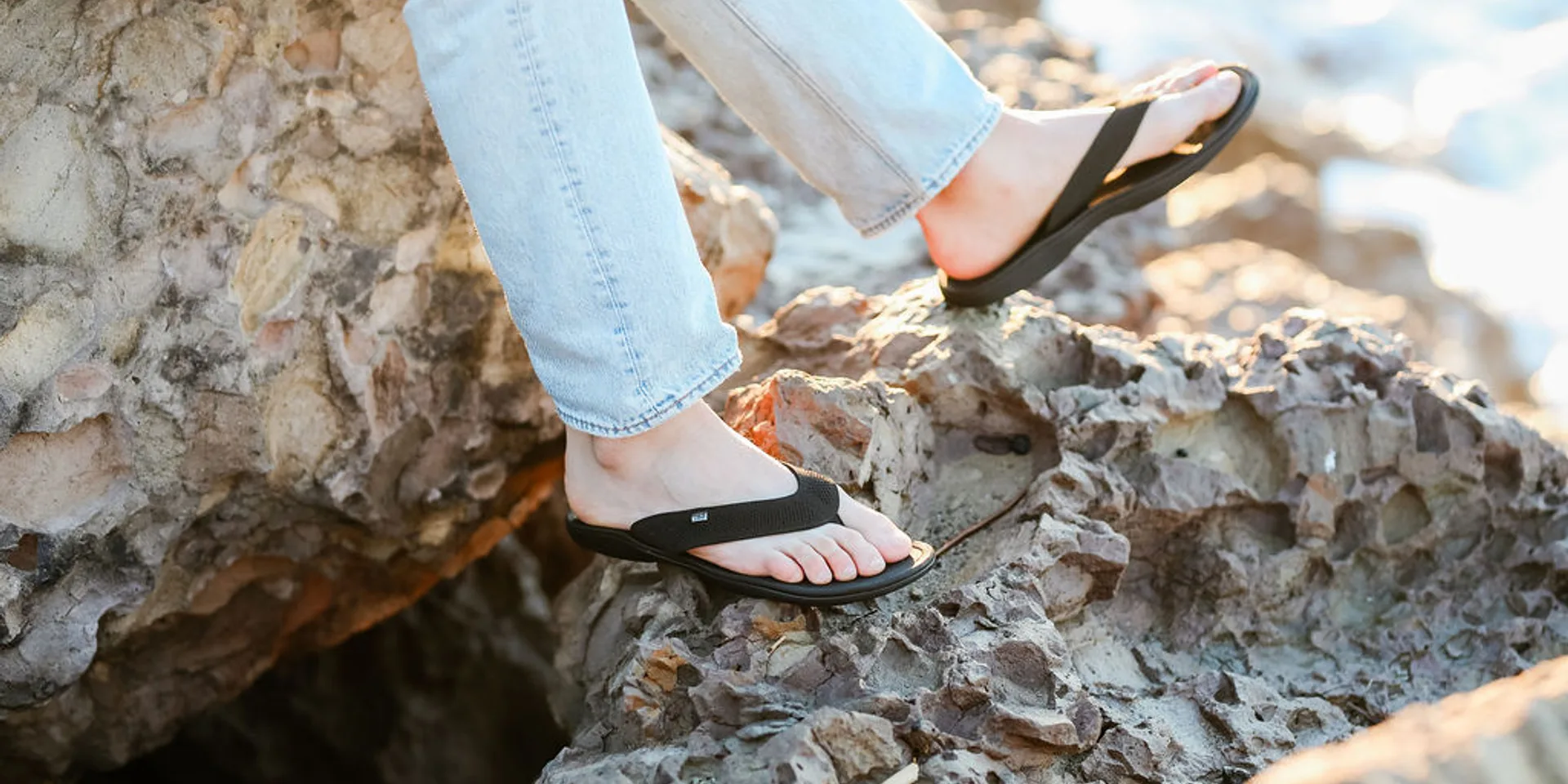
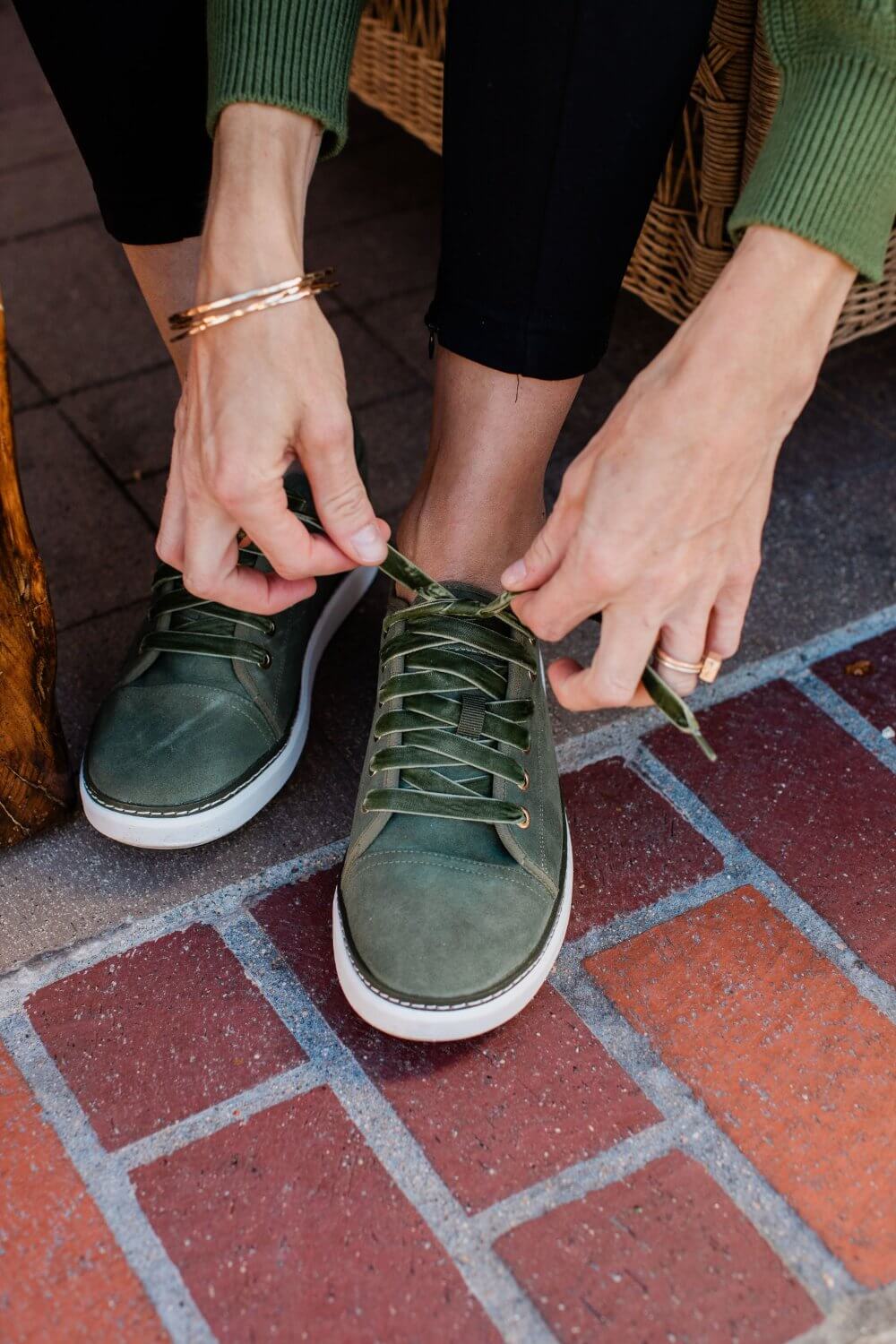
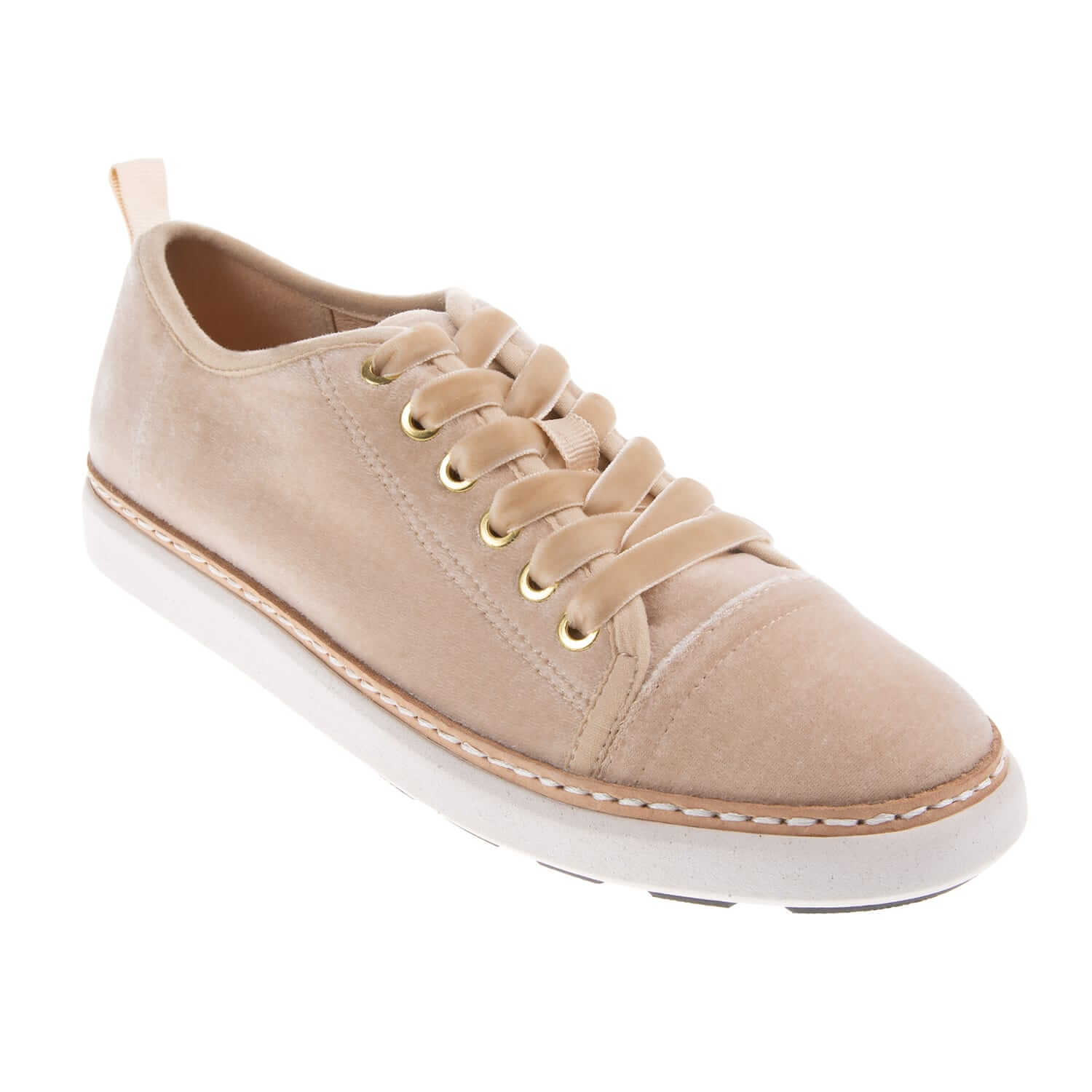
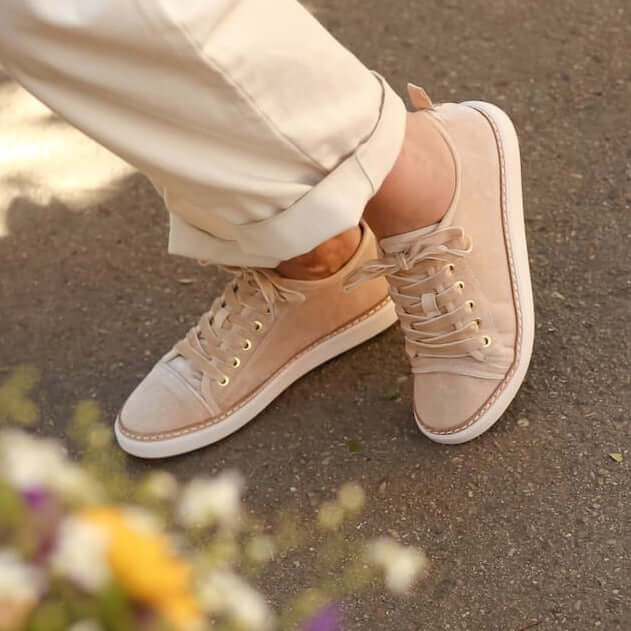
For a closer look at available everyday options, browse the grounding walkers or explore the grounding sneakers. Keep in mind that comfort and room do not create grounding by themselves. Grounding depends on conductive shoe construction and contact with a suitable grounded surface.
| Style category | May suit | Relevant construction | What to check |
|---|---|---|---|
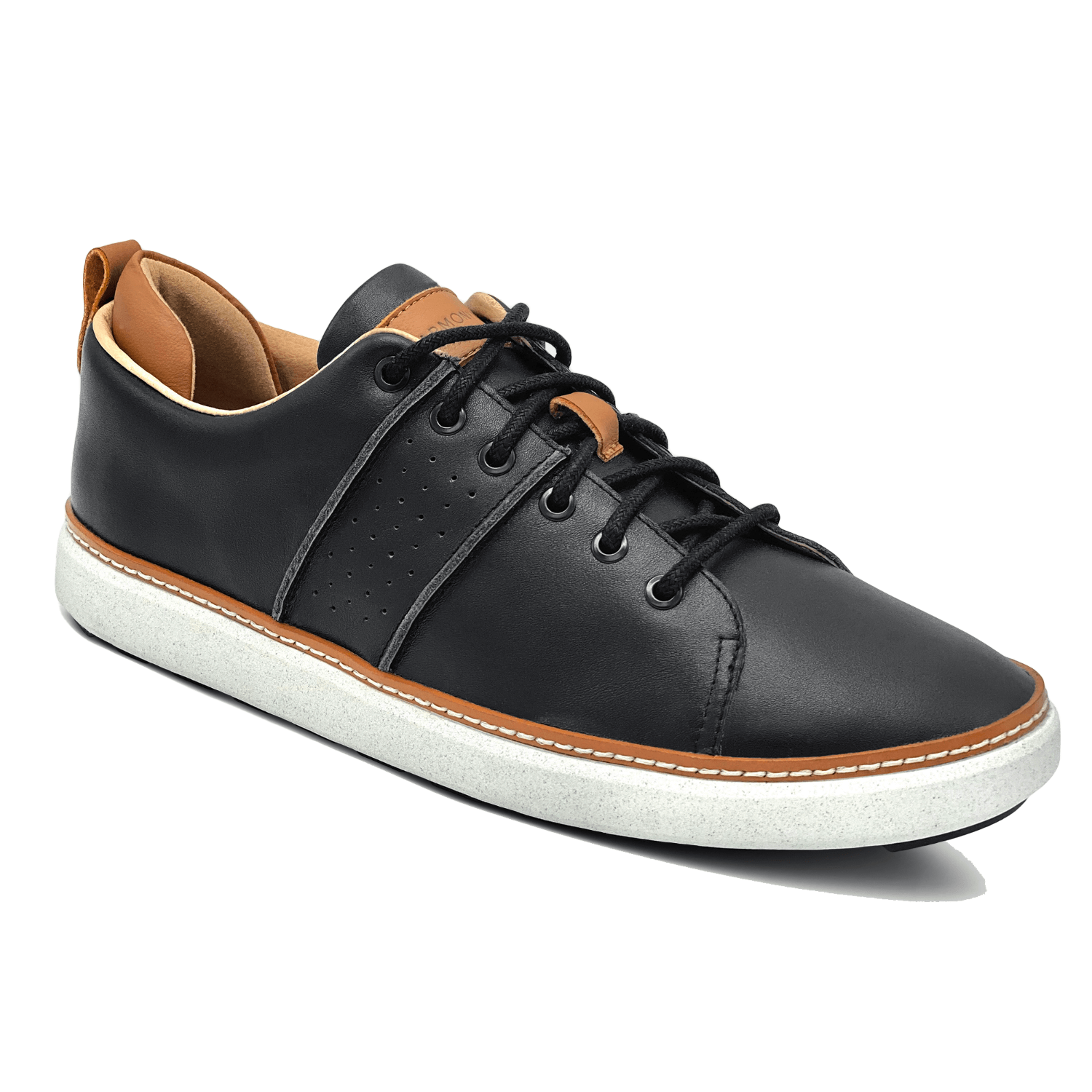
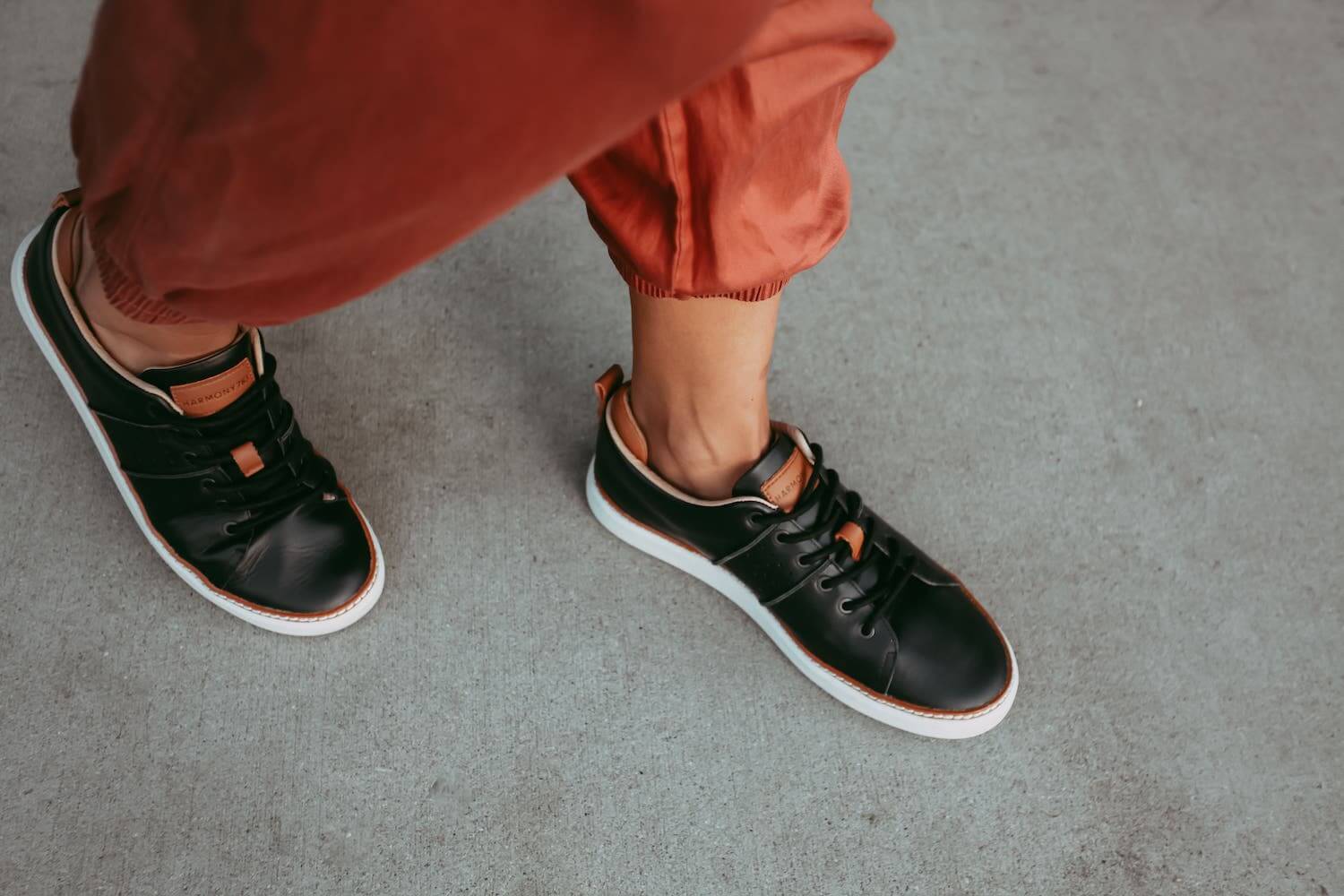
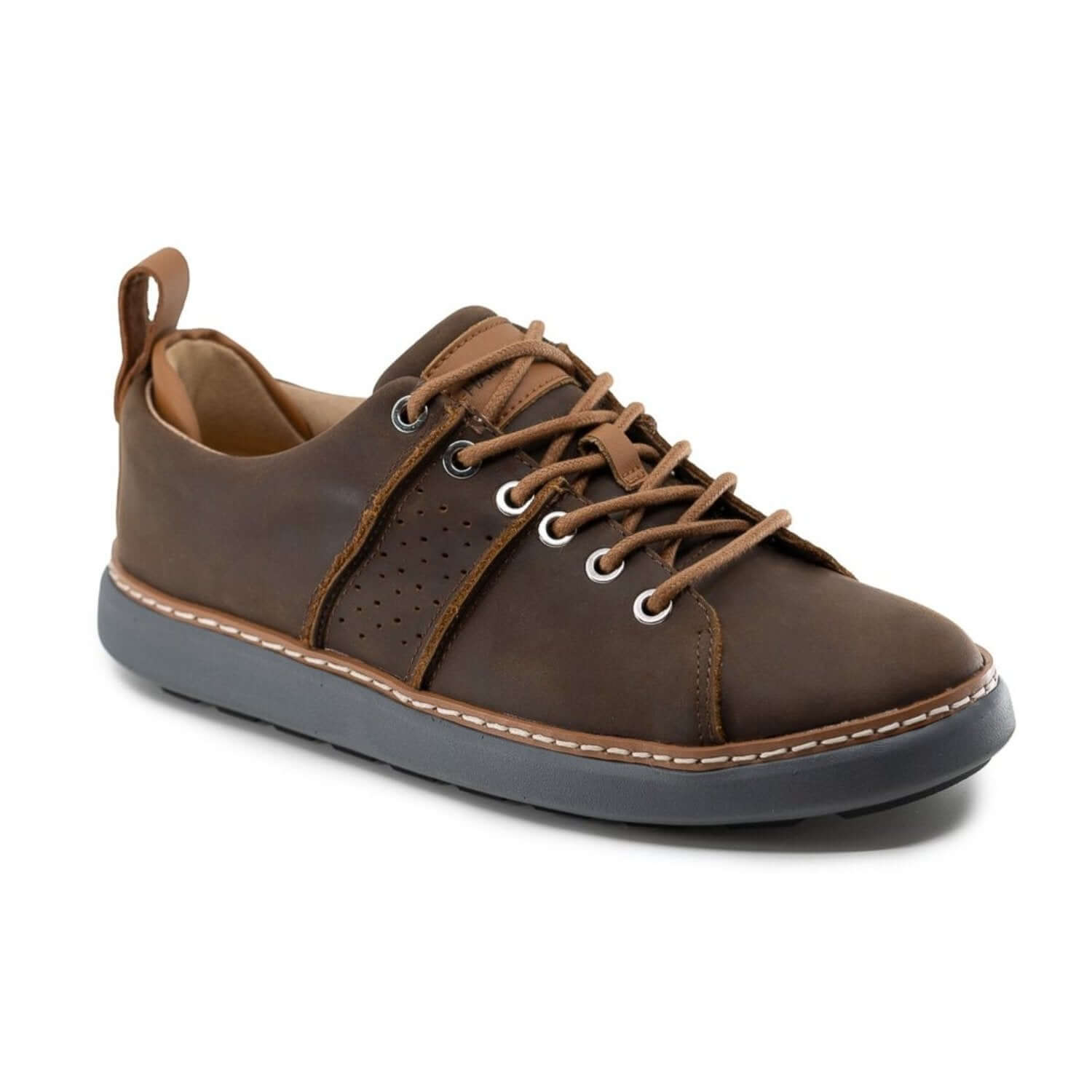
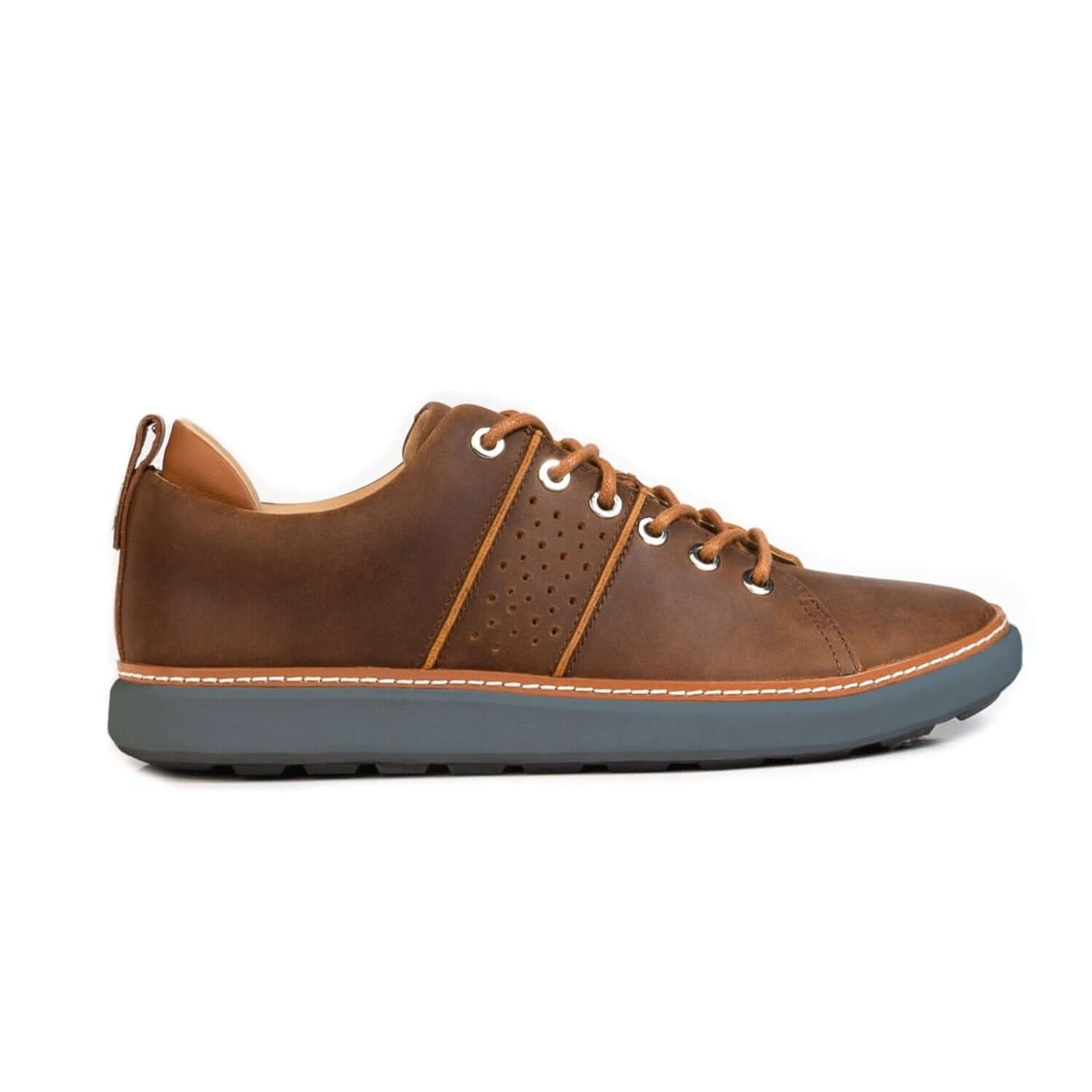
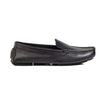
| Walkers | Everyday wear and cushion comfort | Leather or knit constructions with cushion comfort heel pads | Room across the forefoot and a secure heel without binding |
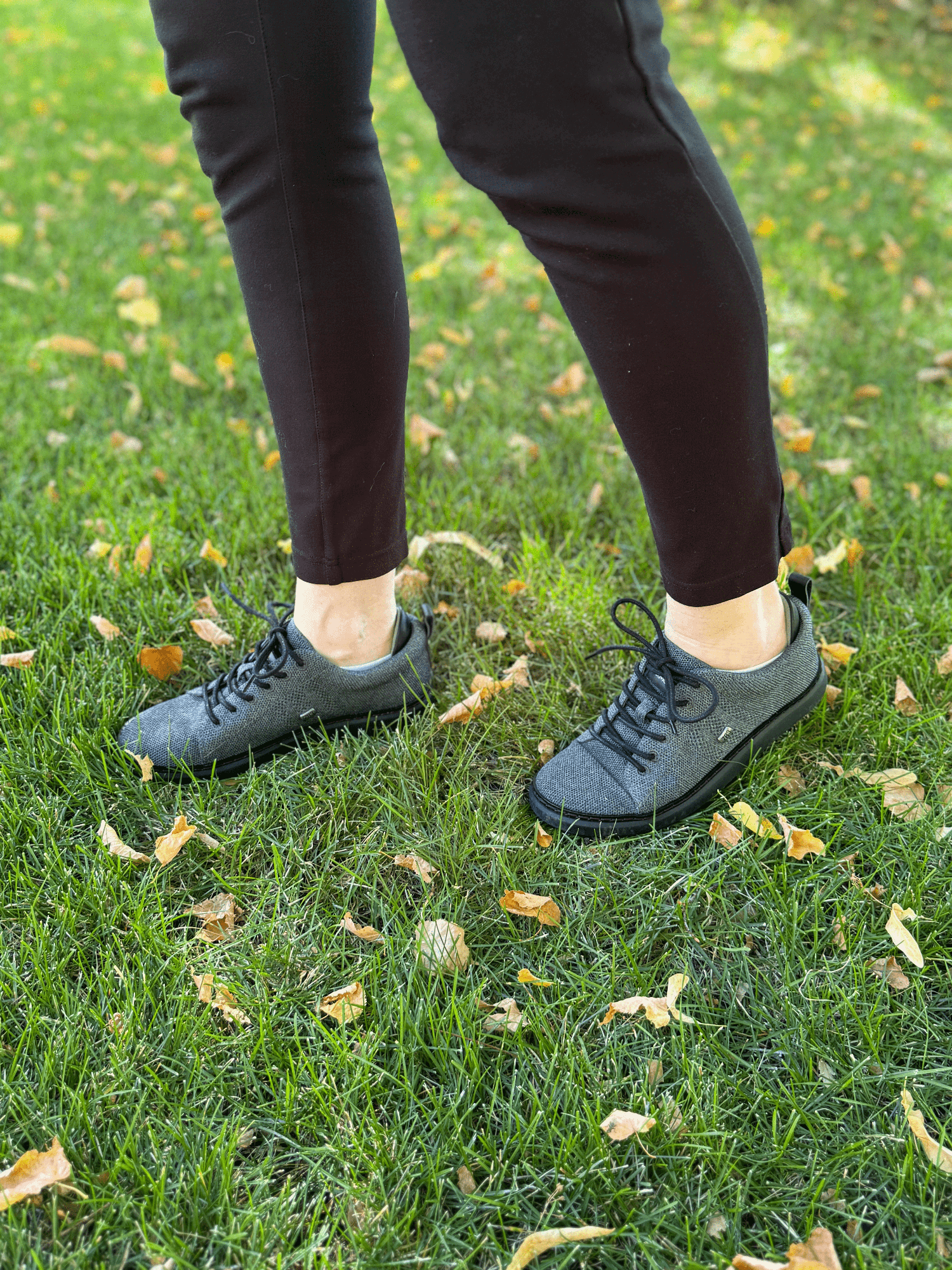
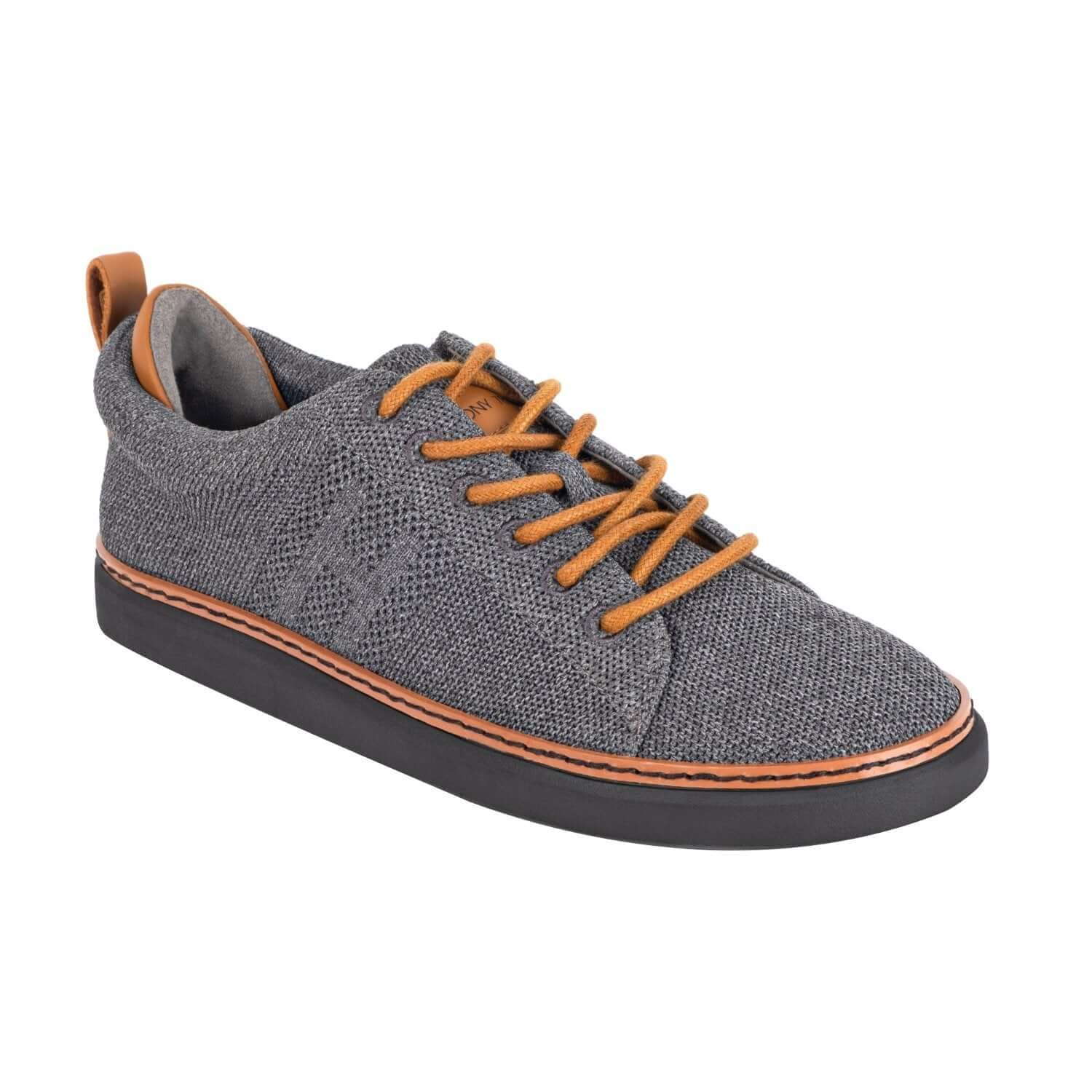
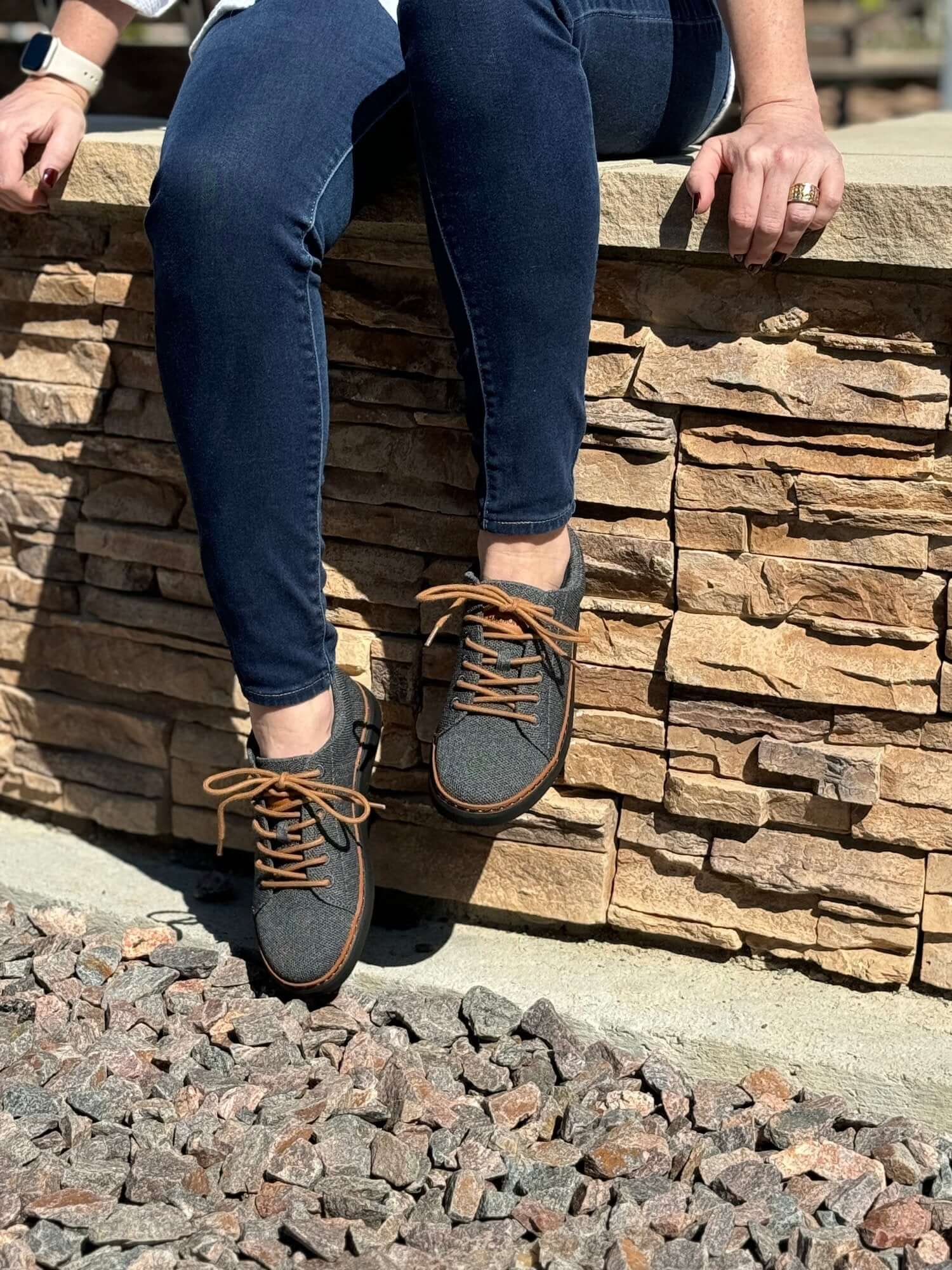
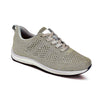
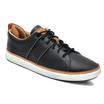
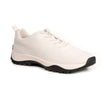
| Bamboo-knit sneakers | Breathable daily wear and active routines | Breathable bamboo knit, positioned for performance, support, and everyday grounding | Whether the upper flexes comfortably around your foot and keeps toes uncompressed |
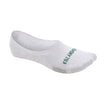
| Bamboo-knit slip-ons | Easy, on-the-go wear | Bamboo knit with cushion comfort heel pads | Whether easy entry still gives enough width and prevents heel movement |
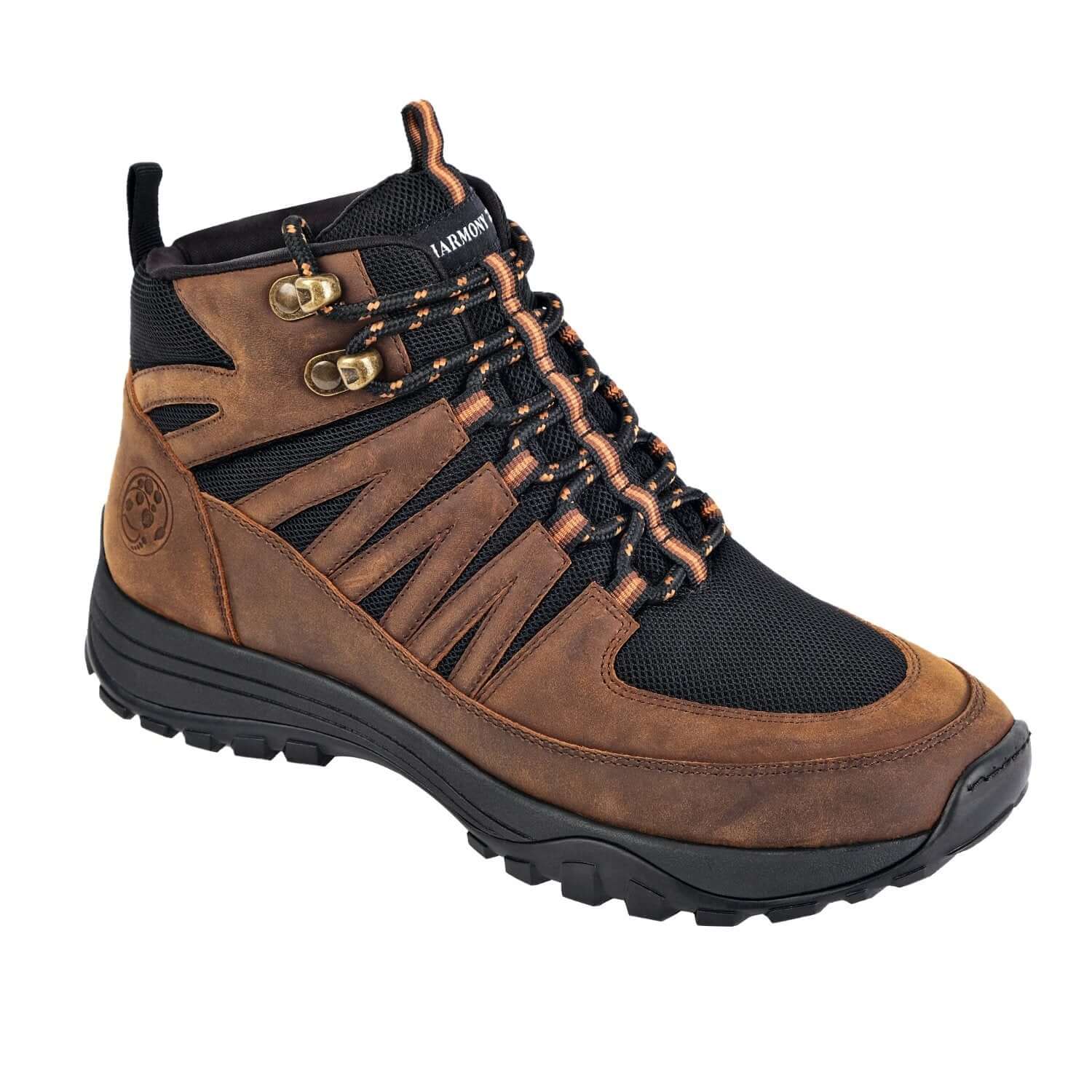
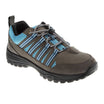
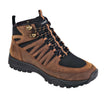
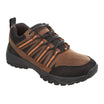
| Trail shoes | Outdoor walks and trail-focused use | Mesh breathability, protective toe caps, elastic speed laces, and water repellency | Toe-cap pressure, forefoot width, lace adjustment, and stability on your route |
How should you choose among these styles?
Start with the activity you do most. Walkers may make sense when you want an everyday shoe with heel cushioning. Bamboo-knit sneakers may appeal when airflow and flexible daily wear matter. Slip-ons can simplify quick errands, but convenience should not replace a secure fit. Trail shoes add outdoor-focused features, yet a protective toe cap can feel restrictive if it presses against your toes.
Check each product page for current materials, available sizes, and fit guidance. The customer information does not document a universal Harmony 783 wide-width system, so do not assume any category will fit every wide foot. A style that feels comfortable in the heel may still be too narrow at the ball of the foot. Compare both areas before choosing, and use the current product measurements rather than relying on the category name alone.
Related products

Choosing the right size is crucial for both aesthetic appeal and a proper fit.
View product
Crafted from durable nylon, these laces are built to last, providing both resilience and a vibrant aesthetic.
View product
mesh offers breathability
View productDoes Going Up a Half Size Solve a Wide-Foot Fit Problem?
Usually, no. A half size adds length, but it does not guarantee more room across the ball of the foot or through the toe box. If your foot is wide rather than long, sizing up can leave extra space in front while the shoe still feels tight at its widest point. Check the current product size chart and product-page guidance before choosing a size.
Length and width are separate parts of fit. A shoe that is too short may press against your toes, so a half size up can help a shopper who falls between sizes. It may also give the toes a little more front-to-back room. But that does not mean the upper will widen in the places that need it most. The fit should still feel comfortable around the ball of your foot, without binding or pressure points.
Going up can also create a new problem. Extra length may let your heel lift as you walk. Your foot may slide forward, or you may tighten the shoe enough to create pressure across the top of your foot. That movement can make a shoe feel less secure, even when the toe area seems roomier. Heel security is part of a complete wide-foot assessment, not an afterthought.
When is a half size up worth trying?
Consider it when your measured foot length falls between the sizes listed on the chart, or when your toes are reaching the front of the shoe. Measure both feet while standing, then use the larger measurement to compare with the current chart. If width at the ball of the foot is the main issue, do not assume a longer size will solve it. The product page remains the best source for that style's sizing guidance, materials, and fit notes.
Activity matters, too. The best grounding shoes for wide feet fit guide should not treat every use the same way. A little extra room may feel acceptable for easy indoor wear, but a shoe used for longer walks needs a secure heel and stable movement. Cleveland Clinic notes that there is no single prescription for the best walking shoe, because requirements can change with lifestyle and walking type. Read its walking-shoe guidance for the activity-specific context.
How can you test the size safely at home?
Try the shoes indoors on a clean floor, wearing the socks you expect to use. Stand, walk at a normal pace, and turn gently. Check that your toes can move, the widest part of your foot is not squeezed, and your heel stays reasonably secure. Notice any rubbing, pinching, or sliding on both feet. If the half size up solves a length problem but creates heel movement, it is probably not the right answer to a width problem. Follow the current product guidance and confirm the applicable satisfaction policy before ordering or committing.
How Do Wide-Fit Priorities Change Across Harmony 783 Styles?
A wide-foot fit is not one fixed target. The best choice depends on where you will wear the shoe and how your foot moves there. Daily walking may call for a forgiving upper and steady heel hold. Warm-weather wear may make breathability and adjustability more important. Trail use adds toe protection and outdoor durability to the list.

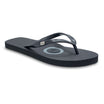
Harmony 783 offers several footwear categories, but none should be treated as a guaranteed dedicated wide width. Use the product page to confirm the available size guidance, then compare the features that matter most for your routine. If your priority is an open, breathable warm-weather option, you can browse grounding sandals and assess the shape and adjustment points of each style.
| Use case | What to prioritize | Harmony 783 style cues |
|---|---|---|
| Daily walking | Toe room, width at the ball of the foot, flexible comfort, cushioning, and a heel that stays secure. | Walkers are described with leather or knit constructions and cushion comfort heel pads. Explore grounding walkers. |
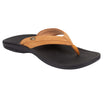
| Warm-weather sandals | Breathability, open space around the toes, and adjustment that lets you fine-tune the fit without binding. | Review each sandal's upper, straps, and footbed on its live product page. A sandal's openness does not prove it will fit every wide foot. |
| Easy-on slip-ons | A non-binding upper, enough forefoot room, and heel security when you walk at a normal pace. | The bamboo-knit slip-on is positioned for easy, on-the-go wear and includes cushion comfort heel pads. Check its current size guidance before ordering. |
| Outdoor trail use | Toe protection, breathable materials, secure adjustment, cushioning, and durability for uneven ground. | Trail shoes are described with mesh breathability, protective toe caps, and elastic speed laces. These features support trail use, not a wide-width promise. |
Finally, do not confuse room with grounding. A shoe can feel comfortable yet lack conductive construction. Harmony 783 describes its Groundworks system as a five-layer conductive design, including a silver-stitched footbed and carbon-and-rubber conductive outsole. Grounding also depends on contact with a suitable grounded surface. That function should be evaluated separately from width, cushioning, or upper flexibility.
What Should You Check During a Wide-Foot Trial Period?
Answer capsule: Trial grounding shoes indoors first. Wear the socks you plan to use, walk long enough to test movement, and look for pressure at the toes or ball of the foot. A comfortable first step is not enough if the fit changes after several minutes.
Start with the current product size chart. Measure both feet and use the larger measurement when the chart gives a single size direction. Do not assume that going up a half size creates more width. It may add length without giving the ball of your foot enough room, and it can make the heel slip.
Does the shoe stay comfortable while you move?
Put on your intended socks, then stand with your weight evenly distributed. Wiggle your toes. They should not feel pressed together or pushed against the front. Check the widest part of your foot as well. A non-binding upper should not squeeze the ball of the foot when you stand.
Walk around indoors on a clean, dry surface. Turn, climb a few steps if practical, and walk at your usual pace. Notice whether your toes hit the front, the upper presses across the forefoot, or your heel lifts with each step. Recheck the fit after movement. Feet can feel different after walking, so a quick try-on may miss pressure points.
Have you checked construction, grounding, and care?
Comfort and grounding are related to different parts of the shoe. Harmony 783 describes its Groundworks system as a five-layer conductive construction, and states that its shoes are tested for a grounded connection. Grounding still depends on that conductive construction and contact with a suitable grounded surface. A roomy shoe is not automatically a grounding shoe, and a barefoot shoe is not automatically grounded.
Read the product page for the specific style before ordering. Confirm its construction, intended use, care instructions, and current size guidance. Follow those care directions during the trial. Avoid treating one style's materials or fit as a promise about every shoe in the collection. For additional walking-focused selection guidance, see grounding shoes for walking.
Harmony 783's customer information states a 45-day satisfaction guarantee, but policies can change. Verify the current terms, eligibility, and return instructions on the live store before you order. Keep the shoes clean while checking the fit, and follow the stated care and return requirements.
Frequently Asked Questions
What should people with wide feet look for in grounding shoes?
Look for a foot-shaped design, room for your toes, enough width at the ball of the foot, and an upper that does not bind. Check heel security as well. A roomy front should not mean your heel slides while walking. Use the current product details and size chart to judge each style, since one shoe will not fit every wide foot.
Are barefoot shoes automatically grounding shoes?
No. Barefoot describes a shoe's feel or construction, while grounding depends on conductive materials and contact with a suitable grounded surface. A shoe must be specifically built for that purpose. Comfort, a thin sole, or a wide toe box alone does not establish a grounded connection.
Does going up a half size make a shoe wide enough?
Not necessarily. A larger size usually adds length, but it does not guarantee more useful width at the ball of the foot. Extra length can also create heel movement. Measure both feet while standing, compare the results with the current size chart, and choose the size that supports both toe room and a secure heel.
Which grounding shoe style is best for wide-foot comfort?
That depends on how you plan to wear it. Walkers suit everyday use, knit sneakers may offer a more flexible-feeling upper, slip-ons support easy on-and-off wear. And trail shoes add outdoor features such as mesh and protective toe caps. These features do not prove a wide fit, so review the live product page and assess the shoe indoors before regular wear.
How can I check the fit before wearing grounding shoes outside?
Try them indoors with the socks you expect to wear. Walk, bend, and check for pressure across the toes and ball of the foot, along with heel slipping or rubbing. Confirm that the product's grounding construction is intended for your use and review the current satisfaction-guarantee terms before ordering, since policies can change.
Wide feet deserve footwear chosen by measurements and movement, not by a label alone. Compare the current product details, test the fit indoors, and choose the style that supports the way you live. Browse the collection to explore Harmony 783 grounding footwear.