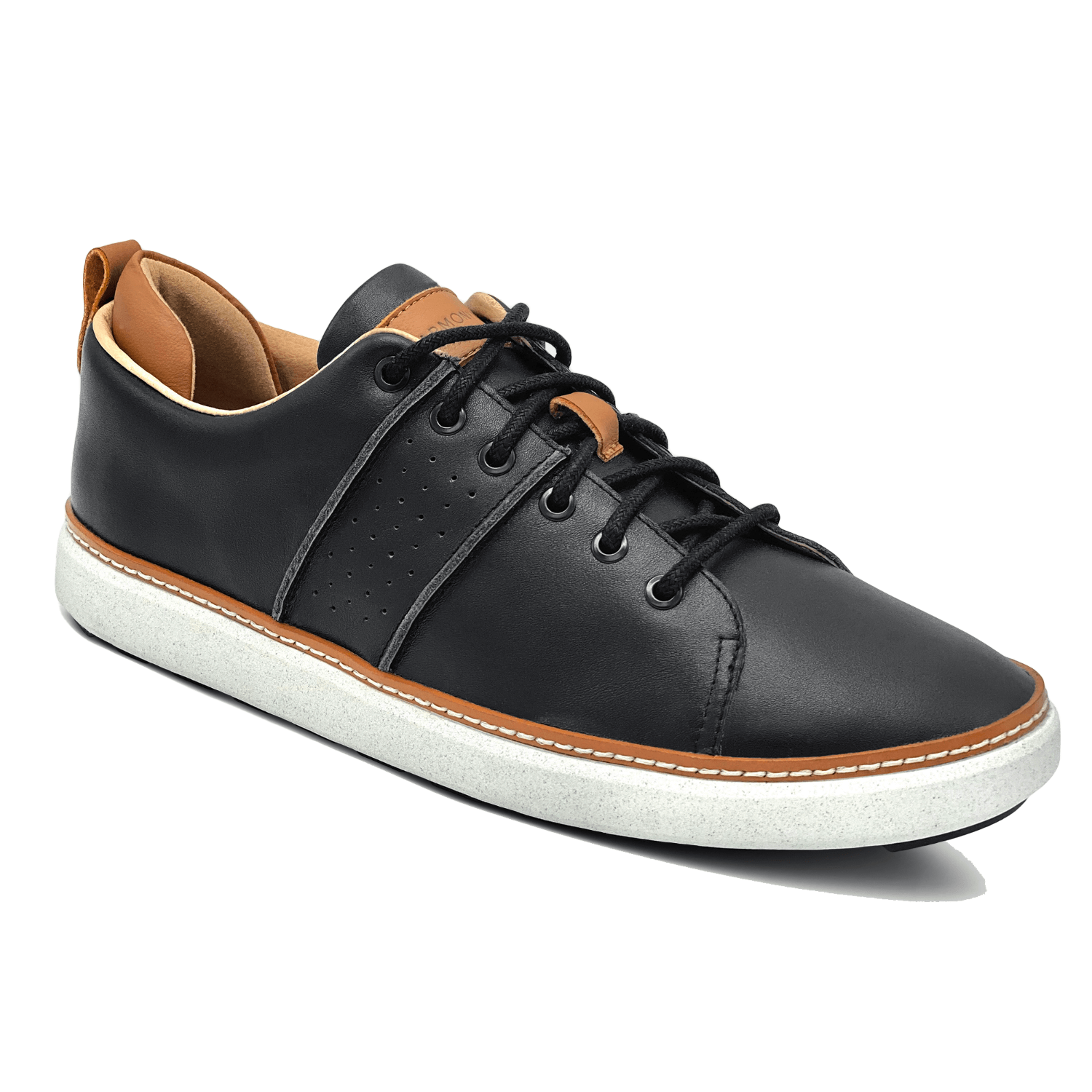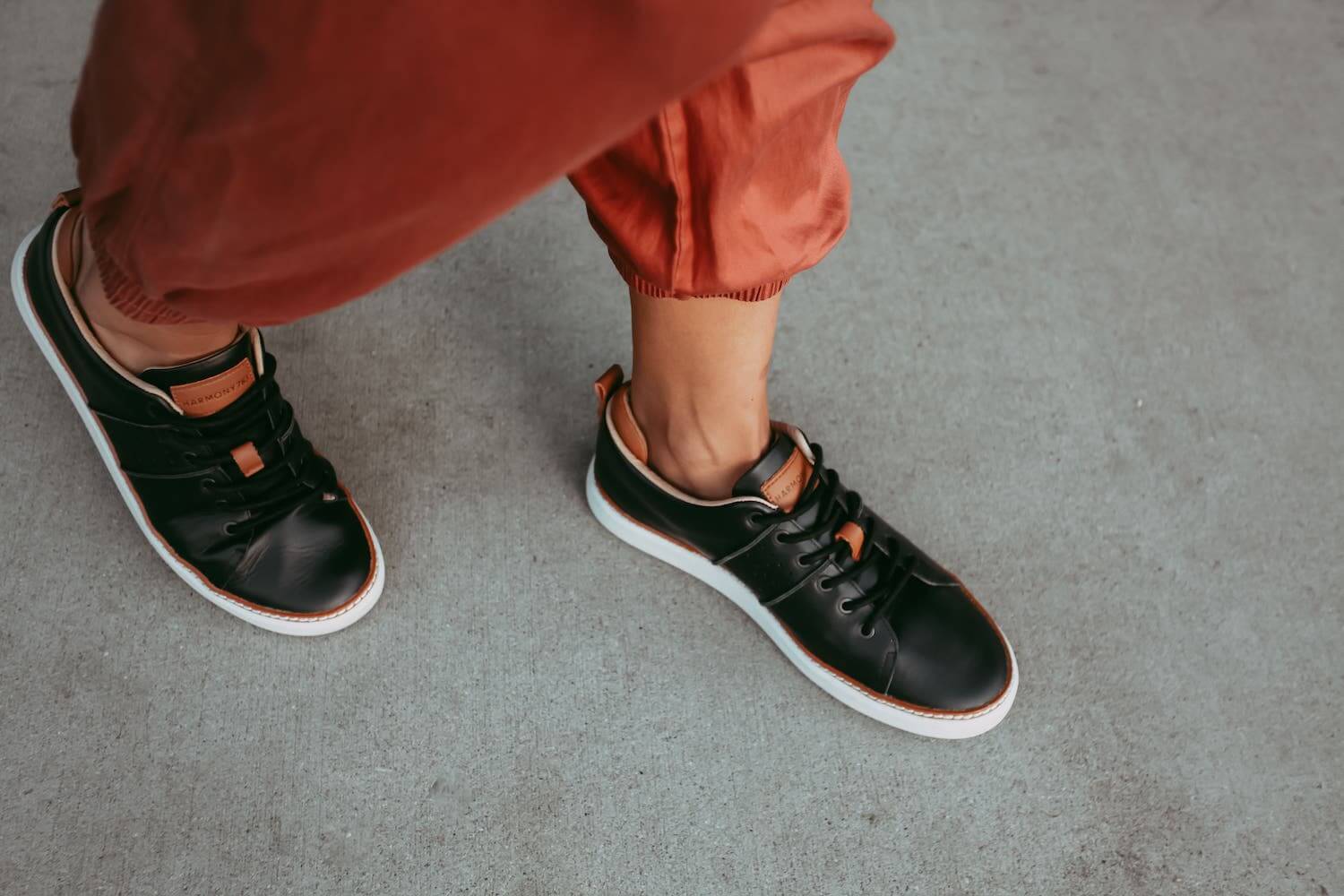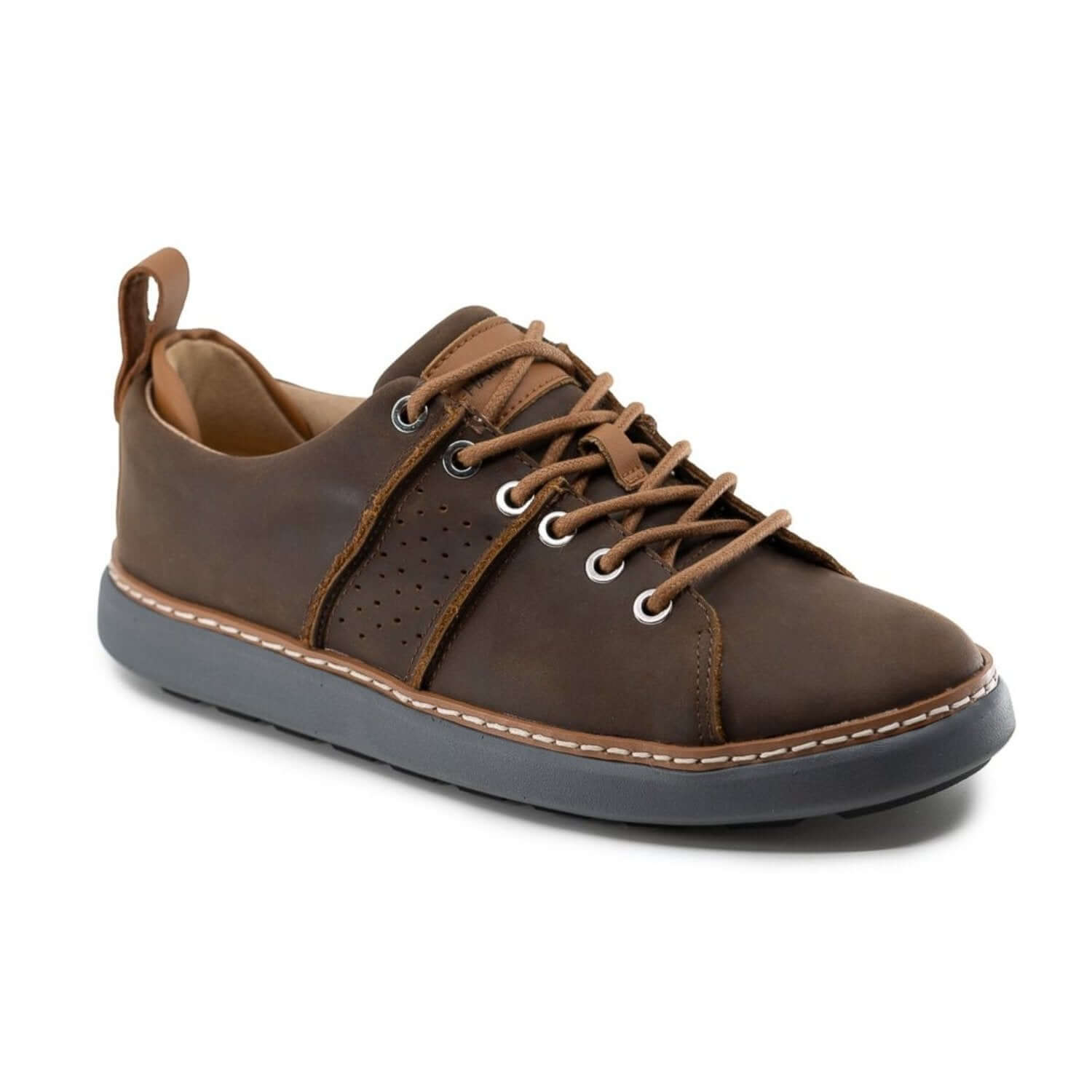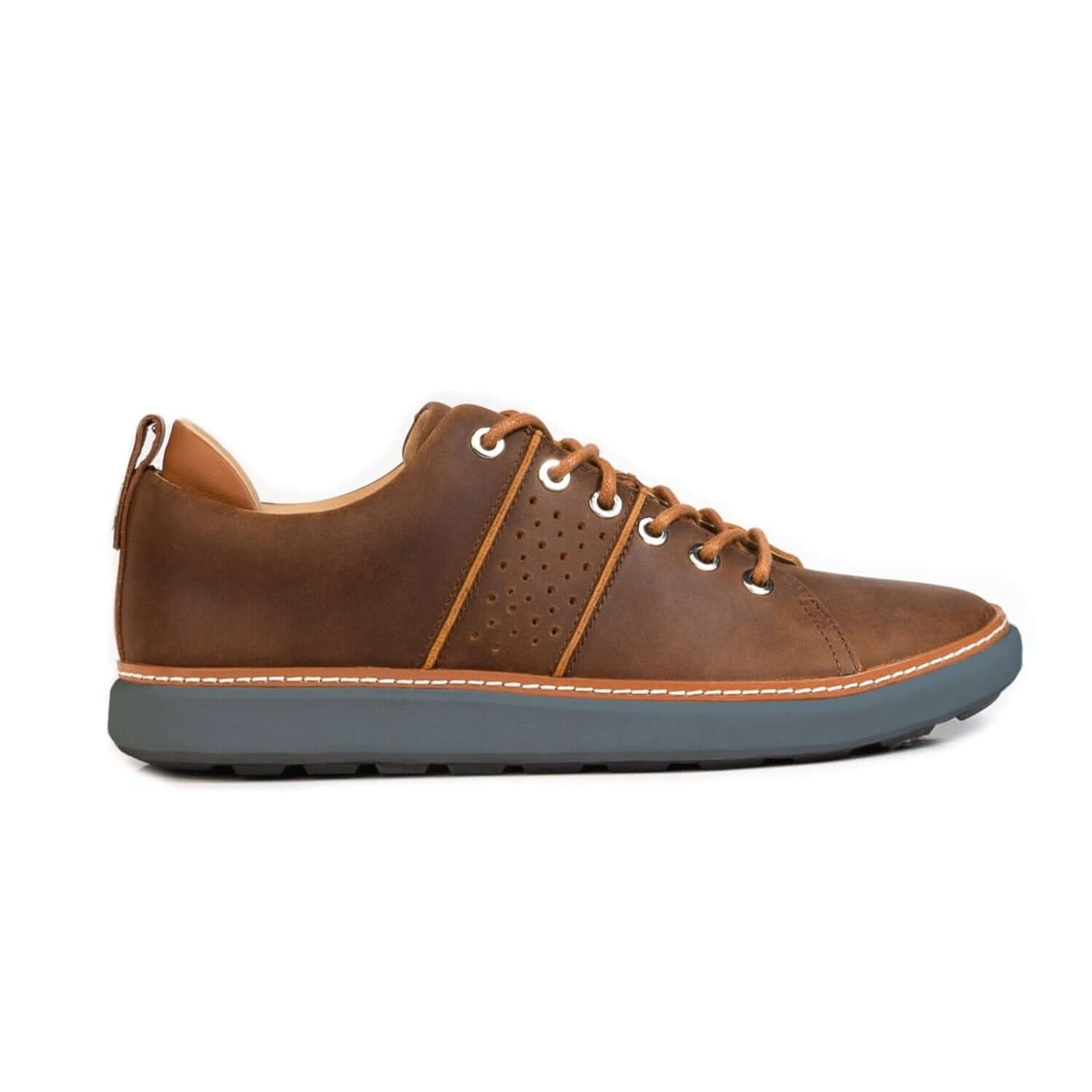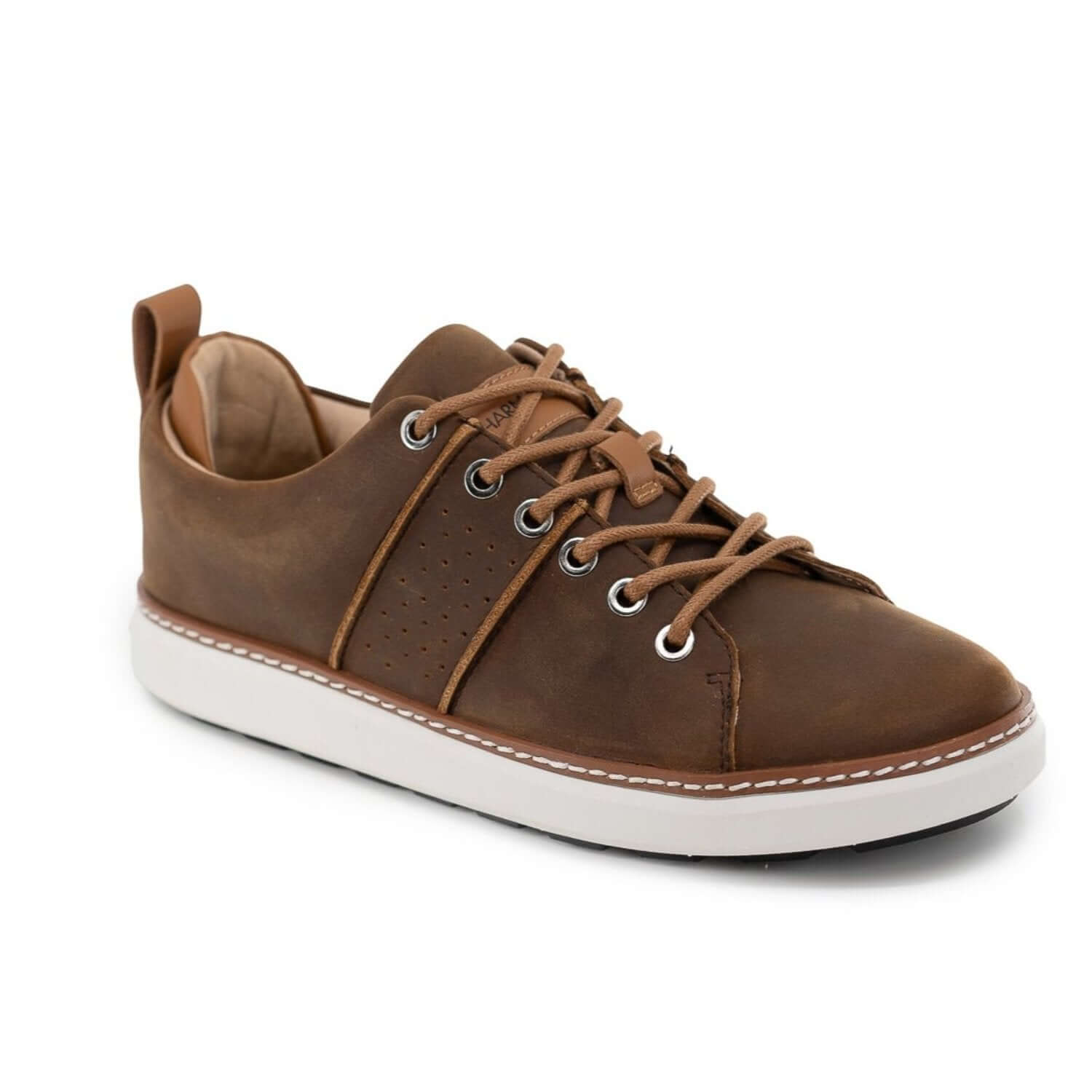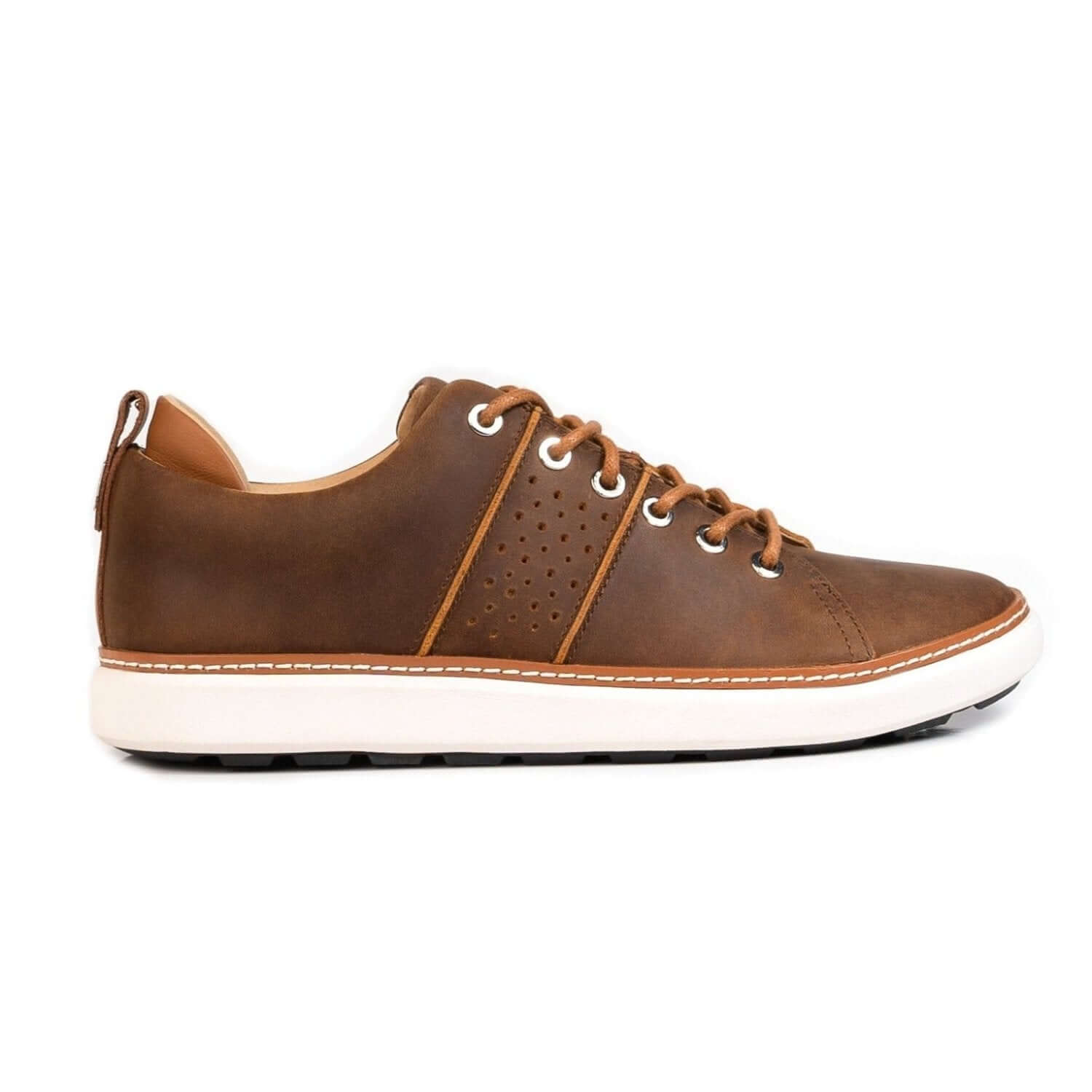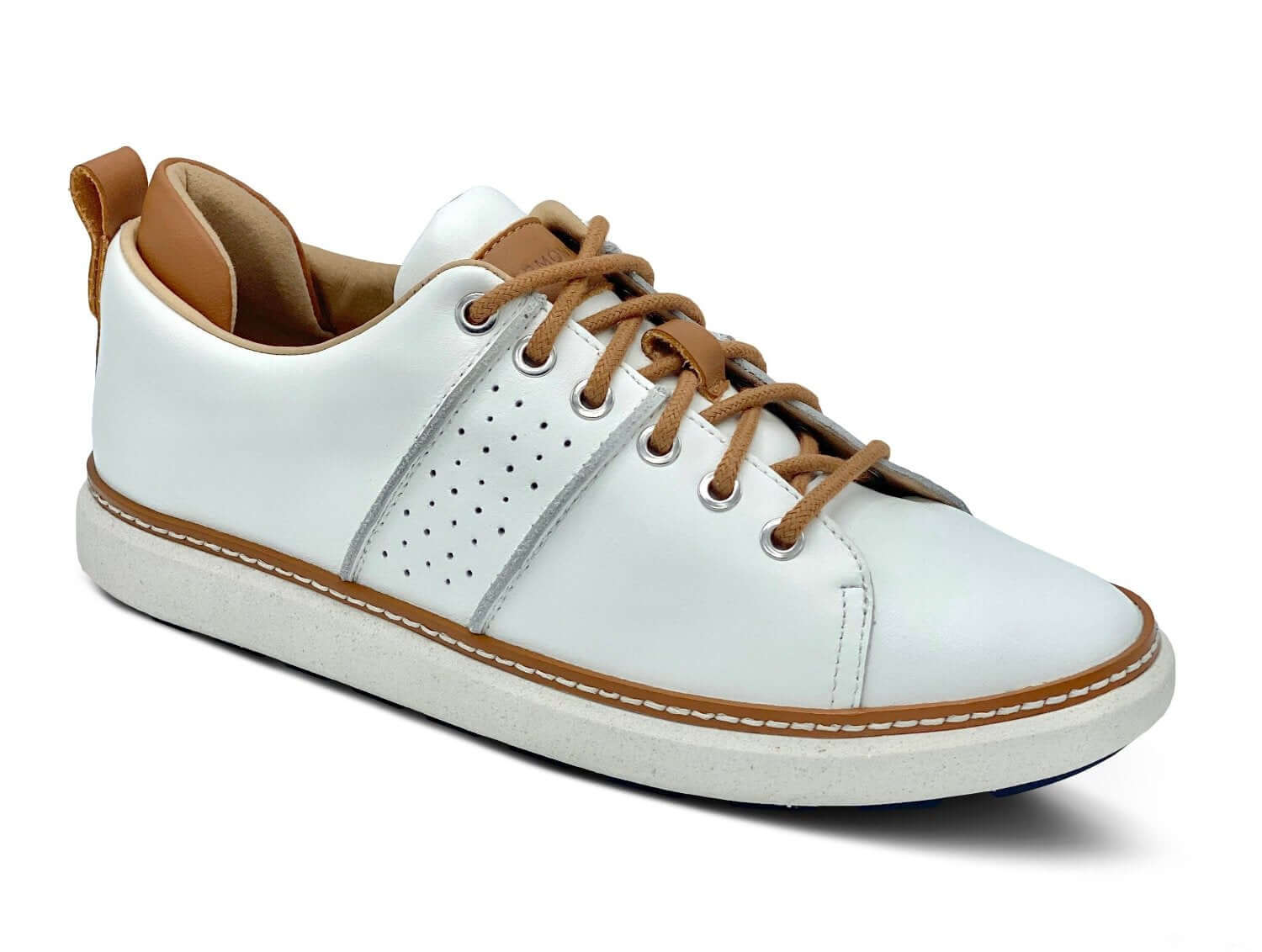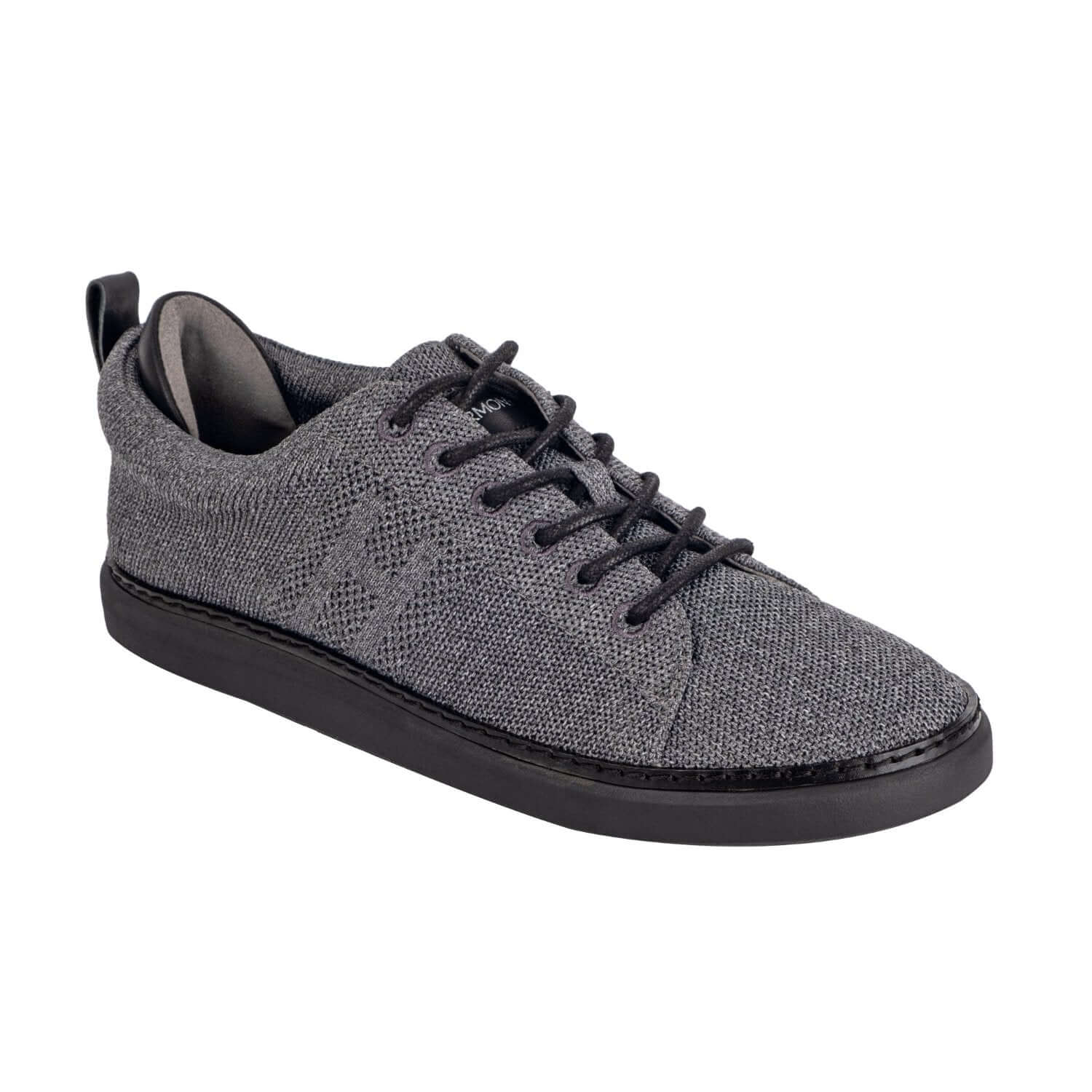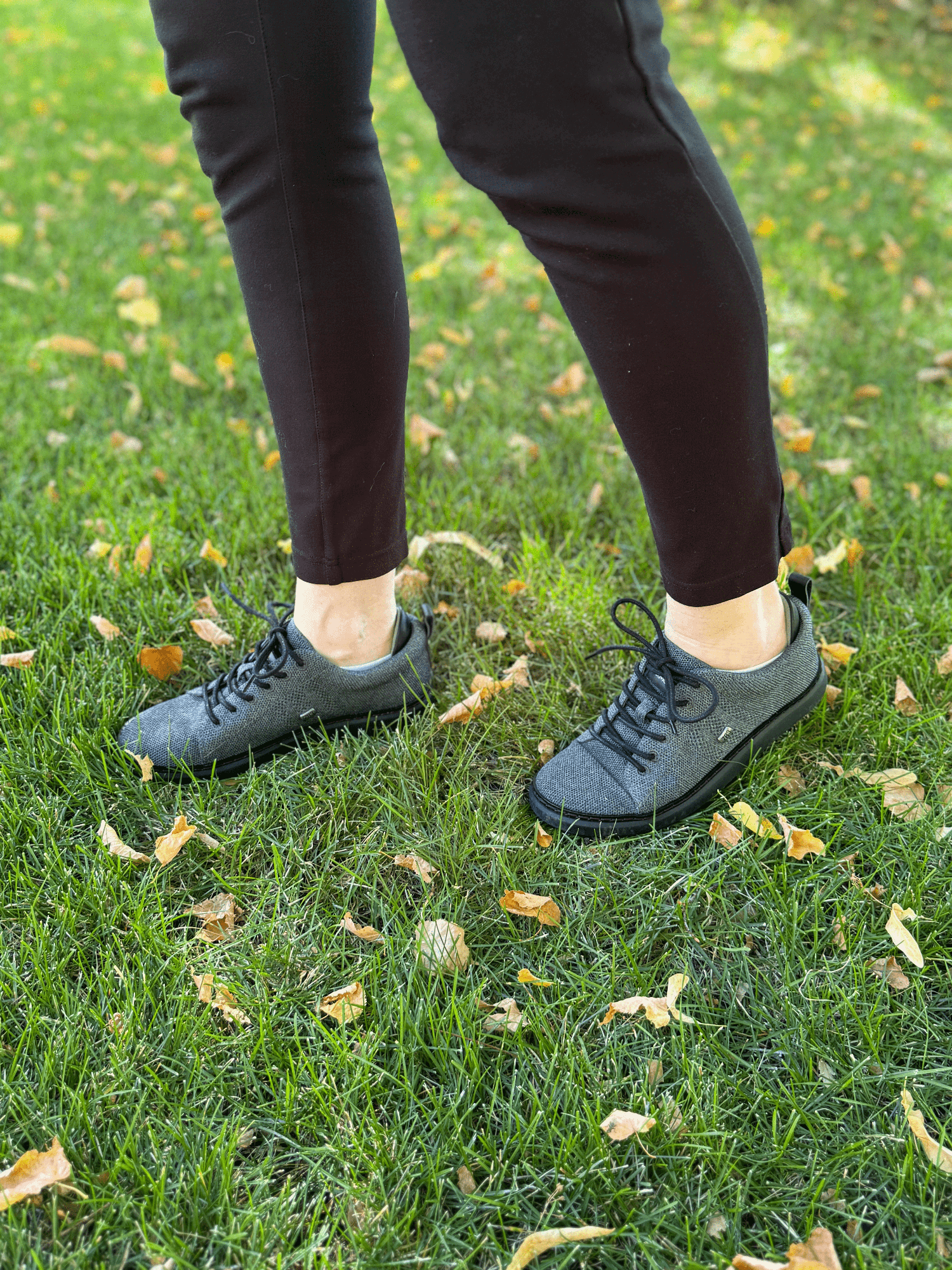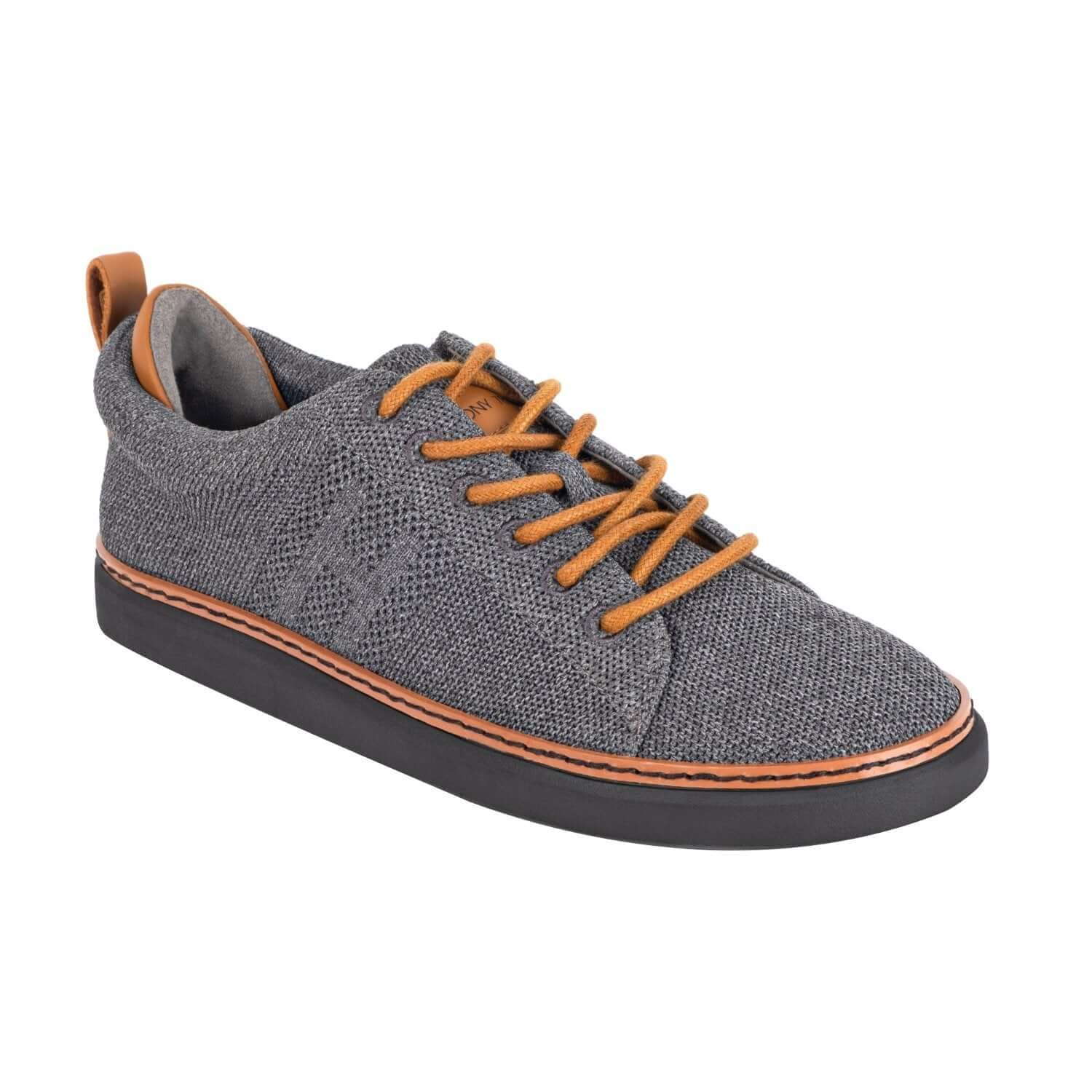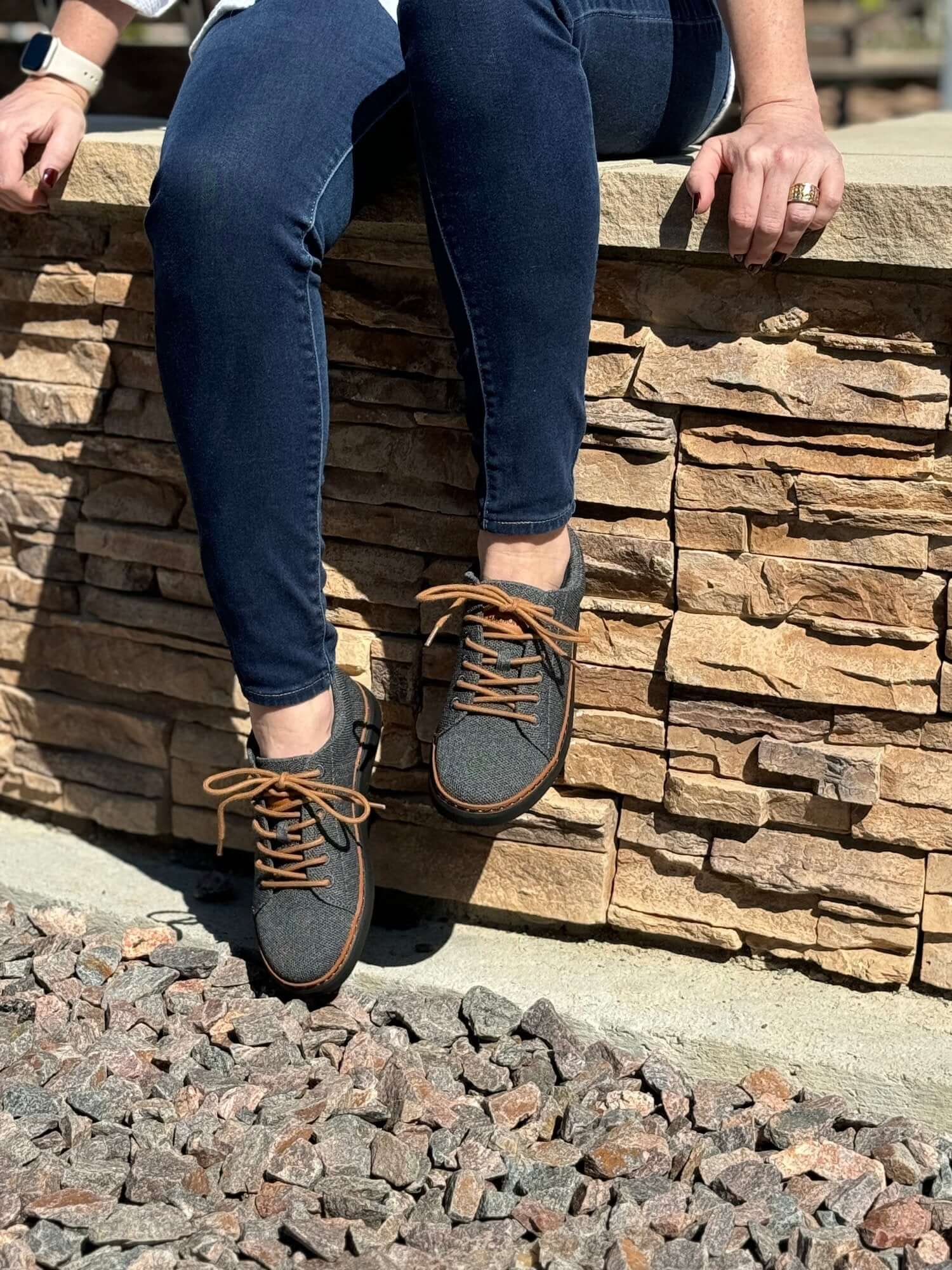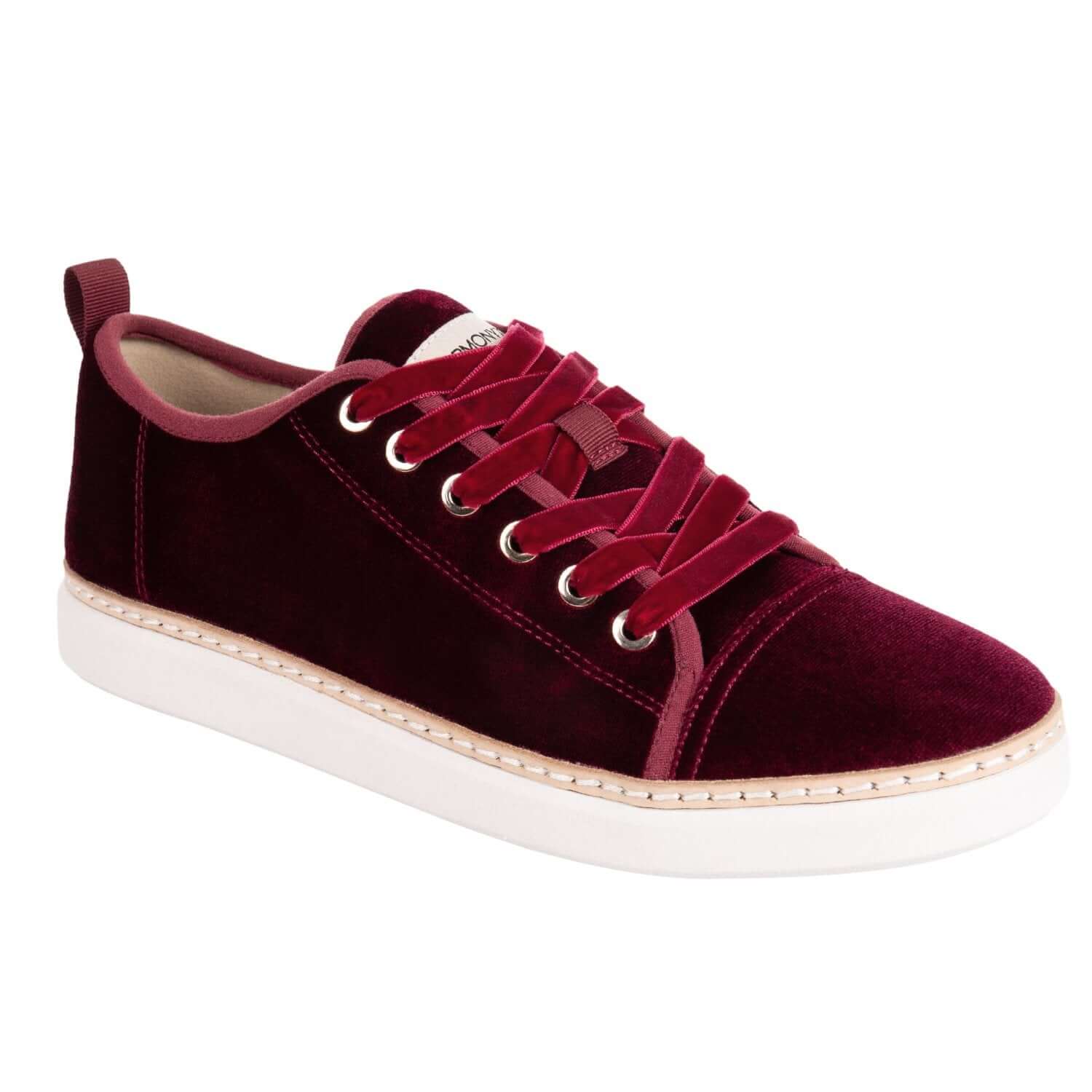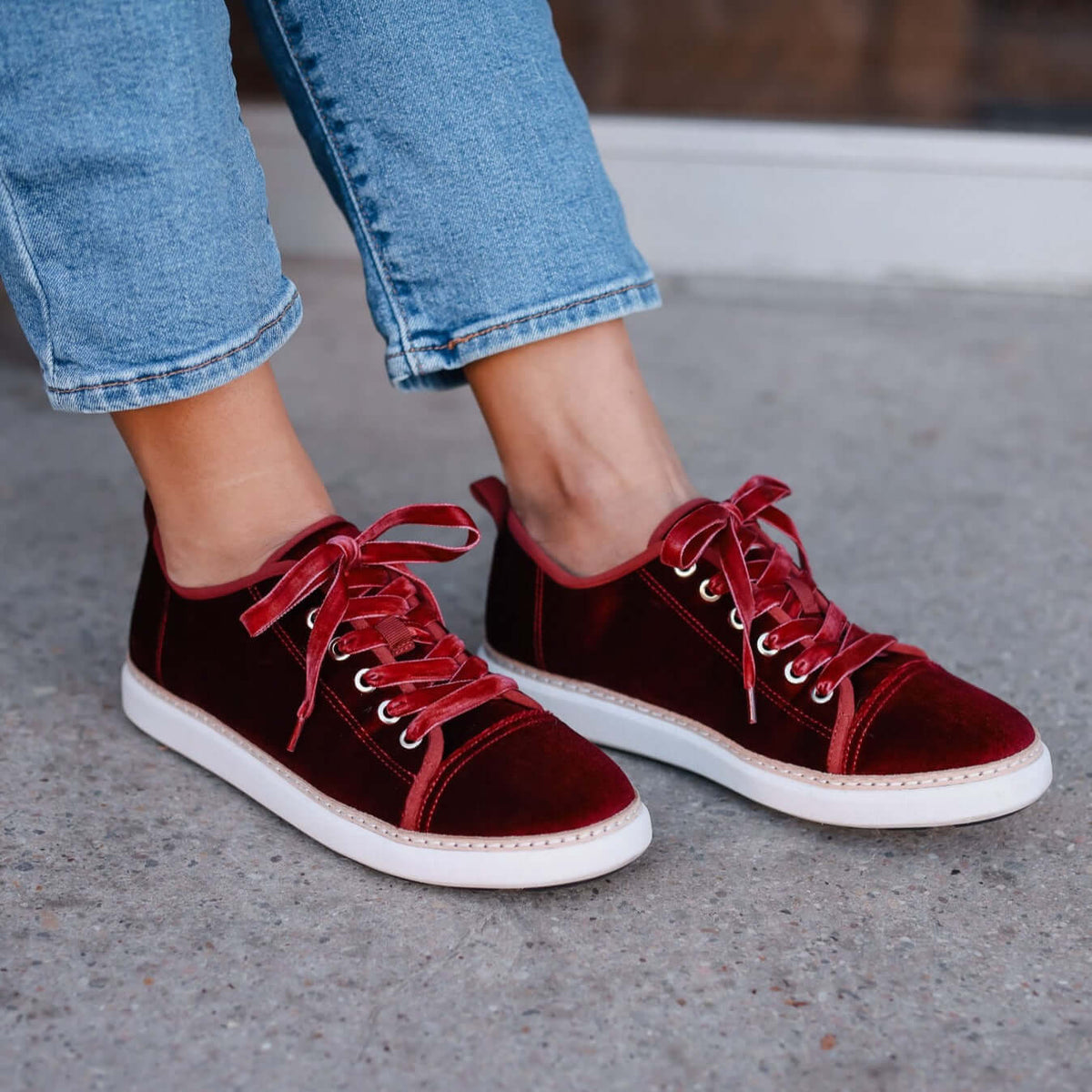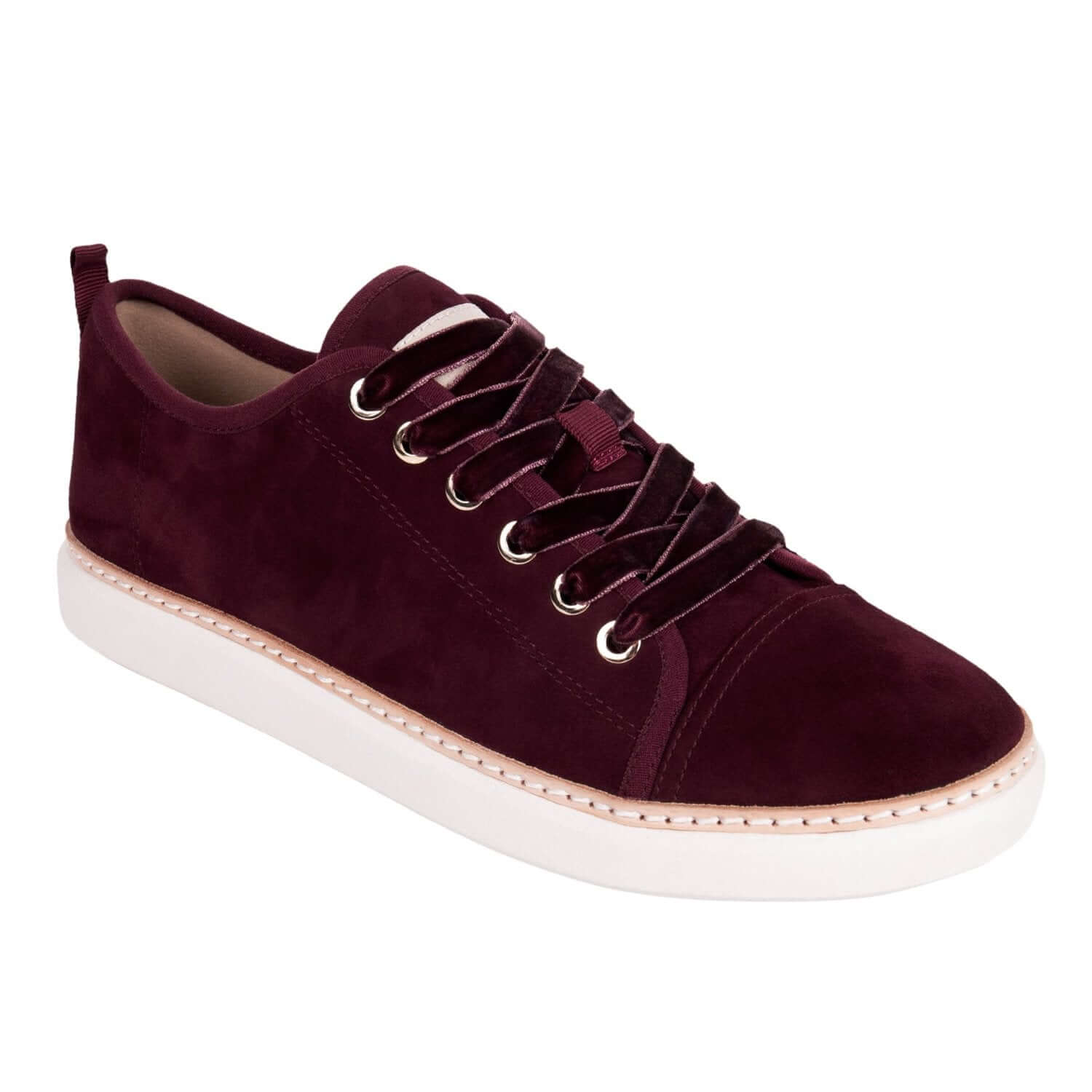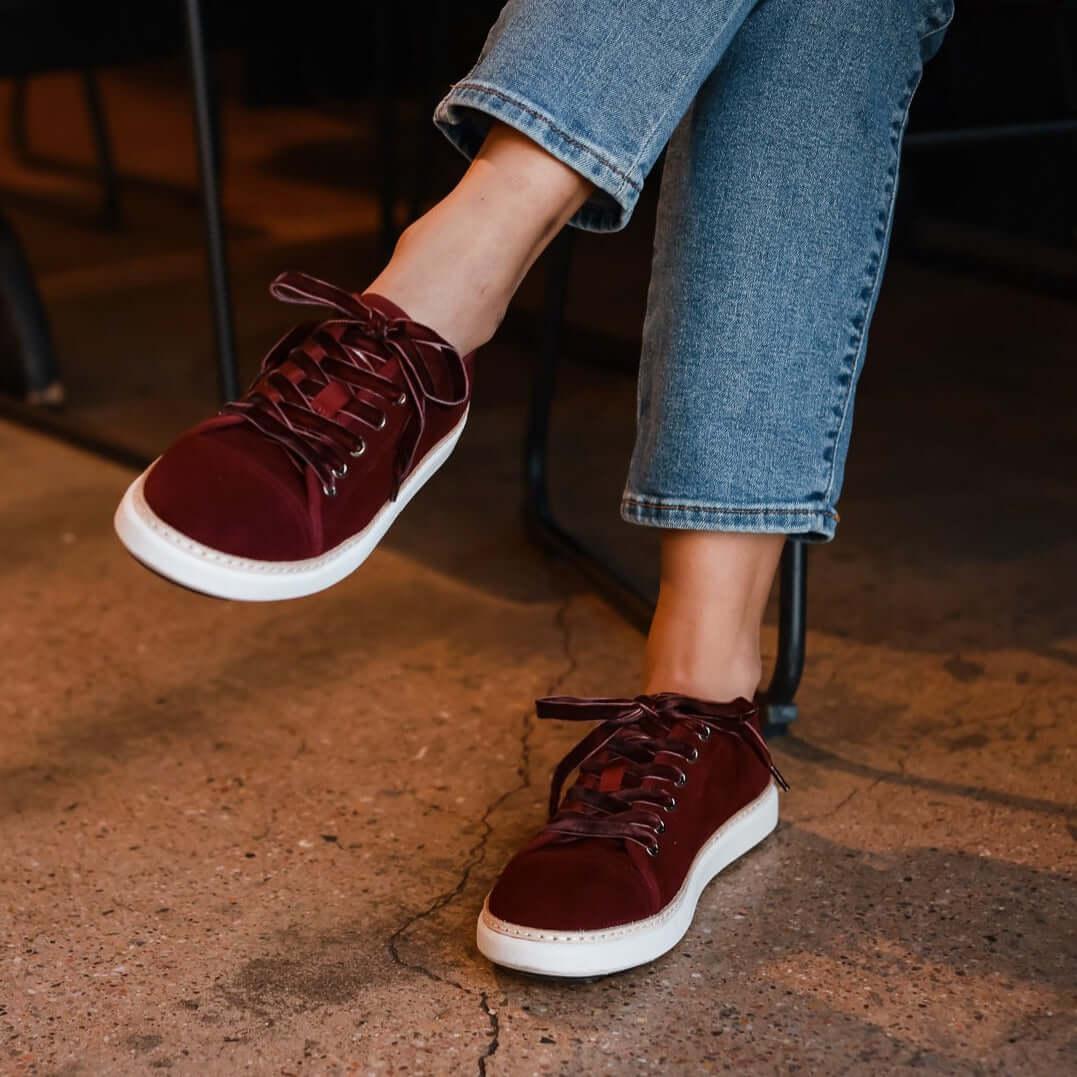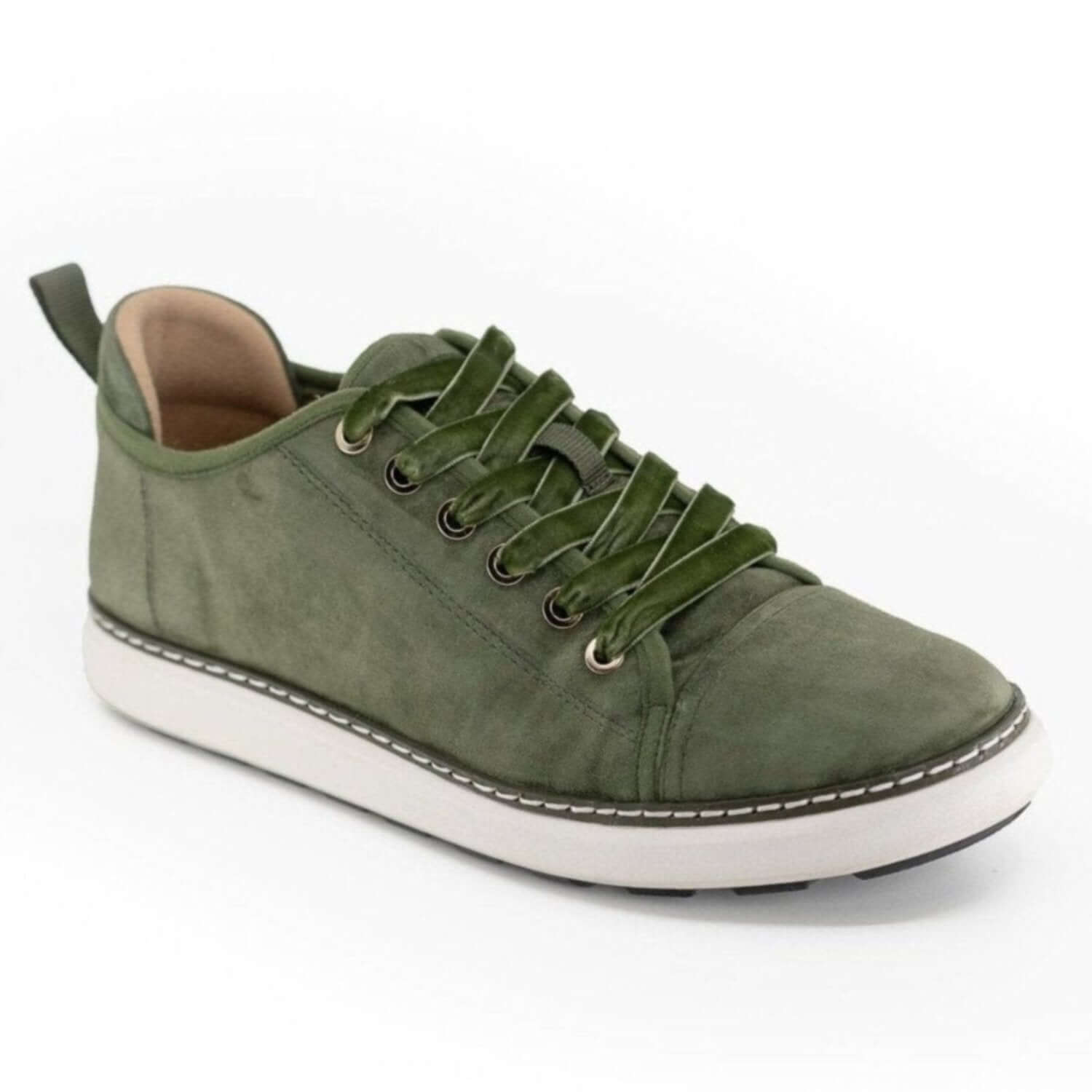

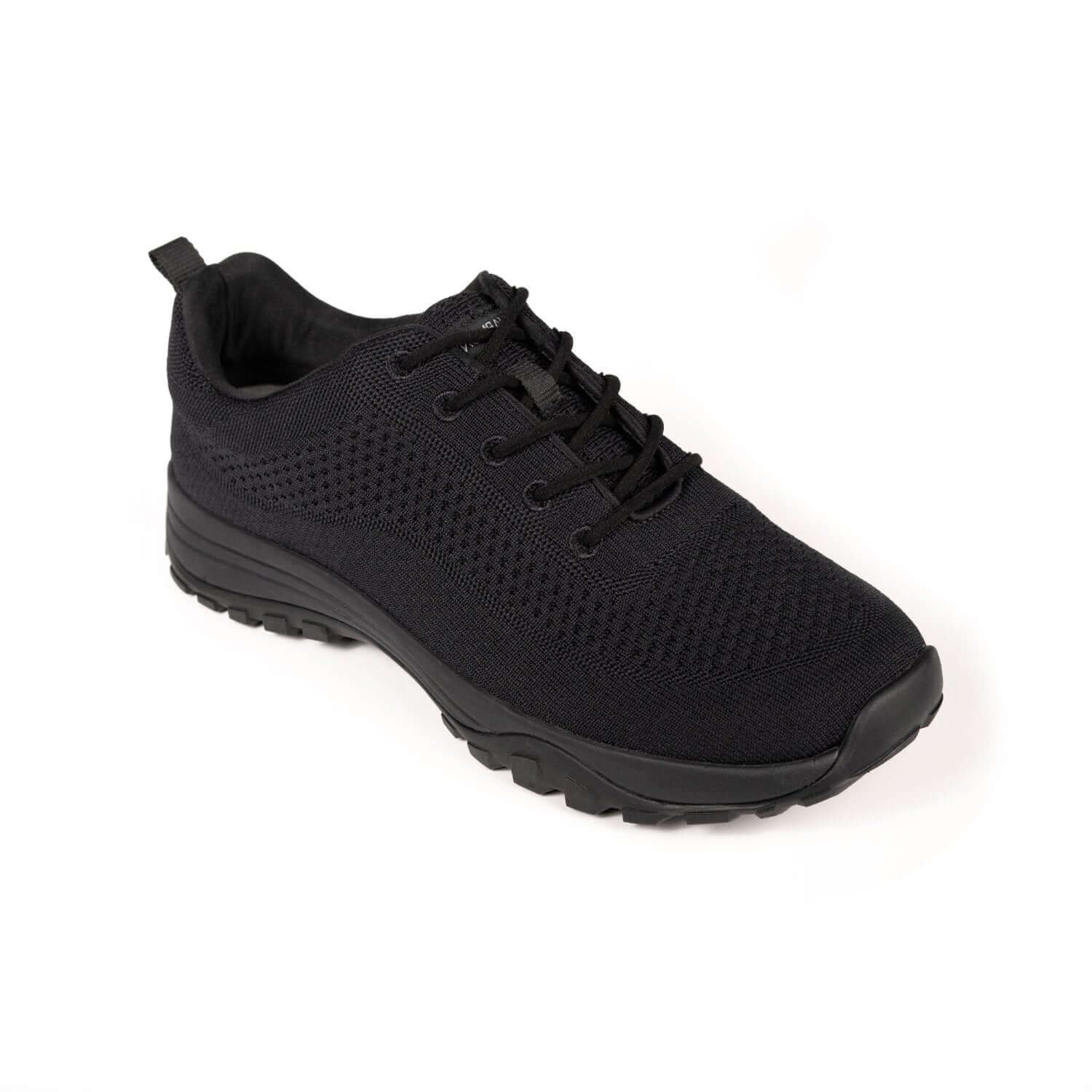
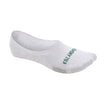
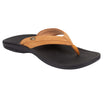
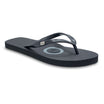




Grounding sandals can offer a practical way to explore earthing without walking barefoot. But an open toe, thin sole, or natural-looking design does not create a grounded connection on its own. The sandal needs conductive parts that are designed to carry a connection between your foot and the earth.
Browse the collection of grounding sandals when you are ready to compare purpose-built styles.
The benefits of grounding sandals may include a more convenient way to include grounding in an active routine, along with the comfort and style of regular footwear. These are wellness possibilities, not proven medical outcomes, so construction, fit, walking conditions, and evidence all matter.
That makes the first buying question simple: what separates a purpose-built grounding sandal from an ordinary sandal? The answer starts with the conductive system, then moves into comfort, outdoor use, care, and the limits of current research. For broader context, see our guide to conductive grounding footwear construction.
What Are the Benefits of Grounding Sandals?
Grounding sandals are designed for people who want to explore earthing while keeping their feet covered. They can offer a practical way to include grounding footwear in walks, errands, and other daily routines without going barefoot. The value is not simply that sandals are open or lightweight. A sandal must have conductive construction intended to support an electrical connection with the earth.
That distinction matters when you compare purpose-built grounding sandals with ordinary sandals. Open toes, thin straps, or a minimalist look do not automatically make footwear grounding. The design and materials must support conductivity. Learn more about how conductive earthing shoes work before treating appearance as proof of function.
For active people, one possible benefit is convenience. Grounding sandals can fit into a routine when going barefoot is impractical or unwanted. They also give shoppers another choice when looking for a balance of comfort, style, and grounding technology. The right option depends on the specific sandal's construction and how it fits your normal activities.
It is also important to keep the health discussion measured. Grounding is often associated with proposed wellness benefits, but those benefits should not be presented as established medical outcomes. Research into grounding and earthing is still limited, and a grounding sandal should not replace medical care or treatment. Think of the category as footwear designed to support a personal wellness practice, not as a guaranteed solution for a health condition.
In short, the main benefit is the opportunity to investigate grounding as part of everyday footwear use. The next question is how the sandal's conductive layers create that intended connection.
How Do Grounding Sandals Create a Conductive Connection?
An ordinary sandal protects your foot from the ground, but that does not make it a grounding sandal. A purpose-built design needs conductor elements that create a continuous path between the wearer and the earth. The open shape, thin straps, or minimalist look alone cannot provide that connection.
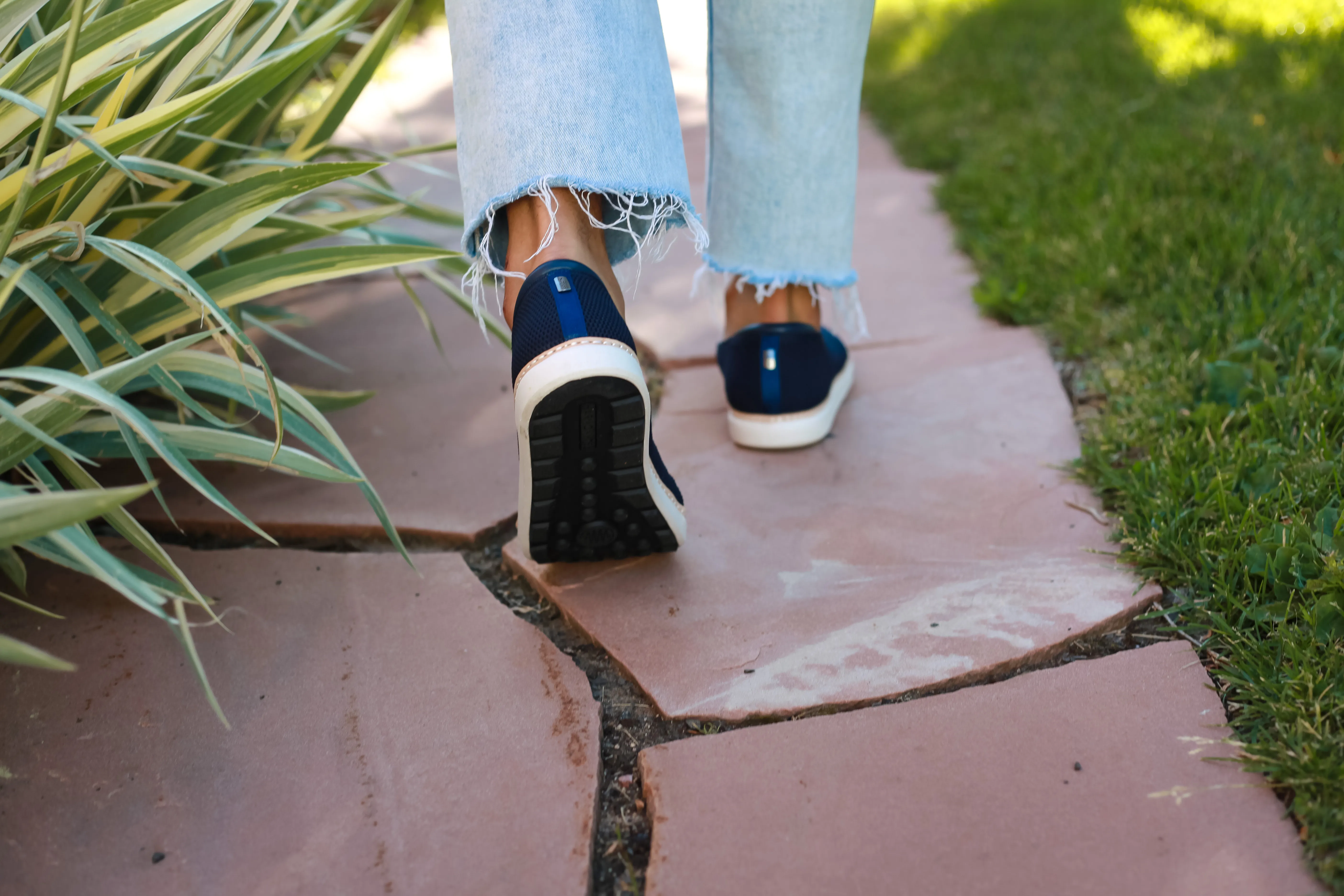
Harmony 783 describes its Groundworks technology as a five-layer conductive system. The stated design includes silver-stitched components, a cushioned midsole, and a carbon-and-rubber conductive outsole. The midsole addresses comfort, while the conductive elements are intended to support the electrical pathway. The company also says it tests all of its shoes for a grounded connection. These are product claims, so check the details for the specific sandal you are considering.
For a clearer explanation of how conductive earthing shoes work, compare the basic categories below:
| Footwear or contact | What makes contact? | Is grounding built in? |
|---|---|---|
| Ordinary sandals | Standard sole and upper materials | Not necessarily. |
| Barefoot contact | Direct skin-to-ground contact | No footwear involved. |
| Purpose-built grounding sandals | Designed conductor elements within the footwear | Yes, when the product is constructed and tested for that purpose. |
A research paper also uses the term "grounding shoes" for footwear containing conductor elements. That definition helps separate function from appearance. When comparing the benefits of grounding sandals, look for clear construction details and testing information. Do not assume that every sandal, barefoot-style shoe, or open-toe design provides an electrical connection.
Which Everyday Situations Can Grounding Sandals Support?
Grounding sandals can fit routines where you want the feel of an open sandal without going barefoot. They may suit active people who move between everyday errands, outdoor time, and relaxed walks. The practical goal is simple: choose footwear that fits the activity while offering purpose-built grounding construction.
That distinction is important. An open-toe sandal or minimalist sole is not automatically conductive. A grounding sandal needs a designed electrical pathway. Before relying on any pair for a particular routine, review its construction and the product guidance. For a clearer explanation of how grounding footwear works, start with the connection between footwear and walking surfaces.
Where might grounding sandals fit into a routine?
- Walking outdoors when you prefer not to go barefoot.
- Casual trips, errands, or time spent moving around outside.
- Relaxed days when you want a sandal that combines comfort, style, and grounding design.
- Active routines where a secure, supportive sandal is appropriate for the setting.
These examples describe possible use cases, not performance promises. Connection can depend on the sandal's conductive design and the conditions underfoot. It is also possible for a routine to call for a different shoe. If you need more protection, a closed style may be a better fit. If you are resting indoors, ordinary comfortable footwear may meet your needs.
Think of grounding sandals as one option for bringing a purpose-built feature into familiar parts of your day. Select them based first on fit and the demands of your routine. Then confirm that the model is designed for grounding rather than assuming its appearance tells the full story.
Related products


Choosing the right size is crucial for both aesthetic appeal and a proper fit.
View productHow Should You Check Comfort and Fit Before Buying?
The best sandal fit depends on how you plan to use it. Start with comfort, stability, and support, then confirm that the product is designed for grounding. The open shape alone does not create a conductive connection.

- Match the sandal to your activity. Think about where and when you will wear it. A sandal for relaxed daily walks may need different comfort priorities than one for longer periods on your feet. Compare the product description with your routine before you buy.
- Check the upper and straps. The sandal should hold your foot securely without creating sharp pressure points. Look for clear information about how the upper or straps adjust. Do not assume that a loose, open design will stay stable during every activity.
- Review foot placement. Your foot should sit naturally on the footbed, without hanging over the edges or sliding into the straps. If the product page provides fit guidance, follow that guidance rather than guessing.
- Look for support and cushioning. Comfort can include both cushioning and structure. Harmony 783 describes a cushioned midsole and offers arch-supportive grounding sandals, but the feel can vary by design. Review each product page for the details of the style you are considering.
- Take a short walking test. Walk indoors first, if permitted by the seller's policy. Notice rubbing, slipping, pressure, or uneven contact. Test the movements you expect to make, and stop if the sandal feels unstable or uncomfortable.
- Check the current return policy. Policies can change and may differ by product or condition. Read the current terms before ordering, including any requirements for trying or returning footwear. For a closer look at available styles, browse grounding sandals.
What Should You Know About Surfaces, Weather, and Care?
Grounding footwear depends on contact conditions. The sandal must be purpose-built with conductive components, and the walking environment can affect whether a connection is possible. An ordinary open sandal is not automatically a grounding sandal.
Surface, moisture, and weather can change how footwear performs in everyday use. That does not support a universal promise that grounding sandals work on every outdoor surface or in every season. If you want the technical background, read more about how grounding footwear works and the role of walking surfaces.
What should you check before wearing them outdoors?
- Confirm that the product is designed for grounding, rather than assuming an open-toe or minimalist style is conductive.
- Read the current product page for its stated surface, weather, water, and cleaning guidance.
- Consider whether the day's conditions match the footwear's intended use and your own comfort needs.
- Stop and reassess if the sandals become uncomfortable, damaged, or difficult to wear securely.
These practical limits are not necessarily a special downside of grounding sandals. They are a reason to understand the specific product instead of treating all grounded footwear as interchangeable. Harmony 783 cautions against inventing care instructions or outdoor-performance claims because those details can vary by product. For the most current information, review the grounding sandal collection before purchase.
What Does Research Say About the Benefits of Grounding Sandals?
Research on grounding explores two different questions: whether contact with the earth can be measured, and whether that contact produces meaningful health effects. Those questions are related, but they are not the same. They also do not establish that every sandal provides a grounding connection.
A 2011 study examined whether contact with the earth through a copper conductor affected physiologic processes. The researchers reported changes in several measured variables. But that study involved a particular research setup and should not be read as proof of a medical benefit from wearing sandals. You can review the study design and findings in the PubMed record.
Another study focused on the electrical side of grounding. Researchers measured current flow between people, or a control, and the ground under varied conditions. They reported small, nanoampere-scale currents that correlated with subject motion. Their conclusion was that current can flow between the earth and a grounded body, while the measured exchange was small and did not appear to carry information beyond movement. Read the 2014 study summary for the details.
There is also research on grounding shoes and running performance in elite competitive athletes. That work is useful context, especially because it describes grounding shoes as footwear containing conductor elements. However, running shoes are not sandals, elite-athlete results are not general consumer results, and neither is the same as sandal-specific medical proof.
For a broader explanation of what grounding research suggests, look at the study methods, population, footwear design, and measured outcomes. A careful reader should treat grounding sandals as a wellness and footwear choice, not as a substitute for medical care or a guaranteed treatment.
Are Grounding Sandals Right for Your Routine?
The right choice depends on what you want from your everyday footwear. If you value comfort, personal style, and grounding technology in the same pair, purpose-built sandals may fit more naturally into your routine than going barefoot. Harmony 783's range includes arch-supportive grounding sandals, with options intended to balance practical wear and a polished look.
Use this quick check before you decide:
- You may value purpose-built grounding sandals if: you want to explore grounding without going barefoot. You may also prefer sandal styles for warm-weather routines or want to consider arch support and cushioning alongside conductive design.
- Ordinary sandals may be enough if: your main priority is casual comfort or style and you are not looking for a sandal with conductive construction. An open toe or minimalist appearance alone does not create a grounded connection.
- Verify before purchase: check that the product is specifically described as grounding footwear, review the stated construction, confirm the fit and support details, and read the product's care guidance. Do not assume that every sandal uses the same materials or performs the same way.
Conductive construction is the key distinction. The brand's guidance is clear that sandal shape alone is not enough. Product-specific fit, care, and outdoor details can also vary, so use the individual product page as your final reference rather than applying a general assumption to every style.
Browse the grounding sandals collection to compare current styles and product details.
Frequently Asked Questions
Do grounding sandals work?
They are designed to create an electrical path between your body and the earth through conductive components. Whether that connection is present depends on the sandal's construction and the contact conditions around you. An open toe or thin sole alone does not make ordinary sandals grounding. Look for purpose-built conductive materials and product testing, then treat any wellness benefit as a possibility rather than a guarantee.
Do grounding shoes have health benefits?
Research has explored grounding and possible effects on the body, but it has not established grounding sandals as a medical treatment or proven solution for health conditions. A study on grounding shoes examined running performance in elite athletes, which is not the same as proving sandal-specific health outcomes. Use grounding footwear as part of a personal wellness routine, not as a replacement for medical care.
How long should you wear grounding sandals?
There is no evidence-based wear time that applies to every person or sandal. Start with a comfortable period during a normal routine, such as a short walk, and increase use only if the fit remains comfortable. Follow the product page's guidance, pay attention to pressure or rubbing, and stop if the sandals cause discomfort.
What are the downsides to grounded footwear?
Grounding sandals may not suit every activity, surface, weather condition, or foot shape. Open construction can offer less coverage than a closed shoe, and conductive performance depends on the footwear design and the contact conditions. Check the fit, intended use, care guidance, and return terms before buying. If you need specialized support or have a foot concern, ask a qualified health professional for advice.
Discover grounding sandals designed to bring purpose-built conductive footwear into your everyday routine.