























The surface of the Earth holds a subtle, natural electrical charge. When you make direct contact with it, your body can absorb free electrons, which act like tiny, powerful antioxidants. This simple scientific exchange is the basis for a practice called earthing, or grounding. It’s a passive way to help your body neutralize the free radicals that contribute to inflammation, pain, and chronic health issues. While it sounds complex, the practice is as simple as touching the ground. We’ll break down the fascinating research and explain the tangible benefits of earthing, showing how this connection can help you sleep deeper, feel calmer, and support your overall vitality.
Key Takeaways
- Grounding Helps Your Body Find Balance: Making direct contact with the ground allows your body to absorb the Earth's natural energy. Research suggests this connection can help calm inflammation, improve sleep, and reduce stress.
- Start with Simple, Daily Actions: You can begin by spending a few minutes barefoot on grass, sand, or dirt. For a more practical option, grounding shoes let you stay connected to the earth while you go about your day.
- Earthing is a Supportive Tool, Not a Cure: Think of grounding as a complementary practice that supports your healthy lifestyle. It is not a replacement for medical care, so it's always best to talk with your doctor about your personal health needs.
What is Earthing (or Grounding)?
Earthing, which you might also hear called grounding, is the simple practice of connecting your body directly to the Earth. Think of walking barefoot on a sandy beach, a grassy park, or a dirt path. This physical contact allows your body to sync up with the Earth's natural energy. While going barefoot is a fantastic way to start, you can also get these benefits on the go with specially designed grounding shoes or other indoor products that help you stay connected. It’s a foundational wellness practice that’s as simple as touching the ground.
The Science of Connecting to Earth
So, what’s actually happening when your feet touch the ground? The Earth’s surface has a subtle, natural electrical charge, and it’s packed with free electrons. When you make direct contact, your body can absorb these electrons. Think of them as tiny antioxidants, flowing from the ground into you. Research suggests these electrons may help balance your body’s electrical state and neutralize damaging free radicals, which are unstable molecules linked to inflammation and disease. This simple connection helps your body find a more natural equilibrium. You can learn more about the techniques and benefits of grounding to see how it works.
How Earth's Electrons Impact Your Body
Once these free electrons from the Earth enter your body, they can get to work. One of their main jobs is to help calm inflammation. Studies on the effects of grounding show it can reduce common signs of inflammation like pain, redness, and swelling. This process may also lead to better sleep by helping to normalize your daily rhythm of cortisol (the stress hormone). Many people report feeling less pain and an overall sense of calm after making grounding a regular habit. It’s not about adding something complex to your routine; it’s about tapping into the Earth’s natural ability to help your body function at its best.
How Earthing Can Support Your Health
Connecting with the earth is more than just a feel-good practice; it’s a simple way to support your body’s natural ability to heal and find balance. When you make direct contact with the ground, you allow a subtle, natural energy to flow into your body. This connection can have a noticeable impact on your physical and mental well-being, from how you sleep at night to how you handle stress during the day. Think of it as plugging into a gentle, restorative power source that’s been here all along. The science behind earthing points to several key health benefits that can help you feel more vibrant and centered in your daily life. By understanding how this simple act works, you can start to see why so many people are making it a non-negotiable part of their wellness routine.
Soothe Inflammation and Ease Pain
One of the most significant benefits of earthing is its potential to calm inflammation. After an injury, you typically see signs like redness, swelling, and pain. Research suggests that grounding helps lessen these common markers of inflammation. By connecting with the earth, you may help your body manage its inflammatory response more effectively. In fact, studies using medical infrared imaging have shown that grounding can quickly reduce chronic inflammation and the pain associated with it. This makes earthing a powerful, natural tool for anyone dealing with persistent aches or recovering from physical strain.
Enjoy Deeper, More Restful Sleep
If you struggle to get quality sleep, earthing might offer a solution. The practice appears to improve sleep by helping to regulate your body’s internal clock. It does this by influencing cortisol, the hormone most associated with stress. Your cortisol levels should naturally be highest in the morning to wake you up and lowest at night to help you wind down. Stress can throw this rhythm off track, leaving you feeling wired at bedtime. Grounding helps normalize the body's daily stress hormone rhythm, which can lead to falling asleep faster and enjoying a deeper, more restorative rest.
Calm Your Mind and Reduce Stress
Earthing can have a profound effect on your nervous system, helping you shift from a state of stress to one of relaxation. Many of us spend our days in a "fight or flight" mode, driven by the sympathetic nervous system, which keeps us alert but also anxious. Grounding encourages a switch to the "rest and heal" state, governed by the parasympathetic nervous system. This transition promotes a sense of calm and can lower feelings of anxiety. Studies show that grounding helps shift the autonomic nervous system in this way, making it a simple yet effective method for managing daily stress.
Feel More Energized
While earthing helps you relax, it also contributes to feeling more energized throughout the day. This isn't a contradiction; it's a result of your body functioning more efficiently. When you get better sleep and experience less stress, your body has more resources available for daytime activities. You wake up feeling truly rested instead of groggy. Regular earthing practice has been linked to improved mood and increased energy, helping to reduce feelings of fatigue. It’s a sustainable way to support your energy levels without relying on caffeine or other stimulants.
Support Your Circulation and Heart
Emerging research suggests that earthing can also benefit your cardiovascular system. One way it may do this is by improving blood flow. Some studies indicate that grounding can reduce blood viscosity, which is a technical term for how thick or sticky your blood is. By making blood less viscous, earthing may help prevent red blood cells from clumping together. This allows your blood to flow more freely through your vessels, which is great for your overall circulation and heart health. It’s another example of how connecting to the earth supports your body’s fundamental processes.
What Does the Research Say?
It’s one thing to feel the benefits of grounding, but it’s another to see what the science says. While earthing is a practice as old as time, modern research is just beginning to explore its effects on the body. The findings are pretty fascinating and point to several key areas where connecting with the Earth can support our well-being. Let’s look at what some of the studies suggest.
The Science on Inflammation and Immunity
If you’ve ever dealt with an injury or chronic pain, you know inflammation well. Research suggests that when you connect your body to the Earth, free electrons can enter your body. These electrons act like natural antioxidants and can help reduce inflammation. Studies have observed a reduction in the common signs of inflammation after an injury, including redness, heat, swelling, and pain. This process may also support a healthier immune response and even speed up wound healing, giving your body a gentle assist in its natural recovery process.
Grounding's Effect on Sleep and Cortisol
A good night's sleep can feel like a total reset. Interestingly, grounding seems to play a role in our sleep-wake cycle. Some studies show that it helps normalize the body’s daily rhythm of cortisol, which is our primary stress hormone. Ideally, cortisol is highest in the morning to wake us up and lowest at night so we can sleep. Grounding might help lower stress hormones in the evening, which can lead to falling asleep more easily and enjoying a more balanced, restorative sleep pattern.
Impact on Heart Health and Antioxidants
Heart health is a cornerstone of overall wellness, and early research indicates grounding may offer some support here, too. Some findings suggest that grounding could make blood less thick, which is a positive factor for cardiovascular health and circulation. This effect may also contribute to better wound healing. Additionally, by transferring the Earth’s free electrons to the body, grounding appears to help our natural antioxidant systems work more efficiently. This helps protect the body from the oxidative stress that contributes to inflammation and aging.
What We're Still Learning
It's important to remember that earthing research is still a developing field. While the initial studies are promising, scientists agree that more large-scale research is needed to fully understand the mechanisms and benefits. The current evidence points toward potential improvements in inflammation, blood flow, and stress, but it’s not a cure-all. The good news is that earthing is generally considered a simple, low-risk way to connect with nature. It’s an accessible wellness practice you can easily add to your routine.
Common Misconceptions About Earthing
As more people discover the benefits of connecting with the earth, it’s natural for questions and myths to pop up. While the concept is simple, it’s easy to get the wrong idea. Let's clear up a few common misconceptions so you can approach earthing with confidence and a clear understanding of what it can do for your wellness routine. Think of grounding not as a complicated new regimen, but as a simple return to a more natural state of being. By understanding what earthing is, and what it isn’t, you can make it a sustainable and effective part of your life.
It's Not a Magic Cure-All
It’s exciting to learn about the potential health benefits of earthing, but it’s important to keep a balanced perspective. Grounding is a powerful wellness tool, not a magic bullet. Think of it as a way to support your body’s natural healing processes and reduce the daily static that builds up from modern life. While many people report feeling better, sleeping deeper, and having less pain, earthing is not a cure for medical conditions. Instead, it's a simple, low-risk practice that can improve your health and well-being by reconnecting you to nature. It’s one piece of a larger wellness puzzle.
It Complements, Not Replaces, Medical Advice
This is a big one. Earthing should be seen as a complementary practice that works alongside a healthy lifestyle and professional medical care, not in place of it. If you have an ongoing health issue or are taking medication, it's always best to speak with your doctor before starting any new wellness practice, including grounding. Your doctor can provide guidance tailored to your specific health needs. While grounding is generally considered safe, being open with your healthcare provider ensures that all parts of your wellness plan work together harmoniously. Think of earthing as a supportive habit, much like eating well or getting regular exercise.
You Don't Need Fancy Gear to Start
One of the best things about earthing is its simplicity. You don’t need any special equipment to begin. The easiest and most direct way to practice grounding is to simply go outside and make direct contact with the earth. Walk barefoot on grass, sand, or dirt. Sit in your garden and place your bare feet on the ground. These simple acts cost nothing and allow you to experience the benefits firsthand. Of course, going barefoot isn't always practical or possible. That’s where products like grounding shoes come in, offering a convenient way to stay connected on the go. But to start? All you need is yourself and the ground beneath you.
Where Does Earthing Fit in Your Wellness Routine?
Think of your wellness routine as a team of all-stars. You have your diet, your exercise plan, and your mindfulness practice all working together. So, where does earthing fit in? It’s not here to replace anyone on the team; it’s here to make the whole team stronger. Grounding is a foundational practice that complements the healthy habits you already have, helping you get even more out of your efforts. It’s a simple, passive way to support your body’s natural ability to heal and find balance, making it a seamless addition to any lifestyle. By connecting directly with the earth, you’re tapping into a constant source of wellness that can amplify the benefits of everything else you do for your health.
How Grounding Complements Diet, Exercise, and Mindfulness
You can think of grounding as the quiet support system for your other wellness habits. It works behind the scenes to create a better internal environment, making your other efforts more effective. For instance, studies show that grounding helps normalize your daily cortisol rhythm and shifts the nervous system toward a more relaxed state. When your body isn't in a constant state of stress, you sleep more deeply, recover from exercise more efficiently, and find it easier to make mindful food choices. The best part? It doesn’t require a huge time commitment. Many people report feeling benefits after just 30 minutes, and a daily practice of 10 to 20 minutes is a great place to start.
Why the Wellness World is Paying Attention
The wellness community is buzzing about earthing for a good reason: it’s a simple, natural, and accessible way to support your health. The core idea is that direct contact with the ground helps your body absorb free electrons from the earth’s surface. These electrons are believed to act like natural antioxidants, helping to neutralize free radicals and reduce the inflammation that is often at the root of many health concerns. While it’s not a cure-all, this simple practice is being explored for its potential to ease stress, improve sleep, and support overall vitality. It’s a return to a more natural way of living that our bodies instinctively understand.
Simple Ways to Practice Earthing Daily
Making earthing a part of your daily life is easier than you might think. It doesn’t require a huge time commitment or a complete overhaul of your schedule. The goal is simply to make direct contact with the earth’s surface, allowing your body to absorb its natural energy. You can start with just a few minutes a day and find what works best for you and your lifestyle.
The beautiful thing about grounding is its simplicity. It’s about getting back to a connection we’ve lost in our modern world, where rubber-soled shoes and indoor living are the norm. Whether you have five minutes or an hour, you can find a way to plug back into the planet. From kicking off your shoes in the backyard to wearing specially designed footwear, there are plenty of ways to weave this practice into your routine. Let’s explore a few simple, actionable methods you can start using today.
Go Barefoot on Natural Surfaces
The simplest way to practice earthing is to take off your shoes and socks and let your feet touch the ground. This direct skin-to-earth contact is the original, most fundamental way to ground yourself. When you stand barefoot on a natural surface, your body can connect with the Earth's gentle electric charge.
Think of it as a mini-reset. Find a patch of grass at a local park, feel the sand between your toes at the beach, or simply stand on the dirt in your backyard. Even just a few minutes of direct contact can help you feel more centered and connected. It’s a free, accessible wellness practice you can do almost anywhere you can find a bit of nature.
Sit, Garden, or Relax Outdoors
You don't have to be standing to practice earthing. Any activity that puts your skin in direct contact with the ground works. If you enjoy gardening, try doing it without gloves to let your hands sink into the soil. You can also get your daily dose of grounding by simply sitting or lying down on the grass or sand.
Take your book outside and lean against a tree, have a picnic on a blanket at the park and let your feet rest on the grass, or go for a swim in a natural body of water like a lake or the ocean. These activities combine the relaxing benefits of being in nature with the physical act of grounding, making it feel less like a task and more like a natural part of your day.
Wear Grounding Shoes
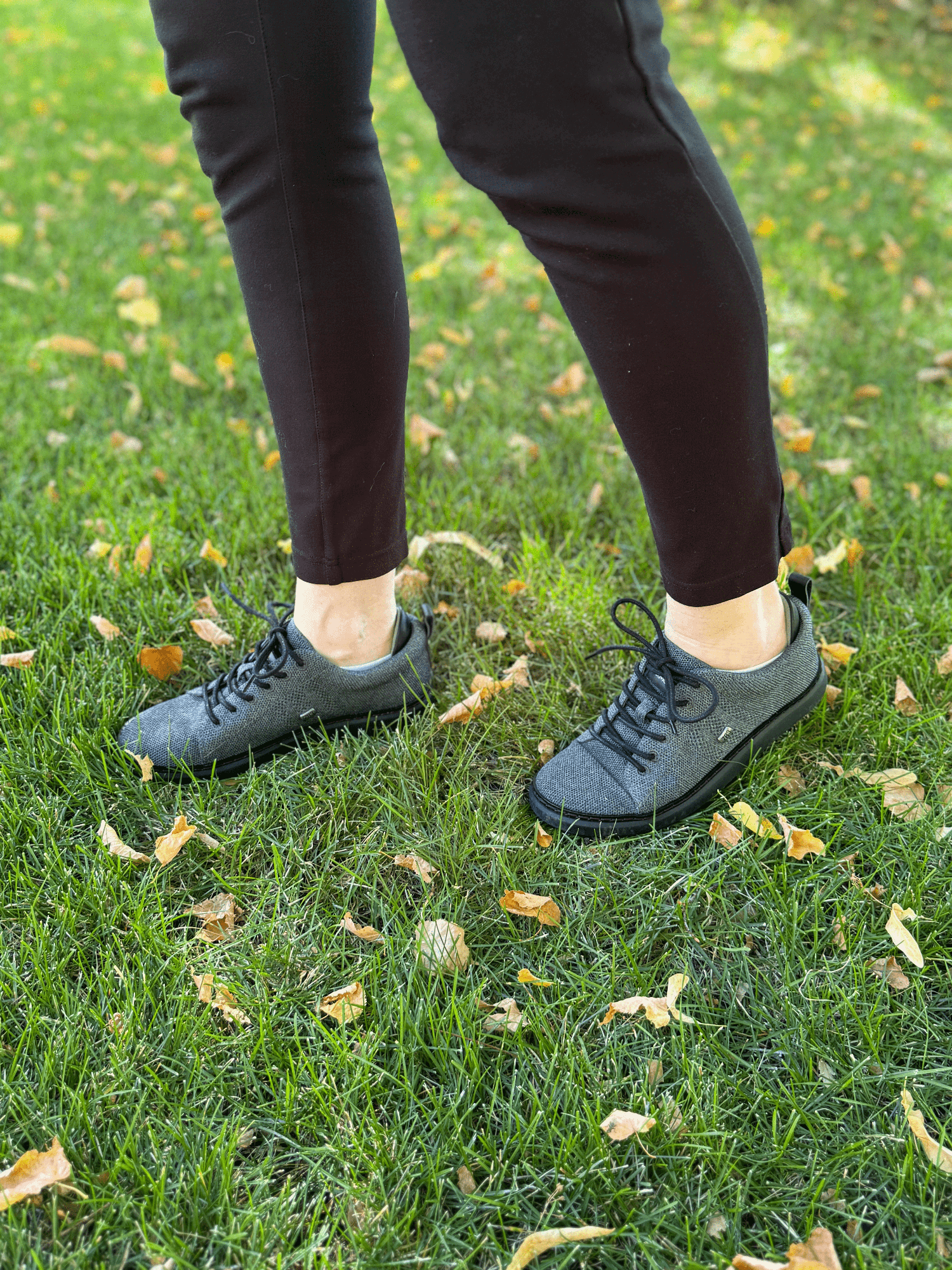
Let’s be honest, going barefoot isn’t always practical or possible. That’s where grounding shoes come in. Unlike typical shoes with rubber soles that insulate you from the earth, grounding shoes are designed with conductive materials that allow you to stay connected. This means you can get the benefits of earthing while walking on the sidewalk, running errands, or heading to work.
These shoes are a game-changer for anyone with a busy lifestyle who still wants to make grounding a priority. They offer a seamless way to integrate earthing into your daily routine without having to set aside extra time. You get the protection and style of a regular shoe with the added benefit of a constant, gentle connection to the earth beneath you.
Try Indoor Grounding Products
When you can't get outside or want to practice earthing while you work or sleep, indoor grounding products are a great option. These tools are designed to bring the earth's energy inside your home. The most common products are mats, blankets, and mattress pads that you can place under your feet at your desk, sit on while you watch TV, or sleep on at night.
These products typically work by plugging into the ground port of an electrical outlet, which connects to the earth via your home's wiring. This allows you to stay grounded for extended periods, even when you’re stuck indoors. Many people find that using an indoor grounding mat is an effective way to reduce stress during a busy workday or improve sleep quality overnight.
What to Look for in Grounding Shoes
If you want to make earthing a seamless part of your day, grounding shoes are a fantastic way to do it. While going barefoot is the simplest way to connect, it isn't always practical. That's where the right footwear comes in. Most everyday shoes have rubber soles that insulate you from the earth, but grounding shoes are specifically designed to reconnect you. When you're shopping for the right pair, there are a few key features to keep in mind to make sure you get the most out of every step.
A Conductive Sole
The most important feature of any grounding shoe is a conductive sole. This is the technology that allows the shoe to do its job. These soles are made with materials that let the earth’s natural energy transfer up into your body, mimicking the effect of being barefoot. This connection is what allows you to experience the wellness benefits. Research shows that this simple, conductive link is powerful, as grounding can lead to significant reductions in pain and inflammation markers. Without a conductive sole, a shoe simply can’t connect you to the ground.
Comfort and Durability
For grounding to become a consistent practice, it needs to feel good. If your shoes are stiff or unsupportive, you’re not going to wear them often. Look for pairs with good cushioning and arch support that feel great right out of the box. Studies emphasize that footwear should provide adequate support and comfort to encourage daily wear. Durability is also key. High-quality materials mean your shoes will hold up to your lifestyle, making them a worthwhile investment in your long-term health and wellness routine.
Versatile, Everyday Style
Let’s be honest, if you don’t love how your shoes look, they’ll probably stay in the closet. The best grounding shoes are the ones you actually want to wear. Thankfully, today’s grounding shoes come in a wide range of styles, from walkers and sneakers to sandals and slip-ons. Finding a versatile pair that matches your personal style makes it easy to integrate grounding into your daily life. This consistency is important, as making grounding a regular habit can lead to greater health benefits. When your shoes fit your life, staying grounded becomes effortless.
Are There Any Risks to Earthing?
Connecting with the earth is one of the most natural things we can do, and it's generally very safe. However, just like taking a walk in the park, it’s smart to be aware of your surroundings and take a few simple precautions. Thinking about safety doesn't take away from the experience; it just ensures you can relax and enjoy all the benefits grounding has to offer without any worries. Whether you’re practicing earthing outdoors or using products inside, a little bit of mindfulness goes a long way. Here are a few things to keep in mind before you get started.
Be Mindful of Outdoor Hazards
If your favorite way to ground is by walking barefoot, it’s important to watch where you step. Natural environments can have hidden hazards like sharp rocks, thorns, or broken glass. Walking barefoot can also expose your skin to bacteria or fungi in the soil, so it's a good idea to care for your feet and wash them afterward. If you have seasonal allergies, you might also encounter pollen, and you’ll be sharing the space with insects. The key is simply to be aware. Choose clean, familiar places like your own backyard or a well-maintained park, and always scan the ground before you kick off your shoes.
Use Indoor Products Safely
Indoor grounding products like mats and sheets are fantastic tools, but they come with one non-negotiable rule: they must be used correctly. These products work by connecting to the ground port of a properly grounded electrical outlet. If your home is older or you’re unsure about your wiring, it’s worth having an electrician confirm your outlets are grounded. Never use an indoor grounding product during a thunderstorm. Since the product is connected to your home's electrical system, a lightning strike could pose a serious risk. It’s a rare event, but safety always comes first, so it's best to unplug everything when a storm rolls in.
Health Conditions to Consider
While earthing is beneficial for most people, it’s always wise to chat with your doctor before starting any new wellness practice, especially if you have certain health conditions. For example, if you have nerve damage in your feet (neuropathy), you might not feel a cut or injury. If you have severe allergies to things like insect stings, you’ll want to be extra careful outdoors. It's also a good idea to consult a professional if you are pregnant, as soil can sometimes contain contaminants, or if you have a weakened immune system. Your doctor can help you weigh the benefits and decide on the safest way for you to practice grounding.
When to Talk to Your Doctor
As you learn more about what grounding is and how it might fit into your life, it’s smart to think about your personal health picture. While earthing is a natural and generally safe practice, it’s always a good idea to talk to your doctor before starting something new, especially if you have certain health conditions. Think of it as a supportive practice that complements, not replaces, the guidance of your healthcare team. Earthing should never be used as a substitute for professional medical care. If you have a health problem, your doctor should always be your first point of contact.
It’s particularly important to have a conversation with your doctor before trying earthing if you are pregnant, have a weakened immune system, or live with nerve damage in your feet. According to the Cleveland Clinic, people with these conditions may need to take extra precautions. For example, someone with nerve damage might not feel a cut or injury on their foot, and soil can contain contaminants or bacteria that could pose a risk to those with compromised immune systems or during pregnancy.
Ultimately, you are the expert on your own body. Pay attention to how you feel. If you ever feel unwell or uncomfortable while practicing earthing, it’s best to stop and check in with your doctor. This conversation isn’t meant to be a barrier; it’s about making sure you can enjoy the experience of connecting with the earth safely and with complete peace of mind.
Make Grounding a Part of Your Daily Life
Adding a new practice to your wellness routine can feel like just another item on your to-do list. The great thing about grounding is that it doesn't require a huge time commitment to start feeling a difference. Think of it as a small, intentional pause in your day that offers a significant return. Many studies show benefits can be felt in as little as 20 to 30 minutes, making it an accessible habit for even the busiest schedules. The goal is consistency, not perfection. A short daily connection is more impactful than a long session once a month.
Making grounding a regular habit is a simple, natural way to support your body’s health. Think of it as a proactive strategy to help fight chronic inflammation and keep your internal systems running smoothly. By connecting with the earth, you’re allowing your body to absorb free electrons, which act like antioxidants. This daily recharge helps your body maintain balance, which can lead to better sleep, less stress, and more stable energy throughout your day. It’s a foundational practice that supports all the other healthy choices you make.
Beyond the physical benefits, incorporating earthing into your daily life is a wonderful way to reconnect with the natural world. It encourages you to step outside, take a deep breath, and feel the ground beneath you. Whether you’re walking barefoot in the grass on your lunch break or sitting in a park while your kids play, these moments can become a form of moving meditation. It’s a chance to step away from screens and schedules and simply be present.
Of course, a busy lifestyle can make it challenging to find time to go barefoot on natural ground. That’s where grounding footwear comes in. Wearing grounding shoes allows you to stay connected to the earth’s energy while you’re walking the dog, running errands, or even just moving around your backyard. It’s a seamless way to make earthing a consistent part of your life without having to set aside extra time. You get all the benefits of grounding while simply going about your day.
Related Articles
- Earthing & Grounding Basics: FAQs Explained
- Grounding Techniques for Anxiety Relief
- Grounding Shoes Explained: Why Copper Isn’t the Only Way to Stay Connected to the Earth
Frequently Asked Questions
How much time do I need to spend grounding to notice a difference? Consistency is more important than duration. Many people report feeling more calm or centered after just 20 to 30 minutes of connection with the earth. Making it a short, daily habit is a great way to start. Over time, this regular practice can contribute to bigger benefits like better sleep and less inflammation.
Do I have to be barefoot to practice earthing? Going barefoot on natural ground is a fantastic and direct way to connect. However, most regular shoes have rubber or plastic soles that act as a barrier, blocking the earth's energy. If going barefoot isn't practical for your lifestyle, grounding shoes are designed with conductive soles that allow you to stay connected while you walk around, giving you the benefits of earthing on the go.
Will I feel something happening right away? Everyone's experience is a little different. Some people immediately feel a sense of calm, a tingling sensation, or a reduction in stress when they connect with the earth. For others, the benefits are more gradual and become noticeable over days or weeks of consistent practice, such as waking up feeling more rested or having fewer daily aches.
Can I practice grounding on any outdoor surface? You'll get the best connection on natural, conductive surfaces like grass, dirt, sand, or gravel. Unsealed concrete and brick can also work because they are porous and can hold moisture. Surfaces like asphalt, wood decks, and vinyl are generally not conductive, so they won't provide the same grounding effect.
Is earthing a safe practice for everyone? Grounding is a very natural and generally safe practice for most people. It's wise to be mindful of your surroundings when walking barefoot outdoors to avoid sharp objects. If you have a specific health condition, like nerve damage in your feet, or if you are pregnant, it is always a good idea to speak with your doctor before starting any new wellness routine.