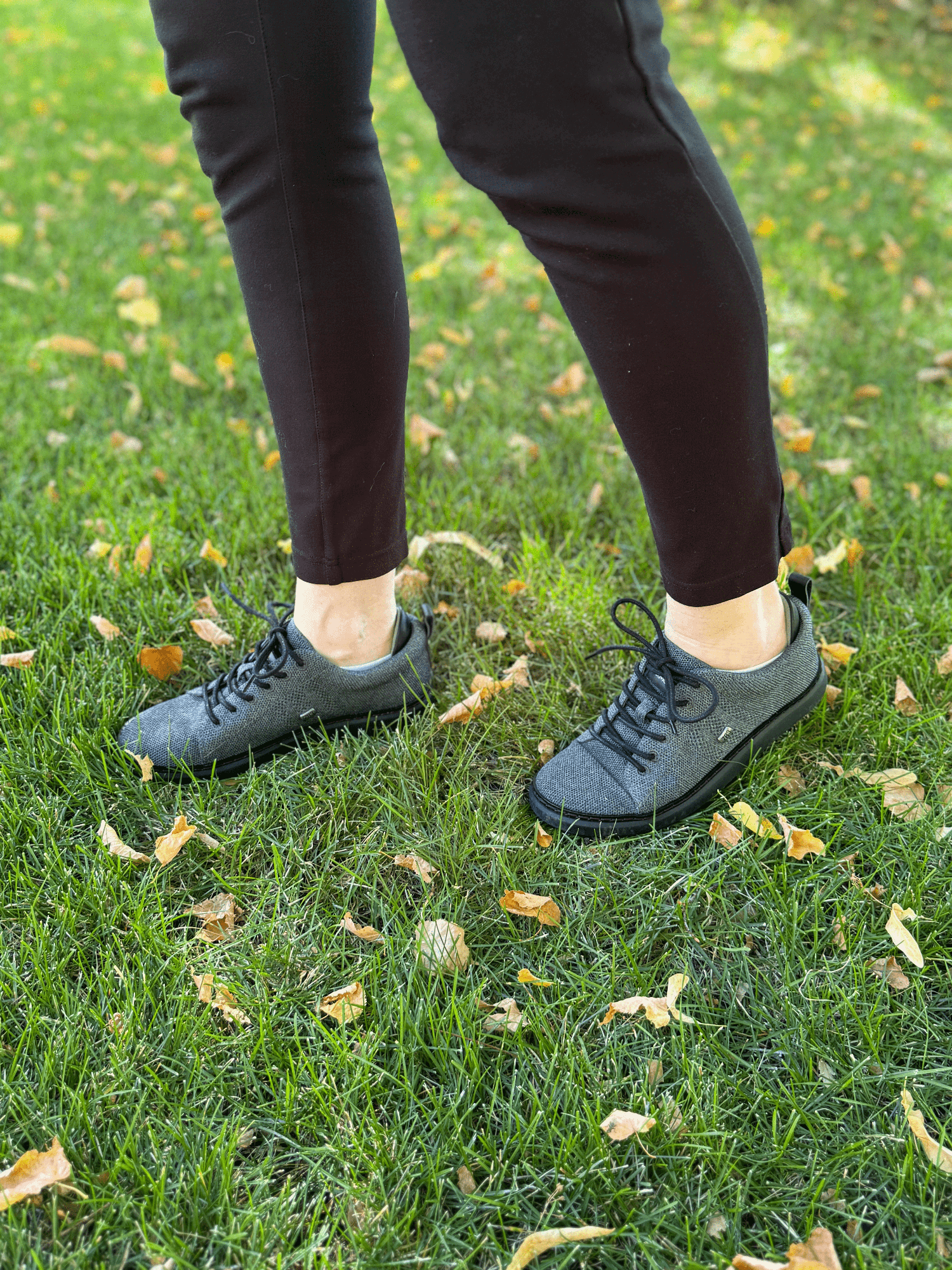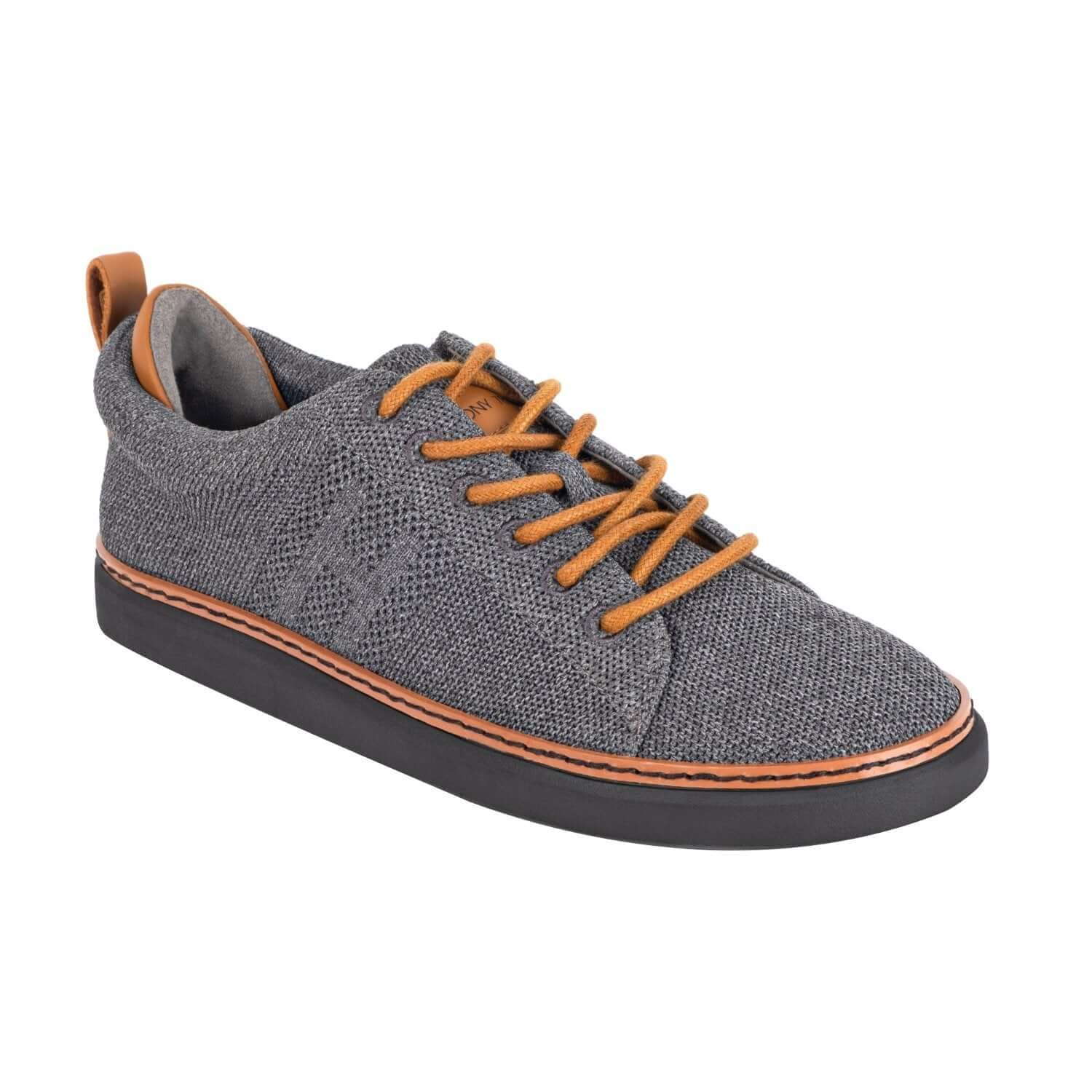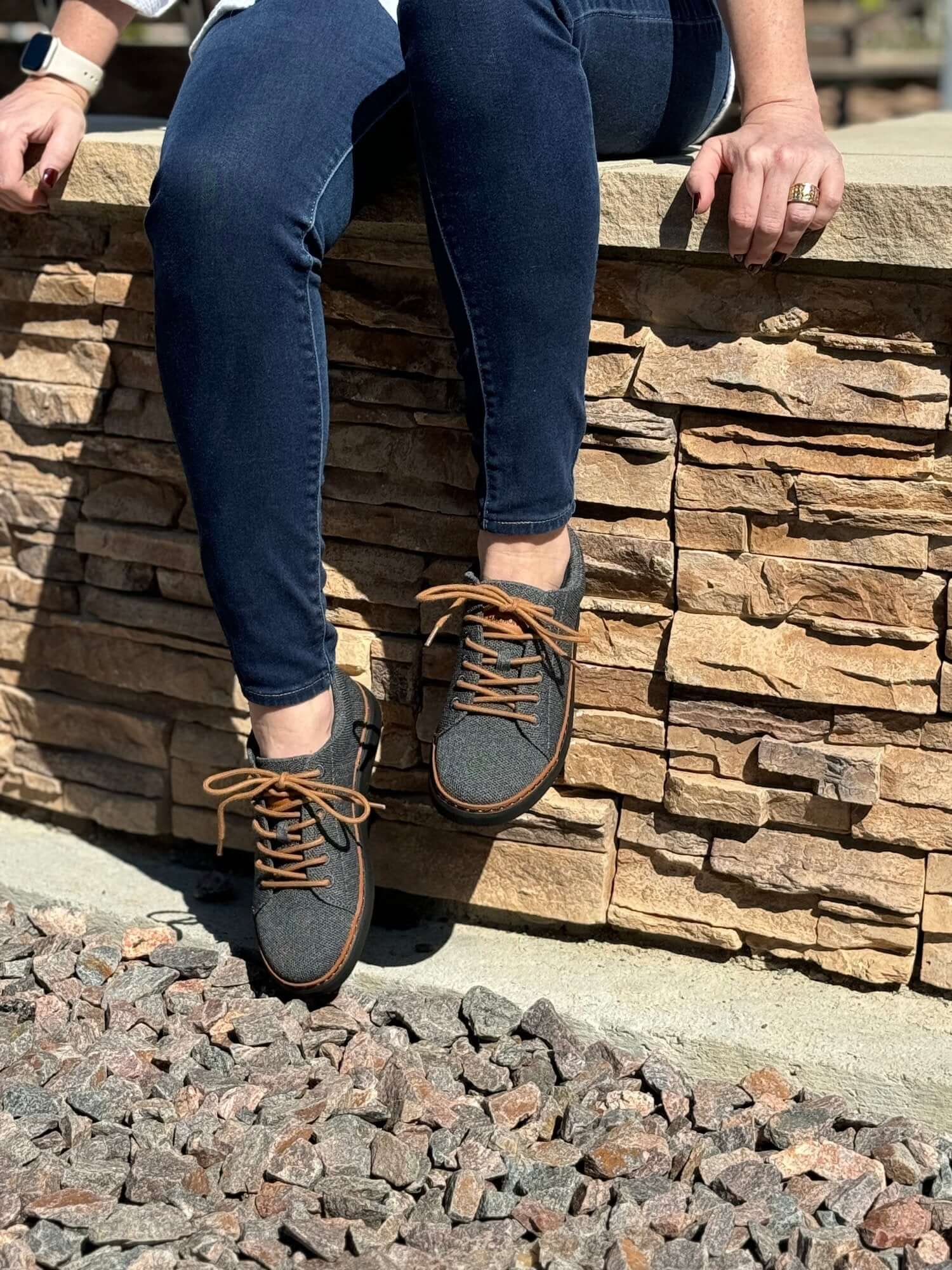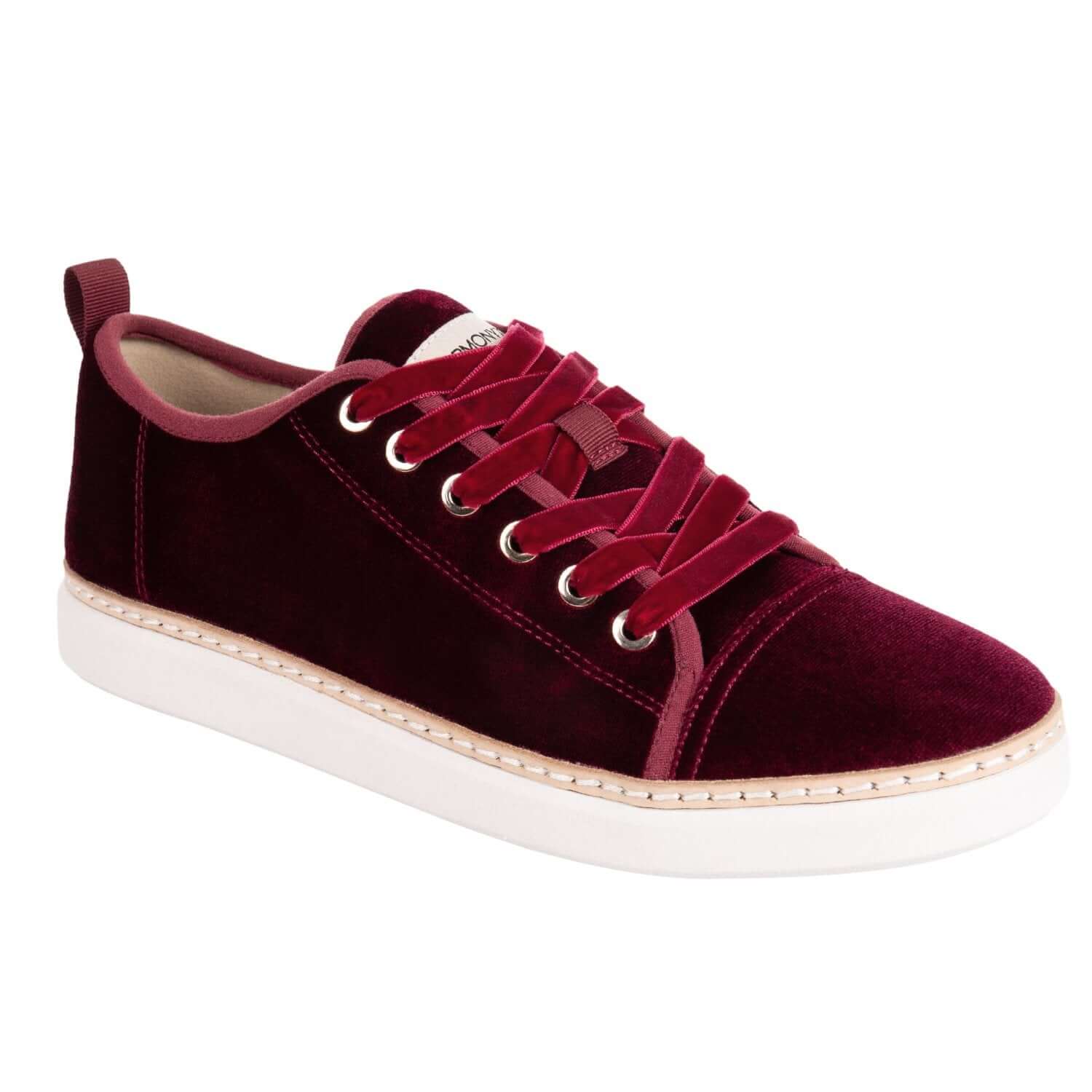








There’s a unique feeling of calm that comes from walking barefoot on cool grass or soft sand. It’s a simple, grounding sensation that seems to melt away stress. What if you could carry a piece of that feeling with you throughout your day? Most of us live busy lives that require us to wear shoes, which unfortunately disconnect us from that very energy. But it doesn’t have to be that way. The practice of grounding is about intentionally reconnecting to the earth, and the right footwear can be your bridge. This article is your friendly guide to understanding how this connection works and what to look for in shoes to wear for grounding, so you can feel more balanced and centered, no matter where your day takes you.
Key Takeaways
- Connection Depends on the Surface: Grounding shoes work by connecting you to the Earth's energy, but this only happens on conductive surfaces like grass, sand, soil, and unsealed concrete. They won't provide a grounding effect on asphalt, wood, or most indoor flooring.
- Patience and Consistency Are Key: The benefits of grounding, such as better sleep or reduced inflammation, often appear gradually over time. Think of it as a wellness practice where the positive results come from regular, consistent use, not from a single wear.
- Prioritize Technology and Personal Style: When choosing a pair, confirm they have true conductive technology in the sole, which is what separates them from standard barefoot shoes. Then, pick a style that fits your lifestyle so you'll be excited to wear them consistently.
What Are Grounding Shoes & How Do They Work?
If you love the idea of connecting with the Earth but can’t always go barefoot, grounding shoes are for you. Also known as earthing shoes, this footwear is designed to help you connect with the Earth’s natural electric charge, even while you’re walking around. Think of them as a bridge between your body and the ground. They use special conductive materials, like carbon or copper, built right into the soles. This design allows a gentle flow of electrons to transfer from the ground to your body when you walk on natural surfaces.
The whole idea behind what is grounding is that this connection can support your overall well-being. Many people wear them with the goal of reducing inflammation, improving sleep, and feeling more balanced. Instead of insulating you from the ground like most shoes do, grounding shoes keep you plugged in.
The Science Inside the Sole
So, how does a shoe actually connect you to the Earth? The magic is in the sole. At Harmony 783, our shoes feature our proprietary Groundworks™ technology. This involves using a carbon-infused material in the outsole that is fully conductive. While your regular sneakers have rubber soles that act as a barrier, our technology creates a pathway for the Earth’s energy to flow directly to your body. This allows you to stay grounded while you go about your day. It’s a simple but powerful concept designed to help you feel your best by re-establishing a natural connection we often lose in our modern lives.
Grounding Shoes vs. Regular Shoes
The most significant difference between grounding shoes and regular shoes is the sole. Your typical shoe has a rubber or plastic sole that insulates you, blocking any electrical connection to the Earth. Grounding shoes do the opposite; they are made with conductive materials that facilitate this connection. Beyond the technology, many grounding shoes also feature a design that promotes natural foot function. This often includes a wide toe box so your toes can spread out, a flexible sole that lets your foot bend, and a zero-drop platform (meaning your heel and toes are at the same level). This combination supports both your connection to the earth and your foot health.
How You Connect to the Earth's Energy
Wearing grounding shoes allows you to tap into the Earth's energy in a practical way. The principle is simple: direct contact with the ground can help your body find its natural balance. This connection is thought to help with everything from fatigue and pain to stress, promoting a sense of calm and well-being. Grounding shoes make it possible to experience these benefits without having to be barefoot all the time. For the best results, wear them while walking on conductive surfaces like grass, soil, sand, gravel, or even unsealed concrete. These natural surfaces allow the conductive technology in your shoes to do its job, keeping you connected wherever you go.
What Does the Research Say?
When you first hear about grounding, it's natural to wonder what the science says. While the practice is rooted in our natural history of walking barefoot, modern research is just beginning to explore its effects on our bodies. The findings so far are intriguing, especially in a few key areas of health and wellness. Let's look at what the studies suggest and maintain a balanced view of what this practice can and can't do for you.
Studies on Inflammation, Sleep, and Stress
Much of the excitement around grounding centers on its potential to reduce inflammation. The main idea is that direct contact with the earth allows your body to absorb free electrons, which may act like antioxidants and help calm inflammatory processes. Some early studies and many personal stories point to less pain and quicker recovery after incorporating grounding. Research has also explored how grounding might influence our stress hormone, cortisol. By helping to normalize cortisol rhythms, grounding could lead to deeper, more restful sleep and a greater sense of calm during the day. It’s a fascinating field that connects our internal well-being directly to the planet under our feet.
What Grounding Can (and Can't) Do
It's important to have realistic expectations when you start your grounding journey. While many people feel a positive difference, the scientific community is still building a body of large-scale, conclusive research. Some of the existing studies are small, and it's fair to note that some have been supported by companies in the grounding industry. This doesn't invalidate the findings, but it's something to be aware of as you explore the evidence. Grounding isn't a cure-all, but rather a simple, natural tool to add to your wellness toolkit. Think of it as one piece of your health puzzle, complementing good nutrition, movement, and mindfulness. The best approach is to listen to your own body and see how it responds.
Potential Benefits of Wearing Grounding Shoes
Support for Inflammation and Pain
One of the most talked-about benefits of grounding is its potential to ease inflammation and pain. The theory is that by connecting to the earth, your body can absorb free electrons, which act like antioxidants. This process may help neutralize free radicals and reduce the body’s inflammatory response. Many people who wear grounding shoes report feeling less everyday achiness and notice faster recovery times after workouts. While it’s not a magic cure, incorporating grounding into your daily routine could be a simple, supportive step toward feeling more comfortable in your body.
Deeper, More Restful Sleep
If you struggle to get quality rest, grounding might offer some help. Our bodies run on internal clocks, and modern life can easily throw them off balance. Grounding is thought to help stabilize your body’s natural rhythms, particularly by influencing cortisol, the primary stress hormone. A balanced cortisol cycle means you feel alert during the day and sleepy at night. Users often share that they fall asleep more easily and experience deeper, more restorative sleep when they make grounding a regular practice. Waking up feeling genuinely refreshed can have a wonderful ripple effect on your mood and energy throughout the day.
Improved Circulation and Energy
Feeling sluggish? The conductive technology in grounding shoes is designed to do more than just connect you to the earth; it may also help improve your circulation. Better blood flow means more oxygen and nutrients are delivered efficiently throughout your body. Some studies and many personal accounts suggest this can lead to a noticeable increase in energy and vitality. Think of it as helping your body work a little more efficiently. It’s a subtle shift, but feeling a natural increase in your energy levels can make a big difference in how you move through your day.
Stronger Feet and Natural Movement
Unlike conventional shoes that can cramp your toes and alter your posture, many grounding shoes are designed with the natural shape of your foot in mind. Features like a wide toe box, a flexible sole, and a "zero-drop" platform (meaning your heel and forefoot are level) allow your feet to move and flex as they would if you were barefoot. This encourages you to use the smaller, often-neglected muscles in your feet. Over time, this can lead to stronger, more resilient feet, better balance, and a more natural gait, supporting your body from the ground up.
Your Guide to Harmony 783 Grounding Shoes
Finding the right grounding shoe is all about matching your lifestyle with a style you genuinely love to wear. After all, the more you wear them, the more you connect. We’ve designed a whole range of grounding shoes to fit seamlessly into your life, whether you’re running errands, hitting the trails, or just relaxing on a sunny day. Let’s walk through the different styles so you can find your perfect pair.
Walkers & Sneakers for Everyday Comfort
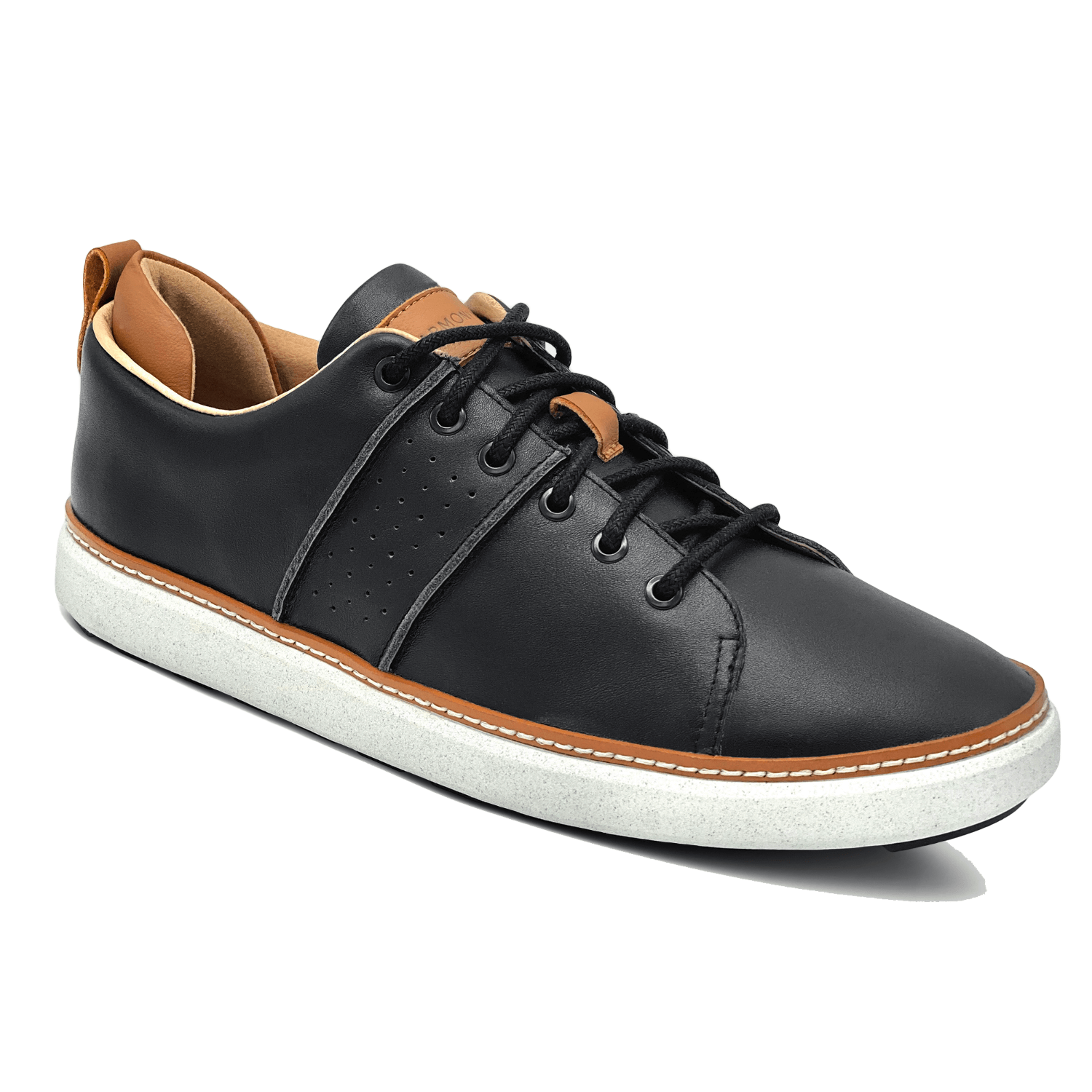
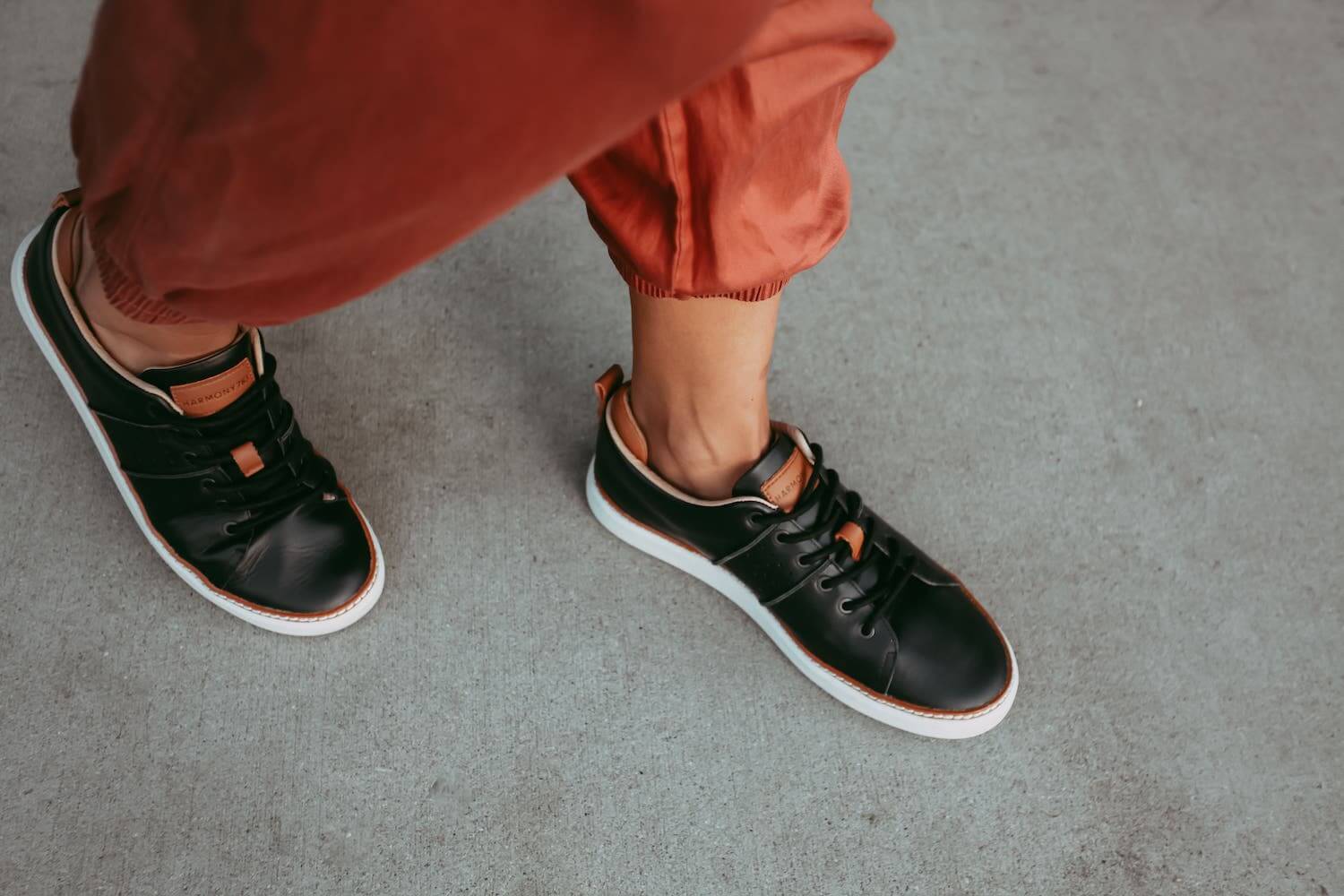
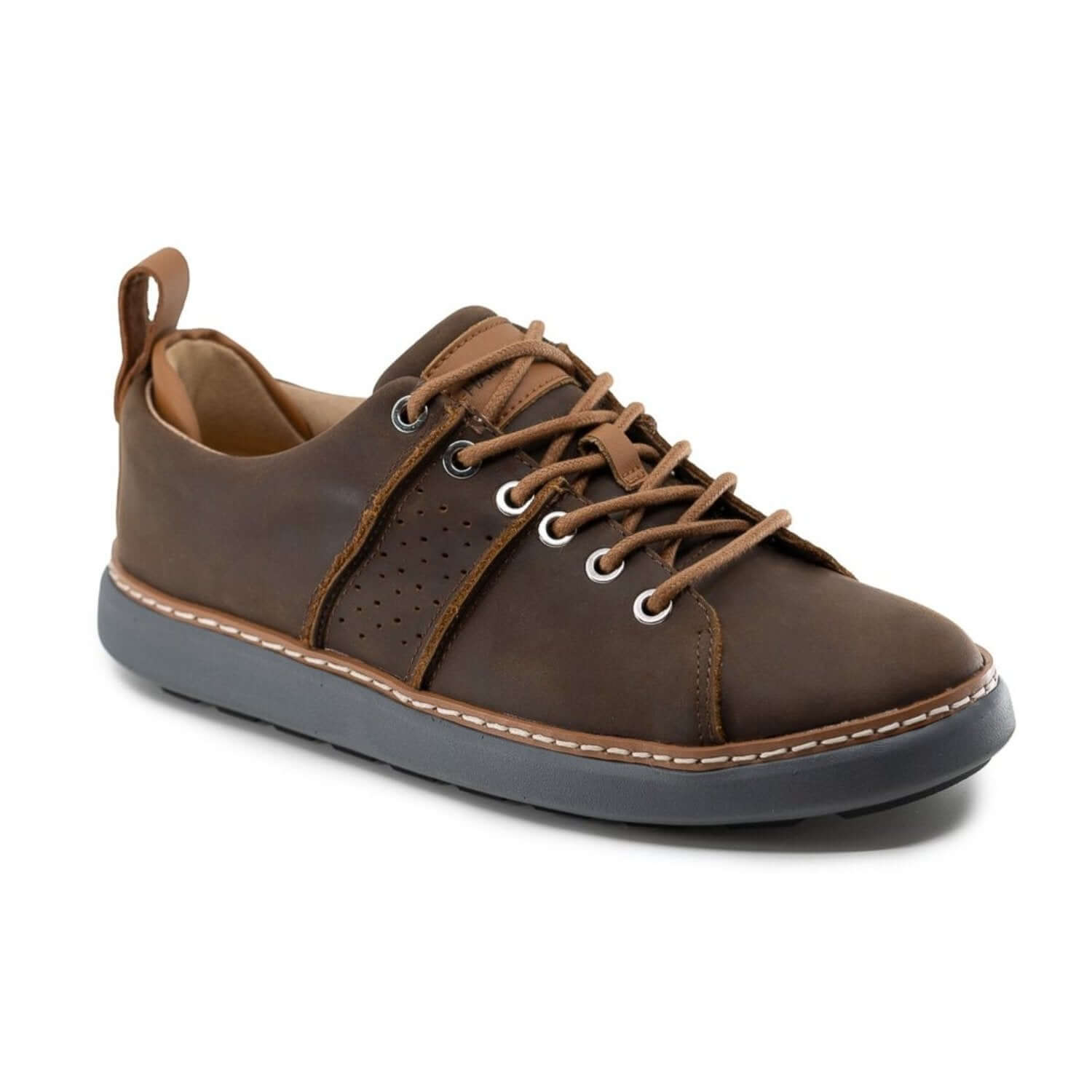
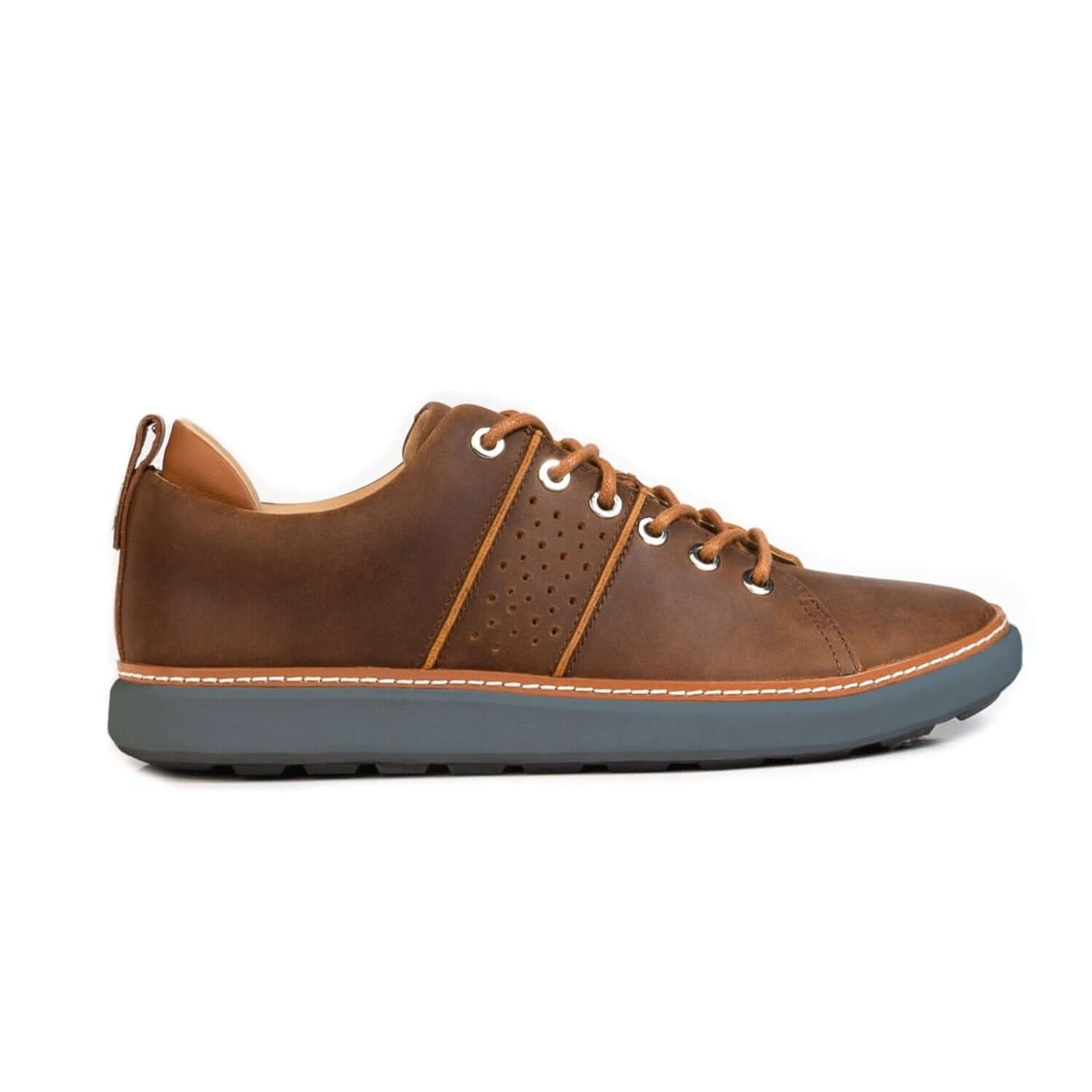
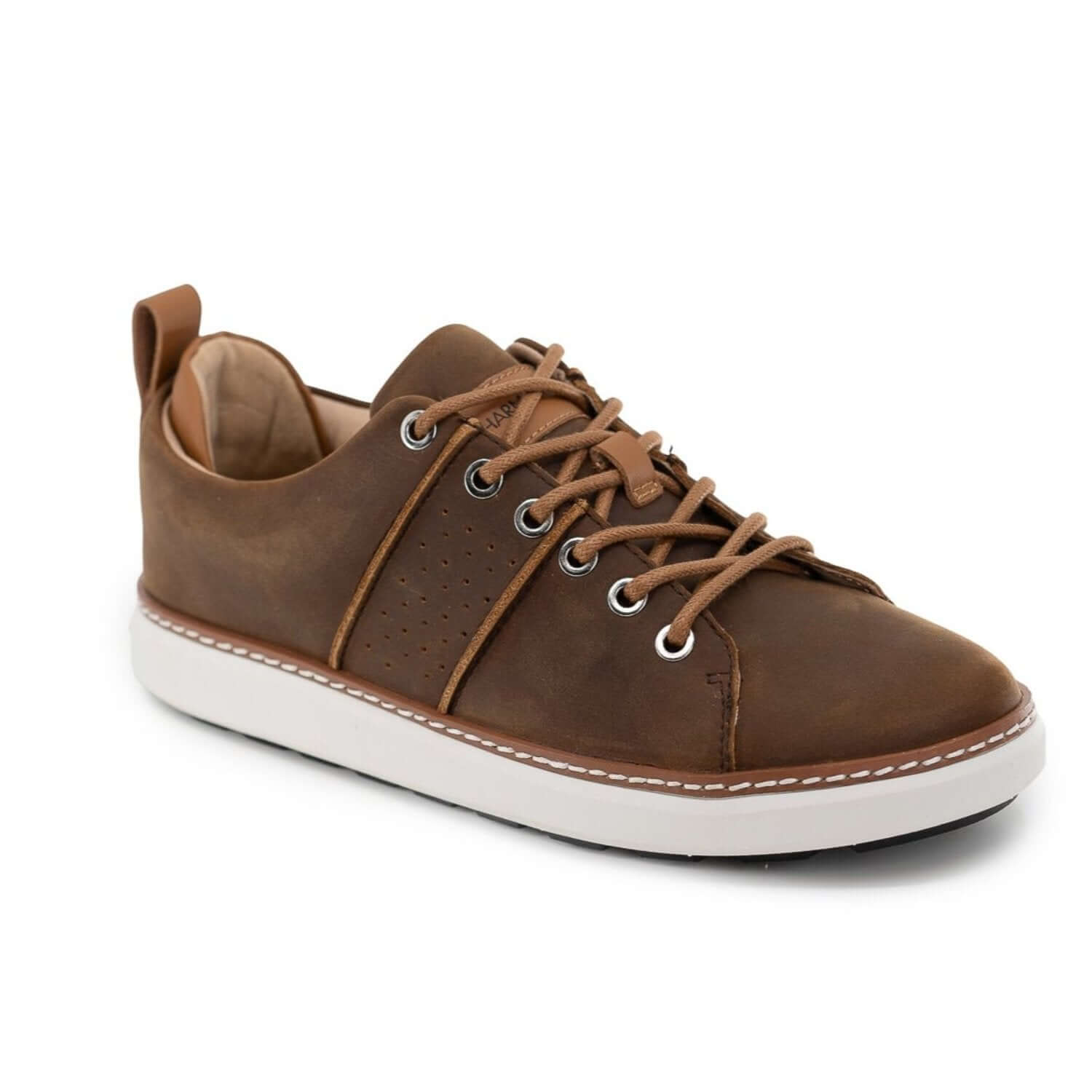
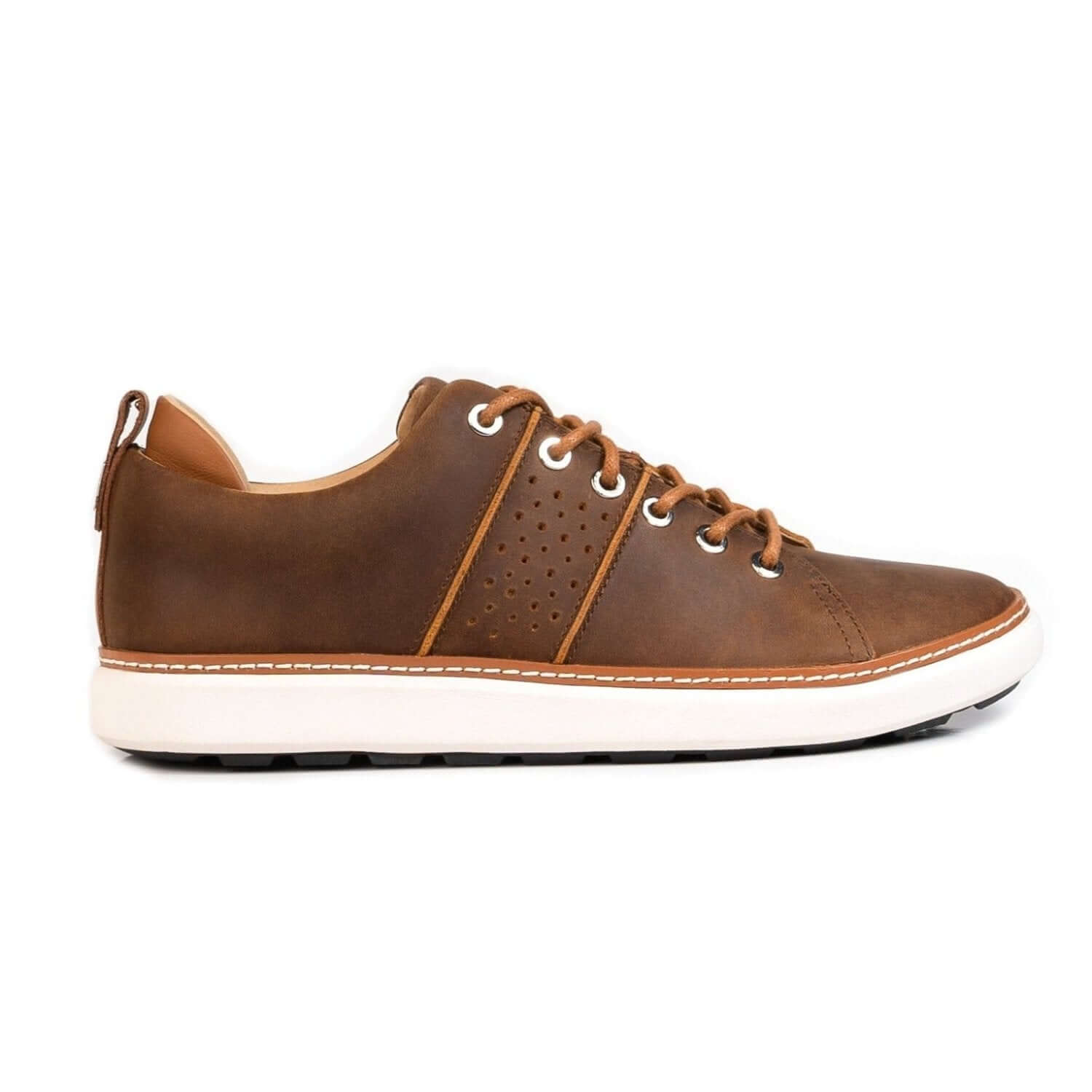
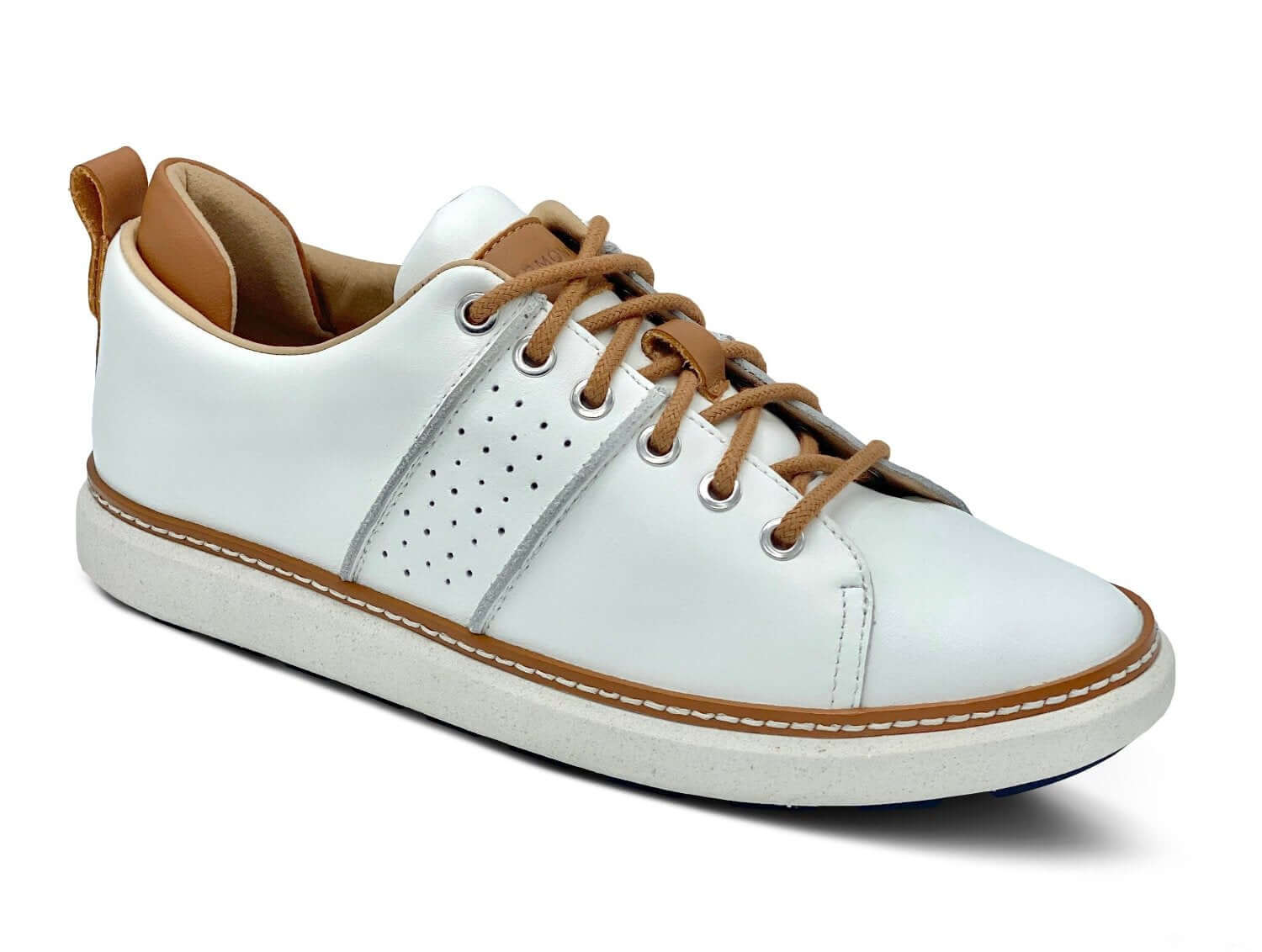
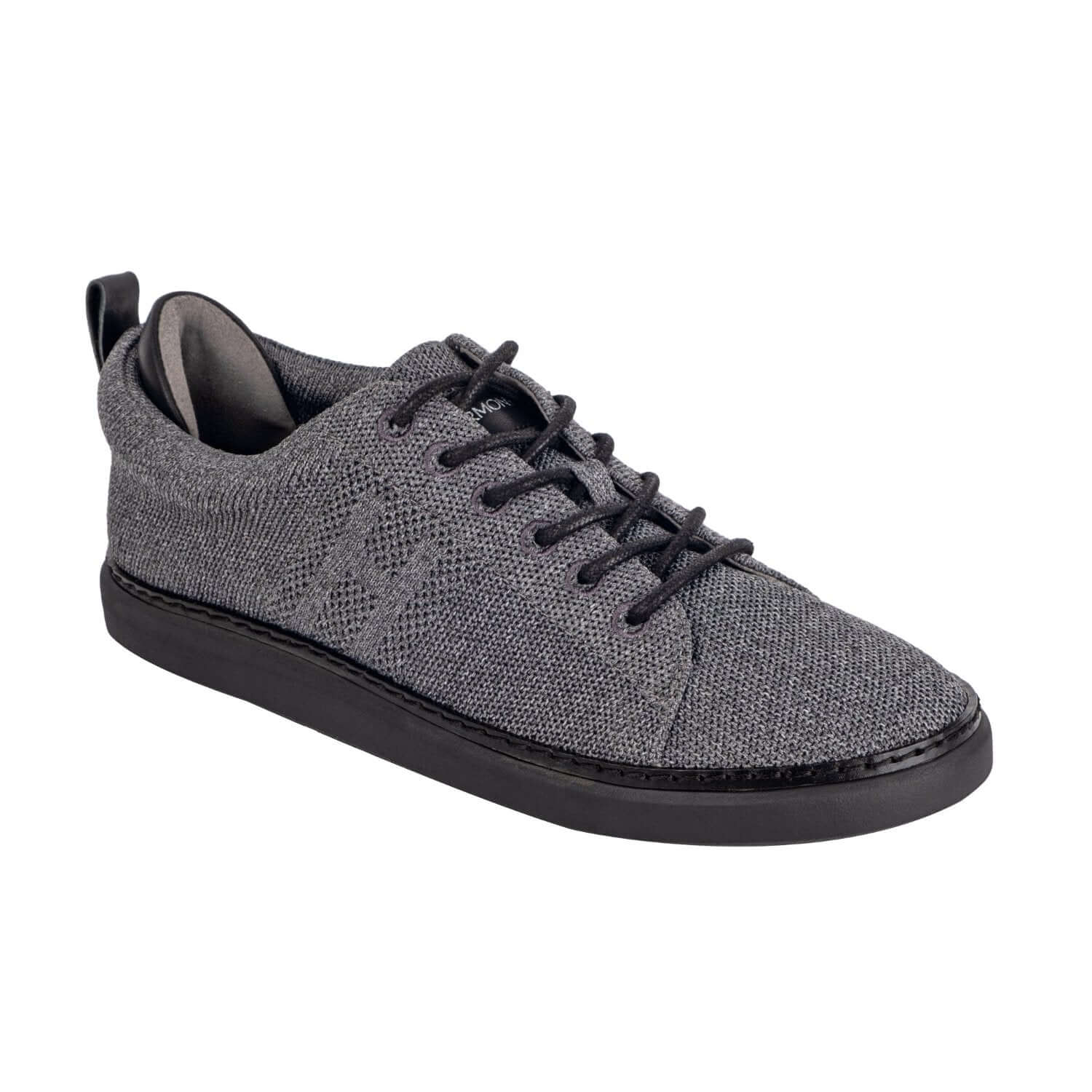
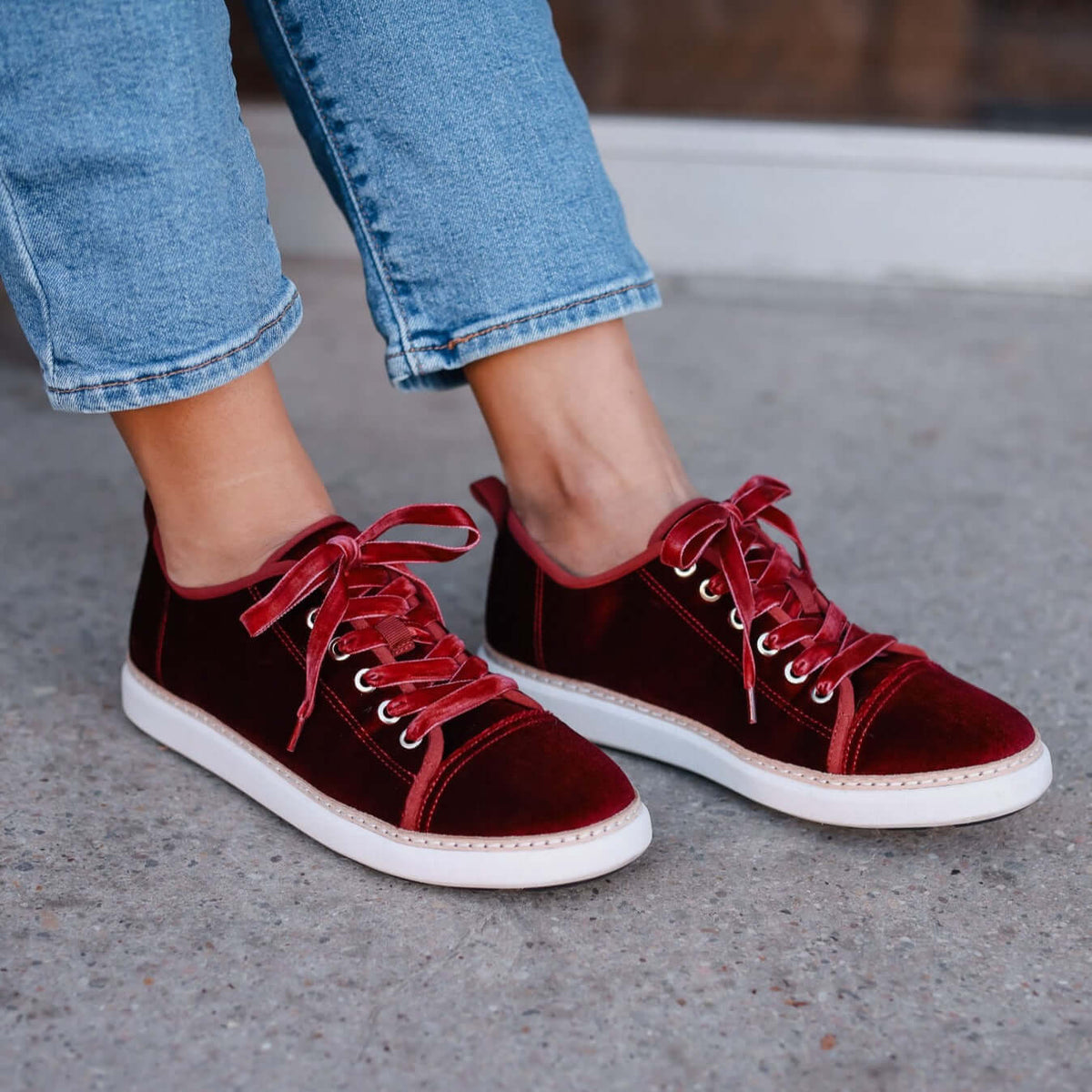
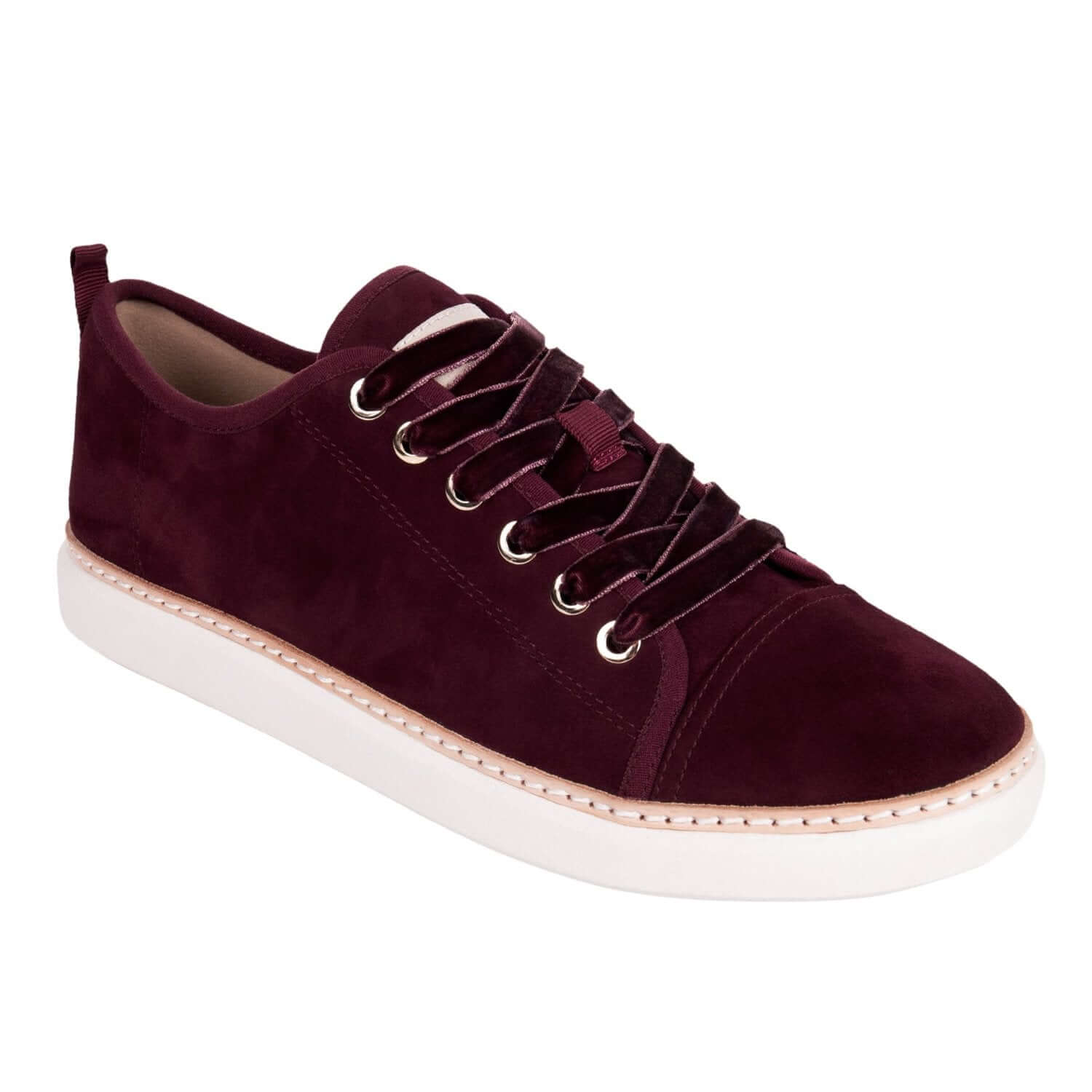
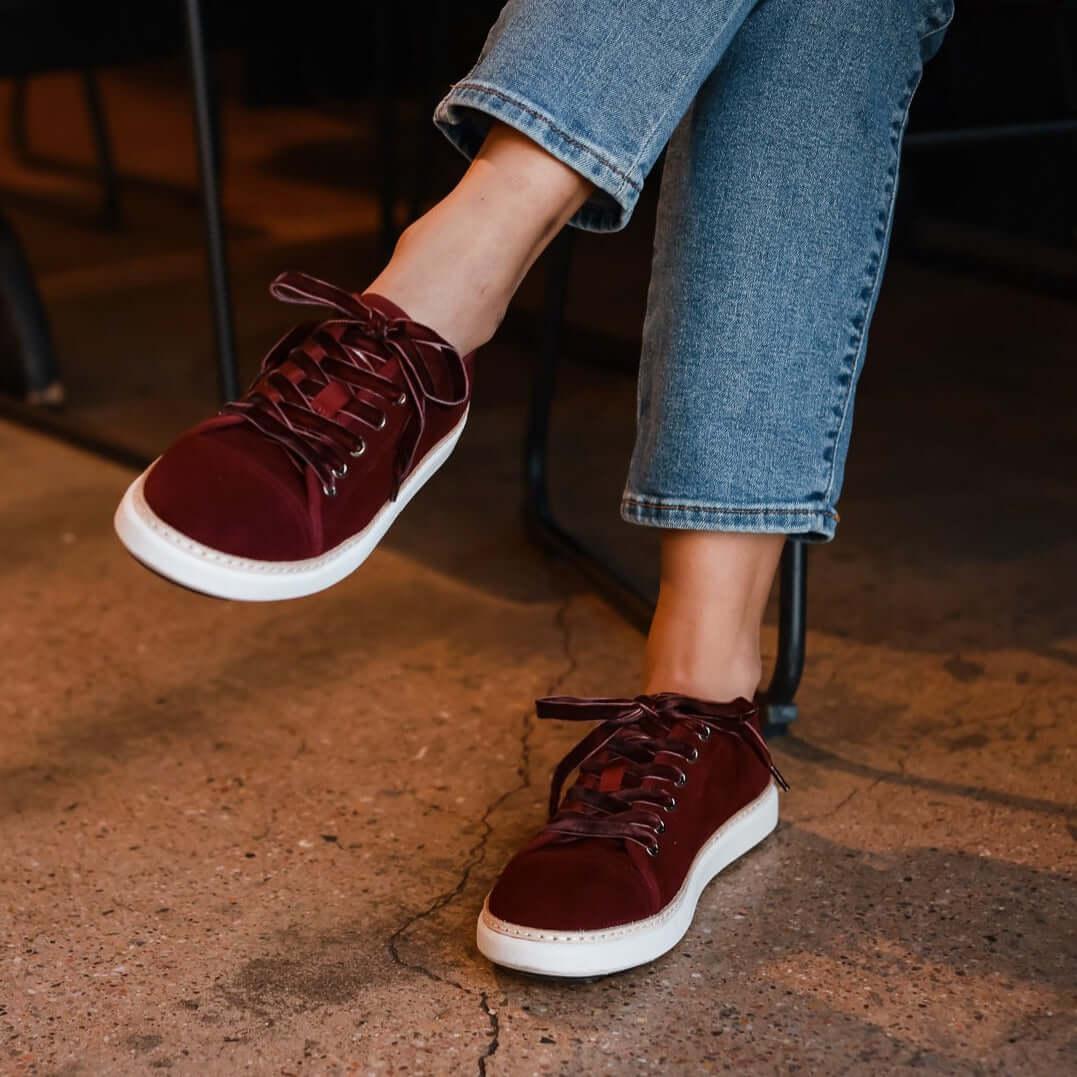
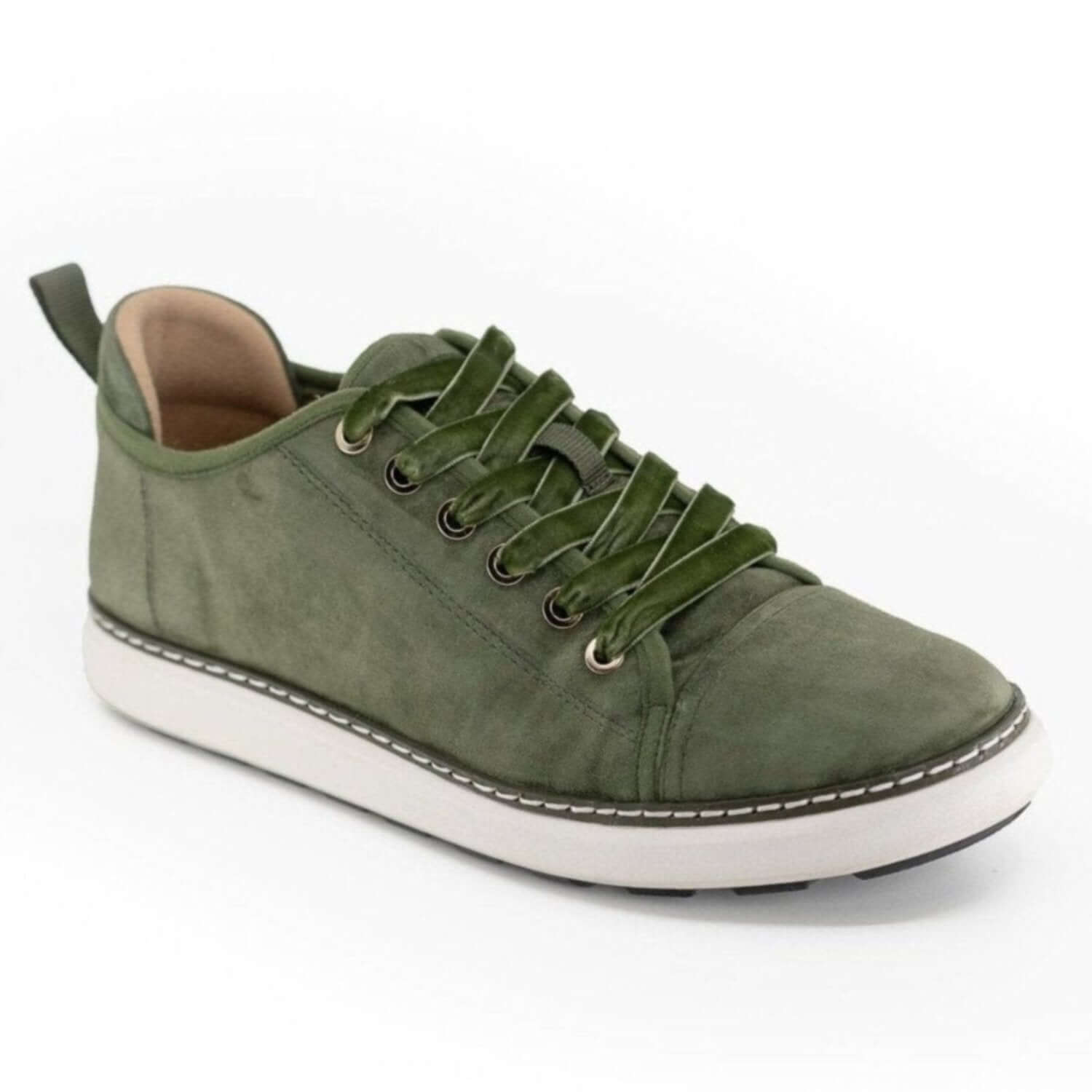
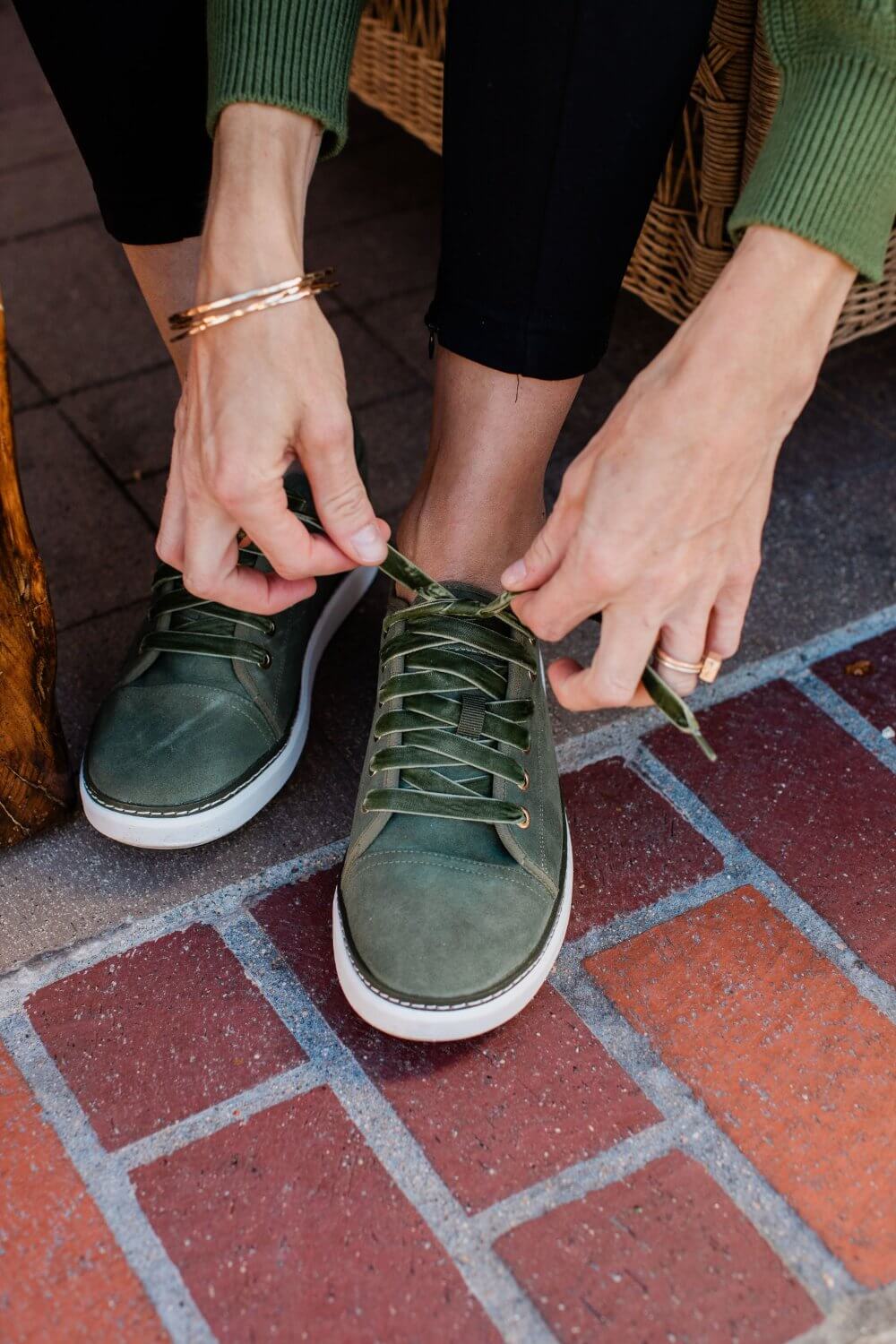
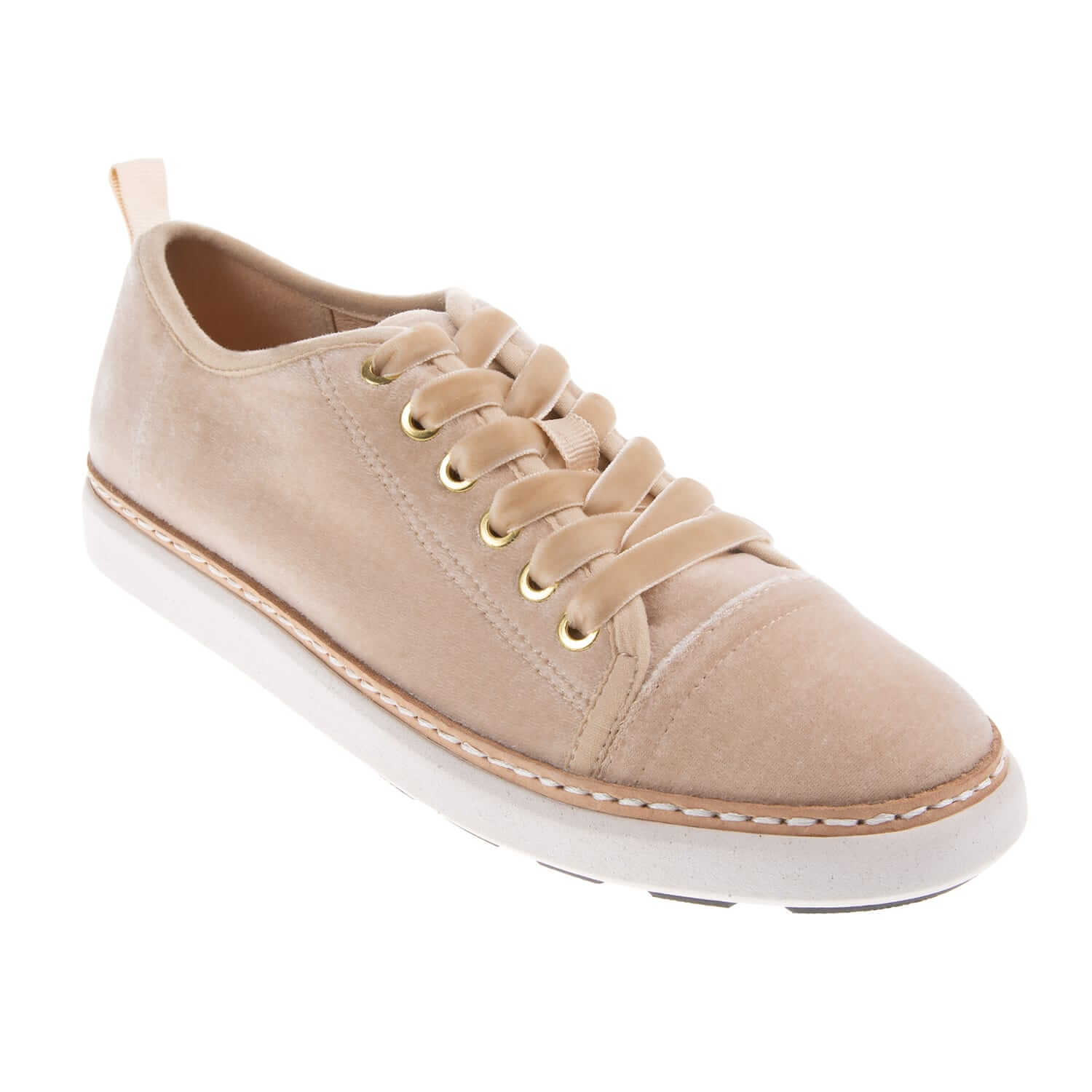
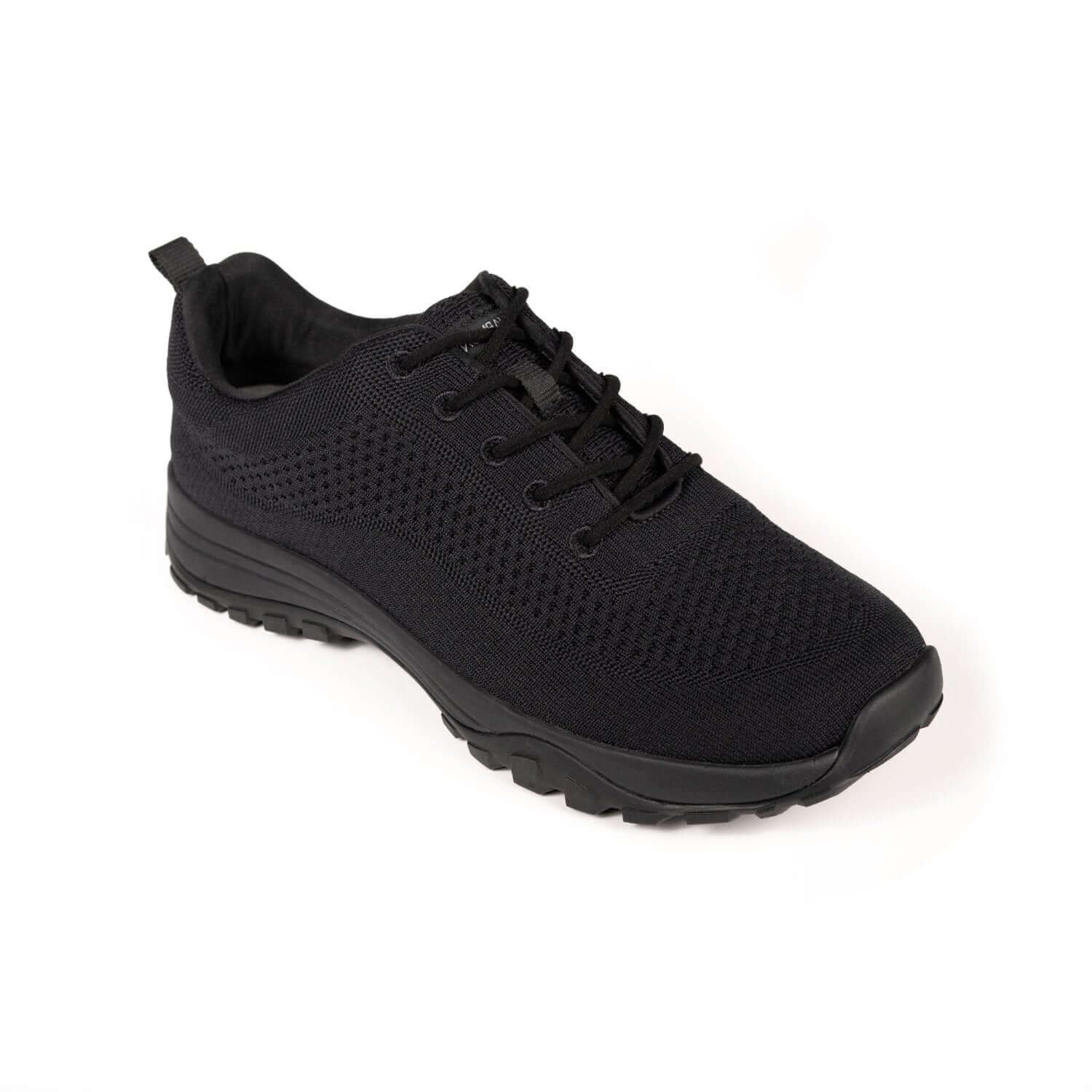
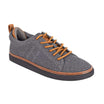
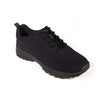
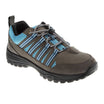
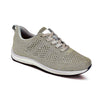
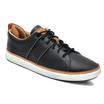
Our walkers and sneakers are designed for your daily routine, blending all-day comfort with a style you can wear anywhere. Inside each pair is our proprietary Groundworks™ technology, which features a carbon-infused conductive sole. This is what allows the gentle transfer of electrons from the ground to your body. We hear from so many people who love the cushioned support for their daily walks, but what they rave about most is feeling more energized and experiencing less day-to-day discomfort. It’s about making your wellness practice a simple, integrated part of your life, starting from the ground up.
Sandals & Flip Flops for Sunnier Days
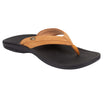
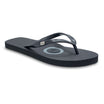
When the weather warms up, you don’t have to choose between staying cool and staying grounded. Our collection of sandals and flip flops lets you enjoy the benefits of earthing on sunny days. These styles are perfect for walking on conductive surfaces like sand, grass, gravel, and even concrete sidewalks. They give you a way to get grounded without having to go barefoot, which isn’t always practical or comfortable. Now you can keep your connection to the earth during beach trips, park visits, and casual strolls around the neighborhood, all while keeping your feet protected and stylish.
Trail Shoes & Slip-Ons for Adventure and Ease
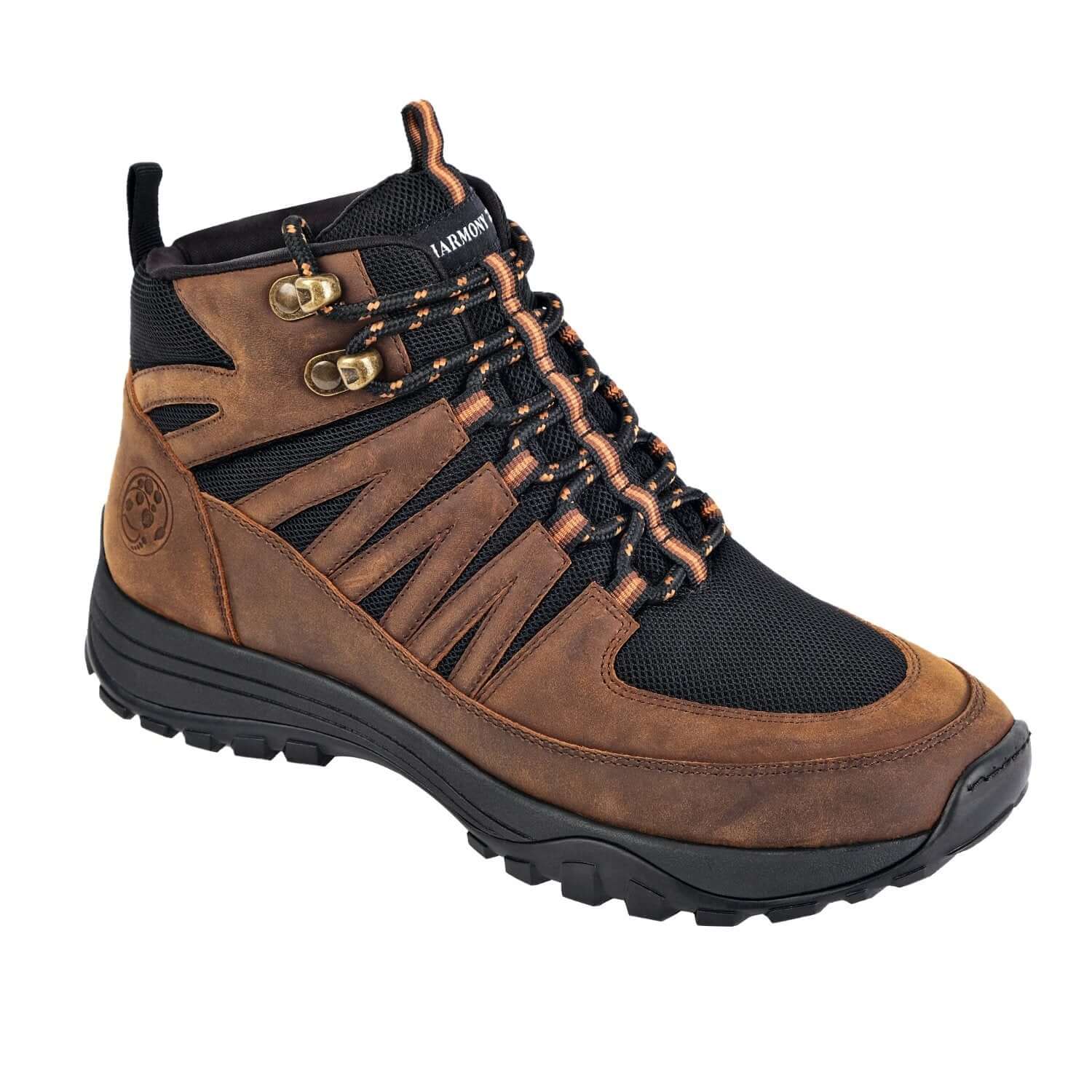
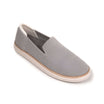
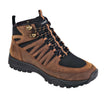
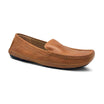
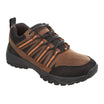
For days that call for adventure or moments that demand simplicity, our trail shoes and slip-ons have you covered. The trail shoes offer the rugged durability you need for uneven terrain, while our slip-ons provide grab-and-go convenience for busy days. Both styles feature our signature conductive sole, which allows you to connect to the Earth's energy by bypassing the insulating effect of typical rubber-soled shoes. With over 22,000 customers served, we stand by our designs with a 45-day guarantee, so you can find the right fit for your life with total confidence.
Conductive Socks: A Versatile Grounding Option
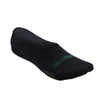
To get the most out of your footwear, consider pairing them with our conductive socks. While our grounding shoes work perfectly on their own with bare feet, these socks are woven with conductive fibers that help maintain the flow of electrons from the ground, through your shoes, and to your body. They are a great option for cooler days or for anyone who simply prefers wearing socks with their shoes. Think of them as an accessory that supports your grounding practice, ensuring you stay connected no matter the weather or the occasion.
Common Myths About Grounding Shoes
When you’re exploring something new like grounding, it’s easy to come across conflicting information. It’s a practice that’s deeply connected to nature and personal well-being, but it’s also surrounded by a lot of questions. Let's clear up some of the most common myths about grounding shoes so you can feel confident in your journey. Think of this as your friendly guide to separating fact from fiction, helping you get the most out of every grounded step you take.
Myth: They Work on Any Surface
This is one of the biggest misconceptions. Grounding shoes are amazing, but they aren’t magic. For the technology to work, you need to be on a conductive surface that allows the transfer of electrons from the earth to your body. This includes natural surfaces like grass, soil, sand, and unsealed stone or concrete. Unfortunately, you won't get the grounding effect while walking on asphalt, wood, vinyl, or most indoor flooring, as these materials are insulators. The key is to maintain a direct connection, so think of your grounding shoes as a bridge that works best when it can touch a natural foundation.
Myth: Results Are Instantaneous
While some people report feeling a difference in their energy or a sense of calm almost immediately, that’s not everyone’s experience. For many, the benefits of grounding are more gradual. Think of it like improving your diet; the positive changes happen over time with consistency. Many users share stories of better sleep, less pain, and a general feeling of well-being after wearing their shoes regularly. It’s also important to remember that many grounding shoes have a minimalist design, so it’s wise to ease into them and give your feet time to adjust. Patience is key here.
Myth: They're the Same as Barefoot Shoes
It’s easy to see why people mix these up, but there’s a crucial difference. Barefoot shoes are designed with a minimalist, flexible sole to mimic the feeling of walking barefoot, which can help strengthen your feet. While many grounding shoes share this minimalist design, their main purpose is different. Grounding shoes contain special conductive technology, like carbon-infused soles or copper elements, that actively connects you to the earth’s energy. This is what grounding is all about. So, while a barefoot shoe lets you feel the ground, a grounding shoe helps you connect to it on an electrical level.
Myth: Grounding Isn't Backed by Science
You might hear skeptics say there’s no science behind grounding, but that’s not the full picture. While it’s true that the field is still growing and more large-scale studies are needed, a body of research does exist. Smaller studies and countless personal stories point to benefits like reduced inflammation, better sleep, and lower stress. The practice of connecting with the earth for well-being is ancient, even if the scientific language we use to describe it is modern. As research continues, we’re learning more about how this simple, natural practice can support our health in a world that’s often disconnected from nature.
How to Choose the Right Grounding Shoes for You
Ready to find your perfect pair of grounding shoes? It’s about more than just picking a color you like. The right shoe for you will fit your daily routine, feel great on your feet, and of course, have the right technology to connect you to the earth. When you know what to look for, you can feel confident in your choice and get the most out of every step. Think about these four key areas to find the pair that’s truly made for you and your lifestyle.
Check the Sole Technology and Materials
The magic of grounding shoes is all in the sole. Unlike regular shoes with rubber bottoms that insulate you, grounding shoes are made with special conductive materials. Think carbon-infused rubber or other conductive elements built right into the sole. This technology creates a pathway for the earth’s natural energy to flow into your body, similar to when you’re walking barefoot. When you’re shopping, always check that the shoes are specifically designed for earthing with this kind of conductive technology. It’s the key feature that separates a true grounding shoe from any other type of footwear.
Match the Shoe to Your Lifestyle
Think about where your feet take you on a typical day. Are you walking on city sidewalks, strolling through a park, or relaxing on a sandy beach? The best grounding shoes for you will work on the surfaces you frequent most, including concrete, grass, dirt, and sand. If you’re an avid walker, a supportive sneaker might be your best bet. If you live in a warmer climate or want something easy for the backyard, a sandal or flip-flop could be perfect. Choosing a shoe that matches your activities ensures you’ll get the most opportunities to stay grounded throughout your day.
Find a Style You'll Love to Wear
Let’s be honest, if you don’t love how your shoes look, you’re probably not going to wear them very often. The whole point of grounding shoes is to wear them consistently, so finding a style that fits your personal taste is essential. Luckily, grounding footwear has come a long way, and you don't have to sacrifice style for connection. Whether you prefer the classic look of a walker, the ease of a slip-on, or the breezy feel of a sandal, choose a pair that makes you feel good. When you love your shoes, you’ll find more excuses to put them on and head outside.
Consider Your Budget and Long-Term Value
Investing in your health is always a smart move, and grounding shoes are a part of that. While they might have a different price point than standard fashion sneakers, think about the long-term value. You’re getting a well-made shoe designed for comfort, durability, and a specific wellness purpose. Look for brands that stand by their products with positive customer reviews and a solid return policy, like a 45-day guarantee. This shows the company is confident in its footwear and gives you peace of mind to find the perfect fit for your feet and your life.
How to Know if Your Grounding Shoes Are Working
So, you’ve got your new pair of grounding shoes, and you’re ready to feel more connected. But how do you actually know if they’re doing their job? The experience is different for everyone. For some, it’s a noticeable shift in energy, while for others, it’s a subtle, gradual improvement in their overall well-being. The key is knowing what to look for and understanding how the connection happens.
Your grounding shoes are designed with special technology to channel the earth’s energy, but they can’t do it alone. The surface you walk on is just as important as the shoes on your feet. Think of it as a partnership: your shoes open the door, and the ground provides the energy that walks through it. By paying attention to where you walk and how your body feels over time, you can start to recognize the signs that you’re successfully grounded.
The Best Surfaces for Grounding
For your grounding shoes to work, they need to make contact with a conductive surface. This is how your body connects with the earth’s natural energy. The soles of your shoes are built with conductive materials that act as a bridge, but that bridge needs to connect to the right kind of ground.
The best surfaces are natural and unsealed. Think of places like grass (especially if it’s a little damp), soil, sand, and gravel. Unsealed concrete and brick also work well, which is great for city dwellers. On the other hand, surfaces like asphalt, wood, vinyl, and most indoor flooring will block the connection. So, a walk in the park is perfect, but a stroll through a shopping mall won't have the same effect.
Signs You're Connected to the Earth
Tuning into your body is the best way to notice the effects of grounding. The changes are often gentle and build up over time, so don't expect a sudden jolt of energy. Instead, look for gradual shifts in your daily life. Many people report feeling a sense of calm or a reduction in stress after consistently wearing their grounding shoes.
You might also notice you’re sleeping more deeply or waking up feeling more refreshed. Others find that nagging aches and pains begin to subside, as grounding is thought to help reduce inflammation. It could be as simple as feeling more centered and less frazzled at the end of a long day. Keep a mental note of how you feel each week, you might be surprised by the positive patterns you discover.
What to Do if You Don't Feel a Difference
If you’ve been wearing your grounding shoes for a while and don’t feel any different, don’t worry. First, check where you’re walking most often. Are you spending enough time on conductive surfaces like grass, dirt, or unsealed concrete? If you’re mostly on asphalt or indoor floors, try making a point to take a daily walk through a local park or on a natural trail.
Consistency is also important. Grounding is a practice, not a one-time fix. The benefits are cumulative, so make wearing your shoes a regular part of your routine. Every Harmony 783 shoe is designed with built-in grounding technology, so you can trust the footwear is ready to perform. Give it time, stay mindful of where you walk, and allow your body to adjust at its own pace.
Ready to Start Your Grounding Practice?
Feeling inspired to connect with the earth? Grounding is a beautifully simple practice, and getting started is just as easy. Think of it less as a strict regimen and more as a gentle return to a more natural state of being. To help you begin, here are a few tips for incorporating grounding shoes into your life and making the most of your new routine.
Ease Into Your New Footwear
When you get your first pair of grounding shoes, you might be tempted to wear them all day, every day. My advice? Take it slow. Many grounding shoes feature a more minimalist, flexible design that allows your feet to move more naturally. This is a wonderful thing, but your feet may need some time to adjust, especially if you’re used to more structured or cushioned footwear. Start by wearing them for an hour or two a day, and gradually increase the time as your feet get stronger and more comfortable. This slow transition helps you avoid discomfort and truly appreciate the new sense of freedom and connection your shoes provide.
Pair with Time Spent Barefoot Outside
Grounding shoes are an incredible tool for staying connected during our busy, modern lives. However, they are a complement to, not a replacement for, the real thing. Make a point to also spend some time completely barefoot on natural surfaces. Think of it as a small daily ritual. You could spend five minutes with your bare feet on the grass while you drink your morning coffee or take a short walk on a sandy beach. This direct skin-to-earth contact is the foundation of what grounding is all about. Pairing this practice with your grounding footwear helps you stay connected, even when life requires you to put shoes on.
Where to Find Your Perfect Pair
Finding a pair of shoes you genuinely love to wear is the key to building a consistent grounding practice. You’ll want to look for footwear specifically designed with conductive technology to allow the earth’s energy to flow to your body. At Harmony 783, we’ve poured our hearts into creating stylish and comfortable grounding shoes for every part of your life. From casual walkers and sneakers for your daily errands to sandals and trail shoes for your weekend adventures, each pair is crafted to help you stay grounded on the go. Finding your perfect pair means you never have to choose between feeling good and looking great.
Related Articles
- Grounding Shoes Explained: Why Copper Isn’t the Only Way to Stay Connected to the Earth
- Earthing & Grounding Basics: FAQs Explained | Harmony 783
- Grounding Techniques for Anxiety Relief | Harmony 783
Frequently Asked Questions
Do I have to wear them without socks? For the best connection, going barefoot inside your grounding shoes is a great option. However, if you prefer wearing socks or the weather is a bit cooler, you can pair them with conductive socks. These are made with special fibers that continue the flow of energy from the shoe to your foot. Regular socks, on the other hand, will act as a barrier and prevent the grounding effect.
Will I feel the benefits right away? The experience is unique for everyone. Some people notice a shift in their energy or a sense of calm very quickly. For many others, the benefits are more gradual and build over time with consistent wear. You might start to notice you’re sleeping more soundly or that everyday aches feel less pronounced after a few weeks. It’s best to be patient and pay attention to the subtle, positive changes in your body.
What’s the difference between grounding shoes and barefoot shoes? This is a common question, as the two can look similar. Barefoot shoes are designed with a thin, flexible sole to let your foot move naturally and help strengthen its muscles. While many grounding shoes share this minimalist design, they have one key difference: conductive technology. Our shoes have a special carbon-infused sole that creates an electrical connection to the earth, which is something barefoot shoes are not designed to do.
Where do grounding shoes actually work? Can I wear them on a city sidewalk? Grounding shoes work on conductive surfaces that allow the earth's energy to pass through. This includes natural ground like grass, soil, sand, and gravel. And yes, they also work on unsealed concrete and brick, which is great news for city dwellers. They won't create a connection on insulating surfaces like asphalt, wood, vinyl, or most indoor flooring.
Is there any real science to back this up? Yes, there is a growing field of research on the topic of grounding, or earthing. Studies have explored its effects on everything from inflammation and pain to sleep quality and stress levels. While the science is still developing and we are always learning more, the existing research, combined with countless personal stories, points toward real, positive effects. It’s a practice that connects modern science with our body’s natural ability to find balance.