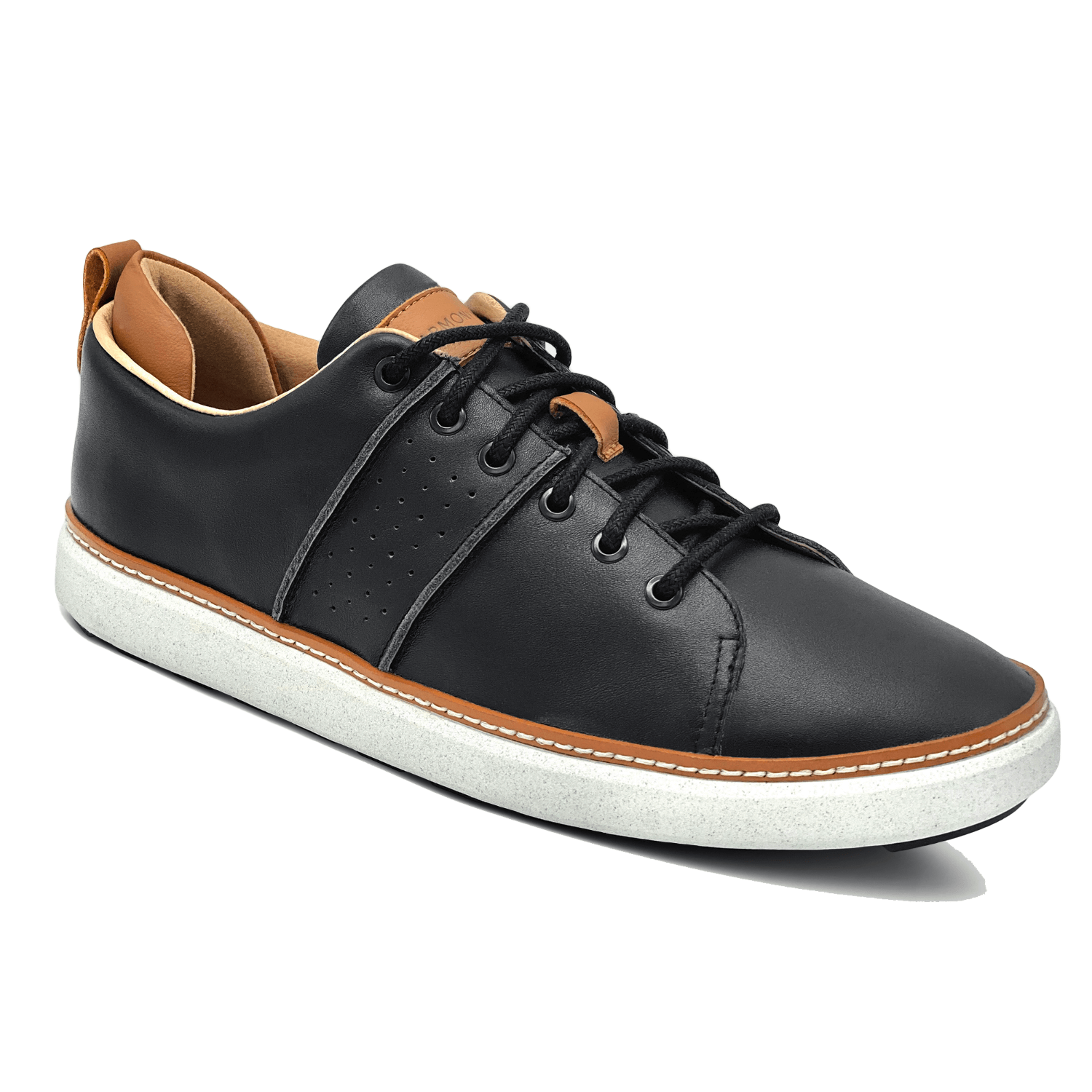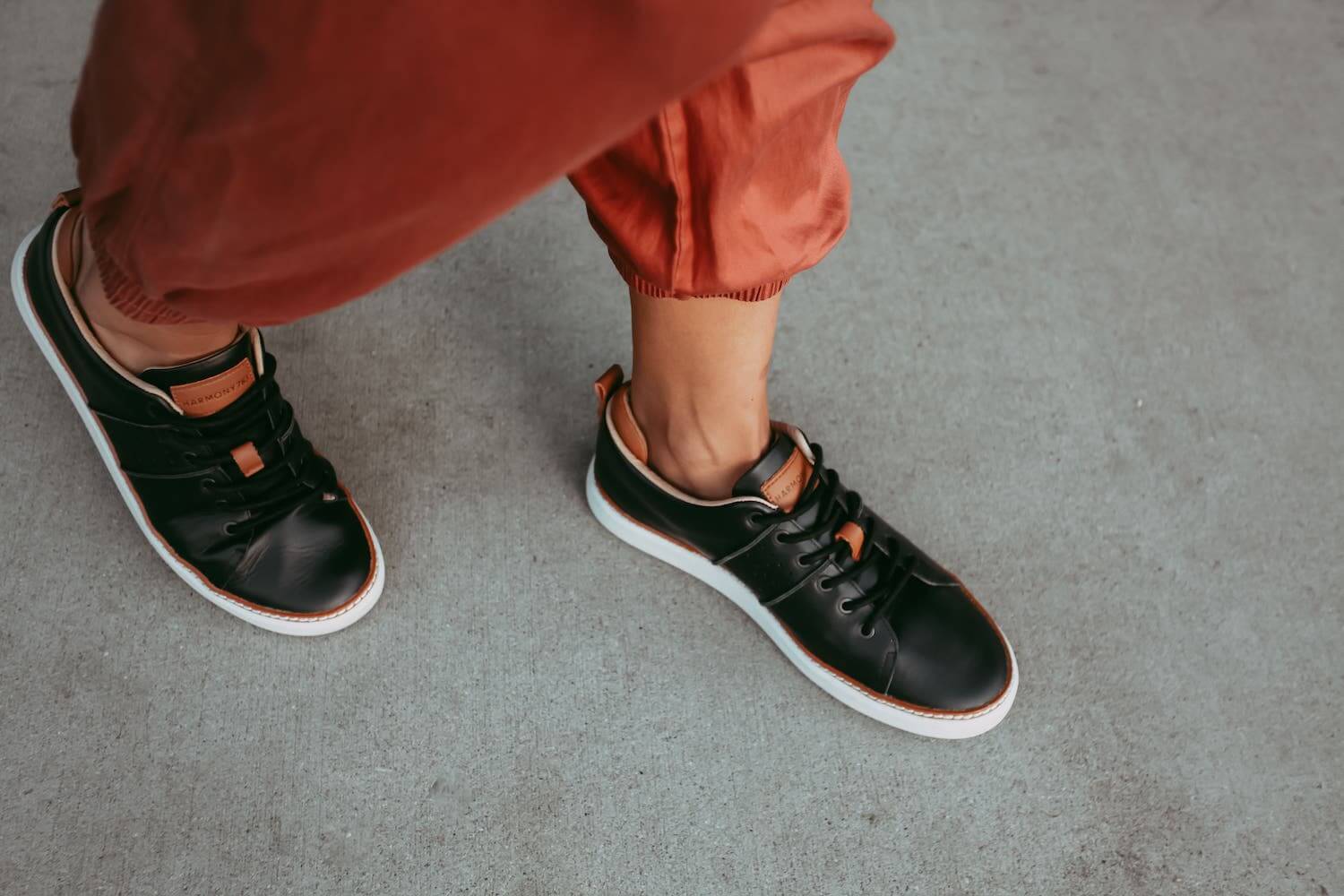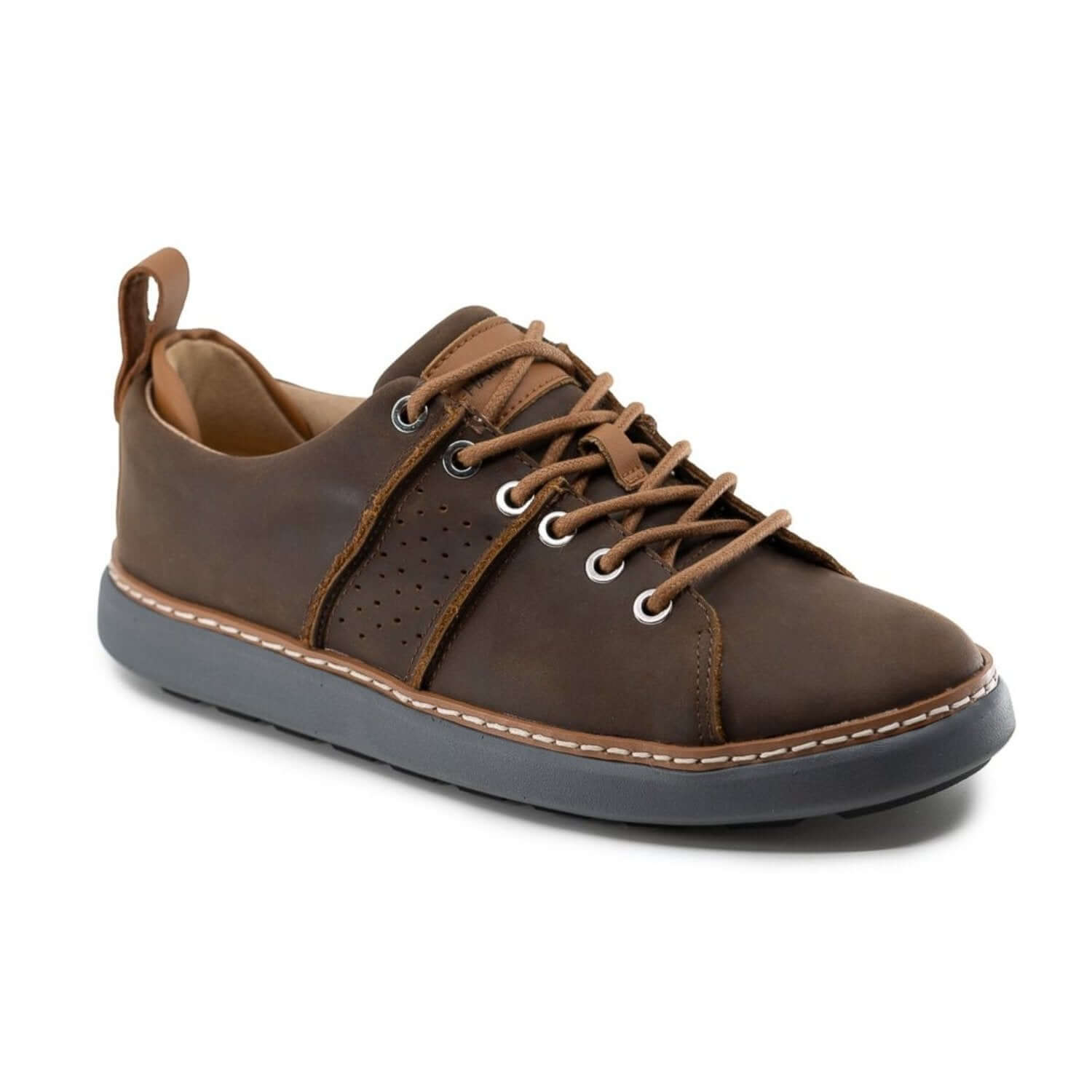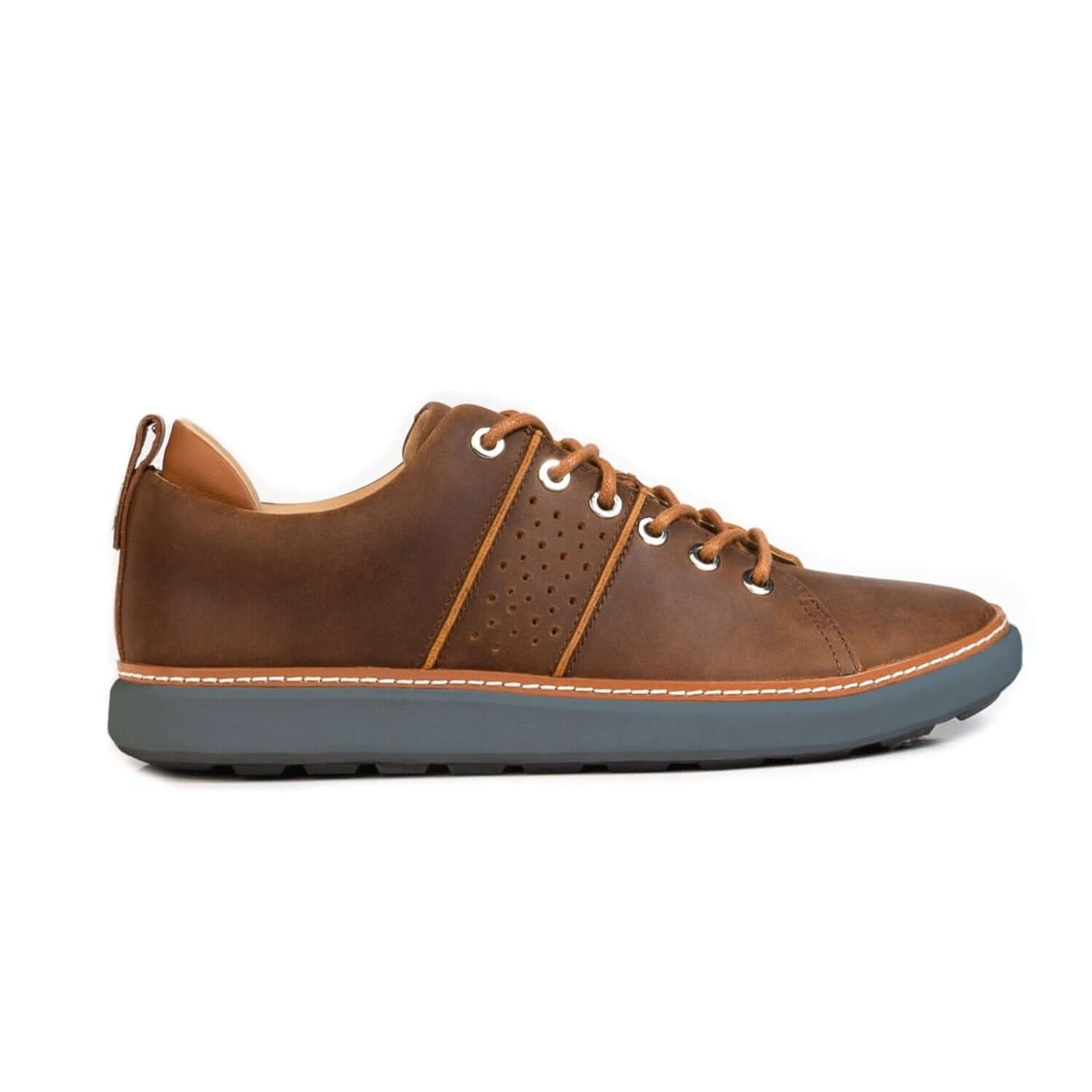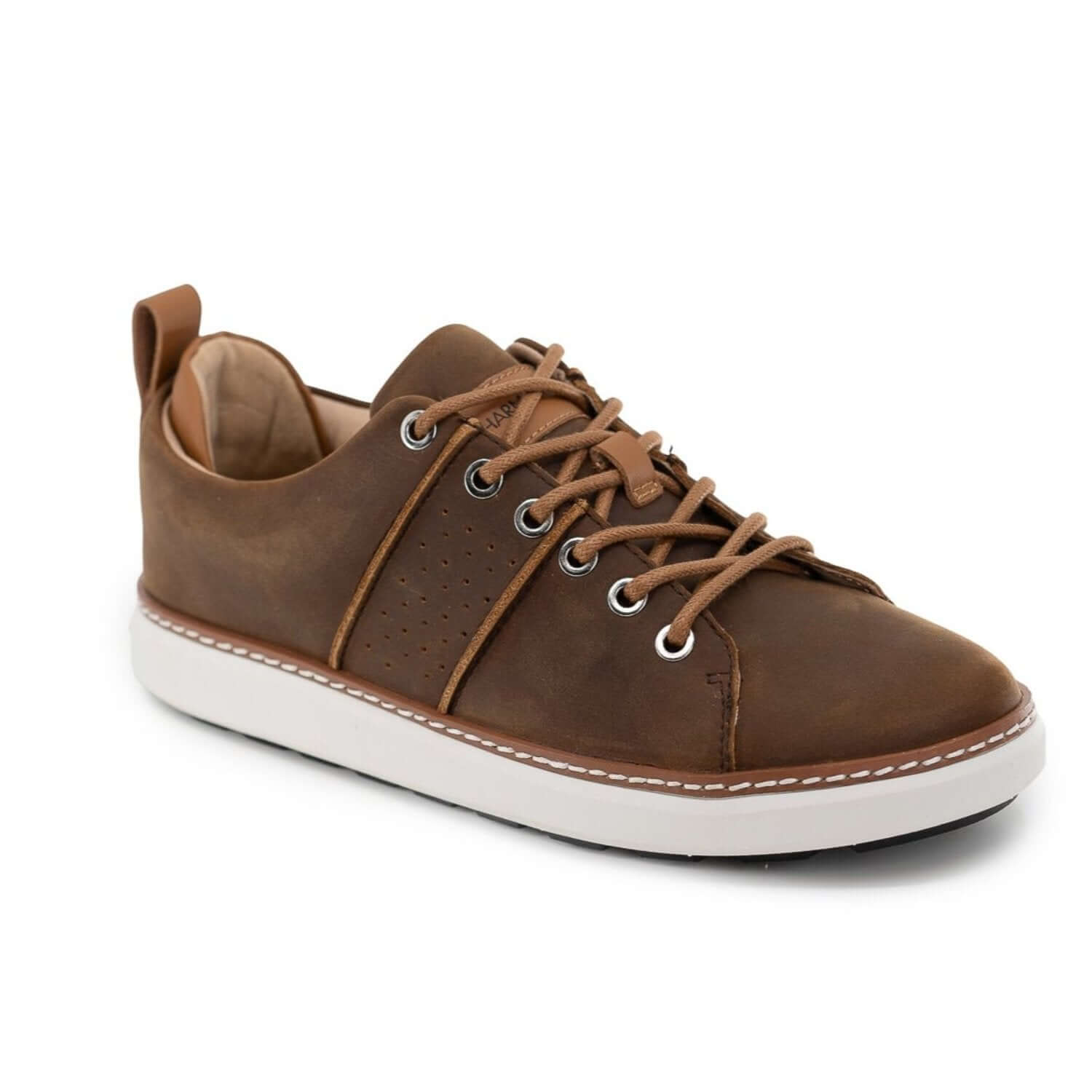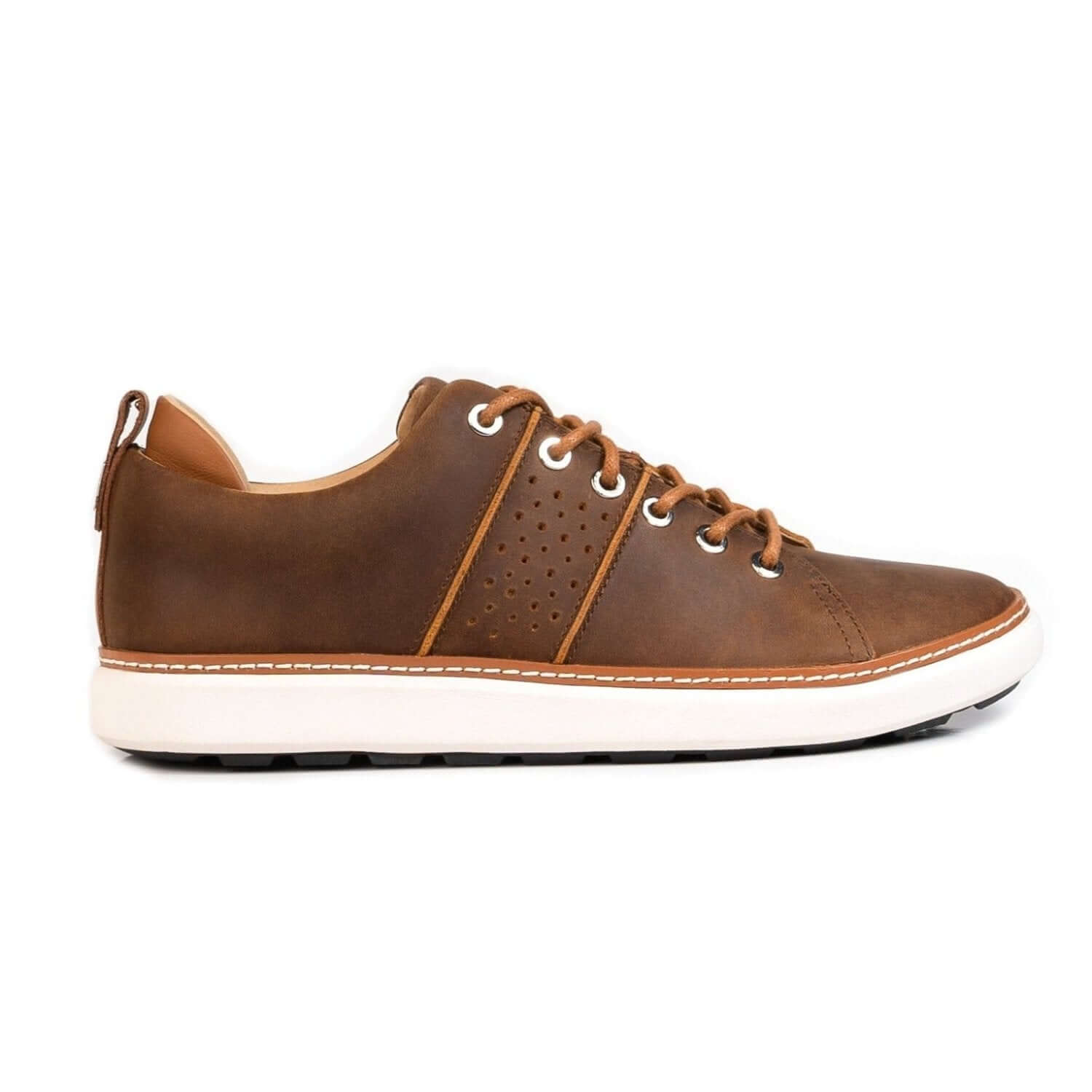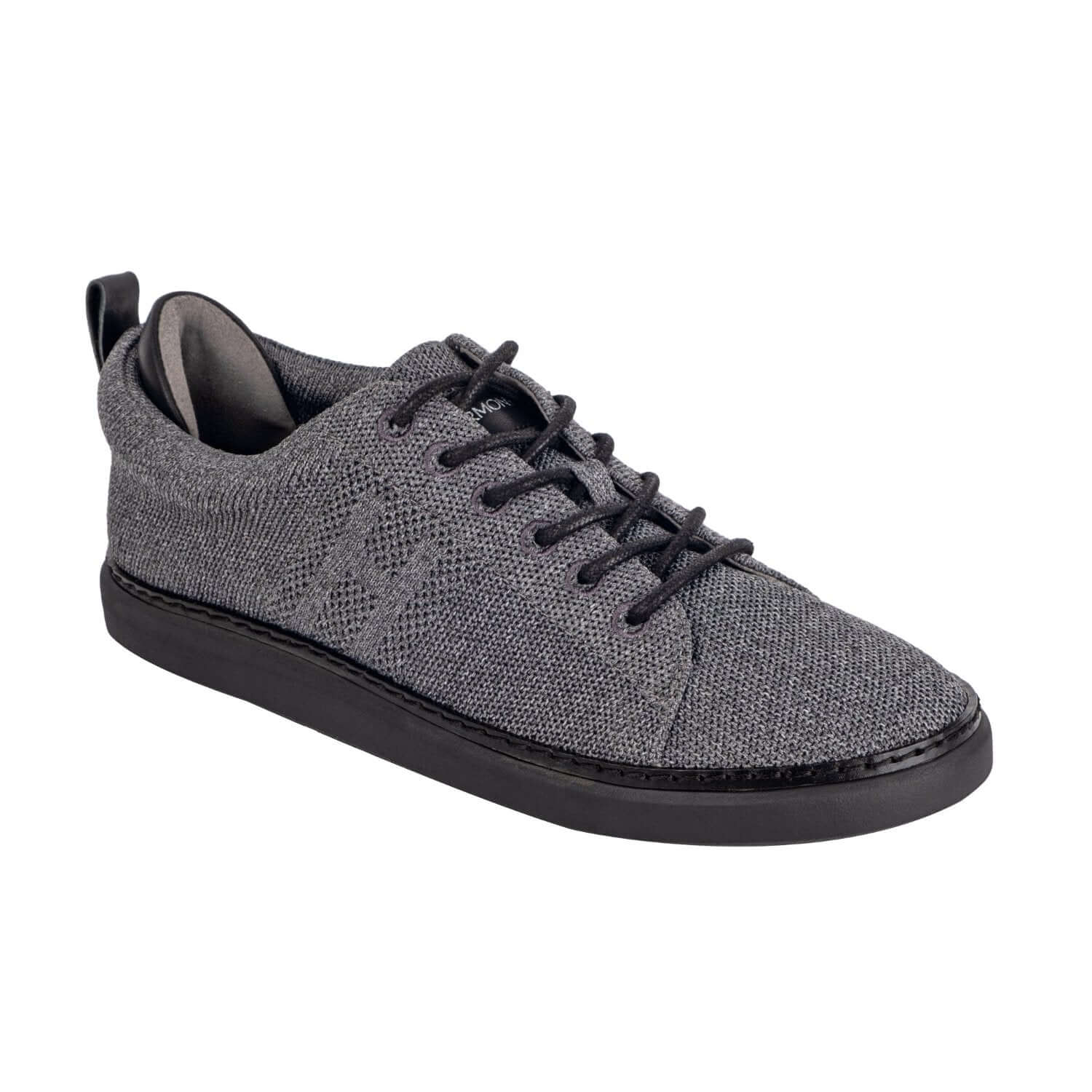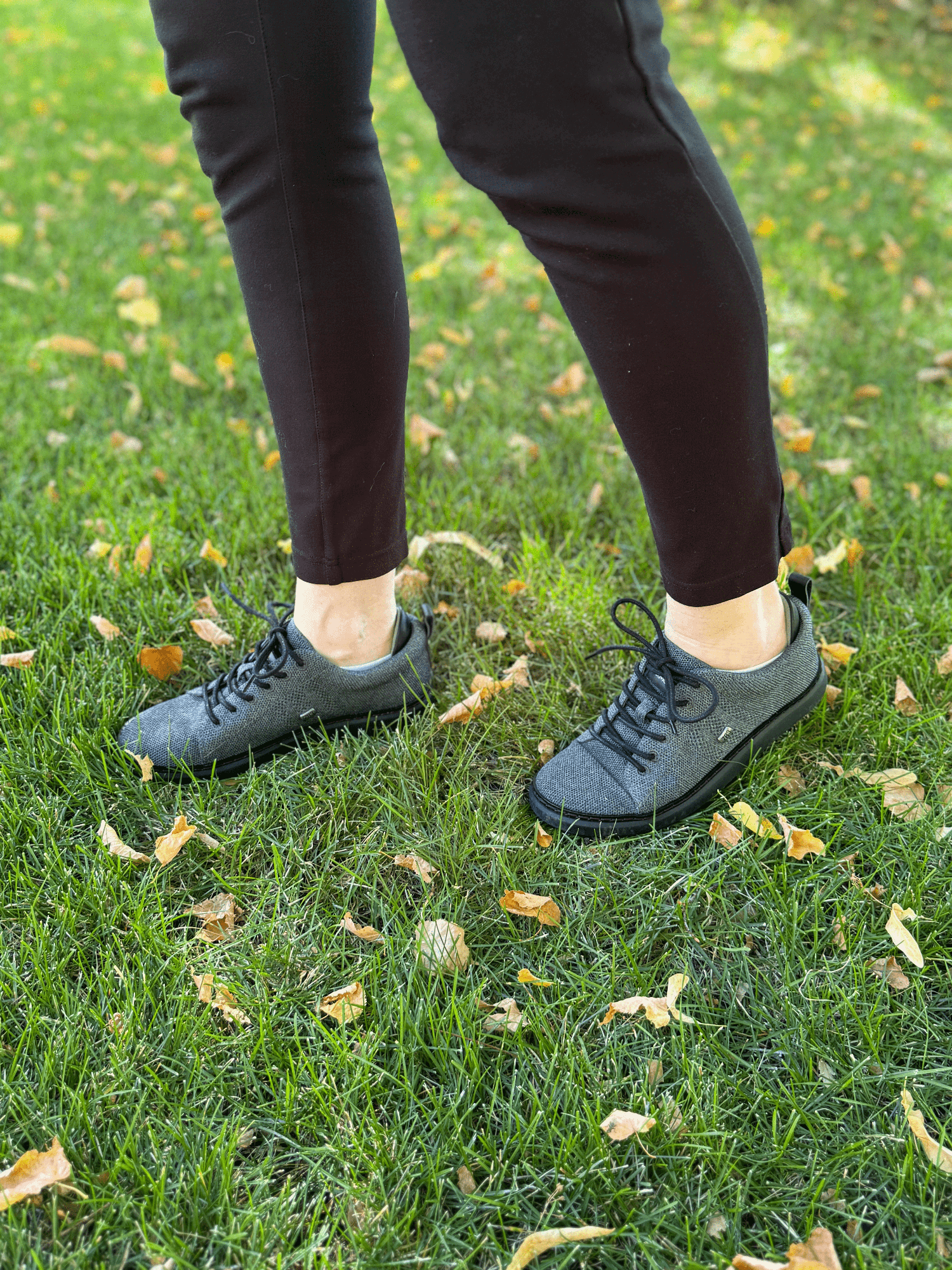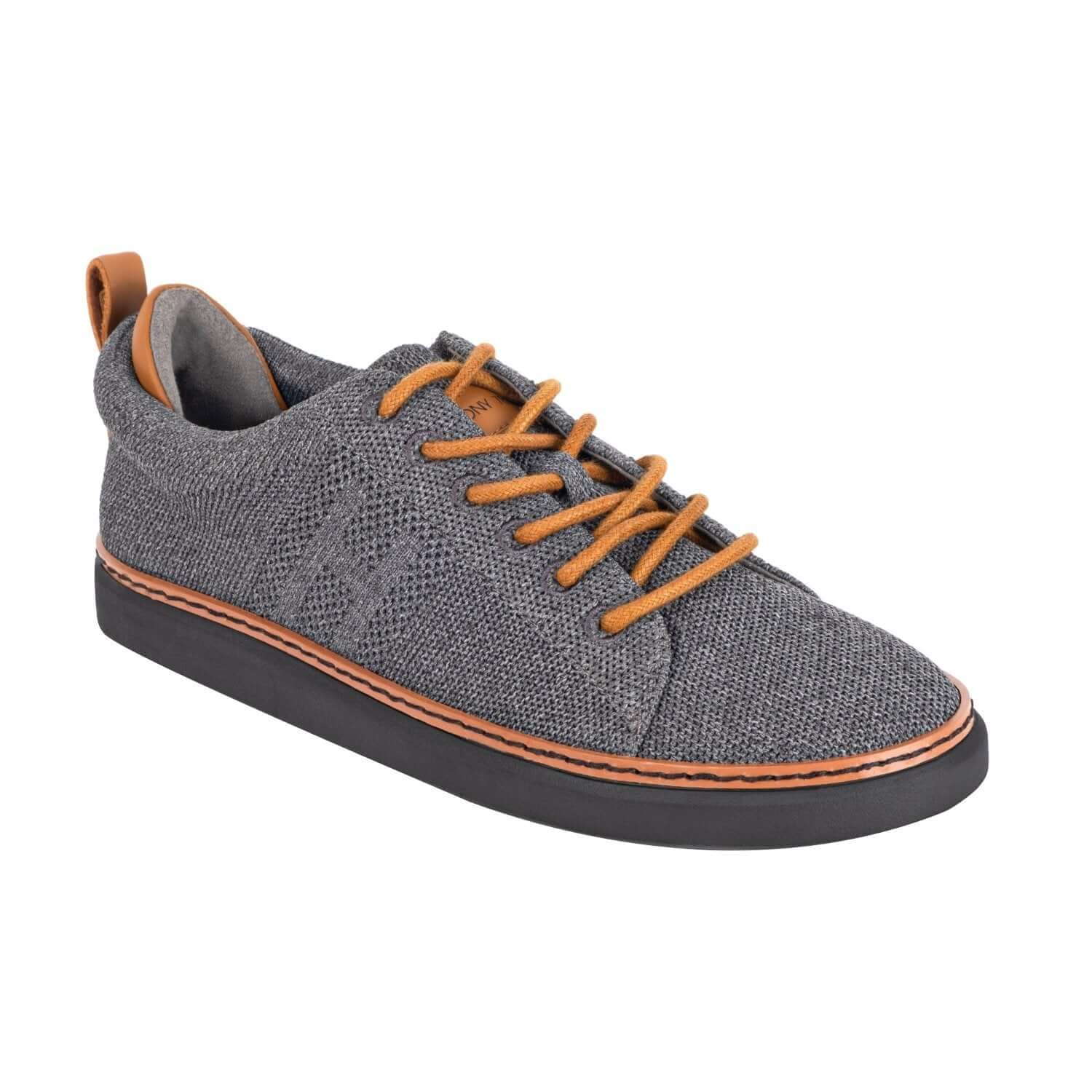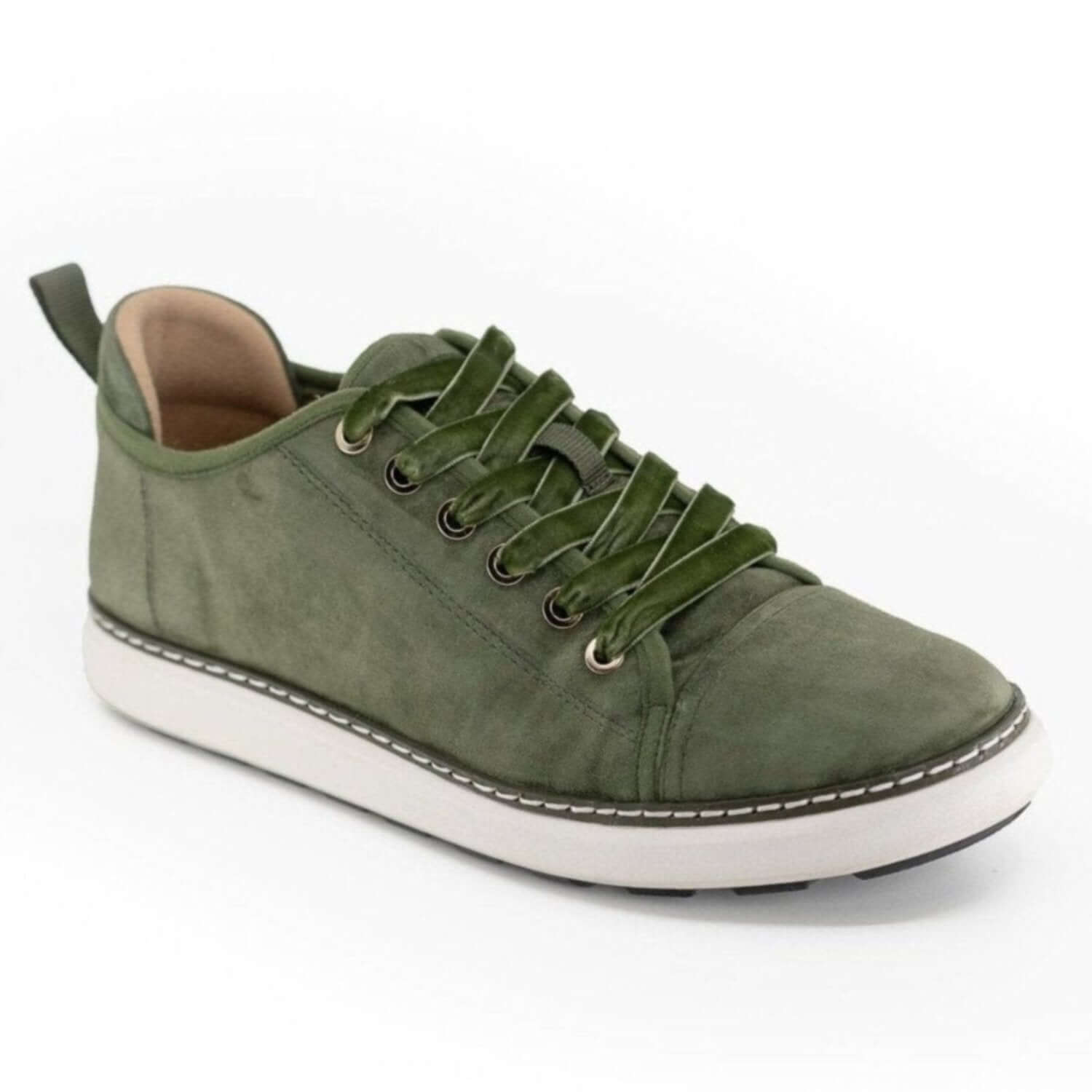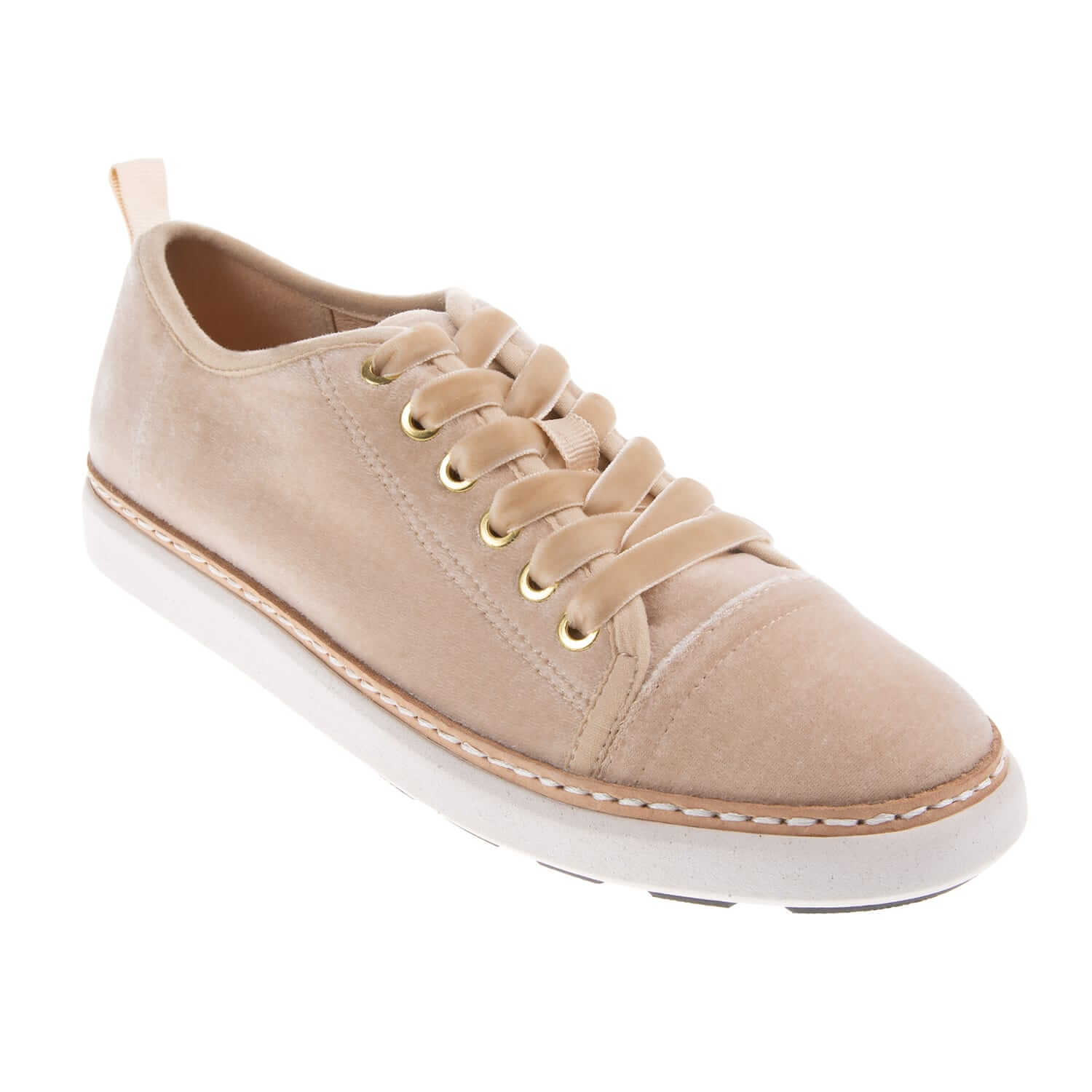

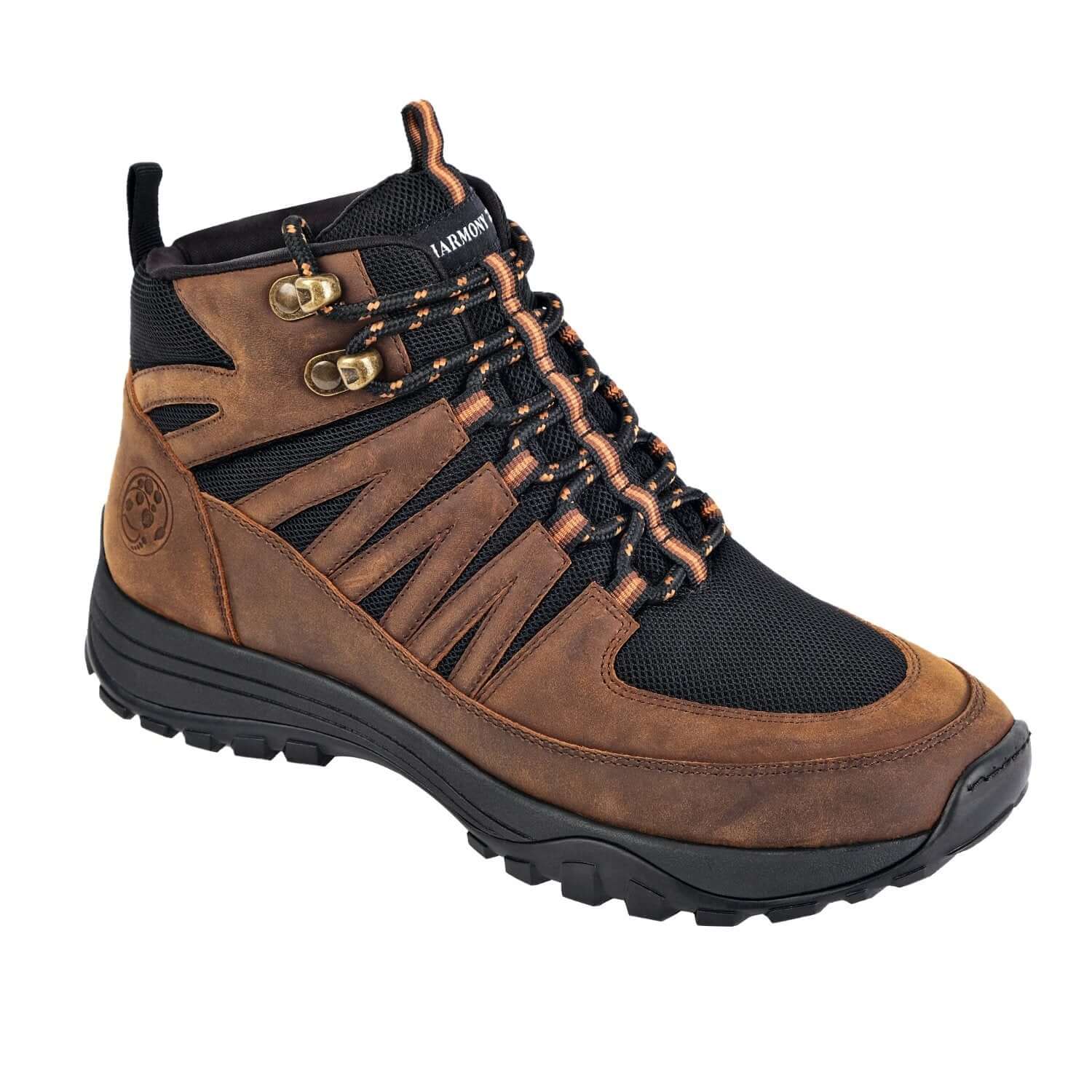
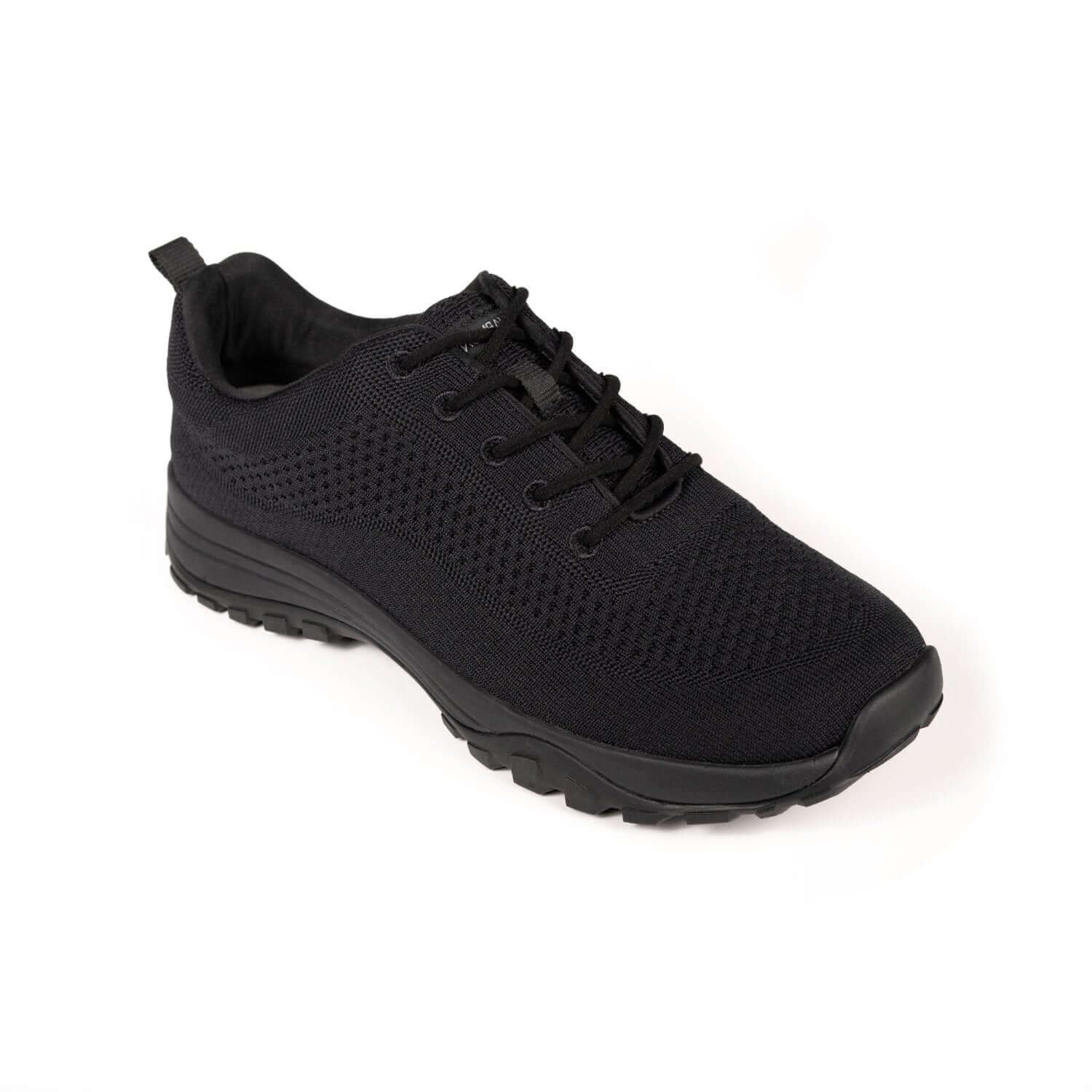
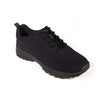
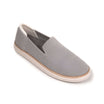
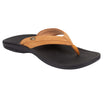
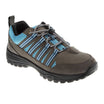
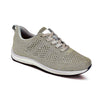
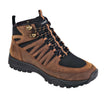
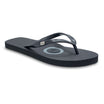
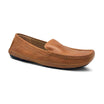
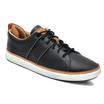

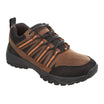
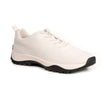


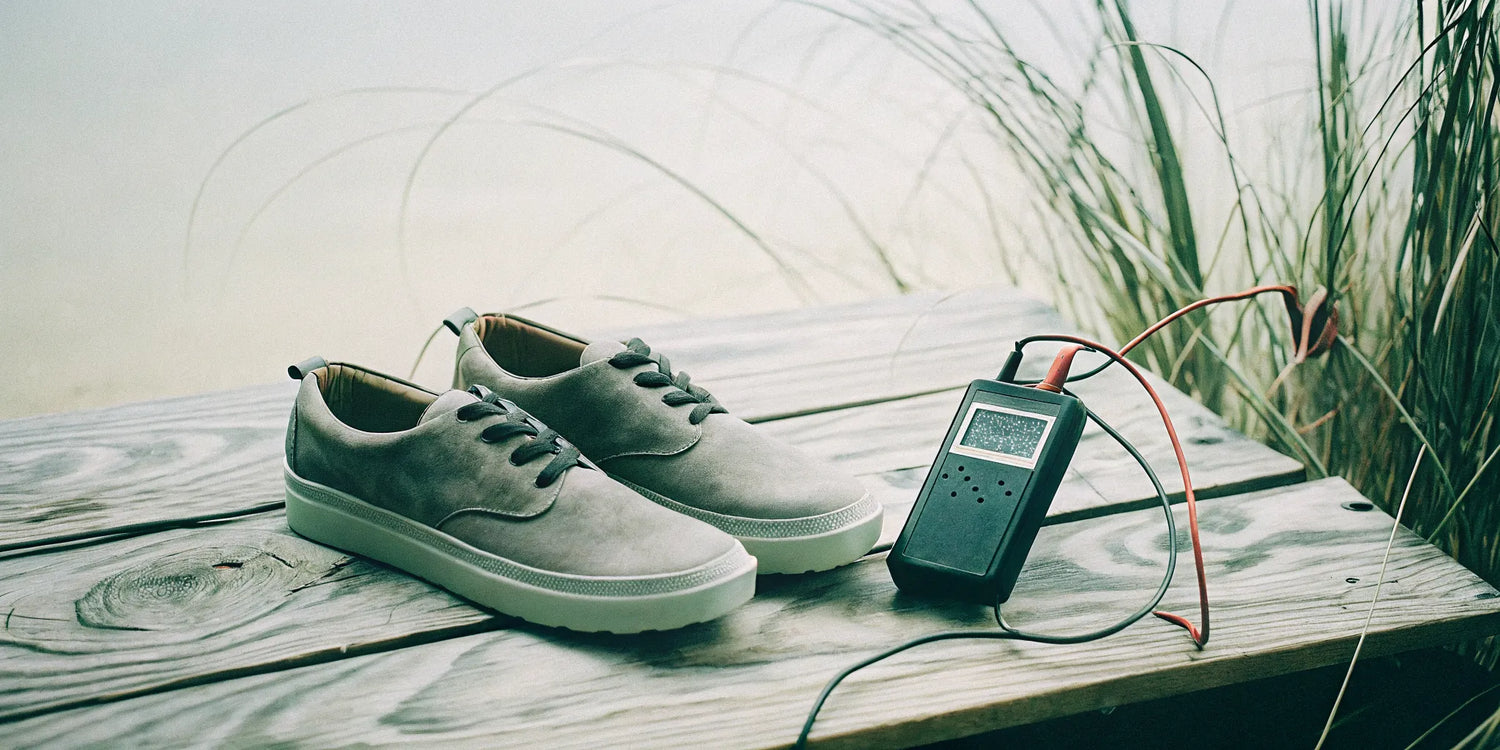
You bought grounding shoes because they are designed to create a conductive path between your feet and the earth. But how can you confirm that path is still intact? The answer is not guesswork or a feeling. A quick electrical continuity check can show whether current can travel from the inner footbed to the outsole.
Explore Harmony 783 Grounding Shoes
Learning how to test grounding shoes takes only a few minutes. Place one probe of a multimeter or continuity tester on the conductive area inside the shoe and the other on a conductive point of the outsole. A beep or a low-resistance reading indicates continuity through the shoe. Test both shoes, repeat the reading at several points, and use a standard rubber-soled shoe as a comparison.
This test confirms electrical continuity, not a specific health outcome. Results can also change with probe placement, surface conditions, dirt, moisture, and wear. The steps below explain how to get a repeatable reading, interpret it carefully, and troubleshoot an unexpected result.
What does a grounding shoe test actually prove?
A grounding shoe test checks if your footwear can move electrons from the ground to your body. This path is known as electric continuity. When you learn how to test grounding shoes, you are looking for a clear path for power to flow. The test does not measure your mood or health. Instead, it shows if the shoes are still acting as a bridge to the Earth.
Finding the conductive path
The test checks the link between the footbed and the outsole. In our shoes, this path uses Groundworks technology. This system uses silver stitching to keep you connected. A test of the conductivity of your grounding shoes proves these parts still touch. If the path is broken, the shoe cannot do its job.
The Earth has a big supply of free electrons that can help the body. Science papers show that direct physical contact with the Earth lets these electrons move into your system. A meter shows if your shoe allows this flow. It helps you find hidden blocks like dirt or worn parts. This keeps your connection to the Earth's natural energy strong and steady.
Continuity versus health goals
It is vital to know the difference between a working shoe and a health result. The test only measures the flow of power. It does not show if your sleep is better or if you feel less pain. While many people report better sleep when they stay grounded, the shoe test only checks the physics of the gear. It proves the tool is ready for use in your daily life.
You should not expect a meter to show how much your wellness has changed. It only shows if the shoe is a good conductor. This is the first step in a good wellness routine. If the meter shows a low number, the shoe is doing its part. This gives you peace of mind while you move through your day. Most users check their gear to stay sure of their results over time.
Setting simple goals for testing
Use these tests to verify your grounding shoes are working as the maker planned. You should check them often if you walk on trails or grass. Dirt can build up on the bottom and block the path. Regular checks help you know when it is time to clean the soles. You should test your shoes when:
- The soles look dirty or muddy.
- You have worn the shoes for many months.
- You do not feel the usual benefits of grounding.
This ensures the 5-layer system is always ready to work for you. It keeps your path to the Earth open and clear. Knowing how to test grounding shoes makes your routine more useful. You can trust the silver-stitched footbed is doing its job. This lets you focus on your walk and your health. Staying grounded is a choice for a better life. A simple test proves your shoes are the right partner for that goal. Every pair we make is checked for this link before we ship them to you.
How to test grounding shoes with a multimeter
You can check if your shoes link you to the earth. A test shows if the path for electrons is open. Grounding shoes use special parts to let power flow from the ground to your body. Research shows that walking on the earth can help your health. This test makes sure your shoes do that work. You will feel sure that you are getting the benefits while you are outside.
You do not need to be an expert to do this. A simple tool called a multimeter can test the conductivity of your grounding shoes at home. Doing this check every few months helps you know your gear is still good. It gives you peace of mind while you walk.
Tools and setup
Find a clean, flat surface to work on. You will need a digital multimeter. This device measures how well power moves through an object. Set your meter to the "ohms" or resistance mode. This is often shown by a symbol that looks like a small horseshoe. If your meter has a beep mode for links, you can use that too. Make sure the room is well lit so you can see the small screen.
You also need a pair of shoes that are dry. Water can change the test results and give a false read. If you just came in from the rain, wait for the soles to dry out first. Clean off any thick mud or grit from the bottom. These things can act as a wall and stop the flow of power during your test.

The five-step test
To get a true reading, make sure the soles of your shoes are clean. Dirt or small rocks can block the test. Once the shoes are dry, you are ready to start. The goal is to bridge the gap from the inside of the shoe to the very bottom. Follow these steps to find the link.
- Check the meter. Turn it on and touch the two metal tips together. The screen should show a very low number or make a beep.
- Place the inside probe. Touch one probe to the silver-stitched part inside the shoe where your foot rests.
- Place the outsole probe. Press the second probe firmly against the part of the outer sole that touches the ground.
- Read the result. Watch the meter screen. A low-resistance reading indicates that the shoe has a continuous electrical path.
- Repeat the test. Move the outside probe to the heel, arch, and ball of the sole, then test the other shoe.
The probes must make good contact with the shoe. Do not just touch them lightly. Press down a bit to ensure the metal tips reach the conductive parts. This helps the meter get a solid read on the path.
How to read the results
A low number on the screen is what you want to see. This proves the silver parts inside are linked to the sole outside. Most grounding shoes will show a clear path with very little resistance. If the screen does not change or shows a "1," the path is blocked. This might mean you need to clean the sole better or check for wear. It could also mean the probe is not on the right spot.
You can also test a pair of normal gym shoes to see the gap. Standard shoes usually have thick rubber soles that block all power. Rubber is a great insulator, which means it stops electrons from moving. When you test them, the meter will not show any flow at all. This shows why special shoes are needed to stay linked to the earth's field. You can see the tech works with your own eyes.
Can you use a continuity tester instead?
You may not have a digital multimeter at home. In this case, a simple continuity tester is one of the practical ways to test grounding shoes. These tools are cheap and easy to find at any local hardware shop. While they do not give a specific number, they show if energy can flow through your shoes to the earth.
What is a continuity tester?
A continuity tester is a small tool that checks for a full path for energy. It often looks like a screwdriver with a light or a small box with a beep. Grounding shoes work by creating a conductive path from your foot to the ground. If your tool lights up or beeps, it means the path is clear. This shows that the silver materials in our shoes are doing their job to keep you grounded.
How to run the test
To start, place your shoe on a dry, non-conductive surface like a wood table. Touch one probe of the tester to the silver-stitched part of the footbed. This is where your foot makes contact inside the shoe. Then, touch the other probe to the conductive part of the outer sole. If the tool makes a sound or a light glows, your shoes have a solid connection. This simple check lets you verify your grounding shoes are working as they should.
Checking each shoe
Be sure to test both the left and right shoes. You should also check many spots on the sole to ensure the path is strong in each part. If the light is dim or the beep is soft, you might need to clean the bottom of your shoes. Dirt or mud can block the flow of electrons from the earth. By keeping your shoes clean, you ensure that you test the conductivity of your grounding shoes with the best results every time.
Which surfaces make a reliable real-world test?
To test the conductivity of your grounding shoes, you must stand on a surface that can carry a charge. These surfaces are called conductive. They allow the Earth's supply of free electrons to move through the ground and into your body. This flow is the core mechanism of grounding, as noted by researchers at the NIH.
Conductive surfaces for testing
The best places to test your shoes are natural, moist surfaces. Soil, grass, and sand are all great because they hold moisture, which helps the flow of electrons. Unsealed concrete is also a good choice. Since concrete is porous, it draws water from the earth below. This makes it a steady path for the Earth's natural energy to reach your shoes.
When you use these surfaces, ensure the soles of your shoes are clean. Dirt or small rocks can act as a shield. They might block the direct contact needed for a practical way to test grounding shoes. Even a thin layer of dust can sometimes skew your results, so a quick wipe of the soles is always a good idea before you start.
Nonconductive surfaces to avoid
Many modern surfaces are insulators. This means they stop the flow of energy. If you try to test your shoes on wood, plastic, or vinyl, you will not get a grounding connection. These materials do not allow electrons to pass through them. Asphalt is also an insulator because it contains oil. This oil blocks the path between you and the Earth.
Indoor surfaces like carpet or tile over a wood floor will not work either. Even if you feel like you are on the ground floor, these layers of building materials break the circuit. To get a real result, you need a direct link to the soil or a conductive material like wet concrete that touches the dirt below.
Surface comparison for grounding
| Surface Type | Conductivity | Reliability for Testing |
|---|---|---|
| Grass and Soil | High | Best for real-world checks. |
| Unsealed Concrete | Good | Works well if not painted. |
| Sand (Wet) | High | Excellent near shorelines. |
| Wood and Vinyl | None | Will not show a connection. |
| Asphalt | None | Acts as a block to the Earth. |
The role of moisture and socks
Moisture plays a big role in how well you connect to the Earth. Wet grass or damp soil will give you a stronger reading than dry dirt. If your test results seem low, try lightly misting the ground with water. This can lower the resistance and make it easier for your shoes to verify your grounding shoes are working.
Your socks can also change the outcome. While some grounding shoes work through thin cotton socks, bare skin or conductive socks are best. Most standard socks are not made to carry a charge. If you want to be sure of your shoe's function, test grounding shoes while you are barefoot or wearing silver socks made for earthing.
What if your grounding shoes fail the test?
A failed test can be a shock, but it does not always mean your shoes are broken. Many small things can block the flow of electrons between your body and the earth. Before you give up, use these steps to find and fix the block in your path. This check helps you verify your grounding shoes are working as they should.
Clean the soles and contacts
Dirt and dust are the most common reasons for a failed test. Even a thin layer of grime on the bottom of your shoe can stop the flow of energy. Use a damp cloth to wipe the sole and the inner footbed. Pay close attention to the silver-stitched parts of your shoes. This ensures the pure silver cloth can bridge the gap from your foot to the ground. Once clean, let the shoes dry fully before you try to test them again.
Check your socks and skin
What you wear on your feet matters as much as the shoes. Thick socks made of wool or heavy cotton can act as a shield. They block the path to the silver-stitched footbed inside the shoe. For the best result, test your shoes while barefoot or with very thin socks. If your skin is very dry, it may also lead to a high resistance reading. A small amount of moisture on your feet can help improve the link between your skin and the shoe.
Grounding shoes work by building a bridge for the Earth's free electrons to enter your body. If this bridge is blocked, you lose the chance to facilitate electron transfer through direct contact. Testing the shoe in more than one spot on the sole can also help. Sometimes a single point on the sole might have more wear than the rest.
Inspect for wear and damage
Over time, the conductive parts of a shoe can wear down. Look closely at the bottom of the shoe for signs of deep scrapes or missing material. If the silver thread is torn or the plug is gone, the shoe may fail the test. You should also check your meter settings and battery. A low battery in your tester can give you a false fail. If you still have trouble after these checks, it is best to test the conductivity of your grounding shoes by asking the maker for help.
How Harmony 783 builds a continuous connection
Grounding, or earthing, is a simple way to stay in touch with the natural charge of our world. Expert studies on grounding show that the earth's surface holds a big supply of free electrons. Modern life often keeps us away from these electrons. We use shoes with thick rubber soles that block the flow. Harmony 783 shoes fix this with a smart design. They make a clear path for energy to move from the ground into your body. This lets you get the same effect as being barefoot while you walk in comfort.
The 5-layer Groundworks system
The core of each shoe is our special Groundworks tech. This system uses five layers to make sure you stay grounded in every step. It starts with a base of safe foam made from algae. This foam is light and provides great support for your feet. Some other brands use a small plug, but our system covers the whole foot. Our grounding technology stays active no matter how you stand or move. This design helps keep a steady flow of energy from the heel to the toe.
The layers are stacked to keep the shoe soft but strong. We do not use parts that block the flow of electrons. Instead, each layer supports the next to build a bridge to the earth. This means you can wear them all day and stay linked to the earth's energy. It is a smooth blend of style and science that works with your body's natural state. You get the benefits of the earth without having to take off your shoes.
Silver-stitched parts for better flow
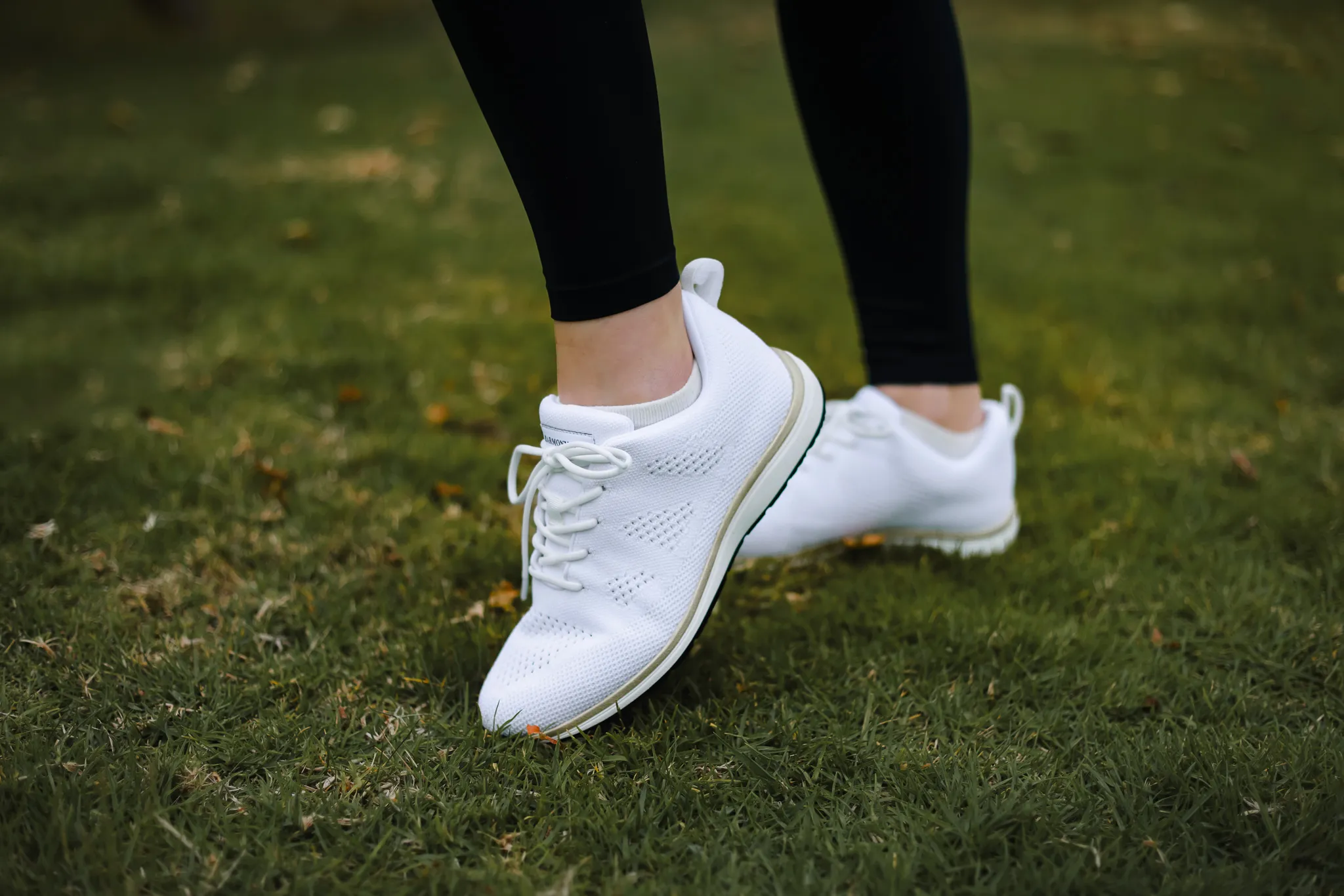
We use pure silver to build the path for energy. Silver is one of the most conductive metals in the world. Our shoes have a silver-stitched footbed and a silver-stitched lasting board. We also include a loop made of 99% pure silver fabric. These parts work together to make sure the flow of electrons is never broken. If you are looking for a pair that fits your style, you can see our full line of grounding shoes online. From sneakers to sandals, we put the same silver system in every model.
Using silver helps the shoes last longer too. It is a tough metal that can handle the wear and tear of daily use. It also has natural traits that keep your shoes fresh. By using silver throughout the shoe, we make sure the link stays strong for the life of the footwear. You do not have to worry about the grounding path wearing out quickly. It stays working as long as you wear the shoes.
Testing every pair for quality
Many people want to know how to test grounding shoes once they get them. While you can do this at home, we make sure it is done before the shoes reach your door. We test every single pair of shoes for a grounded link at our factory. This check makes sure that the path is fully working. We look for a low resistance level in each shoe. This tells us the silver parts are making a good bridge between your foot and the sole.
Our goal is to give you a shoe you can trust from day one. This high standard for quality sets us apart in the wellness world. We believe that grounding should be easy and reliable for everyone. To find out more about why this link matters, you can read our guide on what is grounding and how it works. Our testing makes sure that your path to the earth's natural energy is always clear and strong.
How often should you test grounding shoes?
Grounding shoes help you stay in touch with the earth's own charge. To make sure they keep working, you need to check them often. Testing shows if the shoes still let electrons flow from the ground to your feet. Most users find that a mix of routine checks and special tests works best. You do not need a strict plan, but a few key times are vital for testing. Many people keep a simple log to track their results over time. This log shows how the shoes wear out and when it is time for a new pair.
Test when they arrive
When you buy a new pair, you should test the conductivity of your grounding shoes right away. Testing when they arrive makes sure the shoes were made right. It also shows they were not hurt during shipping. This first test gives you a base reading. Write this number down so you can check it against later tests. If the resistance is low at the start, you know the shoes are ready to use.
Routine monthly checks
If you wear your shoes every day, a monthly test is a good habit. Over time, the parts in the sole can change. Dirt, oils, and small rocks can get stuck in the tread. These things can act as a wall that stops the flow of charge. For people who live in cities, salt from the roads in winter can also be a problem. Checking your shoes once a month makes sure you always get the good effects of grounding. A test is also wise after certain events, such as:
- When the shoes are brand new out of the box.
- After you walk through deep mud or heavy rain.
- Once you have cleaned or washed the shoes.
- If you have not worn the shoes for several months.
- If you feel a return of old health symptoms.
Watch for changes in your body
Many people use grounding to help with health issues. Grounding shoes create a path for electrons to flow from the earth into your body. This flow can help with things like sleep and stress. If you notice that you are not sleeping as well, it might be time for a test. Heavy wear in the rain or on rough trails can cause the active parts to wear down. A quick test after a big hike or a long day in the mud will tell you if the shoes are still safe to use. Keeping a log of your test results is a great way to stay on track.
Find Your Harmony 783 Grounding Shoes
Frequently Asked Questions
How do you test whether grounding shoes work?
You can test grounding shoes with a tool called a multimeter. Set the tool to measure ohms and touch one probe to the silver footbed and the other to the bottom of the sole. A low reading means the shoe is working. Testing your shoes is a good way to check that the path for electrons is open. As noted by Harmony 783, keeping the soles clean helps maintain this path.
Can I use a multimeter to test grounding shoes?
Yes, a multimeter is a simple tool that helps you find out if your shoes have a steady electrical path. Set the tool to measure ohms and touch one probe to the silver footbed and the other to the outer sole. A low number means the parts are touching correctly. This confirms that an electrical path runs between the footbed and the outsole.
How do you know if grounding shoes are still working?
You can know if grounding shoes work by checking for a steady path between the footbed and the outer sole. Grounding shoes like those from Harmony 783 use silver stitching to bridge the gap between your foot and the earth. If the path is broken by dirt or wear, the shoes will not ground you. Regular testing ensures that the parts are still doing their job so you can get the good results of being connected to the ground.
Is there any evidence that grounding shoes work?
Many studies show that grounding, also called earthing, has real effects on the body. Physical contact with the earth allows a transfer of electrons that can help with sleep and reduce pain. A study in the Journal of Environmental and Public Health explains that the earth has an endless supply of electrons. These electrons may help your health by fixing the disconnect caused by modern life and shoes that do not ground.
Ready to choose grounding shoes built for connection?
Now that you know how to check continuity, you can make grounding footwear part of your routine with greater confidence. Harmony 783 tests every pair for a grounded connection before shipping and combines a conductive pathway with comfortable, fashion-forward designs.
Explore Harmony 783 Grounding Shoes
Find a comfortable, fashion-forward style designed to keep you connected while you move through your day.