

















Grounding starts with one small act: noticing where you are right now. That simple pause can steady you when stress, racing thoughts, or strong emotions pull your attention away.
Learn what grounding is and how it can fit into your everyday routine.
How to ground yourself means bringing your attention back to the present through simple physical or mental actions. Place both feet firmly on the floor, relax your shoulders, take one slow breath, and name a few details you can see, hear, or feel. These steps can interrupt a stress spiral and reconnect you with the here and now.
Knowing the basics is useful, but the real question is how to use them when your thoughts begin to race. How to ground yourself in five simple steps turns that idea into a short routine you can use almost anywhere. Here's how.
How to ground yourself in five simple steps
Outdoor earthing is simple: place bare skin on a natural surface and notice how the contact feels. It differs from psychological grounding, which brings attention back to the present during stress or strong emotions. The National Center for Biotechnology Information describes psychological grounding as a way to reconnect with the here and now.
The routine below focuses on safe, calm contact with the outdoors. Treat comfort as your guide, not a test of how long you can stay outside.
Before you step outside
Choose a familiar place where you can see the ground well. A clean patch of grass, soft soil, or smooth sand may work. Avoid broken glass, sharp stones, animal waste, thorny plants, hot pavement, and areas treated with chemicals.
Check the weather and surface temperature before removing your shoes. Skip barefoot earthing during storms, extreme heat, or freezing weather. If balance is a concern, sit in a steady chair and place your feet on a safe surface.
Bring a towel and keep your shoes within reach. This makes it easy to stop, clean your feet, and move away from changing conditions.
Your five-step outdoor routine
Choose safe terrain. Find a clean, level natural surface with no sharp objects or clear hazards. Keep a chair or shoes nearby.
Check your feet. Look for cuts, blisters, swelling, or tender areas before going barefoot. Keep shoes on if contact may cause pain or harm.
Start briefly. Stand, sit, or walk on the surface for a short, comfortable period. There is no need to meet a set time.
Notice the contact. Pay attention to temperature, texture, pressure, and sounds around you. Breathe at an easy pace without forcing deep breaths.
Finish and check again. Brush or wash your feet, then look for irritation or small injuries. Note what felt calm, neutral, or uncomfortable.
Comfort and present-moment awareness
Stop if you feel pain, numbness, dizziness, or growing discomfort. People with reduced foot sensation, poor circulation, open wounds, or balance concerns should ask a clinician about safe options first.
You can also use the outdoor setting for psychological grounding. Name what you see, hear, and feel while keeping your feet protected if needed. Simple physical actions, such as placing both feet firmly down, can support present-moment focus.
Earthing and psychological grounding can happen together, but they are not the same practice. Earthing centers on contact with a natural surface. Psychological grounding centers on attention, so it can work indoors, outdoors, barefoot, or in shoes.
What does grounding yourself mean?
Grounding yourself can mean two related but distinct practices. One brings your attention back to the present through your senses. The other, often called earthing, involves direct or conductive contact with the earth. Knowing the difference helps you choose what fits your goal.
Two meanings of grounding
Present-moment grounding is a coping skill used when thoughts or feelings become hard to manage. It shifts attention toward what is happening around you now. An NCBI clinical guide describes grounding as a way to reconnect with the here and now during strong emotions or dissociation.
Earth-contact grounding is a physical practice. It can involve standing barefoot on soil, grass, or sand. It may also involve wearing conductive footwear intended to maintain contact with the ground. This meaning focuses on the link between the body and the earth, not on a sensory coping exercise.
| Point of comparison | Present-moment grounding | Physical earth contact |
|---|---|---|
| Main aim. | Bring attention to the here and now. | Create direct or conductive earth contact. |
| Common method. | Notice sights, sounds, touch, or breath. | Stand barefoot or use conductive footwear. |
| Typical setting. | Almost anywhere. | Outdoors or with a grounding product. |
| Time needed. | A brief pause or longer practice. | Varies by activity and setting. |
| Evidence-aware view. | A recognized coping strategy. | Research is still developing. |
Present-moment grounding
Sensory grounding gives the mind a clear, simple task. You might name nearby colors, notice the floor under your feet, or follow a slow breath. Cleveland Clinic groups these methods into mental, physical, and soothing strategies in its overview of grounding techniques.
These methods are tools, not promises of instant relief. They may help you manage a difficult moment, but they do not replace professional care. If distress feels severe, keeps returning, or affects daily life, consider speaking with a qualified health professional.
Physical earth contact
Earthing uses a more literal meaning of the word. The practice centers on contact with natural ground, either through bare skin or a conductive item. Someone learning how to ground yourself may use this approach as a calm outdoor habit or part of a daily routine.
It is useful to keep expectations measured. Earth contact can offer time outdoors and a pause from daily demands, but health claims need careful review. The two forms can also overlap when you notice your senses while standing on the ground.
Easy ways to practice grounding outdoors
Barefoot walking with awareness
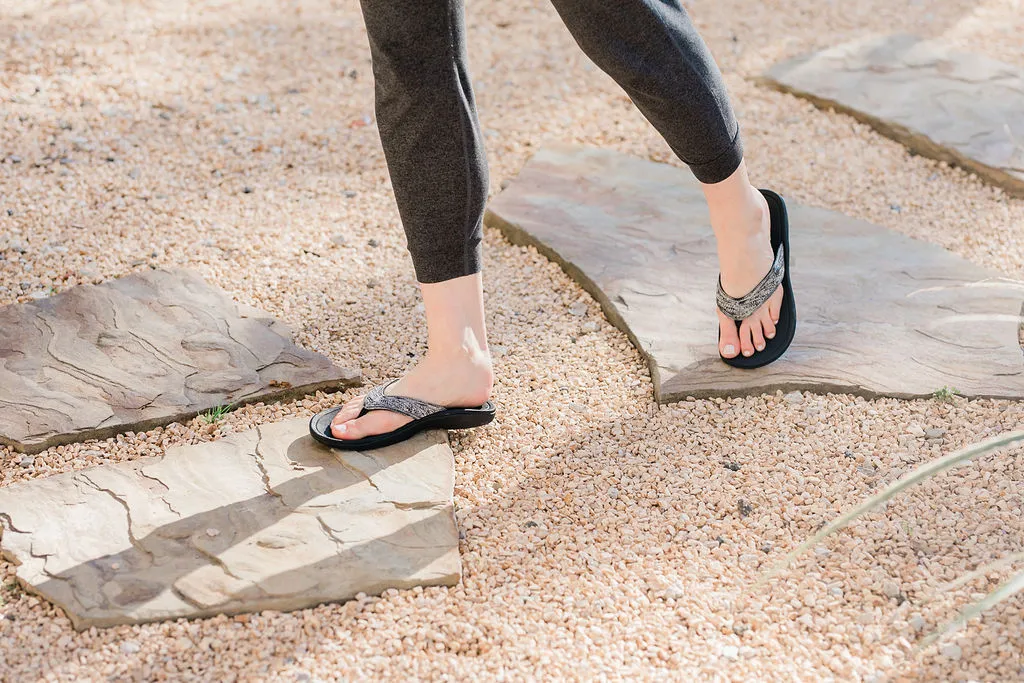
Barefoot walking is a simple way to pair outdoor contact with present-moment focus. Choose a clean patch of grass, soil, or sand. Then walk at a calm pace and notice pressure, texture, warmth, and balance with each step.
Start with a few minutes in a familiar place. Slow down if your mind wanders, and name what your feet can feel. This sensory focus fits the broader goal of grounding: becoming aware of the here and now. The National Center for Biotechnology Information also lists physical cues, such as placing both feet on the floor, as grounding strategies.
- Check the area first for glass, thorns, sharp rocks, hot pavement, and animal waste.
- Wear shoes if you have foot wounds, reduced feeling, balance concerns, or advice from a clinician to protect your feet.
- Stop if you feel pain, numbness, dizziness, or unsafe.
Seated contact and gardening
You do not need to walk barefoot to practice outside. Sit on dry grass, sand, or soil while keeping your hands or feet in contact. Notice the ground's support, the air on your skin, and nearby sounds without trying to change them.
Gardening offers another hands-on option. Pull weeds, turn soil, or repot a plant while paying close attention to weight, scent, and texture. Gloves can protect your hands while you still use the activity as a sensory anchor. If strong feelings arise, grounding techniques may help shift attention toward what is happening now.
- Use gloves around rough plants, unknown soil, fertilizers, or compost.
- Wash your hands after gardening and before eating.
- Choose shade, drink water, and avoid working outside during unsafe heat or storms.
Natural water and safer choices
A shoreline can support a calm grounding routine. Stand at the water's edge and notice coolness, movement, sound, and the feel of sand or stones. You can also sit nearby and focus on those details without entering the water.
Treat natural water with care. Check local warnings, weather, tides, and currents before approaching it. Avoid bare feet near hidden hooks, sharp shells, slippery rocks, or polluted water. Never enter fast-moving water for a grounding exercise, and do not go alone in unfamiliar areas.
When learning how to ground yourself outdoors, pick the safest method that feels easy to repeat. The aim is steady attention, not discomfort or risk. Shoes, gloves, a chair, or a dry towel can make the practice more accessible while keeping your focus on the present.
How can you ground yourself in daily life?
Build grounding into your routine
Learning how to ground yourself starts with choosing cues that already occur each day. Try a short practice after waking, before lunch, or when you finish work. A steady cue makes the practice easier to remember, even when your schedule changes.
Keep the action simple enough to do without planning. Place both feet on the floor, relax your shoulders, and take a slow breath. These actions match physical grounding guidance for returning attention to the present.
- At your desk, notice the chair beneath you and name three sounds nearby.
- On a commute, feel your hands on the wheel or your feet inside your shoes.
- Before a meeting, pause and describe one object you can see in clear detail.
Daily grounding does not need a special setting or long break. The key is to shift your focus toward what is happening now. A brief check-in can fit between tasks without changing the rest of your day.
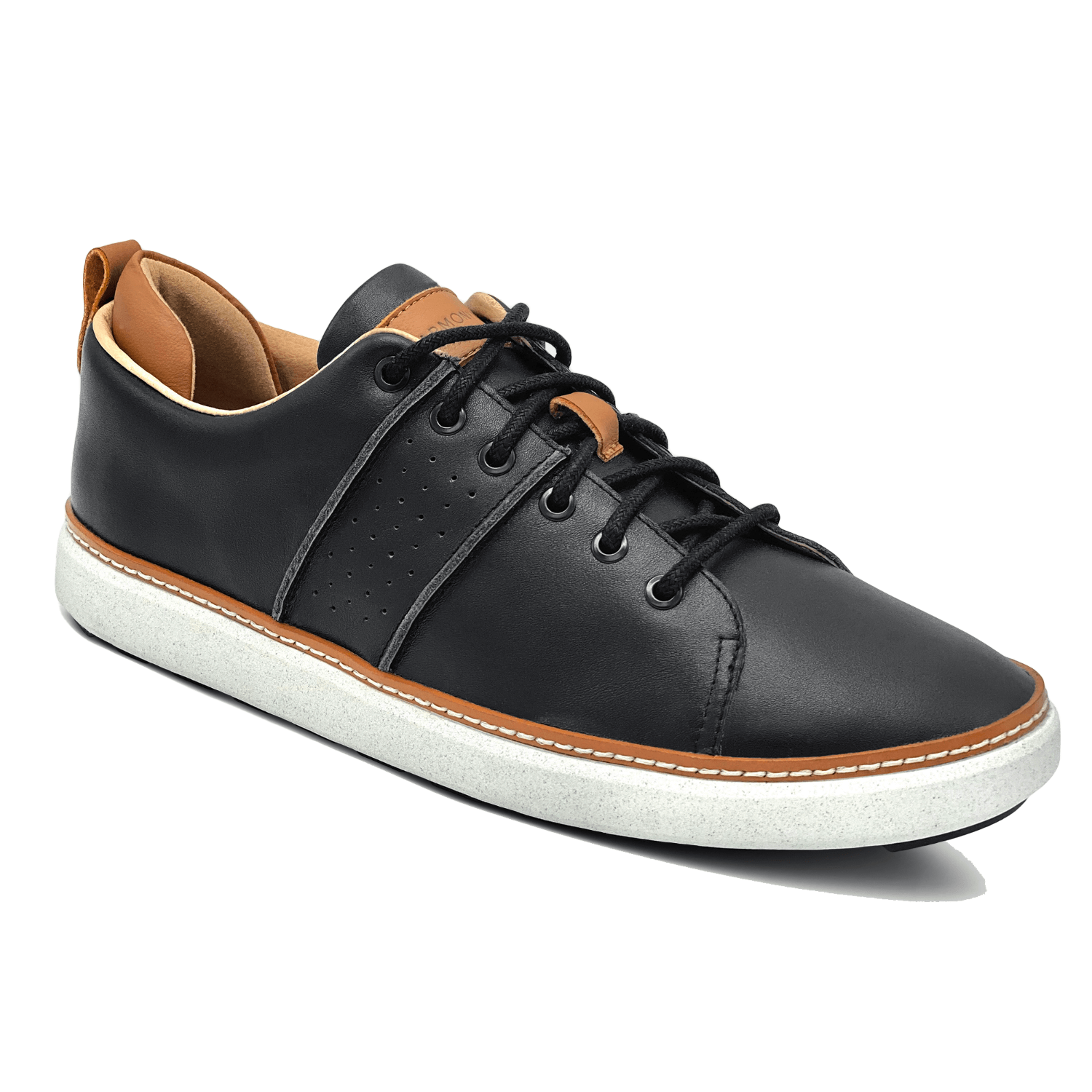
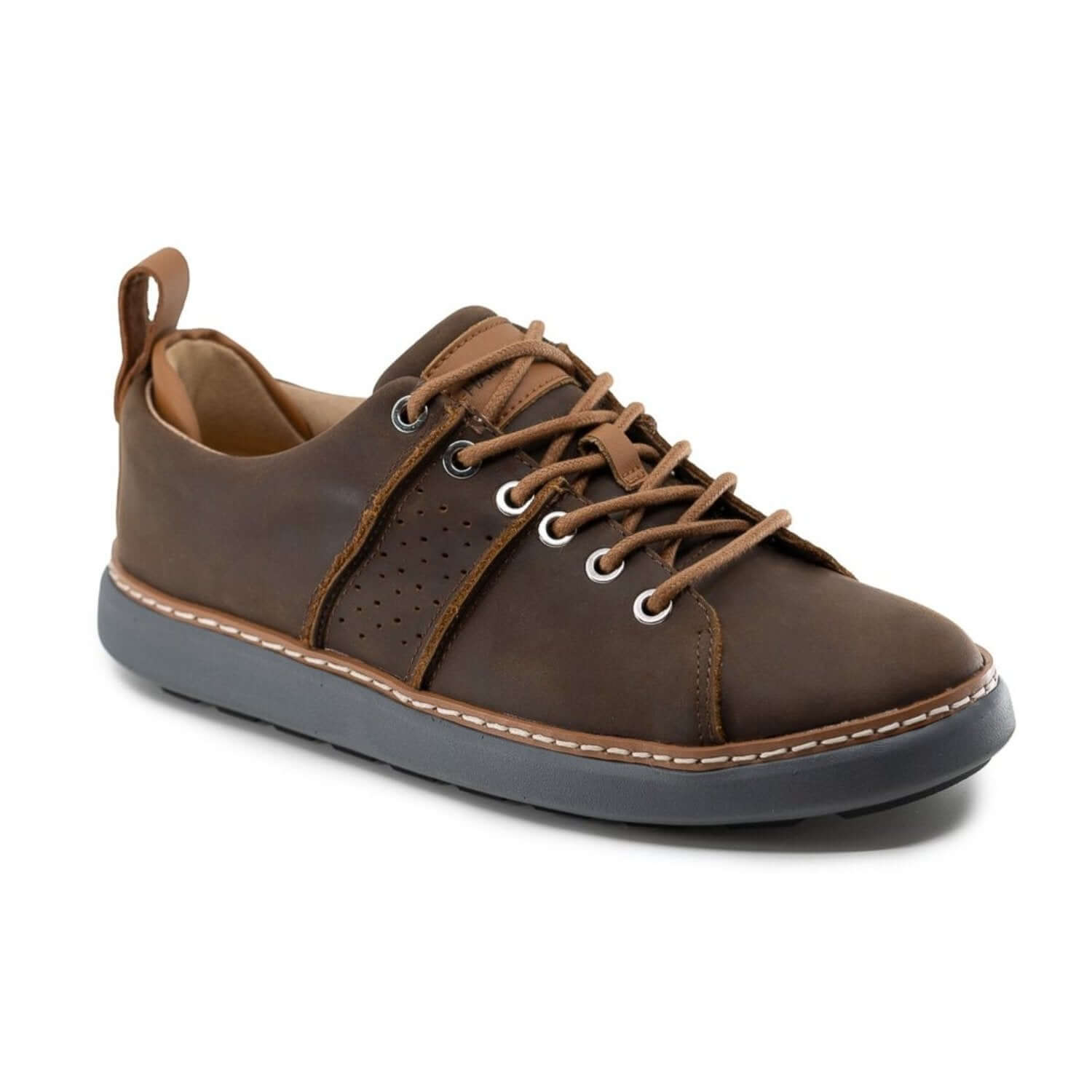
Options when barefoot contact is not practical, grounding footwear can offer another option
Barefoot time outside may not fit a workday, cold weather, city streets, or a place with unsafe ground. That does not prevent you from pausing and noticing your surroundings. Indoor sensory practices can work in an office, airport, vehicle, or home.
The 5-4-3-2-1 exercise offers a clear option when you need structure. You name things you can see, touch, hear, smell, and taste. Cleveland Clinic lists this among grounding techniques that focus attention on the here and now.
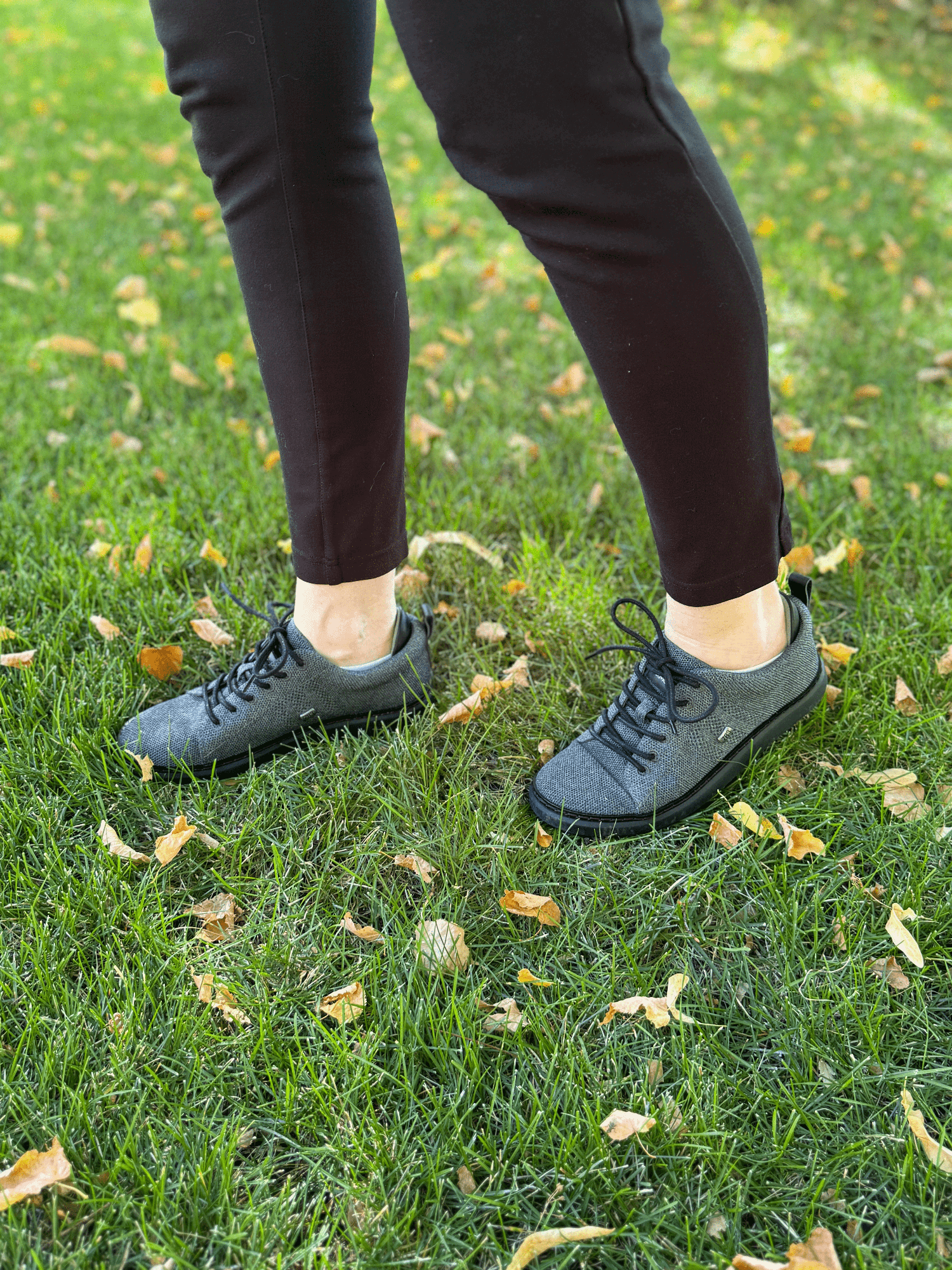
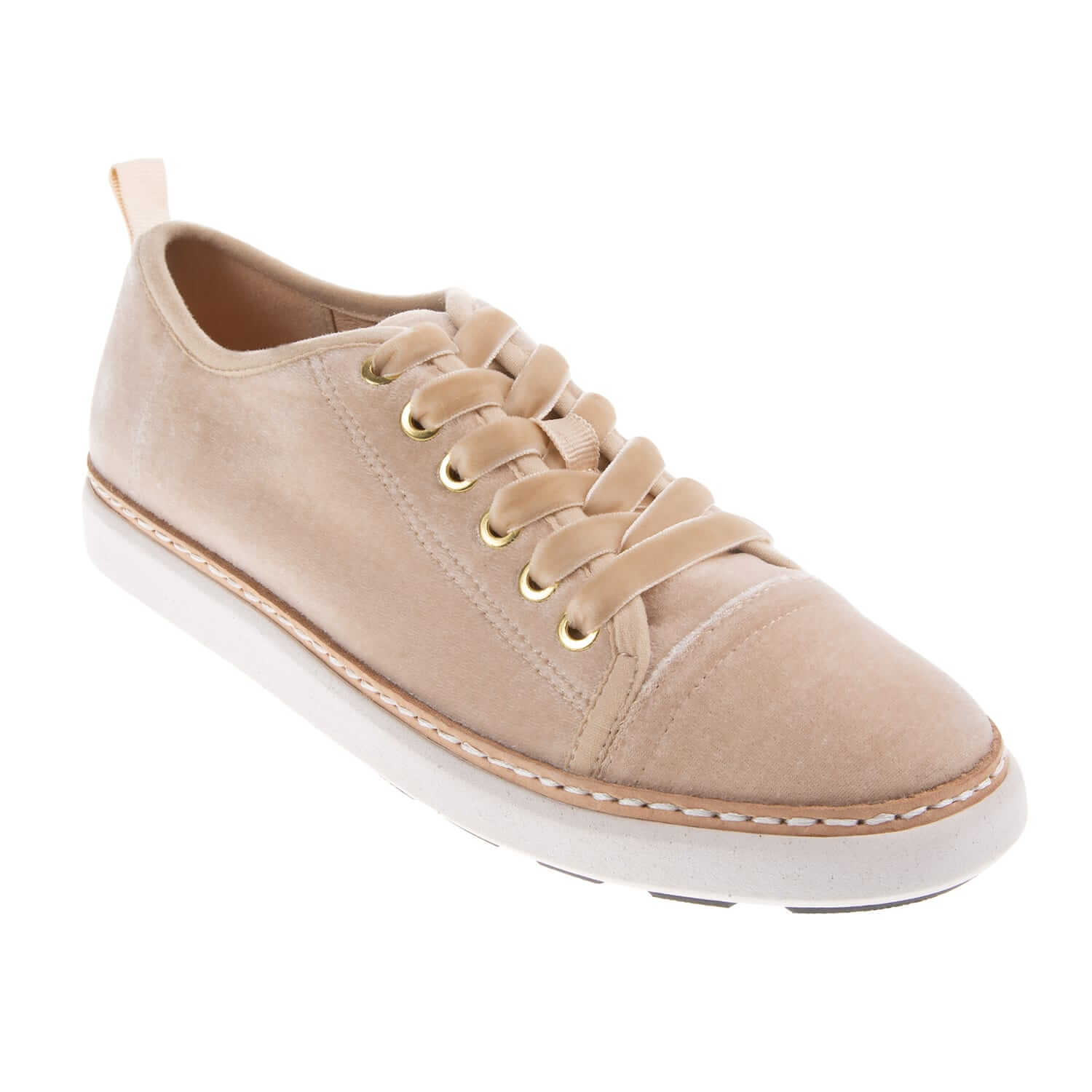
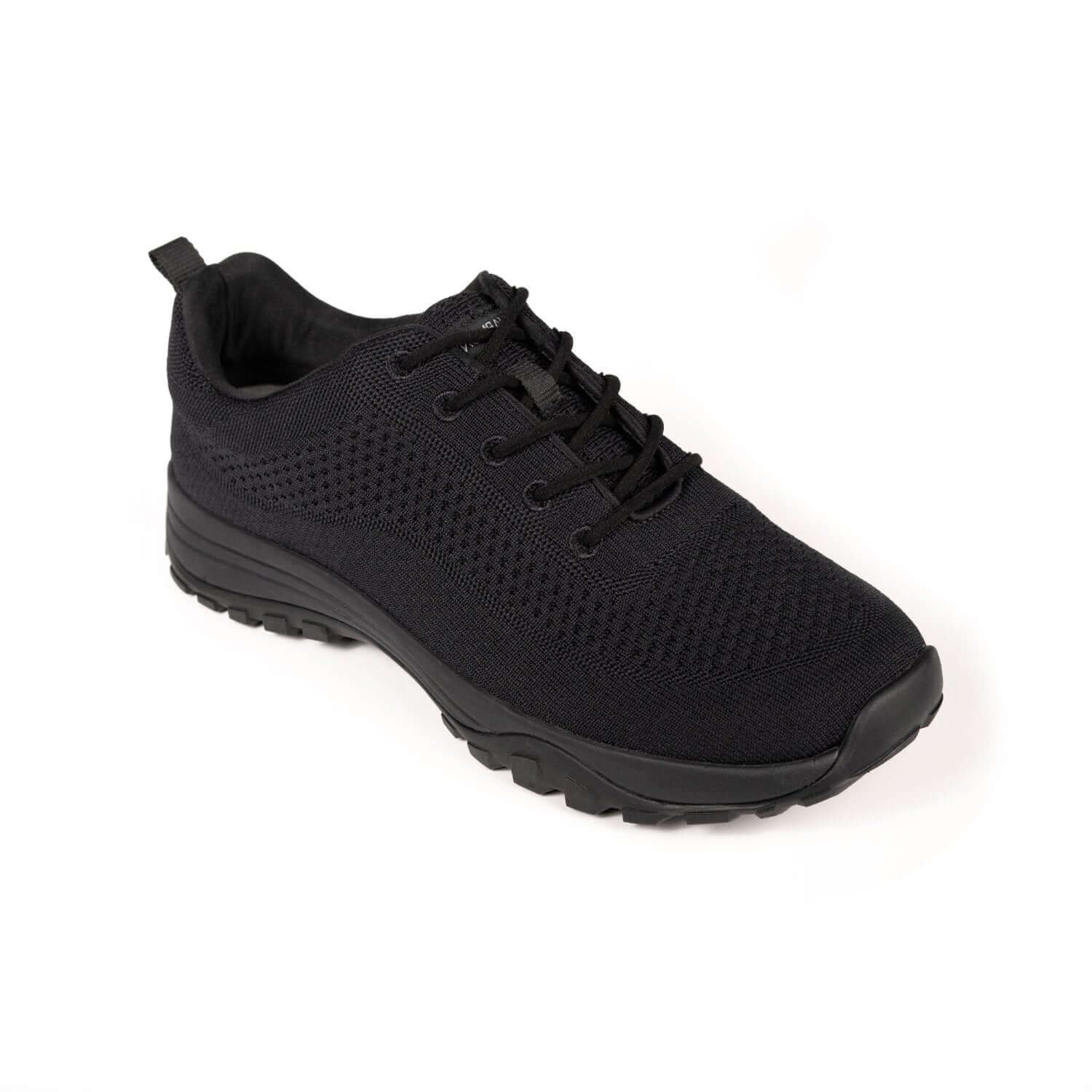
If direct contact with the earth is part of your routine, choose safe and clean places. A yard, beach, or quiet park may be more practical than a sidewalk. Grounding footwear is another practical option for people who prefer to keep their feet covered. Treat it as a practical choice, not a substitute for medical care.
A flexible plan for busy days
A useful routine should bend without disappearing. Choose a longer outdoor pause when time allows, then keep a brief indoor option for crowded days. Pairing both choices removes the pressure to follow one exact method.
- Short option: take one slow breath and press your feet into the floor.
- Medium option: spend a few minutes noticing sounds, textures, and colors around you.
- Outdoor option: pause in a safe natural space and focus on what you can sense.
Notice which practice helps you return to the task in front of you. If one method feels distracting or uncomfortable, try another rather than forcing it. Grounding can support a pause, but ongoing anxiety or distress may call for help from a health professional.
Explore grounding walkers designed for comfortable daily movement.
What does research say about earthing?
Two meanings of grounding
Research questions about earthing need a clear definition first. In health care, "grounding" often means using the senses to return attention to the present. Earthing means making physical contact with the ground or a conductive product. These practices may share a name, but they are not the same intervention.
Clinical guidance supports grounding as a coping skill for distress. An NCBI clinical resource on grounding strategies describes simple actions such as slow breathing, relaxing the shoulders, and placing both feet on the floor. That guidance addresses present-moment awareness. It does not establish that electrical contact with the earth causes a health benefit.
What preliminary findings can show
Early earthing research can point to questions worth testing. A small study may find a change after people spend time grounded. That result can show an association within that study, but it cannot prove the grounding caused the change. Sleep, movement, time outdoors, expectations, and other factors may also shape the result.
The design matters as much as the outcome. Useful studies need a clear comparison group, enough participants, consistent methods, and measures chosen before testing begins. Blinding is also hard when people can tell whether they are barefoot or using a grounding product. These limits make broad health promises hard to support.
What the evidence cannot establish yet
The available sources reviewed here do not establish earthing as a treatment for a medical condition. They also do not show that grounding shoes, mats, or outdoor contact will produce the same result for every person. Product use should not replace care from a qualified health professional.
Some related evidence concerns relaxation rather than earthing. An NCBI overview of relaxation techniques describes exercises used to reduce tension tied to stress, anxiety, and pain. That supports studying calming practices, but it does not prove an electrical earthing mechanism.
When weighing an earthing claim, ask what was tested, who took part, and whether another group received a fair comparison. Check whether later studies repeated the result. This approach keeps interest in how to ground yourself separate from claims that the current evidence cannot confirm.

How to build a grounding routine that lasts
Choose a practice for the moment
Learning how to ground yourself starts with a clear goal. You may want to notice your surroundings, pause during a hard moment, or create a steady outdoor habit. Grounding strategies can help redirect attention to the present, according to the National Center for Biotechnology Information.
Match the practice to where you will use it. At a desk, try naming objects or placing both feet on the floor. Outdoors, you might sit on the ground or walk in grounding shoes. In a public place, a quiet breathing or sensory exercise may feel more practical.
Time matters too. Pick a brief practice for a busy morning and a longer one for an open evening. A routine that fits your real schedule is easier to repeat than one built around an ideal day.
Adapt for mobility and safety
A grounding routine should work with your body, not against it. If standing or walking is hard, use a seated practice that focuses on touch, sound, or breath. You can also place your feet firmly on the floor while relaxing your shoulders.
Check the setting before you begin. Avoid bare feet near sharp objects, hot pavement, unstable ground, or unsafe weather. Choose a clean, level place and use suitable footwear when the area calls for it. Stop if an exercise causes pain, dizziness, or distress.
Grounding is not a substitute for medical or mental health care. The Cleveland Clinic guide to grounding techniques describes mental, physical, and soothing options. A health professional can help you choose an approach when symptoms are severe or keep returning.
Build a repeatable plan
Start with one practice, one cue, and one place. For example, take slow breaths after sitting at your desk each morning. Keep the first routine short enough to complete even on a crowded day.
- Choose a practice that fits your goal, body, location, and available time.
- Tie it to a cue you already notice, such as lunch or arriving home.
- Prepare what you need in advance, including shoes, a chair, or a clear floor space.
- Mark each completed practice on a calendar, then review what made it easy or hard.
If the plan keeps slipping, make it smaller or move it to a better time. Change one part at a time so you can tell what supports consistency. The aim is a routine you can return to, not a perfect streak.
Grounding safely as a beginner
Learning how to ground yourself can be simple, but your first outdoor session should start with a quick safety check. If you plan to stand or walk barefoot, inspect the area before placing your feet down. Look for broken glass, sharp stones, thorns, hot pavement, animal waste, and slick patches.
Check the weather and ground conditions before you head outside. Wet grass may feel pleasant, but nearby lightning makes an outdoor session unsafe. Strong heat or cold can also make bare skin uncomfortable before you notice it. Choose a calm time, stay near a familiar path, and bring shoes so you can stop at once.
A careful first session
Begin on a clean, level surface where you can see each step. A private yard or familiar park may be easier to inspect than a busy trail. Keep the pace slow, and pay attention to both your surroundings and your body.
- Start with a short session, then check your feet for redness, scrapes, or anything that feels unusual.
- Stay away from roads, active work areas, treated lawns, and places where sharp debris may be hidden.
- Stop if you feel pain, numbness, dizziness, or discomfort. Put your shoes on before moving to another area.
A simple indoor option is always available. Placing your feet firmly on the floor is one physical grounding technique described in this clinical grounding guide. It lets you practice pausing and paying attention without bare-skin contact.
Cuts and reduced sensation
Avoid barefoot contact when you have an open cut, blister, rash, or sore on your foot. Cover and care for the area first, or use clean footwear and choose another grounding method. Do not treat discomfort as proof that the practice is working.
If you have reduced sensation in your feet, you may not notice heat, cold, or a small injury right away. Ask a clinician whether barefoot grounding is a good fit before trying it. People with balance concerns can use stable support or practice while seated.
When to pause and ask for help
Grounding is not a test of endurance. Stop if the setting feels unsafe or your body signals discomfort. Move indoors, put on shoes, and clean any small scrape. Seek care when an injury needs more than basic first aid.
For stress or strong emotions, grounding can help bring attention back to the present. This grounding resource explains that use. Grounding does not replace care from a mental health professional. Ask for help if distress keeps returning, worsens, or makes daily life hard.
Browse Harmony 783 grounding footwear for a routine that works beyond barefoot time.
Frequently Asked Questions
How quickly can grounding techniques help during anxiety?
Grounding can redirect attention to the present when anxiety begins, but the response time differs for each person. Start with a simple exercise, such as naming nearby objects or pressing both feet into the floor. The Cleveland Clinic explains that grounding may help manage distress, although it may not make anxiety disappear entirely.
Can grounding help when I feel disconnected or overwhelmed?
Yes, grounding may help someone reconnect with the present during dissociation, intense emotions, or overwhelming memories. The Substance Abuse and Mental Health Services Administration recommends simple actions such as slow breathing, relaxing the shoulders, and noticing the current day and surroundings. Seek professional support if these experiences are frequent, severe, or affect daily life.
What is the easiest grounding exercise for beginners?
A beginner can start by placing both feet firmly on the floor and taking a slow, steady breath. Then name a few things you can see, hear, or feel nearby. This short exercise requires no equipment and can be done almost anywhere. Practice it during calm moments so the steps feel familiar when stress or anxiety rises.
How often should I practice grounding myself?
Practice grounding regularly enough that one or two methods become easy to remember. A brief daily practice can help you learn which sensory, breathing, or mental exercises feel most useful. You can also use grounding when stress starts building. If a technique increases discomfort, stop and try a gentler option or ask a mental health professional for guidance.
Ready to Make Grounding Part of Your Routine?
Waiting for the perfect time can turn a simple grounding practice into another plan that never gets started. Each week spent postponing it is another week without learning which practical approach fits your schedule and comfort. Starting now gives you time to test one manageable step, adjust it calmly, and build a routine you can follow consistently.
Ready to explore grounding footwear as one option for your routine? Browse the Harmony 783 collection to compare available styles and choose a starting point that suits your daily plans. Contact Harmony 783 with any questions before you decide, or begin with the option that feels simplest to use regularly. Keep your first choice practical, so it is easier to repeat as your schedule changes. Taking one clear step today can keep research from becoming a reason to delay your grounding routine again.