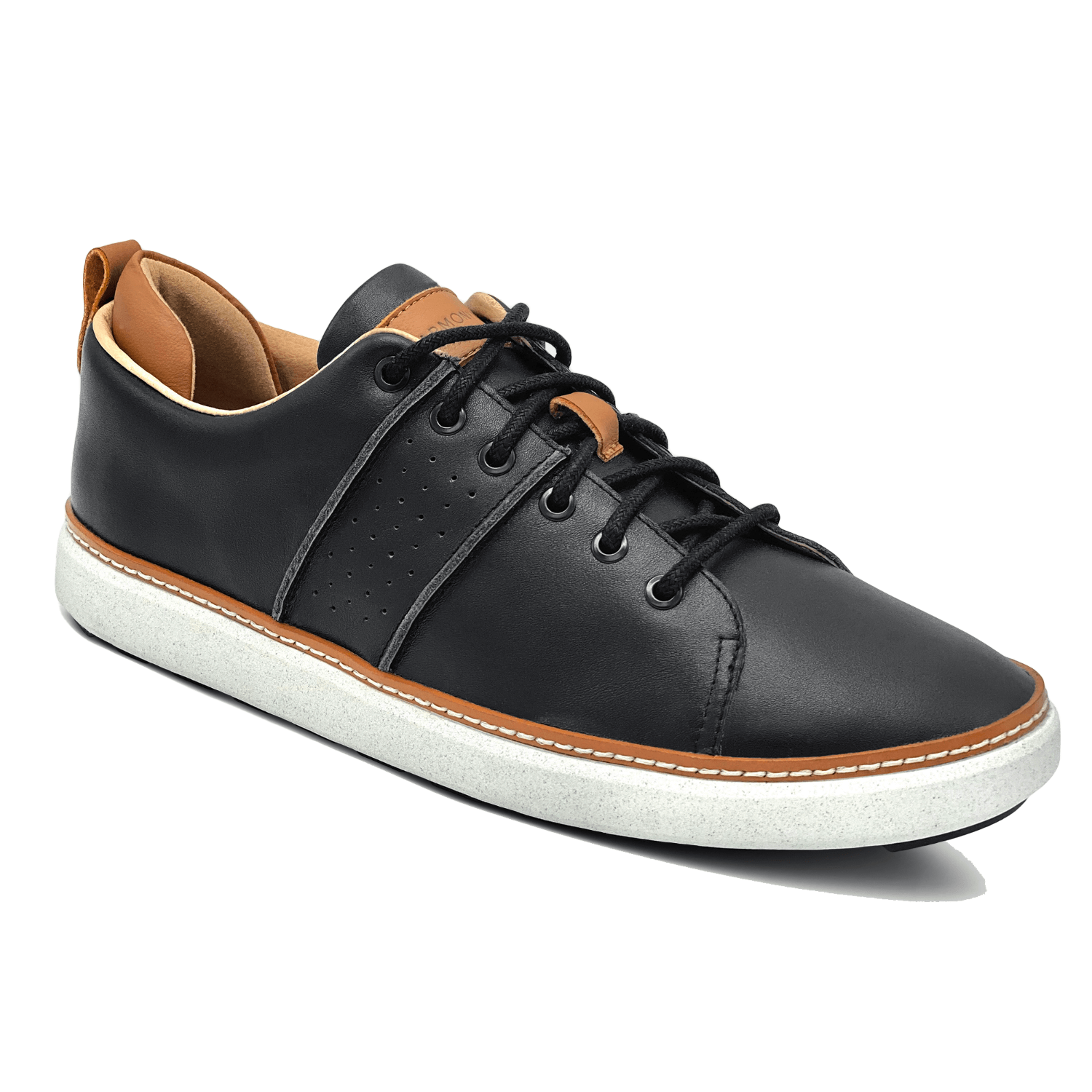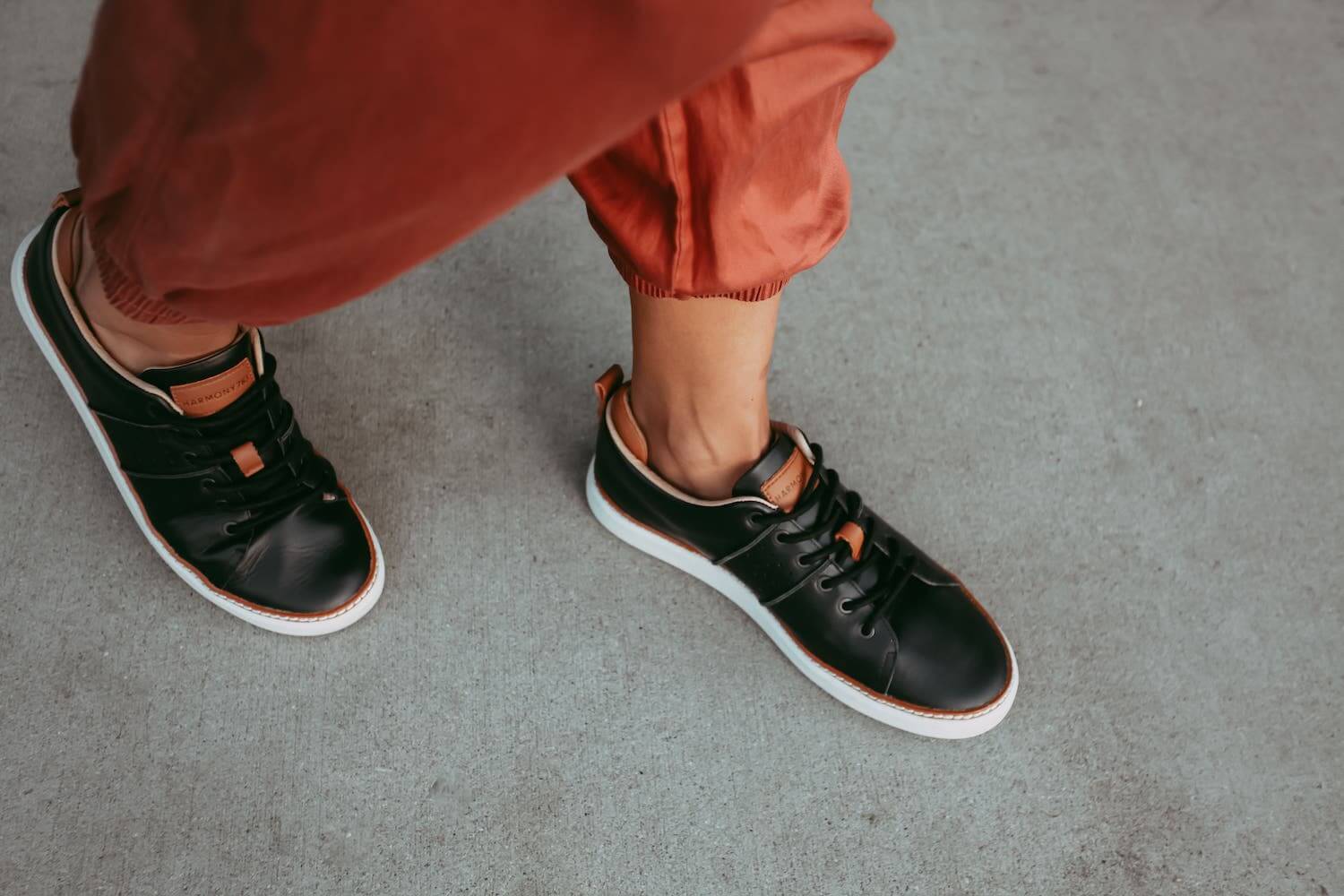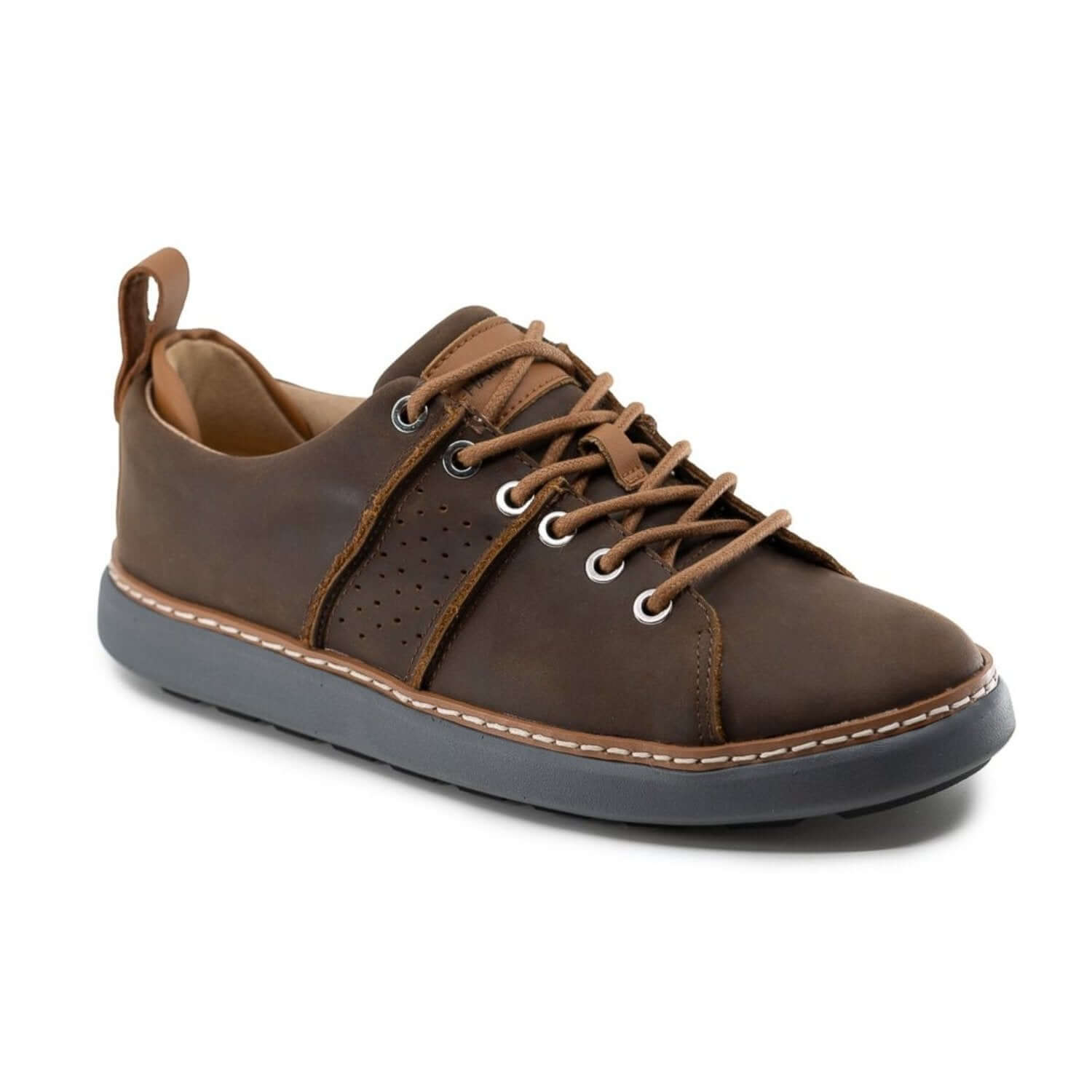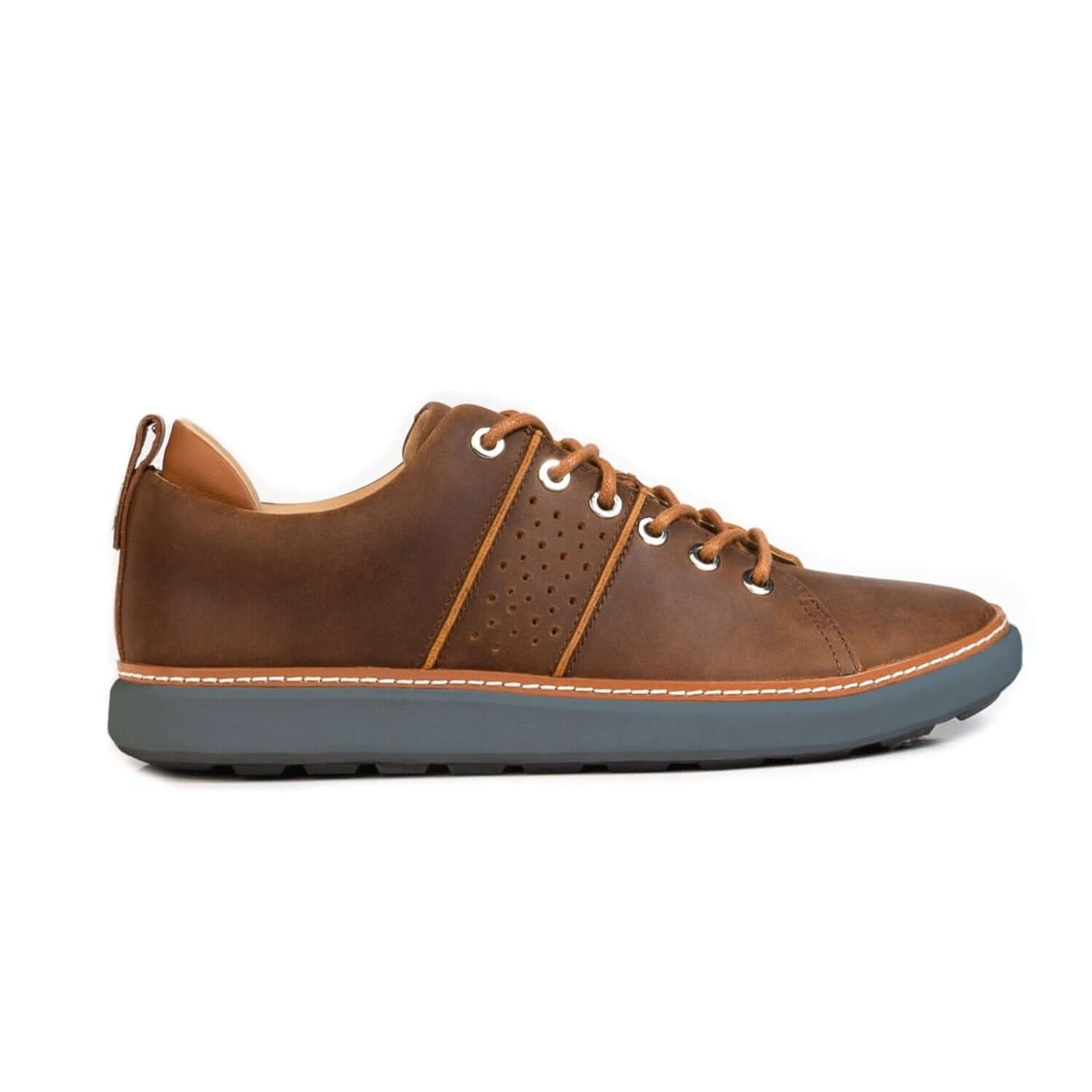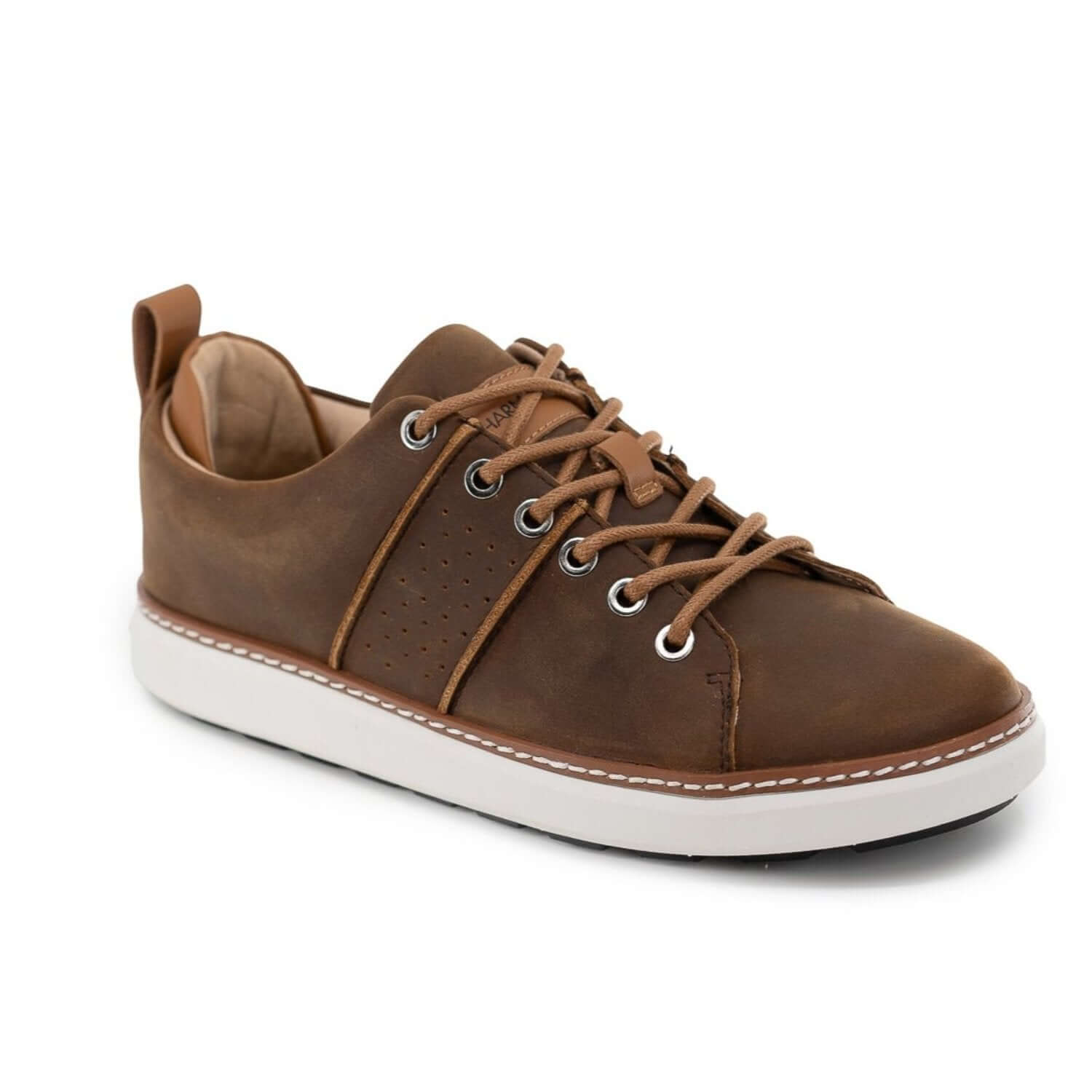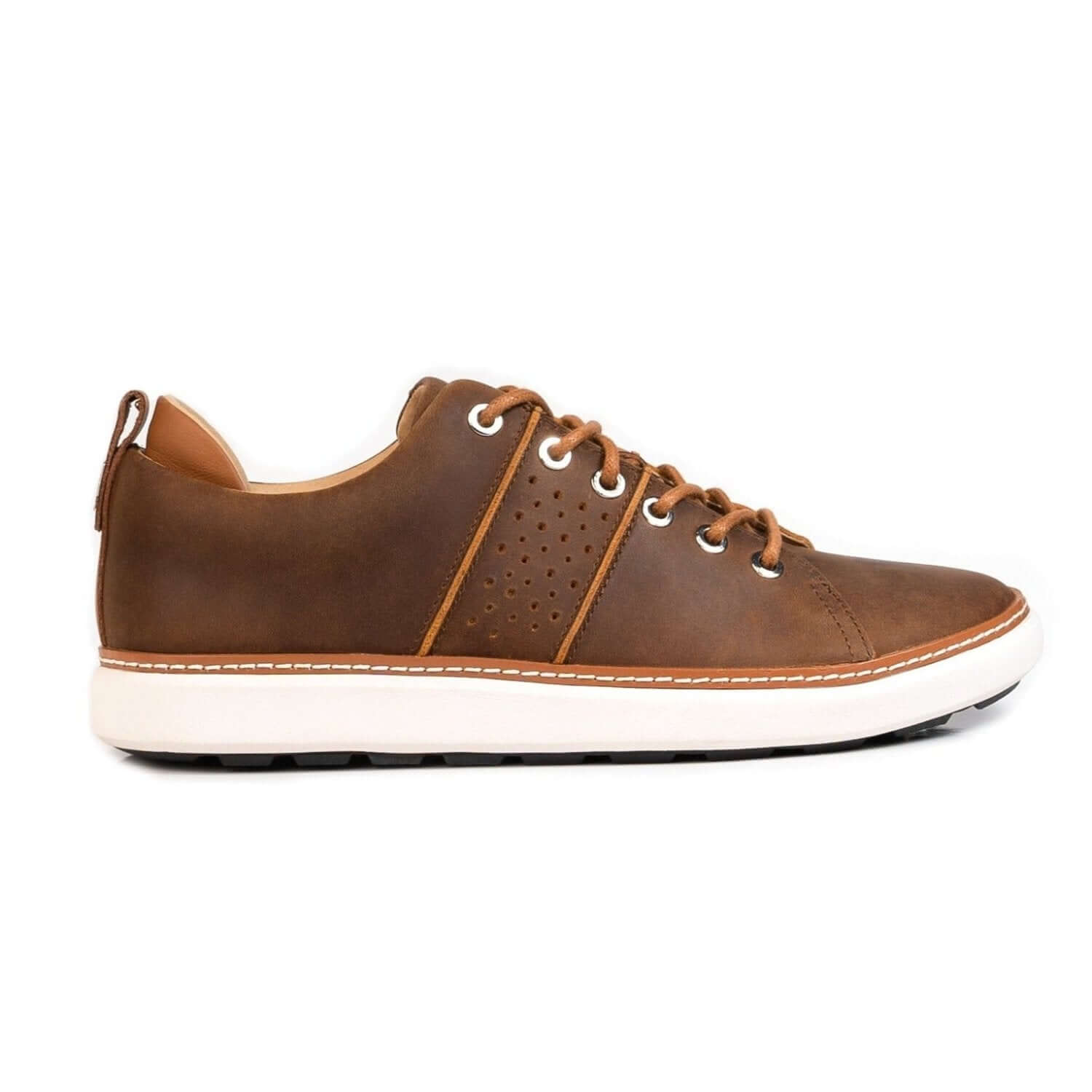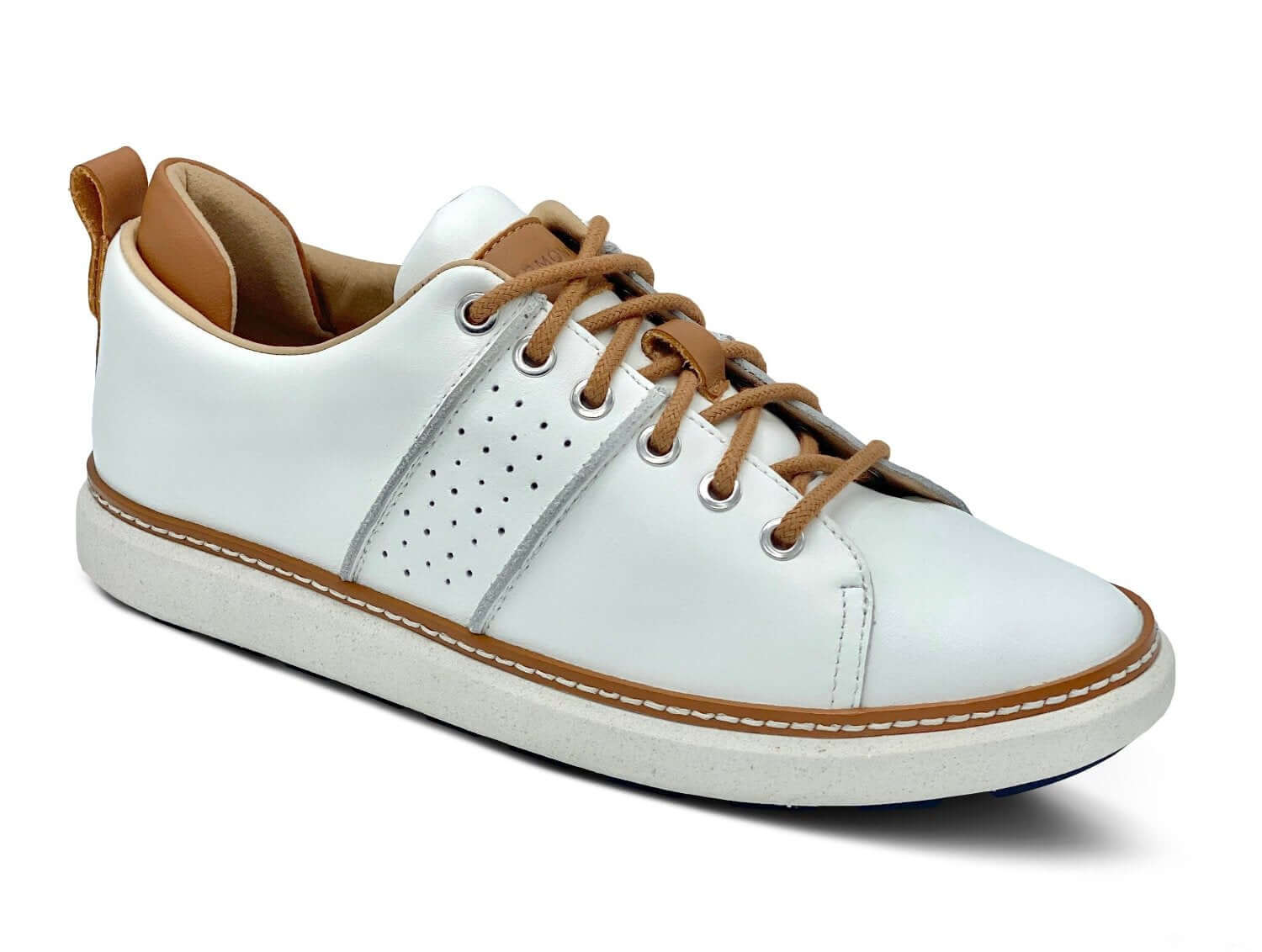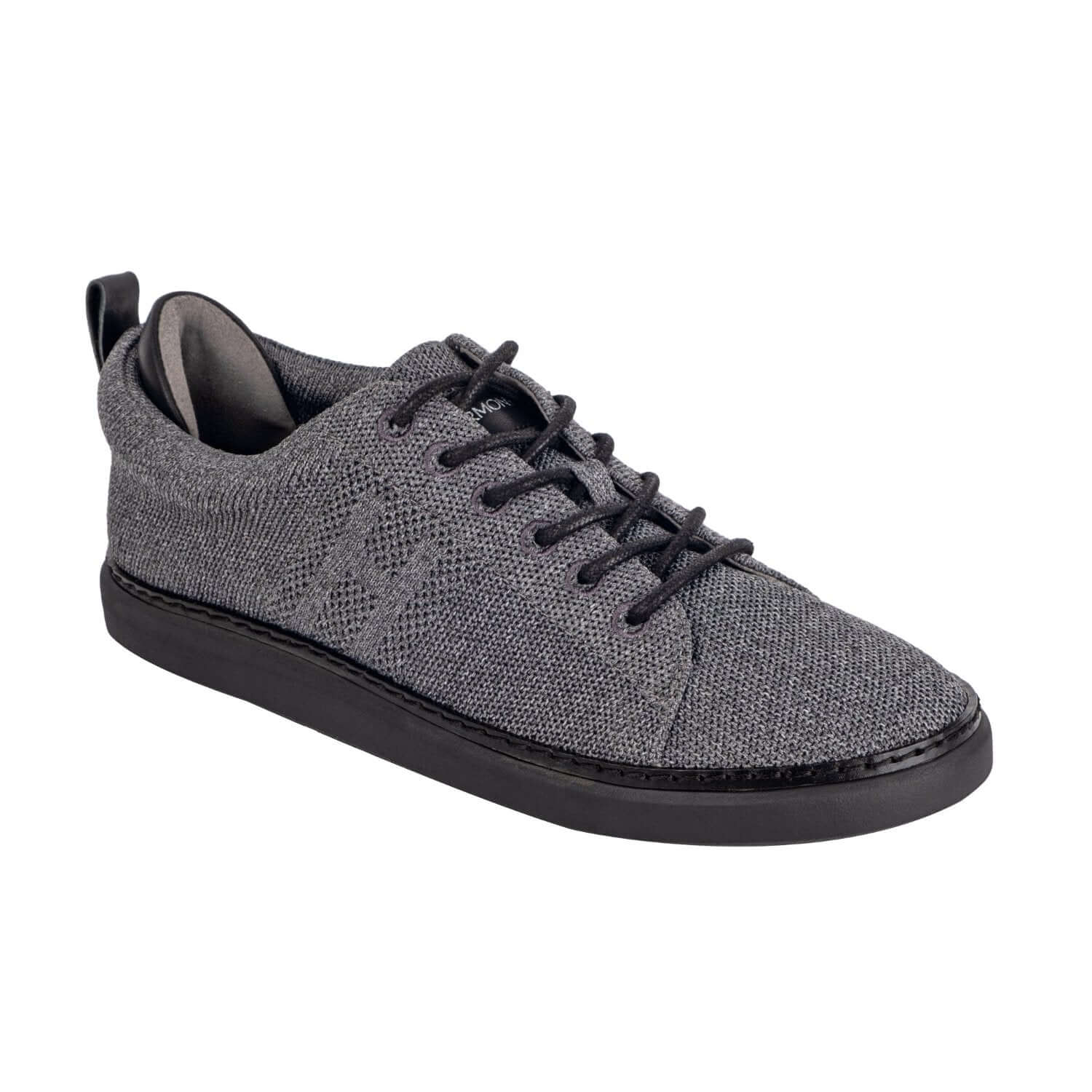

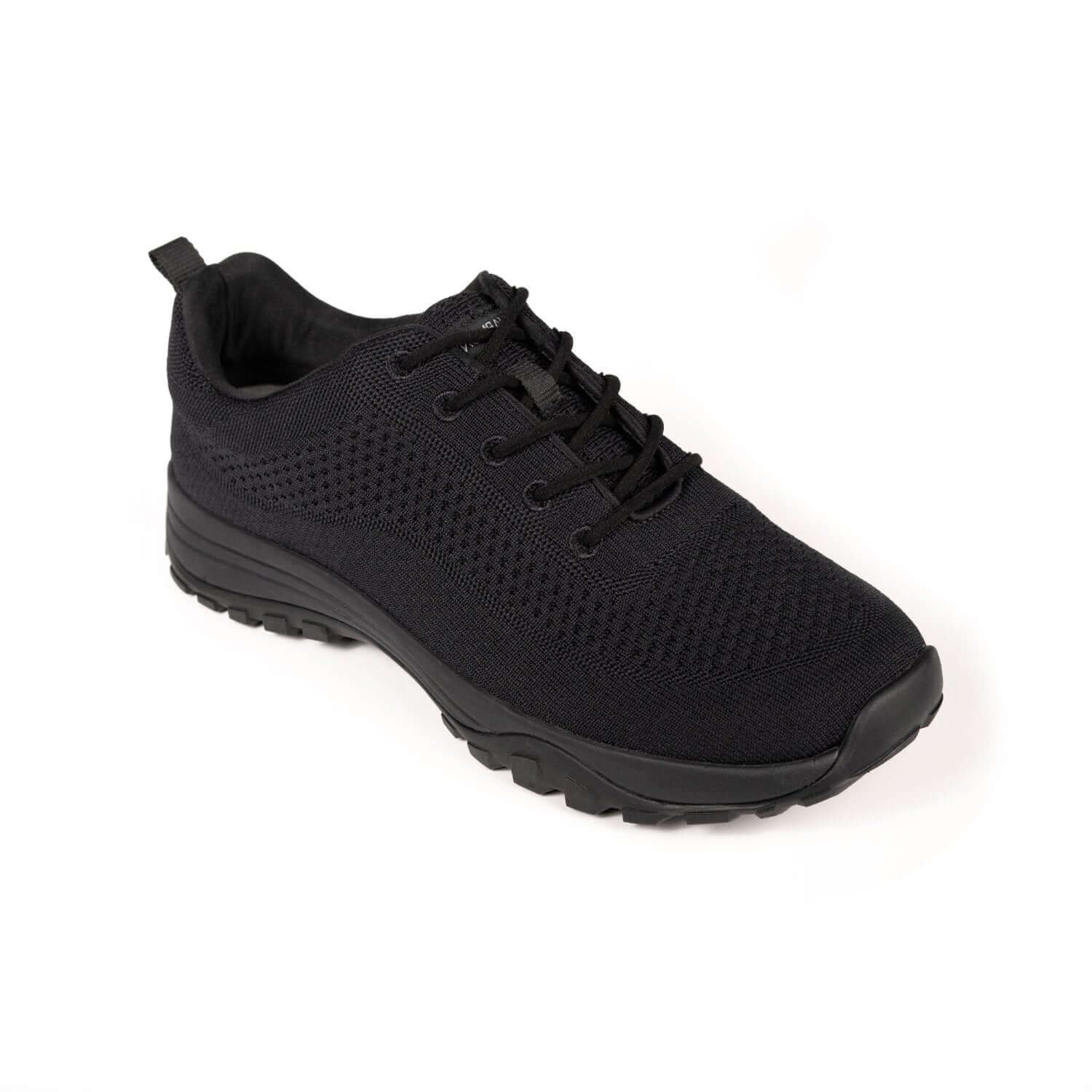
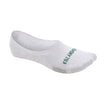
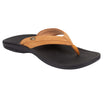
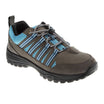
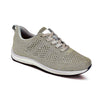
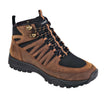

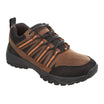
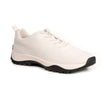

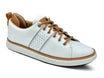
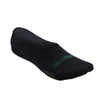
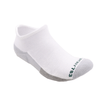
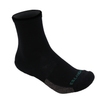

Wondering how do grounding socks work with conductive shoes? The answer depends on an unbroken path between your skin, compatible gear, and a conductive surface.
Browse Our Grounding Footwear Collection
Grounding socks use conductive fibers, often silver, to connect your skin with a compatible grounding shoe, mat, or cord. They only work when every part of the path reaches a grounded surface. Regular insulating footwear, damaged fibers, or unsuitable outdoor surfaces can interrupt the connection.
How do grounding socks work?
Grounding socks work by creating a clear path for electrons to move between your body and the earth. They use conductive parts, like silver fibers, woven into the fabric. When you wear them with grounded shoes or a grounding mat, they help you stay in touch with the earth's natural charge.
Grounding socks use special threads to link your skin to the ground. These socks do not just cover your feet. They act as a bridge for electric energy. Most socks are made of things like cotton or wool that block this flow. Grounding socks are different because they have tiny bits of metal, mostly silver, mixed in with the soft yarn.
Standard socks act as insulators. This means they stop the flow of electrons from the ground to your feet. If you wear regular socks inside a grounding shoe, you may lose the link. Grounding socks solve this problem. They ensure that your body stays connected to the earth's surface at all times. This makes them a key tool for anyone who wants to live a grounded life without being barefoot.
The role of silver fibers
Silver is a top choice for these socks because it is a very strong conductor. Makers weave fine silver threads into the fabric so they touch your skin. This creates a link that allows energy to pass through the sock easily. Silver also has other perks. It helps stop bad smells and keeps germs from growing, so your feet stay fresh for a long time.
Some research shows that being grounded can help your body in many ways. For example, staying grounded may help reset cortisol levels and help you sleep better at night. The silver in the socks ensures that this process works even when you are not barefoot. The threads are so thin that you cannot even feel them against your skin, making the socks very comfy to wear.
Creating a conductive path
For a grounding sock to work, it must be part of a full path to the earth. If you are indoors, you might clip a grounding cord to a pin on the sock. You then plug that cord into a grounded wall outlet. This links your body to the grounding system of the building. You can also wear the socks while your feet rest on a grounding mat to get the same effect.
When you use these socks, your body's own moisture helps. Even a tiny bit of sweat makes the link between your skin and the silver threads stronger. This means the socks can work well even if they feel dry to the touch. You can explore the grounding basics by looking at the basic physics. This shows how electrons move from the earth into the human body.
Keep grounding socks clean. Dirt and oils can build up on the silver fibers over time. This build up can make the socks less conductive. Most brands say you should wash them with mild soap and avoid bleach. This helps the silver threads last longer and keeps the electric path clear and strong.
Using socks with grounding shoes
You can also wear grounding socks with special footwear. Normal shoes have rubber or plastic soles that block the earth's charge. Grounding shoes use grounding technology to bypass this block. This tech uses five layers of conductive parts, including a carbon and rubber outsole that touches the ground directly.
If you wear regular socks with grounding shoes, the link might be weak or broken. Grounding socks make sure the path from your foot to the shoe's footbed stays open. This allows you to get the benefits of being grounded while you walk outside or run errands. It is a simple way to stay in touch with nature while you go about your busy day. These socks bridge the gap between comfort and the need to stay connected to the earth.

What makes grounding socks conductive?
Grounding socks are conductive because metallic fibers, commonly silver, are woven through otherwise insulating fabric. Those fibers touch the skin and transfer charge to a compatible shoe, mat, or grounding cord. The connection still depends on direct contact and an unbroken path to a grounded surface.
Grounding socks work by creating a clear path for energy to move between your body and the earth. Most standard socks use wool or cotton, which act as barriers to a charge. Grounding socks are unique because they include special parts that carry energy. This setup helps you stay linked to the ground even when you are not barefoot on the grass or soil. To learn more, you can see how a grounding path works and see why these paths matter.
The main goal of these socks is to bridge the gap between your feet and a grounded surface. They must use fibers that allow energy to move freely from one point to another. By using the right blend of threads, the socks ensure that the body stays in sync with the earth's own charge. This explains how do grounding socks work in any setting.
The role of silver fibers
Most grounding socks use silver fibers woven into the fabric to help with flow. Silver is a top choice because it is a natural carrier of energy. In many high-quality pairs, about 20% of the fiber is silver, which helps the sock stay active and strong. Silver is also a great choice because it helps to resist odor and keeps your feet fresh while you wear them.
When you wear these socks, the silver threads act like tiny wires. They catch the charge from the ground and pass it directly to your skin. This method is like how grounding-ready footwear use metal points to link you to the soil. You can check the science behind grounding to see how these metal fibers mimic the effect of walking barefoot on the earth.
Building an unbroken path
To make the socks work, the path from the earth to your skin must stay open. This path usually starts at the ground and moves through a conductive shoe or a grounding mat. The socks then pick up that charge. If there is a break in this path, the flow will stop. This is why using the right parts is so vital for the whole grounding system to be useful.
Studies show that keeping this link can have real effects on the body. For example, grounding may help to lower night-time levels of cortisol in the blood. Research found on PubMed suggests this can help people sleep better by fixing their natural daily rhythms. By using conductive socks, you make sure the body stays in touch with the earth's surface during the day or while you rest at night.
The importance of skin contact
Grounding socks need to touch your skin to function. While most socks keep your feet dry, these socks use the body's own moisture to improve the link. Small amounts of sweat help the silver fibers pass energy to your feet more easily. This makes the connection strong and stable throughout the day, even if you are moving around.
This direct contact is key for seeing changes in your health. Some tests show that earthing can cause changes in electrolytes and immune markers in the human body. Without the right conductive fibers, these shifts would not happen. High-quality socks ensure that every step you take supports your goal of staying grounded. They provide a simple way to stay in touch with nature while you go about your busy day.
Grounding socks and conductive footwear: what completes the path?
Grounding is all about flow. To get the help of the earth, you need a full path for electrons to move. This path starts at the ground and ends at your skin. If even one part of the path is blocked, the flow stops. This is why the right mix of socks and shoes matters so much for your daily life.
Many people want to know how the system stays linked when they are not barefoot. Most shoes use rubber or foam soles that block the earth's charge. To stay grounded, you must use tools that help energy move through them. By using the right parts, you can understand the grounding process in your own life.
How do grounding socks work?
You might ask, how do grounding socks work if they sit between you and the shoe? These socks use silver fibers woven into the fabric. Silver is a metal that lets energy pass through well. When you wear them, the silver threads touch your skin and the shoe's inner sole. This creates a link that stays strong even as you move.
Silver does not just help with the link. It also keeps your feet fresh. Silver can stop smells from building up in your socks. This means you can wear them longer before you need to wash them. The silver threads are strong and stay in the fabric even after many washes. This makes them a great tool for your daily health.
Your body also helps the process. Small amounts of moisture from your skin make the link better. Even if your feet do not feel wet, real sweat helps the silver threads do their job. This bond allows the earth's real charge to reach your body. Science shows that this link may help with things like sleep and changes in electrolyte levels in the blood.
Key connection checks:
- Skin contact: conductive fibers must touch your foot.
- Compatible gear: socks need conductive shoes, a mat, or a cord.
- Suitable surface: outdoors, use grass, soil, sand, gravel, or unsealed concrete.
The role of conductive footwear
The sock is only half of the grounding path. You also need shoes that can talk to the ground. Normal sneakers act like a wall because of their thick rubber soles. Conductive footwear is built to bridge this gap. It uses special parts like carbon and silver. These parts keep the path open from the bottom of the sole to your foot.
You can use these shoes on many types of ground. They work best on grass, soil, and sand. They also work on gravel and unsealed concrete. Most people do not know that some types of stone can also let energy through. By wearing the right shoes, you can turn a simple walk into a grounding session.
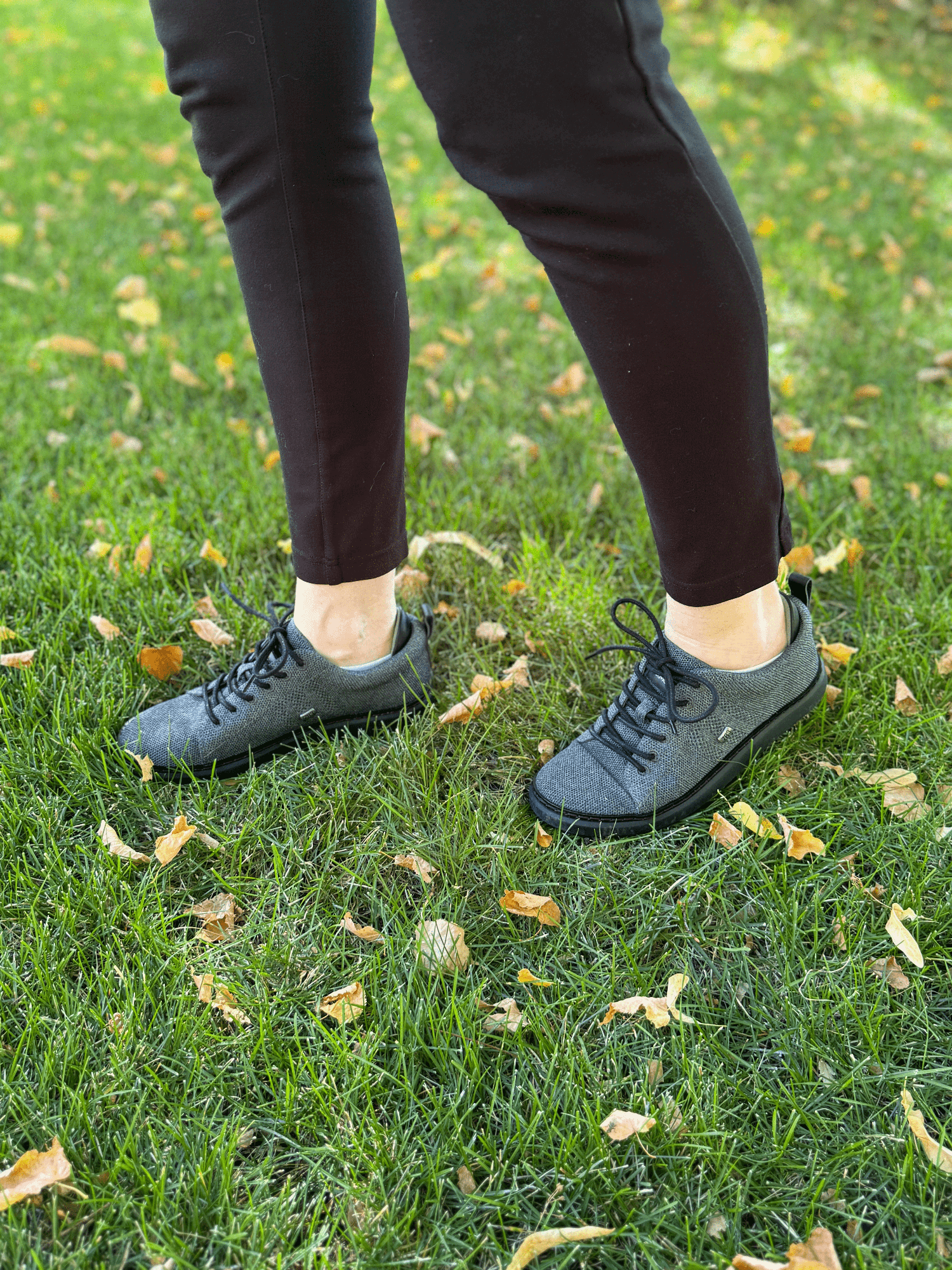
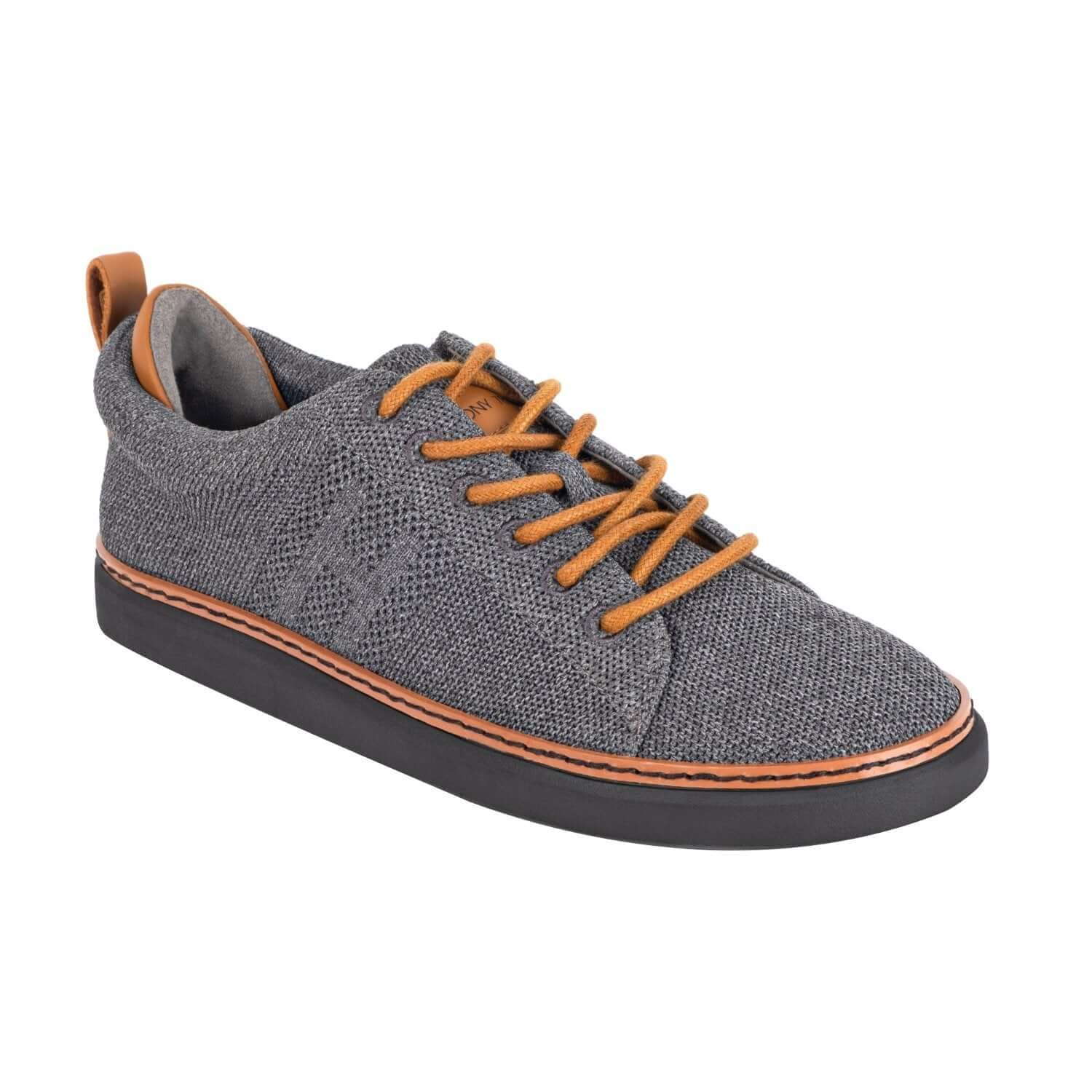
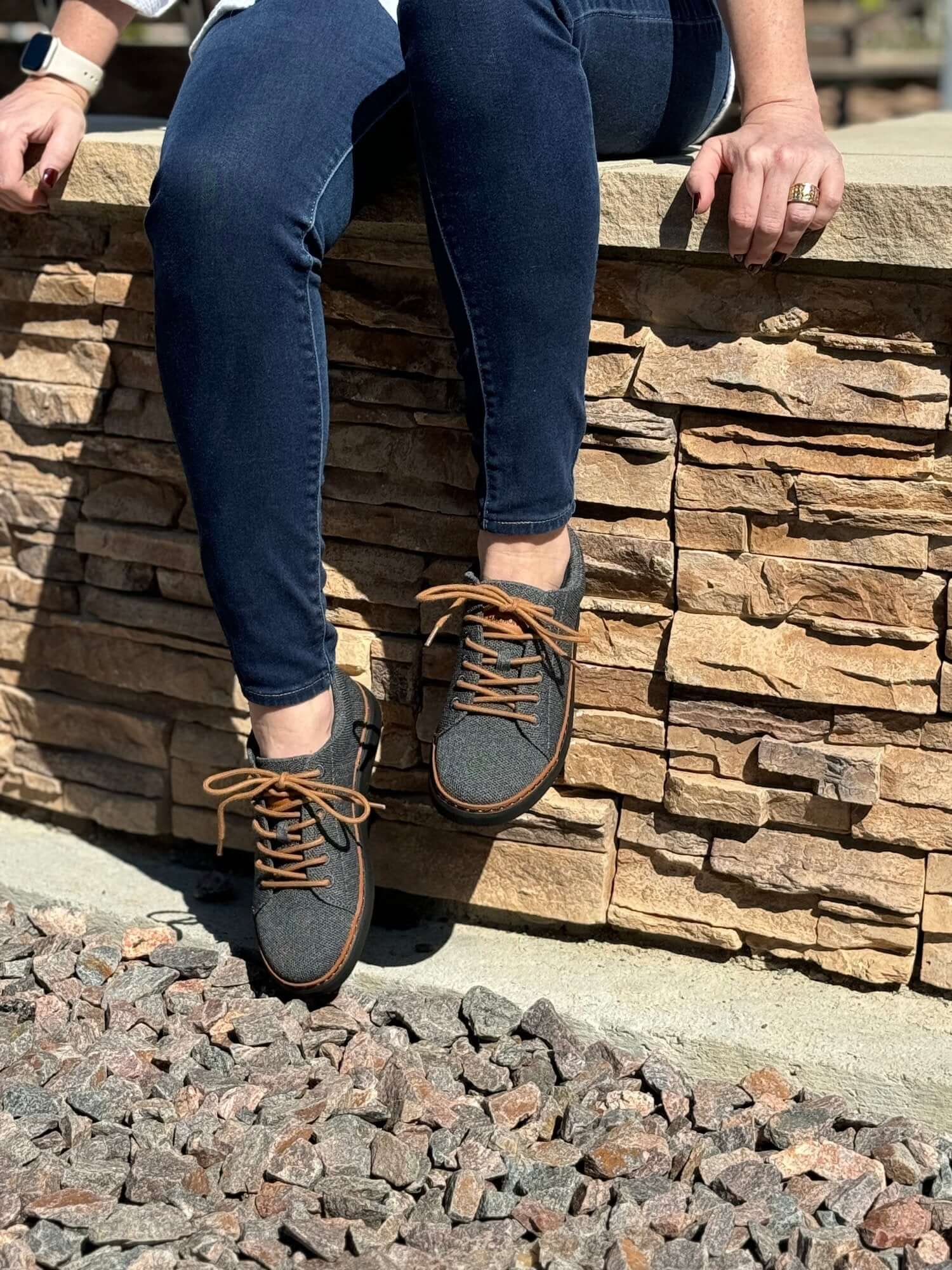
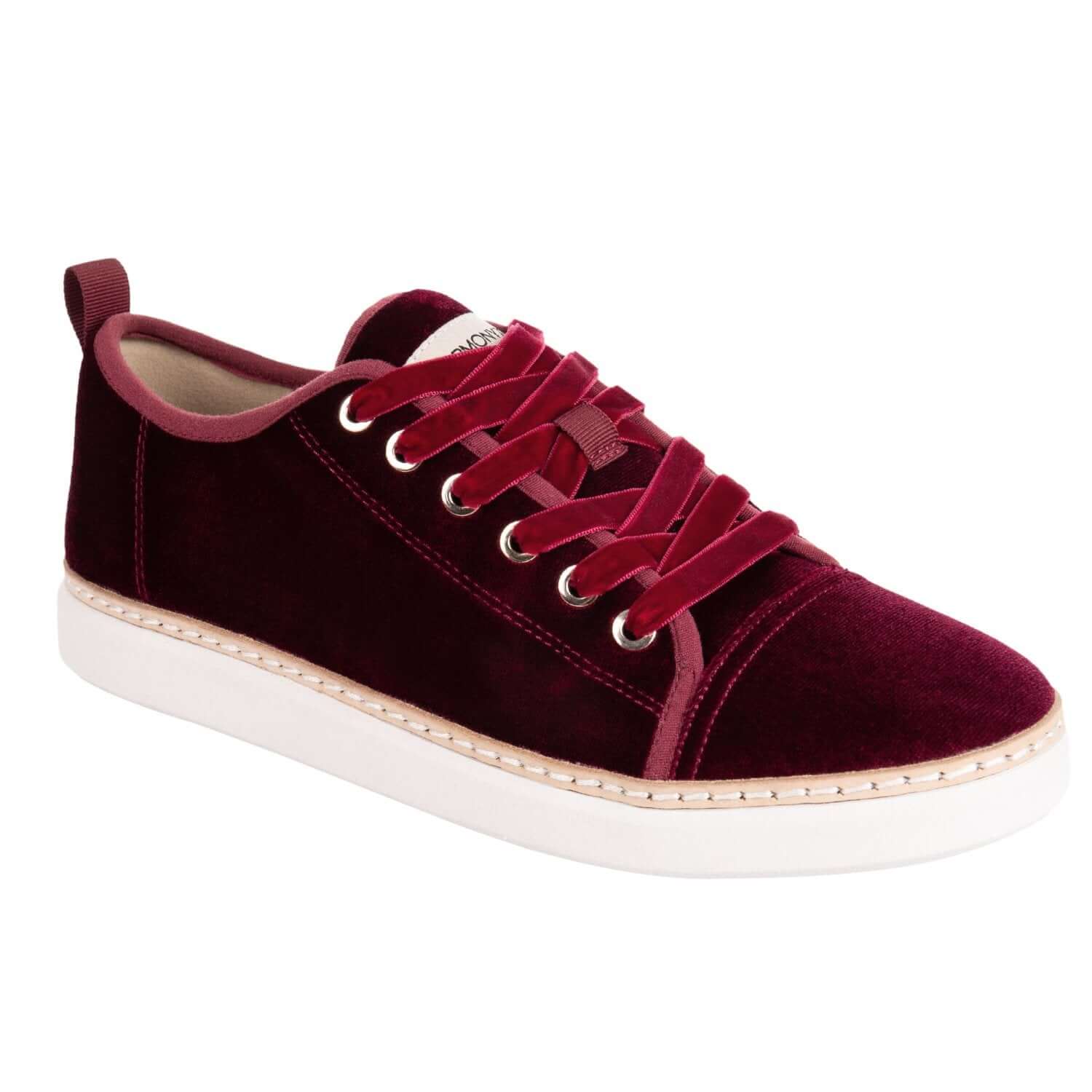
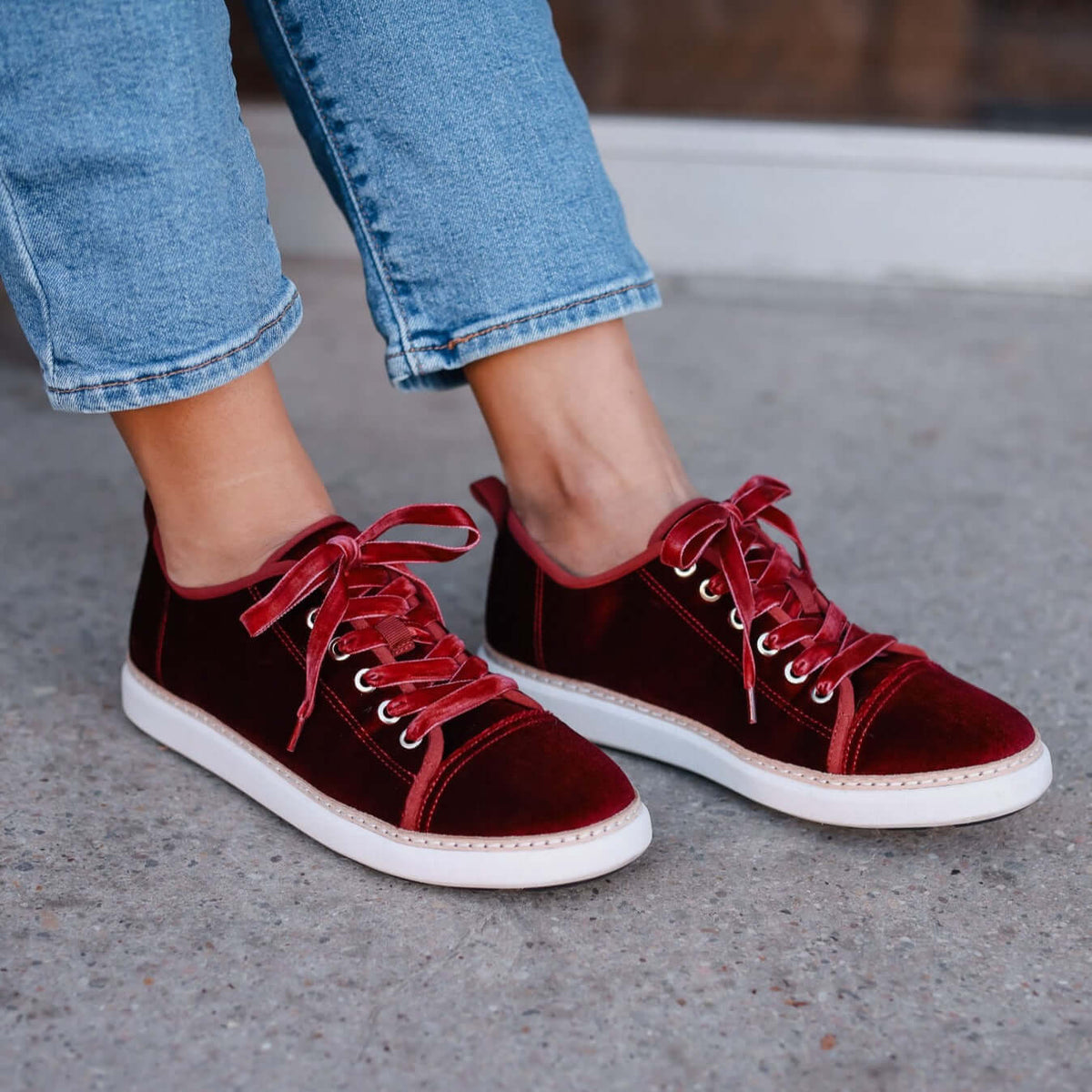
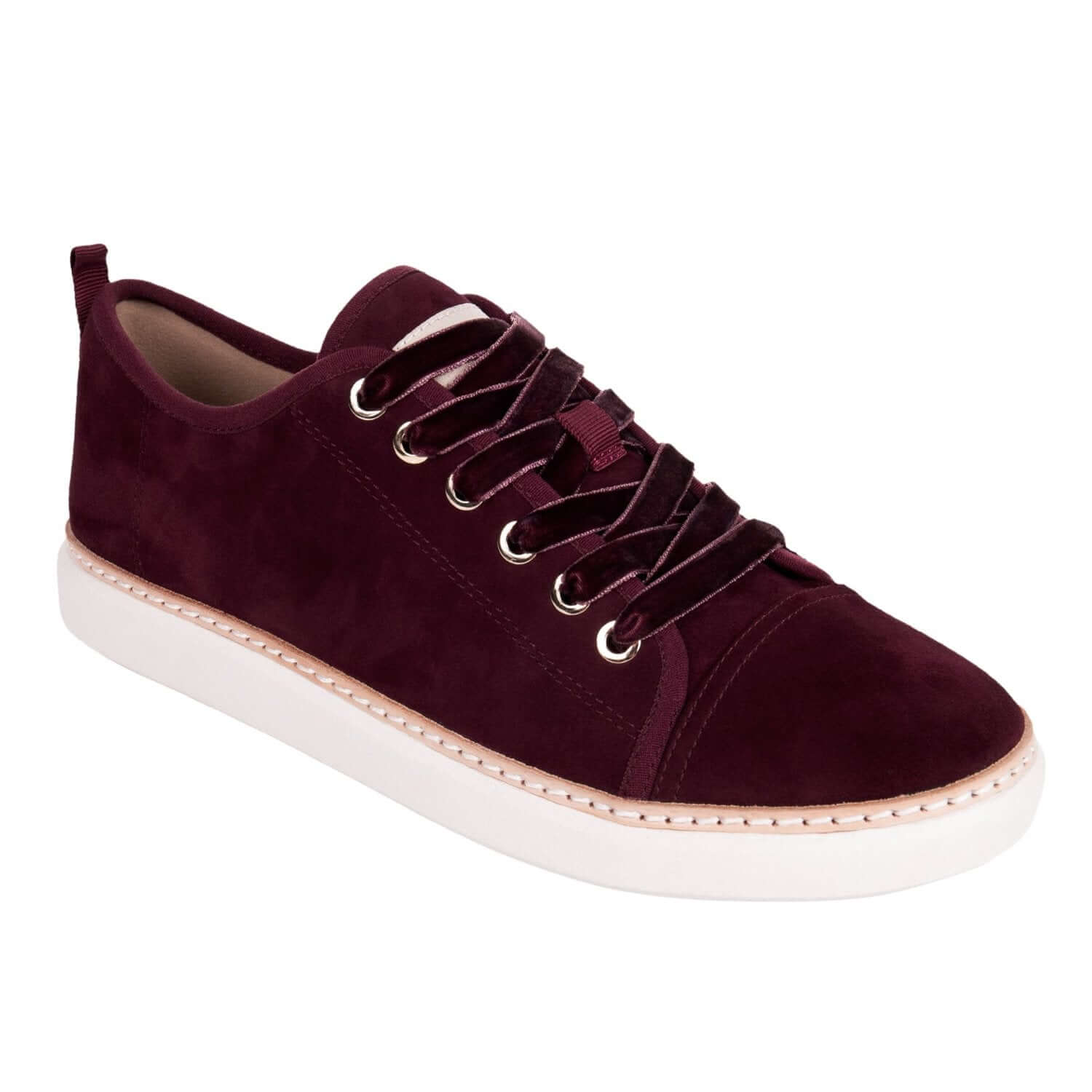
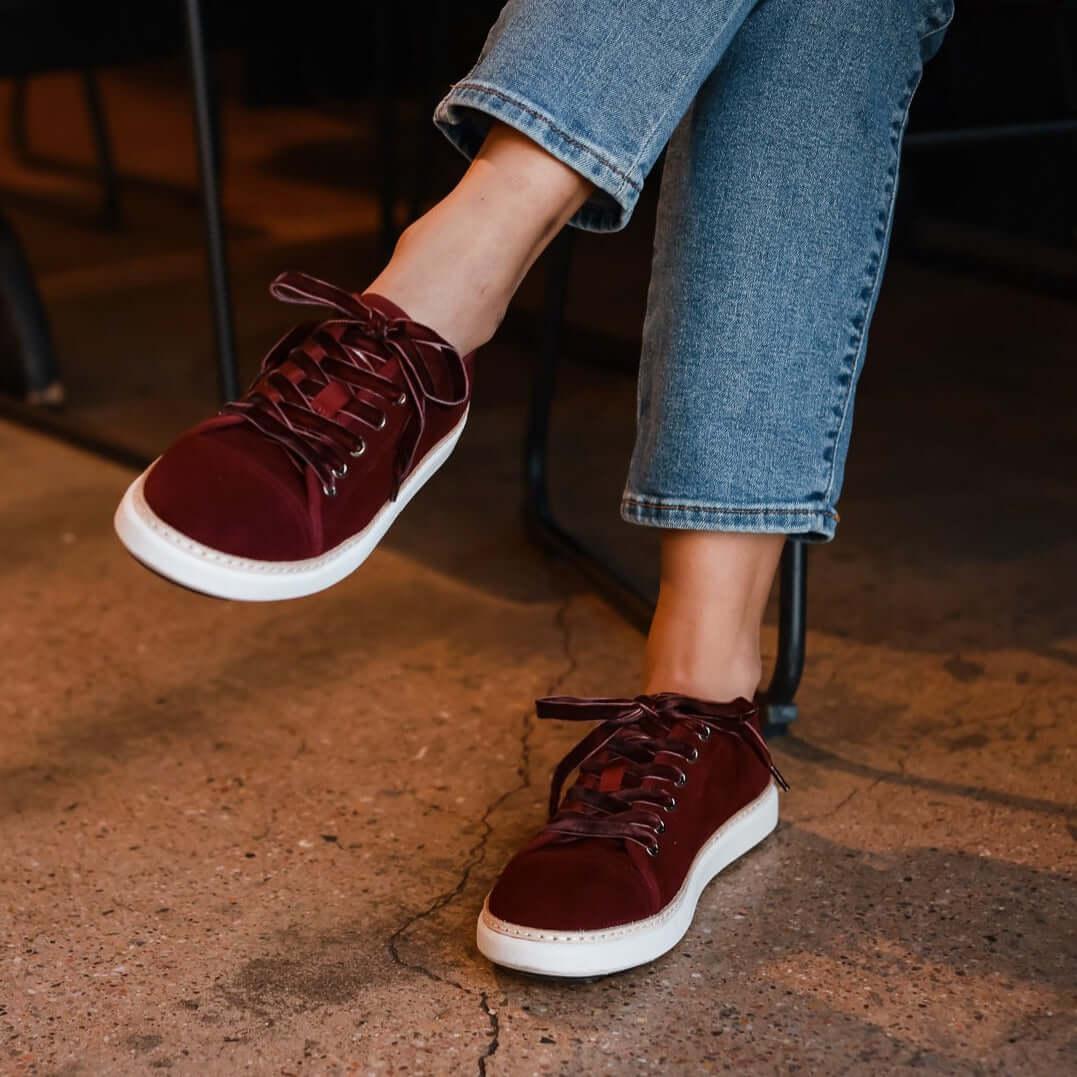
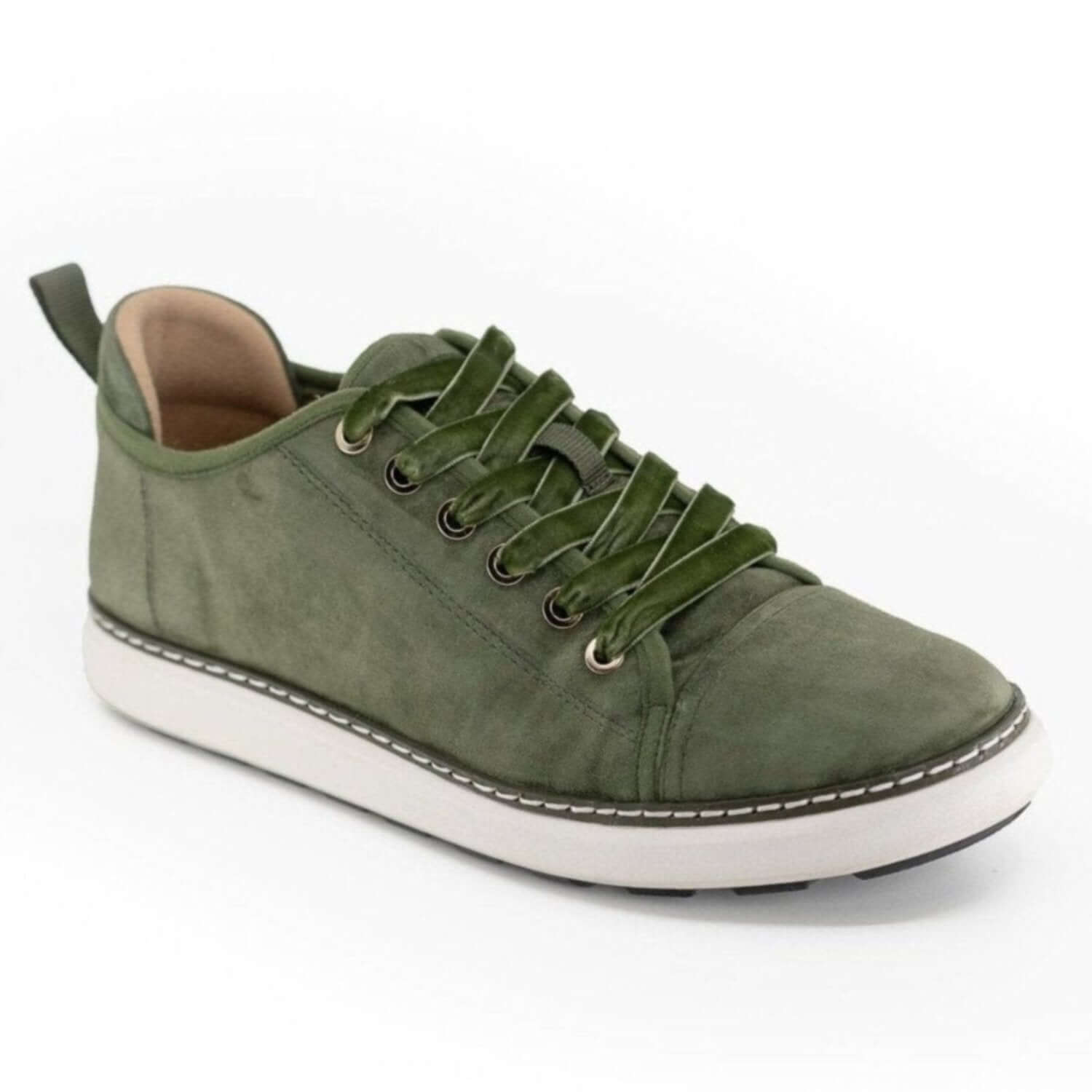
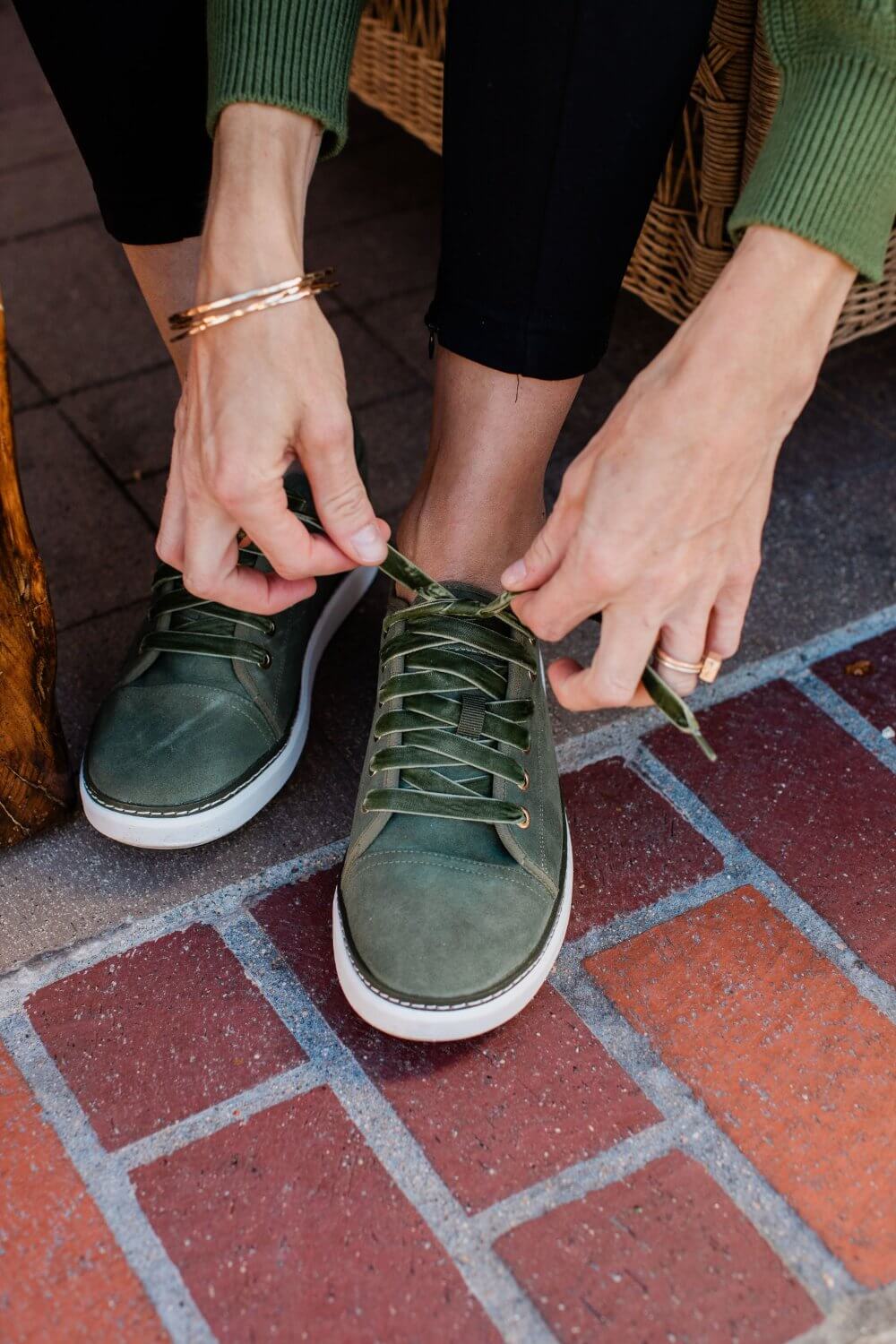
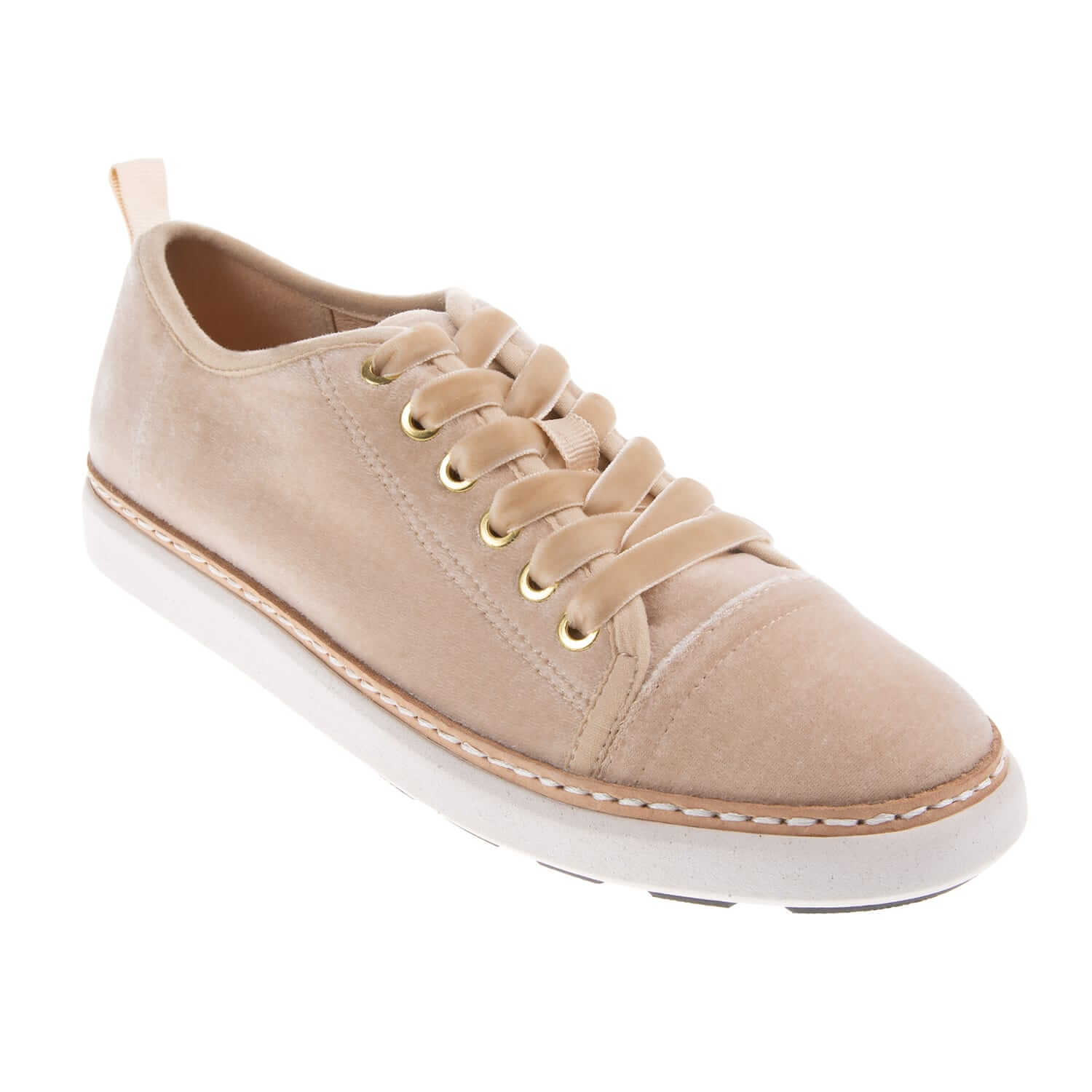
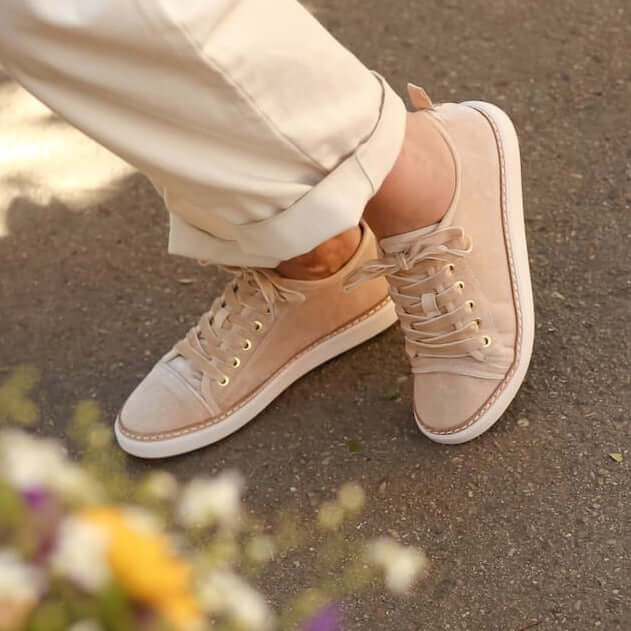
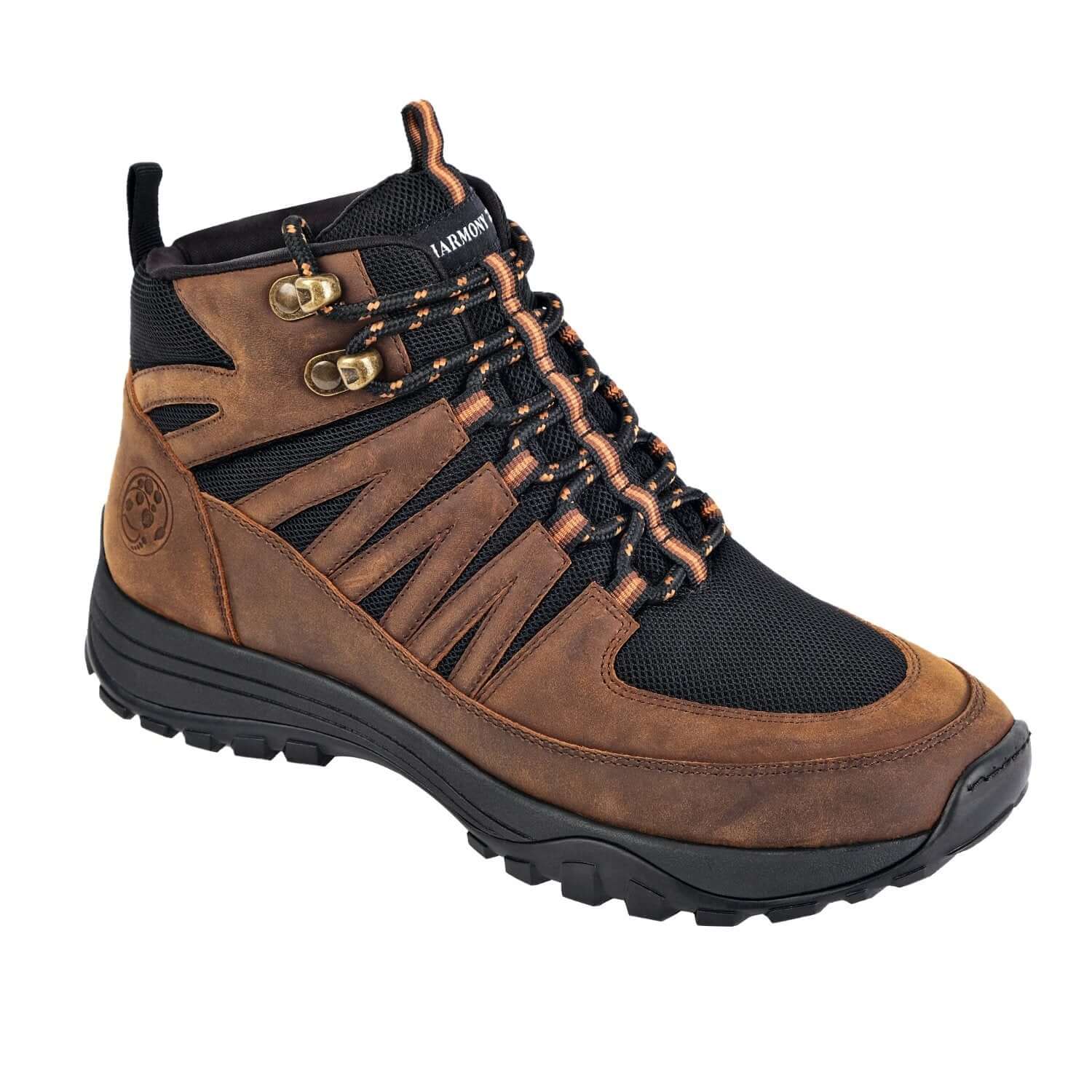
Harmony 783 shoes use Groundworks Technology to make this happen. This system has five layers that work as one. It includes a silver footbed and a special outsole that lets energy through. When you pair these shoes with silver socks, you get a full loop. This loop keeps you in touch with the earth while you walk on grass, sand, or dirt.
Looking at your choices
Choosing the right gear depends on where you are and what you are doing. While being barefoot is the most basic way to ground, it is not always easy. Shoes and socks give you a way to stay linked while you go about your day. Here is how other sets compare when it comes to keeping the power path open.
| Footwear Setup | Connection Type | Conductivity | Best Use Case |
|---|---|---|---|
| Barefoot | Direct skin | High | Beaches and yards |
| Normal shoes | Insulated | None | Indoor use only |
| Grounding shoes + regular socks | Bridge layer | Medium | Work and gym |
| Grounding shoes + silver socks | Silver path | High | Daily outdoor life |
Using silver socks with grounding shoes is the best way to keep the link strong. It removes the block that normal fabric can create. This setup lets you move freely while still getting the charge you need. You can find many footwear designed for conductivity that fit your style and keep you grounded all day long.
How to use grounding socks with conductive shoes
You can enjoy the natural charge of the earth without going barefoot. Using grounding socks with your conductive shoes creates a clear path for energy. This setup helps you stay linked to the ground while you walk, run, or stand outdoors. To get the best results, you must use the right gear and surfaces. Here is how you can set up your gear for a steady link to the earth's surface.
Choose the right gear
Start with high-quality grounding socks made with silver fibers. These fibers act as a natural bridge for the earth's charge. You should pair them with conductive shoe collection that feature Groundworks Technology. This special system uses a silver-stitched footbed and a silver fabric loop to move energy. It also has a silver-stitched lasting board and a carbon-rubber outsole. Standard shoes often have thick rubber that blocks this flow. When you use the right tools, you ensure the path stays open.
The silver in your socks is more than just a fancy thread. It is a natural metal that moves energy very well. This metal helps the charge pass from the ground, through your shoe, and to your skin. Many people ask, how do grounding socks work when they look like normal socks? The secret is in the weave. Some studies in the Journal of Environmental and Public Health suggest that grounding may lead to body changes. Silver helps keep this flow steady while also resisting odor and bacteria.
Steps for a grounded connection
Follow these steps to keep your link to the earth strong while you are outside. This process ensures you get the most out of your gear and helps you stay connected.
- Put on grounding socks. Make sure the silver fibers touch your skin directly so they can pick up the charge.
- Step into conductive shoes. Your socks will touch the silver-stitched footbed inside the shoe to create a solid link.
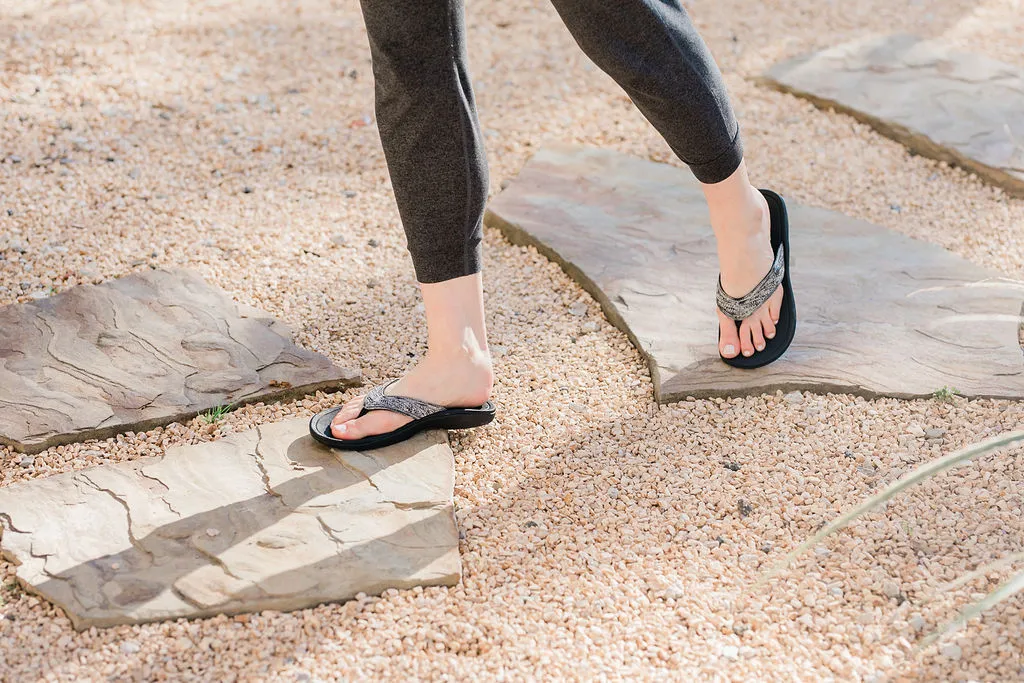
- Find a conductive natural surface. To be grounded, you must stand on the raw earth like grass, dirt, gravel, or sand.
- Check the fit. Ensure your socks are smooth and not bunched up. Good skin contact is key for how do grounding socks work with your shoes.
- Start your walk. Once you are on a natural spot, the link is active and you can move freely.
Pick the best surface
Not every ground surface allows the earth's energy to flow. To stay grounded, you need to be on raw earth. Grass, wet sand, and plain dirt are the best spots for your walk. These surfaces hold moisture that helps the charge move into your shoes. Research shows that this link to the earth can balance the body's electric charge and may help with stress. Stay away from asphalt, wood, and plastic. These materials act as blocks that stop the earth's energy from reaching you.
If you feel the link is weak, check your gear for dirt or wear. Heavy dirt or oils can block the silver fibers and stop the flow of energy. Keep your shoes and socks clean to keep the bridge strong. You can also learn the science behind grounding to see why a clean path matters. If the ground is very dry, the flow may be slower. Walking on damp grass or soil can help boost the connection. Stick to raw earth for the best results and a steady charge.
What does the research say about grounding?
Early grounding studies report possible changes in sleep, stress markers, soreness, and some physiological measurements. However, much of the evidence comes from small or preliminary studies. Grounding socks can create a measurable electrical connection, but current research does not establish them as a treatment or cure.
The field of grounding research is still in its early stages. Most experts view current results as preliminary but interesting. Scientists aim to find out how the body reacts when it keeps a direct path to the earth's charge. While many people report better wellness, researchers focus on tracking clear physical changes in a lab. You can check the science behind grounding to see how these ideas have grown over time.
Studies on sleep and stress
One area of focus is how grounding might affect sleep and stress levels. A study found that grounding the body during sleep may help align cortisol levels with a natural 24-hour cycle. Cortisol is a hormone that helps your body manage stress. In this pilot study, people also reported better sleep and less pain after sleeping while grounded. While these findings look good, doctors note that more large trials are needed to confirm these early results.
Physiological changes in the body
Researchers have also looked at how grounding influences blood and muscle recovery. Some pilot work has studied the effect of grounding on muscle soreness after hard exercise. Other studies have seen changes in electrolytes and blood sugar levels in people who stayed grounded for long periods. For example, research in a National Institutes of Health journal noted shifts in iron and calcium levels during rest. This suggests that a grounded link might have a real impact on basic body functions.
Understanding the current evidence
Separate how the socks work from claimed health outcomes. We know that silver fibers and grounding footwear styles create a real electrical link to the ground. Tests with a meter can confirm this link exists. But this does not mean grounding is a cure for any disease. Grounding tools are best viewed as part of a natural lifestyle rather than a medical fix. You should always talk to a medical pro before starting a new health routine or making big changes to your care plan.
How to care for grounding socks
Proper care keeps your grounding socks working well for a long time. These socks use silver fibers to stay conductive, so they need more care than regular cotton socks. To understand the basics of this tech, you can review the fundamentals of grounding and why silver is key. Body oils and skin creams can build up on the fibers over time, which may block the flow of electrons.
Wash with care
You should wash your socks often to remove skin oils that can coat the metal threads. But you must use a mild soap and avoid harsh cleaners. Many soaps have bleach or softeners that can damage the thin silver layer. If the silver wears away, the socks will lose their power to connect you to the earth. Most makers say you should wash them in cool water on a gentle cycle to help them last.
Dry the right way
Heat can be bad for the fibers in your grounding gear. It is best to air dry your socks or use a low heat setting in the dryer. High heat may cause the fibers to break or lose their stretch. Since silver helps resist odor and bacteria, you may find you do not need to wash them as much as other socks. Still, keeping them clean is the best way to make sure the conductive path stays clear.
Watch for wear
The fit of your socks is very important for how they work. To stay grounded, the fabric must stay in touch with your skin. If the socks get too loose or develop holes, they may not give you a solid link to the earth. You can use these socks with compatible grounding footwear to stay grounded while you walk. Check the heels and toes for thin spots where the silver might be worn out from use.
Frequently Asked Questions
Can I use a grounding mat while wearing grounding socks?
Yes, you can use a grounding mat while wearing grounding socks. Normal socks act as a block to the earth's charge. But grounding socks use silver threads to let the charge pass to your skin. This makes them a good choice for use with a mat while you work or rest. As the Harmony 783 team shows, these socks keep a clear path. This lets you stay in touch with the ground without going barefoot.
Do grounding socks need to be worn on bare skin?
Grounding socks do not need bare skin to work. While direct touch is the most basic way to connect, these socks use silver threads to bridge the gap. Your body's own wetness helps make a better bond between your foot and the fabric. This helps make sure a steady flow of a charge moves from the ground to your body. You can discover how grounding works to see why this path is so good for your daily life.
Do I need to connect grounding socks to an outlet?
You only need to link grounding socks to an outlet if you use them indoors without a mat. Most indoor sets have a cord that clips to a pin on the sock. You then plug this cord into a wall port to finish the path. If you wear them with grounding shoes outside, the shoes handle the link for you. In that case, no cords are needed to stay grounded on the earth while you walk.
Does grounding work on concrete?
Grounding works on plain concrete because it holds wetness. But it does not work on asphalt, wood, or plastic, which block the flow of a charge. For the best results, you should use your grounding gear on grass, dirt, or sand. As noted in studies on the topic, staying in touch with real spots on the earth is the best way to keep a steady link. This helps you get the most out of your grounding socks and shoes while you move.
Ready to explore our natural grounding footwear today?
Staying out of touch with the earth's surface means you miss out on a natural way to help your body feel its best each day. Every day you wait is another day your body stays shielded from the light charge that helps you stay in balance on every walk. You can start feeling the change in your life right now by stepping into your first pair of shoes that help you stay grounded to get started each day.
Ready to explore grounding footwear? Contact us online today to find the best shoes that help you stay grounded and feel your very best on every single walk you take in your new shoes.