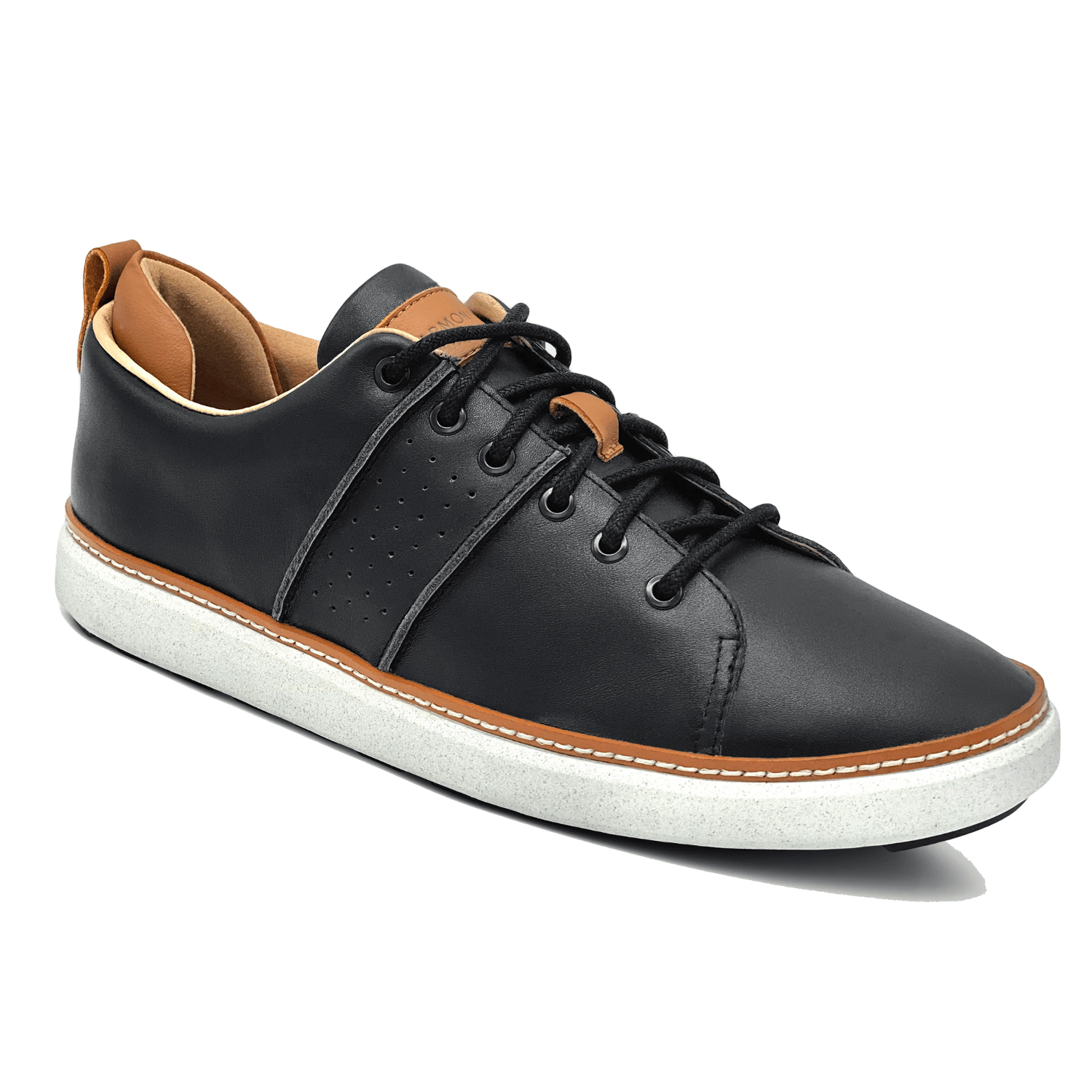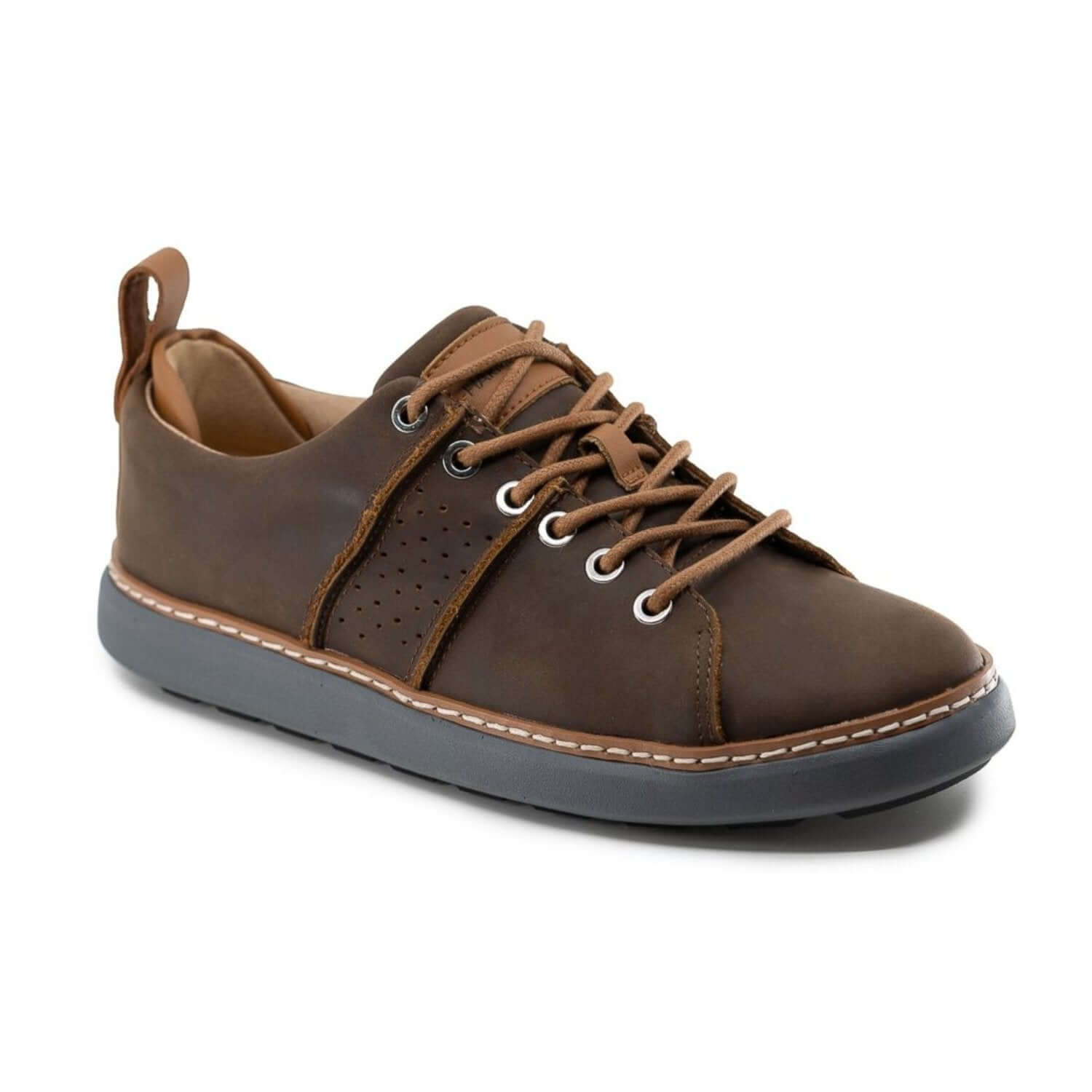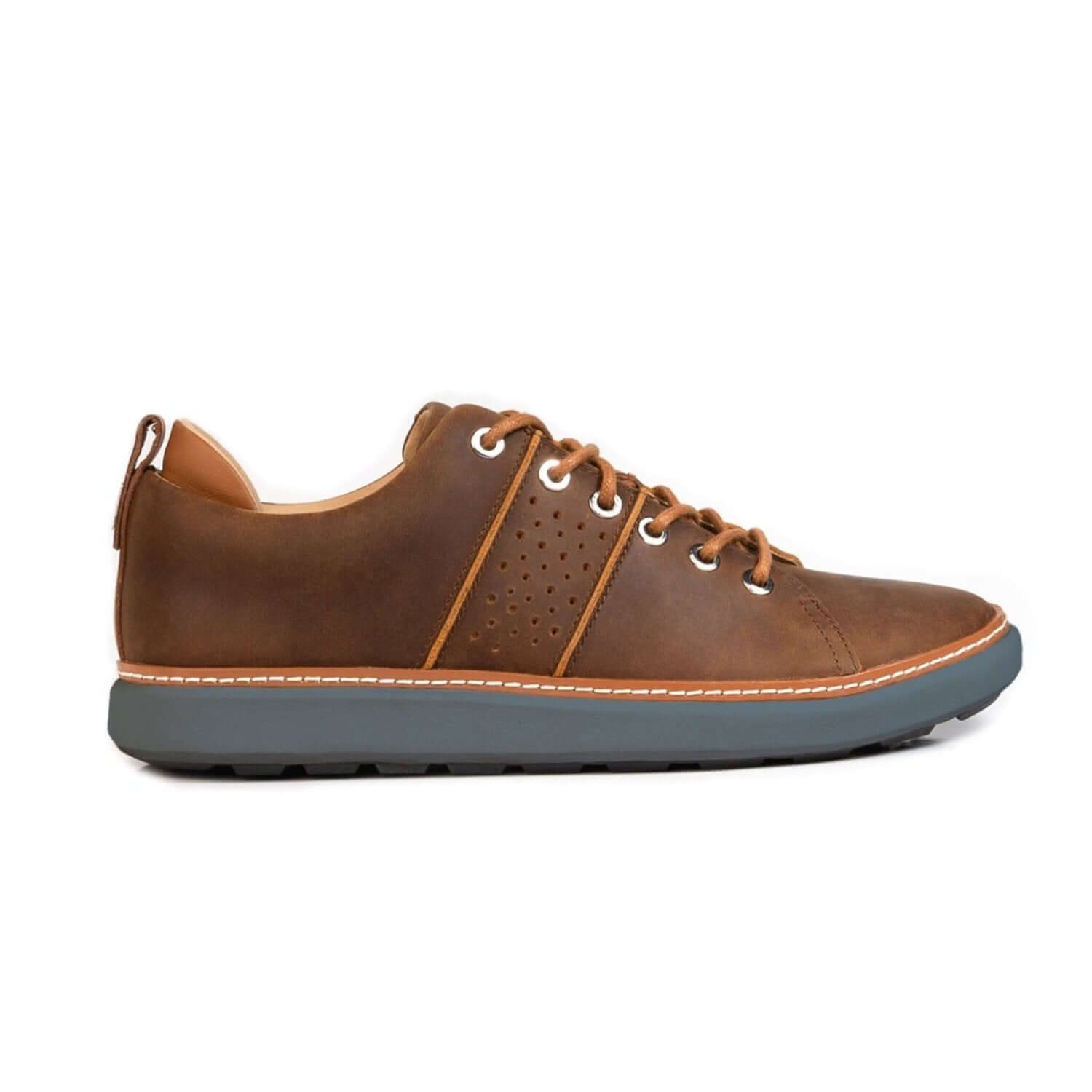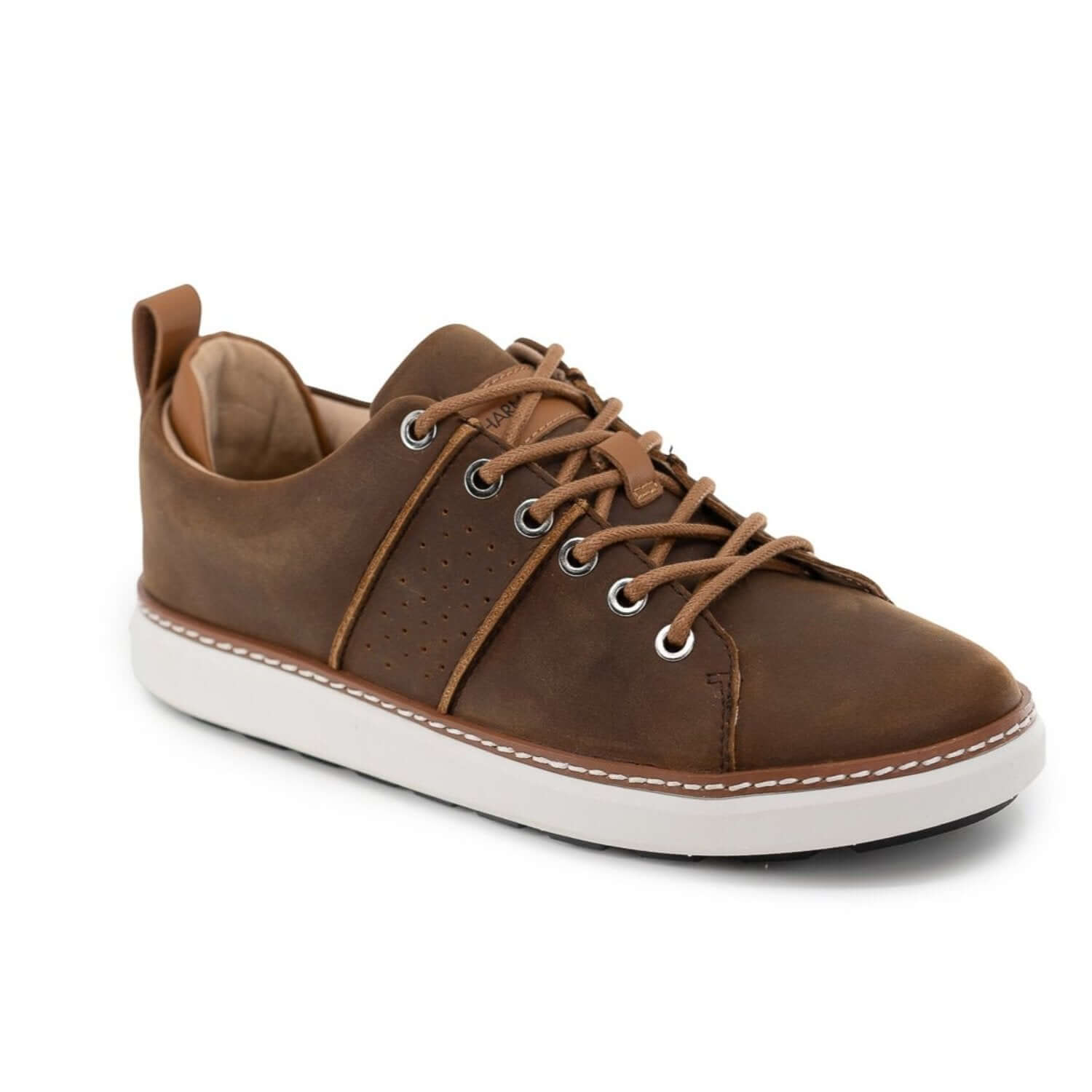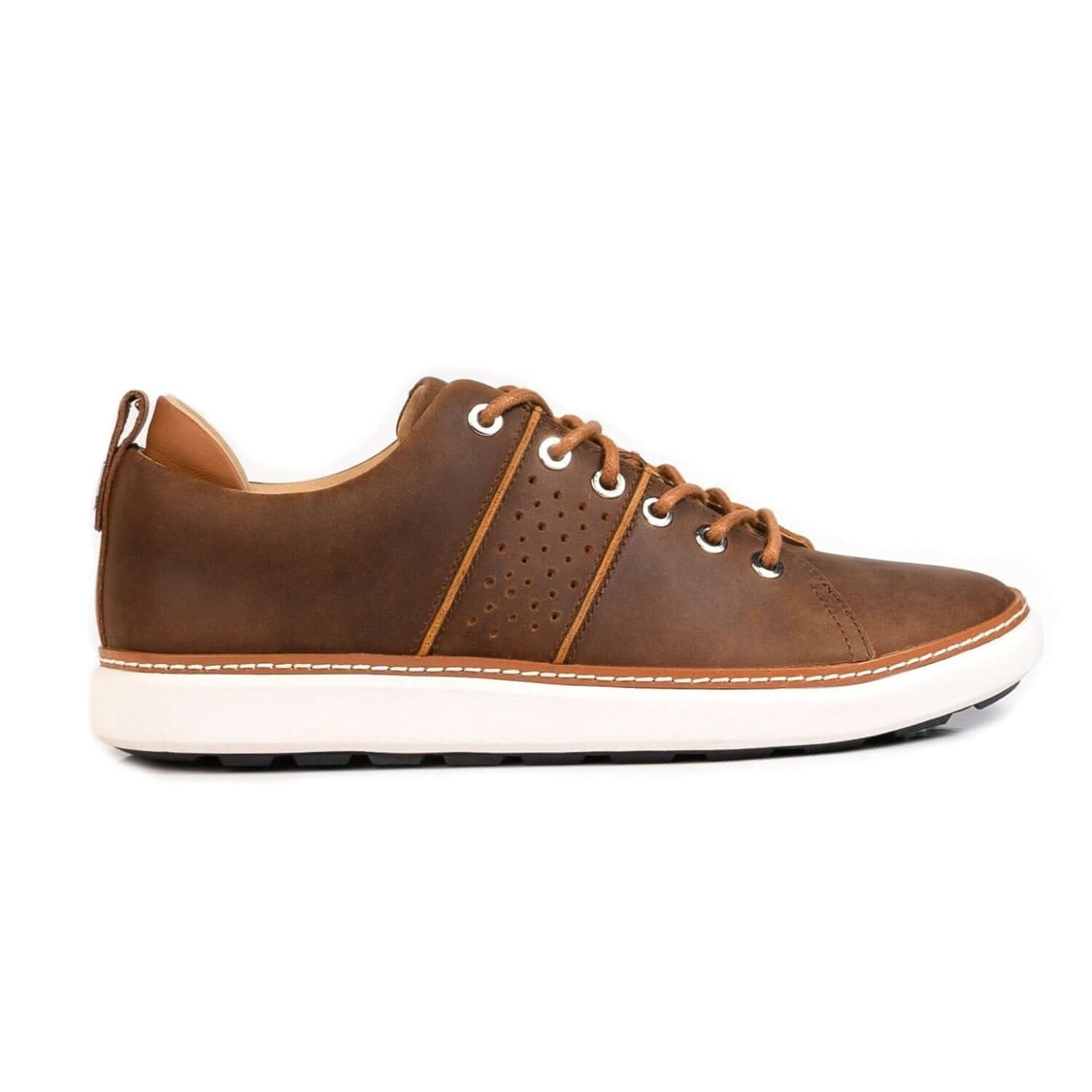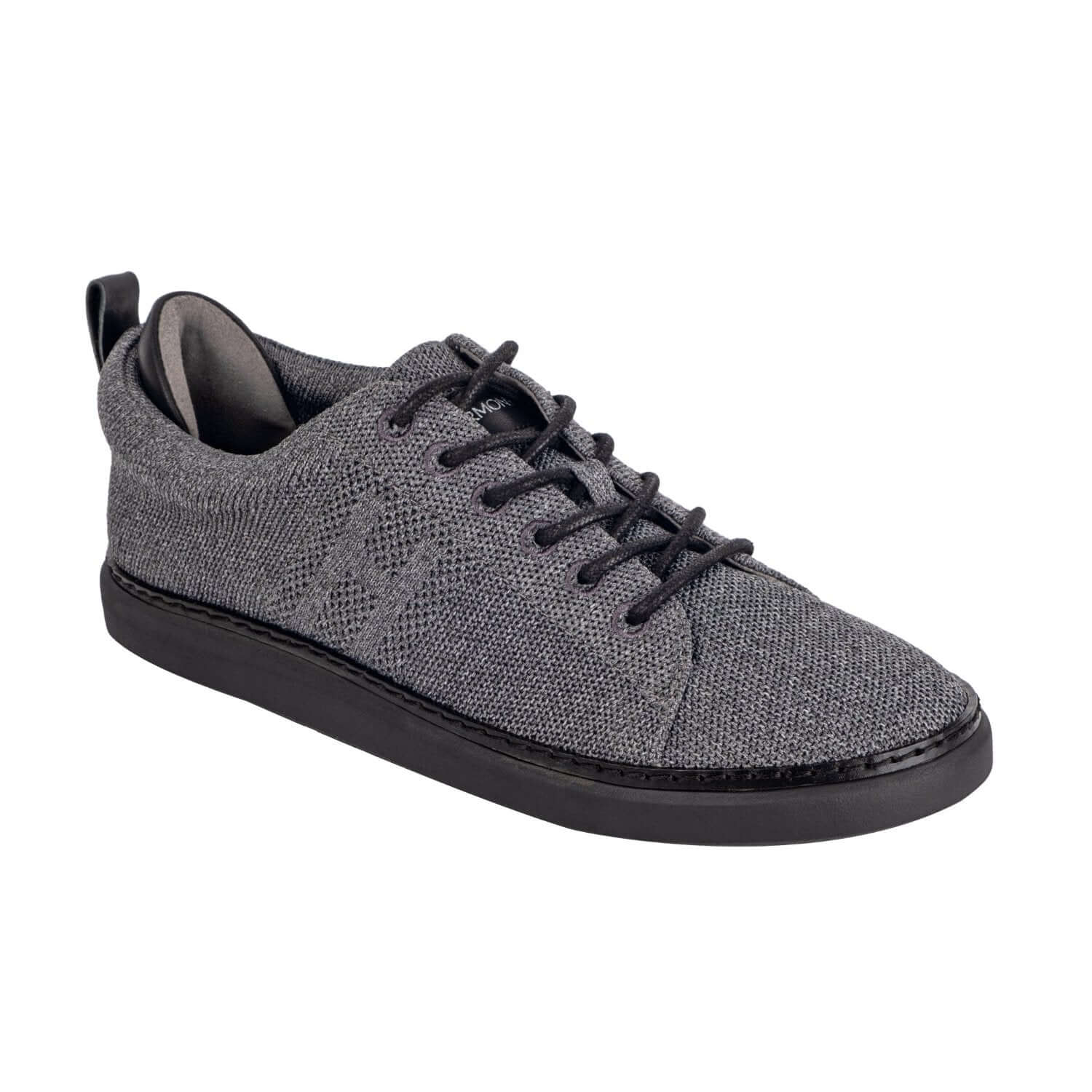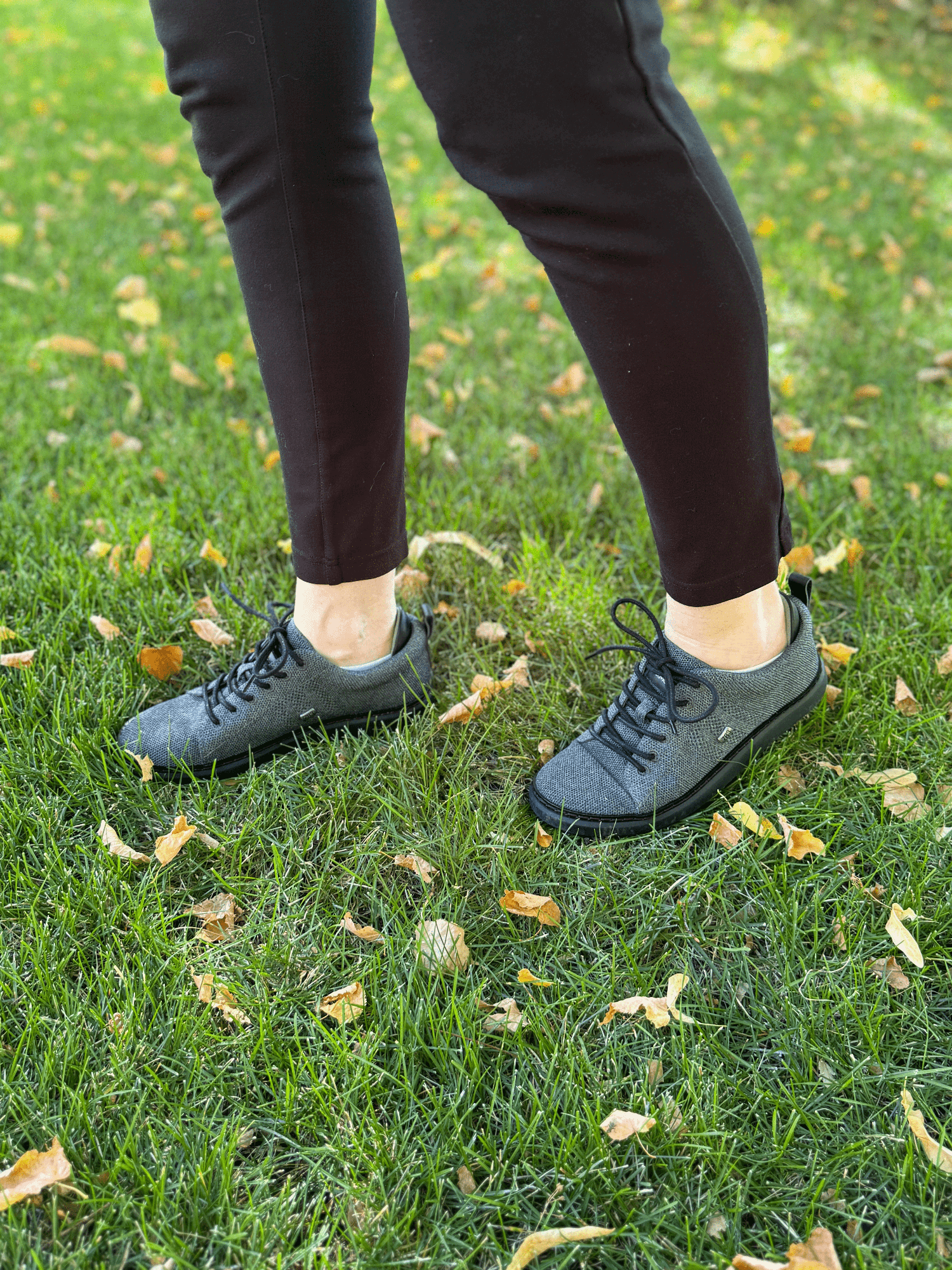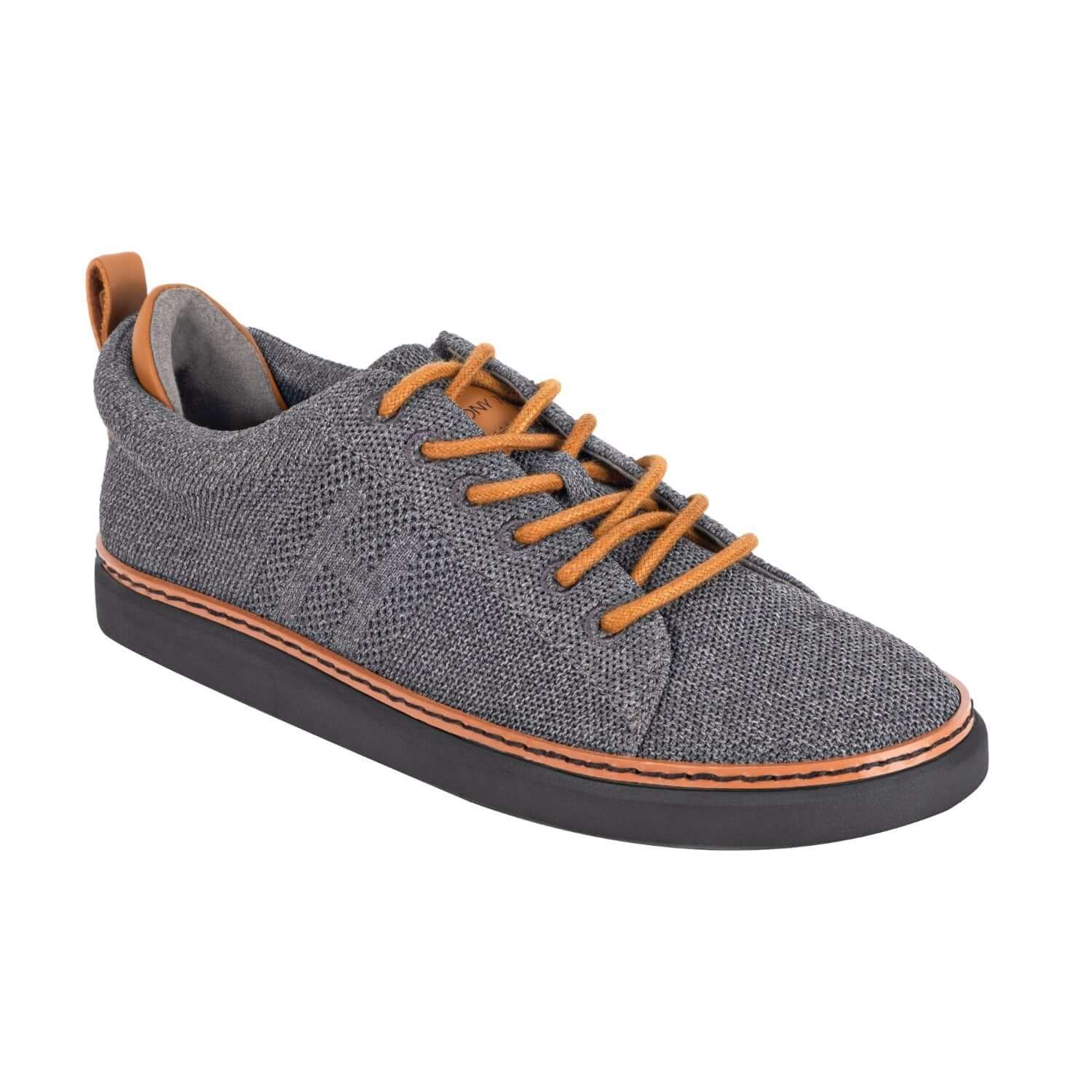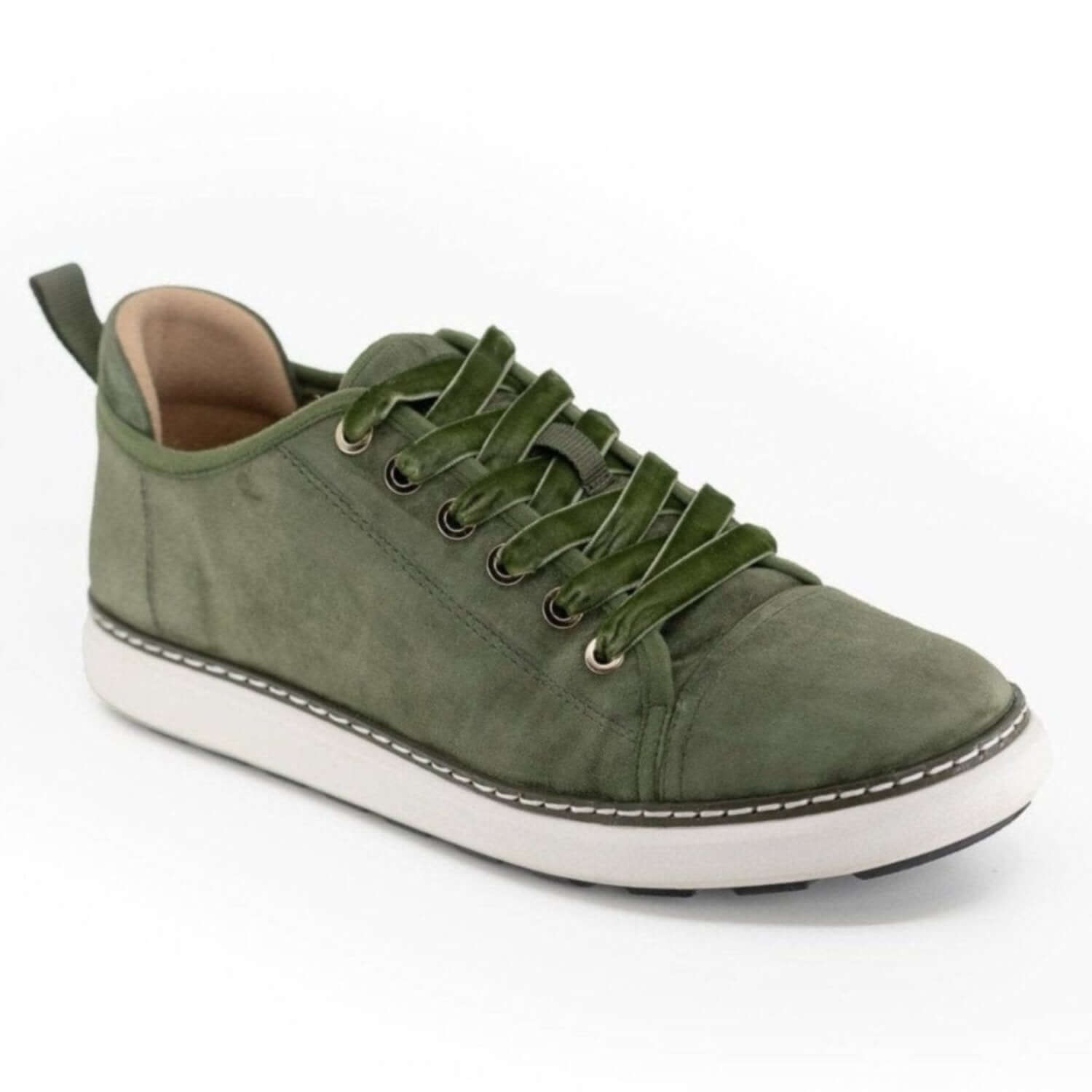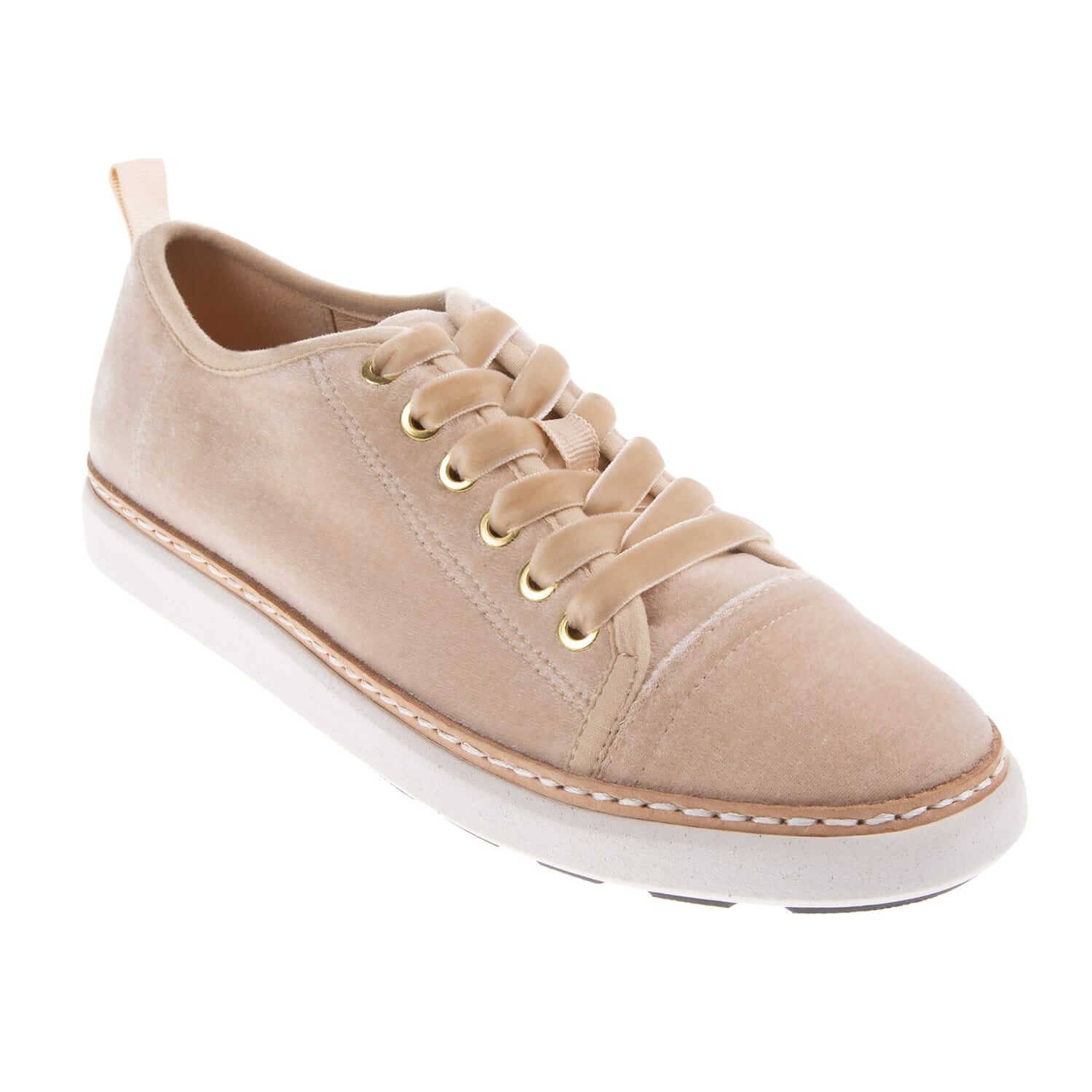

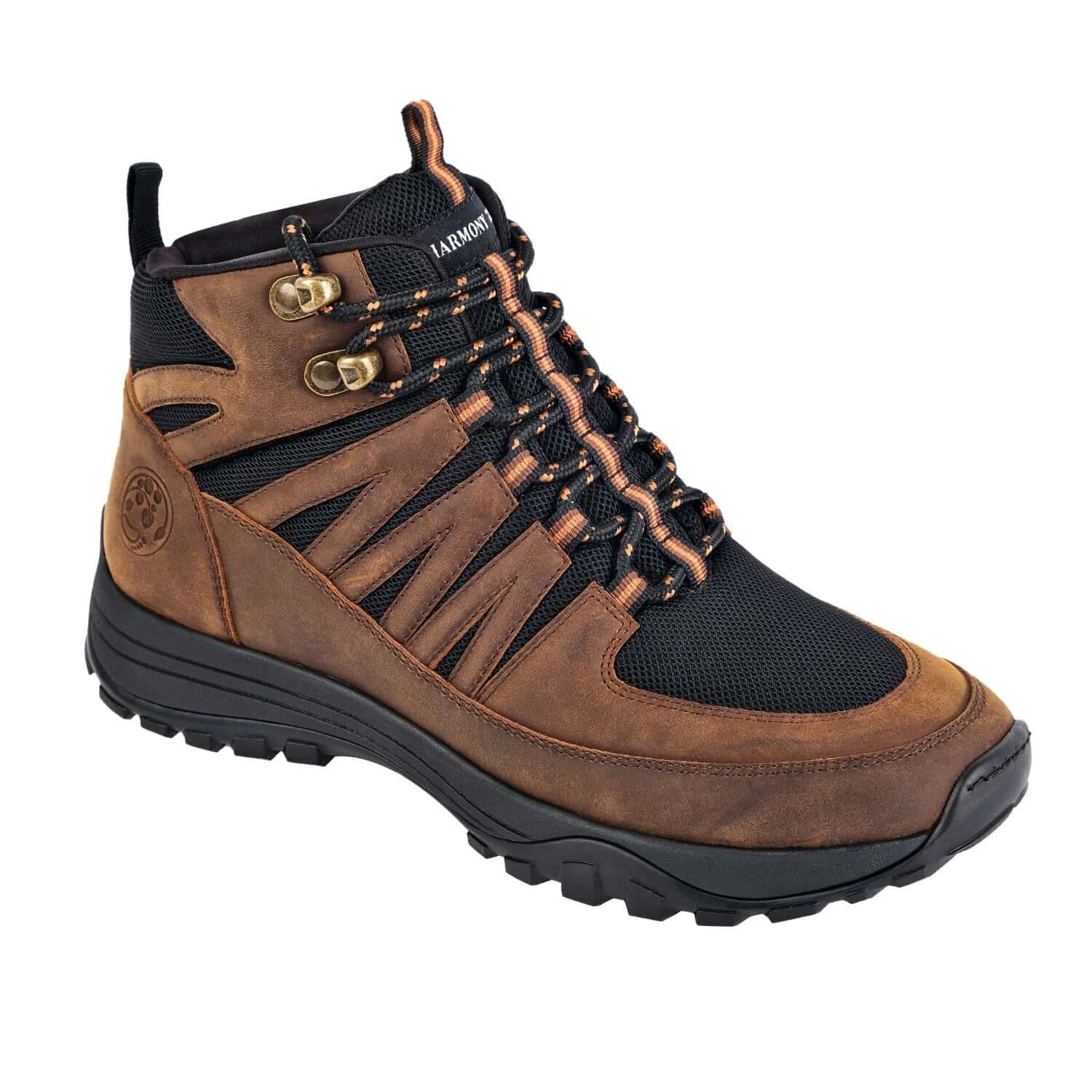
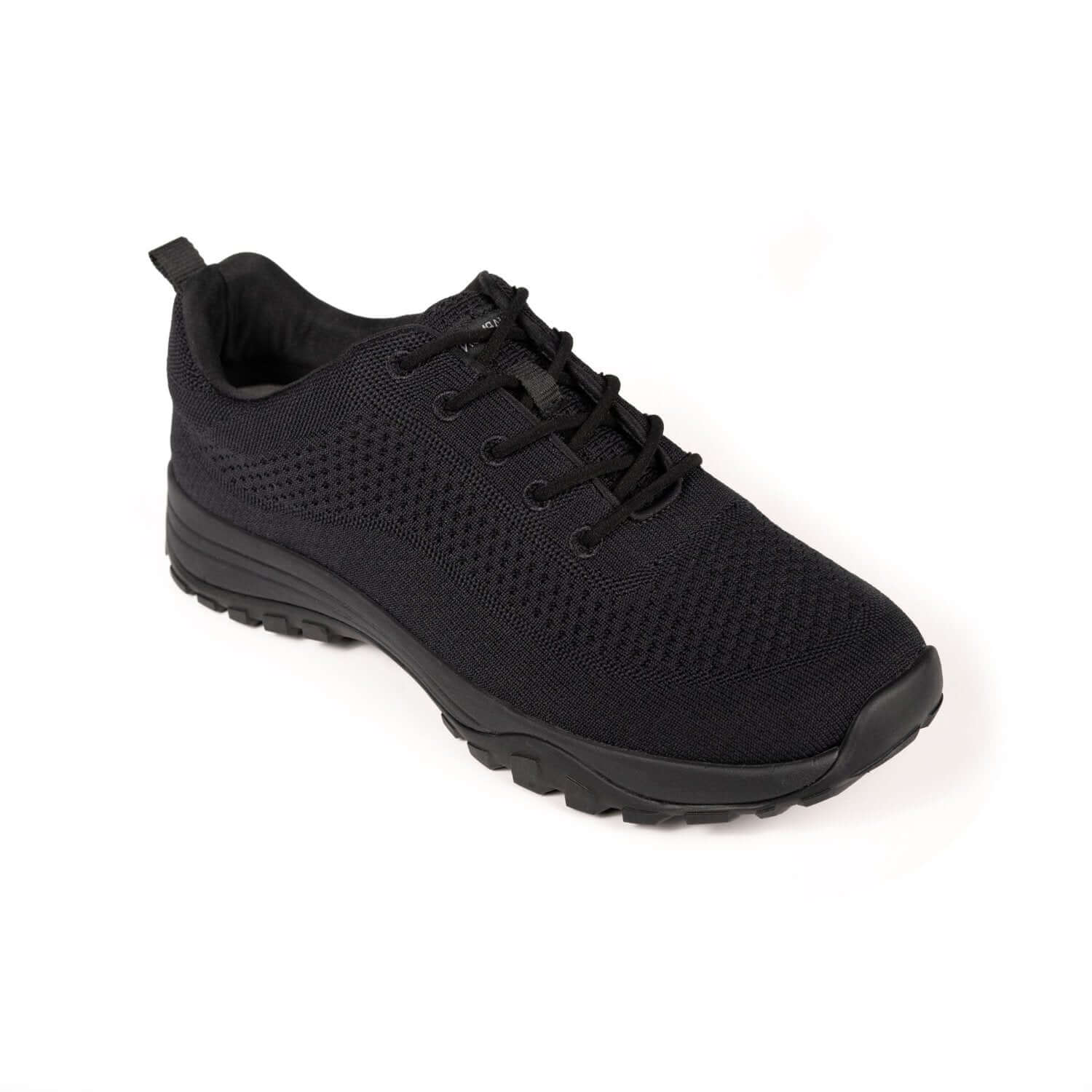
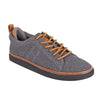
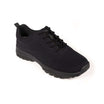
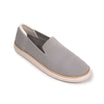
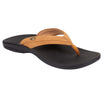
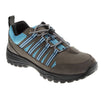
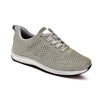
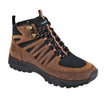
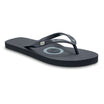
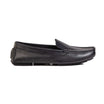
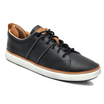

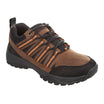
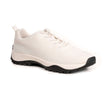


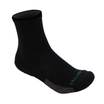

Grounding footwear can look like ordinary minimalist shoes, but appearance alone does not tell you whether a shoe is designed to maintain an electrical connection with the earth. That distinction matters when you are comparing products and trying to separate a useful construction detail from a broad wellness claim.
Browse the grounding footwear collection
The history of earthing grounding Clint Ober research origins provides context, but it should not replace practical product checks. Traditional barefoot contact appears across many cultures. Modern grounding footwear uses intentional conductive elements, such as a conductive plug placed in the sole beneath the ball of the foot. An academic review describes this example (review of earthing research).
In other words, a barefoot-style shoe is not automatically a grounded shoe. The useful question is whether the maker explains how the conductive path works, where it is located, and how the design fits normal walking. That distinction helps clarify what the historical record can tell shoppers, and where it stops.
What Is the Difference Between Earthing's Long Tradition and Clint Ober's Modern Research Story?
Earthing has two different histories: people have practiced barefoot contact with the Earth across many cultures, while Clint Ober's work helped shape a modern research story around that practice. Keeping those ideas separate makes the topic easier to understand and helps shoppers ask better questions about grounding footwear.
A review in the Journal of Environmental and Public Health notes that reports of barefoot walking and feelings of well-being appear in practices from diverse cultures. That is historical and cultural context. It is not, by itself, proof that a specific shoe produces a health outcome. The tradition explains why contact with the ground remains meaningful to many people, but it does not settle every modern claim.
The modern research story focuses on testing whether contact with the Earth can be described and measured. That shift brings in questions about electrical continuity, study design, sample size, and what an experiment actually measured. In other words, a research narrative is not the same thing as an ancient practice. It is an attempt to examine one part of that practice using modern tools.
That distinction also matters when comparing footwear. Many people do not want to walk outdoors barefoot, and the review recognizes this practical barrier. But a barefoot-style shoe is not automatically a grounded shoe. The review describes a footwear design with a conductive plug placed in the sole beneath the ball of the foot, showing why construction matters. A shopper should look for an intentional conductive path rather than infer grounding from a thin sole or minimalist shape.
For a simple introduction to how grounding is practiced today, see these practical grounding basics. Then treat the history as context, and evaluate each product by its stated design, testing language, and intended use.
Source: Journal of Environmental and Public Health review.
How Should Shoppers Read the Evidence Behind Earthing Research?
A useful way to read earthing research is to separate the question, the measurement, and the conclusion. A study may examine whether contact with the Earth is linked with a measurable change. That is different from proving that grounding footwear treats a health condition or produces the same result for every shopper.
For example, one early sleep study followed 12 people with pain and sleep problems. Participants slept grounded for eight weeks. The report assessed cortisol patterns and self-reported sleep, pain, and stress. Those are relevant signals, but the small sample and subjective measures limit how broadly the results can be applied. Read the review and study context in PMC.
Another paper used several experiments rather than one single outcome. The experiments included 84 participants for calcium-phosphate measures, 28 for electrolytes, and 12 each for thyroid function and glucose concentration. A separate experiment included 32 participants and examined immune response to a vaccine. The researchers compared earthed and non-earthed groups and examined blood or urine samples. This gives readers more detail about methods, but multiple experiments still do not equal a universal health conclusion. Review the multi-experiment design.
Electrical research asks a narrower question. One study measured naturally occurring current flow between the body and ground, including its relationship with respiration and heart rate. Sensitive, low-noise instruments recorded low-frequency current. That can help describe electrical behavior. It does not, by itself, establish a wellness outcome. See the electrical analysis.
For a shopper, the practical lesson is simple: treat measured changes as evidence to evaluate, not as a promise. The guide to what grounding research can show can help you separate study findings from claims that go beyond the data. You can also review this plain-language grounding overview before comparing products.
| Evidence signal | What it can tell you | What it cannot prove |
|---|---|---|
| Small participant group. | How a defined group responded under the study conditions. | That the same result applies to everyone. |
| Measured biomarker or electrical signal. | That a recorded variable changed or was detectable. | That the change improves health or treats disease. |
| Self-reported sleep, pain, or stress. | How participants described their experience. | An objective clinical outcome or lasting effect. |
| Comparison of earthed and non-earthed groups. | Whether the groups differed on the selected measures. | That grounding caused every observed difference. |
What Should a Grounding Shoe Actually Do?
A grounding shoe needs more than a thin sole or a barefoot-inspired shape. It needs an intentional conductive path that connects the foot to the earth through the shoe.
That distinction matters because ordinary barefoot construction and grounding construction solve different problems. A barefoot-style shoe may be designed to feel flexible, lightweight, or close to the ground. Those features can affect comfort and movement, but they do not prove that the shoe carries an electrical connection. A barefoot-looking shoe is not automatically a grounded shoe.

What does a conductive path look like?
The design can vary, so look for a clear explanation from the maker. In one review of earthing research, the footwear design described a conductive plug placed in the sole beneath the ball of the foot, under the metatarsals. That example shows the basic idea: a specific conductive component is positioned to create continuity from the wearer toward the walking surface. Read the full research review at PMC.
This does not mean every grounding shoe must use that exact component or location. It means the construction should be intentional and explainable. A product page that only says "barefoot," "minimal," or "natural feel" has not yet shown that it is grounded footwear.
What should shoppers verify?
- Does the maker identify a conductive material or component?
- Does the product explanation describe a continuous path through the shoe?
- Does the brand explain what surfaces are expected to support the connection?
- Does it distinguish design claims from independent health evidence?
Harmony 783 describes its footwear as designed to create an electrical connection between the wearer and the earth's surface. That is a product-positioning claim about construction, not proof of a medical outcome. The most useful question is simple: was this shoe specifically built for grounding, and can the maker explain how?
How Can You Compare Grounding Footwear Without Overreading the History?
- Look for a stated conductive path. Ask which materials carry the connection from your foot through the shoe to the ground. One published review describes a conductive plug placed in the sole beneath the ball of the foot. That is a useful example of intentional construction, but it is not a reason to assume every shoe with a thin sole works the same way. Read the footwear design example in the review.
- Read the maker's explanation, not just the label. Terms such as barefoot, minimalist, natural, or earth-friendly describe a look, feel, or material choice. They do not automatically describe electrical continuity. A credible product explanation should identify the relevant conductive components and how they are connected. Harmony 783 describes its footwear as designed to create an electrical connection between the wearer and the earth's surface.
- Check what "tested" means. Look for a clear testing statement. Does the maker say the shoe was tested for a grounded connection? Does it explain the test setup or conditions? This matters because research methods can be specific. In one study, researchers standardized meals and sleep schedules before measuring outcomes. That level of detail does not prove a shoe's performance, but it shows why vague claims deserve careful questions. Review the study methods.
- Ask where the shoe is expected to work. Surface, moisture, socks, and other conditions may affect a connection. A product page should explain its intended use rather than imply identical results everywhere. If the answer is missing, treat the claim as incomplete and ask the maker before buying.
- Separate connection claims from health claims. A statement about product design is not the same as proof of a medical outcome. Compare shoes on construction, testing transparency, fit, and everyday usability. Keep the history of earthing and Clint Ober's research origins in context: it can explain why the category developed, but it cannot decide whether a particular shoe suits your needs.
For a broader product primer, read this grounding shoes 101 guide, then return to the construction and fit questions above.
Where Do Surface, Socks, Fit, and Comfort Fit Into the Comparison?
Grounding footwear only helps with the practical goal of everyday walking if you can wear it comfortably and use it in settings where the conductive connection is intended to work. Many people are reluctant to walk outdoors barefoot, so footwear can make outdoor contact more realistic for a normal routine. The review literature describes this as one reason people look for a footwear-based option, rather than treating barefoot walking as the only choice.
Surface and socks are part of the use case
Surface matters because grounding is about an electrical connection with the earth, not simply the appearance of a shoe. Compare where you expect to walk and whether the product explains how its conductive design is meant to be used. A barefoot-style shoe is not automatically a grounded shoe. Look for clear information about intentional construction instead of assuming that a thin or flexible sole creates the same connection.
Socks also deserve a practical check. They sit between the foot and the inside of the shoe. So shoppers should follow the product's stated use guidance rather than assume every sock or fabric combination works the same way. If the construction or testing information is unclear, that is a reason to ask for clarification before treating a claim as established.
Fit and comfort determine whether the routine lasts
A grounding shoe still needs to feel workable during ordinary walking. Consider whether the fit feels secure without distraction, whether the shoe is comfortable for the time you plan to wear it, and whether you would choose it for more than a single trial. Do not treat comfort as evidence of a health effect. It is a use consideration that helps you judge whether the footwear fits your daily habits.
Harmony 783 describes its footwear as designed to create an electrical connection between the wearer and the earth's surface. Its Groundworks system is described as a five-layer conductive system with silver-stitched components and a carbon-and-rubber conductive outsole. The company also says its shoes are tested for a grounded connection. These are product-positioning and construction claims, so compare them with the specific information supplied for the model you are considering. For more context on grounding's growing public awareness, see the related discussion, then return to the practical question: can you wear the footwear comfortably and understand how its design is meant to function?
How Should You Evaluate Harmony 783's Grounding Design?
Answer: Evaluate the footwear in two separate ways: first, inspect how the product is designed to create an electrical connection with the earth. Then consider what independent research does and does not show about grounding. A grounding claim is about construction. It is not, by itself, proof of a health outcome.
Harmony 783 is a direct-to-consumer brand focused on grounding footwear. The company describes its shoes as being designed to create an electrical connection between the wearer and the earth's surface. That makes them different from ordinary barefoot-style shoes. A minimalist shape alone does not establish that a shoe has a conductive path.
What does the Groundworks system include?
Harmony 783 describes its Groundworks system as a five-layer conductive system. The stated construction includes silver-stitched components and a carbon-and-rubber conductive outsole. These details explain the product's intended grounding pathway. They are product-positioning facts supplied by the brand, so shoppers should read them as a description of design intent rather than independent confirmation of every performance claim.
The company also says its shoes are tested for a grounded connection. That statement gives shoppers a useful question to ask: What was tested, under what conditions, and does the result apply to the surface and use case they have in mind? Clear testing language is more useful than a vague promise, but it still needs to be kept separate from clinical evidence.
For broader context, what grounding research can show is best assessed by looking at study methods, sample sizes, and limits. The same standard applies when reading research on grounding and sleep. Those sources may help explain the evidence landscape, but they do not independently verify Harmony 783's product construction or establish a guaranteed result for the wearer.
What Does the History of Earthing Grounding Clint Ober Research Origins Mean for a Purchase Decision?
The history of earthing and the research associated with Clint Ober can explain why people began asking questions about contact with the earth. It should not make the buying decision for you. A research story gives context. The shoe itself still needs to make sense for your daily routine.
Start with construction. A barefoot-style shoe is not automatically a grounding shoe. Look for a design that was intentionally made to support an electrical connection between the wearer and the earth's surface. If the maker cannot explain where that path runs, ask what makes the shoe grounded rather than simply flexible or minimalist.
Next, read the claims with care. Transparent language should separate product design from health outcomes. A grounding shoe may be designed for connection, but that does not prove every wellness claim associated with earthing. Look for clear descriptions of materials, testing, surface expectations, and care. Be cautious when a broad promise replaces useful construction details.
Finally, consider whether you will actually wear the shoes. Check the available fit options, the feel of the upper and sole, and the surfaces where you expect to walk. Comfort is practical, not a luxury. A shoe that stays in the closet cannot support any routine you hoped to build.
History can help you ask better questions. Your decision should rest on the answers you can verify in the product design and the experience you want from everyday footwear.
Browse the grounding footwear collection
Frequently Asked Questions
Did Clint Ober invent the idea of earthing?
No. Barefoot contact with the Earth appears in practices from many cultures. Clint Ober's work belongs to the modern research story that examined how an electrical connection with the ground might be studied. For shoppers, the useful distinction is between a long-standing practice and later research claims, not who can claim ownership of the idea. A review of earthing research provides context.
Are all barefoot shoes grounding shoes?
No. A minimalist shape or thin sole does not prove that a shoe creates an electrical connection with the ground. Purpose-built grounding footwear should explain its conductive path and how that path reaches the wearer's foot. One research review describes a conductive plug positioned in the sole beneath the ball of the foot. Check construction details instead of relying on the word barefoot. Read the footwear design example.
What should I look for when comparing grounding footwear?
Look for a clear explanation of the conductive materials, the route through the sole, and the surfaces where the design is intended to work. Also check whether the maker separates product construction from health claims. Fit, comfort, and everyday walking habits matter because footwear only helps your routine when you can wear it comfortably and consistently.
Does earthing research prove that grounding shoes improve health?
No. Research can report measured electrical or physiological outcomes, but a study does not automatically prove that every grounding shoe produces the same result or treats a condition. For example, one early sleep study involved 12 participants who were grounded for eight weeks and assessed cortisol and self-reported outcomes. Treat that as evidence to evaluate, not a medical promise. Review the study details.
Browse the grounding footwear collection to compare purpose-built styles for your routine, then choose the fit and comfort features that make sense for how you walk.