



















Most shoes create a barrier between the foot and the ground. In the late 1990s, cable television executive Clint Ober began asking whether footwear affected electrical contact with Earth. His story is part of the modern history of earthing, not the beginning of people's long-standing contact with the ground.
Browse the grounding footwear collection
This is a modern research story. Ober's published company biography reports a 1998 observation in Sedona. It says he then investigated whether shoe soles affected electrical connection with Earth. That account describes a starting question, not scientific confirmation. Later studies must be judged by their methods and limits.
For a plain-language overview of the concept and evidence, read what earthing is and what research says. First, it helps to look at the observation that caught Ober's attention.
What Is the History of Earthing, Grounding Research, and Clint Ober's Role in Its Origins?
Clint Ober is often associated with the modern earthing movement. But the story of how his interest began comes mainly from a published company biography, not an independent historical record. That biography says Ober grew up on a Montana farm in the 1950s and later built a career in cable television and communications. It places the start of his earthing-related curiosity in Sedona, Arizona, in 1998.
As the biography tells it, Ober was sitting on a park bench when he noticed tourists stepping off a bus in shoes with thick rubber or plastic soles. The detail made him wonder whether modern footwear separated people from contact with the ground. It is a personal anecdote, useful for understanding how the idea took shape. But it should not be treated as a verified scientific discovery or proof that footwear causes health effects.
The biography says that in 1999 Ober bought a voltmeter and began testing electromagnetic-field readings in the hotel room where he was staying. In the following years, he reportedly contacted scientists to explore the grounding idea. This account describes a shift from a casual observation to a question he wanted tested. The distinction matters: an origin story can explain what prompted an investigation, while research is needed to evaluate what the investigation can support.
The same biography recounts an anecdotal report from 2000 involving 60 people and describes a later study published in 2004. Those milestones belong to the biography's account of Ober's role in encouraging early study. They do not establish that earthing is a proven treatment or that every claim made about it is settled science. The 2004 publication should be judged by its own methods and limits. This separates Ober's reported personal history from the evidence researchers produced.
Ober's place in this history is best understood as a catalyst for modern interest and research, not as the inventor of human contact with the Earth. The company's biography provides a narrative of his motivation; published studies provide a separate record to evaluate.
How Did Early Earthing Research Move From Observation to Study?
Early reports raised questions. Published studies began to test them with measured outcomes.
| Milestone | What the record says | How to read it |
|---|---|---|
| 1998-1999 | Ober's company biography recounts an observation in Sedona and later testing with a voltmeter. | A personal origin story, not an independently verified scientific result. |
| 2004 | A pilot study followed 12 people who slept with a conductive pad for eight weeks. | An early study to assess, not proof of a broad health effect. |
| 2012 | A review summarized earthing research and discussed a proposed mechanism. | A research review; the proposed mechanism remains a hypothesis. |
The study enrolled 12 people who reported sleep problems, pain, and stress. Participants slept for eight weeks with a conductive mattress pad. Researchers measured saliva cortisol before the intervention at four-hour intervals across a 24-hour period, then repeated cortisol testing at week six. Participants also recorded symptoms of sleep dysfunction, pain, and stress each day.
The authors reported changes in daily cortisol profiles, including lower nighttime cortisol, and said the profiles showed a trend toward normalization. They also reported that sleep, pain, and stress symptoms were reduced or eliminated in nearly all participants. These are the outcomes reported by the study, not a guarantee of what another person would experience. Read the 2004 study abstract on PubMed.
The design matters when interpreting those results. This was a small pilot with only 12 participants, all of whom entered the study with complaints. The cortisol measurements and daily reports offered ways to explore the question, but a pilot of this size cannot establish that the conductive pad caused the reported changes. It also cannot show whether similar results would appear across a larger, more varied group or under different study conditions.
A later review described the sleep-and-cortisol paper as one of the first published grounding studies. That places it in the research timeline, while keeping its limits in view. The early work moved the idea beyond personal observation by defining a method and measuring outcomes. It did not settle the wider scientific questions. For a broader overview of the proposed connection and the evidence, see what earthing is and what research says.
What Did Early Earthing Studies Examine, and What Could They Show?
Early tests explored more than one kind of outcome, but their small designs set clear limits on what they could establish.

Some early earthing research moved beyond reports of sleep and stress to ask how grounding might relate to the body's response to exercise. One pilot study focused on delayed-onset muscle soreness (DOMS), the soreness that can follow unfamiliar or intense exercise. It included eight healthy participants: four used conductive patches and sheets connected to the ground, while four used an otherwise similar setup that was not grounded. Researchers took measurements before exercise and again at 24, 48, and 72 hours. The study abstract describes the design and results.
The team tracked pain ratings alongside several physical measures, including blood counts and chemistry, cortisol in blood and saliva, and muscle imaging and spectroscopy. The study authors identified differences in some measures, including pain ratings and selected blood and muscle-related markers. A later review also describes lower pain on two measures among grounded participants. These are reported outcomes from a small pilot, not proof that grounding caused the differences or that the results apply broadly. The researchers called the work a basis for larger studies. That helps show its scope. (Review of the DOMS study.)
A measured change can raise a question for further testing. It does not prove a reliable effect or explain why it might occur. A review proposed one possible explanation: electrons from the Earth's surface might move into the body and have antioxidant effects. The authors describe this as their hypothesis, not a confirmed biological mechanism. Their review of earthing research outlines the idea, but a proposed mechanism still needs rigorous testing.
Together, these studies help show how researchers began examining earthing through measurable outcomes. They do not settle what those outcomes mean. Small pilot studies can help identify questions and measurements for future research, but they cannot by themselves establish cause and effect or support broad health promises.
How Did Earthing Move Into Wider Wellness Conversations?
Research was one part of the story. Everyday access and public explanation helped shape another part.
Modern discussions include both barefoot contact outdoors and the question of maintaining contact with the Earth during daily life. A 2012 review described direct contact and indoor conductive systems connected to the ground. It also noted that modern lifestyles can reduce direct contact with the Earth's surface. This framing helps explain the topic's place in conversations about home routines. It does not show how widespread the practice is.
Indoor systems also made the idea easier to explore for people who cannot or do not want to spend time barefoot outside. The change is about access and discussion, not a new origin story: the available historical account does not establish that modern products or one company created earthing. For an accessible overview of the terms and research framing, read What is earthing and what does research say.
Online education has helped shape how people encounter the topic, from basic explanations to wellness and biohacking discussions. Harmony 783 has covered grounding's growing public awareness, a useful example of how the subject is presented to general readers. These articles show the conversation taking shape; they are not evidence of a measured trend or proof of health effects.
Keeping those distinctions clear matters. Long-standing human contact with soil is different from the modern research timeline, and interest in a practice is different from scientific consensus. Readers who want the background can follow the research chronology, while treating claims about benefits with care.
Why Does Harmony 783 Connect Earthing History With Footwear?
Modern interest also raises a practical question: how can people explore grounding without always going barefoot?
Interest in earthing raises a practical question: how can someone explore direct contact with the ground as part of everyday life, especially when going barefoot is not convenient? Footwear is one answer to that design challenge, but the history of the practice and the history of any shoe brand are separate stories.
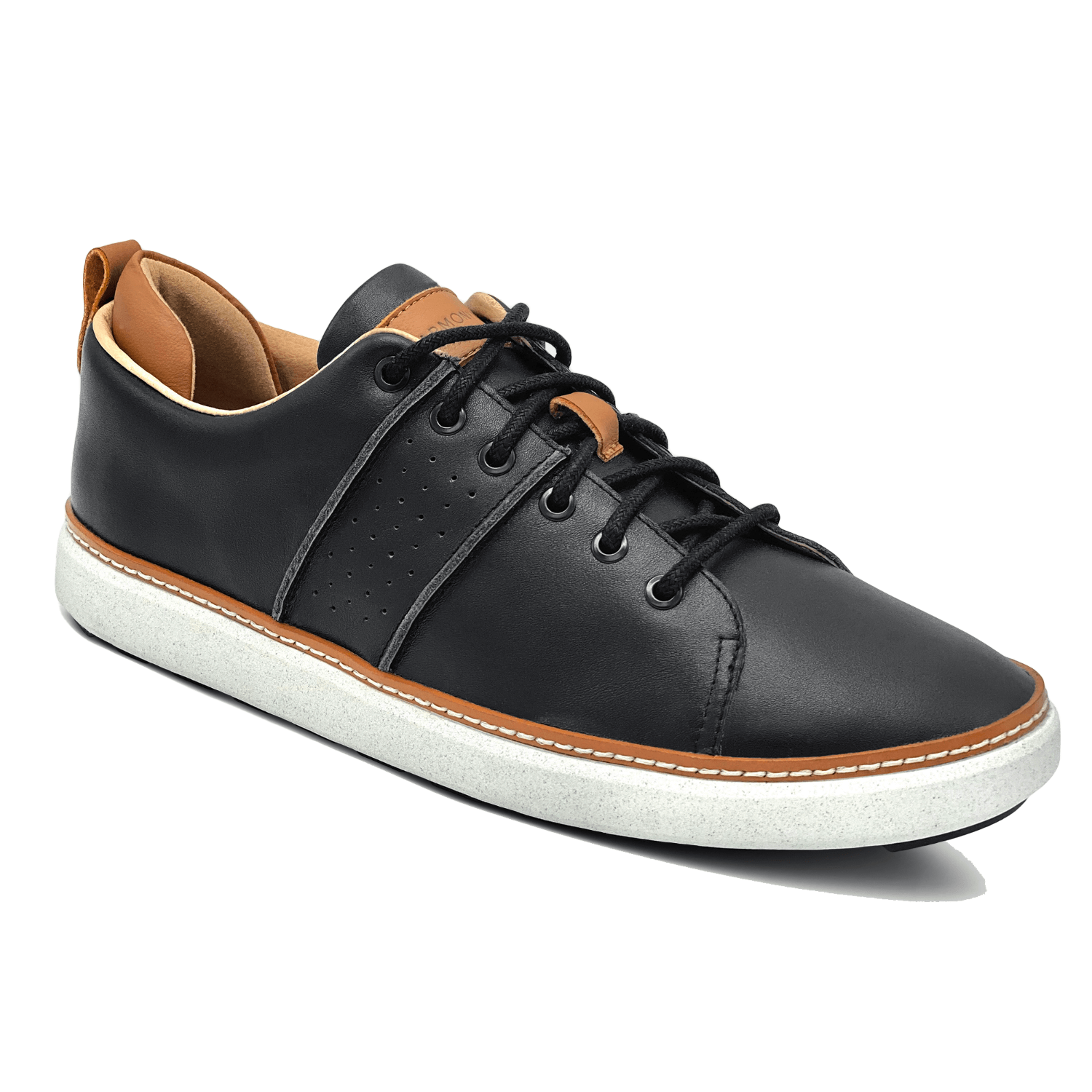
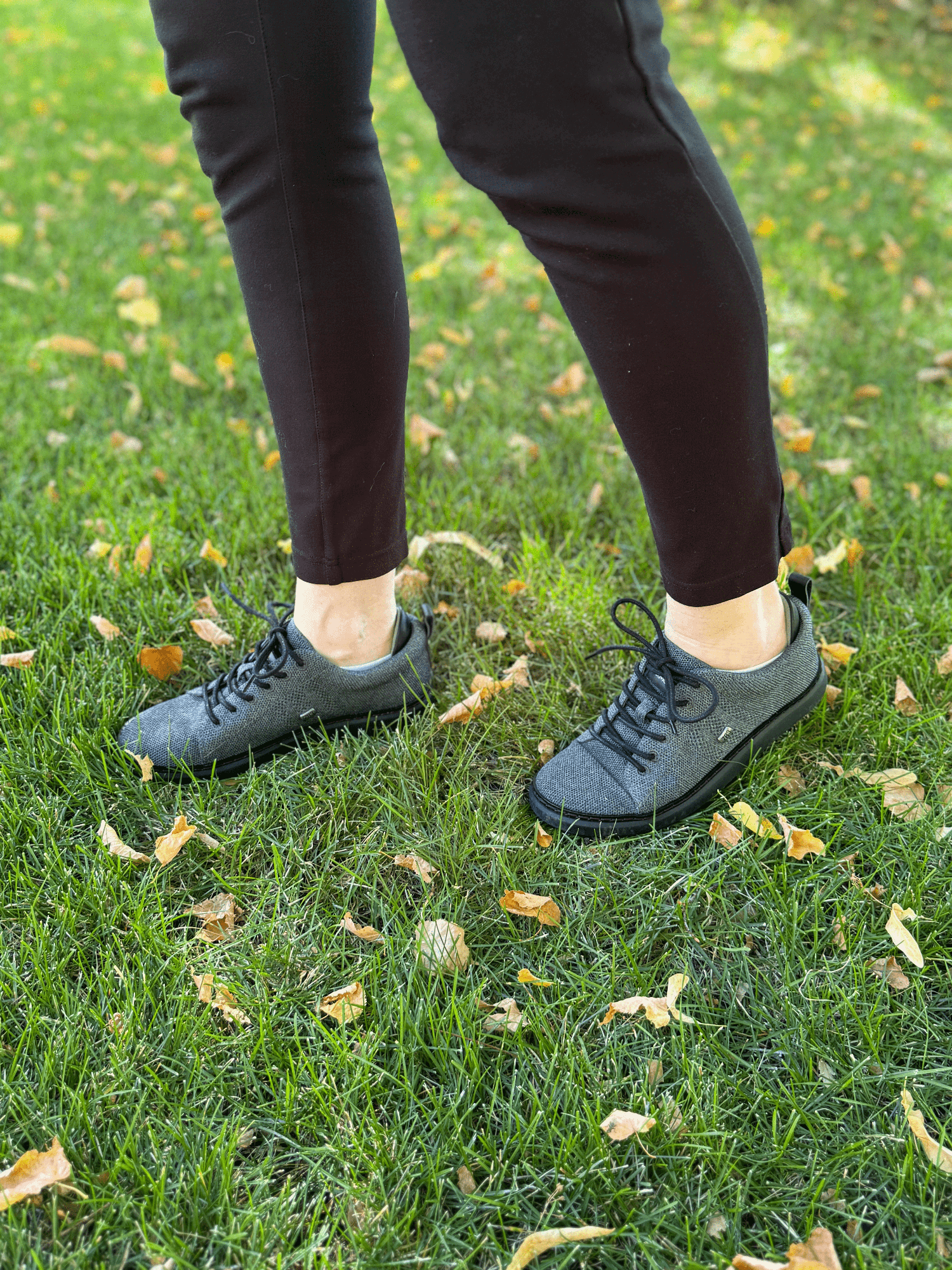
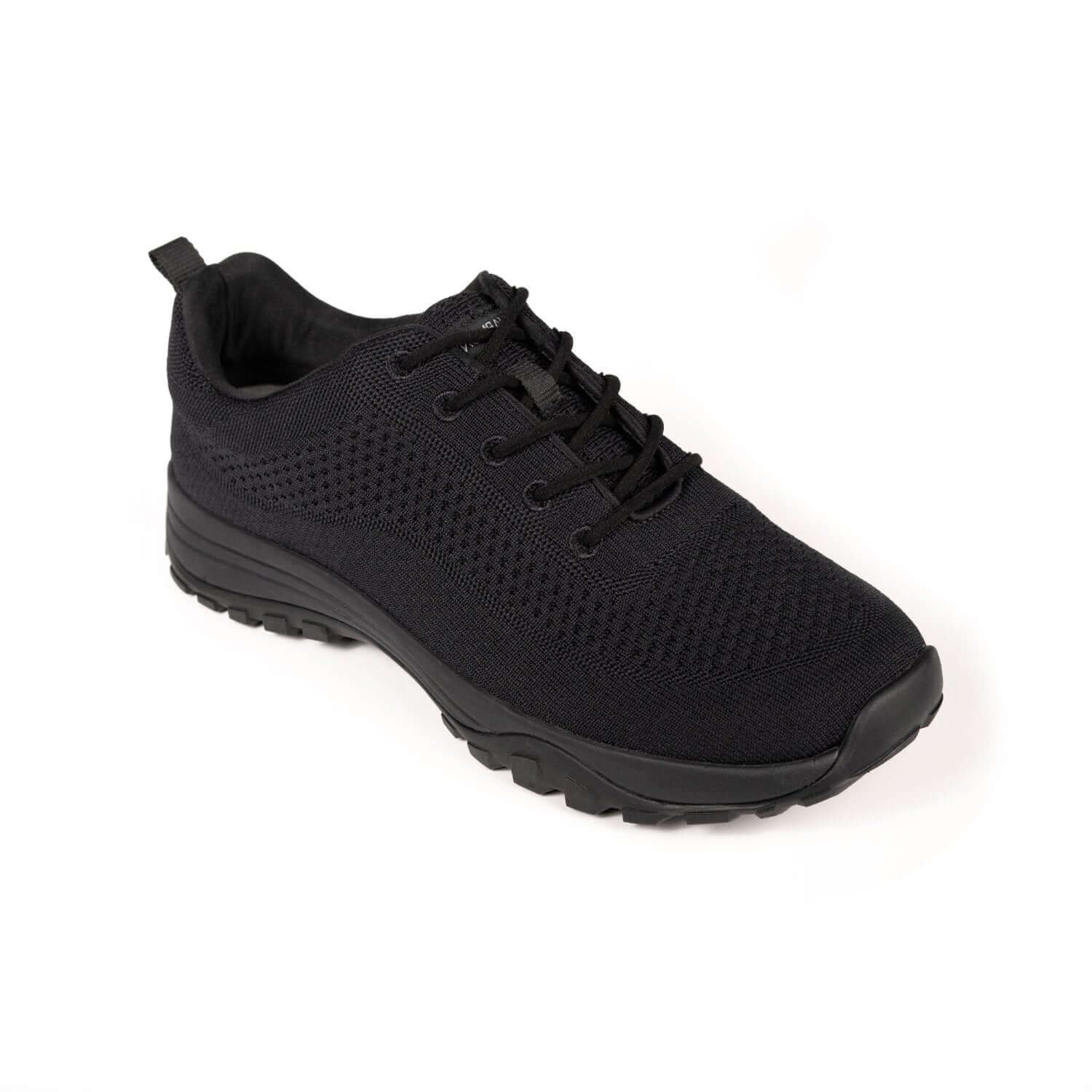
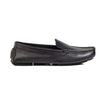
Harmony 783 was founded in 2017 as a wellness footwear company focused on grounding shoes. Its place in this story is as a later effort to make grounding footwear available for daily routines. Not as the originator of earthing or Clint Ober's early research. The brand describes its purpose as helping people stay connected to the earth without having to go barefoot.
That distinction matters because wearing shoes alone does not make footwear grounded. A shoe needs to be constructed for grounding; otherwise, its materials may separate the wearer from direct contact with the surface. For readers comparing options, the useful question is not simply whether a shoe looks suitable for walking outdoors. But whether it was specifically designed to support the kind of contact its maker describes.
This is a practical design conversation, not evidence that a particular shoe produces a medical outcome. Early earthing studies have their own limits. A product description cannot replace clinical evidence. Historical accounts explain how modern interest developed. Research evaluates specific questions. Footwear is one way brands approach everyday use.
Browse Harmony 783's grounding footwear collection
Frequently Asked Questions
These answers separate the modern research story from broader claims about earthing and health.
Who discovered earthing?
No single person is established as the discoverer of direct contact with the Earth's surface. Clint Ober is associated with the modern earthing movement and its early research, but the available research sources do not establish him as the origin of the practice. A 2012 review describes earthing as contact with the Earth's surface or indoor conductive systems connected to it (review of earthing research).
Where did modern earthing research begin?
The sources reviewed here document early published studies, not one definitive geographic birthplace. A 2004 study examined grounding during sleep with conductive mattress pads. Its abstract describes a pilot involving 12 people over eight weeks (Ghaly and Teplitz, 2004).
What did the 2004 earthing study measure?
Researchers measured cortisol at four-hour intervals across a 24-hour period, repeated testing at week six, and collected participants' daily self-reports about sleep, pain, and stress. The study abstract reported changes in cortisol profiles, but its small pilot design cannot establish that grounding caused a health benefit or that the results apply broadly (study abstract).
Why are early grounding studies not conclusive?
Early studies were exploratory and often involved small groups, so they provide limited evidence rather than a final answer. For example, the study abstract describes 12 participants. It does not mention a control group. Later research and larger, well-controlled studies are needed to test proposed explanations and determine whether findings can be repeated.
Earthing has a long history as an idea and a newer history as a subject of research. If you are curious about a practical way to explore grounding footwear in daily life, browse Harmony 783's collection and choose a style that fits your routine.