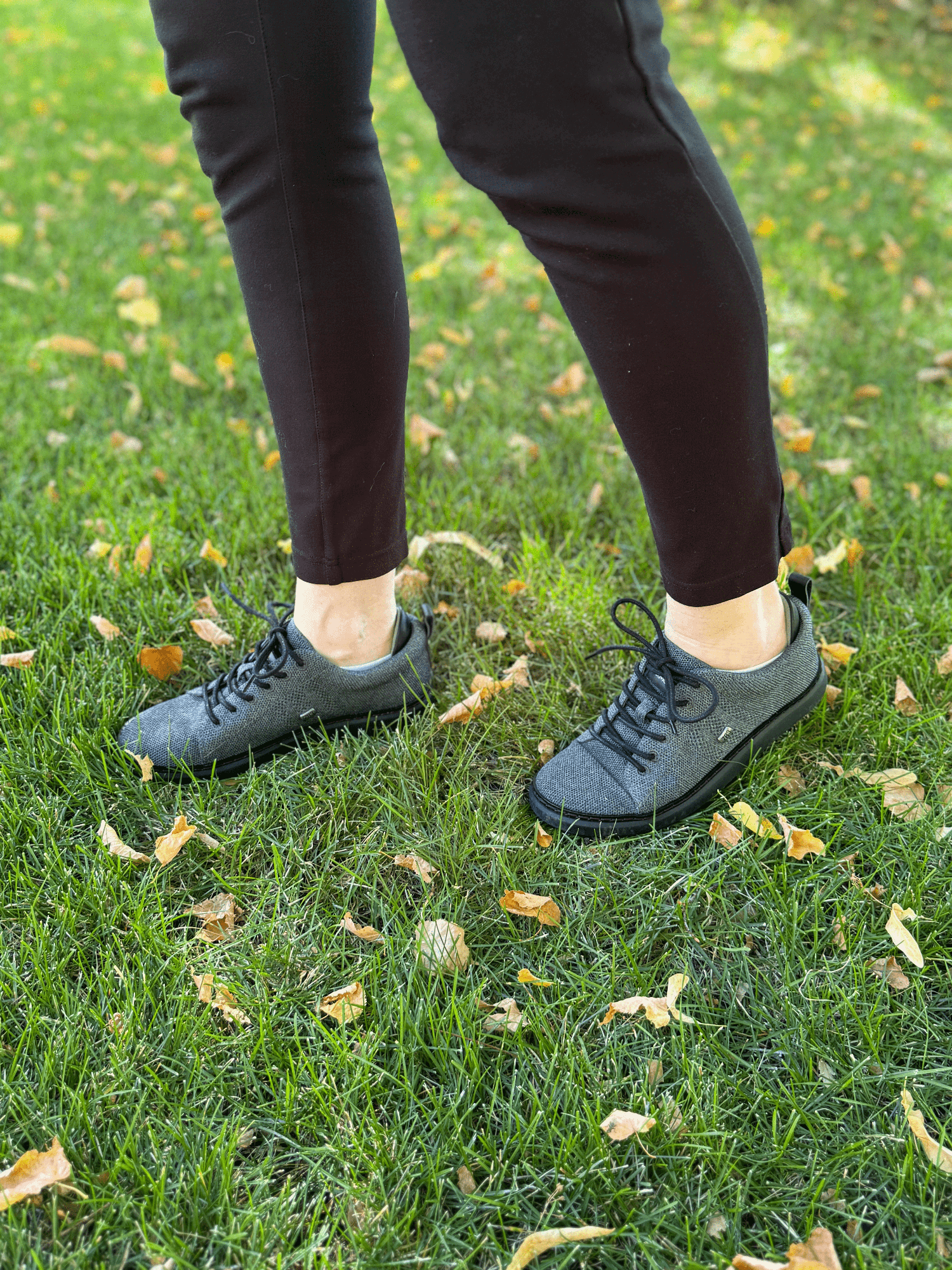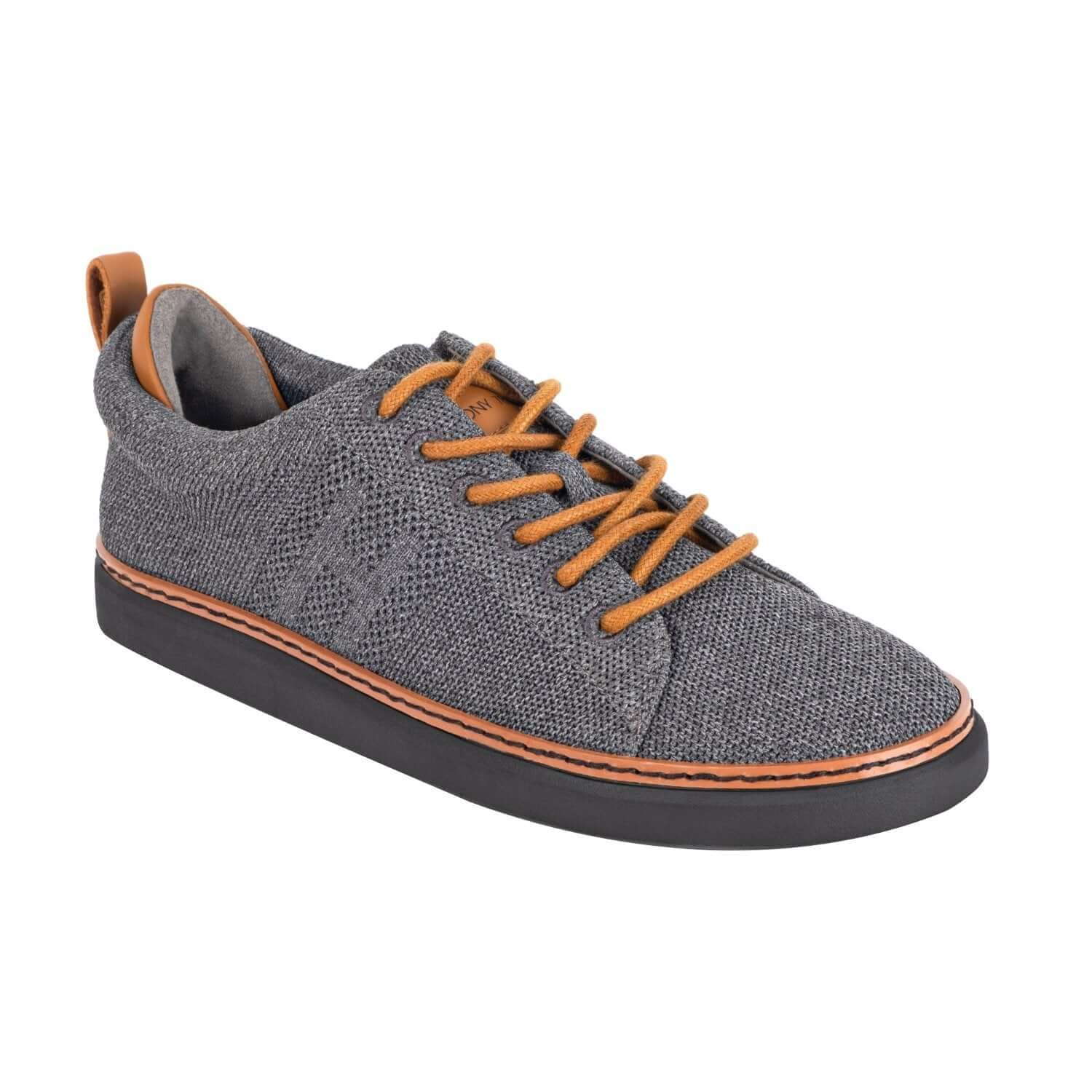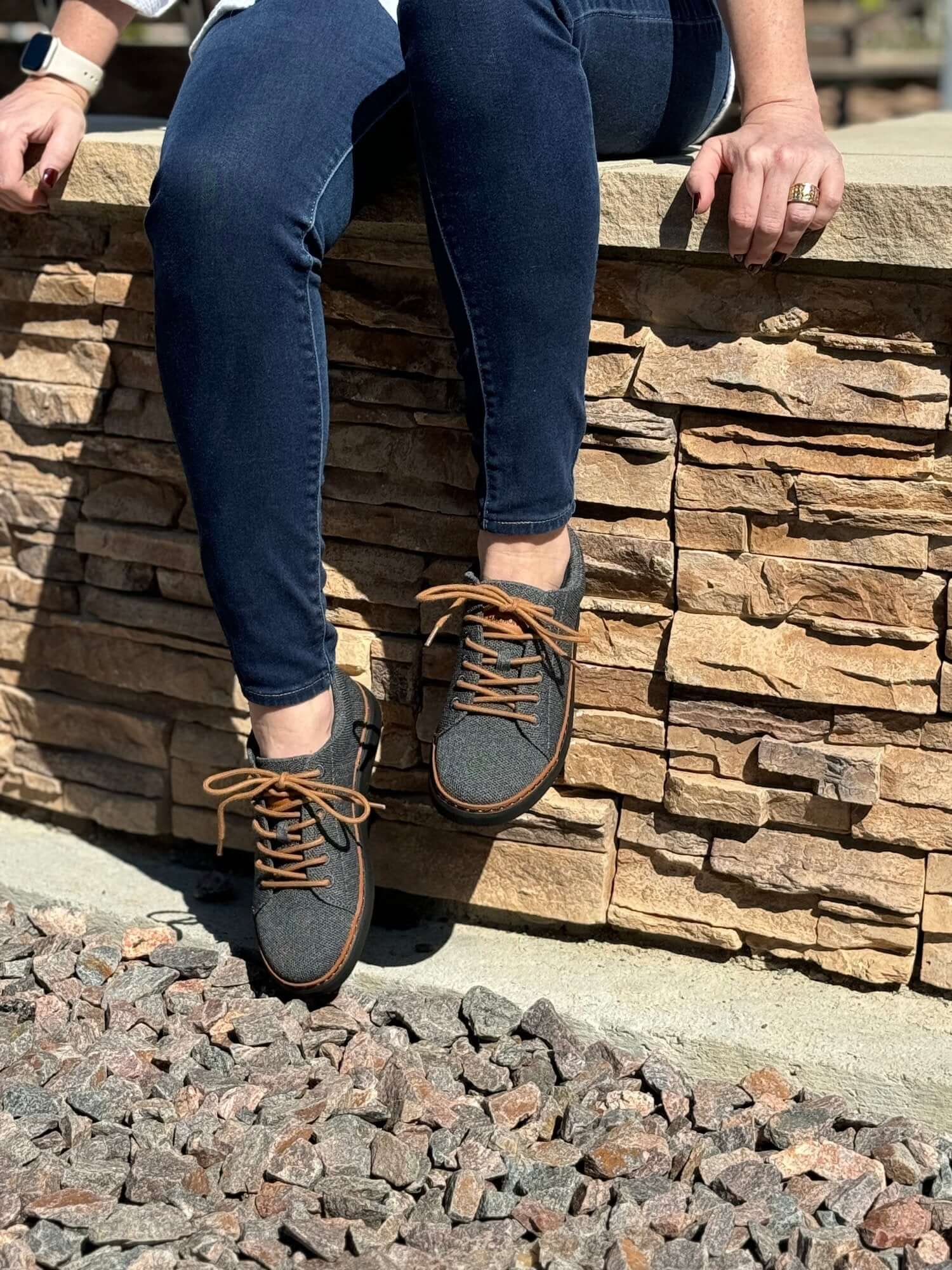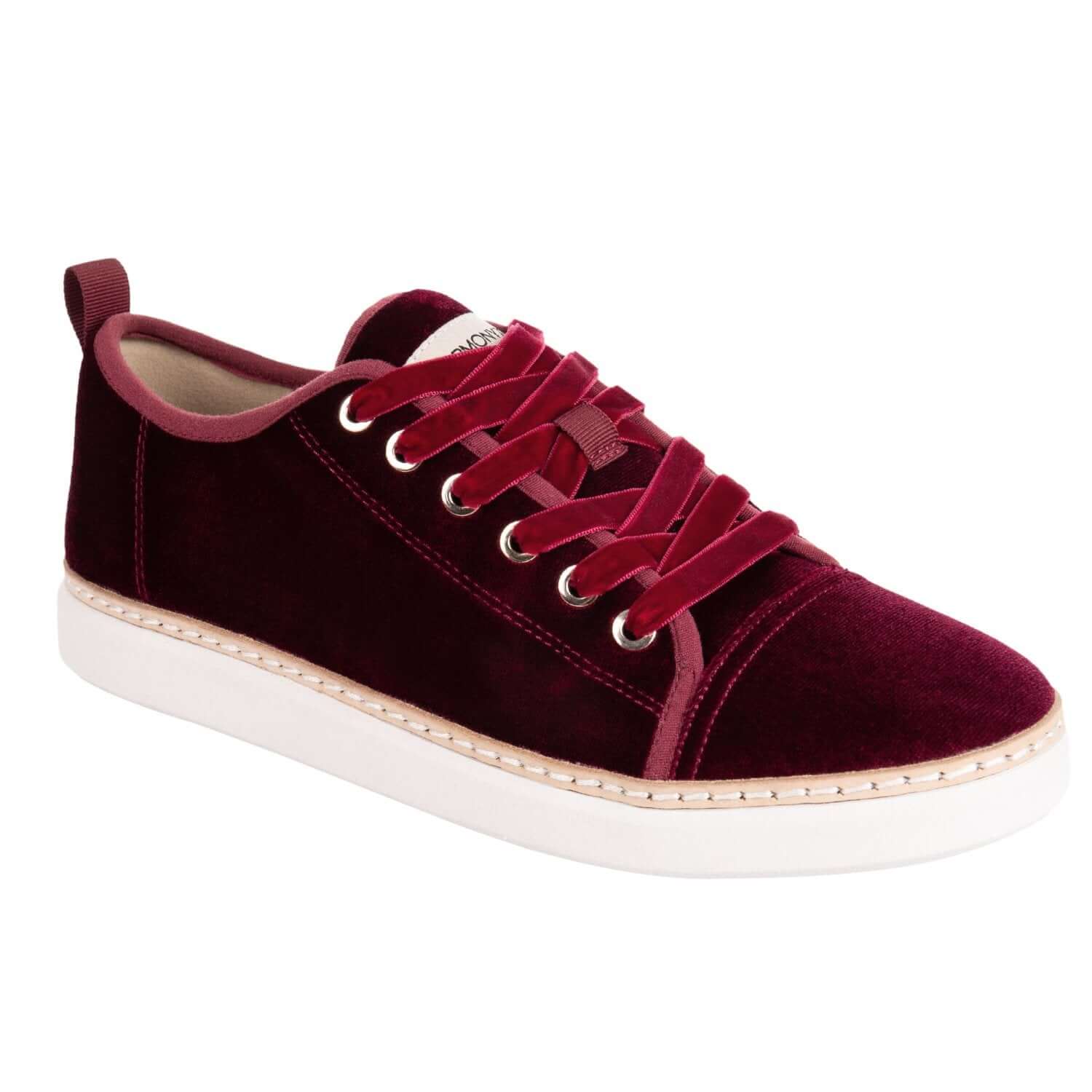



Grounding socks work as part of a complete conductive setup. People often search for "grounding socks how they work review best options" when they want to compare a product before buying. The sock must contact your skin and connect with compatible footwear or a grounded surface. A sock by itself does not guarantee a connection. This guide explains what to check before choosing a pair for an everyday wellness routine.
Browse our collection of grounding socks to compare conductive materials and everyday styles.
Grounding socks work as one part of a continuous conductive path. The sock must make appropriate contact with your skin and connect through conductive footwear or a grounded surface. A sock by itself does not guarantee that you are grounded. The complete setup, including fit and surface, determines whether the intended connection can function.
Harmony 783 offers conductive socks in organic cotton and merino wool options, with Groundworks technology designed to complement grounding footwear. We will explain the electrical path in plain language, then look at materials, styles, indoor use, fit, and care. For broader context, explore the best grounding shoes buying guide, the science behind grounding, and the grounding shoes guide for everyday life.
How Do Grounding Socks Work? Review How They Compare With the Best Options
Grounding socks help create a conductive path between your skin, the sock, compatible grounding footwear, and the Earth's surface. The sock is one component, not a standalone guarantee. Its usefulness depends on skin contact, the footwear design, and the surface beneath the footwear.
In simple terms, the sock uses conductive fibers or stitching to help carry an electrical connection from the foot toward a compatible contact point. That contact point may be a purpose-built grounding shoe or another grounded surface designed for this use. When each part touches the next, the body has a physical route to the Earth's electrical potential.
This is different from wearing an ordinary cotton sock. A standard sock may feel comfortable, but its fibers are not necessarily designed to support conductivity. A conductive sock is built to complement a grounding setup. The fit, fabric, conductive elements, shoe construction, and contact with the ground all matter.
What completes the grounding path?
Think of grounding as a chain with no gaps:
- Your skin contacts the inside of the sock.
- Conductive material carries the connection through the sock.
- The sock contacts compatible grounding footwear or a grounded surface.
- The footwear or surface provides the route toward the Earth.
If a thick insulating layer interrupts that chain, the setup may not function as intended. Moisture, wear, fit, and the construction of the shoe or surface can also affect contact. For that reason, a conductive sock should not be treated as a universal replacement for purpose-built grounding footwear.
Harmony 783 presents this approach as a way to bridge indoor routines with the Earth's natural electrical energy. Its Groundworks technology uses a five-layer system with silver-stitched footbed and lasting-board layers, along with a carbon and rubber conductive outsole. Learn more about the science behind grounding.
Research on grounding is still developing, and a grounding sock is not a medical treatment. The practical question is whether the complete setup maintains a continuous conductive connection. Review the sock, shoe, surface, and intended use together rather than judging the sock by its material name alone.
Which Conductive Fibers Help Grounding Socks Work?
Conductive fibers help create the connection, but fiber content alone does not prove that a grounding sock will complete a usable path. The sock must make reliable contact with the skin, connect with compatible footwear or a grounded surface, and work as part of a continuous conductive system.
Silver is often used because it is conductive and can be stitched or blended into fabric. The rest of the sock still matters. Cotton and merino wool can provide softness, breathability, and everyday comfort, while the conductive material supports the electrical path. Harmony 783 offers conductive sock options in organic cotton and merino wool, designed to complement its grounding footwear.
Textile research also shows why material choice deserves a closer look. A 2022 Materials study of socks containing silver and carbon additives examined thermal comfort and electrostatic properties in tested fabrics. That study does not prove that any consumer grounding sock will ground a person. It does support evaluating conductivity and comfort as separate product questions.
What should you look for in the fiber blend?
Start by checking whether the product clearly identifies its conductive material and explains how that material connects to the rest of the grounding system. A percentage on a label is useful context, but it is not the same as proof that the sock will ground you in every situation. A high silver percentage does not tell you whether the knit maintains contact across the foot or whether your shoes provide a compatible route.
- Conductive material: Look for clear information about silver or another conductive fiber.
- Full-path design: Check how the sock is intended to connect with footwear or a grounded surface.
- Skin contact: Make sure the conductive area can touch your foot rather than sitting behind an insulating layer.
- Comfort and care: Choose a blend that suits your temperature, moisture, fit, and washing needs.
Some marketplace listings publish detailed blends, such as a mix of cotton, silver, nylon, and spandex. Treat those figures as that product's specifications, not as a standard for every grounding sock and not as a Harmony 783 claim. For a useful comparison, evaluate the complete design, intended pairing, and product testing information rather than selecting a sock by one number.
How Should You Review Grounding Sock Styles and Fit?
The best grounding sock is the style that keeps comfortable contact with your foot, fits securely inside your shoes, and suits the temperature and activity of your day. It should lie flat, avoid slipping or bunching, and work with the conductive route described by the product maker.
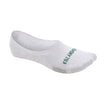
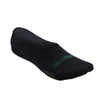
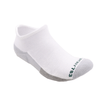
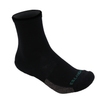
Style matters because a sock can support your routine only if you will actually wear it. Harmony 783's live collection includes no-show, low-cut, and crew styles, along with organic cotton and merino wool options. Each choice offers a different balance of coverage, breathability, warmth, and shoe compatibility.
| Style | Best for | What to check |
|---|---|---|
| No-show | Low-profile sneakers and a sock-free look. | Heel grip, coverage at the toes, and whether the edge stays below the shoe collar. |
| Low-cut | Everyday sneakers and moderate ankle coverage. | A smooth cuff, enough stretch around the ankle, and no slipping during walking. |
| Crew | More coverage, cooler weather, and taller footwear. | Leg comfort, warmth, and a cuff that stays up without feeling tight. |
Material is another practical filter. Organic cotton can suit shoppers who prefer a familiar, breathable natural fiber. Merino wool may be a better fit when temperature changes or extra warmth are part of the routine. The right option depends on your shoes, climate, and personal comfort. A grounding sock should feel supportive, not distracting.
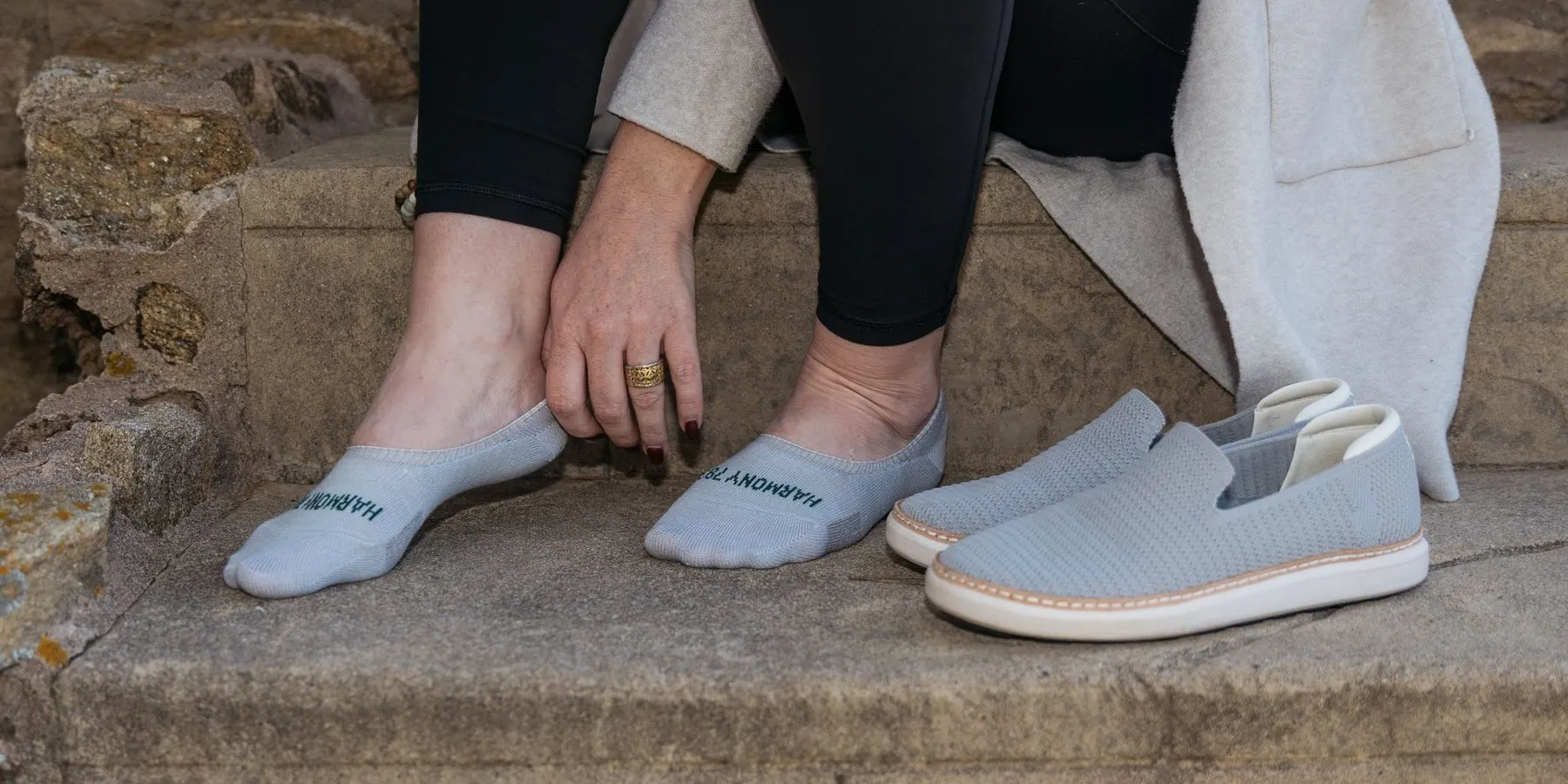
Before choosing, review the fit at the heel, toe box, and cuff. The sock should lie flat inside the shoe, leave your toes able to move, and avoid bunching under the arch. Also consider the intended conductive route. Grounding socks are designed to complement compatible grounding footwear, so a comfortable fit is only one part of the review.
Compare the available materials and cuts in the grounding socks collection. Choose the pair that fits your usual shoes and daily routine.
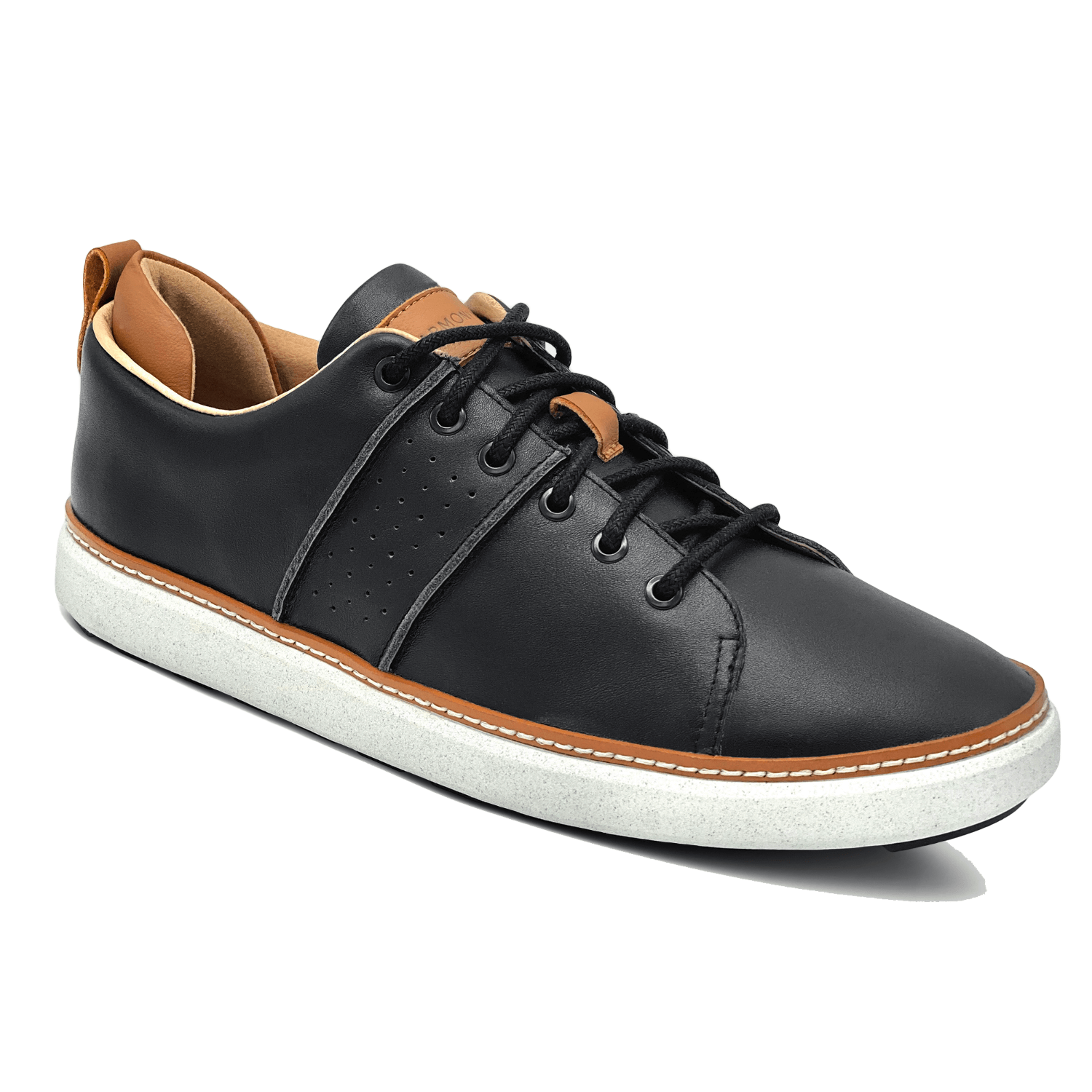
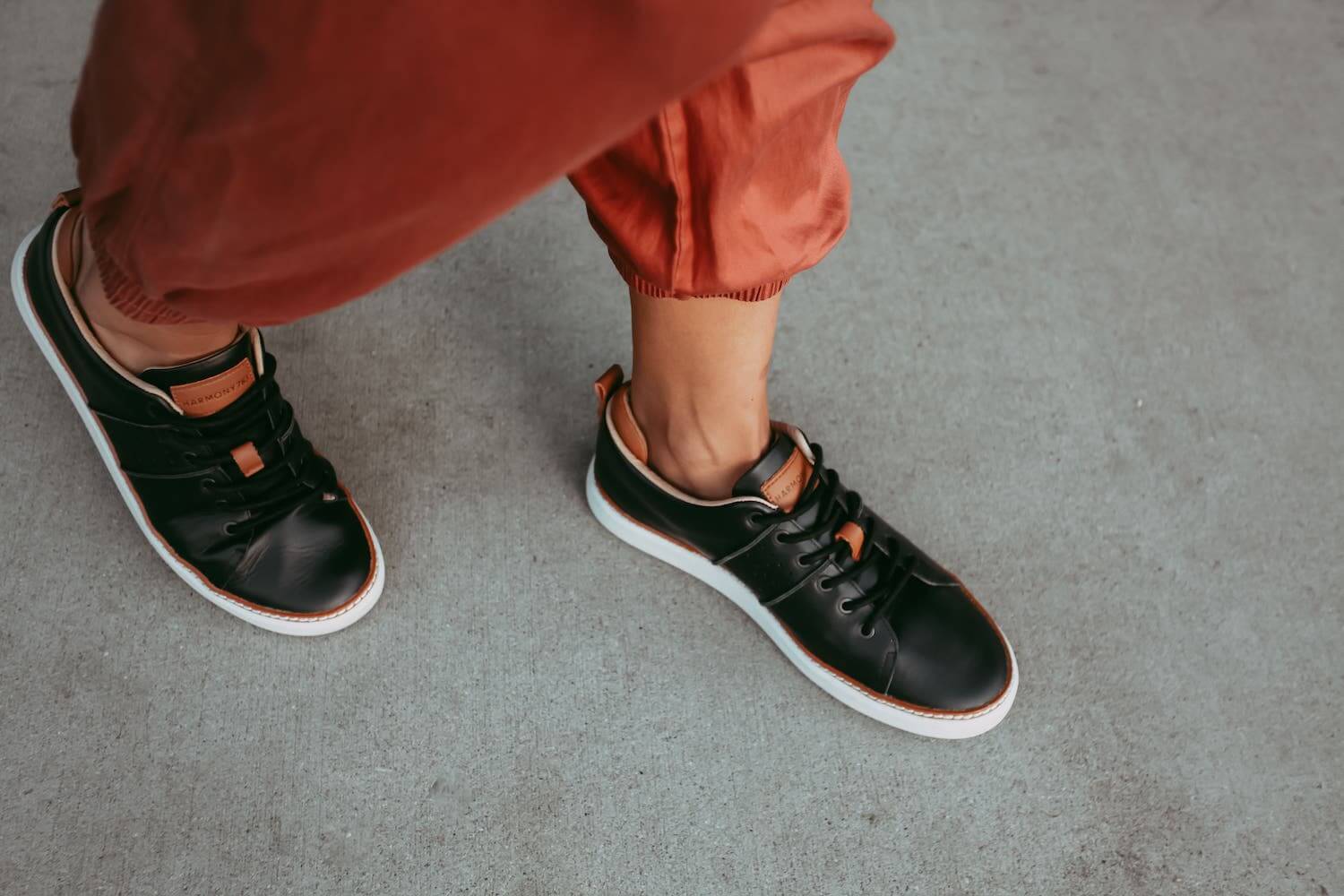
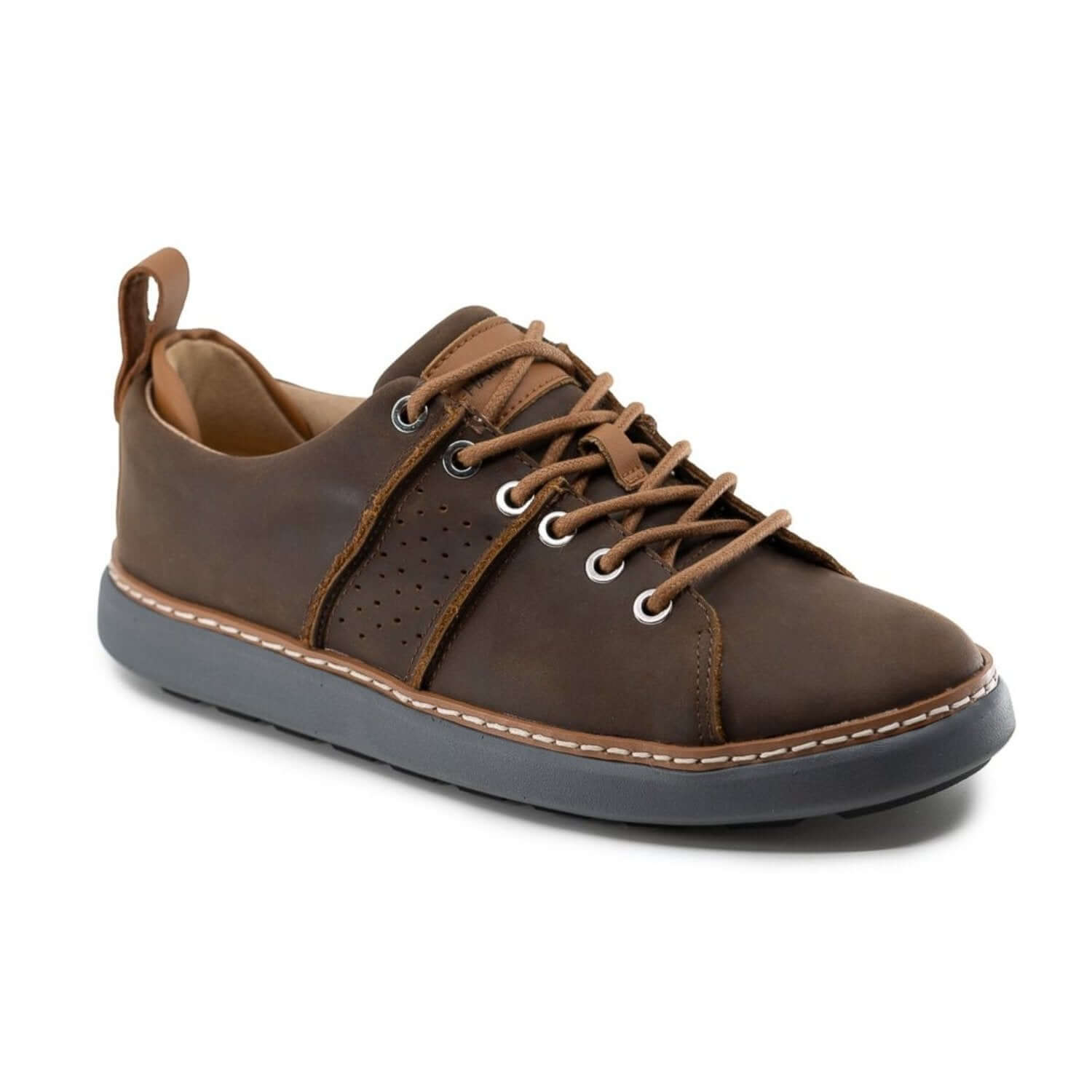
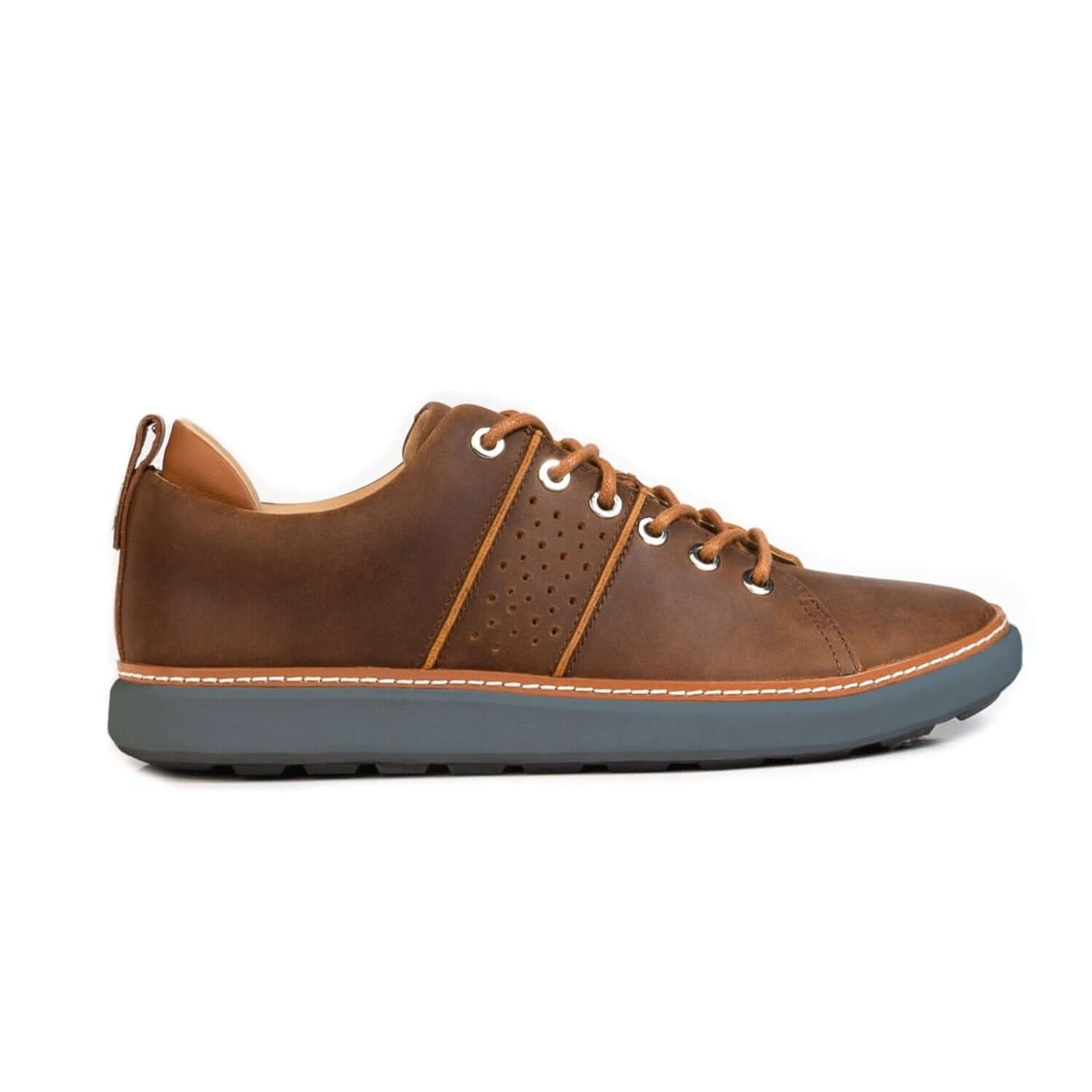
Browse grounding shoes for compatible everyday wear when you want a purpose-built conductive sole to pair with your routine.
Do Grounding Socks or Shoes Give You More Earthing Time?
Grounding socks can make earthing easier in compatible footwear, but purpose-built grounding shoes offer a more dependable option across daily surfaces and outdoor routines. Socks complement grounding shoes rather than universally replacing them. The best choice depends on your footwear, contact surface, and habits.
The best choice depends on where you want to spend time grounded. Socks are useful when you already have a compatible conductive shoe or are using a grounded surface indoors. They add a comfortable layer between your foot and the footwear system. They are less useful when worn with ordinary shoes that interrupt the conductive path.
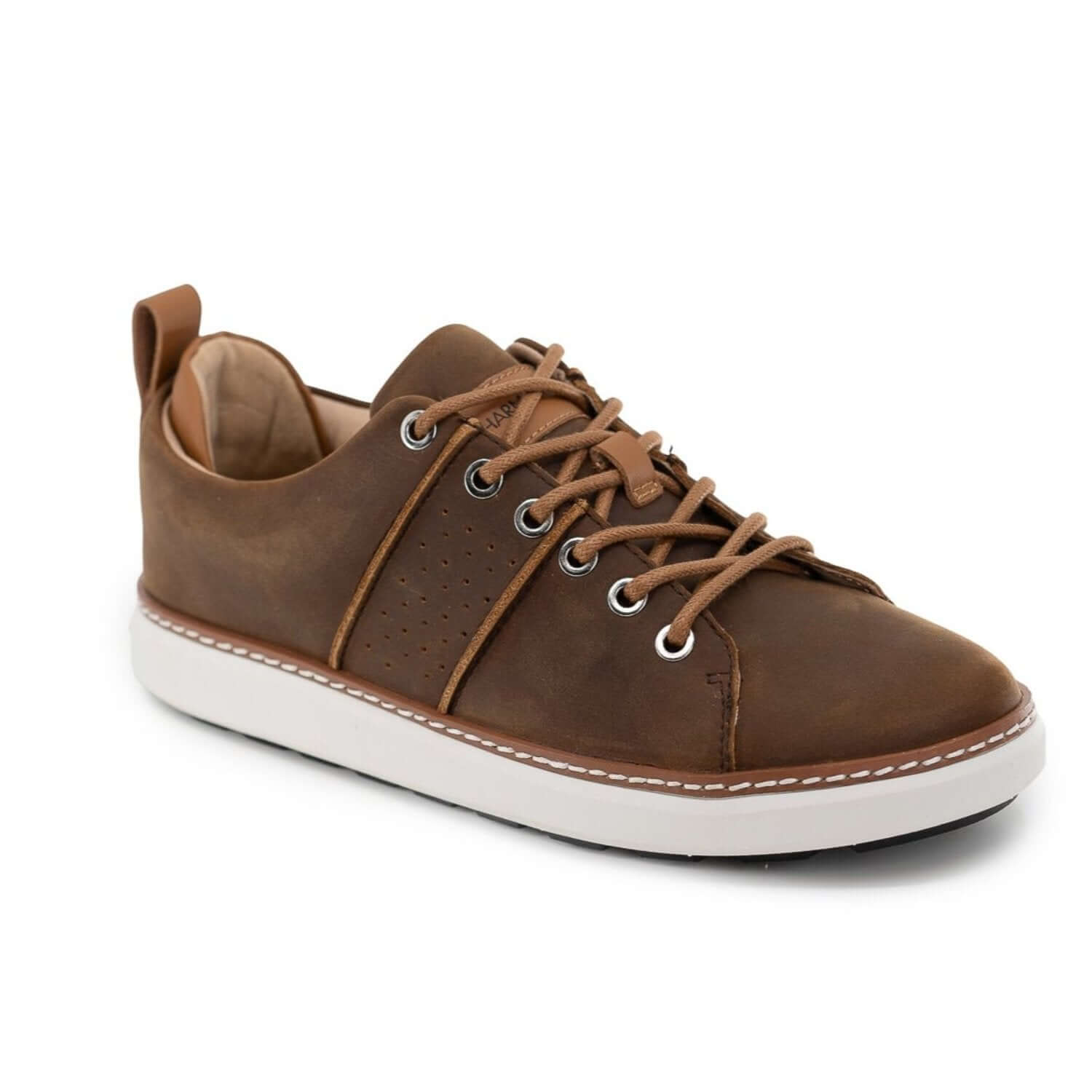
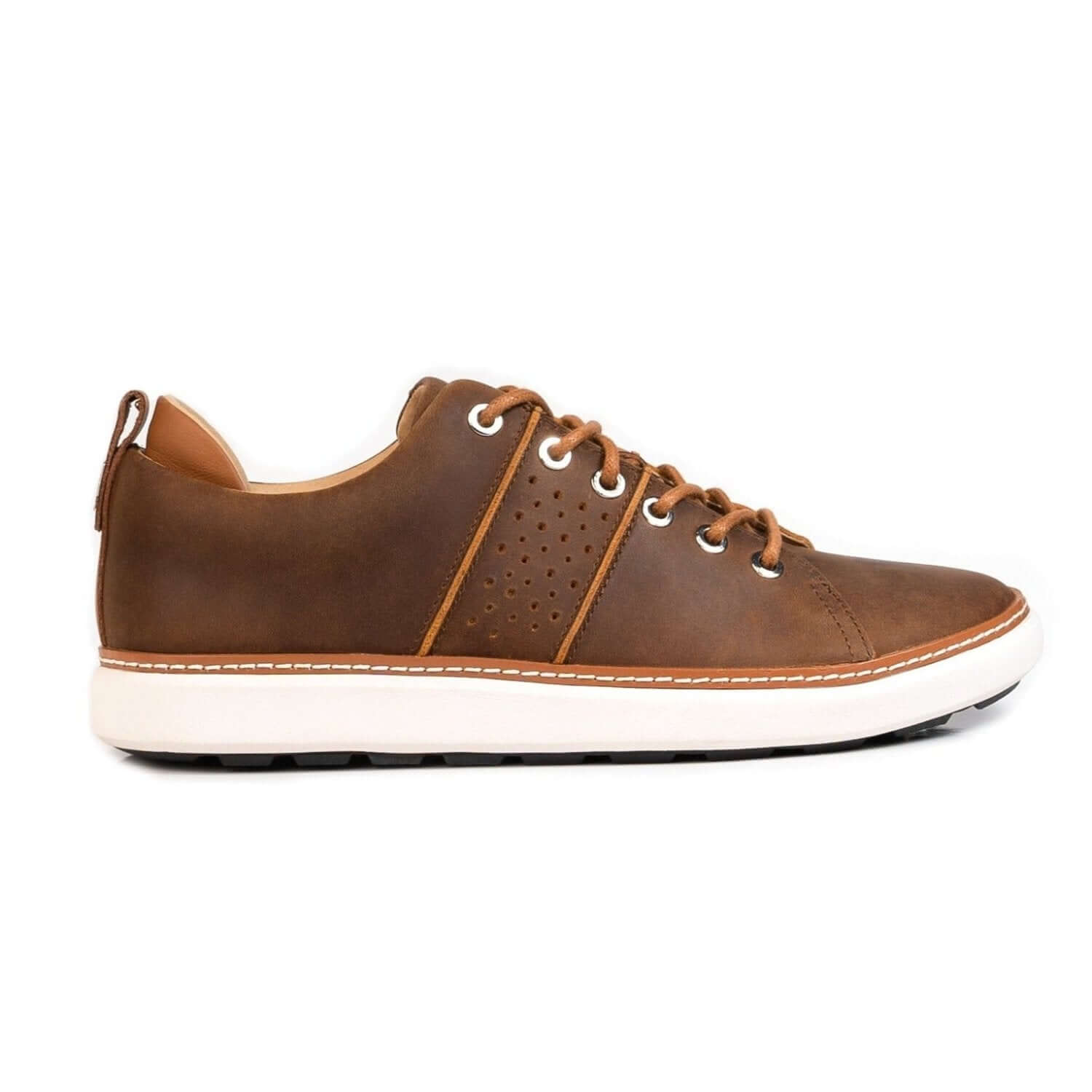
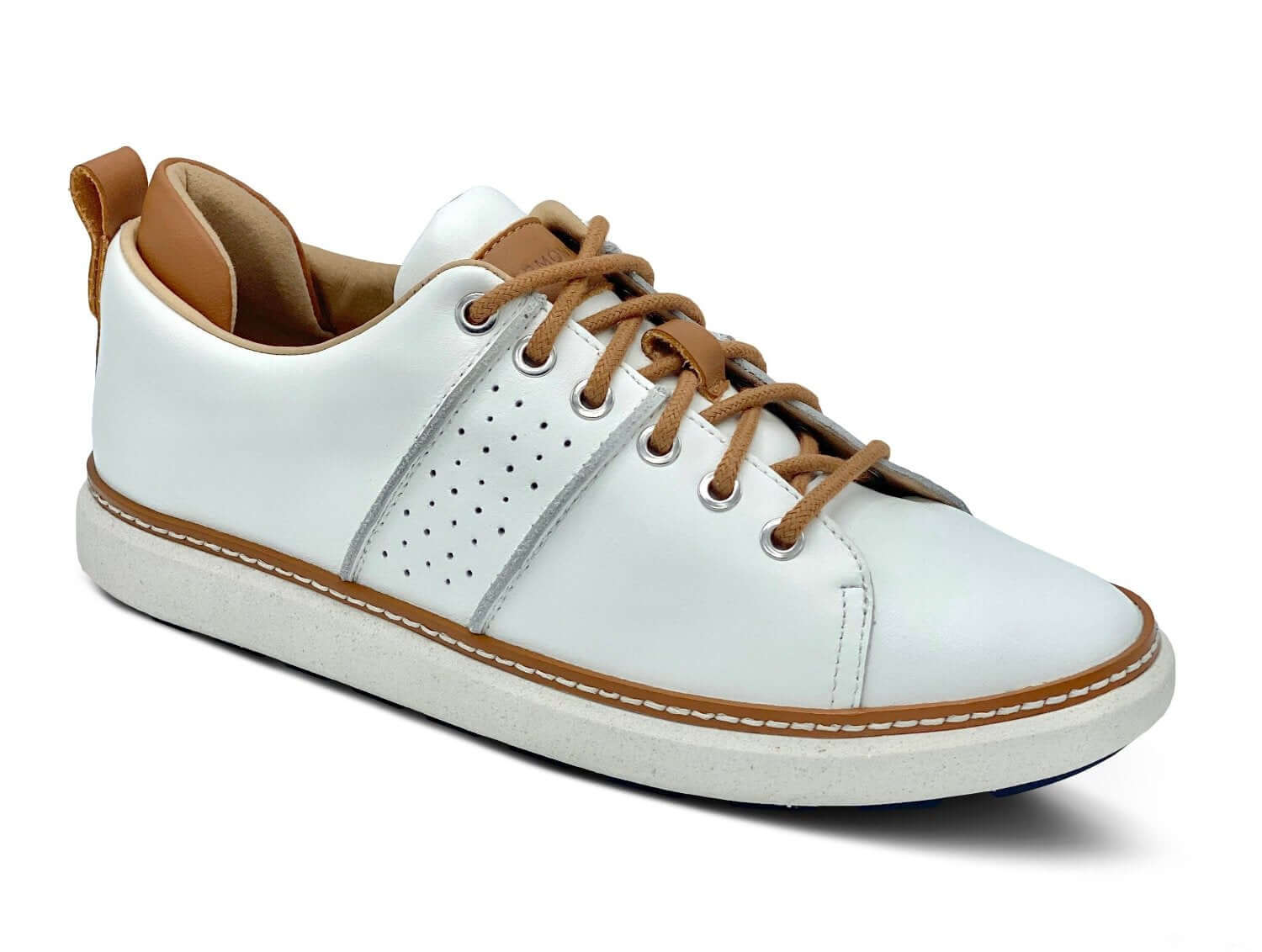
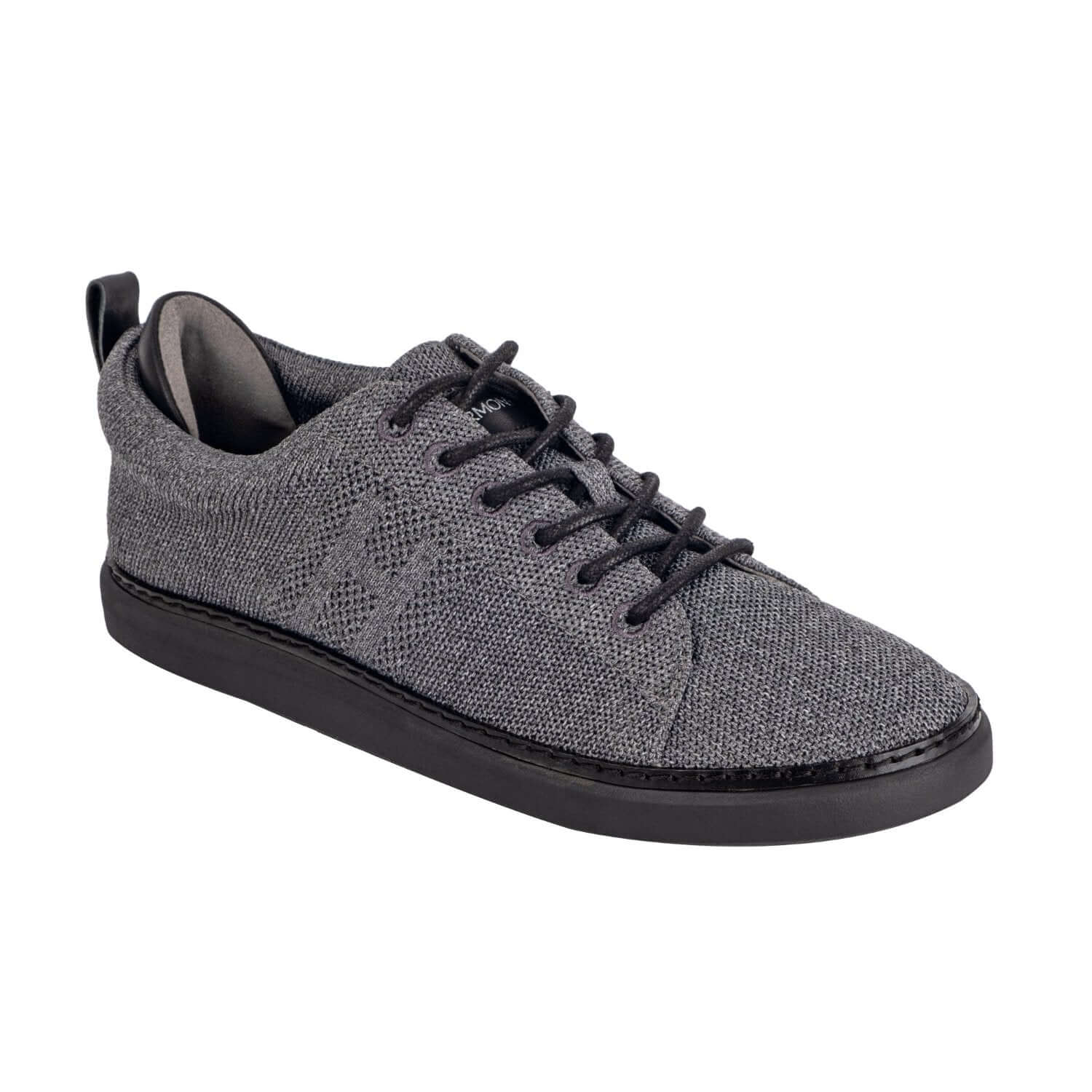
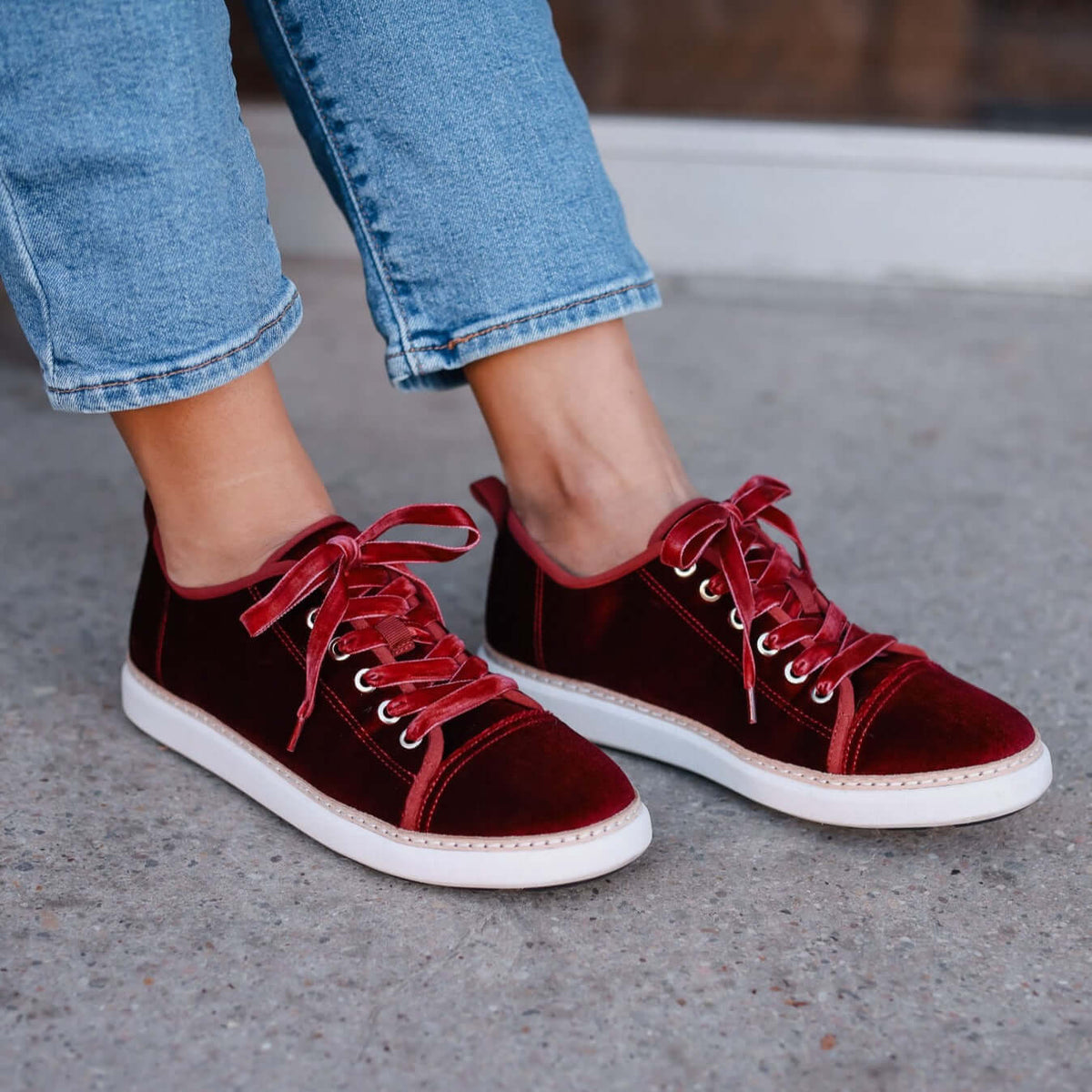
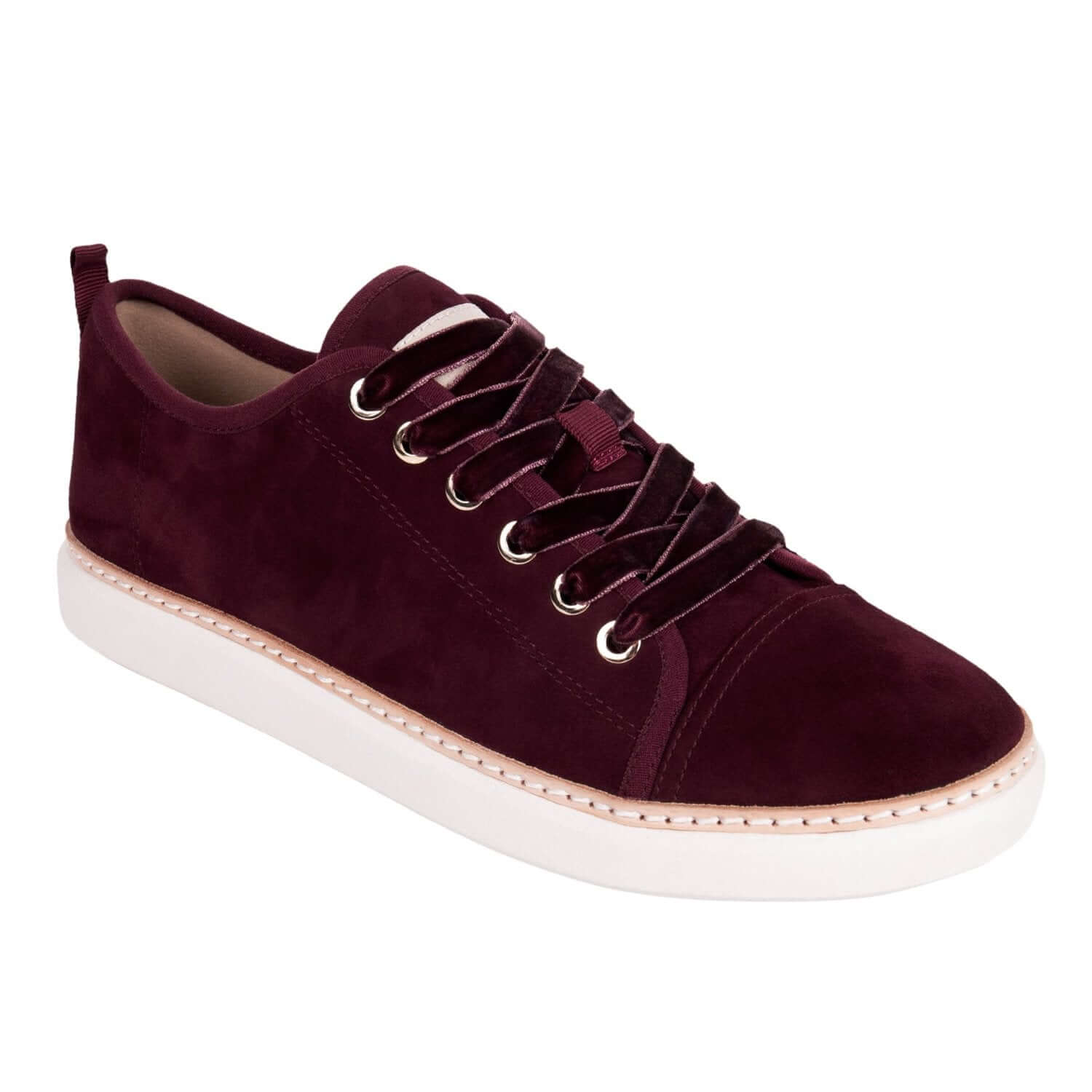
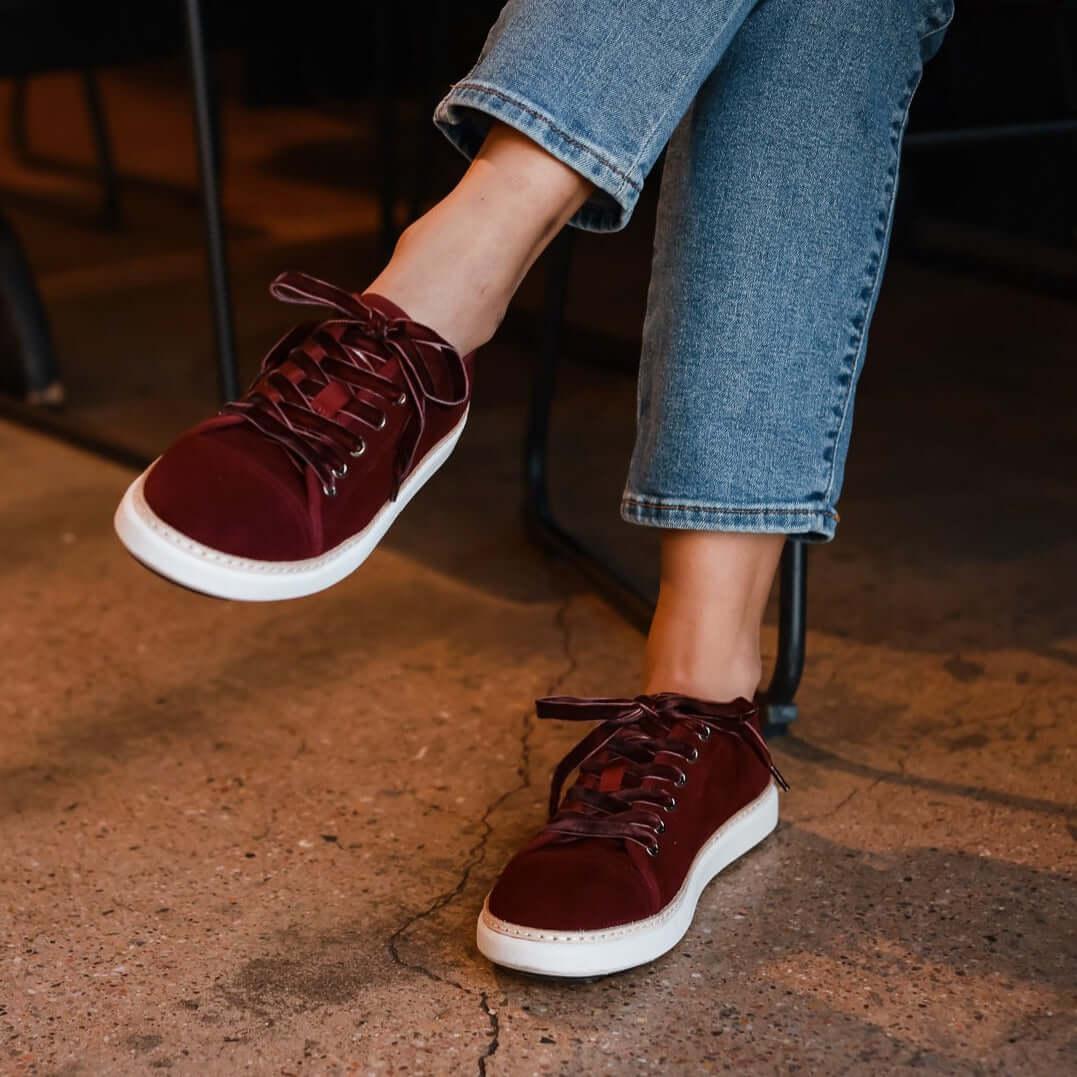
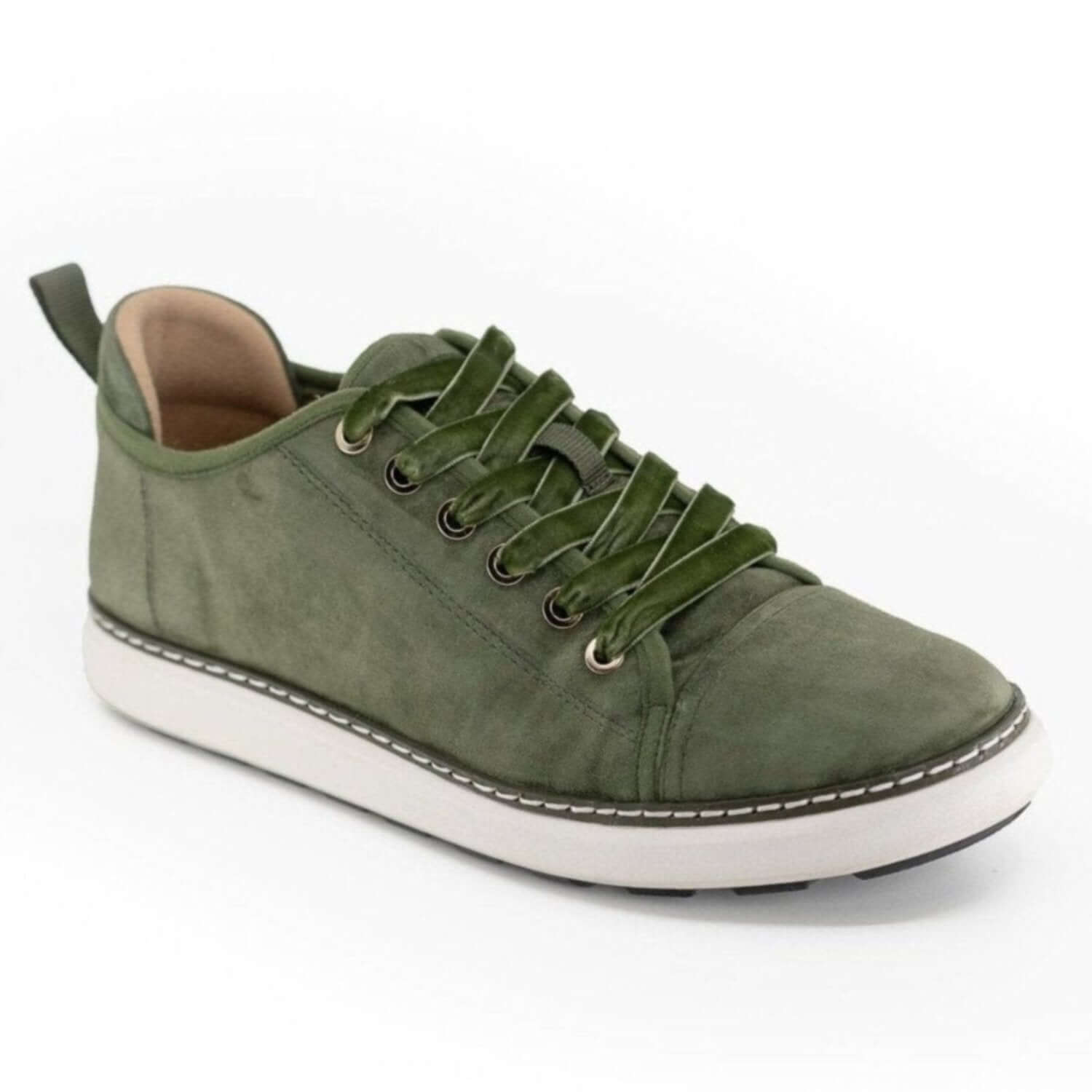
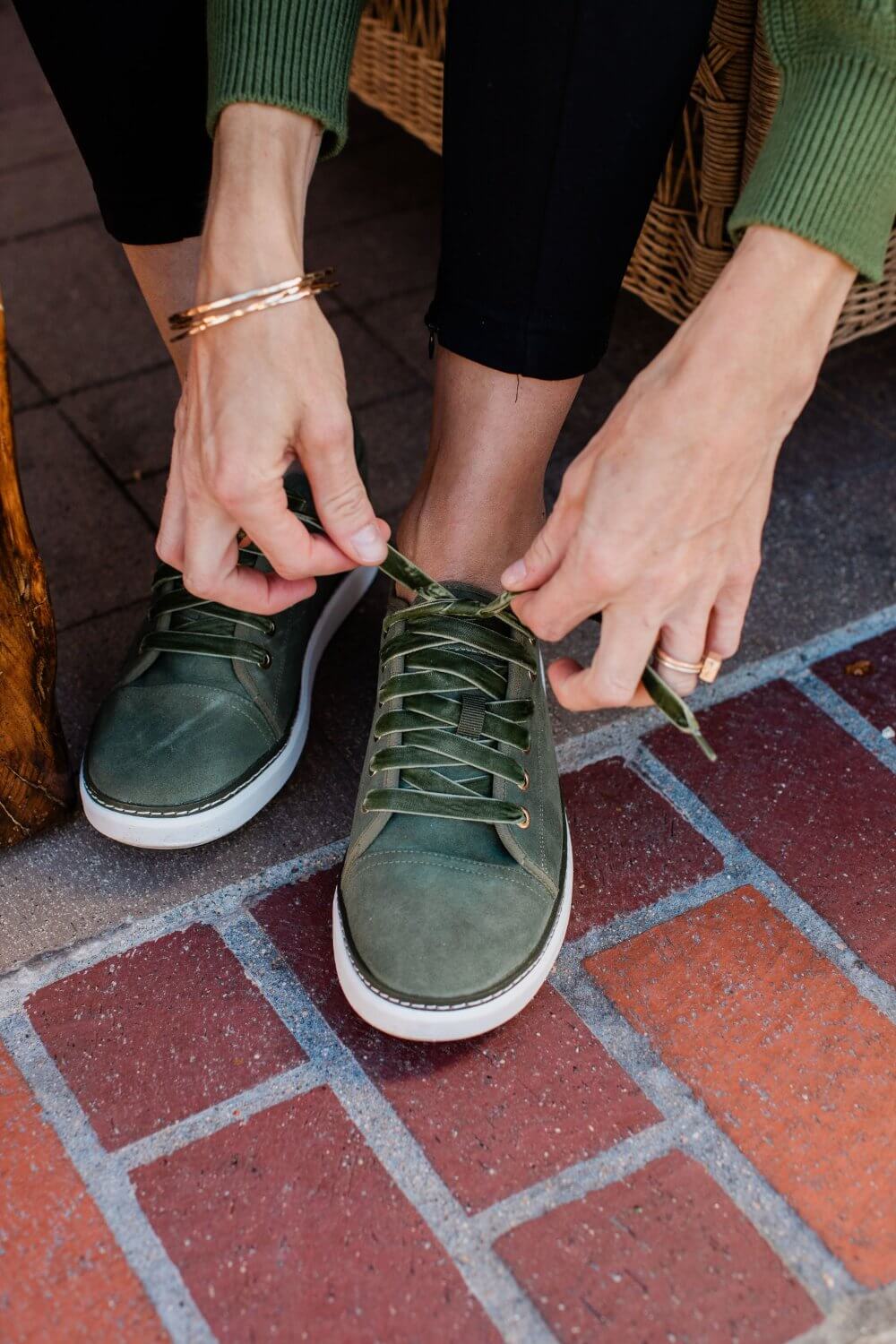
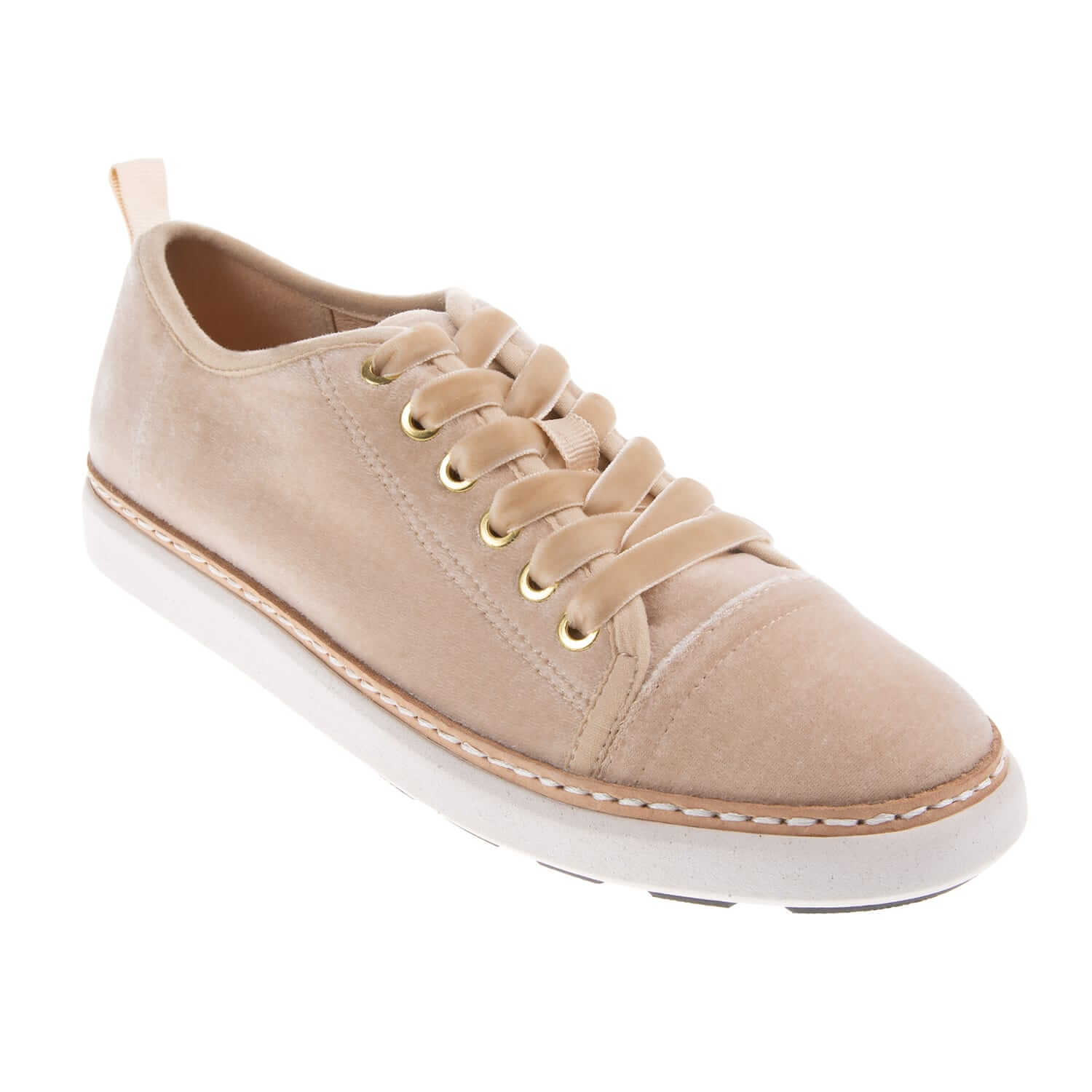
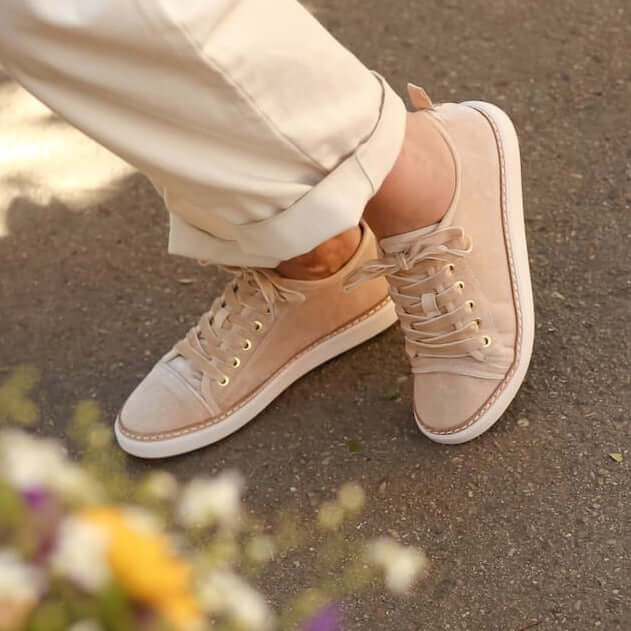
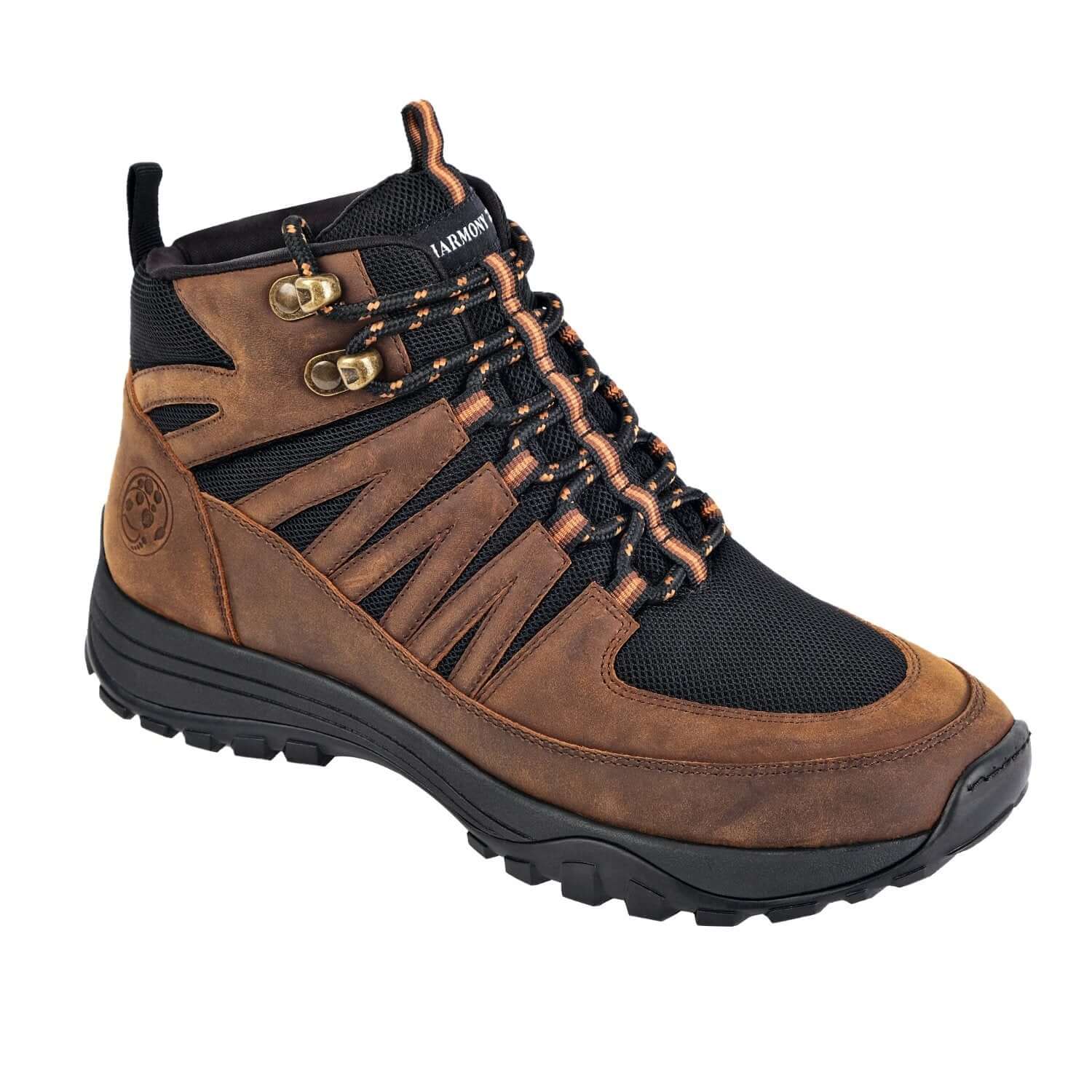
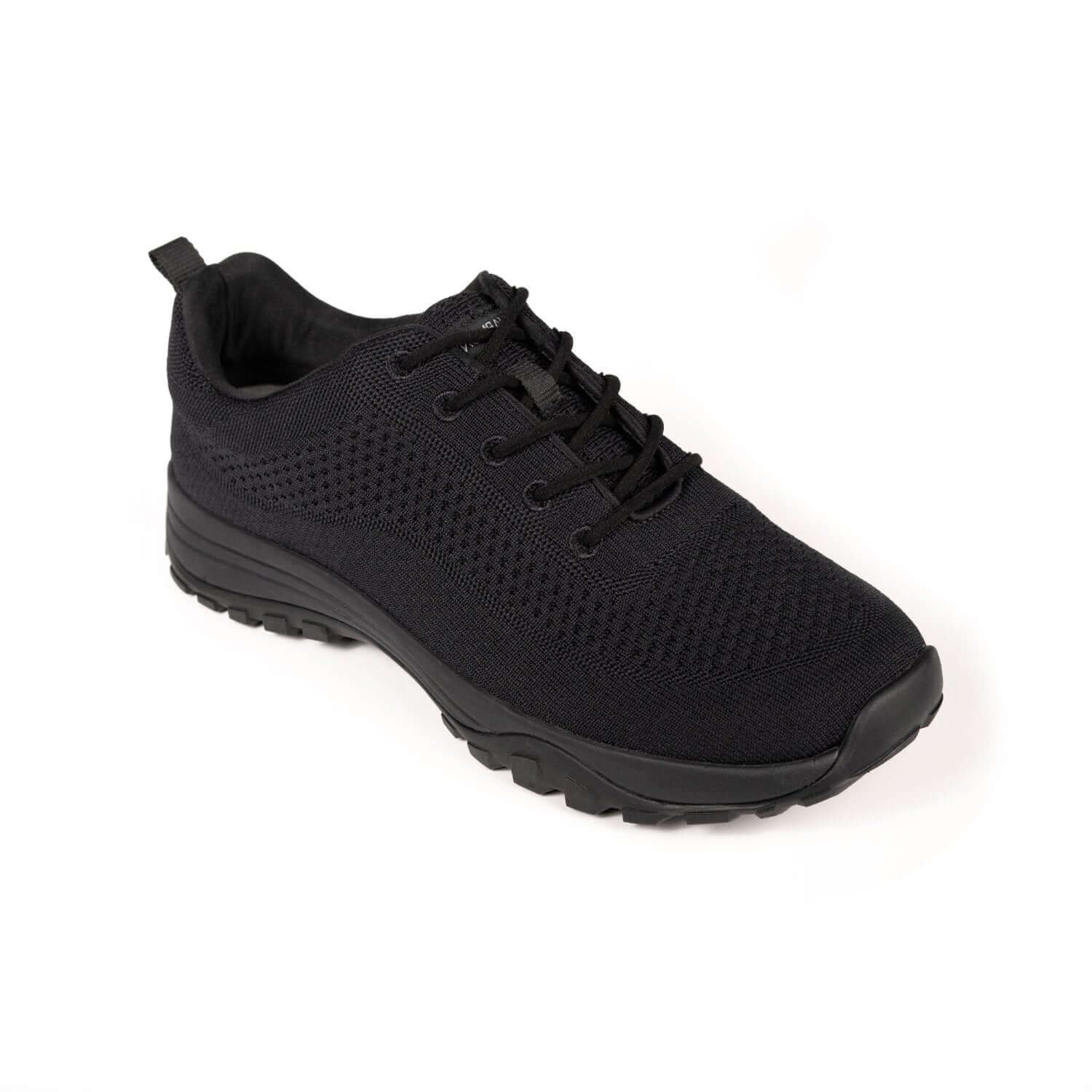
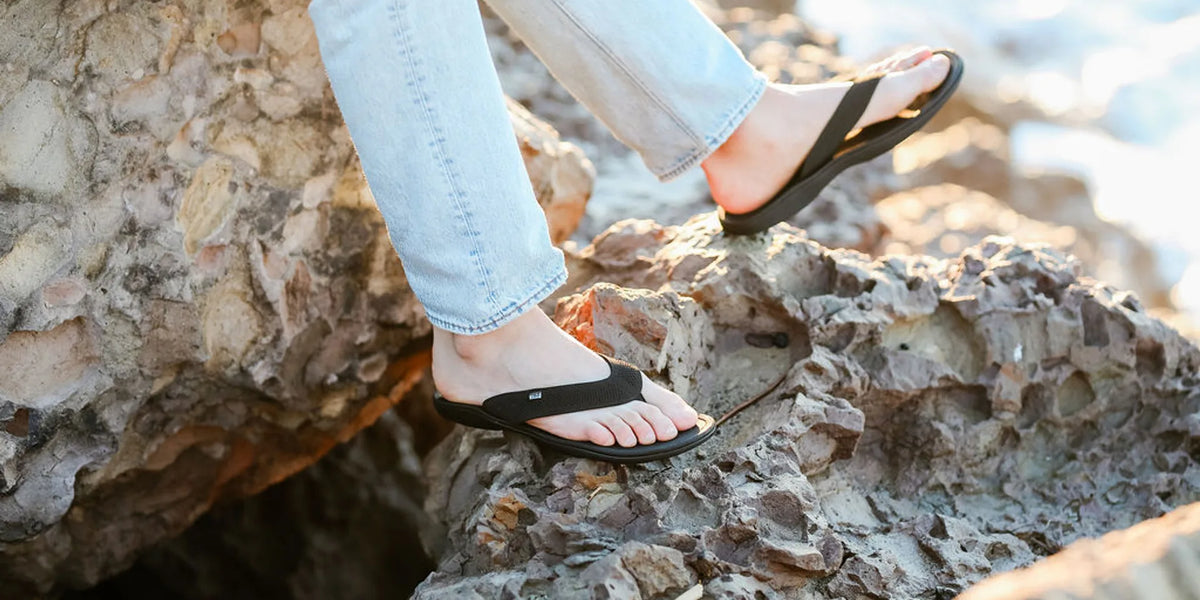
Purpose-built grounding shoes are designed around that path from the start. Harmony 783 shoes use conductive carbon-infused rubber soles, and each shoe is tested for a grounded connection. That design can simplify a daily routine when you move between indoor and outdoor settings. Explore the grounding walkers or grounding sneakers collections to compare styles built for regular wear.
| Option | Strengths | Limits |
|---|---|---|
| Grounding socks | Lightweight, easy to layer, and useful with compatible footwear or a grounded indoor surface. | They do not create a complete path by themselves. Regular insulating shoes can interrupt the connection. |
| Purpose-built grounding shoes | Conductive materials are integrated into the shoe, making daily use more consistent across walking routines. | They are a larger purchase and still need a suitable contact surface for the intended grounding path. |
For a broader buying decision, read the Best Grounding Shoes: Buying Guides, Reviews, and Cost Comparisons. Compare fit, surface, comfort, and routine before choosing one product type. If socks help you wear compatible shoes more often, they may increase practical earthing time. If you want fewer conditions to check, purpose-built shoes may be the simpler everyday choice.
How Can You Wear Grounding Socks Indoors?
Grounding socks work indoors only when they remain part of a continuous conductive path. That path may include your skin, the sock, compatible grounding footwear, and a grounded surface. A thick insulating layer, such as a conventional rubber sole or separated floor covering, can interrupt it.
Keep the routine simple. You do not need to turn indoor grounding into a complicated project. Start with one familiar room and pay attention to how the socks fit and feel.
- Choose the connection. Wear the socks with compatible grounding shoes, or use them while your feet rest on a grounded surface intended for that purpose. If you are unsure whether a surface or shoe is compatible, check the product information first.
- Check skin contact. The sock should fit securely without bunching or sliding away from your foot. Conductive material needs a reliable connection with your skin. Keep the contact area clean and dry unless the product directions say otherwise.
- Check continuity. Look at the full route from your foot to the grounded surface. Make sure another sole, mat, coating, or floor covering is not separating the sock from that route. If you use grounding footwear, follow its specific instructions.
- Begin with a short routine. Wear the socks during a quiet indoor activity, such as reading, working, or preparing a meal. Start for a comfortable period rather than assuming that longer use is better.
- Observe comfort and fit. Stop and adjust the socks if they feel tight, damp, irritating, or unstable. Wash and care for them according to the label so the fabric and conductive features remain in good condition.
For more background and simple ideas, see these practical ways to ground yourself.
How Should You Care for Conductive Socks?
Conductive socks need the same basic care as other quality socks, but the conductive materials make one rule especially important: follow the product label first. Fiber blends and construction can differ, so do not assume that hot water, high heat, bleach, or fabric softener are safe. The label is the authority for washing, drying, and handling.
What should you check before washing?
Read the complete care instructions before putting the socks in the machine. If the label does not clearly approve bleach, fabric softener, stain removers, or a specific water temperature, leave that product out and use the gentlest labeled option. Conductive performance depends on an intact route through the sock and compatible footwear or a grounded surface. Care choices should protect both the fabric and that route.
How can you spot wear?
Inspect the soles, heels, toes, and areas that receive the most friction. Look for thinning fabric, holes, stretched sections, loose threads, or visible damage to conductive elements. Also check that the socks still fit securely. A sock that slips, bunches, or separates from the intended contact area may not work as designed, even when it looks clean.
Allow the socks to dry according to the label before storing them. Keep them clean, dry, and protected from unnecessary abrasion. Replace a pair when the fabric or conductive path is visibly damaged, or when product-specific guidance says it has reached the end of its useful life.
Browse the collection of grounding socks before you choose your next pair
Frequently Asked Questions
How do grounding socks work?
Conductive socks are designed to help maintain an electrical path between your skin, the sock, compatible grounding footwear, and the ground. The connection depends on a continuous conductive route, so a regular insulating shoe or separated contact point can interrupt it.
What are the best grounding socks?
The best pair depends on your routine. Look for a secure fit, a fabric that suits your moisture and temperature needs, and clear compatibility with your grounding shoes or intended grounded surface. Harmony 783 offers organic cotton and merino wool options, along with crew, low-cut, and no-show styles.
Can I wear grounding socks indoors?
Yes, but socks alone do not automatically ground you. Wear them with compatible grounding footwear or use them as part of a verified conductive setup. Check that the sock stays in skin contact and that no insulating layer breaks the intended path.
Are grounding socks a replacement for grounding shoes?
Not in every setting. Grounding socks are designed to complement grounding footwear, while purpose-built grounding shoes provide the conductive sole and are tested for a grounded connection. Choose based on where you plan to wear them and how you want to connect with the ground.
How should I wash conductive socks?
Follow the care label for the specific pair. Conductive fibers and fabric blends vary. Do not assume that bleach, fabric softener, high heat, or a particular washing method is safe. Inspect the socks over time. Replace them when wear could interrupt their conductive path.
Ready to Explore Grounding Socks?
If you want a comfortable way to support your grounding footwear routine, compare the available cuts and materials for your everyday shoes.