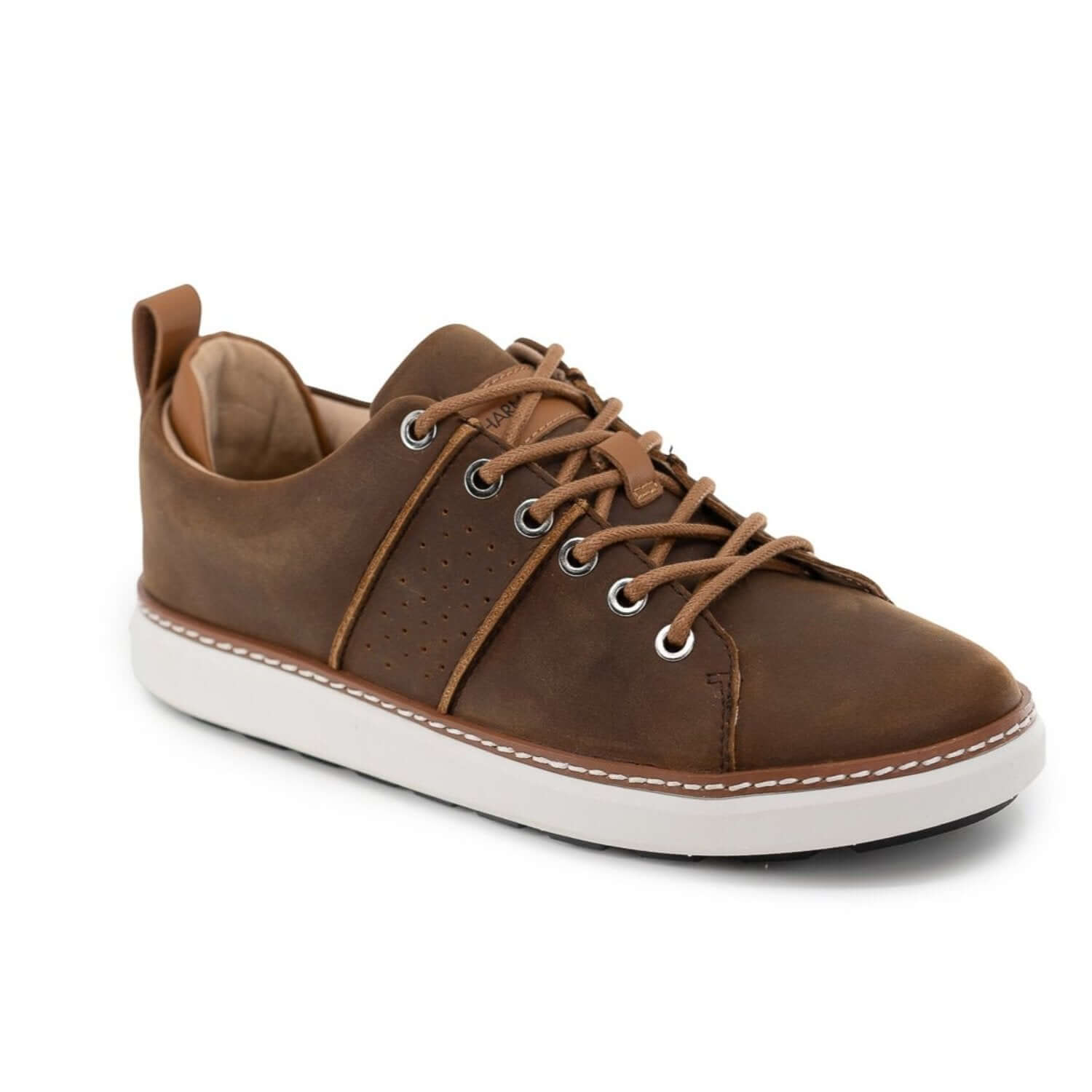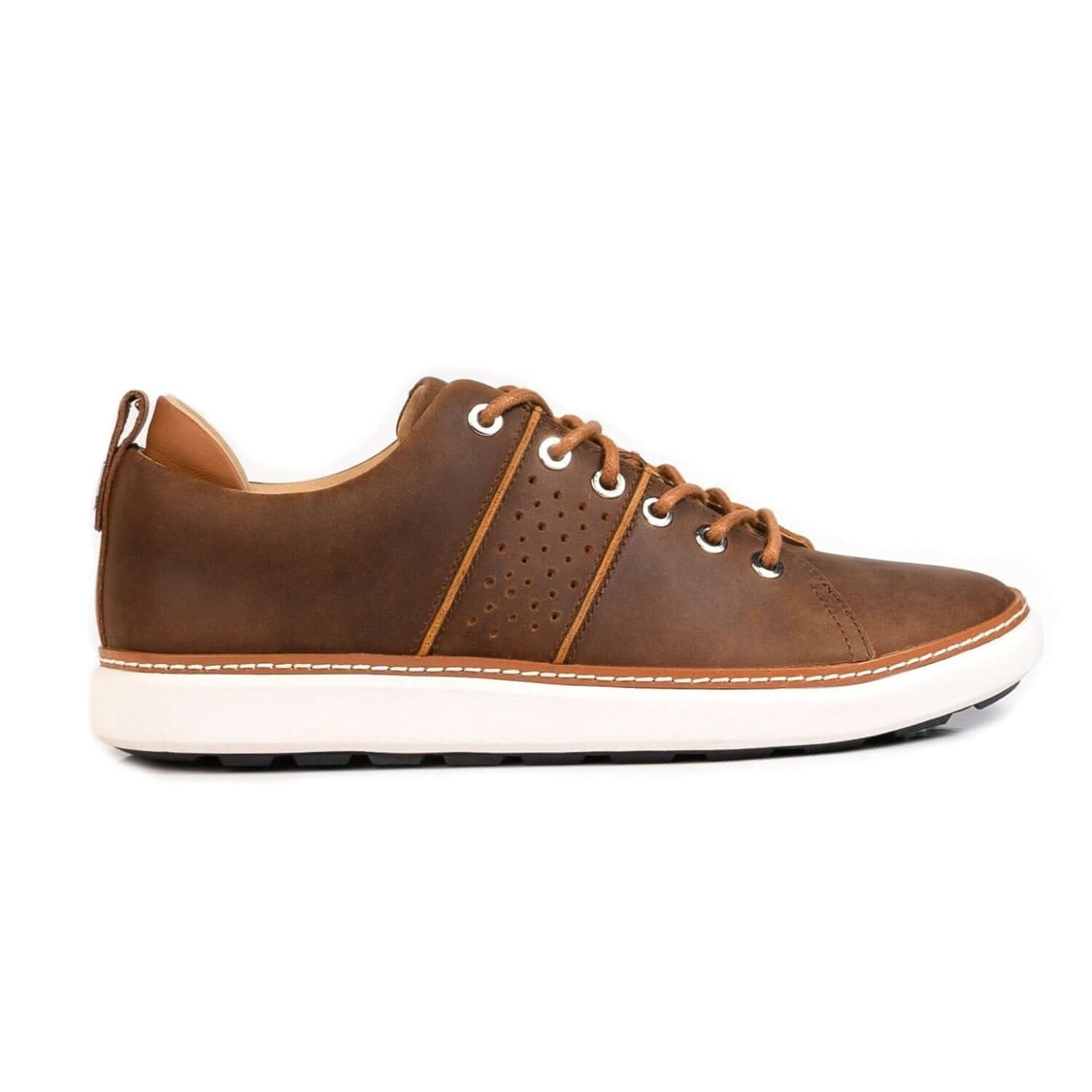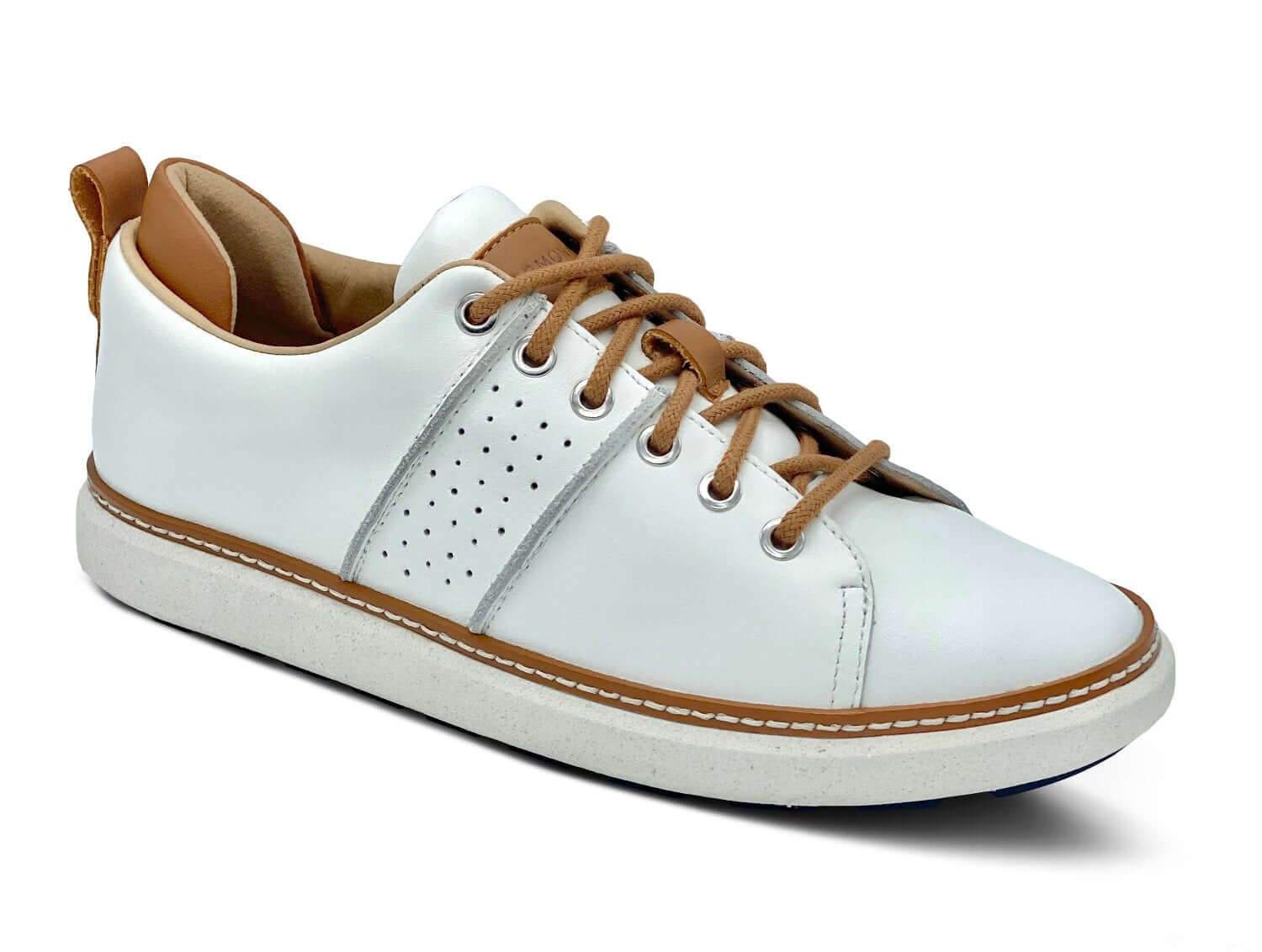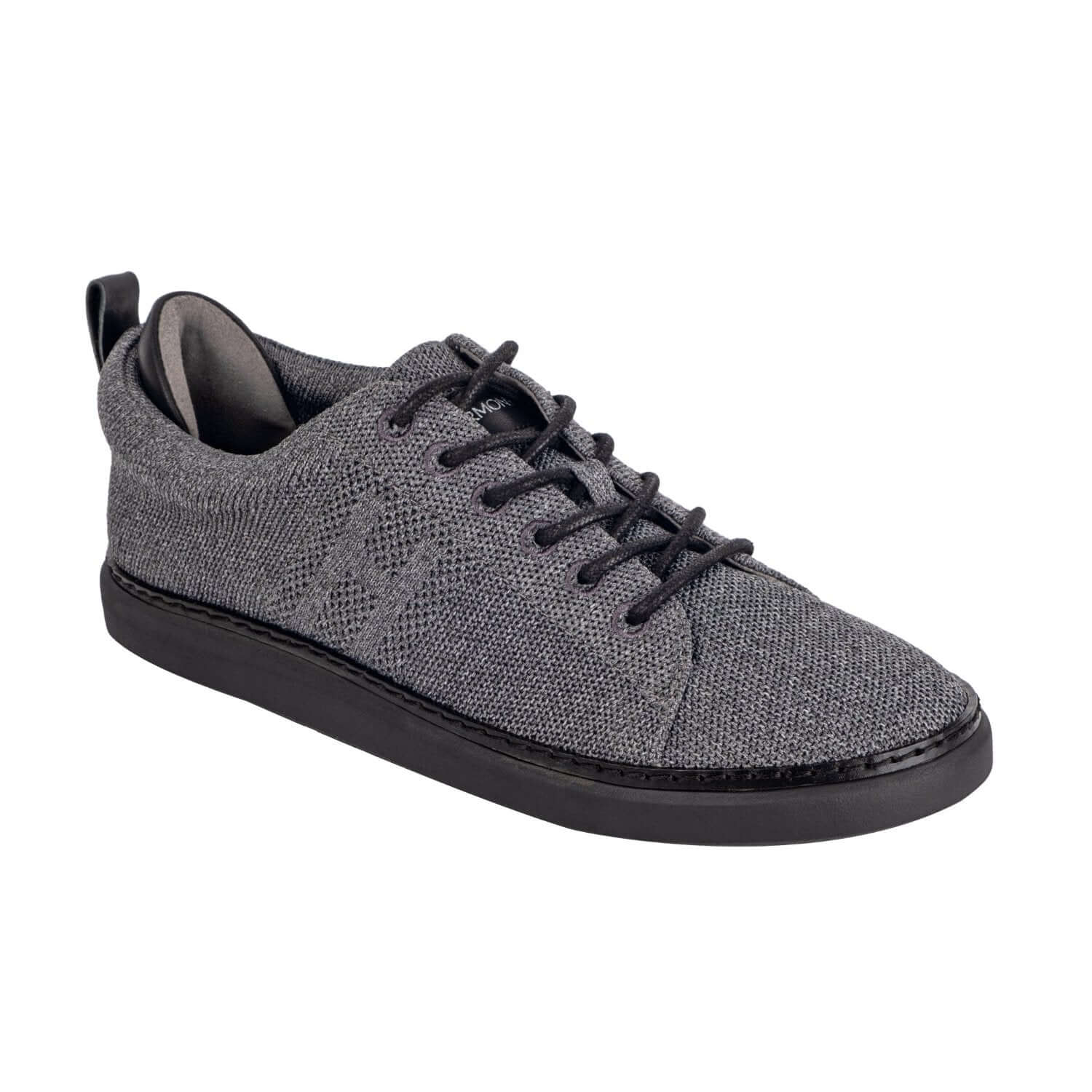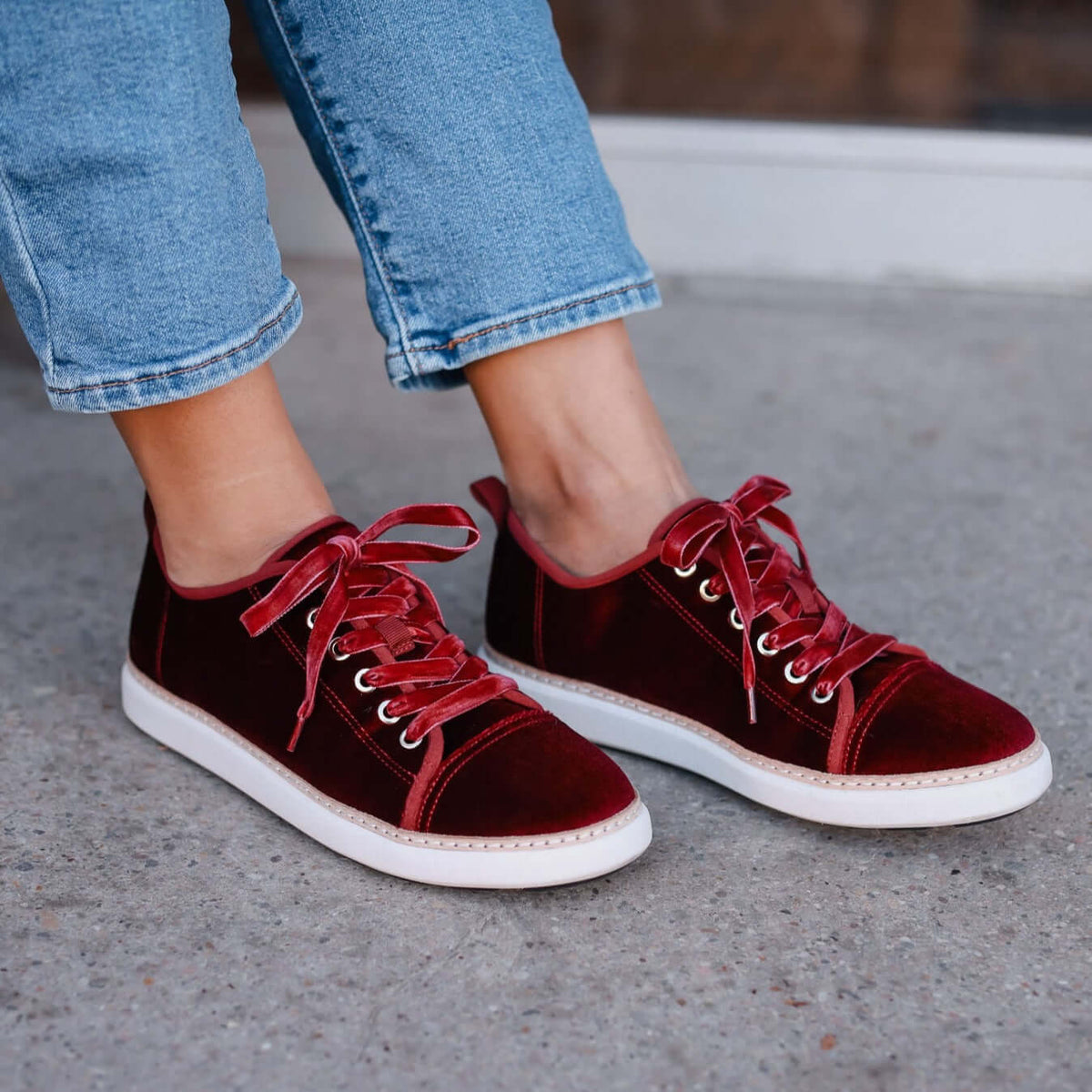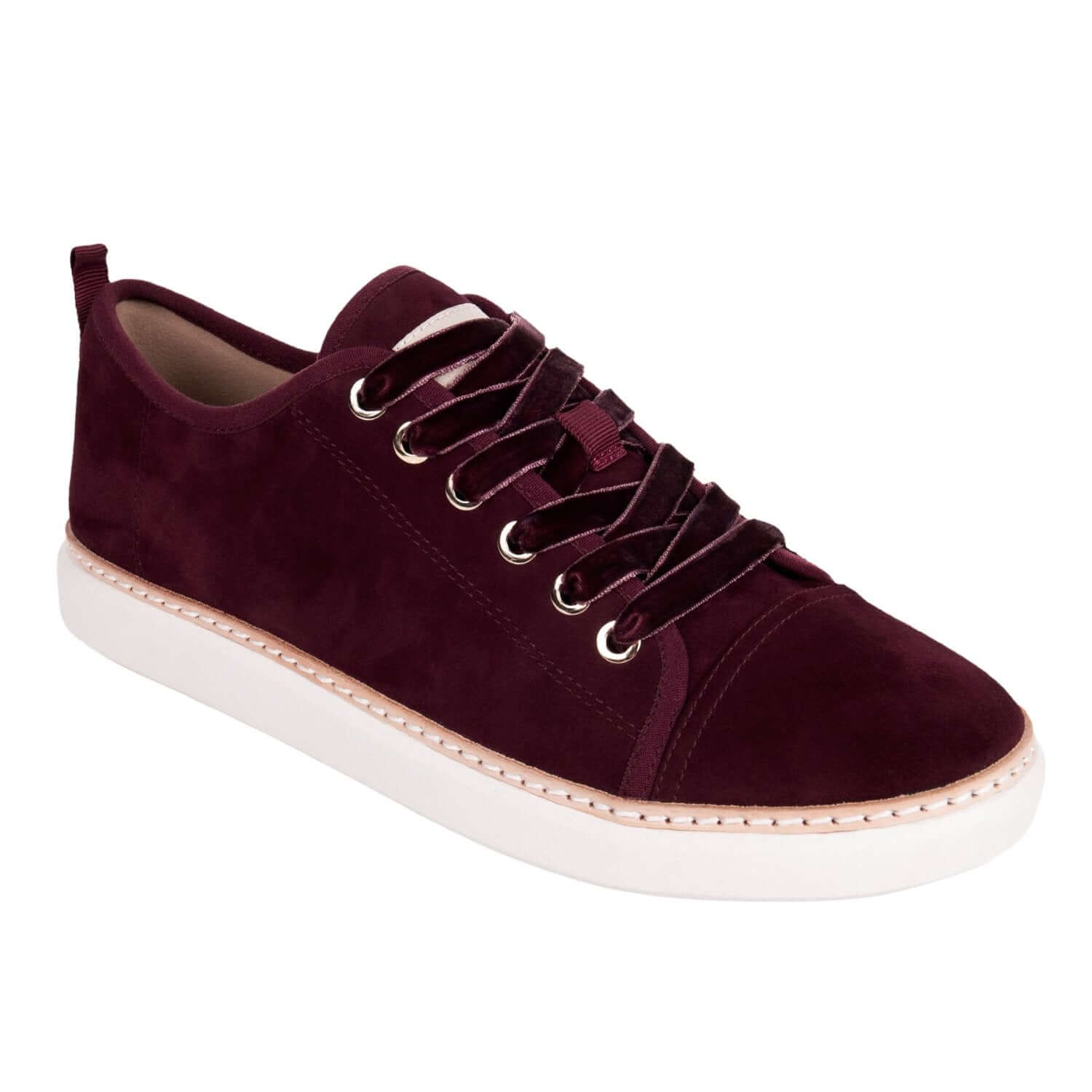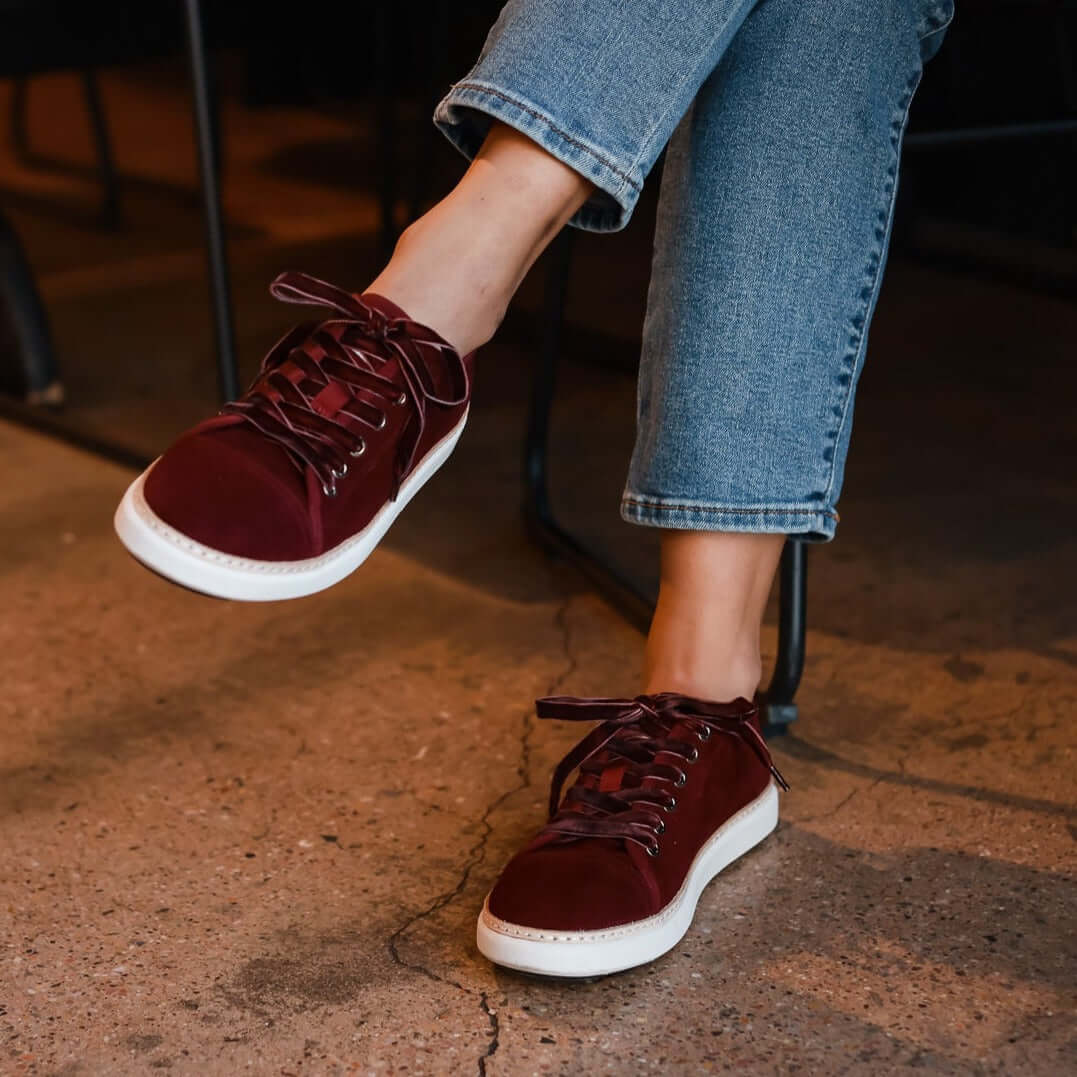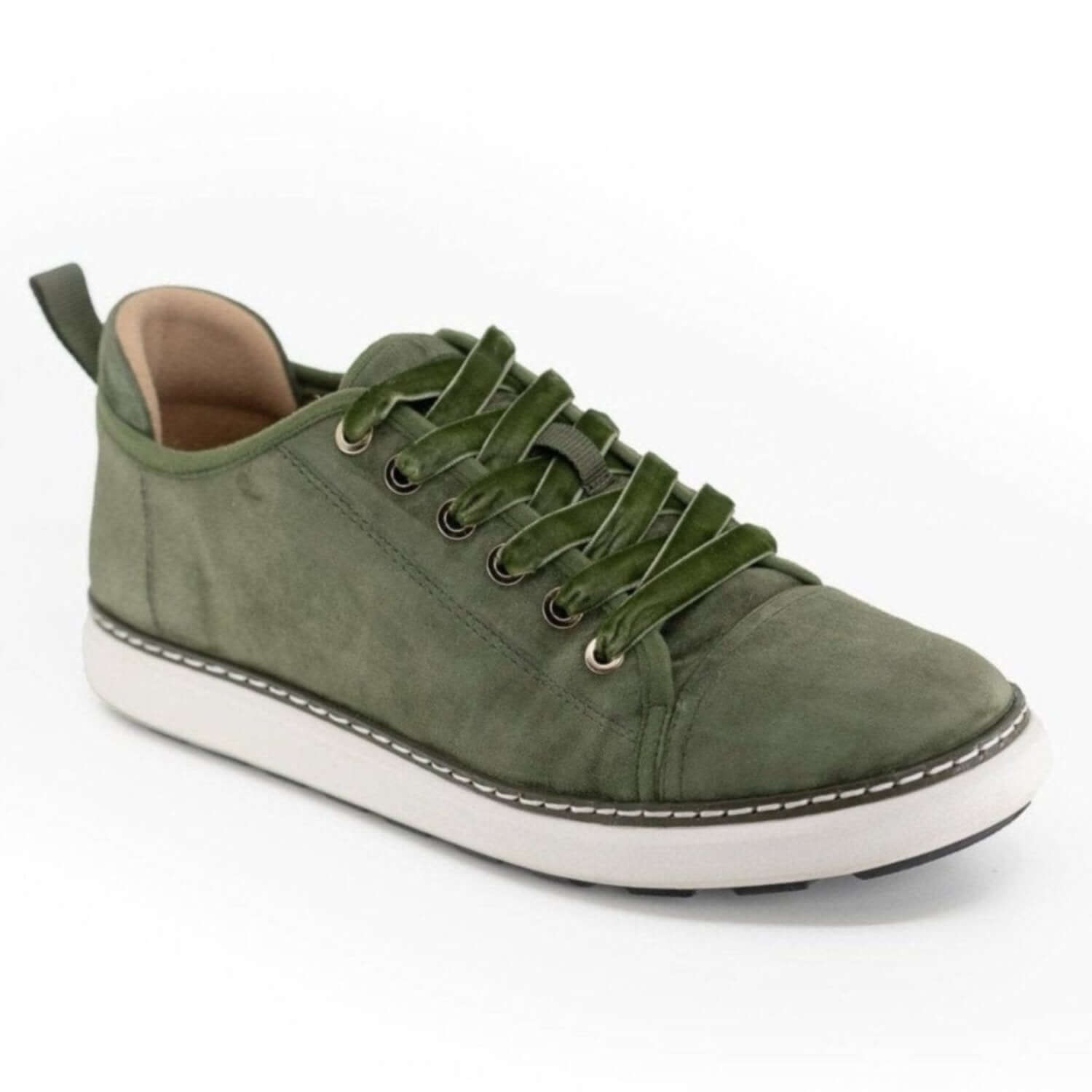

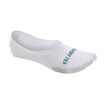


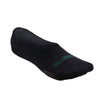
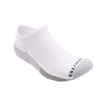
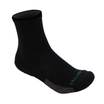
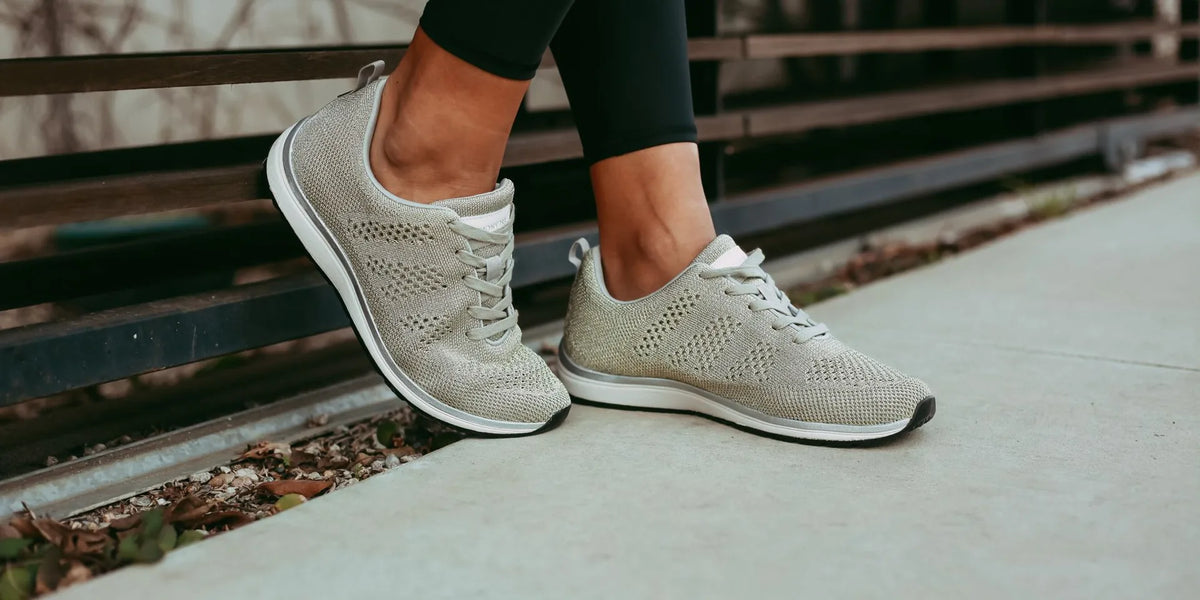
If you are looking up grounding socks for better sleep, it helps to separate two ideas: ordinary bed socks that warm your feet, and grounding socks designed to work as part of a conductive footwear system. They are not the same thing, and current evidence about warm feet should not be treated as proof that grounding socks improve sleep.
Can grounding socks help you sleep better?
That distinction is the most useful starting point. A study published in the Journal of Physiological Anthropology examined feet warming with bed socks in a cool sleeping environment. Its subject was warming the feet; it was not a test of Harmony 783 grounding socks, conductive footwear, or earthing as a sleep treatment. You can read the study in the National Library of Medicine’s PubMed Central archive.
Research about ordinary socks may be interesting if cold feet make it harder for you to settle down. But it does not answer whether a conductive sock worn with grounding shoes changes sleep. Those are separate questions, and one result should not be stretched to answer the other.
Grounding is often described as making an electrical connection between the body and the earth. A grounding shoe is made to support that connection through its construction. A regular sock, no matter how cozy, does not turn an ordinary shoe into a grounding shoe. And wearing grounding socks alone in bed is not the same setup as wearing them with compatible conductive footwear while in contact with a suitable surface.
Harmony 783 offers grounding socks as footwear accessories. They are part of a shoe-and-sock choice for people interested in grounding during the day, not a product we can promise will help you fall asleep or sleep longer. For a basic explanation of the concept, visit what grounding means.
What is the difference between bed socks and grounding socks?
The word “sock” can make these products sound more alike than they are. A soft pair of bed socks may feel comfortable because it helps keep your feet warm. A grounding sock is selected in the context of a conductive shoe system. Its purpose is not simply to provide warmth, and wearing any sock with any shoe does not create grounding.
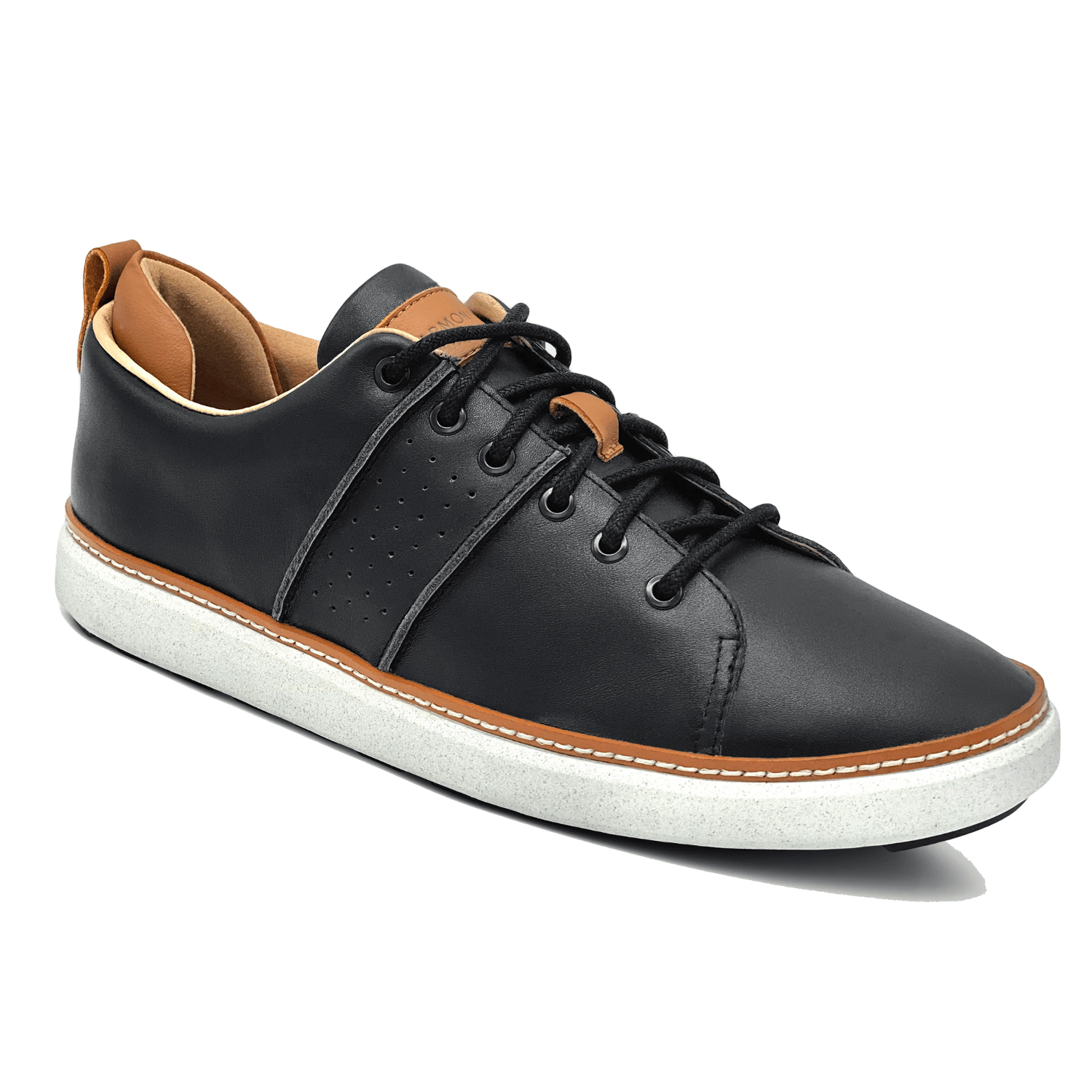
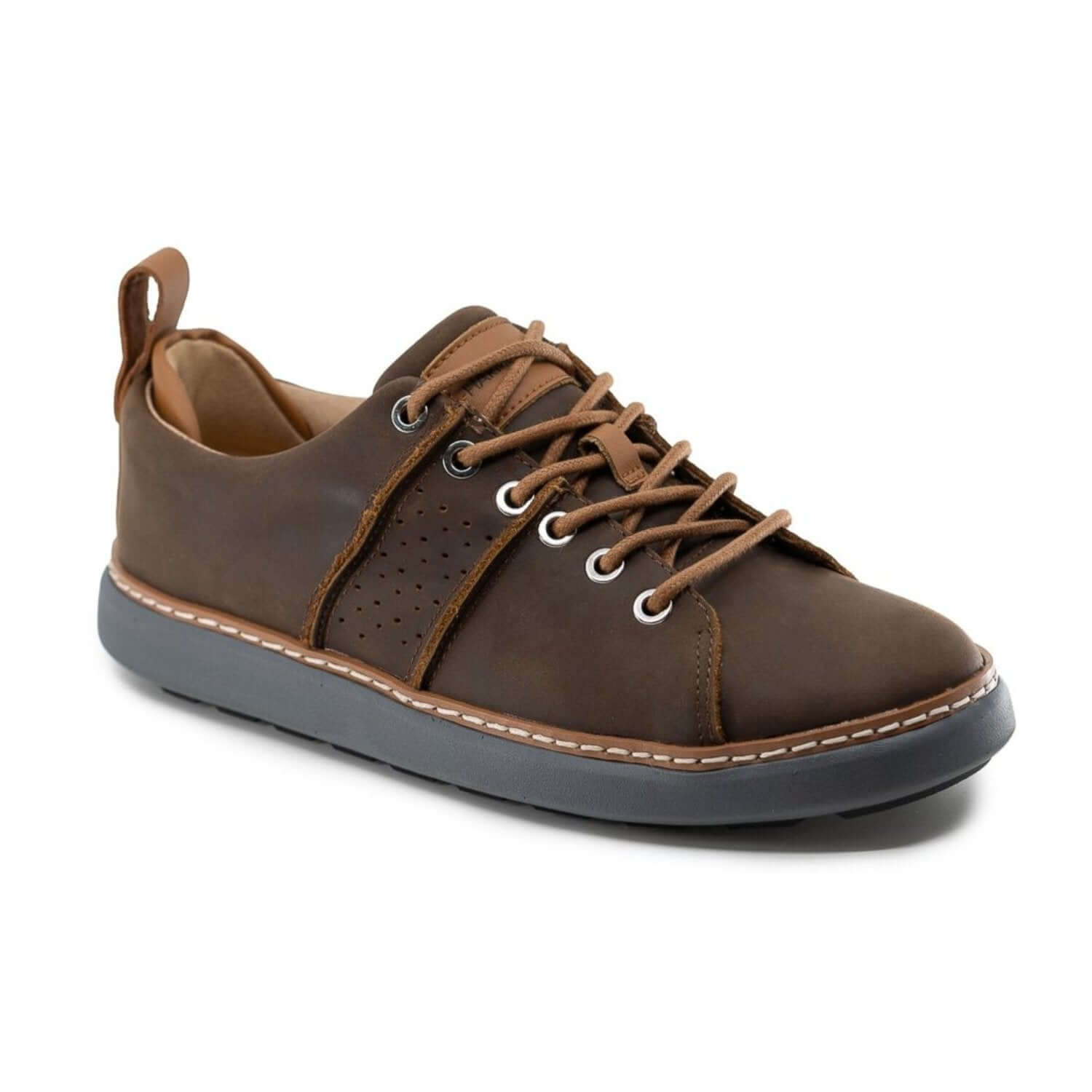
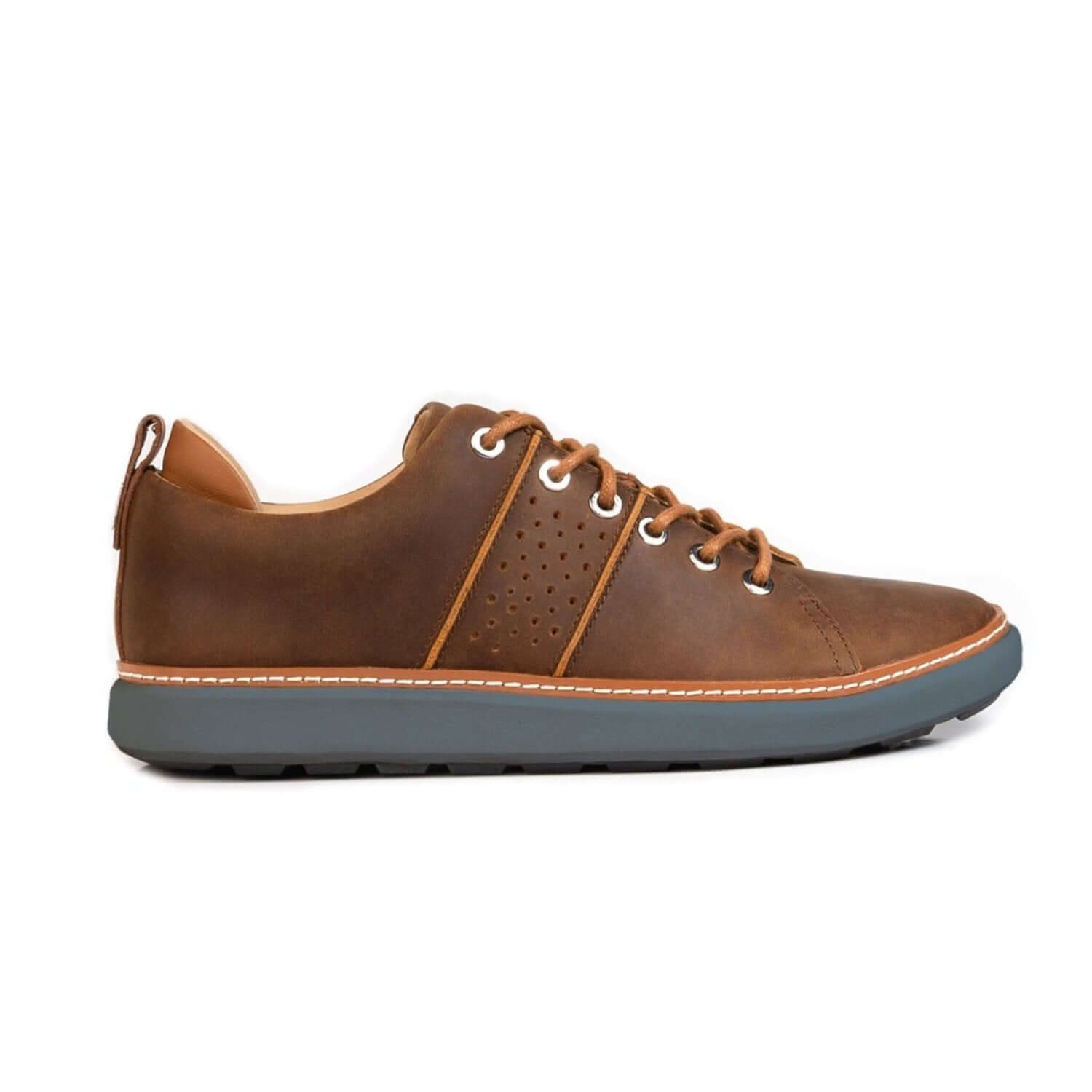
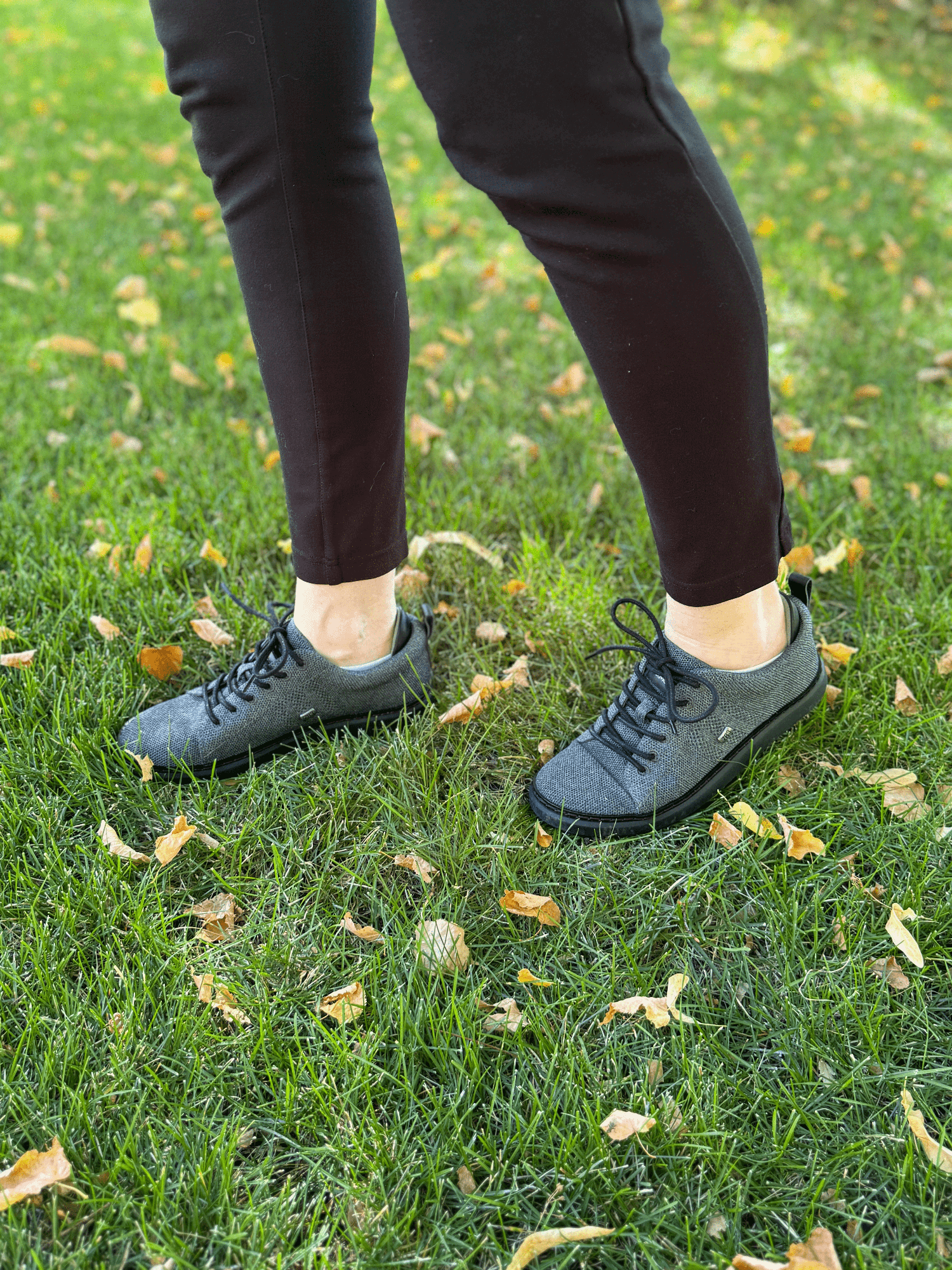
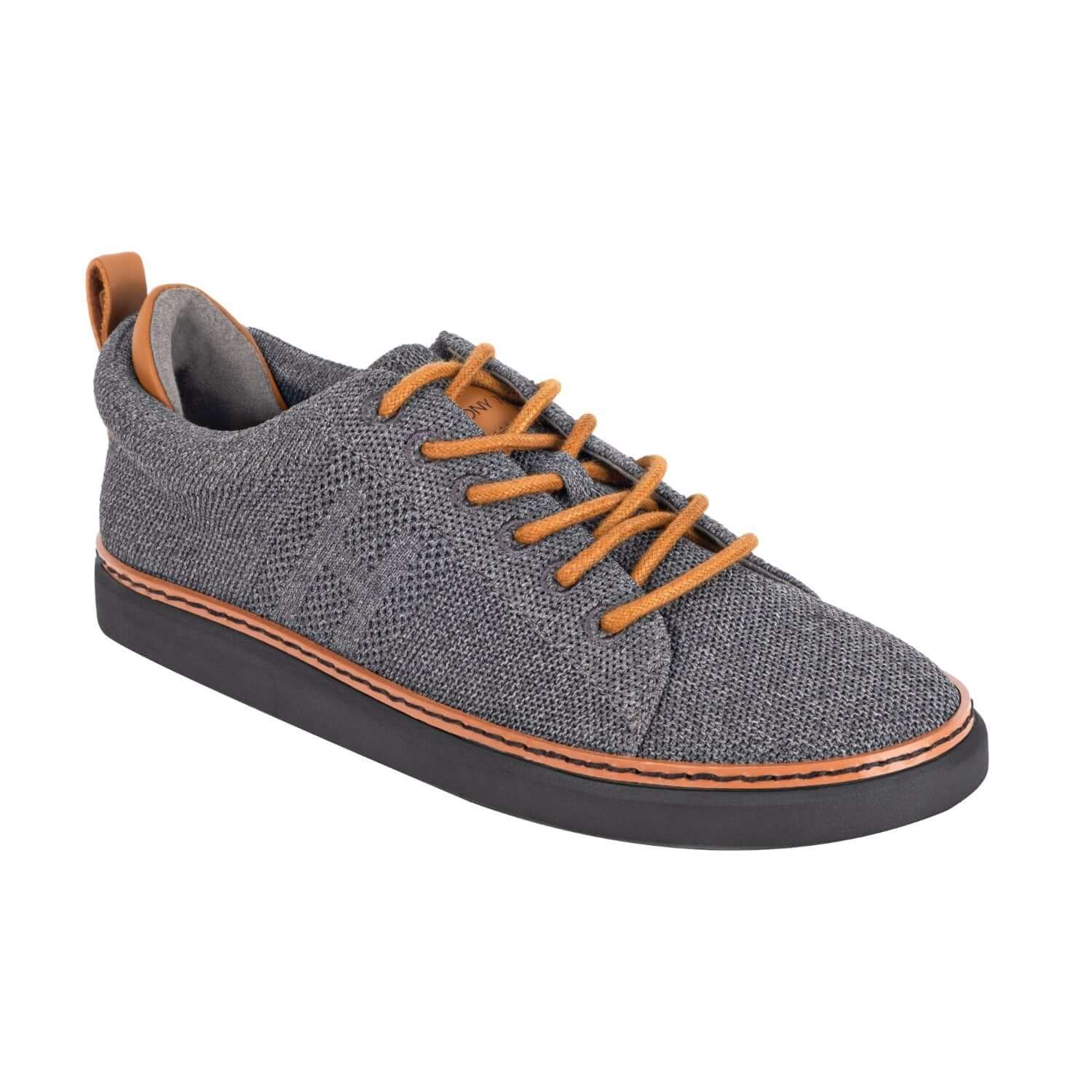
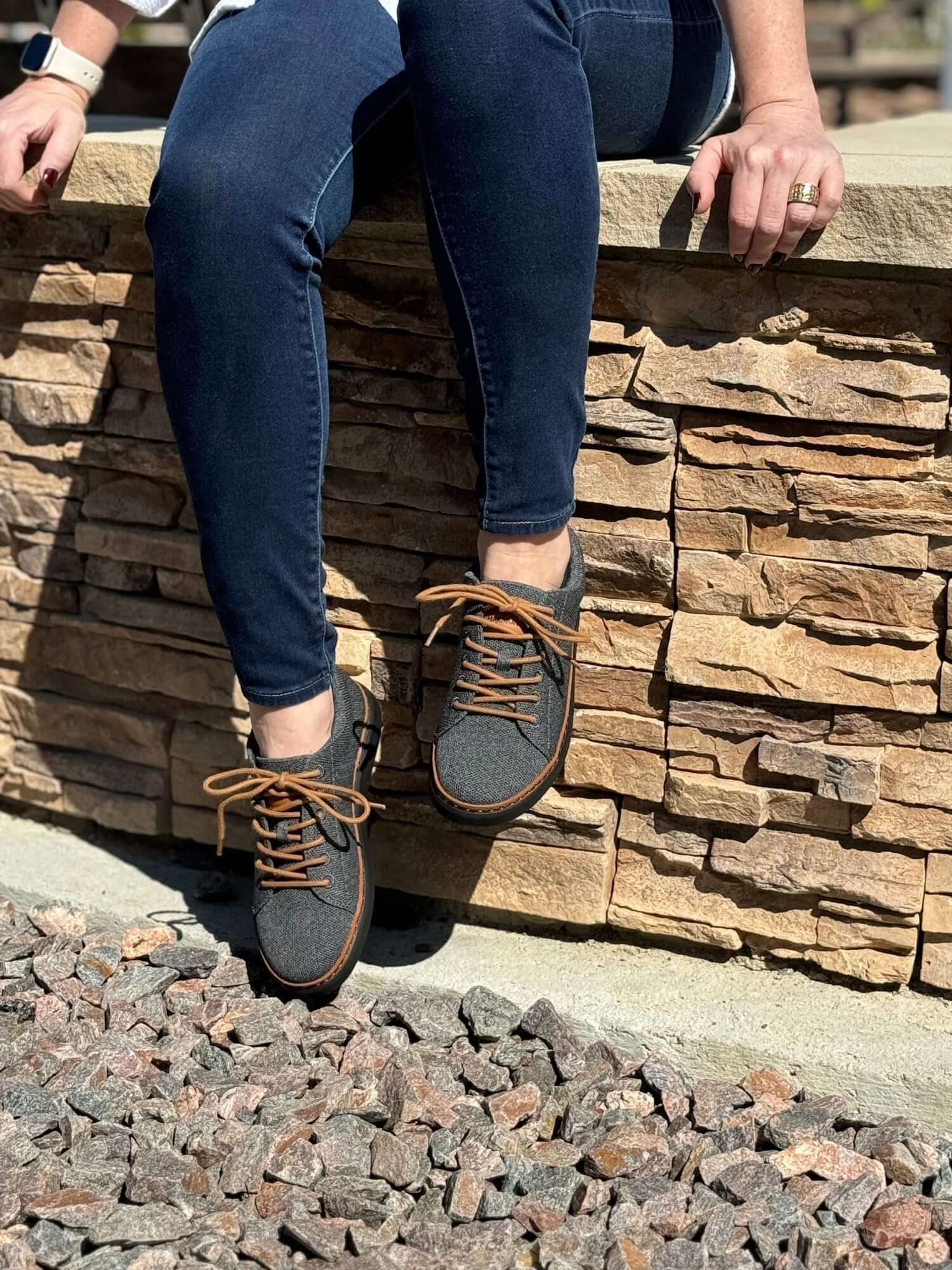
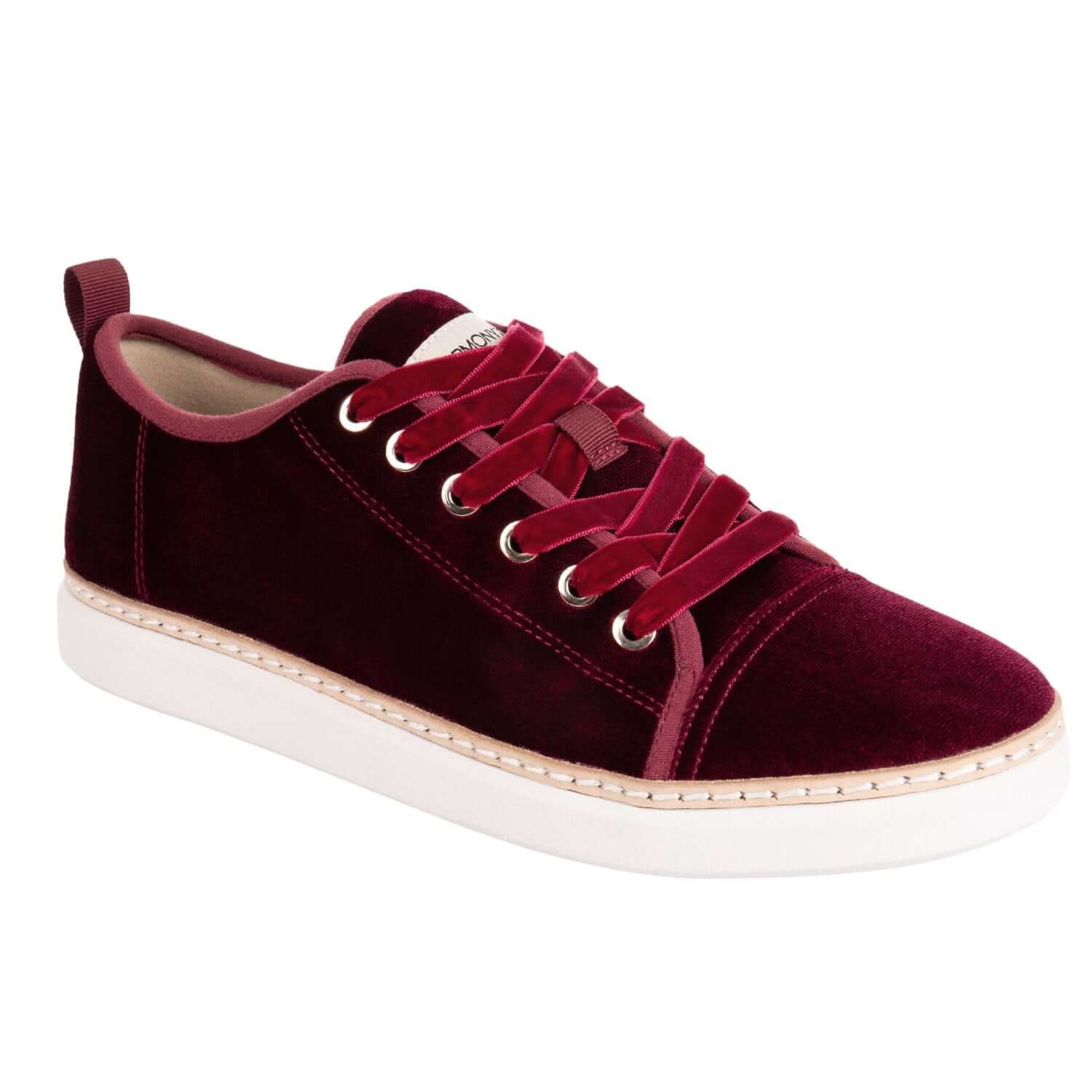
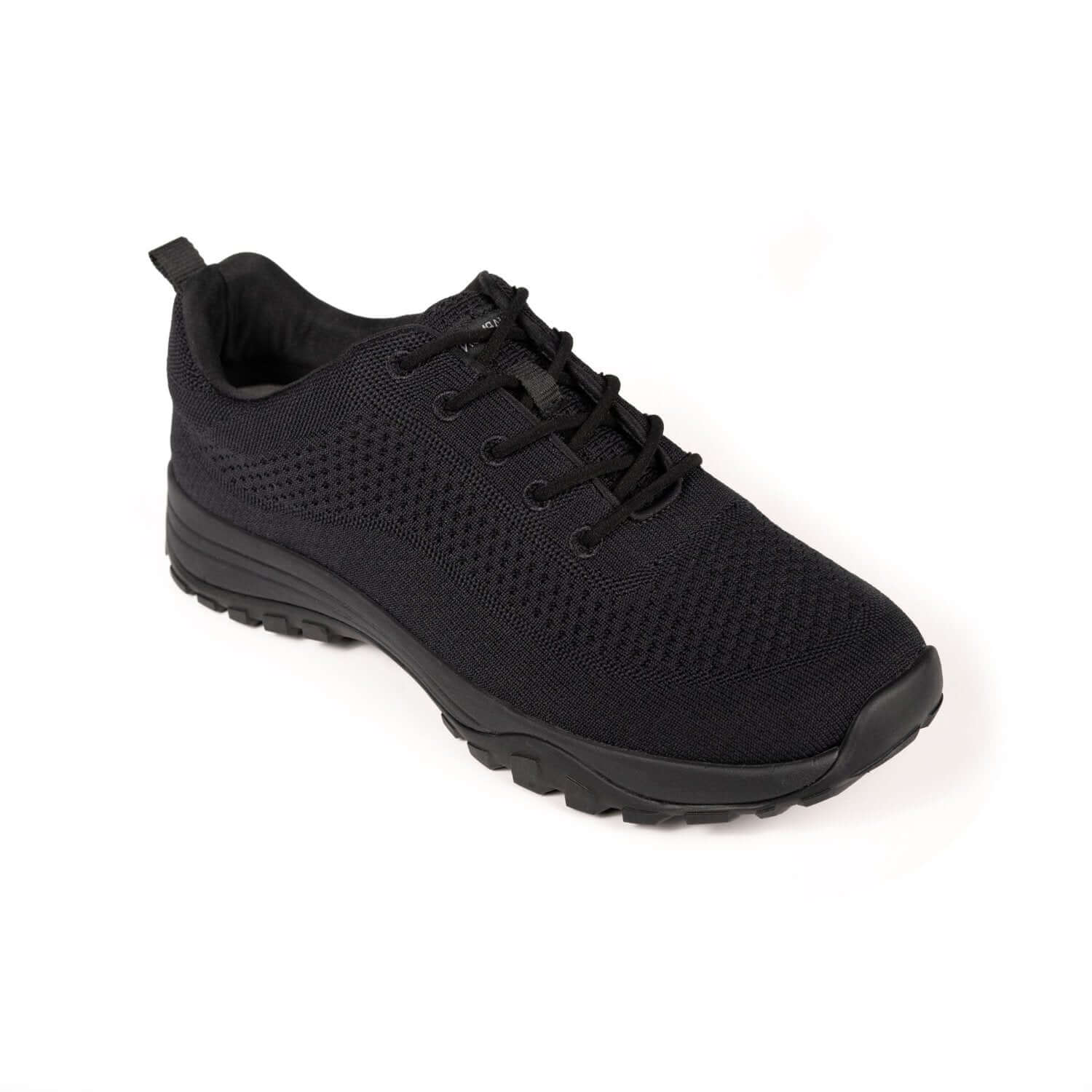
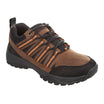
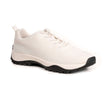
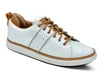
For a grounding connection, the footwear itself matters. Harmony 783 describes its Groundworks™ technology as a multi-layer conductive system that includes a silver-stitched footbed and a conductive outsole. That construction is different from an ordinary shoe with an ordinary rubber sole. Learn more about how Harmony 783 shoes are made and the brand’s grounding science and research information.
Think about the role each item plays:
- Bed socks: A comfort layer for sleeping. Their practical question is whether they feel warm, breathable, and comfortable for you.
- Grounding socks: An accessory to consider with the intended conductive footwear. Check the product information rather than assuming that any sock carries a grounding function.
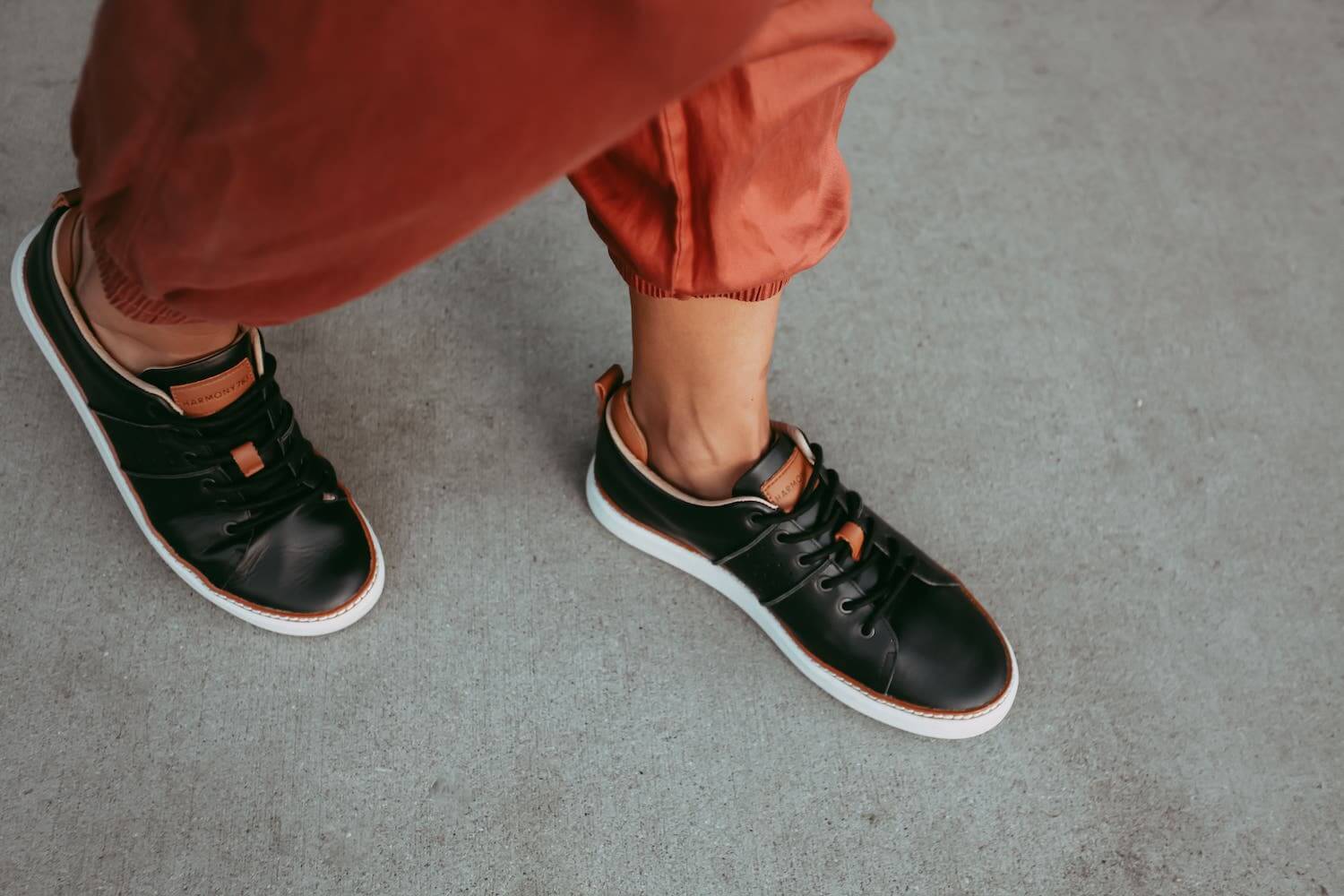
- Grounding shoes: Purpose-built footwear designed with conductive elements. Not every shoe, and not every barefoot-style shoe, is grounding footwear.
- Grounding while resting: A separate setup from walking in conductive footwear. Do not assume that socks in bed create the same connection as shoes on an appropriate surface.
If you want to compare socks for daytime footwear, the grounding socks collection gives you a place to review available options. To compare complete footwear styles, start with the grounding shoe collection instead.
What does the sleep research actually tell us?
When evaluating a claim, look at what was actually studied. The PubMed Central paper is titled “Effects of feet warming using bed socks on sleep quality and thermoregulatory responses in a cool environment.” Its focus is feet warming with bed socks. That is worth keeping in view when you see a broad claim that “socks help sleep.” It does not automatically apply to every kind of sock or explain a grounding mechanism.
The Sleep Foundation’s overview of sleeping with socks on also discusses ordinary sleep socks and warm feet. Use it as general sleep-hygiene reading, not as proof about conductive socks or a grounding footwear system. The useful takeaway is modest: warmth may matter to some people, while individual comfort and room conditions can differ.
Grounding research is a different evidence question. Studies need to examine the grounding method and outcome in question before they can support a specific conclusion. A study of bed socks is not a study of earthing. A study of a grounding mat is not necessarily a study of walking shoes. And a report about a product’s construction cannot, by itself, establish a sleep outcome.
That careful reading is especially important because sleep is affected by many parts of a person’s routine and environment. A comfortable bedtime temperature, a steady schedule, noise, stress, and personal health can all matter. This article cannot determine why a particular person has trouble sleeping, and grounding socks should not be treated as medical care or a replacement for professional advice.
For broader context, Harmony 783 has a grounding and earthing FAQ. It can help with basic product and concept questions, while the research page offers a starting point for reading about the topic. Neither should be read as a promise that footwear will change your sleep.

How should you decide what to wear at bedtime?
Start with the need you are trying to meet. If your feet feel cold at night, a warm, comfortable bed sock may be a reasonable comfort choice. If you want to explore grounding, think about footwear intended for that purpose during your waking routine. Do not buy grounding socks on the assumption that they have been shown to improve sleep.
Use these simple questions before choosing:
- Is warmth your main concern? Look for a soft sock that feels comfortable and does not make your feet too hot. You do not need grounding footwear just to wear a sock to bed.
- Are you shopping for daytime grounding? Check that the shoe is specifically constructed as grounding footwear. Ask yourself: was this shoe actually made to allow an electrical connection, or is it simply a barefoot-style shoe?
- Will the sock be used with the intended shoe? Review the product details and fit guidance for the combination you plan to wear. Do not infer compatibility from the word “grounding” alone.
- Does the shoe fit your routine? Consider where you will wear it, how long you will be on your feet, and what kind of support and style you prefer.
- Are you looking for help with ongoing sleep problems? A sock purchase cannot identify or address the cause. Consider discussing persistent concerns with a qualified health professional.
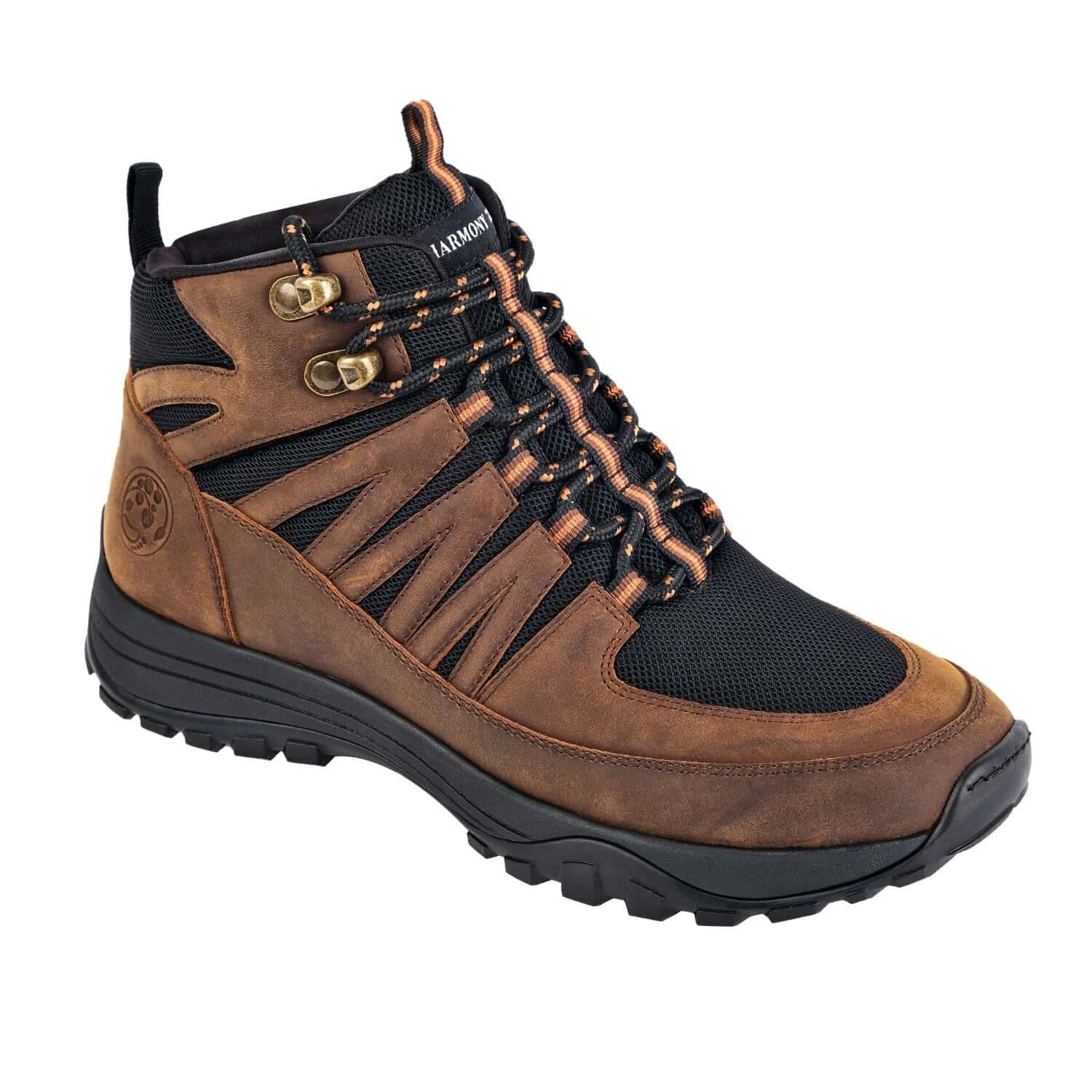
For footwear fit, see the shoe size guide. If you are choosing a style for everyday walking, compare the grounding walking shoes. For a more open style, review the grounding sandals. These are daytime footwear choices, not bedtime treatments.
Related products


How can you compare your options?
The table below separates the purpose of each option. It is not a ranking of sleep effectiveness. The available study described above does not establish that grounding socks improve sleep.
| Option | Main purpose | What to check | What not to assume |
|---|---|---|---|
| Ordinary bed socks | Warmth and comfort at bedtime | Softness, fit, breathability, and how warm they feel to you | That warmth proves a grounding effect |
| Grounding socks | An accessory for use with intended grounding footwear | Product directions and fit with the shoe you plan to wear | That the sock alone is a proven sleep aid |
| Grounding shoes | Purpose-built conductive footwear for everyday wear | Construction, fit, style, and the intended use | That all shoes, including all barefoot shoes, are grounding |
| No socks at bedtime | A personal comfort choice | Whether your feet feel comfortable at your preferred room temperature | That everyone needs socks to sleep well |
Comfort is personal. Someone who runs warm may prefer bare feet, while someone with cold feet may enjoy a light bed sock. For daytime grounding footwear, comfort also depends on a good shoe fit and the style that suits your routine. Browse the women’s grounding footwear or the men’s grounding footwear pages to see how shopping options are organized. The same product page offers men’s and women’s sizing choices selected with a toggle; check the size guide before ordering.
What should you know before buying grounding socks?
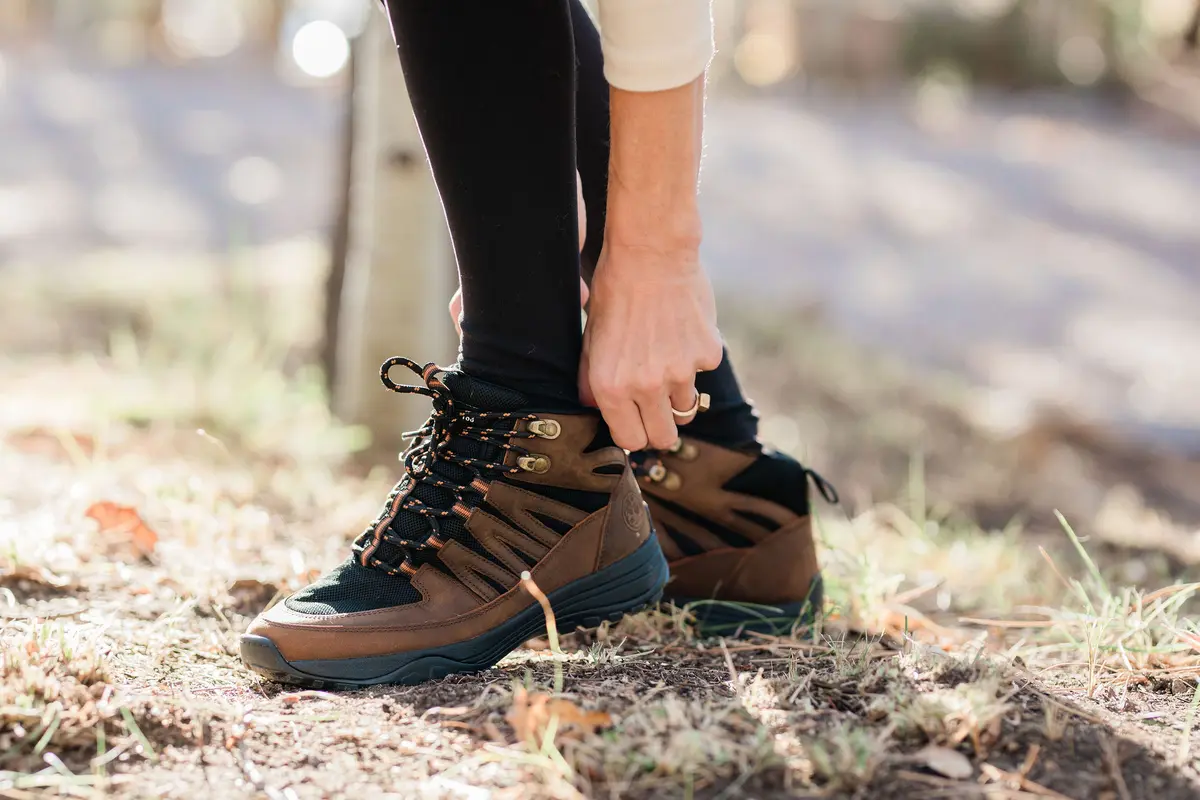
A useful purchase starts with the shoe, not an assumption about the sock. Check that the footwear is described as grounding and look for clear information about how it is constructed. Harmony 783 explains its conductive system on the shoe-making page. Its shoes combine conductive components, including a silver-stitched footbed and a carbon-and-rubber conductive outsole.
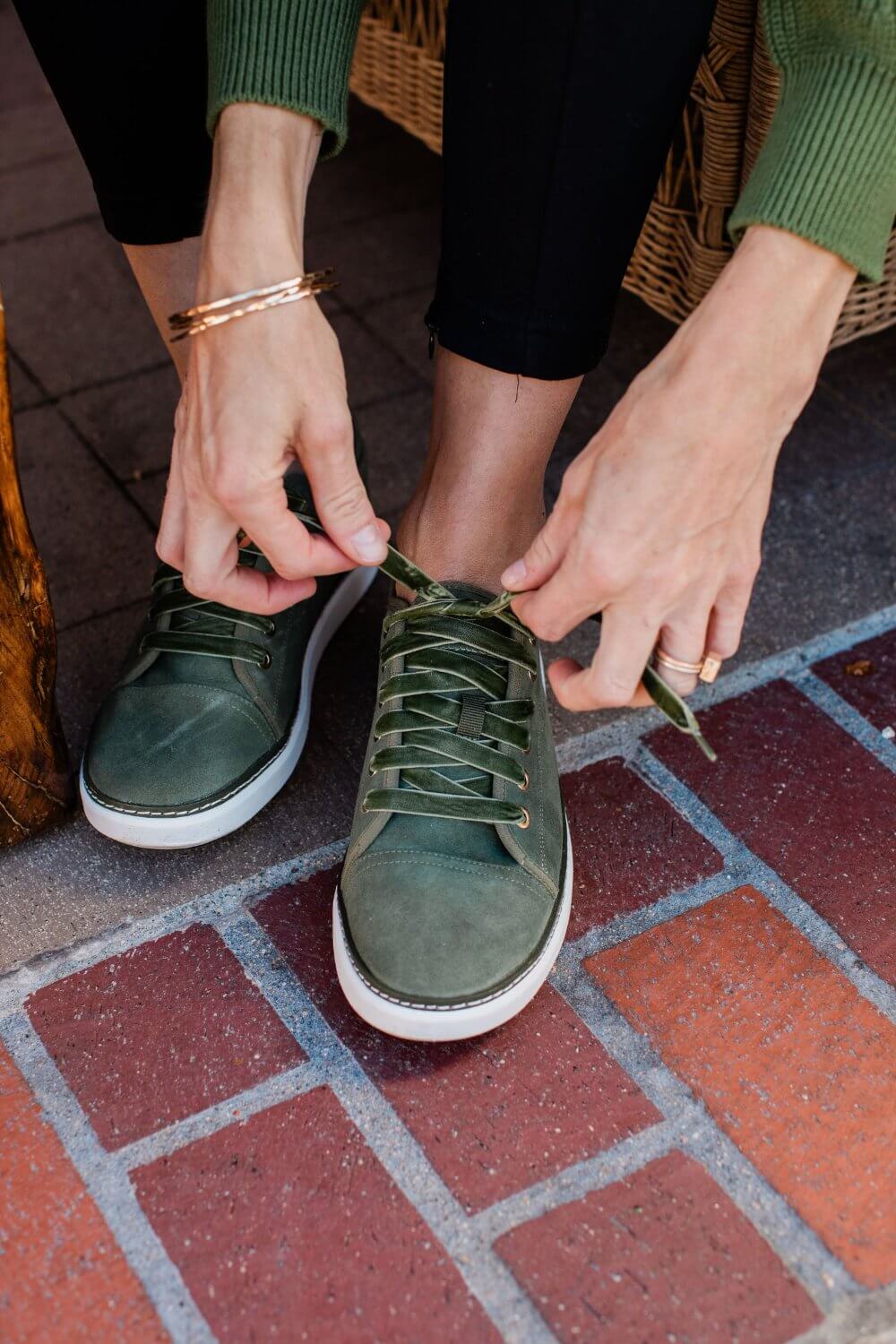
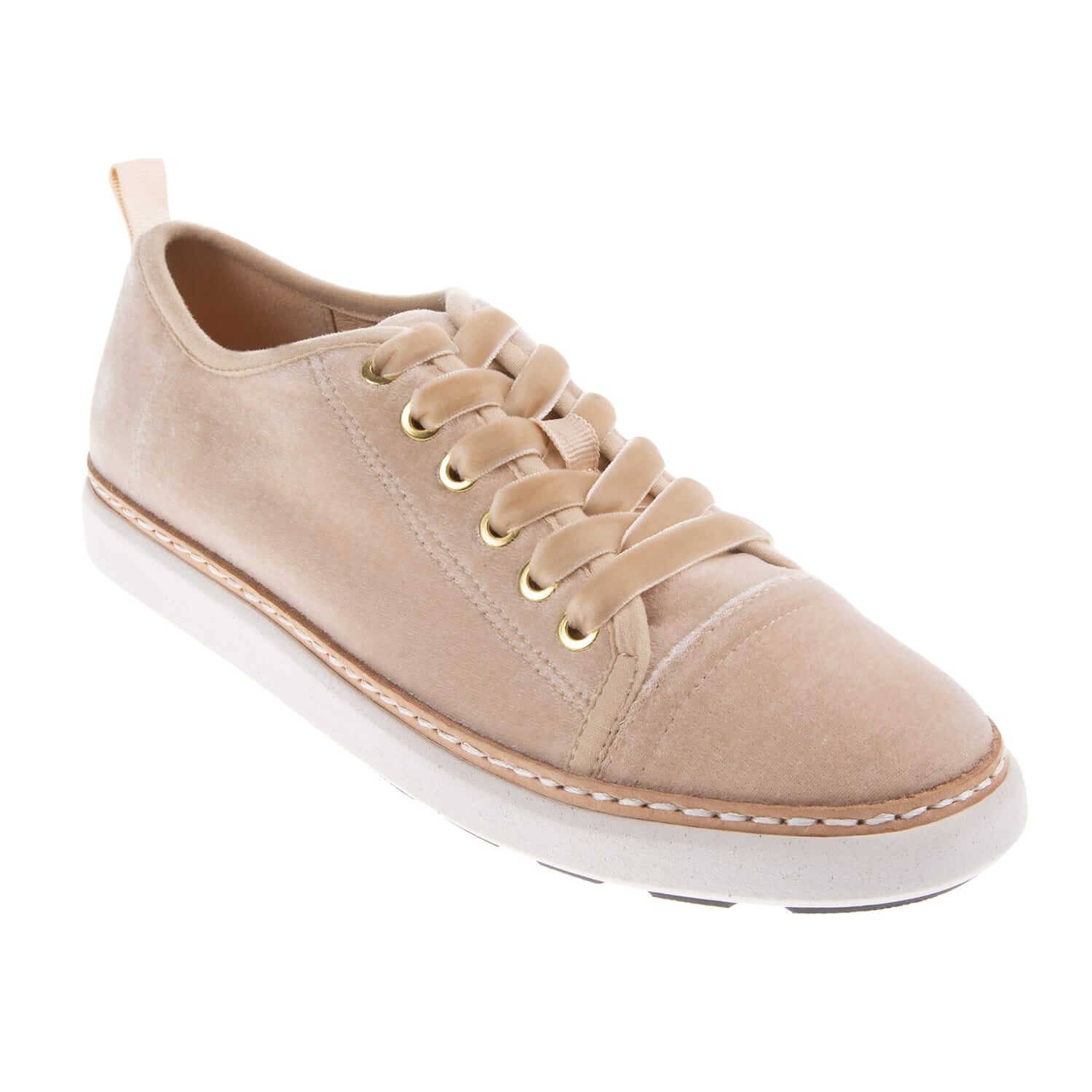
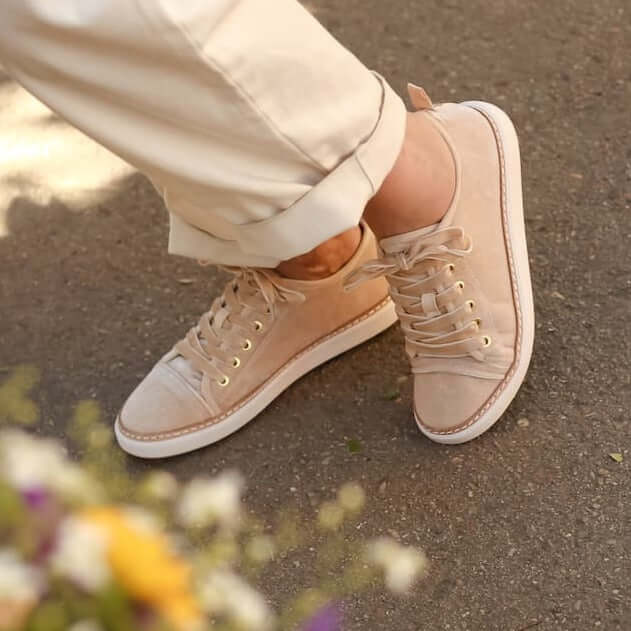
Next, check the routine you have in mind. Grounding shoes are for wearing as footwear, while bed socks are chosen for comfort in bed. A person who wants a relaxed shoe for a walk may compare grounding sneakers or walking styles. Someone who prefers a lace-up option can look at the grounding joggers. Choose by use, fit, and personal style—not by a claim that the product will treat a sleep problem.
It may also help to understand the company’s approach. Harmony 783 began in 2017 and focuses on grounding footwear. The brand’s story page shares more about its background, while the Harmony 783 Promise outlines its stated product promise and warranty information. Read current terms on the site before ordering, since policies and product availability can change.
If your question is about a specific sock-and-shoe pairing, product details are the best place to start. You can also use the contact page to ask the company a product question. Keep the question specific: name the product and explain how you plan to wear it. For general sizing help, include the shoe style you are considering.
How can you test comfort without confusing it with grounding?
If you are trying to decide whether bedtime socks suit you, keep the test simple and separate from grounding footwear. Try your usual sleep routine with and without a comfortable pair of ordinary bed socks on different nights. Notice only practical details: whether your feet feel too cold, whether the socks feel too warm, and whether the fabric or fit bothers you. This is a personal comfort check, not a test of a medical effect.
Do not change several things at once and then credit the socks for every difference. Room temperature, bedding, schedule, and daily stress can change from one night to another. A brief personal comparison can tell you what feels comfortable in your own room, but it cannot show that grounding caused a sleep change or replace a properly designed study.
For grounding footwear, use a different checklist during the day:
- Confirm that the shoe is explicitly described as grounding footwear, rather than assuming a barefoot shape or flexible sole is enough.
- Read how its conductive components are intended to work, and follow product guidance for wearing it.
- Check sizing and the fit you need for the activity. A shoe that is uncomfortable is unlikely to suit your routine, regardless of its grounding design.
- Judge the shoes by the use you bought them for. Do not use sleep improvement as the measure of whether the socks or shoes are working.
These checks keep two goals clear: choosing comfortable socks for bed and selecting footwear designed for grounding when you are up and moving. Neither choice needs to be framed as a cure or guaranteed way to sleep better.
Browse our grounding footwear collection
What are common questions about grounding socks and sleep?
Can I wear grounding socks to bed?
You can choose to wear socks to bed for comfort, but the available information here does not establish a sleep benefit from grounding socks. Their grounding purpose is tied to intended conductive footwear, so do not assume that wearing them alone in bed creates the same setup.
Are grounding socks the same as ordinary bed socks?
No. Ordinary bed socks are generally chosen for warmth and comfort. Grounding socks are an accessory intended to be used with compatible grounding footwear. Check their product information and do not treat a warm sock study as evidence about grounding socks.
Will any barefoot shoe work with grounding socks?
No. A barefoot-style shoe is not a grounded shoe unless it was specifically constructed as grounding footwear. The key question is whether the shoe was made to provide the intended conductive path. A sock cannot make an ordinary shoe conductive by itself.
Do warm feet help everyone sleep?
People differ. A study of feet warming with bed socks in a cool environment is not proof that all people sleep better with socks. Choose what feels comfortable for you, and seek qualified advice for ongoing sleep concerns.
What is the simplest takeaway?
Use bed socks for warmth if they feel good to you. Consider grounding socks as an accessory to intended grounding footwear, not as a proven sleep aid. Keep the two questions separate when reading research or shopping.
What is the bottom line?
Grounding socks for better sleep sounds like a simple solution, but the evidence described here does not show that grounding socks improve sleep. The research on bed socks is about warming feet, while grounding socks are meant to be considered with compatible conductive footwear. Choose bedtime socks for comfort, and evaluate grounding shoes by their construction, fit, and intended use. If you want to explore footwear, browse Harmony 783’s grounding shoe bestsellers.
Discover Harmony 783 grounding socks
Keeping warmth, footwear design, and sleep evidence distinct makes it easier to choose what fits your needs without expecting a sock to do more than it has been shown to do.