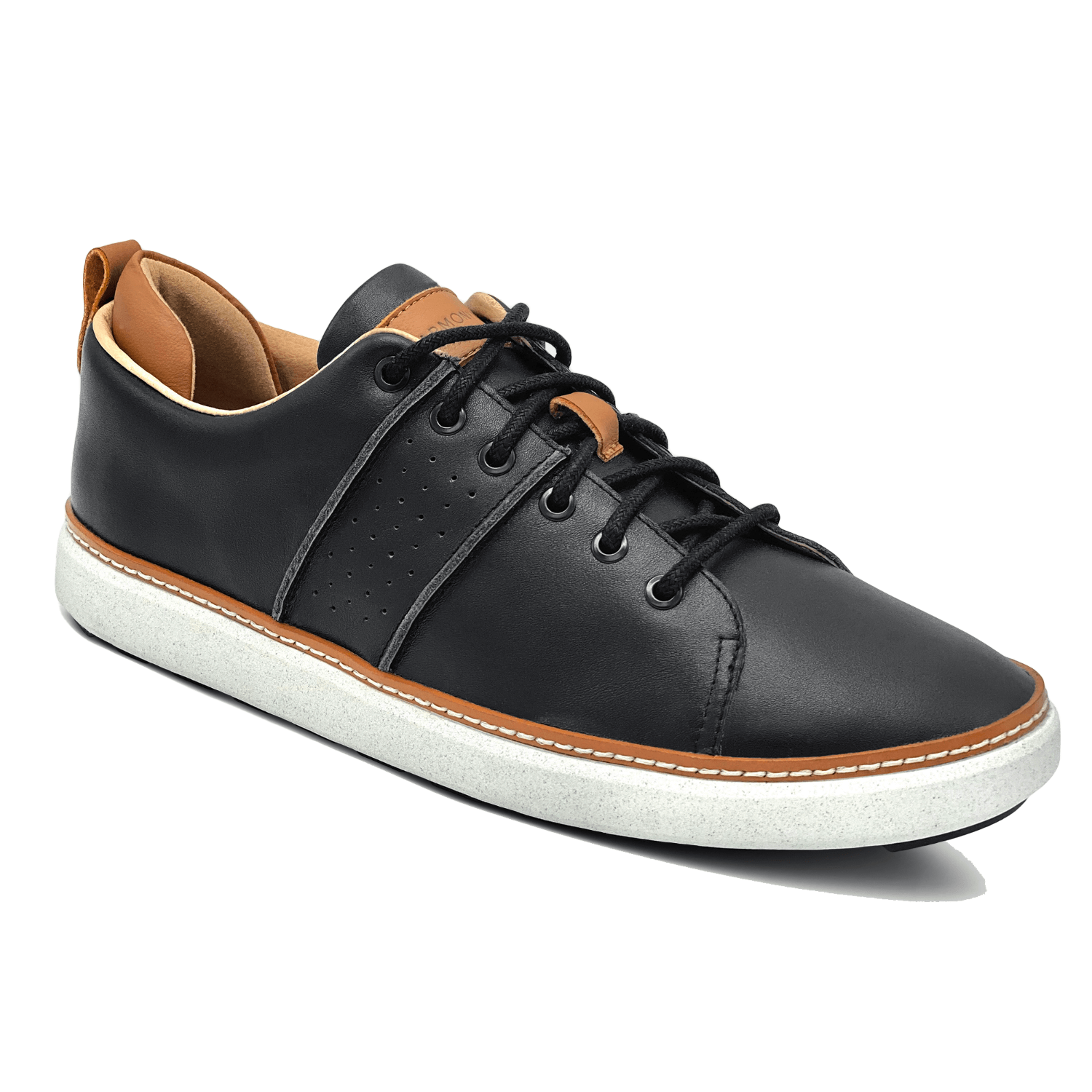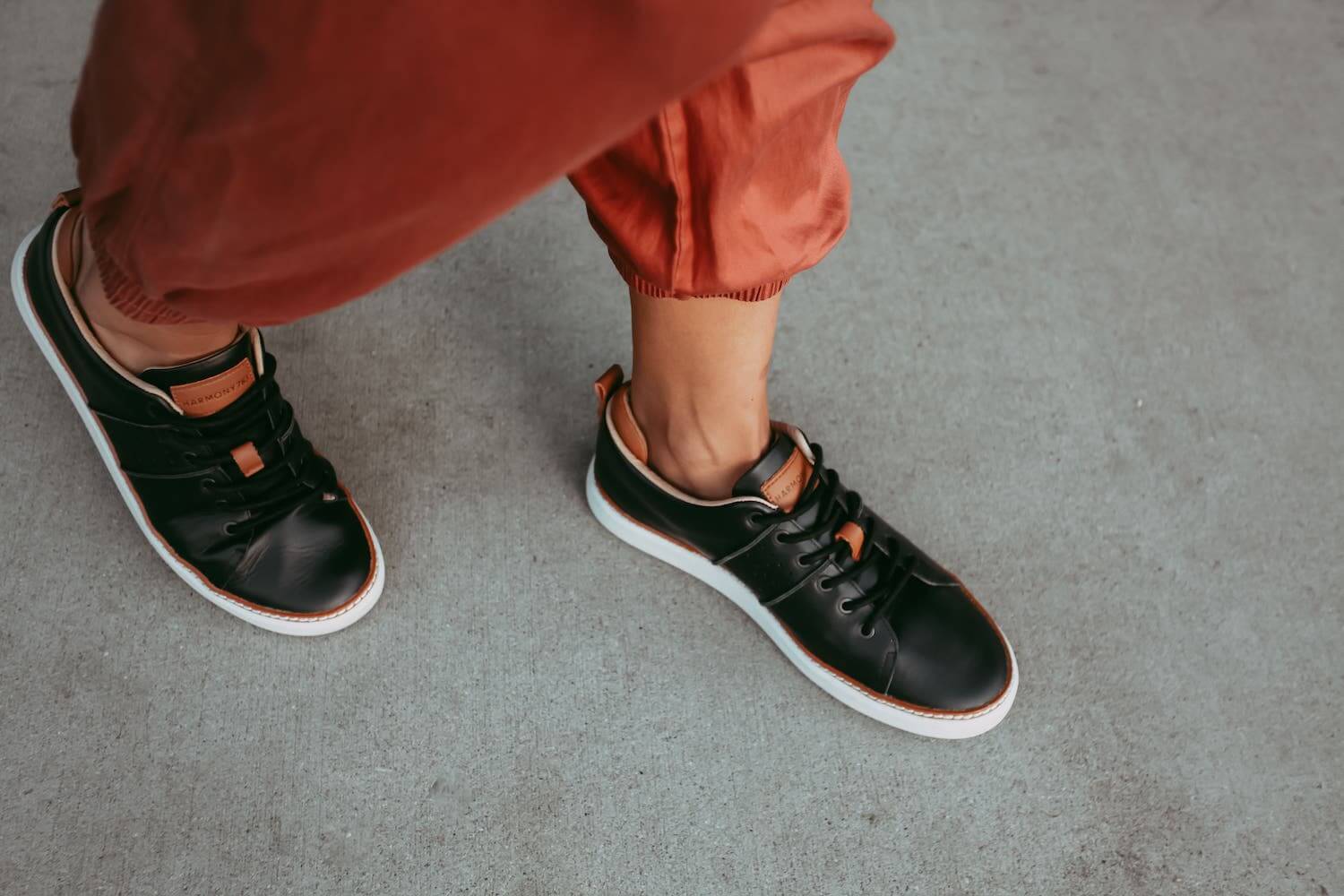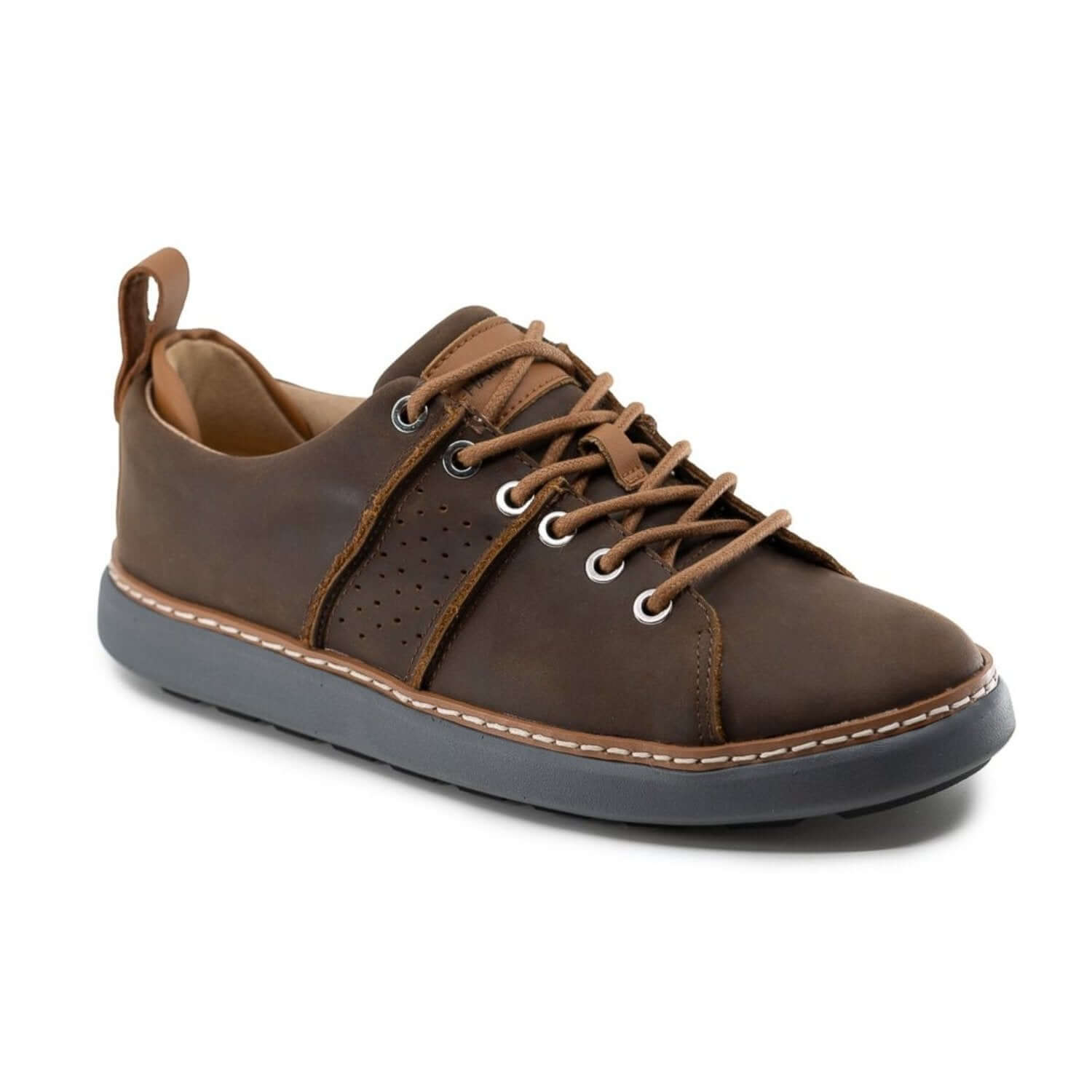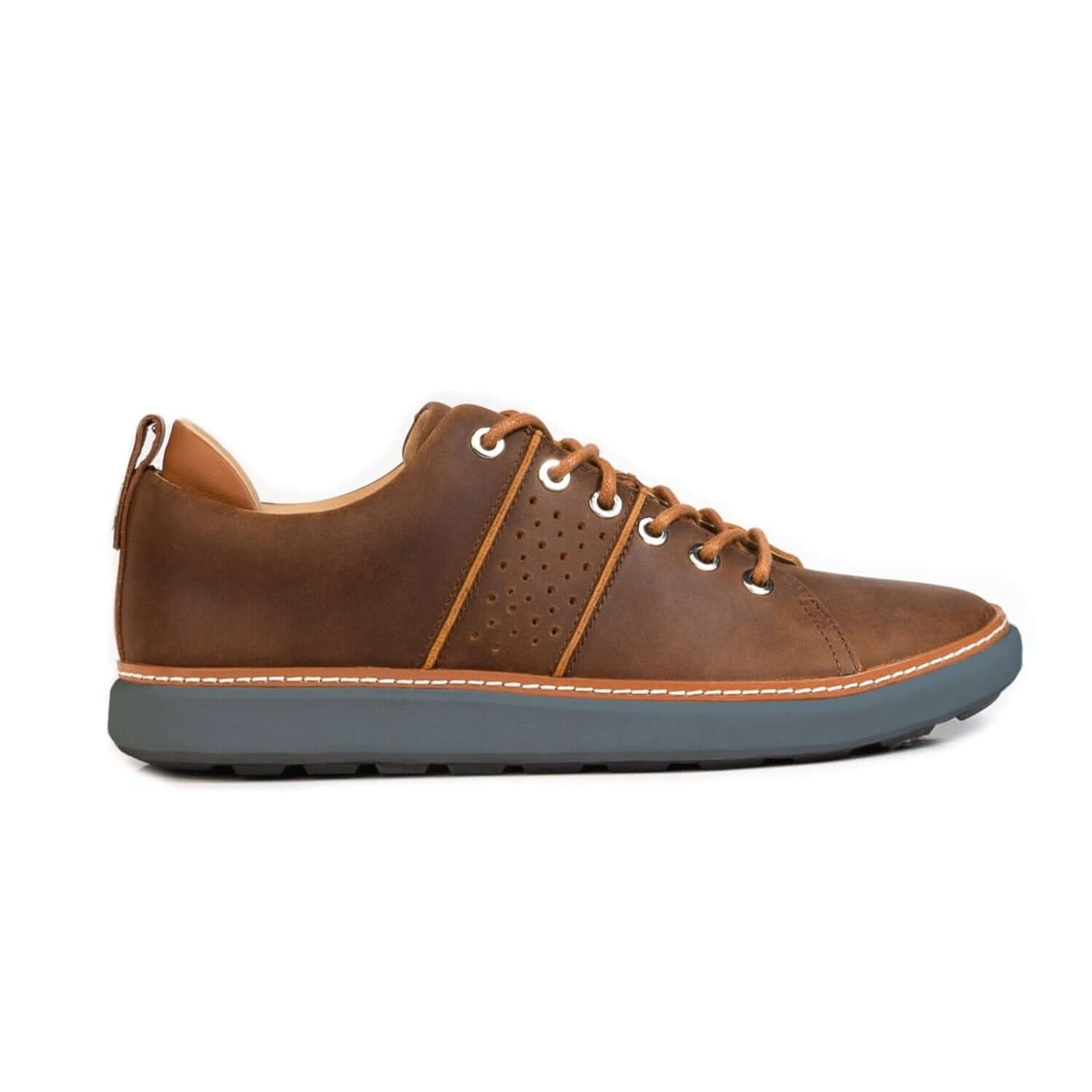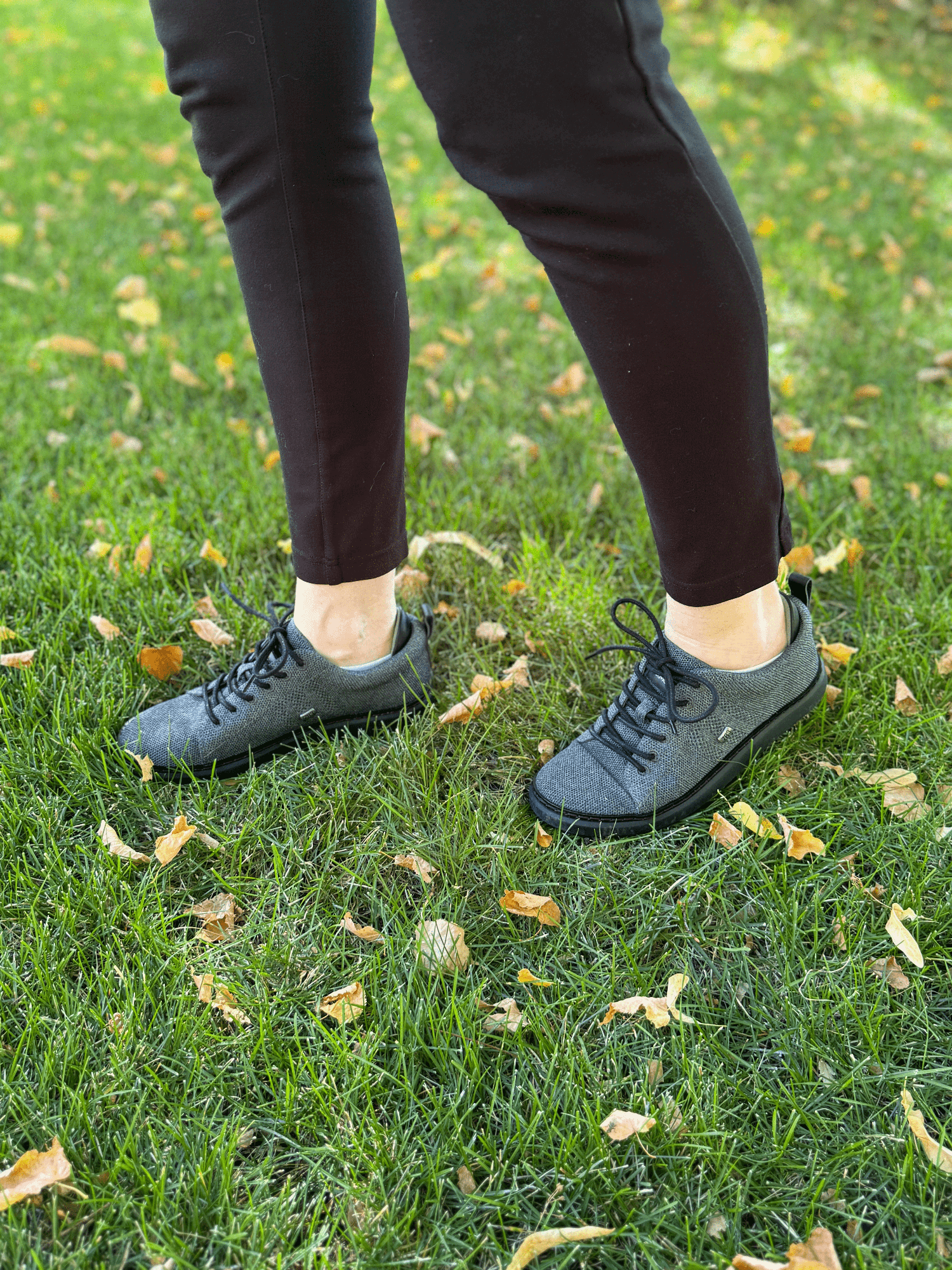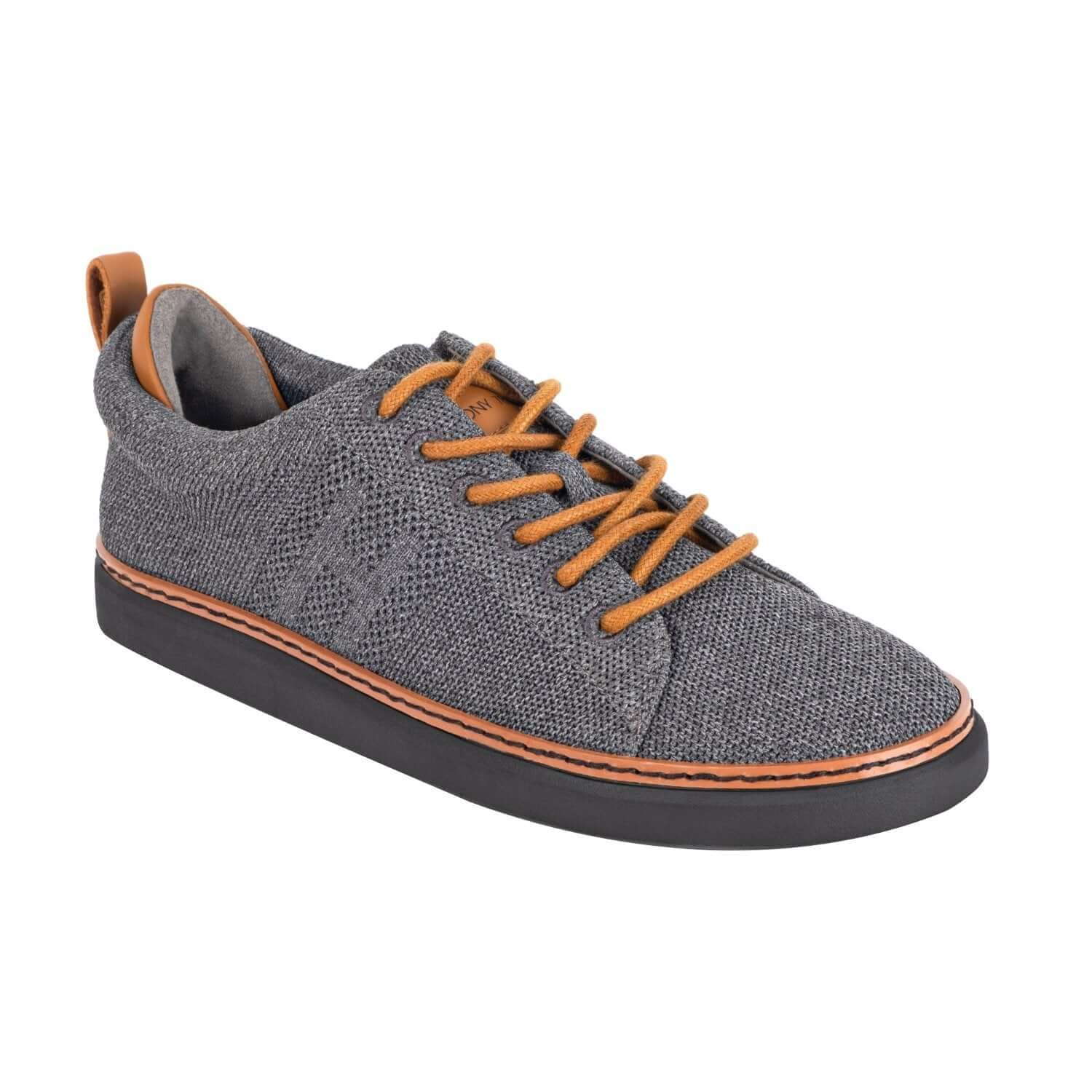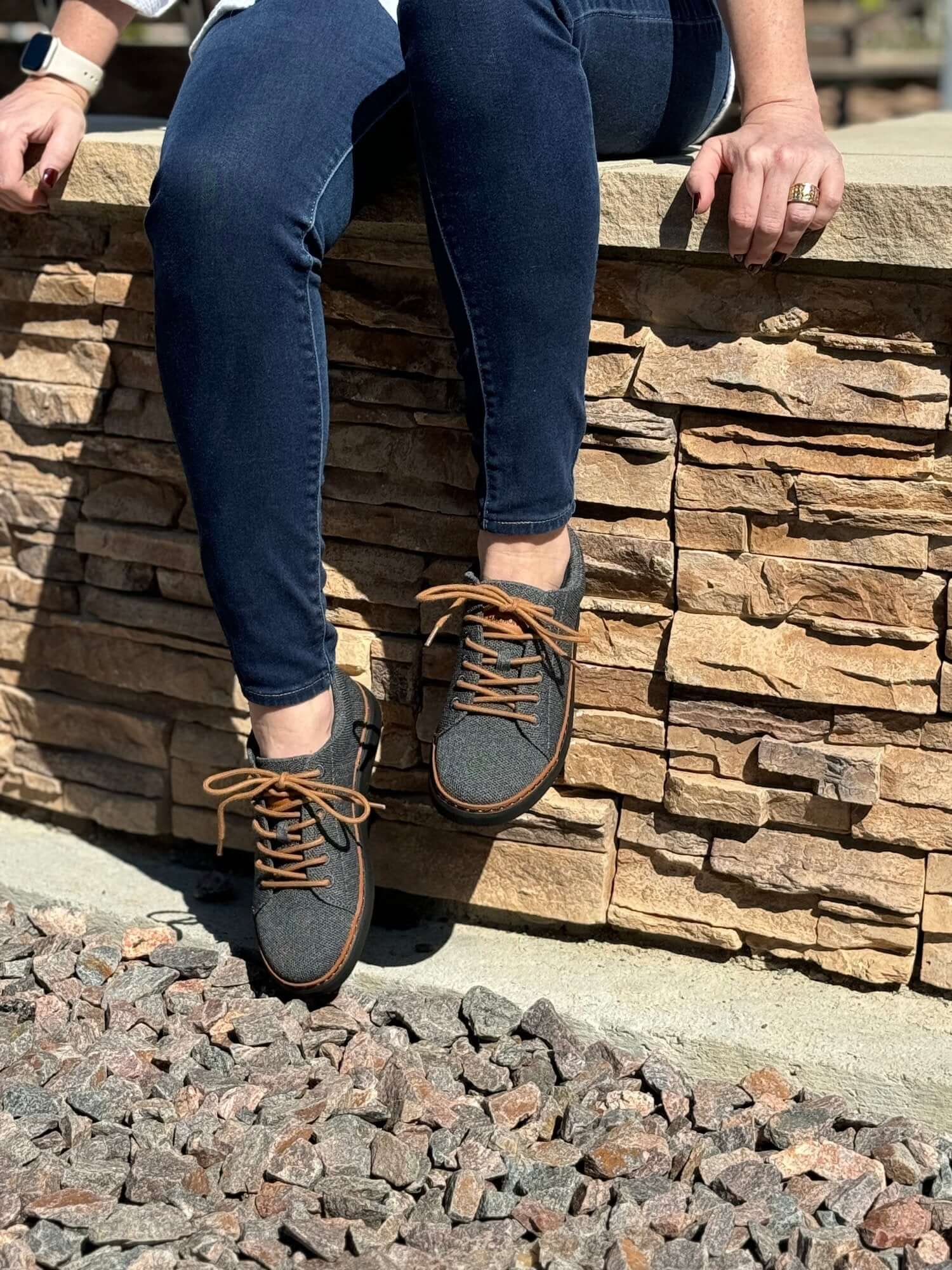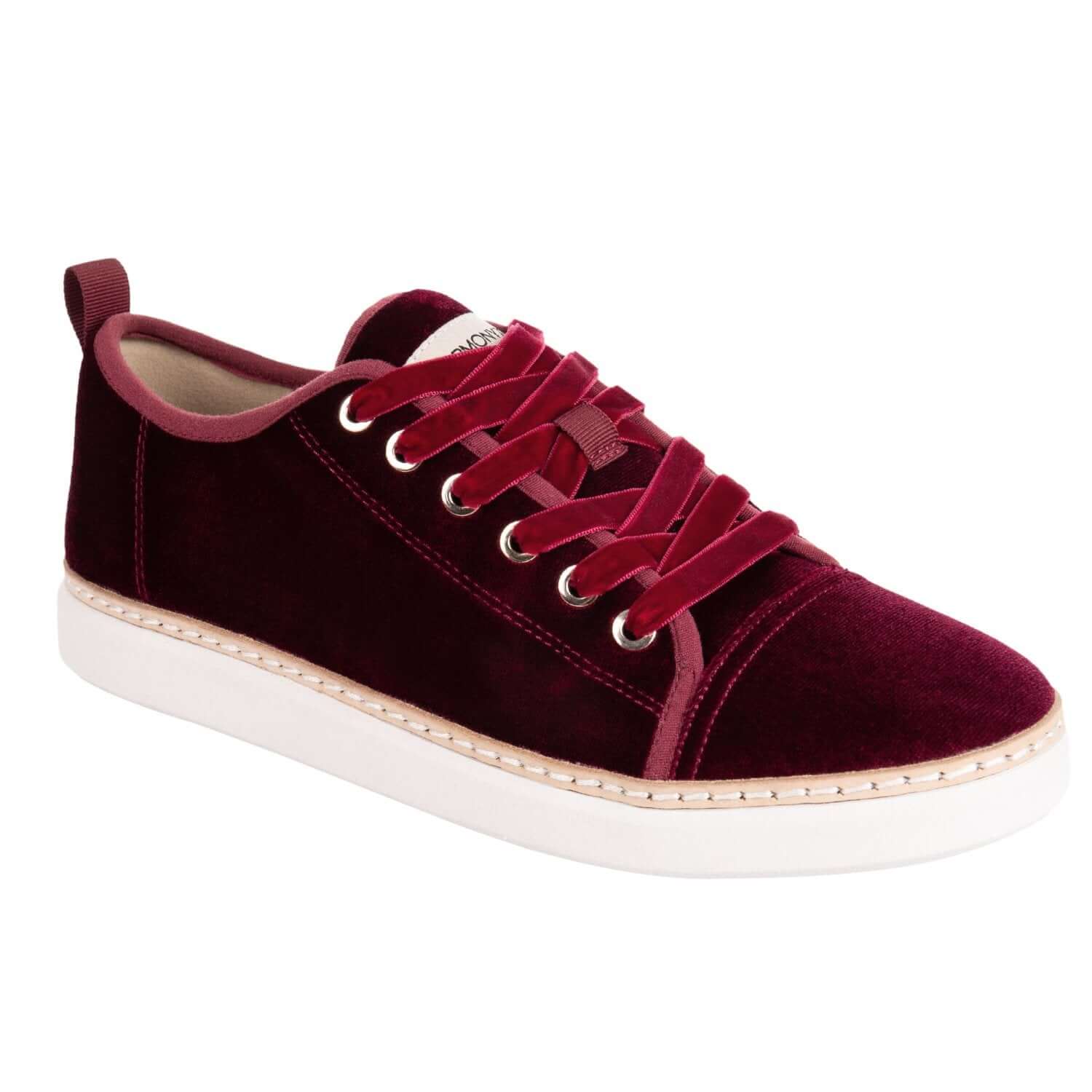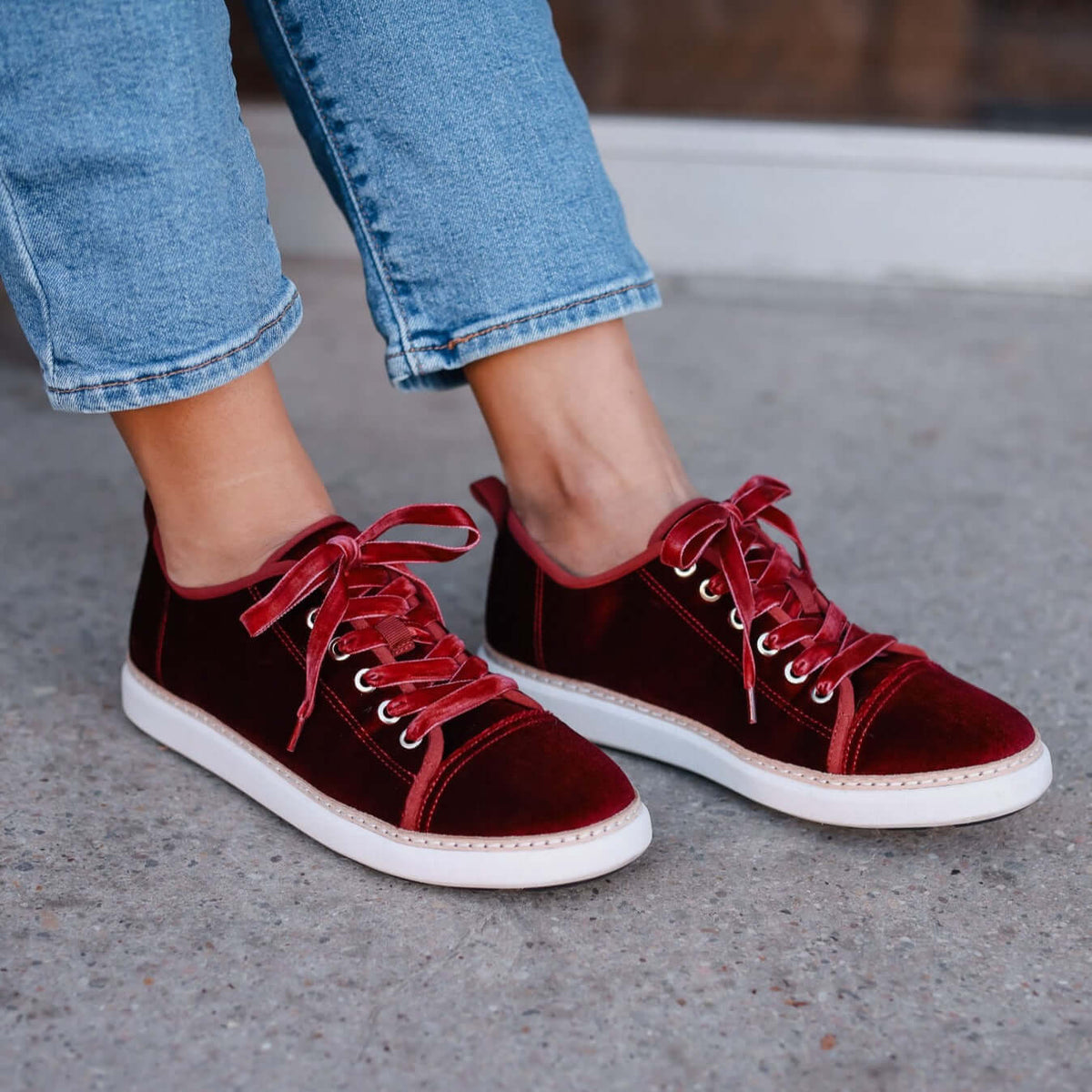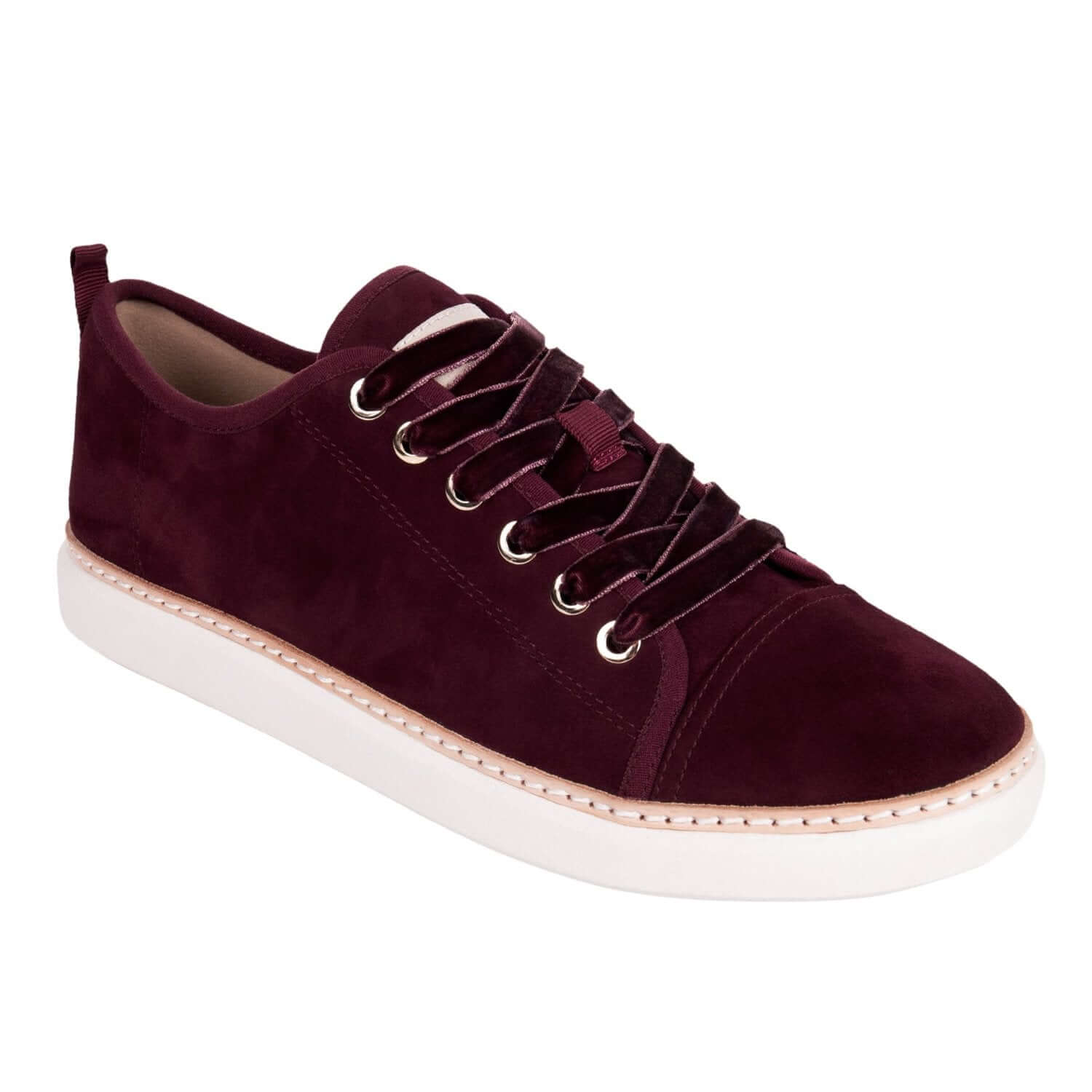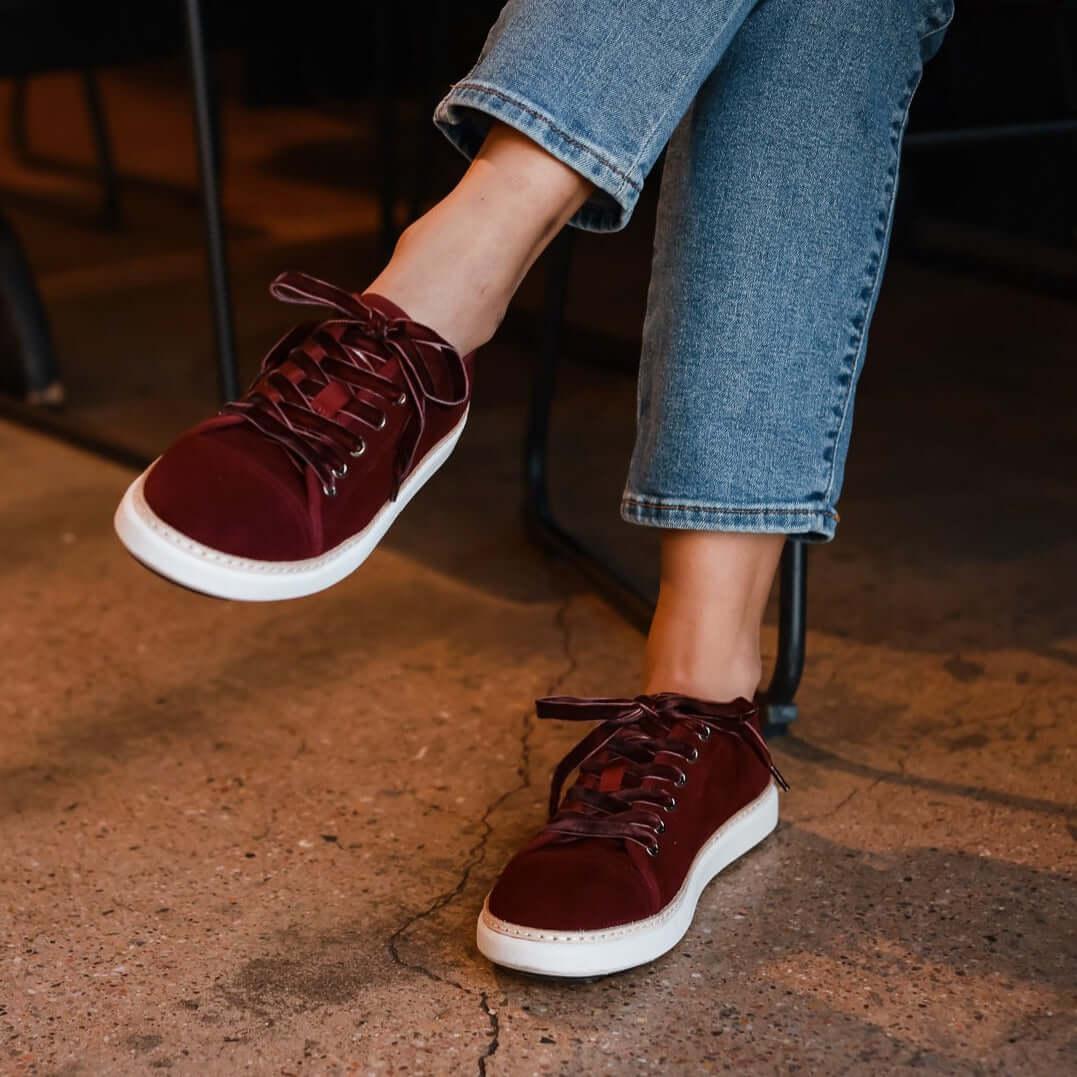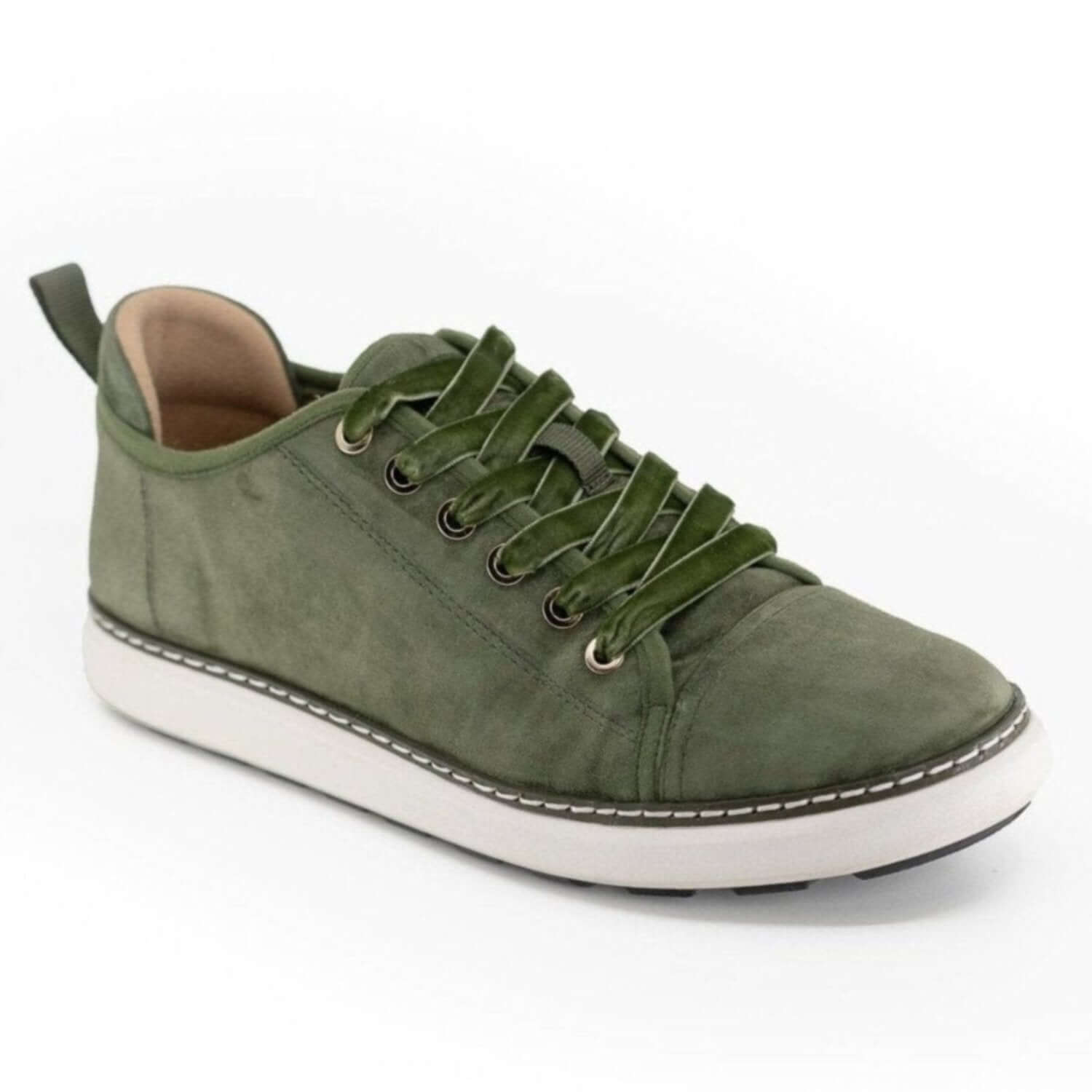


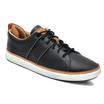

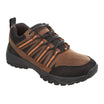
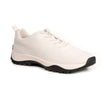



Adding another thing to your wellness routine can feel overwhelming. Between work, family, and trying to stay active, there isn’t always time to drive to a park just to kick off your shoes. But what if you could tap into the benefits of grounding without changing your schedule? You can. By simply swapping your regular sneakers for grounding shoes, you can connect with the earth’s energy during your daily walk, while running errands, or on your commute. It’s a wellness practice that works for you, not the other way around. This guide will show you how easy it is to integrate grounding into your life with comfortable, stylish footwear.
Key Takeaways
- Connect to the Earth, Even with Shoes On: Grounding shoes are built with conductive materials that allow the earth's natural energy to flow to your body. This lets you experience the benefits of being barefoot while wearing comfortable footwear on surfaces like grass, sand, and even some sidewalks.
- Support Your Body's Natural Balance: The practice of grounding is studied for its potential to improve well-being. By connecting to the earth, you may experience more restful sleep, reduced inflammation, and a calmer nervous system as your body syncs with the planet's natural rhythms.
- Choose Conductivity for a True Connection: Remember that grounding shoes and barefoot shoes are not the same. Barefoot shoes focus on foot movement, but most still insulate you from the earth. For true grounding benefits, look for shoes specifically designed with conductive technology.
What Are Grounding Shoes?
If you love the idea of grounding but can’t always walk around barefoot, grounding shoes are for you. Think of them as a bridge between your body and the earth, allowing you to tap into the planet's natural energy while you go about your day. Unlike regular footwear that isolates you, these shoes are specifically designed to help you stay connected.
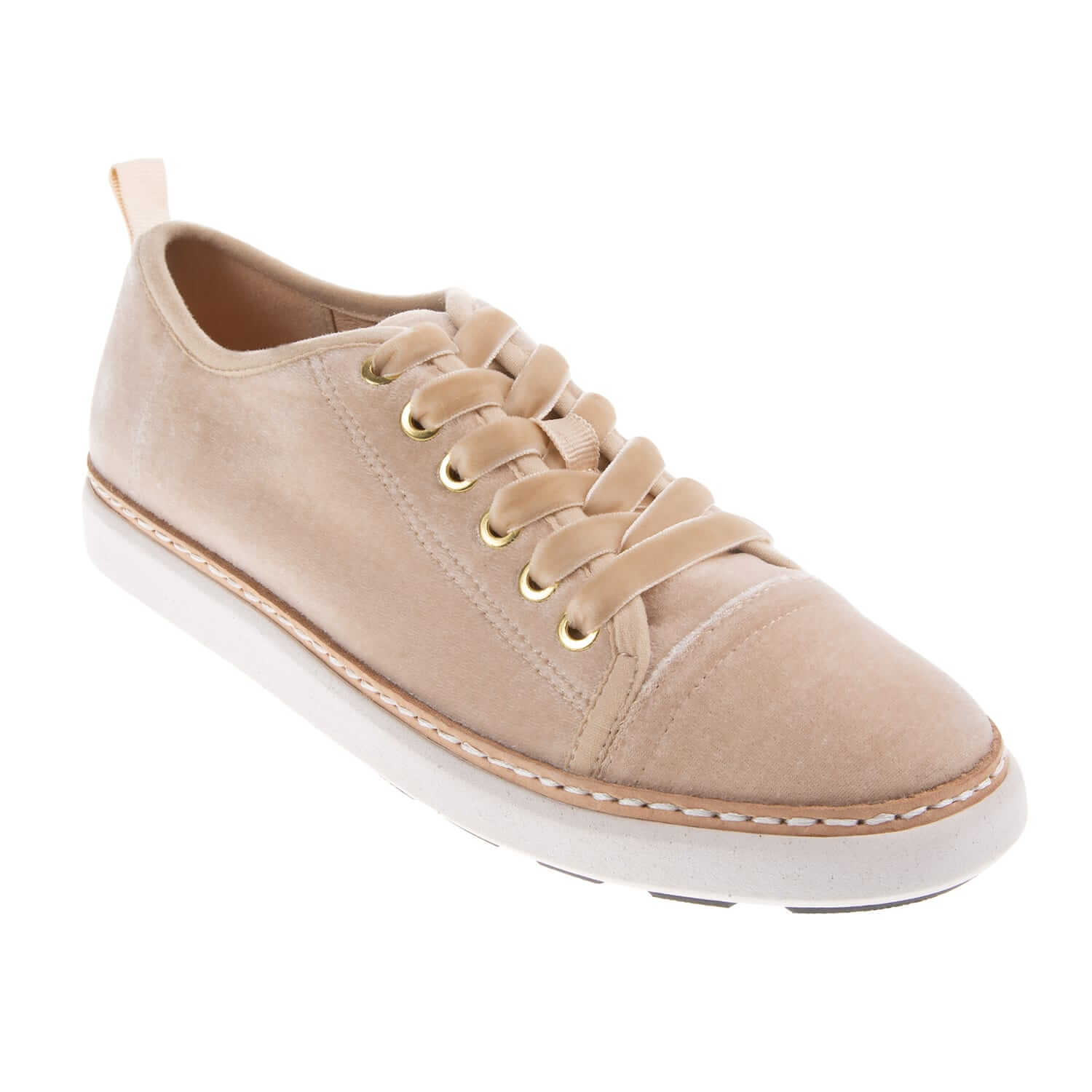
So, what exactly are they? Grounding shoes are footwear made with conductive materials that facilitate the transfer of electrons from the ground to your body. This process is also known as earthing. It mimics the experience of walking barefoot on natural surfaces like grass, sand, or dirt. The best part is that you don't have to sacrifice style for function. Modern grounding shoes come in a wide range of designs, from everyday walkers and sneakers to sandals and slip-ons, making it easy to incorporate this wellness practice into your life.
How do grounding shoes work?
Grounding shoes work by creating a direct electrical connection between you and the earth. When you walk barefoot on a conductive surface like soil or sand, your body absorbs the earth's free-flowing electrons. Grounding shoes are engineered to replicate this same effect. They are built to conduct this energy up through the sole of the shoe and into your body.
This connection is only possible when you're on a grounded surface. Think natural landscapes like grass, dirt, and beaches. Many people are surprised to learn that unsealed concrete and brick are also conductive, so you can even get grounded while walking on a city sidewalk. The shoes act as a conduit, allowing you to stay connected to the earth's energy without having to take them off.
The technology that connects you to the earth
The magic behind grounding shoes lies in their unique construction. They feature a conductive pathway that runs from the bottom of the sole to your foot. This is often achieved with a small, carbon-infused plug or plate embedded in the outsole, typically in the area of the K1 acupressure point on your foot. This external plug makes contact with the ground.
Inside, this conductive element connects to a special footbed or lining made with conductive materials like silver or carbon. When your foot touches the lining, the circuit is complete. This system creates an uninterrupted flow of energy from the earth, through your grounding shoes, and into your body. It’s a simple yet effective technology that lets you stay grounded on the go.
Grounding shoes vs. regular shoes
Most shoes you own probably have rubber or plastic soles. While these materials are durable and comfortable, they are also insulators. This means they completely block the electrical connection between you and the earth. You could be standing in a lush, grassy field, but if you’re wearing standard sneakers, you’re disconnected from the ground beneath you. Regular shoes effectively create a barrier.
Grounding shoes are designed to do the exact opposite. They are built with conductive materials that allow the earth's energy to flow freely. It's also important to know that grounding shoes are not the same as barefoot shoes. While some share a minimalist design, most barefoot shoes still use insulating rubber soles. The defining feature of a grounding shoe is its conductivity, not the thickness of its sole.
The Science Behind Grounding
The idea behind grounding, or earthing, is beautifully simple: your body reconnects with the subtle, natural energy of the Earth. It’s a practice as old as humanity itself, but now, modern science is beginning to understand the tangible health benefits that come from this connection. When you make direct contact with the ground, you allow a transfer of energy to occur. While it might sound a bit "out there," a growing body of research is exploring how this simple act can have a profound impact on your well-being, from how well you sleep to how you manage daily stress. It’s about tapping into the Earth’s surface as a resource for better health.
What the research reveals
So, what’s happening on a scientific level? The Earth’s surface holds a natural, negative electric charge. When you make direct contact with it, your body can absorb these free electrons. Think of it like plugging into a natural energy source. These electrons are believed to act like antioxidants in your body, helping to neutralize damaging free radicals. A comprehensive review of research suggests this process can help reduce inflammation, support your immune system, and even speed up wound healing. It’s a fascinating look at how our physiology is designed to interact with our natural environment.
Potential benefits of staying grounded
Now that we’ve touched on the science, let’s talk about what this means for you. When you make grounding a regular practice, you might start to notice some real, positive changes in how you feel every day. The potential benefits are wide-ranging, affecting everything from your energy levels to your mood. Here are a few of the most significant advantages researchers have observed.
Sleep more soundly
If you struggle to get a good night's rest, grounding could be a game-changer. Research shows that earthing can help normalize your body's daily rhythm of cortisol, the main stress hormone. When your cortisol cycle is balanced, it can lead to more restful and restorative sleep, helping you wake up feeling genuinely refreshed instead of groggy. A stable cortisol rhythm is fundamental to a healthy sleep-wake cycle.
Ease inflammation and pain
One of the most well-documented benefits of grounding is its ability to ease inflammation. By helping to neutralize free radicals, grounding can soothe the common signs of inflammation after an injury, such as redness, swelling, and pain. This makes it a powerful practice for anyone dealing with chronic pain conditions or simply looking to support their body’s natural recovery process after a tough workout or a long day on their feet.
Lower stress and improve your mood
Feeling constantly on edge is a hallmark of modern life, but grounding can help. It has been found to shift the nervous system from a stressed "fight-or-flight" state to a calm "rest-and-digest" mode. This physiological shift can lead to a noticeable reduction in feelings of stress and anxiety. Over time, this calming effect can contribute to an overall improvement in your mood and a greater sense of well-being.
Recover faster and feel re-energized
Grounding also appears to help your body’s natural antioxidant systems work more efficiently. For instance, studies have shown that grounded individuals may experience less muscle soreness and faster recovery after intense exercise. By supporting your body at a cellular level, grounding can help you bounce back more quickly and maintain higher energy levels throughout the day, leaving you feeling revitalized and ready for whatever comes next.
Grounding Shoes vs. Barefoot Shoes
It’s easy to see why grounding shoes and barefoot shoes are often grouped together. Both challenge the design of conventional footwear and aim to connect us more closely with the ground beneath our feet. However, they achieve this connection in very different ways and for different reasons. One focuses on electrical connection, while the other focuses on physical sensation and movement. Understanding the distinction is key to finding the right shoe for your wellness goals.
Comparing soles and conductivity
The biggest difference between these two types of footwear lies in their soles. The primary purpose of grounding shoes is to create an electrical connection between your body and the earth. To do this, they feature soles with conductive elements, like carbon or silver, that allow the earth’s natural energy to flow into your body. This is what facilitates the practice of grounding, or earthing, while you walk.
Barefoot shoes, on the other hand, are designed to mimic the feeling of walking barefoot. Their soles are typically very thin and flexible, but they are not necessarily conductive. The goal of a barefoot shoe is to allow for natural foot movement and sensory feedback from the ground, not to conduct an electrical charge. While some barefoot shoes made with natural materials like leather may offer a slight grounding effect, it’s not their main function.
Comfort and everyday wear
When it comes to comfort, your choice depends on what you’re looking for. Barefoot shoes are built with a "zero-drop" platform (meaning no height difference from heel to toe) and a wide toe box. This design encourages your toes to spread out and your feet to move naturally, which can help strengthen foot muscles over time. However, the minimalist feel isn't for everyone and can take some getting used to.
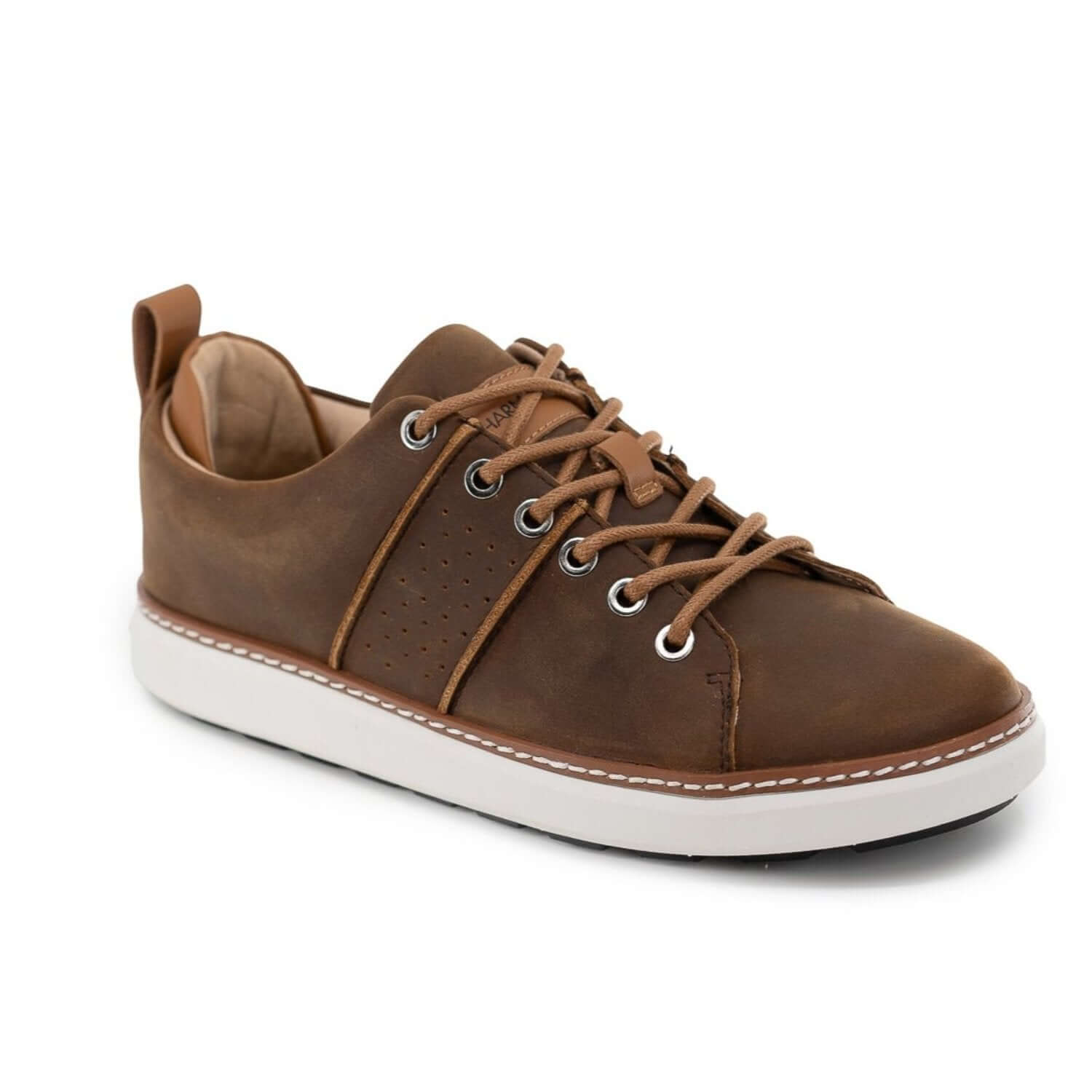
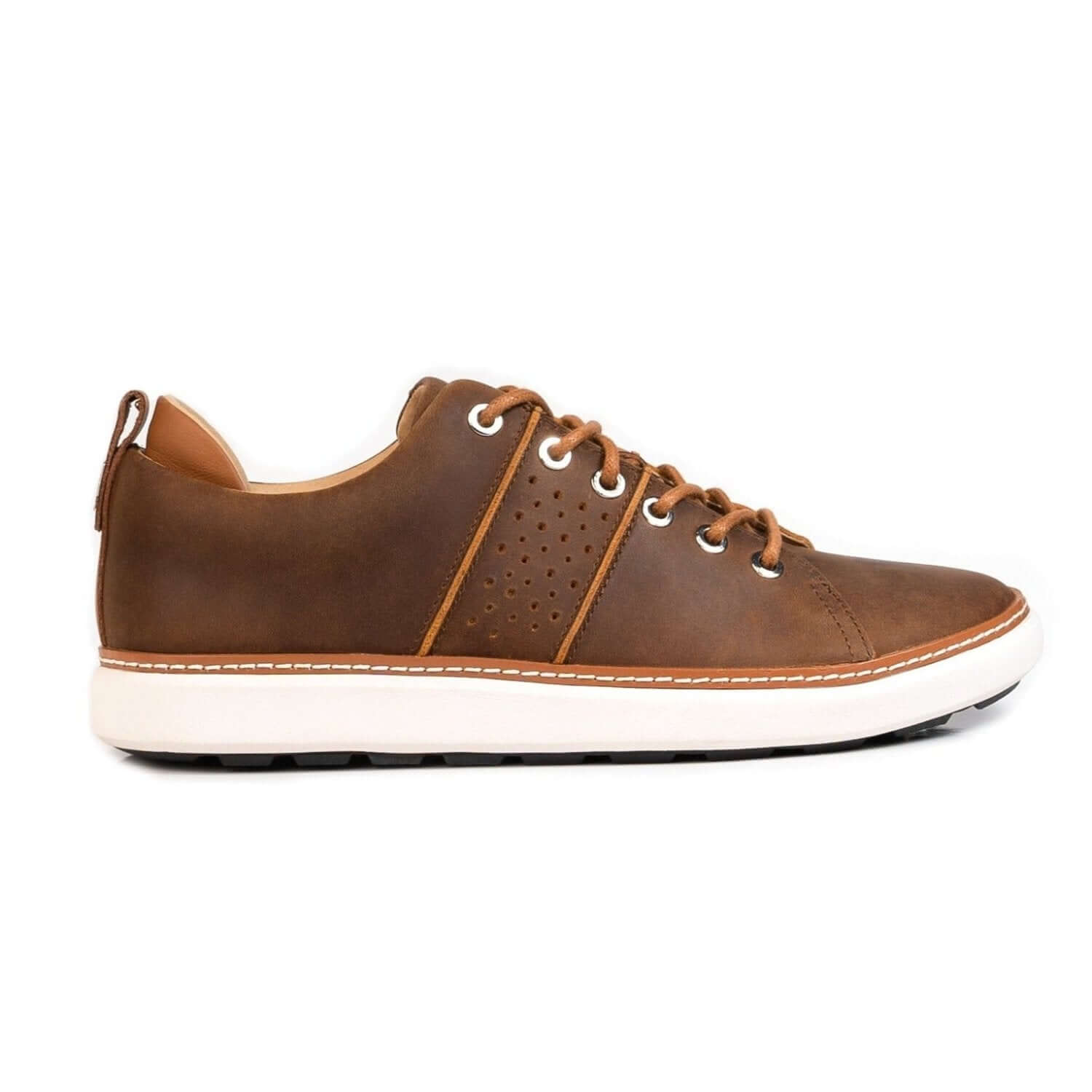
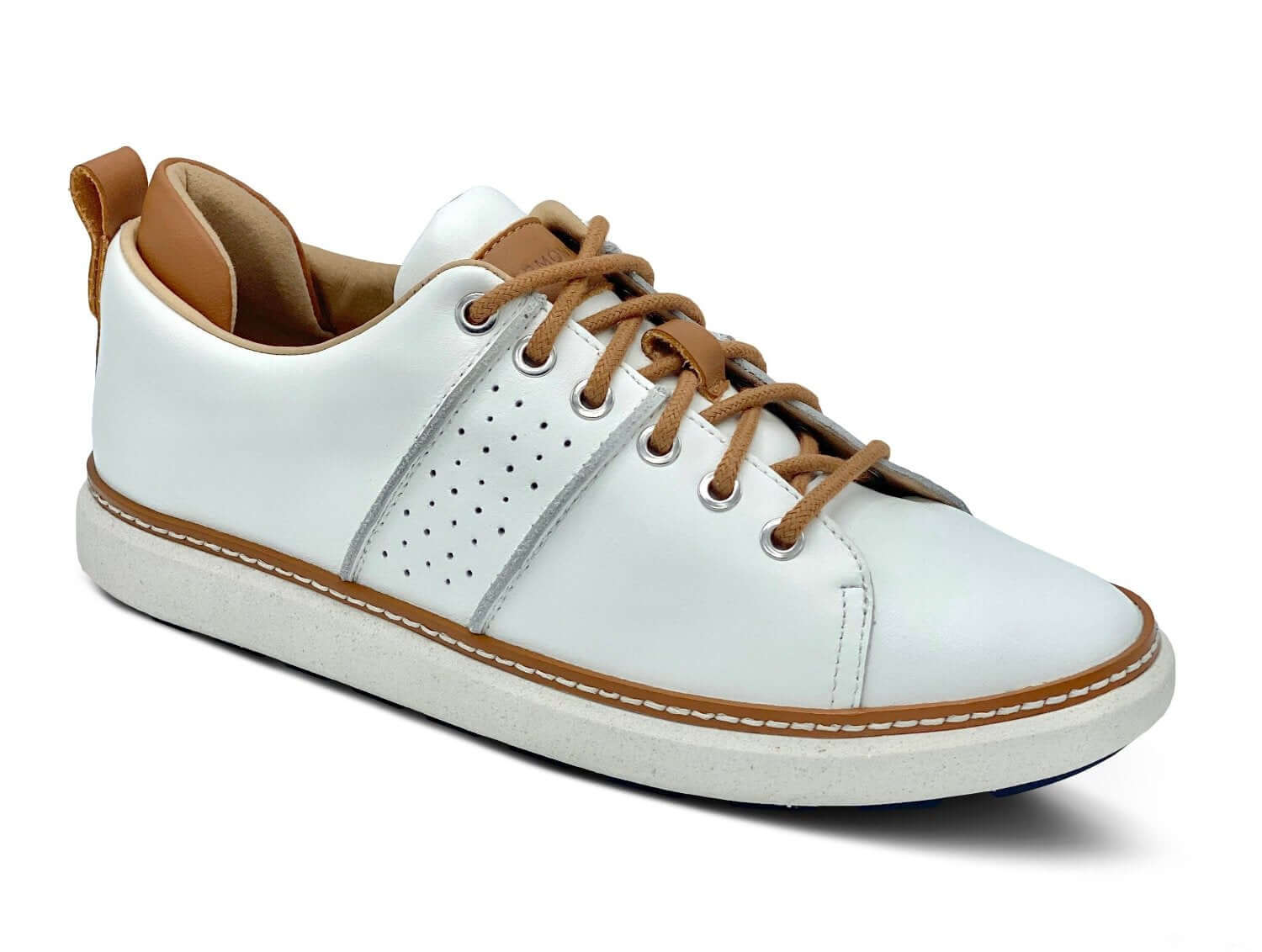
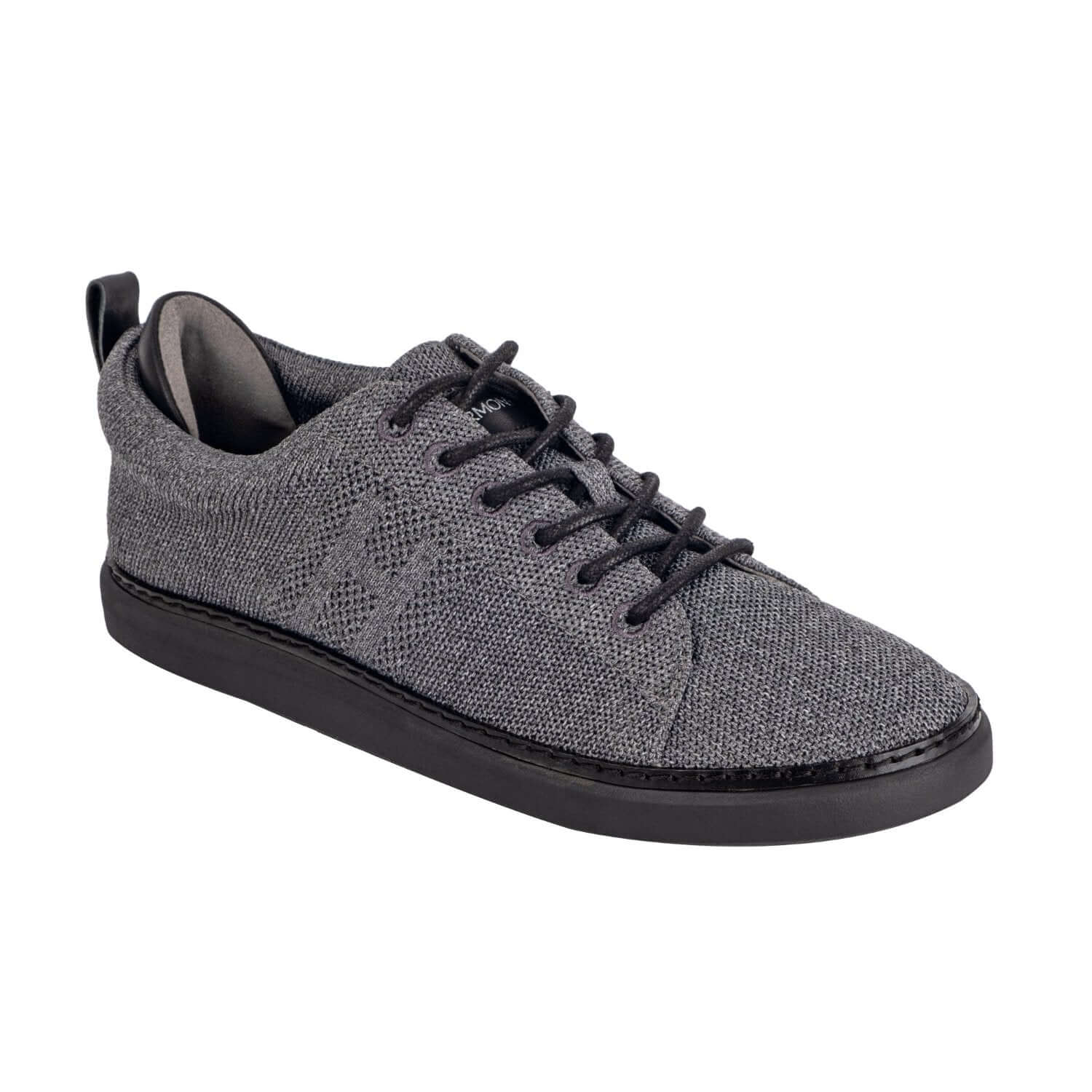
Grounding shoes offer a different approach. At Harmony 783, we believe you shouldn’t have to sacrifice cushion and style to experience the benefits of what is grounding. Our shoes are designed to provide the familiar comfort and support of your favorite everyday walkers or sneakers while still keeping you connected to the earth. This makes them an easy and comfortable switch for anyone looking to incorporate grounding into their daily routine without a lengthy adjustment period.
How to choose which is right for you
So, which shoe is right for you? The answer comes down to your personal goals. If your main objective is to tap into the wellness benefits of earthing, like reducing inflammation and improving your mood, then grounding shoes are the clear choice. They are specifically engineered to ensure you stay electrically connected to the earth on conductive surfaces like grass, sand, and concrete.
If your focus is more on biomechanics, strengthening your feet, and improving your posture by adopting a more natural gait, then barefoot shoes might be what you’re looking for. The good news is, you don’t always have to choose. Many modern grounding shoes incorporate minimalist design principles, offering a comfortable fit that still allows for a good range of motion. This way, you can support your body’s natural alignment while staying grounded.
How to Choose the Right Grounding Shoes
Ready to find your first pair of grounding shoes? It’s an exciting step toward reconnecting with the earth’s natural energy. But with different options available, you want to make sure you’re choosing a pair that’s both effective and a perfect match for your lifestyle. Think about what you need from a shoe: Is it for daily walks, running errands, or relaxing on the weekend? The right pair will feel great and deliver the grounding benefits you’re looking for. Here’s what to consider to make sure you find the perfect fit.
Check for conductive materials
The magic of grounding shoes lies in their conductive technology. Unlike regular shoes with rubber soles that insulate you, grounding shoes are specifically designed to create an electrical connection between your body and the earth. This is what allows you to absorb the ground's natural energy. When you're shopping, look for shoes made with conductive materials. This often includes carbon-infused rubber outsoles or plugs, or sometimes natural materials like leather. These components act as a bridge, letting the earth's electrons flow through the shoe and into your body. Understanding what is grounding is the first step to appreciating how these materials work for you.
Find your perfect style and fit
Grounding doesn’t mean you have to give up on style or comfort. The best grounding shoes are the ones you’ll actually want to wear every day. Luckily, you can find them in all sorts of styles, from casual walkers and sneakers to sandals and slip-ons. Think about your daily routine and what you enjoy doing. Do you need a sturdy pair for walking the dog or something easy to slide on for a trip to the farmers market? At Harmony 783, we believe you should never have to choose between feeling good and looking good. Our grounding shoes are designed to fit seamlessly into your life, offering both comfort and fashion for any occasion.
Do they work on all surfaces?
This is a great question, and the answer is key to getting the most out of your shoes. For grounding to work, you need to walk on a surface that is naturally conductive. Think of places like grass, sand, soil, gravel, and even unsealed concrete or stone. These surfaces allow the electrical charge from the earth to pass through to your shoes. On the other hand, grounding shoes won't work on surfaces like asphalt, wood, vinyl, or most indoor flooring, as these materials are insulators. So, while you can wear your grounding shoes anywhere, you’ll experience the benefits when you’re connected to the right kind of ground.
How to test your connection
If you’re curious about whether your shoes are really working, you can test them yourself. The most common way to check for conductivity is with a tool called a multimeter or a continuity tester. These devices can show if there is a complete electrical circuit from the earth, through your shoe, and to your body. While it’s not necessary to test your shoes, especially when you buy from a trusted brand, it can be a fun way to see the science in action. A simpler test? Just notice how you feel. Many people report feeling calmer, more balanced, and more centered after spending time walking on a natural surface in their grounding shoes.
Common Myths About Grounding Shoes
As more people discover the benefits of earthing, it's natural for questions and a bit of confusion to arise. Grounding is a simple concept, but there are a few common myths floating around about the footwear designed to help you do it. Let's clear up some of the biggest misconceptions so you can feel confident in your journey to get grounded. Understanding the facts will help you find the right shoes and start experiencing the benefits for yourself.
Myth: They're the same as barefoot shoes
It’s easy to see why people mix these two up. Both grounding shoes and barefoot shoes are popular in the wellness community and often focus on a more natural foot experience. However, they serve very different purposes. "Barefoot" shoes are designed with a thin, flexible sole and a wide toe box to mimic the feeling of walking barefoot. The goal is to improve foot strength and natural movement. While some grounding shoes share this minimalist design, their primary feature is conductivity. Most barefoot shoes have standard rubber soles that act as a barrier, insulating you from the earth. True grounding shoes, on the other hand, use specific conductive materials to create a direct connection, allowing you to absorb the earth's energy.
Myth: They're a medical cure-all
While many people report feeling amazing benefits from grounding, it's important to see it as a wellness practice, not a medical treatment. Think of it like yoga or meditation; it’s a tool to support your overall well-being. Reputable companies will focus on the science of what is grounding and the electrical connection it provides, rather than making specific health claims. Grounding shoes won't cure diseases, but they can be a powerful part of a healthy lifestyle that helps you manage stress, improve sleep, and feel more balanced. It’s about reconnecting with a natural energy source that’s always been there for us.
Myth: All grounding shoes are created equal
Not all shoes that claim to be "grounding" will actually connect you to the earth. The effectiveness of a grounding shoe comes down to its materials and construction. Some shoes may use leather soles, which can be conductive in moist conditions, but their performance can be inconsistent. High-quality grounding shoes use intentionally engineered conductive technology, like carbon-infused plugs or layers in the sole, to ensure a reliable and constant connection. When you're shopping, look for brands that are transparent about how their technology works. This ensures you're investing in a product that truly delivers on its promise to keep you grounded.
Our Favorite Grounding Styles for Men and Women
Finding the right grounding shoes is all about matching your footwear to your lifestyle. Long gone are the days when wellness-focused shoes meant sacrificing style. Now, you can find beautifully designed options that keep you connected to the earth, whether you’re heading to the office, hitting the trail, or just relaxing at home. The best part is that you don’t have to change your routine to start grounding; you just have to change your shoes. It’s a simple switch that can make a significant difference in how you feel day-to-day.
Our collection of grounding shoes includes styles for every occasion, making it easy to stay grounded no matter where your day takes you. Think about your weekly routine. Do you spend most of your time in an office, walking city streets? Or are you more likely to be found on a hiking path or working in your garden? Maybe you just want something comfortable for around the house. Whatever your answer, there’s a grounding shoe designed for that purpose. From classic sneakers and professional-looking slip-ons to breezy sandals and rugged trail shoes, there’s a perfect pair waiting to help you reconnect and recharge. Let’s look at some of our favorite styles for men and women.
Walkers and sneakers for everyday grounding
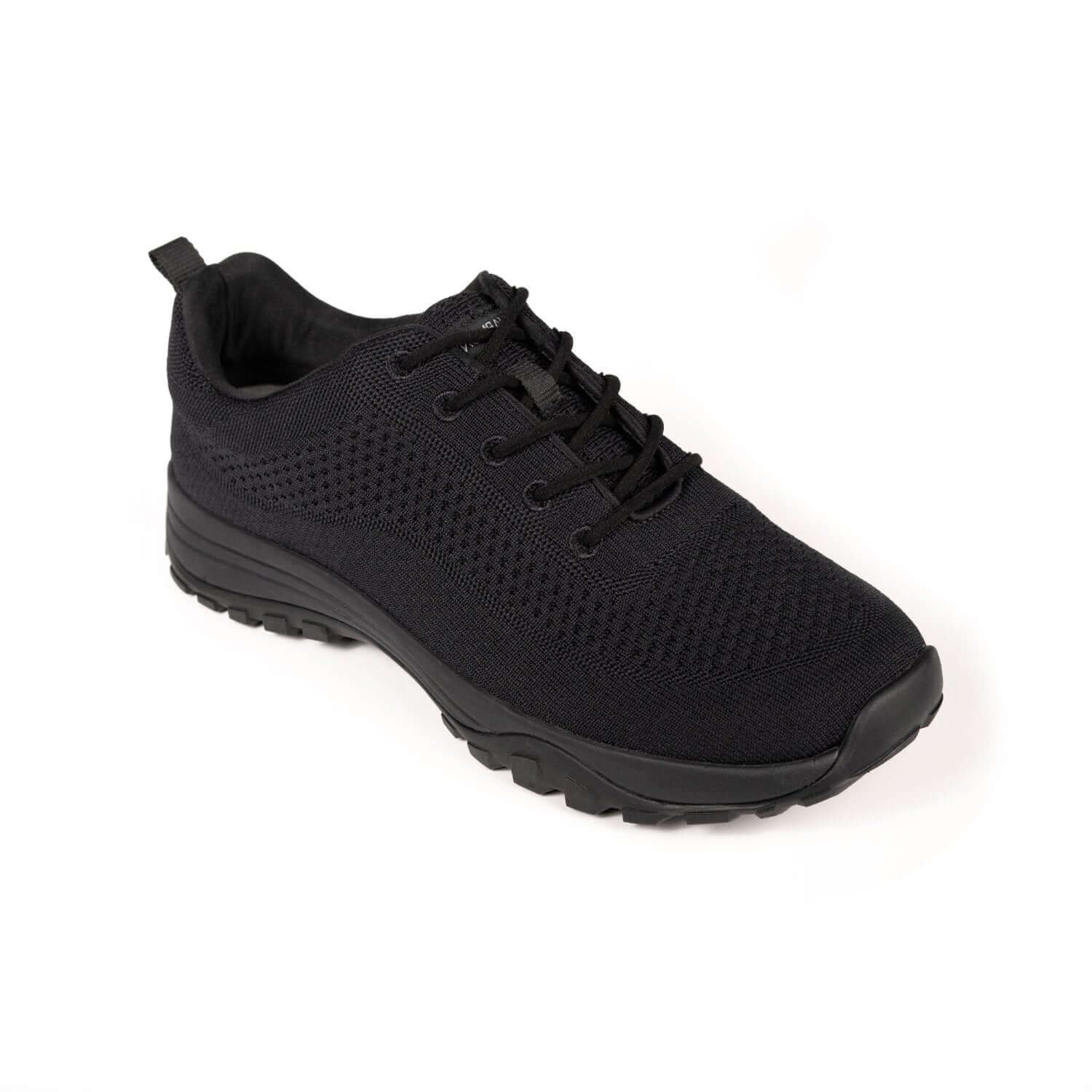
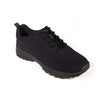
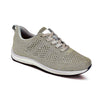
For most of us, walkers and sneakers are the go-to choice for daily life. They’re perfect for running errands, taking the dog for a walk, or getting your steps in. Grounding walkers and sneakers seamlessly integrate the practice of earthing into your existing routine. Many people find that consistent grounding helps with common issues like fatigue and poor sleep, offering a simple way to support your overall well-being. By wearing conductive footwear during your daily activities, you’re effortlessly connecting with the Earth’s natural energy while you’re on the move. It’s a practical and comfortable way to make grounding a consistent part of your wellness journey.
Sandals, slip-ons, and trail shoes for any adventure
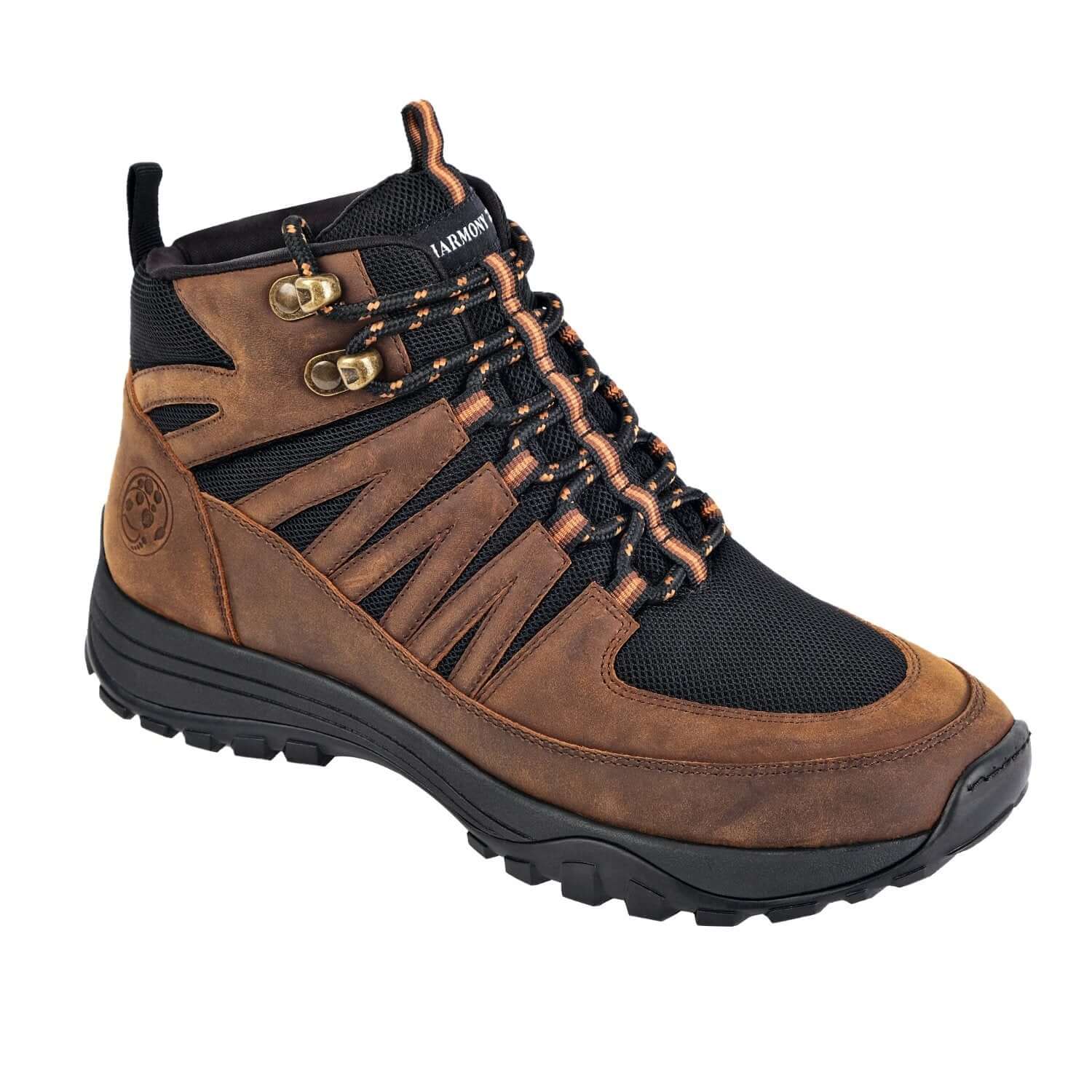
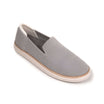
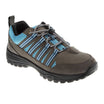
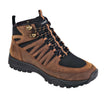
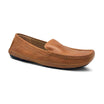
When the weather warms up or adventure calls, you need footwear that can keep up. Grounding sandals and slip-ons offer a breezy, barefoot-like experience, letting you feel connected to the earth on beach days, park visits, or casual strolls. For more rugged excursions, grounding trail shoes provide the durability and support you need without disconnecting you from the ground beneath your feet. These styles are designed to give you a direct connection to the earth’s surface, allowing you to absorb its natural energy while you explore. Whether you’re navigating a forest path or just enjoying a sunny afternoon, these versatile styles make grounding feel like a natural extension of your adventure.
Flip flops and conductive socks for casual comfort
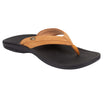
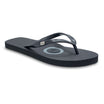
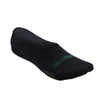
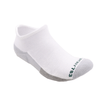
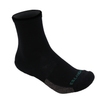
Sometimes, you just want easy, comfortable footwear for lounging at home or quick trips outside. Grounding flip flops are the ultimate in casual convenience, perfect for slipping on to grab the mail or relax in the backyard. For an extra layer of comfort, you can pair your shoes with conductive socks. While the moisture from your feet can help create a connection through thin, natural-fiber socks, conductive socks are woven with silver threads to ensure a solid and consistent ground connection. They’re a fantastic option for cooler days or for anyone who wants to maximize their grounding time, even while wearing shoes.
Ready to Get Grounded?
Feeling inspired to try grounding for yourself? That's fantastic. Choosing your first pair of grounding shoes is an exciting step toward reconnecting with the earth's natural energy. But with so many options out there, it's smart to know what to look for. Shopping online gives you access to a wide variety of styles, but it also means you can't physically inspect the shoes before buying. Don't worry, I've got you covered. Here are a few simple tips to help you shop with confidence and find a pair that truly delivers on its promise.
Tips for buying grounding shoes online
When you're browsing online, remember the main purpose of these shoes: they are designed to create an electrical connection between your body and the earth. This is what allows you to experience the benefits of what is grounding even when you can't be barefoot. A good product description should clearly explain how the shoes achieve this. Once your shoes arrive, you can even test their effectiveness with a simple tool called a continuity meter. This device shows if there's a complete electrical circuit from your foot, through the shoe, and to a grounded surface, confirming your shoes are doing their job. It’s a great way to get peace of mind with your purchase.
How to find quality grounding footwear
The secret to quality grounding footwear lies in the materials. Traditional shoes with rubber or plastic soles act as insulators, blocking the earth's energy. For a true connection, you need conductive materials. Look for shoes made with natural leather soles or those featuring specially designed conductive carbon and rubber outsoles. Our grounding shoes use this technology to ensure a reliable flow of energy. It's also important not to confuse grounding shoes with barefoot shoes. While some share a minimalist design, most barefoot shoes have rubber soles that prevent grounding. Quality grounding footwear is built specifically to connect you to the earth, combining thoughtful design with conductive materials.
Related Articles
- Grounding Shoes Explained: Why Copper Isn’t the Only Way to Stay Connected to the Earth
- Earthing & Grounding Basics: FAQs Explained | Harmony 783
- Grounding Techniques for Anxiety Relief | Harmony 783
Frequently Asked Questions
Do I need to wear socks with my grounding shoes? For the most direct connection, going sockless is a great option. However, we know that's not always practical or comfortable. The moisture from your feet can often create a conductive path through thin socks made from natural fibers like cotton or wool. If you love wearing socks, you can also try specialty conductive socks, which are woven with silver threads to guarantee a strong connection.
On what types of ground do these shoes actually work? Grounding shoes work their magic on conductive surfaces that allow energy to flow from the earth. This includes natural ground like grass, dirt, sand, and gravel. You can also stay connected while walking on unsealed concrete and brick, which is great for city dwellers. They will not provide a grounding connection on insulating surfaces like asphalt, wood decks, vinyl, or most indoor flooring.
How long does it take to notice the effects of grounding? This is different for everyone, as our bodies all respond in unique ways. Some people report feeling a sense of calm or balance almost immediately. For other benefits, like more restful sleep or a decrease in general aches, it might take a few weeks of consistent use to notice a real difference. The key is to make it a regular part of your routine.
Is there any risk of getting an electric shock? This is a common question, and the answer is no. The connection you make with the earth through grounding shoes is with its gentle, natural surface energy. These shoes are not designed to protect you from or conduct power from man-made electrical sources. You should always use common sense and avoid wearing them in severe thunderstorms or near downed power lines.
How are grounding shoes different from barefoot shoes again? It's an easy point of confusion, but the main difference is their purpose. Grounding shoes are built for electrical connection; they use conductive materials in the sole to allow the earth's energy to flow into your body. Barefoot shoes are built for physical feeling; they use thin, flexible soles to help you feel the ground and strengthen your feet, but most are made with insulating rubber that blocks the earth's energy.