





Yoga and meditation often begin before you step onto the mat. The walk to your practice space, time spent outdoors, and the moments after a session can all shape how grounded and comfortable you feel. The right footwear can support those transitions without turning a mindful routine into a technical project.
Grounding shoes for yoga and meditation are purpose-built footwear designed to create a conductive path between your feet and a suitable surface. They are usually removed for barefoot yoga, but they may be useful for arriving, leaving, outdoor meditation, walking meditation, or grounding before and after practice. Their value depends on the shoe's construction, the surface, and your personal comfort.
Grounding research is still developing, so it helps to keep expectations realistic. Start by learning what makes conductive footwear different from ordinary barefoot shoes, then match the style and setting to the way you actually practice. For a broader look at daily use, see this guide to grounding shoes for everyday life.
What makes grounding shoes useful for yoga and meditation?
Grounding and earthing describe the same basic idea: connecting the body to Earth's electrical charge. That connection can happen directly, such as walking barefoot on soil, or indirectly through conductive footwear and materials. In a grounding shoe, the design needs more than a thin or flexible sole. Conductive materials must create a path from the ground to the feet, and the surface under you must also support that connection. Learn more about how conductive footwear is described.
This is also why ordinary barefoot shoes are not automatically grounding shoes. A barefoot shoe may encourage natural foot movement, but it does not necessarily include a conductive pathway. If grounding is part of your goal, look for footwear specifically designed and tested for that purpose rather than assuming a minimalist shape is enough.
Where can grounding footwear fit into a practice?
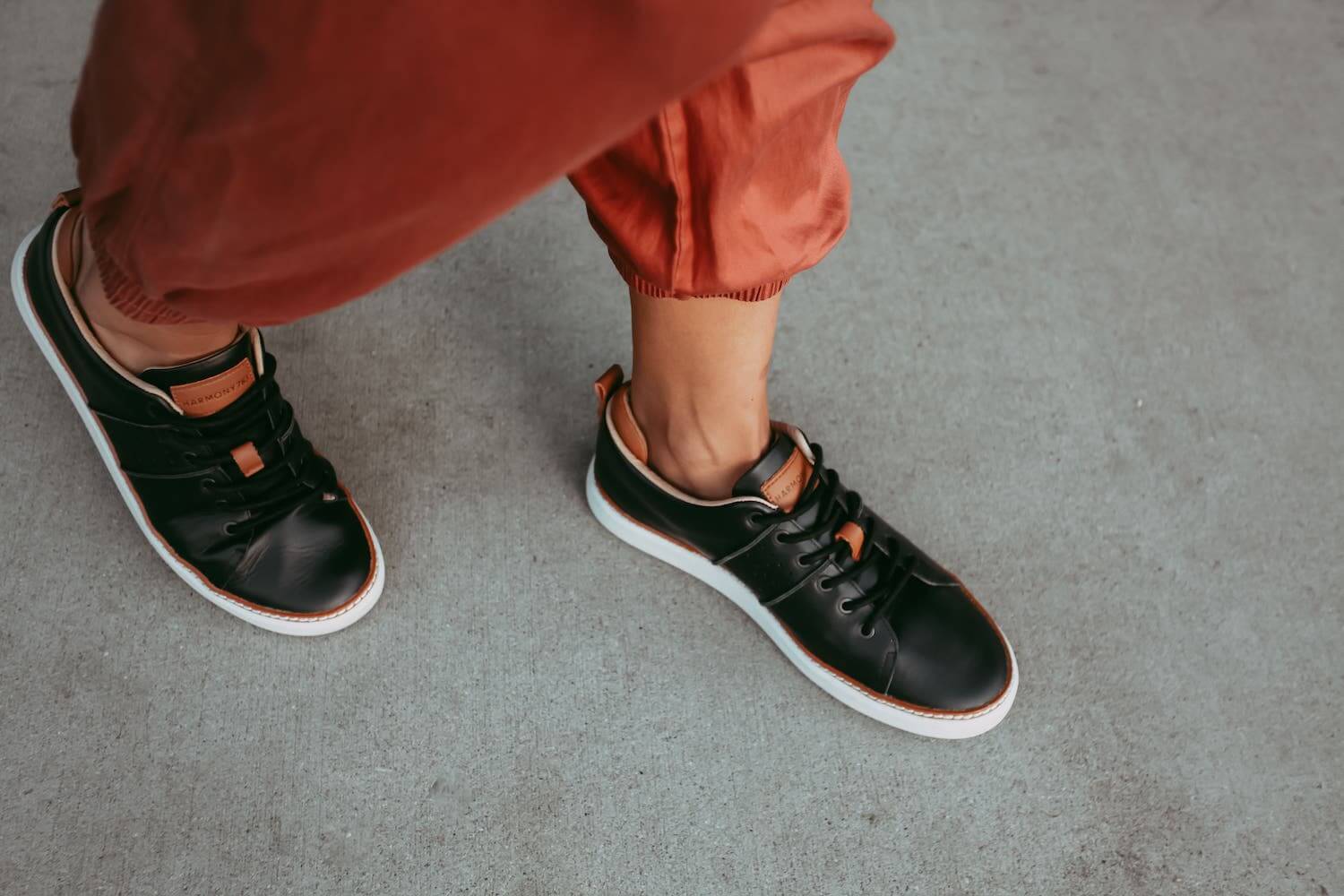
Most yoga sessions are done barefoot for balance, grip, and connection with the mat. Grounding footwear can still have a useful role around the practice. Wear it while walking into class, moving between an indoor studio and an outdoor space, or standing quietly before you begin. Afterward, it can support a short walk or a transition into meditation without requiring you to go barefoot in every setting.
Outdoor meditation and walking meditation are especially practical uses. A slow walk on a natural surface can become a simple way to settle your attention before sitting. Harmony 783 also frames grounding footwear as useful for arrival, transitions, outdoor meditation, and walking practice, rather than as something to wear through every pose. See this guide to grounding shoes for everyday life for more ways to build the habit.
The science is still developing. A review indexed by PubMed notes that further research is needed to clarify grounding's potential health effects. That makes a measured approach important. Use grounding shoes as a practical wellness tool that may help you feel more connected to an outdoor routine. Do not treat them as medical care. Choose a comfortable pair, follow your studio's rules, and let the practice itself remain the focus.
Can you wear grounding shoes to yoga class?
Usually, no. Most studios ask you to remove shoes before stepping onto a yoga mat. Bare feet help you feel your balance, keep the mat clean, and follow the studio's practice. Grounding shoes can still fit naturally around the session. Think of them as footwear for the walk to class, outdoor meditation, and transitions, not as something you need to keep on during every pose.
Use this simple approach to make grounding shoes for yoga and meditation part of your routine without forcing them into the wrong setting:
- Wear them on the way to class. Choose a comfortable pair for your walk from the car, commute, or time spent waiting before the session. If you are walking outdoors, remember that the surface matters. Grass, sand, soil, mud, and rock are described as conductive, while wood is not. Concrete may conduct, but asphalt and vinyl are not suitable grounding surfaces according to the cited footwear guidance. A shoe alone does not create a connection on every surface. Learn more about conductive surfaces.
- Remove them for mat work. Follow the studio's rules and take your shoes off before practice. Place them where they will stay clean and dry. If you move from the studio to an outdoor space, put them back on for the transition. This keeps the role of the footwear practical and respects the way most yoga classes are taught.
- Use them for outdoor meditation. After class, you might sit or stand on grass or soil for a quiet meditation. Harmony 783's guidance suggests spending at least 20 minutes on soil or grass as a grounding practice. Treat that as an optional routine, not a promise of a medical effect. For more ideas, explore this guide to grounding shoes for everyday life.
- Try walking meditation. A slow walk after yoga can help you shift from a busy class back into the rest of your day. Keep your pace easy, pay attention to each step, and choose a surface that supports the type of grounding connection the shoe is designed for. You can also wear the shoes on the walk home or during errands after practice.
- Make transitions easy. Slip-ons can be useful when you move between the studio, a garden, and a meditation space. Other people may prefer sneakers for longer walks or sandals in warm weather. Prioritize fit, comfort, and the practice setting. Grounding footwear is a wellness tool, not a replacement for professional medical care, and it may not connect on every surface.
The goal is not to wear shoes through every part of yoga. It is to use purpose-built footwear where it makes sense, then enjoy the mat with bare feet. That approach leaves room for both studio etiquette and a more connected outdoor routine.
Which grounding shoe style fits your practice?
The best style depends on what happens before, after, and around your practice. Most yoga sessions are done barefoot or in socks, so grounding footwear does not need to stay on the mat. It can help you move comfortably from the car to the studio, walk outside for meditation, or stay connected during a quiet transition between activities.
| Style. | Best setting. | Breathability and support. | Transition needs. |
|---|---|---|---|
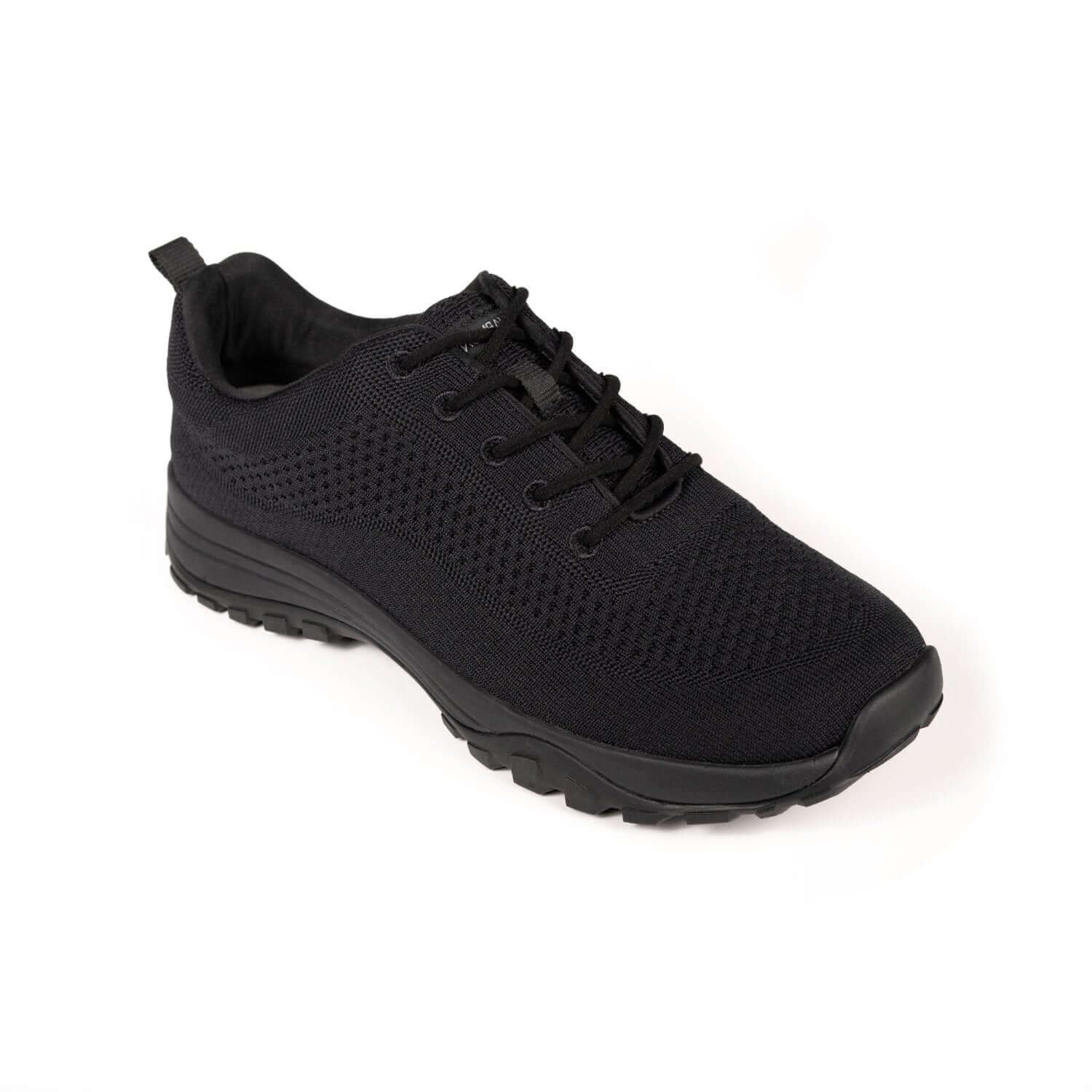
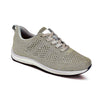
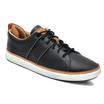
| Sneakers. | Walking to class, outdoor movement, and everyday wear. | Breathable bamboo-knit construction with performance support. | Good when your routine includes movement before or after practice. |
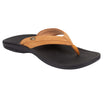
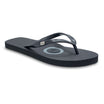
| Sandals. | Warm weather, patios, and relaxed outdoor meditation. | Open design with arch support. | Easy to remove before stepping onto a mat. |
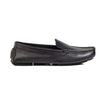
| Slip-ons. | Short trips, seated meditation, and low-impact activities. | Cushioned heel pads and easy on-the-go comfort. | Fastest option when you need to switch from shoes to bare feet. |
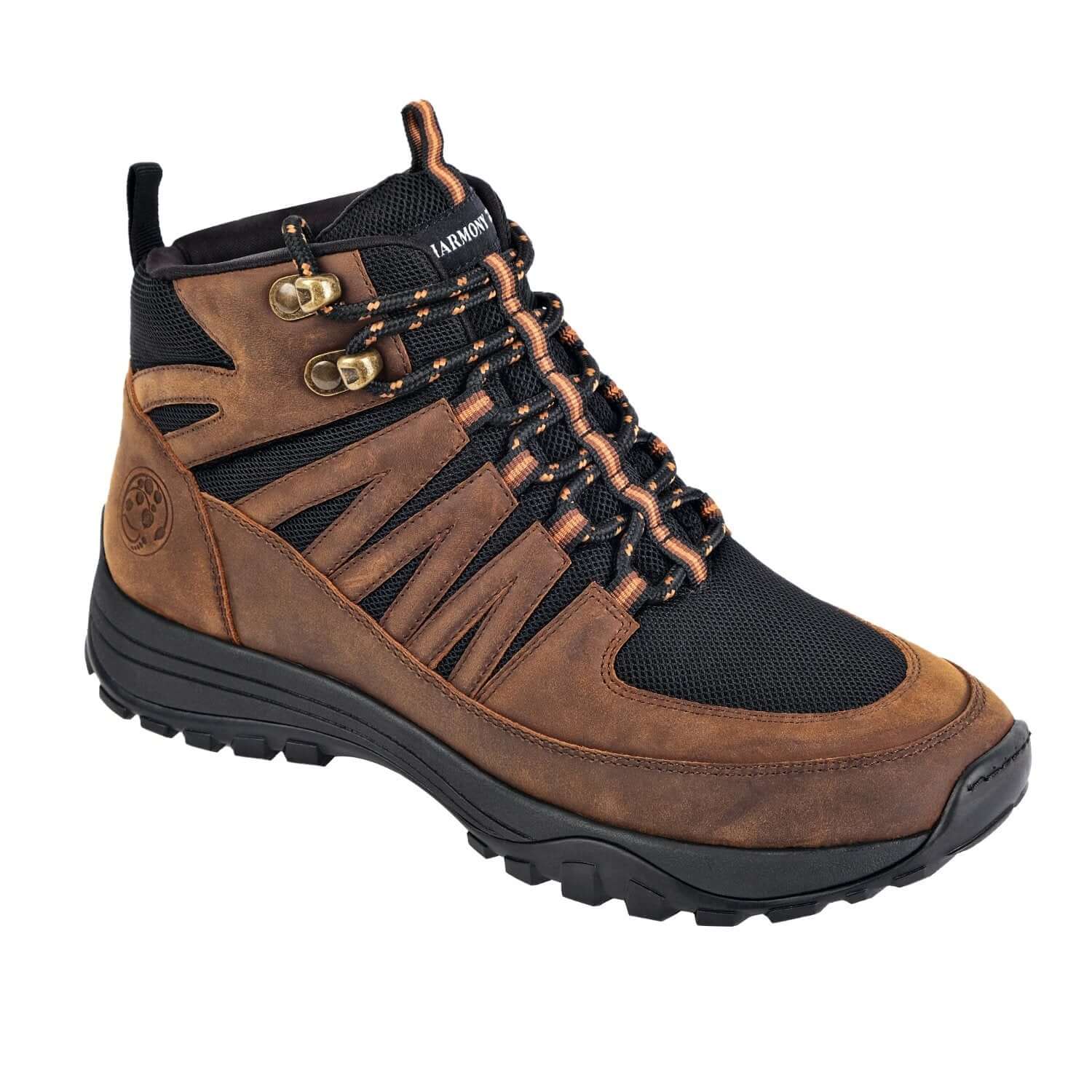
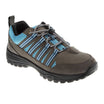
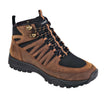
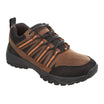
| Walkers. | Longer walks, errands, and walking meditation. | Supportive choice when distance and steady comfort matter. | Useful when practice is part of a larger active day. |
Match the shoe to the transition
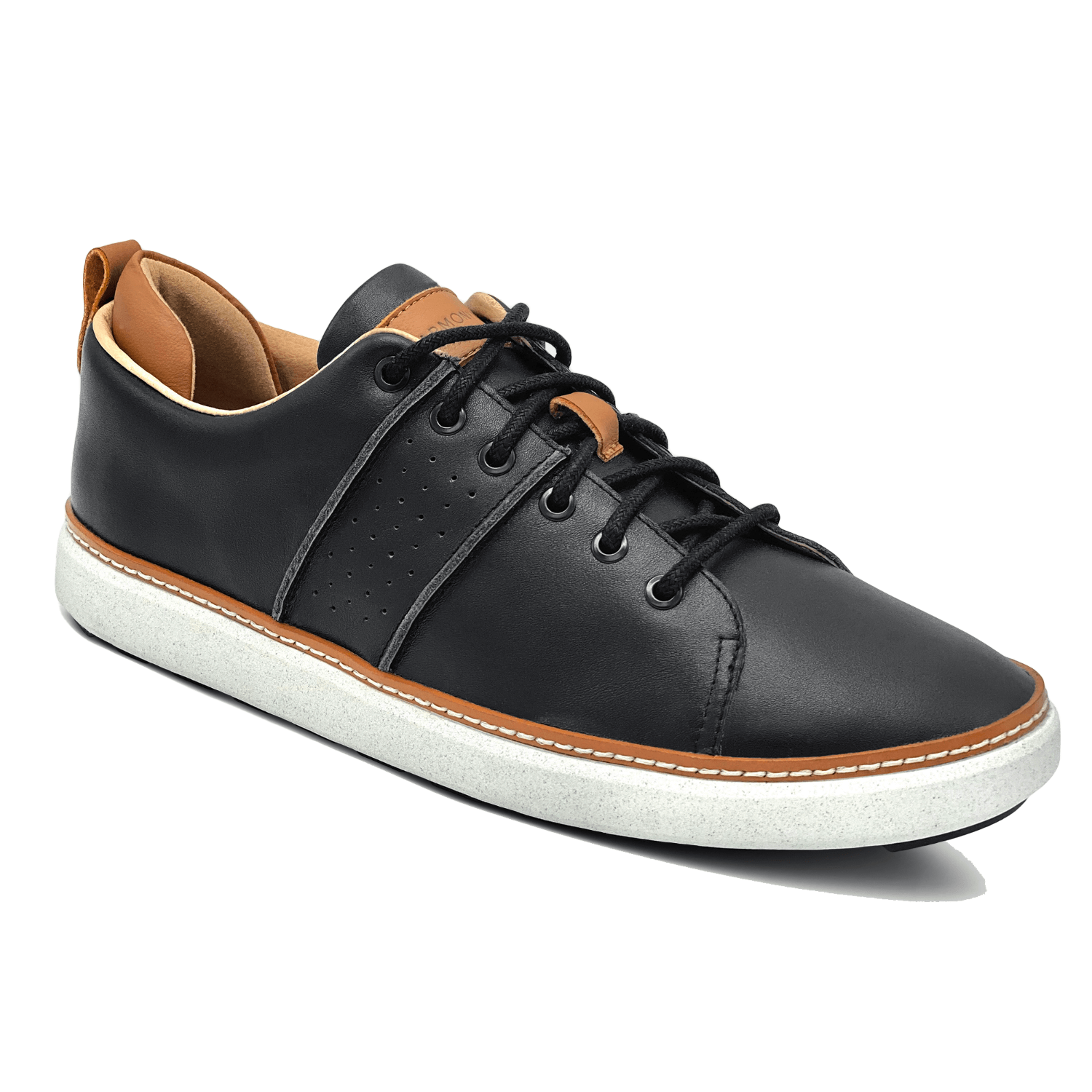
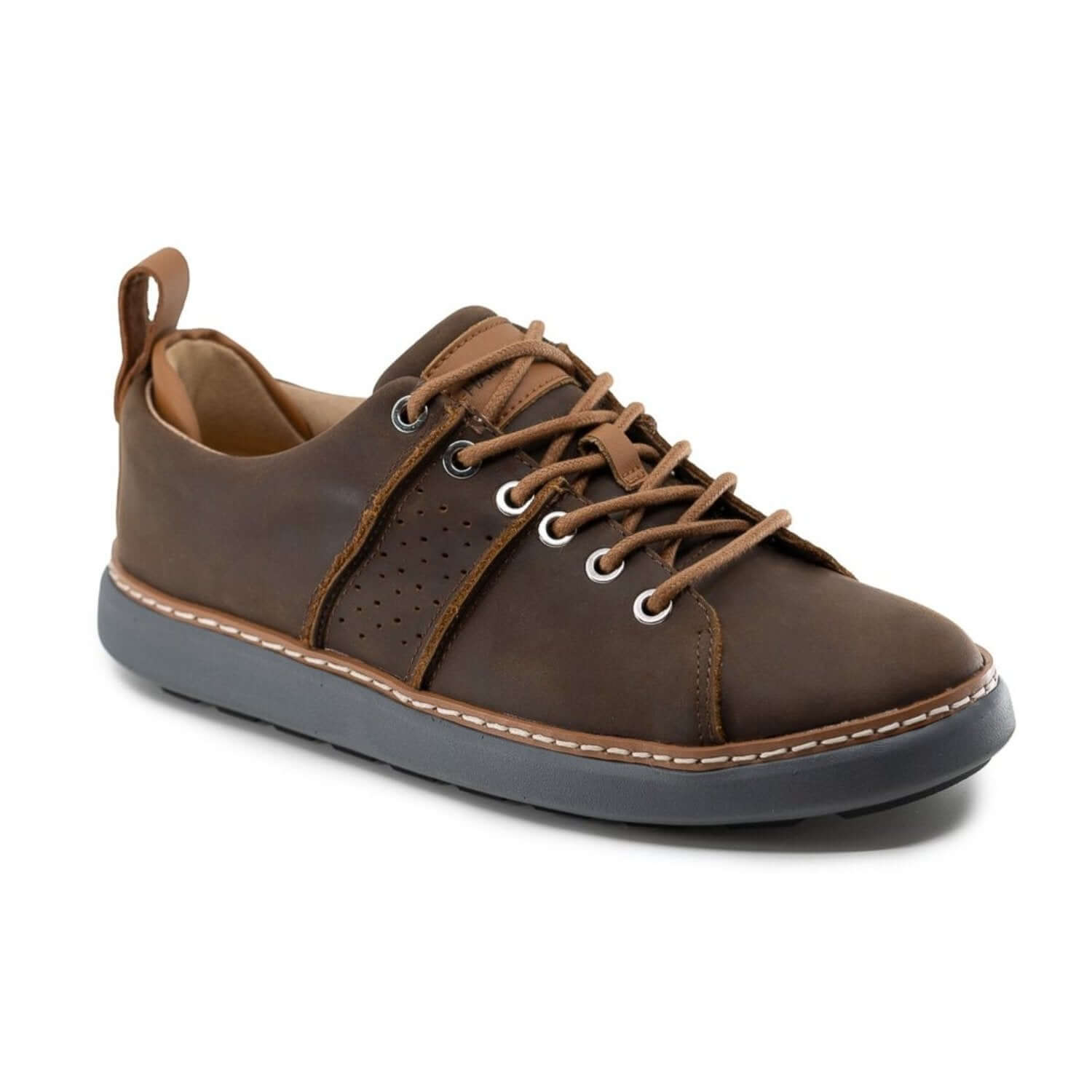
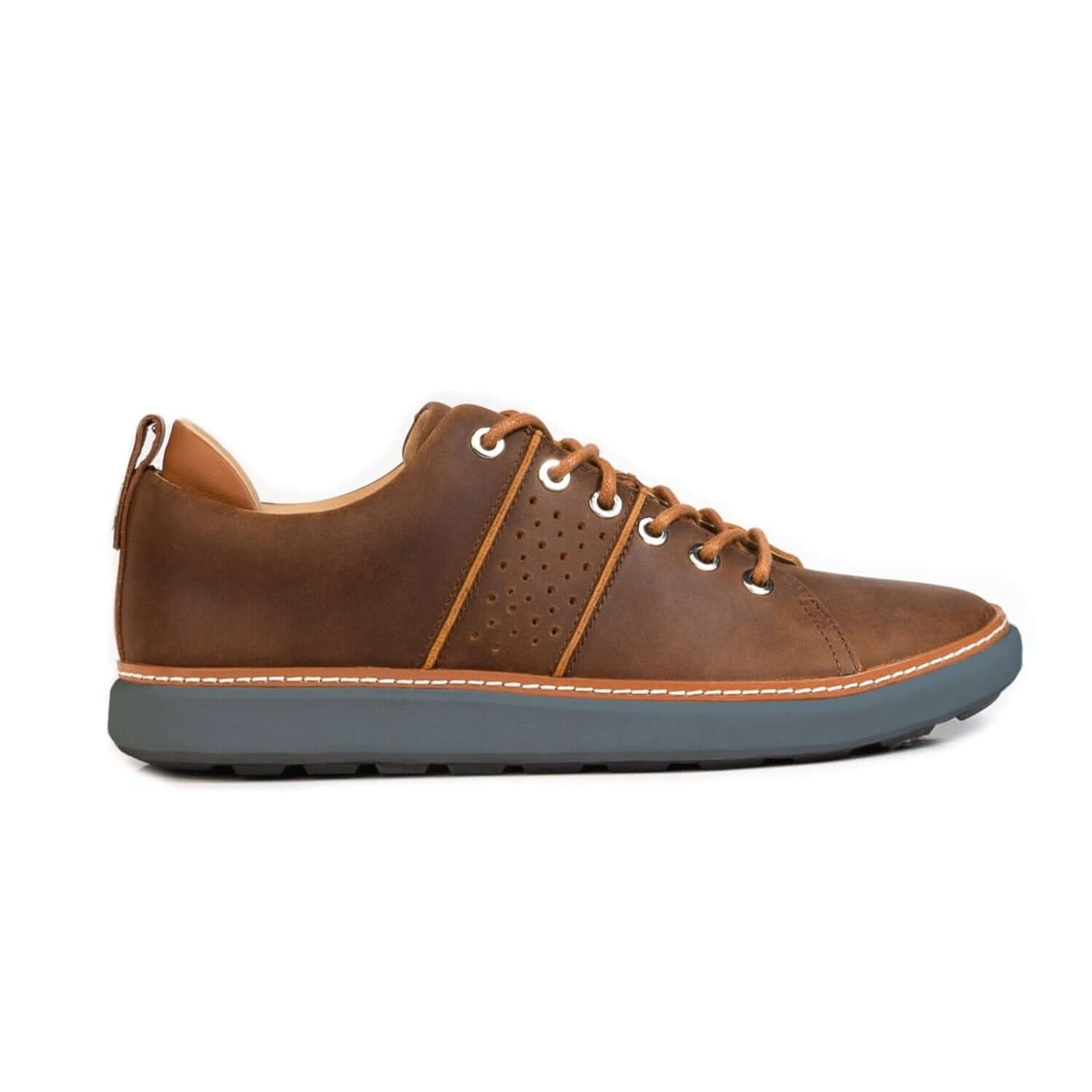
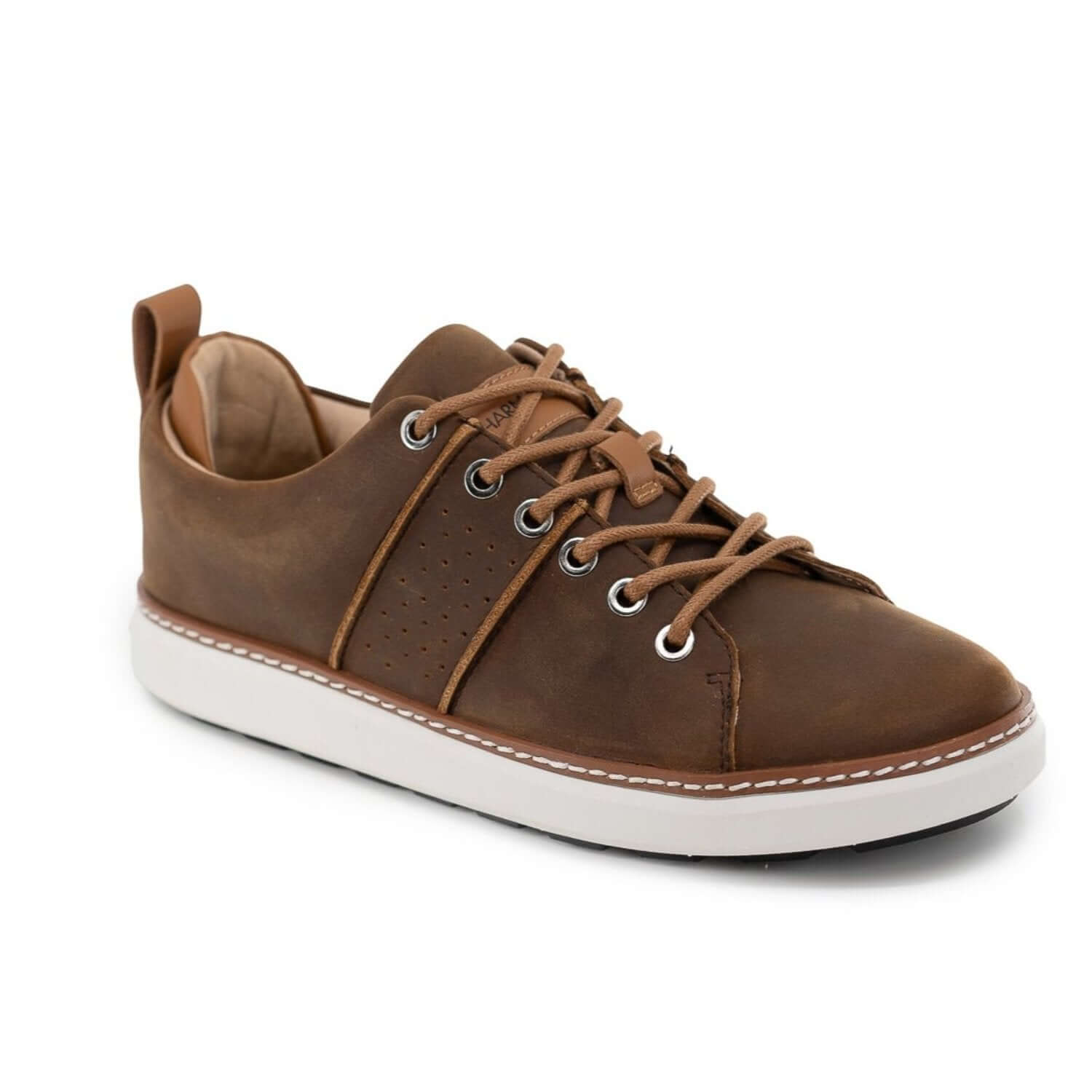
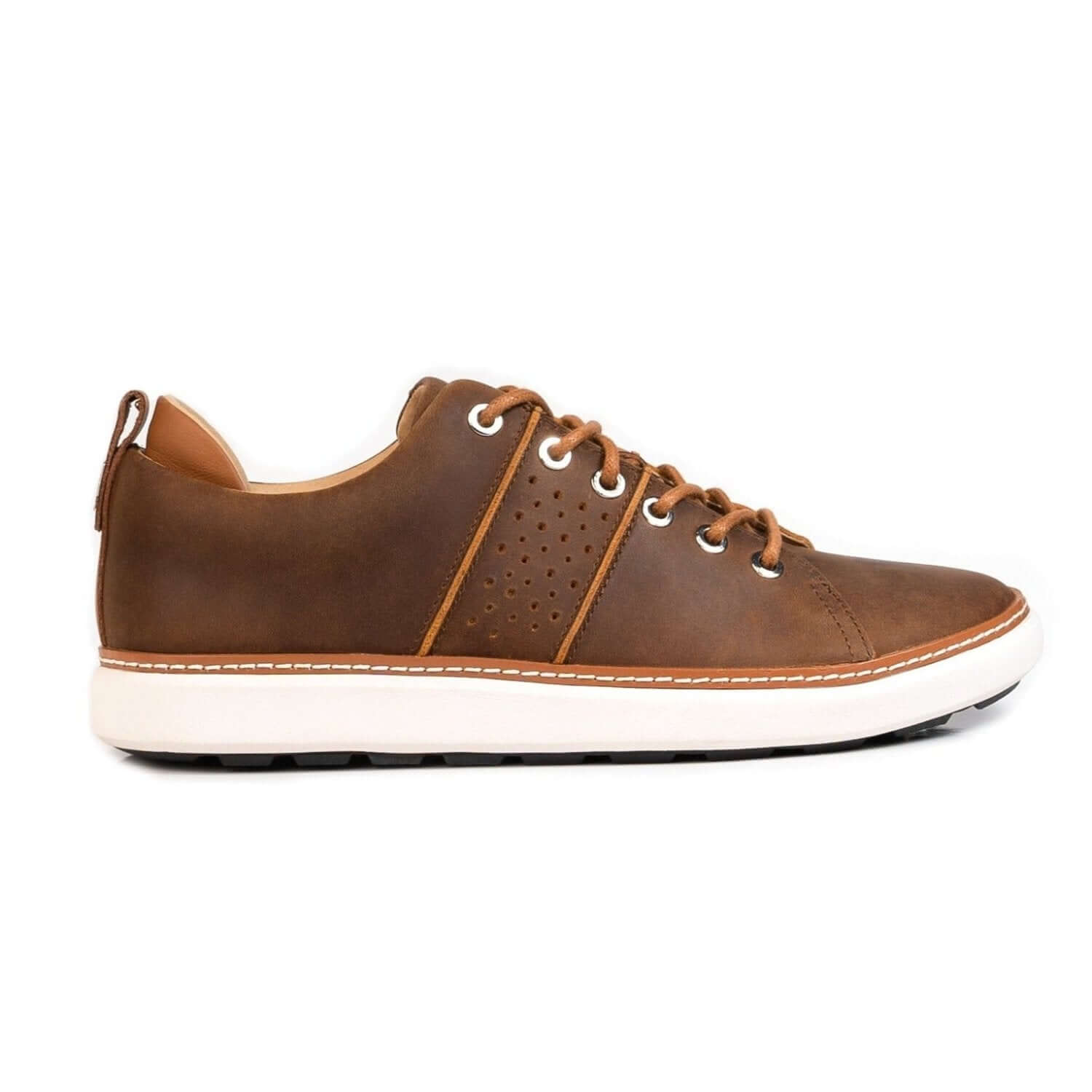
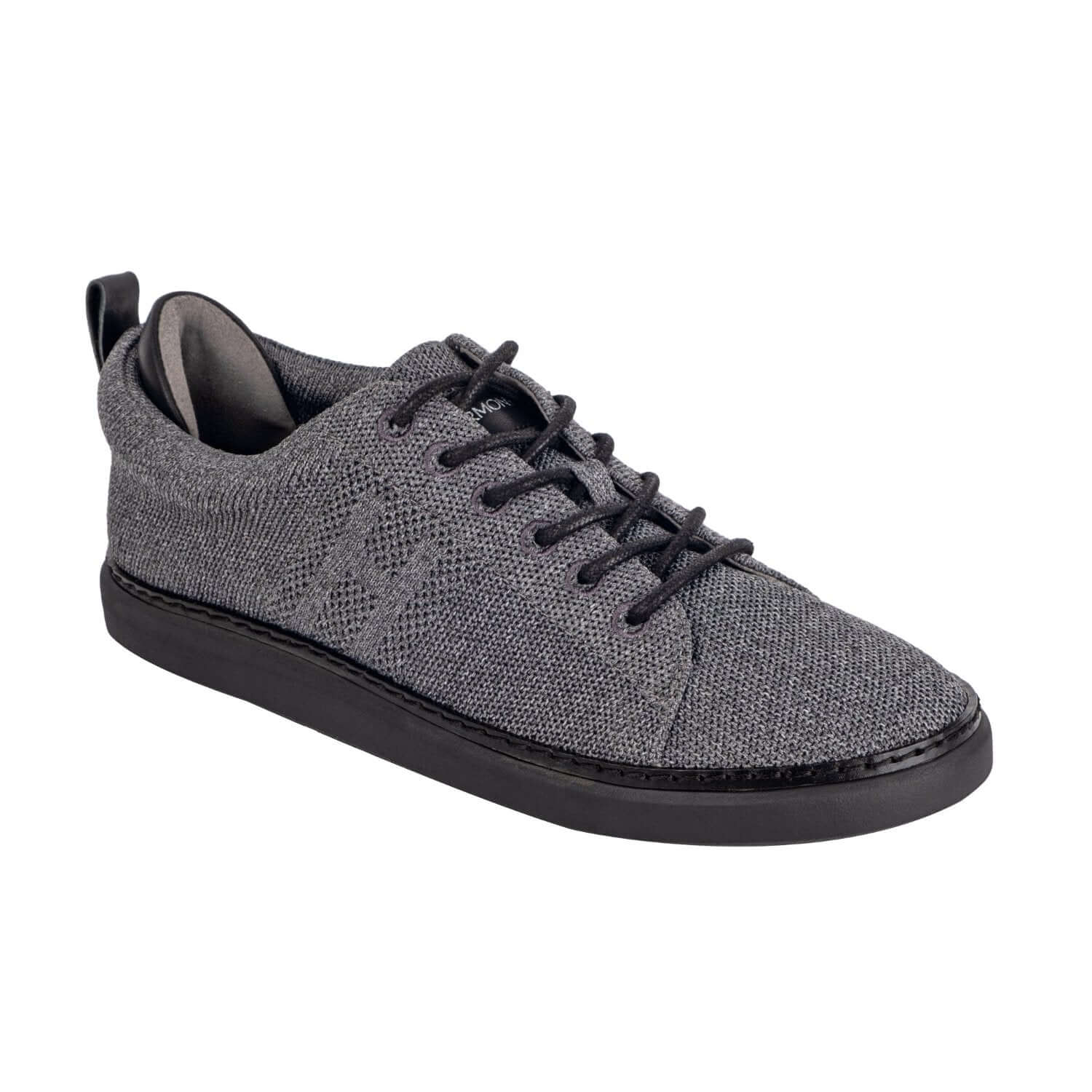
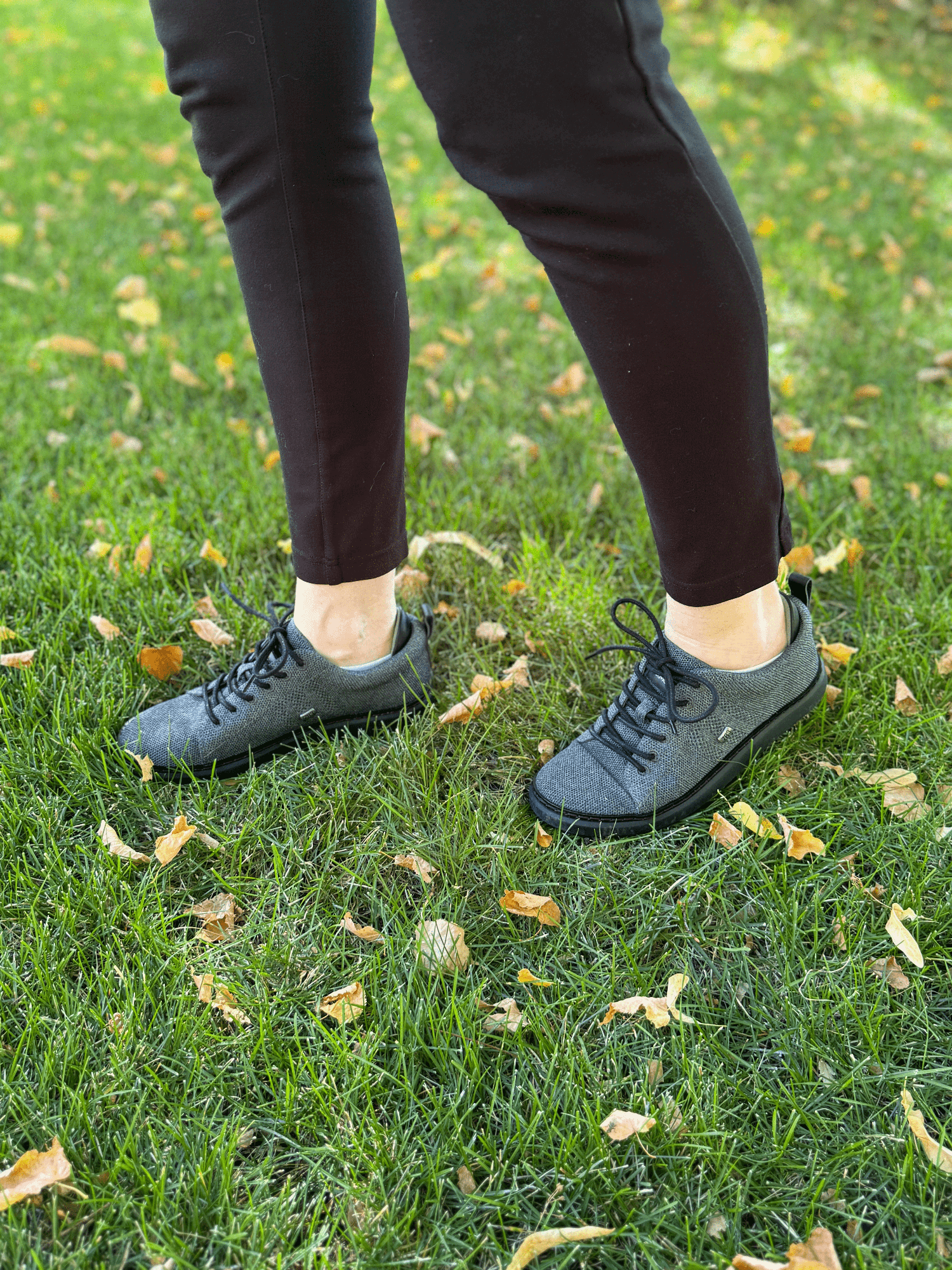
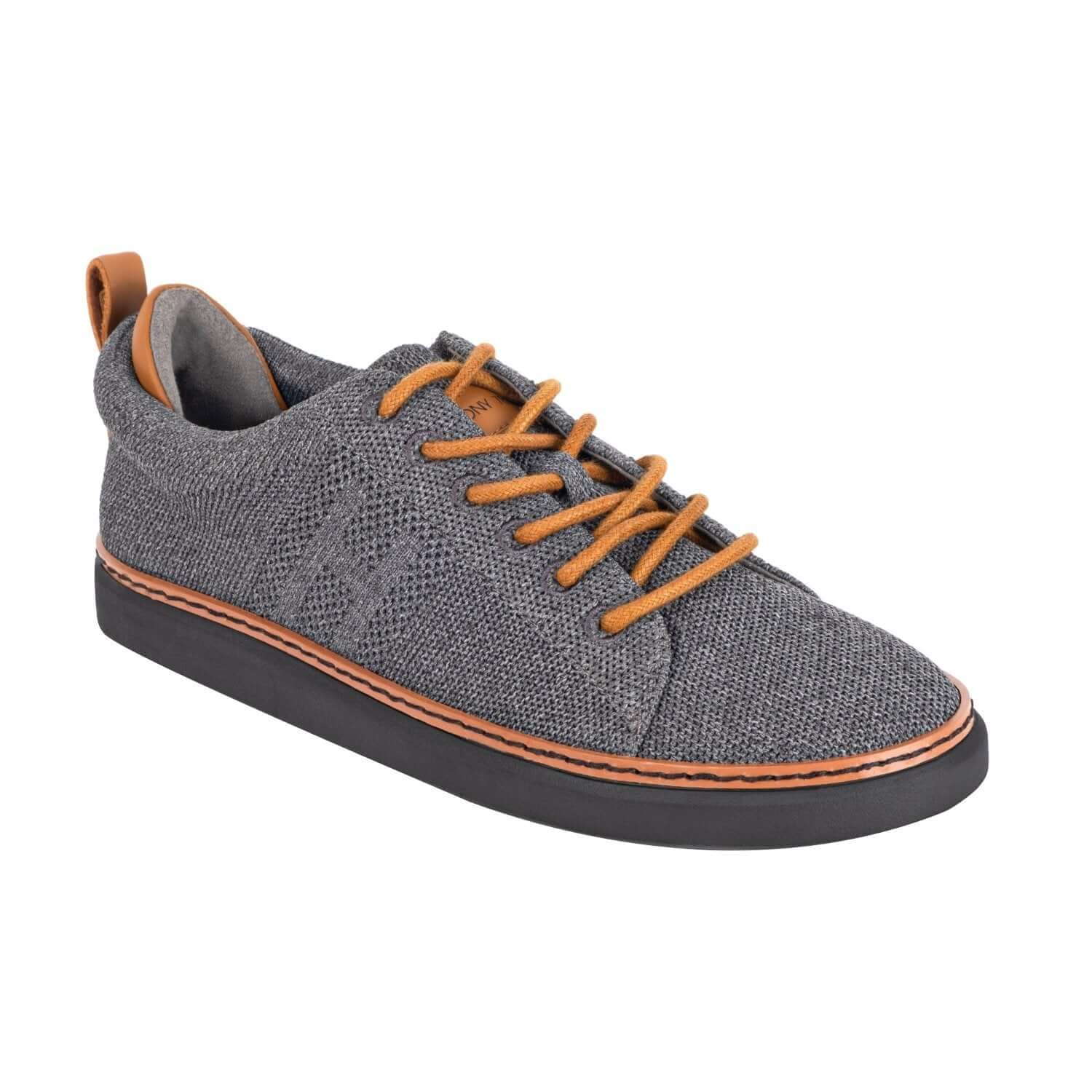
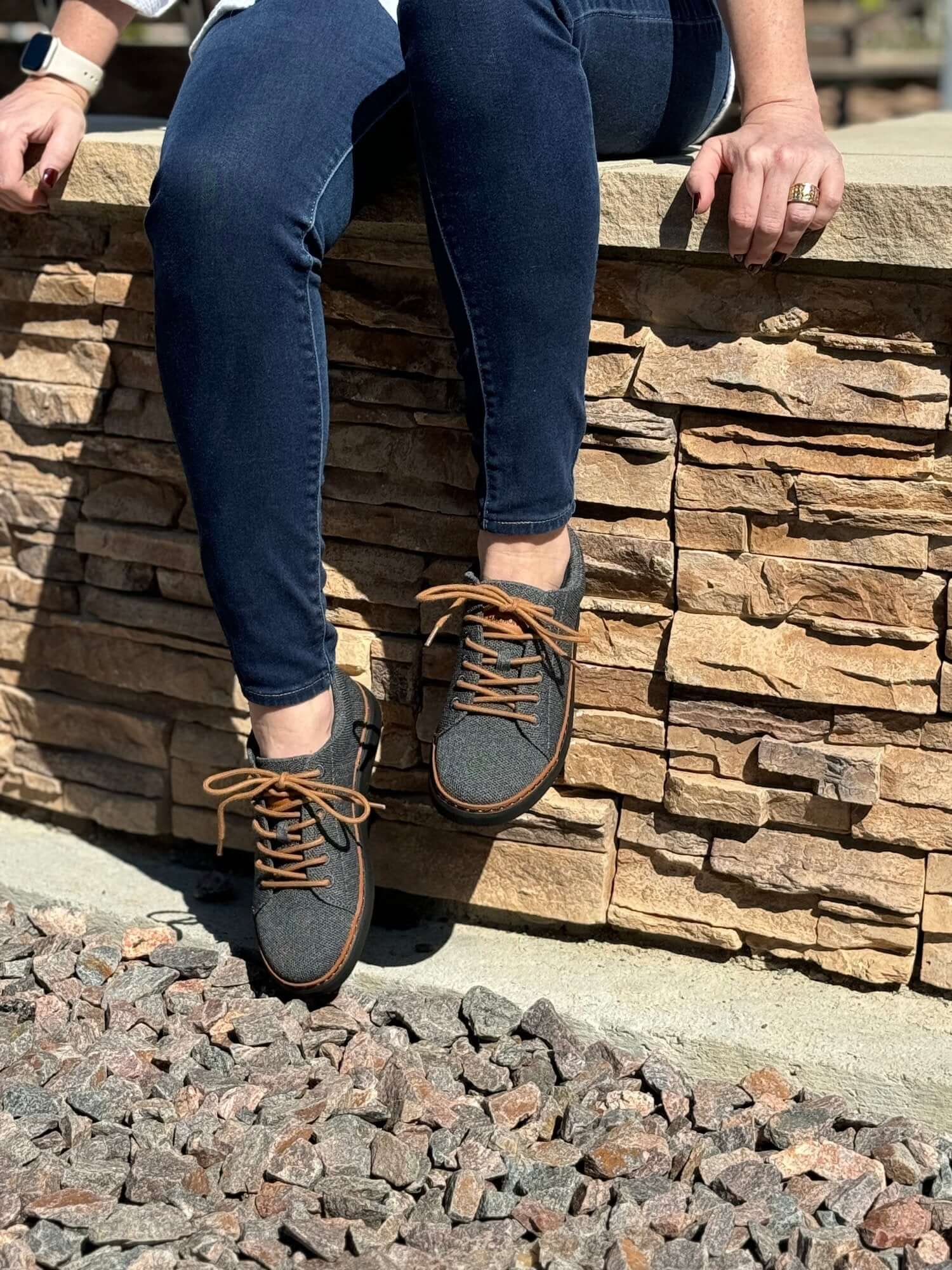
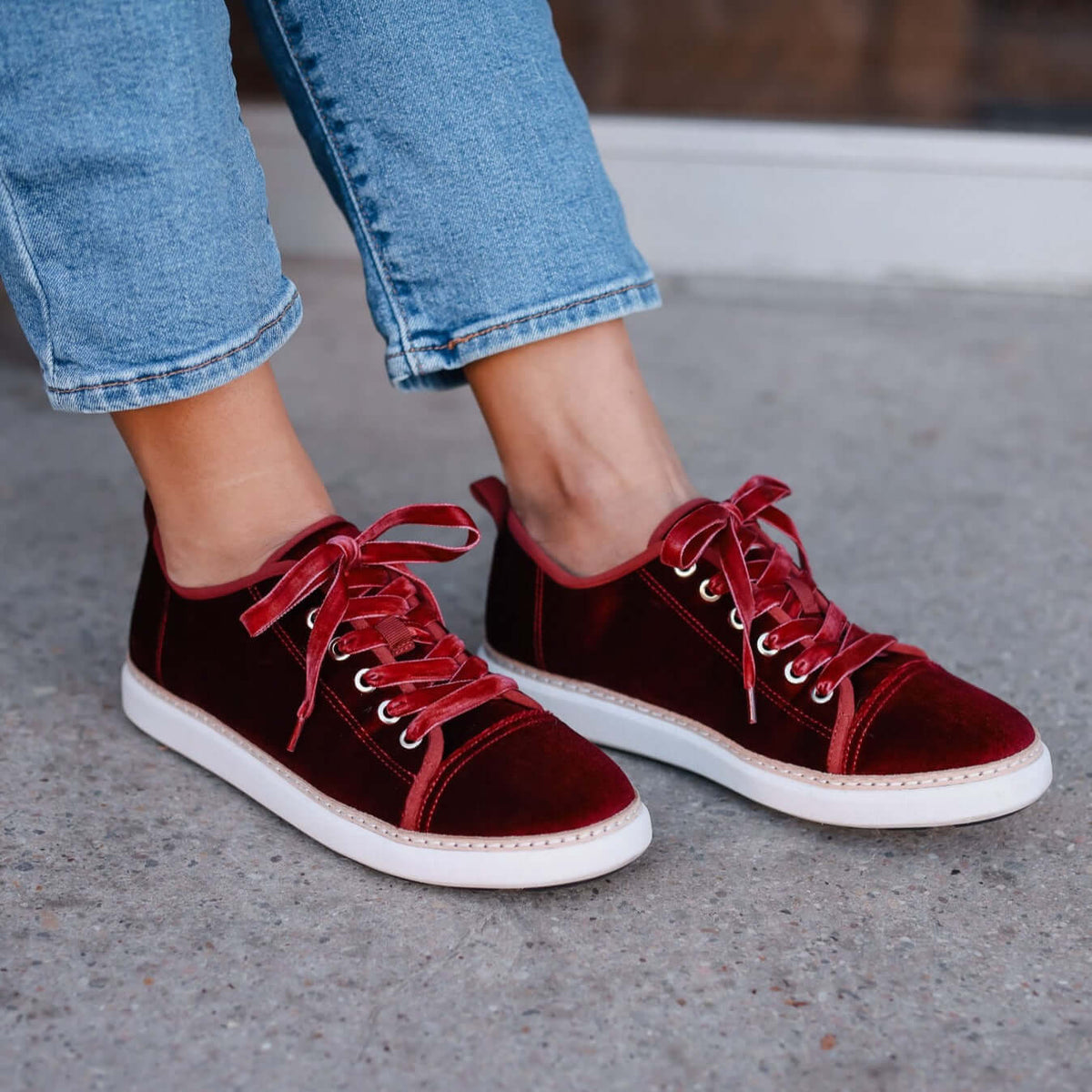
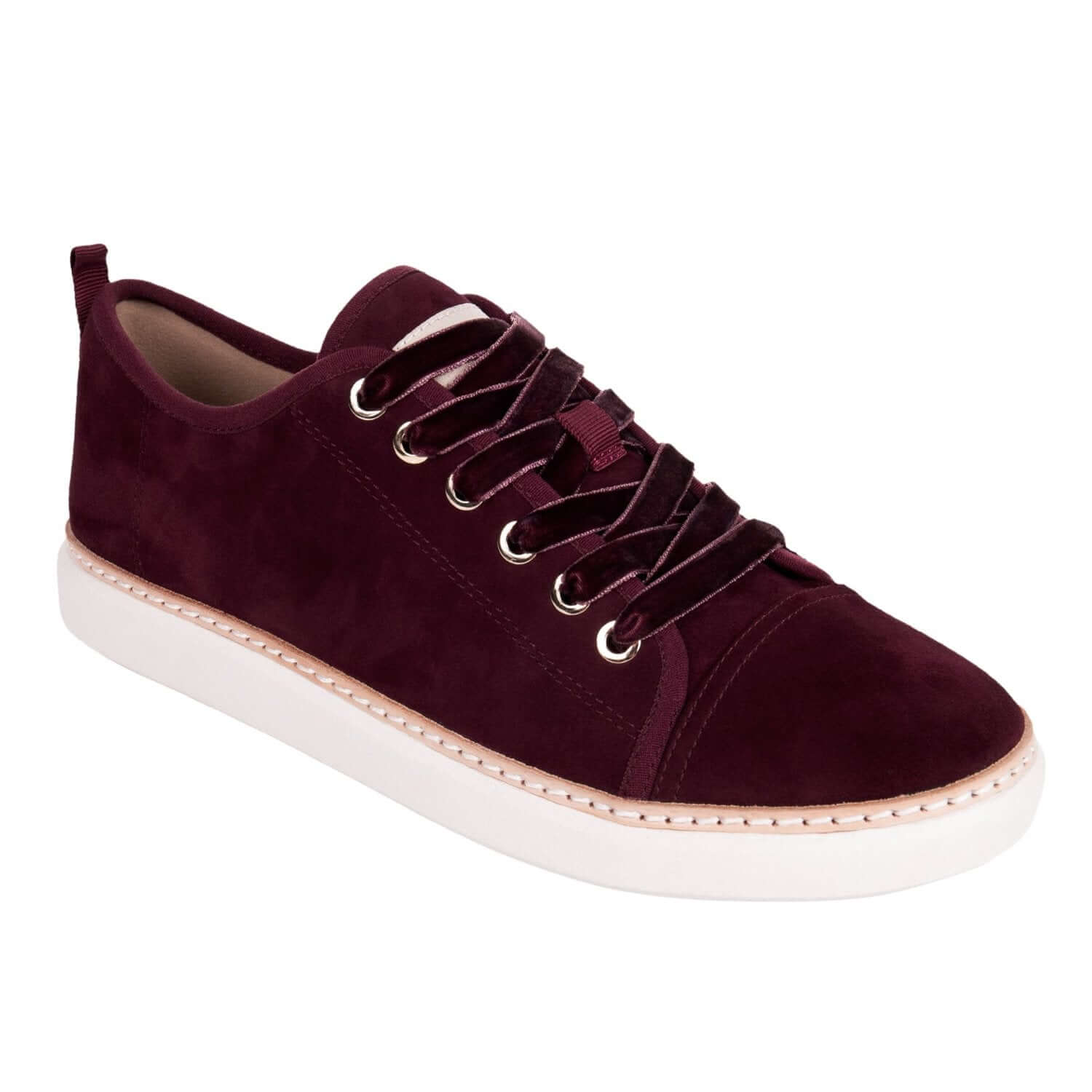
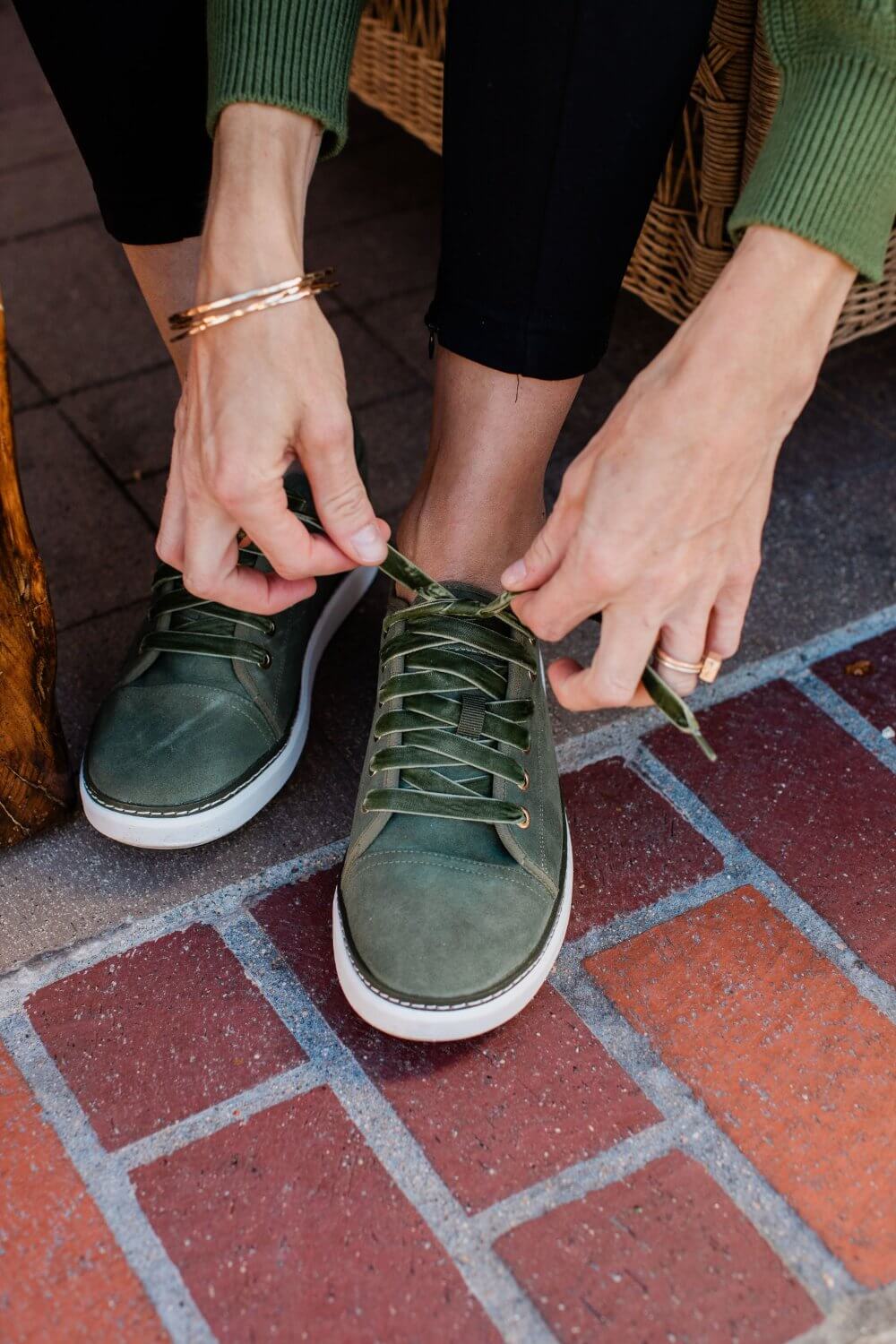
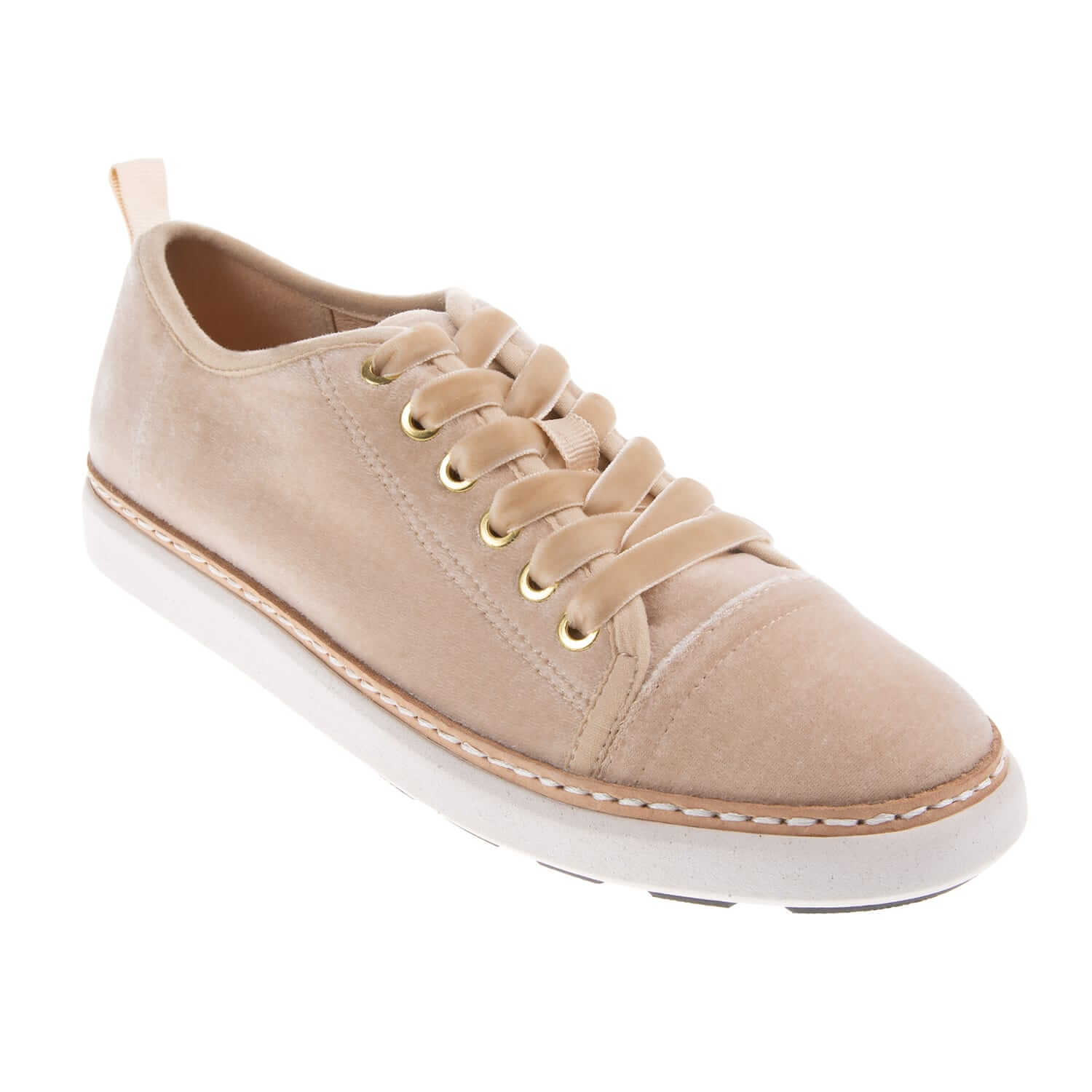
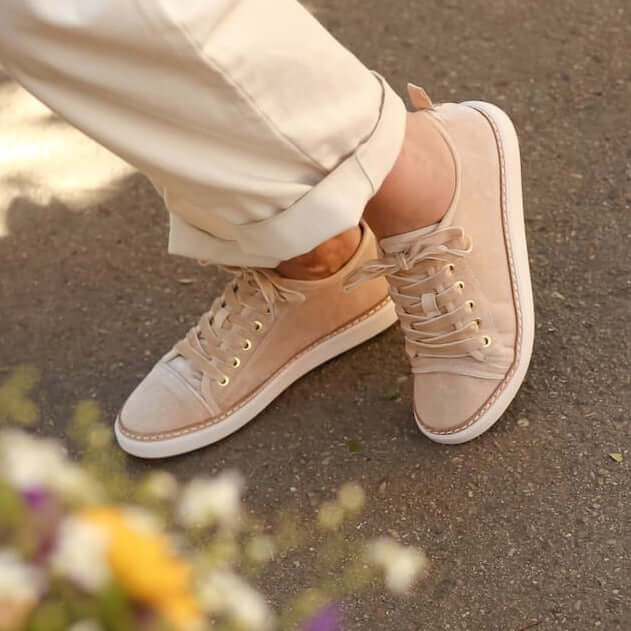
Sneakers are a practical starting point if you walk to class or combine yoga with errands. Harmony 783 describes its sneakers as breathable bamboo-knit styles made for performance, support, and everyday grounding. If your practice is mostly seated, a sandal can feel lighter, while its arch support adds structure during short walks.
Slip-ons suit routines with frequent changes. Their cushioned heel pads can make them comfortable for arriving, leaving, or stepping outside for a few quiet minutes. Walkers make more sense when meditation includes a longer route or when you want one supportive pair for both wellness time and daily walking. Harmony 783's catalog includes each of these categories, so you can choose by setting and comfort preference rather than forcing one style to do everything. For more detail on active options, read the grounding sneaker buying guide.
Before choosing, check your studio's footwear rules and think about where you will use the shoes. Style matters, but the useful question is simple: will this pair feel comfortable during the minutes that surround your practice?
Related products


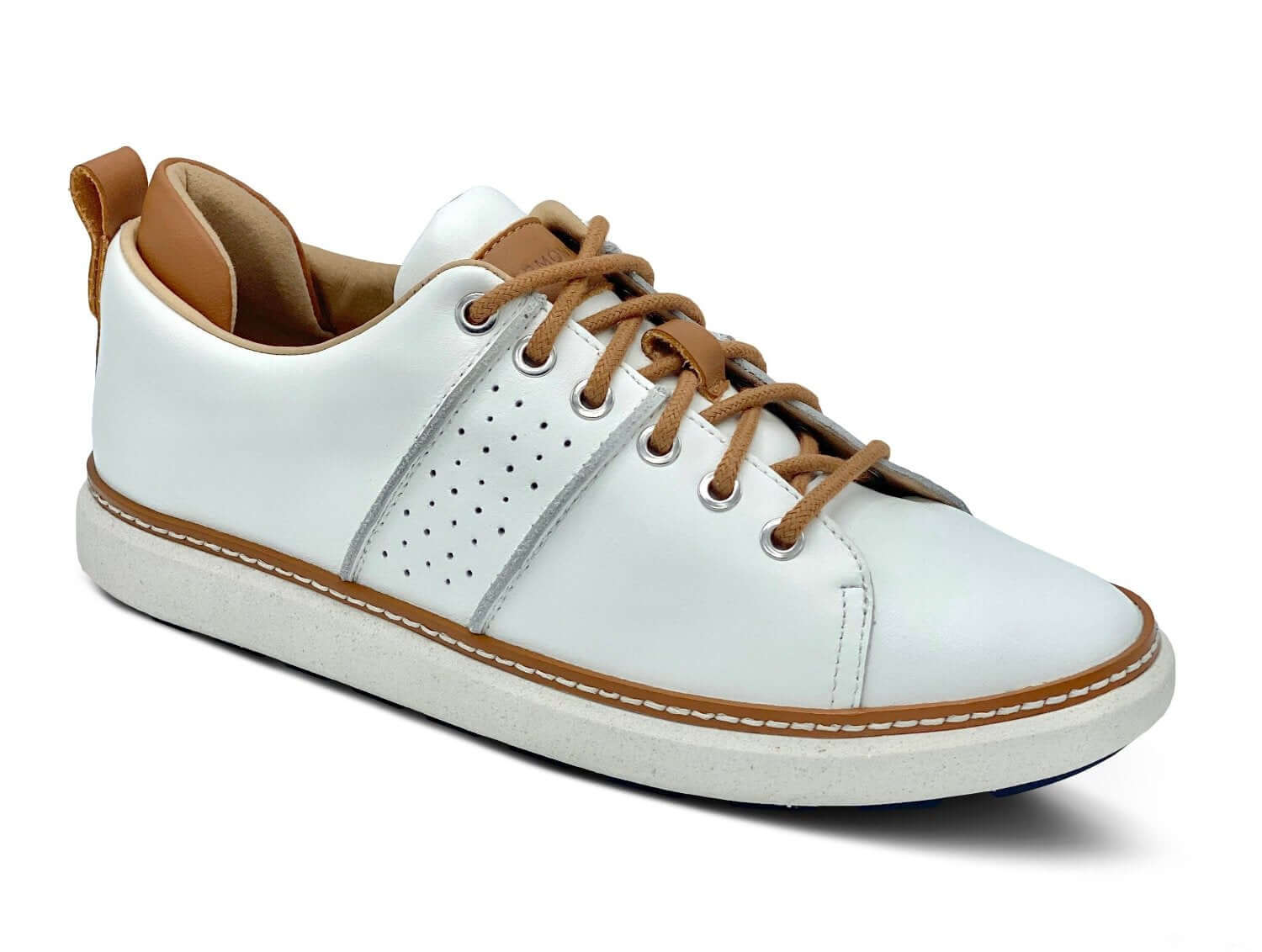
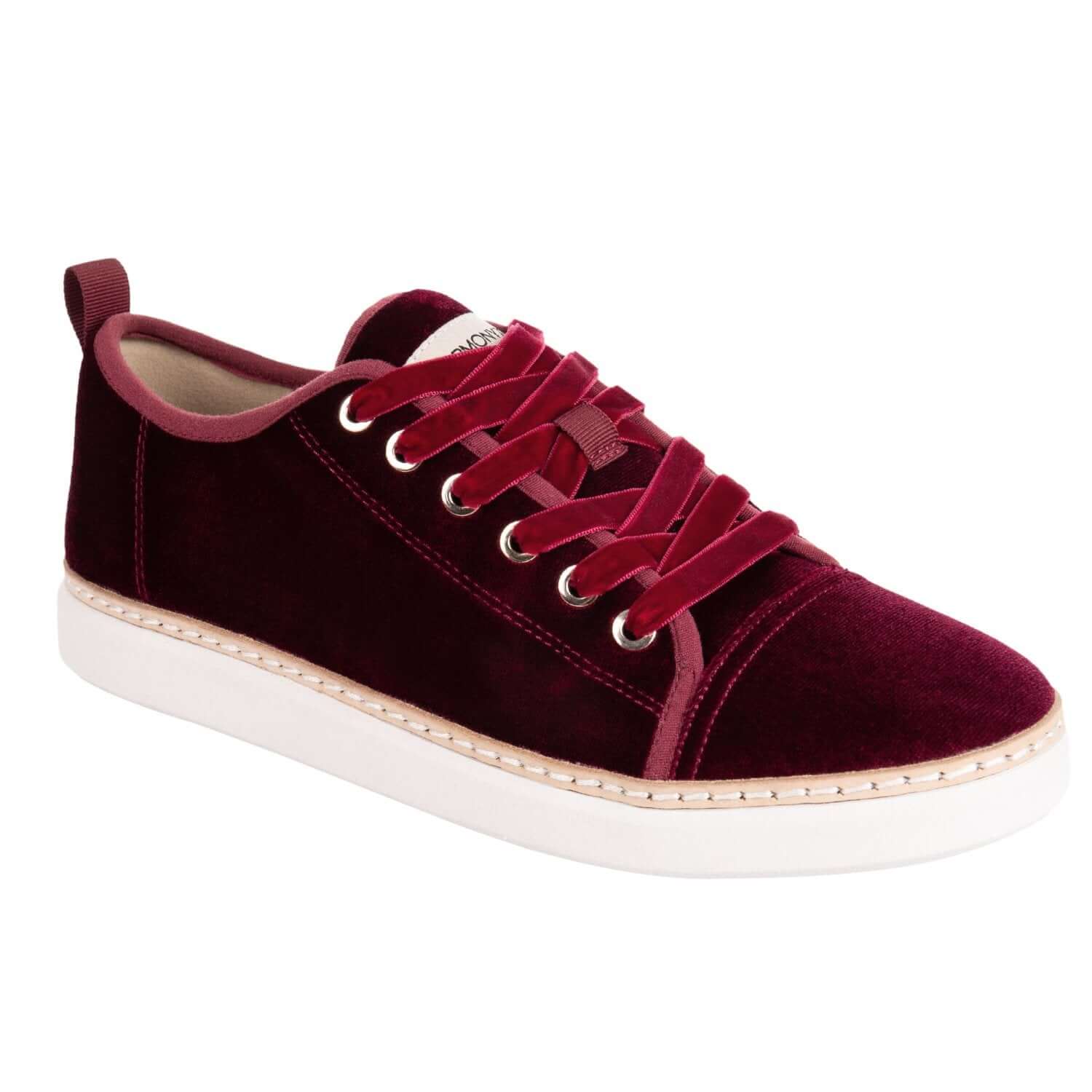
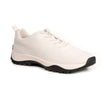
Stay fit, stay active, and stay grounded in these bright white sneakers.
View productHow do you choose a grounded shoe for meditation?
The best shoe for meditation should support the way you practice, not distract from it. Start by checking whether the shoe was built for grounding. Ordinary barefoot shoes are not automatically grounded shoes. A purpose-built pair needs a conductive design and a path that connects the ground-facing sole with your feet. You can learn more about this distinction in our guide to grounding versus barefoot shoes.
Check the conductive path
Look for clear details about the materials used inside the shoe and how they connect to the outsole. Harmony 783 describes its Groundworks system as using a silver-stitched footbed, silver-stitched lasting board, silver fabric loop, cushioned midsole, and carbon-and-rubber conductive outsole. The company also says its shoes are tested for a grounded connection. These details matter more than a label such as "barefoot" or "natural."
Your feet also need direct contact with the conductive part of the shoe. Thick socks or a footbed that interrupts contact may change how the system works. Follow the maker's wear guidance, and choose a pair designed for the connection you want rather than assuming any flexible shoe will do.
Match the shoe to your practice
Meditation often happens before or after the seated practice itself. You may wear shoes while walking to an outdoor spot, during a walking meditation, or between a yoga studio and a quiet place. For those moments, choose a shoe with enough stability for slow, deliberate steps. A secure heel and a comfortable fit can help you stay focused instead of adjusting your footwear.
- Surface: Plan to use the shoes on a surface that supports grounding, such as soil, grass, sand, or bare rock. A shoe alone cannot replace a suitable conductive surface.
- Fit: Look for room to move your toes without heel slipping or pressure across the top of the foot.
- Stability: Choose dependable traction and support for walking meditation or uneven outdoor paths.
- Breathability: A breathable upper can feel better during warm-weather practice or longer transitions.
- Comfort: Cushioning can help when you stand, walk, or move between settings.
For more detail on materials, fit, and features, read our grounding sneaker buying guide. Then use the shoes as one part of a consistent routine. Our grounding meditation routine offers practical ideas for arrival, transitions, and outdoor practice.
Is barefoot practice better than grounding shoes?
For many yoga sessions, barefoot practice is the simplest choice. You can feel the mat, move without extra layers, and follow the studio's usual guidelines. Grounding shoes serve a different purpose. They can help before class, after practice, during outdoor meditation, or while walking between parts of a routine.
That distinction matters. A barefoot shoe may have a thin, flexible sole, but flexibility alone does not create an electrical connection. Grounding footwear needs a conductive design and a path that connects the foot to a suitable grounding surface. Read the full grounding versus barefoot shoes comparison if you want a closer look at the difference.
| Option. | Best fit. | What to know. |
|---|---|---|
| Bare feet. | Yoga mat work, indoor meditation, and direct outdoor contact. | Offers a simple, natural feel. It may not suit cold, wet, rough, or shared surfaces. |
| Ordinary barefoot shoes. | People who prefer a flexible, minimal shoe. | Minimal construction does not prove grounding. Check whether the shoe was specifically built for a conductive connection. |
| Purpose-built grounding shoes. | Arrival, transitions, outdoor meditation, and walking practice. | Can add coverage, comfort, and cleanliness while supporting a grounding routine on an appropriate surface. |
Grounding shoes may help when bare feet are impractical. They can protect against rough ground, changing weather, and shared surfaces. They also make transitions from a car or walkway into outdoor practice easier.
For indoor yoga, remove shoes unless your teacher or studio says otherwise. For outdoor meditation or walking practice, choose footwear made for grounding and pay attention to the surface. Research is still developing, so treat grounding footwear as a practical wellness tool, not medical care. Choose the option that supports your routine and comfort without overpromising results.
How can you build a simple grounding yoga or meditation routine?
Grounding shoes are usually most useful around a practice, not on the mat itself. Many yoga settings ask you to remove shoes for balance and movement. Instead, use them to arrive, transition outdoors, or add a short walking meditation before or after your session.
- Before practice, arrive slowly. Wear your grounding shoes while walking to your mat, studio, or favorite meditation spot. Give yourself a few quiet minutes to notice your breathing, posture, and surroundings. If you are outdoors, choose a conductive natural surface such as soil or grass. Harmony's educational guidance suggests spending at least 20 minutes on soil or grass when you want to make outdoor grounding part of your routine. Read more about grounding shoes for everyday life for ideas beyond a formal practice.
- During yoga or seated meditation, follow the setting. Remove your shoes for a typical indoor yoga session unless the instructor or practice says otherwise. For outdoor meditation, keep purpose-built grounding footwear on if it feels stable and comfortable. You can also begin with a short standing meditation, then move into seated breathing. Let comfort guide the length of the session. Grounding is a wellness practice to explore, not a promise of a specific health result.
- After practice, use movement as your transition. Take a slow walk outside before returning to a busy schedule. Notice each step, the air, and the pace of your breath rather than trying to force a particular feeling. A short walk can be enough to make the transition from focused practice to the rest of your day. For a longer, seated routine, see this practical grounding meditation routine.
Keep the routine realistic. You do not need to wear grounding shoes for every yoga or meditation session. Choose a time and surface that fit your life, and pay attention to comfort, balance, and local studio rules. Grounding shoes can support active lifestyles that include yoga and post-workout recovery, but they are not a substitute for professional medical care.
Care also matters. Keep the soles clean and follow the product's care guidance. If you notice a reliable drop in grounding effect even though the soles are clean, the pair may be ready for replacement. That practical check is more useful than replacing shoes on an arbitrary schedule.
Frequently Asked Questions
What is the difference between grounding shoes and earthing shoes?
In most wellness conversations, grounding shoes and earthing shoes mean the same thing. Both describe footwear designed to create a conductive connection between your feet and the earth. The key is the shoe's construction. Ordinary barefoot shoes are not automatically grounding shoes. A purpose-built pair needs conductive materials and a path that connects your feet with a suitable conductive surface.
Do grounding shoes really work?
They may support an electrical connection when the footwear has a conductive design and you are standing on a conductive surface. Such as soil, grass, sand, rock, or suitable concrete. Results depend on the shoe, the surface, and the contact path. Grounding research is still developing, so it is best to view these shoes as a practical wellness tool rather than a guaranteed health treatment. Current research notes that further study is needed.
How long should you wear grounding shoes?
There is no universal schedule. Start with the time that fits your routine and comfort. For an outdoor grounding practice, Harmony 783 educational guidance suggests spending at least 20 minutes on soil or grass. You can wear the shoes before yoga, during a walking meditation, or after practice rather than wearing them on a studio mat.
What shoes do yogis wear?
Most people practice yoga barefoot or follow the studio's footwear rules. Grounding shoes are often more useful for arriving, walking between locations, outdoor meditation, and transitions before or after practice. Choose a style that feels stable and comfortable for those moments, such as a breathable sneaker, supportive sandal, or easy slip-on.
Ready to choose grounding shoes for your practice?
The best pair is one that fits your routine, feels comfortable, and matches the setting where you plan to use it. Start with the activity around your yoga or meditation practice, then compare styles built for walking, transitions, outdoor time, and everyday wear. Harmony 783 offers grounding sneakers, sandals, walkers, slip-ons, and other styles for different comfort preferences.
Browse grounding shoes and find a style that fits the way you move, pause, and reconnect with the outdoors.