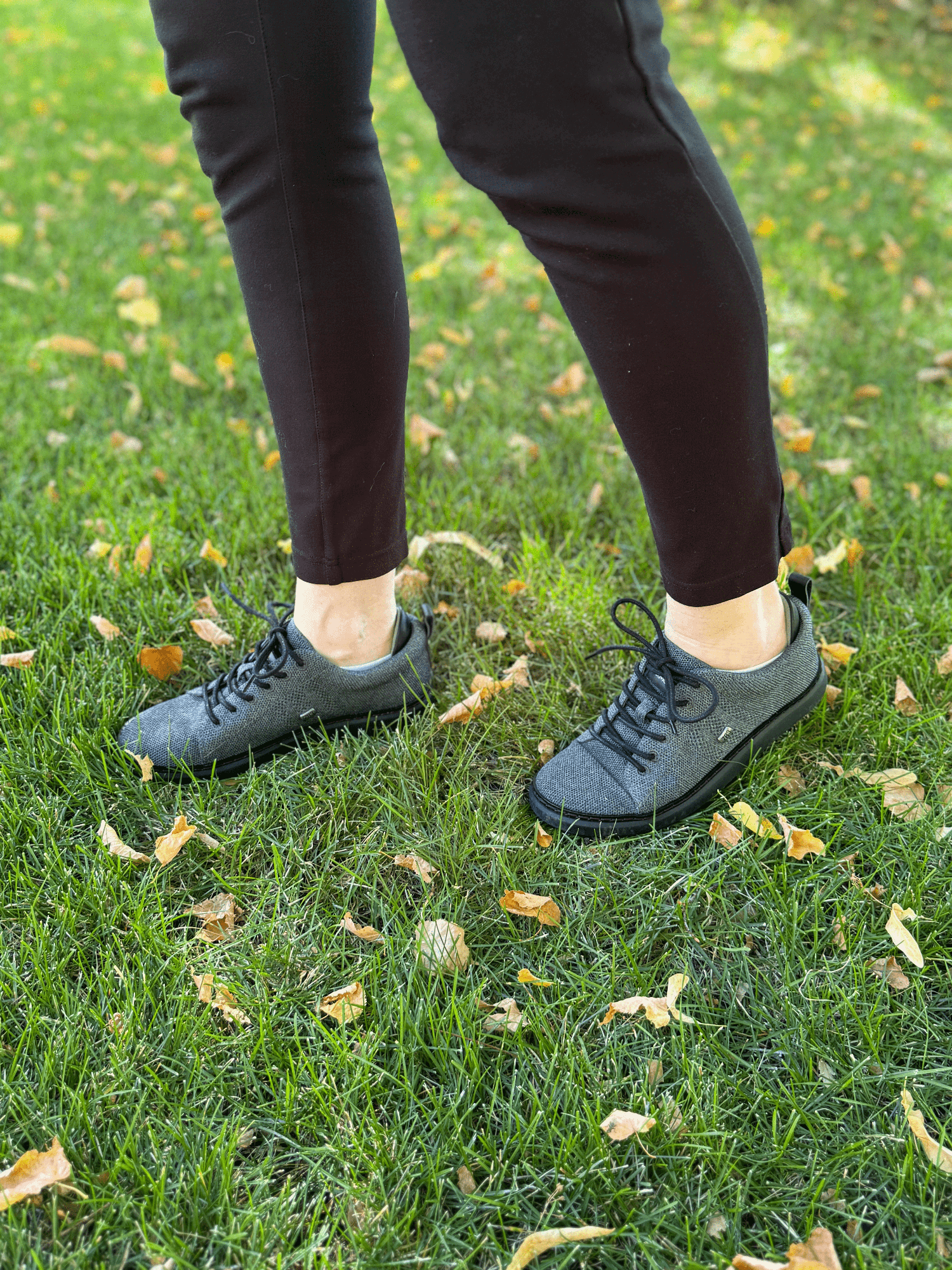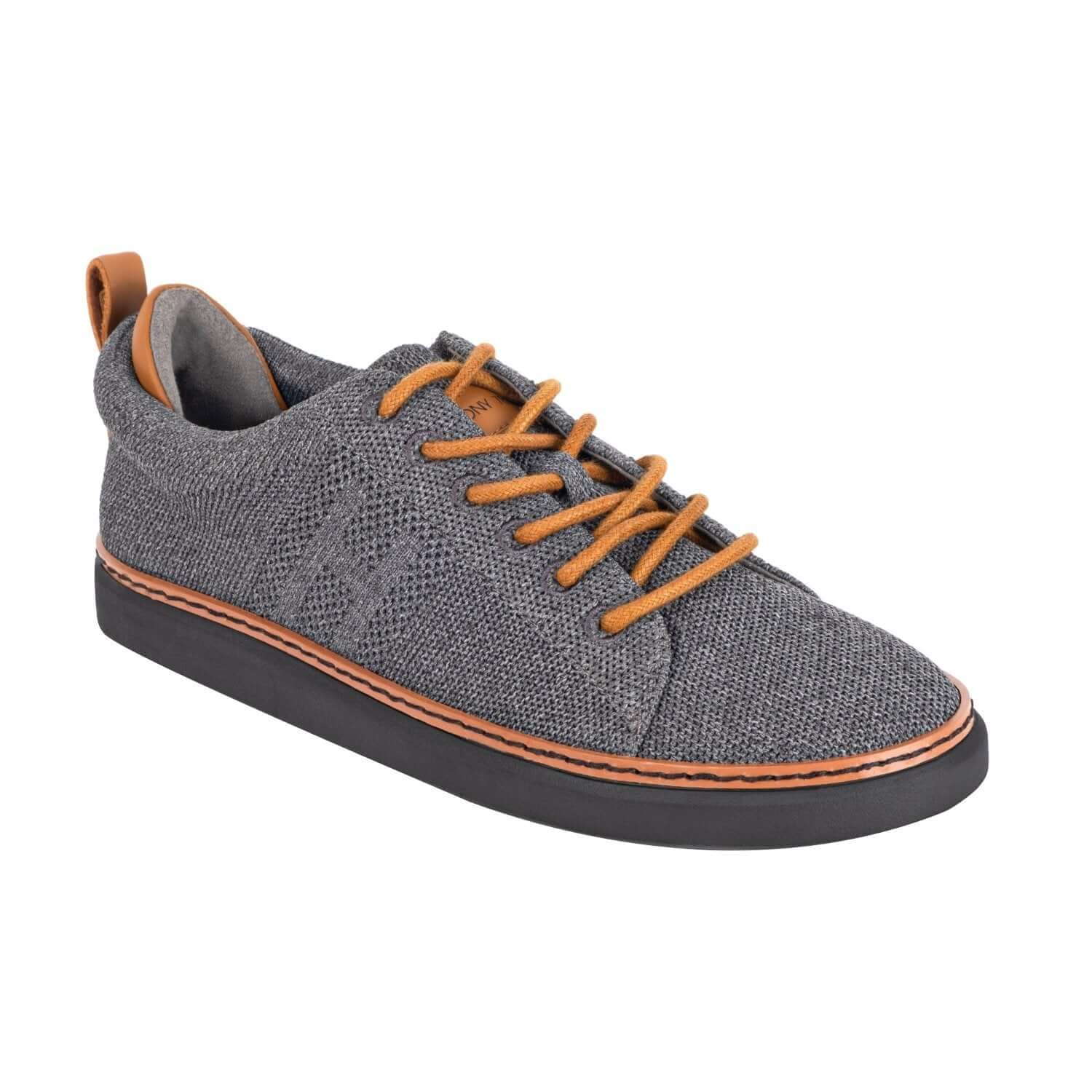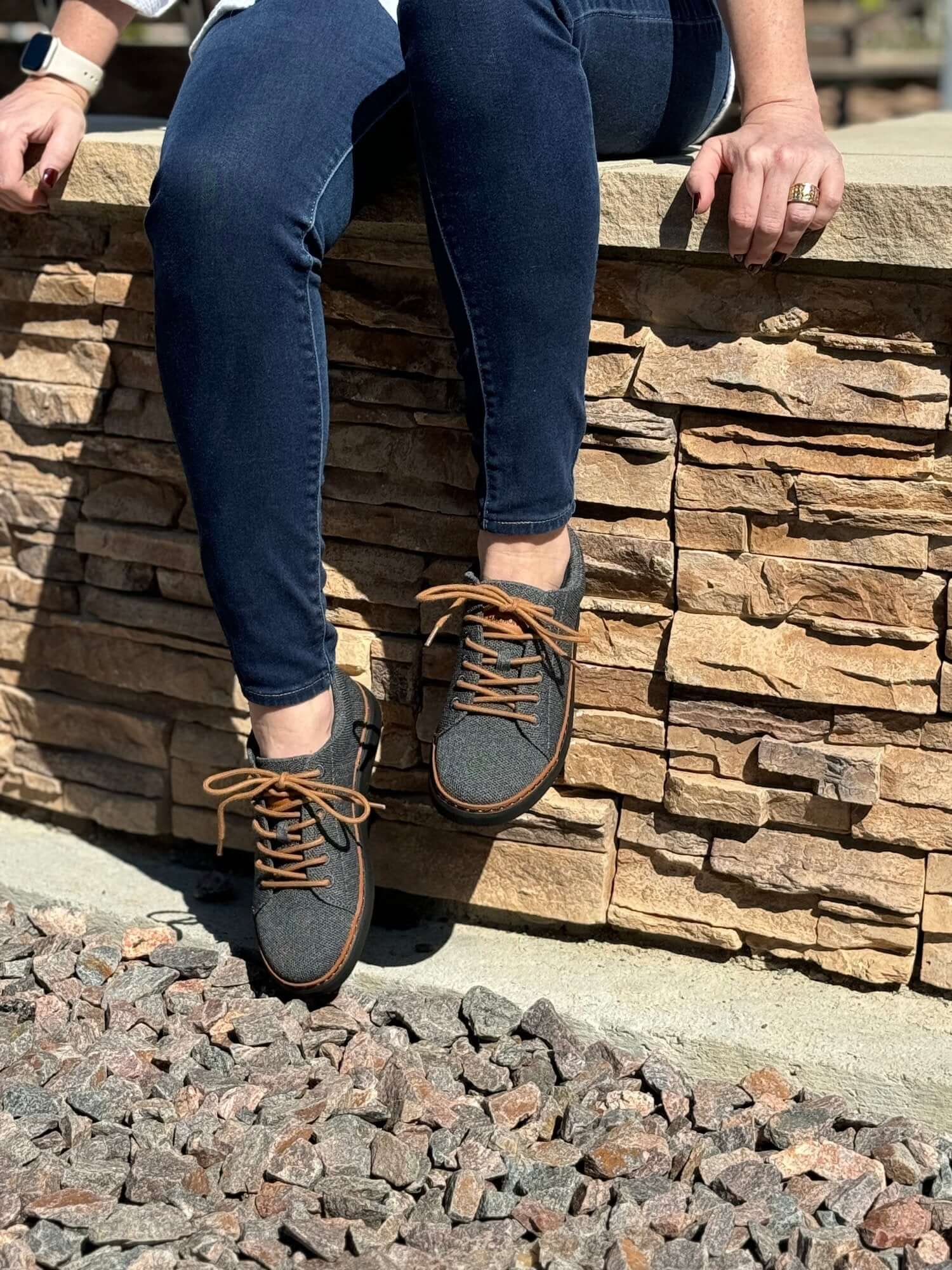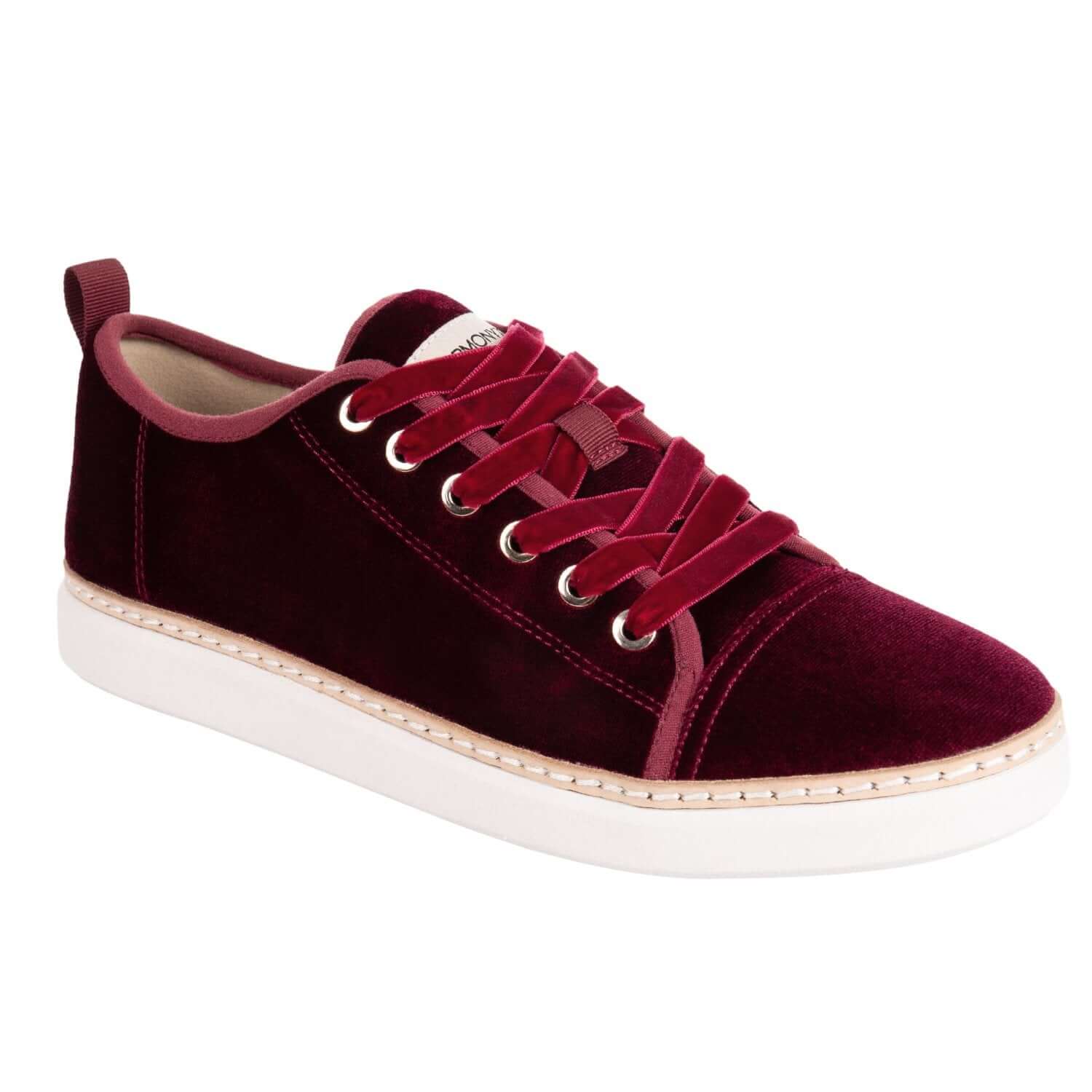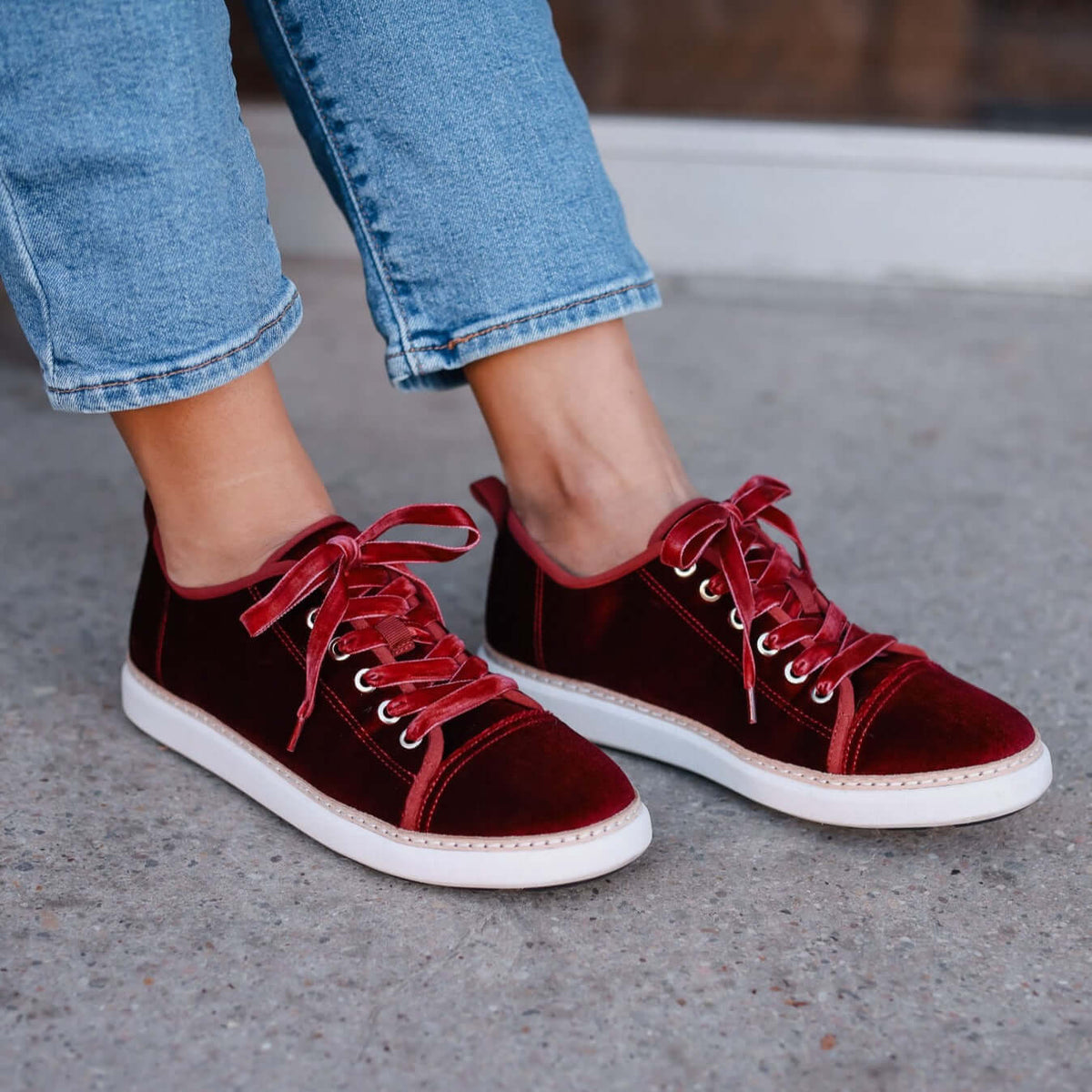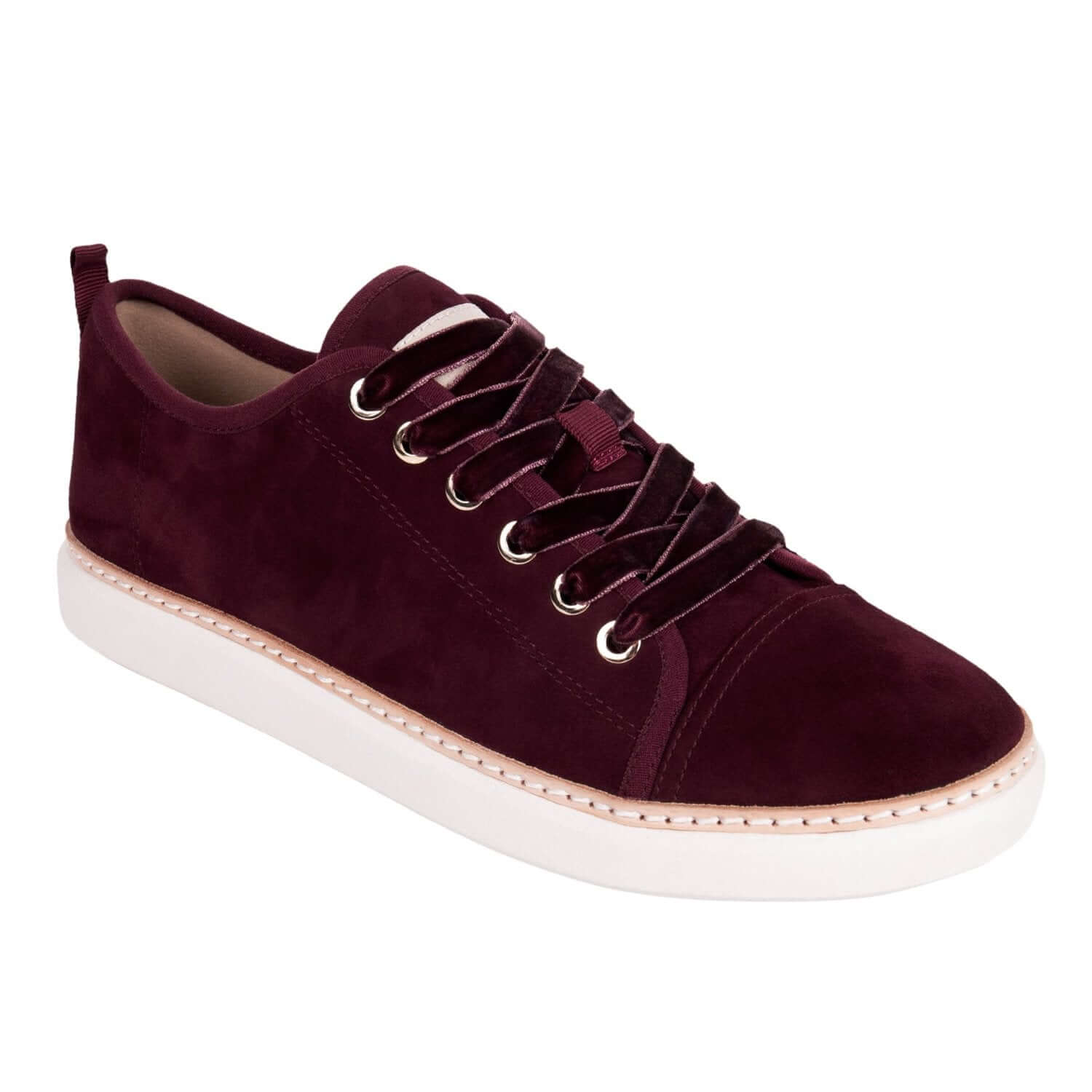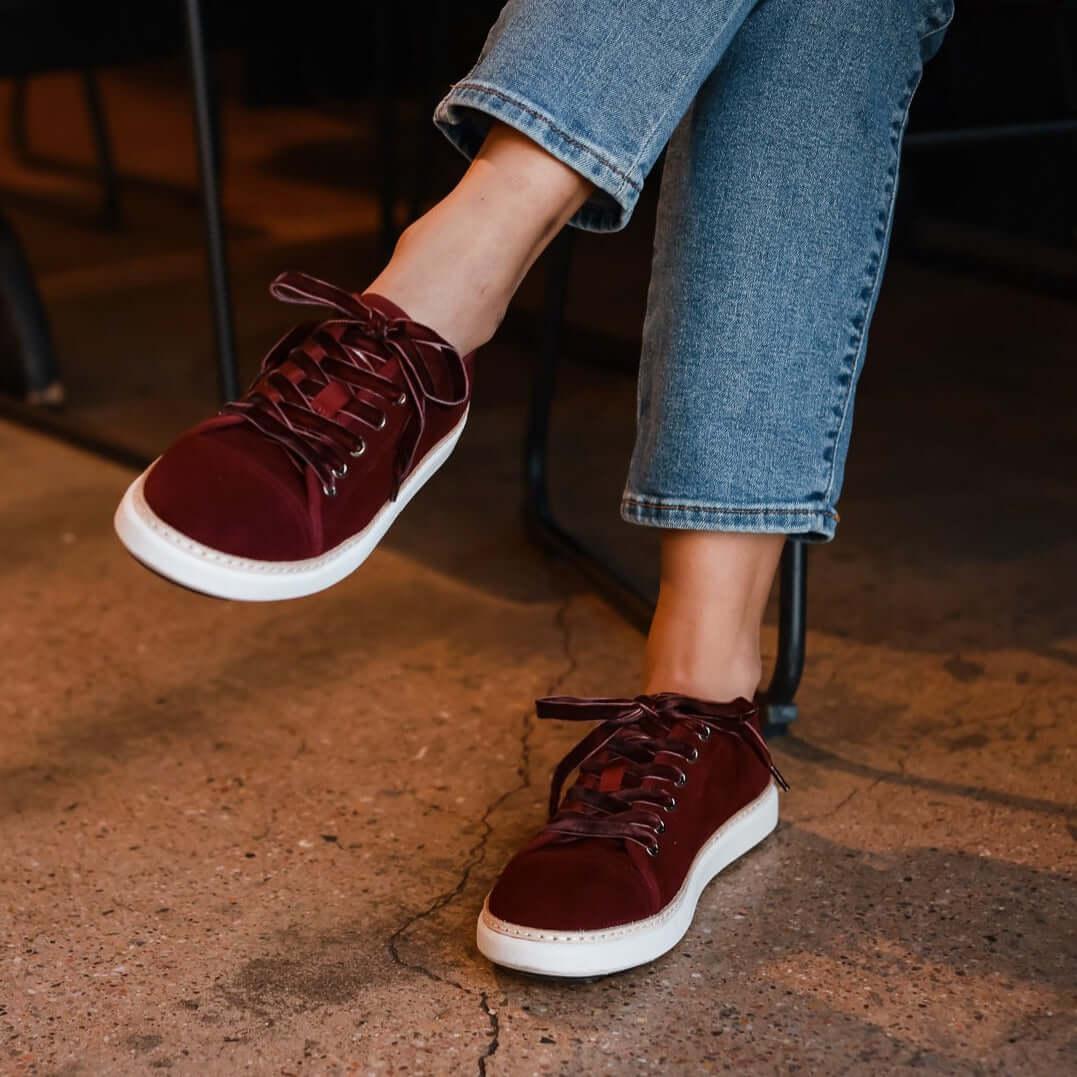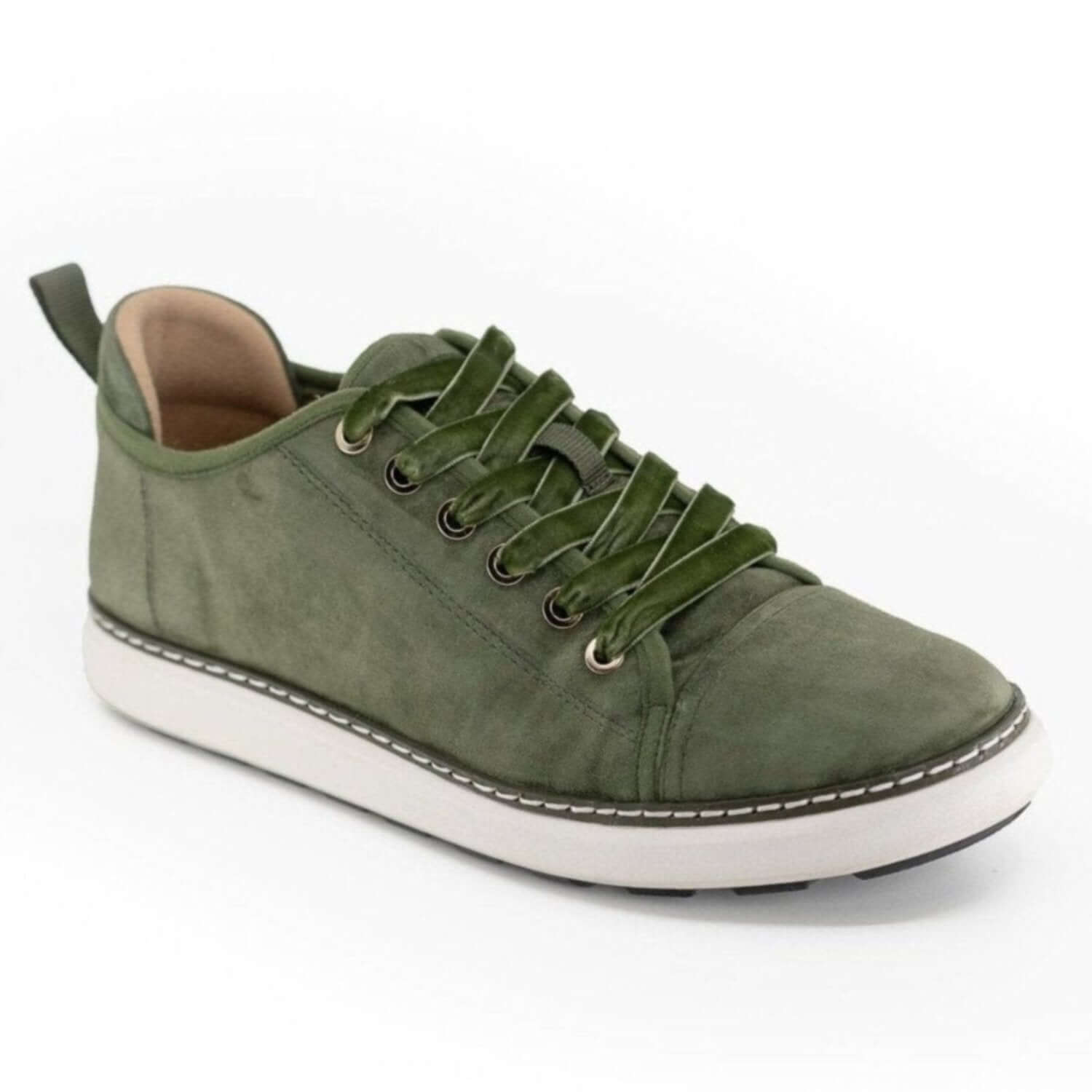


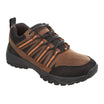
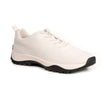

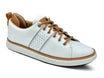
Back discomfort can make an ordinary walk, commute, or day on your feet feel harder than it should. A shoe may influence how supported and comfortable movement feels, but it cannot replace care for an ongoing back problem or retrain posture on its own.
Browse grounding shoes for everyday comfort
Grounding shoes for back pain and posture support may help some people feel more comfortable during daily movement by combining a wearable fit with a conductive path to Earth. They are not a treatment for back pain and they do not correct posture. Ground contact is a different concept from gait training, strengthening, mobility work, or medical care.
That distinction matters when choosing footwear. Harmony 783 describes grounding shoes as footwear designed to create an electrical connection with Earth's surface, while comfort depends on fit, stability, and intended use. For a practical look at wearing them through ordinary routines, explore grounding shoes for everyday life. First, it helps to separate ground contact from the way your feet, legs, and back move together.
What Is the Link Between Ground Contact, Gait, and Back Pain?
Ground contact and gait are related to footwear, but they describe different things. Grounding refers to an electrical connection. Gait describes how you walk, including how your foot lands, how your ankle moves, and how your body shifts over each step. Back comfort and posture can also involve strength, mobility, balance, and movement habits. A grounding shoe may support one part of that picture, but it does not automatically change the others.
Answer capsule: Grounding footwear is designed to create a conductive path between the wearer and Earth's surface. It is not the same as gait retraining, posture correction, or treatment for back pain.
What does ground contact mean in a shoe?
Harmony 783 describes its shoes as a way to connect with Earth without going barefoot. The intended connection depends on conductive materials and a path through the shoe to the ground. That is why a shoe can look minimal or feel flexible without being a grounding shoe. The construction matters. Customer guidance specifically notes that grounding requires both a conductive design and a connection path to Earth. For a closer explanation, read about grounding barefoot shoe design.
This distinction is useful when comparing grounding shoes with ordinary walking shoes or barefoot-style footwear. Barefoot-style construction may affect how a shoe feels during movement, but it does not prove that the shoe provides an electrical connection. Likewise, conductive ground contact does not prove that a shoe will alter a person's stride or resolve a source of back discomfort.
How can gait relate to back comfort?
Gait mechanics include the timing and coordination of the feet, legs, pelvis, and trunk. Fit, cushioning, sole shape, and stability may influence how a shoe feels during a walk. A comfortable shoe may make daily movement easier for some people, while an unfamiliar design may require gradual adjustment. These are mechanical and comfort considerations, not evidence that grounding itself corrects posture.
Back pain has many possible contributors, and a shoe cannot identify which factor is involved. Grounding footwear should therefore be viewed as a wellness or comfort option, not a replacement for mobility work, strengthening, gait coaching, or professional care. The broader guide to grounding shoes for everyday life can help place ground contact in a realistic daily routine. If back symptoms persist, become severe or worsen, or occur with neurologic symptoms, seek guidance from a qualified healthcare professional.
How Can Sole Design Affect Posture and Spinal Alignment?
Sole design can change how a shoe feels under your foot, but comfort is not the same as posture correction. A good fit may help you feel steady and move naturally. It does not retrain your gait, strengthen your trunk, or realign your spine by itself.
Answer capsule: Fit, stability, cushioning, and conductive layers serve different purposes. A grounding layer may support an electrical connection with the ground, while the rest of the shoe affects comfort and movement. None of these features should be presented as a treatment for back pain or poor posture.
Fit and stability come first
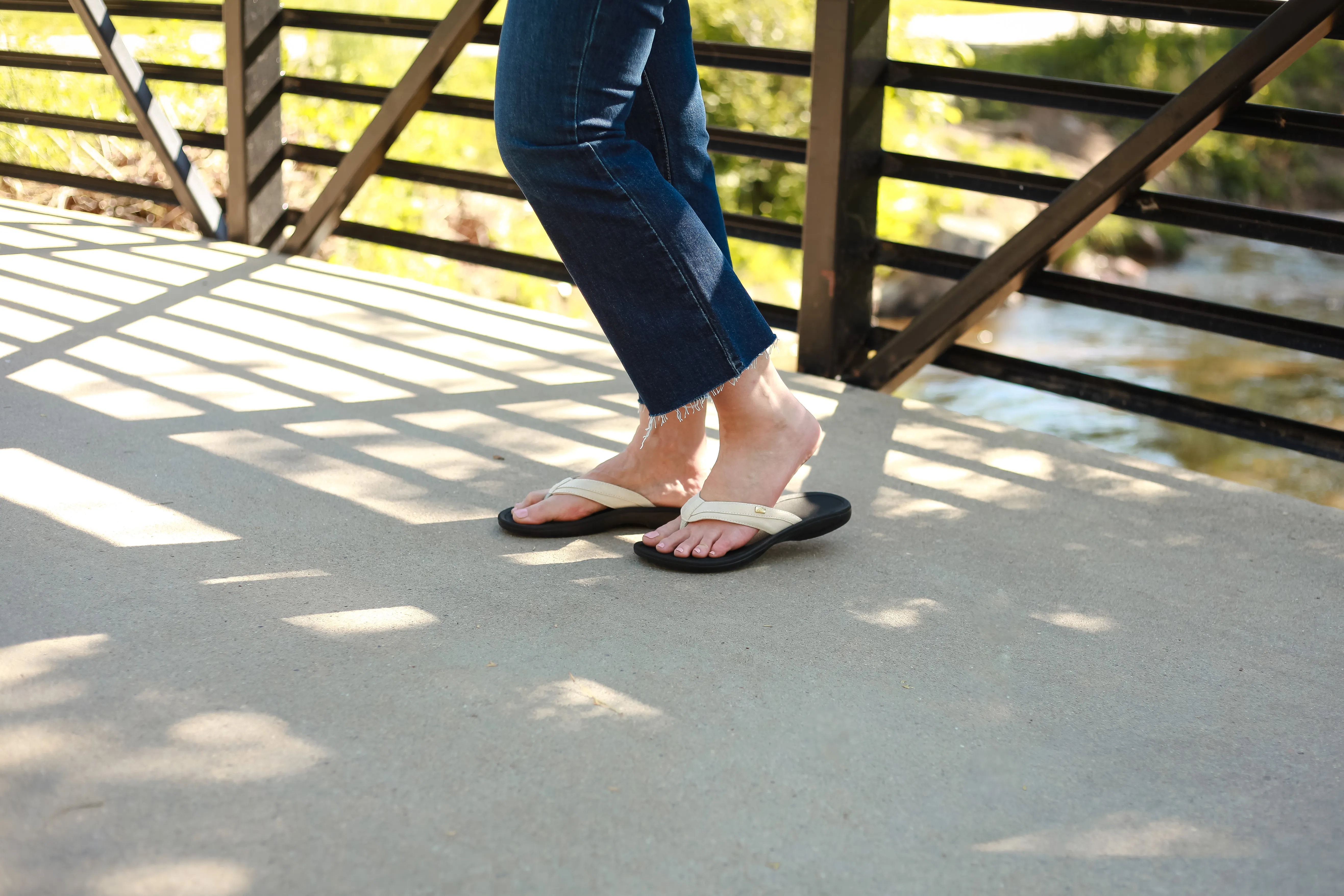
A shoe that is too loose can make your foot slide. A shoe that is too tight can create pressure and change how you place your weight. Look for room to move your toes, a secure heel, and a sole that feels predictable during ordinary walking. These details may support a more comfortable stride.
Stability also depends on the surface and the shoe's shape. A flat, firm sole may feel more predictable than a highly flexible or unusually rounded sole. However, a stable feeling is not proof that the shoe has corrected spinal alignment. Posture involves the whole body, including strength, balance, joint mobility, and movement habits.
What do cushioning and conductive layers do?
Cushioning is mainly a comfort feature. Harmony 783 describes its Groundworks construction as including a cushioned midsole and a carbon-and-rubber conductive outsole. It also describes a five-layer system with a silver-stitched footbed, lasting board, and a 99% pure silver fabric loop. The company says its shoes are tested for a grounded connection. Learn more about grounding sneaker features before comparing construction details.
Conductive design has a separate purpose from cushioning or arch support. Grounding requires a conductive design and a connection path to Earth. That is why a regular barefoot-style shoe is not automatically a grounding shoe. A conductive layer may support ground contact, but it does not provide gait retraining, resistance training, or clinical care.
What can rocker and unstable-shoe studies tell us?
Research on rocker and unstable shoes should be read carefully. One small trial compared rocker-sole and flat-sole shoes in people with chronic low back pain and measured center-of-pressure movement during challenging standing tasks. It found no meaningful change in those postural-stability measures between groups. The study also noted that long-term rocker-sole use did not appear to influence postural stability. Read the rocker-sole study for its methods and limits.
Those findings are not direct evidence for conductive grounding shoes. If back symptoms persist, worsen, or interfere with daily life, footwear should not replace advice from a qualified healthcare professional.
What Does Earthing Research Actually Say About Pain and Inflammation?
Answer capsule: Current research does not show that conductive grounding footwear treats back pain or inflammation. The studies cited here mainly examine unstable or rocker-sole shoes, not shoes tested for an electrical connection with the Earth. That distinction matters when evaluating claims about grounding shoes for back pain and posture support.
One randomized trial enrolled 40 adults with nonspecific chronic low back pain. Participants wore either unstable shoes or regular control footwear for at least six hours a day over four weeks. The researchers measured disability, trunk-muscle activity, and lumbar-spine range of motion. The unstable-shoe group showed a greater decrease in disability, along with increased activity in several trunk muscles and greater lumbar range of motion. The authors linked those changes to the shoes' mechanical challenge, not to grounding or electron transfer. Read the randomized trial on PubMed.
This is useful evidence about movement and shoe mechanics. It is not direct evidence for earthing. Unstable footwear changes how the body responds to standing and walking. Conductive footwear is intended to create a path between the wearer and the Earth's surface. A shoe can have one feature without having the other, so results from an unstable-shoe trial cannot be transferred automatically to grounding footwear.
Other research adds caution. A randomized study of 20 people with chronic low back pain compared rocker-sole and flat-sole shoes. It assessed postural stability during challenging standing conditions using center-of-pressure measures. The study found no meaningful within-group or between-group changes in those measures. Long-term rocker-sole use did not appear to influence postural stability in that sample. Review the rocker-sole study.
A meta-analysis combined five randomized trials involving 251 patients. It reported a tendency toward lower pain and disability scores with unstable shoes than with flat shoes, but the evidence for both outcomes was rated very low quality. The analysis also found no significant quality-of-life difference between groups. Those limits make the findings a reason for further research, not a basis for promising pain relief. See the systematic review and meta-analysis.
The practical takeaway is simple: separate conductive grounding claims from evidence about gait, balance, muscle activity, and mobility. Grounding footwear may be part of a personal wellness routine, but it should not replace strengthening, mobility work, professional care, or an evaluation of persistent symptoms. These studies did not test Harmony 783 conductive footwear, and they do not establish that any grounding shoe corrects posture, reduces inflammation, or treats back pain.
Which Grounding Shoes for Back Pain and Posture Support May Fit All-Day Wear?
Choosing grounding footwear for a full day is less about finding one universally best shoe and more about matching the style to your routine. Consider how much you walk, the surfaces you use, the weather, and the look you want to wear. Grounding function should remain part of the decision, but it does not replace fit, comfort, or practical design.
Harmony 783 describes its footwear as using Groundworks technology, a five-layer conductive system. It includes a silver-stitched footbed and lasting board, a 99% pure silver fabric loop, a cushioned midsole, and a carbon-and-rubber conductive outsole. The company also says its shoes are tested for a grounded connection. That construction is distinct from ordinary barefoot styling. Grounding requires a conductive design and a path to Earth.
| Style. | Daily-use fit. | Comfort/design notes. | Grounding detail. |
|---|---|---|---|
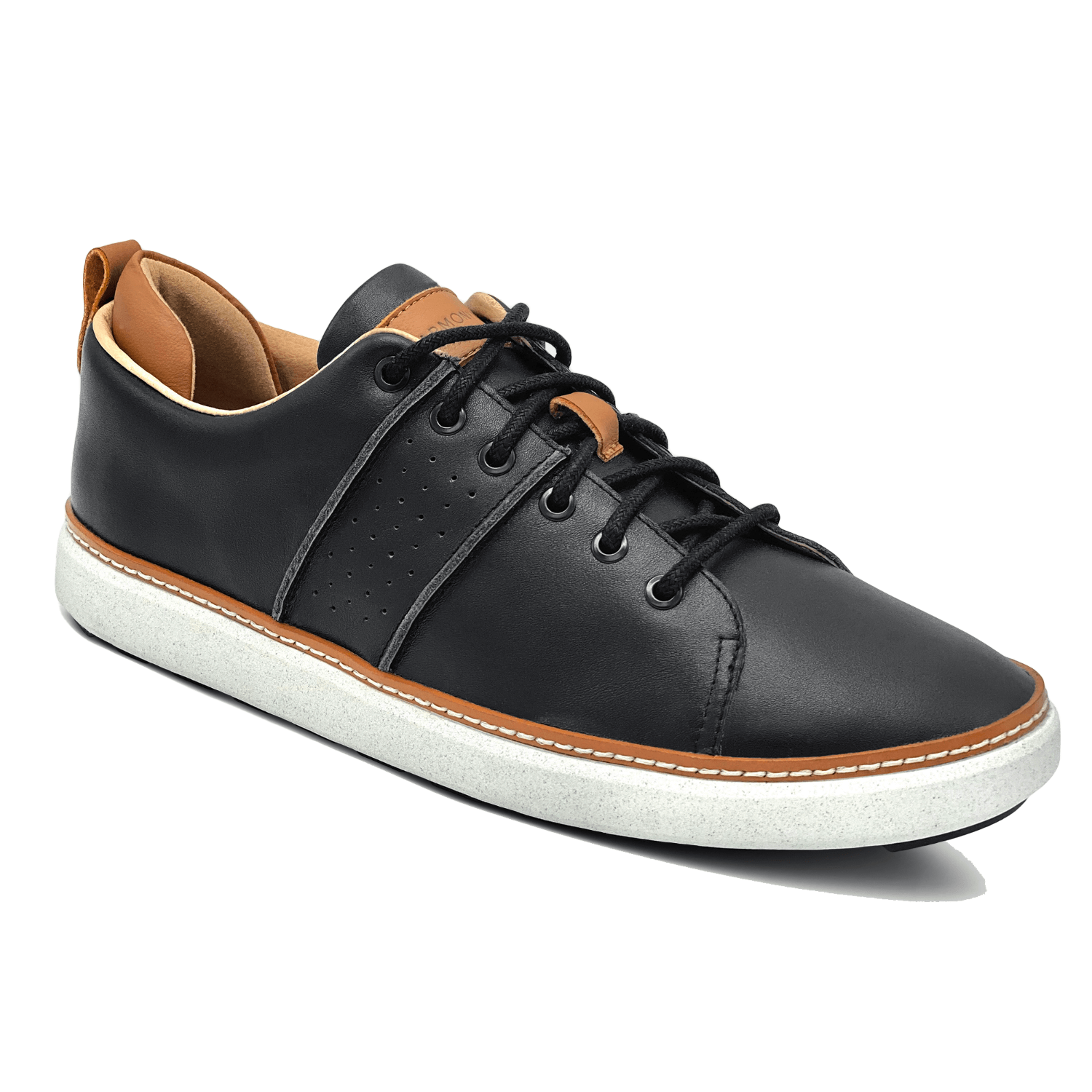
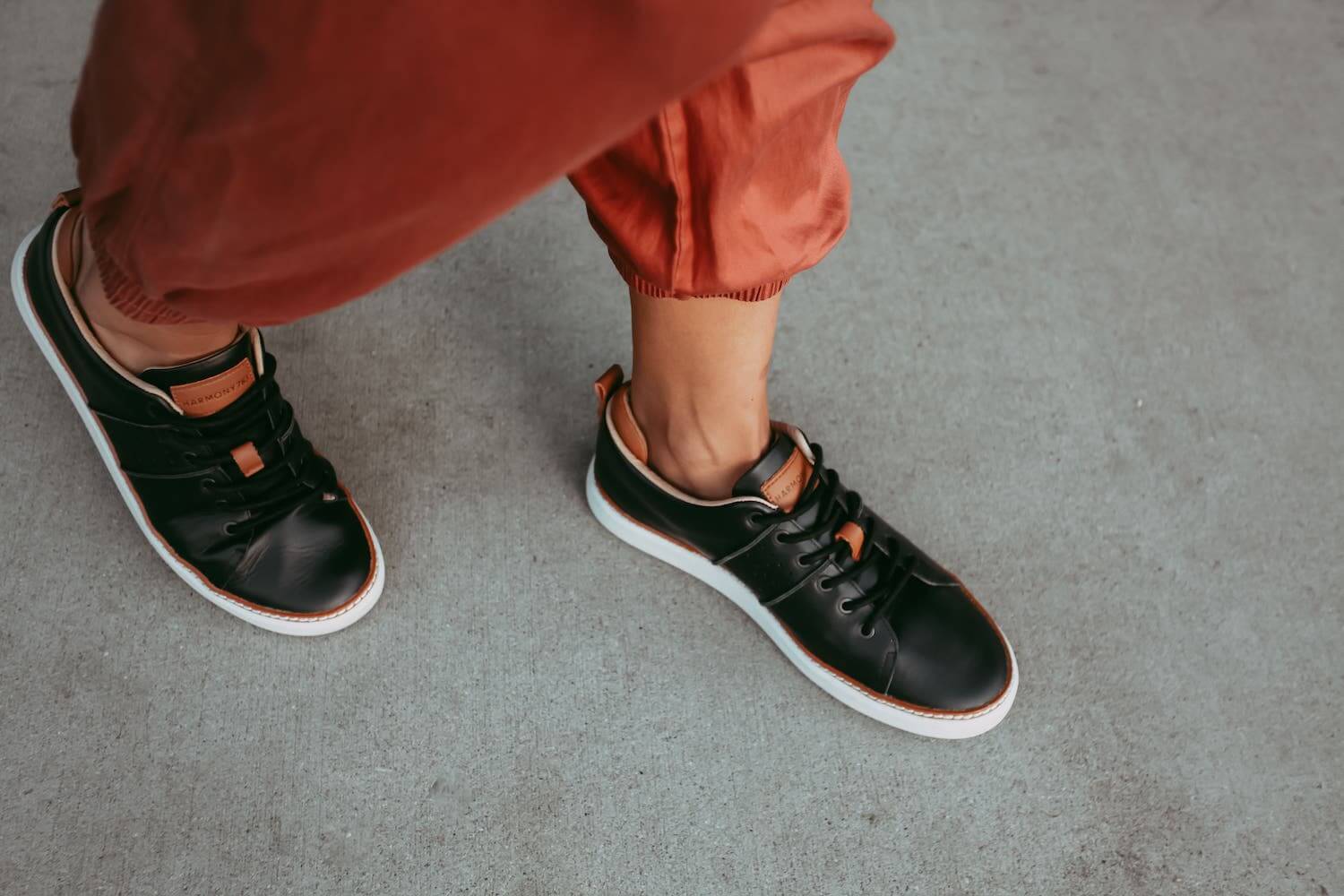
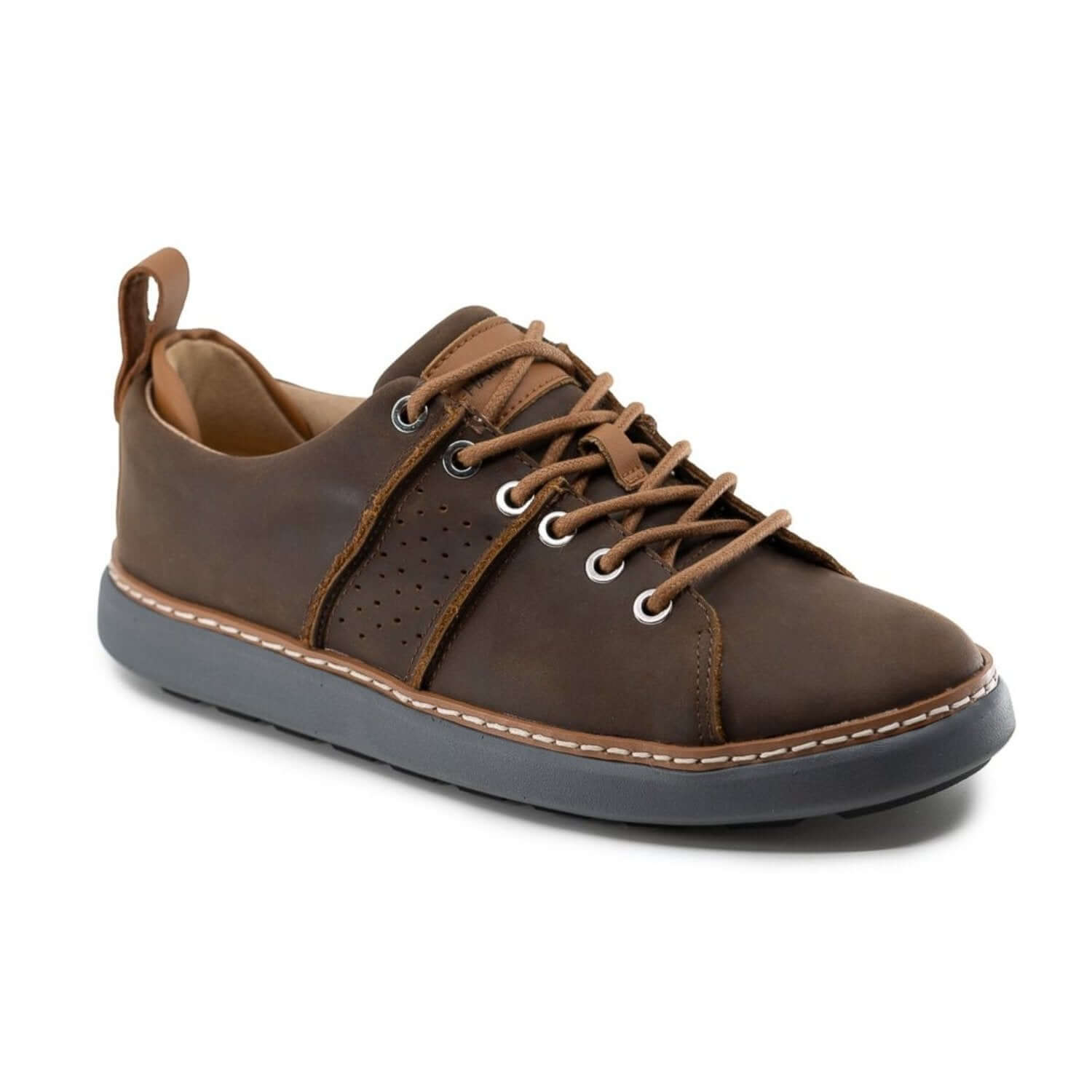
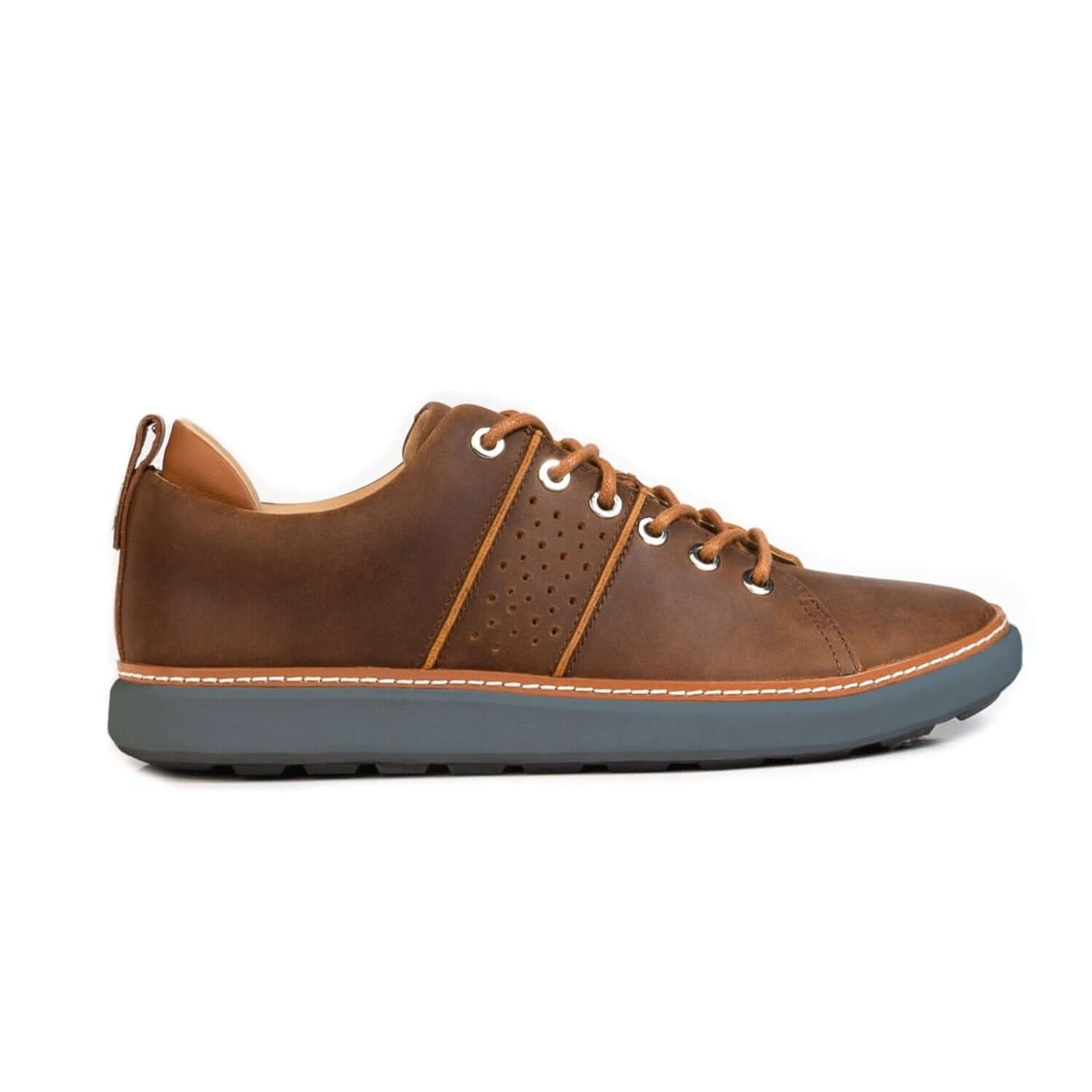
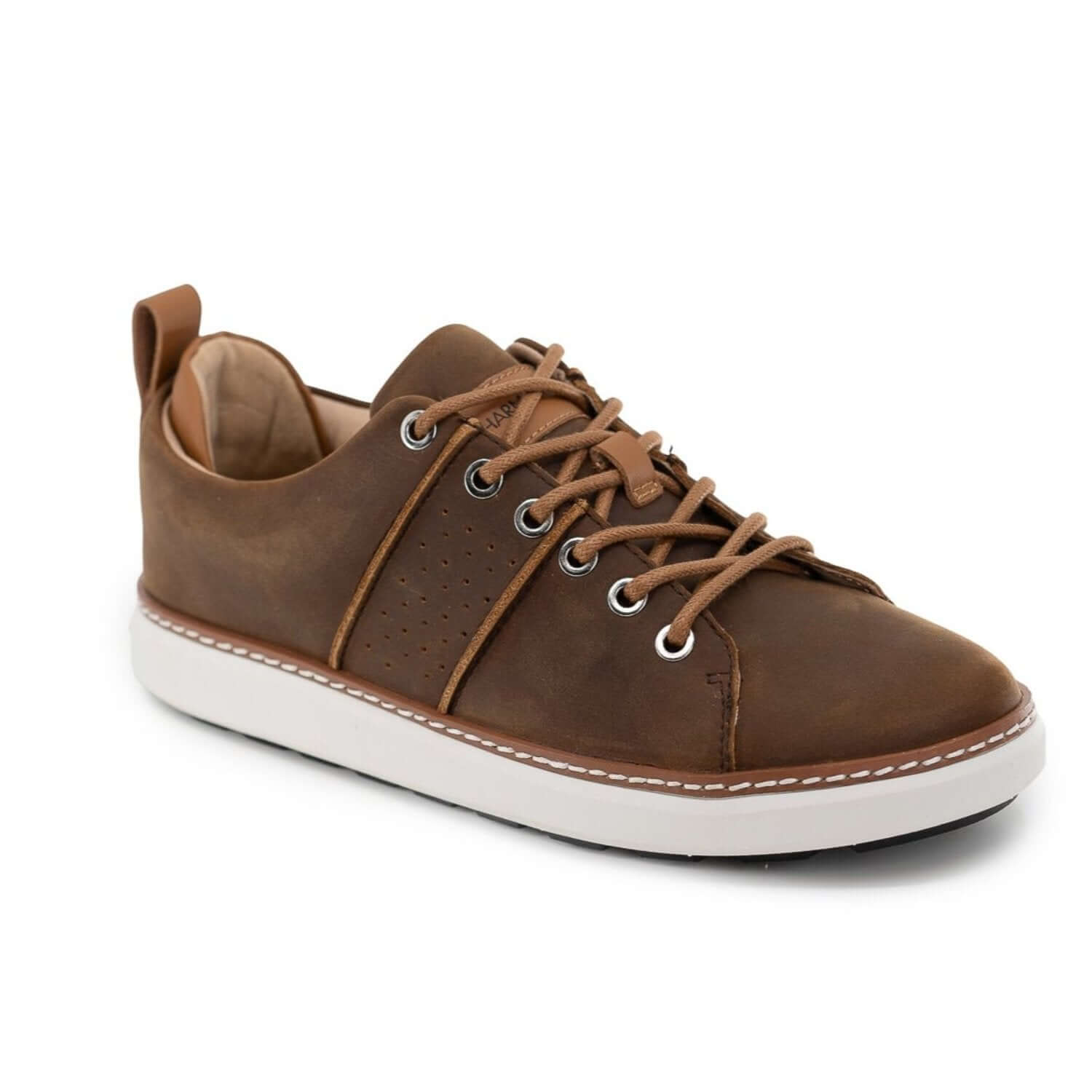
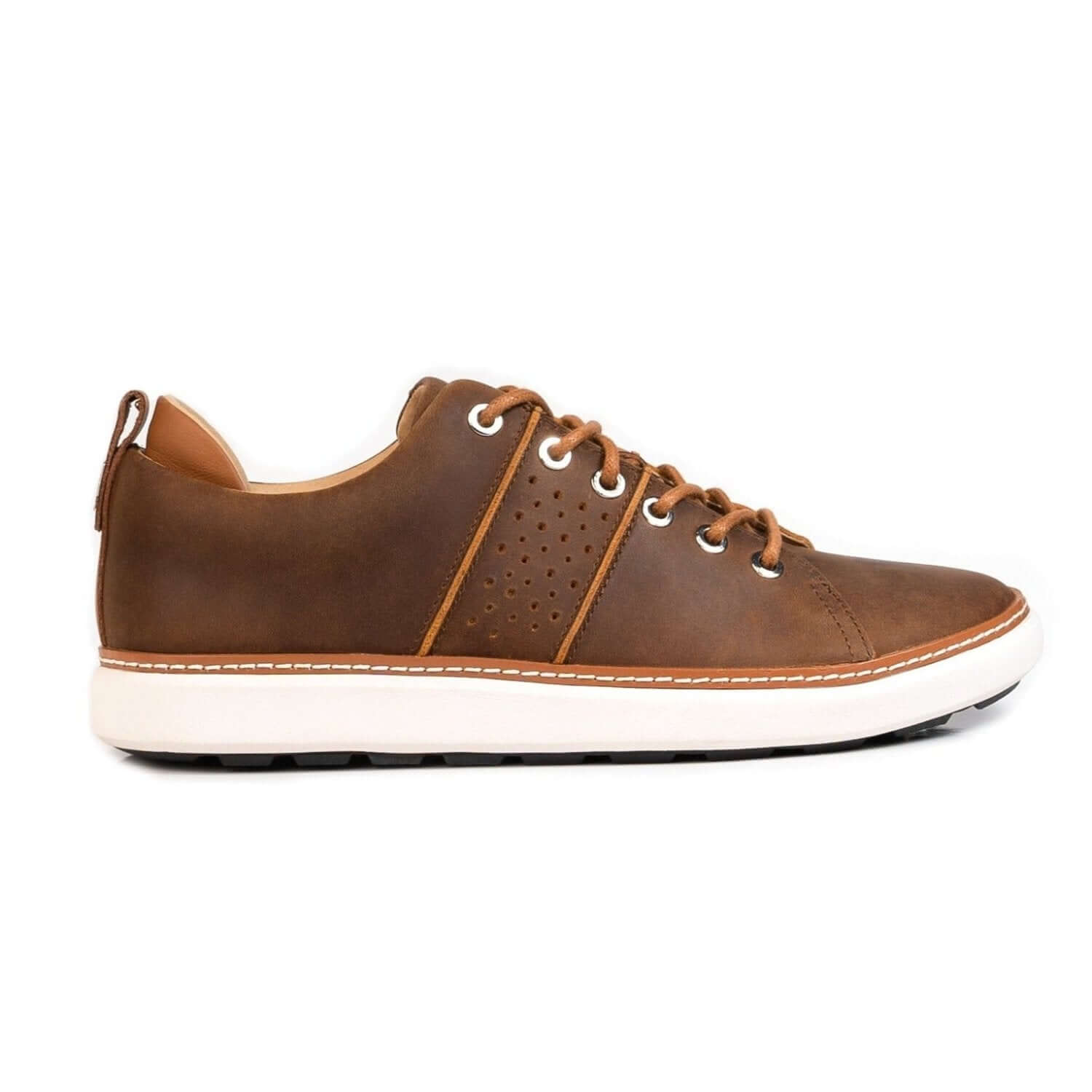
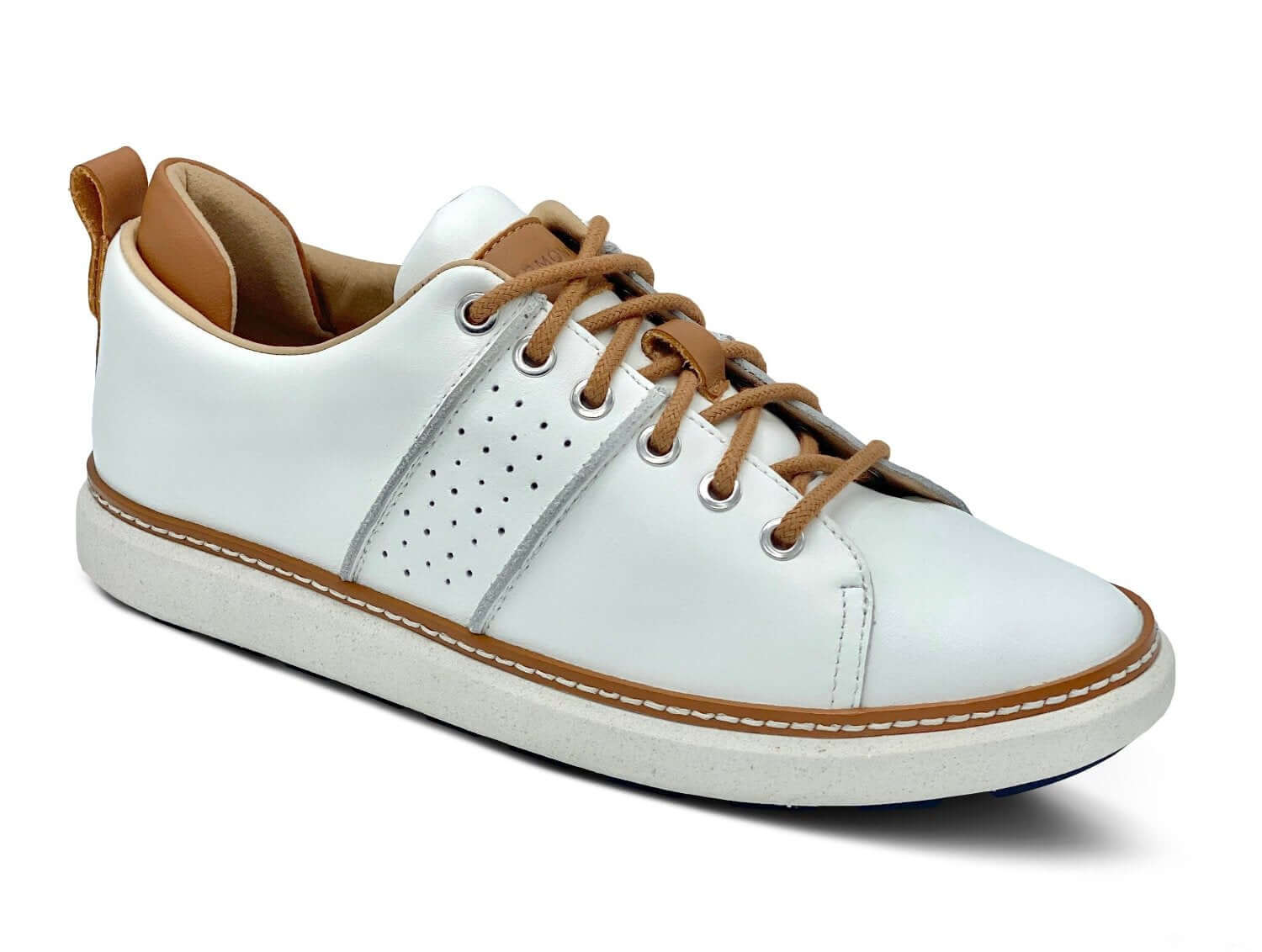
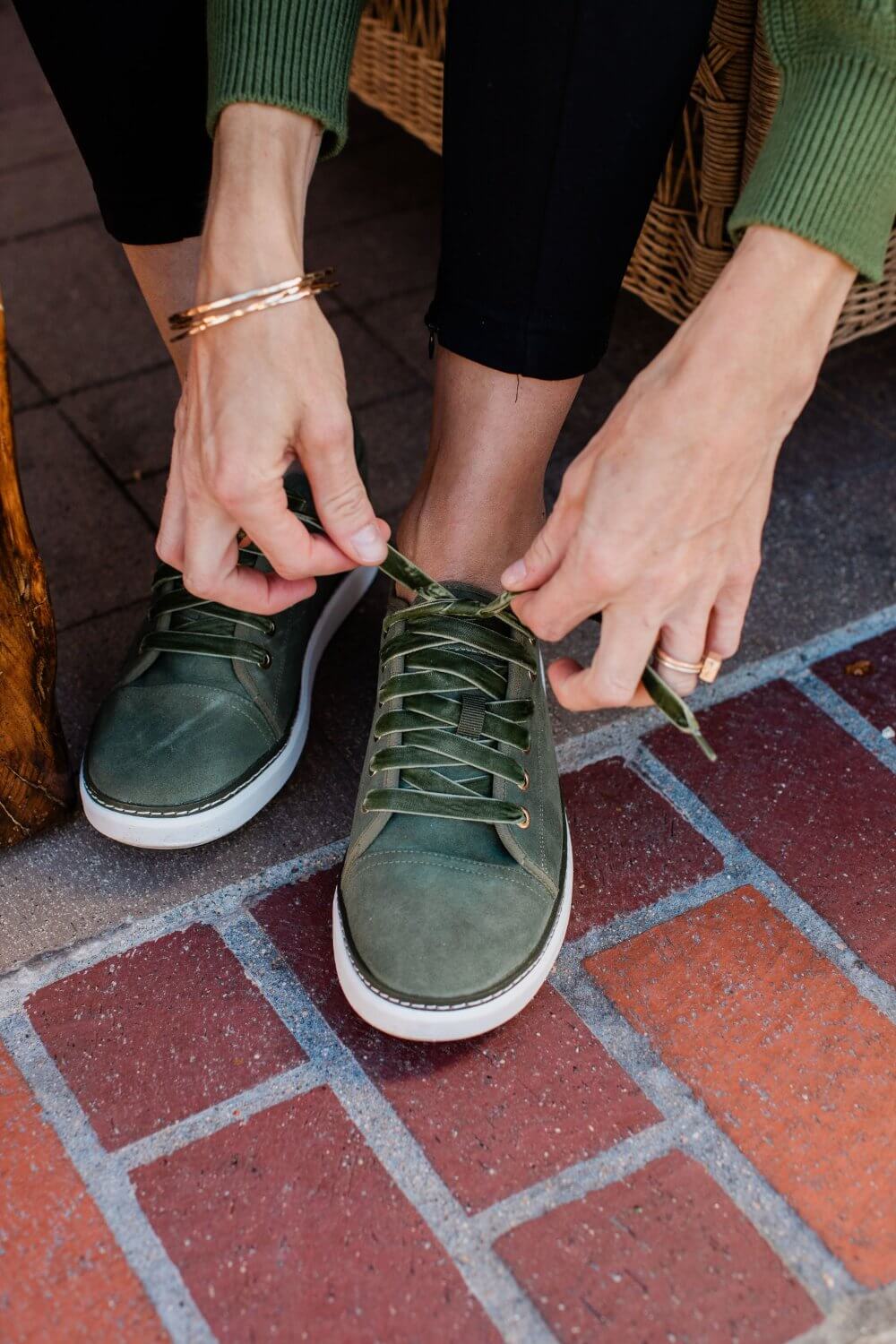
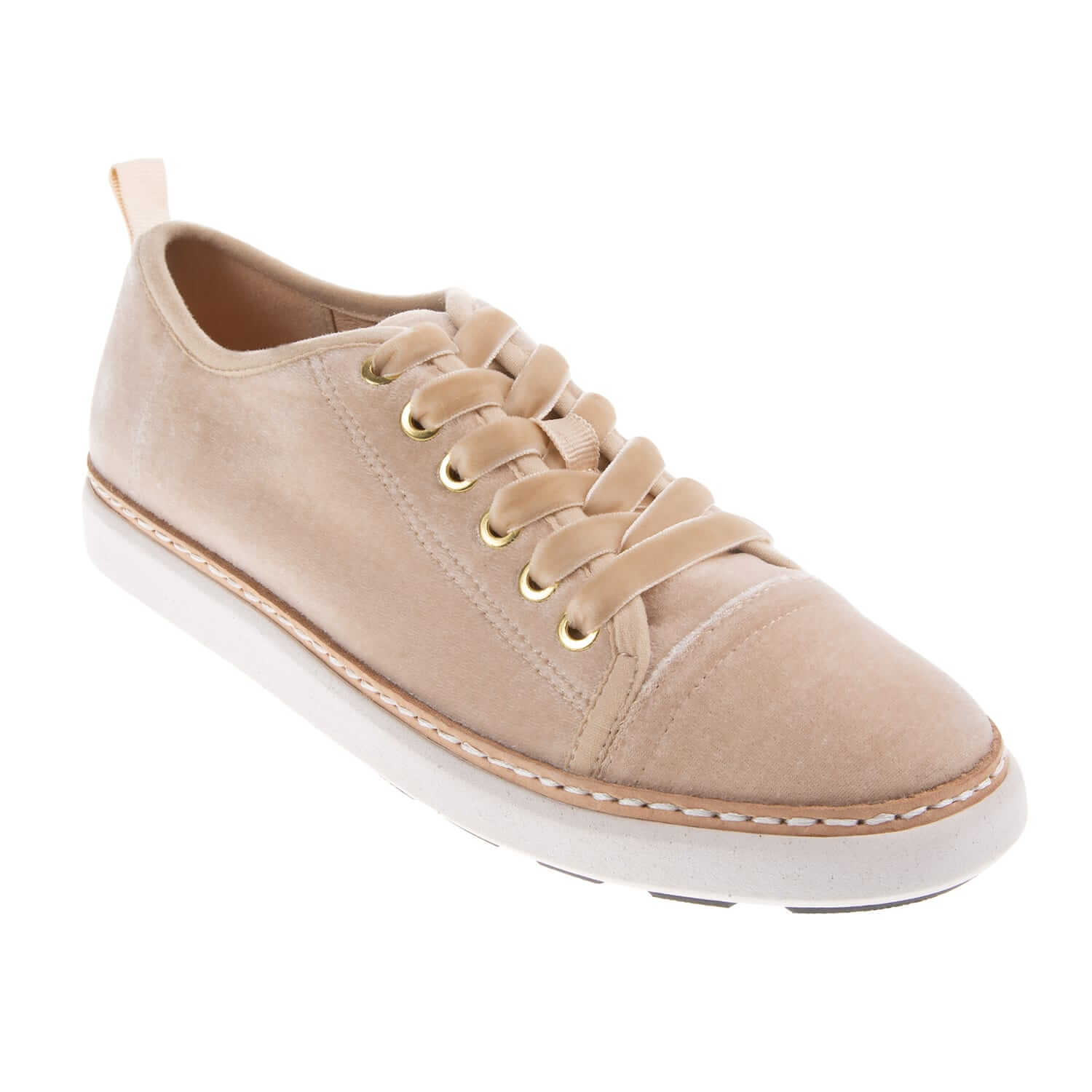
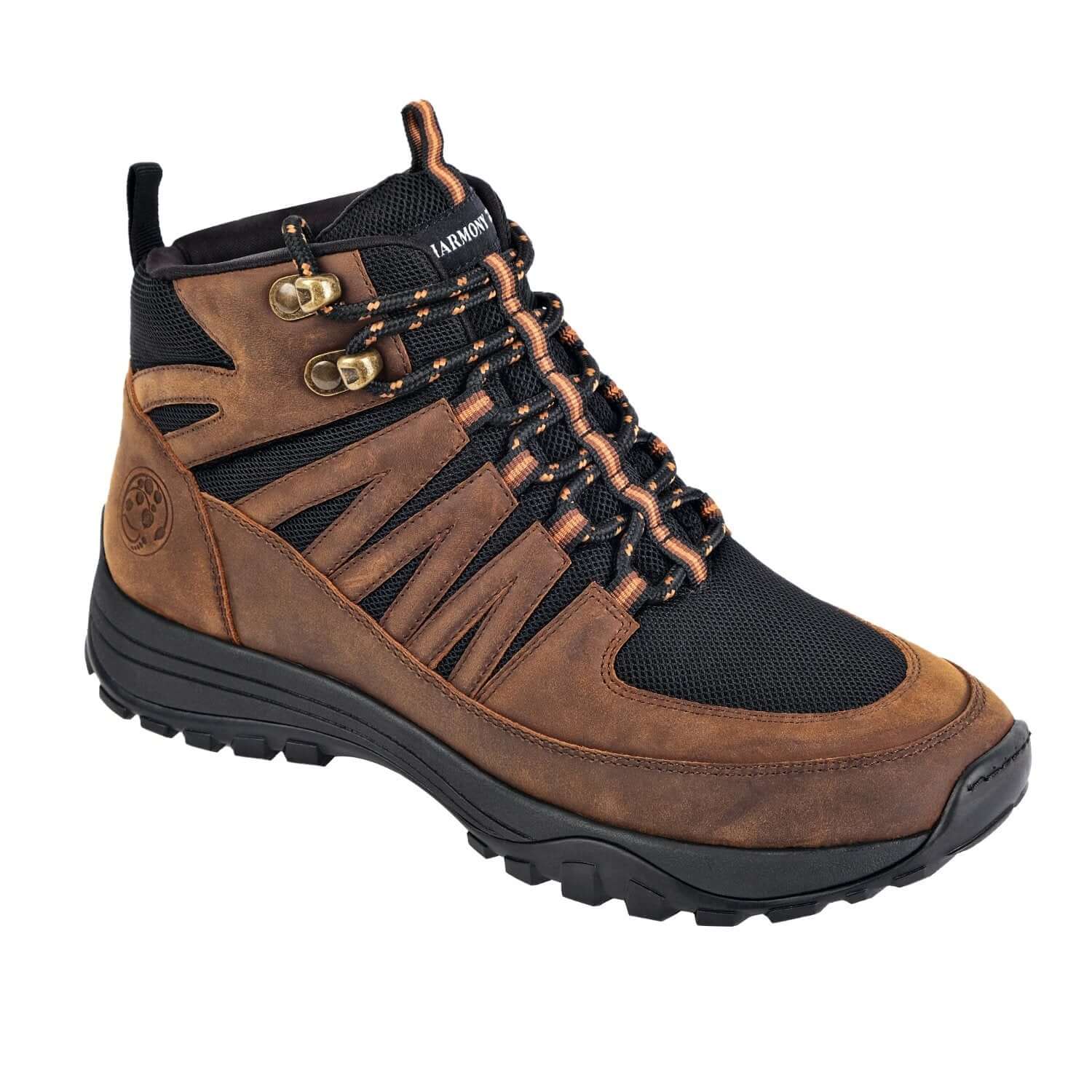
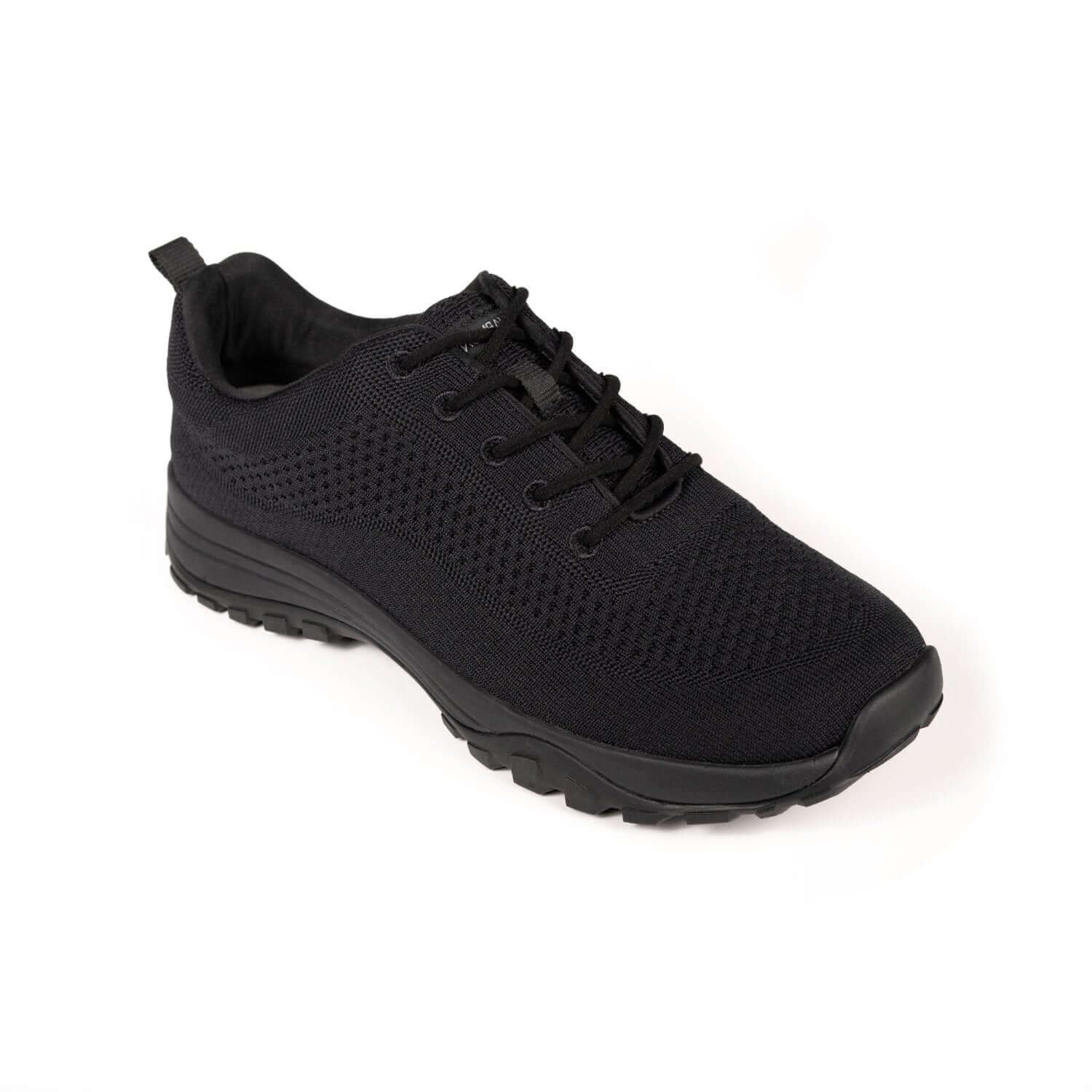
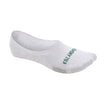
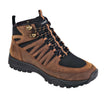
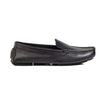
| Walkers | Errands, commuting, and everyday outfits. | Signature everyday design with cushion comfort heel pads. | Part of the grounding footwear collection. Built around the Groundworks system. |
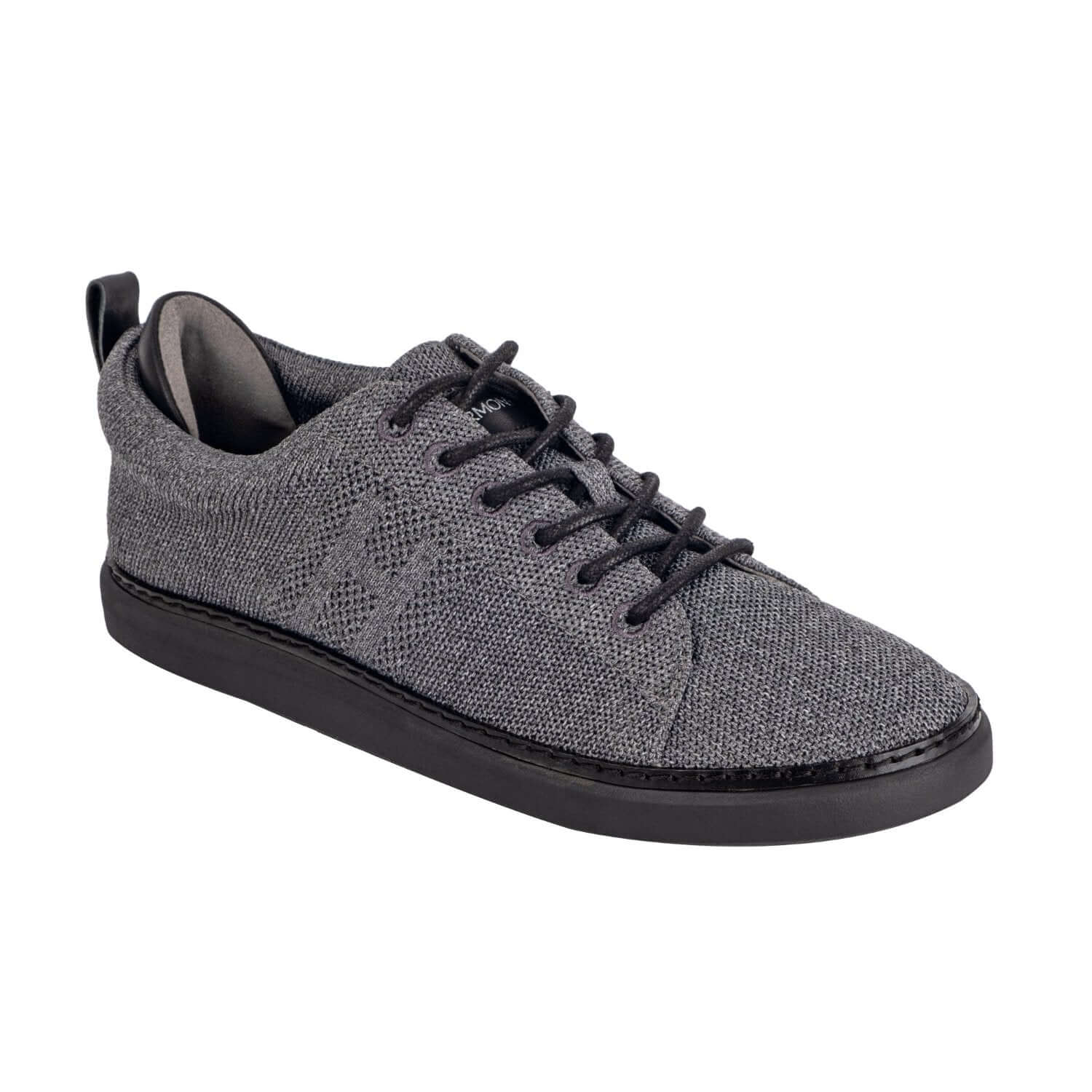
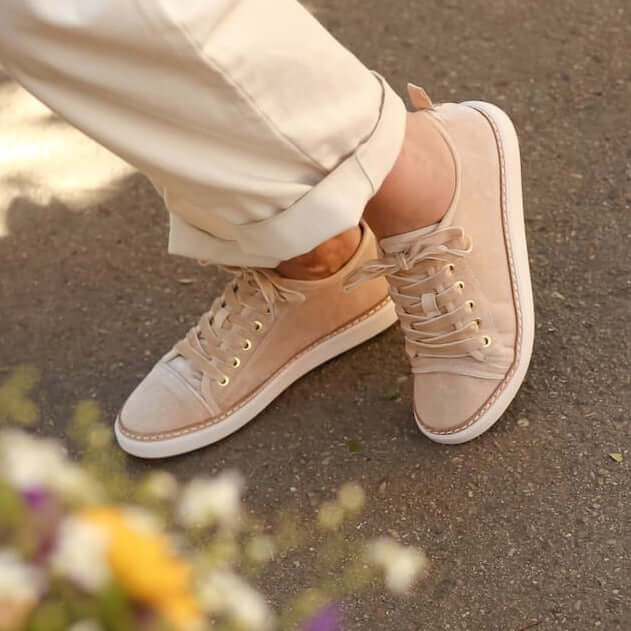
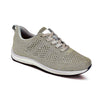
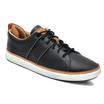
| Sneakers | Active casual wear and lighter performance use. | Breathable bamboo-knit construction for a flexible, casual look. | Designed for performance. Supports everyday grounding. |
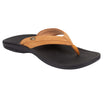
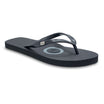
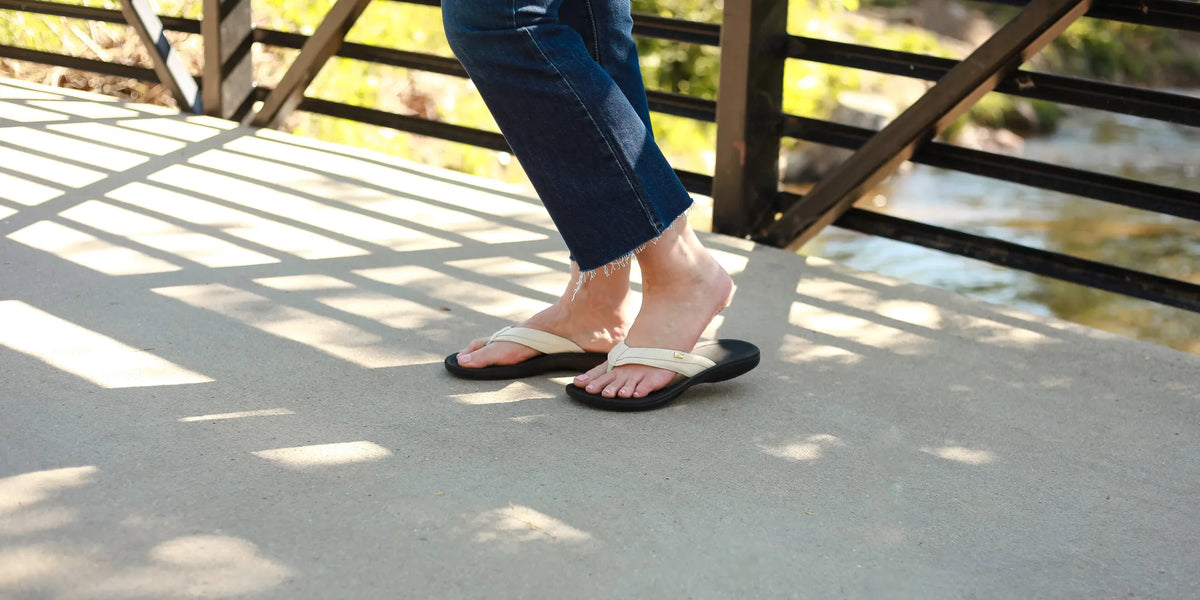
| Sandals | Warm-weather days and casual or dressier plans. | Arch-supportive designs in casual and more polished styles. | Grounding sandal construction. Open design. |

If you are comparing grounding walkers, sneakers, and sandals, start with your most common day rather than a promised outcome. A secure fit, suitable materials, and a style you will actually wear all matter. Footwear may support everyday comfort, but it should not be presented as correcting posture or treating back pain.
How Can You Pair Grounding Shoes With Stretching and Mobility Work?
Grounding shoes and mobility work serve different purposes. A conductive shoe may help you maintain a connection with the Earth's surface when conditions allow it. Stretching and controlled movement address how your body moves through its available range. Pairing the two can create a thoughtful daily routine, but the footwear should not be presented as a replacement for strengthening, gait training, or professional care.
For a broader approach to using conductive footwear during normal activities, see grounding shoes for everyday life. The same practical principle applies here: choose a setting where you can move comfortably, and pay attention to how your body responds.
- Start with an easy check-in. Stand in a stable position and notice your breathing, foot pressure, and general comfort. Do not force yourself into a posture that feels rigid or perfect. Ground contact and conductive sole design do not automatically retrain gait or correct posture.
- Warm up with gentle motion. Try slow ankle circles, relaxed heel raises, or a few comfortable weight shifts. Keep the movement controlled. If you feel sharp pain, new numbness, unusual weakness, or a clear increase in symptoms, stop rather than pushing through it.
- Add a short mobility sequence. Choose movements that match your current ability, such as a gentle hip hinge, supported thoracic rotation, or a slow pelvic tilt. Move within a comfortable range and keep your breathing steady. A 5-to-10-minute session is enough to begin. Consistency matters more than intensity.
- Use balance support when needed. Hold a wall, countertop, or sturdy chair for standing movements. Some footwear and movement surfaces can feel less stable than others. Research on unstable shoes has measured trunk-muscle activity and lumbar-spine range of motion, but those findings do not prove that grounding footwear treats back pain. Read the study details at PubMed.
- Finish with a response check. Notice how you feel immediately after the routine and later that day. Reduce the range, simplify the exercise, or stop if discomfort increases. Persistent, severe, worsening, or neurologic symptoms deserve evaluation by a qualified healthcare professional.
This routine is best viewed as a way to combine mindful footwear use with basic movement practice. It is not a promise of pain relief or posture correction. If you are unsure which exercises fit your situation, ask a qualified professional for individualized guidance before increasing activity.
When Should You See a Specialist About Back Pain?
Grounding footwear may be part of a comfortable daily routine, but it should not be your only response when back symptoms continue or interfere with life. A conductive sole can support a connection with the Earth's surface. It does not diagnose the reason for pain, retrain your gait, strengthen the trunk, or replace an assessment from a qualified healthcare professional.
Consider making an appointment if discomfort does not settle, keeps returning, or limits walking, work, sleep, exercise, or everyday movement. A clinician can ask about your symptoms, examine how you move, and decide whether further evaluation is appropriate. That process is different from choosing shoes based on fit, cushioning, stability, or grounding design.
Get prompt medical guidance for new or worsening weakness, numbness, or tingling. Seek help for pain that travels down a leg or changes your ability to walk safely. Severe or rapidly worsening pain also deserves prompt attention. Changes in bladder or bowel control, numbness in the saddle area, or pain after a significant injury require urgent medical guidance.
- New or worsening weakness, numbness, or tingling in a leg or foot.
- Pain that travels down a leg or changes your ability to walk safely.
- Severe pain, rapidly worsening symptoms, or pain that does not improve.
- Changes in bladder or bowel control, or numbness in the saddle area.
- Back pain after a significant injury, or symptoms that concern you for another reason.
This list is not a diagnosis, and it does not replace urgent medical advice. If symptoms are severe or feel like an emergency, contact local emergency services. For less urgent but ongoing concerns, start with a qualified healthcare professional who can help you understand the next step.
If you are cleared for normal activity and want to explore footwear, pay attention to practical comfort. A secure fit, appropriate support for your feet, and shoes suited to the surfaces and activities you do may make daily movement more manageable. Grounding shoes can be considered within that broader plan, while stretching, mobility work, strengthening, and gait support address different needs. The key is to match the shoe to your routine without expecting it to correct a medical problem.
For a deeper explanation of the limits and possibilities of grounding footwear, read grounding shoes and chronic pain health conditions. It reinforces the same boundary: wellness footwear can support personal comfort, but persistent, severe, worsening, or neurologic symptoms deserve professional attention.
Frequently Asked Questions
Do grounding shoes actually work?
Grounding shoes are designed to create a conductive path between your feet and the Earth when conditions allow. That is different from correcting posture or treating back pain. Research on grounding and research on shoe mechanics are not the same, so view grounding footwear as a wellness option, not a guaranteed pain or posture solution.
What are the best shoes for back posture?
The best choice depends on fit, comfort, stability, and how you move. Look for a shoe that feels secure, gives you enough cushioning for your activity, and does not create pressure or make walking feel awkward. A conductive sole may support grounding, but it does not replace gait training, strengthening, mobility work, or advice from a qualified professional.
What are the downsides to grounded footwear?
Grounding footwear may not suit every foot, activity, surface, or weather condition. Conductive performance also depends on the shoe's construction and a connection path to Earth; a regular barefoot-style shoe is not automatically grounded. Stop wearing any shoe that causes rubbing, instability, numbness, or increasing discomfort, and choose a different fit or ask a specialist for guidance.
How long should you wear grounding shoes?
There is no universal wear-time recommendation for grounding shoes. Start with short, comfortable periods and increase use only if your feet and back feel comfortable. Use them for ordinary activities rather than forcing long walks. If back symptoms persist, worsen, become severe, or include neurologic changes, seek qualified healthcare advice instead of relying on footwear.
If you want to explore grounding footwear for everyday comfort, start with the styles that fit your routine and preferred feel.
Browse Harmony 783 grounding shoes and choose a pair for your next comfortable walk or daily outing.