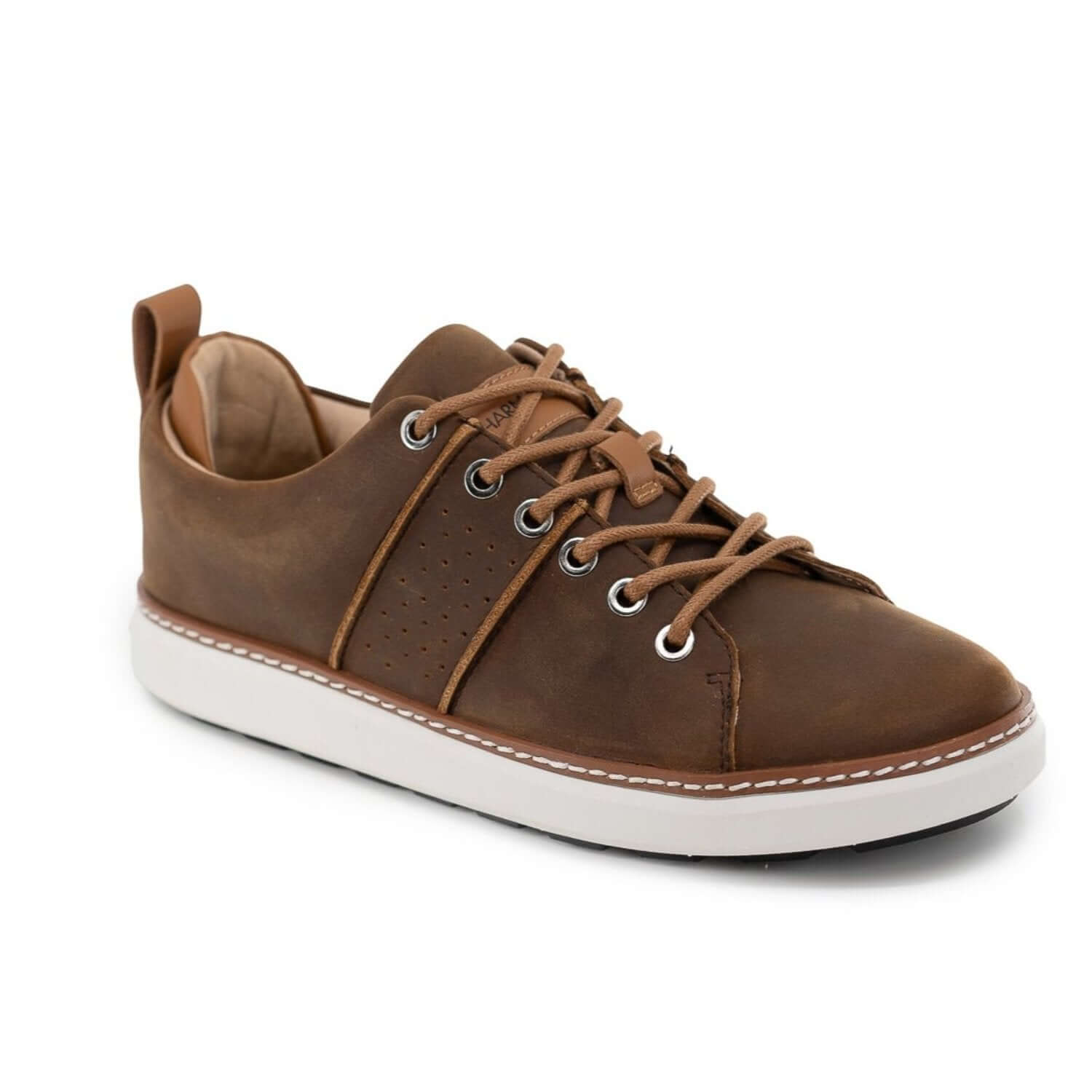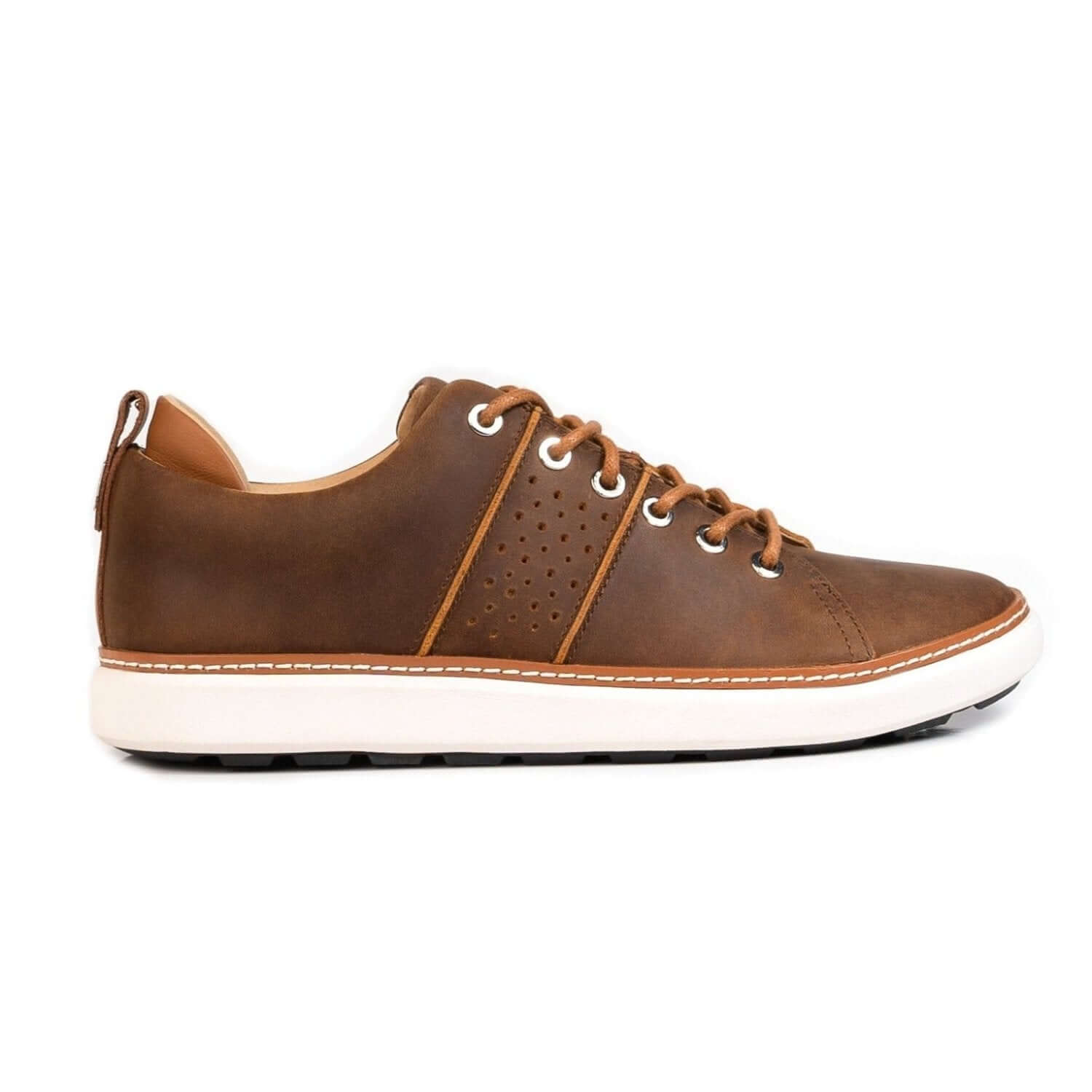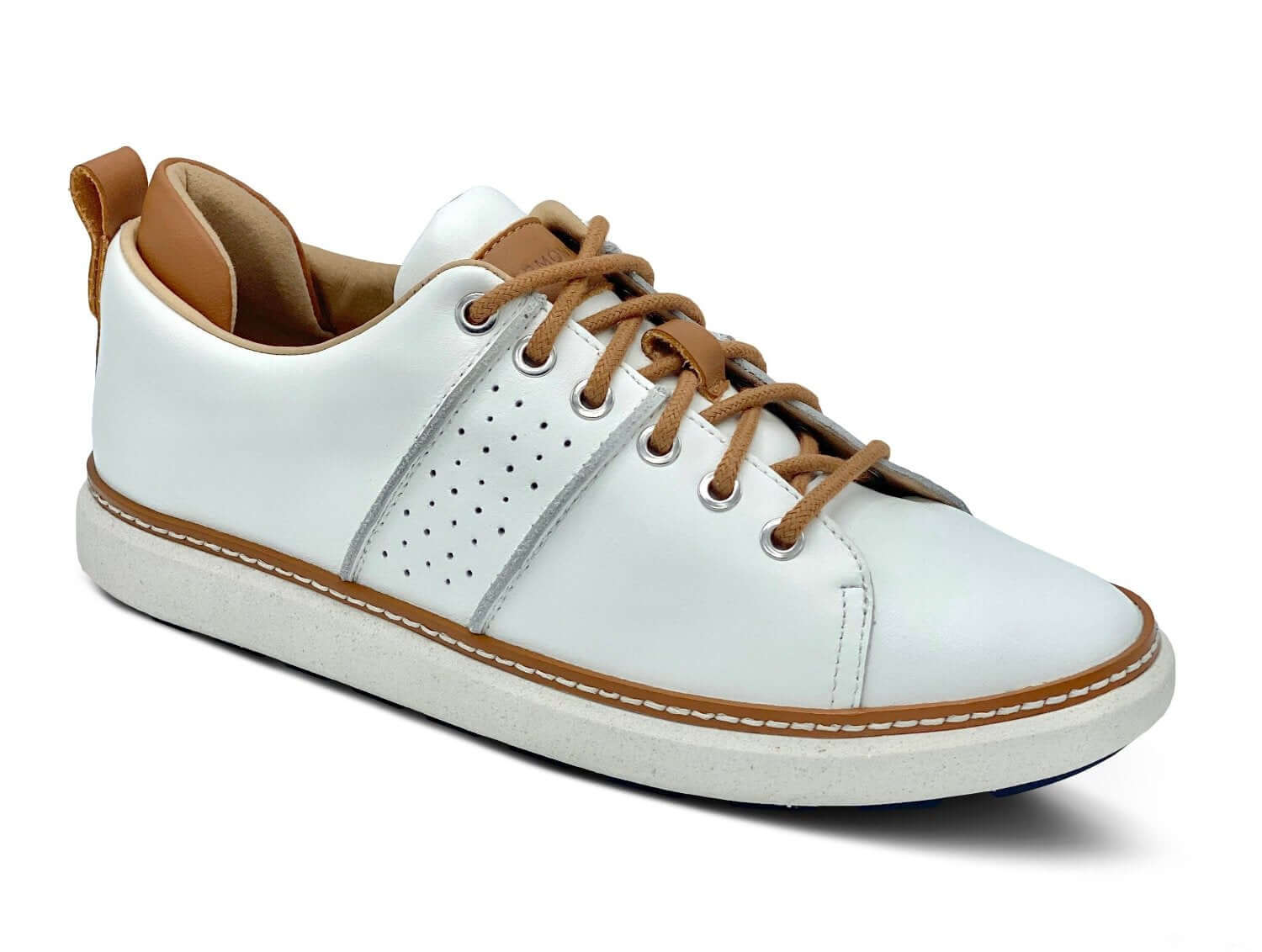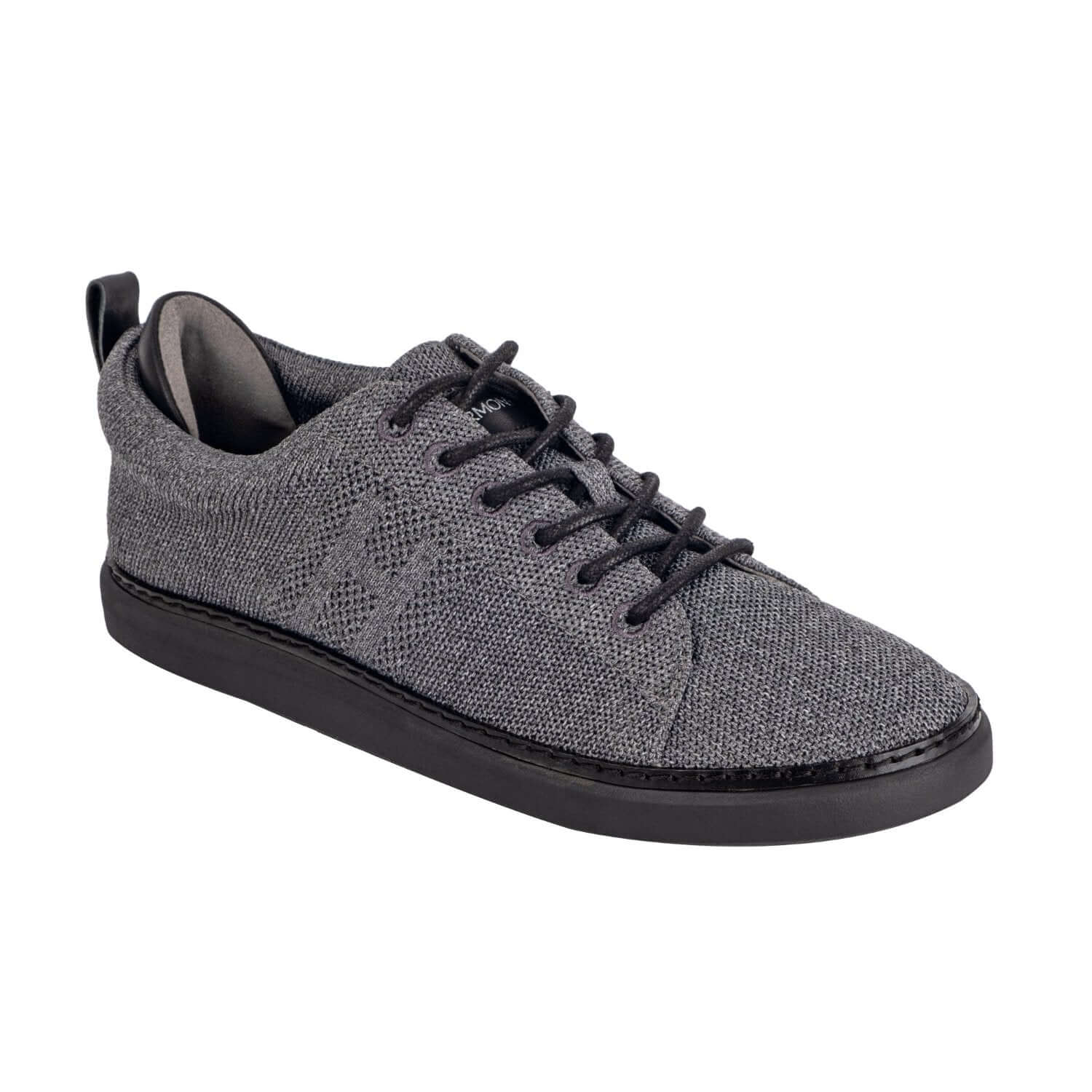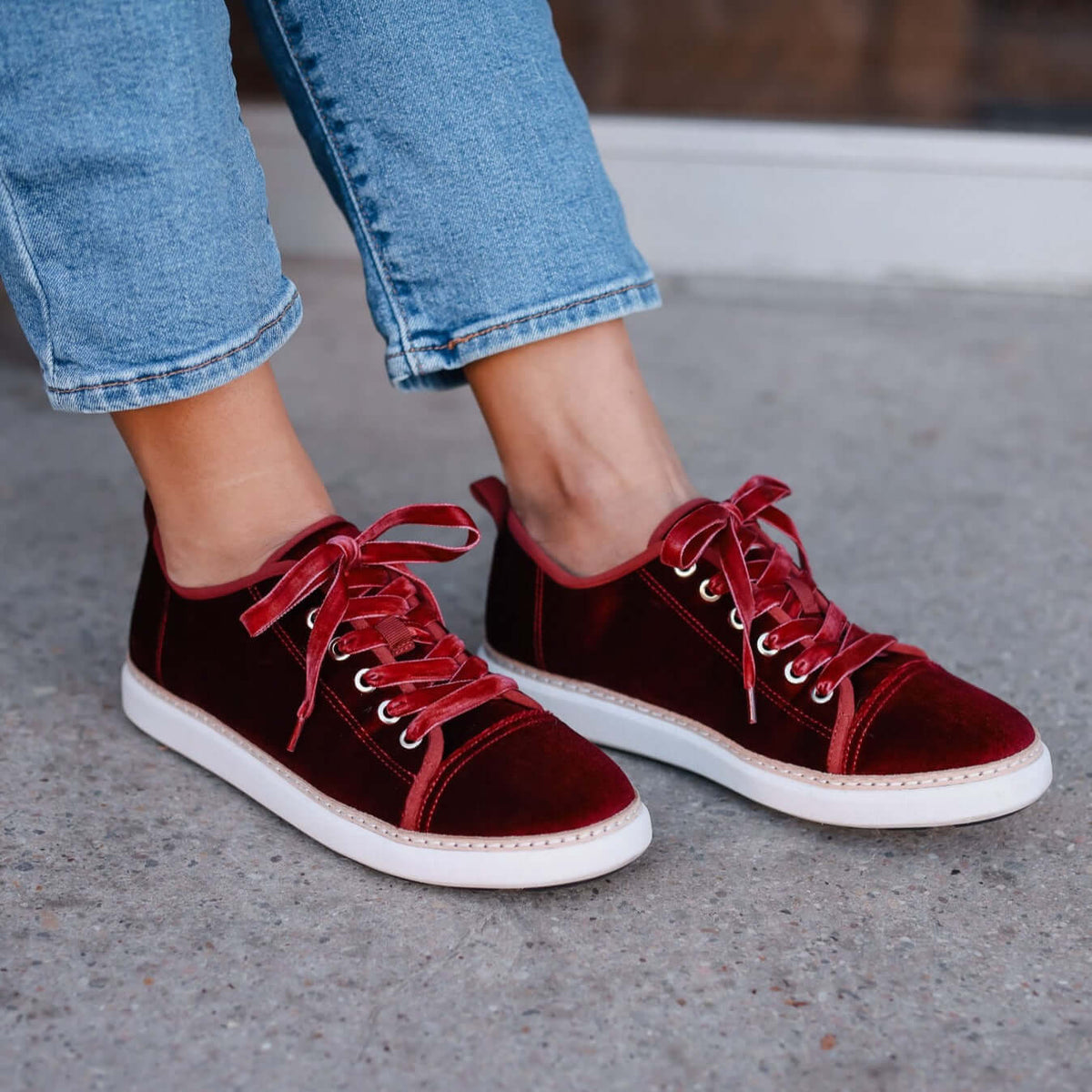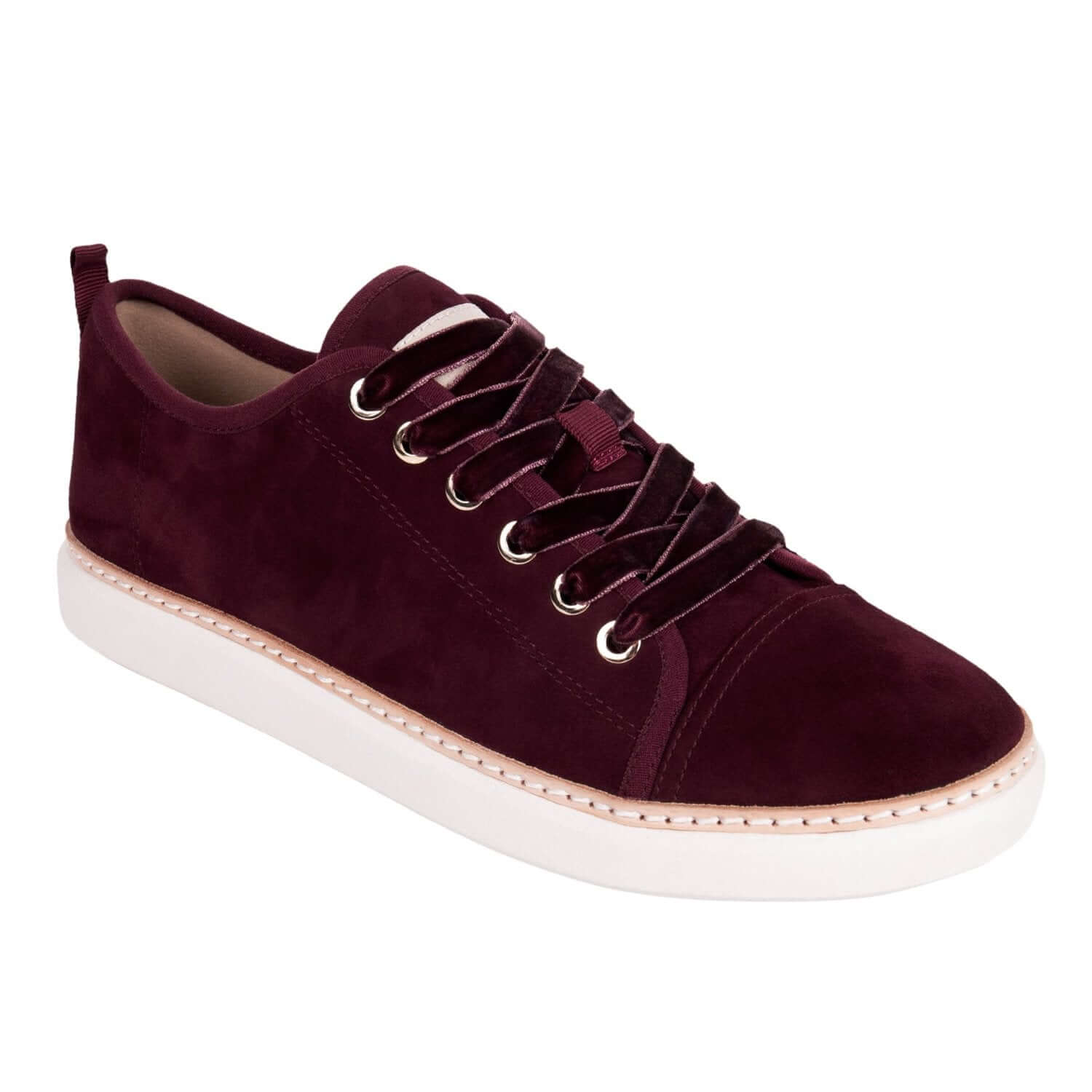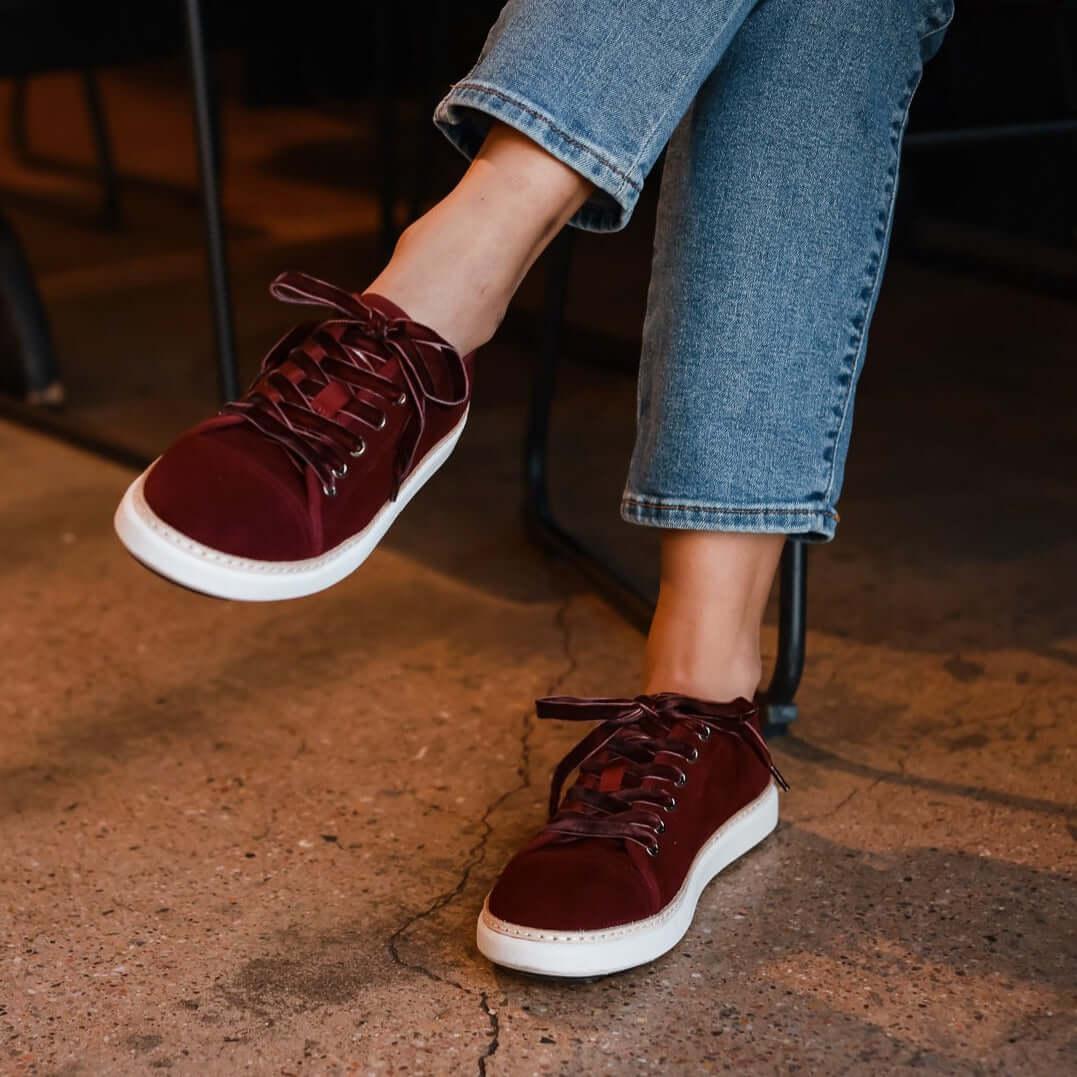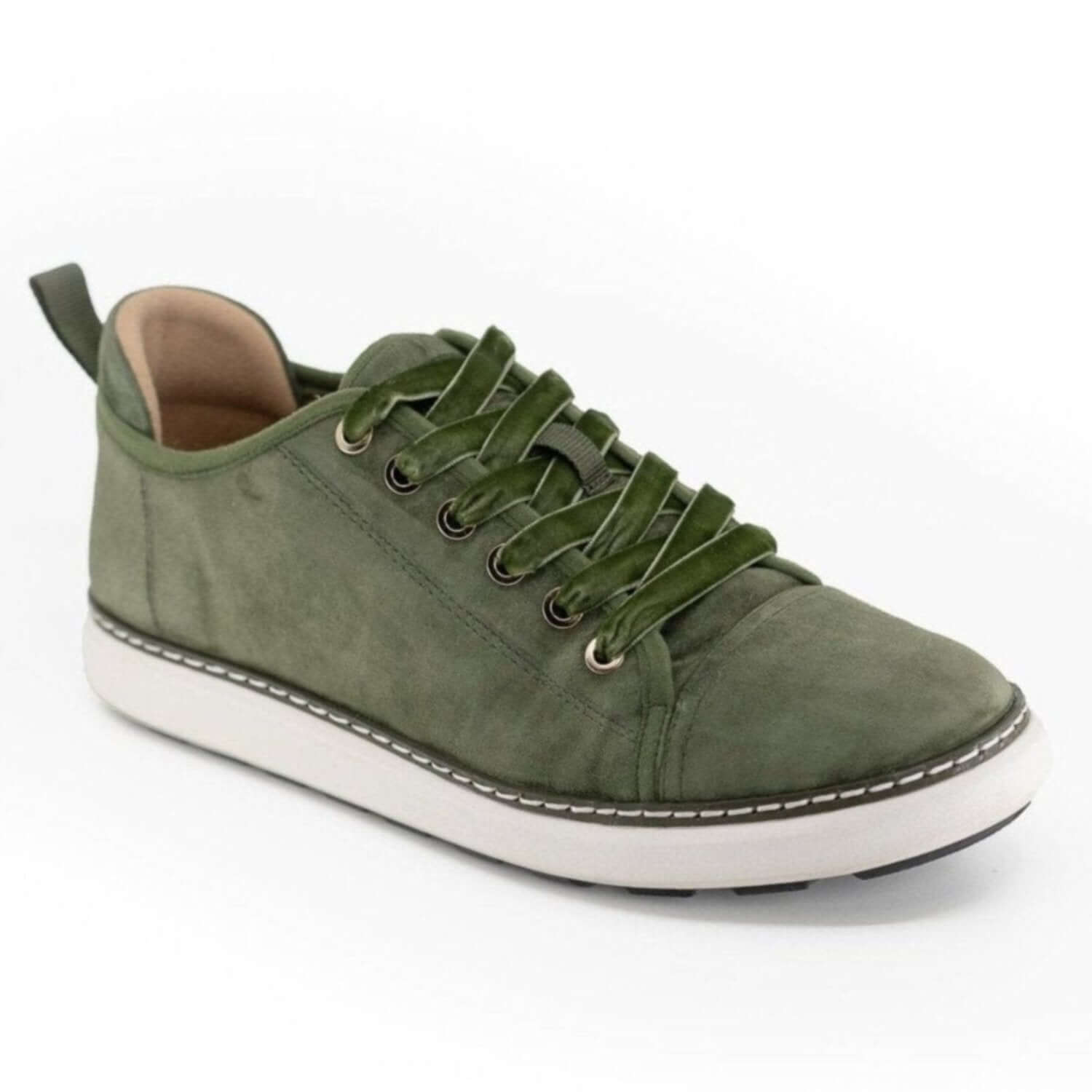





Most modern shoes do two things: they squeeze our feet into unnatural shapes and insulate us from the ground beneath us. While they protect our soles, they also disconnect us from the earth’s subtle energy and weaken the muscles in our feet over time. It’s a trade-off many of us make without a second thought. But what if you didn’t have to choose between protection and connection? Grounding barefoot shoes are designed to solve this exact problem. They combine conductive soles that facilitate earthing with a wide, flexible design that encourages natural foot strength and alignment, offering a path to better well-being from the ground up.
Key Takeaways
- Embrace Natural Movement and Energy: Grounding barefoot shoes do two things at once: their barefoot design, including a wide toe box and flat sole, lets your feet get stronger naturally, while their conductive soles help you absorb the earth's energy.
- Find Balance in Body and Mind: Wearing these shoes can lead to real physical and mental shifts. You might notice less everyday soreness and better posture, along with a greater sense of calm and more restful sleep.
- Start Slow for the Best Results: Think of this as a new fitness routine for your feet. Begin by wearing your shoes for just an hour or two a day, and gradually increase the time as your feet adjust and build strength.
What Are Grounding Barefoot Shoes?
If you’ve ever walked barefoot on cool grass or a warm beach, you know that simple, direct connection to the earth feels good. Grounding barefoot shoes are designed to give you that feeling, no matter where you are. Think of them as the perfect blend of two ideas: the freedom of being barefoot and the science of grounding. They let your feet move naturally while also creating a direct electrical connection between your body and the ground beneath you.
Unlike traditional shoes that insulate you with thick rubber soles, grounding shoes use special conductive materials to channel the earth’s natural energy. At the same time, they embrace a "barefoot" design philosophy. This means they have a wide toe box that lets your toes spread out and a flexible, zero-drop sole that encourages a more natural posture and gait. The goal is to give you the benefits of walking barefoot, like improved balance and foot strength, combined with the health advantages of grounding, all while keeping your feet protected and comfortable.
How Grounding (or Earthing) Works
At its core, grounding is simply the act of reconnecting your body to the earth’s surface. This therapeutic practice, often called earthing, is based on the idea that the earth has a subtle, negative electrical charge. When you make direct contact with the ground by walking barefoot on grass, dirt, or sand, your body can absorb these free electrons.
This process is thought to help stabilize your internal bioelectrical environment, much like how grounding an electrical appliance prevents a buildup of charge. Proponents believe this exchange can have a calming effect on the body, potentially helping to reduce inflammation and stress. Grounding shoes make it possible to maintain this connection even when you can’t go barefoot.
What Makes a Shoe a "Grounding" Shoe?
So, what separates a grounding shoe from any other shoe in your closet? The secret is in the sole. For a shoe to be grounding, it must be conductive, meaning it allows electrical energy to pass through it. Regular shoes with thick rubber or plastic soles act as insulators, blocking this natural energy flow from the earth.
Grounding shoes solve this problem by using conductive materials. This can be a sole made of natural leather or, more commonly, shoes that feature a conductive carbon and rubber outsole with a special "plug" or stitching that runs through the shoe to make contact with your foot. This technology creates an unbroken path for the earth’s energy to travel through the sole and into your body, giving you the benefits of earthing on the go.
Grounding Shoes vs. Regular Barefoot Shoes
It’s easy to get grounding shoes and regular barefoot shoes confused, but there’s one key difference. While most grounding shoes are built with barefoot principles, not all barefoot shoes are grounding. A "barefoot" shoe is defined by its design: a wide toe box for toe splay, a thin, flexible sole for sensory feedback, and a zero-drop platform (meaning your heel and forefoot are level) to promote natural posture. These features are all about encouraging healthy foot movement.
A grounding shoe takes it one step further. It includes all those great barefoot design elements plus the conductive technology needed to connect you to the earth. So, while a regular barefoot shoe helps your foot function as it should, a grounding shoe does that and also helps your entire body connect to the earth’s energy.
Features That Connect You to the Earth
So, what exactly sets grounding shoes apart from the other pairs in your closet? It’s all in the design. These shoes are thoughtfully engineered with specific features that not only let your feet move more naturally but also help you reconnect with the earth’s energy, even when you’re walking on pavement.
Think of them as the perfect blend of ancient wisdom and modern technology. They combine the barefoot experience with the protection and style you need for everyday life. Understanding these key features will help you see why so many people are making the switch. Let’s look at the three main components that make grounding barefoot shoes so special: the conductive sole, the zero-drop platform, and a roomy toe box. Each one plays a vital role in how the shoe feels and functions.
Conductive Soles: Your Direct Line to the Ground
The most important feature of any grounding shoe is its conductive sole. This is what allows you to practice grounding while you’re on the move. Unlike typical rubber-soled shoes that insulate you from the ground, conductive soles create a direct pathway for the earth's natural energy to flow into your body.
Harmony 783 shoes use carbon and rubber outsoles with bio-friendly materials to achieve this connection. This technology allows for a direct electrical link between you and the ground, which is the foundation of earthing and its wellness benefits. It’s the secret sauce that lets you stay grounded whether you’re running errands, walking in the park, or just standing in your backyard.
Zero-Drop Design for Natural Alignment
Have you ever noticed how most shoes lift your heel higher than your toes? Grounding shoes do the opposite. They feature a "zero-drop" sole, which means your heel and forefoot are at the same height. This design mimics your natural barefoot stance, promoting better posture and a more balanced alignment throughout your entire body.
When your foot is flat, your spine can align correctly, reducing strain on your joints and back. It encourages a more natural walking gait, allowing your muscles and tendons to function as they were intended. This simple yet effective design is a core principle of all our grounding shoes, helping you move with greater ease and stability.
A Wide Toe Box for Happier Feet
Traditional shoes often have a narrow, tapered shape that squeezes your toes together. Grounding shoes are built with a wide toe box that gives your toes the freedom to spread out naturally. This might seem like a small detail, but it makes a huge difference for your foot health and overall comfort.
Allowing your toes to splay helps improve your balance, strengthens the muscles in your feet, and can prevent common foot problems caused by cramped footwear. When your feet can function without being restricted, they provide a stronger and more stable foundation for your entire body. It’s about giving your feet the space they need to do their job properly, which leads to happier, healthier feet in the long run.
The Benefits of Grounding Barefoot Shoes
Slipping on a pair of grounding shoes does more than just protect your feet. It’s an intentional choice to reconnect with the world beneath you, and that connection comes with some incredible perks for your body and mind. By combining the principles of earthing with the freedom of a barefoot design, these shoes offer a unique path to feeling better from the ground up. From easing physical discomfort to calming a busy mind, the advantages are rooted in simple, natural science. Let's explore how walking on conductive soles can make a real difference in your daily wellness routine.
Feel Less Inflammation and Recover Faster
One of the most talked-about benefits of grounding is its potential to reduce inflammation. The core idea is that when you make direct contact with the ground, your body can absorb electrons from the surface of the earth. These electrons are thought to act like antioxidants, helping to neutralize free radicals that contribute to inflammation, pain, and cellular damage. For you, this could mean feeling less soreness after a workout, experiencing relief from chronic aches, or simply noticing a decrease in puffiness and discomfort. It’s a simple way to support your body’s natural recovery processes, just by walking on grass, sand, or even a city sidewalk.
Improve Your Posture and Foot Strength
Traditional shoes often squeeze your toes and elevate your heel, which can throw your entire body out of alignment. Grounding barefoot shoes are different. With their zero-drop soles and wide toe boxes, they allow your feet to rest and move in their natural position. This encourages you to improve your posture by stacking your joints correctly from the ground up. Over time, walking this way can help strengthen the small muscles in your feet and ankles, building a more stable and resilient foundation for your whole body. This can lead to less joint pain and a more powerful, balanced stride.
Lower Stress, Sleep Better, and Feel More Energized
Have you ever noticed how a walk on the beach can instantly calm you down? That’s grounding at work. Grounding techniques are believed to help regulate our nervous system by syncing our bodies with the earth's natural electrical rhythm. This can lead to a noticeable reduction in stress and anxiety. Many people report that a regular grounding practice helps them fall asleep faster and enjoy deeper, more restorative rest. The result is often waking up with more stable, consistent energy throughout the day, rather than feeling jittery or drained. It’s a gentle yet powerful way to find your center in a hectic world.
Get Better Sensory Feedback from the Ground
Thick, cushioned soles can feel like walking on pillows, but they also cut you off from the world. They prevent your feet from receiving important information about the terrain you’re on. Grounding barefoot shoes, with their thin and flexible soles, reawaken this connection. You get better sensory feedback from the ground, allowing your brain and body to respond more effectively to different surfaces. This not only makes walking more engaging but also improves your balance and agility. Feeling the texture of grass, the warmth of a stone path, or the coolness of damp earth is a simple pleasure that helps you feel more present and connected to your environment.
Our Favorite Grounding Shoes for Every Occasion
Finding the right shoe is about more than just style; it’s about finding something that fits your life. The great thing about grounding footwear is that you don’t have to choose between staying connected and having a shoe that works for your daily routine. Whether you’re running errands, heading to the gym, or exploring a new trail, there’s a grounding shoe designed to keep you comfortable and connected to the earth’s energy. We’ve put together a list of our favorite styles that prove you can find the perfect pair for any activity, helping you make grounding a seamless part of your life.
Harmony 783 Grounding Walkers
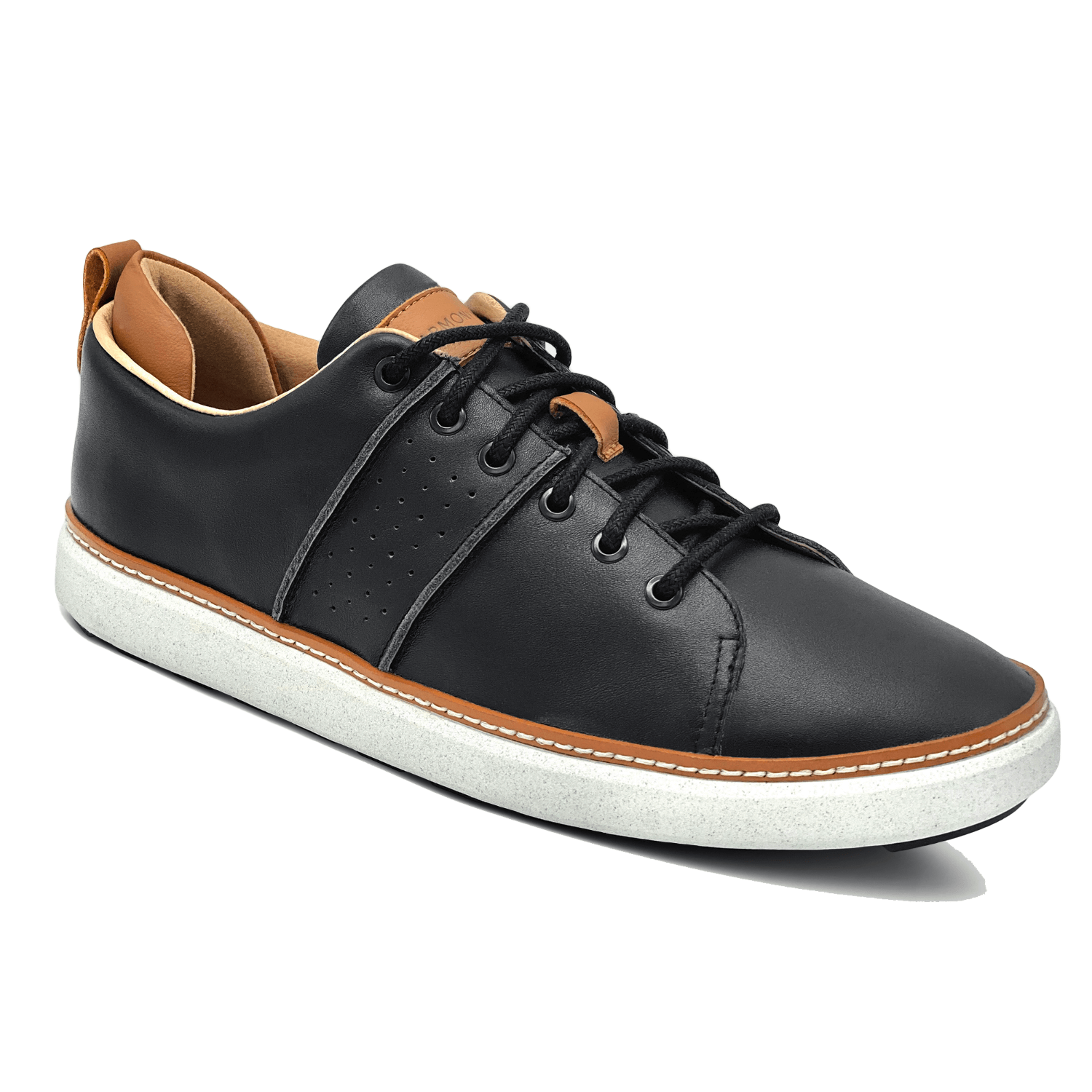
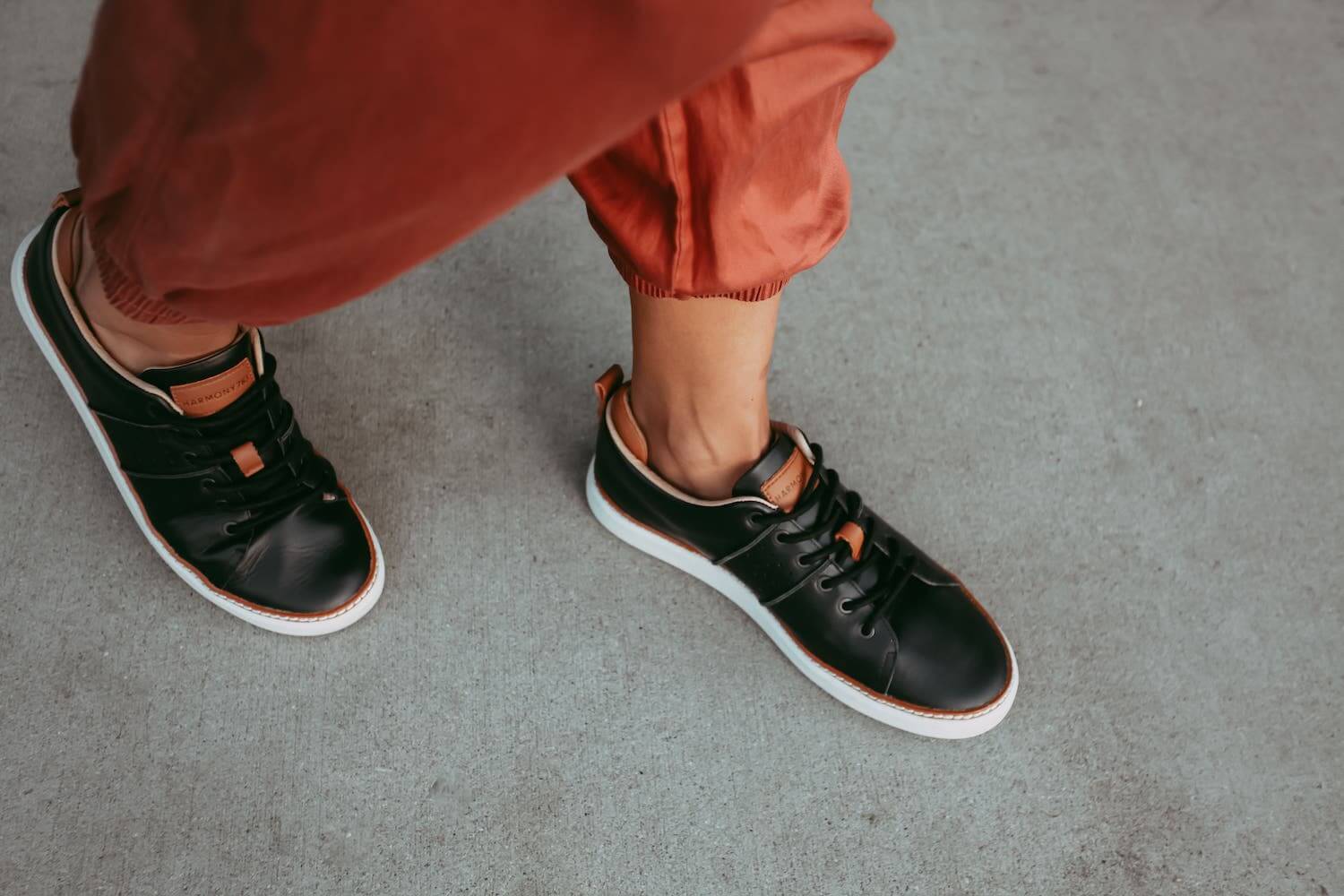
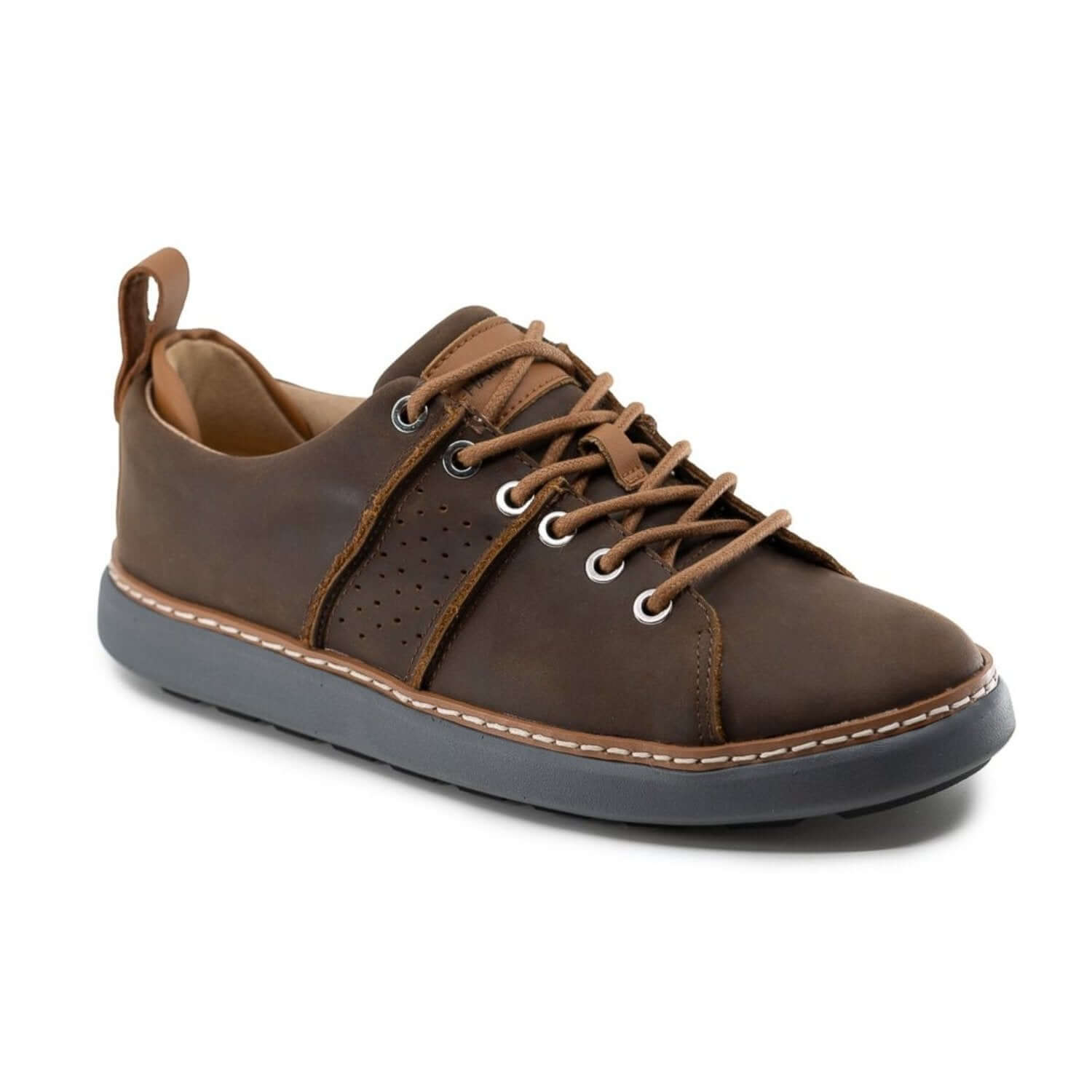
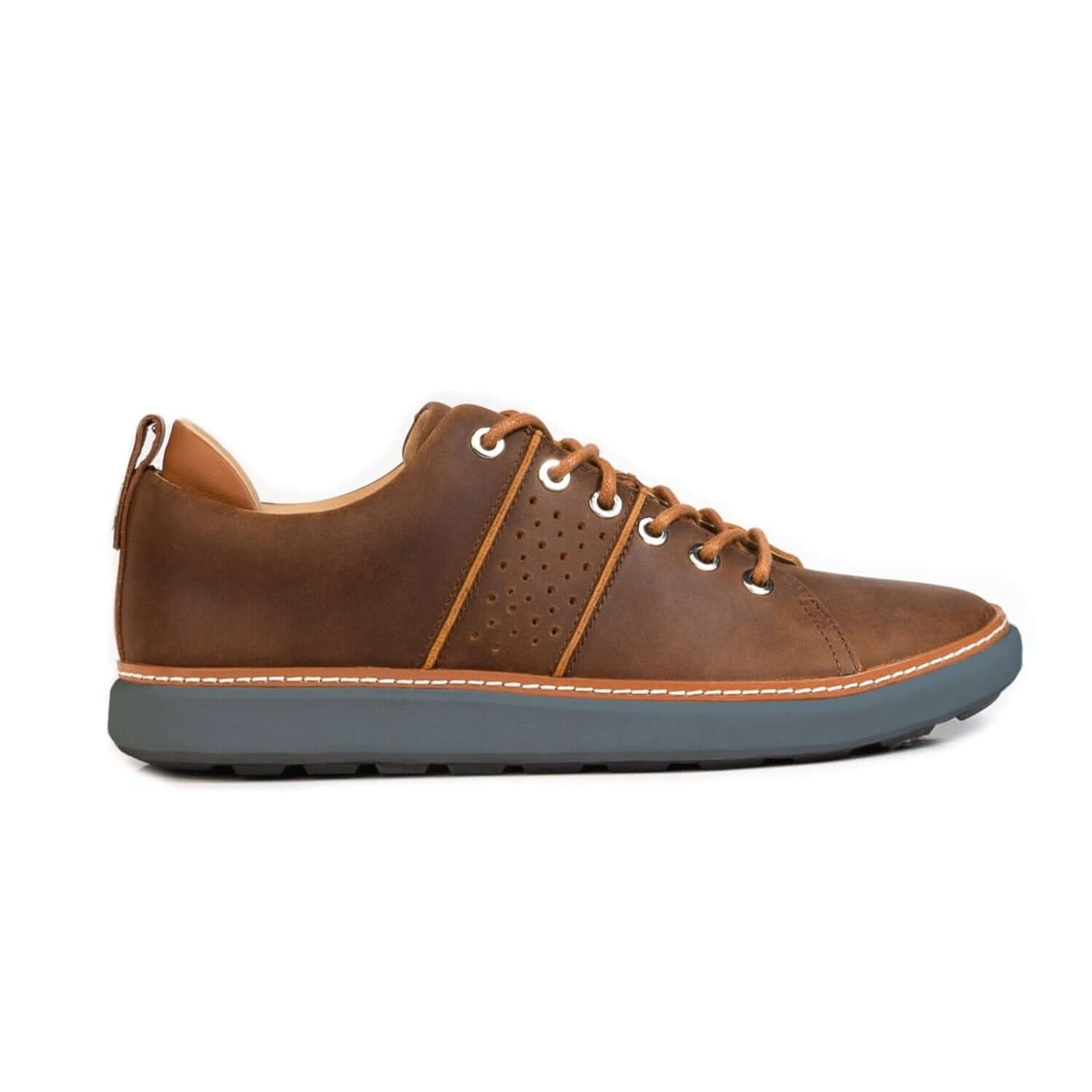
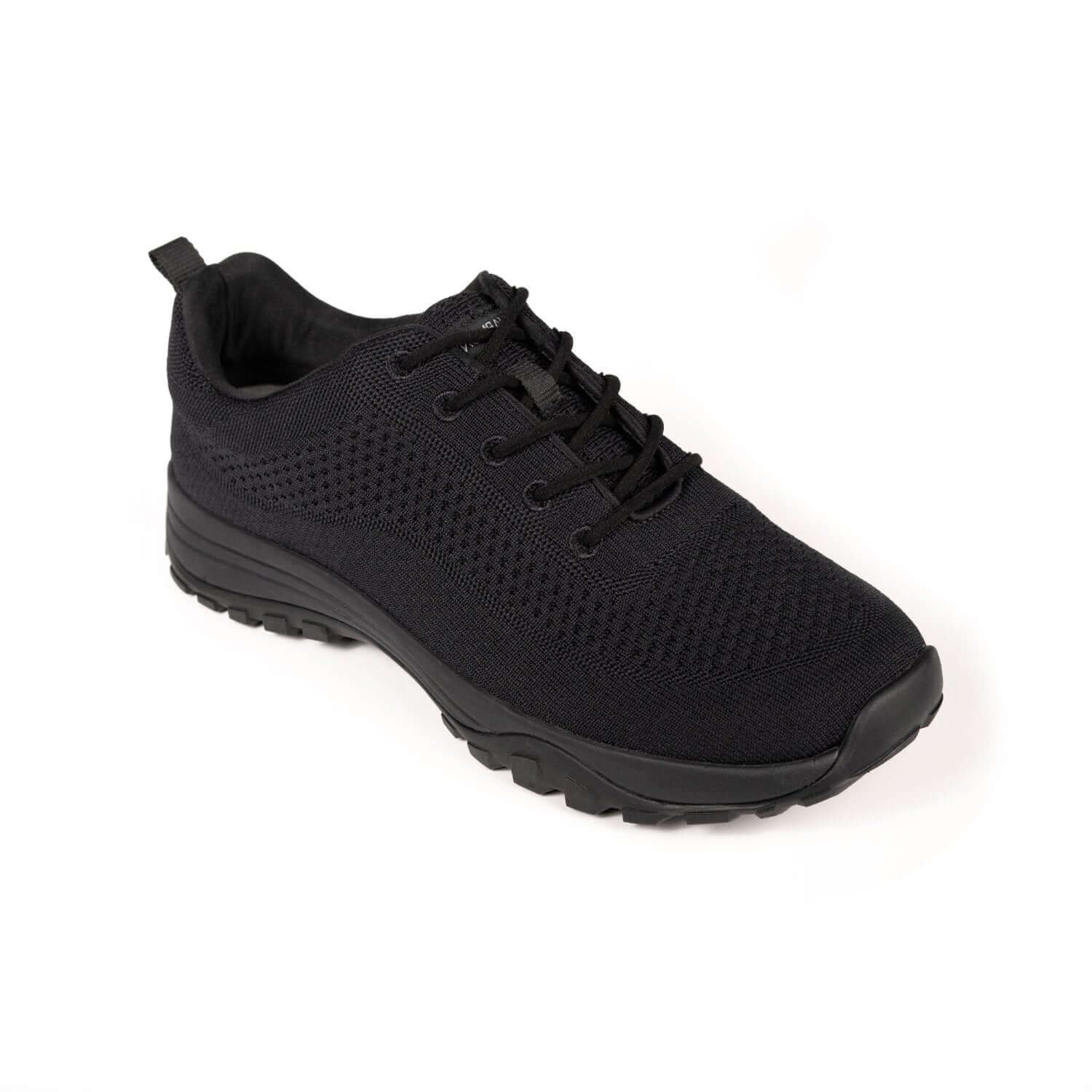
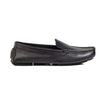
If you need a reliable, do-it-all shoe, this is it. The Harmony 783 Grounding Walkers are designed for your day-to-day life, blending a classic, stylish look with all the benefits of earthing. They’re perfect for everything from your morning walk to a busy afternoon of errands. The Black Leather Walker, for example, is incredibly versatile and comfortable right out of the box. It’s the kind of shoe that supports your feet while keeping you connected, so you can feel grounded and balanced no matter where your day takes you. These grounding shoes are a fantastic starting point for anyone looking to make earthing a daily habit.
Harmony 783 Grounding Sneakers
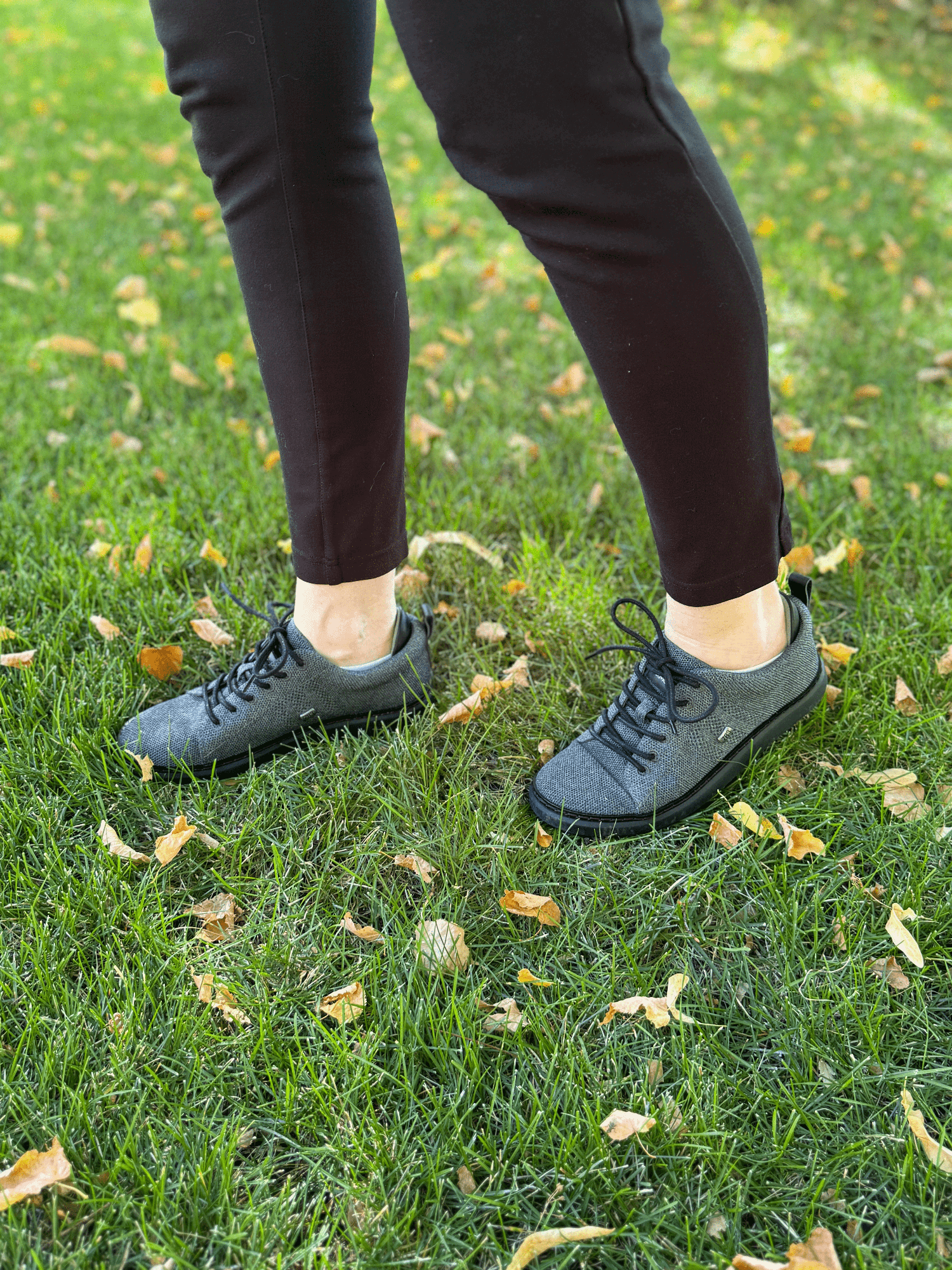
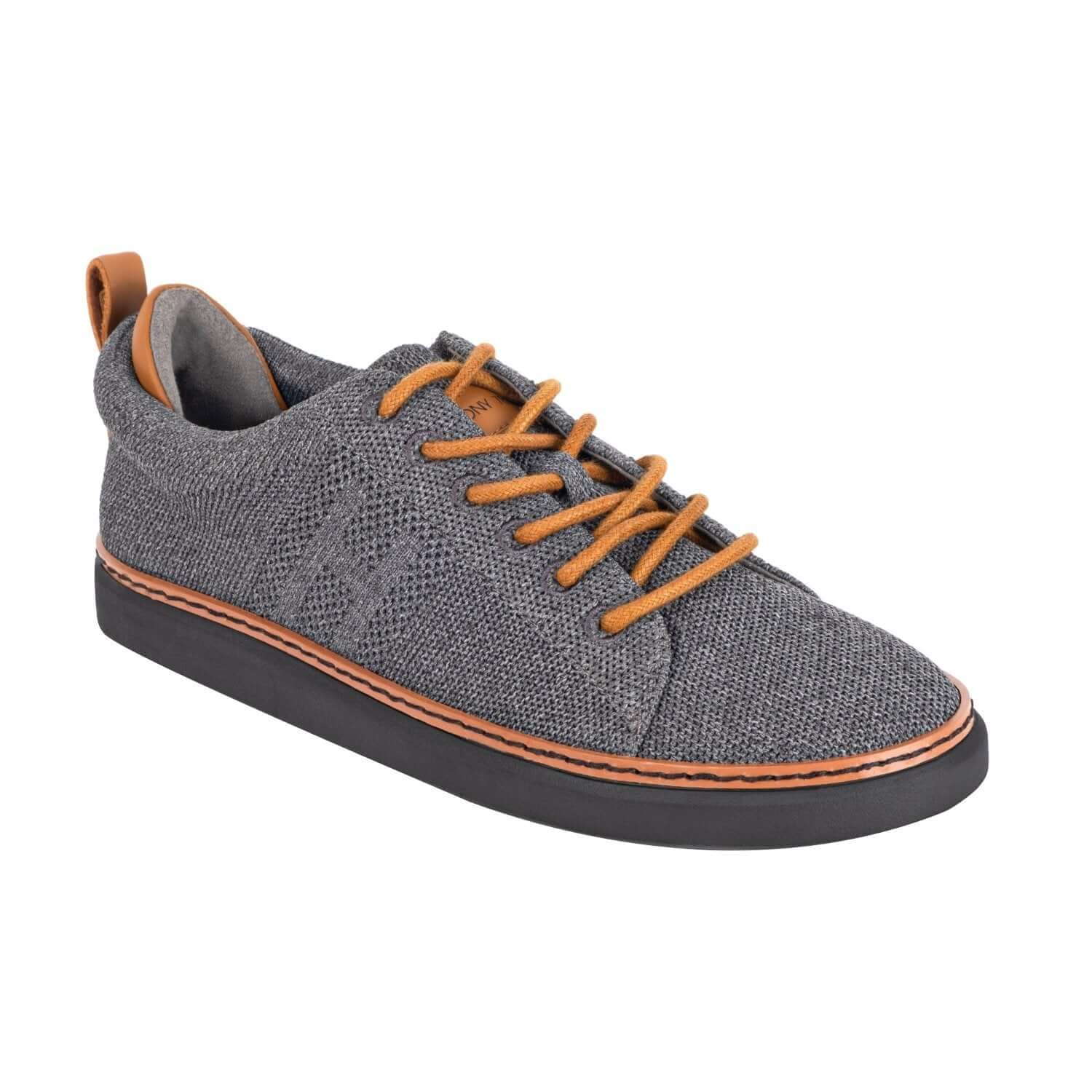
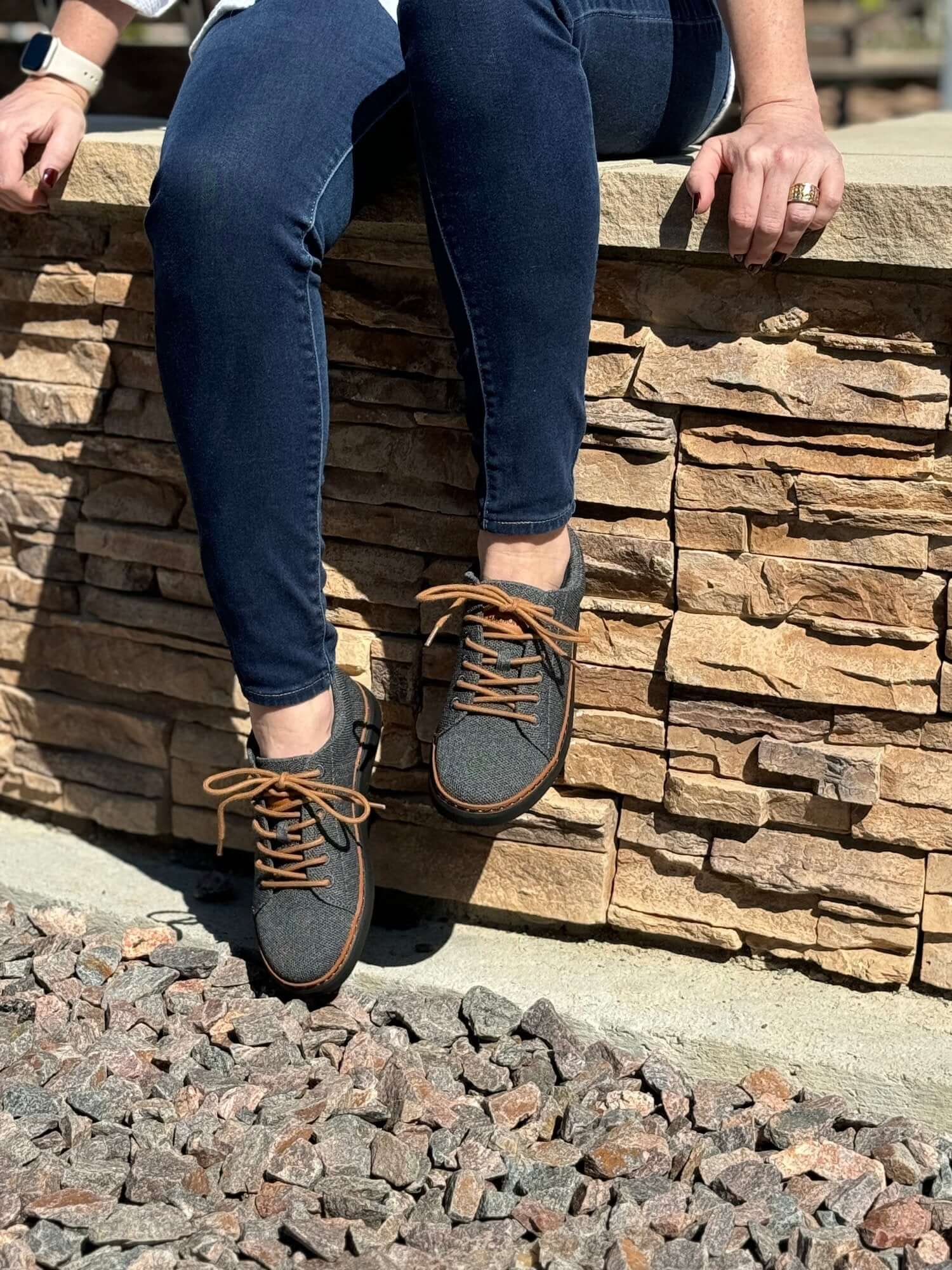
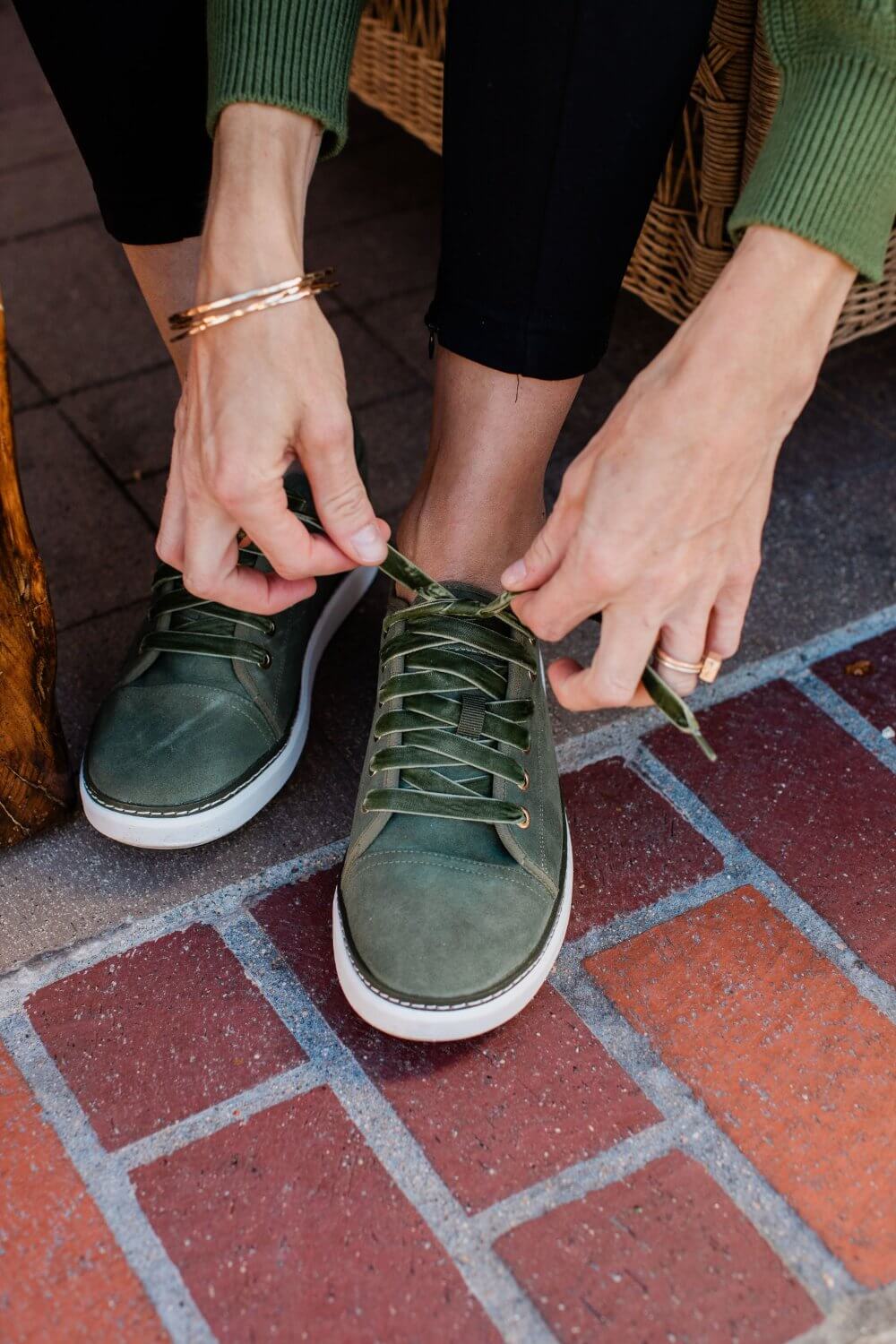
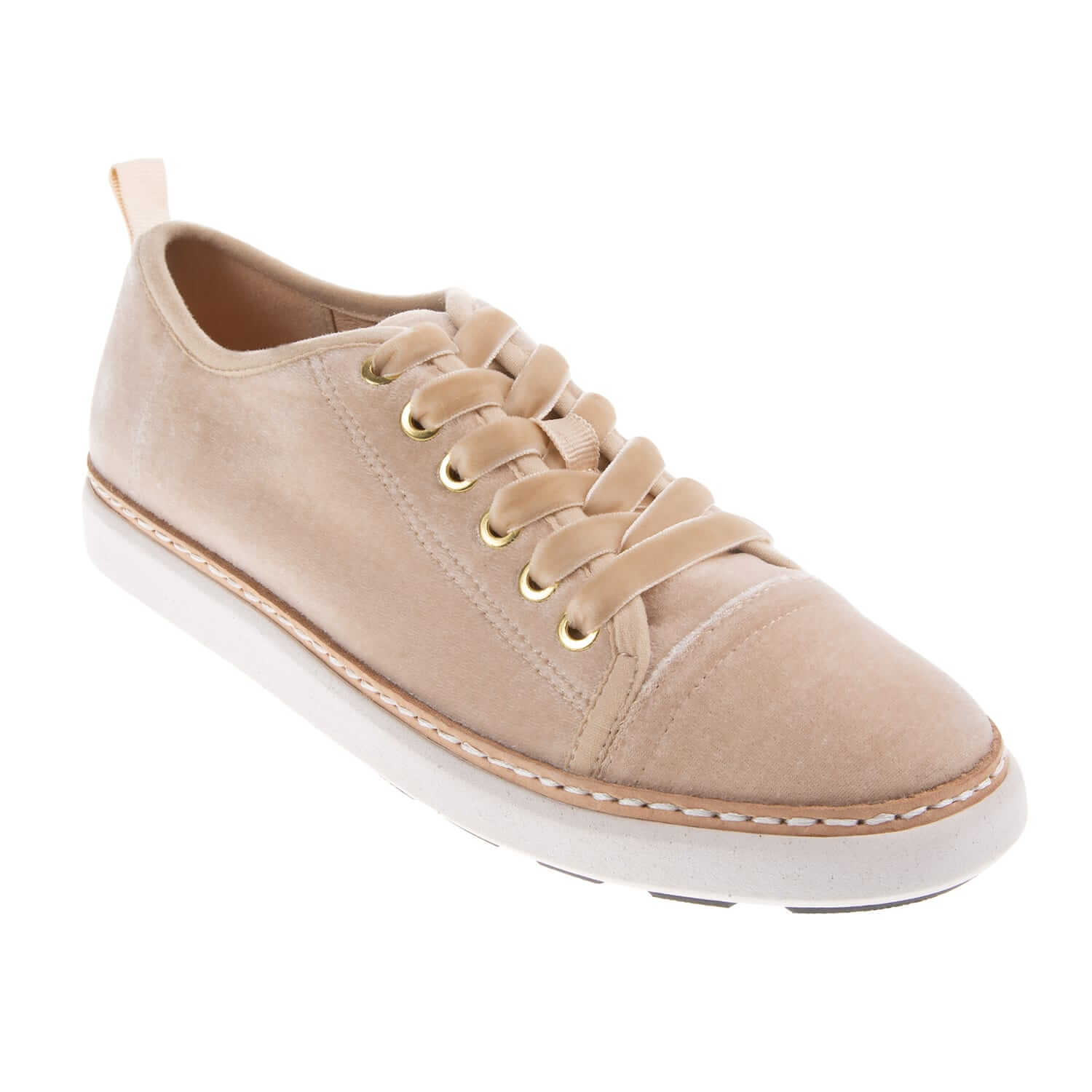
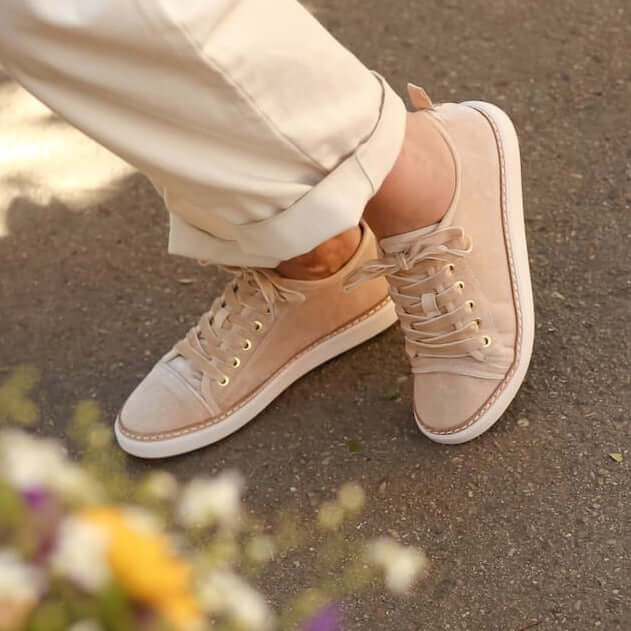
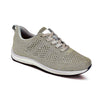
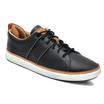
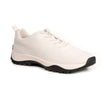
For those who love a sporty, casual look, the Harmony 783 Grounding Sneakers are a perfect match. Made from high-quality, breathable materials like bamboo knit, these sneakers are built for all-day comfort. They give you that classic sneaker style you love, but with the added benefit of a conductive sole that keeps you earthed. Whether you’re meeting friends for coffee, walking the dog, or just enjoying a relaxed weekend, these sneakers provide the support and flexibility you need. They’re a fashionable way to experience the benefits of earthing without having to think twice about it.
Harmony 783 Grounding Slip-Ons and Sandals
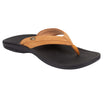
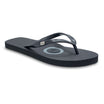
When you just want to slide on a shoe and go, you need something that’s both easy and comfortable. The Harmony 783 grounding slip-ons and sandals are the answer for warm days and casual outings. These styles are designed for ultimate convenience, offering a simple way to stay grounded while you’re relaxing at home, heading to a yoga class, or enjoying a sunny day at the park. Made from breathable materials, they keep your feet cool and comfortable while ensuring you maintain that direct connection to the earth. They’re the perfect effortless shoe for a laid-back lifestyle.
Harmony 783 Grounding Trail Shoes
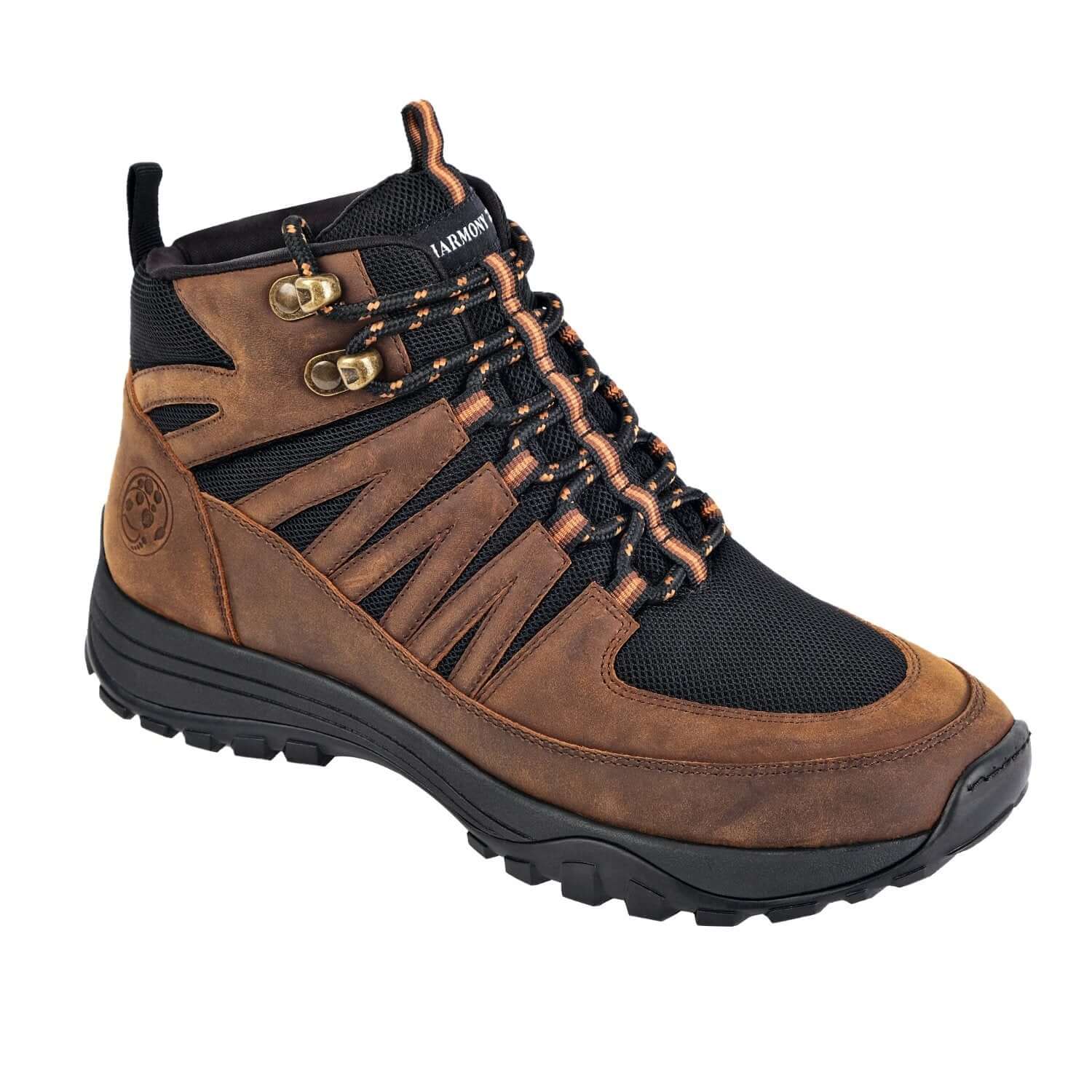
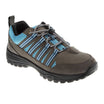
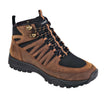
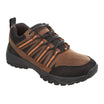
If your idea of a perfect day involves hitting the trails, you need a shoe that can keep up. The Harmony 783 Grounding Trail Shoes are built for adventure. They offer the stability and rugged durability required for uneven terrain, so you can feel secure on your hike. At the same time, their conductive design ensures you stay grounded, allowing you to feel a deeper connection to the nature around you. These trail shoes are perfect for outdoor enthusiasts who want to combine their love of exploration with the wellness benefits of earthing.
Harmony 783 Conductive Socks
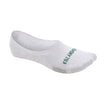
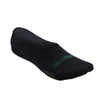
To get the most out of your grounding footwear, you can pair them with conductive socks. While you can wear grounding shoes with any socks (or none at all), these are specially designed to enhance your connection. Made with conductive fibers, they work with your shoes to create a more effective pathway for the earth’s energy to flow to your body. Think of them as a simple accessory that helps you get the full grounding experience, even on days when you need an extra layer. These conductive socks are a great addition to your grounding toolkit.
Busting Myths About Grounding Barefoot Shoes
Let's talk about some of the chatter you might have heard about grounding or barefoot-style shoes. Like any new approach to wellness, there are plenty of myths and misconceptions floating around. It's easy to get caught up in the what-ifs, especially when it comes to something as important as your feet. You might be wondering if they’re really safe, if they’re only for a certain type of person, or if you need to be some kind of super-athlete to even try them. These are all valid questions, and I'm here to help you sort fact from fiction.
I get it. Making a change to your footwear feels like a big deal, and the last thing you want is to cause yourself pain or injury. But a lot of the hesitation comes from a misunderstanding of what these shoes are designed to do. They aren't about stripping away support and leaving you vulnerable. Instead, they’re about reconnecting you to the ground and allowing your feet to function the way they were naturally meant to. Think of it less as taking something away (like arch support) and more as giving something back to your feet: their freedom to move, flex, and feel. Let's clear the air and tackle some of the most common myths head-on, so you can feel confident and informed as you consider making the switch.
Myth: "They're unsupportive and cause foot pain."
This is probably the biggest myth out there. When we hear "barefoot," we often think "no support," which sounds like a recipe for disaster. But the purpose of these shoes isn't to be unsupportive; it's to encourage your feet to support themselves. Traditional shoes with thick soles and arch support can act like a cast, weakening the muscles in your feet over time. Grounding barefoot shoes, with their flexible soles and zero-drop design, allow your foot muscles to engage and strengthen. One common misperception is that barefoot shoes are unsupportive, but their actual purpose is to encourage natural foot movement, which can lead to greater comfort and less pain as your feet get stronger.
Myth: "They're only for athletes or intense outdoor use."
You might see barefoot shoes on trail runners or fitness enthusiasts and think they’re not for you. But that’s like saying yoga mats are only for professional yogis. While athletes can certainly benefit from them, grounding barefoot shoes are for anyone who wants to experience a more natural way of moving through their day. Whether you’re walking the dog, running errands, or just spending time in your backyard, these shoes are designed for everyday life. They are not exclusively for athletes; they can be worn by anyone looking for a more natural walking experience. The goal is to make the benefits of grounding accessible to everyone, no matter your fitness level.
Myth: "You need tough feet to wear them."
The idea that you need calloused, "tough" feet before you can even think about trying barefoot shoes is another common misconception. This simply isn't true. Your feet don't need to be pre-conditioned; they just need a chance to adapt. The transition to wearing grounding barefoot shoes is a gradual process. You start by wearing them for short periods and slowly increase the time as your feet and lower leg muscles get stronger. Many people can transition to barefoot shoes without needing to toughen their feet first. It’s about listening to your body and giving it the time it needs to adjust, not about forcing it.
How to Choose the Right Grounding Barefoot Shoes
Finding the perfect pair of grounding barefoot shoes is about more than just picking a color you like. It’s about finding a shoe that works with your body, supports your wellness goals, and fits your daily life. When you’re ready to make the switch, you’ll want to pay attention to a few key details that make all the difference. The right pair will feel like an extension of your own feet, giving you that satisfying connection to the earth without sacrificing comfort or protection.
Think about what you need from a shoe. Are you looking for something for daily walks, weekend hikes, or just running errands around town? Your activities will influence the best style for you. But beyond style, the construction of the shoe is what truly matters for grounding. We’ll walk through the three most important factors to consider: the fit, the sole’s conductivity, and a style that you’ll genuinely enjoy wearing day in and day out. Getting these right will ensure you get the most out of every grounded step you take.
Consider Your Foot Shape and Fit
The first step is to find a shoe that honors the natural shape of your foot. Many grounding shoes feature a "zero-drop" sole, which means your heel and toes are at the same height. This design mimics your natural posture when walking barefoot on flat ground, helping to align your body properly. Another key feature is a wide toe box. Unlike conventional shoes that can squish your toes together, a wider front allows your toes to spread out. This natural splay is essential for maintaining balance and stability, giving your feet the freedom they need to function as they should. When your feet can move naturally, you’re building a stronger foundation for your entire body.
Check the Sole and Conductivity
For a shoe to be a grounding shoe, it needs to be conductive. This is the special feature that allows the earth’s energy to flow into your body. The magic is in the sole. Look for shoes made with conductive materials, like leather soles or specially designed carbon and rubber plugs. At Harmony 783, our footwear uses proprietary Groundworks™ technology embedded in the outsoles to create this connection. When you’re shopping, always check the product description to see how the grounding shoes facilitate this electron transfer. This conductive pathway is your direct line to the ground, making it the most critical feature for experiencing the benefits of earthing on the go.
Find a Style You'll Love to Wear
Technical features are important, but let’s be honest: if you don’t love how your shoes look, you probably won’t wear them very often. The best grounding shoes are the ones that become your go-to pair. The good news is that you don’t have to choose between function and fashion. Grounding footwear comes in a huge variety of styles, from casual walkers and slip-ons to athletic sneakers and trail shoes. Think about your personal style and what fits into your wardrobe. Choosing a pair that makes you feel good is part of what grounding is all about, connecting you not just to the earth, but to a more authentic version of yourself.
How to Start Wearing Grounding Barefoot Shoes
Making the switch to grounding barefoot shoes is an exciting step toward reconnecting with the earth. Like any new wellness practice, it’s a transition that works best when you give your body time to adjust. Your feet, which are used to the structure of conventional shoes, will be learning a new way of moving and feeling the ground. By starting thoughtfully, you can make the experience comfortable and rewarding from your very first step in your new grounding shoes. These simple tips will help you ease into the practice and get the most out of your new footwear.
Start Slow and Build Up Your Wear Time
The best advice for new wearers is to take it slow. Grounding barefoot shoes are designed to support natural foot movement, but your muscles and tendons need time to adapt. Think of it like stretching before a workout. Start by wearing your shoes for just an hour or two a day, perhaps around the house or for a short walk. Pay attention to how your feet and legs feel. As you get more comfortable, you can gradually increase how long you wear them. This gentle approach allows your feet to become accustomed to the barefoot feel and build strength naturally, preventing discomfort.
Pair Them With Other Grounding Practices
You can enhance your experience by combining your footwear with other grounding techniques. The goal of what is grounding is to reconnect your body to the earth’s energy, and your shoes are a powerful tool for that. Try wearing them while walking on natural surfaces like grass, sand, or dirt. These conductive environments allow for a stronger connection. Taking a few minutes to stand on the lawn or walk along a beach in your grounding shoes can amplify the feeling of well-being. Pairing your shoes with these simple grounding activities makes the practice more intentional and can deepen the sense of calm and balance you feel.
How to Tell if Your Grounding Shoes Are Working
So you’ve got your new grounding shoes, and you’re wondering, "Are they actually doing anything?" It’s a great question. The effects of grounding can be different for everyone, ranging from subtle shifts in your mood to more noticeable physical changes over time. The key is to pay attention to your body and how you feel, both during and after you wear them. Think of it as tuning into a new frequency. Here are a few signs that your connection to the earth is getting stronger.
You Feel a Sense of Calm and Balance
One of the most common things people report is a gentle feeling of calm and centeredness. It might not be a dramatic, lightning-bolt moment, but more like a quiet hum of well-being. Think about how you feel after a long walk on the beach; it’s a similar vibe. This sensation is often linked to how grounding can help reduce stress and promote a more relaxed state. You might notice it most at the end of a busy day when you realize you feel less frazzled than usual. It’s a subtle but powerful sign that your shoes are helping you stay balanced.
Aches and Pains Start to Fade
This one is less about an immediate feeling and more about a gradual improvement. Many people who wear grounding shoes consistently find that chronic aches and pains begin to lessen. Maybe your feet don't ache as much after a day of running errands, or that nagging joint discomfort isn't as loud as it used to be. Some users even notice their posture improving as their feet and body realign naturally. Keep a mental (or physical) note of how you feel when you start wearing them, and check in with yourself after a few weeks. You might be pleasantly surprised by the progress you’ve made.
You Feel More Connected on Natural Surfaces
This is where you can really put your shoes to the test. The whole point of grounding footwear is to mimic the experience of being barefoot on the earth. The practice of earthing is all about this direct connection, and your shoes are the facilitator. Take a walk on grass, damp soil, or sand. Do you feel a little more energized? More stable? If you feel a tangible difference when walking on these natural, conductive surfaces compared to walking on asphalt or indoors, that’s a clear indicator that your shoes are doing their job and channeling the earth’s energy right to you.
So, Are Grounding Barefoot Shoes Worth It?
If you're looking for a simple way to weave more wellness into your daily life, the answer is a resounding yes. Grounding barefoot shoes are much more than just footwear; they are a tool for reconnecting with the earth's natural energy. The principle behind grounding is that by making direct contact with the ground, your body can absorb electrons from the earth's surface. These shoes are designed with conductive materials to make that connection possible, even when you're walking on city sidewalks instead of a grassy field.
Beyond the electrical connection, these shoes also embrace a "barefoot" design philosophy. This doesn't mean they lack support. On the contrary, they are intentionally crafted to encourage natural foot movement, allowing your feet to bend, flex, and feel the ground beneath them. This can lead to improved posture, stronger foot muscles, and better overall balance. Many people who make the switch report feeling more comfortable and a sense of "healing and grounding" in their daily lives.
Think of it as an investment in your well-being. You get the dual benefits of a shoe that supports your foot's natural anatomy and a constant, gentle connection to the earth. For those of us who can't spend hours walking barefoot outside, grounding shoes offer a practical and stylish solution. By choosing a pair of grounding shoes that fits your lifestyle, you're taking an active step toward feeling more balanced, energized, and in tune with the world around you.
Related Articles
- Grounding Shoes Explained: Why Copper Isn’t the Only Way to Stay Connected to the Earth
- Earthing & Grounding Basics: FAQs Explained | Harmony 783
- Grounding Techniques for Anxiety Relief | Harmony 783
Frequently Asked Questions
What's the real difference between a regular barefoot shoe and a grounding shoe? Think of it this way: all grounding shoes are designed with barefoot principles, but not all barefoot shoes are grounding. A standard barefoot shoe focuses on your foot's mechanics with features like a wide toe box and a zero-drop sole to help your feet move naturally. A grounding shoe includes all of those great design elements and adds one crucial piece of technology: a conductive sole that allows you to absorb the earth's energy. So, one helps your feet function better, while the other does that and connects your whole body to the ground.
Do I have to wear them without socks for them to work? This is a great question, and the simple answer is no, you don't have to go sockless. While wearing them without socks provides the most direct connection, you can absolutely wear them with socks. Natural fiber socks, like cotton, will become conductive as your feet naturally perspire a bit throughout the day. For an even more effective connection while wearing socks, you can pair your shoes with conductive socks, which are specifically designed with conductive fibers to ensure the energy flows freely.
Will grounding shoes work on any surface, like concrete sidewalks? Grounding is most effective on natural surfaces like grass, sand, dirt, and unsealed concrete or brick. These materials are conductive and allow the earth's energy to pass through to your shoes. While you won't get the same level of connection on asphalt, wood, or vinyl, which are insulators, our shoes are still beneficial on these surfaces. They provide the comfort and postural benefits of a barefoot design, and they keep you ready to connect the moment you step onto a more natural patch of ground.
How long will it take for my feet to get used to them? The adjustment period is different for everyone, so the most important thing is to listen to your body. Since these shoes allow your foot muscles to work in a new way, it's best to start slow. Try wearing them for an hour or two the first few days, and then gradually increase the time as your feet feel stronger and more comfortable. Some people adjust in a few days, while others might take a few weeks. It's not a race, but a gradual process of building strength.
How will I know if the grounding is actually working? The effects can be subtle at first, and they vary from person to person. Many people first notice a general sense of calm or feeling more centered, similar to how you might feel after a walk in nature. Over time, you might find that you have less day-to-day soreness or that you're sleeping more soundly. A great way to test it is to pay attention to how you feel when walking on grass or sand in your shoes; you may notice a more tangible sense of stability and connection in those moments.