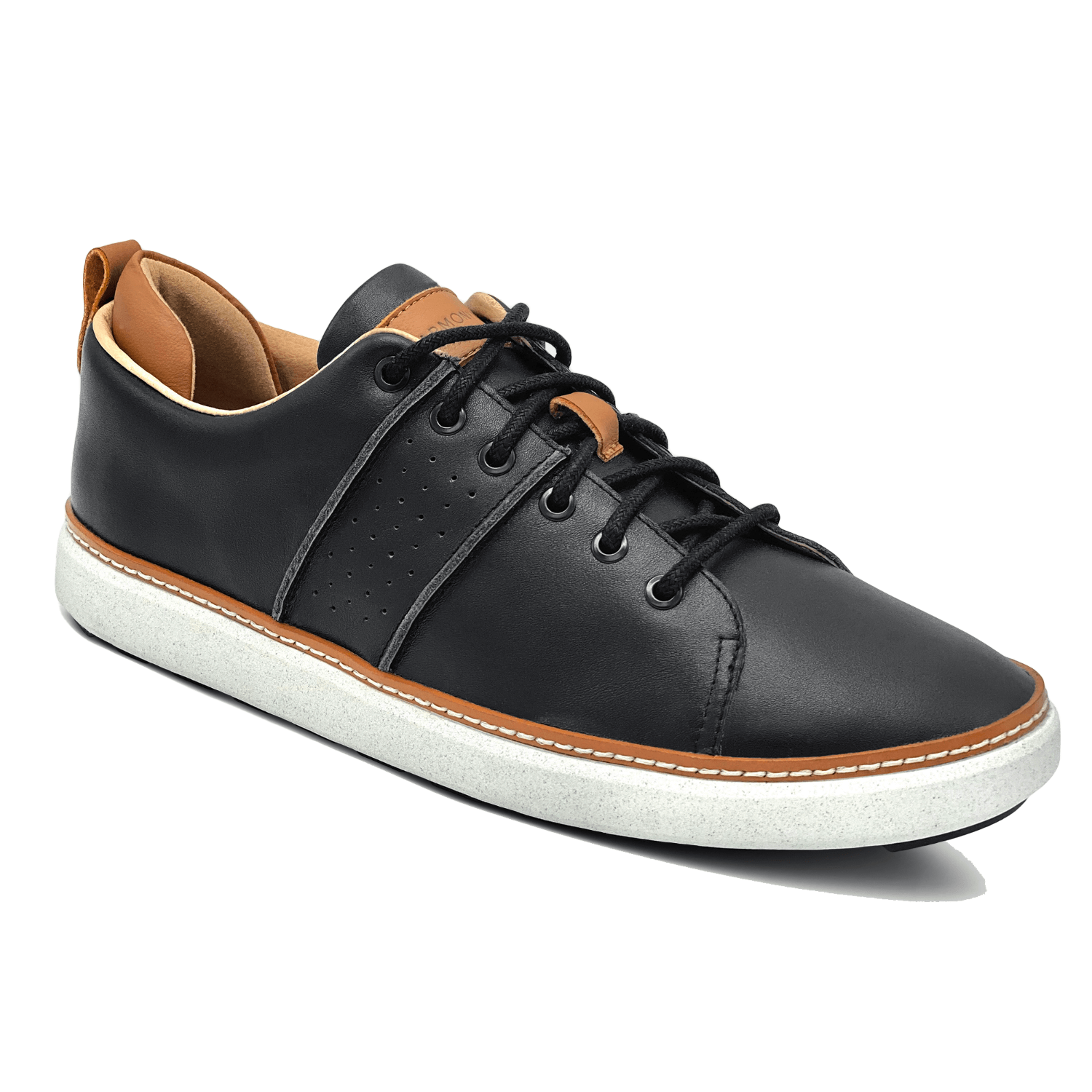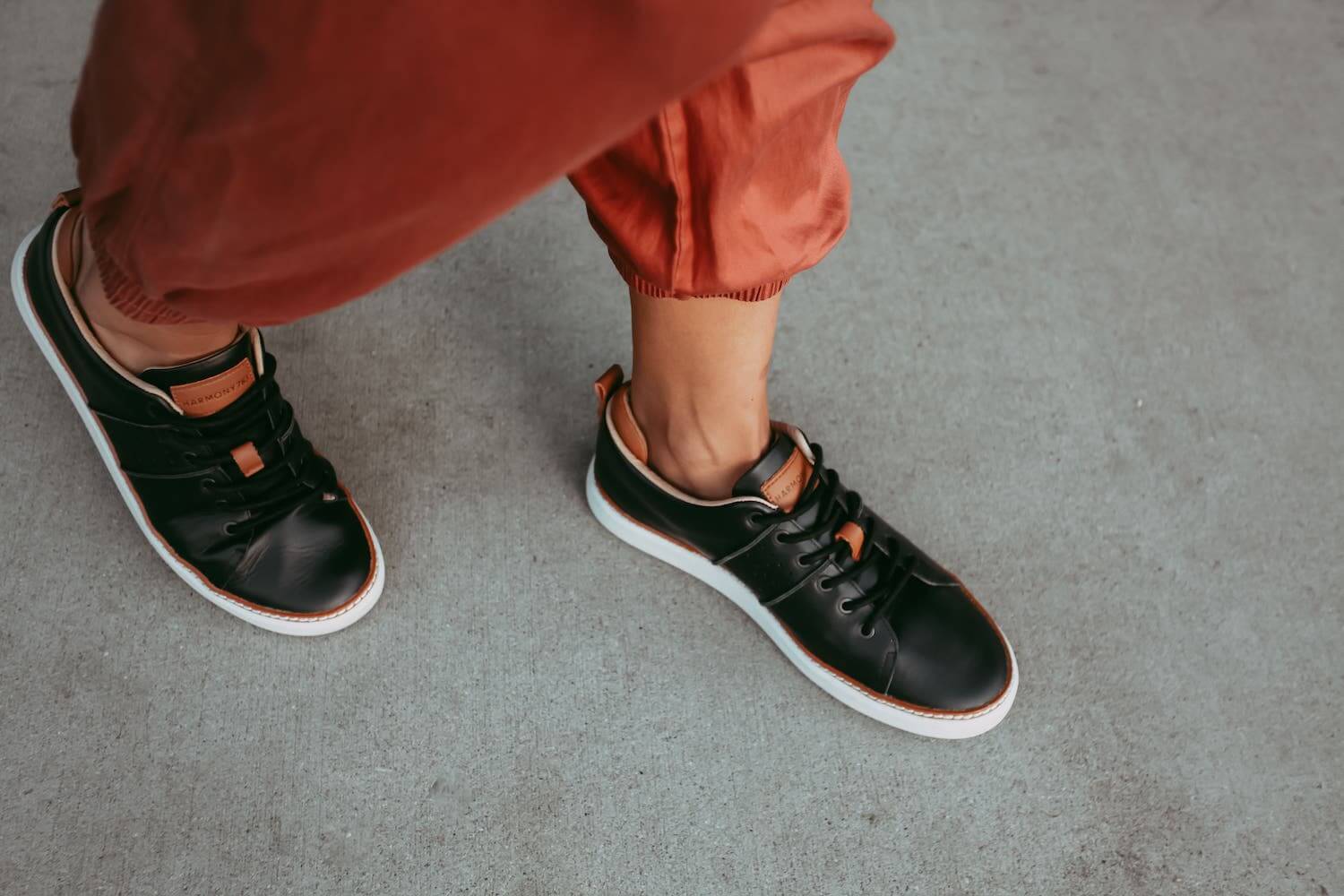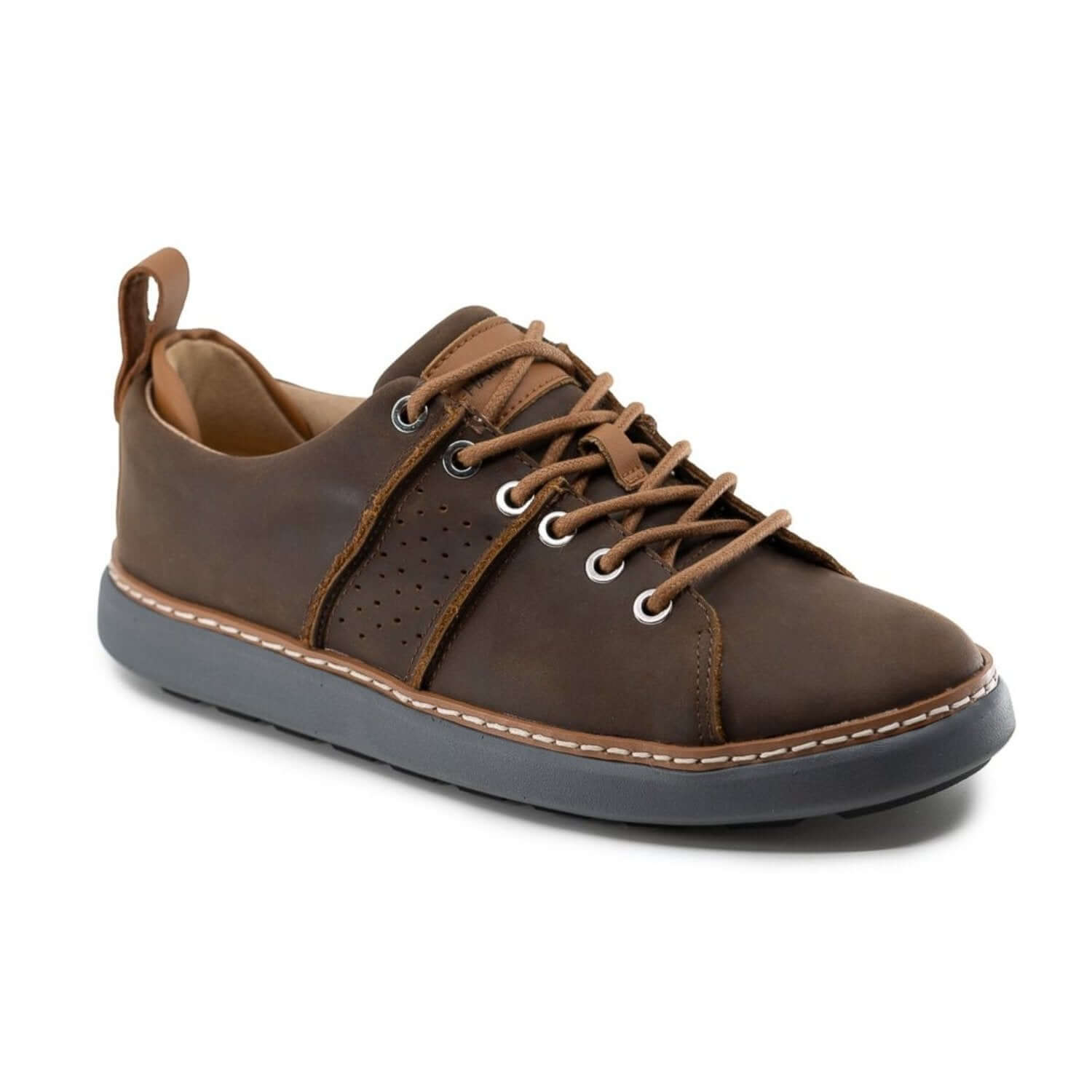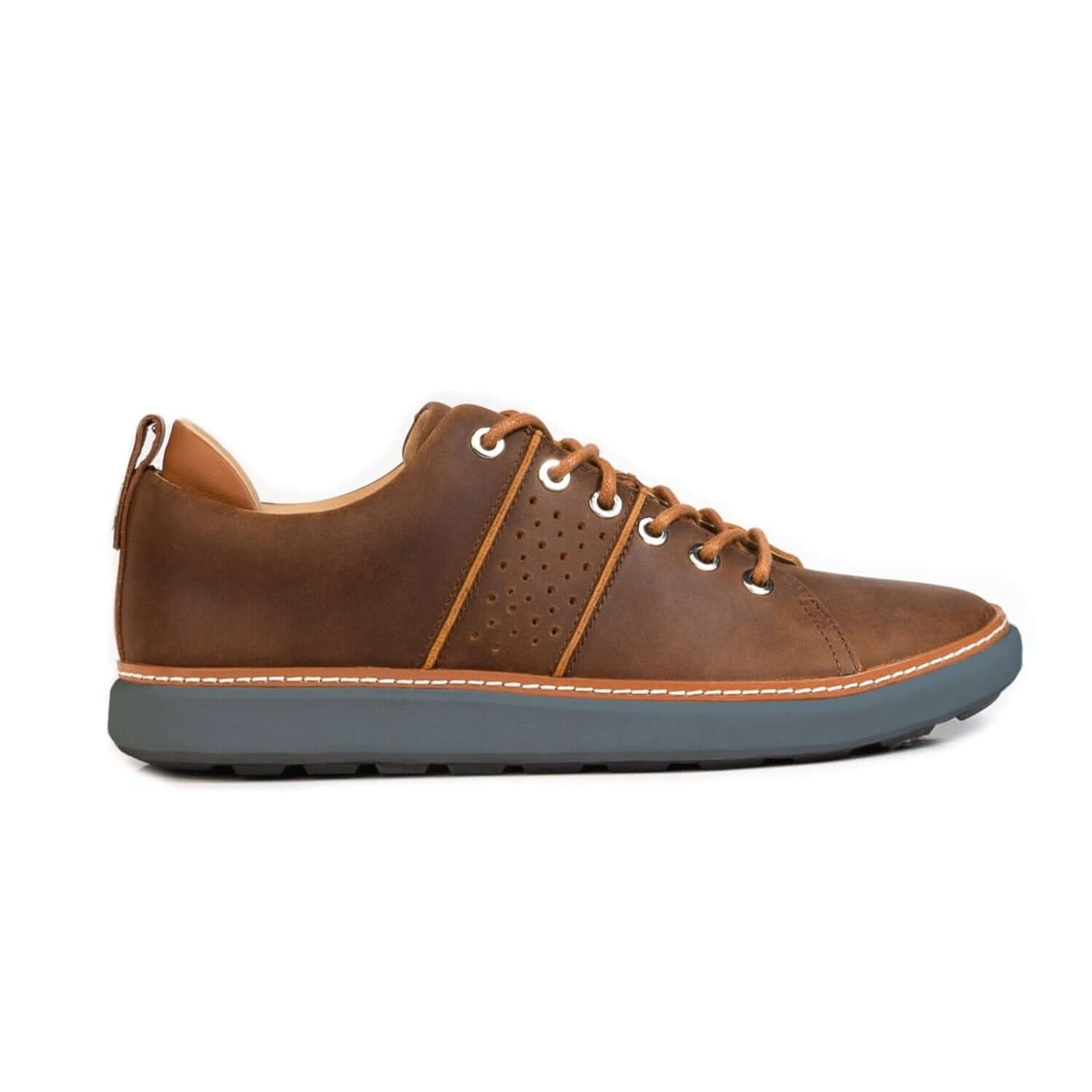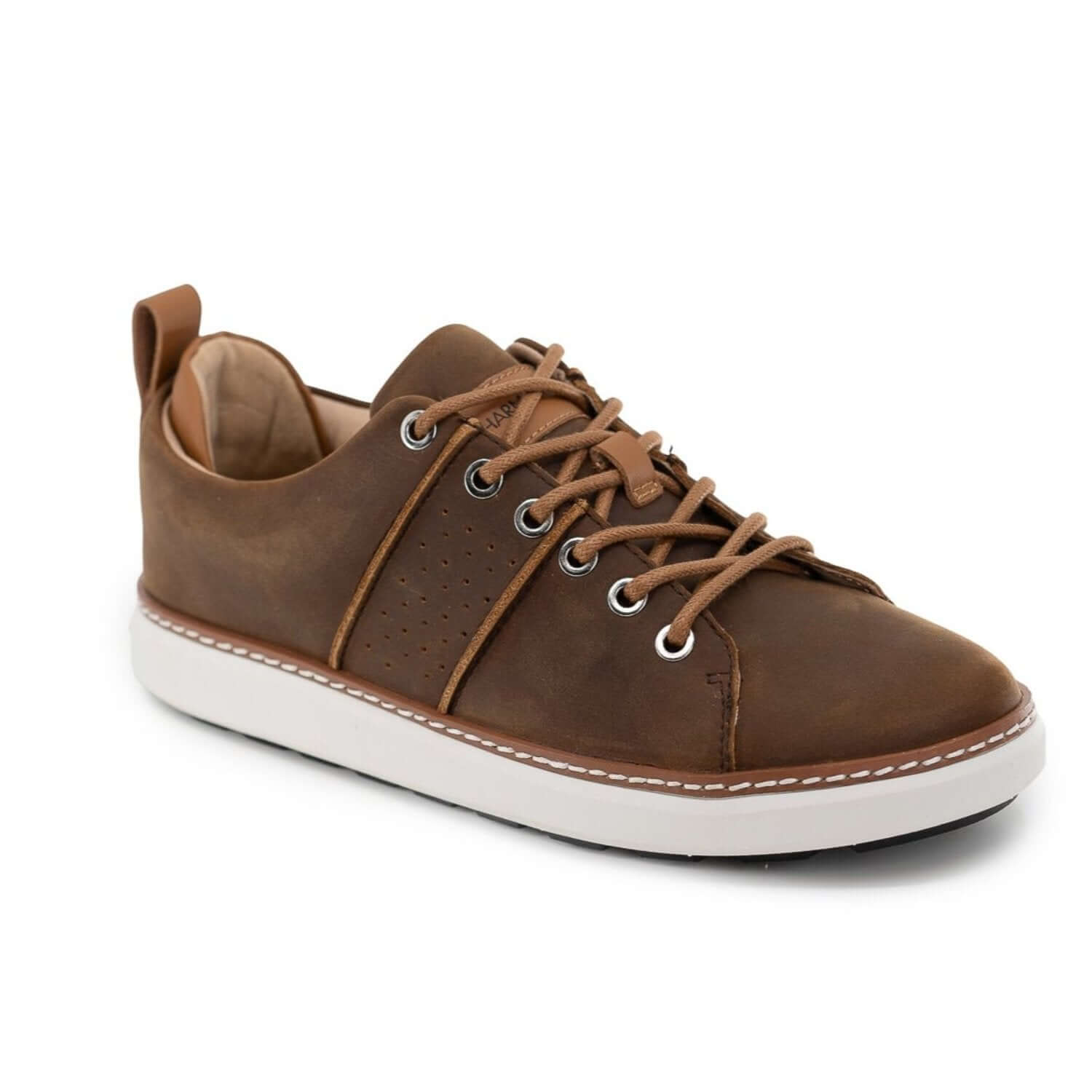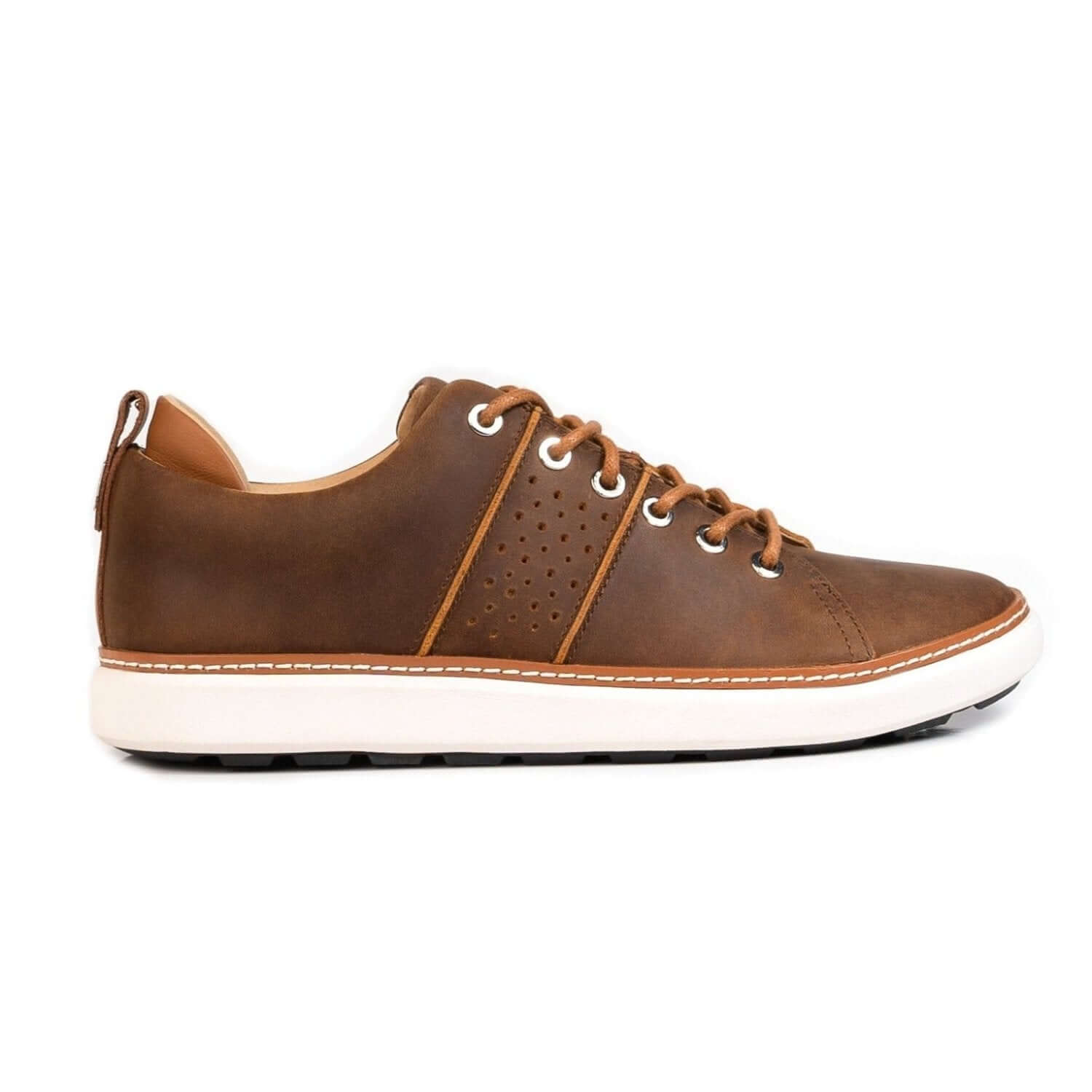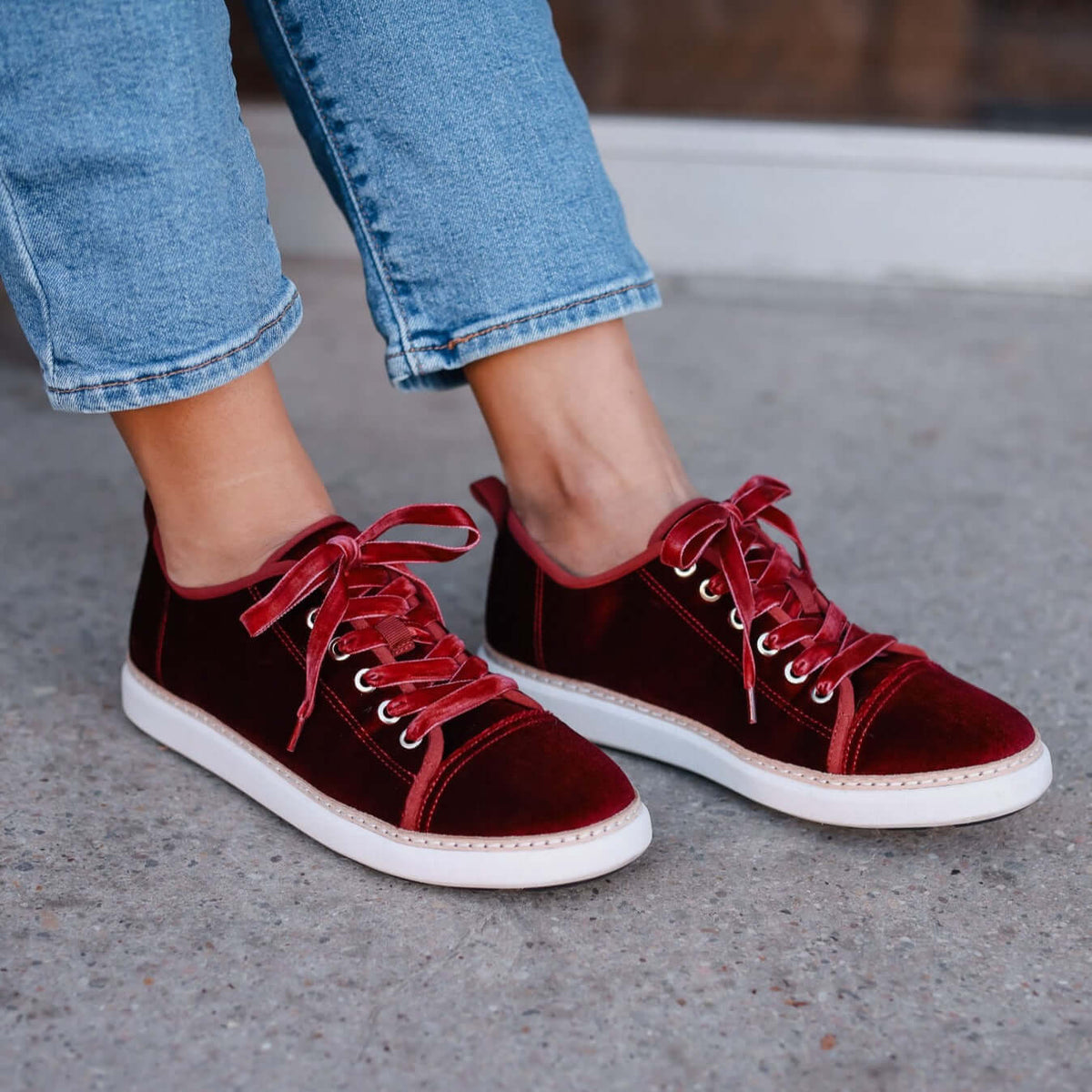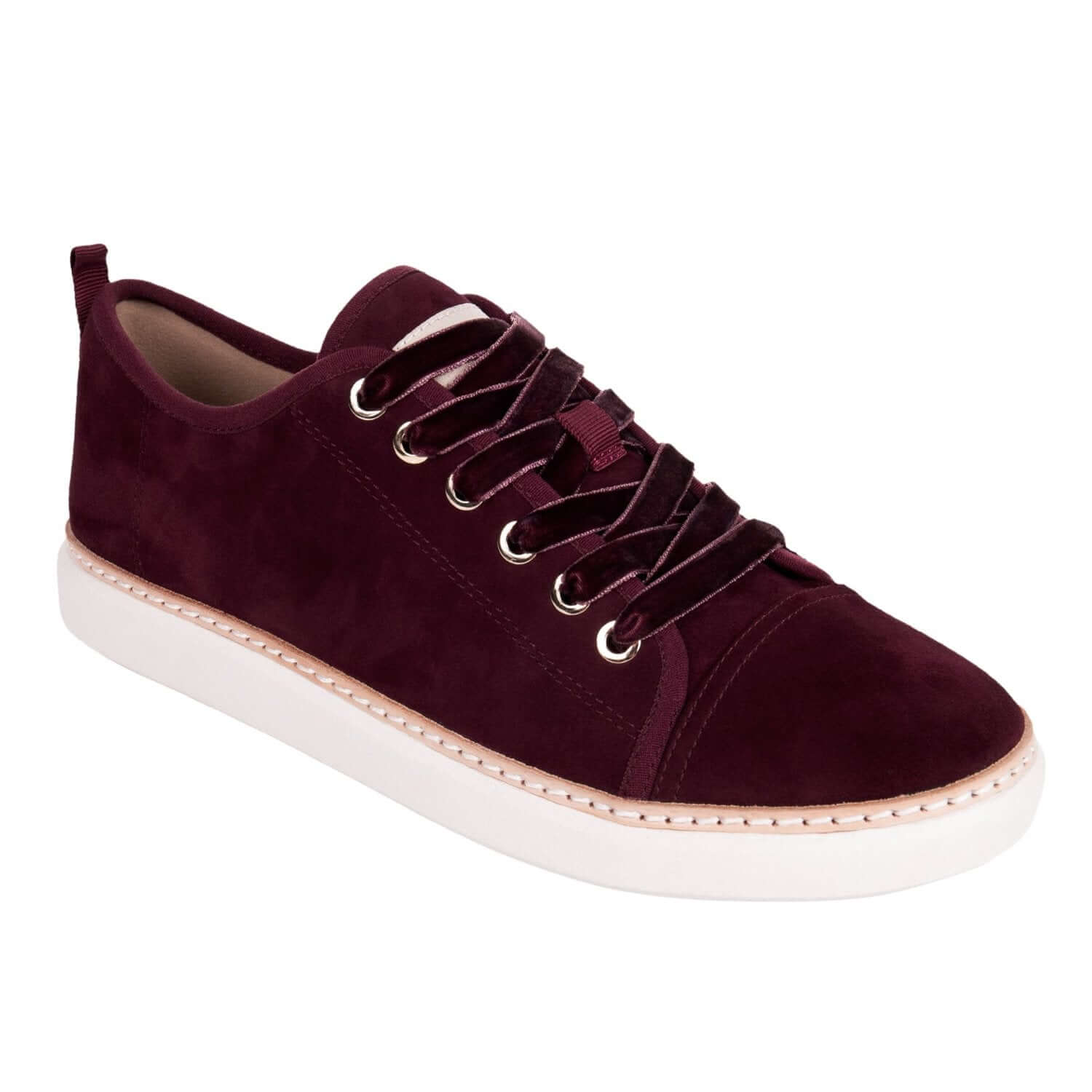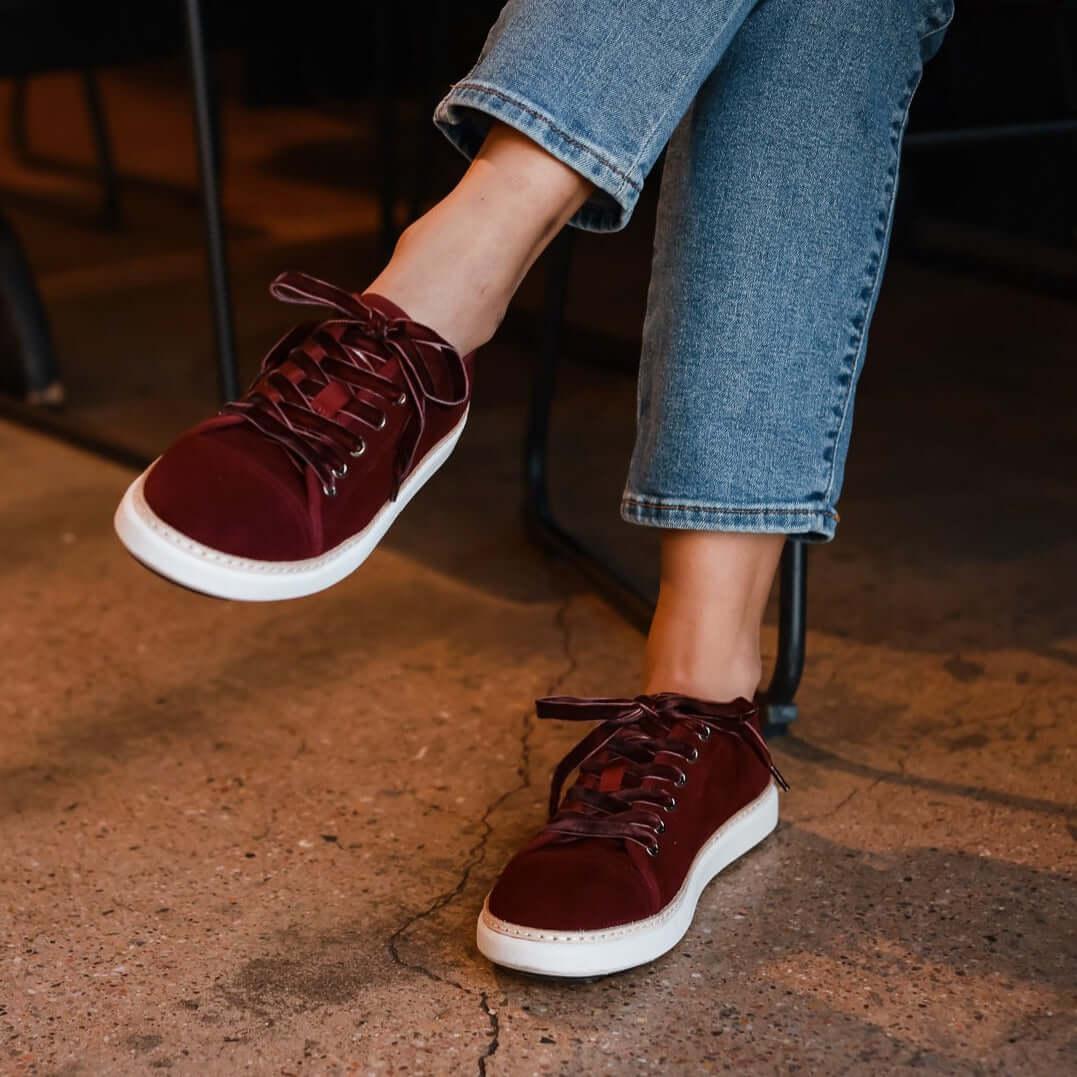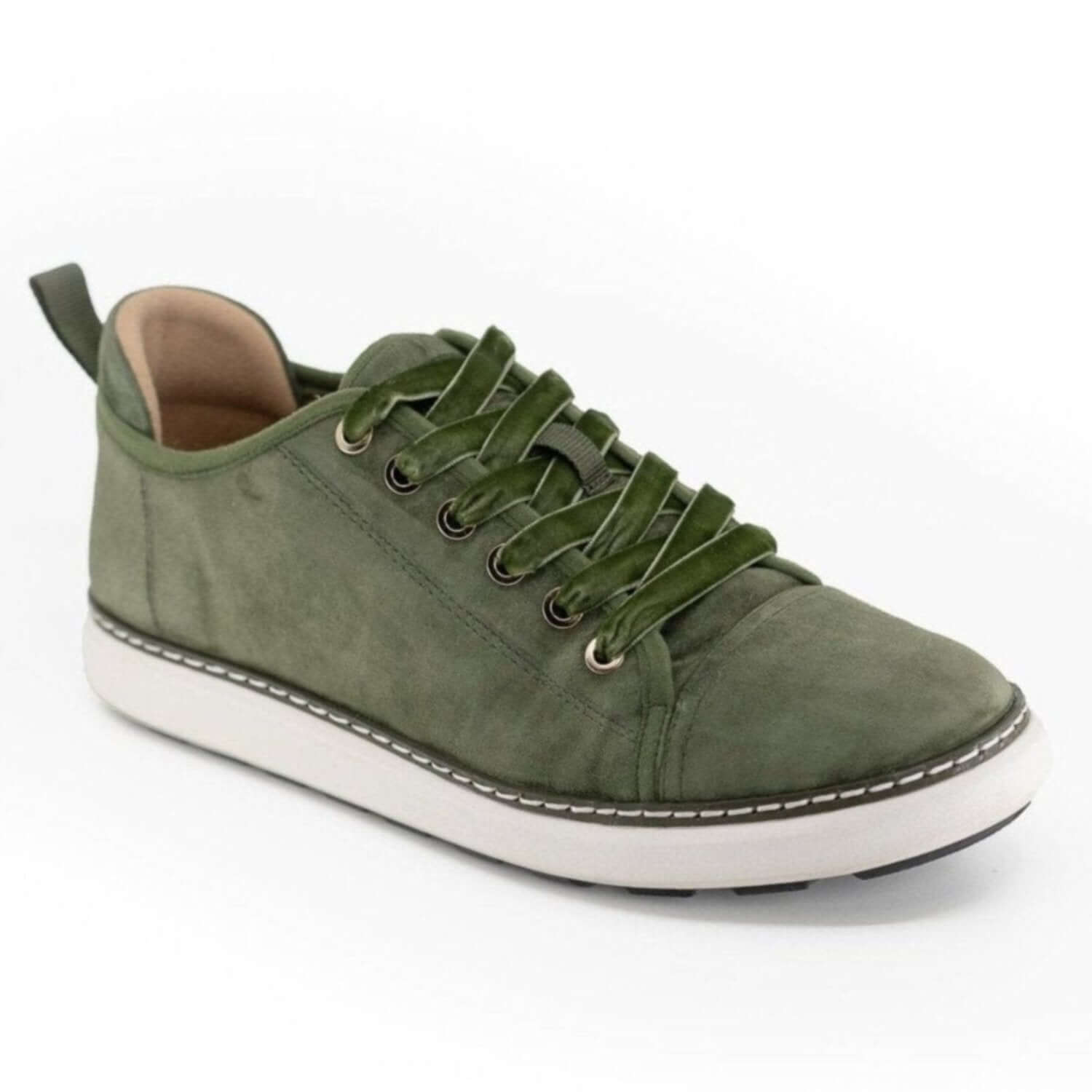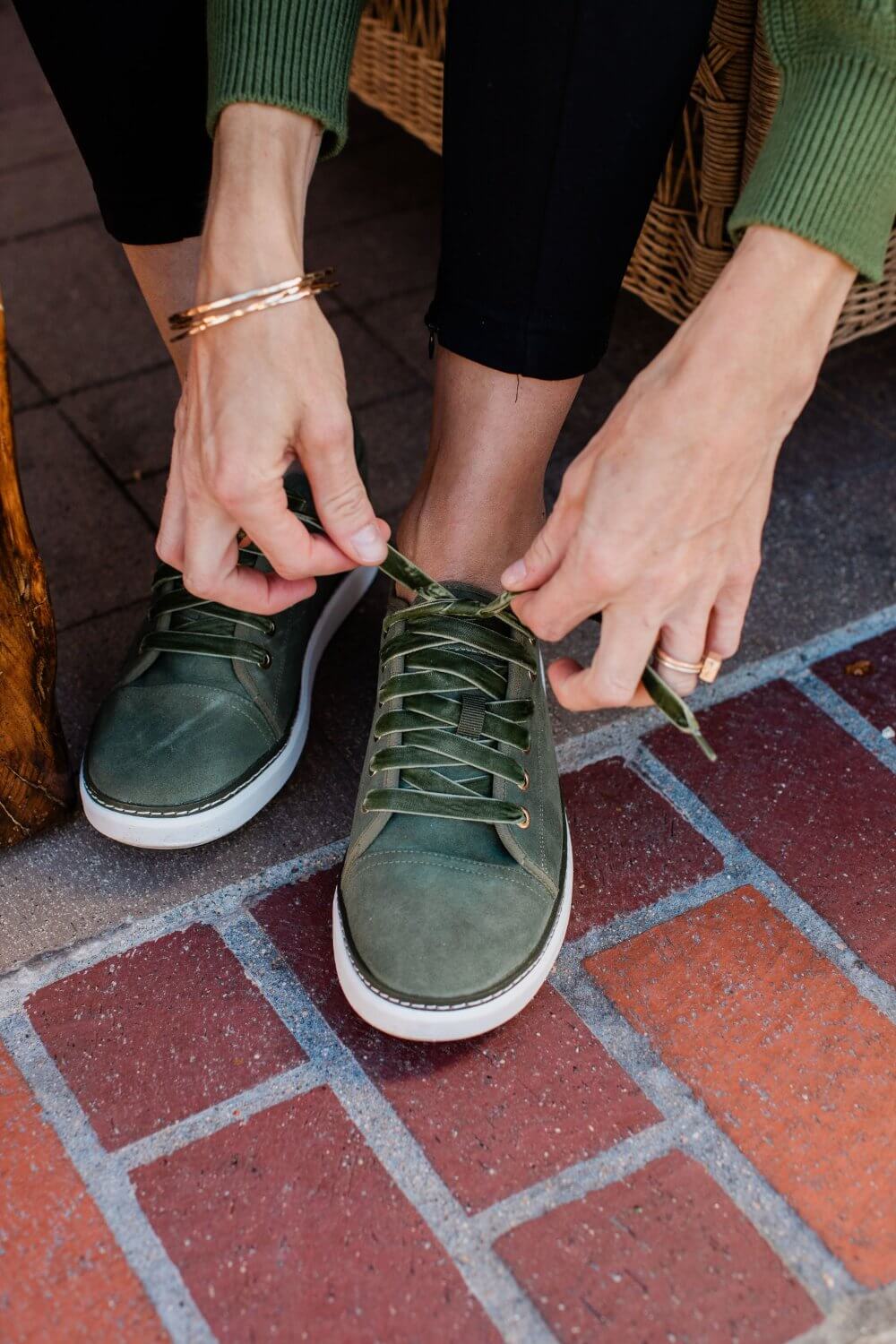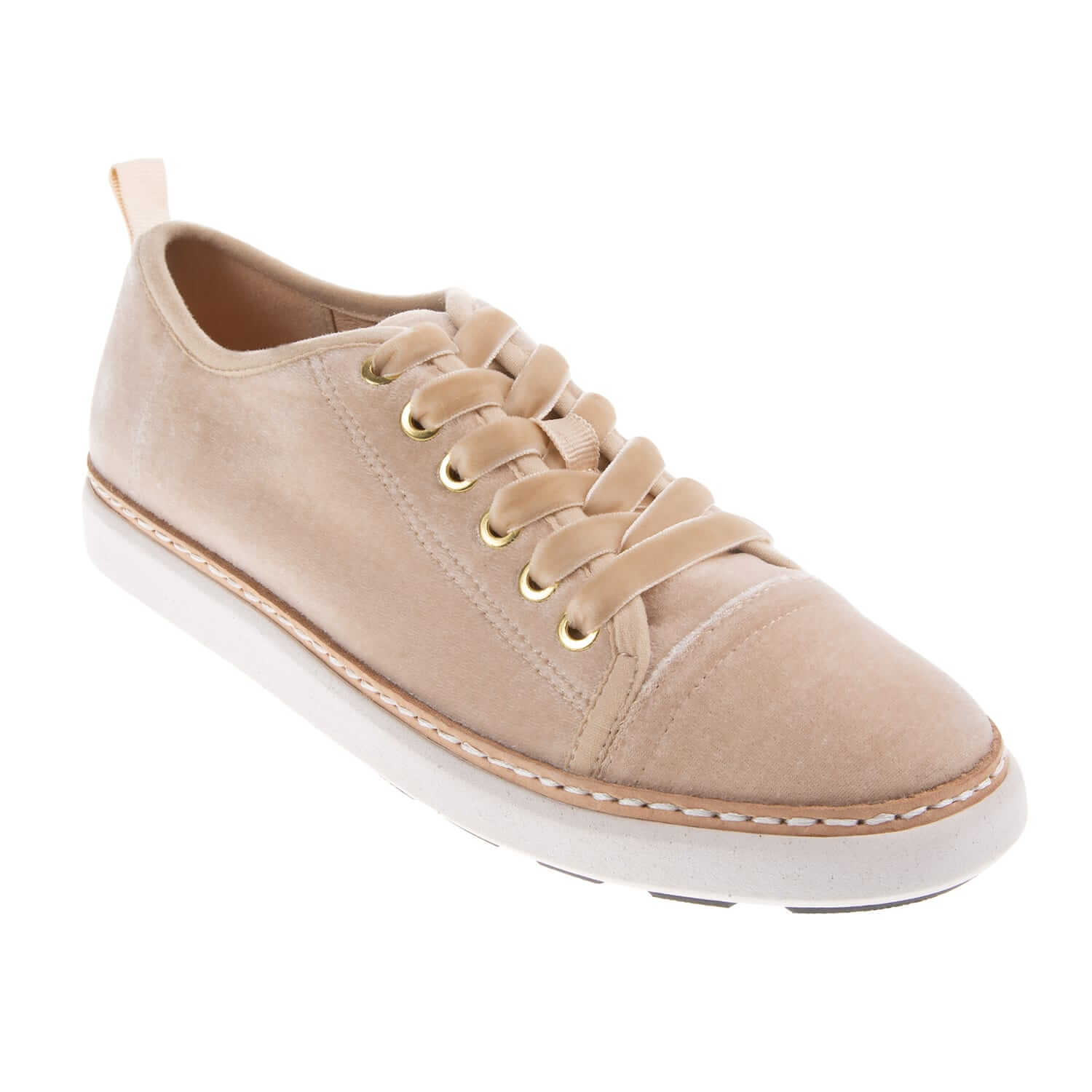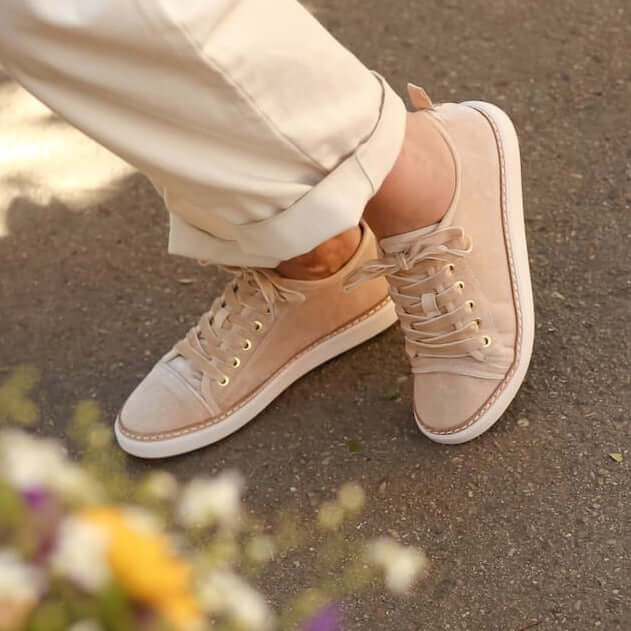

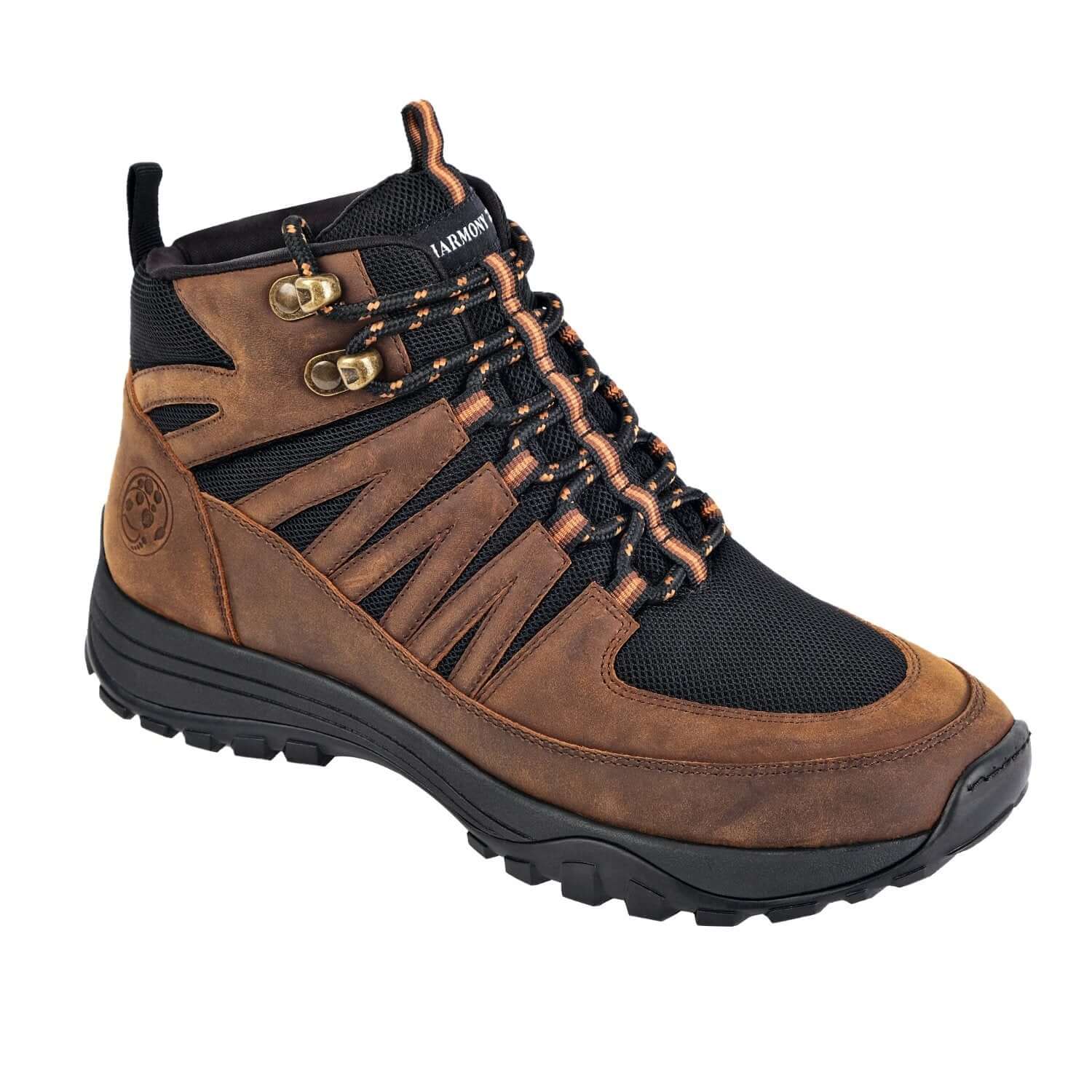
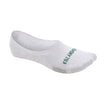
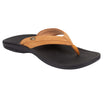
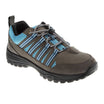
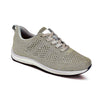
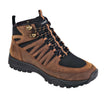
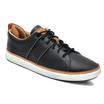




Using grounding shoes for athletes workout recovery helps speed up muscle repair by continuously transferring the earth's natural electrons into the body. These specialized shoes feature conductive outsoles that bypass standard rubber insulation, allowing you to absorb free electrons while walking or standing. This steady flow of earth-based energy acts as a natural antioxidant, neutralizing free radicals and lowering inflammation markers in active muscles. By incorporating this simple habit into your daily routine, you can manage post-exercise soreness without going barefoot. For more details on the science of earthing, read our complete how active people use grounding for recovery guide.
Grounding Shoes For Athletes Workout Recovery: The Connection Between Earthing and Post-Workout Inflammation
When you finish a hard workout, your body goes to work to repair itself. Intense exercise causes tiny tears in your muscle fibers and leads to oxidative stress. This natural process triggers inflammation, which often shows up as muscle soreness and stiffness. While some inflammation is a normal part of getting stronger, too much of it can slow down your training and keep you from performing at your best.
How Grounding Helps Reduce Inflammation
Earthing, or grounding, offers a natural way to help your body recover. When you make physical contact with the earth, free electrons flow into your body. Research shows that grounding helps reduce C-reactive protein, a key marker of inflammation in the blood. By absorbing these electrons, you can lower delayed-onset muscle soreness (DOMS) and ease muscle stiffness. You can learn more about how this process works in our grounding recovery guide.
Addressing the Athletic Research
Some people wonder if grounding shoes can match the benefits of standing barefoot on the grass. A study published in PubMed Central looked at grounding shoe designs for elite, well-trained athletes. The paper noted that these shoes did not show major recovery gains for athletes who train daily at an elite level. This is a helpful limit to keep in mind. Elite athletes have highly adapted bodies and intense routines that differ from most active people.
What This Means for Daily Fitness
While elite athletes may need different recovery tools, grounding shoes still offer great value for everyday active people. If you run, lift weights, or do yoga a few times a week, your body faces normal post-workout stress. Wearing grounding shoes during your cool-down walk or throughout the day is an easy way to support recovery. Dr. Dave Candy, a physical therapist, notes that wearing grounding shoes all day is safe and lets you absorb earth's electrons during your normal routine. To find the right pair for your active lifestyle, check out our grounding sneakers buyer's guide.
How Free Electrons May Speed Muscle Repair After Exercise
During a tough workout, your muscles undergo physical stress. This stress creates free radicals, which are unstable molecules that can cause oxidative damage and keep your muscles sore. The earth holds a natural, subtle negative charge on its surface. When you make direct contact with the ground, this charge transfers free electrons into your body to help neutralize those free radicals. Research shows that this process of science behind grounding can lower oxidative stress and assist with overall muscle recovery.
Neutralizing Free Radicals After Workouts
Intense exercise causes tiny tears in muscle fibers, leading to acute inflammation. While some swelling is a normal part of building strength, too much oxidative stress slows down your recovery. The negative electrons from the earth act as natural antioxidants. By absorbing these electrons, you can neutralize the positive charge of free radicals before they damage healthy tissue. A study published in PubMed Central demonstrates that grounding the body during recovery can significantly reduce muscle damage and alter white blood cell counts, which helps limit delayed-onset muscle soreness.
How Conventional Sneakers Block the Earth
Most modern athletic shoes do not allow this natural recovery process to happen. Standard running shoes and sneakers are built with thick rubber or plastic outsoles. While these materials provide cushion, they are also electrical insulators. This means they completely block the flow of free electrons from the ground into your feet. Wearing normal shoes keeps you electrically isolated from the earth all day, preventing you from absorbing its natural charge during outdoor cool-downs.
The Groundworks 5-Layer Technology
You do not have to walk barefoot on rough pavement to get the benefits of earthing. Harmony 783 developed Groundworks technology to solve this problem for active people. This proprietary system uses a 5-layer conductive path built right into the shoe. It features pure silver stitching and a carbon-rubber outsole that allows free electrons to pass directly from the ground to your feet. This advanced design lets you wear comfortable, supportive athletic footwear while still enjoying a continuous, real-time connection to the earth's natural recovery energy.
Best Harmony 783 Styles for Active Recovery Days
Not all grounding shoes work the same way for active people. Harmony 783 offers the widest variety of grounding footwear in the market, with over 60 styles across nine categories. For athletes and active people, three specific styles stand out for workout recovery and everyday training use.
Grounding Sneakers
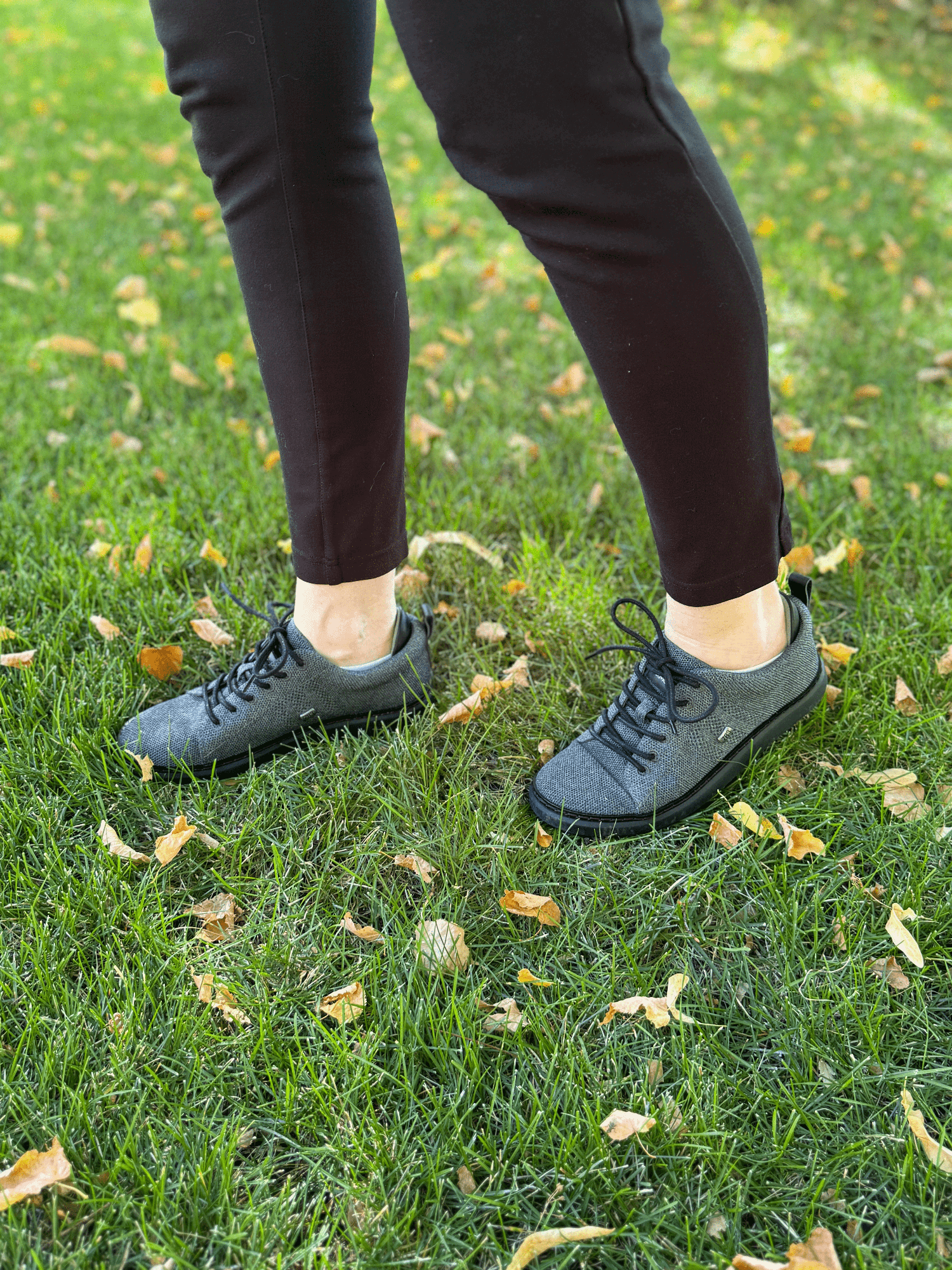
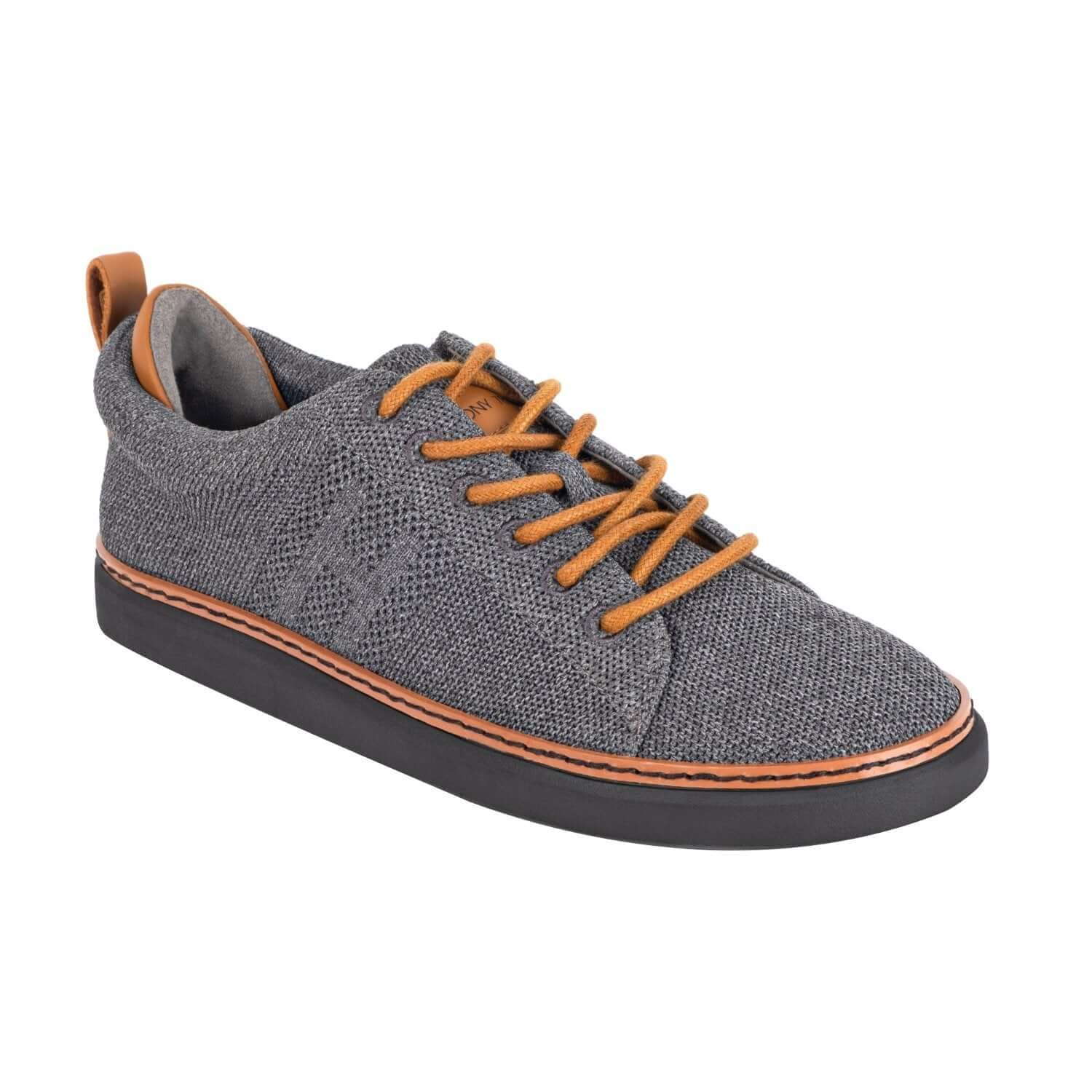
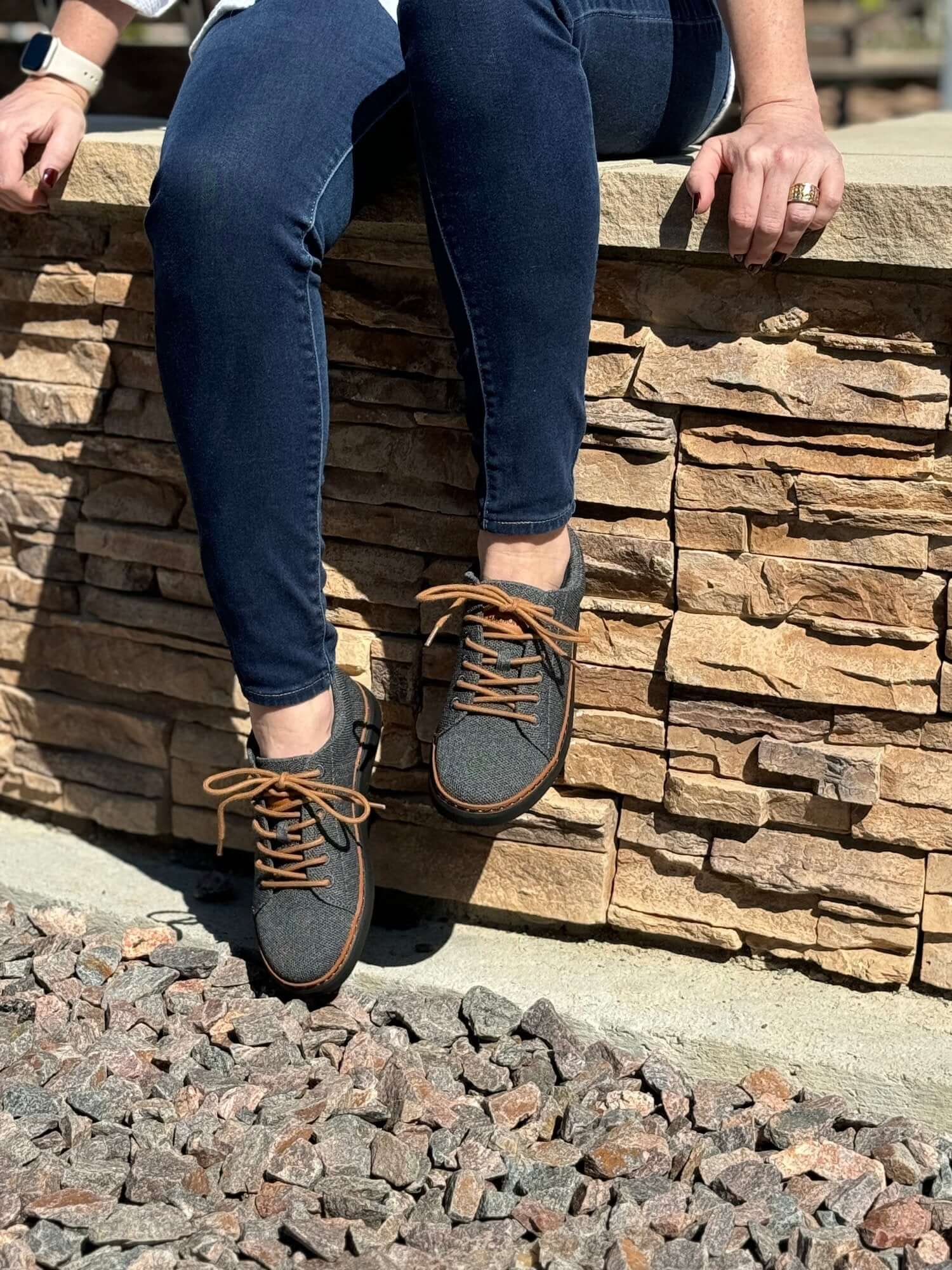
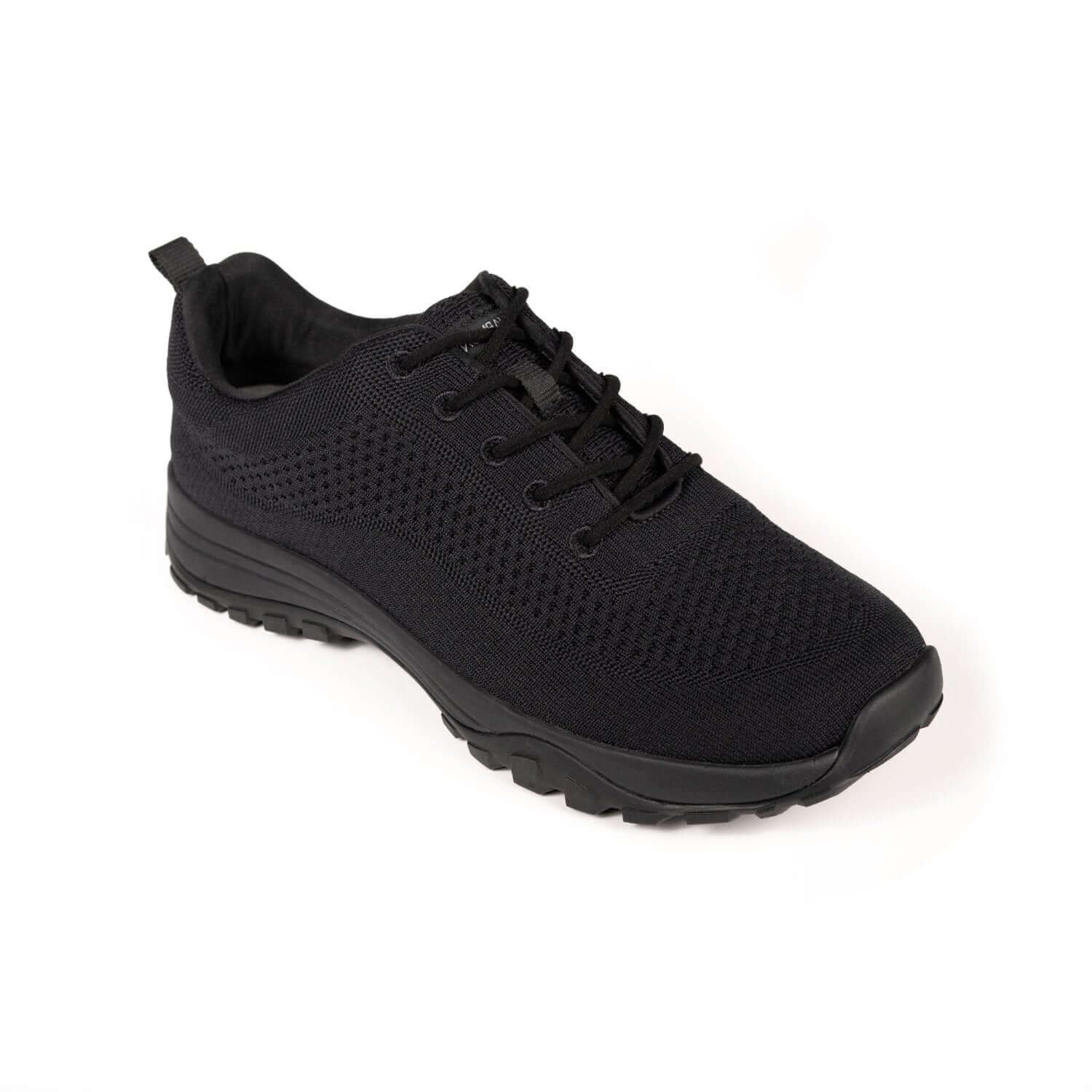
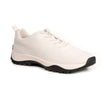
The Grounding Sneaker collection is the top choice for athletes. These bamboo knit sneakers come in three colors (Black, Navy, and White) and range from $150 to $165. They offer medium arch support, breathable knit uppers, and full Groundworks 5-layer technology for reliable conductivity. The sneaker design works well for gym sessions, outdoor walks, and everyday wear. Check out the full grounding sneakers collection on the Harmony 783 site.
Related products


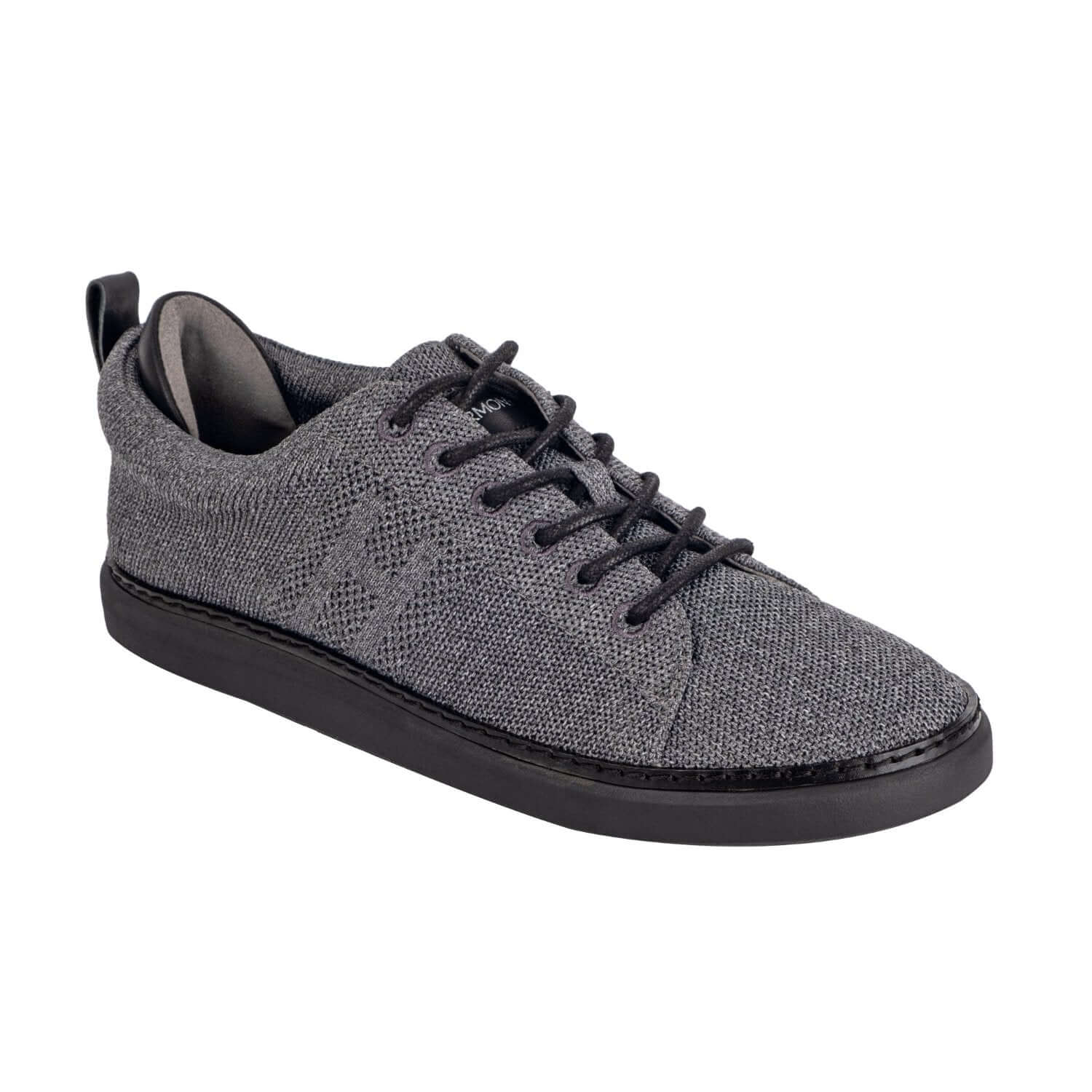
These all black shoes are your perfect let's-get-to-work shoes.
View product
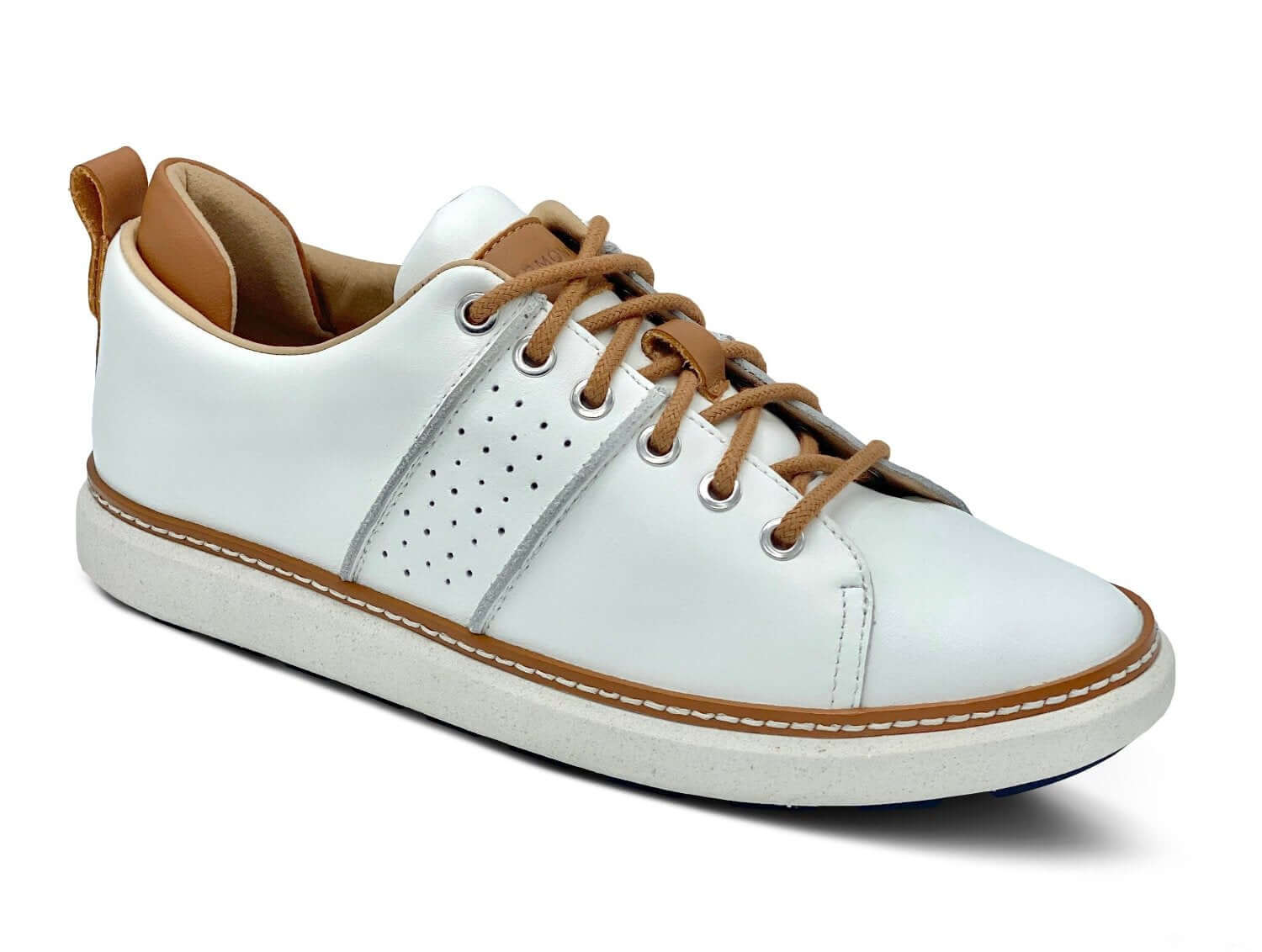
Stay fit, stay active, and stay grounded in these bright white sneakers.
View productTrail Shoes for Rugged Activity
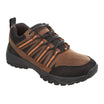
For runners, hikers, and outdoor athletes, the Trail Shoe lineup offers more durability. Low-top trail shoes start at $139 and go up to $185, depending on the color and material. They feature NeverWet water repellent coating, protective toe caps, and breathable mesh construction. The high-top trail shoe, at $199-$220, adds extra ankle support for trail running and uneven terrain. Harmony 783 is the only grounding footwear brand that offers both trail shoes and lace-up boots, making it the best option for outdoor athletes.
Slip-Ons for Easy Post-Workout Recovery
After a long workout, the last thing you want to do is struggle with laces. The bamboo knit slip-on collection is designed for easy on-and-off access. At just $99 to $125, these are the most affordable option in the athletic-friendly lineup. They include cushion comfort heel pads and the same Groundworks technology found in every Harmony 783 shoe. You can pull them on right after your cool-down stretch to keep the grounding connection going while you relax.
All Harmony 783 shoes come with a 45-day satisfaction guarantee, the longest in the grounding footwear category. Orders over $200 ship free within the continental US. This makes it easy to try a pair and see how grounding affects your recovery.
Grounding Shoes vs. Compression Gear: What the Research Says
Both grounding shoes and compression gear are popular recovery tools among active people. But they work through completely different biological pathways. Understanding the difference helps you choose the right tool for your post-workout needs.
| Feature | Grounding Shoes | Compression Gear |
|---|---|---|
| Primary mechanism | Electrical , transfers free electrons to neutralize free radicals | Mechanical , applies graduated pressure to improve circulation |
| Main recovery benefit | Reduces inflammation and oxidative stress | Reduces muscle vibration and improves blood flow |
| When to use | Throughout the day and during cool-down walks | During exercise and immediately after for up to 24 hours |
| Research support | Studies show reduced CRP and DOMS markers | Studies show improved venous return and perceived recovery |
| Best for | Long-term inflammation management and daily recovery | Immediate post-exercise muscle support and soreness relief |
Compression gear helps during and right after exercise by supporting muscles and moving blood through your veins. Grounding shoes address a different layer of recovery by tackling inflammation at the cellular level through electron transfer. These two tools do not compete with each other. In fact, they work well together. You could wear compression sleeves during your workout, then change into grounding slip-ons for your post-exercise cool-down walk on grass. The recovery footwear market is growing fast, projected to reach $2.76 billion by 2033, and both compression and grounding products are driving this growth. For a deeper look at how to choose grounding footwear, read our complete grounding sneakers buyer's guide.
How to Incorporate Grounding Into Your Cool-Down Routine
Adding grounding to your post-workout routine is simple and does not require extra time at the gym. Here is a practical five-step plan to make grounding shoes part of your regular recovery habit.
- Change into grounding shoes right after your workout. Slip-on styles are the easiest option here. They go on in seconds and require no bending or lacing. If you prefer more support, the Grounding Sneaker line works just as well and offers better stability for walking.
- Find a natural surface. Grass, soil, sand, and unsealed concrete are all conductive surfaces that allow electron transfer. A park, your backyard, or even a grassy area outside your gym works perfectly. Avoid asphalt and sealed concrete, which block conductivity. Learn more in our walking while grounded exercise tips.
- Walk at a relaxed pace for 10 to 15 minutes. Keep it easy. This is not a workout, it is a recovery walk. Let your arms swing naturally and focus on breathing. The combination of light movement and earthing supports both muscle recovery and mental relaxation after intense exercise.
- Add light stretching while grounded. Once you find a comfortable spot, run through a few gentle stretches. Hamstring stretches, quad pulls, and shoulder rolls all pair well with grounding. The earth connection may help your muscles relax more deeply during these static holds.
- Make it a daily habit. Consistency matters more than duration. Even a 10-minute grounding walk after each workout adds up over time. Pro athletes like Adam Ottavino of the Boston Red Sox have incorporated grounding into their routines for years. The best recovery tools are the ones you actually use every day.
For even more guidance, read our detailed grounding recovery guide for active people.
Frequently Asked Questions
Do grounding shoes actually help with workout recovery?
Current research suggests grounding shoes may help with workout recovery by reducing inflammation and oxidative stress. Studies show that grounding can lower C-reactive protein levels and reduce delayed-onset muscle soreness. While the research is still growing, many active people report less soreness and faster recovery when they use grounding shoes as part of their post-workout routine.
What is the best shoe for recovery after exercise?
The best recovery shoe depends on your activity level and needs. For general post-workout recovery, grounding sneakers with conductive outsoles allow you to absorb earth's electrons while walking. Harmony 783 offers sneakers ($150-$165), trail shoes ($139-$220), and slip-ons ($99-$125) that all feature Groundworks conductive technology. Slip-ons are the easiest for quick post-workout wear, while sneakers offer more support for longer recovery walks.
Is it okay to wear grounding shoes all day?
Yes, it is safe to wear grounding shoes all day. Physical therapist Dr. Dave Candy notes that wearing grounding shoes throughout the day on natural surfaces lets you continuously absorb earth's electrons. Many users wear their grounding shoes as everyday footwear. The key is to spend time on conductive surfaces like grass, soil, or unsealed concrete for the shoes to work effectively.
What makes grounding shoes different from regular athletic shoes?
Regular athletic shoes have rubber or plastic outsoles that block the flow of electrons from the earth. Grounding shoes use conductive materials like carbon, copper, or silver in their soles to allow electron transfer. Harmony 783's Groundworks technology uses a 5-layer system with pure silver stitching and a carbon-rubber outsole. This means you get the comfort and support of athletic shoes plus the natural recovery benefits of earthing.
Can grounding shoes speed up muscle recovery?
Grounding shoes may help speed up muscle recovery by reducing oxidative stress and inflammation at the cellular level. The free electrons transferred from the earth act as natural antioxidants that neutralize free radicals produced during exercise. Studies have shown that grounding can reduce muscle damage markers and support faster recovery from delayed-onset muscle soreness.
Ready to Speed Up Your Recovery?
Grounding shoes offer a simple, natural way to support your body after every workout. By wearing conductive footwear during your daily routine and post-exercise cool-down, you can help reduce inflammation, ease muscle soreness, and speed up your recovery between training sessions. Harmony 783 offers the widest selection of grounding footwear styles designed for active lifestyles, from breathable sneakers to easy-on slip-ons.
Browse the collection of athlete-friendly grounding sneakers at Harmony 783 and find the perfect pair for your recovery routine.