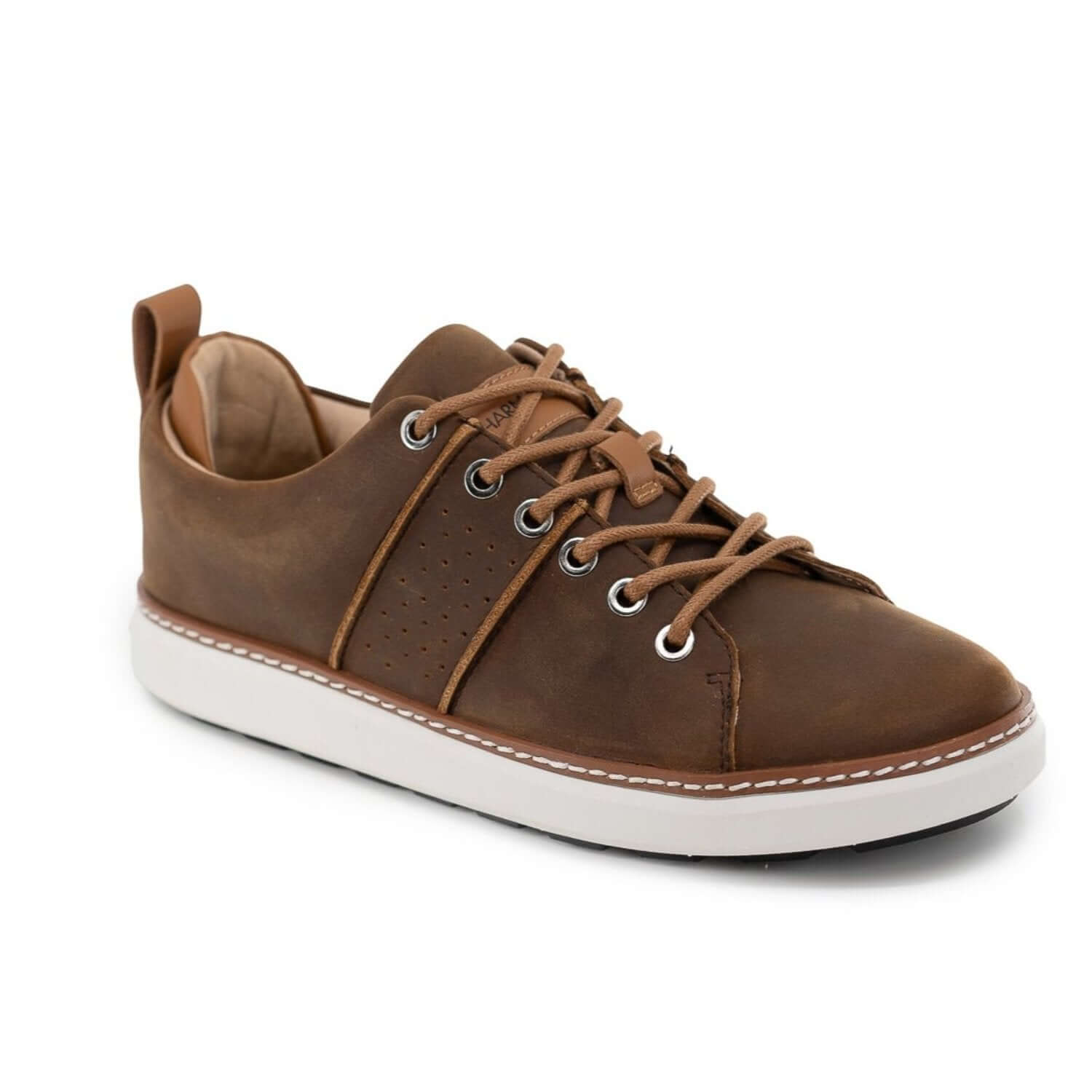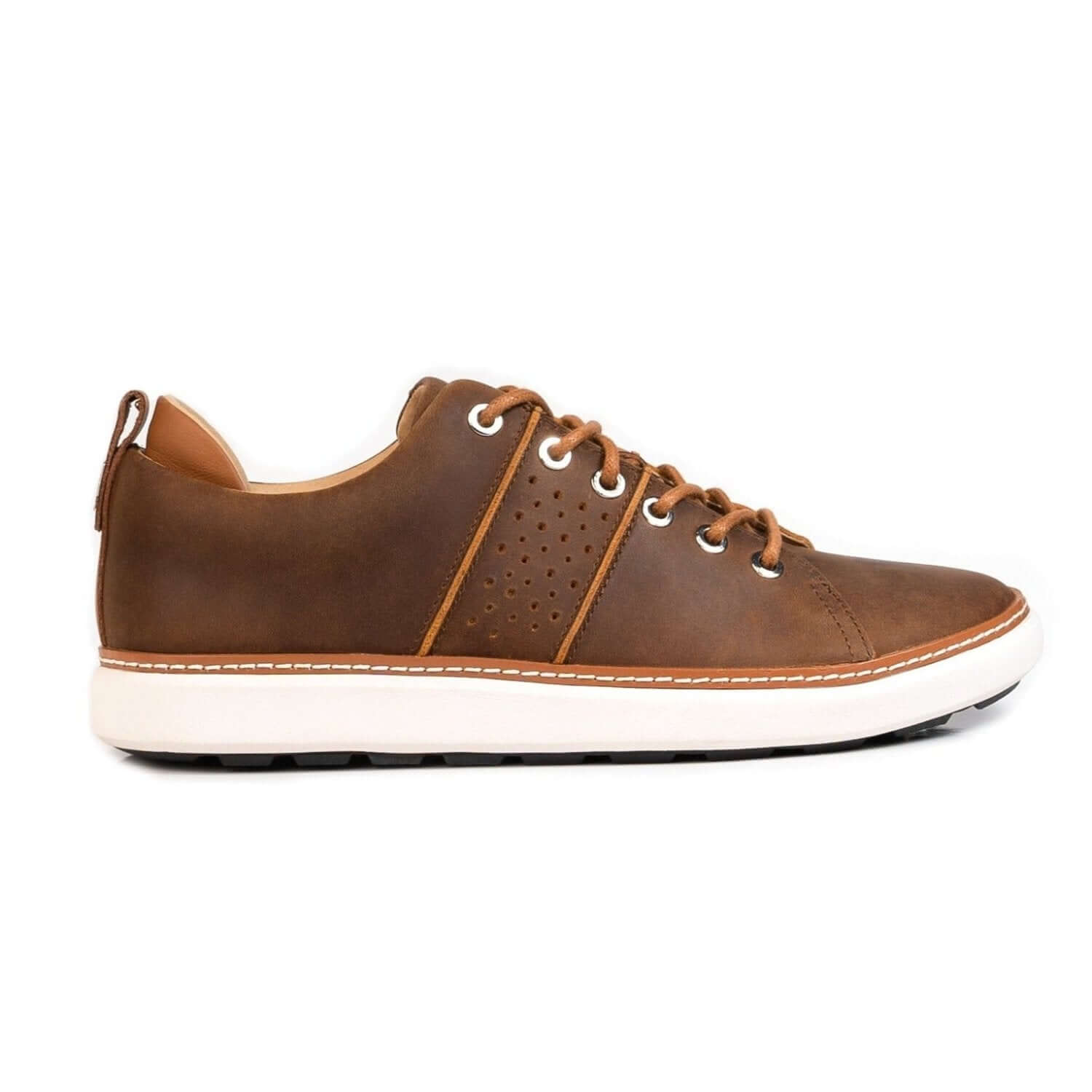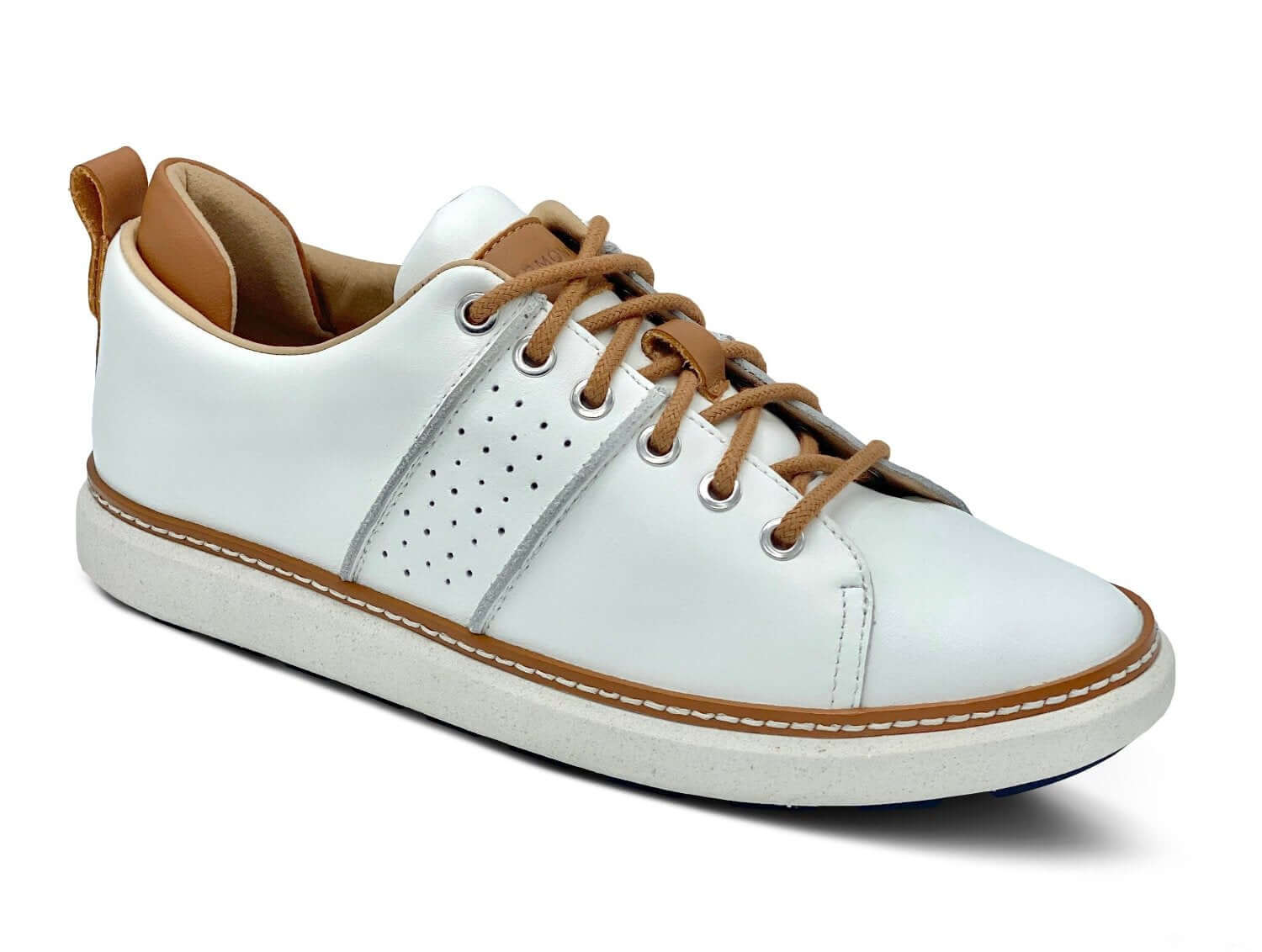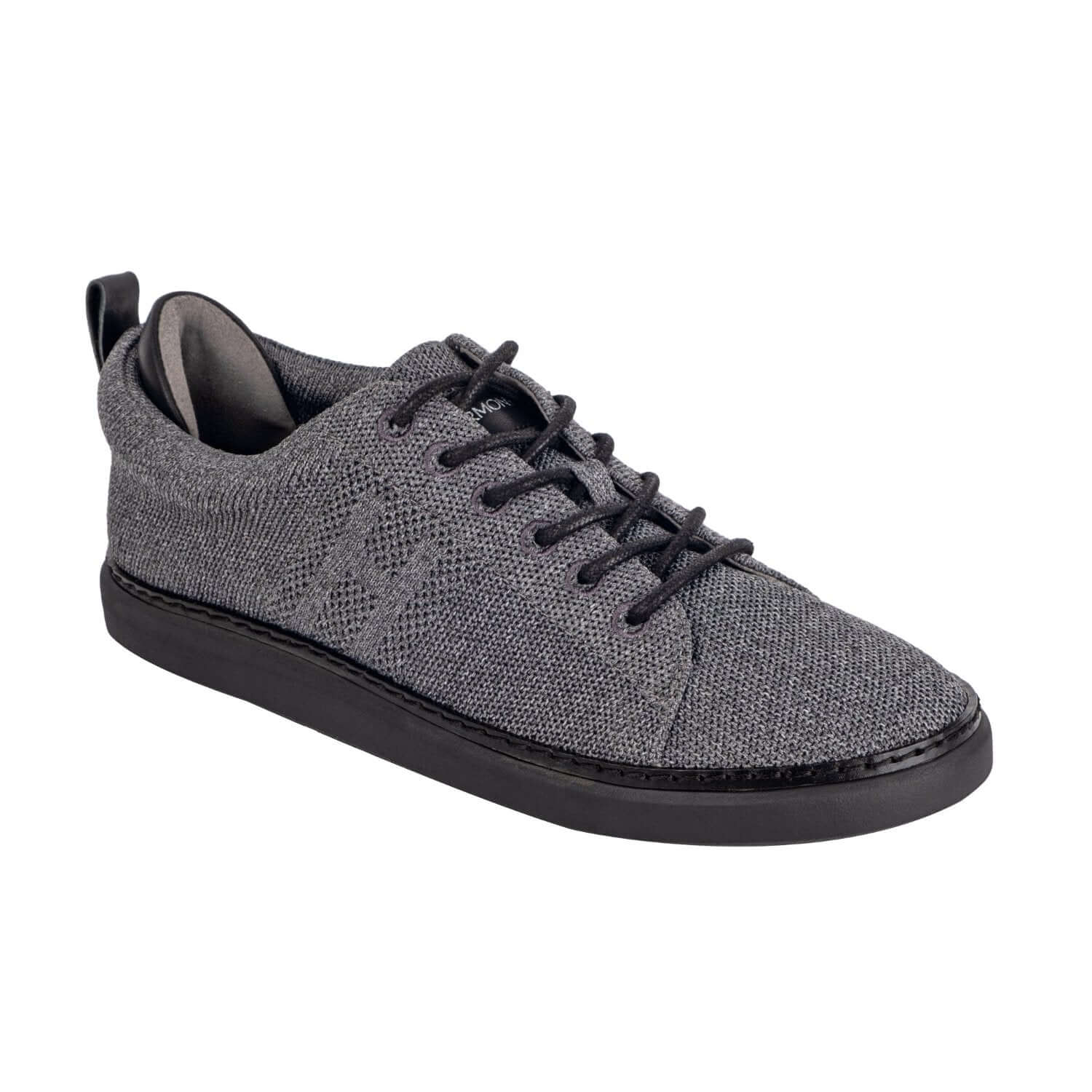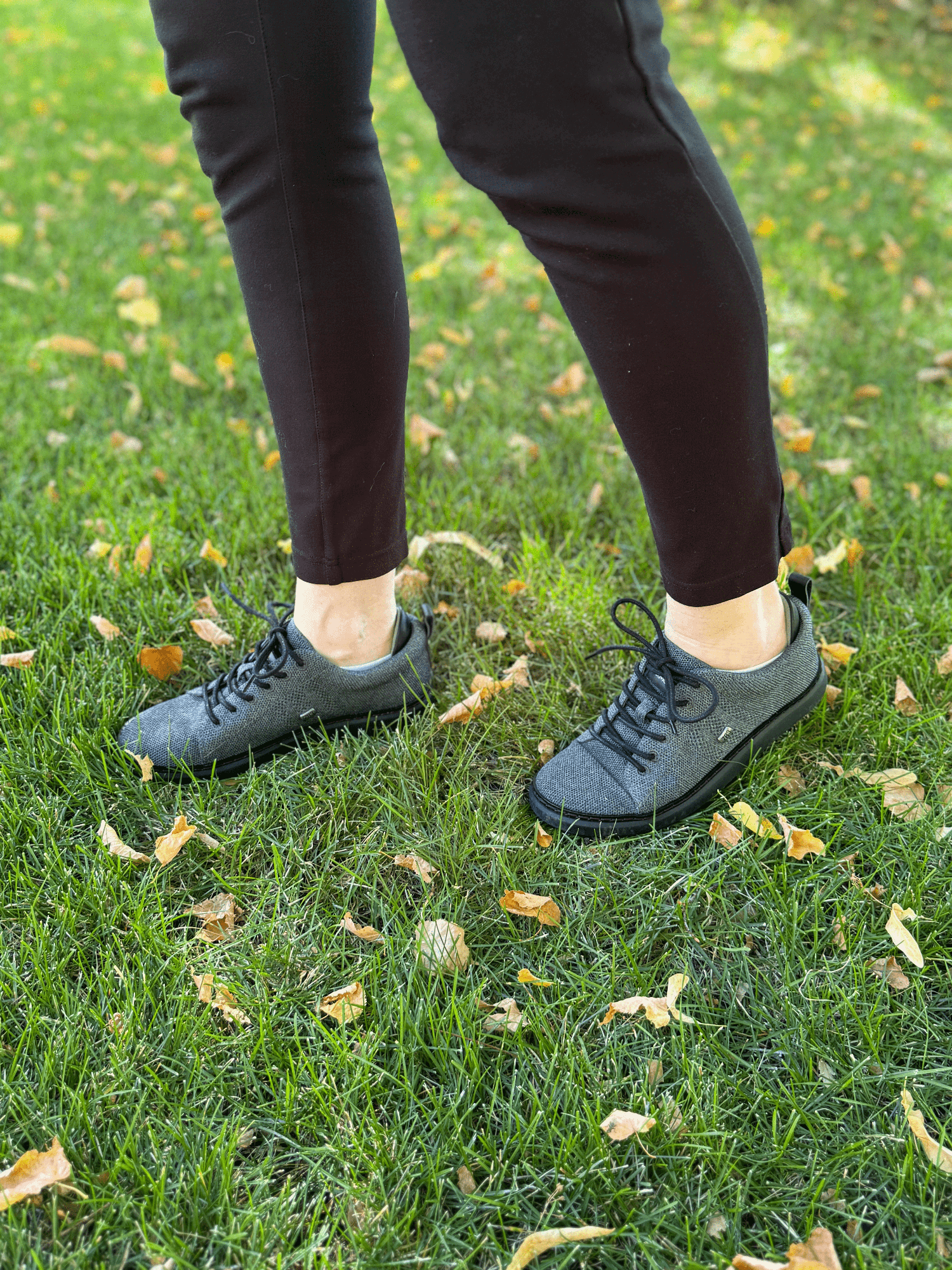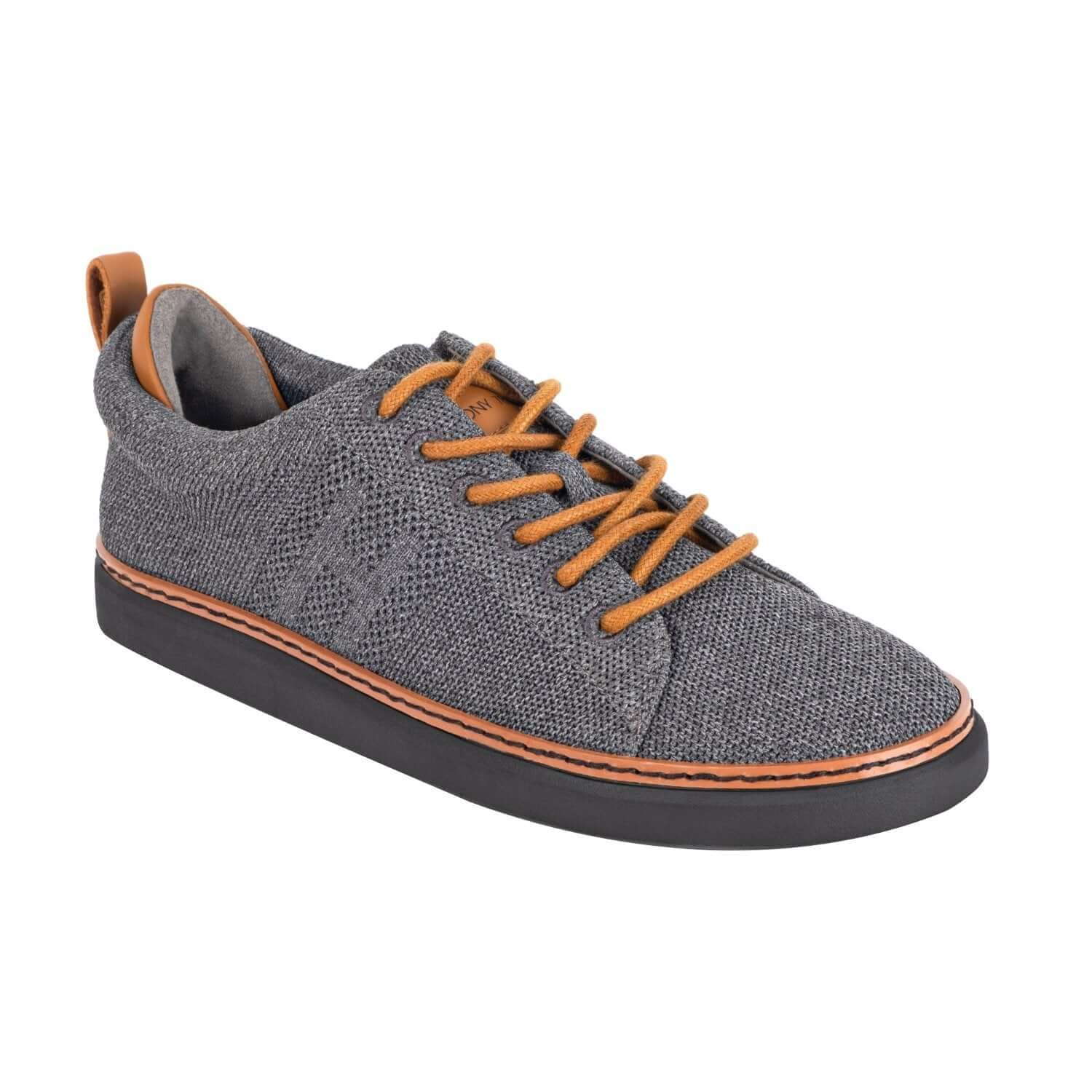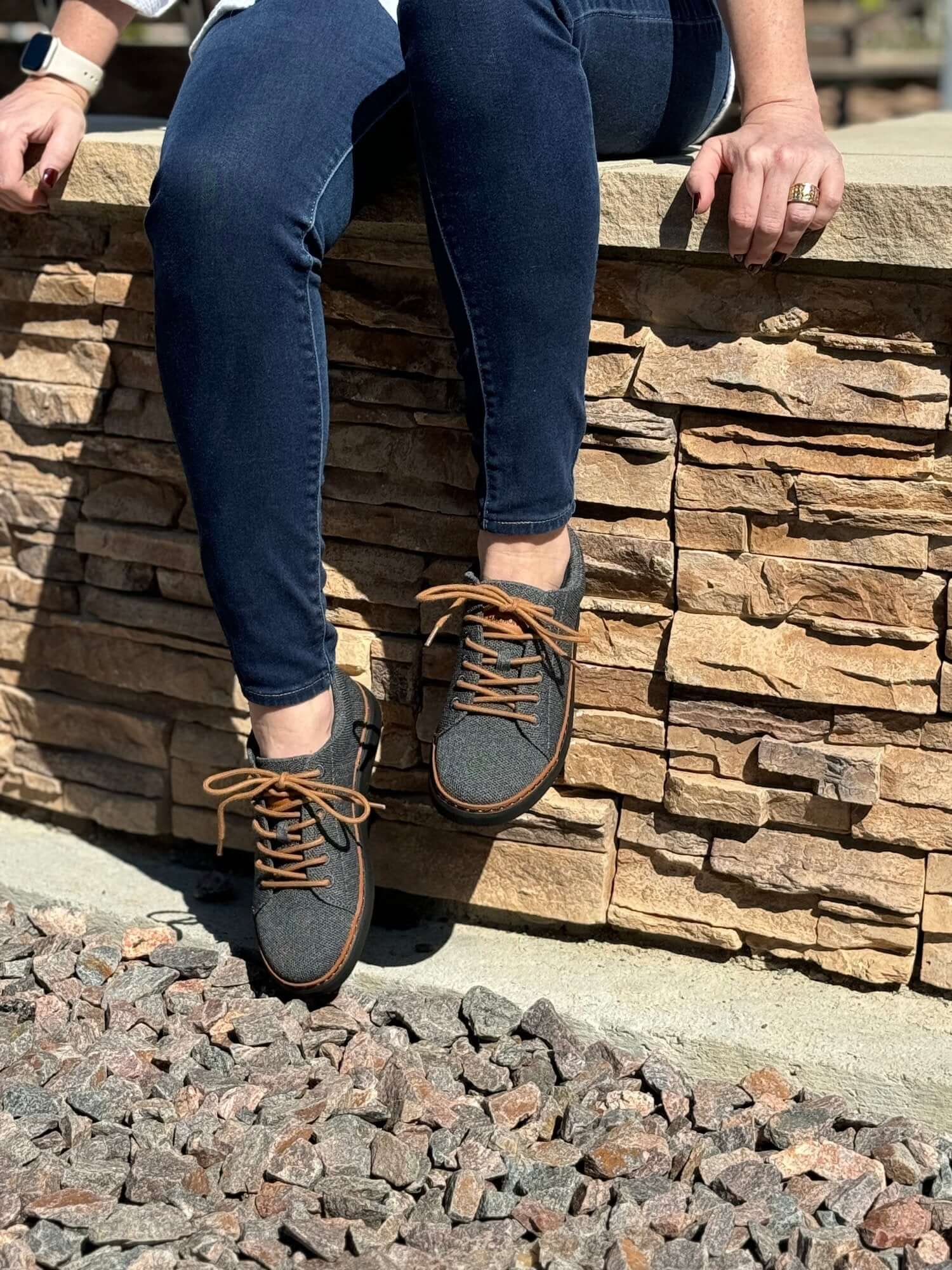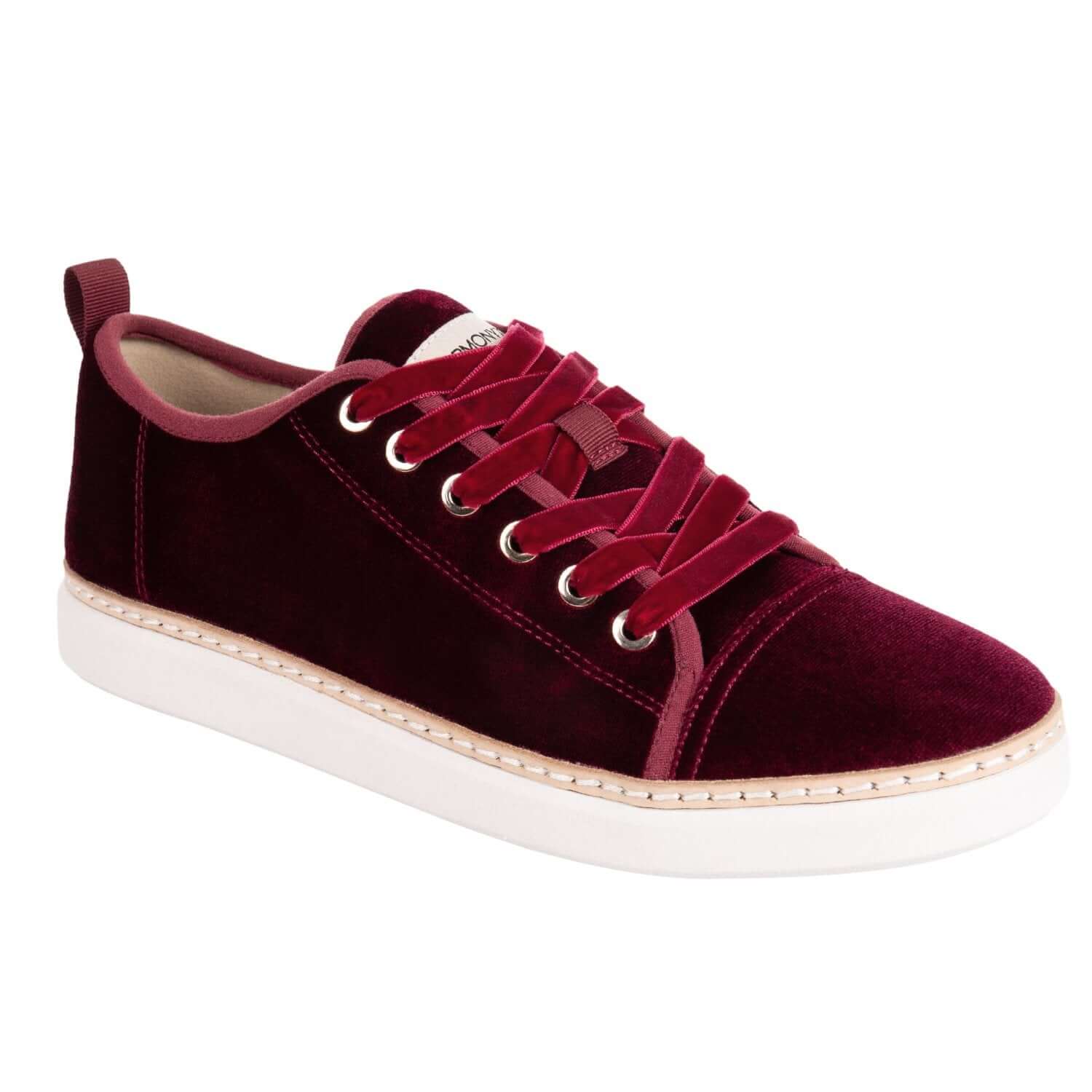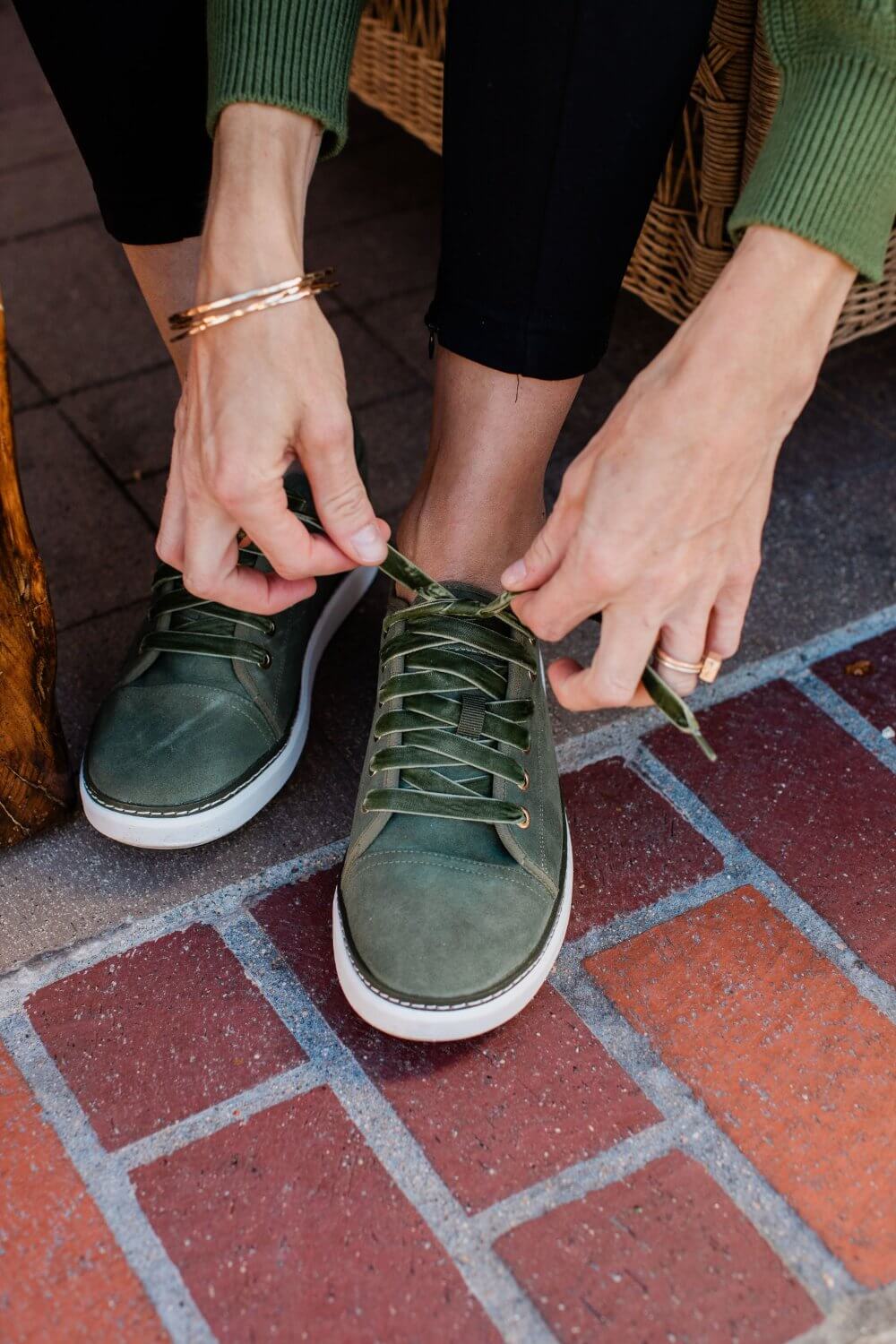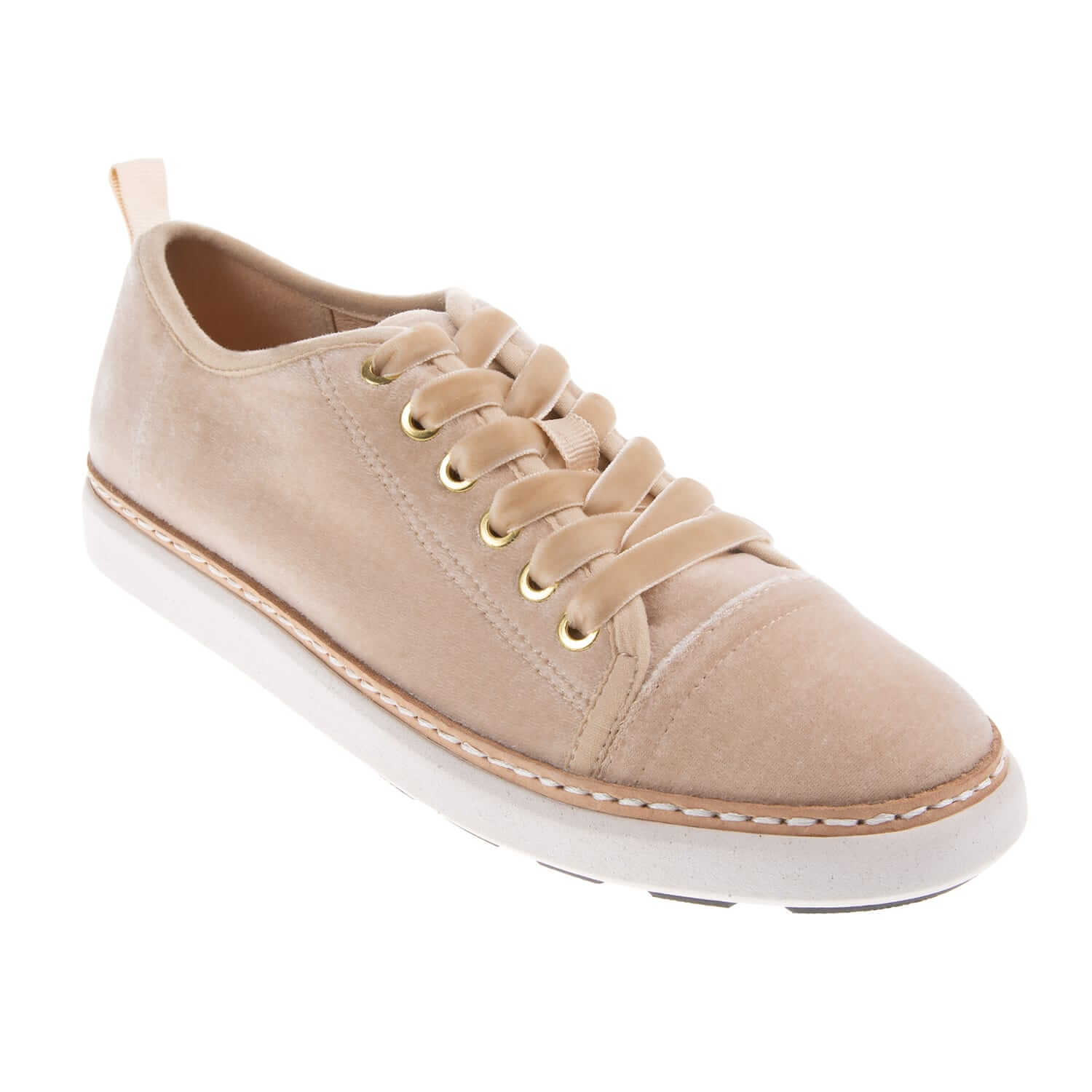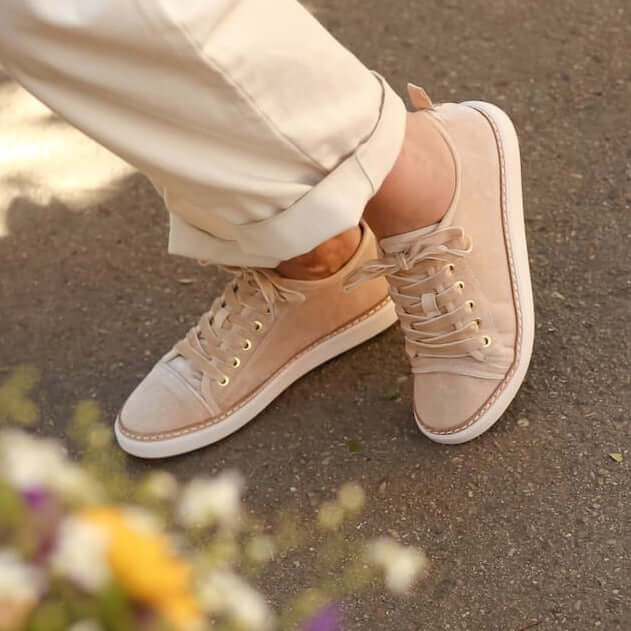

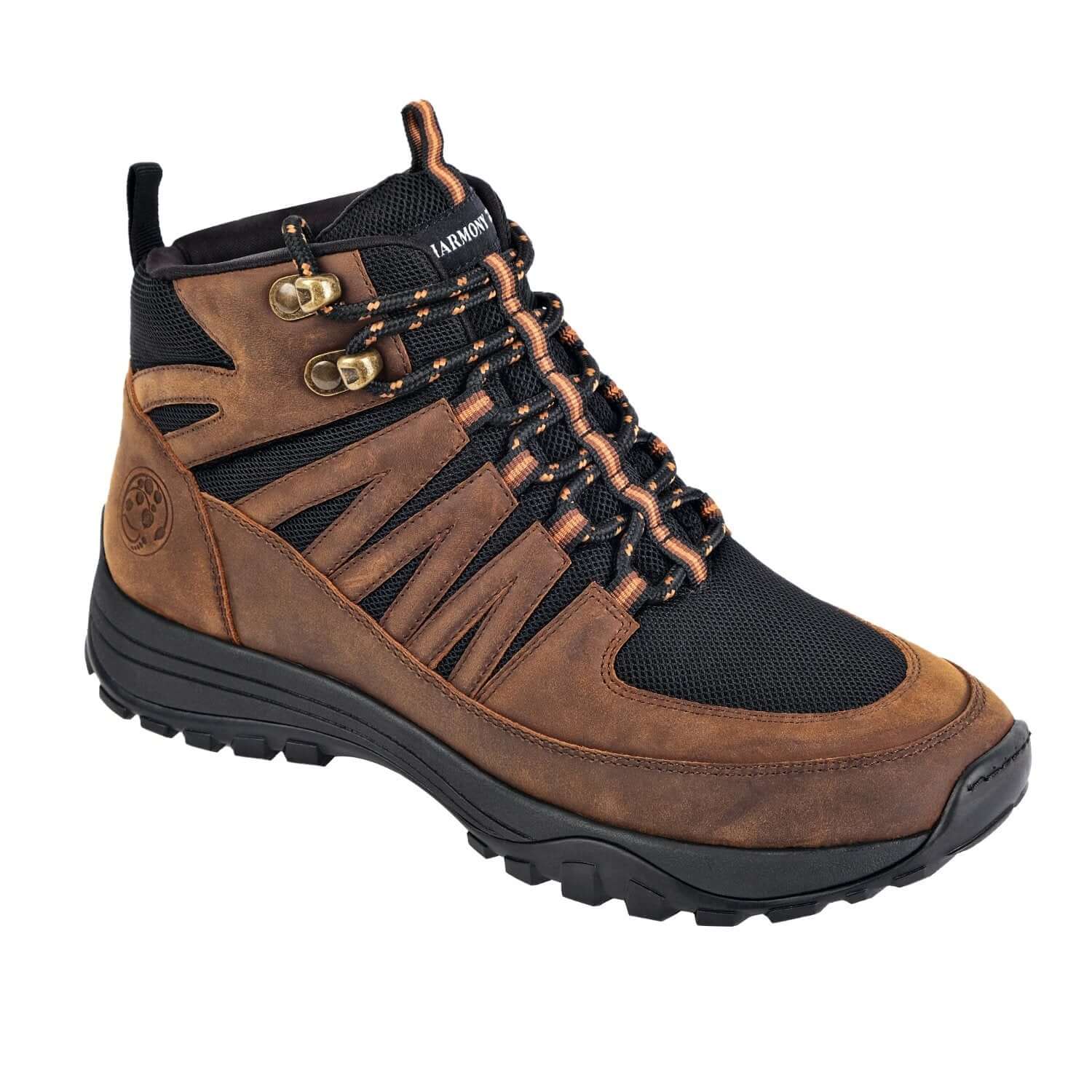
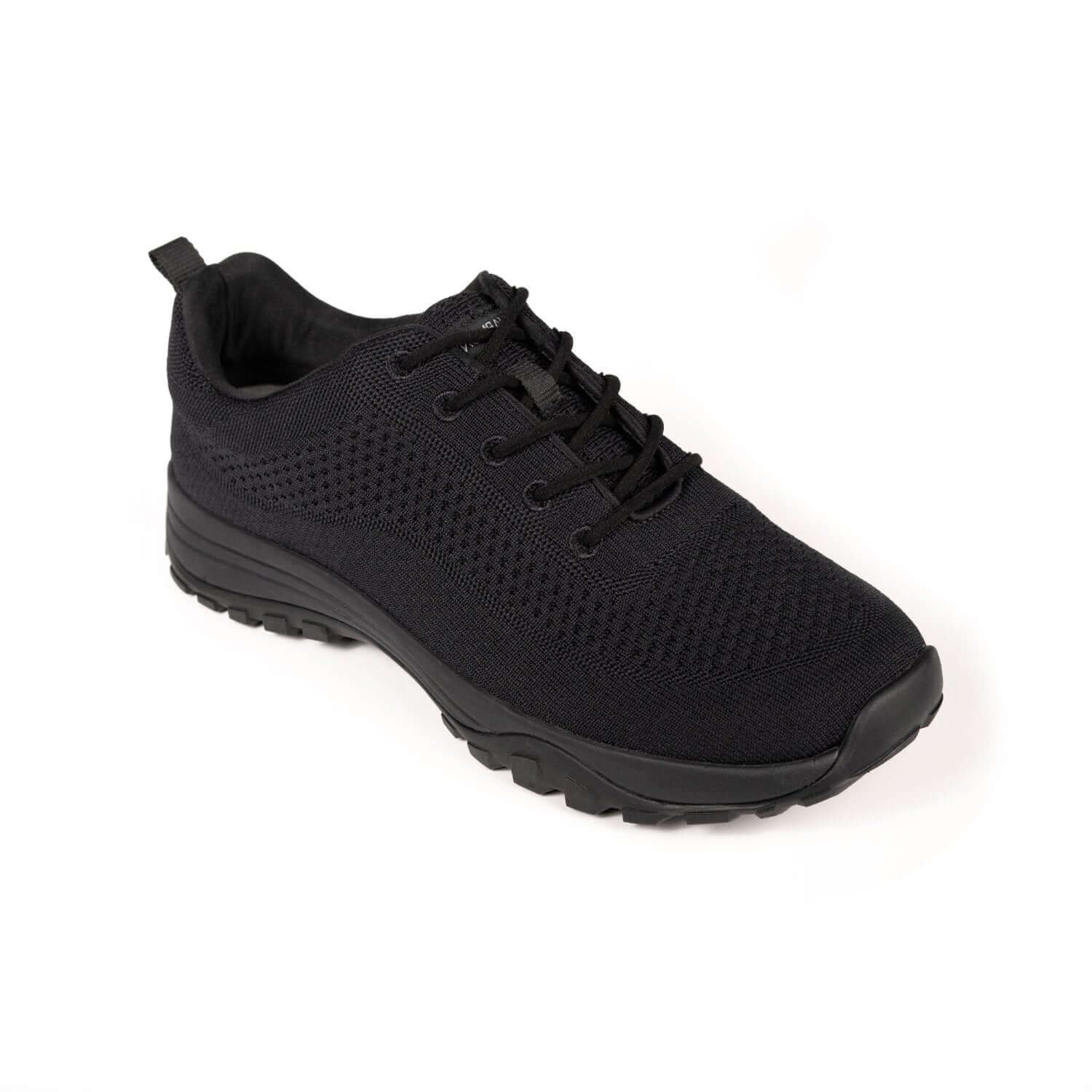
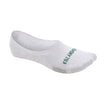
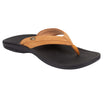

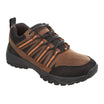
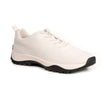

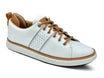
After surgery, even simple footwear can feel like a challenge. Swelling, tenderness, and weight-bearing limits may make bending, balancing, or fastening a shoe uncomfortable. A grounding shoe may offer a practical way to keep your foot protected while supporting an earthing routine. But it should never replace your surgeon's instructions or prescribed footwear.
Grounding shoes after surgery may support a natural wellness routine by helping maintain contact with the Earth while you recover. Slip-on and sandal styles can also make footwear easier to put on and remove when mobility is limited. Research on grounding and inflammation is still developing, so treat it as supportive wellness, not medical treatment.
For a broader look at how grounding footwear fits into everyday wellness, see our guide to grounding shoes for chronic pain and health conditions. First, it helps to understand why inflammation management matters so much during the body's normal healing process.
Browse the grounding footwear collection
Why Is Inflammation Management Critical After Surgery?
After surgery, the body uses inflammation as part of its normal repair process. The goal is not to remove this response, but to support a healthy balance as healing continues.
A surgical incision creates a local injury. The body responds by sending immune cells and other signals to the area. This early response helps protect the site and begin tissue repair. It is a normal part of recovery. However, inflammation that stays high for too long can make healing more difficult and may add to discomfort.
That is why your surgeon may focus on wound care, rest, movement limits, and other recovery steps. These instructions help protect the surgical site while your body moves through each stage of healing. Footwear choices should support those instructions, not compete with them.
How might earthing relate to the healing process?
Research on earthing suggests that contact with the Earth may help reduce inflammation, a factor that matters during post-surgical healing. One review connects grounding with changes in inflammation and describes why this area may be relevant to recovery after surgery. Read the science of earthing and inflammation for more background.
A separate review explains that modulating inflammation is essential for effective wound healing and proposes earthing as one possible mechanism for this modulation. These findings help explain the interest in grounding shoes after surgery, especially among people who want to maintain a natural wellness routine while staying mobile.
Still, grounding is not a cure, and it cannot replace medical care. Do not place footwear over a dressing or incision unless your care team says it is safe. Ask your surgeon when you can walk, how much weight you may put on the foot, and which shoes fit your recovery plan. A grounding shoe should be considered only as a supportive wellness option within those boundaries.
What Did Earthing Research Find About Post-Surgical Recovery?
Answer: Early earthing research suggests that direct contact with the Earth may influence inflammation, immune activity, and pain signals during recovery. The evidence is still developing. It does not show that grounding replaces surgery care, wound care, or advice from your surgeon.
A frequently cited paper by Oschman, Chevalier, and Brown reviewed earthing research in the Journal of Inflammation Research in 2015. The paper explains how direct skin-to-Earth contact may affect inflammation, the immune response, and wound healing. It also discussed an experimental muscle-injury model related to delayed-onset muscle soreness, or DOMS.
In that model, grounded participants reported less pain than the comparison group. Researchers also observed measurable changes in circulating neutrophils and lymphocytes. These are immune cells involved in the body's response to injury. The study is useful because it connects grounding with observable changes, not just personal reports. However, a DOMS model is not the same as recovery from an operation. It should not be read as proof that grounding speeds healing after surgery.
Grounding, also called earthing, means direct skin contact with the Earth's surface. That contact may allow electrons to transfer into the body, according to a review of the proposed mechanism. Read the research review in the available medical literature for more detail.
Why might this matter after surgery? Inflammation is part of normal healing, but the wound-healing process depends on keeping the response balanced. Research has proposed that earthing may help modulate inflammation, which is one reason it remains an area of interest for supportive wellness research. The findings are encouraging, but they are not strong enough to support a medical treatment claim.
If you are exploring grounding shoes for chronic pain and health conditions, use the same careful approach after an operation. Ask your surgical team when footwear is safe, whether your incision must stay covered, and how much weight you may place on the foot. Grounding shoes after surgery should be viewed as a comfort and wellness option only after your care team approves them.
How Can Wearing Grounding Shoes After Surgery Support Healing?
After surgery, your usual grounding routine may be harder to maintain. You may spend more time indoors, walk less, or need to keep your foot protected while you recover. Grounding shoes offer one practical way to stay connected to that routine without going barefoot outside.
Grounding, also called earthing, involves contact with the Earth's surface and the transfer of electrons. Grounding footwear is designed to support that transfer while keeping the foot covered and protected during healing. This may help you continue an established wellness practice when outdoor movement is limited. Research on grounding footwear and electron transfer describes this protected-foot approach.
That connection matters because inflammation is part of the body's response to injury. Research discussed in the Journal of Inflammation Research suggests that grounding may influence inflammation and immune response. These findings are interesting, but they do not show that grounding shoes heal a surgical wound or prevent complications. Use them as background for a natural wellness choice, not as a substitute for your surgeon's instructions.
Why does comfort matter when mobility is limited?
Putting on regular shoes can be difficult when bending is painful or your range of motion is restricted. Swelling, dressings, braces, or weight-bearing limits may also change which shoes feel safe. A slip-on or sandal-style grounding shoe can reduce the need to reach down, tie laces, or adjust a tight fit. Postoperative footwear research highlights ease of use as an important factor for people with limited mobility. Simple application and removal can support consistent footwear use.
Choose comfort first. The shoe should fit without rubbing, crowding, or adding pressure to the surgical area. Follow any instructions about weight-bearing, walking, and wound protection. If your surgeon or care team has given you a specific shoe, boot, or mobility plan, follow that plan before adding grounding footwear. Ask before making a change, especially if you have a dressing, incision, brace, or reduced sensation.
Which Harmony 783 Styles Are Easiest After Surgery: Slip-Ons and Sandals
After surgery, footwear should not add another hard task to your day. Bending, reaching, and balancing can be difficult when mobility is limited. A shoe that slips on and off with little effort may make it easier to follow your care plan and move around without extra strain.
Research on post-operative footwear points to ease of use as an important part of compliance. If a shoe is hard to apply or remove, you may be less likely to wear it as directed. Slip-on or sandal-style grounding footwear can also be more convenient for people with limited post-op mobility. Read the research on ease of use in post-operative footwear for more context.

Why slip-on knit sandals may feel simpler
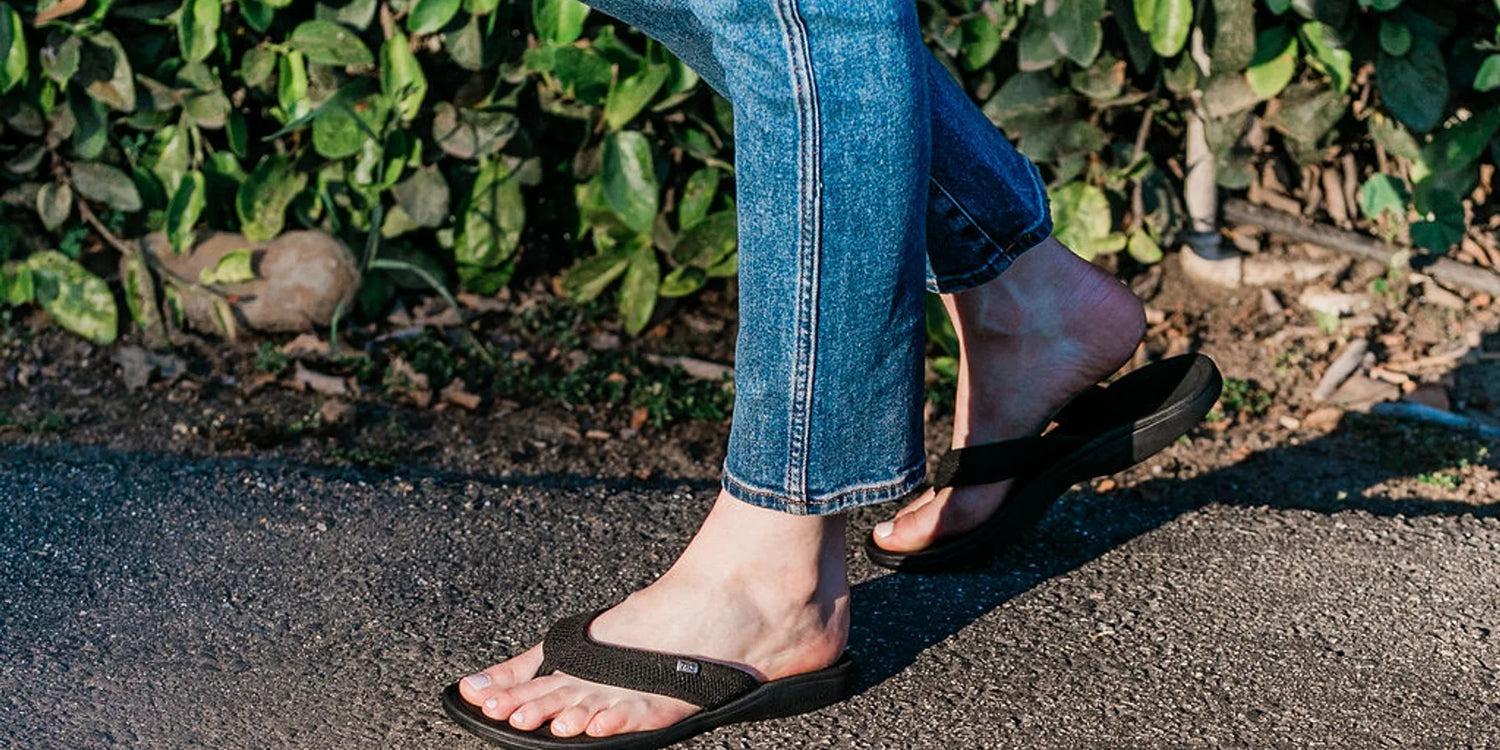
A knit slip-on style can be a low-fuss choice when you need to limit bending or avoid working with laces. The open sandal shape also makes it easier to check how your foot feels throughout the day. Look for a fit that feels secure without pressing on a tender area, incision, swelling, or dressing.
Comparing easy grounding styles for recovery
This quick comparison shows how different grounding styles tend to differ for post-surgery use. Your specific procedure and care plan always come first.
| Feature | Slip-on knit sandal | Open sandal | Laced or closed shoe |
|---|---|---|---|
| Ease of putting on | High, little bending needed | High with simple straps | Low, requires reaching and tying |
| Room for swelling | Good for light to moderate swelling | Adjustable, more open | Can feel snug or tight |
| Secure fit | Good when sized correctly | Depends on strap placement | Strong but harder to manage |
Choose the style your care team approves. Focus on a fit that is secure, leaves room for swelling, and does not press on the surgical site.
Grounding footwear is designed to support contact with the Earth's natural energy while keeping the foot covered. That does not make every style right for every recovery. Your surgeon's instructions about weight bearing, dressings, swelling, and movement come first. If you have been told to use a surgical shoe, boot, walker, or other aid, ask before changing footwear.
What should you check before wearing a sandal?
Post-operative shoes should help reduce pressure on the surgical site. Research identifies plantar peak pressure and correct shoe design as key considerations. Check that the sandal does not rub, pinch, slide, or force your foot into an uneven position. Walk only as much as your care team allows, and stop if the footwear causes new discomfort.
- Choose a secure fit that does not squeeze swollen areas.
- Favor a simple entry and exit when bending is difficult.
- Follow all weight-bearing limits from your surgeon or physical therapist.
- Ask your care team whether grounding footwear is appropriate for your stage of recovery.
When your care team approves a sandal or slip-on, you can browse the grounding footwear collection and compare the available shapes for your routine. Focus on comfort, stability, and ease of use rather than choosing a style based only on appearance.
A Grounding Protocol for the First Weeks of Surgical Recovery
Grounding can be a gentle wellness practice during recovery, but it should fit around your surgeon's plan. Your wound-care instructions, weight-bearing limits, and physical therapy schedule come first. Do not use grounding shoes after surgery as a replacement for prescribed care.
Use this simple approach as a starting point. Ask your surgeon to approve it for your procedure and current stage of healing.
-
Start with short sessions
Begin with a brief wearing session when you are resting or taking a permitted, easy walk. Starting small lets you notice how the footwear feels without adding extra strain. If your care team has limited walking, keep the session indoors and follow those limits.
-
Build up only when your body allows it
If the first sessions feel comfortable, add time slowly over the next days or weeks. There is no need to reach a set number of hours. Ease of use matters because footwear that is simple to put on and remove is easier to use consistently. Research on postoperative footwear links ease of use with compliance, especially when mobility is limited. Read the research on postoperative footwear use.
-
Choose the safest way to stay grounded indoors
When barefoot contact is not practical, use grounding footwear or a grounding mat while resting indoors. A slip-on or sandal may be easier than a closed shoe when bending or reaching is difficult. Still, the shoe must match your surgeon's instructions and protect the healing area. Grounding footwear should support comfort, not force a position your body cannot manage.
-
Match the footwear to your weight-bearing limits
Ask whether you are non-weight-bearing, partial-weight-bearing, or cleared for full weight-bearing. These limits can change which postoperative shoe is appropriate. Partial weight-bearing affects plantar forces and should be considered when choosing footwear, according to research on postoperative shoe selection. Review the evidence on partial weight bearing and shoe choice.
-
Stop if the surgical site reacts
Remove the footwear if you notice rubbing, pressure, swelling, drainage, new pain, or skin irritation. Check the area only as your wound-care instructions allow. Contact your surgeon or care team if symptoms concern you. A comfortable session is never more important than protecting the incision, dressing, cast, or brace.
Keep the routine flexible. Recovery can change from day to day, so follow your care team's updates before increasing activity or changing footwear.
Consulting Your Surgeon: What to Discuss Before Adding Grounding Footwear
Your surgeon's instructions should guide every footwear choice after an operation. Before trying grounding shoes after surgery, ask the surgical team what is safe for your procedure, incision, and stage of recovery. Grounding is a supportive wellness practice. It does not replace wound care, prescribed treatment, or follow-up visits.
Which weight-bearing rules apply?
Start with the exact movement limits you were given. Ask whether you may put full weight on the foot, use partial weight, or keep weight off it. These limits can affect pressure under the foot and the type of postoperative shoe that is appropriate. Research on partial weight bearing shows why footwear choice matters when protecting a healing surgical site: review the findings on weight-bearing and postoperative shoe forces.
Also ask when you can begin walking more, standing longer, or moving without an aid. A shoe that seems easy to use may still be unsuitable if your current mobility plan does not allow that activity.
Would a slip-on or sandal fit your care plan?
Limited mobility can make bending, reaching, and fastening shoes difficult. Ask whether a simple slip-on or sandal would work with your restrictions. The team can check the fit, stability, sole, and pressure points. Postoperative footwear research highlights ease of use as an important part of wearing the recommended shoe consistently.
Show the team how the footwear sits on your foot. Ask if a strap across the foot could touch an incision, dressing, swelling, or sensitive skin. You should also ask whether any conductive material is unsuitable for your procedure or wound location. If the answer is yes, wait and follow the safer option they recommend.
When could grounding become a reasonable option?
Timing depends on your procedure and progress. Your surgeon may want the wound covered, swelling reduced, or movement improved before you try a new pair. Ask what signs mean you should stop, such as rubbing, pressure, drainage, or increased discomfort. If you receive clearance, add the footwear slowly and keep all wound-care instructions in place.
For broader background on the wellness approach, read about grounding shoes for chronic pain and health conditions. The same rule applies here: learn the options, then let your surgical team decide whether and when they fit your recovery plan.
When your care team clears footwear, choose a slip-on or sandal that is easy to put on and take off during recovery.
Discover the grounding footwear range
Frequently Asked Questions
Can I wear grounding shoes after surgery?
Ask your surgeon first. Your procedure, incision location, dressing, swelling, balance, and weight-bearing limits determine what footwear is safe. Grounding shoes can be considered only when your care team says protected walking is appropriate. They do not replace wound care, prescribed footwear, or follow-up instructions.
Are slip-on grounding shoes easier to use during recovery?
Often, yes. Slip-on and sandal styles can reduce bending, lacing, and hand strain when mobility is limited. Ease of putting on and removing postoperative footwear can also support consistent use. Choose a secure fit that does not rub the incision or allow your foot to slide.
What should I look for in post-surgery grounding footwear?
Prioritize the surgical instructions over the grounding feature. Look for adequate room for swelling, a stable sole, secure adjustability, and a design that does not press on the surgical site. Postoperative footwear should also help manage plantar pressure and match any partial weight-bearing restriction. Source: postoperative footwear research.
Can grounding footwear support healing?
Grounding is a natural wellness practice that uses contact with the Earth's surface or a grounding system. Early research suggests it may influence inflammation, but it does not prove that grounding footwear speeds surgical healing. Use it as a possible wellness addition only after your surgeon approves it, and stop if it causes pain, rubbing, drainage, or other changes around the wound. Source: Journal of Inflammation Research review.
Keep Moving Toward Recovery With the Right Grounding Shoes
Recovery works best when comfort, ease, and a wellness routine all fit together. A simple slip-on or sandal grounding shoe can make it easier to stay grounded while you follow your surgeon's plan. When your care team clears footwear, a lightweight knit or open sandal can reduce bending and keep your foot comfortable through the day.
Browse the grounding footwear collection to find a slip-on or sandal style that fits your needs. If you want to build a fuller indoor grounding practice alongside your recovery, explore the best sellers to see supportive earthing options for rest and recovery.
If you are returning to activity, our guide to earthing and heart rate variability research explains why one wearable reading cannot define recovery. Use it as general wellness reading, not medical advice.